
Last Updated: June 25, 2026
Thank you for visiting! By the way… any links on this page that lead to products on Amazon and other stores/partners are affiliate links Aquarium Store Depot earns a commission if you make a purchase.
Table of Contents
- Key Takeaways
- Species Overview
- Classification
- Origin & Natural Habitat
- Appearance & Identification
- Average Size & Lifespan
- Care Guide
- Tank Mates
- Food & Diet
- Breeding & Reproduction
- Common Health Issues
- Common Mistakes to Avoid
- Where to Buy
- Frequently Asked Questions
- What It Is Actually Like Living With Socolof’s Tetra
- Closing Thoughts
- Recommended Video
- References
Socolof’s tetra is the lesser-known cousin of the bleeding heart tetra, and in many ways it is the better choice. It is smaller, less aggressive, and more adaptable to a range of water conditions. Keep a school of 8+ and they show excellent group behavior without the attitude problems of their larger relatives.
Socolof’s tetra is the bleeding heart tetra for people who do not want the aggression.
The Reality of Keeping Socolof’s Tetra
Group size is not a suggestion. The minimum school size for socolof’s tetra is not just a guideline. In small groups, these fish lose color, become stressed, and display abnormal behavior. A proper group of 6 to 8+ is where you start to see natural schooling behavior, full color expression, and the confidence that makes them worth keeping.
Hardy does not mean indestructible. The socolof’s tetra tolerates a range of conditions, but it still needs basic care. Ammonia spikes, dramatic temperature swings, and neglected water changes will catch up to even the toughest species. The difference is margin of error, not immunity.
Store appearance is not home appearance. Fish in store tanks are stressed, crowded, and under inappropriate lighting. The socolof’s tetra almost always looks better in a properly set up home aquarium than it does at the store. Dark substrate, live plants, and appropriate lighting bring out colors and behaviors you will never see in a retail environment.
Biggest Mistake New Owners Make
Buying too few. Three or four fish is not a school. It is a stress group. Get 6 to 8 minimum from the start and you will see a completely different fish than someone keeping a pair.
Expert Take (Mark Valderrama, AquariumStoreDepot)
In my 25+ years in the hobby, I have consistently found that the hardiest species are the most underrated. The socolof’s tetra is a perfect example. It is easy to keep, rewarding to watch, and it does not demand the kind of obsessive maintenance that more sensitive species require.
Key Takeaways
- Blackwater specialist that thrives in soft, acidic water with tannins
- Peaceful community fish that does well with other similarly sized species
- Group of 8 to 10 minimum for best social behavior and coloration
- 20+ gallons recommended with dim lighting and plenty of wood
- Eats fruit in the wild, one of the few tetras where fruit is a significant part of the diet
Species Overview
| Field | Details |
|---|---|
| Scientific Name | Hyphessobrycon socolofi |
| Common Names | Socolof’s Tetra, Lesser Bleeding Heart Tetra, Spotfin Tetra |
| Family | Acestrorhamphidae |
| Origin | Rio Negro basin, Amazonas, Brazil |
| Care Level | Moderate |
| Temperament | Peaceful |
| Diet | Omnivore |
| Tank Level | Mid |
| Maximum Size | 2.2 inches (5.6 cm) |
| Minimum Tank Size | 20 gallons (76 liters) |
| Temperature | 72-82°F (22-28°C) |
| pH | 4.0-7.5 |
| Hardness | 1-4 dGH |
| Lifespan | 3-5 years in captivity |
| Breeding | Egg scatterer |
| Breeding Difficulty | Moderate |
| Compatibility | Community |
| OK for Planted Tanks? | Yes |
Classification
| Taxonomic Level | Classification |
|---|---|
| Order | Characiformes |
| Family | Acestrorhamphidae (reclassified from Characidae, Melo et al. 2024) |
| Genus | Hyphessobrycon |
| Species | H. socolofi (Weitzman, 1977) |
This species was described by Stanley Weitzman in 1977 and named after Ross Socolof, a Florida-based tropical fish dealer who was instrumental in importing many new species into the aquarium trade during the mid-20th century.
Note on reclassification: The 2024 phylogenomic study by Melo et al. reorganized the traditional family Characidae into four separate families. Hyphessobrycon was placed in the newly erected family Acestrorhamphidae. FishBase has also begun listing this species under the genus Megalamphodus, reflecting the resurrection of that genus for the bleeding heart tetra group. Older references list it under Characidae. The genus Hyphessobrycon remains widely used in the hobby.
Origin & Natural Habitat
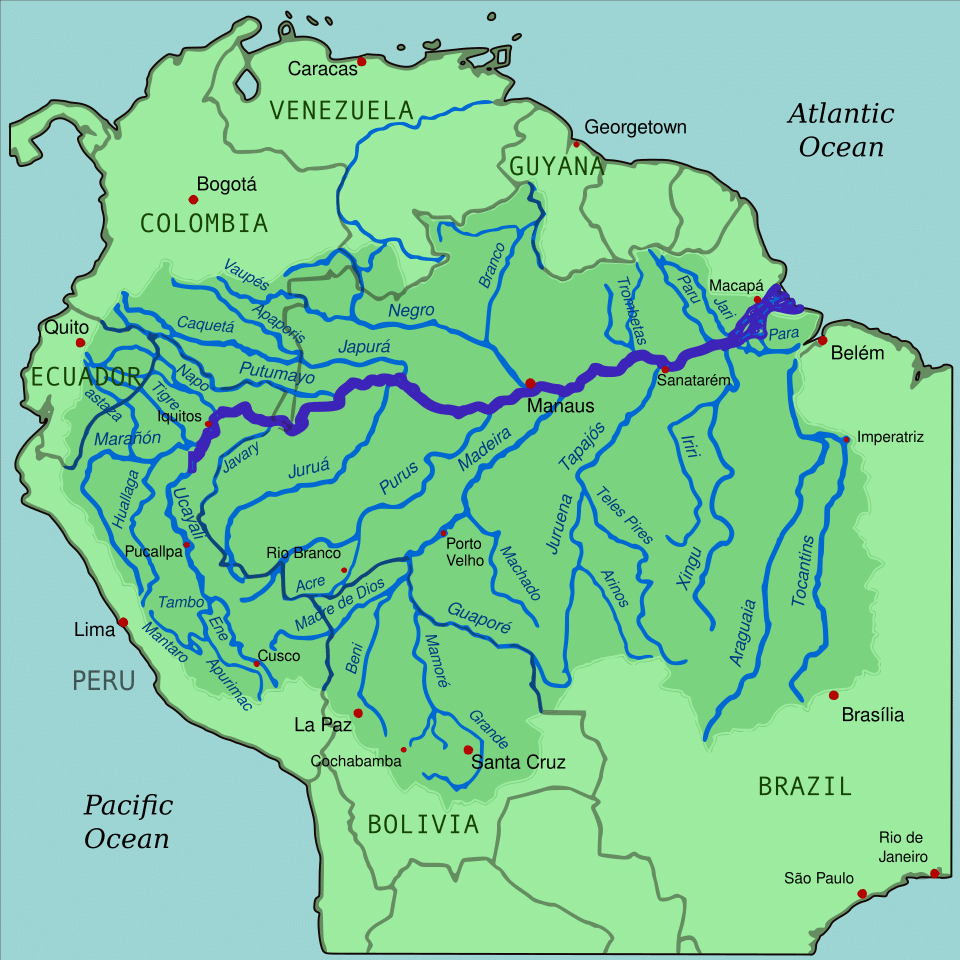
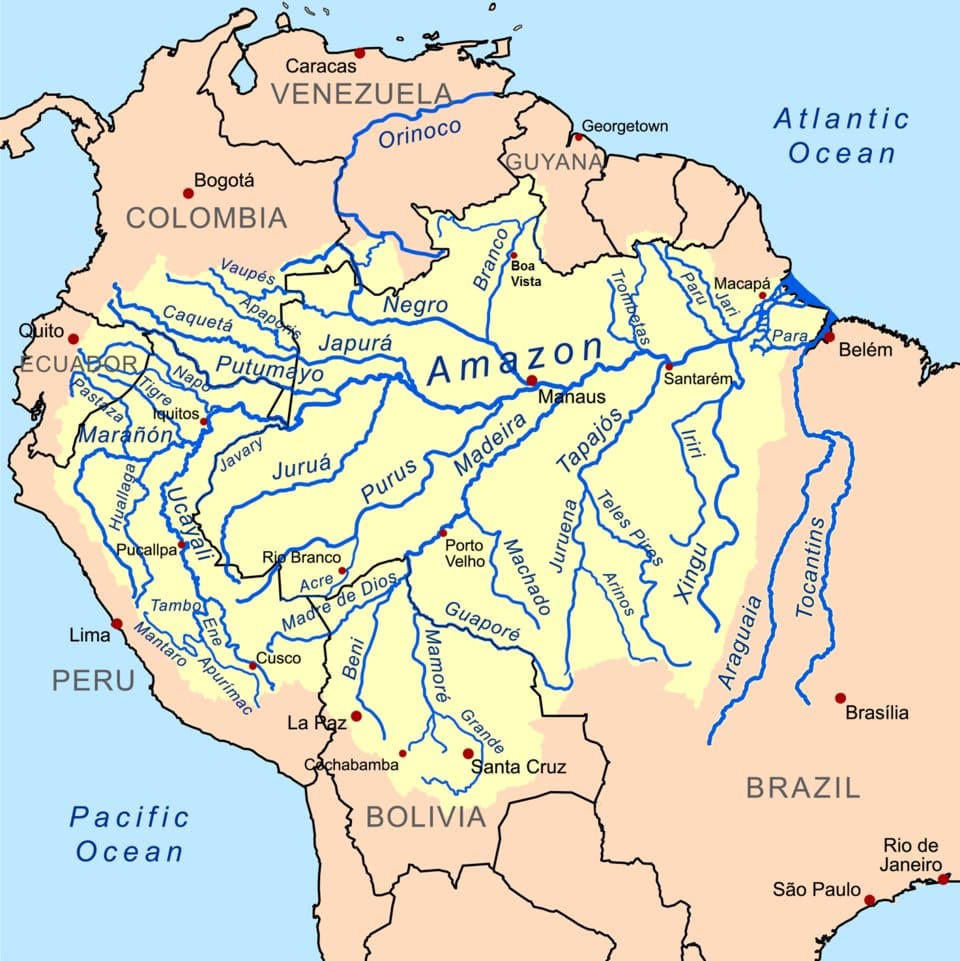
Socolof’s tetra is found in the Rio Negro basin in Amazonas state, Brazil, as well as the Rio Nhamunda tributary system. The Rio Negro is the largest blackwater river in the world, and its dark, acidic, mineral-poor waters define the conditions these fish have adapted to over millennia.
In the wild, they inhabit sluggish tributaries, side channels, and forest lakes where the water is heavily stained with tannins from decomposing organic matter. The substrate is typically covered in fallen leaves and branches, and the water is extremely soft with a pH that can drop below 5.0. Light penetration is minimal due to the dark water and overhead canopy.
Understanding these conditions is essential for keeping this species successfully. While they can adapt to a range of water chemistry in captivity, they truly shine in setups that replicate their natural blackwater environment.
Appearance & Identification
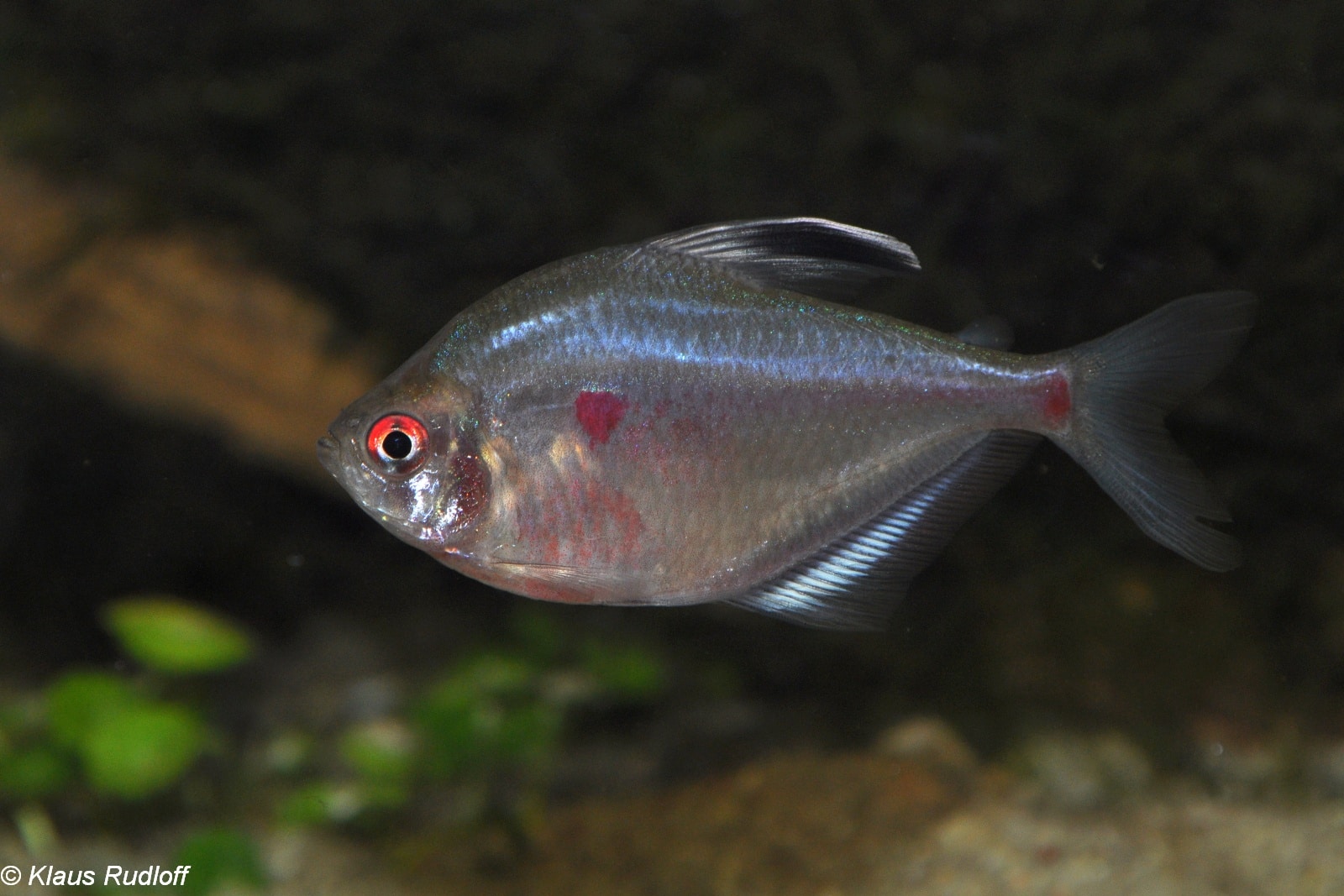
Socolof’s tetra is a handsome fish with a deep, laterally compressed body typical of the bleeding heart tetra group. The base color is a warm pinkish-silver with iridescent highlights that shift depending on the lighting. The scales have a subtle shimmer that’s most visible under dim conditions.
The most distinctive feature is a reddish humeral spot behind the gill plate, similar to the bleeding heart tetra’s marking but typically less intense. The dorsal fin often shows dark marking with coloration beneath it, giving rise to the “spotfin” common name.
Sexual dimorphism is quite noticeable in this species. Males are more intensely colored with extended dorsal, pelvic, and anal fins. Females are rounder-bodied, especially when carrying eggs, and have shorter fins with less vivid coloration. In a well-maintained group, the differences between sexes are easy to spot.
Average Size & Lifespan
Socolof’s tetra reaches a maximum standard length of about 2.2 inches (5.6 cm). It’s a medium-sized tetra, larger than neons but smaller than bleeding hearts. In the aquarium, most specimens stay in the 1.5 to 2-inch range.
With proper care in appropriate water conditions, expect a lifespan of 3 to 5 years. As with most small characins, water quality and diet are the biggest factors in longevity.
ASD Difficulty Rating: Beginner
Beginner. One of the hardiest and most tolerant community tetras available. Adapts to a wide range of water parameters, peaceful with virtually all suitable tankmates, and easy to feed. A reliable choice for newer aquarists who want a visually appealing schooling fish without demanding chemistry requirements.
Care Guide
Tank Size
A 20-gallon tank is the minimum for a group of 8 to 10 Socolof’s tetras. A tank with a footprint of at least 36 inches long provides adequate swimming space. For larger groups or mixed communities, step up to 30 gallons or more.
Water Parameters
| Parameter | Ideal Range |
|---|---|
| Temperature | 72-82°F (22-28°C) |
| pH | 4.0-7.5 (prefers acidic) |
| General Hardness | 1-4 dGH |
| KH | 0-4 dKH |
| Ammonia / Nitrite | 0 ppm |
| Nitrate | Below 20 ppm |
This is a soft-water specialist. While they can adapt to moderately neutral conditions, they do best in soft, acidic water that mimics their Rio Negro habitat. Use RO/DI water or peat filtration to achieve the right chemistry. Indian almond leaves and driftwood help naturally lower pH and release beneficial tannins.
Water quality is critical. These fish are intolerant of organic waste buildup. Weekly water changes of 25 to 30 percent are essential, and strong filtration is important. Keep nitrates as low as possible.
Tank Setup
A blackwater-style setup is ideal. Use a dark substrate (black sand works beautifully), plenty of driftwood and branches to create shaded areas, and a generous layer of dried leaf litter on the bottom. Low-light plants like Java fern, Anubias, Microsorum, and Cryptocoryne thrive in these conditions.
Floating plants are highly recommended to dim the lighting. These fish are naturally from very dark habitats, and bright lighting will wash out their colors and make them skittish. The goal is a moody, atmospheric tank where the fish glow against the dark background.
Tank Mates
Socolof’s tetra is peaceful and does well in community setups with other species that appreciate similar water conditions.
Good Tank Mates
- Other small to medium tetras (cardinal tetras, rummy nose tetras, ember tetras)
- Pencilfish (Nannostomus species)
- Corydoras catfish
- Small Loricariids (otocinclus, small plecos)
- Dwarf cichlids (Apistogramma, rams)
- Hatchetfish
- Cherry shrimp, amano shrimp
Tank Mates to Avoid
- Large or aggressive species
- Fish that require hard, alkaline water (African cichlids, livebearers)
- Very fast or boisterous species that would outcompete them for food
Food & Diet
One of the more interesting things about Socolof’s tetra is its wild diet. Unlike most tetras that primarily eat insects, this species feeds heavily on fruit remains that fall into the water, alongside aquatic insects and invertebrates. It’s one of the few tetras where fruit is a significant food source in nature.
In the aquarium, they’re easy to feed:
- Staple: High-quality flakes or micro pellets
- Frozen foods: Bloodworms, daphnia, brine shrimp
- Live foods: Daphnia, baby brine shrimp, small insects
- Occasional treats: Small pieces of soft fruit (banana, grape, melon) placed in the tank temporarily
Feed small amounts two to three times daily. A varied diet with regular frozen and live food supplements brings out the best coloration. If you offer fruit, remove any uneaten pieces within a few hours to prevent water quality issues.
Breeding & Reproduction
Socolof’s tetra is an egg scatterer with no parental care. Breeding is possible in captivity with the right conditions.
Breeding Setup
- Breeding tank: 10 to 15 gallons
- Water: Very soft, acidic (pH 5.5 to 6.5, gH under 3)
- Temperature: 79 to 82°F (26 to 28°C)
- Decor: Fine-leaved plants or spawning mops
- Lighting: Very dim
- Filtration: Gentle sponge filter
Condition pairs with high-protein live and frozen foods. Spawning typically occurs among plants. Remove adults immediately after spawning, as they will eat the eggs. Eggs hatch in 24 to 36 hours, and fry should be fed infusoria or liquid fry food initially, then baby brine shrimp as they grow.
Common Health Issues
- Ich (white spot disease): Can occur after temperature drops or shipping stress. Treat with raised temperature and ich medication.
- Water quality sensitivity: This species is less tolerant of poor water quality than many tetras. Ammonia or nitrite spikes are particularly dangerous.
- Stress from improper water chemistry: Keeping them in hard, alkaline water will lead to chronic stress and shortened lifespan.
- Fin rot: Usually a secondary issue from poor water conditions.
The key to keeping this species healthy is maintaining stable, soft, acidic water conditions and keeping up with regular water changes. They’re not a difficult fish, but they do need appropriate water chemistry.
Hard Rule
Keep socolof’s tetras in groups of at least 8. In smaller numbers they school loosely, become more reclusive, and the vibrant coloration never fully develops. Group size is not optional for this species.
Common Mistakes to Avoid
- Hard, alkaline water: This is a soft-water species. Keeping them in typical tap water with a pH of 7.5+ and high hardness will stress them.
- Too much light: Bright lighting washes out their colors and makes them uncomfortable. Dim is better.
- Too few fish: Keep at least 8, ideally 10+. Small groups lead to shy, stressed behavior.
- Neglecting water changes: They’re sensitive to organic waste buildup. Consistent maintenance is essential.
- Expecting them to look like bleeding hearts: They’re related but not identical. Set your expectations for the species they are.
Where to Buy
Socolof’s tetra isn’t a common fish at chain pet stores, but it’s available from specialty online retailers who stock unusual species. Check these trusted sources:
Frequently Asked Questions
Is Socolof’s tetra the same as a bleeding heart tetra?
No. They’re closely related and share the same body shape, but they’re different species. Socolof’s tetra (H. socolofi) is sometimes called the “lesser bleeding heart” because it has a similar but less prominent humeral spot.
Do Socolof’s tetras need soft water?
Yes. They’re adapted to the extremely soft, acidic blackwater conditions of the Rio Negro basin. While they can tolerate neutral water, they do best with soft, acidic conditions (pH 5.0 to 6.5, gH 1 to 4).
How many Socolof’s tetras should I keep?
At least 8, ideally 10 or more. In proper groups, males develop better coloration and display interesting social interactions as they compete for hierarchical position.
What It Is Actually Like Living With Socolof’s Tetra
In a proper school, socolof’s tetra display natural movement patterns that are genuinely engaging to watch. The fish interact with each other, establish subtle hierarchies, and move through the tank with purpose.
They occupy the middle water column during active hours, creating movement and visual interest in the zone where most fishkeepers want action.
Feeding time is when their personality comes out. They learn your routine quickly and will anticipate feeding before you even open the lid.
Their color and behavior improve over time as they settle into a stable environment. Fish that have been in the same tank for months look noticeably better than recently added stock.
They coexist peacefully with virtually every other appropriately-sized community fish. This compatibility makes tank planning straightforward.
Closing Thoughts
Socolof’s tetra is a beautiful fish that deserves a lot more attention from the hobby. In a properly set up blackwater tank with dim lighting, dark substrate, and tannin-stained water, a school of these fish is genuinely captivating. The males develop impressive finnage and coloration that rivals many more popular species.
They’re not the easiest tetra to keep if your tap water is hard and alkaline, but if you’re already running a soft-water setup or willing to invest in RO filtration, they’re well worth the effort. And the fact that they eat fruit in the wild? That’s just a cool conversation piece that makes them even more interesting.
Recommended Video
Check out our Tetra Tier List video where we rank popular tetra species for the home aquarium:
References
- Froese, R. and D. Pauly, Eds. FishBase. Hyphessobrycon socolofi. Accessed 2025.
- SeriouslyFish. Hyphessobrycon socolofi species profile. Accessed 2025.
- Melo, B.F, et al. (2024). Phylogenomics of Characidae. Zoological Journal of the Linnean Society, 202(1), 1-37.
Explore More Tetras
Socolof’s tetra is just one of dozens of tetra species we cover in our complete species directory. Whether you’re into blackwater specialists or beginner-friendly community tetras, our guide has you covered.
👉 Tetras: Complete A-Z Species Directory
- About the Author
- Latest Posts

I’m Mark Valderrama, founder of Aquarium Store Depot and a fishkeeper with over 25 years of hands-on experience. I started in the hobby at age 11, worked at local fish stores, and have kept freshwater tanks, ponds, and reef tanks ever since. I’ve been featured in two best-selling aquarium books on Amazon and built this site to share practical, experience-based fish keeping knowledge.
Leave a Reply