An automatic fish feeder sounds optional until you’re stuck at an aquarium trade show 400 miles from home and realize you forgot to arrange for someone to feed your tank. I’ve been there. I travel regularly for events like Aquashella and Reefapalooza, and over the years I’ve tested a lot of these feeders in real conditions. Most fail the same way: they dump too much food, they jam up from humidity, or the timer drifts and starts feeding at 3 AM. The ones that work keep working quietly for years.
Overfeeding with an auto feeder doesn’t just waste money. It crashes tanks.
EXPERT TAKE | MARK VALDERRAMA
In 25 years of keeping fish and running aquarium stores, I’ve seen more tanks trashed by auto feeders than by vacation neglect. Here’s the calibration rule I use: run your feeder for a full week before any trip and watch the food landing zone after every feeding. If there’s uneaten food on the substrate within 5 minutes, you’re overfeeding. Dial it back. A slightly underfed fish survives a vacation. An ammonia spike from rotting food doesn’t.
Rankings here are based on four things: portion consistency across multiple feedings, resistance to humidity jamming, timer accuracy over 7-plus days, and real-world longevity. A feeder can have every feature on the box and still fail in a humid fishroom. The products at the top of this list have proven themselves in actual use, not just initial testing. Price was a secondary factor, not the primary one.
What People Get Wrong About Auto Feeders
Most people treat auto feeders as “set it and forget it.” That’s exactly what gets fish killed. The calibration step is not optional. Every feeder dispenses differently depending on the food type, the drum rotation speed, and even ambient humidity. Pellets flow differently than flake. In a humid fish room, flake can clump in the drum and block the opening completely, starving your fish. Or it can clump in a partial jam that dumps a huge portion all at once. Either way, your tank pays for it.
The second common mistake: people buy an auto feeder specifically for vacation and then never test it before they leave. Test for at least a full week before any trip. Watch the first few feedings. If you see food sitting on the bottom after 5 minutes, the portion is too large.
The Biggest Mistake
Overfeeding on an auto feeder is worse than overfeeding by hand, because you’re not there to see it and correct it. Uneaten food rots, ammonia spikes, and in a tank without someone watching, that spike can wipe out fish before you get back. I’ve seen it happen. If you’re going away for 7 days, your fish will be fine eating two small meals per day. They will not be fine if your feeder jams and dumps a week’s worth of food in one shot.
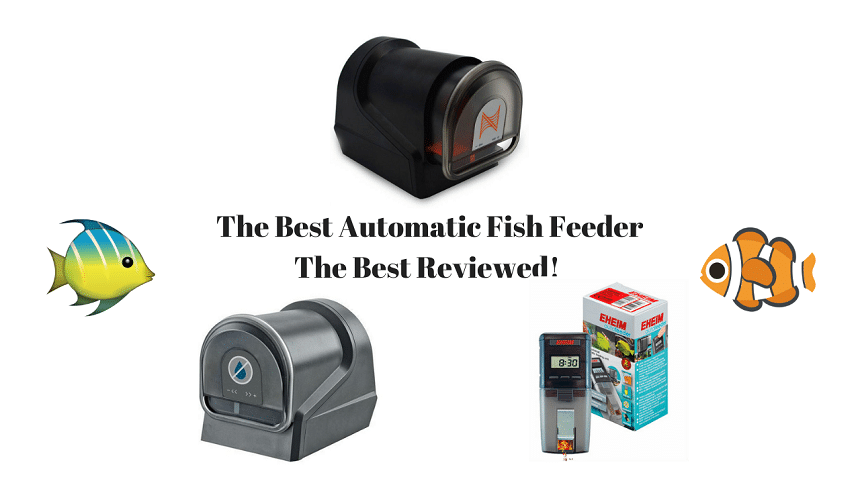
The Eheim Everyday is the feeder I’ve recommended more than any other over the years, and it’s not a close decision. Eheim built it to last, priced it fairly, and kept the programming simple enough that anyone can calibrate it without reading a manual twice. The feeding chamber is aerated to keep food dry, which is the main reason cheap feeders jam: no air circulation means humidity does its damage slowly until the drum stops turning.
It handles both rimless and rimmed aquariums with included brackets. Multiple feedings per day are easy to program. The battery warning system tells you before you lose power, not after. I’ve watched hobbyists ditch expensive controller-integrated feeders and go back to the Eheim because it’s simply more reliable. Don’t place it near an air stone or power filter output where humidity can reach the drum.
Pros
Proven brand reliability
Easy programming
Aerated drum prevents jamming
Cons
Doesn’t fit all rimmed aquariums
Portion control requires calibration time
2. NICREW Automatic Fish Feeder
For a budget feeder, the NICREW does the basics right. Lithium charging option is a real advantage over AA-battery units, especially if you’re leaving it unattended for extended periods. The programming is straightforward. The portion control is decent for a feeder at this price. It won’t outlast the Eheim, and the build quality reflects the price, but for a first feeder or a backup unit for a secondary tank, it earns its spot on this list.
Pros
Rechargeable lithium option
Budget-friendly
Simple operation
Cons
Build quality reflects the price
Less precise portion control than premium units
3. Innovative Marine Frozen Food Feeder
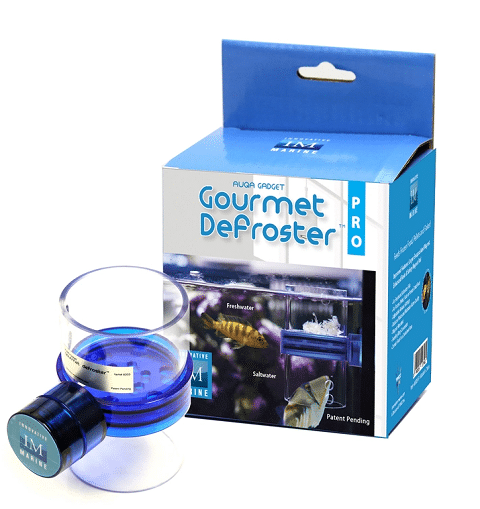
This one solves a problem every saltwater hobbyist runs into: how do you feed frozen food automatically? Most auto feeders only handle dry pellets or flake. The Innovative Marine Gourmet Gadget Defroster is built specifically to thaw and release frozen food, making it genuinely useful for reef tanks and fish-only saltwater setups where frozen mysis or brine shrimp is part of the regular feeding routine. If you’re running a freshwater setup with only dry food, skip this one. It’s overkill. If you’re keeping saltwater fish that need frozen food, this solves a real problem.
Pros
Works with frozen food
Ideal for saltwater reef feeding
Reduces water pollution from unthawed food
Cons
Specialty product, not for dry food only tanks
Higher cost than standard auto feeders
4. Neptune Apex AFS
The Apex AFS is not a standalone feeder. It’s a module for the Neptune Apex controller system, which means it’s only relevant if you’re already running an Apex. If you are, it integrates directly with the controller: you can trigger feedings from the app, pause feeding during a water change, and get alerts if something goes wrong. For serious saltwater setups running full Apex automation, this is the right feeder. For anyone else, it’s an expensive answer to a simple problem.
Pros
Full Apex controller integration
Remote app control
Feeds can pause automatically during water changes
Cons
Requires Apex controller (not standalone)
Expensive entry for controller-only users
5. OASE Fishguard
OASE’s Fishguard comes with a 3-year warranty and Italian build quality, which puts it in a different durability tier than most auto feeders. The programming is clean and intuitive. For someone who wants a feeder that’s built to last and doesn’t want to think about replacing it in two years, the OASE Fishguard justifies its higher price with engineering that’s noticeably better than the budget options.
Pros
3-year warranty
Italian engineering, solid build
Intuitive programming
Cons
Higher price point
Less widely available than Eheim
6. Lifegard Aquatics IntelliFeed
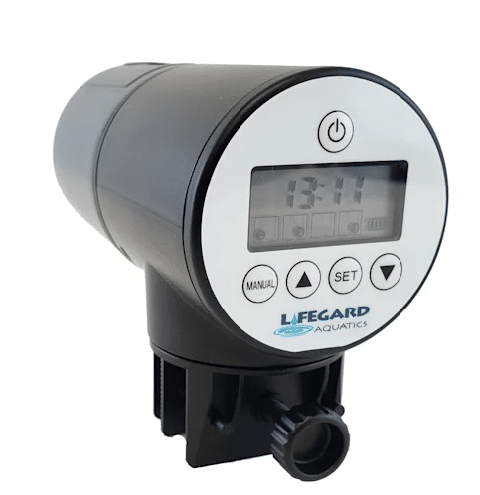
The IntelliFeed is a reliable mid-range option that’s actually findable at Petco, which matters if you need a replacement fast. It handles the basics: multiple feedings per day, adjustable portions, simple programming. Nothing flashy, nothing revolutionary, but it works consistently and it’s locally available. Choose it if you want an Eheim-tier experience at a slightly lower price and you don’t need specialty features.
Pros
Available at Petco
Reliable operation
Mid-range price
Cons
Less precise than Eheim
Basic feature set
7. Omega One 7 Day Feeder Block
The feeder block is not an auto feeder in the traditional sense. It’s a compressed food block that dissolves slowly over 7 days. No batteries, no programming, nothing that can malfunction. That’s both its strength and its limitation. For a short trip with a simple community tank, it works. The downside is portion control: the rate of dissolution depends on water temperature and flow, which means it’s not a predictable feeding system. Use it as a backup or for very short absences, not as a primary feeding solution.
Pros
No batteries, no failure modes
Very cheap
Good nutrition from Omega One
Cons
Unpredictable portion release rate
Not suitable for tanks with sensitive water quality
BUY OR SKIP?
Buy if: You travel regularly, work long hours, or want consistent feeding schedules that support fish health regardless of your schedule. Auto feeders are not optional for anyone who travels. Skip if: You’re home every day and can feed manually. Manual feeding lets you observe your fish at every feeding, which is actually valuable behavioral monitoring. Auto feeders remove that check-in point. Use them when you need to, not by default.
Should You Buy an Auto Feeder?
Good Fit If:
You travel or have unpredictable work schedules
You want to split daily feedings into multiple small portions for finicky eaters or fry
You’re managing a saltwater tank where feeding consistency is critical
You have multiple tanks and manual feeding every one isn’t realistic
Avoid If:
You’re not willing to do a calibration week before leaving for any trip
Your fish eat live or frozen food exclusively (the Innovative Marine excepted)
You’re feeding very fine foods like live baby brine that clog standard drums
MARK’S TOP PICK
The Eheim Everyday. It’s not even a close call. I’ve tested more expensive feeders and more budget options, and the Eheim keeps coming back as the one that just works without surprises. The aerated drum, reliable timer accuracy, and Eheim’s build quality make it worth the price difference over generic brands. If you’re running a controller-integrated setup on the Neptune Apex, use the AFS. If you want frozen food delivery for a saltwater tank, get the Innovative Marine. For everyone else: Eheim.
WHAT MOST PEOPLE MISS
Placement matters as much as the feeder itself. Even the best auto feeder will jam or deliver inconsistent portions if it’s positioned where humidity from the tank reaches the drum. Keep it away from air stones, powerhead outputs, and any surface agitation that throws moisture into the air. A small gap between the feeder and the tank rim makes a real difference. This is the detail that separates the people whose feeders work from the people who keep replacing them.
Closing Thoughts
Auto feeders are a real tool, not a gimmick. Used correctly, they let you travel without anxiety, feed on a consistent schedule your fish will adapt to, and handle situations where manual feeding isn’t possible. The calibration step is the part people skip, and it’s the step that determines whether the feeder helps or hurts your tank.
My pick is the Eheim Everyday for most situations. For saltwater and frozen food, the Innovative Marine Gourmet Gadget. For Apex users, the AFS. Calibrate before you use it, keep it away from humidity, and check in on your first few trips even with a trusted feeder running.
For healthy fish that deserve consistent feeding, I send people to Flip Aquatics and Dan’s Fish. Quality livestock and reliable automation go hand in hand.
Feeding saltwater fish well is something I take seriously. my 125-gallon reef has a mix of fish with genuinely different dietary needs, from omnivores to dedicated herbivores, and the wrong food either gets ignored or causes water quality issues. The biggest mistake I see with saltwater fish food is products loaded with land-based or freshwater ingredients as fillers. Marine-based diets with real ocean ingredients. mysis, krill, spirulina, marine protein. make a visible difference in color and health. After years of testing products across my reef tank, here are the 7 best saltwater fish foods I’d actually recommend.
What Are We Looking For? (Our Criteria For Selection)
Picking the best saltwater fish foods isn’t an easy task, with various foods available at various price points. I’m taking the view that you are looking for premium-level products. Keeping a saltwater tank is expensive, so I expect my readers to be looking for high-end products. I’m not going to skip out on sub-par foods knowing this. Let’s dig deeper into what I’m looking for.
Marine Based Foods
This is number one on my list. I want nothing to do with a product containing many freshwater or land-based food as its main ingredients. The ocean is vast with ideal foods for your fish. I’m looking for ingredients like krill, Mysis shrimp, and clams for proteins. Ingredients like spirulina, plankton, seaweed, and marine algae are what I like to see for my greens.
Probiotics
Live cultures of bacteria are vital for your saltwater fish. These cultures boost your fish’s immune system, keep their digestive tracts clear, and enhance color. It’s still rare to find foods with probiotics in the saltwater aquarium trade. Even so, I give preference to products that have it.
Feeding Response
I want foods that have a great feeding response for your fish. It’s difficult enough as it is with new saltwater fish to get them to eat. You want food that triggers their feeding response. Getting your new fish to eat is one of the big milestones you have to get through when they are accumulating. I’m giving an extra look towards anything that can get a timid or picky fish to eat.
Brand Name
I do go for small brands or brands without a proven reputation. It’s hard enough to find quality fish food in the industry. I want a brand that is proven and readily available to my readers. I am also aware that some brands of foods are not going to be available online, and I’m perfectly happy telling my readers to find them at a local fish store.
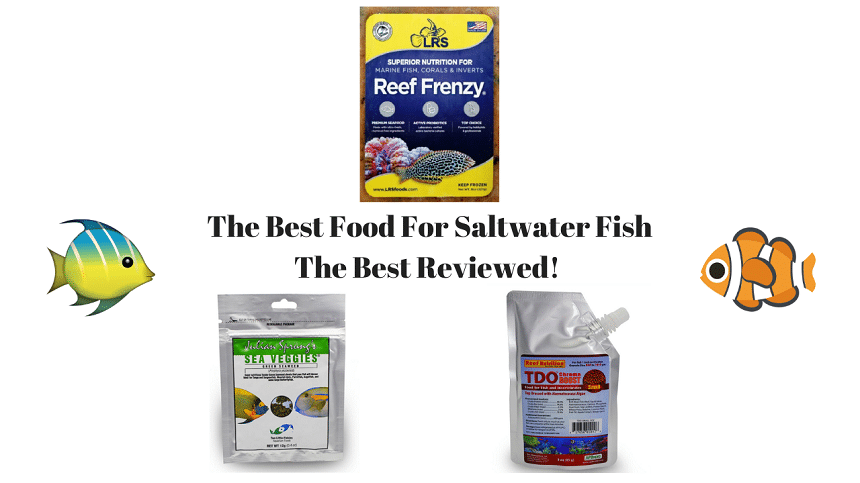
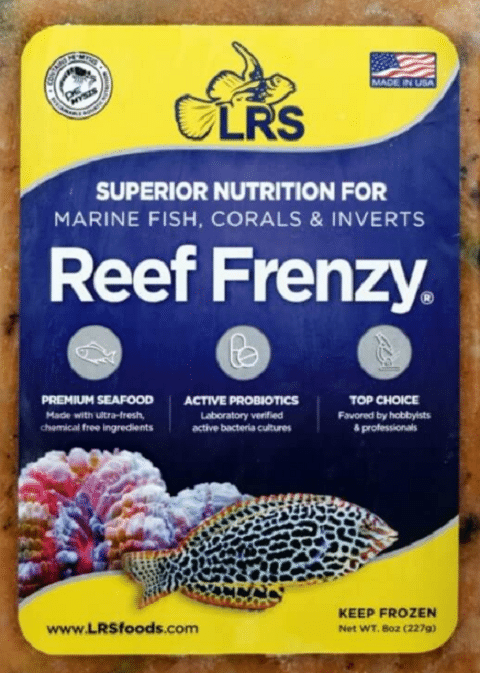
If you want the absolute best fish you can purchase for your money, LRS Reef Frenzy is what you have been looking for. LRS goes further than any other food maker in the industry at producing the highest quality saltwater fish food. Let’s take a look at the ingredients list:
Fresh Wild Caught Scallop
Fresh Wild Caught, Hand Peeled Shrimp
Fresh Wild Caught Ocean Perch and Whitefish
Premium Piscine Energetics Mysis Shrimp
Squid
Euphausia pacifica krill
Fresh Shucked Oysters and Clams
Zooplankton and Rotifers
Seaweed
Blanched Broccoli Flowers
Oyster Eggs and Ovarian Tissue
D. salina algae
No other fish food maker has all these ingredients in one. LRS is transparent about its production process. They invited Mr. Saltwater Tank several years back to tour their facility. Check out the video below:
You get a ton of whole fresh ingredients with LRS. You also get probiotics. Probiotics, as mentioned in our best flake fish food post, are proven in the aquaculture industry to enhance the health of fish. LRS goes so far in their transparency that they have had their blends tested in labs. The sample of their labs shows Lactobacilli in a food sample that has been frozen for 30 days. The results are posted here.
This is the ultimate fish food for reef tanks. It comes at a high price and is mainly available at local fish stores. I recommend this frozen blend to anyone who owns a saltwater tank.
Reef Nutrition’s Chroma Boost is a new pellet food on the market, and it’s probably the best pellet food to come into the industry in many years. Its pellets are dressed in algae called Haematococcus, which is an excellent source of astaxanthin. A study performed by Virginia Tech showed astaxanthin had a positive effect on the coloration of clownfish.
This pellet formula is not only great with fish, but corals love it too. To me, it combines the benefits of LRS in a pellet formula. You will get coloration from your fish that you have never seen before with this product. Because it’s a pellet product, you can place it in an auto feeder. This makes it one of the highest quality foods you can place in an automatic fish feeder.
It isn’t easy to find online and in stores. You will need to visit a specialty local fish store to get it. You can order it online at the links above if you have trouble getting it. You won’t regret trying this out!
Here’s the thing about saltwater fish food – there are way better options these days. You should be eating balanced frozen foods like LRS instead of letting your fry get hooked on most flake foods or treating them with unbalanced dry stuff that will compromise their immune and digestive systems later.
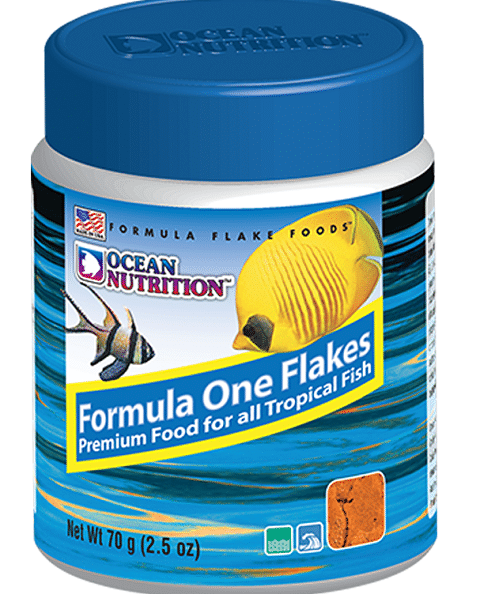
However, I understand there is a need for convenient foods for busy people or when you are traveling. Fortunately, we have quality brands like Ocean Nutrition that have researched and provided quality flake food that I am okay with recommending to saltwater tank keepers. Made in the USA and containing a solid nutrient profile, this fish food supports all saltwater aquarium inhabitants.
The great thing about this formula is that it includes high-quality ingredients such as salmon, mussels, kelp, and brine shrimp. This flake variation of Ocean Nutrition’s frozen food has been designed explicitly for our freshwater fish to get all the nutrients their bodies need to be healthy!
What puts Ocean Nutrition ahead of other flake food makers is its availability. They can be found in any fish store, including chain pet stores.
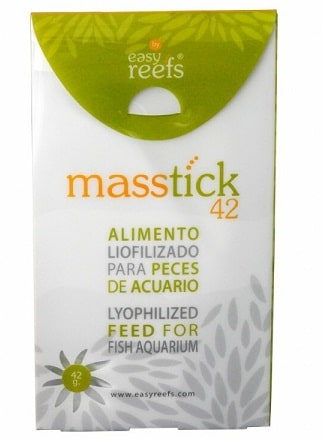
Masstick is an amazing food made by Easy Reefs that has been designed for the pickiest fish in the hobby. It contains a blend of natural ingredients that are only of marine origin. This creates premium-level food great for all fish and inverts in your saltwater or reef aquarium.
What makes this food excellent for finicky fish is that you stick this to the glass of your aquarium, and your fish will pick it up when they feel safe to do so. Because the food lasts for hours on the glass and doesn’t break down easily, your more shy fish can take their time. You can see the food in action from the video below by Dutch Reefer. Watch his Cooper Band Butterfly go crazy for it.
Do you have an algae-loving fish? If you have angelfish, tangs, or rabbitfish, you know how important it is to feed marine greens to these types of fish. Sea Veggies by Two Little Fishies provides a high-quality green product specially formulated for these fish.
This product won’t break apart easily and is easy to feed. Just get a veggie clip and mount it on your glass. Your fish will pick it apart. Because it’s a passive fish food, you can put it on the clip and give your fish time to eat the sea veggies. This makes it an excellent product for finicky and shy fish. They can take their time to venture out and pick at the clip.
This product is more expensive than others, and you do not get a lot, but it is the go-to sea greens product for serious reef keepers.
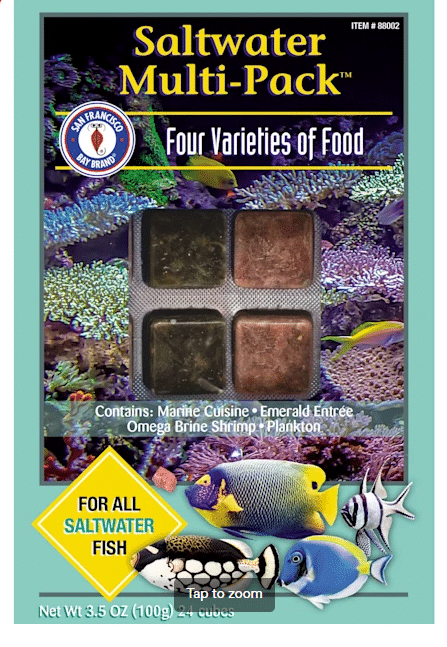
For aquarists venturing into frozen foods for the first time, this multi-pack by San Francisco Bay Brand is a great first choice. This pack contains the following blends:
Marine Cuisine – Mysis Shrimp, Krill, Spirulina
Emerald Entrée – Spirulina, Mysis Shrimp, Fish Oil
Omega Brine Shrimp – Brine Shrimp, Carrageenan
Plankton – Plankton, Carrageenan
These blends cover all saltwater fish you can keep in the hobby and has enough variety to provide a balanced diet for your fish. It’s one of the best packages to purchase if you keep a fish only or fish only with live rock setup.
The other benefit to this product is you will find it at chain pet stores. Don’t be fooled thinking it’s low quality because it’s sold at a general pet store. This has excellent ingredients and you can purchase this locally at later hours from these pet stores.
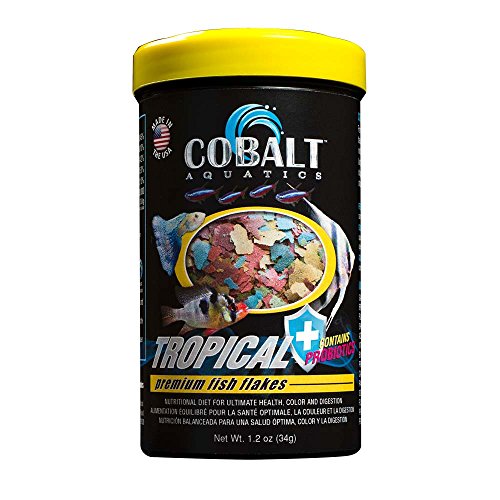
Cobalt was the first flake food on the market that contained probiotics in its formula. This omniflake product is a universal flake food designed for all saltwater fish. It is packed with squid and salmon proteins. It has spirulina, plankton, and krill for enhanced coloring.
The Cobalt blue flakes contain the probiotics that support a healthy digestive and immune system for your fish. It will not cloud your water like lower-quality flake food.
If you are going to use flake food, this is a good one to purchase. It’s not as available as Ocean Nutrition’s product, but I believe the overall quality of the formula is better. If you are going to purchase it, plan to buy it online as most fish stores won’t carry it.
Pros and Cons
Pros
Probiotics
Great for small fish
Works in autofeeders
Cons
Expensive
Hard to find
FAQS
What Is The Best Thing To Feed This Type?
The best thing to feed saltwater fish would be a blend of frozen food or cultured live foods. For frozen food, a blended product with probiotics like LRS Reef Frenzy is the best-prepared food you can purchase today. Plankton-infused brine shrimp or rotifers have excellent nutritional value for cultured live foods. California black worms are also fantastic to feed if you are willing to grow them.
What Kind Of Food Do They Eat?
Most saltwater fish are omnivores. This means they will prefer a mixed blend of foods. Generally, they will like Mysis shrimp, krill, squid, and calms for proteins. For greens, they will prefer spirulina, seaweed, and marine algae.
Is Saltwater And Freshwater Fish Food The Same?
No. Saltwater and freshwater fish food will have difficult ingredients. When looking for saltwater fish food, you will want marine-based ingredients. Avoid any land-based ingredients, fillers, and artificial enhancers. What comes from the ocean is what is best for saltwater fish!
Are Tropical Flakes Good For Them?
No. Tropical flakes are not suitable for saltwater fish. If you want flake food, you will want to purchase a flake food specifically formulated for marine fish. Brands like Ocean Nutrition and Cobalt provide some of the best flake foods. That being said, flake food should not be the primary food for your saltwater fish.
How Long Can They Go Without Eating?
Generally speaking, saltwater fish can go a few days to a week without eating. If you have trouble with a fish not eating, consider adding garlic to the food to trigger a feeding response. Foods like LRS and Masstick are known for having strong feeding responses. If your fish is still not responding, take a lot of signs for marine fish diseases.
How Many Times A Day Should I Feed Them?
You should feed your saltwater fish twice a day, assuming you have the filtration. This keeps your fish well-fed. If you have corals and pick the right foods, they will appreciate the extra food.
Closing Thoughts
It’s essential to feed your fish various foods to ensure they are getting the best possible nutrition. I have listed some of my favorite saltwater fish foods, but it’s essential to do your research before buying anything. What are your go-to saltwater fish foods? Let me know in the comments below!
Flake food looks simple. Sprinkle some in, fish eat it, done. After 25 years in this hobby and years managing fish stores, I can tell you that this assumption kills fish slowly.
The brand of flake food you choose matters more than most beginners realize.
I’ve watched customers lose color in their fish, deal with chronic fin rot, and burn through disease treatments, never connecting the dots back to cheap filler-packed flakes. The gap between a quality flake and a grocery store brand shows up in your fish: in their color, their immune response, and how much cloudy uneaten waste is fouling your water. The main thing I look at is the ingredient list. Fish meal and marine proteins should be at the top, not corn starch or soy fillers. Here are the 7 flake foods I’d actually put in my tanks.
EXPERT TAKE | MARK VALDERRAMA
Flake food is not interchangeable. After 25 years keeping and selling fish, I’ve seen quality flakes make a real difference in fish color, disease resistance, and digestion. Don’t let the price gap fool you into grabbing the cheap stuff. Cobalt is my go-to for freshwater. Ocean Nutrition for saltwater. For anything else, I want to see real protein at the top of the ingredient list, not corn or soy.
What People Get Wrong About Flake Food
Most beginners think all flake food is basically the same. It’s not. The difference between Wardley from Walmart and Cobalt Aquatics is not just marketing. It’s ingredient quality, protein sources, digestibility, and whether there’s any probiotic support for gut health. Cheap flake food often contains wheat flour, soy protein, and artificial color enhancers. Your fish will eat it because they’re hungry. That doesn’t mean it’s good for them.
The other mistake I see constantly: people feed flakes as the only food, forever. Even the best flake food isn’t a complete long-term diet on its own. Rotate it with frozen foods, freeze-dried options, or pellets. Variety is what keeps fish looking their best.
The Biggest Mistake Flake Food Buyers Make
Buying based on price and availability alone. I get it. You’re at a pet store, you need food, you grab the big container because it’s cheap and looks familiar. Two months later your fish are pale, your water is murky after every feeding, and you’re wondering what’s wrong. The filler-heavy flakes aren’t breaking down properly. They’re polluting the tank and providing minimal nutrition. This is where bad flake food quietly does damage that looks like a mystery disease problem but is actually a feeding problem.
WHY THIS RANKING
I ranked these based on four things I care about: ingredient quality (real protein sources first on the label), digestibility (do they foul the water?), probiotic or functional additions that actually benefit fish health, and whether serious hobbyists, not just casual buyers, actually use them. Price mattered less than performance. Wardley made the list specifically as a warning.
Our Criteria
There are hundreds of fish foods and dozens of brands available. Not all are created equal. Filtering through all the types of foods available is a major task, and I’m here to make it easier. Here’s what I looked at when building this list.
Probiotics
Probiotics are relatively new in the fishkeeping hobby but have been used in other pet industries since the 1970s and are recommended by veterinarians for cats and dogs. Fish need gut health support just like other animals. Gut health prevents disease. Foods with probiotics deserve a hard look.
Whole Foods
Fish food that uses whole ingredients like krill, shrimp, and plankton is what you want to see. Avoid artificial color enhancers and cheap fillers. If the first ingredient is corn or soy, put it back on the shelf.
Brand Name
Buy from brands that have done the research and earned the trust of serious hobbyists. Brands like Ocean Nutrition and Xtreme have built real reputations in the community. Cobalt pioneered probiotics in fish food and pushed product innovation in this industry.
Availability
You need to be able to find these foods locally or online when you run out. I’ve focused on brands with solid distribution, not obscure small sellers. Reliable sourcing matters when you can’t go a week without feeding your fish.
BUY OR SKIP?
Good fit if: You keep a community freshwater or saltwater tank and want a convenient daily staple. Flake food works well for surface and midwater fish. You’re rotating it with other food types and not relying on it exclusively.
Skip if: You keep bottom feeders only (flakes rarely reach them), you have fish that need specialized diets like carnivore cichlids or discus, or you’re looking for the single highest-nutrition option available. In those cases, move up to quality pellets or frozen food.
The Fish Flake Food Candidates
Below are the flake foods that made the cut. I’ll go into detail below.
If you want a staple flake food for your freshwater fish, this is the one I’d put in your hands. Cobalt was the first fish food company to include probiotic bacteria in their flake formula. That’s not a marketing gimmick, it makes a measurable difference. The benefits you get from a probiotic product include:
Better digestion and less waste pollution
Improved coloration in fish
Cleaner aquarium water between feedings
This formula uses Bacillus subtilis and Bacillus licheniformis. Subtilis has been proven to increase fish food digestibility and help prevent disease in both shrimp and fish. Licheniformis has shown measurable health improvements in Tilapia research. These aren’t random ingredient additions. This is the highest quality flake available for freshwater tropical fish. It won’t cloud your water and it supports your fish’s long-term health. Full recommendation.
Pros and Cons
Pros
Probiotics
Works for all tropical fish
Made in the USA
Cons
More expensive than generic brands
Larger flakes may need crushing for very small fish
MARK’S TOP PICK
Cobalt Aquatics Tropical Flake is my #1 for freshwater fish. The probiotic formula is the real differentiator. I’ve used a lot of flake foods over the years and nothing comes close to Cobalt for keeping freshwater tropicals healthy, colored up, and your water clear. If you’re only going to keep one freshwater flake on hand, this is it.
I’ll be honest with you: I’m not a fan of flake food for saltwater fish. The frozen food options available today, especially from quality brands like LRS, are so much better for marine fish that flakes shouldn’t be your primary feeding strategy in a reef or FOWLR tank. But I understand that convenience is a real factor. When you need something quick and reliable, my recommendation for saltwater fish is Ocean Nutrition.
This food is made in the USA and has a solid nutrient profile built for marine species. You’ll find salmon, mussels, kelp, and brine shrimp in the formula. It’s essentially the flake version of Ocean Nutrition’s well-regarded frozen line. If you have to feed flakes to your saltwater fish, this is the one to use. Ocean Nutrition has been in the hobby for decades and their distribution means you can actually find it when you need it.
Pros and Cons
Pros
Quality marine ingredient profile
Works for all saltwater fish
Made in the USA
Cons
Frozen food is a better long-term option for marine fish
I love the Fluval Bug Bites food line. They built their formula around black soldier fly larvae, which freshwater fish go absolutely crazy for. It’s not just about feeding response, because insect protein is closer to what most freshwater fish eat in the wild, it’s more bioavailable and easier on their digestive system. This is the flake version of that formula, with color enhancement built in.
High protein, great amino acid profile, easily digestible. That last part matters: poorly digested food leads to waste and bloat. Bug Bites flakes don’t have that problem. One honest note: their pellet product is the better buy if you have to choose one. The flake version is great for variety and smaller fish, but if you’re feeding adults and can do pellets, go that route instead.
Xtreme has built a real reputation in the serious hobbyist community. They’re not a massive corporate brand like Hagen or Tetra. They built their name through direct relationships with passionate fishkeepers and have been featured at Aquashella, which tells you a lot about who their audience is.
Their Community Crave formula is built for mixed community tanks. The 60/40 spirulina-to-krill ratio gives you both the plant-based nutrition and the marine protein that most community fish need. The feeding response this food triggers is impressive for a flake product. The texture is noticeably higher quality than generic brands. My only reason it sits below Cobalt: I’m a believer in probiotics for long-term fish health, and Community Crave doesn’t include them. If probiotics aren’t a priority for you, this is a legitimate alternative that some experienced hobbyists prefer. You really can’t go wrong with Xtreme.
For herbivore and omnivore fish that need plant matter in their diet, spirulina flakes are what you want. Combining spirulina with Cobalt’s probiotic formula makes this a standout option. No other product in this category does both.
This food works perfectly for algae eating fish like mollies, African cichlids, and saltwater fish like tangs and rabbitfish. It’s easy to feed, digestible, and won’t cloud your water. For algae-eating and plant-eating fish, this is the best flake option available. Full stop.
For algae-eating saltwater fish, nori is the gold standard. But nori isn’t always practical when you’re in a hurry or traveling. Ocean Nutrition Formula Two is a solid convenience option for tangs, rabbitfish, and saltwater angelfish. The formula combines marine algae, spirulina, and kelp. It also includes garlic, which triggers a strong feeding response in marine fish, a nice bonus for finicky eaters.
Like Formula One, this is best used as a supplemental food rather than a primary diet. Ocean Nutrition’s frozen version is the better long-term choice, but for easy day-to-day feeding for your plant-eating saltwater fish, Formula Two gets the job done.
Pros and Cons
Pros
Three types of marine greens in one formula
Garlic for feeding response
Readily available
Cons
Frozen food is a better primary option for saltwater herbivores
Wardley is what you find at Walmart and grocery stores. Your fish will eat it because they’re hungry. That’s the nicest thing I can say about it. These lower-quality foods contain fillers, cloud up your water badly after feeding, and provide minimal nutrition compared to everything else on this list. The convenience of 24-hour availability isn’t worth the tradeoff in fish health. If you’re in a pinch and it’s all you can get, fine. But order quality food online and stop buying this as a routine.
Pros and Cons
Pros
Easy to find anywhere
Available 24 hours at major retailers
Cons
Cheap filler-heavy formula
Clouds water after feeding
Minimal nutritional value
Strong unpleasant odor
WHAT MOST PEOPLE MISS
Most hobbyists never think about flake food shelf life. Once opened, flake food starts degrading nutritionally within a few months, even if it smells fine and looks normal. I replace my open containers every 6 months regardless of expiration date. The other thing people miss: rotating food types matters as much as choosing the right brand. Even the best flake food shouldn’t be the only thing your fish eat. Rotate in frozen or freeze-dried options at least a few times a week.
Knowing The Food Hierarchy
While this is a flake food article, I’d be doing you a disservice if I didn’t put flake food in context. From lowest to highest nutritional quality: flake food, pellet food, freeze-dried food, frozen food, cultivated live food.
Pellets
Pellet food is less processed than flakes. This is where most serious hobbyists land for their staple food. Higher quality brands are easier to find in pellet form, and you get better control over portion size. The downside: pellets expand with water and can cause bloat in fish prone to it. Choose a quality pellet formula and feed sparingly.
Freeze Dried
Freeze-dried food is whole food in a shelf-stable form. The nutritional profile holds up well and you can soak freeze-dried food in liquid vitamins to boost it further. Most freeze-dried options are single-ingredient (krill, bloodworms, tubifex) so they work best as supplements rather than staples. More expensive than pellets, but worth keeping on rotation.
Frozen
This is where the real quality lives. Frozen food combines whole ingredients and variety in a way nothing else matches. Your fish will look noticeably better on a frozen food diet. The tradeoff is cost and access: the best frozen foods are only at specialty retailers or online. Easy to overfeed. Harder to portion for small fish. Worth the effort.
Cultivated Live Food
Live food from a store carries disease risk. The better approach is cultivating your own: blackworms, brine shrimp, and rotifers are all doable at home. Live foods deliver gut bacteria your fish need for long-term health that no processed food provides. The commitment level is high, which is why most hobbyists never get there. But if you do, your fish will show it. Most people keep very healthy fish on frozen food and a rotation of quality dry foods without ever going live, and that’s perfectly fine.
Knowing What Type Of Fish You Have
Flake food works best for surface and midwater fish. Knowing where your fish feed helps you choose the right food format.
Surface Feeders
Fish like bettas and gouramis hunt at the surface and will hit flakes immediately when you drop them in. Most community fish fall into the surface or midwater category. Flakes are ideal for these fish.
Midwater Feeders
Fish like angelfish, most tetras, and barbs feed as food starts to sink. Flakes work fine for these fish. Pellets work better for most of them, especially the larger species.
Bottom Feeders
Bottom feeders rarely get much flake food. By the time flakes reach the substrate, other fish have eaten most of them. Wafers and sinking pellets are what you need for corydoras, plecos, and other bottom-dwelling species. Don’t assume your flake food is feeding them.
FAQs
Which flake food brand is best?
The best flake food has quality protein sources at the top of the ingredient list, not corn or soy fillers. For freshwater fish, Cobalt Aquatics is my top pick because of their probiotic formula. For saltwater fish, Ocean Nutrition is the most reliable choice. Both brands do serious research on their formulas and have earned long-term trust from experienced hobbyists.
Is flake food actually good for fish?
Quality flake food works as a staple diet, but it’s not the best food available. Pellets, freeze-dried, and frozen foods all offer better nutrition. The key is to use quality flake food (not grocery store brands) and rotate it with other food types for the best long-term results.
Is it better to feed flakes or pellets?
Pellets are generally superior in quality to flakes. They’re less processed and easier to portion. That said, flakes are easier for very small fish to eat, and quality flake brands like Cobalt can hold their own nutritionally. Use pellets as your primary staple for adult fish and flakes for smaller or surface-feeding species.
How long is flake food good for?
Flake food has the longest shelf life of all fish food: anywhere from 18 months to 3 years depending on the brand. But nutritional value degrades well before the expiration date once opened. I recommend replacing open containers every 6 months regardless of what the label says. Store in a cool, dry place and keep the lid tight.
Should I crush flakes for small fish?
Yes. For small fish like nano tetras, rasboras, or fry, crush flakes between your fingers before dropping them in. Smaller pieces are easier to eat and less likely to be ignored. Crushed flakes are also less attractive to larger fish, so if you have a mixed tank, crush only what the small fish need and let the bigger pieces go to the adults.
Closing Thoughts
After 25 years in this hobby, my feeding recommendation is always the same: spend a little more on food and a little less on everything else. The difference between Cobalt and Wardley is maybe a few dollars a month. The difference in your fish’s health, color, and the clarity of your water is not small.
For freshwater fish, start with Cobalt Aquatics Tropical Flake and don’t second-guess it. For saltwater, get Ocean Nutrition and be honest with yourself that frozen food should be your primary feeding strategy. Whatever you feed, rotate it. Your fish need variety, and no single food gives them everything they need.
If you’re also looking for live fish, Flip Aquatics (flipaquatics.com) and Dan’s Fish (dansfish.com) are the two sources I trust most for healthy, quality fish. Good fish deserve good food. Start there.
Can fish drown? It’s one of those questions I get asked more than you’d expect. and the answer is yes, technically, though not in the way people imagine. I’ve seen hobbyists accidentally create conditions in their tanks where fish were effectively “drowning” through oxygen deprivation. Understanding how fish breathe and what depletes oxygen in a tank can genuinely save fish lives. Here’s the full explanation.
It sounds like a trick question, but the answer is yes. fish can effectively drown, just not the way we think of it. “Drowning” for a fish means suffocating from lack of dissolved oxygen in the water, not inhaling water into lungs. As someone who’s managed tanks for 25 years, the more practical concern is recognizing when oxygen levels in your aquarium are dangerously low. Fish gasping at the surface is the classic warning sign. There’s also an interesting wrinkle with labyrinth fish like bettas. they breathe atmospheric air and can actually suffocate if they’re prevented from reaching the water’s surface. This article covers both the biology and the real-world implications for your tank.
The Short Answer
Yes, fish can drown. However, it’s better to think about a fish drowning as the result of a lack of oxygen instead of seeing their lungs fill with water.
Fish can be deprived of oxygen due to several reasons, including oxygen levels in the water, poor water quality, parasites and diseases, and even physical deformities.
In short though, fish can drown in water due to not being able to extract the oxygen they need from their surroundings.
The Long Answer
It isn’t every day that you hear about a fish dying due to drowning. This lack of oxygen can be due to several biological, chemical, and pathological problems within the aquarium including poor water quality, parasites and diseases, and deformities.
First, we need to understand how oxygen enters the aquarium and how fish breathe. Then we can understand how the transfer of oxygen from the water to the bloodstream of the fish can fail.
Dissolved Oxygen In The Aquarium
Dissolved oxygen, often abbreviated as DO, is how much oxygen is available in water in comparison to how much oxygen that water can hold; simply put, dissolved oxygen shows how much oxygen is available in the water to be used by plants and animals at any given time.
While dissolved oxygen levels remain pretty consistent in the aquarium setting, this scientific parameter can be affected by several factors, including water temperature and depth, surface exchange, photosynthesis and respiration, and fish medications.
Water Temperature And Depth
Water temperature and depth are the main factors that influence dissolved oxygen levels in bodies of water.
Due to the physical properties of water, cold water holds more oxygen while hot water holds less oxygen. This means that the warmest surface waters, that aren’t affected by surface exchange, hold less oxygen than the coldest water at the very bottom of the ocean. Other external factors, such as seasonal, altitude, and latitude differences, all play a role in how much oxygen is actually available at any given time.
In the aquarium, the water temperature can definitely affect dissolved oxygen levels. For instance, if you need to raise water temperatures to treat a parasite, like ich, it is recommended to increase surface agitation and to add an air stone and air pump. This is because the warmed water will hold significantly less oxygen, causing your already-sick fish to have even more difficulty breathing.
Though it is likely for fish to succumb to the shock of rapidly changing temperatures first, it is possible for fish to drown if oxygen levels are low in warm water.
Surface Agitation
Surface agitation is one of the ways that oxygen enters the water column. This is a physical exchange between atmospheric oxygen and water through wind and wave action. Other gases, such as carbon dioxide, are also exchanged at this point to create a cycle.
In the aquarium, surface agitation is very important. Filters, powerheads, and air stones are common methods of increasing surface agitation to help increase dissolved oxygen levels and to improve overall gas exchange. If surface agitation is poor in the aquarium, then dissolved oxygen levels will also be low.
This is a very common problem in betta fish (Betta splendens) aquariums. These labyrinth fish are very delicate and need little to no water flow in order to prevent injury. As a result, there is usually minimal surface agitation, leaving the betta to sometimes rely on its labyrinth organ; the labyrinth organ is a specialized lung-like organ that allows the fish to process atmospheric air directly.
Photosynthesis And Respiration
Photosynthesis is the process by which an organism converts carbon dioxide into oxygen in order to make food. Respiration is the opposite of this process where oxygen is converted back into carbon dioxide.
During the day, aquatic plants and vegetation perform photosynthesis while fish perform respiration. At night, both plants and fish respire. Together, this ecosystem works as a constant exchange between carbon dioxide and oxygen.
In freshwater and saltwater systems, autotrophic plankton called plankton is responsible for producing most of the available oxygen in the world. However, an imbalance between photosynthesis and respiration can lead to problems and fish drowning.
One of the most damaging events to happen in nature is a harmful algae bloom (HAB). Harmful algae blooms happen when nutrients and resources are abundant, usually due to excess fertilizer and runoff, leading to exponential growth. This growth can be seen in algae and some harmful bacteria, like cyanobacteria, that can produce deadly toxins.
When algae and bacteria populations are left to grow out of control, there becomes an imbalance of resources. Eventually, sunlight is blocked while nutrients are depleted, depriving the plants below of performing photosynthesis and putting oxygen back into the system. Once these plants die, the decomposition of the organic matter also increases nutrient and respiration rates, fueling growth and further depleting oxygen.
As this happens, oxygen levels are incredibly low and most fish and invertebrates suffer and die. If the harmful algae bloom is caused by cyanobacteria, they may be affected by deadly toxins as well; these toxins are why some bodies of water are off-limits to people during harmful algae blooms.
Harmful algae blooms to this extreme are not likely to happen in the aquarium, though strains of harmful cyanobacteria do exist in the hobby. Instead, it is possible to have too many nutrient-hungry plant species that quickly overrun the aquarium and then die off when resources are depleted. This die off can have similar effects where the decomposition quickly removes oxygen from the water.
Medications
Many medications for freshwater and saltwater fish advise increasing aeration during the treatment period. This is due to how the medications interact with the water chemistry. Effects can be enhanced if mixing medications.
Not all medications will lower the oxygen level in the tank, but it’s definitely worth running an air pump if it is advised.
How Do Fish Breathe?
Before we see how fish drown, we need to understand how they breathe first. Here is a great video below by Steve Griffins. I’ll explain more below.
Most fish breathe through their gills; many fish have made adaptations to combat lower oxygen levels, though we will only look at standard fish anatomy. Gills provide a large and highly-folded surface area with an extensive network of capillaries that can be used for the exchange of gases, like oxygen and carbon dioxide.
In order to breathe, fish pull water into their mouth which is then pushed across their gills. Oxygen is absorbed and diffused into the bloodstream and transferred throughout the body due to differing concentrations; the concentration of oxygen is lower in the blood than in the surrounding environment.
Carbon dioxide is then moved across the gills, out of the body of the fish, and back into the water.
Can Fish Drown?
Now that we know what affects dissolved oxygen levels and how fish breathe, we can see where the process can go wrong. Possible problems include poor water quality, parasites and diseases, and physical deformities.
Some of the telltale signs of a drowning fish are:
Heavy breathing
Red or inflamed gills
Laying at the bottom of the aquarium or gasping for air at the surface
Poor Water Quality
Poor water quality can be a secret killer of fish, especially if water parameters aren’t being regularly tested. Bad water parameters, namely high levels of ammonia and nitrite, can make breathing very difficult and very painful for fish.
It should be noted that high levels of nitrate can also prove to be deadly to fish and invertebrates but is not as common of a problem as the other parameters.
Ammonia Poisoning
Ammonia poisoning happens when there are especially high levels of ammonia present in the aquarium; any level of ammonia past 0.0 ppm can be damaging to fish and invertebrates, but serious damage starts to happen past 0.5 ppm.
Ammonia is toxic and will burn the internal and external organs of fish, including gills. This can quickly lead to fish being unable to pull enough oxygen across their gills, leaving them to suffocate and drown.
High levels of ammonia are usually caused by having too many fish, excess feedings, or stocking an aquarium that is not fully cycled.
Nitrite Poisoning
Nitrite poisoning is just as deadly as ammonia poisoning and can be a much more silent killer. Again, nitrite levels should always be 0.0 ppm. Any amount past this can start to cause damage to internal and external organs.
Nitrite poisoning happens when there are excess levels of nitrite in the aquarium. Due to the chemical structure of hemoglobin, nitrite can bind to blood where oxygen would otherwise. This means that your fish will suffocate from the inside out, making for a very painful death.
High levels of nitrite are the result of high levels of ammonia; any trace of nitrite is indicative of a nitrogen cycle happening in the fish tank.
Parasites And Diseases
Unfortunately, many parasites and diseases that are in the fish tank target the gills of fish. Luckily, most parasites and diseases present themselves before there is irreversible damage, but some ailments might be quicker and more difficult to treat than others.
One of the worst parasites to encounter are species of flatworm, particularly from the Monogenenea class.
Gill Flukes
Gills flukes (Dactylogyrus spp.) are one of the most dangerous parasites that can make fish drown. These flukes are most likely to occur on members of the Cyprinidae family, including goldfish and koi, though they can infect any freshwater fish species.
Gill flukes are initially free-swimming parasites that quickly need to find a host. At that point, they attach to the gills of the fish and reproduce. The gills will then become inflamed and your fish may try to scratch itself against hard surfaces to try to get them off. This can lead to a secondary infection, making treatment even more difficult.
A gill fluke infection often presents itself as red and inflamed gills, lack of appetite, scratching, and heavy breathing. Parasitic-specific medications, like Praziquantel, will need to be dosed to eradicate the flukes.
Ich
Ich (Ichthyophthirius multifiliis) is one of the most common parasites to come across in the aquarium. Though these organisms do not target fish’s gills specifically, they can infect the gills which can cause the fish to drown; unfortunately, there are a few different types of ich that will only affect gills and leave the rest of the body alone, making the initial diagnosis difficult.
Otherwise, ich is easy to diagnose and presents itself as tiny white spots that cover the body of the fish. Other symptoms are similar to those found with gill flukes.
Deformities
Lastly, some physical deformities can cause aquarium fish to drown, specifically betta fish.
Betta fish have been bred to have the most extreme colors and finnage. While beautiful to look at, some of these modifications have turned into deformities that hinder the fish from being able to breathe air.
Though betta fish have gills that they can use to get enough oxygen from the water, they will still venture to the surface of the fish tank to take in atmospheric air regardless of water parameters. However, some deformities, like excess finnage, can drag your labyrinth fish down, never allowing them to get the atmospheric air they need.
At the same time, your fish may become exhausted while trying to swim to the top of the tank. This activity will cause your fish to breathe harder, which will cause carbon dioxide levels to rise. Though this only happens in extreme cases, it’s possible for your betta fish to over-exhaust itself and not get enough oxygen from the water as a result.
Does Your Aquarium Have Enough Oxygen?
As long as the water is flowing in the aquarium and regular tank maintenance is maintained, there’s usually no reason to worry about adding additional aeration to the system. However, problems may arise when too many fish are kept in too small of a tank or if water movement is inadequate.
How To Improve Aquarium Oxygenation
The best ways to improve oxygenation in the aquarium are through equipment, tank maintenance, and photosynthetic additions.
In general, it’s recommended to choose a filter that is rated for at least double the size of your aquarium. Not only does this allow for more beneficial bacteria growth, but the subsequent surface agitation is a great source of oxygenation.
Freshwater tanks need at least a 6-10x turnover rate; heavily planted tanks will need better circulation to ensure that water can pass through. Saltwater reef tanks may need at least a 20x turnover rate with specialized tanks reaching much higher.
In addition to filtration, powerheads and wavemakers can be added to the freshwater or saltwater aquarium. If using external filtration, water will also be oxygenated as it moves from the tank and through the plumbing. Protein skimmers may also be added to the saltwater aquarium for additional filtration and oxygenation.
While filtration and equipment will help create surface agitation and distribute oxygen throughout the tank, corals and plants may also be added for additional photosynthesis. Fast-growing plants will quickly take up nutrients, releasing oxygen into the water in the process. Symbiotic algae within coral are slightly slower to photosynthesize, but they will contribute to oxygen levels while helping take up excess nutrients as well.
Regular tank maintenance will also introduce new oxygen and help accelerate gas exchange. Though this is a temporary effect, water changes are very effective for aerating and circulating new water throughout the tank.
Final Thoughts
Believe it or not, fish can drown. There are many factors that determine oxygen levels in the aquarium, including water temperature and depth, surface exchange, photosynthesis and respiration, and medications. Water quality, parasites and diseases, and physical deformities can further make it difficult for fish to breathe, leaving them to drown.
If you’re not sure about how much water flow you should have in your aquarium, add as much as you can without disturbing the substrate or stressing out fish and invertebrates.
Distilled water in aquariums is something I get asked about regularly, especially from hobbyists trying to hit very specific water parameters for soft-water fish or discus. I’ve used it myself as part of RO/DI blends for my reef tank. The short answer is that distilled water alone is actually too pure. it’s stripped of everything, including minerals fish need. Here’s the real explanation and how to use it correctly.
The short answer is: you can use distilled water in a fish tank, but not straight from the jug. Distilled water has had all minerals removed. which sounds clean, but for fish it’s actually dangerous. There’s no buffering capacity, so pH becomes unstable and can crash rapidly. Fish need some dissolved minerals to regulate their bodies. Where distilled water is genuinely useful is in reef keeping, where I use RO/DI water (similar to distilled) to top off evaporation and then add minerals back precisely through two-part dosing. For freshwater, mixing distilled with tap can also help soften water for species like discus or German blue rams that need low hardness. This article explains when and how to use it correctly.
What Is It?
As we know, water has three states; liquids, solid, and gas. The distillation process involves boiling the water to an extend it starts evaporating. The water is then allowed to cool down at low temperature and condensed back into its original liquid form.
This water distillation process eliminates germs, bacteria, other impurities, and minerals from water, leaving behind pure distilled water1.
It was once a misconception that distilled water heated faster than normal tap water. Therefore, it was dangerous to consume back then. However, this theory was ruled out and it was confirmed that distilled water is like regular tap water. If you want a breakdown on how the distillation process works, check out the video below by Pure Water Distllers.
Today, distilled water is used in numerous applications: batteries, steam irons, cooling systems for vehicles, and sometimes in aquariums.
Is It Safe To Use?
As mentioned above, using distilled water in aquariums is becoming popular day by day because distilled water doesn’t contain chemicals mostly found in tap water such as Chlorine and Chloramine. So, novice aquarists believe distilled water is the safest option for aquariums.
However, it is not recommended to use an exclusive supply of distilled water in your fish tanks. Your aquatic life demands certain minerals for their survival. And there’s no source of those essential minerals in distilled water for your fish.
Distilled water also poses a negative impact on the water pH levels; as minerals in water helps maintain the pH levels in your aquarium, which is essential for the survival of your fish. distilled water lacks minerals like Calcium that won’t help buffer ph and water hardness.
But there are instances where pure distilled water can be used in the tank water.
If your aquarium is losing water, pure distilled water can be used to top off.
Distilled water can be added to reduce the water hardness of normal tap water.
Whatever the case may be, distilled water has zero essential minerals in it to sustain the aquatic life as minerals are essential for aquatic plants and life and also help buffer ph.
But you can still use distilled water in your fish tanks by mixing it with mineralizing supplements or water that help your fish stay healthy and stabilize water pH levels as well.
Can You Use Distilled Water In A Fish Tank?
Freshwater fish and plants, both require water loaded with natural minerals, which is found in tap water. The tap water in the freshwater fish tanks allows the aquatic plants to photosynthesize. Additionally, many invertebrates including shrimps need these essential minerals to grow and thrive happily in your fish tank.
If you’re planning to use distilled water in a freshwater fish tank, measures should be taken to maintain mineral balance to stabilize ph levels and water hardness accordingly. If there’s no need to use distilled water in freshwater fish tanks, I suggest avoiding using it. That’s because on one end, it gives you more control over nutrient input and output, on the other hand, it gets very costly and can be difficult to manage specially for novice fish keepers.
Contrary to distilled water, I highly recommend using tap water in freshwater fish tanks because it’s already rich in all the beneficial minerals required for a healthy aquarium. Treated tap water with a de-chlorinator like Seachem Prime will be fine for most aquariums.
If you venture into planted tanks, discus fish, and saltwater tanks, remineralized distilled water can be a consideration.
Should you use Tap Water for Saltwater?
Aquarium experts are usually reluctant to use tap water in saltwater tanks. That’s because the water parameters of saltwater aquarium need to be precise than a freshwater aquarium and many unknown nutrients enter the tank water and cause unnecessary problems.
The water parameters in saltwater: Salinity, pH, Carbonate hardness, Phosphates, Calcium, etc. However, the major problem in saltwater is the levels of these components can fluctuate on and off, creating instability and leading to algae problems in the tank water.
Not only this, but tap water introduces many other impurities that can mess up with your aquarium ecosystem. Therefore, many seasoned aquarists choose other reliables sources of water such as distilled water, reverse osmosis water, or reverse osmosis deionized (RODI) water, other than tap water.
How to Use In Your Tanks?
Suppose you own a freshwater fish tank and you know all the consequences of using distilled water in a freshwater aquarium. But still, you want to use distilled water. Sure, you have your reasons. And yes, you can use distilled water and NOT harm your fish by following these precautionary steps. Following these steps will prevent a fatal effect on your aquarium health.
Re-mineralized
The minerals in tap water create a healthy and stable environment for your fish. Therefore, to make distilled water safe for your fish, you first need to remineralize it.
How to Remineralize for tanks
There are numerous ways you can remineralize distilled water for a fish tank.
Mixing in Epsom Salt, Calcium Chloride, and Baking soda
This is one of the best and most cost-effective ways of remineralizing distilled water.
All the above-mentioned nutrients work in a rhythmic pattern to make your fish tank a living heaven for your fish.
Epsom salt helps raise the magnesium level in distilled water
Calcium chloride ensures proper osmotic balance in the aquarium water by bringing the crucial minerals
Baking soda helps raise the pH levels of distilled water and ensures a stable ph.
Adding water conditioner, Baking soda, and Acid Buffer
Another easy method to remineralize distilled water is taking some water conditioner, containing essential minerals. Add baking soda so the pH levels of distilled water can be raised, and then an acid buffer to bring down the pH levels by 7.
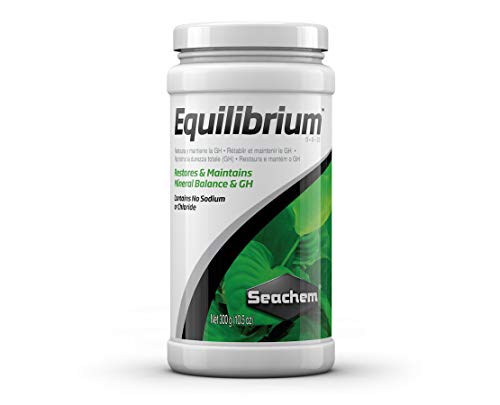
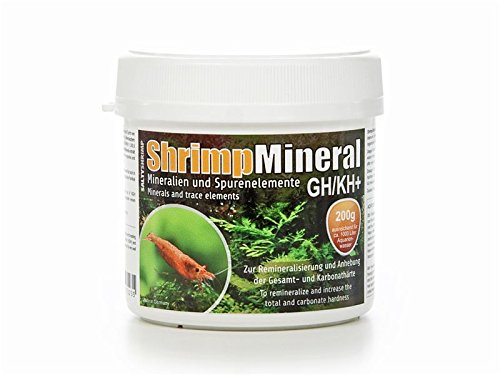
Add Seachem Equilibrium or Shrimp Mineral (Recommended)
For freshwater tanks, adding Seachem Equilibrium in distilled water to remineralize it, does wonders.
For this, I recommend using a commercial remineralize that comes with instructions for proper usage and dosage to avoid inconvenience.
And if you’re looking to remineralize distilled water for a shrimp tank, I strongly recommend using shrimp mineral to add essential minerals to the tank water for your healthy and happy shrimps.
Never use only distilled water in your fish tank as this would harm the fish. They possess a selectively permeable membrane which may lead to a trauma (caused by osmosis) when placed in distilled water. A good example of fish that is highly susceptible to such trauma is are Betta fish.
Proper tank and water maintenance
When changing the water in your fish tank, you’ll need to be familiar with some of the tips I provided. This will help preserve the lives of your fish and the tank in which they are kept.
Make sure to clean your tank when the need arises or you might just be harboring a foreign pathogenic species. The good thing about this is that you don’t need to visit an expert in order to get it done. Just ensure that there are no leakages before draining the water in your fish tank so that they don’t flow into a nearby stream when doing this!
FAQS
Is This Type Safe For Fish?
On it’s own, distilled water is not safe for fish. Distilled water lacks trace elements and materials that are essential to the lives of your aquatic inhabitants. You can use a remineralizer like Seachem Equilibrium for freshwater tanks or marine salt mix for saltwater tanks to get these missing elements back into your water.
What Water Is Best?
For freshwater tanks, the best for the money is tap water treated with a decholorinator. For planted tanks or sensitive fish like Discus Fish, RO or distilled water that is mineralized work great. For reef tanks, RODI water is the best.
Can I Top Off My Tanks With this type of water?
Yes, you can top off your fish tank with distilled water. Trace elements and minerals remain in your aquarium when water evaporates. You are just replacing the lost water, which makes distilled water okay to use for top off.
Is Spring Water Better For Tanks?
Distilled Water that is remineralized would be a better choice. Spring water’s make up can differ from brand to brand, which can cause shock to your fish. Distilled will be a more consistent source – just remineralize it.
How Do You Remineralize Water?
You can purchase a remineralizer like Seachem Equilibrium for freshwater tanks. For saltwater tanks, marine salt mix will remineralize your water.
Final Thoughts
So, when shouldn’t you consider filling your fish tank with distilled water?
Never use distilled water only when you’re changing water in your fish tank!
I hope you got that clearly, right? The reason for this is because of the immediate change in pH that this will cause and the lack of minerals essential to your fish’s health. Avoid a catastrophe by remineralizing your distilled water if you decide to use it. If you have any questions, leave a comment below and let’s start a conversation. Thanks for reading!
Planaria are flatworms that eat shrimp fry, snail eggs, and anything small enough to catch. They are a sign of overfeeding and they spread fast in shrimp tanks.
Planaria in a shrimp tank is a breeding colony killer. Treat it immediately.
Planaria in a shrimp tank is a breeding colony killer. Treat it immediately.
What Are They?
Planaria are commonly known as flatworms. These animals belong to theTurbellaria class and the larger phylum of Platyhelminthes1. They is found in a variety of ecosystems, including freshwater, brackish water, marine, and even in humid terrestrial settings. There, they play an important role in the ecosystem and can even be used as a bioindicator for the conditions of the environment. Though Planaria are abundant, they are actually quite sensitive to poor environmental conditions.
In addition, species of Planaria exhibit regeneration. These incredible animals are able to regenerate a new independent flatworm from just 1/200th of a piece; if split in two, the head piece will develop a tail while the tail piece will develop a head. Planaria also share some genetic similarities with humans, making flatworm bioindication and regeneration a hot topic of scientific study and application.
Because flatworms are so small and elusive, it’s impossible to know how many species exist, though rough estimates are about 4,500 unique worms. One thing is for sure though, they have happily made their way into the home aquarium.
What Do They Look Like?
If you have a planted tank or reef setup, you probably have aquarium worms in your aquarium whether you like it or not. While most species of Planaria flatworms are harmless, the good ones are difficult to tell apart from the bad ones. This is why it’s recommended to remove and treat for planarian flatworm if you find one in your aquarium regardless.
First, you need to know what one of these small worms looks like.
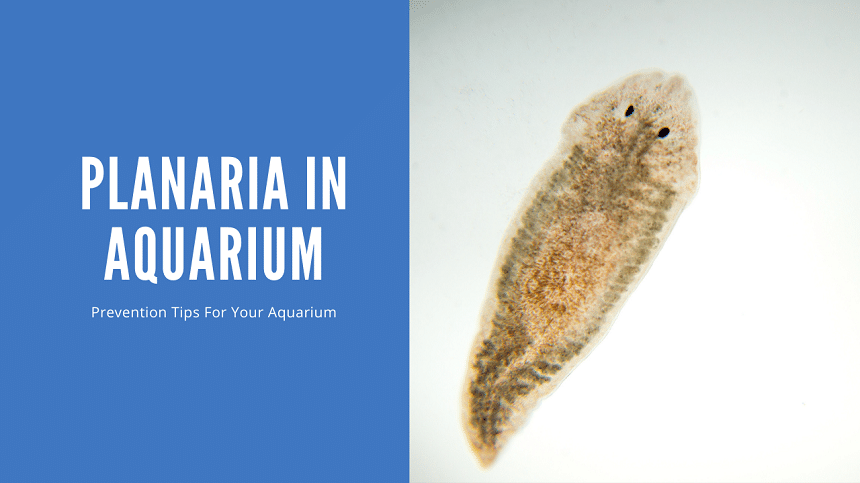
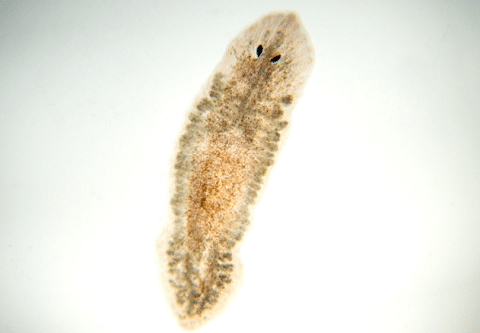
Planaria flatworms are named after their flat bodies. These animals are dorsoventrally compressed, meaning they have flattened bodies from both the under and upper sides. One of their main characteristics is their triangular head, which has two observable eyespots.
Flatworms are very small and stay well under half an inch in length. There are a few types of planaria worm found in the aquarium:
Light Planaria, sometimes called white Planaria or white worms, are species from the Procotyla genus. They are freshwater worms from North America and Russia. They are very light and creamy in color, though they might have bursts of darker color across their bodies.
Dark Planaria are often Dugesia species, which are much more widespread throughout the world and are found in freshwater ecosystems.
Red flatworms (Convolutriloba spp.) are one of the most common marine Planaria worms to come across. They reproduce quickly and can quickly suffocate corals. When killed, these rust-colored worms also release a toxin that can become dangerous to other aquarium inhabitants. Interestingly, red flatworms are largely photosynthetic.
Keep in mind that Planaria flatworms are only a few millimeters in length, making them incredibly difficult to accurately identify. Planaria flatworms are not the only worm in the aquarium though, and lots of other aquatic worms are beneficial to our systems.
It is easy to confuse Planaria worms with detritus worms that live in the substrate, cleaning up leftover food and providing oxygenation. Detritus worms will stay in the substrate or along the bottom of the aquarium and have a long and thin rounded body. This is much different from the flattened appearance of a flatworm.
Planaria In Aquarium? How Do They Get In
Planarian worms are hitchhikers just like any other creature that has unknowingly made its way into your aquarium. They show up in your aquarium one day, fully established.
Like other hitchhikers, Planaria flatworms enter the aquarium through direct transfer of rock, media, substrate, plants, or other aquarium decorations. It is also possible that Planaria eggs are transferred on these objects which will then hatch in the new aquarium. On rare occasions, Planarian worms and eggs may be transferred with the aquarium water.
Like many other pests, Planaria populations will largely depend on the overall resource availability of the fish tank; population numbers may increase and decrease depending on water quality and feeding frequencies. While it’s normal to find one or two Planaria flatworms every now and then, you might find yourself facing an infestation.
No matter how many worms you observe in your aquarium, it is always recommended to remove them as soon as possible. This is mainly to prevent an infestation but also because it is hard to know if the type of flatworm you have is harmful to your system or not. It is better to prevent a problem before it happens than to clean up the mess.
Are They Harmful To Fish?
But how harmful are Planaria worm species? Will they kill your fish and invertebrates overnight or wait until you least expect it to strike?
No, it is very unlikely for Planaria to affect your fish and larger invertebrates, like shrimp and snails (and also crabs); at the same time, Planaria have been known to attack and kill shrimp (see video above). While some species of Planaria are parasitic, they are rarely seen in the home aquarium. Instead, most fish tank Planaria species are free-living, burrowing into the rocks and substrate.
These free-living Planaria worms can become problems, especially for corals. One of the most common pests is the red Planaria worm, which reproduces quickly and suffocates corals. However, there are other types of flatworm that target specific species of coral, like the Acropora eating flatworms (AEFW).
These flatworms, Amakusaplana acroporae, are nearly impossible to see before it’s too late. AEFW flatworms feast on the coral’s flesh and then lay their eggs around the base of the skeleton. These Planaria worms are nearly the exact same color as the Acropora they eat, making them blend in and camouflage an already bare coral skeleton.
On the other hand, a controlled Planaria population is beneficial for the home aquarium. These worms are excellent members of the cleanup crew and are a high-protein source of food for many fish species, especially wrasses. With careful feeding and regulation, these pests is put to good use.
How To Get Rid of Worms
The problem is that by the time you find one Planaria swimming across the front of your aquarium glass, you already have a problem. Remember, these worms reproduce quickly and one can quickly lead into a full Planaria infestation.
Because these worms are so small, removal is difficult. Luckily, there are a few methods to get rid of Planaria worms through manual removal, chemical treatment, or the addition of new aquarium inhabitants.
Manual Removal Of Flatworms
Manually removing flatworms is like treating any other pest and requires determination and consistency.
However, it’s important to keep in mind that some Planaria worms are capable of releasing toxins into the aquarium upon death, which should be avoided as much as possible. For extra precaution, make sure to run activated carbon filter media.
Otherwise, these worms is carefully removed from the aquarium over the course of a few weeks.
Aquarium Vacuuming
Remove worms as you see them. If you find one crawling along the aquarium glass, carefully use a net or other container to get it out of the fish tank. This might seem simple enough, but it’s also worth taking a few extra minutes during a water change to suck up any flatworms that you see on corals, rocks, or plants with an aquarium vacuum.
Some species, like the red flatworm, are easier to remove than others. After safely removing them from the tank water, they may be disposed of through specialized coral dips, boiling water, or other proven household chemicals.
At the same time, feedings should be decreased. As mentioned before, a blossoming Planarian worm population is often directly linked to food availability. By limiting food temporarily while also undergoing population control, eliminating flatworms becomes a whole lot easier.
Flatworm Traps
Because hobbyists regularly struggle with flatworm infestation scares, tools have been developed to make the solution as easy as possible. One of these tools is a planaria trap.
These traps come in many shapes and designs and may even be DIY’d. The main goal is to draw as many worms as possible by using extra smelly bait and leftover food. The Planaria trap is designed to allow the flatworms to enter but not to leave, letting hobbyists leave their aquariums alone to catch worms for them.
The problem with the Planaria trap is that it can attract other smaller invertebrates and cleanup crew, like adult shrimp and other worms. Though the trap won’t kill them immediately, it makes predation easier while also stressing out the animals.
The other problem with using a Planaria trap is that progress is slow and indefinite. These traps will not get rid of a Planaria infestation. Instead, they can regularly be used for population control.
Chemical Treatment
If your Planaria infestation is literally out of your hands, then you need to turn to a more immediate solution. However, chemical treatment should be a last resort as products designed only for Planaria worms is difficult to find and dose. Luckily, there are a few products that only affect Planaria, though they might originally be meant for other animals.
The best chemical treatments for eliminating Planaria are:
Praziquantel. This treatment is safe for most fish species, though wrasses is more susceptible to negative side effects. It may kill fan and bristle worms but should not affect other invertebrates in fish tanks.
Salifert’s Flatworm Exit. This chemical is one of the safest for all reef organisms, but will be ineffective at normal doses. This makes it so that you need to overdose on the product, which can lead to a mass die-off of worms that then release too many toxins that affect the whole tank.
Levamisole hydrochloride. Products that have this active ingredient are Levisol, Fenbendazole, Safe-Guard, and Paracur. These chemical treatments offer wide coverage and will kill most invertebrates in the aquarium and should be used as a last resort.
Interceptor. A canine dewormer that is used for reef tanks to eliminate flatworm infections
No Planaria. This is a shrimp-safe treatment that works for heavy infestations. Make sure to remove beneficial aquarium snails and chemical media when using this product. The active ingredient is Betel nut palm extract. This is a natural treatment that is effective against planaria in the aquarium.
While these chemicals is extremely effective, most do not treat for Planaria eggs. This is why it’s recommended to quarantine all new live rock (for saltwater tanks), plants, substrate, and filter media that is being transferred from one aquarium to another.
New Fish And Invertebrates
One of the best things about having Planaria worms in your aquarium is having an excuse to buy new fish and invertebrates. Like any other solution for pests, new aquarium inhabitants should not be purchased for a temporary solution. Fish and invertebrates should be given what they need for an indefinite time period.
That being said, there are a few natural predators that eat Planaria in Freshwater tanks.
Freshwater Angelfish
Scientific Name: Pterophyllum spp.
Minimum Tank Size: 30 gallons
Maximum Size: 6 inches
Aggression: Semi-Aggressive
Freshwater angelfish are big, colorful fish that can work up an appetite. These fish are largely categorized as omnivores but can go into a frenzied state when live, meaty foods are introduced into the aquarium.
This is used to the benefit of the hobbyist as freshwater angelfish are likely to go after flatworms to supplement their diet. Though these fish aren’t the most proactive hunters, they can certainly help keep worm populations under control.
Once flatworm populations run low, angelfish can then sustain themselves on other foods instead.
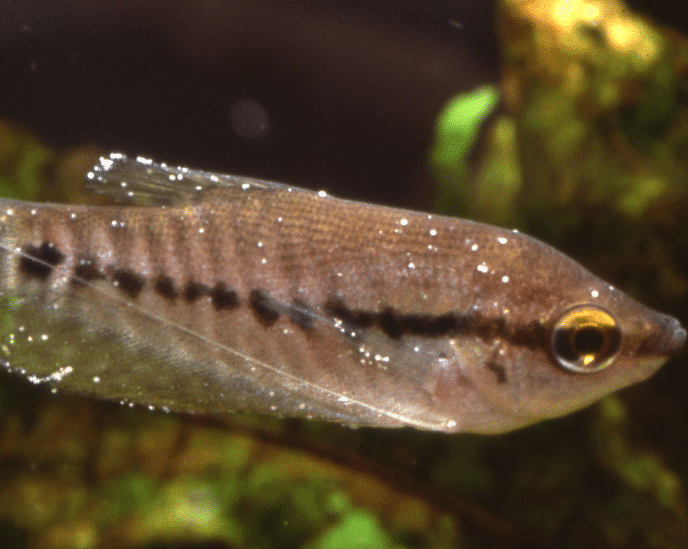
Gouramis
Scientific Name: Trichogaster spp.
Minimum Tank Size: 10-40 gallons
Maximum Size: 6 inches
Aggression: Semi-aggressive
Gouramis and angelfish have very similar diets and are just as capable of controlling a flatworm population in the fish tank. These colorful fish species will gladly eat any flatworms they come across, and won’t need to be supplemented in the future.
Again, gouramis will not eliminate the problem completely but will help keep numbers down.
Tiger Barbs
Scientific Name: Puntius tetrazona
Minimum Tank Size: 30 gallons
Maximum Size: 3 inches
Aggression: Semi-Aggressive
In a school, tiger barb behavior has sometimes been equated to that of a hungry pack of piranhas, and they definitely have the predatory instincts to prove it!
Like angelfish, tiger barbs go into a frenzy when food is present. They are largely omnivores but will prefer a more meat-based diet, making them the perfect candidate to eat Planaria worms. The only problem is their over-aggression, which limits tank mate options.
Assassin Snails
Scientific Name: Clea helena
Minimum Tank Size: 30 gallons
Maximum Size: 3 inches
If you’re pressed on space or just can’t add another fish to your aquarium, then an assassin snail is what you’re looking for. However, these snails won’t go after flatworms on their own and they might need some encouragement; all the while, it’s likely that your assassin snail will attack any other snails in the aquarium.
In order to get your assassin snail to target flatworms, it’s recommended to feed the tank less. This will make your snail hungrier and possibly more interested in the prey that is already available.
It should be noted that this is not a guaranteed method but can help hobbyists keep up with manual removal.
Saltwater solutions
In general, wrasses and blue velvet nudibranchs (Chelidonura variants) are the best biological solutions to get rid of Planaria worms. The six line wrasse (Pseudocheilinus hexataenia), melanurus wrasse (Halichoeres melanurus), yellow coris, and canary wrasse (Halichoeres chrysus) are especially known for their flatworm-eliminating powers.
Planaria worms are great food for fish and most species of wrasse won’t turn down a free meal. Unfortunately, wrasses are active fish that need more space than the blue velvet nudibranch. They also prefer a substrate that they can burrow into at night.
Other Options
Hobbyists have also tried some species of dragonet and blenny, but both these fish seem to be more interested in other food in the aquarium first.
Some hobbyists have even tried peppermint shrimp (Lysmata wurdemanni) that are successful Aiptasia hunters. However, they’re just as likely to move on to other foods first than to fully control Planaria worm populations in the aquarium.
Quarantine And Prevention
The best way to prevent a Planaria worm outbreak is by stopping them from entering your freshwater or saltwater aquarium in the first place. This is done by quarantining new live rocks, plants, filter media, and other aquarium decorations. Preventative dips may also be used for faster results.
With any new addition to the aquarium, a quarantine period should be allowed. This should last about 2-4 weeks to allow worms to emerge and for any eggs to hatch. At this point, the problem is contained and is freely treated with any of the methods mentioned before: manual removal, chemical treatment, or added fish and invertebrates.
The benefit of quarantine is that you don’t need to worry about sensitive fish or invertebrates that would otherwise be affected by the most effective chemical treatment options. You also don’t need to worry about nuking your tank with dead Planaria!
The quicker method (for saltwater tanks) is rinsing new objects and media in a coral dip or other homemade solution. There are many coral dips that will treat a variety of pests, including flatworms.
An alum dip is especially popular for dipping and treating freshwater live plants.
While these dips are largely effective, some worms have grown immune to their effects. Planarian eggs may also not be affected and need to be manually removed.
Final Thoughts
Planaria flatworms aren’t something you want to see in your aquarium, but they’re not the most destructive or overwhelming pest. Luckily there are a few methods to get rid of Planaria worms, including manual removal, chemical treatments, and new aquarium additions.
As with any pest, prevention is the best way for eliminating flatworms altogether.
🐟 Want to learn more? This article is part of our complete Aquarium Care Guide. Your ultimate resource for water chemistry, maintenance, feeding, disease prevention, and everything you need for a healthy tank.
The number one mistake I see new reef hobbyists make is starting with SPS corals. They walk into the store, see a colorful Acropora frag, and buy it because it’s affordable and looks cool. Six weeks later it’s dead and they don’t know why. SPS corals require a mature, stable system. They expose every flaw in your water chemistry and your tank management habits. If parameters swing, SPS will tell you immediately. Soft corals and beginner LPS are the right starting point, and there’s nothing wrong with staying in that zone for a year or two before pushing into SPS territory. Also worth saying: your parameters don’t need to be perfect. They need to be stable. Stable mediocre parameters beat swinging perfect numbers every single time. I’ve seen thriving SPS tanks running slightly off-spec chemistry. I’ve also seen pristine numbers on paper and dead corals in the tank. Consistency is what corals need.
If your parameters are not stable, this coral will not survive the first month. Corals do not die from wrong numbers. They die from unstable numbers. The difference between a thriving reef and a dying one is consistency, not perfection.
Stable mediocre parameters beat perfect parameters that swing. Every time.
Key Takeaways
There are four main coral categories in the reef hobby: soft corals (easiest), LPS (intermediate), SPS (advanced), and NPS (niche/advanced).
Do not start with SPS corals. They require a fully mature, stable system and will die in a tank that isn’t ready for them.
The 6-month rule: wait at least 6 months before adding any coral, and 12 or more months before attempting SPS.
Corals engage in chemical warfare with each other. Spacing and coral placement matter more than most beginners realize.
Aquacultured corals are the best choice for most hobbyists: healthier, cheaper, hardier, and no acclimation stress from wild collection.
SPS corals are not just demanding in water chemistry. They also need high PAR lighting and high flow. The equipment investment is real.
Fragging is part of the culture. It’s how hobbyists share, trade, and build collections affordably. Start learning it early.
What Exactly Is Coral?
Corals are animals. Not plants, not rocks. They belong to the phylum Cnidaria, which contains over 11,000 species including jellyfish, gorgonians, and anemones. More specifically, corals fall in the class Anthozoa, further divided into two subclasses that define the two main groups of aquarium coral:
Octocorallia: Eight-tentacle corals including most soft corals (leather corals, gorgonians, star polyps)
Hexacorallia: Six-tentacle corals including stony corals (SPS and LPS), zoanthids, and mushroom corals
All corals have specialized stinging cells called cnidocytes. These are the same cells that make jellyfish sting. In corals, they serve two purposes: capturing food from the water column and defending territory against neighboring corals. That territorial chemical warfare between coral types is something you need to plan around in a reef tank. Corals that grow toward each other will sting each other. Some of those stings cause irreversible tissue damage overnight.
Most photosynthetic corals have a symbiotic relationship with microscopic algae called zooxanthellae. These algae live inside the coral tissue and produce food through photosynthesis, sharing the energy with the coral. In exchange, the coral provides shelter and nutrients. When a coral is stressed by temperature swings, poor water quality, or insufficient lighting, it expels its zooxanthellae. The coral turns white. This is coral bleaching. Without zooxanthellae, the coral starves unless conditions improve quickly enough for it to reabsorb new algae. Many bleached corals do not recover.
The 6-Month Tank Maturity Rule
Before you add any coral to a new tank, the system needs to be biologically mature. That means a complete nitrogen cycle, stable parameters measured consistently over multiple weeks, established populations of beneficial bacteria, and ideally some natural pod and microfauna populations building up in the rockwork.
For soft corals and hardy LPS, 6 months is a reasonable minimum. For SPS, most experienced reefers recommend 12 months or more. This is not an arbitrary rule. SPS corals react instantly to parameter instability. New tanks cycle, swing, and settle. During that process, an SPS coral will die. Waiting until your tank is genuinely stable is the single most reliable way to improve coral survival rates.
The common mistake is treating coral addition as an early milestone. It’s not. It’s a late-stage decision in tank development.
Avoid These Coral Mistakes
Starting with SPS corals in a tank under 12 months old (they will die)
Placing corals without accounting for chemical warfare reach and sweeper tentacles
Buying wild-caught corals when aquacultured alternatives are available
Adding multiple coral types to a new reef without understanding PAR and flow requirements
Keeping soft corals directly adjacent to SPS (allelopathy from soft corals suppresses SPS growth)
Skipping a quarantine process for wild-caught or maricultured corals (parasites and pests are common)
ASD Coral Difficulty Tiers
Beginner (Soft Corals): Zoanthids, mushroom corals (Discosoma, Rhodactis), green star polyps, toadstool leather, pulsing xenia. Low light, low to moderate flow, tolerates parameter variation. Start here.
Advanced (SPS): Acropora, Montipora, Pocillopora, Seriatopora, Stylophora. High PAR, high flow, tight parameter stability, Triton or Zeovit methodology in many tanks. At least 12 months of tank maturity recommended.
Expert/Niche (NPS): Sun corals, dendrophyllia, carnation corals, chili coral. No zooxanthellae. Daily target feeding required. Cannot survive on light alone. Niche setups only.
Soft Corals: Start Here
Soft corals belong primarily to the Octocorallia subclass and are the most forgiving group for beginner reefers. They don’t build hard calcium carbonate skeletons. Instead, they have flexible, fleshy bodies supported in some species by tiny internal skeletal elements called sclerites. This makes them fast-growing, easy to propagate by fragging, and tolerant of the parameter swings that new tanks experience.
Lighting requirements are low to moderate. Most soft corals do well under T5 fluorescent, basic LED setups, or even modest PAR outputs around 50 to 150. Water flow should be moderate and indirect rather than direct blast flow. Most soft corals thrive in random, pulsing flow rather than laminar streams aimed at the coral.
One critical point about soft corals: they engage in allelopathy. They release chemical compounds into the water that can suppress the growth of nearby corals, particularly SPS. Running activated carbon helps manage this. If you want to eventually transition to a mixed reef or an SPS-dominant system, be strategic about how many and which soft corals you include. A tank full of xenia and leather corals will create a chemical environment that SPS struggle in.
The best beginner soft corals include:
Zoanthids: Colorful, hardy, grow in colonies, propagate easily. Dozens of named morphs. Watch for palytoxin when cutting (wear gloves and eye protection)
Mushroom corals (Discosoma, Rhodactis): Extremely tolerant of low light and moderate parameters. Some of the best beginner corals available
Green star polyps: Fast-growing mat coral. Nearly impossible to kill once established. Can overgrow other corals, so give it its own rock island
Toadstool leather coral (Sarcophyton): Hardy, substantial presence, and one of the easiest leathers to keep. Periodically sheds a waxy layer, which is normal
Pulsing xenia: The coral that moves. Its rhythmic pulsing is one of the most distinctive visual features in the reef tank. Grows fast and can take over if not managed
Mark’s Pick: Best Beginner Coral
Zoanthids. They come in more color varieties than almost any other coral group, propagate by fragging easily, grow into striking colonies, and tolerate the imperfect water conditions that new tanks inevitably have. If you’re new to reefing, a handful of zoa frags will give you an early win and make your tank look good while the system matures. Start there. Move to hammer and torch corals when your parameters are steady. Build toward SPS when you’re genuinely ready.
LPS Corals: The Intermediate Layer
Large polyp stony (LPS) corals belong taxonomically to the Scleractinia order, the same as SPS, but their care requirements are significantly less demanding. Their large, fleshy polyps cover most of the underlying calcium carbonate skeleton, which gives them more visual presence and a different aesthetic than either soft corals or SPS. Many LPS are considered “meatier” corals that benefit from supplemental target feeding with mysis shrimp or coral-specific foods.
LPS corals require stable alkalinity and calcium for skeletal growth, moderate lighting (PAR of 100 to 250 for most species), and careful placement due to sweeper tentacles. Euphyllia species like torch, hammer, and frogspawn extend sweeper tentacles at night that can sting and damage neighboring corals. Give LPS adequate spacing, at least 4 to 6 inches from neighboring corals, and watch for nighttime expansion when placing them.
Euphyllia species also exhibit cross-compatibility. Hammer and frogspawn are actually the same species (Euphyllia ancora and Euphyllia paradivisa) and can be placed closer together than either can to torch corals (Euphyllia glabrescens). Mixing torch corals with other Euphyllia types results in stinging and tissue recession. This is one of those placement details that most beginners learn after losing a coral to it.
Popular beginner-to-intermediate LPS corals include:
Hammer coral (Euphyllia ancora): Hammer-shaped fleshy tips, moderate requirements, stunning movement in flow
Torch coral (Euphyllia glabrescens): Long, waving tentacles, one of the most sought-after LPS. Keep separate from other Euphyllia
Duncan coral (Duncanopsammia axifuga): One of the easiest LPS, fast-growing, tolerates moderate flow and lower light
Brain corals (Favites, Favia, Platygyra): Encrusting growth form, moderate requirements, steady growth in a mature system
SPS Corals: Advanced Territory
Small polyp stony (SPS) corals are the most demanding category in the reef hobby. They require the highest water quality, the most stable parameters, the strongest lighting, and the most flow. In exchange, they provide the most dramatic long-term visual transformation of any coral category. A mature SPS reef is genuinely one of the most impressive things you can build in this hobby.
The primary parameter targets for SPS-dominant systems are tight: alkalinity 8 to 9.5 dKH with minimal swing, calcium 400 to 450 ppm, magnesium 1250 to 1350 ppm, nitrate below 5 ppm (some successful SPS reefs run near zero), phosphate 0.03 to 0.08 ppm. The exact numbers matter less than the stability of those numbers. A daily swing in alkalinity from 7 to 10 dKH will cause SPS tissue recession faster than a sustained alkalinity of 7.5 dKH will. Stability is the priority.
SPS corals also need high PAR. Most branching species like Acropora and Pocillopora want 250 to 400+ PAR. Encrusting species like Montipora can do well at lower PAR values around 100 to 200. Lighting equipment for a serious SPS tank is a real investment. T5 hybrid setups and high-output LED systems from established brands are the standard. Budget LED fixtures that don’t hit adequate PAR are one of the most common causes of SPS failure.
Genuinely beginner-friendly SPS species include:
Montipora capricornis: Plating encrusting growth, more forgiving than most SPS, good entry point for first SPS attempt in a mature tank
Seriatopora hystrix (birdsnest coral): Thin branching, fast-growing, more tolerant of moderate parameters than Acropora
Stylophora pistillata: Compact branching, hardy for SPS, good indicator species for overall tank health
Acropora is the pinnacle of SPS reefing and genuinely belongs in a system with at least 12 months of stable operation, established dosing or calcium reactor, and a keeper who tests parameters at least twice a week. Don’t start there.
NPS Corals: The Niche Category
Nonphotosynthetic (NPS) corals do not contain zooxanthellae. They cannot produce food from light. They survive entirely by capturing food from the water column, which in nature means a constant supply of planktonic organisms flowing over them. In a home aquarium, that means you need to provide target feedings multiple times per day.
The sun coral (Tubastraea species) is the most commonly available NPS coral and the least difficult in this category. Its brilliant orange or yellow polyps only fully extend when food is present, which is one of the more spectacular feeding displays in the reef hobby. Training a sun coral to open for feedings requires consistent food introduction at the same time daily. Most keepers use a small container or dome to isolate the coral during feeding so food doesn’t disperse through the tank.
Other NPS species like carnation coral (Dendronephthya) and chili coral are significantly harder. Carnation coral has one of the lowest survival rates of any coral sold in the hobby. It requires near-constant feeding of specific particle sizes and extremely stable parameters. It is beautiful. It’s also almost always dead within 3 to 6 months in anything but an expert-level dedicated NPS system. Do not buy carnation coral unless you have specifically built a system around it.
Coral Chemical Warfare and Placement
Corals compete for space on natural reefs and they bring those competitive strategies into your tank. There are two main ways corals fight each other: physical contact through sweeper tentacles and nematocysts, and chemical allelopathy through compounds released into the water.
Physical contact aggression is the more obvious of the two. Torch corals extend sweeper tentacles that can reach 6 inches (15 cm) or more at night. Brain corals extend mesenterial filaments that digest tissue on contact. Favia and Favites corals send out digitative mesenterial filaments that can sweep several inches beyond their visible skeleton. Any coral within range of these weapons will show tissue recession at the contact point.
Chemical allelopathy is less visible but often more damaging over the long term. Leather corals and some soft corals release terpenoids and other compounds that suppress the immune response and growth of nearby corals, particularly SPS. This is why full SPS tanks often avoid leather corals entirely, or run only small quantities with heavy skimming and activated carbon to pull the chemicals out of the water column. Activated carbon replacement every 4 to 6 weeks is standard practice in mixed reefs for this reason.
Placement principles to follow:
Place LPS away from other corals by at least 4 to 6 inches (10 to 15 cm) accounting for maximum tentacle extension at night
Keep Euphyllia species separated by type: hammer/frogspawn can be near each other, but keep torch separated
Soft corals should not be directly adjacent to SPS frags or colonies
Place SPS high and toward the flow for the PAR and circulation they need
Place LPS mid-tank with moderate, indirect flow
Place soft corals and mushrooms lower in the tank where flow and PAR are reduced
Fragging Culture
Fragging is the practice of cutting a coral into smaller pieces, called frags, for trading, selling, or expanding a colony in the same tank. It’s one of the foundational practices of the reef hobby and a primary driver of how hobbyists build their coral collections affordably.
Most soft corals can be fragged with simple scissors or a razor blade. LPS corals require a band saw or similar cutting tool to section the calcium carbonate skeleton. SPS corals are fragged with coral cutting tools or small bolt cutters that snap branches cleanly. All fragging should be done with clean tools, protective gloves (especially for zoanthids, which contain palytoxin), and the frag immediately attached to a frag plug with reef-safe gel glue.
The local reef club or online reef community frag swap is one of the best ways to build a diverse coral collection. Frags from established home reef systems are often healthier than store-bought wild-caught specimens because they’re already adapted to captive conditions. Buying from other hobbyists also gives you the lineage and care history of the coral, which store-bought specimens rarely provide.
Wild-Caught vs. Maricultured vs. Aquacultured
Where your coral comes from affects its health, its acclimation success, and the environmental impact of your purchase.
Wild-caught corals are collected directly from natural reef ecosystems. They carry parasites, hitchhikers, and the stress of long shipping. They require thorough quarantine and careful acclimation. They’re more expensive than alternatives and carry the highest environmental impact. Wild-caught is rarely the best choice when alternatives exist.
Maricultured corals are grown on ocean-based coral farms in their natural environment, then harvested. They’re more sustainable than wild collection and support local reef economies. The acclimation challenge is still present because they transition from natural conditions to a home aquarium. Expect some adjustment period and quarantine.
Aquacultured corals are the best option for most hobbyists. They’re grown entirely in captivity, fully adapted to aquarium conditions, free of wild reef parasites, competitively priced due to scalable production, and carry no wild collection environmental impact. Aquacultured frags from domestic facilities are the default recommendation for any beginner or intermediate reefer.
Coral Category Comparison
Category
Lighting
Flow
Feeding
Tank Maturity
Difficulty
Soft Corals
Low-Moderate (50-150 PAR)
Low-Moderate
Photosynthetic; optional supplemental
6 months min
Beginner
LPS Corals
Moderate (100-250 PAR)
Moderate, indirect
Photosynthetic; target feeding beneficial
6-12 months
Intermediate
SPS Corals
High (250-400+ PAR)
High, random
Photosynthetic; trace element dosing critical
12+ months
Advanced
NPS Corals
Not required (shade preferred)
Moderate, consistent
Daily target feeding required
12+ months
Expert/Niche
FAQs
What coral should I start with in a reef tank?
Zoanthids, mushroom corals, or green star polyps. These are the most forgiving soft corals available, tolerate the parameter variation of newer tanks, and propagate easily so you can build a colony from a single frag. Start here for at least 6 months before moving to LPS, and 12 or more months before attempting SPS.
Why do my corals keep dying?
The most common causes are parameter instability (especially alkalinity swings), insufficient tank maturity, wrong placement for the coral’s light and flow requirements, and chemical warfare from neighboring corals. Test your water parameters with a reliable kit or ICP test. Consistent parameters matter more than hitting specific target numbers exactly.
How long do I need to wait before adding coral?
At minimum 6 months for soft corals and hardy LPS. Twelve or more months before adding SPS. This isn’t a rule hobbyists like to hear, but it’s based on how reef systems actually stabilize. Early coral additions in new tanks fail at significantly higher rates than those added to mature systems.
Can soft corals and SPS be kept together?
Yes, but with planning. Soft corals release chemical compounds that can suppress SPS growth. Keep soft corals from dominating the tank, run activated carbon consistently, skim efficiently, and provide adequate spacing. Many successful mixed reefs include both, but it requires active management of the tank’s chemical environment.
What is the easiest SPS coral?
Montipora capricornis (plating Montipora) and birdsnest coral (Seriatopora hystrix) are the most forgiving SPS. They tolerate slightly more parameter variation than Acropora and are good first SPS corals for a tank that has been running for 12 months with stable chemistry. Still require high lighting and flow compared to LPS, but are the entry point to the SPS world.
Are NPS corals hard to keep?
Yes. They’re some of the most demanding corals in the hobby. Sun corals are the most manageable NPS species, but all NPS require daily target feeding. Species like carnation coral have extremely poor survival rates in typical aquarium setups and belong only in dedicated NPS systems built around their feeding requirements.
Closing Thoughts
Coral reefing is a long game. The hobbyists who succeed are the ones who let their tank develop, learn the chemistry, start with appropriate corals for their system’s age, and resist the urge to push into SPS before the tank is ready. The ones who fail are usually the ones who stock too early, choose corals that don’t match their system, or underestimate how much parameter stability matters.
Start with soft corals. Master stability. Move to LPS when your parameters are genuinely consistent over months. Consider SPS when your tank has been running well for over a year and you’re ready for the equipment investment and the tighter management it requires. There’s a thriving reef at every level of this progression. You don’t have to rush to the next category to enjoy the hobby.
For quality aquacultured coral frags and reef supplies, check Flip Aquatics and Dan’s Fish. Both prioritize tank-raised and aquacultured specimens and are reliable sources for corals that are adapted to captive conditions.
📘 Want to learn more? This article is part of our complete Saltwater Fish & Reef Guide. Your ultimate resource for marine fish, coral care, reef setup, and more.
The flame angelfish is one of the most visually striking dwarf angels you can put in a reef tank. that bright orange-red body with black vertical bars is genuinely hard to beat. In my experience, they’re also one of the more commonly impulse-purchased reef fish, and that’s where trouble starts. The big thing people overlook is the coral-nipping risk. Like most dwarf angels, flame angels can develop a taste for soft corals and LPS, and once they start it’s nearly impossible to stop. That doesn’t mean you can’t keep them in a reef, but it does mean you need to go in with realistic expectations and a plan. Here’s everything I know about keeping them successfully.
The flame angelfish is reef safe until it decides it is not. That decision is permanent.
Species Overview
Scientific Name
Centropyge loricula
Common Names
Flame angelfish, flaming angelfish, flame angel
Family
Pomacanthidae
Origin
Country – Pacific Ocean
Diet
Omnivore
Colors
Reds, yellows, oranges, purples, blacks
Care Level
Intermediate
Temperament
Semi-Aggressive
Minimum Tank Size
70 gallons
Max Size
4 inches
Temperature Range
76. 82 degrees F
pH Range
8.0. 8.4
Salinity
1.025 or 35 PPT
Reef Safe
With caution
Available As Tank Breed?
Available
Origins And Habitat
As one of the most colorful fish in the entire saltwater aquarium hobby, the flame angelfish comes from the tropical waters of the Pacific Ocean. These marine fish have a very wide natural range, taking to the shallow lagoons and reefs of tropical island ecosystems, like the Great Barrier Reef. Flame angels are highly dependent on the reef for food and shelter and rarely venture deeper than 60 meters in depth.
Interestingly, these dwarf angels form harems with one male for every 2-6 females. Like most other saltwater fish that form harems, flame angelfish are hermaphrodites. This means that all flame angels are born with male and female reproductive organs, though their external appearances are nearly identical; this can make it difficult to form harems in the reef tank setting.
As environmental and social changes occur, the largest and most colorful flame angelfish will assume the position of the male in the harem; this could be caused by a sudden death of the previous male or external factors, like resource availability or mating patterns.
In the aquarium, this sex change is unlikely to occur to your flame angelfish. As we’ll see, flame angels cannot be kept together due to various aquarium limitations, though some hobbyists have been successful. This makes for an otherwise stable environment where the flame angelfish does not need to adapt so drastically by changing its sex.
What Do Flame Angelfish Look Like?
Flame angelfish are one of the brightest and most appealing fish in the aquarium hobby. These fish have bold colorations and stay under 4 inches when fully grown, making them a suitable addition to the saltwater aquarium for the average hobbyist.
The flame angelfish has a compact body, with rounded dorsal and ventral fins. The overall color is a bright red, with several vertical black stripes along the side of its body. The middle portion of the body may be more orange or red than the rest, along with the caudal fin. The outer margins of the dorsal and anal fins may have electric blue or purple accents.
Color and intensity will greatly depend on the lights being used on the reef tank and the quality of diet.
The flame angelfish is a dwarf angelfish species. They have a very similar body shape and temperament to the closely related coral beautiful angelfish (Centropyge bispinosa). Though these fish may be smaller than their full-sized angel counterparts, they are still active fish that need a decent amount of aquarium space.
Coral Beauty Species
In comparison, coral beauties are slightly less desirable than the flame angelfish for the reef tank. However, they’re still one of the most beautiful fish available in the hobby and within the price range and care requirements that the average hobbyist can afford and provide.
Coral beauty angelfish have a more concentrated natural range throughout the Indo-Pacific. They grow to be about 4 inches and require a 70 gallon tank or more. They have a deep purple body with many thin black lines across the middle of their body; this area is lighter in color, ranging from dull yellow to intense oranges. Their behavior is nearly identical to that of the flame angelfish, though they can sometimes be shyer in personality.
It is also believed that coral beauties are slightly more reef-safe than their more colorful counterparts. Still, there is no guarantee that a coral beauty will leave all the corals in the tank alone for an indefinite period of time and caution is needed.
These dwarf angelfish have also been successfully captive-bred, which lessens environmental impact and increases overall hardiness and availability.
Tank Requirements
Though small, the flame angelfish can be more challenging to keep than the average community fish. This is largely due to their level of activity, green-based diet, and semi-aggression.
At the bare minimum, dwarf flame angels need 70 gallons or more. For many years, these reef fish were believed to be a nano tank fish species that could fit into small aquariums under 40 gallons. As hobbyists began to understand their true needs, it was revealed that they are very active swimmers that heavily rely on the live rock for food and protection.
Like larger angels, flame angelfish are algae grazers. They will spend their time weaving in and out of the live rock, looking for food. Unfortunately, this also sometimes includes sessile invertebrates which don’t make them completely reef-safe, though we’ll discuss more later.
Otherwise, flame angels don’t require much. They can be slightly more sensitive to changes in water parameters than other fish species but will show their best colors when happy.
Are They Easy To Keep?
Yes, flame angelfish are relatively easy to keep. They’re not as hardy as other community fish, like clownfish, but they don’t require any special water parameters or diet.
That being said, flame angelfish should not be attempted as one of the first additions to a new aquarium. Not only is water quality subject to change during this time, but this stocking sequence can also affect your fish’s ability to adapt to new additions in terms of aggression.
Are They Prone To Marine Ich?
For the most part, flame angelfish aren’t any more prone to contracting marine ich than any other saltwater fish. For some reason though, most flame angelfish in-store have often already been affected.
With any fish, it is always recommended to do a quarantine period before adding the new fish to the display aquarium. Allowing 2-4 weeks of seclusion will let illnesses arise in a safe environment where medications can be freely dosed.
If your fish does show signs of ich or another parasite while in your display aquarium, it is still strongly recommended to start the quarantine process and dose medications accordingly.
Marine Ich Symptoms & Cures
It can be very scary dealing with marine ich for the first time in the aquarium. These parasites are relentless and much more difficult to treat than their freshwater counterparts, which are not closely related at all.
Unlike freshwater ich (Ichthyophthirius multifiliis), marine ich cannot be solved with simple water changes and water temperature adjustments. Instead, there is a pretty exact protocol that needs to be followed.
Marine ich is a type of parasite called Cryptocaryon irritans. The most obvious sign of ich is a sprinkled coating of small white specks that cover the entire body of the fish; these can be especially difficult to see under some aquarium lights and on lighter colored fish bodies.
Contrary to popular belief, these white spots are not actually the parasite, but a symptom instead; as the parasite digs into the skin of the fish, the body excretes a mucus that causes the signature ich-appearance. These spots might not always be visible as the parasite can internally infect gills. At this stage, the parasite is depending on the fish for survival.
After this stage, the parasite drops off and attaches to the substrate or another surface. These create daughter parasites that swim until they find another host. This means that ich can be transferred through aquarium water alone while in this life stage.
Other symptoms of marine ich include:
Heavy breathing
Discoloration
Lack of appetite
Flashing
Lethargy
The best way to prevent ich is by stopping it from entering the aquarium altogether. Purchasing from a reputable seller and a subsequent quarantine period will increase the chances of receiving a healthy fish on arrival that can be observed and treated for any given ailments.
If ich manages to enter the display aquarium, there are few options available to the hobbyist for treatment. All fish must be captured and transferred to a quarantine tank while the main display is left fallow for several weeks. Most prescribed medications are too strong for biological filtration, which could easily wipe out everything that’s living in the display.
Once in quarantine, there are a few courses of treatment that can be done for marine ich. In general, raising the temperature has little effect on saltwater fish suffering from ich. However, raising the temperature to about 81°F has shown to result in a shorter fallow period needed for the display. The freshwater dip method has also been proven to be ineffective.
Ich will not treat itself and medication is needed on top of a quality diet and stable water parameters. Some of the recommended medications are copper and chloroquine phosphate.
One of the least aggressive methods of treatment is hyposalinity. This involves lowering both the pH and salinity over the course of a few days to combat an ich infestation. While this method is very gentle on fish and can be successfully executed in the display aquarium, it can be very difficult to execute with precision.
This is mainly due to needing exact recordings of water parameters while keeping on top of freshwater top-offs and buffering the pH.
As mentioned before, flame angelfish can be hardy once established in the aquarium. Though they don’t have the thickest mucus protecting their skin from parasites such as ich, they are not the most susceptible either.
Temperament
You never know what you’re going to get when you bring home a flame angelfish (video source). In general, they are regarded as being a semi-aggressive species that might nip at other similar-looking species. This is especially true if hoping to keep the popular combination of flame angelfish and coral beauty angelfish together.
Flame angels and coral beauties have successfully been kept together in the same aquarium, even in those that are probably too small. However, this pairing isn’t recommended unless the aquarium is over 200 gallons.
The problem is that flame angelfish are generally more aggressive than coral beauties, leaving one fish from this duo to be bullied. A larger tank will allow for territories to be farther apart, decreasing the chances of your fish interacting with each other; it also helps if the fish are added at the same time so that neither one has the upperhand.
In the wild, flame angelfish are regularly seen in harems. In the reef aquarium setting, very few hobbyists have had luck keeping more than one flame angel per tank.
In most cases, this would require a very large aquarium, well over 200 gallons. All members of the harem would then need to pick a dominant male, though this can be achieved if you group them together while they’re still young and have time to establish their sexes.
Are They Reef-Safe?
Flame angelfish are reef-safe with caution. This is neither a yes nor a no and results will vary from tank to tank.
There are times when flame angelfish are completely reef-safe, partially reef-safe, or not reef-safe at all. There is no way to know which one your fish will be until it’s too late. If you have any corals, especially soft corals and fleshy large polyp stony (LPS) corals, that you don’t want to lose, do not introduce a flame angel into the system.
But are there any corals that a flame angelfish will leave alone no matter what?
What Corals Are Safe With Them?
If you have a coral-hungry flame angel, then chances are that they’ve destroyed your zoanthid colony. For one reason or another, their favorite coral seems to be expensive zoanthids.
Unfortunately, there is no way to stop your fish from eating your corals as this change can literally happen overnight. However, there is a good chance that flame angelfish will leave harder corals, like small polyp stony (SPS) corals, alone as opposed to fleshier varieties.
To help deter your fish even more from going after your corals, feed regularly. This isn’t a foolproof solution but can help keep your fish interested in food other than your corals. Maybe try substituting new foods every now and then to really keep them guessing.
Tank Mates
One of the most popular flame angelfish tank mates is the coral beauty; there is no denying that the bright orange and electric purple of these two fish makes for an unparalleled combination in the home aquarium. Sadly, this pairing can only be achieved in larger systems.
If wanting to keep these two dwarf angelfish species together, a bare minimum tank size of 200 gallons is needed. Still, it is not unheard of for a more aggressive flame angel to harass and kill a coral beauty in these larger setups.
Otherwise, flame angelfish can hold their own against slightly more aggressive fish but might be too overpowering for more docile species. Good tank mates include:
Pairing your flame angelfish with other angels is always tricky. As long as the two fish don’t look too similar, there is a good chance that the combination will work.
Remember that flame angelfish are not 100% reef-safe. They are very likely to pick at and devour soft coral polyps. Flame angelfish typically leave snails and hermit crabs alone but might take interest in small shrimp.
What Do They Eat?
As a species of angelfish, flame angels heavily rely on algae and other microscopic flora that can be found growing naturally on the rocks. Because of this, they are not recommended for new aquariums that have little to no established algae growth.
A happy flame angel can be seen weaving in and out of the live rock, picking at whatever they happen to come across. Just because flame angelfish are algae-eating fish does not mean that they will solve a pest algae problem. For algae problems, first combat unstable or poor water quality and then introduce better biological solutions, like a bristle tooth tang if tank size permits.
In order to keep their dwarf angelfish constantly fed, many hobbyists leave a piece of seaweed clipped to the side of the tank for regular feedings. In addition, live and frozen foods, like brine shrimp and mysis shrimp, can regularly be given along with a high-quality marine fish flake or pellet. Flame angelfish will also enjoy algae flakes and pellets to meet their omnivorous needs.
Final Thoughts
Dwarf flame angelfish have always been a popular addition to the home aquarium, though their care requirements and needs have changed drastically over time. These beautiful fish need a decently sized aquarium with some attention to tank mate stocking. They will also do best when kept in a mature tank that has had time to grow enough algae to keep your angel fed.
And yes, a flame angelfish and coral beauty angelfish pairing is possible. Tank conditions and individual personalities of fish need to be right to make this combination work, though.
After keeping these for years, asterina starfish are the most divisive hitchhiker in the reef hobby. Some are harmless detritivores. Some eat coral. You will not know which type you have until you see damage.
Watch asterina starfish carefully. Most are harmless. The ones that are not will eat your corals.
Watch asterina starfish carefully. Most are harmless. The ones that are not will eat your corals.
What Are Asterina Starfish?
Asterina starfish is the common description and parent genus for about 15 different species of marine starfish. These starfish, also less commonly known as bat stars, is found in many ecosystems throughout the world, including the Atlantic, Indian, and Pacific Oceans.
In fact, species of asterina have been found around coral reefs with temperatures below 50° F and at varying depths. Most of these starfish is found in shallower reef conditions though they have been observed at depths as deep as 150 meters1.
In the reef aquarium, all species of Asterina are categorized as asterina regardless of their true classification. There are too many superficial similarities between these species to differentiate between the exact type.
In general, these starfish are less than a half-inch wide and have an asymmetrical appearance with missing and uneven legs, which is much different than the typical 5-point radial symmetry displayed by echinoderms.
Most asterina starfish are similar in appearance otherwise. They are largely white or tan in coloration but may have brown or red shading or markings. However, it seems that coloration gives some insight into the behavior of the starfish; some species have been known to be more destructive than others which can make it difficult for hobbyists to decide whether or not to keep this pest in their reef tanks.
The problem with asterina starfish is that they are naturally good members of the cleanup crew despite their appetite for corals. At the same time, hobbyists have had many problems with them destroying coral colonies and overpopulating the tank in a matter of weeks.
How Did They Get In Your Aquarium?
Asterina starfish are a common saltwater hitchhikers. This means that they are introduced into the aquarium by way of something added to the tank, like live rock, coral frags, or used substrate.
As adults, asterina starfish are small and difficult to spot on their own. Add in the fact that they are able to regenerate from a very small piece of flesh and it is very easy to miss an incoming asterina starfish infestation.
How Do They Reproduce?
Like many echinoderms, asterina starfish reproduce through fissiparous reproduction. This process allows them to detach a given leg, which then grows into an entirely new starfish. As you can probably guess, this can quickly lead to an asterina infestation within the aquarium.
In addition to fissiparous reproduction, some species of asterina are also hermaphroditic. They also have the ability to sexually reproduce through egg production.
Are They Good Or Bad?
There is a lot of debate about asterina starfish in the saltwater aquarium hobby. No matter who you ask, these sea stars are known as pests regardless of the benefits they can bring to the marine ecosystem. This is largely due to their rapid reproduction rates, which is unappealing to some hobbyists even though there are many benefits to having a sustainable asterina population.
There is no clear answer as to if asterina starfish are good or bad. Most aquarists welcome them into their reef aquariums as active members of the cleanup crew, but can quickly learn to hate them if there are any signs of damage to corals.
It has always been a question about whether or not these starfish clean up after already dying corals, or if they take the first step towards eating them due to their natural diet.
It is largely believed that darker colored starfish and ones with red or brown markings are much more likely to eat corals than those that are almost entirely white, regardless of if decay has set in or not. Hobbyists have gone as far as holding controlled experiments to test this hypothesis, which resulted in some definite findings.
One experiment, in particular, demonstrated asterina starfish actively crawling over and grazing on a colony of zoanthids. At the same time, they have been seen eating coralline algae, other stubborn algae species, and even cyanobacteria.
Should You Remove Them, From Your Aquarium?
Again, there is no right answer to this question until it’s too late.
The truth is that asterina starfish are likely to make their way into your tank if you’re keeping corals. It can take considerable time and effort to remove every asterina star you see afterward, but removal may be the best option if you have a reef tank filled with expensive zoanthids and soft corals.
As mentioned before, it’s largely believed that the color and species of asterina starfish play into the likelihood of corals being eaten. If you find that you have a dark-colored variety of starfish, then it’s probably better to be safe than sorry. However, if your stars lack markings and have light coloring, then they is a great addition to the cleanup crew by eating algae and detritus while keeping coralline algae in check.
How To Remove Them From Your Aquarium
If you don’t want to take the risk of asterina stars eating your coral, then you’ll need to know how to remove them. The best way to prevent asterina species from entering your system is by catching them before they have the chance to get comfortable. Luckily, there are a few other ways, including several livestock options, that you can deal with an asterina starfish infestation.
Prevention
The best way to stop any pest from taking over your saltwater reef aquarium is by stopping the problem before it happens.
There are a few ways that asterina stars might enter your system. The most common ways are through the introduction of live rock, coral frags, or used filter media. If you’re sourcing materials from a fellow hobbyist, then it is worth knowing if they have asterina starfish in their aquarium. This can help you be better prepared before accidentally transferring a new pest into your system.
Regardless, live rock and coral frags is observed for asterina species through a quarantine process. Corals frags can even be dipped into a coral dip, like Coral RX Pro Dip or Bayer BioAdvanced Insect Killer, for extra precaution. Keep in mind that these solutions may not affect asterina starfish eggs and may leave some adults as well.
Steps is taken to stop these pests from entering your tank. If one happens to get past this process, remember that they have the ability to reproduce asexually at very fast rates; one asterina star can turn into a whole population in a matter of days.
Reduce nutrients and wastes
Asterina starfish are scavengers and opportunistic feeders. They graze on algae, biofilm, and their favorite corals, zoanthids.
As a pest, these invertebrates rely on what is already present in the aquarium to thrive. This means that population growth directly correlates to the resources readily available in the reef tank; a large amount of algae will result in a large number of asterinas.
Though reducing nutrients and wastes isn’t the best option if your aquarium is relatively stable otherwise, it’s a possible solution for at least slowing the growth of the asterina population.
Manual Removal
If you already have asterina starfish in your aquarium, then your tank will probably never be rid of them. However, you can greatly reduce population numbers through regular manual removal.
Manual removal is simple, though additional maintenance. The best tactic is to wait until the lights go out on the reef tank and then remove every tiny starfish you see. These sea stars is humanely euthanized with a coral dip or other solution.
Never try to kill these starfish while they’re still in the aquarium! Any fragments leftover from a dead asterina starfish still has the possibility of recovering into a new starfish.
Otherwise, simply remove them as you find them. Some hobbyists like to transfer them from the main display to the sump, though they can always find their way back up to the aquarium.
What Eats Them?
Luckily, there are a few species that will eat asterina starfish.
It’s important to remember that adding livestock to solve a pest problem is not a temporary solution; your new addition should feel comfortable in its new home long after the pests are gone!
As we’ll see, some of these livestock is challenging to keep due to their dependence on asterina starfish as their main food source. For some hobbyists, these challenges definitely outweigh the risk of having their soft corals eaten though.
Harlequin Shrimp (Hymenocera elegans)
Scientific name: Hymenocera elegans
Maximum size: 2 inches
Minimum tank size: 10 gallons
Origin: Indo-Pacific
Reef-safe: Yes
Harlequin shrimp are the most recommended natural solution for an asterina starfish infestation. These small shrimp have very appealing patterning with pastel blue, pink, and purple spots on top of a creamy base color. They also don’t require much space as long as dietary needs are met. It is the preferred method of many reefers, including longtime YouTube influencer Rotter Tube Reef – who’s video is showed above.
The unique thing about the harlequin shrimp is that they’re one of the few species of shrimp that is truly reef-safe. Instead of algae and other organics, their diet consists of only echinoderms, like asterina starfish. In a matter of weeks, harlequin shrimp will eradicate an asterina problem. After that, a bigger problem arises.
Once all asterina stars have been eaten, your shrimp will be left without any food. At this point, hobbyists need to start supplementing feedings or rehome the shrimp to another hobbyist with an asterina problem.
If you want to keep your harlequin shrimp, then there are a few options for keeping them fed. One of these options is to set up a system solely dedicated to raising asterina starfish. This system does not need to be complex and is similar to a refugium setting.
Another option is to regularly buy echinoderms, like chocolate chip starfish (Protoreaster nodosus) and Linckia sp. (orange linckia, red linckia, and blue linckia). Chocolate chip stars are much more available and hardier than Linckia sp., making them the better option for easier feedings and long-term success.
These starfish is fed all at once or by one leg at a time, though the latter isn’t for the faint of heart; the only advantage to feeding leg by leg is that the starfish will have time to rejuvenate a new one by the next feeding, reducing future costs.
Harlequin shrimp are expert hunters. They will work together to flip a starfish on its back and start to eat its tube feet. They will slowly but surely work their way towards the fleshy center of the starfish.
Luckily, it can take up to a month for a harlequin shrimp to eat an entire starfish before having to buy another.
Bumblebee Shrimp (Gnathophyllum americanum)
Scientific name: Gnathophyllum americanum
Maximum size: 1 inch
Minimum tank size: 10 gallons
Origin: Indo-Pacific
Reef-safe: Yes
The bumblebee shrimp, also known as the striped harlequin shrimp, is one of the most affordable options for long-term asterina control, but also one of the hardest to maintain due to water parameters.
These shrimp are named after their alternating black, white, and yellow stripes that line their body. Bumblebee shrimp are very similar to harlequin shrimp in diet and behavior but are more accepting of other foods outside of echinoderms.
Bumblebee shrimp will actively hunt and eat asterina starfish in the tank. However, bumblebees will also eat algae, waste, and any leftover food they happen to come across. This is beneficial for hobbyists that plan on keeping their shrimps after all asterinas have been dealt with but might interfere with the efficacy of eliminating the pests.
If deciding between a harlequin and bumblebee shrimp, consider how immediate your problem is. Harlequin shrimp will eliminate all starfish within a couple of weeks while bumblebees might take a little longer and is better at population control rather than total eradication.
After the asterinas are gone, also consider how you will continue to feed your shrimp. Bumblebees are easier in the long run, though harlequins are much faster at solving the immediate problem.
Bongo Shrimp (Phyllognathia ceratophthalma)
Scientific name: Phyllognathia ceratophthalma
Maximum size: 1 inch
Minimum tank size: 10 gallons
Origin: Indo-Pacific
Reef-safe: Yes
The bongo shrimp is rarely seen in the aquarium hobby but has become a popular solution for asterina starfish infestations. Though these shrimp is harder to find than harlequins, they’re cheaper and much more suited for smaller home aquariums.
Bongo shrimp are small shrimp that rely only on echinoderms for food. They have a white body covered in bright orange and blue markings.
Bongo shrimp are extremely shy and do not do well in tanks with large, active fish. Because of this, hobbyists keep them in nano and pico tanks with docile fish that have no interest in eating them; even then, these shrimp are likely to hide in the shadows of the rockwork.
It is believed that bongo shrimp favor brittle starfish (Ophiuroidea class) more than asterina starfish, but they will still greatly help to reduce populations.
Final Thoughts
Asterina starfish are a common pest in the aquarium world that you’re likely to find in your own reef tank one day. For the most part, these tiny starfish are nothing to worry about. However, some species of asterina starfish can begin to munch on zoanthids and other soft corals without any notice. Their ability to quickly reproduce can also cause an infestation in no time.
Luckily, there are a few ways to control and even completely eliminate all threats of an asterina starfish infestation through prevention, nutrient and waste reduction, and manual removal as well as several natural coral predators.
📘 Want to learn more? This article is part of our complete Saltwater Fish & Reef Guide. Your ultimate resource for marine fish, coral care, reef setup, and more.
If you’re like me, then one of your favorite things to do is sit back and watch your reef tank filled with beautiful fish swimming around. Among the many different types of fishes that can be kept in a reef tank, lyretail anthias (Pseudanthias squamipinnis) are perhaps some of the most colorful and striking. Lyretail anthias require a fair bit of care, but if you’re up for it they are definitely worth keeping. In this article I’ll provide a complete guide on how to take care of lyretail anthias so that you can enjoy them in your reef tank for years to come.
These aren’t fish you set up and forget. They’re demanding, they eat constantly, and they will show you every water quality problem your tank has. But when they’re thriving in a mature reef, there’s nothing quite like watching a school of them dart and hover in open water. That image is worth earning.
Expert Take (Mark Valderrama, AquariumStoreDepot)
Lyretail anthias are one of the most rewarding reef fish I’ve worked with, but I’ve also watched hobbyists burn through them in weeks. The feeding schedule is the whole game. If you can’t commit to multiple daily feedings in a mature, established reef, pick a different fish. For those who can manage it, these are stunning animals that will outcompete anything else in the tank for pure visual impact.
ASD Difficulty Rating: Advanced
Lyretail anthias demand a fully cycled, mature reef with stable parameters, a robust live food ecosystem, and multiple daily feedings. Not for new saltwater hobbyists.
Most hobbyists underestimate the feeding commitment. Lyretail anthias are not “set up and leave” reef fish. They have high metabolisms and need to eat multiple times a day. In the wild, they’re constantly picking planktonic organisms from the water column. Replicating that in captivity takes real effort, and failing to do so is the fastest way to lose these fish. Don’t buy lyretail anthias unless you can feed them at least twice a day, every single day.
The second mistake is adding them to immature systems. These fish do fine in stable, established tanks but will stress and decline in anything newly set up. Aim for a system that has been running at least six months to a year before considering them.
The Hard Rule
Never add lyretail anthias to a tank under 125 gallons (473 liters). Full stop. They need open water column space, and the harem group dynamics require room for multiple individuals to establish territories without constant fighting. A tank that’s too small creates chronic stress, suppresses immune function, and kills them slowly.
Origins And Habitat
The lyretail anthias goes by many names but is pretty easy to identify.
Contrary to popular belief, these fish are not true anthias species belonging to the Anthias genus. Instead, they belong to the Pseudanthias genus. As a fish species of Pseudanthias, these medium-sized fish have very bright colors that bring great contrast to the aquarium setting.
Lyretail anthias are native to the Indo-West Pacific Ocean. They can be found throughout the Red Sea as well as off the coasts of Japan, Australia, and South Africa. There, these fish form huge harems in clear tropical waters consisting of one male and up to 10 females. They depend on coral reefs for protection and food, mainly zooplankton.
Though these peaceful fish can be found throughout many ecosystems, there is little physical difference between populations.
Hermaphroditism And Sexual Dimorphism
Lyretail anthias demonstrate protogynous hermaphroditism, much like clownfish. This is the evolutionary ability for the fish to change from female to male depending on internal and external environmental factors.
Protogynous hermaphroditism is designed to increase reproduction rates and is especially successful in harem communities. Lyretails like to stay in large aggregations of about 10 females for every one male. When this male leaves or dies, a female will undergo the transition to male to fill this space and to optimize reproduction rates.
On top of this, lyretails display sexual dimorphism. Simply put, this is when male and female individuals of the same species differ in appearance. For the lyretail anthias, this difference is significant.
Male lyretail anthias grow considerably larger than females, maxing out at about 6 inches (15 cm) while females typically stay under 3 inches (7.6 cm). The bigger difference is in color.
Female lyretail anthias are sherbet-colored with a yellowy-pink body and bright yellow underbelly. The eyes have hints of purple which are further accented by the purple streak that runs along their cheeks.
Male lyretail anthias are much more ornate. These fish are dark purplish-red with contrasting red fins. Like females, they have a bright red streak that runs along their cheeks. They also have an identifiable elongated dorsal spine and some extension to the rest of their fins.
In the case of a missing male, females have the ability to transition into a male in under a month. If a female harem has been established without a male, the most dominant female will make the transition in about 170 to 280 days.
Lyretail Anthias Tank Requirements
Though beautiful fish, lyretails aren’t the easiest fish to keep in the aquarium. This is largely due to their spatial and dietary needs. Still, the lyretail anthias is considered to be one of the easier Pseudanthias species to maintain.
Lyretails live above the reef and need open swimming space. In the tank setting, hobbyists also need additional space to comfortably keep large numbers of these fish together. Because of this, they need at least a 125 gallon aquarium (473 liters).
Though these fish will look their best against a natural backdrop of coral, this isn’t always necessary. One of the important factors to remember when keeping these fish is that they are active zooplankton feeders, constantly searching for floating foods.
A reef aquarium setting will naturally help to maintain populations of microorganisms so that they don’t need to be manually supplemented as often.
Are They Hardy?
Though lyretails aren’t necessarily sensitive to water parameters, they do best when conditions are maintained and stable. These fish will show their brightest colors with minimal nitrates and phosphates in a reef tank setting.
Lyretail anthias are generally hardy, though they should only be kept in matured and established systems.
Reality Of Keeping Lyretail Anthias
Here’s what daily life with lyretail anthias actually looks like: you’re feeding twice, ideally three times a day. Frozen mysis, frozen brine, copepods from a refugium or pod culture. These fish are always on the move, always hunting the water column, and they’ll make your feeding schedule non-negotiable.
In a mature reef with a refugium cranking out pods, they’ll thrive with less intervention. In a tank without that natural food source, you’re doing the work manually. Both approaches can work, but only if you’re consistent. A week of inconsistent feeding will show up on the fish as dulled color and reduced activity. Two weeks and you may start losing individuals.
On the positive side: they’re absolutely stunning to watch as a group. The male displays to the females, the females interact with each other, and the whole school moves through the tank with a kind of orchestrated energy that’s hard to describe. If you’ve put in the work to build a mature reef, these fish are the reward.
Temperament
Lyretail anthias are active fish. They will usually stay at the top of or in front of the live rock, swimming loosely in their harem.
In general, these fish keep to themselves if conditions are met. Male lyretail anthias can become territorial at times, though they won’t inflict injury on another fish.
It is also common to see females picking at each other, especially if there is no male present in the tank. At that point, the biggest and brightest females may work out which one will assume the position of male in the group.
Are They Aggressive?
The lyretail anthias is regarded as one of the more aggressive species within the Pseudanthias genus. They are slightly sensitive to imperfections in saltwater tank conditions and parameters, which can affect their individual behaviors.
Lyretails are constantly searching for food. If food supplies run low, these fish will become aggressive toward other fish who might compete for resources. This is especially true for smaller and slower-moving species.
In the same way, lyretails can become aggressive if space is limited. Though the males are mostly regarded as being territorial, the females will chase after other fish if they feel cramped.
Are They Reef-Safe?
Yes. Lyretail anthias are one of the best fish to have in a reef tank setting. These fish are close to being completely reef-safe and won’t bother munching on any sessile invertebrates within the tank display.
Lyretails are only concerned with food that is free-floating in the water column and won’t pick at the rocks like other foragers. These fish can be safely kept with soft corals, large polyp stony (LPS) corals, and small polyp stony (SPS) corals without concern.
Though there is usually no risk with keeping lyretail anthias in a reef setup, it’s always possible for an individual fish to start picking at coral unexpectedly.
Tankmates
Not only are lyretail anthias reef-safe, but they’re also a great community fish overall. Space and dietary strains can cause individual fish to become more aggressive, but they can usually be kept with an assortment of fish.
To help prevent issues with aggression, allow lyretails their own space within the aquarium. These fish will mainly stay at the top of or in front of the rockwork. Avoid other smaller fish that like to stay in the same areas for extended periods of time.
How Many Can Be Kept Together?
It’s generally agreed that lyretail anthias will do well in groups of at least 4 or more in the home aquarium. More is better, though this pushes the tank size needed. Lyretail anthias are social fish that like to be in small groups. In the wild, they can be seen in larger groups with one male surrounded by several females.
Most hobbyists pick up a group of all-female lyretail anthias and allow them to pick a male among themselves. It’s best to either pick all small juvenile females or a group of females where one is noticeably larger. Immediately adding a male to the tank can cause rejection and increased aggression between individuals.
Though these fish are a shoaling species, they actually do fine on their own in the aquarium. Many reefers have had luck keeping only one lyretail anthias by itself in a full reef tank setting. There have been no noticeable differences in behavior and the fish remains present and active.
Most times, a single fish will transition to a male when kept alone.
Can They Be Kept With Other Anthias Species?
Depending on tank size, you will be able to keep multiple species of anthias fish together. The trick to getting these combinations to work is by choosing species that aren’t too similar in appearance or behavior. Similar to other species, lyretails will become aggressive to similar-looking fish that aren’t in their harem.
There are many different kinds of anthias in the aquarium hobby, both true ones and Pseudanthias. The problem is that one is more beautiful than the next, making it difficult to pick and choose. Pick species that can tell each other apart, like:
Some hobbyists have seen aggression between males of each species, though there is usually no cause for concern. If keeping multiple species of anthias together, the tank should be much larger than the minimum 125 gallons (473 liters).
Diet
The hardest part of owning lyretail anthias is keeping them fed. These are very active fish with high metabolisms that need to be fed regularly. This is also in addition to their need for small planktonic foods, similar to their natural diet in the wild.
Luckily, most hobbyists have had success getting their lyretails to accept a wide variety of aquarium foods. For best coloration, provide a varied diet.
Lyretail anthias are carnivores. They need a good assortment of meaty foods to meet their dietary demands. This should include a selection of live, frozen, and freeze-dried options, like brine shrimp, mysis shrimp, and black worms.
If you’re struggling with getting your fish to eat larger foods, try feeding copepods or a specialized food, like Reef Frenzy by Larry’s Reef Services (LRS).
Not all lyretails will readily accept flake or pellet food at first, and some may never accept anything other than their preferred foods. However, if your lyretail anthias do accept other foods, high-quality flake foods can serve as a staple in the diet.
To ensure that your fish are always happy and healthy, provide feedings 2 to 3 times a day. They do better in a reef aquarium with lots of fauna in the tank such as copepods and zooplankton. You can supplement plankton with foods like Benereef, which contains planktivore content that lyretail anthias love.
Should You Get Lyretail Anthias?
Good Fit If:
You have a mature, established reef system that has been running at least 6 to 12 months
Your tank is 125 gallons (473 liters) or larger with open swimming space in the water column
You can commit to feeding 2 to 3 times daily without exception
You have a refugium or pod culture to supplement natural food supply
You want a schooling species that adds dramatic movement and color
Avoid If:
Your tank is under 125 gallons (473 liters)
Your system is newer than 6 months old
You travel frequently or can’t maintain a consistent feeding schedule
You’re new to saltwater aquariums
You’re not prepared to quarantine before adding to the display
Common Diseases
Though lyretails are hardy fish, they can succumb to common aquarium illnesses rather quickly. Most anthias available in stores are affected by one ailment or another. Because of this, it’s definitely recommended to quarantine before adding them to the main display.
One of the most common marine diseases your lyretail anthias are likely to encounter is Uronema, usually Uronema marinum. This is a free-living ciliate parasite that uses the host for living, feeding, and reproducing.
Though most life stages are fulfilled while actively infecting the fish, the parasite can enter the water column and affect other organisms. It can survive on bacteria and detritus within the system indefinitely, meaning that it will survive through fallow periods.
Uronema is very quick to kill and should not be ignored. Unfortunately, its symptoms can be difficult to diagnose, which can take up valuable treatment time. The main symptoms are red bumps and abrasions that eventually grow into large, open sores. Discoloration, flashing, loss of appetite, and heavy breathing also follow.
Unfortunately, many hobbyists opt to euthanize their fish once this parasite has displayed itself in the home aquarium. Usually, the fish is too far gone and it’s better to sacrifice one to save the whole. However, if you manage to catch it early enough and have the proper quarantine setup and medications, there is still some hope.
The best course of treatment is a 5-minute freshwater dip and a dose of metronidazole every 48 hours for 10 to 14 days. For best results, feed medicated food with a binder like Seachem Focus and Seachem MetroPlex.
Introducing this parasite into the main display will cause it to live in the aquarium indefinitely. The best way to prevent it from devastating your tank is by quarantining.
Where To Buy
You can find lyretail anthias at well-stocked local fish stores or online from reputable marine fish suppliers. I recommend buying from sellers who can confirm the fish are eating in-store before you purchase.
Flip Aquatics – A reliable source for quality marine fish with good acclimation practices
Dan’s Fish – Another solid online option for saltwater livestock
Final Thoughts
The lyretail anthias is a beautiful saltwater fish built for the reef aquarium. In the wild, these fish form harems and feed on planktonic organisms within the water column. That diet can prove to be difficult for some hobbyists, though lyretails usually adapt well to aquarium foods and conditions once they’re settled in.
One of the major diseases to watch out for is Uronema, though they are very hardy after being properly acclimated. If you have the tank size, the feeding commitment, and a mature reef system, lyretail anthias will reward you with some of the most dynamic and visually striking behavior in the saltwater hobby.
The Coral Beauty Angelfish is the dwarf angel most reefers feel comfortable buying. It has the word “reef safe” attached to it more than almost any other angelfish. That reputation is mostly deserved, and also the most dangerous thing about it.
“Reef safe with caution” is not a green light. It is a warning dressed up as reassurance.
Some Coral Beauties (Centropyge bispinosa) spend years in a reef tank without touching a single coral. Others demolish a zoanthid colony within a week of being added. You cannot reliably predict which one you’re getting. That’s not a flaw in the fish — it’s the defining reality of owning one. If you go in knowing that, you’ll make better decisions. If you go in assuming it’ll probably be fine, the corals pay the price.
That said, this is still one of the best dwarf angelfish available. The coloration — deep purple-blue with streaks of orange and gold — is legitimately striking. It adapts well to captivity, accepts prepared foods readily, and has a personality that fills a tank. For the right setup, with the right expectations, the Coral Beauty is hard to beat.
Key Takeaways
“Reef safe with caution” means exactly that. Most individuals are fine; a minority will nip corals. There is no way to guarantee which one you have until it’s in your tank.
Hunger is the trigger for coral nipping. A well-fed Coral Beauty is far less likely to nip. Keep feedings frequent and diet varied.
Minimum tank size is 70 gallons for a single specimen. A 55-gallon will not give this fish enough territory and swimming space long-term.
One Coral Beauty per tank. Two will fight unless the system is 125 gallons or larger with dense rockwork.
Add this fish last. It will establish territory aggressively if other fish are introduced after it.
Captive-bred specimens (Biota is the main source) are significantly healthier, hardier, and better adapted to aquarium foods than wild-caught fish.
Expert Take (Mark Valderrama, AquariumStoreDepot)
The Coral Beauty is the dwarf angel I recommend most often to hobbyists who want angelfish color without the full commitment of a large Pomacanthid. It does better in reef tanks than almost any other angel. But I’ve also seen it go sideways fast. The fish that seemed totally reef-safe for six months suddenly decided the Euphyllia was a snack. My advice: keep them well-fed, add them last, and watch behavior closely for the first month. If you see any nipping behavior, act fast. Don’t wait and hope it stops on its own.
ASD Difficulty Rating: Intermediate
The Coral Beauty is forgiving of minor water fluctuations but demands a mature, stable system, a varied diet fed consistently, and careful stocking decisions. The reef compatibility question adds a layer of real risk that makes this fish inappropriate for beginners with mixed reef tanks.
4 inches (10 cm) in home aquarium; up to 6 inches (15 cm) in the wild
Min Tank Size
70 gallons (265 L)
Temperature
72–78°F (22–26°C)
pH
8.1–8.4
Salinity
1.023–1.025 (SG) / 33–35 ppt
Hardness
8–12 dKH
Lifespan
10–15 years in captivity with proper care
Reef Safe
With caution — individual variation is significant
Captive Bred Available
Yes (Biota)
Classification
Order
Perciformes
Family
Pomacanthidae
Subfamily
Centropygeinae
Genus
Centropyge
Species
C. bispinosa (Gunther, 1860)
The genus Centropyge contains the dwarf angelfish, a group characterized by their smaller size relative to the large Pomacanthid angels. Centropyge bispinosa is one of the most widespread species in this group, found across a broad Indo-Pacific range. The name “bispinosa” refers to the two prominent spines on the preopercle (cheek area), a shared characteristic of all angelfish.
Origins and Natural Habitat
The Coral Beauty is one of the most geographically widespread dwarf angelfish in the world. Its range spans the entire Indo-Pacific, from the eastern coast of Africa through the Indian Ocean, across to the central Pacific and as far east as the Pitcairn Islands. This broad distribution is part of why the species shows so much individual variation in color intensity and behavior.
In the wild, Coral Beauties inhabit shallow reef environments, typically at depths of 6 to 98 feet (2 to 30 m). They favor areas with dense coral rubble, ledges, and sheltered lagoon slopes where algae growth is abundant. These fish are not open-water swimmers. They are secretive grazers that hug the reef structure, picking at algae-covered rock surfaces throughout the day.
Wild populations are often found in loose harems — one male with several females — distributed across established reef territories. This natural social structure is one reason keeping two specimens in most home aquariums does not work: the territory simply isn’t large enough to support two individuals without constant conflict.
The species has also been observed at the Chagos Archipelago, the Philippines, Indonesia, Australia’s Great Barrier Reef, and throughout Micronesia. Fish from different collection areas sometimes show noticeably different color patterns, with some specimens being predominantly purple-blue and others showing heavier orange and yellow patterning.
Appearance and Identification
The Coral Beauty earns its name. The body is deep purple-blue with vertical bars of rich orange and gold across the flanks. The belly is usually the most vivid, displaying the brightest yellow-orange tones. The fins often carry iridescent blue margins, and some individuals show light blue accenting around the face and eye. The overall effect is genuinely striking, especially under reef lighting.
Color intensity varies significantly between specimens. Fish from the Coral Sea and Australia tend toward deeper purple tones, while Philippines-sourced fish often show more orange. Captive-bred specimens from Biota consistently display vibrant, stable coloration that sometimes exceeds what you’d see in wild-caught fish.
Male vs. Female
Coral Beauties are protogynous hermaphrodites, meaning females can transition to males when social conditions require it. In practice, sexing them in a home aquarium is difficult. Males tend to be larger and may show slightly more intense coloration on the dorsal area, but there is no reliable visual distinction that works consistently. In a harem, the largest and most dominant fish is typically male.
Average Size and Lifespan
In a home aquarium, Coral Beauties typically reach 4 inches (10 cm). The 6-inch (15 cm) maximum size sometimes listed in older sources refers to wild specimens; aquarium fish rarely approach that length. At 4 inches, they’re compact enough to work in a 70-gallon system without crowding the tank, but don’t confuse small body size with low space requirements. These fish need territory.
Lifespan with good care is 10 to 15 years. That’s a meaningful commitment. The fish you buy today may still be in your tank when your tank is a decade old. Water quality, diet consistency, and disease management over that full span are what determine whether a Coral Beauty thrives or merely survives.
Care Guide
Tank Size
The minimum tank size for a single Coral Beauty is 70 gallons (265 L). A 55-gallon is too small for long-term success. These fish roam and graze constantly. In a cramped tank, that behavior turns into stress, aggression toward tank mates, and a higher chance of reef nipping as the fish searches for resources.
If you plan to keep a Coral Beauty with other dwarf angelfish, a 125-gallon (473 L) minimum is required, and even then, success is not guaranteed.
Water Parameters
Parameter
Target Range
Temperature
72–78°F (22–26°C)
Salinity
1.023–1.025 SG / 33–35 ppt
pH
8.1–8.4
Alkalinity
8–12 dKH
Ammonia / Nitrite
0 ppm
Nitrate
Below 20 ppm (ideally under 10 ppm in reef tanks)
Phosphate
Below 0.05 ppm in reef tanks
Calcium
380–450 ppm (for reef systems)
Stability matters more than hitting exact numbers. A Coral Beauty that experiences frequent temperature swings or salinity fluctuations is a stressed Coral Beauty — and a stressed fish is more likely to nip corals. The marine hobby mantra of “keep it stable” applies doubly here.
Filtration and Water Flow
These fish need excellent filtration. The tank should be fully cycled and mature, ideally running for at least six months before adding a Coral Beauty. A well-established biological filter and diverse microfauna on the rock surfaces gives the fish natural grazing opportunities that keep it occupied and reduces the likelihood of reef nipping.
Water flow should be moderate. Strong random-pattern flow (from wavemakers) is ideal for reef systems housing this species. Avoid dead spots, as poor flow leads to nutrient accumulation and algae blooms that can alter the fish’s grazing behavior unpredictably.
Lighting
Coral Beauties adapt to a wide range of reef lighting. Standard reef-quality LED or T5 lighting works well. The fish does not have specific lighting requirements, but if the tank also houses light-demanding corals, the lighting needs should be set by the corals, not the fish.
Plants and Decorations
Live rock is essential. This is not a negotiable element for this species. The Coral Beauty spends the majority of its waking hours grazing rock surfaces for algae, detritus, and small invertebrates. A minimum of 80 to 100 lbs (36 to 45 kg) of quality live rock in a 70-gallon system gives the fish enough grazing surface to stay occupied and healthy.
Dense rockwork with multiple hiding places reduces stress and territorial aggression. Caves, overhangs, and crevices are all used actively by this species. Open swimming space between rock structures is also important — these fish cruise the mid-water between grazing sessions.
Substrate
A sand bed of 1 to 3 inches (2.5 to 7.5 cm) of aragonite sand is standard for reef systems housing this species. Deep sand beds can be used if the overall system supports them. The Coral Beauty doesn’t dig or interact much with the substrate; the sand bed’s purpose is primarily system stability and biological filtration support.
Tank Mates
Best Tank Mates
The Coral Beauty does well in a mixed reef community with fish that occupy different niches and don’t compete directly for territory. Good options include:
Tangs and surgeonfish — active open-water swimmers that don’t challenge the angel’s rock territory
Blennies — small, non-competitive, and typically ignored
Gobies — peaceful, often ignored entirely unless a goby occupies a cave the angel wants
Wrasses — active swimmers with different territory preferences; generally compatible
Clownfish — hold their own and are rarely bothered by Coral Beauties
Chromis and small damselfish — usually coexist peacefully in larger systems
Tank Mates to Avoid
Other dwarf angelfish — unless the tank is 125 gallons or larger, two Centropyge species will fight. This includes Flame Angels, Bicolor Angels, and other Coral Beauties.
Aggressive large angelfish — larger Pomacanthids will bully or injure the Coral Beauty
Overly aggressive damselfish — some damsels will harass a newly introduced Coral Beauty relentlessly
Small invertebrates in reef tanks — cleaner shrimp are generally left alone, but ornamental shrimp and small decorative invertebrates carry some risk
Can You Keep a Coral Beauty with a Flame Angel?
This is the question that comes up constantly. The short answer: not in most home tanks.
Both the Coral Beauty (Centropyge bispinosa) and the Flame Angel (Centropyge loricula) are dwarf angels that compete for the same territories and resources. In tanks under 100 gallons, mixing them reliably produces aggression. In a 125-gallon or larger system with dense rockwork, it can work if both fish are added simultaneously so neither has an established territory advantage. Even then, monitor closely. Some pairs settle in; others don’t.
Choosing between the two: if reef compatibility is the priority, the Coral Beauty has a slightly better track record in mixed reef systems. If you want the more visually bold fish for a FOWLR, the Flame Angel’s red-orange coloration is hard to compete with.
Food and Diet
Feeding this fish correctly is the single biggest variable in reef compatibility. A hungry Coral Beauty nips. A well-fed Coral Beauty, consistently offered a varied diet multiple times per day, is far more likely to leave corals alone.
In the wild, Coral Beauties graze almost continuously throughout the day. They pick algae, small invertebrates, and detritus from rock surfaces in constant small meals. Replicating that feeding pattern in captivity is the goal. Two or three substantial feedings per day is the baseline. If you can manage four smaller feedings, even better.
Target diet:
Algae-based foods — spirulina-enriched flakes or pellets, dried seaweed sheets (nori) clipped to the glass, algae wafers
Angelfish-specific preparations — formulas containing sponge matter are important for long-term health; sponge is a significant component of the wild diet
Live foods occasionally — live blackworms or copepods can be useful for fish that are slow to accept prepared foods
A Coral Beauty that refuses dry foods is not uncommon with wild-caught specimens. Captive-bred fish from Biota typically accept prepared foods from the start, which is one of the practical advantages of buying captive-bred.
Reef Safety: The Real Story
This is the section that actually matters for most people considering a Coral Beauty.
“Reef safe with caution” gets repeated so often that it has lost most of its meaning. Here is what it actually describes:
The majority of Coral Beauties in reef tanks do not nip corals. Estimates from experienced reefers and industry sources suggest something like 70 to 80 percent of individuals are genuinely low-risk in a well-maintained reef. That sounds reassuring until you remember that 20 to 30 percent are not — and you won’t know which category your fish falls into until it’s in the tank.
Corals most at risk:
Zoanthids and palythoas — high risk; polyp tissue is a natural food source for many angelfish
LPS corals — moderate risk; fleshy polyps like Euphyllia, Lobophyllia, and Trachyphyllia can be targeted
Clam mantles — moderate risk; Tridacna clams are sometimes nipped
SPS corals and leather corals — lower risk, though not zero
The trigger for nipping is almost always hunger. A well-fed Coral Beauty is far less likely to nip. This is the one lever you have to reduce the risk, and it works. Feed frequently, feed varied, and make sure the fish is getting sponge-based nutrition. An underfed fish will supplement its diet from the tank. That’s not aggression — that’s survival behavior.
If you observe any nipping within the first month, address it immediately. Increase feeding frequency, add more algae-based food, and watch closely. If behavior continues, the fish needs to be removed before the damage mounts.
Breeding and Reproduction
Breeding Difficulty
Successfully breeding Coral Beauties in a home aquarium is extremely difficult and has not been achieved reliably by hobbyists. Commercial captive breeding does occur, most notably at Biota’s facility in Palau, but requires large outdoor systems and controlled conditions not practical for home setups.
Natural Reproductive Biology
In the wild, Coral Beauties are protogynous hermaphrodites. All fish begin life as females. The dominant female in a harem group can transition to male if the existing male is lost. Spawning occurs at dusk, with the male and female rising together in the water column to release eggs and sperm simultaneously. Fertilized eggs are pelagic, drifting with currents until hatching.
Captive Breeding Progress
Biota Palau Marine Life Nursery is the main commercial source of captive-bred Coral Beauties. Their process uses outdoor 100-gallon systems in natural conditions near the fish’s native range, with aeration and regular water changes in place of conventional filtration. Larvae are microscopic at hatching and require continuous access to cultured phytoplankton and rotifers. Over several months, fry develop adult coloration and graduate to progressively larger live foods before being transitioned to prepared diets.
Captive-bred Coral Beauties from Biota are meaningfully different from wild-caught fish. They accept aquarium foods readily, are free of wild-caught parasites, and are generally hardier through the acclimation period. If you can source a captive-bred specimen, that’s the one to buy.
Home Aquarium Spawning
While some hobbyists have observed spawning behavior from established pairs in large display tanks, raising the larvae through the pelagic stage at home has not been accomplished successfully. The larvae require live phytoplankton at a scale and consistency beyond what most home systems can provide. This is not a DIY breeding project with current hobbyist technology.
Common Health Issues
Marine Ich (Cryptocaryon irritans)
Coral Beauties are susceptible to marine ich, one of the most common diseases in saltwater aquariums. Symptoms include white spots on the body and fins, flashing against rocks or substrate, and labored breathing as gill infestation progresses. The Coral Beauty is not unusually sensitive to ich compared to other marine fish, but it can succumb quickly once a heavy infestation develops.
Treatment requires quarantine. In a reef tank, most chemical treatments cannot be used safely. Hyposalinity treatment in a dedicated hospital tank is the standard approach for marine ich. Copper-based medications can be used in a fish-only hospital tank but should be dosed conservatively — dwarf angelfish can be more sensitive to copper than many other species. Monitor copper levels carefully with a reliable test kit.
Marine Velvet (Amyloodinium ocellatum)
Marine velvet moves faster and is more lethal than ich. Early signs are a dusty or velvety appearance on the skin, rapid breathing, and clamped fins. By the time visible symptoms appear, the fish is already in serious distress. Immediate quarantine and treatment are required. Copper or chloroquine phosphate are effective treatments in a hospital tank.
Wild-caught Coral Beauties should go through quarantine before entering any display tank. Captive-bred fish still benefit from a quarantine period to confirm health status before joining established tank inhabitants.
Head and Lateral Line Erosion (HLLE)
HLLE presents as pitting and discoloration along the lateral line and around the head. In Coral Beauties, this often appears as faded or gray patches on the face. The condition is associated with nutritional deficiencies (particularly lack of vitamins A and C), activated carbon use, and high nitrates. Improving diet quality, switching to carbon alternatives, and maintaining pristine water chemistry can halt progression and sometimes allow recovery.
Common Mistakes to Avoid
Assuming “reef safe with caution” means safe — it means there is individual variation and real risk. Go in with that understanding, not with optimism.
Under-feeding — this is the most direct cause of coral nipping. Feed more than you think you need to. Multiple feedings per day is the standard, not a luxury.
Adding to a new tank — Coral Beauties need an established, mature system with active algae growth on rock surfaces. A new tank doesn’t have the microbiome or grazing surface this species needs.
Keeping two in a tank under 125 gallons — this reliably produces aggression and injury. One per tank is the default rule.
Adding this fish first — the Coral Beauty will establish territory aggressively. Add it last or near last in your stocking sequence.
Choosing wild-caught over captive-bred to save money — the price difference between wild-caught and captive-bred Coral Beauties is smaller than you might expect, and the survival rate and food acceptance of captive-bred fish is substantially better.
Skipping quarantine — wild-caught fish often carry external parasites. Introducing them directly to a reef tank makes treatment nearly impossible.
Should You Get a Coral Beauty?
Good fit if:
You have a 70-gallon or larger, established (6+ months old) reef or FOWLR tank
You feed the tank consistently and can commit to multiple daily feedings
Your coral collection leans toward SPS and soft corals rather than zoanthids and LPS
You want strong color and an active personality in the tank
You can source a captive-bred specimen
You understand and accept that “reef safe with caution” is a real qualifier, not a marketing phrase
Avoid if:
Your tank is under 70 gallons
Your reef has an extensive zoanthid or LPS collection you’re not willing to risk
You travel frequently and can’t maintain consistent feeding schedules
You already have another dwarf angel in the tank (unless 125+ gallons)
Your tank is new or unstable — this fish needs an established system
You’re a beginner setting up your first reef tank
Where to Buy
Sourcing a healthy Coral Beauty from a reputable supplier makes a significant difference in long-term success. Two sources I recommend:
Flip Aquatics — carries quality marine fish with good health guarantees. Check availability for captive-bred specimens when possible.
Dan’s Fish — another reliable source for healthy marine livestock with solid seller transparency.
When buying, look for a fish that is actively grazing the tank walls or rocks at the store, eating offered food, and showing no signs of clamped fins, white spots, or HLLE. A Coral Beauty that is hiding and not eating at the point of sale is already stressed and a higher risk purchase.
Frequently Asked Questions
Are Coral Beauty Angelfish reef safe?
Coral Beauty Angelfish are reef safe with caution — meaning the majority of individuals do well in reef tanks, but a meaningful minority will nip at LPS coral polyps, zoanthids, and clam mantles. The risk increases significantly if the fish is underfed. Consistent, varied feeding greatly reduces the likelihood of coral nipping, but it cannot eliminate individual behavioral variation.
How big do Coral Beauty Angelfish get?
In a home aquarium, Coral Beauties typically reach 4 inches (10 cm). They can reach up to 6 inches (15 cm) in the wild, but home aquarium specimens rarely approach that size. Their compact body size makes them suitable for a 70-gallon tank, though the 55-gallon minimum listed in older sources is too small for long-term success.
Can you keep two Coral Beauty Angelfish together?
Generally, no. Coral Beauties are territorial toward their own species, and two fish in a standard-size tank will fight. In systems 125 gallons or larger with dense rockwork and simultaneous introduction, some hobbyists have success keeping a pair. But one specimen per tank is the reliable, low-stress approach.
What do Coral Beauty Angelfish eat?
Coral Beauties are omnivores that graze on algae and small invertebrates in the wild. In captivity, offer spirulina-enriched flakes or pellets, dried seaweed (nori) on a clip, frozen mysis and brine shrimp, and high-quality angelfish preparations that include sponge matter. Feed two to three times daily, mimicking their constant natural grazing behavior. Sponge-based angelfish formulas are important for long-term health.
How long do Coral Beauty Angelfish live?
With proper care — stable water parameters, a varied and consistent diet, and a low-stress environment — Coral Beauties live 10 to 15 years in captivity. The fish you buy today is a long-term commitment. Cutting corners on diet or water quality shortens that lifespan significantly.
Should I buy a captive-bred or wild-caught Coral Beauty?
Captive-bred every time, if you can find one. Biota is the primary commercial source of captive-bred Coral Beauties. These fish accept aquarium foods more readily, arrive free of wild parasites, and generally have a higher survival rate through the acclimation period. The price premium over wild-caught is usually modest and well worth it.
What corals are most at risk with a Coral Beauty?
Zoanthids and palythoas are the highest risk, followed by LPS corals with fleshy polyps (Euphyllia, Lobophyllia, Trachyphyllia) and Tridacna clam mantles. SPS corals and leather corals carry lower but non-zero risk. If your reef is built around a large zoanthid or LPS collection, weigh that risk carefully before adding this fish.
Does the Coral Beauty eat hair algae?
Coral Beauties do graze algae, but they’re selective grazers, not algae-control tools. They may eat some hair algae, but they can’t be relied on to solve an algae problem. And their requirement for a large, mature system makes them a poor choice as an algae-control purchase. If hair algae is the goal, other options work better without the space and reef-risk tradeoffs.
Closing Thoughts
The Coral Beauty Angelfish is genuinely one of the best dwarf angelfish available for saltwater aquariums. The coloration is exceptional, the personality fills a tank, and it adapts well to captivity. In the right setup, it’s a fish that rewards the investment for a decade or more.
But the reef safety question is real, not theoretical. Go in knowing that this fish may nip corals no matter what you do. Feed it well, add it last, watch it closely in the first month, and have a removal plan if things go sideways. That’s not pessimism — it’s the kind of preparation that makes the difference between a success story and an expensive lesson.
The Coral Beauty is not a beginner fish for mixed reef tanks. In the right hands, it’s one of the most rewarding fish in the saltwater hobby. Know what you’re getting into, and it’ll earn its place in the tank.
References
Froese, R. and D. Pauly, eds. (2024). Centropyge bispinosa. FishBase. Retrieved from fishbase.org
Pyle, R. et al. (2010). Centropyge bispinosa. The IUCN Red List of Threatened Species. doi:10.2305/IUCN.UK.2010-4.RLTS.T165921A6162175.en
Most nano protein skimmers are underpowered junk. That’s the reality nobody tells you before you spend $80 on a skimmer that produces barely any foam and sits in your tank chamber looking busy while your water chemistry slowly drifts. I’ve been in this hobby for over 25 years and sold equipment through my aquarium stores for most of that time. I’ve watched hobbyists buy the wrong skimmer over and over, usually because the box rating says “up to 30 gallons” and they believe it.
Nano skimming is harder than sump skimming. The margin for error is smaller, the equipment is more temperamental, and the wrong choice will cost you corals.
This list covers the skimmers I actually trust in small systems. If it’s on here, it earned its spot through proven performance, not flashy marketing.
What People Get Wrong About Nano Skimmers
The biggest misconception is that any skimmer is better than no skimmer. That’s not true. A poorly performing nano skimmer that produces wet, watery skimmate instead of dark, concentrated foam gives you a false sense of security. You think your tank is being skimmed. It isn’t, not effectively. Meanwhile, dissolved organics build up, your nitrates climb, your alkalinity gets harder to hold stable, and if you’re keeping corals, you start seeing bleaching and poor polyp extension before you understand why.
The second mistake: buying based on tank rating alone. A skimmer rated for 30 gallons in a sump will not perform the same in an all-in-one chamber where the water level constantly fluctuates and the footprint is severely restricted. Nano skimmers need to handle variable water depth and tight spaces. Most can’t do both well.
The Biggest Mistake Nano Reef Owners Make
Going cheap on the skimmer to spend more on lighting. I get it. Lights are sexy. A skimmer sitting in the back chamber is invisible. But your corals will tell the difference. Unstable organic levels crash tanks. I’ve seen it happen after thousands of dollars in coral investment. The skimmer is the foundation of your chemical stability in a small reef. Don’t treat it as an afterthought.
EXPERT TAKE | MARK VALDERRAMA
After 25 years in this hobby and time managing aquarium stores, the pattern I see is clear: most reef crashes in nano systems trace back to skimmer failures or skimmer neglect. The Tunze 9001 is the one piece of equipment I’ve recommended more than any other for sub-40 gallon reef systems. It’s not glamorous, but it works, and it keeps working. That consistency is worth more than any fancy feature list on a cheaper unit.
How I Selected These Nano Skimmers
I use three non-negotiable criteria for this list:
Reliability
Nano protein skimmers should last for years without constant babysitting. For a skimmer this size, that comes down to pump quality. The pump is the heart of the unit. If it fails, the whole skimmer fails, and in a nano reef, there’s no backup. I only list skimmers where I have confidence the pump holds up through years of salt exposure.
Brand Name
I avoid generic marketplace brands. Not because they can’t occasionally produce a decent skimmer, but because you have no service support, no warranty you can actually enforce, and no track record to evaluate. Brands like Tunze, Innovative Marine, and CoralVue have been in the saltwater hobby long enough to prove themselves. If a smaller brand makes the list, they’ve earned it through something the big names don’t offer.
Footprint
These are nano skimmers. They go in tight spaces: all-in-one chambers, internal corners of rimless builds, small sump compartments. If the footprint is too large to fit in the majority of nano systems, it doesn’t make the list. Period.
WHY THIS RANKING
These skimmers are ranked on a combination of real-world reliability, skimmate quality at nano water volumes, footprint practicality for all-in-one and AIO-adjacent builds, and brand service record. Price is a consideration but never the deciding factor. A skimmer that fails at 18 months is never good value, regardless of what it cost upfront.
The Nano Protein Skimmer Candidates
Nano protein skimmers are becoming more popular as more hobbyists try to keep smaller reef tanks. There are more models being released each year. However, the same trusted brand names show up time and time again at this size. Below is a list of the nano skimmers I’ve reviewed.
Tunze developed the Comline DOC 9001 and then left it alone, because it didn’t need to change. This skimmer has been the benchmark for nano reef performance for well over a decade. That kind of longevity doesn’t happen by accident. It happens because the unit is built right from the start: a reliable pump, a tight design, and a magnetic mount system that actually handles the variable water levels you get in all-in-one tanks.
The Tunze 9001 is rated for tanks up to 37 gallons and is designed to be as close to set-and-forget as a nano skimmer gets. You mount it, adjust for water depth, and empty the collection cup when it fills. That’s it. Yes, it’s finicky if your water level swings significantly, but the magnetic mount makes those adjustments quick and tool-free.
If it fits your budget, this is the one to buy. Not because it’s the flashiest option, but because it will still be running reliably in five years when cheaper units have long since failed.
The Innovative Marine BioSkim DC is the Tunze’s closest competition in the all-in-one category. It’s DC powered, energy efficient, and at 4 inches wide it fits in nearly every AIO chamber on the market. Rated for tanks up to 34 gallons.
Innovative Marine learned from their earlier Ghost skimmer, which wasn’t great. The BioSkim produces significantly more foam and performs much more consistently. If the Tunze is out of your budget, this is where to go next. It’s not quite at the Tunze’s reliability level over the long term, but it’s close, and it’s notably cheaper.
The Aquatic Life 115 Mini is the cheapest skimmer on this list and also one of the smallest. A 3.25-inch footprint fits in virtually any AIO chamber. The tradeoff is skimmate production: this is not a high-output skimmer. For lightly stocked nano tanks without heavy coral loading, it’s fine. For a serious reef build, step up to the BioSkim or Tunze.
The IceCap K1 Nano packs a 2.7 x 3.2 inch footprint and runs on IceCap’s DCair 200 pump. It fits in small AIO systems like the Nuvo 10 and Pro Fusion 20. The build quality is better than you’d expect for the price, with an adjustable dial and bubble cage design that mimics larger in-sump skimmers.
It’s slightly cheaper than the Tunze but doesn’t have the long-term reliability track record. For hobbyists who want more performance than the Aquatic Life budget option but don’t want to pay Tunze prices, this is a solid middle ground.
The Aquamaxx HOB 1.5 is the power option on this list. It runs a modified SICCE pump and is rated to 90 gallons, which means it’s genuinely overpowered for a nano system. That’s not a bad thing if aggressive skimming is your priority and you’re running a heavily stocked or coral-loaded small tank.
The tradeoff is aesthetics. This skimmer hangs on the back of your AIO, which disrupts the clean flush look these systems are designed for. If you can live with that, you get the most powerful skimming available in the nano format.
The ReefGlass Nano is the smallest skimmer on this list, built from Pyrex glass and made in the USA. It’s the only air-driven skimmer I’ll recommend to readers. Every other woodstone skimmer you’ll find at a chain store is unreliable junk. This one is different. The Pyrex construction and proprietary woodstone design actually produces consistent bubbles without the degradation issues that plague cheap airstone skimmers.
It’s best suited for pico tanks and builds under 20 gallons. Reef Glass claims 30-gallon capability, but in practice, I’d keep expectations to 20 gallons and under. You need an aquarium air pump to run it, which adds to the cost and the clutter.
Aquamaxx listened to their customers. The HOB 1.5 was too big for most AIO systems, and the WS-1 wasn’t much better. The NF-1 Nano solves both problems: same SICCE pump family, 4-inch footprint, fits in most all-in-one chambers. It outperforms other nano skimmers in its price range on raw skimmate production.
One known issue: the intake clogs with salt creep faster than the competition. You’re cleaning this one more often than the Tunze or BioSkim. If you’re committed to regular maintenance, that’s a minor inconvenience. If you prefer a set-it-and-forget-it experience, lean toward the Tunze instead.
Pros
SICCE pump performance
In-sump build quality
Strong skimmate production
Cons
Intake clogs with salt creep
Requires more frequent cleaning
BUY OR SKIP?
Buy if: You run a nano reef tank (any size under 40 gallons) and keep corals, have a heavily loaded fish-only tank where organics build up between water changes, or you’re running an all-in-one system and want reliable chemical stability without constant intervention. Skip if: You run a lightly stocked fish-only freshwater tank (skimmers are saltwater equipment), or your nano reef is very lightly stocked with infrequent water changes as your only maintenance strategy and you’re comfortable with that approach.
MARK’S TOP PICK
The Tunze Comline DOC 9001 is the top pick, and it’s not close. Twenty-plus years of watching equipment come and go has taught me that reliability is worth paying for. The Tunze will be running when cheaper skimmers are already in the trash. If your budget genuinely can’t stretch to the Tunze, the Innovative Marine BioSkim NANO is the next best option for AIO setups.
Popular Types to Avoid
Now that I’ve covered the good options, let’s talk about what to stay away from. At this size, it’s genuinely easy to select a skimmer that won’t work well. Here are the types I skip every time:
1. Fluval SP
Popular because of the Fluval EVO XIII’s popularity, not because it performs well. The SP’s main problem is persistent micro-bubbles. Bubbles entering the display chamber irritate fish, stress corals, and annoy everyone. This isn’t a minor quirk you tune out of, it’s a design limitation. Avoid it.
2. Seaclone
A classic chain pet store recommendation based on shelf availability, not performance. The Seaclone runs on an old-school venturi pump, overstates its tank capacity, and underperforms compared to everything else on this list. The Tunze Comline is actually cheaper and does the job better. There’s no reason to buy a Seaclone in 2026.
3. Generic Airstone Skimmers
The airstone (woodstone) skimmers you find at chain stores produce inconsistent foam, degrade quickly, and won’t fit in most AIO systems. The only exception is the ReefGlass, which is engineered properly and worth its price for pico applications. Every other woodstone skimmer you’ll find at a chain store: skip it.
WHAT MOST PEOPLE MISS
The nano skimmer that most hobbyists overlook is the AquaMaxx HOB 1.5 for heavily loaded tanks. Everyone assumes hang-on-back means compromise, but for a serious nano reef with high bioload, the SICCE pump in this unit delivers more skimmate per day than any internal skimmer on this list. The aesthetics tradeoff is real, but so is the performance gap. If your tank is packed with livestock and corals, this is actually the smarter choice over the Tunze at that specific application.
What Is a Nano Protein Skimmer?
A nano protein skimmer is a skimmer designed for aquariums 40 gallons and under. Standard protein skimmers are built for larger tanks or aquarium sumps and won’t fit in a small system’s footprint. Nano skimmers are specifically designed with slim profiles to install internally or inside an all-in-one chamber without taking up the space you need for other equipment.
How To Install a Nano Protein Skimmer
Installation differs from traditional protein skimmers. Nano skimmers go into an all-in-one chamber and need adjustment to accommodate the water level in that specific chamber. You won’t get the visual confirmation of watching foam rise through a neck like you do with sump skimmers. Instead, you set the dial or adjust the magnetic mount, give it a few days to break in, then fine-tune based on skimmate consistency.
Here’s a visual from Tunze showing assembly and installation for their 9001:
Should You Get a Nano Protein Skimmer?
Good fit if:
You keep corals in any nano reef setup
Your tank is heavily stocked relative to its size
You want longer intervals between water changes
You’re running a mixed reef with high bioload
Avoid if:
You run a freshwater tank (skimmers are saltwater equipment)
Your nano reef has very light stocking and you do weekly water changes consistently
Your budget forces you toward a skimmer rated well below your actual tank volume
FAQs
Should I Run a Skimmer on a Nano Tank?
Yes, if you’re keeping corals or have a heavily stocked system. A quality nano skimmer adds chemical stability that water changes alone don’t provide consistently. If your tank is lightly stocked fish-only with weekly water changes, you can manage without one, but the safety margin a skimmer provides is real and worth it for most reef applications.
What Is the Smallest Nano Protein Skimmer Available?
The ReefGlass Nano. It’s built from Pyrex glass and made in the USA. Nothing else at this footprint size is worth recommending.
Do You Need a Protein Skimmer for a Nano Tank?
No, it’s not mandatory. Plenty of successful nano reefs run without skimmers, relying on regular water changes and careful stocking. But it’s added insurance, especially in a small water volume where parameter swings happen faster. For coral-heavy builds, I strongly recommend it.
Do I Need a Sump to Run a Nano Skimmer?
No. Most nano skimmers on this list install directly in an all-in-one chamber or internally in the display. The AquaMaxx HOB 1.5 hangs on the back and doesn’t require a sump at all. You have options regardless of your system setup.
How Often Do I Need to Empty the Collection Cup?
It depends on your bioload and the skimmer’s output. For a moderately stocked nano reef, expect to empty the cup every 1 to 2 weeks for most of these units. Higher-output skimmers like the AquaMaxx HOB 1.5 will fill faster in loaded systems. Check it weekly until you know your tank’s baseline.
Closing Thoughts
The right nano protein skimmer for your reef depends on your system, your stocking level, and your budget. If you can stretch to the Tunze Comline DOC 9001, do it. You’ll spend less time troubleshooting and more time enjoying the tank. If you’re budget-constrained, the Innovative Marine BioSkim NANO is a genuine second choice for AIO systems, and the IceCap K1 is a solid middle-ground option.
What I’d tell anyone standing in front of these options: don’t cut corners on the skimmer to save money for something else. In a nano reef, your water chemistry stability depends on it. Buy it right the first time.
For livestock to stock your nano reef, check out Flip Aquatics and Dan’s Fish, two of the most reliable online fish retailers in the hobby.
Want to learn more? This article is part of our complete Aquarium Equipment & Gear Guide, your ultimate resource for filters, heaters, lights, pumps, tanks, and more.
🐠
Before you go — free aquarium tips!
Get Mark's weekly fish & reef guides. No fluff, no spam — just real hobby experience from 25+ years in the tank.