
Last Updated: June 25, 2026
Thank you for visiting! By the way… any links on this page that lead to products on Amazon and other stores/partners are affiliate links Aquarium Store Depot earns a commission if you make a purchase.
Table of Contents
- What Most Care Guides Get Wrong
- The Reality of Keeping Ulrey’s Tetra
- Key Takeaways
- Species Overview
- Classification
- Origin & Natural Habitat
- Appearance & Identification
- Average Size & Lifespan
- Care Guide
- Is This Fish Right for You?
- What People Get Wrong
- Tank Mates
- Food & Diet
- Breeding & Reproduction
- Common Health Issues
- Common Mistakes to Avoid
- Where to Buy
- Frequently Asked Questions
- What It Is Actually Like Living With Ulrey’s Tetra
- How It Compares to Similar Species
- Closing Thoughts
- Recommended Video
- References
Ulrey’s tetra is a hardy, overlooked schooler that works in almost any community setup. It does not need soft water, does not need special food, and does not cause problems. The only reason it is not more popular is that most stores do not carry it. If you find them, buy them.
Ulrey’s tetra is the easy tetra that nobody knows about. If you find them in stock, do not hesitate.
The Reality of Keeping Ulrey’s Tetra
Group size is not a suggestion. The minimum school size for ulrey’s tetra is not just a guideline. In small groups, these fish lose color, become stressed, and display abnormal behavior. A proper group of 6 to 8+ is where you start to see natural schooling behavior, full color expression, and the confidence that makes them worth keeping.
Tank mate selection requires thought. The ulrey’s tetra is not aggressive in the traditional sense, but it is assertive enough to cause problems with the wrong companions. Slow-moving, long-finned species are targets. Fast, short-finned fish of similar size are fine. Plan your community around this reality.
Hardy does not mean indestructible. The ulrey’s tetra tolerates a range of conditions, but it still needs basic care. Ammonia spikes, dramatic temperature swings, and neglected water changes will catch up to even the toughest species. The difference is margin of error, not immunity.
Store appearance is not home appearance. Fish in store tanks are stressed, crowded, and under inappropriate lighting. The ulrey’s tetra almost always looks better in a properly set up home aquarium than it does at the store. Dark substrate, live plants, and appropriate lighting bring out colors and behaviors you will never see in a retail environment.
Biggest Mistake New Owners Make
Keeping them with fish small enough to eat. This is a predator. It will eat anything it can fit in its mouth. If you stock smaller fish with a ulrey’s tetra, you are feeding it expensive live food.
Ulrey’s tetras are a specialist schooling fish that reward hobbyists willing to dial in soft, acidic water conditions. They’re not a demanding species once established, but they’re not for beginners or hard-water community tanks. Get the water chemistry right, keep a proper school of 8 or more, and these are genuinely rewarding fish that are rarely seen in the hobby.
Key Takeaways
- Peaceful schooling fish that does best in groups of 6 or more
- 20-gallon minimum gives a school enough room to swim and display naturally
- Hardy and adaptable to a wide pH range (6.0 to 7.5), making it beginner-friendly
- Distinctive flag-like pattern with a dark horizontal stripe topped by a golden band
- Easy to feed and compatible with most mostly peaceful community fish, but keep them in groups of 8 or more to manage their intraspecies sparring. Small groups bring out the worst in them
Species Overview
| Field | Details |
|---|---|
| Scientific Name | Hemigrammus ulreyi |
| Common Names | Ulrey’s Tetra |
| Family | Characidae |
| Origin | Paraguay River basin, Pantanal region (Brazil/Paraguay) |
| Care Level | Easy |
| Temperament | Peaceful |
| Diet | Omnivore |
| Tank Level | Mid |
| Maximum Size | 2 inches (5 cm) |
| Minimum Tank Size | 20 gallons (76 liters) |
| Temperature | 72-79°F (22-26°C) |
| pH | 6.0-7.5 |
| Hardness | 2-15 dGH |
| Lifespan | 3-5 years in captivity |
| Breeding | Egg scatterer |
| Breeding Difficulty | Moderate |
| Compatibility | Community |
| OK for Planted Tanks? | Yes |
Classification
| Taxonomic Level | Classification |
|---|---|
| Order | Characiformes |
| Family | Characidae |
| Genus | Hemigrammus |
| Species | H. Ulreyi (Boulenger, 1895) |
Ulrey’s tetras are a specialist species that reward patient hobbyists. They need stable, soft, acidic water to thrive and color up fully. Not a fish for beginners or community tanks with hard water.
The genus Hemigrammus is one of the largest in the order Characiformes, containing over 70 described species. Taxonomy within the genus is considered Incertae Sedis (uncertain placement), and future revisions may reorganize several species into new genera.
Note on taxonomy: In 2024, a major phylogenomic study (Melo et al.) reorganized the traditional family Characidae, splitting several genera into newly erected families. Unlike many other Hemigrammus species that were moved into Acestrorhamphidae, H. Ulreyi remained within Characidae based on its phylogenetic placement. Some older references may group it differently, but current evidence supports keeping it in Characidae.
Origin & Natural Habitat
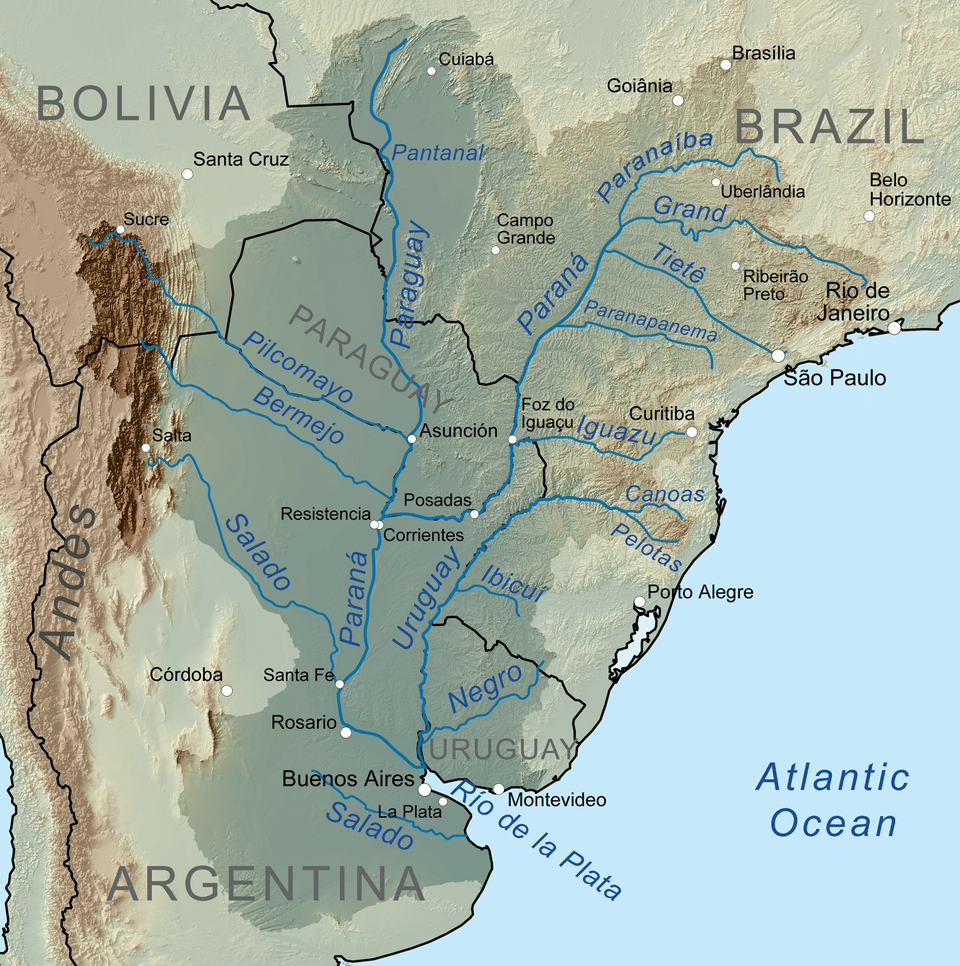
Ulrey’s tetra is native to the Paraguay River basin, including the vast Pantanal wetlands that span parts of Brazil and Paraguay. The Pantanal is one of the largest tropical wetland systems on Earth, and it provides a unique environment shaped by dramatic seasonal flooding.
In the wild, these fish inhabit slow-moving streams, tributaries, and floodplain pools where vegetation is dense along the margins. The water is typically warm, slightly acidic to neutral, and moderately soft. The substrate is often sandy or silty, with leaf litter and submerged vegetation providing cover. During the wet season, flooded grasslands and forests expand the available habitat significantly, and these tetras take advantage of the additional food sources and shelter.
Understanding this environment is helpful when setting up a tank for them. They don’t come from extreme blackwater conditions, so they’re more adaptable to typical aquarium water than many other South American tetras.
Appearance & Identification
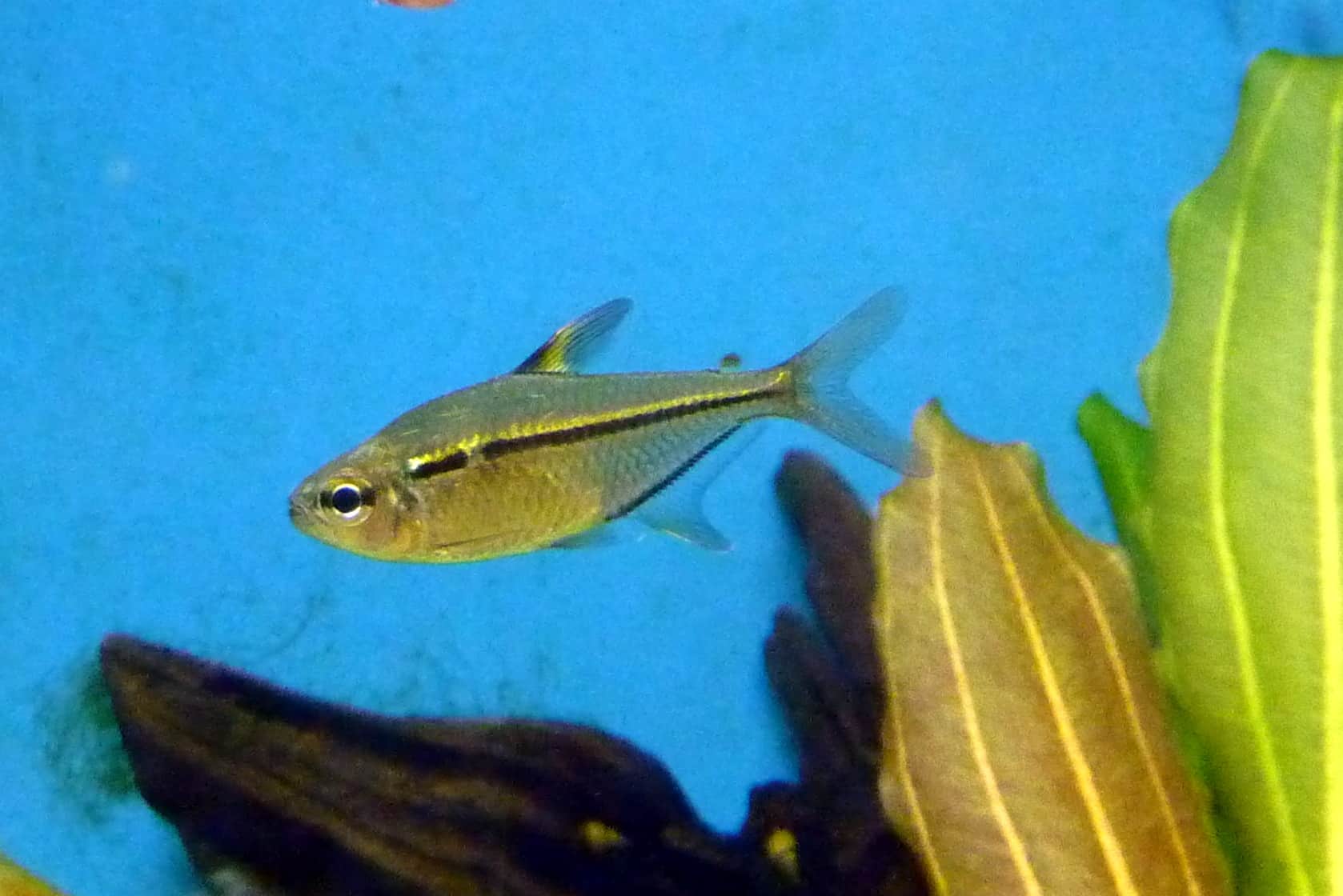
Ulrey’s tetra is a clean-looking fish with a distinctive color pattern that makes it easy to identify once you know what to look for. The body is a silvery olive base, compressed laterally like most characins. What sets it apart is the bold dark horizontal stripe that runs from behind the gill cover to the base of the tail fin.
Just above that dark stripe sits a bright golden-yellow band that runs parallel to it, creating a striking two-toned “flag” pattern. This contrast between the dark and golden markings is the hallmark of the species and gives the fish a polished, well-defined look that really pops in a planted tank.
The fins are mostly transparent with a slight yellowish tint. The upper portion of the eye shows the reddish tone that’s common in many Hemigrammus species. In good conditions with proper lighting and diet, the colors intensify noticeably, and a well-maintained school is genuinely attractive.
Male vs. Female
Sexual dimorphism in Ulrey’s tetras is subtle. Males are typically slimmer and may display slightly more vivid coloration, especially along the golden band. Females are rounder and fuller-bodied, particularly when they are carrying eggs. The differences are most visible when comparing adults side by side, but they aren’t dramatic enough to spot at a glance in a mixed group.
Average Size & Lifespan
Ulrey’s tetras reach a maximum size of about 2 inches (5 cm) in total length. Most aquarium specimens stay in the 1.5 to 1.75 inch range. They’re comparable in size to other popular small tetras like neons and glowlights.
With stable water quality and a varied diet, expect a lifespan of 3 to 5 years. This is typical for small characins. The biggest factors in reaching the upper end of that range are consistent water parameters, proper nutrition, and keeping them in a low-stress environment with appropriate tankmates.
Care Guide
Tank Size
A 20-gallon tank is the recommended minimum for a school of 6 to 8 Ulrey’s tetras. If you want a larger group of 10 or more (which I’d always recommend for schooling species), step up to a 30-gallon or bigger. These fish are active mid-level swimmers, and the extra horizontal swimming space makes a real difference in how naturally the school behaves.
Water Parameters
| Parameter | Ideal Range |
|---|---|
| Temperature | 72-79°F (22-26°C) |
| pH | 6.0-7.5 |
| General Hardness | 2-15 dGH |
| KH | 2-10 dKH |
| Ammonia / Nitrite | 0 ppm |
| Nitrate | Below 30 ppm |
One of the best things about Ulrey’s tetra is its adaptability. It tolerates a wider pH and hardness range than many South American tetras, which makes it a good fit for hobbyists who don’t have naturally soft water. That said, they’ll show the best coloration in slightly soft, mildly acidic conditions. Adding driftwood or Indian almond leaves to release tannins helps bring out those golden tones.
Filtration & Water Flow
Standard filtration with a hang-on-back filter or sponge filter works well. These fish come from slow-moving waters, so keep the flow moderate. A gentle current is fine, but avoid anything that creates a strong directional flow across the tank. Weekly water changes of 20 to 25 percent will keep nitrates in check and maintain water quality.
Lighting
Moderate lighting is ideal. Ulrey’s tetras aren’t as light-sensitive as some deeper-water species, but they still look their best under subdued conditions. Floating plants like Amazon frogbit or red root floaters help diffuse overhead light and create dappled shade zones that mimic their natural habitat.
Plants & Decorations
A planted tank is the way to go with these fish. Use a mix of background plants (Vallisneria, Amazon swords), midground plants (Cryptocorynes, Anubias), and floating plants to create layers of cover. Driftwood and dried leaf litter add a natural touch and release tannins that enhance coloration.
Leave an open swimming area in the center or front of the tank so the school has room to move together. A well-planted perimeter with open center is the classic community tank layout, and it works perfectly for this species.
Substrate
A dark substrate (black sand, dark gravel, or an aquasoil) will make the golden and dark markings on these fish stand out much more than a light-colored substrate. This isn’t a strict requirement, but the visual difference is significant. Fine sand or smooth gravel both work well.
Is the Ulrey’s Tetra Right for You?
Ulrey’s tetra is a solid, underrated choice for community tanks with the right group dynamics. Here’s who they’re best for:
- You want a classic-looking tetra with bold markings that hold up across the tank
- You can keep a group of 8+ to spread out their internal social dynamics
- You have a 20-gallon or larger tank with both open swimming space and planted areas
- You don’t mind a tetra species that’s harder to source than the usual pet store options
- You want a robust fish that handles a range of water conditions without drama
- Avoid if you only want 5-6. Smaller groups amplify their nippy tendencies within the school
What People Get Wrong
Ulrey’s tetras are rare enough that most hobbyists have never seen them kept well. The common mistake is setting them up the same way you’d set up a neon tetra — standard community tank, pH 7, hard water. They won’t thrive in those conditions. They need soft, acidic blackwater-style parameters to show their full color.
Sourcing is its own challenge. Fish sold as “Ulrey’s tetra” are sometimes mislabeled related species. Buy from reputable specialty importers and verify the fish before purchase. This species isn’t going to show up labeled correctly at every fish store.
Tank size requirements are often underestimated because the fish is small. But schooling tetras need swimming space — a 20-gallon minimum for a proper group of 8+, with open midwater space for them to move through together.
Tank Mates
Ulrey’s tetras are peaceful community fish that mix well with other calm, similarly sized species. They’re not nippy, not pushy, and generally mind their own business in the mid-water column.
Best Tank Mates
- Other small, peaceful tetras (neon tetras, ember tetras, cardinal tetras, rummy-nose tetras)
- Rasboras (harlequin rasboras, chili rasboras)
- Corydoras catfish
- Small Loricariids (otocinclus, bristlenose plecos)
- Dwarf cichlids (Apistogramma, rams)
- Small gouramis (honey gouramis, sparkling gouramis)
- Peaceful livebearers (endlers, platies)
- Cherry shrimp and amano shrimp
- Nerite snails, mystery snails
Tank Mates to Avoid
- Large or aggressive cichlids (oscars, Jack Dempseys, convicts)
- Fast, nippy species like tiger barbs or serpae tetras
- Any predatory fish large enough to eat them
- Highly territorial bottom-dwellers that may stress the group
Food & Diet
Feeding Ulrey’s tetras is as simple as it gets. They’re true omnivores that accept virtually anything offered. In the wild, they feed on small insects, insect larvae, worms, micro-crustaceans, and plant matter. In the aquarium, variety is the key to keeping them healthy and colorful.
- Staple: High-quality flakes or micro pellets
- Frozen foods: Bloodworms, daphnia, brine shrimp
- Live foods: Baby brine shrimp, microworms, daphnia
- Supplements: Freeze-dried foods, spirulina-based flakes for plant matter
Feed small portions two to three times daily rather than one large feeding. Their mouths are small, so crushed flakes or micro-sized pellets work better than standard pellets. A diet that includes regular frozen or live foods will bring out the best coloration, especially along that golden stripe.
Breeding & Reproduction
Ulrey’s tetras are egg scatterers that is bred in captivity with proper preparation. They’re not the most frequently bred tetra, but it’s definitely achievable with the right setup and conditioning.
Breeding Difficulty
Moderate. They require a dedicated breeding setup and some preparation, but they don’t have the extreme water chemistry demands of some other characins.
Spawning Tank Setup
- Breeding tank: 10 to 15 gallons
- Decor: Fine-leaved plants (Java moss, Cabomba) or spawning mops
- Lighting: Very dim or cover the sides of the tank
- Filtration: Gentle sponge filter only
- Base: A mesh or marble bottom helps prevent the parents from eating eggs
Water Conditions for Breeding
- Temperature: 78 to 82°F (26 to 28°C), slightly warmer than normal
- pH: 6.0 to 6.5
- Hardness: 2 to 6 dGH (softer water encourages spawning)
Conditioning & Spawning
Condition a breeding pair (or a small group with more males than females) with high-protein live and frozen foods for one to two weeks before introducing them to the breeding tank. Bloodworms, brine shrimp, and daphnia are ideal conditioning foods. Introduce the conditioned fish to the spawning tank in the evening. Spawning typically occurs the following morning as light levels increase.
The female will scatter adhesive eggs among fine-leaved plants or spawning mops. A single spawning can produce 100 to 200 eggs.
Egg & Fry Care
Remove the parents immediately after spawning, as they will eat the eggs. Keep the breeding tank dark, as the eggs are light-sensitive. Eggs typically hatch in 24 to 36 hours. The fry will absorb their yolk sacs over the next 2 to 3 days and become free-swimming around day 4 to 5.
Feed free-swimming fry infusoria or commercially available liquid fry food for the first week, then transition to freshly hatched baby brine shrimp as they grow. Perform small, frequent water changes to maintain quality, and keep the light levels low during the early weeks.
Common Health Issues
Ulrey’s tetras are reasonably hardy fish, but like all small characins, they’re susceptible to a handful of common issues. Most health problems come down to water quality and stress.
Ich (White Spot Disease)
The most common issue with small tetras, usually triggered by temperature swings or transport stress. Look for small white spots on the body and fins. Raise the temperature to 86°F (30°C) gradually and treat with a quality ich medication.
Fin Rot
Typically a water quality problem. Frayed, discolored fin edges are the telltale sign. Increase water change frequency and treat with antibacterial medication if the condition doesn’t improve.
Neon Tetra Disease
A risk with most small characins, caused by the parasite Pleistophora hyphessobryconis. Symptoms include fading color, erratic swimming, and body wasting. There is no reliable cure, so prevention through quarantine is critical. Always quarantine new fish for 2 to 4 weeks before adding them to your main tank.
Stress-Related Illness
Keeping Ulrey’s tetras in groups that are too small, with aggressive tankmates, or in unstable water conditions leads to chronic stress. Stressed fish become more vulnerable to opportunistic infections. The best prevention is a stable environment, proper group size, and compatible tankmates.
Common Mistakes to Avoid
- Keeping too few: A pair or a group of 3 will be stressed and hide constantly. Get at least 6, and 10+ is better.
- Skipping the cycle: These fish should only go into a fully cycled aquarium. They don’t handle ammonia or nitrite spikes well.
- Overly strong flow: They come from calm waters. A powerhead blasting across the tank will exhaust them.
- Aggressive tankmates: They’re peaceful fish that won’t compete with pushy species for food or territory.
- Skipping quarantine: Small tetras are notorious for carrying diseases into established tanks. Always quarantine new arrivals for at least 2 weeks.
- Light-colored substrate with no cover: They’ll look washed out and feel exposed. Give them a dark substrate and plant cover.
Where to Buy
Ulrey’s tetra is not one of the more commonly stocked species at chain pet stores, so you’ll likely need to look at specialty retailers or online fish stores. These are two trusted sources I recommend:
Try to buy a group all at once rather than adding individuals over time. A group that arrives together acclimates better and schools more cohesively. If you can’t find them in stock, check back regularly or reach out to the retailer to ask about availability.
Frequently Asked Questions
Are Ulrey’s tetras good for beginners?
Yes. They’re hardy, peaceful, and tolerate a wide range of water parameters. As long as you keep them in a proper group in a cycled tank, they’re a great choice for someone getting into the hobby.
How many Ulrey’s tetras should I keep?
A minimum of 6, but 10 or more is ideal. Larger groups school more naturally, display brighter colors, and are less stressed overall.
Do Ulrey’s tetras nip fins?
No. They’re one of the more peaceful tetra species and are not known for fin nipping behavior. They’re generally safe with long-finned species.
What makes Ulrey’s tetra different from other Hemigrammus species?
The most distinctive feature is the bold dark horizontal stripe with a bright golden-yellow band running just above it. This “flag” pattern is unique to H. Ulreyi and makes it easy to distinguish from other small tetras in the genus.
Can Ulrey’s tetras live in hard water?
They’re more adaptable than many South American tetras and can handle moderately hard water up to 15 dGH. However, they’ll show their best colors in softer water. If your tap water is very hard, mixing with RO water helps.
Do Ulrey’s tetras need a heater?
In most homes, yes. They need stable temperatures between 72 and 79°F (22 to 26°C). A reliable heater prevents the temperature swings that can trigger stress and disease.
What It Is Actually Like Living With Ulrey’s Tetra
In a proper school, ulrey’s tetra display natural movement patterns that are genuinely engaging to watch. The fish interact with each other, establish subtle hierarchies, and move through the tank with purpose.
They occupy the middle water column during active hours, creating movement and visual interest in the zone where most fishkeepers want action.
Feeding time is when their personality comes out. They learn your routine quickly and will anticipate feeding before you even open the lid.
Their color and behavior improve over time as they settle into a stable environment. Fish that have been in the same tank for months look noticeably better than recently added stock.
How the Ulrey’s Tetra Compares to Similar Species
Ulrey’s Tetra vs. Buenos Aires Tetra
Buenos Aires tetras are superficially similar. Both are robust, medium-sized tetras with horizontal markings. But Buenos Aires tetras are notorious plant eaters and grow significantly larger. Ulrey’s tetras are far more plant-safe and stay smaller, making them a better fit for planted community tanks. Buenos Aires tetras are also more boisterous and better suited to semi-aggressive setups. If you want that bold stripe look in a planted tank, Ulrey’s tetra is the way to go without sacrificing your aquascape. Check out our Buenos Aires Tetra care guide for more details.
Ulrey’s Tetra vs. Bloodfin Tetra
Bloodfin tetras are another hardy, understated species, but their appeal is completely different. Red fins against a silvery body versus Ulrey’s bold horizontal stripe. Both are excellent hardy community fish with similar care requirements. Bloodfin tetras are slightly easier to find and have an incredible lifespan (10+ years is documented). Ulrey’s tetras offer more pattern interest. For visual impact in the mid-water column, Ulrey’s wins. For longevity and easy sourcing, bloodfins take it. Check out our Bloodfin Tetra care guide for more details.
Closing Thoughts
Ulrey’s tetra is the kind of fish that rewards you for paying attention. It doesn’t have the instant flash of a cardinal tetra or the name recognition of a neon, but a school of 10 or more in a well-planted tank with a dark substrate is a genuinely impressive sight. That golden stripe catches the light in a way that’s hard to appreciate from a single photo.
They’re genuinely easy to care for once you have a proper group size. They’re one of the most forgiving tetras in terms of water chemistry, peaceful with just about everything, and hardy enough to handle typical community tank conditions without issue. If you’ve been keeping the usual small tetras and want to try something a little different, Ulrey’s tetra is a species that deserves a spot on your shortlist.
Recommended Video
Check out our tetra tier list video where we rank the most popular tetras in the hobby, including the Ulrey’s tetra:
References
- Froese, R. And D. Pauly, Eds. FishBase. Hemigrammus ulreyi. Accessed 2025.
- SeriouslyFish. Hemigrammus ulreyi species profile. Accessed 2025.
- Melo, B.F, et al. (2024). Phylogenomics of Characidae. Zoological Journal of the Linnean Society, 202(1), 1-37.
- About the Author
- Latest Posts

I’m Mark Valderrama, founder of Aquarium Store Depot and a fishkeeper with over 25 years of hands-on experience. I started in the hobby at age 11, worked at local fish stores, and have kept freshwater tanks, ponds, and reef tanks ever since. I’ve been featured in two best-selling aquarium books on Amazon and built this site to share practical, experience-based fish keeping knowledge.
Leave a Reply