
Last Updated: June 25, 2026
Thank you for visiting! By the way… any links on this page that lead to products on Amazon and other stores/partners are affiliate links Aquarium Store Depot earns a commission if you make a purchase.
Table of Contents
- What Care Guides Get Wrong
- The Reality of Keeping Zodiac Loach
- Key Takeaways
- Species Overview
- Classification
- Origin & Natural Habitat
- Appearance & Identification
- Average Size & Lifespan
- Care Guide
- Is It Right for You?
- Tank Mates
- Food & Diet
- Breeding & Reproduction
- Common Health Issues
- Common Mistakes to Avoid
- Where to Buy
- FAQ
- Species Comparison
- Closing Thoughts
- Recommended Video
- References
The zodiac loach is a strikingly patterned species from fast-flowing Indian streams, and it needs the same high-flow, oxygen-rich conditions that every hillstream species demands. Most people buy it for the pattern and put it in a standard tropical setup. It survives for a while, but it never thrives. This species needs current, not just filtration.
In a proper hillstream setup with powerheads, cool water, and smooth rocks, the zodiac loach is active, bold, and displays its namesake patterning at its best. This guide covers the conditions that make the difference, because the zodiac loach is a hillstream fish in a hobby that does not build enough hillstream tanks.
If you want a zodiac loach to look the way it does in photos, you need to build the tank it came from. There is no shortcut.
The Reality of Keeping Zodiac Loach
The zodiac loach is a hillstream-adjacent species from India that needs moderate current and cooler temperatures than standard tropical fish. It is not as demanding as true hillstream loaches but it is not a standard community fish either. Think of it as the middle ground between a kuhli loach and a hillstream loach.
At 3 to 4 inches, it is a medium-sized loach that fits tanks starting at 30 gallons. The bold banding pattern is attractive on dark substrate, and the active daytime behavior makes it more visible than many loach species.
Scaleless and medication-sensitive. The half-dose rule applies to every treatment. The zodiac loach is also sensitive to warm temperatures, preferring 68 to 76F rather than the typical tropical range.
Biggest Mistake New Owners Make
Keeping it in warm water above 78F. The zodiac loach is a subtropical species that prefers cooler temperatures. Long-term exposure to standard tropical temperatures (78 to 82F) stresses the immune system and leads to chronic health issues.
Expert Take
The zodiac loach is the coolwater community loach that more people should consider. It bridges the gap between specialized hillstream setups and standard community tanks. A 30-gallon tank with moderate flow, sand substrate, and temperatures around 72 to 74F gives you a beautiful, active loach without the extreme flow requirements of true hillstream species.
Key Takeaways
- Distinctive triangular/zodiac markings on a pale gold body make it one of the most visually unique loaches in the hobby
- Territorial toward its own species, so keep singly, in compatible pairs, or in groups of 6 or more to distribute aggression
- Needs fast-flowing, well-oxygenated water with strong filtration (4 to 5x tank volume turnover per hour)
- Minimum 20-gallon (76 liter) tank with rocky substrate, caves, and visual barriers
- Extremely rare breeder in captivity, with only a single documented case of successful aquarium spawning
Species Overview
| Field | Details |
|---|---|
| Scientific Name | Mesonoemacheilus triangularis |
| Common Names | Zodiac Loach, Batik Loach |
| Family | Nemacheilidae |
| Origin | Western Ghats, southern India (Kerala and Tamil Nadu) |
| Care Level | Moderate |
| Temperament | Semi-Aggressive / Territorial |
| Diet | Omnivore |
| Tank Level | Bottom |
| Maximum Size | 3 inches (7.5 cm) |
| Minimum Tank Size | 20 gallons (76 liters) |
| Temperature | 65 to 78°F (18 to 26°C) |
| pH | 6.0 to 7.5 |
| Hardness | 6 to 16 dGH |
| Lifespan | 3 to 5 years |
| Breeding | Egg scatterer (extremely rare in captivity) |
| Breeding Difficulty | Extremely Difficult |
| Compatibility | Community with caution |
| OK for Planted Tanks? | Yes (hardy, current-tolerant species) |
Classification
| Taxonomic Level | Classification |
|---|---|
| Order | Cypriniformes |
| Family | Nemacheilidae |
| Genus | Mesonoemacheilus |
| Species | M. Triangularis (Day, 1865) |
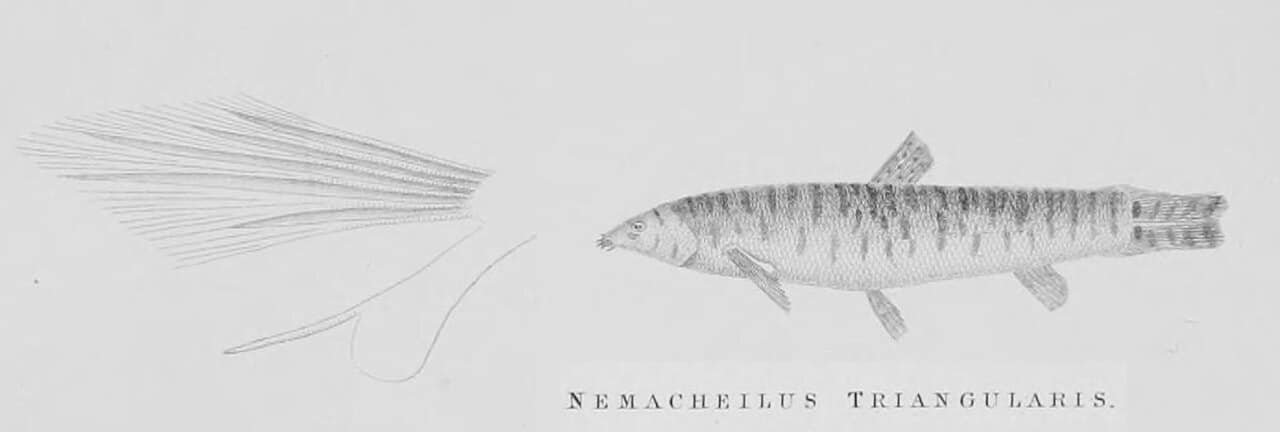
This species was first described by Francis Day in 1865 and has been previously placed in the genus Nemacheilus before being reclassified to Mesonoemacheilus. It’s an endemic species found only in specific river drainages in the Western Ghats of southern India, one of the world’s biodiversity hotspots.
Origin & Natural Habitat
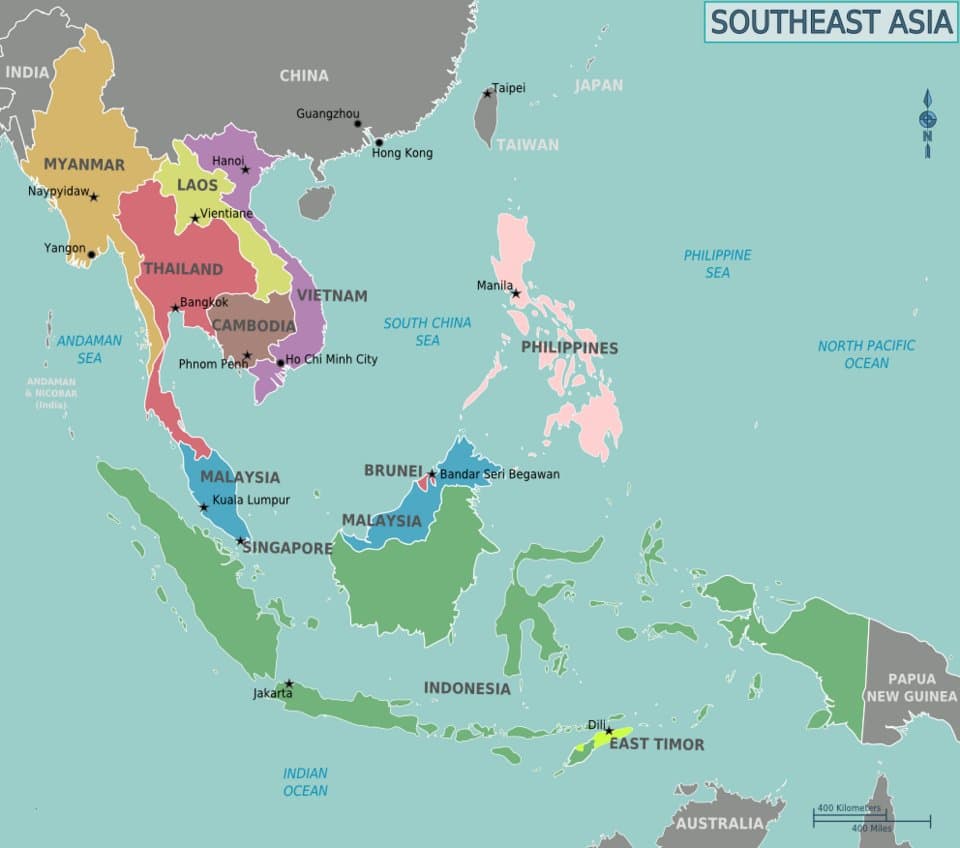
The zodiac loach is native to the Western Ghats mountain range in southern India, specifically in river systems in Kerala and Tamil Nadu. It’s been collected from the Manimala River and other drainages on both the eastern and western slopes of the Ghats. This region is recognized as a biodiversity hotspot, home to hundreds of species found nowhere else on Earth.
In the wild, zodiac loaches inhabit clear, fast-flowing streams with rocky substrates. The water runs over beds of gravel, pebbles, and boulders, with occasional patches of sand in calmer pools. These habitats receive seasonal monsoon rains that affect flow rates and water chemistry throughout the year. The streams are well-shaded by surrounding forest, maintaining cool temperatures even in India’s tropical climate.
Like most stream-dwelling nemacheilid loaches, zodiac loaches are found clinging to rocks and darting between sheltered spots in the current. They occupy the benthic (bottom) zone and are rarely seen in open water. This habitat preference directly informs how to set up their aquarium, prioritizing rocky structure, current, and clean water above all else.
Appearance & Identification
The zodiac loach’s claim to fame is its extraordinary patterning. The body is elongated and cylindrical, typical of nemacheilid loaches, with a base color of pale gold to cream. Over this lighter background, dark brown to black triangular or wedge-shaped markings are arranged along the flanks. These markings create a mosaic-like effect that’s been compared to batik fabric patterns, hence the alternative common name.
The exact pattern varies between individuals, with some showing more defined triangles and others displaying a more interconnected maze-like design. Well-conditioned specimens in clean water show the highest contrast between the dark markings and pale base color. The fins are translucent with subtle spots or banding. Like other nemacheilid loaches, they have small barbels around the mouth used for sensing food on the substrate.
In terms of body shape, zodiac loaches are built for life in currents. They’re streamlined and muscular, with a slightly flattened ventral surface that helps them maintain contact with the substrate in flowing water. Their overall build is similar to other Schistura-type loaches, though the patterning sets them apart immediately.
Male vs. Female
| Feature | Male | Female |
|---|---|---|
| Size | Slightly smaller | Slightly larger |
| Body Shape | Slimmer, more streamlined | Rounder, fuller when gravid |
| Pectoral Fins | Thicker, with rows of tubercles when mature | Thinner, smooth |
| Sub-orbital Flap | Present (small flap beneath the eye) | Absent |
Mature males develop a couple of distinguishing features that help with identification. The pectoral fins become noticeably thicker and develop rows of small tubercles (tiny bumps) along the rays. Males also develop a small sub-orbital flap, a fleshy extension beneath the eye. Females grow slightly larger overall and develop rounder bodies, particularly when carrying eggs. These differences are most apparent in fully mature, well-conditioned fish.
Average Size & Lifespan
Zodiac loaches reach a maximum size of about 3 inches (7.5 cm) in total length, though they often stay slightly smaller in aquarium conditions. Most specimens sold in stores are juveniles around 1.5 to 2 inches (4 to 5 cm). They fill out nicely once established in a proper setup with good feeding.
With appropriate care, zodiac loaches live 3 to 5 years. Maintaining clean, oxygen-rich water and offering a varied diet are the most important factors for longevity. Fish kept in stagnant, warm, or poorly filtered conditions typically have shortened lifespans.
Care Guide
Tank Size
A minimum of 20 gallons (76 liters) is recommended, with a footprint of at least 30 by 12 inches (75 by 30 cm). As always with stream loaches, wider is better than taller. For a group of 6 or more zodiac loaches, a 30 to 40-gallon (114 to 151 liter) tank provides enough territory for each fish to establish its own space.
The single most important aspect of the tank layout is providing enough caves, crevices, and visual barriers so that each loach has its own territory. Without adequate structure, territorial disputes will escalate and weaker individuals will be harassed constantly.
Water Parameters
| Parameter | Ideal Range |
|---|---|
| Temperature | 65 to 78°F (18 to 26°C) |
| pH | 6.0 to 7.5 |
| GH | 6 to 16 dGH |
| KH | 2 to 6 dKH |
| Ammonia | 0 ppm |
| Nitrite | 0 ppm |
| Nitrate | Under 20 ppm |
The zodiac loach has a notably wide temperature tolerance, from a cool 65°F (18°C) up to 78°F (26°C). This gives you some flexibility in choosing tank mates. However, they’re particularly sensitive to water quality degradation, and regular maintenance is essential. At higher temperatures, oxygen levels drop naturally, so extra aeration becomes critical if you’re keeping them at the warmer end of their range.
Weekly water changes of 30 to 50% are strongly recommended. These fish evolved in constantly refreshed stream water, and they don’t tolerate the buildup of organic waste that can occur in under-maintained aquariums.
Filtration & Flow
Strong filtration with substantial water movement is a core requirement. Target a flow rate of 4 to 5 times the tank volume per hour. A canister filter combined with a powerhead or wavemaker is the most effective approach. Direct the flow across the main swimming area to create a current, while allowing calmer zones to form behind larger rocks and driftwood.
The combination of strong mechanical filtration and high oxygenation through surface agitation is essential. Consider adding an air stone or bubble wall as additional insurance for oxygen levels, especially during warmer months or if your room temperature will run high.
Lighting
Moderate lighting works well for zodiac loaches. Their natural habitat is partially shaded by forest canopy, so they don’t need intense light. If you’re growing attached plants like Anubias or Java fern, standard planted tank lighting is perfectly fine. Providing some shaded areas through rockwork overhangs and plant cover helps the fish feel secure.
Plants
While plants aren’t a strict requirement, they add valuable structure and help improve water quality. Choose species that tolerate moderate to strong flow and don’t require rooting in substrate. Microsorum (Java fern), Bolbitis (African water fern), Anubias, and Bucephalandra all work well attached to rocks and driftwood. Mosses can also be tied to rocks to provide additional cover without impeding water flow.
Substrate & Decor
A river-style biotope is the ideal setup. Use a mix of fine gravel, sand, and variably-sized smooth rocks as the substrate. Add water-worn boulders, flat stones, and cobbles arranged to create multiple caves and crevices. Each zodiac loach will claim its own shelter, so plan for at least one cave per fish plus a few extras.
Driftwood can be used to create additional visual barriers and hiding spots. The more complex the bottom landscape, the more peacefully your loaches will coexist. Large, open stretches of bare substrate invite territorial disputes, so break up the tank floor with structure wherever possible.
Is the Zodiac Loach Right for You?
Before you buy, run through this honest checklist. The Zodiac Loach is a great fish for the right keeper, but it is not for everyone.
- You can provide cooler water temperatures (65-75°F) with strong flow
- Your tank has smooth rocks and cobbles that mimic a hillstream habitat
- You appreciate bold, striking markings on a medium-sized loach
- You can dedicate at least a 30-gallon tank with good oxygenation
- You do not mind a loach that claims territory at the bottom
- You are comfortable with subtropical setups rather than standard tropical parameters
Tank Mates
Zodiac loaches are territorial with conspecifics and other similar bottom dwellers, but they generally coexist well with active mid-water species. The right dither fish can actually improve the zodiac loach’s behavior by making it feel more secure and less focused on defending territory.
Best Tank Mates
- Small barbs (cherry barbs, gold barbs, checkered barbs)
- Danios (zebra, pearl, celestial pearl)
- Devario species
- Garra species
- White Cloud Mountain minnows
- Hillstream loaches (Sewellia, Pseudogastromyzon)
- Crossocheilus species
- Rasboras (medium-sized species)
Shoaling mid-water fish work particularly well because they act as dither fish, creating a sense of normalcy in the tank that encourages the zodiac loaches to venture out of hiding more frequently.
Tank Mates to Avoid
- Other nemacheilid loaches in similar size range (high conflict risk)
- Long-finned species (zodiac loaches have been reported as fin nippers)
- Slow-moving, timid bottom dwellers
- Very small or delicate nano fish
- Bettas and gouramis (incompatible flow and temperature preferences)
Food & Diet
Zodiac loaches are omnivores in the wild, feeding primarily on small insects, worms, crustaceans, and zooplankton, with smaller amounts of plant material. In the aquarium, they’re not picky eaters, but a varied diet keeps them in the best condition and brings out the most vibrant contrast in their patterning.
Recommended foods include:
- Frozen foods: Bloodworms, brine shrimp, daphnia, white mosquito larvae
- Live foods: Daphnia, brine shrimp, blackworms, grindal worms
- Sinking prepared foods: High-quality sinking pellets, catfish wafers, granules
- Supplemental: Spirulina-based sinking foods for occasional plant matter
Feed once or twice daily with sinking foods so the zodiac loaches can access them on the bottom. If mid-water fish in the tank intercept everything before it reaches the substrate, try target-feeding the loaches using a turkey baster or feeding tube to deliver food directly to their hiding spots.
Breeding & Reproduction
Breeding Difficulty
Breeding zodiac loaches in captivity is extremely rare. There is only one documented case of successful aquarium spawning, making this one of the most challenging loaches to breed outside of their natural habitat.
Breeding Setup
The single documented breeding success involved moving a pair to a smaller 10-gallon (38 liter) aquarium equipped with a hang-on-back filter. The filter discharge was directed toward a plastic container filled with gravel, and spawning mops were placed in the tank. The water temperature was maintained at around 76°F (24°C). The relatively simple setup suggests that isolating a compatible pair and providing spawning sites may be more important than replicating every aspect of their natural habitat.
Spawning Conditions
The triggers for spawning remain largely unknown, though seasonal water changes that mimic monsoon conditions (cooler, slightly softer water) may play a role. Conditioning both sexes with regular live and frozen foods is likely essential for bringing them into breeding condition. Males in breeding readiness should show prominent pectoral fin tubercles.
Fry Care
In the documented breeding, eggs showed remarkably fast development, hatching just 24 hours after fertilization. The breeding effort ultimately yielded approximately 500 saleable individuals, suggesting that once spawning is achieved, zodiac loaches is prolific.
Fry are extremely small at hatching and require infusoria or powdered fry food as their initial diet. As they grow, they can transition to freshly hatched baby brine shrimp. Cover all filter intakes with fine sponge to prevent tiny fry from being drawn into the filtration system.
Common Health Issues
Ich (White Spot Disease)
Ich is a risk for any freshwater fish, and zodiac loaches are no exception. Small white spots appear on the body and fins, and affected fish may flash (rub against objects). Treat with loach-safe medications at half the standard dose. Since zodiac loaches tolerate cooler water, the heat-treatment approach (raising temperature to 86°F) should be used cautiously. Increasing aeration during any treatment is always advisable.
Oxygen Deprivation
As a stream-dwelling species, the zodiac loach has high oxygen demands. Symptoms of oxygen deprivation include gasping near the surface, lethargy, and congregating near filter outputs or air stones. This most commonly occurs when water temperatures rise above 78°F (26°C), when flow rates are insufficient, or during power outages that shut down filtration. Address immediately by increasing surface agitation and adding air stones.
Territorial Injuries
Fish kept in inappropriate group sizes (2 to 4 individuals) often develop injuries from territorial disputes. Torn fins, scrapes, and bite marks are common, and these wounds can become secondarily infected if water quality isn’t pristine. Prevention through proper stocking numbers and abundant hiding spots is always better than treatment. If injuries occur, maintain excellent water quality and consider isolating severely injured individuals to recover.
Sensitivity to Water Quality
Zodiac loaches are notably intolerant of poor water quality. Elevated nitrates, organic waste buildup, or insufficient filtration can lead to lethargy, loss of appetite, faded coloration, and increased susceptibility to infections. Regular water changes and strong filtration aren’t optional with this species, they’re the foundation of successful care.
Common Mistakes to Avoid
- Keeping groups of 2 to 3. This almost always results in one dominant individual relentlessly harassing the others. Keep singly, as a compatible pair, or in groups of 6 or more.
- Insufficient hiding spots. Every zodiac loach needs its own territory. Without enough caves and crevices, fights are inevitable.
- Weak water flow. A standard filter on a low setting doesn’t provide the current these stream fish need. Invest in proper flow from canister filters and powerheads.
- Skipping water changes. These fish are sensitive to water quality degradation. A consistent schedule of weekly 30 to 50% water changes is essential.
- Keeping with long-finned fish. Zodiac loaches have been reported as fin nippers, so avoid bettas, fancy guppies, and other long-finned species.
- Tall, narrow tanks. Bottom-dwelling fish need floor space. A wider tank with more horizontal area is always better than a tall one for this species.
Where to Buy
Zodiac loaches are available from specialty retailers but aren’t commonly stocked by chain pet stores. They will come in waves depending on import seasons. For reliable sourcing from quality vendors, check out:
- Flip Aquatics. Frequently stocks zodiac loaches and other specialty loach species with excellent care before shipping
- Dan’s Fish. Good source for hard-to-find loach species with reliable shipping and healthy stock
Since zodiac loaches are primarily wild-caught, availability can be seasonal. When you find healthy specimens, purchase the full group you want at once. Introducing new individuals into an established territory later is a recipe for aggression problems.
Frequently Asked Questions
Are zodiac loaches aggressive?
They’re territorial rather than truly aggressive. Zodiac loaches will defend their chosen resting spot against other bottom dwellers, especially other loaches. They generally ignore fish that occupy different areas of the water column. The key to managing their territoriality is providing abundant hiding spots and keeping them in appropriate numbers (one, a pair, or 6 or more).
Can zodiac loaches live in a tropical community tank?
With some caveats, yes. Their temperature range extends up to 78°F (26°C), which overlaps with many tropical species. The bigger concern is flow: zodiac loaches need more current than most typical community fish prefer. If you can create zones of different flow intensity in a larger tank, it can work. Just make sure tank mates can handle the water movement and avoid long-finned species.
What’s the difference between a zodiac loach and a sumo loach?
While they share similar care requirements and both come from the family Nemacheilidae, they’re different species from different continents. Zodiac loaches (Mesonoemacheilus triangularis) are from India’s Western Ghats and have distinctive triangular/mosaic patterning. Sumo loaches (Schistura balteata) are from Myanmar/Thailand and display bold vertical bands. Both are territorial bottom dwellers, but the sumo loach is stockier and more physically imposing.
How many zodiac loaches should I keep?
One, a compatible pair, or 6 or more. The worst choice is a group of 2 to 4, which leads to serious bullying. In larger groups of 10 or more, aggression is spread thin enough that individual fish rarely face sustained harassment. If your tank can’t comfortably house a larger group, a single zodiac loach works fine and will display interesting behavior on its own.
Do zodiac loaches eat snails?
They’re not known as snail eaters. Their natural diet focuses on small insects, worms, and crustaceans rather than mollusks. If you’re dealing with a snail problem, zodiac loaches aren’t the solution. They may pick at very small snails opportunistically, but it’s not a reliable behavior.
Why is my zodiac loach losing color?
Faded coloration in zodiac loaches is usually a sign of stress or suboptimal conditions. Common causes include poor water quality, insufficient oxygen, inadequate hiding spots, chronic harassment from tank mates, or an unvaried diet. Check your water parameters, increase flow and aeration if needed, ensure there are enough shelters, and diversify the diet with frozen and live foods. Healthy, well-kept zodiac loaches display vivid contrast between their dark markings and pale body.
How the Zodiac Loach Compares to Similar Species
Zodiac Loach vs. Chinese Hillstream Loach
Both prefer cool water and flow, but the Zodiac Loach is more of a traditional loach in body shape while the Chinese Hillstream Loach is a flat, suction-cup-style grazer. The Zodiac Loach is more active and visible, while the Chinese Hillstream Loach spends most of its time clinging to surfaces. For a hillstream-style tank, you could keep both.
Zodiac Loach vs. Bengal Loach
The Bengal Loach is a warm-water species with a similar bold striped pattern, but it grows larger and prefers warmer temperatures. If you have a subtropical setup, the Zodiac Loach is the better choice. For a standard tropical tank, the Bengal Loach is the more appropriate option.
What It Is Actually Like Living With Zodiac Loach
Zodiac loaches are active during the day, patrolling the substrate and investigating every corner of the tank. The bold banding pattern makes them easy to track as they move through the aquascape.
They interact with their environment more than most loaches. Zodiac loaches explore new additions to the tank within minutes, investigate water changes, and respond to feeding cues faster than many bottom dwellers.
The cooler temperature preference means they pair well with white cloud mountain minnows, hillstream loaches, and other subtropical species that struggle in heated tropical tanks. Building a coolwater community around the zodiac loach opens up stocking options that tropical-only keepers never consider.
Closing Thoughts
The zodiac loach fills the gap between hillstream specialists and community tanks. Get the flow right, and you get a loach most people have never seen.
The zodiac loach is a fish for aquarists who appreciate the unusual. That geometric patterning is genuinely unlike anything else in the freshwater hobby, and watching these fish navigate a carefully structured rock scape is endlessly engaging. They have personality, they have looks, and they reward keepers who take the time to set up their tank properly.
The care requirements aren’t complicated, but they are specific: strong flow, clean water, rocky structure with plenty of shelters, and sensible stocking. Nail those fundamentals, and you’ve got a fish that will be a conversation starter every time someone looks at your tank. There’s something deeply satisfying about keeping a species that most hobbyists have never even heard of, and the zodiac loach is one of those fish that’s worth the effort to track down.
Have you kept zodiac loaches? I’d love to hear about your setup and experience. Drop a comment below!
This guide is part of our Loaches: Complete Species Directory. Visit the hub page to explore care guides for all popular loach species.
Recommended Video
References
- Mesonoemacheilus triangularis Profile. Seriously Fish
- Zodiac Loach Care Guide. Aquadiction
- Zodiac Loach. Practical Fishkeeping
- Mesonoemacheilus triangularis. The Aquarium Wiki
- About the Author
- Latest Posts

I’m Mark Valderrama, founder of Aquarium Store Depot and a fishkeeper with over 25 years of hands-on experience. I started in the hobby at age 11, worked at local fish stores, and have kept freshwater tanks, ponds, and reef tanks ever since. I’ve been featured in two best-selling aquarium books on Amazon and built this site to share practical, experience-based fish keeping knowledge.
Leave a Reply