Author: Mark Valderrama

  • Pygmy Corydoras Care Guide: My Favorite Nano Fish for Planted Tanks

    Pygmy Corydoras Care Guide: My Favorite Nano Fish for Planted Tanks

    Pygmy corydoras (Corydoras pygmaeus) are one of my favorite nano fish recommendations โ€” they’re active during the day, they school tightly in the upper and mid water column (unusual for cories), and a group of 8-10 in a planted tank looks absolutely incredible. I’ve kept them in community setups and they’re completely peaceful and adaptable. If you’re setting up a nano or planted tank and want something with real personality, pygmy cories are high on my list.

    Key Takeaways

    • Pymymy Cory Catfish are peaceful bottom dwells who enjoy schooling
    • They only grow to 1.5 inches and leave for about 3 years
    • They are best in aquariums 10 gallons and larger

    A Brief Overview

    Scientific NameCorydoras pygmaeus
    Common NamesPygmy Corydoras, Pygmy Catfish, Pygmy Fish
    FamilyCallichthyidae
    OriginTropical inland waters in South America, and is found in the Madeira River basin in Brazil
    DietOmnivore
    Care LevelModerate
    ActivityActive
    Lifespan3 years
    TemperamentPeaceful
    Tank LevelBottom Dweller
    Minimum Tank Size10 Gallons
    Temperature Range72ยฐF to 79ยฐF (22 to 26ยฐC)
    Water Hardness6 to 15 dKH, but preferably below 8
    pH Range6.5 to 7.5
    Filtration/Water FlowModerate
    Water TypeFreshwater
    BreedingEgg layer
    Difficulty to BreedDifficult
    CompatibilityCommunity tanks
    OK, for Planted Tanks?Yes

    What are they?

    Pygmy catfish are one of the smallest fish in the corydoras pygmaeus family, Callichthyidae. Their native habitat is the Rio Madeira river in Brazil. The captive-bred specimens are hardier and tougher than the wild ones.

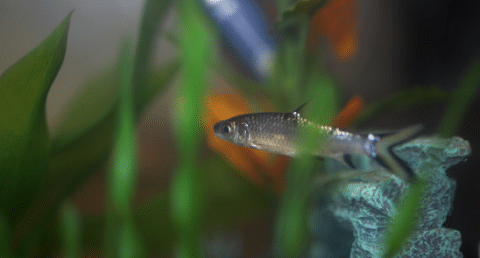
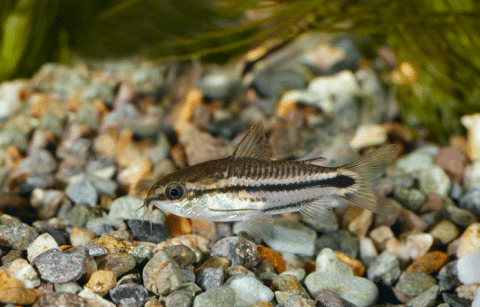
    Pygmy cory catfish is a tiny fish species with a pale tan or olive color on their bodies. The black stripe also runs the length of the body through the nose to the tail fin. They are different from other species of corydoras because they reside in the middle as well as the bottom of the tank. The tiny size makes them ideal for planted nano aquariums.

    Origin and Habitat

    The native habitat of this species is South America, particularly commonly found in the Madeira river basin in Brazil, the Nanay river, and the Aguarico river.

    Initially, they were considered a miniature Corydoras species of Corydoras Hastatus.

    However, in the early 1990s, researchers found their distinct characteristics, and hence the Pygmy cory catfish species was introduced.

    Appearance

    Pygmy cory or Corydoras pygmaeus, as the name suggests are tiny fish species endemic to Brazil. The female Pygmy cory is an inch longer than the males reaching around 0.75 inches in length. Female Corydoras pygmaeus are found broader than males too, particularly when they are carrying eggs.

    Pygmy Cory

    The Pygmy Cory has distinctive characteristics that set them apart from its counterparts. They have a beautiful teardrop-shaped body and a large head.

    Also, the body is silver in color and a black line runs horizontally through the snout and tail fin. There’s also a second black line which is thinner and runs lower down along the body. The mouths of Pygmy cory species are under-turned with barbels that act as a sensor and help them find food at the bottom of the tank.

    Lifespan

    The lifespan of Pygmy cory is relatively shorter than other fish species. They live for around only three years on average. However, life expectancy largely depends on other factors such as tank conditions, food and nutrition, and proper filtration of the ecosystem.

    Average Size

    They are tiny fish with an average size of no longer than one inch in length. In some rare cases, they may grow for up to 1.5 inches in length.

    Quick Tip: On average, the female Pygmy cory is one inch longer than the male fish which is closer to 0.75 inches in length.

    Care

    Pygmy corys are a popular freshwater fish among many fish keepers due to their small size and fairly hardy nature. They are also fun to watch with an active nature which appeals to most fish keepers.

    Also, the expert aquarists believe there is not much to take care of, they have unique water requirements that make these fish somewhat demanding. Also, they have a narrow comfort zone which requires a great amount of attention for proper survival.

    They are also prone to common fish diseases due to unclean environments. Thus, I recommend changing the water after every two weeks and cleaning algae before it overpopulates. The diet of your Pygmy cory should also be taken into consideration for keeping pygmy corys happy and healthy.

    Aquarium Setup

    Like many species, they do the best in an aquarium setup that mimics their natural habitat. The Pygmy cory’s tank should be well-decorated with aquatic plants and other tank decorations that provide hiding places and points of stimulation.

    Since they are bottom dwellers, they spend a lot of time searching for food at the bottom of the tank. Thus, choose a substrate that won’t harm their barbels.

    I also recommend adding grasses and shrimp flats because Pygmy cory loves it.

    Tank Size

    Pygmy Cory is tiny freshwater fish excellent for small aquariums. Therefore, a 10-gallon tank is ideal for a group of 4 or 8 Pygmy cories. However, if you want to keep in them a larger shoaling group, I would recommend increasing the tank size.

    Each additional Pygmy cory needs an additional 2 gallons of tank capacity to remain comfortable in its habitat.

    Water Parameters

    As mentioned earlier, mimicking the natural environment of Pygmy cory is essential to keep them happy and thriving.

    They come from the rivers and tributaries of South America where the water is fairly warm, cloudy, and full of life. The water flow is moderate so they have resistance. Also, the natural environment of Pygmy cory is rich in tannins that provide slightly acidic water as well. You can replicate tannins by using Indian Almond Leaves.

    The ideal water parameters are:

    Water Temperature: 72ยฐF to 79ยฐF (22 to 26ยฐC)

    pH range: 6.5 to 7.5

    Water Hardness: 6 to 15 dKH, but preferably below 8.

    Filtration and Aeration

    Pygmy cory is vulnerable to high levels of Ammonia, nitrites, and nitrates. Therefore, you should always aim to cycle and fully establish your tank before introducing them to the tank.

    Also, I highly recommend changing 10% to 25% of the water twice or at least once a month because they are also very sensitive to frequent water changes.

    I also advise monitoring the bacteria levels in the substrate. These fish species get plagued by bacteria infections. Thus, proper preventive measures should be taken to avoid risking the life of your fish.

    Routine water tests should also be performed with an efficient water test kit, clean up all the leftover food before it rots, and remove all the dead plant and fish matter from the aquarium. Also, vacuuming the substrate help prevent many diseases. The water should be properly circulated to avoid biofilm from accumulating on the water column.

    I highly recommend installing a sponge filter or power filter for the Pygmy corydoras species. That’s because these fish are tiny and you need to ensure the output of the filter is slow and the inlet tubes are not too big. For more elaborate planted tank setups, a canister filter is ideal.

    Lighting

    Pygmy corys prefer dim lighting. Thus, you can install dimmable or adjustable LED lights in your tank. You can also provide them with a heavily planted setup with driftwood pieces and roots, and floating plants, to provide shade from the harsh lights.

    Aquatic Plants and Decorations

    The natural environment of Pygmy cory is densely populated with plants. Therefore, they are safe for a planted aquarium.

    Plants like mosses and large-leaved plants greatly benefit them as hiding spots from the bigger, aggressive fish. Also, floating plants like duckweed to diffuse the bright lighting works the best for the Pygmy cory tank.

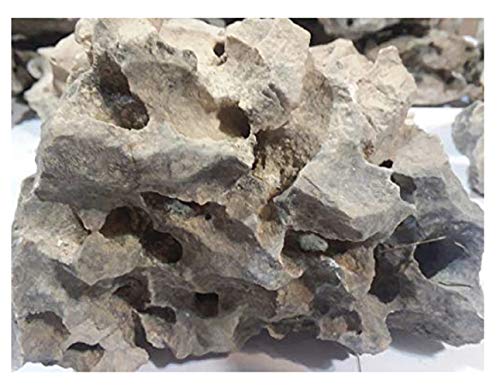
    For decorations, you can go for Manzanita Driftwood, aquarium rocks, and other decorations.

    Editor’s Choice
    Manzanita Driftwood

    Editor’s Choice

    Manzanita offers it all. Great shape, low tannins, quick to water log and reasonably priced. It’s the ultimate driftwood!

    Click For Best Price Click For Branch Pieces

    Tank Maintenance

    The Pygmy cory is susceptible to a common fish disease known as Red Blotch disease. The cause of this disease is stress that might be induced as a result of fluctuating water conditions and poor water quality. The red blotch disease along with other types of diseases can spread through the addition of new decors, plants, or even new fish to the tank.

    Thus, it is important to carefully clean the types of equipment before adding them to your tank. Also, the new fish should be quarantined before introducing to the tank.

    To keep things simpler and safer, it is recommended to check the water conditions and parameters regularly. Also, do weekly water changes to avoid additional stressors that can cause the outbreak of diseases.

    Substrate

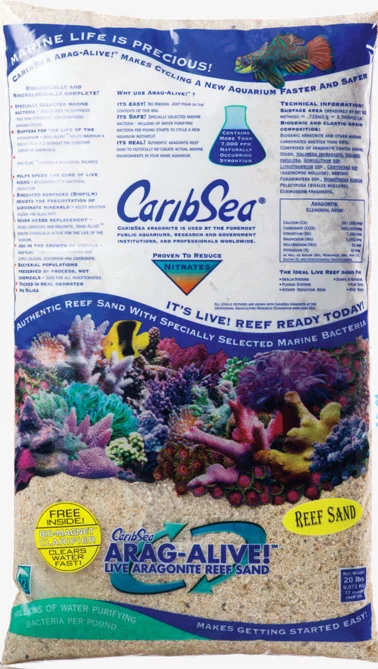
    Since Pygmy cory is a bottom-dwelling fish, it will root around in substrate looking for food. Thus, I recommend adding fine sand or fine-grained substrate without any sharp edges. That’s because the sharp substrate might harm the barbels of your fish in the process.

    Great For Bottom Feeders
    Fine Natural Sand

    Natural sand is excellent for bottom feeder fish to forage around in.

    Click For Best Price Buy On Amazon

    However, I recommend fine sand for the Pygmy cory than the small, round gravel.

    Community Tank Mates

    However a peaceful fish, Pygmy cory is not suitable for a community tank. That’s because they are easily stressed or intimidated by larger, aggressive tank mates. Their mouths are structured in a way that they cannot even nip other fish or fight back when bullied.

    Suitable Tank Mates for them

    The Pygmy cory catfish enjoys the presence of small-sized fish with the same temperament. Here is a list of suitable tank mates for Pygmy cory:

    1. Otocinclus Catfish
    2. Chili Rasboras
    3. Harlequin Rasboras
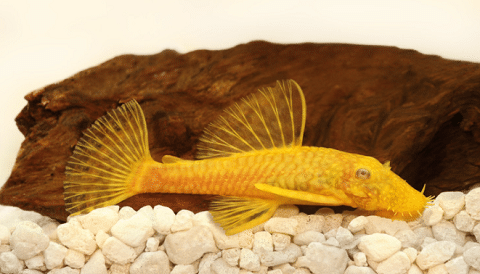
    4. Albino Bristlenose Pleco
    5. Ember Tetra
    6. Panda Garra
    7. Celestial Pearl Danio
    8. Dwarf Ember Barbs
    9. Guppies
    10. Endlers
    11. Pencilfish
    12. Royal Farlowella
    13. Zebra Danios
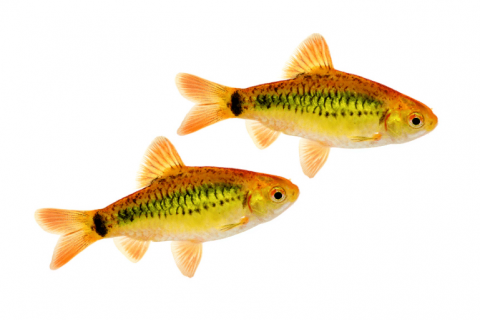
    14. Cherry Barbs

    Fish to Avoid

    1. African Cichlids
    2. Goldfish
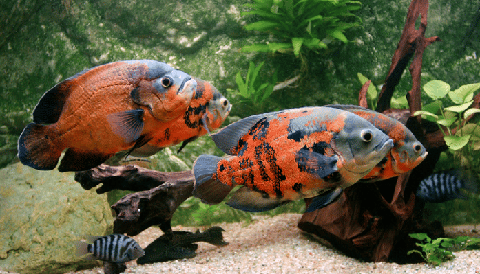
    3. Aggressive South American Cichlids like Oscars

    Breeding

    According to the masses, breeding Pygmy cory is a bit technical. However, I beg to differ. 

    I believe breeding this fish is easy but breeding the fry can be a little challenging. They breed regularly provided that they have stable water conditions and a healthy diet and the more fish you add to the tank, the more the chances of breeding. Jay Miller also has a video below that talks about his breeding process.

    To get them to breed, aquarists recommend feeding them a high protein diet with a decrease in water temperature by 2 or 3 degrees than their standard range. Also, for breeding conditions, the water has to be slightly acidic.

    The female fish of Pygmy cory lays around 100 eggs. Out of them, the female holds a few eggs in a small pouch near the pelvic fin for proper fertilization.

    A pair of Pygmy cory form a T-shape where the male releases its milt to fertilize the eggs. After fertilization, the fertilized eggs deposit on a smooth but clean surface such as tank walls or thin-leaved plants.

    The eggs hatch in around 3 to 5 days. But before the eggs hatch, it is important to separate the parents as they will most likely eat their own eggs.

    After the eggs are hatched, the fish fry eats their yolk sacs and becomes free-swimming fish. At this stage, the fry is so small that it should be fed with commercially prepared fry food or infusoria, crushed flakes, micro worms, etc.

    The breeding tank should also be equipped with a sponge filter to avoid sucking the fry.

    Some Proven Methods for Breeding Them

    It’s best to stimulate the natural process of breeding Pygmy cory to get more success.

    1. The water temperature should remain cooler around 10ยบF the usual temperature to trigger your pair into spawning in the T-position.
    2. To get soft and acidic water, I recommend using peat filtration.
    3. Add more airstones to stimulate the stormy flow of your tank water.
    4. Remove the adult fish or eggs from the tank because the adult fish will most likely eat the eggs.
    5. I also advise Methylene blue to the tank water to avoid fungus from developing in the tank.

    Food and Diet

    Pygmy cory is omnivore fish and happily accepts dried foods, frozen foods, and live foods. I suggest adding high-quality protein-based tablets of granules as a daily supplement in their diet to ensure a healthy lifestyle and promote vibrant colors.

    In live foods, you can feed them tubifex and bloodworms. However, keep in mind that Pygmy cory is a small fish that needs small food. 

    You can also feed them:

    1. Brine shrimp
    2. Grindal worms
    3. Frozen Bloodworms
    4. Mosquito larvae
    5. Freeze-dried foods such as tubifex and black worms

    For plant-based foods, you can feed them algae wafers, sinking foods such as sinking catfish pellets, decaying leaf litter, Indian almond leaves, alder cones, etc.

    You can occasionally feed them with blanched zucchini, spinach, peas, cucumber, and other green leafy vegetables.

    How often should you feed them?

    You can feed your Pygmy coryย once a dayย daily. However, make sure the food is instantly finishedย within 5 minutes,ย otherwise, it will contaminate the tank.

    Common Health Problems

    Though Pygmy cory is a hardy freshwater fish species, it can still carry some diseases and infections. Some of the most common health problems include.

    Skin & Gill flukes

    Sometimes there is a worm-like parasite that gets attached to your fish. These parasites are so small that are impossible to detect by the naked human eye. The main cause of this disease is overcrowding the tank, high-stress levels in your fish, and poor water quality.

    Symptoms of Skin & Gill Flukes

    1. Itching
    2. Mucus in skin
    3. Redness and soreness of skin and gills

    Costia

    This disease is also caused by a parasite, Ichthyobodo. This parasite thrives in cold water temperatures and it’s very difficult to diagnose the disease in the early stages. The most common treatment for costia is mixing 3 to 4 grams of salt in one liter of water and dipping the affected fish in the salt water.

    Symptoms of Costia

    1. Abnormal patches on the skin
    2. Clamped fins
    3. Loss of appetite
    4. Loss of weight
    5. Itching

    Bacterial infection

    Bacterial infections are caused by the bacteria in the tank. One such example of bacterial infection is the Red Blotch Disease.

    The disease can be treated with antibiotics.

    Symptoms of Bacterial Infections

    1. Bloating
    2. Red ulcers
    3. Red streaks on the skin

    Differences between Male and Female

    It’s difficult to differentiate between a male and female Pygmy cory because of their small size. However, females are slightly larger in size than males, especially if seen from above.

    Where To Buy

    Thes fish are readily available at most local pet stores and fish stores. However, if you want to order from a high quality online vendor. I would suggest Flip Aquatics. They quarantine all their livestock for 30 days. You can purchase them from the link below using the promo code ASDFLIPPROMO.

    FAQs

    Are they hard to keep?

    No, Pygmy Cory is easy to keep. However, they have such water and tank requirements that may be confusing for novice aquarists.

    What are they good for?

    Pygmy cory is excellent for small aquarium tanks that find larger, aggressive fish a bit daunting. Therefore, if you’re opting for a community tank, you should rethink your decision with Pygmy cory catfish.

    Do they need sand?

    Yes, since Pygmy cories are bottom and mid-tank dwellers, they are usually seen foraging the substrate. Therefore, fine sand is highly recommended to add as a substrate. Also, Pygmy cory has barbels that might be severely injured if sharp objects are used on the substrate.

    What do they eat?

    Pygmy cory catfish are omnivores. They accept both plant and protein matter. Pygmy cory catfish eat:ย 

    1. Brine shrimp
    2. Grindal worms
    3. Frozen Bloodworms
    4. Mosquito larvae
    5. Freeze-dried foods such as tubifex and black worms

    What size tank do Pygmy corydoras need?

    They are small species of fish that need a small tank to thrive. Thus, a 10-gallon tank would be enough to keep a group ofย 4 or 8 Pygmy cories.ย 

    How much are they?

    Pygmy cory is a very reasonable small fish that costs around $2 per fish at reputable fish stores.

    How fast do they grow?

    Pygmy corys take around 3 to 6 months to grow fully and start spawning themselves.

    How many of these should be kept together?

    The Pygmy cory is a shoaling species that needs at least a group of eight fish to remain happy and healthy. If you keep just one Pygmy cory, it will most likely fall a victim to stress.

    Final Thoughts

    Pygmy fish are beautiful, tiny, freshwater fish that looks beautiful in your small aquariums. They are very peaceful fish that appreciates a shoaling group of eight or more fish in their aquarium. Have you owned a pymgy cory catfish before? Let us know your experiences in the comments below!
  • Water Wisteria: Complete Care Guide (Best Beginner Plant?)

    Water Wisteria: Complete Care Guide (Best Beginner Plant?)

    Water wisteria (Hygrophila difformis) is one of my top recommendations for beginner planted tanks. It tolerates low light, adapts to a wide range of water parameters, and grows fast enough to help absorb excess nutrients and compete with algae. I’ve used it as a background plant in multiple setups over the years. The one caveat: it grows quickly and needs regular trimming, or it will shade everything below it. For anyone just getting into planted tanks, this is one of the best starting points you’ll find. Here’s the full care guide.

    Key Takeaways

    • Water Wisteria is a great naturally filtering plant that will remove nutrients
    • They are hardy and very easy to grow
    • They do not require CO2 and do well in low-light environments
    • They are water column feeders and do not require to be planted in the substrate

    Introduction

    One of the most common live aquarium plants to come across at local fish stores is water wisteria. This freshwater plant is scientifically known as Hygrophila difformis and belongs to the Acanthaceae family, which includes many other aquatic and terrestrial plant species.

    Though these aquarium plants are known as wisteria, they are not related to the magnificent purple blossoms made by flowering plants in the Wisteria genus under the Fabaceae family.

    Instead, the water wisteria plant can add dynamic to the freshwater aquarium with its bushy, lettuce-like appearance and little to no extra care requirements.

    A Brief Overview

    Scientific NameHygrophila difformis
    Common NamesWater wisteria
    FamilyAcanthaceae
    OriginIndia, Nepal, Bangladesh, Bhutan
    Skill LevelVery easy
    LightingLow-high, 40-200PAR (Umols)
    Tank PlacementMidground and background
    Flow RateModerate
    Temperature Range70-85 ยฐF
    Height24 inches
    pH Range6.0-7.5
    Growth RateVery fast
    Feed TypeWater column feeder
    Co2 RequirementNo

    Origins And Habitat

    Water wisteria is native to Southeast Asia, namely throughout parts of India, Nepal, Bangladesh, and Bhutan. It grows in many water and lighting conditions but has been found in abundance in bog-like environments. In some cultures, water wisteria is regularly used for its medicinal properties, though the true effects have been poorly studied.

    In the aquarium, water wisteria will thrive in nearly all environmental conditions as long as nutrients are made available.

    Is it Invasive?

    Water wisteria is an extremely hardy plant that will thrive in tropical climates. It has a very high potential to become an invasive species but has been limited in its worldwide distribution thus far. That being said, water wisteria has been introduced to non-native countries, such as Taiwan, Hungary, and the United Kingdom.

    All aquarium hobbyists are strongly encouraged to properly dispose of plant cuttings to prevent propagation in local waterways.

    What Does it Look Like?

    Water wisteria is named Hygrophila difformis due to this plant species growing different leaf morphologies. Interestingly, no two water wisteria look the same (video source).

    Usually, this is a case of different lighting or temperature conditions, but differing morphologies are within wisteria’s DNA. This can make identifying water wisteria slightly more challenging than other plants.

    Water wisteria can look small and bushy or tall and bundled. In most aquarium setups, water wisteria is tall and bundled with a lacey appearance. Plants may be made up of one or more thick stems with either lace-like leaves or broad leaves; lace-like leaves will have many thin edges while broad leaves are solid and round in appearance.

    The appearance of your water wisteria may change over time depending on aquarium conditions. If allowed to grow above the water line, wisteria will usually grow broad leaves.

    It is believed that temperature and lighting can also cause wisteria plants to develop one leaf type or another, but appearance is largely due to genetics and maturity. Pruning can also have an effect and trimming broad-leafed water wisteria has resulted in a lacier appearance for some hobbyists.

    In general, water wisteria is a bright green color that has the potential to grow to a maximum height of 24 inches if left uncontrolled. This freshwater plant has an extremely fast growth rate which can either be a nuisance to hobbyists looking to eradicate it from their tanks or a blessing for beginners who are struggling with keeping nutrient levels down.

    Water wisteria is commonly confused with water sprite (Ceratopteris thalictroides) another unrelated aquatic plant.

    Water Wisteria vs. Water Sprite

    Water wisteria and water sprite, also known as Indian fern or fine leaf Indian fern, are not related but can be very similar in appearance. These plants have very similar care requirements and appearances. Telling them apart can be pretty tricky.

    The main difference between these two bright green species of plants is that water wisteria has separated stems for individual plants while water sprite has several stems and leaves that originate from the center of the singular bundle. Water sprite also has much finer and more lace-looking leaves and stems. All of this combined makes water sprite much bushier and more delicate in appearance than water wisteria.

    Water Sprite

    Readily available and easy to grow. This fast growing plant will soak up nutrients and thrive in low light

    Click For Best Price Buy On Amazon

    Another major difference between these two plants is that water sprite is a type of fern and will not flower when grown above the surface.

    Placement And Lighting

    Water wisteria is most commonly kept as a background plant. It does not need much light or flow but will do best with at least moderate settings.

    Like other aquatic plants, more light will typically cause the plant to grow shorter and bushier. Limiting light will cause the plant to reach for the light, causing a leggy, sparse appearance. That being said, some hobbyists have successfully grown water wisteria under fluorescent lighting.

    Can they Grow Floating?

    Water wisteria is primarily a water column feeder. This means that it gets most of the nutrients it needs from the surrounding water column instead of from the substrate. This makes growing this plant at the surface of the water preferable.

    However, wisteria will quickly take over any space that is available to grow. This can quickly block out light from plants below and minimize surface agitation. Floating water wisteria is still one of the best natural coverages for fish fry and shrimp, though.

    What Are Good Tank Mates For them?

    Water wisteria can be kept with almost all freshwater fish tank mates. This plant is extremely hardy and resilient and will grow back bigger and stronger if uprooted or eaten.

    Ideal Tank Mates

    Because of its thick stem, some hobbyists have successfully kept water wisteria with goldfish. By the time goldfish are able to uproot the plant or eat all its leaves, chances are that the plant has already started regrowing itself. In fact, this might even help the wisteria plant propagate as lateral root shoots detach from the main stem and replant themselves elsewhere in the tank.

    Water wisteria is especially popular among breeding tanks. The uptake of nutrients and bushy appearance help keep water parameters in check while providing fish and fry with places to hide. For the same reasons, freshwater shrimp will also love this plant.

    If using water wisteria in a pond setting, make sure that it cannot travel to local waterways to prevent it from becoming an invasive species.

    Fish Species To Avoid

    There aren’t many tank mates that can’t be kept with water wisteria. Even if your fish is prone to eating or uprooting plants, water wisteria will persevere. However, this is an extremely fast-growing plant that should not be kept in smaller tanks under 30 gallons.

    Water wisteria is very efficient at taking up nutrients and will display its best colors and form in return. Once nutrients are depleted, the plant will struggle to survive. Nano tanks have limited nutrients available due to smaller bioloads, which can make keeping this plant species in small tanks more challenging than you would expect.

    Feeding (Fertilization)

    Water wisteria does not need additional fertilization and adding fertilizers could actually cause more of a problem than would be beneficial.

    This plant species is an incredibly fast-growing plant as it is and added nutrients could cause it to become unruly. This would make for additional removal and maintenance when the wisteria grows like a weed.

    If the aquarium is heavily stocked with live plants, then fertilizers might be necessary to keep water wisteria happy. These aquatic plants are water column feeders and will do best when given liquid fertilizers as opposed to root tabs; root tabs may be supplemented for other plants, but wisteria will not benefit as much.

    Editor’s Choice!
    APT Complete

    Editor’s Choice

    Made by an aquascaper for aquascapers. This is the best all around aquarium plant fertilizer on the market. Marco and micronutrients in one bottle!

    Use Coupon Code ASDComplete for 10% off your order!

    Click For Best Price Buy On Amazon

    How Much And How Often To Feed

    If you are going to dose your aquarium with fertilizers, then you will need to know how much is enough. The exact amount will depend on the import and export of nutrients in the system, including bioload, lighting, filtration, carbon dioxide, and maintenance. One thing is for certain though, water wisteria will definitely take all the nutrients it can get.

    As we’ll discuss, it is best to keep nitrates higher than normal in planted aquariums. This ensures that there is never a shortage of nutrients, which could lead to decreased growth rates and even plant death.

    Most hobbyists find that they need to dose fertilizers at least once a week.

    CO2 Injection

    Similarly, wisteria does not need CO2 and dosing can actually be harmful if used in excess.

    Carbon dioxide should only be dosed in large, heavily planted systems. Dosing carbon dioxide in a small aquarium with wisteria can cause massive overgrowth that could suffocate the system.

    Care

    All in all, water wisteria doesn’t require much additional care. Put it in your tank and it’s sure to grow. The only factors that could potentially limit this plant’s growth rate are lighting and nutrient availability.

    As long as those needs are met, you will be struggling to keep up with prunings.

    Planted Tank Parameters

    Water wisteria is a heavy water column feeder. These plants need plenty of available nutrients from fish waste, uneaten food, and sometimes fertilizers.

    Though hardy, water wisteria does best when a tropical water temperature is maintained between 70-85 ยฐF. This makes them different from other beginner-friendly plants that are more forgiving of cooler water temperatures.

    That being said, water wisteria is a great plant to help facilitate the water cycle. They can survive moderate levels of ammonia and nitrite and will help stabilize a new system. They do require available nitrates for constant growth, though.

    Filtration 

    Water wisteria does not require filtration and can act as a form of filtration in itself. This plant is so efficient at uptaking nutrients that many hobbyists use it in aquariums that do not have filtration, relying on live plants and other organisms to convert nitrogen.

    Still, we recommend using a sponge filter, hang on the back filter, or canister filter whenever keeping fish and invertebrates.

    Flow

    Water wisteria can tolerate low to high water flow. Keep in mind that environmental factors, such as flow, will influence how the plant grows and develops. A higher flow may cause your plant to grow more tightly together while a slower flow might let it take on a bushier appearance.

    The main objective for flow in a planted aquarium is to prevent algae growth and to deliver nutrients. As long as these needs are met, your water wisteria will adapt to the rate of flow.

    How To Propagate it

    Few hobbyists ever need to manually propagate wisteria, but it’s not difficult to do so if you ever need extra of this plant.

    Water wisteria is extremely easy to propagate from plants, leaves, or roots. As the plant grows, lateral roots will start to grow from the stem. The plant can be cut in between the leaf nodes and replanted straight into the substrate. If you don’t want to wait for your stem to develop roots, then you can simply cut in between the leaf nodes or take a single leaf and replant it.

    It is very difficult to kill water wisteria during the propagation process, so don’t worry about being too aggressive!

    Health And Disease

    Though rare to happen, water wisteria can die due to unfavorable conditions. This is usually the result of inadequate nutrients or lighting.

    Signs Of Health

    Healthy water wisteria will have bright green leaves and a bushy appearance. An unhappy wisteria plant may appear yellow or brown, have stunted growth, and may start to wilt. By the time water wisteria is affected by an external factor, other aquatic plants will have probably died. These plants are resilient and will be the last ones to fall into a failing system.

    But what could possibly kill water wisteria?

    The main cause of water wisteria melting is insufficient nutrients. These plants need a constant supply of nutrients and a deficiency will cause plant growth to suffer and eventually stop. If you notice discoloration on the stem or leaves of the plant, check the water parameters. Fertilizers or heavier feedings may help to keep your plant fed.

    Another factor that could be a problem is lighting. Water wisteria can tolerate high lighting with no problem, but not if they’re not given enough time to acclimate. The truth is that this is an easy plant that’s commonly found. It’s usually kept under low to medium lighting in stores, making it necessary to acclimate to higher lighting once in your home aquarium.

    Keep in mind that it is also very common for new plants to melt during the acclimation process. Over the first few weeks of owning a new plant, the plant will usually shed all of its leaves to grow better and stronger.

    Where To Buy

    Water wisteria is widely available in in-person and online pet stores and fish stores. It may be sold submersed or emersed; emersed plants may initially melt more than submersed plants, but do not carry the risk of introducing pest snails into the freshwater aquarium.

    This plant is easy to find and highly prolific. It should never cost more than $5. In fact, many hobbyists are willing to give a free piece to fellow planted tank keepers due to its high growth rate.

    Final Thoughts

    Water wisteria is considered a weed for freshwater aquariums. This plant has a very high growth rate and can adapt to almost all water and tank conditions. Water wisteria is very efficient at uptaking nutrients, which can help stabilize newer systems. In return, it will also grow into a fluffy–yet unpredictable–shape that can provide shelter for fish and shrimp fry.


    ๐ŸŒฟ Want to learn more? This article is part of our complete Planted Tank & Aquascaping Guide โ€” your ultimate resource for aquarium plants, aquascaping styles, substrates, and more.

  • Types of Freshwater Catfish: 10 Great Species (And 4 to Avoid)

    Types of Freshwater Catfish: 10 Great Species (And 4 to Avoid)

    Catfish are some of my favorite fish to talk about because the variety is enormous and most people only know a handful of species. I’ve kept corydoras, plecos, synodontis, pictus cats, and others over my 25+ years in this hobby โ€” and each group has completely different behavior, tank requirements, and personality. This guide covers 10 species I’d actually recommend, plus 4 I’d steer you away from for most home aquariums.

    Catfish are some of the most diverse and underappreciated fish in the hobby. The order Siluriformes contains over 3,700 species โ€” you could build an entire tank around nothing but catfish and never run out of variety. Over the years I’ve kept cories, bristlenose plecos, pictus catfish, upside-down catfish, and several others. I’ve also learned which ones cause problems in community setups โ€” the “4 to avoid” section of this guide is based on real experience with fish that have a habit of going sideways. Here’s the full breakdown.

    Key Takeaways

    • Catfish are bottom dwelling fish that come in a variety of sizes
    • The smallest Catfish are Cory Catfish. Some Catfish get so large they are not practical for home aquariums
    • Some larger catfish will eat smaller fish while small catfish enjoy schooling

    Introduction

    In recent years, you may have heard of an extreme sport called noodling. This is when fishermen wade into shallow waters, stick their arms into muddy holes, and catch catfish with their bare hands. If you were not aware of this event or didn’t know what it was called, now you know!

    Luckily, the aquarium hobby has removed all need for noodling and instead, makes hundreds of catfish species available to the average aquarium keeper without any mud.

    Freshwater catfish are extremely popular to keep in the aquarium setting due to their unique appearances and bottom-dwelling behaviors. Sizes can range anywhere from less than one inch in the pygmy cory (Corydoras pygmaeus) all the way up to several feet with the expert-level redtail catfish (Phractocephalus hemioliopterus). Most of the smaller species also exhibit schooling behavior.

    What Are they?

    What are catfish, though? On the surface level, these are fish that have long whiskers protruding from the front of their face. These are actually called barbels and help catfish smell their surroundings as they scour the muddy and murky substrate for food.

    Scientifically, catfish belong to the Siluriformes order. They are found on every continent and have adapted to living on the bottom of many waterways. The Mekong giant catfish (Pangasianodon gigas) is one of the largest fish in the world, knowingly growing to at least 9 feet and over 600 pounds.

    What Types Live In Freshwater?

    Most catfish live in freshwater. The most common saltwater catfish species are the hardhead catfish (Ariopsis felis) and the gafftopsail catfish (Bagre marinus) though they are not found in the aquarium hobby. The only true saltwater catfish species found in the aquarium hobby is the striped eel catfish also known as the coral catfish (Plotosus lineatus).

    Are They Good For The Aquarium?

    Catfish are great additions to the aquarium! Many species of catfish eat nuisance algae while others help clean up uneaten food and waste that collects at the bottom of the tank.

    While mostly easy to care for, not all catfish are right for every setup. As we’ll see, some species need mature tanks while others need specific tank mates. Some of the larger species may even be considered predatory while others make for perfect community additions.

    What Is The Smallest Kind?

    Some of the smallest kinds of catfish only grow to be several centimeters long, like the newly discovered Pareiorhina hyptiorhachis from South America. In the aquarium hobby, one of the smallest pleco species available is the pygmy cory, which maxes out at about an inch.

    Care

    Catfish are relatively easy to care for. The waters they originate from are anything but pristine and catfish have adapted. One of these adaptations was the use of barbels for sensing their surroundings in murky environments.

    Aquarium keepers like pristine conditions, though. So how does this translate to the home aquarium?

    Aquarium Setup

    While you don’t need to make a complete muddy mess out of your aquarium, catfish definitely prefer an aquarium with a soft substrate, like sand or silt. This will help prevent injury to their sensitive undersides while letting them sift for food.

    In order to recreate the murkiness of their native waters, it’s strongly recommended to use tannins from organic botanicals, indian almond leaves, and dimmed aquarium lighting. Overly bright settings can cause your catfish to be even more nocturnal than most species already are.

    In addition, driftwood and rocks may be added throughout the tank for structure. Catfish love to make burrows and caves for themselves, so everything added to the aquarium should be safely secured in place.

    Tank Size

    The recommended tank size for catfish will depend on the species. Most community species require at least a 10-20 gallon minimum tank size. The larger species need several hundred–or even several thousand–gallons of water for space to swim and to keep nutrients down.

    Some of the most popular nano catfish species are:

    • Cory catfish
    • Otocinclus catfish
    • Glass catfish

    Filtration

    Catfish need very heavy filtration. These fish are very messy eaters and create a lot of waste. Some species of fish, especially those that come from large river systems, also appreciate additional water flow that simulates currents.

    Depending on the species of catfish, the ideal filtration would be rated for 4x the size of the aquarium. Because of this, many hobbyists use canister filters or sump filtration. Wavemakers and powerheads may be used to help create more movement throughout the tank. Just make sure that the substrate isn’t being kicked around and carried into the filtration.

    Great For Large Tanks
    Fluval FX Series

    High flow, large filtration capacity, and quality plumbing – The FX series is designed for monster fish keepers

    Buy On Amazon Click For Best Price

    If you’re only keeping small fish, like a school of cory catfish, then a regular sponge or hang on the back filter will be more than enough.

    Tank Mates

    Most catfish are peaceful fish that leave other fish alone. The problem is that most catfish have poor eyesight and a big appetite.

    The general rule when keeping catfish is to not keep any fish that could fit into its mouth. Eventually, a large catfish will eat any smaller fish that are available in the aquarium.

    Based on this rule, tank mates may be selected. Most nano catfish species will happily get along with the typical freshwater community fish like tetras, rasboras, and gouramis. Larger species of catfish can be kept with more predatory fish.

    Apart from schooling catfish species, it’s never recommended to keep multiple catfish together. This is due to their size, waste, and territorial aggression that comes about as they mature.

    10 Types Of Non-saline Kind For Aquariums

    Here are the best types of catfish to add to the freshwater aquarium! Most of these stay reasonable sizes without having an overly demanding appetite. A few species of pleco have been added to this list as they are commonly sold alongside catfish.

    I included a video above from our YouTube channel. We go over more in detail in the blog post below so be sure to check both out. If you like our content, be sure to subscribe as we post new videos every week!

    1. Cory

    Corydoras trilineatus
    • Scientific Name: Corydoras spp.
    • Common names: Corydoras, cory catfish, corys
    • Minimum Tank Size: 10 gallons
    • Adult Size: 1-3 inches on average
    • Temperament: Peaceful
    • Care Level: Easy
    • Diet: Omnivore
    • Origin: South America
    • Temperature: 72-82ยฐF
    • pH: 6.5-7.5

    Corydoras are arguably the most popular kind of aquarium catfish available, simply due to the fact that there are so many different kinds! These are schooling fish that are very active on the bottom of the tank. They use their barbels to sift through a sand substrate to find food, tracing back and forth across the front of the aquarium.

    Some of the most popular species of Corydoras are:

    • Panda cory (Corydoras panda)
    • Bronze/green cory (Corydoras aeneus)
    • Sterbai cory (Corydoras sterbai)
    • Pygmy cory (Corydoras pygmaeus)

    It is important to note that corys do not purposefully eat algae and won’t solve an algae problem. They can also live surprisingly long with some individuals knowingly surpassing 20 year of age.

    2. Otocinclus

    • Scientific Name: Otocinclus spp.
    • Common names: Otocinclus catfish, Otocinclus, otos
    • Minimum Tank Size: 10 gallon
    • Adult Size: 2 inches
    • Temperament: Peaceful
    • Care Level: Moderate
    • Diet: Herbivore
    • Origin: South America
    • Temperature: 74-82ยฐF
    • pH: 6.5-7.5

    Otos are hands-down one of the best fish available for the freshwater aquarium. These are small schooling fish with a big appetite for algae. They have been known to clear a tank of most nuisance algae within a matter of days. This can become a problem for hobbyists who try to add otocinclus catfish to an immature tank, though.

    Otos are more difficult to keep than expected. They have a high need for algae and other greens due to their strictly herbivorous diet. They can also be skittish and do better in larger schools with other peaceful fish. Because of their size, a 10 gallon tank is recommended but a 20 gallon tank will sustain them longer.

    The otocinclus catfish is commonly confused with the Siamese algae eater (Crossocheilus oblongus) and the Chinese algae eater (Gyrinocheilus aymonieri).

    3. Pictus

    Pictus-Catfish
    • Scientific Name: Pimelodus pictus
    • Common names: Pictus catfish, angel catfish
    • Minimum Tank Size: 75 gallon
    • Adult Size: 5 inches
    • Temperament: Peaceful
    • Care Level: Easy
    • Diet: Omnivore
    • Origin: South America
    • Temperature: 75-82ยฐF
    • pH: 6.5-7.5

    The pictus catfish is a beautiful species with black and white spots over iridescent scales. These fish have a typical catfish body with a high dorsal fin, flattened stomach, and long barbels. They are not difficult to keep in the aquarium setting, though they are a larger schooling fish that requires a big aquarium.

    Though one of the larger species available, they are community tank friendly as long as tank mates are bigger than their mouths or are able to outswim a hungry catfish!

    4. Bristlenose Pleco

    • Scientific Name: Ancistrus spp.
    • Common names: Bristlenose pleco, bushynose pleco
    • Minimum Tank Size: 30 gallon
    • Adult Size: 5 inches
    • Temperament: Peaceful
    • Care Level: Easy
    • Diet: Omnivore
    • Origin: South America
    • Temperature: 72-82ยฐF
    • pH: 6.5-7.5

    Also known as the bushy nose pleco, the bristlenose pleco is a very popular and more manageable alternative to the common pleco. These plecos are named after the unique cluster of short barbels that cover their face. Otherwise, they look nearly identical to other pleco species but stay at a much more manageable size.

    The bristlenose pleco is not a true catfish but is often misidentified as one.

    Bristlenose plecos are peaceful fish, but they can be aggressive with their own species and other similar-looking fish. Because of this, they should be the only bottom-dwelling species in the tank unless there is plenty of space and hiding spots for other fish.

    Though it might seem like the bristlenose pleco would eat tons of algae, they are an omnivorous species that prefers leftover meaty foods.

    5. Upside Down

    • Scientific Name: Synodontis nigriventris
    • Common names: Upside down catfish, blotched upside down catfish
    • Minimum Tank Size: 30 gallons
    • Adult Size: 5 inches
    • Temperament: Peaceful
    • Care Level: Easy
    • Diet: Omnivore
    • Origin: Central Africa
    • Temperature: 75-82ยฐF
    • pH: 6.0-7.5

    Yes, the upside down catfish actually swims upside down. Check out the crazy video from PBS above! These unique fish are built like other catfish species and share similar colorations, but they like to swim with their mouths pointing up! Because of this, they can regularly be seen at the top of the water searching for and eating food.

    The upside down catfish is a schooling species and will appreciate being in small groups of at least 3 or 4 individuals.

    6. Alberti

    Synodontis-Catfish
    • Scientific Name: Synodontis alberti
    • Common names: Alberti catfish, bigeye squeaker, Albertโ€™s Synodontis
    • Minimum Tank Size: 30 gallon
    • Adult Size: 6-8 inches
    • Temperament: Peaceful
    • Care Level: Easy
    • Diet: Omnivore
    • Origin: Democratic Republic of Congo, Cameroon, Republic of Congo
    • Temperature: 72-82ยฐF
    • pH: 6.0-8.0

    One of the more uncommon catfish species to find in the aquarium hobby, the Alberti catfish, also known as the high-fin Synodontis, has some of the longest barbels you will see! In fact, this species has the longest whiskers out of all the members of its related genus.

    The Alberti catfish is a peaceful catfish that prefers to have its own space. Hobbyists have successfully kept multiple Alberti catfish together, but this should only be attempted in larger aquariums. They should only be kept with larger tank mates.

    7. Glass

    Glass-Catfish
    • Scientific Name: Kryptopterus vitreolus
    • Common names: Glass catfish, ghost catfish, phantom catfish
    • Minimum Tank Size: 30 gallon
    • Adult Size: 4 inches
    • Temperament: Peaceful
    • Care Level: Moderate
    • Diet: Omnivore
    • Origin: Thailand
    • Temperature: 72-82ยฐF
    • pH: 6.5-7.5

    Whether you’re looking for a catfish that doesn’t live on the bottom of the tank or just want a fish that doesn’t look like any other species of tropical fish, the glass catfish ticks both boxes. These fish are completely clear, exposing their skeleton, organs, and long barbels.

    These are peaceful community fish that enjoy being in each other’s company. However, like other catfish, glass catfish like dimmed conditions. They’re also willing to eat whatever can fit into their mouths, so tank mates should be chosen carefully.

    8. Twig

    • Scientific Name: Farlowella acus
    • Common names: Twig catfish, whiptail catfish
    • Minimum Tank Size: 55 gallon
    • Adult Size: 6 inches
    • Temperament: Peaceful
    • Care Level: Moderate
    • Diet: Omnivore
    • Origin: South America
    • Temperature: 72-82ยฐF
    • pH: 6.5-7.0

    A master of camouflage, the twig catfish (video source) is named after its uncanny resemblance to a piece of bark. These fish are long and skinny with pointed noses, making it hard to believe they’re a type of true catfish.

    Twig catfish can be pretty skittish in the aquarium and will prefer being kept with other peaceful fish in dimmed lighting. Keeping twig catfish in a small group or in pairs may help them be more upfront and center in the aquarium.

    While omnivores, twig catfish are mainly herbivores and need to be given algae and a plant-based diet.

    9. Asian Stone

    • Scientific Name: Hara jerdoni
    • Common names: Asian stone catfish, moth catfish, anchor catfish
    • Minimum Tank Size: 5 gallon
    • Adult Size: 1 inch
    • Temperament: Peaceful
    • Care Level: Moderate
    • Diet: Omnivore
    • Origin: India, Bangladesh
    • Temperature: 64-75ยฐF
    • pH: 5.5-7.5

    Possibly even more camouflaged than the twig catfish, the Asian stone catfish (video source) is the perfect catfish species for a nano or even pico freshwater aquarium. These fish are incredibly small and generally inactive once established. They only grow to be about an inch big and will spend their time searching for food in sandy and muddy bottoms.

    These fish are more difficult to keep than other catfish species. They originate from waterways with high levels of dissolved oxygen, which needs to be replicated in the aquarium. Because they’re commonly kept in smaller aquariums, water parameters can also be more difficult to monitor and control.

    10. Bumblebee

    • Scientific Name: Microglanis iheringi
    • Common names: Bumblebee catfish
    • Minimum Tank Size: 20 gallon
    • Adult Size: 2 inches
    • Temperament: Peaceful
    • Care Level: Moderate
    • Diet: Omnivore (mainly insectivore)
    • Origin: Venezuela and Colombia
    • Temperature: 72-82ยฐF
    • pH: 6.5-7.5

    Not to be confused with the bumblebee goby (Brachygobius xanthozonus), the bumblebee catfish can be similar in appearance to the unknowing hobbyist. The main difference is that bumblebee catfish exhibit the typical catfish body with barbels sticking out from their mouth.

    The bumblebee catfish (video source) can be difficult to find for sale. Once in the aquarium, they are small peaceful fish. They can be somewhat more challenging than other species of catfish as they are mainly insectivores in the wild, feeding mostly on ants. In the aquarium, they can adapt to a larger selection of live, frozen, and freeze-dried options.

    Species To Avoid

    Not all catfish are created equal though. In fact, most catfish species of unsuitable for the aquarium setting due to their monster size.

    Here are some of the species that are still regularly sold in fish stores that the average hobbyist should avoid.

    1. Redtail

    Red-Tailed-Catfish
    • Scientific Name: Phractocephalus hemioliopterus
    • Common names: Redtail catfish
    • Minimum Tank Size: 2700 gallon
    • Adult Size: 5 feet
    • Temperament: Semi-aggressive
    • Care Level: Expert
    • Diet: Omnivore
    • Origin: South America
    • Temperature: 70-79ยฐ F
    • pH: 6.0-7.5

    The redtail catfish is so massive that it is believed to be the monster fish behind the drownings of victims from the Sobral Santos II that sank on the Amazon River in 1981.

    There is no denying that the redtail catfish is one of the most attractive catfish species available in the hobby, but keeping one is unrealistic for most aquarium keepers. Hobbyists would require a massive setup with heavy filtration and carefully chosen tank mates. These fish have been known to be aggressive to other fish that try to invade their territory.

    2. Tiger Shovelnose

    Tiger-Shovelnose-Catfish in an Aquarium
    • Scientific Name: Pseudoplatystoma fasciatum
    • Common names: Tiger shovelnose catfish, tiger catfish
    • Minimum Tank Size: 200 gallon
    • Adult Size: 3 feet
    • Temperament: Aggressive
    • Care Level: Expert
    • Diet: Omnivore
    • Origin: South America
    • Temperature: 75-82ยฐF
    • pH: 6.0-8.0

    The tiger shovelnose catfish is another beautiful fish that simply won’t work in the average home aquarium. These fish have beautiful colorations with a silver body and thin vertical stripes from their head to tail, earning them their name. They also have a unique flattened head with very long whiskers.

    Though smaller than the massive redtail catfish, the tiger shovelnose catfish is aggressive and needs plenty of room to itself. While a single catfish can be kept in a traditional glass aquarium, in theory, it’s strongly recommended to only keep them in pool or pond settings.

    Interestingly, the tiger shovelnose catfish has been hybridized with the redtail catfish.

    3. Paroon Shark (Giant Pangasius)

    • Scientific Name: Pangasius sanitwongsei
    • Common names: Paroon shark, giant pangasius, pangasid-catfish, Chao Phraya giant catfish
    • Minimum Tank Size: N/A
    • Adult Size: 9 feet
    • Temperament: Semi-aggressive
    • Care Level: Expert
    • Diet: Omnivore
    • Origin: Southeast Asia
    • Temperature: 75-82ยฐF
    • pH: 6.5-7.5

    The paroon shark is a critically endangered fish that is very similar in appearance and origin to the Mekong giant catfish. Sadly, these fish have been overharvested and collected for the aquarium trade where they are sold while they are only a few inches long. Buyers are usually completely unaware of their potential size and over 20 year lifespan!

    Not only does their size make them unsuitable for the home aquarium, but they also become very nervous when placed in confined places. As a result, they bang into the walls and injure themselves, which can lead to infection and death.

    4. Common pleco (Suckermouth)

    Common-Pleco
    • Scientific Name: Hypostomus plecostomus
    • Common names: Common pleco, pleco, suckermouth catfish, spotted pleco
    • Minimum Tank Size: 150 gallon
    • Adult Size: 2 feet
    • Temperament: Semi-aggressive
    • Care Level: Moderate
    • Diet: Omnivore
    • Origin: South America
    • Temperature: 72-82ยฐF
    • pH: 6.5-7.5

    Last but not least, the common pleco is definitely one of the catfish-like species you should avoid when going to purchase a fish. Remember, these are not true catfish but they are often lumped together!

    Common plecos fish are everywhere; they are readily available, relatively inexpensive, and advertised as only growing to the size of the tank–which is a complete lie!

    Common plecos are commonly sold as juveniles while they’re only a few inches long. In a matter of time, they will quickly grow closer to 10 inches, which can potentially turn into 2 feet. Though it might seem like they’re herbivores with their suckermouths, they are omnivores that won’t hesitate to be the first to eat any available food that enters the system. In addition, they can become very territorial, especially towards similarly sized fish.

    Final Thoughts

    Catfish come in all shapes and sizes. The aquarium hobby has made many peaceful, schooling fish species available that are perfect for the community tank. Unfortunately, a few monster catfish have also been thrown into the mix that are meant for experts only.

    Luckily, almost all catfish have the same care requirements and curious attitudes.


    ๐Ÿ“˜ Want to learn more? This article is part of our complete Freshwater Fish Guide โ€” your ultimate resource for freshwater species, care tips, tank setup, and more.

  • Pregnant Guppy: Signs, Timeline, and When to Separate

    Pregnant Guppy: Signs, Timeline, and When to Separate

    Guppies were one of the first fish I kept, and I can tell you from experience that they breed faster than most people expect. The first time a batch of fry appears, it’s exciting. By the third generation, you start asking yourself how to manage the population. Knowing how to spot a pregnant female, understanding the timeline, and deciding whether to separate her are all things that will save you a lot of scrambling. Here’s what I’ve learned about the whole process.

    Guppies breed so readily that the challenge isn’t getting them to reproduce โ€” it’s managing the population once they do. A single pregnant female can deliver 20โ€“50 fry every four to six weeks, and she can store sperm and continue producing fry for months after being separated from males. I’ve watched beginner tanks go from 6 guppies to 60 in a single season. Knowing how to spot pregnancy, read the gestation timeline, and when to separate the female makes the difference between raising healthy fry and losing them to their own tank mates. Here’s everything you need to know.

    Key Takeaways

    • Males and female Guppies are easy to differentiate. Males have a modified anal fin called a Gonopodium
    • There are five stages of pregnancy stage for a guppy
    • Predation is the biggest challenge with raising guppy fry as many types of fish will try to eat them

    Is My Fish Expecting?

    This is a question that so many beginner fish keepers find themselves asking. If you think your guppy is pregnant, don’t worry, you’re at the right place! If you’re new to fancy guppies, it’s best to go one step back and find out whether you have a female guppy at all.

    Male vs. Female – What’s The difference?

    Figuring out whether your guppy is male or female can be very easy when you know where to look. Read on to learn what to look for:

    • Gonopodium The best way to tell whether your guppy is male or female is to look at the anal fin on their belly area. Male guppies have a modified anal fin consisting of 3 fused fin rays. This structure is used to transfer a sperm packet to the female guppy fish.
    • Body Colors Female guppies can have nice colors, but they usually do not show the amazing variety of colors that the males have. Most female guppies will have silvery bodies with some dull colors and markings.
    • Body Size Female guppies grow much larger than males. They can reach 2.5 inches, a whole inch larger than the males.
    • Fin Size & Shape In most cases, male guppies have longer and more colorful fins than females. Female guppies can have some color on their fins and tails, but it is usually pretty dull and the fins tend to be more rounded.

    Signs Of Pregnancy

    If you’re sure you’re guppy is female, the next step is to figure out if she is pregnant or not.

    Guppies are livebearing fish which means they don’t lay eggs but rather give birth to free-swimming baby guppies. Male and female guppies are often kept together at the store, so if you buy a female from a mixed tank, there’s a good chance your guppy is pregnant.

    So now you know how to tell which of your guppies are male and female, but how do you know if a female guppy is pregnant? Let’s take look at some of the pregnant guppy signs:

    • Gravid Spot The gravid spot is the best sign to confirm whether your female guppy is pregnant. The gravid spot is a dark marking above the female’s anal vent. All mature female guppies have a gravid spot, but it will become larger and darker on pregnant females.
    • Belly Size Changes in size and color of the guppy gravid spot are a great sign of guppy pregnancy, but you should also keep an eye on the belly size of the pregnant fish. Pregnant guppy fish develop a box-shaped belly as the pregnancy progresses.

    If you have noticed these signs, congratulations, you have a pregnant female guppy! The next thing you’re probably wondering is when you can expect the baby guppy fish to be born, so let’s get into it!

    Pregnancy Stages

    Guppy pregnancy can be divided into different stages. Understanding the different stages of your guppy’s pregnancy will help you prepare for the birth and help you get ready to care for the guppy babies. Protim Aquatics has a wonderful video that shows the process. I’ll explain below as well in the post.

    Stage 1. Mating

    The first stage of guppy pregnancy is mating, and guppy breeding behavior can actually be fascinating to watch. Male guppies don’t have all those beautiful colors and fancy fins for nothing, they use them to impress the females!

    Male guppies can mate by the age of about 2 months when they will start to show off and display to the female fish by swimming around them and flaring their fins in a mating ritual.

    If the female is interested, the actual mating process will happen very quickly. The male will tilt his gonopodium forward and use it to transfer a sperm packet to the cloaca of the female fish.

    Stage 2. Early Development

    After mating the female will have a flat belly. A week into her pregnancy, her belly will start to look noticeably rounded. Her gravid spot is not very prominent or dark at this stage.

    Stage 3. Growth Phase

    As the pregnancy progresses over the next two weeks, the belly of your pregnant guppy will become larger until the gravid spot becomes highly visible by the third week.

    Stage 4. Advanced Pregnancy

    By the fourth week, the female guppy fish will look obviously pregnant. Her belly is huge and box-shaped at this time, and she is nearly ready to give birth. Look out for the following signs that your pregnant guppy fish will be giving birth very soon:

    • Pregnant female guppies look for a sheltered spot to give birth about a day before giving birth.
    • She will breathe rapidly, often at the surface.
    • You might even be able to see the dark eyes of the baby fish through the belly of the mother guppy

    Stage 5. Birth

    The typical guppy gestation period is 25-35 days. With so much overlap, it’s tough to plan it to an exact day, but looking out for the signs in stage 4 can help you stay prepared.

    It can take a few hours for your pregnant guppy to give birth to all of her babies. The guppy fry are curled up in a ball when they are born but they will start to swim immediately if they are healthy.

    After giving birth, your female guppy can produce a new brood of fry after about a month. She can do this without mating with a male guppy again because she can store sperm for many months.

    How To Care For Your Expecting Fish

    So now you know how to tell whether your guppy is a female, if your guppy is pregnant, and you know about the 5 stages of guppy pregnancy. But what happens when she gives birth? How do you care for the babies?

    In this section, I’ll teach you the basics of caring for your guppy fry. Let’s dive right in!

    Tank Setup & Parameters

    Guppies are adaptable fish that do not have any special requirements when it comes to tank setup. A ten-gallon or larger tank is ideal for raising guppies.

    Guppies can be kept in a bare bottom tank, or over a substrate of your choice, but you should use a lid/hood over your aquarium to prevent any of your fish from jumping out.

    Guppies are relatively hardy aquarium fish, but they prefer the following range of water parameters:

    • pH: 7-8
    • Hardness: 8-12 dGH
    • Ammonia: 0 ppm
    • Nitrite: 0 ppm
    • Nitrate: < 20 ppm

    Heating

    Adult guppies can survive in a wide range of water temperatures, but I would strongly recommend using a heater to provide the perfect water temperature for your pregnant guppy and her fry.

    The ideal temperature for your pregnant guppy is between 76ยฐF and 80ยฐF and the baby guppies will do great in the same temperatures. Make sure you pick up a heater that matches your tank size and a thermometer to keep an eye on the actual temperature, this will make dialing in the perfect conditions much easier.

    Filtration

    Filtration is something that many first-time guppy breeders don’t pay enough attention to. Baby guppies are not very strong swimmers, so you’ll want to use a filter that creates low water movement in their tank.

    The fry are also very vulnerable to being sucked into power filters, so be sure to protect the baby fish by placing a prefilter sponge or tights over the filter’s intake. The best filter to use when raising guppy fry is a sponge filter.

    Editor’s Choice
    Hikari Bacto Surge Sponge Filter

    The Best Sponge Filter

    With a name brand and high quality reputation, the Bacto Surge separates itself from the pack

    Buy On Chewy Buy On Amazon

    Tank Maintenance

    Pregnant guppies and fry can be very sensitive to poor water quality. A 25% weekly water change is recommended to keep your nitrate levels down and will also allow you to suck up the waste from the bottom of the tank. Just be very careful to avoid sucking up any of the tiny fry!

    Tips For Avoiding Predation

    Guppies will breed freely in a community tank, but there’s a reason why many of the fry disappear in a few days. Most aquarium fish will happily eat these tiny baby fish, including other guppies!

    If you’re OK with that, you might still get a few lucky young fish that survive to adulthood, but you’re going to want to take some steps if you’d like to see more of them survive.

    Provide Cover

    The simplest solution is to provide loads of cover where the babies can hide while they grow. Live plants like guppy grass and Java moss are the best for this, but ornaments and caves can also work very well.

    Growing live plants provides an excellent food source for the baby fish, which will graze on microorganisms that live on the leaves. You will need aquarium lights to successfully grow plants, of course.

    Guppy Grass (Najas indica)

    Guppy Grass is a great plant for breeders and beginners. It is stress free, grows fast, and helps remove nutrients in an aquarium

    Click For Best Price

    Standard aquarium lighting will do fine for easy plants like guppy grass, although you’ll want to set your lights on a 6-8 hour per day timer and provide them with fertilizer to keep them growing well.

    Set Up a Separate Breeding Tank

    For fishkeepers who want to get serious about breeding guppies, a separate tank is the best way to go. This allows you to separate the babies from the other fish that will see them as a tasty snack. This method can be pretty stressful for the pregnant female guppy, but it definitely reduces the chance of your guppy fry being eaten.

    Adult guppies don’t need a huge tank, and you can easily keep a trio in a 5 to 10-gallon setup and raise their fry in a 15-20 gallon grow-out tank. Once your female guppy is pregnant, you can move her into the larger birthing tank until she gives birth. The female can be moved back to the separate breeding tank once the fry are born.

    A bare bottom setup is best for your fry grow-out tank because it is easier to clean and makes it easier to see and count your guppy fry. This tank should be equipped with a gentle sponge filter, and a heater, and include some java moss or guppy grass.

    Use A Breeding Box

    It is possible to let your female guppy give birth in your main tank, but still keep the newborn guppies safe from hungry mouths. Breeder boxes allow you to separate your pregnant female guppies from their fry immediately after they give birth.

    The healthy fry can swim through into a separate chamber where the other fish can’t reach them. The young fry can be kept in the breeding box for a few days but should be moved to a safe place or released into a tank with plenty of cover after that.

    Feeding Your Expecting Fish

    Guppies are easy to feed because they thrive on a diet of high-quality fish flakes. Pregnant guppies should be provided with a more balanced diet to ensure the health and growth of the fry, however.

    Female guppies are omnivorous fish, so feed them fish flakes, frozen brine shrimp, and small amounts of blanched vegetables to keep them in top condition.

    Feeding Your Guppy Fry

    Guppies don’t make great parents, so it’s a good thing baby guppies are born ready to fend for themselves!

    The best food for baby guppies is baby brine shrimp, which can be provided twice per day. The babies will also feed on powdered flakes and forage for themselves on microorganisms growing on live plants.

    How To Avoid Expecting Fish

    If you do not want your guppies to breed, you’re going to need to separate the females from the other fish, but be aware that a pregnant guppy can drop several litters of fry after a single mating. The good news is that many fish-keeping stores will be happy to buy your healthy young guppies from you.

    Consider keeping only males if you haven’t already bought your guppies and you really do not want them to breed. Even female guppies can be purchased and already be pregnant prior to place them into your display tank.

    FAQs

    How long are these fishes expecting for?

    Most female guppies will be pregnant for 21 – 31 days, although sometimes pregnant guppies will carry babies for as long as 35 days.

    How long does it take them to give birth?

    Guppies often stay in labor for many hours but it really depends on how many fry your pregnant guppy is carrying.

    How many babies does an expecting one have?

    Guppies usually give birth to between 5 and 50 babies. The most important factor that determines the number of babies she can produce is her size. Some female guppies have given birth to over 200 fry in a single litter!

    Can female ones conceive without a male?

    A female guppy cannot get pregnant without mating with a male guppy at least once. She can, however, give birth to many litters after just a single mating. This means it is possible to buy a single female guppy from the pet store and have several litters of babies over the next few months!

    Do all female guppies have gravid spots?

    All female guppies have a gravid spot, whether they are pregnant or not. It might not be visible on dark-colored breeds like tuxedo guppies though. This dark area becomes much larger and more visible when a female guppy fish is pregnant.

    How can you tell if they are gravid?

    The best markers to look out for on a pregnant guppy are a large, dark marking (gravid spot) just above the female’s anal vent. Your guppy’s belly will also grow large and box-shaped as the babies grow.

    Why is my expecting fish’s gravid spot orange?

    The gravid spot of a pregnant guppy is usually darker than the rest of her belly. This spot can range from orange to black, depending on the stage of her pregnancy and even the amount of light in the aquarium.

    Final Thoughts

    Having a pregnant guppy is always exciting because you just never know how many fry you’re going to get or what kind of colors and patterns they might have when they grow up! Caring for your pregnant guppy is easy, and with the tips in this guide, you can give the baby guppy fish their best chance of survival. Happy guppy breeding!

    Do you have pregnant guppies in your fish tank? Share your experiences in the comments below! To learn more about guppies lifespan, check out this article.


    ๐Ÿ“˜ Want to learn more? This article is part of our complete Freshwater Fish Guide โ€” your ultimate resource for freshwater species, care tips, tank setup, and more.

  • Clown Killifish: Complete Care Guide (Epiplatys annulatus)

    Clown Killifish: Complete Care Guide (Epiplatys annulatus)

    Clown killifish are one of my top picks for anyone setting up a heavily planted nano tank who wants something surface-dwelling with serious visual impact. Those vertical stripes and the lyretail fin extensions on the males are genuinely stunning โ€” and they stay small enough to work in tanks as little as 5 gallons. I’ve kept them with other nano species and they mind their own business at the surface while everything else does its thing below. Here’s what you need to know to keep them thriving.

    Clown killifish (Epiplatys annulatus) are one of the most visually distinctive nano fish available โ€” those bold vertical stripes and the spectacular lyretail fins on males make them stand out even in a tank full of colorful species. They’re true surface dwellers with upturned mouths built for hunting at the waterline. Being killifish, they’re egg layers rather than livebearers, which surprises a lot of people. They can be harder to find than common nano fish but are well worth seeking out. One non-negotiable care point: keep a tight-fitting lid. Surface fish jump. Here’s everything you need to keep them successfully.

    Key Takeaways

    • Clown Killifish are small and do well in aquariums as small as 5 gallons
    • They only grow to 1.5 inches in length
    • They are non-annual Killifish. They can live close to 5 years in captivity

    An Overview

    Scientific NameEpiplatys annulatus
    Common NamesClown Killifish, Clown Killi, Banded Panchax, Rocket Killifish, Bony Fish, African Killifish
    FamilyNothobranchiidae
    OriginGuinea, Sierra Leone, Liberia, West Africa
    DietCarnivore
    Care LevelEasy to moderate
    ActivityPlayful
    LifespanUp to 5 years
    TemperamentPeaceful Predator
    Tank LevelTop
    Minimum Tank Size5 gallons
    Temperature Range73-79 Fยฐ
    Water Hardness4 to 8 KH
    pH Range6.0 to 7.0
    Filtration/Water FlowLow to moderate
    Water TypeFreshwater
    BreedingEgg layer
    Difficulty to BreedEasy
    CompatibilityCommunity tanks
    OK, for Planted Tanks?Yes

    What is it?

    The Clown Killifish is one of the smallest Killifish in the aquarium hobby. They are scientifically known as Epiplatys annulatus from the Nothobranchiidae family.

    In addition to their beautiful color patterns, their peaceful predatory behavior is fun to observe. And while some aquarists identify Clown Killifish as slightly wild, you will often see them getting along with their tanks in peace and harmony.

    It doesn’t matter whether you’re new to fish-keeping or know your way around keeping them, you can house Clown Killifish in captivity as long as you meet their basic care needs.

    Origin and Habitat

    Clown Killifish originate from different Western African regions. You can see them spread all through Guinea, Liberia, and Sierra Leone.

    They first appeared in 1915 when a naturalist named George Albert Boulenger spotted them giving a marvelous look to the water. Ever since that, they have never failed to amaze aquarists with their appearance and fascinating attacking nature.

    In their natural habitat, Epiplatys annulatus prefer slightly warm and acidic waters. And while they have a good life expectancy in captivity, Clown Killifish canโ€™t put up with disturbed water parameters.

    Appearance

    If you want a colorful fish species to keep your observing nature intact, consider adding Epiplatys annulatus to your aquariums.

    While they have a beautiful spectrum of colors, knowing the complete range of their body coloration is tough.

    Clown Killifish usually feature deep black, lemon yellow, purplish blue, deep bronze, and sometimes plain black and white shades. But the core reason they are famous for their appearance is the presence of thick bands on their bodies.

    The width and color pattern of the bands can differ based on their gender. Sometimes, Clown Killifish exhibit a different variety of colors and stripes within the group of individual fish of the same kind.

    Clown Killifish are tiny and absolutely wonderful fish species to keep in captivity. Their torpedo-like body got them one of their common names Rocket Killifish. This rocket shape makes them look like miniature pike.

    Since they always stay on top water levels, their upturned serves the purpose of hunting down floating insects or invertebrates.

    The head of a Clown Killifish looks partially rounded, with a pair of eyes that appears bright neon blue. They are usually slim in shape which makes their appearance even smaller.

    Apart from this, you can see a set of 4 vertical fins on their tiny bodies. These fins sit closer to their tail which looks like a spade. The anal fins of Clown Killifish, like their dorsal fins, have projecting rays. These rays are lengthy and emerge right above one another. You can also see elongated rays running on the center of their caudal fin.

    The color of their bands ranges from cream color to light yellow. These stripes run between their snouts to their caudal fins.

    Clown Killifish grow into wonderful multicolored fish. But with young Clown Killifish, you will notice duller shades appearing on their bodies.

    They develop strong coloration as they grow. And another thing to notice is their natural body color vividness going dim when they are stressed. It happens only for a few moments, so thereโ€™s nothing to worry about.

    Difference between Male and Female

    As with most fish species, the easiest way to tell the genders apart is by looking at the color deepness of the male Clown Killifish and the female Clown Killifish.

    Clown Killifish are sexually dimorphic. The males and females share the same base and stripes color, marking a major difference through their fin color variations.

    In a female Clown Killifish, the dorsal fin looks clear. But with the males, you usually see deep blue, bright red, or cream shades. While this is normally what you would see, the male Clown Killifish can also feature deep blue fins marked with red hues.

    The male Clown Killifish also has caudal fins which look lavender or bright blue. The exciting part about their caudal fins is the color of their rays sitting on these fins. You can see a composed shade of bright yellow, red, or bright orange in males visible on their caudal fins.

    Lifespan

    Clown Killifish lifespan depends on the number of effort you put into their maintenance. They are considered a non-annual Killifish.

    They typically live up to 5 years in captivity and in the wild. Sometimes, irregular water shifting, larger amounts of dirt, and the threat of any aggressive fish around them influence their life cycle.

    While the latter factor isn’t directly contributing to a shorter lifespan, constant mental disturbance does.

    Average Size

    Clown Killifish are really small. They go only as big as 1.5 inches. As compared to other fish, young Epiplatys Annulatus are fast at becoming sexually mature.

    They take almost 7-8 weeks to reach their full size. And within only half a year, a juvenile can mature into an adult Clown Killifish.

    Typical Behavior

    Clown Killifish are peaceful fish species with a raptorial behavior propensity. And this is one of the best things about them.

    Unlike other fish species, they don’t chase insects or flies. Rather, they lay waiting on the surface of the tank for any potential prey to cross their lane. Once they spot any prey, they use their upturned mouth to get it down from the surface of the water (video source).

    And when it comes to their behavior with their tank mates, the Clown Killifish tolerates a good number of fish species.

    We will go through a detailed list of what fish species are ideal for your Clown Killifish later in the article.

    Also, their size might trick you into believing them to be on the safe side in jumping. These Banded Panchax are small. But if you don’t monitor them, they can jump off their tanks pretty easily.

    Care

    As a total beginner, creating a proper care sheet is pretty demanding.

    Clown Killifish can withstand minor environmental changes. But you’ve to keep an eye out for proper water balance and cleanness. In the wild, they live in shallow water and inhabit areas like streams.

    Aside from maintaining water parameters, you have to find suitable tank mates for your Clown Killifish. They don’t get in the way of their tank mates. But you can see conflicts within their groups and they are small fish.

    In addition to that, some common diseases can also inflict your fish. This typically happens when you don’t weed out toxins from water on time or your fish is stressed.

    Aquarium Setup

    Along with dietary care, behavior management, and other contributing care factors, a proper aquarium setup is essential, too.

    In the wild, Clown Killifish inhabit areas with lots of plants. These areas give them a warm summer touch, moderate pH levels, and water hardness that goes from 4 to 8 KH.

    If you want to see them thriving, you need to monitor water parameters closely and with proper attention.

    They are resilient. But withstanding poor water quality seems out of control in their case. Also, if you don’t weed out toxins like ammonia and nitrate from their aquarium from time to time, Clown Killifish can fall ill and eventually die.

    Tank Size

    For a tiny fish like Clown Killifish, a small-sized nano tank is good to go with.

    But Clown Killifish need to move in groups to feel protected. Therefore, it’s better to get a bigger tank that can house them easily.

    Also, they spend almost all their time on the water surface. This allows you to keep them with fish that stay at mid or bottom water levels.

    Pro Tip: In the wild, they are found in shallow waters. That is why you should always get a tank that's low and long for your pet.

    Water Parameters

    Clown Killifish are tropical fish. While going through what goes into their tank and how to gauge the right water parameters, know that they prefer warm waters.

    You should maintain water temperatures that ranges from 73ยฐ F to 79 Fยฐ. Clown Killifish prefer soft water, so keep the water hardness somewhere between 4 to 8 KH. Another important water parameter is the pH level. It should be around 6.0 to 7.0.

    Filtration and Aeration

    Since Clown Killifish can be placed in 5-gallon tank and are prone to diseases developed by unclear water, you will feel tempted to get them a filter.

    A filter does a good job of keeping the tank clean. But in a smaller tank, a strong filter can create strong currents that will disturb the calm swimming pace of your fish.

    Rather than going for a filter for Clown Killifish, you should use live floating plants to boost oxygenation. Apart from this, live plants are a good fit for carrying eggs of Clown Killifish during breeding seasons.

    But remember to perform frequent water changes of up to 50%. Live plants and water changes work side by side in creating a safe environment for your fish to live in. In case you still want a filter to ensure proper water cleanness, you can use a sponge filter or power filter.

    Lighting

    In the wild, Clown Killifish use floating plants to hide beneath. Because any direct contact with vivid lighting stresses them out.

    In your aquarium, you have to replicate the same condition for their comfort. Since they are going to be live plants, partial access to sunlight is good. Also, you can use subdued led lights to detect any unusual activity in their habitat during the night or consider low light plants.

    Aquatic Plants and Decorations

    You have to give your Clown Killifish plenty of plants to feel at home.

    Including live plants, you can also use plastic plants. But since these plants can’t act as a natural oxygen booster and water cleaner, live plants are ideal to consider.

    During the breeding season, the pairs sometimes feel shy. Therefore, they need caves to hide in. Introduce manufactured caves throughout their tanks which should not be too big to suffocate their free moving. Moreover, avoid using caves with sharp edges and artificial coloring.

    And as there is no compromise on plants, here are some choices:

    Tank Maintenance

    Other than keeping the water clean by doing water changes, you have to clean the tank itself for an even better and healthy aquarium environment.

    Waste plant material and the debris your Clown Killifish will produce can promote ammonia levels.

    To avoid any potential environmental threats, you can always follow these tips:

    1. Remove waste plant material and trim plants when you do water changes.
    2. Take out decorative items and scrub them clean with a toothbrush. Do not use cleaning products. Boiling is okay if the rock or decoration can take it
    3. Use an algae scraper and water to clean the surface of the tank walls.

    Substrate

    Any sandy or clay substrate is perfect for Clown Killifish. The only thing you need to focus on is the size of the grains. The grains will matter more for tank mates and plants. We’ll discuss tank mates below.

    Community Tank Mates

    As long as selecting Clown Killifish tank mates goes, you have plenty of options to choose from.

    Because there is almost no problem in keeping them with fish from other species. And as they prefer staying in groups, you should never keep them solo.

    They love participating regularly in social gatherings. While you will never see them crossing paths with their tank mates to harass them, the chance of outbreaks within their groups is common.

    Usually, the males engage in chasing each other as a means of harmless fun. I would recommend you keep at least 8-10 Clown Killifish together. Make sure they have plenty of space to swim freely.

    Here’s a list of some most compatible tank mates for your Clown Killifish:

    1. Small Plecos
    2. Betta Fish
    3. White Cloud Minnows
    4. Gouramis
    5. Small Barbs
    6. Corydoras Catfish
    7. Danios
    8. Small and peaceful Tetras

    Poor Tank Mates

    Any aggressive fish or fish that is too small to end up in their diet is a poor choice.

    Even if their tank mate is a peaceful fish but doesn’t match their size, Clown Killifish can get eaten up by the hungry tank mate.

    1. Tiger Barbs
    2. Cichlids
    3. Large Plecos

    Breeding

    If youโ€™re someone with past fish-keeping experience, you can breed them without any hassle in a home aquarium. But before you move on to the first part of their breeding method, understand their behavior.

    Males tend to act harshly toward females. And due to their conduct, you might see a female unable to cope with her counterpart. Here is one breeder’s perception of this process from The Secret History Living In Your Aquarium. Check it out below.

    To avoid unsuccessful breeding, you can keep 2 females with one male. This way, if the first female doesnโ€™t show interest, the male can pair up with the second one.

    Just make sure the pair gets along trouble-free.

    Now, you can start off with creating a separate breeding tank. It is almost impossible to breed them in community tanks. The reason is obvious: larger numbers of fish will result in mismanagement.

    In their breeding tank, place live floating plants. They will use these plants to lay their eggs on. Also, they can act shy during and right after pairing up. Make sure you give them different hideouts to use.

    Some fish-keepers use spawning mops. They place the mops and eggs somewhere else for the eggs to hatch. If you choose plants from my recommendations, they will easily serve the purpose.

    To condition, a perfect breeding environment, maintain pH levels. The ideal count should range from 5.8 to 6.5. The water temperature should be around 71ยฐ F to 77ยฐ F. And the water should be soft for helping them feel a homely effect.

    They pair after every two months and can produce up to 1200 eggs in a course of a year.

    Diet plays an important role in preparing them for a healthy breeding season. Feed them foods like brine shrimp, mosquito larvae, bloodworms, and earthworms. Whatever food you go for should be rich in protein.

    Once youโ€™re done with creating an ideal tank for breeding, leave them to breed on their own. They start the procedure within one day, given you have been preparing them for breeding for a couple of weeks.

    Clown Killifish are not good to stay with their eggs. The parents can attack and eat the fry. So, itโ€™s better to guide the fry to a separate tank with the same water parameters. Or, you can remove the parents from the tank.

    Initially, the fry will hide among the floating plants at the surface. They do so either because they donโ€™t feel comfortable or because they naturally feel good around surface areas.

    For the proper nourishment of the fry, feed them green algae. After a couple of days, introduce infusoria to their menu.

    They will also start taking juvenile nematodes. Make sure you feed them twice or thrice a day. As they stay on the surface and find it hard to get food on their own, you should give them vinegar eels. You can also add newly hatched brine shrimp for further nourishment.

    Vinegar eels stay at the surface, which makes them an easy target for young Clown Killies.

    Food and Diet

    As carnivores, Clown Killifish need a mixed diet of live and frozen food. Given their size, they need only small portions of protein for a better living.

    In their natural habitat, they eat insects using their upturned mouths. Or whatever they get in the shallow water.

    You can feed them:

    • Baby Brine Shrimp
    • Mosquito Larvae
    • Microworms
    • Moina
    • Fruit Flies
    • Small Grindal Worms
    • Walter Worms

    Common Health Problems

    Throughout the article, I have kept stressing over how important clean water is for a healthy Clown Killifish.

    Whenever the water quality gets compromised, these freshwater fish can interact with different fish diseases.

    Unlike other species, Clown Killifish can handle these messy and troublesome situations. But how long they stay upbeat is difficult to tell.

    They are small fish coming from slow-moving streams. While as a beginner, keeping Clown Killifish might sound easy. But if any disease intrudes on your tank, you are very likely to mess up the situation even more.

    Here are some common diseases they are likely to fall prey to:

    Flukes

    Fluke is a parasitic infection. It commonly attacks tropical fish.

    Here are some common symptoms:

    1. Increased Mucus
    2. Staying very close to the surface
    3. Red spots
    4. Lethargy
    5. Loss of appetite

    Cottonmouth

    Your Epiplatys annulatus can get affected by a bacterial infection called Columnaris. This disease is commonly known as Cottonmouth.

    Unlike other diseases, this ailment grows rapidly and infects other body parts really fast. It can lead your pet to die if you don’t treat it on time.

    Here are some common symptoms:

    1. Frayed fins
    2. White spots/patches appearing on the head gills or other body parts
    3. Presence of lesions on the back

    Ich

    Ich is a very common disease in fish. Like fluke, it happens due to parasites.

    Here are some common symptoms:

    1. Visible white spots on fins or all over the body
    2. Severe itching
    3. Lack of activity

    Fish Lice

    Like humans, a lot of different fish species can get lice. It is easy to help your fish get rid of these tiny crustaceans.

    Here are some common symptoms:

    1. A drastic change in activity
    2. Itchy skin
    3. Abnormal swimming

    Apart from the cottonmouth disease, you can easily treat other ailments. In case there any severity of disease in any of your fish, it’s better to separate them from the rest of the community.

    FAQs

    How big do they get?

    The average size of a Clown Killifish is 1.2 inches. They can sometimes stretch themselves up to 1.4 inches based on the individual fish. Females are usually smaller than males. They are usually just over an inch overall.

    How many of these should be kept together?

    The ideal number is 8. You should never keep a solo Clown Killifish. Because moving into communities helps them stay happy. If you have a larger tank, feel free to go over the recommended number.

    Are they easy to keep?

    Clown Killifish are very small, fun-loving, and social. Even though you should not house them as a total beginner, a good understanding of what goes into making ideal tank conditions for them will help.

    Are they Hardy?

    Clown Killifish are pretty hardy and a wonderful addition to home aquariums. But they are a few diseases you have to keep an eye out for. Such as Ich, Cottonmouth, Fish Lice, and Flukes.

    What size tank do they need?

    A 5-gallon tank gives a single Clown Killifish plenty of space to swim around, explore what is in their tank and arrange social gatherings without any hindrance. But keeping them in larger groups or with other fish determine the size of tank. If you keep them in groups, and add fish from other species, go for a bigger tank.

    Where are the rocket types?

    Clown Killifish come from Western Africa. They inhabit shallow streams, rivers or sometimes ponds located in Guinea, Liberia, and Sierra Leone. You can also find them on and offline now. Because they are successfully bred worldwide and are sold locally.

    Are they aggressive?

    clown killifish Their predatory nature might force you into believing that they are aggressive. It is true to some extent though. Since males tend to act hostile towards each other. But their hostility is always fun-intended.

    How do you take care of them?

    To properly look after a Clown Killifish, you need to understand how it tends to behave in a new environment or around fish from other kinds. As they are immune to drastic water changes and water impurities, never let ammonia and nitrate levels sit in the tank for longer periods. Keep water temperature around 73 Fยฐ to 79 Fยฐ. Also, keep the water soft (4 to 8 KH) with slightly higher pH levels (6.0 to 7.0).

    Closing Thoughts

    Clown Killifish are a great option for anyone looking for an active and interesting nano fish to add to their aquarium. With their great personalities and easy breeding, they make a perfect choice for any aquarist. Have you kept them before? Let us know in the comments!


    ๐Ÿ“˜ Want to learn more? This article is part of our complete Freshwater Fish Guide โ€” your ultimate resource for freshwater species, care tips, tank setup, and more.

  • Dwarf Neon Rainbowfish: Complete Care Guide (Melanotaenia praecox)

    Dwarf Neon Rainbowfish: Complete Care Guide (Melanotaenia praecox)

    Dwarf neon rainbowfish are one of my go-to recommendations for planted tanks that need a midwater schooling fish with serious color. Under good lighting, that electric blue body with the red or yellow fin accents is genuinely eye-catching โ€” and they stay compact enough at around 2.5 inches to work in tanks as small as 20 gallons. I’ve kept them with a variety of community fish and they’re peaceful, adaptable, and one of the more underrated options in the hobby.

    Dwarf neon rainbowfish (Melanotaenia praecox) are one of the most brilliantly colored schooling fish in the hobby โ€” that electric blue body with red or yellow fin accents genuinely pops under good lighting. As a rainbowfish species they share the same active, social personality as other Melanotaenia, and they need to be kept in groups of six or more to really show their best behavior. One thing to nail with these fish: they prefer slightly hard, alkaline water โ€” the opposite of what many popular community fish prefer โ€” so choose tank mates accordingly. Here’s the full care guide.

    Key Takeaways

    • Dwarf Rainbowfish live for 4 years and are schooling fish
    • They grow up to 2.5 inches and require a 20 gallon tank
    • They will not bother plants and most inverts in aquascape environments

    A Quick Overview

    Scientific NameMelanotaenia praecox
    Common NamesDiamond rainbowfish, neon rainbowfish, Praecox rainbowfish, dwarf neon rainbowfish, peacock rainbowfish, and Teczanka neonowa
    Family
    OriginNew Guinea, Indonesia
    DietOmnivore
    Care LevelEasy
    ActivityVery active
    Lifespan4 years
    TemperamentPeaceful and compatible with community tanks
    Tank LevelTop to Middle Dweller
    Minimum Tank Size20 Gallons
    Temperature Range72ยฐ to 82 F
    Water Hardness8 to 12 dKH
    pH Range6.8 โ€“ 7.5
    Filtration/Water FlowModerate
    Water TypeFreshwater
    BreedingEgg layer
    Difficulty to BreedEasy
    CompatibilityCommunity tanks
    OK, for Planted Tanks?Yes

    What Is It?

    Neon Dwarf rainbowfish, melanotaenia praecox, is a small freshwater fish species reaching a small size of around 2.5 inches in length. In the freshwater fishkeeping trade, it’s a popular fish that are an inexpensive yet wonderful addition to your aquariums. Dwarf neon rainbowfish are a schooling fish, perfect for a community tank with other fish of similar size and characteristics.

    Origin and Habitat

    In 1922, the dwarf neon rainbowfish, melanotaenia praecox, was first described by Weber and Beaufort. However, it first came to light in 1992. Neon rainbowfish is a beautiful fish found in small jungle streams in Western New Guinea (Irian Jaya) and the Mamberamo river of West Papua.

    It is a schooling fish that prefers living in community tanks. Nowadays, the rainbow fish is raised in captivity, and research suggests it was listed as rare species in the wild in 1994.

    Appearance

    The dwarf neon rainbowfish showcases the same characteristics as other members of the rainbow fish family. However, they are much smaller in size. Neon Rainbowfish, melanotaenia praecox can only reach up to 2.5 to 3 inches in length. 

    The body of neon rainbowfish is long and it deepens with age. The adult male fish develop pinched faces with bigger eyes and twin dorsal fins than their cousins.

    The neon rainbowfish have bright fins where the male fins are predominantly red and the females’ fins are yellow. The base of the body is usually greyish pink where the scales usually light up forming a bright blue (lavender to teal) color, depending on the light.

    The overall appearance of dwarf neon rainbowfish is dazzling and allows for a beautiful fishkeeping experience. 

    Size

    Neon rainbowfish are the smallest in the rainbow fish family reaching not more than 2.5 inches in length. The maximum size of the fish is around 3 inches in length in some cases.

    Lifespan

    The lifespan of neon rainbowfish is around 4 years. However, under optimum conditions, they can live for up to three to five years in captivity.

    Care Guide

    The neon rainbowfish is very hardy and easy to care for, but it is still not recommended for novice aquarists. The reason is they are very sensitive to water parameters and water changes. Despite their small size, they still require a decent-sized tank dedicated to around a group of 10 or more fish. 

    I recommend keeping dwarf neon rainbowfish in a 20-gallon tank that is at least 20 inches long. Also, since these fish are omnivores, they will accept almost everything offered to them. However, the food at the bottom of the tank remains untouched. Therefore, I always advise removing the food from the bottom to avoid tank contamination.

    They also remain healthy provided the water in their tank is kept clean and the tank conditions are hygienic. Thus, a good filtration system with good water movement is essential.

    Aquarium Setup

    Rainbowfish Neon are fast-swimming fish. Therefore, a longer aquarium is recommended to keep them swimming freely. Also, I recommend covering the tank securely. as they are active jumpers.

    The aquarium plants should be added since these fish species look the best with floating plants, fine leaved plants, and these live plants also mimic their natural habitat and block the line of sight, especially when the males are aggressive with each other.

    Tank Size (Minimum Tank Size)

    Neon dwarf rainbowfish are fast swimmers and thrive in a community aquariums. Therefore, we recommend at least a 20-gallon tank. A 20-gallon long could be a good option for extra swimming space.

    Tank Parameters

    As mentioned earlier, neon dwarf rainbowfish are sensitive to water conditions. Therefore, the water parameters should be carefully monitored and maintained.

    They are specifically vulnerable to pH levels and prefer slightly acidic water with a pH range of around 6.8 to 7.5. In a breeding tank, the pH levels should be kept lower.

    The water hardness should be between 8 to 12 dKH and the ideal temperature is around 72 to 82ยฐ F.

    The strict water requirements are the only reason I don’t recommend neon rainbowfish to beginners because they need more stable water than other school fish and they are larger.

    Besides keeping water conditions optimal, you also need to observe water hygiene, the water should be very clean. Thus, I recommend doing 30% weekly water changes to keep your fish healthy and increase their life expectancy. Using a gravel siphon will reduce half of your time while doing water changes.

    Filtration and Aeration

    Before introducing the fish into your tank, check the levels of ammonia, nitrates, and nitrites to prevent the transfer of diseases and harmful toxins to your fish.

    Investing in a good filter and air pump is necessary for your Dwarf neon rainbowfish tank. These fish species appreciate a highly aerated and oxygenated tank because they are very active and fast swimmers.

    Since their tank requires dense vegetation, the amount of waste produced by fish and live plants should be cleaned proactively. The fish with high ammonia levels will eventually die. Therefore, to prevent this, I recommend installing internal or external power filters in the neon rainbowfish tank. The reason I recommend these filters is because they not only clean the tank but also generate current that your fish enjoys.

    Editor’s Choice
    Hagen AquaClear

    The Best Aquarium Power Filter

    The worlds best selling and most reliable power filter on the market. Unchanged for years because it’s so reliable and versatile

    Buy On Amazon Click For Best Price

    Besides installing an aquarium, aim to change 25% of the water every week to keep water parameters in control.

    Lighting

    For the aquarium lights, you need to carefully choose your options. Neon rainbowfish prefer darker environments. However, since their tank is densely vegetated, you can provide low, subdued light.

    The low light will also help prevent the overpopulation of algae in the water tank.

    Aquatic Plants and Decorations

    The native rivers of neon rainbowfish have a lot of plants to swim through and use as hiding spots if they are bullied by the larger, aggressive fish.

    Therefore, always aim for densely planted aquariums to provide your fish with sufficient cover in the form of tall plants. However, while filling your tank with tall and floating plants, make sure they have a lot of free swimming places available, especially in the middle of the tank.

    Substrate

    Choosing substrate is the most important and fun part of keeping the neon rainbowfish. 

    Since Praecox rainbowfish are colorful fish, I suggest a dark substrate backing on the tank that contrasts with colors that make them look gorgeous and secure simultaneously.

    Thus, a sandy, dark substrate with a densely vegetated tank and driftwood would do just fine for your Neon rainbowfish.

    Community Tank Mates 

    Neon rainbowfish loves a community aquarium with lots of aquarium plants. They get along with similar-sized, peaceful fish. However, avoid keeping them with large fish showing aggressive behaviors.

    Another fun but important factor in keeping these fish happy in large schools is the ratio of males to females. Many aquarists keep the same sexes in the tank. However, adding both genders add more diversity and colors to your home aquarium. 

    I know proper stocking of the fish can be daunting. Thus, here’s a little guide to help you choose the type of school you want to keep and the amount of fish.

    Amount of fish to keep in a community tank

    • 5 rainbowfish – Do not mix sexes
    • 6 rainbowfish – 3 males + 3 females
    • 7 rainbowfish – 3 males + 4 females
    • 8 rainbowfish – 3 males + 5 females
    • 9 rainbowfish – 4 males + 5 females
    • 10 rainbowfish – 5 males + 5 females

    The neon rainbowfish remains happy in a group of 10 fish or more. But please be informed there should be multiple females available for the males so they don’t stress them out. 

    I also advise adding some bottom feeders in the tank as scavengers because your neon rainbowfish never eats at the bottom.

    The ideal tank mates for Neon rainbowfish are:

    1. Tetras
    2. Platys
    3. Guppies
    4. Gouramis
    5. Barbs
    6. Other species of rainbow fish

    Breeding

    Breeding Neon rainbowfish is fairly an easy task as compared to other freshwater fish. However, they are egg scatterers and so no parental care whatsoever.

    Therefore, setting up a separate breeding tank is essential.

    Once you have both sexes available in the appropriate ratio, they spawn every day. However, their eggs are just 1mm which produces a very small fry that is hard to raise.

    Requirements for a separate breeding tank

    Cleanliness and tank hygiene should be your utmost priority for the breeding tank as these fish are highly sensitive to water conditions. Here is a video by TM Aquatics below that goes over breeding.

    I also recommend placing a floating spawning mop so that the adult fish can lay their eggs on it. Also, It’s advisable to place a catch-up because hanging a catch cup on the inside of the tank keeps the water warm and you can keep the spawning mop inside the catch cup with an air stone to keep the water oxygenated.

    If you want to prevent fungal growth in the tank, you can add cherry shrimps in the tank to help clean the eggs.

    The eggs of dwarf neon rainbowfish hatch in around one week. The newly hatched fry should be fed 3 to 5 times a day with infusoria or vinegar eels, or commercially prepared fry food. After a few days, the fry is large enough to feed on live foods such as baby brine shrimp.

    To keep the breeding tank clean, I suggest setting up a sponge filter and fine-leaved plants or a spawning mop.

    Keep these points in mind while breeding neon rainbowfish:

    1. The water temperature of the breeding tank should be set at 78.8 degrees Fahrenheit.
    2. The ideal pH range of the breeding tank is around 7.0
    3. When your fish are ready to spawn, they shine with vivid colors
    4. Observe the adult fish as they are egg scatterers

    Food and Diet

    Neon rainbowfish are omnivores and eat both animal and plant matter. However, in captivity, they should be well fed with high-quality flake or pellet food to maintain good health. 

    You should also feed them live food such as brine shrimp, bloodworms, and tubifex worms. You can also feed them with blanched lettuce, leaves, or plant-based food from time to time.

    How often should you feed them?

    You should feed them multiple times a day but only if they can consume it within a minute.

    Common Health Problems

    Neon rainbowfish are very hardy and any disease in a well-maintained aquarium is highly unlikely. However, there’s no guarantee when it comes to life.

    Always remember anything you add to your aquarium can bring diseases to your fish. Thus, before adding plants, substrate, decorations, and other fish, monitor them properly.

    The best thing about Neon rainbowfish is their ability to fight disease. Thus, if you diagnose any disease earlier, there are high chances that your fish will recover from it.

    Here are some common fish diseases: 

    1. White spot disease
    2. Velvet
    3. Fungal Infections

    Differences Between Male and Female

    It’s very easy to distinguish between a male and female rainbow fish. Look out for the fins, if the fins have a red outline, the fish is male. If the fins are yellow or orange outline, you’ve got the female. Females usually show a more silvery color than males.

    FAQS

    How big do they get?

    Neon rainbowfish are very small species growing for around 2.5 to 3 inches in length.

    How many should be kept together?

    Since neon rainbow fish are schooling fish, a group of 10 fish or more is recommended in a community tank.

    Where are dwarf kind from?

    The dwarf neon rainbowfish come from small jungle streams in Western New Guinea (Irian Jaya) and the Mamberamo river of West Papua.

    How long do praecox kind live?

    Neon rainbows (praecox) live for around 4 years. However, if the proper tank conditions are met, they can live for up to five years or longer.

    What fish can live with them?

    Rainbowfish get along with similar-sized, peaceful fish. However, avoid keeping them with large fish showing aggressive behaviors. They do best in community tanks with other schooling fish or other rainbowfish.

    Final Thoughts

    Neon rainbowfish are very active, beautiful, and hardy fish. They showcase striking colors that add opulence to your home aquariums. The best part about these fish is they live in harmony in a group of around 10 fish with lots of plants and free swimming space.

    However, they are vulnerable to poor water conditions and may even die due to frequent water parameter changes.

    Have you kept neon rainbows before? If so, share your experiences in the comments below!
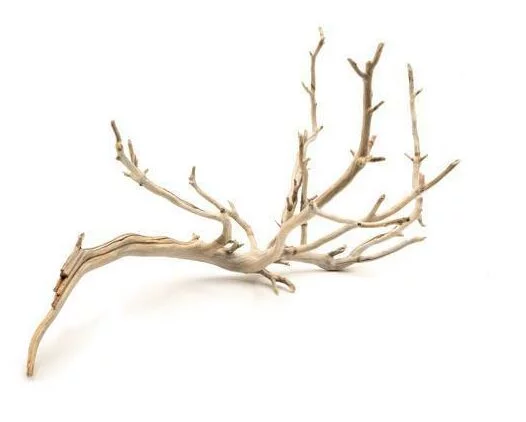
  • African Dwarf Frog: Complete Care Guide (Not the Same as African Clawed!)

    African Dwarf Frog: Complete Care Guide (Not the Same as African Clawed!)

    African Dwarf Frogs are one of those additions I genuinely enjoy recommending because they add something completely different to a community tank. I’ve kept them with tetras, rasboras, and corydoras, and they coexist peacefully while doing their own thing โ€” hovering mid-water, occasionally darting to the surface for air, and hunting for food with that signature floating posture. The key thing people get wrong is confusing them with African Clawed Frogs, which get massive and eat fish. ADFs stay small and are completely community-safe.

    African Dwarf Frogs (Hymenochirus spp.) are one of the most entertaining animals you can add to a freshwater community tank โ€” fully aquatic, peaceful, and genuinely fascinating to watch. The single most important thing to get right before you buy: make sure you’re actually getting an African Dwarf Frog and not an African Clawed Frog. They look nearly identical as juveniles, but ACFs grow to 5 inches and will eat your fish. ADFs stay small and are safe with community tank mates. Here’s the full care guide.

    Key Takeaways

    • African Dwarf Frogs can live up to 10 years in aquariums
    • They need at least 10 gallons of aquarium space to thrive
    • They are peaceful that do best with schooling fish that take up the middle and top of the aquarium

    An Overview

    Scientific NameHymenochirus
    Common NamesDwarf Clawed Frog
    FamilyPipidae
    OriginEquatorial Regions, Africa
    DietOmnivore
    Care LevelIntermediate
    ActivityEnergetic
    Lifespan5 to 10 years
    TemperamentPeaceful
    Tank LevelBottom
    Minimum Tank Size10 gallons
    Temperature Range74 – 80 Fยฐ
    Water Hardness5 to 20 dGH
    pH Range6.5 to 7.8
    Filtration/Water FlowLow
    Water TypeFreshwater
    BreedingEgg Layer
    Difficulty to BreedEasy
    CompatibilityCommunity tanks
    OK, for Planted Tanks?Yes

    What are they?

    African Dwarf Frogs are technically recognized as Hymenochirus. They are a part of the Pipidae family from the order Anura.

    Unlike other frogs that have a mixed interest in dry and watery lands, the African Dwarf Frog tends to stay at the bottom water levels throughout its lifespan.

    African Dwarf Frogs make excellent community tanks. But failing to look after their dietary needs induces predatory behavior in them. And as a result, they munch on their tank mates to fill their stomachs.

    Origin and Habitat

    The African Dwarf Frogs are native to multiple African regions. Their natural territories are spread all over the continent of Africa. These include areas like Eswatini, Mozambique, Congo, and Cameron.

    In addition to these localities, they also appear in West Africa including Nigeria.

    The African Dwarf Frog was first sighted in the year 1896. Other species from the same group were discovered at minor intervals after these frogs were found.

    Ever since entering the pet trade, they have never failed to connect their owners to their fun-filled activities.

    Appearance

    African Dwarf frogs are one of the most popular aquatic frogs to date. They are curious and energetic. Their cuteness can influence your passion for getting them a few tank mates from their own species.

    How Does an African Dwarf Frog Look Like

    African Dwarf frogs don’t have a traditional appearance. In fact, if you compare them to other frogs, they stand out pretty well because of their appearance.

    They have flat, slender bodies with streamlines on them. This trait functions as a helping hand for trouble-free moving in waters. In the wild, African Dwarf frogs have to keep their pace intact with water currents that are closer to river beds. Their streamlined bodies help them do that.

    The African Dwarf frogs compose a middle shade of dark olive green and light brown. They can also feature gray, a darker mud-brown shade, and sometimes a subtle tan color. On the base of their bodies, they have deep black dots dispersed throughout their bodies.

    These spots help them mix in with the substrate, plants, and leaves to avoid predators in the wild. These frogs have a set of four legs that are slender with webbed feet. Because they don’t live on land, their webbed feet help them flit freely through the water.

    African Dwarf Frogs are devoid of sticky tongues and teeth, unlike other frog species. So to chase down any floating living thing, they use their small claw that sits on the tip of each toe.

    Aside from this function, the feet of the African Dwarf frog help it swallow the prey down its throat much more easily. They have smooth heads similar to their bodies with a prominent snout. You can see the pair of their eyes visible on the sides of their head like other frogs.

    Differentiating a male and a female is quite easy. Apart from other differences, the major distinguishing characteristic is the abdomen of the female. The females have an ovipositor used for laying eggs. The males have a pair of white-colored glands sitting behind their feet instead of the ovipositor.

    These glands give way to a subtle effect that makes the identification even easier. Another difference is their size. Females are larger than males with plump bodies and more projecting genital areas.

    While African Dwarf Frogs don’t have teeth, they also lack ears. And to steer through the water, they use their lateral line. The lateral line also functions as a detector of environmental changes. The African Dwarf frog doesn’t have gills to breathe under the water. They often travel to the water’s surface to breathe air using their lungs.

    Four Common Species

    It’s essential to mention that mistaking a different frog species for African Dwarf Frogs is common.

    African Dwarf Frogs are linked with the Hymenochirus genus. There are generally four species in the same genus having similar personalities and physical traits.

    The variations in their diet and water temperatures are also quite simple.

    1. Zaire Dwarf Clawed

    • Scientific Name: Hymenochirus boettgeri
    • Temperature Range: 75 Fยฐ to 80 Fยฐ
    • Lifespan: 15 to 20 years

    2. Gaboon Dwarf Clawed

    • Scientific Name: Hymenochirus feae
    • Temperature Range: 75 Fยฐ to 82 Fยฐ
    • Lifespan: 5 to 10 years

    3. Eastern Dwarf Clawed

    • Scientific Name: Hymenochirus boulengeri
    • Temperature Range: 75 Fยฐ to 82 Fยฐ
    • Lifespan: 8 years

    4. Western Dwarf Clawed

    • Scientific Name: Hymenochirus curtipes
    • Temperature Range: 75 Fยฐ to 80 Fยฐ
    • Lifespan: 10 years

    Typically, the African Clawed Frog (video source) is sold under the name of African Dwarf Frogs. While there’s nothing wrong with the former frog species, their size and temperament are very problematic.

    The average size of an African Clawed frog is 5 inches. They can stretch themselves up to even more in length in the wild. Aside from the difference in size, there are some other notable features that African Dwarf Frogs have but African Clawed Frogs don’t.

    The African Dwarf Frog has four webbed feet while the other species don’t. They also have a pointed snout, unlike African Clawed Frogs that have curved but smooth snouts. You will notice the different locations of their eyes. Your intended frog species have eyes sitting on the sides of their heads. But the larger species have eyes on the top of their heads.

    Lifespan

    The average life cycle of the African Dwarf frog is 5 years. But species like Zaire Dwarf Clawed Frog can live as long as 20 years in captivity.

    African Dwarf Frogs are pretty resilient. And this makes them ideal to house in aquariums even if you’re just starting out as an aquarist. But like other freshwater species, they also go through common diseases. And if you want to improve their longevity, you need to properly look after them.

    Average Size

    African Dwarf Frogs don’t grow above 3 inches. Even in the wild, this is the typical size they can hit.

    A female African Dwarf Frog, however, is slightly bigger than the male African Dwarf Frog. They look even bigger during the breeding season.

    Care

    Before starting off with the idea of purchasing African Dwarf Frogs, understanding their behavior and natural scaling system of growth is essential.

    The apparently easy-going frogs can sometimes do things contrary to their typical practices.

    The African Dwarf Frog has a good tolerance for its tank mates. But if the dwarf frogs are starving, they can eat the undersized fish easily. A proper tank setup can improve the life quality of your African Dwarf Frog. As in their natural habitat, their association is always with warmer temperatures, you should construct their tanks with that in mind.

    Aquarium Setup

    African Dwarf Frogs spend their time inhabiting shallow water levels with still to moderate water currents.

    And while they pay great attention to exploring their accommodation, they still chatter about what’s missing in their tank. These frogs don’t live on land. In their natural habitat, water areas with warm temperatures and plenty of hiding spaces help them stay happy.

    They don’t have gills. So to breathe air, they regularly travel up to the surface of the water. This can last for as long as they want. Since they prefer moisture in their environment, you’ve to replicate that condition in their aquarium.

    Although African Dwarf Frogs are completely aquatic, they can jump out of the tank at any moment. You need to secure the surface of the tank with a tight lid to control their potential sudden movements.

    Tank Size

    The minimum African Dwarf Frog Tank should be at least 5 gallons. It’s better to bump that number up to a 10 gallon tank in order to give them enough space to freely move.

    If there are other fish with these fully aquatic frogs, get them a larger tank.

    For example, you should have a 20-gallon tank for 5-6 frogs. And fish species with higher demands will influence the number, too.

    Water Parameters

    Their preferred water temperature is 74ยฐ F to 80ยฐ F, with water hardness around 6.5 to 7.8.

    They live in slightly acidic water and can tolerate water hardness ranging from 5 to 20 KH.

    These frogs can put up with warmer temperatures. The reason is inhabiting areas that are sometimes at their hottest during the year.

    Filtration and Aeration

    African Frogs have sensitive skin. Like oxygen, they can absorb toxins like ammonia and nitrate through their skin which eventually ends their life.

    So no matter what species from their genus you go for, proper water filtration is equally important as other care measurements. Generally, African Dwarf Frogs like water areas that contain natural minerals. So, using tap water will be extremely toxic for them.

    Before thereโ€™s an outbreak of ammonia and nitrate levels, get a power filter or a canister filter for proper filtration.

    Editor’s Choice
    Hagen AquaClear

    The Best Aquarium Power Filter

    The worlds best selling and most reliable power filter on the market. Unchanged for years because it’s so reliable and versatile

    Buy On Amazon Click For Best Price

    Also, occasional water changes up to 30% are great for further water cleanness.

    Make sure any filtration system that you use doesnโ€™t disturb water currents.

    Pro Tip: Donโ€™t leave your pet without water for more than 15 minutes. Because exceeded time can cause severe dehydration or even death. These frogs are 100% aquatic and should be out of water!

    Lighting

    You don’t have to use bright lighting for the African Dwarf Frog Aquarium. Mild exposure to Natural sunlight or standard aquarium lights is more than enough.

    These frogs love to hide in any manufactured caves that you introduce to their tanks. And if there’s none, they will hide behind plants and rocks to feel at ease.

    Aquatic Plants and Decorations

    As far as decoration goes, the African Dwarf Frog is good to go with pretty much everything you put in the tank.

    Most frogs from their species act shy. And to feel good, they resort to hideaways. To give them that secure environment, you can use manufactured caves, clay-pot caves, or stones for creating ideal hideouts. You can also go for smooth rocks as hiding spaces.

    There’s nothing wrong with using plastic plants. But live plants are always better for boosting oxygenation within the tank. The frogs need to regulate their breathing cycles. Live plants help with that.

    Some great choices can be live plants like:

    Pro Tip: Make sure the plants are not hindering their free movement. Especially, when they go up to the surface of the water for breathing. African dwarf frogs while needing to live completely in water, do need to go to the surface to breath oxygen as they have lungs instead of gills.

    Also, avoid using decor items with rough edges. While swimming, African Dwarf Frogs can hurt their frail skin if they bump into rocks.

    Tank Maintenance

    As far as tank maintenance goes, the procedure is pretty simple.

    Apart from cleaning tank water using a strong filtration system, you have to clean the tank, decorations, and plants as well.

    Pro Tip: Never use any liquid or a bar of soap that contains chemicals. These frogs can sense the presence of chemicals and can absorb them through their skin. And if they do so, they can get seriously sick!

    Substrate

    They live at the bottom of the tank. Hence, substrate holds intrinsic value to their overall physical fitness.

    Choosing the color of the substrate is entirely up to you. But make sure the grains are not too small for your pet to consume. If you use larger grains, that too can host problems for the pet.

    So, layer the base of the tank using the sandy substrate. Fine aquarium gravel is another great option for layering the foot of the tank.

    Add rocks, caves, and live plants throughout the tank as well.

    Community Tank Mates

    They do well with a number of peaceful community fish species. Though they can attack small fish if hungry, any aggressive fish can do the exact same to them.

    In most cases, the behavior African Dwarf Frogs display is friendly and encouraging. However, under certain situations, they can act hostile to non-aggressive fish or fish that are smaller than them.

    To avoid their predatory conduct or getting attacked by other fish, here’s a list of some of the ideal tank mates you can select for your pet.

    1. Congo Tetras
    2. Swordtails
    3. Mollies
    4. Kuhli Loaches
    5. Giant Danios
    6. Zebra Danios
    7. Black Skirt Tetras
    8. Rummy Nose Tetras
    9. Guppies
    10. Platys
    11. Rabbit Snails
    12. Nerite Snails
    13. Gabon Shrimp
    14. Cory Catfish
    15. Betta Fish

    Poor Tank Mates

    Any aggressive fish or frog will be a poor choice to group up with your pet. Or, if the fish is too small and with poor defensive skills, your African frog can make them their next meal.

    1. African Clawed Frogs
    2. Goldfish
    3. Shrimp

    Breeding

    These amphibians are easy to breed as long as you know your way around carrying out the procedure.

    To successfully condition these frogs for breeding, create a separate breeding tank. It’s always better to guide the intended pair to the tank, excluding them from the other African Dwarf Frogs until the breeding process lasts.

    Over a course of three weeks, you have to keep water levels 3 inches deep. With that, start gradually raising the temperature up to 85ยฐ F degrees. Here is a quick video from IHTW Reptiles/Amphibians that has some additional tips.

    While they can breed on their own, you’ve to stimulate a proper breeding season for them that resembles the season of their native towns.

    Apart from the above, include protein-based foods on their menu to further increase the chances of successful breeding. You can feed them brine shrimp, bloodworms, mosquito larvae, and insect larvae.

    Also, make sure the frequency of feeding goes up for at least a couple of weeks. While you’re busy feeding them excessive amounts of food, don’t let the food scraps get piled up in the aquarium. Because neglect of cleaning the tank can raise nitrate levels.

    The best way to know whether they’ve begun breeding is by looking at the size of females. The female frogs will appear larger because of the eggs. Within a span of two to three weeks, she will get swollen with eggs.

    And once she is filled with eggs, the male will attract her attention by singing. He will then cover the lower half of her body with his before they travel up to the surface.

    During swimming, the female will produce eggs in the water which the male will fertilize. He releases sperm into the water by traveling behind her.

    After this, separate the pair from the fry. Within 3-5 days, all the eggs will hatch. The female can lay almost 1000 eggs in a single spawning. And that means you should prepare yourself for raising that many tadpoles.

    The tadpoles will stay at the water surface for another set of 5 days until there’s no yolk sac.

    But before you start feeding tadpoles brine shrimp, stick to infusoria for as long as it takes them to grow legs and hit the froglet stage. The juvenile frogs will take almost a month to develop into adults. They will get fully mature within 2 months.

    And as I mentioned earlier, raising the eggs is pretty demanding. If you see the eggs sinking to the bottom, know that they won’t hatch and therefore should be removed from the tank. The eggs are sticky. As a result, you need to place a glass jar in the tank to collect them.

    Unlike the parents, you need to lower the temperature of the water up to 80ยฐ F for the eggs to flourish. Similar to adult frogs, the fry also needs a clean water aquarium to stay healthy and upbeat. Because poor water quality is way more dangerous in their case than it is for adult frogs.

    Food and Diet

    If fed properly, your pet will never attack any smaller fish to fill their stomachs.

    But there’s one problem. These frogs will give you a tough time with eating anything. Before they actually start consuming the food down their throats, you have to train them.

    It includes placing their food at the bottom until they get familiar with the spot. Aside from this, you’ve to set a proper feeding routine to feed them daily. This will get them used to both the routine and the spot, making it easier for you to feed and for them to eat.

    They’re omnivores and can eat plant materials and algae. But for optimal nourishment, foods like brine shrimp, frozen brine shrimp, bloodworms, and insect larvae are recommended. You can also add fish fry and earthworms to their core diet. Some other great choices can be daphnia, moina, and mysis shrimp. Like other species, they also appreciate variations in their regular diets.

    For that, you can go for tuna, salmon, and beef heart to make them happy. They are fond of fatty foods so make sure you don’t overfeed them. To monitor their fitness, feed them only once a day. But their diet should include high-quality foods as mentioned above to keep them healthy and active.

    Common Health Problems

    Their skin is extremely sensitive to bacterial infections.

    If you touch them with bare hands or neglect weeding out toxins from their tank, your frog will end up developing different health issues.

    While they are not too resilient, treating them is easy. But only if you know the cause of their disease. They are also susceptible to fungal infections and some other common ailments.

    1. Fungal Infection

    Contaminated water is the core reason your frog will catch this infection. If you fail to detect the presence of ammonia and nitrate levels within the tank, things can get pretty serious.

    Here are some common symptoms your pet might show:

    1. Excessive skin shedding
    2. Reddening of the skin
    3. Seizures
    4. Patches on skin

    2. Dropsy

    This is another common disease among frogs. It usually occurs as a result of some bacterial infection or poor food management.

    Here are some common symptoms:

    1. Severe bloating
    2. Lethargy
    3. Unusual behavior

    Handling African dwarf frogs while they are infected is not that easy. They can easily spread diseases to other frogs, as well as humans. If you notice any symptoms in them, seek veterinary help immediately. Antibiotics can help them get rid of these ailments. But make sure to isolate the infected frog from the rest of their community.

    Author's Note: African Dwarf Frogs shed skin at least once in a while. Before they do that, their skin will look whitish. These frogs shed skin while growing. So, it's perfectly normal behavior among them.

    FAQs

    Are they easy to take care of?

    They are pretty easy to manage. Their friendly disposition and ability to withstand slight water changes are some of their best qualities. But if your frog is infected, you will have a tough time managing them as a beginner.

    How many should be kept together?

    You can keep 4-5 frogs together. They appreciate social gatherings and therefore keeping African Dwarf Frogs in groups is easier than you think. As their size is small, you might want to increase the number. But doing this can result in overcrowding the tank and strong interruption in their day-to-day practices.

    Do they need land?

    They have webbed feet that can’t sustain their movements on land. They are designed like this because they stay in watery areas almost all their lives. In fact, if you put them outside water for more than 10-15 minutes, they can get seriously dehydrated that eventually leading them to their death.

    What do they eat?

    They can eat algae off the plants and other plant materials you give them. In the wild, they attack floating living things and eat worms to stay healthy. In your aquarium, you can give them brine shrimp and foods that are rich in protein.

    How do I know if my croaker is happy?

    If they display active physical traits, bright body coloration, and speed in eating food, know that your pet is completely fine and happy with you.

    Do they like being held?

    Their sensitive skin doesn’t allow them to get in direct contact with humans. But since they’re social and friendly, you can play with them by taking precautions.

    How big do they get?

    They can grow a maximum size of 3 inches. It is necessary to feed them healthy foods for proper growth in your aquarium.

    Can they live in a tank with a filter?

    They certainly can live with a filter that doesn’t disturb water currents. In fact, a strong filtration water system is extremely essential for water cleanness and overall fitness.

    Closing Thoughts

    African Dwarf Frogs are one of the most popular amphibians kept in captivity, and for good reasonโ€“theyโ€™re cute, active, and relatively easy to care for. However, as with any new pet, there is a bit of research that should be done before adding them to your tank. In this article, weโ€™ve tried to cover all the basics so you can make an informed decision about whether or not ADFs would be a good fit for your aquarium. Have you kept African Dwarf Frogs before? Let us know in the comments! Weโ€™d love to hear about your experiences.

  • Tiger Barb Care Guide: The Truth About Keeping These “Bullies”

    Tiger Barb Care Guide: The Truth About Keeping These “Bullies”

    Tiger barbs are one of the fish I get asked about constantly โ€” usually by someone who just watched them shred a betta or terrorize their guppies. I’ve kept them myself, and the truth is they’re fantastic fish when kept right and a nightmare when kept wrong. The single biggest mistake people make is keeping too few. Put six or more together and they direct all that energy toward each other instead of harassing their tankmates. Here’s the honest guide to making them work.

    Tiger barbs have a reputation as the bullies of the community tank โ€” and that reputation is earned, but only when they’re kept incorrectly. The rule is simple: keep at least six together, ideally more, and they’ll spend their energy establishing a pecking order within the group instead of terrorizing your other fish. I’ve seen tiger barbs kept in groups of two or three completely shred the fins of angelfish and bettas. Those same fish in a school of eight are a completely different animal โ€” active, entertaining, and mostly minding their own business. They’re also tougher than most community fish and tolerate a wider range of water conditions. The green tiger barb and albino variants are worth knowing too โ€” same behavior, different aesthetics. Here’s the full care breakdown.

    If you’re looking for a freshwater fish that will stay happy in groups, is easy to care for, and is very active, Tiger barbs should be your go-to fish. But, be careful with them as they are semi-aggressive and need some research to make sure you get the right mates and environment for them!

    Key Takeaways

    • Tiger barbs are semi-aggressive and are known to be fin nippers
    • They are schooling fish that do best in larger groups
    • Large livebearers like Molly fish are one of the best tank mates for these barb fish

    A Quick Overview

    Scientific NamePuntius tetrazona, Barbus tetrazona, Capoeta sumatraus, Barbodes tetrazona, and Capoeta tetrazona.
    Common NamesTiger barb, Sumatra Barb
    FamilyCyprinidae
    OriginSouth East Asia including Cambodia 
    DietOmnivore
    Care LevelEasy
    ActivityVery active
    Lifespan5 to 7 years
    TemperamentSemi aggressive; Active schooling fish, nips fins
    Tank LevelMid dweller
    Minimum Tank Size20 gallons
    Temperature Range73 to 86ยฐ F
    Water Hardness5 – 19 dKH
    pH Range6.0 – 8.0
    Filtration/Water FlowModerate
    Water TypeFreshwater
    BreedingEgg layer
    Difficulty to BreedEasy
    CompatibilityCommunity tanks
    OK, for Planted Tanks?Yes

    What are they?

    Tiger barbs or Puntigrus tetrazona are popular freshwater small fish that lives up to the hype. The Tiger barb is commonly called as Sumatra Barb in the fishkeeping world. They come from Sumatra, Borneo, and the Malay Peninsular. There are a variety of color variations in Tiger Barbs in the aquarium trade. Some common color morphs include Albino Tiger barbs, Green Tiger barbs, and Golden Tiger Barbs. 

    Are they pest fish?

    Yes, they are introduced to many countries in the world such as Australia, Colombia, Singapore, and Suriname as pest fish. They tend to cause irreplaceable damage to the aquatic ecosystem. Therefore, it is recommended to take care of the fish and not allow them to escape into the wild.

    Origin and Habitat

    The native habitat of Tiger Barbs is Indonesia and Malaysia. They originate from the regions of Southeast Asia and live on the Malay Peninsula, particularly on Sumatra and Borneo Islands.

    However, as time progressed and the fish species became popular in the fish-keeping hobby, they have been voluntarily or involuntarily introduced by man in some places like Australia, Singapore, Suriname, and Colombia.

    Appearance

    The name of tiger barbs is quite descriptive considering their appearance.

    Tiger Barb Fish

    They have an orange-rounded, deep body that is adorned with vertical black stripes. Their heads are pointed and high back. The overall body has bright orange markings with golden yellow or reddish body base. They also feature four distinctive vertical black dorsal fins and are edged with red. During spawning the male tiger barbs develop a bright red snout.

    Types

    There are a variety of tiger barbs available in the market as a result of selective breeding. 

    The most common types of Tiger barbs include:

    Green ones

    Green tiger barb is a highly melanistic freshwater fish and their body reflects green color over black because of the Tyndall effect. They are prevalent in aquariums, fish tanks, and water gardens because they require a high filtration system.

    Albino

    Albino Tiger barbs are the rarest types of barbs in the aquarium trade that are a beautiful addition to your home interiors. They need very little water to survive which is an ideal fit for yards or garden ponds. 

    Black Ruby

    Black rubies are around six inches long with beautiful black, red, and green patterns on their bodies. They are active fish that provides plenty of entertainment to their spectators.

    Gold

    While not an actual tiger barb, Gold barbs have a metallic sheen to their body. In the aquarium world, Gold barbs are the most popular with high demand because they can tolerate a wide range of water conditions without posing a threat. They are sometimes confused as tiger barbs, but their disposition is like like your typical tiger barbs. They are more peaceful fish.

    Average Size

    Tiger barbs are a small fish species growing around 2 1/2 to 3 inches in length. The rate of growth in Tiger barbs depends greatly on tank parameters and the food you feed the fish.

    Lifespan

    If taken care of, Tiger barbs can live for five to seven years in captivity.

    Care Guide

    Tiger barbs are a popular aquarium fish, known for their bold patterns and active personality. To keep your tiger barbs healthy and happy, there are a few things you should do. First, provide them with a varied diet.

    Aquarium Setup

    Tiger barbs are one of the easiest freshwater fish to take care of. As long as you keep the water parameters within the ranges specified at the beginning of this article, you’ll have no problem. It’s best to keep the water temperature on the upper end of the range, around 23 – 26ยฐ C (74-79ยฐ F). Tiger barbs are omnivorous and will eat almost anything you give them. They also love flake food.

    Tank Size

    A small group of Tiger Barbs should have a minimum tank size of at least 20 gallons. However, it is recommended to choose a 30-gallon tank if possible. These fish are active swimmers that need a lot of space to swim freely.

    Water Parameters

    Tiger Barbs are a vibrant and popular freshwater fish that originate from tropical climates. They have a relatively high tolerance to lower water temperatures than most other tropical fish, making them ideal for aquariums. The optimal water temperature for Tiger Barbs is 75 degrees Fahrenheit (24 degrees Celsius).

    In terms of water conditions, Tiger Barbs tolerate a wide range of pH levels. I personally strive to keep the pH level around neutral (7), but some people prefer slightly acidic water.

    Filtration and Aeration

    Since Tiger barbs are schooling fish that produce a lot of fish waste, proper filtration and aeration are crucial for them. Apart from installing the filter, I highly recommend doing partial water changes to keep tiger barbs healthy and happy.

    The ideal tank size for Tiger barb is around 20 gallons. Thus, a hang-on back filter will efficiently clean the water for many years to come. I also advise keeping the low water flow rate for Tiger barb as they don’t like fast currents or turbulence. 

    Editor’s Choice
    Hagen AquaClear

    The Best Aquarium Power Filter

    The worlds best selling and most reliable power filter on the market. Unchanged for years because it’s so reliable and versatile

    Buy On Amazon Click For Best Price

    If you don’t want to use a Hang on back filter, you can go with a submersible filter having an adjustable flow rate. Canister filters are great for larger tanks and planted aquariums.

    Lighting

    Tiger barbs appreciate adequate lighting in their tanks. Thus, invest in high-wattage LED bulbs to ensure there’s much lighting for your Tiger barb tank.

    Aquatic Plants and Decorations

    Aquarium plants are essential to decorate the Tiger Barb tank and also, to reduce the toxic level in the water.

    Though Tiger barbs do well without live plants, to keep the aquarium decorated, I suggest investing in slow-growing plants because they like to dig the substrate. Also, you can use artificial plants but they won’t reduce the level of nutrients in the aquarium.

    Substrate

    Tiger Barbs are active fish that love digging up the substrate. And surprisingly, they are not finicky about it either. Therefore, you can go with sand, gravel, or even plant substrate.

    Community Tank Mates

    Tiger Barbs are a schooling fish, meaning they do best when kept in groups. Various varieties of Tiger Barb seem to school together peacefully.

    Even with a school of these pretty fish, it’s important to avoid slow-moving fish with long fins, such as Betta fish or the Siamese Fighting Fish and Guppies.

    Some suitable tank mates for Tiger Barbs are:

    1. Neon Tetra
    2. Buenos Aires Tetras
    3. Ember Tetra
    4. Rummy Nose Tetras
    5. Clown Loach
    6. Kuhli Loach
    7. Swordtails
    8. Red Tail Shark
    9. Corydoras Catfish
    10. Cherry Barbs
    11. Platy fish
    12. Mollies

    It’s recommended to avoid larger fish with Tiger barbs that may show aggressive behavior.

    They are Fin Nippers

    Tiger Barb is a fin-nipping fish. However, if you keep a school of at least six fish in the tiger barb tank, their fin nipping behavior is reduced. Therefore, we always recommend keeping them in a school of at least six since they are schooling fish. If Tiger barbs are kept in a group, they would pose little to no damage to their long-finned fish friends.

    Breeding

    Tiger Barbs are comparatively very easy to breed. The female tiger barb is heavier and plumper than males. Whereas, the males have a red nose with a red line above their black dorsal fin. Dexter’s world has a good video on how to breed tiger barbs below.

    While breeding tiger barbs, experts recommend keeping a school together and allowing them to make their own pairs. The breeding pair should be well fed with live foods such as Daphnia or other protein-rich food.

    Requirements for a Separate breeding tank

    Fish experts recommend keeping the Tiger barbs in a separate tank for breeding purposes. 

    The breeding tank setup should be properly maintained with the tank water being slightly acidic and soft. Tiger barbs eat their own eggs and they are egg scatterers. They also eat fish fry. Thus, it’s advised to remove the parent fish from the breeding tank. after successful spawning.

    The breeding tank should be equipped with fine gravel substrate and fine-leaved artificial or live plants. 

    Tiger barbs spawn early in the morning. However, if they have not laid their eggs in a few days, I suggest doing a partial water change and adding a little warm water to the breeding tank to induce spawning.

    The females of Tiger barbs lay around 200 eggs that hatch in around 24 to 48 hours. After five days, you will find fish fry swimming freely.

    You can feed the fish fry with commercial fry food or feed them with live food such as baby brine shrimp or baby daphnia.

    The fish fry grows very quickly and depending on their diet, they can get over an inch long in around 8 to 10 weeks.

    Food and Diet

    Tiger barbs are omnivore fish that feed on a varied diet to maintain a healthy immune system. I advise including quality flake food, live food, and frozen foods, including bloodworms, brine shrimp, beef heart, daphnia, and mosquito larvae.

    They also feed on small invertebrates and cooked vegetables. In case the live food is not available, we suggest feeding them with frozen foods such as frozen bloodworms, etc.

    Common Health Problems and Diseases

    Tiger barbs are relatively hardy fish, but they can still be susceptible to diseases. A good diet and clean water conditions are the best way to prevent diseases in your aquarium and keep your tiger barbs in top shape.

    However, even with the best care, sometimes diseases can still appear. Therefore, it is important to be aware of the signs of potential diseases that could affect your tiger barb fish.

    Aquarium tiger barbs are susceptible to a variety of diseases. Some of the most common include:

    Dropsy

    Dropsy is caused by a bacterial infection leading to water retention in the fish. Dropsy directly affects the kidney function of your fish which is fatal.

    The bacterial Aeromonas naturally occur in your fish tank and it affects the most when the immune system of the fish is compromised.

    Symptoms of Dropsy

    The symptoms of dropsy include:

    1. Bloated stomach
    2. Unhealthy scales
    3. Lethargic behavior
    4. Breathing difficulty

    Ich or Ick

    Ich disease is caused by sudden changes in the water parameters of your Tiger barb tanks. The disease might be controlled by adding antiparasitic medication to the fish tank.

    Stress caused by sudden changes in water parameters can cause ich in your tiger barbs. Adding antiparasitic medication to the tank can clear up the disease. The symptoms of Ick can be aggravated by poor water conditions or by adding plants or other fish to your tank.

    Symptoms of Ick

    1. White spots on the body 
    2. Fish scratching the body against objects 
    3. Folded fins
    4. Loss of appetite
    5. Difficulty in breathing
    6. Erratic or disoriented swimming

    Fin rot

    Fin rot is a common freshwater aquarium disease caused by bacterial infections. The main cause of fin rot is improper cleaning of the tank or not maintaining the tank regularly. 

    Also, if you overpopulate the tank with fish, fin rot is likely to spread in the aquarium.

    Symptoms of Fin Rot

    • Shredded fins
    • Milky-white spots in body parts
    • Swimming problems

    Velvet Disease

    Velvet or gold dust disease is fatal and requires immediate attention to prevent the death of your fish.

    It causes a yellow or lightish brown film on the body surface of your Tiger Barb as a result of a parasite attack. The parasites form cysts on the body of the fish which later erupt through the fish’s skin.

    Symptoms of Velvet Disease

    1. Yellow, green, or golden-colored cyst formation on the body
    2. Folded fins
    3. Skin peeling off
    4. Lethargic behavior
    5. Loss of appetite
    6. Scratching or rubbing against objects in the tank

    Hexamita

    Hexamita disease or hole-in-the-head disease is common in freshwater and saltwater fish. It needs immediate attention and treatment because it is highly fatal.

    Hexamita disease is caused by the parasites in the intestine of your fish which causes lesions on the head or flank of your tiger barb fish.

    Symptoms of Hexamita Disease

    1. Abnormal lesions on the head and flanks 
    2. Difficulty in swimming
    3. Loss of appetite
    4. Faded colors

    Differences Between Male and Female

    Differentiating between male and female tiger barbs is not difficult. The males showcase beautiful colors and have more red on their fins than females.

    When the male enters the breeding cycle, the nose turns red. 

    The female Tiger barb fish have stouter bodies than the males.

    FAQs

    Are they good beginner fish?

    Yes, tiger barbs are good beginner-friendly fish that require little care and attention. They have a relatively high tolerance to lower water temperatures than most other tropical fish, making them ideal for aquariums. The optimal water temperature for Tiger Barbs is 75 degrees Fahrenheit (24 degrees Celsius).

    Are they friendly?

    Tiger barb is an active fish that loves free swimming in the aquarium. However, they are known to be semi aggressive fish that push around smaller fish. Also, they are fin nippers and will likely nip the fins of other tank mates that are slow moving. They also fight for dominance within the community tank.ย  However, they are schooling species that enjoy the company of at least six fish in the community tank.

    Are they hard to keep?

    No, they are beginner friendly fish that is fairly easy to keep than other tropical, freshwater fish.

    Are they good community freshwater fish?

    Yes, tiger barbs are good community freshwater fish with the right tank mates. It is not advisable to keep them with small or large fish that are slow swimmers because of their fin nipping behavior.ย 

    We recommend keeping them with like-sized, fast-moving fish such as:

    Neon Tetra
    Buenos Aires Tetras
    Ember Tetra
    Rummy Nose Tetras
    Clown Loach
    Kuhli Loach
    Swordtails
    Red Tail Shark
    Corydoras Catfish
    Cherry Barbs
    Platy fish
    Mollies

    Are they aggressive?

    Tiger barbs are semi-aggressive fish that push around smaller fish. Also, they are fin nippers and will likely nip the fins of other tank mates that are slow-moving. They also fight for dominance within the community tank.ย 

    However, they are schooling species that enjoy the company of at least six fish in the community tank.

    How many should I keep together?

    You should keep a group of at least six fish together. However, you can freely keep as many as twelve fish together.

    Are they easy to keep?

    Yes, Tiger barbs are beginner friendly fish that is easy to keep and care for. The main issue with them is their semi-aggressive nature. With the correct tank mates, however, they can make great community fish.

    Final Thoughts

    Tiger barbs are excellent freshwater fish that is worth the hype. They are beautiful fish with striking appearance and color variations that adorns your home aquariums in the most attractive way possible.

  • 12 Types of Saltwater Shrimp for Reef and Fish-Only Tanks

    12 Types of Saltwater Shrimp for Reef and Fish-Only Tanks

    Saltwater shrimp are some of my favorite inhabitants in a reef tank โ€” they’re functional, beautiful, and species like cleaner shrimp interact with fish in a way that’s endlessly fascinating to watch. I’ve kept several species in my 125-gallon reef over the years and know which ones are truly reef-safe, which earn their keep, and which ones come with caveats.

    Saltwater shrimp get overlooked compared to their freshwater counterparts, which is a shame โ€” some of the most visually striking inverts in the hobby are marine shrimp. I’ve kept cleaner shrimp and fire shrimp in my 125-gallon reef, and they’re not just decorative: cleaner shrimp actively remove parasites from fish, which makes them genuinely useful in a reef setup. Peppermint shrimp are the go-to for aiptasia control. Each species has its own compatibility considerations with corals and other tank inhabitants, so here’s what you need to know before picking one.

    Key Takeaways

    • There is a vast variety of Saltwater Shrimp for aquariums from reef-safe types to predatory
    • Most shrimp like the cleaner shrimp, are easy to care for while others like the harlequin have specialized diets
    • Mantis shrimp, once regarded as reef tank pests, are now enjoying their status as exotic pets in the aquarium trade

    Introduction

    Freshwater shrimp get all the attention while saltwater shrimp get thrown into the tank as a last-minute addition. Marine shrimp are just as cool as freshwater shrimp, with bright colors and bold personalities. The only problem is that you can’t have as many as you could in a freshwater tank and some species have more exact requirements.

    Cleaner-Shrimp

    However, there are many benefits to having a shrimp in your saltwater aquarium and there is usually no additional care needed.

    Are Shrimp Good For Saltwater Tanks?

    Yes! Many saltwater shrimp are beneficial to the aquarium, whether it be through behaviors or appearance. Most saltwater shrimp species have something unique about them. For instance, cleaner shrimp will help keep reef fish parasite-free while harlequin shrimp will help get rid of pests. Of course, there are also decorative shrimp that can help fill up an empty spot on the reef.

    Are Saltwater Shrimp Hard To Keep?

    In general, saltwater shrimp are not difficult to keep. They require the same water conditions and parameters as other fish and corals; if you can keep fish alive you can likely keep shrimp alive. Like freshwater shrimp, saltwater shrimp are sensitive to copper.

    There are a few species of saltwater shrimp that have demanding diets, like the harlequin shrimp and peppermint shrimp, though there is a species for every level of hobbyist.

    Why Did Your Shrimp’s Shell Come Off?

    Both freshwater and saltwater shrimp molt. This is the process by which these animals grow, shedding their old shell in the process.

    When this happens, many beginner hobbyists think their shrimp has died as these removed shells can look exactly like a dead shrimp. If you’re concerned, search around the tank for your shrimp. They’ll usually be in the back of the aquarium as they are very vulnerable after molting. Do not remove the molt as the shrimp will eat this to regain nutrients!

    If you find that your shrimp isn’t molting on a regular one to two month basis, then there might not be enough calcium available in the water column. Trace elements may be dosed into the aquarium or calcium blocks may be supplemented.

    Saltwater Shrimp Aquarium Requirements

    As mentioned before, saltwater shrimp aren’t too difficult to keep happy and healthy. There is little that needs to be changed in a mature saltwater tank in order to keep a shrimp.

    Tank Size

    Saltwater shrimp don’t take up a lot of space. Even the larger species typically stay in one section of the tank after they’ve established a territory.

    Hobbyists have fit most saltwater shrimp species into a 5 gallon tank, including cleaner shrimp. This isn’t recommended for everyone, though smaller species can comfortably live in near-pico conditions.

    One of the most popular nano shrimp stockings is a pistol shrimp with a goby; for example, hobbyists have had success with a yasha goby (Stonogobiops yasha) and Randall’s pistol shrimp in tanks as small as 5 gallons.

    Tank Setup

    Shrimp don’t need any special setup, though they will do best with matured live rock. Live rock will provide your shrimp with food and shelter. More timid species, like the blood red fire shrimp, will appreciate several caves towards the back of the tank for protection. All species of shrimp will be found picking at algae and small organisms in and around the rockscape.

    If planning to go with a species of pistol shrimp, it is important to think about how their burrowing behavior will alter the rockscape. To help prevent collapse, the rock should be secured by sand or gravel. The structure should be tested regularly to make sure that your fish and shrimp don’t get injured.

    How Many Saltwater Shrimp Can Be Kept Together?

    Most shrimp like to be the only shrimp in the saltwater aquarium but some do well in groups.

    One of the most popular combinations of shrimp tank mates is the blood red fire shrimp and cleaner shrimp. However, this pairing doesn’t work unless the tank is well over 100 gallons. Though peaceful shrimp on their own, blood red fire shrimp and cleaner shrimp will be aggressive towards each other in close proximity.

    Sexy shrimp, harlequin shrimp, and peppermint shrimp all do well in a group setting with their own species.

    What Do Saltwater Shrimp Eat?

    Saltwater shrimp are largely scavengers that will eat anything they come across on the substrate or in the rocks. Unlike freshwater shrimp, they are unlikely to treat algae problems. They will gladly swim out into the water column for fish flakes and thawed meaty foods.

    Some saltwater shrimp have special diets, which can make keeping them more difficult. For example, harlequin shrimp heavily rely on echinoderms, like starfish and sea urchins, for food. This means that hobbyists need a constant supply to keep their shrimp fed.

    Types

    While the selection of saltwater aquarium shrimp is limited, there is a shrimp for everyone! Unfortunately, shrimp prices have risen dramatically in the past couple of years, though shrimp will live for about 2-5 years on average.

    When buying a shrimp, it’s important to know whether or not the species is reef-safe. Reef-safe mainly refers to compatibility with corals, though this can also include safety with fellow invertebrates as well.

    1. Blood

    Fire-Shrimp
    • Scientific Name: Lysmata debelius
    • Adult Size: 2 inches
    • Color Pattern: Bright red with white spots on the upper back
    • Unique Traits: Some cleaner shrimp behaviors
    • Reef-safe: Yes

    The blood red fire shrimp is one of the most eye-catching invertebrates in all of the saltwater fish tank keeping hobby. These shrimp are big and bright red. They have the same lobster-like appearance as the scarlet skunk cleaner shrimp but are much more intense in coloration.

    In many other ways, these two shrimp species are similar. Both the fire shrimp and cleaner shrimp hide in the rockwork, cleaning up waste and detritus. However, fire shrimp are usually timider and don’t regularly exhibit fish-cleaning behaviors such as cleaner shrimp do. Because of this, they’ll usually resort to shadier overhangs, only coming out for food.

    2. Banded

    Coral-Banded-Shrimp
    • Scientific Name: Stenopus hispidus
    • Adult Size: 3 inches
    • Color Pattern: Red and white stripes
    • Unique Traits: Large pincers
    • Reef-safe: With caution

    Banded coral shrimp are one of the largest shrimp species available for the saltwater aquarium growing to be about 3 inches in length, but surpassing that with extended pincers and antennae. These shrimp are sought after for more aggressive, predatory fish tanks. In most cases, banded coral shrimp can hold their own against larger fish.

    This isn’t to say that they’re aggressive, though. Some hobbyists have had overly aggressive banded coral shrimp while others have had no problem pairing them with peaceful fish and even other shrimp species–though we do not recommend this.

    The banded coral shrimp is a large, extroverted shrimp that can be seen floating around the tank in search of leftover food and other wastes.

    3. Scarlet Shunk Cleaner

    Cleaner-Shrimp
    • Scientific Name: Lysmata amboinensis
    • Adult Size: 2 inches
    • Color Pattern: Red and white stripes with yellow
    • Unique Traits: Cleaner shrimp behavior
    • Reef-safe: Yes

    Scarlet skunk cleaner shrimp, also known as red skunk cleaner shrimp or simply as cleaner shrimp, are hands down the most popular saltwater shrimp species to find in the home aquarium. These shrimp are colorful and full of character.

    Scarlet skunk cleaner shrimp exhibit cleaning behavior much more than the related fire shrimp. This shrimp species sets up a cleaning post on the side of the rocks where fish and other marine invertebrates come to be cleaned of dead skin, tissue, parasites, and other imperfections. They will not hesitate to even get under your nails when you put your hands in the reef tank for maintenance!

    Cleaner shrimp are compatible with nearly all saltwater fish species and can help keep them healthy. They’ve even been paired with more aggressive species as those fish seem to be aware of their cleaning benefits.

    4. Peppermint

    • Scientific Name: Lysmata wurdemanni
    • Adult Size: 2 inches
    • Color Pattern: Reddish-brown, light stripes
    • Unique Traits: Forms groups to eat Aiptasia
    • Reef-safe: With caution

    Peppermint shrimp are a very useful shrimp species as they are effective at hunting down and eating pest anemones, like Aiptasia. While some hobbyists have had great success using 4-6 of these shrimp for pest control, some have seen their peppermint shrimp completely ignore Aiptasia or even opt for other coral altogether.

    These shrimp love to be in groups and will be most active and present in the company of others. They tend to hide if left by themselves in the aquarium, but are completely peaceful to other fish; some caution is needed if Aiptasia populations run low or if there are a lot of soft corals in the reef aquarium.

    The peppermint shrimp is commonly confused with the camel shrimp.

    5. Marbled

    Marbled-Shrimp
    • Scientific Name: Saron marmoratus
    • Adult Size: 2 inches
    • Color Pattern: Red, white, and sometimes green-speckled appearance
    • Unique Traits: Fuzzy camouflaged body
    • Reef-safe: No

    Also known as the saron shrimp, the marbled shrimp is one of the less commonly seen shrimp species in the saltwater aquarium hobby. These shrimp are generally considered not reef-safe and should not be kept with corals. They are opportunistic feeders and are likely to eat other invertebrates.

    Otherwise, these speckled shrimp are efficient substrate cleaners. They mainly hide in caves formed with the substrate and will help keep food and other waste from accumulating.

    6. Sexy

    Sexy-Shrimp
    • Scientific Name: Thor amboinensis
    • Adult Size: 1 inch
    • Color Pattern: Reddish-brown with large white dots
    • Unique Traits: Curled up tail and unique dance
    • Reef-safe: Yes

    The marine shrimp with the best name, the sexy shrimp also has one of the most unique dances. These red and white dotted shrimp constantly sway back and forth, making it look like they’re moving with the current.

    Sexy shrimp are very tiny and usually only grow to be about an inch big at mature size. Because of this, they like to form groups for safety in numbers. When kept in groups of at least three or more, sexy shrimp will gladly stay at the front of the reef tank displaying their dance.

    7. Harlequin

    Harlequin-Shrimp
    • Scientific Name: Hymenocera picta
    • Adult Size: 1.5 inches
    • Color Pattern: White with pastel blue and purple spots
    • Unique Traits: Large pincers; specific starfish diet
    • Reef-safe: Yes

    The harlequin shrimp is a favorite due to its pastel coloration, but these shrimp are one of the most difficult to keep due to their natural diet. These shrimp only eat starfish. This can make keeping them difficult and expensive in the long run for an inexperienced hobbyist.

    Harlequin shrimp are the perfect addition to a large saltwater aquarium overrun with Asterina starfish. These shrimp flip the starfish on their back and eat them from the inside out. Many hobbyists supplement Asterina starfish with other larger species, like Linckia spp..

    To help keep up with the demand and to cut costs, many hobbyists cultivate pest starfish in a separate aquarium.

    8. Bumblebee

    • Scientific Name: Gnathophyllum americanum
    • Adult Size: 1 inch
    • Color Pattern: Alternating black, white, and yellow stripes
    • Unique Traits: Preferred echinoderm diet
    • Reef-safe: Yes

    Not to be confused with the freshwater bumblebee shrimp (Caridina breviata), Gnathophyllum americanum is a saltwater shrimp that looks like a bee! These shrimp have alternating black, white, and yellow stripes on top of a plump abdomen and short tail. The bumblebee shrimp may also be known as the striped harlequin shrimp (video source).

    Bumblebee shrimp are difficult to keep. Like regular harlequin shrimp, bumblebees need echinoderms, like starfish, included in their diets. Unlike the harlequin shrimp, bumblebee shrimp can be supplemented with other meaty foods as well.

    Otherwise, bumblebee shrimp do great in nano aquariums with dimmed lighting.

    9. Pistol

    Pistol-Shrimp
    • Scientific Name: Alpheus spp.
    • Adult Size: 3 inches
    • Color Pattern: Varies
    • Unique Traits: Creates loud snapping noise
    • Reef-safe: Yes

    There are several species of pistol shrimp commonly found in the hobby, including the popular tiger pistol shrimp (Alpheus bellulus) and the Randall’s pistol shrimp (Alpheus randalli). These shrimp are typically named after the fish that they have a symbiotic relationship with; the “pistol” name is in reference to the shrimp’s hunting mechanism to create bubbles and pop the bubbles at speeds in excess of 60 mph to stun their prey. A loud, gunshot-like sound is the result.

    Most pistol shrimp also have symbiotic relationships with fish, namely gobies. Many hobbyists choose to pair their shrimp with a goby. The shrimp helps build and maintain their tunnel home while the fish brings back food.

    10. Camel

    Camel-Shrimp
    • Scientific Name: Rhynchocinetes durbanensis
    • Adult Size: 2 inches
    • Color Pattern: Red and white thin stripes
    • Unique Traits: Humped back
    • Reef-safe: No

    The camel shrimp is also known as the hinge-beak shrimp, dancing shrimp, or candy shrimp. It is extremely common for camel shrimp to be confused with peppermint shrimp, especially by general pet stores. Here are a few ways to tell them apart:

    1. Coloration. Camel shrimp are usually very brightly colored with definable thin red and white alternating stripes. Peppermint shrimp are usually a dim, transparent red with less defined patterns.
    2. Body shape. Camel shrimp have very angular features. They are named after their distinct humped back that then leads into a pointed-upwards, sharp beak. Peppermint shrimp lack this hump and have a much broader body.
    3. Diet. One of the most important differences between these two shrimp species is their dietary preference. Peppermint shrimp are used to control Aiptasia and may occasionally go after a coral or two. On the other hand, camel shrimp are almost guaranteed to go after corals and are not considered to be reef-safe.

    11. Peacock Mantis

    • Scientific Name: Odontodactylus scyllarus
    • Adult Size: 4-7 inches
    • Color Pattern: Rainbow
    • Unique Traits: Deadly punch
    • Reef-safe: No

    Probably one of the most fascinating animals on this planet, the peacock mantis shrimp has the strongest self-powered punch on earth. These shrimp have a punch that reaches speeds of 75 ft/sec, which is comparable to a .22 caliber bullet. Check out the video above by Love Nature for some great footage.

    Does that mean they can break the glass in your aquarium?

    Yes, they can. They can also cause some damage to fingers and hands if hit. These incredible shrimp use this ability to break open hard crab shells and other invertebrates. Most hobbyists keep them in a tank by themselves, though some have had success keeping them with fish.

    12. Pederson’s

    Pederson's-Cleaner-Shrimp
    • Scientific Name: Ancylomenes pedersoni
    • Adult Size: 1.5 inches
    • Color Pattern: Translucent with iridescent blue and purple
    • Unique Traits: Cleaner shrimp behavior
    • Reef-safe: Yes

    The Pederson’s cleaner shrimp, also known as the Caribbean anemone shrimp, is not a common species of shrimp to find. They form symbiotic relationships with anemones as well as with fish. They help remove waste from anemones while also removing parasites from fish like other cleaner shrimp.

    Which Ones Are Reef Safe?

    From our list, the reef safe types of saltwater shrimp are:

    • Blood red fire shrimp
    • Scarlet skunk cleaner shrimp
    • Sexy shrimp
    • Pederson’s cleaner shrimp
    • Pistol shrimp
    • Bumblebee shrimp
    • Harlequin shrimp

    These species are not reef-safe or should be added with caution:

    • Banded coral shrimp
    • Peppermint shrimp
    • Marbled shrimp
    • Peacock mantis shrimp
    • Camel shrimp

    Final Thoughts

    Shrimp are a natural part of saltwater ecosystems. It only makes sense to add one to your home aquarium!

    There are many different species of shrimp to choose from with some being more demanding than others. It’s important to pick the shrimp that is right for your aquarium and experience level. Always make sure that your tank can handle the additional bioload and that you avoid species that are not reef-safe if you have corals.

  • Assassin Snail: Complete Care Guide (Natural Pest Snail Control)

    Assassin Snail: Complete Care Guide (Natural Pest Snail Control)

    Assassin snails are one of the most satisfying solutions to a pest snail problem I’ve come across in 25 years of keeping tanks. I’ve recommended them to dozens of people dealing with bladder snail or ramshorn explosions, and they work โ€” methodically hunting and eating pest snails without bothering your fish or plants. They’re also interesting animals in their own right, not just a pest control tool. Here’s everything I know about keeping them.

    Assassin snails (Anentome helena) are one of the more genuinely useful solutions to a pest snail outbreak โ€” they hunt and eat other snails, including Malaysian trumpet snails, bladder snails, and ramshorns. I’ve recommended them to people dealing with snail explosions in planted tanks. One expectation to set upfront: they’re not a complete elimination tool. They’ll reduce the population significantly but won’t wipe out every snail, especially in heavily planted tanks with lots of hiding spots. They’re also peaceful with fish and with shrimp larger than themselves. Here’s the full care guide.

    Key Takeaways

    • Assassin snails are given their names because they will eat most snails in the aquarium
    • They are great at removing many types of pest snails in an aquarium
    • They are known for eating shrimp
    • Assassins are not hermaphrodites. They require a male and female to reproduce

    A Quick Overview

    Scientific NameAnentome helena/Clea helena
    Common NamesAssassin snail, Bumblebee snail, Snail eating snail
    FamilyNassariidae
    OriginSoutheast An
    DietCarnivore
    Care LevelEasy
    ActivityModerate
    Lifespan2-3 years
    TemperamentAggressive to other snails and shrimp
    Tank LevelBottom level and substrate
    Minimum Tank Size30 gallons
    Temperature Range70 to 80ยฐ F
    Water Hardness2-15 KH
    pH Range6.5 – 7.5
    Filtration/Water FlowSlow to fast
    Water TypeFreshwater
    BreedingEgg layer
    Difficulty to BreedEasy
    CompatibilityCommunity tanks
    OK, for Planted Tanks?Yes

    Origin and Habitat

    The assassin snail originates from Southeast Asia, including Vietnam, Thailand, Sumatra, and Malaysia. There, they live in freshwater rivers, streams, and lakes. They prefer a muddy substrate where they can easily burrow and wait to emerge for prey. Sometimes they will keep their proboscis exposed to stay alert about nearby food.

    Assassin snails are very resilient and will adapt to most water conditions. This has led them to become the most predominant snail in some ecosystems as well as to become an invasive species in other countries. If left unmonitored, this can start to affect local snail populations.


    Introduction

    Got a snail problem? Assassin snails might just be the answer.

    Assassin snails are unlike any other freshwater snail available for purchase in the aquarium trade. Though gruesomely named, the assassin snail is actually a perfect, peaceful candidate for the planted community aquarium.

    As with most planted aquariums, live plants from the pet store may bring in unwanted pest snails that quickly reproduce and overpopulate the system. While some hobbyists use manual removal or chemical intervention to keep a snail population down, others turn to a natural predator: the assassin snail.

    These small snails stay about an inch big at full size but have a big appetite for other snails and other meaty foods!

    How Long Do They Live?

    Assassin snails don’t live for a long time like other snails. On average, they live to be about 2-3 years. As we’ll see though, these snails are surprisingly very easy to breed, making for exponential replacement when the time comes.

    Are They Good For Your Freshwater Tank?

    Assassin snails are good for some freshwater tanks. They are pure carnivores that feed mostly on smaller snails and uneaten food. Unlike other freshwater snails, they will not clean algae or plant detritus though they will take care of a pest snail infestation in exchange. This means that if you don’t have a snail problem, the assassin snail is most likely not for you.

    How Do They Kill

    But how do these apex predators of the snail world kill? We’ll be honest, this isn’t for the faint of heart but the method used undoubtedly earns these snails their killer name.

    How Do They Kill?

    The assassin snail isn’t poisonous or venomous. Instead, they have a deadly tongue-like structure called a radula.

    In most other aquarium snails, the radula is lined with tiny teeth that scrape away algae from hard surfaces and are harmless to other snails. In the assassin snail, the radula is designed to extend into the shell of other snails, scraping away and eating the mucus and flesh of the other snail while it’s still alive.

    During this process, different fluids and smells enter the water column, attracting other assassin snails and leading to a frenzy. In no time, the only thing left of the victims is empty snail shells alongside a group of full assassins.

    In most cases, assassin snails will only eat snails that are smaller than them or about the same size. This leaves larger snails, like nerites and mystery snails, largely unscathed; however, there is the chance that your assassin snails gang up on a larger snail and ambush prey them. Still, they prefer eating trumpet snails, ramshorn snails, and pond snails.

    It should be noted that assassin snails have been known to eat freshwater shrimp as well as shrimp fry. While more uncommon to see, they will eat the dwarf shrimp from the inside out in the same style.

    Can They Kill Fish?

    Of course, many new assassin snail owners question whether or not these snails are safe to keep with their fish. The answer is yes! Assassin snails are regularly kept with all types of tropical fish in a community setting, including bottom feeders.

    If you happen to find an assassin snail eating a fish, it’s very likely that the fish was already dead. Remember, assassin snails are very efficient scavengers that feed on meaty foods other than pest snails. They will gladly take the opportunity to eat a dead fish.

    There is also the chance that your assassin snail will eat fish eggs as well as other snail eggs. However, they favor soft egg capsules. The hard egg capsule from snails like nerite snails will usually be ignored.

    Can They Sting You?

    No, the assassin snail does not have a stinger and is not venomous. You are completely safe to work in and around your tank without having to worry about upsetting or getting injured by your assassin snail.

    More than likely, this myth came about due to their somewhat similar appearance to the unrelated cone snail (Conus spp.) that is extremely venomous. No worries, though! There is no chance of an aquarium store confusing an assassin snail for a cone snail.

    How Many Snails Do They Kill?

    On average, one assassin snail eats one to three snails every one to three days. Of course, this will depend on a few factors including food availability and the size and appetite of the individual snail.

    The biggest concern with this is that once the snails disappear, the food also disappears. At this point, other foods will need to be supplemented.

    Do They Kill Each Other?

    Interestingly, assassin snails do not kill each other. It is not known what allows an assassin snail to recognize its own species, but they will firstly starve to death before turning to cannibalism.

    How To Identify One

    Though more uncommon to happen, assassin snails can unknowingly come in on live plants and other aquarium decorations.

    If you have decorative snails that you want to keep, then you’ll definitely want to know how to identify an assassin snail before they start eating your prized snails; to help prevent any pest snails from entering the aquarium at all, it’s always recommended to dip-treat live plants and quarantine.

    The problem is that assassin snails stay small for a very long time and stay buried in the substrate. Once they’ve grown, they are very easy to identify, though.

    Assassin snails grow to be about an inch big at mature size. Some of the larger individuals reach closer to 2 inches. They have alternating vertical black and yellow stripes along the sides of their shell.

    They are most identifiable by the shape of their conical shell that ends in a sharp whorl. Along the sides of the shell are noticeable ridges that lead to their small foot. Two antennae and a proboscis will stick out from under the shell. The proboscis is the nose of the snail which helps to locate food.

    Care

    Keeping assassin snails is easy though keeping them fed can be difficult once the number of pest snails available starts to decline.

    Tank Size

    There is some discussion about the minimum tank size required for assassin snails. These are small snails that don’t create a lot of waste, but their diet and heavy preference for live foods make their recommended tank size bigger than expected.

    In general, a 30 gallon tank is recommended to keep assassin snails. About one to three snails are recommended for a tank this size. More or less should be added based on the number of pest snails present.

    If you are adding assassin snails for decoration only and planning to regularly supplement meaty foods, then hobbyists have had success keeping assassin snails in as little as 5 gallons. In these cases, waste management needs to be monitored as uneaten meaty foods can quickly affect water quality.

    Aquarium Setup

    For the most part, assassin snails stay buried in the substrate. They will greatly prefer a sandy, silty bottom as opposed to gravel. Otherwise, there are no special aquarium setup requirements for keeping these snails.

    Great For Bottom Feeders
    Fine Natural Sand

    Natural sand is excellent for bottom feeder fish to forage around in.

    Click For Best Price Buy On Amazon

    Assassin snails can gladly be kept in a planted aquarium. They are strictly carnivores and will not eat live plants. Since they don’t require algae to eat, providing surface area for algae to grow does not matter as much as it does for other species; always keep in mind the needs of your other tank mates, though!

    Water Parameters

    Assassin snails are very hardy and can adapt to most water parameters. They need 0 ppm ammonia, 0 ppm nitrite, and minimal nitrates. They are intolerant to traces of copper.

    However, assassin snails are somewhat more sensitive to incorrect water temperatures than other snails. They do best at a constant water temperature between 70-80ยฐ F. Though they originate from tropical climates, they prefer relatively cooler temperatures–though, not as cold as some snails can endure, like pond snails.

    Filtration and Aeration

    Many freshwater snail species like to graze on the algae and detritus collected by sponge filters. Assassin snails do not benefit from this additional filtration.

    Editor’s Choice
    Hikari Bacto Surge Sponge Filter

    The Best Sponge Filter

    With a name brand and high quality reputation, the Bacto Surge separates itself from the pack

    Buy On Chewy Buy On Amazon

    Instead, they will happily live with whatever kind of filtration you choose to give them, including sponge, hang on the back, canister, and sump filtration. Some hobbyists even keep them in unfiltered tanks that rely solely on beneficial bacteria and live plants.

    Additional aeration is also not needed. This may change due to the other species being kept in the tank and the overall bioload.

    Lighting

    Assassin snails can be kept in low, moderate, and high lighting. Again, lighting will depend more on the other fish, invertebrates, and plants being kept in the aquarium.

    That being said, assassin snails spend the majority of their time in the substrate. If the lighting does bother them, they will have no problem correcting the situation by hiding more.

    Aquatic Plants and Decorations

    Assassin snails don’t care if you have plants or not, but their food might. As carnivores, assassin snails will not touch plants. However, many other species of snail, like Malaysian trumpet snails and ramshorn snails, love to feed on the algae that grow on leaves and stems.

    To help create a natural habitat for these freshwater snails to grow and to supply your assassin snail with food, it’s strongly recommended to keep live plants.

    Community Tank Mates

    Assassin snails can be kept in a tropical community fish tank. However, they should not be kept with wanted snails or shrimp.

    Compatible community tank fish include:

    These snails are not bothered by fish, including bottom-dwellers, though avoid snail-eating fish species as assassin snails are easily preyed upon. There is some discussion as to whether or not they can eat small fish, but it’s likely they only target fish that are already dying.

    How Many Should Be Kept Together?

    It can be difficult to gauge how many assassin snails your aquarium needs. They eat about one to three snails every one to three days, so the total number should be considered in regard to food availability.

    In general, about one to two snails are recommended per every 10 gallons.

    Can You Keep Just One?

    Yes! You can keep just one assassin snail. These snails aren’t particularly social and don’t need others to feel safe. In most cases, it’s best to keep only one assassin snail so that feedings stay easy.

    Food and Diet

    Feeding assassin snails isn’t as difficult as it sounds.

    First and foremost, these snails will appreciate pest snails as the staple of their diet. If you find that your snails are eating more than your snails can reproduce, then it may be worthwhile to cultivate those snails in a separate aquarium. This doesn’t need to be anything elaborate. A 5 gallon aquarium with some fast-growing plants can be the breeding ground for many species of freshwater snails.

    If you don’t have the space to set up another tank, then you will need other options. Believe it or not, assassin snails will accept fish flakes and pellets. A protein-rich food should help supplement your snail’s diet, but try a live and frozen food source such as blood worms.

    These snails will appreciate a variety of live and frozen brine shrimp, mysis shrimp, and bloodworms. Feedings should be at least two to three times a week.

    Breeding

    For a long time, it was believed that assassin snails reproduce slowly. While they may lay only one egg at a time, they are efficient reproducers (video source).

    https://youtu.be/Pwb4OTZCmqs

    Breeding assassin snails is straightforward. They are likely to breed on their own without any hobbyist intervention if a male and female are present in the tank. To begin breeding, gradually raise the water temperature over the course of a few days. Provide a rich diet.

    If successful, the female will lay fertilized eggs. These eggs can be moved to breeding tanks to ensure that nothing eats them, though this is usually unnecessary. Assassin snail eggs are about 1 millimeter in size and translucent yellow or white. The eggs should hatch in about one to two months.

    Many hobbyists think they are unsuccessful when they see the egg missing with no baby assassin snails in sight. Babies are very small and likely to hide in and around the substrate for the first several months, so it’s not uncommon to not see them for a while.

    If you want to stop breeding assassin snails, simply squash the eggs as you see them appear.

    Do They Reproduce Asexually?

    Unlike other freshwater snails, assassin snails do not breed asexually; a male and female need to be present. They are also not hermaphrodites, meaning that they stay one sex for the entirety of their lives.

    There are no observable differences between males and females, so breeding will need to happen in a group setting where there’s a good chance of having both sexes present.

    Final Thoughts

    If you’re struggling with a snail infestation, then an assassin snail or two will help keep small population explosions in check. These snails are very undemanding and can adapt to most aquarium conditions. They especially love spending time in the substrate but will emerge to hunt for other snails as well as to help clean up dead fish and other meaty wastes.

    Just make sure that you can supplement your snail with foods after the pest snails have run out! It’s one of the most fascinating snails in the aquarium hobby. Let us know your experience with them in the comments below!


    ๐Ÿ“˜ Want to learn more? This article is part of our complete Freshwater Fish Guide โ€” your ultimate resource for freshwater species, care tips, tank setup, and more.

  • Plakat Betta: Complete Care Guide (The Original Fighting Fish)

    Plakat Betta: Complete Care Guide (The Original Fighting Fish)

    Plakat bettas are the variety I find myself recommending more and more โ€” especially to people who want a betta that’s actually active and engaging rather than one that spends most of its time hovering in place protecting its delicate fins. I’ve kept both long-finned and plakat bettas, and the plakats just have a different energy. They swim faster, explore more, and hold up much better in tanks with any current. If you haven’t kept one, here’s what to expect.

    The plakat betta is the closest thing to a wild-type betta you’ll find in the hobby โ€” shorter fins, a more muscular body, and significantly more active than the long-finned varieties most people picture when they hear “betta.” Plakats were actually the original fighting fish of Southeast Asia before selective breeding produced those dramatic flowing fins. I personally prefer the plakat form: they’re more resilient, the fins don’t tear as easily, and they have a raw energy to their movement that fancy bettas don’t quite match. Here’s the full care guide.

    If youโ€™re looking for a fish that keeps you occupied with its fascinating activities, then the Plakat Betta is the right species to try out.

    Key Takeaways

    • Plakat Bettas are a breed of Bettas that have shorter fins
    • They are more active and athletic than fancy fin Bettas
    • Female Plakat can be colorful compared to other female betta types
    • They are hardier than most other Betta types

    An Overview

    Scientific NameBetta splendens
    Common NamesSiamese fighting fish, Plakat Morh, Plakat Betta, Wild Betta, Thai Betta, Shortfin Betta, Dragonscale Betta, Halfmoon Plakat Betta
    FamilyOsphronemidae
    OriginSoutheast Asia
    DietOmnivore
    Care LevelIntermediate
    ActivityNocturnal active fish species
    LifespanUp to 5 years
    TemperamentSemi-Aggressive
    Tank LevelTop
    Minimum Tank Size10 gallons
    Temperature Range72-82 Fยฐ
    Water Hardness2 to 12 dKH
    pH Range6.0 to 7.5
    Filtration/Water FlowModerate to fast
    Water TypeFreshwater
    BreedingEgg layer
    Difficulty to BreedModerate
    CompatibilitySolo or Community tanks (with caution)
    OK, for Planted Tanks?Yes

    What is It?

    Plakat Betta, famously termed as Siamese fighting fish, is a part of the Osphronemidae family. They are a variant of Betta Fish though slightly less popular than their cousins.

    Their enticing kaleidoscopic bodies make them ideal candidates for dull tanks. Another appealing fact is their lively activities.

    The fish is not the best option for beginners. The reason is their territorial instincts and strong interest in attacking some tank mates to death.

    Origin and Habitat

    Plakat bettas are native to Southeast Asia. The regions include Cambodia, Thailand, Indonesia, Malaysia, Laos, Vietnam, and Myanmar.

    They were first sighted in Thailand by King Rama III almost 150 years ago. They were initially distributed within different Thai regions. But with time, the fish made successful attempts at inhabiting aquariums around the world.

    Their water conditions and pH levels might slightly differ due to their different origins. We are going to discuss that in depth so stick around till the end.

    Appearance

    When it comes to offering a ton of different shades, Plakat Bettas are invariably ahead of other fish in the competition.

    Plakat Betta Fish

    There are several varieties of them traded around the world. Some of them feature a silver base and sharp blue-colored fins with red patches scattered across their fins and overall bodies.

    While the others come in a spectrum of deep-red fins with a touch of orange at the edges. These fish also have a bright silver base laced with deep blue hues. These patches are usually visible at their anal fins.

    You might also see some Plakat Bettas featuring their full bodies in a lighter shade of mauvelous pink. The others, however, can report bright yellow fins with shimmery tons of blue. The head looks pink and sometimes red in these species.

    If you have a prior experience with bettas, finding the most common variant will be pretty easy.

    Plakat Bettas have cylindrical-shaped bodies. As a result, they look quite compressed when compared to a standard betta.

    There are only minor differences to tell them apart. One of which is the head. The head recedes to a certain point at their mouths. They have upturned mouths which add to their uniqueness.

    However, one of the major differences between them is the fins of Plakat Bettas. They have sword-like pelvic fins, circular-shaped dorsal fins, and elongated anal fins. Their dorsal fins are apparent on the lower side of their back.

    Overall, the Plakat Betta has a dramatic tail and a strong frame.

    Their fins are generally smaller, helping them stand firm against their opponents. Another reason why they are called strong fighting fish is the prominent rays on their tail and dorsal fins. These rays help them protect their fins from shedding.

    Typically, bettas with long flowing fins are seen in aquariums. These long-finned bettas are prone to fin nipping and fin rot. And that’s why aquarists only house them with peaceful fish species.

    As common with other fish, telling their genders apart is easy.

    The male Plakat Bettas are brighter than the females. They also look larger when compared to their female counterparts. The female Plakat Bettas, however, have multi-colored fins that set them apart.

    While in the deeper levels of water, the fish often travel up to the surface. Aside from their gills. they have a labyrinth organ that helps them respire oxygen from the air.

    There are some common varieties available in the aquarium line. Here are a few of them that might strike your attention.

    Types

    There are several Plakat Betta types you can try. Here are the most popular below

    1. Dragon

    Dragon Betta (video source) or Dragon Scale Betta is variety of Plakat Bettas. They feature a metallic-colored base and sharply pointed scales.

    The color of their scales can vary from deep black to reddish brown.

    2. Samurai

    Samurai Koi Betta

    From the repeated attempts of breeding the Dragon Betta over a lengthy period, the result came out beautifully shocking and unique.

    The Samurai Betta might look like the Dragon Betta. But, it has a strong deep black base color with a silver coating around the scales.

    There’s another coating of the same shade on the face. You can also see a thick silvery band running lengthwise down its body to the edges.

    Samurai Bettas sometimes have their heads covered with white gold, with their middle body sections completely devoid of color patterns. Other times, they have shimmery silver shades striking their fins, backs, and heads.

    3. Blue Rim

    As a result of intense breeding taking place over the years, this is another beautiful type of Plakat Betta (video source).

    The fish from this category has up to 3 different shades. The base appears white, with the fins having a beautiful shade of blue. Sometimes the base can look different depending on the lighting.

    4. Nemo

    Nemo Koi Betta

    Nemo Betta or the classic Nemo Betta has two different shades. It has a deep red color and a cool shade of melon.

    The classic Nemo Betta is often confused with the multi-colored. The easiest way to distinguish them is by looking at their colors.

    5. Mustard

    Mustard Tail Betta

    Mustard Betta though extremely rate to find is another betta variety.

    This type of Plakat Bettas was bred almost 25 to 30 years ago. They are now going extinct due to this fact.

    These fish have blue bottoms with mustard-colored fins. Their fins can vary in the deepness of color depending on the process of breeding.

    Their fins are not completely the color of mustard. You can light hues of their base color connecting the fins to their bottoms.

    While swimming, their fins spread out like fans. And this makes them more enticing to watch.

    6. Hellboy

    The Hellboy Betta fish (video source) got its name from its unique appearance. This variety of Plakat Bettas has a color combination of charcoal black and bright red.

    Like some other types of Plakat Betta, this category is also quite rare to find.

    7. Koi Plakat

    Galaxy Koi Betta

    The Koi Plakat Betta is a high-grade colored fish. Every individual fish from this variety has over 5 different colors which look amazing to the eye. The body coloration in these fish is usually strong, with different shades mixing into one another.

    Plakat vs Halfmoon Plakat Betta

    The major difference between a Plakat Betta and a Halfmoon Betta is their fins.

    If you compare Plakat Bettas with their cousins, fins will be the most noticeable difference among them.

    A Halfmoon Betta has long fins. But to dart quickly around, on the battlefield, A Plakat Betta needs short fins to protect them from getting ripped up.

    Another contrasting difference is their anal fins. Unlike Plakats, Halfmoon Bettas have shorter anal fins. These fins extend from their abdomens. While the former species have elongated anal fins that project from their backs.

    Lifespan

    The generally predicated lifespan of healthy Plakat Bettas is between 3 to 5 years.

    However, their life expectancy can improve with the level of care and efforts you put into their maintenance.

    As Plakat Bettas are almost always in the game of fighting other fish to death. As a result, their overall life endurance can get seriously influenced. So, it’s always better to monitor them closely for as long as possible.

    Average Size

    Plakat Bettas are pretty small, reaching up to 2 to 3 inches in length only. There’s no difference between the Plakat Bettas coming from the wild versus those who are captive-bred.

    Care

    In this part, I’ll give you some insights into exactly what goes into their proper management.

    Since these fish are infamous for their high territorial behavior, you should be careful about this.

    It’s almost impossible for them to open themselves up to other species. The acceptance rate is low. And there’s no way to stem the flow of their constant aggression.

    But a proper care guide can improve their health. Apart from food requirements, proper tank setup and water parameters also hold intrinsic value to their transition.

    Aquarium Setup

    The fish in the wild inhabits areas with low oxygenation levels and high vegetation. They are sometimes found in rice paddies and small rivers and basins.

    These fish are naturally trained to adapt to slight acidic-level changes and water shifting. But it’s good to replicate their natural habitat as closely as possible.

    They are active swimmers who love to travel. While setting up their tanks, keep the surface open. If the oxygen levels are low, these wild bettas will use their labyrinth organ to fill in their oxygen needs from the surface.

    Tank Size

    Due to their small size, they are often sold in tiny jars and containers. While the stay in these jars is momentary, beginners fail to realize that they are active fish species.

    The minimum tank size of a Plakat Betta is 10 gallons. Because they prefer staying alone, this is a good aquarium size. However, thick supplementation of live plants might disturb their free movement.

    Therefore, a larger aquarium setup is better.

    Water Parameters

    These tropical fish prefer warm water temperatures. So, in their aquariums keep the temperature between 72ยฐ F to 82ยฐ F. The water hardness should be around 2 to 12 KH with slightly high acidic levels.

    But to keep the pH levels accurately regulated, get a water testing kit. You can also use almond leaves in their tank for proper pH control.

    Filtration and Aeration

    Although these fish are kept alone, negligence in environmental cleanness can lead them to fish diseases.

    To give them a healthy environment, you can go for a hang-on-back filter or a sponge filter. A strong filtration system weeds out toxins like ammonia and nitrate, making it safer for your fish to live.

    Editor’s Choice
    Hagen AquaClear

    The Best Aquarium Power Filter

    The worlds best selling and most reliable power filter on the market. Unchanged for years because it’s so reliable and versatile

    Buy On Amazon Click For Best Price

    Lighting

    Unlike other freshwater fish sensitive to bright lighting, things are different for a Plaket Betta. The fish in the wild is often exposed to natural lighting. They frequently travel to upper water levels to breathe using their labyrinth organ. As a result, their tolerance of bright lighting is pretty good.

    While constructing their habitat, you can replicate this condition completely risk-free. You will always see them active during the day while taking rest throughout the night. When the sun goes down, just dim the aquarium light for your fish’s comfort.

    Aquatic Plants and Decorations

    Plaket fish gives you the freedom to choose what goes into their tanks.

    In their natural habitat, you can see a lot of plants. There are caves, as well as other hideouts that they use during the night hours. But these hiding spots will be beneficial if the fish is stressed.

    An anxious Plaket Betta fish losses its ability to withstand potential environmental changes and personal adversities. To keep their remaining energy intact, the last resort is almost always caves or other hideouts.

    Also, make sure to introduce live floating plants. Some great recommendations can be Java Fern, Java Moss, Moneywort, Anubias Nana, and Narrow Leaf. These can boost oxygenation levels which is strongly advisable.

    For caves, both rock caves and plastic caves are great. Just make sure the edges are smooth because jagged surfaces can hurt your pet.

    While using live plants, leave plenty of space on the surface so that the fish can head toward the surface for breathing.

    Tank Maintenance

    Regardless of how small you think your fish is, tank maintenance holds great importance. Not only does it help you with protecting your investment from going to waste, but it is also essential for your fish’s health.

    The easiest way to do this is to follow these tips.

    1. Take out plants that have worn leaves and remove dead leaves.
    2. Use an algae scrubber to clean off the aquarium walls.
    3. Get all the decors out of the tank and wash them off with aquarium water and a toothbrush.

    Substrate

    They are originally from Southeast Asia where they live in rice paddies and warm water areas. Generally, these areas have a sandy substrate that’s really soft to the touch.

    So, adding a good layer of sandy substrate to the base of their aquarium is ideal. You can also use soft rocks and driftwood.

    Community Tank Mates

    While it’s true that these fish are largely kept solo, you can still find some good tank mates for them in a community tank.

    Mostly, the male Plakat Betta has no tolerance for its parallel. The moment two males bump into each other is the moment they start fish fighting. The reason is simple yet quite funny. Both males think that the other will take hold of their territory. To stop the other, they start fighting.

    While the males can’t coexist, females have no problem sharing the same tank.

    Here are some good tank mates to consider.

    1. Honey Gouramis
    2. Cory Catfish
    3. Diamond Tetras
    4. Congo Tetras
    5. Cherry Barbs
    6. Odessa Barbs

    Poor Tank Mates

    Any fin-nipping fish is a poor choice for Plaket Bettas and long-finned bettas. Avoid these fish from housing with a Plakat Betta fish.

    1. Tiger Barbs
    2. Danios
    3. Neon Tetras

    Breeding

    Breeding Plakat Bettas is of course challenging. But it’s not impossible even if you’re a novice. All you need is proper guidance that can lead you to successfully breeding them.

    Create a separate breeding tank for them. Then, heat up the water using a heater. You can also cover the surface to raise the temperature. The ideal water temperature should be above 78ยฐ F and below 80ยฐ F.

    The pre-conditioning system should be based on feeding them high-quality protein foods. The timeline for getting ready to mate is at least 2 weeks. In these two weeks, you have to feed them a protein-based diet twice or thrice a week.

    After this, guide the pair to the breeding tank. Let them get comfortable with the transition while feeding them the same diet.

    While mating, the female Plakat Betta will show deeper shades of colors. The male as a typical methodology will keep chasing her until she gets filled with eggs.

    Once they are done, the male will make a bubble nest. To support the nest, there should be plants already in the tank.

    The first indication of successful mating and breeding is the male Plakat Bettas blowing bubbles up to the surface. The female will then release the eggs into the water which the males will take to the nest.

    The male will fertilize the eggs until they are ready to hatch. It takes them up to three days to hatch. At this point, remove the parents because they can eat up the fry.

    The babies take a couple of days to move from egg sacs to other foods. You can give them powdered food at the start. Then, move on to feeding them baby brine shrimp.

    Food and Diet

    In the wild, these carnivorous fish hunt down insect larvae and bug larvae to thrive. Brine shrimp, micro worms, and other live food are some other sources of protein that they need for healthy survival.

    In the aquarium, the diet Plakat Bettas prefer is no different! It is also quite an easy dietary task to perform. 

    Sometimes you might find it demanding to give these foods to them. As a result, you will go for commercial foods that pet stores sell. But remember to use a high-end brand. Many pet stores use chemicals in fish foods that are toxic for your pet.

    Common Health Problems

    Almost every freshwater is susceptible to fish diseases. In the Plakat Betta case, there is no exception. However, they are quite resilient and able to ward off common ailments easily.

    According to our knowledge, selective breeding is the prime reason that they withstand common health issues. Here are some common diseases with symptoms of the diseases.

    Fin Rot

    Plakat Bettas can fight off fin rot, unlike long-finned bettas who are an easy target.

    But, not attending to your fish can result in their catching this common disease in freshwater

    Some common symptoms of fin rot are:

    • Black, white or brown dots on fins or other body parts
    • Ragged edges to the fins or tail
    • Loss of appetite
    • Lethargy

    Swim Bladder Disorder

    This disease is usually caused by overeating in betta fish.

    Symptoms are:

    • Staying at the bottom
    • Curved back
    • Unable to stay upright
    • Change in appetite

    Ich

    Ich is another common disease in fish. This ailment can attack long finned bettas, as well as your biting fish.

    Some common symptoms are:

    • Lack of activity
    • Unable to stay focused
    • Visible weakness

    Where To Purchase

    The best place to purchase Plakat Betta is likely going to be from an online seller. You can also find them at local fish stores, but the best varieties are usually from premium specialized sellers. The link below goes to a trusted seller of ours who sells What You See Is What You Get (WYSIWYG) fish. Give them a try!

    WYSIWYG Available!
    Betta Fish

    Use Coupon Code ASDFISH at Checkout

    Betta Fish are one of the most beautiful varieties of freshwater fish available in the hobby. Easy to care for with plenty of varieties!

    Buy Premium Varieties Buy On Petco Online

    FAQs

    Are they more aggressive?

    Plakat Bettas are the most aggressive member of their family. Adult Plakat betta tends to show hostility if their domain is endangered.

    How do I know if my fish is a Plakat?

    The easiest way to identify your Plakat Betta fish is by looking at its tail. Another possible way is to see their reaction to their own species and tank mates.

    How much does it cost?

    Plakat Bettas are quite inexpensive. They usually cost 5$ to up to 7$. However, if the type that you’re looking for is rare, the price can certainly go up.

    Is my fish male or female?

    Males are typically brighter, but the fins of a female look more beautiful. Another difference is in their size. The male Plakat betta goes over the general size of a female, which is 1.7 inches to 2 inches.

    Closing Thoughts

    If youโ€™re looking for an active and beautiful fish to add to your aquarium, the Plakat Betta may be perfect for you. With a little research into their temperament and what other fish they can live with, you can have these fascinating creatures swimming in your tank in no time. Have you kept Plakat Bettas before? Let us know your experience in the comments!


    ๐Ÿ“˜ Want to learn more? This article is part of our complete Betta Fish Guide โ€” your ultimate resource for betta care, types, tank setup, feeding, tank mates, and more.

  • 15 Best Tiger Barb Tank Mates (Expert Guide)

    15 Best Tiger Barb Tank Mates (Expert Guide)

    Tiger barbs get a bad reputation, and I’ll be honest โ€” it’s partly deserved. I’ve seen them destroy bettas, terrorize long-finned fish, and stress entire community tanks. But I’ve also kept them successfully alongside fast, robust species that can hold their own, and the difference comes down entirely to tankmate selection. If you want to keep tiger barbs in a community, these are the 15 species I’d actually consider compatible from personal experience.

    Tiger barbs are the fish that most community tank guides tell you to avoid โ€” and for good reason. They’re nippy, they’re fast, and they’ll shred the fins of any slow-moving, long-finned species sharing their tank. But kept under the right conditions, they’re one of the most active and visually striking schooling fish in the hobby. The key is keeping them in groups of 8 or more, which channels their aggression inward rather than outward, and pairing them with species that are fast enough to dodge them or tough enough not to care. Here are 15 tank mates that genuinely work.

    Key Takeaways

    • Tiger barbs are sem-aggressive and will nip the fins of tankmates
    • You can curb aggression with large schools of Tiger Barbs
    • Large livebearers like Mollies and other barbs are the best tank mates for Tiger Barbs

    Choosing Tank Mates – What You Need to Know

    As I mentioned earlier, if you don’t understand how Tiger Barbs tend to behave with different fish species, they will be pretty hard to handle.

    Matching water parameters, size, temperament, and tolerance power are some contributing factors in a healthy community tank. Sometimes, it depends on how strong the potential tank mate is.

    Important: Tiger Barbs are semi aggressive fish with a deep interest in fin nipping. Long finned fish from their own species or fish from other groups can't survive with them.

    Here are some of the most essential things to note down before you pick tank mates for your fish.

    Temperament

    Temperament is the key factor in avoiding/encouraging conflicts between fish species. While many freshwater fish are friendly, calm, and believe in growing their social communities, Tiger Barbs are famous for their territorial aggression.

    Since they have temperamental issues, don’t put them with fish that are prone to getting their fins nipped. Any slow-moving fish should be avoided as well.

    Size

    Choosing tank mates for your Tiger Barbs that align with their size and water conditions is absolutely recommended. Even though Tiger Barbs are only 2 to 3 inches long, they are quick to get hostile which ends in picking on the other fish.

    And if the fish is smaller than them, then the chances of consuming the fish are even higher.

    Competition

    When it comes to competition for food, Tiger Barbs are always ahead of other fish and can even eat tiny fish in the tank. To prevent this from happening, make sure that you are giving good access to food in your aquarium.

    Parameters and Tank Setup

    Similar to other fish species, Tiger Barbs also need the water parameters of their tank to match their requirements. And while you center your focus on this, don’t forget that there are going to be other fish in the tank that need you to meet their water conditions equally as well.

    No matter what fish you choose to pair up with your Tiger Barb, no species can survive incorrect water parameters.

    Though some of the fish can tolerate slight changes, remember to consider these parameters before you construct a community tank for Tiger Barbs.

    • pH Levels – 6.0 – 8.0
    • Water Hardness – 5-19 dGH
    • Water Temperature – 77 – 82 degrees Farenheit
    • Tank Size – 30 gallons
    • Water Flow – Moderate to high

    15 Best Tank Mates For Them

    Before we delve into the list of their ideal tank mates, I want you to know that Tiger barbs are schooling fish. Housing a single Tiger barb will encourage its hostility towards other fish.

    But you can avoid their aggression by keeping a group of 5 or 6 Tiger barbs together. This way, they will keep one another engaged with minor conflicts and wonโ€™t disturb their mates.

    Also, introducing them after other fish in the tank will reduce their chances of going hostile. We have a video just for you from our YouTube channel. Our blog post goes into more detail so you can check out both. If you enjoy our content, be sure to subscribe as we post new videos each week.

    Now let’s go through the list of some of the best Tiger Barb tank mates you can house with them. These fish species are fast-moving, their size, and can withstand minor water siftings.

    1. Clown Pleco

    Clown-Pleco
    • Scientific Name: Panaque maccus
    • Adult Size: 3.5 inches
    • Water Temperature: 73-82 Fยฐ
    • Minimum Tank Size: 20 gallons
    • Care Level: Easy
    • Diet: Omnivore
    • Origin: Venezuela
    • Swimming Level: Midwater

    Plecos are generally quiet and relaxing with a number of fish species. These tropical freshwater fish are famous as algae eaters and you can also refer to them as armored catfish.

    As a general rule of thumb, if a fish has a placid nature, it should be large enough to thrive in tanks inhabited by Tiger Barbs.

    Clown Plecos, therefore, are perfect tank mates for Tiger Barbs. They can stretch themselves up to 3.5 inches and live in larger tanks with lots of plants and caves to use as hideouts.

    Despite the conflicts within the same species, you will hardly see them harassing their other tank mates.

    2. Neon Tetras

    Neon Tetra
    • Scientific Name: Paracheirodon innesi
    • Adult Size: 1.5 inches
    • Water Temperature: 70-79 Fยฐ
    • Minimum Tank Size: 10 gallons
    • Care Level: Intermediate
    • Diet: Omnivore
    • Origin: Brazil, Colombia, and Venezuela
    • Swimming Level: Middle and top

    With offering you a vast range of types to look up to, Neon Tetras are the ideal Tiger Barb tank mates you will ever run into. These active fish are pretty small, going as big as only one and a half inches. But they hardly intend to disturb other tank mates they live with.

    And as much as they are loved for their non-territorial conduct, their unique appearance is yet another plus point. They are fast and athletic enough to deal with a Tiger Barbs behavior

    3. Ember Tetra

    Ember Tetra
    • Scientific Name: Hyphessobrycon amandae
    • Adult Size: 0.8 inches
    • Water Temperature: 73-84 Fยฐ
    • Minimum Tank Size: 10 gallons
    • Care Level: Easy
    • Diet: Omnivore
    • Origin: Brazil
    • Swimming Level: Middle

    Like Neon Tetra, Ember Tetras are also a very popular aquarium fish. Despite their small size, they make peaceful tank mates for most aquarium fish.

    They can live in the same tank where you put Tiger Barbs, but you have to monitor them closely for a couple of days. Like the neon, this tetra species is fast and agile enough to handle the Tiger Barb’s aggression.

    Because they are smaller fish compared to other species on the list, they only need a 10-gallon tank to thrive.

    4. Clown Loach

    Clown Loach in Aquarium
    • Scientific Name: Botia macracantha
    • Adult Size: 12 inches
    • Water Temperature: 75-85 Fยฐ
    • Minimum Tank Size: 100 gallons
    • Care Level: Difficult
    • Diet: Carnivore
    • Origin: Indonesia
    • Swimming Level: Bottom

    Clown Loaches feature probably the most striking colors from the Loach family. Due to its unique appearance that includes deep horizontal stripes with orange and red hues on the body, the fish can help you improve the beauty standard of your community tank.

    These peaceful community fish lack scales, making them almost defenseless to poor water conditions.

    The standard size of Clown Loaches is 12 inches. But they are wonderful to group with Tiger Barbs. And like other schooling fish, their preference for healthy survival is living in groups.

    5. Kuhli Loach

    Kuhli Loach in Aquarium
    • Scientific Name: Pangio kuhlii
    • Adult Size: 3 to 4 inches
    • Water Temperature: 73-86 Fยฐ
    • Minimum Tank Size: 20 gallons
    • Care Level: Easy
    • Diet: Omnivore
    • Origin: Southeast Asia
    • Swimming Level: Bottom

    Despite their size, Kuhli Loaches can feel endangered by Tiger Barbs. To help them shield themselves, you have to give them plenty of caves to use as hiding spots.

    They usually stay in caves during the day and travel through the bottom levels during the night hours. This helps them stay away from Tiger Barbs as much as they need.

    They are shy and need to live in groups to stay confident.

    Kuhli Loaches are not good with fast food consumption, which means you have to opt for both sinking and floating foods for their physical fitness.

    6. Swordtail Fish

    Swordtail Fish in Planted Tank
    • Scientific Name: Xiphophorous hellerii
    • Adult Size: 6.5 inches
    • Water Temperature: 70-82 Fยฐ
    • Minimum Tank Size: 20 gallons
    • Care Level: Easy
    • Diet: Omnivore
    • Origin: Mexico and northern Central America
    • Swimming Level: Middle and top

    For a Swordtail fish, there is no downside that can hold you back from housing them.

    This moderate-sized fish has colorful and striking bodies with a typically larger tail. They are known for establishing harmony within the tanks and species.

    Pro Tip: Inhabiting males and females in larger numbers will result in uncontrollable fry. So, it's better to have a limited group of pairs.

    7. Red Tail Shark

    What Does A Redtail Shark Look Like
    • Scientific Name: Epalzeorhynchos bicolor
    • Adult Size: 6 inches
    • Water Temperature: 72-79 Fยฐ
    • Minimum Tank Size: 55 gallons
    • Care Level: Intermediate
    • Diet: Omnivore
    • Origin: Thailand
    • Swimming Level: Bottom

    A high compatibility rate is essential to consider when choosing Tiger Barb tank mates. Red Tail Shark, therefore, is an excellent and sensible option to go with.

    These freshwater sharks can hunt down small fish or any slow-moving fish completely hassle-free. And like Tiger Barbs, they love to play mischievous around fish with sensitive fins or flowing fins.

    But apart from these somewhat negative traits, they are known for their super energetic activities and striking color combination. In case you don’t know, Red Tail sharks are good at jumping out of the tank. So, keep a tight-fitting lid on the tank to ensure their safety.

    8. Corydoras Catfish

    What Does A Cory Catfish Look Like
    • Scientific Name: Corydoras
    • Adult Size: 4.5 inches
    • Water Temperature: 74-80 Fยฐ
    • Minimum Tank Size: 10 gallons
    • Care Level: Easy
    • Diet: Omnivore
    • Origin: South America
    • Swimming Level: Bottom and middle

    There are plenty of tank mate options to choose from. But Corydoras Catfish can live up to your expectations as perfectly as other fish species do.

    They have a friendly temperament and a good size to coexist with Tiger Barbs.

    Aside from bringing along tank cleaning abilities, this hardy fish is a peaceful fish. And it gives you the freedom to choose their diet as long as it matches their basic taste.

    They enjoy dense vegetation with properly gauged water parameters. But you have to give them enough swimming space to encourage tourism within.

    9. Rosy Barb

    Rosy Barb in Planted Tank
    • Scientific Name: Puntius conchonius
    • Adult Size: 6 inches
    • Water Temperature: 64-72 Fยฐ
    • Minimum Tank Size: 30 gallons
    • Care Level: Easy
    • Diet: Omnivore
    • Origin: India
    • Swimming Level:

    Rosy Barb is apparently one of the largest barb fish from its family. This active fish can give your tank a subtle rosy look in addition to enhancing the activity level within the tank.

    Rosy barbs are another schooling fish that pose great qualities and skills to share a mutual tank with Tiger Barbs.

    10. Cherry

    Cherry Barb Profile
    • Scientific Name: Puntius titteya
    • Adult Size: 2 inches
    • Water Temperature: 74-79 Fยฐ
    • Minimum Tank Size: 25 gallons
    • Care Level: Easy
    • Diet: Omnivore
    • Origin: Sri Lanka
    • Swimming Level: Middle and top

    Known for their capacity to withstand temper issues of Tiger Barbs, Cherry Barbs are an excellent candidate for community tanks.

    Including their mesmerizing red-colored bodies, these schooling fish are friendly and peacefully tolerant of subtle water changes.

    Cherry Barbs prefer planted tanks with plenty of rocks and hideouts. But make sure to give them enough space to swim through the middle water sections.

    11. Tinfoil

    Tinfoil Barb in Tank
    • Scientific Name: Barbonymus schwanenfeldii
    • Adult Size: 14 inches
    • Water Temperature: 72-77 Fยฐ
    • Minimum Tank Size: 125 gallons
    • Care Level: Intermediate
    • Diet: Omnivore
    • Origin: Thailand
    • Swimming Level: Bottom and middle

    Tinfoil Barbs are pretty large but peaceful fish. They are exceptionally active swimmers that need a minimum 125 gallon tank to enjoy free swimming.

    If there are small fish species that feel threatened by a large and very active fish like Tinfoil Barbs, then it’s recommended to avoid the combination.

    They are not aggressive fish, which means they can live through the cross temperamental issues of Tiger Barbs.

    Pro Tip: Since they are quite big, don't add adult Tinfoil fish with young Tiger Barbs.

    12. Platy

    Red Wagtail Platy
    • Scientific Name: Xiphophorus maculatus
    • Adult Size: 3 inches
    • Water Temperature: 70-77 Fยฐ
    • Minimum Tank Size: 10 gallons
    • Care Level: Easy
    • Diet: Omnivore
    • Origin: Central America
    • Swimming Level: Top

    Platy fish are bright-colored fish that know how to bring peace to community tanks.

    They come in various shades, ranging from orange, deep black, subtle red, yellow and silver to sometimes green.

    The Platy fish are almost the same size as the typical Tiger Barn size. And like other fish that live in schools, these fish also thrive in groups of at least 5 or 6 from their species.

    13. Odessa

    • Scientific Name: Pethia padamya
    • Adult Size: 3 to 4 inches
    • Water Temperature: 74-79 Fยฐ
    • Minimum Tank Size: 30 gallons
    • Care Level: Easy
    • Diet: Omnivore
    • Origin: Southeast Asia
    • Swimming Level: Bottom

    Odessa Barb (video source) is perfect to put together with Tiger Barbs due to the similarities between their preferred aquarium type and acidic levels.

    These fish are quite energetic that want to leave their mark almost in every corner of their tank. If you want to boost their overall health, keep them in a group of 5, which is actually the least.

    Apart from this, another added advantage of keeping them together is their identical dietary requirements.

    14. Black Ruby

    • Scientific Name: Pethia nigrofasciata
    • Adult Size: 3 to 4 inches
    • Water Temperature: 72-79 Fยฐ
    • Minimum Tank Size: 30 gallons
    • Care Level: Easy
    • Diet: Omnivore
    • Origin: Sri Lanka
    • Swimming Level: Bottom

    Black Ruby Barb (video source) stands out pretty well in aquariums because of their peaceful qualities.

    They feature beautiful shades of black and purple and love exploring well-planted tanks. Although their water conditions are similar to what a Tiger Barb prefers, they are better off with reduced pH levels.

    Fish that are immune to fin-nippers can be an easy target for Black Ruby Barbs. So, I would recommend you to choose tank mates that have small fins.

    15. Silver Dollar

    • Scientific Name: Metynnis argenteus
    • Adult Size: 6 inches
    • Water Temperature: 75-82 Fยฐ
    • Minimum Tank Size: 20 gallons
    • Care Level: Intermediate
    • Diet: Herbivore
    • Origin: Brazil
    • Swimming Level: Top

    On this list, Silver Dollar is another fish that has a strong interest in constant and fast swimming. These fish mainly consume plants and are cousins of Piranha.

    Their shimmering stripes help them stay ahead of other fish in the aquarium line. Not only this, they become instant favorites of beginner and advanced aquarists because of their interesting habits.

    Silver Dollar fish do great when kept in a group of 5 or 6. They are rather large fish species when compared to Tiger Barbs, but that’s totally fine. They don’t disturb their tank mates under normal circumstances.

    This fish. however, has sensitive fins that your barb can attack pretty easily.

    Tank Mates to Avoid

    On this list, I walked you through the 15 most compatible tank mates including some of the most popular freshwater fish.

    But as much as you want to find the ideal tank mates for your Tiger Barb, there are several fish species you should keep off limits for the welfare of your pet and these species.

    Any fish, for example, susceptible to fin nipping should never be kept with tiger barbs. Also, most fish species discussed in this article are fast-moving. Therefore, avoid any slow-moving fish, as well as species that are too small.

    Here’s a list of the fish species you should avoid.

    1. Gold Fish
    2. Betta Fish
    3. Guppy Fish
    4. Angelfish
    5. Discus Fish
    6. Fancy Gold Fish

    You should avoid housing Tiger Barbs with Angelfish because their fins are long and sensitive to attacks. Another fish species is Gold Fish or Fancy Gold Fish. They too have beautiful long and delicate fins which are an easy target for Tiger Barbs and the temperature preferences are different.

    Fish species like Guppy Fish, Betta Fish and Discus Fish are some other bad choices because of their fins.

    Community Tank Setup

    A perfect aquarium setup is more than necessary here. Since we are going to accommodate different fish species together, understanding their basic water conditions is close to their well-being.

    Tank Size

    Generally, the size of your community aquarium depends on the number of fish species you have. If there are two Tiger Barbs and a single Clown Loach, then you need to have a tank size of 180 gallons.

    Some tropical fish on this list are quite big and need larger tanks for themselves. While others are small, they thrive in groups. Either way, a bigger tank will help you give them the best aquarium life.

    In addition to this, fish that are active swimmers need space to enjoy their day-to-day activities. Since you won’t like them running into fish that avoid rapid movements, keep a tank with plenty of space.

    Filtration and Aeration

    A single fish can produce enough waste to disturb water quality. And when you keep different fish in groups that vary in size and activity, the result will be way more toxic and demanding to handle.

    The best possible way to prevent toxins from piling up in your tank is to get a strong filtration system. A hang-on-back filter or a canister filter will be ideal. But make sure whatever devices you go for can create moderate water currents.

    Tank Maintenance

    Tank maintenance is the key factor directly involved with the overall comfort of your fish.

    To get you off the ground, here are some easy tips to follow.

    1. Make occasional water changes up to 45-50%.
    2. Remove excess food and waste plant material.
    3. Use a toothbrush to clean caves and other decors.
    4. Clean the aquarium walls with an algae scrubber and top off tank as needed

    Aquatic Plants and Decorations

    While live plants give way to more oxygenation, they are important for almost all the fish on the list. The species do well when they feel at home, and thick vegetation can give them that home effect.

    Some great recommendations for live plants can be:

    Substrate

    For creating substrate, layer the base of the tank with a soft sandy substrate that is at least 2 inches deep. Some bottom dwellers will scan through the substrate for food while others with sensitive bodies can stay safe with a soft substrate.

    Use manufactured caves for the bottom. Because bottom dwellers like Clown Pleco and Kuhli Loach can feel safe by their presence in their habitat.

    Food and Diet

    Your fish need a good range of foods to survive. Even if they tolerate variations in their diet, they still need you to feed them their favorite foods.

    Since we have a lot of fish that are active, peaceful, and slightly wild, fair access to food is important.

    You can give Tiger Barbs and their tank mates a mixed diet of live food and frozen food. Including, brine shrimp. algae wafers, and fish flakes. Bloodworms, insect larvae, mosquito larvae, and algae are some other great options.

    The chances of competition can be really high based on the species. Fish that have friendly dispositions can be left to survive on leftovers. The other species that live in different water sections can also struggle to eat. In this case, using sinking and floating foods will be optimal.

    Another crucial thing to keep on the forefront is the amount of food you put in the tank. Some species can get overfed if you don’t monitor who is eating how much.

    Pro tip: Keep your Tiger Barbs well-fed to prevent them from nipping at the fins of their mates.

    Where to buy their tank mates

    All species on this list are hugely popular in the aquarium trade and easy to find. You can check them individually in your local store. And in case your desired fish type is not available, you can check out some online fish stores that you trust for the purchase.

    FAQs

    Can I put them in a community tank?

    Tiger Barbs are aggressive and handling them in community tanks is challenging. But despite their traditional behavior, they don’t live alone. You can introduce a wide range of fish species to them that can align with your Tiger Barb.

    Are they aggressive?

    Yes. This is the core reason you have to be cautious while choosing their tank mates. While you can’t change the way they behave, you can reduce their aggression.

    The easiest way to do this is to keep at least 3-4 barbs together. And when you add them to community tanks, put them when there are already other fish species living in the tank.

    Do they eat other fish?

    Any small fish that can’t defend itself and can end up as their diet. Tiger Barbs are already aggressive since smaller fish will be an easy target for them.

    How many should be together?

    Ideally, a group of 5 to 6 Tiger Barbs do well. But if you want to keep them with other species, don’t go under the count of 3.

    How big do they get?

    Tiger Barbs that live in the wild can go as big as 4 inches. But captive-bred fish are usually 2.5 inches to 3 inches long.

    Fulfilling their food needs, aquarium demands and other basic requirements might help them grow bigger.

    Do they and Neon Tetras get along?

    Tiger Barbs and Neon tetras are compatible to live together. Neon tetras are smaller, but they know how to make their way around these aggressive barbs.

    Closing Thoughts

    If youโ€™re looking for a little more excitement in your tank, tiger barbs can be a great choice. However, finding the right tank mates is key โ€“ without them, your tigers may become stressed and aggressive. With the right mix, though, they can be community fish that add beauty and interest to any aquarium. Have you kept tiger barbs before? Let us know your experience in the comments!


    ๐Ÿ“˜ Want to learn more? This article is part of our complete Freshwater Fish Guide โ€” your ultimate resource for freshwater species, care tips, tank setup, and more.