Author: Mark Valderrama

  • Comet Goldfish: Complete Care Guide (What You Need to Know)

    Comet Goldfish: Complete Care Guide (What You Need to Know)

    Comet goldfish are often sold as “starter fish” and I understand why โ€” they’re cheap, hardy, and available everywhere. But they’re also one of the most commonly mistreated fish in the hobby because people underestimate how large they get and how much waste they produce. A comet in a 10-gallon bowl is an all-too-common sight, and it’s not doing that fish any favors. They need space, solid filtration, and ideally a large pond or very large aquarium to thrive long-term. Here’s what you actually need to know before bringing one home.

    Key Takeaways

    • The comet goldfish is named after its long and forked flowing tail.
    • These fish are most closely related to the common goldfish breed, meaning that they can grow in excess of a foot long and live long lives.
    • Like most goldfish, the comet goldfish creates a lot of waste and does best in a large aquarium or pond setting with strong filtration.

    Comet Goldfish Overview

    Scientific NameCarassius auratus
    Common NamesComet goldfish, Comet-tailed goldfish
    FamilyCyprinidae
    OriginChina
    DietOmnivore
    Care LevelEasy
    ActivityModerate
    Lifespan15+ years
    TemperamentPeaceful
    Tank LevelAll levels, mainly mid-level
    Minimum Tank Size55 gallons
    Temperature Range60ยบF to 72ยบF
    Water Hardness2 to 12 KH
    pH Range6.5 to 7.5
    Filtration/Water FlowModerate
    Water TypeFreshwater
    BreedingEgg-layer
    Difficulty to BreedModerate
    CompatibilityCompatible with koi and other single-tail goldfish
    OK, for Planted Tanks?With caution

    What Is A Comet Goldfish?

    Most people have owned a goldfish at one point or another in their lives. But did you know that there are many different types of goldfish all with their own unique traits and characteristics?

    The comet goldfish is a common breed of goldfish, scientifically known as Carassius auratus. These fish are very similar to the main breed of goldfish, the common goldfish. While these two fish are the same species, there are a few differences between them and other goldfish. As we’ll see, the main difference lies in the shape of their tail fin.

    Are They Good Pets?

    We might be biased, but we think that all fish make good pets. They’re easy to keep, relatively inexpensive, low on time requirements, and make any area of the home come to life.

    Comet goldfish care is relatively straightforward, even for inexperienced keepers. As long as time and research are given to making preparations before impulsively buying the fish, then your comet goldfish should be with you as a pet for years to come.

    Why Are They So Cheap?

    If comet goldfish make good pets, then why are they so cheap? These fish are often given away as prizes or as supplementary food for larger fish. They are often sold for under a dollar and are found in nearly every pet store that carries fish. There are a few reasons why these fish are so cheap.

    The first reason is that comet goldfish are bred on a mass scale as primarily feeder fish. These fish are easy to breed and easy to keep, making them an ideal breed to retail as feeder fish. The problem is that they are often kept in poor conditions which leads them to be very sickly, subsequently spreading disease and illness to each other and to other fish.

    The other reason why comet goldfish are so cheap is that they’re not very desirable fish and take up a lot of space. We’re sad to say that there are many more beautiful fish other than the comet goldfish, including fancy goldfish. These fancier counterparts are more ornate and take up less space. This, in addition to the hundreds of other more colorful tropical fish available, leaves many hobbyists choosing something other than a cold water fish.

    Origin and Habitat

    Goldfish have been domesticated for hundreds of years for their colors and symbolism. These fish were and still are a sign of wealth and prosperity, though many hobbyists adore them for their extreme hardiness and variety of breeds.

    The first goldfish were domesticated from crucian carp. These carp originated in China from cold and shallow lakes and ponds. Crucian carp typically feature dusky brown and yellow coloration. Over time, the undertones of yellow and orange were selectively bred until arriving at the intense coloration of the common goldfish today.

    However, the breeding didnโ€™t stop there. There are estimated to be well over 100 breeds of goldfish, with the comet being one of the most closely related to the common goldfish.

    Comet goldfish and common goldfish do not naturally exist in the wild. In fact, no breed of goldfish exists in the wild. Sadly, many people are unaware of goldfishโ€™s true needs and release them into nearby streams and rivers. Many of these fish donโ€™t survive, but some do. This makes them an invasive species that could potentially impact ecosystems on a large scale1

    Appearance

    The comet goldfish is one of the more basic-looking breeds of goldfish. There are a few differences between this breed and the common breed. The biggest difference lies in their fins.

    What Does A Comet Goldfish Look Like

    Comet goldfish have long and flowing fins that resemble the tail of an astronomical comet. This is in comparison to the common goldfishโ€™s short and triangular fins that follow close behind. The biggest difference between these two fins is that comets have a deeply forked tail fin while commonโ€™s have a slight indent in the middle.

    For the most part, common goldfish only come in typical goldfish-orange coloration. Comets offer more variety with orange, yellow, red, and white color patterns. 

    How Big Do They Get?

    One of the most important factors to consider when choosing a breed of goldfish is its potential size. Common goldfish can easily surpass a foot in length, though most stay about 10 inches on average.

    Because of their long, flowing fins, comet goldfish size is typically going to be slightly larger, reaching mature lengths of 12 inches. It should also be said that while these fish grow to be long, they can also grow to be pretty chunky too!

    Do They Stop Growing?

    Itโ€™s long been said that fish will only grow to be the size of the tank that theyโ€™re given.

    Or maybe youโ€™ve heard that fish will have externally stunted growth in small tanks, but that their organs keep growing on the inside.

    While this area of fish biology has been little studied, it is true that both these statements are false. The majority of fish, including goldfish, are indeterminate growers that continue to grow with age as long as environmental conditions allow. Though it might seem like your fish has comfortably grown into its tank, itโ€™s actually being stunted due to other factors, including limited space, poor water quality, and in diet. However, its organs will grow in relationship to its body.

    How Long Does It Take For Them Reach Full Size?

    This is a very common question as many aquarium keepers plan on growing out their goldfish until it’s ready for a bigger aquarium or pond. It’s important to know that goldfish grow rapidly and don’t stop.

    Comet goldfish can grow to their mature size in a matter of a year or two. A small fish can quickly become full-grown before you know it. Though a grow-out tank is ideal for an outdoor pond system to prevent predators from eating juveniles, this method is never recommended for a tank-to-tank transfer.

    How Long Do They Live?ย 

    Goldfish have extremely long lives and can live for a long time in less-than-perfect conditions. Comet goldfish can live about 15 years with many growing older than this. These fish are a long-term commitment and need to be given plenty of thought before being purchased.

    Color Variations

    Not all goldfish are gold. In fact, the comet goldfish comes in many different colors besides the traditional copper tone of the common breed. These fish can be orange or yellow and have red and white color patterns. Some of these color combinations have been specifically bred with design in mind.

    These designer comet goldfish include:

    Sarasa comet goldfish. This variety has a white body with multiple solid bright red spots. This red coloration is typically on the dorsal portions of the fish but can extend to the underbelly as well.

    Tancho single-tail comet goldfish. The Tancho coloration is simple yet effective. These fish have a bright red cap on their head while the rest of the body stays iridescent white. This cap may be irregular in shape, sometimes splitting in half.

    Care Requirements

    Goldfish are an oxymoron. They are an easy fish species to keep, but their care requirements can be surprisingly demanding. While comet goldfish are very hardy fish that can survive less-than-perfect water conditions, they require a lot of upkeep and maintenance to keep them happy and healthy.

    Aquarium Setup

    Goldfish setups are simple by design. These fish do best with tons of open swimming space, little to no decorations, and strong filtration. No matter what though, these fish cannot live in a goldfish bowl!

    Comet goldfish are inexpensive fish that are usually won at carnivals and fairs. They are sometimes even sold as feeder fish for other larger predatory species. Because of their inexpensive price and oftentimes small holding tanks, unknowing goldfish owners think that they don’t need an elaborate setup. While this is true, there are some conditions that need to be met.

    A good comet goldfish tank will be a large tank with an appropriate substrate, good water flow and aeration, correct water temperatures, and appropriate tank mates. Comet fish can also be kept in outdoor ponds as they hibernate over the cold months.

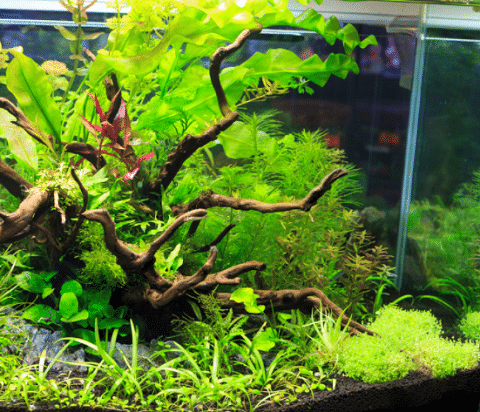
    Some goldfish enthusiasts keep live plants with their comets. Plants add many benefits to the home aquarium and are essential for keeping a natural environment in pond settings. However, goldfish love to eat and uproot plants, which can add additional waste to the system. Hardy and fast-growing species, like Anacharis and hornwort (Ceratophyllum demersum), can be successfully kept in a goldfish aquarium.

    Tank Size

    Sadly, many goldfish are kept in improper tank sizes. These are large and active freshwater fish that create a lot of waste. They need space to move around and water volume to help keep ammonia and nitrite levels down.

    The minimum tank size recommended for one comet goldfish is a 55 gallon tank. This might seem like a lot, especially when the fish is only a few inches big. However, comet goldfish can grow to over 10 inches in the first couple of years of their life. Too many hobbyists purchase goldfish with the intention of getting a larger aquarium or building a pond. Many times, these plans fall through and the fish is left in too small of a tank (video source).

    In order to keep another comet goldfish, a 75 gallon tank is needed. In general, every additional fish requires another 40 gallons of water. This is why these fish tend to do best in a large pond setting, though it is possible to keep multiple comet goldfish long-term in the home aquarium.

    Water Parameters

    It’s important to keep in mind that goldfish aren’t tropical fish like many of the other species available in the aquarium hobby. They originate from cold waters and need to be kept in cooler conditions in the home aquarium setting. For some hobbyists, this means buying an aquarium chiller to help keep the water temperature down.

    The ideal water temperature range for comet goldfish is between 60ยบF and 72ยบF. Some hobbyists keep their comet goldfish tank above or below these values, but overly hot temperatures can lead to stress while cooler temperatures can lead to hibernation. Ambient room temperature is often enough to keep a goldfish aquarium heated, but extra stability can be achieved through a low-range heater.

    On top of colder water temperatures, comet goldfish care relies heavily on maintaining ammonia and nitrite levels. These fish create a ton of waste through their diet and fast metabolism. Most oversized filtration can keep up with processing fish waste, but regular tank maintenance and weekly or daily water changes are also needed; most hobbyists perform upwards of 25% water changes at any given time.

    Lighting

    Comet goldfish do not require special lighting. Because they are not commonly kept with live plants, there is no need for high-tech equipment. Instead, comet goldfish can live under LED or fluorescent settings.

    There is a chance that your goldfish will change colors based on the intensity of the lighting; a darker light will cause your fish to become darker and vice versa.

    Filtration and Aeration

    One of the most important aspects of keeping comet goldfish is picking the right filtration. These are big fish with fast metabolisms that create a lot of waste. It is generally recommended to use filtration that is rated for at least 4x the size of the aquarium, with bigger always being better.

    Since hang-on-the-back filtration can become too big for the side of the tank, many goldfish keepers use a canister filter. Canister filters are also advantageous as the return nozzles can be pointed downwards to help pick up and remove waste from the bottom of the tank. Multiple hang on the back filters or canister filters can be used for adequate filtration and circulation.

    Best Value
    Fluval Canister Filters

    Our Subscriber’s Choice

    Top name brand, Italian made, and updated design. The next gen Fluval Canisters are a best buy!

    Buy On Amazon Buy On Petco

    To help supplement water flow, powerheads and air stones may also be added. Goldfish have adapted to waters with low dissolved oxygen levels, so air stones usually aren’t necessary for increasing oxygen. Instead, they can be efficient at keeping fish waste from resting at the bottom of the aquarium.

    Substrate

    Goldfish do best without any substrate in a bare-bottom aquarium setup. In fact, having a substrate can create more work for the owner.

    All goldfish, including comet fish, love to dig in and around gravel and sand substrate. They uproot plants, move decorations, and kick up detritus that gets stuck on the bottom. This can become messy over time and lead to problems with water quality. In addition, a bare bottom makes aquarium vacuuming and waste removal much easier, which is essential for keeping a goldfish aquarium clean.

    That being said, goldfish have successfully been kept on both gravel and sand substrates. Extra care and maintenance will be needed to keep waste from entering the water column.

    Ideal For Goldfish
    Caribsea Super Naturals Sand

    This sand by Caribsea is perfect for supporting the foraging habit of goldfish. Also works with bottom feeders and discus fish.

    Buy On Amazon Buy On Petco

    Tank Mates

    Once you choose to set up a goldfish tank, there is little you can do to have any other fish besides goldfish. This is mainly because of differences in preferred water temperature, but also because of differing temperaments and behaviors as well as bioload. Goldfish need to be kept with other large and active cold water species, and not many fish meet their criteria or behave as good tank mates.

    The best tank mates for comet goldfish are other single-tail breeds, namely other comets and common goldfish, in addition to koi fish. Unfortunately, these pond fish must be kept with like-breeds and cannot be mixed with fancy varieties. Fancy goldfish are too slow and delicate to compete with much more active comets.

    Some hobbyists have had success keeping zebra danios (Danio rerio) and dojo loaches (Misgurnus anguillicaudatus) with their comets, but we do not recommend this setup for under 100 gallons.

    Diet

    Goldfish are some of the least picky fish when it comes to feeding them; so much so that they might try to eat your finger!

    Comet goldfish are omnivores, which means that they need meat- and plant-based foods. They largely accept most aquarium foods, including live, frozen, and freeze-dried brine shrimp, earthworms, and bloodworms. They will also gladly munch on blanched vegetables, including lettuce, cucumber, and zucchini. Some hobbyists also cultivate easy-to-grow live plants, like Anacharis, to feed their goldfish.

    To help keep costs low, comet goldfish can be given high-quality goldfish pellets or flakes.

    My Pick
    Northfin Goldfish Formula

    The Best Goldfish Pellet

    Specially designed for goldfish and free from fillers

    Buy On Amazon Buy On Chewy

    Comet goldfish will eat as much food as you give them. This means that food should be given in moderation and any leftovers that happen to evade your fish should be removed to keep waste levels low.

    Breeding

    Though easy fish to keep, breeding comet goldfish can be difficult and can usually only be achieved in a large pond setting. There isn’t a huge market for regular comet goldfish in the aquarium trade, so keep in mind that giving fry away can also be challenging.

    Because breeding goldfish in an aquarium setting requires very large systems, we will only focus on spawning comet fish in a pond setting. Spawning naturally occurs during late spring/early summer when the water temperature starts to rise. This can be replicated in the home aquarium by using a heater.

    First, establish a male and female pair. Females are rounder and more robust than streamlined males. Female comets may also develop protruding anal vents during spawning periods while males may develop white tubercles on the gill covers. When ready to mate, males will chase the female in hopes that she will drop her eggs to be fertilized. Because of this aggressive courtship, at least 2 to 3 females should be kept per every male.

    Goldfish Fins

    When ready, the female will lay her eggs. Usually, this is near vegetation, a spawning mop, or another safe structure. The male will fertilize them and they will hatch after a few days. During this time, the parents and other goldfish are likely to eat the eggs. For better success, remove the fertilized eggs and move them to a separate system.

    When the eggs hatch, the fry will stay toward the substrate as they feed off their egg yolk. As the egg yolk runs out, they will become free-swimming and start to search for food. At this point, they may be offered baby brine shrimp, crushed-up pellets and flakes, and other microscopic foods.

    Goldfish fry grow fast, so be prepared to transfer them to their final home within several weeks!

    Common Health Problems

    Like all aquarium fish, comet goldfish are susceptible to common fish diseases like ich, velvet, and fin rot. Because comets have elongated fins, they can easily develop fin rot if water quality is poor.

    There are a few other problems that are unique to goldfish, though.

    Two of the main health problems with goldfish are ammonia poisoning and nitrite poisoning. Both of these conditions are a result of poor water quality and are easily avoided. However, poor water quality can also lead to swim bladder disease and dropsy, which can be nearly impossible to treat.

    A healthy goldfish always starts with good water quality. Make sure to quarantine new additions for at least 4 weeks and check your tank daily for any changes in appearance or behavior.

    Final Thoughts

    Comet goldfish aren’t the showiest of all goldfish varieties, but they’re more exciting than the common goldfish. That being said, these are still huge fish that need a lot of space and good tank maintenance to keep them from developing health issues. Due to their size and bioload, they’re best in a large aquarium system or an outdoor pond.


    ๐Ÿ“˜ Want to learn more? This article is part of our complete Freshwater Fish Guide โ€” your ultimate resource for freshwater species, care tips, tank setup, and more.

  • The 30 Best Freshwater Aquarium Fish (Expert Picks)

    The 30 Best Freshwater Aquarium Fish (Expert Picks)

    After 25 years in this hobby, I still get excited walking into a well-stocked fish store. The choices are genuinely overwhelming โ€” there are over 10,000 freshwater fish species, and your local store might carry hundreds of them. I put together this list of 30 species based on availability, visual impact, beginner-friendliness, and how they actually behave in a home aquarium. I’ve personally kept most of these, and I covered all of them in depth in my YouTube video below โ€” worth watching before your next fish store visit.

    Key Takeaways

    • Keep schooling fish like tetras, barbs, and danios in groups of at least 6. They will be much more lively and confident that way.
    • Avoid large, aggressive fish if you’re new to keeping fish. There are many amazing beginner fish species to choose from!
    • Research the needs of your fish carefully. Each species has its own tank, water, and diet requirements.
    • Provide your fish with the best care you can. They will reward you with many years of joy and entertainment!

    30 Of The Best Freshwater Aquarium Fish

    Have you ever walked into a fish store and been overwhelmed by the variety of beautiful fish species swimming around in their tanks? It happens to all of us, and it can make choosing the right fish quite a challenge.

    However, if you’re reading this post, you’re on the right track! Learning the key facts about each fish is so important before having it netted and bagged. The 30 fish types in this post are all very different, so pay attention to these facts when making your choice:

    • Scientific Name
    • Care Level
    • Temperament
    • Swimming Level
    • Origin
    • Adult Size
    • Minimum Tank Size
    • Water Temperature
    • pH

    We got a video below from our YouTube channel you can follow along. We go over more detail in our blog post so enjoy looking at both. If you like our content, be sure to subscribe as post new videos weekly!

    Now, for the fun part, let’s meet some amazing fish!

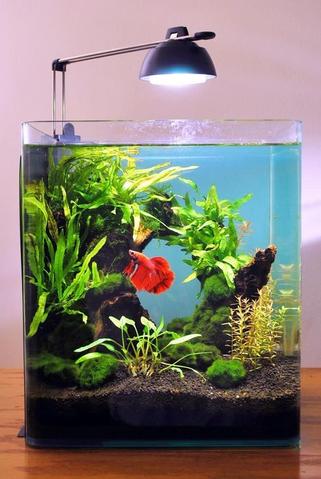
    1. Betta

    WYSIWYG Available!
    Betta Fish

    Use Coupon Code ASDFISH at Checkout

    Betta Fish are one of the most beautiful varieties of freshwater fish available in the hobby. Easy to care for with plenty of varieties!

    Buy Premium Varieties Buy On Petco Online
    • Scientific Name: Betta Splendens
    • Care Level: Easy
    • Temperament: Aggressive
    • Swimming Level: All levels
    • Origin: Thailand
    • Adult Size: 2.5 – 3 inches
    • Minimum Tank Size: 5 gallons
    • Water Temperature: 76 โ€“ 82ยฐF
    • pH: 6.5 – 8

    The betta fish is one of the all-time greatest freshwater aquarium fish species. These fish have amazing colors and the most beautiful fins to match.

    They make great pet fish for first-time fishkeepers and the best part is you can keep one in a tank of just 5 gallons or more. The male fish are very aggressive towards other betta fish, so you should never keep more than one in the same tank.

    2. Angelfish

    Altum Angelfish in Planted Tank
    • Scientific Name: Pterophyllum scalare
    • Care Level: Easy
    • Temperament: Peaceful
    • Swimming Level: Middle/top
    • Origin: South America
    • Adult Size: 6 inches
    • Minimum Tank Size: 30 gallons
    • Water Temperature: 78 – 84ยฐF
    • pH: 6.8 – 7.8

    Freshwater angelfish are tropical fish from the cichlid family. These unique freshwater aquarium fish have huge fins on their belly and their back, often making them taller than they are long!

    There are many amazing types of angel fish to choose from, and they are great community fish with other peaceful species like tetras and cory catfish.

    3. Goldfish

    Fantail Goldfish
    • Scientific Name: Carassius auratus
    • Care Level: Intermediate
    • Temperament: Peaceful
    • Swimming Level: All Levels
    • Origin: East Asia
    • Adult Size: 6-12 inches
    • Minimum Tank Size: 20 – 40 gallons
    • Water Temperature: 65 – 72ยฐF
    • pH: 6.5 – 7.5

    The goldfish is a mainstay of the aquarium hobby. These popular freshwater aquarium fish have been kept for centuries and are available in many weird and wonderful breeds.

    Goldfish are not ideal fish for beginners, however. They prefer their water cool and they eat plants, so they aren’t the best choice for planted tanks or tropical fish communities.

    Nevertheless, the goldfish is still one of the most beautiful freshwater fish in the world, and they make a wonderful and long-lived pet fish.

    4. Discus

    Discus In An Aquarium
    • Scientific Name: Symphysodon discus
    • Care Level: Intermediate-advanced
    • Temperament: Peaceful
    • Swimming Level: Middle
    • Origin: South America
    • Adult Size: 5-8 inches
    • Minimum Tank Size: 70 gallons
    • Water Temperature: 82 – 86ยฐF
    • pH: 6 – 7

    The discus is a truly gorgeous fish species that you just can’t walk past without admiring. These South American cichlids have some of the most incredible colors and patterns, but they are not ideal for beginner fish keepers.

    Discus fish prefer warmer water than most other species, so mixing them with other fish in a community tank can be tricky. These large fish also need perfect water quality and a nice big aquarium to stay healthy.

    5. Guppy

    Blue Grass Guppy
    • Scientific Name: Poecilia reticulata
    • Care Level: Easy
    • Temperament: Peaceful
    • Swimming Level: All levels
    • Origin: Northeast South America
    • Adult Size: 1.5 – 2.5 inches
    • Minimum Tank Size: 10 gallons
    • Water Temperature: 72 – 82ยฐF
    • pH: 7 – 8

    Guppies are the perfect fish for beginner fish keepers. They are easy to find and come in a huge range of amazing colors, patterns, and fin types.

    They are live-bearing fish that breed freely in the aquarium, so don’t be surprised if you spot some baby fish in your freshwater tank after a little while! Guppies are very hardy fish and they thrive in water with a slightly higher pH.

    6. Molly

    How Do Molly Fish Look Like
    • Scientific Name: Poecilia sphenops, P. latipinna, etc.
    • Care Level: Intermediate
    • Temperament: Peaceful – semi-aggressive
    • Swimming Level: Middle
    • Origin: North & South America
    • Adult Size: 3 – 5 inches
    • Minimum Tank Size: 30 gallons
    • Water Temperature: 70 – 82ยฐF
    • pH: 7 – 8.5

    Mollies are another great beginner fish for freshwater aquariums. There are a few different species, although the balloon and sailfin mollies tend to be the most popular choices.

    Molly fish are from the same family as the guppy fish, so they’re also really easy to breed in the home aquarium. These interesting fish can even live in saltwater, but they do great in freshwater tanks of 30 gallons or more.

    7. Swordtails

    Swordtail Fish in Planted Tank
    • Scientific Name: Xiphophorus hellerii
    • Care Level: Easy
    • Temperament: Peaceful
    • Swimming Level: All levels
    • Origin: Central America
    • Adult Size: 4 – 6 inches
    • Minimum Tank Size: 20 gallons
    • Water Temperature: 61 – 82ยฐF
    • pH: 7 – 8

    Swordtails are livebearers, just like guppies and molly fish. The male fish are identified by their amazing sword-like tails, but the female fish can also be very colorful.

    Swordtails come in some awesome colors, including bright orange and even koi patterns. They are very easy to breed and get along peacefully with many other tropical fish species.

    8. Platy

    Sunset Platy
    • Scientific Name: Xiphophorus maculatus
    • Care Level: Easy
    • Temperament: Peaceful
    • Swimming Level: All levels
    • Origin: Mexico & Central America
    • Adult Size: 2 -3 inches
    • Minimum Tank Size: 15 gallons
    • Water Temperature: 68 – 79ยฐF
    • pH: 7- 8.2

    Platy fish are very similar to swordtails but do not have the same long tail. They are also a little smaller which means you can keep them in a freshwater tank of just 15 gallons or so.

    Platy fish are available in many different breeds like the sunset and the wagtail platy. Many of them have an orange body that adds a bold splash of color to any freshwater aquarium.

    9. African Cichlids

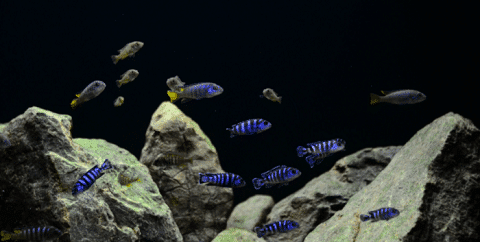
    African Cichlids in a Rock Aquarium
    • Scientific Name: Aulonocara, Pseudotropheus, Haplochromis, etc.
    • Care Level: Intermediate – Advanced
    • Temperament: Semi-aggressive – aggressive
    • Swimming Level: Middle/ Bottom
    • Origin: African Rift Lakes
    • Adult Size: 2 – 15 inches
    • Minimum Tank Size: 55 gallons
    • Water Temperature: 74 – 82ยฐF
    • pH: 7.8 – 8.4

    African cichlids are some of the most colorful freshwater fish in the hobby. There is an amazing variety of different species in this group, but they generally require specialized care and are not suitable for most tropical community tanks.

    African cichlids tend to be aggressive and territorial. They need a fairly large aquarium and high-pH water to thrive. Don’t let that put you off though, these are the perfect fish for more experienced fishkeepers who want a show-stopping aquarium full of life and activity!

    10. New World Cichlids

    Firemouth Cichlid Aquarium
    • Scientific Name: Astronotus, Amatitlania, Rocio, etc.
    • Care Level: Easy – Advanced
    • Temperament: Semi-aggressive – Aggressive
    • Swimming Level: Bottom and middle
    • Origin: North & South America
    • Adult Size: 6 – 12 + inches
    • Minimum Tank Size: 30 gallons
    • Water Temperature:75 – 80ยฐF
    • pH: 6.5 – 8

    The New World cichlids are similar to African cichlids but are native to America. They range from small to very large and can be peaceful or highly aggressive fish depending on the species. Jack Dempsey fish, Firemouths, Oscars, and convict cichlids are all popular examples of new world cichlids.

    Whether you are just starting out, or you’ve been keeping freshwater fish for a lifetime, there is a New World cichlid for you. As always, just be sure to research the specific needs of any fish before taking it home.

    11. Dwarf Cichlids

    Blue Ram Cichlid in Planted Tank
    • Scientific Name: Apistogramma, Mikrogeophagus, etc.
    • Care Level: Easy to Advanced
    • Temperament: Peaceful- semi-aggressive
    • Swimming Level: Bottom
    • Origin: Africa & South America
    • Adult Size: 2.5 + inches
    • Minimum Tank Size: 10+ gallons
    • Water Temperature: 72 – 86ยฐF
    • pH: 5 – 8 depending on the species

    Dwarf cichlids are the little cousins of the African and New World cichlids. These small, colorful freshwater fish tend to be relatively peaceful and can make great additions to many community aquariums.

    The dwarf cockatoo cichlid, German blue ram, Apistogrammas, and the Kribensis cichlid are all great examples of dwarf cichlids.

    12. Arowana

    Arowana Fish
    • Scientific Name: Scleropages formosus
    • Care Level: Advanced
    • Temperament: Aggressive
    • Swimming Level: Top
    • Origin: South America
    • Adult Size: 3 feet
    • Minimum Tank Size: 250 gallons
    • Water Temperature: 75 – 82ยฐF
    • pH: 5 – 7.5

    The Arowana is a large and impressive freshwater fish that is only suitable for expert fish keepers with plenty of space for a huge aquarium. These beautiful silvery fish can grow to 3 feet in length and need an aquarium of at least 250 gallons when fully grown.

    Arowana fish are carnivores, so they need a high-protein diet such as feeder fish, insects, and other meaty foods. They can do well in community tanks if kept with other more aggressive fish that are too big to swallow.

    13. Tetras

    Ember Tetra in Planted Tank
    • Scientific Name: Paracheirodon, Hyphessobrycon, Gymnocorymbus, etc.
    • Care Level: Easy
    • Temperament: Peaceful/ Semi-aggressive
    • Swimming Level: Middle
    • Origin: South America, Africa
    • Adult Size: 0.75 – 3 inches
    • Minimum Tank Size: 15 gallons
    • Water Temperature: 75 – 80ยฐF
    • pH: 6.8 – 7.8

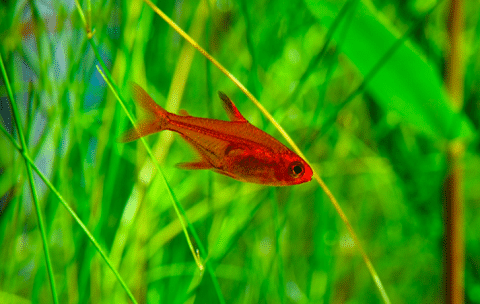
    Tetras are the perfect choice for a tropical community aquarium. These small, schooling fish come in every color of the rainbow and are generally very easy to care for. Most tetras come from South America1, but some species, like the Congo tetra, are from Africa.

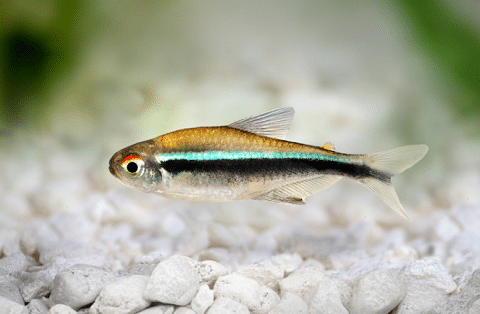
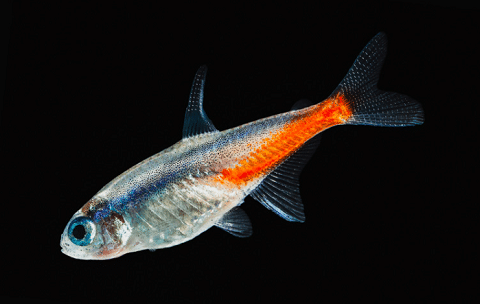
    Choose colorful species like the ember and cardinal tetra to brighten up your aquarium, or go for serpae or black phantoms if you want fish with a more interesting shape.

    14. Barb

    Gold Barbs Profile
    • Scientific Name: Barbus, Puntius etc.
    • Care Level: Easy – Intermediate
    • Temperament: Peaceful – Semi-aggressive
    • Swimming Level: Middle
    • Origin: Asia
    • Adult Size: 2 – 13 inches
    • Minimum Tank Size: 15 – 100 + gallons
    • Water Temperature: 75 – 80ยฐF
    • pH: 6.8 – 7.8

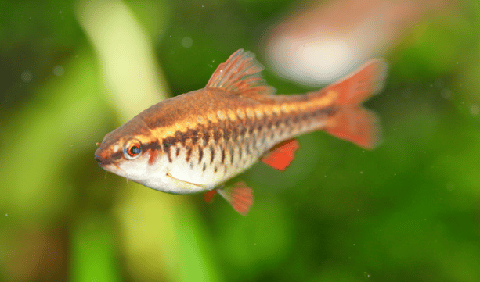
    Barbs are another great option for fish keepers who want active, schooling fish for a community aquarium. Most species stay between 2 and 3 inches, but some like the tinfoil barb can grow very large.

    Most barbs are very peaceful fish, but the tiger barb has earned a reputation for being a fin nipper. Barbs are schooling fish that should be kept in groups of 6 or more.

    15. Rasboras

    Rasboras
    • Scientific Name: Trigonostigma, Celestichthys, Boraras etc.
    • Care Level: Easy – Intermediate
    • Temperament: Peaceful
    • Swimming Level: Middle
    • Origin: Asia
    • Adult Size: 0.75 – 1.75 inches
    • Minimum Tank Size: 5 – 20 gallons
    • Water Temperature:68 – 82ยฐF
    • pH: 5 – 8, depending on the species

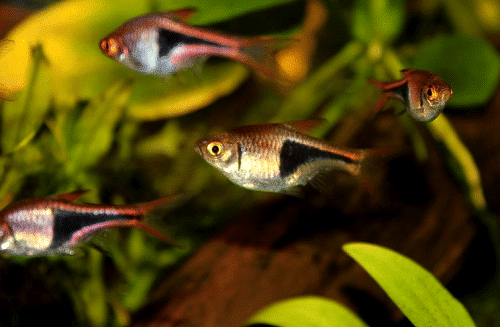
    Rasboras are nano (very small) fish from the same family as barbs and goldfish. These peaceful schooling fish are perfect for a tropical community in a heavily planted aquarium where they tend to hang out in the middle level.

    These social fish should not be kept in groups of less than 5, so make sure you pick up a nice big school of the same species to see them behaving confidently.

    16. Gouramis

    Blue Gourami Fish
    • Scientific Name: Trichogaster, Trichopsis, Trichopodus etc.
    • Care Level: Easy – Intermediate
    • Temperament: Peaceful/ Semi-aggressive
    • Swimming Level: Bottom/ Middle
    • Origin: Asia
    • Adult Size: 1.5 – 28 inches
    • Minimum Tank Size: 10 gallons
    • Water Temperature: 68-86ยฐF (depending on species)
    • pH: 5.5 – 8

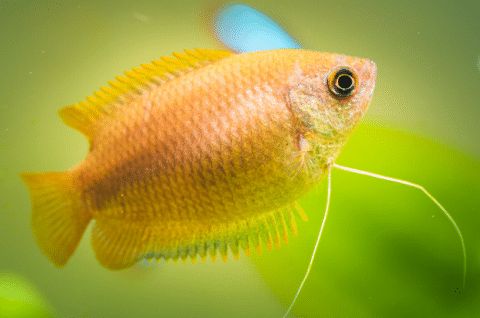
    Gouramis are wonderful aquarium fish that come in many different shapes and sizes. Nano species like the sparkling gourami can be kept in tanks as small as 10 gallons, while the impressive giant gourami needs about 250 gallons when it is fully grown.

    Most gouramis are very peaceful fish that do best when kept in a pair. They are a great choice for a heavily planted tank with other small community fish.

    17. Killifish

    Gardneri Killifish in Planted Tank
    • Scientific Name: Aplocheilus, Jordanella, Fundulopanchax, etc.
    • Care Level: Easy – Advanced
    • Temperament: Peaceful – Aggressive
    • Swimming Level: All levels
    • Origin: Africa, Asia, America
    • Adult Size: 1.5 – 5.5 inches
    • Minimum Tank Size: 5 – 20 gallons
    • Water Temperature: 68 – 75ยฐF
    • pH: 6 – 7

    Killifish are great nano fish that come in some amazing colors. These fish are not very common in the aquarium trade but they are a great choice for fishkeepers looking for something a little different.

    Some killifish species are very shortlived because they live in temporary pools that evaporate in the dry season. Others can live for multiple years, however.

    18. Danios

    What Does A Zebra Danio Look Like
    • Scientific Name: Celestichthys, Danio, Brachydanio, etc.
    • Care Level: Easy – intermediate
    • Temperament: Peaceful
    • Swimming Level: Upper levels
    • Origin: Asia
    • Adult Size: 1 – 4 inches
    • Minimum Tank Size: 10 gallons
    • Water Temperature: 65 – 75ยฐF
    • pH: 7 – 7.8

    Danios are small Asian schooling fish that are great for community tanks. Some, like zebra danios, are very hardy and make an ideal choice for beginner fish keepers.

    Danios tend to be very active swimmers, and they can add a lot of movement to your aquarium. They are very social fish, so they need to be kept in a school of at least 6 of their own kind.

    19. Rainbow

    Boesemani Rainbowfish
    • Scientific Name: Marosatherina, Melanotaenia, Pseudomugil etc.
    • Care Level: Easy
    • Temperament: Peaceful
    • Swimming Level: Middle/Top
    • Origin: Australia, Indonesia
    • Adult Size: 2 – 6 inches
    • Minimum Tank Size: 15 – 55 gallons
    • Water Temperature: 74 – 82ยฐF
    • pH: 7 – 8

    Rainbowfish are beautiful freshwater fish from Australia and Southeast Asia. They get their name from their awesome colors, which are especially bright when the fish are spawning. They are active fish that need a fairly large aquarium.

    Rainbowfish have a very peaceful nature and fit in well with most other community fish. They are social creatures, however, so keep them in a shoal of 6 or more.

    20. Freshwater Puffers

    Green Spotted Pufferfish in Aquarium
    • Scientific Name: Carinotetraodon, Tetraodon etc.
    • Care Level: Intermediate – Advanced
    • Temperament: Semi-aggressive/ Aggressive
    • Swimming Level: All levels
    • Origin: South America, Asia, Africa
    • Adult Size: 1 – 24 inches
    • Minimum Tank Size: 5 – 125 + gallons
    • Water Temperature: 74 – 78ยฐF
    • pH: 7 – 7.6

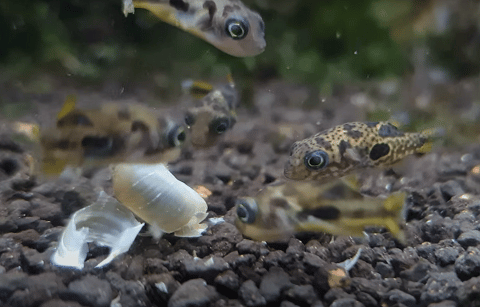
    Freshwater puffers are some of the most fascinating fish in the aquarium hobby. These funny-looking fish are known for their ability to puff up into a ball when threatened by a predator.

    Freshwater pufferfish range in size from nano species like the 1-inch dwarf pea puffer, all the way to 2-foot giants like the Mbu puffer.

    Pufferfish are not very active, so the smallest species can be kept in tanks of just 5 gallons or so. Puffers have very sharp parrot-like teeth, however, and they can be aggressive toward other fish. These fish usually work best in a species-only tank.

    21. Hatchetfish

    Marble Hachet Fish
    • Scientific Name: Carnegiella, Gasteropelecus, etc.
    • Care Level: Intermediate
    • Temperament: Peaceful
    • Swimming Level: Top
    • Origin: Central & South America
    • Adult Size: 1.5 – 2.5 inches
    • Minimum Tank Size: 20 gallons
    • Water Temperature: 75 – 80ยฐF
    • pH: 6 – 7

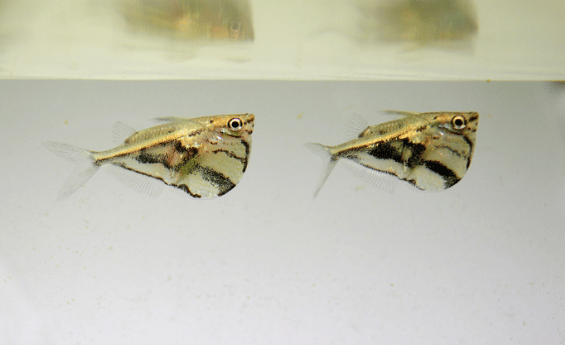
    Hatchetfish are unusual, flattened nano fish that spend their time near the surface of the aquarium. These schooling fish have long pectoral fins and huge muscles in their chests that they use to leap out of the water to escape their predators.

    Hatchetfish are wonderful freshwater fish for tropical community tanks. However, their acrobatic abilities mean they need to be kept in a tank with a tight fighting lid and great care is necessary when performing aquarium maintenance.

    22. Freshwater Sharks

    What does a rainbow shark look like
    • Scientific Name: Epalzeorhynchos, Balantiocheilos, etc.
    • Care Level: Easy – Advanced
    • Temperament: Peaceful – Aggressive
    • Swimming Level: Bottom/ Middle
    • Origin: Southeast Asia & South America
    • Adult Size: 5 inches – 3 feet +
    • Minimum Tank Size: 65 – 150 + gallons
    • Water Temperature: 74 – 80ยฐF
    • pH: 6.8 – 8

    Freshwater sharks are not true sharks, but they do have a very similar shape. These medium to large aquarium fish are available in some bold colors, including black, red, and silver.

    The rainbow shark is probably the most popular species. This fish has bright red fins and a potentially aggressive nature. Rainbow sharks are also available in some amazing neon colors for fish keepers who want an awesome display fish.

    23. Freshwater Eels

    Fire Eel in driftwood
    • Scientific Name: Mastacembelus, Macrognathus, etc.
    • Care Level: Easy- Advanced
    • Temperament: Peaceful – Aggressive
    • Swimming Level: Bottom
    • Origin: Southeast Asia, Africa
    • Adult Size: 8 inches to several feet
    • Minimum Tank Size: 30 gallons
    • Water Temperature: 72 – 82ยฐF
    • pH: 6 – 7

    Freshwater eels are probably not the first fish that comes to mind when planning a fish tank, but there are many amazing types that you can keep in your aquarium. Some species like the tire-track eel and fire eel even have beautiful patterns and colors.

    These fish need a secure lid to keep them from escaping. They are generally shy and nocturnal, so make sure you provide plenty of hiding spaces and keep the lights fairly dim if you want to see them active.

    24. Freshwater Gobies

    Bumblee Goby in Planted Tank
    • Scientific Name: Stiphodon, Brachygobius, Gobioides, etc.
    • Care Level: Easy- Intermediate
    • Temperament: Peaceful – Aggressive
    • Swimming Level: Bottom
    • Origin: Africa, Asia, Americas
    • Adult Size: 2 – 15 inches
    • Minimum Tank Size: 10 – 50+ gallons
    • Water Temperature: 72 – 84ยฐF
    • pH: 7.5 – 8.5

    Freshwater gobies come in a range of shapes and sizes. These fish have loads of attitude and interesting behavior which makes them fascinating creatures to observe in the home aquarium.

    They range from specialist algae eaters to carnivores and can be peaceful community fish or aggressive fish eaters. Many of the freshwater gobies sold in the hobby actually need brackish water to thrive, so make sure you research these fish carefully before adding them to your tank.

    25. Cory Catfish

    Corydoras Sterbai
    • Scientific Name: Corydoras spp.
    • Care Level: Easy
    • Temperament: Peaceful
    • Swimming Level: Bottom/ Middle
    • Origin: South America
    • Adult Size: 1 – 4 inches
    • Minimum Tank Size: 15 – 3o gallons
    • Water Temperature: 74 – 80ยฐF
    • pH: 7 – 8

    Cory catfish are an excellent choice for beginner fish keepers. These small, bottom-dwelling catfish deserve a place in any peaceful community aquarium. They get along with most other fish so they are ideal for a freshwater community tank.

    Corydoras catfish stay small and love to hang out at the bottom of the tank, digging through the substrate to look for food. They are schooling fish, so keep them in a group of 4 or more to see them at their confident best.

    26. Loaches

    Kuhli Loach in Aquarium
    • Scientific Name: Pangio, Botia, Sewellia, etc.
    • Care Level: Easy – Intermediate
    • Temperament: Peaceful
    • Swimming Level: Bottom
    • Origin: Asia
    • Adult Size: 1- 12 inches
    • Minimum Tank Size: 20+ gallons
    • Water Temperature: 64 – 86ยฐF (depending on species)
    • pH: 6 – 7.5

    Loaches are another favorite fish in the aquarium hobby. These goofy bottom-dwellers are pretty diverse, ranging from the small, eel-like kuhli loach to the large, shark-shaped clown loach. Loaches make great clean-up fishes, and they tend to be very peaceful in community tanks.

    Loaches are well-known for their snail-killing abilities, so this is one fish to avoid if you enjoy keeping inverts!

    27. Plecos

    Common Pleco in Aquarium
    • Scientific Name: Ancistrus, Panaque, Hypostomus, etc.
    • Care Level: Easy-Advanced
    • Temperament: Peaceful – Semi-aggressive
    • Swimming Level: Bottom
    • Origin: South America
    • Adult Size: 2 inches – 2 feet
    • Minimum Tank Size: 30+ gallons
    • Water Temperature: 74 – 80ยฐF
    • pH: 7 – 8

    Plecos are also known as suckermouth catfish. These fish are built like tanks, with tough scales for armor and large shark-like fins. Most species have natural colors which they use for camouflage on the river bottom, although some have bold, striped and spotted markings.

    There are over 500 varieties of plecos in the aquarium hobby, ranging from small and beginner-friendly to expert-only, so you can bet there’s a perfect pleco for you!
    28. Catfish

    Pictus Catfish Swimming
    • Scientific Name: Pimelodus, Synodontis, Kryptopterus, etc.
    • Care Level: Easy – Advanced
    • Temperament: Peaceful – Aggressive
    • Swimming Level: Bottom/ Middle
    • Origin: South America, Asia, Africa
    • Adult Size: 2 inches – several feet
    • Minimum Tank Size: 20+ gallons
    • Water Temperature: 72 – 82ยฐF
    • pH: 6.5 – 7.5

    There are over 3000 known freshwater catfish species in the world, and many of them make great aquarium subjects! These whiskered bottom dwellers come in many shapes and sizes, from 1-inch corydoras to man-sized predators from murky waters.

    The larger catfish are usually carnivorous species that eat other fish. This means you need to be pretty careful about choosing smaller fish as tankmates, or you’ll start to notice them disappear!

    Popular aquarium species include the synodontis and Pictus catfish, as well as the cories and plecos mentioned above in this post. Many of the catfish sold in aquarium stores grow way too big for most home aquariums, so make sure you research their adult size before taking them home.

    29. Freshwater Stingrays

    Freshwater Stingray
    • Scientific Name: Potamotrygon spp.
    • Care Level: Advanced
    • Temperament: Peaceful – semi-aggressive
    • Swimming Level: Bottom
    • Origin: South America
    • Adult Size: 1 foot +
    • Minimum Tank Size: 200+ gallons
    • Water Temperature: 75 – 82ยฐF
    • pH: 6.8 – 7.6

    Freshwater stingrays are awesome pets for experienced fish keepers with plenty of space. These flat members of the shark family need an extra large tank or a shallow indoor pond to provide the space they need. Stingrays are potentially dangerous animals, although injuries are rare.

    The smallest freshwater stingrays are about a foot across, but some species reach truly gigantic proportions! These fish also need excellent water quality and quality filtration, so they are best left to the experts.

    30. Freshwater Shrimp

    • Scientific Name: Caridina, Neocaridina, etc.
    • Care Level: Easy- Intermediate
    • Temperament: Peaceful
    • Swimming Level: Bottom
    • Origin: Asia
    • Adult Size: 1 – 2 inches
    • Minimum Tank Size: 5 gallons
    • Water Temperature: 64 – 76ยฐF
    • pH: 6.5-7.5

    Ok, so freshwater shrimp are not technically fish, but they are still some of the coolest animals you can keep in a fish tank! These fascinating crustaceans come in all sorts of colors and breeds.

    Freshwater shrimp do best in a tank with plenty of aquatic plants just like their natural habitat, and they can be kept with some small freshwater aquarium fish species. However, most fish will eat freshwater shrimp, so choose their tankmates carefully.

    FAQs

    What Is The Most Popular?

    The goldfish is the most popular freshwater aquarium fish. These awesome cool-water fish have a rich history in the fish-keeping hobby, dating back centuries. Today they are as popular as ever and they come in a jaw-dropping variety of shapes, colors, and fin types.

    Are There Tropical Freshwater?

    Most freshwater aquarium fish are tropical species for good reason. The tropical regions of the world have the greatest diversity of fish, as well as the most exotic and colorful species.

    What’s The Difference Between Both?

    Tropical fish are the species that come from areas near the equator where it is always warm. There are tropical saltwater and freshwater fish. Tropical freshwater fish are very popular aquarium fish, they just need a heater to keep the water warm.

    Which Is The Easiest To Take Care Of?

    Guppies are probably the easiest fish to care for. These hardy fish do not have any special care requirements and they get along great with other peaceful community fish.

    How Long Do They Live In A Home Aquarium?

    Freshwater fish have different lifespans depending on their species and the quality of life you give them. Some African Killifish never live more than a year because they have evolved to complete their life cycle in temporary waterholes. Others, like the goldfish, can live for over 15 years with good care.

    Final Thoughts

    I know, choosing the perfect species for a freshwater fish aquarium can be tough. It’s always best to research and choose your fish before you start shopping though, rather than making any hasty decisions. I hope you find your next fish from this list, and if you didn’t, maybe a bucket list species for a future tank!

    What is your favorite aquarium fish species? Comment below!


    ๐Ÿ“˜ Want to learn more? This article is part of our complete Freshwater Fish Guide โ€” your ultimate resource for freshwater species, care tips, tank setup, and more.

  • Aquarium Plants in Gravel: 10 Species That Actually Thrive

    Aquarium Plants in Gravel: 10 Species That Actually Thrive

    Most of my tanks over the years have used gravel, and I’ve grown all kinds of plants successfully in it โ€” once I understood which species actually work and which ones need something richer to thrive. The short answer is that column-feeding plants are your best bet in gravel, while heavy root feeders need either root tabs or a nutrient-rich substrate. Here’s what I’ve learned actually grows well without a lot of fuss.

    Gravel is the default substrate in most beginner aquariums, and the good news is that plenty of plants grow in it just fine โ€” if you understand why some plants struggle and others don’t. The key distinction is between root-feeding plants and column-feeding plants. Root feeders like swords and crypts pull nutrients from the substrate, so in bare gravel they need root tabs to thrive. Column feeders like hornwort and water sprite get nutrients from the water column and will grow in gravel, sand, or even just floating. Then there are epiphytes like anubias and java fern that don’t use substrate for nutrient uptake at all โ€” you tie them to driftwood or rock and they’re perfectly happy. Once I understood these three categories, planting in gravel got a lot simpler. Here are 10 plants that consistently work well in gravel setups.

    Not all plants can grow in gravel, and that’s why it’s essential to know what plant species can flourish in gravel substrate exactly how you want.

    Key Takeaways

    • The best aquarium plants in gravel are going to be plants that feed on the water column
    • You can use rooted plants if you use root tabs as fertilizer
    • Most plants that can grow in gravel are going to very hardy and easy to grow

    Is Growing Plants In Gravel Worth It?

    Growing plants in gravel can be a new experience for many aquarists. It requires time and dedication to see your efforts finally yield great results.

    As long as you stick to the proper guideline for maintaining plants in gravel, you will never come across any issues.

    Plants need proper maintenance to grow. This can include fertilization, proper lighting, CO2, and your choice of substrate. We will discuss that in detail later on.

    10 Best Aquarium Plants For Gravel Substrate

    It doesn’t matter whether you are a beginner or someone with extensive aquarium knowledge, you can make mistakes when it comes to picking plant species for gravel.

    Apart from knowing what plants are best, you need to know other important information to avoid any mishaps.

    Including different plant varieties, I’ll cover these stats so can you go ahead and buy whatever plant species you like.

    • Scientific Name
    • Skill Level
    • Size
    • Lighting
    • pH
    • Growth Rate
    • CO2 Requirement

    1. Java Fern

    • Scientific Name: Microsorum pteropus
    • Skill Level: Easy
    • Size: 10 to 12 inches
    • Lighting: Low to moderate, 40-125 PAR (Umols)
    • pH: 6.0 – 8.0
    • Growth Rate: Slow
    • CO2 Requirement: No

    Java Fern is a great option for beginners because of its low maintenance and high environmental adaptability quality.

    Depending on the species, these aquatic plants can vary in shape and size. You will usually see these plants taking on colors like a deep brown color with dark green roots.

    Java Fern requires low levels of fertilizers, making it one of the best aquarium plants to grow in gravel. You can keep these plants in low light with a temperature ranging from 64 Fยฐ to 82 Fยฐ.

    While placing the plant, make sure you don’t put the plant roots too deep in the substrate since this can kill the plant. Like other plants that need nutrients to grow, Java Fern also needs a small amount of nutrients produced from fish waste to grow. Apart from this, you can consider good quality supplements to support their growth and lifespan.

    Propagation

    Propagating Java Fern is pretty easy. The first step is to carefully cut off plantlets with sterile scissors. After that, attach the fresh rhizomes to the surface and leave them for a few weeks.

    2. Anubias

    • Scientific Name: Anubias Barteri Var. Nana
    • Skill Level: Easy
    • Size: 6 inches
    • Lighting: Low to moderate, 50-125 PAR (Umols)
    • pH: 6.0 – 7.5
    • Growth Rate: Slow
    • CO2 Requirement: No

    Anubias Nana is a highly popular aquarium plant ideal for almost every planted aquarium. Aside from being a pretty easy plant to care for, Anubias Nana is one of the most beautiful aquarium plants used for freshwater aquariums.

    This plant grows from a thick and horizontal rhizome and has a moderate growth rate. These aquatic plants take on darker shades of green and have rounded and compact leaves designed horizontally.

    The best thing about Anubias Nana is that these plants can develop flowers completely submerged in water. And as far as lighting condition goes, you can keep these plants in low to moderate to high lighting completely risk-free.

    When it comes to placing, avoid covering its thick rhizome with aquarium gravel. You can place plant roots in the substrate though. This hardy plant is also a pretty versatile plant that can grow fairly well without too many liquid fertilizers. The water temperature should be between 72 Fยฐ to 82 Fยฐ.

    Propagation

    To propagate Anubias, cut the rhizome of the mother plant. Use a sharp blade and cut the rhizome into 2 or more pieces with care. Make sure there are at least 4 leaves on each section of the rhizome.

    3. Cryptocoryne Wendtii

    Low Tech Plant!
    Cryptocoryne Wendtii

    A great low tech plant for multiple aquascape types and setups. Forgiving and hardy, the Cyrptocoryne Wendtii is a great introduction to rooted plants!

    Buy Tissue Culture Buy Potted
    • Scientific Name: Cryptocoryne wendtii
    • Skill Level: Easy
    • Size: 4 to 14 inches
    • Lighting: Low, 50-200 PAR (Umols)
    • pH: 6.8 – 7.2
    • Growth Rate: Slow to moderate
    • CO2 Requirement: No

    Cryptocoryne Wendtii is another great choice for a planted tank. The plant is attractive and has simple needs that you can easily fulfill by following the right guide.

    Like Java Fern, this aquatic plant can also have different sizes and shapes based on its variety and tank conditions.

    Typically, the leaves have a compressed texture to an undulating appearance with a huge variety of colors. Apart from deep green to dark brown shades, you can see the leaves of a Cryptocoryne Wendtii featuring golden, bright yellow, white, and moderate red shades. This allows you to diversify your taste and not curtail yourself to only green plants.

    When placing the plant, you can expose it to bright lighting for better growth. Even though these plants already have a large and strong system of roots, you won’t see them above the substrate level.

    Cryptocoryne Wendtii feeds through their roots, making it essential to place them in a nutrient rich substrate. These plants can grow in gravel substrate they also do well in sand substrate.

    Since the plants grow a large root system, you have to root them down as early as possible in a 3 inches-deep gravel.

    Propagation

    There are different ways to propagate this plant. You can start by cutting off the root with a stem and then plant it into the substrate.

    You can also split apart the larger plant into clumps of plantlets. After that, replant them a few inches apart to support proper growth.

    Cryptocoryne Wendtii can also reproduce through runners. The young plants growing from runners often appear separated from the main plant which makes it easy to remove and replant them.

    4. Bucephalandra

    Bucephalandra

    Bucephalandra is a slow-growing plant that’s perfect for anyone looking to grow their first aquatic plant. They are great for attaching to hardscape

    Click For Best Price Shop Tissue Culture
    • Scientific Name: Bucephalandra
    • Skill Level: Moderate
    • Size: 1 to 10 inches
    • Lighting: Low, 40 PAR (Umols)
    • pH: 6.0 – 8.0
    • Growth Rate: Slow
    • CO2 Requirement: No, but recommended

    Despite being new to the aquarium hobby, Bucephalandra has become a highly recognized plant because of its unique colors, and straightforward requirements for growing in a home aquarium.

    The plant features different sets of colors, ranging from dark green to a whole spectrum of shades. The upper parts of the plants look slightly glossy with under-parts of the leaves painted in bright red, white, or yellow colors.

    This plant does well when given a good nutrient supply. Although water parameters have to be according to what they prefer to thrive, make sure the temperature stays between 71 Fยฐ to 79 Fยฐ.

    While placing, cover the roots of the plant with gravel but make sure you don’t plant them in the aquarium substrate.

    Apart from other advantages of planting them, Bucy Plants give a wide surface for shrimp shade to small fish species.

    Propagation

    To propagate Bucephalandra, cut off the rhizome into multiple little plants like Anubias. Use scissors to successfully get it done without harming the plant. The individual rhizomes should be moderate in size, and at least 1.5 inches long.

    5. Dwarf Sagittaria

    • Scientific Name: Sagittaria subulata
    • Skill Level: Easy
    • Size: 4 to 12 inches
    • Lighting: Moderate to high, 60-150 PAR (Umols)
    • pH: 6.0 – 8.0
    • Growth Rate: Moderate to fast
    • CO2 Requirement: No, but recommended

    Dwarf Sagittaria is another great plant to consider for growing in gravel. This aquarium plant grows beautiful little while-colored flowers and a long white root system in the substrate based on how well you take care of them.

    Luckily, this plant is quite adaptable to environmental transitions and can be used both in the foreground area and middle area.

    Dwarf Sagittaria does well when kept under moderate lighting. You can see scarlet hues on their leaves as a result of proper maintenance.

    Like other plants, a Dwarf Sagittaria also needs nutrients in the gravel to grow and make your aquarium beautiful. Though the plant is pretty hardy, the absence of fertilizers and iron can cause the death of the plant. Also, make sure you remain between 70 Fยฐ to 82 Fยฐ while setting up water parameters.

    Propagation

    Dwarf Sagittaria propagates by producing runners. You can cut them off and plant them into the substrate.

    6. Vallisneria

    • Scientific Name: Vallisneria spiralis
    • Skill Level: Easy
    • Size: 12 to 72 inches
    • Lighting: Low, 40-200 PAR (Umols)
    • pH: 6.5 – 8.6
    • Growth Rate: Fast
    • CO2 Requirement: Optional

    Vallisneria is one of those few aquarium plants that will never disappoint you.

    If you already have a fish tank with different plants and looking for something new and unique, go for Vallisneria since it can blend well with other plants.

    This fast-growing and undemanding plant need moderate lighting to grow and stay healthy.

    If the tank conditions match their preference, you will see the plant growing fairly fast. The fresh leaves look bright green, making your tank appealing.

    Since Vallisneria is a submerged plant, it spreads by runners and forms long roots underwater. The good thing about this plant is that it can withstand water shifting much more easily than most aquatic plants.

    Propagation

    Vallisneria propagates through producing runners.

    7. Amazon Sword

    Amazon Sword

    A classic background aquarium plant. Grows large and will be a centerpiece in your aquarium

    Click For Best Price Buy On Amazon
    • Scientific Name: Echinodorus amazonicus
    • Skill Level: Easy
    • Size: 4 to 20 inches
    • Lighting: Low, 40-250 PAR (Umols)
    • pH: 6.6 – 7.5
    • Growth Rate: Moderate
    • CO2 Requirement: No

    If you have prior aquarium experience then you know how well-recognized Amazon Sword is. With its large leaves sitting on a short stem, Amazon Sword makes a wonderful addition to planted aquariums.

    The leaves comprise a pretty prominent mid-vein and secondary veins running alongside the margin.

    Amazon Sword is a relatively easy plant to manage. It does well both as a background and mid-ground plant in planted aquariums.

    While placing Amazon Sword in planted tanks, don’t forget to keep gravel at least 3 inches deep. They need plenty of gravel to root and it’s better to pack the gravel moderately.

    Another essential thing to know is their extensive root systems. The plant can grow on its own. Hence, avoid planting the plant roots too deep so that you don’t have to do frequent trimmings.

    As far as lighting goes, exposure to bright lighting or access to low is never an issue. They can withstand different lighting conditions and a variety of water temperatures.

    Propagation

    Amazon Sword can be grown in two ways. One is through developing small blossoms, and the other is through producing runners.

    8. Anacharis

    • Scientific Name: Egeria densa
    • Skill Level: Easy
    • Size: 6 to 8 inches
    • Lighting: Moderate to high, 100-250 PAR (Umols)
    • pH: 7.0 – 8.0
    • Growth Rate: Fast
    • CO2 Requirement: No

    Anacharis is a large aquarium plant that can grow fairly well in gravel. Aquarium plants that grow up to 6 feet can be slightly demanding to place, but consider the benefits this specific plant can bring to your home aquarium.

    These plants feature extensive green stems and grow in the substrate as well as floating plants.

    When you observe the pattern of the leaves, you see them arranged compactly like a coil.

    You have to make water parameters consistent with Anacharis since these plants grow a beautiful deep green color when kept in an ideal environment. Plants that are kept in different conditions might look light green in appearance.

    When it comes to the root system, Anacharis have two different types of roots which are white. Both roots can grow from the stem and then into the substrate. The longer stems grow into the water but these stems don’t grow from the bottom of the stem. Rather, they project along the stem.

    Longer stems can absorb nutrients from the water column, and make these plants a pretty fast species to grow.

    Including gauging the right water parameters, you have to keep these plants in moderate lighting so that this fast-growing plant can take on a deep green shade.

    Propagation

    To propagate Anacharis, cut the stems that are at least 5 inches long and then insert them into the substrate.

    9. Dwarf Hairgrass

    Easy To Grow Carpet!
    Dwarf Hairgrass

    Dwarf hairgrass is an easy to grow carpet that is great for beginners. Purchase tissue culture plants to ensure pest free plants!

    Click For Best Price Buy On Glass Aqua
    • Scientific Name: Eleocharis acicularis
    • Skill Level: Easy
    • Size: 6 inches
    • Lighting: Low, 35-50 PAR (Umols)
    • pH: 6.5 – 7.5
    • Growth Rate: Fast
    • CO2 Requirement: Yes

    Dwarf Hairgrass is not a new plant in the aquarium hobby. With its striking green color and beautifully shaped leaves, this plant is irresistible.

    Since you’re looking for plants that grow in gravel, compromising on the appearance of the bottom is not possible. And that’s why I added this species to the list.  Dwarf Hairgrass gives a soft and lush green texture to the foot of the bottom. This carpeting plant has lightly twisted leaves with blades that make it more appealing.

    Like Anacharis, Dwarf Hairgrass has to be kept in proper water conditions so that it can grow to the fullest. Water conditions will also determine whether or not your plant will produce white roots. Even though these roots stay hidden in the substrate, the plant will grow to the glass of the tank and will look incredible.

    You can use these plants to create a thick lawn in your aquarium. When planted properly, these plants tend to spread widely by runners.

    Lighting is another contributing factor in their proper growth. In their natural habitat, Dwarf Hairgrass grows in moderate natural lighting. You will only get a beautiful carpet once you get a stronger lighting setup. Also, the intensity of light should be in consideration since this is a slow-growing plant. For the substrate, gravel or sand is not an issue, but it’s better to get something finer. Normal gravel will also do but sand is ideal for the frail roots of the plant.

    Propagation

    Propagating Dwarf Hairgrass is also pretty easy. Just grab the roots using tweezers and make small clumps. Place each gently into the substrate an inch apart.

    10. Christmas Moss

    • Scientific Name: Vesicularia montagnei
    • Skill Level: Easy
    • Size: 4 inches
    • Lighting:
    • pH: 5.0 – 7.5
    • Growth Rate: Moderate
    • CO2 Requirement: Yes

    The last plant on this list is Christmas Moss which is beginner-friendly and is used around the world by beginners, intermediate-level aquarists, and fish keepers who are fairly experienced.

    Christmas Moss grows slowly, but it can create a magnificent carpet across your aquarium. With its long and dangling branches that overlap each other, the plant resembles a Christmas tree.

    Unlike other aquarium mosses, Christmas Moss is the most beautiful moss you will ever see. It’s hardy and can grow in aquariums if you keep water parameters and the overall aquarium environment matching its natural habitat.

    When placing it, don’t let the plant get covered with any shade since it grows well only when there’s enough light.

    The plant can grow with or without CO2, but using liquid fertilizer is highly recommended.

    Propagation

    To propagate Christmas Moss, take the parent plant and cut it into small pieces. After the division, simply attach the new pieces to the new site.

    How To Grow Plants In Gravel Substrate

    Growing and keeping aquarium plants in gravel need a little bit of proper guidance, patience and focus. In this part of the article, Iโ€™m gonna show you how to successfully grow plants in gravel. So, let’s dive straight into that. If you want to see a video breaking down the subject, check out the video below from Palmer Fish Talk.

    There are three routes to grow plants in gravel substrate. The first one is putting organic soil so that the plants can absorb nutrients from it. The second one is using those plants that are hardy like the ones I discussed above. And the third route is to use root tabs.

    Some people don’t like to use pots in their aquariums, and they prefer using sand. Sand is a good option to consider but gravel isn’t any less either. In fact, if you use thick sand, it can prevent water flow and encourage substrate compaction.

    A proper amount of water should always flow through the substrate to ensure the plant roots are getting enough oxygen and CO2. Even if you use fertilizers, it might be hard for them to get to the roots and provide nutrients to the plants.

    Before you venture out and purchase gravel, make sure you get fine gravel that won’t be harsh on the roots.

    Now letโ€™s focus on the root tabs route. The root tab route is basically a pretty easy method. All you have to do is get these little gel capsules and dip them into the substrate.

    Root tabs are filled with nutrients that help the plants grow and survive. They are usually filled with potassium, iron, and sometimes just dirt. Plants love dirt because they get nutrients and a system of water through it. The best way to dip these capsules into gravel is to get tweezers or use your hands. Just put them below the surface but avoid going too deep.

    Fertilization

    For plants that grow in gravel, fertilization becomes important more than ever. Some plants can get nutrients from fish waste but sometimes that’s just not enough.

    You need to get them good fertilizers to fulfill their basic demands.

    Editor’s Choice!
    APT Complete

    Editor’s Choice

    Made by an aquascaper for aquascapers. This is the best all around aquarium plant fertilizer on the market. Marco and micronutrients in one bottle!

    Use Coupon Code ASDComplete for 10% off your order!

    Click For Best Price Buy On Amazon

    Gravel can provide them with beneficial bacteria that help keep a biological balance within the tank. The plants usually absorb nutrients from the gravel while some plants access nutrients present in the water column.

    Trimming

    Most stem plants grow really fast. Such plants have to get frequent trimmings so that they don’t consume the whole aquarium. Also, you have to keep your plants clean and in shape which is possible by trimming them.

    While cutting off bits of plants, make sure you use high-quality aqua-scaping scissors.

    Tank Maintenance

    Tank maintenance holds intrinsic value to the overall fitness of your plants.

    There are many issues related to plants that can influence your aquarium environment. For example, if a plant melts, or there is plant material sitting at the bottom for too long, the water can become toxic for your fish. It can even kill your plants.

    Apart from keeping water parameters consistent, make regular water changes and clean the tank.

    Filtration And Water Quality

    When you have live plants, as well as fish living in an aquarium, filtering out toxins from the water becomes extremely essential and unavoidable.

    Not only a fish tank, but a planted tank also needs a quality filtration system. For a planted tank, you can go for a canister filter to weed out toxins from the tank.

    Tank Mates

    For a planted tank, you have to be careful while choosing what fish species the plants are going to be with.

    Here are a few fish species you should avoid housing with plants in freshwater fish tanks. While you can keep plants with them it’s a challenge.

    FAQs

    Can Plants Grow In Rocks?

    You can grow aquarium plants in gravel, given you take care of their basic needs to grow and thrive. While some plants are ideal for gravel substrate, some species can’t withstand gravel. You need to choose those species that are hardy and can absorb nutrients from the gravel.

    While some plants are ideal for gravel substrate, some species can’t withstand gravel. You need to choose those species that are hardy and can absorb nutrients from the gravel.

    Do They Grow Better In Sand Or Gravel?

    Growing plants in the sand is common but it can hold back water flow that is necessary for the plants. Gravel doesn’t do that. But generally, both mediums are good for plants to grow. But since each has a few drawbacks when it comes to providing plants with proper nutrients, you need capsules filled with nutrients to help the plants grow properly.

    Which Tank Gravel Is Best?

    Choosing the right aquarium gravel is one of the best things you can do. Whatever gravel you go for, make sure it doesn’t have sharp ends or dust but access plant roots to grow.

    Some plants have delicate roots that rough gravel can irritate. Also, the shape and size, and texture of the gravel should be even.

    Closing Thoughts

    Many people think that they can only grow plants in soil, but there are actually many plants that can thrive in gravel. These types of plants are typically water column feeders and are easy to grow. If you’re looking for a new type of plant to try growing, consider one that can prosper in gravel. Do you have any experience growing plants in gravel? Let us know in the comments below!

  • Breeding Betta Fish: Complete Step-by-Step Guide

    Breeding Betta Fish: Complete Step-by-Step Guide

    Breeding bettas is one of those projects that looks simple on paper until you’re watching a male tear apart a female before she’s ready to spawn. I’ve bred bettas a few times over the years and the bubble nest ritual never gets old โ€” but you have to be prepared to intervene fast if the female isn’t receptive. The conditioning period, the divider setup, and the post-spawn fry care all matter more than people typically realize going in. Here’s everything you need to set yourself up for success.

    Key Takeaways

    • A separate breeding tank is required to breed bettas
    • You will want to breed Bettas when they are 4 to 12 months ago
    • The best food for fry is Infusoria
    • Male bettas need to go into the breeding tank first before the female so they can build their bubble nest

    What Are Betta Fish?

    Betta fish are also known as Siamese fighting fish. These colorful tropical freshwater fish are native to Thailand where they live in shallow swamps and rice paddies.

    Most of the betta fish you see for sale at the local pet store are males, although you should be able to find some female fish if you shop around.

    People have been keeping betta fish for over 150 years, and careful breeding has produced the incredible variety of betta fish available today. These beautiful fish weren’t always kept for their looks, however. Male bettas were originally bred to fight.

    Let’s take a look at some important Betta fish facts:

    • Scientific name: Betta splendens
    • Family: Osphronemidae
    • Origin: Southeast Asia
    • Size: 2-3 inches
    • Temperament: Semi-aggressive
    • Lifespan: 2-5 years

    Betta Fish Care – The Basics

    Before you can breed betta fish, you need to know how to care for them. There are some great in-depth articles in our blog to get you started, but here are key facts that you need to know:

    Care Facts

    • Minimum Tank Size: 5 gallons for long-term care
    • Water temperature: 76 – 82 ยฐF
    • pH: 6.5-8
    • Nitrates: < 20 ppm
    • Water Flow: Low

    If you don’t already have a pair of bettas, you’re going to need to set them up in their own cycled tanks. Cycling an aquarium is the process of getting the nitrogen cycle up and running and it can take over a month to achieve using the traditional fishless methods.

    You can also cycle your aquarium using liquid bacteria products if you monitor the process by testing your water. A water test kit is essential anyway, so pick up a liquid or strip test kit so you can monitor the following water parameters in your tank:

    Fish Behavior

    Adult bettas are aggressive fish to their own kind. Their behavior is the most difficult part of the breeding process because they can hurt or even kill each other if you are not careful. Female bettas can come and go as they please in nature, but they cannot escape in a tank.

    Dragon Betta

    You can expect some fighting when breeding your betta fish, it’s all part of the process. The female betta will also eat her own eggs and fry, so make sure you follow all the steps in this guide to avoid serious injuries and losses.

    Are You Ready for Breeding This Type of Fish?

    Breeding betta fish is an amazing hobby, and it can even help you earn some pocket money for more aquariums if you take it seriously. Nevertheless, betta breeding is not something you should jump into without careful thought and planning. Here are some important tips:

    • Start by keeping adult bettas for at least a few months to learn more about their behavior and needs.
    • You should have a good understanding of the nitrogen cycle, aquarium maintenance, and water testing before breeding your fish.
    • Learning how to grow your own live foods like baby brine shrimp is also a good idea. This will be very important when you have loads of tiny mouths to feed.
    • Even with all the experience in the world, you will still need the space and equipment to set up your breeding project. You will need three tanks to keep and breed a single pair. Make sure you have enough room in your house and your budget before getting started.
    • It is possible to make a profit out of breeding betta fish, but there’s a good chance that it will never be much more than a hobby.
    • Nevertheless, you will need to sell or give away the young fish once they are old enough. Make sure you will be able to find them a new home.

    Once you have considered all these factors, it’s time to get started!

    The Facts

    So you’ve thought about all the important things in the previous section and you’re sure you want to breed your betta fish. But where do you begin? And what do you need for breeding bettas?

    This section will get you started on the exciting path toward breeding your Siamese-fighting fish. Let’s take a closer look at the basic equipment that you will need.

    The Breeding Tank

    You should never breed your betta fish in the male or female betta’s regular tank. A dedicated breeding tank will give the newly hatched fry a much better chance of survival.

    A standard 5-gallon betta aquarium is a good size for breeding betta fish. You can go a little larger too because the water depth will only be 5 inches or so.

    You don’t want the water in the breeding tank to be too deep because the male will become exhausted from swimming up and down (more on this later).

    A small glass aquarium will work perfectly and also give you a great view of the breeding process. Your breeding tank is not a display tank, so it does not need to be made of glass, however.

    Plastic containers are also a good option, just make sure they are food-grade and have not been used to store any harsh chemicals. It’s best to choose clear plastic so that you can keep a close eye on breeding fish and fry.

    Aquarium Hardware

    Bettas are tropical fish, so you will need to keep the water in the breeding tank steady at 80 – 82ยฐF. A small aquarium heater is the best way to keep your water warm.

    A filter is optional in the first few days, but you will need to maintain water quality for the growing fry. Water flow will damage the male’s bubble nest, so it is best to use a very gentle type like a sponge filter, and then only once the young fry are free swimming.

    Lastly, your breeding tank will need a lid/hood to prevent the male and female betta from jumping out.

    Sealing the container with a layer of plastic wrap is recommended if you live in a dry climate. This will increase the humidity and warmth of the air which is important for these air-breathing fish.

    Substrate & Decorations

    Your breeding tank should not include any substrate. During the spawning process, the male betta fish will collect eggs from the bottom of the tank and deposit them in its bubble nest. Aquarium substrates can make this a lot more difficult.

    It is not necessary to decorate your breeding tank, but there are a few essential items that you will need:

    • Bubble-wrap

    Cut a small square of bubble wrap or a piece of styrofoam from a cup. Male betta fish build their bubble nest around floating or emerging vegetation in nature, but artificial materials are more practical when breeding these fish at home. Bubble wrap is ideal because it is clear, so you can see the eggs when looking from above.

    • An Indian almond leaf

    These leaves are high in tannins and will lower the pH of the water. This encourages the betta to spawn and also protects the eggs from bacteria and fungal infections.

    • A breeding box

    You will need something clear to keep the female betta separate from the male. Breeding boxes are ideal, but you can also use a hurricane lamp glass, candle holder glass, or even a cut-up soda bottle.

    • A small cave

    Male betta fish can be very aggressive toward the female while they are breeding, so it’s important to provide a good hiding place where she can get away when she needs to. A small cave ornament will work, but you can use any aquarium-safe materials to make a cave.

    Choosing Which Ones to Breed

    You should start by selecting the best adult fish if you want to breed betta fish successfully. But how do you which fish to choose?

    You will need at least one male betta and one female betta fish to start breeding, but two or more pairs will give you a higher chance of success. That way, you still have a good chance if one of your fish isn’t in good breeding condition or if a pair just don’t get along. Check out our in-depth guide if you’re not sure how to tell the difference between male and female bettas.

    Successfully breeding your betta fish involves more than just putting two fish in a tank and hoping for the best, of course. Here are 5 important factors for choosing a new breeding pair.

    Age

    Betta fish begin to reach sexual maturity in their third month and will be able to breed for the rest of their lives. If you want the best results, however, breed your bettas when they are 4 to 12 months old.

    Health

    Choose healthy, vibrant betta fish without physical defects for your breeding pair. The fish should be active and have a healthy appetite. Remember, you want the baby fish to be strong and healthy too, so do not breed poor-quality fish.

    The breeding process is hard work and puts the fish under a lot of physical stress. Fish that are underweight or struggling with parasites or diseases might not survive.

    Your betta fish also need to accept each other before they spawn. The pair will often fight to test each other’s health and strength, so weaker fish will probably be rejected anyway.

    Size

    Some betta fish don’t seem to develop as quickly as others, so look for strong, healthy bettas when choosing your breeding stock. Avoid undersized fish, even if they are at the perfect breeding age.

    History

    Proven breeding fish are always a good option for first-time breeders who want the best chance at success. If you’re buying from a reputable breeder, ask for young fish that have successfully bred in the past.

    Breed

    Betta fish come in a huge variety of different breeds, and some are more valuable than others. Cross-breeding different types of betta fish can be really fun because you never know what you’re going to get!

    Consider focusing on more valuable breeds once you have some experience, especially if you want to sell your betta fish for profit. Buying a breeding pair of show bettas will cost more money of course.

    Conditioning Your Fish

    Once you have your breeding bettas and all the equipment that you need, it’s time to start preparing your fish. Spawning takes a lot of work and energy, so your fish must be in peak physical condition before you breed them.

    So what is conditioning? And how do you condition your bettas for breeding?

    Conditioning is simply feeding your bettas a protein-rich diet to fatten them up and get them ready for the hard work of breeding. You can do this by feeding your fish two or three helpings of live or frozen food each day, starting about three weeks before you plan on breeding them.

    Best Foods for Conditioning

    There are many great foods for conditioning your betta fish before breeding. Let’s take a look at some of the best options:

    • Bloodworms (live/ frozen)
    • Brine shrimp (live/ frozen)
    • Mosquito larvae
    • Black worms
    • Beef heart

    Encouraging Egg Production

    You can prepare your female betta for breeding long before the day arrives. Moving your female’s tank to where she can see the male betta in his tank will stimulate her to produce eggs while she is improving her condition.

    You should limit the amount of time that they can see each other each day to reduce stress. Allow the breeding pair to see each other for about 15 minutes per day for a week before breeding. Simply use a screen or something similar to block their view for the rest of the day.

    Step by Step Instructions

    Once you have everything you need, (including a pair of healthy, conditioned betta fish), it’s time to move on to the process of breeding betta fish. It is best to breed your fish over a weekend when you have enough time to watch the process unfold. I provided a video from Blake’s Aquatics. I’ll go over this in more detail below. Let’s get started!

    Step 1- Prepare the Tank

    • Add about 5 inches of water to the bottom of your breeding tank. You will need to add some water de-chlorinator to make it safe for your fish.
    • Add the aquarium heater to the tank. You will need to position it horizontally to keep it under the water, but follow the instructions of the model you have.
    • Add a small square of bubble wrap or a piece of styrofoam where the male can build his bubble nest. A two to three-inch square is the ideal size.
    • Add the Indian almond leaf to the breeding tank. Larger leaves can be broken in half.

    Step 2 – Moving the Pair Into the Tank

    • Move the male betta fish into the breeding tank. He should always go in before the female to establish his territory. Test the water before you add your fish. It should have the same temperature and parameters as his regular tank to avoid shock.
    • You can add the female to the breeding tank after about a day. Just be sure to keep her separated from the male fish in her breeding box.
    • Continue to condition the fish with high-quality, live, or frozen foods while they are in the breeding tank but remove any uneaten food to prevent water quality issues.

    Step 3 – Introduce the Breeding Pair

    • After about a day, the male betta should have built a large bubble nest in the tank. He will also be flaring at the female. Now it is time to release the female from the breeding box.
    • Observe the fish carefully. The male will chase and nip the female betta fish to encourage her to mate. If he gets a little too rough, you might need to separate the pair.
    • Give the pair a day to begin spawning, but separate the female in the breeding tank overnight and start the process over if they are not successful.

    Step 4 – Spawning

    • When the female is ready to spawn, she will approach the male betta near his bubble nest.
    • The pair will circle each other until they successfully mate. The male will embrace the female and she will drop her fertilized eggs. Betta eggs are fertilized externally, unlike guppies and other livebearers.
    • The male will collect the eggs from the bottom of the tank, or even as they fall, and place them in the bubble nest where they are held at the surface of the water.
    • This process can take several hours but check in on the fish regularly to make sure everything is going smoothly.
    • If you think you might have missed the action, look for the small white eggs in the bubble nest to know if you have been successful.

    Step 5 – Remove the Female

    • Once all the eggs are laid, the female should be moved back to her own tank.
    • The male will often become aggressive towards her at this point because female betta fish often eat their own eggs.
    • The female might be a little roughed up at this point. You can medicate her with a light salt bath or use an aquarium antibiotic to treat her in a separate tank if necessary.
    • With the female out of the tank, the male will settle into caring for the eggs.

    Step 6 – Hatching

    • The male betta fish will continue to guard the eggs until they hatch and the tiny baby fish begin to swim freely. This usually takes about three days.
    • At first, the baby fish will be visible by their tails hanging out of the bubbles, and the male will keep working to keep all the hatching babies in the nest.
    • Remove the male betta when all the fry has become free swimming.

    Caring For Your Fry

    Congratulations, you have successfully bred your betta fish! You’re not out of the woods yet though. Your next job is to care for the fry, and hopefully, there are loads of them! Keep reading to learn how to grow healthy betta babies fast.

    Feeding

    Newly hatched betta fish are incredibly small. They get all the nutrition they need from their yolk sack on their first day and do not need to be fed.

    They will need to be fed by their second or third day, however. Let’s take a look at the perfect baby betta foods.

    Culturing Live Foods

    Baby betta fish love live food. Growing your own live foods will give you the best results, and it’s pretty fun too! Let’s take a look at some live foods that you can grow at home.

    • Infusoria

    These tiny microorganisms are the best first meal for your baby betta fish. They can be grown by putting some tank water in a tub and keeping it at about 70ยฐF. Add some boiled vegetables like lettuce or some aquarium plant cuttings. You can look at this video by Girl Talks Fish that goes into further detail.

    Aerate the water regularly by stirring it a few times each day or running an air pump on low. The process takes two to three weeks, so start this project while you are still conditioning your betta to breed.

    • Baby brine shrimp

    Your betta fry will grow fast on a protein-rich diet of infusoria and can begin to eat larger foods after a few days. Baby brine shrimp are a perfect meal for growing babies, and the best part is that you can hatch them yourself!

    Growing your own baby brine shrimp takes a little effort, but there are some amazing kits available that contain everything you need. Your baby bettas will thank you for it with rapid growth.

    Infusoria and baby brine shrimp are great for baby betta fish, but there are many other tiny live foods that you can grow, including:

    • Vinegar eels
    • Microworms
    • Grindal worms

    Prepared Foods

    There are some amazing dried and gel foods available for the modern fish breeder that are much easier to use than live food.

    Baby betta fry are too small to eat regular fish food like pellets and granules, so pick up some powdered foods like Hikari First Bites or Repashy gel foods. After a few weeks, your baby bettas will be big enough to eat regular crushed flakes.

    How to Feed The Baby

    Use an eye dropper or a syringe to collect your live foods and add them to the water column of your fry tank. Avoid overfeeding, although you will be removing the uneaten foods during regular water changes.

    The young bettas can be weaned onto prepared foods after a few weeks but make sure the food is small enough for their tiny mouths. You will need to crush larger foods or grind them between your fingers to make small particles.

    Moving the Fry

    Your betta fry will grow very quickly if you provide them with a high-quality diet, and they will need to be moved into a larger fry tank after about a month. The young fish are very sensitive at this age, so work carefully and acclimate them slowly to their new home.

    The new tank should be cycled and have a running sponge filter that does not create too much current. Live aquarium plants will also improve the water quality while providing hiding places and surfaces for microorganisms to grow as a natural food source.

    If possible, move the breeding tank into the larger grow-out tank and allow the water temperature to equalize between the two containers. Test the water in each container to see that they have the same parameters before very slowly pouring the young fish into their new home.

    Water Quality

    Your betta fry are sensitive to ammonia and nitrites in the water, so test your water daily to monitor the parameters. You will need to perform regular water changes all through the growing process, even with a filter. Large daily water changes could be necessary for the first few weeks.

    Betta fry are tiny and easily damaged during maintenance. Scoop the water out very carefully or use gentle suction with a fine screen over the end of the hose. Working in a well-lit room will help you spot the baby bettas and avoid sucking them up.

    FAQs

    Are They easy to breed?

    Betta fish are moderately easy to breed. The process requires careful planning and management to avoid injuries to your fish, however. Breeding live-bearing fish like guppies is much easier for first-time fish breeders.

    How long does it take for them to breed?

    Bettas should not be bred until they are at least four months old. A pair will usually breed on the first day that they are put together, although they should be conditioned for a few weeks beforehand and kept separate in the breeding tank for the first day.

    How do I know if my female is ready?

    Your female betta fish should be between four and twelve months old to breed. She should have a round belly and a small white egg tube just behind her ventral fin. Vertical stripes on her sides are also a sure sign that she is ready to breed.

    How do they breed?

    Betta fish are often farmed on a large scale in countries like Thailand. These fish are exported all over the world.

    Are Bettas easy to breed?

    Betta fish can be easy to breed if you follow the right steps. Caring for the fry is probably the most challenging stage of the betta breeding process. Experienced fish keepers will have a lot more success than beginners, of course.

    How do you pick a breeding pair?

    Picking a healthy breeding pair is essential for successful betta fish breeding. Both the male and female betta should be between four months and one year old and be strong and healthy.

    The ideal female will have a rounded belly and an obvious egg spot. Choose fish that show the best fins and colors if you are breeding a specific type of betta.

    How long do they take to mate?

    The betta fish mating process can take weeks if you factor in the conditioning and preparation of the pair. When the time comes, the pair will only need to be together in the breeding tank for two days or so, and the actual mating will take a few hours.

    Final Thoughts

    Breeding bettas is a wonderful hobby and a fascinating process to watch at home. It is not something you should rush into, of course, so give yourself (and your fish) plenty of time to prepare before you start.

    There are many different ways to breed betta fish and the methods in this article work. Don’t be afraid to make adjustments and keep your fishes safety in mind at every step, however. In conclusion, breeding betta fish is all about practice. Don’t be discouraged if you make a mistake here and there, it’s all part of the process!

    Do you plan on breeding betta fish? Tell us about your experiences in the comments below!


    ๐Ÿ“˜ Want to learn more? This article is part of our complete Betta Fish Guide โ€” your ultimate resource for betta care, types, tank setup, feeding, tank mates, and more.

  • 10 Best Black Fish Species for Your Aquarium

    10 Best Black Fish Species for Your Aquarium

    Black fish can do something colorful fish can’t โ€” they create incredible contrast in a planted tank or against light substrate. I’ve kept black mollies, black skirt tetras, and black ghost knifefish over the years, and there’s something genuinely striking about a well-designed monochromatic tank. The black ghost knifefish alone is one of the most fascinating fish I’ve ever owned โ€” electric organ, nocturnal behavior, and a personality that surprises most people. Here are 10 black fish species worth adding to your shortlist.

    Key Takeaways

    • Fish that are mostly black are hard to find in aquariums
    • There are small fish and large fish available. You can also find black freshwater and saltwater fish
    • Some designer breeds are black and will cost more than other breeds like Dragonscale Bettas
    • The only tank bred saltwater fish are cardinalfish and clownfish

    5 Best Black Freshwater Fish Species

    If you’re a beginner in the aquarium hobby, freshwater fish species are easy to take care of and handle. For your ease, I have listed the five best types of black freshwater aquarium fish. Check out the YouTube video from our Channel. We go into more details in the blog post as well. Let’s dive in!

    1. Betta

    WYSIWYG Available!
    Betta Fish

    Use Coupon Code ASDFISH at Checkout

    Betta Fish are one of the most beautiful varieties of freshwater fish available in the hobby. Easy to care for with plenty of varieties!

    Buy Premium Varieties Buy On Petco Online
    • Scientific Name: Betta splendens
    • Difficulty Level: Fairly easy
    • Adult Size: 3 inches
    • Minimum Tank Size: 5 gallons
    • Temperature: 75-80ยฐF
    • pH: 6.5 to 8
    • Temperament: Aggressive
    • Origin: Thailand
    • Diet: Omnivorous
    • Difficulty to breed: Moderate
    • Planted tank suitability: Yes

    While choosing the best black aquarium fish, you can choose a variety of them from the betta fish family.

    The wild betta fish has black color dispersed on their bodies, but it is usually overshadowed by other pop colors such as red, and orange. However, there are different types of black betta fish that are equally beautiful and elegant.

    Some of the common species of black betta fish are as follows (video source):

    Black Melano

    The Melano black betta has a super dense, dark appearance that often resembles the “blue-black” color of a raven.

    Black Lace

    The black lace betta relegates to the Dark Bicolor class because they display too much iridescence in their body and fins. One of the most beautiful characteristics of Black lace betta is their clear or cellophane fins that give them the “lacy look”.

    Black Orchid

    The black orchid betta or black devil or black Ice betta. They are enchanting black fish with streaks of steel blue in the fins, just like the butterfly pattern.

    Copper Based Black

    As the name suggests, copper-based black betta fish have gold or heavy coppery iridescence

    Super Black (Ultra Blackfish)

    The super black fish is the darkest among other fish species because it is without scales on its body. It is also the most expensive blackfish because it is a rare and completely blackfish without any traces of color.

    Dragonscale Bettas

    If you’re looking for a black fish that is exceptionally beautiful, you should take a look at dragon scale bettas.

    They have black bodies with a bluish glow on their scales.

    2. Black Neon Tetra

    • Scientific Name: Hyphessobrycon herbertaxelrodi
    • Difficulty Level: Easy
    • Adult Size: 1 inch
    • Minimum Tank Size: 10 gallons
    • Temperature: 75ยฐF
    • pH: 5.5-7.5
    • Temperament: Gentle and peaceful
    • Origin: Brazil
    • Diet: Omnivorous
    • Difficulty to breed: Difficult
    • Planted tank suitability: Yes

    It might strike you by surprise but the black Neon Tetra is not a family member of Neon Tetras. These freshwater fish come from soft, acidic water that prefers temperature ranges between 75 to 80ยฐF.

    They are olive-green from the dorsal surface and show silver color on their bellies. The fins of Black Neon tetras are colorless with an adipose fin present. They are a beautiful and hardy addition to your home aquariums.

    3. Black Mollies

    Black Molly
    • Scientific Name: Poecilia sphenops
    • Difficulty Level: Easy
    • Adult Size: 5 inches
    • Minimum Tank Size: 29 gallons
    • Temperature:70-79 ยฐF
    • pH: 7.0-8.5 
    • Temperament: Semi-aggressive fish
    • Origin: South America and Central America
    • Diet: Omnivorous
    • Difficulty to breed: Moderate
    • Planted tank suitability: Yes

    Black mollies turn your aquarium into a beautiful, lively place for other fish. It’s great for freshwater or brackish or saltwater tank. However, I advise keeping Molly fish in a tank with water that has some salt in it. The amount of salt shouldn’t be very high, but some salt is required to keep them thriving and happy.

    Black Molly resembles a black guppy fish, so many novice aquarists get confused between them. Black Molly fish is a live-bearer fish. That means you have to provide the adults with some baby fish for their comfort. Otherwise, the adults will be stressed and might even die.

    4. Black Moor Goldfish

    What Does A Black Moor Goldfish Look Like
    • Scientific Name: Carassius auratus
    • Difficulty Level: Easy
    • Adult Size: 6 to 8 inches
    • Minimum Tank Size: 20 gallons
    • Temperature: 60-75ยฐF
    • pH: 7.0-7.5 
    • Temperament: Peaceful and social fish
    • Origin: China
    • Diet: Carnivores
    • Difficulty to breed: Easy
    • Planted tank suitability: Yes

    One of the most exquisite freshwater fish are Black moors. They are a beautiful variety of black fish with a velvety black color. Their bellies are dull silver in color. The eyes of black moors protrude and pop out from their skull. Their protruding eyes are the reason Black moors have a common name of Black Dragon eyes. 

    Another factor that adds to the beauty of this black freshwater fish is its lifespan. They are the longest-living goldfish with a lifespan of around 20 years or over. So, if you’re looking for a long-term commitment, Black moor goldfish is just for you. 

    5. Red Tail Shark

    What Does A Redtail Shark Look Like
    • Scientific Name: Epalzeorhynchos bicolor
    • Difficulty Level: Moderate
    • Adult Size: 4 to 6 inches
    • Minimum Tank Size: 55 gallons
    • Temperature: 72ยฐF to 79ยฐF
    • pH: 6.5 to 7.5
    • Temperament: Aggressive and territorial fish
    • Origin: Endemic to Thailand
    • Diet: Omnivorous
    • Difficulty to breed: Moderate
    • Planted tank suitability: Yes

    The common name for Redtail Black Shark is The Red tail shark, Redtail Shark minnow, Red-tailed Labeo, Redtailed Shark, Red-Tailed Black Sharkminnow, and Fire Tail.

    Unlike their name, the Redsharks are not true sharks but are more closely related to loaches and barbs. The Redtail sharks are native to Thailand, particularly in the river basins of Chao Phraya. However, they are now extinct in the wild.

    They are stunning freshwater fish with velvety black bodies and beautiful, bright red tails. However, if you’re someone who loves a community aquarium, I recommend avoiding the Redtail Shark since they are not schooling fish and are highly aggressive, especially as adults.

    Top 5 Saltwater Types

    Saltwater aquarium fish requires expertise and patience. Hence, I suggest if you’re a beginner, avoid keeping saltwater fish in your home aquariums. 

    But, if you’re a seasoned fish keeper and you can meet the required water conditions and other water parameters for saltwater fish, here are some of the five best saltwater fish you can keep.

    1. Black Clownfish Black Fish S

    Darwin Black Ocellaris Clownfish

    A black snowflake that resembles a traditional ocellaris with a misbar stripe in the middle

    Click For Best Price
    • Scientific Name: Amphiprion ocellaris
    • Difficulty Level: Easy
    • Adult Size: 3 inches
    • Minimum Tank Size: 20 gallons
    • Temperature: 75ยฐF to 82ยฐF
    • pH: 8.3 to 8.4
    • Temperament: Semi-aggressive
    • Origin: the Pacific Ocean, specifically from Japan to New Caledonia
    • Diet: Omnivorous
    • Difficulty to breed: Moderate
    • Reef Safe: Yes
    • Tank Bred Available: Yes

    Black clownfish are deep-sea fish. It means you can find them all the way down to 300 meters below the surface of the water. They camouflage so well that they have zero predators.

    The most common names for a Black clownfish are False Percula clownfish and melanurus clownfish. They are mainly found near the reefs and under rocks. 

    These fish are midnight black in color with white accents. There are many varieties available in this fish species. Otherwise, generally peaceful and non-aggressive, Black Clownfish can sometimes get territorial. They are available tank bred and offered in multiple varieties.

    2. Black Tang

    Black Tang in Reef
    • Scientific Name: Zebrasoma rostratum
    • Difficulty Level: Moderate
    • Adult Size: 9 inches
    • Minimum Tank Size: 180 gallons
    • Temperature: 72 to 78หšF
    • pH: 8.1-8.4
    • Temperament: Semi-aggressive
    • Origin: South Pacific off the coasts of the Society Islands, Marquesas Islands, Line Islands, Tuamoto Islands to the Pitcairn Islands
    • Diet: Herbivore
    • Difficulty to breed: Difficult 
    • Reef Safe: Yes
    • Captive Bred Available: No

    The black Tang or Black Longnose Tang or Longnose Surgeonfish is a jet black saltwater fish with an oval body followed by blue pectoral fins. 

    It’s a rare and exotic Tang variety that requires a 180-gallon tank or more with lots of free swimming places.

    It’s a beautiful Tang fish with a striking black appearance. However, the price could be a deal breaker for you. But, if you’re on a budget and still want a Tang variety with a black color, I highly advise going for a Scopas Tang. 

    3. Marine Betta 

    Marine Betta in Fish Tank
    • Scientific Name: Calloplesiops altivelis
    • Difficulty Level: Easy
    • Adult Size: 8 inches
    • Minimum Tank Size: 55 gallons
    • Temperature: 72ยฐF โ€“ 80ยฐF
    • pH: 8.0-8.4
    • Temperament: Peaceful but will eat fish that can fit in its mouth
    • Origin: Red Sea, Indo-Pacific, and East Africa, ranging down to the Line Islands
    • Diet: Carnivore
    • Difficulty to breed: Moderate
    • Reef Safe: Yes, but will eat inverts like shrimp
    • Tank Bred Available: No

    The Marine Betta or Comet is a saltwater fish that is extremely hardy and disease-resistant. It is a deep sea fish that is found in rocky crevasses and at depths of around 45 meters. The false eye spot near the tail of Marine Betta resembles the head of a Moray eel. They grow up to 8 inches in length and the bare minimum tank size for Marine Bettas is 55 gallons. 

    Marine Bettas are known to eat many smaller fish and shrimps. Thus, avoiding keeping them with smaller fish.

    4. Pink Tail Triggerfish

    Pinktail Triggerfish Swimming in Reef
    • Scientific Name:
    • Melichthys vidua
    • Difficulty Level: Moderate
    • Adult Size: 15 inches
    • Minimum Tank Size: 180 gallons
    • Temperature: 72ยฐF โ€“ 78ยฐF
    • pH: 8.1-8.4
    • Temperament: Semi-Aggressive
    • Origin: Northwestern to central Australiaincluding the entire length of the Great Barrier Reef
    • Diet: Carnivore
    • Difficulty to breed: Difficult
    • Reef Safe: Yes, but will eat inverts like shrimp and crabs
    • Tank Bred Available: No

    As the name suggests, this triggerfish is named after its very beautiful pink tail. The body of the Pinktail Triggerfish is a dark emerald green color with yellow hues on the face and pectoral fins. 

    Unlike other triggerfish, the Pintail Triggerfish is easy to keep and safe for reels and corals in your aquariums. 

    5 Banggai cardinalfish 

    Bangaii Cardinal in Reef Tank
    • Scientific Name: Pterapogon kauderni
    • Difficulty Level: Easy
    • Adult Size: 3 inches
    • Minimum Tank Size: 20 gallons
    • Temperature: 78ยฐF โ€“ 82ยฐF
    • pH: 7.8-8.2
    • Temperament: Peaceful
    • Origin: Endemic to the Banggai Archipelago in Indonesia
    • Diet: Carnivore
    • Difficulty to breed: Easy
    • Reef Safe: Yes
    • Tank bred available: Yes

    Benggai Cardinalfish or Pterapogon kauderni are usually raised in home aquariums. They are native to Indonesia.

    Benggai Cardinalfish are one of the hardiest and easiest to keep fish as beginner saltwater aquarists. They are very docile. social and friendly that are rated reef safe. 

    The Benggai Cardinalfish are small fish growing around 4 inches in length. Their bodies are very appealing to most people with three black bars running across the head and body with black edges on their anal and dorsal fin. They prefer a group of six or more but avoid keeping them with aggressive fish species.

    FAQs

    What kind of fish are they?

    The term “blackfish” is used to describe a variety of fishes with dark colors, such as the black ghost knifefish, Alaska blackfish, and black sea bass (see sea bass). The California minnow Orthodon microlepidotus, the European deep-sea rudderfish Centrolobus niger, and a number of Australian food fishes are all also referred to as “blackfish.”ย 

    Can you eat them?

    Blackfish are very difficult to catch. However, they are the tastiest fish that comes from the sea. They usually feed on mussels, clams, and crabs, so they make delicious food for fish.ย 

    How long do they live?

    The black moor fish is a beautiful goldfish with fancy, long flowing fins. They grow around 6 to 8 inches in length and live for up to 20 years. But, if taken good care of, they may even live for up to 25 years or longer.

    What does a black molly fish look like?

    Black Molly fish looks like Black Guppies with streaks of yellow, running down the dorsal fins. They grow larger than guppies.

    Which is the blackest fish in oceans?

    According toย NBC News, the blackest fish, or ultra black fish in the ocean was found in the Gulf of Mexico and the Monterey Bay in California under depths of up to 1,000 feet during the night.

    There were many varieties of black fishโ€”some were very small, but the blackest fish they found was around two inches long. It was a type of anglerfish, calledย a dreamer.

    Are they good for an aquarium?

    Yes, black fish is an absolute beauty when it comes to their overall aesthetics. Above that, it is believed that blackfish eliminates problems and brings positive energy into the house.ย 

    Black fish look beautiful when they are kept in a community aquarium with gold-colored fish or bright orange-colored fish. You can also keep a group of two golden fish and one black fish to bring more attention.ย 

    If taken care of, blackfish is ideal for home aquariums.ย 

    Final Thoughts

    Who said black is boring? Blackfish varieties can be very exciting depending on their species and appearance. Sometimes, black fish even overshadow the bright and vivid ones in the aquarium. 

    Following the above list, make the right choice and go for what suits you and your home environment the best. 

  • Male vs Female Betta Fish: Key Differences and How to Care for Each

    Male vs Female Betta Fish: Key Differences and How to Care for Each

    I’ve kept both male and female bettas over the years, and the differences between them go well beyond looks. Most people only ever keep a single male, so they’re often surprised when they finally see a female up close โ€” smaller, duller, and with a completely different temperament. Understanding these differences matters whether you’re planning a community tank, thinking about a sorority setup, or just trying to figure out what you have. Here’s what I’ve observed firsthand across years of keeping these fish.

    https://www.youtube.com/watch?v=335K3a_MOlg

    Key Takeaways

    • Female bettas usually have smaller fins and less color than male bettas
    • Most bettas in pet stores are male
    • Female bettas are less aggressive than males, but they will still fight with each other
    • It is possible to keep female bettas together, but male bettas should be kept on their own

    Male Vs Female Betta Appearance

    Male and female bettas can look very similar unless you know exactly what to look for. Let’s say you just walked into the pet store and you want to pick out a single female betta fish. How would you know which is which? The best approach is to look at a combination of small differences.

    Ready to learn? Let’s get started!

    Male vs Female Betta

    Size and Body Shape

    Male bettas are slightly longer and leaner than females. The length difference usually only comes down to about a quarter inch or so, but the body width can be pretty noticeable. Females are wider across the back and belly, which is especially noticeable when viewed from above.

    Fins

    Bettas are loved for their amazing long fins. There are loads of different betta breeds, and some look very different from others. Elephant ear bettas are just bursting with fins, while plakat betta fish have relatively small, and compact fins.

    So how do you tell female and male betta fish apart by their fins? Male betta fish generally have larger fins and females have shorter fins. The difference is pretty clear in most betta breeds, but in smaller-finned varieties, the ventral fin is the best place to look.

    Let’s take a look at the various betta fish fins and how they differ:

    • Pelvic/Ventral fin

    The ventral fins are the paired fins that hang down below the body, just behind the gills. Male betta fish have much larger and longer ventral fins.

    • Anal Fins

    The anal fin is the long flowing fin that extends from behind the ventral fin all the way to the tail. This is the largest fin on some betta fish breeds. Male betta fish have much longer anal fins than females, and this can be a good clue for telling them apart.

    • Caudal fin (tail)

    Male betta fish have longer tails than females. The size difference is very obvious in some breeds like the rose tails, but not very clear with plakat betta fish.

    Color

    Male betta fish are usually more colorful than females. Females tend to have more gray and silver colors, but sometimes they can be even more colorful than male bettas.

    Egg Spot

    Female bettas have an egg spot between their ventral and anal fins. This small bump is the ovipositor tube where the eggs are released. The egg spot is another useful clue for telling male and female betta fish apart.

    Gill Plate Cover

    Betta fish can flare out their gill plate covers (operculum). Both male and female betta fish do this to show dominance and aggression, but the male fish tend to flare more often.

    The larger gill plate cover of male betta fish looks kind of like a beard, so that’s a good way to remember this difference.

    Behavior

    Male and female betta fish can look a lot alike, but some unique behaviors really help set them apart.

    Here’s what to look for:

    Bubble Nests

    Bettas are from the Osphronemidae family, a group of fish that build bubble nests where the eggs develop in a more oxygen-rich environment. Males create bubble nests, and they will do this even if they are kept alone in their own tanks.

    What Is A Bubble Nest

    Bubble nests are basically small rafts of bubbles that float together at the water’s surface. The size of the bubble nest varies, and it can often be found in the corner of an aquarium, especially after a water change. Female betta fish can also make bubble nests but this is pretty rare.

    Temperament

    Captive-bred betta fish tend to be far more aggressive than the wild fish they were bred from. There are many types of wild bettas, however, so it really depends on the species.

    Domesticated Betta splendens are extremely popular in the fish-keeping hobby today but they were originally bred for sport. That’s right, bettas were bred to fight, and generations of winners have produced a pretty mean breed of fish!

    Male bettas tend to be more aggressive than females, but each fish has his or her own personality. The difference in temperament means female betta fish are a little more flexible when it comes to tank mates. Read more about this later in the article.

    Care

    Male and female betta fish have very similar care needs. There are some slight differences that we’ll get into below, but both sexes need good water quality, enough space, and a healthy diet to live a long, happy life.

    Alien Betta Male

    Tank Setup

    Betta fish need an aquarium of at least 5 gallons. You might buy them in a cup over at the pet store, but they will not live for very long in such cramped conditions. Here’s a basic setup for male or female betta fish:

    • 5-gallon+ tank (with hood)
    • Aquarium heater
    • Filter (HOB, sponge, etc.)
    • Aquarium light with timer

    Those four core components are vital for keeping your fish healthy. You’ll also want to decorate your tank of course, and that’s where some potential differences come into play.

    Aquarium Decorations

    Betta fish do not need to have substrate in their tank, but you’ll probably want to add a layer of aquarium-safe gravel to the bottom of your aquarium for aesthetic reasons.

    Caves and ornaments will add interest to your tank and make it a more natural and stimulating environment for your fish.

    Unfortunately, the long, flowing fins of the male betta fish can tear very easily, so you need to be extra careful when choosing decorations. Avoid anything with sharp edges that could cause damage. Females are less vulnerable than male bettas because they have short fins, but it’s still something to think about.

    Plastic plants can be especially dangerous for your fish so choose soft, silk plants, or even better, grow the real thing! Aquatic plants are surprisingly easy and fun to grow and care for.

    Great For Delicate Fins!
    Marina Naturals Plants

    Silk plants that are designed to be gentle on fish with fancy fins like Bettas and Fancy Goldfish

    Buy On Amazon

    Water Quality

    Keeping male or female betta fish healthy in the long run requires good water quality. So how do you make sure your water is safe and healthy for your fish?

    Let’s take a look at the basics of betta fish tank maintenance.

    The water in your betta fish tank changes over time as fish waste and excess food accumulate. This causes chemical changes in the water due to the nitrogen cycle, and the water becomes more and more toxic for your fish.

    The only way to monitor these changes is to test your water regularly and perform partial water changes whenever necessary. Growing some live aquatic plants can certainly improve your water quality, but you’ll still need to roll up your sleeves once, twice, or even four times each month.

    Feeding Your Betta Fish

    Male and female betta fish can be fed the same diet. You can feed these tropical fish small prepared foods for freshwater aquarium fish or choose from some excellent betta pellets made specifically for your siamese fighting fish. A high-quality diet can bring out the best in your betta fish colors.

    Supplementary live and frozen foods like bloodworms make a tasty treat for your Siamese-fighting fish and are a great way to get your fish into good spawning condition if you plan on breeding them.

    Tank Mates

    The only real downside to betta fish is their aggressive behavior towards other bettas. Most Siamese fighting fish keepers keep just one fish in their own tank.

    These beautiful fish can actually get along just fine with many species in a community aquarium, however. But how do you know which other fish will get along with your betta?

    Betta fish can be kept with other small tropical fish that enjoy the same water parameters and tank conditions. They should only be kept with peaceful fish, of course, because bettas can be bullied and hurt by other species.

    Never keep Siamese fighting fish with fin nippers like tiger barbs, or any aggressive or large and predatory fish.

    Read on for some great betta fish community tank mates!

    Betta Tank Mates

    Female Betta Sororities

    Betta fish tend to fight with their own species, which is why it’s always best to keep them on their own. You probably know that male bettas should never be kept with other males. It is possible to keep a female fish with other female betta fish, however, and this is known as a betta sorority.

    Betta sororities don’t always work out because female bettas can still be aggressive toward other females. If you do go this route, a 20+ gallon tank size is going to be your safest bet, and you’ll need to carefully monitor your fish and be ready to move them to another tank if you notice any aggression.

    Bettas are not very social fish, so there’s nothing wrong with keeping a single female in her own tank.

    Keeping Male and Female Bettas Together

    Keeping male and female betta fish together in the same tank is a bad idea! These fish can be very aggressive towards their own species and will often hurt each other very badly- or worse.

    It is possible to keep two bettas together in the same tank if you have a divider in the aquarium. A tank divider is a physical barrier that keeps the fish apart but allows water to flow between both sides of the tank, making water quality easier to maintain.

    Budget Option
    LifeWithPets Tank Divider

    Budget Option

    A DIYer’s option. Divide your aquarium and house multiple Bettas!

    Buy On Amazon

    A divider that is opaque or partially clear is the best bet because this minimizes flaring and fighting between the fish on either side of the divider. Your bettas will be able to sense each other even with a solid divider in the tank, so using separate tanks is recommended unless you plan on breeding the fish.

    Breeding Betta fish

    You’re probably wondering how betta fish breed if the males and females are so aggressive toward each other! There is a good video by Aquaplanets that shows the process below.

    It is possible to breed betta fish at home, although you need to be quite careful to avoid aggression and fighting. Keeping the pair together in a divided tank is a great way to introduce them safely since they will be able to sense each other’s hormones and prepare to reproduce.

    Only healthy, well-conditioned male and female bettas should be bred, and the pair should be moved into a separate, dedicated breeding tank. The female can be kept in a breeder box until the male has built his bubble nest and they are ready to mate.

    Once the eggs are laid, the female should be removed from the tank because the male will begin to attack her. He does this because female bettas will eat their own eggs. The male fish can be kept in the breeding tank until all the eggs have hatched and the fry are free swimming.

    FAQs

    Is a male or female betta better?

    Both male and female bettas make wonderful pets, so it’s impossible to choose which is best! Male betta fish usually have a better variety of bright colors and longer fins, however, so they tend to be more popular as display fish.

    Can 1 male and 2 female betta fish live together?

    You should not attempt to keep male and betta fish together in the same tank. Sure, it does work out now and then, but there’s a good chance that it will end in tragedy because these fish often fight to the death.

    Are male or female bettas easier to take care of?

    Male and female bettas have the same general care needs, so they are equally easy to care for.

    Are female bettas less aggressive than males?

    Females tend to be less aggressive than male bettas but this is not always the case. In fact, female bettas often kill males, so both sexes should be treated as aggressive fish.

    Can female bettas be kept together?

    It is possible to keep females together but this is not advisable for beginner fish keepers. This type of setup is known as a betta sorority and should consist of at least 5 females in a tank size of 20 gallons or more.

    Should female bettas be alone?

    Female betta fish can be kept alone, and this is the easiest and safest way to care for them. They need a heated and filtered tank of at least 5 gallons to stay healthy in the long run.

    Are female bettas aggressive?

    Female betta fish can be very aggressive. They tend to be less aggressive than the male bettas but each female betta fish has her own personality of course.

    How can you tell if a betta fish is a female?

    Female betta fish tend to be smaller and less colorful than their male counterparts. They also have a thicker body, shorter ventral and anal fins, a smaller gill plate cover, and a characteristic egg spot at their vent.

    Final Thoughts

    Knowing how to tell the sexes apart is really important, especially if you plan on breeding these fish or setting up a sorority tank. Unfortunately, pet stores don’t always keep female betta fish in stock because they aren’t as colorful as the males, but that doesn’t mean they aren’t awesome pets!

    After reading this article, you should have no problem in identifying female and male betta fish. Remember though- both male and female betta fish can be very aggressive so beginners should not keep more than one of the same species together.

    Male vs female betta fish- Which is your favorite? Let us know in the comments below!

  • 11 Best Plants for Small Aquariums (Nano Tank Guide)

    11 Best Plants for Small Aquariums (Nano Tank Guide)

    Nano tanks are where I’ve seen the most plant-related mistakes โ€” people pick plants based on looks alone and end up with something that doubles in size every two weeks and needs to be ripped out constantly. I’ve planted a lot of small aquariums over the years, and the species that actually work long-term are the ones that stay compact, tolerate lower light, and don’t need CO2 injection to look good. These are my go-to picks for tanks under 20 gallons.

    Small tanks are where plant selection really matters. In a 5 or 10-gallon setup, one species that grows too aggressively can take over in a matter of weeks. I’ve set up several nano planted tanks using a soil substrate with a sand cap, and what I’ve learned is that the plant choices are just as important as the equipment. You want slow-to-medium growers that respond well to trimming and don’t require high-pressure CO2 to look their best. These 11 are the ones I keep coming back to.

    What Are They?

    Aquarium plants are can be aquatic or live out of the water. They can be used as natural filters in an aquarium and when planted correctly, can create incredible aquascapes that look like underwater gardens.

    It doesn’t matter whether you run a nano tank or keep a community aquarium, toxins are faster at blowing up in the tank than you imagine. To connect your fish to a healthy environment, devoid of toxins and stress resulting from debris, you need some good aquarium plants and regular maintainance.

    Aquarium plants are also used to prevent excessive algae growth. But it’s quite fascinating to know that there are more advantages to getting plants than the ones you’ve heard and read about.

    Pro Tip: To determine what looks best in what place, use the shortest plants in the foreground with the largest aquarium plants used as the background plants

    The Benefits

    The benefits live aquarium plants bring are great. Aquarium plants are perfect to boost oxygen, consumer nutrients toxins like nitrate, and manage the dietary needs of fish.

    They can also help with controlling algae growth and maintain an overall well-balanced ecosystem. But these are not the only advantages which they bring along. You get a long list of benefits of using freshwater aquarium plants I’m going to chalk out right away.

    Cleaning Water

    By producing oxygen and absorbing CO2, freshwater aquarium plants are perfect to introduce throughout aquarium tanks.

    Fish waste can be extremely toxic for your freshwater fish species, but there are nutrients found in the fish debris that the plants use to control algae growth and complete the nitrogen cycle.

    Shade

    If you have a small aquarium and using too many caves can be challenging, aquarium plants are for you.

    Depending on the size of your aquarium, some plants can work as a shield against stress and aggressive fish species. Since some fish species tend to shy away from social gatherings and prefer living in hideouts, you can use aquarium plants so your pet can feel comfortable and safe under their shade.

    Source Of Food

    A planted aquarium can be a great source of healthy food for your pet. Instead of looking constantly for expensive and new variations in their diet, you can supplement their menu with live plants.

    Aquarium Beauty

    Aquarium plants make your tank much more appealing and maintained. They can lace it with a natural look for both you and your fish to enjoy.

    Betta Tank Setup

    Other than that, planted tanks are one of the best assets to fish during the spawning seasons. Most fish species will always go for plants to establish spawning sites and create a wonderful refuge for newly hatched fry.

    11 Best Plants For Small Aquariums

    It’s time to dive into the 11 best types of aquarium plants you can get for your small, risk-free aquarium. You can check out the video below from our YouTube channel to follow along. We go over in more detail in the blog post below. Please subscribe to our channel if you like our content!

    I will pen down the following information for each type so you can learn everything in detail.

    • Scientific Name
    • Common Name
    • Origin
    • Skill level
    • Lighting
    • Temperature Range
    • Flow Rate
    • CO2 requirement

    Let’s go over our list…

    1. Anubias Nana Petite

    • Scientific Name: Anรบbias bรกrteri var. nรกna (Engler) Crusio
    • Common Name: Anubias Nana Petite
    • Origin: West Africa
    • Skill level: Easy
    • Lighting: Medium
    • Temperature Range: 72 Fยฐ to 82 Fยฐ
    • Flow Rate: Low to moderate
    • CO2 requirement: Not necessary

    As a beginner aquatic with a small tank, Anubias Nana Petite can be one of the best choices you can make. The plant does well in freshwater aquariums and can easily withstand environmental changes.

    Since it’s essential to make your aquarium look natural, the green-colored and tiny leaves of this plant can help you achieve that goal.

    Anubias Nana Petite is one of the best foreground plants that should be attached to the base of the hardscape around the mid-ground area. You can refer to this plant as a carpeting plant that ranks as one of the smallest Anubias Plants in the aquarium hobby.

    The low maintenance of Anubias Nana Petite makes it perfect for novices, but make sure you pay attention to its rhizome. The rhizome should stay above the substrate, and the plant should be exposed to low light to grow. It usually grows slowly so don’t lose your patience.

    2. Cryptocoryne Parva

    Cryptocoryne Parva

    Parva is one of the smallest Cypt plants available in the aquarium trade. A slow grower

    Click For Best Price
    • Scientific Name: Cryptocoryne parva
    • Common Name: Dwarf Water Trumpet
    • Origin: Sri Lanka
    • Skill level: Easy
    • Lighting: Low
    • Temperature Range: 73 Fยฐ to 82 Fยฐ
    • Flow Rate: Low to moderate
    • CO2 requirement: Not necessary

    Originating from Sri Lanka, Cryptocoryne Parva is now known as one of the best aquatic plants around the world.

    Depending on cultivation, Cryptocoryne Parva stays the same in coloration. A good thing about this plant is that it is small and worth your investment.

    Compared to other Cryptocoryne plants, this one needs more lighting to grow leaves underwater. The plant can shed leaves as a natural process called Crypt Melt when placed in freshwater home aquariums, but that’s natural. Once the plant gets familiar with the new environment and is placed under bright natural lighting, you will see it regrowing leaves in no time!

    Like Anubias Nana Petite, this is another great foreground plant on the list. The leaves of a Cryptocoryne Parva look similar to grass and grow wide above the water but narrow underwater.

    3. Dwarf Hairgrass

    Easy To Grow Carpet!
    Dwarf Hairgrass

    Dwarf hairgrass is an easy to grow carpet that is great for beginners. Purchase tissue culture plants to ensure pest free plants!

    Click For Best Price Buy On Glass Aqua
    • Scientific Name: Eleocharis parvula
    • Common Name: Dwarf Spikerush, Small Spikerush, Dwarf Spike Rush
    • Origin: North America
    • Skill level: Easy
    • Lighting: Moderate
    • Temperature Range: 70 Fยฐ to 83 Fยฐ
    • Flow Rate: Moderate to fast
    • CO2 requirement: Yes

    Dwarf Hairgrass is pretty easy to manage given you take care of water parameters and other important elements of their basic care sheet. It is another foreground plant that you can include in some of the best carpet plants suitable for a small fish tank.

    This plant grows like aquatic grass across freshwater tanks with slim stalks looking like roots. The stalks grow horizontally and can give your tank a natural look.

    Dwarf Hairgrass can help you provide shelter to your bottom dwelling fish and spread out to make great ground cover. The hardy nature of a Dwarf Hairgrass makes it perfect for beginners.

    4. Bucephalandra

    Bucephalandra

    Bucephalandra is a slow-growing plant that’s perfect for anyone looking to grow their first aquatic plant. They are great for attaching to hardscape

    Click For Best Price Shop Tissue Culture
    • Scientific Name: Bucephalandra spp.
    • Common Name: Buce Plant, Buceps
    • Origin: Borneo, Southeast Asia
    • Skill level: Easy
    • Lighting: Low
    • Temperature Range: 71 Fยฐ to 79 Fยฐ
    • Flow Rate: Moderate to high
    • CO2 requirement: No, but recommended

    With different variates, Bucephalandra is another great option to consider.

    Similar to Anubias and Cryptocoryne discussed above, Bucephalandra is also found in rapidly moving waters. With almost 150 years old, a Bucephalandra is considered now a top choice of small aquariums. The plant goes through climate change throughout the year. To give you a good estimate of its temperature tolerance, keep the plant water that’s between 71 F to 79 F.

    This plant can be relatively hard to find in a local fish store as compared to other plants. The plant displays vivid colored leaves and rhizomes that appear more in line.

    Here are two varieties of Bucyphalandra I’ll discuss in this article.

    1. Bucyphalandra Mini Coin

    Buce Mini Coin is another aquarium plant that is pretty simple to care for. The plant grows tiny green leaves and sits perfectly as a foreground plant. But It takes the plant a considerable time to grow. And due to slow growth, you might find it demanding to stay patient and see the magic of it.

    Bucephalandra plants are unique to find, and on top of that, this variation is even harder to get your hands on. But since you have a small tank, this plant can is perfect for you.

    2. Bucyphalandra Arrogant Blue

    This aquarium plant is another beautiful variation of Bucephalandra plants. Perfect for new aquarium owners, the plant leaves look round with a prominent center vein.  Even though the mature leaves are deep green, you can see shades of blue on the new leaves. Another thing that might strike your attention is the white dots visibly scattered across the new leaves.

    This beautiful plant is good to place in a nano aquarium or a layout that comprises small details.

    5. Christmas Moss

    • Scientific Name: Vesicularia montagnei
    • Common Name: Christmas Moss, Brazillian Willow Moss, Xmas Moss
    • Origin: Southeast Asia
    • Skill level: Easy
    • Lighting: Moderate
    • Temperature Range: 72 Fยฐ to 82 Fยฐ
    • Flow Rate: Low to moderate
    • CO2 requirement: No, but recommended

    Since we are covering plants that can grow in a small aquarium, here’s another plant on the list called Christmas Moss that can make your planted tank sufficient for your fish.

    Christmas Moss is one of the most commonly used plants in the aquarium hobby. Despite having a slow growth rate, it creates a field across your tank and can be used as moss by your fish during spawning. You can also use this plant to provide a valuable hiding place for your fish and a source of food for small fish species and invertebrates.

    The plant resembles the shape of a Christmas tree because of its branches that droop and overlap each other. Christmas Moss might also look similar to Java Moss but there’s a considerable difference between the plants.

    Author's Note: Christmas Moss grows well when put completely under water. Due to its versatility, the moss can grow on land as well as on rocks and branches. It will grow faster out of water!

    6. Micranthemum ‘Monte Carlo’

    Monte Carlo Tissue Culture – UNS

    Tissue culture plants are grown in labs and are completely pest free and have great shelf lives

    Click For Best Price Buy On Amazon
    • Scientific Name: Micranthemum tweediei
    • Common Name: Monte Carlo
    • Origin: Argentina
    • Skill level: Easy to moderate
    • Lighting: Medium
    • Temperature Range: 68 Fยฐ to 77 Fยฐ
    • Flow Rate: Moderate
    • CO2 requirement: Yes

    The Monte Carlo, scientifically classified as Micranthemum, is a magnificent carpeting plant that gives a velvety touch to the base of your aquarium.

    Found in streams and lakes, the plant is now a popular plant around the world.

    The plant has a moderate growth rate, and if managed properly, it can spread quickly, creating a silky mat across your planted tank. Since it grows laterally, you can see small bright green-colored leaves popping out.

    The unique trait of Monte Carlo is that it can grow along the bottom but you can also use cuttings to create a cascade over the rocks.

    7. Staurogyne Repens

    • Scientific Name: Staurogyne rรฉpens (Nees) Kuntze
    • Common Name: Staurogyne Repens
    • Origin: South America
    • Skill level: Moderate
    • Lighting: Moderate to high
    • Temperature Range: 68 Fยฐ to 86 Fยฐ
    • Flow Rate: Moderate
    • CO2 requirement: Yes

    best aquarium plants dense carpet water column beautiful plants ground cover enriched substrate baby tears leaf shapes baby shrimp breeding tank liquid fertilizer stem plant Amano shrimp tanks nano plants marimo moss ball background plant stem plants

    Staurogyne repens is one of the best foreground plants for a nano aquarium. This is not a difficult plant to care for. In fact, this is quite a hardy plant that you can easily manage as a beginner.

    Staurogyne repens gives a fresh greenish look to the aquariums. Under bright light, the plant can grow long and upright shoots. It’s better to place this aquarium plant under low light and let it grow gradually and colonize the gravel at its own pace. This plant, like other mid ground plants, can be placed in the middle ground of the aquarium.

    Staurogyne repens grow horizontal shoots as soon as you cut the upright and longest shoots. And due to the fast growth of the plant, it’s recommended to maintain low density. You can do this by letting the emergent leaves die under the water.

    8. Helanthium Vesuvius

    • Scientific Name: Helรกnthium boliviรกnum (Rusby) Lehtonen & Myllys
    • Common Name: Echinodorus Vesuvius
    • Origin: Singapore
    • Skill level: Easy
    • Lighting: Medium
    • Temperature Range: 50 Fยฐ to 86 Fยฐ
    • Flow Rate: Moderate to fast
    • CO2 requirement: Not necessary

    Helanthium Vesuvius or famously known as Vesuvius Sword Plant is a relatively new plant to the aquarium hobby. With its usual ability to grow leaves in a way that makes them appear projecting from the plant base like a spiral sword, this plant is a perfect fit for a nano aquarium.

    The plant typically grows above the water, hence, it can grow wider leaves above the water level. Apart from this, you can also see flower buds appearing out of nowhere. For a beginner, this plant is a good option to consider. Due to the large size, you can use Helanthium Vesuvius as a background plant for your nano tank.

    9. Sagittaria Subulata

    • Scientific Name: Sagittaria Subulata L.
    • Common Name: Arrowhead, Awl-leaf, Narrow-leaved Arrowhead, Dwarf Sagittaria
    • Origin: South America
    • Skill level: Easy
    • Lighting: Low
    • Temperature Range: 59 Fยฐ to 84 Fยฐ
    • Flow Rate: Moderate to high
    • CO2 requirement: Yes

    Sagittaria Subulata is a pretty easy-to-care and one of the best beginner aquarium plants that you can place with one of your foreground plants in your tank.

    The reason I put this one on the list is the beautiful and uniquely designed leaves of this plant that look like a ribbon. Despite getting taller with time, the plant is still a good species for beginners to try out. It can withstand shifting water parameters, given you provide it with good natural lighting.

    Observing its appearance, you will see the plant resembles grass. It is not a slow-growing plant. In fact, under certain conditions, it can grow up to 50cm long. Apart from this, Sagittaria Subulata can grow a long flower stem to the water surface and sometimes above that with tiny flowers appearing right above the waterline.

    One of the unique traits of this plant is that it can also grow thick clusters which can be slightly demanding to handle. To control the plant from growing thick groups and to keep the carpet to a moderate length, remove runners with longer leaves now and again.

    Pro tip: Sagittaria Subulata is already a fast-growing plant. Use of Carbon Dioxide since it can trigger growth that can make this plant highly demanding to handle.

    10. Alternanthera Reineckii ‘Mini

    • Scientific Name: Alternanthera Reineckii
    • Common Name: Rosaefolia minor, AR mini
    • Origin: South America
    • Skill level: Moderate
    • Lighting: Moderate
    • Temperature Range: 73 Fยฐ to 80 Fยฐ
    • Flow Rate: Low
    • CO2 requirement: Yes

    If you’re looking for something unique in appearance, then give AR Mini a try.

    This is a dwarf variant of the well-known plant species Alternanthera Reineckii. It is a perfect fit for nano aquariums but you can also use it for a large tank.

    Since it’s a stem plant, you have to give it a good amount of light to properly grow. Giving CO2 can also help it hit the optimum growth mark.

    The plant has poor tolerance for disturbed water parameters so it’s recommended to avoid drastic changes.

    It’s one of the very few foreground plants that has a bright red appearance. You can create a dense carpet by making partial trimmings.

    11. Moss Balls

    Budget Option
    Marimo Moss Ball

    Budget Option

    A cheap and easy to care for aquarium plant. Thrives in low light and very low maintenance

    Click For Best Price
    • Scientific Name: Aegagropila linnaei
    • Common Name: Moss balls, Lake balls, Cladophora ball
    • Origin: Northern Europe and Japan
    • Skill level: Easy
    • Lighting: Low to medium
    • Temperature Range: 72 Fยฐ to 78 Fยฐ
    • Flow Rate: Low
    • CO2 requirement: Yes

    These little green balls are not moss, but algae that look incredible in small tanks. The fascinating thing about the marimo moss ball is that the action of waves helps it keep its round shape intact. In the wild, these moss balls thrive in cold water, making it slightly endangered species to house in home aquariums.

    To get the best out of them, get those moss balls that were cultivated using environment-friendly methods. For a beginner, Moss balls are pretty easy to care for. But you have to consider a few things to ensure they survive.

    Unlike other more resilient plants, Moss balls have to be placed in cool water so that they can live longer.

    You should always keep them in an area where the sunlight doesn’t fall directly on them. Too much light or inadequate lighting are both dangerous to this species. They can turn brown if the light is too bright or too low. Things like going out of shape can happen as a result. You have to make the water move so it can melt back to its original shape.

    Apart from this, these algae balls need fertilizers for proper growth. They grow slowly but once they get their preferred conditions in a home tank, these moss balls can grow up to 12 inches.

    FAQS

    How do you grow plants in a small fish tank?

    There are a lot of factors that determine the potential of growing plants in a home aquarium. Probably the most contributing factor is proper lighting. Plants need at least 8 hours of sunlight to grow into strong plants.

    Things like deep filtration, water temperature, acidity levels, substrate, Carbon Dioxide, and how well you plant them also matter. You should also consider fertilizer for carpet plants since plants gather nutrients from it.

    How can I keep my fish tank plants short?

    Ground-covering plants can sometimes grow too big to manage in a small tank. To prevent unnecessary growth, trim your plants regularly. Make sure you cut the upper shoots a few centimeters using Wave Cutters. You can also use Spring Scissors designed specifically for trimming plants.

    What is a plant only fish tank called?

    Planted tanks are the type of aquarium setup that allows you to buy, arrange and take care of your favorite plants in a single setting. Like a fish tank that can combine different plants, a planted tank can also have fish, but the main focus remains on plant life.

    What are foreground fish tank plants?

    Choosing the right plants according to your aquarium size, type and setting are important.

    If you are looking for a plant that you can place at the base then foreground plants are perfect for you. Foreground plants are those aquarium plants that you can place at the foot of a hardscape layout or around the middle ground area.

    These plants are also known as carpeting plants that grow a field across the aquarium ground and are always pretty small.

    Is Anubias a foreground plant?

    There are at least 8 different species from the genus Anubias. Some plants are background plants while others are foreground plants. You can also see Anubias plants used for the midground.

    Closing Thoughts

    While most people think of plants as needing a lot of space, there are actually plenty of varieties that do very well in small aquariums. Many of these plants are also easy to care for and require little to moderate maintenance, making them perfect for beginner aquarists or those who donโ€™t have a lot of time to dedicate to their hobby. If you have any experience keeping small plants in your aquarium, let us know in the comments!


    ๐ŸŒฟ Want to learn more? This article is part of our complete Planted Tank & Aquascaping Guide โ€” your ultimate resource for aquarium plants, aquascaping styles, substrates, and more.

  • Mystery Snail: Complete Care Guide (Tips From Experience)

    Mystery Snail: Complete Care Guide (Tips From Experience)

    Mystery snails are one of the most consistently useful additions to a freshwater community tank. I’ve kept them across multiple setups โ€” they clean algae off glass and decorations, they’re peaceful with virtually every fish, and they won’t devour your live plants the way pond snails will. The one thing new keepers underestimate is how much they need calcium supplementation โ€” without it, shells start to pit and erode. Here’s everything you need to know to keep them healthy long-term.

    Key Takeaways

    • Mystery snails are large freshwater snails that come in an assortment of colors.
    • These snails are very willing to eat detritus and algae but aren’t the best cleaners when it comes to cleaning up fish waste and other debris.
    • Mystery snails can experience poor shell growth and overpopulation when left untreated and unmonitored.

    An Overview

    Scientific NamePomacea spp.
    Common NamesMystery snails, Apple snails
    FamilyAmpullariidae (sometimes referred to as Pilidae)
    OriginSouth America
    DietOmnivore
    Care LevelEasy
    ActivityModerate
    Lifespan1 to 3 years
    TemperamentPeaceful
    Tank LevelBottom
    Minimum Tank Size10 gallons
    Temperature Range68 to 84ยฐ F
    Water Hardness12 to 18 KH
    pH Range7.0 – 8.4
    Filtration/Water FlowLow to High
    Water TypeFreshwater
    BreedingEgg-layer
    Difficulty to BreedEasy
    CompatibilityCommunity Tanks
    OK, for Planted Tanks?Yes

    What Are They?

    Depending on who you ask, mystery snails are either the best or worse thing that has ever happened to their freshwater aquarium. These are large and colorful snails that help keep the aquarium glass clean but that can also quickly overpopulate the system if left uncontrolled.

    The term mystery snail generally refers to all species in the Pomacea genus under the Ampullariidae family. Depending on the exact species being considered, coloration can vary which leads to more exact common names, like black mystery snail or golden mystery snail. In general, mystery snails are categorized as Pomacea bridgesii, though this may not always be the right taxonomy.

    Another common term for the mystery snail is apple snail. This is because all members under the larger category of Ampullariidae are known as apple snails. However, mystery snails are much different from true apple snails.

    Their Anatomy

    Snails are simple creatures. So much so that many hobbyists overlook exactly how their anatomy and physiology benefit their freshwater aquarium. In fact, snails are fascinating creatures that are able to tolerate some of the fastest-changing environments on this planet.

    Basic snail anatomy is as follows (picture source from Lander University):

    Mystery Snail Anatomy

    Shell. All snail shells, including mystery snail shells, are mostly made of hard calcium carbonate that grows with the snail for the duration of its life; this calcium carbonate is very similar to what saltwater corals are made of! At the center of the shell is typically a pointed whorl.

    Most of the needed calcium is taken in through diet. A chipping or brittle snail shell can mean a lack of nutrients. Snail shells can come in many colors, though mystery snails usually come in brown, black, and yellow.

    Foot. The foot is the long muscular fleshy bottom of the animal. Contractions of these muscles allow the snail to propel itself forward. Snails coat their foot in a unique thin layer of mucus which allows them to stick to many surfaces. Foots can come in different colors as well, though mystery snail feet are typically black, tan, or light yellow.

    Operculum. The operculum is a small, usually calcareous, disc that creates a seal with the shell and covers the body of the snail when retracted. Not all snails have an operculum, but mystery snails do. If the operculum of your snail has fallen off, there is a good chance that it is either dead or dying.

    Mouth and radula. The mouth is one of the coolest adaptations of freshwater, saltwater, brackish, and terrestrial snails. Most snails use a radula, or a specialized tooth-covered tongue, to scrap off algae and other microflora from hard surfaces. However, some snails, like the marine cone snail (Conus spp.), have evolved a proboscis that fires a venomous harpoon.

    The next time you see your mystery snail on the glass, look for its mouth and radula. You will see the radula scraping away any algae that might be present.

    Tentacles. Not to be mistaken for antennae, aquatic snails have two tentacles that they use to locate food. These tentacles cannot be withdrawn.

    Siphon. One of the few snails to have a siphon, this morphology makes mystery snails unique. A siphon is a long tube–longer than the snail’s tentacles–that can be used to reach above the surface of the water to breathe air. This is an important adaptation to surviving poor water quality, incorrect water parameters, and low levels of dissolved oxygen.

    Eyes. Aquatic snails have relatively large eyes that they use to detect light sensitivity. Though this can help locate some food, their eyes are largely used for spotting predators.

    Origin and Habitat

    Most pest snails originate from Asia, but the mystery snail actually comes from the Amazon River basin throughout South America which is home to many other species of tropical fish and invertebrates. More specifically, mystery snails have been documented in Brazil, Paraguay, Peru, and Bolivia. Due to how prolific these snails are, they have spread as an invasive species to southern regions of North America, from Central America up through Florida, United States.

    Mystery snails especially excel in densely vegetated areas where algae is free to grow. One thing to note is that these snails are usually found in harder, cooler waters. This will be important to consider when adding them to your freshwater aquarium.

    Appearance

    Mystery snails are a favorite snail for hobbyists due to the many colors and patterns they come in. These snail shells basically come in every color, including brown, black, green, yellow, and even blue. The foot of the snail is usually either black or tan depending on the color of the snail shell.

    Mystery Snail

    These snails have a round appearance with a smooth shell and pointed whorl. On average, they grow to be about 1 to 2 inches. Their tentacles are very noticeable, which can become problematic if kept with fin nippers.

    Here are some of the most common varieties of mystery snail to find at local fish stores:

    • Black mystery snail. This snail has a dark brown shell and a near-black foot. The shell sometimes has long black lines with lighter brown ones in between.
    • Golden mystery snail. The golden mystery snail has a deep yellow shell with a light yellow foot. The top of the foot often has speckles of gold flakes. Though these snails might look it, they are not albino.
    • Blue mystery snail. One of the odder colors of snail shell to find, the blue mystery snail has a bluish-ivory shell with a dark, ash-colored foot. The shell may sometimes have streaks or patches of yellow or white.

    How Long Do They Live?

    Mystery snails don’t live a very long time. On average, most hobbyists find that they live for about 1 to 3 years. Sadly, there is no way to tell how young or old a new snail is, which means that you can potentially have it for a much shorter time than this.

    Do They Need New Shells?

    No! Mystery snails do not need new shells. All snails grow with their shells and are physically connected. Removing a snail from its shell kills the snail. This is in contrast to hermit crabs which need bigger shells as they grow.

    Can You Tell A Male From A Female?

    Mystery snails reproduce sexually and both a male and female are required for spawning. Luckily, there is a way to tell male mystery snails apart from females. Unluckily, females have the ability to hold sperm for several months which means that you may still get baby snails from a newly added mystery snail in your tank even if there are no males present.

    Here is how to tell males apart from females:

    1. Carefully remove the snail from the aquarium.
    2. Hold the snail on its back.
    3. Once the snail starts to come out of its shell (while still being held on its back), look at the space in between the head and the shell.
    4. Females will have an open space while males will have a noticeable light-colored penis sheath.
    5. Place the snail back in the water.

    Their Care

    Mystery snail care is very easy and requires little aquarium experience. That being said, these snails still require a fully cycled aquarium where toxic ammonia can be safely converted into nitrate without having to worry that you’ll kill your fish and invertebrates.

    Are They Hard To Keep Alive?

    Mystery snails are not hard to keep alive. Keep in mind that they don’t have a very long lifespan, so an early death may not be your fault. If you do find that other species of snail or invertebrate are also dying along with your mystery snails, then there may be a problem with water parameters. However, mystery snails generally require little to no additional tank maintenance.

    Aquarium Setup

    Mystery snails aren’t picky about their surroundings. These freshwater snails can be kept in a simple start-up aquarium or a mature planted display.

    A mystery snail tank does not need to be set up with them in mind, though providing some snail-specific hiding spots will be appreciated. This can be in the form of live or fake plants, rocks, driftwood, and other fish-safe decorations.

    These snails are so hardy that they don’t even need an aquarium filter as long as water quality is maintained!

    Tank Size

    The minimum tank size recommended for mystery snails is 10 gallons; 10 gallons will allow for about 2 or 3 of these snails. These are some of the larger freshwater snails available and they create a lot of waste, so it’s better to have a bigger tank that not only provides more surface area for grazing but also dilutes wastes with more water volume.

    That being said, many hobbyists are able to set up a 5 gallon mystery snail tank without any problems. This is completely possible as long as water quality is maintained and food is supplemented when the naturally occurring algae runs out. Also, keep in mind that a smaller tank limits how many other tank mates can be added as mystery snails create significant waste.

    Water Parameters

    Like other invertebrates, mystery snails are sensitive to ammonia and nitrite. They are more tolerant to nitrate but will suffer from excessive levels, usually over 20 ppm. They are also intolerant of copper, which must be considered if dosing medications into the display aquarium.

    Mystery snails are very forgiving of imperfect water parameters, but they do have some preferred conditions. Most notably, these snails do best in a cooler water temperature between 68 to 84ยฐ F. Many of the snails available in the aquarium hobby are kept at regular tropical temperatures in the upper 70s, though some hobbyists have better success in the lower range.

    Similarly, mystery snails refer harder and more basic water with a hardness level between 12 to 18 KH and a pH level between 7.0 to 8.4. This is different from other Amazonian species that come from their natural habitat, which oftentimes prefer softer, more acidic water parameters. That being said, most snails are kept in standard tropical conditions in pet stores.

    Filtration and Aeration

    Believe it or not, mystery snails need decent filtration. These snails are constantly grazing and what goes in must come out. Mystery snails can be kept in an aquarium filtered by hang on the back filters, canister filters, or sponge filters.

    Editor’s Choice
    Hikari Bacto Surge Sponge Filter

    The Best Sponge Filter

    With a name brand and high quality reputation, the Bacto Surge separates itself from the pack

    Buy On Chewy Buy On Amazon

    Some hobbyists add this species to their Walstad aquariums which rely on a delicate balance between fish waste and plant intake to stabilize water parameters without additional filtration. In our opinion, there are better snail options for these types of aquariums, like nerite snails (Neritina spp.), which are excellent algae cleaners and can’t reproduce without brackish water conditions.

    There is some benefit to snail poop, though. Interestingly, mystery snail feces get caught in the trailing mucus of the snail. Over a short period of time, this cultivates infusoria, a combination of microscopic organisms, which are appreciated by small invertebrates and fry. For this reason, mystery snails are often added to breeding tanks to help keep small fish fed.

    Otherwise, mystery snails don’t necessarily need additional aeration as long as dissolved oxygen levels are maintained. These snails do have a ton of personality though, and it’s not uncommon to find your mystery snail floating to the bottom of the tank past a column of bubbles.

    Lighting

    Mystery snails can tolerate most lighting conditions. Like other freshwater fish and invertebrates, they appreciate having areas of shade to hide and forage when need be.

    On top of this, most species of snail are nocturnal and the mystery snail is no different. Though these snails are semi-active during the day, they are typically most active at night; it should be noted that snails have very irregular sleep patterns and have been known to stay inactive for several days on end. While this is normal, it is best to keep an eye on the following behaviors of your mystery snail as well as those of other tank inhabitants.

    Aquatic Plants and Decorations

    Mystery snails absolutely love live plants and decorations. These snails spend the majority of their time scraping algae and other biofilms off of surfaces throughout the fish tank, and the more surfaces available the better.

    One common fear of keeping freshwater snails is that they eat healthy live plants. Mystery snails are very unlikely to eat healthy plants, though they will help clean up decaying leaves and stems. It should also be noted that some hobbyists have found their mystery snail-eating duckweed (Lemnoideae subfamily) at the top of their tank. This is usually welcomed as duckweed can be overly prolific.

    That being said, mystery snails do not need live aquatic plants to thrive. As long as the tank has a mature layer of algae and biofilm, these snails can be sustained with some added algae wafers and vegetables.

    Tank Maintenance

    In some ways, the less maintenance the better for a mystery snail colony. These snails like ‘dirty’ conditions–or rather, areas with plenty of natural food that keeps them busy. Because of this, the front of the aquarium glass usually stays pretty clean.

    However, snail poop can definitely accumulate on the bottom of the aquarium, which can become unsightly and lead to some water parameter issues over time; the mystery snail is one of the messier types of snail to keep, so water quality needs to be maintained. To help prevent poor water quality, occasionally vacuum the bottom of the substrate with an aquarium siphon. This can be done during 15-25% weekly or biweekly water changes.

    Filter media should also be changed as needed. Sponge filters can be rinsed out less often than usual as snails love to graze on what’s available.

    Substrate

    Mystery snails can be kept on gravel, sand, or a bare bottom. These snails travel easier over smooth surfaces but will appreciate eating detritus that gets caught between coarse gravel. On the other hand, sand is much easier to siphon to remove snail waste.

    Community Tank Mates

    This species of snail is the perfect community tank mate. They leave fish and other invertebrates alone while helping keep the fish tank clean. However, some community tank species might have a special appetite for your mystery snail.

    In general, known fin nippers should be avoided. Mystery snails have especially long tentacles that could look appetizing to a curious fish. Fin nippers might include larger barbs and some larger tetras. If you have healthy mystery snails, they should be able to retract before any damage can be done.

    Known snail-eaters should also be avoided. This largely includes loaches and puffers.

    Mystery snails are a popular combination in a betta fish tank. For the most part, this depends on the temperament of the betta fish. Some bettas are more aggressive than others and might try to nip at the snail.

    Can You Keep Only 1 ?

    Yes! You can only keep 1 mystery snail per tank as they are not social animals. This is especially useful for small tanks, like a betta fish setup.

    It is also strongly recommended to only keep 1 mystery snail when breeding is not desired. As we’ll see, these snails will breed when given the opportunity, and having multiple in a tank can quickly lead to overpopulation. Unfortunately, female snails can withhold sperm for several months, which means that you can still end up with an overpopulation.

    How Many Should Be Kept Together?

    The general rule of thumb is 1 to 2 mystery snails per every 5 gallons of water. How many snails you can have largely depends on the amount of mechanical and biological filtration available in the aquarium. Once these snails start to breed, it can become near impossible to keep track of how many are actually in the system.

    Food and Diet

    Mystery snails are pickier eaters than you might think. They don’t eat live plants and they won’t clean up fish waste. In fact, these snails love a healthy diet of leafy greens and algae wafers.

    That isn’t to say that you need to spend a ton on feeding mystery snails. They will largely accept leftover fish flakes and other live, frozen, and freeze-dried foods that make their way to the bottom of the tank. They will also appreciate the occasional algae wafer or pellet and blanched vegetable from time to time. In fact, blanched vegetables can be used to capture and remove overpopulations of snails.

    If you notice that your snail has a broken or chipped shell, it may be lacking calcium in its diet. A higher-quality food can be supplemented, or a snail-specific calcium block can also be given.

    As mentioned before, mystery snails have been known to eat duckweed, though this isn’t their typical diet.

    Breeding

    Breeding mystery snails is very, very easy and often happens on its own. If you have a male and female mystery snail in your tank, they will breed as long as their basic needs are met. As mentioned before, some females can even hold sperm for up to a year, which means that you can end up with baby snails long after introducing a solitary snail into the system (video source).

    If you find that your mystery snails aren’t breeding, try performing larger water changes and feeding better quality food more often. Be warned that once they start, they won’t stop!

    Luckily, snail eggs can be crushed if found. These eggs are usually laid in a clutch right above or below the water line.

    Common Problems

    Though snails are some of the easiest freshwater creatures to keep, there are some problems you can potentially run into.

    Brittle or Irregular Shell Growth

    Shell health is important! For the most part, good water quality will allow for healthy shell growth, but sometimes nutrients are lacking. The main nutrient that snails need for a healthy shell is calcium.

    If you notice chipped or cracked shells, usually indicated by a white scratch or indent, then your snail might be struggling with generating a healthy shell. Snails are attached to their shells and need nutrients to maintain them. Calcium can be supplemented through a higher-quality diet or through snail-specific calcium blocks.

    Overpopulation

    The second most common problem snail enthusiasts run into is overpopulation. Mystery snails readily breed and can quickly overtake a freshwater tank when parameters are met.

    Overpopulation can be difficult to deal with as hobbyists need to find a place for excess snails. Most hobbyists move these snails into a separate low-maintenance tank, where they let the colony live among an abundance of live plants. Other hobbyists give their snails back to their local pet store or to other hobbyists with a predatory tank that feeds snails.

    Unfortunately, many hobbyists need to remove snails once they become a problem and humanely dispose of them. If you happen to find snail eggs before they hatch, then they can be crushed.

    Final Thoughts

    Mystery snails are easy to keep, easy to find, and easy to add to the freshwater community aquarium. These snails grow larger than most other freshwater species and can create an above-average amount of waste, but they are efficient algae cleaners that keep aquarium glass clean. Poor shell health and overpopulation can become problems if left untreated.


    ๐Ÿ“˜ Want to learn more? This article is part of our complete Freshwater Fish Guide โ€” your ultimate resource for freshwater species, care tips, tank setup, and more.

  • Ocellaris Clownfish Care Guide: What to Know Before You Buy a Pair

    Ocellaris Clownfish Care Guide: What to Know Before You Buy a Pair

    I keep a 125-gallon reef, and ocellaris clownfish were among the first fish I added โ€” and they’re still in there. They’re one of the few saltwater fish that genuinely suit a beginner: forgiving of water chemistry swings, peaceful with most reef inhabitants, and endlessly entertaining to watch. I’ve also watched them host anemones, pair off, and spawn in captivity. This guide covers everything I know about keeping them well, based on direct experience with this species.

    Ocellaris clownfish are the gateway fish into the saltwater hobby for a reason โ€” they’re hardy, personable, reef-safe, and undeniably beautiful. After Finding Nemo, demand exploded, but the good news is that today the vast majority sold are captive-bred, which makes them dramatically healthier and less stressed than wild-caught fish. In my reef tank I’ve kept pairs of ocellaris for years, and there are a few things I always share upfront: they don’t need an anemone, and most captive-bred fish won’t host one anyway. To get a bonded pair, either buy a pre-mated pair from a breeder or introduce two juveniles together โ€” they’re sequential hermaphrodites, so the dominant one will develop into the female over time. If you add a full-grown female to another adult, expect aggression. Get the pairing right and these fish are one of the most rewarding species in saltwater.

    Key Takeaways

    • Ocellaris clownfish are one of the most popular fish in all of the aquarium-keeping hobby.
    • These fish are often kept with a host anemone, though this pairing can be challenging for beginner and expert hobbyists alike.
    • Clownfish are some of the easiest saltwater fish to breed and exhibit interesting parental behaviors.

    An Overview

    Scientific NameAmphiprion ocellaris
    Common NamesOcellaris clownfish, False percula clownfish, Common clownfish, Western clownfish, Anemonefish
    FamilyPomacentridae
    OriginIndo-Pacific
    DietOmnivore
    ColorsOrange, black, white
    Care LevelEasy
    TemperamentSemi-aggressive
    Minimum Tank Size20 gallons
    Max Size3 inches
    Temperature Range72 – 78ยฐ F
    pH Range8.0 โ€“ 8.4
    Salinity1.020 – 1.026
    Reef SafeYes
    Available As Tank Breed?Yes

    Introduction

    Arguably one of the most popular fish in the entire aquarium-keeping hobby, the clownfish can be found in nearly every saltwater aquarium. These fish shot to stardom with Pixar’s animated film, Finding Nemo, but their bright colors, reef-safe compatibility, and easy care requirements have made them a staple in the home aquarium hobby.

    There are about 30 species of clownfish. Many of these species have similar appearances and temperaments, but none is as common to find as the ocellaris clownfish. Ocellaris clownfish have been successfully bred in the aquarium hobby at a commercial scale, making them easy to find and cheap to buy. This, in addition to their exceptional hardiness as marine fish, makes the ocellaris clownfish one of the best beginner fish for saltwater enthusiasts.

    The ocellaris clownfish is scientifically known as Amphiprion ocellaris and goes by several common names. For many years, these fish were known as false percula clownfish. This was confusing when comparing true percula clownfish (Amphiprion percula) to ocellaris clownfish. It was often believed that true percula clownfish were wild-caught while false percula were aquacultured. The true difference is in morphology. Luckily, most stores clearly label these fish as ocellaris now.

    Is Nemo One Of Them?

    Nemo is one of the main characters in Pixar’s Finding Nemo. He is a small clownfish with a malformed fin that gets lost and needs to be found by his dad.

    This heartwarming story about a family of clownfish made clownfish sales skyrocket. Hippo tangs (Paracanthurus hepatus) also saw a rise in popularity due to the comical side character, Dory. Unfortunately, many of these film enthusiasts were not equipped to care for these saltwater fish and many fish died. Thankfully, pet stores and fish stores have become more diligent about selling these tangs and clownfish species to beginner hobbyists.

    But if you’re a fan of both Finding Nemo and aquarium-keeping, then there’s no reason you can’t keep a clownfish in your own tank! If you’re looking to match the movie as best as possible, then you will want to get an ocellaris clownfish to match the species portrayed as Nemo.

    Origins And Habitat

    Ocellaris clownfish are native to the Indo-Pacific, from the western Pacific Ocean to the eastern Indian Ocean. They are largely found throughout areas between Northern Australia and Southeast Asia, including waters bordering Thailand, Malaysia, the Philippines, and Japan.

    In their natural habitat, they find protection on coral reefs, particularly among the tentacles of anemones. Almost all clownfish form a natural symbiotic relationship with various species of anemone; the clownfish provide food to the anemone while the anemone provides shelter to the fish. Normally, anemones have the ability to sting fish and invertebrates, but clownfish have evolved special mucus that keeps them protected.

    Ocellaris clownfish are particularly compatible with:

    • Magnificent anemone/Ritteri anemone (Heteractis magnifica)
    • Giant carpet anemone (Stichodactyla gigantea)
    • Mertens’ carpet anemone (Stichodactyla mertensii)

    Ocellaris clowns prefer calm lagoon conditions where they form monogamous pairs.

    Appearance

    Clownfish have an iconic appearance. Their orange, black, and white stripes are unmistakable and highly sought after for the home aquarium reef.

    Tank Raised Clownfish

    Ocellaris clownfish have white and orange alternating stripes, starting with orange on the face. In all, they have 3 white stripes and 4 orange stripes. In between the white and orange are small black borders. There are also black margins on all fins.

    Thanks to natural mutations and selective breeding, ocellaris clown appearance can greatly vary. Some popular varieties of ocellaris clownfish include:

    Black ocellaris clownfish. These clowns are exactly the same as regular ocellaris but are black instead of orange. The intensity of the black will vary between individuals and change with time and some orange or yellow may still be present.

    Misbar ocellaris clownfish. These clowns have one or more incomplete white stripes. This usually results in larger and more connected areas of orange.

    Snowflake clownfish. These ocellaris clownfish have much larger and deformed white stripes than regular varieties. These fish also come in a black variety where all orange is replaced by black.

    How Big Do They Get?

    Ocellaris clownfish are considered nano fish due to their small size and contained behaviors. On average, ocellaris clownfish grow to be about 3 inches.

    Sexual dimorphism, or the difference between males and females, is very clear between adult clowns. The main difference is that female clowns are much bigger than their male counterparts, sometimes leaving an inch difference between the two.

    Clownfish are protandrous hermaphrodites which means that they are born male and have the ability to change to female if environmental conditions vary. In particular, this change will occur when there is a lack of females available. The two fish will try to assert dominance over one another until it is decided who is the female and who is the male.

    What Is The Difference Between Ocellaris Clownfish And Percula Clownfish?

    As mentioned before, ocellaris clownfish were known as false percula clownfish for a very long time despite being a different species from true percula clownfish. This difference in species does not depend on how these two species were raised in the home aquarium, but rather, differences in morphology.

    There are a few key differences between ocellaris clowns and true percula clowns:

    1. Eye color. Ocellaris clowns have black surrounding the pupil of the eye while true perculas have orange surrounding the pupil.
    2. Black borders. Ocellaris clownfish have very thin black borders between their orange and white stripes. True percula clownfish have thicker black borders. This is not the best way to tell these two fish apart as thickness can greatly vary between individuals as well as between varieties.
    3. Dorsal fin spines. This is the best way to tell these two species apart. Dorsal fin spines are the thin ridges within the dorsal fin of the fish. True percula clowns typically have 10 dorsal fin spines while ocellaris clowns have 11. Again, this may vary between individuals but this feature is one of the most consistent differences.

    If you end up with a true percula clownfish instead of an ocellaris clownfish, then there is little to worry about. These fish are near identical in terms of appearance, temperament, and care requirements.

    Tank Requirements

    Clownfish are some of the easiest saltwater fish to keep. With ocellaris being the most common clown to find and one of the least expensive available, almost every hobbyist has one of these fish in their saltwater tank.

    Because they’re so hardy, many hobbyists usually add these fish first to test water parameters without adding an undesirable ‘tester’ fish.

    Are They Easy To Keep?

    Yes! These saltwater fish are very hardy and can withstand most deviations from ideal conditions. That being said, they are marine fish that require stable specific gravity in a saltwater environment. Some clownfish can also be overly aggressive to tank mates, though most individuals stay semi-aggressive.

    Do They Need A Sea Anemone?

    No! And it’s actually a bad idea to get an anemone for your clownfish if you’re inexperienced. Anemones are very challenging

    There are three main problems with keeping anemones:

    1. Maintaining water parameters and lighting. Anemones can be just as difficult as corals, if not harder. They require stable water conditions, high lighting, and good water flow. Most beginner tanks are not set up immediately with corals or anemones in mind. As a result, most anemones shrivel up and die after a couple of weeks.
    2. Overpopulation. On the other hand, you can be too successful at keeping anemones. Anemones reproduce by splitting. Once they’re happy, they split rapidly. Anemones are able to dislodge their foot from the surface they’re attached to and move around the aquarium until they find a preferred area to stay. This can lead to the smothering out of other corals as well as overpopulation.
    3. Failure to host. The picturesque clownfish will host an anemone as soon as you put it into your saltwater tank. Unfortunately, this rarely happens. It is believed that captive-bred clownfish do not feel threatened in the tank and therefore do not seek shelter in the form of a sea anemone. Instead, they will take to hosting rocks and aquarium equipment (oftentimes in the back of the tank).

    All in all, most hobbyists choose against introducing an anemone into their clownfish tank due to the cons outweighing the pros. If you’ve always wanted a clownfish and anemone pairing, then it is strongly recommended to purchase them together. The best anemone to try with these clownfish is a bubble tip anemone. If you want an in-depth video on how to introduce and pair a clownfish with an anemone, check out this how-to video from Melevsreef below.

    Tank Size

    Clownfish are one of the few saltwater fish that has been kept in nearly every tank size. Some hobbyists have even successfully kept these fish in as little as 2.5 gallons. We do not recommend this!

    It is true that ocellaris clownfish can be kept in small tanks. In fact, the minimum tank size recommended is 20 gallons for a male and female pair. That being said, some hobbyists place singular juveniles in temporary 5-gallon tanks as well.

    Once established, clownfish typically stay where they are. They are not adventurous fish that regularly travel the length of the aquarium. Instead, they find an area to host and they stay there. This is why they can be kept in smaller tanks.

    What size tank do you need for 2 Of Them?

    A 20 gallon tank will comfortably fish 2 clownfish without any other tank mates and with good water quality. It is much preferred to keep a pair of clownfish in at least 20 gallons as this also allows for additional tank mates.

    Can They live in a 5 gallon tank?

    Yes and no. Ocellaris clownfish are small fish that don’t need a lot of space to thrive. As a result, hobbyists sometimes place a singular juvenile clown into a 5 gallon tank temporarily for display purposes. More often than not, the clownfish is transferred to a different tank soon after. Some of the better fish species for a 5 gallon tank are gobies.

    Aquarium Setup

    When it comes to saltwater aquariums, clownfish tank setups can be some of the simplest. These fish don’t require anything special other than a stationary object that they can host along with some decent filtration.

    Ocellaris clownfish will do best in an aquarium with live rock, moderate water flow, and moderate filtration. Live rock is essential for marine ecosystems as it carries an abundance of bacteria and other microorganisms that support and stabilize water quality. It also provides shelter for fish and invertebrates.

    All saltwater fish can be jumpers, so it’s important to use a tight-fitting aquarium lid or fish-proof netting.

    Water Parameters

    Clownfish are hardy fish that can tolerate a large range of water parameters. They are very forgiving of incorrect and wavering parameters as long as they are quickly corrected.

    Ocellaris clownfish prefer a water temperature between 72-78ยฐ F with a pH between 8.0-8.4. As saltwater fish, they require a stable salinity between 1.020-1.026. Clownfish cannot tolerate any traces of ammonia or nitrite.

    15-25% weekly or biweekly water changes are needed to keep waste levels down while also replenishing nutrients. Regular water, like distilled or reverse osmosis water, may need to be topped off to keep salinity from rising between water changes.

    Filtration and Aeration

    Saltwater filtration can be more complex than that needed for freshwater fish, but it doesn’t necessarily need to be. A saltwater aquarium can run with bare minimum hang on the back filtration, though most hobbyists opt for a canister filter or sump system.

    Small saltwater tanks are arguably more difficult to keep stable than larger ones, which means that filtration should be rated for at least 3-4x the size of the aquarium for nano systems. At the same time, fewer fish and invertebrates mean that less filtration is required.

    Many hobbyists use a protein skimmer on their reef tank to help remove more organics. This is usually not necessary if keeping only a couple of fish without any corals and if keeping up with regular tank maintenance.

    Clownfish aren’t messy fish, but keeping a balanced marine system can be slightly more difficult for beginner saltwater enthusiasts.

    Lighting

    Saltwater aquarium lights can vary greatly in spectrum and intensity. The most basic saltwater aquarium can run on fluorescent lighting if only fish are being kept. On the other hand, challenging corals require multiple types of lights and intensities. A good base light that will keep most easier-to-care corals is a Current USA LED light.

    Best Value!
    Current USA Orbit Marine IC Pro

    With its plug and play ability and ease of use. The orbit marine is one of the more approachable LEDs for new reefers. Now with a Mobile App!

    Click For Best Price Buy On Amazon

    Clownfish can adapt to either end of this spectrum and everything in between. Though not adventurous, clownfish are bold fish that will stay visible in the aquarium. Strong aquarium lights will not deter your fish from being present, though hiding places are appreciated for intermittent shade.

    Substrate

    Clownfish can be kept on sand, gravel, or a bare-bottom tank setup. Most hobbyists choose sand for ease of cleaning and aesthetic purposes, but these fish don’t care which you pick.

    Healthy clownfish should never be on the substrate. If you notice your fish scratching itself on the ground or gasping for air while laying on the bottom, then it may be ill or water parameters may be incorrect.

    That being said, ocellaris clowns also exhibit very strange sleeping behaviors. This could lead them to sink onto the substrate for brief moments. As long as there is no injury and this is routine behavior, there should be no cause for worry.

    Temperament

    It should be noted that clownfish are members of the damselfish family, Pomacentridae, which are some of the most aggressive fish in the saltwater hobby. Luckily, most clownfish stay semi-aggressive, though they’ve been known to attack other saltwater fish and their owners!

    For the most part, clownfish stay in their section of the tank. This could be near a rock, a pump, or even a thermometer. They bob up and down in the current, rarely swimming out into the open for anything but food or to investigate an intruder. In fact, clownfish will almost always explore any hands or cleaning equipment that enters the tank. They’ve been known to draw blood from hobbyists, though this is extremely rare–expect a few nips here and there though!

    As mentioned before, clownfish can also have some worrying sleep behaviors. These fish rest on rocks and pumps as they sleep, something falling over or swimming upside down. This can be very concerning at first. As long as your fish wakes up happy and healthy in the morning and this behavior proves to be routine, then there is nothing to worry about. If you start to notice scrapes and discoloration, then your fish might be sick.

    Are They Reef-Safe?

    Yes, ocellaris clownfish are fully reef-safe in regards to not eating coral. However, these clownfish can still cause damage to coral.

    Clownfish can be kept with all species of coral. Their desire to host anemone species can lead to some problems, though. Torch corals and hammer corals (Euphyllia spp.) greatly resemble sea anemones due to their long tentacles. These corals still sting the clown and offer protection, but they’re not equipped to handle the constant irritation brought on by the fish. As a result, these corals often get injured and retract, eventually leading to some die-off.

    In these cases, some hobbyists introduce an anemone in hopes that their clowns host it instead of the coral. But usually, there is no changing the fish’s mind.

    Tank Mates

    Ocellaris clownfish are popular for a reason and that’s because they can be kept with nearly every species of saltwater fish. These semi-aggressive fish can be accepting of shyer, and less active species or can stand up against more predatory species, especially if given an anemone.

    Some of the best clownfish tank mates include:

    These are some of the safest pairings, but clownfish have also been kept with pufferfish and even some triggerfish. It should be noted that these are considerably risky pairings, but keeping clowns in a pair with a host anemone can greatly increase the chances of survival.

    One of the most popular pairings is the ocellaris clownfish with the hippo tang, like Nemo and Dory. While this is definitely a compatible pairing, hippo tangs need large tanks in excess of 125 gallons. As long as these conditions are met, then these two species can be kept together without any problems!

    Lastly, many hobbyists want to keep a group of clownfish together in the same tank. This has been achieved many times though hobbyists have also failed many times. These setups are known as clownfish harems and they’re extremely difficult to get right. The problem is that clownfish are accepting of a mate but will quickly attack different clownfish species as well as their own. Here’s a photo of my first clown harem I attempted a few years back.

    Clown Harem

    To make a clownfish harem work, the tank needs to be very large. All fish should be added together and a few should be expected to die. Anemones and plenty of hiding places will help protect smaller and less aggressive fish from the dominant male and female clowns.

    What Do They Eat?

    Ocellaris clownfish are omnivores that enjoy both meat and plant-based foods. They aren’t scavengers and will not pick at the rocks or substrate for algae or other wastes.

    Instead, these fish enjoy a high-quality fish food flake or pellet. They will not hesitate to swim to the bottom of the substrate to pick up live, frozen, or freeze-dried foods, like brine shrimp or mysis shrimp, but won’t venture there outside of feeding times. In general, they feed towards the top of the tank and are some of the first fish to show up to eat.

    Breeding Them

    Ocellaris clownfish have been bred at the commercial scale for many years. This has made these relatively peaceful fish widely available and much more hardy than wild-caught individuals. Breeding ocellaris clownfish is relatively easy, especially since males and females can easily be told apart.

    Here’s how to begin breeding your ocellaris clowns!

    Establish a breeding pair. There are many varieties of clownfish and most species are easy to breed. If you do not already have an established pair, purchase two clowns with one that is slightly bigger than the other. This difference in size will help the fish differentiate which is female and which is male. After a while, there will be a clear size difference. You can see the entire breeding journey below by New Reef Aquaculture below.

    https://youtu.be/bD3LjicUNt4

    It is recommended to purchase mature clowns for the fastest results as juveniles can take a year or more to sexually mature.

    Next, move the fish to a separate breeding tank or allow the pair to breed in the main display. Moving your fish to another tank greatly increases the odds of fry surviving to adulthood and gives better control over environmental conditions. However, this requires additional space and equipment that isn’t always necessary for successful spawning.

    This breeding tank doesn’t need to be elaborate. A 10 gallon bare bottom tank with a clay pot or piece of rock is enough to entice spawning.

    During this, feed a high-quality diet. Provide your clowns with a large variety of foods. Do not overfeed your fish as this can lead to water quality issues. At the same time, perform regular tank maintenance and ensure that parameters stay close to ideal.

    Eventually, the pair will meticulously clean an area of the tank. This is a good indication that they’re getting ready to spawn. The female will then lay eggs and the male will fertilize them. At this point, the parents will protect and take care of the eggs until they hatch. They will eat any unfertilized or defective eggs.

    Once the eggs hatch, the parents are likely to eat them so it’s best to remove the fry or the parents. It should be noted that fish may struggle with their first couple of clutches.

    Where To Buy Clownfish

    Clownfish are readily available at many local fish stores and online. Local would be the best place to purchase clownfish immediately, but they may not have many of the designer clownfish varieties available today. If you are looking for unique breeds, venture to online fish stores.

    The link below in the box will direct you to a couple of great online vendors that sell tank-breed clownfish. ORA is the primary breeder in the US and you can purchase from the click below and have them shipped directly from their facility!

    Editor’s Choice
    Tank Raised Clownfish

    Best Choice For Reef Tanks!

    Clownfish are hardy, full of personality, and are safe for all corals. They are an icon for any saltwater tank

    Click For Best Price Purchase ORA Clownfish

    Final Thoughts

    Ocellaris clownfish can be found in nearly every saltwater aquarium setup. These beautiful fish bring unique colors to the aquarium, don’t take up a lot of space, and are very easy to breed and care for. Clownfish can be kept with an assortment of community species as well as with some predatory species. They are one of the most beginner-friendly species available on the saltwater side of the hobby and are extremely affordable!

  • Peacock Cichlid: Complete Care Guide (Lake Malawi Expert Tips)

    Peacock Cichlid: Complete Care Guide (Lake Malawi Expert Tips)

    Peacock cichlids are one of my top recommendations for anyone who wants the look of a reef tank in freshwater โ€” the males are that colorful. I’ve kept African cichlids including peacocks, and what sets them apart from the more aggressive mbuna is that they’re genuinely manageable in a community of similarly-sized fish. They have specific water requirements that mirror Lake Malawi’s chemistry, and if you get that right, they’re some of the most rewarding fish you can keep.

    Peacock cichlids are some of the most visually stunning fish from the African Great Lakes. They’re Lake Malawi cichlids, but they’re a fundamentally different animal from mbuna โ€” more peaceful, less territorial, and much better suited to mixed community setups. I’ve kept Aulonocara species and what sets them apart is that extraordinary iridescent coloration the males develop under proper lighting. Getting the species mix right and avoiding nippy tankmates that stress them is the key to success. Here’s the full breakdown on care.

    Key Takeaways

    • Peacock Cichlids are generally peaceful but certain conditions can pique aggression in them.
    • They are unbelievably beautiful, with almost 20 color variants available in the aquarium trade.
    • They are highly sexually dimorphic, making their gender identification almost seamless.
    • They prefer higher pH and harder water

    An Overview

    Scientific NameAulonocara
    Common NamesPeacock Cichlid, African Cichlid, Peacock fish
    FamilyCichlidae
    OriginEast Africa
    DietOmnivore
    Care LevelModerate
    ActivityExtremely active
    Lifespan6 to 8 years
    TemperamentSemi-aggressive
    Tank LevelMid to bottom
    Minimum Tank Size55 gallons
    Temperature Range74 Fยฐ to 82 Fยฐ
    Water Hardness4 to 6 KH
    pH Range7.8 – 8.6
    Filtration/Water FlowLow to moderate
    Water TypeFreshwater
    BreedingMouth Brooder
    Difficulty to BreedEasy
    CompatibilityAfrican Cichlid tanks
    OK, for Planted Tanks?With caution

    What Is It?

    Peacock Cichlids make a magnificent addition to a home aquarium, thanks to their beautiful colors and unique personality.

    They scientifically go as Aulonocora while commonly recognized as Peacock Cichlid or Peacock fish. You can sometimes hear people referring to them as African Cichlids due to their origin.

    Peacock Cichlids are a part of the Cichlidae family from the order Cichliformes. While most Cichlid fish are either semi-aggressive or highly territorial, Peacock Cichlids are relatively peaceful.

    Origin and Habitat

    Peacock Cichlids hail from the ancient lake called Lake Malawi in East Africa. It is the second largest and third deepest lake on the African Continent, making it the fourth largest lake globally. They were first discovered in 1922 by the British ichthyologist Charles Tale Regan.

    These hardy species inhabit areas that are 100 to 130 ft deep, with the lake overall 2,300 ft in depth. Apart from higher pH levels, their natural habitat comprises a large number of rocks. And surprisingly, all types of Peacock Cichlids originate from Lake Malawi.

    Appearance

    Similar to their name, Peacock Cichlids take on colors like dark blues and deep greens found in a Peacock. But their extraordinarily beautiful body coloration and uniquely designed patterns are not limited to a single set of shades. Instead, these fish exhibit every color variation you can ever think of.

    Blue Peacock Cichlid

    With almost 22 types of Peacock Cichlids currently found around the world, each fish tends to feature shades that look absolutely stunning and rare to find. Some of the most commonly known colors are deep yellow, dark red, bright pink, burning orange, or sometimes gold. They can also feature purple or deep black.

    Coming to the body shapes, a Peacock Cichlid has a long body. The morphology of a Peacock Cichlid looks similar to that of a fusiform fish or roughly like a torpedo-shaped fish with taking on a thick form once hitting adulthood. Apart from featuring mesmerizing colors, they have 6 fins with prominent points scattered all across the fins.

    They have long and pointed dorsal fins which run the length of their spine. The elongated rays on their dorsal fins shape these points on the rear edges. The anal fin is shaped exactly like the dorsal fin. But these fins are slightly smaller compared to the dorsal fin. And when you look at their tails, you will see fan-shaped tails with pretty rounded edges.

    The good thing about Peacock Cichlids is that their colors don’t go dim with their mood swings. And unlike other fish that with time go dull, Peacock Cichlids remain the same throughout their lives.

    When it comes to male Peacock Cichlids and female Peacock Cichlids, the main difference is color deepness. Similar to juveniles, the females usually feature a dull greyish shade. The origin of the fish can also be a factor that determines the color of the female fish.

    The males, on the contrary, showcase extremely vivid colors. The colorful array includes shades like red, blue, black, purple, orange, yellow, and sometimes gold. The females stay the same throughout their lives, whereas the males undergo a dramatic transformation as they grow. But that doesn’t make the females any less beautiful to look at.

    Peacock vs. Mbuna Cichlids

    Some people don’t know how to categorize them which results in giving rise to a few misconceptions. Therefore, I’ll go over all those differences between a Peacock Cichlid and a Mbuna Cichlid to help you go ahead and purchase the fish that you’re looking for.

    Both Mbuna and Peacock Cichlids have interesting personalities. They are active and can easily get along with other fish. The only thing you need to do is pick the less aggressive Peacock Cichlid males. Another interesting thing is their ability to recognize their owners. Both species take only a second to recognize who owns them.

    And as far as eating goes, they are active eaters capable of hungrily attacking the food as soon as they get a chance. While Mbuna fish don’t eat everything, you get plenty of freedom to choose what goes into a Peacock Cichlid tank.

    They also share the same water parameters but vary in coloration. The males of both species have attractive colors. Peacock Cichlids are slightly shimmery, whereas Mbuna Cichlids have solid and stronger color patterns. But for females, Peacock Cichlids have a drawback. The female Peacock Cichlid is either silver or brown. Mbuna females however are equally colorful as their male counterparts.

    Factors like breeding might alter their body coloration. But they usually stay the same throughout their lives. Peacock Cichlids don’t develop bright colors while young. Mbuna Cichlids, however, pick on stronger shades as juveniles pretty normally.

    Another essential difference is territorial aggression in male Peacock Cichlids. The males can never establish peace if put in a small tank. The dominant male looks brightly colored in a small tank with submissive males. But as soon as you shift it to a community tank where other males are as aggressive, it can go dull for a better part of its life.

    This trait can cause issues if you’re purchasing a male Peacock Cichlid that is usually around 60$ per male.

    Types

    Peacock Cichlids have almost 22 color variables that are stunning and rare to find in most freshwater fish species. Each fish has an incredible color pattern with its own personality traits. While mentioning all of them here can be demanding, I’ll list down the most famous types of Peacock Cichlids with all the necessary information you need to know.

    1. Lemon Jake

    • Scientific Name: Aulonocara Mamelela
    • Difficulty Level: Easy
    • Temperament: Aggressive
    • Adult Size: 6 inches
    • Minimum Tank Size: 55 gallons
    • Diet: Omnivore but mostly carnivorous
    • Origin: Lake Malawi, Africa
    • Temperature: 74ยฐ F to 82 Fยฐ
    • pH: 7.5 – 8.5
    • Difficulty to breed: Easy
    • Planted aquarium suitability: Good

    The Lemon Jake Peacock is a color variation of Peacock Cichlids (video source).

    The Lemon Jake Peacock Cichlids have a blue-colored base with extremely bold yellow fins. You can also see white-colored lines covering the edges of their unpaired fins. The same shade also occasionally appears on the fish’s body in regular lines. They mostly prefer meaty foods and need a clean environment to stay healthy.

    2. Flavescent

    • Scientific Name: Aulonocara stuartgranti
    • Difficulty Level: Easy
    • Temperament: Aggressive
    • Adult Size: 4.5 to 7 inches
    • Minimum Tank Size: 55 gallons
    • Diet: Omnivore
    • Origin: Usisya region
    • Temperature: 74 Fยฐ to 82 Fยฐ
    • pH: 7.5 – 8.4
    • Difficulty to breed: Easy
    • Planted aquarium suitability: Good

    The Flavescent Peacock (video source) hail from the Usisya region and look similar to Lemon Jate in appearance. They have blue heads, a bright yellow base, and a set of fins that are dark black with blue edges. You can see blue hues running all across their bodies with a bright yellow spot on their tail blade.

    Female Flavescent Peacocks are shorter than their male counterparts and have deep vertical stripes on their base. Flavescent Peacocks prefer meaty foods and can show aggression on a number of occasions.

    3. Red

    • Scientific Name: Aulonocara Red Ruby
    • Difficulty Level: Easy
    • Temperament: Semi-aggressive
    • Adult Size: 5 inches
    • Minimum Tank Size: 55 gallons
    • Diet: Omnivore
    • Origin: Lake Malawi, Africa
    • Temperature: 73 Fยฐ to 84 Fยฐ
    • pH: 7.5 – 8.5
    • Difficulty to breed: Easy
    • Planted aquarium suitability: Good

    The Red Peacock Cichlid is a bright red-colored fish with a blue head that gives it a unique appearance (video source).

    Out of the 22 types of Peacock Cichlids, they are one of the most beautiful fish you will ever see. The males have prominent dorsal and anal fins which are larger as compared to the rounded fins of a female. In the wild, they feed on meaty food like small crustaceans, cichlid fry, and algae.

    4. Benga/Sunshine

    • Scientific Name: Aulonocara baenschi
    • Difficulty Level: Easy
    • Temperament: Aggressive
    • Adult Size: 6 inches
    • Minimum Tank Size: 55 gallons
    • Diet: Omnivore
    • Origin: Lake Malawi, Africa
    • Temperature: 74 Fยฐ to 82 Fยฐ
    • pH: 7.5 – 8.4
    • Difficulty to breed: Easy
    • Planted aquarium suitability: Good

    The Benga or Sunshine Peacock (video source) is another extremely bold-colored fish from the 22 types of Peacock Cichlids. They have brilliant yellow bodies with hues of blue visible below their eyes.

    They prefer meaty foods and need clean water to thrive. The aggression level of these fish is mild, which makes them easy to care for. Apart from Sunshine Peacock, their other common names are Nkhomo Benga Peacock, New Yellow Regal Peacock, and Benga Yellow Peacock.

    5. Blue Neon

    • Scientific Name: Aulonocara stuartgranti (Chiwindi)
    • Difficulty Level: Easy
    • Temperament: Semi-aggressive
    • Adult Size: 6 inches
    • Minimum Tank Size: 55 gallons
    • Diet: Carnivore
    • Origin: Lake Malawi, Africa
    • Temperature: 74 Fยฐ to 82 Fยฐ
    • pH: 7.5 – 8.4
    • Difficulty to breed: Easy
    • Planted aquarium suitability: Good

    The Blue Neon Peacock Cichlid (video source) is another beautiful color variation of Peacock Cichlids with a similar appearance to the Flavescent Peacocks. The main difference is the color of the fins.

    The Blue Peacock Cichlid has a bright yellow base with blue fins. The base might also appear blue towards the posterior half with a shimmery blue head. They feed on meaty foods and are slightly aggressive.

    6. Bi-Color 500

    • Scientific Name: Aulonocara stuartgranti Maulana
    • Difficulty Level: Easy
    • Temperament: Peaceful
    • Adult Size: 6 inches
    • Minimum Tank Size: 55 gallons
    • Diet: Omnivore
    • Origin: Chitimba Bay in Lake Malawi, Africa
    • Temperature: 74 Fยฐ to 82 Fยฐ
    • pH: 7.5 – 8.4
    • Difficulty to breed: Easy
    • Planted aquarium suitability: Good

    B-color 500 Peacock (video source) or Maulana Bicolor Peacock features a bold blue body with shades of brilliant gold, blue, and sometimes red around its shoulders.

    Unlike other Cichlid species from the Peacock Cichlid, they are known for establishing peace with other species. The number included in their name comes from the fact that they are on Stuart Grant’s export list as item 500.

    7. Dragon Blood

    • Scientific Name: Aulonocara baenschi
    • Difficulty Level: Easy
    • Temperament: Semi-aggressive
    • Adult Size: 6 inches
    • Minimum Tank Size: 55 gallons
    • Diet: Omnivore
    • Origin: Lake Malawi, Africa
    • Temperature: 74 Fยฐ to 82 Fยฐ
    • pH: 7.5 – 8.4
    • Difficulty to breed: Easy
    • Planted aquarium suitability: Good

    The Dragon Peacock, Dragon Blood Peacock Cichlids, or Firefish is a hybrid fish that looks incredibly beautiful with its bright red-colored body (video source).

    The fins of the fish are marked with spots that look quite prominent on their transparent fins. The females are pretty average looking as compared to the males with a silver body and occasional red markings. They can take on shades like light pink, orange, and bright red with shades of white and blue covering their fins.

    Lifespan

    The average Peacock Cichlid lifespan is between 6 to 8 years depending on how well you look after them. Since they have weak tolerance for disturbed water levels, you need to properly maintain water parameters.

    Things like food, tank environment and precautions to minimize the chances of catching fish diseases also help with maintaining a healthy life cycle for a Peacock Cichlid.

    Average Size

    Peacock Cichlids can normally grow up to 4 inches, with the males being typically larger than the females. Some varieties can be as big as 7 inches, and in some rare cases, they can be 10 inches long.

    Care

    For a typically peaceful fish like Peacock Cichlid, you don’t have to make a lot of arrangements so that the fish can easily inhabit your home aquarium. But, it’s always better to know how to make your freshwater aquarium fish happy and help it stay healthy. 

    So, before you bring them to your home, make sure you know their natural habitat conditions, tank mates that they can get along with, foods that are essential to their nourishment, and how to filter out toxins from their tank.

    Aquarium Setup

    A perfect aquarium setup means the first step to helping your fish withstand environmental change.

    To create a perfect aquarium setup, make sure you get a large tank because Peacock Cichlids are energetic and love exploring their surrounding areas. Another important thing you should know is to give them time to adjust in a community tank. I would suggest you first keep them in a species-only tank before attempting to keep them in a community aquarium.

    Since the water of Lake Malawi stays warm around the year, purchase a heater to keep the water warm. You can use a thermometer or a controller to check the consistency.

    Pro tip: The tank of a Peacock Cichlid should be horizontal rather than vertical.

    Tank Size

    The minimum tank size for a small group of Peacock Cichlids should be around 55 gallons. If you want to house multiple species in a tank, make sure the tank is at least 100 gallons.

    Water Parameters (Tank Conditions)

    One of the basic elements of Peacock Cichlid care is consistent water parameters and water quality. Since they are used to warm water, high acidic levels, and moderate water hardness, these water chemistry levels are ideal for a Peacock Cichlid tank setup:

    • Water temperature: 74 Fยฐ to 82 Fยฐ
    • pH levels: 7.5 to 8.5
    • Water hardness: 4 to 6 dH

    For hardness and pH, Texas Holey Rock is a great way to buffer your pH and hardness while also giving lots of shelter for your Peacocks.

    Great For African Cichlids
    Texas Holey Rock Natural Limestone

    With its ability to raise pH and hardness, this rock is an excellent choice for African Cichlids

    Buy On Amazon

    Filtration and Aeration

    Filtration is one of the most important things to consider here. Because a large tank with lots of fish will result in a cumulative amount of fish waste piling up in the tank. This can encourage the presence of toxins like ammonia and nitrite which are extremely dangerous for the inhabitants of freshwater aquariums.      

    Even though any filter will work fine, I would recommend a strong canister filter for a 55-gallon tank.         

    Great For Large Tanks
    Fluval FX Series

    High flow, large filtration capacity, and quality plumbing – The FX series is designed for monster fish keepers

    Buy On Amazon Click For Best Price

    Lighting

    As a dwelling fish, fish Peacock Cichlids tend to stay at the bottom areas where the light exposure is always dim.

    While setting up their tank, you can use a light setup that doesn’t disturb their daily activities during the night hours. Throughout the day, make sure the tank gets exposed to natural lighting so the plants can grow and boost oxygenation levels. Dark aquarium backgrounds also will highlight their colors.

    Aquatic Plants and Decorations

    Peacock Cichlids are skilled swimmers and love exploring what is around them. So when you choose something for their tank, don’t forget to pay close attention to the minor details.

    Apart from supplementing their tank with live plants, you need lots of caves and rocks to stem the flow of territorial aggression among the species. While choosing caves or any decor, make sure you avoid everything that has rough edges because the fish will always stay at the mid or bottom levels. Also, consider adding Driftwood to their tank since Peacock Cichlids love to have it around them.

    For plants, I have a list of live plants you can get for your fish.

    Note that there isn’t a true Cichlid proof plant, but these above recover the best and will be affected the least among their peers.

    Tank Maintenance

    Apart from getting a strong filtration system, you need to properly maintain your tank so the inhabitants can have a completely safe environment.

    Here are some tips that will help you keep your tank and decorations in a good condition.

    • Use an algae scraper to clean the tank walls
    • Take out decorations and rocks as needed to brush algae off them
    • Perform frequent water changes
    • Trim the plants occasionally and remove waste plant material

    Substrate

    In their natural habitat, the bottom is covered with soft sand so their gills don’t get damaged when they filter the substrate through their frail gills.

    I would highly recommend going for aragonite sand which is ideal for Cichlid species. Apart from being soft, aragonite sand fits perfectly for the roles of making nests, laying eggs, and discharging minerals into the water.

    Great For African Cichlids
    Carib Sea Aragamax Sand

    Boosts pH

    Aragamax is great for African setups as it keeps pH and hardness levels stable

    Buy On Amazon Click For Best Price

    Community Tank Mates

    Building a community tank with Peacock Cichlids is straightforward. Even though they have some temperamental issues, they make good tank mates if you understand their behavior and activity level.

    While the females have a cool temperament, male Peacocks can act pretty aggressively around their male counterparts. They form territories. And if they feel threatened by any other male, serious bullying, harassment, and extreme fights can be seen among the fish species.

    Here’s a list of some of the best Peacock Cichlid tank mates you can go for.

    • Botia Loaches
    • Rainbow Sharks
    • Haplochrome Cichlids
    • Clown Plecos
    • Red Tail Sharks
    • Milder Mbuna Cichlids or females

    Poor Tank Mates

    Compatibility issues can create problems for you and your fish. To avoid unexpected fights, don’t house your Peacock Cichlid with:

    • Boisterous Mbuna Cichlids
    • Any aggressive fish or shy fish
    • Any fish that will not survive in the hard water and pH required for these fish

    Breeding

    Peacock Cichlids are quite expensive. But thankfully, breeding them in home aquariums is possible and quite simple. To ensure successful breeding, make sure you read and follow everything I mention here.

    The first step to breed Peacock Cichlids is to prepare a separate breeding tank. Actually, you need 3 different tanks to avoid any chaos and minimize the chances of an unsuccessful breeding. The main tank, a tank for the fry, and a tank for the juveniles. If you want to see an in-depth video, check out this video by Ricky Kenerly Cichlids.

    The first tank will have one male and 2 females. The ratio will go like this to prevent territorial aggression. Make sure the tank is at least 50 gallons filled with a sandy substrate and lots of hiding places. To condition them to breed, start gradually raising the temperature up to 84 Fยฐ. Also, add a protein-rich diet to their menu.

    When the intended breeding pair is ready, the male will perform a beautiful dance to attract the attention of the female. Once he’s done with that, he will encourage her to lay her eggs in front of his territory where he will later fertilize them.

    Since Peacock Cichlids are mouth brooders, the female will carry the eggs in her mouth to the decided location. It can be either in one of the caves or on top of the rocks. This period is called the incubation period. Luckily, the parents will not harm their eggs in a Peacock Cichlid’s case. It will take her up to 21 days to finish the incubation process, after which, you have to shift the mother and her eggs to the fry tank.

    The mother can stay with the fry for a couple of days. This is necessary for her to regain energy. After moving her back to the home tank, start focusing on the fry. From feeding them baby brine shrimp to other commercial foods, you can feed them plenty of different things that are small for the juveniles to swallow.

    Food and Diet

    As skilled swimmers and natural predators as they are, relying only on frozen foods is not enough. You should feed them insects, crustaceans, and brine shrimp. Apart from these options, you can feed your pet sinking cichlid pellets, granules, flakes, frozen brine shrimp, and vegetables. Spinach and lettuce are some great options.

    Great Balanced Food
    Ron's Cichlid Food

    Ron is an African Cichlid breeder with over 25 years in experience who created a line of food that is well balanced. A great option when you can’t use frozen foods.

    Buy On Amazon

    Avoid feeding them worms and mammalian meat which can cause Malawi Bloat in these colorful fish. Overfeeding can be an issue here. It’s better to break down big meals into small ones and feed them only thrice a day.

    Common Health Problems

    Peacock Cichlid varieties can undergo a species-specific disease and some common fish diseases. The best possible way to keep these ailments at bay is to keep the water clean and toxins out of the tank.

    Malawi Bloat

    Malawi Bloat is identical to dropsy, but it can be fatal. This disease is usually caused by feeding your fish an excessive amount of meaty foods.

    Some common symptoms are:

    1. Abdominal inflammation
    2. Loss of appetite
    3. Difficult breathing

    Swim Bladder Disease

    This is another common fish disease. It can be caused by parasites or gas in the intestines.

    Some common symptoms are:

    1. Floating to the top of the tank
    2. Distended abdomen
    3. Loss of appetite
    4. Curved back

    FAQs

    How big do They get?

    Peacock Cichlids are medium-sized fish. The males are typically 6 inches while the females are only 4 inches long. Other peacock Cichlids from their color variations can be sometimes as large as 10 inches. It’s not because of their size that they should be kept in huge tanks, but their activity level.

    What fish can I put with Them?

    Peacock Cichlids make good tank mates if they share the same temperament and activity level with their tank mates. The behavior Peacock Cichlids exhibit is normally peaceful. But as I mentioned earlier they need only a chance to go wild. Apart from their color variations like OB peacock Cichlid, you can houseย Peacock Cichlids with:

    Botia Loaches
    Rainbow Sharks
    Clown Plecos
    Other Peacock Cichlids

    Are They Hard To Keep?

    They are not only ideal for experienced aquarists, but if you are an intermediate fish keeper, they can be worth your time and other investments. The only thing that can make it hard for you to manage them is their behavior. Male Peacocks exhibit territorial behavior, which can lead to frequent fights and bullying. Make sure you get a large tank and fill it with lots of caves to prevent them from fighting each other to death.

    Closing Thoughts

    If youโ€™re looking for an interesting and personable fish to keep in your tank, the Peacock Cichlid is a great choice. These fish are easy to breed and do well in larger tanks, making them perfect for any aquarium enthusiast. Have you kept these fish before? Let us know in the comments!


    ๐Ÿ“˜ Want to learn more? This article is part of our complete Freshwater Fish Guide โ€” your ultimate resource for freshwater species, care tips, tank setup, and more.

  • Zebra Pleco (L046): Complete Care Guide

    Zebra Pleco (L046): Complete Care Guide

    The Zebra Pleco is one of the most coveted fish in the hobby, and honestly, that reputation is earned. I’ve seen them in person at trade shows and they genuinely stop you in your tracks โ€” that bold black-and-white pattern doesn’t look real. They’re not cheap and they’re not beginner fish, but if you have a warm, well-oxygenated tank and can source quality specimens, they’re one of the most rewarding plecos you can keep. Here’s everything you need to actually succeed with them.

    The Zebra Pleco is one of those fish that serious hobbyists aspire to own. Hypancistrus zebra (L046) was listed as an endangered species in its native Rio Xingu in Brazil, and imports were restricted for years โ€” which drove prices up considerably but also pushed the hobby toward captive breeding, which has been a genuine success story. One critical point most care guides gloss over: zebra plecos are primarily carnivores, not algae eaters. Don’t expect them to clean your glass. Here’s what they actually need to thrive.

    Scientific NameHypancistrus zebra
    Common NamesZebra Plecostomus, Imperial Pleco, Hypancistrus Zebra, L46, L98.
    FamilyLoricariidae
    OriginBig Bend area of the Xingu River, a branch of the Amazon River.
    DietOmnivore
    Care LevelIntermediate
    ActivityNocturnal fish species, very active at night
    Lifespan10 to 15 years
    TemperamentPeaceful but moderately territorial
    Tank LevelTop
    Minimum Tank Size30 gallons
    Temperature Range78 โ€“ 88 ยฐF (26 โ€“ 31 ยฐC)
    Water Hardness2 – 6 dKH
    pH Range6.5 โ€“ 7.0
    Filtration/Water FlowLow
    Water TypeBrackish
    BreedingEgg Layer
    Difficulty to BreedModerate
    CompatibilityCommunity tanks
    OK, for Planted Tanks?Yes

    What is It?

    The zebra pleco (Hypancistrus zebra) is a species of freshwater fish in the family Loricariidae native to the Essequibo River basin in Guyana and Big Bend area of the Xingu River, a branch of the Amazon River. An aquarist first discovered this fish species it in 1991. The zebra pleco reaches up to 12 cm (4.7 in) in standard length. 

    The zebra pleco gets its name from its black and white stripes, which resemble those of a zebra, and the three pairs of barbels on its face. This species is found in rocky areas of rivers with little current and plenty of hiding places among the rocks and roots.

    Types

    There are three types of Zebra pleco:

    • The typical zebra pleco, Loricariichthys plecostomus
    • The king tiger pleco, Loricariichthys tigrinus
    • The queen tiger pleco, Loricariichthys Tigris

    All three fish species have black and white stripes running down their bodies. The typical zebra pleco is the most popular type of zebra Pleco among aquarium hobbyists. The king and queen tigers are less commonly seen in aquariums but are still sought after by some hobbyists.

    Origin and habitat

    The Zebra Pleco, Hypostomus plecostomus, is a freshwater fish found in South America’s Amazon and Orinoco River basins. These fish are sometimes kept as aquarium pets but are best suited for live food consumption.

    Like all plecos, the Zebra Pleco is an omnivore that feeds on small invertebrates, plant material, and even some tiny fish. They are peaceful fish and do well in groups of similar-sized specimens. 

    A healthy Zebra Pleco should have a dark body with a lighter stripe running down its midsection. Their scales should be smooth and their eyes bright. When kept in captivity, they should have plenty of clean water to swim and sink in and a sandy substrate to hide in.

    Behavior and Temperament

    Unless you’re trying to find an active fish in your tank to keep you entertained, the zebras will be ok with them. In new situations, they may be shy and timid โ€“ Often, they prefer hiding under caves or behind boulders to stay quiet or hidden. 

    Also, they’re nocturnal fish, meaning they’ll do nothing during the daytime. Usually, they lie down under the tank during the night or sleep. At night, they come out of the shell to explore the tank and interact with other creatures inside the tank.

    Although female zebra plecos stay quiet, there should be more attention to the males.

    Appearance

    The Zebra Pleco is a popular freshwater fish that has begun to infest many tanks in homes and businesses. This fish possess a very unusual look; some people have even called it the “unicorn fish.” Its unique appearance is due to the black and white stripes on its body. These stripes are not random but are arranged in a beautiful pattern.

    Zebra Pleco

    The Zebra Pleco is a cross between a pleco and a zebra fish. It was named after the distinctive markings on its body. While the Zebra Pleco is a new addition to the aquarium community, it is worth adding to your collection.

    Like all fish, the Zebra Pleco requires a healthy diet and plenty of tank space to roam. If you’re interested in adding this beautiful fish to your tank, research its needs first to provide the best possible care.

    Lifespan

    Zebra Plecos are endangered species and one of the longest-living fish in the aquarium hobby. They can live for up to six years; some have even lived longer than ten.

    However, their lifespan is not guaranteed, and they may die for various reasons, including disease, poor water quality, and overfeeding.

    If you’re considering buying a Zebra Pleco, be sure to consider the lifespan and rarity so you can decide whether or not it is the right pet for you.

    Average size

    The average size of Zebra Pleco is about 4 inches. They are small but mighty fish known for their unique stripes. These little fish are native to Brazil and are prevalent in the aquarium trade. Zebra Plecos are hardy fish that can adapt to a wide range of water conditions.

    Care

    Zebra Plecos are a peaceful and hardy species that make an excellent addition to any freshwater aquarium. They are easy to care for and can live peacefully with other fish, making them a perfect choice for beginners.

    While Zebra Plecos are not particularly difficult to manage, there are a few things to keep in mind to ensure their health and wellbeing:

    1. They should be kept in an aquarium with plenty of hiding places and areas of low water flow. This will provide them with the stress-free environment they need to thrive.
    2. Although Zebra Plecos are not picky eaters, giving them a varied diet that includes both plant matter and meaty foods is essential.
    3. Regular water changes are crucial in keeping the water quality high and preventing the build-up of toxins that can harm these sensitive fish.

    Aquarium Setup

    The Zebra Pleco is a peaceful bottom-dwelling fish from South America’s rivers. They are nocturnal by nature and prefer to live in dimly lit aquariums with plenty of hiding places. A well-oxygenated water column is also necessary as this species is known to be a strong swimmer.

    In the wild, they feed off algae, small crustaceans, and detritus, so it’s essential to provide them with a diet that mimics their natural diet as much as possible.

    When setting up an aquarium for a Zebra Pleco, it’s necessary to include plenty of hiding places and cover. Driftwood and rocks can create hiding spots and provide some surface area for algae growth.

    Editor’s Choice
    Manzanita Driftwood

    Editor’s Choice

    Manzanita offers it all. Great shape, low tannins, quick to water log and reasonably priced. It’s the ultimate driftwood!

    Click For Best Price Click For Branch Pieces

    A good rule of thumb is to select plants that are native to South America or have been proven safe for use in aquariums. The size of your aquarium will depend on how many fish you want to keep. Still, a general guideline is 20 gallons per fish if you plan on keeping a school of Zebra Plecos.

    Tank size

    The tank size for zebra plecos should be at least 30 gallons, but 50 gallons or more is ideal. They need plenty of hiding places and areas to graze on algae. Driftwood and rocks can be used to create these spaces. Zebra plecos are peaceful fish but may fight with each other if they feel threatened. 

    Water Parameters

    The ideal water parameters for keeping zebra plecos are:

    PH of 6.8-7.2

    Water hardness of 4-12 GH

    The temperature of 72-79 degrees Fahrenheit

    However, these fish are very adaptable and can survive in various conditions.

    Filtration and Aeration

    Aquariums for zebra plecos should have plenty of filtration and aeration. Filtration is essential to remove waste and keep the water clean. At the same time, aeration helps to keep the water oxygenated and circulating. A sound filter system will help to maintain water quality and prevent ammonia and nitrite build-up. 

    Aquarium Filtration System

    Many different types of aquarium filters are available on the market, but not all of them are suitable for zebra plecos. Canister filters are a good option, as they offer high flow rates and efficient filtration.

    Best Value
    Fluval Canister Filters

    Our Subscriber’s Choice

    Top name brand, Italian made, and updated design. The next gen Fluval Canisters are a best buy!

    Buy On Amazon Buy On Petco

    Hang-on-back (HOB) filters are also a good choice, as they are easy to install and maintain. Power filters can be used, but ensure the flow rate is not too strong for your fish. 

    Aeration is also essential for zebra plecos, as it helps to keep the water oxygenated and circulating. Air pumps can create surface agitation and circulation in the aquarium as they come from slow-moving wild waters. A small air pump will provide adequate aeration for your tank.

    Lighting

    Since Zebra Plecos are a nocturnal species, they do best with subdued lighting that won’t disturb their natural sleep/wake cycle.

    A moderate to low level of light is ideal. You can achieve this by using fluorescent bulbs or LEDs designed for aquariums. Be sure to position the lights so they don’t create too much glare or reflection in the tank, as this can cause stress for the fish.

    Aquatic Plants and Decoration

    Zebra plecos are a peaceful and relatively small species of aquarium fish originating from South America’s rivers. They are famous to many aquarists because of their unique patterning and uncomplicated care requirements. Zebras Plecos prefer to live in well-oxygenated tanks with plenty of hiding places and a moderate water flow. 

    Plants can be essential in providing oxygenation and shelter for Zebra Plecos. Be sure to include plenty of aquatic plants in your tank setup. Here are a few good picks that are excellent choices for a Zebra Pleco

    When decorating your Zebra Pleco tank, try to mimic their natural habitat as much as possible. 

    Use smooth rocks and driftwood to create hiding places and caves for your fish to explore. Be sure to leave plenty of open swimming space, too, as Zebra Plecos are active swimmers. You can also add some live plants or floating decorations to help diffuser the light and provide additional hiding spots for your fish.

    Tank maintenance 

    Zebra Pleco tank maintenance is not complex, but there are a few things to keep in mind. The biggest thing is to ensure the tank has plenty of hiding places and cover.

    Zebra Plecos are shy fish and need somewhere to retreat when they feel threatened. Driftwood, rocks, and plants all make good hiding places. Another critical aspect of Zebra Pleco care is diet.

    These fish are omnivores, so they need a variety of meaty and plant-based foods. A good quality pellet food or flakes with freeze-dried bloodworms, brine shrimp, or other meaty foods as a supplement will provide them with the nutrients they need.

    Be sure to feed them small meals several times a day rather than one large meal; this will help prevent obesity and health problems.

    Last but not least, water quality is crucial for Zebra Plecos (and all fish!). Regular water changes are essential to keeping the tank clean and high water quality. Suppose you have trouble getting your pleco to eat algae off rocks or glass. In that case, you can supplement their diet with blanched vegetables like zucchini or cucumber.

    Substrates

    Many different types of substrates can be used for Zebra Plecos, but some of the most popular choices include gravel, sand, and rocks. Each type of substrate has its benefits and drawbacks, so choosing the right one for your fish is essential. 

    Gravel is a popular choice because it’s easy to clean and maintain. However, it can be sharp and abrasive, harming your fish’s delicate skin. Sand is another popular choice because it’s softer than gravel, but it can be challenging to keep clean. 

    Rocks are a great option if you want a natural look for your aquarium, but they can be heavy and difficult to move around.

    Tank Mates

    One of the best things about community tanks is that you can choose from a wide variety of zebra pleco tank mates. This allows you to create a unique and exciting aquarium for your personal preferences. 

    When selecting zebra pleco tank mates, it is essential to consider each fish species’ size, temperament, and diet. Some famous zebra pleco tank mates include Angelfish, Corydoras Catfish, Dwarf Gourami, Guppies, Neon Tetras, Platies, and Swordtails. Each of these fish species is peaceful and makes excellent additions to any community tank. 

    Here are some other good tank mates for Zebra plecos.

    It is important to remember that when choosing zebra pleco tank mates, it is best to avoid aggressive or territorial fish species. These types of fish can cause problems in the aquarium and make it difficult for the zebra plecos to thrive.

    Breeding

    Breeding zebra plecos are not overly complicated but requires some planning and preparation. The first step is to choose a healthy male and a female. These fish should be well-fed and in good physical condition.

    Next, you will need to set up a breeding tank. This tank should have smooth, dark gravel or sand as a substrate and plenty of hiding places such as caves or rocks. The water should be clean and well-aerated with a pH between 6.5 and 7.5. 

    Once the breeding tank is set up, you can introduce the male and female plecos. It is best to do this at night when the fish are more active. The male will chase the female around until she agrees to mate with him.

    After mating, the female will lay her eggs on a smooth surface such as a cave wall or rock. The male will then fertilize them. The fry (baby fish) will hatch after about ten days.

    If you want a more in-depth walkthrough, check out the video by AquaMalik above.

    Setting up a separate tank for breeding

    A Zebra Pleco breeding tank should have plenty of hiding places and a sound filtration system. The water should be well-oxygenated and slightly acidic, with a temperature between 75-82 degrees Fahrenheit. 

    To encourage breeding, you can add some live plants to the tank or offer frozen bloodworms as treats. Once the female is ready to lay her eggs, she will attach them to a smooth surface such as a rock or piece of driftwood. The male will then fertilize the eggs and guard them until they hatch. It usually takes around 10-14 days for the eggs to hatch, at which point the fry will start to look for food on its own. 

    You can feed them small live foods or specially formulated food until they are big enough to eat regular-sized pellets or flakes. Your Zebra Plecos should thrive and breed successfully for many years with proper care.

    Food and Diet

    The diet of the zebra pleco in the wild consists mainly of algae, small insects, and other tiny invertebrates that they scavenge from the bottom of their habitat. In captivity, zebras plecos can be fed various foods, including pellets, flakes, and live or frozen food such as bloodworms or brine shrimp. The fry can be fed on infusoria or baby brine shrimp.

    Great For Bottom Feeders!
    Hikari Algae Wafers

    Algae wafers are a great way to directly feed your bottom feeding fish. They are especially effective for larger fish like plecos

    Buy On Amazon Buy On Petco

    They should have a diet that contains some plant matter to ensure they get enough fiber; cucumbers, zucchini, and blanched spinach are all excellent choices. It’s essential to offer them a variety of foods to keep them interested and to ensure they’re getting all the nutrients they need.

    How often should you feed Them?

    Zebra Pleco should be fed twice daily, once in the morning and once at night.

    FAQs

    How big do they get?

    Fully grown, they can reach lengths of up to 4 inches (10 cm). They live among rocks and wood in the wild, where they scavenge for food. They are omnivorous and eat almost anything they find, including algae, small insects, and detritus.

    How many can you keep together?

    Zebra plecos are peaceful fish and can be kept together in a community tank. They prefer to live in groups of five or more, so you should keep at least that many zebra plecos together.

    Do they eat algae?

    Zebra plecos are opportunistic feeders and will consume various food items, including algae. In the wild, these fish graze on algae growing on rocks and other surfaces. Keep zebra plecos in an aquarium.

    You can provide them with a diet of live or frozen foods and specially prepared pleco foods containing algae.

    How fast do they grow?

    Zebra plecos can grow quite fast, depending on the conditions they are kept in. In optimum conditions, they can grow up to an inch per month. However, their growth will be much slower if they are not kept in ideal conditions.

    Are they aggressive?

    Plecos are not typically aggressive fish, but there are always exceptions. If you have multiple Plecos in your aquarium, it’s best to keep an eye on them to ensure they’re getting along. Zebra Plecos are usually peaceful, but they can be territorial regarding food.

    Final Thoughts

    Sometimes choosing fish for your aquarium may seem impossible. In this section we will talk about an aquatic animal, zebra pleco.

    It’s a kind of catfish with a rather distinct appearance that adds beauty to your aquariums. They don’t usually make it to a pet aquarium as they have a distinctive look. This lovely fish can be easily maintained and has an interesting appearance.

    Although this is one fish that prefers to stay quiet while swimming in its tank and exploring its surroundings you will soon become fascinated by its overall look and behavior. These fish are also beautiful, with their bright colors and patterns. If you are looking for a pleco that is beautiful and easy to care for, the Zebra Pleco is an excellent choice!


    ๐Ÿ“˜ Want to learn more? This article is part of our complete Freshwater Fish Guide โ€” your ultimate resource for freshwater species, care tips, tank setup, and more.

  • 15 Types of Plecos: A Guide to Popular Pleco Species

    15 Types of Plecos: A Guide to Popular Pleco Species

    I’ve kept a lot of plecos over the years โ€” from common bristlenoses in community tanks to specialty L-numbers I’ve sourced from breeders. Most people only think of the common pleco, but there’s an enormous range of species in this family, and some of the most interesting fish I’ve ever kept happen to be plecos. This guide covers 15 types worth actually knowing about, from the easy and affordable to the more advanced collector species.

    Plecos have a reputation problem. Most people think “pleco” and picture the common pleco (Pterygoplichthys sp.) โ€” the one sold at an inch long that ends up a foot-long monster outgrowing every tank it’s put in. But the pleco family (Loricariidae) is enormous, with hundreds of species, and plenty of options that are perfectly sized for home aquariums and genuinely interesting to keep. I’ve kept bristlenose, clown plecos, royal plecos, and blue-eyed plecos over the years. Here’s a breakdown of 15 species worth knowing.

    Key Takeaways

    • Plecos are suckermouth catfish that are known for feeding off algae in the aquarium
    • They can range in my sizes from a few inches to over a foot long!
    • They are generally peaceful fish and most fish won’t bother them as long as they don’t primarily swim at the bottom of the tank

    What Are They?

    Plecos are armored catfish from the Loricariidae family. The word pleco is short for plecostomus, which is actually the name of just one well-known fish from this group. Plecos range in size from small fish of about 3 inches, right up to monster fish that can grow over two feet!

    Plecos are suckermouth catfish, and they spend their time on the bottom, feeding on algae and organisms that grow on rocks and driftwood. These fish are often found in fast-flowing rivers where they hang out under rocks and on fallen trees and other debris.

    They are nocturnal fish, which means they are most active during the night. Many plecos make great cleaner fish because they keep your aquarium glass and hardscape free of algae. That doesn’t mean they don’t need to be fed and cared for, of course. Plecos are long-lived fish, that can make wonderful pets for over ten years.

    What’s With The Numbers?

    You may have noticed that most of the plecos sold at pet stores or online have a code name, starting with ‘L’. This system of naming plecos was developed way back in the 1980s when more and more different types of plecos were being introduced into the aquarium trade.

    The number system makes it easier to identify exactly which species you have because there are so many different types of plecos and they can look pretty similar. In case you were wondering, the ‘L’ stands for Locariidae, which is the world’s largest family of catfishes.

    Top 15 Types

    With over 600 species of catfish in the Locariidae family, the variety of species in the aquarium trade can be pretty overwhelming! Here are 15 great options to make your decision a little easier. We have a YouTube video from our official channel just for you. Our blog post covers more details, so be sure to check out both. If you like our content, be sure to subscribe.

    Take note of the following important information when choosing your favorite pleco species:

    • Common Names
    • L-Number
    • Scientific Name
    • Origin
    • Adult Size
    • Minimum Tank Size
    • Care Level
    • Temperament
    • pH
    • Temperature

    1. Bristlenose Plecostomus

    • Common Names: Bushynose pleco, bristlenose pleco, Bristlenose catfish
    • L-Number: Ancistrus sp.3
    • Scientific Name: Ancistrus cirrhosus
    • Origin: Argentina
    • Adult Size: 3.5 – 5 inches
    • Minimum Tank Size: 20 gallons
    • Care Level: Easy
    • Temperament: Peaceful
    • pH: 5.5-7.5
    • Temperature: 70-79 ยฐF

    Bristlenose plecos are one of the most popular pleco species in the hobby. The male bristlenose pleco grows interesting tentacles on his snout, which explains their common name. These peaceful plecos do great in a community tank, but it’s best to keep just one because they can be territorial with their own species.

    These catfish are mostly vegetarian, so they should be fed algae wafers containing spirulina and supplemented with vegetables like zucchini and cucumber. Bristlenose plecos love to graze on wood, so make sure to provide plenty of driftwood at the bottom of the tank.

    2. Zebra Plecostomus

    Zebra-Pleco
    • Common Names: Zebra pleco
    • L-Number: L046
    • Scientific Name: Hypancistrus zebra
    • Origin: Brazil
    • Adult Size: 3.2 inches
    • Minimum Tank Size: 15 gallons
    • Care Level: Moderate-advanced
    • Temperament: Peaceful
    • pH: 6-7.5
    • Temperature: 79-86ยฐF

    The zebra pleco is an awesome little catfish with bold black and white stripes, just like its namesake. It is one of the smallest pleco species and can be housed in a tank as small as 15 gallons.

    Zebra plecos are a good choice for dedicated fish keepers looking to set up a single-species tank. These fish need a combination of high oxygen and high water flow to really thrive. This kind of setup is pretty easy to achieve with an airstone, a small powerhead, and an aquarium heater.

    3. Sailfin Plecostomus

    • Common Names: Albino marble sailfin pleco, sailfin pleco
    • L-Number: L165
    • Scientific Name: Pterygoplichthys gibbiceps
    • Origin: Peru
    • Adult Size: 18 inches
    • Minimum Tank Size: 125 gallons
    • Care Level: Easy
    • Temperament: Peaceful
    • pH: 6.5-7.4
    • Temperature: 74-79 ยฐF

    The sailfin pleco (video source) is easy to care for but requires a very large aquarium. These algae eaters can be identified by the prominent dorsal fin which looks like a huge sail.

    Sailfin plecos are often sold at just a few inches but beware, they can grow to be well over a foot in length! These fish also require strong filtration because they generate a lot of waste.

    4. Trinidad Plecostomus

    Hypostomus punctatus
    • Common Names: Trinidad Pleco, Common Pleco
    • L-Number: /
    • Scientific Name: Hypostomus punctatus
    • Origin: Brazil
    • Adult Size: 12 inches
    • Minimum Tank Size: 70 gallons
    • Care Level: Easy
    • Temperament: Peaceful
    • pH: 5-8.2
    • Temperature: 72-84 ยฐF

    The Trinidad pleco is very similar to the common pleco (Hypostomus plecostomus) and is often sold by that name. It is a large spotted pleco species that can be kept with smaller fish in a community tank but should not be kept with other Trinidad plecos.

    This is a good algae eater for larger tanks but their diet should be supplemented with algae wafers to keep up with their voracious appetite.

    5. Spotted Sailfin Plecostomus

    • Common Names: Gold spot common pleco
    • L-Number: L-001
    • Scientific Name: Pterygoplichthys joselimaianus
    • Origin: Brazil
    • Adult Size: 12 inches
    • Minimum Tank Size: 70 gallons
    • Care Level: Easy
    • Temperament: Peaceful
    • pH: 6.5-7.4
    • Temperature: 74-79ยฐF

    The spotted sailfin pleco is a great fish for larger community tanks. These fish boast a huge dorsal fin, just like the regular sailfin pleco, although they do not grow quite as large. Spotted sailfin plecos are also more boldly marked, with golden spots.

    Spotted sailfin plecos are peaceful fish that do a great job of cleaning algae in the aquarium. Like the other pleco fish species, they prefer a tank with plenty of rocks and driftwood to graze on.

    6. Peppermint Plecostomus

    • Common Names: Peppermint pleco
    • L-Number: L-31
    • Scientific Name: Parancistrus nudiventris
    • Origin: Brazil
    • Adult Size: 7 inches
    • Minimum Tank Size: 50 gallons
    • Care Level: Moderate
    • Temperament: Peaceful
    • pH: 6.5-7
    • Temperature: 79-84ยฐF

    The peppermint pleco has a dark body covered in small white spots. These spots extend onto the fins, making the fish look almost like a starry night sky!

    This nocturnal species is an omnivore that feeds mainly on algae. Peppermint plecos prefer moderate to strong water flow with good aeration and rocks to shelter under.

    7. Tiger Plecostomus

    • Common Names: King tiger pleco, Maze zebra pleco
    • L-Number: L333
    • Scientific Name: Hypancistrus sp.
    • Origin: Brazil
    • Adult Size: 6 inches
    • Minimum Tank Size: 40 gallons
    • Care Level: Easy
    • Temperament: Peaceful
    • pH: 5.5-7.5
    • Temperature: 79-86ยฐF

    These exotic catfish have an interesting pattern of white stripes that contrast against their black body. Their large fins are also striped, so they are a unique and eye-catching display fish!

    The tiger pleco is a small to medium-sized catfish that makes a great addition to a community tank. Their tank mates must be chosen carefully, however, because these fish require warmer water than most tropical fish. Tiger plecos also need good water flow and a healthy balanced diet.

    8. Clown Plecostomus

    Clown-Pleco
    • Common Names: Clown Panaque, Clown Pleco
    • L-Number: L-104
    • Scientific Name: Panaqolus maccus
    • Origin: Venezuela
    • Adult Size: 3.5 inches
    • Minimum Tank Size: 20 gallons
    • Care Level: Easy
    • Temperament: Peaceful
    • pH: 6.8-7.6
    • Temperature: 73-82ยฐF

    Clown plecos are great for community tanks because they are very peaceful and they stay pretty small. They are usually brown with golden stripes, but the species can be pretty variable.

    These fascinating catfish are omnivorous and they need plenty of driftwood to graze on and caves to shelter in. Clown plecos are ideal for beginners, but it’s best to keep just one to avoid any territorial aggression.

    9. Gold Nugget Plecostomus

    Gold-Nugget-Pleco
    • Common Names: Big spot gold nugget pleco
    • L-Number: L-18
    • Scientific Name: Baryancistrus xanthellus
    • Origin: Brazil
    • Adult Size: 9 inches
    • Minimum Tank Size: 50 gallons
    • Care Level: Moderate
    • Temperament: Semi-aggressive
    • pH: 6.5-7
    • Temperature: 73-79 ยฐF

    The gold nugget pleco is a spectacular species with a black body covered in bright golden spots. The top edge of the dorsal fin and tail are also gold, which makes for a very eye-catching bottom dweller.

    Gold nugget plecos can be aggressive towards other bottom dwellers, especially of their own species, so give a single specimen free reign over the bottom of your tank.

    10. Royal Plecostomus

    https://youtu.be/HFyAclKMp74
    • Common Names: Broken Line Royal Plecostomus, Dull Eyed Royal Plecostomus
    • L-Number: L-191
    • Scientific Name: Panaque sp.
    • Origin: Colombia
    • Adult Size: 20 inches
    • Minimum Tank Size: 125 gallons
    • Care Level: Easy
    • Temperament: Peaceful
    • pH: 6.5-7.5
    • Temperature: 75-84 ยฐF

    The royal pleco is a large species with stripes that run from the head to the tail. These fish have a high back and a large head relative to their body (video source).

    Royal plecos are not difficult to care for, they just need plenty of space and driftwood to forage on. They should also be provided with a balanced diet of sinking pellets, algae wafers, and frozen foods.

    11. Blue-Eyed Plecostomus

    Blue-Eye-Pleco
    • Common Names: Blue Eye Panaque
    • L-Number: /
    • Scientific Name: Panaque cochliodon
    • Origin: Colombia
    • Adult Size: 24 inches
    • Minimum Tank Size: 125 gallons
    • Care Level: Moderate
    • Temperament: Peaceful
    • pH: 6.4-7.4
    • Temperature: 75-80ยฐF

    The blue-eyed pleco is one of the rarest and most valuable pleco species. This large and heavily armored catfish is a dark grey color with piercing blue eyes. These fish need plenty of space and driftwood to graze on, and they should not be kept with other blue-eyed plecos in the same tank.

    12. Butterfly Plecostomus

    • Common Names: Chameleon pleco
    • L-Number: L168
    • Scientific Name: Dekeyseria picta
    • Origin: Brazil
    • Adult Size: 5.5 inches
    • Minimum Tank Size: 40 gallons
    • Care Level: Moderate
    • Temperament: Peaceful
    • pH: 5.6-7
    • Temperature: 77-82ยฐF

    The butterfly pleco is a fascinating suckerfish with the ability to change its color! These fish will turn black if kept on a dark substrate but show beautiful white stripes when kept over a light-colored bottom.

    This relatively small pleco prefers warm, well-aerated water. It is an omnivore that requires sinking tablets, algae, and frozen foods to stay in top condition.

    13. Leopard Frog Plecostomus

    • Common Names: Leopard frog pleco
    • L-Number: L134
    • Scientific Name: Peckoltia compta
    • Origin: Brazil
    • Adult Size: 4 inches
    • Minimum Tank Size: 30 gallons
    • Care Level: Easy
    • Temperament: Peaceful
    • pH: 6.5-7.5
    • Temperature: 75-86ยฐF

    The leopard frog pleco is one of the best-looking pleco species for smaller aquariums. These eye-catching algae eaters grow to just 4 inches, although they do best in a tank with plenty of space. Leopard frog plecos are very peaceful and make a great addition to most tropical community tanks.

    14. Mango Plecostomus

    • Common Names: Magnum pleco
    • L-Number: L-47
    • Scientific Name: Parancistrus sp. Magnum
    • Origin: Brazil
    • Adult Size: 8 inches
    • Minimum Tank Size: 70 gallons
    • Care Level: Easy
    • Temperament: Peaceful
    • pH: 6-7.5
    • Temperature: 79-84ยฐF

    The mango plecostomus has a unique look. This species has a green body with a bold yellow border on the top of its dorsal fin and tail. Some specimens also have small yellow spots on their body and fins.

    Mango plecos prefer flowing water with plenty of hiding spaces and driftwood. They eat algae but you should provide them with additional food in the form of algae wafers and vegetables like sweet potatoes.

    15. Green Phantom Plecostomus

    • Common Names: High fin green phantom pleco
    • L-Number: L-200
    • Scientific Name: Baryancistrus demantoides
    • Origin: Venezuela
    • Adult Size: 6 inches
    • Minimum Tank Size: 50 gallons
    • Care Level: Moderate
    • Temperament: Peaceful
    • pH: 6-6.5
    • Temperature: 76-82 ยฐF

    The green phantom (video source) is a small pleco with an awesome appearance. These green catfish have huge, shark-like dorsal fins and bright golden spots that fade towards the tail.

    Green phantoms need strong water flow and excellent water quality to thrive in the home aquarium, so they do not make ideal fish for beginners. They feed on algae but should be provided with quality sinking pellets and wafers.

    Other Types

    Are you still looking for the perfect pleco? Here 8 other plecos to look out for!

    • Candy-striped pleco
    • Sunshine pleco
    • Vampire pleco
    • Rubber lip pleco
    • Snowball pleco
    • Leopard pleco
    • Galaxy pleco
    • Orange spot plecostomus

    Pleco Tank Setup

    Are you looking to set up an awesome tank for your pleco fish? Read on to learn how!

    Filtration

    Large plecos are messy fish. These guys eat a lot, and produce a lot of poop, so strong filtration is very important! You can use just about any type of filter, but I recommend a good quality canister filter because they hold a large volume of filtration media for mechanical and biological filtration.

    Best Value
    Fluval Canister Filters

    Our Subscriber’s Choice

    Top name brand, Italian made, and updated design. The next gen Fluval Canisters are a best buy!

    Buy On Amazon Buy On Petco

    Don’t be afraid to use a filter that is designed for a larger aquarium either, plecos enjoy good water flow in their tank. In fact, most species will appreciate a small powerhead to generate extra water flow. This is the best way to replicate their natural river habitat.

    Aeration

    The flowing water in streams and rivers typically holds more oxygen than still water, so many pleco fish need increased aeration to stay healthy. You can increase the aeration in your tank by directing your powerhead or filter outflow towards the surface of the water. This mixes the flowing water with air.

    Another great way to increase the oxygen in the water is to run an airstone. Airstones are full of tiny holes, so when you pump air through them they produce streams of tiny bubbles that mix oxygen into the water. It looks pretty cool too! You will need an air pump, some airline tubing, and a non-return valve to run your airstone.

    Heating and Lighting

    Plecos are tropical fish, and that means they need warm water. The bristlenose pleco can be kept down to the lower 70s but many species prefer water around 80 degrees Fahrenheit, which is warmer than most tropical fish. This means you’ll need a reliable heater to keep your plecos healthy.

    Plecos are mostly nocturnal fish, so they don’t have any particular lighting requirements. Standard aquarium lighting will do just fine, but it’s important to set your lights on a timer that is consistent each day.

    Decorations, Substrate, and Live Plants

    Plecos prefer to have plenty of structure and hiding places in their tank. In the wild, plecos use their sucker mouths to hold onto underwater rocks and logs in the current. They also hang out under cover, so be sure to provide plenty of hiding spots like caves, hollow logs, and driftwood to simulate their natural habitat.

    Plecos can be kept on aquarium sand or gravel, just be sure to rinse it out carefully before adding it to your tank.

    Plecos will occasionally eat plants, especially if they are not provided with a complete and balanced diet. Remember, they are omnivorous or herbivorous fish. This means they aren’t the best choice for an award-winning aquascape, but they certainly will enjoy living in a planted tank. Floating plants are always a good bet because these fish prefer to hang out on the bottom.

    Pleco Care and Maintenance

    Most pleco fish are pretty easy to care for. Like all fish, these interesting bottom dwellers need good water quality and a balanced diet to stay healthy. Read on to learn the basics of pleco fish care.

    Water Quality and Tank Maintenance

    Regular maintenance is vital for keeping your pleco fish and their tankmates healthy. Plecos produce quite a lot of waste, so staying on top of your cleaning schedule is extra important.

    A 10-20% water change once a week is a good idea to keep your nitrate levels down and will allow you to suck up most of the waste from the bottom of the tank. Be sure to treat your tap water with a water conditioner before adding it to your tank though, this will neutralize any harmful chemicals.

    Use your water test kit to measure your water parameters regularly. Ideally, you should not let your nitrate levels go much above 20ppm, and you should always read zero nitrites and zero ammonia.

    Tank Mates & Compatability

    Plecos are usually very peaceful fish that can get along great with their tank mates. They do not eat other fish, but they can be aggressive towards other species of bottom dwellers that want to share their hiding spaces. Plecos can also be pretty territorial towards other plecos in the same tank, so the safest option is to keep just one pleco in your tank.

    It’s also important to remember that most plecos enjoy warmer water, with good water flow. This means you need to pick tank mates that enjoy the same kind of tank environment.

    Ideal tank mates will vary between the different pleco species, but the following freshwater fish usually make good choices:

    Feeding

    Most plecos are not picky eaters. They eat algae, vegetable matter, and small creatures like insect larvae in the wild.

    Plecos will happily clean up leftover fish food, although they need a balanced diet to stay healthy. Plecos have a pretty big appetite, but it’s never good to overfeed these fish. Ideally, your pleco should have a slightly rounded belly, that way you know it’s getting enough food.

    Great For Bottom Feeders!
    Hikari Algae Wafers

    Algae wafers are a great way to directly feed your bottom feeding fish. They are especially effective for larger fish like plecos

    Buy On Amazon Buy On Petco

    You should provide your pleco with commercially prepared fish food like sinking food pellets and algae wafers. Their diet can also be supplemented with vegetables like zucchini and lettuce, as well as frozen foods like bloodworms and brine shrimp.

    FAQs

    How many different types are there?

    There are hundreds of different types of plecos in the aquarium hobby. There may be as many as 150 species and 500 varieties of these awesome aquarium fish.

    How do I know what kind I have?

    It can be very difficult to tell which type of pleco you have. It is best to confirm the species and ‘L’ number of a pleco before you bring it home.

    What type gets the biggest?

    There are many large pleco species in the aquarium trade, including the titanic pleco which can grow to over two feet in length! Even the common plecostomus can grow to about 20 inches though.

    What is the rarest type?

    The blue-eyed pleco is one of the rarest pleco species. This is one species you are not likely to see in pet stores. If you do manage to find one, however, you can expect to pay a few hundred dollars before adding it to your tank.

    Do they clean your tank?

    Plecos can be wonderful clean-up crew fish in larger aquariums. Most species will eat algae, but it’s very important to care for them and provide them with a balanced diet.

    Final Thoughts

    Plecos are amazing fish. They come in such a wide range of shapes and sizes that you could spend a whole lifetime getting to know the different species! The 15 types of plecos in this article are all excellent fish in the right tank setups, so why not pick one up for your aquarium?

    Do you have a pet pleco? Tell us about your favorite pleco fish species in the comments below!


    ๐Ÿ“˜ Want to learn more? This article is part of our complete Freshwater Fish Guide โ€” your ultimate resource for freshwater species, care tips, tank setup, and more.