
Last Updated: June 25, 2026
Thank you for visiting! By the way… any links on this page that lead to products on Amazon and other stores/partners are affiliate links Aquarium Store Depot earns a commission if you make a purchase.
Table of Contents
- What Care Guides Get Wrong
- Key Takeaways
- Species Overview
- Classification
- Origin & Natural Habitat
- Appearance & Identification
- Average Size & Lifespan
- Care Guide
- Is It Right for You?
- Tank Mates
- Food & Diet
- Breeding & Reproduction
- Common Health Issues
- Common Mistakes to Avoid
- Where to Buy
- Frequently Asked Questions
- Species Comparison
- Closing Thoughts
- References
If you’ve ever looked at a school of corydoras and thought “I wish these guys were bigger,” the emerald cory is exactly what you’re looking for. This is the heavyweight of the cory world, reaching 3 to 3.5 inches and sporting a body that’s noticeably deeper and more robust than your typical bronze or peppered cory. And that metallic emerald green sheen across the entire body? It’s genuinely one of the most striking colors you’ll find on any bottom-dwelling fish.
What Most Care Guides Get Wrong About the Emerald Cory
The Emerald Cory is not actually a Corydoras at all. It was reclassified as Brochis splendens (now sometimes placed back in Corydoras depending on which taxonomy you follow), and the care differences matter. This fish grows significantly larger than most corys, reaching 3 to 3.5 inches, and it has a deeper body profile. The misconception is treating it like a standard cory that fits in a 15-gallon tank. It does not. A school of Emerald Corys needs 30 gallons minimum, and they produce more waste than smaller species. The other mistake is underfeeding. These are big fish with big appetites.
The taxonomy on this fish has been a rollercoaster. For years it was classified as Brochis splendens, separate from the Corydoras genus. Then some authors lumped Brochis into Corydoras entirely. But a 2024 revision by Dias et al. actually restored Brochis as a valid genus again, so the correct name is back to Brochis splendens. You’ll still see it sold under both names in the hobby, and honestly, most fishkeepers just call it the emerald cory regardless. Whatever you call it, this fish deserves more attention than it gets. Let me walk you through everything you need to know to keep them thriving.
Key Takeaways
- The largest commonly available “cory” at 3 to 3.5 inches (7 to 9 cm), requiring a minimum 30-gallon tank
- Stunning metallic emerald green coloration across the entire body, far more vivid than the similar-looking bronze cory
- Sand substrate is essential to protect their sensitive barbels from damage and infection
- Keep in groups of 6 or more for natural shoaling behavior and reduced stress
- Obligate air breather that needs access to the surface to gulp atmospheric air
Species Overview
| Field | Details |
|---|---|
| Scientific Name | Brochis splendens (Castelnau, 1855) |
| Common Names | Emerald Cory, Emerald Brochis, Green Cory, Emerald Catfish |
| Family | Callichthyidae |
| Origin | Upper Amazon basin (Peru, Ecuador, Colombia, Brazil) |
| Care Level | Easy to Moderate |
| Temperament | Peaceful |
| Diet | Omnivore |
| Tank Level | Bottom |
| Maximum Size | 3.5 inches (9 cm) |
| Minimum Tank Size | 30 gallons (114 liters) |
| Temperature | 72 to 82°F (22 to 28°C) |
| pH | 5.8 to 7.5 |
| Hardness | 2 to 15 dGH |
| Lifespan | 5 to 8 years |
| Breeding | Egg depositor (T-position) |
| Breeding Difficulty | Difficult |
| Compatibility | Community |
| OK for Planted Tanks? | Yes |
Classification
| Taxonomic Level | Classification |
|---|---|
| Order | Siluriformes |
| Family | Callichthyidae |
| Subfamily | Corydoradinae |
| Genus | Brochis (restored as valid genus, Dias et al. 2024) |
| Species | B. splendens (Castelnau, 1855) |
The taxonomy of this fish has been debated for decades. The genus Brochis was originally erected to separate a small group of larger, deeper-bodied armored catfish from the closely related Corydoras. Some molecular studies suggested that Brochis was nested within Corydoras, leading several authors to merge the two genera. However, a comprehensive 2024 revision by Dias et al. restored Brochis as a valid, distinct genus based on both morphological and molecular evidence.
Note on naming: You’ll see this fish listed as both Corydoras splendens and Brochis splendens depending on the source and when it was written. The current accepted classification recognizes Brochis as a separate genus from Corydoras. In the hobby, most people still refer to them simply as “emerald corys” regardless of the formal taxonomy.
Origin & Natural Habitat
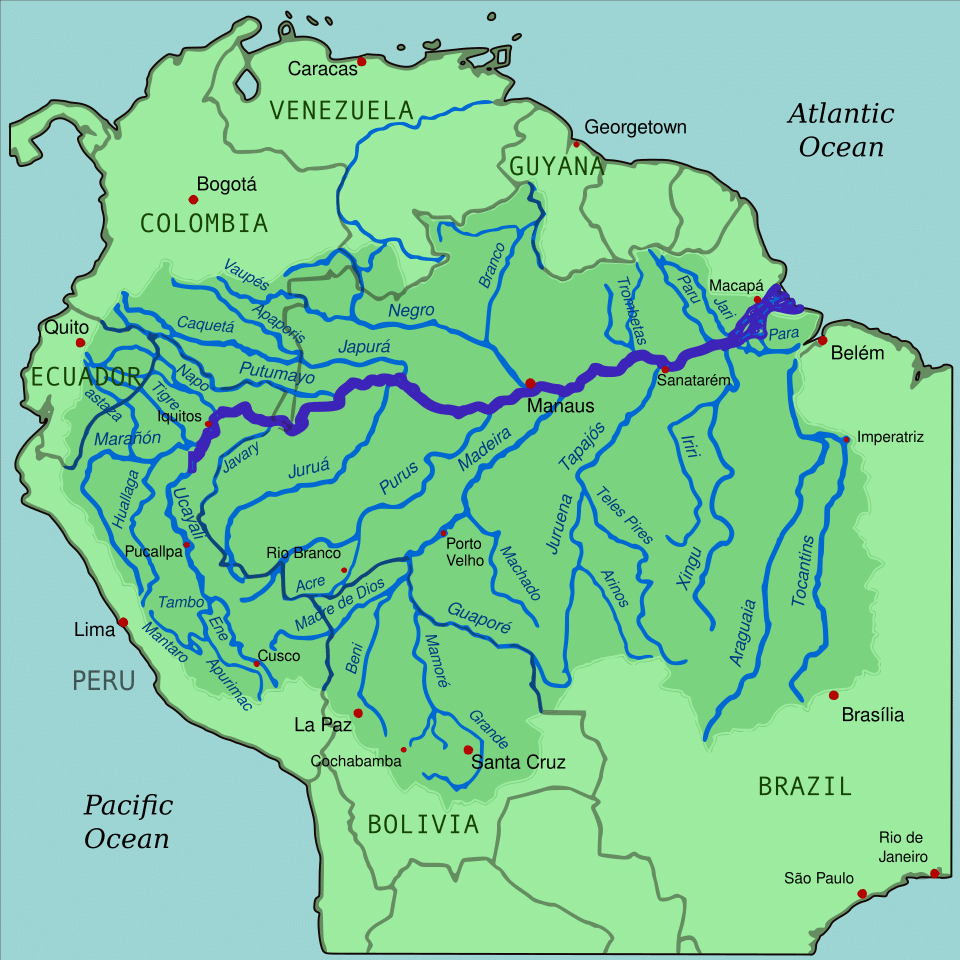
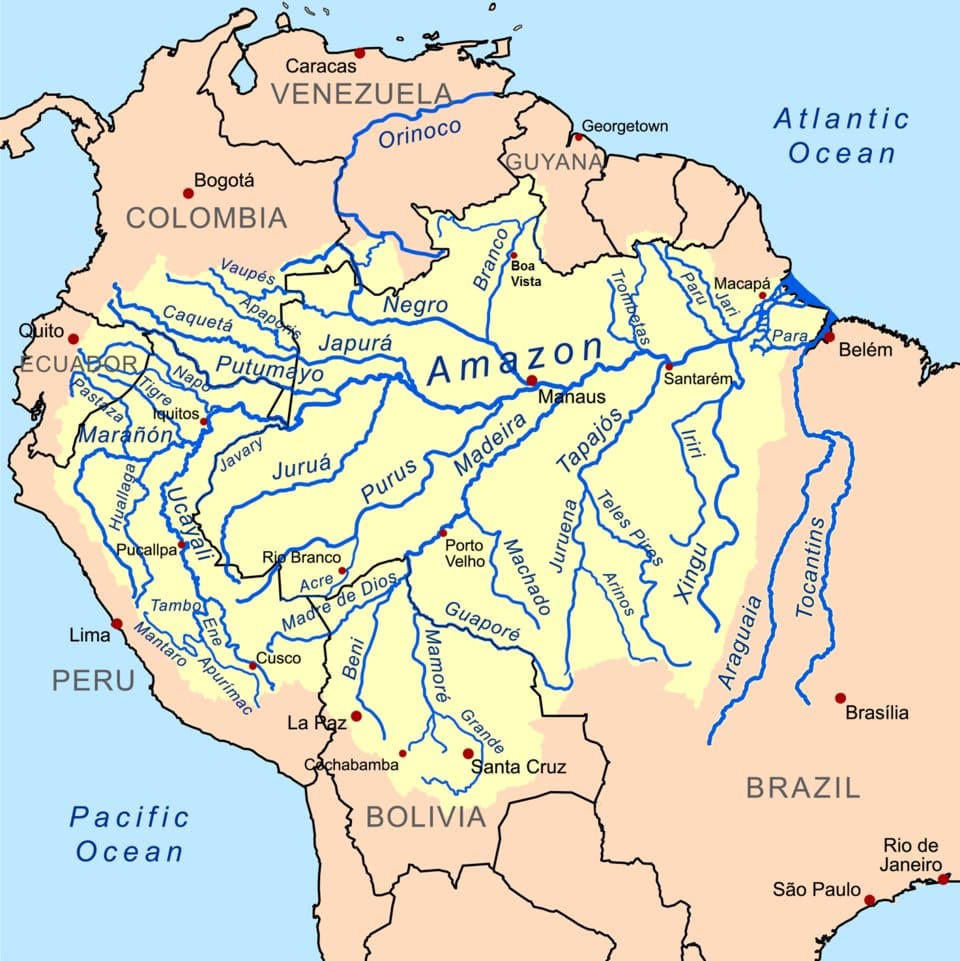
The emerald cory is native to the upper Amazon basin, with populations found across Peru, Ecuador, Colombia, and western Brazil. They’ve been collected from numerous river systems within this range, including tributaries of the Napo, Ucayali, and Marañón rivers. It’s a fairly widespread species compared to some of the more geographically restricted Corydoras.
In the wild, emerald corys inhabit slow-moving rivers, floodplain lakes, and shallow tributary streams with soft, silty or sandy bottoms. These habitats are typically shaded by overhanging vegetation and have water stained with tannins from decomposing organic matter. The substrate is covered in fallen leaves, decaying plant material, and fine sediment that the fish constantly sift through in search of food.
The water in their natural habitat is warm, soft, and slightly acidic. During the rainy season, their habitat can flood dramatically, expanding their foraging range into the surrounding forest floor. This seasonal variation is something to keep in mind when understanding their adaptability in captivity.
Most emerald corys in the aquarium trade are wild-caught, though some captive-bred specimens are available from specialty breeders. They’re not bred commercially on the same scale as bronze or peppered corys.
Appearance & Identification
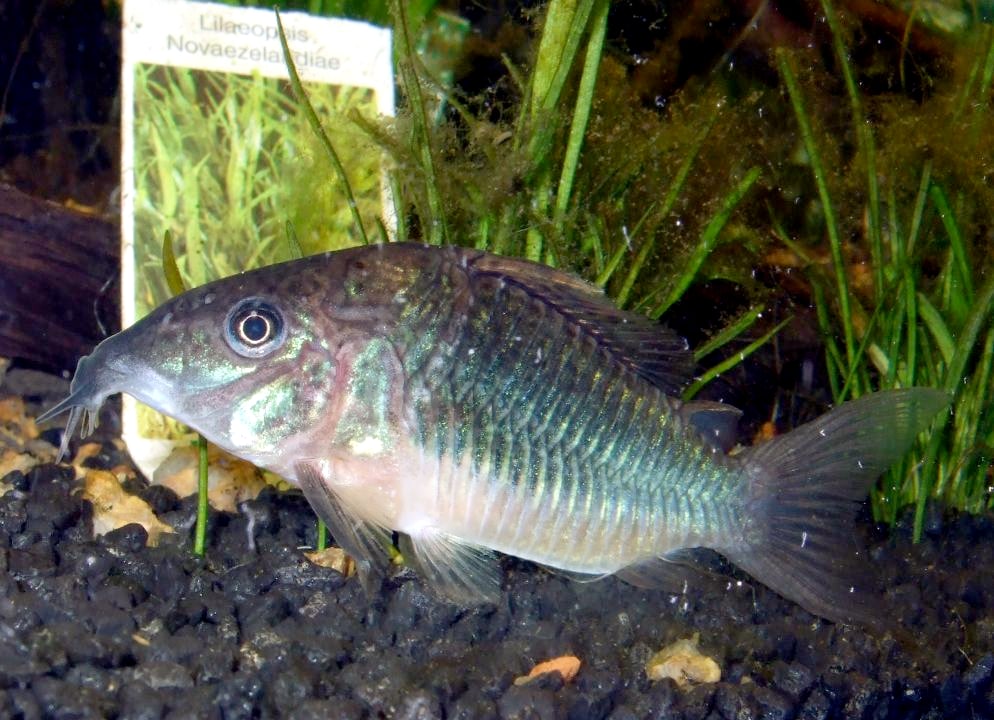
The emerald cory is a genuinely beautiful fish. The entire upper body is covered in a brilliant metallic emerald green that shifts and shimmers as the fish moves. Under good aquarium lighting, the green iridescence can range from deep forest green to a bright, almost electric green depending on the angle. The belly is a pale pinkish-white to cream color, creating a sharp contrast with the metallic green flanks.
Compared to typical Corydoras species, the emerald cory has a noticeably deeper, more robust body. It’s built like a tank. The head is also proportionally larger, and the snout is slightly more pointed. One of the most reliable ways to distinguish Brochis from Corydoras is the dorsal fin: emerald corys have 10 to 12 dorsal fin rays, while true Corydoras species typically have only 6 to 8. This gives the emerald cory a distinctly longer, more prominent dorsal fin.
Like all callichthyid catfish, the body is covered in two rows of overlapping bony plates (scutes) rather than scales. The pectoral fin spines are sharp and can lock into an erect position as a defense mechanism, so use caution when netting them. They can get tangled in fine mesh nets, and a sting from those spines isn’t pleasant.
People frequently confuse emerald corys with bronze corys (Corydoras aeneus). While bronze corys can show a greenish tint, the emerald cory’s green is far more vivid and saturated. The emerald cory is also noticeably larger and deeper-bodied. If you put them side by side, the difference is obvious.
Male vs. Female
Sexing emerald corys follows the same general rules as other corydoras-type catfish:
- Females: Larger and noticeably rounder when viewed from above, especially when carrying eggs. They tend to have a wider, more robust body profile overall.
- Males: Slightly smaller and slimmer than females. When viewed from above, males appear more streamlined and less rounded through the belly area.
The differences become most apparent in mature fish. Juveniles are very difficult to sex accurately. The easiest time to tell them apart is when females are gravid (full of eggs), as they become visibly plumper.
Average Size & Lifespan
The emerald cory reaches a maximum size of about 3 to 3.5 inches (7 to 9 cm) in aquarium conditions. This makes it significantly larger than most popular corydoras species. For comparison, bronze corys top out around 2.5 inches, peppered corys around 2 inches, and many of the smaller species like pygmy corys stay under an inch. The emerald cory’s size is one of its most defining features and is important to factor into your tank planning.
With proper care, emerald corys typically live 5 to 8 years in captivity. Some hobbyists have reported individuals living even longer in well-maintained tanks with stable water conditions. A nutritious, varied diet and clean water are the biggest factors in reaching the upper end of that range.
Emerald corydoras (Brochis splendens) are larger than most cory species, reaching 3 inches (7.5 cm). They are peaceful bottom-dwellers that prefer to be kept in groups of 6 or more.
Care Guide
Tank Size
A minimum of 30 gallons (114 liters) is recommended for a group of emerald corys. This is larger than what you’d need for most other cory species, and for good reason. These are big, active fish that produce more waste than their smaller cousins. A group of 6 emerald corys in a 20-gallon tank will overload the filtration quickly and leave very little room for other inhabitants.
A 30-gallon long is a solid starting point for a dedicated group of 6 to 8 fish. If you’re building a community tank with other species, aim for 40 gallons (151 liters) or larger. More floor space is always better for bottom-dwelling fish, so prioritize footprint over height when choosing your tank.
Water Parameters
| Parameter | Ideal Range |
|---|---|
| Temperature | 72 to 82°F (22 to 28°C) |
| pH | 5.8 to 7.5 |
| Hardness | 2 to 15 dGH |
| KH | 1 to 12 dKH |
Emerald corys are fairly adaptable when it comes to water chemistry. They do best in slightly acidic to neutral water, but they’ll tolerate a range of conditions as long as things stay stable. Consistency matters more than hitting a perfect number. Avoid sudden swings in temperature or pH, as that’s what causes stress and health issues with these fish.
One important note: like all corydoras-type catfish, emerald corys are sensitive to poor water quality, especially high nitrate levels. Keep nitrates below 20 ppm with regular water changes. They’re one of those fish that will let you know when water quality is slipping by becoming lethargic or losing their green sheen.
Filtration & Water Flow
A good quality canister filter or hang-on-back filter rated for your tank size is essential. Because emerald corys are larger and produce more waste than typical corys, you want a filter that can turn over the tank volume at least 4 to 5 times per hour. A canister filter with mechanical, biological, and chemical media stages is ideal for tanks of 30 gallons and up.
Keep the flow moderate. Emerald corys come from slow-moving water in the wild, so you don’t want a powerful current blasting across the bottom of the tank. If your filter creates too much flow, use a spray bar or baffle to diffuse it. That said, good water circulation and oxygenation are still important.
Lighting
Emerald corys aren’t fussy about lighting. Moderate lighting works well and will help show off their metallic green coloration without stressing them. If you’re running a planted tank with higher light, just make sure there are shaded areas created by tall plants, driftwood, or floating plants where the corys can retreat. They tend to be most active during lower light conditions and at dawn and dusk.
Plants & Decorations
A well-planted tank with plenty of structure works beautifully for emerald corys. They appreciate having places to explore and rest during the day. Good choices include:
- Amazon swords and Cryptocoryne species for mid to background planting
- Java fern and Anubias attached to driftwood for natural-looking hardscape
- Floating plants like Amazon frogbit or red root floaters to create shaded areas
- Driftwood and smooth river rocks for hiding spots and territory markers
Leave plenty of open floor space for foraging. Emerald corys are active bottom feeders that spend a lot of time rooting through the substrate, and they need room to do their thing. A tank that’s too cluttered on the bottom will frustrate them.
Substrate
Sand substrate is not optional with emerald corys. It’s essential. These fish spend their entire lives on the bottom, constantly sifting through substrate with their sensitive barbels in search of food. Gravel, especially sharp-edged gravel, will damage and erode their barbels over time, leading to infections and reduced ability to find food.
Fine-grain sand (pool filter sand, play sand, or aquarium-specific sand) is the best choice. You’ll get to watch their natural feeding behavior as they take mouthfuls of sand, sift out the food, and expel the clean sand through their gills. It’s fascinating to watch and something you’ll miss entirely with a gravel substrate. Dark sand also does a great job of making their emerald green coloration pop against the background.
Is the Emerald Cory Right for You?
Before you buy, run through this honest checklist. The Emerald Cory is a great fish for the right keeper, but it is not for everyone.
- You have a 30-gallon or larger tank that can handle the bioload of a larger cory species
- You want the most impressive looking corydoras with a deep metallic green body
- You can provide sinking pellets and frozen foods to satisfy their larger appetites
- You keep a group of 6+ on sand substrate with stable water quality
- You want a bottom dweller that is visible and impressive, not tiny and easy to miss
- Your tank has moderate flow and good filtration to handle the extra waste
Tank Mates
Emerald corys are peaceful community fish that get along with virtually anything that won’t try to eat them. Their larger size compared to other corydoras gives them a bit more versatility, as they’re less likely to be viewed as prey by medium-sized fish.
Best Tank Mates
- Tetras: Cardinal tetras, rummy-nose tetras, emperor tetras, and other medium-sized schooling tetras are perfect mid-water companions.
- Rasboras: Harlequin rasboras and other peaceful rasbora species share similar water parameter preferences.
- Other corydoras: They’ll shoal alongside smaller corydoras species without any issues, though they tend to prefer the company of their own kind.
- Small to medium gouramis: Honey gouramis, pearl gouramis, and dwarf gouramis make good top-level companions.
- Dwarf cichlids: Apistogramma species and German blue rams coexist well in larger tanks (40+ gallons).
- Bristlenose plecos: Another peaceful bottom dweller that won’t compete for the same food sources.
- Peaceful livebearers: Platies and swordtails work well in the same water conditions.
Tank Mates to Avoid
- Large cichlids: Oscars, Jack Dempseys, green terrors, and other large predatory cichlids will harass or eat them.
- Aggressive bottom dwellers: Avoid keeping them with territorial or aggressive catfish species that will compete for floor space.
- Large predatory fish: Anything big enough to fit an emerald cory in its mouth is a threat. Their pectoral spines offer some protection, but it’s not worth the risk.
Food & Diet
Emerald corys are hearty eaters with bigger appetites than their smaller cory cousins. They’re omnivores that will eat just about anything that sinks to the bottom, but a varied diet is important for maintaining their health and that brilliant green coloration.
- Staple: High-quality sinking pellets or wafers designed for bottom feeders. Choose a formula with good protein content and color-enhancing ingredients.
- Frozen foods: Bloodworms, brine shrimp, daphnia, and tubifex worms 2 to 3 times per week. These are eagerly devoured.
- Live foods: Blackworms, daphnia, and brine shrimp are excellent treats that trigger enthusiastic feeding behavior.
- Vegetables: Blanched zucchini, cucumber, or shelled peas occasionally. They do graze on algae and decaying plant matter naturally.
Feeding tip: Don’t assume your emerald corys are getting enough food just because you’re feeding the tank. In community setups, faster mid-water fish often eat everything before it reaches the bottom. Feed sinking foods after lights out, or drop wafers and pellets directly near the corys to make sure they get their share. Their bigger size means they need more food than a group of pygmy or dwarf corys.
Feed once or twice daily, offering only what the group can consume in a few minutes. Overfeeding bottom feeders is easy because uneaten food sits on the substrate and fouls the water quickly.
Breeding & Reproduction
Breeding Difficulty
Breeding emerald corys in captivity is difficult and rarely accomplished by hobbyists. While the general spawning process follows the same T-position mating behavior seen in other corydoras species, getting emerald corys to actually spawn in an aquarium setting is far more challenging than breeding bronze or peppered corys. Most of the emerald corys in the trade are still wild-caught.
Spawning Tank Setup
- A separate breeding tank of 20 to 30 gallons (76 to 114 liters) is recommended given their larger size
- Use a bare bottom or thin layer of fine sand for easy egg collection
- Broad-leaved plants like Anubias or Amazon swords provide surfaces for egg deposition
- Smooth rocks and tank glass also serve as spawning sites
- A gentle sponge filter provides filtration without endangering eggs or fry
Water Conditions for Breeding
- pH: 6.0 to 6.8
- Hardness: 2 to 8 dGH (soft water is important)
- Temperature: A large cool water change (dropping temperature by 4 to 6°F) is often used to simulate the rainy season and trigger spawning
- Increasing water flow and barometric pressure drops can also help initiate breeding behavior
Conditioning & Spawning
Condition breeding groups with heavy feedings of live and frozen foods for 2 to 4 weeks before attempting to spawn. A ratio of 2 males to every 1 female is often recommended. Spawning is typically triggered by a large, cool water change that mimics the onset of the rainy season in their native habitat.
Like other corydoras, emerald corys use the characteristic T-position during mating. The female holds a small number of eggs between her pelvic fins while the male fertilizes them. She then swims to a chosen surface (plant leaves, glass, smooth rocks) and carefully deposits the adhesive eggs. This process repeats multiple times over several hours.
Egg & Fry Care
Remove the adults after spawning is complete, as they will eat the eggs if given the opportunity. The eggs typically hatch in 3 to 5 days depending on temperature. Adding a few drops of methylene blue to the breeding tank can help prevent fungal growth on the eggs.
Fry become free-swimming a couple of days after hatching. Initial food should be microworms, infusoria, or commercial liquid fry food. After about a week, they can transition to freshly hatched brine shrimp (Artemia nauplii). Growth is relatively slow compared to some other corydoras species, and the fry can take 6 months or more to reach a sellable size.
Common Health Issues
Barbel Erosion
This is the most common problem with emerald corys and it’s almost always caused by keeping them on gravel or in tanks with poor water quality. The barbels wear down, become infected, and eventually disappear. Without functional barbels, the fish can’t forage effectively.
Prevention: Use fine sand substrate and maintain excellent water quality. If barbel erosion has already started, switching to sand and improving water conditions can allow them to regenerate over time.
Ich (White Spot Disease)
Ich is caused by the protozoan Ichthyophthirius multifiliis and appears as small white spots across the body and fins. Emerald corys are susceptible when stressed, especially after shipping or introduction to a new tank.
Treatment: Raise the temperature gradually to 82 to 86°F (28 to 30°C) and treat with a half-dose of malachite green or a copper-free ich medication. Corydoras and related catfish are sensitive to many medications, particularly copper-based treatments. Always use half the recommended dose and monitor closely.
Bacterial Infections
Red streaks on the belly, frayed fins, or cloudy eyes can indicate bacterial infection. These typically arise from poor water quality or injuries from rough substrate.
Treatment: Improve water quality immediately with partial water changes. Broad-spectrum antibacterial medications can be used, but again, dose conservatively with catfish. Quarantine affected fish if possible.
General Prevention
- Quarantine all new fish for at least 2 weeks before adding to your main tank
- Maintain stable water parameters with regular 20 to 25% weekly water changes
- Use sand substrate exclusively to protect barbels
- Avoid overcrowding and maintain good filtration
- Never use copper-based medications at full dose with catfish
Common Mistakes to Avoid
- Treating them like small corys: This is the biggest mistake people make. Emerald corys are substantially larger than most corydoras species and need a bigger tank, more food, and stronger filtration to match. A 10 or 15-gallon tank that works for pygmy corys is nowhere near adequate for a group of emerald corys.
- Using gravel substrate: It cannot be overstated. Sand is absolutely essential. Gravel will destroy their barbels over time, and a corydoras without barbels is a fish that can’t eat properly.
- Keeping too few: Emerald corys are social fish that need to be in groups of at least 6. Keeping one or two alone leads to stressed, inactive fish that hide constantly and never show their best behavior or coloration.
- Not leaving surface access: Emerald corys are obligate air breathers that regularly dart to the surface to gulp atmospheric air. Make sure floating plants don’t completely cover the water surface, and leave enough open water for them to access the air freely.
- Confusing them with bronze corys: If you’re specifically looking for emerald corys, pay attention. Pet stores sometimes mislabel bronze corys as emerald corys. The real emerald cory is larger, deeper-bodied, has more dorsal fin rays (10 to 12), and has a much more vivid metallic green coloration.
- Underfeeding in community tanks: Because they’re bottom dwellers, they often get overlooked during feeding time. Make sure food actually reaches the bottom, especially in tanks with fast-eating mid-water species.
Where to Buy
Emerald corys are less commonly stocked at chain pet stores than bronze or peppered corys, but specialty fish stores sometimes carry them. Your best bet for healthy, well-acclimated specimens is ordering from reputable online retailers:
- Flip Aquatics. A reliable source for quality freshwater fish with careful shipping practices.
- Dan’s Fish. Known for healthy, well-acclimated fish and transparent livestock sourcing.
When purchasing, always buy a group of at least 6. These are social fish that do poorly when kept alone or in pairs. Most retailers offer better per-fish pricing on larger orders, so buying a proper group often saves you money anyway.
Frequently Asked Questions
Is the emerald cory the same as the emerald green cory?
Yes, they’re the same fish. “Emerald cory,” “emerald green cory,” “emerald brochis,” and “green cory” are all common names for Brochis splendens. The variety of names is partly because of the ongoing taxonomic debate about whether this fish belongs in Brochis or Corydoras, leading retailers to use different labels.
How big do emerald corys get?
Emerald corys reach about 3 to 3.5 inches (7 to 9 cm) in aquarium conditions. This makes them one of the largest commonly available species in the cory catfish group, roughly 50% larger than a bronze cory and two to three times the size of many popular dwarf species.
Can emerald corys live with regular corydoras?
Absolutely. Emerald corys are peaceful and will coexist happily with any other corydoras species. They may even loosely shoal together, though they tend to prefer the company of their own species. Just make sure the tank is large enough to accommodate groups of both species comfortably.
Why does my emerald cory dart to the surface?
This is completely normal behavior. Emerald corys are obligate air breathers, meaning they need to periodically gulp air from the surface to supplement their gill respiration. They swallow atmospheric air and absorb oxygen through their highly vascularized intestine. If you see them doing this occasionally throughout the day, everything is fine. However, if they’re doing it frantically and constantly, it could indicate poor water oxygenation or high stress levels in the tank.
What’s the difference between emerald corys and bronze corys?
While they can look similar at first glance, there are several key differences. Emerald corys are larger (3 to 3.5 inches vs. 2.5 inches), have a deeper and more robust body, more dorsal fin rays (10 to 12 vs. 6 to 8), and display a much more vivid, saturated metallic green coloration. Bronze corys may show a greenish tint but it’s much more subdued. They’re also classified in different genera: Brochis vs. Corydoras.
Do emerald corys need sand substrate?
Yes, sand substrate is strongly recommended and really should be considered a requirement. Emerald corys constantly sift through substrate with their delicate barbels while foraging. Rough gravel will erode and damage these barbels over time, leading to infections and reduced ability to find food. Fine-grain sand lets them exhibit their natural feeding behavior safely.
How the Emerald Cory Compares to Similar Species
Emerald Cory vs. Bronze Cory
The Bronze Cory is smaller, cheaper, and fits in 20-gallon tanks. The Emerald Cory is the premium upgrade with a deeper metallic green body and larger size. If space allows, the Emerald Cory is visually far more impressive. If you are working with a smaller tank, the Bronze Cory is the practical choice.
Emerald Cory vs. Sterbai Cory
The Sterbai Cory has better pattern detail with spotted body and orange fins, while the Emerald Cory has raw size and metallic sheen. The Sterbai handles warmer water better. Both are premium corys. Choose based on whether you prefer pattern detail (Sterbai) or size and presence (Emerald).
Expert Take (Mark Valderrama, AquariumStoreDepot)
After 25 years in the hobby and time managing fish stores, the emerald cory is one of those species I always recommend to hobbyists ready to move beyond the basics. Emerald corydoras (Brochis splendens) are larger than most cory species, reaching 3 inches (7.5 cm). They are peaceful bottom-dwellers that prefer to be kept in groups of 6 or more. Emerald cories need more space than typical corydoras. Their larger size and higher bioload require a minimum 30-gallon tank – not a 20-gallon like smaller cory species.
Closing Thoughts
The emerald cory is one of those fish that makes you do a double-take the first time you see a healthy group in a well-set-up tank. That metallic emerald green shimmering across a robust, active catfish is something special, and their larger size gives them a presence that smaller corys just can’t match. They’re the fish you add to a community tank and suddenly everyone asks about.
The care isn’t complicated, but it does require respecting their size. Give them a proper tank (30 gallons minimum), sand substrate, a good group of 6 or more, and clean water. Do that, and you’ll be rewarded with one of the most visually striking and entertaining bottom dwellers in the freshwater hobby. They’re worth every bit of the extra effort.
Recommended Video
Check out our corydoras tier list video where we rank the most popular cory catfish in the hobby:
References
- Seriously Fish, Brochis splendens species profile. seriouslyfish.com
- FishBase, Corydoras splendens (Castelnau, 1855). fishbase.se
- The Aquarium Wiki, Brochis splendens. theaquariumwiki.com
- Dias, A.C. et al. (2024). Phylogenomic analysis and revised classification of the armored catfishes (Siluriformes: Callichthyidae). Zoological Journal of the Linnean Society.
- Practical Fishkeeping, Emerald catfish (Brochis splendens) care guide. practicalfishkeeping.co.uk
- About the Author
- Latest Posts

I’m Mark Valderrama, founder of Aquarium Store Depot and a fishkeeper with over 25 years of hands-on experience. I started in the hobby at age 11, worked at local fish stores, and have kept freshwater tanks, ponds, and reef tanks ever since. I’ve been featured in two best-selling aquarium books on Amazon and built this site to share practical, experience-based fish keeping knowledge.
Leave a Reply