
Last Updated: June 25, 2026
Thank you for visiting! By the way… any links on this page that lead to products on Amazon and other stores/partners are affiliate links Aquarium Store Depot earns a commission if you make a purchase.
Table of Contents
- What Care Guides Get Wrong
- Key Takeaways
- Species Overview
- Classification
- Origin & Natural Habitat
- Appearance & Identification
- Average Size & Lifespan
- Care Guide
- Is It Right for You?
- Tank Mates
- Food & Diet
- Breeding & Reproduction
- Common Health Issues
- Common Mistakes to Avoid
- Where to Buy
- Frequently Asked Questions
- Species Comparison
- Closing Thoughts
- Recommended Video
- References
Let’s get one thing out of the way right up front: if you’ve ever bought a “julii cory” from your local fish store, there’s about a 99% chance you actually brought home a three-line cory (Corydoras trilineatus). It’s one of the longest-running cases of mistaken identity in the aquarium hobby, and it’s been happening for decades. The true julii cory (Corydoras julii) is genuinely rare in the trade. Most hobbyists have never seen the real thing.
What Most Care Guides Get Wrong About the Julii Cory
The biggest misconception about the Julii Cory is that you probably do not own one. Over 90% of fish sold as Corydoras julii in the hobby are actually Corydoras trilineatus (the Three-Line Cory). The real Julii has isolated, distinct spots on its head and body that do not connect into lines or reticulated patterns. If the spots on your fish connect into maze-like lines, you have a Three-Line Cory. The true Julii is a rare, wild-caught species from northeast Brazil with limited availability. The care is essentially identical, but the identity confusion runs deep in the hobby.
So what makes the real deal different? It all comes down to the spots. A true julii has isolated, individual dots on its head and body that never connect into lines or chains. The three-line cory has markings that link together into a maze-like, reticulated pattern. Once you know what to look for, the difference is actually pretty obvious. This article is specifically about the genuine Corydoras julii, a beautiful little catfish from the coastal rivers of northeastern Brazil. In my 25+ years in the hobby, I’ve always found Corydoras to be some of the most rewarding bottom dwellers you can keep, and the true julii is a real gem if you can find one.
Key Takeaways
- The true julii cory is rare in the aquarium trade. Almost every fish sold as “julii” is actually Corydoras trilineatus (three-line cory). The real julii has isolated spots that never connect into lines.
- Native to northeastern Brazil’s Parnaiba River drainage, not the main Amazon basin like most Corydoras species.
- Needs a minimum 20-gallon (76-liter) tank with sand substrate (non-negotiable) and a group of 6 or more.
- Water parameters: temperature 73 to 79°F (23 to 26°C), pH 6.0 to 7.5, hardness 2 to 12 dGH.
- Obligate air breathers that regularly dart to the surface for a gulp of atmospheric air. This is completely normal and not a sign of distress.
Species Overview
| Field | Details |
|---|---|
| Scientific Name | Corydoras julii |
| Common Names | Julii Cory, Julii Catfish, Leopard Cory |
| Family | Callichthyidae |
| Origin | Northeastern Brazil (Parnaiba River drainage) |
| Care Level | Easy |
| Temperament | Peaceful |
| Diet | Omnivore |
| Tank Level | Bottom |
| Maximum Size | 2.5 inches (5 to 6 cm) |
| Minimum Tank Size | 20 gallons (76 liters) |
| Temperature | 73 to 79°F (23 to 26°C) |
| pH | 6.0 to 7.5 |
| Hardness | 2 to 12 dGH |
| Lifespan | 5 to 8 years |
Classification
| Taxonomic Level | Classification |
|---|---|
| Order | Siluriformes |
| Family | Callichthyidae |
| Subfamily | Corydoradinae |
| Genus | Corydoras |
| Species | C. julii (Steindachner, 1906) |
The genus Corydoras is one of the largest genera of freshwater fish, containing well over 160 described species with many more awaiting formal description. C. julii was originally described by Franz Steindachner in 1906 from specimens collected in the lower Amazon coastal drainages of Brazil. In the 2024 taxonomic revision of armored catfishes, C. julii remained in Corydoras sensu stricto. Despite its fame as one of the most recognizable Corydoras names in the hobby, the actual fish behind that name is seldom the one hobbyists encounter.
Origin & Natural Habitat
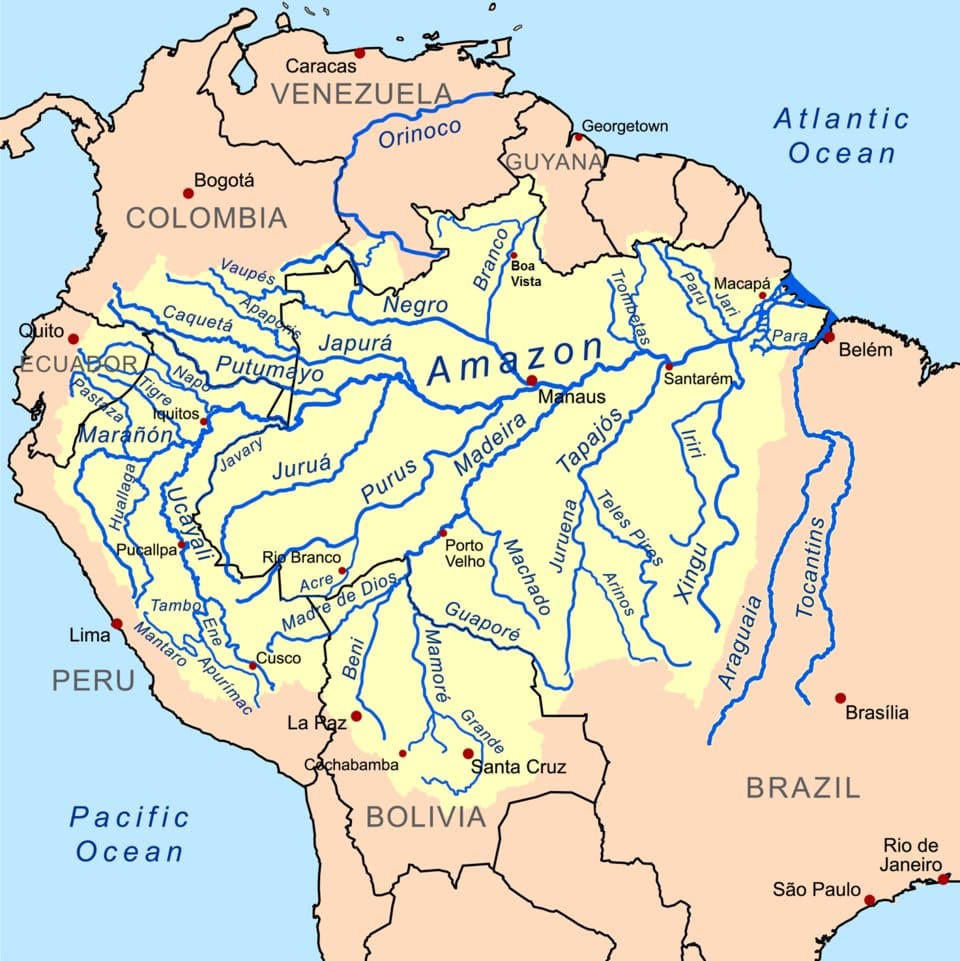
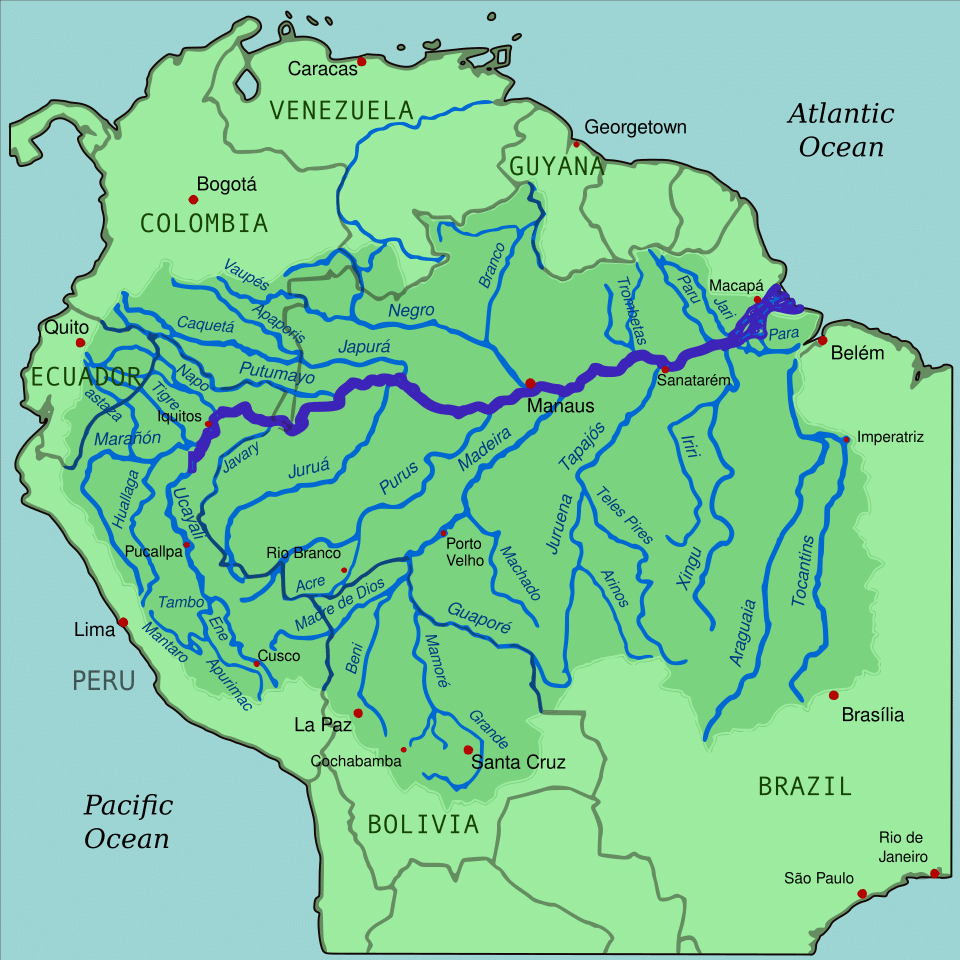
Corydoras julii is native to northeastern Brazil, specifically the coastal river systems of the Parnaiba River drainage and nearby tributaries. This is a much more restricted range than most popular Corydoras species. While the three-line cory (C. trilineatus) is found across the upper Amazon basin in Peru, Ecuador, Colombia, and western Brazil, the true julii is limited to these coastal waterways in the states of Maranhao and Piaui. This restricted distribution is a big reason why it’s so rare in the aquarium trade.
In its natural habitat, the julii cory lives in shallow, slow-moving streams and tributaries with sandy or muddy bottoms. The water is typically soft and slightly acidic, flowing through forested lowland areas. These habitats have plenty of submerged leaf litter, fallen branches, and organic debris on the substrate, which the cories pick through in search of small invertebrates, worms, and other food items. Like all Corydoras, they are found in groups, foraging together across the bottom.
Appearance & Identification
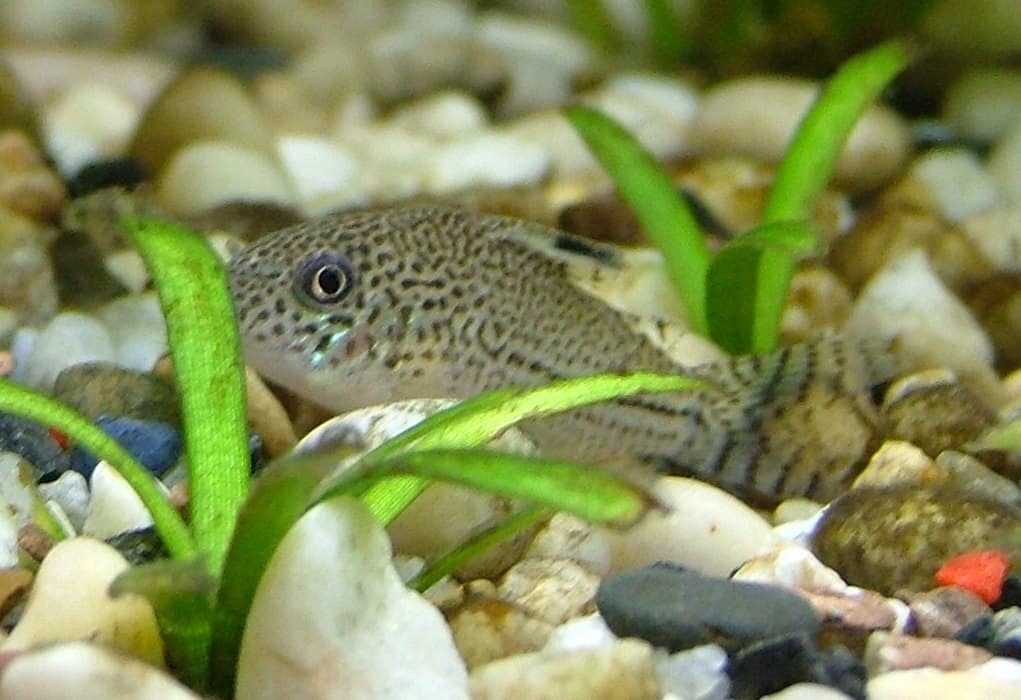
The julii cory has the classic Corydoras body shape: a compact, armored frame covered in overlapping bony scutes instead of traditional scales. The base body color is a clean silvery-white to light cream, adorned with a pattern of small, dark spots scattered across the head, body, and flanks. A dark horizontal stripe runs along the lateral line, and the dorsal fin features a prominent dark blotch near the front.
Here’s the key identification feature that separates it from virtually every “julii” you’ll see in a fish store: the spots on the true C. julii are isolated individual dots. Each spot stands on its own with clear space between it and the next one. They never merge, never connect, and never form lines or chains. The overall impression is a clean, elegant scattering of distinct dots on a pale background. Compare that to the three-line cory, where those dark markings link together into a busy, reticulated maze pattern, especially on the head and snout. The difference is quite striking once you know what to look for.
Like all Corydoras, julii cories have a pair of barbels on each side of the mouth that they use constantly to probe the substrate for food. These barbels are sensitive and can be damaged by rough substrates, which is why sand is so important.
Male vs. Female
Sexing julii cories follows the same general principles as other Corydoras species:
- Females: Noticeably larger and rounder-bodied than males, especially when viewed from above. Gravid females carrying eggs will look significantly wider through the midsection. They tend to be slightly longer overall.
- Males: Slimmer and more streamlined in body profile. Their pectoral fins are often slightly more pointed compared to the rounder pectoral fins of females.
Sexing is easiest with mature, well-conditioned fish. If you keep a group of 6 or more, the size and shape differences become pretty obvious when you compare them side by side.
Average Size & Lifespan
Julii cories reach a maximum size of about 2.5 inches (5 to 6 cm). They’re a medium-sized Corydoras, comparable to species like peppered cories and bronze cories, but smaller than the larger emerald cory or brochis types.
With proper care, they typically live 5 to 8 years in captivity. Good water quality, a sand substrate, a varied diet, and keeping them in a proper group are the biggest factors in reaching the upper end of that range. Some hobbyists have reported Corydoras living even longer in well-maintained, stable setups.
Julii corydoras (and the commonly sold false julii, C. trilineatus) are peaceful, hardy bottom-dwellers suitable for community tanks from 20 gallons up. They adapt well to a range of water parameters.
Reality Check
The biggest challenge with Julii Corys is not care, it is identification and sourcing. Most fish sold as Julii Corys are actually Three-Line Corys (Corydoras trilineatus), which are slightly larger and easier to breed. If you want a true Julii, you need to verify before purchase, buy from a specialist, and expect to pay more and wait longer. The care itself is not difficult, but the hunt for the real fish can be frustrating.
Care Guide
Tank Size
A minimum of 20 gallons (76 liters) is recommended for a group of six julii cories. While they’re small individually, they need to be kept in groups and are active bottom foragers that need horizontal swimming space. A 20-gallon long is actually a better choice than a standard 20-gallon tall because of the larger bottom footprint. If you’re building a community tank with midwater species as well, aim for 30 gallons (114 liters) or more so everyone has room.
Water Parameters
| Parameter | Ideal Range |
|---|---|
| Temperature | 73 to 79°F (23 to 26°C) |
| pH | 6.0 to 7.5 |
| Hardness | 2 to 12 dGH |
| KH | 1 to 10 dKH |
Julii cories do best in soft, slightly acidic to neutral water that reflects their natural habitat. They can adapt to a range of conditions as long as parameters stay stable. Consistency is more important than hitting an exact number. Avoid sudden swings in temperature or pH, and keep up with regular water changes.
Filtration & Water Flow
A good hang-on-back filter or canister filter rated for your tank size works great. Aim for a turnover rate of about 4 to 6 times the tank volume per hour. Corydoras come from calm waters, so avoid strong currents near the bottom. If your filter output is too powerful, use a spray bar or baffle to diffuse the flow. A sponge filter is also an excellent option, especially for breeding setups, since it provides gentle filtration without any risk to eggs or fry.
Good oxygenation is important even though julii cories are obligate air breathers that supplement their oxygen by gulping air at the surface. Well-oxygenated water reduces how often they need to make those surface trips and keeps them more comfortable.
Lighting
Julii cories are not picky about lighting. They tend to be more active under moderate to subdued light, which makes sense given their shaded natural habitats. If you’re running high-intensity planted tank lights, provide shaded areas with floating plants, driftwood overhangs, or dense plant growth where the cories can retreat. They’ll spend more time out in the open if they know they have dark spots to duck into.
Plants & Decorations
A well-decorated tank with plenty of hiding spots keeps Corydoras feeling secure and encourages natural behavior. Good choices include:
- Driftwood and bogwood for shelter and tannin release
- Smooth river rocks and small caves for hiding
- Java fern, Anubias, and Amazon swords (attach epiphytes to hardscape to avoid root disturbance from foraging cories)
- Floating plants like Amazon frogbit or water lettuce to create shaded areas
- Dried leaf litter (Indian almond leaves, oak leaves) to replicate their natural environment and provide beneficial tannins
Leave open areas of sand for foraging. Corydoras spend a huge amount of time sifting through the substrate, and they need clear bottom space to do that.
Substrate
This is non-negotiable: sand substrate is essential for Corydoras. Julii cories spend their lives on the bottom, constantly probing the substrate with their barbels as they search for food. Rough gravel, sharp-edged substrates, or coarse materials will damage those delicate barbels over time, leading to erosion, infections, and reduced ability to find food.
Fine play sand, pool filter sand, or aquarium-specific sand all work well. If you prefer a planted tank substrate like aqua soil, consider creating a sand-only zone in part of the tank for the cories. Watching them bury their snouts in the sand, take a mouthful, and sift it through their gills while hunting for food is one of the best parts of keeping Corydoras, and they can only do that properly on sand.
Is the Julii Cory Right for You?
Before you buy, run through this honest checklist. The Julii Cory is a great fish for the right keeper, but it is not for everyone.
- You specifically want a true Julii Cory and can verify identification before purchase
- You are willing to pay a premium price for a rare, wild-caught corydoras species
- You can provide sand substrate and a group of 6+ in a 20-gallon or larger tank
- You understand that most sellers mislabel Three-Line Corys as Juliis
- You keep stable water parameters in the 73 to 79F range
- You want a collector species with real hobby credibility
Avoid If:
- You cannot verify the species before purchase and do not mind the trilineatus substitute (just get trilineatus intentionally)
- You have gravel substrate — Julii Corys need soft sand to protect their barbels
- You want a fish widely available at your local fish store — true Juliis require specialist sourcing
- Your tank runs warm above 79F (26C) consistently — they prefer the cooler end of the tropical range
Tank Mates
Julii cories are among the most peaceful fish you can keep. They mind their own business at the bottom and get along with virtually any non-aggressive community fish. The main thing is avoiding anything large enough to eat them or aggressive enough to harass them.
Best Tank Mates
- Tetras: Neons, cardinals, embers, rummy-noses, and most other small tetras are perfect companions. They occupy the midwater while the cories handle the bottom.
- Rasboras: Harlequin rasboras, chili rasboras, and lambchop rasboras make excellent midwater companions.
- Other Corydoras: You can keep different Corydoras species together, though each species tends to shoal with its own kind. Keep at least 6 of each species you stock.
- Small gouramis: Honey gouramis and sparkling gouramis are peaceful top-dwellers that pair well with bottom-dwelling cories.
- Otocinclus: Fellow peaceful bottom feeders that share similar water preferences.
- Dwarf cichlids: Apistogramma species and German blue rams work well in larger tanks (30+ gallons).
- Shrimp: Amano shrimp, cherry shrimp, and other dwarf shrimp are completely safe with Corydoras.
- Snails: Nerite snails, mystery snails, and Malaysian trumpet snails are all compatible.
Tank Mates to Avoid
- Large cichlids: Oscars, Jack Dempseys, green terrors, and other predatory cichlids will eat or harass Corydoras.
- Aggressive bottom dwellers: Red-tailed sharks, rainbow sharks, and aggressive loaches can bully cories off the bottom.
- Large catfish: Anything big enough to swallow a 2.5-inch fish should be avoided.
- Fin nippers: Tiger barbs and serpae tetras in small groups can pester cories.
Worth noting: Corydoras have venomous spines in their dorsal and pectoral fins. The venom is mild and mainly a defense against predators, but it can cause a painful sting if a larger fish tries to swallow one. This is yet another reason to avoid housing them with predatory species.
Food & Diet
Julii cories are omnivores and enthusiastic bottom feeders. One thing I always stress to people: do not treat them as a “cleanup crew.” They need their own dedicated feeding, not just whatever scraps drift down from the midwater fish.
- Staple: High-quality sinking pellets or wafers formulated for bottom feeders. These should be the foundation of their diet.
- Frozen foods: Bloodworms, brine shrimp, daphnia, and tubifex worms 2 to 3 times per week. Drop frozen foods near the bottom so the cories can get to them before midwater fish intercept everything.
- Live foods: Blackworms, live brine shrimp, and daphnia are excellent for conditioning and trigger fantastic natural foraging behavior. Corydoras absolutely love live blackworms.
- Vegetables: Blanched zucchini, cucumber, or spinach occasionally. They’ll also graze on soft algae growth.
Feeding tip: Feed sinking foods in the evening or after lights out. Corydoras tend to be most active at dawn and dusk, and evening feeding ensures they get their fair share without competition from faster midwater fish. Feed an amount they can finish in about 2 to 3 minutes.
Breeding & Reproduction
Breeding Difficulty
Breeding julii cories is moderately difficult. They are not as readily bred in captivity as bronze or peppered cories, partly because true C. julii are uncommon to begin with. Getting a confirmed group of genuine julii cories is often the hardest part. Once you have them established, the spawning process follows the typical Corydoras pattern.
Spawning Tank Setup
- A dedicated breeding tank of 10 to 20 gallons (38 to 76 liters) works best
- Bare bottom or a thin layer of fine sand for easy egg management
- Smooth surfaces for egg deposition: broad-leaved plants (Anubias, Amazon swords), flat rocks, or the tank glass itself
- A gentle sponge filter for filtration without risking eggs or fry
- Moderate to dim lighting
Water Conditions for Breeding
- Temperature: 72 to 75°F (22 to 24°C), slightly cooler than normal maintenance temperature
- pH: 6.0 to 6.5
- Hardness: 2 to 8 dGH (softer water encourages spawning)
- A large, cool water change (50% or more, 2 to 4°F cooler than tank temperature) is the classic Corydoras spawning trigger. This simulates the onset of the rainy season in their natural habitat.
Conditioning & Spawning
Condition a breeding group (2 to 3 males per female is a good ratio) with heavy feedings of protein-rich live and frozen foods for 1 to 2 weeks. Bloodworms, blackworms, and live brine shrimp are all excellent conditioning foods. Well-conditioned females will visibly plump up with eggs.
Corydoras are famous for their unique T-position spawning behavior. The female presses her mouth against the male’s genital area, forming a T-shape. She takes sperm into her mouth (the exact mechanism of fertilization is still debated among researchers), then swims to a chosen surface, clasps 1 to 4 eggs between her ventral fins, and deposits them on the glass, leaves, or other smooth surfaces. This process repeats many times over several hours, resulting in anywhere from 50 to 200 or more eggs scattered around the tank.
Egg & Fry Care
Remove the adults after spawning is complete to prevent egg predation. The adhesive eggs are about 1.5 to 2 mm in diameter and pale white to slightly yellowish. They typically hatch in 3 to 5 days depending on temperature.
Fungus is the biggest threat to Corydoras eggs. Adding a few drops of methylene blue to the water or placing an Indian almond leaf in the tank helps prevent fungal growth. Remove any eggs that turn white and fuzzy, as the fungus will spread to healthy eggs nearby.
Newly hatched fry will absorb their yolk sac over 2 to 3 days before becoming free-swimming. First foods should be microworms, vinegar eels, or freshly hatched brine shrimp (Artemia nauplii). As they grow, gradually transition to crushed sinking pellets and larger frozen foods.
Common Health Issues
Barbel Erosion
This is the most common health problem in Corydoras, and it’s almost always caused by keeping them on rough or sharp substrates. The barbels gradually wear down, shorten, and can become infected. Once barbels are damaged, the fish has difficulty finding food properly.
Prevention: Keep them on fine sand substrate. It’s really that simple. If your cories already have shortened barbels, switching to sand and maintaining pristine water can allow regrowth over time, though severe cases may not fully recover.
Ich (White Spot Disease)
Ich is caused by the protozoan Ichthyophthirius multifiliis and shows up as white spots on the body and fins. Corydoras are susceptible, particularly when stressed from transport or introduction to a new tank.
Treatment: Be cautious with medications. Corydoras have bony scutes rather than true scales and are sensitive to many common treatments, especially copper-based products. Use half-dose medications and gradually raise the temperature to 82 to 84°F (28 to 29°C). Avoid salt treatments or use them only at very low concentrations, as cories are salt-sensitive.
Red Blotch Disease
Red blotch disease shows up as reddish patches on the belly and is fairly common in Corydoras. It’s typically a bacterial infection triggered by poor water quality, high nitrates, or dirty substrates.
Treatment: Improve water quality immediately with large water changes. Mild cases often resolve with pristine conditions alone. More severe cases may need antibacterial treatment, but always use medications at reduced doses with Corydoras.
General Prevention
- Quarantine all new fish for at least 2 weeks before adding them to your main tank
- Maintain clean water with regular 20 to 25% weekly water changes
- Keep the substrate clean by gently vacuuming sand during water changes
- Avoid overcrowding and maintain stable water parameters
- Always use medications at reduced doses for Corydoras
Common Mistakes to Avoid
- Assuming you have a julii: This is the big one. If you bought a “julii cory” at a fish store, look closely at the head markings. Do the spots connect into lines or a maze pattern? Then you have a three-line cory (C. trilineatus). Only if every spot is clearly isolated and separated do you have a true julii. The care is the same either way, but it’s good to know what you actually have.
- Using gravel substrate: This is the single biggest care mistake with any Corydoras species. Rough gravel erodes their barbels, causes infections, and prevents natural foraging behavior. Always use fine sand.
- Keeping them alone or in pairs: Corydoras are social fish that need a group of at least 6 to feel secure. A lone cory will be stressed, hide constantly, and likely have a shorter lifespan.
- Treating them as cleanup crew: Relying on leftover food to sustain your cories is a recipe for underfed, unhealthy fish. They need their own dedicated sinking foods.
- Panicking about surface breathing: New cory owners often worry when they see their fish dart to the surface for a gulp of air. This is completely normal. Corydoras are obligate air breathers that supplement their oxygen intake through their intestine. They’ll do this regularly regardless of water quality, though increased frequency can indicate low dissolved oxygen.
- Overdosing medications: Corydoras are sensitive to many common fish medications. Always use half-doses and avoid copper-based treatments and salt when possible.
Where to Buy
Finding true Corydoras julii is the real challenge here. Most fish sold as “julii cory” in local fish stores and even many online retailers are actually C. trilineatus. If you’re specifically looking for the genuine julii, you’ll want to source from specialty retailers who can confirm the species identity. Look for that telltale pattern of isolated, non-connecting spots.
- Flip Aquatics. A reliable source for quality freshwater fish with careful shipping practices.
- Dan’s Fish. Known for healthy, well-acclimated fish and transparent livestock sourcing.
When purchasing, always buy a group of 6 or more. Most retailers offer better per-fish pricing on larger orders, and your cories will be noticeably happier and more active in a proper group. Ask the seller to confirm they are true C. julii and not trilineatus.
Frequently Asked Questions
How do I tell a true julii cory from a three-line cory?
Look at the markings on the head and snout area. On a true Corydoras julii, the dark spots are completely isolated from each other with clear space between them. They never connect into lines. On the three-line cory (C. trilineatus), those markings link together into a connected, maze-like pattern. If the spots merge into squiggly lines or chains, you have trilineatus. If every spot stands alone, you may have a genuine julii.
Are julii cories good for beginners?
Yes, their care requirements are straightforward and similar to other Corydoras. They’re hardy, peaceful, and tolerant of a range of water conditions. The only tricky part for beginners is actually finding genuine julii cories, since most fish sold under that name are C. trilineatus. Either species makes an excellent beginner bottom dweller as long as you provide sand substrate and keep them in groups.
How many julii cories should I keep together?
A minimum of 6, and more is always better. In groups of 6 or more, they feel secure, display natural shoaling behavior, and spend much more time out in the open foraging. Kept alone or in small groups, they become stressed, hide frequently, and are more susceptible to health problems.
Why does my julii cory keep darting to the surface?
That’s completely normal. Corydoras are obligate air breathers, meaning they can absorb oxygen through their intestinal lining. They’ll dart to the surface, take a quick gulp of atmospheric air, and zip right back down to the bottom. Every cory does this throughout the day. If the frequency increases significantly, though, check your aeration and dissolved oxygen levels.
Can I keep julii cories with shrimp?
Absolutely. Corydoras are completely safe with all commonly kept shrimp, including cherry shrimp, Amano shrimp, and crystal shrimp. They won’t hunt or bother shrimp at all. They might bump into a shrimp occasionally while foraging, but that’s about as confrontational as it gets.
Do julii cories need sand substrate?
Yes, sand should be considered a requirement, not a preference. Corydoras naturally sift through sand with their barbels, taking mouthfuls of substrate and filtering it through their gills to find food. Rough gravel damages their barbels over time, causing erosion and infections. Fine sand lets them perform their full range of natural behaviors and stays healthy long-term.
Can I mix julii cories with other Corydoras species?
Yes, different Corydoras species coexist peacefully. However, each species tends to shoal primarily with its own kind. If you want to keep julii cories alongside panda cories, for example, you should have at least 6 of each species rather than splitting a smaller total. They’ll all share the bottom peacefully, but each species does best with its own group.
Who Grows Most With This Fish
Julii Corys suit experienced cory keepers who are past the common species and want something with more collector appeal. If you have kept sterbai, peppered, or bronze corys and want a species that takes real effort to source and identify correctly, the Julii delivers. Beginners are better served by trilineatus or sterbai until they are familiar with corydoras care and have a reliable specialist supplier. For the keeper who wants the real thing, the effort is worth it.
How the Julii Cory Compares to Similar Species
Julii Cory vs. Three-Line Cory
The Three-Line Cory is what you almost certainly own if you bought a fish labeled Julii. The care is identical. The only difference is the spot pattern (connected reticulated lines vs isolated spots) and the price. For practical purposes, the Three-Line Cory is the same experience at a lower cost.
Julii Cory vs. Sterbai Cory
The Sterbai Cory is another premium patterned cory, but it is much easier to find and verify identity. It also handles warmer water better. If you want a visually striking cory without the identification headache, the Sterbai is the more practical premium choice.
Expert Take (Mark Valderrama, AquariumStoreDepot)
After 25 years in the hobby and time managing fish stores, the julii cory is one of those species I always recommend to hobbyists ready to move beyond the basics. Julii corydoras (and the commonly sold false julii, C. trilineatus) are peaceful, hardy bottom-dwellers suitable for community tanks from 20 gallons up. They adapt well to a range of water parameters. Most ‘julii cories’ sold in stores are actually Corydoras trilineatus (false julii). Both make excellent fish, but if you want true C. julii, verify the pattern with the seller before purchasing.
Closing Thoughts
The true julii cory is one of those fish that carries a lot of name recognition in the hobby, even though most hobbyists have never actually kept the genuine article. It’s a beautiful catfish with that clean, spotted pattern that sets it apart from its much more common lookalike. If you manage to track down confirmed C. julii, you’ve got something genuinely special in your tank.
That said, the care is essentially the same as any Corydoras. Give them sand, keep them in a proper group, feed them well, and maintain clean water. They’ll reward you with years of personality, constant activity on the bottom, and that entertaining Corydoras behavior that makes them some of the most popular catfish in the hobby. Whether you end up with a true julii or a three-line cory, you really can’t go wrong with these little armored catfish.
Recommended Video
Check out our cory tier list video where we rank the most popular Corydoras species in the hobby, including the julii cory:
References
- Seriously Fish, Corydoras julii species profile. seriouslyfish.com
- FishBase, Corydoras julii (Steindachner, 1906). fishbase.se
- The Aquarium Wiki, Corydoras julii. theaquariumwiki.com
- Practical Fishkeeping, Corydoras care and species identification guides. practicalfishkeeping.co.uk
- About the Author
- Latest Posts

I’m Mark Valderrama, founder of Aquarium Store Depot and a fishkeeper with over 25 years of hands-on experience. I started in the hobby at age 11, worked at local fish stores, and have kept freshwater tanks, ponds, and reef tanks ever since. I’ve been featured in two best-selling aquarium books on Amazon and built this site to share practical, experience-based fish keeping knowledge.
Leave a Reply