Last Updated: June 25, 2026
Thank you for visiting! By the way… any links on this page that lead to products on Amazon and other stores/partners are affiliate links Aquarium Store Depot earns a commission if you make a purchase.
Table of Contents
- What Care Guides Get Wrong
- Key Takeaways
- Species Overview
- Classification
- Origin & Natural Habitat
- Appearance & Identification
- Average Size & Lifespan
- Care Guide
- Is It Right for You?
- Tank Mates
- Food & Diet
- Breeding & Reproduction
- Common Health Issues
- Common Mistakes to Avoid
- Where to Buy
- Frequently Asked Questions
- Species Comparison
- Closing Thoughts
- References
Here’s something that might surprise you: if you’ve ever bought a “julii cory” from a fish store, there’s about a 99% chance you actually brought home a three-line cory (Corydoras trilineatus). This is easily the most commonly misidentified catfish in the aquarium hobby. The true julii cory (Corydoras julii) is actually pretty rare in the trade, but C. trilineatus gets shipped out under that name all the time. It’s been going on for decades and most hobbyists have no idea.
What Most Care Guides Get Wrong About the Three-Line Cory
Here is the truth that the hobby needs to hear: almost every fish sold as a Julii Cory (Corydoras julii) is actually a Three-Line Cory (Corydoras trilineatus). The real Julii is rare and expensive. The Three-Line Cory has connected reticulated lines on its body, while the true Julii has isolated spots. Most keepers own Three-Line Corys and do not even know it. The care is identical, but the identity mix-up means most online advice about your fish is technically about the wrong species. The other misconception is that this is a shy species. It is not. In a proper group of 6+, Three-Line Corys are bold, active, and constantly exploring.
The good news? The three-line cory is a fantastic fish in its own right. It’s hardy, peaceful, full of personality, and just as fun to watch as any Corydoras species out there. They’re the little armored catfish that scoot around the bottom of your tank in groups, sifting through sand and occasionally darting to the surface for a gulp of air. In my 25+ years in the hobby, Corydoras have always been one of the most popular bottom dwellers for community tanks, and C. trilineatus is one of the best. Let me walk you through everything you need to know to keep them happy and healthy.
Key Takeaways
- Almost every “julii cory” sold in stores is actually Corydoras trilineatus, the three-line cory. True julii cories are rare in the hobby.
- They need a minimum 20-gallon (76-liter) tank with a sand substrate. Gravel can damage their sensitive barbels.
- Keep them in groups of 6 or more. They are social fish that become stressed and inactive when kept alone or in small numbers.
- Water parameters: temperature 72 to 79°F (22 to 26°C), pH 5.8 to 7.2, hardness 2 to 15 dGH.
- They are obligate air breathers that will regularly dart to the surface for a gulp of atmospheric air. This is completely normal behavior.
Species Overview
| Field | Details |
|---|---|
| Scientific Name | Corydoras trilineatus |
| Common Names | Three-line Cory, False Julii Cory, Leopard Cory |
| Family | Callichthyidae |
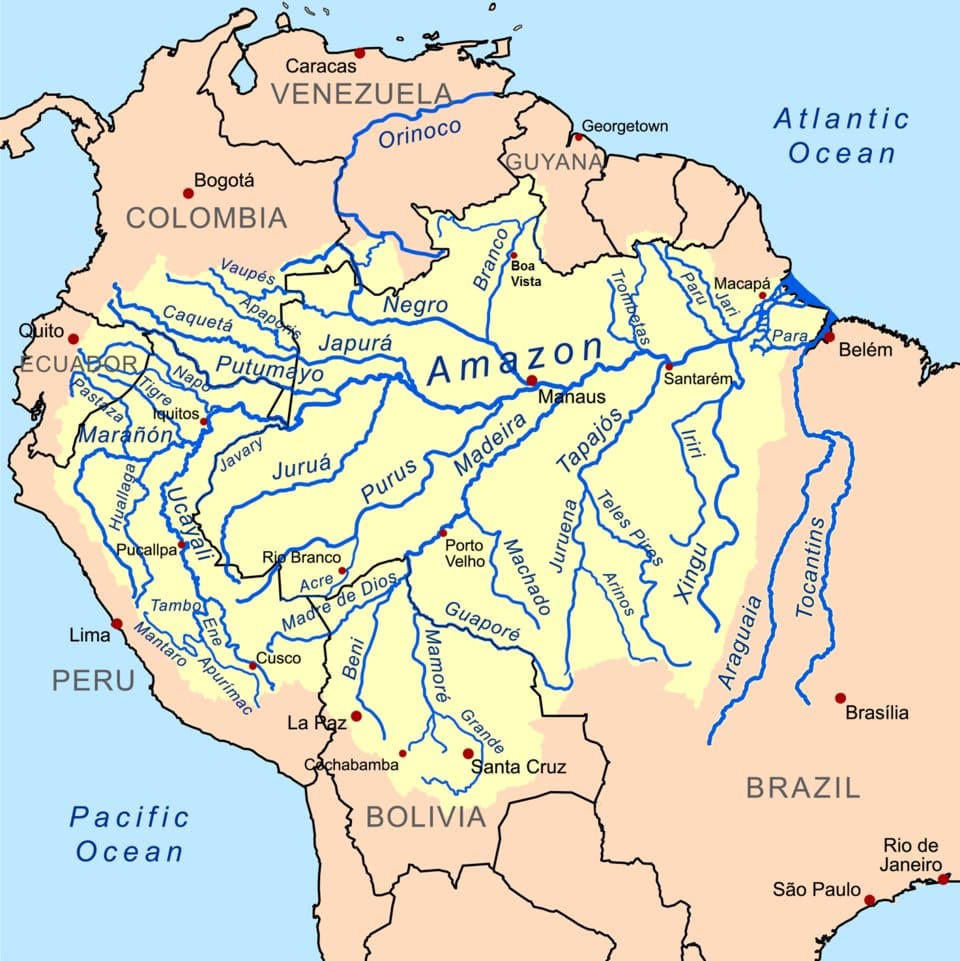
| Origin | Peru, Ecuador, Colombia, Brazil (upper Amazon tributaries) |
| Care Level | Easy |
| Temperament | Peaceful |
| Diet | Omnivore |
| Tank Level | Bottom |
| Maximum Size | 2.5 inches (5 to 6 cm) |
| Minimum Tank Size | 20 gallons (76 liters) |
| Temperature | 72 to 79°F (22 to 26°C) |
| pH | 5.8 to 7.2 |
| Hardness | 2 to 15 dGH |
| Lifespan | 5 to 8 years |
Classification
| Taxonomic Level | Classification |
|---|---|
| Order | Siluriformes |
| Family | Callichthyidae |
| Subfamily | Corydoradinae |
| Genus | Corydoras |
| Species | C. trilineatus (Cope, 1872) |
The genus Corydoras is one of the largest genera of freshwater fish, with well over 160 described species and dozens more awaiting formal description. In the 2024 taxonomic revision of armored catfishes, C. trilineatus remained in Corydoras sensu stricto, meaning it stayed in the core genus rather than being moved into one of the newly erected genera. This fish was originally described by Edward Drinker Cope in 1872 from specimens collected in Peru.
Origin & Natural Habitat
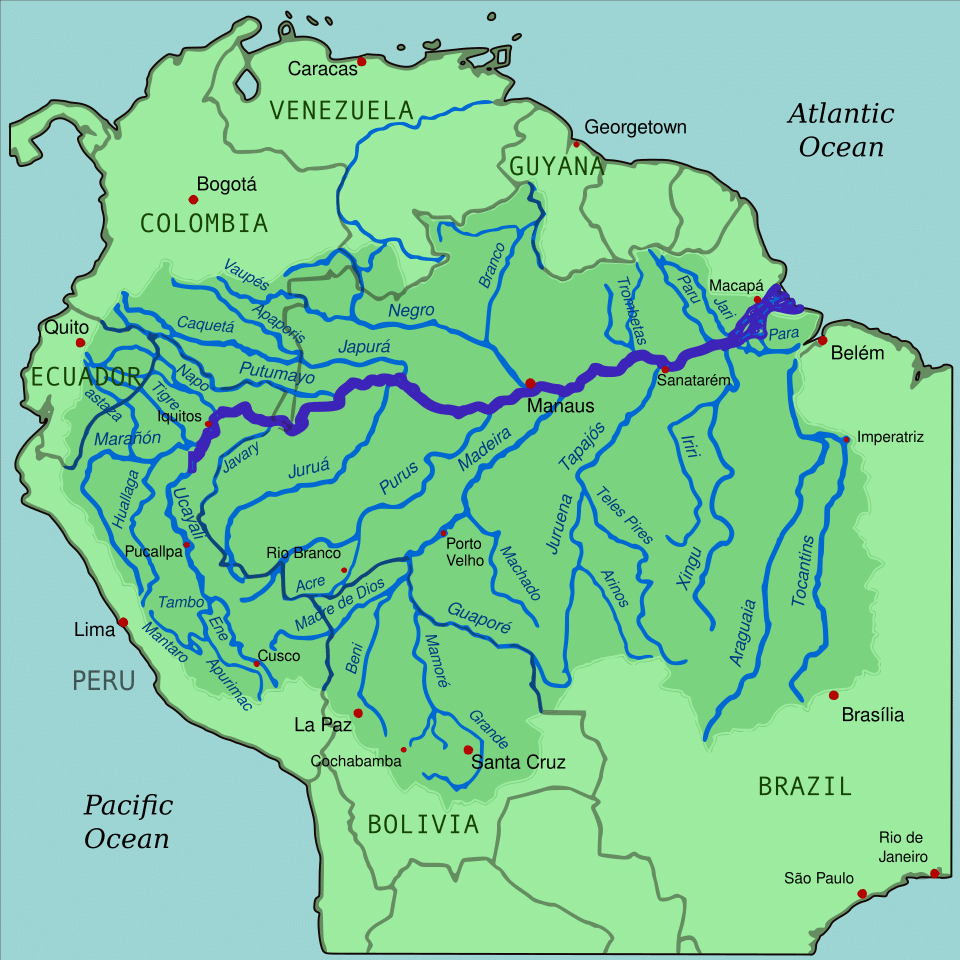
Corydoras trilineatus is native to the upper Amazon River basin, with populations documented across Peru, Ecuador, Colombia, and western Brazil. They are found in tributaries of the Amazon including the Ucayali, Marañón, and Napo river systems. This is a widespread species with a large natural range compared to many other Corydoras.
In the wild, three-line cories inhabit shallow, slow-moving streams and tributaries with soft, sandy substrates. The water is typically soft and slightly acidic, often stained with tannins from decomposing leaf litter. They’re found in groups foraging through the sand and leaf debris on the bottom, picking through organic matter for small invertebrates and plant material. The habitats are usually well-shaded by overhanging vegetation, with plenty of submerged wood and leaf litter providing cover.
Appearance & Identification
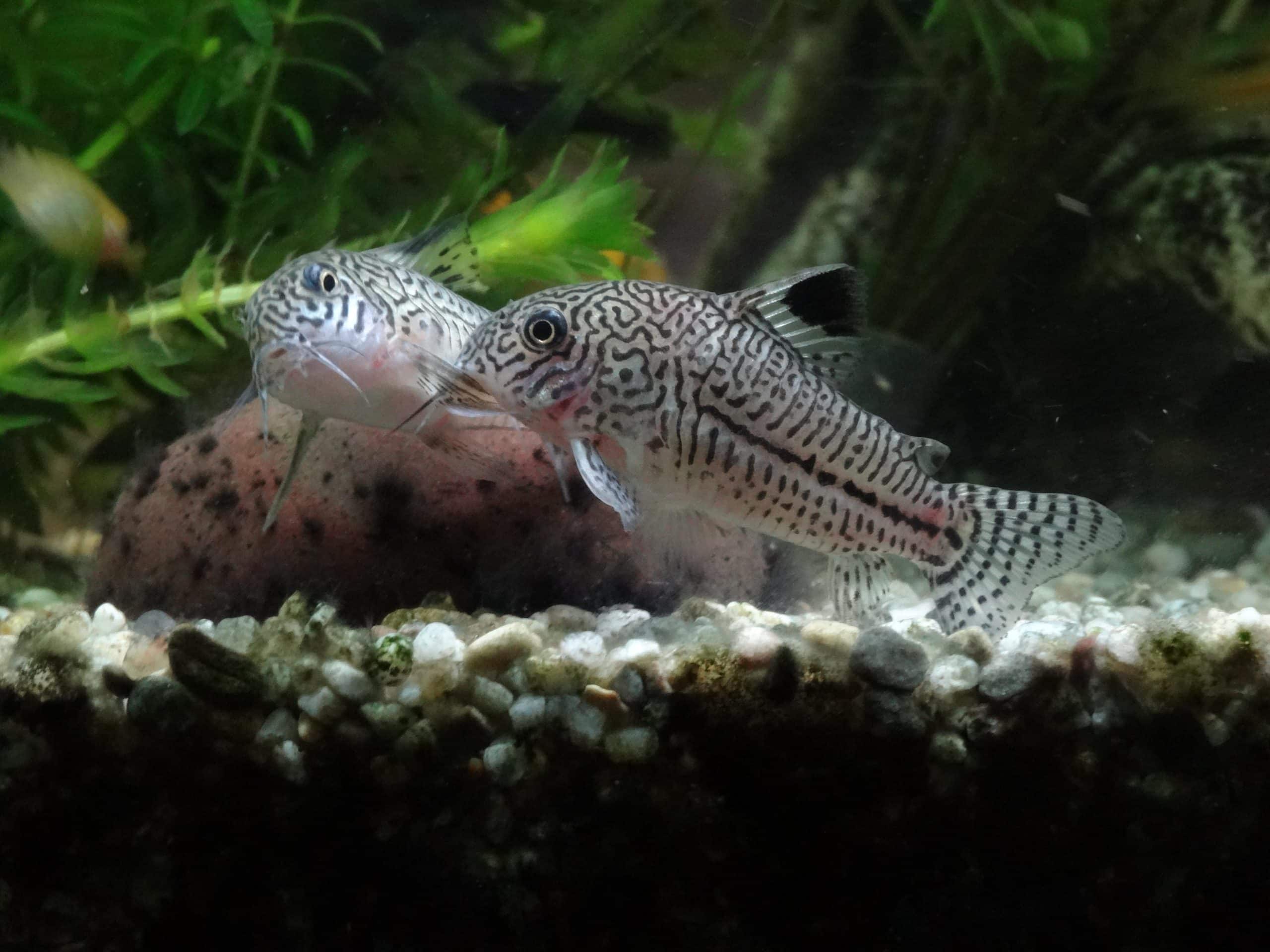
The three-line cory has the classic Corydoras body shape: a compact, armored frame with overlapping bony scutes instead of traditional scales. The base body color is a silvery-white to pale cream, covered with a complex network of dark markings that form a reticulated, maze-like pattern across the head and body. The name “three-line” comes from the three dark stripes visible along the lateral line area, though the overall pattern is much more intricate than just three simple lines.
The dorsal fin features a large dark blotch at the base, and the caudal fin has vertical bars or bands of dark pigment. Like all Corydoras, they have a pair of barbels on each side of the mouth that they use to probe the substrate for food. These barbels are sensitive and can be damaged by rough substrates, which is why sand is so important for this species.
How to Tell Trilineatus from True Julii
This is the big one. If you bought a “julii cory” from a fish store, you almost certainly have a three-line cory instead. Here’s how to tell them apart:
Corydoras trilineatus (Three-line Cory / False Julii): The dark spots and lines on the head and body are connected, forming a reticulated, maze-like network. If you look closely at the head and snout, the markings link together into continuous, squiggly lines and chains. The pattern looks like someone drew a complex network of connected pathways across the fish. The dark lateral stripe along the body is typically bold and well-defined.
Corydoras julii (True Julii): The dark markings are isolated individual dots that do NOT connect to each other. Each spot stands alone with clear space between it and the next spot. The pattern on the head and snout is a scattering of individual, separated dots rather than connected lines. The overall appearance is much “cleaner” and less busy than trilineatus.
The easiest way to check is to look at the head and snout area. If the dark spots connect into lines or chains, you have trilineatus. If every spot is clearly separated with space between them, you might actually have a true julii. In practice, nearly every fish sold as “julii” in local fish stores and even many online retailers is trilineatus. True C. julii comes from a more restricted range in northeastern Brazil and is rarely collected for the aquarium trade.
Male vs. Female
Sexing three-line cories follows the same general principles as other Corydoras species:
- Females: Noticeably larger and rounder-bodied than males, especially when viewed from above. Gravid females carrying eggs will look significantly wider. They also tend to be slightly longer overall.
- Males: Slimmer and slightly smaller than females. When viewed from above, males have a more streamlined body profile. Their pectoral fins are often slightly more pointed compared to the females’ rounder fin shape.
Sexing is easiest in mature fish that are well-conditioned. If you have a group of 6 or more, the size and body shape differences become obvious when you compare them side by side.
Average Size & Lifespan
Three-line cories reach a maximum size of about 2.5 inches (5 to 6 cm) in aquarium conditions. They’re a medium-sized Corydoras, bigger than pygmy or hastatus cories but smaller than the larger species like brochis or emerald cories.
With proper care, they typically live 5 to 8 years in captivity. Some hobbyists have reported individuals living even longer in well-maintained tanks. Good water quality, a proper sand substrate, a varied diet, and keeping them in appropriate groups are the biggest factors in their longevity.
Three-line corydoras are peaceful, adaptable, and hardy bottom-dwellers suitable for most community tanks. They do well across a wide parameter range and are forgiving of beginner mistakes.
Care Guide
Tank Size
A minimum of 20 gallons (76 liters) is recommended for a group of six three-line cories. While they’re not large fish individually, they need to be kept in groups and they are active bottom foragers that appreciate horizontal swimming space. A 20-gallon long is actually a better choice than a standard 20-gallon tall because of the larger footprint. If you’re building a community tank with midwater and top-dwelling species as well, aim for 30 gallons (114 liters) or more to give everyone enough room.
Water Parameters
| Parameter | Ideal Range |
|---|---|
| Temperature | 72 to 79°F (22 to 26°C) |
| pH | 5.8 to 7.2 |
| Hardness | 2 to 15 dGH |
| KH | 1 to 12 dKH |
Three-line cories are fairly adaptable when it comes to water chemistry. They do best in softer, slightly acidic water that mimics their natural Amazon habitat, but they’ll tolerate a range of conditions as long as parameters remain stable. Consistency matters more than hitting an exact number. Avoid extreme swings in temperature or pH, and keep up with your regular water change schedule.
Filtration & Water Flow
A good hang-on-back filter or canister filter rated for your tank size works perfectly. Aim for a turnover rate of about 4 to 6 times the tank volume per hour. Corydoras come from relatively calm waters, so avoid blasting them with strong currents. If your filter output creates too much flow near the bottom, use a spray bar or baffle to diffuse it. A sponge filter makes an excellent supplemental or primary filter for Corydoras tanks, especially for breeding setups.
Good oxygenation is important. While three-line cories are obligate air breathers that supplement their oxygen intake by gulping air at the surface, well-oxygenated water reduces the frequency of those surface trips and keeps them more comfortable overall.
Lighting
Three-line cories are not fussy about lighting. They tend to be more active under moderate to subdued lighting, which makes sense given their natural shaded habitats. If you’re running high-intensity planted tank lights, provide some shaded areas with floating plants, driftwood overhangs, or dense plantings where the cories can retreat. They’ll spend more time out in the open if they have shady spots to duck into when they want a break.
Plants & Decorations
A well-decorated tank with plenty of hiding spots keeps Corydoras feeling secure and encourages natural behavior. Good choices include:
- Driftwood and bogwood for shelter and tannin release
- Smooth river rocks and caves for hiding spots
- Java fern, Anubias, and Amazon swords (attach epiphytes to hardscape rather than planting in substrate to avoid root disturbance from foraging)
- Floating plants like Amazon frogbit or water lettuce to create shaded areas
- Dried leaf litter (Indian almond leaves, oak leaves) to replicate their natural environment and provide beneficial tannins
Leave some open areas of substrate for foraging. Corydoras spend a lot of time sifting through sand, and they need clear bottom space to do their thing.
Substrate
This is non-negotiable: sand substrate is essential for Corydoras. These fish spend their entire lives on the bottom, constantly probing the substrate with their barbels as they search for food. Rough gravel, sharp-edged substrates, or coarse materials will damage and erode those delicate barbels over time, leading to infections and reduced ability to find food.
Fine play sand, pool filter sand, or aquarium-specific sand all work well. If you prefer a planted tank substrate like aqua soil, consider creating a sand-only zone in part of the tank specifically for the cories. Watching them bury their snouts in the sand, take a mouthful, and sift it through their gills while searching for food is one of the most entertaining Corydoras behaviors, and they can only do it properly on sand.
Is the Three-Line Cory Right for You?
Before you buy, run through this honest checklist. The Three-Line Cory is a great fish for the right keeper, but it is not for everyone.
- You want a beautifully patterned cory with intricate line markings along the body
- You can keep a group of 6+ on sand substrate in a 20-gallon or larger tank
- You want one of the most commonly available and affordable patterned corydoras
- You do not mind that your fish was probably mislabeled as a Julii Cory at the store
- Your tank is in the 72 to 79F range with stable, clean water
- You want a cory that is active during the day, not just hiding under driftwood
Tank Mates
Three-line cories are among the most peaceful fish in the hobby. They mind their own business at the bottom of the tank and get along with virtually any non-aggressive community species. Just avoid anything large enough to eat them or aggressive enough to bully them.
Best Tank Mates
- Tetras: Neons, cardinals, embers, rummy-noses, and most other small tetras are perfect companions. They occupy different levels of the tank.
- Rasboras: Harlequin rasboras, chili rasboras, and lambchop rasboras make excellent midwater companions.
- Other Corydoras: You can mix different Corydoras species, though each species tends to shoal with its own kind. Keep at least 6 of each species.
- Small gouramis: Honey gouramis and sparkling gouramis are peaceful top-dwellers that pair nicely with bottom-dwelling cories.
- Otocinclus: Fellow peaceful bottom feeders that share similar water preferences.
- Dwarf cichlids: Apistogramma species and German blue rams work well in larger tanks (30+ gallons).
- Shrimp: Amano shrimp, cherry shrimp, and other dwarf shrimp are completely safe with Corydoras.
- Snails: Nerite snails, mystery snails, and Malaysian trumpet snails are all compatible.
Tank Mates to Avoid
- Large cichlids: Oscars, Jack Dempseys, green terrors, and other predatory cichlids will eat or harass Corydoras.
- Aggressive bottom dwellers: Red-tailed sharks, rainbow sharks, and aggressive loaches can bully cories off the bottom.
- Large catfish: Anything big enough to swallow a 2.5-inch fish should be avoided.
- Fin nippers: Tiger barbs and serpae tetras in small groups can pester cories.
One thing to keep in mind: Corydoras have venomous spines in their dorsal and pectoral fins. The venom is mild and mainly a defense against predators, but it can cause a painful sting if a larger fish tries to swallow one. This is another reason to avoid housing them with predatory species.
Food & Diet
Three-line cories are omnivores and enthusiastic bottom feeders, but they should not be treated as “cleanup crew.” They need their own dedicated feeding, not just whatever scraps fall to the bottom from other fish.
- Staple: High-quality sinking pellets or wafers specifically designed for bottom feeders. These should form the base of their diet.
- Frozen foods: Bloodworms, brine shrimp, daphnia, and tubifex worms 2 to 3 times per week. Drop frozen foods near the bottom so they reach the cories before midwater fish intercept them.
- Live foods: Blackworms, live brine shrimp, and daphnia are excellent for conditioning and bring out natural foraging behavior. Corydoras go absolutely wild over live blackworms.
- Vegetables: Blanched zucchini, cucumber, or spinach occasionally. They’ll also graze on soft algae growth on surfaces.
Feeding tip: Feed sinking foods after lights out or during the evening. Corydoras tend to be most active at dawn and dusk, and evening feeding ensures they get their fair share without competition from faster midwater fish. Feed an amount they can consume in about 2 to 3 minutes.
Breeding & Reproduction
Breeding Difficulty
Three-line cories are moderately difficult to breed in captivity. They’re not as easy as bronze or peppered cories, but experienced hobbyists have had success with them. The biggest challenges are triggering spawning behavior and raising the fry through the delicate early stages.
Spawning Tank Setup
- A dedicated breeding tank of 10 to 20 gallons (38 to 76 liters) works best
- Bare bottom or thin layer of fine sand for easy egg management
- Smooth surfaces for egg deposition: broad-leaved plants (Anubias, Amazon swords), flat rocks, or even the tank glass
- A gentle sponge filter for filtration without risking eggs or fry
- Keep lighting moderate to dim
Water Conditions for Breeding
- Temperature: 72 to 75°F (22 to 24°C), slightly cooler than normal maintenance temperature
- pH: 6.0 to 6.5
- Hardness: 2 to 8 dGH (softer water encourages spawning)
- A large, cool water change (50% or more, 2 to 4°F cooler than tank temperature) is the classic trigger for Corydoras spawning. This simulates the onset of the rainy season in their natural habitat.
Conditioning & Spawning
Condition a breeding group (2 to 3 males per female works well) with heavy feedings of protein-rich live and frozen foods for 1 to 2 weeks. Bloodworms, blackworms, and live brine shrimp are all excellent conditioning foods. Well-conditioned females will visibly plump up with eggs.
Corydoras are famous for their unique T-position spawning behavior. The female presses her mouth against the male’s genital area, forming a T-shape. She takes sperm into her mouth (the exact fertilization mechanism is still debated by scientists), then swims to a chosen surface, clasps 1 to 4 eggs between her ventral fins, and deposits them on the glass, leaves, or other smooth surfaces. This process repeats many times over several hours, resulting in 50 to 200+ eggs scattered around the tank.
Egg & Fry Care
Remove the adults after spawning is complete to prevent egg predation. The adhesive eggs are about 1.5 to 2 mm in diameter and pale white to slightly yellow. They hatch in approximately 3 to 5 days depending on temperature.
Fungus is the biggest threat to Corydoras eggs. Adding a few drops of methylene blue to the water or placing an Indian almond leaf in the tank helps prevent fungal growth. Remove any eggs that turn white and fuzzy, as fungus will spread to healthy eggs.
Newly hatched fry will absorb their yolk sac over 2 to 3 days before becoming free-swimming. First foods should be microworms, vinegar eels, or newly hatched brine shrimp (Artemia nauplii). As they grow, gradually transition to crushed sinking pellets and larger frozen foods.
Common Health Issues
Barbel Erosion
This is the most common health problem in Corydoras, and it’s almost always caused by keeping them on rough or sharp substrates. The barbels gradually wear down, shorten, and can become infected. Once the barbels are damaged, the fish has difficulty finding food.
Prevention: Keep them on fine sand substrate. That’s really all there is to it. If your cories have shortened barbels, switching to sand and maintaining clean water will allow them to regrow over time, though severe cases may not fully recover.
Ich (White Spot Disease)
Ich is caused by the protozoan Ichthyophthirius multifiliis and shows up as white spots on the body and fins. Corydoras are susceptible to ich, particularly when stressed from transport or introduction to a new tank.
Treatment: Be cautious with medications. Corydoras are scaleless fish (they have bony scutes, not true scales) and are sensitive to many common medications, especially copper-based treatments. Use half-dose medications and gradually raise the temperature to 82 to 84°F (28 to 29°C). Salt treatments should be avoided or used at very low concentrations, as cories are salt-sensitive.
Red Blotch Disease
Red blotch disease presents as reddish patches on the belly and is relatively common in Corydoras. It’s typically associated with bacterial infections triggered by poor water quality, particularly high nitrate levels or dirty substrates.
Treatment: Improve water quality immediately with large water changes. In mild cases, pristine water conditions alone can resolve it. More severe cases may require antibacterial treatment, but always use medications cautiously with Corydoras.
General Prevention
- Quarantine all new fish for at least 2 weeks before adding to your main tank
- Maintain clean water with regular 20 to 25% weekly water changes
- Keep the substrate clean by vacuuming sand gently during water changes
- Avoid overcrowding and maintain stable water parameters
- Use medications cautiously and always at reduced doses for Corydoras
Common Mistakes to Avoid
- Thinking you have a julii cory: If you bought a “julii cory” from a fish store, look closely at the markings on the head. Connected lines forming a maze pattern? That’s trilineatus. It doesn’t change the care at all, but it’s good to know what you actually have.
- Using gravel substrate: This is the single biggest care mistake with any Corydoras. Rough gravel erodes their barbels, causes infections, and prevents natural foraging behavior. Always use fine sand.
- Keeping them alone or in pairs: Corydoras are social fish that need a group of at least 6 to feel secure. A single cory will be stressed, hide constantly, and likely have a shortened lifespan.
- Relying on leftover food: Treating cories as a “cleanup crew” that survives on scraps is a recipe for underfed, unhealthy fish. They need their own dedicated sinking foods.
- Panicking about surface breathing: New cory owners often worry when they see their fish dart to the surface for a gulp of air. This is completely normal. Corydoras are obligate air breathers that supplement their oxygen intake through their intestine. They’ll do it regularly regardless of water quality, though increased frequency can indicate low dissolved oxygen.
- Overdosing medications: Corydoras are sensitive to many common fish medications. Always use half-doses and avoid copper-based treatments and salt when possible.
Where to Buy
Three-line cories (usually labeled as “julii cory”) are one of the most widely available Corydoras species. You’ll find them at most local fish stores, though online retailers are often the best source for healthy, well-acclimated specimens:
- Flip Aquatics. A reliable source for quality freshwater fish with careful shipping practices.
- Dan’s Fish. Known for healthy, well-acclimated fish and transparent livestock sourcing.
When purchasing, always buy a group of 6 or more. Most retailers offer better per-fish pricing on larger orders, and your cories will be noticeably happier and more active in a proper group.
Frequently Asked Questions
Is my julii cory actually a three-line cory?
Almost certainly, yes. Look at the markings on the head and snout. If the dark spots connect together into lines or a maze-like pattern, you have Corydoras trilineatus. True C. julii has isolated, individual dots that never connect. The vast majority of “julii cories” sold in the aquarium trade are actually trilineatus. The care requirements are essentially identical for both species, so it doesn’t change anything about how you keep them.
How many three-line cories should I keep together?
A minimum of 6, and more is always better. In groups of 6 or more, they feel secure, display natural shoaling behavior, and spend much more time out in the open foraging. In smaller groups or kept alone, they tend to hide, become stressed, and are more susceptible to health problems.
Why does my cory keep going to the surface for air?
This is completely normal behavior. Corydoras are obligate air breathers, meaning they have the ability to absorb oxygen through their intestinal lining. They’ll dart to the surface, take a quick gulp of atmospheric air, and shoot back down to the bottom. Every cory does this throughout the day. However, if you notice the frequency increasing significantly, it could be a sign of low dissolved oxygen in the water. Check your aeration and water quality.
Can I keep three-line cories with shrimp?
Yes, absolutely. Corydoras are completely safe with all commonly kept shrimp species including cherry shrimp, Amano shrimp, and crystal shrimp. They won’t hunt or bother shrimp at all. They may accidentally bump into shrimp while foraging, but that’s about as aggressive as they get.
Do three-line cories need sand substrate?
Yes, sand is strongly recommended and really should be considered a requirement. Corydoras naturally sift through sand with their sensitive barbels, taking mouthfuls of substrate and filtering it through their gills as they search for food. Rough gravel damages their barbels over time, leading to erosion and infections. Fine sand allows them to exhibit their full range of natural behaviors and keeps them healthy long-term.
Are three-line cories good for beginners?
Yes, they make excellent beginner fish. They’re hardy, peaceful, tolerant of a range of water conditions, and have loads of personality. The main thing beginners need to get right is providing a sand substrate and keeping them in groups. Beyond that, they’re one of the most forgiving and enjoyable fish you can keep.
Can I mix different Corydoras species?
Yes, you can absolutely keep different Corydoras species together in the same tank. However, each species tends to shoal primarily with its own kind. So if you want to keep three-line cories and panda cories, for example, you should have at least 6 of each species rather than 3 of each. They’ll all share the bottom peacefully, but each species benefits from having its own proper group.
How the Three-Line Cory Compares to Similar Species
Three-Line Cory vs. Julii Cory
The real Julii Cory has isolated spots instead of connected lines, but the care is identical. The Three-Line Cory is far more commonly available and much cheaper. Unless you specifically want the collector bragging rights of a true Julii, the Three-Line Cory gives you the same experience at a fraction of the cost.
Three-Line Cory vs. Schwartz’s Cory
Both have bold stripe patterns, but the Schwartz’s Cory has a cleaner, more defined horizontal stripe compared to the reticulated pattern of the Three-Line. Both are hardy and easy to keep. The Three-Line Cory is more commonly available, but the Schwartz’s Cory has a more distinctive look.
Expert Take (Mark Valderrama, AquariumStoreDepot)
After 25 years in the hobby and time managing fish stores, the three line cory is one of those species I always recommend to hobbyists ready to move beyond the basics. Three-line corydoras are peaceful, adaptable, and hardy bottom-dwellers suitable for most community tanks. They do well across a wide parameter range and are forgiving of beginner mistakes. Minimum group of 6, soft substrate only. Three-line cories forage constantly and will damage their barbels on sharp gravel – sand or smooth substrate is not optional.
Closing Thoughts
The three-line cory is one of those fish that earns its keep in any community tank. They’re constantly active at the bottom, always sifting and foraging, and watching a group of them work their way across a sandy substrate is genuinely entertaining. The identity confusion with the julii cory is just one of those quirks of the hobby that’s been going on for so long it might never get fully sorted out in the trade. But whether you call it a julii, a false julii, or a three-line cory, the fish itself is fantastic.
Give them sand, keep them in a group, feed them well, and they’ll reward you with years of personality and bottom-dwelling charm. If you’re setting up a community tank and need a reliable, peaceful bottom dweller with a great pattern and tons of character, the three-line cory is hard to beat.
Recommended Video
Check out our corydoras tier list video where we rank the most popular cory catfish in the hobby:
References
- Seriously Fish, Corydoras trilineatus species profile. seriouslyfish.com
- FishBase, Corydoras trilineatus (Cope, 1872). fishbase.se
- The Aquarium Wiki, Corydoras trilineatus. theaquariumwiki.com
- Practical Fishkeeping, Corydoras care and species identification guides. practicalfishkeeping.co.uk
- About the Author
- Latest Posts

I’m Mark Valderrama, founder of Aquarium Store Depot and a fishkeeper with over 25 years of hands-on experience. I started in the hobby at age 11, worked at local fish stores, and have kept freshwater tanks, ponds, and reef tanks ever since. I’ve been featured in two best-selling aquarium books on Amazon and built this site to share practical, experience-based fish keeping knowledge.
Leave a Reply