
Last Updated: June 25, 2026
Thank you for visiting! By the way… any links on this page that lead to products on Amazon and other stores/partners are affiliate links Aquarium Store Depot earns a commission if you make a purchase.
Table of Contents
- What Care Guides Get Wrong
- Key Takeaways
- Species Overview
- Classification
- Origin & Natural Habitat
- Appearance & Identification
- Average Size & Lifespan
- Care Guide
- Is It Right for You?
- Tank Mates
- Food & Diet
- Breeding & Reproduction
- Common Health Issues
- Common Mistakes to Avoid
- Where to Buy
- Frequently Asked Questions
- Species Comparison
- Closing Thoughts
- References
If you’ve ever looked at a group of corydoras catfish and thought “I want the premium one,” the sterbai cory is probably what you’re picturing. Those bright orange pectoral fin spines against a beautifully patterned body make this one of the most visually striking bottom dwellers in the freshwater hobby. It’s the kind of fish that catches your eye even when you weren’t looking at the bottom of the tank.
What Most Care Guides Get Wrong About the Sterbai Cory
The Sterbai Cory is one of the few corydoras that actually prefers warmer water, and most guides completely gloss over this. It thrives at 77 to 84F, making it the best cory for discus tanks and other warm-water setups where species like the Peppered or Panda Cory would suffer. The misconception is that all corys have the same temperature needs. They do not. The other mistake is putting Sterbai Corys on rough gravel and wondering why their barbels erode. Like all corydoras, they need sand. But the Sterbai is particularly active foraging through substrate, so smooth sand matters even more here.
What really sets the sterbai cory apart from most other corydoras, though, is its tolerance for warmer water. Most corys prefer things on the cooler side, but sterbai thrive at temperatures up to 86°F (30°C). That makes them the go-to cory for discus tanks and other warm water setups where peppered or bronze corys would struggle. In my 25+ years in the hobby, I’ve seen them become one of the most popular corydoras species for good reason. Here’s everything you need to know to keep them healthy and thriving.
Key Takeaways
- The warm water cory, tolerating temperatures up to 86°F (30°C), making it the best corydoras for discus and other heated community tanks
- Bright orange pectoral fin spines are the signature feature, paired with a striking white-on-dark head pattern
- Sand substrate is essential, as gravel can damage their delicate barbels and prevent natural foraging behavior
- Keep in groups of 6 or more in a minimum 20-gallon (76 liter) tank for proper social behavior
- Widely captive-bred and readily available, though breeding at home is moderately challenging
Species Overview
| Field | Details |
|---|---|
| Scientific Name | Hoplisoma sterbai (formerly Corydoras sterbai) |
| Common Names | Sterbai Cory, Sterba’s Cory, Sterbai Corydoras |
| Family | Callichthyidae |
| Origin | Upper Rio Guaporé, central Brazil (Mamoré river basin) |
| Care Level | Easy to Moderate |
| Temperament | Peaceful |
| Diet | Omnivore |
| Tank Level | Bottom |
| Maximum Size | 2.5 inches (6 to 7 cm) |
| Minimum Tank Size | 20 gallons (76 liters) |
| Temperature | 75 to 86°F (24 to 30°C) |
| pH | 6.0 to 7.6 |
| Hardness | 0 to 15 dGH |
| Lifespan | 5 to 8 years |
| Breeding | Egg depositor (T-position spawning) |
| Breeding Difficulty | Moderate |
| Compatibility | Community |
| OK for Planted Tanks? | Yes |
Classification
| Taxonomic Level | Classification |
|---|---|
| Order | Siluriformes |
| Family | Callichthyidae |
| Subfamily | Corydoradinae |
| Genus | Hoplisoma (reclassified from Corydoras, Dias 2024) |
| Species | H. sterbai (Knaack, 1962) |
This species was originally described by Joachim Knaack in 1962 and named in honor of Dr. Günther Sterba, the German ichthyologist and author of the classic reference book Freshwater Fishes of the World. For decades, it was known as Corydoras sterbai, and you’ll still see that name on practically every retailer’s website and in most aquarium literature.
Note on taxonomy: In 2024, a major phylogenetic revision by Dias et al. split the massive genus Corydoras into multiple genera. The sterbai cory was reassigned to Hoplisoma. This reclassification affects a large number of commonly kept corydoras species. The hobby is still catching up, and most fish stores and databases continue to use Corydoras sterbai. Both names refer to the same fish.
Origin & Natural Habitat
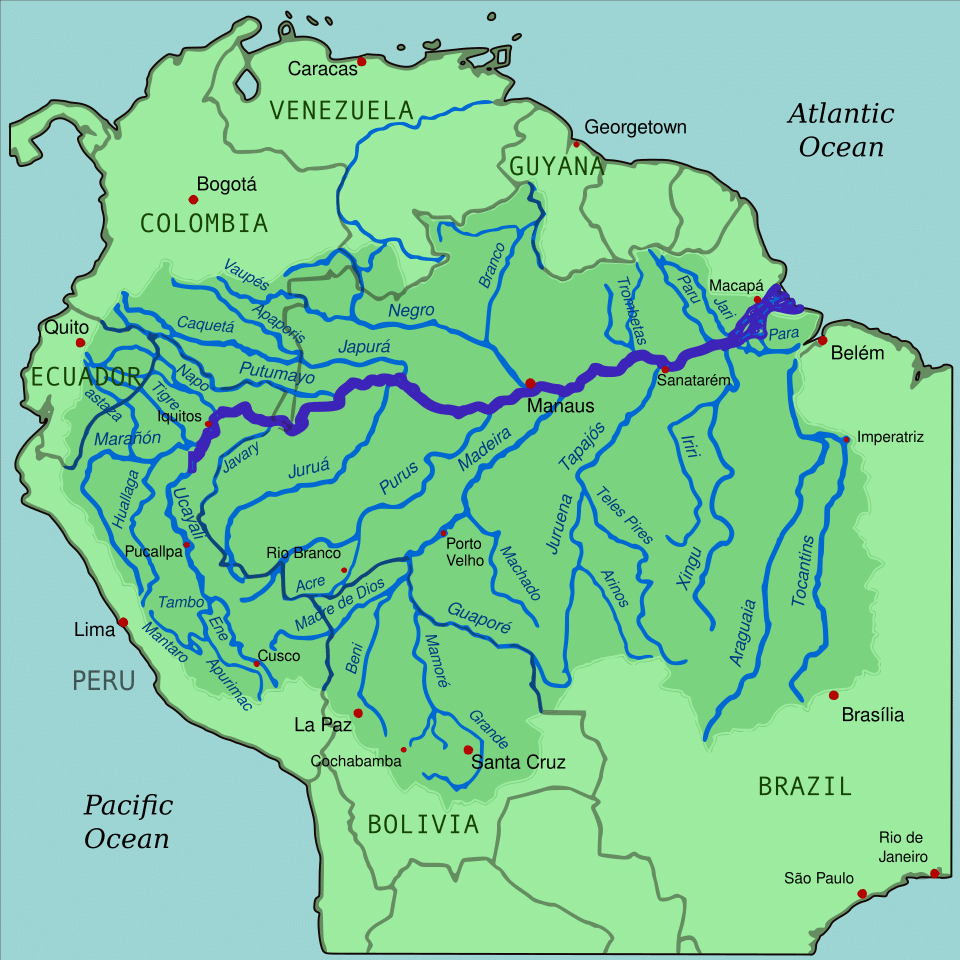
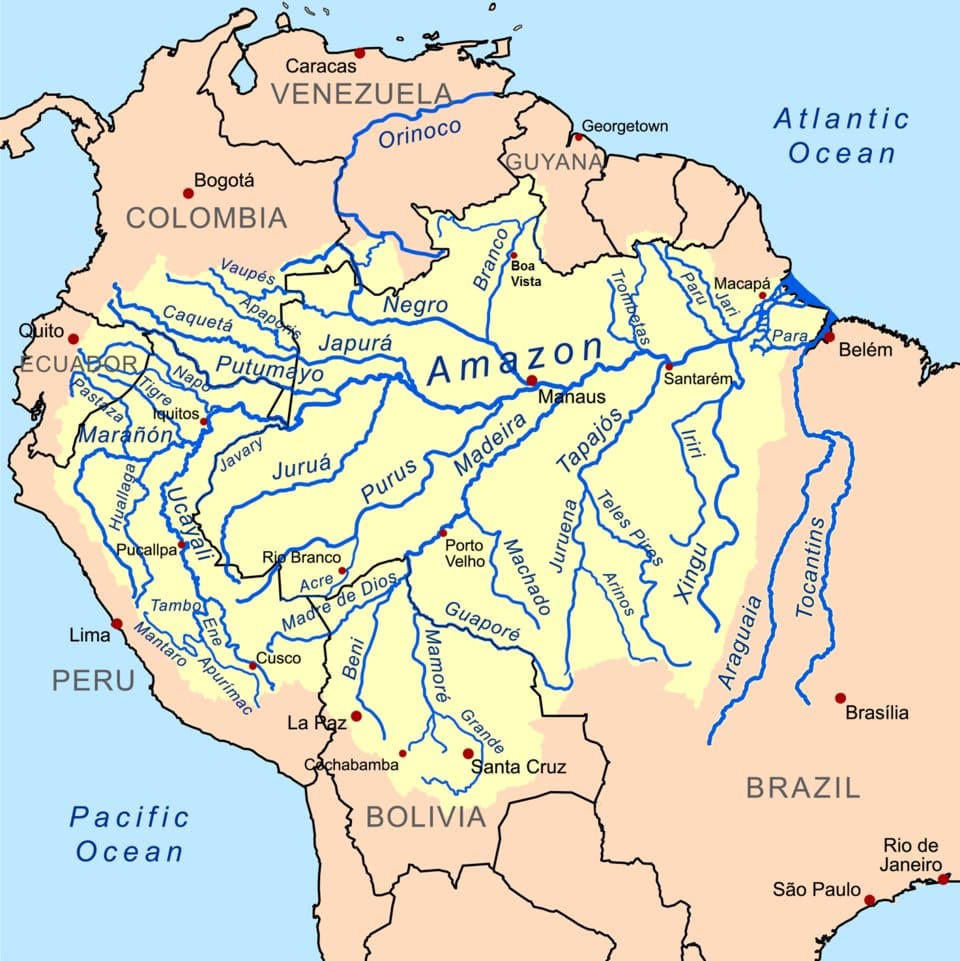
The sterbai cory is native to the upper Rio Guaporé (also known as the RÃo Iténez) in central Brazil, which is part of the larger Mamoré river basin within the Amazon drainage. This region sits along the border between Brazil and Bolivia, in an area characterized by tropical forest and seasonal flooding.
In the wild, sterbai corys inhabit slow-moving tributaries, flooded forest areas, and shallow streams with sandy or muddy bottoms. The water is typically warm, soft, and slightly acidic, with plenty of leaf litter and submerged wood creating shaded refuges. Seasonal rains cause water levels to fluctuate significantly, and these fish are adapted to handling changing conditions. The consistently warm temperatures of their native range explain why sterbai tolerate higher temperatures than most other corydoras species.
The substrate in their natural habitat is fine sand mixed with decomposing leaves and organic debris. They spend their time sifting through this material for insect larvae, worms, and other small food items. This foraging behavior is hardwired, which is why providing sand substrate in the aquarium isn’t just a preference, it’s a necessity.
Appearance & Identification
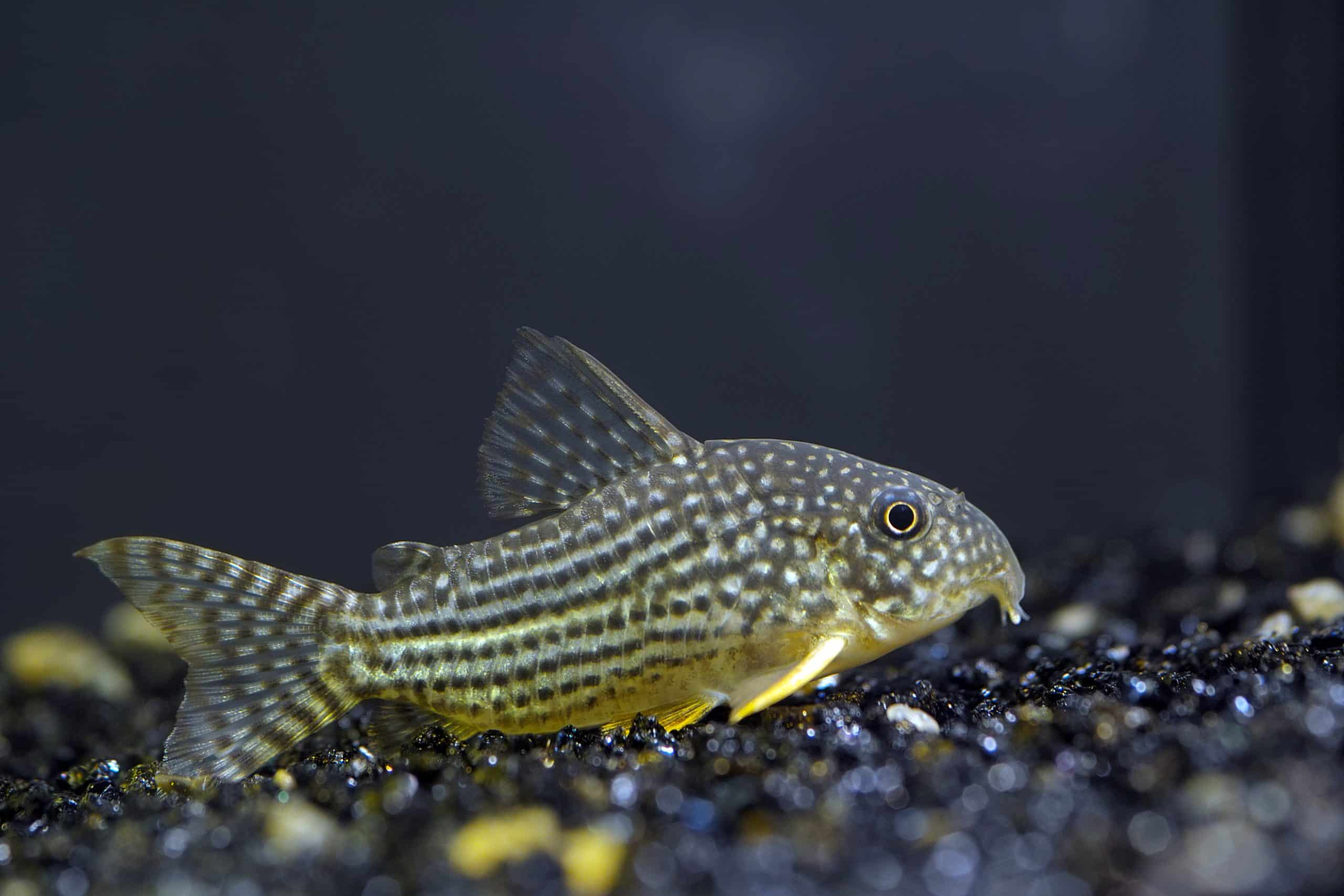
The sterbai cory is one of the most recognizable corydoras species thanks to its bold patterning and colorful fin spines. The head and front portion of the body feature a dark brown to black base covered in prominent white or cream-colored spots. As you move toward the tail, the pattern reverses. The rear body shows a lighter base with dark brown spots and a reticulated (net-like) pattern. This reversal is one of the easiest ways to distinguish sterbai from similar looking species like the julii cory (Corydoras julii) and the three-lined cory (Corydoras trilineatus), which have the opposite arrangement with dark spots on a lighter head.
But the real showstopper is the pectoral fin spines. They’re a bright orange to deep yellow color that contrasts beautifully against the darker body. This coloration is present in both wild-caught and captive-bred specimens, though well-conditioned fish with a varied diet show the most vivid orange. No other commonly available cory has this level of color in the fins, and it’s the feature that makes sterbai instantly recognizable.
The body shape is typical of the genus, compact and armored with two rows of overlapping bony plates (scutes) along each flank. They have the signature corydoras face with downturned mouth and two pairs of barbels used for sensing food in the substrate.
An albino variant is also available in the hobby. Albino sterbai lack the dark pigmentation, showing a pale cream to pinkish body, but they retain the distinctive orange pectoral fin spines. They require identical care to the wild-type form.
Male vs. Female
Sexing sterbai corys is straightforward once they reach maturity. Females are noticeably larger and rounder when viewed from above, especially when carrying eggs. They have a wider, more robust body compared to males. Males are slimmer, slightly smaller, and have a more streamlined profile. When viewed from the front, females look significantly wider across the pectoral area. Both sexes display the same coloration and pattern, so body shape is the primary way to tell them apart.
Average Size & Lifespan
Sterbai corys reach a maximum size of about 2.5 inches (6 to 7 cm) in total length. Females tend to be slightly larger than males. They’re a medium-sized corydoras, bigger than pygmy corys but smaller than the larger brochis species. Most fish sold in stores are juveniles around 1 to 1.5 inches, so give them time to fill out.
With proper care, sterbai corys live 5 to 8 years in captivity. Reaching the upper end of that range depends on consistent water quality, a good diet, and avoiding chronic stress from incompatible tank mates or poor substrate choices. Wild-caught specimens sometimes have a harder time acclimating initially, but captive-bred sterbai are quite resilient once established.
Sterbai corydoras are one of the most sought-after cory species. They prefer warmer water than most cories (76-82°F/24-28°C), making them one of the few cory species that works well with discus tanks.
Care Guide
Tank Size
A 20-gallon (76 liter) tank is the minimum for a group of 6 sterbai corys. A 20-gallon long is ideal because it provides more bottom surface area than a standard 20-gallon tall, and that floor space is what matters for bottom-dwelling fish. If you’re planning a larger group of 10 or more, or want to keep them with other bottom feeders, step up to a 30-gallon (114 liter) or bigger. More floor space always means less competition and more comfortable fish.
Water Parameters
| Parameter | Recommended Range |
|---|---|
| Temperature | 75 to 86°F (24 to 30°C) |
| pH | 6.0 to 7.6 |
| Hardness | 0 to 15 dGH |
| Ammonia / Nitrite | 0 ppm |
| Nitrate | Below 20 ppm |
The warm temperature tolerance is what makes sterbai corys special. While most corydoras species prefer the 72 to 78°F range, sterbai comfortably handle temperatures up to 86°F (30°C). This is why they’re the number one corydoras recommendation for discus tanks. The discus community has essentially adopted sterbai as their default bottom-dwelling companion because few other corys can handle that kind of sustained warmth.
Keep the water clean and well-oxygenated. Sterbai are obligate air breathers, meaning they regularly dart to the surface to gulp air. This is completely normal behavior and not a sign of low oxygen. However, if you see them doing it constantly rather than occasionally, that can indicate poor water quality or insufficient oxygen levels.
Filtration & Water Flow
A good hang-on-back filter or canister filter works well for sterbai corys. They don’t need strong flow and actually prefer moderate to gentle water movement along the bottom. Strong currents can stress bottom dwellers by making it harder for them to rest and forage. If you’re running a canister filter, angle the output toward the surface to improve gas exchange without blasting the substrate level. A sponge filter works too and has the added benefit of not creating a strong current while still providing excellent biological filtration.
Lighting
Sterbai corys don’t have specific lighting requirements. They’re most active during dawn, dusk, and nighttime in the wild, so they appreciate not being blasted with intense light all day. If you’re running a planted tank with higher lighting, make sure there are shaded areas where they can retreat. Floating plants are great for diffusing light and creating the dappled effect you’d see in their natural habitat.
Plants & Decorations
Sterbai corys are completely plant-safe and do well in planted tanks. They won’t dig up rooted plants or eat foliage. Good plant choices include java fern, anubias, amazon swords, and cryptocorynes. Floating plants like Amazon frogbit or red root floaters provide welcome shade.
For hardscape, driftwood and smooth rocks give them places to rest and explore. Avoid anything with sharp edges that could damage their barbels or underbelly. PVC pipes and coconut caves make excellent hiding spots, especially if you’re hoping for breeding behavior. They like having retreat options, particularly when they’re new to a tank.
Substrate
This is non-negotiable: sand substrate is essential for sterbai corys. Fine, smooth sand (play sand, pool filter sand, or aquarium-specific sand) is the only appropriate choice. These fish spend their entire lives sifting through the substrate with their sensitive barbels, and rough or coarse gravel will wear those barbels down to nubs over time. Damaged barbels make it difficult for them to find food and can lead to secondary infections.
Watching corys sift sand through their gills is one of the most satisfying things in the hobby. They take a mouthful of sand, filter out the food particles, and expel the clean sand through their gill plates. You can’t replicate that natural behavior on gravel. If you have a gravel substrate and want to keep corys, you can always add a sandy area to one section of the tank, though a full sand bottom is always the better option.
Is the Sterbai Cory Right for You?
Before you buy, run through this honest checklist. The Sterbai Cory is a great fish for the right keeper, but it is not for everyone.
- You keep a warm-water tank (77 to 84F) and need a cory that actually thrives in heat
- You have a discus tank and want a compatible bottom dweller
- You can provide sand substrate for active foraging behavior
- You want one of the most visually striking corydoras with spotted body and orange pectoral fins
- You can keep a group of 6+ in a 20-gallon or larger tank
- You appreciate a premium cory that justifies its higher price tag with looks and personality
Tank Mates
Sterbai corys are about as peaceful as it gets. They completely ignore other fish and focus entirely on the bottom of the tank. The main consideration when choosing tank mates is matching their warm temperature preference, since they thrive at the higher end of the tropical range.
Best Tank Mates
- Discus, the classic pairing and the main reason many people buy sterbai corys
- Cardinal tetras and rummy-nose tetras, both handle warmer water well
- German blue rams and Bolivian rams, peaceful dwarf cichlids that share similar water preferences
- Hatchetfish, top-dwelling fish that stay out of the corys’ way completely
- Bristlenose plecos, another bottom dweller that coexists peacefully
- Otocinclus, peaceful algae eaters that do fine at warmer temperatures
- Other sterbai corys, they’re social fish and bigger groups are always better
Tank Mates to Avoid
- Large or aggressive cichlids (oscars, jack dempseys, green terrors) that will harass or eat them
- Aggressive bottom dwellers like red-tailed catfish or large loaches that compete for territory
- Cold water fish (goldfish, white cloud mountain minnows, rosy barbs) that need temperatures well below the sterbai’s comfort zone
- Any fish large enough to swallow them, keep in mind that corydoras have sharp, lockable pectoral fin spines that can injure predators and cause choking
Food & Diet
Sterbai corys are true omnivores and not at all picky about food. In the wild, they forage through sandy substrate for insect larvae, worms, small crustaceans, and organic debris. In the aquarium, they’ll accept practically anything that reaches the bottom.
A quality sinking pellet or wafer should form the base of their diet. Hikari sinking wafers, Repashy gel foods, and similar products all work well. Supplement with frozen or live foods like bloodworms, brine shrimp, tubifex worms, and daphnia. These protein-rich foods are especially important if you’re conditioning them for breeding.
One important note: don’t assume your corys are getting enough food just because you’re feeding the tank. In a community setup, faster midwater fish often eat most of the food before it hits the bottom. Feed sinking foods after lights out, or target-feed your corys by dropping pellets near their favorite resting spots. Watching a group of sterbai swarm a freshly dropped wafer is genuinely entertaining.
Breeding & Reproduction
Breeding sterbai corys is moderately difficult. They’re not as easy to spawn as bronze or peppered corys, but experienced hobbyists regularly breed them. The fact that so many captive-bred sterbai are available in the trade tells you it’s definitely achievable with the right setup and patience.
Breeding Difficulty
Moderate. Sterbai corys need specific triggers to spawn, and raising the fry requires attention to water quality and appropriate foods. They’re not a “leave them alone and find babies” species for most setups, but they’re well within reach for hobbyists willing to put in the effort.
Spawning Tank Setup
A dedicated breeding tank of 10 to 20 gallons works best. Use a bare bottom or thin layer of fine sand for easy egg collection. Include smooth surfaces like glass, slate tiles, or broad plant leaves where the female can deposit eggs. A sponge filter provides gentle filtration without risking fry being sucked in. Keep the tank dimly lit and provide a few hiding spots to reduce stress.
Water Conditions for Breeding
The classic trigger for corydoras breeding is a large, cool water change that simulates the onset of the rainy season. Drop the temperature by 4 to 6°F from the normal range using cooler, fresh water. Maintain soft, slightly acidic water (pH around 6.5, hardness below 8 dGH) for the best results. Some breeders perform 50% to 70% water changes with cooler water over several days to trigger spawning.
Conditioning & Spawning
Condition breeding groups (ideally 2 males per female) with heavy feedings of protein-rich live and frozen foods for 2 to 3 weeks before attempting to trigger spawning. Bloodworms, blackworms, and brine shrimp are all excellent conditioning foods.
When ready to spawn, sterbai corys use the classic corydoras “T-position.” The male positions himself perpendicular to the female, who cups her pelvic fins to hold a small batch of eggs. The female then swims to a chosen surface (glass, plant leaf, or flat stone) and carefully deposits the adhesive eggs. This process repeats over several hours, with the female placing eggs individually or in small clusters across multiple surfaces. A single spawning can produce 50 to 200 eggs.
Egg & Fry Care
Remove either the eggs or the adults after spawning, because corydoras will eat their own eggs. Many breeders carefully scrape the eggs off surfaces with a razor blade or credit card and transfer them to a separate hatching container with matching water parameters. Adding a few drops of methylene blue helps prevent fungal growth on the eggs.
Eggs hatch in 3 to 5 days depending on temperature. The newly hatched fry absorb their yolk sacs over the next 2 to 3 days. Once free-swimming, feed them microworms, baby brine shrimp (BBS), and finely powdered fry food. Keep the rearing tank immaculately clean with daily water changes of 10% to 20%. Growth is steady, and fry begin to show adult coloration at around 8 to 10 weeks.
Common Health Issues
Barbel Erosion
This is the most common issue with corydoras and it’s almost always caused by keeping them on rough substrate. Sharp gravel, crushed coral, or even coarse sand grinds down their sensitive barbels over time. Severely eroded barbels make it nearly impossible for them to find food. The fix is simple: use fine, smooth sand. If you notice barbel damage, switch substrates and the barbels will often regrow partially over time. Bacterial infections in dirty substrate can accelerate barbel loss, so keep the sand clean.
Ich (White Spot Disease)
Sterbai corys can contract ich, though their warm temperature preference actually works in their favor here. Since they tolerate 86°F (30°C), you can use the heat treatment method (raising temperature to 86°F for 10 to 14 days) without stressing the fish. Many hobbyists prefer this over medication because corydoras and other scaleless fish are sensitive to common ich medications containing copper or malachite green. If you do use medication, dose at half strength and monitor closely.
Bacterial Infections
Red blotches on the belly, frayed fins, or cloudy eyes can indicate bacterial infections. These are almost always secondary to poor water quality or injuries from rough substrate. Maintain pristine water conditions, keep nitrates low, and address any substrate issues. Mild infections often resolve with clean water alone. For more serious cases, broad-spectrum antibacterial treatments designed for catfish are available.
General Prevention
Quarantine all new fish for at least two weeks before adding them to an established tank. Keep the substrate clean by gently stirring the sand during water changes to prevent pockets of anaerobic bacteria. Maintain stable water parameters and perform weekly water changes of 25% to 30%. Sterbai corys are generally hardy fish, and most health issues come down to substrate choice and water quality.
Common Mistakes to Avoid
- Using gravel instead of sand, this is the single biggest mistake people make with corydoras. Gravel destroys their barbels and prevents their natural sifting behavior. Always use fine, smooth sand.
- Keeping too few, sterbai corys are social fish that need a group of at least 6 to feel secure. Lone corys or pairs often hide constantly, refuse to eat well, and live shorter lives.
- Assuming they eat leftovers, corys are not just “cleanup crew.” They need dedicated feedings with sinking foods, especially in community tanks where faster fish intercept everything before it reaches the bottom.
- Forgetting about their venomous spines, sterbai corys have sharp, mildly venomous pectoral fin spines that they lock out when stressed. Never net them with fine mesh nets (the spines get tangled). Use a plastic container or coarse mesh net instead.
Where to Buy
Sterbai corys are one of the most popular corydoras species in the hobby, and you can find captive-bred specimens at many local fish stores. They typically run $8 to $15 per fish depending on size, with discounts often available on groups of 6 or more. Wild-caught specimens are occasionally available but are more expensive and less common now that captive breeding is well established.
For the healthiest stock and best selection, I’d recommend checking Flip Aquatics or Dan’s Fish. Online specialty retailers tend to ship healthier, better-conditioned fish than what you’ll find at chain pet stores, and they often carry both wild-type and albino variants.
Frequently Asked Questions
Can sterbai corys live with discus?
Yes, this is actually the ideal pairing. Sterbai corys are one of the only corydoras species that comfortably tolerate the warm temperatures discus require (82 to 86°F). They clean up fallen food from the substrate without bothering the discus at all. It’s one of the most popular combinations in the hobby for good reason.
How many sterbai corys should I keep together?
A minimum of 6, but more is always better. In groups of 8 to 10 or more, they display much more active, confident behavior. You’ll see them foraging together in a little swarm across the bottom of the tank rather than hiding individually behind decorations.
Why does my sterbai cory keep going to the surface?
This is completely normal. Sterbai corys (and all corydoras) are obligate air breathers. They regularly dart to the surface, gulp a bubble of air, and process it through a modified section of their intestine. Occasional trips to the surface are healthy behavior. However, if they’re doing it constantly (every few seconds), check your water quality and oxygen levels because that could indicate a problem.
Do sterbai corys need sand substrate?
Yes, absolutely. Sand isn’t a nice-to-have, it’s a requirement. Their barbels are designed for sifting through fine substrate, and coarse gravel will damage and erode them over time. Fine play sand, pool filter sand, or dedicated aquarium sand all work perfectly. This is the most important single thing you can do for any corydoras species.
What is the difference between sterbai and julii corys?
The pattern is essentially reversed. Sterbai corys have white spots on a dark head, while julii corys (and the much more commonly sold three-lined cory, Corydoras trilineatus) have dark spots on a lighter head. Sterbai also have those distinctive bright orange pectoral fin spines, which neither julii nor trilineatus possess. Additionally, sterbai tolerate significantly warmer water than either of those species.
Are sterbai corys venomous?
Their pectoral fin spines deliver a mild venom that can cause a sharp, stinging sensation if you get poked. It’s not dangerous to humans, but it’s definitely unpleasant. This is why you should never handle corys with your bare hands or use fine mesh nets that can tangle with their spines. Use a plastic cup or container when moving them. The spines are a defense mechanism, and sterbai will lock them out when they feel threatened.
How the Sterbai Cory Compares to Similar Species
Sterbai Cory vs. Adolfoi Cory
Both are warm-water corys, but the Adolfoi is even more heat-tolerant and slightly more expensive. The Sterbai has the iconic spotted pattern with orange fins, while the Adolfoi has a cleaner black-and-white banded look. Both work perfectly in discus tanks. The Sterbai is easier to find and usually less expensive.
Sterbai Cory vs. Bronze Cory
The Bronze Cory is the budget-friendly, bulletproof option, but it does not handle heat as well as the Sterbai. For tropical community tanks above 78F, the Sterbai is the clear winner. For cooler or room-temperature setups, the Bronze Cory is perfectly fine and much cheaper.
Expert Take (Mark Valderrama, AquariumStoreDepot)
After 25 years in the hobby and time managing fish stores, the sterbai cory is one of those species I always recommend to hobbyists ready to move beyond the basics. Sterbai corydoras are one of the most sought-after cory species. They prefer warmer water than most cories (76-82°F/24-28°C), making them one of the few cory species that works well with discus tanks. Sterbai need warm water – do not keep them below 74°F (23°C) long-term. Unlike most cories, they are adapted to warmer Amazonian environments and suffer at cooler temperatures.
Closing Thoughts
The sterbai cory has earned its spot as one of the most popular corydoras in the hobby, and it’s easy to see why. That combination of stunning looks, warm water tolerance, and peaceful temperament makes it the perfect bottom dweller for a huge range of community setups. Whether you’re building a discus tank and need a compatible cory, or you simply want a beautiful bottom-dwelling fish that’s entertaining to watch, sterbai should be at the top of your list.
Give them sand, keep them in a proper group, feed them well, and they’ll reward you with years of active foraging, that signature orange flash, and some of the most entertaining social behavior you’ll see from any catfish. They’re the kind of fish that makes you pay attention to the bottom of the tank.
Have you kept sterbai corys? I’d love to hear about your experience, drop a comment below!
Recommended Video
Check out our corydoras tier list video where we rank the most popular cory catfish in the hobby:
References
- Hoplisoma sterbai Profile. Seriously Fish
- Corydoras sterbai (Knaack, 1962). FishBase
- Sterbai Corydoras Care Guide. Practical Fishkeeping
- Corydoras sterbai. The Aquarium Wiki
- About the Author
- Latest Posts

I’m Mark Valderrama, founder of Aquarium Store Depot and a fishkeeper with over 25 years of hands-on experience. I started in the hobby at age 11, worked at local fish stores, and have kept freshwater tanks, ponds, and reef tanks ever since. I’ve been featured in two best-selling aquarium books on Amazon and built this site to share practical, experience-based fish keeping knowledge.
Leave a Reply