
Last Updated: June 25, 2026
Thank you for visiting! By the way… any links on this page that lead to products on Amazon and other stores/partners are affiliate links Aquarium Store Depot earns a commission if you make a purchase.
Table of Contents
- What Care Guides Get Wrong
- The Reality of Keeping Loreto Tetra
- Key Takeaways
- Species Overview
- Classification
- Origin & Natural Habitat
- Appearance & Identification
- Average Size & Lifespan
- Care Guide
- Is It Right for You?
- What People Get Wrong
- Tank Mates
- Food & Diet
- Breeding & Reproduction
- Common Health Issues
- Common Mistakes to Avoid
- Where to Buy
- Frequently Asked Questions
- What It Is Actually Like Living With Loreto Tetra
- Species Comparison
- Closing Thoughts
- Recommended Video
- References
The Loreto tetra is a rare, wild-caught species that needs specific conditions. Soft, acidic water, dim lighting, and a calm tank with minimal flow. This is not a fish you impulse-buy. It is a fish you plan a tank around. Get the parameters wrong and it will not last a month.
Loreto tetras do not adapt to your tank. You adapt your tank to them or they die.
The Reality of Keeping Loreto Tetra
Group size is not a suggestion. The minimum school size for loreto tetra is not just a guideline. In small groups, these fish lose color, become stressed, and display abnormal behavior. A proper group of 6 to 8+ is where you start to see natural schooling behavior, full color expression, and the confidence that makes them worth keeping.
Tank mate selection requires thought. The loreto tetra is not aggressive in the traditional sense, but it is assertive enough to cause problems with the wrong companions. Slow-moving, long-finned species are targets. Fast, short-finned fish of similar size are fine. Plan your community around this reality.
Hardy does not mean indestructible. The loreto tetra tolerates a range of conditions, but it still needs basic care. Ammonia spikes, dramatic temperature swings, and neglected water changes will catch up to even the toughest species. The difference is margin of error, not immunity.
Store appearance is not home appearance. Fish in store tanks are stressed, crowded, and under inappropriate lighting. The loreto tetra almost always looks better in a properly set up home aquarium than it does at the store. Dark substrate, live plants, and appropriate lighting bring out colors and behaviors you will never see in a retail environment.
Biggest Mistake New Owners Make
Adding them to a peaceful community tank without researching compatibility. The nipping and chasing will stress your existing fish, and by the time you realize the problem, fin damage is already done.
The loreto tetra is one of those species that makes the hobby feel exciting again. If you have the chance to buy healthy stock, do it. Availability is unpredictable and good specimens do not last long at specialty retailers.
Key Takeaways
- Minimum tank size is 15 gallons (57 liters) for a school of 6, but a 20-gallon long with 10+ fish is ideal
- Peaceful community fish that does best with other small, calm species in soft water setups
- Omnivore that accepts flake, frozen, and live foods readily
- Best for intermediate keepers due to preference for soft, acidic water and limited availability
- Uncommon in the trade so expect to source from specialty retailers or online sellers
Species Overview
| Field | Details |
|---|---|
| Scientific Name | Hyphessobrycon loretoensis |
| Common Names | Loreto Tetra, Peruvian Tetra |
| Family | Acestrorhamphidae |
| Origin | Loreto region, upper Amazon basin, Peru (Rio Ucayali and Rio Maranon drainages) |
| Care Level | Moderate |
| Temperament | Peaceful |
| Diet | Omnivore |
| Tank Level | Mid |
| Maximum Size | 1.2 inches (3 cm) |
| Minimum Tank Size | 15 gallons (57 liters) |
| Temperature | 72-82°F (22-28°C) |
| pH | 5.5-7.0 |
| Hardness | 2-10 dGH |
| Lifespan | 3-5 years in captivity |
| Breeding | Egg scatterer |
| Breeding Difficulty | Moderate |
| Compatibility | Community (soft water) |
| OK for Planted Tanks? | Yes |
Classification
| Taxonomic Level | Classification |
|---|---|
| Order | Characiformes |
| Family | Acestrorhamphidae (reclassified from Characidae, Melo et al. 2024) |
| Genus | Hyphessobrycon |
| Species | H. Loretoensis (Ladiges, 1938) |
Loreto tetras are a specialist species that need soft, slightly acidic water to thrive. They’re not demanding once established, but the water chemistry requirement and their rarity make them an intermediate-level fish. A rewarding choice for hobbyists looking for something unusual.
The genus Hyphessobrycon is one of the largest in the order Characiformes, containing well over 150 described species. Like many large genera of small South American characins, it is widely regarded as polyphyletic and in serious need of revision. Several species currently placed in Hyphessobrycon will likely be moved to new or different genera as molecular studies continue to sort things out.
Note on reclassification: In 2024, a major phylogenomic study (Melo et al.) split the traditional family Characidae into four separate families. The genus Hyphessobrycon was moved into the newly erected family Acestrorhamphidae. Some older references and fish databases still list this species under Characidae, so don’t be confused if you see conflicting family names depending on the source.
Origin & Natural Habitat
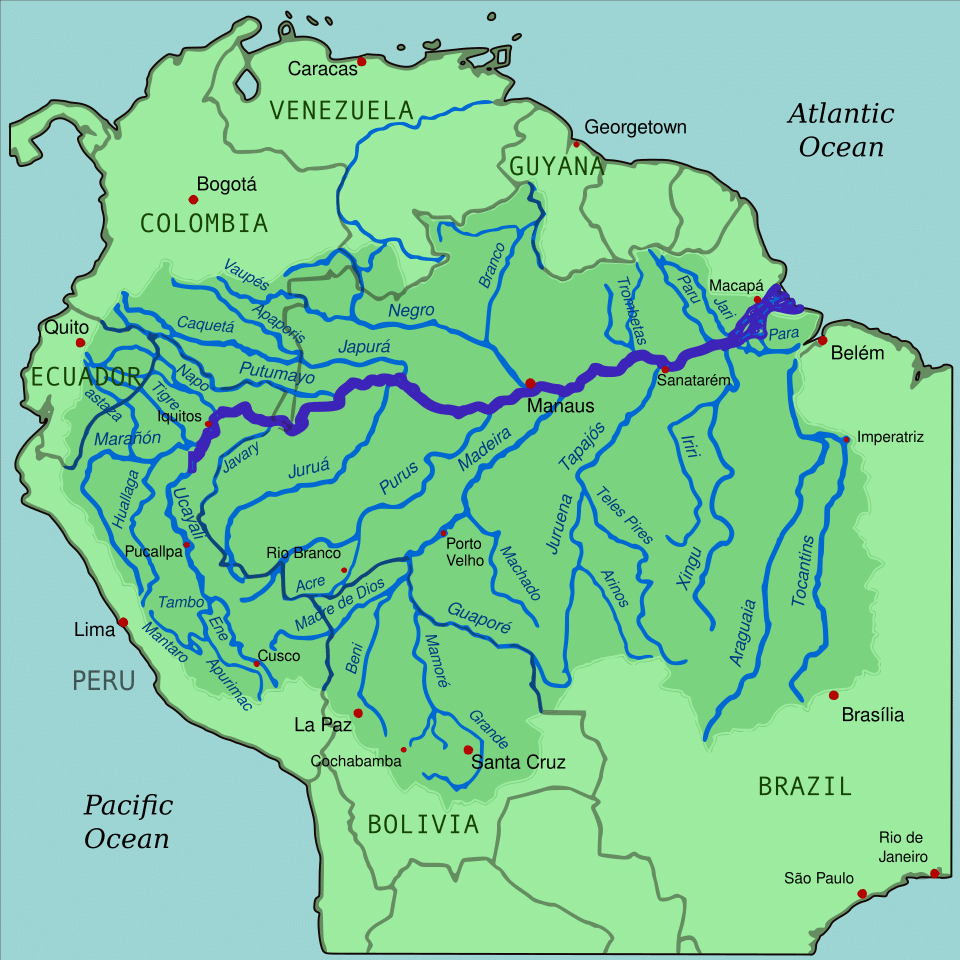
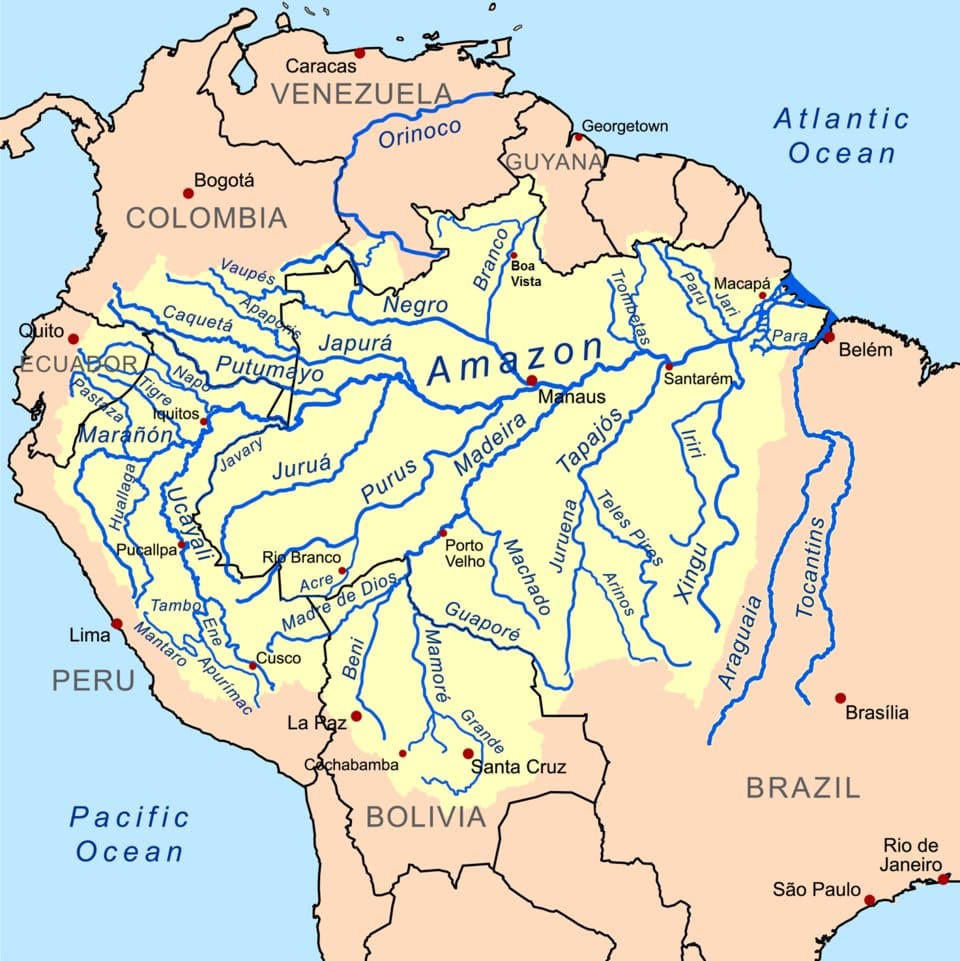
The Loreto tetra is named after the Loreto region of northeastern Peru, the largest department in the country and one of the most biodiverse places on the planet. This species is found in the upper Amazon basin, specifically within the Rio Ucayali and Rio Maranon drainage systems. These two massive river systems converge to form the Amazon River proper near the city of Iquitos.
In the wild, Loreto tetras inhabit slow-moving tributaries and forest streams where the water is stained dark brown by tannins from decaying leaves and wood. These are classic blackwater habitats with very soft, acidic water, minimal mineral content, and low visibility. The substrate is typically a mix of fine sand and deep leaf litter, with submerged tree roots and fallen branches providing the primary structure. Aquatic plants are sparse in the darkest blackwater zones, though marginal vegetation grows along the stream edges.
The canopy overhead filters most of the sunlight, creating dim, shaded conditions at the water’s surface. Sympatric species in these habitats often include other small characins, dwarf cichlids like Apistogramma, and various Corydoras catfish. Understanding this natural environment is the key to replicating conditions that bring out the best in Loreto tetras at home.
Appearance & Identification
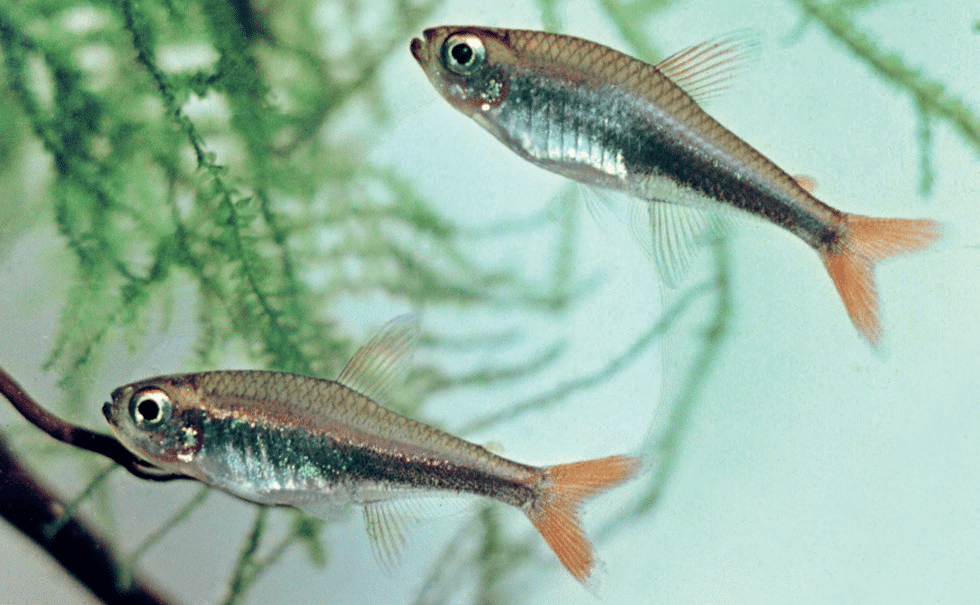
The Loreto tetra is not a fish that grabs your attention from across the room. It’s a subtle species, and that’s part of its charm. The body is slender and somewhat compressed laterally, with a translucent silvery-olive base color. A prominent dark lateral stripe runs horizontally from the gill cover to the base of the tail, giving the fish a clean, well-defined look.
What sets this species apart is the soft orange to peach coloring on the tips of the fins, particularly the dorsal, anal, and caudal fins. It’s not a bold, in-your-face color. It’s more of a warm glow that becomes more visible in proper lighting against a dark background. The overall effect is understated but genuinely attractive, especially when you’re watching a school of them move through a planted tank.
The eye has a reddish tint in healthy, well-conditioned specimens, which adds another subtle detail to their appearance. At just 1.2 inches (3 cm), these are among the smaller tetras in the hobby, which makes them perfect for nano-style planted setups.
Male vs. Female
Sexing Loreto tetras takes a careful eye and mature fish. Females are slightly rounder in the body, particularly when carrying eggs. They also appear a bit larger overall. Males are typically slimmer and can show slightly more intense orange coloring on the fins, though the difference is subtle. During spawning condition, the distinction becomes easier as females fill out noticeably with eggs.
Average Size & Lifespan
Loreto tetras are a small species, maxing out at around 1.2 inches (3 cm) in total length. This puts them on the smaller end of the tetra spectrum, comparable in size to ember tetras and green neon tetras.
With proper care, you can expect a lifespan of 3 to 5 years in captivity. Maintaining stable, soft water conditions and feeding a varied diet are the biggest factors in reaching the upper end of that range. Because these fish are relatively uncommon in the trade, the quality of the stock you receive can vary, so sourcing from reputable sellers is important.
Care Guide
Tank Size
A 15-gallon (57-liter) tank is the minimum for a school of 6 Loreto tetras. However, a 20-gallon long (76 liters) is a much better starting point if you want to keep a proper group of 10 or more, which is where this species really starts to look its best. The extra swimming length lets them school naturally, and their subtle colors have more visual impact when there are more of them moving together.
These fish occupy the middle water column, so horizontal footprint matters more than tank height. A standard 20-gallon long gives you the ideal proportions for watching their natural schooling behavior.
Water Parameters
| Parameter | Ideal Range |
|---|---|
| Temperature | 72-82°F (22-28°C) |
| pH | 5.5-7.0 |
| Hardness | 2-10 dGH |
| KH | 1-5 dKH |
This is where the “moderate” care level comes into play. Loreto tetras strongly prefer soft, acidic water, which mirrors their blackwater origins. They can tolerate conditions up to neutral pH, but they look their best and behave most naturally in water on the softer, more acidic side of the range. If your tap water is hard and alkaline, you’ll likely need to use RO water or peat filtration to bring conditions into their comfort zone.
Consistency is critical with this species. They don’t handle sudden swings in water chemistry well, so once you dial in your parameters, keep them stable. Indian almond leaves and driftwood will naturally lower pH and soften the water while releasing beneficial tannins.
Filtration & Water Flow
Gentle filtration is essential. Loreto tetras come from slow-moving forest streams, and a strong current will stress them and push them into hiding. A sponge filter is an excellent choice for smaller setups because it provides solid biological filtration without creating significant flow. For larger tanks, a hang-on-back filter or small canister with a spray bar works well as long as you diffuse the output.
Aim for weekly water changes of 15-20%. Since these fish prefer soft, acidic conditions, make sure your replacement water matches the tank parameters closely. Using pre-treated RO water or aged water with tannins helps avoid shocking the fish with each water change.
Lighting
Dim to moderate lighting is the way to go. In the wild, Loreto tetras live under dense jungle canopy where very little direct sunlight reaches the water. Bright, intense lighting will wash out their subtle coloring and make them feel exposed. Under softer light, those orange-tipped fins catch the light beautifully, and the dark lateral stripe stands out with more contrast.
If you’re growing plants that need more light, floating plants like Amazon frogbit, salvinia, or red root floaters are your best friend. They create the dappled, shaded conditions Loreto tetras prefer while still allowing enough light through for mid-level and low-light plants below.
Plants & Decorations
A planted tank is the ideal home for Loreto tetras. Low-light species like Java fern, Anubias, Cryptocoryne species, and Java moss all thrive in the same dimmer conditions these fish prefer. Dense planting along the back and sides with open swimming space through the center gives them room to school while still providing the sense of security they need.
Driftwood is practically a requirement for a Loreto tetra setup. It releases tannins that soften and acidify the water naturally, mimicking their blackwater habitat. Adding a layer of dried Indian almond leaves or oak leaves on the substrate completes the look and provides additional tannin release plus a surface for beneficial biofilm that the fish will graze on throughout the day.
Substrate
Dark substrate is strongly recommended. Fine dark sand or a dark aquasoil brings out the contrast in the Loreto tetra’s lateral stripe and makes the orange fin tips pop. On light-colored gravel, their already-subtle coloring fades into the background and you lose much of their visual appeal. Since many planted tank substrates are naturally dark, this works out well if you’re running a planted setup.
Is the Loreto Tetra Right for You?
Before you buy, run through this honest checklist. The Loreto Tetra is a great fish for the right keeper, but it is not for everyone.
- You enjoy collecting rare species that most fishkeepers have never seen
- You can provide stable water parameters in a mature, well-maintained tank
- You keep a school of 8+ in a planted nano or community tank
- You appreciate subtle beauty and delicate markings over bold, flashy colors
- You have access to specialty fish importers or online retailers who carry rare tetras
- You value the collector experience of keeping something genuinely uncommon
Avoid If:
- You keep medium or large fish – loreto tetras are small, shy fish that hide when tank mates are too large or assertive
- You have a tank under 15 gallons – they need swimming room and do best in groups of 8+ in 20-gallon setups
- You cannot provide live or high-quality frozen foods – full color develops only with a varied, protein-rich diet
What People Get Wrong
Loreto tetras are a specialty find that most hobbyists confuse with related species at the point of purchase. They’re small, patterned characins that can look similar to several other Hyphessobrycon species. Confirm species identification before buying , if the seller can’t verify the species, assume you’re getting something else.
Water chemistry is where most loreto tetra care fails. These fish come from soft, slightly acidic Amazonian waters. Neutral or alkaline tap water keeps them alive but prevents them from showing their best color and behavior. The investment in water conditioning or RO water makes a visible difference with this species.
Group size is consistently underestimated. Loreto tetras are a schooling species that relies on group dynamics for stress management and behavioral expression. Four fish is not a school , it is a stress condition. Eight or more is the minimum for natural, confident behavior.
Tank Mates
Best Tank Mates
Loreto tetras are peaceful and non-aggressive, but their small size and preference for soft water narrows down the ideal companion list to species with similar requirements:
- Ember tetras – similar size, peaceful, and share the same soft water preferences
- Green neon tetras – another small blackwater species that pairs naturally with Loreto tetras
- Corydoras pygmaeus or Corydoras habrosus – tiny bottom dwellers that won’t compete for space or intimidate small tetras
- Pencilfish (Nannostomus species) – gentle, slender fish from the same types of South American habitats
- Otocinclus catfish – peaceful algae eaters that stay out of the way
- Apistogramma dwarf cichlids – a natural pairing for a Peruvian blackwater biotope tank
- Cherry shrimp – Loreto tetras are small enough that adult shrimp are safe
- Chocolate gouramis – another soft water species that appreciates similar conditions
- Harlequin rasboras – peaceful schoolers that do well in slightly acidic water
- Kuhli loaches – gentle bottom dwellers that add activity to the lower tank levels
Tank Mates to Avoid
- Angelfish – will eat Loreto tetras once they reach adult size
- Tiger barbs – too aggressive and boisterous for this small, peaceful species
- Large cichlids – any fish big enough to view a 1.2-inch (3 cm) tetra as a snack
- African cichlids – completely incompatible water chemistry (hard, alkaline vs. Soft, acidic)
- Fast-moving, aggressive feeders – anything that will outcompete Loreto tetras at feeding time
Food & Diet
Loreto tetras are omnivores that accept a wide variety of foods, though their small mouth size means you need to think about particle size. A high-quality micro pellet or crushed flake food works well as a daily staple. These fish have small mouths even by tetra standards, so standard-sized flakes need to be crumbled before feeding.
To bring out the best coloration and keep them in top condition, supplement their diet with frozen or live foods several times per week. Daphnia, baby brine shrimp, cyclops, and micro worms are all excellent choices and eagerly accepted. Live foods in particular do intensify the warm orange tones in their fins.
Feeding frequency: Once or twice daily, offering only what they can consume in about 2 minutes. With fish this small, overfeeding is an easy mistake that quickly leads to water quality problems.
Pro tip: Loreto tetras will feed in the mid-water column and are not aggressive eaters. If you’re keeping them in a community tank, make sure food reaches them before faster or bolder tank mates grab everything. Feeding at multiple spots in the tank helps.
Breeding & Reproduction
Breeding Loreto tetras is possible in the home aquarium, but it requires more effort than breeding common species like glowlights or black skirt tetras. Getting the water chemistry right is the biggest challenge.
Breeding Difficulty
Moderate. The primary hurdle is providing the very soft, acidic water these fish need to trigger spawning. If you can nail the water conditions, the rest of the process follows the standard egg-scatterer pattern.
Spawning Tank Setup
Set up a separate breeding tank of 5-10 gallons (19-38 liters). Keep the lighting very dim or cover the sides of the tank with dark paper, as both eggs and fry are sensitive to light. Add clumps of fine-leaved plants like Java moss or spawning mops to catch the scattered eggs. Alternatively, place a mesh screen above the tank bottom to let eggs fall through while preventing the adults from reaching them. A bare bottom below the mesh makes it easier to spot and count eggs.
Use a small air-powered sponge filter running gently. Nothing more is needed, and stronger filtration risks sucking up eggs or fry.
Water Conditions for Breeding
This is the critical factor. Aim for very soft, acidic water: pH 5.0-6.0, hardness of 1-4 dGH, and a temperature of 78-82°F (26-28°C). RO water remineralized slightly with a GH booster is the most reliable way to achieve these conditions. Filtering through peat or adding Indian almond leaves helps lower pH naturally and adds beneficial tannins. The water should be noticeably tea-colored.
Conditioning & Spawning
Condition breeding pairs or small groups separately for 1-2 weeks before introducing them to the spawning tank. Feed heavily with live and frozen foods during this period. Daphnia, baby brine shrimp, and micro worms all work well for conditioning. When females appear noticeably plumper with eggs and males are showing their best fin color, transfer them to the spawning tank in the evening.
Spawning typically occurs the following morning in the early light hours. As egg scatterers, the pair will release eggs among the fine-leaved plants or mops, with the eggs sinking and sticking to whatever surface they contact. A female may produce 50-100 eggs per spawn.
Egg & Fry Care
Remove the adults immediately after spawning. Like most egg-scattering tetras, Loreto tetras will eat their own eggs if they can reach them. The eggs are light-sensitive, so keep the tank dark or very dimly lit during incubation.
Eggs typically hatch within 24-36 hours. The fry will absorb their yolk sacs and become free-swimming approximately 3-4 days after hatching. At this point, begin feeding infusoria or commercially available liquid fry food. After about a week, the fry should be large enough to accept microworms and freshly hatched baby brine shrimp (BBS). Maintain pristine water quality with very small, frequent water changes using water that matches the tank parameters exactly.
Growth is slow compared to larger tetra species, which is typical for fish of this size. Expect several months before juveniles start showing adult coloration and is moved to a community tank.
Common Health Issues
Loreto tetras are reasonably hardy when kept in appropriate water conditions, but their preference for soft, acidic water means problems will crop up when they’re kept in unsuitable conditions. Here are the main health concerns:
Ich (White Spot Disease)
Ich is the most common disease you’ll encounter with any small tropical fish, and Loreto tetras are no exception. Stress from shipping, sudden temperature drops, or introduction to a new tank are the usual triggers. The telltale white spots on the body and fins are easy to identify. Gradually raise the temperature to 82°F (28°C) and treat with a standard ich medication. Most Loreto tetras tolerate treatment well, though be cautious with copper-based medications at the dosages suggested on the label, as soft-water species is more sensitive.
Neon Tetra Disease (NTD)
Despite its name, neon tetra disease affects a wide range of small characins, including Hyphessobrycon species. It’s caused by the microsporidian parasite Pleistophora hyphessobryconis, which attacks the fish’s muscle tissue. Symptoms include pale patches on the body, loss of schooling behavior, difficulty swimming, and a curved spine in advanced cases. There is unfortunately no effective treatment. Infected fish should be removed immediately to prevent the parasite from spreading to healthy tank mates.
General Prevention
The best approach is always prevention. Quarantine all new arrivals for at least two weeks before adding them to your main display tank. Maintain stable water parameters within the recommended ranges and keep up with your water change schedule. Because Loreto tetras are sensitive to poor water quality and parameter swings, a consistent maintenance routine goes a long way toward preventing health issues.
Common Mistakes to Avoid
- Keeping them in hard, alkaline water – This is the number one mistake with Loreto tetras. They come from very soft, acidic blackwater, and while they can survive in moderately neutral conditions, hard alkaline tap water will stress them and dull their coloring. Know your water parameters before buying this species.
- Keeping too few – A group of 3 or 4 Loreto tetras will be skittish, stressed, and spend most of their time hiding. You need at least 6, and 10 or more is where they really settle in and display natural behavior.
- Bright lighting with no cover – These are forest stream fish that live under canopy shade. Blasting them with intense lighting washes out their color and makes them uncomfortable. Floating plants and subdued lighting bring out their best.
- Housing with large or aggressive tank mates – At only 1.2 inches (3 cm), Loreto tetras are easy targets for bigger fish. Stick with small, peaceful companions that share similar water requirements.
Where to Buy
The Loreto tetra is not a species you’ll typically find at a chain pet store. It’s uncommon in the mainstream hobby, so you’ll need to look at specialty fish retailers or online sellers. Your best bet for sourcing healthy specimens is through reputable online dealers like Flip Aquatics or Dan’s Fish. Both specialize in healthy, well-acclimated freshwater fish and are reliable sources for harder-to-find species.
Because of their rarity, Loreto tetras are pricier than common species like neons or black skirts. Availability is seasonal, so if you see them in stock, it’s worth acting quickly. Local fish stores with connections to specialty importers may occasionally carry them as well, so it’s always worth asking.
Frequently Asked Questions
How many Loreto tetras should be kept together?
A minimum of 6, but 10 or more is highly recommended. Loreto tetras are a shoaling species that become stressed and shy in small numbers. In a proper school, they feel secure, display better color, and exhibit their natural schooling behavior. A group of 10-12 in a well-planted 20-gallon long is a genuinely beautiful sight.
What size tank does a Loreto tetra need?
A 15-gallon (57-liter) tank is the minimum for a small school of 6. A 20-gallon long (76 liters) is a better choice for a larger group, giving them the horizontal swimming space they need to school properly. Despite their small size, they’re active mid-water swimmers that appreciate room to move.
Are Loreto tetras good for beginners?
Not ideally. While they’re not difficult to keep once conditions are dialed in, their preference for soft, acidic water and limited availability make them better suited for intermediate hobbyists. If your tap water is naturally soft and slightly acidic, they become much easier to manage. Beginners in areas with hard, alkaline tap water should consider hardier tetra species first.
Can Loreto tetras live with shrimp?
Yes, adult cherry shrimp and Amano shrimp are safe with Loreto tetras. At only 1.2 inches (3 cm), their mouths are too small to bother full-grown shrimp. However, very small shrimplets may be picked off, so provide plenty of moss and hiding spots if you want a breeding shrimp colony in the same tank.
How long do Loreto tetras live?
With proper care, Loreto tetras typically live 3 to 5 years in captivity. Maintaining stable, soft water conditions and feeding a varied diet are the biggest factors in reaching the upper end of that range.
Do Loreto tetras need blackwater conditions?
They don’t strictly require blackwater, but they certainly thrive in it. Tannin-stained water from driftwood and Indian almond leaves helps maintain the soft, acidic conditions they prefer and brings out their best coloration. You can keep them successfully in clear water as long as the pH stays below 7.0 and the hardness stays low.
Are Loreto tetras fin nippers?
No. Loreto tetras are one of the more peaceful tetras in the hobby. They’re not known for fin nipping and are safe even with long-finned tank mates, provided those tank mates share similar water requirements. Keeping them in adequate group sizes (6+) further reduces any chance of nippy behavior.
What It Is Actually Like Living With Loreto Tetra
In a proper school, loreto tetra display natural movement patterns that are genuinely engaging to watch. The fish interact with each other, establish subtle hierarchies, and move through the tank with purpose.
They spend most of their time near the surface, which fills a level of the tank that many other species ignore. This makes them excellent complements to mid-water and bottom-dwelling fish.
Feeding time is when their personality comes out. They learn your routine quickly and will anticipate feeding before you even open the lid.
Their color and behavior improve over time as they settle into a stable environment. Fish that have been in the same tank for months look noticeably better than recently added stock.
They coexist peacefully with virtually every other appropriately-sized community fish. This compatibility makes tank planning straightforward.
How the Loreto Tetra Compares to Similar Species
Loreto Tetra vs. Green Neon Tetra
The Green Neon Tetra is similarly small and subtle but much more commonly available. If you want a delicate, small tetra without the hunt for a rare species, the Green Neon is the practical choice. The Loreto Tetra is for the collector who wants something nobody else has.
Loreto Tetra vs. Ruby Tetra
Both are small, less common tetras that appeal to collectors. The Ruby Tetra has more vivid coloring with its red tones. The Loreto Tetra is subtler and rarer. Both reward the keeper who values unusual species over common ones.
Closing Thoughts
The Loreto tetra isn’t going to win any popularity contests against neons or cardinals, and honestly, that’s part of its appeal. This is a fish for aquarists who appreciate the quieter side of the hobby. A school of Loreto tetras in a dimly lit, heavily planted blackwater tank is the kind of setup that makes you stop and stare, not because the fish are screaming for attention, but because the whole scene feels natural and alive.
If you’re looking for more tetra species to explore, check out our complete Tetras hub page for care guides on dozens of species.
Have you kept Loreto tetras? I’d love to hear about your setup and experience with this uncommon species. Drop a comment below!
Recommended Video
Check out our tetra tier list video where we rank the most popular tetras in the hobby, including the Loreto tetra:
References
- Hyphessobrycon loretoensis Profile – Seriously Fish
- Hyphessobrycon loretoensis (Ladiges, 1938) – FishBase
- Hyphessobrycon loretoensis – Practical Fishkeeping
- Hyphessobrycon loretoensis – The Aquarium Wiki
- About the Author
- Latest Posts

I’m Mark Valderrama, founder of Aquarium Store Depot and a fishkeeper with over 25 years of hands-on experience. I started in the hobby at age 11, worked at local fish stores, and have kept freshwater tanks, ponds, and reef tanks ever since. I’ve been featured in two best-selling aquarium books on Amazon and built this site to share practical, experience-based fish keeping knowledge.
Leave a Reply