
Last Updated: June 25, 2026
Thank you for visiting! By the way… any links on this page that lead to products on Amazon and other stores/partners are affiliate links Aquarium Store Depot earns a commission if you make a purchase.
Table of Contents
- Key Takeaways
- Species Overview
- Classification
- Origin & Natural Habitat
- Appearance & Identification
- Average Size & Lifespan
- Care Guide
- What People Get Wrong
- Tank Mates
- Food & Diet
- Breeding & Reproduction
- Common Health Issues
- Common Mistakes to Avoid
- Where to Buy
- Frequently Asked Questions
- Closing Thoughts
- Recommended Video
- References
- What Most Care Guides Get Wrong
- The Reality of Keeping Pink-Tailed Chalceus
- Is the Pink-Tailed Chalceus Right for You?
- What It Is Actually Like Living With Pink-Tailed Chalceus
- Species Comparison
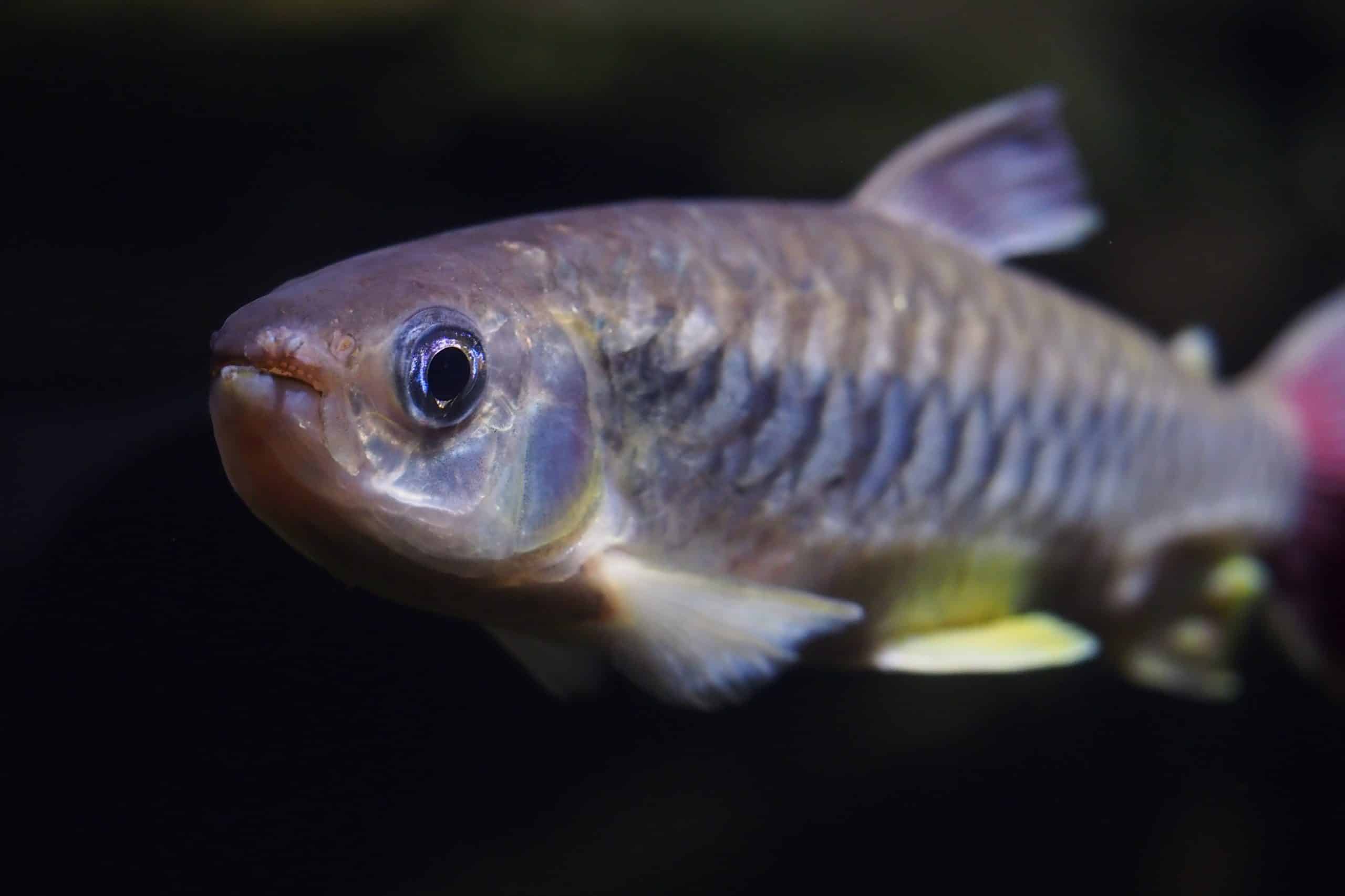
The pink-tailed chalceus is a large, powerful predatory fish that reaches 10 inches or more and needs a tank to match. It is fast, active, and has a striking appearance with its large silver body and distinctive pink-red tail that gives it its name. This is not a community fish for standard setups. It is a large predator that requires serious space, strong filtration, and tank mates that are too big to eat.
Fast, large, and predatory. This is big-fish fishkeeping in the characin family.
A 75-gallon minimum, ideally 125+. Powerful filtration. A tight-fitting lid because they jump. Tank mates that match their size. This is a serious commitment.
The pink-tailed chalceus is for keepers who love tetras but want something at a completely different scale. It bridges the gap between community tetras and monster fish keeping.
The Reality of Keeping Pink-Tailed Chalceus
They grow large and fast. Pink-tailed chalceus reach 10 inches or more and grow rapidly with good feeding. A juvenile that looks manageable at 3 inches will outgrow a small tank within months.
They are jumpers. Like many large characins, the pink-tailed chalceus is an active jumper. A tight, weighted lid is essential. They have the power to push lightweight lids aside.
The pink-red tail is the signature feature. The vibrant pink-red caudal fin is striking against the silver body and is one of the most distinctive features of any large characin. Color intensity varies with diet, water quality, and age.
Biggest Mistake New Owners Make
Buying a juvenile without planning for the adult size. This fish grows fast and reaches 10+ inches. A 20-gallon “starter tank” leads to a stunted, stressed fish within months.
The pink-tailed chalceus is an impressive, fast-growing predatory characin that rewards keepers who provide the space and filtration it demands. If you are looking for a large, active fish with real presence, this species delivers.
Key Takeaways
- Minimum tank size is 75 gallons (284 liters) for a single specimen, larger for a group
- Semi-aggressive predator that will eat smaller tank mates like tetras, rasboras, and small livebearers
- Powerful jumper that absolutely requires a tight-fitting, weighted lid with no gaps
- Omnivore with predatory tendencies – eats insects, smaller fish, and plant matter
- Long-lived display fish with a lifespan of 8 to 12 years in proper conditions
Species Overview
| Field | Details |
|---|---|
| Scientific Name | Chalceus macrolepidotus |
| Common Names | Pink-Tailed Chalceus, Pink Tail Chalceus |
| Family | Chalceidae |
| Origin | Amazon and Orinoco basins, Guyana, Suriname |
| Care Level | Moderate to Advanced |
| Temperament | Semi-aggressive, predatory |
| Diet | Omnivore (predatory tendencies) |
| Tank Level | Top to Mid |
| Maximum Size | 10 inches (25 cm) |
| Minimum Tank Size | 75 gallons (284 liters) |
| Temperature | 73-82°F (23-28°C) |
| pH | 6.0-7.5 |
| Hardness | 2-15 dGH |
| Lifespan | 8-12 years in captivity |
| Breeding | Not commonly bred in captivity |
| Breeding Difficulty | Difficult |
| Compatibility | Large fish community |
| OK for Planted Tanks? | Yes (may nibble soft plants) |
Classification
| Taxonomic Level | Classification |
|---|---|
| Order | Characiformes |
| Family | Chalceidae |
| Genus | Chalceus |
| Species | C. Macrolepidotus (Cuvier, 1818) |
Pink-tailed chalceus (Chalceus macrolepidotus) are large, fast, and aggressive predatory fish. They need big tanks, compatible large tank mates, and keepers who understand that these are not community fish in the traditional sense. Experienced hobbyists only.
The genus Chalceus is a small group containing only a handful of species, all large-bodied characins from South America. Unlike many tetra and characin genera that were affected by the 2024 Melo et al. Phylogenomic reclassification of Characidae, the family Chalceidae was not impacted by that revision. Chalceus macrolepidotus was originally described by Georges Cuvier in 1818, making it one of the earliest characiform species formally documented by Western science.
Origin & Natural Habitat
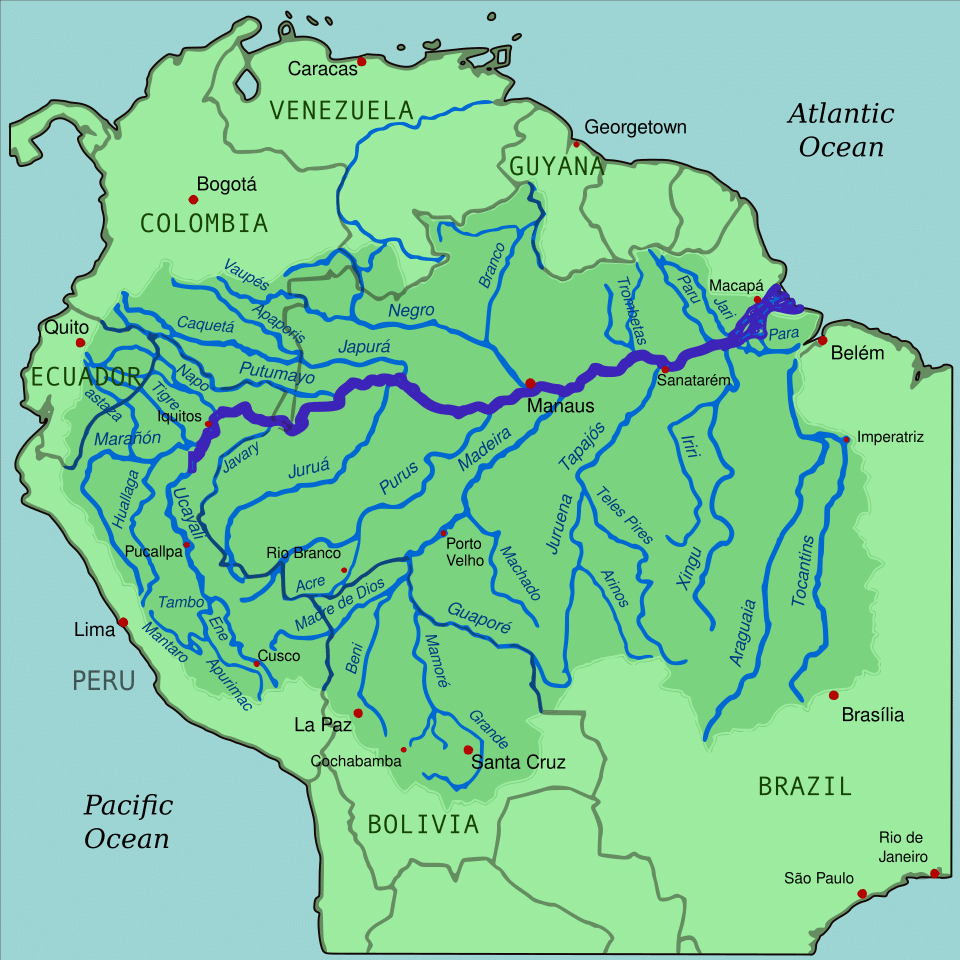
The pink-tailed chalceus has one of the broader distributions of any large characin in South America. It ranges across the Amazon basin, the Orinoco basin, and the river systems of Guyana and Suriname. This wide distribution means it inhabits a variety of water types, from tannin-stained blackwater tributaries to clearer main river channels.
In the wild, these fish are typically found in larger rivers and flooded forest areas where there is room to swim and plenty of prey. They’re surface-oriented hunters, often cruising just below the water’s surface looking for insects that have fallen in, small fish, and plant material like fruits and seeds. During the rainy season, they move into flooded forest zones where food is abundant.
The natural habitat features warm, soft to moderately hard water with a slightly acidic to neutral pH. The substrate is usually a mix of sand and organic debris, with submerged logs and overhanging vegetation providing cover and shade. Understanding their preference for open swimming space near the surface is key to setting up a successful aquarium for this species.
Appearance & Identification
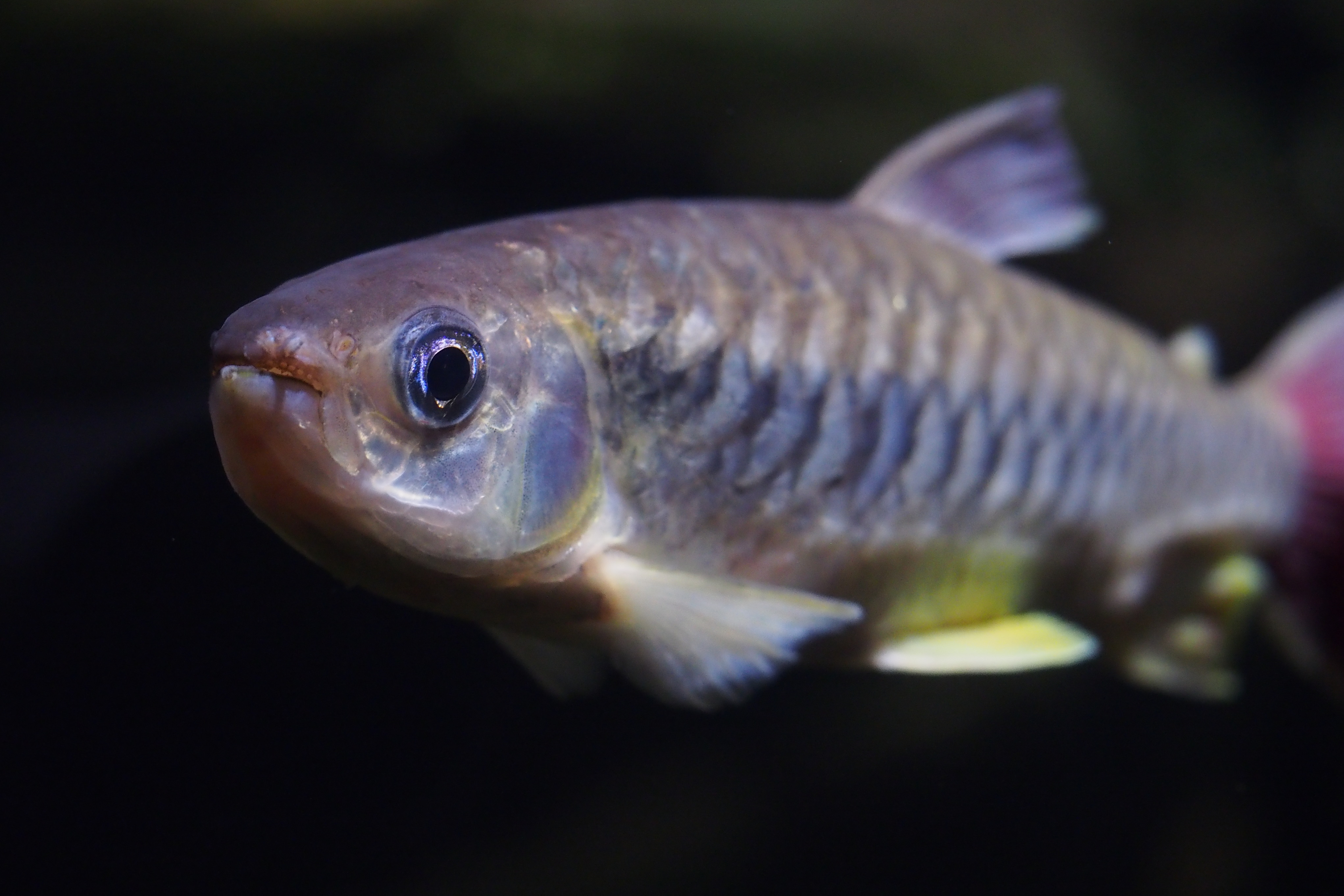
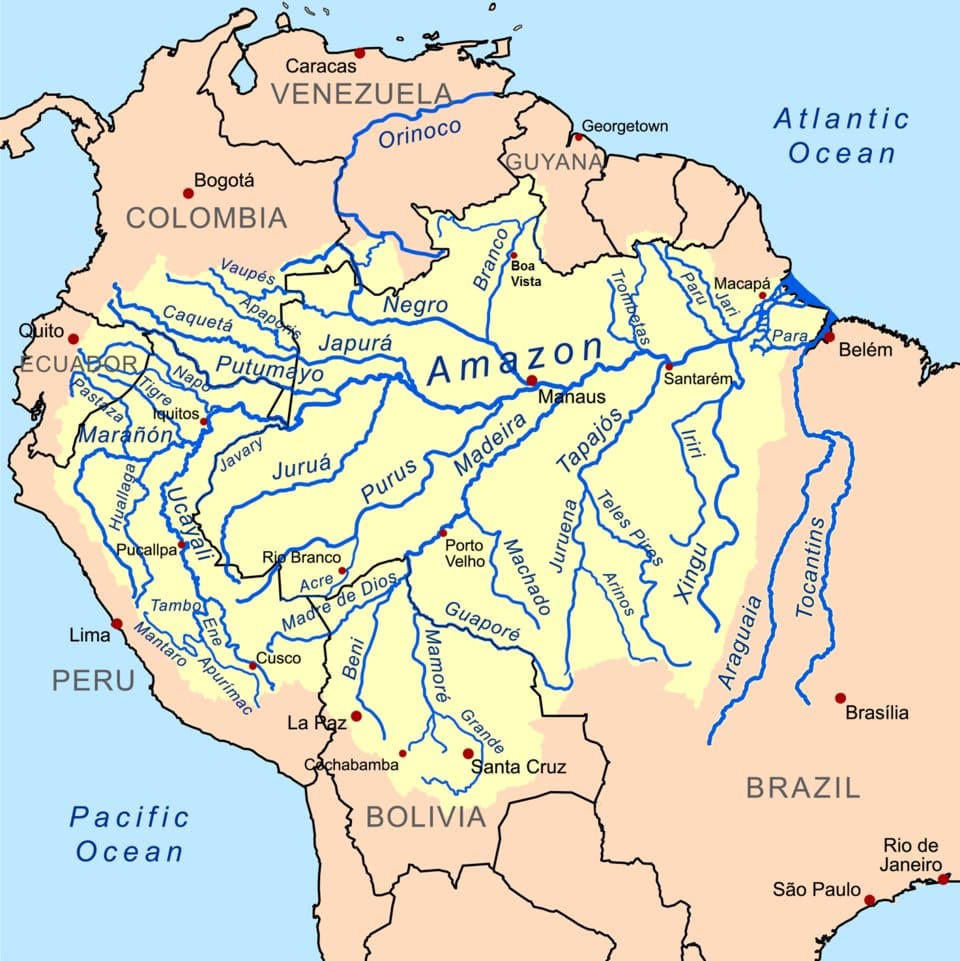
The pink-tailed chalceus is a genuinely impressive fish to look at. The body is deep, laterally compressed, and covered in extremely large, highly reflective silver scales that shimmer like polished chrome under aquarium lighting. Each individual scale is clearly visible, giving the fish an almost armored appearance. The name “macrolepidotus” literally means “large-scaled,” and it’s well earned.
The defining feature is the caudal (tail) fin, which ranges from pink to deep red depending on the individual’s condition and mood. This splash of color against the metallic silver body is what makes this fish such a showstopper. The dorsal fin also carry a pinkish or reddish tinge in well-kept specimens. The eyes are relatively large, suited for a surface-oriented predator that relies on vision to find prey.
One thing worth noting is that coloration can vary somewhat depending on where the fish was collected. Specimens from different river systems may show slightly different intensities of red or pink in the fins. In aquarium conditions, good diet and clean water will bring out the best color.
Male vs. Female
Sexing pink-tailed chalceus is difficult outside of spawning condition. Mature females are slightly deeper-bodied and rounder in the belly when carrying eggs. Males may be slightly more streamlined and show marginally more intense color in the caudal fin, but these differences are subtle at best. There are no reliable external markers like fin extensions or dramatic color differences to distinguish the sexes, which is part of why captive breeding has proven so challenging.
Average Size & Lifespan
This is a big fish. Adult pink-tailed chalceus reach up to 10 inches (25 cm) in total length, though most aquarium specimens settle in the 8 to 10 inch (20 to 25 cm) range. They’re bulky, too, with a deep body that adds to their overall presence in a tank. Don’t let juveniles at the store fool you. That 3-inch fish will grow quickly with proper feeding.
In captivity, pink-tailed chalceus have a lifespan of 8 to 12 years when provided with adequate space, clean water, and a varied diet. That’s a significant commitment, so plan accordingly before adding one to your setup. These are fish that is with you for a decade or more.
Care Guide
Tank Size
A 75-gallon (284-liter) tank is the minimum for a single pink-tailed chalceus, but honestly, bigger is always better with a fish this active. If you want to keep a small group of 3 or more (which is ideal since they’re more confident and display better behavior in groups), you’re looking at 125 gallons (473 liters) or larger. A 6-foot tank is preferable because these fish are fast, powerful swimmers that need horizontal space to cruise.
The tank needs to be long rather than tall. Pink-tailed chalceus spend most of their time in the upper half of the water column, so a standard rectangular tank with plenty of length gives them the swimming room they need. A cramped tank will lead to stress, fin damage from hitting the glass, and a miserable fish that never shows its best behavior.
Water Parameters
| Parameter | Ideal Range |
|---|---|
| Temperature | 73-82°F (23-28°C) |
| pH | 6.0-7.5 |
| Hardness | 2-15 dGH |
| KH | 1-10 dKH |
The pink-tailed chalceus is reasonably adaptable when it comes to water chemistry. Its wide natural distribution across multiple river systems means it encounters a range of conditions in the wild, and captive specimens reflect that flexibility. They do best in soft to moderately hard water with a slightly acidic to neutral pH, but they’re not as demanding as some blackwater specialists.
What matters most is stability. These are large, messy eaters that produce a significant bioload, so keeping water quality high is the real challenge. Ammonia and nitrite must be at zero, and nitrates should be kept below 20 ppm through regular water changes. Sudden parameter swings are harder on large fish than many people realize.
Filtration & Water Flow
Strong filtration is non-negotiable for a fish this size. A canister filter rated for your tank volume (or even slightly above) is the way to go. These fish produce a heavy bioload, especially when fed protein-rich foods, and an underpowered filter will struggle to keep up. Running two smaller canisters or adding a large sponge filter as supplemental biological filtration is a smart move for tanks over 100 gallons.
Moderate water flow suits them well. In the wild, they inhabit both slow-moving tributaries and larger river channels with more current, so they’re comfortable with a reasonable amount of flow. Avoid dead spots where waste can accumulate, but you don’t need powerheads blasting current across the tank.
Weekly water changes of 25-30% are recommended. With a large, predatory fish producing a heavy bioload, consistent water changes are the single most important thing you can do to keep your chalceus healthy long-term.
Lighting
Moderate lighting works best for pink-tailed chalceus. They’re not shy about being in the open, but extremely bright lighting can make them skittish since they’re naturally surface dwellers that are wary of overhead predators. A standard LED aquarium light at moderate intensity will show off their reflective scales beautifully without stressing them out.
Some floating plant cover is a nice touch. It creates areas of shade and light across the surface, giving the fish the option to move between brighter and dimmer zones. This mimics the natural canopy effect of overhanging vegetation in their native rivers.
Plants & Decorations
Keep the layout simple and open. Pink-tailed chalceus are fast, surface-oriented swimmers, and cluttered tanks with dense hardscape will stress them out and lead to injuries. Think big pieces of driftwood positioned along the back and sides, leaving the central and upper areas of the tank wide open for swimming.
Hardy plants like Java fern, Anubias, and Vallisneria can work, but be aware that chalceus may nibble on softer-leaved plants as part of their omnivorous diet. Tough, bitter-tasting species are your best bet. Floating plants like Amazon frogbit or water lettuce are excellent for creating surface shade and making the fish feel more secure.
Large rocks and driftwood pieces should be stable and well-positioned. A startled chalceus can launch itself across the tank at surprising speed, and loose decorations can become projectiles. Secure everything.
Substrate
Sand or fine gravel both work well. A dark substrate will make the silver scales and pink tail pop with more contrast, while a lighter substrate creates a different but still attractive look. Since pink-tailed chalceus rarely interact with the substrate (they’re upper-water fish), the choice comes down mostly to aesthetics and what works best for your plants and bottom-dwelling tank mates.
What People Get Wrong
Pink-tailed chalceus look impressive in the store as juveniles — brightly colored, fast-moving, and manageable in size. The mistake is not accounting for adult size and aggression. Adults reach 10 inches and are active predators. The fish that looked fine at 3 inches in the store tank becomes a problem at 8 inches in a 55-gallon community setup.
Tank mate selection is where most keepers fail. Pink-tailed chalceus will eat any fish small enough to be prey. They also jump — a covered tank is not optional, it’s mandatory. Uncovered tanks with chalceus in them result in dead fish on the floor. This is not an exaggeration.
They’re often confused with the silver chalceus (Chalceus erythrurus). The key difference is the tail color — pink-tailed chalceus have distinctly pinkish-red fins, while the silver chalceus has yellowish fins. Care requirements are similar, but knowing which species you have affects breeding attempts and sourcing decisions.
Tank Mates
Best Tank Mates
The golden rule with pink-tailed chalceus is simple: if it fits in their mouth, it’s food. Tank mates need to be too large to be swallowed. Stick with robust, similarly sized fish that can hold their own:
- Silver dollar fish – peaceful, large-bodied schooling fish that occupy the mid-level and make excellent companions
- Payara (vampire tetra) – another large characin for experienced keepers with very large setups
- Severum cichlids – large, relatively peaceful cichlids that coexist well with big characins
- Geophagus eartheaters – bottom-dwelling cichlids that stay out of the chalceus’s territory near the surface
- Plecostomus (large species) – armored catfish that are too spiny and large to be bothered
- Oscar cichlids – similarly sized and robust enough to coexist, though monitor for aggression
- Bichirs – bottom-dwelling predators that occupy a completely different zone in the tank
- Large tinfoil barbs – fast, tough schooling fish that are too big to be eaten
- Flagtail prochilodus – large, active characins that make lively tank mates
- Arowana (in very large tanks) – another surface predator, but only suitable in 300+ gallon setups
Tank Mates to Avoid
- Neon tetras, cardinal tetras, and other small tetras – they will be eaten, full stop
- Guppies, platies, and small livebearers – these are snacks, not tank mates
- Small rasboras and danios – anything under 3 inches (8 cm) is at risk
- Dwarf cichlids (Apistogramma, rams) – too small and slow to survive with a surface predator
- Shrimp of any kind – they will be hunted down and eaten overnight
- Slow-moving, long-finned fish – fancy goldfish, bettas, and similar fish are too vulnerable
Food & Diet
Pink-tailed chalceus are enthusiastic eaters with a diet that reflects their predatory nature. In the wild, they eat insects (especially those that fall on the water surface), smaller fish, crustaceans, plant matter, and fallen fruits. In captivity, variety is the key to keeping them healthy and colorful.
A quality cichlid pellet or large carnivore stick makes a good daily staple. Supplement regularly with frozen foods like krill, silversides, large mysis shrimp, and bloodworms. Live foods such as crickets, earthworms, and feeder shrimp are taken eagerly and help keep the fish active and engaged. Don’t skip the plant-based component either. Blanched spinach, spirulina-based pellets, and even pieces of fresh fruit (grapes, banana) will be accepted and contribute to a balanced diet.
Feeding frequency: Once or twice daily for adults. Juveniles benefit from two smaller feedings per day. Only offer what they can consume in about 3 to 5 minutes per feeding.
Pro tip: Dropping insects like crickets or mealworms on the water surface triggers their natural surface-hunting instinct and is genuinely fun to watch. It also provides enrichment that keeps them from getting bored in captivity.
Is the Pink-Tailed Chalceus Right for You?
Before you add a Pink-Tailed Chalceus to your tank, here is an honest assessment of what you’re signing up for. I’d rather you know exactly what to expect now than find out the hard way after you’ve already bought one.
- Experience level: Pink-Tailed Chalceuss are best suited for intermediate to advanced keepers. They have specific requirements that can overwhelm beginners.
- Tank size commitment: You’ll need at least 75 gallons, though bigger is always better. Make sure you have room for the tank before buying.
- Tank mate planning: Pink-Tailed Chalceuss can be territorial, so plan your community carefully. Not every fish will work as a tank mate.
- Maintenance demands: Expect regular water testing and consistent water changes. Pink-Tailed Chalceuss are sensitive to parameter fluctuations.
- Budget reality: Keeping Pink-Tailed Chalceuss costs more than typical setups. Budget for ongoing costs, not just the initial purchase.
- Time investment: Beyond daily feeding and weekly maintenance, regular observation is the best way to catch health issues early.
- Long-term commitment: With proper care, Pink-Tailed Chalceuss can live up to 12 years. Make sure you’re ready for years of consistent care.
Breeding & Reproduction
Breeding the pink-tailed chalceus in home aquaria is extremely rare and not well documented. This is one of those species where captive breeding has proven to be a genuine challenge, and most specimens in the trade are wild-caught.
Breeding Difficulty
Difficult. There are very few confirmed reports of successful captive breeding in home aquariums. The fish’s large adult size, space requirements, and the difficulty of conditioning them to spawn make this a project only for advanced hobbyists with very large setups.
Spawning Tank Setup
If you want to attempt breeding, you’ll need a very large, dedicated spawning tank of at least 150 gallons (568 liters) or more. The tank should have a gentle current, subdued lighting, and plenty of open swimming space. Fine-leaved plants or spawning mops near the surface could serve as egg-catching sites. A secure, tight-fitting lid is absolutely essential since spawning activity is vigorous and can result in fish launching themselves out of the tank.
Water Conditions for Breeding
Based on limited reports, breeding attempts should focus on replicating rainy season conditions. Softer, slightly acidic water (pH 6.0-6.5, hardness 2-8 dGH) at temperatures around 78-82°F (26-28°C) may help trigger spawning. Gradual temperature drops followed by warming, combined with increased water changes using cooler water, can simulate the onset of the wet season. RO or peat-filtered water may help achieve the necessary softness.
Conditioning & Spawning
Condition a group of at least 3 to 4 fish (ideally with a mix of males and females, though sexing is difficult) with a protein-rich diet heavy on live and frozen foods for several weeks. Earthworms, crickets, and small feeder fish can all be part of the conditioning regime. Look for females developing a noticeably rounder belly profile as a sign of egg development.
Spawning behavior in related species typically involves vigorous chasing and surface activity. The exact spawning mechanics of C. Macrolepidotus in captivity are not well described, but they are believed to be egg scatterers. Egg counts from related species suggest a large female could produce several thousand eggs per spawn.
Egg & Fry Care
If spawning does occur, remove the adults promptly as they will likely consume the eggs. Eggs are expected to hatch within 24 to 48 hours depending on temperature. Fry would need infusoria or liquid fry food initially, graduating to baby brine shrimp as they grow. Keep the spawning tank dimly lit, as eggs and young fry of most characins are light-sensitive.
Given the rarity of captive spawning, most pink-tailed chalceus in the hobby are wild-caught from their native range. If you do manage to breed them, document everything. The hobby needs more information on reproducing this species in captivity.
Common Health Issues
Pink-tailed chalceus are generally robust fish when kept in clean, well-maintained water. Their main health risks will come from environmental factors rather than species-specific diseases.
Jump-Related Injuries
This is by far the most common health issue with this species, and it’s entirely preventable. Pink-tailed chalceus are explosive jumpers, and fish that hit the lid hard can damage their snout, lose scales, or injure their spine. In the worst cases, they clear the lid entirely and end up on the floor. Every injury from jumping opens the door to secondary bacterial or fungal infections. Prevention is simple: a tight-fitting, weighted lid with absolutely no gaps.
Ich (White Spot Disease)
Like most tropical fish, pink-tailed chalceus can contract ich when stressed, typically from temperature fluctuations or being introduced to a new tank. The large scale size makes white spots easy to spot. Gradually raise the temperature to 82-84°F (28-29°C) and treat with a standard ich medication. Large characins generally respond well to treatment when caught early.
General Prevention
The best approach is prevention through water quality. With a heavy bioload from a large predatory fish, ammonia spikes after feeding are a real concern if your filtration can’t keep up. Quarantine all new fish before adding them to a tank with established chalceus, maintain a rigorous water change schedule, and avoid overcrowding. Wild-caught specimens should be quarantined for at least 3 to 4 weeks and monitored for parasites, which are more common in wild-collected fish.
Common Mistakes to Avoid
- No lid or a loose-fitting lid – This is mistake number one with pink-tailed chalceus and it’s the one that kills the most fish. These are among the strongest jumpers in the freshwater hobby. They can clear gaps you wouldn’t think possible. You need a heavy, tight-fitting lid with NO openings. Weight it down if necessary. Every chalceus keeper has a jumping horror story, and they all wish they’d taken the lid more seriously.
- Keeping them with small fish – That school of neon tetras or group of fancy guppies will become an expensive midnight snack. If a fish fits in the chalceus’s mouth, it will get eaten. This is not aggression; it’s predation. Only house them with fish too large to be swallowed.
- Undersized tank – Buying a juvenile from the store and putting it in a 30-gallon tank is a recipe for a stressed, stunted fish. These grow fast and need serious swimming space. Plan for the adult size from day one.
- Skipping water changes – Large predatory fish produce a heavy bioload. If you’re not doing consistent weekly water changes of 25-30%, water quality will deteriorate faster than you might expect, leading to stress and disease.
Where to Buy
Pink-tailed chalceus are not as widely available as common community fish, but they show up regularly at specialty fish stores and from online retailers that stock larger South American species. Expect to pay anywhere from $15 to $40 per fish depending on size and source. Most specimens available in the trade are wild-caught.
For reliable sourcing, check with Flip Aquatics and Dan’s Fish. Both carry a rotating selection of South American species and often source fish that aren’t in their regular inventory if you reach out. Your local fish store also be able to special order them from their suppliers if they don’t stock them regularly.
Frequently Asked Questions
Will a pink-tailed chalceus jump out of my tank?
Yes, absolutely. Pink-tailed chalceus are among the most powerful jumpers in the freshwater hobby. They can launch themselves out of the water with startling force, especially when spooked, during feeding, or at night. A heavy, tight-fitting lid with no gaps is completely non-negotiable. This is not a fish you can keep in an open-top aquarium under any circumstances.
How many pink-tailed chalceus should be kept together?
While they is kept singly, pink-tailed chalceus are more confident and show better behavior in groups of 3 or more. A group helps spread out any semi-aggressive tendencies and results in bolder, more active fish. However, keeping a group requires a large tank of 125 gallons (473 liters) or more to give them enough space.
What size tank does a pink-tailed chalceus need?
A minimum of 75 gallons (284 liters) for a single fish, though 125 gallons (473 liters) or larger is strongly recommended if keeping a group. A 6-foot long tank is ideal because these are fast, active swimmers that need plenty of horizontal swimming room. Length matters more than height for this surface-oriented species.
Are pink-tailed chalceus aggressive?
They’re semi-aggressive and predatory rather than truly aggressive in the territorial sense. They won’t typically fight with similarly sized fish, but they will absolutely eat anything small enough to fit in their mouth. Aggression toward tank mates of similar size is generally limited to occasional chasing, especially around feeding time. Keeping them in a group and providing adequate space reduces this behavior significantly.
What do pink-tailed chalceus eat?
They’re omnivores with predatory tendencies. In captivity, feed a varied diet of quality pellets, frozen foods (krill, silversides, bloodworms), and occasional live foods like crickets and earthworms. They also accept plant matter including blanched vegetables and spirulina-based foods. Variety is important for long-term health and vibrant coloration.
How long do pink-tailed chalceus live?
With proper care, pink-tailed chalceus live 8 to 12 years in captivity. This is a long-term commitment, so be prepared for a decade or more with this fish. Good water quality, a varied diet, and adequate tank size are the biggest factors in reaching the upper end of that range.
Can pink-tailed chalceus be kept in a planted tank?
Yes, but with some caveats. They may nibble on softer-leaved plants, so stick with tough species like Java fern, Anubias, and Vallisneria. Floating plants are particularly useful for providing surface cover and making the fish feel more secure. Keep the center and upper portions of the tank open for swimming since a heavily planted tank with dense mid-level vegetation will frustrate these active swimmers.
What It Is Actually Like Living With Pink-Tailed Chalceus
Pink-tailed chalceus are active, fast swimmers that patrol the tank constantly. Their speed and power are immediately apparent.
The pink-red tail catches light beautifully and creates a flash of color as the fish moves through the tank.
Feeding time is dramatic. They strike food with explosive speed that demonstrates why they are successful predators.
They have more personality than their simple appearance suggests. Individual fish develop distinct behaviors and routines.
How the Pink-Tailed Chalceus Compares to Similar Species
If you’re considering a Pink-Tailed Chalceus, you’ve probably also looked at the Buenos Aires Tetra. Both fill similar roles, but the differences matter when planning your tank. The Pink-Tailed Chalceus has its own distinct personality and care needs. In my experience, the choice often comes down to the specific community you’re building and whether your water parameters favor one over the other.
The Silver Dollar Fish is worth considering as well. While the Pink-Tailed Chalceus and the Silver Dollar Fish share some overlap in care, they bring different energy to a tank. If you have the space, keeping both in separate setups gives you a great chance to compare their behavior firsthand.
Closing Thoughts
The pink-tailed chalceus is a spectacular fish for the right keeper. Those massive reflective scales and that vivid pink-red tail make it one of the most eye-catching large characins you can keep in a home aquarium. It’s not a beginner fish, and it demands respect in terms of tank size, a secure lid, and appropriate tank mates. But if you’ve got the space and the experience to house one properly, it’s a display fish that will turn heads for a decade or more.
Looking for more large characin care guides? Check out our complete collection of species profiles on our Tetras hub page.
Have you kept a pink-tailed chalceus? I’d love to hear about your setup and experience. Drop a comment below!
The fish that tests your lid before it tests your patience.
Recommended Video
Check out our tetra tier list video where we rank the most popular tetras in the hobby, including the pink-tailed chalceus:
References
- Chalceus macrolepidotus Profile – Seriously Fish
- Chalceus macrolepidotus (Cuvier, 1818) – FishBase
- Chalceus macrolepidotus – Practical Fishkeeping
- Chalceus macrolepidotus – The Aquarium Wiki
- About the Author
- Latest Posts

I’m Mark Valderrama, founder of Aquarium Store Depot and a fishkeeper with over 25 years of hands-on experience. I started in the hobby at age 11, worked at local fish stores, and have kept freshwater tanks, ponds, and reef tanks ever since. I’ve been featured in two best-selling aquarium books on Amazon and built this site to share practical, experience-based fish keeping knowledge.
Leave a Reply