Most people treat internal filters like a fallback option. They grab one when they can’t fit a hang-on-back, toss it in, and hope for the best. That’s a mistake. A properly matched internal filter handles quarantine tanks, breeding setups, and nano builds better than any HOB on the market. The problem is that most people buy too small, ignore flow rate, and then wonder why ammonia keeps creeping up. I’ve used internal filters in my own setups for years, and the difference between a good one and a cheap undersized one is the difference between a stable tank and a dead one.
An undersized internal filter doesn’t just underperform. It fails your fish.
EXPERT TAKE | MARK VALDERRAMA
After 25 years in the hobby and running fish stores, I’ve seen more tanks crash from undersized internal filters than from any water chemistry mistake. Flow rate is the number you need to check first. Your filter should turn over the tank volume at minimum 4 times per hour. Most budget internal filters are rated for double the tank size they can actually handle cleanly. Buy for your actual bioload, not the box claim.
Every filter here was ranked on four criteria: actual flow rate vs. claimed rate, filtration stage quality, ease of maintenance, and real-world longevity. Brand reputation alone doesn’t earn a spot. I’ve seen budget brands outlast premium ones in quarantine setups, and I’ve seen “reliable” brands fail within months. Rankings reflect performance across all four criteria, not just price point or popularity.
What People Get Wrong About Internal Filters
The biggest misconception is that internal filters are just for nano tanks. They’re not. I run a Fluval U-series in my quarantine setup at all times, regardless of what else is running. The second misconception is that “rated for X gallons” means anything useful. Filter manufacturers rate their products for lightly stocked tanks with ideal conditions. If you have gravel, decorations, and actual fish, cut that rating by 30 to 40 percent and shop accordingly.
The third mistake: people focus entirely on mechanical filtration and ignore biological capacity. Biological filtration is what actually keeps ammonia in check. A filter with excellent mechanical filtration but minimal biological media will still let ammonia spike in a stocked tank. Check the biological media volume, not just the flow rate.
The Biggest Mistake People Make
Buying a filter sized for the water volume instead of the bioload. A 20-gallon tank with a single betta needs very different filtration than a 20-gallon tank with a school of tiger barbs and a bristlenose pleco. I’ve watched people buy the exact right filter for their tank size and still crash their cycle because the fish they stocked were high-waste producers. Know your bioload. Then size up one tier from there.
The Candidates (The Line Up)
Here are the 7 filters I reviewed. All brand-name products from manufacturers I’ve used across multiple setups. I’ll go deeper on each one below.
Here’s the in-depth breakdown on each filter. I’ve used products from most of these brands across multiple tank setups, including quarantine tanks, breeding setups, and display tanks where visual profile matters.
If you’ve seen my best canister filter post, you know how much I love the OASE Biomaster Thermo. OASE took that same engineering philosophy and packed it into an internal filter. The result is the BioPlus, and it’s genuinely impressive.
Three-stage filtration, filter foam and activated carbon foam, with the option to swap in a 30 ppi fine foam for a polishing stage. The outlets skim the surface to prevent scum buildup. Flow is adjustable with a dial. The filter keeps running during media swaps, which matters more than people realize when you’re maintaining a cycled tank.
The standout feature: it houses an OASE Heat Up heater inside the unit. That keeps the heater out of sight, away from your fish, and makes for an absolutely clean visual profile. It’s corner-fitted, so it sits out of sight in aquascapes. I saw this thing running at Aquashella and it almost made me reconsider using a power filter in my display tanks. The price is real, but it’s the best-looking internal filter made.
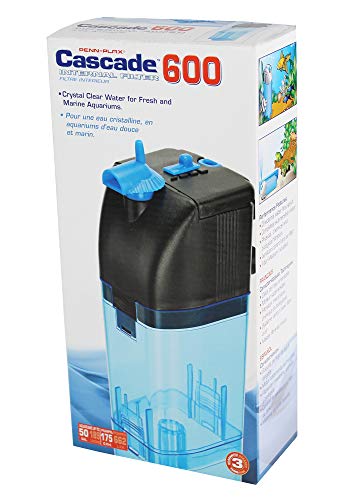
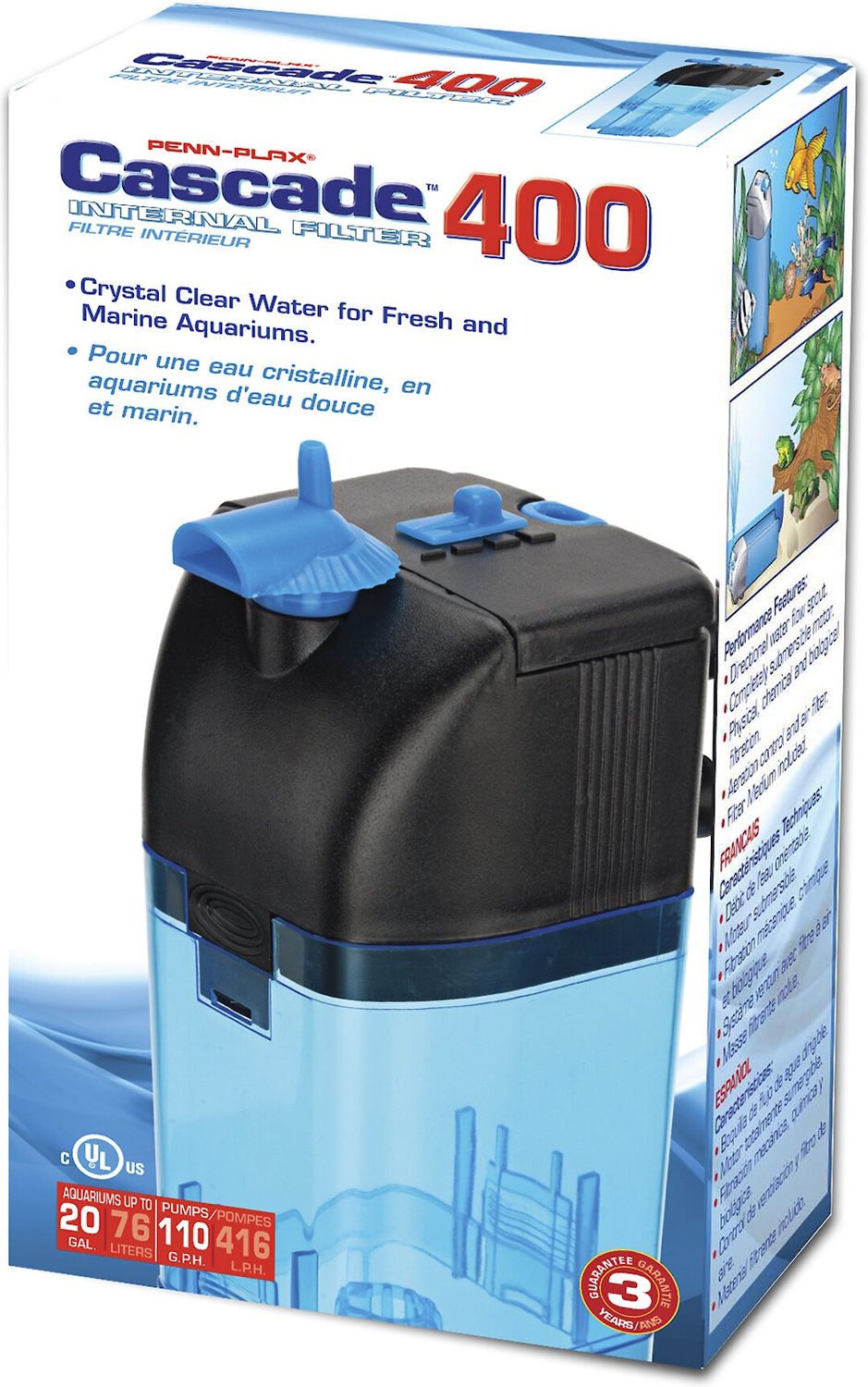
Penn-Plax built the most utilitarian filter on this list. Designed to function like a mini internal canister, it holds more media than any other filter in this category. Everything sits in contained chambers, so you can put exactly what you want in each one: ceramic rings, additional bio media, chemical filtration. That level of customization in an internal filter is rare.
It mounts vertically or horizontally, which makes it genuinely useful for shallow aquariums, paludariums, and turtle tanks. Direction flow nozzle lets you point the output where you need it. Venturi outlet or spray bar for surface agitation if you need oxygen injection. Flow regulator on top for output control.
Choose the Penn-Plax if you want maximum flexibility and media volume at a fair price. Choose the OASE if the visual profile and integrated heater matter more to you.
I’m generally not a Tetra filter fan. But this one earns its spot. For a tight budget in a small tank, the Whisper internal delivers three-stage filtration at a price point that makes it an easy first filter for beginners.
The traditional bio-bag is here, but there’s also a permanent biological filter section Tetra calls a bio-scrubber. That biological component is what saves this filter from being just another cartridge-based throwaway. It’s very quiet. Instructions are genuinely terrible, so if you pick this one up, find a setup guide before you start.
The mounting system is the weak point. Clip-mount only, which locks you to the top of the tank. Not usable for shallow setups. And long-term, replacement cartridges add up. Budget price now, higher maintenance cost over time.
Pros
3 stage
Cheap entry price
Air driven
Cons
Cartridge-based (ongoing cost)
Clip mount only, not suitable for shallow setups
4. Marineland Magnum Polishing
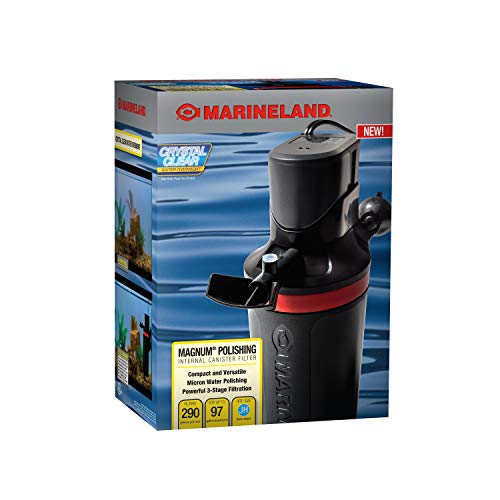
The Magnum is a specialty tool, not an everyday filter. It’s a diatom-capable internal polishing filter, which means it can pull microscopic particles out of your water column that a standard filter misses entirely. After a substrate stir, after treating for disease, or after any event that clouds your water, the Magnum clears it fast. It’s the filter I reach for when I need crystal clear water quickly, not the filter I’d run 24/7 as a tank’s primary filtration.
Pros
Diatom polishing capability
Powerful flow rate
Great for water clarity emergencies
Cons
Specialty use, not primary filtration
Higher price for what it does
5. Aqueon Quietflow Internal
Aqueon built this one specifically for shrimp and fry, and it shows. The intake is designed so small animals don’t get sucked in, which is the one thing most internal filters get completely wrong for delicate livestock. If you’re running a breeding tank or a shrimp colony, this filter addresses the problem directly. Flow is gentle enough that it won’t stress out cherry shrimp or newly hatched fry.
Pros
Safe intake for shrimp and fry
3 stage filtration
Quiet operation
Cons
Limited to smaller tanks
Not enough flow for heavily stocked setups
6. Fluval U3
Fluval’s U-series internal filters are the ones I keep running in my own quarantine tanks. The U3 specifically hits a sweet spot: enough flow for tanks up to 40 gallons (150 L), three-stage filtration with decent media volume, and Fluval’s reliable pump engineering. Maintenance is straightforward. The media baskets are accessible without a fight. I’ve had U-series filters running without issues for years in my own facility, which is the kind of track record that matters more than spec sheet numbers.
Pros
Reliable long-term performance
Easy maintenance
Good flow for mid-size tanks
Cons
Not the most media capacity for the size
Pricier than Penn-Plax for comparable volume
7. SICCE Shark
The SICCE Shark doesn’t get talked about enough. SICCE is an Italian manufacturer with a strong reputation in the European aquarium market, and this filter reflects that build quality. The pump is quiet and reliable. Three-stage filtration, adjustable flow, solid media capacity for its size. If you’re building out a tank and want a filter that just runs without demanding attention, the SICCE Shark belongs on your shortlist.
Pros
Reliable European build quality
3 stage filtration
Quiet pump
Cons
Less widely available
Replacement parts harder to source locally
BUY OR SKIP?
Buy if: You’re running a quarantine tank, breeding setup, nano tank, or aquascape where an external filter is impractical or too powerful. Internal filters shine in these specific contexts. Skip if: You have a heavily stocked tank over 40 gallons (150 L) and expect your filtration to do the heavy lifting on its own. Internal filters work, but for high-bioload setups, they need to be paired with something stronger or sized up significantly from the tank’s rated volume.
Should You Buy an Internal Filter?
Good Fit If:
You’re setting up a quarantine or hospital tank and need reliable filtration fast
Your tank is under 20 gallons (75 L) and flow rate from a HOB would be too aggressive
You’re running a shrimp tank or fry tank where intake safety matters
You want a clean visual profile in an aquascape and don’t want equipment showing
You need a secondary filter to boost an existing system
Avoid If:
You have a heavily stocked tank over 40 gallons (150 L) with high-waste fish
You want maximum biological filtration capacity without spending a premium
You plan to never think about your filter (internal filters need more frequent maintenance than canisters)
MARK’S TOP PICK
The OASE BioPlus is the clear winner if budget is not the primary constraint. Nothing else in this category combines filtration quality, integrated heating, and visual profile the way it does. For a display aquascape or a tank where presentation matters, it’s the only internal filter I’d recommend without hesitation. If you need flexibility and media volume at a lower price, the Penn-Plax Cascade is the pick. For quarantine setups specifically, I reach for the Fluval U-series every time.
WHAT MOST PEOPLE MISS
Biological media volume is more important than mechanical filtration in most internal filters. Everyone reads the flow rate, but the actual surface area available for beneficial bacteria colonies is what determines whether your filter handles your bioload or just pushes water around. A filter with 150 GPH but minimal bio media loses to a 100 GPH filter with packed ceramic rings in a moderately stocked tank. Read the media specs, not just the flow numbers.
Closing Thoughts
Internal filters aren’t a compromise. Used correctly, they’re exactly the right tool. The key is matching the filter to the actual purpose: quarantine tanks, breeding setups, nano builds, and aquascapes where external equipment isn’t practical. Size up from what the box says is appropriate, pay attention to biological media capacity, and don’t expect one small internal filter to carry a heavily stocked 40-gallon tank on its own.
My top pick is the OASE BioPlus for anyone who wants the best. The Penn-Plax Cascade for best value. The Fluval U-series for proven long-term reliability in real working setups. Any of these will serve you well if you use them where they belong.
For fish and supplies, I regularly point people toward Flip Aquatics and Dan’s Fish for healthy, well-acclimated livestock and quality gear. Good filtration protects your investment in good fish.
Fish diseases are one of those topics that every hobbyist eventually has to deal with, no matter how careful you are. Over 25 years in this hobby, I’ve seen everything from ich wipe out entire tanks to bacterial infections that looked like fin rot but turned out to be something else entirely. The good news is that most common diseases are treatable if you catch them early. and knowing what to look for makes all the difference.
There are always health risks when owning fish, but this guide to common fish diseases will allow you to identify, diagnose, and provide you with suggestions on what medications to administer to the affected fish. You’ll be able to know what symptoms to look out for and how to prevent them.
I have a great video to share from our YouTube channel with you to start off. I will also go over treatment plans for every aliment below.
1. Anchor Worms
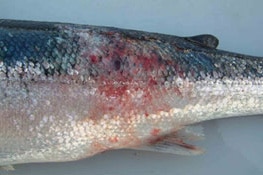
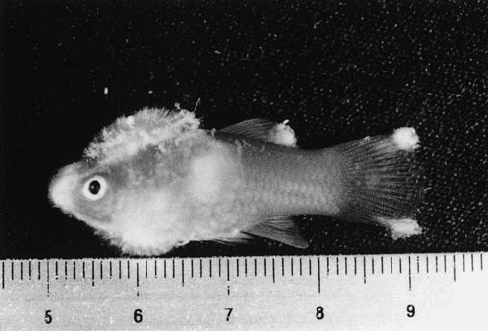
Anchor worms are not actually a type of worm but a large parasitic crustacean from the Lernaea species that can live on your pet fish. Pond fish are most commonly infected with this species. They will attach to their skin and bury their head into their muscles.
Symptoms of Anchor Worms
A common sign with Anchor worms would be red and inflamed scales. If you look close enough, you may even be able to see the body of these parasites sticking out! Their bodies will look like whitish green thread stuck to your fish. You may also notice that your fish is rubbing its body up against things in its tank. Other symptoms may include lethargy, ragged fins, and mucous production.
Treatment of Anchor Worms
For larger species, anchor worms can usually be easily removed by carefully pulling on the body of the parasite. After you have removed the parasites, you can apply topical antibiotic ointment to their scales.
Treatment includes using anti-parasitic medications and performing water changes. It would be best if you also cleaned the whole tank to get rid of any of the eggs, larvae, or parasites in the tank.
For smaller species, using Hiraki USA Cyropro works without affecting your biological filtration.
2. Bacterial Infections
Your fish can get a bacterial infection. These commonly happen after an injury. A common bacteria you will encounter is Aeromonas salmonicida1.
Causes of bacterial infections
Many times the cause of these bacterial infections is due to poor water quality and poor diet. This can cause stress in your fish leading to a lower immune system and allow any bacterial infection to set in.
Signs of a bacterial infection
For a bacterial infection, these are some of the most common signs that you will see:
Red spot on the fish’s body
Ulcers on gills
Enlarged eyes
Swollen abdomen
Other signs are rapid gill movement, discoloration, and skin ulcers.
Treatment of bacterial infections
If a bacterial infection occurs, your vet will prescribe antibiotics based on the bacteria that is present. There are some medications that you can buy online or at a local aquarium store to help treat bacterial infections.
Administer antibiotics to handle the infection. A popular brand for many hobbyist to recommend is API’s Furan-2 or Triple Sulfa. These are medications that you put into their water. Livestock will need to be transferred to a quarantine tank or hospitalized tank while they are being treated. Before going back to their main tank, the issue with the tank would need to be corrected, and the tank cleaned.
Also consider adjusting the tank population to control the spread and preventing in the future. Many bacterial infections are usually caused by unclean water and other factors.
3. Constipation
If your fish can not poop, they will quickly become constipated. This can cause them to become very ill.
Causes of Constipation
There are two main causes of constipation:
Improper diet
Parasite infections
Both of these can cause your fish to not be able to properly pass feces
Symptoms of Constipation
If your fish is constipated you may notice a bloated abdomen. Constipation can cause them to develop swim bladder disease so you will see signs of buoyancy issues, such as difficulty swimming. Other indicators include loss of appetite and bloating.
Treatment of Constipation
One of the easiest ways to treat a constipation is enhance nutrition by increasing the amount of fiber in their diet and use deworming medications. Another way to treat constipation is to dose your fish tank with Epson salt (API sells a product that is easy to find in stores). Adding 1 to 3 teaspoons of salt per every 5 gallons of water will help. Epson salt will act as a muscle relaxant and help them be able to poop easier.
4. CO2 Poisoning
CO2 levels over 30 ppm can be dangerous for aquatic animals. This issue can arise with fish tanks that use CO2 injection in planted tanks.
Signs of CO2 Poisoning
If your aquarium has high levels of CO2 you will notice rapid breathing and gasping for air. You also may notice that these fish are spending more time near the surface of the tank. Also look for abnormal swimming, breathing difficulty, and lethargy.
Causes of CO2 Poisoning
CO2 poisoning in can be caused by your CO2 reactor not working, or your plants not absorb CO2 due to the lights not working properly.
Treatment for CO2 Poisoning
The best way for you to treat CO2 poisoning is to use an air stone to agitate the surface. This causes the carbon dioxide to dissipate from the water. You can also adjust the rate of CO2 injection in your tank.
5. Flukes
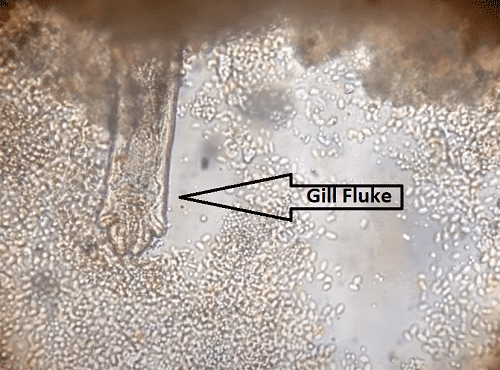
Flukes are external parasites (Source- Cuttlebrook Koi Farm). Most flukes will affect fish gills. The two most common flukes that are seen are Dactylogyrus and Gyrodactylus. There can be body flukes or gill flukes. Let’s discuss the causes.
Causes of Flukes
These flukes can commonly enter your aquarium from another fish that is infected with flukes.
Symptoms of Flukes
Flukes will attach themselves to your fish’s gills and skin. This can damage these areas leading to a secondary bacterial infection. Other symptoms include slime coat changes and gill damage.
Treatment of Flukes
The most effective treatment for flukes is Praziquantel. Apply antifungal treatments and conduct veterinary consultations or expert hobbyists for proper management. After you have treated these flukes, you can treat any wounds that these flukes they left with antibiotics.
6. Clamped Fins
Clamped Fins is just like it sounds, it occurs when your fish’s fins are clamped close to their body.
Causes of Clamped fins
Most fish will hold their fins very close to their body if the water condition is not correct. It could also be caused by external parasites.
Symptoms of Clamped Fin
For clamped fin, you may notice lethargic behavior and holding their fins very close to their body even while swimming. They may exhibit clamped fins along with white patches and spinal deformities.
Treatment of Clamped Fins
If you see symptoms of clamped fins, it is best for you to check your water conditions. Also, look for any external parasites. If you see any parasites, you will need to manually remove the parasites. Isolate new additions and implement UV sterilization to prevent spread in the future.
7. Dropsy
Dropsy is a term used to describe a fish that is swelling due to kidney disease.
Symptoms of Dropsy
Usually, the signs of dropsy that are seen are a slightly swollen belly all the way to a very swollen abdomen so much that their scales will stick straight out, causing them to look like a pinecone. Other notable symptoms include scale loss and exophthalmia (bulging eyes).
Cause of Dropsy
There are many things that can cause your fish to have kidney issues. These are some common reasons:
Stress
Polycystic Kidney Disease
Treatment for Dropsy
The first thing to do about Dropsy is to put the affected animal in a quarantine tank. This can help eliminate the stress that may be in the display tank if they improve while in the quarantine tank, there is a stressor in the main tank that needs to be addressed. This may be poor water quality, parasites, overcrowding, or something else. Try to figure out what is causing the stress, and fix this issue.
Dropsy is a serious disease that can lead to the loss of your prized pet’s life. It is best for you to see a vet. Some vets will see fish; however, it may be hard to find one near you. Reaching out to your local aquarium store, you may be able to get suggestions on who to see to help treat your fish.
I know both of these are not always available to some, so I’m going to defer to Lori’s Hartland’s experience on how she cured her Goldfish using a triple treatment of Kanaplex, Metroplex & Epsom Salt. Here is the full video below that walks you through her experience. It’s also very important to see her experience with her vet call at 19:06. She had to take a phone consultation, which is going to be what most will get when consulting a vet for a smaller species.
Other blog material you find may tell you to use salt baths, but in my experience, this doesn’t work too well. Lori’s treatment plan and using wheelchairs have been the most effective for me.
8. Freshwater Ich
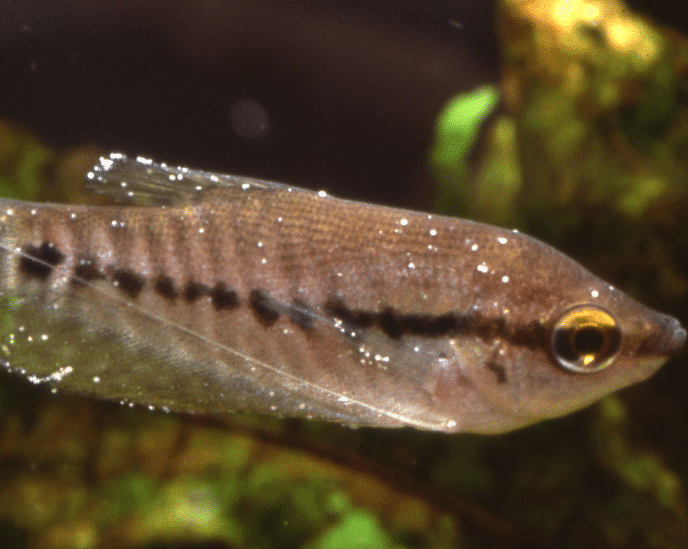
Ichthyobodo is a protozoan parasitic infection seen in fish who are stressed.
Symptoms of Ich
Ich attacks your fish’s gills and skin. These parasites will cause your fish to have a grey color to their skin. You will notice that the affected animal will be lethargic, weak, and not want to eat. You may notice that they spend more time near the top of the tank, gulping air or rubbing their side on their tank. Also, watch for white feces, scratching against objects, and rapid gill movement.
Cause of Ich
Stress is the main cause of Ich. This can be due to poor water conditions, overcrowding, or illness. When your fish is stressed, it leads to a lower immune system and allows this protozoal parasite to take over.
9. Freshwater Velvet(Gold Dust Infection)
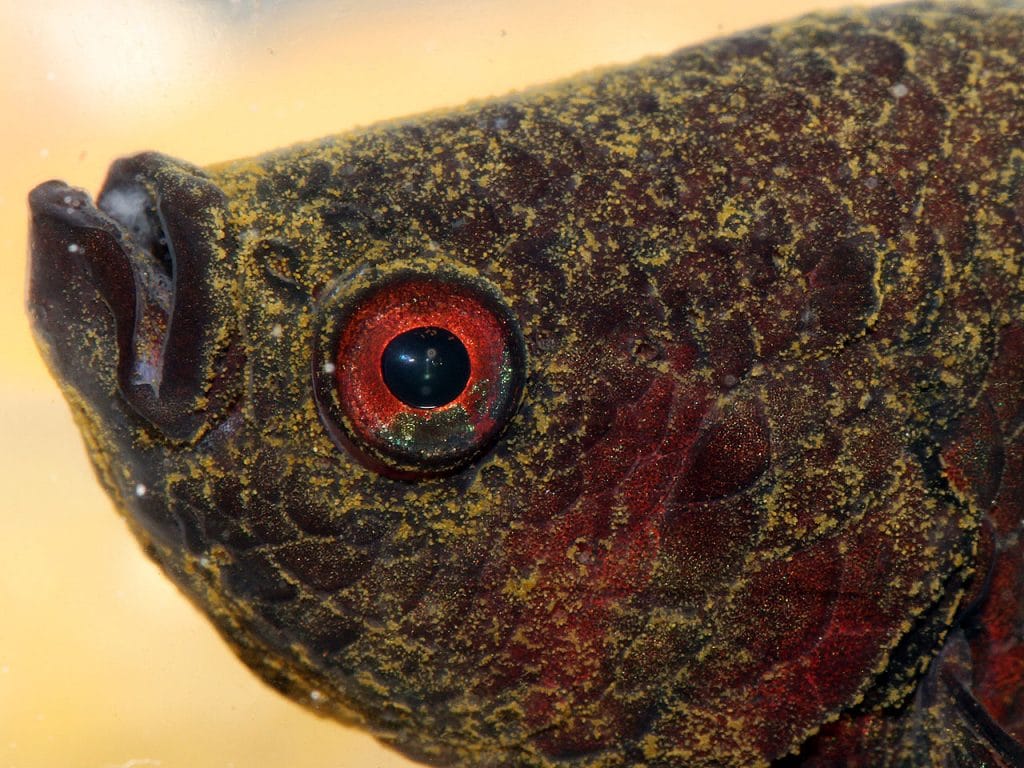
Velvet disease in fish can be very deadly for your whole tank. This disease can quickly wipe out everything in your tank.
Symptoms of Velvet
Fish who have velvet will be scratching their body against any hard surface in the tank. This is to try to remove the parasites from their skin. They may also display some of the following signs:
Lethargic
Rapid Breathing
Not eating and weight loss
Holds fins next to body
Labored or rapid breathing
Yellow to rust color dust on the body
Pealing of the skin in severe cases
Cloudy eyes
Causes of Velvet
Velvet is caused by the parasite Oödinium pillularis or Oödinium limneticum. These parasites are common in tropical fish and may be present in many aquariums but only cause issues if your fish is stressed, sick, being transported, has a sudden, temperature change or has poor water quality.
Treatment of Velvet
If your fish has velvet, you do a few things to help with treatment.
Increase the temperature of the water by just a few degrees. Monitor water temperature to ensure it stays elevated.
Dim the aquarium lights for a few days
The treatment of choice for velvet is copper sulfate for 10 days. A good brand to look for is Copper Power or SeaChem Cupramine. DO NOT use copper sulfate in a displayer tank. A removal of the sick fish to a quarantine tank is a must!
Velvet can many times be prevented by quarantining any new additions that you are planning on adding to your tank, providing your aquatic livestock with a proper diet, and maintaining good water quality. If you came here to get info on the saltwater version, check out Mark’s article on Marine Velvet.
For future prevention, consider implementing biosecurity measures like quarantining new additions.
10. Fungus
The two common fungus infections seen in the freshwater side of the hobby are:
Fungal infections can cause damage to internal organs. Common signs seen in fish with fungal infections are grey cotton-like growths and coloration seen on the skin, gills, fins, and around the eyes.
Causes of Fungal Infections
Fungal infections are caused by unclean water conditions and dead and decaying organic material in your tank.
Treatment of Fungal Infections
The first thing you need to do to treat fungal infections is to clean their tank fully. Then using potassium permanganate that you put into your aquarium water. You will want to make sure that you have removed any external pathogens from your fish’s skin.
A popular brand of fungal treatment that you can use after fully cleaning your aquarium is API Fungus Cure. Apply this topical treatment and disinfect aquarium equipment to control the fungus.
You can also increase the water temperature to 82 degrees as most of these fungal infections thrive in colder temperatures.
11. Gill Mites
Gill mites3 are common parasites that are seen in aquariums. These parasites attach to your fish’s skin and feed on their blood.
Symptoms of Gill Mites
If gill mites are present, you will notice that their gills do not fully close. These mites prevent the gills from being able to function properly. This will cause your fish to spend most of its time at the surface of the tank gasping for air. Also look for abnormal swimming and red streaks on the body.
Causes of Gill Mites
These mites enter your tank from new livestock additions who already have these mites. This is one reason why it is advised to always quarantine any new additions before adding them to your aquarium.
Treatment of Gill Mites
To treat gill mites, you will need to use medications such as sterazin and octozin. You will need to repeat this treatment about 5 days later to kill any other mites that may have hatched.
I read somewhere that another blog stated apply immunostimulants and adjust lighting conditions for recovery. I think that’s false. You can refer to this article regarding immunostimulants in fish – they aren’t well studied.
12. Hole In The Head
Hole in the head disease (also known as Hexamita) is seen when there are small indentions in your fish’s head or along their lateral line.
Symptoms of Hole in the Head
A common symptom of hole in the head are small indentions into their skin. These will start as slight depressions and can advance to more severe holes. Some fish with this illness will stop eating. This disease often causes fecal changes and parasitic cysts.
Causes of Hole in the Head
Hole in the head is caused by a a protozoan called Hexamita. It is a common disease in Discus. Another factor is deficiency of minerals in water due to the use of RODI water or excessive usage of activated carbon.
Treatment of Hole in the Head
The best way to treat this is in a quarantine tank and treating with Metronidazole or API General Cure.
You can feed medicated food using focus and General Cure or Metro.
13. Hemorrhagic septicemia
Hemorrhagic septicemia is a deadly viral infection seen in fish caused by Piscine novirhabdovirus.
Symptoms of Hemorrhagic septicemia
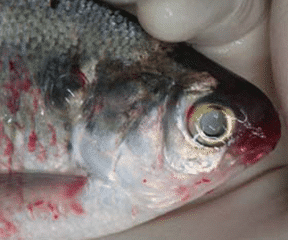
This disease will cause bleeding in their internal organs, muscles, and skin. This can be seen as small red dots on your fish’s skin. You can also see some of the following symptoms:
Pale gills,
Dark-colored body,
Fluid accumulation in the body,
Bulging eyes
Other signs include hemorrhages and sudden death in livestock.
Treatment of Hemorrhagic septicemia
There is no really good treatment for this disease. Many fish who get this illness will die of this infection. You can try to clean the tank and increase the temperature of the water that the fish are in a few degrees. You can try to administer antibiotics such as:
Do not use carbon filters when using medications. While they improve water quality, they will remove medication.
14. Lice
Your fish can get external parasites such as lice. Fish lice are small parasites that can attach to the skin and suck blood, causing the fish to become anemic.
Symptoms of Lice
If your fish has lice you may see a small clear disc laying next to their body. Most fish who have lice infestation are pale due to the lice sucking blood. They may also be rubbing against surfaces in the tank as they try to remove the lice themselves. This can cause them to have external wounds on their skin. Other symptoms may include isolation from the group and skin ulcers.
Treatment of Lice
The best way to treat lice is to physically remove all the lice from your fish’s skin. If there are any external wounds, you can treat these areas with topical antibiotic ointment. Over the counter medication of choice would be diflubenzuron under the brand name Dimilin-X. It’s an anti-parasitic medication highly effective at eliminating lice.
Consider implementing quarantine protocols going forward to prevent future infections.
15. Pop-Eye
Pop-eye is due to a bacteria infection that causes one or both eyes to pop out of the socket.
Symptoms
This condition is usually very easy to diagnose as you will see bulging eyes (also known as exophthalmia) protruding from their eye sockets. Behavioral changes that include loss of appetite are also common symptoms.
Causes
Pop-Eye is usually due to a bacterial infection. It can also be due to vitamin A deficiency, mass behind the eye, or poor water quality.
Treatment
Pop-eye is commonly treated with tetracyclines. You can get this medication from your local veterinarian. Also, you will need to check the water quality in your tank and fully clean their tank. If you cannot get a medication from a vet, you can try over the counter sulfa drugs like SeaChem SulfaPlex.
16. Swim Bladder Infection
The swim bladder is an organ in your fish that contains oxygen and other gases so that they can be buoyant. If their swim bladder does not function properly, they will have trouble maintaining their desired depth.
Symptoms
One of the main signs that you will see with swim bladder disease is that your fish has a hard time staying upright in their tank. They may also spend a lot of time near the surface or deep in the tank. They will have abnormal swimming and a loss of appetite.
Causes
Poor water quality and stress are common causes of this condition. Newly purchased fish may get this disease if transported incorrectly (common with imports or species caught in the wild). If you notice that your fish cannot maintain proper buoyancy, the first thing you need to check is the water quality in your tank.
Treatment
If your fish does have swim bladder disease, it would be best for you to see an aquatic vet. An aquatic vet is able to perform a procedure to release the air from the swim bladder to correct the issue (known as venting). They will also recommend that you test your tank’s water condition and perform water changes of about 10%.
Fish who have trouble staying upright or spend a lot of time near the tank’s bottom may need to learn how to be hand fed. This will help ensure that your fish is getting the proper nutrition that it needs to survive. Hobbyists have also tried making harnesses to keep their pet upright, like the video below. Check out Mark Kennedy’s video for the full walk-through. The harness solution is most effective with fancy goldfish.
17. Tail and Fin Rot
Causes of Tail and Fin Rot
Fin rot is usually caused by unclean and improper water quality and an injury to one of these areas. This cut or abrasion can then easily get infected due to unclean water. This can cause these areas to rot.
Signs of Tail and Fin Rot
You will see fraying and torn fins (or fin erosion), ragged fins, tails, and nodules on the skin.
Treatment of Tail and Fin Rot
There are medications that you can get to treat these infections, such as SeaChem KanaPlex and API Fin and Body Cure. You can also use Methylene Blue from Kordon to treat your tank. It is best to put 1 drop per every 2 gallons of water. When using Methylene Blue, you will need to do a 50% water change every other day for a week.
18. Mouth Rot
Mouth rot is caused by a fungus called Flavobacterium bacteria.
Signs of Mouth Rot
Look for discoloration and white patches on the mouth area. If your fish has mouth rot, you will see a white cotton-like appearance around their mouth. If this is left untreated, the skin around their mouth will start to rot.
Causes of Mouth Rot
This is usually caused by unkept water conditions and stress. This lowers their immune system causing fungus to take over.
Treatment of Mouth Rot
There are many antifungals that you can buy at your local aquarium store to help treat this issue such as:
You should also try to figure out what is causing your fish to be stressed and check the water condition.
Other Common Illnesses
In addition to the diseases already covered, there are several other common ailments and parasites that can affect fish in aquariums and ponds. I didn’t have the space in this post to cover them all but here is the list so you can be aware of them. Over time, I will do blog posts about these.
White Spot Disease – A highly contagious parasitic disease common in ornamental fish.
Neon Tetra Disease – Affects neon tetras, causing wasting and color loss.
Fish Tuberculosis – A bacterial disease that can be serious.
ColumnarisDisease– Columnaris is a bacterial infection known for affecting gills, mouth, and skin.
Nitrite Poisoning – Occurs due to high levels of nitrite in water.
Ammonia Poisoning – Caused by elevated ammonia levels in the aquarium.
Black Spot Disease – Parasitic infection causing black spots on skin.
Lymphocystis – A viral disease causing growths on fins and body.
Red Pest Disease – Bacterial infection causing red streaks on the body.
Vibriosis – A bacterial infection affecting internal organs.
Whirling Disease – Causes erratic swimming and skeletal deformation.
Camallanus Worms – Intestinal parasites visible near the fish’s anus.
Oodinium – Also known as “Rust” or “Marine Velvet” disease.
Carp Pox – Causes waxy, skin growths primarily in koi and carp.
Cotton Wool Disease – A fungal infection that looks like cotton wool.
Koi Sleeping Disease – Affects koi and carp, causing lethargy.
Scale Protrusion – Scales protrude due to fluid buildup.
Nematode Infections – Roundworm infections.
Epistylis – A parasitic infection causing cotton-like tufts on the body.
Brooklynella – A protozoan parasite affecting the skin and gills. Clownfish are susceptible
Chilodonella – A parasitic infection affecting skin and gills.
Uronema Marinum – A marine parasite causing severe damage.
Argulus (Fish Louse) – A large, visible parasite that attaches to the host’s body.
Skin Ulcers – Often bacterial in nature, causing open wounds on the body.
Prevention Steps
There are many things that you can do at home to help prevent many of these issues. Your aquatic pet’s health depends on the water condition, diet, and levels of stress. To help keep your fish healthy, try doing these best practices below:
Provide a Quality Diet: Your fish should be fed a proper diet every day. Diet will help keep your fish full and not fight with other tankmates in the tank over food.
High Water Quality: Make sure that the water that your fish is living in is clean using highquality power filters or canister filters and at the correct temperature. Also, check to make sure that the levels in your aquarium or outdoor pond are correct.
Observation of tank: It is best to observe all livestock in your aquarium daily. This will let you know if any inhabitants are sick or stressed. Early detection of a disease is easier to treat than one that is not detected until later in the disease stage.
Reducing Stress: Make sure that you reduce the stress in your tank. If you have a fish that is bullying other tankmates or you have just added a new fish to the tank, make sure they are not overly stressed.
Quarantine New Additions: Any addition to your tank should be quarantined for a few weeks to make sure that you are not putting an infected fish (or plant. yes plants can be infected too!) into your tank. This gives you a few weeks to make sure that your fish is eating and not showing any signs of illness before putting them in your main tank. Mark has a great article on quarantining. It is marine fish based, but the same principle applies for freshwater fish.
Creating A Medicine Cabinet
Anyone who has multiple aquariums deals with sick fish. Whether you quarantine or not, it’s a based practice to have medication on hold for emergencies. Here would be common readily available medications that are helpful to have on hand. To summarize all the medications discussed, I have added a table for quick reference.
General Cure, Seachem Metroplex, SeaChem Focus (To Bind)
Fungal
API Fungal Cure
Bacterial
API-Furan 2, Seachem Sulfaplex
FAQS
What are the most common issues?
The most common fish diseases are Ich, internal parasites. Read more about fancy goldfish. Hole in the Head disease is common with Discus.
How Do You Identify Different types of Infections?
The most obvious way to identify a disease are external signs. You may notice odd behavior in the fish (such as flashing, scratching), cloudy eyes, or a whitish coatings on its body. Another obvious sign is a skinny fish that is eating, a common sign of an internal parasite. Identifying a disease is critical to treating them in time.
Can You Get Heath Issues From Them?
No. You cannot get a disease from an aquarium fish unless you eat them. Since we do not eat our aquarium inhabitants, getting ill from keeping aquariums is very rare. As long as you care for your livestock and clean your hands after putting your hands in your tank, you should not have any concerns with getting sick due to keeping an aquarium.
How Do you Deal With Health Problems?
Dealing with disease involves treatment. You must first know what type of disease you are dealing with – parasitic, bacterial, fungal, or internal. Each type has different ways of treating it. There are many store-brand medications these days. For large fish, Vets can prescribe medication. This is more common for large fish like Koi and Cichlid. Small species will often get a consultion from a Vet, but don’t expect them do any procedures.
How Do I Know If they have Internal Parasites?
The most obvious way to know if your fish has an internal parasite is weight loss. If your fish is eating and says skinny it likely has an internal parasite. The other is the shape and color of the poop. If you see stringy white poop, this is a sign of an internal parasite. Most internal parasites can be treated with Metroplex
Want to learn more about how to keep a tank clean? Check out this guide on how to clean an aquarium to learn more.
Cloudy water is one of the first problems new fishkeepers run into. and honestly, one that experienced hobbyists still deal with from time to time. I’ve troubleshot this in my own tanks more than once over the years. The frustrating part is that cloudiness has several different causes, and treating the wrong one can make things worse. Once you know how to read the type of cloudiness, though, most cases clear up quickly.
Dealing with a cloudy fish tank? If you have dealt with this, you will know it is one of the most frustrating things that can happen in the fish tank water. I get your pain, as I have been in the hobby for over 25 years. While the problem is not as common on the saltwater tank side, it is far more common for freshwater tanks.
There are several reasons for cloudy water in freshwater tanks. In today’s post, I’m going to go through the 7 most common reasons for a cloudy fish tank, and 5 ways you can go about resolving the issue. Knowledge is power in this hobby and I’m here to empower you! Let’s get started.
Key Takeaways
The most common reason for a tank that is murky or water cloudy is having a new tank
Proper maintenance and stocking are good ways to prevent a tank from becoming cloudy
If your tank needs to be cycled, consider bacteria in bottle products
Glass can also make your tank look hazy, clean the inside and outside of your glass
Why Is My Fish Tank Cloudy? The 7 Most Common Reasons for Cloudy Water
Murky water sucks. It makes your tank look ugly and unappealing. Fortunately, there are 7 common reasons for it occurring, they are:
Check out our video from our YouTube channel below. We go into more detail in the blog post. Free to follow along with both.
1. New Aquarium and Murky Water
Cloudy water in a fish aquarium and a new tank go hand in hand with our hobby. It is very common for this to happen when you are cycling a tank or have a newly-cycled tank. When you start adding livestock to the tank, you introduce new sources of nutrients and waste to the tank. If you add too fast, the system is thrown off balance.
As a result of this imbalance, the beneficial nitrifying bacteria in your tank reproduce like crazy in order to digest the excess nutrients. The massive amounts of new bacteria create a cloud, which results in your water looking cloudy. The best way to fix cloudy water issues is patience. Just stop adding fish and let your tank settle down. It should clear up on its own.
During this time, it is a good choice to do a water test with an aquarium test kit. You will want to look at the big three new tank parameters, which are going to be Ammonia, Nitrite, and Nitrate. Ammonia and nitrite are going to be your biggest concerns with a brand-new tank.
2. Overfeeding
If you have an established tank, this is a common reason for tank water in your aquarium to become cloudy. It’s understandable to want to feed your fish all the time. After all, they usually greet you when they see you with their cute little faces. They look at you, and the top of the tank waiting for you to feed them. If you start feeding a lot, your system gets thrown off balance and a bacteria bloom occurs.
Lay off the feeding for a bit and test your aquarium water. It’s actually a good thing to have your fish go without food for a day to let their digestive systems settle down. Excess food is problematic and can lead to dirty aquarium water. The only fish you don’t want to do this with would be fish that lack stomachs, like goldfish. Look out for automatic fish feeders as it is easy to overfeed with them.
3. Too Many Fish
Too many fish in the tank is going to lead to a dirty-looking aquarium. Adding them too fast will also cause the water in the tank to look clouded. Slow yourself down with additions and avoid adding any more fish until you get this problem under control.
When planning out fish, a really great site to get an overview is AdAdvisor. Just plug in the fish you want to add and run the calculator. As a rule of thumb, you do not want to increase your fish population by 50% and you want to spread out your additions to 4-6 week timelines so your tank has time to balance out. The only time I feel where you can get away from this is if you have done a dry start for a planted aquascape. Here is the link to the calculator.
4. Inadequate Filtration
Filtration is a major cause of this problem in an established tank. The main culprit here is going to be your mechanical filtration. Cheaper power filters tend to use coarse foam, which finer particles will pass through. When it comes to canister filters, the issue may be the choice of foam. Fortunately, high-end brands like the Biomaster Thermo will have multiple foam densities you can choose from. If you have a heavily populated tank, you might want to consider going for a finer foam.
If you are using a power filter, you might want to consider adding a layer of filter to improve your mechanical filtration. I prefer to use the blue floss that is put in canister filters and sumps. You can purchase it in bulk online and then cut it to fit.
Decaying matter can cause murky water in your tank and will get dirty fast. The biggest piece of decaying matter is going to come from a dead fish. Check your tank every day and see if all the fish you own are accounted for. Sometimes, if your fish are breeding, you may have dead fry that is dirtying up your tank water.
The other factor is going to be chunks of uneaten fish food and decaying plant matter. Check your substrate for both and trim off any decaying leaves you see on your live plants.
6. Your Glass
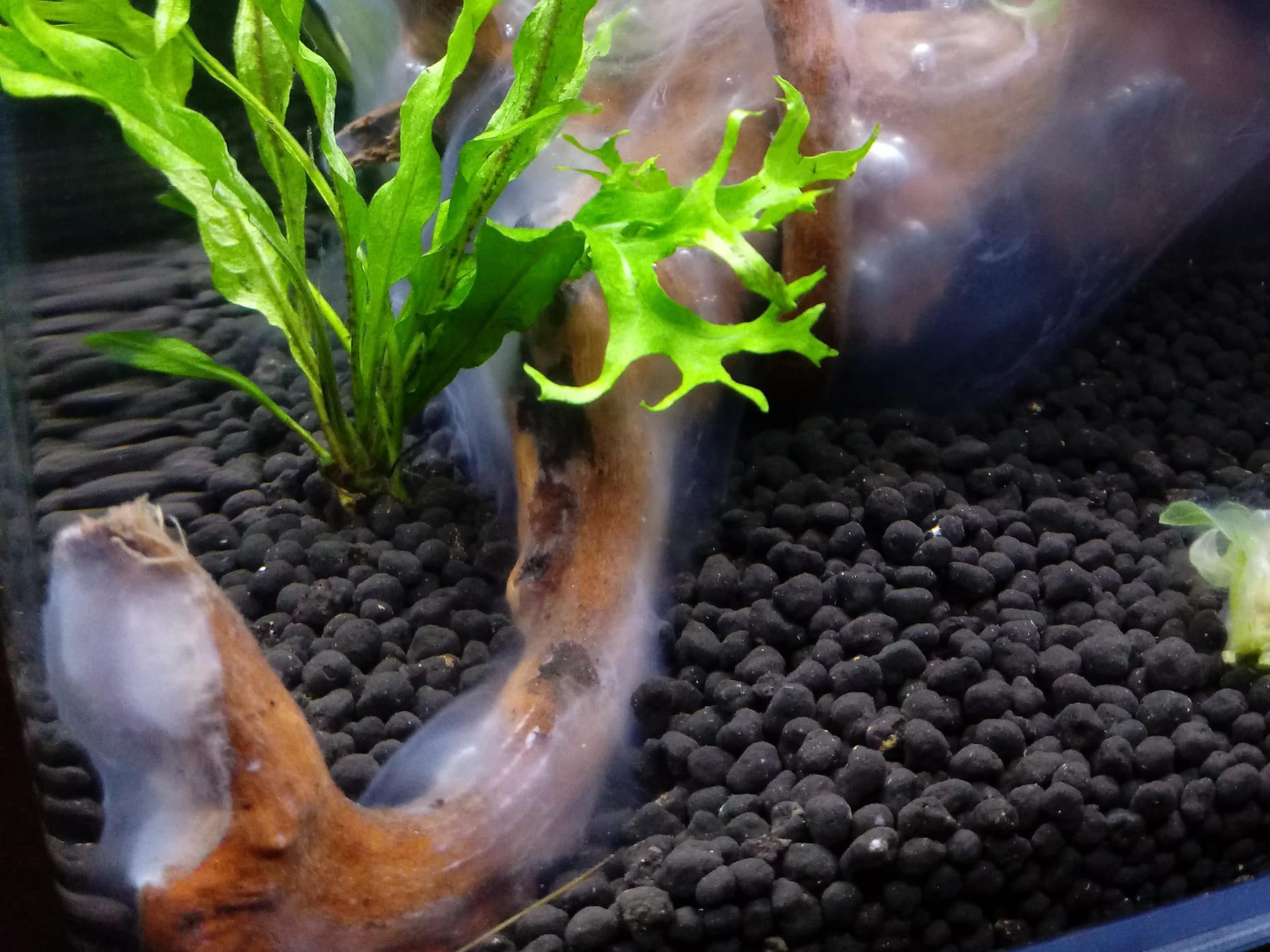
Your glass can be a source making your tank water look murky. The main cause is from bacterial biofilm. Biofilm looks the most obvious on aquarium driftwood like in the photo below, but it also grows on your glass.
This biofilm will stick to your glass and give it a cloudy look if left unchecked. On larger fish tanks, your tank will have a slight tint to it that will make it look a little darker. Low iron rimless aquariums and acrylic tanks will have better clarity and show better than traditional glass tanks.
7. Your Subtrate
New substrates can cause cloudiness or milky water that will look hazy if they are not rinsed. Always make sure you wash your substrate thoroughly before putting it in your aquarium. The other cause can be an existing substrate that is stirred up. Stirring up too much of your substrate at once can cause the release of additional nutrients, which will cause a bacterial bloom or cause discoloration of your aquarium water causing it to look milky. If you are going to stir your substrate, it is best to do so when gravel vacuuming so you get most of the debris that comes out
5 Ways To Deal with It
Alright, so we know the 7 common causes of cloudy aquarium water. Let’s talk about what we can do about it. It’s actually simpler than you think and here are 5 ways to get rid of it:
Proper Tank Maintenance
Making Sure Your Glass Is Clean
Proper Filtration Maintenance
Cycling Your Aquarium
Improving Quality Of Light Duration
1. Proper Aquarium Maintenance
Proper maintenance on your tank is going to be the #1 solution for white cloudy aquarium water. Most problems in this hobby can be resolved with a water change. A water change can bring balance back into your aquarium and balance the water chemistry. In most cases, clouded water is going to be a result of a bacterial bloom due to spikes in nutrients. Doing a water change will remove these nutrients and get everything in balance. If the problem is more serious, you will need to do more water changes over time to get everything back to where it should be.
In extreme cases, 40-50% water change every day or every other day is not uncommon when dealing with a serious nutrient spike that causes a tank to become dirty. Gravel vac your substrate. If you have a fine substrate, surface skims it with the gravel vac to remove the top layer of debris.
2. Making Sure Your Glass Is Clean
Both the outside and inside of your glass matter. Outside of the tank, water stains on the glass can make your tank look like there is hazy water when trying to look in. Work with a safe cleaner, like white vinegar, or better yet, use a DIYers secret weapon – Magic Erasers!
Yes, that’s correct. The original Magic Eraser by Mr. Clean has been a blessing for acrylic aquarium owners for many years and goes unnoticed in our hobby. I’ve used it on the outside of the glass with great results. Rumor has it that it works inside the tank as well, but I’m not that brave ?. Still, I’ve had hobby friends tell me that it’s like cleaning with a plastic scraper and is completely safe. I’ve only had personal experience on the outside. For the inside, I prefer a razor blade for glass or a Flipper Cleaner.
I love the Flipper. Just put it in your aquarium and clean from the outside. You can even move it to other sides of the tank with its flipper feature. Simply Amazing!
The Flipper is amazing for cleaning the inside of your tank. It’s been my go to for years. It is also a great way to get your kids involved, as they can clean from the outside without having to put their tanks in the tank. There is also a cool factor with flipper the scraper when you move it to the other sides of the tank. It will scrape off the toughest of algae from your glass and make your glass look spotless!
3. Proper filtration maintenance
If you slack on filter maintenance, this can lead to dirty tank water problems. Your mechanical filtration is not operating at its maximum efficiency. Get into those filters and replace your filter floss and wash out your sponges. You should be changing out your filter floss every other week. For all the filter media you clean, make sure you clean them out with your tank water. If you use tap water or RO water, you risk losing those beneficial bacterial colonies in the process.
Clean out the piping in your power filters and the tubing in your canister filters. If you have mechanical filtration, consider replacing it for a fresh set. Sometimes upgrading to a premium chemical filtration media like chemi-pure will help, though it is expensive to do. All this maintenance pays off because your filters will operate at their best, keeping your tank water looking crystal clear.
4. Cycling Your Aquarium
If you have a new tank, cycling your aquarium is your first step to avoiding having a brown water tank. Reduce your feeding and don’t add any more fish until the problem goes away. Test your water for ammonia and nitrite levels and do a water change to reduce the excessive nutrients.
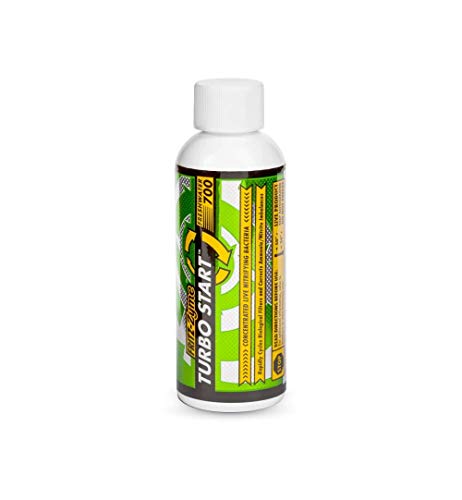
Another thing you can consider if you have a newer tank is getting used filter media from a disease-free tank. This will import beneficial bacteria that will jump-start the cycle. You can also opt for using beneficial bacteria-in-a-bottle solutions like Fritz Turbo Start 700.
Fritz Turbo Start is known in the industry as the fastest acting nitrifying bacteria you can purchase. This 700 version is specialized for freshwater tank and has my highest recommendation
If you are looking for a longer-term solution, a UV Sterilizer is a great addition for not only water clarity purposes but also for disease mitigation. Check out my article on Aquarium UV Steriliziers for more information on what makes a good one. There are many out there, and only a few that I would recommend.
5. Improve quality of light and Reduce Lighting Times
Poor lighting can really dull out your aquarium and give it a hazy look. This is more common with LED lighting as the light is more focused than T5 lights. Because the light is focused, it can lead to a disco effect and shadows can dull out your tank. I prefer an LED fixture that expands to the length of the entire tank like the Twin Star or Fluval planted tank led.
If you have T5s, it may be time to replace the bulbs. Getting new bulbs will brighten up the aquarium and make it look more lively and clearer. T5s in general also tend to display a clearer tank, given their even spread of their light. You can get close to this with LEDs, but only with higher end LEDs, like the ones I mentioned previously.
Reducing your lighting time can also help. This will slow down the reproduction of algae which will keep your glass and water clear.
Common Questions (FAQS)
Why Is My Aquarium this way?
A tank can get dirty or look clouded for one of the 7 common reasons. You have a new tank, you are overfeeding, you are overfeeding your fish, your tank is overstocked, you do not have enough filtration, there is a dead fish or decaying matter in the tank, your glass needs to be cleaned, or you have put in new substrate.
Is Dirty Water Bad For Fish?
The appearance of clear cloudy aquarium water is not bad for a fish, but is a sign of imbalance and possibly a greater problem. The first thing you should do when you see hazy water would be to assess your water quality by testing your aquarium water. Get a baseline of your nutrient levels and take action as needed. Usually a water change will help put things back in balance.
How Do I Make My Aquarium Water Crystal Clear?
Great filtration, a good aquarium maintenance schedule, and keeping your stock levels stable are the best ways of making your aquarium water crystal clear. You can also purchase equipment and supplies that can assist greatly like an aquarium UV sterilizer.
Will A Filter Clear Hazy Water?
A filter can fix cloudy aquarium water. If your tank is new, your filtration system needs to catch up to balance your tank. If you have a heavily stocked tank, you may lack filtration and may need another filter to alleviate water that looks cloudy or hazy. Other times, the filter is the problem because it’s dirty and needs to be maintained.
Can Driftwood Make My Aquarium Murky?
Driftwood can make a tank look cloudy or murky. However, the most common issue with driftwood is it can turn your aquarium water a tea like color due to the release of tannins. Some aquarium owners like this look, I personally don’t. If you want to avoid that tea color, purchase a driftwood with a low tannin count like Manzanita or Tigerwood
Conclusion – Share Your Experiences
Implementing a proper aquarium care routine will help to avoid cloudy water tanks. Various types of fish that can also make the water cloudy such as Yellowfish and tropical fish, so you have to make a regular cleaning schedule to maintain your aquarium. Tropical fish also require specific water and temperature conditions, or they will get sick. Sand and other equipment can also affect the water in your aquarium when not properly cleaned.
Have you dealt with dirty water before? How did you clear it up? Share your experiences below and let’s start a conversation! I hope you found this article helpful. I also love to hear from my readers. We have all dealt with this before and we can work together as a community to help others. Thanks for reading and see you next time!
I get asked all the time where to buy fish online. and I take this question seriously, because buying from the wrong source is one of the fastest ways to lose fish. I’ve ordered from dozens of online vendors over 25 years, and the difference between a reputable seller and a bad one shows up the moment your box arrives. This guide reflects real experience buying fish for my own tanks.
Looking for the best place to buy fish online? I get this asked of me a lot and it brings back memories of when I started out in the saltwater tank hobby back in the early 90s. Back then you just went to the local fish store to get your fish, live plants, and corals. I remember there was a store called Flying Fish Express and me told myself how crazy this is that you can get a fish shipped to you overnight.
I have been have beenBeen Buying Fish Online For Over 20 Years: I have been embraking on my aquatic journey since the late 90s and have witness the boom of the online fish stores. I have been buying fish online since the late 90s and I have hands on experience working at local fish stores and understand the shipping process from unboxing numerous wholesaler boxers over the years. I developed one of the most comprehensive quarantine processes as documented on my YouTube Channel and have lent my expertise as the technicial editor for two books about freshwater and saltwater fish care (Freshwater Aquarium For Dummies and Saltwater Aquarium For Dummies). My passion for this hobby is why I write on this blog for my readers. I want the best for you and your finned friends.
No one wants to see a list of 50+ stores to buy fish, you only want the best of the best right?
My Top Picks
Let’s get straight to the point with my go to picks. These are the three places I trust the most. I will have others I list in this blog, but these three on the main standouts and cover most of my readers needs.
My friend Rob, whom I’ve known for several years at Flip Aquatics has the best quarantine process when it comes to the freshwater trade. BucePlant is my go to for freshwater plants and for high end freshwater equipment. TSM Aquatics is the only place I will purchase saltwater fish over $100 now, as their quarantine process is unmatched.
Since I can only include 3 in my top picks. My post goes into 5 separate categories with top 3s for each. Here are the categories.
Many of these stores I have purchased from personally over the years, and others I have gotten to know from my time in aquarium clubs and with other aquarist friends.
I included a video from my YouTube Channel. If you like our content, be sure to subscribe as we post new videos every week. We include a summary of the list below and go into more detail in our blog post.
Top Freshwater Store on the Internet
Most of us are used to buying freshwater fish at local fish stores since their variety and care are pretty good. After all, most freshwater fish are tank bred these days. There are a few places I would recommend if you are looking online.
Founded in 2010. Robert and his team at Flip Aquatics have set the standard for conditioned freshwater fish. One of the best selections of freshwater shrimp and nano fish on the internet
I’m a huge fan of Flip Aquatics. In fact, I’ve known Rob for a few years and have run into him a few times at Aquashella in Chicago and Dallas.
Rob started Flip Aquatics in 2010 and has set the standard when it comes to best practices in freshwater fish conditioning. He was the first in the industry to have a full 30-day quarantine process for shrimp. No other retailer on the internet is as robust when it comes to raising and selling properly conditioned shrimp. You can check out his video below from his YouTube channel. He is now the #1 online freshwater fish retail on the internet.
Rob and his team have also ventured into conditioned nano fish. You can now purchase the following fish types from his store:
This is my go-to for high-quality South American and African Cichlids. They have been around since 1970 and have been one of Florida’s leading tropical fish farms in the US. They have been a wholesaler to fish stores for many years and only recently have decided to branch out and offer their fish to the general public.
They specialize in African Cichlids, American Cichlids, Rainbow Fish, and Tetras. Their website has a few in construction pages, but they are easy to reach via email and are quick to respond. Because they are mainly a wholesaler, their shipping is expensive, so either order in bulk or order with a friend to keep your shipping costs low. They do not offer a free shipping option so keep that in mind when buying.
King Koi and Goldfish is a family-owned business that has been operating since 2016. They are known for providing the rarest and most exotic Bettas and Fancy Goldfish on the internet. They even sell rare Ranchu, and show-size Oranda goldfish. They also sell Koi fish, but I do not have familiarity with their Koi Quality. One thing that sets them apart is their quarantine process.
This is one of the rare online shops that have a large selection of Betta Fish where you do not have to deal with import sellers. It is tough to find a quality what you see is what you get (WYSIWYG) seller of Bettas and King Koi and Goldfish nails it. They work with top breeders to obtain unique Bettas. There is a lot of peace of mind that you aren’t risking it with an overseas seller that may ship fish over under a lot of stress or infected with diseases.
They will ship orders the next day and will ship to Canada!
Aquabid is the eBay of freshwater fish buying. They have been around for ages, as you can tell by their outdated-looking interface and website. However, this is the place where a lot of folks go when they are looking for rare and what you see is what you get (WYSIWYG) freshwater fish. You can find some rare imported freshwater fish this way, some you typically will not see in stores.
It is pretty crazy to think about how Aquabid has managed to build its community over time, especially with all the shipping matters when it comes to shipping live aquatic animals. Aquabid’s interface can look odd, but they have been doing it for years and once you get to know the sellers they will be a good source of unique freshwater fish and other livestock.
Buce Plant offers a wide variety of aquatic plants for sale. With one of the largest selections in the US, you will find what you need here. They are also a great source for freshwater shrimp!
Buceplant is a Freshwater focused aquarium store that sells mainly live freshwater plants and freshwater shrimp. Buce was created by aquascaping hobbyists for the planted tank enthusiast. They are located in Southern California and their name came about because they became the premier Bucephalandra provider locally.
They offer a variety of high-end cultured live plants and back everything they sell with a guarantee. You can purchase just about any freshwater plant for your aquascaping project and even purchase the stones and aquarium driftwood directly from them. They are also one of the few online sellers that sell the highest-end freshwater equipment brands like UNS Aquariums.
They also have a stellar freshwater shrimp collection. They have a bunch of varieties including Fire Red Cherry Shrimp and Amano Shrimp. If you are a big aquascaper and looking for a wide variety of plants, this is a great stop! Give them a try!
I’m a big fan of Cory. He has one of the most informational YouTube channels on the internet about the freshwater hobby. He covers a lot of basic and intermediate material that really takes the intimidation of the hobby away. He’s been an inspiration of the blog style that I do here to keep things simple and approachable for all. He also owns one of the best local fish stores in the country.
Cory and his team sell a variety of freshwater plants. They have all the basic beginner aquarium plants and several rare varieties. His team lives this hobby with a passion and it shows with the quality of plants you get from them. Cory has been part of our community for a long-time and he represents an ever shrinking list of online sellers who are truly small businesses. More and more of these online stores are becoming large corporations like Live Aquaria. It’s good to see Cory is still around serving the hobby as one of the little guys.
Amazon would be one of the place of places you won’t think of at first, but there have been a number of high quality sellers such as SoShrimp, GreenPro, and Big Pete’s Aquatics. For fish, Toledo Fish has been a great source of value cost Goldfish and Koi. If you have been a regular Amazon customer (let’s face, most of us are at this point), it doesn’t hurt to look at what is available.
Where To Get Saltwater Types On the Internet
Ah, my favorite topic. I am unashamedly a saltwater fish and reef tank junkie. Selecting saltwater fish is a tough job as the quality of livestock varies and there is a risk of diseases that can wipe out your tank. You only want to purchase from a top retailer with a solid history. Here is where I get my fish.
Saltwaterfish.com has a great history as an online seller. They have been around since the early days and built their own community with a message board that customers regularly interact with to give advice on saltwater fish keeping. They offer a variety of saltwater fish for sale, corals, live rock, inverts, and even reef tank setup supplies.
They are a saltwater fish store that will offer you a 15 day live guarantee on fish. These guarantees from sellers like SWF are the reasons why I get so many of my saltwater fish online now. Many local fish stores will not give you this guarantee. It’s the best piece of mind you can get in hobby.
They ship all their fish via FedEx overnight and you only need to spend $99 to get free shipping. That may seem like a lot, but saltwater fish are expensive. It’s pretty easy to get up to that level with 2 fish, sometimes one. You can see now why that guarantee is really important! No one likes to spend over $100 and have a fish die the next day and your investment just goes up in smoke!
These people care and it shows with their over 4,200 Trustpilot reviews. Give them a chance when you are shopping. You won’t be disappointed! They are one of the best online fish stores.
Live aquaria got a lot of bad rap when they were acquired by Petco back in 2015. Before they were acquired, they were Flying Fish Express. Yes, that’s right, the original online fish store. Live Aquaria has been shipping fish to customer’s doors since the 90’s. I would consider them the top dog sales wise when it comes to saltwater fish. These days though, I shop with them in only one section. That would be Diver’s Den.
Diver’s Den would be a what you see is what you get (WYSISYG) shopping section where Live Aquaria displays fish for sale and you get the exact fish in the picture. Each fish is put through Live Aquaria’s quarantine process. While the process is no where near as robust as my quarantine process, it is still one of the best out there in the industry and really the best place to go if you aren’t a fan of quarantining saltwater fish.
Live Aquaria has expanded into freshwater fish, koi, live plants, and corals over time, all of which are offered via Drivers Den. Their livestock has a guarantee like Saltwaterfish.com. Driver’s Den is more expensive, but if you are willing to spend a little more, this is a great option to look at for high quality saltwater aquarium fish.
This is the place I recommend when you are looking for exotic saltwater fish and want them to be completely quarantined for you. TSM offers the rarest and highest quality saltwater fish in the hobby!
TSM Aquatics is where I refer all my high end clients. If you are looking for the most exotic fish, the newest tank bred varieties, and want the best quarantine process in the industry, TSM is where you go. They are a standard above all other fish stores. They have super rare and exotic saltwater aquarium fish like the Gem Tang, Wrought Iron Butterflyfish, Flame Fairy Wrasses and Crosshatch Triggers!
All their fish are put through a rigorous quarantine process, the best I have seen in an saltwater fish store. You can even pre-order fish and they will put it through their process and get it ready for you. They are the best full-service fish store you can find today. All their fish are expensive as a result, but for my high-end clients who don’t want to deal with the QT process and want the most exotic fish money can buy this is where you go.
If you are looking for any single saltwater aquarium fish over $200, I would highly recommend you shop here over any other saltwater fish store.
Saltwater Corals On the Internet
Ah my favorite topic. It’s so easy to get lost in that saltwater candy. I’m guilty of impulse buys here, but I’m comfortable to purchase from these three sellers. To me they are the best sources on the internet.
TCK Corals is the place to go online to get the rarest and best-looking corals online in my opinion. It’s also the only place I will shop if I’m looking for an exotic bubble tip anemone type like a Black Widow or Rainbow BTA. They sell WYSIWYG corals, so every coral you see in their style is the exact coral. I also like that they are not heavy photoshop issues, an all too common problem I see with online coral dealers.
Their prices can be pretty expensive, however, they do have frequent specials. They are selling off their reputation. They have been around since 2007, based in NY, and have a stellar rating online as the source to go find the rarest corals and anemones. This is a coral shop you definitely want to visit often!
Ebay can be a tricky place to buy saltwater corals from. You can get some of the most exotic and nice looking corals from there, but there are also a number of bad sellers on their who photoshop like crazy. I am a fan of EBay myself and know the shops to look at. I’ll make your search easier by point you towards the ones I’ve had the best experience with:
Always do your own research when looking corals on EBay. Check reviews, check around in your local reef clubs, and check forum reviews. A bad coral seller won’t last long, but they will often rebrand to keep selling online.
Unique Corals is a family owned coral seller in Van Nuys, CA focused on environmentally responsible livestock collection for reef hobbyists, retail stores, and public aquariums
Unique Coral is a great place to get stock corals and WYSIWYG corals from. They also have bubble-tip anemones for sale, inverts, and some fish for sale on their site. They are also one of the few sellers out there that offers financing on large coral purchases. While I’m personally not a fan of that, I know several reefers like to do this to spread out payments for their builds.
They are a family owned business with a 6,000 square foot facility in Van Nuys, CA. They supply livestock to hobbyists, fish stores stores, and even public aquariums throughout the country.
Top Store To Purchase Koi (And Also Pond Goldfish)
Buying Koi is definitely a high-end hobby. There are some really fancy Koi you can buy these days and not everyone has access to a local garden nursery to get high-quality Koi. Fortunately, I have several I have dealt with over the years.
Next Day Koi is a e-store that is completely dedicated on shipping you the finest exotic Koi to your door. They focus on WYSIWYG Koi. Every fish you see on their website is exactly the one you will get when you order. They back all their orders with a 14 day live arrival guarantee and will also allow you chose your delivery date.
I really like that feature about them, as we are all busy people with schedules. It’s a nice feature to pick your date instead of trying to order on the right date to ensure it gets there when you are actually home. They sell a variety of koi including butterfly koi and all the popular koi fish types. They even sell pond goldfish and highly quality koi food.
You also get a 10% discount from me when you shop with them. Use my offer code ASDEPOT to get 10% off your order!
Kloubec Koi Farm is a direct dealer of exotic Koi. They have a farm that is 80 acres in size and have been around for over 30 years. They are known as the premier breeder of champion Koi in the US. They produce Koi to many retailers and they have a comprehensive quarantine process. They are also unique in the space as they do not rely on imported Koi. Every Koi you purchase from them was domestically born.
You actually have two ways you can order from them. You can either order directly on their website or you can shop their EBay store, which you can find bulk packages and super rare Koi for auction. Check out the Ebay store if you are looking for a champion-level Koi fish. The prices can get pretty crazy!
Internet Stores To Avoid
There are a few online fish stores I would not recommend. Below are a couple I steer my clients away from
1. PetSmart
Freshwater, tropical, marine
US Based
PetSmart is a source you can get live fish from online, however, I generally avoid it. The livestock quality isn’t that great – especially on the saltwater side. For freshwater, you can get fish from there; however, I would just rather go to other sources I mentioned above online. They do sell aquarium supplies, but honestly, if you are shopping for supplies, it’s best to buy from Chewy, which was the e-commerce subsidiary that they acquired in 2017 and then split off in 2020.
2. Petco
Freshwater, tropical, marine
US Based
Everyone in the US knows about Petco as they are the largest retailer of pet supplies in the country. However, they have issues with quality when it comes to caring for freshwater and marine fish. For marine fish, the tanks in most of their stores simply aren’t designed for them. Many fish you purchase from them will often be very stressed as a result. There are good Petcos though, but usually, there are more bad ones than good ones.
However, there is one way to purchase from Petco without all the issues that you see in their local stores. That would be purchased directly online. The reason why is the fish purchased from their online store are drop-shipped from the distributors. These distributors are usually going to be the same that many local fish stores in your area are going to use. This is no different than purchasing fish at the local fish store that just got shipped and is still in the bag.
While it will need conditioning and I recommend quarantining fish shipped overnight, they can be purchased at great prices from Petco. They also have a guarantee on freshwater fish.
Pro Tip: I'll make it very clear to my readers here that I ONLY recommend purchasing fish from Petco online since I know they dropship from the distributor. Your mile will vary if you purchase in store.
They are also great for getting supplies in a pitch though. I’ve gone to Petco before in a pinch when my local fish store was closed for supplies. If you are looking for conditioned/quarantined livestock, I would recommend buying from their subsidiary that specializes in it – Live Aquaria.
Conclusion
Well, there you have it, folks. That’s my recommended list of the best places to buy fish online. Are you a fan of a store that I left off of the list? Give a comment below and let’s start a discussion. If you are looking for guidance on how to set up your fish tank, I have several guides below that might help get you started.
Choosing a betta tank is where most new betta keepers go wrong before they even bring the fish home. The “betta bowl” and tiny desktop vases you see in stores are transport containers, not homes. They’re too small to maintain stable water parameters, can’t accommodate a heater, and stress the fish from day one. A betta in a bowl doesn’t thrive. It just slowly declines. After 25 years in the hobby and selling hundreds of betta setups in the stores I managed, my recommendation hasn’t changed: minimum 5 gallons, a heater, low-flow filtration, and a secure lid. Period. Every tank on this list meets those requirements. The top picks exceed them.
With over 25 years of experience in the aquarium hobby, I’ve assisted countless clients, hobbyists, and readers like you in overcoming their aquarium selection axiety. I’ve personally tested or used these products in real world scenarios to determine the best betta fish tank on the market.
Mark’s Expert Take
Bettas are sold in tiny cups and people see that and think small is fine. It’s not. That cup is a transport container, not a home. At the store I managed, every betta that came back sick was living in an unheated, unfiltered bowl. Every single one. A betta needs at least 5 gallons, a heater dialed to 78-80 degrees F, a low-flow filter, and a lid. Those are not optional upgrades. That speech went out with every single betta we sold. The fish that got those four things thrived. The ones that didn’t came back within months.
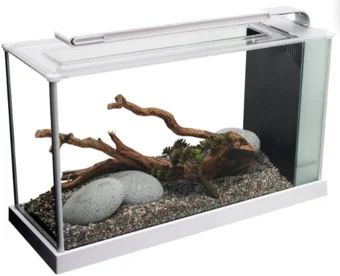
Let’s start with my top picks. To summarize, the Fluval Spec V is the best fish tank for your betta that you can buy today. It really has it all. It has the perfect filtration unit. The dimensions of the tank are ideal. The LED lightning that comes out of the box works for beginner plants. The tank also looks amazing in person. I recommend the Fluval Spec V for anyone starting up a Betta fish tank.
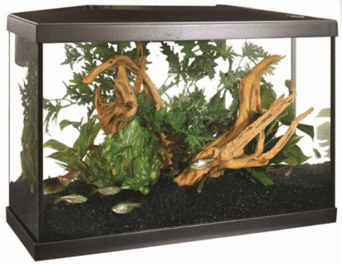
The Marina is a great value choice for those who want to spend a bit less but still want good features in an aquarium kit. It is cheaper than the Spec V aquarium kit and the LED lighting will still support low light plants. The LifeWithPets dividers are a great money saving option for those who want to make an Betta tank with multiple males.
The Candidates – A Quick Overview
I reviewed 7 tanks in this round up. Below is the list of the best betta fish tanks on the market today. I put the preferred choices at the top for ease of selection for you. I’ll go into more detail about each further down in the blog.
Now that you know the products we are reviewing, let find out why each tank made the list. Here is a video from our YouTube Channel. Subscribe if you enjoy our content!
Let’s start off the list with the very best of the bunch. The Fluval Spec V has everything you need. Let’s start off with the size of the aquarium. It is an ideal 5-gallon aquarium tank kit and is designed horizontally. Horizontal dimensions are better for fish like Betta because it gives them more space to swim around side by side. The peninsula style with aluminum trim design gives you a full view of the tank in 3 sizes. This makes it perfect to use on a countertop or cabinet as the plugs and filtration are hidden from view.
The filtration system is top-notch on the Fluval Spec V aquarium kit. It comes with complete 3 stage filtration system foam as mechanical, carbon for chemical, and ceramic bio max media for biological. The filter components come out easily with a basket lifter. With the large filter chambers, you heat the tank’s water temperature without seeing the aquarium heater. The filter flow can also be modified by either using a sponge at the end or installing a rain bar kit.
The light is built for freshwater planted tanks. Its led light has enough output for many beginner freshwater plants. The newest generation led lighting on the Fluval Spec Vs are 20% brighter than the previous generation. Your betta will look noticeably more colorful and vibrant under these lights.
The best comes with a price. The Spec V aquarium kit is one of the most expensive aquariums on this list. You get what you pay for with this aquarium and more. The light itself in my mind is cheaper in the long run than purchasing a similar output separately. The pump is also powerful for these types of fish. You will want to dampen the output with a sponge on the outlet. This is a beautiful-looking tank that will give our fish the size and space it needs. Well deserving of the Editor’s Choice badge.
Pros & Cons
Pros
Best filtration unit
Best LED light
Looks amazing
Cons
Powerful pump
Expensive
Mark’s Top Pick
Fluval Spec V. The filtration is the best on any 5-gallon kit I’ve tested. The 3-stage chamber is large enough to hide a heater, the LED is strong enough for low-light plants, and the build quality is excellent. The flow is strong out of the box, but a sponge on the outlet or a rain bar kit fixes that immediately. Nothing else at this size competes on package quality.
Marina is a value brand of Hagen. Hagen as you might already know is a high-quality manufacturer of aquarium products in business since 1955. They are known for creating well-priced start kit aquariums. This Marina aquarium kit from Hagen screams value. Like the Fluval Spec V, it has everything you need, but at a lower price.
Let’s start off with the starter kit packager itself. It comes with not only a tank, light, and filter but other essentials to get you started. The aquarium kit comes with fish food, a water conditioner, a fish net, a thermometer, and biological supplements to get you started. All these together would cost you a fair amount of money. Given the price, I feel like Marina is practically giving this away.
The LED lighting that comes with this kit is powerful enough to house low-light aquarium plants. The LED light fits within the canopy giving this aquarium a clean look. The lid is fully enclosed preventing evaporation issues.
What’s there not to like? The biggest thing is the power filter. While it comes with a sponge that will actually protect your fish from getting sucked in, it can be an eyesore in the tank. The motor of the filter is housed with the intake, which allows you to hold more media in the filter. In a small tank like this, motor can be easily seen. Placing a heater can be tough to do with this as there isn’t a spot to place one. You will need to place the heater within the tank.
Still, this 5-gallon tank is an incredible value and worthy of my best value tag.
Pros & Cons
Pros
Great value
Good LED light
Comes with other essentials
Cons
Powerful filter
Heater placement
3. LifeWithPets Dividers – Great Budget Option For Multiple
Small aquariums go on sale all the time at chain pet stores. When these sales happen, you can purchase a great 5 gallon or 10 gallon tank for a Betta fish. When you get these deals, you can build a custom DIY aquarium with multiple Bettas with these tank dividers from LifeWithPets.
I love these dividers. These are my go-to when it comes to multiple Bettas in an aquarium. They are well-designed and sturdy. Designed from PVC, these dividers will last a lifetime in your tank. Because this is a DIY aquarium kit, you are free to divide up your tank any way you desire.
The kit I linked to is for a 10 gallon tank kit, which will allow you to house 2 male bettas comfortably. The picture above is using a 20 gallon long tank divider. This allows you to house 3 male Bettas!
Because of their holed design, The male Bettas will see each other and display their male aggression. This results in fin flashing and other desirable behaviors that show off your Bettas’ fins and color while also keeping your males safe from each other. Your Bettas will get their space and will remain active with the other males around.
What’s not to like about these dividers? The dividers are designed for Aquaeon glass tanks only. Other glass tank brands will likely have too tight of a fit and could risk cracking. Because of the design, it is recommended you place a filter in each section. I feel the cost of multiple filters can be mitigated by utilizing sponge filters. Check out our Best Sponge Filter blog post for the best ones to buy.
Pros & Cons
Pros
Well designed
Cheap DIY
Houses multiple Betta
Cons
Only works with Aqueon
Requires more filtration
4. Marineland Contour Glass Aquarium – A Great CheapChoice
The Marineland Contour Glass Aquariumkit is a great valued priced Betta tank. The price for what it comes with is amazing. Marineland is a well known manufacturer of aquariums so you can purchase their tanks with confidence that they will last a lifetime. This is similar to Marineland portrait aquarium kit, but this won out because I like the lighting system on this over the portrait aquarium.
The main attraction of this tank is its presentation. The rail-mounted LED light kit give this Betta tank a wonderful touch. It looks amazing with nothing in it in the person sitting on a desktop. LED lighting is powerful enough to work with low-light plants like Java Fern. I like the blue LED lights for the moonlight look as well.
The filtration system on this 5 gallon tank is a 3 stage unit using Marineland’s famous Rite-Size cartridges. These cartridges have to bother mechanical and chemical in the same package and are easy to remove for maintenance. The tank comes with a lid that is easy to move out of the way when feeding or cleaning.
This cube design aquarium kit is a great package with a great price. My biggest gripe about the Marineland Portrait Glass LED Aquarium Kit is that you cannot place the heater in the filtration chamber. It’s recommended that you do not according to Marineland. I want to hide my heater with an all-in-one chamber so this is a big disappointment for me. The curved glass can look odd at certain angles, but not a deal breaker. The main money gripe here is the Rite-Size cartridge. It doesn’t use foam, which is reusable. The cartridges get thrown away after the carbon is exhausted, which means you need to continue to buy replacements. Long-term, that will add to your cost.
Pros & Cons
Pros
Good price
Looks great
3 stage filter
Cons
Heater placement
Rite-Size cartridges
5. Fluval Chi – Zen-like Aquarium In A Small Package
Are you looking for a jaw dropping aquarium? If so, the Fluval Chi is easily the best looking aquarium kit on this list. The Fluval Chi is elegantly designed and inspired by Feng Shui. It starts with it’s clean horizontal design and its water flow.
The water flow is made by a specially design filtration unit. This unit filters from the bottom of the unit then filters down with a fountain like stream down to your aquarium. This creates a therapeutic setting. It does an amazing job of creating calm and accenting counter tops and even has a centerpiece on a piece of furniture. The water flow is so calm that it requires no modification for to use as a Betta tank.
So why isn’t this aquarium at the top of the list? It sounds amazing so far. Well, the LED lightning is not that great. I would not even recommend low light aquarium plants with the LED light it comes with. The filtration system is built into the light, which means if either the light or filter fails you have to buy an entire unit.
The price to replace the light/filter combo is nearly as much as the aquarium kit itself! The final con is the dimensions. Bettas prefer more horizontal space to swim around. You can mitigate horizontal dimensions with a mirror or a multiple betta divider, but for a single Betta fish I would prefer a long tank.
The Hagen HG Fluval Flex Aquarium kit debuts on this list as the largest aquarium. Weighing in at 9 gallons in volume, this tank will provide plenty of swimming space for your prized Betta and maybe a couple of peaceful tank mates. The Fluval Flex aquarium kit uses the exact same filtration system as the Flex Spec V. This true 3 stage filtration unit is top notch and the all-in-one chambers are large enough to fit a heater in the return section.
The aquarium has some really nice touches to it. It has a feeding opening that you can use to feed your Betta and the return comes with a multi-directional output so you are able to spread out the current. The aluminum trim on the cover is very appealing and fits flush on the aquarium.
The LED lighting on this aquarium kit has some interesting features to it. The LED lights have the ability to change colors so you can do various color blends to bring out the best coloration out of your Betta fish. This is great for a fish only tank, however if you are going to add plants to the tank I would recommend keeping the stock settings. LED is part of the lid that fully encloses the tank preventing evaporation issues.
Speaking of plants, this light can handle low light aquarium plants. This saves you on having to purchase a separate Planted Aquarium LED. The white version of this tank pictured above is actually excellent for aquascaping. Many freshwater aquascapes prefer a white or frost background to bring out the max coloration of your plants.
This is a great aquarium kit with a few flaws. The price is up there near the price of the Fluval Spec V, but the Spec V overall is a better package. The glass has been known to crack easily due to it’s curved design. I am also not a fan of the honeycomb design at the top of the tank. I know it’s done to hide the waterline, it just looks odd to me, especially if you go with plants.
The Aqua One Trio is a great concept. It is an all in one aquarium kit that is specifically designed to house multiple male Betta fish. This is what every Betta fish enthusiast wants. It also has a hefty filtration system to handle three full growth males. At 8.8 gallons, it has one of the largest volumes on this list. It comes with a glass lid that is easy to remove when feeding and maintenance. It looks like the perfect Betta tank on paper.
So what’s the issue with this tank? Where does it fall short? It is a great concept and a dream design. It looks slick too. My biggest issue is the divider design. The divider holes are not designed that well. With the powerful pump equipped on this unit, it is possible for your Betta fish to get stuck on the divider flow holes. The dividers also do not allow for even flow, meaning the chamber where the return is will have a heavy stream of water over the others.
As you may already know, Bettas need calm waters. I can see how the male betta housed near the return chamber would be stressed from the flow. The LED lighting is okay not great. The Fluval LED lighting is superior in my mind.
Great concept and potential for a betta tank that needs refinement in my mind.
Pros & Cons
Pros
Houses multiple bettas
Great concept
Large size
Cons
Divider design
Light
How We Ranked These Tanks
These tanks were evaluated on the criteria that actually affect betta health and longevity. Here’s what I looked at:
Size (5-gallon minimum). Anything under 5 gallons is too small for stable water parameters. The 5-gallon threshold is not arbitrary. It’s the point where a proper nitrogen cycle can establish and temperature holds reasonably well.
Adjustable flow filter included. Bettas come from slow-moving water. High-flow filters stress them and can shred their fins. An adjustable or low-flow filter is not a nice-to-have. It’s a requirement.
Heater included and appropriately sized. Bettas are tropical fish. They need 78-80 degrees F consistently. Without a heater, a betta in a room-temperature tank is chronically stressed and immunocompromised.
Lid security. Bettas jump. This is not a rare event. A secure lid is the difference between finding your fish in the tank and finding it on the floor.
Visibility and viewing angle. Bettas have personality. A tank that lets you actually see your fish from multiple angles is worth paying for.
Ease of water changes. Frequent water changes are non-negotiable in a small tank. If access is awkward or the design makes maintenance annoying, it won’t get done.
What Betta Bowls and Small Vases Miss
The pet industry markets betta bowls, desktop vases, and 1-gallon “starter” kits as legitimate housing. They’re not. Here’s what they consistently fail to provide:
No biological filtration. Ammonia builds up in any container where a fish lives. Without a cycled filter, that ammonia has nowhere to go. In a small bowl, ammonia reaches toxic levels within days. The fish doesn’t die suddenly. It deteriorates slowly, which is worse.
Temperature instability. Room temperature swings throughout the day and season. A betta without a heater lives in chronic thermal stress. Their immune system operates at 78-80 degrees F. Below that, they get sick. It’s that simple.
No room for a heater. Most bowls and vases under 3 gallons can’t safely accommodate a heater even if the owner wants to add one. The tank itself is the constraint.
Shortened lifespan. A betta in a proper 5-gallon heated, filtered setup lives 3 to 5 years. A betta in a bowl lives 6 to 12 months and is stressed the entire time.
Should You Get a Betta Tank?
Buy If
You want a proper setup for one betta from day one
You’re willing to do weekly 25% water changes
You want a fish that actually interacts with you
You’re looking for a desktop display tank with personality
Skip If
You’re considering anything marketed as a “betta bowl”
Budget is driving you to unheated or unfiltered options
You want a low-maintenance fish (bettas require consistent care)
The tank is under 3 gallons (don’t do it)
The honest recommendation: Skip anything under 3 gallons entirely. A betta in the right tank is a genuinely rewarding pet with a real personality. A betta in a bowl suffers quietly for months and then dies. The tanks on this list are the ones worth building around.
Our Criteria
I searched and reviewed a ton of aquariums for your Beta Fish. There are hundreds of fish tanks available to purchase online. How did we decide what was best? It came down to the following criteria.
Aquarium Size
Through my research and experience in fish keeping (over 25 years and counting), the best aquarium size for a Betta is a 5-gallon tank. Anything smaller will be too little space and detrimental to the long-term health and lifespan of your Betta. Anything larger is too much space for a single Betta. Our focus in this review is ideal aquariums for a single Betta. An aquarium kit will also be preferred.
Filtration
I want a complete aquarium kit. Ideally, one that comes with a filter unit built in. This makes maintenance easy to do.
Lighting
Ideally, I can find an aquarium with light that is suitable for beginner aquarium plants. Having plants in our aquarium will make things not only more comfortable for our Betta but also healthier as plants will filter the nutrients in our water. These days led lighting is the way to go. If the light is part of a lid that’s a bonus for me.
Aesthetics
I want our tank to look sharp. I don’t want equipment to be showing everywhere in the tank. I want this aquarium to look nice on a desktop, cabinet, or countertop. I would prefer a lid to avoid evaporation issues.
Price
I don’t want this tank to break your bank. It must have a good price, but at the same time, it needs to be value priced. If it’s cheap and offers me junky equipment, I’m not putting it on this list!
How To Care For Them
So you got an awesome tank for your Siamese Fighting Fish. Great job! Now you might be wondering how to take care of a Betta fish. I’m right here for you! In fact, I wrote up a lengthy guide on Betta Fish Care. In this article I go over:
The great thing is I started you off on the right foot with the top 3 choices of this post. Want to learn more? Check out my article.
Additional Tips And Tricks
Here are some additional tips and tricks for you to keep your Siamese Fighting Fish in the best shape possible
Selection
Purchase your Betta from a reliable vendor. Betta is readily available at all pet stores including chain stores. Make sure you purchase a quality Betta that is not sick. Look for obvious signs like damaged fins, white spots, cloudy eyes, and red sores. Always ask the place you buy your Betta fish from to feed it and observe it eating. If it is near other males, look for signs of aggression. A healthy male Betta should display aggression to other males.
Maintenance
Change your water at least biweekly to start after your aquarium has cycled. Always observe your water quality parameters with a proper Aquarium Test Kit. Once you get in the habit of testing and see consistency in your numbers, you can water change according to your water quality parameters. If you have gravel clean it out with a gravel vacuum. Clean your filtration media once a month with your tank water.
Aquascaping
You can build a fantastic-looking aquascape with a Betta Fish Tank. These are super easy to maintain and set up. All it requires is some Driftwood for Aquarium and some Beginner Freshwater Plants. You can look at those links for additional selections on driftwood and plants. Most of the LED lights that come with the aquariums on this list will support plants. I’ve already took care of the guesswork for you ?.
I know likely are in a hurry to go get your aquarium, so here is this quick video from Regis Aquatics showing a natural aquascape style using a Betta Fish for inspiration. Enjoy!
FAQS
What type of aquarium is right for you?
The best type of tank for a single Betta fish would be a 5 gallon fish tank. A 5 gallon fish tank offers enough space and filtration to keep a betta happy and healthy. In order to keep more fish, however, you will need to increase the tank size. For multiple fish, you can consider a 10-gallon or even a 20-gallon tank.
Do They Prefer Long or Tall?
Like many fish, Bettas prefer to have longer tanks than tall. This is because they are used to shallow waters in the wild. As such, they tend to have wide territories. Many other fish are more comfortable with long and shallow versus tall tanks. Tall tanks tend to be better for the fish tank owner, who prefers horizontal space for viewing, aquascaping, and aesthetics.
What Do They Like In Their Environment?
Bettas are partial to live plants. In particular, large leaf plants like Anubias and floating plants are preferred. Bettas love to lounge and rest on leaves and hide within driftwood while perching. You also play with them with toys like a ping ball!
Can it Be Too Big?
Absolutely not. In a larger tank, Bettas will establish their territory and generally stick to their general area. They won’t get lost in a large tank and they will get along better with schooling fish with the extra space. If anything, more space curbs their aggression. In fact, there are documented cases where even male bettas can coexist in large tanks with plenty of floating and live plants for both to establish their own space!
Aussie aquatics is the most documented influencer in our space who has successfully kept multiple male bettas in a tank without a divider. You can check out his video here.
Do They Get Lonely?
It’s not really a matter of them getting lonely, but them getting bored. Betta fish are actually one of the more intelligent fish you can purchase in the freshwater hobby. They can be taught tricks and make a great solo pet fish to keep when housed in an appropriate-sized aquarium.
When kept in bowls and other small containers under 5 gallons, a betta fish can get bored due to lack of stimulation. Try to make your environment healthy for your betta by offering it a good amount of space, decorations, and interaction. If you purchase a larger aquarium, you can purchase tank mates who will get along with them and stimulate them more.
Closing Thoughts
A betta in the right tank lives 3 to 5 years and has real personality. They recognize their owners. They patrol their territory. They flare at their reflection and beg for food. That fish in a properly set up 5-gallon is genuinely interesting to keep. A betta in a bowl lives 6 months and suffers the whole time. The Fluval Spec V is the tank I recommend to anyone starting from scratch. It’s the right size, it has the right filtration, and it’s built to last. Get it set up, cycle it before you add the fish, dial the flow down with a sponge, and your betta will thrive.
📘 Want to learn more? This article is part of our complete Betta Fish Guide. your ultimate resource for betta care, types, tank setup, feeding, tank mates, and more.
Nano reef tanks have gotten genuinely impressive in the last decade. The hardware has finally caught up to what serious reef keepers actually need in a small footprint. But here’s what nobody tells you when you’re browsing these systems online: a nano reef is not an easier reef. It’s a faster one. Parameters that drift slowly in a 120-gallon tank can crash overnight in a 20-gallon. I’ve seen it happen in the stores I managed, and I’ve seen it happen to hobbyists who bought the wrong kit. Choosing the right system from the start is the difference between a thriving coral display and a expensive lesson.
Modern all-in-one systems have made it genuinely possible to keep healthy corals and reef fish in 20 to 50-gallon setups that would have been nearly impossible a decade ago. Running a 125-gallon reef myself, I have real appreciation for what nano reef builders accomplish in a small footprint. The key to success at this size: integrated filtration, adequate flow, and quality lighting are not optional. At small volumes, they’re survival requirements.
With over 25 years of experience in the aquarium hobby, I’ve assisted countless clients, hobbyists, and readers like you in finding the right system. I’ve personally kept and serviced nano reefs in real-world scenarios to determine what works and what doesn’t.
Mark’s Expert Take
Here’s the thing people get backwards about nano reefs: they think smaller means easier. It doesn’t. It means faster. Parameters that drift slowly in a 120-gallon tank swing overnight in a 20-gallon. I’ve watched nano reefs in the store crash from a single anemone dying in a back corner nobody noticed. The water volume has no buffer. A nano reef done right is stunning. Getting it right requires daily attention, a stable evaporation routine, and gear that doesn’t cut corners. This is not a beginner’s tank. It’s an expert’s tank in a small package, and you need to go in with that mindset.
Let’s start off with the top selections for those of you in a hurry. The red sea tops our list with their all in one aquarium while the Fluval sea offers a great value package for those wanting to try a nano reef tank.
The Candidates – A Quick Comparison
Let me list out the best nano reef tanks available and the ones who made our list for consideration. For this round up I focused on all in one tanks.
Okay so you got the must knows. Now it’s time to find out what makes these tanks so great. Time to see why they made the cut! You can also check out our YouTube Channel below and follow along with this blog post.
If you are looking or a top of the line aquarium kit with premier equipment, the Red Sea Max Nano Aquarium kit is where to go if you are on a higher end budget. It’s a 20 gallon aquarium that comes with high quality Red Sea 50 led light that is suitable for most corals in a nano reef system. The Red Sea Max Nano aquarium kit is equipped with features such as European built pumps, micro filter bag for mechanical, an automatic top-off unit, and a protein skimmer this comes with every single major piece of equipment you will need to run a successful reef all in a complete integrated package.
It is a full aquarium that has an easy set up and high quality nano protein skimmer. It runs day and night and is one of the high quality saltwater aquariums we recommend that comes equipped as a full kit.
Pros & Cons
Pros
Premium Equipment
Great Light
Rimless
Cons
Expensive
Mark’s Top Pick
Red Sea Max Nano. It’s the only all-in-one nano reef kit that ships with gear I wouldn’t immediately want to swap out. The Red Sea 50 light is genuinely reef-capable, the included skimmer works, the ATO is built in, and the European-built pumps are quiet and reliable. It costs more than the competition. It’s worth it. Every other AIO on this list requires at least one meaningful upgrade to be fully reef-ready.
This nano saltwater aquarium tank holds 20 gallons of water and comes is a fully equipped kit with just about everything your aquarium fish could need. The Fusion Nano 20 has plenty of room for giving your fish a fun environment and comes with a water stage filtration system. It fits perfectly on the back of the tank, well hidden and out of the way, and runs quiet. You won’t be woken up by the noise of it or hardly notice it at all.
An added bonus to this high quality aquarium kit is that it comes with a magnetic glass cleaner. It’s super easy to use and great at cleaning the glass, so you won’t have to get wet when scrubbing down the tank. It makes keeping the water quality good easy, so you don’t have to spend valuable time. Besides, who wants to contribute to poor water quality that harms your aquarium unknowingly?
This glass tank is great for saltwater fish. It fits nicely in smaller spaces while still giving your fish ample room to swim around and explore. The glass tank is sleek with a smooth design and made from aluminum casing. It also comes with an led lighting system for both during the day and at night. The led system has a just as easy set up so that rest of the aquarium, so you won’t have to search for help.
The Fluval Evo marine aquarium kit has a straight forward set up and features a powerful mechanical filter. It isn’t loud and won’t bother you during the day or at night, allowing your fish to have high quality filtered water without annoyance. The 3 stage filtration works day and night without aid and keeps your glass tank from growing algae as quickly. You’ll also find this tank has an easy feeding door located at the top of the tank.
Waterbox has really shook the industry with very precise and classy glass nano aquariums. The Waterbox Nano Aquarium is a perfect saltwater tank for someone looking for a nano aquarium kit with an all in one set up. It comes with all the stage filtration system parts you need to start and it’s easy to upgrade with the space given in the all in one chamber.
This saltwater tank comes in sizes between 4 gallons and 20 gallons, shaped in a cube with 5-6mm thick glass. The back of it is smooth and well covered so you won’t have to look at awkward parts or an ugly set up. It’s complete with a built in water overflow system and 3 stage filtration system chambers as well. During the day and night, you’ll hardly notice the sounds of the three stage filtration system or water pump.
The rimless design of this waterbox aquarium makes it appealing and sleek, easily blending into your home decor. There is plenty of room to landscape the aquarium to your liking. It doesn’t have a cover, but as long as you don’t have other animals that might get into it, you’ll be fine.
Pros and Cons
Pros
Great Build Quality
Cube Shaped
Cons
No Light
5. JBJ Nano Cube Wifi 28 – All In One With Light At A Reasonable Price
The new JBJ Nano Cube 28 Wifi is the successor to the well known JBJ Nano Cubes and a great upgrade for a larger cube aquarium. This new model features a wifi enabled 40W LED lighting hood with 3 stage filtration system baskets that are easily removable. The main cost savings with this aquarium is the wifi-enabled LED lights which is easy to control with the app and will handle most light and medium light demand corals.
The Wi-Fi system is easy to use and the wavemakers make this a true self run system. It’s one of the better all-in-one systems out there. The price just keeps it lower on this list.
The BioCube is what created this category in reefing. This cute little LED biocube nano tank is great for putting on a nightstand or another small space. It measures 15” x 16.75” x 17.5” long, wide, and high. This small square won’t hold a hugely diverse collection of fish, but it will give your few fish a nice little home to play in.
This saltwater nano tank features a 24 hour timer to replicate a natural day and integrated LED lights. There is a built in 3 stage filter and an easy flip lid that nicely covers the top of the aquarium. The 3 stage filtration system and led lights really make this kit great.
This fiji cube kit is available in sizes ranging from 10 gallons to 40 gallons and all the way up to 75 gallons. It includes a plumbing kit with an adjustable nozzle and a filter sock holder. Well constructed, this reef tank kit features just enough space for all the filter media you’ll need.
This all in one kit can be put into your aquarium to step up your tank game. As long as you purchase the right size kit for your tank, you’ll be able to deck out your fish’s home and make your tank look just a little classier. It has a reliable filtration system, submersible pump, and other features to up your game.
Pros and Cons
Pros
Cheap
Converts Any Standard Aquarium
Cons
Underpowered Pump
How We Ranked These Tanks
After running a 125-gallon reef and keeping nano systems in the stores I managed, I know what separates a nano reef that thrives from one that crashes. Every tank on this list was evaluated on six criteria that actually matter:
Lighting quality for coral: PAR output and spectrum matter more in a nano than anywhere else. Underpowered lights mean soft corals only; properly specced lights open the door to LPS and even select SPS.
Flow and turnover rate: A reef tank needs 20-30x turnover at minimum. Most budget nano kits fall short, which leads to dead spots, algae, and unhappy corals.
Heater precision: Small water volume means temperature spikes faster. A cheap heater in a 20-gallon is a coral killer. Precise, controllable heaters matter here.
ATO compatibility: Evaporation in a nano tank is significant and daily. A system without ATO support means manual top-offs or salinity swings. That’s a problem.
Filtration chamber accessibility: If you can’t easily access the sump/chamber to clean and maintain, you won’t do it consistently. Poor access equals poor maintenance equals crashes.
Footprint vs. water volume: Bigger footprint with lower height is almost always better. More surface area, more gas exchange, easier coral placement.
What Most Nano Reef Kits Get Wrong
Most all-in-one nano reef kits look complete on paper. They’re not. Here’s what they consistently miss:
Lighting inadequate for LPS and SPS. Budget nano kits ship with lights designed to sell the tank, not grow corals. If the spec sheet doesn’t list PAR values and a reef-appropriate spectrum, assume it won’t grow anything demanding.
No automatic top-off. Evaporation in a nano tank is 0.5 to 1 gallon per day depending on heat and flow. Miss a day or two and your salinity is already shifting. An ATO is not optional equipment on a nano reef. It’s a stability requirement.
Skimmer chamber access is an afterthought. Several popular nano kits have sump chambers you essentially need tweezers to service. If maintenance is difficult, it doesn’t get done. That’s how tanks crash quietly.
Undersized return pumps. A tank rated at 20 gallons with a 200 GPH return pump is not hitting adequate reef turnover. Look for pumps capable of 400+ GPH at head pressure, not the marketing number.
Should You Get a Nano Reef?
Buy If
You already keep a larger reef and want a focused display tank
You have daily time for top-offs (or budget for an ATO)
You want a showpiece tank, not a starter tank
You’re comfortable with water testing 2-3x per week
Skip If
This is your first reef tank (start with 40+ gallons)
You travel frequently or can’t commit to daily checks
You want a low-maintenance saltwater tank
Budget is the primary concern (the cheap kits create expensive problems)
The honest answer: A nano reef is the most demanding tank per gallon you can keep. If you’re not experienced with reef chemistry, do yourself a favor and run a larger system first. The stability buffer you get from extra water volume is worth more than the space savings of going small.
The 5 Things You Must Know Before Buying a Nano Reef Tank
I showed you a quick list of the best out there. Before I go into detail on each tank, Let me go through the 5 things you must know before you venture into the Nano Reef Tank journey.
#1 It’s Cheaper to Setup than A Traditional Saltwater Reef Aquarium
Most hobbyists and fish keeping experts will recommend starting out with a larger aquarium typically anywhere from a 40 – 75 gallon. This is because a larger tank will have more water volume for added stability. However, not everyone can afford a tank this size (or have the space for one) so a nano reef tank is a legitimate consideration for those with small budgets.
A good aquarium kit will include features such as a filter, submersible pump, and a protein skimmer. Some may even have LED lights to provide light day and night.
While a nano reef aquarium is still expensive compared to a freshwater tank, you will not need to shell out thousands of dollars on a small setup. With proper preparation and care, one can successfully keep a smaller nano reef and often times produce a stunning aquarium that rivals the looks of larger aquariums – at only a faction of the cost!
So what exactly is it?
Well, let’s define it here as many hobbyists will break out the nano reefs into two categories:
Nano Reef Tank – Aquarium that is 40 gallons of water or less
Pico Reef Tank – 5 gallons of water or less
We are going to discuss nano reef tanks in this post only. Pico tanks are the subject of an advanced aquarist nature and definitely not for the faint of heart, so it’s best to wait for the pico tank of your dreams until you know what you’re doing. So now that the term nano reef tank has been defined, let’s talk about why they are cheaper.
Let’s break it down into several reasons:
Minimalistic setup
LED lights are cheap in a nano
Nanos are far easy to break down and move
The first part are the setups. Nano reef tanks will usually have a bare bones type of setup. There is usually not a sump involved which means there is no plumbing to deal with. A simple powerhead or aquarium wavemakeris used for flow and flow tends to be less complicated because nano tanks will often be coral reef type dominant vs. mixed.
Protein skimmers are not necessary, though many hobbyists will use them. When a protein skimmer is used a hang-on back protein skimmer is typically used. Due to the small size of the tank often times a hobbyist will opt for purchasing distilled or RODI water from a local fish store instead of investing in a RODI system. Your electrical bill will also be cheaper as well since you will not be using that much equipment.
Lightingis another cost savings. One of the most expensive pieces of equipment for larger tanks are the lighting systems required for higher intensity and the number of LED lights needed for longer tanks. With nano reef tank kits, the lighting cost is cost down drastically.
Some nano reef kits will actually come with features for lighting and this lighting is plenty for soft coral or fish only with live rock setups. Even for a high end lighting system, you will likely not spend more than $200 on lighting for a nano reef tank (and in most cases much less than this). Chinese Black Box lights are often used for nano tanks as they are well sized and have the light intensity to accommodate all setups and are cheap.
Mobility is another great benefit of a nano reef. These aquariums often are placed in tight areas like a desktop, bedroom, or on a stand in a living room. Because they are able to be moved easily, one can move them throughout the home to suit the home decor changes you make over time. They are also one of the aquariums that you can safely place upstairs.
With larger systems, one has to consider the structural support of the home to ensure it can support the weight upstairs. If your home does not have the proper weight support for a large system, it is likely that you would need to increase the support or consider a different location. There is also water spills to consider with a larger tank upstairs.
#2 It’s Considered an Advanced Level Aquarium
I will open and honest and say that a nano reef tank is more suited for an experienced aquarist. There are three reasons for this:
Stability with salinity
Stability with temperature
Stability with nutrients
The main reason why there is lack of stability is due to having less water volume in the tank. Evaporation in particular, is extremely brutal to a nano reef tank. Every other day freshwater top-off is usually needed to keep salinity parameters in check. Sometimes, the task is a bit overbearing so you will often see an auto top off system (ATO) installed in a nano reef tank.
Temperature is another concern, especially if you live in a warmer climate. Temperatures can swing during the summertime especially if you live in a home without air conditioning. When in doubt, a cooler room is easier to deal with than a warmer room in the home. You should also utilize an open tank setup. Your lighting system must be suspended above the aquarium either with a suspension kit or the suspension mounts your LED light system comes with.
A canopy is a no-no for a nano reef tank. You can ensure proper control of temperature with a controller like an Ink Bird controller. This controller will guard against aquarium heater failure – the #1 reason for tank crashes.
Nutrient stability is the last issue with a nano reef tank. Because you do not have a larger volume of water, weekly water changes are a must for a nano reef. In a larger system, it is reasonable to perform bi-monthly or monthly water changes. There are even cases where other hobbyists go months after establishing a complete nitrogen cycle in the tank.
Unfortunately, this is not a reality in a nano reef tank. You will not have enough volume and space to establish a complete system and with the stability issues – it is a best practice to continue weekly water changes even after running the desk successfully for some time.
The good thing, however, is that water changes are a breeze in a nano reef tank because you changing a very small amount of water volume.
Because of the inherent stability issues with a nano reef tank, it is not uncommon to spend extra time monitoring the tank. Leaving your tank unattended for more than two days can be disastrous if something would happen like a heater failure.
It is best to know a friend in the hobby if you are planning to be out of town to watch your tank. You can use my earlier blog post of a list of hobby clubs near you to find other hobbyists in your area.
#3 Your Options for Fish are Limited in This Type of Setup
Due to the limited amount of space and stability issues of a nano reef, your options for fish are very limited. When thinking about fish to put into a nano reef tank, we need to consider the following:
When thinking about the fish’s natural temperament, we really want to focus on getting a fish that has a mellow temperament. This is likely going to be the only fish or one of the only fish in the tank. So if you are considering placing more than one fish in the tank, we really want to purchase a peaceful fish.
If you are happy with only one fish in the tank, we can do that as well. But we have to keep in mind any invertebrates that you want to add – especially shrimp. Some fish like damselfish are known for attacking shrimp when space is lacking. It may be best to consider avoiding any damselfish if you are considering shrimp.
Your fish’s size is the next consideration. We really want to purchase a fish that is going to get no larger than 3 inches for a nano reef tank. This means no large fish like Tangs. I do know some hobbyist placing a tang in larger nano reef tanks like a 40 gallon tank in the short term, but if you are new to nano reefs or do no have the money for a future upgrade I would not consider a Tang for the sake of the fish’s livelihood.
The hardiness of your fish is another important factor. A nano reef tank will have parameters fluctuate no matter how much try to prevent it. Because of that, you want to make sure you have the most resilient fish you can buy. Look for tank bred fish or fish labeled as easy to keep or hardy.
Reef safe fish is our last consideration. It actually many not be a factor if you are considering a fish only with live rock setup, but nevertheless you do not want to house a known coral picker in your tank. Your space is small and you will not have many corals.
If you have a coral picker, it will not take very long for your fish to wreck havoc on a small tank. This means that even borderline reef safe fish like dwarf angels are out of the consideration for a reef tank. It’s best to take the risk with a larger tank with fish like that as you can remove the picker before things get our of hand.
So now that I have outlined the important factors, let’s talk about fish that fit this criteria. Several fish from my top 10 best saltwater fish for any reef tank post make great nano reef tank fish. You can check out that post for further info, but here are several fish that would fit well in virtually any nano reef tank setup:
Keep in mind when it comes to stocking fish in a nano reef tank, we want to lightly stock our tank. You are dealing with a small amount of volume, limited space which will increase aggressiveness, and limited bioload capacity from having a smaller tank. I know that movement and personality of the fish is the big draw with aquariums, so this takes me to the next section of our article.
#4 It’s More About Your Corals Than The Fish
As we covered earlier, one of the issues that nano reef tanks face is their lack of size. The very thing that makes them an attractive option for small spaces also puts them at a disadvantage when it comes to stability. Chemistry and temperature changes happen quickly in a nano reef tank. Because of this some corals are going to be ill suited for a nano reef tank. We talked about fish earlier. So what are some good choices when it comes to corals?
Because we know that our fish choice and stocking is limited, we really should focus on corals. Picking a variety of the correct corals will add lots of color and movement to a nano reef tank that will mitigate the lack of space and stocking options. I will break down the consideration factors below:
Hardiness
Movement
Aggressiveness
Variety
Hardiness is our number one factor when it comes to selecting corals in our nano reef tank. We want corals that can take a few parameter swings. This makes soft corals the prime candidate for nano reef tanks.
The movement of corals will create a flow in the tank and make the aquarium pop. Without the movement, you are going to have very little moving life in the tank because you will likely have one or two fish in the tank. Lots of movement sometimes comes with added aggressiveness.
Because of our lack of space, aggressiveness is a bigger consideration than in larger tanks. Spacing aggressive corals too close to each may cause coral deaths, especially with corals with strong stingers like some LPS corals. The preference would be to house corals that are known for living in dense spaces.
Variety is our last consideration. We want to have a variety of colors available in our corals because we will not have many fish. The good thing is with the availability of aqua cultured and fragged corals, the variety of colors are ever increasing with this hobby.
#5 Patience is a Virtue
Any experienced hobbyist will tell you that patience is key when it comes to reef aquariums. It is even more pronounced in a nano reef tank.
In a larger system, you can sometimes get away with rushing things because you have the buffer of a larger volume of water. That is not the case in a nano reef aquarium. Take the time to cycle your tank correctly, ask a ton of questions, and do not impulse buy. Any mistake or impulse purchase gone bad will get ugly very quick in nano reef aquariums.
How To Setup (3 Main Setups for Success)
So now that I have gone through the selection factors for corals in a nano reef tank, let’s talk about setups. I’m going to focus on coral type tanks as those are the easiest ones to explain. I will go through the following:
The Bullet Proof Setup
The LPS Setup
The SPS Setup
1. The Bullet Proof Setup
A bullet proof setup in the best nano reef tanks would comprise of easy-to-care corals such as soft corals, polyps, zoas, and mushrooms. These types of corals are great choices for a nano reef tank as they are tolerant of a few fluctuations in chemistry and temperature in the tank. Not only are these corals hardy, but they will also provide much needed motion in the tank.
Here are a few examples of corals that would make good additions in a bullet proof setup:
Finger leather corals are fast growing and great for filling vertical space while mushrooms, polyps, and zoas can fill the mid and low spaces. Their rapid growth will cause them to fill out a nano reef within a few months.
The main advantage with corals like these is they have a weaker stinging ability compared to other corals. This means that they are able to be in close proximity to each other without too much stress. There is always some type of territory combat in a reef aquarium, but soft corals are less likely to kill each other off and you are given more leeway for to make up for mistakes.
The other great thing about a bullet proof setup is your lighting requirements are pretty simple. Virtually any type of LED fixture available for a nano reef tank is going to provide ample lighting for these corals and the lighting solution will be easy on the wallet.
I have not even mentioned the color variety available – especially for zoas. I have seen many beautiful Zoa only nano reef tanks that are absolutely stunning. It is very easy to get addicted to Zoa collecting and building up your own mini water garden.
2. The LPS Setup
While not as hardy as a soft coral setup, a LPS setup can provide one of the most stunning looking aquariums. With many LPS corals to chose from, they provide a variety of colors and motion in the tank.
The main issue with LPS is their aggressive nature. Careful spacing will need to be provided especially when it comes to Hammer, Frogspawns and Torch corals. These corals are know to kill off other neighboring corals if placed to close to each other.
Here are a few examples of corals that would make good additions in a LPS setup:
Because of the more aggressive nature of Frogspawns, Hammer, and Torch corals, it would be best to only have a select few of these. In smaller nanos, it is probably best to avoid these corals because of their aggressive nature and their size, or consider a Frogspawn/Hammer coral only setup. and all Euphillya setup is a great way to mimic an anemone tank look.
Candy Canes, Acans, and Micro corals, however, are more peaceful. Your lighting is going to need to be more intense than with the bullet proof setup, but any reef grade LED should work for an LPS setup.
3. The SPS Setup
Small Polyps Stony Corals or SPS corals are a very popular reef tank setups in the hobby. If you have been to any of the big reefing forums, you will see that many of the feature tanks on those forums are dominated by SPS setups. They are the hardest of the three setups I have outlined.
Here are the reasons why SPS are usually not a good idea for a nano reef tank:
Very delicate corals
Very combative
Requires intense lighting
Any sudden change in water or light can suddenly kill multiple colonies in an SPS tank. Their combative nature is known in nature. What typically happens is that two colonies will grow over time and eventually touch each other – which causes a die off in both colonies.
The lighting requirements of SPS corals are also very high, which means the intensity of your lighting in a small space might increase your temperature to deadly levels.
So while they are not a good fit for a nano reef tank, many hobbyist will still place SPS in corals in the tank. I am not going to get into harder-to-keep SPS corals as that is the subject of a more advanced coral keeping post for another time.
I want to concentrate on the hardiest SPS corals out in the market that would be appropriate if one desires to keep SPS corals in their nano reef tank. When looking for SPS corals in a nano reef tank, we want to find SPS corals that are hardy and tolerant of subdued lighting conditions.
Here is the list of the best SPS corals for a nano reef tank:
Seriatopora hystrix (Bird’s Nest Coral)
Pocillopora
Echinophyllia aspera (Chalice Coral)
What I am doing here with these recommendations is replicating the big draws of an SPS setup (branching and plating corals), but selecting SPS corals that are on the hardier and less light intensive end.
Both bird’s nest and pocillopora will gave you that branching look of an Acropora coral while the chalice coral will give you a look similar to a Montipora coral.
While they are on the hardier end of the SPS care spectrum, it is all relative. This type of setup is far from a bullet proof setup. SPS corals are still an advanced level coral and you would still need to keep a watchful eye on water parameters.
Closing Thoughts
A nano reef done right is one of the most impressive things in the hobby. Fifteen gallons of living coral under good light, with a clownfish and an anemone, looks like a piece of ocean on your desk. It genuinely does. But getting there takes real commitment: consistent top-offs, weekly parameter checks, and gear that doesn’t cut corners. The tanks on this list are the ones worth building that commitment around. Skip the bargain bins. Nano reefs do not forgive cheap equipment.
🔧 Want to learn more? This article is part of our complete Aquarium Equipment & Gear Guide. your ultimate resource for filters, heaters, lights, pumps, tanks, and more.
The most dreaded event in our hobby is a fish tank power outage. I write this article with a heavy heart as a good friend of mine just lost his reef tank of over 11 years after the snowstorms here in Texas. He had a wonderful 150 gallon reef tank and within a few days everything was gone!
I don’t want you to go through the same thing and hopefully you are reading this before you had a power outage. It’s a horrible and helpless feeling. I also feel this should have been one of the first articles I wrote when I started up this blog. Either way, I’m here to guide you and get you prepared. I’ll cover it all. I’ve been in your shoes and have survived several here in Texas. It’s an all too common event here with our weather.
Why Is An Aquarium Power Outage So Deadly?
Let’s start with this first question. For the vast majority of pets that we know of, most will be unaffected by a power outage. A dog will continue to be your companion and a cat will happily hunt for its own food if things get very dire. Both pets in these cases continue to have free unrestricted reign to their space.
The live animals in your aquarium do not have this privilege. They are in a closed environment – their aquatic world. Everything in your aquarium requires the ecosystem to be stable. When the electricity goes out, the entire system is thrown off balance. Air pumps and wavemakers move water and oxygenate it. Your power filters and sump maintain your nitrogen cycle and keep your bacteria colonies going. If you keep live plants or live rock, these lifeforms provide filtration and need your fish happy and healthy to function.
Electricity is the heart of the your artificial ecosystem you have created. Without it, the life support breaks – and it gets ugly and tragic very quick
Why You Need A Backup Plan
Let me highlight the story of my friend. Below is a picture of his tank before the snowstorms here in Texas. 11 years of building his reef tank down the drain in a few days. He didn’t have the equipment to get through the power outage. Most people with tanks this large don’t. I don’t spare you the aftermath, it’s not for the faint of heart
Let’s talk about everything that goes wrong during a power outage
Oxygen Levels
This is the primary concern when you have a power outage. Oxygen will be the first thing the depletes in your aquarium. Once your air pumps, wavemakers, and return pumps power off it’s a race to keep your oxygen levels up. Within a few hours of no water flow, your oxygen levels will deplete and everything will start to suffocate. It gets ugly very quick.
Temperature
This is the next killer. This is what I call the long-term killer when power outages last for days. Depending on your climate it will either be a cold tank or one that overheats. Cold weather is actually either to deal with because animals in aquariums can handle colder weather for some time. They will go dormant or slow down. I have seen reef tanks go through cold temperatures for several days hitting low 60s and the corals and fish pop right back up after the power comes on.
Heat is a other other matter. It makes a lot of sense as we have see mass bleaching events in our oceans when temperatures rise only a few degrees1. This is the same with freshwater fish. Heat kills aquatic animals fast. And it doesn’t take a power outage either! A failed AC and 85+ degrees in your home and your apartment is dangerous for your fish tank
Ammonia Spikes
Once animals start dying, there will be massive ammonia spikes. Your bacteria colonies, which are handicapped during an outage will be overwhelmed at the increase in ammonia. It will be like dominos falling. Once something dies, everything else will start doing so quickly!
Get Your Gear Now – Don’t Wait!
I’m going to provide you a quick shopping list of what you will need that covers different sizes of fish tanks and needs. I will go over why each one is effective. Get this gear now before disaster strikes. You owe it to your aquatic animals
I’ll go over each piece of equipment and explain what they are best for
1. Generators
Generators are the best solution for a long-term power outage. A lot of aquarium stores and retailers do not like to talk about them because they want to sell you their aquarium based solution, but the fact of the matter is an old school generator will get you through the worse power outages.
The one I linked to is an all-rounder that will work for virtually any situation and setups. I know some hobbyists who have so much invested in their tanks, that they have purchased a whole home generator. These are very expensive and out of the budget of most folks. They run off gas that you can get from a gas station or siphon from your vehicles. A full tank should run you about half the day. If you don’t purchase one for your aquarium, you should consider getting one for your house as part of your diester planning efforts
2. Dr. Sochting’s Oxydator
This has been my secret weapon for years against power outages. This amazing piece of equipment requires no elecricity to operate. It functions by using a catalyst and hydrogen peroxide. The chemical reaction creates oxygen for your aquarium and detoxes ammonia from your aquarium. This can efficiently replace your biological filteration and keep your tank full of oxygen during the outage
Since they do not require electricity to operate, they are ideal for long-term power outages. The hydrogen peroxide will last 5-7 days and it’s easy to buy the solution in bulk and stock up. They are hard to find though. They are best ordered through EBay or get one now while you can wait on shipping
3. Car Inverter
This is another unconventional solution for an aquarium, but also way more efficient than what other retailers tell you. A car inverter converts the DC voltages in your car’s battery into AC power for your devices. You can keep your car on to keep your battery charged. Because your car runs off gas, this is another long-term solution and also a portable one as well.
If you own multiple cars, it’s easy to switch between cars as you need power and if you run low on gas you just go to the gas station to get more
Battery powered air pumps are ideal for smaller tanks. All they require is C or D batteries and are very affordable to purchase. They are one of the easier go to solutions when it comes handling a power outage. Batteries usually last about 8-12 hours and can be replaced with a supply that you can store.
Every aquarium should have one of these. They come in handy in a pinch
5. Battery Backups
This is the most common solution retailers will offer to you. It makes sense, most are made by aquarium equipment manufacturers. They have their place and will last several days.
You will also see other options people will throw out like a Uninterruptible Power Supply (UPS). The problem with these is they are not designed to power aquarium equipment for long. They will using give you a few hours of power. The backups designed by aquarium equipment manufacturers are a better choice.
Still though, battery backups aren’t effective for long-term power outages. I’d rather go with the combination of a Oxydator and generator to keep my tank going.
How To Aerate Fish Tank Without Electricity
Okay, so maybe you have come across this post and you have no equipment and you are on your phone trying to figure out what to do. If you lack equipment, here is the best way to low tech your way out of a power outage
Low Tech-ing Oxygen
Get a bowl and scoop water out of your water and poar it back in
Use the same bowl to move the aquarium water across like a pump and create air bubbles
Repeat this process every 15-30 minutes
Keeping Your Water Warm
Get thermal blanks and cover your aquarium in it
If you do not have these blankets, use any other blankets you have around the home
Huddle up the family near the aquarium too bring around body heat
Pour hot water into the aquarium slowly to raise the temperature – make sure this water is de-chlorinated
Keeping Your Water Cool
Get ice out of your freezer and put it in a container
Put this container into your aquarium to cool your tank
Refill the container with more ice as it melts
Continue doing so to keep the temperature down
Remove your tank hood or open your canopy if you have one
Common Questions
How Long Can Fish Survive Without Electricity?
Not very long. If you have not backup equipment, it can be as little as 2 hours before your fish run out of oxygen in your tank and they start suffocating. If you do not invest in a power outage solution your cherish pets can perish within a few hours after the power goes out!
Can Fish Survive Without a Filter?
They actually can if you invest in a power outage solution. An Oxydator will keep your aquarium’s oxygen’s levels up and will provide ammonia detox. If you have a battery backup or generator, your equipment will run during an outage
Will My Fish Die If The Electricity Goes Out?
Yes, they may very well die if you don’t take proper action! Get the proper equipment like battery powered air pumps or a generator if you have a larger aquarium. Flow the low tech plan of pouring and moving water to keep oxygen levels up and keep your temperatures stable.
Will Tropical Fish Die Without A Heater?
Yes, they can. However, cold is a slower killer to fish versus heat as fish will attempt to go dormant in the event the temperature drops low in the short term. You should take action in trying to keep your tank warm during a power outage. Most fish should be able to survive mid 60 degree temperatures in the short term. Just take the steps needed to in order to keep your tank as warm as possible. There is no heater that runs well in an outage as they draw a lot of energy.
How Can I Oxygenate My Fish Tank Without Electricity?
There are multiple ways to do this. Battery powered air pumps are the usual go to. A Sochting Oxydator is another great tool that will run for weeks without electricity while also removing ammonia. A low tech way of oxygenating without electricity would be to move the water manually every 15-20 minutes to keep oxygen flowing in the tank.
Still Not Sure What To Do? Ask A Question Below
We supplied a video below for reference from our YouTube channel. If you find our content helpful, please subscribe to us as we post new videos every week.
I know it’s tough and I know it’s heart breaking to experience a power outage tragedy. I’m here to help. Don’t be afraid to reach out in the comments below, email me, or even call me on my business line on my site’s foot below. I’ve survived several of these successfully in the past so I know what it feels like to be in your shoes. Best of luck for you and don’t be afraid to reach out.
The Red Sea Reefer genuinely changed how people think about hobby reef tanks. Before it, a clean rimless system with a quality sump took real effort to piece together. the Reefer packaged that experience into something turnkey. I don’t take sponsorships, so I can tell you honestly: the Reefer is worth the price premium for reefers who value clean aesthetics and a well-engineered sump from day one, but it’s not the only path. Here’s my full review so you can decide if it’s the right fit for your setup and budget.
The Red Sea Reefer is loaded with many features. It’s so much more than a glass box. It all starts with the construction.
GlassConstruction
Red Sea has one of the most transparent manufacturing processes on the market. The only aquarium manufacture that comes close is Elos. Here is the quality and care you will get from every Red Sea Reefer that is created for you:
Ultra clear front and side glass. All glass is beveled edge glass
All cut glass edges are ground down to size and polished on all all 4 sides
Each piece of glass that is cut is inspected for blemishes
Aquariums are assembled in batches of 20 units per model
They are then stored for 3 to 6 days to allow for the silicone to cure
All aquariums and sumps are then water tested for 24 hours to ensure they do not leak
They are then hand-cleaned and polished
A final QC inspection is done before the system is boxed for shipment
You can see the full video of their manufacturing process process of their display tanks, sumps, and cabinets. It’s quite impressive!
Overflow System and Plumbing
The overflow box and system on the Red Sea Reefer is based on the bean animal design. The bean animal is considered the best practice for reef tank plumbing to day and creates a silent down flow system. Many cheaper systems still use an old style durso system, which can be loud and not as fail-safe as the bean animal. Due to using the bean animal design, the Reefer overflow is very quiet. The main thing is adjusting the drain valve.
The Reefer comes with a standard control knob showed below. You just turn the knob clockwise to raise the weir water system and counter clockwise to lower it. You slowly adjust until your overflow becomes quiet. Just make sure you adjust slightly and give it a few minutes for your aquarium system to adjust. Once you have the level right, it’s a set it and forgot it design. The box itself is easy to take apart and clean out.
Below you can see the plumbing on an installed system. The Reefer comes with all the plumbing parts ready to go so you don’t have to worry about cutting pipes or going to the hardware store to get pipes. My one critique is the lack of unions. I do know that some aquarists upgrade the system by adding unions and replacing the knob with a Spears gate valve. It’s really up to you. I’d go with unions myself, but it’s not needed.
Sump
The sump on the older Reefer systems used to be it’s biggest weak point. Since the V3 redesign, the sump is more on par with other competitors like WaterBox. The main upgrades from the V3 design is a better cup system that supports media cups, a separate refugium section, adjustable baffles, and the ATO reservoir housing itself on top of the sump.
Image Courtesy of Marine Depot
The refugium wall is also removable if you do not want to use it. This gives you the flexibility of either having a 2 stage or 3 stage sump.
Below is the outline of the Reefer 425 sump so you can see the different configurations available. The height on the skimmer chamber can also be adjusted to suit multiple protein skimmers without having to purchase a skimmer stand. There are multiple holders for media cups, filter bags, and filter socks. There shouldn’t be any issues with air bubbles given the baffle design. They really put a lot of design work in the redesign to give you the most options possible.
The water management system sits at the top of the sump. Because of how it sits now, you get a lot more space to house all your equipment controllers and plugs. I really like how everything fits on one side. They put a wall between the sump and all your equipment. You do not have to worry about salt creep getting into your outlets and have the room to really design your control panel on your reef system. There have been a crazy amount of cool designs and inspirations you can find online from other Reefer owners. The options are endless!
Red Sea Reefer 425 Sump Installed
Cabinets
As we saw in Red Sea’s manufacturing process, the cabinet has as much quality in the construction process as the aquarium itself. Every board is hand-finished and cleaned in the construction. The Reefer cabinets are constructed from MDF. The top of the line Reefer Concept models are made of plywood with adjustable feet. Because the cabinet is built for the aquarium, it seamlessly follows the contour of the glass and gives a very modern look
The cabinets are available in either black or white finishes. I’m partial to the white finish. The cabinets are a far superior than what you would normally get at a chain pet store and you would have to be put quite a bit of effort to construct one of similar quality yourself.
Craftsmanship
Red Sea has been the pioneer in our industry when it comes to creating the first ever ready to run reef aquarium system. There have been attempts in the past with reef ready systems, but you still had to do the plumbing yourself and build or get a sump. Red Sea has taken all the guess work and skill out. It is a well designed and carefully engineered product line.
The plumbing is now colored and no gluing is required. The overflow is clean and top notch. They go with a simple approach to plumbing because they are targeting the masses versus the hard core reefers who want every toy in their system.
They have even gone so far as to create their own line of skimmers, LED lights, and wavemakers in order to make your decision easier when you can literally just buy everything Red Sea to get yourself started. The only thing Red Sea hasn’t made of their own line is their return pump – which I’m happy with. Just mate this system with a Sicce pump and never worry about it failing again!
Value For Money
Red Sea Reefers seem expensive at first, but you need to account for everything you get out of the system when you purchase it. They are also available in a variety of models and lines for multiple budgets. The Reefer line is separated into the following lines
Reefer
XL
Peninsula
XXL and 3XL
The Original Model
The Reefer series is the original model. This is the line that made ready to run aquariums mainstream. All other ready to run manufacturers are judged against this line. It is one of the best reef aquariums available on the market today. They start at 21 gallons and go up to a 4 foot long 73 gallon system.
Model
Nano
170
250
350
Picture
Price
$
$$
$$$
$$$$
Dimensions (LxWxH)
18″ x 18″ x 52″
24.5″ x 20″ x 54″
35.5″ x 20″ x 55″
47″ x 20″ x 55″
Aquarium Volume (Gallons)
21
34
54
73
Sump Volume (Gallons)
7
9
11
18
ATO Reservoir Volume (Gallons)
1.2
1.5
2.1
2.8
Total System Volume
28
43
65
91
Link
The XL
The Reefer XL models takes the Reefer concept, but works on maximizing aquascaping space. These models all have 22.6″ wide and 22″ high dimensions. They stay as close to the ideal 24″ wide and high dimensions that aquascapers love. These cabinets are also upgraded with plywood versus MDF.
Model
XL 200
XL 300
XL 425
XL 525
Picture
Price
$$
$$$
$$$$
$$$$$
Dimensions (LxWxH)
24″ x 22.6″ x 55″
36″ x 22.6″ x 56″
47″ x 22.6″ x 56″
59″ x 22.6″ x 56″
Aquarium Volume (Gallons)
42
54
90
116
Sump Volume (Gallons)
11
15
24
31
ATO Reservoir Volume (Gallons)
1.8
3.2
5.5
5.5
Total System Volume
53
80
112
139
Link
Peninsula
The Reefer Peninsula are a top of line model that are see through from 3 sides. They are great to place as a room divider or in an office. The cabinets have additional features here like a ventilated compartment for chiller and control systems.
Model
Peninsula 500
Peninsula 650
Picture
Price
$$$$$
$$$$$$
Dimensions (LxWxH)
49.2″ x 23.6″ x 63″
63″ x 25.2″ x 63″
Aquarium Volume (Gallons)
105
140
Sump Volume (Gallons)
27
35
ATO Reservoir Volume (Gallons)
6
7.5
Total System Volume
132
175
Link
The XXL and 3XL
These are the beast systems. The are some of the largest ready to run reef aquariums you can buy today. No expense is spared here. Super clear and super thick low iron glass is used. On The largest system, you get a split sump system and a dual return setup so you have redundancy on the returns.
Model
625 XXL
750 XXL
3XL 900
Picture
Price
$$$$$$
$$$$$$$
$$$$$$$$
Dimensions (LxWxH)
59″ x 23.6″ x 58.3″
71″ x 23.6″ x 58.3″
79″ x 25.6″ x 60″
Aquarium Volume (Gallons)
133
160
192
Sump Volume (Gallons)
32
40
48
ATO Reservoir Volume (Gallons)
7.5
7.5
Not Included
Total System Volume
165
200
240
Link
Ease of Use
Red Sea Reefers are easy to put together and well constructed. Below are two sample images of their instruction booklet. The first is the cabinet assembly instructions. I feel that the cabinet install is fairly straight forward. The instructions aren’t as clear as Waterbox, but the components are easy to identify.
The next photo is the plumbing install. The images aren’t as clear, but there are so many pictures and videos online of folks who have put together these systems that it shouldn’t be too difficult even for a beginner to put everything together. RedSea lacks a video of the actual install, which I feel is a downer.
Product Support
The product support isn’t really from Red Sea themselves, but from the community. When you purchase the Red Sea Reefer, you enter into an exclusive club of Reefer owners. There is even a private Facebook group for owners that Red Sea promotes where you can connect with other owners and share tips.
Other forums like Reef2Reef even have their own Reefer trends and some of the big marine clubs have their own little Reefer cliques. It’s pretty cool how the community of owners are super passionate and work together to make other hobbyists successful. You will find the community of Reefer owners as one of the most passion hobbyists out there and are very open about sharing their successes and failures in the hobby with you.
Outside of the community. Red Sea now offers a 3 year warranty for 2020 models and beyond. This was a response to other competitors like Waterbox taking market share away from them. I’m glad to see competition pushing Red Sea to push for a better warranty. The days of lifetime warranties from manufacturers like Aqueon seem to be fading away these days.
Price
The Red Sea, while it executes simplicity and quality at a very high level, has also received criticism for being expensive. On the surface, Reefer prices seem very expensive, but we have to look at the value their bring by having everything in a kit in an easy to assemble package. To build similar you would need to:
Get an overflow box and possibility drill the tank to install it.
Purchase an aquarium cabinet or get one made of similar quality
Most people will go with a standard rimmed tank to save money. This will not present as well aesthetically as the Reefer. Also, many reefers tend to purchase the best available for their budgets. As a result, they often go overbudget. It’s not uncommon for a full set purchase to be near the cost of a set package like a Reefer. Other times the time cost of money of DIY’ing a solution is a major consideration.
So in my mind, I feel that the Red Sea offers great value for someone looking to build a high quality setup. Most reef owners tend to go high end because they want the best for their coral reef systems and aquatic animals. To me the upfront investment is worth it.
Comparision: The Waterbox
The biggest consideration for someone looking at these systems is which is better – Red Sea or Waterbox. There are a number of differences and I can list them here. Overall, they both have their strength and personally I feel the Waterbox is a better buy if you are trying to future proof or get a white cabinet:
Waterbox’s plumbing has a manifold, Red Sea’s does not
Waterbox has unions. Red Sea uses elbows for a simpler install
The overflow on the Waterbox is 100% glass while the Red Sea overflow is acrylic on the teeth. Waterbox’s overflow will be more resistant to scratches long-term
White finishes are cheaper for Waterbox models then Red Sea white finishes
The cabinet quality on the Red Sea overall is superior. The higher end models of the Reefer have leveling feet
The community I feel is superior on the Red Sea. Red’s community is older and more broad. Waterbox is still developing theirs
The Red Sea brand name is strong and has greater resale value
Red Sea warranty is better
Neither system includes a return pump. I would highly recommend you purchase a Sicce AC or DC Pump to complete your aquarium.
Closing Thoughts
Red Sea Reefers offer great value for aquarists who want a how quality build without having to go through the headache of picking all the parts separately. It’s a ready made solution and Red Sea has only components in their system like proteins skimmers that integrate with the aquarium. They were the pioneers when they debuted the first generation models and today they continue to set the bar for quality.
Waterbox aquariums have become a serious competitor in the all-in-one reef tank market, and after spending time evaluating them, I understand the appeal. The cabinetry, the rimless glass quality, and the integrated filtration compartment are all clearly designed by people who actually keep reef tanks. I approach every review the same way. no sponsorships, no paid placements, just an honest look at whether the product is worth your money.
Looking for a reef ready system that that delivers on quality and simplicity? If so, you have come to the right place as today I do a comprehensive Waterbox Aquarium Review. Waterbox has taken it to Red Sea with highly quality reef ready systems that are approachable even for a beginner saltwater aquarium owner. As you may have read in my Best Rimless Tank round up article, the Waterbox Aquariums systems are a great way to get started in the saltwater hobby.
They got my best value award for having such great features at a fair price, however, I didn’t have the space in the article to talk about their entire line and go in depth on all their features. This post, I will dive in so you can see what makes WaterBox Aquariums stand out so much in an industry I feel at times can be seen as overly complex to beginners.
The WaterBox tanks are loaded with features. It’s more than just a box of glass.
GlassConstruction
The WaterBox Aquarium is built to be a run to run system. It starts off with the aquarium itself which is made of Ultra Clear Starphire glass. This glass is made of low iron. Due to the low iron make up, it has better clarity than a traditional glass tank. It’s clarity rivals an acrylic tank – the gold standard of clarity when it comes to aquariums. Ultra Clear Starphire really comes into it’s own when you are looking at larger tanks. Given that most of the tanks that WaterBox sells are going to be over 100 gallons, Starphire makes a lot of sense for those looking for high quality display tanks.
The entire construction of the glass is put together with straight edged black silicon. The edges are put together with a straight-edging technique that not only gives the aquarium great strength, but a clean look. There are budget rimless tanks that will show poor quality seems where you still see the silicone stick out. Waterbox’s silicone technique is top notch and clean.
Overflow System and Plumbing
Now let’s talk about the overflow system. Waterbox uses a full glass overflow. This is very different than other reef ready systems that use an acrylic overflow. An acrylic overflow have serious drawback in that they scratch over time. The glass overflow has etched teeth and are far easier to clean off than an acylic overflow. What I always loved about glass is you can just take a blade to it to pull off coralline algae. It’s more difficult with acrylic. Your best bet with acrylic is a credit card or a special plastic scrapper. I always felt the glass scrapers were superior.
The overflow system takes use to the plumbing work. This is where Waterbox shines. They use a manifold system with hard colored PVC plumbing. They also come with quick disconnect unions and a gate valve. The drains are a bean animal style1 – the current industry best practice. You can see a video below from the manufacturer that goes over the plumbing system. There wasn’t a plumbing system like this when Waterbox came to the scene. It is still the main feature that wins me over with them.
Sump
These are the best sumps included in a ready to run aquarium system that I have seen. It’s a rimless glass sump that has it clean separate chambers. The sump below is the Reef 130.4 Sump.
You can see this is a true mult-stage sump with a sock chamber, skimmer reactor, pump and ATO section. The ATO section is a great feature. While the Reef models only have a skimmer chamber, the larger Reef Pro models have a skimmer and refugium section. I love the rimless design as there are no braces in the way. The skimmer reactor chamber is also very generous, allowing for oversized skimmers.
Cabinets
The Waterbox cabinets for the Reef, Pro and Peninsula series are made of hardwood and are heavy duty UV coated. This is a step above the standard MDF that you will see from budget cabinet manufacturers – and much better than what you would you would purchase at a typical pet store. They are available in either black or white finishes. Personally, I’m partial to the white finish.
Another great touch are the soft close doors. The hinges are PVC coated. This is another great feature by Waterbox as standard hinges are known for rusting out over time. The doors operate via push open which means you don’t need to have door handles installed. I like this touch as well. It makes the cabinet look clean and modern.
The cabinet is designed with a brace off center. This is down so you have full access to the tank without an annoying middle brace in the way of everything. You will see the same feature on their larger 5 and 6 foot tanks. I like this touch and on the larger systems it really allows you to be creature and design a control command center.
WaterBox Craftsmanship
I love the engineering though and fit and finish of these systems. The plumbing is colored and no gluing is required. The overflow is professional designed. The manifold system makes your system future proof. The cabinets are excellent. And that’s all without mentioning the aquarium itself which is well put together.
Value For The Money
Waterbox Aqariums seem expensive at first, but you have to take into account what you are getting. They are also available in a number of sizes folks of all budget prices and purchase them. Let’s talk about their main series of models, the Reef Series.
Reef Series
The reef series offers a full reef ready system with a bean animal overflow and drain, manifold, cabinet, and sump. Waterbox aquariums are easy to understands with their models. The first number is a rounded up total volume of the system. The number after the period is the length of the tank. An an example, the Reef 130.4 would be 130 gallons of total volume and 4 feet long. Below are all the reef aquarium series models:
Model
Reef 70.2
Reef 100.3
Reef 130.4
Reef Pro 180.5
Reef Pro 220.6
Picture
Price
$$
$$$
$$$
$$$$
$$$$$
Dimensions (LxWxH)
24″ x 24″ x 58″
36″ x 24″ x 58″
48″ x 24″ x 58″
60″ x 25″ x 60″
72″ x 25″ x 60″
Aquarium Volume(Gallons)
47.2
71.7
96.3
140.7
167
Sump Volume(Gallons)
22
25.4
30.6
45.3
37.1
ATO Reservoir Volume(Gallons)
3.6
4.7
5.5
5.8
17.2
Total System Volume
69.1
97.2
126.9
180.8
221.3
Link
Peninsula Series
The peninsula are the top of the line models for Waterbox. These have the overflow on the left side of the tank giving you a full 3 sided view of the display tank. All sumps have an optional fuge baffle you can install for a true 3 stage sump. Below on the Peninsula models available:
Model
Peninsula 6025
Peninsula 7225
Picture
Price
$$$$$
$$$$$$
Dimensions (LxWxH)
60″ x 25″ x 60″
72″ x 24″ x 60″
Aquarium Volume(Gallons)
140.7
168.9
Sump Volume(Gallons)
41.8
41.8
ATO Reservoir Volume(Gallons)
5.8
18.7
Total System Volume
183
228
Link
Ease of Use
Waterbox Aquariums are very easy to put together. Below is an excerpt from their instruction manual. They label all their parts and take you through each step in detail. The cabinet includes leveling feet included and the hinges can be adjusted.
The cabinet construction is probably the most difficult piece of the set to put together. If you ever put together a piece of furniture from IKEA together, this will be no different for you.
The plumbing system would be the next area of the install. Waterbox posts a great video walking you through the plumbing system and the entire install. It’s much easier to see the video and for me to type it all up in the post. Check out the video for the walk through when you go instal the plumbing.
Product Support
The Waterbox team fully supports their product with excellent customer support and instruction videos to guide you along the way. They also have been getting into content discussing best practices in aquarium keeping.
The aquariums are backed by a 2 year warranty. For a set compared to Red Sea, this is better. However, from the old school manufacturers like Aqueon or brands you can only purchase from a local fish store like Planet – this is a subpar warranty. I understand that Waterbox is putting a warranty on the entire set. I just feel their customers would feel a bit more reassured if the aquariums came with a 3 or even 5 year warranty instead of 2.
Price
Price is a sensitive topic when it comes to ready to run aquariums. Many buyers are initially shocked at the stick price because they seem very expensive from the on set. Let’s talk about what you are getting and go from there. These aquariums come with:
A rimless low iron glass tank
Colored plumbing section with unions, gate valve, and manifold assembly
A rimless 3 stage sump with ATO chamber
Bean animal overflow system
Stylish modern cabinet that is UV coated
Colored background
Waterboxs often get unfairly compared to the classic DIY cheap pet store rimmed tank build. Let’s think about what we would need to do to build a system like this:
Purchase a Rimless tank
Paint it
Drill it
Get an external bean-animal style overflow
Purchase all the colored plumbing, unions, gate values, etc
Cut and glue all our piping together — and pray it doesn’t leak when you test it
Build a cabinet of similar quality and paint
Build a DIY custom sump or purchase a sump
Most people will go with a standard rimmed tank to save money, which won’t look as nice as a Waterbox. With all the labor involved and research to build a DIY setup, you can see the value in these tanks. At the end of the day, the price difference is not that material when comparing making a build of similar quality and look.
So my assessment is they seem expensive, but not as expensive as you think when you factor in the time, research, and money involved in building your own setup of similar quality.
Closing Thoughts
Waterbox Aquariums have great value for what they offer. It would be challenging to build a similar quality aquarium setup without DIY knowledge and even then the amount of labor and time involved many not be worth for some. Waterbox offers a ready to go product that is of superior quality. You can see the ratings below from me and my best value badge that these series of aquariums receive. Since I’m open to all reviews, you can leave your own reviews below. This provides the community with an unfiltered source of reviews. If you have any questions, please leave them in the comments below. Thanks for reading!
I’m really frustrated and tired of the news about Chloroquine Phosphate. There is so much bad information about Chloroquine Phosphate it has gotten to the point where it’s affecting my business. I’ve been in the marine fish keeping industry for over 20 years. I’ve used this substance on marine fish in quarantine for ages. I’ve been quietly speaking its praises to my fellow hobby club and group members. It’s been my secret weapon for years in battling the most deadly marine fish diseases over the years.
It is a sad day for me today. Today, I had to take down my Choloroquine Phosphate product from my store. I can no longer sell it, and it all started with a generic announcement that became a bad news story. I tried to dispense with the myth that it was a cure for COVID. I was even on the news to talk about it. I was verbally abused by prospective customers through live chat and the phone because I refused to sell the product to them after they openly admitted to me that they were planning to use it for human consumption. I was threatened 3 times by my merchant provider to take off my product from my store or face losing my merchant account and getting my site completely shut down.
Today enough is enough, the product is getting de-listed. But I’m not simply going away. I redirected my old product to this page to educate folks on what Choloquine Phosphate REALLYis, why it’s an amazing product FOR FISH, and my story as to why I ultimately ended up pulling it from my store. So sit down, relax, and enjoy my story. It’s going to be a doozy!
What Is It?
Chloroquine Phosphate, is an antiprotozoal drug used by marine and aquarium hobbyists to treat fish suffering from Cryptocaryon (Marine Ich), Marine Velvet, Brooke, and Uroema.
Chloroquine Phosphate is so well regarded in the marine hobby that it was covered by Advanced Aquarist as a wonder drug. It became the drug of choice for many public aquariums including the Georgia Aquarium. It has been widely used by hobbyists in the early days of the marine aquarium hobby and used in the aquaculture industry since the 70s and 80s.
It is typically unavailable to the majority of the reefing community due to it normally being available through a Veterinarian via a prescription. As you can imagine, it can be very difficult to obtain a prescription for this wonderful medication as there are not many fish vets available who know about the medication or would be willing to prescribe it.
How I Got Started With It
I started the reefing hobby in the late 90s and was a member of the local aquarium club in my area at the time. I was introduced to the process of quarantining marine fish after having several issues with Marine Velvet. Chloroquine Phosphate became an amazing medication. The biggest advantage to it versus copper was that it would work with zero ramp up. This was a huge development because Marine Velvet and Brooke work very quickly against a marine fish. Within 24-48 hours, most fish will die from getting overwhelmed from these diseases.
Chloroquine Phosphate was simply amazing. I never lost a battle with Marine Velvet using this medication. Back then, it was easy to obtain this medication without a prescription because there was this amazing product from Aquatronics called Marex. Marex had just enough pure Cholorquine Phosphate to be effective and also was inexpensive. It was also available without a vet’s prescription. It was my go to until Aquatronics went out of business in the early 2000s.
I have been a promoter of this medication for many years, so much that I have a blog post on how to quarantine fish that details how to use the product. You can see my video below.
How I Got Started With Selling
After Aquatonics went out of business, I was frustrated on how I couldn’t get this medication. The vets around me had no clue what I was talking about and I was hearing more and more that vets weren’t prescribing it anymore. You had to go to a vet who either specialized in marine fish or koi ponds to get the medication. There simply weren’t that many vets around who specialized in fish. So where could I get this medication so I could have a chance against the deadly 3 (Marine Velvet, Brooke, Uroema)?
This is when I found out about Fish Pharmacies. They sold medications to public aquariums and aquaculture facilities who needed the medication to cure their livestock. I was amazed that I could get this medication from them, but the amount they sell you in bulk was quite a lot. You would have to purchase a kilogram at a time while most marine fish keepers would maybe need 50-100 grams max in their medication drawers to get what they need.
I had my stash of Cholorquine Phosphate for my incoming fish for my reef tank. I heard so much on the reefing forums of people racking their brains trying to fight off Marine Velvet with Seachem Copper. It was sad to see so many people fail. Copper is tricky to use while Cholorquine was a one-time medication then you just replace with more medication as you change water. Super easy!
As I heard more and more about people losing fish to marine velvet, I started to sell Cholorquine Phosphate on this site. I had a certificate of analysis showing 99.9% purity of the product. I was the only seller on the web that had such a certificate at the time.
As the availability of Cholorquine Phosphate became more scarce, I started to obtain the medication through labs that would sell to universities. Since I had a commercial license, I was able to procure the product. I was rocking and rolling selling to customers who were saving marine fish life everyday with this wonder fish medication. It was really rewarding getting the emails thanking me for selling them the medication.
COVID-19 And “Chloroquine”
COVID-19 has been a mess for everyone. My own business was affected not just with the general downturn of the economy, but the affect on prices on livestock in the marine hobby. Price for fish and corals skyrocketed 2 -3 x times their usual price as imports closed up and supply became restricted. My fish medication product also became part of the news cycle when the President of the US announced that the U.S. Food and Drug Administration (FDA) had approved the use of hydroxychloroquine against COVID-19.
Unfortunately, the President and most of the media shortened the name of the drug to Chloroquine. In came all the new articles talking about Chloroquine and how it would aid in the fight against COVID-19. Search results exploded for everything Chloroquine. Everyone wanted their hands on it.
It became very easy to confuse the abbreviation Chloroquine with Chloroquine Phosphate. The price of this well loved fish medication exploded overnight. Once an affordable medication, Chloroquine Phosphate was all of a sudden selling for over $400 for only 10 grams. People wanted to use it for human consumption.
At @Storyful, we found an interesting phenomenon: sales of a version of chloroquine phosphate used in fish tanks – yes, fish tanks – have skyrocketed in recent weeks. Jars of the drug not intended for human consumption have gone from $10 to over $400 or higher this month. pic.twitter.com/vAe5dzwUBa
I started getting messaged on my live chat from people asking me if they could use this medication on humans. I told them that it is a fish medication and it is not for human consumption. I got several angry messages in my live chat when I refused to sell them batches of the medication as they openly said they were going to use it on loved ones affected by the virus.
My Interview With NBC News
This was starting to get crazy. I was contacted by a BBC journalist who wanted to talk about the product I sold in my store. They had told me that a man had died ingesting this medication in Arizona. I was horrified and concerned for the public health. I was also cringing when I read the article and it mentioned that the product was a fish tank cleaner (it’s a medication not a fish tank cleaner). They asked me if I was interested in being interviewed on TV about my experience. I was happy to do so. I wanted to dispel the myths about this medication. I spent about 2 hours in meetings with BBC and then my interview was displayed on NBC News.
I felt much better getting the word out. I had chosen to place the medication product as out of stock in my store when I first heard of the FDA announcement. I had a feeling that it would get confused. I was planning to keep it out of stock until this COVID-19 mess was behind us. I wasn’t ready about what was going to happen next…
Shopify Threatens To Shut Down My Store
A couple of weeks passed since my interview with NBC. I was getting ramped up on some new content I was writing and went to check my email. I got a notice from Shopify that my product was removed from my store. The product was marked as high risk due to it being related to the Coronavirus. They sent me a notice stating that there was a risk that I was price gouging and had to provide proof that this wasn’t the case. They wanted to me to provide proof of my historical price of the product and also prove that a major retailer sold the product near the price I sold mine for. I was surprised that my store was threatened to be shut down thinking I was price gouging. I never increased my prices and had positive reviews for my product. I explained myself to Shopify and got everything lifted.
A few days later after my product went offline, it was pulled again for the same reason. I responded to the risk department with all my past communication. I took it further and gave them the interview link to my talk with NBCNews. They apologized and I was listed again. I was told all was good after that.
Shopify Labels My Product As A Pharmaceutical
A few weeks past. My site was getting a curiously high amount of traffic since my interview. Likely due to folks landing on my product page and seeing my product in the search results. Things were looking pretty good for me. I was having a great month despite the lockdown orders and my biggest challenge was supply chain restrictions. I woke up one morning and received another letter from Shopify.
This letter was a bit different. I was having my payments held because Shopify’s risk department had labeled my product a Pharmaceutical. Looking at the terms of service, the fish medication product I sold was being placed under regulated or illegal products or services. This labeled my product as no different than cannabis dispensaries, tobacco sales, age restricted goods or services, weapons, etc. I was floored.
I tried to explain the situation to the risk department. They said my best course of action would be to find another merchant supplier who would be willing to work with my product. This put me in a tough spot. I had my payments withheld during this time and no merchant services provider that was referred to me was answering emails or picking up the phone due to staff reductions related to COVID-19. I was a rock in a hard place.
Since I couldn’t get anyone on the phone and there was risk that this could happen again, I decided to remove my product permanently from my store. I felt bad for my past customers who came to rely on this product to save their sick fish. There wasn’t much else I could do.
What It Isn’t
Now that you know the story and why I won’t relist my product. Let’s talk about what Choloroquine Phosphate isn’t.
It Is Not Fish Tank Cleaner
I have no idea where the news got this information from. It is not used to clean fish tanks. While it does have anti-algae properties, its primary purpose is as a antiprotozoal medication. I said this in my talks with BBC, but for some reason it never showed up in the news article or the interview.
It Is Not A Medication for COVID-19
It was hydroxychloroquine that was approved by the U.S. Food and Drug Administration. They are two completely different drugs. Cholorquine Phosphate is used for humans to treat malaria. The brand name for the drug is called Aralen. Is not the same thing that I sold. My product was the substance in it’s purest form. The drug designed for humans is not pure Choloroquine Phosphate. This is likely why that poor man in Arizona died ingesting it. He had likely overdosed on the drug.
The Food and Drug Administration (FDA) Warns Against Using It
On March 27, 2020, the FDA sent an public health letter to stakeholders warning to not use use Chloroquine Phosphate intended for fish as treatment for COVID-19 in humans. The FDA closed the letter with the following:
People should not take any form of chloroquine unless it has been prescribed by a licensed public health care provider and is obtained through a legitimate source.
You can find the full letter here. Amazingly enough, the letter itself did not receive much news coverage.
What It Is
Let’s talk about what this medication is for fish. It is
Superior to and more gentle on fish than copper
A 10 Gram bottle treats 250 gallons at a 40mg/gallon dosage
Chloroquine Phophate (CP) is the drug of choice for diseases like Ich (Cryptocaryon irritans), Marine Velvet Disease (Amyloodinium), Brooklynella hostilis, & Uronema marinum
One time medication – only replace medication in the event of a water change
Chloroquine Phosphate acts as an algaecide eliminating algae in the quarantine tank.
How to Use It On Fish
Since my product got taken down, I’m going to use the how to use instructions that were on my product page for anyone who attempts to use this on their fish.
For Quarantine (Prophylactic) Treatment – Typical dosage for quarantine is 40mg/Gallon
When dosing Chloroquine Phosphate, treat water with a pre-dissolved solution using a cup of tank water
For Ich – 30 day active treatment
For Velvet – 14 day active treatment
For active infection – up to 60mg/gallon
For Uroema – up to 80mg/gallon
Highly recommended that you use a digital scale to measure your dosage to ensure accuracy
Keep medication in a cool, dark, and dry pace. Chloroquine Phosphate is heat and light sensitive
If a water change is performed, Chloroquine Phosphate will need to be re-dosed for the amount of water changed. You do not need to dose Chloroquine for top off water.
Additional Warnings about Using It On Fish
Here are the additional notes and warnings that were on my product page that I’m displaying for anyone looking into this medication.
NOT RECOMMENDED FOR PIPEFISH, PUPPERS, LIONFISH, SEAHORSES, WRASSES, ANTHIAS, & BLUE HIPPO TANGS!
Not reef safe – Chloroquine Phosphate is meant to be used in a quarantine for prophylactic treatment or in a hospital tank for active infections.
No one ships Chloroquine Phosphate next day If you have an infected fish and you need treatment now I highly recommended going to your LFS and obtaining Copper. Most of the diseases Chloroquine phosphate treats are extremely deadly and can kill a fish overnight
Closing Thoughts
I’m sad to no longer offering this life saving treatment for what I call the deadly 3 marine fish diseases. Hopefully COVID-19 gets past us sooner than later and we can all return to normal. I hope clinical trials go well with the vaccine being developed. Maybe we will see Chloroquine Phosphate offered again as a treatment for marine fish diseases in the future. Right now, the supply chain is on hold due to concerns that people will use it for human consumption. Stay safe. My thoughts are with you all. We will all come out of this stronger. Take care and thank you for reading.
📘 Want to learn more? This article is part of our complete Saltwater Fish & Reef Guide. your ultimate resource for marine fish, coral care, reef setup, and more.
Let me be blunt: no fish tank truly cleans itself. That’s marketing language, and after 25 years in this hobby I’m tired of seeing people get burned by it. What “self-cleaning” actually means is that certain tank designs reduce manual maintenance through smarter filtration, aquaponic biology, or bottom-draining systems. The best ones genuinely cut your workload. The worst ones are all-in-one tanks wearing clever branding. Water changes are still non-negotiable. Not one tank on this list eliminates them. But the right design can cut your maintenance time significantly, and a few of these go further by putting living plants to work as your biological filter.
I’ve handled every type of setup on this list through my stores and my own tanks. Here’s what actually delivers versus what just sounds good on a product page.
EXPERT TAKE | MARK VALDERRAMA
The aquaponics-style tanks on this list are the only ones that come close to genuinely self-sustaining. The plants do real biological filtration work when stocked correctly. Pure filtration-only “self-cleaning” tanks reduce effort, but you’re still doing water changes every 1 to 2 weeks. Know what you’re buying before you spend the money. If your goal is zero maintenance, no tank exists for that. If your goal is significantly less maintenance, an aquaponic setup at the right fish load can get you there.
What People Get Wrong About Self-Cleaning Tanks
Most buyers assume “self-cleaning” means set it up, add fish, and walk away. That assumption leads directly to dead fish within a month. These tanks still require you to cycle them before adding livestock, monitor water parameters, and top off water lost to evaporation. The aquaponic systems also need you to manage plant health, trim roots, and occasionally replant. “Self-cleaning” is a maintenance reduction, not an elimination. The people who get the most out of these tanks are the ones who go in with that understanding from day one.
The Biggest Mistake Buyers Make
Overstocking. The self-cleaning mechanism in aquaponic tanks is the plants processing fish waste. That system has a capacity limit. Put too many fish in, and the waste load overwhelms the plants, ammonia spikes, and your fish die. The 10-gallon AquaSprouts kit supports 2 to 3 small fish comfortably. The 3-gallon Back to Roots supports one small fish. People see “self-cleaning” and figure they can add more fish because the tank handles it. It doesn’t work that way.
BUY OR SKIP?
Buy if: You want to significantly reduce (not eliminate) maintenance, you’re interested in aquaponics, or you want a beginner-friendly setup for a child that limits the most tedious upkeep tasks.
Skip if: You expect zero work, you want to keep a large collection of tropical fish, or you already have experience and want a serious aquarium. A standard tank with good filtration will serve you better and give you more fish-keeping flexibility.
What Makes a Good Self-Cleaning Fish Tank (My Criteria)
Does the self-cleaning mechanism actually work, or is it marketing?
Is the filtration sized properly for the tank volume?
Is the build quality solid enough to last more than a year?
Does it give you enough capacity to house fish humanely?
Is the price honest for what you’re getting?
WHY THIS RANKING
I ranked these tanks on four factors: how genuinely effective the self-cleaning mechanism is, whether the tank size supports fish humanely, build quality and longevity, and price-to-value. Aquaponic systems score higher on the genuine self-cleaning scale because the biology is real. Pure filtration-based “self-cleaning” systems score lower because they’re just good filters in prettier packages. Novelty tanks score last because they’re too small for fish welfare.
The AquaSprouts Garden is the real deal when it comes to self-cleaning tanks. The concept is simple: fish waste feeds the plants in the grow bed above, the plants clean the water, and that water cycles back down. It’s actual aquaponics, not marketing spin. The 10-gallon capacity gives you enough space for a small school of fish and a grow bed large enough to produce herbs, lettuce, or leafy greens year-round.
The custom-molded grow bed fits neatly over a standard 10-gallon tank. The included light bar extends to accommodate taller plants, which removes the dependency on natural light placement. The water pump pushes dirty tank water up to the clay pebble grow media, the plants process the nutrients, and aerated clean water drains back down. When it’s running right, you’re doing occasional water top-offs and plant maintenance, not weekly gravel vacuuming.
One honest note: the 10-gallon tank is not included. You’ll need to purchase one separately. That’s the main surprise buyers encounter. The kit also costs more than most beginner tanks. It’s made in the USA and worth the price, but set your budget accordingly.
Pros
Genuine aquaponic biology, not just clever filtration
Grows vegetables year-round
Extensible light bar, no window placement required
If the AquaSprouts price stops you, the Back to the Roots Water Garden is the smart alternative. Same aquaponic biology, smaller scale. At 3 gallons, it supports one small fish comfortably. The kit comes with everything you need to start, and the fish waste feeds the plants above on the same cycle. It doesn’t have a light bar, so you’ll need to place it near a window or clip on a grow light. That’s the main limitation at this price point.
This tank works best as a desk or counter setup. One betta, one plant tray, manageable maintenance. If you want to grow full vegetables, move up to the AquaSprouts. But for the entry-level price, the Back to Roots delivers real aquaponic function that most “self-cleaning” tanks don’t come close to matching.
I’m not a fan of fish bowls. The biOrb Classic by OASE is one of the few exceptions I’ll make. OASE builds serious filtration equipment, and they brought that engineering discipline to this small tank. The bottom-up filtration design pulls dirty water to the bottom and pushes filtered water out the top, which is how professionally designed commercial pond systems work. At 4 gallons, it’s appropriately sized for a betta or a small group of nano fish.
This isn’t aquaponic self-cleaning. The biology here is purely filtration-based. But the filtration is genuinely well-designed for the size. With the right low-light plant setup, the biOrb can get close to a planted self-sustaining system. Without plants, you’re still doing water changes, just less frequently than with a cheaper comparable tank.
Pros
OASE engineering, best filtration design at this size
The EcoLife Aquaponics Indoor Garden System is the heavy hitter on this list. It supports a 20-gallon aquarium, giving you enough capacity for a real fish community, not just one or two fish. The included LED grow light is a natural spectrum fixture, so it complements your living space instead of blasting that purple-pink grow light glow across the room. At 20 gallons, this is the only aquaponic kit on the list where goldfish are a realistic option, though goldfish grow large and add substantial bioload over time.
The price is the sticking point. It’s the most expensive kit on this list by a significant margin. For that reason I don’t put it at the top overall. But if budget isn’t the constraint and you want maximum aquaponic capacity, this is the setup to buy.
The biOrb Flow is the same bottom-up filtration system as the Classic, scaled up to 8 gallons and built with acrylic instead of glass. Acrylic gives you better optical clarity than most low-iron glass tanks and makes the tank lightweight enough to move without the structural risk of glass. At 8 gallons, you have meaningful room for a small community: a trio of nano fish, or a betta with some shrimp.
Like the Classic, this is a filtration-based system, not aquaponics. You’re still doing water changes. The selling point is ease: clean setup, quality filtration, and durable build from OASE. Choose the Flow over the Classic when you want more swimming space. Choose the Classic when counter space is the limiting factor.
The EcoQube has the right idea and the wrong execution. The filtration box in the rear compartment keeps equipment clean and gives you the clearest front viewing panel of anything on this list. The grow area handles one plant, which limits the aquaponic effect significantly. At 1 gallon, the tank is technically too small for most fish. I don’t recommend any betta in a 1-gallon tank long-term, regardless of what the marketing suggests. If the makers scale this to 3 to 5 gallons in a future version, it becomes a serious contender. For now, it’s a proof of concept.
The My Fun Fish Tank uses gravity to drain dirty water when you add fresh water. The mechanism is clever. The size is the problem: half a gallon is not appropriate for keeping fish. I include it here to say clearly: don’t put fish in it. Ghost shrimp at most. It’s a novelty item. If the same gravity-drain mechanism were applied to a 3-gallon tank, it would genuinely challenge the biOrb for the budget spot. But as built, it’s too small to recommend for fish.
Pros
Genuinely clever gravity drain mechanism
Very affordable
Cons
Half a gallon: too small for fish welfare
Drain mechanism prone to clogging
Novelty item, not a real aquarium
MARK’S TOP PICK
The AquaSprouts Garden is the clear winner. It’s the only tank on this list where the self-cleaning mechanism is real and scalable: plants doing actual biological filtration at 10 gallons. The Back to Roots Water Garden is the best value if you want the same aquaponic concept at a lower price and smaller scale. If you want a pure filtration-based low-maintenance tank without the aquaponics, the biOrb Classic delivers the best-engineered filtration system in its class.
My Recommendation
The best self-cleaning fish tank is the AquaSprouts Garden. At 10 gallons with real aquaponic biology, it’s the only tank where nature is doing meaningful work for you. The Back to Roots is the best budget option when you want aquaponics at a smaller scale. The biOrb Classic wins the pure filtration category for people who just want the best low-maintenance small tank without the plant element.
Should You Buy a Self-Cleaning Fish Tank?
Good fit if:
You want to significantly reduce (not eliminate) cleaning time
You’re interested in aquaponics and growing herbs or greens
You want a beginner or child-friendly setup that limits the most tedious maintenance tasks
You have limited time and want a compact system that handles itself between water changes
Avoid if:
You expect zero maintenance (that tank doesn’t exist)
You want to keep more than a few fish or larger species
You already have fish-keeping experience and want a serious aquarium setup
Your primary goal is a visually impressive display tank
Another Approach: The Low-Tech Planted Tank
There’s another path worth knowing about that doesn’t involve any of these kits. A heavily planted low-tech tank with a light fish load can run for months between water changes. The plants absorb the nitrates, the bacteria handle ammonia, and a modest fish population stays within what the biology can process. I’ve achieved similar results in my own reef tank over the years. In freshwater, the main challenge is fertilization: heavily planted tanks need nutrients, and those often come from water changes. It takes more experience to balance than a kit, but it’s worth considering if you already have some fish-keeping background and want a naturalistic solution rather than an off-the-shelf kit.
WHAT MOST PEOPLE MISS
The self-cleaning tanks that advertise “no water changes ever” are missing one key variable: fish accumulate dissolved solids (TDS) in their water that plants and filters don’t remove. Even the best-running aquaponic system benefits from a 10 to 20% water change every few weeks to reset TDS levels. The tanks on this list reduce your maintenance load significantly. None of them truly eliminate it. Build that expectation in from day one and you’ll get years of satisfaction from these setups. Don’t, and you’ll be disappointed inside of a month.
Frequently Asked Questions
Do self-cleaning fish tanks actually work?
Yes, but not in the way most people expect. Aquaponic models genuinely reduce maintenance because live plants process fish waste as nutrients. Filtration-based models reduce the frequency and effort of cleaning but don’t eliminate water changes. No tank on the market maintains itself completely without any human involvement.
What fish work best in self-cleaning tanks?
Small, low-bioload fish are best: bettas, guppies, endlers, small tetras like neons or embers, and nano species like chili rasboras. Avoid goldfish in small aquaponic kits (they produce too much waste) and any fish that requires warm tropical temperatures if the tank doesn’t have a heater.
How often do you still need to do water changes?
With a properly stocked aquaponic system, every 2 to 4 weeks for a small top-off or partial change. With filtration-only self-cleaning tanks like the biOrb, every 1 to 2 weeks. Neither eliminates water changes entirely.
Can you put a betta in a self-cleaning tank?
Yes, but only in tanks 3 gallons or larger. The Back to Roots Water Garden at 3 gallons is the minimum viable size for a betta. The EcoQubeC at 1 gallon is too small for long-term betta health regardless of its self-cleaning claims.
Are aquaponic tanks hard to set up?
The kits on this list are designed to be beginner-friendly. You still need to cycle the tank before adding fish (2 to 4 weeks), and you’ll need to learn basic plant care. But compared to a full planted aquarium, these systems are significantly more approachable.
Closing Thoughts
Self-cleaning fish tanks are worth the investment if you understand what you’re actually buying. An aquaponic kit like the AquaSprouts Garden genuinely delivers on the promise: living plants doing real biological work to reduce your maintenance load. The biOrb series delivers best-in-class filtration for people who want a low-maintenance tank without the plant element. Skip the half-gallon novelty items entirely. A tank that’s too small for fish isn’t low-maintenance, it’s a fish welfare problem waiting to happen.
If you’re ready to get started, check availability at Flip Aquatics for live plants and livestock to stock your new setup, or browse Dan’s Fish for quality fish suited to smaller tanks. Both are reliable sources I recommend without hesitation.
Aquarium Hobbyist Clubs and Societies: The Complete Directory
Table of Contents
Local aquarium hobbyist clubs and societies are one of the most underrated resources in this hobby, and I say that after 25+ years of keeping fish. The knowledge inside a good local club. from breeders who’ve been at it for decades, to members willing to share cuttings, fry, or equipment at cost. is genuinely hard to find anywhere else. I’ve made some of my best hobby connections through club events and auctions. If you haven’t looked into your local club yet, I strongly encourage it. Below is a comprehensive list of aquarium hobbyist clubs and societies organized by region to help you find one near you.
Aquarium hobbyist clubs and societies can provide incredible learning experiences with the vast number of hobbyist veterans willing to help you out. Many are closer to you can you think. We encourage anyone who keeps freshwater or saltwater aquariums to join an aquarium club. They can provide many learning opportunities, mentorships, and a great way to make new friends. The tank tours alone are worth stopping by!
Since many of these clubs do not market themselves, Aquarium Store Depot has provided a list so that you can find the closest one to you. There are aquarium clubs popping up throughout the States all the time so if you have one that we have not listed, please e-mail us at info@aquariumstoredepot.com or contact us and we will get the list updated:
One underappreciated benefit of joining local clubs is access to a mentorship network. Most experienced hobbyists in these groups are genuinely happy to answer questions, do tank visits, or help troubleshoot a problem. You also get early access to members-only auctions, where locally bred fish, home-grown plants, and coral frags often go for a fraction of what you’d pay online. For beginners especially, this community knowledge base shortens the learning curve dramatically and makes the hobby far more enjoyable from day one.
What to Expect From Aquarium Hobbyist Clubs
Most aquarium hobbyist clubs operate on a simple model: members pay a small annual fee to fund events, speakers, and a shared library of books and equipment. Monthly meetings typically include a program segment (a speaker or demonstration), a Q&A, and an auction where members bring in frags, fry, cuttings, or equipment to sell or trade. This is one of the best ways to get rare or locally bred species that you’d never find at a big box store.
Freshwater aquarium hobbyist clubs tend to focus on planted tanks, cichlids, bettas, native fish, and general community fish. Marine and reef aquarium hobbyist clubs (often called reef clubs or SCMAS) center on coral propagation, SPS and LPS care, equipment reviews, and tank tours. Many clubs now have hybrid memberships that welcome both freshwater and saltwater hobbyists.
Whether you’re new to the hobby or decades in, aquarium hobbyist clubs and societies remain one of the most underrated resources in fishkeeping. Most aquarium hobbyist clubs host monthly meetings, livestock auctions, and equipment swaps where you can find rare species at a fraction of retail prices. Many aquarium hobbyist clubs also maintain active online communities if in-person attendance isn’t possible. If you’ve been considering joining, this grand list of aquarium hobbyist clubs and societies is a great place to start.
Join local aquarium hobbyist clubs to meet fellow fishkeepers.