If your parameters are not stable, the coral will not survive the first month. Corals do not die from wrong numbers. They die from unstable numbers. The difference between a thriving reef and a dying one is consistency, not perfection.
Stable mediocre parameters beat perfect parameters that swing. Every time.
I have over 20 years of experience as a reefkeeper and have helped build dozens of client reef tanks. My clients want results with minimum drama, so I have become very good at identifying which corals deliver on that promise and which ones will frustrate you. This guide focuses on corals that are genuinely beginner-friendly, not just “sold as easy” but actually easy when you understand what they need.
EXPERT TAKE | MARK VALDERRAMA
The “beginner coral” label gets misused constantly in this hobby. Zoanthids are genuinely beginner-friendly. A lot of LPS corals are marketed as beginner corals when they are really intermediate, they will survive beginner mistakes for a while but will not thrive without deliberate placement and stable water. The one thing I tell everyone starting a reef tank: your first corals should be soft corals, and you should not add your first coral until you have three to six months of stable parameters in the tank. An unstable reef tank with beginner corals is just a slow way to kill things. A stable tank with any of the corals on this list is something you can build on.
How I Selected These Corals
Every coral on this list was chosen for four reasons: variety of colors and forms available, genuine ease of care, manageable invasiveness, and representation across soft coral, LPS, and SPS categories. I deliberately excluded xenia and green star polyps from the main recommendations, they are easy, but they are also invasive and will take over your tank if you are not managing them actively. Easy to care for and easy to control are not the same thing.
What People Get Wrong About Beginner Corals
The biggest mistake I see is buying the “hardy” label without researching what that coral actually needs. Hardy relative to what? Hardy relative to SPS means it can handle some parameter variability. It does not mean it can handle the parameter swings of an uncycled or immature tank.
Chemical warfare is the other thing new reefers underestimate. Corals compete for space using chemical allelopathy. Zoanthids, leather corals, and LPS corals release compounds into the water that can stress or even kill neighboring corals. Activated carbon and regular water changes help, but placement matters too. Give corals space. Do not pack them together in a new tank.
And SPS corals are not beginner corals under any circumstance. Anyone who tells you otherwise is selling you something.
Beginner Coral Tiers
TIER BREAKDOWN
Beginner (Soft Corals): Zoanthids/Zoas, Mushroom corals (Discosoma, Rhodactis, Ricordea), Toadstool leather coral, Pulsing xenia (easy but invasive, manage carefully), Kenya tree coral Intermediate (LPS): Frogspawn, Hammer coral, Duncan coral, Torch coral, Blasto coral, Brain corals (Favites, Lobophyllia) Advanced (SPS): Birdsnest coral (Seriatopora), Montipora capricornis, Pocillopora (more forgiving SPS entry), Acropora (expert only, not a beginner coral by any definition)
Beginner Corals: Quick Comparison
Coral
Type
Difficulty
Placement
Key Trait
Zoanthids (Zoas)
Soft coral
Beginner
Anywhere
Unlimited color; easiest reef coral
Mushroom Corals
Soft coral
Beginner
Bottom to mid
Very forgiving; low light tolerant
Toadstool Leather
Soft coral
Beginner
Mid to top
Hardy; releases chemicals when disturbed
Frogspawn
LPS
Intermediate
Bottom to mid
Best beginner LPS; sweeper tentacles
Hammer Coral
LPS
Intermediate
Bottom to mid
Hammer-shaped tentacle tips
Blasto Coral
LPS
Intermediate
Bottom to mid
Colorful; slow but steady growth
Birdsnest Coral
SPS
Advanced
Mid to top
Most forgiving SPS entry point
Montipora Cap
SPS
Advanced
Mid to top
Encrusting; requires stable alk/cal/mag
Pocillopora
SPS
Advanced
Top to mid
More forgiving SPS; branching growth
The 9 Best Beginner Corals for Reef Tanks
1. Zoanthids (Zoas)
Type: Soft coral
Lighting: Low to moderate (adaptable)
Water Flow: Low to moderate
Placement: Anywhere in the tank
Temperament: Mostly peaceful; can release palytoxin when fragged (use gloves)
Zoanthids are the best beginner coral in the hobby. They are inexpensive, available in virtually every color combination imaginable, grow fast, frag easily, and tolerate the kind of imperfect lighting and moderate parameter variation that a newer reef tank will have. You can place them anywhere from the sandbed to the rock structure. They will adapt.
The color diversity is genuinely extraordinary. Budget zoas can be had from other hobbyists for almost nothing. Collector morphs can sell for hundreds of dollars per polyp. You can build an entire aesthetically diverse reef tank using only zoanthids and it would look stunning. They are the foundational reef coral for a reason.
One important note: always wear gloves when fragging zoanthids. Some contain palytoxin, one of the most potent biological toxins known. It is not a risk during normal viewing and aquarium maintenance, but direct contact with coral tissue during cutting is a different matter.
2. Frogspawn (Euphyllia divisa)
Type: LPS coral
Lighting: Low to moderate
Water Flow: Low to moderate
Placement: Bottom to mid-tank
Temperament: Has sweeper tentacles, give it 6 inches (15 cm) of space from neighbors
Frogspawn is the best beginner LPS coral. It is hardy, widely available, forgiving of moderate parameter variability, and visually striking, the long flowing tentacle tips look like clusters of eggs or frogsawn, hence the name. It will sway gently in flow and expand fully when happy.
The only significant management note: frogspawn has sweeper tentacles that extend at night. Give it at least 6 inches (15 cm) of space from neighboring corals. It will sting anything it touches. This is normal LPS behavior, but it catches beginners off guard when their nearby corals start receding.
Lighting: Low to moderate (do not expose to intense light)
Water Flow: Low
Placement: Bottom to mid-tank, shaded areas acceptable
Temperament: Peaceful but will expand into neighboring space
Mushroom corals are among the most beginner-tolerant corals in the reef hobby. They thrive in lower light conditions that would stress most other corals, they multiply freely once established, and they do not need the same parameter precision that LPS and SPS corals demand. Discosoma mushrooms are the easiest. Rhodactis are more textured and slightly more demanding. Ricordea (Florida and yuma) are the most colorful and command higher prices.
Keep water flow gentle, mushrooms do not like direct strong flow and will shrink or detach if blasted continuously. They will move on their own if unhappy with placement, which can be disconcerting the first time you see it.
4. Toadstool Leather Coral (Sarcophyton sp.)
Type: Soft coral
Lighting: Moderate to high
Water Flow: Moderate
Placement: Mid to upper tank
Temperament: Releases chemicals when stressed, keep away from sensitive LPS
Toadstool leather corals are large, dramatic soft corals that look like a mushroom cap on a stalk. They are very hardy once established and grow quickly under good light. The chemical warfare aspect is real: when disturbed or stressed, they release compounds that can irritate neighboring corals, especially LPS. Activated carbon and regular water changes mitigate this. Keep them separated from sensitive neighbors and run carbon continuously in a mixed reef with leather corals.
One behavior that worries new reefers: toadstool leathers periodically go into a “shedding phase” where they close, look deflated, and shed a waxy film. This is completely normal and lasts several days to a week. It is not disease. It is not dying. Let it go through the cycle.
5. Hammer Coral (Euphyllia ancora)
Type: LPS coral
Lighting: Low to moderate
Water Flow: Low to moderate
Placement: Bottom to mid-tank
Temperament: Has sweeper tentacles; same as frogspawn rules apply
Hammer coral is related to frogspawn but with T-shaped or hammer-shaped tentacle tips instead of round ones. It is equally hardy and equally recommended for LPS beginners. Branch and wall (flat/plate) forms exist, branching hammers tend to grow faster and frag more easily. The sweeper tentacle caution applies here too. Give it space from neighbors.
6. Blasto Coral (Blastomussa wellsi)
Type: LPS coral
Lighting: Low to moderate
Water Flow: Low
Placement: Bottom to mid-tank
Temperament: Peaceful; minimal allelopathy
Blasto coral is one of the most underrated beginner LPS corals. It grows slowly but steadily, accepts low light better than most LPS, and is relatively peaceful. It comes in stunning reds, pinks, and greens. The slow growth is actually an advantage for beginners, it does not spread aggressively and is easy to manage in a small tank. It benefits from occasional target feeding with small meaty foods.
7. Duncan Coral (Duncanopsammia axifuga)
Type: LPS coral
Lighting: Moderate
Water Flow: Low to moderate
Placement: Mid-tank
Temperament: Peaceful; responds very well to target feeding
Duncan corals are a great intermediate LPS choice. They grow in colonies of individual polyp heads on branching stalks, each polyp opening fully with tentacles extended. They respond well to target feeding (small meaty foods, liquid reef foods) and will grow noticeably faster with regular feeding. A small colony bought for $30 can become a large impressive specimen within a year or two of good care.
8. Birdsnest Coral (Seriatopora hystrix)
Type: SPS coral
Lighting: High (PAR 200–400+)
Water Flow: High
Placement: Middle to upper tank
Temperament: Peaceful; sensitive to parameter swings
If you want to move into SPS corals, birdsnest is the most forgiving entry point. It is a true SPS, so it requires stable alkalinity, calcium, and magnesium, and it needs high light. But within the SPS category, it tolerates moderate parameter variation better than most. It grows quickly under good conditions and frags easily. I would not recommend any SPS coral until you have 6 months or more of stable parameters in a mature reef tank. Birdsnest is where you start when you are ready for SPS, not before.
9. Montipora Capricornis (Monti Cap)
Type: SPS coral
Lighting: Moderate to high (PAR 150–300)
Water Flow: Moderate to high
Placement: Mid to upper tank
Temperament: Peaceful; encrusting growth pattern
Monti cap is an encrusting SPS that grows in plating or whorling growth forms across rock surfaces. It comes in orange, red, purple, and green variants. It is more forgiving than most SPS and requires somewhat lower light than Acropora. Still needs stable dosing of alkalinity, calcium, and magnesium. As SPS go, this is one of the more approachable ones for someone transitioning from an LPS reef to an SPS tank. Not a beginner coral, an experienced intermediate coral keeper’s first SPS, yes.
Mark’s Pick: Best First Coral
MARK’S PICK
Zoanthids, without hesitation. They are the most forgiving coral in the hobby, they come in more color combinations than anything else in the reef trade, and they give you real-time feedback about tank conditions. If your zoas are closed for multiple days in a row, something is off with the water or flow. They are the canary in your reef tank. Start with zoas, learn what healthy coral behavior looks like, and build from there. The best reef tanks I have seen started with a solid zoanthid collection and grew outward from that foundation.
Avoid These Corals If…
AVOID IF
Your tank is under six months old, even “hardy” corals need a mature, cycled tank with stable nutrient levels. A new tank will swing parameters and kill corals during the diatom and algae bloom phases.
You want to start with SPS (Acropora, Montipora, Millepora), these are not beginner corals by any definition. SPS requires stable alkalinity, calcium, and magnesium, high light, and a mature tank. Start with soft corals first.
Your parameters are not tested weekly, corals will not tell you something is wrong until they are already dying. If you are not testing alkalinity, calcium, and magnesium regularly, you are not ready for LPS or SPS corals.
You want to pack corals in close together, chemical warfare between coral types is real. Give every coral at least 6 inches (15 cm) of space and run activated carbon. An overcrowded reef tank is a chemistry war that nobody wins.
You have high nitrates (above 20 ppm) or phosphates (above 0.1 ppm), soft corals can tolerate moderate nutrients, but LPS and SPS will struggle. Get nutrient control established before adding coral.
Closing Thoughts
A reef tank built correctly is one of the most rewarding things in this hobby. The key word is “correctly.” The coral list matters less than the foundation, a mature, stable tank with tested parameters and reasonable nutrient control. Get that right and almost everything on this list will thrive. Rush it and even the hardiest zoanthids will struggle.
When you are ready to add your first corals, check out the selection at Flip Aquatics or Dan’s Fish for quality reef corals shipped directly to your door.
A protein skimmer is one of the most important pieces of filtration in any saltwater or reef system. and it’s also one of the most confusing to choose. I’ve tested more skimmers than I can count over the years running my 125-gallon reef, and I can tell you the difference between a good one and a mediocre one is night and day. A quality skimmer pulls out dissolved organics before they can break down into nitrate, and that stability shows in your coral health.
Mark’s Expert Take
A protein skimmer is the most misunderstood piece of reef equipment out there. People obsess over skimmate color and volume when the real job is consistent organic export before it becomes nitrate. A skimmer that runs quietly, breaks in fast, and holds its water level without constant adjustment is worth more than one with impressive rated gallon numbers. I ran skimmers on every display reef in the stores I managed, and the difference between a unit that holds its neck level and one that doesn’t is the difference between a stable reef and a stressful one. That’s what I’m ranking on in this guide.
– Mark Valderrama, AquariumStoreDepot | 25+ years in the hobby
Are you struggling to find a reliable protein skimmer?
In this blog, we share the best protein skimmers from hand on backs all the way to DC powered skimmers.
With over 25 years of experience in the aquarium hobby, I’ve assisted countless clients, hobbyists, and readers like you find reliable equipment that lasts the test of time. I’ve personally tested these products in real world scenarios to determine the best protein skimmer to buy.
Things You Need To Know
Specialized Aquarium Protein Skimmers are difficult to find locally because local fish stores are limited in what brands they can carry. You will have a better selection of shopping online
Many other websites that recommend equipment typically only recommend products from Amazon. We at Aquarium Store Depot send readers to purchase the best products from the best brands at specialized retailers online
We thoroughly review every product we recommend or have had field experiences with most of the equipment we recommend. We do not recommend what we do not use or recommend to other aquarium keepers.
Our site owner has been in the aquarium since he was 11 and has over 25 years in the industry. We are run by hobbyists for hobbyists
Most review sites rank on price and star ratings. Here’s what actually determines whether a skimmer earns a top spot on this list:
Break-in time – Days vs. weeks. A skimmer that stabilizes in 48 hours is worth more than one you’re babysitting for three weeks.
Water level stability – Can you set it and leave it, or are you adjusting the outlet pipe every day? This is the biggest quality differentiator in practice.
Pump quality – Needle wheel impellers fail. Cheap impellers fail faster. The pump is the heart of the skimmer.
Neck cleaning frequency – Every skimmer neck needs cleaning, but a badly designed neck needs it every 2 days. That adds up.
Rated gallons vs. actual performance – Manufacturer ratings are always optimistic. Size up, not down. Always.
Sump vs. HOB mount – In-sump skimmers outperform HOB every time when you have the option. HOB is for systems without a sump, period.
Noise – A skimmer in your living room needs to run quietly. German-made pump motors are the benchmark.
Buy a Skimmer If / Skip It If
Buy one if:
You’re running any reef tank with corals
You’re keeping SPS (non-negotiable)
You’re feeding heavily or running a fish-heavy bio-load
You want stable nitrate and phosphate without constant water changes
You’re planning to run a sump (pair them together from the start)
Skip it if:
You’re running a FOWLR under 50 gallons with aggressive weekly water changes (technically doable without one, though not my recommendation)
You don’t have a sump and can’t hang one on the tank
Your budget forces a choice between a skimmer and a quality return pump (get the return pump first)
This is a tough one because there are a lot of high quality protein skimmers out there. I’m actually going to list several here as each of these recommendations would fit different tanks. Before I provide the list I will say I’m a big advocate of Reef Octopus protein skimmers, but they don’t really fit with any of the category winners below:
Protein skimmers have a ton of marketing fluff behind them and that makes it difficult to find a protein skimmer that will work for your needs. I’m going to provide a list of recommended skimmers from all price ranges that we known have been part of very successful reef tank builds. I will also list out the only hang on back protein skimmer I recommend.
The Nyos Quantum in my mind is the pinnacle of AC powered protein skimmers. Made in Germany, this skimmer is designed for extreme performance. The German made pump is designed for power and silence, providing one of the quietest protein skimmers available. The skimmer is expertly crafted and designed to last throughout the life of your tank.
It is built to be disassembled so cleaning and maintaining is very painless with this skimmer. They also to break in very fast, nearly having no break in time! They are equipped with a larger reaction chamber than most on this list. This is the best built needle wheel skimmer I have come across. It has a unique twister bubble plate design that is designed to churn out more bubbles than most other skimmers on this list. It will remove nutrients like crazy out of your aquarium water. They are built for heavy bio load setups.
Model
Nyos Quantum 120
Nyos Quantum 160
Nyos Quantum 220
Nyos Quantum 300
Picture
Price
$$$
$$$$
$$$$$
$$$$$$
Gallon Recommendation
40-125 Gallons
100 – 250 Gallons
125 – 500 Gallons
250-1000 Gallons
Air Max (Liters Per Hour)
500 l/h
1500 l/h
2200 l/h
2200 l/h
Power Consumption
8 Watts
18 Watts
22 Watts
2 x 22 Watts
Dimensions (LxWxH) in Inches
5.91 x 8.27 x 18.31
7.29 x 9.85 x 20.87
12.2 x 9.25 x 23.8
13.4 x 16.4 x 26
Water Level
8-10 “
8 – 10″
8 – 10″
8 – 10″
Quality does come with a price. This is one of the most expensive protein skimmers on the market, but you definitely get what you pay for. If you are looking for very clean aquarium water, this is the skimmer to buy!
Specifications
Footprint – 7.1″ x 9.8″ (For Nyos 160 Model)
Height – 20.9″
Power Consumption – 18W @120VAC
Pros
German made skimmer
Expertly crafted and incredible performance
Easily disassembled for cleaning
Cons
Expensive!
Mark’s #1 Pick and Why
The Nyos Quantum is my number one. Full stop. We ran these on the reef display tanks in the stores because they broke in fast, held their water level without constant fiddling, and the German-made pump ran silently enough that customers standing right next to the display didn’t even know a skimmer was running. That last part matters more than people think. A noisy skimmer is a skimmer you shut off. A skimmer you shut off isn’t doing its job.
What sealed it for me: the reaction chamber is larger than most competitors at the same price point, and the twister bubble plate consistently produces finer bubbles than anything else I’ve tested in AC-powered skimmers. Finer bubbles mean more contact time with the water column, which means more organics pulled out before they hit your nitrogen cycle. The price is real, but so is the performance.
– Mark Valderrama, AquariumStoreDepot
2. Bubble Magus Elite – The Best Value On The Market
The Bubble Magus Elite is the best value on protein skimmers on the market today. It has a great price and it is equipped with a high quality Italian made Sicce. The red and black colors have a coolness factor to them. I also like the easy to use dials that adjust the bubble levels in the neck.
The elite skimmer is an upgrade to the original Curve Series. It addresses the biggest issue with the original Curve series which was the pump. The pump was okay quality. The upgrade to the Sicce put this on part with high end skimmers. This version addresses the original with a modern design. At the price it sells at, it is a great buy and outperforms many other skimmers above its price range.
Specifications
Footprint – 7.3″ x 7.1″ (For Elite 5 Model)
Height – 18.5″
Power Consumption – 18W @120VAC
Pros
Great value!
Italian made pump
Looks cool
Cons
Mid priced
Break in time
3. Bubble Magus Curve – The Best Bang For the Buck
The original Bubble Magus Curve series protein skimmers are the original bang for the buck protein skimmer. This is the protein skimmer that has been used by many reefers with great results. You can probably call this the Chinese Black Box LED equivalent for protein skimmers.
This is a very practical and efficient needle wheel skimmer. It is fitted with a needle wheel pump and the modern curve skimmer body that are commonplace with higher end protein skimmers.
The main con with this unit is the dial in time. They really take their time breaking in and the pump isn’t as high quality as other protein skimmers on this list. But the great thing now is the manufacturer came out with the Elite Protein Skimmers that are armed with a Sicce pump. These elites are now up there with the top brands and deserve your attention! Both models can be equipped with skimmer swabbies that will keep the neck of your collection cup clean.
Specifications
Footprint – 7.28″ x 7.08″ (For Curve 5 Model)
Height – 18.5″
Power Consumption – 8W @120VAC
Pros
Cheap!
Lots of features from higher end skimmer models
Elite versions are available for those wanting an Italian made pump
Cons
They take time to break in and can be finicky
The original curve’s pump is above average – upgrade to the elites for higher quality
What Cheap Needle Wheel and HOB Skimmers Miss
I get a lot of questions about the budget needle wheel skimmers flooding Amazon. Here’s what they don’t tell you on the product listing:
Constant water level adjustment. Cheap gate valves drift. You’ll be adjusting the outlet every day or two to keep the foam from running wet or running dry. It gets old fast.
Overflow events. A skimmer that can’t hold a stable water level will eventually flood your collection cup into your sump. This happens at 2am. It always happens at 2am.
Poor pump longevity. The needle wheel impeller is the first thing to go on budget units. Replacements are hard to find or don’t fit the next model year. Plan on replacing the whole skimmer.
Inadequate contact time. Smaller reaction chambers and coarser bubbles mean organics pass through without being captured. The skimmer looks like it’s working. Your nitrate levels tell the real story.
HOB skimmers specifically: Hang-on-back mounts work for tanks without a sump, and the AquaMaxx HOB 1.5 is the best of that category. But a well-matched in-sump skimmer at the same price will outperform it. If you can run a sump, run a sump.
4. Aquamxx HOB 1.5 – The Best Hang on Back Skimmer on the Market
For many years, the Aquamaxx HOB Protein Skimmer has held the title of best hang-on skimmer on the market. This new 1.5 remodel amps up the skimming power to the pinnacle of what HOB skimmers are capable of.
Armed with a Sicce rebranded “Shark”pump, this skimmer has all the power that an in-sump skimmer can provide but with the ability to be placed on the back of an aquarium. It is equipped with the same needle wheel impeller that you are used to seeing in their in-sump models. It is even compact enough to fit in larger all in one saltwater aquariums like the Innovative Marine 40.
The main complaint with this unit is the footprint inside of the tank. It does take away at the aesthetics using an HOB and the price is on par with many in-sump skimmers. It is the choice for HOB skimmers without a doubt! No need to look or find anything else.
Specifications
Footprint – 7.5″ x 3.5″
Height – 17″
Power Consumption – 11W @120V
Pros
Powerful skimmer – the best hang on back protein skimmer
Italian pump built to last
Compact enough to work in larger all in one systems
Nano Reef tanks have tough when it comes to get a quality skimmer. There is a lack of space and many skimmers that fit are of poor quality. The reef glass skimmer is the smallest protein skimmer you can purchase today and is very effective for its size. It is effective for aquariums up to 30 gallons and is less than an inch and a half thick. It can easily fit in a small reef and be hidding from view behind rockspaces.
This nano protein skimmer is also small enough to fit in many all in one aquarium chambers. All in one aquariums are great for starting out, but one of the biggest frustrations is finding a skimmer that fits in the chambers. This will fit in even the smallest of all in ones.
Because of its size, it is an air driven skimmer. This does not make it as powerful as a pump driven skimmer, but given the space restrictions, it still works well. It will outperform all those poor quality seaclones/lee brand skimmers that you will find at chain pet stores.
If you are looking for a DC Protein Skimmer, but do not want to spend an arm and a leg, the Simplicity DC Protein Skimmers are an incredible value. The adjustable speed of the DC speed offers incredible adjust-ability with these skimmers and silent functionality.
It is simple to use, which makes sense given the name brand and due to the DC pump takes less time to break in than traditional protein skimmers. Simplicity is also known for having great customer service, so you will have a good experience with support versus other value line protein skimmers.
The price is in line with many mid-grade protein skimmer so you are getting a skimmer with the higher end features of a DC protein skimmer, but with the price of a mid-grade skimmer.
There are only two things I see as cons with this protein skimmer. The first is that the simplicity protein skimmers body is held together with nylon bolts so it’s not a quick release like the others on this list. The other is the pump itself. The protein skimmer pump is a re-branded Jabeo which makes us question the long term reliability of the pump. The good thing though this also means that the pump is cheap to replace.
The CoralVue IceCap K-1 Skimmers are the main line of CoralVue skimmer offerings. They are mid-priced skimmers that offer a lot of value and features for the money. Like many of the higher end skimmers, this K-1 skimmer is equipped with the iconic Italian made Sicce pump. The skimmer has some extra touches with marking on the collection cup and adjustment dials so you know what levels you have adjusted to. This pipeless design also allows for a quieter operation than lower budget range skimmers.
It’s overall a really good value, with my only hesitation is that it may be still out of range for some reefers budgets.
Specifications
Footprint – 6.7″ x 8″ (For 160 model)
Height – 20″
Power Consumption – 15W @120V
Pros
Mid-Priced skimmer with high-end features
Italian made Sicce pump
Smaller footprint to comparable skimmers
Cons
Still a little out of range for some mid-priced shoppers
8. IceCap K-1 – An IceCap Skimmer for The Budget-Conscious Reefer
For those of you who like what the IceCap K-2 skimmers offer, but not in their budgets, the IceCap K-1 protein skimmers are a great alternative. The K-1 offers the same features as the K-2 with the exception of the pump. You still get the markings and a professional level adjustable valves.
While all the features offered are great, you are sacrificing the pump quality. The pump included here is a wavereef pump, which is a step down for the benchmark Sicce pumps that many reef veterans trust. It is nonetheless a great value offer for budget conscious saltwater aquarists.
Specifications
Footprint – 6.7″ x 8″ (For 160 model)
Height – 20″
Power Consumption – 16W @120V
Pros
A budget conscious, but value loaded skimmer
Various models sizes available for all sizes of aquariums
The Red Sea Protein Skimmer has a feature that stands out among all the skimmers listed on this article. It has a built in skimmer swabbie on the collection cup. A skimmer swabbie cleans the inside of the neck of your collection cup allow the skimmer to operate at maximum efficiency.
Usually, a battery run swabbie can be very expensive to fit on a skimmer and are not available on all brands and models. This skimmer has only built in. It’s a mechanical dial that allows you to clean the neck, but this feature alone is a huge deal if you want to run your skimmer at max capacity. It’s even a bigger deal if you don’t clean out your collection cup often and choose to drain the cup to a bucket or container before disposing.
This protein skimmer has highly quality adjustable dials and your benchmark Sicce PSK pump. It is on the pricier size of the skimmers on this list, but that swabbie is a really big deal in my mind and worth the extra money, especially if you don’t like to empty your skimmer collection cup that often.
Specifications
Footprint – 9.1″ x 8.3″ (For RSK 300 model)
Height – 21″
Power Consumption – 16W @120V
Pros
Skimmer Swabbie!
High quality dial for easy adjustments
Sicce Pump
Cons
Price
Loud
10. Reef Octopus Classic – Quality Name Brand With High-End Performance
Reef Octopus Classic Skimmers have been been unchanged for a very long time. The newest remodel of these skimmers of the classic line is an improvement over the decade old proven reliability of these series of protein skimmers.
The Reef Octopus brand is well known in the marine reef industry and has a long standing quality reputation among the community. They were the first protein skimmer manufacturers in the world that designed their very own protein skimmer pumps. When you purchase a Reef Octopus, you know you are purchasing a skimmer with a pump specifically designed for the protein skimmer instead of the typical bolted on 3rd party pump that other manufacturers use. It comes equipped with an air silencer, fittings for ratings, and tank water level adjustments so you can cater it to your sump levels.
Reef Octopus further backs up their product with a 2 year warranty versus your typical 1 year warranty. The also have a Reef Octopus Classic Space Saver Protein Skimmer model for those with small sumps.
Our only con to report on the classic line is the price. When these new classic models were released that came with an increased price, but you get what you pay for. If you are looking for a more compact model, you can check out their space saver models (The SSS models).
Specifications
Footprint – 10.4″ x 8.1″ (For 152-s model)
Height – 20.7″
Power Consumption – 11W @120V
Pros
Respected Reef Octopus name and quality
Skimmer pump is designed specifically for the skimmer
2 year warranty
Cons
Price
11. Reef Octopus Essence – High-End with Convenient Features
The skimmer cup has an easy to use twist and lift feature and there is a detachable silence collar that makes the skimmer super quiet. There are quick release tabs that are very similar to what bubble magus features that allows you easy access to the skimmer body for cleaning. They are designed to have a small footprint so you can fit these in tight spaces and the dials have a nice extra touch of being marked.
This is a skimmer for those who want simplicity. It does come with a price though as they are more expensive than the reef octopus classic series skimmers. Overall, it’s a great product release by Reef Octopus.
Specifications
Footprint – 8.3″ x 6.9″
Height – 20.5″
Power Consumption – 11W @120V
Pros
Respected Reef Octopus name and quality
Has a number of hobby friendly convenience features
2 year warranty
Cons
Price – more expensive than classic line
12. Reef Octopus Regal – High-End DC Skimmers for Serious Reefkeepers
The Reef Octopus Regal Protein Skimmer is a high end DC Powered skimmer. This is the top of the line skimmer series from Reef Octopus and it puts out no stops in providing the best of the best that current skimmer technology has to offer. The heart of the system is the high quality Reef Octopus VarioS DC Pump that is the considered one of the best aquarium return pumps in the industry.
This skimmer has the same high quality construction that you would expect from any Reef Octopus skimmer. The DC pump provides enhanced control, performance, and energy efficiency that puts it at another level compared to traditional AC powered options.
It’s a top of the line protein skimmer, so it commands a top of the line price. Again with Reef Octopus, you get what you pay for. There is also the Regal INT protein skimmer models for those who have additional space in their sumps.
Specifications
Footprint – 11.4″ x 7.5″ (For 150 INT model)
Height – 22.6″
Power Consumption – 15 – 25W @120V
Pros
DC Powered protein skimmer – enhanced controllability
Very powerful and efficient
Very high quality DC pump that is built to last
Cons
Price – most expensive protein skimmer on this list
13. SCA Protein Skimmers – The In Sump for the Ultra Budget Conscious
The SCA Protein Skimmer is the cheapest in sump protein skimmer on this list and it’s actually a pretty decent skimmer. It powered by an Atman skimmer pump, which is a value pump that is used to replace more expensive skimmer pumps, but it is plenty serviceable here.
The main value here is the simple construction of the skimmer. It is really simple to setup and use and just has all the bare essentials to get you skimming all the junk out of your tank.
The main gripes I have with this skimmer is the pump and the the maintenance. The pump isn’t the best and I tend to be bias for Sicce pumps and the body doesn’t have a quick release like the Bubble Magus or Essence skimmers. The atman pump draw a huge amount of power. It draws 28 watts, the highest on our list.
Specifications
Footprint – 9″ x 9.5″ (For 180 model)
Height – 18″
Power Consumption – 28W @120V
Pros
Cheap!
Simple construction and easy to use
Cons
The Atman skimmer is just an average skimmer pump
It uses nuts instead of a quick release for the skimmer body
What is a Protein Skimmer?
A protein skimmer is a filtration system that removes protein and other organic compounds. It works by relying on a chemical process to remove organic waste from the water column. Waste and dissolved organic compounds will adhere to the surface of air bubbles produced by the protein skimmer and are literally pulled out of your aquarium water by the thousands of bubbles produced by the skimmer. The waste from these bubbles will go to a collection cup where they can be removed by the aquarium keeper. This waste that is produced is called skimmate.
Along with aquarium usage, protein skimmers are used in commercial applications like municipal water treatment facilities. They have been around for many years and are a tried and true filtration technology.
Tidal gardens break down protein skimmers in the video below:
Types
Protein skimmers are, unfortunately one of the saltwater aquarium products that is plagued with tons of marketing fluff. I’m going to attempt to simplify the discussion by breaking down types of protein skimmers and the differences below:
Internal
These are protein skimmers you will typically see in nano tanks. They are usually air stone driven and generally, the quality of them really is not great. Unless you are purchasing a high quality internal skimmer, I would recommend you save your money and opt for high quality live or aquacultured rock.
Hang On Back – AKA HOB
A hang on back protein skimmer (HOB) is a skimmer that is designed to work without an aquarium sump. The skimmers will hang on the back of the tank and will pull aquarium water directly out of the display tank. While they are great for smaller tanks or tanks that do not have a sump, they often time are not as powerful and comprehensive compared to in sump protein skimmers. They also tend to leave a pretty sizable footprint in the tank as the pump needs to sit in the display tank, which leaves aesthetics to be desired. Some lower quality HOB skimmers struggle with releasing air bubbles into the aquarium.
In Sump
These are where the vast majority of the best protein skimmers fall under. The best manufacturers of skimmers make them to operate inside a sump as many reef tank keepers maintain an large aquarium sump that can hold these units. They offer lots of features like needle wheels, some are DC powered, and others are recirculating protein skimmers which provide even more cleaning power. We highly recommend shopping for an in sump protein skimmer.
External
These protein skimmers are usually meant for larger aquariums or commercial applications. They are often sold for aquariums over 300 gallons and most smaller aquarium setups do not have the room to house these. If you are a monster fish keeper with a fish room, a commercial external protein skimmer might be on your radar.
Do You Really Need One?
The short answer is no. However, many successful reefers and saltwater aquarium keepers use them because they are excellent tools of filtration and the best protein skimmers can do an incredible job of keeping nitrates and phosphates low when working in conjunction with a refugium or as part of a refugium sump build. Less phosphates and nitrates means you can keep lower levels for your fish and corals or even control your levels and dose up to the levels you prefer to stay at and maintain a healthy low term tank.
A protein skimmer has been essential to many of the key methods of filtration used by high end reefers today. The skimmer was one of the cornerstones of the Berlin Method that utilized live rock and protein skimmers and still is a preferred method of filtration for large coral sellers like World Wide Corals. The protein skimmer is also a key component of the Triton Method of filtration, which is a high level method of reef keeping that involves a skimmer, a large refugium, dosing of trace elements and supplements in order to keep an aquarium free of water changes.
So with both of these points stated, I would say it is a recommended piece of equipment for a saltwater aquarium.
FAQs for Beginners
The following FAQs are below for common questions. If you have additional questions, please leave a comment.
Can a Skimmer Be Used in Freshwater Tanks?
Generally no. The reason why skimmers do not work in freshwater is due to surface tension. They are best used in environments with a high level of dissolved organics in the water (e.g. – dirty). This means that heavy duty applications are the only realsitic means of use like commercial fish farms or large ponds. For most hobbyists running a freshwater tank, a simple water change is far more convenient and easier to do.
Will It Reduce Ammonia?
A protein skimmer will not remove ammonia from a saltwater aquarium directly. However, it will remove harmful organics from your water that will break down into ammonia, nitrite, and nitrate.
Do They Remove or Reduce Nitrates?
They do not directly, but they do so indirectly with how they work. Protein skimmers remove dissolved organic compounds out of the water column, which in effect will lower the concentration of nitrates over time. It is common for high end skimmers to run a tank “too clean” so the best answer is – indirectly yes they do.
Will They Help With My Algae Problem?
Indirectly yes. Protein skimmers will remove nutrients for algae by removing the organic pollutants from your aquarium water. I still believe that growing a marco source of algae like cheato can be very useful in choking out nuisance algae.
Do You Run a Skimmer All The Time?
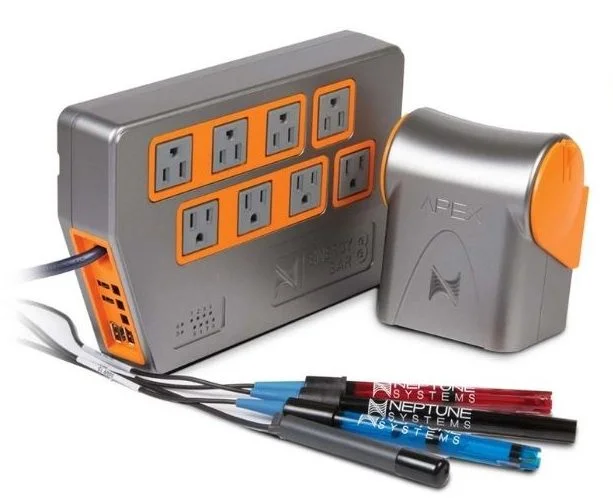
You certainty can run a protein skimmer all the time and most people do. Monitoring your parameters with a quality test kit should give you a better answer though. If your levels are too low for your corals, you might want to consider leaving your skimmer operating less than 24 hours a days. This is easily controlled with an aquarium controller, or plugging your skimmer to a smart power strip, where you can set a schedule for it.
Is It Necessary To Have One?
In my opinion, a protein skimmer is not necessary in a saltwater aquarium. It has a great ability to remove organics in your aquarium and as a result will lower your nitrate and phosphate levels since there will be less nutrients in your aquarium. However, there are other natural ways of reducing nitrates and phosphates, with quality dry rock or live rock being the easiest to implement.
Do Skimmers Add Oxygen?
Yes, protein skimmers add oxygen in your aquarium. This is done by the air bubbles produced by your pump. The air bubbles inject oxygen in your tank indirectly due to the skimming process. This is a added side benefit to having a protein skimmer in your aquarium.
Where Should The Bubbles Be In My Skimmer?
In my opinion, the bubbles should be at the beginning of your collection cup at the neck of your skimmer. As your protein skimmer runs, there will be thicker skim mate that will get pushed to the top of the collection cup. I find this level to be the baseline operating line for most skimmers on the market. You can adjust from this baseline as you see fit. Some people prefer wet skimmate and others dry. Wet skimmate has the advantage of pulling more organics while dry skimmate provides a balance of organics removal and less maintenance.
How Deep Should The Skimmer Be?
Most manufacturers will recommend between 8″ to 10″ for a protein skimmer. However, how deep your protein skimmer should be in your sump will depend on your manufacturer specifications. Some protein skimmers can be placed in a shallow depth while others need to be placed in a deep water level. Always read the specs from the manufacturer to make sure you place it at the right level.
How Often Should You Clean It?
You should clean the collection cup of your protein skimmer at least every 2-3 days. You may be able to go longer if your collection cup is bigger or you have it connected to a larger container. For the skimmer body, you should clean it every three to six months. The skimmer pump should be cleaned every 2-3 months.
Where Should I Put A Skimmer In My Sump?
This is a preference-related question. However, I will state that the worse place to put a protein skimmer would be in the return chamber of your sump. That leaves us with either the first or second chamber and that’s the part that is going to depend on your saltwater tank build.
Traditionally, a protein skimmer is best placed in the first chamber of your sump. The reason why is your protein skimmer is your first filtration device after your filter socks or media cups (if you use either). This allows for cleaner aquarium water to pass through your other sections in the sump. This is my usual recommended place to put a skimmer. There is a newer method of system now called the Trition method that places the protein skimmer in the second chamber. Placing the skimmer in the second chamber allows for a great chance of pops populating in your refugium section and a high volume refugium. Some Triton systems will run socks though and I can tell you from experience that socks love to catch pods so to me if you are going to do Triton you should consider ditching your socks and living with a dirtier looking sump. Check out our best aquarium sump reviews for more info about the best sump available for your reef tank.
Closing Thoughts
The skimmer is doing its job when you barely notice it. Quiet, consistent, and collecting dark skimmate without flooding your sump. That’s the standard. If you’re obsessing over skimmate color every morning or adjusting the outlet pipe every other day, you either have the wrong skimmer or the wrong size for your tank.
My recommendation hasn’t changed in years: buy the Nyos Quantum if your budget allows, the Bubble Magus Elite if you want serious performance at a better price, and the Bubble Magus Curve if you’re just getting started. Size up from the manufacturer rating by at least 30 percent, put it in the first chamber of your sump, and let it run. You’ll know it’s working when your corals are happy and you’ve stopped thinking about it. That’s the goal.
🔧 Want to learn more? This article is part of our complete Aquarium Equipment & Gear Guide. your ultimate resource for filters, heaters, lights, pumps, tanks, and more.
Most people who buy koi think they’re getting a colorful pond fish. They are. But koi are also a 20-to-30-year commitment, a serious infrastructure project, and the quickest way to drain your bank account if you aren’t prepared for what they actually need.
Koi will outlive your car, your dog, and most of your houseplants. Your pond has to be ready for that before your fish are.
I’ve kept fish for over 25 years, worked the floor at fish stores, and watched more koi die in undersized or underfiltrated ponds than I can count. The fish weren’t the problem. The setup was. This guide is about matching the right koi variety to your experience level, your pond size, and your long-term commitment so you don’t make the same mistakes.
What People Get Wrong About Buying Koi
New koi keepers almost universally make the same mistake: they choose a fish based on looks, then build around it. The right approach is the opposite. Build the pond first, stock conservatively, and let the fish grow into their environment.
The second mistake is underestimating growth. Most domestic koi reach 12 to 24 inches (30 to 61 cm). Japanese-grade koi can hit 30 inches (76 cm) or more. A fish that fits in your 500-gallon pond today will outgrow it. That’s not a might. That’s a certainty.
The third mistake is skipping quarantine. You buy a gorgeous new Gosanke, drop it in the pond with your existing fish, and three weeks later everything is sick. Koi carry pathogens that don’t show until stress hits. Quarantine every new fish for at least 3 to 4 weeks before introduction. No exceptions.
The Biggest Mistake Koi Keepers Make
Buying koi before the pond is cycled and stabilized. A brand-new pond has zero biological filtration. Your beneficial bacteria don’t exist yet. Add koi immediately and ammonia spikes. Ammonia burns their gills. They start gasping, hanging at the surface, or just dying without obvious cause. The fix is simple: cycle your pond first, then add fish slowly. But most beginners skip this step entirely because they’re excited to see fish in the water. Don’t be that person.
Should You Get Koi?
Good Fit If:
You have or can build a pond of at least 1,000 gallons (3,785 liters), ideally 2,000+ gallons for multiple fish
You’re committed to a decade-plus relationship with these fish
You have the budget for quality filtration, not just a starter kit pump
You enjoy the maintenance side of pond keeping, not just the aesthetic
You’re patient enough to cycle your pond before stocking
Avoid If:
You want a low-maintenance water feature
Your pond is under 500 gallons
You travel frequently and have no one to manage feeding and monitoring
You’re not prepared to deal with disease, predators, and seasonal temperature shifts
You think “easy pond fish” means koi
Our Candidates: A Quick Overview
Below is a quick table of the best koi varieties you can purchase today. I’ll go through each one and explain what makes it distinct, who it’s for, and where it fits in a collection.
In a hurry? I recommend purchasing all Koi Fish from Next Day Koi, a What You See Is What You Get (WYSIWYG) online seller. Use coupon code ASDEPOT to get 10% off your order!
After 25 years in this hobby, the #1 thing I tell new koi keepers is this: start with Kohaku. Plain white and red, easy to judge condition, easy to find at any reputable dealer. Once you understand how to read a healthy koi, then you graduate to the fancy varieties. Jumping straight to Ki Utsuri or rare Asagi before you’ve kept a single koi is how expensive fish die quickly.
The 8 Best Koi Fish For Ponds
There are over 100 types of koi, classified by body shape, color pattern, scale type, and lineage, not by scientific taxonomy like most fish. The 8 varieties below represent the most widely available, most meaningful to own, and most visually distinct options for pond keepers at any level.
WHY THIS RANKING
These 8 varieties are ranked on a combination of beginner accessibility, visual impact, availability from quality dealers, and how forgiving they are as first koi purchases. Gosanke leads because Kohaku within that group is the gold standard for any koi collection. Ranking drops as care complexity or sourcing difficulty increases.
Gosanke is the “Big Three” of koi keeping: Kohaku, Sanke, and Showa. These are the varieties that define koi culture worldwide, the ones you see dominating koi shows, and the ones that hold value as fish quality improves. If you’re only going to keep one type of koi, it should be from this group.
Kohaku is white with red (hi) markings. Clean white skin with bold, well-defined red is what judges and experienced keepers look for. Sanke adds black (sumi) accents to the Kohaku pattern. Showa is more black-dominant, with red and white patterning over a black base. The difference matters more to experienced keepers than beginners, but knowing it helps you communicate what you’re looking for at a dealer.
For first-time koi keepers, Kohaku is the right starting point. Hardy, widely available, and easy to evaluate for health and quality. You’ll know immediately if something is wrong because the color clarity drops fast under stress.
Hikarimuji are single-colored koi with metallic scales. They catch sunlight in a way the matte varieties don’t, and in a well-planted or darker-bottomed pond, a single Yamabuki Ogon (solid metallic yellow-gold) is visible from across the yard. That visibility is the point.
These are an excellent choice as accent fish in a group of multi-colored Gosanke. The solid metallic sheen creates contrast and draws the eye. Hikarimuji breaks down into Ogon (metallic solid), Yamabuki (bright yellow-gold), and Matsuba (pinecone scale pattern). When selecting one, look for even, consistent color across the entire body. Any patchiness in the metallic sheen is a quality defect.
Utsurimono is built on a black base (sumi) with color patterns laid over it. The three main types are Hi Utsuri (red over black), Shiro Utsuri (white over black), and Ki Utsuri (yellow over black). Ki Utsuri is the rarest and most difficult to find in quality specimens.
The sumi in Utsurimono matters enormously. Ideally it covers the body well, with the Ichimatsu (checkered pattern) covering the tail and a multi-colored face representing the rarest and most valuable examples. One thing newer keepers don’t realize: sumi on young koi shifts as they mature. A fish with incomplete sumi development at 6 inches might look completely different at 18 inches. Buying Utsurimono as young fish is a gamble. Paying more for a mature specimen where the sumi has settled is almost always worth it.
Kawarimono is the “doesn’t fit anywhere else” category of non-metallic koi. What makes this group interesting is its breadth: it includes solid single-colored fish, black koi like Karasu and Kumonryu, and unusual varieties like Matsuba and Midorigoi.
The fish most people come to this category for is Chagoi, the solid brown-tea colored koi known for being the most human-interactive variety in the entire koi world. Chagoi are genuinely friendly. They eat from your hand faster than any other koi, and they have a documented effect of calming other fish in the pond. Add a Chagoi and your entire pond becomes easier to hand-train. They also grow fast and large, which means your pond sizing matters even more if you’re adding one.
MARK’S TOP PICK
For first-time koi keepers, Kohaku (within the Gosanke group) is the right fish. It’s the most available, easiest to evaluate for health, and teaches you how to read a koi before you invest in rarer varieties. Once you know what a healthy, thriving koi looks like, then you earn the right to start chasing Ki Utsuri and Asagi.
Koromo means “robe” or “garment” in Japanese, and the name fits. This variety carries a blue-scaled veil overlay on top of its base pattern, most visible in the Ai Goromo (indigo blue) variant. Ai Goromo shows crystal white skin with deep crimson hi (red), each scale edged in dark blue lining. On a mature fish in good water, it looks like the pattern has been embroidered onto the fish.
The blue lining intensifies with age, which is unusual. Most koi pattern features drift or fade as the fish matures. Koromo does the opposite. A young Koromo with subtle blue edging becomes a striking adult. That aging quality makes them a worthwhile long-term investment for serious keepers.
Bekko is two-toned: a solid colored base with black sumi markings. Shiro Bekko is white with black. Aka Bekko is red with black. Ki Bekko is the rarest, yellow-gold with black, and it doesn’t arise from dedicated breeding. Ki Bekko appears from crosses between Shiro Bekko, Kigoi, or snake crosses, which is why finding a quality specimen takes patience and a good relationship with a knowledgeable dealer.
Doitsu Bekko is a completely scaleless variant worth knowing about. The absence of scales changes the entire visual texture of the fish. In clear water it’s genuinely striking and a good conversation piece for guests who don’t know koi.
Asagi is one of the oldest koi varieties. The pattern doesn’t look like anything else in the koi world: pale blue-to-light blue reticulated scales on the upper body, with vivid red or orange extending up from the belly and lateral line. The reticulation, where dark scale edges create a net-like pattern over the blue ground, is the defining trait.
The most impressive Asagi specimens have pale blue scales on the surface with dark blue edges creating strong contrast. When a quality Asagi swims below you, the reticulated pattern catches light differently than the side view. It’s genuinely impressive. This is a fish worth waiting for and buying from a reputable WYSIWYG dealer rather than taking whatever your local shop has in stock.
A Doitsu (scaleless) version of Asagi. A German mirror carp x Asagi cross with a distinctive dorsal scale row. Unique look that stands apart from every other variety.
Shusui is the Doitsu (scaleless) form of Asagi, created by crossing Japanese Asagi with German mirror carp. That cross gave it one of the most distinctive scale patterns in all of koi keeping: a single line of large, mirror-like scales running neatly along the dorsal line, with mostly bare skin on the sides. The color pattern mirrors Asagi, with blue tones on the back and red-orange on the belly.
One thing to watch: as Shusui age, some develop black spots around the head. A clean, white or pale-headed Shusui with no spotting is the most valued form. If you’re buying a young Shusui, ask the dealer whether the parents showed head spotting. It’s not guaranteed to predict, but it’s a reasonable question that tells you something about the dealer’s knowledge.
WHAT MOST PEOPLE MISS
Kawarimono doesn’t get the attention it deserves. Most buyers skip straight to Gosanke and the flashier varieties. But Chagoi within this group is the single best fish for making your whole pond more interactive. One Chagoi trains the rest of your koi to eat from your hand faster than anything else you can do. It’s not glamorous, but it’s genuinely effective and underappreciated.
Selecting Koi: How to Choose One Without Getting Burned
Every experienced koi keeper has at least one story about buying a fish that looked fine at the shop and died two weeks later. Here’s how to avoid being that person.
Use a WYSIWYG dealer for online purchases. What You See Is What You Get means you’re buying the specific fish in the photo, not a fish from that batch. For any koi over $50, this matters enormously. Next Day Koi operates this way, which is why I recommend them. Use code ASDEPOT for 10% off.
Watch how the fish swims before you commit. Healthy koi move with purpose. No jerk movements, no side-leaning, no gasping near the surface. Any of those behaviors means something is wrong.
Check the gills. Uneven gill movement, one gill working harder than the other, or any redness at the gill edges is a red flag for respiratory infection or parasites.
Don’t buy a lone koi. A fish kept alone in a tank is either sick and isolated or has outlived its tankmates. Either way, not a fish you want to bring home.
Quarantine everything. Four weeks minimum. Yes, every time. Even fish from a dealer you trust.
Hand Feeding Your Koi: The Realistic Timeline
Koi can absolutely be hand-trained. It takes time and consistency, not tricks.
Feed 2-3 times daily at the same location. Koi learn routines faster than most people expect.
Add a Chagoi to the pond if you want the process to go faster. They approach first, which signals safety to the other fish.
Start by placing food at the water’s edge, not dropping it in. Let the fish get used to your hand near the water before it’s in it.
Patience. Some koi take weeks, some take months. Don’t crowd the pond. Don’t rush the fish. It happens when it happens.
For a more detailed hand-training breakdown, check out our full Koi Fish Care guide.
FAQs
Which is the best koi for beginners?
Kohaku, from the Gosanke group. White with red markings, widely available, and easy to evaluate for health. When color clarity drops, you know something’s wrong. That feedback loop is valuable when you’re still learning to read a koi.
Which is the rarest koi?
Ki Utsuri is consistently cited as one of the rarest. Yellow patterns over a jet-black body, and quality specimens are genuinely difficult to find. Ki Bekko is another rare variety that doesn’t arise from dedicated breeding programs. If rarity is your goal, work with a specialist dealer who can source specific fish.
Why are koi so expensive?
Quality koi are expensive because breeding for specific patterns, color clarity, and body conformation takes years of selective work. Top Japanese-grade koi from established breeders can sell for thousands, sometimes tens of thousands, for a single fish. For most hobbyists, the $50 to $300 range gets you excellent, healthy fish from reputable domestic dealers. The price tracks with the quality of the lineage and the specificity of the pattern.
How big do koi get?
Domestic koi typically reach 12 to 24 inches (30 to 61 cm). Japanese-grade koi often hit 24 to 30 inches (61 to 76 cm). Jumbo koi can reach 34 to 36 inches (86 to 91 cm). Growth rate depends heavily on water temperature, feeding frequency, pond size, and water quality. A koi in a well-maintained large pond grows significantly faster and larger than the same fish in a cramped or poorly filtered pond.
Where is the best place to buy koi?
For online purchases, use a WYSIWYG (What You See Is What You Get) dealer. Next Day Koi is my recommendation. They show you the actual fish you’re buying, not a representative fish from the batch. Use code ASDEPOT for 10% off your order. For local purchases, tour the dealer’s holding ponds before buying anything. A clean, well-maintained facility with knowledgeable staff tells you everything you need to know about how they treat their fish.
Do koi recognize their owners?
Yes, in a practical sense. They associate you with feeding. Koi that are regularly hand-fed learn to approach their keeper at the pond edge, respond to visual cues, and behave differently around familiar people than strangers. It’s not abstract recognition the way a dog would show it, but it’s real behavioral conditioning. The Chagoi variety is particularly fast to develop this kind of interaction and helps train other koi in the same pond.
Closing Thoughts
Koi are genuinely one of the most rewarding pond fish you can keep. They’re long-lived, interactive, visually impressive, and they improve with age in ways most fish don’t. But they are not forgiving of bad infrastructure. The pond has to be right before the fish go in.
If you’re just getting started, buy Kohaku from a WYSIWYG dealer, get your pond cycled and stable, and don’t rush to add more fish. Give yourself a season with your first koi before you start chasing Ki Utsuri and rare Asagi. Once you understand how to read the fish and manage the water, the rest becomes much more enjoyable.
Ready to get started? Next Day Koi carries quality WYSIWYG koi with fast shipping. Use code ASDEPOT for 10% off. For live foods and pond essentials, check out Flip Aquatics and Dan’s Fish.
BUY OR SKIP?
Buy koi if you have a pond of at least 1,000 gallons, a quality filtration setup, and a 20-plus year mindset for the commitment. Skip koi if you want low-maintenance, if your pond is under 500 gallons, or if you’re not prepared for the infrastructure investment. These are not starter fish. They are a lifestyle choice.
An aquarium heater might seem like a boring purchase, but I’ve seen more fish deaths caused by heater failures than almost anything else. A heater that sticks on can cook your fish overnight; one that fails in winter can crash the tank before you notice. Over 25 years I’ve tested more heaters than I’d like to admit, and I’ve narrowed down what actually matters. accuracy, reliability, and safety shutoffs. These 11 are the ones I’d actually trust in my own tanks.
Expert Take (Mark Valderrama, AquariumStoreDepot)
I have been through more heater failures than I can count across 25 years in this hobby. I have seen heaters cook tanks overnight, crack under the pressure of a large cichlid hitting them, and reset their settings during power outages with no warning. What I have learned is this: the spec sheet is not what matters. Accuracy rating means nothing if the unit fails at the on position and turns your tank into a hot tub.
The brands I trust after all that time are Eheim, Finnex, and Innovative Marine. The technology I trust is either titanium element plus external controller (Finnex STE setup), or PTC technology (Helio). Standard glass resistance heaters are fine for a hardy community tank on a budget, but any tank with real money in it needs either a titanium element or a PTC unit paired with a redundant controller.
My #1 pick is the Finnex STE. It combines Japanese-built components, a titanium indestructible element, and a waterproof controller with dual-circuit redundancy into one package that most hobbyists can actually afford. If I were setting up a high-end reef today, I would step up to the Innovative Marine Helio. But for the vast majority of freshwater and fish-only saltwater setups, the Finnex STE is the one I recommend without hesitation.
Are you struggling with finding a quality aquarium heater?
In this blog, we share the best products for aquarium heating, from submersible heaters to inline heaters. I also include aquarium controllers in the mix.
With over 25 years of experience in the aquarium hobby, I’ve assisted countless clients, hobbyists, and readers like you in overcoming their heater woes (and believe me, heaters are a headache with how often they fail). I’ve personally tested these products in real world scenarios to determine the best aquarium heater on the market. Check out our YouTube video below:
Mark’s #1 Pick: Finnex STE Titanium Series
The only heater I have used that combines a truly indestructible titanium element with dual-circuit controller redundancy at a price that makes sense for non-reef setups. It is the one I would put in my own tank today.
The Top Picks
I’m going to discuss multiple types of aquarium heaters at this point. But for those in a hurry, here is a quick view of the top 3 three. The answer may surprise you.
The best bang for the buck for those who are only able to purchase a single heater would be the Eheim Jager Aquarium Thermostat Heater. If you have medium to large setup, I would recommend the Finnex STE or go up to the Helio Heater if you have a lot invested in a tank (e.g. – a reef tank).
Why the Finnex STE Is #1 (And Why That Matters for Your Fish)
Most heater roundups rank by feature count. That is the wrong metric. What kills fish is not a heater that lacks features. What kills fish is a heater that fails in the on position and cooks the tank, or one that cracks when a large cichlid slams into it. I ranked the Finnex STE first because it solves both problems at a price most hobbyists can actually reach.
The titanium element does not crack. Not from thermal stress, not from a 14-inch oscar thrashing the tank, not from years of salt exposure. The dual-circuit controller means if one circuit fails, the backup catches it before the temperature spikes. That is what temperature stability actually means in practice: it is not hitting 78F on a calm day, it is staying at 78F when something goes wrong at 2am.
Controllers with glass heaters offer one layer of protection. The Finnex STE gives you two: the element itself and the controller redundancy. That is the difference between a heater you babysit and one you trust.
The Candidates – A Quick Comparison
There are many aquarium heaters out on the market for various tank size options out there. The list below was handpicked by our years of experience in the hobby and through various client builds. They all have their strengths in particular setups which I will explain below. This post will primarily focus on my aquarium heater reviews for the best fully submersible heater types.
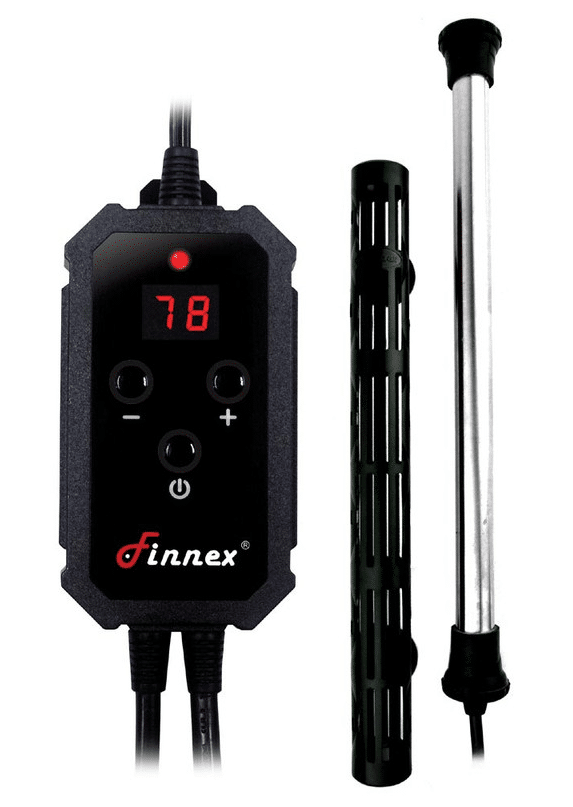
Finnex has achieved what we as hobbyist have asked for decades. A reliable heater that won’t fail. Japanese components. Receives our top recommendation.
I’ll say it now and I’ll say it later in this post, aquarium heaters as a whole are generally prone to failure and highly unreliable. We as hobbyists, have struggled for years waiting for someone in the market to develop a heater that could be reliable and not destroy our bank account in the process. We finally have a player in the market who has finally delivered that reliable heating unit we have been waiting for.
The Finnex team at has developed the holy grail, a Controller with Japanese components and a advanced electronic heater element that rids us of all the nightmares of heater failure. What are the factors that scare us as aquarists with fish tank heaters? They are:
My heater gets stuck in the on position and fries my tropical fish
My heater cracks and explodes, which kills my fish
A large fish smacks my heater and cracks it
My glass heater is made of cheap glass that breaks over time from the heat stress
The Finnex team gave me the honor of providing me with a free heater so I could put in my friend Ryan’s tank. I have a video about the entire video below from our YouTube channel.
Here is what I love about this heater:
It’s Japanese made. I know how well Japanese made products are from the team at Tunze and ADA in the aquarium industry
It is accurate up to 1 degree – which is a benchmark for any heater controller I use
The dual circuitry built into the controller gives you a controller in a controller. The redundancy you need to prevent any type of overheating from failure
The controller is waterproof sealed, a step up from the Inkbird controller
It is ETL rated
While it is only covered by a 1 year warranty compared to a 3 year from BRS (more on them below), the Finnex STE is significantly cheaper and the controller is better making this is an overall best buy. I am and continue to be a fan of the BRS heater, however, the Finnex is more approachable. At its price point, it is more accessible to the general fishkeeping hobby, especially freshwater tanks, which I know is nearly 4 times bigger than the saltwater hobby.
In our review, Ryan and I did notice a problem with the heater. The heater is only designed to be on 30 minutes at a time. Because of this, my typical 3 watt per gallon rule of thumb doesn’t work here. You will need to size up appropriately. In Ryan’s 60 gallon tank, this required us to size up to the 400 watt package in order to achieve a reliable and stable temperature free of temperature fluctuations. Keep this in mind if you have amp concerns with your breaker or your controller if you use an aquarium controller.
This is the heater setup to purchase if you are looking for a top notch heater that is reasonably priced, won’t fail on you, and a heater that your fish can’t break (since the heater element is made of Titanium).
Pros
Japanese Components
Excellent controller with easy set temp features
Titanium heating element
Cons
1 year warranty
The controller doesn’t have a low and high temperature alarm
It’s expensive compared to other heaters like the Ehiem
Finnex STE Rating
9out of 10
Manufacturer of Origin9
Brand Name9
Accurancy9
Build Quality9
Finnex STE: Buy It If / Skip It If
Buy it if: you want the most reliable heater setup under $200 and your tank has real money in livestock. You have fish that could break glass heaters. You run a freshwater or fish-only saltwater tank and want to stop worrying about heater failures.
Skip it if: you have a small budget tank with hardy fish and a $30 glass heater is genuinely adequate. The Finnex STE needs to be sized up (more watts than you think) due to its 30-minute duty cycle, which can be an issue on breaker-sensitive setups.
2. Eheim Jager – Old Faithful with Legendary Brand Name
Ah the Eheim Jager Aquarium Thermostat. They have been around seemingly forever and completely unchanged for ages, and there is a good reason why. It is simply a very well-built and reliable heating unit for both freshwater and saltwater tanks. Quality German-made, UL-listed electronics, and a manually adjustable heater gauge are its main features. The Jager aquarium thermostat heater has an accurate temperature sensor up to 0.5 degrees Fahrenheit of the desired temperature.
This makes it as accurate as the Cobalt Neo-Therms. It also has the ability to be re-calibrated! I has a thermo safety control which automatically shuts off the heater in the event that the tank runs low on water. The indicator light is also easy to see so you know when its working.
Because it is it a quality manufactured heater, it simply hasn’t been updated in years and looks the part. It is a big and bulky glass tube, it uses old school lab-grade glass, and the adjustable dial itself is cumbersome. However, Eheim’s legendary name brand is behind it and anyone who has been in the aquarium industry knows the great quality and durability that Eheim manufactured products bring. It’s ugly looking and big, but you won’t be disappointed using this as your fish tank heater.
Pros
German-made and Eheim name
Accurate up to 0.5 degrees Fahrenheit of set temperature
Can be re-calibrated
Cons
Big and bulky submersible heaters
Old school lab-grade glass design
The water temp dial is a bit clunky
Eheim Jager Rating
9.5out of 10
Manufacturer of Origin10
Brand Name10
Accurancy10
Build Quality8
Eheim Jager: Buy It If / Skip It If
Buy it if: you want the best glass heater money can buy without moving to titanium. You need accurate, recalibratable temperature control on a mid-range budget. It is ugly and bulky, but after decades on the market it has earned every star it gets.
Skip it if: you keep large aggressive fish that could knock it over and crack it. The lab-grade glass is tougher than cheap heaters, but it is still glass. If you have oscars, large cichlids, or arowana, go titanium.
There comes a time with aquarium technology when a major breakthrough is made. We saw this when aquarium return pumps shifted from AC to DC and when we saw the shift from T5s to LEDs in lighting technology.
We now see the same shift with PTC technology with the Innovative Marine Helio. This heating unit is the first of its kind in the industry. It does not operate like the other heaters on this list that use traditional resistance wires to heater terms. This type of technology is quite old, originating from toasters. That’s right, the same technology used in many aquarium heaters today is no different than what you use to toast your bread!
The problem with this traditional technology is if these fish tank heaters are exposed to air or become covered in debris, they run the risk of overloading, which leads to the explosions and failures many of us experience hobbyists have dealt with in the past.
The Helio changes all of this. The PTC technology uses chips that are programmed to heat at predetermined set temperatures. This results in a safer and more reliable heater. It’s all controlled by the Helio controller. Both the heater and temperature control device were heavily researched by the IM team. They looked at how aquaculture facilities managed their aquarium water temperature. As a result, the Helio is developed like a commercial versus hobbyist grade product.
A new commercial developed product like this demands a very high price. This is the most expensive heater on the list but has the most potential of every heater here. The technology is promising. I see more and more high-end heaters in the future utilizing this technology as it matures, and the price as a result drops as more brands develop it. You will pay a price premium by adopting this technology early.
Pros
German-made and Innovative Marine name
Cutting-edge PTC technology
5-year warranty
Cons
Not designed to be used inside display tank
Very expensive
Helio Rating
9out of 10
Manufacturer of Origin8
Brand Name9
Accurancy9
Build Quality10
Innovative Marine Helio: Buy It If / Skip It If
Buy it if: you run a high-end reef tank where a $500 temperature crash would wipe out thousands in coral. The PTC technology is genuinely safer than resistance wire heating. The 5-year warranty backs it up. This is early-adopter premium pricing for the best long-term technology.
Skip it if: you run a freshwater tank or a fish-only setup. The price premium is not justified for anything less than a reef or sensitive invert system. Wait for the technology to mature and prices to drop if budget is a concern.
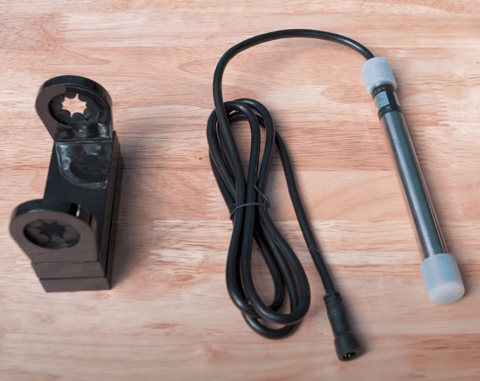
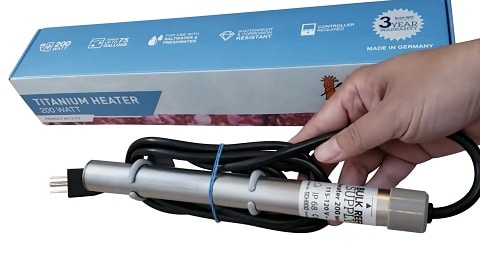
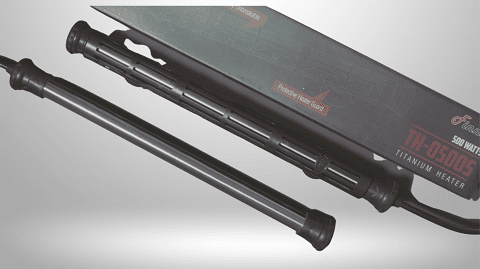
The heating element is made of titanium, which is unbreakable in our hobby and can conduct heat better throughout the body than other materials. It is German-made, a standout among a number of heaters that are now being produced in China.
When it comes to hearing and accuracy of this heater, the BRS element has been thoroughly tested and will maintain a temperature deviation of 0.5 degrees or less when equipped with a high-quality controller. This ensures that your tank’s temperature will remain stable and keep your aquatic pets healthy.
Being a titanium heater, the element is more efficient than traditional glass heaters. While it will consume the same base power, the heater is more efficient because the titanium construction will conduct heat better than glass. This will save you on energy costs and reduce the carbon footprint of the heater.
Being made from titanium, these heaters are the ultimate when it comes to durability. They are virtually unbreakable and will take the more extreme punishment from large fish and won’t explode on you. These fish tank heaters have the confidence of the manufacturer to provide a 3-year warranty.
Because of their makeup, they require a controller to adjust the temperature. You can either hook it up to an aquarium controller or use the model offered in the link above that connects to an Inkbird. The Inkbird has been a personal mainstay for me over the years, and I feel great using it with this system.
It’s a pricy heater, but it really is what fish tank owners have been looking for all these years. When you have a tank with hundreds or even thousands of prized tropical fish and corals (or tons of live plants) – you demand a heater that doesn’t fail. The titanium element offers you that peace of mind. It’s a must for anyone with a prized display tank.
Pros
German Made
3-year warranty
Works with a controller
Cons
Expensive
No models for smaller fish tanks
Inkbird controller isn’t as good as the Finnex STE
BRS Titanium Element Rating
9.5out of 10
Manufacturer of Origin10
Brand Name9
Accurancy9
Build Quality10
5. Cobalt Aquatic Neo-Therm – The Most Accurate on the Market
If you have a system that requires precise constant water temperature with sensitive inverts, corals, or tropical fish like a reef tank, the Cobalt Aquatics Neo Therm Heater can’t be beaten. Cobalt Aquatics computer tested all their Neo therm heaters. They are accurate up to 0.5 degrees Fahrenheit of the set temperature (better than most controllers on the market in fact), the Aquatics Neo Therm heater, to many in the reef aquarium hobby is the go-to – especially in nano tanks. The Neo-Therm is also one of the most compact heaters. It can fit in any all-in-one aquarium or nano tank and will hide well if placed inside the tank. For overall features, this is the best submersible aquarium heater you can buy today.
It does come with a higher price tag though. The Neo Therm heater is one of the more expensive heaters available and they also only come in smaller wattage sizes, meaning you will need multiple units to run a larger tank.
Pros
Accurate up to 0.5 degrees Fahrenheit!
Manual water temperature adjustment dial
Compact design – fits in all in one system
Cons
Only available in smaller wattage
Expensive
Neo-Therm Rating
8.3out of 10
Manufacturer of Origin7
Brand Name8
Accurancy10
Build Quality8
6. Aqueon Pro Adjustable – With a Limited Lifetime Warranty
If you are looking for a reliable shatterproof adjustable submersible heater, with a limited lifetime warranty, look no further than the Aqueon Pro Adjustable Heater. Aqueon has been in the Aquarium industry for a long time and many of us have trusted them for our tanks as many of the standard tanks old these days are manufactured either by Aqueon or Marineland.
The Aqueon Pro Adjustable Heater comes with a water temperature dial that is painless to adjust the temperature. Because it’s manual control, it is less prone for its temperature configuration to fail because the setting will not reset during a power outage. The Aqueon Pro is accurate within 1 degree of the desired temperature, which is adequate for most home aquariums, but would be considered suspect in a delicate environment such as a reef tank.
Pros
Lifetime warranty and Aqueon Name
Manual water temperature dial that will not reset in a power outage
The M-Series is Fluval’s value heater offering and one of the common ones you will see at pet stores and local fish stores. If all the heaters you will find at non-specialized pet stores, this will likely be the best glass heater you will find on the rack. It’s made of Borosilicate glass and backed by a 3-year warranty. Fluval has a big presence in our aquarium industry and many of its products are known for their reliability.
The M-Series is a budget heater. While it is not as high-end as the BRS heater element or as well-built as the Eheim Jager, it is still a competent heater. It’s also smaller and less bulky than the Jager, which makes it more suitable for all-in-one aquarium and smaller tanks.
While heaters are prone to failure, this is still one of the better ones out there. With proper backup protocols, you should be happy with purchasing an M-Series.
Pros
Good price
Hagen/Fluval name
Computer calibrated
More compact than the Eheim
The suction cups work well
Cons
Inferior to the Eheim heater
Still prone to break from large fish
No separate controller for redundancy
Fluval M-Series Rating
8.5out of 10
Manufacturer of Origin8
Brand Name10
Accurancy8
Build Quality8
8. Finnex Deluxe Titanium – Great for Monster Fish Keepers
For those of us with large tanks over 200 gallons, it is difficult to not only find a high wattage heater, but also a heater that is about to take the punishment of large aggressive fish who may thrash about in the aquarium and knock down rocks and equipment.
This is where the Finnex Deluxe Titanium Heaters answer the call. It is a titanium-built heater, which makes them virtually indestructible. A titanium heating element is more corrosive resistant than glass heaters, making it ideal for saltwater environments.
Before I discovered the Inkbird, this was my recommendation for someone who wanted to use titanium heaters. It’s cheaper than the BRS element, though the controller is not as accurate as an APEX or Inkbird.
However, because there is no adjustment dial on the heater itself, there is no redundancy on the submersible heater to protect against failure. The controller itself is only accurate up to 2 degrees Fahrenheit, which is fine for freshwater fish tanks and fish-only saltwater setups. Reef tank users will want to consider purchasing the Finnex Titanium Heater Rod only and go with a more accurate aquarium heater controller or utilize a high-end controller like an Apex Controller.
Pros
Titanium built design
Comes with a digital controller
Available in up to 800W
Cons
No adjustment dial on submersible heater itself
Controller is accurate only up to 2 degrees Fahrenheit of set temperature
Titanium heaters are considered better than glass heaters due to the fact that titanium is more corrosive resistant and is nearly indestructible. Our last heater was only available in high wattage, but this variation of Finnex Titanium Heaters is for the rest of us. With very similar pros and cons, this heater will get you a titanium submersible heater at a reasonable price. It also comes with a heater guard to protect fish from touching it.
Like with most titanium heaters, the heating element does not have a manual adjuster on board. To program to the desired set water temp, you have to use the controller that comes with it.
This heater is one of the most affordable titanium heater solutions out there that is a name brand. It’s cheaper than both the BRS and digital heater. It also comes in smaller sizes, so you can use them in smaller aquariums. Titanium heaters, in general, will use less electricity than glass heaters since they conduct heat better.
Pros
Titanium built design
Comes with a digital controller
Cons
No adjustment dial on the submersible heater itself
The controller is accurate only up to 2 degrees Fahrenheit
Finnex Titanium Ratings
7.6out of 10
Manufacturer of Origin7
Brand Name8
Accurancy8
Build Quality7.5
10. Hydor In-line – A Great Choice For Canister Filter Users
The Hydor Inline Heaters are the perfect choice for aquarists who own a Canister filter. Because this heater runs through your return line, you do not have to worry about this heater being inside of your fish tank and prone to the abuse some of your fish would cause on it moving rock work or even yourself hitting it accidentally performing maintenance. It is constructed with Hydor’s patented PTC heating technology. The way the unit works is that it is made of a special polymer that has been printed with aquarium-safe ink. This ink heats up the passing current as the water is transferred into your aquarium. Genuinely clever engineering for an aquarium product.
When it comes to performance, the Hydor heater is a step up to a submersible heater. The PTC technology is unique and new age. It heats water as it passes through. It heats more efficiently and stays hidden from view
It does come with some major drawbacks though. It needs to be installed vertically, which can be a problem for those with limited space in their cabinets. It only works with vinyl tubing, making it non-ideal for setups with hard plumbing. It is also only available in up to 300W. You can’t run a second heater inline. However, my personal experience with these heaters is that they do not fail as often as traditional glass heaters.
Hydor also does not state how accurate the heater is on their specs; a controller is highly recommended. It is a great alternative to a submersible aquarium heater.
Pros
External heater
Slick operation and patented technology
No risk of heater burn on fish
Cons
No specs from Hydor on how accurate it is
Can only be used with vinyl tubing
Only available up to 300W
Hydor Rating
7.8out of 10
Manufacturer of Origin7
Brand Name8
Accurancy8
Build Quality8
11. Hyggar Titanium – New Player on the Market Delivering Budget Items
This aquarium heater really surprised us. The Hyggar Titanium Heaters come with a digital temp controller that claims 0.5 degrees of accuracy. That claim would make it one of the most accurate controllers on the market. I would say from testing this product now that it doesn’t have that stated accuracy, but it is a good budget titanium heater. It is cheaper than the BRS, and Finnex heaters.
Being titanium, it is nearly instructable and is more energy efficient than cheaper glass heaters. It is available in multiple sizes and is compact enough to work in some small tanks.
They were a newer brand in 2023, but the reviews have been pretty stellar, enough for us to consider them on our list for aquarists looking for an all-in-one solution titanium heater with a controller. They have reached out to use for a sponsored video, but we declined as we prefer to keep our reviews independent.
Pros
Titanium design
Controller claimed accuracy of 0.5 degrees
Cons
New manufacturer
Hyggar Titanium Rating
7.3out of 10
Manufacturer of Origin5
Brand Name6
Accurancy10
Build Quality8
Benefits (Why Do I Need To Purchase One)
Because most of us in the fish keeping hobby keep tropical fish (saltwater fish), they require the water temperature range to be consistently around 75 – 80 degrees Fahrenheit ( 24 to 27 Celsius). Since we keep aquariums indoors in our home, most people would think that the room temperature of our home could keep our aquariums at a safe water temperature. However, seasons change and there are certain times, like in the winter, when the room temperature in your home can drop below 70 degrees or less in your home putting our precious livestock at risk. They don’t handle temperature changes well.
The best aquarium heaters not only keep your water temperature up for your tropical fish but are easily adjustable so you can keep your water at the desired tank temperature. They are also accurate to boot. Some will even come equipped with a separate temperature controller so you add redundancy in the event a heater fails.
What We Looked For
Figuring out the best aquarium heaters on the market is not easy to do. There are lots of manufacturers out there from many different price points. To filter out the good from the bad here is what we used in our criteria.
Manufacturer of Origin
The aquarium industry is loaded with a ton of budget-friendly products, but this also means the quality and reliability of the product could be suspect. It’s very easy to go to places like Amazon and find a cheap Chinese-made heater to work on your tank. However, they typically do not have good quality control and aren’t built to last.
Heater failure is a serious issue in the hobby. I’m looking for German or Italian made and looking for products with big warranties.
Brand Name
Good brands back up their products with warranties and lab tests. Brands like Eheim have stood the test of time and get my vote over budget brands.
Accuracy
A heater should be pinpoint accurate and consistent. The best heaters on the market will be within 1 degree accurate and will be easy to calibrate.
Build Quality
You want a product that has features like auto shutoff if the heater gets too hot or it runs dry. You want a heater that is more durable materials like titanium or lab-grade glass.
All these criteria get a rating of 1 to 10 with 1 being the worst and 10 being the best. We take an average score to determine our best heaters. Note that price doesn’t come into the equation. With the exception of heaters on this list, we don’t feel that price is a major determining factor. With these two products that are pricey, if your livestock is expensive, we feel the purchase is justified.
What Budget Heaters Miss
Cheap heaters under $20 share the same fundamental problem: they use standard resistance wire heating elements inside thin glass with a bimetallic thermostat strip to control the on/off cycle. That bimetallic strip is the failure point. When it corrodes, sticks, or warps from age and thermal stress, the heater stays on. Your tank climbs from 78F to 90F to whatever the heater can push before you notice. By then it is usually too late.
Budget controllers help, but they address the symptom not the cause. What the Finnex STE, Eheim Jager, and Helio all do differently is eliminate or reinforce that failure point. The Finnex replaces the glass and bimetallic strip entirely with a titanium element and electronic controller. The Eheim uses lab-grade glass and a calibratable thermostat tested to tighter tolerances. The Helio uses PTC chips that physically cannot overheat beyond their programmed ceiling.
The gap between a $25 heater and a $100 heater is not mostly features. It is mostly failure mode engineering. Pay once for the right heater or pay in livestock when the cheap one fails. I have seen both outcomes. The choice is not complicated.
How to Choose the Right One
I’ve provided a lot of choices here and it can be frustrating to figure out which one works best. No worries though, let me help you out.
Sizes
All the aquarium heaters listed in this blog post come in various sizes. Some like the Eheim Jager Aquarium Thermostat are very bulky while the Cobalt Neo Therm Heaters are very compact in size. If you do not have a sump or canister filter, the size of the heater will come into play as it may stick out like a sore thumb. Smaller heaters are easier to hide and also getting multiple heaters will help with hiding them in the fish tank (redundancy is also another reason to get more than one heater which I’ll explain in further detail).
Types
Aquariums
The type of aquarium you own will help determine what heater you will need. For example, if you have a fish-only freshwater community fish tank with mostly hardy fish, you can likely get by with a single heater and a relatively cheap one.
If you have larger predator fish like Cichlids or Arowanas, you will want a submersible heater that can take a beating. This is where Titanium heaters can come into play as they are virtually indestructible.
For those of us who have sensitive inverts or exotic fish as you may have with a saltwater reef aquarium, the accurate and reliable temperature is critical. A swing in temperature range could cost thousands of dollars in lost livestock with such setups. Therefore, as a reef tank owner, it is imperative that we build our heating system with multiple redundancies and safeguards to protect our livestock.
Heaters
I did throw out a number of terms when it came to fish tank heater construction so I can be a little more detailed here. A submersible aquarium heater will typically be constructed with the following materials:
Glass
High-Quality Glass like Quartz or Borosilicate
Titanium
Glass heaters are what you will typically find with value-based brands that are not listed on this list. I have completely ignored these because they are prone to exploding in a fish tank and shattering! Not something you want:
Highly quality glass like what you see with the Eheimand heaters is durable glass that is resistant to thermal shock and less prone to exploding like above. They can still crack if dropped or hit by a rock, but in normal operation, they should be fine, especially if they are placed in a safe area like a sump.
Titanium heaters like the Finnex heaters are virtually indestructible and great for tanks with larger fish. They also tend to be the most expensive of the lot.
Your Budget
I have listed a number of quality heaters in this post in all ranges of budgets. One thing to note is that many aquariums will run multiple heaters and I am aware that not everyone will have the budget to deploy a multiple heater setup. The heater for bang for the buck I feel is the Eheim heater. Eheim offers a reliable heater with the best mix of quality and price.
Where to Place It
Place your heater where there is good water flow. This will normally be an area in close proximity to a power head, power filter, or air stone. You also want to keep aesthetics in mind so if you are placing the heater directly into your display, you will want to place the heater behind rock work or plants.
Placement is even easier with an all-in-one aquarium as there are compartments available in the return section where you can place your submersible aquarium heater in. If you have a sump, it’s even easier can you can place them in your sump after your first chamber.
How Many Watts Does It Need to Be?
The rule is simple, even if aquarium forums make it confusing if you visit aquarium forums. The rule is 3 watts per gallon of water. The chart below provides a clear breakdown of the common aquarium sizes for reference
Fish Tank Sizes
Heater Wattage Needed
10 G
30 Watts
20G
60 Watts
29G
87 Watts
40G
120 Watts
55G
165 Watts
75G
225 Watts
90G
270 Watts
125G
375 Watts
180G
540 Watts
225G
675 Watts
300G
900 Watts
How To Fool Proof Against Failure
As I stated when I talked about the BRS heater element, aquarium heaters, unfortunately are prone to a number of failures. These failure points are:
The aquarium heater explodes
The aquarium heater cracks
The aquarium heater’s internal thermometer fails
The aquarium heater’s off/on mechanism fails
The aquarium heater’s settings reset after a power outage
That is A LOT of failure points. It’s also a bit scary to know that the #1 tank crash reason are aquarium heater failures. It’s not a disease, it’s not a power outage, but your heater failing. That’s correct, a measly $30 heater can be the cause of you losing hundreds of dollars of fish and pets that you have owned and cherished for many years.
This is why we recommend purchasing an aquarium heater system. This would encompass:
The best fish tank heater from this list
Running two heaters instead of one that gets to the recommended wattage level
A separate aquarium controller that is accurate at least to 1 degree Fahrenheit and can run both heating and cooling equipment
A reasonable piece of cooling equipment that won’t break the bank
Since I know a number of my readers cannot afford or do not want to pay for the premium of the BRS heater element or Helios, this section of this blog post is to help guide you on setting up a reliable heating system for less money.
Get A Good One To Start
I mentioned it early on in the post what my top 3 are. I would stick with those as you can’t go wrong with either. All those heaters met my strict criteria and receive my full recommendation.
Failsafe #1 – Running Two Instead of One
Why would we run two heaters? Well, as I mentioned, heaters have many fail points and one of them is the off mechanism failing. This will mean that the heater will stay on and effectively cook your tank. This is the #1 reason for a heater fail. When you purchase two smaller heaters, if one fails at the on position it is not powerful enough to cook your tank inhabitants. It will stay on and you should have ample warning to notice the failure and act accordingly.
Failsafe #2 – Running a Separate Controller
Since running two heaters will give you time to act in the event one fails at the on position, you could be out of town or not present for some time to act. This is where a separate aquarium controller comes in. A separate aquarium controller has it’s own temperature sensors or probe and mechanics separate from an aquarium heater. This provides you with an additional fail safe. Now both heaters AND the controller would need to fail at the same time in order for your tank to experience a crash. That is very unlikely to happen.
The Controllers
So now let’s talk about aquarium heater controllers. The controllers from Finnex and Hyggar are pretty good, but the Finnex controller is only accurate up to 2 degrees and the Hyggar controllers are new to the market. There is one heater controller that has been around for a while and is trusted in other industries aside from the Aquatic industry – namely aquaponics, and beer brewing.
The Inkbird Aquarium Controller – The Best Bang for Buck Controller on the Market
I know there will be some folks on the comment section who may post and say that I should talk about aquarium controllers, but to me, that is a completely separate subject. Aquarium controllers are very expensive and even an entry-level controller is going to cost over $200, which is going to be out of the range of many readers of this post.
The inbird is a great budget controller with a large LED display. The Inkbird ITC-308 is a great aquarium heater controller that is accurate up to 1-degree Fahrenheit. It is easy to program and has the ability to not only control heaters but cooling equipment as well. This actually provides a TRIPLE FAIL SAFE as the cooling function will kick off in the event the aquarium gets too warm. If the aquarium gets too hot or cold, the Inkbird can sound an alarm letting you know something is wrong. There is also a wi-fi version available so you can get temperature alerts on your phone if the fish tank gets too warm or too cold!
The Hydros Control 2 is a step up from the Inkbird. It has the wifi features and more. It can control temperature and a number of devices, detect leaks, and more. It was developed to be a cheaper alternative to the Neptune APEX and a worthy successor to the Reefkeeper entry-level controller.
This controller provides even better assurance that your temperatures stay stable. I typically go with an inkbird on smaller budget builds, but if I have more budget and my client isn’t looking to get an APEX, this is a definite consideration for me. If you are looking for a compete solution, I would recommend looking into my best aquarium controller post for details about controllers that are able to automate multiple aquarium functions.
Since these aquarium heater controllers have the ability to cool down a tank, let’s get a reasonable piece of cooling equipment. An aquarium chiller is going to be out of the budget range of many aquarists so a cooling fan is a good option for us to look into.
The IPETTITE Aquarium Cooling Fan is a very reasonable piece of equipment when teamed with an aquarium heater controller can provide some cooling in the event your tank gets too warm. It’s not a chiller, but it should get you by in most situations. If you need to take it to another level, you can try looking at my best aquarium chiller post for options regarding chillers.
Final Solution – Incorporate Replacement In Your Maintenance Cost
Replacing your heater every year has become a trendy strategy, especially for those who keep expensive setups like reef tanks or aquascapes. When you have invested thousands into a setup, it’s not a big deal in the grand scheme of things to budget $60 a year to replace your heater annually. If you have a setup this expensive, I would recommend this approach but still stick to higher quality heaters. Jagers are a great choice for this method as they are fairly inexpensive to replace. The heating element for the Finnex STE is also reasonably inexpensive to replace.
FAQS
Wrapping It All Up
After 25 years of heater failures, blown tanks, and hard-won lessons, this is the list I wish someone had handed me when I started. Every heater here earned its spot. The Finnex STE is my #1 because reliability beats specs every time. Buy it right once, set it up with a backup and a controller, and stop worrying about your heater.
Questions about your specific setup? Drop them in the comments. I read every one.
🔧 Want to learn more? This article is part of our complete Aquarium Equipment & Gear Guide. your ultimate resource for filters, heaters, lights, pumps, tanks, and more.
Having your aquarium run automatically is a dream for many fish tank owners. Everyone wants a device that can automate many of the mandate tasks of fish and coral keeping. What if I told you that such devices exist today? They in fact do exist, and many do an excellent job of making your aquarium keeping life easier than ever before! They are called aquarium controllers and the technology is now over 10 years old. But what is the Best Aquarium Controller? There are a number in the market now, and they require a lot of research and development to create a long-standing product.
In today’s post, I look at the best of the best and tell you which ones are the ones to purchase today. So let’s get started and see what the marketplace offers. You will be excited to see what these things can do now!
Mark Valderrama — AquariumStoreDepot
Expert Take: Why Controllers Are the Apex of This Hobby
I ran the Neptune Apex on my store display tanks for years. At first it felt like a luxury. Then I had a heater stick on at 2am and got a text alert before anything died. After that, the Apex wasn’t a luxury anymore. It was the most important piece of equipment in the room.
The real value isn’t automation. Every controller does automation. The real value is the alert system. Knowing your salinity spiked, your return pump stalled, or your heater is drawing abnormal voltage at 3am while you’re asleep, that’s what separates a controller from every other piece of equipment you’ll ever buy for your reef.
For freshwater: skip it. For saltwater with any real livestock investment: don’t skip it. Period.
Mark Valderrama — AquariumStoreDepot
Expert Take: Why Controllers Are the Apex of This Hobby
I ran the Neptune Apex on my store display tanks for years. At first it felt like a luxury. Then I had a heater stick on at 2am and got a text alert before anything died. After that, the Apex wasn’t a luxury anymore. It was the most important piece of equipment in the room.
The real value isn’t automation. Every controller does automation. The real value is the alert system. Knowing your salinity spiked, your return pump stalled, or your heater is drawing abnormal voltage at 3am while you’re asleep, that’s what separates a controller from every other piece of equipment you’ll ever buy for your reef.
For freshwater: skip it. For saltwater with any real livestock investment: don’t skip it. Period.
What To Look For When Buying An Aquarium Controller
Before we start comparing aquarium controllers, we need to talk about what to look for when purchasing one. Controllers are a complex technology and not every company can maintain the product line in the long run.
A controller is a premium piece of aquarium equipment. It is one of the most expensive devices you can purchase for your tank and for very good reason. They are capable of automating many tasks in your tank.
For these controllers I’m reviewing today, this is my criteria:
Quality
Features and Accessories
Brand Name
Price
The Candidates
Now that we know the criteria I’m looking at, let’s see who makes the cut. The list below are the picks I would be proud to put into my tank setups. They are offered by high quality manufacturers who have been around for years. There is no up and coming venture backed company here. These are all high quality name brand controllers. Let’s continue further below.
Neptune Apex — the controller I deployed on store display tanks.
When I was running aquarium stores, the Apex was what we used on our high-end display systems. Not because it was the cheapest option — it isn’t — but because the alert system worked every time, the app never crashed mid-emergency, and clients with maintenance contracts could hand us remote access without any hoops. If it’s good enough for a store display running 24/7, it’s good enough for your home reef.
Why the Neptune Apex Is #1
I’ve looked at every serious controller on the market. Here’s what puts the Apex ahead:
Alert system reliability — battle-tested by hundreds of thousands of reefers over 15+ years
Probe accuracy — lab-grade dual-junction probes for temp, pH, salinity, and ORP out of the box
Module ecosystem — flow monitoring, leak detection, PAR sensing, auto water changes, dosing automation; no other platform comes close in breadth
App stability — the Apex Fusion app has been refined for years; it’s not a startup product
Community and support — the largest controller community in the hobby; someone has solved your problem already
Company longevity — Neptune Systems has shipped controllers since 2008; they’re not going away
Mark’s #1 Pick
Neptune Apex — the controller I deployed on store display tanks.
When I was running aquarium stores, the Apex was what we used on our high-end display systems. Not because it was the cheapest option — it isn’t — but because the alert system worked every time, the app never crashed mid-emergency, and clients with maintenance contracts could hand us remote access without any hoops. If it’s good enough for a store display running 24/7, it’s good enough for your home reef.
Why the Neptune Apex Is #1
I’ve looked at every serious controller on the market. Here’s what puts the Apex ahead:
Alert system reliability — battle-tested by hundreds of thousands of reefers over 15+ years
Probe accuracy — lab-grade dual-junction probes for temp, pH, salinity, and ORP out of the box
Module ecosystem — flow monitoring, leak detection, PAR sensing, auto water changes, dosing automation; no other platform comes close in breadth
App stability — the Apex Fusion app has been refined for years; it’s not a startup product
Community and support — the largest controller community in the hobby; someone has solved your problem already
Company longevity — Neptune Systems has shipped controllers since 2008; they’re not going away
The Neptune APEX was the original aquarium controller released in the United States and continues to be to this day the best controller on the market. What makes it stand out is its ability to integrate with nearly all modern reef keeping equipment today. Every high end manufacturer wants to market as an “APEX Ready” or APEX capable controller. Not having this feature puts them at risk of losing a large amount of sales. This type of brand name recognition makes the APEX the premier controller and the go to for modern tank automation.
The APEX package comes with four probes out of the box – temperature, salinity, ORP, and pH. The salinity probe is the biggest selling point of this set. A salinity monitor is usually a separate purchase – and it isn’t a cheap add-on. These probes are lab grade and have a longer lifespan due to their double junction construction.
The new APEX model runs off wi-fi, eliminating the need to have your controller plugged into a laptop to access. You can run it on your desktop, laptop, tablet, even on your phone while you are away from your tank. It is total piece of mind when you can monitor many parameters while you are away. You can even have a maintenance profession log into your console and see your setups.
The energy bar 8 is an ETL certified power block that holds up to 8 devices. Each outlet has independent monitoring to your console. Each outlet is measure for voltage, which is a key parameter to measure when it comes to equipment. Low output could point to upcoming equipment failure and an early warning sign to replace equipment.
And this is all just talking about what comes in the box! The APEX has a number of add-ons you can bolt onto the system. Such add-ons include a leak detection kit, dosing automation, flow monitoring, an ATO line, PAR monitoring, and automatic fish feeders. The most recent add-on, the Trident, promising complete dosing automation. This is the holy grail of reef automation. It really is a complete aquarium monitoring system.
The future is bright with the APEX Neptune. It is a solid investment that comes with you with any aquarium you keep and can even be used to run multiple tanks. The biggest downfall is its price. If you are running an aquarium with prized exotic livestock and corals, the price actually doesn’t seem that bad compared to the value that is housed in the tank.
The biggest issue with the APEX Neptune is the price. This Neptune ApexEL line is Neptune’s answer for a budget friendly aquarium monitoring system. The APEX EL still has the same great tech with the wifi capability, energy bar 8 hub, and the ability to add all the major Apex add-ons.
What’s missing from the EL model? It’s three main things:
The APEX EL does not have a salinity probe
The console hub is missing a 0-10v port which doesn’t it allow it to connect with devices like Kessils and Varios pumps
The APEX EL does not have an ORP port or probe
All three missing items can be added back with add-ons if you chose to purchase them. I feel what is missing is a good sacrfice compared to what is included. The salinity probe, while great to have isn’t completely necessary and is also new technology to the hobby. The missing ports are only a factor if you purchase Kessils. Finally, many reefer tank owners don’t even bother with ORP monitoring, so a missing ORP probe is not a deal breaker.
This is a great alternative model to the main APEX model. The price can still be too expensive to some. For the price it sells out, there is a lot of value. If you want something cheaper, I have a great option below at #3.
If you reefed in the early mid 2000s, you were treated to this wonderful early level controller called the ReefKeeper Lite. It was praised across the hobby as the bang for the buck controller that would one day save your tank from an aquarium heater malfunction with its temperature controller. It provided the most essential pieces of tank automation to you with its 4 outlet power block. However, the company that created the ReefKeeper Lite – Digital Aquatics, went out of business in 2018. Ever since then the hobby has been search for the next ReefKeeper Lite in a world that was dominated by high end controllers like the Neptune Controller.
Enter the new kid on the block – the Hydros Control 2 kit. This is CoralVue’s answer to the demand of the return of our beloved ReefKeeper controller. Now with the backing of a major manufacturer like CoralVue, the Hydros as the ability and capability to provide what we love out of the APEX without the crazy APEX price.
This Control 2 model is the closest match you will find to the old ReefKeepers. With this package you get
A 4 outlet power supply
Temperature probe
WiFi capacbility
Hydros Control App
The Control App is a great step up to what we are used to seeing with the Reefkeeper which was just a simple interface with buttons. The control runs off a mobile app. It allows you to program the controller without coding knowledge. One of the biggest frustrations with high end controllers is they are too complex to use for newcomers. The Hydros app is user friendly
The price of this controller is more expensive then the original Reefkeeper Lite, however, the value they provide is greater. The price for these I still feel is entry level and a solid investment. The sensor ports currently support optical sensors, leak detectors, water level sensors, flow rate sensors, and switches. This package has incredible value and my #1 pick when it comes to the best budget option for a controller.
Pros & Cons
Pros
Entry level price
Has all the main features included
Backed by CoralVue
Cons
Does not come with salinity monitor or pH probe
New to market
4. GHL ProfiLux – Germany’s Answer to the Neptune Apex
The GHL ProfiLux is internationally recognized for its reliability and accuracy and reliability. Used by major research institutions and public aquariums
The GHL ProfiLux is Europe’s version of the Neptune Apex. It is German made and has quickly grabbed market share away from Neptune as Reefers have realized how reliable and durable these controllers are. The controller is globally recognized for its accuracy and reliability, being used in research institutions and public aquariums.
Aside from the global recognition of the controller, what else makes this controller stand out from the APEX? In short sum, here are the main points:
The GHL has future proof internal boards that are replaceable and upgradeable
Better detailed control of lighting, temp, pH levels, pumps, etc
Easier to program through their logic gate programming
Simple yet more durable build quality
One of the biggest selling points from the GHL controller is how long they last. You will find owners in the community who have been running the same GHL controller for 10 years. They run the older models, not needing to upgrade to the newest model because GHL continues to support the older models with firmware updates. Try to find someone who is still using one of the original APEX models. You will be hard-pressed. Some have failed over time while others have just wanted the latest and greatest.
German and Italian made products are of the highest quality in the aquarium industry and have been so for many years. It shows again in this controller. It doesn’t beat out the APEX on this round up because of its lack of presence in the United States. Most manufacturers shot for being APEX ready and don’t market to other controllers. It’s also harder to find other aquarists who use these controllers. It’s a niche user base, though a very loyal and happy one. If you want one, be prepared to pay slightly more than you would for the APEX. However, you can expect your controller to last for many years.
Pros & Cons
Pros
German Made & German Engineering
Used in research and museums
Easier to program
Cons
More expensive then APEX
Not as well known in the US
5. Neptune Trident – True Dosing Automation Is Here
The Neptune Trident is a controller that automatizes dosing and monitors the most important 3 parameters of coral reef keeping – alkalinity, calcium, and magnesium.
The Neptune Trident when it was announced created a huge buzz around it. It is a game changer for reef aquariums. This is a Dosing controller that attempts to completely automate dosing and monitor the big 3 parameters of coral reef keeping – alkalinity, calcium, and magnesium. Stability is everything when it comes to a reef tank, especially when you get into more advanced corals like SPS.
It works by testing your water multiple times a day then adjusting the dosing schedule based on the results. It uses regents in order to test your water. It takes away all the work of having to test your water every week and tests with excellent precision giving accurate readings to the following:
Alkalinity: + or – .05 DKH
Calcium: + or – 15 PPM
Magnesium: + or – 15 PPM
The Trident interface will also let you know the parameter tests and how much regent you have left. Your reef tank will be its more stable ever with one of these installed in your system.
The main drawback is its price. The regents also add up in monthly costs. This is the benchmark for doing automation today and well worth the investment
Pros & Cons
Pros
Works directly with Apex
Automations dosing and monitors all main reef parameters
Cons
Expensive
Regents add to maintenance costs
6. GHL KH Director – An Excellent Trident Alternative
The GHL KH Director is GHL’s answer to the Neptune trident. It focuses on the primary reef tank parameter monitor for corals – Alkanity. Changes in Alkanity also affect Calcium, so have a device that focuses on Alkanity will also work with keeping Calcium stable as well as pH.
The KH Director works with Lab-grade accuracy. It can work standalone with a GHL Doser 2 or can work with the ProfiLux controller. I really like how GHL has this flexibility since not everyone wants to get a controller. The GHL Doser 2 is also one of the best and accurate dosers on the market so pairing them together is a solid choice.
The regents also last much longer than the Trident. A regent will last you up to 3 months while the Tridents only last 1 month and require multiple types of regents. This gives you cheaper ongoing costs over the Trident. It won’t test all the core reef parameters like the Neptune does, but I feel the KH Director is one of the best dosing automation controllers on the market.
The Aqua Logic Temperature controller makes the list as the premier controller for aquarium heater malfunctional prevention. It only does one job, and it does that job very well.
Because it only does only function, it is simple to use and easy to install in your system. These are extremely reliable controllers that will last a lifetime. They are not prone to glitches or errors in software because they are based on tried and true technology that originates in the HVAC industry1. It is a commercial level device that has been implemented into home aquarium usage.
The big con with this product is that it only does one function. Most controllers these days offer temperature controllers as part of their package. It is also expensive for what it does. The link on this product is the single stage controller. The dual stage temperature controller is a more expensive offering.
The American Marine Pinpoint pH controller is a standalone controller designed to work with equipment like calcium reactors and CO2 regulators. It is accurate within .01 resolution with its lab grade pH probe. They are extremely durable controllers that are designed to work for a lifetime.
They will shut down equipment if the pH goes out of range and are easy to use and calibrate. They are excellent for what they are designed for and plug and play.
The main downfall is they are designed for one purpose. They lack the functionality of what modern controller can do. However, these are extremely reliable controllers and if you have one thing you want to monitor like a Calcium reactor or planted tank, this is a great deal for a product that is known to last for many years.
Pros & Cons
Pros
Good Price
Great at it’s job
Easy to use
Cons
Modern controllers offer pH monitoring now
Only serves one function
Should You Get an Aquarium Controller?
Buy If:
You’re running a reef tank with SPS, LPS, or rare invertebrates
Your livestock value is $500 or more
You travel or spend nights away from the tank
You want a maintenance company to monitor remotely
You’ve already crashed a tank from a heater failure
Skip If:
You keep freshwater fish — a controller is overkill for 99% of freshwater setups
Your tank is under 40 gallons with low-value livestock
You’re still learning the basics of reef chemistry
Your budget is tight — spend that money on better livestock first
The Neptune continues to be the best overall brand when it comes to aquarium controllers. I highly recommended the Neptune Apex for those looking for full aquarium automation at the highest level. The Neptune ApexEL is a cheaper alternative for those wanting to build up to a premium system over time. The Hydros Control 2 is a new entry level controller which I feel is a reincarnation of the Reefkeeper Lite. It will do everything that budget controller used to do and more!
What Manual Monitoring and Cheap Timers Can’t Do
A lot of reefers try to replicate controller functionality with a combination of timers, standalone temperature controllers, and manual testing schedules. It works until it doesn’t.
Here’s what you can’t get from that approach:
Cross-parameter logic — a controller can fire an alert or shut down equipment when two conditions happen together. If your temp spikes AND your salinity rises at the same time, that’s an evaporation emergency, not a bad probe. Manual monitoring catches each problem individually, too late.
Remote access — being able to pull up live readings from your phone while you’re at work isn’t a gimmick. It’s the thing that saves your tank the one time you’re stuck late and your return pump stops.
Flow monitoring — cheap timers don’t know your wavemaker died. They just keep the schedule. Your corals find out the hard way.
Voltage monitoring — the Apex energy bar reads voltage draw per outlet. A heater that’s drawing low voltage is about to fail. You get the warning before you lose fish.
Automated water change logic — combining level sensors, ATO, and drain schedules into one system is only possible with a full controller. You can’t build that with a timer strip.
I’m not saying a basic setup can’t work. Plenty of beautiful reefs run without a controller. But if you lose a $300 mandarin because a heater stuck on overnight, you’ll do the math on what the Apex would have cost you pretty fast.
What Manual Monitoring and Cheap Timers Can’t Do
A lot of reefers try to replicate controller functionality with a combination of timers, standalone temperature controllers, and manual testing schedules. It works until it doesn’t.
Here’s what you can’t get from that approach:
Cross-parameter logic — a controller can fire an alert or shut down equipment when two conditions happen together. If your temp spikes AND your salinity rises at the same time, that’s an evaporation emergency, not a bad probe. Manual monitoring catches each problem individually, too late.
Remote access — being able to pull up live readings from your phone while you’re at work isn’t a gimmick. It’s the thing that saves your tank the one time you’re stuck late and your return pump stops.
Flow monitoring — cheap timers don’t know your wavemaker died. They just keep the schedule. Your corals find out the hard way.
Voltage monitoring — the Apex energy bar reads voltage draw per outlet. A heater that’s drawing low voltage is about to fail. You get the warning before you lose fish.
Automated water change logic — combining level sensors, ATO, and drain schedules into one system is only possible with a full controller. You can’t build that with a timer strip.
I’m not saying a basic setup can’t work. Plenty of beautiful reefs run without a controller. But if you lose a $300 mandarin because a heater stuck on overnight, you’ll do the math on what the Apex would have cost you pretty fast.
Benefits of a Monitoring System
A controller can have many benefits to your aquarium. The biggest benefit is peace of mind and automation. Many of the controllers I have featured here have reporting dashboards that can be loaded on your smartphone, tablet, or PC. They allow you to monitor many aspects of your tank. If something breaks, the controller will know. If something is not operating correctly, you will usually know from the voltage readers on the Neptune Apex.
Regarding automation, controllers have come a long way. The biggest need from a controller is temperature automation, as many of the heaters these days are not high quality and a proper monitoring system is required to keep your tank safe. Controllers can also control your reef light, know when you turn on your aquarium chiller, keep your pH stable, monitor your aquarium wavemakers, and automate your dosing schedule and parameter testing.
The other great benefit is anyone can see your parameters if you grant them access. This is a huge perk if you have a maintenance company working on your aquarium. Some higher end maintenance companies will require you to have a controller for big setups so they can monitor and tweek your tank settings as necessary.
When used correctly, aquarium controllers can offer a ton of peace of mind and save you from an expensive tank crash. They are stellar investments to protect your prized aquatic pets.
FAQs
What is it and what does it do?
An aquarium controller is a computer device that work on monitoring equipment in your aquarium. It also automates several maintenance tasks and are highly customizable to suit the tank setup and needs. They will typically send alerts and texts to your phone if an issue is detected and can also shut down equipment in an emergency.
What happened to Digital Aquatics?
Digital aquatics closed its doors in 2018 and ceased all operations. They were well known for creating entry level aquarium controllers. The new Hydros Control 2 is considered a successor to the Digital Aquatics ReefKeeper as they have a similar price and updated technology
Do I need one?
You do not need an aquarium controller to have a success in the hobby. Prior to the controller technology innovation there were many and continue to be many new setups that are successful without a controller. A controller offers a lot of automation and monitoring, which will reduce the maintenance you have to do in the aquarium. It also gives you peace of mind when you are away from the tank. Given the price of livestock these days, the investment is well worth if you have thousands invested in your tank.
What does an apex unit do?
An Apex controller can do many things in your aquarium, but it’s best to focus on core functionality to see what makes them so great. They can shut off your heater if it malfunctions, saving you from a tank crash. They can detect leaks, your monitor water level, and shut off equipment or the tank before your home is damaged from a flood of tank water. You can monitor your tank while you are on vacation. You can setup auto dosing to keep your aquarium stable for your precious corals.
One of the biggest perks if you willing to do a setup is automated water changes. With the proper setup, a controller can automate the water changing function completely making your tank nearly self-running.
Closing Thoughts
A controller doesn’t make your reef easier to keep. It makes your reef survivable when things go wrong.
And in a reef tank, things will go wrong. A heater sticks. A pump stalls. An ATO fills when it shouldn’t. It’s not pessimism — it’s just the math on running a living ecosystem 24 hours a day. The question is whether you find out at 3am via a text alert or the next morning when you’re looking at $1,000 in dead livestock.
The Neptune Apex is my recommendation for anyone serious about reef keeping. The Hydros Control 2 is where I’d start if budget is a hard constraint. The GHL ProfiLux is for the reefer who wants German engineering and doesn’t mind paying a premium for a controller that might outlast the tank itself.
If you’re in freshwater, save your money. If you’re in saltwater with any real investment in your livestock, a controller isn’t a luxury upgrade. It’s the last piece of insurance you’ll ever actually be glad you bought.
Questions? Drop them in the comments. I read every one.
🔧 Want to learn more? This article is part of our complete Aquarium Equipment & Gear Guide. your ultimate resource for filters, heaters, lights, pumps, tanks, and more.
Are you struggling with finding a quality aquarium sump or refugium?
In this blog, we share the best aquarium sump and refugium offerings, from Triton style sumps to 4 stage sumps. Even DIY kits are included.
With over 25 years of experience in the aquarium hobby, I’ve assisted countless clients, hobbyists, and readers like you determining their filter needs and also built a few sumps myself for a 40G breeding and 125 G reef tank. I’ve personally tested these products in real world scenarios to determine the best aquarium sump and refugium on the market.
Expert Take (Mark Valderrama, AquariumStoreDepot)
A sump is the single best upgrade you can make to a reef tank. Period. I’ve built sumps for store display systems and custom client builds over 25 years in this hobby, and nothing else delivers the same combination of benefits in one shot: equipment moves out of the display, total water volume goes up (which means more stability), and a refugium section packed with chaeto gives you free nitrate reduction around the clock.
On sizing, people consistently go too small. The sump should hold 20–30% of your display volume at minimum. A 100-gallon display needs a 20–30 gallon sump. If you can fit larger, go larger. The extra water volume is insurance against parameter swings during a heater failure or a missed water change.
What I evaluate on every sump: chamber layout (skimmer section, refugium section, return section), acrylic thickness, baffle heights relative to equipment, pump compatibility at the return section, and whether the refugium area can accommodate a proper grow light mount. Cheap sumps cut corners on all of these.
The Top Picks
There are a lot of options presented in this post so you may be wondering what we would recommend. If you are longer for a sump that has everything, I would strongly recommend the Trigger Systems Triton Sumps. The triton is the go to method for premium reefs today and they offer massive value for those in that price range.
For the budget conscious aquarist, I would recommend the DIY sump and refugium kit by Fiji Cube and pair it with a match dollar per gallon tank at Petco or Pet Smart. You can built a great sump and save quite a bit of money over purchasing a manufactured sump. Sometimes the best aquarium sump is the one you design.
My #1 recommendation is the Trigger Systems Triton. The reason is specific: it’s the only commercially available sump designed from the ground up for the Triton method, which means the refugium section is oversized by design, not as an afterthought. The adjustable baffles let you tune water levels to your exact equipment. I’ve seen lesser sumps cause microbubble problems for months because the baffles were fixed at the wrong height. The Triton eliminates that. If you’re running a serious reef and the budget is there, this is the one to buy and not look back on.
The Candidates
Let’s dive in and look at the best aquarium sumps and refugiums available for purchase today. These are the offerings we feature in this post and ones we tested out.
Why It Ranks #1: What Actually Separates a Great Sump
Chamber layout — dedicated skimmer section, proper refugium section, and a clean return section with room for a pump and ATO sensor. All three need to be correctly sized, not crammed.
Acrylic quality — thin acrylic warps under heat and water weight. Quality sumps use thicker stock that holds square after years of use.
Baffle heights — baffles that are too low let microbubbles pass through into the return section and up into your display. Adjustable baffles solve this entirely.
Pump compatibility — the return section needs to be wide and deep enough to seat your return pump without it starving for flow at low water levels.
Refugium lighting mount options — chaeto needs light. A sump with no way to mount a refugium light above the fuge section is an oversight that costs you later.
The Reviews (2023 Update)
Now that you have seen the list, let us dive in and see what these sumps are all about!
The Trigger Systems Triton Sumps are a new concept in sump systems. Sumps first started with Berlin sumps, which was just a sump that had a chamber for a protein skimmer. Then you had the creation of refugium sumps with the skimmer in the first chamber than a small refugium chamber. These were primarily designed for a reef tank to house beneficial organisms. The Triton method is a new reefing method that relies on a larger refugium chamber where the primary filtration method is from the natural filtration of your refugium.
The Triton sump by Trigger systems delivers on the method. It is feature loaded with probe holders, three drains, and adjustable baffles. The refugium section is oversized to accommodate the needs of the triton method. Trigger is well known for making quality sumps in the reefing screen. This is Trigger systems high end reef sump offering.
The Trigger Systems Crystal Sumps is a reasonably priced 3 stage sump that everything you need to build out an elite level setup. It comes with two drains to connect your plumbing and comes with a bubble trap to ensure your return pump doesn’t pull our microbubbles. The bubble trap area can actually house media with their included media platforms. This is an added plus as it puts the chemical filtration in the back versus the front.
The filter sock holder is a locking style that keeps filter socks secure and accepts standard 4″ 100 micro socks. Each drain comes with a bulk head at allows you to insert PVC plumbing into it.
It is a lean design with a eurobrace to ensure it stays study. This series comes in various sizes, so you can find one that fits in your aquarium stand. It doesn’t have adjustable baffles or probe holders like the Triton to keep costs down. It doesn’t have probe holders, but then can be added easily with accessories in the future
I am a big fan of building your own sump, especially if you want to incorporate a sump and refugium in your sump as many sump makers do not have chambers for both. This DIY sump and refugium kit by Fiji Cube really answers the call with a high quality sump kit.
The dollar per gallon sales from PetSmart and Petco offer a great way to get a cheap sump and Fiji Cube’s kits are meant for either a 20 gallon or 40 gallon aquarium. This 40 gallon gallon kit will handle all medium sized aquariums and is easily adjustable to either be setup as a traditional sump + fuge setup or as a triton setup.
The IceCap sumps are a well designed sump that include a fresh water reservoir so you do not have to maintain a separate reservoir for top off. This sump has dual drains allowing for a bean animal overflow to be connected to it and the covers most for a clean and professional looking sump. The sump comes with probe holders and the ability to adjust the water level from 5-9 inches.
This is a great reef sump if you are working with a tight space, or just want a sump with the reservoir built in. The measurement lines on the reservoir is extra helping in determining how much water you have left in the reservoir.
My only critique on this design is the reservoir sacrifices the ability to hold a refugium. I would have preferred a refugium section over the reservoir myself. Fortunately, their larger IceCap XL Sump models actually do have a refugium section AND a reservoir, making the models a comprehensive package.
Pros
Dual drains so bean animal overflow can be connected to it
Has a freshwater reservoir so you do not have to have a separate one
Clean and professional looking
Cons
Non XL models do not have a refugium section
Refugium is still a little small on the XL models
5. Trigger Systems Ruby – The Brand Name In These Products
Trigger Systems really started the cool looking sump craze and has been recognized in the industry for their high quality craftsmanship. This Trigger Systems Ruby Sump offers a true 3 chamber sump. Both the protein skimmer and refugium sections are adequately sized to house both comfortably. It has dual drains like most of the premium sumps we have reviewed here.
The filter sock holders lock into place so you don’t have to worry about them accidentally falling into your sump. Three probe holders are included in the first chamber and a media chamber is included so you can place carbon before the return section. The design is finished off by a clean red colored euro-braced design. It really is a competent and well rounded design.
Pros
Recognized name brand in the industry
Great all around design
Nice aesthetics
Cons
Fuge still could be larger, but Trigger does sell Triton sumps
runs more expensive than the others listed here
6. EShopps Advanced Series – For the Serious Hobbyist
The Eshopps Advanced Series Sumps is the 3rd generation advanced series sump from Eshopps. It is a well built sump that incorporates a skimmer and refugium section. What I love about this sump is that it has a two channel design so as one drain goes to the sump while the other goes to the skimmer. This allows for you to have separate drain flows to your skimmer and fuge section. It comes complete with probe holders and a float valve holder. It is a great all round design.
Because it has two drains on it, it is designed for bean animal overflows. It has a generous protein skimmer section, which will allow you to add an oversized skimmer. The fuge section is smaller than I would like, but is adequate for this design as it a primarily skimmer run sump so you are definitely going to want to add the best protein skimmer you can afford on this build.
When I first saw Fiji Cube’s Sumps, I immediately fell in love. This is such a clean looking sump and expertly designed. The blue and white design will look great in your cabinet or fish room and they make longer sumps that the other manufacturers do not make.
Let’s talk about why this sump is so awesome. First is the computer laser cut design. Next is verstalie first chamber than can either hold filter socks or be converted to hold media. The skimmer section is just right, and features a tighter fit so there is less wasted space in the sump. The sump comes with probe holders and all baffles can be adjusted. The water level is adjustable to 12″ – which is the highest level available for sumps on this list and all chambers can be adjusted. I love the extra fit features like the removable lids on every section. It keeps things clean of salt creep and enclosed for less water evaporation and humidity in your cabinet.
It is a pricy sump given it’s features. If you are looking for that “cool” sump for your setup, this is one of the best ones to purchase.
The Bubblefin DIY Kit is how to get a DIY done on the cheap. It comes with the acryclic baffles to get your started. You can build your sump configuration however you want with this kit. All you need is silicon and a steady hand when placing the baffles. It’s a completely bare bones kit with just baffles, but a lot of DIYers like this option because they can build whatever they want.
The price of this kit is so affordable, you would have a hard time coming up with something comparable in time and money going to the hardware store and purchasing glass or acrylic baffles.
The only complaint I have from this kit is it is missing a pipe hold or bulkhead. You can purchase those separate from other vendors online though. It doesn’t have the same features as the Fiji Cube kit, but the price is hard to beat
This is the budget offering from Eshopps. The Eshopps RS Series Sumps is most common aquarium sump you will see at local fish stores.
It is a basic, no-frills sump that gets the job done for those who are starting out or just want a basic sump. They are best meant for protein skimmer powered Berlin style saltwater aquarium and reef tank setups.
Pros
Simple
Cheap
Easy to Setup
Cons
Single drain means you cannot setup a bean animal overflow
Can only accommodate a protein skimmer
Not pretty to look at
What Is An Aquarium Sump?
An aquarium sump is a separate aquarium that is plumbed into your main aquarium. They are frequently used in saltwater aquariums and considered the best aquarium filter option. This is because most of the best equipment available is meant to be placed in a sump. The sump is normally placed inside the tank cabinet and other times they are pump to a separate fish room or basement. A separate fish room or basement offers the most accessibility, but mostly common on larger or commercial builds.
Most of us who will setup a sump are usually going to place the sump inside the cabinet and use a submersible return pump to move water back to the display tank. You can see how a sump is used in a professional environment like Tidal Gardens below:
Most sumps will be designed with 3 sections:
The drain section
The flex space section
The return section
The drain section will usually have mechanical filtration either through filter rocks or filter cups that will have sponges or floss with chemical media. In most saltwater setups, this is where you would install the best protein skimmer that works for your setup..
The flex space section is a section where the a refugium (or fuge for short) would be spaced. Sometimes live or dry rock is placed here along with macroalgae to support microfauna and to remove excessive nitrates and phosphates from the aquarium. In a freshwater setup, this section can be used as a safe place to put freshwater plants like Anubias, Java Fern, Duck Weed, Guppy Grass, Java Moss, and Luffy Marimo Moss Balls are all excellent candidates for a freshwater refugium.
In reef tanks, there is a new method called the Triton Method that switches the order of the refugium and protein skimmer. The refugium is placed first and the skimmer follows it.
The return section, which is where your return pump goes and where your auto top off is placed. This return section is the part of the sump that will have a variable water level so as your water evaporates the water in this section will drop. This will also be the first area of your sump that will fill up if your return pump is shut off.
What Is A Refugium?
A refugium is a section in your sump that is reserved as a safe space for micro fauna and macro algae in your aquarium in saltwater tanks and a safe spot for live plants in a freshwater tank. The advantages of a refugium are several:
In a saltwater aquarium, this allows you to cultivate beneficial pods that your fish and corals will in turn eat. The pods also act as a clean up crew that eats detritus in the aquarium.
Macro algae and live/dry rock can be used in a refugium to house pods and filter out excessive nitrates and phosphates in the aquarium. A large enough refugium in combination with a quality protein skimmer can potentially eliminate water changes.
For freshwater tanks, plants can be housed here to act as a filtration device to filter out chemicals and excessive phosphates and nitrates. while not as effective as in saltwater aquariums, they are still useful when a large enough refugium is used.
What Cheap All-In-One Sumps Get Wrong
Budget sumps look fine on paper. In practice, they fail in the same ways every time:
Poorly designed baffles — fixed baffles at the wrong height push microbubbles straight into your return section. You’ll see a snowstorm effect in your display that doesn’t go away. This is a design flaw, not a setup error.
Thin acrylic — 3mm acrylic is not enough for a sump that holds water 24/7 under equipment load. It bows. Over time it can delaminate at seams.
Inadequate refugium space — a 4-inch refugium section is not a refugium. It’s a decoration. Chaeto needs room to tumble and grow to actually export nutrients.
No room for a quality skimmer — the skimmer section on cheap sumps is sized for whatever the manufacturer’s skimmer happens to be. If you bought a proper skimmer that’s a few inches wider, it doesn’t fit and you’re improvising.
How To Select An Aquarium Sump and Refugium (Buying Guide)
There are A LOT of sumps and refugium designs to chose from. It is pretty overwhelming to figure out what will work best for you. Here are a few factors to consider to help you out:
Size – You are limited to the size of your cabinet. The bigger the sump the better if you can fit and manage it.
Versatility – Sump designs with multiple chambers and adjustable baffles allow you to work around the design to fit a variety of equipment.
Durability – You want your sump to last the life of the tank. It is a pain to replace a size. Consider the following:
Acrylic vs. Glass – Acrylic is light and less prone to cracking. Scratching is not as big of a deal with sumps as they are in your display
Acrylic vs. PVC – PVC is an even more durable sump design, but very expensive. You can consider a PVC Hybrid that combines both PVC and Acrylic at a lower cost or chose to go all PVC. Either way, the build will likely be a custom aquarium sump
Accessories – Features like probe holders and euro bracing make for a cleaner and easier to work with design
Ease of Installation – If there are videos or instructions available that makes things a whole lot better. A sump with bulkheads included is also extra nice
Aesthetics – You want your sump to look cool right ? ?
Low Noise – A bean animal design will have the lowest noise possible.
Buy or Skip? Honest Verdicts
Buy a sump if:
You’re running a reef tank with a protein skimmer — the skimmer needs to live somewhere, and the sump is the right place
You want to add a refugium for natural nitrate reduction without a separate hang-on unit
Your display tank looks cluttered with equipment inside it — a sump solves that permanently
You’re building a serious FOWLR or SPS reef where water stability is non-negotiable
Skip a sump if:
You don’t have cabinet clearance under your tank — a sump that doesn’t fit is worse than no sump
You’re running a strictly freshwater planted tank and a canister filter already handles your load
Your budget is already maxed on the display, skimmer, and lights — do those first, add the sump when you can do it right
Conclusion
The Bottom Line
Here’s the thing about sumps that most buyers miss: the sump is where the real filtration happens on a reef. Everything in the display is just livestock. The skimmer, the chaeto, the return pump, the ATO, the probe holders, the media reactors — all of it runs out of the sump. When you buy a sump, you’re buying the foundation that everything else plugs into. Get it right the first time. A sump is not a place to cut corners.
Sump shopping is stressful because the stakes are real. It’s the central operating hub of your reef tank, and getting it wrong means fixing it later under a full system. I hope this breakdown made the decision easier. If you have questions or think I missed something, drop a comment below. Happy reefing.
🔧 Want to learn more? This article is part of our complete Aquarium Equipment & Gear Guide. your ultimate resource for filters, heaters, lights, pumps, tanks, and more.
Choosing a betta tank is where most new betta keepers go wrong before they even bring the fish home. The “betta bowl” and tiny desktop vases you see in stores are transport containers, not homes. They’re too small to maintain stable water parameters, can’t accommodate a heater, and stress the fish from day one. A betta in a bowl doesn’t thrive. It just slowly declines. After 25 years in the hobby and selling hundreds of betta setups in the stores I managed, my recommendation hasn’t changed: minimum 5 gallons, a heater, low-flow filtration, and a secure lid. Period. Every tank on this list meets those requirements. The top picks exceed them.
With over 25 years of experience in the aquarium hobby, I’ve assisted countless clients, hobbyists, and readers like you in overcoming their aquarium selection axiety. I’ve personally tested or used these products in real world scenarios to determine the best betta fish tank on the market.
Mark’s Expert Take
Bettas are sold in tiny cups and people see that and think small is fine. It’s not. That cup is a transport container, not a home. At the store I managed, every betta that came back sick was living in an unheated, unfiltered bowl. Every single one. A betta needs at least 5 gallons, a heater dialed to 78-80 degrees F, a low-flow filter, and a lid. Those are not optional upgrades. That speech went out with every single betta we sold. The fish that got those four things thrived. The ones that didn’t came back within months.
Let’s start with my top picks. To summarize, the Fluval Spec V is the best fish tank for your betta that you can buy today. It really has it all. It has the perfect filtration unit. The dimensions of the tank are ideal. The LED lightning that comes out of the box works for beginner plants. The tank also looks amazing in person. I recommend the Fluval Spec V for anyone starting up a Betta fish tank.
The Marina is a great value choice for those who want to spend a bit less but still want good features in an aquarium kit. It is cheaper than the Spec V aquarium kit and the LED lighting will still support low light plants. The LifeWithPets dividers are a great money saving option for those who want to make an Betta tank with multiple males.
The Candidates – A Quick Overview
I reviewed 7 tanks in this round up. Below is the list of the best betta fish tanks on the market today. I put the preferred choices at the top for ease of selection for you. I’ll go into more detail about each further down in the blog.
Now that you know the products we are reviewing, let find out why each tank made the list. Here is a video from our YouTube Channel. Subscribe if you enjoy our content!
Let’s start off the list with the very best of the bunch. The Fluval Spec V has everything you need. Let’s start off with the size of the aquarium. It is an ideal 5-gallon aquarium tank kit and is designed horizontally. Horizontal dimensions are better for fish like Betta because it gives them more space to swim around side by side. The peninsula style with aluminum trim design gives you a full view of the tank in 3 sizes. This makes it perfect to use on a countertop or cabinet as the plugs and filtration are hidden from view.
The filtration system is top-notch on the Fluval Spec V aquarium kit. It comes with complete 3 stage filtration system foam as mechanical, carbon for chemical, and ceramic bio max media for biological. The filter components come out easily with a basket lifter. With the large filter chambers, you heat the tank’s water temperature without seeing the aquarium heater. The filter flow can also be modified by either using a sponge at the end or installing a rain bar kit.
The light is built for freshwater planted tanks. Its led light has enough output for many beginner freshwater plants. The newest generation led lighting on the Fluval Spec Vs are 20% brighter than the previous generation. Your betta will look noticeably more colorful and vibrant under these lights.
The best comes with a price. The Spec V aquarium kit is one of the most expensive aquariums on this list. You get what you pay for with this aquarium and more. The light itself in my mind is cheaper in the long run than purchasing a similar output separately. The pump is also powerful for these types of fish. You will want to dampen the output with a sponge on the outlet. This is a beautiful-looking tank that will give our fish the size and space it needs. Well deserving of the Editor’s Choice badge.
Pros & Cons
Pros
Best filtration unit
Best LED light
Looks amazing
Cons
Powerful pump
Expensive
Mark’s Top Pick
Fluval Spec V. The filtration is the best on any 5-gallon kit I’ve tested. The 3-stage chamber is large enough to hide a heater, the LED is strong enough for low-light plants, and the build quality is excellent. The flow is strong out of the box, but a sponge on the outlet or a rain bar kit fixes that immediately. Nothing else at this size competes on package quality.
Marina is a value brand of Hagen. Hagen as you might already know is a high-quality manufacturer of aquarium products in business since 1955. They are known for creating well-priced start kit aquariums. This Marina aquarium kit from Hagen screams value. Like the Fluval Spec V, it has everything you need, but at a lower price.
Let’s start off with the starter kit packager itself. It comes with not only a tank, light, and filter but other essentials to get you started. The aquarium kit comes with fish food, a water conditioner, a fish net, a thermometer, and biological supplements to get you started. All these together would cost you a fair amount of money. Given the price, I feel like Marina is practically giving this away.
The LED lighting that comes with this kit is powerful enough to house low-light aquarium plants. The LED light fits within the canopy giving this aquarium a clean look. The lid is fully enclosed preventing evaporation issues.
What’s there not to like? The biggest thing is the power filter. While it comes with a sponge that will actually protect your fish from getting sucked in, it can be an eyesore in the tank. The motor of the filter is housed with the intake, which allows you to hold more media in the filter. In a small tank like this, motor can be easily seen. Placing a heater can be tough to do with this as there isn’t a spot to place one. You will need to place the heater within the tank.
Still, this 5-gallon tank is an incredible value and worthy of my best value tag.
Pros & Cons
Pros
Great value
Good LED light
Comes with other essentials
Cons
Powerful filter
Heater placement
3. LifeWithPets Dividers – Great Budget Option For Multiple
Small aquariums go on sale all the time at chain pet stores. When these sales happen, you can purchase a great 5 gallon or 10 gallon tank for a Betta fish. When you get these deals, you can build a custom DIY aquarium with multiple Bettas with these tank dividers from LifeWithPets.
I love these dividers. These are my go-to when it comes to multiple Bettas in an aquarium. They are well-designed and sturdy. Designed from PVC, these dividers will last a lifetime in your tank. Because this is a DIY aquarium kit, you are free to divide up your tank any way you desire.
The kit I linked to is for a 10 gallon tank kit, which will allow you to house 2 male bettas comfortably. The picture above is using a 20 gallon long tank divider. This allows you to house 3 male Bettas!
Because of their holed design, The male Bettas will see each other and display their male aggression. This results in fin flashing and other desirable behaviors that show off your Bettas’ fins and color while also keeping your males safe from each other. Your Bettas will get their space and will remain active with the other males around.
What’s not to like about these dividers? The dividers are designed for Aquaeon glass tanks only. Other glass tank brands will likely have too tight of a fit and could risk cracking. Because of the design, it is recommended you place a filter in each section. I feel the cost of multiple filters can be mitigated by utilizing sponge filters. Check out our Best Sponge Filter blog post for the best ones to buy.
Pros & Cons
Pros
Well designed
Cheap DIY
Houses multiple Betta
Cons
Only works with Aqueon
Requires more filtration
4. Marineland Contour Glass Aquarium – A Great CheapChoice
The Marineland Contour Glass Aquariumkit is a great valued priced Betta tank. The price for what it comes with is amazing. Marineland is a well known manufacturer of aquariums so you can purchase their tanks with confidence that they will last a lifetime. This is similar to Marineland portrait aquarium kit, but this won out because I like the lighting system on this over the portrait aquarium.
The main attraction of this tank is its presentation. The rail-mounted LED light kit give this Betta tank a wonderful touch. It looks amazing with nothing in it in the person sitting on a desktop. LED lighting is powerful enough to work with low-light plants like Java Fern. I like the blue LED lights for the moonlight look as well.
The filtration system on this 5 gallon tank is a 3 stage unit using Marineland’s famous Rite-Size cartridges. These cartridges have to bother mechanical and chemical in the same package and are easy to remove for maintenance. The tank comes with a lid that is easy to move out of the way when feeding or cleaning.
This cube design aquarium kit is a great package with a great price. My biggest gripe about the Marineland Portrait Glass LED Aquarium Kit is that you cannot place the heater in the filtration chamber. It’s recommended that you do not according to Marineland. I want to hide my heater with an all-in-one chamber so this is a big disappointment for me. The curved glass can look odd at certain angles, but not a deal breaker. The main money gripe here is the Rite-Size cartridge. It doesn’t use foam, which is reusable. The cartridges get thrown away after the carbon is exhausted, which means you need to continue to buy replacements. Long-term, that will add to your cost.
Pros & Cons
Pros
Good price
Looks great
3 stage filter
Cons
Heater placement
Rite-Size cartridges
5. Fluval Chi – Zen-like Aquarium In A Small Package
Are you looking for a jaw dropping aquarium? If so, the Fluval Chi is easily the best looking aquarium kit on this list. The Fluval Chi is elegantly designed and inspired by Feng Shui. It starts with it’s clean horizontal design and its water flow.
The water flow is made by a specially design filtration unit. This unit filters from the bottom of the unit then filters down with a fountain like stream down to your aquarium. This creates a therapeutic setting. It does an amazing job of creating calm and accenting counter tops and even has a centerpiece on a piece of furniture. The water flow is so calm that it requires no modification for to use as a Betta tank.
So why isn’t this aquarium at the top of the list? It sounds amazing so far. Well, the LED lightning is not that great. I would not even recommend low light aquarium plants with the LED light it comes with. The filtration system is built into the light, which means if either the light or filter fails you have to buy an entire unit.
The price to replace the light/filter combo is nearly as much as the aquarium kit itself! The final con is the dimensions. Bettas prefer more horizontal space to swim around. You can mitigate horizontal dimensions with a mirror or a multiple betta divider, but for a single Betta fish I would prefer a long tank.
The Hagen HG Fluval Flex Aquarium kit debuts on this list as the largest aquarium. Weighing in at 9 gallons in volume, this tank will provide plenty of swimming space for your prized Betta and maybe a couple of peaceful tank mates. The Fluval Flex aquarium kit uses the exact same filtration system as the Flex Spec V. This true 3 stage filtration unit is top notch and the all-in-one chambers are large enough to fit a heater in the return section.
The aquarium has some really nice touches to it. It has a feeding opening that you can use to feed your Betta and the return comes with a multi-directional output so you are able to spread out the current. The aluminum trim on the cover is very appealing and fits flush on the aquarium.
The LED lighting on this aquarium kit has some interesting features to it. The LED lights have the ability to change colors so you can do various color blends to bring out the best coloration out of your Betta fish. This is great for a fish only tank, however if you are going to add plants to the tank I would recommend keeping the stock settings. LED is part of the lid that fully encloses the tank preventing evaporation issues.
Speaking of plants, this light can handle low light aquarium plants. This saves you on having to purchase a separate Planted Aquarium LED. The white version of this tank pictured above is actually excellent for aquascaping. Many freshwater aquascapes prefer a white or frost background to bring out the max coloration of your plants.
This is a great aquarium kit with a few flaws. The price is up there near the price of the Fluval Spec V, but the Spec V overall is a better package. The glass has been known to crack easily due to it’s curved design. I am also not a fan of the honeycomb design at the top of the tank. I know it’s done to hide the waterline, it just looks odd to me, especially if you go with plants.
The Aqua One Trio is a great concept. It is an all in one aquarium kit that is specifically designed to house multiple male Betta fish. This is what every Betta fish enthusiast wants. It also has a hefty filtration system to handle three full growth males. At 8.8 gallons, it has one of the largest volumes on this list. It comes with a glass lid that is easy to remove when feeding and maintenance. It looks like the perfect Betta tank on paper.
So what’s the issue with this tank? Where does it fall short? It is a great concept and a dream design. It looks slick too. My biggest issue is the divider design. The divider holes are not designed that well. With the powerful pump equipped on this unit, it is possible for your Betta fish to get stuck on the divider flow holes. The dividers also do not allow for even flow, meaning the chamber where the return is will have a heavy stream of water over the others.
As you may already know, Bettas need calm waters. I can see how the male betta housed near the return chamber would be stressed from the flow. The LED lighting is okay not great. The Fluval LED lighting is superior in my mind.
Great concept and potential for a betta tank that needs refinement in my mind.
Pros & Cons
Pros
Houses multiple bettas
Great concept
Large size
Cons
Divider design
Light
How We Ranked These Tanks
These tanks were evaluated on the criteria that actually affect betta health and longevity. Here’s what I looked at:
Size (5-gallon minimum). Anything under 5 gallons is too small for stable water parameters. The 5-gallon threshold is not arbitrary. It’s the point where a proper nitrogen cycle can establish and temperature holds reasonably well.
Adjustable flow filter included. Bettas come from slow-moving water. High-flow filters stress them and can shred their fins. An adjustable or low-flow filter is not a nice-to-have. It’s a requirement.
Heater included and appropriately sized. Bettas are tropical fish. They need 78-80 degrees F consistently. Without a heater, a betta in a room-temperature tank is chronically stressed and immunocompromised.
Lid security. Bettas jump. This is not a rare event. A secure lid is the difference between finding your fish in the tank and finding it on the floor.
Visibility and viewing angle. Bettas have personality. A tank that lets you actually see your fish from multiple angles is worth paying for.
Ease of water changes. Frequent water changes are non-negotiable in a small tank. If access is awkward or the design makes maintenance annoying, it won’t get done.
What Betta Bowls and Small Vases Miss
The pet industry markets betta bowls, desktop vases, and 1-gallon “starter” kits as legitimate housing. They’re not. Here’s what they consistently fail to provide:
No biological filtration. Ammonia builds up in any container where a fish lives. Without a cycled filter, that ammonia has nowhere to go. In a small bowl, ammonia reaches toxic levels within days. The fish doesn’t die suddenly. It deteriorates slowly, which is worse.
Temperature instability. Room temperature swings throughout the day and season. A betta without a heater lives in chronic thermal stress. Their immune system operates at 78-80 degrees F. Below that, they get sick. It’s that simple.
No room for a heater. Most bowls and vases under 3 gallons can’t safely accommodate a heater even if the owner wants to add one. The tank itself is the constraint.
Shortened lifespan. A betta in a proper 5-gallon heated, filtered setup lives 3 to 5 years. A betta in a bowl lives 6 to 12 months and is stressed the entire time.
Should You Get a Betta Tank?
Buy If
You want a proper setup for one betta from day one
You’re willing to do weekly 25% water changes
You want a fish that actually interacts with you
You’re looking for a desktop display tank with personality
Skip If
You’re considering anything marketed as a “betta bowl”
Budget is driving you to unheated or unfiltered options
You want a low-maintenance fish (bettas require consistent care)
The tank is under 3 gallons (don’t do it)
The honest recommendation: Skip anything under 3 gallons entirely. A betta in the right tank is a genuinely rewarding pet with a real personality. A betta in a bowl suffers quietly for months and then dies. The tanks on this list are the ones worth building around.
Our Criteria
I searched and reviewed a ton of aquariums for your Beta Fish. There are hundreds of fish tanks available to purchase online. How did we decide what was best? It came down to the following criteria.
Aquarium Size
Through my research and experience in fish keeping (over 25 years and counting), the best aquarium size for a Betta is a 5-gallon tank. Anything smaller will be too little space and detrimental to the long-term health and lifespan of your Betta. Anything larger is too much space for a single Betta. Our focus in this review is ideal aquariums for a single Betta. An aquarium kit will also be preferred.
Filtration
I want a complete aquarium kit. Ideally, one that comes with a filter unit built in. This makes maintenance easy to do.
Lighting
Ideally, I can find an aquarium with light that is suitable for beginner aquarium plants. Having plants in our aquarium will make things not only more comfortable for our Betta but also healthier as plants will filter the nutrients in our water. These days led lighting is the way to go. If the light is part of a lid that’s a bonus for me.
Aesthetics
I want our tank to look sharp. I don’t want equipment to be showing everywhere in the tank. I want this aquarium to look nice on a desktop, cabinet, or countertop. I would prefer a lid to avoid evaporation issues.
Price
I don’t want this tank to break your bank. It must have a good price, but at the same time, it needs to be value priced. If it’s cheap and offers me junky equipment, I’m not putting it on this list!
How To Care For Them
So you got an awesome tank for your Siamese Fighting Fish. Great job! Now you might be wondering how to take care of a Betta fish. I’m right here for you! In fact, I wrote up a lengthy guide on Betta Fish Care. In this article I go over:
The great thing is I started you off on the right foot with the top 3 choices of this post. Want to learn more? Check out my article.
Additional Tips And Tricks
Here are some additional tips and tricks for you to keep your Siamese Fighting Fish in the best shape possible
Selection
Purchase your Betta from a reliable vendor. Betta is readily available at all pet stores including chain stores. Make sure you purchase a quality Betta that is not sick. Look for obvious signs like damaged fins, white spots, cloudy eyes, and red sores. Always ask the place you buy your Betta fish from to feed it and observe it eating. If it is near other males, look for signs of aggression. A healthy male Betta should display aggression to other males.
Maintenance
Change your water at least biweekly to start after your aquarium has cycled. Always observe your water quality parameters with a proper Aquarium Test Kit. Once you get in the habit of testing and see consistency in your numbers, you can water change according to your water quality parameters. If you have gravel clean it out with a gravel vacuum. Clean your filtration media once a month with your tank water.
Aquascaping
You can build a fantastic-looking aquascape with a Betta Fish Tank. These are super easy to maintain and set up. All it requires is some Driftwood for Aquarium and some Beginner Freshwater Plants. You can look at those links for additional selections on driftwood and plants. Most of the LED lights that come with the aquariums on this list will support plants. I’ve already took care of the guesswork for you ?.
I know likely are in a hurry to go get your aquarium, so here is this quick video from Regis Aquatics showing a natural aquascape style using a Betta Fish for inspiration. Enjoy!
FAQS
What type of aquarium is right for you?
The best type of tank for a single Betta fish would be a 5 gallon fish tank. A 5 gallon fish tank offers enough space and filtration to keep a betta happy and healthy. In order to keep more fish, however, you will need to increase the tank size. For multiple fish, you can consider a 10-gallon or even a 20-gallon tank.
Do They Prefer Long or Tall?
Like many fish, Bettas prefer to have longer tanks than tall. This is because they are used to shallow waters in the wild. As such, they tend to have wide territories. Many other fish are more comfortable with long and shallow versus tall tanks. Tall tanks tend to be better for the fish tank owner, who prefers horizontal space for viewing, aquascaping, and aesthetics.
What Do They Like In Their Environment?
Bettas are partial to live plants. In particular, large leaf plants like Anubias and floating plants are preferred. Bettas love to lounge and rest on leaves and hide within driftwood while perching. You also play with them with toys like a ping ball!
Can it Be Too Big?
Absolutely not. In a larger tank, Bettas will establish their territory and generally stick to their general area. They won’t get lost in a large tank and they will get along better with schooling fish with the extra space. If anything, more space curbs their aggression. In fact, there are documented cases where even male bettas can coexist in large tanks with plenty of floating and live plants for both to establish their own space!
Aussie aquatics is the most documented influencer in our space who has successfully kept multiple male bettas in a tank without a divider. You can check out his video here.
Do They Get Lonely?
It’s not really a matter of them getting lonely, but them getting bored. Betta fish are actually one of the more intelligent fish you can purchase in the freshwater hobby. They can be taught tricks and make a great solo pet fish to keep when housed in an appropriate-sized aquarium.
When kept in bowls and other small containers under 5 gallons, a betta fish can get bored due to lack of stimulation. Try to make your environment healthy for your betta by offering it a good amount of space, decorations, and interaction. If you purchase a larger aquarium, you can purchase tank mates who will get along with them and stimulate them more.
Closing Thoughts
A betta in the right tank lives 3 to 5 years and has real personality. They recognize their owners. They patrol their territory. They flare at their reflection and beg for food. That fish in a properly set up 5-gallon is genuinely interesting to keep. A betta in a bowl lives 6 months and suffers the whole time. The Fluval Spec V is the tank I recommend to anyone starting from scratch. It’s the right size, it has the right filtration, and it’s built to last. Get it set up, cycle it before you add the fish, dial the flow down with a sponge, and your betta will thrive.
📘 Want to learn more? This article is part of our complete Betta Fish Guide. your ultimate resource for betta care, types, tank setup, feeding, tank mates, and more.
Sponge filters are one of the most underappreciated tools in the hobby. simple, cheap, and brutally effective for biological filtration. I use them religiously in my quarantine tanks because they’re gentle on fish, easy to seed with beneficial bacteria from an established tank, and nearly impossible to break. They’re also my top recommendation for betta tanks and shrimp tanks where strong flow from a HOB can be a problem. After testing many brands over the years, there’s a clear difference in sponge density, fit, and airflow efficiency between the best and the rest.
With over 25 years of experience in the aquarium hobby, I’ve assisted countless clients, hobbyists, and readers like you in setting up successful aquariums. I’ve personally tested these products in real world scenarios to determine the best sponge filter on the market.
Expert Take
Mark Valderrama, AquariumStoreDepot
Sponge filters are the unsung hero of this hobby. I ran quarantine systems in every store I managed, and a seeded sponge filter was always in the tank before the fish arrived. You can pull a sponge from an established tank, drop it into a new setup, and have a cycled filter running in minutes. No canister startup ritual, no priming, no media cartridge to buy next month. The sponge IS the media. That biological colony lives in the foam permanently. For breeding tanks, fry tanks, shrimp tanks, and betta tanks, nothing beats it. The gentle flow won’t stress delicate fish or pull fry into an intake. Air-driven biological filtration is genuinely underrated by hobbyists who default to HOBs out of habit.
Let’s get straight to the point and talk about my top picks among the crowd of sponge filters available. So, among all the sponge filters I reviewed, the Hikari Bacto Surge is the clear top pick. It has the best song material and is of the highest quality. The Qanvee offers chemical filtration and a dual sponge setup at a great price. The Uxcell Biochemical is a clone of the Bacto Surge at a much cheaper price (though the sponge material isn’t the same quality. is which one is the best sponge filter? We have several category winners in this review.
Mark’s Top Pick
Hikari Bacto Surge for most hobbyists. The sponge quality is genuinely better, the double-sponge design lets you seed new tanks instantly by splitting, and Hikari’s foam holds a bacterial colony that cheap generics can’t match. If you’re running a breeding setup or a dedicated shrimp tank, this is the filter I’d put in every single time. If budget is the hard constraint, the Uxcell is the closest clone, but the foam density isn’t the same. You’ll notice the difference in how it maintains a cycle.
Sponge Filter: Buy It or Skip It?
BUY IF YOU HAVE:
A breeding or fry tank
A shrimp colony (cherry, neocaridina, caridina)
A betta tank or nano setup
A quarantine or hospital tank
A lightly stocked tank under 20 gallons
A need to seed a new tank fast
SKIP IF YOU HAVE:
A heavily stocked display tank (needs real mechanical filtration)
A large cichlid or goldfish setup with heavy waste
An aquascape where aesthetics matter
Messy eaters that produce a high particle load
The Candidates – A Quick Overview
Below is a list of the best sponge filters you can purchase today. I will discuss the pros and cons of each filter below.
Now that you know the 7 I considered and the top choices, let’s look at each one in detail to see what makes these products stand out. Starting with our top choice from Hikari! Check out the video from our YouTube Channel below.
1. Hikari Bacto Surge – High Quality Name Brand Product
The Hikari Bacto Surge Sponge Filter is the name brand sponge filter on this list. Hikari is a highly quality name brand in the industry. They did not cheap out on this filter. The bacto surge filter uses a highly porous sponge filter that maximizes biological filtration for beneficial bacteria that is better than most filters on this list. Because of their construction, it is easy to modify these filters to make them more silent by inserting an air stone inside them.
Like the Aquarium Technology filter, the Bacto Surge is more expensive than most on this list. Unlike the aquarium technology filter though, this one is more readily available in fish stores.
Why the Hikari Bacto Surge Is Ranked #1
It comes down to sponge density and pore size. The Bacto Surge foam has a finer, more consistent cell structure than any budget clone on this list. That translates directly to surface area, and surface area is where your beneficial bacteria live. More surface area means a larger, more stable bacterial colony. The Hikari is also a double-sponge design, which matters more than people realize: you can split the sponge when seeding a new tank by dropping one half into the new setup while the other half keeps your original tank cycled. No waiting. No bottled bacteria needed. That one feature alone makes it worth the price premium.
This style of sponge filter has really grown on me. This double sponge filter from Qanvee has a lot of great features. It has a media chamber that comes with surprisingly good ceramic media. This allows you to use the sponges as a mechanical and the ceramic media as your biological. You can also replace it with carbon and have a 3 stage filter. The telescoping lift tube allows you to quiet down the filter a little. That very welcome considering that you cannot modify these with an airstone. The color is more naturally being dark.
Overall, this is one of the better buys for a sponge filter.
Hikari and Aquarium Technology sponge filters are well constructed and great filtration units. However, they are pricey. What if you could get a similar unit for less? This is where Uxcellcomes in with their sponge filter. This is among the cheapest sponge filters on our list and it is well made. It starts off with its superior foam, easily the best among all the value priced brands on our list. You get the advantages of modification with this filter. Dropping in an air stone in the bull eye makes them very quiet
The downfalls with this sponge filter? It doesn’t offer an option for chemical filtration and the weighted base is on the cheap.
Aquarium Technology Hydro-Sponge Filters are one of the best sponge filters available on the market. Founded in 1991 , this Atlanta based company has continued to make high quality sponge filters that can work on small aquariums, large aquariums, and even ponds. It all starts with the patented foam and superior construction. The foam is unique to Aquarium Technologies with a ideal density for both mechanical and biological filtration. This density provides maximum surface area for beneficial bacteria. The construction is american made and expertly engineered with a free standing heavy base that locks securely in place. The base is also easy to take apart so you can accommodate in other spots.
This construction allows for great flexibility on how you implement filtration. You can modify the install by inserting an air stone to make it extra quiet. If want to increase the flow on the sponge filter, you can power it with an aquarium powerhead instead of an air pump.
This well constructed product made by a family based business only has one downfall I can think of. It’s expensive compared to other sponge filters here.
Why the Hikari Bacto Surge Is Ranked #1
It comes down to sponge density and pore size. The Bacto Surge foam has a finer, more consistent cell structure than any budget clone on this list. That translates directly to surface area, and surface area is where your beneficial bacteria live. More surface area means a larger, more stable bacterial colony. The Hikari is also a double-sponge design, which matters more than people realize: you can split the sponge when seeding a new tank by dropping one half into the new setup while the other half keeps your original tank cycled. No waiting. No bottled bacteria needed. That one feature alone makes it worth the price premium.
AquaNet’s Sponge Filter is a unique design as it features a dual media design. It comes with biomedia for these media chambers, but you can switch those out with chemical media and have a full 3 stage filtration unit. The lift tube can be turned 360 degrees as well.
The suction cups are not the best quality. Several users complained that the unit tends to fall down. They also can’t be modified to be made quieter.
The Huijukon Air Driven Sponge Filter is a great value price sponge filter to consider. The dual sponge filter construction allows you to clean one sponge instead of both which keeps your bacterial losses less during maintenance. I also like the telescoping lift tube that gives you an extra 4 inches. It is small enough to fit in smaller tanks and provides a good amount of filtration.
Because of its construction, it cannot be modified with an airstone to be made more silent. It also lacks chemical filtration. I’ve seen this sponge filter used a lot in quarantine and breeder tanks. It’s a great sponge filter to consider.
Sponge filters are cheap, but somethings getting the air pump is also an added cost that can price you out. Fortunately Huijukon has a great package that addresses this. This combo kit includes an air pump, airline hose and air stone to get you start. To top it off, the sponge filter has a media chamber that allows you to convert the filter to a 3 stage unit.
Like all suction cup style sponge filters, this cannot be modified. The air pump is also a dual outlet. Given the output of the air pump, I feel it was more appropriate for it to be a single outlet. I do like that it comes with all the accessories though. This is a well priced and competent package.
Pros
Air Pump Included
Sponge filter can hold chemical media
Dual sponge filter
Cons
Can’t be modified
Air pump should be single outlet
What Is It?
A sponge filter is super simple. It literally is a piece of foam that filters your entire fish tank. Some people are taken aback that that really is all there is too. It’s simplicity has to do with it’s foam filter that doubles up as a mechanical and biological filtration unit. A well made sponge filter will be made of the following components.
1. Foam
The better the quality sponge filter, the better the foam. This matters a ton in your selection process! The sponge will house the beneficial bacteria that becomes your biological filtration. The best sponge will have more surface area and will have superior biological filtration capacity.
2. Weighted Base
This keeps your sponge filter from floating away or getting dragged around by your fish and current. The base can be anchored against gravel or aquarium rocks. Some aquarium sponge filters utilize a suction cup mount instead of a weighted base. Suction cup mounts can come in handy in bare bottom setups.
3. Strainer and Bulls Eye
The strainer keeps out detritus and food particles from filtering out of your sponge filter. The bulls eye allows you to connect your airline tubing directly to your sponge filter from your air pump. Some value priced sponge filters will not have this feature. They will have an airline hose connector that sticks out eternally from the filter for you to connect.
4. Lift Tube
This moves the water out of the sponge filter to the rest of your fish tank. On higher quality and larger sponge filters, you can use this tube to connect the sponge filter to an aquarium power head. This allows you to have a quieter and more powerful filter. Other sponge filters will have a lift tube that will extend higher so the bubbles made by your air pump will be less disruptive.
What Are The Benefits Of Having One?
Sponge filters have a lot going for them that make them super attractive for fish tank keepers.
1. Easy To Use Biological Filtration
Nothing is easier than a sponge filter. It just works. If you purchase a high quality sponge filter, you can filter large tanks. In fact, there are many local fish stores that use large high quality sponge filters to save on costs! Imagine that!
2. Two In One Design
A sponge filter can handle both mechanical and biological filtration. Any foam will do a great job at mechanically filtering your tank. A good foam will stand out in its biological filtration capacity. They are also very easy to adjust with an air pump.
3. They Are Gentle
If you have fish tank setup with inhabitants that require low current, these are great filters to use. You won’t have to worry about a sponge filter sucking up your baby fish, small fish, aquatic amphibians like axolotls or ornamental shrimp like the Cherry Shrimp.
4. Very Quick to Cycle
Because of the flexibility of the foam filter it is very easy to always have a spare foam handy to cycle another tank in an emergency. I’ve also done quick cycles by soaking the sponge in bacteria in a bottle solutions Fritz Turbo Start and got other tanks running.
5. They are CHEAP!
Ya I know that should have probably been the 1st reason. I just feel that shouldn’t be your ONLY reason for getting them ?.
What HOBs and Canisters Get Wrong
High-flow HOBs and canisters are great filters for the right tank. But there are three things they consistently get wrong for sensitive setups, and sponge filters get them right every time.
1. They’re not gentle enough for fry or shrimp. HOB intakes are powerful enough to pull in baby fish, shrimplets, and juvenile shrimp. Even with a pre-filter sponge on the intake, you’re adding a workaround to fix a problem that sponge filters never had in the first place.
2. They destabilize during medication. Canister media and HOB cartridges absorb medications, reducing treatment effectiveness or wiping out your biological colony when you do a cartridge change mid-treatment. A sponge filter doesn’t care. No chemical media, no interference. You treat the tank, the sponge keeps cycling.
3. They create a cartridge replacement cycle you don’t need. HOB manufacturers sell replacement cartridges because it’s a business model, not because the media needs replacing. A quality sponge filter breaks that cycle. The sponge is permanent. Rinse it in old tank water monthly and it keeps running. No upsell, no subscription, no planned obsolescence.
What Are The Disadvantages?
So we know why they are great. Let’s see where aquarium sponge filters fall short.
1. They are Big and Ugly
If you are setting up a simple fish tank or breeder tank looks won’t matter too much. However, these sponge filters are not going to look great if you are doing a grand aquascape or driftwood setup. They are also very large and difficult to hide.
2. No Chemical Filtration
This is a big no go for me. I like having the ability to use chemical media in a pinch whenever it is needed. Not having that in a fish tank is a major issue for me. You can mitigate chemical filtration with lots of quality live plants, but then you will still have #1 to deal with above.
3. Some Fish Will Try To Eat It
Because a sponge filter is meant to be placed inside your fish tank, your fish are around it all day. It also traps food particles because it acts as a mechanical filter. If you have a fish like a Pleco or a large hungry aggressive fish they may decide to snack on your sponge filter thinking it would make a niece meal.
4. They A Loud And Splash Water Everywhere
I’m demand a quiet display tank when I setup a fish tank. I don’t want noisy equipment and I quietly don’t want my significant other or hear about my client’s significant other complaining about how the noise the fish tank makes keeps them up at night. Quiet and media are the main reasons I go for high quality filters like canister filters. You will also need to factor in the noise level of the air pump you purchase.
With their uplift tubes, many sponge filters will splash water everywhere at the top of your aquarium. Water droplets will get all over your aquarium canopy and the back of your walls. Again, I want quiet and clean in a display tank.
What Are The Ideal Uses?
I hit you with a number of disadvantages of using a sponge filter. While they may not be the best choice for a display tank, let’s talk about what types of fish tank they are excellent choices for.
1. Breeder Tanks
One of the best applications for a sponge filter is for a breeder fish tank. Because sponger filters are gentle they do an amazing job filtering in a breeder tank. You won’t have to worry about losing your small fish fry to your aquarium filter intake. They deliver great piece of mind in these setups.
2. Quarantine/Hospital Tanks
Because sponge filters can be setup and cycled so quick and easy, they are great to use in a quarantine tank. A cycled sponge can provide all the beneficial bacteria and biological filtration capacity for a quarantine tank. Since they do not use chemical filtration you are free to use whatever medication you need without worrying about your media removing or absorbing the medication. The sponge filter is also gentle to your inhabitant keeping stress levels down.
3. Freshwater Shrimp Tanks
Sponge filters are amazing in a Freshwater Shrimp Tank. Because of their makeup, you don’t have to worry about the filter sucking up your shrimp and their babies. Sponge filters will also grow biofilm on the surface of the foam making it food producing resource for your shrimp. It’s no wonder sponge filters are used so much in shrimp tanks!
4. Betta Fish Tanks
Betta Fish need calm waters. They also have long fins that can be sucked up by more powerful filters. Betta fish prefer light currents and will usually be housed in smaller tanks. This makes a sponge filter an attractive filtration choice for them.
5. Small Fish Tanks
Any aquarium 20 gallons and under is ideal for a sponge filter. This makes maintainance and filteration easy. A good quality sponge filter will have plently of surface area to support the small fish appropriate for a smaller fish tank.
How To Make It Quieter
So I kept mentioning that sponge filters can be modified to be made quieter. This is true for models with weighted bases like the Uxcell, Aquarium Technologies, and Hikari sponge filters. All you need to do is take it apart and insert an air stone in the bull eye. This video by BairCichlids shows you how to make the modification. Once done, your sponge filter will be more quiet and more effective in oxygen delivery.
Maintenance (How To Clean)
Sponge filters are super easy to maintain. Because the main piece of the filtration unit is the sponge itself, it is a permanent media. This ends up saving you media on disposable media and mechanical filtration cartridge that you might spend otherwise with an Aquarium Power Filter. The main thing you have to maintain is the sponge. Every month, take it out of of your fish tank and wash it in your aquarium water. DO NOT use tap water when cleaning a sponge filter. Doing so will kill the beneficial bacteria on the sponge.
The main thing you have to be careful of when removing your sponge is all the particles trapped in the sponge getting released. It is a great idea to take our your sponge when doing a water change so you can get what escapes out of the sponge cleaned out. I would recommend that you get a cover on the sponge when pulling it out. You can use a fish bag or a zip-lock bag when doing this.
Once you have your sponge and some of your aquarium water in a separate container put the sponge that and squeeze it several times. This will release all the particles out of the sponge. Replace the water in the container several times only you have fairly clear water after squeezing the sponge.
Tips and Tricks
Here are some more tips and tricks regarding sponge filters.
Your Aquarium Air Pump Matters A Lot!
Aquarium air pumps are a huge deal when it comes to the effectiveness of your sponge filter. An air pump is the engine of your sponge filter. You do not want to cheap out on a low quality air pump. Check out our Best Aquarium Air Pump post for details on the best out there. For a value priced air pump, I would recommend the Tetra Whisper. Tetra is best known for their air pump models and the Whisper is a great buy to get your going.
Consider One For Power Back Up Purposes
Aquarium power outages suck. They are the #2 tank killer in our hobby. A sponge filter and battery powered air pump can save your livestock in a pitch. If you aren’t in the market for a sponge filter as your main aquarium filter, consider it for your power outage plan. Just have a sponge cycled and ready to go.
The Material Matters
The better the sponge material the better the surface area for your beneficial bacteria. All the sponge filters here were selected for a reason.
FAQS
What Type Should I Buy?
The best type of sponge filter is one that has a lot of surface area to house beneficial bacteria. The HHikari Bacto Surge excels by having more surface area than cheaper generic sponge filters available in the hobby.
Are They Worth It?
Yes – sponge filters are worth it when they are used in the right conditions. They are best utilized in freshwater shrimp tanks, for raising fry, and for small fish tanks. They also work great in quarantine tanks. While they can be used in display tanks, the general practice is that they are not as there are better filtration units available such as power filters and canisters filters.
How Often Should You Change It?
Hopefully never. Sponge filters are meant to be used indefinitely as the sponge houses your bacteria. If you threw away the sponge, you would lose all the bacteria housed in it. It’s best to wash your sponge filter in your aquarium water when it needs to be cleaned, but you should avoid replacing it so you don’t disrupt your aquarium’s biological ecosystem.
Do They Provide Oxygen?
Yes, sponge filters provide oxygen in aquariums. In fact, they are one of the best filters to do this because they are hooked to air pumps and change a lot of surface agitation. They can also still provide oxygen during power outages as they can be run with battery powered air pumps when other filters would be offline.
Closing Thoughts
Sponge filters are cheap aquarium filters, get the job done, and are very easy to use. It’s not wonder they are one of the most popular filtration units on the market. I hope today’s post helped you make an informed decision on what sponge filter to buy. If you have any questions, please leave them in the comment below. Thanks for reading!
The best filter for a breeding tank, a shrimp colony, or a quarantine setup isn’t the one with the most features. It’s the one that does the job without getting in the way. That’s always been the sponge filter.
🔧 Want to learn more? This article is part of our complete Aquarium Equipment & Gear Guide. your ultimate resource for filters, heaters, lights, pumps, tanks, and more.
Most hobbyists pick aquarium decorations based on how they look. That’s backwards. After 25 years in this hobby and managing fish stores, I’ve watched fish pace, hide compulsively, and fight constantly in tanks that looked great on Instagram but were functionally empty. Decorations aren’t just aesthetics. They’re behavioral infrastructure. The right decoration reduces stress, establishes territory, enables breeding behavior, and gives your fish something to actually do. The wrong ones just take up swimming space.
A bare tank is stressful for fish, but an overcrowded one is worse.
EXPERT TAKE | MARK VALDERRAMA
In my tanks, driftwood, rocks, and caves always come before novelty decorations. I’ve set up hundreds of tanks over the years and the pattern is consistent: fish with proper hiding spots are less skittish, eat better, and show more natural behavior. Caves matter for cichlids and bettas especially. I’ve seen male bettas display properly only after a cave or dense plant cover gave them a home base to defend. The plastic castle might look fun, but if it has sharp molding seams and no functional hiding chamber, it’s doing nothing for the fish. What I actually put in most of my tanks: driftwood or cork bark for structure, a cave or terracotta pot for territory, and soft plants (live or silk) for cover. That combination works for almost every community setup I’ve built.
What People Get Wrong About Aquarium Decorations
The number one mistake I see in customer tanks: decorations chosen entirely for looks, with zero thought given to what the fish actually needs. Plastic castles and skull ornaments show up constantly. They photograph well. But many have sharp molding seams along the interior edges that tear fins on bettas and other slow-moving fish. I’ve pulled decorations out of customer tanks and found shredded fins within a week of installation. If you run your finger along the inside of a decoration and feel resistance or roughness, so does your fish.
The second mistake: overcrowding. A tank stuffed with decorations leaves no open swimming lanes. Fish that need to swim in groups, like tetras and danios, get compressed into corners. Territorial fish have nowhere to establish boundaries, so aggression escalates. My rule for every new hobbyist: fill no more than 40% of your tank volume with hardscape and decorations. The other 60% belongs to the fish.
Third mistake: buying painted decorations from unknown brands. Cheap painted resin leaches dye into the water, especially as the paint fades from light exposure. Fish-safe resin is cured and non-leaching. If the product listing doesn’t specifically say “fish safe” or “aquarium grade resin,” skip it.
The Biggest Mistake Decoration Buyers Make
Prioritizing appearance over function. I’ve seen it hundreds of times: someone spends $80 decorating their tank with colorful novelty pieces and the fish are stressed and hiding constantly because there are no real territories, no hiding spots fish actually want to use, and no visual breaks in the open water. The fish needs the decoration more than you need the visual. When you finally add one good cave or a piece of real structure and watch a territorial fish calm down immediately, claim it, and start acting normal, the lesson hits. Decorations that look good but don’t function are a waste of space and money.
WHY THIS RANKING
I ranked these on five factors: (1) functional value for fish behavior, (2) fish safety with no sharp edges or toxic materials, (3) visual quality that looks natural or high-quality, (4) durability without fading or leaching, and (5) value relative to behavioral and visual benefit. Aesthetic appeal alone is not a ranking criterion. These decorations earn their spot because fish actually benefit from them.
BUY OR SKIP?
Good fit if: You want decorations that actually benefit your fish, not just your photos. You keep territorial species (cichlids, bettas, gobies) that need caves and boundary markers. You want a natural-looking scape without the chemistry complications of real driftwood.
Skip the novelty items if: You keep schooling fish that need open water, you have delicate-finned fish like bettas or angelfish that can’t afford sharp edges, or you’re building a serious biotope where authenticity matters. In those cases, invest in real hardscape, live plants, or species-specific decor rather than novelty ornaments.
Finding Great Aquarium Decorations
Below is a table of the candidates. I’ve looked at both artificial and natural aquarium decorations. This list focuses primarily on artificial decorations. If you’re looking for real aquarium stones, plants, or driftwood, check the links below:
This is the decoration I recommend most often for hobbyists who want a natural-looking scape without the headaches of real driftwood. The Black Manzanita is 100% artificial but looks so convincing that it works in planted tanks and display setups where you’d normally use real wood. The branching structure gives fish actual navigation space: they swim through, around, and behind it, which is what you want from any piece of hardscape.
The real advantage over actual driftwood comes in water chemistry. This piece releases zero tannins, doesn’t affect pH, and doesn’t require a week of soaking before use. That makes it the right choice for African cichlid tanks or any setup where you need higher pH or harder water. Real driftwood would tank your chemistry. This one won’t.
Current USA built this line consulting with aquascapers and provides templates and videos to help you design with it. Ready to go out of the box. No soaking. No floating. No chemistry effects.
Pros and Cons
Unique, natural-looking structure with real navigational value for fish
No tannins, no water chemistry effects
Works in high-pH setups where real driftwood can’t go
I used to be a strong advocate for natural stones over artificial. Then Current USA’s Seiryu Stones changed my mind. These artificial rocks have the same exotic porous look that makes real Seiryu stone popular in aquascaping and bonsai displays. The resemblance is good enough that you can’t tell them apart in a tank photo. The real win is weight: real Seiryu stone is heavy enough to crack aquarium glass if it falls. These won’t.
Pre-washed and ready to go. No alteration to water chemistry. If you want to put Seiryu stones in an African cichlid tank where real rock would raise your pH, now you can. The aquascaping bundles from Current USA make it easy for beginners to get a coherent scape without guessing at layout.
The only real limitation is variety. Real rocks come in unpredictable, interesting shapes. These are templated. For beginners that’s actually a benefit, since templated pieces make layout easier. For advanced aquascapers who want the organic randomness of real stone, you might want both.
Most artificial plants look obviously fake. Current USA solved this problem. Their Fountain Grass line looks like taller background plants such as Vallisneria, without requiring any of the maintenance. No trimming. No fertilizer. No CO2. For hobbyists who want background plant coverage without a planted tank setup, this is the answer.
Affordable, non-toxic, made in the USA. The catch: artificial plants provide cover but don’t compete with algae the way live plants do. If algae control is a priority, live plants or a dedicated algae management approach is still necessary. But for pure visual impact and fish cover at a budget price, these are hard to beat.
Pros and Cons
Life-like appearance unlike most artificial plants
This one is for the kids’ tanks and the aquarists who want something fun. It’s officially licensed, made from 100% water-safe resin, and actually functions as a shelter with multiple openings for fish to explore. At 5 inches tall, it fits without overwhelming smaller tanks. The door opening is large enough for most small-to-medium fish.
The word of caution: check the interior edges when it arrives. Some edges can be sharp, and that matters for bettas and fancy goldfish. Run your finger through the opening before it goes in the tank. If you feel roughness, give it a light sanding. Otherwise, this is a solid novelty ornament that also provides actual hiding value for small fish.
These are the decoration I recommend for anyone keeping cichlids or bettas who need structured territory. The hollow ceramic chambers give territorial fish a real home to claim and defend. That matters more than most people realize: cichlids without territory escalate aggression toward tankmates. A fish with a cave it has claimed is a calmer fish.
Made from natural treated ceramic with a pre-coated gravel base so they don’t slide around. Lightweight enough that they won’t crack your glass if repositioned. Each set comes with both small and large stones. Not every species will use them immediately, but for the fish that need this kind of structure, they make a visible difference in behavior within days of introduction.
Pros and Cons
Functional caves that territorial fish actually use
A classic novelty castle ornament done right. The SLOCME castle is made from 100% water-safe, eco-friendly resin that won’t fade or leach into the water over time. At 8″ x 3″ x 5.8″, it provides multiple openings for fish to explore. The detailing is solid, with precision-etched stonework that looks genuinely decorative rather than cheap.
The bottom edge can have some sharp spots, so check it before installation. It works best in tanks 20 gallons and larger where it won’t dominate the space. For a kids’ tank or a family aquarium where fun aesthetic is the goal alongside fish wellbeing, this gets the job done without compromising safety.
Real driftwood is the best structural decoration available for most freshwater tanks, and Malaysian driftwood from Estes is the budget-accessible entry point. The natural brown coloring works in any community or biotope setup, and it comes in small, medium, and large sizes so you can match it to your tank properly.
This wood releases tannins that lower pH and tint the water a natural tea-brown color. For soft-water fish like tetras, discus, and South American dwarf cichlids, that chemistry shift is actually beneficial. For hard-water fish or pristine display tanks where water clarity is a priority, use the artificial options instead.
Soak it thoroughly in warm water before adding to the tank to remove surface dust. Individual pieces vary in shape from product photos, which is the nature of real wood. If you need predictable shapes, use the artificial options. If you want genuine biological and behavioral value for your fish, real driftwood delivers.
Pros and Cons
Natural wood that fish genuinely interact with
Tannins benefit soft-water species
Available in multiple sizes
Tints water brown (a deal-breaker for some setups)
Marimo Moss Balls are one of the most underrated decorations in the hobby. They’re technically live plants (a type of algae), but they require no special Planted Tank Light, no Aquarium Fertilizer, and no CO2 System to thrive. Drop them in any freshwater tank and they work. They absorb nitrogen and phosphates from the water, provide grazing for shrimp and snails, and add a natural, calming visual element that works with almost any aquascape style.
They grow slowly and can live for years. You can roll them around periodically to maintain their round shape. The main issues are quality control from some sellers and the potential for moss fragments to clog filters. Get them from a reputable source and give them a quick rinse before adding to the tank.
Pros and Cons
No special lighting, fertilizer, or CO2 needed
Absorbs nitrogen and phosphates from the water
Food source for shrimp and snails
Quality varies by seller
Moss fragments can clog filters
My Recommendation
MARK’S TOP PICK
The Current USA Black Manzanita is my top recommendation for most freshwater setups. I’ve used it in multiple display tanks and it holds up better than real wood in one specific situation: tanks that need higher pH or harder water, like African cichlid setups, where real driftwood would tank your chemistry. It’s also ready to go out of the box with no soaking, no tannin leach, and no floating issues. For the average hobbyist who wants the look of a natural scape without the hassle, this is the one I’d buy first.
Most decoration reviews skip the safety check entirely. Before any new decoration goes in your tank, run your finger along the interior edges. If you feel roughness or resistance, so does your fish’s fin tissue. Cheap painted resin is another overlooked hazard: the paint can leach color into the water as it fades under aquarium lighting, especially in tanks with strong UV output. Always verify the product specifically says “aquarium safe resin” or “fish safe.” And watch scale: a decoration that photographs well at 8 inches may overwhelm a 20-gallon or disappear completely in a 75-gallon. Measure before you buy.
Buying Guide
Aquarium decorations come in all shapes, sizes, and materials. When you’re shopping, keep these factors in mind.
Tank Size
Cramming too many decorations into a small tank looks cluttered and robs your fish of swimming space. Fish need room to move. My rule: no more than 40% of tank volume occupied by hardscape and decorations. For a small tank (10-20 gallons), one or two meaningful pieces is enough. Spread decoration evenly rather than clustering everything in one area.
For height balance: aim for a rough 2:3 ratio of tall to mid-height structures. Two tall structures balanced with two or three medium pieces keeps the scape from feeling top-heavy or unnatural.
Natural vs Non-natural
Natural decorations (real driftwood, stones, live plants) serve double duty as fish habitat. They look more credible in a display tank and often benefit water chemistry or fish behavior directly. Non-natural decorations (novelty ornaments, bright plastic plants) are easier to maintain and can be fine in kids’ tanks or setups where function is already covered by other hardscape.
The choice doesn’t have to be either/or. Many great tanks mix natural structure with one novelty piece for personality. What you’re avoiding is a tank built entirely of novelty items with nothing that actually serves the fish.
Plants
Live plants are the best decoration for most freshwater setups. They oxygenate the water, remove ammonia, compete with algae, and give fish cover that feels natural to them. The tradeoff is maintenance: trimming, fertilizing, light management. Artificial plants skip the maintenance but lose those biological benefits. Silk plants are the best compromise: soft enough to be safe for fin-delicate fish, look better than plastic, and require nothing from you. Avoid stiff plastic plants with hard or pointed leaf edges, especially in betta tanks.
Lighting
Aquarium lighting affects how your decorations look and how your tank functions. Match your light spectrum to your fish and plants. Most freshwater setups do well with a 6,500K “daylight” spectrum. Deeper saltwater setups use higher Kelvin ratings to simulate depth. LED technology has made this easier than ever: most quality aquarium LEDs let you adjust spectrum and intensity. Don’t overpower the tank with light intensity. Too much light drives algae growth and stresses fish that prefer dimmer conditions.
FAQ
Can I use any rock in my tank?
No. The right rock depends on your water chemistry goals. For freshwater, shale, slate, basalt, quartz, and lava rocks are safe choices. Avoid calcium-rich rocks like limestone: they harden the water and raise pH, which is wrong for most soft-water species. For saltwater tanks, reef rock or man-made “Real Reef Rock” is the standard. Whatever you use, wash it thoroughly before adding to the tank.
Is resin safe for fish tanks?
Fully cured aquarium-grade resin is safe. It won’t leach chemicals or toxins into the water. The key word is “aquarium grade” or “fish safe.” Generic or cheaply painted resin products are a different story: if the product listing doesn’t specifically confirm fish-safe materials, skip it. Painted decorations from unknown brands can leach dye as the paint fades under aquarium lighting over months.
Can you put any wood in a fish tank?
No. Untreated wood rots in water, degrades water chemistry, and can harm fish. Only use wood that is prepared specifically for aquarium use. Driftwood is the standard choice. Malaysian driftwood, spiderwood, and mopani are all commonly used and safe. If you collect wood from outside, it needs extensive drying, cleaning, and boiling before it goes anywhere near your tank.
How can I make tank decorations at home?
You can use clay, ceramics, and certain food-safe plastics. Nothing painted, nothing with chemical coatings, nothing that hasn’t been thoroughly cleaned. Terra cotta pots are one of the best DIY options: cheap, widely available, safe, and loved by cave-dwelling fish like cichlids and bettas. Clean everything thoroughly before adding it to the tank.
Can you put regular toys in a fish tank?
Sometimes. Non-toxic, food-safe plastics are generally safe in aquariums. Avoid anything painted, adhesive-covered, or made of degradable materials. Legos are a common example of something that works fine. When in doubt, coat with aquarium-safe silicone before adding to the tank. And run your finger over any toy before adding it: if you feel sharp edges, your fish will too.
How can I make my fish tank look better?
Start with function. A tank that gives your fish proper hiding spots, territory, and cover looks natural because it is natural. The best-looking aquariums I’ve built in 25 years are the most functionally designed ones. Get the structure right first: a piece of driftwood or hardscape, some plant cover, a cave if you have territorial species. The aesthetics follow from the function.
Closing Thoughts
Here’s the truth about aquarium decorations that most reviews skip: function comes before form. Every piece of hardscape, every cave, every plant should earn its place in the tank by doing something for the fish. Hiding spots reduce stress. Territory markers reduce aggression. Open swimming lanes let schooling fish behave naturally. A decoration that doesn’t do at least one of those things is visual noise that’s taking up space your fish need.
That doesn’t mean your tank can’t look great. It absolutely can. The best-looking tanks I’ve built over 25 years are also the most functionally designed ones. Natural hardscape that also functions as territory, cover, and behavioral enrichment. That’s the goal.
A decoration that looks great but stresses your fish isn’t a decoration. It’s a liability.
The Current USA Manzanita and Seiryu Stone line are my go-to picks because they nail both sides of that equation. Beautiful enough for a display tank, functional enough to benefit the fish. Underwater Galleries Cichlid Stones are the best choice for territorial species that need structured hiding spots. And if you’re just starting out, a simple piece of driftwood and a few silk plants will do more for your fish’s wellbeing than a shelf full of novelty ornaments.
When you’re ready to add quality fish to a well-decorated tank, check out Flip Aquatics (flipaquatics.com) and Dan’s Fish (dansfish.com). Two sources I trust for healthy livestock. Start with function. The aesthetics will follow.
🔧 Want to learn more? This article is part of our complete Aquarium Equipment & Gear Guide, your ultimate resource for filters, heaters, lights, pumps, tanks, and more.
Canister filters are my go-to recommendation for anyone running a larger tank or a heavily stocked system. they offer more biological and mechanical filtration capacity than hang-on-back filters, and when set up correctly they run quietly and efficiently for years. I’ve personally tested 11 canister filter models over 25 years, and this is exactly what I found: which ones actually hold up, which ones disappoint, and which one I’d put on my own tank today. This guide covers the best canister filters I’ve used and what actually separates the good from the great.
✍ Expert Take | Mark Valderrama, AquariumStoreDepot
After 25 years running aquarium stores and keeping everything from nano planted tanks to 300-gallon (1,136 L) predator builds, I’ve run nearly every canister filter brand on the market. The difference between a good canister and a great one isn’t the GPH rating on the box. It’s how the filter performs after 6 months of real use: noise floor, priming reliability, and whether your biological media survives your cleaning routine. Budget filters can move water. Premium filters move water consistently, quietly, and without punishing you every time you open the canister. That gap matters more than most buyers realize until they’ve already made the wrong call.
🔬 How I Tested
Each filter was run empty of media in a 30-gallon (114 L) watering trough for a minimum of 72 hours before noise measurements were taken; that eliminates break-in vibration as a variable. For decibel readings I used the Decibel X app on my iPhone 14, phone flat on the surface, right next to the filter housing, same distance every time. I also ran the top six units on stocked tanks in my fishroom, ranging from a lightly loaded 55-gallon (208 L) community setup to a heavily stocked 125-gallon (473 L) South American cichlid tank, for at least 60 days each to catch real-world flow drop and maintenance friction that a short bench test won’t reveal.
Let’s look at my top 3 picks for those in a hurry. There is no doubt in my mind that the OASE Biomaster Thermo is the best canister filter you can buy today. It’s German-designed with an integrated heater. It is the easiest filter to maintain due to its quick release mechanical filtration section. The Fluval canister filter continues to be the best value buy with its solid name brand and reputation. For budgets, the SunSun offers a great price with a UV sterilizer that will combat green water in freshwater aquariums.
The Candidates – A Quick Comparison
I narrowed this list down from 20+ units I’ve run over the years. Some got cut for noise issues. Some for build quality failures I caught in the field. A few are here because they genuinely surprised me. Canister filters are not a fun purchase to repeat, so the goal here is to help you get it right the first time.
Below is my list of the best canister filters in the industry:
Product
Average Score
Noise
Engineering Quality
Brand
Features
Price
OASE Biomaster
9.1
9.5
10.0
9.0
10.0
7.0
Fluval
8.6
7.0
10.0
10.0
8.0
8.0
Sun Sun UV
5.8
2.0
5.0
5.0
7.0
10.0
Fzone Canister
5.4
3.0
5.0
5.0
8.0
6.0
SICCE Whale
8.2
10.0
10.0
9.0
6.0
6.0
Eheim Classic
7.6
6.0
10.0
10.0
5.0
7.0
Eheim Pro
7.5
7.0
10.0
10.0
7.0
5.0
Fluval FX
7.8
7.0
10.0
10.0
8.0
4.0
UNS Delta
6.4
4.0
7.0
7.0
7.0
7.0
Marineland Mangiflow
6.8
4.0
9.0
8.0
6.0
7.0
Penn Plex Cascade
7.0
5.0
8.0
7.0
6.0
9.0
What People Get Wrong About Canister Filters
The number one mistake I see is buying a canister filter based on the advertised GPH rating. That number is measured with the filter sitting on a flat surface, pumping water horizontally in a lab. The moment you put that filter under your stand and ask it to push water up 36 inches (91 cm) to your tank rim, that GPH drops, sometimes by 30 to 40 percent. Every foot of head height costs you flow. A filter rated at 400 GPH at zero head height might be delivering 260 GPH by the time the water reaches your tank. Always check the manufacturer’s head pressure curve, not the headline number. If they don’t publish one, that’s already a red flag.
The second mistake is sizing the filter to match your tank exactly. I’ve heard the “10x turnover” rule repeated so many times I’ve stopped counting, and it’s a starting point at best. For a lightly stocked, heavily planted tank it might be fine. For a cichlid tank, a goldfish setup, or anything with messy eaters, you want more headroom, not less. I always recommend going one size up from what the packaging says is rated for your tank volume. The cost difference between filter sizes is usually $20 to $40. The cost of a crashed tank from under-filtration is a lot higher than that.
The third mistake, and honestly it still gets me, is watching people nuke their bio media during a cleaning. I’ve had customers come in panicked because their tank crashed out of nowhere, and when I walked them back through what they did, it was always the same thing: they pulled out the ceramic rings, rinsed them under the tap, put everything back, and called it good. Tap water. That’s all it takes to wipe out the colony you spent months building. If you’re going to clean your bio media at all (most of the time you shouldn’t), do it in a bucket of water you just pulled from the tank during a water change. Gentle agitation only. The mechanical stuff you swap out on a schedule. The biological stuff you mostly leave alone and trust.
Are you simply looking for the best canister filter for your hard-earned money? If so, OASE Indoor Aquatics canister filter is the very best you can find today, end of the story, full stop. Just go buy it now and stop reading…
OASE Indoor Aquatics is a brand that has been quietly getting buzz among planted tank hobbyists. It is a very high quality canister filter that is made by German Engineering. OASE itself has been around since 1949, but they haven’t been in the US that long, debuting in 1994. This is a high end canister filter with a unique feature as it is the only canister filter that can hold a heater inside the canister.
The pre-filter is the feature I keep coming back to. It pulls out clean, no mess, no water dripping on your cabinet floor. It’s foam-based, so you’re rinsing and reusing it instead of buying disposable pads every month. There’s a flow regulator on the unit so you can dial back output for a planted tank without swapping hardware. And priming is dead simple. Push a button, done. No siphoning by mouth, no wrestling with a hand pump.
The staging works exactly right: mechanical first, then biological, no shortcuts. That matters more than it sounds. Filters that let water bypass stages are the ones where you end up with detritus sitting on your bio media, and your biological colony suffers for it. The Biomaster gets this right every time.
There is a standard BioMaster canister filter, but I feel that the Thermo model really stands out with its integrated heater. The heater fits right into the filter. This keeps your heater out of your display tank. This takes that ugly heater out of your display and keeps you with a proven heater technology versus an inline that can be hit or miss. The heaters themselves are of excellent quality and backed by 3 year warranties.
The product we tested was the OASE Biomaster 250. In our testing, it ended up being the second most silent canister filter that we tested. The pre-filter option is one of a kind and stands out among all others reviewed and tested. The media capacity is above average. Not amazing like the FX of Eheim pros, but still at the higher end. The specs of their entire line-up is in the table below:
Specs
BioMaster Thermo 250
BioMaster Thermo 350
BioMaster Thermo 600
BioMaster Thermo 850
Dimensions (in.)
9.4 x 9.4 x 14.6
9.4 x 9.4 x 16.7
9.4 x 9.4 x 19
9.4 x 9.4 x 22
Dimensions (mm)
240 x 240 x 370
240 x 240 x 425
240 x 240 x 480
240 x 240 x 560
Rated voltage
120V / 60 Hz
Power consumption, filter
15 watts
16 watts
23 watts
25 watts
Power cord length
6 ft. (1.8 m)
Net weight
9 lbs. (4 kg)
10 lbs. (4.5 kg)
11 lbs. (5 kg)
12 lbs. (5.4 kg)
Maximum flow rate
250 gph (900 l/h)
300 gph (1100 l/h)
350 gph (1250 l/h)
400 gph (1500 l/h)
Maximum Head Height
5.6 ft. (1.7 m)
5.9 ft. (1.8 m)
6.6 ft. (2 m)
7.4 ft. (2.3 m)
Connection fits
5/8″ ID (16 mm)
Tubing
5/8 in. ID x 13 ft. (16/22 mm x 4 m)
Filter Volume
1.2 gal (4.4 L)
1.5 gal (5.6 L)
1.8 gal (6.8 L)
2.1 gal (6.8 L)
Pre-filter Volume
0.11 gal (0.4 L)
0.13 gal (0.5 L)
0.16 gal (0.6 L)
Suitable for aquariums up to max.
66 gal (250 L)
90 gal (350 L)
160 gal (600 L)
225 gal (850 L)
It costs more than a Fluval or Eheim. That’s real money, and I’m not going to pretend otherwise. But after years of running both, the OASE wins on convenience, and convenience is what keeps you on a maintenance schedule. You won’t find it at a local fish store; order it online. The availability issue is frustrating but not a dealbreaker.
I’ll be straight with you: the OASE Biomaster is what I personally run on my own tanks. I’ve used Fluvals for years and still think they’re excellent filters, and Eheim builds some of the most reliable canisters ever made. But the Biomaster wins on convenience. The pre-filter basket pops off without shutting down the whole unit, which means a quick mechanical media rinse takes two minutes instead of twenty. After 25 years of maintaining tanks, that time difference adds up fast. For anyone who actually wants to stay on top of maintenance rather than dreading it, that convenience factor is what puts the OASE over the top for me.
Verdict: Buy if you want the quietest canister on the market with the best maintenance design. Skip if budget is the primary constraint and your tank is under 50 gallons (189 L).
Top name brand, Italian made, and updated design. The next gen Fluval Canisters are a best buy!
If you’ve been in this hobby more than a few years, you’ve had the Eheim vs. Fluval argument at least once. Both brands have earned that debate. They’ve been making reliable canisters longer than most of the people reading this have been in the hobby.
The Fluval Canister Filters are quality Italian made units. I really wish I would hear more about Italian and German made equipment in the Reefing side of the hobby with all the Chinese manufactured equipment, but I guess the freshwater community gets all the good names. The Fluval series has the best quality for the price among all others on this list.
This was also the most well liked brand from our YouTube subscribers. Check out the results of the poll I took on my channel. Fluval is the clear brand favorite!
The Fluval Canister Filter steps up with this new design that now comes with flex ribbed tubing versus the cheap vinyl you are used to seeing with canister filters. It brings water down into the chambers of the filter to ensure the first chamber filters first as it should and it has a nice check valve feature on the drain preventing a flood in the event of a power outage or motor failure.
Like all the other high end external canister filters, the Fluval has great filter media capacity. The instant prime system allows for a quick start-up and the lift-lock clamps make it easy to access. All the 7 series models are shown below for reference:
MODEL Item #
107 A440
207 A443
307 A446
407 A449
Aquarium Capacity*
10-30 US Gal (40-130 L)
20-45 US Gal (60-220 L)
40-70 US Gal (90-330 L)
50-100 US Gal (150-500 L)
Pump Performance
145 US Gal/h (550 L/h)
206 US Gal/h (780 L/h)
303 US Gal/h (1150 L/h)
383 US Gal/h (1450 L/h)
Vertical Pre-filter
514 cm2
803 cm2
803 cm2
1074 cm2
Basket Volume
1.2 L
1.8 L
3.1 L
4.2 L
Total Chamber Volume
2.0 L
3.1 L
4.5 L
6.0 L
Canister Volume
3.9 L
5.3 L
7.3 L
9.2 L
Filter Circulation**
95 US Gal/h (360 L/h)
121 US Gal/h (460 L/h)
206 US Gal/h (780 L/h)
245 US Gal/h (930 L/h)
Max Water Column Height
1.45 m
1.45 m
1.75 m
2.25 m
Wattage (120V/60 Hz)
10 W
10 W
16 W
23 W
Wattage (230-240V/50Hz)
10 W
10 W
15 W
20 W
Filter Dimensions (L x W x H)
7.5 x 7 x 13.7” (19 x 18 x 35 cm)
7.5 x 7 x 16.5” (19 x 18 x 42 cm)
9.5 x 7 x 16.5” (24 x 18 x 42 cm)
9.5 x 7 x 19.3” (24 x 18 x 49 cm)
The Fluval has more canister volume on paper, but the module tray system eats into usable media space. In practice, net media volume is closer to the OASE than the specs suggest. Fluval uses a module system to separate out their filtration stages. This results in actually having less media volume than the OASE. It is also louder at 49 decibels over 43 for the OASE.
The main downfall I see with this unit is that it does not have valves so you cannot adjust the flow rate or easily drain it when maintaining. The flex hosing also keeps you from installing an inline heater unless you modify the plumbing. Fluval also debuted a new 407 Model in late 2019 so you can pick that model if you want the latest and greatest.
Pros
3 year warranty
Italian engineering and quality
All black design makes it easier to hide pipes in the aquarium
Uses flex tubing instead of cheap vinyl
Cons
More on the pricey side
Flex hosing while high quality can be a pain to deal with
Verdict: Buy if you want proven Italian-engineered reliability with a large media volume and easy priming. Skip if noise is a concern and your tank is in a bedroom or living room where 49 dB will be noticeable at night.
⚠ Hard Rule
Never size a canister filter to match your tank. Size it for the livestock you’re actually keeping. A 75-gallon (284 L) cichlid tank needs a filter rated for 100 to 125 gallons (379 to 473 L), full stop. The tank size on the box is a marketing number. Your fish’s bioload is the real number, and it’s almost always higher than the rating assumes.
Cheap, yet effective filtration unit. Equipped with a UV Sterilizer for added water clarity. Its price is hard to beat!
If you are looking for a budget canister filter, the SunSun Pro Canister Filters are just what you are looking for. This canister filter provides a lot of generous features for the money. The main feature is the UV sterilizer that is included with the unit. This provides additional water clarity, algae control, and some parasite and bacterial control for your aquarium. It has your standard 3 stage filtration and the gallons per hour rating on these filters is surprisingly high compared to canister filters on this list.
The SunSun comes in two models rated at 265, 370, 525, and 793 gallons per hour. The product we tested at the 370 GPH model, which we felt was the most equivalent to the OASE 250 that was tested. On the sound test, it posted a 57 – the highest of all the filters tested.
The main thing we do not like with the sunsun pro canister filter is the build quality. The included canister filter media is pretty cheap and almost suspect on a more demanding system. The canister filter does not have a stage separating feature so you will have water going through the stages, and some users have reported issues with the motors. We also feel that the UV is underpowered, but we believe the purpose of it was really water clarity from the manufacturer.
One thing I’ll say from experience with budget canisters in this class: plan on the impeller wearing noticeably by the 18-month mark. I clocked a measurable flow drop on a comparable SunSun unit after about a year and a half of continuous running on a 75-gallon (284 L) tank, not catastrophic, but enough that a flow meter would catch it. The impeller housing on these is tighter-tolerance plastic rather than ceramic-sleeved, and it shows over time. Not a dealbreaker at this price point, but exactly the kind of thing that doesn’t show up in a 30-day review.
Despite everything I just said, the SunSun is cheap. Really cheap. And for a beginner tank, a quarantine setup, or a second filter on a lightly stocked system, cheap and functional is all you need. That’s why it’s still on this list.
An ADA Canister Filter clone without the ADA price! And amazing filter to consider for high en planted tanks. Extremely professional looking
Verdict: Buy if you’re on a hard budget and stocking a community tank with forgiving fish. Skip if you’re keeping sensitive species, a planted display, or anything where long-term motor reliability matters.
Replacing the Aqueon quietflow canister for this year, the Fzone’s new Stainless Steel Canister Filters give us a clone of ADA’s famous Super Jet stainless steel filters. If you have ever seen planted tank systems in Japan, you may have seen ADA Super Jets in action. These filters are very popular over there, but they command an extremely high price tag, more than doubling the price of the most expensive external canister filters on this list.
Fortunately, Fzone has created a clone of the SuperJet, and it’s a fraction of the price. I find it pretty genius of them to offer this same style of canister filter at a lower price point. Its price puts it in direct competition of the Fluvals, Eheims, and OASEs of the world.
There are a number of reasons why this canister filter stands out among all the others on the list. The main reason is the external water pump. It is powered by a DC pump and since it’s external, you can replace the pump without having to replace the entire unit or wait on shipping from the manufacturer to get another. Fzone allows you to select any DC pump of your choice, or you can go with one of theirs.
The next factor is these units are made of 304 stainless steel. Stainless steel is the look for professional aquascapes. It provides a professional look in your cabinet. The steel also makes the unit more durable than others. You should expect the body of the unit to last a lifetime.
This canister filter offers a good mix of features and value. Because the pump is mounted on the top, it gives the unit the maximum amount of filtration media capacity possible. Because you can select your own DC pump, the gallons per hour you can run through this filter are way higher than other canister filters you can purchase. Do you want an 800-gallon per hour canister filter? Easily done by mounting the right return pump. You’ll need to buy the larger units to achieve this due to the inlet pipe.
This filter has the highest potential when it comes to the media capacity of all the units tested. Only the Fluval FX comes close to it. Same with its gallons per hour, it’s the highest you can buy. We tested the 10L model and hooked up FZone’s recommended DC800 pump. We tested 55 Decibels on our sound app.
With the FJ Canister Canister, you have to purchase your quick disconnect valves if you want them. It’s literally an empty canister that gives you ultimate flexibility. It won’t have a self priming / push-button primer feature or a fancy heater compartment like the Biomaster. As a result, there is more DIY involved with it. While it is a completely beginner-friendly unit, the filter media capacity offered is second to none and it is extremely quiet.
If you are really set on an ADA style, this is the canister filter to buy. It’s not as functional or feature-rich as the Biomaster, but it looks amazing and it is very quiet to use. Oh yeah, it is also the only aquarium filter on this list where the filter body is backed by a lifetime warranty!
Pros
ADA style external canister filter without the price
External pump
Largest filter media capacity
Cons
Need to buy and cut all your filter media
Pump is not included – which makes this filter more expensive
I was super excited when SICCE announced it was entering the canister filter game. After all, most SICCE products have been reviewed very well on this site. The Whale is a very competent first attempt by SICCE. It doesn’t check all the boxes for me, but it’s a good sign that SICCE is figuring it out.
What sets the SICCE Whale apart is the intake design. Water comes in at the top and drops down to the bottom of the canister, then filters upward through the stages. That bottom-to-top flow path is what keeps the filtration stages properly separated. You’re not getting stage bleed where fine debris bypasses mechanical and loads up your bio media. It’s a smarter flow path than most filters at this price range.
The filter is designed for ease of use. The fittings are designed to suction or pressure fit. You also get Sicce’s filter media with the unit, which is actually pretty good. While most canister filters you would want to replace the filtration media with better, the media offered here is serviceable which can save you some money over other choices on this list.
For testing, the 350 model was used. We oversized a bit on this test compared to the OASE, yet despite that it scored the lowest sound rating at 39 decibels. This is the quiestest canister filter you can buy today!
These filters have competitive prices and are backed with SICCE’s long warranties (3 years). The priming system is also mounted on the intake, which makes it more accessible than other canister filters. It’s a great choice as a canister filter, just keep in mind that SICCE is running through some first-generation issues with their quality control.
Eheims are known for their incredible reliability. The classic model offers great features at a reasonable price
Verdict: Buy if you need Italian-engineered reliability in a compact form factor for a mid-size tank. Skip if you’re looking for the widest media customization options or have a tank above 100 gallons (379 L).
The Eheim Classic Canister filter is a throwback to the original canister designs. It is an old, but proven design and with a brand name that backs it. Eheim is best known for its canister filters and pumps. Their quality engineering, design, and durability are unmatched in the industry.
The Eheim Classic Canister filters offer a lower-priced option while getting the quality Eheim name. The Eheim Classic canister filter pumps are extra silent and extra energy-efficient, so much so that it is possible to run even the 600 model off a simple UPS for several hours during a power outage. That means you can run your entire filtration unit during a power outage – that’s a pretty stellar feature!
For this test, we used the 250 model and scored 50 decibels, this puts its noise level at average compared to all the other filters compared.
The main downfall with the Eheim Classic canister filter units is the design. It just looks ancient and ugly. It hasn’t been updated in years and the tubing is an algae green color. It doesn’t exactly hide well inside your aquarium. It screams classic canister filter. It also only comes with the mechanical and biological media, meaning you have to purchase the chemical filtration media separately.
Pros
Canister filters are what Eheim is known for incredible durability
For those looking at a higher end upgrade to the Eheim Classic canister filter, the Eheim Pro Canister Filters answer the call. This square model provides extra media capacity and is suitable for larger aquariums.
Verdict: Buy if you want a filter that will outlast multiple tanks and run without complaint for a decade. Skip if you want modern conveniences like tool-free priming or a pre-filter stage, because the Classic keeps it old-school by design.
The pro units come with a self-priming feature which allows for the unit to quickly and easily start. The also has the ability to control flow rate with its Xtender control function and also has the ability to redirect water flow from different chambers to extend media life.
For testing, we used the 350 model, which is rated for 50-95 gallon tanks. It’s larger than our benchmark Oase, but still scored well in noise at 48 decibels. It’s not a bad filter and actually cheaper than the OASE 250!
Because of the high-quality bearings and ceramic axles on the pump, this is one of the quiet and durable canister filters. Eheims have withstood the test of time, with many hobbyists reporting Eheim canister filters operating 10+ years with no setbacks. They come with a price tag, but it is as one and done as you get with a filtration solution. You will not be disappointed in choosing Eheim!
The Fluval FX Series canister filters are a top-of-the-line canister filtration system for those with aquariums with high demands. The external canister filter is built to last with its Italian made design, external pump design, and high quality parts.
The FX Series filters are well known for their high flow rate, with the FX4 model having a water flow rate of over 700 gallons per hour while the FX6 pulls 925 gallons per hour. This power makes it ideal for larger fish that produce a ton of waste in the aquarium. The filteration media baskets and tray design give the FX the greatest capacity of all the aquarium canister filters on this list.
The canister filter also comes with a multi-functional utility valve drain that makes it possible to empty the canister for maintenance and also to drain water out of the aquarium seamlessly without having to bust out your siphon. It also has a gravel vac accessory so you can vacuum through the filter.
The largest model, the Fluval FX6, is rated up to 400 Gallons making this ideal for folks who keep large fish tanks. The twin output nozzles allow for customized flow rate and prevent surface scum from building at the top of the aquarium. Fluval really has thought of everything with this design.
Testing was tough with the FX. Because the smallest model is the FX4, it’s really comparing apples to oranges. Still, it posted a 48 decibel sound score, making it one of the quieter filters on the list! It has the second-highest media capacity of the bunch with only the FZone filter being able to best it.
The main drawback with this wonderful filter is the price tag. It is easily the most expensive canister filter on the list, but rightly so given the features and performance. I also do not like that provides carbon filter pads instead of actual activated carbon. The flex hosing also makes it more difficult to incorporate an inline heater (though in full disclosure you would need multiple heaters for a large tank anyway). The industrial-like design makes it time-consuming to maintain.
Pros
Built for larger systems – larger model goes up to 400 gallons
Second highest GPH
Second best media capacity
Italian built with external pump design – 3 year warranty
Flush valve and adjustable valves
Cons
Expensive
Annoying to take apart for maintenance
They are massive – won’t fit in a tight aquarium setup
UNS is a new entry to our list, replacing the now-defunct Hydor canister filters. This is the only canister that can actually be mounted on the back of an aquarium (for the smaller models). The larger models are designed with planted tanks and aquascapes in mind.
The fact that you can hang this on the back gives you a lot of options if you are running a smaller tank. Not everyone wants to have a canister at the bottom of their cabinet or make not have room. This gives you the option of having the filter media capacity of a canister filter without the hassle of storing it. It is like owning the old Marineland Magnum HOBs, but the Delta is far superior with its filter media capacity and flexibility.
UNS offers a nice video to show you how to mount this unit on the back of your aquarium. Check it out below:
For our testing, we used the UNS 90 model rated up to 66 gallons. It posted a disappointing 52 decibels on the sound meter. This was sad given it has a higher media capacity than the OASE – thought not built as efficiently with their chambers as our German-built favorite.
If you are looking for a high quality canister filter for a smaller tank, this is a great pick up. It can mount on the back of the aquarium and the white parts blend very well in a planted tank. For the larger models, however, I feel the other options from manufacturers like OASE and Fluval are better options.
The Marineland Maniflow Canister Filters are the successor to the Magnum 350. For those of you who weren’t in the hobby before the Magnums were around, the Magnum was considered one of the more versatile canister filters. The main downfall of the old magnum was the lack of media space options with its limited filter media space.
The new Marineland Magniflows addresses the media space issue with this very well built external filter. The new magniflow have a stack and flow filter tray feature which keeps water flow from moving into the various stages prematurely. The canister lid is a quick latch on and off function with a better seal then the old mangums. What I really like is the quick release function which immediately shuts down water flow and separates the motor for quicker and less messy cleaning.
For our testing, we used the Magniflow 220 model. It scored a 55 on the decibel app, putting it below average on noise. Marineland does not post their filter capacity on their specs, but from what we could tell looking at the model in person, it holds less than the Fluval 7 series, and OASE.
Marineland also does a great job with the starting media that comes with it. They use foam for mechanical filtration, which is reusable and the bio-balls are a good mid-tier filtration media. The water polishing media is sizable and cheap to replace, but I would have liked it after the mechanical filtration to keep our chemical and biological media chambers cleaner.
Another thing I really miss is the diatom feature of the old magnum filters. The diatom filter option was great for water polishing, ich management, and removing dinoflagellates. That’s what made the Magnums so unique and it’s really an underrated filter feature. It’s a shame it could not be included.
Pros
3 year warranty
Auto shut down feature makes for quick cleaning
Quiet and clean operation
Cons
I REALLYmiss the diatom filter option on the old Magnum 350 filters
The Penn Plax Cascade is a competent and capable filter. Penn Plax is a family owned business. A great purchase option for those wanting to support an American business
ThePenn Plax Cascade Canister Filter is a filter with a lot of features with a great price attached to it. While I can talk about what the filter has, the big draw to me is the story of the Company itself.
Penn Plax is a family owned business operating since the 1950’s. Started up by an engineer turned pet store owner, he brought his family into the business who still operate the Company to this day. Their main product was fabricating their own mold plastics to create a business making plastic pet products. If you are familiar with licensed pet products from Disney, Penn Plax’s name is all over them. They are masters of licensed pet products. The story itself is very much in the spirit of American entrepreneurship and being part of a family of entrepreneurs they hold a special place in my heart.
Going back to the Penn Plax Cascade filter, you get a number of higher end features like flow rate control valves, hose clamps, and a nice rubber feet base to make the canister study and quiet. The Penn Plax Cascade canister uses simple filters like sponges, which cuts down on costs and provides flexible space to put whatever you want in there. The price for these units is very attractive and worth consideration.
For our test, we used the Cascade 1000 model which produces 250 gallons per hour. It scored a 51 decibel rating, which put it at the average for noise. Like the Marineland, Penn-Plax does not post their filter volume specs. Looking at these in person, they hold significantly less than the OASE and Fluval filters we rated at the top.
Pros
Family owned business
Price
Features
Cons
Cheap looking design
Filter media is not as readily available as bigger brands
Score
Noise Level – 51 Decibels – 5/10
Manufacturer of Origin – 8/10
Brand Name – 7/10
Features – 6/10
Price – 9/10
Average Score – 7.0
Which Aquarium Filter is Best for Me?
You may be thinking about getting started on an aquarium and wonder to yourself what filtration system you need. This blog post is mostly going to cover the freshwater side of things as saltwater tanks have totally different criteria (though in the canister filter’s defense canister filters do make good filters for a fish-only saltwater tank).
Determining the best aquarium filter for you comes down to several factors:
What fish are you planning to keep?
How concerned are you about noise and aesthetics?
How large is your tank
What is your budget?
Canister filters are the best all-around filtration option for most freshwater tanks. Superior mechanical, chemical, and biological filtration in one sealed unit. They also work well in terrariums and turtle tanks because the intake tube reaches lower than a HOB ever could.
Benefits of Using this Type
Here’s why canister filters win over hang-on-backs for most serious setups.
High Water Flow Rate
Depending on the canister filter you select, there are some models that have higher water flow rates than others, which make them great for tanks that need a lot of filtration flow like African Cichlid tanks.
Some also come equipped with spray bars or outlet tubing that you can run on the surface of the water, which eliminates surface scum and aerate your tank. This can eliminate the need for a noisy air pump1.
Flexible Filter Media Selection
Superior canister filters hold a large amount of filter media space. You have the freedom to add multiple types of filter media in a canister filter. Most people will go for carbon, but there are other media such as additional biological filtration media, Chemi-pure, phosphate removers, and ammonia remover. These are just several examples of chemical filtration media you can add to a canister filter!
Easy Setup Process and Cleaner Setup
Canister filters are pretty easy to set up and go into your aquarium cabinet making them easier to access when needing to maintain them. A well-designed canister filter system will have auto-off or drain options that allow the unit to be cleaned without causing a giant mess.
Cleaning used to be the Achilles heel of canister filters of old, but as you will see, many of the top-performing canister filters I have listed here have features that make cleaning and regular filter maintenance painless and easy to prime again (some you don’t even need to prime!).
Long Lasting
The High-quality canister filters offer long warranties and are expertly built in countries like Germany and Italy. Both countries are very well known for building quality and durable aquarium equipment that has stood the test of time with 1,000s of successful field results.
We do have a budget-built system listed that is made in China, but they were included because several hobbyists have reported good results and not everyone is on a bigger budget.
Quiet Operation
This is the big separator between hang on the back power filters and aquarium canister filters. The top-tier canister filters are very quiet and you avoid that annoying vibration noise from a hang on the back filter. If you need a quiet area or sleep light, a canister filter should be on the top of your list for consideration.
Clean Aquarium Presentation
Most people who keep aquariums, especially in high traffic areas like living rooms, restaurants, and family rooms don’t want filtration parts sticking out like a sore thumb. A canister filter hides your major piece of filtration in your cabinet and you can work in an inline heater system to heat the tank without putting a submersible heater in the tank. You also have the option of not having to run an air pump with the aeration a canister filter provides. There really isn’t anything much better in regards to hiding equipment aside from using an overflow and sump, which is a whole other topic and level of filtration spend/budget.
What We Looked For
I’ve tested over 20 canisters across a dozen brands. Here’s the exact criteria I used to separate the ones worth buying from the ones worth avoiding.
Manufacturer of Origin
This is my #1 criteria. Call me judgemental, but I’ve been in the aquarium industry for over 25 years. I know the best equipment on the planet is going to be made and designed in Germany, Italy, or Japan. I’m trying to keep you away from cheap Chinese-made products that might save you money, but will not last. A good canister will last beyond the life of the tank.
Brand Name
Canister filters are made by the best of the best and the longest standing in the industry. In the fish hobby, these would be brands like Fluval, OASE, and Eheim. Eheim filters have been known to last over 20 years. I’ve seen several operating in fish shops and they rarely redesign their models. Why fix something that isn’t broken?
Noise Level
Noise sucks. Noise and media capacity are the two main reasons why people will buy an aquarium canister filter over a hang-on-back filter. To test sound, we ran the units through a watering trough with media empty. It’s almost unfair to run these units with media in because all these units come with different stock media. I also know filters can get louder over time as the filters build up gunk. It’s best to measure with no media to get the best reading from the motors themselves. Scores were all rounded up to the nearest whole number.
App Used
To measure, we use Decibel X from the apple app store. You can download it yourself if you want to test out the noise levels of your equipment and tank. It comes in real handy! Here is how each model tested fared.
Features
Some canisters offer high gallons per hour, others are designed for their media capacity, and some are easier to maintain. I look at all the features to see what stands out
Price
Let’s face it, an aquarium canister filter is expensive. You want a quality aquarium filter, but you don’t want to spend an arm and leg
The OASE Biomaster is a great premium canister filter and earns our top pick. With a heater compartment, you can keep your heater outside of your tank. The easy to remove mechanical filtration section makes maintenance simple. It’s a staple in every planted tank we setup.
We have listed a number of good canister filters to choose from. Now the question is which one would be right for you? Let’s talk about decision-making factors.
Size of Aquarium and Space
The size of your aquarium is a major factor in your decision. If you have a larger aquarium over 100 gallons, the Fluval FX and Eheim Pro series are strong considerations or even a multiple canister filter setup. You will want to measure the space you have in your aquarium cabinet to see if you can fit these inside.
Motor Adaptability and Durability
The motor is everything to a canister filter. If the motor breaks early, you are out of a filter. To us, the motor quality is the biggest factor in our purchase, which is why we lean on Italian and German built motors. You run the risk of getting a faulty motor purchasing a Chinese made pump and manufacturers who do not have a multi-year warranty on their canister filters should be seen as suspect. We believe the OASE, Eheim, Fluval, and Marineland, and Cobalt canister filters offer the most well built pumps of the bunch and they are all backed with 3 year warranties.
The next factor is adaptability. We want our canister filter to have the ability to adjust its flow with a ball valve. Some units on this list do not have ball valves and that does limit the ability to adjust your flow and quickly shut off your canister filter drain.
Your Aquarium Budget
Everyone has a budget and what they are willing to spend. You should take all the factors we mentioned in this post to determine the best budget canister filter to buy. If you simply want the cheapest canister filter out there, the SunSun’s would be the best to go with while the OASE BioMasters are the best canister filters to go if you are operating on a higher end budget.
⭐ Mark’s Pick
I pick the OASE Biomaster over the Fluval and Eheim for one reason that shows up every single maintenance session: the pre-filter canister. Being able to clean the mechanical stage without cracking open the main canister (without stopping flow, without disturbing the bio media) is not a gimmick. It’s a design philosophy that extends biological colony stability between full cleanings. At 43 dB in my testing it’s also the quietest filter I’ve measured, which matters if your tank is in a living space. Fluval is excellent and Eheim is bulletproof, but the OASE is the filter I’d buy with my own money for any display tank above 75 gallons (284 L).
FAQ
Here are the questions I get most from readers and customers.
Which one works best for saltwater aquariums?
All of these filters can work in a saltwater aquarium, but we feel that canister filters are best in a fish only setup. This is for multiple reasons:
1) Live rock and Dry rock are far superior biological media providers in saltwater aquariums than a canister filter can provide and is natural.
2) In a reef aquarium, a canister filter’s biological media could lead to excessive nitrate production, which would result in more required water changes and non-idea parameters needed for corals.
3) Many saltwater aquariums are built off a reef ready system or a sump, which does not really fit well with a canister filter
There are other uses a canister would be great for in a saltwater tank, however. Using them as a filter media reactor or to feed water into a UV sterilizer from the display or additional flow would all be good uses for a canister filter.
Is the OASE BioMaster worth the price premium over Fluval?
For most hobbyists, yes, and here’s the honest math. The OASE BioMaster runs quieter than any Fluval in this roundup (43 dB versus Fluval’s 49 dB in my testing), it primes itself with a button instead of a hand pump, and the integrated pre-filter basket means you’re rinsing a small cartridge every few weeks instead of cracking the full canister every month. Over two or three years of ownership, that convenience adds up. If you’re running a high-bio-load tank or you just hate maintenance days, the OASE justifies every dollar of the gap. If you’re on a tighter budget and disciplined about a monthly maintenance schedule, the Fluval is still a legitimate filter. You’re just trading convenience for cost savings.
How often should you clean them?
It does depend on your bioload and the type of fish you have, but you will want to replace or clean your mechanical and chemical filtration media at least once per month. And don’t clean all the media at once. You will want to clean the canister and motor at least every 3-6 months to keep it running well.
We do have a preference of running foam/sponges over consumable mechanical media like filter floss to save on monthly expenses and to hold more beneficial bacteria.
How Long Do They Last?
Canister filters are the most durable filtration system available. I have seen Eheim Canister filters operation with zero issues for 20 years. Your canister filter will last depending on the quality and how often you maintain it. German and Italian made canister filters like Fluval, OASE, and Eheim has passed the test of time. They are the best brands when looking for a filter that will last a lifetime!
Does the pre-filter canister design actually make maintenance easier?
It does, but only if you use it the way it’s designed. The pre-filter on the OASE BioMaster catches the bulk of the mechanical debris (uneaten food, fish waste, fine particulate) before it ever reaches the main media chamber. In practice, that means I’m rinsing the pre-filter basket every two to three weeks and only fully servicing the main canister every six to eight weeks instead of monthly. The catch is that some hobbyists ignore the pre-filter until it’s so clogged it’s strangling flow to the main unit, at which point you’ve defeated the whole purpose. Stay on top of the pre-filter, and yes, it genuinely reduces how often you’re elbow-deep in the full canister.
Is A Sump Better?
Yes – a sump is considered the ultimate in flexibility and capacity for any aquarium. However, they aren’t always practical, especially for freshwater tanks. Freshwater fish tanks typically do not have a need for dosing pumps, auto top-off systems, and or the need for space for denitrifying fauna and scavengers. A Canister filter offers everything you need in a comprehensive package for a freshwater fish tank and many are very reliable.
So for freshwater, unless the fish tank is very large a canister filter is actually better than a sump. In saltwater, a sump is far and above better than a canister filter. Canister filters can become a nitrate-producing factory in an established reef tank.
ASD Canister Filter Scorecard
After 25+ years of running canister filters across freshwater planted tanks, reef systems, and everything in between, here’s how I score the top contenders on the dimensions that actually matter when you’re maintaining real tanks:
OASE Biomaster 350: Filtration 9/10 | Maintenance Ease 10/10 | Value 8/10 | Noise 9/10 | ASD Overall: 9.0/10 🏆 My personal pick. Pre-filter basket changes without shutting down the system. Time saved over a year is significant.
Eheim Classic 350: Filtration 9/10 | Maintenance Ease 7/10 | Value 9/10 | Noise 10/10 | ASD Overall: 8.8/10 Most reliable filter I’ve ever run. Bulletproof build, dead-silent, but priming can be frustrating. It scores this high on a maintenance-weighted scale because a filter that never fails, never needs a prime, and runs for a decade earns its keep even without a pre-filter or push-prime button. Simplicity done right is its own feature.
Fluval 307: Filtration 8/10 | Maintenance Ease 8/10 | Value 8/10 | Noise 8/10 | ASD Overall: 8.0/10 Excellent all-rounder, great for beginners moving up from HOBs. Aquastop valve is genuinely useful.
Marineland Magniflow 360: Filtration 7/10 | Maintenance Ease 9/10 | Value 9/10 | Noise 7/10 | ASD Overall: 8.0/10 Budget pick that punches above its price. Wide basket is easy to service.
Fluval FX6: Filtration 10/10 | Maintenance Ease 7/10 | Value 7/10 | Noise 7/10 | ASD Overall: 7.8/10 Best raw filtration capacity on this list. Built for big tanks (150+ gal). Overkill for anything smaller.
ASD scoring note: Maintenance Ease is weighted heavily because consistency matters more than peak performance. The best filter is the one you’ll actually service on schedule.
Conclusion
Budget filters can move water. Premium filters move water consistently, quietly, and without punishing you every time you open the canister. That’s the real difference, and after 25 years of running everything from entry-level Aquaclears to high-end OASE units, I’d tell you the same thing I’d tell a customer standing in front of the filter wall at a fish store: buy the best filter your budget genuinely allows, because you feel the quality difference on every maintenance day for the next five years.
Every filter on this list made the cut for a reason. The right one depends on your tank, your budget, and how much maintenance friction you can live with. Get that match right and you won’t think about your filter again for years. Get it wrong and you’ll be replacing it sooner than you should.
Got a question about a specific setup? Drop it in the comments. I check them and respond. If you want to see these filters in action, the YouTube channel has full testing videos, tank builds, and maintenance walkthroughs.
The Isolation and Study of Nitrifying Bacteria”, W. Gibbs, 1919
Why Trust Us?
Aquarium Store Depot is dedicated to assisting aquarium enthusiasts of all expertise levels in finding the best products to enhance their aquarium care and maintenance. Our approach to reviewing aquarium equipment, accessories, and nutritional products is thorough and holistic, ensuring that we recommend only products that we personally use or have rigorously tested. You can read more about our product testing process here. To learn more about our team and mission, visit our ‘About Us‘ page.
Over 200 hands on product reviews
Authentic photos and videos demonstrating the use of aquarium products
A detailed 5-point rating system for evaluating aquarium products
Emphasis on manufacturers specializing in aquarium related goods.
More than 25 years of experience in the field of aquarium keeping and aquatic life care.
🔧 Want to learn more? This article is part of our complete Aquarium Equipment & Gear Guide. your ultimate resource for filters, heaters, lights, pumps, tanks, and more.
Iwagumi is one of the most disciplined aquascaping styles out there, and honestly one of the most satisfying to pull off. The minimalist rock-and-carpeting-plant layout looks simple, but the hardscape placement, plant selection, and growth management all take real patience to get right. I’ve watched hobbyists struggle with this style for months before everything clicks. and when it does, the result is stunning. If you’re going to try it, this guide will save you a lot of trial and error.
The Iwagumi style is one of the most striking and disciplined forms of aquascaping. all stones, minimalist planting, and rigorous use of the golden ratio. I’ve always admired the Iwagumi aesthetic for its serene simplicity, though I’ll be honest: it’s harder to pull off than it looks. The stone placement has to be nearly perfect, the carpeting plants demand CO2 and strong light to fill in properly, and algae control in the early weeks is a real challenge. This guide walks through everything you need to know to set one up the right way.
Key Takeaways
The Iwagumi Aquascape was the beginning of modern aquascaping
It is a zen-like style that focuses on ground cover plants and rock placements
CO2 is required to get the lush growth needed for this look
Fertilization is required to maintain the growth pace of the groundcover plants
Better lighting is needed to keep the ground cover from becoming leggy
The History Of The Iwagumi Aquascape
It originated in Japan by the pioneer Takashi Amano. Amano not only created the Iwagumi Aquascape, but also started Aqua Design Amano (ADA). ADA is considered one of the leading Aquarium Substrate developers and supplies of high end planted tank equipment. Amano is so well regarded in the industry that there are two species of Freshwater Shrimp named after him – the Amano and Yamato Shrimp.
The Iwagumi Aquascape technique derived from Japanese gardening concepts. The Iwagumi concept was published for the first time in the mid 1980s. His publication was the birth of modern aquascaping in the hobby. Taskahi Amano is considered the father of aquascaping by many on our hobby.
Concepts of the Iwagumi Aquascape
The Japanese Iwagumi Aquascape is based on the following principles
Only one particular type of stone is used
No driftwood or roots are used
The main focus of the aquascape are the stones
One type of plant
One type of fish
Does not use an even number of stones – odd number of rocks only
Stones
The Japanese Iwagumi style is primarily focused are on the stones. The aquascape is going to have an odd number of rocks – usually 3-5. The three stone Iwagumi style is known as a Sanzon Iwagumi.
The Sanzon Style
This is a minimal Zen like Japanese style Aquascape. 3 stones are used with one large stone and two smaller flanking stones. The name is likened to Buddhist triads. I’ll focus more on the traditional 5 stone Iwagumi, but want to define the Sanzon for those interested in it.
Traditional Style Stone Layout
With a Japanese Iwagumi Aquascape, every stone serves a function and has a name. Because of this, you have to keep in mind the purpose of each stone you select for the scape. The Stones in the traditional Japanese Iwagumi style are:
Oyaishi
Fukuishi
Soeshi
Suteishi
The following picture from Fish-etc.com illustrates the 5 stones:
Oyaishi Stone
The Oyaishi Stone is your Master Stone or KeyStone. The whole aquascape is centered around it. This is the main focal point of the aquarium. The Oyashi should be tilted. This is to represent the flow of water and create a natural look. It needs to be 2/3 of the height of the aquarium. This 2/3 ratio is attractive to the human eye as supported by the Rule of Two Thirds.
Fukuishi Stone
The secondary stone is name the Fukuishi. It is a visual counterpoint to the main stone. It needs to be placed at the left or right of Oyaishi. It should be of similar texture and same type of stone as the Oyaishi.
Soeshi Stone
Third stone is the Soeshi Stone and supports the impression of the main stone. Its role is to support the flow of the Iwagumi by strengthening the presence of the Oyaishi. It should be placed next to the Oyaishi along with the Fukuishi.
Suteishi Stone
Final stones in the Iwagumi style are the Suteishi and form the final details of the scape. These are also known as the sacrificial stone as it does not stand out in the aquascape and may actually be hidden by plant growth over time.
The Rule of Two Thirds
I mentioned the rule of two thirds earlier in this blog, so now I will explain it. The rule of two thirds was concepted by the ancient Greeks and have been used in all forms of artwork for thousands of years. It provides a guide on achieving balance with a work of art, which in this case includes aquascaping. It is actually easier to achieve this with an aquarium because we will use this rule on a two dimensional layout using the one major viewing angle of the aquarium. This will usually be the front of the tank. I provided a quick explanation video that discusses the rule of two thirds by Julian Discovers. There is no aquarium here, but this video should still help illustrate what it is.
We start the rule of two thirds by using four lines – two horizontal and two vertical that run through the tank. This splits up the tank into 9 equal sections. Where the lines cross is considered a golden focus of your aquascape. These mark where you should be placing your prominent pieces of your scape like your stones.
Stone Selection
Stone selection is everything with the Japanese Iwagumi style. They are your feature pieces. We consider the following factors when selecting our stones:
Size
Color (Or Colour for our European friends ^_^)
Shape
Texture
Size
Our prominent rocks need to be impactful. The need to be big enough to stand out in our Iwagumi style tank. An Oyaishi that is too small will not complete your scape while too big will overwhelm the entire aquarium. Aim for 2/3 size of your aquarium height for your Oyaishi
Color
There three main types of rocks used with traditional Japanese Iwagumi Aquascapes. We have Dragon Stone, which is brown. Seiryuor Mini Landscape rock is grey. There is also Black Seiryu and Millennium Rock available that are a darker grey or closer to black. Iwagumi rocks are expensive, but they are the foundation of your scape. It is worth spending on hardscaping to pull of an award winning look.
Shape
Know the feeling of the scape you would like to design. Do you want stream (smooth rock) look or a mountain range effect (jagged edges)?
Texture
Are you looking for smooth texture or want rocks with veins? The texture and placement of your rocks will change the feel of the scape. We call this tension vs. harmony.
Tension vs. Harmony
Let’s talk about what this is. The purpose of tension is to create visual interest and energy to our aquascape. Too much visual tension will pull the eye in all directions at once and hurt your design. To create tension, we put our stones at right angles or go with stones that are jagged or veiny.
Harmony is the togetherness and flow of our aquascape. It is smooth and goes with the flow of the water. To achieve harmony we place stones together and utilize stones that are smooth. Too much harmony and we will have a uniform, stale, and boring aquascape. We must mix a balance of tension and harmony in our aquascape to achieve a stunning piece.
Setting Up
After we find our rocks, I encourage people to setup a dry scaping area at your shop (if shopping locally) or to have an area setup to do this in your home. This can be done with cardboard if you don’t have one available
Start with a even layer of substrate across the aquarium. We will add more substrate after the stones are placed. To add depth, we can add more substrate at the back of the aquarium to create a sloped affect. Our stones and carpeted plants will prevent the substrate from evening out over time
Next place the Oyaishi. It is critical to place this first when setting up and it should be placed to be in accordance to the rule of two thirds. Place it at one of the focal points and make sure this stone is 2/3 of height of your aquarium and placed so it is about 2/3 of the width of your aquarium.
Place the Fukuseki then the Soeishi. Place the final piece – the Suteishi last. Pay attention to balance and angles using the tension vs. harmony concepts I explained earlier.
For an example Aquascape setup. See the video below by Love Aquascaping below:
Where are you viewing the aquascape. Consider where you are sitting and the viewing angle. Aim your peaks and valleys to your viewing angles. This develops the sense of depth correctly for the viewer of the aquarium. Slopping your aquarium substrate makes the aquarium look more deep than it really is. We want the substrate shallow at the front and deeper in the back.
Substrate will slope over time. To prevent this, use rocks and carpeting plants as they will hold the substrate down. Position a camera at your normal viewing angle to see scape. You want to aim for a tri-angular affect when viewing your scape.
Plants
We have achieved the proper stone structures for the Iwagumi Style – the rocky yet simple landscape. Now it’s time to focus on the Aquarium Plants that fit the Iwagumi best. The main focus for an Iwagumi is on ground cover or carpeting plants. Grassy type plants are also used. Below is a list of suitable plants for an Iwagumi Aquascape:
Obtaining Your Plants (Tissue Culture vs. Aquacultured)
Let’s talk about the possible sources of obtaining your plants. In the planted tank industry we have traditional Aquaculture and Tissue Culture. Aquacultured are grown in a grow out tank, purchased from other hobbyists, or grow emerged at a farm. They are hardy plants, but can be prone to pests.
Tissue culture plants are a new development in our industry. These are plants that are grown in a lab. They are free from pests and algae. They have great shelf lives at your retail store, meaning you can purchase them and not have to plant them that day. They are also good value for the money as you can separate the plant bunches. They are worth the consideration and purchase for having that piece of mind of not worrying about pests.
When you purchase your live plants, you will want to plant densely to start. This prevents algae in the startup phase. It also gives high impact from the start. To pull off a densely planted tank start we must talk about the dry start method.
The Dry Start Method
The Dry Start Method or DSM is considered a more advanced technique of starting a planted tank. It was actually originally created for Iwagumi style tanks. The main intention is to create a lush carpet for the tank. We grow plants emerged so their roots take hold. After 4-6 weeks of maturing, the tank can be filled with water. This keeps plants from floating away as their roots have established. Not all plants can be grown emerged so keep that in mind (the plants listed in this blog can be grown emerged). Dwarf baby tears is a common carpeting plant that is used in dry starts.
There are many benefits to dry starting a tank. We have no algae problems to start. We can take our time and have an easier time planting everything. It’s cheap in the long run and near instant gratification as you start out with a nearly full planted tank to start. You also do not need to cycle the tank as the cycle occurs while you are dry starting.
The drawbacks is that the dry start method assumes that you are going to use an active soil like ADA Aquasoil. This means that the substrate is going to be expensive. It’s a more advanced technique as you have to keep your plants moist and watch your plants on a daily basis as you dry start. Here is a video from Cichlidscape on how to do the dry start method. A tank that is dry started will mature in only 2 months. It really is that quick!
Lighting
Iwagumi style are known for lush growth and landscaping. We are going to want to select a light that encourages a lot of rapid grow because of this. Iwagumis setups are known for not going low on quality. In looking at our Best Planted Tank LEDs, I feel that the Twinstar LEDs are your best options for complete Iwagumi lighting. There are more expensive options, but I feel this is a good balance of expense and quality.
Because we are going to do a dry start setup, our plants are going to be matured when we start up the aquarium. Established plants along with the desire of lush growth from an Iwagumi tank requires a full CO2 system setup. You cannot achieve the award winning mature scapes without proper CO2 injection. The carpeted plants we will be using are CO2 hungry. We will want a proper CO2 regulator, CO2 bubble diffusor, and an appropriate sized CO2 canister. Check out our Best CO2 Systems Reviews for insights on CO2 systems and why CO2 is so essential for your success.
The ADA Aquasoil is going to give us an excellent start with our dry start method and will provide a soil for our plants to feed off of. We must however, continue to feed our tanks. Iwagumis have to grow rapidly, full, and lush. Your plants will demand food with them starting out with a combination of established roots, CO2 injection, and high quality light.
APT Complete comes with my highest recommendation. Don’t even fool around with the chain store stuff with Iwagumis. For Iwagumis, we will use half the recommended doze on the bottle’s instructions to start and adjust from there. APT Complete is an aggressive growth formula — a warm welcome to our Iwagumi demands. To learn more about fertilizers, see the Best Aquarium Plant Fertilizers blog post for details on macro and micro nutrients.
In an Iwagumi tank, the fish are part of your backdrop not the feature. We are not going to seek large fish because of this. We want peaceful schooling fish for our aquascape to complete our work of art. Tetras like neons, cardinal, embers or rummy noses are great. Harlequin Rasboras will also work.
Filtration
Iwagumis are high demand tanks. They are simple looking and zen like, but they are high bioload tanks with heavily feed plants. A top of the line filtration unit is a serious consideration here.
We want the best for an Iwagumi, so I’m going to recommend the Biomaster Thermos Series of Canister Filters. It’s a complete, durable unit with an aquarium heater built into it. It is the go to now for high end planted tanks in today’s age.
So we have talked about the history and concepts of the Iwagumi, the rock layout, rule of two third, the plants, how to dry start, and the fish. Now it’s time to bring it all together and build a setup. Let’s make a shopping list for you.
Plants used in this style of scape are usually heavy root feeders. In the beginning, they will be prone to algae issues. However, using the dry start method will limit our exposure. You may get a diatom outbreak when you come out of the dry start. Diatom blooms are common early on. Consider an Amano shrimp to take care of this as they will eat diatoms and savage for debris in your scape.
Expect to do big water changes every week and regular pruning. 50% water changes are not uncommon with an Iwagumi. They look surprisingly simple and will be overtime as you get used to the demands of your plant growth, fertilizing, CO2 load, and bioload.
When cleaning your rocks, a common toothbrush will do the job. Just scrub them and then trim your plants as needed with Pruning Aquascape Tools.
Closing Throughts
The Iwagumi Aquascape is my favorite aquascape of all freshwater planted tank setups. There is so much history with it. A complete setup is so zen like, peaceful, simple, yet complex. It is a true work of art. They look like landscape pictures to me or a mountain scape. Building an Iwagumi is definitely something that should be on the bucket list for any aquarium enthusiast. I hope you enjoyed spending some time together with me learning about this wonderful art craft. It truly is that – art. If you have any comments, please leave them in the comments section. Until next time folks. It’s been a pleasure!
🌿 Want to learn more? This article is part of our complete Planted Tank & Aquascaping Guide. your ultimate resource for aquarium plants, aquascaping styles, substrates, and more.
Nano reef tanks have gotten genuinely impressive in the last decade. The hardware has finally caught up to what serious reef keepers actually need in a small footprint. But here’s what nobody tells you when you’re browsing these systems online: a nano reef is not an easier reef. It’s a faster one. Parameters that drift slowly in a 120-gallon tank can crash overnight in a 20-gallon. I’ve seen it happen in the stores I managed, and I’ve seen it happen to hobbyists who bought the wrong kit. Choosing the right system from the start is the difference between a thriving coral display and a expensive lesson.
Modern all-in-one systems have made it genuinely possible to keep healthy corals and reef fish in 20 to 50-gallon setups that would have been nearly impossible a decade ago. Running a 125-gallon reef myself, I have real appreciation for what nano reef builders accomplish in a small footprint. The key to success at this size: integrated filtration, adequate flow, and quality lighting are not optional. At small volumes, they’re survival requirements.
With over 25 years of experience in the aquarium hobby, I’ve assisted countless clients, hobbyists, and readers like you in finding the right system. I’ve personally kept and serviced nano reefs in real-world scenarios to determine what works and what doesn’t.
Mark’s Expert Take
Here’s the thing people get backwards about nano reefs: they think smaller means easier. It doesn’t. It means faster. Parameters that drift slowly in a 120-gallon tank swing overnight in a 20-gallon. I’ve watched nano reefs in the store crash from a single anemone dying in a back corner nobody noticed. The water volume has no buffer. A nano reef done right is stunning. Getting it right requires daily attention, a stable evaporation routine, and gear that doesn’t cut corners. This is not a beginner’s tank. It’s an expert’s tank in a small package, and you need to go in with that mindset.
Let’s start off with the top selections for those of you in a hurry. The red sea tops our list with their all in one aquarium while the Fluval sea offers a great value package for those wanting to try a nano reef tank.
The Candidates – A Quick Comparison
Let me list out the best nano reef tanks available and the ones who made our list for consideration. For this round up I focused on all in one tanks.
Okay so you got the must knows. Now it’s time to find out what makes these tanks so great. Time to see why they made the cut! You can also check out our YouTube Channel below and follow along with this blog post.
If you are looking or a top of the line aquarium kit with premier equipment, the Red Sea Max Nano Aquarium kit is where to go if you are on a higher end budget. It’s a 20 gallon aquarium that comes with high quality Red Sea 50 led light that is suitable for most corals in a nano reef system. The Red Sea Max Nano aquarium kit is equipped with features such as European built pumps, micro filter bag for mechanical, an automatic top-off unit, and a protein skimmer this comes with every single major piece of equipment you will need to run a successful reef all in a complete integrated package.
It is a full aquarium that has an easy set up and high quality nano protein skimmer. It runs day and night and is one of the high quality saltwater aquariums we recommend that comes equipped as a full kit.
Pros & Cons
Pros
Premium Equipment
Great Light
Rimless
Cons
Expensive
Mark’s Top Pick
Red Sea Max Nano. It’s the only all-in-one nano reef kit that ships with gear I wouldn’t immediately want to swap out. The Red Sea 50 light is genuinely reef-capable, the included skimmer works, the ATO is built in, and the European-built pumps are quiet and reliable. It costs more than the competition. It’s worth it. Every other AIO on this list requires at least one meaningful upgrade to be fully reef-ready.
This nano saltwater aquarium tank holds 20 gallons of water and comes is a fully equipped kit with just about everything your aquarium fish could need. The Fusion Nano 20 has plenty of room for giving your fish a fun environment and comes with a water stage filtration system. It fits perfectly on the back of the tank, well hidden and out of the way, and runs quiet. You won’t be woken up by the noise of it or hardly notice it at all.
An added bonus to this high quality aquarium kit is that it comes with a magnetic glass cleaner. It’s super easy to use and great at cleaning the glass, so you won’t have to get wet when scrubbing down the tank. It makes keeping the water quality good easy, so you don’t have to spend valuable time. Besides, who wants to contribute to poor water quality that harms your aquarium unknowingly?
This glass tank is great for saltwater fish. It fits nicely in smaller spaces while still giving your fish ample room to swim around and explore. The glass tank is sleek with a smooth design and made from aluminum casing. It also comes with an led lighting system for both during the day and at night. The led system has a just as easy set up so that rest of the aquarium, so you won’t have to search for help.
The Fluval Evo marine aquarium kit has a straight forward set up and features a powerful mechanical filter. It isn’t loud and won’t bother you during the day or at night, allowing your fish to have high quality filtered water without annoyance. The 3 stage filtration works day and night without aid and keeps your glass tank from growing algae as quickly. You’ll also find this tank has an easy feeding door located at the top of the tank.
Waterbox has really shook the industry with very precise and classy glass nano aquariums. The Waterbox Nano Aquarium is a perfect saltwater tank for someone looking for a nano aquarium kit with an all in one set up. It comes with all the stage filtration system parts you need to start and it’s easy to upgrade with the space given in the all in one chamber.
This saltwater tank comes in sizes between 4 gallons and 20 gallons, shaped in a cube with 5-6mm thick glass. The back of it is smooth and well covered so you won’t have to look at awkward parts or an ugly set up. It’s complete with a built in water overflow system and 3 stage filtration system chambers as well. During the day and night, you’ll hardly notice the sounds of the three stage filtration system or water pump.
The rimless design of this waterbox aquarium makes it appealing and sleek, easily blending into your home decor. There is plenty of room to landscape the aquarium to your liking. It doesn’t have a cover, but as long as you don’t have other animals that might get into it, you’ll be fine.
Pros and Cons
Pros
Great Build Quality
Cube Shaped
Cons
No Light
5. JBJ Nano Cube Wifi 28 – All In One With Light At A Reasonable Price
The new JBJ Nano Cube 28 Wifi is the successor to the well known JBJ Nano Cubes and a great upgrade for a larger cube aquarium. This new model features a wifi enabled 40W LED lighting hood with 3 stage filtration system baskets that are easily removable. The main cost savings with this aquarium is the wifi-enabled LED lights which is easy to control with the app and will handle most light and medium light demand corals.
The Wi-Fi system is easy to use and the wavemakers make this a true self run system. It’s one of the better all-in-one systems out there. The price just keeps it lower on this list.
The BioCube is what created this category in reefing. This cute little LED biocube nano tank is great for putting on a nightstand or another small space. It measures 15” x 16.75” x 17.5” long, wide, and high. This small square won’t hold a hugely diverse collection of fish, but it will give your few fish a nice little home to play in.
This saltwater nano tank features a 24 hour timer to replicate a natural day and integrated LED lights. There is a built in 3 stage filter and an easy flip lid that nicely covers the top of the aquarium. The 3 stage filtration system and led lights really make this kit great.
This fiji cube kit is available in sizes ranging from 10 gallons to 40 gallons and all the way up to 75 gallons. It includes a plumbing kit with an adjustable nozzle and a filter sock holder. Well constructed, this reef tank kit features just enough space for all the filter media you’ll need.
This all in one kit can be put into your aquarium to step up your tank game. As long as you purchase the right size kit for your tank, you’ll be able to deck out your fish’s home and make your tank look just a little classier. It has a reliable filtration system, submersible pump, and other features to up your game.
Pros and Cons
Pros
Cheap
Converts Any Standard Aquarium
Cons
Underpowered Pump
How We Ranked These Tanks
After running a 125-gallon reef and keeping nano systems in the stores I managed, I know what separates a nano reef that thrives from one that crashes. Every tank on this list was evaluated on six criteria that actually matter:
Lighting quality for coral: PAR output and spectrum matter more in a nano than anywhere else. Underpowered lights mean soft corals only; properly specced lights open the door to LPS and even select SPS.
Flow and turnover rate: A reef tank needs 20-30x turnover at minimum. Most budget nano kits fall short, which leads to dead spots, algae, and unhappy corals.
Heater precision: Small water volume means temperature spikes faster. A cheap heater in a 20-gallon is a coral killer. Precise, controllable heaters matter here.
ATO compatibility: Evaporation in a nano tank is significant and daily. A system without ATO support means manual top-offs or salinity swings. That’s a problem.
Filtration chamber accessibility: If you can’t easily access the sump/chamber to clean and maintain, you won’t do it consistently. Poor access equals poor maintenance equals crashes.
Footprint vs. water volume: Bigger footprint with lower height is almost always better. More surface area, more gas exchange, easier coral placement.
What Most Nano Reef Kits Get Wrong
Most all-in-one nano reef kits look complete on paper. They’re not. Here’s what they consistently miss:
Lighting inadequate for LPS and SPS. Budget nano kits ship with lights designed to sell the tank, not grow corals. If the spec sheet doesn’t list PAR values and a reef-appropriate spectrum, assume it won’t grow anything demanding.
No automatic top-off. Evaporation in a nano tank is 0.5 to 1 gallon per day depending on heat and flow. Miss a day or two and your salinity is already shifting. An ATO is not optional equipment on a nano reef. It’s a stability requirement.
Skimmer chamber access is an afterthought. Several popular nano kits have sump chambers you essentially need tweezers to service. If maintenance is difficult, it doesn’t get done. That’s how tanks crash quietly.
Undersized return pumps. A tank rated at 20 gallons with a 200 GPH return pump is not hitting adequate reef turnover. Look for pumps capable of 400+ GPH at head pressure, not the marketing number.
Should You Get a Nano Reef?
Buy If
You already keep a larger reef and want a focused display tank
You have daily time for top-offs (or budget for an ATO)
You want a showpiece tank, not a starter tank
You’re comfortable with water testing 2-3x per week
Skip If
This is your first reef tank (start with 40+ gallons)
You travel frequently or can’t commit to daily checks
You want a low-maintenance saltwater tank
Budget is the primary concern (the cheap kits create expensive problems)
The honest answer: A nano reef is the most demanding tank per gallon you can keep. If you’re not experienced with reef chemistry, do yourself a favor and run a larger system first. The stability buffer you get from extra water volume is worth more than the space savings of going small.
The 5 Things You Must Know Before Buying a Nano Reef Tank
I showed you a quick list of the best out there. Before I go into detail on each tank, Let me go through the 5 things you must know before you venture into the Nano Reef Tank journey.
#1 It’s Cheaper to Setup than A Traditional Saltwater Reef Aquarium
Most hobbyists and fish keeping experts will recommend starting out with a larger aquarium typically anywhere from a 40 – 75 gallon. This is because a larger tank will have more water volume for added stability. However, not everyone can afford a tank this size (or have the space for one) so a nano reef tank is a legitimate consideration for those with small budgets.
A good aquarium kit will include features such as a filter, submersible pump, and a protein skimmer. Some may even have LED lights to provide light day and night.
While a nano reef aquarium is still expensive compared to a freshwater tank, you will not need to shell out thousands of dollars on a small setup. With proper preparation and care, one can successfully keep a smaller nano reef and often times produce a stunning aquarium that rivals the looks of larger aquariums – at only a faction of the cost!
So what exactly is it?
Well, let’s define it here as many hobbyists will break out the nano reefs into two categories:
Nano Reef Tank – Aquarium that is 40 gallons of water or less
Pico Reef Tank – 5 gallons of water or less
We are going to discuss nano reef tanks in this post only. Pico tanks are the subject of an advanced aquarist nature and definitely not for the faint of heart, so it’s best to wait for the pico tank of your dreams until you know what you’re doing. So now that the term nano reef tank has been defined, let’s talk about why they are cheaper.
Let’s break it down into several reasons:
Minimalistic setup
LED lights are cheap in a nano
Nanos are far easy to break down and move
The first part are the setups. Nano reef tanks will usually have a bare bones type of setup. There is usually not a sump involved which means there is no plumbing to deal with. A simple powerhead or aquarium wavemakeris used for flow and flow tends to be less complicated because nano tanks will often be coral reef type dominant vs. mixed.
Protein skimmers are not necessary, though many hobbyists will use them. When a protein skimmer is used a hang-on back protein skimmer is typically used. Due to the small size of the tank often times a hobbyist will opt for purchasing distilled or RODI water from a local fish store instead of investing in a RODI system. Your electrical bill will also be cheaper as well since you will not be using that much equipment.
Lightingis another cost savings. One of the most expensive pieces of equipment for larger tanks are the lighting systems required for higher intensity and the number of LED lights needed for longer tanks. With nano reef tank kits, the lighting cost is cost down drastically.
Some nano reef kits will actually come with features for lighting and this lighting is plenty for soft coral or fish only with live rock setups. Even for a high end lighting system, you will likely not spend more than $200 on lighting for a nano reef tank (and in most cases much less than this). Chinese Black Box lights are often used for nano tanks as they are well sized and have the light intensity to accommodate all setups and are cheap.
Mobility is another great benefit of a nano reef. These aquariums often are placed in tight areas like a desktop, bedroom, or on a stand in a living room. Because they are able to be moved easily, one can move them throughout the home to suit the home decor changes you make over time. They are also one of the aquariums that you can safely place upstairs.
With larger systems, one has to consider the structural support of the home to ensure it can support the weight upstairs. If your home does not have the proper weight support for a large system, it is likely that you would need to increase the support or consider a different location. There is also water spills to consider with a larger tank upstairs.
#2 It’s Considered an Advanced Level Aquarium
I will open and honest and say that a nano reef tank is more suited for an experienced aquarist. There are three reasons for this:
Stability with salinity
Stability with temperature
Stability with nutrients
The main reason why there is lack of stability is due to having less water volume in the tank. Evaporation in particular, is extremely brutal to a nano reef tank. Every other day freshwater top-off is usually needed to keep salinity parameters in check. Sometimes, the task is a bit overbearing so you will often see an auto top off system (ATO) installed in a nano reef tank.
Temperature is another concern, especially if you live in a warmer climate. Temperatures can swing during the summertime especially if you live in a home without air conditioning. When in doubt, a cooler room is easier to deal with than a warmer room in the home. You should also utilize an open tank setup. Your lighting system must be suspended above the aquarium either with a suspension kit or the suspension mounts your LED light system comes with.
A canopy is a no-no for a nano reef tank. You can ensure proper control of temperature with a controller like an Ink Bird controller. This controller will guard against aquarium heater failure – the #1 reason for tank crashes.
Nutrient stability is the last issue with a nano reef tank. Because you do not have a larger volume of water, weekly water changes are a must for a nano reef. In a larger system, it is reasonable to perform bi-monthly or monthly water changes. There are even cases where other hobbyists go months after establishing a complete nitrogen cycle in the tank.
Unfortunately, this is not a reality in a nano reef tank. You will not have enough volume and space to establish a complete system and with the stability issues – it is a best practice to continue weekly water changes even after running the desk successfully for some time.
The good thing, however, is that water changes are a breeze in a nano reef tank because you changing a very small amount of water volume.
Because of the inherent stability issues with a nano reef tank, it is not uncommon to spend extra time monitoring the tank. Leaving your tank unattended for more than two days can be disastrous if something would happen like a heater failure.
It is best to know a friend in the hobby if you are planning to be out of town to watch your tank. You can use my earlier blog post of a list of hobby clubs near you to find other hobbyists in your area.
#3 Your Options for Fish are Limited in This Type of Setup
Due to the limited amount of space and stability issues of a nano reef, your options for fish are very limited. When thinking about fish to put into a nano reef tank, we need to consider the following:
When thinking about the fish’s natural temperament, we really want to focus on getting a fish that has a mellow temperament. This is likely going to be the only fish or one of the only fish in the tank. So if you are considering placing more than one fish in the tank, we really want to purchase a peaceful fish.
If you are happy with only one fish in the tank, we can do that as well. But we have to keep in mind any invertebrates that you want to add – especially shrimp. Some fish like damselfish are known for attacking shrimp when space is lacking. It may be best to consider avoiding any damselfish if you are considering shrimp.
Your fish’s size is the next consideration. We really want to purchase a fish that is going to get no larger than 3 inches for a nano reef tank. This means no large fish like Tangs. I do know some hobbyist placing a tang in larger nano reef tanks like a 40 gallon tank in the short term, but if you are new to nano reefs or do no have the money for a future upgrade I would not consider a Tang for the sake of the fish’s livelihood.
The hardiness of your fish is another important factor. A nano reef tank will have parameters fluctuate no matter how much try to prevent it. Because of that, you want to make sure you have the most resilient fish you can buy. Look for tank bred fish or fish labeled as easy to keep or hardy.
Reef safe fish is our last consideration. It actually many not be a factor if you are considering a fish only with live rock setup, but nevertheless you do not want to house a known coral picker in your tank. Your space is small and you will not have many corals.
If you have a coral picker, it will not take very long for your fish to wreck havoc on a small tank. This means that even borderline reef safe fish like dwarf angels are out of the consideration for a reef tank. It’s best to take the risk with a larger tank with fish like that as you can remove the picker before things get our of hand.
So now that I have outlined the important factors, let’s talk about fish that fit this criteria. Several fish from my top 10 best saltwater fish for any reef tank post make great nano reef tank fish. You can check out that post for further info, but here are several fish that would fit well in virtually any nano reef tank setup:
Keep in mind when it comes to stocking fish in a nano reef tank, we want to lightly stock our tank. You are dealing with a small amount of volume, limited space which will increase aggressiveness, and limited bioload capacity from having a smaller tank. I know that movement and personality of the fish is the big draw with aquariums, so this takes me to the next section of our article.
#4 It’s More About Your Corals Than The Fish
As we covered earlier, one of the issues that nano reef tanks face is their lack of size. The very thing that makes them an attractive option for small spaces also puts them at a disadvantage when it comes to stability. Chemistry and temperature changes happen quickly in a nano reef tank. Because of this some corals are going to be ill suited for a nano reef tank. We talked about fish earlier. So what are some good choices when it comes to corals?
Because we know that our fish choice and stocking is limited, we really should focus on corals. Picking a variety of the correct corals will add lots of color and movement to a nano reef tank that will mitigate the lack of space and stocking options. I will break down the consideration factors below:
Hardiness
Movement
Aggressiveness
Variety
Hardiness is our number one factor when it comes to selecting corals in our nano reef tank. We want corals that can take a few parameter swings. This makes soft corals the prime candidate for nano reef tanks.
The movement of corals will create a flow in the tank and make the aquarium pop. Without the movement, you are going to have very little moving life in the tank because you will likely have one or two fish in the tank. Lots of movement sometimes comes with added aggressiveness.
Because of our lack of space, aggressiveness is a bigger consideration than in larger tanks. Spacing aggressive corals too close to each may cause coral deaths, especially with corals with strong stingers like some LPS corals. The preference would be to house corals that are known for living in dense spaces.
Variety is our last consideration. We want to have a variety of colors available in our corals because we will not have many fish. The good thing is with the availability of aqua cultured and fragged corals, the variety of colors are ever increasing with this hobby.
#5 Patience is a Virtue
Any experienced hobbyist will tell you that patience is key when it comes to reef aquariums. It is even more pronounced in a nano reef tank.
In a larger system, you can sometimes get away with rushing things because you have the buffer of a larger volume of water. That is not the case in a nano reef aquarium. Take the time to cycle your tank correctly, ask a ton of questions, and do not impulse buy. Any mistake or impulse purchase gone bad will get ugly very quick in nano reef aquariums.
How To Setup (3 Main Setups for Success)
So now that I have gone through the selection factors for corals in a nano reef tank, let’s talk about setups. I’m going to focus on coral type tanks as those are the easiest ones to explain. I will go through the following:
The Bullet Proof Setup
The LPS Setup
The SPS Setup
1. The Bullet Proof Setup
A bullet proof setup in the best nano reef tanks would comprise of easy-to-care corals such as soft corals, polyps, zoas, and mushrooms. These types of corals are great choices for a nano reef tank as they are tolerant of a few fluctuations in chemistry and temperature in the tank. Not only are these corals hardy, but they will also provide much needed motion in the tank.
Here are a few examples of corals that would make good additions in a bullet proof setup:
Finger leather corals are fast growing and great for filling vertical space while mushrooms, polyps, and zoas can fill the mid and low spaces. Their rapid growth will cause them to fill out a nano reef within a few months.
The main advantage with corals like these is they have a weaker stinging ability compared to other corals. This means that they are able to be in close proximity to each other without too much stress. There is always some type of territory combat in a reef aquarium, but soft corals are less likely to kill each other off and you are given more leeway for to make up for mistakes.
The other great thing about a bullet proof setup is your lighting requirements are pretty simple. Virtually any type of LED fixture available for a nano reef tank is going to provide ample lighting for these corals and the lighting solution will be easy on the wallet.
I have not even mentioned the color variety available – especially for zoas. I have seen many beautiful Zoa only nano reef tanks that are absolutely stunning. It is very easy to get addicted to Zoa collecting and building up your own mini water garden.
2. The LPS Setup
While not as hardy as a soft coral setup, a LPS setup can provide one of the most stunning looking aquariums. With many LPS corals to chose from, they provide a variety of colors and motion in the tank.
The main issue with LPS is their aggressive nature. Careful spacing will need to be provided especially when it comes to Hammer, Frogspawns and Torch corals. These corals are know to kill off other neighboring corals if placed to close to each other.
Here are a few examples of corals that would make good additions in a LPS setup:
Because of the more aggressive nature of Frogspawns, Hammer, and Torch corals, it would be best to only have a select few of these. In smaller nanos, it is probably best to avoid these corals because of their aggressive nature and their size, or consider a Frogspawn/Hammer coral only setup. and all Euphillya setup is a great way to mimic an anemone tank look.
Candy Canes, Acans, and Micro corals, however, are more peaceful. Your lighting is going to need to be more intense than with the bullet proof setup, but any reef grade LED should work for an LPS setup.
3. The SPS Setup
Small Polyps Stony Corals or SPS corals are a very popular reef tank setups in the hobby. If you have been to any of the big reefing forums, you will see that many of the feature tanks on those forums are dominated by SPS setups. They are the hardest of the three setups I have outlined.
Here are the reasons why SPS are usually not a good idea for a nano reef tank:
Very delicate corals
Very combative
Requires intense lighting
Any sudden change in water or light can suddenly kill multiple colonies in an SPS tank. Their combative nature is known in nature. What typically happens is that two colonies will grow over time and eventually touch each other – which causes a die off in both colonies.
The lighting requirements of SPS corals are also very high, which means the intensity of your lighting in a small space might increase your temperature to deadly levels.
So while they are not a good fit for a nano reef tank, many hobbyist will still place SPS in corals in the tank. I am not going to get into harder-to-keep SPS corals as that is the subject of a more advanced coral keeping post for another time.
I want to concentrate on the hardiest SPS corals out in the market that would be appropriate if one desires to keep SPS corals in their nano reef tank. When looking for SPS corals in a nano reef tank, we want to find SPS corals that are hardy and tolerant of subdued lighting conditions.
Here is the list of the best SPS corals for a nano reef tank:
Seriatopora hystrix (Bird’s Nest Coral)
Pocillopora
Echinophyllia aspera (Chalice Coral)
What I am doing here with these recommendations is replicating the big draws of an SPS setup (branching and plating corals), but selecting SPS corals that are on the hardier and less light intensive end.
Both bird’s nest and pocillopora will gave you that branching look of an Acropora coral while the chalice coral will give you a look similar to a Montipora coral.
While they are on the hardier end of the SPS care spectrum, it is all relative. This type of setup is far from a bullet proof setup. SPS corals are still an advanced level coral and you would still need to keep a watchful eye on water parameters.
Closing Thoughts
A nano reef done right is one of the most impressive things in the hobby. Fifteen gallons of living coral under good light, with a clownfish and an anemone, looks like a piece of ocean on your desk. It genuinely does. But getting there takes real commitment: consistent top-offs, weekly parameter checks, and gear that doesn’t cut corners. The tanks on this list are the ones worth building that commitment around. Skip the bargain bins. Nano reefs do not forgive cheap equipment.
🔧 Want to learn more? This article is part of our complete Aquarium Equipment & Gear Guide. your ultimate resource for filters, heaters, lights, pumps, tanks, and more.
🐠
Before you go — free aquarium tips!
Get Mark's weekly fish & reef guides. No fluff, no spam — just real hobby experience from 25+ years in the tank.



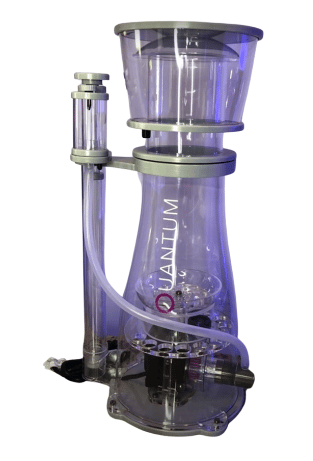


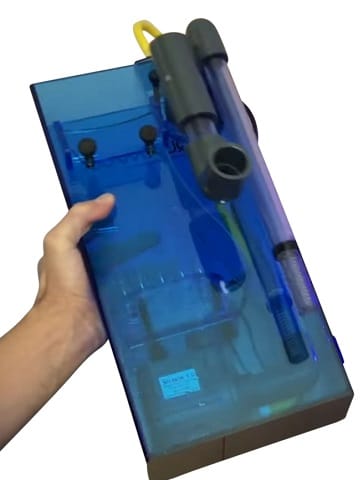
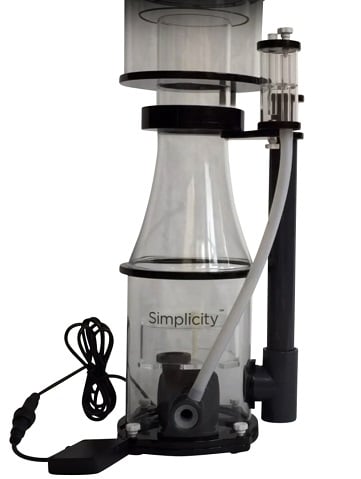
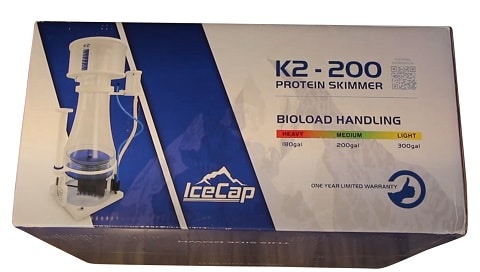

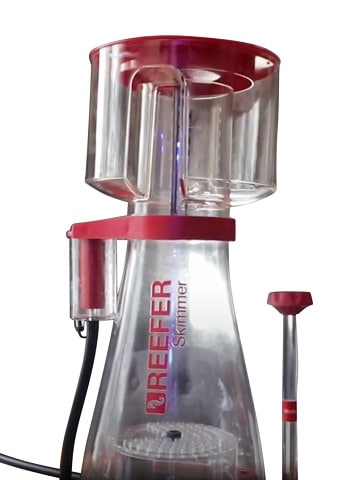
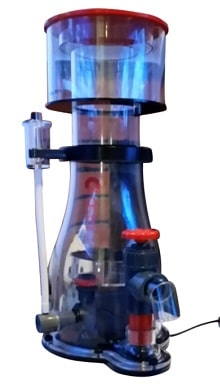
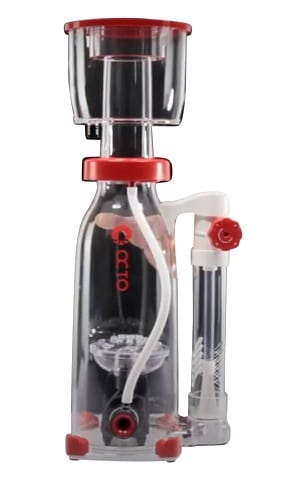
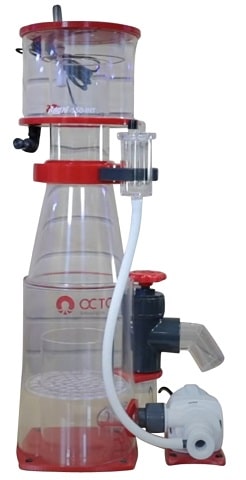
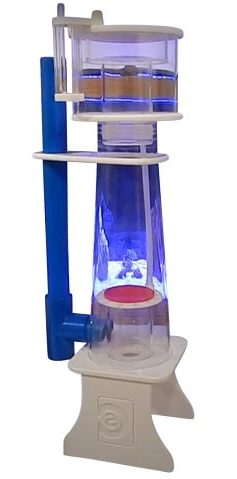

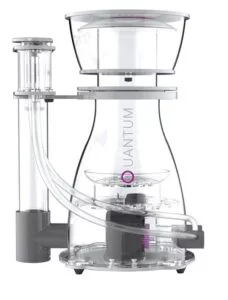

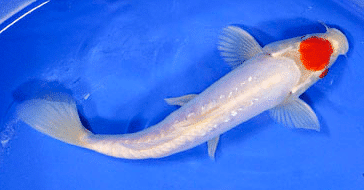




![The 11 Best Aquarium Heaters Of 2026 [Tested & Reviewed]](https://aquariumstoredepot.com/wp-content/uploads/Best_Aquarium_Heaters_c7430c47-2206-4be5-95eb-abd20ab344ac-1.png)