
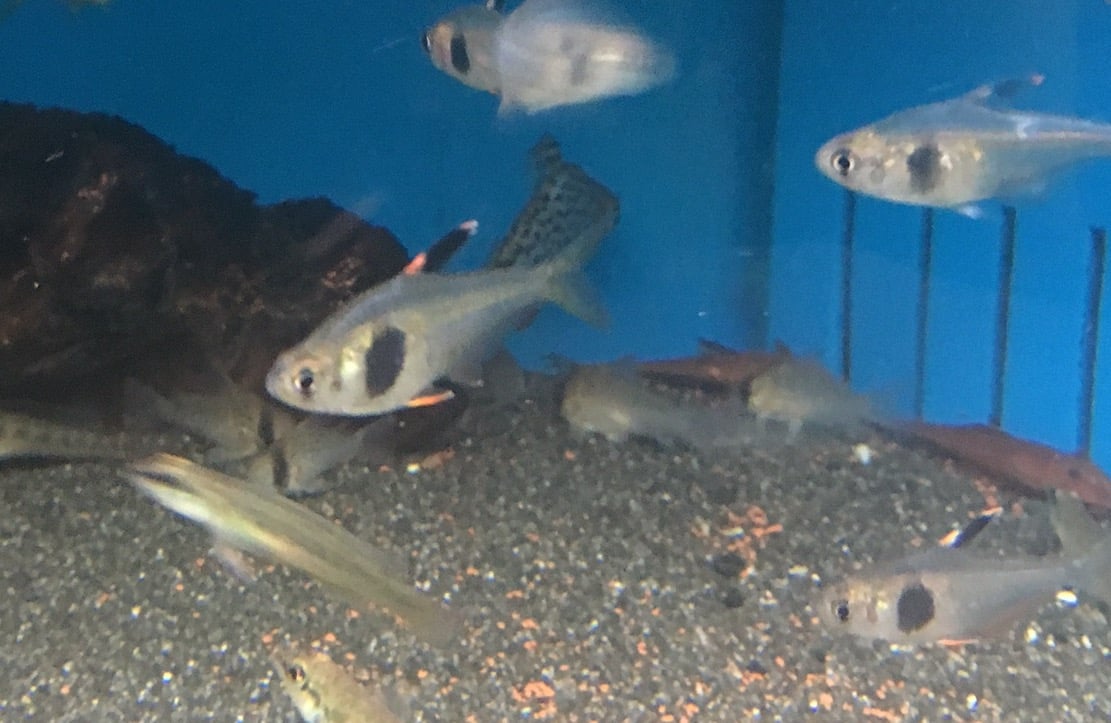
Last Updated: June 25, 2026
Thank you for visiting! By the way… any links on this page that lead to products on Amazon and other stores/partners are affiliate links Aquarium Store Depot earns a commission if you make a purchase.
Table of Contents
- What Care Guides Get Wrong
- The Reality of Keeping Coffee Bean Tetra
- Key Takeaways
- Species Overview
- Classification
- Origin & Natural Habitat
- Appearance & Identification
- Average Size & Lifespan
- Care Guide
- Is It Right for You?
- What People Get Wrong
- Tank Mates
- Food & Diet
- Breeding & Reproduction
- Common Health Issues
- Common Mistakes to Avoid
- Where to Buy
- Frequently Asked Questions
- What It Is Actually Like Living With Coffee Bean Tetra
- Species Comparison
- Closing Thoughts
- Recommended Video
- References
The coffee bean tetra is a small, peaceful schooler named for the distinctive dark spot on its flank. It is not flashy and it is not demanding. But it needs a proper school of 8+ to show natural behavior. Keep fewer and they hide, stress, and lose whatever color they have.
Coffee bean tetras need numbers. A school of 8+ or nothing.
The Reality of Keeping Coffee Bean Tetra
The marking changes with mood. The signature coffee bean marking on the body is not always clearly visible. In stressed, newly purchased, or frightened fish, the mark fades significantly. In comfortable, settled fish under good conditions, it becomes bold and clearly defined. Do not panic if newly purchased fish look different from what you expected.
Availability is the biggest challenge. Coffee bean tetras are not mass-bred for the general trade. They appear in specialty imports sporadically and sell quickly. If you want them, monitor specialty retailers and be ready to buy when they appear.
Care is straightforward once you have them. Despite their rarity in the trade, coffee bean tetras are not particularly demanding fish. Standard soft to moderately hard water, appropriate temperature, and quality food keep them healthy. The difficulty is acquiring them, not keeping them.
Biggest Mistake New Owners Make
Passing on them when you see healthy stock available, assuming you can buy them later. Availability for this species is unpredictable and specimens sell fast.
The coffee bean tetra is a genuine collector’s fish that rewards the keeper who puts in the effort to source it. Once established, it is an easy, rewarding species with a unique look that sets your tank apart.
Key Takeaways
- Hardy and adaptable species that does well in a range of water conditions, making it suitable for beginners and experienced keepers alike
- Named for the distinctive large, dark body spot that resembles a coffee bean, giving it instant visual appeal
- Peaceful schooling fish that should be kept in groups of 8 or more in a minimum 15-gallon tank
- Omnivore that accepts a wide variety of foods including flakes, pellets, frozen, and live options
- Not as commonly available as mainstream tetras, but increasingly stocked by online specialty retailers
Species Overview
| Field | Details |
|---|---|
| Scientific Name | Hyphessobrycon takasei |
| Common Names | Coffee Bean Tetra |
| Family | Acestrorhamphidae |
| Origin | Lower Amazon basin, Brazil (Tocantins and Guamá river drainages) |
| Care Level | Easy to Moderate |
| Temperament | Peaceful |
| Diet | Omnivore |
| Tank Level | Mid |
| Maximum Size | 1.2 inches (3 cm) |
| Minimum Tank Size | 15 gallons (57 liters) |
| Temperature | 72-82°F (22-28°C) |
| pH | 5.5-7.5 |
| Hardness | 2-15 dGH |
| Lifespan | 3-5 years |
| Breeding | Egg scatterer |
| Breeding Difficulty | Moderate |
| Compatibility | Community |
| OK for Planted Tanks? | Yes |
Classification
| Taxonomic Level | Classification |
|---|---|
| Order | Characiformes |
| Family | Acestrorhamphidae (reclassified from Characidae, Melo et al. 2024) |
| Genus | Hyphessobrycon |
| Species | H. Takasei (Géry, 1964) |
Coffee bean tetras are a specialist species that need soft, acidic water and a well-planted tank to thrive. They’re not for beginners or community tanks with hard water, but intermediate hobbyists who set up the right environment will find them rewarding and relatively undemanding once established.
This species was originally described by Jacques Géry in 1964, based on specimens collected from the lower Amazon region of Brazil. The specific name takasei honors Mr. Takase, a Japanese collector who was instrumental in bringing South American fish species to scientific attention.
Note on reclassification: The 2024 phylogenomic study by Melo et al. Moved Hyphessobrycon into the newly erected family Acestrorhamphidae, separate from the traditional Characidae. Some older references and databases may still list this species under Characidae. The genus Hyphessobrycon remains the accepted placement for this species.
Origin & Natural Habitat
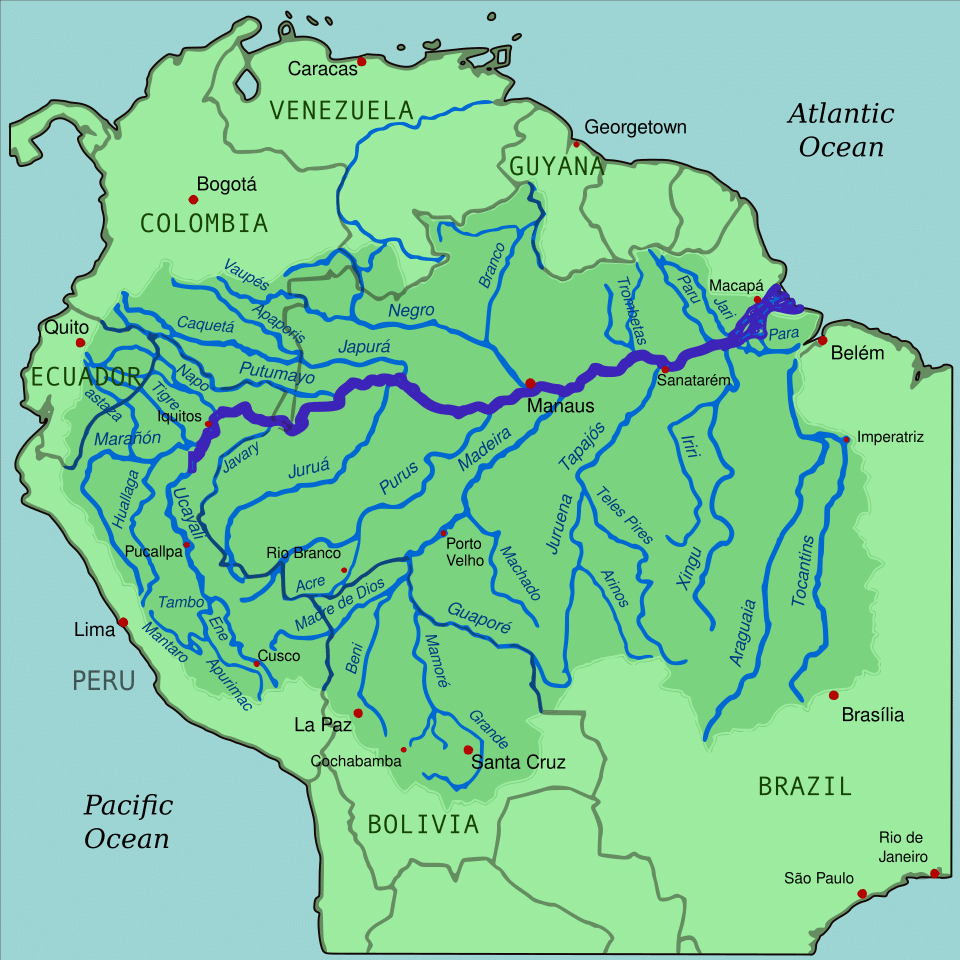
The Coffee Bean Tetra is native to the lower Amazon basin in Brazil, specifically the Tocantins and Guamá river drainages in the state of Pará, near the city of Belém. This is a region where tropical forest streams and small tributaries feed into the massive Amazon system before it empties into the Atlantic Ocean.
In the wild, these fish inhabit slow-moving streams, creeks, and flooded forest areas with plenty of vegetation and organic debris. The water is soft to moderately soft, slightly acidic, and stained with tannins from decomposing leaf litter. The substrate in their natural habitat is typically sandy or silty, covered in fallen leaves and decaying plant matter. Overhanging vegetation and dense marginal plants provide shade and cover.
What makes this species interesting from a habitat perspective is that it comes from a region that experiences significant seasonal flooding. During the rainy season, these fish move into newly flooded areas where food is abundant. This seasonal variability helps explain why the Coffee Bean Tetra is relatively adaptable in captivity compared to some of its more specialized Hyphessobrycon cousins.
Appearance & Identification
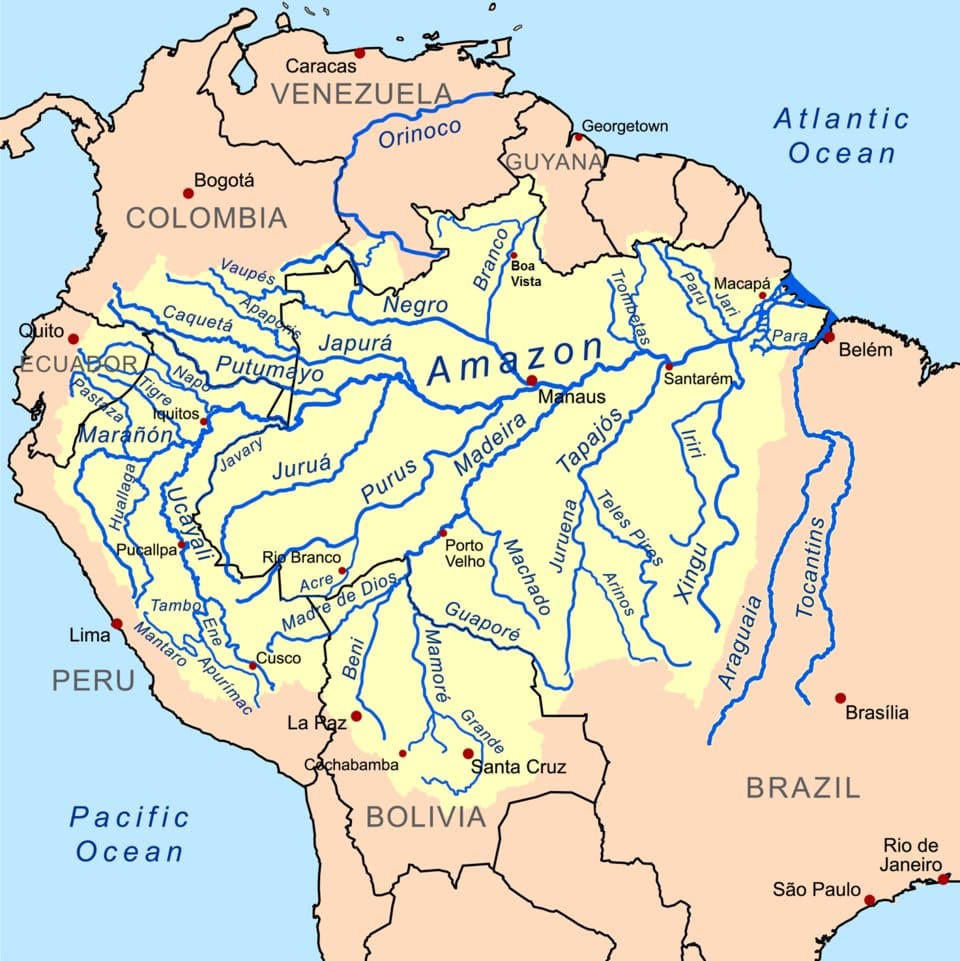
The Coffee Bean Tetra has a classic, streamlined tetra body shape that’s slightly compressed laterally. The base body color is silvery to translucent, with a subtle olive-green or golden sheen along the upper body when light catches it at the right angle. The fins are mostly clear to slightly yellowish.
But the real showstopper is the markings. This species carries two prominent dark spots. First, there’s a dark humeral blotch just behind the gill plate. Then, further back on the flank, there’s a large, oval-shaped dark blotch that gives the fish its common name. This body spot is darker, larger, and more defined than what you see on most spotted tetra species. It genuinely looks like a coffee bean has been stamped onto the side of the fish.
The combination of these two dark markings on an otherwise silvery body makes the Coffee Bean Tetra easy to identify at a glance. There aren’t many tetras in the trade that share this exact pattern.
Male vs. Female
Sexual dimorphism in the Coffee Bean Tetra is subtle but detectable in mature adults. Males are slightly slimmer and a touch more streamlined than females. Females become noticeably rounder and fuller-bodied when carrying eggs, especially when viewed from above. The coloration difference between the sexes is minimal. Both display the same dark body markings, though males may show slightly more intense coloring during breeding condition.
Average Size & Lifespan
The Coffee Bean Tetra is a small species, reaching a maximum size of about 1.2 inches (3 cm) in standard length. This puts it on the smaller end of the tetra spectrum, comparable to species like the ember tetra in terms of body size.
With good care, proper diet, and stable water conditions, expect a lifespan of 3 to 5 years in the home aquarium. As with most small tetras, longevity is directly tied to water quality and stress levels. Fish kept in a well-maintained tank with a proper school size will reach the upper end of that range.
Care Guide
Tank Size
A 15-gallon tank is the minimum for a school of Coffee Bean Tetras. These are active mid-level swimmers that need room to school naturally. While their small body size might tempt you into thinking a 10-gallon would work, a 15-gallon provides better swimming space and more stable water parameters for a group of 8 or more.
If you’re planning a community setup with other species, step up to a 20 to 30-gallon tank. A longer tank footprint is always better than a tall one for schooling fish. More horizontal space means more room for natural schooling behavior, and that’s when these fish look their best.
Water Parameters
| Parameter | Ideal Range |
|---|---|
| Temperature | 72-82°F (22-28°C) |
| pH | 5.5-7.5 |
| General Hardness | 2-15 dGH |
| KH | 1-8 dKH |
| Ammonia / Nitrite | 0 ppm |
| Nitrate | Below 20 ppm |
One of the best things about the Coffee Bean Tetra is its flexibility with water chemistry. Unlike some Hyphessobrycon species that demand ultra-soft, acidic conditions, this fish handles a fairly broad range. It does best on the softer, slightly acidic side, but captive-bred specimens in particular are forgiving of moderately hard water.
That said, consistency matters more than hitting a specific number. Sudden swings in pH or temperature are far more dangerous than being slightly outside the ideal range. If your tap water falls anywhere within the ranges listed above, you should be in good shape. Just make sure your tank is fully cycled before adding these fish.
Filtration & Water Flow
A gentle to moderate flow works best for Coffee Bean Tetras. In the wild, they come from slow-moving streams and flooded areas, so they don’t appreciate being blasted by a strong current. A sponge filter is an excellent option for smaller tanks. For larger setups, a hang-on-back filter or a canister filter with a spray bar to diffuse the output both work well.
Aim for weekly water changes of 20-25% to keep nitrates in check. These fish don’t produce a ton of waste individually, but in a school of 8 or more, regular maintenance is important for keeping the water clean and stable.
Lighting
Moderate to subdued lighting brings out the best in Coffee Bean Tetras. In nature, they live under shaded canopy in areas with limited direct sunlight. Too much bright light can make them feel exposed and skittish. Floating plants are a simple and effective way to diffuse light while giving the fish a sense of overhead cover.
Under dimmer conditions, these fish will feel more confident and school more naturally in the open areas of the tank rather than hiding behind decorations.
Plants & Decorations
Coffee Bean Tetras look fantastic in a planted tank. They won’t bother your plants at all, and the contrast between their silvery bodies with those dark markings against a green background is striking. Good plant choices include Java fern, Anubias, Amazon sword, Cryptocorynes, and Vallisneria. Floating plants like Amazon frogbit or red root floaters are great for dimming the light.
For hardscape, driftwood and leaf litter create a natural look that mimics their native habitat. Indian almond leaves are a nice addition. They release tannins that slightly lower pH and add a natural touch to the aquascape. Leave open swimming space in the center and front of the tank so the school has room to move.
Substrate
A dark, fine-grained substrate is the way to go. Dark sand or fine gravel makes the Coffee Bean Tetra’s markings stand out more than a light-colored substrate does. It also more closely mimics the natural leaf litter and silty bottoms of their wild habitat. Avoid substrates that significantly buffer pH upward, like crushed coral, unless your water is naturally very soft and you need the extra buffering.
Is the Coffee Bean Tetra Right for You?
Before you buy, run through this honest checklist. The Coffee Bean Tetra is a great fish for the right keeper, but it is not for everyone.
- You want an unusual tetra with a distinctive body marking that most keepers have never seen
- You can provide stable water parameters in a well-maintained tank
- You keep a school of 8+ in a 20-gallon or larger planted tank
- You enjoy collecting less common species that stand out in a community
- You have dark substrate and moderate lighting to show off the body marking
- You are willing to pay a premium price for a rarer tetra species
Avoid If:
- You keep tetras for visual impact in small groups – coffee bean tetras need 8+ to school and show their markings
- You have hard, alkaline tap water and cannot soften it – their distinctive markings wash out in incorrect water chemistry
- You want a readily available species – coffee bean tetras are specialty imports requiring patience and advance sourcing from importers
What People Get Wrong
Coffee bean tetras are a rare and specialist species that most hobbyists have never seen in person. The challenge isn’t keeping them — it’s finding them and setting up the right conditions before they arrive. Sourcing from specialty importers rather than general pet stores is the norm for this species. Expect to wait for the right fish rather than finding them locally.
Water chemistry is where most care goes wrong. Coffee bean tetras come from soft, slightly acidic Amazonian waters. Hard alkaline tap water keeps them alive but never lets them show their full color. The distinctive coffee-bean-like markings are most vivid in soft water with appropriate pH. If they look plain, start with water chemistry before looking at other causes.
Tank planting is not optional for this species. Coffee bean tetras are timid and use dense plant cover for security. A sparsely planted or open tank keeps them perpetually stressed and hiding. Dense planting with floating plants to diffuse light creates the environment they’re built for.
Tank Mates
The Coffee Bean Tetra is a peaceful community fish that gets along well with a wide range of similarly tempered species. Their small size and calm disposition make them ideal for a mixed community tank, as long as you avoid anything large enough to see them as food or aggressive enough to bully them.
Best Tank Mates
- Ember tetras (similar size, overlapping water needs, great color contrast)
- Pristella tetras (hardy, peaceful, and similarly sized)
- Corydoras catfish (peaceful bottom dwellers that stay out of their way)
- Harlequin rasboras (similar size and temperament, compatible water conditions)
- Otocinclus catfish (gentle algae grazers that make great tankmates)
- Dwarf cichlids (Apistogramma species work well in a community)
- Cherry barbs (peaceful and similarly sized)
- Small plecos (bristlenose, clown pleco)
- Amano shrimp and cherry shrimp (safe with these peaceful tetras)
- Hatchetfish (occupy the top level, no competition for space)
Tank Mates to Avoid
- Angelfish (may see small Coffee Bean Tetras as prey)
- Tiger barbs (notorious fin nippers that will stress them)
- Large cichlids (too aggressive and territorial)
- Bettas (can be unpredictable with small schooling fish)
- Any fish large enough to fit them in its mouth
Food & Diet
Coffee Bean Tetras are unfussy omnivores that accept just about anything you offer them. In the wild, they feed on small invertebrates, insect larvae, algae, and organic matter in the water column. Replicating that variety in captivity is the key to keeping them healthy and looking their best.
- Staple: High-quality micro pellets or crushed flake food
- Frozen foods: Bloodworms, daphnia, brine shrimp, cyclops
- Live foods: Baby brine shrimp, daphnia, microworms
- Supplemental: Freeze-dried tubifex, spirulina-based foods
Feed two to three times daily in small amounts that is consumed within about two minutes. Because of their small mouths, make sure food particles are sized appropriately. Crush flakes or use micro pellets rather than standard-sized pellets. Regular variety in their diet helps maintain the intensity of their coloring and supports overall health.
Pro tip: Occasional live food feedings, especially daphnia, will get these fish actively hunting and displaying more natural behavior. It’s also a great way to condition them if you’re thinking about breeding.
Breeding & Reproduction
Breeding the Coffee Bean Tetra is achievable for hobbyists with some experience, though it does take a bit of setup and patience. Like most small Hyphessobrycon species, they’re egg scatterers with no parental care.
Breeding Difficulty
Moderate. The Coffee Bean Tetra isn’t one of the hardest tetras to breed, but it’s not as straightforward as something like a lemon tetra either. Getting the water conditions right and properly conditioning the adults are the two biggest factors for success.
Spawning Tank Setup
- Breeding tank: 10 gallons (38 liters) with dim lighting
- Decor: Java moss, spawning mops, or other fine-leaved plants for the fish to scatter eggs into
- Bottom: Bare bottom with a layer of glass marbles or mesh grid to prevent adults from eating the eggs
- Filtration: Gentle air-driven sponge filter only
- Cover: Keep the tank dimly lit or covered on the sides to encourage spawning
Water Conditions for Breeding
- Temperature: 78-80°F (26-27°C)
- pH: 5.5-6.5 (softer and slightly more acidic than general care)
- Hardness: 2-5 dGH
- Use aged water or RO/DI water blended with tap water to achieve target softness
- Adding Indian almond leaves or peat extract helps create ideal conditions
Conditioning & Spawning
Condition a group of adults (or a well-matched pair) with plenty of high-quality frozen and live foods for two to three weeks before attempting to spawn. Females ready to breed will appear noticeably plumper when viewed from above. Males may show slightly brighter coloring and become more active in pursuing females.
Spawning typically occurs in the early morning hours. The pair will scatter adhesive eggs among fine-leaved plants or spawning mops. A single spawning can produce anywhere from 50 to 150 eggs depending on the size and condition of the female.
Egg & Fry Care
Remove the adults immediately after spawning is complete, as they will readily eat their own eggs if given the chance. The eggs are light-sensitive, so keep the breeding tank in a dark or very dimly lit location until the fry are free-swimming.
Eggs typically hatch within 24 to 36 hours. The fry will spend another 3 to 4 days absorbing their yolk sac before becoming free-swimming. Start feeding with infusoria or commercially available liquid fry food. After about a week, the fry should be large enough to accept freshly hatched baby brine shrimp. Maintain pristine water quality throughout this period with gentle, frequent water changes.
Common Health Issues
Ich (White Spot Disease)
Ich is the most common ailment you’ll encounter with small tetras, and the Coffee Bean Tetra is no exception. Stress from shipping, tank moves, or sudden temperature drops is the trigger. Gradually raising the tank temperature to 84-86°F (29-30°C) is an effective first line of treatment and is well-tolerated by this species. Medications containing malachite green is used for stubborn cases.
Fin Rot
Fin rot is almost always a water quality issue. If you notice frayed, discolored, or receding fins, check your ammonia, nitrite, and nitrate levels immediately. Improving water quality through more frequent water changes often resolves mild cases without medication. For advanced cases, antibacterial treatments may be necessary.
Neon Tetra Disease
This parasitic disease (caused by Pleistophora hyphessobryconis) can affect various tetra species, not just neons. There is no effective cure, making prevention critical. Always quarantine new arrivals for at least two weeks, and avoid purchasing fish from tanks where any individuals show faded patches, cysts under the skin, or erratic swimming behavior.
Common Mistakes to Avoid
- Keeping too few: Coffee Bean Tetras are schooling fish that need the security of a group. Keeping fewer than 6 leads to stressed, skittish fish that hide constantly. Go for 8 or more, and you’ll see a completely different fish.
- Adding them to an uncycled tank: Like all small tetras, they’re sensitive to ammonia and nitrite spikes. Always make sure your tank is fully cycled before introducing them.
- Oversized food: These are small fish with small mouths. Standard-sized pellets are too big. Use micro pellets or crush flakes to an appropriate size so they can actually eat what you offer.
- Pairing with aggressive or large tankmates: Their small size makes them a target for anything predatory. Stick with similarly sized, peaceful community species.
- Skipping quarantine: Since this species isn’t as widely bred in captivity as mainstream tetras, wild-caught specimens are still common in the trade. Always quarantine before adding to your main tank.
Where to Buy
The Coffee Bean Tetra isn’t a species you’ll typically find at big-box pet stores. It’s gaining popularity, but it still falls into the specialty category. Your best bet for finding them is through online retailers that focus on unusual and less common freshwater species.
Check availability at these trusted retailers:
It’s also worth asking your local fish store if they can special-order them through their wholesaler. Because availability is spotty, it pays to check back regularly or set up stock notifications where available. Expect to pay a bit more than you would for common tetras, but they’re still reasonably priced for a specialty species.
Frequently Asked Questions
Why is it called the Coffee Bean Tetra?
The common name comes from the large, dark oval blotch on the fish’s flank that closely resembles a roasted coffee bean. It’s one of those names that makes perfect sense the moment you see the fish. The marking is bold, clearly defined, and positioned prominently on the body, making it the most recognizable feature of this species.
How many Coffee Bean Tetras should be kept together?
A minimum of 8 is recommended. While some sources say 6 is the minimum for schooling tetras, Coffee Bean Tetras really show their best behavior and coloring in a slightly larger group. In a school of 8 to 12, they’ll swim in a cohesive group and feel much more confident in the open areas of the tank.
What size tank does a Coffee Bean Tetra need?
A 15-gallon tank is the minimum for a school of Coffee Bean Tetras. For a community setup with other species, 20 to 30 gallons is a better starting point. Longer tank footprints are preferable to tall ones because these fish are active horizontal swimmers.
Are Coffee Bean Tetras easy to care for?
Yes, they fall in the easy to moderate range. They’re hardy, adaptable to a range of water conditions, and not picky about food. The main things to get right are keeping them in a proper school, maintaining stable water quality, and sizing their food appropriately for their small mouths. They’re a solid choice for a fishkeeper with at least a little bit of experience.
Can Coffee Bean Tetras live with shrimp?
Yes, adult cherry shrimp and Amano shrimp are safe with Coffee Bean Tetras. Their small mouth size means they can’t eat adult shrimp. However, like most fish, they may snack on very small shrimplets if given the opportunity. If you’re trying to grow a shrimp colony, providing plenty of plant cover and hiding spots will help baby shrimp survive.
How long do Coffee Bean Tetras live?
With proper care, Coffee Bean Tetras live 3 to 5 years in captivity. The keys to reaching the upper end of that range are consistent water quality, a varied diet, and keeping them in a group large enough to reduce stress. Stable conditions and regular maintenance go a long way.
Are Coffee Bean Tetras fin nippers?
No, Coffee Bean Tetras are peaceful fish that aren’t known for fin nipping. They’re well-suited for community tanks with other gentle species. As long as they’re kept in a proper school size, they focus their energy on interacting with each other rather than bothering tankmates.
What It Is Actually Like Living With Coffee Bean Tetra
The coffee bean marking becomes more defined as the fish settles into your tank over weeks. Watching it develop from faded to bold is satisfying.
They are peaceful, mid-water schoolers that blend well with other calm community species.
In a school of 8+, the repeated coffee bean markings create a distinctive visual pattern that no other species offers.
They are conversation starters because most fishkeepers have never seen one. Be prepared to explain what they are.
How the Coffee Bean Tetra Compares to Similar Species
Coffee Bean Tetra vs. Pristella Tetra
The Pristella is far more commonly available and cheaper, with its own unique see-through body and banded fins. The Coffee Bean Tetra has the distinctive dark marking but is harder to find. Both are peaceful community tetras. The Pristella is the practical choice. The Coffee Bean is the collector choice.
Coffee Bean Tetra vs. Black Phantom Tetra
Both have dark body markings, but the Black Phantom has a more dramatic overall dark coloring with flowing fins on males. The Coffee Bean Tetra has a more specific, isolated marking. The Black Phantom is easier to find and has more visual impact in groups.
Closing Thoughts
The Coffee Bean Tetra is one of those species that deserves more attention in the hobby. It’s hardy, peaceful, easy to feed, and has a look that’s completely unique among commonly available tetras. That dark, coffee-bean shaped marking on a clean silver body gives it a bold, graphic quality that makes a school of them genuinely eye-catching in a planted tank.
If you’re looking for something a bit different from the usual neon and cardinal tetra lineup, this is a species worth tracking down. It won’t demand a complicated setup or unusual water chemistry, and it plays well with just about every peaceful community fish out there. For a small tetra, it has a lot of character.
The nano tetra that actually stays nano.
Recommended Video
Check out our tetra tier list video where we rank the most popular tetras in the hobby, including the Coffee Bean Tetra:
References
- Froese, R. And D. Pauly, Eds. FishBase. Hyphessobrycon takasei. Accessed 2025.
- SeriouslyFish. Hyphessobrycon takasei species profile. Accessed 2025.
- Géry, J. (1964). Preliminary description of seven new species and two new genera of characoid fishes from the upper Rio Meta in Colombia. Tropical Fish Hobbyist, 13(4), 41-48.
- Melo, B.F, et al. (2024). Phylogenomics of Characidae. Zoological Journal of the Linnean Society, 202(1), 1-37.
- About the Author
- Latest Posts

I’m Mark Valderrama, founder of Aquarium Store Depot and a fishkeeper with over 25 years of hands-on experience. I started in the hobby at age 11, worked at local fish stores, and have kept freshwater tanks, ponds, and reef tanks ever since. I’ve been featured in two best-selling aquarium books on Amazon and built this site to share practical, experience-based fish keeping knowledge.
Leave a Reply