
Last Updated: June 25, 2026
Thank you for visiting! By the way… any links on this page that lead to products on Amazon and other stores/partners are affiliate links Aquarium Store Depot earns a commission if you make a purchase.
Table of Contents
- What Care Guides Get Wrong
- Key Takeaways
- Species Overview
- Classification
- Origin & Natural Habitat
- Appearance & Identification
- Average Size & Lifespan
- Care Guide
- Is It Right for You?
- Tank Mates
- Food & Diet
- Breeding & Reproduction
- Common Health Issues
- Common Mistakes to Avoid
- Where to Buy
- Frequently Asked Questions
- Species Comparison
- Closing Thoughts
- Recommended Video
- References
Most corydoras are dedicated bottom dwellers that rarely venture more than an inch or two off the substrate. The elegant cory didn’t get that memo. This is one of the few corydoras species that routinely swims in the mid-water column, hanging out at mid-tank height alongside your tetras and rasboras rather than glued to the bottom. It’s a behavior that catches people off guard the first time they see it, and it makes this species genuinely unique in the cory world.
What Most Care Guides Get Wrong About the Elegant Cory
The Elegant Cory (Corydoras elegans) has an unusual behavior that most care guides either miss entirely or understate: it spends a significant amount of time swimming in mid-water, not just on the substrate. This is not stress behavior. It is normal for this species. People see their Elegant Corys hovering mid-tank and assume something is wrong, when the fish is just doing what it does naturally. The other misconception is about group size. Like all corys, they need groups, but the Elegant Cory is particularly social and does poorly in groups smaller than 6. You will see completely different behavior between a group of 3 and a group of 8.
Beyond the unusual swimming behavior, elegant corys have another trick up their sleeve: pronounced sexual dimorphism. Males and females look noticeably different from each other, which is unusual for corydoras where sexing is typically a body-shape guessing game. Add in variable, attractive patterning and a manageable care level, and you’ve got a species that deserves way more attention than it gets. In my 25+ years in the hobby, this is a fish I think more people should know about. Here’s everything you need to keep them well.
Key Takeaways
- Swims mid-water, unlike most corydoras that stay glued to the bottom, making it one of the most behaviorally unique species in the genus
- Pronounced sexual dimorphism with males and females looking noticeably different in pattern and body shape
- Variable coloration with a dark lateral band and spotted patterning across a compact 2-inch (5 cm) body
- Keep in groups of 6 or more in at least a 20-gallon tank with fine sand substrate
- Moderate care difficulty, more adaptable than blackwater specialists but still benefits from softer, slightly acidic water
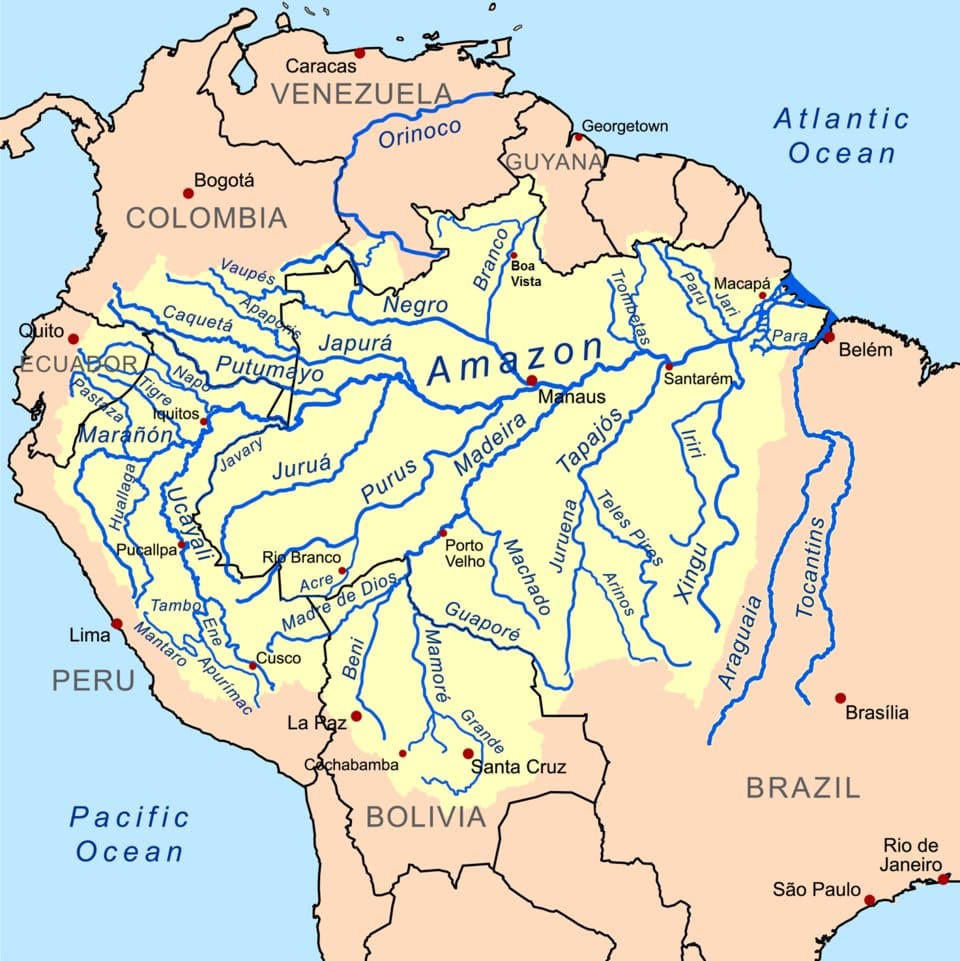
Species Overview
| Field | Details |
|---|---|
| Scientific Name | Corydoras elegans |
| Common Names | Elegant Cory, Elegant Corydoras |
| Family | Callichthyidae |
| Origin | Upper Amazon basin (Peru, Ecuador, Brazil) |
| Care Level | Moderate |
| Temperament | Peaceful |
| Diet | Omnivore |
| Tank Level | Bottom to Mid-water |
| Maximum Size | 2 inches (5 cm) |
| Minimum Tank Size | 20 gallons (76 liters) |
| Temperature | 72 to 79°F (22 to 26°C) |
| pH | 6.0 to 7.5 |
| Hardness | 2 to 15 dGH |
| Lifespan | 5 to 7 years |
| Breeding | Egg depositor (T-position spawning) |
| Breeding Difficulty | Moderate |
| Compatibility | Community |
| OK for Planted Tanks? | Yes |
Classification
| Taxonomic Level | Classification |
|---|---|
| Order | Siluriformes |
| Family | Callichthyidae |
| Subfamily | Corydoradinae |
| Genus | Corydoras |
| Species | C. elegans (Steindachner, 1876) |
The elegant cory was described by Franz Steindachner in 1876, making it one of the earlier corydoras species to be scientifically documented. The specific name “elegans” is Latin for elegant or fine, a fitting description for this attractively patterned catfish.
Note on taxonomy: Like Corydoras adolfoi, C. elegans has remained within the genus Corydoras (sensu stricto) following the 2024 Dias et al. phylogenetic revision. So the name you’ll see in stores and online is still the scientifically current one. However, there’s some complexity here. Several very similar-looking species are sometimes sold under the C. elegans name, and there may be undescribed species within this complex. If your fish looks slightly different from reference photos, you may have a related but distinct form.
Origin & Natural Habitat
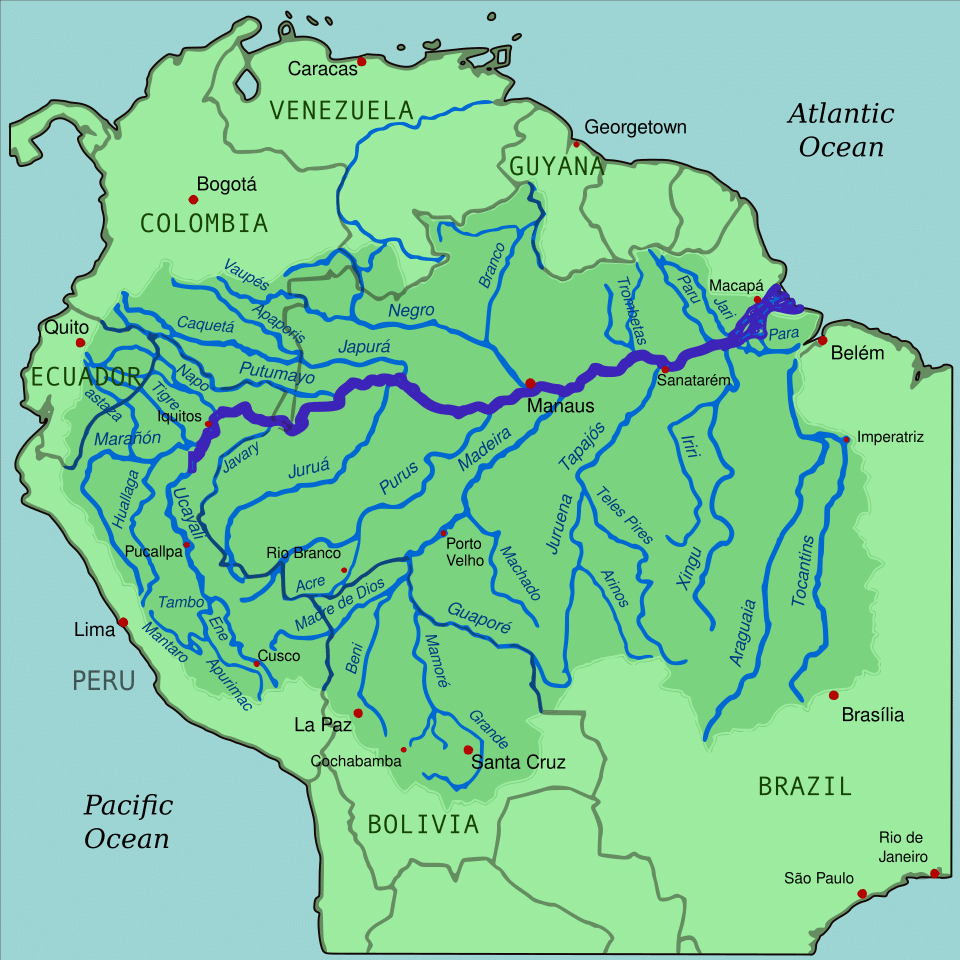
The elegant cory has a fairly wide distribution across the upper Amazon basin, found in Peru, Ecuador, and western Brazil. This broader range is one reason why you see more variation in appearance between different populations compared to species that come from a single river system. Collection sites include tributaries of the Rio Napo, Rio Ucayali, and other upper Amazonian drainages.
In the wild, elegant corys inhabit slow-moving streams, flooded forest areas, and shallow tributaries with sandy or silty bottoms. The water is typically soft and slightly acidic, often stained with tannins from decomposing vegetation. Leaf litter, submerged wood, and overhanging vegetation provide cover and a constant supply of food. Water temperatures in these habitats stay consistently tropical, generally in the mid-70s Fahrenheit.
What makes the elegant cory’s habitat behavior stand out is that, even in the wild, this species spends more time in the water column than most corydoras. While they still forage along the bottom, they’re often observed hovering and feeding at mid-water heights, picking food items from the water column and off plant surfaces rather than exclusively sifting substrate. This dual-level foraging strategy is relatively rare in the genus and is one of the things that makes keeping them so interesting.
Appearance & Identification
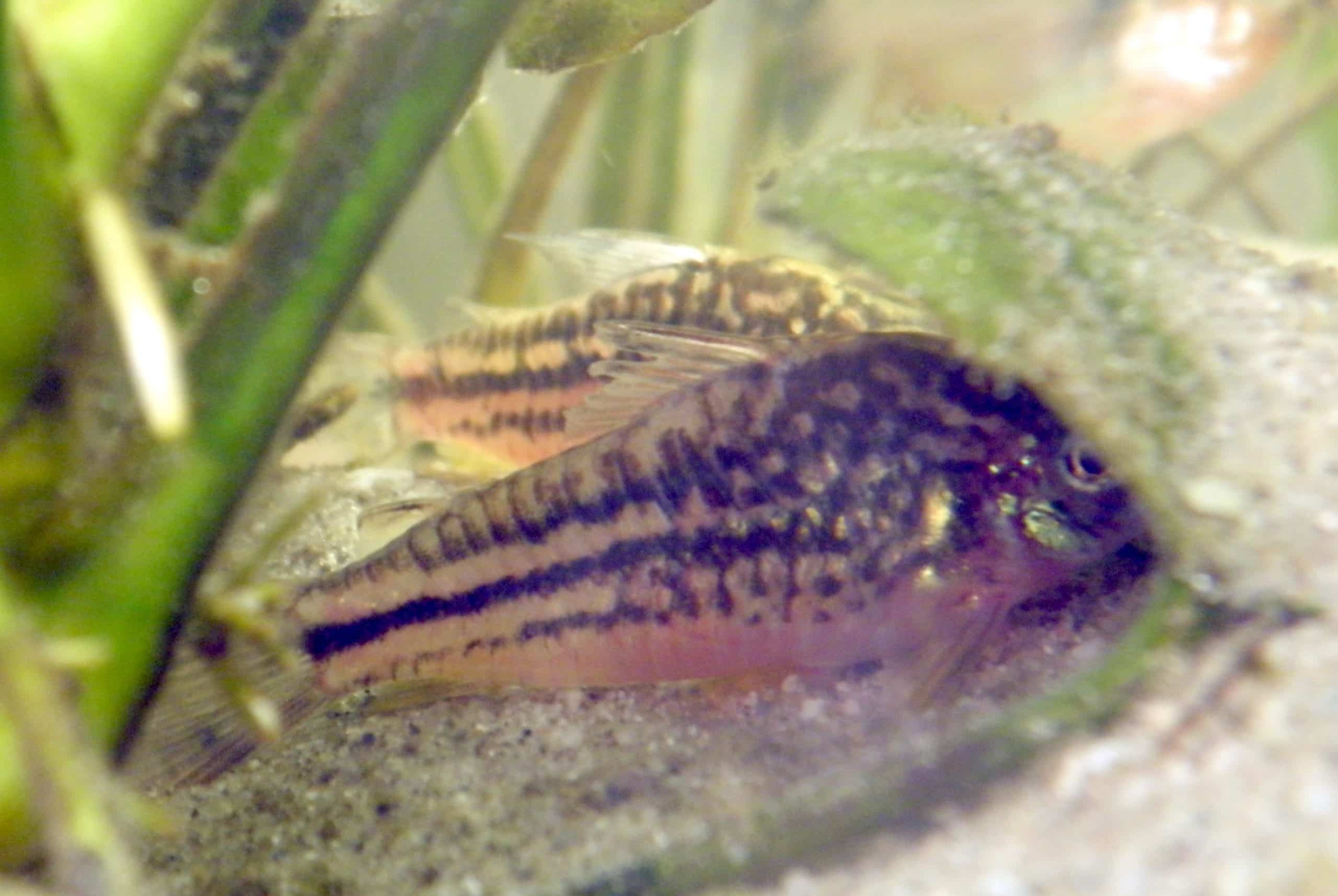
The elegant cory is a small, attractively patterned species with more visual variety than most corydoras. The base body color ranges from pale tan to olive-gray, depending on the population and individual. A prominent dark lateral stripe runs along the midline of the body from behind the gill plate to the base of the tail. Above and below this stripe, the body is marked with irregular dark spots and mottling that can vary significantly between individuals. Some specimens show bold, well-defined spots, while others have a more diffused, reticulated pattern.
The head typically features dark markings, and the dorsal fin often has a dark blotch near the base. The rest of the fins are generally transparent or lightly tinted. The overall impression is of a subtly beautiful fish that reveals more detail the closer you look. They’re not flashy in the way a sterbai or adolfoi is, but there’s a refined complexity to their patterning that the species name captures well.
Body shape is compact and typical of the genus, with two rows of overlapping bony scutes, a downturned mouth, and two pairs of barbels for substrate probing. They’re on the smaller end for corydoras, with a sleeker profile than the chunkier species like emerald or sterbai corys.
Male vs. Female
This is where the elegant cory really stands apart from most corydoras. Sexual dimorphism in this species is more pronounced than in nearly any other commonly kept cory. Males tend to be smaller, more slender, and often show more vivid or contrasting patterning. In many populations, males display a more defined lateral stripe and bolder spotting. Females are larger, rounder (especially when carrying eggs), and may show a somewhat more muted pattern.
The degree of visual difference between the sexes varies by population, but in well-conditioned adults, it’s usually quite noticeable. This makes sexing elegant corys considerably easier than most species in the genus, where you’re typically squinting at body shape from above and hoping for the best.
Average Size & Lifespan
Elegant corys are one of the smaller commonly available corydoras, reaching a maximum size of about 2 inches (5 cm). Males tend to stay a bit smaller than females. Most fish sold at retailers are juveniles around 1 inch, so expect some growth once they settle in, but they won’t get significantly larger than their adult size suggests.
With good care, elegant corys live 5 to 7 years. Like most corydoras, longevity depends heavily on water quality, appropriate substrate, a varied diet, and the security that comes from being kept in a proper group. Stressed or improperly housed fish will live shorter lives.
Elegant corydoras are a mid-sized, attractively patterned species from the western Amazon basin. They are peaceful and adaptable, suitable for aquarists who have mastered the basics.
Care Guide
Tank Size
A 20-gallon (76 liter) tank is the minimum for a group of 6 elegant corys. Because this species actually uses the mid-water column as well as the bottom, tank height matters a bit more here than with strictly bottom-dwelling corys. A standard 20-gallon high works fine, though a 20-gallon long still gives you nice floor space for foraging. For larger groups of 8 to 12, or if you’re housing them with other mid-water species, bump up to a 30-gallon (114 liter) or more to avoid overcrowding at the middle level.
Water Parameters
| Parameter | Recommended Range |
|---|---|
| Temperature | 72 to 79°F (22 to 26°C) |
| pH | 6.0 to 7.5 |
| Hardness | 2 to 15 dGH |
| Ammonia / Nitrite | 0 ppm |
| Nitrate | Below 20 ppm |
The elegant cory is more adaptable to a range of water conditions than strict blackwater specialists like Adolfo’s cory. That said, they still prefer the softer, slightly acidic side of things. A pH in the 6.0 to 7.0 range with moderate hardness is where they’ll show the best color and most natural behavior. They can handle neutral to slightly alkaline water, but pushing much above pH 7.5 or into very hard water isn’t ideal.
Like all corydoras, the elegant cory is an obligate air breather. You’ll see them periodically dash to the surface, take a gulp of atmospheric air, and return to their normal position. This is completely healthy behavior and not a sign of distress. It only becomes a concern if the dashing becomes constant and frantic, which could signal water quality problems or insufficient dissolved oxygen.
Filtration & Water Flow
Moderate filtration with gentle to moderate flow works best. Because elegant corys spend time in the mid-water column, strong currents can tire them out more than they would a strictly bottom-dwelling species. A hang-on-back filter or canister filter with the output angled toward the surface provides good oxygenation without creating a blasting current through the middle of the tank. Sponge filters are also an excellent option, especially in breeding setups.
Weekly water changes of 20% to 30% keep things stable. Match the temperature and chemistry of the new water to the tank to avoid sudden parameter swings. Consistent maintenance is more important than any specific filtration brand or style.
Lighting
Elegant corys come from shaded forest streams, so they’re most comfortable under moderate to subdued lighting. They don’t need darkness, but intense overhead lighting with no shade can make them less active and more inclined to hide. Floating plants are the easiest way to create comfortable light levels while still allowing enough light for your other plants to grow. The dappled effect of light filtering through surface plants closely resembles their natural habitat.
Plants & Decorations
Elegant corys are completely plant-safe and actually benefit from a well-planted tank more than most corydoras. Because they swim at multiple levels, they’ll use mid-height plants like taller cryptocorynes, amazon swords, and vallisneria as cover and foraging sites. Broad-leaved plants give them surfaces to rest on and pick food from. Low-growing plants like java moss and anubias attached to wood provide excellent bottom-level cover.
Floating plants are practically mandatory for comfortable lighting. Driftwood, smooth rocks, and coconut caves give them shelter options at the bottom level. Since these fish use the full lower half of the water column, creating a tank with structure at multiple heights will encourage the most natural, active behavior.
Substrate
Fine, smooth sand is essential. Even though elegant corys spend more time off the bottom than most corydoras, they still forage in the substrate regularly and need sand to protect their barbels. Play sand, pool filter sand, or aquarium-specific sand all work. Gravel will damage their barbels over time and prevent their natural sifting behavior.
Adding a scattering of dried leaves (Indian almond leaves, oak leaves, or beech leaves) on top of the sand provides a natural look and slowly releases tannins that gently soften the water. The leaves also encourage the growth of biofilm and microorganisms that the corys graze on between regular feedings.
Is the Elegant Cory Right for You?
Before you buy, run through this honest checklist. The Elegant Cory is a great fish for the right keeper, but it is not for everyone.
- You want a corydoras that is active at multiple tank levels, not just the bottom
- You appreciate unusual behavior in your fish and do not mind a cory that swims mid-water
- You can keep a group of 6 to 8+ in a 20-gallon or larger tank with sand substrate
- Your tank has open swimming space in addition to bottom territory
- You want a species with subtle but attractive patterning and a unique body shape
- You keep stable tropical temperatures (73 to 79F) with good water quality
Tank Mates
Elegant corys are peaceful, non-aggressive fish that coexist beautifully with a wide range of community species. Because they swim at multiple levels, they interact with mid-water fish more than typical bottom-dwelling corys do. Choose tank mates that are similarly peaceful and won’t outcompete them for food in the water column.
Best Tank Mates
- Small tetras (cardinal tetras, ember tetras, green neon tetras, rummy-nose tetras), peaceful schooling fish that share similar water preferences
- Pencilfish (Nannostomus species), gentle mid-water swimmers that match the elegant cory’s calm demeanor
- Rasboras (chili rasboras, harlequin rasboras), peaceful and compatible with soft water conditions
- Apistogramma dwarf cichlids, soft water specialists that mostly occupy the lower tank levels
- Otocinclus, peaceful algae eaters that won’t compete for the same food sources
- Hatchetfish, dedicated surface dwellers that won’t interfere with any level the corys use
- Other peaceful corydoras species, they’ll often loosely associate with other corys in the tank
Tank Mates to Avoid
- Large or aggressive cichlids (oscars, jack dempseys, green terrors) that will harass or eat them
- Aggressive mid-water fish like tiger barbs or serpae tetras that may nip at them, especially since elegant corys spend time at the same level
- Large, fast-moving fish that will dominate feeding time and stress out the corys
- Any fish large enough to swallow them, corydoras pectoral spines can injure or choke would-be predators
- Hard water species (African cichlids, most livebearers) if you’re keeping the water soft to match elegant cory preferences
Food & Diet
Elegant corys are omnivores with a feeding style that reflects their mid-water tendencies. While they do forage along the substrate like other corydoras, they’re also happy to grab food as it drifts through the water column. This makes them somewhat easier to feed in community setups compared to strictly bottom-dwelling corys, because they’ll intercept sinking food at mid-tank height rather than waiting for everything to hit the bottom.
A quality sinking pellet or wafer should form the base of their diet. Hikari sinking wafers, Repashy gel foods, and similar products are all readily accepted. Supplement regularly with frozen or live foods: bloodworms, brine shrimp, daphnia, tubifex worms, and microworms are all excellent choices. Because they feed at multiple levels, you can also offer slow-sinking granules that they’ll pick off as the food drifts down.
Even though they’re better at competing for food than most corys, don’t assume they’re getting enough in a busy community tank. Targeted feedings with sinking foods near their favorite spots, especially after lights out, ensure they’re properly nourished. A varied diet keeps them healthy and brings out the best coloration.
Breeding & Reproduction
Breeding elegant corys is moderately challenging. They’re not as easy to spawn as bronze or peppered corys, but they’re more approachable than strict blackwater specialists. Success depends on proper conditioning, appropriate water parameters, and the right environmental triggers.
Breeding Difficulty
Moderate. Hobbyists with some corydoras breeding experience have a reasonable chance of success. The pronounced sexual dimorphism actually helps here, since you can more easily identify males and females to set up a proper breeding group.
Spawning Tank Setup
A dedicated breeding tank of 10 to 20 gallons is ideal. Use a bare bottom or thin layer of fine sand for easy egg collection. Include smooth surfaces for egg deposition: glass walls, broad plant leaves (anubias or java fern), flat stones, and slate tiles. A sponge filter keeps things clean without risking eggs or fry. Provide some mid-height cover with plants or spawning mops, since these fish may deposit eggs higher up than typical bottom-dwelling corys.
Water Conditions for Breeding
Soft, slightly acidic water gives the best results. Aim for a pH of 6.0 to 6.5 and hardness below 8 dGH. The standard corydoras spawning trigger is a large, cool water change that simulates the start of the rainy season. Drop the temperature by 4 to 6°F with a 50% to 70% water change using slightly cooler, fresh water. Repeat over 2 to 3 days if needed. This temperature drop combined with fresh, soft water is usually enough to get conditioned fish going.
Conditioning & Spawning
Condition your breeding group (2 males per female is a good ratio) with heavy feedings of protein-rich live and frozen foods for 2 to 3 weeks before attempting to trigger spawning. Bloodworms, blackworms, brine shrimp, and daphnia are all great conditioning foods. Females should be visibly plump with eggs before you initiate cool water changes.
Spawning follows the classic corydoras T-position. The male positions himself perpendicular to the female, and she cups her pelvic fins to receive a small clutch of eggs. She then swims to a surface and deposits the adhesive eggs, either individually or in small clusters. Elegant corys may place eggs at various heights in the tank, including on plant leaves and glass surfaces at mid-level, reflecting their mid-water tendencies. A typical spawn produces 30 to 80 eggs.
Egg & Fry Care
Remove either the eggs or the adults after spawning. Corydoras will eat their own eggs given the opportunity. Carefully scrape adhesive eggs from surfaces with a razor blade or credit card and transfer them to a separate hatching container with matched water parameters. A few drops of methylene blue help prevent fungal growth on the eggs.
Eggs hatch in 3 to 5 days depending on temperature. Fry absorb their yolk sacs over the next 2 to 3 days before becoming free-swimming. Feed newly free-swimming fry with microworms, vinegar eels, and baby brine shrimp (BBS). Keep the rearing container clean with small daily water changes. Growth is steady, and fry begin developing adult patterning at around 6 to 8 weeks.
Common Health Issues
Barbel Erosion
The number one health issue across all corydoras species, caused by keeping them on rough or sharp substrate. Even though elegant corys spend more time off the bottom than most corys, they still forage in the substrate enough that improper substrate will damage their barbels. Use fine, smooth sand and keep it clean. Barbels can partially regrow if conditions are corrected early, but severe erosion may be permanent.
Ich (White Spot Disease)
Elegant corys can contract ich like any tropical fish. As with all armored catfish, they’re more sensitive to common ich medications containing copper or malachite green. The heat treatment method (raising temperature to 86°F for 10 to 14 days) is generally the safest approach, though 86°F is above the elegant cory’s preferred range. If using medication, dose at half the recommended strength and watch for signs of stress. Increasing aeration during treatment is important since warmer water holds less dissolved oxygen.
Bacterial Infections
Red blotches on the belly, frayed fins, or cloudy eyes can indicate bacterial infections. These are typically secondary to poor water quality, injuries from rough substrate, or stress from incompatible tank mates. The fix is almost always improving water quality first. Consistent water changes, clean substrate, and stable parameters resolve most mild infections. Severe cases may need broad-spectrum antibacterial treatment formulated for catfish.
General Prevention
Quarantine all new fish for at least two weeks before introducing them to an established tank. Perform weekly water changes of 20% to 30% and keep nitrates below 20 ppm. Use fine sand substrate and maintain it clean. Avoid sudden changes in temperature, pH, or hardness. A consistent, well-maintained environment prevents the vast majority of health problems with this species.
Common Mistakes to Avoid
- Expecting them to stay on the bottom. New owners are sometimes alarmed when their elegant corys swim at mid-tank height. This is completely normal behavior for this species and not a sign of stress. It’s one of the things that makes them special.
- Using gravel substrate. Even though they spend less time on the bottom than most corys, they still forage there regularly. Gravel damages barbels. Use fine, smooth sand, no exceptions.
- Keeping too few. Like all corydoras, elegant corys are social fish that need a group of at least 6. Lone individuals or pairs will hide, stress, and fade in color. Budget for a proper group.
- Ignoring their mid-water feeding needs. Because they feed at multiple levels, you may need to provide both sinking foods and slow-sinking granules. Relying only on bottom-targeted foods means they might not get enough if faster midwater fish intercept everything.
- Confusing them with similar species. The C. elegans group includes several closely related forms that are sometimes sold under the same name. This doesn’t affect care (they all need the same conditions), but it’s worth being aware of if you’re aiming to breed a specific population.
Where to Buy
Elegant corys are available through specialty aquarium retailers and online fish stores, though they’re not as commonly stocked as species like bronze, peppered, or sterbai corys. Prices are generally moderate, typically in the $8 to $15 range per fish depending on size and source. Both wild-caught and captive-bred specimens circulate in the trade.
For reliable sourcing and healthy arrivals, check these trusted online retailers:
- Flip Aquatics. Great selection of corydoras species with careful shipping practices.
- Dan’s Fish. Known for healthy, well-acclimated livestock and transparent sourcing.
Always buy a group of at least 6. These social fish do poorly alone, and most specialty retailers offer better per-fish pricing on group orders.
Frequently Asked Questions
Why does my elegant cory swim in the middle of the tank?
This is completely normal and one of the defining characteristics of the species. Unlike most corydoras that stay glued to the bottom, elegant corys naturally forage and swim at mid-water levels. It’s not a sign of stress, poor water quality, or anything wrong. It’s just what they do, and it’s one of the things that makes them so interesting to keep.
How can I tell male from female elegant corys?
Elegant corys have more pronounced sexual dimorphism than most corydoras. Males tend to be smaller, slimmer, and often show more vivid or contrasting patterning. Females are larger, rounder (especially when full of eggs), and may have slightly more muted coloration. In mature, well-conditioned fish, the differences are usually quite obvious compared to other corydoras species where sexing requires careful examination.
Are elegant corys good for beginners?
They’re a moderate difficulty species. While not as demanding as blackwater specialists like Adolfo’s cory, they’re a step up from bronze or peppered corys. If you have some fishkeeping experience and can maintain stable, slightly soft water conditions, elegant corys are a reasonable choice. Complete beginners might want to start with hardier corydoras species first.
Can elegant corys be kept with other corydoras?
Absolutely. They coexist peacefully with all other corydoras species and may even loosely shoal with them. Because elegant corys spend more time at mid-water level, they actually compete less with bottom-dwelling corys for substrate space than you might expect. Just make sure the tank is large enough to comfortably house proper groups of each species.
How many elegant corys should I keep?
A minimum of 6, with 8 to 10 being even better. In larger groups, they’re more active, more confident, and more likely to display their natural mid-water swimming behavior. Small groups or lone individuals tend to hide and stress.
Do elegant corys need sand substrate?
Yes. Even though they spend more time off the bottom than typical corydoras, they still forage in the substrate regularly. Their barbels are just as sensitive as any other cory’s, and rough gravel will damage them over time. Fine, smooth sand is the only appropriate substrate choice for any corydoras species.
What makes elegant corys different from other corydoras?
Two main things set them apart. First, they routinely swim and feed at mid-water levels rather than staying strictly on the bottom. Second, they display more pronounced sexual dimorphism than most corydoras, with males and females showing noticeable differences in size, shape, and often patterning. These two traits combined make them one of the most behaviorally interesting species in the genus.
How the Elegant Cory Compares to Similar Species
Elegant Cory vs. Hastatus Cory
Both species spend time in mid-water, but the Hastatus is much smaller (under 1 inch) and schools mid-water more consistently. The Elegant Cory is larger (2.5 inches) and splits time between substrate and mid-water. The Hastatus is the dedicated mid-water schooler. The Elegant Cory is more versatile but less dramatic in its mid-water behavior.
Elegant Cory vs. Bronze Cory
The Bronze Cory is the safer, more predictable beginner choice that stays on the substrate. The Elegant Cory offers more interesting behavior but is slightly more demanding. If you want a straightforward bottom dweller, go Bronze. If you want something different, the Elegant Cory delivers.
Expert Take (Mark Valderrama, AquariumStoreDepot)
After 25 years in the hobby and time managing fish stores, the elegant cory is one of those species I always recommend to hobbyists ready to move beyond the basics. Elegant corydoras are a mid-sized, attractively patterned species from the western Amazon basin. They are peaceful and adaptable, suitable for aquarists who have mastered the basics. Provide deep, fine substrate – not gravel. Elegant cories are continuous foragers that spend most of their time sifting through substrate. Sharp-edged gravel permanently damages their sensitive barbels.
Closing Thoughts
The elegant cory is the corydoras that breaks the mold. Where most of its relatives are firmly planted on the substrate, this species treats the lower half of the tank as its territory, drifting between bottom foraging and mid-water cruising in a way that no other commonly kept cory does. It’s the kind of behavior that makes visitors do a double-take and ask “wait, is that corydoras swimming up there?”
Add in the attractive patterning, the easy-to-spot sexual dimorphism, and a care level that’s challenging enough to be interesting without being frustrating, and you’ve got a species that deserves a lot more attention in the hobby. Give them sand, a proper group, moderate water conditions, and some mid-height cover to explore, and they’ll reward you with behavior you won’t see from any other cory in your collection.
Have you kept elegant corys? I’d love to hear about your experience with this underrated species. Drop a comment below!
Recommended Video
References
- Seriously Fish, Corydoras elegans species profile. seriouslyfish.com
- FishBase, Corydoras elegans (Steindachner, 1876). fishbase.se
- The Aquarium Wiki, Corydoras elegans. theaquariumwiki.com
- Practical Fishkeeping, Corydoras species guides. practicalfishkeeping.co.uk
- About the Author
- Latest Posts

I’m Mark Valderrama, founder of Aquarium Store Depot and a fishkeeper with over 25 years of hands-on experience. I started in the hobby at age 11, worked at local fish stores, and have kept freshwater tanks, ponds, and reef tanks ever since. I’ve been featured in two best-selling aquarium books on Amazon and built this site to share practical, experience-based fish keeping knowledge.
Leave a Reply