
The Shubunkin Goldfish is not a beginner fish. It is a cold-water species that produces enormous waste, needs real filtration, and outgrows most tanks within a year. I have kept goldfish in ponds and large tanks for over 25 years. Here is the honest care guide most people need before buying one.
A goldfish in a bowl is not thriving. It is slowly suffocating.
Goldfish live 10 to 15 years, sometimes longer. This is a decade-long commitment to large water volumes, heavy filtration, and consistent maintenance.
A goldfish kept properly is more impressive than most tropical fish. The problem is almost nobody keeps them properly.
ASD Difficulty Rating: Tier 1 – Beginner
Shubunkin goldfish are cold-water fish that do not need a heater. They do need good filtration, large tanks (30 gallon minimum), and cold water – not tropical temperatures. Simple to keep when the setup is right.
Hard Rule
Shubunkin goldfish cannot be kept in tropical tanks above 72 degrees F (22 degrees C). They are cold-water fish – keeping them warm long-term suppresses immunity and shortens their life significantly.
Table of Contents
- What Most Care Guides Get Wrong About Shubunkin Goldfish
- A Brief Overview Of The Shubunkin
- Classification
- Origins and Habitat
- What Do They Look Like?
- Shubunkin Goldfish Vs. Koi
- How Big Are They?
- How Long Do They Live?
- Temperament and Activity Level
- What Are Good Tank Mates?
- What Do They Eat?
- Tank Requirements
- Water Quality
- Aquarium Maintenance
- How To Set Up Your Fish Tank
- Health and Disease
- Availability
- Is the Shubunkin Goldfish Right for You?
- How the Shubunkin Goldfish Compares to Similar Species
- Closing Thoughts
- The Reality of Keeping Shubunkin Goldfish
What Most Care Guides Get Wrong About Shubunkin Goldfish
The biggest myth about shubunkin goldfish is that they’re a beginner fish for a 20-gallon tank. They’re not. They’re a pond fish that you can keep indoors, if you have serious space and filtration. Most care guides list a “minimum” of 15 to 20 gallons and move on. That minimum will produce a stunted, stressed fish within six months. Shubunkins grow to 12 inches (30 cm) or more and produce massive amounts of waste. You need 75 gallons (284 L) for one fish and a filter rated for twice that volume. The second mistake is mixing them with tropical fish. Shubunkins thrive at 65–72°F (18–22°C). Most tropical community fish need 76–82°F (24–28°C). You cannot bridge that gap without compromising one group. In my 25+ years working with goldfish and managing fish stores, the shubunkins that live longest are in properly sized ponds with real filtration, not crammed into a 30-gallon kitchen tank.
The Reality of Keeping Shubunkin Goldfish
These are pond fish first. Shubunkins can be kept in aquariums, but their natural pace of life (active swimmers, constant scavengers, heavy waste producers) is best matched by pond conditions. Indoor keepers who do it right run 75+ gallons (284+ L) per fish with heavy filtration and weekly 25% water changes. That’s the floor, not the ideal.
Filtration needs to be oversized. Goldfish produce more ammonia than tropical fish of the same size. Your filter should be rated for at least double your actual tank volume. A 75-gallon (284 L) shubunkin tank needs filtration rated for 150 gallons.
They cannot share a tank with tropical fish. Shubunkins thrive at 65–72°F (18–22°C). Guppies, tetras, and most community tropicals need 76–82°F (24–28°C). You cannot split that difference without stressing one group. This is the most common stocking mistake I see with shubunkins. A shubunkin in a 20-gallon tropical tank is not a pet. It’s a countdown.
Biggest Mistake New Owners Make
Putting a goldfish in a small bowl or tank without filtration. Goldfish produce massive amounts of waste. Without proper filtration, ammonia levels spike within days and the fish suffers organ damage long before it shows visible symptoms.
Expert Take (Mark Valderrama, AquariumStoreDepot)
The best goldfish keepers I know run heavy filtration and do large weekly water changes. There is no shortcut or trick that replaces those two fundamentals.
A Brief Overview Of The Shubunkin
| Scientific Name | Carassius auratus |
| Common Name (Species) | Shubunkin Goldfish |
| Family | Cyprinidae |
| Origin | Japan |
| Diet | Omnivore |
| Care Level | Easy |
| Activity | Active, social |
| Lifespan | Up to 30 years |
| Temperment | Peaceful |
| Tank Level | All Areas |
| Minimum Tank Size | 75 Gallons |
| Temperature Range | 65 – 72 Degrees F |
| KH | 150 |
| pH Range | 6.0–8.0 |
| Filtration/Flow Rate | Moderate |
| Water Type | Freshwater |
| Breeding | Egg-layers, Easy to breed |
| Compatibility | Peace commuity species |
| Ok, For Planted Tanks? | With Research |
Classification
| Taxonomic Rank | Classification |
|---|---|
| Common Name | Shubunkin Goldfish |
| Scientific Name | Carassius auratus |
| Order | Cypriniformes |
| Family | Cyprinidae |
| Genus | Carassius |
| Species | C. Auratus |
Origins and Habitat
Shubunkin Goldfish are also known as Calico Goldfish, meaning multicolored. As a type of Goldfish (Carassius auratus), they’re descendants from the wild carp living in Asia today and were first bred in Japan. The Shubunkin earns its name from a town in Japan called Shubuta where they were first bred. These fish were first brought into the West in 1882 by James Meehan, who was a curator at the London Zoo.
As for habitat, Shubunkins are a member of the Cyprinidae family, which means they like to live in slow rivers, lakes, ditches, or ponds. In Asia, fish kept in ponds have a habitat moderately decorated with plastic plants, driftwood, and rocks.
What Do They Look Like?

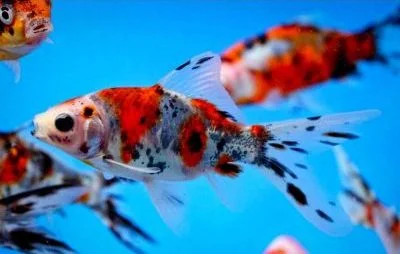
The Shubunkin is similar to the Common Goldfish and the Comet Goldfish in appearance and is crossbred from these two, as well as the Calico Telescope Eye Goldfish. They have nacreous scales which are pearly in appearance and look like a mix between transparent and metallic scales.
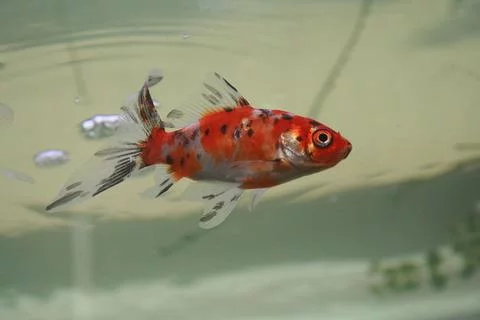
The Calico Goldfish has overlapping patches of white, gray, red, black, and blue colors that is seen on their long, flowing tail fins. The most valued color of a Shubukin is blue, and this is also the rarest color. These fish are heavily spotted as well.
Generally, people divide Shubunkins into three different types:
London
The London Shubunkin goldfish has a slender body and shorter tails that are more rounded, similar to the Common Goldfish.
American
The American Shubunkin is also known as the Japanese Shubunkin. An American Shubunkin has longer fins and a sharper fork tail, and looks more like Comet Goldfish than the other types.
Bristol
The Bristol Shubunkin is quite rare and has a B-shaped tail that stands out. Also, the Bristol Shubunkin be longer and broader than other types.
Shubunkin Goldfish Vs. Koi
Below is a good reference video from J Lo on the difference between Shubunkin Goldfish and Koi. As you can see, the Shubunkin compliments as Koi with it’s varied color and fin shapes. They look amazing together in a pond! In some Koi keeping circles, the Shubunkin is often label a “poor man’s Koi”. The way I see it, they remind me of Butterfly Koi and allow you to keep the purity of the Koi line if you do not want to stick to Traditional Koi.
How Big Are They?
One common feature among the Goldfish freshwater species is that they grow based on their surroundings., Shubunkin Goldfish reach a size between 6–12 inches, but if you keep them in a small space, they’ll be smaller.
These are excellent pond fish as well, since they can grow up to 14–18 inches if they have enough room, and there have even been reports of them reaching lengths beyond 18 inches.
How Long Do They Live?
Depending on their environment, Shubunkin Goldfish are hardy fish and have a lifespan of 10–15 years with proper care.
Shubunkins that are kept in ponds live even longer since they have lots of space to explore and live a happy life. Some even have a lifespan of up to 30 years.
Temperament and Activity Level
These fish are super social and like to hang out in groups. They’ll likely spend their days exploring their aquarium or pond, meaning that they’re very active. Like most Goldfish species, they’re fast swimmers and do well paired with other fast-swimming fish.
They also like to eat whatever they can get their hands (or mouths) on, and they often scavenge for food at the bottom of the tank. Therefore, the only type of aggression you might encounter with Shubunkins is that they’re quick to steal food.
What Are Good Tank Mates?
While they can live alone, the Shubunkin thrives in tanks with other fish, and they make a good addition to community tanks. Some species suit them better than others, however.
Good Tank Mates
These quick swimmers pair well with other fast-moving fish that thrive in cooler waters as the Shubunkin does. They do well with other species of Goldfish as well as many other species. Here are some suggestions for fish to pair with your Shubunkin Goldfish:
Fish Species to Avoid (Bad Tank Mates)
Since Shubunkin Goldfish will steal as much food as they can manage, it’s best not to pair them with slow-moving and shy species, as they might have a hard time getting enough nutrition.
For the more experienced fish owner, you can pair your Shubunkin with slower swimmers as well. Just make sure to watch and feed your fish at different times, starting with the fast ones and then moving onto the slower ones.
Shubunkin Goldfish don’t pair well with aggressive fish such as Tiger Barbs or Cichlids since they don’t like fighting. They also do not pair well with Fancy Goldfish because they are very fast compared to them. Fancy goldfish will struggle to eat enough with an athletic Shubunkin in the tank or pond.
Finally, some tropical fish species might not be the best mates for Shubunkin, since they prefer cooler waters.
What Do They Eat?
Shubunkins are omnivores and eat almost anything you drop into the water. But for them to get all the nutrition they need, it’s best to feed them high-quality dried food such as flakes and pellets.
Another great thing is that these fish are scavengers and will eat up whatever they can find at the bottom of the tank, such as plant material and detritus. Just they might uproot live plants while they’re at it.
What About Live Foods?
Like all types of Goldfish, Shubunkin feed on insects and small crustaceans. Some live or frozen foods to feed them occasionally include Daphnia, blood worms, tubifex worms, krill, and brine shrimp.
How Much and How Often to Feed
You should feed your Goldfish twice a day and give them as much as they can eat for two minutes each time. For the everyday staple meal, pellets or flakes are your best choices. Occasionally, they should also get a treat in the form of live or frozen food.
Once or twice a week, you can also give them some fresh vegetables from your kitchen, such as spinach, lettuce, or cucumber, but peel and blanch them first.
Tank Requirements
While the Goldfish Shubunkin is rather easy to take care of, you need to consider the type of tank it’s going to live in as well as how to decorate it.
Tank Size
There is lots of misleading information out there in regards to keeping a Goldfish. While your Shubunkin Goldfish will stay alive in a tank that’s 15–20 gallons, it’s too small for them to live a healthy life. Instead, you should invest in an aquarium that’s with a minimum tank size of 75 gallons to give them room to swim and search for food.
As your fish will grow depending on how much space it has to move around in, the bigger the tank, the better. Shubunkins live the happiest in wide-open spaces where they can roam around and are great to keep as pond fish.
If you add more fish to your aquarium, remember to increase the tank size by 10–15 gallons per new member. A 75-gallon tank should only keep one Shubunkin Goldfish.
Tank or Pond Setup
Since this Goldfish type lives in slow-moving rivers or lakes, you want to make sure that your tank has low to moderate water movement. Speaking, a water filtration system provides enough movement in the tank. You can invest in some air stones if you wish to help keep the oxygen at reasonable levels.
Shubunkins aren’t picky, and most substrate works with this fish. The best choice is medium-sized gravel since they’ll be able to sift through this material and look for food. You can also opt for a bare bottom pond, a favorite setup for Koi Pond setups and for ease of cleaning.
You can also invest in some underwater live plants for a more natural-looking habitat. This fish is a quick eater, so it’s likely to unroot almost anything you plant. Your best bet here is fast-growing plants such as Hornwort, Java Fern, and Anacharis.
In terms of other decorations, Shubunkins aren’t picky and won’t mind plastic or silicone plants. The most important thing for them is to have a good amount of swimming space, so you can use some driftwood or rocks in your tank or pond but keep it minimal.
Finally, you need to provide a sufficient amount of light. This will help your Shubunkin Goldfish maintain its natural sleeping pattern. There are many tanks on the market that have built-in LED lights with different settings for day and night that is a good investment.
Water Quality
Filtration
The Shubunkin is a messy fish and has a high waste load, which means that you need a good filtration system in your pond or tank. Your best bet is a filter with biological media. Without a filter, nitrate and ammonia levels in the water might reach unhealthy levels. However, also remember make that water change frequent and clean the tank or pond.
When picking a filter, look for one that can clean all the water in your tank or pond. If it lacks in this aspect, you’ll end up with unfiltered water. I recommend a high quality power filter or opt for a canister filter.
Water Parameters
One good thing with the Goldfish species is that it tolerates changes in water conditions much better than more sensitive tropical fish, for example. They can even survive in temperatures a few degrees over freezing, which is why they make such great pond fish. However, you should invest in a water heater if you plan on keeping your Shubunkins in an outdoor pond during the winter.
Here are the ideal water parameters for Shubunkins:
- Water temperature: 65–72 degrees Fahrenheit
- Hardness: 5–19 dH
- pH levels: 6.0–8.0
Aquarium Maintenance

(Source)
Since Goldfish are messy types of fish, you need to clean out their tank more frequently than many other species. Keeping your aquarium clean is the most efficient way to prevent your Shubunkin from getting sick or developing any fish diseases.
Every one to two weeks, you should clean your aquarium. First, wipe off the outside of the tank with an ammonia-free cleaner and a cloth, then shake the plants inside the aquarium to get rid of debris. Also, scrape the inside of the glass to remove algae, and then take a break for 15 minutes. Finally, siphon the substrate to further remove debris and then perform a 25 percent water change.
Test Water Conditions
You should check the pH level, hardness, and water temperature frequently, especially when setting up your tank and after changing the water. Make sure that the levels are within the spectrums stated in the section above.
Other things you need to test are the levels of ammonia, nitrite, and nitrate. For Shubunkin Goldfish, the levels should be the following:
- Ammonia: 0 ppm.
- Nitrite: 0 ppm.
- Nitrate: <40 ppm.
In order to test the water conditions, invest in an aquarium water test kit. A good rule is to test the water conditions on a monthly basis. At the same time, make sure you also change the filter media.
How To Set Up Your Fish Tank
Before your Shubunkin moves into its new home, you need to set up the tank. Make sure you have a clean aquarium with the proper water conditions and temperature for your fish to start with, and it’ll be easier to tweak them later.
How To Set Up a Fish Tank
Follow these seven steps to set up the fish tank for your Shubunkin Goldfish.
1. Clean the Tank
First of all, wipe off any dust with a damp cloth, never use any household chemicals or old cleaning equipment to clean the inside of your tank. If you have an old aquarium that needs some extra cleaning, you can use vinegar to dissolve dirt.
2. Position the Tank
Now it’s time to position your tank. It’s best to put it into place before filling it with water since it’ll get heavier. Make sure that it’s out of direct sunlight and placed on a stable stand. It should also be level.
3. Fill Tank With Substrate and Water
After this, it’s time to fill the tank with the substrate. For the Shubunkin, use medium-size gravel and rinse it with cold water before you fill the aquarium.
Follow a ratio of 1 pound of substrate per gallon of water for a 1-inch thick bed, or 2 pounds of substrate per gallon of water for one that’s 2 inches thick. For a 75-gallon minimum tank size, this means 75–150 pounds of substrate. For 125 gallons, you’ll need 150–300 pounds.
When the gravel is inside the tank, fill it with water. Shubunkin Goldfish are freshwater fish, so you’ll need to use fresh water. A tip to prevent the running water from spreading out the gravel is to place a bowl or saucer at the bottom of the tank and pour water onto it. After filling the aquarium, add dechlorinator to the water, following the instructions on the bottle.
4. Install the Filter
You can choose to use an external or internal filter, but we recommend an external one since it filters water more efficiently and has more space for media. The best choice for Shubunkins is to use a filter with biological media.
Set up depends on the brand, so look at the instructions. You place it within the sand below the tank. Before you plug it in, fill it with water to start the filtering process. When you install it, make sure that the inlet and outlet tubes are straight so that water flows through them easily.
5. Decorate It
When you’re done with the basic setup, it’s time to decorate the tank. Remember that Shubunkins like to have lots of space to swim but that some plants and other items are okay to add. Rinse every item before you place it into the tank to prevent dirty water.
Most plants are fine being buried in the gravel, but some species such as Java Fern need to be attached to some driftwood first and then placed into the aquarium.
6. Cycle the Tank
Before adding any fish, you need to cycle the water in the tank to build up bacteria in your biofilter that can convert ammonia into nitrites and then nitrites into nitrates. This is to prevent toxins from building up in the water.
Simply add some ammonia into the tank (I recommend using Dr. Tim’s Ammonia), following the instructions on the bottle. You need to check the levels of these substances frequently. When they reach 0 ppm, your tank is fully cycled. This might take a few weeks, so prepare your aquarium well in advance. For bacteria in a bottle, check out Fritz Turbo start.
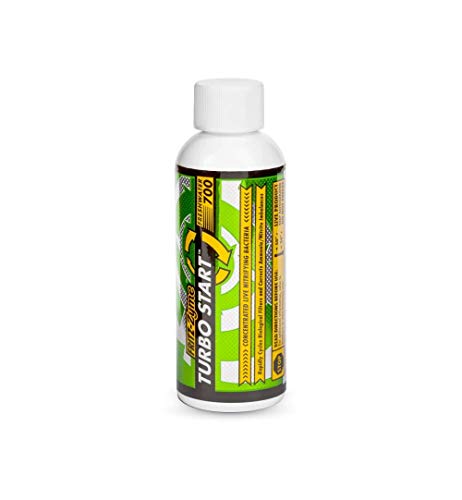
Fritz Turbo Start is known in the industry as the fastest acting nitrifying bacteria you can purchase. This 700 version is specialized for freshwater tank and has my highest recommendation
7. Add Your Fish
Now your Shubunkin Goldfish is ready to move in. Since fish is sensitive to changes in water conditions, you want to acclimatize your Goldfish by slowly adding half a cup of water from the tank into its bag and wait for 5 minutes between adding another half a cup.
When you’ve acclimatized your Shubunkin, use a net to transfer it to the tank. Discard the remaining water in the sink and observe your new friend for the next 24 hours to make sure it eats and settles in well.
If you opt to quarantine your fish (which I recommend), consider quarantine for 30 days in a separate tank.
Health and Disease
While this is a hardy fish, that doesn’t mean that it’s immune to freshwater fish diseases. So, let’s talk about how you recognize a healthy as well as an unhealthy Shubunkin.
Signs of Good Health
A healthy Shubunkin swims constantly and eats regularly. It looks shiny, its colors are vibrant, and the scales are intact and not damaged. They also get along well with their tank mates and frequently explore the tank, digging and scavenging for food.
Signs of Ill Health
Some signs to be wary of include:
- White spots on its scales.
- Swimming sideways or just floating around without swimming actively.
- Only staying close to the surface or the bottom of the tank.
- Staying in one corner.
- Not eating.
- Constipation.
- Injured scales.
- Rubbing its scales against tank walls and plants.
Common Health Issues and Treatment
Ich is one of the most common diseases for freshwater fish. This is a parasite that appears as white spots on fish scales, and if left untreated, the white wounds can lead to bacterial infections and kill the fish. If you notice your Shubukin rubbing itself against surfaces and developing white spots, take it to a vet immediately. There are several products you can add to your tank to treat Ich.
Swim bladder disease is another issue Shubunkin Goldfish can suffer from. Signs include swimming sideways, staying close to the surface or the bottom of the tank, or swimming in strange patterns. A home remedy against swim bladder disease is to feed your fish blanched peas, but your best bet is to seek help from a professional.
Other diseases that can affect this Goldfish type include fin rot and skin flukes that other parasites or fungus cause. If your Shubunkin shows signs of ill health, seek advice from a vet.
Breeding
Shubunkin spawns during the spring and to start this process, move the fish into a separate breeding tank and drop the temperature to 60 degrees Fahrenheit. Then warm the water in the breeding tank by 2–3 degrees F every day until the temperature reaches 72 degrees F.
You’ll see the males’ colors begin to intensify, and they’ll start chasing the females. After a few days, they’ll push the females into the plants, where they’ll lay up to 10,000 eggs. After a few hours, spawning is done, and you need to remove the adult fish from the tank, or they’ll eat the eggs.
After 4–7 days, the eggs will hatch. Proceed to feed the baby fish with fry food until they reach 1-inch, and then put them into the adult tank.
Are Your They Male or Female?
You probably won’t be able to tell males and females apart until they reach maturity. During the breeding seasons, males will develop breeding tubercles on their gills and heads, which will look like white spines. The females will get rounder bellies when eggs develop.
Availability
You’ll find Shubunkin Goldfish available to buy at almost any pet store, fish supply shop, and even online. Not everyone has access to a quality local fish store. For those who do not have a good local fish store, check out my best places to buy fish online post. To save you time, for Shubunkins, I would recommend NextDayKoi for purchasing the quality quality Shubunkins.

Use Coupon Code: ASDEPOT
Next Day Koi offers the finest Koi and Pond Goldfish from quality breeders. A great place to shop for Shubunkins!
What You Need To Buy
- Fish tank
- Medium-sized gravel
- Filtering system with biological media
- Dried fish food flakes
- Fast-growing plants
- De-chlorinator
- Ammonia and Bacteria
- Aquarium water test kit
Is the Shubunkin Goldfish Right for You?
Before you add a shubunkin goldfish to your setup, here’s an honest breakdown of who this fish is right for and who it isn’t.
Good fit if:
- You have a pond or plan to build one. Shubunkins are at their absolute best outdoors with space to grow and natural temperature cycles.
- Your indoor tank is 75 gallons (284 L) or larger for a single fish, and you’re willing to add 10–15 gallons per additional shubunkin.
- You want a cold-water fish that doesn’t need a heater. Room temperature is fine for most homes. That’s a genuine maintenance advantage over tropical setups.
- You’re looking for a long-lived display fish. A well-kept shubunkin lives 10–15 years. Some pond shubunkins reach 30.
- You want to mix with koi in a pond. Shubunkins and koi are an excellent pairing: compatible water needs and visually striking together.
- You’re committed to weekly water changes and heavy filtration. These fish reward that consistency with vibrant calico coloring and active behavior.
Avoid if:
- Your tank is under 75 gallons (284 L). A shubunkin will outgrow it within a year. Don’t start with a tank you’ll need to replace immediately.
- You keep tropical fish at 76°F (24°C) or above. Shubunkins need cold water. You cannot make this work long-term without one group suffering.
- You want a planted tank. Shubunkins will eat, uproot, and destroy nearly every plant you add. Java Fern anchored to rock or driftwood is about the limit.
- You already keep fancy goldfish (Orandas, Ryukins, Fantails). Shubunkins are much faster swimmers and will dominate every feeding. Your fancy goldfish will slowly lose condition and starve.
- You want a low-maintenance pet. Goldfish need serious filtration, frequent water testing, and regular large water changes. They are not care-free.
How the Shubunkin Goldfish Compares to Similar Species
Want a pond fish? Get comets or shubunkins. Want an indoor aquarium goldfish? Get fancies and plan for a 75-gallon minimum. Want a truly low-maintenance pet? Honestly, get a betta instead.
Shubunkin vs. Comet Goldfish: These are the two most similar single-tail varieties and both belong in ponds. The main difference is color. Comets come in solid red, orange, or white with red patches. Shubunkins have the calico pattern: blue, red, black, white, and yellow in overlapping patches. If you want the calico look, choose the shubunkin. If color doesn’t matter and price does, comets are often cheaper and equally hardy. Both make excellent pond fish.
Shubunkin vs. Fancy Goldfish (Oranda, Ryukin, Fantail): Don’t mix these in the same tank. Fancy goldfish are slow, round-bodied fish bred for appearance over athleticism. Shubunkins are fast, torpedo-shaped swimmers. In a shared tank or pond, shubunkins will reach every feeding spot first, every time. Your fancy goldfish will slowly lose condition and starve. Keep shubunkins with other single-tail varieties only.
Shubunkin vs. Koi: If you have a pond over 500 gallons (1,893 L), koi are worth considering. They grow larger, live longer (decades in ideal conditions), and develop individual personalities that make them feel like pets. For smaller ponds (250–500 gallons) or first pond setups, shubunkins are the better fit. They’re called “poor man’s koi” in some circles, but I see them as the right fish for the size of pond most people actually build.
Closing Thoughts
The Shubunkin Goldfish is an active, beautiful, and hardy species that socializes well with other freshwater fish and is kept in outdoor ponds or indoor tanks. They’ll make a great addition to your aquarium as long as you give it enough space to swim around and maintain healthy water conditions in the tank.
References
- Froese, R. & Pauly, D. (Eds.). (2024). Carassius auratus (Linnaeus, 1758). FishBase. www.fishbase.org: current accepted taxonomy for all domestic goldfish varieties including Shubunkin.
- Goldfish Society of Great Britain. Goldfish care standards and pond keeping guidelines. Retrieved from goldfishsociety.org
- Seriously Fish. Carassius auratus: species profile, water parameters, and care notes. Retrieved from seriouslyfish.com
- Aquarium Wiki. Shubunkin Goldfish care guide. Retrieved from theaquariumwiki.com
- PetMD. Swim bladder disorders in fish: causes and treatment. Retrieved from petmd.com





 Crowntail Betta Fish”/>