An automatic fish feeder sounds optional until you’re stuck at an aquarium trade show 400 miles from home and realize you forgot to arrange for someone to feed your tank. I’ve been there. I travel regularly for events like Aquashella and Reefapalooza, and over the years I’ve tested a lot of these feeders in real conditions. Most fail the same way: they dump too much food, they jam up from humidity, or the timer drifts and starts feeding at 3 AM. The ones that work keep working quietly for years.
Overfeeding with an auto feeder doesn’t just waste money. It crashes tanks.
EXPERT TAKE | MARK VALDERRAMA
In 25 years of keeping fish and running aquarium stores, I’ve seen more tanks trashed by auto feeders than by vacation neglect. Here’s the calibration rule I use: run your feeder for a full week before any trip and watch the food landing zone after every feeding. If there’s uneaten food on the substrate within 5 minutes, you’re overfeeding. Dial it back. A slightly underfed fish survives a vacation. An ammonia spike from rotting food doesn’t.
Rankings here are based on four things: portion consistency across multiple feedings, resistance to humidity jamming, timer accuracy over 7-plus days, and real-world longevity. A feeder can have every feature on the box and still fail in a humid fishroom. The products at the top of this list have proven themselves in actual use, not just initial testing. Price was a secondary factor, not the primary one.
What People Get Wrong About Auto Feeders
Most people treat auto feeders as “set it and forget it.” That’s exactly what gets fish killed. The calibration step is not optional. Every feeder dispenses differently depending on the food type, the drum rotation speed, and even ambient humidity. Pellets flow differently than flake. In a humid fish room, flake can clump in the drum and block the opening completely, starving your fish. Or it can clump in a partial jam that dumps a huge portion all at once. Either way, your tank pays for it.
The second common mistake: people buy an auto feeder specifically for vacation and then never test it before they leave. Test for at least a full week before any trip. Watch the first few feedings. If you see food sitting on the bottom after 5 minutes, the portion is too large.
The Biggest Mistake
Overfeeding on an auto feeder is worse than overfeeding by hand, because you’re not there to see it and correct it. Uneaten food rots, ammonia spikes, and in a tank without someone watching, that spike can wipe out fish before you get back. I’ve seen it happen. If you’re going away for 7 days, your fish will be fine eating two small meals per day. They will not be fine if your feeder jams and dumps a week’s worth of food in one shot.
The Eheim Everyday is the feeder I’ve recommended more than any other over the years, and it’s not a close decision. Eheim built it to last, priced it fairly, and kept the programming simple enough that anyone can calibrate it without reading a manual twice. The feeding chamber is aerated to keep food dry, which is the main reason cheap feeders jam: no air circulation means humidity does its damage slowly until the drum stops turning.
It handles both rimless and rimmed aquariums with included brackets. Multiple feedings per day are easy to program. The battery warning system tells you before you lose power, not after. I’ve watched hobbyists ditch expensive controller-integrated feeders and go back to the Eheim because it’s simply more reliable. Don’t place it near an air stone or power filter output where humidity can reach the drum.
Pros
Proven brand reliability
Easy programming
Aerated drum prevents jamming
Cons
Doesn’t fit all rimmed aquariums
Portion control requires calibration time
2. NICREW Automatic Fish Feeder
For a budget feeder, the NICREW does the basics right. Lithium charging option is a real advantage over AA-battery units, especially if you’re leaving it unattended for extended periods. The programming is straightforward. The portion control is decent for a feeder at this price. It won’t outlast the Eheim, and the build quality reflects the price, but for a first feeder or a backup unit for a secondary tank, it earns its spot on this list.
Pros
Rechargeable lithium option
Budget-friendly
Simple operation
Cons
Build quality reflects the price
Less precise portion control than premium units
3. Innovative Marine Frozen Food Feeder
This one solves a problem every saltwater hobbyist runs into: how do you feed frozen food automatically? Most auto feeders only handle dry pellets or flake. The Innovative Marine Gourmet Gadget Defroster is built specifically to thaw and release frozen food, making it genuinely useful for reef tanks and fish-only saltwater setups where frozen mysis or brine shrimp is part of the regular feeding routine. If you’re running a freshwater setup with only dry food, skip this one. It’s overkill. If you’re keeping saltwater fish that need frozen food, this solves a real problem.
Pros
Works with frozen food
Ideal for saltwater reef feeding
Reduces water pollution from unthawed food
Cons
Specialty product, not for dry food only tanks
Higher cost than standard auto feeders
4. Neptune Apex AFS
The Apex AFS is not a standalone feeder. It’s a module for the Neptune Apex controller system, which means it’s only relevant if you’re already running an Apex. If you are, it integrates directly with the controller: you can trigger feedings from the app, pause feeding during a water change, and get alerts if something goes wrong. For serious saltwater setups running full Apex automation, this is the right feeder. For anyone else, it’s an expensive answer to a simple problem.
Pros
Full Apex controller integration
Remote app control
Feeds can pause automatically during water changes
Cons
Requires Apex controller (not standalone)
Expensive entry for controller-only users
5. OASE Fishguard
OASE’s Fishguard comes with a 3-year warranty and Italian build quality, which puts it in a different durability tier than most auto feeders. The programming is clean and intuitive. For someone who wants a feeder that’s built to last and doesn’t want to think about replacing it in two years, the OASE Fishguard justifies its higher price with engineering that’s noticeably better than the budget options.
Pros
3-year warranty
Italian engineering, solid build
Intuitive programming
Cons
Higher price point
Less widely available than Eheim
6. Lifegard Aquatics IntelliFeed
The IntelliFeed is a reliable mid-range option that’s actually findable at Petco, which matters if you need a replacement fast. It handles the basics: multiple feedings per day, adjustable portions, simple programming. Nothing flashy, nothing revolutionary, but it works consistently and it’s locally available. Choose it if you want an Eheim-tier experience at a slightly lower price and you don’t need specialty features.
Pros
Available at Petco
Reliable operation
Mid-range price
Cons
Less precise than Eheim
Basic feature set
7. Omega One 7 Day Feeder Block
The feeder block is not an auto feeder in the traditional sense. It’s a compressed food block that dissolves slowly over 7 days. No batteries, no programming, nothing that can malfunction. That’s both its strength and its limitation. For a short trip with a simple community tank, it works. The downside is portion control: the rate of dissolution depends on water temperature and flow, which means it’s not a predictable feeding system. Use it as a backup or for very short absences, not as a primary feeding solution.
Pros
No batteries, no failure modes
Very cheap
Good nutrition from Omega One
Cons
Unpredictable portion release rate
Not suitable for tanks with sensitive water quality
BUY OR SKIP?
Buy if: You travel regularly, work long hours, or want consistent feeding schedules that support fish health regardless of your schedule. Auto feeders are not optional for anyone who travels. Skip if: You’re home every day and can feed manually. Manual feeding lets you observe your fish at every feeding, which is actually valuable behavioral monitoring. Auto feeders remove that check-in point. Use them when you need to, not by default.
Should You Buy an Auto Feeder?
Good Fit If:
You travel or have unpredictable work schedules
You want to split daily feedings into multiple small portions for finicky eaters or fry
You’re managing a saltwater tank where feeding consistency is critical
You have multiple tanks and manual feeding every one isn’t realistic
Avoid If:
You’re not willing to do a calibration week before leaving for any trip
Your fish eat live or frozen food exclusively (the Innovative Marine excepted)
You’re feeding very fine foods like live baby brine that clog standard drums
MARK’S TOP PICK
The Eheim Everyday. It’s not even a close call. I’ve tested more expensive feeders and more budget options, and the Eheim keeps coming back as the one that just works without surprises. The aerated drum, reliable timer accuracy, and Eheim’s build quality make it worth the price difference over generic brands. If you’re running a controller-integrated setup on the Neptune Apex, use the AFS. If you want frozen food delivery for a saltwater tank, get the Innovative Marine. For everyone else: Eheim.
WHAT MOST PEOPLE MISS
Placement matters as much as the feeder itself. Even the best auto feeder will jam or deliver inconsistent portions if it’s positioned where humidity from the tank reaches the drum. Keep it away from air stones, powerhead outputs, and any surface agitation that throws moisture into the air. A small gap between the feeder and the tank rim makes a real difference. This is the detail that separates the people whose feeders work from the people who keep replacing them.
Closing Thoughts
Auto feeders are a real tool, not a gimmick. Used correctly, they let you travel without anxiety, feed on a consistent schedule your fish will adapt to, and handle situations where manual feeding isn’t possible. The calibration step is the part people skip, and it’s the step that determines whether the feeder helps or hurts your tank.
My pick is the Eheim Everyday for most situations. For saltwater and frozen food, the Innovative Marine Gourmet Gadget. For Apex users, the AFS. Calibrate before you use it, keep it away from humidity, and check in on your first few trips even with a trusted feeder running.
For healthy fish that deserve consistent feeding, I send people to Flip Aquatics and Dan’s Fish. Quality livestock and reliable automation go hand in hand.
Lowering pH is something I’ve had to do in my own tanks over the years. particularly when keeping fish that prefer soft, acidic water like discus, cardinal tetras, or South American cichlids. The tricky part is that most tap water in the US runs alkaline, so you’re working against your source water. Some methods work reliably; others are inconsistent and can cause more problems than they solve. Here are the 7 that I’ve found actually work.
pH is one of those water parameters that beginners learn about early but often misunderstand. The number itself matters less than stability. fish adapt to a wide range of pH values as long as conditions are consistent. Where I see problems is when people try to chase a target pH and end up with wild swings that stress or kill their fish. That said, if you’re keeping soft-water species like discus, rams, or wild-caught cardinal tetras, lowering pH genuinely matters. After 25 years managing both freshwater and reef tanks, here are the 7 methods I’d actually use. and the ones I’d approach with caution.
What Is pH?
pH is one of the most important parameters in the fish tank setting as well as in regular water quality analysis. The pH of water directly impacts which species and aquatic life can live in any given ecosystem. An overview of the pH is supplied below by MooMooMath and Science.
For example, tropical freshwater tetra fish are found in waters with low pH while African cichlids need high pH. But what is pH and why are pH levels so important in the aquarium setting?
Measuring pH
In order to understand why pH is so important, it’s necessary to understand how it is measured.
pH is the logarithmic scale of how acidic or basic a solution is on a scale from 0.0 to 14.0. A neutral pH falls directly between these two values at 7.0 with values under this being acidic and values over this being basic, sometimes referred to as being alkaline.
As a logarithmic scale, changes in pH levels are exponentially greater than they might initially seem. As a result, rapid or sudden fluctuations in the pH of water can prove to be deadly for many aquatic species.
That being said, pH naturally fluctuates throughout the day due to natural phenomena.
What Affects Water?
There are many natural factors that influence the pH of water, especially seawater. Though these factors in nature don’t have as large of an effect in a small and contained fish tank setting, the theory behind them has been applied to aquarium equipment and media to make adjusting pH easier for fishkeeping enthusiasts.
First, we’ll understand what influences pH in natural ecosystems.
Carbon Dioxide
Carbon dioxide is one of the main influencers of pH levels in freshwater, saltwater, and brackish water systems. In short, the more carbon dioxide that is present in the water, the lower the pH drops.
Carbon dioxide is largely available in the atmosphere as a gas. When carbon dioxide combines with seawater through surface agitation, carbonic acid (H2CO3) forms which later breaks into hydrogen ions and bicarbonate ions. These hydrogen ions directly lower pH, causing the water to become more acidic.
As water travels, this change in ocean pH eventually starts to influence the pH in freshwater ecosystems as well. An even greater influence over freshwater pH comes from dissolved organic carbon in the form of decomposition and respiration.
Decomposition And Respiration
Freshwater lakes, streams, and ponds are fed by rainwater as well as runoff from the surrounding ground and tributaries.
Along this path, plants, animals, pollutants, and other contaminants fall into the water and are carried along and eventually deposited. If these objects are organic and start to decompose, then pH will be affected.
During the process of decomposition, carbon dioxide is released. This creates a direct source of hydrogen ions that cause pH to drop.
Another direct input of carbon dioxide is respiration, which is very similar to decomposition though nothing needs to die to start the process. Instead, respiration is the opposite of photosynthesis: sugar (glucose) and oxygen are processed into carbon dioxide, water, and energy.
Most organisms perform respiration within the freshwater aquarium setting, including fish, invertebrates, and plants. Believe it or not, plants only photosynthesize when there is light present while respiration happens continuously throughout the day and night; respiration only becomes more apparent at night due to increased carbon dioxide levels and subsequent changes in pH. It is because of respiration that the pH in your aquarium fluctuates throughout the day.
At the same time, freshwater fish and invertebrates are constantly breathing through respiration and introducing new carbon dioxide into the system. As a result, an overstocked fish tank can lead to depleted oxygen levels and a low pH.
Tannins
Along the same line as decomposition are tannins. Tannins are an astringent compound found naturally in many terrestrial and aquatic ecosystems in a variety of plants and trees. In the fish tank keeping hobby, tannins are most notably known for composing blackwater systems where the water is stained dark brown and is chemically soft and acidic.
Tannin compounds are incredibly beneficial to these ecosystems and hobbyists have taken advantage of these benefits in their own freshwater fish tanks. Many species of plants and trees contain tannins in their bark and leaves to naturally fight off bacterial and fungal infections. Once these organics start to decompose in water, tannins enter the system, providing bolstered immunity to fish and invertebrates.
Some of these compounds are made up of tannic acid, which is the weak acid responsible for altering the pH. Once this acid enters the water, the pH level will begin to fall.
Levels In Your Aquarium
Most freshwater aquariums sit around an average pH of 7.0. Most fish can tolerate a range of 6.5 – 7.5, though this will vary with species. As mentioned before, most tropical species, like tetras, will prefer more acidic water chemistry. On the other hand, African cichlids are known for loving high pH levels above 8.0.
In general, tap water, distilled, and reverse osmosis will have a neutral pH that is appropriate for keeping most fish. However, if the pH level of the source water is not correct, then there can be some serious problems.
Why Is It So High In Your Aquarium?
There are many factors that affect water chemistry, but understanding the pH levels of your aquarium water is necessary for long-term success. High pH levels are most likely due to poor source water or aquarium substrate and tank decorations.
The pH of source water is determined by where that water was collected. If tap water is used for the fish tank, then the hobbyist must make sure that pH levels are appropriate for fish tank usage; some local reservoirs are naturally more acidic or alkaline than others and subject to change.
Some fish tank decorations and substrates can also increase pH levels, like aragonite sand. For the most part, this is more of a concern for saltwater enthusiasts, though cichlid owners will also need to understand how the substrate they choose influences the pH level.
It should also be noted that pH will rise and fall more often if the carbonate hardness (KH) level, a buffer to pH, is incorrect. A more accurate KH will result in a more stable pH.
How Long Does It Take To Lower In The Tank?
pH is a quick parameter to change in the fish tank setting as long as conditions are right. All-day long, pH is rising and falling depending on photosynthesis and respiration rates. This fluctuation can be as great as a 0.5 difference at times and is perfectly normal.
However, pH will only change as much as the carbonate hardness agrees. Anything greater or quicker than a gradual 0.5 change in pH level can prove to be fatal to fish and invertebrates.
In general, pH should be slowly altered 0.25 at a time with continued observation.
Can Rocks Lower It In The Aquarium?
Most rocks will not cause pH levels to rise or fall in the freshwater aquarium. However, rocks that contain limestone will have a sure effect on your water pH. Limestone is mainly composed of calcium carbonate, which is naturally basic and will cause pH levels to rise.
To test whether or not your rocks contain limestone, simply drop some vinegar onto them. If the rock contains limestone, then the vinegar will bubble and fizzle.
Does Gravel Affect It?
In the same way, limestone gravel can start to affect pH as well. However, most freshwater gravels and substrates will not influence pH if they are for aquarium use, though some may temporarily raise or lower pH levels after being initially added.
If keeping cichlids that like hard, basic water, then most hobbyists choose to use a crushed coral substrate. Crushed coral is similar to limestone as it contains calcium carbonate, which will then raise the pH level.
How To Lower It in the Tank – 7 Ways
Lowering pH can be tricky. Remember, this is a logarithmic value and any slight change can prove to be too much for fish and invertebrates to handle at once.
If attempting to alter pH, then plenty of time needs to be given for livestock to acclimate to new conditions. It is also important to note that pH levels will not change unless KH is within the appropriate range.
When the tank is ready, pH can be lowered through several methods. We have a video below from our YouTube channel you can check out. We go into more detail in the blog post below. If you like our content, be sure to subscribe as we post new videos every week!
1. Aquarium Driftwood
When setting up a freshwater aquarium, you will more than likely add driftwood for decoration and structure. In short, driftwood is any type of wood that has washed up on the shore of a beach, lake, pond, or river. Due to wind and wave action, these pieces of wood are eroded and brittle.
Aquarium enthusiasts have perfected the art of aquascaping with driftwood, using popular varieties like mopani, spider, and manzanita wood. However, driftwood adds much more to the aquarium than just aquascaping.
Remember that most trees contain tannins and tannic acid; driftwood is no different and most varieties will leak tannins into the aquarium water. This results in dark water, lowered pH, and increased immunity for fish and invertebrates. Thus goes to reason that the more driftwood that releases tannic acid, the more that the pH will drop.
This is true, though can be hard to control and the buffering property eventually runs out. Luckily, unwanted effects from tannins can be reversed by using activated carbon in a filter bag.
2. Indian Almond Leaves
Indian almond leaves, sometimes abbreviated as IAL, are another great addition to the freshwater aquarium and are especially popular among betta fish keepers!
These dried leaves come from a type of tree, Terminalia catappa. Similar to driftwood, Indian almond leaves contain tannins that are released into the aquarium water when they start to decompose.
These leaves can be added to your aquarium to help promote a natural habitat for bettas, shrimp, and other soft-water loving fish. Betta breeders can use these leaves to help encourage breeding behavior.
In addition to the health benefits and decrease in pH level that Indian almond leaves provide, they also provide great coverage on the bottom of the tank as leaf litter. Many species (like betta fish) will enjoy foraging for food and hiding in a thick leaf litter substrate, though not all hobbyists will enjoy the tannin-stained tank water that comes along with it. Again, the effects of tannins can be reversed by using activated carbon packets in the filtration system.
While Indian almond leaves are some of the most abundant types of dried leaf available, other botanicals may be used for the same effects. These leaves will need to be replaced every three months or so as they will completely disintegrate.
3. Peat Moss
Peat moss is a regular addition to home gardens but is one of the best ways to lower pH levels without adding anything directly to the fish tank display.
Peat moss largely refers to the Sphagnum genus, which is a group of mosses commonly found growing around bog ecosystems. Like driftwood and Indian almond leaves, peat moss works to lower the pH level in the tank by releasing tannins. However, using peat moss is much more controllable than the former options.
One of the benefits of using peat moss in the fish tank is that it can be measured for exact dosage. Many hobbyists choose to put a bag of peat moss in their filter, though some incorporate it directly into their substrates. Another option is to prepare new peat moss-treated tank water beforehand.
It should be noted that there is some discussion about the sustainability of harvesting peat moss in both horticulture and the aquarium industry due to its importance in nature.
4. Using CO2 Injection
CO2 injection is the same idea as atmospheric carbon dioxide entering an ocean or lake, just at a much smaller and controlled scale: increasing carbon dioxide subsequently increases the number of hydrogen ions in the tank water, lowering pH.
This is a great method to lower the pH in fish tanks, especially ones with aquatic plants, due to the control that comes with dosing carbon dioxide. However, CO2 injections can be costly over time and require additional equipment that some hobbyists might not be able to fit into their setups.
5. Changing Your Water
If you have a large bioload in your fish tank and don’t keep up with regular maintenance, then pH may begin to fall over time. This is due to the idea of respiration and decomposition where organics are being broken down, releasing carbon dioxide and acidifying the water. In the same ways, water changes will also help remove carbon dioxide from the water and introduce new oxygen instead which will lower pH.
For these same reasons, it is recommended to perform regular water changes when using a new substrate in order to keep pH levels stable.
6. Replace Your Source Water
Changing your source for aquarium water is probably the best and most long-lasting solution to reaching the desired pH level. Many freshwater aquariums rely on tap water for convenience and mineral addition. However, tap water can have varying pH levels day to day depending on the variables affecting the source water.
For the most control over aquarium pH and general water quality, it’s recommended to use and remineralize reverse osmosis water to the hobbyist’s liking. This also gives much greater control over fertilizing and plant growth.
7. Use Chemical Solutions
Chemical solutions should be the last resort for any aquarium problem. pH is especially sensitive.
Chemical solutions can be difficult to dose, expensive, and most importantly, don’t fix the origin of the problem; as soon as the chemicals are stopped dosing, then pH levels will return to where they were over time.
That being said, there are plenty of aquarium-proven neutralizers, reducers, and buffers to accurately increase or decrease both pH and KH.
Conclusion
pH is a complicated water parameter that can be influenced by many chemical and biological factors. Most fish and invertebrates are highly sensitive to large and sudden changes in pH levels, even though pH naturally rises and falls throughout the day.
If you’re struggling with high acidity or need to get into the perfect pH range for cichlids, then there are a few methods to gently get pH to the levels you need.
🐟 Want to learn more? This article is part of our complete Aquarium Care Guide. your ultimate resource for water chemistry, maintenance, feeding, disease prevention, and everything you need for a healthy tank.
Feeding saltwater fish well is something I take seriously. my 125-gallon reef has a mix of fish with genuinely different dietary needs, from omnivores to dedicated herbivores, and the wrong food either gets ignored or causes water quality issues. The biggest mistake I see with saltwater fish food is products loaded with land-based or freshwater ingredients as fillers. Marine-based diets with real ocean ingredients. mysis, krill, spirulina, marine protein. make a visible difference in color and health. After years of testing products across my reef tank, here are the 7 best saltwater fish foods I’d actually recommend.
What Are We Looking For? (Our Criteria For Selection)
Picking the best saltwater fish foods isn’t an easy task, with various foods available at various price points. I’m taking the view that you are looking for premium-level products. Keeping a saltwater tank is expensive, so I expect my readers to be looking for high-end products. I’m not going to skip out on sub-par foods knowing this. Let’s dig deeper into what I’m looking for.
Marine Based Foods
This is number one on my list. I want nothing to do with a product containing many freshwater or land-based food as its main ingredients. The ocean is vast with ideal foods for your fish. I’m looking for ingredients like krill, Mysis shrimp, and clams for proteins. Ingredients like spirulina, plankton, seaweed, and marine algae are what I like to see for my greens.
Probiotics
Live cultures of bacteria are vital for your saltwater fish. These cultures boost your fish’s immune system, keep their digestive tracts clear, and enhance color. It’s still rare to find foods with probiotics in the saltwater aquarium trade. Even so, I give preference to products that have it.
Feeding Response
I want foods that have a great feeding response for your fish. It’s difficult enough as it is with new saltwater fish to get them to eat. You want food that triggers their feeding response. Getting your new fish to eat is one of the big milestones you have to get through when they are accumulating. I’m giving an extra look towards anything that can get a timid or picky fish to eat.
Brand Name
I do go for small brands or brands without a proven reputation. It’s hard enough to find quality fish food in the industry. I want a brand that is proven and readily available to my readers. I am also aware that some brands of foods are not going to be available online, and I’m perfectly happy telling my readers to find them at a local fish store.
If you want the absolute best fish you can purchase for your money, LRS Reef Frenzy is what you have been looking for. LRS goes further than any other food maker in the industry at producing the highest quality saltwater fish food. Let’s take a look at the ingredients list:
Fresh Wild Caught Scallop
Fresh Wild Caught, Hand Peeled Shrimp
Fresh Wild Caught Ocean Perch and Whitefish
Premium Piscine Energetics Mysis Shrimp
Squid
Euphausia pacifica krill
Fresh Shucked Oysters and Clams
Zooplankton and Rotifers
Seaweed
Blanched Broccoli Flowers
Oyster Eggs and Ovarian Tissue
D. salina algae
No other fish food maker has all these ingredients in one. LRS is transparent about its production process. They invited Mr. Saltwater Tank several years back to tour their facility. Check out the video below:
You get a ton of whole fresh ingredients with LRS. You also get probiotics. Probiotics, as mentioned in our best flake fish food post, are proven in the aquaculture industry to enhance the health of fish. LRS goes so far in their transparency that they have had their blends tested in labs. The sample of their labs shows Lactobacilli in a food sample that has been frozen for 30 days. The results are posted here.
This is the ultimate fish food for reef tanks. It comes at a high price and is mainly available at local fish stores. I recommend this frozen blend to anyone who owns a saltwater tank.
Reef Nutrition’s Chroma Boost is a new pellet food on the market, and it’s probably the best pellet food to come into the industry in many years. Its pellets are dressed in algae called Haematococcus, which is an excellent source of astaxanthin. A study performed by Virginia Tech showed astaxanthin had a positive effect on the coloration of clownfish.
This pellet formula is not only great with fish, but corals love it too. To me, it combines the benefits of LRS in a pellet formula. You will get coloration from your fish that you have never seen before with this product. Because it’s a pellet product, you can place it in an auto feeder. This makes it one of the highest quality foods you can place in an automatic fish feeder.
It isn’t easy to find online and in stores. You will need to visit a specialty local fish store to get it. You can order it online at the links above if you have trouble getting it. You won’t regret trying this out!
Here’s the thing about saltwater fish food – there are way better options these days. You should be eating balanced frozen foods like LRS instead of letting your fry get hooked on most flake foods or treating them with unbalanced dry stuff that will compromise their immune and digestive systems later.
However, I understand there is a need for convenient foods for busy people or when you are traveling. Fortunately, we have quality brands like Ocean Nutrition that have researched and provided quality flake food that I am okay with recommending to saltwater tank keepers. Made in the USA and containing a solid nutrient profile, this fish food supports all saltwater aquarium inhabitants.
The great thing about this formula is that it includes high-quality ingredients such as salmon, mussels, kelp, and brine shrimp. This flake variation of Ocean Nutrition’s frozen food has been designed explicitly for our freshwater fish to get all the nutrients their bodies need to be healthy!
What puts Ocean Nutrition ahead of other flake food makers is its availability. They can be found in any fish store, including chain pet stores.
Masstick is an amazing food made by Easy Reefs that has been designed for the pickiest fish in the hobby. It contains a blend of natural ingredients that are only of marine origin. This creates premium-level food great for all fish and inverts in your saltwater or reef aquarium.
What makes this food excellent for finicky fish is that you stick this to the glass of your aquarium, and your fish will pick it up when they feel safe to do so. Because the food lasts for hours on the glass and doesn’t break down easily, your more shy fish can take their time. You can see the food in action from the video below by Dutch Reefer. Watch his Cooper Band Butterfly go crazy for it.
Do you have an algae-loving fish? If you have angelfish, tangs, or rabbitfish, you know how important it is to feed marine greens to these types of fish. Sea Veggies by Two Little Fishies provides a high-quality green product specially formulated for these fish.
This product won’t break apart easily and is easy to feed. Just get a veggie clip and mount it on your glass. Your fish will pick it apart. Because it’s a passive fish food, you can put it on the clip and give your fish time to eat the sea veggies. This makes it an excellent product for finicky and shy fish. They can take their time to venture out and pick at the clip.
This product is more expensive than others, and you do not get a lot, but it is the go-to sea greens product for serious reef keepers.
For aquarists venturing into frozen foods for the first time, this multi-pack by San Francisco Bay Brand is a great first choice. This pack contains the following blends:
Marine Cuisine – Mysis Shrimp, Krill, Spirulina
Emerald Entrée – Spirulina, Mysis Shrimp, Fish Oil
Omega Brine Shrimp – Brine Shrimp, Carrageenan
Plankton – Plankton, Carrageenan
These blends cover all saltwater fish you can keep in the hobby and has enough variety to provide a balanced diet for your fish. It’s one of the best packages to purchase if you keep a fish only or fish only with live rock setup.
The other benefit to this product is you will find it at chain pet stores. Don’t be fooled thinking it’s low quality because it’s sold at a general pet store. This has excellent ingredients and you can purchase this locally at later hours from these pet stores.
Cobalt was the first flake food on the market that contained probiotics in its formula. This omniflake product is a universal flake food designed for all saltwater fish. It is packed with squid and salmon proteins. It has spirulina, plankton, and krill for enhanced coloring.
The Cobalt blue flakes contain the probiotics that support a healthy digestive and immune system for your fish. It will not cloud your water like lower-quality flake food.
If you are going to use flake food, this is a good one to purchase. It’s not as available as Ocean Nutrition’s product, but I believe the overall quality of the formula is better. If you are going to purchase it, plan to buy it online as most fish stores won’t carry it.
Pros and Cons
Pros
Probiotics
Great for small fish
Works in autofeeders
Cons
Expensive
Hard to find
FAQS
What Is The Best Thing To Feed This Type?
The best thing to feed saltwater fish would be a blend of frozen food or cultured live foods. For frozen food, a blended product with probiotics like LRS Reef Frenzy is the best-prepared food you can purchase today. Plankton-infused brine shrimp or rotifers have excellent nutritional value for cultured live foods. California black worms are also fantastic to feed if you are willing to grow them.
What Kind Of Food Do They Eat?
Most saltwater fish are omnivores. This means they will prefer a mixed blend of foods. Generally, they will like Mysis shrimp, krill, squid, and calms for proteins. For greens, they will prefer spirulina, seaweed, and marine algae.
Is Saltwater And Freshwater Fish Food The Same?
No. Saltwater and freshwater fish food will have difficult ingredients. When looking for saltwater fish food, you will want marine-based ingredients. Avoid any land-based ingredients, fillers, and artificial enhancers. What comes from the ocean is what is best for saltwater fish!
Are Tropical Flakes Good For Them?
No. Tropical flakes are not suitable for saltwater fish. If you want flake food, you will want to purchase a flake food specifically formulated for marine fish. Brands like Ocean Nutrition and Cobalt provide some of the best flake foods. That being said, flake food should not be the primary food for your saltwater fish.
How Long Can They Go Without Eating?
Generally speaking, saltwater fish can go a few days to a week without eating. If you have trouble with a fish not eating, consider adding garlic to the food to trigger a feeding response. Foods like LRS and Masstick are known for having strong feeding responses. If your fish is still not responding, take a lot of signs for marine fish diseases.
How Many Times A Day Should I Feed Them?
You should feed your saltwater fish twice a day, assuming you have the filtration. This keeps your fish well-fed. If you have corals and pick the right foods, they will appreciate the extra food.
Closing Thoughts
It’s essential to feed your fish various foods to ensure they are getting the best possible nutrition. I have listed some of my favorite saltwater fish foods, but it’s essential to do your research before buying anything. What are your go-to saltwater fish foods? Let me know in the comments below!
Let me be honest with you. Rams are one of the most returned fish in the aquarium trade. They are stunning, and that is what sells them. But beauty does not equal easy.
Three colors, one fragile fish.
They need warm, soft, acidic water. Rams need temperatures between 82 and 86F with a pH under 7.0 and very low hardness. If your tap water is hard and alkaline, you are fighting an uphill battle from day one. Trying to keep rams in water with a pH of 7.8 is a recipe for stress and disease.
They are fragile when stressed. Rams have almost zero tolerance for ammonia or nitrite. Even a small spike that other fish would shrug off will kill a ram. Your tank needs to be fully cycled and stable for weeks before you add these fish.
Breeding stock quality varies wildly. Most rams in pet stores come from mass breeding operations in Asia where they are pumped full of hormones and antibiotics. These fish look incredible in the store but often crash within days of being brought home. Buying from a reputable breeder costs more but dramatically improves your odds.
They are not community fish in the traditional sense. Rams need peaceful, slow-moving tank mates that will not outcompete them for food or stress them with aggression. Fast, nippy fish like tiger barbs will make a ram’s life miserable.
Biggest Mistake New Ram Cichlid Owners Make
Putting them in an uncycled or newly cycled tank. Rams need a mature, stable ecosystem. If your tank has been running less than two months, it is not ready for rams. Period.
Expert Take (Mark Valderrama, AquariumStoreDepot)
Buy from a breeder, not a chain store. Start with a proven pair if you want to breed. Keep the temperature at 84F and never let it drop below 80F. These three things alone will double your success rate with rams.
ASD Difficulty Rating: Tier 2 – Intermediate
German blue rams require stable temperatures of 78-84 degrees F (26-29 degrees C), soft acidic water, and a mature tank. They are sensitive to ammonia, nitrite, and elevated nitrates. Not for beginners or new tanks.
Ram cichlids are beautiful, delicate, and unforgiving. They need pristine water, elevated temperatures, and rock solid stability. One parameter swing and they stop eating. Two and they are dead. I have watched experienced keepers lose rams because they treated them like any other dwarf cichlid. They are not. Rams demand precision, and they punish anything less. All commercially bred ram variants are weakened by hormone treatments and inbreeding. That makes them the most frequently killed dwarf cichlid by new keepers.
What Most Care Guides Get Wrong About Ram Cichlid
The number one mistake I see with ram cichlids is people treating them like any other hardy tropical fish. They’re not. Rams are sensitive to water quality in ways that most beginner fish aren’t, and they absolutely need warm water. 80°F minimum, ideally 82-84°F. I’ve seen countless rams die within weeks of purchase because they were kept at 76-78°F in a standard community tank. The other common misconception is lumping all ram varieties together. German blue rams, Bolivian rams, and electric blue rams have meaningfully different care requirements, especially regarding temperature tolerance and hardiness.
German blue rams are one of the most visually stunning dwarf cichlids you can keep. And one of the most frequently killed by hobbyists who underestimate their water chemistry requirements. I’ve kept rams over the years and the pattern I see is always the same: someone buys them because they look incredible in the store, puts them in a standard community tank at 76°F, and loses them within a few weeks. Rams want warm, soft, slightly acidic water. 82 to 86°F is the sweet spot. Get that right, along with stable parameters, and they’re genuinely rewarding fish with real personality. This guide covers everything: care, compatible tank mates, and what it actually takes to breed them.
The Ram or dwarf Cichlid is a stunning and tranquil freshwater fish species that have been observed for over 30 years. They go by many names, Ramirez’s dwarf cichlid, Blue ram, Butterfly ram, Ram ramirezi, and Dwarf cichlid. All these names lead to one beautiful fish species, belonging to the family Cichlidae and originating in South America, mostly in Amazon and Orinoco river extensions.
Brief Overview of the Ram Cichlid
Scientific Name
Mikrogeophagus ramirezi
Common Names
Ram Cichlid, blue ram, German blue ram, Asian ram, butterfly cichlid, Ramirez’s dwarf cichlid, dwarf butterfly cichlid, and Ramirezi
Family
Cichlidae
Origin
South America
Diet
Omnivore
Care Level
Moderate-Advanced
Activity
Moderate
Lifespan
3 – 4 years
Temperament
Peaceful
Tank Level
Mid to bottom
Minimum Tank Size
30 gallons
Temperature Range
75 ° to 82 °F
Water Hardness
6-14 d GH
pH Range
5.0 to 7.5
Filtration/Water Flow
Low
Water Type
Freshwater
Breeding
Egg layer
Difficulty to Breed
Easy
Compatibility
Community tanks
OK, for Planted Tanks?
Yes
Classification
Order
Cichliformes
Family
Cichlidae
Subfamily
Geophaginae
Genus
Mikrogeophagus
Species
M. Ramirezi (Myers & Harry, 1948)
Ram Cichlids Appearance
Ram cichlid are small dwarf cichlids with large fins that overshadow their oval-shaped bodies.
Ram cichlid has vibrant reddish-orange, red and yellow spots all over their body with bright red eyes and a black band running through them. Due to their unique coloration and outstanding patterns, they make a great addition to your community aquarium.
In ram cichlids, the male rams are larger in length and possess the biggest dorsal fin. Because of their flowy dorsal fins and colorful appearance, they are commonly called butterfly cichlids.
How Big Are They?
Ram cichlids fall under the dwarf cichlids category. Therefore, they can never grow larger than 2-3 inches in captivity. However, in the wild, Ram cichlids are known to reach a maximum of 7 to 8 inches in length.
How Long Do They Live?
In captivity, the ram cichlid lives for up to 4 or 5 years. Even though hardy creatures, ram cichlids demand extreme care and a properly cleaned tank. Otherwise, they can develop deadly diseases such as fish tuberculosis. If ram cichlids are not provided with ample care and maintenance, they can also die of stress.
The lifespan of Ram cichlids depends on many factors such as water quality, diet, water parameters and temperature, pH and water hardness, and above all, the overall health.
Temperament and Activity Level
Ram cichlids are community tank fish with a peaceful nature. However, some types such as Bolivian rams can get semi-aggressive and territorial, when they feel their territories are being invaded.
Ram cichlids are average swimmers and quick at hiding in their favorite spots to catch prey to eat. Therefore, an aquarium should be well-planted with lots of aquatic plants and hiding places such as driftwood, caves, rocks, etc.
Tank Mates
No matter how agile and peaceful Ram cichlids are, you cannot keep them with any other fish. Here are the 15 most suitable tank mates for your ram cichlid.
Ram cichlids are very particular about their living environment. If the fish tank doesn’t meet all the requirements, ram cichlid can go into stress and eventually die. Therefore, it is imperative to take preventive measures and provide them with optimal conditions.
Tank Size
Even though ram cichlids are dwarf cichlids, they require plenty of swimming space. Therefore, go for a tank that is at least 20 gallons or more. It also depends on the number of fish you want to keep. If you’re aiming for more than one male, opt for a 29-gallon tank. One other reason to keep them in a large aquarium is they are highly sensitive to nitrates and prefer a gentle flow. So, more water and a larger tank ensure the maximum health of your rams.
Not just that, they appreciate regular water changes, and so I recommend installing a premium quality canister filter to raise a healthy ram cichlid.
Water Parameters
One thing I can safely say about these cichlids is they don’t need a chiller, but a heater would suffice their needs.
Ram cichlids are tropical fish that thrive in warm water temperatures of around 78 to 85 °F. Therefore, I recommend installing a high-quality heater to provide them with the optimal temperature. Also, your rams will live happily if you create a natural environment for them. For this, fish experts suggest putting a fine substrate and plenty of plants with lots of hiding places in the form of rocks and caves for hiding or breeding.
Tank Setup
A ram cichlid is very susceptible to certain chemicals and rapid changes in its environment. All these rapid changes and traces of chemicals can cause piscine (fish tuberculosis) which is fatal and inevitable if water quality is ignored.
As far as the lighting is concerned, a ram cichlid prefers dim lights. If you have plants, I recommend using adjustable LED lights, low light plants, or getting floating plants to provide them with suitable shade without affecting your plants.
Since ram cichlid are sensitive, make sure to check the levels of ammonia and nitrates in their tank and change the water weekly to ensure quality.
Breeding
To ensure the successful breeding of ram cichlid in their breeding season, make sure to provide soft water conditions by adding a small bag of rinsed peat to your canister filter. Also, make sure to keep the water pH neutral within recommended temperature range as ideal water conditions increase their activity level and improve the chances of breeding.
In the natural habitat, a ram cichlid is a known open spawner, which means they create family groups and lay around 150 to 200 eggs approx.
Adult rams are difficult to pair with and costly as well. The cheaper and more effective way is to get juveniles and let them grow and pair together. Since they are monogamous pairs, I recommend keeping the breeding pair in a separate breeding tank for spawning.
Additionally, make sure to keep the water warmer in the breeding tank by around 2 to 3°F and more acidic with a slow water flow.
You can also feed the breeding pair with live food, such as blood worms, white worms, and brine shrimp as a treat once a day.
The Birth Process
Before keeping ram or dwarf cichlid, be informed that they do not lay eggs at all, if they are stressed during breeding. Rams only lay eggs when they are relaxed and devoid of other distractions. When their females are pregnant, their pink bellies become visibly fat and a female blue ram cichlid lay eggs under large, flat rocks and demands complete solitude. Hence, you need to to keep the pregnant female in a separate tank, no matter how peaceful they are.
Your tank setup and parameters should also be adjusted according to the liking of your breeding pair. The water should be of a neutral pH to slightly higher for optimal breeding and the temperature should be raised than the usual temperature which is around 77°F and 82°F. The warmer temperatures increase activity and improve the chances of successful breeding.
In cichlids, both mother and father fish raise the fry, which is unique for freshwater fish species. The fry rests in father ram’s mouth if they sense any potential danger and you should pay special attention to the fry because they is swept into the filter.
What do They Eat?
Feeding rams with high-quality food that is rich in protein is quintessential for successful breeding and raising healthy, happy rams.
Since ram cichlid is omnivorous, it relies on plants and meat. In their natural habitat, they feed on floating plants and small insects, larvae, and other invertebrates.
However, seasoned aquarists recommend feeding them brine shrimp, earthworms, artemia, blood worms, tubifex, white worms, and cyclopeeze. But bear in mind that the live food should be free of contaminants like bacteria, fungus, etc to avoid diseases and other health-related issues.
I don’t recommend pellets and flakes on a daily. However, if you’re feeding them commercial food, make sure it sinks as butterfly cichlids are not surface dwellers. Also, incorporate plants and vegetables in their diet and feed them two to five small portions of meals several times a week. This also helps preserve the quality of water.
If your butterfly cichlid is new to the tank, it will be timid at the feeding time and may completely refuse to eat as they settle in its new fish tank. To cater to this, isolate the fish and feed them with treats such as mosquito larvae and start establishing their regular diet.
Diseases
Like most fish, rams are also vulnerable to tropical fish diseases, especially to poor water quality and stress that weakens their immune system.
One common disease in ram cichlids is ich, which is treated by increasing the water temperature to 86ºF for three days.
The butterfly cichlids are also susceptible to:
Parasitic infestations
Bacterial infections
Fungal infections
Tuberculosis
In addition to these, these fish species can also develop Costia diseases, flatworm, and tapeworm infestations.
DifferentTypes
Among the plethora of strains of Ram cichlids, there are four common types that aquarists love.
German Blue Rams
German blue ram cichlids are very popular among the aquarists because they are not only beautiful but docile and peaceful community tank fish. Like other ram cichlids, German blue rams are bred in captivity and are small fish around 2.5 inches with a calm personality.
German blue rams originate from the river basins of Orinoco, in the savannas of Venezuela, Colorado, and South America. The main body of a German blue ram cichlid is divided into three prominent colors mainly orange, gold, and turquoise blue. Additionally, there’s a black striped line on their face that covers their vivid orange eyes. The fins of German blue rams have blue mottling and a black dot on their midriff.
German blue rams live with other community tank fishes peacefully. However, they are territorial and aggressive fish, especially when other fish try to invade their territories. However, German blue rams are known to be good parents that do not abandon their fry hatch.
Bolivian
Bolivian Ram cichlids are the largest of all ram cichlids that can reach up to inches in length. They are also available in the wild.
They originate from the Amazon river basins, especially in Brazil and Bolivia. Hence, the name. They are found in slow-moving streams, rivers, lakes, and pools with densely populated vegetation that protects them from predators and provides them with food.
Bolivian rams demand larger tanks of no less than 30 gallons and the tank size is crucial to the health of this fish. They also love densely planted aquariums with an appropriate substrate so they can continue their regular foraging activities.
The bodies of Bolivian ram cichlids have a simple base, mainly yellow or golden. However, the most prominent feature of these ram cichlids is the red highlights along with their fins. Due to this, they are also known as the red ram cichlid.
Bolivian rams are popularly known for their sifting behavior as they love sifting through the substrate for food. The recommended diet of these ram cichlids should contain pellets, flakes, chopped brine shrimp, blood worms, earthworms, and other protein content. Seasoned aquarists discourage feeding them live food as it will contaminate the water and spread fatal infections.
Fun Fact: The scientific name of Bolivian Ram Cichlid is not Mikrogeophagus ramirezi, as it is a different species, known as Mikrogeophagus altispinosus.
Golden Ram Cichlids
Like German blue ram, gold rams are also dwarf cichlids that reach a maximum of 2.5 inches overall with a light golden body and electric blue mottling on the fin. The dorsal fin of gold rams is spiky and they have pale eyes with a black pupil. Out of the four ram cichlids, golden rams are the lesser known and like Bolivian Rams, they are also found in a natural habitat.
The Golden Ram cichlid originates from the Rio Orinoco drainage within Venezuela and Colombia and they are found in pairs.
Like most cichlid species, the golden ram is a wonderful, colorful, and peaceful fish that is suitable for a community aquarium. However, it becomes territorial sometimes. They require a lot of swimming space in a fish tank with ample plantations and hiding places. They are omnivorous, so should be fed a decent diet balanced with protein and occasional treats of live food.
Electric Blue
Electric blue rams (video source) are so much like their wild-caught cousins, but the differences lie in their coloration. The electric blue ram cichlids are radiant-blue in color with red patches around their body. Their eyes are orangish yellow along the forehead and that’s the most beautiful feature of electric blue rams.
The electric blue ram cichlids are popular in the aquarium trade since 2009 with their ovoid body and long spiky fins like blue rams. Unlike other dwarf cichlids, the electric blue rams are not suitable for beginners as they are more sensitive than other cichlid species.
Also, an electric blue ram is a very shy fish that hides in caves, rocks, or other hiding places when they feel bullied or threatened.
3 Main Sources
If you want a Ram fish for your aquarium, you can source it from:
Local breeders or tradeshows
Overseas fish farms
Domestic fish farms (from your own country; from Florida)
There are many fish stores that sell Ram cichlid. However, these cichlids will most likely be imported from overseas. Imported cichlids will appear brighter with longer fins, but sometimes, they are artificially boosted by several hormones to enhance their vibrancy and overall appearance. However, the use of such hormones may adversely affect the life span of your cichlids.
If you wish to get a Ram Cichlid from domestic farms, be informed that they are mostly bred in Florida. It is better to get your Ram cichlids from domestic farms than an overseas farm, as they are in a much better condition.
But I recommend getting your aquarium buddies from a local breeder since they are kept in water conditions and environments similar to yours. Hence, they live and thrive in your home aquariums.
How to Pick a Healthy Fish?
So, you’ve made a decision to bring home a Ram cichlid? Great. But you should know how to pick a healthy one to avoid hazards.
Select a healthy-looking, active ram cichlid that eats and swims well
Pick the ones that compete with other rams for a great spawning site
Avoid choosing skinny or shrunken rams with a hollow belly
If you’re looking for a breeding pair, aquarium breeders suggest getting a colorful make with extended dorsal fins and great pectoral fins. And if you find the female already paired with the male ram cichlid, get them; as there are higher chances of successful breeding.
How to Distinguish between Male and Female?
To distinguish between a male and female ram cichlid, always remember:
Females have tiny, bright blue dots inside their black spots on the sides of their bodies
Males lack these dots on their black spots.
FAQs
How Many Should Be Kept Together?
Ram cichlids require a large tank for free swimming space, easy feeding, and successful breeding. Therefore, a pair of ram fish can be kept in a 20- gallon community tank or an in a 10- gallon breeding rank with no other tank mates.
You can add multiple rams in a community tank but you have to increase the aquarium size according to the number of pairs. For example, a 40-gallon tank should accommodate 2 pairs of rams.
What Do They Eat?
Blue rams are omnivorous so they prefer a mix of both; leafy plant and meaty proteins. Seasoned aquarists recommend feeding them brine shrimp, earthworms, artemia, blood worms, tubifex, white worms, and cyclopeeze. But bear in mind that the live food should be free of contaminants like bacteria, fungus, etc to avoid diseases and other health-related issues.
Can I Keep A Single One?
Rams are community tank fish and thrive well with other like-minded tank mates, but you can keep a single ram cichlid as long as you provide them with ample space, nutritious food, and lots of hiding places to forage and play.
How Big Do They Get?
Ram cichlids fall under the dwarf category so they don’t get beyond 2-3 inches in captivity.
Can You Mix Them Together?
Yes, you can. However, please understand the needs of different cichlid types before mixing them together. Rams prefer warmer water temperatures that don’t go well with other fish. Also, choose a larger community tank of over 40 gallons to house multiple rams together.
How Long Do T hey live?
In captivity, the ram cichlid lives for up to 4 or 5 years. However, the lifespan of German blue rams highly depends on various factors, such as water quality, diet, water parameters and temperature, pH and water hardness, and above all, overall health.
Is the Ram Cichlid Right for You?
Before you commit to this species, here’s an honest assessment of whether it fits your setup and experience level.
Ideal if you want a stunning dwarf cichlid centerpiece. Few freshwater fish match the color and personality of a healthy ram cichlid.
Not recommended for brand-new fishkeepers. Their sensitivity to water quality and temperature makes them a poor first fish.
Great for planted tanks. Rams thrive in well-planted setups and won’t destroy your plants like larger cichlids will.
Skip if you can’t maintain stable warm temperatures. If your tank regularly drops below 80°F, rams will struggle and eventually get sick.
Good for experienced community keepers. They work well with small tetras, corydoras, and other peaceful species in a warm tank.
Consider a Bolivian ram instead if you want something hardier. Bolivians tolerate cooler water and wider parameters while offering similar personality.
What It Is Actually Like Living With Ram Cichlid
This is the part no other care guide gives you. Forget water parameters for a minute. Here is what it is actually like to share your tank with this species.
They are surprisingly interactive. Rams will learn your feeding schedule and come to the front glass when they see you. They pick through substrate constantly, rearrange small decorations, and display for each other throughout the day.
Breeding behavior takes over the tank. When a pair bonds and starts breeding, they become intensely territorial and will chase everything away from their chosen spawning site. A peaceful tank becomes a war zone overnight.
They color up dramatically under the right conditions. A ram in a bare, stressed-out pet store tank looks nothing like a ram in a planted, warm, dimly lit aquarium. The transformation is one of the most dramatic in freshwater fishkeeping.
They have a hierarchy. In groups, rams establish a clear pecking order. The dominant pair gets the best territory, and subordinates get pushed to the edges. You need enough space and hiding spots to make this work.
How the Ram Cichlid Compares to Similar Species
The most common comparison is between the ram cichlid (German blue ram) and the Bolivian ram. Having kept both extensively, I can tell you they’re different fish in almost every way that matters for daily care. German blue rams need water at 82-84°F, soft and acidic conditions, and pristine water quality. Bolivian rams are comfortable at 72-79°F, tolerate a wider pH range, and forgive the occasional missed water change. If you’re newer to fishkeeping or run a cooler community tank, the Bolivian ram is the smarter choice. German blue rams are more colorful, but that beauty comes with a higher maintenance cost.
The apistogramma genus is the other natural comparison for anyone shopping dwarf cichlids. Apistos offer incredible variety. There are hundreds of species and color forms. And many are hardier than German blue rams. They are more territorial during breeding but less demanding on temperature. If you want a dwarf cichlid that gives you breeding behavior and personality without the temperature sensitivity of a German blue ram, a hardy apisto species like A. Cacatuoides is worth considering.
Final Thoughts
Rams do not give second chances. Your tank is either perfect or they die.
Ram cichlids are very small fish around 2-3 inches in length. Despite their size, they require immaculate attention and care. Therefore, make sure to provide at least 20 gallons tank with lots of hiding places and aquatic plants to raise healthy and happy rams.
Chili rasboras cannot share a tank with fish larger than 1 inch (2.5 cm). At their tiny adult size, even neon tetras can stress or eat them. Keep them in a dedicated nano setup with shrimp or other micro fish only.
Chili rasboras are one of the most beautiful nano fish you can keep. But in the wrong setup, they disappear completely and never show their true color. I have seen people buy a school of 12, add them to a bright, bare tank, and wonder why they never see them. The fish are there. They are just hiding, stressed, and washed out. Build the right tank and chili rasboras are breathtaking. Skip the setup work and you have invisible fish you paid premium prices for.
Do not add chili rasboras to a tank that has been running for less than three months. They need mature water. Period.
Why Chili Rasboras Do Not Look Good in Most Tanks
Most people who buy chili rasboras never see the fish at their best. The problem is almost always the setup, not the fish.
Too few fish. Keep fewer than 10 and they hide constantly. Their confidence comes from numbers. A school of 6 looks terrible. A school of 15 transforms the tank.
Too much light. Bright lighting washes out their red. They look best under moderate or diffused light with a dark substrate underneath.
Not enough plants. Without dense planting they have nowhere to feel safe. They retreat to corners and you never see their natural swimming behavior.
Wrong tank mates. Anything bigger than 2 inches makes them nervous. They need dedicated nano setups or very carefully chosen companions.
Chili rasboras do not stand out. They come alive when the tank is built around them.
What Most Care Guides Get Wrong About Chili Rasbora
The most common mistake I see with chili rasboras is keeping too few. Guides will say “minimum 6” and leave it at that. In reality, these fish behave completely differently in a proper group of 8 to 10 or more. Keeping just 3 or 4 often leads to stress, hiding, and fin nipping that wouldn’t happen in a larger school. Another thing most guides miss is how much lighting and decor affect this species. Chili Rasboras look washed out under bright white LEDs on a light substrate. Dim the lights, add some tannins, use a dark background, and you’ll see colors you didn’t know they had. I’ve also noticed that many care sheets recommend overly broad water parameters. Yes, chili rasboras are adaptable. But “adaptable” doesn’t mean they’ll thrive in just anything. In my experience, keeping them closer to their natural soft, slightly acidic conditions brings out the best color and longevity.
Expert Take
Never keep chili rasboras in groups smaller than 10. The commonly recommended minimum of 6 is not enough. In my experience, 10 is where they start acting like chili rasboras instead of acting like scared fish hiding behind a filter.
Chili rasboras (Boraras brigittae) are tiny (0.7 inches/1.8 cm) micro fish that need established, mature tanks and calm nano tank mates. Their small size makes them incompatible with most community fish.
Species Overview
Scientific Name
Boraras brigittae
Common Names
Chili rasbora, Mosquito rasbora
Family
Cyprinidae
Origin
Borneo, Southeast Asia
Diet
Carnivorous
Care Level
Moderate
Activity
Active
Lifespan
up to 8 years
Temperament
Peaceful
Tank Level
Midwater
Minimum Tank Size
5 gallons (10G recommended!)
Temperature Range
70 ° to 82 °F
Water Hardness
3 to 12 dkH
pH Range
4 to 7
Filtration/Water Flow
Low
Water Type
Freshwater
Breeding
Egg layer
Difficulty to Breed
Moderate
Compatibility
Community tanks
OK, for Planted Tanks?
Yes
Classification
Kingdom
Animalia
Phylum
Chordata
Class
Actinopterygii
Order
Cypriniformes
Family
Cyprinidae
Genus
Boraras
Species
B. Brigittae (Vogt, 1978)
Origins and Habitat
Chili rasboras are native to Borneo in Southeast Asia. Their natural habitat consists of pools in blackwater streams with extremely soft, and quite acidic water.
The water is often full of aquatic and floating plants and partially shaded by the forest trees above. Plenty of leaf litter accumulates in the water and stains it a dark color, creating quite a dim environment.
The chili rasbora (Boraras brigittae) is the most popular of a few closely related Boraras species. If the word ‘boraras’ sounds a little fishy, that’s because it’s an anagram of the word r-a-s-b-o-r-a. Who says fish scientists aren’t fun?
What Do They Look Like?
The chili rasbora (Boraras brigittae) is a tiny nano fish with bold looks. The first impression when seeing this species is a very small, reddish fish with bold markings and huge eyes.
The males have deeper color but are smaller and more slender than the females, which also have rounder bellies. Dominant male chili rasboras become especially colorful, turning a deep red shade.
There is a characteristic black stripe on the sides of the fish’s body which can shine blueish green in good light. Just above this black stripe, you’ll notice a bright red or orange line.
Another stand-out feature is the red patch on the fish’s gill plate. This makes these nano schooling fish look like they have rosy cheeks!
To top it off, chili rasboras have great-looking fins. The base of their tail, and their dorsal and anal fins also have black and orange spots and markings.
How Big Are They?
If you thought something like a neon tetra or a guppy was small, just wait until you meet the chili rasbora! Chili rasboras are one of the smallest fish in the hobby, maxing out at less than an inch in total length.
In fact, a full-grown adult will only reach about 0.8 inches with good care. The male chili rasbora is slightly smaller and slimmer in build than the female.
How Long Do They Live?
Chili rasboras have a surprisingly long lifespan for such a small fish. In the right conditions, these hardy fish can live for up to 8 years!
To keep your fish living longer, make sure you provide them with a healthy and varied diet, a comfortable tank setup, and perform regular maintenance to keep your water quality pristine.
Temperament And Activity Level
The chili rasbora is a pretty outgoing and confident little fish if kept in the right kind of tank setup. With larger fish as tank mates, however, chili rasboras are timid.
They spend most of their time up around the middle and top levels of the aquarium, but they show up just about anywhere too. The chili rasbora is known as a schooling fish and they are very social, although they do not always group tightly.
Chili rasboras are very peaceful fish, so you don’t need to worry about them picking on any other fish in a community tank.
What Are Good Tank Mates?
The chili rasbora is a tiny fish, which can make choosing suitable tank mates a little challenging. Many fish keepers prefer to keep chili rasboras in species-only aquariums because they work so great in schools in nano tanks.
These fish will get along with most other peaceful fish, however, as long as they are not big enough to eat your rasboras.
Read on to learn more about the best (and worst) tank mates for chili rasboras.
Best Tank Mates
The best tank mates for chili rasboras are other peaceful nano fish. Let’s take a look at some of the best tank mates for these amazing fish:
Chili rasboras are so small that many of the most popular tropical aquarium fish will likely swallow them whole. As a general rule, avoid keeping them, with anything over about 2.5 inches long.
You’ll also want to avoid any predatory fish, aggressive fin-nippers, and boisterous species that could outcompete them for food.
Here are a few common aquarium fish that will not make good tank mates for chili rasboras:
The chili rasbora is one of the safest fish to keep with dwarf shrimp. That being said, they are micro-predators so they will feed on tiny baby shrimp that have just hatched. If you plan on breeding your shrimp, a shrimp-only setup would be wiser.
Here are some shrimp that you can keep with the chili rasbora:
You can also keep snails with your chili rasboras. Snails do a terrific job of keeping an aquarium clean, but some species can really multiply fast. Nerite snails are a great choice because they look amazing, eliminate algae, and best of all, they won’t breed in your fish tank!
What Do They Eat?
The Chili rasbora is a micro predator that feeds on tiny insects and bugs. The name mosquito rasbora is probably a good clue as to what these tiny fish love to feed on in nature.
Think small when looking for food for these fish. They will do great on a diet of fish flakes and nano pellets, but supplementing with live/frozen foods will bring out the best condition and color in these nano fish. A good micro pellet formula is Xtreme Aquatics Foods Nano.
Xtreme Aquatics Nano formula is specially designed for smaller fish and contained a well balance mix of raw ingredients. It is a great staple food for your nano fish.
Chili rasboras need to be fed regularly, at least once a day. It is better to feed these tiny fish small amounts two or three times a day, however.
The chili rasbora is often kept in nano tanks as small as 5 gallons, but this makes overfeeding especially dangerous. A bunch of uneaten food in such a small volume of water can cause dangerous ammonia spikes.
So how do you know how much to feed your fish?
When you go to feed your chili rasboras, watch them eat- they should finish all the food in just a minute or two. Feeding them this amount 2 or 3 times a day is a great way to keep your fish well-fed, without creating too much waste.
Setting Up Your Fish Tank
The chili rasbora (Boraras brigittae) is right at home in a nano tank. They do best in a planted tank with a dark substrate and low water flow. Chili rasboras love live plants, and floating types are a great choice.
Read on to learn more about how to set up a great chili rasbora tank!
Tank Size
The chili rasbora is one of the smallest freshwater fish in the aquarium trade, so they make a great choice for fish keepers who don’t have a lot of space.
A small group of these nano fish can thrive in tanks as small as 5 gallons. This would be the minimum tank size, however, and if you’re new to fish keeping, I’d recommend a larger tank like a 10 or 15-gallon.
Remember, the smaller an aquarium, the faster things can go wrong, so go slightly bigger to be on the safe side. A ten-gallon tank, for example, will be easier to maintain and allow you to keep an awesome little school of about 20 of these fish quite safely.
Plants
Chili rasboras do really well in a planted aquarium. Not only will your fish feel more at home between the leaves and roots, but live plants also have a number of great benefits when it comes to maintaining the high water quality these fish need.
If you’re not already a planted tank enthusiast, consider picking up some common and easy to grow species like:
These aquarium plants don’t need much maintenance and they won’t take over your tank too fast. Down the road you can look at improving your lighting, picking up some aquascaping tools, and investing in a CO2 injection system. I must warn you though, that the planted aquarium hobby can be addictive!
Go ahead and browse through some of the great plant care articles on this website to learn more about specific species and their care.
Substrate
Chili rasboras look (and feel) their best when kept over a dark substrate. You can use a fine gravel or sand substrate as long as it is well rinsed and aquarium safe. If you plan on setting up a heavily planted tank, an aquarium soil would be a great option.
Decor
Chili rasboras like plenty of structure in their environment where they can hide out from predators. Fine driftwood like spider wood is great because it mimics the tangled roots and branches these fish are used to in their natural habitat.
The chili rasbora is actually really adaptable to a wide range of parameters, but they do require good water quality. They should never be added to an uncycled aquarium or kept in a tank with unstable or poor water quality. Consider doing a fishless cycle to make sure you start on the right foot.
Filtration
Filtration is vital because the chili rasbora requires, stable, high-quality water with zero nitrites and ammonia. This means your aquarium needs to be cycled before you introduce your fish.
If you’re not sure how to cycle a new aquarium, go ahead and check out my article on aquarium cycling to learn everything you need to know about this vital step!
The type of filter you choose is not that important as long as it is a good size for your tank. The most important factor to consider is that chili rasboras are tiny and they will get blown around in a strong current. They can also be sucked into strong filter intakes, so you might want to choose a model that has a prefilter sponge.
Water Parameters
The chili rasbora prefers a water temperature anywhere between 70°F and 82°F, with something around the middle of this range probably being ideal. Use a heater to keep the temperature stable in your tank.
These fish prefer soft water that is slightly acidic. Aim for the following parameters:
pH: 4-7
GH: 1-2
KH: 3-12dKH
The chili rasbora needs really good water quality in order to thrive. Your water test results should always read zero ammonia, zero nitrite, and less than 20 ppm nitrates.
Aquarium Maintenance
Regular aquarium maintenance is the only way to keep nano tanks clean and safe for your fish. Performing a partial water change of 20-30% per week is a good way to keep nitrate levels in a safe range.
Be sure to remove any dead or dying plant matter, and suck up the dirt and waste that accumulates on your substrate with a gravel vacuum. If necessary, you can also rinse out your filter sponge media in the water you have just taken out of the tank. Remember to look after those precious beneficial bacteria!
Your tap water probably contains chemicals like chlorine or chloramine that are added to keep the water safe for human use. Unfortunately, these chemicals are toxic to fish, so make sure you use a water conditioner to neutralize the harmful effects.
Testing
The only way to know for sure if your maintenance schedule is appropriate is to test your aquarium water. Get yourself a test kit that can measure the following parameters:
Ammonia
Nitrite
Nitrate
pH
GH
KH
Test kits are really easy (and fun) to use. They work either by adding a drop of solution to some aquarium water in a test tube or by simply dipping a strip into your tank. All you need to do next is watch for the solution or strip to change color, and compare the results with the provided chart.
You should test your aquarium water before introducing your fish. This way you will know what your pH and water hardness are out of the tap.
If your tap water pH and hardness are too high, you need to use rainwater or RO water in your tank. Avoid using distilled water that is not remineralized.
Breeding
Breeding rasboras at home is a fun hobby that anyone can do with the right knowledge. Building up a big school can be a slow process, however, because these tiny fish only lay a few eggs at a time. Here is a wonderful video above by Mark’s Aquatics that goes into great detail. I have a few summary points below. Here’s what you need to know:
Sexing
Before you can breed these fish, you’ll need to make sure you have both males and females. The female chili rasbora grows a little larger than the males and will also have a rounder belly. Dominant male chili rasboras will turn a bright and deep shade of red.
How They Breed
The chili rasbora is an egg-scattering fish that doesn’t show any parental care. This means they won’t look after their eggs or fry. If your fish are happy in their tank and in good condition, they will start breeding on their own and you might even spot some babies after a while.
If you want to breed this species in a more controlled way, you’re going to want to set up a separate breeding tank. The breeding tank only needs to hold 3 gallons or so, and a small sponge filter will work great for aerating the water and maintaining water quality.
Conditioning And Breeding Your Fish
Start by feeding your fish high-quality foods like micro worms and brine shrimp for a few days to bring them into peak condition.
Next, add some well-conditioned adults to your breeding tank and if they are happy, the female chili rasbora should lay eggs after a day or so. Remove the breeding fish and the eggs will start to hatch after about 2 days.
Raising Fry
Chili rasbora fry need to be fed from their second day after hatching. Feed them infusoria. The fry are very small after hatching, so wait at least a week before doing a water change to avoid sucking them up by accident.
Health & Disease
The chili rasbora is known to be hardy fish, but like any species, they are susceptible to various health problems. Read on to learn how to evaluate your fish’s health, and which problems to look out for.
Evaluating Your Their Health
Whether you’re picking out fish down at your local fish store, or just keeping an eye on the health of your pets at home, knowing what to look out for is really important. Healthy chili rasboras are:
Active
Colorful
Able to swim right side up, without floating or sinking
Unhealthy chili rasboras can show the following warning signs:
Rapid breathing
Floating, sinking, or swimming upside down
Flashing and rubbing their sides on the substrate
White spots on the body
Bulging eyes
White stringy feces
Bloating
Common Health Issues And Treatment
Aquarium fish can get sick for a number of reasons. The most common causes are infections from fungi, bacteria, viruses, and parasites. They can also suffer from physical injuries of course.
Infections can come in with new fish or plants, so it’s important to quarantine before adding them to your tank. Fish that are comfortable in their environment have a much smaller chance of getting sick than fish that are under stress, so always look for the root cause when any fish gets ill.
Here are some possible health issues (and their treatment) that your chili rasboras could develop:
Whenever you are unsure, check my post about fish diseases and consult a veterinarian for more advice. A best practice is to quarantine your fish prior to putting them into a display tank. It’s more common with saltwater tanks, but it is also done in freshwater tanks, especially planted aquariums.
Where To Buy
Chili rasboras are popular fish that are available from many local pet and fish stores. There are a few very similar-looking species in the hobby though, so make sure you’re getting genuine chili/mosquito rasboras.
If you can’t find any chili rasboras locally, or just prefer the convenience of online shopping, these fish are available from a number of trusted online retailers.
FAQs
How many should be kept together?
The chili rasbora is a social schooling fish that should always be kept in groups. A minimum number of 6 or so is recommended, but 20 or more would be much better.
Are they hardy?
The chili rasbora is adaptable to a wide range of water parameters but they do require excellent water quality. They are very small fish, so it is best to acclimate them slowly when introducing them to your tank.
How big do they get?
The chili rasbora is a truly tiny species. They reach a maximum size of about 0.8 inches, but they is as small as 0.25 inches when you buy them!
What fish can live with them?
The chili rasbora can live with other freshwater fish in a community tank. Compatible tank mates include peaceful fish like otocinclus catfish, pygmy corydoras, and other fish that stay small. Avoid larger fish that could eat your chili rasboras or outcompete them for food.
Can they live alone?
Chili rasboras should never be kept alone because they are naturally social schooling fish. It is best to keep them in a nice big school, the bigger the better!
Do they need plants?
Chili rasboras don’t necessarily need plants to survive but they will be much happier in a heavily planted tank because this is similar to their natural habitat.
Is the Chili Rasbora Right for You?
Before you add a chili rasbora to your tank, it’s worth asking whether this species actually fits your setup and your goals. Here’s a quick breakdown to help you decide.
This species is a good fit if:
You have a mature, cycled tank that has been running for at least three months.
You are willing to keep a school of at least 10. Fewer than that and they hide.
You have a planted nano tank with moderate or dim lighting and dark substrate.
You are not planning to keep them with anything larger than 2 inches.
You are comfortable feeding micro foods like crushed flake, micro pellets, or live baby brine shrimp.
You enjoy slow payoff. The best color takes weeks to develop in the right conditions.
You can commit to stable water parameters. These fish do not tolerate swings.
If most of those points line up with your setup, the chili rasbora is worth serious consideration. If several do not, choose a species that matches your tank now rather than trying to force it.
Avoid If:
You want a fish visible from across the room – chili rasboras are 0.7 inch (1.8 cm) fish that reward close viewing in nano setups, not large tanks
You keep any fish larger than a small nano tetra – even medium community fish intimidate chili rasboras into permanent hiding
You do not have a mature, heavily planted nano tank – they do not adapt to new or sparsely decorated setups
What It Is Actually Like Keeping Chili Rasboras
You will not see them at first. For the first week they hide in plants and you will wonder if they are still alive. This is normal. Give them time.
The color builds slowly. They do not look like the photos on day one. In mature, tannin-stained water with dim lighting, the red deepens over weeks. In clean, bright water, they stay pale.
They school tighter when they feel safe. A stressed group scatters. A confident group moves together in a way that makes the entire tank look alive. That only happens in the right conditions.
Feeding is a challenge. They have tiny mouths. Standard flake food is too big. You need crushed flake, micro pellets, or live baby brine shrimp. If you are not feeding them properly, they are slowly starving.
How the Chili Rasbora Compares to Similar Species
Chili Rasbora vs Ember Tetra
Want a subtle, refined aquascape fish that rewards patience and perfect conditions? Chili rasbora. Want a visible, forgiving nano fish that shows color from day one without any special setup? Ember tetra. If you are not willing to build the tank around the fish, get the ember tetra. It will look better in a generic setup every single time.
The chili rasbora occupies a specific niche in the aquarium hobby. The most common question people ask is whether they should choose the chili rasbora or something similar that is more widely available. The answer comes down to three things: tank size, water parameters, and what other fish you are keeping. If your setup matches what the chili rasbora needs, nothing else compares. If not, there are alternatives worth exploring.
Final Thoughts
Chili rasboras in a bright, bare tank are pale ghosts. In a blackwater nano with leaf litter and dim light, they turn into the most intense red nano fish in the hobby.
Chili rasboras (Boraras brigittae) are one of the smallest tropical fish in the hobby. These stunning little fish are the perfect choice for fishkeepers who want a large number of fish but don’t have much room. Follow the tips in this guide to set up a great tank for your chili rasboras, and keep them happy and healthy.
Do you keep chili rasboras in your fish room? Tell us about your nano setup in the comments below!
This article is part of our Rasbora Species Directory. Visit the hub page to explore all species care guides.
Recommended Video
Check out our rasbora video where we cover the most popular rasboras in the hobby:
Betta bubble nests are one of my favorite things to see in a betta tank. it’s a clear sign the fish is comfortable and healthy. I’ve kept many bettas over the years, and the bubble nest behavior is something I still find interesting to observe. A lot of keepers get confused when they first see it, thinking something is wrong. Here’s what bubble nests actually mean and what to do (or not do) about them.
If you keep a male betta and notice a cluster of bubbles at the water surface, that’s actually good news. it means your fish is healthy, comfortable, and feeling secure in its environment. Bubble nest building is a natural breeding behavior in bettas, and in my experience, a betta that builds consistently is one that’s being kept well. Floating plants like Indian almond leaves and Amazon frogbit encourage nest building by giving the male a surface to anchor bubbles to. This article explains why bettas build them, what triggers the behavior, and what to do (and not do) when you find one in your tank.
Introduction
Betta fish, also known as Siamese fighting fish, are some of the most popular fish in the freshwater tropical fish hobby. The most common species of this fish, scientifically known as Betta splendens, originates from Southeast Asia, including Thailand, Vietnam, and Cambodia.
Today, these fish are regarded as a nano species, being successfully kept in 5 gallon and up aquariums. Bettas are very hardy, but need a constant water temperature between 78-80° F with more acidic water conditions. They are also more susceptible to fin rot due to their long, trailing fins.
Male betta fish are much more ornate than their female counterparts, coming in nearly every color and pattern imaginable; some variations even change colors over time, like the koi betta fish! In contrast, females have much simpler color combinations and shorter fins. Contrary to popular belief though, both male and female betta fish are just as aggressive as one another and do best in species-only or solitary aquarium setups.
Still, betta fish have been selectively bred in the aquarium hobby for centuries for their best colors, shapes, and sizes and are popular among aquarists at all levels. However, some of their natural behaviors have followed them into captivity, such as their unique bubble nest building ability.
What Is A Betta Bubble Nest?
If you’ve never kept a labyrinth fish before, you won’t know what a bubble nest is or what it looks like. You might not even realize your betta fish is making bubble nests and might mistake them for an equipment malfunction or poor water quality. When in fact, a bubble nest is usually a sure sign that your fish is very happy!
Before understanding why bettas make bubble nests, you need to be able to identify them. Bubble nests are tight clusters of small bubbles that are usually connected to the side of the aquarium glass or live floating plants and come in all shapes and sizes. These bubble nests take on a white, foamy appearance at the water’s surface which can be concerning to unknowing hobbyists.
It should be noted that some bettas don’t build bubble nests at all. In fact, some wild species, like the Krabi mouth-brooding betta (Betta simplex), raise their young inside their mouths. However, Betta splendens, the most popular betta species to keep, do create bubble nests when they’re ready to reproduce, making these foamy creations a common sight for beginner and advanced hobbyists alike.
Why Is Your Fish Making Them?
In order to understand why betta fish make bubble nests, the natural habitat of betta fish needs to be considered. These fish come from hot, shallow, and stagnant water that is often cut off from influxes of nutrients and oxygen. This lack of oxygen especially has caused betta fish to develop a labyrinth organ.
The labyrinth organ is a lung-like structure that allows betta fish to breathe atmospheric air from the surface of the water. This makes survival possible when dissolved oxygen levels are low due to warm temperatures or lack of water flow. In the aquarium setting, it has been found that bettas will still exhibit this behavior even if oxygen levels are adequate.
However, bubble nests are made most often when male betta fish are ready to spawn. This is typically a good indicator that all environmental needs have been met and the fish is happy. However, some male fish will never make a bubble nest while others may make one every other week. If your male betta fish isn’t making a bubble nest on his own, then it is possible to transfer bubble nests between tanks.
Once ready, the male betta will create a nest using a mix of oxygen and saliva. This nest will usually be situated against the glass of the aquarium or in a highly foliated area away from strong currents; these nests are very delicate and can easily be broken apart by overly strong water currents or other disruptions on the surface of the water!
To help your betta fish successfully build a nest, it’s recommended to keep ambient air more humid than usual; some hobbyists place a plastic film over the cover of their betta tank to increase humidity levels. Tannins from organics and decomposing leaves, such as those from Indian almond leaves, may also help your fish keep its nest together.
These leaves can be added to your aquarium to help promote a natural habitat for bettas, shrimp, and other soft-water loving fish. Betta breeders can use these leaves to help encourage breeding behavior.
Once the betta bubble nest has been built, it’s time for the spawning process to begin.
Fish Spawning
Male betta fish will build bubble nests when they’re ready to spawn. Sometimes, a female betta needs to be introduced first in order to trigger this response. In this case, the male betta fish will build a bubble nest in the 24 hours following the introduction of a female. If the female is not ready, then she may destroy the nest and the process will need to be restarted.
During this time, the male will flash the female with a captivating dance and bold flaring (video reference). Eventually, the two will embrace with the male fertilizing eggs as the female releases them. The fertilized eggs will start to sink until the male carefully transfers them up into the bubble nest; the female may help during this process, though she is more likely to eat them than to help.
Most female betta fish lay about 50 eggs at one time, though some have been known to lay close to 500.
Do Females make this?
For the most part, only male betta fish create bubble nests once they’re ready to mate. While rare, it’s not unheard of for female betta fish to create nests of their own.
The process is the same, just without a male. The female betta will create a bubble nest out of saliva and oxygen, drop the unfertilized eggs, and place them into the nest.
Have a short-finned male betta variety, like a plakat? Some short-finned male bettas have been mistaken for females, leading unknowing hobbyists to believe that their female fish has just built a nest. Though this is a matter of misidentification, female betta fish really do make their own nests sometimes!
How To Take Care
There are a few reasons why betta fish are popular to keep and breed. One, they’re beautiful fish that don’t require a lot of maintenance. Two, they’re one of the easiest species to breed because the male fish do all the work!
Male betta fish make, protect, and care for their bubble nests until the fry have hatched. There are a few behaviors that male betta fish adopt to make sure that their bubble nest is as successful as it can be.
Male Fish Behaviors
When your male betta fish starts bubble nest building, it will take all of his attention. This is how these fish manage to make relatively large nests within a day!
Once the bubble nest has been completed, the male will stay under the nest waiting for a potential mate. If a female betta fish enters his territory, then she will become the main focus. The male betta will then display his best colors and finnage while flaring his gills. During this courting, the male will chase and nip at the female, which can become deadly in overly aggressive situations.
After mating, the male will spend the next day picking up and placing fertilized eggs in the bubbles. For the next few days, the male betta fish will ensure the health and safety of the nest. He will continue to stay underneath the bubbles, chasing away potential predators, including female bettas.
At the same time, he will fan the nest to keep oxygen and nutrients flowing over the eggs. He will also eat and remove any abnormal or mold-infected eggs that could potentially harm the other eggs in the bubble nest. The male betta fish will also eat any leftover unfertilized eggs.
Once the eggs hatch, the male will return to being a regular betta fish. At this point, the fry becomes viable food and the male should be returned back to his normal betta tank. The fry should be given small foods, like baby brine shrimp, until they’re ready to accept adult foods.
Being so close to the surface of the water also helps the fry mature as they have direct access to oxygen rich air.
Should You Remove It?
For the most part, it won’t matter to your betta fish if you accidentally or purposefully destroy its nest. These nests regularly get disrupted in the wild and need to be rebuilt. If your fish is determined, then it will simply build another nest when it’s ready.
Just because your male betta fish builds a bubble nest doesn’t mean you’ll have 50 baby betta fish swimming around your tank! Remember, a female needs to spawn with the male to deposit fertilized eggs. As long as there’s no potential mate, your male betta fish’s bubble nest will not result in baby bettas.
But what if you don’t like how betta fish bubble nests look? Is it okay to remove them?
Male betta fish can become especially territorial during these times, so it may be beneficial to remove the nest if keeping your betta in a community tank where other fish and invertebrates could be injured.
It is also believed that bubble nest building provides enrichment to bettas. Though there are better ways to keep your betta fish entertained, giving your fish a new project to work on in the form of building another nest is encouraged from time to time.
What Happens If You Destroy It?
Nothing will happen if you destroy your betta’s bubble nest. Your fish won’t hate you or get stressed out. Betta fish can be quite resilient and determined if they need to be and will quickly rebuild their nest if they’re ready.
For most hobbyists, bubble nests get in the way of performing regular tank maintenance. During water changes and substrate vacuuming, it can be very difficult to avoid a bubble nest and it will usually end up partially or fully destroyed.
In this case, it is much more important that the fish receives proper care than for the bubble nest to be preserved. As mentioned before, the fish will quickly rebuild the nest if it’s ready to breed. However, special care should be given to fertilized nests. Disrupting a fertilized betta bubble nest can lead to the loss of the entire brood.
Do They Go Away On Their Own?
In general, there’s no reason to worry about a vacant bubble nest. It will likely dissipate on its own in a few days after being built. However, some betta fish will constantly maintain their bubble nests, adding new bubbles whenever they seem to thin out.
Male betta fish are great parents. They keep their nests clean and oxygenated. But what happens if the nest sits empty for too long?
In these cases, it’s recommended to regularly check the nest for signs of mold or other fungi that could be growing. Though this is unlikely to happen, it may be safer to remove the nest and start over new after a certain point to prevent contamination.
Final Thoughts
Betta fish are some of the most interesting fish when it comes to their mating rituals. When they’re ready, males will build a bubble nest to store fertilized eggs from female bettas. However, a betta fish bubble nest is also a good sign of water quality, a quality diet, and an overall happy and healthy betta fish!
📘 Want to learn more? This article is part of our complete Betta Fish Guide. your ultimate resource for betta care, types, tank setup, feeding, tank mates, and more.
Flake food looks simple. Sprinkle some in, fish eat it, done. After 25 years in this hobby and years managing fish stores, I can tell you that this assumption kills fish slowly.
The brand of flake food you choose matters more than most beginners realize.
I’ve watched customers lose color in their fish, deal with chronic fin rot, and burn through disease treatments, never connecting the dots back to cheap filler-packed flakes. The gap between a quality flake and a grocery store brand shows up in your fish: in their color, their immune response, and how much cloudy uneaten waste is fouling your water. The main thing I look at is the ingredient list. Fish meal and marine proteins should be at the top, not corn starch or soy fillers. Here are the 7 flake foods I’d actually put in my tanks.
EXPERT TAKE | MARK VALDERRAMA
Flake food is not interchangeable. After 25 years keeping and selling fish, I’ve seen quality flakes make a real difference in fish color, disease resistance, and digestion. Don’t let the price gap fool you into grabbing the cheap stuff. Cobalt is my go-to for freshwater. Ocean Nutrition for saltwater. For anything else, I want to see real protein at the top of the ingredient list, not corn or soy.
What People Get Wrong About Flake Food
Most beginners think all flake food is basically the same. It’s not. The difference between Wardley from Walmart and Cobalt Aquatics is not just marketing. It’s ingredient quality, protein sources, digestibility, and whether there’s any probiotic support for gut health. Cheap flake food often contains wheat flour, soy protein, and artificial color enhancers. Your fish will eat it because they’re hungry. That doesn’t mean it’s good for them.
The other mistake I see constantly: people feed flakes as the only food, forever. Even the best flake food isn’t a complete long-term diet on its own. Rotate it with frozen foods, freeze-dried options, or pellets. Variety is what keeps fish looking their best.
The Biggest Mistake Flake Food Buyers Make
Buying based on price and availability alone. I get it. You’re at a pet store, you need food, you grab the big container because it’s cheap and looks familiar. Two months later your fish are pale, your water is murky after every feeding, and you’re wondering what’s wrong. The filler-heavy flakes aren’t breaking down properly. They’re polluting the tank and providing minimal nutrition. This is where bad flake food quietly does damage that looks like a mystery disease problem but is actually a feeding problem.
WHY THIS RANKING
I ranked these based on four things I care about: ingredient quality (real protein sources first on the label), digestibility (do they foul the water?), probiotic or functional additions that actually benefit fish health, and whether serious hobbyists, not just casual buyers, actually use them. Price mattered less than performance. Wardley made the list specifically as a warning.
Our Criteria
There are hundreds of fish foods and dozens of brands available. Not all are created equal. Filtering through all the types of foods available is a major task, and I’m here to make it easier. Here’s what I looked at when building this list.
Probiotics
Probiotics are relatively new in the fishkeeping hobby but have been used in other pet industries since the 1970s and are recommended by veterinarians for cats and dogs. Fish need gut health support just like other animals. Gut health prevents disease. Foods with probiotics deserve a hard look.
Whole Foods
Fish food that uses whole ingredients like krill, shrimp, and plankton is what you want to see. Avoid artificial color enhancers and cheap fillers. If the first ingredient is corn or soy, put it back on the shelf.
Brand Name
Buy from brands that have done the research and earned the trust of serious hobbyists. Brands like Ocean Nutrition and Xtreme have built real reputations in the community. Cobalt pioneered probiotics in fish food and pushed product innovation in this industry.
Availability
You need to be able to find these foods locally or online when you run out. I’ve focused on brands with solid distribution, not obscure small sellers. Reliable sourcing matters when you can’t go a week without feeding your fish.
BUY OR SKIP?
Good fit if: You keep a community freshwater or saltwater tank and want a convenient daily staple. Flake food works well for surface and midwater fish. You’re rotating it with other food types and not relying on it exclusively.
Skip if: You keep bottom feeders only (flakes rarely reach them), you have fish that need specialized diets like carnivore cichlids or discus, or you’re looking for the single highest-nutrition option available. In those cases, move up to quality pellets or frozen food.
The Fish Flake Food Candidates
Below are the flake foods that made the cut. I’ll go into detail below.
If you want a staple flake food for your freshwater fish, this is the one I’d put in your hands. Cobalt was the first fish food company to include probiotic bacteria in their flake formula. That’s not a marketing gimmick, it makes a measurable difference. The benefits you get from a probiotic product include:
Better digestion and less waste pollution
Improved coloration in fish
Cleaner aquarium water between feedings
This formula uses Bacillus subtilis and Bacillus licheniformis. Subtilis has been proven to increase fish food digestibility and help prevent disease in both shrimp and fish. Licheniformis has shown measurable health improvements in Tilapia research. These aren’t random ingredient additions. This is the highest quality flake available for freshwater tropical fish. It won’t cloud your water and it supports your fish’s long-term health. Full recommendation.
Pros and Cons
Pros
Probiotics
Works for all tropical fish
Made in the USA
Cons
More expensive than generic brands
Larger flakes may need crushing for very small fish
MARK’S TOP PICK
Cobalt Aquatics Tropical Flake is my #1 for freshwater fish. The probiotic formula is the real differentiator. I’ve used a lot of flake foods over the years and nothing comes close to Cobalt for keeping freshwater tropicals healthy, colored up, and your water clear. If you’re only going to keep one freshwater flake on hand, this is it.
I’ll be honest with you: I’m not a fan of flake food for saltwater fish. The frozen food options available today, especially from quality brands like LRS, are so much better for marine fish that flakes shouldn’t be your primary feeding strategy in a reef or FOWLR tank. But I understand that convenience is a real factor. When you need something quick and reliable, my recommendation for saltwater fish is Ocean Nutrition.
This food is made in the USA and has a solid nutrient profile built for marine species. You’ll find salmon, mussels, kelp, and brine shrimp in the formula. It’s essentially the flake version of Ocean Nutrition’s well-regarded frozen line. If you have to feed flakes to your saltwater fish, this is the one to use. Ocean Nutrition has been in the hobby for decades and their distribution means you can actually find it when you need it.
Pros and Cons
Pros
Quality marine ingredient profile
Works for all saltwater fish
Made in the USA
Cons
Frozen food is a better long-term option for marine fish
I love the Fluval Bug Bites food line. They built their formula around black soldier fly larvae, which freshwater fish go absolutely crazy for. It’s not just about feeding response, because insect protein is closer to what most freshwater fish eat in the wild, it’s more bioavailable and easier on their digestive system. This is the flake version of that formula, with color enhancement built in.
High protein, great amino acid profile, easily digestible. That last part matters: poorly digested food leads to waste and bloat. Bug Bites flakes don’t have that problem. One honest note: their pellet product is the better buy if you have to choose one. The flake version is great for variety and smaller fish, but if you’re feeding adults and can do pellets, go that route instead.
Xtreme has built a real reputation in the serious hobbyist community. They’re not a massive corporate brand like Hagen or Tetra. They built their name through direct relationships with passionate fishkeepers and have been featured at Aquashella, which tells you a lot about who their audience is.
Their Community Crave formula is built for mixed community tanks. The 60/40 spirulina-to-krill ratio gives you both the plant-based nutrition and the marine protein that most community fish need. The feeding response this food triggers is impressive for a flake product. The texture is noticeably higher quality than generic brands. My only reason it sits below Cobalt: I’m a believer in probiotics for long-term fish health, and Community Crave doesn’t include them. If probiotics aren’t a priority for you, this is a legitimate alternative that some experienced hobbyists prefer. You really can’t go wrong with Xtreme.
For herbivore and omnivore fish that need plant matter in their diet, spirulina flakes are what you want. Combining spirulina with Cobalt’s probiotic formula makes this a standout option. No other product in this category does both.
This food works perfectly for algae eating fish like mollies, African cichlids, and saltwater fish like tangs and rabbitfish. It’s easy to feed, digestible, and won’t cloud your water. For algae-eating and plant-eating fish, this is the best flake option available. Full stop.
For algae-eating saltwater fish, nori is the gold standard. But nori isn’t always practical when you’re in a hurry or traveling. Ocean Nutrition Formula Two is a solid convenience option for tangs, rabbitfish, and saltwater angelfish. The formula combines marine algae, spirulina, and kelp. It also includes garlic, which triggers a strong feeding response in marine fish, a nice bonus for finicky eaters.
Like Formula One, this is best used as a supplemental food rather than a primary diet. Ocean Nutrition’s frozen version is the better long-term choice, but for easy day-to-day feeding for your plant-eating saltwater fish, Formula Two gets the job done.
Pros and Cons
Pros
Three types of marine greens in one formula
Garlic for feeding response
Readily available
Cons
Frozen food is a better primary option for saltwater herbivores
Wardley is what you find at Walmart and grocery stores. Your fish will eat it because they’re hungry. That’s the nicest thing I can say about it. These lower-quality foods contain fillers, cloud up your water badly after feeding, and provide minimal nutrition compared to everything else on this list. The convenience of 24-hour availability isn’t worth the tradeoff in fish health. If you’re in a pinch and it’s all you can get, fine. But order quality food online and stop buying this as a routine.
Pros and Cons
Pros
Easy to find anywhere
Available 24 hours at major retailers
Cons
Cheap filler-heavy formula
Clouds water after feeding
Minimal nutritional value
Strong unpleasant odor
WHAT MOST PEOPLE MISS
Most hobbyists never think about flake food shelf life. Once opened, flake food starts degrading nutritionally within a few months, even if it smells fine and looks normal. I replace my open containers every 6 months regardless of expiration date. The other thing people miss: rotating food types matters as much as choosing the right brand. Even the best flake food shouldn’t be the only thing your fish eat. Rotate in frozen or freeze-dried options at least a few times a week.
Knowing The Food Hierarchy
While this is a flake food article, I’d be doing you a disservice if I didn’t put flake food in context. From lowest to highest nutritional quality: flake food, pellet food, freeze-dried food, frozen food, cultivated live food.
Pellets
Pellet food is less processed than flakes. This is where most serious hobbyists land for their staple food. Higher quality brands are easier to find in pellet form, and you get better control over portion size. The downside: pellets expand with water and can cause bloat in fish prone to it. Choose a quality pellet formula and feed sparingly.
Freeze Dried
Freeze-dried food is whole food in a shelf-stable form. The nutritional profile holds up well and you can soak freeze-dried food in liquid vitamins to boost it further. Most freeze-dried options are single-ingredient (krill, bloodworms, tubifex) so they work best as supplements rather than staples. More expensive than pellets, but worth keeping on rotation.
Frozen
This is where the real quality lives. Frozen food combines whole ingredients and variety in a way nothing else matches. Your fish will look noticeably better on a frozen food diet. The tradeoff is cost and access: the best frozen foods are only at specialty retailers or online. Easy to overfeed. Harder to portion for small fish. Worth the effort.
Cultivated Live Food
Live food from a store carries disease risk. The better approach is cultivating your own: blackworms, brine shrimp, and rotifers are all doable at home. Live foods deliver gut bacteria your fish need for long-term health that no processed food provides. The commitment level is high, which is why most hobbyists never get there. But if you do, your fish will show it. Most people keep very healthy fish on frozen food and a rotation of quality dry foods without ever going live, and that’s perfectly fine.
Knowing What Type Of Fish You Have
Flake food works best for surface and midwater fish. Knowing where your fish feed helps you choose the right food format.
Surface Feeders
Fish like bettas and gouramis hunt at the surface and will hit flakes immediately when you drop them in. Most community fish fall into the surface or midwater category. Flakes are ideal for these fish.
Midwater Feeders
Fish like angelfish, most tetras, and barbs feed as food starts to sink. Flakes work fine for these fish. Pellets work better for most of them, especially the larger species.
Bottom Feeders
Bottom feeders rarely get much flake food. By the time flakes reach the substrate, other fish have eaten most of them. Wafers and sinking pellets are what you need for corydoras, plecos, and other bottom-dwelling species. Don’t assume your flake food is feeding them.
FAQs
Which flake food brand is best?
The best flake food has quality protein sources at the top of the ingredient list, not corn or soy fillers. For freshwater fish, Cobalt Aquatics is my top pick because of their probiotic formula. For saltwater fish, Ocean Nutrition is the most reliable choice. Both brands do serious research on their formulas and have earned long-term trust from experienced hobbyists.
Is flake food actually good for fish?
Quality flake food works as a staple diet, but it’s not the best food available. Pellets, freeze-dried, and frozen foods all offer better nutrition. The key is to use quality flake food (not grocery store brands) and rotate it with other food types for the best long-term results.
Is it better to feed flakes or pellets?
Pellets are generally superior in quality to flakes. They’re less processed and easier to portion. That said, flakes are easier for very small fish to eat, and quality flake brands like Cobalt can hold their own nutritionally. Use pellets as your primary staple for adult fish and flakes for smaller or surface-feeding species.
How long is flake food good for?
Flake food has the longest shelf life of all fish food: anywhere from 18 months to 3 years depending on the brand. But nutritional value degrades well before the expiration date once opened. I recommend replacing open containers every 6 months regardless of what the label says. Store in a cool, dry place and keep the lid tight.
Should I crush flakes for small fish?
Yes. For small fish like nano tetras, rasboras, or fry, crush flakes between your fingers before dropping them in. Smaller pieces are easier to eat and less likely to be ignored. Crushed flakes are also less attractive to larger fish, so if you have a mixed tank, crush only what the small fish need and let the bigger pieces go to the adults.
Closing Thoughts
After 25 years in this hobby, my feeding recommendation is always the same: spend a little more on food and a little less on everything else. The difference between Cobalt and Wardley is maybe a few dollars a month. The difference in your fish’s health, color, and the clarity of your water is not small.
For freshwater fish, start with Cobalt Aquatics Tropical Flake and don’t second-guess it. For saltwater, get Ocean Nutrition and be honest with yourself that frozen food should be your primary feeding strategy. Whatever you feed, rotate it. Your fish need variety, and no single food gives them everything they need.
If you’re also looking for live fish, Flip Aquatics (flipaquatics.com) and Dan’s Fish (dansfish.com) are the two sources I trust most for healthy, quality fish. Good fish deserve good food. Start there.
Can fish drown? It’s one of those questions I get asked more than you’d expect. and the answer is yes, technically, though not in the way people imagine. I’ve seen hobbyists accidentally create conditions in their tanks where fish were effectively “drowning” through oxygen deprivation. Understanding how fish breathe and what depletes oxygen in a tank can genuinely save fish lives. Here’s the full explanation.
It sounds like a trick question, but the answer is yes. fish can effectively drown, just not the way we think of it. “Drowning” for a fish means suffocating from lack of dissolved oxygen in the water, not inhaling water into lungs. As someone who’s managed tanks for 25 years, the more practical concern is recognizing when oxygen levels in your aquarium are dangerously low. Fish gasping at the surface is the classic warning sign. There’s also an interesting wrinkle with labyrinth fish like bettas. they breathe atmospheric air and can actually suffocate if they’re prevented from reaching the water’s surface. This article covers both the biology and the real-world implications for your tank.
The Short Answer
Yes, fish can drown. However, it’s better to think about a fish drowning as the result of a lack of oxygen instead of seeing their lungs fill with water.
Fish can be deprived of oxygen due to several reasons, including oxygen levels in the water, poor water quality, parasites and diseases, and even physical deformities.
In short though, fish can drown in water due to not being able to extract the oxygen they need from their surroundings.
The Long Answer
It isn’t every day that you hear about a fish dying due to drowning. This lack of oxygen can be due to several biological, chemical, and pathological problems within the aquarium including poor water quality, parasites and diseases, and deformities.
First, we need to understand how oxygen enters the aquarium and how fish breathe. Then we can understand how the transfer of oxygen from the water to the bloodstream of the fish can fail.
Dissolved Oxygen In The Aquarium
Dissolved oxygen, often abbreviated as DO, is how much oxygen is available in water in comparison to how much oxygen that water can hold; simply put, dissolved oxygen shows how much oxygen is available in the water to be used by plants and animals at any given time.
While dissolved oxygen levels remain pretty consistent in the aquarium setting, this scientific parameter can be affected by several factors, including water temperature and depth, surface exchange, photosynthesis and respiration, and fish medications.
Water Temperature And Depth
Water temperature and depth are the main factors that influence dissolved oxygen levels in bodies of water.
Due to the physical properties of water, cold water holds more oxygen while hot water holds less oxygen. This means that the warmest surface waters, that aren’t affected by surface exchange, hold less oxygen than the coldest water at the very bottom of the ocean. Other external factors, such as seasonal, altitude, and latitude differences, all play a role in how much oxygen is actually available at any given time.
In the aquarium, the water temperature can definitely affect dissolved oxygen levels. For instance, if you need to raise water temperatures to treat a parasite, like ich, it is recommended to increase surface agitation and to add an air stone and air pump. This is because the warmed water will hold significantly less oxygen, causing your already-sick fish to have even more difficulty breathing.
Though it is likely for fish to succumb to the shock of rapidly changing temperatures first, it is possible for fish to drown if oxygen levels are low in warm water.
Surface Agitation
Surface agitation is one of the ways that oxygen enters the water column. This is a physical exchange between atmospheric oxygen and water through wind and wave action. Other gases, such as carbon dioxide, are also exchanged at this point to create a cycle.
In the aquarium, surface agitation is very important. Filters, powerheads, and air stones are common methods of increasing surface agitation to help increase dissolved oxygen levels and to improve overall gas exchange. If surface agitation is poor in the aquarium, then dissolved oxygen levels will also be low.
This is a very common problem in betta fish (Betta splendens) aquariums. These labyrinth fish are very delicate and need little to no water flow in order to prevent injury. As a result, there is usually minimal surface agitation, leaving the betta to sometimes rely on its labyrinth organ; the labyrinth organ is a specialized lung-like organ that allows the fish to process atmospheric air directly.
Photosynthesis And Respiration
Photosynthesis is the process by which an organism converts carbon dioxide into oxygen in order to make food. Respiration is the opposite of this process where oxygen is converted back into carbon dioxide.
During the day, aquatic plants and vegetation perform photosynthesis while fish perform respiration. At night, both plants and fish respire. Together, this ecosystem works as a constant exchange between carbon dioxide and oxygen.
In freshwater and saltwater systems, autotrophic plankton called plankton is responsible for producing most of the available oxygen in the world. However, an imbalance between photosynthesis and respiration can lead to problems and fish drowning.
One of the most damaging events to happen in nature is a harmful algae bloom (HAB). Harmful algae blooms happen when nutrients and resources are abundant, usually due to excess fertilizer and runoff, leading to exponential growth. This growth can be seen in algae and some harmful bacteria, like cyanobacteria, that can produce deadly toxins.
When algae and bacteria populations are left to grow out of control, there becomes an imbalance of resources. Eventually, sunlight is blocked while nutrients are depleted, depriving the plants below of performing photosynthesis and putting oxygen back into the system. Once these plants die, the decomposition of the organic matter also increases nutrient and respiration rates, fueling growth and further depleting oxygen.
As this happens, oxygen levels are incredibly low and most fish and invertebrates suffer and die. If the harmful algae bloom is caused by cyanobacteria, they may be affected by deadly toxins as well; these toxins are why some bodies of water are off-limits to people during harmful algae blooms.
Harmful algae blooms to this extreme are not likely to happen in the aquarium, though strains of harmful cyanobacteria do exist in the hobby. Instead, it is possible to have too many nutrient-hungry plant species that quickly overrun the aquarium and then die off when resources are depleted. This die off can have similar effects where the decomposition quickly removes oxygen from the water.
Medications
Many medications for freshwater and saltwater fish advise increasing aeration during the treatment period. This is due to how the medications interact with the water chemistry. Effects can be enhanced if mixing medications.
Not all medications will lower the oxygen level in the tank, but it’s definitely worth running an air pump if it is advised.
How Do Fish Breathe?
Before we see how fish drown, we need to understand how they breathe first. Here is a great video below by Steve Griffins. I’ll explain more below.
Most fish breathe through their gills; many fish have made adaptations to combat lower oxygen levels, though we will only look at standard fish anatomy. Gills provide a large and highly-folded surface area with an extensive network of capillaries that can be used for the exchange of gases, like oxygen and carbon dioxide.
In order to breathe, fish pull water into their mouth which is then pushed across their gills. Oxygen is absorbed and diffused into the bloodstream and transferred throughout the body due to differing concentrations; the concentration of oxygen is lower in the blood than in the surrounding environment.
Carbon dioxide is then moved across the gills, out of the body of the fish, and back into the water.
Can Fish Drown?
Now that we know what affects dissolved oxygen levels and how fish breathe, we can see where the process can go wrong. Possible problems include poor water quality, parasites and diseases, and physical deformities.
Some of the telltale signs of a drowning fish are:
Heavy breathing
Red or inflamed gills
Laying at the bottom of the aquarium or gasping for air at the surface
Poor Water Quality
Poor water quality can be a secret killer of fish, especially if water parameters aren’t being regularly tested. Bad water parameters, namely high levels of ammonia and nitrite, can make breathing very difficult and very painful for fish.
It should be noted that high levels of nitrate can also prove to be deadly to fish and invertebrates but is not as common of a problem as the other parameters.
Ammonia Poisoning
Ammonia poisoning happens when there are especially high levels of ammonia present in the aquarium; any level of ammonia past 0.0 ppm can be damaging to fish and invertebrates, but serious damage starts to happen past 0.5 ppm.
Ammonia is toxic and will burn the internal and external organs of fish, including gills. This can quickly lead to fish being unable to pull enough oxygen across their gills, leaving them to suffocate and drown.
High levels of ammonia are usually caused by having too many fish, excess feedings, or stocking an aquarium that is not fully cycled.
Nitrite Poisoning
Nitrite poisoning is just as deadly as ammonia poisoning and can be a much more silent killer. Again, nitrite levels should always be 0.0 ppm. Any amount past this can start to cause damage to internal and external organs.
Nitrite poisoning happens when there are excess levels of nitrite in the aquarium. Due to the chemical structure of hemoglobin, nitrite can bind to blood where oxygen would otherwise. This means that your fish will suffocate from the inside out, making for a very painful death.
High levels of nitrite are the result of high levels of ammonia; any trace of nitrite is indicative of a nitrogen cycle happening in the fish tank.
Parasites And Diseases
Unfortunately, many parasites and diseases that are in the fish tank target the gills of fish. Luckily, most parasites and diseases present themselves before there is irreversible damage, but some ailments might be quicker and more difficult to treat than others.
One of the worst parasites to encounter are species of flatworm, particularly from the Monogenenea class.
Gill Flukes
Gills flukes (Dactylogyrus spp.) are one of the most dangerous parasites that can make fish drown. These flukes are most likely to occur on members of the Cyprinidae family, including goldfish and koi, though they can infect any freshwater fish species.
Gill flukes are initially free-swimming parasites that quickly need to find a host. At that point, they attach to the gills of the fish and reproduce. The gills will then become inflamed and your fish may try to scratch itself against hard surfaces to try to get them off. This can lead to a secondary infection, making treatment even more difficult.
A gill fluke infection often presents itself as red and inflamed gills, lack of appetite, scratching, and heavy breathing. Parasitic-specific medications, like Praziquantel, will need to be dosed to eradicate the flukes.
Ich
Ich (Ichthyophthirius multifiliis) is one of the most common parasites to come across in the aquarium. Though these organisms do not target fish’s gills specifically, they can infect the gills which can cause the fish to drown; unfortunately, there are a few different types of ich that will only affect gills and leave the rest of the body alone, making the initial diagnosis difficult.
Otherwise, ich is easy to diagnose and presents itself as tiny white spots that cover the body of the fish. Other symptoms are similar to those found with gill flukes.
Deformities
Lastly, some physical deformities can cause aquarium fish to drown, specifically betta fish.
Betta fish have been bred to have the most extreme colors and finnage. While beautiful to look at, some of these modifications have turned into deformities that hinder the fish from being able to breathe air.
Though betta fish have gills that they can use to get enough oxygen from the water, they will still venture to the surface of the fish tank to take in atmospheric air regardless of water parameters. However, some deformities, like excess finnage, can drag your labyrinth fish down, never allowing them to get the atmospheric air they need.
At the same time, your fish may become exhausted while trying to swim to the top of the tank. This activity will cause your fish to breathe harder, which will cause carbon dioxide levels to rise. Though this only happens in extreme cases, it’s possible for your betta fish to over-exhaust itself and not get enough oxygen from the water as a result.
Does Your Aquarium Have Enough Oxygen?
As long as the water is flowing in the aquarium and regular tank maintenance is maintained, there’s usually no reason to worry about adding additional aeration to the system. However, problems may arise when too many fish are kept in too small of a tank or if water movement is inadequate.
How To Improve Aquarium Oxygenation
The best ways to improve oxygenation in the aquarium are through equipment, tank maintenance, and photosynthetic additions.
In general, it’s recommended to choose a filter that is rated for at least double the size of your aquarium. Not only does this allow for more beneficial bacteria growth, but the subsequent surface agitation is a great source of oxygenation.
Freshwater tanks need at least a 6-10x turnover rate; heavily planted tanks will need better circulation to ensure that water can pass through. Saltwater reef tanks may need at least a 20x turnover rate with specialized tanks reaching much higher.
In addition to filtration, powerheads and wavemakers can be added to the freshwater or saltwater aquarium. If using external filtration, water will also be oxygenated as it moves from the tank and through the plumbing. Protein skimmers may also be added to the saltwater aquarium for additional filtration and oxygenation.
While filtration and equipment will help create surface agitation and distribute oxygen throughout the tank, corals and plants may also be added for additional photosynthesis. Fast-growing plants will quickly take up nutrients, releasing oxygen into the water in the process. Symbiotic algae within coral are slightly slower to photosynthesize, but they will contribute to oxygen levels while helping take up excess nutrients as well.
Regular tank maintenance will also introduce new oxygen and help accelerate gas exchange. Though this is a temporary effect, water changes are very effective for aerating and circulating new water throughout the tank.
Final Thoughts
Believe it or not, fish can drown. There are many factors that determine oxygen levels in the aquarium, including water temperature and depth, surface exchange, photosynthesis and respiration, and medications. Water quality, parasites and diseases, and physical deformities can further make it difficult for fish to breathe, leaving them to drown.
If you’re not sure about how much water flow you should have in your aquarium, add as much as you can without disturbing the substrate or stressing out fish and invertebrates.
Angelfish tank mates are one of those topics where I see people make the same mistake over and over: forgetting that angels are cichlids. I’ve kept angelfish in community tanks for decades, and the wrong tank mates can bring out real aggression. especially as the fish mature. These 15 picks are the ones I’d actually trust in an angelfish community, with honest notes on what to watch for.
Angelfish are cichlids. and a lot of hobbyists forget that when they’re stocking a community tank. They’re generally peaceful, but they will eat smaller fish as they grow, and a breeding pair can become surprisingly territorial. I’ve seen neon tetras disappear overnight once angelfish in the same tank hit 3 inches. The tank mates that work best are mid-to-large tetras, corydoras, peaceful gouramis, and other similarly-sized community fish. This guide covers 15 species that consistently coexist well with angelfish, and 4 that I’d avoid based on experience.
Choosing Angelfish Tank Mates- What You Need To Know
Putting together a peaceful community aquarium can be a bit of a juggling act. You need to make sure every fish in the tank will be happy and get along. Angelfish make the perfect centerpiece fish for tropical community tanks, and it’s a good idea to start by building the tank around their needs.
In my experience managing aquarium stores, angelfish tank mate questions are among the most common I fielded, and the most common source of preventable losses. What works depends heavily on individual fish temperament, which is why a backup plan matters as much as a stocking list.
All you need to do then is make sure that all the other fish are compatible with your angelfish and the conditions it prefers. Before we move on to some great angelfish tank mates, let’s take a few minutes to get to know the star of the show!
Temperament
Angelfish are very peaceful as far as cichlids go. If you have a breeding pair, expect them to become a little more aggressive, however, especially with their own species. Angelfish will also defend their nest site against any intruders after breeding.
Size
Angelfish grow pretty large, so there isn’t a whole lot of common aquarium fish that can eat your angels. A standard angelfish can reach 6 inches in length and 8 inches from top to bottom, and altum angels grow even bigger!
Despite their size, angelfish have pretty small mouths compared with other cichlids. They are generally safe around smaller fish, but they will eat any fish small enough to swallow whole. Fish fry and very small nano species should not be kept with angelfish.
Competition
Angelfish are not the fastest-moving fish, but they can be pretty competitive around mealtimes. Avoid keeping fish that are too slow to get their fair share of the food. It is best to watch your fish closely to make sure no one is getting out-competed.
Feeding different areas of the tank simultaneously and using a combination of floating and sinking foods can be very helpful to spread out the competition.
Parameters & Aquarium Setup
Before you can choose suitable tank mates, it’s important to understand the needs of your angelfish. Angelfish are tropical freshwater fish that prefer water temperatures between 78 and 84°F. This is on the warmer side so it’s important that their tank mates are comfortable in the same temperatures.
Angelfish require good water quality, with zero ammonia or nitrite in the water. They prefer water with a slightly acidic to neutral pH, between 6.5 and 7.8. The water flow in the tank should be gentle because angelfish are not very strong swimmers.
The 15 Best
After reading about how to select tank mates for your angelfish, you’re probably very interested to learn about some great options! I’ve put together a list of 15 awesome compatible species to help you choose. Check out our video below from our YouTube channel. More detail is provided in the blog post below.
Even though each species on the list will make a great addition to your angelfish tank, make sure you pay attention to the following important information:
Scientific Name
Adult Size
Water Temperature
Minimum tank size
Care Level
Diet
Origin
Swimming Level
Now let’s get started!
Expert Take
I’ve kept and sold angelfish for over 25 years, and the stocking mistakes I see people make with them are remarkably consistent. Angelfish are the most misunderstood ‘beginner cichlid’ in the hobby. People add them to a community tank thinking they’re peaceful, then discover they’re ambush predators that will eat anything under 2 inches and will harass most fish once they’ve claimed territory. The key is size and speed, your tank mates need to be big enough to ignore and fast enough to escape. — Mark Valderrama, AquariumStoreDepot
Quick-Reference Comparison Table
Species
Adult Size
Min Tank
Ease
Compatibility
Corydoras Catfish
1-4 inches
15 gallons for most species
9/10
High
Ram Cichlids
1.5 inches
15 gallons
7/10
High
Molly Fish
3-5 inches
30 gallons
7/10
High
Kribensis
3-4 inches
20 gallons
9/10
High
Rosy Tetras
1.5 inches
20 gallons
9/10
High
Zebra Danios
1.5-2 inches
20 gallons
9/10
High
Cardinal Tetra
0.75-1.25 inches
15 gallons
7/10
High
Bristle Nose Plecos
4-5 inches
15 gallons
9/10
High
Otocinclus Catfish
2 inches
10 gallons
9/10
High
Praecox Rainbow Fish
2-3 inches
15 gallons
7/10
High
Harlequin Rasbora
1.25-1.75 inches
15 gallons
9/10
High
Cherry Barbs
1.5-2 inches
15 gallons
9/10
High
Rummy Nose Tetras
2 inches
20 gallons
7/10
High
Nerite Snails
1-1.5 inches
5 gallons
9/10
High
Black Skirt Tetra
2-2.4 inches
20 gallons
9/10
High
1. Corydoras Catfish
Ease: 9/10. One of the safest choices for this tank setup.
Scientific Name: Corydoras spp.
Adult Size: 1-4 inches
Water Temperature: 72-82°F
Care Level: Easy
Diet: Omnivore
Minimum tank size: 15 gallons for most species
Origin: South America
Swimming Level: Mostly bottom dwellers
Corydoras catfish, or cory cats as they are affectionately known, are awesome little bottom dwellers for tropical fish tanks. There are many different species to choose from in the aquarium hobby.
Corydoras catfish are social fish so make sure you pick up a group of at least 5 of the same species. They are incredibly peaceful little fish that will not bother your angelfish. The fact that they stay on the bottom means they will add another layer of interest and activity to your aquarium.
2. Ram Cichlids
Ease: 7/10. Good choice with a few conditions to watch.
Scientific Name: Mikrogeophagus ramirezi
Adult Size: 1.5 inches
Water Temperature: 80-86°F
Care Level: Moderate
Diet: Omnivore
Minimum tank size: 15 gallons
Origin: Venezuela, Brazil & Colombia
Swimming Level: Bottom
Ram cichlids are an amazing dwarf cichlid with great colors. Unlike other South American cichlid species, these fish are peaceful and stay very small. Rams come in some amazing color varieties like electric blue and golden.
Ram cichlids are shy little fish that need pristine water quality. This means they aren’t a great choice for beginners, but more experienced aquarists will find these stunning fish make an awesome tank mate for their angelfish!
3. Molly Fish
Ease: 7/10. Good choice with a few conditions to watch.
Molly fish can make great tank mates for your angelfish. These hardy fish are livebearers that will breed readily in your aquarium. The fry usually get snapped up pretty quickly in community tanks but ask for females only if you would prefer them to not breed.
There are many great types of molly fish in the hobby, including sail fins and balloon varieties. Mollies prefer higher pH than most other tropical fish species, so they should only be kept in tanks with a pH over 7.5.
4. Kribensis
Ease: 9/10. One of the safest choices for this tank setup.
Scientific Name: Pelvicachromis pulcher
Adult Size: 3-4 inches
Water Temperature: 75-81°F
Care Level: Easy
Diet: Omnivore
Minimum tank size: 20 gallons
Origin: Nigeria, Cameroon
Swimming Level: Bottom
The kribensis is a stunning cichlid from over the ocean in West Africa. These small fish are happy in the same water parameters as angelfish, making them an ideal tank mate.
Kribensis are dwarf cichlids that spend most of their time at the tank bottom. These fish have a peaceful nature but can be aggressive towards other members of their own species, so it is best to keep them in a pair.
5. Rosy Tetras
Ease: 9/10. One of the safest choices for this tank setup.
Rosy Tetra in Aquarium” class=”wp-image-557793″/>
Scientific Name: Hyphessobrycon rosaceus
Adult Size: 1.5 inches
Water Temperature: 75-82°F
Care Level: Easy
Diet: Carnivore
Minimum tank size: 20 gallons
Origin: Brazil, Suriname & Guyana
Swimming Level: Mid-water
Rosy tetras are a little-known but awesome tropical aquarium fish. They are very small fish but they are safe to keep with larger angelfish because of their shape. It is best to keep 6 or more of these peaceful schooling fish in a community aquarium so that they can be more confident and behave naturally.
Hard Rule: Never add small tetras (neons, cardinals, embers) to a tank with adult angelfish. An adult angel can and will eat them whole. The rule applies even if you raised the angel with them as a juvenile.
6. Zebra Danios
Ease: 9/10. One of the safest choices for this tank setup.
Scientific Name: Brachydanio rerio
Adult Size: 1.5-2 inches
Water Temperature: 70-78°F
Care Level: Easy
Diet: Carnivore
Minimum tank size: 20 gallons
Origin: India
Swimming Level: Midwater
Zebra danios are another species that make great tank mates for freshwater angelfish. They will add more activity and excitement to your angelfish tank without bothering their tank mates.
They are hardy fish that get their common name from their black and white striped bodies. Zebra danio fish are lively little creatures that are very peaceful and easy to care for.
7. Cardinal Tetra
Ease: 7/10. Good choice with a few conditions to watch.
Scientific Name: Paracheirodon axelrodi
Adult Size: 0.75-1.25 inches
Water Temperature: 73-84°F
Care Level: Moderate
Diet: Omnivore
Minimum tank size: 15 gallons
Origin: Brazil & Venezuela
Swimming Level: Midwater
The cardinal tetra is one of the most colorful tropical aquarium fish in the hobby. Apart from their colors, the great thing about these tetra fish is how peaceful they are! A school of 6 or more would make ideal tank mates for your freshwater angelfish.
8. Bristle Nose Plecos
Ease: 9/10. One of the safest choices for this tank setup.
Scientific Name: Ancistrus spp.
Adult Size: 4-5 inches
Water Temperature: 70-79 °F
Care Level: Easy
Diet: Herbivore
Minimum tank size: 15 gallons
Origin: South America
Swimming Level: Bottom dweller
Bristlenose plecos are really strange-looking bottom feeders that make one of the best angelfish tank mates. These bottom-dwelling fish hail from the Amazon river basin but have found a second home in aquariums all over the world.
Bristlenose plecos are very peaceful with other fish, but they should be the only member of their species unless you have a very large tank. There is also a Albino variety available.
9. Otocinclus Catfish
Ease: 9/10. One of the safest choices for this tank setup.
Scientific Name: Otocinclus spp.
Adult Size: 2 inches
Water Temperature: 74-79°F
Care Level: Easy
Diet: Algae
Minimum tank size: 10 gallons
Origin: South America
Swimming Level: All levels
Otocinclus catfish are amazing algae eaters that will help to keep your glass, hardscape, and plants clean. These hardworking tank cleaners look great too, and they can be very interesting to watch as they zoom around the tank looking for new feeding spots.
Otos need a good supply of algae to stay healthy, so make sure you wait until your tank is mature before introducing them.
10. Praecox Rainbow Fish
Ease: 7/10. Good choice with a few conditions to watch.
Scientific Name: Melanotaenia praecox
Adult Size: 2-3 inches
Water Temperature: 73-82°F
Care Level: Moderate
Diet: Omnivore
Minimum tank size: 15 gallons
Origin: New Guinea
Swimming Level: Midwater, top
Rainbowfish are another great schooling fish that can really help to liven up your aquarium. The praecox rainbowfish is just one of many rainbowfish that make great angelfish tank mates.
Rainbowfish need great water quality but are otherwise easy to care for. They should be kept in groups of 6 or more to bring out the best of their colors and behaviors.
11. Harlequin Rasbora
Ease: 9/10. One of the safest choices for this tank setup.
Scientific Name: Trigonostigma heteromorpha
Adult Size: 1.25-1.75 inches
Water Temperature: 70-82°F
Care Level: Easy
Diet: Carnivore
Minimum tank size: 15 gallons
Origin: Southeast Asia
Swimming Level: Midwater
These popular freshwater fish are recognizable by their bright orange color and the black triangular marking on their sides. They are very attractive fish that look amazing as they school together in the water column. Harlequin rasboras are very peaceful fish that add will vibrant color and activity to your angelfish community aquarium.
12. Cherry Barbs
Ease: 9/10. One of the safest choices for this tank setup.
Male
Scientific Name: Puntius titteya
Adult Size: 1.5-2 inches
Water Temperature: 68-80°F
Care Level: Easy
Diet: Omnivore
Minimum tank size: 15 gallons
Origin: Sri Lanka
Swimming Level: Midwater
Not all barb species make good tank mates for angelfish, but the peaceful cherry barb makes an excellent choice! These popular shoaling fish have a peaceful nature, making them a great community fish. Cherry barbs are a social species, so make sure you pick up a group of at least 6.
13. Rummy Nose Tetras
Ease: 7/10. Good choice with a few conditions to watch.
Scientific Name: Hemigrammus rhodostomus
Adult Size: 2 inches
Water Temperature: 76-80°F
Care Level: Moderate
Diet: Omnivore
Minimum tank size: 20 gallons
Origin: Amazon river basin, Brazil & Venezuela
Swimming Level: Midwater, top
Rummy nose tetras are schooling fish that make great tank mates for angelfish. They are active community fish that should be kept in groups of ten or more to see them at their best. The rummy nose tetra needs excellent water quality to really thrive so good filtration and regular maintenance are very important.
14. Nerite Snails
Ease: 9/10. One of the safest choices for this tank setup.
If you’re looking for some excellent tank cleaners for your angelfish community setup, nerite snails could be a perfect choice. These harmless aquarium snails have beautiful shells and do an amazing job of eating pesky algae in the tank. One of the best things about these snails is that they can’t breed in freshwater, so you never have to worry about them becoming a pest!
15. Black Skirt Tetra
Ease: 9/10. One of the safest choices for this tank setup.
Scientific Name: Gymnocorymbus ternetzi
Adult Size: 2-2.4 inches
Water Temperature: 68-78°F
Care Level: Easy
Diet: Omnivore
Minimum tank size: 20 gallons
Origin: Argentina, Bolivia, & Brazil
Swimming Level: Midwater
The black skirt tetra is another peaceful species of schooling fish that works great with freshwater angelfish. These fish are also known as the black widow tetra but don’t worry, there’s nothing dangerous about them.
Black skirt tetras are active swimmers that should be kept in groups of 6 or more. They aren’t the most colorful tetras, but this can help draw attention to your centerpiece fish, the angels.
Bonus Tank Mates For Angelfish
The 15 peaceful fish in this list make awesome tank mates for freshwater angelfish, but there are many other options to choose from. Here are a few more popular species to consider:
Now that you know 15 great tank mates for angelfish, let’s take a look at some common species that you should avoid:
1. Goldfish
The obvious problem with goldfish is that they are coldwater fish that prefer water that is 72°F or cooler. This is too cold for your angelfish, so the two species are not compatible. For the same reason, other coldwater fish like white cloud mountain minnows and dojo loaches do not make good angelfish tank mates.
Bettas are slow-moving fish with long flowing fins. Keeping them with angelfish is risky because they can be easy targets for aggressive individuals. Some fish keepers might have had success, but I would not recommend trying this combo.
3. Semi-aggressive Barbs
Some aggressive species of barbs are notorious fin nippers and will not make good tankmates for angelfish. Tiger barbs, including green tiger barbs and Glofish barbs, should not be added to your angelfish community.
Other potential fin-nipping species like zebra loaches and head and tail light tetras should also be avoided.
Freshwater aquarium shrimp are a great addition to small tanks and aquascapes. Peaceful, full of personality, and colorful. Many varieties are available.
Angelfish will not think twice about snacking on freshwater shrimp. Some shrimp might survive in a heavily planted tank with loads of hiding space, but you’ll probably see their population decreasing pretty steadily!
Angelfish Community Aquarium Setup
Setting up an awesome angelfish community tank could be as simple as introducing other fish to your existing aquarium. If you don’t already have an angelfish community tank, here’s what you need to know:
Introducing Aquarium Companions
It’s really important to have a backup plan in case your angelfish don’t get along with their new tank mates. At the end of the day, each fish has its own personality, and what works for a hundred other fish keepers might not work in your tank. I’ve seen this firsthand, pairs of angelfish that were model community fish in one display tank and absolute tyrants in another. The fish doesn’t change; the tank dynamics do.
I recommend setting up a small, inexpensive aquarium separate from your angelfish community tank. This tank only needs to be a few gallons, with a small filter and a heater. If war breaks out after you introduce tank mates, they can always be moved into this tank temporarily until you return them to the store or make another plan.
A tank like this has other great benefits too. New fish can be quarantined in this tank before going in with your angelfish to prevent spreading any diseases to your other fish. It will really come in handy down the line if any of your fish get sick and need a hospital tank.
If you have some issues with angelfish aggression, check out this video below by Hardyaquariums. His 5 tips are summarized below:
Balance the number of males and females
Buy dither fish for your angelfish to chase around (like Danios)
Get a bigger aquarium that is tall
Make hiding spaces for your angelfish for them to claim territory
Feed your angelfish well – Well fed fish will not fight as much
Aquarium Size
Angelfish can be kept in tanks as small as 29 gallons. Some fish keepers even go as low as 20 gallons, but I would recommend going larger if you can. 55 gallons or larger will allow you the room to create a thriving and busy angelfish community with loads of amazing tropical tank mates.
One important thing to remember when picking out a tank is the angelfish body shape. These fish have really deep bodies that are taller than they are long. Tall tanks are therefore a better choice than long ones.
Heating
Angelfish prefer warm water between 78 and 84°F. You’re going to need an aquarium heater to maintain this temperature in your tank. Make sure the heater you buy is rated for the size of your aquarium.
I recommend using a thermometer if your heater does not have a display, this makes monitoring the water temperature in your tank much easier. Heater control is even better if it’s within your budget.
Filtration
Maintaining a healthy and beautiful angelfish community aquarium is almost impossible without good-quality filtration. There are so many different types of aquarium filters on the market, however, so which type should you choose?
Aquarium filters come in different sizes, but the amount of water the manufacturers claim they can filter is just a guideline really. I recommend opting for a slightly larger filter if it doesn’t take up too much room. Canister filters are ideal for this purpose because they can be kept out of sight in the cabinet under your tank.
Hang on back and internal filters work great too, just make sure the filter isn’t producing too much current. Remember, angelfish aren’t very strong swimmers! A filter with an adjustable output is very useful for dialing in the perfect flow.
Aquarium Maintenance
Aquarium maintenance is very important for maintaining happy and healthy fish in your angelfish community tank. Here’s what you need to do:
Use a test kit regularly to monitor your water parameters. Your nitrate levels should not go over about 30 parts per million, and ammonia and nitrite should always read zero.
Remove any physical waste and uneaten fish food from the bottom of your tank with a gravel vacuum.
Perform a partial water change 2-4 times per month to keep your nitrate levels safe.
Follow the recommended maintenance schedule for your filter model, and rinse out the media when necessary.
Feeding
Angelfish are not that picky about their diet. These fish can be fed a staple diet of dried food like pellets (like Fluval Bug Bites) and freeze dried foods. Supplement this diet with frozen or live foods like brine shrimp and blanched veggies like zucchini for a complete and balanced diet.
Not all of the tank mates in this list will thrive on this diet so it’s important to cater to each species in the tank. Bottom dwellers like cory catfish, for example, should be given sinking pellets or tablets. Algae eaters like otocinclus catfish will need a steady diet of algae, but you can suppliment this algae wafers.
Avoid overfeeding your fish because uneaten food can spoil and cause dangerous ammonia spikes. Feeding your fish small amounts of food more than once a day is a good way to avoid this. Another good tip is to provide only enough food for the fish to finish in a minute or two.
Live Plants
Angelfish thrive in a heavily planted tank. Fortunately, so do all the other fish species on this list! Many fishkeepers think you need very deep pockets and a degree in botany to grow live aquarium plants, but it’s actually really easy to get started.
If you’ve never grown live plants before here are a few things to know:
Plants need light to grow. Different species need different amounts of light, but there are many aquarium plants you can grow under regular aquarium lighting.
Plants need nutrients. Different types of plants get their nutrients in different ways. Some types of plants can be grown without soil or substrate and get their nutrients from liquid fertilizers. Other types of plants need nutrients at their roots.
Plants need carbon dioxide. All plants need CO2 to grow, but some species need more than others. If you want to get serious about growing plants, you’ll probably want to invest in a CO2 injection system. If you’re just starting out, choose low light, low CO2 plants.
You’ll find loads of great articles on caring for different plants on this website, go ahead and check them out. Growing live plants is fun, and your angels and their tank mates will thank you for it!
Substrate & Decorations
The substrate is the sand or gravel at the bottom of the aquarium. There are so many different types available that it can be hard to pick one! The color is up to you, but most aquarium fish seem to prefer darker colors.
Sand or gravel can work great, just make sure they are aquarium safe and that you wash them out thoroughly before setting up the tank. There are some great aquarium soils available for planted tanks. Avoid these unless you plan on growing a lot of plants.
Decorations can turn an average-looking fish tank into an amazing one. As with the substrate, you can use your creativity and decide whether to go for a natural look or create a unique scene. Again, its really important that anything you put into the tank is clean and aquarium-safe. Natural decor like driftwood or aquarium rocks are great if you want to try build to an aquascape style
Where To Buy
Most of the angelfish tank mates in this list are common species that are easy to find in most aquarium stores and pet shops. If you don’t have a decent local fish store where you live, you can always go ahead and order your fish online. Buying online will also give you access to rarer breeds.
Mark’s Pick: Bolivian rams or German blue rams. Similar water requirements, mid-level fish, and they coexist well because angels and rams don’t compete for the same space or food zone.
FAQS
What Fish Can Be Kept With This Type of Fish?
Popular aquarium fish like cory catfish, otos, rainbow fish, and many types of tetras can be kept with angelfish. There are plenty of other fish species that make great angelfish tankmates too. The ideal tank mates are peaceful fish that enjoy the same water parameters.
What Fish Do They Not Get Along With?
Angelfish should not be kept with aggressive fish or fin nippers. Avoid larger cichlids like oscars and small aggressive fish like tiger barbs.
Are They Good Community Fish?
Angelfish make great peaceful community fish if they are kept with the right tank mates. They can be a little aggressive when breeding but are generally safe to keep with other peaceful fish that enjoy the same conditions.
How Many Can Be Kept Together?
Angelfish can be kept in pairs or small groups of 4-6 individuals. The number of angelfish you can keep together will also depend on the size of your tank. These fish can get territorial when breeding, so it’s important that the non-breeding angelfish have enough space to avoid conflict.
Who Is This Setup Right For?
Good Fit If:
You have a tall 55+ gallon tank with plenty of vertical swimming space
You want larger, peaceful mid-water companions that won’t compete with angels
You’re keeping South American biotope fish that share the same water parameters (pH 6.5–7.0)
You want an active centerpiece fish with companion species rather than a species-only tank
Avoid If:
You have small tetras under 2 inches, adult angels will eat them
Your tank is under 40 gallons, territorial disputes become unavoidable
You want fin-nippy species like barbs, they’ll shred the angel’s long fins
You plan to keep multiple male angels, they pair and become extremely territorial when breeding
Final Thoughts
Angelfish are easily one of the most beautiful species for freshwater aquariums and they make great community fish too. With the right tank mates and knowledge, any fishkeeper can create a thriving tropical community in their own home.
So what are you waiting for? Go ahead and start planning your own angelfish community today!
Do you have an angelfish community tank? Tell us about your favorite angelfish tank mates in the comments below!
📘 Want to learn more? This article is part of our complete Freshwater Fish Guide. your ultimate resource for freshwater species, care tips, tank setup, and more.
A good aquarium background is the cheapest upgrade you can make to a display tank. A $200 setup with the right background looks like a $500 setup. A $500 setup with no background looks unfinished. I’ve been setting up tanks for over 25 years, and the background decision comes up every single time.
Most hobbyists treat backgrounds as an afterthought. They’re not. They set the entire visual tone of the tank.
This guide covers the 7 backgrounds I’d actually recommend, why background color matters more than most people realize, and when to skip a flat background entirely and go 3D.
Expert Take | Mark Valderrama, AquariumStoreDepot
On my own display tanks, I run black as the default. It makes fish colors pop in a way that blue or printed backgrounds just don’t. I switched my main planted tank from a printed tropical scene to a solid black SPORN cling years ago and the difference was immediate. People who visit assume I got new fish. The Serene backlit kit is the one product I push for aquascapers who want that frosted glow behind their hardscape. It’s the single upgrade that elevates a tank from “hobbyist setup” to “showpiece.” I’ve installed it in demo tanks at stores I’ve managed and the reaction from customers is always the same: they want to know what that light is behind the tank.
An aquarium background is one of those things that seems minor until you take one off a tank, and then you realize how much it was doing. A good background hides the equipment behind the tank, eliminates reflections that can stress fish, and gives depth to the aquascape. I prefer solid black or dark blue for planted tanks because it makes the colors of fish and plants pop. The 3D foam backgrounds are impressive but add significant depth to the tank and can reduce swimming space.
Our Criteria (How These Backgrounds Made The Cut)
I’ve been involved in aquariums since I was 11. Through 25+ years of experience setting up various aquariums, there are certain things I look for in a fish tank background. Here is what I focused on when selecting the best to buy:
Backlight Features. Backlighting comes from Nature Scape aquascaping. When you have a backlit aquarium background, you can replicate a sky environment in freshwater tanks, with color changes on some models.
Static Clings. A backlit aquarium background is usually a panel you mount. For traditional backgrounds, you want a cling product. These adhere to the back of your aquarium and won’t peel away like the cheap tape-on backgrounds you find in chain pet stores.
Brand. You want a solid brand that makes backgrounds for serious hobbyists. A pet store brand fish tank background is usually going to be cheap, taped on, or fall apart easily. An aquarium background needs to last through the life of the tank.
How We Ranked These Aquarium Backgrounds
Visual impact: how much it improves the tank’s overall appearance
Fish color enhancement: whether it makes fish colors pop vs. wash out
Ease of installation: clean application without bubbles or peeling
Durability: doesn’t fade, peel, or discolor over time
Value: cost relative to the visual upgrade it provides
What People Get Wrong About Aquarium Backgrounds
The most common mistake I see is hobbyists defaulting to that printed blue ocean scene from the pet store because it “looks like water.” Here’s the problem: blue or busy printed backgrounds compete with the fish visually. Your eye gets confused about where to look. Dark backgrounds, especially black, push all the visual weight forward onto the fish and hardscape where it belongs.
The second mistake is using the wrong color for the fish species. Running a blue background behind dark-bodied cichlids like frontosas or black ghost knife fish washes them out completely. Black is the right call. Running a black background behind a bright white sand Malawi setup with yellow labs and electric blues looks wrong too. In that case, a lighter or natural-toned background works better. Background color is a decision, not a default.
The third mistake is skipping the background entirely because the tank “looks fine.” It doesn’t. Bare glass reflects light back into the tank, causes glare, and exposes every cord, hose, and filter intake behind the glass. Even a cheap static cling in solid black fixes all of that instantly.
The Hard Rule on Background Color
Black is the default for most freshwater and saltwater display tanks. It makes fish colors pop, eliminates reflections, and gives the aquascape visual depth. If you’re uncertain, go black. You can always swap a static cling background, but you can’t get back the weeks you spent looking at a washed-out tank.
Which Background Is Right for Your Tank?
Good Fit
Black background: most freshwater and saltwater display tanks
3D background: show tanks where depth and naturalism are priorities
Dark blue or green: planted tanks with green-heavy aquascapes
Any color background: better than no background for most setups
Skip or Reconsider
Bright blue on dark-bodied fish: washes them out
3D background in a small tank: eats valuable space
Pattern backgrounds (ocean scenes, etc.): usually looks cheap
White or light backgrounds for most setups
The Fish Tank Background Candidates
Now that you know my criteria, here’s who made the cut. I’ll go into further detail below.
The Serene Backlit Light Kit is my top pick and it’s not close. I use it on my own display tanks and I’ve installed it in store demo setups. The frosted panel plus the color-changing LED strip gives you that deep, luminous background that the ADA unit is famous for, at a fraction of the cost. Use code ASD15 to knock 15% off at checkout. If you’re building a serious aquascape or planted tank, this is the one to get.
In the aquascaping world, there is a gold standard when it comes to aquarium backgrounds: backlit panels that come in frosted white. Current USA’s Serene kit meets that standard, costs far less than the ADA equivalent, and adds color-changing capability on top.
What I love about this kit (aside from the price) is its ability to change colors. You set the mood you want for the tank and the living space around it. Because the light is backlit, it doesn’t interfere with your plant lighting. The color range is genuinely impressive.
Installation is straightforward. You can use the included static cling or the mounting clips Current USA provides. This is the background I point people toward when they want their tank to look like something out of a magazine. Give it a try with code ASD15. You won’t be disappointed.
Static cling aquarium backgrounds are some of the most reliable products in the hobby. I’m still surprised that pet stores keep selling cheap tape-on backgrounds to new hobbyists. Static clings are just better in every way.
ADA’s backlit panel is widely considered the best in the hobby for backlit backgrounds. The FJARDE is a direct clone of that concept, but with gradient color options added on top.
This panel is designed for rimless aquariums and uses a mounting clip system that keeps everything clean and flush. Install is simple.
If you’re shopping for a premium backlit screen and want to compare against the Serene, this is the other contender. It’s more expensive than the Serene and doesn’t quite match it on features, which is why it ranks at #3. But if rimless mounting compatibility is a priority for your setup, give it a look.
Not everyone wants a backlit panel. For planted freshwater setups, a frosted white static cling is a great choice, especially in Nature Style and Iwagumi aquascapes where the bright diffuse background complements the hardscape.
DUOFIRE makes this as a residential window film, but it works perfectly on aquariums and is built for humid, high-stress environments like bathrooms. That durability translates directly to long-term aquarium use.
It’s more expensive than the SPORN line, but frosted white in an aquarium-specific brand is hard to find. The premium is worth it.
If you want a photo background behind a saltwater tank, you need one that holds. The problem with traditional tape-on photo backgrounds is they don’t adhere cleanly and they degrade over time. SPORN solves this with a static cling version.
SPORN’s coral background gives you HD print quality with static cling durability. It adheres cleanly to the back of the tank and lasts. The coral print works well for fish-only saltwater setups where you want the ocean scene effect without paying for live rock all the way to the back wall.
For freshwater, look at the tropical option below instead.
For freshwater tanks, SPORN offers a tropical photo background in the same static cling format. Easy installation, durable, and a better-looking freshwater scene than anything you’ll find in a local pet store.
One note: if your tank is on the smaller side, the scene proportions look off. This background works best on tanks 24 inches wide and longer. On a 36-inch or 48-inch tank, it looks great.
The Seaview is the kind of background you see at every pet store. It’s taped on, and that’s the problem. The tape doesn’t hold over time. The image washes out without proper backlighting. I include it here because it’s widely available and some people want the taped option, but I’m recommending it with reservations.
If you go this route, add the mounting and illumination kit. It converts the tape-on into something closer to a properly mounted cling and backlights the image properly. Without it, the background looks flat and washed out. With it, it’s acceptable. But at that combined price point, you’re better off buying SPORN.
Adding this kit properly mounts the background and brings it in line with the lighting. It converts a tape-on into a glue-mounted cling with backlighting. That’s a meaningful upgrade, but the Seaview background plus this kit ends up costing more than just buying a SPORN static cling directly. I’d only go this route if you already have the Seaview on hand.
Pros and Cons
Pros
Cheap
Easy to find locally and online
Cons
Tape-on only
Needs the illumination kit to show properly
More expensive once you add upgrades
3D vs. Flat Background: Which Is Right for Your Tank?
This question comes up constantly, and the answer depends entirely on what you’re trying to do with the tank.
Flat backgrounds (static clings, frosted panels, backlit panels) are the right call for 90% of setups. They’re easy to install and remove, don’t reduce tank volume, and create the visual depth you need without complicating anything. A black static cling on a 75-gallon African cichlid tank looks incredible. Zero complications.
3D backgrounds (foam rock panels, resin walls) are show tank territory. They look genuinely impressive when done right, and some fish (like cichlids and loaches) actively use the caves and crevices built into them. But they have real drawbacks you need to understand before buying.
First, they eat tank volume. A 3-inch foam background on a 20-gallon tank turns it into a functional 14-gallon tank. On a small tank, that’s not acceptable. Second, they’re a pain to remove. Unlike a static cling you can peel off in ten minutes, a foam background that’s been siliconed in is essentially permanent. Third, debris collects in the crevices, which creates maintenance headaches.
My recommendation: use a flat cling or backlit panel on anything under 75 gallons. Reserve 3D backgrounds for larger tanks where you’re specifically building the aquascape around the background, and where you’re committed to that look long-term.
How To Install
Installing an aquarium background is straightforward. Here’s the video from SPORN that shows the exact process for static clings, plus my additional tips below.
Install Before You Fill the Tank
Install the background on an empty tank. Static clings need a clean, dry glass surface to adhere properly. If you’re stuck installing on a running tank, use a mounted backlit panel instead of a cling. Always measure your tank before ordering.
Clean the Glass First
Clings need a clean surface to adhere. Use a household cleaner on the outside of the back glass, but avoid ammonia-based products like Windex. Method brand (available at Target) is a good aquarium-safe option.
Use a Squeegee, Not a Credit Card
You need to squeegee out the bubbles for a proper cling. A credit card works in a pinch, but a proper squeegee gives you better leverage and a flatter result.
Use a Straight-Edge Razor for Final Cuts
Make your initial cuts to rough size before mounting. Once it’s on the glass, use a straight-edge razor or X-Acto knife to trim the edges flush. Scissors leave a rougher edge and are harder to control on the glass.
Why Static Clings Are the Standard
Cling backgrounds are the best practice solution in the hobby. Here’s why:
They’re removable. Don’t like your background? Peel it off and swap it.
Easy to install.
Last longer and stay more durable than tape-on backgrounds.
Because they adhere directly to the glass surface, they illuminate better with backlighting.
To understand how static clings work at a technical level, 858 graphics has a good breakdown below. The short version: aquarium backgrounds are printed on white opaque material, which is what gives them a solid, non-transparent look. Don’t buy clear cling film for an aquarium background. It won’t show properly in a display tank.
What Most Background Reviews Miss
Background color directly affects how fish colors read. A blue background washes out dark-bodied fish. A black background saturates colors. This is the most important decision in background selection and most reviews skip it entirely.
Light reflection matters. Some backgrounds, especially lighter ones, cause glare under strong LED lighting. If you run high-output reef lighting over a freshwater display tank, test your background choice before committing.
Adhesive vs. static cling installation is a completely different experience. Adhesive backgrounds are effectively permanent. Static clings are removable. Most reviews treat these as equivalent options.
3D backgrounds reduce tank volume and are nearly impossible to remove once siliconed in. Most reviews mention them as a premium option without explaining this tradeoff clearly enough.
FAQs
Are Backgrounds Good For Tanks?
Aquarium backgrounds improve every tank they’re on. They hide equipment, eliminate reflections that stress fish, and give the aquascape visual depth. Every display tank should have a background unless it’s designed to be viewed from multiple sides, like a peninsula-style setup.
Are They Tacky?
The cheap tape-on backgrounds from pet stores can look tacky. These are usually printed scenes in colors that don’t suit most fish, and they crack, fade, and fall off over time. Solid-color static clings and backlit panels look clean and modern. The upgrade cost is minimal.
Is A White Color Good For A Tank?
A solid white background doesn’t work well for most setups. A frosted white background is a different story. Frosted works beautifully in planted tanks, especially Nature Style and iwagumi aquascapes.
Can I Put A Mirror Behind A Fish Tank?
You can, but it’s not a good idea long-term. A mirror causes fish to see their reflection and react to it constantly, which is stressful. It may redirect aggression in some cases, but it’s not a substitute for a proper background and shouldn’t stay on the tank permanently.
Can I Paint The Back Of My Tank?
Yes. Paint the exterior back glass only, never the inside. Use aquarium-safe spray paint. Krylon Fusion is the standard choice hobbyists have trusted for years. Two coats of flat black on the outside back glass gives you a clean, permanent background for almost no cost.
Closing Thoughts
A background is the single cheapest visual upgrade you can make to a display tank. I’ve seen hobbyists spend hundreds of dollars on fish and hardscape and then leave the back glass bare, and the tank looks unfinished. Twenty dollars worth of static cling changes that entirely.
Start with black. It works for most setups, makes your fish look better, and costs almost nothing. If you want to step it up, the Serene backlit kit is my personal pick and the one I reach for on show tanks. Everything else falls in between.
The right background doesn’t just finish the tank. It makes the fish you already have look like a completely different collection.
Want to learn more? This article is part of our complete Aquarium Equipment & Gear Guide, your ultimate resource for filters, heaters, lights, pumps, tanks, and more.
A fish tank coffee table is a lifestyle purchase, not a fish-keeping purchase. I want to be honest about that upfront, because people who buy these thinking they’re getting a serious aquarium are consistently disappointed. The tanks are small. The filtration is limited. The top-down viewing angle is awkward compared to a front-viewing standard tank. And access for maintenance is genuinely inconvenient.
That said, a well-chosen coffee table aquarium in the right living room is one of the most striking conversation pieces in the hobby. I’ve seen them done well and done poorly. The difference almost always comes down to expectations and fish selection, not the tank itself.
EXPERT TAKE | MARK VALDERRAMA
After 25 years in this hobby, I’ll say this plainly: fish tank coffee tables work best when you treat them as furniture first and aquariums second. The fish selection has to be driven by what the tank can support, not what you want to keep. That means cold-tolerant nano fish, no heater wires running across the living room floor, and no aggressive or large species. The people who love these tanks built the tank around that constraint from day one. The people who regret them tried to force a standard aquarium stocking into a furniture piece.
What People Get Wrong About Coffee Table Aquariums
The two most common mistakes I see are saltwater attempts and tropical fish in unheated setups. Saltwater in a coffee table aquarium is a bad idea full stop. Salt creep reaches the furniture, the smell becomes noticeable in the living room, and the equipment requirements conflict directly with the aesthetic you’re trying to achieve. Tropical fish without a heater fare no better: most people don’t realize their living room sits around 68 to 72 degrees Fahrenheit (20 to 22 degrees Celsius), which is too cold for bettas, tetras, and most community fish. You end up with sluggish, stressed fish that die faster than they should.
The Biggest Mistake
Buying the table first and figuring out the fish later. These tanks dictate the fish, not the other way around. The filtration is limited, the volume is fixed, and the temperature fluctuates with your room. Pick the table that fits your space, then stock it with fish that work within those constraints. Danios, cherry barbs, and white cloud mountain minnows are the species that genuinely thrive in this type of setup. Anything on the tropical side requires a heater, and heaters in coffee table tanks create wire management headaches that undermine the whole aesthetic point.
BUY OR SKIP?
Buy if: You want a living room statement piece, you’re comfortable with the fish limitations, your home stays between 68 and 74 degrees Fahrenheit (20 to 23 degrees Celsius) year-round, and you have the budget for a Midwest Tropical or similar quality unit.
Skip if: You want a serious fish-keeping setup, you have young children or large pets who will regularly impact the table, you live somewhere with significant temperature swings, or you’re hoping to keep tropical fish without dealing with heater equipment.
Our Criteria (How These Coffee Tables Made the Cut)
Build: Acrylic construction is required. These tanks sit low, take accidental kicks, and need to handle years of living room use. Glass is not appropriate for this application.
Dimensions: The footprint and height have to work as furniture first. The fish selection follows from what the volume supports.
WHY THIS RANKING
I ranked these on three factors: fish capacity (more volume means healthier fish and more stocking options), furniture quality (how well it passes as a piece of furniture without wires and equipment visible), and build durability (acrylic over glass, resistance to impact). The Midwest Tropical brand dominates this category because they’ve been building dedicated aquarium furniture for over 30 years and their acrylic construction holds up. The Aquatic Furnish option ranks last on aesthetics but first on fish-keeping function.
Midwest Tropical has been building custom water features and aquarium furniture for over 30 years. This Long Octogen is their flagship product, and it shows. At 28 gallons across 45 inches (114 cm) of length, it gives you the largest swimming space in the coffee table category and works as actual furniture in a large living room. The cell-cast acrylic body handles the accidental kicks, bumps, and heavy-object drops that all coffee tables take over the years. Glass doesn’t survive that environment long-term. This does.
The included filter, plant decor, and blue gravel give you a functional starting point. The filtration is basic, so I’d recommend upgrading to an OASE Bioplus Thermo if you want to keep tropical fish and run a heater cleanly. The built-in heater compartment on that filter solves the wire management problem that normally kills the aesthetic of a heated coffee table setup.
Pros and Cons
Pros
4 feet long, largest swimming space in category
Acrylic construction, durable under living room conditions
At 40 gallons, this is the largest capacity option in the coffee table category. The octagon shape fits square living rooms better than the Long Octogen, and the symmetric footprint reads as a deliberate design choice rather than an aquarium dropped into a piece of furniture. The top is heavy to remove for maintenance, which is the most honest downside: plan for a two-person job when you need full access to the tank.
Choose this over the Long Octogen when your room layout calls for a more centered, symmetric piece rather than a linear table. Choose the Long Octogen if you have a large rectangular living room and want the most linear surface space.
This 28-gallon square format works cleanly in modern, minimalist rooms where the octagon shapes would feel out of place. At 25 x 27.5 inches (64 x 70 cm), the footprint is compact enough for smaller living rooms without sacrificing meaningful water volume. One practical warning: the glass corner edges are sharp. If you have young children or large dogs, add bumper guards before the tank goes live. This is a real safety consideration, not a minor inconvenience.
Not every room has space for a 28 to 40-gallon centerpiece. The End Table format at 15 gallons and 21 x 21 inches (53 x 53 cm) fits naturally as a bedroom or office accent piece. It works as a side table rather than a primary table, which reduces the pressure on the fish selection: with the table next to a couch rather than in the center of foot traffic, the safety concerns around sharp edges and accidental kicks are reduced. Fish capacity is limited at 15 gallons, but for a small school of danios or a planted nano setup, it’s workable.
Handmade, customizable. More fish tank than furniture, but the 29-gallon capacity gives you the most fish-keeping flexibility of any option on this list.
The Aquatic Furnish tables from Etsy are for hobbyists who prioritize fish keeping over furniture aesthetics. You’ll see the bracing, the glass body, and the equipment more obviously than with the Midwest Tropical units. At 29 gallons in a 24 x 36 inch (61 x 91 cm) footprint, the fish capacity is excellent for this category and customization is available by contacting the maker directly. If you want maximum fish-keeping functionality and you’re willing to accept a more industrial look, this is the one. If the table needs to look like furniture first, go Midwest Tropical.
Pros and Cons
Pros
29 gallons, excellent fish capacity
Customizable dimensions
More affordable than Midwest Tropical
Cons
Glass body, less durable than acrylic
Looks like an aquarium, not furniture
MARK’S TOP PICK
The Midwest Tropical Long Octogen is the best overall pick for most living rooms. The combination of 28 gallons, 4-foot acrylic construction, and 30-year manufacturer experience makes it the most defensible choice. Choose the Octogen (40 gallon) if your room layout suits a square centerpiece and you want maximum fish capacity. Choose the Aquatic Furnish if budget is a primary constraint and you’re a hobbyist first, decorator second.
Why You Should Consider a Coffee Table Aquarium
Your Tank Will Be in the Most Active Hub of the Home
Outside of the kitchen, the living room gets more daily foot traffic than any other room. A coffee table aquarium puts your fish where you actually spend time, not in a bedroom corner you visit twice a day. You’ll observe your fish more, catch health problems earlier, and genuinely enjoy the tank rather than checking in on it.
The Health Benefits Are Real
Research consistently shows that watching fish reduces stress and lowers blood pressure. Aquariums appear in medical and dental waiting rooms for that reason. A coffee table tank you actually sit in front of for an hour each evening delivers those benefits far more consistently than a display tank in a less-frequented room.
Disadvantages to Know Before You Buy
Equipment Is Limited
You cannot run a canister filter or a sump on a coffee table aquarium. The included filtration is typically a basic internal filter. This limits bioload capacity and restricts you to fish that are not heavy waste producers. If you want to upgrade, the OASE Bioplus Thermo is the best internal filter option: it holds a heater inside the unit, which solves the wire management problem for tropical setups.
Saltwater tanks generate salt creep, produce an ocean smell in an enclosed living space, and require equipment that conflicts with the furniture aesthetic. You might get away with a simple fish-only setup or a very basic soft coral nano reef, but generally, this is a freshwater application. Don’t fight that constraint.
Fish Selection
Best Without a Heater
Wire management and clean aesthetics matter in a living room setting, so running without a heater is the cleanest approach. Your room temperature dictates your fish options. Most living rooms stay between 68 and 74 degrees Fahrenheit (20 to 23 degrees Celsius), which is suitable for cold-tolerant nano fish that are not temperature-sensitive.
The Filtration Is Limited
The included filters on these tanks are basic internal units. Keep the fish load light. Nano fish that produce minimal waste are the right choice. Large fish add bioload that the filtration cannot handle, and the water quality deteriorates faster than it does in a well-filtered standard tank.
White cloud mountain minnows are the single most underrated fish for coffee table aquariums. They’re cold-tolerant (they prefer 60 to 72 degrees Fahrenheit, or 16 to 22 degrees Celsius), they’re active, they school tightly, and they look visually striking in a group of 8 to 10. They’re also cheap and hardy, which means a beginner mistake doesn’t result in expensive losses. Most people default to guppies or danios, which work fine, but white clouds are purpose-built for this type of unheated, low-filtration setup.
FAQs
Can you put a fish tank on a coffee table?
You can put a nano tank on a sturdy coffee table if it supports the weight. A 10-gallon tank weighs around 110 pounds (50 kg) filled. Most standard coffee tables are not rated for that. The Midwest Tropical units are designed as coffee tables that are also aquariums, which solves the structural problem. Building your own DIY setup on a standard table is possible but requires knowing your table’s weight rating.
How do I turn my fish tank into a coffee table?
The cleanest approach is to buy a tank designed as a coffee table like the Midwest Tropical models. The DIY alternative is building a frame around an existing aquarium and placing a glass top over it. The top needs to be tempered glass rated for the load, and you need clear sight lines down into the tank. Most DIY versions end up looking like a table with an aquarium in it rather than an integrated unit.
How much weight can you put on tempered glass?
It depends on the glass dimensions and thickness. A glass calculator tool is available at dullesglassandmirror.com where you can input dimensions and thickness to get a load estimate. Generally, 3/8-inch (10 mm) tempered glass on a well-supported frame handles significant weight, but get the calculation before relying on any glass top.
What is the difference between tempered glass and regular glass?
Tempered glass is heat-treated to be roughly four times stronger than standard annealed glass. When it breaks, it shatters into small rounded pieces rather than sharp shards. For a coffee table application, tempered glass is the only appropriate choice. Standard glass breaking in a living room environment is a genuine safety hazard.
Closing Thoughts
A fish tank coffee table done right is one of the most impressive aquarium setups you can have in a home. Done wrong, it’s an expensive mistake and a fish welfare problem. The key is matching the setup to what the tank can actually support: cold-tolerant nano fish, limited bioload, clean wire management, and realistic maintenance expectations. Go with a Midwest Tropical unit for the best combination of furniture quality and fish capacity, or the Aquatic Furnish option if you’re a hobbyist who wants more customization and fish-keeping flexibility at a lower price.
For stocking recommendations and quality livestock to fill your new coffee table tank, check out Flip Aquatics and Dan’s Fish. Both stock the kind of cold-tolerant nano fish that work well in this type of setup and have solid track records for shipping quality.
🔨 Want to learn more? This article is part of our complete Aquarium Equipment & Gear Guide, your ultimate resource for filters, heaters, lights, pumps, tanks, and more.
Distilled water in aquariums is something I get asked about regularly, especially from hobbyists trying to hit very specific water parameters for soft-water fish or discus. I’ve used it myself as part of RO/DI blends for my reef tank. The short answer is that distilled water alone is actually too pure. it’s stripped of everything, including minerals fish need. Here’s the real explanation and how to use it correctly.
The short answer is: you can use distilled water in a fish tank, but not straight from the jug. Distilled water has had all minerals removed. which sounds clean, but for fish it’s actually dangerous. There’s no buffering capacity, so pH becomes unstable and can crash rapidly. Fish need some dissolved minerals to regulate their bodies. Where distilled water is genuinely useful is in reef keeping, where I use RO/DI water (similar to distilled) to top off evaporation and then add minerals back precisely through two-part dosing. For freshwater, mixing distilled with tap can also help soften water for species like discus or German blue rams that need low hardness. This article explains when and how to use it correctly.
What Is It?
As we know, water has three states; liquids, solid, and gas. The distillation process involves boiling the water to an extend it starts evaporating. The water is then allowed to cool down at low temperature and condensed back into its original liquid form.
This water distillation process eliminates germs, bacteria, other impurities, and minerals from water, leaving behind pure distilled water1.
It was once a misconception that distilled water heated faster than normal tap water. Therefore, it was dangerous to consume back then. However, this theory was ruled out and it was confirmed that distilled water is like regular tap water. If you want a breakdown on how the distillation process works, check out the video below by Pure Water Distllers.
Today, distilled water is used in numerous applications: batteries, steam irons, cooling systems for vehicles, and sometimes in aquariums.
Is It Safe To Use?
As mentioned above, using distilled water in aquariums is becoming popular day by day because distilled water doesn’t contain chemicals mostly found in tap water such as Chlorine and Chloramine. So, novice aquarists believe distilled water is the safest option for aquariums.
However, it is not recommended to use an exclusive supply of distilled water in your fish tanks. Your aquatic life demands certain minerals for their survival. And there’s no source of those essential minerals in distilled water for your fish.
Distilled water also poses a negative impact on the water pH levels; as minerals in water helps maintain the pH levels in your aquarium, which is essential for the survival of your fish. distilled water lacks minerals like Calcium that won’t help buffer ph and water hardness.
But there are instances where pure distilled water can be used in the tank water.
If your aquarium is losing water, pure distilled water can be used to top off.
Distilled water can be added to reduce the water hardness of normal tap water.
Whatever the case may be, distilled water has zero essential minerals in it to sustain the aquatic life as minerals are essential for aquatic plants and life and also help buffer ph.
But you can still use distilled water in your fish tanks by mixing it with mineralizing supplements or water that help your fish stay healthy and stabilize water pH levels as well.
Can You Use Distilled Water In A Fish Tank?
Freshwater fish and plants, both require water loaded with natural minerals, which is found in tap water. The tap water in the freshwater fish tanks allows the aquatic plants to photosynthesize. Additionally, many invertebrates including shrimps need these essential minerals to grow and thrive happily in your fish tank.
If you’re planning to use distilled water in a freshwater fish tank, measures should be taken to maintain mineral balance to stabilize ph levels and water hardness accordingly. If there’s no need to use distilled water in freshwater fish tanks, I suggest avoiding using it. That’s because on one end, it gives you more control over nutrient input and output, on the other hand, it gets very costly and can be difficult to manage specially for novice fish keepers.
Contrary to distilled water, I highly recommend using tap water in freshwater fish tanks because it’s already rich in all the beneficial minerals required for a healthy aquarium. Treated tap water with a de-chlorinator like Seachem Prime will be fine for most aquariums.
If you venture into planted tanks, discus fish, and saltwater tanks, remineralized distilled water can be a consideration.
Should you use Tap Water for Saltwater?
Aquarium experts are usually reluctant to use tap water in saltwater tanks. That’s because the water parameters of saltwater aquarium need to be precise than a freshwater aquarium and many unknown nutrients enter the tank water and cause unnecessary problems.
The water parameters in saltwater: Salinity, pH, Carbonate hardness, Phosphates, Calcium, etc. However, the major problem in saltwater is the levels of these components can fluctuate on and off, creating instability and leading to algae problems in the tank water.
Not only this, but tap water introduces many other impurities that can mess up with your aquarium ecosystem. Therefore, many seasoned aquarists choose other reliables sources of water such as distilled water, reverse osmosis water, or reverse osmosis deionized (RODI) water, other than tap water.
How to Use In Your Tanks?
Suppose you own a freshwater fish tank and you know all the consequences of using distilled water in a freshwater aquarium. But still, you want to use distilled water. Sure, you have your reasons. And yes, you can use distilled water and NOT harm your fish by following these precautionary steps. Following these steps will prevent a fatal effect on your aquarium health.
Re-mineralized
The minerals in tap water create a healthy and stable environment for your fish. Therefore, to make distilled water safe for your fish, you first need to remineralize it.
How to Remineralize for tanks
There are numerous ways you can remineralize distilled water for a fish tank.
Mixing in Epsom Salt, Calcium Chloride, and Baking soda
This is one of the best and most cost-effective ways of remineralizing distilled water.
All the above-mentioned nutrients work in a rhythmic pattern to make your fish tank a living heaven for your fish.
Epsom salt helps raise the magnesium level in distilled water
Calcium chloride ensures proper osmotic balance in the aquarium water by bringing the crucial minerals
Baking soda helps raise the pH levels of distilled water and ensures a stable ph.
Adding water conditioner, Baking soda, and Acid Buffer
Another easy method to remineralize distilled water is taking some water conditioner, containing essential minerals. Add baking soda so the pH levels of distilled water can be raised, and then an acid buffer to bring down the pH levels by 7.
Add Seachem Equilibrium or Shrimp Mineral (Recommended)
For freshwater tanks, adding Seachem Equilibrium in distilled water to remineralize it, does wonders.
For this, I recommend using a commercial remineralize that comes with instructions for proper usage and dosage to avoid inconvenience.
And if you’re looking to remineralize distilled water for a shrimp tank, I strongly recommend using shrimp mineral to add essential minerals to the tank water for your healthy and happy shrimps.
Never use only distilled water in your fish tank as this would harm the fish. They possess a selectively permeable membrane which may lead to a trauma (caused by osmosis) when placed in distilled water. A good example of fish that is highly susceptible to such trauma is are Betta fish.
Proper tank and water maintenance
When changing the water in your fish tank, you’ll need to be familiar with some of the tips I provided. This will help preserve the lives of your fish and the tank in which they are kept.
Make sure to clean your tank when the need arises or you might just be harboring a foreign pathogenic species. The good thing about this is that you don’t need to visit an expert in order to get it done. Just ensure that there are no leakages before draining the water in your fish tank so that they don’t flow into a nearby stream when doing this!
FAQS
Is This Type Safe For Fish?
On it’s own, distilled water is not safe for fish. Distilled water lacks trace elements and materials that are essential to the lives of your aquatic inhabitants. You can use a remineralizer like Seachem Equilibrium for freshwater tanks or marine salt mix for saltwater tanks to get these missing elements back into your water.
What Water Is Best?
For freshwater tanks, the best for the money is tap water treated with a decholorinator. For planted tanks or sensitive fish like Discus Fish, RO or distilled water that is mineralized work great. For reef tanks, RODI water is the best.
Can I Top Off My Tanks With this type of water?
Yes, you can top off your fish tank with distilled water. Trace elements and minerals remain in your aquarium when water evaporates. You are just replacing the lost water, which makes distilled water okay to use for top off.
Is Spring Water Better For Tanks?
Distilled Water that is remineralized would be a better choice. Spring water’s make up can differ from brand to brand, which can cause shock to your fish. Distilled will be a more consistent source – just remineralize it.
How Do You Remineralize Water?
You can purchase a remineralizer like Seachem Equilibrium for freshwater tanks. For saltwater tanks, marine salt mix will remineralize your water.
Final Thoughts
So, when shouldn’t you consider filling your fish tank with distilled water?
Never use distilled water only when you’re changing water in your fish tank!
I hope you got that clearly, right? The reason for this is because of the immediate change in pH that this will cause and the lack of minerals essential to your fish’s health. Avoid a catastrophe by remineralizing your distilled water if you decide to use it. If you have any questions, leave a comment below and let’s start a conversation. Thanks for reading!

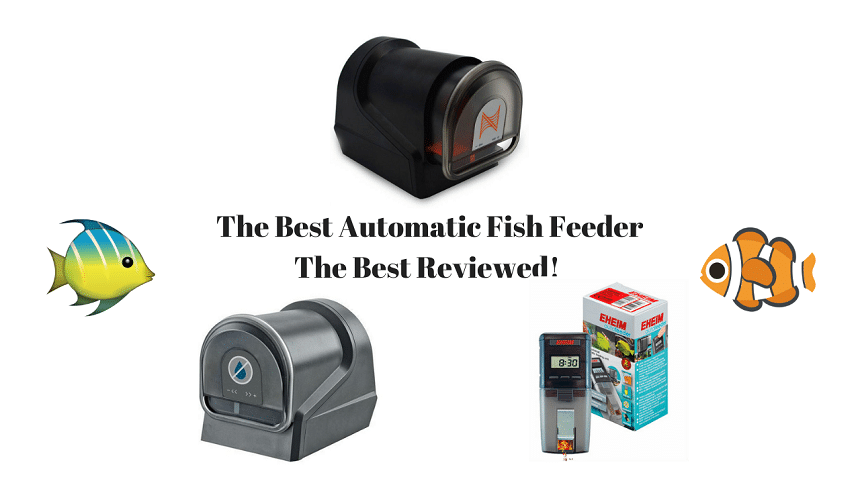

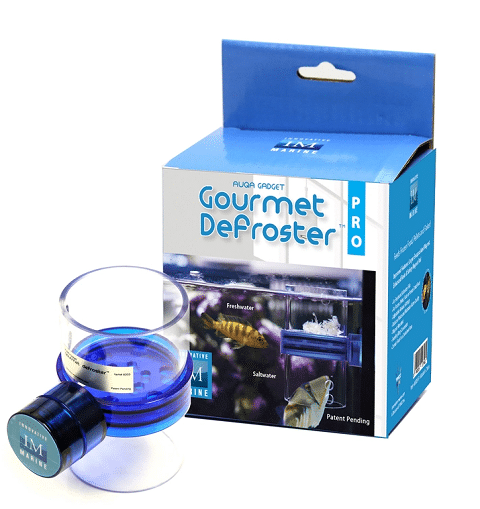


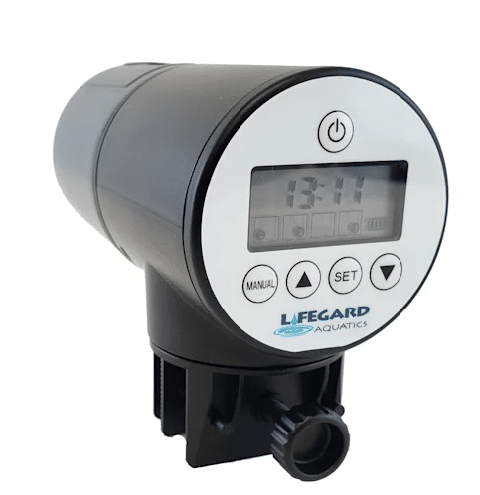



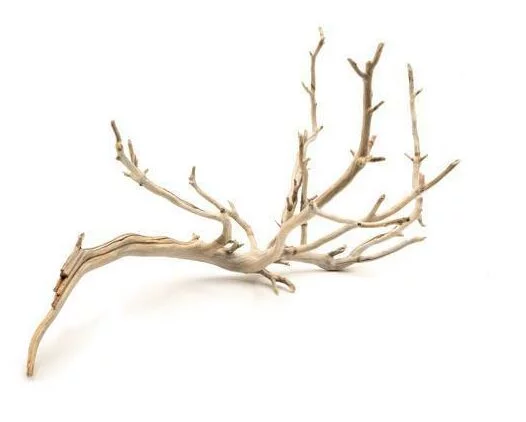


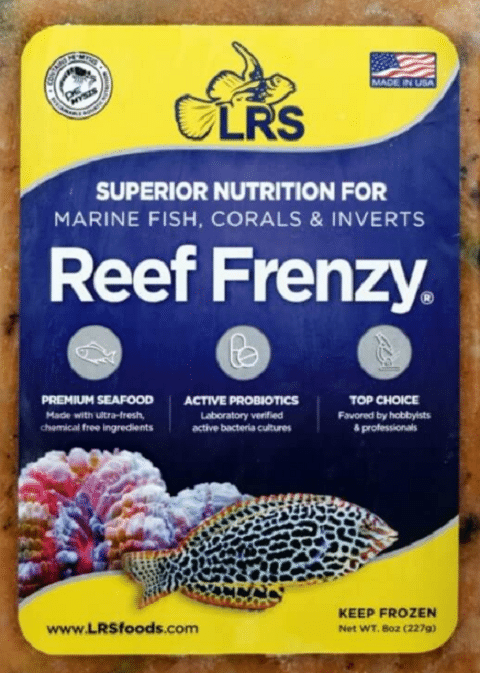

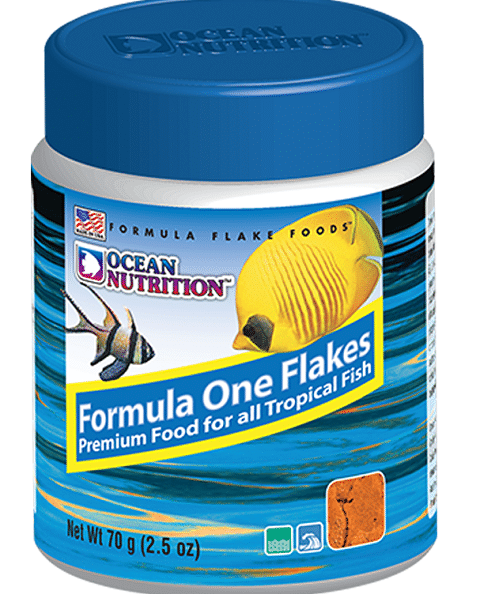
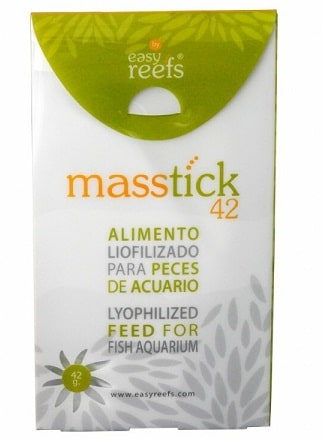

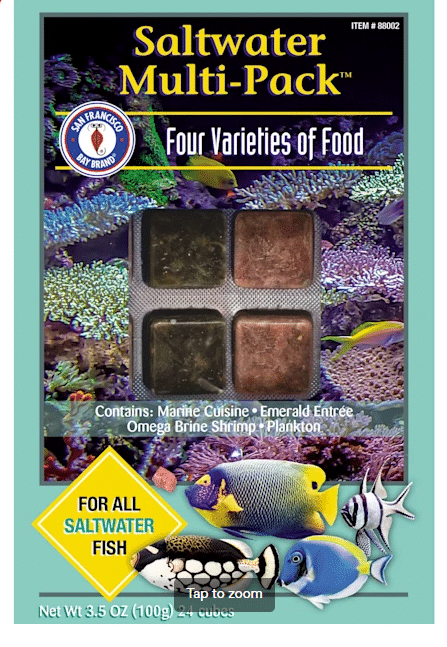


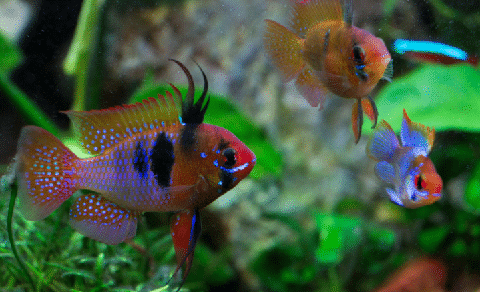

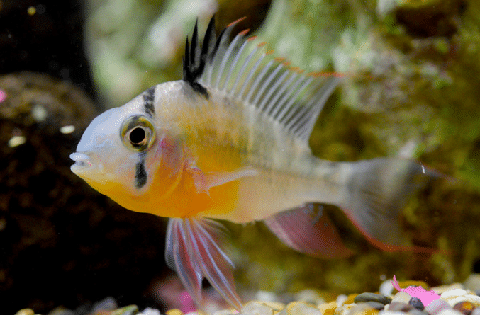
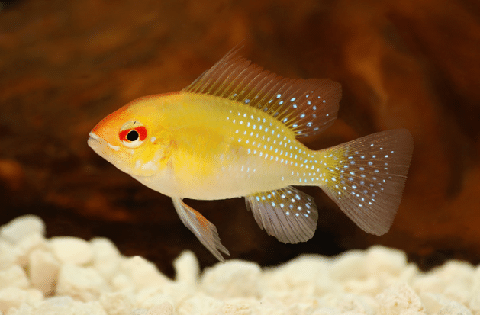

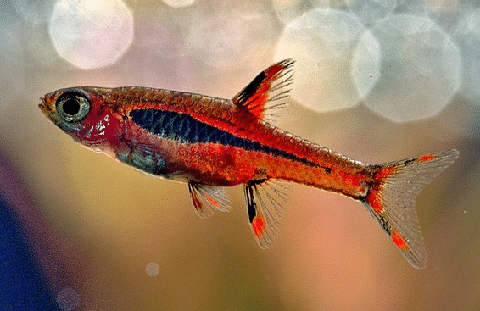


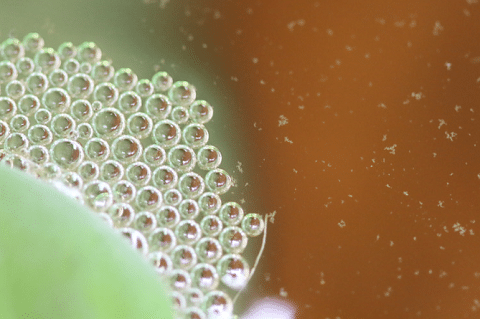



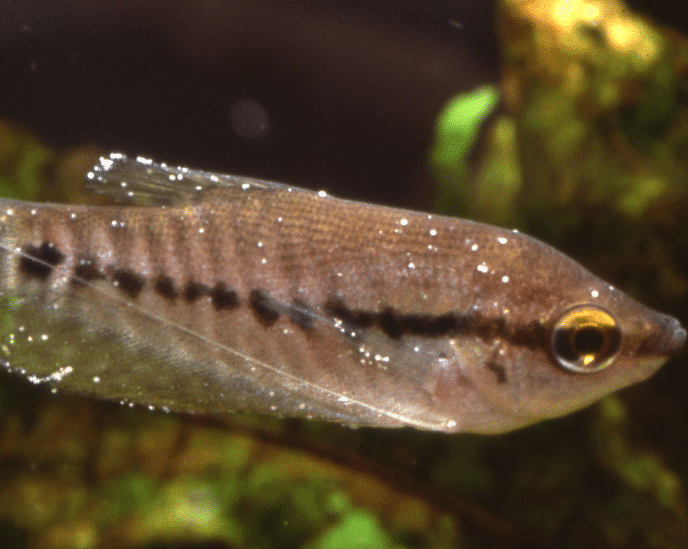
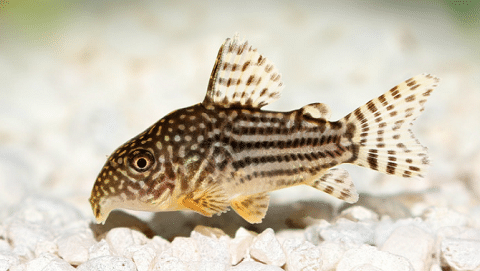
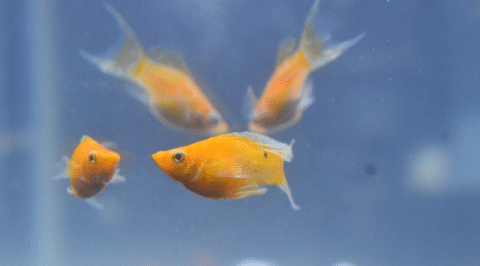
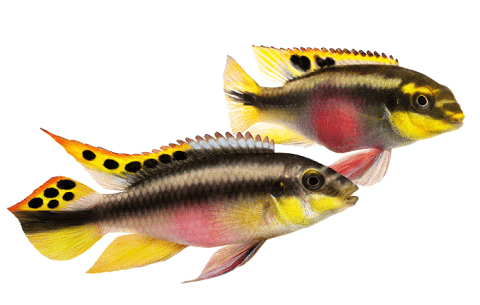
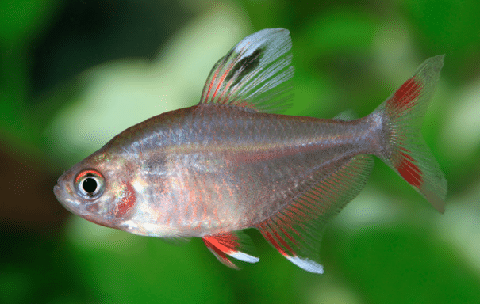 Rosy Tetra in Aquarium” class=”wp-image-557793″/>