Tag: Fishkeeping

  • 11 Most Common Saltwater Fish Diseases โ€“ Symptoms & Treatment Guide

    11 Most Common Saltwater Fish Diseases โ€“ Symptoms & Treatment Guide

    After 25 years in the saltwater hobby, I’ve seen just about every disease that can hit a reef or fish-only tank โ€” ich, velvet, flukes, and more. I’ve personally gone through the heartbreak of losing fish to diseases I didn’t recognize quickly enough, which is why I now run a strict quarantine tank for every new addition. Knowing what to look for and how to treat it fast can mean the difference between saving your fish and a tank crash. This guide covers the most common saltwater fish diseases I’ve encountered and the treatments that actually work.

    Most Common Saltwater Fish Diseases

    These are some of the most common diseases that are seen in saltwater fish.

    1. Ich (Marine White Spot Disease)

    Saltwater Ich
    Ich

    Ich’s version is saltwater tanks is Cryptocaryon irritans vs Ichthyophthirius multifiliis – it’s freshwater version. It is considered a moderately serious parasite that infects fish. Ich is one of those parasites that you can either choose to eliminate entirely or manage.

    For those that decide to manage it, you focus on having a low stress environment for your fish and managing with equipment like UV sterilizers, Ozone, Diatom filters, or an Oxydator.

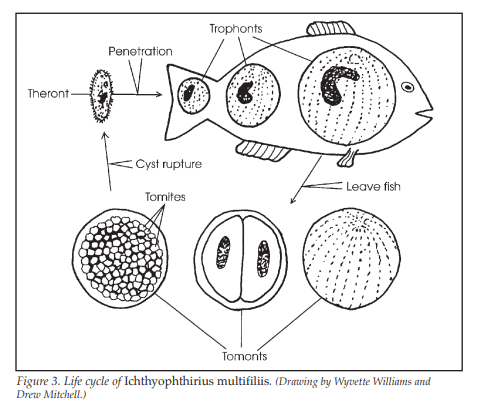
    Fighting Marine Ich is all about know it’s life cycle. The picture below from Charles Raabe posted on Humblefish’s website is a good illustration of how the cycle works.

    Saltwater Ich Life Cycle

    Symptoms

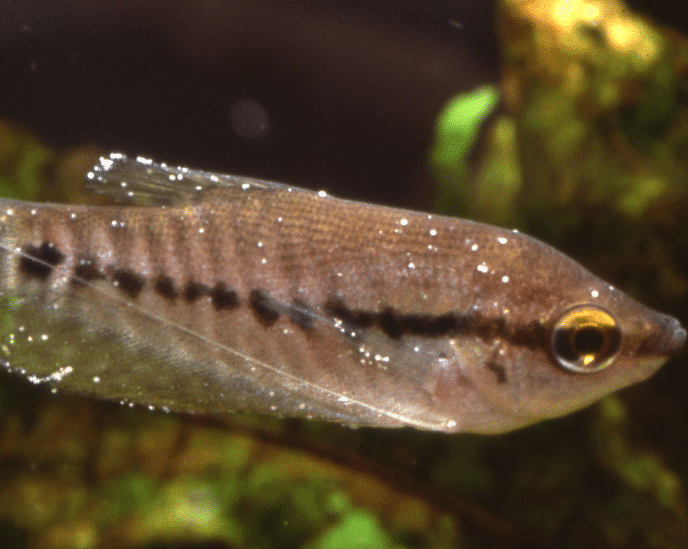
    • Salt-like white spots on fish usually on the fins or body
    • White spots are spread out and can be counted. Too many to count would indicate a far more serious disease (Velvet)
    • Flashing, scratching, twitching, and heavy breathing

    Treatment

    • Fallow period (fishless) is 76 days
    • Copper like Copper Power
    • Chloroquine Phosphate in quarantine system
    • Hyposalinity in fish only or quarantine systems
    • Manage with equipment like UV Sterilizers

    2. Marine Velvet

    Marine velvet is the most common of what I call the deadly 3. The deadly 3 are 3 of the most serious diseases in the saltwater hobby that have the potential of wiping out all the fish inhabitants of your tank. It is a disease that is not to be taken light, sometimes killing fish before symptoms show.

    This disease requires a 76 day fallow period to eliminate and cannot be managed like Ich. You have to wipe it out completely. This disease is the #1 reason to quarantine your saltwater fish.

    Symptoms

    • Number white spots – so many that you can’t count. Almost dust like
    • Flashing, scratching, twitching, and heavy breathing
    • Fish sensitive to light
    • Fish swimming to current to breathe
    • Mysterious sudden deaths of inhabitants

    Treatment

    • Copper like Copper Power
    • Chloroquine Phosphate
    • Fallow period – 76 days
    • Disease must be treated in a quarantine tank to fully eliminate

    3. Brooklynella (Clownfish Disease)

    Brooklynella

    Brooklynella is the 2nd most common of the deadly 3 saltwater fish diseases. It typically affects clownfish, which is how it got its name clownfish disease from. Other fish can be inflected, but their physical symptoms will look different as you will see white blotches versus white film.

    This disease has the potential to wipe out all the fish in a saltwater aquarium. Like with velvet, you can only eliminate it by doing a quarantine and doing a fishless period (fallow) for 6 weeks.

    The medication used here are powerful. Formalin is the old school way of bathing and is no longer available in several states. Chloroquine Phosphate is the drug of choice here, but also difficult to obtain.

    Symptoms

    • Powderly white film
    • Almost web-like white film on fish in advanced stages
    • Large white blotches on non-clownfish
    • Sudden deaths with any physical symptoms

    Treatment

    • Formalin bath (if legal in your state) – Ruby Reef Rally can be used as an option.
    • Formalin bath – 45 minutes
    • If Ruby Reef Tally – 90 minutes
    • Freshwater dips can be used if above meds are not available. Bathe for 5 minutes
    • After bath – treat with Metro + Chloroquine Phosphate
    • Seachem Metro for 14 days in aquarium and feed to fish with focus binding if fish is eating
    • Chloroquine Phosphate
    • Fallow period – 6 weeks

    4. Uroema marinum

    Uroema is the scariest and hardest to battle of the deadly 3. This parasite has a direct life cycle, which means it has no encrusted stage like Brook. While this may mean the parasite is easier to eliminate, that is not the case. This disease can live without a host, mainly feeding on detritus to maintain itself when fish aren’t available.

    You simply cannot get rid of this disease once it’s in your aquarium. It is that much of a nightmare. You can manage after you get rid of fish with sympthoms by maintaining a very clean saltwater aquarium and not purchasing chromis fish – the pathogens favorite host.

    This is the only disease of the deadly three where euthanasia is recommended. Once the red sores appears, it’s usually too late to help the fish. Medication used here are strong just like Brook and velvet. Do not take this disease lightly

    Symptoms

    • Red sores on fish
    • Sores appear in a vertical line usually around the center of the fish
    • Sudden death without physical symptoms

    Treatment

    • If no sores are present – Formalin or Rally bath to start
    • If sores are present – Use freshwater dip. Also okay to use if medications are not available
    • Cholorquine Phophate
    • Seachem metro treated food with focus to treat internal infections
    • Euthanasia with clove oil

    5. Flukes

    Flukes are a hidden parasite that you will often come across with large fish like Tangs. While not serious on their own, it is common for these flukes to cause secondary infections (usually bacterial infections) on the infected sites.

    This is one of the few diseases on the list that you can treat for in a display tank using Prazipro or General Cure. You can also use a freshwater dip to provide relief to the fish, as long in this video by Meredith Presley.

    Symptoms

    • Lethargic fish
    • Flashing, scratching, twitching, and heavy breathing

    Treatment

    • 5 minutes freshwater dip for immediate relief
    • Prazipro or API general cure to treat 5-7 days, perform water change, then another 5-7 days
    • Hyposalinity for 7 days

    6. Black Ich

    Black Ich

    Black ich is parasitic flat worm that usually affects Tangs (picture source). Like flukes it is a moderately severe disease that can develop secondary infections. It has the same treatment as flukes and can be treated in the display tank

    Symptoms

    • Small black spots on body
    • Spots are raised

    Treatment

    • 5 minutes freshwater dip for immediate relief
    • Prazipro or API general cure to treat 5-7 days, perform water change, then another 5-7 days
    • Hyposalinity for 7 days

    7. Bacterial Infections

    Saltwater Bacterial Infections

    Bacterial infections are very serious in the saltwater hobby. There are two types – gram-positive and gram-negative. Gram-negative are more serious and unfortunately the most common with saltwater fish. These infections are typically secondary infections from aliments like Ich or flukes. Wounds will also cause infections.

    Treating a bacterial infection requires antibiotics and a quarantine tank. Because there are so many different types of bacterial infections, multiple medications are used. Board spectrum medications are the best to use to get a handle on the infection.

    Because you cannot differentiate between a gram-positive or gram-negative infection without a scrape and microscope, it’s best to assume all bacterial infections you come across are gram-negative.

    If untreated, a bacterial infection will typically kill a fish. Most gram-negative infections will kill a fish within 1-2 days.

    Symptoms

    • Redness, soreness on body
    • White film or fungus looking growths
    • Cloudy eyes
    • Fin & tail rot

    Treatment

    • 90 minute dip in Ruby Reef Rally (one of the active ingredients is an antiseptic)
    • Antibiotic options
      • API Triple Sulfa
      • Seachem Sulfaplex + Neoplex
      • Spectrogram (only available via American Aquarium)
    • Treat antibiotics for 7-10 days

    8. Head & Lateral Line Erosion (HLLE)

    HLLE in Tang

    HLLE is a condition that is typically associated with tangs (picture source). There isn’t a definitive answer as to why this condition occurs, but there are several theroies:

    • Poor nutrition
    • Stray voltage
    • Carbon
    • Stress

    Since there this isn’t a disease but more of a condition, this can be treated without medication. Tackle this by addressing all possible causes. Feed your fish quality frozen food and greens like Nori for tangs. Use a ground probing to remove any stray voltage and get any carbon in your filter/sump out of your system.

    HLLE will sometimes heal over time, other times the fish will have some scarring from the condition. It’s all dependent on how quickly you can address the issue.

    Symptoms

    • Discoloration of fish
    • Looks like color is peeling off from fish
    • White or grey fading of color in patches

    Treatment

    • Increase nutrition with quality frozen food and vitamins like Selcon
    • Remove any stray voltage with a grounding probe
    • Remove any carbon from your filter or sump
    • If fish was treated with copper – increase nutrition condition may heal over time

    9. Internal Infections & Parasites

    Internal infections can either be worms, parasites, or bacterial infections. Since it’s difficult to tell what your fish has, it’s best to tackle this ailment with a broad medication. General cure + focus is the big practice here with Metro + Prazipro being another combo (General Cure has both).

    This is a very common issue with imported fish, but also easy to cure if you catch it early. This is a condition that can be treated in a display tank, though best handled in a quarantine tank before the fish is introduced to the display system.

    Symptoms

    • Sunken bullies (like video)
    • White stringy feces
    • Skinny fish that can never gain weight

    Treatment

    • General cure + Focus mixed with food
    • Treat for 10-14 days or until feces is no longer white for several days

    10. Swim Bladder Disease

    Swim bladder disease is an all too common issue with imported deep water fish. Wrasses in particular are the most common fish affected by this aliment due to poor handling by the importer.

    I’ve personally dealt with this issue several times in my reefing journey. I got so frustrated with this from imported fish, I stopped buying wrasses online unless it was a what you see is what you (WYSIWYG) get wrasse.

    You can do the 3 treatments below in the bullet points. Some cases get to the point where you will need to lance the fish to remove the gas bubble. This is an advanced techique that should not be attempted by a beginner.

    If you are going to attempt the lancing method (see video above), try to get an experienced reefing member from a reef club or considering calling your local vet. Some vets have performed the procedure with large ornamental fish or koi.

    Fish will usually die without treatment as they cannot compete for food and will be subject to bullying. I haven’t seen any swim bladder wheelchairs made for saltwater fish versus goldfish (where these devices are more common).

    Symptoms

    • Fish is unable to swim upright
    • Fish unable to swim downwards
    • Gas bubble present in belly

    Treatment

    • Epsom salt – one tablespoon per 5 gallons
    • 30 minute Methylene Blue bath
    • Metro + Neomycin + Focus in food
    • Lancing (See video) do not attempt unless with an experienced reef or have a license vet perform it

    11. Lymphocystis

    Lymphocystis on Clownfish

    Symptoms

    Lymphocystis makes this list as it is confused by ich. The disease fortunately is rarely fatal. However, the bad new is this is a viral infection. The fish will continue to carry the virus for the rest of its life. It can be managed.

    The healthier the fish is, the more likely this virus will stay in remission. Focus on putting your fish in a low stress environment with a great diet. The virus will come and go, but the your fish can live a healthy life carrying it.

    • White color growth on fins and back of fish
    • Starts small, then grows in size

    Treatment

    • There is no known cure
    • Can put virus in remission by providing a low stress environment and high quality diet

    How to prevent many health issues in your fish

    Prevention is the best medication when it comes to disease. There are many things that you can do at home to help prevent many of these issues in your fish. Your favorite petโ€™s health depends on water quality, diet and levels of stress; however there is still more we could do for them! Here’s how:

    1. Quarantine New Fish

    This is your #1 preventative measure against diseases. Many saltwater fish are imported, which means they go through a lot of stress to get to your home. This stress lowers the fish’s immune system and makes them venerable to disease. Some importing practices are also not ideal, leading to several issues after getting the fish.

    You can save yourself a lot of headache and tank crashes by quarantining. If you want to learn more about it, I have a great article on quarantining.

    Not interested in quarantining fish? If so, consider working with an online retailer who specializes in quarantined or pre conditioned fish. My top two choices for these would be Live Aquaria’s Drivers Den or TSM Corals. Go with TSM Corals if you can fish the fish you want there – they have the best practices in the industry.

    2. Provide A Quality Diet

    To keep your fish healthy, it is important that they have a proper diet. A well balanced and species appropriate food will not only make them full but also less likely to fight with other individuals in the tank over meals! Top quality frozen food is the best food you can purchase for saltwater fish. You can also do cultivated live food like black worms, but I’m assuming many readers here don’t want to go that route.

    For frozen food, there are two brands I highly recommend. LRS and Rod’s Food are the two best frozen food makers on the market. Both are difficult to find online, but you can find them at specialty fish stores.

    3. Provide Pristine Water (Avoid Poor Water Quality)

    Part of establishing a low stress environment for fish is providing quality water. For saltwater tanks, an aquarium sump is the best filter you can purchase. Use a sump to your advantage by installing quality equipment like protein skimmers too keep your tank filtered and consider getting an auto top-off unit to keep your salinity stable.

    Saltwater tanks are different than freshwater tanks in that some may not need a traditional water changing schedule. Test your water quality with quality test kits and only change water to maintain your parameters. If you have a reef tank, consider investing in a dosing pump to keep your calcium, alkalinity, and magnesium levels up

    4. Reduce Stress

    There are a few ways to reduce stress. I explained water as one. The other would be shelther and tankmates.

    For shelter, you can provide your fish with lots of rocks. A large amount of live rock and/or dry rock provides plenty of spaces for fish to get shelter in. For most reef tank setups, shelter will usually not be an issue.

    Tank mates are the next. You want compatible tank mates. Too many territorial disputes and bullying from aggressive fish will lead to stress, injuries, and disease. Add your most passive fish first and your most aggressive last.

    5. Purchase Captive Bred Fish

    Captive bred fish are generally healthier and have a better time adjusting to a home aquarium environment. You can avoid a few of the aliments on this list like Swim bladder disease from purchasing tank bred fish. You will still come across Marine Velvet and other serious diseases, but you will lower your risk in getting outbreaks with healthier fish who are used to living in a captive environment.

    Creating A Medicine Cabinet

    Anyone who has multiple saltwater fish and tanks eventually deals with sick fish. Whether you quarantine or not, itโ€™s a good idea to keep medication on hand for emergencies! Here are some common medications that can help – I’ve added them together in one table so they’re easy to read. Most are available online or at your local fish store. Purchase them now before you are in a bind. Many medications on this list have long shelf lives.

    TypeMedications
    Parasitic (External)Copper Power, Prazipro, Ruby Reef Rally, Chloroquine Phosphate
    Parasitic (Internal)General Cure, Seachem Metroplex, SeaChem Focus (To Bind)
    FungalAPI Fungal Cure
    BacterialAPI Triple Sulfa, Seachem Sulfaplex, Seachem Neoplex

    FAQS

    What illnesses can saltwater fish get?

    The most common diseases saltwater fish can get are ich, marine velvet, internal parasites, and flukes.

    How do you identify a saltwater fish illness?

    Most saltwater fish disease have the same symptoms. Look for symptoms like labored breathing, flashing, scratching, white dots or film, sores, and discoloration.

    There are also deadly disease that may kill a fish before symptoms show. Any sudden unexplained death of a fish should be question as it could be related to a deadly disease like Marine Velvet, Uroema, or Brook.

    What does Ich look like on a marine fish?

    Saltwater ich looks like small white dots on the fish’s body or fins. Ich spots are not numerous. You should be able to count them when observing at the fish. If you cannot count them, this could be marine velvet. If the dots grow in size, this is likely Lymphocystis.

    What does a diseased fish look like?

    A disease fish will show one of the following characteristics: discoloration, white spots, red sores, scratching, flashing, and labored breathing. Physical symptoms are a sign the condition has become serious. Action should be taken ASAP to help the fish.

    What is killing my fish?

    Sudden deaths are worrisome in a saltwater fish tank. Unexplained deaths are likely a result of the 3 deadly marine diseases – Marine Velvet, Brook, or Uroema. If this is a fish that is a quarantine tank that suddently dies, it could also be a result of transplant shock. If your fish dies in quarantine, empty and sterilize and tank. Let the tank dry for 24 hours before attempting to quarantine another fish.

    Further Resources

    It would be unfair for me to talk about saltwater fish diseases without mentioning Dr. Fish himself, Humblefish. His forum is the go to if you are dealing with sick or infected fish in the saltwater tank hobby. Give his forum a visit if you need immediate assistance. The community there is amazing. They can be a lifesaver in a hobby where Vets are hard to find with experience in these aquatic animals.

    Final Thoughts

    Saltwater fish diseases tend to be more serious then with freshwater fish. Because of this, quarantining is the best practice. If you come across a sick fish, take action right away. Use this guide to help identify what you are going against. If you have any questions, leave them in the comments below. Thanks for reading!


    ๐Ÿ“˜ Want to learn more? This article is part of our complete Saltwater Fish & Reef Guide โ€” your ultimate resource for marine fish, coral care, reef setup, and more.

  • 15 Reef-Safe Wrasse Types: The Complete Guide for Saltwater Aquariums

    15 Reef-Safe Wrasse Types: The Complete Guide for Saltwater Aquariums

    Wrasses are one of the largest and most diverse fish families in the ocean โ€” and among the most popular choices for reef aquariums. After running a 125-gallon reef tank and following the saltwater side of this hobby for over 25 years, I’ve developed strong opinions on which wrasses belong in a reef and which don’t. The reef-safe question is genuinely nuanced with wrasses: some species will eat the shrimp and snails you’re trying to keep, others are fine with invertebrates but will actively hunt flatworms and bristle worms. Some need a deep sand bed to sleep in at night. Most are persistent jumpers that require a tight lid. This guide focuses on 15 reef-safe wrasse types I’d personally recommend, with honest context on what “reef safe” actually means for each species.

    Introduction To Wrasses

    Wrasses can be found throughout the Atlantic, Indian, and Pacific Oceans, though most available species come from the coral reefs of the Indo-Pacific. For the most part, wrasse fish inhabit coral reef ecosystems, though the exact type of reef will depend on latitude.

    Some of these wrasses are considered completely reef safe, while others might be considered partially reef-safe or not reef-safe at all. For the purposes of this article, we will only be looking at those wrasse species that are completely and partially reef-safe.

    Are All of Them Born Female?

    Most wrasses are protogynous hermaphrodites. This means that the majority of these fish are born as females and later have the ability to turn into males in response to environmental conditions or internal changes.

    This ability helps these fish when stresses, like limited mates or resources, impact the ability to reproduce. Because conditions are generally stable in the aquarium, there is usually little need for fish to change sexes.

    Requirements And Temperament

    Fairy Wrasse in Reef Tank

    Since there are so many species of wrasse available in the marine aquarium hobby, setting a generalization for care is not possible. Species, like the pygmy wrasse (Wetmorella nigropinnata), do well in nano tanks under 20 gallons while other larger and more active wrasse need much larger setups.

    There is one general care requirement for these fish though, and that is that they need a decently deep sandbed. This is because most wrasses sleep in the sandbed; they will also use the sandbed to hide when stressed, which causes a lot of mysterious disappearances for hobbyists.

    In addition to sleeping in the sand bed, some wrasses will excrete a mucus cocoon to sleep in. If they are visible in the tank at night, you may notice them perched in between or underneath the rocks in a trance-like state. As soon as the lights turn on, you may see some remnants of the cocoon sloughing off.

    Are They Aggressive?

    In general, wrasses are community fish. Some species are shyer than others, but they aren’t usually known for becoming the bully of the tank. Though some species from the Pseudocheilinus genus, like six-line wrasses, have been known to become especially problematic.

    Of course, this is entirely dependent on the individual personality of the wrasse.

    Are They Hard To Keep?

    Wrasses are active fish that will constantly search for food in and out of the rocks. Some wrasse species have specific dietary needs, like live copepods and various frozen foods. This can make feeding some of the more advanced wrasses more challenging.

    Wrasses can also be difficult to safely acclimate to a new tank, but they are generally hardy once established. These marine fish are notorious for carrying external and internal parasites, like flukes. Because of this, it is strongly recommended to quarantine them for several weeks before adding them to the main display.

    It is also required to have a tight lid on the aquarium as these fish are master escape artists.

    Types

    More likely than not, you will want to add at least one wrasse to your aquarium. The problem is that some wrasse types need certain setups or diets and success will depend on the skill level of the keeper.

    Here are the most common genera of wrasse to find in the aquarium hobby:

    • Anampses
    • Cirrhilabrus
    • Halichoeres
    • Labroides
    • Macropharyngodon
    • Paracheilnus
    • Pseudocheilinus
    • Pseudojuloides
    • Wetmorella

    Not all of these wrasses are entirely reef-safe, though. Some wrasses might leave corals alone but nibble at shrimp and other reef crustaceans instead.

    The Best 15 For Saltwater Tanks

    To help differentiate between the best 15 wrasses for saltwater tanks, we have created categories for fully reef-safe wrasses and partially reef-safe wrasses. Check out the video below from our YouTube Channel. If you like our channel, be sure to subscribe. We post videos every week.

    Fully reef-safe wrasses can be kept with corals and all invertebrates. Partially reef-safe wrasses can be kept with corals but should be watched when kept with other invertebrates.

    Fully Reef Safe

    For the most part, the wrasse species listed in this group will not pick at corals or invertebrates. However, there is always the chance that your specific fish picks at them in your own aquarium.

    1. Blue Striped Tamarin (Anampses femininus)

    • Species Type: Anampses
    • Scientific Name: Anampses femininus
    • Size: 10 inches
    • Origin: Pacific Ocean
    • Tank Size: 120 gallons
    • Available As Tank Bred: Not available

    One of the most expensive and challenging wrasse species, the blue striped tamarin is unmatched. These large fish turn from yellow to royal blue as you move from their head to their tail. All along the body, they have even more electric blue horizontal stripes, earning them their name.

    Blue striped tamarins are collected from very exact locations throughout the Melanesia region of the Pacific Ocean. There, they feed on coral reefs in small groups. In the aquarium, they are usually entirely reef safe.

    2. Flame (Cirrhilabrus jordani)

    • Species Type: Cirrhilabrus
    • Scientific Name: Cirrhilabrus jordani
    • Size: 4 inches
    • Origin: Eastern Pacific Ocean
    • Tank Size: 90 gallons
    • Available As Tank Bred: Rare

    The flame wrasse, also known as Jordan’s fairy wrasse, is a stunning red and yellow colored fish with extended feathery fins. These fish come from the tropical waters surrounding the Hawaiin islands, feeding on zooplankton and other invertebrates in the water column (Video Source).

    Though their dietary needs are more specific than other wrasses, they are compatible with both corals and invertebrates.

    3. Scott’s Fairy (Cirrhilabrus scottorum)

    • Species Type: Cirrhilabrus
    • Scientific Name: Cirrhilabrus scottorum
    • Size: 6 inches
    • Origin: Pacific Ocean
    • Tank Size: 90 gallons
    • Available As Tank Bred: Not available

    Scott’s fairy wrasse is a whirlwind of vibrant colors. Though the variation of color changes based on where they originated from (most commonly Australia, Tonga, and Fiji), they have a silky green body that transitions into blue and red. The caudal fin is typically red and the dorsal fin may with yellow with a darker margin.

    In the wild, these wrasses are mostly found on the outskirts of the reef which means that your fish might enjoy having some extra swimming space. Luckily, they are completely coral and invertebrate safe.

    4. Red-Headed Solon Fairy (Cirrhilabrus solorensis)

    https://youtu.be/_PjHm5fWSQc
    • Species Type: Cirrhilabrus
    • Scientific Name: Cirrhilabrus solorensis
    • Size: 5 inches
    • Origin: Eastern Indian Ocean
    • Tank Size: 90 gallons
    • Available As Tank Bred: Not available

    The red-headed solon fairy wrasse is aptly named after its orangey-red head at the tip of its light blue with cream underbelly body. This Indonesian species is sometimes compared to the blueside wrasse (Cirrhilabrus cyanopleura) due to similarities in appearance, though they are two separate species (Video Source).

    These wrasses are found in slightly deeper waters and will not pick at corals or invertebrates.

    5. Yellow Banded Possum (Wetmorella nigropinnata)

    • Species Type: Wetmorella
    • Scientific Name: Wetmorella nigropinnata
    • Size: 3 inches
    • Origin: Indo-Pacific Ocean
    • Tank Size: 15 gallons
    • Available As Tank Bred: Not available

    On paper, the yellow banded possum wrasse is a perfect species for nano tanks: they are smaller fish and not as active as other larger wrasses. However, they are extremely sensitive to changes in parameters and have a pretty exact diet. These fish feed heavily on live copepods, though most individuals can thrive with a selection of frozen foods.

    This wrasse species is named after the bands at the front of their head and at the base of their tail against their red body. Yellow banded possums are described as cryptic and finicky as they are often hiding in the rocks or cruising for food.

    These wrasses are completely reef-safe and will not eat invertebrates due to their small mouth.

    6. McCosker’s Flasher (Paracheilinus mccoskeri)

    • Species Type: Paracheilinus
    • Scientific Name: Paracheilinus mccoskeri
    • Size: 3 inches
    • Origin: Indo-West Pacific Ocean
    • Tank Size: 55 gallons
    • Available As Tank Bred: Uncommon

    McCosker’s flasher wrasse is a beautiful fish with an orange and red body and electric blue highlights. These fish are very hardy and active but will stay towards the bottom portions of the aquarium. McCosker’s wrasses are also very likely to take well to other wrasses, especially multiple females, making this species one of the more popular to breed.

    For the most part, these fish will leave both corals and small invertebrates alone. There is always the chance that they’ll eat any worms or snails that they find, though!

    7. Carpenter’s (Paracheilinus carpenteri)

    • Species Type: Paracheilinus
    • Scientific Name: Paracheilinus carpenteri
    • Size: 3 inches
    • Origin: Western Pacific Ocean
    • Tank Size: 55 gallons
    • Available As Tank Bred: Not available

    Carpenter’s wrasses are an extremely popular type of wrasse, largely due to their bright red and yellow colors. These fish do even better when kept in group settings, which can add tons of color and movement to the aquarium. It is strongly recommended to add females first and then a single male.

    These wrasses are pretty good citizens of the tank and won’t pick at corals or invertebrates. As always, there is a chance that your individual Carpenter’s wrasse will pick, though.

    8. Filamented Flasher (Paracheilinus filamentosus)

    https://youtu.be/eXEEKLdwSfY
    • Species Type: Paracheilinus
    • Scientific Name: Paracheilinus filamentosus
    • Size: 4 inches
    • Origin: Indo-Pacific Ocean
    • Tank Size: 55 gallons
    • Available As Tank Bred: Not available

    These fish are similar in color to Carpenter’s wrasses but are more uniform red. The filamented flasher wrasse, also known as the whip-fin fairy wrasse, also does well with a group of females but the order of addition is less important. Filamented flasher wrasses rarely pick at corals and invertebrates, so they can be kept in most setups!

    Interestingly, these fish have been known to hybridize with other species in the wild so it is generally recommended to not keep closely related species within the same tank.

    Partially Reef-Safe

    Wrasse species within this group should be expected to pick at smaller invertebrates and possibly even corals. There is the chance that they will behave in your tank, but caution is needed.

    9. Yellow Coris (Halichoeres chrysus)

    Yellow Coris Wrasse - A Great Addition for Pest Control
    • Species Type: Halichoeres
    • Scientific Name: Halichoeres chrysus
    • Size: 5 inches
    • Origin: Eastern Indian Ocean
    • Tank Size: 50 gallons
    • Available As Tank Bred: Rare

    The yellow coris wrasse, also known as the golden rainbowfish or canary wrasse, is a very popular fish due to its vibrant, uniform yellow coloration. This yellow wrasse is relatively hardy and prefers to be in communities with other wrasse.

    Yellow coris wrasses will happily eat various worms, coral pests, and snails they find around coral reefs. Though they will keep corals untouched, they cannot differentiate between good and bad smaller invertebrates. This makes them partially reef-safe.

    10. Melanurus (Halichoeres melanurus)

    Melanurus Wrasse in Reef Tank
    • Species Type: Halichoeres
    • Scientific Name: Halichoeres melanurus
    • Size: 5 inches
    • Origin: Indo-Pacific Ocean
    • Tank Size: 50 gallons
    • Available As Tank Bred: Uncommon

    The melanurus wrasse goes by a few names including Hoeven’s wrasse and tail-spot wrasse. These fish have all colors of the rainbow with horizontal blue stripes along their yellow-blue body.

    This wrasse species is found around shallow reefs near Australia, Fiji, and Indonesia. There, they feed on small invertebrates among corals; in the aquarium, they generally leave corals alone but should not be trusted with smaller worms and snails.

    11. Christmas (Halichoeres claudia)

    Christmas Wrasse Up Close
    • Species Type: Halichoeres
    • Scientific Name: Halichoeres claudia
    • Size: 5 inches
    • Origin: Pacific Ocean
    • Tank Size: 50 gallons
    • Available As Tank Bred: Not available

    These festive fish from Fiji are named after their red and green color variations! Christmas wrasses, also called Claudia’s wrasse, are an easy and colorful wrasse species to add to the reef aquarium. They are also one of the more inexpensive species available.

    However, Christmas wrasses are likely to eat smaller invertebrates like the rest of the Halichoeres species on this list.

    12. Red-Line (Halichoeres biocellatus)

    • Species Type: Halichoeres
    • Scientific Name: Halichoeres biocellatus
    • Size: 4 inches
    • Origin: Western Pacific Ocean
    • Tank Size: 50 gallons
    • Available As Tank Bred: Not available

    The red-line wrasse is similar to the Christmas wrasse in color and size. However, these fish have a much darker base green color and burnt orange patterns instead of red; they are also slightly smaller and originate from more western waters around the Philippines and Japan.

    These fish are typically found around the perimeters on the reef, in more open water. This means that they will prefer having some extra swimming area.

    Though the red-line wrasse won’t eat corals, they will definitely pick at invertebrates they find in between the rocks.

    13. Six-Line (Pseudocheilinus hexataenia)

    Six Line Wrasse in Reef Tank
    • Species Type: Pseudocheilinus
    • Scientific Name: Pseudocheilinus hexataenia
    • Size: 3 inches
    • Origin: Indo-Pacific Ocean
    • Tank Size: 55 gallons
    • Available As Tank Bred: Rare

    The six-line wrasse is probably one of the most well-known species of wrasse in the aquarium hobby due to its size, activity levels, and attractive appearance.

    For a long time, however, these small fish were categorized as a nano species. Though they might look like they would fit perfectly into a small display, their demanding activity levels leave them needing a large tank with open swimming space and intricate rockwork.

    Six-line wrasses are a bluish-purple color with six horizontal orange stripes that lead into their green tail fin. Though small, these fish are very active and can show aggression towards other wrasses. Because they are so small, there is less of a chance for them to eat any larger invertebrates in your tank, though they do favor copepods and bristleworms.

    14. Eight-Line (Pseudocheilinus octotaenia)

    Eight Lined Wrasse
    • Species Type: Pseudocheilinus
    • Scientific Name: Pseudocheilinus octotaenia
    • Size: 5 inches
    • Origin: Indo-Pacific Ocean
    • Tank Size: 55 gallons
    • Available As Tank Bred: Rare

    The eight-line wrasse is different from the six-line wrasse in terms of size and appearance. However, their temperaments can be just as aggressive as their smaller counterparts.

    The eight-line wrasse is slightly less popular due to its paler yellow and pink colorations and larger size. This difference of 2 inches also allows the eight-line wrasse to eat more invertebrates than the six-line, leaving urchins, snails, and bigger worms at risk.

    15. Small Tail Pencil (Pseudojuloides cerasinus)

    Small Tail Wrasse
    • Species Type: Pseudocheilinus
    • Scientific Name: Pseudojuloides cerasinus
    • Size: 5 inches
    • Origin: Eastern Pacific Ocean
    • Tank Size: 75 gallons
    • Available As Tank Bred: Not available

    Small tail pencil wrasses are pretty rare to come by in the aquarium hobby (picture source). They’re a recent addition and not all of their behaviors and personalities are fully understood. Based on how other species within this genus interact with the reef, it is safe to assume that they are only partially reef-safe.

    This wrasse species is named after its narrow body which ends in a proportionally small caudal fin. Otherwise, they have pretty basic red colors with a signature yellow eye. They are only found in the tropical waters around Hawaii but form a complex with other species in the Pseudocheilinus genus.

    Other Types (To Avoid)

    There are a few wrasses for sale that you will see at the local fish store that are very popular, but should be avoided for reefs. Here are a few below:

    1. Bird

    Bird Wrasse in Ocean
    • Species Type: Gomphosus
    • Scientific Name: Gomphosus varius
    • Size: 11 inches
    • Origin: Fiji
    • Tank Size: 125 gallons
    • Available As Tank Bred: Not available

    The bird wrasse is a beautiful and active wrasse fish that unfortunately gets large. It is not reef safe as it will happy consume any inverts it can grab and will also eat any fish that it can fit in its mouth. These are best for fish only for fish only with live rock systems. The bird wrasse is a hardy fish, just not appropriate for a reef tank. They are one of the few wrasses you can successfully pair.

    2. Dragon

    Dragon Wrasse Adult
    • Species Type: Novaculichthys
    • Scientific Name: Novaculichthys taeniourus
    • Size: 12 inches
    • Origin: Fiji
    • Tank Size: 180 gallons
    • Available As Tank Bred: Not available

    A Dragon wrasse is an amazing fish to find at a local fish store. You usually see them in their juvenile form, which has a unique mohawk like fin on its head. They are cute, very active, and full of personality. Unfortunately they grow to foot long and will tear apart any invert in your aquarium. They are also disruptive to corals as they will move them and arrange rocks in the tank.

    They also are one of the less hardy Wrasses you can purchase. Overall, a wrasse you should avoid unless you want to place them in a fish only or fish only with live rock system.

    3. Leopard

    Leopard Wrasse Close Up
    • Species Type: Macropharyngodon
    • Scientific Name: Macropharyngodon meleagris
    • Size: 6 inches
    • Origin: Fiji
    • Tank Size: 90 gallons
    • Available As Tank Bred: Not available

    The Leopard Wrasse is a beautiful fish that actually is reef safe, however, they generally do poorly in captivity. They are notoriously difficult to successfully establish in an aquarium. Many tend to die because they do not accumulate well to fish food. They also tend to get shipped with damaged mouths, which leads to their deaths.

    Leave these Wrasses to the experts or in the ocean.

    Final Thoughts

    There are many, many more wrasse species that could be right for your aquarium but these are just some of the most popular!

    As behavior, tank requirements, and diet can change drastically from wrasse to wrasse, always make sure to research the specific species you plan on getting before bringing it home. Always quarantine your wrasses before adding them to your display since they are likely carrying internal or external parasites!


    ๐Ÿ“˜ Want to learn more? This article is part of our complete Saltwater Fish & Reef Guide โ€” your ultimate resource for marine fish, coral care, reef setup, and more.

  • Worms In Fish Tank โ€“ ID Guide for the 4 Main Types

    Worms In Fish Tank โ€“ ID Guide for the 4 Main Types

    Finding worms in your aquarium is one of those moments that can cause instant panic โ€” but the reality is that not all worms are harmful, and some are actually beneficial. I’ve encountered every major type of aquarium worm over 25 years of fishkeeping, from harmless detritus worms to parasitic camallanus worms that can devastate a fish population if left unchecked. The most important thing is being able to identify what you’re dealing with quickly so you can take the right action. This guide covers the four main types you’re likely to encounter and what each one means for your tank.

    4 Types of Aquarium Worms

    There are many types of pests that can turn up in aquariums and worms are a common culprit. In this article, I’ll be introducing 4 common types of worms found in fish tanks and ponds.

    For each type, I will provide you with some important information about:

    • Identifying the worm type
    • Where they occur in the aquarium
    • What causes them to spread and multiply
    • How to treat them

    So let’s get started!

    1. Detritus

    Detrius Worms in Substrate

    Detritus worms are common but harmless segmented worms. Many aquarists would rather not have any worms in their tanks, but detritus worms are actually a great member of your tank’s clean-up crew. These tiny annelid worms work hard to break down waste which helps keep the tank clean and the water quality high.

    Detritus worms can reproduce rapidly in poorly maintained aquariums with too much waste and uneaten fish food.

    Appearance

    Detritus worms are segmented (annelid) worms, which puts them in the same family as the regular earthworm.

    They are usually tiny white worms, but there are a bunch of different species, and some of the larger types can grow to an inch in length.

    Where They Occur

    Detritus worms usually live in the substrate, but they can also be found hiding in other places like your aquarium filter media. When the population of detritus worms in an aquarium explodes, they can be seen all over the place, even at the surface of the water.

    Causes

    Detritus worms find their way into aquariums with new fish and plants, or in translocated gravel, filter media, or water. They are present in many fish tanks and really don’t do any harm.

    The detritus worm population increases when your water quality gets really bad and there is plenty of food for them in the form of leftover fish foods and waste. To prevent a detritus worms population explosion, make sure you maintain good water quality and dissolved oxygen levels.

    Treatment Options

    The best way to get rid of detritus worms is to give your tank a thorough cleaning and vacuum the gravel. To prevent detritus worms from coming back, keep up with regular aquarium maintenance and avoid overfeeding and overstocking your tank.

    Chemical treatments are unnecessary for controlling detritus worms.

    2. Planaria

    Planaria Worm Under Microscope

    Planaria worms are another common aquarium pest. These worms occur in both fresh and saltwater and can be quite a headache for fish and shrimp keepers.

    These creatures are a little more sinister than the detritus worms because they are actually predators. These worms eat other small animals and they have been known to eat baby shrimps, as well as recently molted or weakened adult shrimps.

    Appearance

    Planaria worms are flatworms of the turbellaria family. These flattened worms have a triangular head shape and two visible eyes, which makes them pretty easy to identify.

    They come in a variety of colors including white, red, and brown. They are usually seen crawling around because they are unable to swim.

    Planaria worms look similar to the harmless rhabdocoela worms which are also a type of flatworm. Rhabdocoela worms are much smaller, however, and feed on bacteria and algae.

    Where They Occur

    Planaria worms are usually found in or on the substrate, or on the aquarium glass. These flatworms are unable to swim, so you won’t find them in the water column.

    Causes

    Planaria worms get into aquariums from water, materials, plants, and animals brought over from other infected aquariums and water sources. Quarantining new fish and sterilizing new plants before introducing them to your tank is always a good idea.

    Treatment Options

    The best way to get rid of, or at least manage the population of planaria worms is to use either traps or poisons. Some fish will also feed on the planaria in your aquarium.

    3. Anchor

    Anchor Worms

    Anchor worms, or Lernaea, are common parasites that attach to aquarium fish. These unwelcome creatures are large enough to be seen with the naked eye.

    Appearance

    Anchor worms are visible as string-like structures that trail from the bodies of freshwater fish.

    Their name is a little confusing since these creatures are actually crustaceans, and the worm-like part that is visible is, in fact, the female reproductive structure. They also have an anchor-like structure beneath the fish’s skin that keeps them locked in place.

    Where They Occur

    Anchor worms attach themselves to the skin of freshwater fish. They mostly affect cyprinid fish like goldfish and koi, but there are several different types of anchor worms and many different fish species can be affected.

    Causes

    Anchor worms find their way into aquariums when infected fish are introduced. The best way to avoid this is to quarantine your livestock before introduction to your fish tank. Anchor worms can also be introduced on live plants or in any water transferred to your tank.

    Treatment Options

    You can get rid of anchor worms with a chemical treatment, and by manually removing them from your fish.

    While manually removing them with tweezers can be very effective, it is also risky and stressful for your fish. The wounds this can cause can be more harmful than the parasites themselves, especially in smaller, more sensitive fish.

    Chemical treatments for anchor worms include:

    • Potassium permanganate
    • Hikari Cyropro
    • Dimilin
    • Salt

    You can learn more about them and other parasites in my fish diseases post.

    4. Camallanus

    Camallanus Worm

    Camallanus worms (picture source) are another dreaded aquarium pest. These parasites can be common in livebearers but also affect many different fish species. This infection causes bloating and wasting disease, which can eventually kill your fish.

    Appearance

    Camallanus worms can go undetected in small numbers, but when you do spot them, it can be pretty alarming. These fish parasites are visible as thin red worms that protrude from the fish’s anus. They have the ability to retreat back into the host fish’s body, so they are not always visible.

    Where They Occur

    Camallanus worms are internal parasites, which means they live inside your fish.

    Causes

    Camallanus worms get into fish tanks when bringing in new livestock and fish from other infected sources like pet stores or friends’ tanks.

    Treatment Options

    Camallanus worms can be tough to get rid of! If you notice any infected fish, take action right away.

    The best treatment is to use medications like Fenbendazole. Fortunately, these antihelminthic medicines are safe for inverts like shrimps and snails in the correct doses.

    Levamisole is another popular treatment for these parasites.

    Removal & Treatment

    Worm removal begins with identifying the type of worm you have and identifying the cause. Once you have that worked out, you can put together an action plan!

    We have a video below from our YouTube channel that will guide you. We go over more in detail in this blog. If you like our content, be sure to subscribe. We post every week.

    Let’s take a look at how to control worm populations in your aquarium.

    How To Avoid Introducing Them

    Prevention is always better than cure, just as the old saying goes! Even if you already have a worm problem, preventing further introductions in the future is definitely a good idea. Let’s take a look at how to keep unwanted critters out of your tank:

    • Buy your fish from a trusted source
    • Grow tissue culture plants that are pest-free. (Buceplant stocks a great range of these). Avoid adding wild pond plants to your tank
    • Add as little water from outside sources as possible. Natural waterways and other aquariums are especially risky sources
    • Quarantine your fish before adding them to a community tank
    • Dip your plants to kill any hitch-hiking pests

    Maintaining Good Water Quality

    Water quality can be both the cause of worm infestations, as well a factor that makes a bad situation even worse. The main causes of poor water quality are:

    • Leftover food from overfeeding your fish. Leftover fish food increases nutrient levels in the water and can cause algae growth too
    • Excess waste in the aquarium system from too many fish or a lack of maintenance
    • Plant waste in the form of rotting leaves will also reduce water quality
    • Poor filtration

    Poor water quality creates a great environment for worms to multiply, and also weakens your fish’s immune system, making them more susceptible to attack by parasites.

    To stay on top of the water quality in your tank, make sure you run a good quality filter, perform regular partial water changes, and test your water parameters regularly.

    Using A Gravel Vacuum

    Giving your aquarium a thorough cleaning every few weeks is a very important part of aquarium maintenance. Your gravel vacuum is one of the most useful tools you have for keeping the water quality in your tank high and preventing pest problems.

    By vacuuming the substrate, you not only remove the worms and larvae, but also the leftover food and waste that feeds them.

    Using A Trap

    Trapping can be a very effective means of controlling the population of stubborn worms like planaria. You aren’t likely to remove all of them this way, but it is a great option for aquarists who prefer not to use chemical treatments.

    A worm trap is a device that is baited with a food source like shrimp meat or frozen bloodworms. The planaria worms then enter the trap, allowing you to remove them easily.

    Planaria Trap

    This glass tube is specially designed to trap and remove Planaria

    Buy On Amazon

    Avoid leaving large amounts of bait in your tank for extended periods because this can cause dangerous ammonia spikes and reduce water quality.

    Introducing Predatory Fish

    Zebra Loach in Aquarium

    In the case of non-parasitic worms like planaria and detritus worms, bottom feeders like loaches and other predatory fish can definitely be helpful. These worms will be seen as a tasty snack, and even if the fish can’t eradicate them completely, they will still help to keep the population under control.

    Unfortunately, when it comes to parasites like anchor worms and camallanus worms, your fish are the victims and will not be able to help themselves.

    Chemical Treatment

    Sometimes, using medications and chemical treatments is the only option, even though many aquarists would prefer not to.

    Dangerous parasites like anchor worms and camallanus worms should be eradicated as quickly and efficiently as possible. There are many products available, and if you’re uncertain about treating your own fish, reaching out to a veterinarian is always a safer bet.

    Here’s a short list of commonly used chemical treatments that are available for aquarium water and fish treatment.

    • Fenbendazole
    My Pick
    Absolute Wormer +

    An aquarium safe Fenbendazole treatment. Works against Flukes, Tapeworms, Nematodes, Planaria, Camallanus and more! 

    Buy On Amazon

    Fenbendazole is an active canine dewormer ingredient that is very effective for wiping out planarians in aquariums.

    • Levamisole

    Levamisole is an antihelminthic medication that can be very effective in the control of nematodes like camallanus worms. Unfortunately, this medication can be dangerous to shrimp and some fish such as loaches if overdosed.

    • Dimilin

    Dimilin x is a very useful product for controlling infestations of anchor worms. This is a very powerful treatment, however, so great care is necessary when calculating dosages.

    FAQs

    Are they bad in a fish tank?

    Not all worms in fish tanks are bad. Some, like the detritus worms, are quite harmless. If you find any worms in your fish tank, make sure to identify them as accurately as possible to decide on the best treatment plan.

    Are they harmful to humans?

    No, fish tank worms are not dangerous to humans. There are, however, some (rare) conditions that humans can get from aquariums, so it’s a good idea to wash your hands after tank maintenance, and avoid swallowing aquarium water.

    Where do they come from?

    Fish tank worms find their way into our aquariums with animals, objects, or water from other aquariums or natural water sources. They tend to come in with plants, fish, water, gravel, and aquarium filter media.

    Are planaria harmful to fish?

    Planaria are usually not harmful to healthy fish. They can attack sick or injured fish, however. Planaria worms are harmful to shrimp and snails, so it is best to get rid of these pests as soon as possible.

    Final Thoughts

    If you’re dealing with an aquarium worm problem, rest assured, you’re not alone. Spotting a worm in your tank can be pretty alarming, but there’s no need to panic. Simply start by identifying the creature, and then be sure to follow the necessary steps or consult a veterinarian if necessary.

    Have you had any aquarium worm issues lately? Let me know how you solved the problem below!


    ๐ŸŸ Want to learn more? This article is part of our complete Aquarium Care Guide โ€” your ultimate resource for water chemistry, maintenance, feeding, disease prevention, and everything you need for a healthy tank.

  • 15 Types of Tangs: The Reef Keeper’s Guide to Saltwater Surgeonfish

    15 Types of Tangs: The Reef Keeper’s Guide to Saltwater Surgeonfish

    Tangs โ€” also called surgeonfish โ€” are among the most recognizable saltwater fish in the hobby, and the most effective algae grazers you can have in a reef tank. My 125-gallon reef benefited enormously from having tangs constantly grazing nuisance algae throughout the day. But after 25 years in the saltwater side of this hobby, the most important thing I tell people before they buy a tang: these fish need serious space. Most species require at least 100 gallons, and the iconic blue tang โ€” “Dory” โ€” gets over a foot long and needs even more. They’re also among the more ich-susceptible saltwater species, so quarantine protocol is non-negotiable. This guide covers 15 tang species worth knowing, from more forgiving beginner choices to the demanding species that require experienced reef keepers.

    How Many Species Of Tangs Are There?

    There are many species of tang available in the aquarium hobby but even more exist in the wild, amounting to almost 90 known species. Most of these species originate from the warm waters of the Indo-Pacific, where they travel from reef to reef searching for algae to graze on.

    These fish may also be known as surgeonfish due to the scalpel-like spine located at the base of their tails which is capable of inflicting some serious injury to predators. Some tangs are able to excrete venom from this scalpel while others are poisonous to ingest.

    What Is The Rarest Tang?

    As of 2020, one of the rarest tangs available in the aquarium hobby was an Anubis hybrid. This fish is a mixture of purple tang and scopas tang to create a bright yellow-bodied fish with a spectacularly dark overlay of intricate patterning.

    Aside from morphs, some of the most desired species are gem tangs and black tangs.

    Requirements And Temperament

    Tangs aren’t the hardiest of fish, but luckily, they’re not the most delicate either. With so many types of tangs to choose from, each list of requirements will be unique to the species.

    In general, most tang species are more susceptible to disease than other standard aquarium fish. That being said, they can quickly bounce back to full health given the right attention and care. To keep your tang from getting sick, always allow at least a two-week quarantine period (I recommend longer) before adding it to your main display.

    This display should be at least 70 gallons for smaller, less active types of tangs. Otherwise, these are very active fish that need both open swimming space and rockwork to graze on algae. They can be kept at standard saltwater aquarium parameters:

    • pH: 8.0-8.4
    • Alkalinity: 8.0-12.0
    • Salinity: 1.020-1.025
    • Temperature: 72-82ยฐ F

    Are They Aggressive?

    More than likely, your tang will be aggressive. They are generally labeled as semi-aggressive saltwater fish, though they definitely have the ability to injure and kill other fish especially those that might be similar in appearance.

    Some types of tangs, like yellow tangs, are particularly known for beating up other fish for no reason at all. To help prevent this from happening in your own aquarium, it’s best to introduce a school of tangs together at once; it should be noted that aggression can and probably will happen in these social groups as the bigger and stronger fish weed out the weakest ones.

    It is also recommended to add tangs as the last addition to the overall stocking list. This will allow other fish to establish a territory that they feel comfortable defending until your tang comes and tries to claim it as its own.

    Though most aggressive tangs can be dealt with, some hobbyists have had to rehome their pet fish because nothing was working to diffuse the behavior. Check out the video above from Reef Nerd for a good overview on dealing with aggression.

    One of the best rules of thumb is to mix different sub-species of Tangs. Because they look different, they tend to not display as much aggression to tangs of the same species. I’ll explain the main species a bit later in the post.

    Are They Easy To Keep?

    In general, yes tangs are easy saltwater fish. As mentioned before, they can be a little difficult to acclimate to the tank but will thrive if conditions are met.

    Apart from possible aggression, one of the challenges to keeping tangs is keeping them fed. In established coral reefs, they will get most of their herbivorous needs from the rockwork. However, this will need to be supplemented with pieces of dried algae, algae flakes, algae wafers, and a high-quality marine flake or pellet.

    This specialized diet can be an additional cost but is necessary for the long-term success of the fish.

    Types – The 4 Different Species

    Tangs are broken down into 4 main species in our hobby. Each has different characteristics. They are:

    • Zebrasoma
    • Ctenchaetus
    • Acanthurus
    • Naso

    Zebrasoma spp.

    The Zebrasoma genus contains one of the most popular species of tang, the yellow tang.

    These fish are categorized by their compact, flattened bodies and sail-like fins. They are some of the most desirable for the home reef system.

    Ctenochaetus spp.

    Ctenochaetus tangs are pretty easy to recognize from Zebrasoma species. These tangs have a more elongated body, with a curved dorsal fin and truncated tail.

    Fish from this genus don’t tend to be as popular as those in Zebrasoma, but this group contains some recognizable faces like kole tangs. Some fish in this genus are also known as bristletooth tangs due to the teeth they use to scrape away algae from rocks.

    Acanthurus spp. & Paracanthurus spp.

    The Acanthurus genus has some of the less popular species while Paracanthurus has only one very popular species, the Dory fish.

    These fish have wide, streamlined bodies for traveling long distances. In general, members of these genera grow to be considerably larger than Zebrasoma and Ctenochaetus.

    Naso spp.

    The Naso genus has some interesting fish in terms of color, shape, and body ornaments. These fish also have a very streamlined, yet squashed appearance to them. They can grow to considerable sizes, making most species in this genus unattainable for the average hobbyist.

    15 Different Species (With Pictures)

    In order to understand the many different kinds of tang available in the aquarium hobby, we’ve compiled a list of the most popular species by genus. Check out the video below from our YouTube Channel. We go over in more detail in the blog post below:

    1. Yellow (Zebrasoma flavescens)

    Yellow Tang In Reef Tank
    • Species Type – Zebrasoma
    • Scientific Name: Zebrasoma flavescens
    • Size: 8″
    • Origin: Pacific Ocean
    • Tank Size: 125 gallons
    • Available As Tank Bred: Yes

    The yellow tang is an unmistakenly vibrant yellow. These fish grow to be about 8 inches and need a minimum tank size of 125 gallons with intricate rockwork for grazing on algae and for free swimming room.

    Yellow tangs can be kept in schools in large systems, but they have also been known to be aggressive to their own species as well as to similar-looking species.

    Yellow tangs have a very large native range, primarily throughout the Pacific Ocean though they have been documented off the coast of Florida as well.

    2. Purple (Zebrasoma xanthurum)

    Purple Tang in Aquarium
    • Species Type – Zebrasoma
    • Scientific Name: Zebrasoma xanthurum
    • Size: 10″
    • Origin: Red Sea
    • Tank Size: 125 gallons
    • Available As Tank Bred: Yes

    The purple tang has become a very desirable species over the past few years, reflecting on its market price. These western Indian Ocean fish are a beautiful velvety purple-blue with accented yellow tail fin; upon closer observation, some darker horizontal lineations are also apparent across the body.

    Purple tangs can grow to be slightly larger than yellow tangs, reaching a maximum size of about 10 inches. They can usually be safely kept with yellow tangs in a 125 gallon aquarium, though there may be some aggression from time to time.

    3. Gem (Zebrasoma gemmatum)

    Gem Tang
    • Species Type – Zebrasoma
    • Scientific Name: Zebrasoma gemmatum
    • Size: 9″
    • Origin: Madagascar
    • Tank Size: 180 gallons
    • Available As Tank Bred: No

    Gem tangs, also known as spotted tangs, have a black body sparkled with small white dots and a flashy yellow tail, making for a jewel of the tank. Unfortunately, these fish are pretty difficult to come across and their extreme appearance can make them absurdly priced.

    Otherwise, these fish require the same husbandry as both the purple and yellow tangs. Some hobbyists like to keep them in slightly larger tanks as they reach a mature size of 9 inches.

    In the western Indian Ocean, these fish can be very territorial and often lead completely solitary lives.

    4. Sailfin (Zebrasoma desjardini)

    Sailfin Tang in Reef
    • Species Type – Zebrasoma
    • Scientific Name: Zebrasoma desjardini
    • Size: 16″
    • Origin: Indian Ocean and Pacific Ocean
    • Tank Size: 180 gallons
    • Available As Tank Bred: No

    The sailfin tang is one of the largest tangs available within the Zebrasoma genus, reaching impressive lengths of almost a foot and a half, plus extra height for their tall sail fins. They can be found from the eastern Indian Ocean to the Pacific Ocean.

    The sailfin tang is aptly named as the dorsal and anal fins are greatly extended. These fish have simple brown, yellow, and white vertical stripes across their body with yellow fraying across their top and bottom fins.

    Sailfin tangs are generally less aggressive than other tangs on this list, but they can still easily beat up similar-looking fish and other tangs. Because of their mature size, it is best to keep these fish in aquariums over 180 gallons.

    5. Scopas (Zebrasoma scopas)

    Scopas Tang in Reef Tank
    • Species Type – Zebrasoma
    • Scientific Name: Zebrasoma scopas
    • Size: 12″
    • Origin: Indo Pacific
    • Tank Size: 125 gallons
    • Available As Tank Bred: No

    Scopas tangs are relatively plain in color with a half-light brown and dark black body, but upon closer inspection, have small iridescent spots all along their sides. These colors will change from their juvenile stage to adulthood, and can even darken or lighten due to stress or disease.

    Though not as colorful, scopas tangs have nearly the same personality as yellow tangs. They can get significantly larger and max out at one foot, though this is uncommon in the aquarium hobby. Because of their adult size, potential aggression, activity levels, and herbivorous diet, this tang species does best in a 125 gallon or more aquarium.

    They can regularly be seen in groups of 20 or more in the wild from the east coast of Africa to the western portions of the Indo-Pacific.

    6. Black (Zebrasoma rostratum)

    Black Tang in Reef
    • Species Type – Zebrasoma
    • Scientific Name: Zebrasoma rostratum
    • Size: 9″
    • Origin: Pacific Ocean
    • Tank Size: 180 gallons
    • Available As Tank Bred: No

    Even more devoid of color, the black tang makes a statement in its simplicity. These fish are silky black, with a sometimes lighter brown face; the scalpel at the base of the tail becomes extremely visible (as well as some unlucky external parasites, like ich). They are sometimes referred to as longnose surgeonfish due to their extended beak.

    Surprisingly, black tangs are naturally occurring and originate from the eastern central Pacific Ocean, near the Marquesas Islands and Tuamoto Islands.

    Black tangs can vary in aggression. It is best to give these 9-inch fish at least 180 gallons and it is even better if they’re the only tang in the tank and added last.

    7. Kole (Ctenochaetus strigosus)

    Kole Tang
    • Species Type – Ctenochaetus
    • Scientific Name: Ctenochaetus strigosus
    • Size: 7″
    • Origin: Pacific Ocean
    • Tank Size: 70 gallons
    • Available As Tank Bred: No

    The kole tang is an attractive fish with several different common names including kole yellow eye tang, spotted surgeonfish, and bristletoothed tang. These fish have a brilliant yellow ring around their eyes and delicate stripes down their brown body. At full size, they can grow to be 7 inches.

    Kole tangs are also named after their incredible ability to scrape away large amounts of algae from hard surfaces with their specialized teeth. In their native waters, these fish have been observed cleaning sea turtle shells throughout the eastern Central Pacific, even going as far as setting up stations for algae-covered visitors. In general, they are a solitary species.

    These are one of the less demanding species of tang in regards to size, though they can still be aggressive to similar species. At least 70 gallons is recommended with a heavy herbivore diet.

    8. Tomini (Ctenochaetus tominiensis)

    Tomini Tang in Reef Tank
    • Species Type – Ctenochaetus
    • Scientific Name: Ctenochaetus tominiensis
    • Size: 6″
    • Origin: Pacific Ocean
    • Tank Size: 70 gallons
    • Available As Tank Bred: No

    Tomini tangs are probably one of the least tang-looking fish on this list. They have incredibly slender brown bodies with yellow-tipped fins and a white tail fin, giving the appearance that they’re another unrelated species.

    These fish are a small species of tang, growing to about 6 inches. They are native to the western central Pacific Ocean. While small, they are still advantageous herbivores capable of scraping algae off of most hard surfaces; they usually occur by themselves or in very small groups.

    Due to their activity in the aquarium and green diet, they need a minimum tank size of at least 70 gallons.

    9. Hippo (Paracanthurus hepatus)

    Blue Tang
    • Species Type – Paracanthurus
    • Scientific Name: Paracanthurus hepatus
    • Size: 12″
    • Origin: Indo-Pacific
    • Tank Size: 180 gallons
    • Available As Tank Bred: Yes

    The Hippo Tang goes by many names, including blue tang, hepatus tang, regal tang, and most of all, the Dory fish. These Indo-Pacific schooling fish are a brilliant blue with yellow pectoral fins and tail fin. For now, they are the only described species within this genus.

    Blue tangs can grow to be a foot long and need 180 gallons at full size, though many hobbyists have successfully kept them in 125 gallons and up. Sadly, their fame has led to many poor conditions within the aquarium hobby. These fish are relatively hardy once established, but they can very easily succumb to ich and other illnesses when first introduced into the aquarium.

    The biggest problem is that blue tangs are sold when they are only a couple of inches long, making it seem like they can fit into very small aquariums. Though they’re not the most affordable fish, many inexperienced hobbyists take on the challenge of raising a small blue tang. Within a year, these fish experience exponential growth and quickly become cramped on space.

    At this point, they may injure themselves due to stress or they’re returned back to the aquarium store.

    10. Powder Blue (Acanthurus leucosternon)

    Powder Blue Tang In Aquarium
    • Species Type – Acanthurus
    • Scientific Name: Acanthurus leucosternon
    • Size: 9″
    • Origin: Indian Ocean
    • Tank Size: 125 gallons
    • Available As Tank Bred: No

    The powder blue tang is a personal favorite. These fish are a delicate blue with black masking, yellow dorsal fin, and other whitish-blue fins. They can grow to be 9 inches long and require a 125 gallon aquarium.

    Powder blue tangs are native to the Indian Ocean. There, they are usually found alone or in very large feeding groups; in the aquarium, they are usually best as the only powder species in the aquarium, excluding powder brown tangs as well.

    11. Powder Brown (Acanthurus japonicus)

    Powder Brown Tang in Reef Tank
    • Species Type – Acanthurus
    • Scientific Name: Acanthurus japonicus
    • Size: 8″
    • Origin: Indo-Pacific
    • Tank Size: 125 gallons
    • Available As Tank Bred: No

    The powder brown tang is very similar to the powder blue tang in appearance and behavior. These fish grow slightly smaller, reaching about 8 inches, but still need the full 125 gallons for openly swimming and grazing.

    These fish are simple, yet complex in appearance. They have a mainly light brown body outlined in yellow, with margined dark fins and a bright tail fin. The dorsal fin has a streak of orange, contrasting with the rest of the body.

    Powder brown tangs originate from the Indo-West Pacific Ocean around the Philippines and Ryukyu Islands. They are more often found in groups than powder blue tangs but still do best as the only powder tang in the tank.

    12. Clown (Acanthurus lineatus)

    Clown Tang In Reef Tank
    • Species Type – Acanthurus
    • Scientific Name: Acanthurus lineatus
    • Size: 15″
    • Origin: Indo-Pacific
    • Tank Size: 250 gallons
    • Available As Tank Bred: No

    The clown tang is another one of the least-looking tang species on this list, but undoubtedly one of the most colorful. As their name suggests, these fish have alternating yellow, black, and blue stripes with an untouched white underbelly. Their mature size is about a foot and three inches.

    These fish swim in schools around shallow reefs of the Indo-Pacific. Though their diet is mainly made up of green, they do like to munch on meaty crustaceans every now and then.

    For best results, clown tangs need at least 250 gallons to be kept in captivity.

    13. Sohal (Acanthurus sohal)

    Sohal Tang In Reef Tank
    • Species Type – Acanthurus
    • Scientific Name: Acanthurus sohal
    • Size: 16″
    • Origin: Red Sea
    • Tank Size: 250 gallons
    • Available As Tank Bred: No

    The sohal tang is similar to the clown tang, just slightly less colorful. Instead of yellow stripes, these fish stick the basic alternating blacks and whites with some blue highlights. They have an attractive yellow tail fin for a needed pop of color. Sohal tangs grow to be about the same size as clown tangs as well and need a 250 gallon tank.

    Interestingly, sohal tangs have a very limited natural range, occurring mainly in the Red Sea but extending to the Persian Gulf as well. There, they are pretty territorial and aggressive towards each other.

    14. Naso (Naso lituratus)

    Naso Tang in Reef Tank
    • Species Type – Naso
    • Scientific Name: Naso lituratus
    • Size: 18″
    • Origin: Indo-Pacific
    • Tank Size: 180 gallons
    • Available As Tank Bred: No

    Naso tangs are a favorite in the hobby, though importation is currently limited; trading Hawaiin specimens is highly regulated but others may be collected from farther out in the Indo-Pacific. There, they usually occur in small groups.

    These fish have a very unique appearance with a smooth gradient from grey to yellowish-orange across their body. They can grow to be nearly two feet long, but rarely reach those sizes in captivity. Still, they need 180 gallons to comfortably swim and graze.

    15. Unicorn (Naso brevirostris, Naso unicornis)

    Unicorn Tang in Aquarium
    • Species Type – Naso
    • Scientific Name: Naso brevirostris
    • Size: 24″
    • Origin: Indo-Pacific
    • Tank Size: 360 gallons
    • Available As Tank Bred: No

    There are two main species of unicorn you are likely to come across in the aquarium hobby: the bluespine unicorn tang (Naso unicornis) and the blue/short-nosed unicorn tang (Naso brevirostris). Both these fish have a silvery body and unmistakable horn that grows from the front of their face once they have reached about 6 inches in length.

    The Indo-Pacific bluespine unicorn tang can grow to an impressive 2 feet and are recognizable by the bright blue margin on their fins. Due to their size, they should only be kept in public aquariums or in 300+ gallon home setups.

    The blue/short-nosed unicorn tang originates from the Indo-Pacific and eastern central Pacific, with many individuals coming from Hawaii. This unicorn’s horn is slightly broader than that of the bluespine. These fish can also grow to be 2 feet long and need professional aquarium setups.

    Which Is The Best?

    Tangs are beautiful fish and you’ll probably want to get as many as you can to squeeze into your tank. Unfortunately, that isn’t possible unless you have a very large system. Instead, you will need to settle for one or two at the most.

    But which tang will be right for your reef tank?

    This largely depends on the size of the aquarium and the temperament of the other fish. A larger aquarium will allow for some of the bigger and more active species of tang while a smaller aquarium will greatly limit your choices. The aggression of other fish as well as of the tang that you want to add will also need to be considered.

    It’s also worth mentioning that not all tangs are available or affordable for the common hobbyist. Some of these fish need to be specially ordered and trading bans can suddenly cut off supply.

    Importation

    Though aquaculture has come very far in recent years, a large portion of the fish available in the aquarium hobby is wild-caught. In some cases, these fish originate from utterly unique and delicate ecosystems that need to be preserved. This is the case for some Hawaiin tang species, like yellow tangs and naso tangs.

    Early in 2021, Hawaiiโ€™s Department of Land and Natural Resources stated that harvesting permits could not be renewed and existing ones were no longer valid1. This is surely a valiant effort for preserving natural ecosystems, but unfortunately, has had a detrimental effect on the availability of some Hawaiin species.

    Luckily though, most of these species can be found throughout other regions of the Indo-Pacific and might even be available as aquacultured. Currently, the main three tangs that are commercially tank bred are the Purple, Yellow, and Hippo Tang.

    The Tang Police

    When researching information about tangs, you’re bound to come across a term: the tang police. The tang police have been around since tangs were introduced into the hobby, and rightfully so.

    As mentioned before, many tangs end up in unideal conditions. These are big, active fish that need big, open aquariums to swim and graze. Too often, tangs are sold as juveniles at very small sizes, making it easy to believe that they can comfortably fit into a smaller tank. This simply isn’t true as tangs can grow several inches in just a few months.

    The tang police refer to members of the aquarium hobby, especially those participating in online communities, who insist on informing other hobbyists about proper tang requirements and prevent poor conditions from happening. There is some negativity that surrounds the title as many inexperienced hobbyists don’t believe the necessary requirements are entirely true and try to prove them wrong, but eventually fail.

    If for anything, a lot can be learned from the tang police. After all, we are trying to make our fish the happiest and healthiest that they can possibly be.

    Final Thoughts

    Kole tangs, blue tangs, naso tangs, purple tangs. There are so many tangs to choose from and each individual has their own behavior and specific needs.

    For many years, these fish have been shoved into nano tanks without an established source of algae, leaving the fish to quickly outgrow their surroundings and starve. But given the proper care and compatibility, any tang will quickly become the showpiece of the tank.


    ๐Ÿ“˜ Want to learn more? This article is part of our complete Saltwater Fish & Reef Guide โ€” your ultimate resource for marine fish, coral care, reef setup, and more.

  • 12 Best Algae Eaters for Freshwater Tanks โ€“ What Actually Works

    12 Best Algae Eaters for Freshwater Tanks โ€“ What Actually Works

    Algae management is something every hobbyist deals with, and after 25 years I’ve learned that the best long-term solution is biological โ€” the right algae eaters working alongside good husbandry. I’ve kept most of the popular algae eating species across freshwater tanks, and there’s a huge difference in how effective different species are for different types of algae. A pleco that destroys green spot algae won’t do much for hair algae, and an otocinclus that thrives in one tank will decline in another. This guide cuts through the generic lists and gives you real insight into which algae eaters actually work and in what situations.

    What Is Algae?

    Algae are types of plants that occur pretty much everywhere on the planet. They are the basis of many ecosystems and really important for all life on earth. Like other plants, algae need light, water, nutrients, and carbon dioxide to survive.

    All aquariums have algae and that isn’t necessarily a bad thing. The truth is, algae don’t look great, and many aquarists would rather not see any in their tanks.

    Fortunately, it is possible to suppress its growth to where it is invisible, or at least not very obvious. Before we move on to the best algae eater for your aquarium, let’s get to know the enemy.

    Know Your Algae-Common types

    If you have a freshwater aquarium, the chances are good that you’ve seen a few different types of algae in your tank. Here you can learn a little about the different types of algae (and bacteria) that grow in freshwater aquariums, and what causes them.

    True Types

    These are your common algaes that you will come across in owning an aquarium. Most are caused by excessive nutrients and can be dealt with with re-balance and algae eaters.

    Green Water

    Green Water in Aquarium

    Green water is caused by tiny phytoplankton that grows in the water column. Unlike other types of algae, this phytoplankton does not need any hard surface to grow on. It isn’t as bad as it looks, and your animals will most likely be just fine in green water for short periods of time.

    To prevent it from blooming, keep your water quality high. To do this, avoid overfeeding and overstocking your tank, and most importantly, make sure your aquarium is not exposed to too much light, especially direct sunlight. An aquarium UV sterilizer is also an effective solution for clearing up your water.

    Green water is also a common issue with overstocked ponds or ponds with too high of a bioload.

    Green Spot – GSA (Choleochaete)

    Green Spot Algae GSA

    This type of algae is usually seen as tiny, round green patches growing on the glass, hardscape, plant leaves, or equipment in your tank. These spots can spread to form large patches, and this type of algae can be tough to remove. Green spot algae can be caused by a lack of CO2 or phosphates in your planted aquarium.

    Green Dust Algae

    Green Dust – GDA

    Unlike the Green spot algae, green dust algae are easy to remove and tend to coat the glass of your aquarium more evenly. This green film is unsightly but pretty harmless and typically lasts for just a few weeks.

    The growth of green dust algae is thought to be triggered by large changes in the tank, like replacing hardscape features or removing plants. Many algae eaters will happily feed on this type of soft algae.

    Green Fuzz (Oedogonium)

    Green fuzz algae are one of the types that are often referred to as filamentous algae. It tends to develop in tanks with a nutrient imbalance. This could be the result of too many nutrients in a fish-only tank or not enough nutrients in a planted tank.

    Green Beard – GBA (Green Brush)

    Green Brush Algae

    Green beard algae is a common type that can be found in both planted and fish-only tanks (picture source). To be honest, this type of algae doesn’t look all that bad, but you’ll want to prevent it anyway.

    Like most algae issues, the root cause is generally a poor balance of nutrients and light.

    Black Brush – BBA (Audouinella sp.) AKA Black Beard

    This is the type of algae that many aquarists dread (video source). The reason is that it is tough to remove, and very few animals are interested in eating it!

    Siamese algae eaters and Amano shrimps can help remove and prevent this black algae problem. Unless you or your algae eaters catch it early, you’ll probably need to get your hands wet and start scrubbing if you have a lot of it.

    Blanket Weed (Cladophora)

    Cladophora Algae

    Blanket weed looks very similar to green fuzz algae and can cover just about any surface in your aquarium, including live plants. Not many animals will feed on this algae, but invertebrates like Amano and cherry shrimp can be helpful.

    Outbreaks of blanket weed tend to happen in tanks with high nutrient levels.

    Green Thread

    Green thread algae is another form of filamentous algae (picture source) that is common in cycling tanks. In mature aquariums, the development of this algae is the result of imbalances in light, CO2, and nutrients.

    Water Silk (Spirogyra)

    Spirogyra in Aquarium

    This type of filamentous algae (picture source) tends to occur when nutrients and light are out of balance. It can happen in planted tanks where the plant growth is poor and not able to compete with the algae.

    In fish-only tanks, spikes in nutrients or ammonia could potentially cause this problem. This type of algae is better prevented than cured!

    Hair (Rhizoclonium)

    Hair Algae in Aquarium

    Hair algae create long, fine strands that often grow from aquatic plants. They can be removed manually, but luckily, many algae eaters will use them as a food source. Possible causes for the growth of this algae include nutrient imbalances and low water flow.

    Staghorn (Compsopogon sp.)

    This common algae type takes its name from its branches that resemble the antlers of a deer (video source). It is typically found growing on your hardscape or live plants and can be a sign of a nutrient imbalance or lack of carbon dioxide.

    Other Types And Related Issues

    These are other aliments your tank can experience that often times are confused with algae. I’ll break each type below and explain the causes.

    Brown (Diatoms)

    Freshwater Diatoms

    Diatoms are very common in new aquariums. They develop a few weeks into the life of your tank and generally do not stick around for long, usually being outcompeted by other types of algae.

    If you have a mature aquarium and are still having problems with diatoms, you may want to lower the silicates in your water. Fortunately, many algae eaters love this type of brown slime algae.

    Blue-Green – BGA (Cyanobacteria)

    Blue-green algae is actually a form of bacteria that is common in new aquariums (video source). It is usually seen in patches on the substrate, glass, or on plants. When this occurs in mature aquariums, it is usually a sign of poor maintenance and high nutrient levels.

    Surface Scum

    Surface Scum in Aquarium

    This form of biofilm can be caused by either algae or bacteria. The best way to prevent this is to manage nutrient levels in the water, but using a surface skimmer is probably the most effective means in more stubborn tanks. Some aquarium algae eaters will also use this as a food source.

    Cloudy Water

    Cloudy Water in an Aquarium

    Cloudy water is a very common and normal part of the aquarium cycling process. In a newly set up tank, it tends to come and go all by itself and is nothing to worry about.

    In mature tanks, however, this could be a sign of overfeeding and overstocking. A poor filtration system or something like a dead fish spoiling in the water are other possible causes. Performing regular water changes is a good way of preventing this issue.

    Stained Water

    Tannins

    If the water in your aquarium has changed from clear to yellow or brown, it has probably been stained by your hardscape. This usually happens when you add new driftwood to the tank, and tannins in the wood leach out into the water column. You can think of it like a teabag, turning the water dark.

    Boiling your driftwood in water before adding it to your tank will remove these tannins much faster, but if you skipped this step, don’t worry, the wood will stop affecting water quality after a few weeks, and some water changes.

    White Fungus

    This nasty-looking material is pretty harmless and is very common on new driftwood. Some fish and animals will feed on it. Rest assured, white fungus on new driftwood will clear up in a matter of days or weeks.

    This fungus can, however, also form on decomposing material in your tank, like a dead fish or uneaten food. These should always be removed from the tank!

    12 Best Algae Eaters for Freshwater Tanks

    Now that you know about the different types of algae, and have a better idea of what causes them, it’s time to meet the animals that will be more than happy to feast on the algae in your aquarium. For each algae eater, I’ll be including some vital information like:

    • The type of algae they eat
    • Their scientific name
    • Difficulty Level
    • Temperament
    • Adult Size
    • Minimum Tank Size
    • Origin
    • Temperature
    • pH
    • Whether they’re safe for planted tanks

    So let’s get started and find the right algae eater for your tank! You can check out the video from our YouTube channel below and also see more details in the blog post below! If you like our content, be sure to subscribe!

    1. Amano Shrimp

    • Target Algae: Varied, Hair algae, string algae, brush algae
    • Scientific Name: Caridina multidentata
    • Difficulty Level: Easy
    • Temperament: Peaceful
    • Adult Size: 2 inches
    • Minimum Tank Size: 5 gallon
    • Origin: Japan
    • Temperature: 65-78ยฐF
    • pH: 6.5-8
    • Planted Tanks: Yes

    These awesome algae-eating shrimp get their name from the legendary Takashi Amano. Amano shrimp are one of the best algae eaters available and have even been reported to eat the dreaded black brush algae.

    Amano shrimps are peaceful creatures and are a great option for tanks too small for algae-eating fish. They may not be the most colorful crustaceans, but these interesting invertebrates are very hard workers!

    2. Otocinclus Catfish

    Octocinclus Fish
    • Target Algae: Soft green algae and diatoms
    • Scientific Name: Otocinclus spp.
    • Difficulty Level: Easy
    • Temperament: Peaceful
    • Adult Size: 2 inches
    • Minimum Tank Size: 10+ gallons
    • Origin: South America, Venezuela, Argentina
    • Temperature: 72-79ยฐF
    • pH: 6-7.5
    • Planted Tanks: Yes

    The otocinclus catfish, dwarf suckerfish, or just plain oto, is probably the best nano algae-eating fish in the hobby. These small bottom dwelling fish are incredibly peaceful, and one of the few species that are 100% safe to keep with shrimp.

    Otos are pretty sensitive algae-eating catfish, that need great water quality to do well. Unfortunately, many of these awesome algae eaters do not survive being transported and switched between tanks. If you are careful and take the time to acclimate them slowly, however, they can be a great solution to your algae problems!

    3. Mollies

    Black Molly
    • Target Algae: Surface scum, hair algae, blanket weed algae, green fuzz algae
    • Scientific Name: Poecilia spp.
    • Difficulty Level: Easy
    • Temperament: Peaceful
    • Adult Size: up to 4.5 inches
    • Minimum Tank Size: 10+ gallons
    • Origin: North & South America
    • Temperature: 72-78ยฐF
    • pH: 7.5-8.5
    • Planted Tanks: Yes

    Mollies are one of the most common aquarium fish out there, and many aquarists will be surprised to hear that they eat al. That being said, these fish might not be the best freshwater algae eaters, but they can definitely help!

    One of the great benefits of these fun fish is their appetite for surface scum in the aquarium, which is something that other algae-eating fish aren’t great at controlling.

    4. Horned Nerite Snail

    • Target Algae: Green spot algae, green dust algae, diatoms
    • Scientific Name: Clithon corona
    • Difficulty Level: Easy
    • Temperament: Peaceful
    • Adult Size: 1 inch
    • Minimum Tank Size: 5 gallons
    • Origin: Southeast Asia
    • Temperature: 72-82ยฐF
    • pH: 7-8.2
    • Planted Tanks: Yes

    Horned Nerite snails are excellent algae eaters for freshwater aquariums. They can vary a lot in color but are best known for the cool ‘horns’ that grow from their shells, giving them a really unique look.

    Unlike some other snails that will feed on plants or multiply out of control, these funky animals won’t give you any problems. Nerite snails are one of the only good options for removing black brush algae.

    5. Zebra Nerite Snail

    • Target Algae: Green spot algae, green dust algae, diatoms
    • Scientific Name: Neritina natalensis
    • Difficulty Level: Easy
    • Temperament: Peaceful
    • Adult Size: 1 inch
    • Minimum Tank Size: 5+ gallons
    • Origin: Southern and Eastern Africa
    • Temperature: 65-85ยฐF
    • pH: 6.5-8.5
    • Planted Tanks: Yes

    Zebra nerite snails are very interesting freshwater algae eaters that are a great choice for nano aquariums. These algae-eating snails can live for years and won’t reproduce in your tank like regular ramshorn snails.

    Another great benefit of these algae-eating snails is that they don’t eat plants. They will lay eggs on the glass, but don’t worry, they won’t hatch and take over.

    6. Tiger Nerite Snail

    • Target Algae: Green spot algae, green dust algae, diatoms
    • Scientific Name: Vittina semiconica
    • Difficulty Level: Easy
    • Temperament: Peaceful
    • Adult Size: 1.5 inches
    • Minimum Tank Size: 5+ gallons
    • Origin: Indonesia
    • Temperature: 65-85ยฐF
    • pH: 6.5-8.5
    • Planted Tanks: Yes

    Tiger nerite snails are another excellent algae-eating snail species that have amazing shell colors and patterns. in contrast with the stripes of the zebra nerites, these snails have rows of black markings on a golden orange shell.

    Like all aquarium snails, these guys will do better in harder water as this keeps their shells strong and looking great.

    7. Mystery Snail

    Mystery Snail
    • Target Algae: Hair algae
    • Scientific Name: Pomacea bridgesii
    • Difficulty Level: Easy
    • Temperament: Peaceful
    • Adult Size: 2 inches
    • Minimum Tank Size: 5 gallons
    • Origin: Bolivia, Brazil, Paraguay, Peru
    • Temperature: 68-82ยฐF
    • pH: 7.6-8.4
    • Planted Tanks: Yes

    The mystery snail is a large snail with a bright-colored shell. These snails love eating algae, but they will also feed on leftover fish food and other food sources.

    While mystery snails do eat decaying plant material, they will not eat live aquarium plants, so they are a great choice for planted aquariums. Mystery snails can reproduce in your fish tank, but don’t usually breed out of control.

    8. Siamese

    Siamese Algae Eater
    • Target Algae: Filamentous green algae, black-brush algae
    • Scientific Name: Crossocheilus langei
    • Difficulty Level: Easy
    • Temperament: Peaceful
    • Adult Size: 7 inches
    • Minimum Tank Size: 30 gallons
    • Origin: Southeast Asia
    • Temperature: 68-79ยฐF
    • pH: 6-7.5
    • Planted Tanks: Yes

    The Siamese algae eater is one of the best algae eaters for larger aquariums. These freshwater aquarium sharks grow to over 6 inches in length. Siamese algae eaters are one of the only algae eaters that will feed on black beard algae.

    Take care when buying these fish because there are very similar fish known as the Chinese algae eater and the very similar flying fox. Chinese algae eaters in particular grow much larger than the Siamese algae eater and are known for some aggressive behaviors.

    9. Freshwater Goby

    • Target Algae: soft green algae, diatoms, blue-green algae, black brush algae
    • Scientific Name: Stiphodon spp.
    • Difficulty Level: Easy
    • Temperament: Peaceful
    • Adult Size: 2 inches
    • Minimum Tank Size: 10 gallons
    • Origin: Southeast Asia
    • Temperature: 72-75ยฐF
    • pH: 6.5-7.5
    • Planted Tanks: Yes

    Stiphodon gobies (video source) are amazing algae-eating fish with a great personalities. These fish are amazing to watch as they float around the aquarium, feeding on algae that grow on the glass and other surfaces like rocks and plant leaves.

    They are small algae eaters that fit in great in a community tank, just avoid keeping them with any large predatory fish.

    10. Bristlenose Pleco

    Bristle Nose Pleco
    • Target Algae: Soft green algae, green spot algae, diatoms, white fungus
    • Scientific Name: Ancistrus spp.
    • Difficulty Level: Easy
    • Temperament: Peaceful/ semi-aggressive
    • Adult Size: 5 inches
    • Minimum Tank Size: 40 gallons
    • Origin: South America
    • Temperature: 73-81ยฐF
    • pH: 5.8-7.2
    • Planted Tanks: Yes

    Bristlenose plecos are probably the most interesting-looking algae eaters available in the hobby. These effective algae-eating catfish are very peaceful with other fish but will be territorial when mature, so keep only one bristlenose in your tank.

    When they’re not engaged in algae control, these fish love to hide away in a sheltered spot, so be sure to pick up some aquarium cave ornaments for them to hang out in.

    11. Glass Shrimp

    • Target Algae: Hair algae
    • Scientific Name: Palaemonetes spp.
    • Difficulty Level: Easy
    • Temperament: Peaceful
    • Adult Size: 1.5 inches
    • Minimum Tank Size: 5+ gallons
    • Origin: North America
    • Temperature: 65-82ยฐF
    • pH: 7-8
    • Planted Tanks: Yes

    Glass shrimp or ghost shrimp as they are often known are a great member of any clean-up crew (video source). These animals aren’t going to be your first choice when picking an algae eater specifically, but they do help and are also excellent at cleaning up uneaten fish food. They are also very affordable and fascinating animals to watch!

    12. Cherry Shrimp

    Beginner Friendly
    Cherry Shrimp

    Great red color and very hardy. Cherry shrimp are the best beginner shrimp for shrimp tanks

    Click For Best Price Buy In Bulk
    • Target Algae: Soft green algae, diatoms
    • Scientific Name: Neocaridina heteropoda
    • Difficulty Level: Easy
    • Temperament: Peaceful
    • Adult Size: 1.5 inches
    • Minimum Tank Size: 5 gallons
    • Origin: Taiwan
    • Temperature: 65-85ยฐF
    • pH: 6.5-8
    • Planted Tanks: Yes

    Cherry shrimp are a great shrimp species for beginners. These colorful crustaceans love to feed on algae and biofilm in the aquarium, so they can really help to keep your tank looking clean. Cherry shrimp are a great choice for smaller aquariums, especially in tanks with nano fish that won’t eat them.

    When To Introduce Them

    Your aquarium should be fully cycled before introducing algae eaters or any other fish to the tank. It is normal to pick up a few algae problems while your tank is cycling, so avoid the urge to go out and start a whole army of algae eaters in the first few weeks.

    As you know, all aquariums contain algae, but it is possible to add too many algae eaters and have them run out of food. If you have too many algae eaters, you will need to supplement their diet with other food sources.

    Nano Tanks

    Choosing an algae eater for your nano tank can be very tricky, especially when the aquarium is already fully stocked, or if your tank is simply too small for fish. In this case, the best way to control algae will be to introduce some inverts like freshwater snails and algae-eating shrimp. Some great nano tank mates options are listed below:

    What To Feed Them

    This may seem pretty obvious. They eat algae, right? Well, that’s true of course but algae growth is dynamic, and you don’t want your animals going hungry as a reward for cleaning up your tank! If your algae eaters run out of food, you can provide them with the following supplementary food sources:

    • Spirulina tablets
    • Algae wafers
    • Blanched Vegetables
    • Algae grown on pebbles
    Great For Bottom Feeders!
    Hikari Algae Wafers

    Algae wafers are a great way to directly feed your bottom feeding fish. They are especially effective for larger fish like plecos

    Buy On Amazon Buy On Petco

    Some of the species on my list, like mollies, are part-time algae eaters that will need a regular food supply in addition to the algae in your tank. Limiting their access to regular fish food will encourage them to focus on algae, but they will definitely need an additional food source.

    What To Do If You Still Have Algae (8 Ways To Get Rid Of)

    The best way to manage algae in your freshwater aquarium is definitely prevention rather than cure. In mature aquariums, algae tend to become a problem when the system is out of balance. If you still have an ongoing algae problem after introducing algae-eating animals, you’ll need to make some adjustments.

    We know that algae need water, light, and nutrients to grow. Well, water is always going to be part of the equation, but as an aquarist, at least you have control over the light and nutrients in your tank.

    Let’s look at other ways to reduce algae growth:

    1. Grow Live Plants

    Growing live plants is a great way to limit algae growth in your aquarium. Healthy, fast-growing plants like Vallisneria will out-compete the algae for nutrients while lowering the nutrient level in the water at the same time.

    2. Avoid Introducing It To Your Tank

    Sometimes, algae find their way into your tank on plants, and this can be the start of your problems. The best way to prevent this is to use tissue culture plants that are grown under sterile conditions.

    These plants can be hard to find at your local fish store. I recommend an online store like Buceplant.com as the first place to look because they stock such an incredible range of these safe-to-grow aquatic plants.

    3. Lower Your Lights

    Algae often thrive under bright lights. Unless you have a planted tank, I would suggest using low-powered aquarium lights to be safe. If you prefer not to change your lights, reducing your photoperiod (day length) can also be very helpful.

    For planted tanks with higher end led systems, you will need to balance light, CO2, and fertilizers. If there is an imbalance, algae will thrive.

    4. Put Your Tank On A Diet

    Algae need nutrients to grow. One of the biggest mistakes aquarists make is to feed their fish more than they can eat. The uneaten food then becomes a great source of nutrients for algae, which is the last thing you want!

    5. Use A Remover Solution

    There are many algae removing solutions out there on the market that can work on various types of algae. The one I recommend is APT Fix. This is a spot dosage treatment you can use on BBA, string, hair, fuzz, and film algae. This is a great product to use if you have a planted tank.

    Great For Planted Tanks!
    APT Fix

    Use Coupon Code ASDComplete

    APT Fix is a spot dosage treatment that works great for planted tanks. Effective and easy to use. Won’t hurt plants or livestock

    Click For Best Price

    6. Avoid Overstocking

    Apart from fish food, the other big source of excess nutrients in your tank is fish waste. The more fish you have, the more waste they can produce. To avoid these issues, keep your tank stocked below its maximum limit.

    7. Upgrade Your Filtration

    If you’re having water quality issues, it could mean your filtration system is inadequate for the size and bioload of your aquarium. Upgrading to a larger filter (like a canister filter), or even adding a second filter to the tank can be very helpful.

    8. Maintenance

    Even if your freshwater aquarium is stocked with the best algae-eating animals, and you’ve followed all the steps listed above, you still need to perform regular aquarium maintenance.

    Make sure you perform water changes and vacuum your gravel regularly. Using an aquarium water test kit is the best way to monitor the water parameters of your tank.

    Where To Buy Them

    Most good pet and aquarium stores will offer at least one species of algae-eating animal for your freshwater aquarium. Instead of driving all day or calling around, I suggest checking an online store like Flipaquatics.com.

    They stock a huge variety of algae-eating fish and invertebrates, and their team does an amazing job of taking care of their livestock, so you don’t have to stress about them arriving in one piece.

    FAQS

    Do snails eat algae?

    Most aquarium snails are great at cleaning up the tank because they feed on algae and leftover fish food. The nerite snails, mystery snails, and rabbit snails are the most popular because they do not multiply. Other aquarium species like Malaysian trumpet snails and ramshorn snails also eat algae, but they can become a bit of a pest.

    What kind of fish keeps the tank clean?

    Luckily for aquarists, there are many excellent algae-eating fish that can keep the aquarium clean. The best algae-eating fish for freshwater aquariums are otocinclus catfish, twig catfish, bristlenose plecos, and siamese algae eaters.

    What products should I use in a freshwater tank?

    There are effective products on the market like API Algaefix that can be used to kill algae in your tank. A better long-term organic solution would be to introduce some algae eaters and make some adjustments to your tank’s light and nutrient levels, however.

    Why does my fish tank keep turning green?

    The most common reasons for algae growth in your aquarium are too much light and nutrients. If your tank is exposed to any direct sunlight, you will need to shade it or consider moving it to another position. If you keep live plants in your tank, adding more nutrients can increase plant health and help them outcompete the algae.

    How big do they get?

    Algae eaters range in size from tiny algae-eating shrimp to large fish that can measure over a foot in length! Be sure to research the maximum size of any animal before introducing it to your freshwater aquarium.

    Final Thoughts

    Using algae eaters to keep your tank clean is an amazing organic solution to pesky algae. Although the best way of managing algae is preventing its growth, algae eaters are such cool animals to keep that a little extra algae growth can be forgiven!

    What are the best algae eaters that you’ve kept in your aquarium? Let me know below!


    ๐Ÿ“˜ Want to learn more? This article is part of our complete Freshwater Fish Guide โ€” your ultimate resource for freshwater species, care tips, tank setup, and more.


    ๐ŸŒฟ Want to learn more? This article is part of our complete Planted Tank & Aquascaping Guide โ€” your ultimate resource for aquarium plants, aquascaping styles, substrates, and more.


    ๐ŸŸ Want to learn more? This article is part of our complete Aquarium Care Guide โ€” your ultimate resource for water chemistry, maintenance, feeding, disease prevention, and everything you need for a healthy tank.

  • How Much Does an Axolotl Cost? Full Breakdown Including Setup, Food, and Ongoing Care

    How Much Does an Axolotl Cost? Full Breakdown Including Setup, Food, and Ongoing Care

    Axolotls are genuinely affordable to buy โ€” you can find a common leucistic for $20โ€“$40 from a reputable breeder. The part that catches new keepers off guard is the setup cost, specifically temperature. Axolotls need water below 72ยฐF, and in most homes that means a chiller, which runs $100โ€“$200 or more. That’s the single biggest budget item most people don’t plan for. Factor in a properly sized tank, a good filter, and the right substrate (sand only โ€” they’ll ingest gravel and it can kill them), and you’re looking at a real upfront investment before the animal even arrives. Here’s the complete cost breakdown so you’re not surprised.

    What are axolotls?

    Before digging further, let’s give a quick review of what actually axolotls are and how are they different from other salamanders.

    Axolotls are amphibians. However, unlike salamanders, they spend most of their lives underwater. They are close relatives of Tiger salamander and range up to a foot in length. (quite a large size for salamanders)

    They typically showcase mottled brown and black colors. However, in some rare and costly varieties, Albino and Leucistic axolotls display a translucent white color with shiny gold flecks and red or pink feathery gills.

    How are they different from other salamanders?

    Axolotls charm marine experts for their retention of features from the larval stage.

    If you’ve seen tadpoles, you know what I’m talking about!

    Amphibians; in general, go through a process called metamorphosis. It is a process in which an animal goes through certain developmental changes in the body structure. However, this process doesn’t apply to axolotls.

    Axolotls, even in their adulthood retain their larval features including tadpole-like fins and external feathery gills.

    One enticing thing about axolotls is that they take their regeneration to the next level. It would surprise you that axolotls cannot only regenerate tissues, but limbs, brains, spines, and even jaws!

    How Much Do Axolotls cost?

    Axolotl in Aquarium

    The average cost of an axolotl doesn’t end with its purchase.

    There are several other costs involved; the axolotl tank, accessories, delivery fees, recurring costs, monthly cost, yearly cost, and much more!

    So, let’s go budgeting!

    The Initial Cost

    Axolotls are generally considered inexpensive exotic pets with an initial cost of around $30 to $100; that too for basic and juvenile axolotls.

    The price, however, varies for exotic or adult axolotls. Depending on the rarity of morph and the health of the axolotl, rare axolotls like piebald axolotl cost around $100.

    The adult Golden Albino axolotl costs around $45. Meanwhile, other varieties with exceptional pigmentations would cost you around $300 to $1500.

    Shipping

    If you’ve ordered your axolotl online through a reputable store, be sure to add a few bucks (say $40 to $60) as a flat rate of the shipping cost for each pet.

    The Tank

    So, this is where your actual expenses lie. An axolotl needs a larger tank than any other amphibian.

    That’s because they spend their whole time underwater and the smallest tank you can accommodate for young axolotls is 10 gallons. 

    For a mature axolotl tank, a standard 20 gallons aquarium would suffice.

    However, it’s not just the tank that counts.

    Since your smiling pets would be captive-bred animals, they would need ample lighting and filtration. Some pet stores offer various aquarium kits and ensembles that include LED lighting, filtration device and cartridges, heating devices, and other tank decors.

    The overall tank setup would cost you somewhere between $100 to $300 approximately.

    Recurring Costs

    Lucky for you; axolotls are exclusively captive pets.

    And on top of all that, they have exceptional regenerative abilities. It makes it easier to minus the health problems of axolotls and clinical attention.

    However, I still recommend visiting the vet once a year to rule out any medical abnormalities in your pet.

    Basically, the only recurring cost left is food.

    Axolotls enjoy a protein-rich diet including brine shrimp, earthworms, bloodworms. Many novice keepers make the mistake to feed feeder fish and mice to their diet. I strongly discourage live or dead food as it may introduce bacterial and parasitic infections to the tank.

    Hence, the annual recurring cost of grown-up axolotls that feed twice weekly is estimated to be around $50.

    Medical Care

    I have rarely seen an axolotl falling sick and dying of a fatal disease.

    However, they are living beings and require regular medical upkeep. As a responsible axolotl owner, you should make a yearly visit to the vet to avoid deadly diseases or aliments.

    Factors Affecting the Price of This Pet

    No two axolotls are the same. And that applies to their cost as well. There are a number of factors that affect the axolotl price.

    Axolotl Morphs

    Morph Rarity

    When it comes to axolotl price, it mostly depends on the rarity of color. There are some varieties that are extremely rare, and hence the fancy price tag. Meanwhile, the common and basic morphs are inexpensive and easily available in pet stores.

    Age

    Age is also an essential factor in determining the cost of an axolotl. Adult axolotls sell at a higher price than juveniles. That’s because mature axolotls are easy to care for and friendly.

    Health Conditions

    While visiting the pet store, you may encounter the same morph axolotls selling at a low cost than some others. That could be mainly because of their health conditions.

    A healthy axolotl would retail at a much higher price than the ones in poor conditions.

    I advise inspecting the axolotl before making your valuable purchase. An unhealthy axolotl will most likely be lethargic and unresponsive.

    Breeder

    The price also varies from breeder to breeder. Some breeders charge higher prices due to their reputation or brand name. Other breeders may charge nominal rates for a basic morph.

    Requirements for the Tank

    Like I said before, the prices for axolotls vary depending on their pigmentation and health. However, it’s the tank cost that makes the difference.

    Along with a larger tank, axolotls require several other essentials to keep them healthy and happy throughout their lives.

    I have prepared a thorough list for pet owners to guide through the proper requirements and estimated costs of an axolotl tank.

    The Aquarium

    Estimated cost: $25 – 100

    Happy axolotls are the best.

    And what keeps the axolotl happy is a long aquarium around 30 inches in length.

    For your convenience, I would suggest a standard 20-gallon long tank for an adult axolotl that provides much room for movement. For the best price, you can consider buying a cheap one used or waiting for a local chain pet store’s dollar per gallon sale.

    Also, axolotls prefer dim lights. And so, I encourage placing some type of hide in the aquarium for them to get shade.

    Reptile Hide

    Hides are common place in the reptile word. Excellent for creating a safe space for your reptiles and amphibians

    Buy On Amazon

    Filtration

    Estimated Cost: Less than $100 – $150+

    You can cut the cost of filtration only if you promise to change the water regularly. 

    Yes, you can go cheap on filtration for axolotls if you are willing to do more water changes. However, I recommend installing canister filters in axolotl’s water tank.

    You might wonder why.

    Well, axolotls produce a lot of waste, which means a lot of ammonia. And they are extremely sensitive to poor water conditions. Therefore, installing a high quality filter would be the safest option.

    Also, canister filters, although difficult to maintain, provide enough room for biomedia and gentle water flow to keep your pets healthy.

    A good-quality canister filter usually costs less than $100 and lasts much longer than expected. Fluvals would be consider top-tier for a Axolotl tank, but you can do well with a budget canister like a Sun Sun.

    Best Value
    Fluval Canister Filters

    Our Subscriber’s Choice

    Top name brand, Italian made, and updated design. The next gen Fluval Canisters are a best buy!

    Buy On Amazon Buy On Petco

    Substrates

    Estimated Cost: $15 – $25

    You have to be very finicky while choosing the substrate for axolotl.

    Since axolotls have delicate skin, the hard or sharp substrate might cause potential injuries to your axolotl. The costs of substrate or aquarium sand should cost you no more than $10 or $15. 

    Natural Fine Sand

    I always recommend natural fine sand substrates for the axolotl aquariums. (with caution, of course)

    If you choose natural sand substrates, make sure to avoid Calcium Carbonate sand as it might disrupt the pH levels of the tank.

    Also, I recommend stirring the sand once in a while to help prevent the buildup of air gases and bacteria.

    Great For Bottom Feeders
    Fine Natural Sand

    Natural sand is excellent for bottom feeder fish to forage around in.

    Click For Best Price Buy On Amazon

    Rocks and Gravels

    Always remember; the larger the rocks, the better!

    Axolotls have delicate mouths, and they suck in their food.

    If you use rocks that are too small, your axolotl will suffer from intestinal blockage and experience several health problems.

    Also, rocks and gravels should be smooth-edged and rounded. For younger axolotls (under 6 inches/15 cm long), avoid using any rocks or substrate at all. 

    Lighting

    Estimated cost: less than $50

    Fun fact: Axolotls do not have eyelids!

    And so, strong lighting overwhelms them.

    If you want to install lighting sources, always go for LED aquarium lights that are dimmable.

    However, the best advice I can give you is to utilize natural lighting. Axolotls do not require lighting, nor does the tank. But, if you have live plants, you can always opt for Planted Tank LED lights that are adjustable.

    This way, the tank also doesn’t heat up and water temperature is maintained throughout.

    The lighting cost for an axolotl tank should cost you around $50 for a premium-quality, adjustable LED aquarium light.

    Water Temperature & Chiller

    Estimated Cost: $10 – $15

    One thing that makes Axolotls challenging for beginners is their demand for optimal water temperatures.

    The ideal water temperature for Axolotls ranges from 57 to 67 degrees Fahrenheit.

    However, in some rare cases, they have adapted to water temperatures as low as 50 degrees Fahrenheit and as high as 72 degrees Fahrenheit.

    According to experts, Axolotls show sluggish behavior below 57 degrees Fahrenheit, and higher temperatures might trigger serious diseases. Also, temperature fluctuations can be detrimental to your axolotl, as they are sensitive to them.

    Therefore, in hotter climates, it is a challenge to maintain water temperature, an aquarium chiller should be installed to ensure water stays cool enough.

    A fan costs around $10 and can work exceptionally well in keeping your tank water cool.

    Aquarium Cooling Fan

    Aquarium cooling fans are cheap and effective ways of pushing heat away from the aquarium

    Buy On Amazon Click For Best Price

    Even in cooler climates, a heater for an axolotl tank is not needed as the temperatures rarely fall below the their preferred ranges. If needed, the LED lighting or natural source of light would provide enough heat to the tank. Having a lid on the aquarium will also keep heat inside

    Decoration

    Estimated Cost: Around $50

    Axolotls appreciate decorations as much as other aquarium pets.

    However, you have to be extra careful with the decors you choose for your smiling pet.

    I always suggest live plants for axolotl tank as they like sitting on them. Low light plants like Java fern, , Java Moss, Eludia, Marimo moss ball, and floating plants like Amazon Frogbits, and Water Lettuce are some excellent options for axolotl.

    Nevertheless, axolotls do great without live plants. If you want to adorn your tank, feel free to add fake (plastic) plants as they require zero maintenance and lighting.

    Additionally, to offer some safe places to hide, you can invest in high-quality hides for the axolotl, such as Cichlid rocks or Ceramic pipes, dragon stones, river rocks. Rock structures are also a great addition to an axolotl aquarium, which costs around $50 each.

    You can add absolutely anything, just make sure the edges of objects are not sharp to avoid injuries.

    Water De-chlorinator

    Estimated cost: $10

    Water de-chlorinator is something that your axolotl would thank you for!

    Axolotls make a lot of mess in their natural habitat and things are no different in the home aquariums. Therefore, the tap water needs to be de-chlorinated every now and then to make it axolotl-friendly.

    I always recommend installing water de-chlorinators in your axolotl tanks.

    They are cheap and readily available in the market and cost around $10 or so. I recommend Seachem Prime.

    The Total Costs of Owning This Pet

    Now that I’ve covered everything, let’s break all the expenses down for you.

    The initial cost of an small axolotl is around $30 to $100, depending upon the breed and variation you opt for.

    However, if you buy your axolotl online, it might cost you an additional $40 to $60 due to shipping and morphs (since online sellers tend to have better morphs).

    For an adult, you need a large tank of around 20-gallons. This would cost you around $200 to $300 with all the required devices.

    Lastly, the complete axolotl aquarium setup would cost you around $150 to $600 minus the food and water therapy.

    Also, baby axolotl needs to eat more frequently than adults. But as they grow, they require less feeding and more maintenance. 

    So, axolotls are amazing pets that are quite inexpensive as compared to other exotic pets. And the total cost you pay or spend on your smiling pals is worth every penny.

    FAQS

    Do they bite?

    Yes, they do. Since axolotls are carnivorous, they bite everything. Axolotls also bite their fellows in the tank if they get too close to each other. However, their bite feels more like a tingling sensation rather than an actual animal bite.

    Is it illegal to own one as a pet (Mexican walking fish)?

    Yes, it is — in some states.

    Axolotls are unfortunately considered critically endangered species. Also, their population in the wild is slowly decreasing. Therefore, in some states like California, Maine, New Jersey, and Virginia have put restrictions to make them illegal.

    The California law doesn’t prohibit owning axolotls because they are endangered, but because they pose a serious threat to native wildlife. Hence, it is advised to keep axolotls that are bred and raised in captivity rather than in their natural habitat.

    How much does the rarest one cost?

    The rare axolotls can cost around $300 to $1500, depending on the morph, age, and overall health conditions.

    Some axolotl morphs are extremely rare, which includesย Chimera axolotls, mosaic axolotl, Enigma axolotl, Piebald axolotl, Firefly axolotl, and Lavender axolotl.

    The Chimera and Mosaic axolotls are only sold through specialized sellers. The Enigma axolotls are worth around $1500.

    The piebald axolotl costs around $300. The Firefly and Lavender axolotl cost somewhere between $250 to $115 each.

    How much does it cost per month?

    The monthly costs of owning an axolotl only include food consumables.
    And luckily, their food supplies are much cheaper than any other exotic pet. The diet of axolotl comprises protein-rich food that mostly includes brine shrimp, bloodworms, etc.

    Generally, the adult axolotl eats twice or three times a week. So, the monthly expenses of owning an axolotl should not be more than $20 to $30.

    Are they good pets?

    Axolotls are interesting creatures.

    They are hardy, always smiling, easy to look after, and easy to feed.

    Just what an axolotl owner needs!

    However, they might not be the best fit for novice keepers as there are a few things to consider;

    1. Temperature for axolotls should be between 57 to 67 degrees Fahrenheit. Anything more or less than that may put your pet under stress
    2. Since they have a sensitive mouth, the substrate or decors used should be of high quality and kept clean
    3. They demand clean water filtration. Therefore, a high-quality filter is recommended

    Final Thoughts

    Now you know what it costs to own an axolotl.

    Besides everything, make sure to keep the water clean, and water temperatures maintained for your walking fish to stay healthy and smiling. The price that starts from $30 may touch $600 or so after complete tank setup. So, I believe it’s not much to invest given the joy and how long these animals live.

    Got any comments to share? Leave a comment below and let’s get a conversation going!

  • Mandarin Goby Care – A Complete Guide

    Mandarin Goby Care – A Complete Guide

    Looking for a full Mandarin Goby care guide? I have you covered today on this beautiful, but tricky to care for fish.

    The Mandarin Goby is a small fish with big personality. They are very hardy, but need a constant food supply to thrive. This guide will give you everything you need to know in order to keep your new fish healthy and happy! Let’s dive in!

    Species Overview

    Scientific NameSynchiropus splendidus
    Common NamesMandarin goby, mandarinfish, mandarin dragonet, and green mandarin
    FamilyDragonet
    OriginWestern Pacific Ocean
    DietOmnivore
    ColorsBlues, greens, oranges, reds
    Care LevelDifficult
    TemperamentPeaceful
    Minimum Tank Size30 gallons
    Max Size3 inches
    Temperature Range76 โ€“ 82 degrees F
    pH Range8.0 โ€“ 8.4
    Salinity1.025 or 35 PPT
    Reef SafeYes
    Available As Tank Breed?Rare

    Origins And Habitat

    It is crazy to think that such beautiful fish exist on their own in the wild. The mandarin goby is a spectacle to find around Pacific reefs. More specifically, they can be found in the Western Pacific Ocean, from the Ryukyu Islands below Japan to the barrier reefs off the coasts of Australia.

    There, they live in and around shallow reefs and lagoons less than 60 feet in depth. They prefer silty bottoms littered with pieces of coral that won’t injure their underbodies. These islands of reef provide good hunting grounds for their favorite food, copepods, as well as other small invertebrates and microorganisms.

    Interestingly, mandarin gobies are usually seen in small groups, foraging together among this rubble.

    What Do They Look Like?

    What Do Mandarin Gobies Look Like

    Mandarin gobies are some of the most beautiful fish in the fishkeeping hobby. Unfortunately, this, in addition to their relatively inexpensive price, causes them to end up in the wrong hands of inexperienced hobbyists. This beauty comes with extreme difficulty, which we’ll discuss later.

    Mandarin gobies have a deep aquamarine body with swirls and spots of greens and oranges that lead into a spectacular large reddish-orange tail fin; they also have a very distinguishable red eye against a lighter green head.

    These gobies have large pectoral fins that they use to navigate and hover over coral reefs and the seafloor. They also have impressive dorsal fins that can easily collapse or be raised for a sail-like effect. As we’ll discuss, these dorsal fins are also used for telling the difference between males and females.

    Mandarin gobies are only 3 inches long at mature size, but they immediately catch the eye with their unparalleled colors. In fact, they’re one of the few species of fish to express true blue pigmentation.

    Male vs Female

    If planning to attempt to breed mandarin gobies in your own reef aquarium, then it is important to be able to distinguish a male from a female. Luckily, these fish are pretty easy to tell apart from each other, making it easy to obtain one of each.

    The main difference between a male and female mandarin goby is the presence of an elongated spine at the front of the first dorsal fin. Males will have a noticeable point on top of their heads that cascades into a normal dorsal fin. Females will not have this spike and will have a rounded first dorsal fin instead.

    Tank Requirements

    In terms of setup, mandarin gobies are easy to keep. They do well in reef settings with lots of cracks and crevices for them to hide in and to forage for food. A soft substrate, like aragonite sand, will also keep their underbellies safe from jagged, coarser granules.

    Mandarin gobies are actually considered a nano species and hobbyists have kept them in aquarium sizes as small as 10 gallons. However, these are expert hobbyists and the casual fish keeper will not be able to do this for dietary reasons we will discuss later.

    Instead, these gobies should be kept in a minimum take size of 30 gallon tanks. An even larger tank will help maintain a steady food supply. That being said, even big tanks with mandarin gobies in them will still need to be fed supplements from time to time.

    Should You Quarantine Them?

    For being such a difficult fish to keep alive in the aquarium, mandarin gobies are actually quite resilient and have good immunity to most common aquarium diseases.

    These fish are known to excrete a protective mucus that prevents them from getting the most common aquarium diseases, especially those that attack the external body like some parasites. In addition to this natural defense, most hobbyists don’t quarantine them due to their immediate dependency on a living ecosystem.

    Placing a mandarin goby in quarantine is basically redundant. Most medications that could preemptively be dosed would end up killing any and all pods while unnecessarily stressing out your fish. This could potentially leave to a starving fish that might have been relatively healthy in the first place.

    Instead of quarantining your mandarin goby, buy from a reputable local fish store. Introduce it to the main display and observe closely for any signs of sickness. The most important thing, though, is to get your goby regularly eating and accepting a variety of foods as soon as possible.

    Mandarin Goby Care Guide

    While mandarin gobies are mostly peaceful, they can be aggressive towards other fish around the reef, especially other similar-looking sand dwellers.

    The same is true for keeping mandarin gobies with other mandarin gobies. However, given some time, multiple species of gobies are able to work out territories among themselves after a bit of fin nipping. If you have a male and female mandarin goby, then you might even have a breeding pair when all is said and done.

    If planning on keeping more than one species of goby in the reef aquarium, it is imperative to have a steady source of copepods. This can be achieved through harvesting your own copepods as well as having a larger tank in general. You can also purchase pods from companies like Algaebarn.

    Otherwise, mandarin gobies can be seen weaving in and out of the rockwork looking for food. They are shy fish and spend most of their time at the bottom of the tank, but they might venture up to the higher portions of the rockwork if hunting is good.

    In general, if you see your fish picking at the rock, then there is food available. You should be concerned if your fish starts to become more lethargic or duller in appearance and is drifting from rock to rock without nipping at anything.

    Are They Reef-Safe?

    Yes, mandarin gobies are very reef-safe. The only annoyance they may bring to corals is when they float over or sit on top of them while they’re hunting for copepods.

    As we’ll discuss later though, some preferred tank conditions might make a mandarin goby addition more favorable than others.

    Are They Poisonous?

    You might’ve heard that the most colorful animals in the world are toxic, like poison dart frogs. Being one of the most colorful fish on the reef, does this mean that you need to worry about your mandarin goby killing the rest of the fish in your tank, too?

    Yes, mandarin gobies do carry toxins. However, it’s something you’ll rarely ever have to worry about.

    When threatened, these peaceful fish excrete toxic mucus that apparently has a disgusting odor as well. It isn’t exactly known how detrimental this poison can be to nearby life, but the smell of the mucus can be very noxious.

    It is very rare for your fish to excrete this mucus as they are incredibly docile. However, if they are mishandled or threatened by another fish, they will use this as protection. The excretion of the mucus can be seen as fine filaments in the water radiating away from their bodies.

    Having to excrete this mucus often stresses out the fish a great deal and it is likely that the fish will die shortly after. If this happens while in the reef aquarium, it’s advised to do a water change immediately and continue to monitor parameters. Once things are under control, look for the cause of the annoyance.

    Tankmates

    Designer Clownfish

    Mandarin gobies are reef-safe fish. They can be kept with an assortment of peaceful fish that won’t chase them around or try to steal their favorite places among the rockwork.

    This can be troublesome with keeping mandarins with other gobies and blennies that might get too close to their territories. Though multiple goby species can be kept in larger tanks, it’s usually only recommended for much larger systems with a steady food supply and intricate rockwork.

    Otherwise, mandarin gobies can be kept with clownfish, tangs, wrasses, and other common reef fish species as well as most invertebrates. However, these fish will not do well in aquariums with higher flow, like small polyp stony (SPS) coral systems that need lots of water flow. Excessive flow can make hunting difficult and might make them stay hidden within the rockwork.

    As these fish typically stay towards the bottom of the tank though, they usually don’t irritate too many corals by floating over them.

    What Do They Eat?

    This is where mandarin gobies get difficult. Up to this point, mandarin goby care has been straightforward, though they’re unlike any other reef fish you might have kept before.

    When looking at a mandarin goby, you realize just how small their mouth really is. These picky eaters have incredibly small mouths fit for eating one main invertebrate: copepods.

    What are copepods?

    Copepods

    When hobbyists refer to saltwater rock as being ‘live’, they mean it in a few ways. One of the most obvious ways is understanding that it houses microscopic beneficial bacteria that keep aquarium systems stable. Even more obvious than that though, are the many macroscopic invertebrates and organisms that also make rock come alive.

    In this group of living macroscopic organisms are copepods. Copepods are a type of aquatic crustacean found in both freshwater and saltwater ecosystems. There are many different types of copepod all with different roles within the natural food web. But in the marine aquarium, they are regarded as members of the cleanup crew and are a key diet for some species.

    Copepods are very small even though they are macroscopic. They can be very difficult to find in the aquarium, but they can sometimes be observed on the side of the glass, especially when a light is shone at night. The most recognizable feature about them is their two antennae that run perpendicular to their clear/white body.

    In general, these animals are scavengers and help clean up microscopic waste. In return, they serve as food for some of our favorite challenging marine fish, like the mandarin goby.

    Feeding Instructions

    The most ideal way to feed your mandarin goby is by having a fully established and mature reef tank with a healthy population of copepods that will never expire and replenish itself. Even for the most advanced hobbyists, a self-sustainable copepod population within the main display is practically impossible.

    Mandarin gobies are always searching for food and it’s rare that a copepod population will be able to replace itself at the rate at which it’s being eaten. The problem is that some mandarin gobies will only accept live copepods and reject all other foods.

    In cases like this, the best way to keep your mandarin goby fed is by setting up another tank to grow and culture copepods. Don’t worry, this setup doesn’t need to be elaborate, but just enough to always have a steady population of copepods on hand to keep your goby fed.

    Setting Up A Copepod Culture Tank

    A copepod culture tank can be made with a 5-10 gallon spare aquarium or container (like the one example from Blue Reef Tank above). Most hobbyists have found fast-reproducing species, like Tigriopus and Tisbe sp., to be the most effective for keeping mandarin gobies happy; it is also possible to start with a mix of copepod species.

    This spare aquarium should be seeded with copepods and raised to a water temperature of about 75ยฐ F for optimal reproduction rates. There should be some water movement throughout the aquarium from a small sponge filter. In order to keep salinity stable, freshwater top-offs may be necessary every couple of weeks.

    Otherwise, there is no additional maintenance. In fact, you want to get the aquarium as dirty as possible so that the copepods have something to eat, like that algae that naturally grows on the sides of the aquarium.

    Another alternative is setting up a refugium underneath the main display. Not only will a refugium increase nutrient transportation for your overall system, but they are a safe place for copepods to live and naturally refill the main display reef tank.

    However, refugiums give less control over manually dosing copepods and having an idea of the overall population available within the system at any given time.

    How Do You Know If This Fish Is Starving?

    Healthy Mandarin Goby

    The most common cause of death among mandarin gobies is starvation. These fish can quickly devour large populations of copepods overnight; if you see your fish searching for food but not picking at the rock, then there might not be anything there to pick at and it might be time to replenish.

    This is a very common mistake among beginner hobbyists as their reef tank is not mature enough and copepod populations run out within a few days of adding the fish. The only way to know how much your goby is eating is by constantly observing the behavior of your fish and seeing how many copepods are present at any given time; this can be done by shining a light into the aquarium at night and seeing how many copepods are present for a rough estimate.

    In addition to having a healthy population of copepods, you can also supplement feedings with live brine shrimp and mysis shrimp. Some mandarin gobies will take frozen food alternatives to both of these, but they will usually prefer live foods most; this diet can get to be incredibly expensive and difficult to maintain.

    Some lucky hobbyists have had mandarin gobies that would take regular flakes and pellets, but this is very rare.

    Lastly, make sure that your fish is always vibrant in color and has a plump abdomen. A starving mandarin will have dull colors, a skinny body, and an overall lethargic demeanor.

    Final Thoughts

    Mandarin gobies are one of the hardest fish that can be kept in the aquarium setting. They don’t actually require much in the way of tank size, water parameters, or territorial needs, but their nearly-exclusive diet of live copepods makes them a huge challenge for keeping fed.

    These are one of the most colorful gobies available, but their beautiful colors will take time and determination. These fish are not for every system even if you might think you have everything they need to thrive.


    ๐Ÿ“˜ Want to learn more? This article is part of our complete Saltwater Fish & Reef Guide โ€” your ultimate resource for marine fish, coral care, reef setup, and more.

  • Axolotl Tank Mates: 5 That Work (and 4 That Don’t)

    Axolotl Tank Mates: 5 That Work (and 4 That Don’t)

    Axolotl tank mates are tricky for two reasons most guides gloss over. First, axolotls need cold water โ€” ideally 60 to 68ยฐF โ€” which immediately eliminates virtually every tropical fish most hobbyists are familiar with. Second, those beautiful feathery external gills are irresistible to curious fish, and even mild nipping causes serious injury and chronic stress. I generally recommend keeping axolotls alone or with other axolotls of similar size; they do fine in a species-only setup and are interesting enough not to need company. But if you want tank mates, the options that actually work share two traits: they tolerate cold water and they have no interest in those gills. Here’s my honest rundown of what works and what causes problems.

    Here’s what you need to know when considering tank mates for your Mexican walking fish.

    Understanding Your Axolotl

    An axolotl is a freshwater bottom-dwelling aquatic salamander that prefers to keep to itself. They do best when kept on their own in an aquarium with slow-moving water.

    Despite being antisocial, axolotls are very peaceful creatures. They spend most of their time exploring the bottom of the tank at their own, slow pace. They are also nocturnal which means they will mostly come out at night when the aquarium lights are off.

    Keep in mind that Axolotls are carnivores that like to hunt live food1. This means that they may sneak up on resting fish and make a quick snack out of them. Generally, their slow-moving nature ensures the safety of other small fish.

    Axolotls are cold water critters. Due to the temperature of the water being so low, it will be unsuitable for a large variety of other freshwater creatures.

    What Makes a Good Mate for Your Fish?

    If you’re considering upgrading your axolotl tank into a community aquarium, there are a few things to keep in mind. Axolotls usually thrive when kept in isolation. That said, you can try to keep them with other aquatic critters.

    Not all fish are good tank mates for axolotls. Those that make the cut are generally peaceful fish that also keep to themselves. Another requirement is being adapted to cool water aquariums.

    You might notice your axolotls having a go at their tank buddies, even if they can’t eat them. That’s why it’s important to choose critters that can’t fit into the axolotl’s mouth.

    This brings us to the next point, the critters you keep need to be fast enough to escape. Axolotls will try to hunt any live fish and other critters in the same tank as them. If you’re having problems, rather keep your freshwater fish in separate aquariums.

    Why Some Fish Aren’t Suitable

    Some critters just aren’t suitable axolotl tank mates. Here’s why.

    Axolotls prefer cool water. That’s why you can’t add any tropical fish to their tanks. The water is simply too cold. You may need an aquarium chiller to keep the water cool in water climates.

    • Temperament

    Any aggressive or territorial fish is a bad idea. These creatures will harass your salamander and injure it in the process. Highly active swimmers also aren’t suitable. Their movements will stress your axolotl.

    • Health risks

    Some freshwater critters pose a health risk to your axolotls. Cory Catfish, for instance, have sharp spines on their pectoral and dorsal fins. These can injure your axolotl if it tries to eat them.

    Small fish and mini snails can also be a choking hazard and can lead to impaction. Some critters also carry diseases.

    • Direct competition

    Other bottom-dwelling fish aren’t a good idea either. Bottom feeders are in direct competition for food. This means your axolotl might bully its tank buddies to get to the food.

    If the other critters are very voracious eaters, they also won’t do. Axolotls eat slowly which means they won’t be able to compete for food with other bottom-dwelling fish.

    How to Set Up A Community Aquarium

    Setting up a community tank is quite simple. Here’s what you need to know:

    Aquarium Setup

    The minimum size for a one adult axolotl tank is 20 gallons. If you’re thinking of adding two adult axolotls to the same tank, this will be an added cost. You will need to jump to a 55-gallon tank for a pair of axolotls. Similarly, if you’re adding other fish or creatures, start with a minimum of 55 gallons. Bigger is always better, so if you have the space, go bigger.

    Substrate

    The best substrate for axolotl community tanks is sand since they like to dig. This gives the axolotl something to do instead of chasing the other community creatures around.

    Great For Bottom Feeders
    Fine Natural Sand

    Natural sand is excellent for bottom feeder fish to forage around in.

    Click For Best Price Buy On Amazon

    Water Parameters For The Aquarium

    Axolotls have very specific needs when it comes to their tank water. Any tank mates you plan on adding should also have the same preferences. Take a look at the following axolotl water parameters to compare them to the requirements of the chosen tank mates.

    • Water temperature: Cold water is a must, keep the temperature in the range of 59 to 73 degrees Fahrenheit (15 – 23ยฐC). The ideal temperature is between 60 and 64 degrees Fahrenheit (16 – 18ยฐC).
    • pH: Axolotls prefer a pH in the range of 6.5 to 8.0. The ideal pH for this species will be 7.4 – 7.6.
    • GH: 125-250ppm (7-14dGH)
    • kH: 53-143ppm (3-8dKH)
    • Ammonia (NH3): 0 ppm
    • Nitrite (NO2-): 0 ppm
    • Nitrate (NO3-): <60 ppm

    Filtration

    It doesn’t matter if an axolotl is in its larval stage or already an adult, they all require a tank with good filtration and slow-moving water. Any tank mates chosen to join an axolotl aquarium should also be happy with this setup.

    Axolotl owners usually prefer to use sponge filters in their aquariums. These filters can circulate a large amount of water in a short time without creating a lot of flow in the tank. This is absolutely essential for the messy axolotl.

    Decor Considerations

    Make sure there are enough hiding spots in your tank. Axolotls prefer to hide away from light. Other creatures in the aquarium will also need a place to relax where they don’t feel threatened by the axolotl. Add some driftwood, rocks, hides, or plants to your tank to create a range of hiding spots to choose from.

    Lighting

    Other fish may prefer tanks with lights. If this is the case, make sure the axolotl has a dark spot to hide in. It’s best to get tank mates that also prefer a dim interior for a happy community.

    Before running to the pet store, make sure to do some research first. There are only a few fish that can be safely kept in the same tank as an axolotl. Even so, these communities are never without their risks. Here’s a list of some suitable tank mate options for your axolotl (And a video by yours truly for those who would rather watch).

    Top 5 Axolotl Tank Mates

    Let’s look at the best tankmates for these “walking fish.”

    1. Other Types

    Multiple Axolotls

    Adult axolotls make great tank mates. It’s best to keep a male and female together, but you can also keep same-gender axolotls together if you don’t want any babies.

    You can tell a male from a female axolotl by looking at the cloaca (opening under the tale). In males, the cloaca protrudes quite a bit while it sits nearly flat against the belly in females.

    It’s best to not keep a smaller axolotl with a fully matured one. Don’t keep juvenile axolotls together either. They often display cannibalistic tendencies towards each other. Adults may even eat their larvae if given the chance.

    If you see any reoccurring problems, it might be better to separate axolotls into different aquariums. One axolotl on its own is best.

    2. White Cloud Mountain Minnows

    White Cloud Minnow

    White cloud minnows are peaceful cool water fish that can make excellent tank mates for axolotls. Their lack of spines and shells makes them safe for axolotls to eat. Even though this might not be your goal, they will get chowed every now and again.

    There is no real way to prevent your axolotls from hunting these fish, so you might want to consider keeping them in separate tanks. Fortunately, minnows are quite fast. They should be able to escape the axolotls unless caught off guard.

    3. Guppy Fish

    Guppy Fish

    Guppies are another fish species that rarely pose a risk to your axolotls. Unlike the fast white cloud minnows, guppies will be eaten more often. They do sometimes carry diseases, however.

    The babies of guppies are often used as feeder fishes. This means that owners intentionally provide these fish as a snack to their axolotls. Baby guppies are small enough to not pose a health risk when swallowed by juvenile axolotls.

    Guppies, being livebearers, reproduce very fast. The sudden increase in fish numbers may stress your axolotl despite it having an easy snack.

    4. Zebra Danios

    What Does A Zebra Danio Look Like

    Zebra Danios are also great peaceful cool-water fish to consider. They will keep to their shoals and mostly stay away from your axolotl. Again you might see your fish disappear every now and then. Fortunately, zebra danios are very agile fish so they might stand a chance in an axolotl aquarium.

    Just because they can swim, however, doesn’t mean your axolotls won’t catch these danios off guard every once in a while.

    5. Apple Snails (As adults)

    Golden Apple Snail

    Adult apple snails can safely be kept in the same aquarium as young axolotls. They aren’t small enough for your walking fish to eat. Baby cold water snails like juvenile bladder or ramshorn snails are also safe since they have soft shells.

    Adult ramshorn and bladder snails are risky. They are small enough to swallow, but not soft enough to fully digest.

    If you want to keep snails, avoid mini snails and stick to adult apple snails. Multi snails can also be risky as they can climb on your axolotl and suck off their slime coats.

    Fish You Should AVOID

    This list doesn’t include all the fish that are unsuitable for axolotl community tanks. The species here, are mentioned because they may seem to fit the description of the perfect tank mate, but they really aren’t. Keep an eye out for the following critters.

    1. Goldfish

    What is a slim bodied goldfish

    Many think goldfish are great tankmates for axolotls since they also like the cold. Unfortunately, that isn’t true of these freshwater fish. Goldfish have quite a bad reputation for being fin nippers. They also get big which makes harassing your beloved salamander easier.

    Goldfish tend to nip at the fins and gills of the axolotl which causes stress and injury to your pet. They also produce a lot of waste which isn’t ideal when added to the mess axolotls already make.

    The only goldfish varieties that may work in an Axolotl tank are fancy goldfish. These fish are just as slow as your Axolotl which gives it a chance to nip back. The goldfish will quickly learn to avoid the axolotl. They still pose a choking hazard when they are small, however, even more so due to how slow they are.

    If you decide to use fancy goldfish with your axolotl, make sure to get a very large tank to accommodate the mess. If you don’t have the space, rather choose one of the suitable options mentioned above.

    2. Cory Catfish

    Pygmy Cory

    Cory catfish are very peaceful critters, but they aren’t good for axolotl tanks. These fish have sharp spines on their dorsal and pectoral fins that will injure your axolotl if it tries to swallow them. They are also bottom feeders which places them in direct competition with the bottom-dwelling axolotl.

    3. Otocinclus Catfish

    Octocinclus Fish

    The otocinclus catfish is another fish that may seem completely harmless. Unfortunately, it also has spines like the cory catfish. The otocinclus also prefers fast-moving water and will zip around the aquarium at high speed. These are all characteristics that make it unsuitable as a tank mate for an Axolotl.

    4. Shrimp

    Freshwater Shrimps aren’t ideal for Axolotl aquariums, in fact, many owners use them as treats for their pets. Small shrimp may stand a chance if there’s sufficient plant cover to hide in. Most of the time, however, they will get gobbled up pretty fast.

    Ghost shrimp and Amano shrimp are excellent addition to any freshwater aquarium. They help to clean up any leftover food. This in turn helps to keep the parameters in your aquarium stable.

    Both Amano shrimp and ghost shrimp make perfect snacks for axolotls. You will need to be okay with them being eaten while they keep the tank clean. Axolotls have an excellent sense of smell so these shrimps may not even be safe in dense plant cover.

    FAQS

    Do these fish get along with others?

    Yes, but mostly only as adults. Younger axolotls tend to be cannibalistic which can lead to lost limbs and other problems. Keeping males and females together will lead to breeding so be prepared for 1500 babies.

    Can they live with angelfish?

    No, angelfish are warm-water fish whereas axolotls prefer cool water. Angelfish are also fin-nippers, so even if it was possible, you still wouldn’t be able to keep them together.

    Will they eat fish?

    Yes, if they can catch them, they’ll eat their fish buddies. If you keep small fish with an axolotl, there’s always the chance of seeing one or two disappear. Small fish like mosquito fish are often used as axolotl snacks.

    Can Other Fish Live together?

    Yes, but this setup is never without risks. Small fish can get eaten or your axolotl can get harassed by fin-nippers. There’s also the risk of your axolotl choking or becoming impacted when swallowing prey that is too big for its digestive system.

    Can they live with turtles?

    No, turtles have different care requirements from axolotls. Turtles are also quite aggressive and unpredictable which can lead to an injured axolotl.

    Final Thoughts

    Now that you know a bit about axolotls and the creatures they may get along with, you can make an informed decision on whether or not you should go forward with this plan. Keep in mind that the risks do outweigh the benefits of having buddies in the same aquarium as your axolotls. Isolation is even preferred by these underwater salamanders.

    If you have any questions regarding axolotls and the critters that can live with them, leave a comment below.

  • Axolotl Breeding Guide: How to Breed Axolotls and Raise the Babies

    Axolotl Breeding Guide: How to Breed Axolotls and Raise the Babies

    Breeding axolotls is more achievable than most keepers realize โ€” the bigger challenge is what happens after they spawn. A healthy pair can produce hundreds of eggs, and once those hatch you’re dealing with tiny, hungry larvae that will cannibalize each other if you’re not careful. Juveniles need to be separated by size regularly, and you’ll need a plan for rehoming the ones you can’t keep (keeping in mind axolotls are illegal to own in some states). The breeding trigger itself is straightforward: drop the water temperature for a few weeks to simulate winter, then gradually warm it back up. Here’s the complete process from setup through raising babies to size.

    Where Do They Come From?

    Axolotls can be found in lakes around Mexico City. These critters are critically endangered due to pollution and illegal trafficking. One of the lakes you can still expect to see an axolotl or two is Lake Xochimilco.

    Axolotls are unusual amphibians that remain in their larval form even after they mature. This means the adults stay aquatic and keep their gills instead of taking to land like most other amphibians do. Be careful not to confuse an axolotl with the larval stage of a tiger salamander (a closely related salamander species).

    Why Are Axolotls Special?

    These critters have an amazing ability to fully regenerate missing limbs. For this reason, axolotls are being monitored in many labs to satisfy the curiosity of scientists. Along with lost limbs, they can also regrow other body parts such as the eyes, and even regenerate their spinal cords. This makes them very interesting due to the potential use this ability holds has in human medicine.

    How Do They Breed?

    Axolotls are egg-layers. The male and female will participate in a mating ritual when ready to breed. To start the courting process, the adult Axolotl male will nudge the hindquarters of the female to see if she is receptive to his advances. The video by Jules Askalotl provides an visual overview of the breeding process.

    Once he establishes her willingness to participate, he’ll place himself in front of her and start to lead her around the aquarium. He’ll always make sure that his tail is touching her nose. As he leads her forward, he’ll deposit a packet of sperm known as a spermatophore.

    The male will then lead the female over this packet until it lines up with her cloaca (vent or sexual organ). She then absorbs the sperm into her reproductive tract to fertilize her eggs. This process is referred to as indirect fertilization.

    Over the next hour, the male will continue leading the female over several packets of sperm until the breeding process is complete. Once done, remove the male to allow the female some peace before the egg-laying starts.

    The female will only lay her eggs around 12 to 72 hours later. Your Axolotl may lay up to 1500 eggs on the decor provided, so be prepared. Once the process is complete, make sure to either remove the eggs or the adults. These animals aren’t against eating their own eggs.

    It’s also best to remove the breeding pair from community setups with other fish. Some fish will get stressed out by the erratic movements of the adult Axolotl pair during breeding.

    What to Do When the Eggs Hatch

    Axolotl eggs usually incubate for around 15 days before hatching if kept at 72 degrees Fahrenheit (22ยฐC). The hatching will be delayed for a few days more in cooler water.

    For optimal larvae growth, make sure to keep the water in the upper-temperature limit. It is also essential to keep the water quality pristine. Axolotl larvae kept in poor water conditions have very poor survival and growth rates.

    This means that once the eggs start hatching, you’ll have your hands full with tank maintenance. You will need to do partial water changes every few days to keep the water clean while your baby Axolotls are growing. This is especially important if you have lots of them in one setup.

    If you kept all your eggs in one place, you will need to separate your babies into several 20 gallon tanks once they are big enough to be moved. Make sure to not keep more than 100 babies in one place. It is possible to keep up to 200 young axolotls in one aquarium, but this may lead to several unnecessary injuries and even fatalities.

    Aquariums with fewer offspring in them have fewer problems such as damaged fins or lost limbs and gills.

    Feeding Requirements

    Axolotl Larve

    Newly hatched Axolotls won’t start feeding immediately after hatching. They usually only need live foods around 48-72 hours after hatching. In the period between hatching and their first feeding, they will be sustained by the remaining egg yolk in their bellies. The yolk will be visible through the skin as a cream-colored mass.

    During this time the young also won’t be moving. Don’t throw them out by accident because they seemed dead. Not moving is completely normal at this stage. You’ll see them start to wiggle around 2 to 3 days after they were born, this is your cue to start feeding them.

    Baby axolotls aren’t the easiest to feed. These youngsters require small, live food items in large quantities to keep them sustained. Until the Axolotl larvae grow their front legs, they will also only respond to moving live foods.

    Without their legs moving around is a bit challenging for them. This means that they won’t actively try to find food. Make sure to deposit the food in front of them to make sure they are eating. If you fail to provide the right food, they may start to eat each other.

    Fortunately, unlike frogs, young Axolotls grow their front legs first. Until they reach this milestone, however, feed easily accessible live food such as newly hatched brine shrimp and daphnia. Once their front legs are developed, they will also have developed a sense of smell. This means it’s time to start introducing dead food items.

    You can offer dead food items earlier, but you’ll need to use tweezers and wiggle them around to mimic the movement of live foods to entice your baby Axolotls to eat. This can be time-consuming, especially if you need to feed 1500 baby Axolotls. Rather stick to newly hatched brine shrimp and other foods that can wiggle around like daphnia.

    What to Feed

    Until a baby Axolotl grows its front limbs, you will be limited to only a few live food items. Here are some great snacks for your young pet:

    • Newly hatched brine shrimp
    • Daphnia
    • Microworms
    • Freshly chopped up blackworms (they wiggle for a long time after chopping)
    Live Daphnia

    Water fleas or Daphnia are an excellent live food offering for fish and fry

    Buy On Amazon

    Once the baby Axolotl developed its front legs, it will become more mobile and start to actively hunt. At this point, you can start to introduce some dead food items along with fast-moving live food. Here are a few options:

    • Frozen brine shrimp
    • Frozen bloodworms
    • Live mosquito larvae
    • Live brine shrimp
    • Live bloodworms
    • Earthworms

    Once the baby axolotl grows its hind legs, it can be fed exactly the same as an adult with the exception of the frequency in feeding. Baby axolotls need a lot of food to grow. To keep them healthy, you will need to feed them at least twice a day.

    Once these little amphibians have all their legs, you can also start to introduce foods such as Axolotl pellets to their diet. Also, make sure to feed a variety of live and dead food for optimal health and growth. If you can’t find pellet food specifically for Axolotls, you can try feeding others specifically meant for carnivorous fish.

    When feeding your baby Axolotls, make sure not to overfeed. If that happens, the uneaten food will start to rot and affect your water quality. Make sure to remove any uneaten food. Next time feed just enough to make sure they can eat all of it in 5 minutes tops. If it’s not eaten, remove it.

    Tank Setup

    Axolotl Eggs

    Just like adult Axolotls, babies also need a proper setup to stay healthy. Here’s what you need to know to set up a tank for axolotl babies (Egg picture source).

    Tank Size

    The minimum tank size requirement for Axolotl larvae is also 20 gallons. Unlike an adult that requires the whole 20 gallons to itself, you can keep up to 200 newly hatched axolotls in the same tank which isn’t that much of a cost.

    Keeping that many larvae together, however, is not advised. It’s better to stick to around 100 baby Axolotls together in a tank. This lower number helps to avoid unnecessary death and lost legs.

    Once the larvae develop their front legs, you’ll need to divide the colonies into smaller ones yet again. This means that you’ll need several 20-gallon tanks or a super large aquarium. Keep in mind that bigger is always better. More water means fresh water for longer periods between water changes.

    For the breeding tank, use a 20-gallon tank. This leaves just enough space to prevent the female from refusing to participate in the mating ritual.

    You can keep the eggs in a 10-gallon tank altogether until they hatch. After that, make sure to divide the larvae into smaller communities or transfer them to a larger aquarium.

    Water Parameters

    Baby Axolotls are a bit more sensitive to water parameters than adults. For this reason, you need to be more vigilant when it comes to aquarium maintenance. Since you’re keeping several larvae in the same tank, you’ll also need to do more water changes to keep the water clean.

    Skipping a water change can lead to water quality problems which in turn causes deaths. Also, make sure to treat any water before you put it into your tank. Tap water contains chemicals such as heavy metals and chlorine that will cause deaths.

    Here are the water parameters for keeping your Axolotl larvae healthy:

    • Water temperature: Keep the water temperature in the range of 59 to 73 degrees Fahrenheit (15 – 23ยฐC). The ideal temperature for larvae is between 70-72ยฐF (21-22ยฐC).
    • pH: Keep the pH in the range of 6.5 to 8.0. The ideal pH for baby axolotl is 7.4 – 7.6.
    • GH: 125-250ppm (7-14deg)
    • kH: 53-143ppm (3-8deg)
    • Ammonia (NH3): 0 ppm
    • Nitrite (NO2-): 0 ppm
    • Nitrate (NO3-): <60 ppm

    Water Temperature

    A baby Axolotl does well in the same temperature range as the adults. For optimal growth, however, you want to keep this baby in slightly warmer water. 72 degrees Fahrenheit (22ยฐC) is a good start for hatching eggs and growing out newly hatched larvae.

    As your baby axolotl grows, you can slowly lower the temperature to between 60 and 64ยฐF (16 – 18ยฐC). This will allow the baby to slowly adapt instead of getting a shock.

    Make sure to put an accurate thermometer in your tank to monitor water temperature changes. If the aquarium water is too warm, your baby axolotl will become stressed. In most cases, you will require a water chiller if the water gets too hot too often or for prolonged periods of time.

    In an emergency, you can add frozen cubes of Axolotl-safe water to your aquarium to help cool it down. In the rare event where it gets too cold, simply add an aquarium heater to get it up to the right temperature.

    Substrate

    The best substrate for Axolotl youngsters is sand. Sand provides some grip on the bottom of the aquarium as well as enrichment. Just like adult axolotls, the youngsters also like to dig through the substrate.

    Great For Bottom Feeders
    Fine Natural Sand

    Natural sand is excellent for bottom feeder fish to forage around in.

    Click For Best Price Buy On Amazon

    Sand is also safe if accidentally swallowed due to the very small size of the particles. Any kind of gravel should be avoided in larval tanks since it can cause injury and severe health problems.

    Setting up a bare bottom aquarium is also possible. This will make cleaning much easier since you can simply suck up any solid waste during a water change.

    Tank Decor

    It’s always a good idea to have some decor in your tank. A completely empty tank will cause stress to your Axolotl larvae. Aquarium decorations you can consider include the following.

    Plants

    Plants are great in Axolotl tanks. They provide cover as well as enrichment. Keep in mind that the plants need to grow well in minimal lighting. Low light plants are the best candidates for an Axolotl tank.

    Axolotls are nocturnal. For this reason, they have quite poor eyesight and prefer a dark environment. If the lighting in your tank is too strong, your axolotls will always be hiding from it.

    It is also best to pick floating plants or those that prefer to grow on other ornaments like Anubias Nana or Java Fern. Axolotls dig a lot. This means that they will disturb and dig up any plants in the substrate.

    Driftwood

    Driftwood makes excellent places for an Axolotl to hide in and explore. It will also provide a surface for some kinds of plants to grow on. Driftwood also looks great when used on its own.

    Hides

    It’s very important to provide your Axolotl youngsters with places to hide. You can do this by adding ceramic pipes or other structures to your setup. This is even more important in tanks with lights. Axolotls have very sensitive eye lids and need to escape to a dark corner when the lights are on.

    Rocks

    Rocks are also an excellent addition to your breeding setup. A large flat rock is ideal for your Axolotls to breed on. Rocks can also be stacked and used to create shelters and hiding spots for the young. If done right, you don’t need anything else in your tank. Rocks make excellent decorations and can also be used to grow some kinds of plants.

    Filtration Needs

    Baby Axolotls need slow-moving water in their tank. For this reason, you can’t just put any filtration system in there. They also need a strong filtration system due to being such messy creatures, so it’s important that your filter can circulate a large amount of water in a short amount of time.

    The best filters for baby Axolotls are sponge filters. These filters can circulate water quite quickly without creating a lot of flow.

    Biofoam filters are quite popular for Axolotl setups. These sponge filters will help to clean the water while allowing beneficial bacteria to grow in the filter media. The bacteria in turn will help to keep your water parameters stable.

    Baby Axolotls are quite sensitive to parameter changes so it’s best to make sure the tank is properly cycled before breeding with your adults.

    FAQs

    Juvenile Axolotl

    Why are my baby axolotls dying?

    The most common reason for premature death is infections. Infections can happen due to poor water quality or overcrowding. Make sure to do daily water changes and separate your young into tanks of 100 Axolotls each.

    How often should I feed them?

    Baby Axolotls have voracious appetites. For this reason, it’s best to feed them once or twice a day.

    What do they eat?

    Baby Axolotls eat small live foods. You can try newly hatched brine shrimps, daphnia, chopped blackworms, and microworms.

    How do I identify their gender?

    The easiest way to identify gender is to check the cloaca (the opening or vent by the tail). The male Axolotl has a very prominent cloaca that protrudes slightly from the belly. The female has a much smaller cloaca that sits almost or even completely flat against the belly.

    Final Thoughts

    Now that you know a bit more about breeding Axolotls and caring for the young, you should have minimal problems doing it yourself. Just remember to set up a decent breeding tank with a proper filtration system and once the young hatch, don’t feed them immediately.

    If you have any other questions, don’t hesitate to comment below.

  • Discus Fish Care – The Ultimate Guide To the King Of Aquariums

    Discus Fish Care – The Ultimate Guide To the King Of Aquariums

    Discus are the fish I call the King of the aquarium โ€” and for good reason. I’ve kept discus in dedicated setups and they’re unlike anything else in freshwater. The challenge is real: they demand pristine water, specific temperatures, and more patience than most fish require. But when you get the conditions right, there’s nothing more impressive in a planted tank.

    The Discus Fish. To many who are fans of this fish, they are often called the Kings of the Aquarium. The are large, striking, and very beautiful freshwater fish. They are also to many considered a very difficult fish to keep. It is our dream fish and the one we wish we could have, but intimated by what others have said about proper Discus Fish Care.

    Today’s blog post is all about Discus Fish Care. My goal here is to really break down Discus Fish care into critical key concepts. If these concepts are followed, you will have much better success than the average Aquarium Discus Fish keeper. I want to make you well informed and armed with the knowledge to become successful and happy with your Discus Aquarium.

    Key Takeaways

    • Discus fish have very specific requirements compared to most tropical fish – with temperature and pH being the biggest standout
    • They are very peaceful fish that can be easily bullied
    • They require longer aquariums and high-quality diets
    • Example tankmates include neon tetras and cory catfish
    • Clean water is a must for them. Frequent water changes and high-end filters are a must!

    A Quick Overview

    Scientific NameSymphysodon discus
    Common NamesDiscus Fish, Discus, Pompadour fish
    FamilyCichlidae
    OriginSouth America, Amazon river
    DietOmnivore
    Care LevelAdvanced
    ActivitySlow to Moderate
    Lifespan10-15 years
    TemperamentPeaceful
    Tank LevelMiddle
    Minimum Tank Size75 gallon
    Temperature Range82ยฐ-89ยฐF (28ยฐ-32ยฐC)
    Water Hardness1 to 4 dKH
    pH Range6.0 โ€“ 6.5 (for most varieties)
    Filtration/Water FlowLow
    Water TypeFreshwater
    BreedingEgg-layer
    Difficulty to BreedModerately difficult
    CompatibilityLimited, Best as a species-only tank
    OK, for Planted Tanks?Yes, but requires low nutrient water

    History

    Discus fish originate from the Amazon River. There original homes were around submerged tree roots and branches. This water was very clean and calm. The Discus Fish is a member of the cichlidae family. The cichlidae family is the largest group of freshwater fishes. However, Discus do not share the characteristics of many other Cichlids. Discus are very peaceful by nature while many Cichlids are aggressive and built for speed.

    Johann Natterer

    The first Discus was identified in the early 1800s by Johann Natterer1. Natterer was instrumental in the identification of many animal species in the Amazon. His name is associated with several animals such as the Natterer’s bat.

    The fish Discus to be imported happened around 1921. The shipping handling method for these fish at the time where not very good. Many died during the shipping process due to stress. It wasn’t until the mid 1930s that Discus started getting bred in captivity. These happened when the first Discus Fish were imported to the United States and Dwight Winter became the first person to successfully breed Discus in capacity.

    As breeding techniques advanced and shipping improved, we started to see more varieties of Discus. Between the 1970s and 80s Discuss breeders started to create more colorful and vibrant varieties of Discus, like the Powder Blue Discus shown below.

    Powder Blue Discus

    Discus Fish Care – The Keys To Success Keeping Discus

    Discus to many are considered very challenging to keep (video from our YouTube Channel). They are more difficult to keep then the average freshwater tropical fish, but not impossible. It is a matter of getting all the care elements dialed in so you have a stable tank. Discus Fish require a high investment. They need bigger tanks and higher quality equipment to provide the best environment for them. Let’s break down the keys to success for Discus Fish. They are:

    • Housing
    • Filtration
    • Source Water
    • Temperature
    • Oxygen
    • Decor
    • Substrate (Or no substrate)
    • Diet
    • Tank Mates

    Tank Size (Housing)

    Adult Discus are large fish. They can grow up to 6 to 8 inches long, they also grow height wise as well due to their dish shape. Like most Cichlids, they are territorial to their own kind, so they need space to thrive and and a natural looking environment to curb their aggression.

    75 Gallon Aquarium

    The best tank to start a Discus Tank with would be a 75 gallon aquarium. Some people say a 55 gallon aquarium is okay, but I prefer the 75 gallon because it is both wider and taller. These are both factors we want to keep in mind when it comes to the taller disc shapes of these fish.

    For a 75 gallon aquarium, we are looking to house 6 adult sized discus fish. Some people will start these tanks up with 10-12 younger discus and allow them to grow. Eventually, they will reduce their numbers to 6, with two being males. Reducing the male population reduces the aggressiveness. A 75 gallon aquarium is not an aquarium you can easily order online.

    My suggestion would be to either purchase the aquarium from a petstore when they go on sale or attempt to purchase a cheap used tank from a hobbyist or classified ad. Marineland is a good brand to purchase a first time Discus Aquarium. They are well built and have black silicone instead of clear.

    Tank Filtration

    DIscus require very clean water. Their natural environment has clean water and the average home aquarium does not provide the quality water or filtration they need. Many hardcore discus keepers will sort this out with daily or every other day water changes. These water changes are very large – usually 50% or more. We can do the same thing here, but if you to build a foundation of proper equipment that can help keep your levels down you won’t be a slave to water changes.

    Our first option is a Power Filter like a Hagen Aquaclear. The aquaclear always makes it into our fish tanks if one is looking for a hang on the back filter. It will do a great job for you and will work trouble free for years.

    Our next option is a premium piece of equipment like a Canister Filter. Again, our focus on Discus tanks is very clean water. A Canister filter is ideal for this as we can stuff these with premium level biomedia like Biohome Ultimate Filter Media. This media is one of the best out there in the market and has the ability to reduce nitrates in the aquarium. We are going to pair this media inside the best canister filter on the market today, the OASE Biomaster Thermo. This canister filter comes with a heater bay to place your heater and with a ton of media space.

    This is a premium option, but let’s keep in mind that Discus are a premium level fish. These fish are not cheap and they demand proper equipment and maintenance. Let’s set ourselves up for success by getting high end equipment.

    Source Water

    Discus Fish need very clean water. I will say this over and over again in this blog post to drive in the point. It is one of the most critical factors to your success. Sometimes, the source water of your tap water is not going to be good enough for your Discus Fish.

    It’s going to depend on your city’s water report. I would suggest you get a city water report and get the readings of levels in your tank to determine if an RODI Unit is going to be needed. The main thing we are going to need to look for are high nitrates. If you have high nitrates coming out of your tap water, you may need to consider an RODI Unit or RO Unit. RO water becomes a major purchase when it comes to breeding or raising Discus fry.

    Budget Option
    Aquatic Life RO Buddie

    Budget Option

    Compact and great for smaller tanks. This is the best unit if you live in an apartment or dorm

    Buy On Petco Buy On Amazon

    The RODI unit shown above is an example of a good unit that will get the job done. If you are going to use RO or RODI water, you will want to use a trace element supplement. Seachem’s Discus Trace is just the supplement to use. Distilled water can also work in a pinch, but given the tank size needed for these fish, it’s usually not a good long term choice.

    For those of us using tap water, it is very important to age your tap water for 24 hours then treat it with a declorinator like Seachem Prime. You can further prep with a heater and airstone or submersible pump. The preference is aged tap water + prime if your source water is good enough.

    I know not everyone’s tap water is going to be adequate. If you cannot obtain your city’s water report, I would suggest getting an RO unit. Nearly all units designed for aquariums will be an RODI unit. For Discus, you can remove the DI stage to save on the resin as long as your TDS output is within 50-100.

    Temperature

    Next to clean water, temperature is the second big factor to Discus Fish care success. Discuss thrive on temperatures from 85 to 86 degrees. That is a lot warmer than most tropical fish that likes 78 degrees. What will usually happen with Discus under lower temperatures is that they will not fare well under typical tropical fish temperatures.

    We want higher temperatures for a Discus fish for multiple reasons. Warmer water keeps our Discus active. It increases their metabolism and tends to produce a more colorful fish. Many Discus are also keep at higher temperatures.

    Imported Discus from Germany and Malaysia will often keep their temperatures higher. You will also want to see what temperatures the Discus you are looking to buy are kept at as you may need to accumulate. The main issue you will deal with higher temperatures is bacterial infections. If you have an outbreak, they are tougher to deal with at higher temperatures because the bacteria will produce faster. 

    We want to use the Best Aquarium Heater we can get our hands on. For a Discus aquarium, the Eheim Jager heaters are the best heaters to go with. It would also be wise to get an aquarium heater controller like an Ink Bird to ensure you have temperatures that are accurate and fail proof.   

    Tank Aeration

    With higher temperatures and larger fish we will be dealing with oxygen issues in our aquarium. Also, Discus Fish prefer calm waters so we cannot use a Wave Maker for our setup. We are going to want to use a proper Aquarium Air Pump to provide a high amount of oxygen to our Discus tank.

    Whisper AP Series

    A great air pump option for larger tanks. The AP series is Tetra’s best product among all its offerings

    Buy On Chewy Buy On Amazon

    Since we are dealing with larger tanks with Discus, a powerful air pump is in order. The Tetra Whisper AP series is the ideal aquarium air pump for Discus tanks. It is powerful and can handle the needs of these large fish while not making you lose your mind with their noise. 

    Tank Decorations

    Discus Fish Tank Decorations

    From what we know about the history of Discus Fish, they lived near submerged tree roots and branches. The best decor for Discus is going to be Driftwood. However, we need to be very careful in our handling and selection of driftwood. We want a wood that will not alter the pH of our tank and we want something that is not going to rot away and leech nutrients all over the place.

    Editor’s Choice
    Manzanita Driftwood

    Editor’s Choice

    Manzanita offers it all. Great shape, low tannins, quick to water log and reasonably priced. It’s the ultimate driftwood!

    Click For Best Price Click For Branch Pieces

    Manzanita wood is probably the best wood to use for a Discus tank. It is clean and looks the part for their natural environment. Sandblasted Manzanita is what we want to look for. There are large showpieces you can purchase from the link above. These large sizes will show better in a large Discus tank.

    Prepping the wood for the aquarium is a major process we must undergo for our Discus. Prepping driftwood for aquarium usage requires us to boil it for 10 to 15 minutes. This is to clean the rock of decaying, dead material and to remove tannins. Tannins being released from driftwood will dark the water of your aquarium giving it a tea-colored look.  Below is a video by Long Island Fish Guy showing the process.

    The main challenge with boiling a large piece of driftwood is you cannot fit it in a pot. To work through this there are two approaches. One is to boil in parts that you can dip into a cooking pot. Another is to put the wood in a bathtub or outside and pour the boiling water on the wood. Be very careful if you have to do this as you can hurt yourself. 

    Tank Substrate

    Discus keepers fall into two camps. Those who want to do a bare bottom tank and those who want the look of a natural substrate. There are pros and cons to both.

    For a bare bottom tank, we are working to create a very clean tank. The bare bottom approach is the preferred approach for breeders and those raising Discus fry. You can do a bare bottom tank for adult discus. For many, they will feel that the look of a bare bottom is odd. Painting the bottom of the aquarium white will help with the look. Other hobbyists have used aquarium safe tile to decorate their bottoms.

    A discus tank with a natural substrate will provide a natural aesthic look. The problem you run into with a substrate is waste accumulation and dealing with potential nutrient issues. The best way to work with a substrate is to use it for aesthic purposes only.

    We aren’t going to make an active substrate and we want a thin substrate similar to what I suggested with my prior Goldfish Tank post. We want no more than a half inch for our substrate. This will limit our ability for using rooted Aquarium Plants, but we will see later on that rooted plants are not the best for Discus Tanks.

    The easiest substrate to maintain for a Discus tank is sand. We also have to consider the colors of our Discus. Discus fish are bright in color so a dark color would make them look darker. A lighter substrate will make our Discus look more bright. Light substrate is what we are going to want. 

    Ideal For Goldfish
    Caribsea Super Naturals Sand

    This sand by Caribsea is perfect for supporting the foraging habit of goldfish. Also works with bottom feeders and discus fish.

    Buy On Amazon Buy On Petco

    A sandy grain size substrate like the one pictured above from Caribsea is what we are looking for. Again, we only want a half inch of substrate. This substrate is also pH neutral – something we will desire as most Discus for keeping purposes will need acidic water to neutral. This range of pH is 6.8 – 7.6 for most Discus varieties. If we are breeding discus, pH needs can be different. But, the best practice for breeding Discus is bare bottom.

    Diet

    Discus are big and colorful fish. They are demanding when it comes to diet as they need a varied and balance diet in order to keep their immune systems and colors healthy. Discus also require to be feed multiple times a day. They also have small mouths for their size and are slow eaters.

    When it comes to food, the smaller is better. We want a mix of bloodworms, blackworms, and vibra bites. The delivery method is important as well. I have mentioned in past posts the amazing nutritional value of blackworms in the past. Blackworms would be my go to here. Freeze Dried Blackworms with a vitamin boost like Vita-Chem is a great mix.

    My Pick
    Vita Chem

    One of the best nutritional supplements you can use for freshwater fish. Works great with pellet and fried dried foods.

    Buy On Amazon Buy On Chewy

    For pellet food, Vibra bites is perfect for discus. It has the worm like shape that get your Discus going. 

    Great For Discus
    Hikari Vibra Bites

    A color enhancing formula that has a worm shape. Excellent for discus fish.

    Buy On Amazon Buy On Petco

    For feeding worm food like black worms a feeding cone can useful for keeping the food in place. Discus are slow eaters so this keeps the food in one place so your Discus can eat while keeping your tank clean. The video below by Canadian Aqua Farm shows a feeding cone in action.

    Tank Mates

    Finding tank mates for a Discus Fish tank can be quite the challenge. Because we are going to keep our Discus in hotter waters, this is going to hard on many tropical fish. Also Discus are slow feeders so an aggressive feeder is going to out compete and stress our Discus.

    Aquarium fish like barbs are going to be bad tank mates due to how aggressive and active they are. Angelfish and Rams should also be avoided. We will also want to be careful about adding too many schooling fish like tetras who as a group can out compete our discus for food.

    When we think about good tank mates, Cardinal Tetras and Corys come to mind. It is doable, but my recommendation is to make your Discus the centerpiece of your aquarium. Start with a dominant Discus Tank first then consider adding tank mates if you really want to. 

    Live Plants for Them

    Planted Discus Tank

    A planted tank with Discuss is one of the most challenging setups you can attempt in the freshwater hobby. You are working against multiple factors when trying to add plants with Discus.

    The first is the temperature. Because Discus do better in warm weathers, many plants will struggle to thrive at 85-86 degrees. The second factor working against is the lack of nutrients. Remember when I said that Discus Fish like clean water? Clean water means low nutrients. Low nutrients means that plants are going to have a hard time getting the food they need and we cannot use an active substrate.

    Active substrate like the ADA Aquasoil I recommend in our Best Planted Tank Substrate post will cause higher nutrient levels in the tank. Great for rooted and carpeting plants, but bad for Discus. 

    So what does this leave us with? We just eliminated a number of possible aquarium plants from the list. We are going to want live plants that can not only tolerate the higher temperatures of our Discus tank, but also will still grow in a low nutrient environment. We also want plants that can tolerate a non CO2 injected environment as we want to ensure we have a rich amount of oxygen available with our higher temperatures.

    This leaves us with the hardiest of live plants, preferably ones that are column feeders versus root feeders. These will will do well without CO2 These plants are:

    All of the plants above are considered Low Light Aquarium Plants. All you need to do to if you want live plants is to upgrade your lights to a proper Planted Tank LED System. I would recommend Current USA’s Serence Pro lights.

    Best Value
    Serene RGB Pro LED

    Current USA’s offering into aquascaping is an incredible value. Spectrum, spread, easy to program and great PAR output.

    Click For Best Price Buy On Amazon

    When planning a planted Discus Tank, we will need to keep in mind spacing. We will want our plants either attached to our driftwood or in the background of our aquarium. We want to keep the rest of the aquarium open for our Discus to swim and not feel crapped.

    We want to avoid densely planted tanks. Lastly, our fish population decreases in a planted setup. For a 100 gallon fish tank, we would drop down to 5 to 6 Adult Discus. We do this because our substrate become an issue with waste with a planted tank. We want to keep our tanks very clean for Discus, so our best approach here is to reduce our aquarium fish population. 

    Another thing to keep in mind is that Planted tanks are not good for raising fry or breeding. If you are looking to breed, the best practice are bare bottom tanks.

    Different Types

    There are tons of breeds of Discus. They are all long-lived, get large, and can be breed under the right conditions. We have two types of Discus in our hobby:

    • Wild Discus
    • Domestic Discus

    Wild

    Heckel Discus

    The wild discus are the original Discus where our domestics come from. The Blue Green wild discus is where most of our Domestic Discus come from.

    The Heckel Discus is one of the most sought after wild Discus. They are found in the Rio Negro. They are one of the most demanding Discus to keep in the aquarium due to their pH requirements. They prefer a pH closer to 4.0, which is a challenge for many aquarium keepers. 

    All wild Discus are imported and difficult to keep in comparison to domestically bred Discus who are used to aquarium environments. Wild caught Discus are best kept to the experts and Discus enthusiast.

    Domestic (Captive Bred)

    There are more than 1000 types of Discus Fish available in the market, day by day count is increasing because of cross breeding and demand on market. And this video below shows the diversity of Discus fish. One thing to keep in mind is that Discus with a yellow coloring have difficulty maintaining their color.

    I’ll go over the various discuss types in another post to keep this one short. Check out the visual below by Knock Out Aquatics to see how varied Discus get!

    How To Select Them

    Discus are very sensitive fish. They require careful selection when choosing a quality store to purchase from an a healthy specimen. Here are a few things to look for:

    • Round shape – look for deformities
    • Clear eyes – no nicks or cloudy eyes
    • Good color – poor color indicates stress or poor diet
    • Fins – Look for straight fins. Watch out for bent or clamped fins
    • Body mass – Your Discus should look thick. Do not purchase a thin Discus
    • Good appetite – Your Discus should actively eat when fed
    • Swimming activity – The Discus should be swimming in the open not in a corner

    How To Quarantine Them

    While I believe you should quarantine all fish, I know most people will not. Discus fish are a premium fish and require quarantine into to thrive. The quarantine process generally takes 8 weeks and involves frequent water changes – as often as every day!

    In the second week, Discus experts would recommend prophylatic treatment with Prazipro or Levamisole to treat for internal parasites. Internal parasites are very common with Discus and is a mild treatment2.

    You would stop treatment in the 6th weeks and do a 2 week observation period. You should not use antibiotics or external parasite treatments unless you see signs of disease. To learn more about diseases check out this fish disease article. Some commmon factors that cause health issues would be:

    • Chemical poisoning – from poor water conditions
    • Dissolved gases – from low oxygen or high CO2 levels
    • Poor tank hygiene
    • Nutritional deficiencies
    • Gill flukes, parasites — which is why we quarantine!
    • Bacterial infections

    Your quarantine tank should be bare bottom with a cycled filter. It should be away from your display and you should use a separate net for it. Given the time involved of quarantine, do not plan on traveling or vacationing during this time. Know your schedule and plan ahead!

    Breeding

    This could be a separate post in itself, so I’ll keep it brief. There are two methods for breeding Discus fish – artificial and natural.

    Artifical Breeding

    This involved removing the eggs after they have been fertilized. Fry are hatched and fed slime when they are initially born. As they grow, they are transitioned to baby brine shrimp and commercial foods. This is a common method of breeding for commercial Discus breeders. PVC is used as a surface to lay eggs and collect them. It is efficient and more profitable from a business perspective

    Natural Breeding

    Natural Discuss breeding allows for the eggs to be tended by the parents. The fry hatch and are free to swim in the aquarium. The fry will eat their parent’s slime coat when they are born. They eventually will be transitioned to baby shrimp and commercial food.

    This is considered one of the most fulfilling experiences in our hobby. The parents take takes tending to their babies. They fish fry receive antibodies from their parent’s slime coats. As a result, they can develop a stronger immune system.

    Where To Buy

    Discus fish are one of the more difficult fish to purchase. You will want to purchase them from a high quality local fish store if you are looking to buy locally. If you do not have a good local fish store, you can purchase high quality specimens at tradeshows.

    A more recent development has been the emergence of What You See Is What You Get (WYSIWYG) online fish stores. Most are small specialty fish stores. When looking at one, make sure they offer a arrive live guarantee and a warranty of at least 7 days.

    Additional Resources (Books To Read)

    There are many books out there that go beyond the scope of this blog post. However, not all are created equal. There are two books I recommend when it comes to Discus care.

    Discus World

    Discus World

    A great deep dive book on Discuss keeping for a beginner. Written by a discuss breeder

    Buy On Amazon

    The Discus World book is a good casual dive into the world of Discus keeping and breeding. it is informational enough to get you beyond what I have covered here, yet friendly enough for a beginner to pick up.

    The Discus Book

    The Discus Book

    First published in 1989, this book is an update with a full color edition. Written by Alastair Agutter, who has been an authority on aquariums since 1967

    Buy On Amazon

    The Discus Book is the book to purchase if you want a comprehensive guide on Discus. This book is written by Alastair Agutter. Alastair has been involved in the aquarium hobby since 1967. He is a veteran in the industry. He offers a no sales approach to proper care. It’s a refreshing perspective to read as our aquarium hobby evolves into a gadget first approach. He’s all about the biological and science. It’s a must read if you want to get serious about Discus!

    Closing Thoughts

    Discus fish are the known as the king of the aquarium. They are beautiful but difficult to keep. If you are up to the challenge, they can be one of the most rewarding experiences in our hobby. I hope I showed you what Discus fish can offer you as a pet by reading this post. If you have any questions, leave a comment below. Thank you for reading.


  • 21 Types of Tetras: The Complete Species Guide for Freshwater Tanks

    21 Types of Tetras: The Complete Species Guide for Freshwater Tanks

    Tetras are the backbone of most freshwater community tanks โ€” including mine. In my 65-gallon community setup I’ve kept multiple tetra species simultaneously, and after 25 years in this hobby I still find them endlessly varied and interesting. Most people know the neon tetra, but the tetra family spans hundreds of species โ€” from beginner-friendly staples to specialty fish that can command real prices. The one thing I tell every beginner: tetras are schooling fish, and they need proper group sizes to thrive. A lone tetra or a pair isn’t just aesthetically wrong โ€” it’s genuinely stressful for the fish. This guide covers 21 types worth knowing, with my honest take on which ones are best for different tank setups.

    What Are Tetras?

    Tetra fish are small freshwater schooling fish that are technically known as characiforms. Most types of tetras will reach a maximum size of between one and two inches long, although some, like the Congo tetra, can grow to over 3 inches.

    Most of the tetras are from South America, but there are also great species from Africa. There is a huge variety of different tetra species in the aquarium hobby, with new species still being introduced from time to time.

    Why Do They Make Such Great Aquarium Fish?

    Tetras are beautiful fish. Most species have awesome colors and markings and some types of tetras also have interesting fin shapes. Looks are not all these tiny fish have going for them though, personality is just as important!

    Tetra fish are a generally super peaceful species, that get along with just about any other tropical freshwater aquarium fish that isn’t big enough to eat them.

    They also tend to be very hardy fish and easy to care for, although unfortunately, some tetras have lost their natural hardiness due to overbreeding.

    21 Best Types of Tetras For Freshwater Aquariums

    Now that you know a little more about tetra fish in general, it’s time to meet some of the best Tetra types for your aquarium. For each species, I’ll be providing you with some essential information like:

    • Scientific Name
    • Difficulty Level
    • Temperament
    • Adult Size
    • Minimum Tank Size
    • Diet
    • Origin
    • Temperature
    • pH
    • Difficulty to breed
    • Planted aquarium suitability

    Here is a video from our YouTube channel you can also follow. If you like our content, be sure to subscribe. We post new videos every week! We go into more detail in the blog post below.

    Let’s get started!

    1. Neon

    • Scientific Name: Paracheirodon innesi
    • Difficulty Level: Easy
    • Temperament: Peaceful
    • Adult Size: 0.75-1.5 inches
    • Minimum Tank Size: 15 gallons
    • Diet: Mostly carnivorous
    • Origin: Colombia, Peru, Brazil
    • Temperature: 70-77ยฐF
    • pH: 4-7.5
    • Difficulty to breed: Moderate
    • Planted tanks: Yes

    The Neon Tetra is a classic aquarium fish that has been popular aquarium fish for generations. These fish ‘wow’ everyone that sees them with their amazing colors. Neon Tetras are a schooling species and love to hang out together, so make sure you keep at least 8 of them in the same tank.

    2. Cardinal

    • Scientific Name: Paracheirodon axelrodi
    • Difficulty Level: Moderate
    • Temperament: Peaceful
    • Adult Size: 1-1.5 inches
    • Minimum Tank Size: 15 gallons
    • Diet: Mostly carnivorous
    • Origin: Brazil
    • Temperature: 73-84ยฐF
    • pH: 3.5-7.5
    • Difficulty to breed: Moderate
    • Planted tanks: Yes

    Cardinal Tetras might look very similar to the regular Neon Tetra but they are actually a completely different species. Cardinal Tetras also tend to be a little more difficult to find than regular neons. These schooling fish have even more color than Neon Tetras but the Cardinal Tetra grows a little larger.

    3. Green Neon

    • Scientific Name: Paracheirodon simulans
    • Difficulty Level: Moderate
    • Temperament: Peaceful
    • Adult Size: 0.75-1 inch
    • Minimum Tank Size: 10 gallons
    • Diet: Mostly carnivorous
    • Origin: Brazil
    • Temperature: 76-90+ยฐF
    • pH: 3-6.5
    • Difficulty to breed: Moderate
    • Planted tanks: Yes

    The Green Neon Tetra (Video Source) is another great species from the Neon Tetra group. Green Neon Tetras have a bright blue stripe running from head to the base of the tail which really makes them stand out in the tank. These fish are ideal for a heavily planted tank, as long as their tank mates are also very small and equally easy-going.

    4. Black Neon

    • Scientific Name: Hyphessobrycon herbertaxelrodi
    • Difficulty Level: Easy
    • Temperament: Peaceful
    • Adult Size: 1.5 inches
    • Minimum Tank Size: 20 gallons
    • Diet: Mostly carnivorous
    • Origin: Brazil
    • Temperature: 68-82ยฐF
    • pH: 5-7.5
    • Difficulty to breed: Moderate
    • Planted tanks: Yes

    Black Neon Tetras are a great alternative to the more common Neon Tetra. This species of tetra is widely available and a very peaceful community fish for heavily planted aquariums. Like most other tetras, these fish should not be kept with shrimps.

    5. Gold Neon

    • Scientific Name: Paracheirodon innesi
    • Difficulty Level: Easy
    • Temperament: Peaceful
    • Adult Size: 0.75-1.5 inches
    • Minimum Tank Size: 15 gallons
    • Diet: Mostly carnivorous
    • Origin: Colombia, Peru, Brazil
    • Temperature: 70-77ยฐF
    • pH: 4-7.5
    • Difficulty to breed: Moderate
    • Planted tanks: Yes

    If you think this fish looks a little familiar, that’s because it is actually the leucistic form of the regular Neon Tetra.

    Both fish have the same care requirements, but the Gold Neon Tetra offers a completely different look. Gold Neon Tetras still have the neon stripe down the side of the body but a much lighter overall color.

    6. Congo

    • Scientific Name: Phenacogrammus interruptus
    • Difficulty Level: Moderate
    • Temperament: Peaceful
    • Adult Size: 2.5-3.5 inches
    • Minimum Tank Size: 30 gallon
    • Diet: Omnivorous
    • Origin: Democratic Republic of Congo
    • Temperature: 73-82ยฐF
    • pH: 6-7.5
    • Difficulty to breed: Advanced
    • Planted tanks: Yes

    Although all the other tetra species on my list are from South America, the Congo Tetra (Phenacogrammus interruptus) just goes to show that Africa has some great tropical fish too! Congo Tetras have amazing colors, an interesting caudal fin, and a long, flowing dorsal fin.

    Congo Tetras are large and very active, and they should only be kept in large groups and in tanks that have excellent water quality.

    7. Bloodfin

    • Scientific Name: Aphyocharax anisitsi
    • Difficulty Level: Easy
    • Temperament: Semi-aggressive
    • Adult Size: 2 inches
    • Minimum Tank Size: 15 gallons
    • Diet: Omnivorous
    • Origin: Argentina, Brazil, Paraguay
    • Temperature: 64-82ยฐF
    • pH: 6-8
    • Difficulty to breed:
    • Planted tanks: Yes

    The Bloodfin Tetra (Aphyocharax anisitsi) is a very attractive fish, with sleek lines and a bright red tail fin. They are an easy tetra to care for and they do well with most tankmates in a tropical community aquarium. To be safe, just don’t keep them with slow-moving fish with long fins.

    8. Rummy Nose

    • Scientific Name: Hemigrammus rhodostomus
    • Difficulty Level: Moderate
    • Temperament: Peaceful
    • Adult Size: 2 inches
    • Minimum Tank Size: 20 gallons
    • Diet: Omnivorous
    • Origin: Brazil & Venezuela
    • Temperature: 76-80ยฐF
    • pH: 5.5-7
    • Difficulty to breed: Moderate
    • Planted tanks: Optional

    The Rummy Nose Tetra is a silvery fish with a black and white barred tail and a bright red face. They are a close shoaling species, so make sure you keep at least 10 to see them perform their natural behaviors.

    The Rummy Nose Tetra makes a great community tank mate. It is best to keep them with other very peaceful types of tetras and community fish that will not bully smaller fish or outcompete them for food.

    9. Black Skirt

    What Does Black Shirt Tetra Look Like
    • Scientific Name: Gymnocorymbus ternetzi
    • Difficulty Level: Easy
    • Temperament: Peaceful
    • Adult Size: 2.5 inches
    • Minimum Tank Size: 20 gallons
    • Diet: Omnivorous
    • Origin: Argentina, Brazil, Bolivia
    • Temperature: 68-78ยฐF
    • pH: 6-7
    • Difficulty to breed: Moderate
    • Planted tanks: Optional

    Black Skirt Tetras are active fish that do great in community aquariums, especially if kept in a large group to prevent aggressive behavior. These fish are also known as the Black Widow Tetra.

    It’s true that they are not the most colorful tetras, but they are still a fun and easy species to keep. There are also awesome varieties of Black Skirt Tetras available with longer fins or gold-colored bodies.

    10. Black Phantom

    Black Phantom Tetra
    • Scientific Name: Hyphessobrycon megalopterus
    • Difficulty Level: Easy
    • Temperament: Peaceful
    • Adult Size: 1.5 inches
    • Minimum Tank Size: 20 gallons
    • Diet: Omnivorous
    • Origin: Bolivia & Brazil
    • Temperature: 68-82ยฐF
    • pH: 5-7
    • Difficulty to breed: Easy
    • Planted tanks: Yes

    The Black Phantom Tetra has a really bold look with its long black dorsal fin and dark body with a black marking just behind the gill covers. Like all tetras, these fish will do best in groups of at least 8 to 10 or so because this helps them feel more comfortable.

    Black Phantom Tetras are very peaceful and easy to care for, making them a great choice for community tanks. Just be sure to avoid keeping them with shrimps or large aggressive tankmates to stay on the safe side.

    11. Ember

    • Scientific Name: Hyphessobrycon amandae
    • Difficulty Level: Easy
    • Temperament: Peaceful
    • Adult Size: 0.75 inches
    • Minimum Tank Size: 10 gallon
    • Diet: Carnivorous
    • Origin: Brazil
    • Temperature: 68-82ยฐF
    • pH: 5-7
    • Difficulty to breed: Easy
    • Planted tanks: Yes

    The Ember Tetra (Hyphessobrycon amandae) is a nano freshwater fish species that can do well in pretty small aquariums. They are very peaceful fish that should only be kept with other small, non-aggressive species. Ember Tetras are schooling fish from South America that look amazing in a heavily planted aquarium.

    12. Ruby

    • Scientific Name: Axelrodia riesei
    • Difficulty Level: Moderate
    • Temperament: Peaceful
    • Adult Size: 0.75 inches
    • Minimum Tank Size: 15 gallons
    • Diet: Carnivorous
    • Origin: Colombia
    • Temperature: 68-82ยฐF
    • pH: 4-6.5
    • Difficulty to breed: Moderate
    • Planted tanks: Yes

    The Ruby Tetra is quite similar in appearance to the Ember Tetra, but a lot less common (Video Source). What really sets these fish apart is their white fins, black tail spot, and awesome red eyes. Ruby Tetras are very small fish that are ideal for small aquariums in the 15-gallon range.

    13. Bleeding Blue

    • Scientific Name: Hyphessobrycon margitae
    • Difficulty Level: Easy
    • Temperament: Peaceful
    • Adult Size: 2 inches
    • Minimum Tank Size: 15 gallons
    • Diet: Omnivorous
    • Origin: Peru
    • Temperature: 70-82ยฐF
    • pH: 5-8
    • Difficulty to breed: Moderate
    • Planted tanks: Yes

    The Bleeding Blue Tetra (Video Source) is a less common relative of the Black Neon Tetra. These fish are larger tetras, and their amazing colors will make them stand out in any community aquarium.

    Bleeding Blue Tetras are perfect for heavily planted aquariums but should not be kept with shrimps because they naturally feed on small invertebrates.

    14. Purple

    • Scientific Name: Hyphessobrycon metae
    • Difficulty Level: Easy
    • Temperament: Peaceful
    • Adult Size: 1.5 inches
    • Minimum Tank Size: 20 gallons
    • Diet: Omnivorous
    • Origin: Colombia & Venezuela
    • Temperature: 68-82ยฐF
    • pH: 4-7
    • Difficulty to breed: Moderate
    • Planted tanks: Yes

    The Purple Tetra is another awesome relative of the more common Black Neon Tetra (video source). These beautiful fish can be difficult to find, but make a perfect addition to any tropical community tank with other fish that are equally non-aggressive.

    15. Golden Silver Tip

    • Scientific Name: Hasemania nana
    • Difficulty Level: Easy
    • Temperament: Peaceful, Semi-aggressive
    • Adult Size: 1.5-2 inches
    • Minimum Tank Size: 20 gallons
    • Diet: Omnivorous
    • Origin: Brazil
    • Temperature: 74-82ยฐF
    • pH: 6-8
    • Difficulty to breed: Easy
    • Planted tanks: Optional

    This awesome variety of the regular Silvertip Tetra has a shining gold body that looks incredible in an aquarium with a dark background (video source).

    Like regular Silvertip Tetras, you should only keep these schooling fish in a large group. Without a group to encourage their normal behaviors they may have a tendency to bully other fish and nip their fins.

    16. Toucan

    • Scientific Name: Tucanoichthys tucano
    • Difficulty Level: Moderate
    • Temperament: Peaceful
    • Adult Size: 0.5-0.75 inches
    • Minimum Tank Size: 10 gallons
    • Diet: Carnivorous
    • Origin: Brazil
    • Temperature: 68-82ยฐF
    • pH: 4-6.5
    • Difficulty to breed: Moderate
    • Planted tanks: Optional

    The Toucan Tetra is a great nano fish for tropical freshwater tanks. They have almost clear to golden bodies with a broad black stripe from head to tail and rosy-red cheeks (video source).

    These tiny tetras are still a rare species in the aquarium hobby but are awesome tankmates for other nano fish like Otocinclus catfish and rasboras.

    17. Orange Von Rio

    • Scientific Name: Hyphessobrycon flammeus
    • Difficulty Level: Easy
    • Temperament: Peaceful
    • Adult Size: 1 inch
    • Minimum Tank Size: 15 gallons
    • Diet: Omnivorous
    • Origin: Brazil
    • Temperature: 68-79ยฐF
    • pH: 5.5-7.5
    • Difficulty to breed: Moderate
    • Planted tanks: Yes

    This fish is actually just an amazing orange strain of the popular Flame Tetra. These adaptable fish are easy to care for and make a great centerpiece fish with their eye-catching looks.

    The Orange Von Rio Tetra is a very peaceful fish species that are perfect for community tanks, especially if they have other small, peaceful tankmates and live plants.

    18. Blue

    • Scientific Name: Boehlkea fredcochui
    • Difficulty Level: Easy
    • Temperament: Semi-aggressive
    • Adult Size: 2 inches
    • Minimum Tank Size: 2o gallons
    • Diet: Omnivorous
    • Origin: Peru
    • Temperature: 72-82ยฐF
    • pH: 5.5-7.6
    • Difficulty to breed: Moderate
    • Planted tanks: Yes

    Blue Tetras are still a pretty rare species but are amazing for larger community tanks. These guys can get a little feisty around feeding time, so make sure their tank mates are fast swimming and do not have long, soft fins.

    19. Red Eye

    Red Eye Tetra
    • Scientific Name: Moenkhausia sanctaefilomenae
    • Difficulty Level: Easy
    • Temperament: Peaceful
    • Adult Size: 2.5 inches
    • Minimum Tank Size: 29 gallon
    • Diet: Omnivorous
    • Origin: Paraguay, Brazil, Argentina
    • Temperature: 72-79ยฐF
    • pH: 6-8
    • Difficulty to breed: Moderate
    • Planted tanks: Yes

    Red-eye Tetras can be identified by their shiny silver bodies, red eyes, and a black spot on their caudal fin (tail fin). It is important to keep them in a group of at least 8 fish to prevent fighting and fin nipping.

    They are pretty big for tetras at over 2 inches in length and they are also very busy fish that swim actively in the aquarium. This means these guys need a bigger setup than the other species on this list.

    20. GloFish

    Glo Fish Tetra
    • Scientific Name: Gymnocorymbus ternetzi
    • Difficulty Level: Easy
    • Temperament: Peaceful
    • Adult Size: 2.5 inches
    • Minimum Tank Size: 20 gallons
    • Diet: Omnivorous
    • Origin: Argentina, Brazil, Bolivia
    • Temperature: 68-78ยฐF
    • pH: 6-7
    • Difficulty to breed: Moderate
    • Planted tanks: Optional

    The Glofish Tetra is a genetically modified version of the peaceful Black Skirt Tetra. Glofish are pretty controversial, and many aquarists either love them or hate them. One thing is for certain though, they do have incredible colors.

    Glofish Tetras are pretty misunderstood in the hobby. These fish are not injected to give them these fluorescent colors, and they can be bred to produce equally colorful offspring.

    21. Buenos Aires

    Buenos Aires Tetra
    • Scientific Name: Hyphessobrycon anisitsi
    • Difficulty Level: Easy
    • Temperament: Semi-aggressive
    • Adult Size: 2 inches
    • Minimum Tank Size: 20 gallons
    • Diet: Omnivorous
    • Origin: Uraguay, Paraguay, Brazil, Argentina
    • Temperature: 64-82ยฐF
    • pH: 5.5-8.5
    • Difficulty to breed: Moderate
    • Planted tanks: Not recommended

    The Buenos Aires Tetra is a great-looking fish with a silvery body and bright orange fins. These are large, active tetras, that can reach a little over 2 inches in length.

    Buenos Aires Tetras have a bit of a reputation for eating aquarium plants, so they are not the best choice for carefully aquascaped aquariums. These fish are also not ideal for community tanks with smaller, slow-moving tank mates.

    Additional Species

    In case you’re still curious about even more types of tetra species, here are a few more that you might find swimming around at your local aquarium stores:

    • Rainbow tetra
    • Bleeding heart tetras
    • Bucktooth tetras
    • Emperor tetra
    • Penguin tetras
    • Lemon tetra
    • Glowlight tetras
    • Diamond tetras
    • Serpae tetra
    • Tail light tetra
    • Mexican tetras
    • Silvertip tetras
    • Bleeding heart tetra
    • Flame tetra

    Tank Setup

    Now that you’ve been introduced to some amazing tetra species for your aquarium, it’s time to learn how to care for them. Let’s start by looking at how to put together an awesome aquarium for your fish.

    Aquarium Size

    Most tetras are very small fish that don’t need a huge tank to be happy. They are active swimmers though, so they do need a decent amount of swimming space. The smallest species, like Ember Tetras, can be kept in tanks as small as 10 gallons. The majority of tetra species will do best in an aquarium size of 20 gallons or larger, however.

    Tetras are great fish for community tanks with other types of tetras or similarly sized tropical freshwater fish. If you want to set up a great community tank, make sure you provide enough room for the other fish too!

    Substrate

    The substrate is the sand or gravel that you put at the bottom of the tank. Some fish keepers prefer not to use any substrate at all, but I would recommend using aquarium gravel to create a more natural look in your tank. The color you use is not that important, but a darker substrate tend to bring out the colors in your fish better.

    If you don’t want to work with an active aqua soil, but still want some of the advantages of one, you can try a product like CaribSea Eco Complete. It’s a beginner friendly inert substrate that will absorb aquarium fertilizers well.

    Budget Option
    CaribSea Eco Complete

    Budget Option

    A beginner friendly, inert substrate that is great for beginners starting their first planted tanks

    Buy On Petco Buy On Amazon

    Lighting

    Many tetras prefer pretty dim lighting, so you don’t need anything too powerful or expensive to keep these fish happy. Unless you plan on growing a lot of live plants, a standard aquarium light will do just fine. For planted tanks, consider a light designed for them.

    Filtration

    An aquarium filter is a piece of hardware that aquarists use to keep the water in the fish tank clean and healthy. Filters do some very important things like:

    • Mechanical filtration

    Mechanical filtration is the actual physical removal of waste particles from the water. Essentially, aquarium filters suck water through a sponge-like material and these solid particles get trapped, leaving clean water to flow through the other side.

    • Biological filtration

    This is the incredibly important type of filtration where beneficial bacteria that live in your aquarium filter work to convert dangerous ammonia and nitrites into nitrate, which is safer for your fish.

    • Chemical filtration

    Many modern aquarium filters now offer a third type of filtration that removes toxins from the water. Often these filters use a material known as activated carbon that attracts and absorbs certain harmful particles.

    There are many different types of filters available, so it can be tough to choose the best one for your tank. A great starting point for a tetra tank or community setup would be a simple hang-on-back or internal power filter.

    Editor’s Choice
    Hagen AquaClear

    The Best Aquarium Power Filter

    The worlds best selling and most reliable power filter on the market. Unchanged for years because it’s so reliable and versatile

    Buy On Amazon Click For Best Price

    Testing Water Parameters

    Water parameters are the conditions of your tank water. Different fish species prefer different parameters, so it’s important to look up the preferred conditions for each type of fish you keep.

    The water you use in your aquarium will have certain qualities before you add it to the tank, and will also change over time, so it’s important to be able to test your water.

    Testing your water parameters is easy with a test kit. There are a few different types of these test kits, ranging from dry strips that you dip in the water, to liquids that you add drops of your aquarium water to. If water chemistry isn’t your favorite subject, don’t worry, they are very easy to use.

    Although each different tetra species has its own range of preferred parameters, let’s take a look at a generalized set of conditions that will work for most tetras:

    • Temperature: 76ยฐF
    • pH: Most tetras do best in slightly acidic water, so a pH of between 6 and 6.5 is ideal.
    • Ammonia: 0ppm. Ammonia is a toxic substance produced in fish waste. In a cycled aquarium, testing should show no ammonia.
    • Nitrite: 0ppm. Nitrite is a toxic substance produced in fish waste. In a cycled aquarium, testing should show no nitrite.
    • Nitrate: 1-20 ppm.

    Live Plants

    Growing live plants in your aquarium is a subject all on its own, but it’s easier than you might think! Live plants provide many awesome benefits to your fish like:

    • Creating structure and hiding places
    • Providing a more natural habitat
    • Providing a growing surface for natural foods
    • Oxygenating the water
    • Removing nitrates from the water

    Most tetras do great in planted tanks, and I would recommend the following species for beginners because they are easy, tough, and grow well in low light.

    Great Beginner Plant
    Anubias Nana

    Hardy, forgiving and easy to grow. The Anubias Nana is your ticket to the incredible hobby that is aquascaping!

    Click For Best Price Buy Tissue Culture

    If you have bright lighting, growing some floating plants like Amazon Frogbit can create some shady spots. This can help make your fish more comfortable and bring out their natural behaviors.

    Unlike other tetras, the Buenos Aires Tetra has a bit of a reputation as a plant-eater. This is one tetra species I would not recommend for planted tanks unless you don’t mind them taking a bite here and there.

    Decorations

    Natural decorations are the best to purchase to simulate their natural environment. Try purchasing decorations like aquarium driftwood and rocks. For driftwood, easy to use manzanita or spiderwood work very well and shape well for attaching plants to it.

    Editor’s Choice
    Manzanita Driftwood

    Editor’s Choice

    Manzanita offers it all. Great shape, low tannins, quick to water log and reasonably priced. It’s the ultimate driftwood!

    Click For Best Price Click For Branch Pieces

    For rocks, consider rocks like dragon stone or Seiryu stone. These rocks are great to use for aquascaping styles like Iwagumi.

    How To Care For Them

    Tetras are low-maintenance fish that are really easy to care for. That’s why many tetra species make such great fish for beginners. Let’s go through some of the basics of tetra care:

    Aquarium maintenance

    To keep your fish healthy and looking their best, regular aquarium maintenance is necessary. The most important thing you can do is to perform regular partial water changes.

    This means regularly removing a certain proportion of the water and replacing it with fresh new water. A good starting point would be a 25% weekly water change.

    Apart from your water changes, you’ll need to rinse out your filter media when it becomes clogged up and clean any algae that may build up on the glass or other surfaces on your tank.

    Behavior

    In their natural habitat, tetras are schooling and shoaling fish. This means they live in large groups of their own species out in the wild. You may even find groups of tetras schooling with other tetra species.

    Tetras on their own or in very small groups will be stressed and nervous, and not comfortable enough to behave in their natural ways. Although tetras are peaceful fish species, some types may even become aggressive, so you should always keep your tetras in a good size group of the same species.

    In most cases, the minimum group size for tetras is 8-10 of the same species, but you can go even bigger than that!

    Tank Mates

    If you plan on setting up a community tank, it’s important to know which species make ideal tank mates and which don’t. Tetras are small fish, so make sure their tank mates aren’t big enough to swallow them!

    Tetras themselves are often partially or completely carnivorous, so avoid keeping them with fry or small shrimps that they may feed on. Here’s a short list of possible fish species that you can keep with your tetras:

    Avoid purchasing aggressive freshwater fish such as:

    Feeding

    Most tetra species are omnivorous which means they need both plant and animal matter in their diets. As a general day-to-day food, flakes or micropellets are a fine choice to keep your tetras well fed. Instead of choosing the cheapest variety available, make sure you pick up a high-quality, balanced product like Xtreme Aquatic Foods.

    Great For Nano Fish
    Xtreme Aquatic Foods Nano

    Xtreme Aquatics Nano formula is specially designed for smaller fish and contained a well balance mix of raw ingredients. It is a great staple food for your nano fish.

    Buy On Amazon

    While this food source is a good staple diet, you should always supplement their diet with natural foods as this will bring out the best color and behavior in your fish. You can provide natural foods in either live or frozen form.

    Let’s take a look at some great natural foods that you can provide:

    • Brine shrimp
    • Blood worm
    • Mosquito larvae
    • Micro worms

    Breeding

    Many tetras are easy to breed, and sometimes they don’t need any help at all. To encourage your tetras to breed, be sure to provide them with high-quality natural foods and excellent water quality. If you have a large, mature aquarium, you might wake up one day to find tiny new fish swimming around!

    Usually, however, the problem with breeding tetras is that they tend to eat their eggs and fry, so you need to take some steps to get them to breed in the first place, and then to keep the eggs and babies safe.

    To do this, you will need to set up a specific breeding tank. A small tank of just a few gallons, and with no substrate is usually used for this. A clump of java moss in the tank will give the female a place to lay her eggs.

    Add an egg-carrying female to the tank and then two days later, a male. Perform a large water change in the evening with cooler water, this imitates the start of the rainy season. After the water change, cover up the tank to keep it in complete darkness until the following day.

    Remove the cover and switch on the lights, this often stimulates the pair to spawn. If the fish lay eggs, move them back to their regular tank and congratulate yourself on breeding your tetras!

    Where to Buy

    Tetras are some of the most common aquarium fish in the hobby and are usually pretty easy to find at your local fish store. My favorite online store for tetras is definitely Flipaquatics.

    These guys stock an awesome range of tetra species and take amazing care of their fish, even offering a 100% live arrival guarantee on certain deliveries! They also quarantine all their livestock!

    FAQS

    How many of them should be kept together?

    Tetras are schooling and shoaling fish that need to be kept in groups to feel comfortable in your tank. I would recommend keeping a group of at least 8 tetras of the same species.

    Are they easy to care for?

    Most tetras are very easy to care for, and that makes them great beginner fish. Tetras will thrive as long as they are kept in a stable, heated aquarium, with good filtration and the right water parameters.

    Do they need a heater?

    Most tetras are tropical fish that need water temperatures between about 68 and 76ยฐF, depending on their species, of course. If you live in a tropical area where the water naturally stays in this range, a heater will not be necessary.

    I recommend using a heater in all cases, however, just because it makes it so much easier to maintain stable conditions.

    What is the best kind?

    If you ask 10 different people this question, you could get 10 different answers! The best type of tetra for any fishkeeper is the one that most appeals to them, and the one that they can provide the right care for.

    What is the most common?

    The regular Neon Tetra is the most common tetra available. This is not surprising though because these awesome fish look great, are very peaceful, and are also very easy to care for.

    What is the most peaceful?

    Most tetras tend to be pretty peaceful. The most popular tetras like cardinal, neon, and rummy nose tetras are some of the most peace fish you can purchase in the hobby.

    Final Thoughts

    With so many awesome types of tetras available in the hobby, there’s a great option for just about any tank. To be honest, the most difficult part of keeping tetras is choosing which species you like best! I hope this article helps make your choice a little easier, and with this information, you should have no problem setting up the perfect tank for them too.

    Which is your favorite tetra species? Leave a comment below and let’s start a conversation! Thank you for visiting and reading!


    ๐Ÿ“˜ Want to learn more? This article is part of our complete Freshwater Fish Guide โ€” your ultimate resource for freshwater species, care tips, tank setup, and more.
  • Flowerhorn Cichlid Care – A Complete Guide

    Flowerhorn Cichlid Care – A Complete Guide

    Are you considering an exotic fish breed to spice up your hobby? Getting a Flowerhorn Cichlid will definitely not disappoint. In this article, we will look at everything you need to know about Flowerhorn Cichlid Care.

    Let’s dive right in and start learning all we can about this extraordinary aquatic critter.

    Species Overview

    Scientific NameUnknown – Hybrid
    Common NamesFlowerhorn Cichlid, Flowerhorn fish, Flowerhorn, Luohans
    FamilyCichlidae
    OriginVariable – Manmade fish
    DietOmnivore
    Care LevelIntermediate
    ActivityModerate
    Lifespan10-12 years
    TemperamentAggressive
    Tank LevelAll levels
    Minimum Tank Size75 gallon
    Temperature Range75ยฐ-86ยฐF (24ยฐ-30ยฐC)
    Water Hardness161-358ppm (9-20 dGH)
    pH Range6.5 – 8.0
    Filtration/Water FlowModerate to high
    Water TypeFreshwater
    BreedingEgg-layer
    Difficulty to BreedDifficult to breed
    CompatibilityLimited, Species-only tank
    OK, for Planted Tanks?Yes, known to dig up plants

    Origins

    Flowerhorn Cichlids (video source) are manmade freshwater fish that were first bred by fish keepers in Thailand, Malaysia, and Taiwan. That means this aquatic animal does not naturally occur in the wild. The closest wild relatives to this hybrid fish, are African Cichlids.

    They first appeared in the market in 1996 and have been rising in popularity since. These large Cichlids also have quite an impressive lifespan adding to their popularity.
    Unfortunately, some Flowerhorns have been illegally released into the wild. They can now be found in a few wild habitats around the world where they’ve become an invasive species.

    Flowerhorn fish is a result of selectively breeding different African Cichlid species. The idea of breeding these fish was based on the earliest manmade fish called the Blood Parrot.

    Interbreeding Cichlids gives them the same unique head and body shape as the parent species. Fortunately, this process is fairly simple since Cichlids will spawn with just about any fish of the opposite sex as long as it’s another Cichlid species.

    A few of the naturally occurring species that were used to create Flowerhorn strains are Red Devil (Amphilophus labiatus), Redheaded Cichlid (Paraneetroplus synspilus), Midas Cichlid (Amphilophus citrinellus), Red Terror (Cichlasoma festae), and Trimac (Cichlasoma trimaculatum). Parrot fish also played a role, but nobody seems to know (or aren’t telling us) exactly to what degree any of these species were involved.

    There were originally only five strains of Flowerhorns. These were referred to as Luohans. These strains include the golden-based group such as Faders and Golden Trimax as well as the Golden Monkey, Kamfa, and Zhen Zhu varieties. These are sometimes referred to as Cichlid fish breeds, but in reality, they are only hybrids and not full breeds.

    Other strains have also since been developed. Some of the most popular Flowerhorns are currently Golden Monkey, Red Dragon Flowerhorn, and Thai Silk.

    What Do Flowerhorn Cichlids Look Like?

    Flowerhorn Cichlid At Local Fish Store

    A Flowerhorn Cichlid is a large fish with a unique body shape and nuchal hump also called a Kok. The nuchal hump is the large protrusion on top of your fish’s head that gives them an easily recognizable silhouette. The size can vary from massive nuchal humps on males to nonexistent on females. The size can also change depending on the situation the fish finds itself in.

    Both the dorsal and anal fins start about two-thirds of the way back on the body and stretch all the way to the base of the tail. The dorsal fin matches the bulk of the anal fin and ends in a fleshy, braid-like protrusion. The dorsal and anal fins also dwarf the caudal fin.

    The tail fin, on the other hand, is usually round and much thinner than the other fins but the shape may vary. The pectoral fins are quite short and often almost see-through.

    Flowerhorns also have quite a lumpy ‘chin’ area that extends right to the ventral fins. This feature is much more prominent in males.

    Male Flowerhorns also have more brightly colored, pearlized scales. The female Flowerhorn will usually be an inch or two smaller than the male.

    The unusual patterns of Flowerhorns evolve and change as the juvenile fish grow into adulthood. Once this critter reaches mature size, the patterns are usually set. This means that you may not know what you’re getting if you choose a juvenile fish. Most will end up with horizontal black stripes, however.

    The eyes of these aquatic pets are usually quite prominent. The King Kamfa variety tends to have white or yellow eyes.

    How Big Can They Get?

    Flowerhorn Cichlids are a large fish species. These aquarium fish can grow to about 12 to 16 inches (30.4-40.6cm) depending on the variant. It’s important to know the average size of your adult. The size will affect everything from Flowerhorn Cichlid care, tank mates, and even the aquarium setup.

    How Long Do They Live?

    Flowerhorns can live around 10 to 12 years. For this reason, it is quite important that you’re ready for a long-term commitment. The lifespan of your fish can drastically vary depending on the care you provide.

    If your fish is constantly exposed to poor water quality or set up in an unsuitable aquarium, you can expect a sickly, short-lived fish.

    What Do They Eat?

    Flowerhorn Cichlids are omnivorous. This means that you’ll need to feed meaty treats like brine shrimp, bloodworms, mosquito larvae, as well as some greens to keep your fish healthy. The best way to do this is to feed a healthy pellet-based diet for omnivorous fish with some added treats.

    Feeding a Flowerhorn Cichlid is fairly easy as long as you get the balance right. Due to these fish being so large, they have quite a big apatite. These freshwater fish will quite happily feed on just about anything that ends up in the tank.

    If you’re unsure which meaty treats your fish can eat, consider adding the following foods:

    • Brine shrimp
    • Shrimp
    • Bloodworms
    • Mosquito larvae
    • Earthworms
    • Other aquatic worms
    • Fish fillet
    • Dried crickets
    • Dried grasshoppers
    • Krill

    Keep in mind that what you feed will depend on the size of your fish. Small treats like brine shrimps are for small fish. Bigger fish can have bigger snacks like earthworms.

    For greens, you can consider adding the following vegetables:

    • Boiled peas (No shells)
    • Zucchini
    • Shredded lettuce
    • Cucumber

    Give Them Live Foods

    To keep your fish in tip-top shape, it is best to feed both live and frozen foods. Live foods, like mosquito larvae, will provide your fish with some entertainment. Hunting these creatures will also appeal to the foraging instincts of your Flowerhorn Cichlid.

    How Much and How Often to Feed Them

    It is best to feed your Flowerhorn Cichlid just enough to finish the food within five minutes after feeding. If you notice any food left at the end of five minutes, consider reducing the amount fed.

    Any food that is allowed to settle to the bottom of the tank will usually just stay there to rot. This reduces your water quality and will lead to ammonia spikes if you’re not careful.

    On the other hand, if your fish isn’t fed enough, it will start to dig up plants, chew on the leaves and break the stems. To reduce this destructive behavior, make sure to feed your fish regularly.

    Adult fish need to be fed around two to three times a day. Young fish need five to 10 feedings to help them grow. If your fish aren’t interested in every feeding, reduce the number of feeding per day.

    Their Temperament and Behavior

    Flowerhorn Cichlid in Competition

    Flowerhorn Cichlids have a reputation for being quite aggressive. For this reason, they don’t do so well in community tanks with other fish. If you keep these fish with other species, you can expect fights to break out quite often. Even when kept in tanks with others of their kind, their aggressive nature will often lead to fighting.

    Funny enough, Flowerhorns do prefer to swim in pairs. Keeping a male and female together in the tank will often reduce aggression and lower the stress levels in the aquarium.

    It is possible to add in a few tank mates for your Flowerhorns if you do some careful planning. It’s usually an idea to keep them with peaceful fish of a similar size.

    These Cichlids also won’t just stay in one layer of the tank. You can expect to see your fish moving up and down the water column as they, please. They will also claim territories in the aquarium which can lead to fighting. This is why it is very important to have enough space if you’re planning on having more than one Flowerhorn Cichlid in the tank.

    If you’re planning a planted aquarium, you’ll also need to do some planning. These fish aren’t the best when it comes to living plants. They will often dig up the plants and even eat them. To avoid this, make sure to feed your fish correctly and plant unpalatable specimens that don’t require the substrate to thrive in your tank.

    Tank Mates

    Flowerhorn Cichlid tank mates aren’t easy to find. Generally, these fish don’t do so well in a tank set up with other aquarium fish. Their aggressive nature and territorial tendencies tend to get in the way.

    Fortunately, there are a few suitable tank mates out there. It will also help to select a large tank to reduce possible aggressive behavior. Before you select tank mates, keep the following guidelines in mind:

    • Avoid other species of aggressive fish. Choosing fish with peaceful dispositions is best.
    • Avoid slow-moving fish. Any species that gets selected must be able to escape any conflict.
    • Avoid shrimp and snails, they will definitely only serve as a great snack for your fish.
    • Avoid fish that are significantly smaller than your Flowerhorns. They will usually end up as snacks and targets for aggression rather than Flowerhorn tank mates.
    • Any tank mate you select must be big enough to hold its own and be fast enough to swim away when the need arises.

    If you’re still considering getting some friends for your fish, keep the lists below in mind.

    Best Tank Mates for Them

    It can get quite frustrating to select some fishy friends for your giant terrors. To make it a bit easier, consider the following species:

    Least Compatible Fish for Them

    Care

    Despite being a manmade fish, the Flowerhorn Cichlid is quite hardy and fairly easy to care for. If keeping fish is new to you, you shouldn’t have any problems, but having some experience is better. New fish keepers are often put off by the required tank size as well.

    Flowerhorns are big fish. They are also quite aggressive and messy. This can complicate things when it comes to keeping other fish with your Flowerhorn. You’ll also need to do regular maintenance to keep the tank clean and the water conditions perfect.

    Tank Requirements

    Flowerhorns need quite big aquariums to satisfy their territorial needs. You will also need some decorations in your tank setup to keep them out of trouble.

    Unfortunately, it’s impossible to know exactly what these fish prefer in terms of habitat since they were bred in captivity. In other fish species, you may set up the aquarium with plants or lots of rocks to mimic the natural habitat of that specific freshwater fish. In this case, your guess is as good as mine when it comes to tank decorations.

    Despite not having a natural habitat, you can still create a stunning home for your pet. Here’s what you need to know.

    Tank Size

    To keep your fish healthy and stress-free, you will need at least a 75-gallon tank. These are very messy fish so if you can go bigger, go for it. Bigger tanks will prevent sudden changes in water parameters due to rotting fish waste and uneaten food.

    If you’re thinking of keeping a breeding pair in the same tank, make sure to allocate at least 150 gallons to these fish. The bigger the tank, the less likely it will be for them to show aggression due to territorial battles. If you want a tank with different Cichlid species or other fish in it, make sure to give them a tank with a minimum volume of 215 gallons to prevent aggression.

    Tank Setup

    Setting up a Flowerhorn tank is really quite simple. After you’ve selected the tank you want, you will need to add a few things to create a suitable environment for your fish. Here are a few decor ideas to think about.

    Plants

    A Flowerhorn Cichlid does well in a tank with some added plants. Unfortunately, they do tend to dig up plants from the substrate. It’s best to keep them in tanks with plants that prefer to grow on other objects like driftwood and rocks with their roots exposed.

    If possible, also select plants that aren’t the most palatable. Flowerhorns are omnivores and will nibble on your plants from time to time. A few live plants you can consider are Anubias Nana and Java Fern. Be prepared for some casualties, however, since these big fish will damage some of your plants.

    Editor’s Choice
    Java Fern

    Editor’s Choice

    Hardy, easy to care for, and requires only basic lighting to grow. This is the perfect aquarium plant for beginners!

    Buy On Buce Plant Buy On Glass Aqua

    Substrate

    By now you probably noticed that Flowerhorns love to dig around in the substrate. For this reason, it is very important to choose something safe to put at the bottom of your tank.

    The best substrate will be sand or large tiles without any sharp edges. Sand allows the fish to dig to its heart’s content without the risk of injury. Avoid coarse gravel. The substrate is often ingested during digging which may lead to impaction if the grains are too large.

    Some aquarium enthusiasts prefer to have a bare bottom tank. Bare tanks are very easy to clean and also completely remove the likelihood of impaction due to substrate ingestion.

    Decor

    To create a bit more structure in the tank, you can add large heavy rocks or driftwood to your tank. Just make sure that the items you add are large and heavy enough to not be knocked over by your fish. If you can, secure any decorations to the bottom of the tank.

    Water Quality and Filtration

    Flowerhorns prefer clean water in their tanks. They are quite sensitive to pollutants which means regular water changes are necessary to keep them healthy. It is also best to have a moderate flow in the tank to circulate oxygen and remove toxins.

    Filtration

    Flowerhorns are very messy. For this reason, they need a strong filtration system to help maintain the correct water parameters. Your filter should produce a moderate flow to circulate water around the aquarium.

    A canister filter is an excellent choice when it comes to these Cichlids. It will create the correct flow while removing any solids from the water. It will also help to remove toxins by allowing beneficial bacteria to grow in the filter media. The Fluval FX Series is designed for large fish like Flowerhorns.

    Great For Large Tanks
    Fluval FX Series

    High flow, large filtration capacity, and quality plumbing – The FX series is designed for monster fish keepers

    Buy On Amazon Click For Best Price

    Water Parameters

    Despite being quite hardy fish, you will still need to keep an eye on the water conditions to keep them healthy. Here’s a quick breakdown of the parameters for Flowerhorn Cichlids:

    • Water Temperature: 75-86ยฐF (24-30ยฐc)
    • pH: 6.5-7.8
    • GH: 161-358ppm (9-20 dGH)
    • kH: 54-107ppm (3-6 dKH)
    • Ammonia (NH3): 0 ppm
    • Nitrite (NO2-): 0 ppm
    • Nitrate (NO3-): <20 ppm

    Aquarium Maintenance

    Since Flowerhorns are such slobs, it is very important to do regular aquarium maintenance. You should do weekly water changes and replace at least 20% of the aquarium water. On top of that, you can do monthly water changes of up to 70% of the total volume of water.

    Doing these water changes will remove solid waste and excess nitrates in the water. Nitrates may not be dangerous in small quantities, but they will become toxic in large amounts.

    Testing Tank Conditions

    To keep your fish health excellent, make sure to do weekly water tests. To achieve this you will need a water test kit. The ideal kit will test all the water parameters except for the temperature in your tank. For that, you will need a thermometer.

    Breeding

    Breeding these fish is very difficult. Fertile specimens are extremely rare in this hybrid breed. A fish keeper also needs to wait for around 8-10 months or even longer before they can test breed their male and up to 2 years for a female. For this reason, it can become very frustrating trying to breed these Cichlids.

    If you still insist on breeding them, you’ll need a breeding tank and some knowledge.

    Sexing

    Male and female Flowerhorns are quite easy to tell apart. Males tend to be around one to two inches bigger than females. They are also more brightly colored.

    You can also expect a V-shaped vent on the male where the female has a U-shaped vent. The most prominent difference is the nuchal hump. Males tend to have massive nuchal humps while a female has no hump or just a very small protrusion.

    It can be difficult to sex juveniles so make sure to buy from an experienced breeder to be sure.

    Getting Your Fish Ready to Breed

    You don’t need to do anything special to prepare your fish for breeding. Simply place them in a breeding tank with a similar size to their normal tank. If the male is too aggressive, use a divider that allows water flow between the male and female. This should encourage breeding as soon as the divider is removed.

    Your breeding tank will function as both a spawning tank as well as a fry tank.

    The Breeding Process

    During the breeding process (video source), the female Flowerhorn will lay around 900 eggs on a smooth surface somewhere in the tank. The male will then swim over and fertilize the eggs.

    Once fertilization has taken place you can remove the female. The male Flowerhorn will care for the eggs until they hatch. Once the fry hatched, you can also remove the male.

    Caring For Fry

    Caring for the fry is quite simple. It is best to feed the fry with live food like brine shrimps to help them grow. You will need to do this 5 to 10 times per day to keep up with their ferocious appetite and nutrient needs.

    Once they turn 6 months old, you should be able to sex your offspring and separate them into different grow-out tanks.

    Health And Disease

    You’ll be happy to know that Flowerhorns aren’t susceptible to any particular disease. Unfortunately, there are still a few things you should be aware of. Let’s take a look at your Cichlid’s health.

    Evaluating Their Health

    It’s very important to keep an eye on these amazing creatures. Fortunately, it’s quite obvious when your pet isn’t feeling so well. Look out for the following red flags:

    • Reduced apatite
    • Obvious sores on the body
    • Reduced activity level
    • Change in normal behavior

    Common Health Issues

    These Cichlids are amazingly healthy pets. This doesn’t mean they are completely immune against diseases, however. Here are a few health issues you should be aware of:

    • Mechanical health issues

    Due to these fish being so aggressive, you can expect a few injuries every now and then. These shouldn’t be a huge problem unless they affect the fish’s ability to swim. Injuries can also happen during the exploration of the tank and while digging through the substrate.

    Avoid these issues by checking the tank for any sharp objects and providing a large enough aquarium to avoid conflict.

    • Ich

    Ich shows up as white spots on the body and gills of your aquatic pet. Make sure to treat this disease immediately to prevent serious complications. To understand ich better, take a look at this article.

    • Hole-in-the-head disease

    This disease looks like holes in the nuchal hump of your fish. Fortunately, it is curable, but some scarring will remain. Treat this problem by doing daily water changes and removing any activated carbon in your tank until the water conditions improve.

    Where to Buy

    Flowerhorn Cichlids are quite popular. They can be found in almost any aquarium shop around the world. Unfortunately, these hybrid species are not cheap to obtain. The average price they go for is around $35 for just one fish. To get the best of the best, you will need to venture to an online fish store, connect with breeders locally, or at tradeshows.

    FAQS

    How much do they cost?

    On average, the Flowerhorn costs around $35 per fish. If you buy a juvenile, the costs might be slightly lower.

    How big do they get?

    Flowerhorns can grow to around 12 to 16 inches (30.4-40.6cm) depending on the strain.

    When do they get their hump?

    Flowerhorns only grow humps under the right conditions. Most juveniles should start to develop their characteristic appearance at around 6 months old.

    Can they live with African Cichlids?

    Yes, but there is always the risk of conflict. Make sure the tank is big enough if you want to attempt this.

    Closing Thoughts

    Flowerhorn fish is very popular in the aquarium trade. They are fairly easy to keep as long as you do regular tank maintenance to keep the water quality pristine. It is also important to monitor the water temperature to keep them healthy.

    If you have any questions, please comment below.


    ๐Ÿ“˜ Want to learn more? This article is part of our complete Freshwater Fish Guide โ€” your ultimate resource for freshwater species, care tips, tank setup, and more.