Tag: Fishkeeping

  • Molly Fish Care: Complete Guide (Including Why Salt and Hard Water Matter)

    Molly Fish Care: Complete Guide (Including Why Salt and Hard Water Matter)

    Mollies are a fish I’ve kept on and off for over two decades, and they’re far more interesting than most beginners realize. The salt and hard water preference is real โ€” I’ve seen molly tanks crash when kept in soft, acidic water that would be perfect for tetras. Get the water chemistry right and they thrive, breed readily, and add great color and movement to any community setup.

    Mollies are one of the most underappreciated livebearers โ€” they get lumped in with guppies and platies as beginner fish, which is fair, but there’s something that sets them apart: they’re one of the few freshwater fish that can genuinely tolerate brackish water and even light saltwater. I’ve seen mollies kept successfully in reef sumps. They also do noticeably better with a little aquarium salt and harder water than most fishkeepers bother with. Skip the salt and keep them in soft, acidic water and you’ll eventually see the shimmy disease that mollies are famous for โ€” a wobbling, shimmying behavior that signals stress or illness. Get the conditions right and they’re virtually bulletproof. Here’s the full care guide.

    Brief Overview Of The Molly Fish

    Scientific NamePoecilia sphenops, P. latipinna, P. velifera, etc.
    Common NamesMolly, molly fish, sailfin molly, shortfin molly, balloon molly, etc.
    FamilyPoeciliidae
    OriginUnited States of America, Mexico, Colombia, Venezuela, etc.
    DietOmnivorous
    Care LevelModerate
    ActivityHigh
    Lifespan2 – 5 years
    TemperamentPeaceful/ semi-aggressive
    Tank LevelMidwater
    Minimum Tank Size15 gallons
    Temperature Range72 ยฐ to 82 ยฐF
    Water Hardness15 – 30dH
    pH Range7.0 to 8.5
    Filtration/Water FlowLow to Moderate
    Water TypeFreshwater
    BreedingLive bearer
    Difficulty to BreedEasy
    CompatibilityCommunity tanks
    OK, for Planted Tanks?Mostly, may eat soft plants

    Molly Fish Origins and Habitat

    The popular molly fish of the aquarium hobby are native to the North and South American countries of the United States, Mexico, Colombia, and Venezuela. They have also been introduced to some Caribbean islands and East Asian countries.

    In nature, the molly fish lives in a huge variety of different habitats. Mollies are euryhaline, which means they can live in varying salinity.

    They are most often found in freshwater environments, temporarily moving into brackish water in coastal areas. They are also occasionally found living and breeding in pure saltwater too, which is really amazing!

    What Do They Look Like?

    How Do Molly Fish Look Like

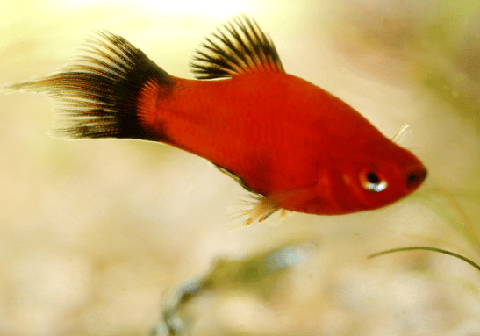
    Molly fish are so variable in shape, color, and markings, that it’s tough to describe just what they look like! I’ll go into a little more detail on the various species and breeds in the next section, but generally speaking, mollies are solidly built mid-sized aquarium fish.

    One very noticeable feature is the unusually thick base (peduncle) to their tails. On the opposite end, their heads are sharply pointed in profile when viewed from the side. The head is wide across when viewed from above, with their mouths positioned right in front of their faces.

    They also have very big eyes, and their lower jaw sticks out a little further than the top. These are the features that are most obvious in all mollies.

    Species

    There are about 40 species in the Poecilia genus, including other well-known livebearers such as the common guppy. A handful of common molly species are popular in the aquarium trade, and they have been bred with each other to produce hybrids and various color morphs.

    Let’s take a look at some of the more common molly fish types:

    Sailfin Molly – Poecilia latipinna

    Sailfin Molly in Aquarium

    Sailfin mollies have huge dorsal fins that they can lift up to look just like a sail. This is a natural body feature that the males use to impress the females. These beautiful fish are scientifically known as Poecilia latipinna.

    Sailfin mollies are relatively small, reaching a maximum length of about 5 inches. This species actually occurs naturally in the United States, living wild as far north as North Carolina.

    Shortfin Molly/ Black – Poecilia sphenops

    The shortfin or black molly is one of the most common types of molly. Black mollies are smaller than the sailfin, reaching a maximum size of less than 5 inches.

    In the wild, they are naturally silvery with some color on their fins. The black molly fish is the most popular color breed of this species.

    Giant Sailfin- Poecilia velifera

    The giant sailfin molly fish is the largest of the common species. These Mexican fish can reach a length of 7 inches in the aquarium. They have a huge dorsal fin like the regular sailfin but can be told apart by having more fin rays (18-19), and round spots on this fin.

    Varieties

    The various molly species are able to interbreed, and aquarists have crossed them to create an amazing array of different varieties. Selective breeding has refined the results, creating fish with different body shapes, finnage, colors, and patterns.

    Here are a few of the most popular molly types:

    • White Molly Fish

    White mollies are a pure, bright silvery color. They should not be confused with albinos which have more yellowish color and pink eyes.

    • Golden Molly Fish

    Mollies are also available in amazing golden-orange colors. They can be uniformly golden colored or flecked with black like the gold dust molly. Specimens that are partially golden and partially white are known as creamsicle mollies.

    • Dalmatian Molly Fish

    Dalmation mollies are whitish fish that are covered in fine black spots, just like dalmatian dogs. The blotching is quite variable, and these fish are sometimes known as marbled, or salt-and-pepper mollies.

    • Lyretail Molly

    Lyretail molly fish have elongated rays at the top and bottom of their tail fins. Lyretail mollies are available in all the different colors varieties, which makes them great for aquarists who want that extra bit of flair in their aquarium.

    • Balloon Molly

    Balloon molly fish come in a variety of colors, including black, white, golden, and marbled. What sets balloon mollies apart is their rounded bodies, almost like an inflated balloon! This is not a natural feature, however, but rather a trait that has been selectively bred for.

    Size

    Molly fish vary in size depending on their species, variety, and gender. Adult mollies vary from a little over 3 inches, right up to about 7 inches in length. Females are usually larger than males, but this is not always the case.

    How Long Do They Live?

    The typical molly fish lifespan is from two to five years. This depends on a variety of factors, though, including their level of care, diet, and genetics.

    Temperament and Activity Level

    Mollies are active and confident fish that are always busy and lively. They are generally peaceful community fish, but here are a few scenarios in which mollies might be semi-aggressive. We have a video from our YouTube Channel that goes into detail about their care and temperature. Check it out below.

    Mollies are usually very peaceful with the other species of fish in the tank, especially if they are kept in a group. Males can be a little aggressive with one another when competing to breed, however. They will also harass the females pretty relentlessly, which is normal behavior for the species.

    If you don’t mind your fish breeding, the ideal stocking rate is a ratio of one male to two or three females. This will take some of the pressure off the females.

    They can also be quite competitive with each other around mealtimes. As long as each fish is getting enough to eat, this isn’t too much of a concern though.

    What Are Good Tank Mates

    Mollies are great fish for a carefully planned hard water community tank. They are highly versatile and these fish thrive in many different setups provided they are happy with the water parameters.

    Choosing the right tank mates for your molly fish is very important too, of course, so read on to learn about some great options.

    Best Tank Mates For Companions

    Ember Tetra

    The first thing to note is that all tankmates should be comfortable in the same hard water conditions that your mollies prefer. Mollies can be kept in anything from fresh to saltwater, so I’ve grouped these tank mates according to the type of water they live in.

    Mollies are euryhaline fish, but most other species are not, so never mix other freshwater fish with saltwater tank mates or vice versa.

    Freshwater tankmates

    Brackish Water Tankmates

    Saltwater Tank Mates

    Molly fish are one of the few fish in our hobby than can be converted over to a saltwater aquarium. There are steps on how to do this (more on this later). They make great algae eaters, but they are small in comparison to many saltwater fish and may be bullied. Here are a few possible candidates.

    • Other mollies
    • Percula clownfish
    • Peaceful blennies and gobies
    • Royal grammas

    Least Compatible Fish For Companions

    As adaptable and versatile as mollies are, some fish will not get along with them. Take note of the following tips to avoid any problems:

    • Avoid tank mates that need soft acidic water conditions
    • Avoid any aggressive tank mates that could eat or bully your mollies
    • Keeping mollies with shrimp is not recommended
    • Avoid very small and shy fish that are easily intimidated

    What Do They Eat?

    Mollies are omnivorous fish that eat both plant and animal matter. Sailfin mollies in particular need plenty of plant material in their diet. They are not fussy eaters and actually do a great job of cleaning up scraps and uneaten food in the aquarium.

    Let’s take a look at some of the best food sources for these fish.

    Prepared Foods

    Live & Frozen Foods

    Vegetables

    • Zucchini
    • Lettuce
    • Spinach

    Algae

    Mollies love to eat biofilm, and surface scum. They are also known to eat other types of algae like green algae, black beard algae (BBA), hair algae, brown algae, and blue-green algae. This makes them valuable members of your clean-up crew!

    How Much and How Often to Feed Them

    One of the most common mistakes in the fishkeeping hobby is overfeeding. But how do you know how much food your fish need?

    Mollies don’t waste time when there’s food around, so if they haven’t finished everything after 2 minutes or so, you can assume you’ve given them too much food.

    Sure, they might finish the leftovers later, but what about the food that gets sucked into the filter, settles in the gravel, and otherwise goes to waste? Well, this leftover food tends to rot and results in poor water quality.

    That’s why it is best to feed small amounts 2 or 3 times a day, rather than a large amount just once a day.

    Setting Up Your Tank

    Setting up a great aquarium for mollies is easy because these fish are very adaptable. Nevertheless, there are some important things to know before putting a tank together. Read on for more details.

    Tank Size

    Molly fish can be kept in tanks as small as 15 gallons, and sometimes even less. In such a small tank, you could keep up to four mollies if you have good water filtration and perform regular aquarium maintenance. A 20 gallon long is a good candidate to start with.

    A larger tank would be a better bet, however, especially if you plan on keeping a bigger school or other species of community fish.

    Plants

    Mollies thrive in planted aquariums. Beware though, mollies are omnivorous fish and they have been known to feed on delicate, soft-leaved plants. Tougher species like these plans below will do well with Molly fish:

    A mix of tall plants like Vallisneria in the background with Java ferns in the midground and some anubias nana petite in the foreground could make a tough and simple but beautiful planted aquascape for these fish.

    Substrate

    Substrate type is not critical when it comes to keeping mollies. Any aquarium-safe sand or gravel will work just fine. If your water is not naturally hard and alkaline, it is a good idea to incorporate some crushed coral into the substrate.

    Decor

    Molly fish are not particular about the decorations in their tanks so you can use your creativity to put together an aquarium that suits your eye.

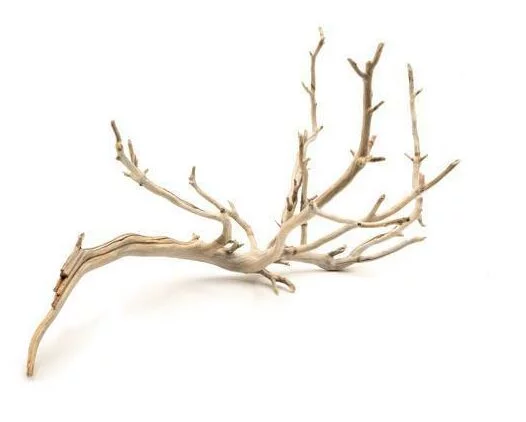
    Adding some driftwood and rocks is a great way to create a more natural tank environment, but there’s nothing wrong with putting in some aquarium-safe ornaments and decorations too.

    Editor’s Choice
    Manzanita Driftwood

    Editor’s Choice

    Manzanita offers it all. Great shape, low tannins, quick to water log and reasonably priced. It’s the ultimate driftwood!

    Click For Best Price Click For Branch Pieces

    Water Quality

    Mollies are known as hardy fish. So much so that some hobbyists use them to cycle new fresh and saltwater aquariums.

    Nevertheless, maintaining high water quality is very important if you care about keeping your fish in good health for the long run. Maintaining great water quality for your mollies relies primarily on good filtration and aquarium maintenance.

    Read on to learn more about these, and other important water quality factors.

    Filtration

    A good filtration system usually means the difference between a sparking, pristine aquarium, and a toxic and dangerous environment for your fish. Aquarium filters work by literally filtering out particles in the water, a process known as mechanical filtration.

    You might not know how much more is happening behind the scenes though!

    Microscopic life forms known as beneficial bacteria take up position and colonize the sponge and other media in the aquarium filter. These beneficial bacteria make their living by feeding on some pretty toxic chemical compounds (like ammonia) that enter the water through fish waste and uneaten food. This process is known as biological filtration and is very important for your fish.

    Air-powered sponge filters, internal power filters, hang-on back filters, and external canister filters can all be used to perform these vital functions. Just make sure the filter you choose is rated to filter your tank size or larger.

    Water Parameters

    Mollies are adaptable to a fairly wide range of water temperatures from about 70ยฐF to a little over 80ยฐF. This means they can be kept in unheated aquariums in many cases.

    I would recommend using a heater to keep the water temperature stable in the middle of that range because they are comfortable in tropical climates with warmer water.

    Best Value
    Eheim Jager Aquarium Heater

    Best Value

    Very accurate, durable, and German made. A great value buy for any aquarium

    Click For Best Price Buy On Amazon

    Mollies can live in fresh, brackish, or even saltwater. In a freshwater aquarium, they must be kept in hard or at least fairly hard water for their long-term health and survival. The alkalinity should be basic, i.e. above 7.2.

    Even though they have a reputation as hardy fish, mollies are not immune to the effects of ammonia and nitrite in the water. Aim for the following levels:

    • Nitrate (NO3): Less than 20 parts per million
    • Nitrite (NO2): Zero parts per million
    • Ammonia (NH3): Zero parts per million

    Salt

    One of the biggest debates around molly fish care is their salt requirements. Many fish keepers will tell you that you need to add salt to the aquarium to keep these fish happy, but this is not necessarily true.

    The salt these fish require does not necessarily need to be regular aquarium salt (NaCl), even though they are highly tolerant of various salinities. Calcium and magnesium, i.e. the elements responsible for hardening water are essential, however.

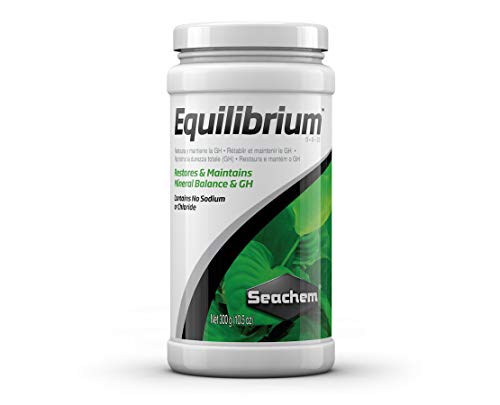
    Mixing crushed coral into your substrate or using a product like Seachem Equilibrium is a great way to increase water hardness if your tap water isn’t quite hard enough for mollies.

    Acclimating To Saltwater

    You may have heard that some aquarists keep mollies in saltwater. As strange as this sounds, it’s absolutely true! Properly acclimated mollies make awesome saltwater fish because they are so affordable and do a great job of eating certain kinds of algae. The video above from Everyday Aquarist goes through the process. I’ll explain more below.

    You shouldn’t pick up a couple of mollies from the pet store and drop them straight into a reef tank. Mollies are highly adaptable, but if the change in salinity is too rapid, they could go into osmotic shock.

    The most successful techniques involve slowly replacing the freshwater with salt water over a period of one to two days. This gentle acclimation will be a lot less stressful for the fish. Just be sure to provide the fish with an airstone during this process if they are in a bucket or small tank for acclimation.

    Slow acclimation can be achieved by siphoning saltwater in from a tank or bucket and allowing the excess to overflow. The saltwater needs to be introduced very slowly, so a drip rather than a flow is recommended. An accudrip acclimator can be used to make the setup easier.

    Get For Acculimation
    Accudrip Acclimator

    Most of us know that fish and shrimp are sensitive creatures, who don’t do well with sudden changes. The Accudrip Acclimator is here to help adjust your aquatic creatures to new tanks and conditions

    Click For Best Price Buy On Amazon

    Use a refractometer to measure and monitor the salinity of the water. Specific gravity should not go above 1.025.

    Aquarium Maintenance

    Regular aquarium maintenance is vitally important for keeping healthy molly fish. A weekly partial water change is recommended to keep nitrate levels down, and this is a good time to give the tank a general clean as well.

    Remember to treat your tap water with a water conditioner before adding it to the tank. If your aquarium filter media needs to be rinsed out, use tank water that will not harm the hard-working colonies of beneficial bacteria.

    Testing

    Testing your water parameters regularly is absolutely vital if you wish to keep healthy mollies in the long run. Pick up a master test kit that can be used to measure the following parameters:

    • pH
    • Hardness
    • Ammonia
    • Nitrate
    • Nitrite

    These are the most important parameters to keep an eye on if you are keeping mollies as freshwater fish, but if you are keeping them in brackish or saltwater, you’ll need a hydrometer to measure specific gravity too.

    Breeding

    It is very easy to breed mollies. These fish are livebearers, which means the females give birth to live fry instead of laying eggs. If you have adult male and female mollies in your tank, and they are happy in their environment, they will breed freely.

    Sexing Mollies

    Successfully breeding molly fish requires having both males and females. But how do you tell the difference?

    Fortunately, sexing these fish is easy once they are old enough to show differences in gender. This usually takes at least a few months with mollies.

    Let’s take a look at some of the most noticeable gender differences:

    • Male mollies are usually smaller and more colorful than females
    • Male mollies have a larger dorsal fin than females
    • Female mollies have a well-developed anal fin, whereas the anal fin of males is modified into a narrow, elongated structure known as a gonopodium
    • Male mollies will spend a lot of time trying to entice the females. They will chase and swim around them
    • A pregnant female molly will develop a large, rounded belly with a characteristic gravid spot just in front of the anal fin. This spot will be very difficult to see on a black molly fish

    Raising & Protecting Fry

    Molly fry are very small and vulnerable to being eaten by the other fish (including mollies) in the tank. Ideally, the pregnant female should be moved to a separate breeding tank before giving birth.

    Alternatively, you can use a breeding box in your aquarium to keep the baby fish safe until they are too big to be swallowed. The fry can be fed a diet of baby brine shrimp or flake food that is crushed up into a powder form.

    Preventing Breeding

    Female molly fish are pregnant for about 2 months, and can give birth to over 50 fry! This means the population of fish in your tank can rise pretty dramatically if you allow it.

    The best way to prevent breeding is to keep only female fish. Pregnant females can store sperm for a few broods after mating, so separating adult mollies will not stop the female from producing fry right away.

    Health And Disease

    Naturally, you want your molly fish to live a long healthy life, so what are the problems to look out for? Read on to learn more about the health and wellness of these popular aquarium fish.

    Evaluating Their Health

    Evaluating your fish’s health requires careful observation. Start by looking at the fish’s physical appearance. Try to answer the following questions:

    • Do the eyes look swollen or unhealthy?
    • Are the fins torn or clamped against the body?
    • Does the fish have very long stringy white feces?
    • Is the fish covered in white spots or any tiny parasites?
    • Is the fish very thin, or heavily swollen (skip this for balloon molly fish!)

    If the fish looks physically healthy, there are still behavioral warning signs to look out for.

    • Is the fish breathing rapidly?
    • Is the fish having trouble swimming or just shimmying at the top of the tank?
    • Is the fish flashing and scratching its body against the substrate?
    • Is the fish floating or sinking?
    • Is the fish avoiding food?

    If you answer yes to any of these questions, there is most likely a problem with the fish. You can go through these questions before picking out your fish from the pet store, or just for monitoring your fish at home.

    Common Health Issues

    Mollies are most likely to suffer health problems when their tank conditions are not suitable. This can be the result of soft water, poor water quality, or a lack of space in a crowded tank.

    Mollies are typically bred in brackish waters, and the shock of being put into freshwater at the pet store or in your home is another potential problem. These are all causes of stress for your fish, and stress puts them at high risk of common freshwater diseases and disorders like:

    • Ich
    • Columnaris
    • Velvet
    • Popeye
    • Camallanus worms
    • Swim bladder disorders
    • Shimmies/Livebearer/ Molly disease

    Where To Buy

    Mollies are common and easy to find down at your local pet store. They are affordable fish, although you can expect the price to vary depending on breed and color pattern.

    They are also available online of course, which is great for aquarists who don’t have a good local fish store nearby.

    FAQS

    Are they easy to care for?

    Molly fish are moderately easy to care for which makes them a good choice for beginner aquarists who are willing to do some planning. They will thrive if you can provide them with the water parameters and quality they need.

    How many mollies should be kept together?

    Mollies are social fish that should be kept in groups of at least four fish. You should always keep more female mollies than males, so a group of three females and one male would be the lowest recommended number.

    Do mollies need a heater?

    Mollies are typically thought of as tropical fish, but if you look at their natural distribution, you’ll see that this isn’t strictly true.

    They can be kept in an unheated aquarium if the water in your tank stays consistently within their preferred range of 70-82ยฐF. Using a heater will protect the fish against any cold snaps, and keep the conditions more stable, however.

    Can they live in tap water?

    Molly fish can be kept in tap water that is naturally hard and alkaline. You should always treat tap water with a water conditioner to neutralize chemicals like chlorine and chloramine, however.

    Can mollies live with Betta?

    It is possible to keep mollies and bettas together, but they are not ideal tank mates. Even though mollies are usually peaceful fish, they do occasionally nip at fish with large flowing fins.

    Final Thoughts

    Mollies are hands-down one of the best fish in the hobby. They look great, they’re adaptable, and they’re great for eating algae too! I hope this article has cleared up some of the confusion for you and helps you keep your molly fish happy and healthy.

    Do you keep mollies? Tell us about your experiences with these amazing fish in the comments below!

    ๐Ÿ“˜ Want to learn more? This article is part of our complete Freshwater Fish Guide โ€” your ultimate resource for freshwater species, care tips, tank setup, and more.

  • How to Lower Ammonia in a Fish Tank: 6 Methods That Work

    How to Lower Ammonia in a Fish Tank: 6 Methods That Work

    Ammonia spikes have ended more fishkeeping journeys than almost anything else, and I’ve fielded countless questions about it over the years. Early in my own hobby days I lost fish to ammonia before I understood the nitrogen cycle โ€” it’s a hard lesson. The good news is that once you know what drives ammonia up and how to bring it down fast, it becomes a manageable problem rather than a mystery.

    Ammonia is the number one killer in home aquariums โ€” particularly in new tanks that haven’t finished cycling. I’ve seen it wipe out entire stocks of fish in tanks that looked perfectly fine to the eye. The tricky thing about ammonia is that you can’t see it or smell it at aquarium concentrations, so regular testing is the only way to catch it before damage is done. When I get ammonia readings in a tank, my first move is always Seachem Prime to detoxify it temporarily, followed by a water change and a hard look at what’s driving it โ€” overfeeding, overstocking, an uncycled tank, or a dead animal decomposing somewhere. This guide covers 6 practical ways to bring ammonia down and keep it there.

    The Nitrogen Cycle

    The first rule to having a fish tank is allowing it to cycle. But what does it mean for a fish tank to cycle and why does it matter so much?

    Unfortunately, many beginner hobbyists skip fundamental steps in understanding the aquarium nitrogen cycle; they’re told to come back to their local pet store for water testing in a couple of weeks when they’ll be given the thumbs up to add their first fish to the aquarium even if the fish tank isn’t fully cycled. Too many times, this results in suffering and dead fish as well as disappointed hobbyists.

    What Is The Nitrogen Cycle?

    There is a great video that really explains the nitrogen cycle in a fun and entertaining way by Girl Talks Fish below that Iโ€™ll embed for you. Iโ€™ll go more into my boring details below

    The nitrogen cycle is very easy to understand but requires some patience.

    In simple terms, the nitrogen cycle prepares your aquarium for dealing with fish waste and other organics in the water through processes completed by beneficial bacteria. These beneficial bacteria need to grow and populate the aquarium over the course of several weeks until there are enough to convert toxic ammonia to nitrite to less toxic nitrate.

    In more biological and chemical terms, this looks a little more complex. Ammonia (NH3) and ammonium (NH4) are converted to (NO2) by nitrifying bacteria. Different nitrifying bacteria then convert this nitrite into nitrate (NO3).

    In the aquarium setting, the nitrogen cycle will always start with ammonia. If more ammonia enters the system than your population of beneficial bacteria can handle, then your aquarium will go through a cycle or a mini-cycle.

    Why Is It Dangerous?

    Ammonia poisoning is when high levels of ammonia start to burn the internal and external organs of fish and invertebrates. This can result in lethargy, difficulty breathing, loss of appetite, and inflammation.

    Before we dive into how ammonia enters the fish tank, we need to understand why we need to avoid excess levels at all costs.

    It’s important to keep in mind that ammonia is present in the aquarium at all times due to leftover food and fish waste being processed. However, levels can quickly become dangerous whenever they’re not close to 0 ppm.

    If large amounts of ammonia are present in the aquarium, ammonia poisoning can set in almost immediately. If low amounts of ammonia are present in the fish tank over a longer period of time, then it’s still possible for your fish to experience chronic ammonia poisoning.

    The problem is that high amounts of ammonia will translate into high amounts of nitrite, another deadly compound at high levels. At this point, fish may experience nitrite poisoning.

    Nitrite is very similar to oxygen in its chemical structure. Therefore, it is able to enter the bloodstream and connect to hemoglobin where oxygen would otherwise. This quite literally makes the fish suffocate from the inside out, making for a very painful death.

    Similarly, nitrite poisoning will either be immediate or witnessed over the course of a few days depending on water quality. Symptoms are also very similar, which means it’s necessary to test water parameters for a sure diagnosis.

    Ammonia In The Aquarium

    For an established fish tank, ammonia is a bad thing to have. It can quickly cause ammonia poisoning, killing fish and invertebrates by burning internal and external organs. When cycling a fish tank, ammonia becomes the food needed for bacteria to grow and populate. We have a video below form our YouTube channel for reference. We go over more details in the blog. Be sure to subscribe if you like our videos!

    There are many different ways to purposely or mistakingly introduce ammonia into the aquarium:

    1. New fish tank
    2. New livestock additions
    3. Dead organic matter
    4. Overfeeding
    5. Overstocking

    1. New Aquarium

    When starting up an aquarium, you may experience a phenomenon known as new tank syndrome. This is the build-up of harmful nutrients and compounds in the aquarium that can kill fish and deter bacterial growth in extreme cases. The reason for the new tank syndrome is that the aquarium hasn’t had time to establish a healthy population of beneficial bacteria.

    As mentioned before, beneficial bacteria make the conversion of ammonia to nitrite to nitrate possible. If this cycle isn’t allowed to be fully completed, then bacteria will struggle to detoxify these compounds, making for unsafe water conditions.

    However, even if your aquarium is fully cycled, there’s still a chance that it experiences new tank syndrome. This could be due to a weak cycle or overstocking the aquarium too quickly. Both of these circumstances would lead to ammonia entering the aquarium too quickly, overloading the present bacteria populations.

    As a result, a mini-cyle is likely to occur where there are abnormal levels of ammonia and nitrite. This can be very dangerous as it can lead to ammonia poisoning and nitrite poisoning.

    2. New Livestock Additions

    Saltwater Fish Tank

    Any time a new fish or invertebrate is introduced into the aquarium, ammonia levels will rise. Depending on the stability of the system, this increase in ammonia shouldn’t be seen in tests as beneficial bacteria will quickly adapt to the new influx.

    The problem happens when beginner hobbyists are eager to stock their new fish tank to the brim as soon as the nitrogen cycle is completed.

    New livestock additions should be spaced out over the course of weeks or months to give beneficial bacteria populations enough time to adapt to the increased ammonia levels. Adding too much at once is a sure way to cause a mini-cycle, greatly increasing the chances of losing all of your new livestock!

    3. Dead Organic Matter

    Things die in the aquarium all the time: fish, snails, crabs, and aquarium plants. It’s bound to happen, but it might take some time to notice or you might not be able to reach what’s left before it starts to decompose.

    As decaying organic matter starts to decompose, ammonia is created. While most fish tanks are able to handle these small amounts of ammonia entering the system, it’s always recommended to remove what you can to prevent an ammonia spike from happening.

    However, sometimes you just don’t notice that one of your fish or invertebrates is missing and the breakdown process has already started. Or, the carcass may be so far in the back of the fish tank that you just can’t reach it no matter how hard you try.

    Leaving the dead matter in the fish tank will raise ammonia levels, though not terribly if the system is stable. This is also why a cleanup crew, like saltwater hermit crabs or shrimp, are especially helpful to take care of dead fish and invertebrates before they start to decompose.

    4. Overfeeding

    Freezed Dried Food

    Overfeeding is one of the most common reasons for an ammonia spike in a new fish tank. Fish do not need as much food as we think they do and they often end up overfed.

    Fish food is naturally high in unwanted organics, like phosphate, which can quickly cause algae in the aquarium. However, as uneaten fish food is left to rot at the bottom of the tank, it will also start to release ammonia just like other decaying organic matter. Not to mention that overfeeding will result in much more fish waste entering the water as well, also increasing ammonia levels.

    In general, fish should only be fed as much as they can eat in a couple of minutes. All uneaten fish food should be removed after.

    5. Overstocking

    New livestock additions can overwhelm a biological filter; by the biological filter, we mean the beneficial bacteria that live in the filtration system and other surface areas of the fish tank that make the nitrogen cycle possible. This is why overstocking a tank can be so dangerous.

    Beneficial bacteria can only handle a certain amount of ammonia and nitrite. If levels exceed this rate, then both ammonia and nitrite levels will accumulate. This can easily become the situation if too many fish are put into the aquarium.

    This is also the reason why goldfish need such a large aquarium. These fish are incredibly messy; they are messy eaters and leave a lot of uneaten food, which then results in a lot of fish waste. Because of this, a large filtration system is needed to allow for the most surface area for beneficial bacteria to grow.

    6 Ways To Lower It In Aquariums

    High ammonia levels in the fish tank should be considered an emergency. The longer your fish and invertebrates are exposed to ammonia, the better the chances of them dying. You need to act fast without making too many changes at once.

    Of course, the best way to remove ammonia from the aquarium is by preventing it in the first place.

    1. Make sure your fish tank is completely cycled. Test water parameters frequently and only add fish when there are no signs of ammonia or nitrite.
    2. Add fish slowly. Do not overload the system and allow beneficial bacteria populations to grow over time as more and more fish are added.
    3. Do not overstock. Understand the ratio of ammonia being produced to aquarium water volume. Beneficial bacteria can only concert so much ammonia at one given time.
    4. Do not overfeed. Though we love to give our fish and invertebrates the best life possible, too much fish waste and uneaten food can lead to a deadly ammonia spike. Remove excess food.
    5. Perform regular fish tank maintenance.

    Otherwise, there are ways to remove ammonia from the fish tank through water changes, increased biological filtration, bacteria supplements, and chemical media.

    1. Water Changes

    The best way to quickly get rid of ammonia from a fish tank is by doing a succession of water changes over the course of a few days. Though this won’t solve the underlying problem causing ammonia to be high, water changes will help keep ammonia levels lower and safer for fish.

    If you find ammonia in your fish tank, don’t panic. Instead, set up a plan over the next few days to do water changes. You don’t want to change out all the water at once as this can create instability in the fish tank and changing parameters that stress out your fish even more.

    Instead, start with a 50% water change. If using tap water, make sure that there is no ammonia in the water as this will only increase the ammonia level. For extra precaution, use a water conditioner that detoxifies ammonia and other harmful compounds, like SeaChem Prime.

    Continue to do 25-50% water changes over the next few days until the ammonia level reaches 0 ppm. At that point, you will need to identify the cause of the ammonia spike, be it a mini-cyle, a dead fish, or too much uneaten food, and treat accordingly.

    2. Increased Biological Filtration

    If it isn’t an emergency, then the best way to remove ammonia from a fish tank naturally is to allow beneficial bacteria to do their thing. This is known as biological filtration, which can be increased by increasing the surface area in the aquarium; this is different from chemical or mechanical filtration.

    Specific biological filtration media has also been created to facilitate bacterial growth and lower ammonia levels. This works by creating porous media, similar to live rock, that creates more surface area.

    The majority of beneficial bacteria live in the filtration systems of our fish tanks. However, they also live in the nooks and crannies of live rock and other aquarium decorations.

    Some of these products include:

    • SeaChem Matrix. This product grows aerobic and anaerobic bacteria to control ammonia, nitrite, and nitrate levels. One liter provides >~700 m2 surface area and can be used in freshwater and saltwater setups.
    • Biohome Ultimate. Meant for saltwater and freshwater hang on the back, canister, and sump filtration systems, Biohome Ultimate media influences both aerobic and anaerobic bacteria growth with added trace elements, like iron and manganese.
    • MarinePure. MarinePure is meant specifically for direct use in saltwater fish tanks to reduce ammonia, nitrite, and nitrate levels. It can be used under the substrate or in areas of high flow, including the filtration system.
    Editor’s Choice!
    Biohome Ultimate Filter Media

    Editor’s Choice!

    This is the best media you can buy for your aquarium. It does it all – removes ammonia, nitrite, and nitrates

    Buy On Amazon

    Biological filtration media is a great and minimally invasive addition for buffering surface area in a hang on the back, canister, or sump filtration system. Still, this media will take some time to populate by bacteria and will not immediately lower ammonia levels.

    3. Add Beneficial Rock (AKA Live or Dry Rock)

    Porous rock is a great way to add biological capacity to your aquarium. I’ll cover both the saltwater and freshwater side below.

    Adding Live/Dry Rock To The Saltwater Aquarium

    Live rock is the foundation for any saltwater fish tank setup. Not only does it provide food and shelter for fish and invertebrates, but it houses a plethora of bacterial life that is essential for facilitating the nitrogen cycle.

    One way to jumpstart a nitrogen cycle in a saltwater fish tank is to add live rock. There are two reasons for this.

    One, live rock will already have beneficial bacteria present on it when added to your tank. This means that you’ll start with a population that can seed the rest of the fish tank. The other reason is that there is bound to be some die-off when transferring the live rock between fish tanks. This die-off will contribute to ammonia levels, starting and supporting a nitrogen cycle.

    But how does live rock help with lowering ammonia levels?

    In the same way, adding live rock to an established aquarium can introduce more beneficial bacteria that will start to process ammonia and nitrite. There may still be some die-off, but the already established bacteria should be able to handle the sudden influx; if concerned about die-off, quarantine the rocks in a separate system with the same parameters.

    As a result, the beneficial bacteria population is immediately expanded, increasing conversion rates and lowering ammonia levels.

    Live rock can be expensive though, and there’s always the possibility of unintentionally adding hitchhikers at the same time. Luckily, dry rock is widely available and very easy to add to the saltwater fish tank. For quality dry rock, check out Real Reef Rock. Be careful of going 100% dry rock as this can result in an outbreak of dinos in your tank.

    Real Reef Rock

    This is the best aquacultured rock you can find in stores and online

    Buy On Amazon Click For Best Price

    The idea behind adding dry rock instead of live rock is to increase surface area. Though this dry rock won’t come with established bacteria, it gives more space for the already-existing bacteria to populate. This will take more time to lower ammonia levels than would live rock but can be a great way to increase biological filtration on a budget.

    Adding Porous Dry Rock To The Freshwater Aquarium

    In the same way, dry rock, like lava rock, can be added to the freshwater fish tank to get rid of ammonia. However, it’s not common to see live lava rock for sale at your freshwater aquarium store; for this, you may need to reach out to fellow hobbyists or a specialty fish store.

    Budget Option
    Black Lava Rock

    Budget Option

    Great choice for budgets. Won’t alter your chemistry and provides housing for beneficial bacteria

    Click For Best Price

    There is some discussion about the efficacy of lava rock being good for lowering ammonia levels in the aquarium. It’s a porous rock, but some hobbyists have seen little to no effect and worry about what the rock might be made from. Lava rock can also be sharp, which can easily injure fish and invertebrates.

    Adding live or dry lava rock will either help seed a fish tank with more beneficial bacteria or provide more space for bacteria to grow, ultimately lowering ammonia levels. How effective and safe this rock is to use is up for question, though.

    If you want a completely safe and effective way for controlling ammonia levels in your freshwater fish tank, then a more effective method is to add live plants.

    Freshwater Aquaraium Plants

    Planted Aquarium EI

    Live aquarium plants are biological filters in themselves. Plants use many nutrients and compounds in their physiological processes, including harmful ammonia and nitrite. They will also help take up some nitrate, which can reduce the need for frequent water changes.

    Freshwater aquarium plants require macronutrients: nitrogen, phosphorus, and potassium. Nitrogen may be taken up in the form of ammonium, ammonia, nitrite, or nitrate. Because of this, as well as for the exchange of aesthetic and fish tank oxygenation, many hobbyists use plants to improve water quality and to lower the ammonia level.

    So much so that more experienced hobbyists even use freshwater aquatic plants to undergo a fish-safe nitrogen cycle, called a ghost cycle. A ghost cycle is when the fish tank undergoes the nitrogen cycle with little to no observation of changing parameters. This can make ammonia not show up on an ammonia test kit even if it is present in the aquarium.

    A ghost cycle can be pretty difficult to accomplish; there is a constant balance between adding more ammonia to sustain the plants while understanding how many plants are needed to reduce ammonia levels.

    4. Upgrading Your Filtration System

    Whether you’re changing from one fish tank to another or switching from a hang on the back filter to a full sump system, upgrading your filtration system can help your tank handle ammonia levels. Remember, the increased surface area will allow more space for bacteria, thus increasing ammonia to nitrite to nitrate conversion.

    Not only does a larger filtration system give more space for bacteria, but it also allows for additional equipment that can further help balance water quality. More refined equipment, such as refugiums and protein skimmers, may be added to help uptake nutrients. Extra space can also be used for more biological filtration to increase surface area even more. For freshwater tanks, you can look into a high quality canister filter.

    When upgrading a fish tank, be sure to hang on to any filtration media used, especially biological filtration. Like live rock, aquarium filter media holds a plethora of bacteria that can be used to almost immediately cycle a new aquarium. There is still a chance that a mini-cycle occurs, but with slow stocking and water quality monitoring, it is rare to see high ammonia levels, if at all.

    5. Bacteria Supplements

    Bacteria supplements are very useful for hobbyists struggling with water parameters or that need to quickly cycle an aquarium. While they’re great at what they do, they should not be mistaken for the answer in a bottle to all your tropical fish tank’s problems.

    Bacteria supplements are one way of introducing the necessary bacteria into the aquarium to convert ammonia to nitrate. They have been used to facilitate the nitrogen cycle in new tanks and can help stabilize systems with too much ammonia; bacteria supplements should never be seen as an ammonia remover.

    Though bacteria supplements might seem like the answer to your problem, they don’t treat the underlying cause of a high ammonia level. This is why experienced hobbyists strongly recommend beginners go through the full stages of the aquarium cycle to understand how ammonia moves through the aquarium.

    If struggling with elevated ammonia levels, some recommended bacteria supplements are:

    • FritzZyme TurboStart. This freshwater bacteria supplement is designed to immediately reduce ammonia and nitrite levels to prevent fish death. It can be used to jumpstart an aquarium cycle or to save a fish tank suffering an ammonia spike. As the bacteria in this supplement are living, their shelf life is limited to four months.
    • Instant Ocean Bio-Spira. A saltwater bacteria supplement, Bio-Spira contains nitrococcus, nitrosomonas, nitrosospira, and nitrospira bacteria to reduce ammonia and nitrite levels. Bio-Spira is shelf-stable but should be used almost immediately.
    My Pick For Freshwater Bacteria
    Fritz Turbo Start 700 Freshwater

    Fritz Turbo Start is known in the industry as the fastest acting nitrifying bacteria you can purchase. This 700 version is specialized for freshwater tank and has my highest recommendation

    Buy On Amazon Click For Best Price

    6. Chemical Media

    Lastly, chemical media may be used to help reduce ammonia levels in saltwater or freshwater aquarium. However, this should be the last option for beginner hobbyists as, again, chemical media will not solve the reason for the high ammonia level.

    Chemical media can be a simple and inexpensive method for quickly removing ammonia from a fish tank though in case of an emergency. Simply place the media in an area of high water flow and replace it as directed.

    Here are some of the best chemical media products available to quickly reduce ammonia levels:

    • Zeolite. Zeolite, specifically from Marineland, removes ammonia as well as other toxins in the aquarium water, including chloramine. It is best used in freshwater aquariums and will last about a month.
    • SeaChem Purigen. Purigen polishes water of ammonia, nitrite, and nitrate for the freshwater and saltwater fish tank. It changes color when depleted, but can easily be recharged.
    • Fluval Ammonia Remover. This product specifically targets and reduces ammonia through natural ion exchange. Fluval Ammonia Remover is designed to work best in freshwater aquariums.
    Best Value
    Seachem Purigen

    Best Value

    Seachem is the most effective and quickest way to remove nitrates out of your aquarium

    Buy On Amazon Click For Best Price

    Final Thoughts

    Unfortunately, many beginner hobbyists experience an ammonia spike in their aquariums due to impatience and poor understanding of the nitrogen cycle. The growth of beneficial bacteria and conversion of ammonia to nitrite to nitrate can take a long time and we get the hurry!

    However, it’s better to end up with a stinky, empty fish tank than to come home to a bunch of dead fish. Allow your aquarium to fully cycle but know how to lower your ammonia level in case of an emergency.


    ๐ŸŸ Want to learn more? This article is part of our complete Aquarium Care Guide โ€” your ultimate resource for water chemistry, maintenance, feeding, disease prevention, and everything you need for a healthy tank.

  • Indian Almond Leaves: 5 Reasons to Use Them (Especially for Bettas and Shrimp)

    Indian Almond Leaves: 5 Reasons to Use Them (Especially for Bettas and Shrimp)

    Indian almond leaves are something I started using years ago for my betta tanks and never stopped. The tannins they release soften and acidify the water in a completely natural way, and I’ve noticed bettas kept with them tend to be more active and show better color. I also use them in shrimp tanks โ€” the leaves themselves become a food source as they break down, which is a bonus I didn’t expect at first.

    Indian almond leaves are one of those simple additions that make a real difference in the right setup. I use them in betta tanks โ€” they release tannins that soften the water and lower pH, mimicking the blackwater environments bettas come from, and the antifungal properties are genuinely useful for fin health. Betta breeders swear by them, and for good reason. They work well in shrimp tanks too; shrimp graze on the leaves as they decompose and seem to thrive in the tannin-rich water. The downside is purely aesthetic: the water turns tea-colored, which some people love and others don’t. Here are 5 solid reasons to consider adding them.

    What Are Indian Almond Leaves?

    Indian Almond Leaves Outside

    Indian almond leaves are leaves from the Terminalia catappa tree, also known as the Indian almond tree, which is native to parts of Asia, Africa, and Australia. These Indian almond leaves, also known as catappa leaves, are collected, dried, and sold as they are very beneficial to a variety of freshwater life and are essential for replicating blackwater ecosystems in the home aquarium.

    Blackwater ecosystems are defined by their tea-colored, murky waters. Underneath these dark surfaces, the chemical and medicinal properties of the water help sustain a plethora of tropical fish and invertebrates, including wild relatives of the famous betta fish (Betta splendens).

    This natural environment gets its color from decaying organics that leak tannins and tannic acid. In the aquarium, tannins can be released in the same way, especially by Indian almond leaves.

    What Do Indian Almond Leaves Do In The Aquarium?

    Not only do Indian almond leaves help replicate the natural ecosystems of many tropical fish, but there is a large list of benefits that come with using them in the aquarium.

    Some of these benefits include:

    • Antifungal and antibacterial properties
    • Lower pH levels and soften water
    • Comfort shy and stressed fish
    • Quarantine system

    Some of the only drawbacks to using Indian almond leaves are the blackwater appearance they give in the aquarium and their acidic properties. However, both can be controlled through water changes.

    1. Antifungal And Antibacterial Properties

    Tannins are naturally found in many trees and plants as a form of protection. They are mainly stored in the bark and new leaves where they act to defend the plant from infectious bacteria and fungi that try to enter.

    In the fish tank setting, tannins act in the same way by decreasing the number of pathogens in the water column while bolstering the immune system of the fish. So much so that Indian almond leaves have been seen as a great natural addition to aquariums struggling with fin rot. Fin rot can be caused by bacteria or fungus and Indian almond leaves have been a great natural remedy.

    While Indian almond leaves won’t entirely cure fin rot without any extra maintenance, they definitely increase the chances of a full recovery.

    2. Lower pH Levels And Soften Water

    Many tropical fish have adapted to the standard parameters of aquarium water no matter where they once originated from: 7.0 pH and 4-8 dKH. While most fish can live in these pristine conditions indefinitely, wild-caught and sensitive species will thrive in soft and acidic conditions that replicate their natural origins.

    As the Indian almond leaves break down in the aquarium, they will start to release tannins and tannic acid that lower pH and general hardness. This is a gradual breakdown, and there’s little to no fear that water parameters will change too quickly for your fish to handle.

    Still, it is best to test parameters regularly to make sure that your fish don’t get stressed out.

    3. How Much Do They Lower pH?

    The more Indian almond leaves that you add to your aquarium, the more your pH will drop due to the tannic acid being released. However, how much your pH will drop depends on some external factors that will be unique to every individual tank.

    One of these factors is the carbonate hardness (KH) of the water being used. KH is the parameter that dictates how much or how little pH can be buffered at any given time. An improper KH will make changing pH levels difficult and volatile. Though this won’t make a big difference when using just a leaf or two, it’s definitely something to track with long-term use.

    Other factors include the rate of decomposition, water change schedule, and use of activated carbon.

    In general, it can be expected for pH levels to drop 1-2 ppm with the use of Indian almond leaves. This will usually result in pH levels settling between 5.0-7.0, which is perfect for blackwater fish species.

    It is very important to keep track of pH levels when using Indian almond leaves. pH is measured on a logarithmic scale, which means that small changes in value can have much greater effects than anticipated.

    4. Comfort Shy And Stressed Fish

    A bed of Indian almond leaf litter can be the home of and food for many tank inhabitants. Small fish will love to take shelter in and feed on a leaf litter substrate, potentially spawning and raising nearly hatched fry. Shrimp especially love being able to forage on the undersides of the leaves and will feel comfortable reproducing in the coverage they provide.

    In addition, many fish and invertebrates will appreciate dimmed lighting conditions, which can be achieved through the dark brown color of the water. If you’re struggling with particularly shyer fish or invertebrates, try adding some Indian almond leaves!

    5. Quarantine System

    As mentioned before, Indian almond leaves won’t be the only thing that cures your fish of fin rot or another fungal or bacterial infection, but they can definitely help speed up recovery and prepare fish for transfer to a new aquarium.

    Indian almond leaves can safely be added to the quarantine or hospital fish tank system to bolster immunity, prevent some low grade infections, and improve water quality. Some fish keepers have abandoned all other forms of conventional aquarium medicines for the natural alternative of Indian almond leaves or another source of tannins.

    Along with Indian almond leaves, water changes will still need to be kept up with to continue to maintain water parameters. Activated carbon may also need to be run for better control of parameters.

    However, Indian almond leaves can be a simple yet effective addition to the quarantine system for extra protection against bacterial and fungal infections.

    Can You Use Too Many?

    Indian almond leaves can be a great addition to most fish tanks for their medicinal properties and the comfort they bring to fish.

    Some hobbyists may choose to only use a few leaves here and there for aesthetic purposes while others would rather create a full leaf litter substrate that is a few inches deep. There are many ways to use Indian almond leaves, but it’s very difficult to actually use too many.

    The main side effect of using too many Indian almond leaves is having very dark brown water. At some point, it will become difficult to view fish and submersed plants might even have difficulty getting the light that they need to photosynthesize.

    Overly dark water can easily be fixed through a series of partial water changes or by adding activated carbon to the aquarium. Gradually the dark water will lighten in color and pH levels and water hardness will also return to where they originally were.

    This is where things can become slightly problematic, though. Indian almond leaves lower pH and the hardness of the water. The more Indian almond leaves that are used, the more that those levels will decrease in the fish tank.

    It is very difficult to overdose Indian almond leaves in that aspect, and usually, you will lose sight of your fish before the water becomes too acidic for them to handle. Also, remember that most of the fish found in these black waters have been known to survive in acidic water conditions down to 3.0 ppm or less.

    While these levels can be deadly if changed too fast, Indian almond leaves make this change in water quality slow and steady for your fish to safely adapt.

    How To Use

    Indian almond leaves are inexpensive and can be found at your local pet or fish store. It is recommended to use one medium-sized leaf for every 10 gallons of water. Two may be used for the same amount of water for a stronger effect.

    Indian almond leaves take only a few days to sink to the bottom of the tank. After that, they will start to noticeably decompose over the course of a month or two. There is no need to remove the Indian almond leaves at any point and they can be left to decompose until there’s nothing left. Once your Indian almond leaves are nearly all gone, add a few new ones and start the process over.

    Want all the benefits of Indian almond leaves but don’t necessarily want the mess? Here is how to make Indian almond leaf extract.

    How To Make Extract

    Indian almond leaf extract is exactly what it sounds like: a concentrated dose of tannins and tannic acid excreted from Indian almond leaves. Instead of adding Indian almond leaves directly to the aquarium, an extract is a great way to get all the benefits and natural look without any of the mess.

    Here are the steps to making your own extract from Indian almond leaves (you can also see the video above by AquatikGuru):

    1. Prepare dried botanicals, including Indian almond leaves, walnut leaves, and common beech leaves as well as birch and alder cones; Indian almond leaves are the most common type of leaf to use in the aquarium setting as it has been the most researched. Make sure to purchase other dried botanicals from a trusted pet store.
    2. Place a handful of these botanicals into a heat-safe container that can be sealed.
    3. Pour boiling or hot water over the Indian almond leaves and seal the container for at least 24 hours. The water will turn dark brown.
    4. At this point, the leaves may be strained out of the dark water. The Indian almond leaves may be placed directly into the aquarium for use or boiled again for another batch of Indian almond leaf extract; the only downside to reusing leaves is that they will start to decompose very quickly, which can make for a cloudy dose.
    5. The recommended Indian almond leaf extract dosage is one ounce for every one gallon of water. More than this may be added at any given time as long as pH levels are carefully tracked.

    If you don’t feel like making your own extract from Indian almond leaves, then there are many products available for sale in-store and online. Some options include premade tannin concentrates or powders. However, there are a few problems with these.

    The main problem with using Indian almond leaf powder is that you can’t be sure of the ingredients. Unfortunately, it is possible that the powders are treated with dyes to enhance their appearance or that they include other unknown ingredients. While these dyes and ingredients aren’t likely to hurt fish if they’re from a reputable seller, dyed powder won’t give the full benefits that Indian almond leaves could otherwise.

    If you don’t want to make your own extract from Indian almond leaves, then a premade liquid concentrate would be the best option for receiving the full benefits at a reasonable cost. Many fish keepers find that liquid Indian almond leaf products don’t contain a lot of product though and can be expensive for the amount you’re getting; many extracts come in small bottles only meant to treat a small fish tank one time.

    To find the best liquid Indian almond leaf extract, make sure that you’re getting a product that treats hundreds or thousands of gallons of water while remaining under a $25 budget. Otherwise, it is much more worth it to make your extract from separately purchased Indian almond leaves.

    Are They Good For All Fish?

    No, Indian almond leaves are not good for all fish. While many of the beloved fish, like tetras and angelfish, available in pet stores come from tropical blackwater ecosystems throughout the world, many other fish come from areas with basic, hard water instead. This includes:

    Most of the fish on this list prefer neutral or heightened pH as opposed to acidic conditions. Though these fish might adapt to lower pH levels over time, subjecting them to unideal conditions for extended periods of time can potentially shorten their lifespan.

    Instead, one of the best fish to use Indian almond leaves with is the betta fish, particularly wild bettas. Otherwise, Indian almond leaves are a very popular addition to freshwater shrimp tanks as dwarf shrimp love to forage in and around the leaf litter.

    Wild Bettas

    Most fish keepers have had a betta fish tank at one point or another in their aquarium careers. However, not many have taken the time to understand their true natural habitat preferences and how important blackwater conditions are to their success.

    WYSIWYG Available!
    Betta Fish

    Use Coupon Code ASDFISH at Checkout

    Betta Fish are one of the most beautiful varieties of freshwater fish available in the hobby. Easy to care for with plenty of varieties!

    Buy Premium Varieties Buy On Petco Online

    Wild betta fish species originate from southeast Asia, through parts of Vietnam, Cambodia, Thailand, and Laos. There, they live in extremely shallow ponds and overflows that are littered with palm fronds and other organic matter from the thick forest canopy above.

    These areas are very low in visibility and oxygen, leaving the betta fish to develop a labyrinth organ that allows them to rise to the surface of the acidic water for atmospheric air. These betta fish species are also less colorful in appearance compared to their more desirable tank-raised counterparts and have more basic reds, blues, and blacks.

    While not all wild betta fish species have been brought into the aquarium hobby, some popular species include Betta imbellis, Betta macrostoma, Betta picta, and Betta pugnax.

    Given what is known about these wild fish, Indian almond leaves greatly help the transition between their natural habitat and the aquarium setting. Wild betta fish thrive in soft and acidic conditions. They are also very shy fish and will do well under the dark brown color of the water and the addition of some floating plants.

    How To Remove Them From Your Aquarium

    Adding Indian almond leaves to your aquarium is simple enough and so is removing them. If it turns out that you can’t stand the appearance of blackwater that comes with Indian almond leaves, then you’re not stuck with it forever! However, it’s going to take some time and a little extra maintenance to get your aquarium back to where it was.

    Though there isn’t much that can go wrong in the removal of Indian almond leaves from your aquarium, you want to take your time. pH and general hardness can cause problems when changed too quickly and it is better to be safe than sorry.

    First, you want to remove the Indian almond leaves from your aquarium to stop any more tannins from entering the aquarium. If the Indian almond leaves are already in small pieces, then use an aquarium siphon. Do this by sections so that you don’t stir up too much leaf litter at once, causing ammonia to enter the water column and a potential mini-cycle to start.

    At the same time, perform a 25% water change and add activated carbon to the aquarium. The water change will help introduce untinted water and the new desired water parameters while the activated carbon will strip the remaining tannins from the water.

    Within a few weeks, your tank should be back to being crystal clear with higher pH and hardness levels.

    Other Alternatives

    As mentioned before, Indian almond leaves are the most popular aquarium botanical as effects have been studied for years. Hobbyists have tried many other options though, including using leaves and cones that they might find on their own properties.

    Some popular alternatives include:

    • Peat moss
    • Driftwood
    • Walnut leaves
    • Common beech leaves
    • Birch and alder cones
    • Oak leaves

    Driftwood is not commonly seen as a way to introduce tannins, but tannins are the reason your aquarium turns brown after adding new pieces of driftwood! Driftwood is a great alternative to botanicals altogether, especially if going for a minimal aesthetic with rocks and wood features.

    If planning to collect your own botanicals, like oak leaves, survey the area for possible sources of contamination. This mainly results from runoff and pesticides but can also be from animal defecation. If there are any signs of contamination at all, do not add them to your aquarium.

    Also, make sure that the leaves are completely dried as live ones can release unwanted toxins into the aquarium.

    Where to Buy

    Indian almond leaves can be purchased at specialty fish stores or online. If you are looking to purchase them online, check out the links below. Both sellers offer high-quality leaves at great prices.

    Final Thoughts

    Indian almond leaves have antibacterial and antifungal properties which can help prevent and cure low-grade infections, like fin rot, while lowering pH and water hardness. They can help shy fish feel safer and become the home to an assortment of fry and juvenile fish and invertebrates.

    The only problem with using Indian almond leaves is that they can create an undesired dark tint to the aquarium water, which not all hobbyists will find appealing. These effects will need to be reversed through a series of partial water changes and the use of activated carbon.

    In most cases though, the benefits outweigh the cons, especially if keeping a blackwater fish species!

  • How Long Do Axolotls Live? 5 Key Factors That Determine Their Lifespan

    How Long Do Axolotls Live? 5 Key Factors That Determine Their Lifespan

    Axolotls are one of those animals that get a lot of attention for their looks but deserve equal attention for their care requirements. I’ve seen many people impulse-buy them without realizing how sensitive they are to warm water and poor water quality. Get those two things right, and an axolotl can live 10 years or more โ€” get them wrong, and you’ll be troubleshooting health problems within months.

    Axolotls have become one of the most popular aquarium pets in recent years, and it’s easy to see why โ€” they’re bizarre-looking, personable, and surprisingly long-lived when kept correctly. In captivity, axolotls regularly reach 10 to 15 years, and some make it to 20. In the wild, they’re nearly extinct (Lake Xochimilco in Mexico is essentially their last native habitat), so what we keep in tanks are captive-bred animals that actually tend to be healthier than their wild counterparts. The biggest thing I see kill axolotls early is temperature โ€” they need cold water, 60 to 68ยฐF, and most people don’t realize that. Get that right along with water quality, and you’re looking at a very long-lived companion. This article breaks down the 5 key factors that determine lifespan.

    Unfortunately, axolotls are almost extinct in their native habitat. And so, what we get here is the laboratory-bred and tank bred axolotls that live much longer than the native ones.

    But before diving straight into the topic, let’s discuss why axolotls are endangered?

    Why Are Axolotls Endangered?

    Axolotls are critically endangered species, which are constantly declining in the wild and might go completely extinct in the near future.

    There are a number of factors that resulted in their sharp decline. In 1998, research stated that there were 6,000 axolotls per square kilometer in the lake Xochimilco. However, today, the axolotl population dropped to 35.

    So, where did we go wrong? The video above goes in detail (video from Frankie’s Aquatics). I’ll also add my points below. Let’s find out.

    Water Contamination

    The advancements and developments anywhere bring their own consequences. Thus, the recent developments in the Xochimilco regions resulted in water pollution, making these areas havoc for aquatic animals, especially axolotls.

    Overfishing

    It’s an old story of supply and demand; when the Mexican walking fish became a supreme delicacy in Mexico, the demand increased, leading to overfishing. And so, the numbers of axolotls in the wild kept decreasing.

    Habitat Loss

    The recent expansion of Mexico city almost completely destroyed and drained the lake Xochimilco, one of the principal habitats of axolotls.

    Invasive Species

    Mexicans introduced a number of invasive species in Lake Xochimilco that have decimated axolotls numbers in the wild, ultimately contributing to their shape decline. Axolotls themselves are considered invasive in some areas, with efforts from local government to make them illegal to own.

    How long do axolotls live in their natural habitat?

    It would surprise you that axolotls only live for about five to six years in the wild. And that’s because these species are endangered in their natural habitat due to habitat loss, fatal illness, or predators that prey on them.

    Therefore, axolotls live for around five years to six years in the wild.

    How long do they live in captivity?

    Even though we don’t have solid numbers for the oldest-known Axolotl, axolotls can live for up toย 15 years in captivity.ย Some may even go forย 20 yearsย and longer if taken care of.

    Therefore, adopting an axolotl is a huge commitment that demands consistency and dedication.

    Factors that affect Their Lifespan

    Axolotl Morphs

    Like other salamander species, Axolotl’s life span mainly depends on the following factors. You can increase your axolotl life span by considering these factors and keeping them happy and healthy for an extended time.

    1. Water Quality

    If there is one thing that Axolotl cannot compromise, it is the tank’s water quality. Your axolotl tank’s suggested optimum water temperature is 59ยฐF to 60ยฐF (16-18ยฐC). As an estimate, the water temperature should not exceed 75ยฐF (24ยฐC).

    Additionally, the pH level of the water tank should be 7.4 – 7.6 to create a warm, welcoming environment for your smiley little pets. To increase Axolotl lifespan, your axolotl tank should be free of Chlorine and chloramines as they are harmful to your pet axolotls.

    If Chlorine is detected in the water, I suggest installing a de-chlorinator to minimize the effects. Also, to get rid of the traces of Chlorine, water should be left standing for at least 24 hours before adding your Axolotl.

    2. Tank Setup and Conditions

    Axolotl spends their entire lives underwater, so their only home is the tank in which they live. Make sure to reward your adorable pets with the best and high-quality tank setup and conditions.

    First of all, the tank size should suffice the needs of your Axolotl. The bare minimum tank size to house one juvenile axolotl is 10 gallons. However, the tank size should be no less than 20 gallons for adult axolotl. That’s because axolotls are solitary creatures, more like messy creatures that create a lot of waste. Thus, a small tank would create serious health problems in the long run.

    Secondly, it is advised to change the tank water frequently to avoid bacterial and fungal infections. Also, water changes helps keep the ammonia levels low. Suppose you’re someone who cannot commit to changing the water regularly. In that case, I suggest installing canister filters as the water flow in canister filters is regulated to prevent stress-related diseases in your pet axolotl. Also, I don’t recommend plants in an axolotl tank as your pets might destroy them, causing a lot of mess in the tank. If you must, consider soft and flexible plants so your axolotls can pass through them quickly. I suggest keeping Java ferns for axolotl tanks.

    Lastly, the best choice for the substrate is sand since the particles are soft and small and cause no potential damage if swallowed.

    Great For Bottom Feeders
    Fine Natural Sand

    Natural sand is excellent for bottom feeder fish to forage around in.

    Click For Best Price Buy On Amazon

    Additionally, there is absolutely no need for proper lighting in the axolotl tank. The fact that these creatures lack eyelids, intense lighting is quite stressful to animals. Also, they are nocturnal animals and enjoy the darkness. If lighting is a requirement for your plants, you can invest in an L.E.D. Bulb for your aquarium. Many pet stores stock such lights, which are dimmable and fully adjustable.

    3. Food

    Axolotls are carnivorous and voracious eaters that eat pretty much anything that comes their way. However, it’s essential to feed them nutritious food rich in proteins to extend axolotl lifespan. Axolotls feast on live food such as earthworms, bloodworms, blackworms, brine shrimp, salmon pellets, etc. However, juvenile axolotls can eat daphnia, white worms, and grindal worms. You can also hand-feed your Axolotl to experience an adorable pet-parent moment.

    4. Handling

    Axolotls are part of the salamander family are aloof in nature and like to mind their own business in a peaceful, stress-free environment. Therefore, minimal handling is required for axolotls, especially if you want them to live a happy, healthy, and long life.

    Of course, you cannot avoid handling, especially while checking their skin or changing water, but it shouldn’t be done routinely. You can also keep Axolotl out of the water, although it is not recommended at all. That’s because axolotls have a slimy coat on their body which might be destroyed by your hands, posing a threat to contact bacterial infection. Therefore, keep your axolotls in water and unbothered for a longer lifespan.

    5. Tank Mates

    White Cloud Minnow

    Axolotls are like your introverted friends that love you but stay low-key. So, if you want to house other pets with your Axolotl, think again!

    Axolotls are nocturnal animals, and they can easily harm other sleeping fish for a healthy meal. Here, I’m going to list the best axolotls tank mates for your convenience.

    • Other Axolotls (Best choice as long as they have enough space and are of equal size)
    • Small Shrimp (ghost shrimps)
    • Guppies
    • Mini soft-shelled snails (Ramshorn snails)
    • White cloud minnows
    • Other species of peaceful cool water fish

    However, bear in mind that you would at least need a 55-gallon tank if you plan on keeping tank mates with your Mexican walking fish.

    FAQs

    Can you touch them?

    Although not recommended, you can touch your axolotls in the case of emergency and urgency, i.e., while changing tank water or checking for diseases and other problems. But, handling your axolotls shouldn’t be a routine task as it is much more stressful for the pet.

    Also, axolotls have a slimy coat on their skin, which might damage by the warmth of your hands, posing a severe threat to your axolotls.

    How long can they be out of water?

    Not so long. Axolotls can survive outside of water for a few minutes, and as soon as they dry out, things can get pretty ugly.

    Axolotls’ skin is covered with a slimy coat that protects them from danger and other fungal and bacterial infection. If axolotls are out of water for too long, this coat disappears, leaving the pet in danger.

    Are they good beginner pets?

    Yes and no.

    Axolotls are good beginner pets as they live underwater and require little to no handling. It also means that they don’t need any special care and attention. However, they are susceptible to stress-related diseases. Hence, this is why I don’t think they are a good choice for beginners.

    Axolotls are very sensitive to water quality and conditions. Most axolotls spend their lives in a stressful environment just because the owners don’t care enough about their surroundings.

    Therefore, if you’re a responsible novice keeper and plan to provide the proper water parameters, tank size, and optimal tank conditions to your axolotls, yes, axolotls are good beginner pets for you.

    Can they live for 100 years?

    No, axolotls live for around 10-15 years in captivity. The longest they can survive is approximately 20 years when the Axolotl is well-cared of in some rare cases.

    How long do these pets live?

    Pet axolotls live for around 10-15 years in general. In some extreme cases, when provided the suitable water parameters, conditions, and tank size, axolotls can live for up to 20 years.

    Are They Immortal?

    No. Axololts die naturally due to natural threats. In most cases, several factors contribute to their sudden, accidental death, such as inferior water quality, food that contains toxins and are hard to digest. The primary cause of axolotl death is overheating. Therefore, an aquarium chiller is recommended for axolotls’ tank.

    Axolotl lifespan is around 10-15 years with proper care, which is known to be the longest as compared to other aquatic animals.

    Can They regenerate body parts?

    Axolotls have the power to regenerate their body parts and internal organs such as limbs, lungs, heart, and brain.

    Their ability to regenerate limbs and other organs is the prime reason for their extended life expectancy. Because if they are exposed to diseases or accidents, they will regenerate, and the organs come back to their original state.

    How are axolotls different from other salamanders?

    Axolotls are different from other species in a variety of ways.

    1. Axolotls are larger than other species.
    2. Axolotls are only native to Lake Xochimilco, whereas other species can be found elsewhere.
    3. Unlike most amphibians, axolotls are neotenic, which means they don’t undergo metamorphosis, and their juvenile features are retained in the adult animal.
    4. Axolotls live entirely underwater and use gills for breathing.

    What causes Their death?

    Like other animals, axolotls die naturally. However, there are instances when they have an accidental death.

    The leading causes of Axolotl’s death are poor water quality, smaller tank size, high temperature, and unsuitable mates for your axolotl pets.

    To allow your axolotls to lead a happy, healthy life, it is imperative that you provide them with the right water parameters and conditions. Also, the quality of food should be superior. It is recommended to install an aquarium chiller or aquarium fans to main the water temperature.

    Final Thoughts

    So the answer to how long axolotls live is no longer a mystery. Axolotls, in captivity, can live for up to 10-15 years. Some may live longer for up to 20 years, provided their water and tank requirements are met.

    Axolotl lifespan wholly and solely depends on how you keep it. Proper axolotl care includes tank size, water quality, food quality. If you get that all right, your smiley little pets will live longer and happier with you.

  • Sucker Fish Types: My Top Picks for Every Tank Size

    Sucker Fish Types: My Top Picks for Every Tank Size

    Sucker fish are one of the most misunderstood categories in the hobby. I’ve had people tell me their pleco “cleaned the algae” in a 10-gallon tank, not realizing it would grow to 18 inches and produce more waste than it ever consumed. Matching the right sucker fish to your tank size is everything โ€” and there are genuinely great options for small tanks if you know where to look.

    “Sucker fish” is one of those catch-all terms that gets thrown around a lot in the hobby, but it actually covers a pretty wide range of species โ€” from common plecos to otocinclus to Siamese algae eaters. After 25+ years of keeping and recommending these fish, the biggest mistake I see beginners make is buying a common pleco without knowing it can hit 18 inches. I’ve helped a lot of people rehome full-grown plecos that outgrew their tanks. My go-to recommendation for most community tanks is the bristlenose pleco โ€” it stays small, actually eats algae throughout its life, and is hardy enough for beginners. In this guide, I’ll walk you through the best sucker fish options for different tank sizes so you can make the right call from the start.

    The Top 10 Sucker Fish Types

    It’s time to learn more about ten great sucker fish species that you can keep! Different types of sucker fish have different needs so I’ve included a list of the most important information about each species that you need to know. For you visual learners, check out the video below from our YouTube channel.

    Pay attention to these facts and figures:

    • Scientific Name
    • Difficulty Level
    • Adult Size
    • Temperament
    • Origin
    • Minimum Tank Size
    • Temperature
    • Diet
    • pH
    • Difficulty to breed
    • Planted tank suitability

    Now let’s meet some sucker fish!

    1. Otocinclus Catfish

    • Scientific Name: Otocinclus spp.
    • Difficulty Level: Easy
    • Adult Size: 1.5-2 inches
    • Temperament: Peaceful
    • Origin: Peru, Colombia, Ecuador
    • Minimum Tank Size: 10 gallons
    • Temperature: 70-79ยฐF
    • Diet: Algae
    • pH: 5.5-7.5
    • Difficulty to breed: Moderate -Advanced
    • Planted tank suitability: Yes

    The otocinclus catfish is the best sucker fish for nano aquariums. That doesn’t mean this smaller species won’t enjoy a larger tank, however.

    Otos are incredibly peaceful little fish that love to eat algae. You’ll usually find these entertaining little fish sucking on the glass, ornaments, or plants in the aquarium. They will also swim around in the midwater of the aquarium and will be much happier if kept in groups.

    2. Chinese Algae Eater

    Chinese Algae Eater Fish
    • Scientific Name: Gyrinocheilus aymonieri
    • Difficulty Level: Moderate
    • Adult Size: 8-11 inches
    • Temperament: Semi-aggressive
    • Origin: Southeast Asia
    • Minimum Tank Size: 75 gallons
    • Temperature: 72-82ยฐF
    • Diet: Algae, dried foods, live & frozen foods, vegetables
    • pH: 6-8
    • Difficulty to breed: Advanced
    • Planted tank suitability: Yes

    The Chinese algae eater is a very common sucker fish in the hobby but one that should not be bought before doing careful research. These sucker fish can be pretty aggressive when they get older and have the scary habit of latching onto other fish and sucking on their slime coating.

    3. Bristle Nose Pleco

    • Scientific Name: Ancistrus sp.
    • Difficulty Level: Easy
    • Adult Size: 5 inches
    • Temperament: Peaceful/ semi-aggressive
    • Origin: South America
    • Minimum Tank Size: 20 gallons
    • Temperature: 73-81ยฐF
    • Diet: Vegetables, spirulina, live/frozen food
    • pH: 5.5-7.5
    • Difficulty to breed: Easy
    • Planted tank suitability: Yes

    If you’re looking for a really strange and unique sucker fish for your aquarium, the bristlenose pleco could be a perfect choice! These fascinating fish are also known as the bushy nose pleco.

    They are relatively small as far as plecos go and very peaceful in a community aquarium. A small flower pot to hide in and some driftwood to graze on will keep this fish happy in the home aquarium.

    4. Siamese Algae Eater

    • Scientific Name: Crossocheilus langei
    • Difficulty Level: Easy
    • Adult Size: 7 inches
    • Temperament: Peaceful
    • Origin: Southeast Asia
    • Minimum Tank Size: 30 gallons
    • Temperature: 68-79ยฐF
    • Diet: Algae, spirulina, vegetables
    • pH: 6-7.5
    • Difficulty to breed:
    • Planted tank suitability: Yes

    Siamese algae eaters are terrific little sucker fish that are famous for their habit of eating black brush algae (BBA). This makes them an awesome choice for planted tank enthusiasts who want a little help keeping their tank clean.

    5. Zebra Pleco

    Exotic Pleco
    • Scientific Name: Hypancistrus zebra
    • Difficulty Level: Moderate
    • Adult Size: 3.2 inches
    • Temperament: Peaceful/semi-aggressive
    • Origin: Brazil
    • Minimum Tank Size: 15 gallons
    • Temperature: 79-86ยฐF
    • Diet: Live/ frozen foods, sinking pellets
    • pH: 6-7.5
    • Difficulty to breed: Moderate
    • Planted tank suitability: Yes

    The zebra pleco is one of the best-looking sucker fish in the hobby. They stay pretty small too, making them a good choice for smaller fish tanks.

    These eye-catching sucker fish are generally peaceful, but they can be a little aggressive towards other bottom-dwelling fish in the tank. Zebra plecos also need pretty hot water conditions to thrive, so keep that in mind when picking out tankmates.

    6. Sailfin Plecostomus

    • Scientific Name: Pterygoplichthys gibbiceps
    • Difficulty Level: Easy
    • Adult Size: 18 inches
    • Temperament: Peaceful
    • Origin: South America
    • Minimum Tank Size: 125 gallons
    • Temperature: 70-79ยฐF
    • Diet: Algae, sinking pellets, live/frozen food
    • pH: 6.5-7.4
    • Difficulty to breed: Advanced
    • Planted tank suitability: Possible

    The sailfin pleco (video source) is a large and beautiful sucker fish from South America. They get their name from their huge upright dorsal fin.

    These peaceful fish are easy to keep and do very well in community setups. At over a foot in length, however, they need a large aquarium in order to thrive.

    7. Trinidad Plecostomus

    Hypostomus punctatus
    • Scientific Name: Hypostomus punctatus
    • Difficulty Level: Easy
    • Adult Size: 11 inches
    • Temperament: Peaceful
    • Origin: South America
    • Minimum Tank Size: 70 gallons
    • Temperature: 72-82ยฐF
    • Diet: Algae
    • pH: 6-7.5
    • Difficulty to breed: Advanced
    • Planted tank suitability: Yes

    The Trinidad pleco is a large species that is closely related to the common pleco or suckermouth catfish. It is a large algae eater that requires a large aquarium with plenty of swimming space. They are very peaceful and useful cleaners in large community tanks.

    8. Spotted Sailfin Plecostomus

    • Scientific Name: Pterygoplichthys joselimaianus
    • Difficulty Level: Easy
    • Adult Size: 12-16 inches
    • Temperament: Peaceful
    • Origin: Brazil
    • Minimum Tank Size: 70 gallons
    • Temperature: 74-79ยฐF
    • Diet: Algae, vegetables
    • pH: 6.5-7.4
    • Difficulty to breed: Advanced
    • Planted tank suitability: Possible

    The spotted sailfin pleco is also known as the marbled sailfin or the gold spot pleco. These sucker fish are usually very peaceful with the other fish in their tank but they tend to show some aggression towards their own species and other plecos. These suckermouth catfish get big, so be sure to provide them with enough space.

    9. Peppermint Plecostomus

    • Scientific Name: Parancistrus nudiventris
    • Difficulty Level: Moderate
    • Adult Size: 7 inches
    • Temperament: Peaceful
    • Origin: Brazil
    • Minimum Tank Size: 50 gallons
    • Temperature: 73-79ยฐF
    • Diet: Algae, sinking pellets, live/frozen foods
    • pH: 6.5-7
    • Difficulty to breed: Moderate
    • Planted tank suitability: Yes

    The peppermint pleco (video source) is another incredible armored suckermouth catfish of the Loricariidae family. These sucker fish are covered with whitish spots that create an amazing look almost like the starry night sky!

    Peppermint plecos are peaceful fish that are perfect for community aquariums with some water movement to recreate their natural habitat.

    10. Tiger Plecostomus

    • Scientific Name: Hypancistrus sp.
    • Difficulty Level: Easy
    • Adult Size: 5 inches
    • Temperament: Peaceful
    • Origin: South America
    • Minimum Tank Size: 40 gallons
    • Temperature: 77-82ยฐF
    • Diet: Sinking pellets, live/frozen foods, Algae, vegetables
    • pH: 5.8-7
    • Difficulty to breed: Moderate
    • Planted tank suitability: Yes

    These sucker fish (video source) have beautiful markings, which is why they are named after striped big cats. Tiger plecos are usually black and white, although colorful golden morphs are available in the pet trade.

    These fish are very peaceful in a community setup, but should not be kept with other plecos to avoid territorial behavior or possible hybridizing.

    What Are They?

    Sucker fish fall into a broad category of mostly bottom-dwelling freshwater fishes that often use their specialized ventral mouth to feed and attach themselves to the ground and structure around them. Many of them are specialized algae eaters, while others graze on driftwood or feed on small invertebrates.

    Sucker fish belong to several groups including the family Loricariidae which includes the well-known suckermouth catfish. Other sucker fish species like the Siamese algae eater are cyprinids from the same family as well-known fish like goldfish and barbs.

    Suckerfish live in a variety of natural habitat types from lakes and small freshwater streams to slower-moving channels of larger rivers. Many of them are nocturnal fish, but they adapt really well to aquarium life and can be active in dim lighting.

    Tank Setup

    Sucker fish are a pretty diverse group, so your tank setup will depend on which species you plan to keep. Nano species like otos can be kept in fish tanks as small as 10 gallons, but some of the bigger plecos require a much bigger tank

    Let’s take a look at some general sucker fish aquarium setup tips.

    Substrate & Decorations

    Your choice of substrate is not particularly important unless you plan on growing a heavily planted tank. Aquarium sand or aquarium gravel will work just fine, and darker colors can help your fish feel more comfortable.

    Great For Bottom Feeders
    Fine Natural Sand

    Natural sand is excellent for bottom feeder fish to forage around in.

    Click For Best Price Buy On Amazon

    Some suckerfish like to spend the day hiding so providing some caves in the form of large ornaments or even a simple terracotta flower pot can help them feel more at home. Driftwood is also very important for these fish so be sure to place a few pieces in your tank.

    Lighting & Filtration

    Some sucker fish like otocinclus and Siamese algae eaters are ideal for heavily planted tanks because they are great for keeping the plants and glass clean. These fish do just fine under high lighting in these setups. Plecos, on the other hand, tend to be nocturnal and will be more active under dimmer lighting.

    Filtration is important in any aquarium, but particularly vital when keeping plecos which create rather a large amount of waste. Choose a filter that can process the total volume of your aquarium at least 5 times every hour.

    Heating

    Maintaining the proper temperature for your tropical freshwater fish is very important. Some species, like the bristlenose pleco, can often be kept in unheated aquariums. Most other species require relatively warm water, however.

    Using a good quality heater will be important to keep the temperature in your aquarium stable and in the comfortable range for your sucker fish. Add a small thermometer to help you keep an eye on the temperature.

    How To Care For

    After setting up a great aquarium for your sucker fish, you’re going to need to learn how to care for them and keep them healthy. Fortunately, most sucker fish are peaceful and easy to care for. Read on to learn more!

    Aquarium Maintenance

    Maintaining optimal water quality should be the first priority of every fishkeeper. Running a good quality filter and keeping your fish in a big enough tank is very important, but you’ll also need to test your water regularly and get ‘hands on’ to keep your tank clean.

    Before introducing any fish, pick up a water test kit and measure your water parameters to see if they are appropriate for the fish you want to keep. Your water chemistry will change over time, so you’ll need to do this regularly.

    Perform a regular water change every week or two to keep your nitrate levels down. This is a great opportunity to suck up waste from your substrate and rinse out your filtration media. Don’t forget to use a water conditioner to treat your tap water before refilling the aquarium.

    Feeding

    The different sucker fish species have different diets, so make sure you know what kind of fish you have and the kind of food it needs. Most species are considered to be bottom feeders.

    The following food sources are ideal for the omnivorous species of sucker fish:

    • Shrimp pellets
    • Sinking pellets
    • Blanched veggies
    • Live and frozen foods like brine shrimp and blood worms

    Some sucker fish eat algae as their staple diet. These fish will feed on the algae that grow naturally in your aquarium. If you don’t have enough algae to keep them well-fed, the following food sources make great supplements:

    Great For Bottom Feeders!
    Hikari Algae Wafers

    Algae wafers are a great way to directly feed your bottom feeding fish. They are especially effective for larger fish like plecos

    Buy On Amazon Buy On Petco

    Breeding

    Some sucker fish are very easy to breed and you might even find fry swimming around in your tank without even trying. Other species, however, can be pretty challenging or even close to impossible to breed at home. This can be a post in itself. To make it easier for you, I provided this video by Purely Aquatic.

    You will need to research the breeding habits of your specific species. For the best chance at success, set up a dedicated breeding tank and make sure your fish are kept healthy and in great condition.

    Best Tank Mates

    Most species of sucker fish are peaceful creatures that do great in community tanks. Plecos can be aggressive towards other members of their own species or other similar suckermouth fish that live on the bottom of the tank, however. Keeping just one of them in a community tank is usually the best bet.

    The general rule is to choose non-aggressive tank mates that are not much larger than your suckerfish. That way you don’t have to worry about them being eaten by another fish. Ideal tank mates will also enjoy the same tank setup and water parameters.

    Here are a few good tank mates to keep with peaceful sucker fish:

    Tankmates to Avoid

    • Any aggressive fish
    • Avoid keeping more than one pleco in the same tank
    • Avoid keeping large, slow-moving fish with Chinese algae eaters
    • Larger fish that could eat your sucker fish

    Where To Buy

    Most fish-keeping and pet stores sell a selection of sucker fish. Some of the rarer species will be much easier to find online, however. Always buy your fish from reputable breeders and stockists to be sure of the health and identity of the fish you buy.

    FAQS

    How big do they get?

    The adult size of any sucker fish depends on its species. Some of the biggest types can grow over 20 inches long!

    What do they eat?

    Sucker fish eat a variety of different food sources. Most species are omnivorous and will feed on both animal and plant matter. Some sucker fish are specialized for eating algae, and that makes them great clean-up crew animals for home aquariums.

    How long do they live?

    Some sucker fish can live as long as 15 years, depending on their species. Small fish like otocinclus catfish will not live as long and have a lifespan of about 5 years or less.

    Are plecos good fish for tanks?

    Plecos are great freshwater fish for home aquariums. There are loads of different species that come in a huge variety of colors and patterns. Like all fish, it is important to carefully research their needs before adding them to your tank.

    How many otocinclus should be kept together?

    Otocinclus are social little fish that thrive if kept in groups. They will be happiest if kept in groups of 5 or more.

    Final Thoughts

    Sucker fish are some of the most interesting freshwater fish species in the aquarium hobby! These oddball fish can do a great job of keeping the tank clean while adding more interest to the bottom of the aquarium. If you ask me, just about every community aquarium should include sucker fish.

    Do you keep sucker fish? Tell us about your favorite species in the comments below!
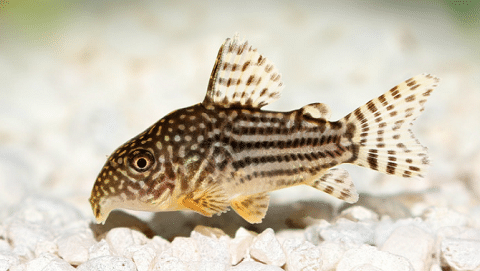

    ๐Ÿ“˜ Want to learn more? This article is part of our complete Freshwater Fish Guide โ€” your ultimate resource for freshwater species, care tips, tank setup, and more.

  • Planaria In Aquariums: How I Identify and Get Rid of Them

    Planaria In Aquariums: How I Identify and Get Rid of Them

    The first time I spotted white worms wriggling in one of my tanks, I did a double take. Planaria are one of those pests that seem to appear out of nowhere โ€” and they can quickly become a real problem, especially in shrimp tanks. Over the years I’ve dealt with them in multiple setups, and I’ve learned that overfeeding is almost always the root cause. These flatworms thrive when there’s excess organic waste, so the best defense starts with good tank hygiene. In this guide I’ll cover what planaria actually are, why they show up, and the most effective ways I’ve used to get rid of them without nuking your whole tank.

    What Are They?

    Planaria are commonly known as flatworms. These animals belong to the Turbellaria class and the larger phylum of Platyhelminthes1. They can be found in a variety of ecosystems, including freshwater, brackish water, marine, and even in humid terrestrial settings. There, they play an important role in the ecosystem and can even be used as a bioindicator for the conditions of the environment. Though Planaria are abundant, they are actually quite sensitive to poor environmental conditions.

    In addition, species of Planaria exhibit regeneration. These incredible animals are able to regenerate a new independent flatworm from just 1/200th of a piece; if split in two, the head piece will develop a tail while the tail piece will develop a head. Planaria also share some genetic similarities with humans, making flatworm bioindication and regeneration a hot topic of scientific study and application.

    Because flatworms are so small and elusive, it’s impossible to know how many species exist, though rough estimates are about 4,500 unique worms. One thing is for sure though, they have happily made their way into the home aquarium.

    What Do They Look Like?

    If you have a planted tank or reef setup, you probably have aquarium worms in your aquarium whether you like it or not. While most species of Planaria flatworms are harmless, the good ones are difficult to tell apart from the bad ones. This is why it’s recommended to remove and treat for planarian flatworm if you find one in your aquarium regardless.

    First, you need to know what one of these small worms looks like.

    Planaria Worm Under Microscope

    Planaria flatworms are named after their flat bodies. These animals are dorsoventrally compressed, meaning they have flattened bodies from both the under and upper sides. One of their main characteristics is their triangular head, which usually has two observable eyespots.

    Flatworms are very small and typically stay well under half an inch in length. There are a few types of planaria worm found in the aquarium:

    • Light Planaria, sometimes called white Planaria or white worms, are typically species from the Procotyla genus. They are freshwater worms from North America and Russia. They are very light and creamy in color, though they might have bursts of darker color across their bodies.
    • Dark Planaria are often Dugesia species, which are much more widespread throughout the world and are found in freshwater ecosystems.
    • Red flatworms (Convolutriloba spp.) are one of the most common marine Planaria worms to come across. They reproduce quickly and can quickly suffocate corals. When killed, these rust-colored worms also release a toxin that can become dangerous to other aquarium inhabitants. Interestingly, red flatworms are largely photosynthetic.

    Keep in mind that Planaria flatworms are typically only a few millimeters in length, making them incredibly difficult to accurately identify. Planaria flatworms are not the only worm in the aquarium though, and lots of other aquatic worms are beneficial to our systems.

    It can be easy to confuse Planaria worms with detritus worms that live in the substrate, cleaning up leftover food and providing oxygenation. Detritus worms will typically stay in the substrate or along the bottom of the aquarium and have a long and thin rounded body. This is much different from the flattened appearance of a flatworm.

    Planaria In Aquarium? How Do They Get In

    Planarian worms are hitchhikers just like any other creature that has unknowingly made its way into your aquarium. They show up in your aquarium one day, fully established.

    Like other hitchhikers, Planaria flatworms enter the aquarium through direct transfer of rock, media, substrate, plants, or other aquarium decorations. It is also possible that Planaria eggs are transferred on these objects which will then hatch in the new aquarium. On rare occasions, Planarian worms and eggs may be transferred with the aquarium water.

    Like many other pests, Planaria populations will largely depend on the overall resource availability of the fish tank; population numbers may increase and decrease depending on water quality and feeding frequencies. While it’s normal to find one or two Planaria flatworms every now and then, you might find yourself facing an infestation.

    No matter how many worms you observe in your aquarium, it is always recommended to remove them as soon as possible. This is mainly to prevent an infestation but also because it can be hard to know if the type of flatworm you have is harmful to your system or not. It is better to prevent a problem before it happens than to clean up the mess.

    Are They Harmful To Fish?

    But how harmful are Planaria worm species? Will they kill your fish and invertebrates overnight or wait until you least expect it to strike?

    No, it is very unlikely for Planaria to affect your fish and larger invertebrates, like shrimp and snails (and also crabs); at the same time, Planaria have been known to attack and kill shrimp (see video above). While some species of Planaria are parasitic, they are rarely seen in the home aquarium. Instead, most fish tank Planaria species are free-living, burrowing into the rocks and substrate.

    These free-living Planaria worms can become problems, especially for corals. One of the most common pests is the red Planaria worm, which reproduces quickly and suffocates corals. However, there are other types of flatworm that target specific species of coral, like the Acropora eating flatworms (AEFW).

    These flatworms, Amakusaplana acroporae, are nearly impossible to see before it’s too late. AEFW flatworms feast on the coral’s flesh and then lay their eggs around the base of the skeleton. These Planaria worms are nearly the exact same color as the Acropora they eat, making them blend in and camouflage an already bare coral skeleton.

    On the other hand, a controlled Planaria population can be beneficial for the home aquarium. These worms are excellent members of the cleanup crew and are a high-protein source of food for many fish species, especially wrasses. With careful feeding and regulation, these pests can be put to good use.

    How To Get Rid of Worms

    The problem is that by the time you find one Planaria swimming across the front of your aquarium glass, you already have a problem. Remember, these worms reproduce quickly and one can quickly lead into a full Planaria infestation.

    Because these worms are so small, removal can be difficult. Luckily, there are a few methods to get rid of Planaria worms through manual removal, chemical treatment, or the addition of new aquarium inhabitants.

    Manual Removal Of Flatworms

    Manually removing flatworms is like treating any other pest and requires determination and consistency.

    However, it’s important to keep in mind that some Planaria worms are capable of releasing toxins into the aquarium upon death, which should be avoided as much as possible. For extra precaution, make sure to run activated carbon filter media.

    Otherwise, these worms can be carefully removed from the aquarium over the course of a few weeks.

    Aquarium Vacuuming

    Remove worms as you see them. If you find one crawling along the aquarium glass, carefully use a net or other container to get it out of the fish tank. This might seem simple enough, but it’s also worth taking a few extra minutes during a water change to suck up any flatworms that you see on corals, rocks, or plants with an aquarium vacuum.

    Some species, like the red flatworm, are easier to remove than others. After safely removing them from the tank water, they may be disposed of through specialized coral dips, boiling water, or other proven household chemicals.

    At the same time, feedings should be decreased. As mentioned before, a blossoming Planarian worm population is often directly linked to food availability. By limiting food temporarily while also undergoing population control, eliminating flatworms becomes a whole lot easier.

    Flatworm Traps

    Because hobbyists regularly struggle with flatworm infestation scares, tools have been developed to make the solution as easy as possible. One of these tools is a planaria trap.

    These traps come in many shapes and designs and may even be DIY’d. The main goal is to draw as many worms as possible by using extra smelly bait and leftover food. The Planaria trap is designed to allow the flatworms to enter but not to leave, letting hobbyists leave their aquariums alone to catch worms for them.

    The problem with the Planaria trap is that it can attract other smaller invertebrates and cleanup crew, like adult shrimp and other worms. Though the trap won’t kill them immediately, it makes predation easier while also stressing out the animals.

    The other problem with using a Planaria trap is that progress is slow and indefinite. These traps will not get rid of a Planaria infestation. Instead, they can regularly be used for population control.

    Chemical Treatment

    If your Planaria infestation is literally out of your hands, then you may need to turn to a more immediate solution. However, chemical treatment should be a last resort as products designed only for Planaria worms can be difficult to find and dose. Luckily, there are a few products that only affect Planaria, though they might originally be meant for other animals.

    The best chemical treatments for eliminating Planaria are:

    • Praziquantel. This treatment is generally safe for most fish species, though wrasses might be more susceptible to negative side effects. It may kill fan and bristle worms but should not affect other invertebrates in fish tanks.
    • Salifertโ€™s Flatworm Exit. This chemical is one of the safest for all reef organisms, but can sometimes be ineffective at normal doses. This makes it so that you need to overdose on the product, which can lead to a mass die-off of worms that then release too many toxins that affect the whole tank.
    • Levamisole hydrochloride. Products that have this active ingredient are Levisol, Fenbendazole, Safe-Guard, and Paracur. These chemical treatments offer wide coverage and will kill most invertebrates in the aquarium and should be used as a last resort.
    • Interceptor. A canine dewormer that is used for reef tanks to eliminate flatworm infections
    • No Planaria. This is a shrimp-safe treatment that works for heavy infestations. Make sure to remove beneficial aquarium snails and chemical media when using this product. The active ingredient is Betel nut palm extract. This is a natural treatment that can be effective against planaria in the aquarium.
    No Planaria

    A shrimp safe treatment that works to eliminate Planaria from your aquarium. Great for battling infestions

    Buy On Amazon

    While these chemicals can be extremely effective, most do not treat for Planaria eggs. This is why it’s recommended to quarantine all new live rock (for saltwater tanks), plants, substrate, and filter media that is being transferred from one aquarium to another.

    New Fish And Invertebrates

    One of the best things about having Planaria worms in your aquarium is having an excuse to buy new fish and invertebrates. Like any other solution for pests, new aquarium inhabitants should not be purchased for a temporary solution. Fish and invertebrates should be given what they need for an indefinite time period.

    That being said, there are a few natural predators that eat Planaria in Freshwater tanks.

    Freshwater Angelfish

    • Scientific Name: Pterophyllum spp.
    • Minimum Tank Size: 30 gallons
    • Maximum Size: 6 inches
    • Aggression: Semi-Aggressive

    Freshwater angelfish are big, colorful fish that can work up an appetite. These fish are largely categorized as omnivores but can go into a frenzied state when live, meaty foods are introduced into the aquarium.

    This can be used to the benefit of the hobbyist as freshwater angelfish are likely to go after flatworms to supplement their diet. Though these fish aren’t the most proactive hunters, they can certainly help keep worm populations under control.

    Once flatworm populations run low, angelfish can then sustain themselves on other foods instead.

    Gouramis

    • Scientific Name: Trichogaster spp.
    • Minimum Tank Size: 10-40 gallons
    • Maximum Size: 6 inches
    • Aggression: Semi-aggressive

    Gouramis and angelfish have very similar diets and are just as capable of controlling a flatworm population in the fish tank. These colorful fish species will gladly eat any flatworms they come across, and won’t need to be supplemented in the future.

    Again, gouramis will not eliminate the problem completely but will help keep numbers down.

    Tiger Barbs

    • Scientific Name: Puntius tetrazona
    • Minimum Tank Size: 30 gallons
    • Maximum Size: 3 inches
    • Aggression: Semi-Aggressive

    In a school, tiger barb behavior has sometimes been equated to that of a hungry pack of piranhas, and they definitely have the predatory instincts to prove it!

    Like angelfish, tiger barbs go into a frenzy when food is present. They are largely omnivores but will prefer a more meat-based diet, making them the perfect candidate to eat Planaria worms. The only problem can be their over-aggression, which limits tank mate options.

    Assassin Snails

    • Scientific Name: Clea helena
    • Minimum Tank Size: 30 gallons
    • Maximum Size: 3 inches

    If you’re pressed on space or just can’t add another fish to your aquarium, then an assassin snail might be what you’re looking for. However, these snails won’t go after flatworms on their own and they might need some encouragement; all the while, it’s likely that your assassin snail will attack any other snails in the aquarium.

    In order to get your assassin snail to target flatworms, it’s recommended to feed the tank less. This will make your snail hungrier and possibly more interested in the prey that is already available.

    It should be noted that this is not a guaranteed method but can help hobbyists keep up with manual removal.

    Saltwater solutions

    In general, wrasses and blue velvet nudibranchs (Chelidonura variants) are the best biological solutions to get rid of Planaria worms. The six line wrasse (Pseudocheilinus hexataenia), melanurus wrasse (Halichoeres melanurus), yellow coris, and canary wrasse (Halichoeres chrysus) are especially known for their flatworm-eliminating powers.

    Planaria worms are great food for fish and most species of wrasse won’t turn down a free meal. Unfortunately, wrasses are active fish that need more space than the blue velvet nudibranch. They also prefer a substrate that they can burrow into at night.

    Other Options

    Hobbyists have also tried some species of dragonet and blenny, but both these fish seem to be more interested in other food in the aquarium first.

    Some hobbyists have even tried peppermint shrimp (Lysmata wurdemanni) that are successful Aiptasia hunters. However, they’re just as likely to move on to other foods first than to fully control Planaria worm populations in the aquarium.

    Quarantine And Prevention

    The best way to prevent a Planaria worm outbreak is by stopping them from entering your freshwater or saltwater aquarium in the first place. This can be done by quarantining new live rocks, plants, filter media, and other aquarium decorations. Preventative dips may also be used for faster results.

    With any new addition to the aquarium, a quarantine period should be allowed. This should last about 2-4 weeks to allow worms to emerge and for any eggs to hatch. At this point, the problem is contained and can be freely treated with any of the methods mentioned before: manual removal, chemical treatment, or added fish and invertebrates.

    The benefit of quarantine is that you don’t need to worry about sensitive fish or invertebrates that would otherwise be affected by the most effective chemical treatment options. You also don’t need to worry about nuking your tank with dead Planaria!

    The quicker method (for saltwater tanks) is rinsing new objects and media in a coral dip or other homemade solution. There are many coral dips that will treat a variety of pests, including flatworms.

    An alum dip is especially popular for dipping and treating freshwater live plants.

    While these dips are largely effective, some worms have grown immune to their effects. Planarian eggs may also not be affected and may need to be manually removed.

    Final Thoughts

    Planaria flatworms aren’t something you want to see in your aquarium, but they’re not the most destructive or overwhelming pest. Luckily there are a few methods to get rid of Planaria worms, including manual removal, chemical treatments, and new aquarium additions.

    As with any pest, prevention is the best way for eliminating flatworms altogether.


    ๐ŸŸ Want to learn more? This article is part of our complete Aquarium Care Guide โ€” your ultimate resource for water chemistry, maintenance, feeding, disease prevention, and everything you need for a healthy tank.

  • The 7 Best Betta Foods: What I Actually Feed My Bettas

    The 7 Best Betta Foods: What I Actually Feed My Bettas

    With over 25 years of experience in the aquarium hobby, Iโ€™ve assisted countless clients, hobbyists, and readers like you in picking the best foods for their fish. Iโ€™ve personally tested these products in real world scenarios to determine the best foods for your betta fish.

    The Top Picks

    Editor’s Choice
    Fluval Bug Bites
    • Insect based
    • High protein
    Most Available
    Northfin Bits
    • Pellet food
    • Made for bettas
    Beginner Friendly
    Hikari Bio-Gold
    • Easy to find in stores
    • Easy to feed

    For those of you in a hurry, let’s cut to the chase. My top recommendation are Fluval Bug Bits. This product is made from solider fly larvae and provides everything a betta needs as a main food staple. Northfin betta pellets is also an excellent choice and well priced for what you get it has not fillers and is better than the vast majority of pellet products available. The most available and best budget option would be Hikari Betta Bio-Gold. This is sold in an easy to measure packet that makes it very easy to feed your betta the correct portions.

    The Candidates – A Quick Comparison

    Going through all the various fish food products out there, here are the products that made the cut for me. Each are high quality foods. I select a product for each type of fish food.

    PictureNameBest ForLink
    Editor’s Choice
    Fluval Bug Bites
    Fluval Bug Bites
    • Pellet food
    • Natural
    • High protien
    Buy On PetcoBuy On Amazon
    Best Value
    Northfin Betta Bits
    Northfin Betta Bits
    • Pellet food
    • Made for bettas
    Buy On AmazonBuy On Chewy
    Beginner Friendly
    Hikari Betta Bio-Gold
    Hikari Betta Bio-Gold
    • Pellet food
    • Easy to feed
    Buy On AmazonBuy On Chewy
    Freeze Dried Blackworms Freeze Dried Blackworms
    • Freeze dried
    • Can be soaked in vitamins
    Buy On Amazon
    Hikari Freeze Dried Daphnia Hikari Freeze Dried Daphnia
    • Freeze dried
    • Multi-vitamin enhanced
    Buy On Amazon
    SF Bay Multi-Pack SF Bay Multi-Pack
    • Frozen food
    • Great variety
    Buy On Petco
    Frozen Bloodworms Frozen Bloodworms
    • Frozen food
    • Great source of protein
    Buy On Petco

    The 7 Best Betta Food Products

    Let’s go into detail and see why each product made this list below.

    1. Fluval Bug Bites

    As I mentioned earlier, Bettas are primarily insect eaters. This is their staple diet in the wild. Fluval’s bug bites formula attempts to replicate this by using Black Solider Fly larvae as the primary ingredient in their food line. This particular line is made for Bettas, with a small enough granule size to accommodate their mouths.

    What you get is a natural and protein rich fish food in an easy to digest pellet. This pellets are your usual pellets as they break apart easily and function more like freeze dried food. From a digestive perspective, it’s the perfect pellet. The folks at Fluval explain their process and reasons for the formula below.

    This betta fish food is great nutritionally, best can be messy to feed. Keep this in mind when using it so you don’t accidentally end up with excessive food wasted. Once you learn how to feed with it, it’s the best overall food you can buy. I recommend this as a staple food to mix with the others mentioned below.

    Pros and Cons

    Pros
    • High quality ingredients
    • Made for bettas
    • Insect derived
    Cons
    • Can be messy to feed
    • Doesn’t always float

    2. Northfin Bits

    Best Betta Pellet Food
    Northfin Betta Bits

    A pellet fish specially formulated for Betta Fish. This is a great staple pellet food to add to your Betta’s diet!

    Buy On Amazon Buy On Chewy

    Looking for high-quality pellet food to feed your betta? Look no further than Northfin Betta Bits! These pellets are made in Canada and are packed with protein, making them the perfect choice for your finned friend. Plus, they contain no fillers, so you can be sure your Betta is getting the nutrients they need.

    The pellets are perfectly sized for bettas and tend to give a good feeding response to your fish. It is going to be more expensive than lower-quality pellet foods but is one of the best pellet foods you can purchase today. I feel they are superior to the omega one betta line and new life spectrum betta foods that compete with it.

    Pros and Cons

    Pros
    • High quality ingredients
    • Made for bettas
    • Ideal sized pellets
    Cons
    • Sink quicker than other pellets
    • Expense for a pellet food

    3. HikariBio-Gold Baby Pellets

    Hikari Betta Bio-Gold

    Hikari’s Betta Bio-Gold formula. Contains high quality ingredients in an easy to use feeding package. A great beginner food

    Buy On Amazon Buy On Petco

    If you are looking for the perfect betta fish food for a beginner it would have to be Hikari’s Betta Bio-Gold. The way the package is designed is made for the beginner. You can use the package to count the number of pellets and ensure your fish is not overfed.

    The food itself is also of great quality. It is designed by Hikari, which is known for its superior quality food. The food itself has been researched by Hikari’s R&D team. They were the first food manufacturer to design food for specific species of fish long before it was fashionable to do in the aquarium trade.

    You don’t get as much food as other products, but the package makes feeding easy to do. Make sure you take care of the package though, as it can break over time and doesn’t have a cap like other pellet foods.

    Pros and Cons

    Pros
    • High quality ingredients
    • Easy to feed
    • Great price
    Cons
    • Not a lot of food
    • Package can break

    4. Freeze Dried California Blackworms

    Blackworms have gotten my attention over the years as superior live food for marine fish. It also is a great food source for freshwater fish and bettas. I feel blackworms are superior to freeze-dried bloodworms due to their better nutritional profile. These blackworms are freeze-dried and easy to feed to your bettas.

    As with other friend-dried foods, they will easily soak up any type of vitamin product you use. I would recommend Vita-chem for freshwater fish. Using these blackworms and a vitamin doser will greatly enhance your Betta’s color and activity

    This is a very filling betta fish food that you will need to be careful about overfeeding. It also does not float much. There is a bit of a learn curb with this food over others, but if you are doing this food with Vita-chem you will have a food combo that is rich in protein and vitamins.

    Pros and Cons

    Pros
    • Great protein source
    • Can be vitamin dosed
    • Very filling
    Cons
    • Doesnโ€™t float much
    • Can be messy

    5. Hikari Freeze Dried Daphnia

    Hikari Bio-Pure Freeze Dried Daphnia

    Daphnia is a great food source for fish. Comes multi-vitamin enhanced and easy to feed.

    Buy On Amazon

    If you don’t want to worry about fish bloat, Daphnia is a great food source to try. It is considered a great laxative in the aquarium trade. This freeze dried version from Hikari also comes vitamin enriched, saving you on having to use a vitamin doser.

    This betta fish food also provides one of the best feeding responses from freeze dried food. As you move up the chain in quality from from pellet to freeze dried to frozen food, this product is a great stepping stone to get your Betta fish more comfortable and ready for whole foods.

    Pros and Cons

    Pros
    • Vitamin enhanced
    • Best feeding response
    • Laxative for fish
    Cons
    • Expensive
    • Can be messy

    6. San Francisco Bay Brand Frozen Freshwater Multipacks

    Anyone who has been in the aquarium hobby for a while will rave about the benefits of whole frozen foods for fish. The problem with many frozen foods is you only tend to get one type of ingredient. This variety pack from SF Bay addresses this issue by offering 4 types of fish food in one package. You get the following with this product:

    • Freshwater Frenzy – Bloodworms, Cyclops, and Daphnia
    • Emerald Entree – Spirula, Mysis Shrimp, Fish Oil
    • Spirulina Brine Shrimp – The best frozen brine shrimp you can buy
    • Bloodworms – A common freshwater fish staple

    All of these formulas are whole foods, rich in vitamins and protein and food your betta will gobble up. The cubes are large for a betta fish, so plan on store your food properly. This food is expensive and will take up space in your freezer. Keep this in mind when you consider purchasing it.

    Pros and Cons

    Pros
    • Variety
    • Highly nutritious 
    • Very filling
    Cons
    • Doesn’t float
    • Messy

    7. Gamma Frozen Bloodworms

    Frozen blood worms are a great treat for your Betta fish. These are an excellent source of natural protein for your fish and is pathogen free being a frozen food.

    These worms can be very filling and will get your fish looking fat fast. This fish food is easy to overfeed, so watch the portions that you provide to your fish.

    Pros and Cons

    Pros
    • Great feeding response
    • Very filling
    Cons
    • Expensive
    • Messy

    What Kinds Of Things Do They Actually Eat In The Wild?

    Betta fish are insectivores meaning they primarily eat insects in the wild1. In the wild, they will eat insects and insect larvae. Because of their diet in the wild, this means that you will want to ensure your Betta eats a diet that is rich in protein, but also has the roughage of to keep them from getting bloat. Roughage for a insect full of insects would be chitin from arthropods like brine shrimp and krill. This can make low grade processed fish food suspect.

    Our Criteria

    When it comes to figuring out the best betta food in the aquarium trade, I look at several factors when going over the options you can buy today.

    • Natural foods – I want food Betta actually eat in the wild and that is nutritious to them
    • No fillers – Fillers are in low quality food. I want more whole food and natural food for your pet
    • Quality brands – No generic or unproven brands. Sticking to tried and true here
    • All types of foods – I’m select foods from pellet, freeze dried, and frozen

    By looking at the list, you should have a well balance menu for your betta fish by purchasing the foods recommended.

    Types

    Let’s look at the various types of food available on the aquarium trade for Bettas. Generally, the heirarchy of food from worst to best goes Flake Food > Pellet Food > Freeze Dried Food > Frozen Food > Live Food.

    Unfortunately, live food is unpractical for most, but I’ll explain more below.

    Flake

    Flake food is the food you will find at all pet stores. It is going to be the cheapest and easiest to feed food you can purchase. While you can buy it, it is often times going to be the lower quality food you can purchase. It is best to use in a pitch or for an auto-feeder, but shouldn’t be a food you should rely on heavily.

    Pros of Flake

    • Cheap
    • Easy to feed
    • Can be placed in an auto feeder

    Cons of Flake

    • Highly processed
    • Typically going to be the poorest quality fish food

    Pellets

    Pellet Foods

    Pellet food a step up from flake and actually has some high quality brands like Northfin and Hakari available. This food I feel can be a staple for for your Betta, but you do have to be careful with over relying on it. Pellet food if overfed can result in constipation and bloat issues. You can mitigate this by soaking your pellets before feeding them. It is going to be the highest quality food you can use in a

    Pros of Pellets

    • Good brands available
    • Easy to use
    • Can be placed in an auto feeder

    Cons of Pellet

    • Can cause constipation or bloat
    • Quality can vary

    Freeze Dried

    Freeze dried food offers whole food that is dried and less processed than pellet or flake food. It looks more real to your Betta and will encourage a feedingresponse. It can also be dipped in vitamins, which this food does an amazing job soaking up. Freeze dried food can also be used in an auto feeder

    Pros of Freeze Dried

    • Whole food
    • Takes vitamins well
    • Can be placed in an auto feeder

    Cons of Freeze Dried

    • More expensive
    • Can be messy

    Frozen

    Frozen food offers a whole and nutritious meal for your betta fish. It will have the highest nutrient content and will be the most filling for your fish. Frozen food is where you get to see your fish really pig out when they eat. It is the second most expensive of the foods available and can be messy. It can be easy to overfed if aren’t too careful. It’s also smelly.

    Pros of Frozen

    • Very nutritious
    • Very filling
    • Lots of variety

    Cons of Frozen

    • Messy
    • Expensive

    Live Foods

    Daphnia

    Live foods are the best food you can fed to a Betta, if you have the time and patience for it. You provide your fish the essential guy bacteria in order for them to build a healthy immune system and the feeding response is second to none. Even the pickiest fish cannot resist live foods.

    It is best if you are going to use live fish food to cultivate your own. You can buy them at a pet store, but you run the risk of transferring disease. It is time consuming and can be messy to make your own live food, but it is also very rewards — and your Betta fish will love you for it!

    For live foods, daphnia, brine shrimp, and California black worms are great to cultivate.

    Pros of Live

    • Best feeding response
    • Best nutrition
    • Great for picky fish

    Cons of Live

    • Risk of disease
    • Time consuming

    How Much Do You Feed Your Pet?

    This is a very popular question I get from readers. Betta fish always look hungry and like to beg for food. This can make it seem like they are starving all the time. While it could be great for your fish to feed them all the time, it isn’t great for their digestive system and its not great for the health of your water. Your lives are busy as well with lots of responsibilities. It can be difficult to feed a fish multiple times of days.

    Knowing all of this, I can comfortably say that you should feed your pet Betta once a day six days a week. Why only six days? This is because it’s a good idea to have freshwater fish fast for a day a week in order to clean out their digestive systems. Betta can live for nearly a week without food, but you don’t obviously want to do that.

    FAQs

    What is the best food to feed them?

    The best food to feed betta fish would be cultured live foods like daphnia and blackworms. However, this is something that can be time consuming and not what a hobbyist would want to do. Frozen foods mixed with dried foods and a high quality pellet food staple would be the best combo of foods to feed a Betta fish. Look for brands like Fluval, Hikari, and Northfin when shopping for Betta food.

    Do they prefer flakes or pellets?

    Bettas will prefer pellets over flake foods. Pellets will replicate their natural foods more and can be gulped up in one bite. Overall, pellet food is going to be of higher quality than flake food.

    How many pellets should I feed my pet?

    The number of pellets will actually depend on the type of pellet you are feeding your Betta fish. Usually 4-7 pellets a day is going to be okay for your Betta fish, but it could be more or less depending on the food and the size of your fish.

    Take a look at your Betta’s belly after eating, the belly should be full but not extended. If you are getting more of a bloated look, consider cutting down on the food. You should start with a small number of pellets and work yourself up when determining how many to feed your fish each day.

    Why is mine spitting out his pellets?

    There are a few reasons why your betta might be spitting out his pellets. The most common reason is that the pellets are too big for him to eat or not soft enough. Bettas have small mouths, so they can only eat small pellets. If the pellets are too big, they will spit them out.

    Another reason might be that the pellets are old and stale. If they’ve been sitting in the water for a while, they might not be as fresh as they once were. Finally, some bettas just don’t like eating pellets. They would rather eat live food or frozen food. If your betta is spitting out his pellets, you can try giving him smaller pellets or fresher pellets. You can also try frozen or live foods.

    Closing Thoughts

    While there are many different types of betta foods on the market, we recommend sticking to these seven. They provide a well-rounded and high-quality diet for your fish and will help them stay healthy and looking their best. If youโ€™re looking for variety in your bettaโ€™s diet, experiment with some of the other foods on the list. But always make sure that they are Bettafish safe! Do you have a favorite type of food to feed your betta? Leave a comment below and let us know what it is!


    ๐Ÿ“˜ Want to learn more? This article is part of our complete Betta Fish Guide โ€” your ultimate resource for betta care, types, tank setup, feeding, tank mates, and more.

  • How to Prevent Snail Eggs From Taking Over Your Aquarium

    How to Prevent Snail Eggs From Taking Over Your Aquarium

    Snail egg explosions are something almost every planted tank keeper runs into eventually โ€” including me. I’ve had mystery snails I intentionally kept, and I’ve had hitchhiker bladder snails multiply to the hundreds before I even noticed what was happening. The key is catching it early and understanding where the eggs come from, because new plants and dรฉcor are usually the culprit.

    Snail eggs are one of those problems that sneak up on you. One week your tank looks fine, and the next you’ve got hundreds of tiny snails coating the glass. I’ve been through this more than once โ€” usually after adding live plants without quarantining them first. Most pest snails like bladder snails and ramshorn snails hitchhike in as eggs on plants, and they can multiply fast once they’re established. The good news is that prevention is straightforward once you know what to look for, and there are reliable ways to get things back under control. Here’s what I’ve learned works โ€” and what doesn’t.

    Freshwater Snails (Where Snail Eggs Come From)

    Snail eggs start with adult snails. Whether you like it or not, snails will most likely end up in your freshwater fish tank. These invertebrates are some of the most successful hitchhikers, invading tanks by the hundreds.

    The problem is that snails start off very small. They like to attach themselves to live plants and other aquarium decorations before being transferred to a new tank, making the transition from one setup to another seamless. Even more so, most freshwater snail eggs are extremely difficult to spot and are mostly immune to pesticides.

    Once in the aquarium, snails will continue to reproduce either sexually or asexually; as we’ll see, there is one species of aquarium snail in particular that needs brackish water conditions to reproduce and is the most optimal choice for controlled systems. Otherwise, snail overpopulation can become a big problem for hobbyists very quickly as more snails equal more waste.

    To understand how snails reproduce, we need to first understand more about the different species available to hobbyists. The main species are:

    Malaysian Trumpet Snails

    Trumpet Snail
    • Scientific name: Melanoides tuberculata
    • Maximum size: 1 inch
    • Minimum tank size: 10 gallons
    • Reproduction: Asexually
    • Pest: Yes

    Malaysian trumpet snails are some of the most problematic snails as they are believed to reproduce asexually. These snails are small and difficult to see on incoming plants and decorations as they stay under an inch long.

    These aquarium snails are so problematic because not only are they asexual, but they also give birth to live young. This makes it impossible to prevent reproduction; as long as there is food in the tank, this freshwater snail species will continue to reproduce indefinitely.

    Ramshorn Snails

    Ramshorn Snail
    • Scientific name: Planorbidae family
    • Maximum size: 1-2 inches
    • Minimum tank size: 10 gallons
    • Reproduction: Sexually
    • Pest: Yes

    Ramshorns are unique and beautiful snails, which is probably why they end up overrunning so many aquarium systems. They have tight, swirled shells that can come in many light and dark color variations. Ramshorn snails are also effective algae cleaners and don’t take up a lot of space.

    The problem is that many beginner hobbyists see these freshwater snails and think to add several to their new tank. As a sexual snail species, ramshorn snails will reproduce and lay eggs almost immediately. Once ramshorn snails have entered your aquarium, they will continue to thrive based on food availability.

    Ramshorn snail eggs are some of the most difficult to see, with a transparent sac surrounding nearly transparent eggs. These eggs are usually laid at or below the waterline.

    Mystery

    Mystery Snail
    • Scientific name: Pomacea bridgesii
    • Maximum size: 1-2 inches
    • Minimum tank size: 10 gallons
    • Reproduction: Sexually
    • Pest: Yes

    Mystery snails are one of the most common freshwater snails to come across in your local pet store, but you won’t find them in more experienced hobbyist tanks. These snails might look like great cleaners, but they’re simply too large and reproduce too quickly if more than one snail is in the aquarium.

    This species is one of the most colorful, ranging in color from light greys and yellows to marbled browns. However, they’re not the best at cleaning algae and can become a pest if allowed to reproduce. It’s believed that their radula, or their teeth-like structure, are not as strong as better algae-eating snails. Because these snails are comparatively big, they do better in larger tanks.

    Mystery snail eggs are some of the largest and most noticeable. These clutches are very dense and usually laid at or above the waterline on the aquarium glass.

    Assassin

    • Scientific name: Anentome helena
    • Maximum size: 3 inches
    • Minimum tank size: 30 gallons
    • Reproduction: Sexually
    • Pest: No

    Assassin snails are another popular aquarium snail species in the hobby due to their usefulness (video from The Dave). As their name implies, they are predatory snails that will attack and eat other snails. This can be very useful for controlling pest snail populations. Unfortunately, this also means that they’ll leave problematic algae alone.

    Assassin snails are one of the bigger species of snail and need a larger minimum tank size. They have a bright brown and yellow swirled shell that provides color to the aquarium while serving a purpose. This helps them blend into the substrate, where they will burrow and bury themselves until ready to feed.

    As for freshwater snails, assassin snails are the least likely to overpopulate an aquarium as they need a sexual partner and lay eggs one at a time. Though they’ll kill most snail species and even possibly dwarf shrimp, they’ll mostly leave larger ones alone.

    Assassin snail eggs are singular and hard to see. They are most often laid on the aquarium glass in translucent sacs.

    Nerite

    • Scientific name: Neritina spp.
    • Maximum size: 1 inch
    • Minimum tank size: 10 gallons
    • Reproduction: Sexually
    • Pest: No

    Nerite snail species are probably the best snail to have in both the freshwater and saltwater aquarium. These snails are great cleaners, stay relatively small, and have attractive yellow and brown swirled shells.

    The best thing about Neritina species is that they need brackish or saltwater conditions to reproduce. This makes it impossible for nerite snails to overpopulate a freshwater tank, leaving them to focus on cleaning.

    Still, it is very common for females nerite snails to lay eggs in the freshwater aquarium. These nerite snail eggs will look like small white capsules on the underside of driftwood, rocks, and plants. However, they will not hatch if the water never becomes saline.

    Snail Eggs

    If you introduce any of the freshwater snails on this list into your aquarium, you’re bound to find snail eggs. Whether these eggs are fertilized and hatch will depend on the species of aquarium snail you’re dealing with. It is safe to say that ramshorn snail and mystery snail eggs will all be fertilized and turn into a bunch of baby snails.

    First, you need to be able to identify what aquarium snail eggs look like. Then, you can deal with removing them and controlling snail populations.

    What Do Freshwater Aquarium Varieties Look Like?

    Snail Eggs on Aquarium Glass

    Freshwater snail eggs are easy to identify but difficult to find.

    Snails lay their eggs in safe areas that are hard to reach or out of sight. This means under the leaves of live plants, driftwood, and even rocks, though sometimes snails will lay eggs right at the waterline. Looking for snail eggs is especially important when bringing new live plants into the aquarium as they can be easy to miss, causing a snail infestation.

    For the most part, freshwater snail eggs look the same no matter the species of snail. Snail eggs are laid in a clutch. Each egg clutch is filled with individual eggs safely packed within a transparent gelatinous sac. This is in contrast with nerite snails that lay individual eggs in a line.

    These individual infertile eggs can be blue, pink, or creamy and are slightly transparent. Once they become fertilized eggs, they will turn darker in color and have observable dark and brown spots across the individual egg. If the eggs go unfertilized, they will not change in color or appearance.

    How Long Do They Take To Hatch?

    Again, how long it takes for snails eggs to hatch will depend on the species. In general, freshwater snail eggs will hatch in between 2 to 4 weeks after being fertilized.

    Water parameters, especially water temperature, will greatly influence how quickly eggs hatch. However, there aren’t many benefits to speeding up the process as snails are easy to breed.

    If several weeks pass and your baby snails have yet to hatch, then there is a chance that something went wrong or they were never fertilized. At this point, the unfertilized eggs may be removed or left in the tank for other fish and invertebrates to eat.

    Removing From Your Tank

    As mentioned before, many hobbyists struggle with snail infestations. Having too many snails is not always a good thing as there start to be more disadvantages than benefits.

    But how do you know if you should remove snail eggs from your aquarium or not?

    Unless you’re breeding snails for a reason, like for feeding predatory fish, snail eggs should always be removed from the aquarium. After the first pair of snails, the population growth becomes exponential, which can quickly get out of hand.

    Snails help will algae up until a point. After that, they create large amounts of waste that take away from other livestock and can even damage plants if they weigh too much. The problem is that snail eggs are hard to find and you’re left with catching and destroying hundreds of baby snails, which definitely doesn’t feel great to do. This is why we recommend removing the eggs before they get to that point.

    Here are the best ways to remove freshwater snail eggs before they get the chance to hatch.

    Manual Removal

    The best way to remove snail eggs from your aquarium is by manual removal. This is very easy to do especially if the eggs are on the side of the aquarium glass.

    Simply use a thin card or razor blade to separate the clutch from the glass. Then you may squish them or submerge them in vinegar.

    If the snail eggs are stuck onto the side of driftwood or a rock, then you may need to remove the affected piece. Both the driftwood and rock may be scrubbed or scraped of the eggs. The driftwood can also be boiled if need be.

    Biological Solutions

    Clown Loach in Aquarium

    Luckily, snail eggs are high in protein and are the preferred diet for many freshwater fish and invertebrates. Unfortunately, many of these egg-hungry species also enjoy eating adult and baby snails, which may cause some problems. As long as the snail is larger than the fish, there should be no problems for adult snails.

    Some of these fish include:

    There are a few problems with getting rid of aquarium snail eggs through biological solutions, however. The main problem is that more fish require more room.

    Most types of loach and Corydoras need to be kept in schools of six or more individuals. This is a large long-term addition to the aquarium for a temporary problem. If space is available and the setup is right, then these fish will happily live even when the natural supply of snail eggs has run out.

    The other problem with using a biological solution to treating snail eggs is that not all snails lay their eggs in the same areas of the tank. Loaches and Corydoras live on the bottom of the tank but your snail may choose to lay its eggs towards the top of the tank or out of the water completely.

    Though these fish will surely take care of any eggs or baby snails near the bottom of the tank, it is up to the hobbyist to remove the eggs that are out of reach.

    Remember that the assassin snail is also a good predatory species to control a large snail population.

    Prevention

    Of course, the best way to get snail eggs out of your aquarium is by never introducing them in the first place! This is easier said than done, though it is possible.

    When picking out your clean-up crew, choose snails that use their time to eat algae and not to lay eggs. One of the best options of freshwater snail is the nerite snail as it checks both these boxes.

    Observe and treat new live plants for aquarium snail eggs and baby snails. Some hobbyists choose to quarantine their plants just as they would for new fish or invertebrates. This can be a lengthy process but is definitely the most effective way at preventing unwanted pests from entering the aquarium.

    Otherwise, thoroughly go over the stems and leaves of the plants for transparent egg clutches. There are several dip options that can also be effective:

    • A dip of 2-3 mL 3% hydrogen peroxide to 1 gallon of water
    • A dip of 1:19 ratio of bleach to water
    • A dip of potassium permanganate that has reached a dark pink or purple color when mixed with water

    These dips can be effective for removing not only unwanted snails, but also various types of bacteria, fungus, and parasites.

    If you do not use any methods to prevent snails from coming into your aquarium, they will find their way in time.

    Another great way to prevent snails is to best pest free plants. These plants are going to be tissue cultures and will be sold by specially retailers. Not all types of plants are available as tissue cultured though.

    Final Thoughts

    Snails are a necessary part of the freshwater aquarium ecosystem, but snail eggs are not. Many species of freshwater snail reproduce too quickly in the home aquarium, leaving tanks to be overrun. Luckily, there are a few types of snail that have slow reproduction rates or that can’t successfully reproduce in freshwater entirely.

    If freshwater snail eggs do happen to enter the aquarium, then some consistent manual removal or biological intervention may help solve the problem.


    ๐Ÿ“˜ Want to learn more? This article is part of our complete Freshwater Fish Guide โ€” your ultimate resource for freshwater species, care tips, tank setup, and more.

  • 11 Best Plants For Betta Fish โ€“ Tested by a 25-Year Hobbyist

    11 Best Plants For Betta Fish โ€“ Tested by a 25-Year Hobbyist

    I’ve kept bettas for years and always found that the right plants make a huge difference โ€” not just aesthetically, but for the fish’s actual wellbeing. Bettas love to rest on broad leaves, hide among stems, and explore a tank that feels like natural habitat. The tricky part is that betta tanks are often low-tech setups, so you need plants that can thrive without CO2 or high-end lighting. These are the plants I’ve personally grown in betta tanks and recommend without hesitation.

    With over 25 years of experience in the aquarium hobby, Iโ€™ve assisted countless clients, hobbyists, and readers like you in overcoming the brown thumbs. Iโ€™ve personally grown several of these plants in betta tanks I’ve kept and seen others in real world scenarios to determine the best plants for betta fish tanks.

    The Top Picks

    Editor’s Choice
    Java Fern
    • Adaptable plant
    • Easy to care
    Easy To Maintain
    Anubias Nana
    • Slow growth
    • Stately laves
    Budget Friendly
    Marimo Moss Balls
    • Cheap
    • Works great in small spaces

    Let’s cut to the chase with my top picks. The best plant to try for a betta tank is easily the Java Fern. It is available every, you can even get some cuttings from another betta keeper. They are very adaptable plants and easy to maintain.

    Next up we have Anubias. This plant grows stately leaves and is a slow grower, which means you won’t have to prune as much. Like the Java Fern, it is adaptable and hardy. Easy to find as well. The budget option would be the Marimo Moss Balls. While not as easy to find now, it can fit in the smallest of spaces and does a good job of filtering the tank.

    The 11 Best Plants For Betta Fish

    Let’s go over the best plants for betta fish below. I included a video from our channel for visual learners. I go into further detail below. If you like our content, give us a like and sub on our YouTube channel.

    1. Java Fern

    • Scientific Name: Microsorum pteropus / Leptochilus pteropus
    • Common Name: Java Fern
    • Origin: Widely distributed in Southeast Asia
    • Skill Level: Easy
    • Light Level: Low-Moderate, 40-125 PAR (Umols)
    • Temperature Range: 64 – 82ยฐF
    • Flow Rate: Low, Moderate
    • CO2 Requirement: No

    Java Fern is an amazing first time planted tank owner. A betta fish tends to be one of the first fish a beginner owns. Java Fern is also a great beginning plant that will be forgiving to many of the newbie mistakes one can make.

    Java fern is a great low light / low energy plant tolerates a wide temperature range and requires no CO2 to grow. It is readily available at most stores and is very affordable. It is the best plant to start with if you want to decorate a betta fish tank and still have a very hardy plant.

    2. Anubias

    Great Beginner Plant
    Anubias Nana

    Hardy, forgiving and easy to grow. The Anubias Nana is your ticket to the incredible hobby that is aquascaping!

    Click For Best Price Buy Tissue Culture
    • Scientific Name: Anubias barteri var. nana
    • Common Name: Dwarf anubias, nana anubias, petite anubias
    • Origin: Cameroon, equatorial West Africa
    • Skill Level: Easy
    • Light Level: Low to medium light, 40-125 PAR (Umols)
    • Temperature Range: 72 – 82 F
    • Flow Rate: Low, Moderate
    • CO2 Requirement: No

    Anubias is an amazing plant that not only offers a forgiving plant, but has leaves large enough to serve as a hammock. It also comes in multiple varieties and leaf sizes where you purchase the size most appropriate for your betta tank.

    Anubias Barteri is the traditional Anubias with large leaves while Anubias Nana and Anubias Petite are best used in smaller fish tanks. This aquatic plant is very forgiving, will grow in low light, and grows with no CO2. The main issue with this plant is that it grows slow. Because it grows slow, it is prone to algae overtaking its leaves. Consider wiping algae from its leaves or recruiting algae eaters to maintain its health.

    3. Marimo Moss Balls

    • Scientific Name: Aegagropila linnaei
    • Common Name: Moss balls
    • Origin: Japan
    • Skill Level: Easy
    • Light Level: Low to medium light, 40-125 PAR (Umols)
    • Temperature Range: 72 – 78 F
    • Flow Rate: Low, Moderate
    • CO2 Requirement: No

    Looking for an easy-to-care-for aquatic plant (well actually it isn’t really a plant – it’s algae)? Look no further than the Marimo Moss Ball! This spherical algae ball thrives in any aquarium and grows at a rate of just 5mm per year. As if that wasn’t low maintenance enough, the Marimo Moss Ball is also extremely tolerant to most water conditions.

    Being algae, it does an amazing job of acting as a natural filter for your Betta tank. It will consume ammonia, nitrites, and nitrates in the aquarium. You also can cut them into mats and glue to driftwood and rocks for a moss like appearance. It’s a great plant (algae) to try! So why not add a splash of greenery to your underwater oasis?

    4. Cryptocoryne Wendtii

    Low Tech Plant!
    Cryptocoryne Wendtii

    A great low tech plant for multiple aquascape types and setups. Forgiving and hardy, the Cyrptocoryne Wendtii is a great introduction to rooted plants!

    Buy Tissue Culture Buy Potted
    • Scientific Name: Cryptocoryne wendtii
    • Common Name: Wendtโ€™s water trumpet, Wendtโ€™s cryptocoryne, Wendtโ€™s crypt
    • Origin: Sri Lanka, Asia
    • Skill Level: Easy
    • Light Level: Low-high, 50-200 PAR (Umols)
    • Temperature Range: 68 – 82 F
    • Flow Rate: Low, Moderate
    • CO2 Requirement: No

    Cryptocoryne Wendtii is one of the few rooted plants that work well in Betta tanks. It is a great option for beginners. This easy to grow plant grows at a moderate rate, and can be grown both submerged and emersed. Propagation is also easy – done by simply cutting off new plantlets growing from the mother rhizome.

    Cryptocoryne Wendtii can also grow in a variety of light doing well in high low and low light environments. If you are looking for a rooted plant, this is once of the best suited plants for a betta fish.

    5. Water Sprite

    Water Sprite

    Readily available and easy to grow. This fast growing plant will soak up nutrients and thrive in low light

    Click For Best Price Buy On Amazon
    • Scientific Name: Ceratopteris thalictroides
    • Common Name: Water Sprite, Indian Water Fern, Oriental Water Fern, Water Stag-horn Fern
    • Origin: Northern Australia, Southeast Asia, India, East Africa, and Central America
    • Skill Level: Easy
    • Light Level: Moderate 30-80 PAR (umols)
    • Temperature Range: 72 – 82 F
    • Flow Rate: Low
    • CO2 Requirement: No

    Water Sprite is a popular, fast-growing stem plant that is extremely easy to care for and suitable for beginners. It can grow to a very tall background plant but with frequent pruning, the plant can stay compact and low growing. Like the Marimo Moss balls, it does a great job functioning as a natural filter as it will soak up nutrients

    Water Sprite can also be placed floating on top or sit submerged in water and they’ll still be happy. Just remember that if you let you have them floating the plants underneath can get too much shade, so choose only low light species for any plant that tries to grow below it.

    can be cut and replanted for propagation.

    6. Amazon Sword

    Amazon Sword

    A classic background aquarium plant. Grows large and will be a centerpiece in your aquarium

    Click For Best Price Buy On Amazon
    • Scientific Name: Echinodorus amazonicus/ Echinodorus bleheri/ Echinodorus grisebachii
    • Common Name: Amazon sword
    • Origin: Brazil, South America
    • Skill Level: Easy
    • Light Level: low-high, 40-250 PAR (Umols)
    • Temperature Range: 72 – 82 F
    • Flow Rate: Low
    • CO2 Requirement: No

    Amazon sword plants are a great choice for the aquarium hobbyist, being that they’re easy to care for and offer attractive coverage. They grow in an elegant rosette with long leaves that have wavy edges along their pointing tips (and sometimes rounded). The dark or bright green coloration makes the amazon sword stand out amongst other plant life in your setup–a must-have if you want something ornamental!

    Keep in mind that amazon swords grow very tall. They may not be the best choice in smaller tanks, but in tall and medium sized tanks they do very well.

    7. Vallisneria

    • Scientific Name: Vallisneria
    • Common Name: Val, Eelgrass, Tape Grass, Jungle Val
    • Origin: Africa, North America, South America, Asia, Australia, Europe
    • Skill Level: Easy
    • Light Level: low-high, 40-200PAR (Umols)
    • Temperature Range: 59 โ€“ 86 F
    • Flow Rate: Moderate, High
    • CO2 Requirement: No

    Vallisneria is a tall, thin leaf plant that creates a lush, jungle-like appearance in your aquarium. This fast-growing plant anchors deeply into the substrate and thrives on nutrients, making it an ideal choice for any aquarium setup.

    The main issue with this plant when it comes to betta fish is that it prefers a strong current. However, the tall nature of the plant can actually buffer flow for your pet fish so both plant and fish can have their needs met.

    8. Banana Plant

    Banana Plant

    A unique looking plant that can be used floating or attached to hardscape.

    Click For Best Price Buy On Glass Aqua
    • Scientific Name: Nymphoides aquatica
    • Common Name: Banana Plant
    • Origin: Southeastern United States
    • Skill Level: Easy
    • Light Level: Medium-high, 100-250 PAR (Umols)
    • Temperature Range: 68 – 81 F
    • Flow Rate: Low, moderate
    • CO2 Requirement: No

    Looking for a unique addition to your aquarium? Look no further than the banana plant! Banana Plants are a great addition to any aquarium! These plants are easy to care for, and add a delightful detail to your tank. With long stems and light to dark green leaves, these plants look just like a bunch of bananas.

    These beautiful plants quickly grow tall and will float like lily pads on the surface of your tank. Make sure to prune the leaves occasionally to avoid restricting light to other plants, or bury the stem in the substrate to keep it anchored.

    9. Java Moss

    • Scientific Name: Taxiphyllum barbieri
    • Common Name: Java moss
    • Origin: Southeast Asia
    • Skill Level: Easy
    • Light Level: Low-High, 40-200 PAR (Umols)
    • Temperature Range: 64 – 86 F
    • Flow Rate: Moderate
    • CO2 Requirement: No

    Java moss is a unique and versatile aquarium plant that has become one of the most popular mosses used in planted tanks. Its deep green hue and thin fronds make it an ideal choice for enthusiasts of all levels, and Java Moss can be utilized to recreate a variety of styles in a planted tank.

    Java moss is an excellent addition to any aquarium. Its soft, green fronds provide valuable coverage for fry and can help to create an aged look that enthusiasts of all skill levels enjoy. Java moss can also be used in breeding projects and is perfect for wrapping aquascaping rocks or driftwood.

    10. Bucephalandra 

    Bucephalandra

    Bucephalandra is a slow-growing plant that’s perfect for anyone looking to grow their first aquatic plant. They are great for attaching to hardscape

    Click For Best Price Shop Tissue Culture
    • Scientific Name: Bucephalandra spp.
    • Common Name: Buce plant, Buceps
    • Origin: Borneo, Southeast Asia
    • Skill Level: Easy, moderate
    • Light Level: Low, 40 PAR (Umols)
    • Temperature Range: 71 – 79 F
    • Flow Rate: Moderate, High
    • CO2 Requirement: No, but recommended

    If you’re looking for an easy plant to start with, look no further than Bucephalandra. These unusual plants come from Southeast Asia, where they grow in shallow water on rocks and driftwood. There’s already a huge variety of cultivars and varieties available, so you’re sure to find the perfect one for your tank. With their broad leaves and beautiful flowers, Bucephalandra are sure to turn heads (and make your fish happy too).

    This aquatic gem can be grown submerged or immersed, making it perfect for beginners. It’s also very slow growing, so you won’t have to worry about it taking over your tank. And if you want to propagate it, it’s easy to do โ€“ just cut the rhizome and attach it to driftwood or rocks using super glue gel or thread.

    11. Anacharis

    • Scientific Name: Egeria densa, Elodea densa
    • Common Name: Anacharis, Elodea, Giant Elodea, Brazilian Elodea, Brazilian Water Weed
    • Origin: South America, Brazil, Uraguay, Argentina, Introduced widely
    • Skill Level: Easy
    • Light Level: Moderate-high, 100-250 PAR (Umols)
    • Temperature Range: 50 – 77 F
    • Flow Rate: Low
    • CO2 Requirement: No

    Anacharis, also known as Egeria Densa, is one of the easiest aquatic plants to keep and highly suitable for beginners thanks to its lack of care requirements. It can be kept free floating in the aquarium or anchored into the substrate depending on preference. Although it prefers cooler water temperatures, it can survive in warm water as well.

    Anacharis is arguably considered the hardiest aquarium plant you can purchase in the trade and handles a variety of conditions. If this is your first time trying live plants, I recommend giving Anacharis a try โ€“ you wonโ€™t be disappointed!

    The Challenge

    Keeping aquarium plants with a Betta fish is a different compared compared to most schooling fish you would put in a planted tank. While they aren’t destructive and will not eat your plants, they have specific requirements that make certain plants a better fit for them than others. Let’s go over these specific needs.

    Temperature

    The ideal temperature for a Betta fish is 78 degrees Fahrenheit. Because of this, some plants may not be the best fit as they prefer a lower temperature. This also can made an aquascape style aquarium difficult to maintain as the growth of algae is accelerated with the higher temperatures.

    Knowing this, we will want to work with plants that are okay with the higher temperatures and consider ways to work with the increased algae growth, either by recruiting algae eaters, adding more plants, or getting comfortable with more maintenance to remove the algae.

    They Prefer A Low Light Level

    Betta fish are not comfortable in a high energy high light planted tank. This makes them unsuitable for some types of high end aquascape environments. You can place a Betta fish if you shade with driftwood, rocks, or floating plants.

    Because of this, Betta fish are most compatible with low light plants that do not need a high intensity light level to grow.

    They Prefer Low Flow

    Because most Betta fish are slower moving, they do best in an environment with low flow. Purchasing plants that do well in a low flow environment is ideal in a betta tank. You can also mitigate flow by using floating plants or suppressing your return lines with a spray bar or a sponge.

    Small Tanks

    Many Betta fish owners will place their pets in either a 5 gallon or 10 gallon fish tank. A 5 gallon fish tank is ideal for a single betta while a 10 gallon is where you have enough space to start adding other tank mates like corydoras catfish.

    Because we tend to work with smaller tanks with Bettas, large plants will usually be avoided. We will also look at smaller sub species of plants if they are available.

    Bettas Like To Lounge

    Bettas love to rest on plants. They tend to enjoy floating plants and plants with large leaves so they can lay and lounge on them. Plants like grasses may look good in an aquarium, but won’t serve much utility for your Betta.

    Live Plant Alternatives

    Live plants are great for their benefits and natural setting for your betta fish. However, not everyone wants aquatics plants and not everyone wants to do with the maintenance issues that come with it. Let’s talk about some alternatives.

    Fake Plants

    Fake or artificial plants are a great way to give your betta fish shelter without having to deal with plant maintenance. However, not every artificial plant is a good candidate for your fish. You want to have leaves that have smooth surface and that won’t have rough edges. This will rule our more plastic plants you will find in pet stores.

    You should look to purchase silk plants for a betta fish tank. Marina makes a great line of artificial plants called marine naturals that I would highly recommend.

    Great For Delicate Fins!
    Marina Naturals Plants

    Silk plants that are designed to be gentle on fish with fancy fins like Bettas and Fancy Goldfish

    Buy On Amazon

    Aquarium Rocks – Decor Options

    Aquarium rocks serve as a great backdrop in a betta fish tank. Like with fake plants, you will want to make sure your rocks do not have jagged or sharp edges. The classic Seiryu stones are great for aquascaping that work well with bettas as long as you check the surfaces (and smooth out any rough surfaces if need.

    Traditional Seiryu Stone

    A go to classic. Highly recommended for Iwagumi aquascapes

    Buy On Buce Plant Buy On Glass Aqua

    If you want another option, you can try out these Betta caves. Betta enjoy places they can hide and lounge on. Putting one of these in place is a good option especially if you have an all-in-one tank as the fish like to hang by the overflow to hide when they lack a safe space.

    SunGrow Betta Caves

    These Coconut shells are ideal Betta fish homes. Smooth to the touch, these will not damage your Bettas delicate fins

    Buy On Amazon

    Fake VS Real – What Is Better?

    You will hear this debate often from a simplicity standpoint. Let’s take a look at a comparison of having either or so you can make the most informed decision.

    Live

    Plants are the best to add because they enhance the natural environment of your fish and help to filter our nitrates and phosphates in your aquarium. However, fake plants offers ease of maintenance. Let us look at other pros and cons below:

    Pros

    • Removes nitrates from the water
    • Provides oxygen to the fish
    • Source of entertainment for betta
    • Looks great in the tank
    • Offers a place to hide in

    Cons

    • A plant that requires substrate will require specialized soil
    • Increase tank maintenance
    • A slow-growing plants may develop algae issues due to lack of clean up crews

    Fake Decor

    Fake plants are a good option if you don’t want to prune or maintain aquatic plants. They can also look good if care is taken when choosing the right designs. Here are the pros and cons of using plant imitations in your tank. I got a video from Aquarium Show that discusses silk vs plastic plants as a reminder that silk plants are superior for betta fish.

    Pros

    • Looks great
    • Easy to maintain
    • Offers shelter for your fish

    Cons

    • Some fake plants be expensive
    • There are no benefits to the tank besides contributing to the aesthetics
    • Plastic plants are ill suited for a betta fish

    FAQS

    Do they need plants in their tank?

    No, betta fish don’t require plants in their tank. However, plants will help to clean the water and provide a hiding place for the fish. Plants provide a natural environment for bettas and also help to oxygenate the aquarium water. They also lower stress that can extend the lifespan of your Betta.

    Some good plant choices for a betta tank include Anubias barteri and Java fern. These plants are easy to care for and can thrive in low aquarium light conditions.

    Are real plants good for them?

    Yes, real plants are good for betta fish. They provide them with hiding places and help oxygenate the water. Live plants also help keep the water clean and free of algae by out competing them for nutrients when planted in mass.

    Can I put a bamboo plant in my betta tank?

    Yes, you can. Bamboo plants are a good choice for betta tanks because they produce fresh oxygen and help to reduce the levels of ammonia and carbon dioxide in the water. They also act as a natural filter, helping to remove harmful toxins from the water.

    If you’re using a live bamboo plant in your tank, be sure to add some aquarium gravel or other substrate to the pot to anchor it down. You’ll also need to make sure that the plant is getting enough light – place it near a window or use a grow light if necessary. And finally, be sure to regularly clean the leaves of your bamboo plant with fish safe algae cleaner, a tooth brush, or mild soap and water.

    Are plastic plants OK?

    Plastic plants are non-toxic to betta fish, but generally are not okay for them. This is because plastic plants can have frayed edges that can tear the fins of fancier Betta types. To be on the safe side, consider purchasing artificial plants with smooth edges like silk plants.

    What kind of plants do they like?

    Betta fish like floating plants and large leaves because they provide them with hiding places and places to rest. They also like aquarium plants that are rich in oxygen, so they can get the oxygen they need to breathe. Java fern, Anubias, Hornwort, and Water sprite are all good choices.

    Closing Thoughts

    Betta fish are a unique and interesting addition to any planted tank, but they do have specific needs that should be taken into account when choosing betta fish plants. By understanding what these needs are, you can create or choose a planted tank that is perfect for your betta and will keep them healthy and happy. Have you ever kept aquarium plants specifically with a betta fish in mind? What plants did you choose and why? Let us know in the comments below!
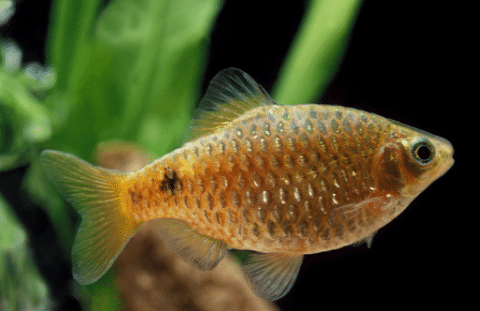

    ๐Ÿ“˜ Want to learn more? This article is part of our complete Betta Fish Guide โ€” your ultimate resource for betta care, types, tank setup, feeding, tank mates, and more.


    ๐ŸŒฟ Want to learn more? This article is part of our complete Planted Tank & Aquascaping Guide โ€” your ultimate resource for aquarium plants, aquascaping styles, substrates, and more.

  • 15 Aggressive Freshwater Fish: What You Need to Know Before You Buy

    15 Aggressive Freshwater Fish: What You Need to Know Before You Buy

    After 25 years in this hobby, I’ve kept my share of aggressive freshwater fish โ€” ornery pea puffers that terrorize tanks way above their weight class, cichlids that rearrange decor overnight, and oscars that will eat anything they can fit in their mouth. These are some of the most captivating fish in the freshwater hobby, but they’re also among the most commonly mistreated. People buy them because they look impressive, then stick them in a community tank and wonder why things go sideways fast. In this guide I’m covering 15 aggressive freshwater species I’d personally recommend, with honest context on space requirements, tankmate risks, and what makes each one tick.

    What Are Aggressive Fish?

    An aggressive fish is any fish that can cause harm to other members of its own species, other fish species, or even the fish keepers who own them. Some of it comes down to the individual personality of the fish, but certain species are just known for aggression. Aggressive freshwater fish can make great pets, of course, they just need a little extra planning.

    Freshwater aquarium fish are usually labeled as peaceful, semi-aggressive, or aggressive. What exactly is the difference though?

    Well, there is no clear-cut line between these categories but here’s a simple way to think about it.

    • Peaceful fish don’t fight, chase or eat other similar-sized fish in the aquarium
    • Semi-aggressive fish can attack and bully other fish in the aquarium under certain circumstances
    • Aggressive fish are likely to fight, harass, eat, or kill other fish in the aquarium

    15 Of The Best For Aquariums

    Now that you know what aggressive fish are, it’s time to meet a few of the most amazing aggressive freshwater aquarium fish that you can keep.

    For each fish species in my list, I’ll be providing you with the most important facts that you need to know:

    • Scientific Name
    • Difficulty Level
    • Temperament
    • Adult Size
    • Minimum Tank Size
    • Diet
    • Origin
    • Temperature
    • pH
    • Difficulty to breed
    • Planted tank suitability

    We got a YouTube video from our channel below so you can follow along. We have additional details in our blog, so please view both. If you like our content, be sure to subscribe as we create new video content every week!

    After introducing you to 15 amazing species (and 4 to avoid), I’ll be giving you some more background information about what makes these animals tick and how to care for them, so make sure you read to the end!

    1. Wolf Cichlid

    Wolf Cichlid
    • Scientific Name: Parachromis dovii
    • Difficulty Level: Advanced
    • Temperament: Aggressive
    • Adult Size: 24-28 inches
    • Minimum Tank Size: 200 gallons
    • Diet: Carnivorous fish, feed cichlid pellets, frozen foods
    • Origin: Costa Rica, Honduras, Nicaragua
    • Temperature: 75-81ยฐF
    • pH: 6.8-7.6
    • Difficulty to breed: Advanced
    • Planted tank suitability: No

    The new world cichlids are some of the coolest aggressive aquarium fish in the hobby, and the wolf cichlid is a perfect example. These aggressive cichlids are very aware of their surroundings and always seem to be watching their owners.

    These voracious feeders are partially piscivorous, which means they feed on other fish. They are best kept in a species-only tank, although some brave monster fish keepers have kept them with tank mates. This is one mean fish!

    2. Jaguar Cichlid

    Jaguar Cichlid
    • Scientific Name: Parachromis managuensis
    • Difficulty Level: Moderate
    • Temperament: Aggressive
    • Adult Size: 10-16 inches
    • Minimum Tank Size: 100 gallons
    • Diet: Carnivorous fish, feed cichlid pellets, frozen foods
    • Origin: Costa Rica, Honduras, Nicaragua
    • Temperature: 73-81ยฐF
    • pH: 7-8.5
    • Difficulty to breed: Moderate
    • Planted tank suitability: No

    Jaguar cichlids are a smaller relative of the wolf cichlid above. These beautiful fish are amazingly marked with spotted patterns just like their big-cat namesakes.

    Jaguar cichlids have an aggressive nature and they are armed with powerful jaws, and sharp teeth to back it up. These fish can be kept alone or with other large cichlid tank mates that can hold their own.

    3. Red Devil Cichlid

    Red Devil Cichlid Amphilophus labiatus
    • Scientific Name: Amphilophus labiatus
    • Difficulty Level: Moderate
    • Temperament: Aggressive
    • Adult Size: 12-15 inches
    • Minimum Tank Size: 55 gallons
    • Diet: Omnivorous fish, feed cichlid pellets, vegetables, live & frozen foods
    • Origin: Nicaragua
    • Temperature: 75-79ยฐF
    • pH: 6-8
    • Difficulty to breed: Moderate
    • Planted tank suitability: No

    The red devil cichlid owns its name with a serious attitude and awesome orange color. These aggressive cichlids can be just as mean to members of their own species as they can with other tank mates, so the bigger the tank the better.

    Red devil cichlids love rearranging their tanks, so be prepared for the ornaments and decoration to be shifted around.

    4. Silver Arowana

    Arowana
    • Scientific Name: Osteoglossum bicirrhosum
    • Difficulty Level: Advanced
    • Temperament: Aggressive
    • Adult Size: 28-32 inches
    • Minimum Tank Size: 200 gallons
    • Diet: Carnivorous fish, feed pellets, frozen & live foods
    • Origin: Brazil, Peru, Ecuador, Guyana, French Guiana, Columbia
    • Temperature: 68-86ยฐF
    • pH: 6-7.5
    • Difficulty to breed: Advanced
    • Planted tank suitability: No

    The silver Arowana is a true monster fish that very few aquarists have the space to keep. These fish grow to nearly 3 feet long, and they are serious jumpers.

    This means they need a huge aquarium that is more secure than a maximum-security prison! Arowanas are predators with big mouths, so don’t keep them with any small tank mates.

    5. Texas Cichlid

    Texas Cichlid
    • Scientific Name: Herichthys cyanoguttatus
    • Difficulty Level: Moderate
    • Temperament: Aggressive
    • Adult Size: 10-12 inches
    • Minimum Tank Size: 75 gallons
    • Diet: Omnivorous fish, feed pellets, frozen & live foods, vegetables
    • Origin: USA & Mexico
    • Temperature: 70-75ยฐF
    • pH: 6.5-7.5
    • Difficulty to breed: Advanced
    • Planted tank suitability: No

    They say everything’s bigger in Texas, and Texas cichlids have huge personalities and appetites to match. These awesome fish are not fussy when it comes to feeding and actually make a good fish for aquarists looking to start out with aggressive species.

    Texas cichlids are the only cichlid species native to the United States. The males are larger and more aggressive than the females, but both have incredible black and iridescent blue speckled bodies.

    6. Oscar

    Oscar Cichlids in Aquarium
    • Scientific Name: Astronotus ocellatus
    • Difficulty Level: Moderate
    • Temperament: Aggressive
    • Adult Size: 10-14 inches
    • Minimum Tank Size: 55 gallons
    • Diet: Omnivorous fish, feed pellets & live/frozen foods
    • Origin: South America
    • Temperature: 68-82ยฐF
    • pH: 6-7.5
    • Difficulty to breed: Moderate
    • Planted tank suitability: No

    Oscar fish make great pets for experienced aquarists and can live for up to 20 years with the right care. They have big personalities and love begging for food. These South American cichlids can be pretty mean, and won’t hesitate to eat any smaller tank mates.

    Oscar fish come in a few different varieties with body colors varying from white through black, red, and even green. Long-finned oscar fish varieties are also available.

    7. Jack Dempsey

    Jack Dempsey Fish
    • Scientific Name: Rocio octofasciata
    • Difficulty Level: Easy
    • Temperament: Semi-aggressive
    • Adult Size: 6-8 inches
    • Minimum Tank Size: 55 gallons
    • Diet: Omnivorous fish, feed pellets, live/frozen food, & vegetables
    • Origin: Honduras, Guatemala, Belize, Mexico
    • Temperature: 68-86ยฐF
    • pH: 6.5-8
    • Difficulty to breed: Moderate
    • Planted tank suitability: Floating plants and epiphytes

    The Jack Dempsey cichlid is named after a famous American boxer. These fish don’t necessarily live up to their name, however, and they can even be pretty shy.

    As a single specimen, they are not too aggressive to form part of a community tank, but careful planning is definitely needed. If kept in a group, these new world cichlids can be very aggressive with each other once mature.

    8. Red Tail Catfish

    Red Tailed Catfish
    • Scientific Name: Phractocephalus hemioliopterus
    • Difficulty Level: Advanced
    • Temperament: Semi-aggressive
    • Adult Size: 3-4 feet
    • Minimum Tank Size: 2000 gallons
    • Diet: Omnivorous fish
    • Origin: South America
    • Temperature: 70-79ยฐF
    • pH: 6-7.5
    • Difficulty to breed: Advanced
    • Planted tank suitability: Yes

    The red-tail catfish is a truly awesome fish, but sadly, most of them never end up in the right home. The problem is that these fish grow huge, and few aquarists have the space and money for a big enough aquarium. Redtail catfish have been recorded at over 80 lbs and nearly 4.5 feet!

    With the right kind of setup, these exotic catfish can make amazing pets. They are not aggressive towards other species, but they grow huge and have big mouths, which means smaller tank mates will disappear pretty soon. They can, however, be aggressive toward each other so it’s best to keep just one in a tank.

    9. Vampire

    Vampire Fish
    • Scientific Name: Hydrolycus scomberoides
    • Difficulty Level: Advanced
    • Temperament: Semi-aggressive
    • Adult Size: 10-12 inches
    • Minimum Tank Size: 250 gallons
    • Diet: Carnivorous fish, feed live fish
    • Origin: Brazil, Peru, Ecuador, Bolivia
    • Temperature: 75-82ยฐF
    • pH: 6-8
    • Difficulty to breed: Advanced
    • Planted tank suitability: No

    The vampire fish, or vampire tetra, sounds like something straight out of a horror movie. These silvery streamlined predators are at home in flowing water, so a tank with strong filtration is recommended.

    They are shoaling fish when young, but become more solitary when older. These fish jump too, so a secure lid is essential. Vampire fish aren’t actually aggressive with larger fish but they do have huge teeth and feed on surprisingly large prey. This makes choosing tank mates pretty tricky.

    10. Black Wolf

    • Scientific Name: Hoplias curupira
    • Difficulty Level: Advanced
    • Temperament: Aggressive
    • Adult Size: 16-20 inches
    • Minimum Tank Size: 200 gallons
    • Diet: Carnivorous, feed fish fillets
    • Origin: South America
    • Temperature: 68-82ยฐF
    • pH: 6.8-7.5
    • Difficulty to breed: Advanced
    • Planted tank suitability: No

    It would be very difficult to pick a meaner fish than the black wolf fish (video source). These predators are just plain killers. Black wolf fish have huge mouths and powerful jaws, filled with sharp teeth.

    They are nocturnal hunters and tend to spend the day lying still at the bottom of the tank. This is a fish that should only be kept in a species only aquarium.

    11. Severums

    Severums Fish
    • Scientific Name: Heros efasciatus
    • Difficulty Level: Moderate
    • Temperament: Semi-aggressive
    • Adult Size: 8-10 inches
    • Minimum Tank Size: 55 gallons
    • Diet: Omnivorous fish, feed pellets, live/frozen foods & vegetables
    • Origin: South America
    • Temperature: 72-84ยฐF
    • pH: 5.5-7
    • Difficulty to breed: Moderate
    • Planted tank suitability: No

    Severums are not all that aggressive, except when breeding time comes around. Keeping a small group of them can reduce aggression, as lone fish can become pretty mean when mature.

    Severums come in many amazing color varieties. These South American cichlids are not fussy when it comes to mealtime, and they will happily tear up aquarium plants. It is possible to keep severums with many different types of tank mates as long as they are peaceful and enjoy the same water parameters.

    12. Freshwater Stingrays

    Freshwater Stingray
    • Scientific Name: Potamotrygon spp.
    • Difficulty Level: Moderate
    • Temperament: Semi-aggressive
    • Adult Size: 1.5-3 feet across
    • Minimum Tank Size: 200 gallons
    • Diet: Carnivorous fish, feed pellets, live & frozen foods
    • Origin: South America
    • Temperature: 75-82ยฐF
    • pH: 6.8-7.6
    • Difficulty to breed: Advanced
    • Planted tank suitability: No

    You probably think of the ocean when you think of stingrays, but there are actually some amazing freshwater species that work great in the right kind of aquarium. Stingrays are cartilaginous fish (from the same group as sharks) and these ambush predators have a venomous spine on their tails.

    They are actually very docile animals, but the possibility of a sting is always there. Freshwater stingrays need a tank with plenty of floorspace and depth is not all that important.

    13. Green Terror Cichlid

    Green Terror Cichlid in Aquarium
    • Scientific Name: Andinoacara rivulatus
    • Difficulty Level: Moderate
    • Temperament: Aggressive
    • Adult Size: 8-12 inches
    • Minimum Tank Size: 55 gallons
    • Diet: Omnivorous fish, feed
    • Origin: Peru, Ecuador
    • Temperature: 68-75ยฐF
    • pH: 6.5-8
    • Difficulty to breed: Moderate-advanced
    • Planted tank suitability: No

    Green terrors are absolutely stunning South American cichlids with amazing turquoise green bodies and black and red fins. The males are much larger than females, and have a very aggressive nature, especially around breeding time.

    Keeping one of these fish on its own in a large tank is pretty straightforward, but adding them to community tanks is where things get very tricky. A pair of these fish will attack and kill any other fish when breeding season comes around.

    14. Mbu Pufferfish

    • Scientific Name: Tetraodon mbu
    • Difficulty Level: Advanced
    • Temperament: Semi-aggressive
    • Adult Size: 24 inches
    • Minimum Tank Size: 500 gallons
    • Diet: Carnivorous fish, feed mollusks (shellfish)
    • Origin: Tanzania, Zambia, DRC, Cameroon, Burundi
    • Temperature: 75-79ยฐF
    • pH: 7-8
    • Difficulty to breed: Advanced
    • Planted tank suitability: Possible

    The mbu, or giant puffer is a huge African species that can make an amazing pet for the dedicated fish keeper. If you want a large aquatic pet with its own unique personality, this could be the fish for you.

    Mbu pufferfish aren’t always aggressive, but they are large, and they do have serious teeth! It is best to keep them on their own or with fast-moving fish in a massive aquarium.

    15. Pignose pufferfish

    Pignose Puffer Fish
    • Scientific Name: Tetraodon suvattii
    • Difficulty Level: Moderate
    • Temperament: Aggressive
    • Adult Size: 6 inches
    • Minimum Tank Size: 20 gallons
    • Diet: Carnivorous fish, feed live foods
    • Origin: Laos, Thailand
    • Temperature: 72-79ยฐF
    • pH: 6.5-7.5
    • Difficulty to breed: Advanced
    • Planted tank suitability: Yes

    The pignose or arrowhead puffer is a really cool and unique freshwater aquarium fish. These puffers are serious ambush predators that spend their time on the bottom, blending in with their amazing camouflage. If a small fish should swim by, it will be swallowed up before it even knows what hit it.

    This behavior means they aren’t very active pets, but they are awesome for aquarists looking for a rare and unusual aggressive fish species. They should only be kept on their own because they will eat anything smaller than themselves, and bite chunks out of tankmates that are too big to swallow.

    Fish To Avoid

    The following fish are species that many aquarists dream of keeping because they’re just so cool. Theoretically, with a large enough tank, you could keep any fish, but the fish on this list aren’t great choices. Read on to learn why…

    1. Piranhas 

    Piranhas In Aquarium

    Sure, piranhas can be kept in the home aquarium, but they aren’t always all they’re cracked up to be. Many fishkeepers do keep these toothy characins with great success, but many more end up disappointed.

    Even with all the hype around them, piranhas are not always very exciting fish to keep. These notorious fish can actually be surprisingly shy and skittish. Add their messy eating habits and tendency to attack (and eat) each other and you have a fish that’s only recommended for very dedicated fish keepers.

    2. Goliath Tigerfish

    Goliath Tigerfish

    Although some aquarists do keep the goliath tigerfish, it is really one monster that is better left in the wild. These powerful and aggressive predators inhabit large rivers in Africa where they are well-respected by local people and wildlife alike.

    Goliath tigerfish reach a length of 6 feet and 100lbs in weight. It is just not possible for most aquarists to provide these magnificent creatures with the environment they deserve.

    3. Alligator Gar

    Alligator Gar

    The alligator gar is a truly amazing fish, but it doesn’t belong in a home aquarium. These prehistoric giants grow huge to an impressive size with adults commonly reaching 6 or 7 feet.

    They are quite often sold as juveniles, and the new owners find out too late just how big these animals grow. If you see one of these for sale, rather move on to the next tank unless you happen to own a giant public aquarium.

    4. Paroon Shark

    The paroon shark is a species of catfish from Southeast Asia. This species can grow to 10 feet long, which is an obvious reason to NOT bring one home. To top it off, they are active fish that need plenty of swimming space.

    These fish can be very skittish and will crash into the walls of the tank, injuring themselves and causing damage. Oh, and they are voracious predators too, so their tankmates probably won’t last too long either.

    What Makes Fish Aggressive?

    After reading about all these mean fish, you might be wondering why they behave the way they do. Aggressive freshwater fish are not evil. In fact, their aggression is usually very important for their survival in the wild.

    Aggression does vary between individuals to some extent, and fish can become more or less aggressive as they mature and age. Let’s take a quick look at why fish show aggressive behavior.

    Predation

    Big fish eat little fish, it’s just a fact of life. Sure, many larger freshwater fish species are vegetarian, but most large fish will eat smaller fish if given the chance. Fish with larger mouths can eat larger prey, so warning bells should go off any time you see a fish with a really big mouth.

    Territoriality

    Territoriality is probably the least understood form of aggression amongst hobbyists. What seems like a mean attitude has some important benefits in nature. A territory is a space defended by an animal for a specific reason. It could be a good shelter from predators, a food source, or a place to attract a mate.

    Often the only way to keep control of a territory is to chase off competitors, and if necessary, to fight. Space is limited in an aquarium and the competitor might not be able to move away far enough to avoid conflict.

    Dominance

    Some schooling fish develop a clear pecking order, and the dominant individuals aren’t afraid to use violence to enforce their rule.

    This kind of aggression can result in some individuals getting picked on or attacked. If they don’t have a place to hide or enough structure in the tank to break the line of sight, the result can be tragic.

    Breeding

    Some fish like Cichlids become especially aggressive when they are ready to breed. These fish may be relatively peaceful at other times but become absolute killers after pairing up.

    They might have the right to defend their eggs or fry but, unfortunately, other fish in the tank don’t really have the option to get far enough out of their way.

    Self-defense

    Lastly, some fish can hurt each other or their owners out of self-defense.

    A freshwater stingray, for example, is not really an aggressive animal at all. If they really feel threatened, however, they can be really dangerous since they have a sharp venomous spine on their tail.

    Tank Setup

    Keeping large, aggressive fish can be a big commitment in terms of time, space, and money. Many of the aggressive South American cichlids can be kept in tanks of under 100 gallons, but some of the other species in this list require very large tanks.

    Tank Size

    The fish in this list are all large species that need large tanks. Most of the time these species are sold as juveniles, and they might just be a couple of inches long in the store. Juvenile fish can be kept in pretty small tanks, but you need to be ready for when they grow.

    Make sure you have the space, and the budget to provide the tank size needed when your fish begins to grow- and they can grow fast! Large fish tanks don’t only take up a lot of space, but they are heavy too. The basement or ground floor may be the only safe place to set up a really big aquarium.

    Most fish can jump higher than you might think, so a solid hood/lid is essential.

    Substrate & Decorations

    Large fish can move objects around in your tank pretty easily. Cichlids for example are notorious for rearranging the decorations in their tank.

    Keep your hardscape simple and provide the fish with some hiding places. Do not stack heavy rocks that could collapse and injure your fish or damage the aquarium.

    Sand is a great substrate because it is pretty easy to vacuum fish waste off the bottom. Many keepers prefer a bare bottom tank because these are even easier to maintain.

    Filtration and Equipment

    Large aggressive fish tend to produce a lot of waste, and this means serious filtration is necessary.

    Large external filters are best because they provide superior filtration and are safe from attacks from your fish. Options include large canister filters, sump systems, or filters designed for ponds.

    Your heater and other equipment should also be housed externally to be on the safe side. Alternatively, your heater can be protected with a heater guard. Titanium heaters are also recommended if you place them in the tank.

    Lastly, consider running a few air stones in the aquarium to keep the water well oxygenated.

    Caring For Your Pet

    Now that you know more about setting up a tank for aggressive species, let’s take a look at how to care for them.

    Maintenance

    Tank maintenance for a large aquarium is the same procedure as for a smaller tank, just on a much bigger scale. You’ll need to keep an eye on your water parameters with your test kit and perform regular partial water changes.

    As a general rule, aim for the following parameters:

    • Ammonia: 0 ppm
    • Nitrite: 0 ppm
    • Nitrate: <20 ppm

    Careful planning is necessary before setting up a very large aquarium because you’ll need to use a python system or siphon water directly into a drain, rather than a bucket. Automatic drip systems are a great way to provide a constant inflow of fresh water into your tank. If you have a lawn, the overflow is amazing for irrigation.

    A magnetic algae scraper is very handy for keeping your glass clean without having to reach into the aquarium. This is great for fish that get a little over-excited when they think it’s mealtime.

    Feeding

    Carnivorous fish require a high-quality, high-protein diet. Do not feed your fish any red meats or chicken as these are not part of their natural diet and can be really unhealthy.

    The best staple foods are pellets designed for large carnivorous fish. These should be supplemented with frozen food like shrimp, fish fillets, and shellfish. Live invertebrates like crickets, earthworms, and mealworms are a great natural food source too.

    Avoid feeding your predator fish live feeder fish. It may be exciting to watch them hunt, but feeder fish can introduce parasites and diseases into your aquarium.

    Take care when feeding species with sharp teeth or spines as accidents can happen when the fish are excited.

    Choosing Tank Mates

    Aggressive fish are not ideal for community tanks. Some of the most aggressive species will need to be kept in a species-only setup, often on their own.

    Many of the semi-aggressive species can be kept with appropriate tank mates, however. Other large fish can get along fine with predatory, but otherwise peaceful species like arowanas and freshwater stingrays. This kind of community setup needs a massive aquarium of course.

    The trick is to not keep any fish that are small enough to be eaten. Aggression and fighting are always a possibility, however, so always have a backup plan in case one of your fish needs to be moved.

    Where To Buy

    You may be surprised to find many of these species available at your local fish store from time to time. Don’t be afraid to chat with them about special orders if you can’t find what you’re looking for. For rarer species, the internet is a great place to look.

    FAQs

    What are some semi-aggressive types?

    Many of the common aquarium fish are semi-aggressive. Here are some examples that you’ve probably heard of:

    Tiger barbs
    Red tail shark
    Rainbow shark

    Convict cichlids
    Jewel cichlids

    What is a fres-hwater predator?

    Predatory fish are species that feed on other animals that they hunt and kill. When it comes to freshwater fish, the prey can include invertebrates, frogs, and other fish.

    Why is my fish suddenly aggressive?

    Aggression levels can change in your fish as they get older. Many fish species do not become aggressive until they are sexually mature. Breeding time is often a trigger for aggression.

    What’s the deadliest type?

    The deadliest freshwater fish is probably the bull shark. They are more common in saltwater and brackish water, but they are known to travel far upstream into pure freshwater. These aggressive animals have been involved in a huge number of fatal attacks on humans.

    What types will attack humans?

    Attacks by freshwater fish on humans are very rare. The following are some of the most aggressive freshwater fish:
    Bull shark
    Red-bellied piranha
    Goonch Catfish
    Goliath tigerfish

    Final Thoughts

    There are far more exciting fish out there than goldfish. If you’ve always wanted to keep a large, mean fish, go for it! Just remember to plan ahead, and factor in the cost and commitments first.

    Do you keep aggressive fish? Let us know about your experiences in the comments below!
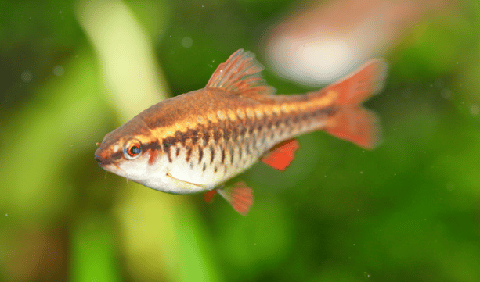

    ๐Ÿ“˜ Want to learn more? This article is part of our complete Freshwater Fish Guide โ€” your ultimate resource for freshwater species, care tips, tank setup, and more.

  • Lyretail Anthias Care – A Complete Guide

    Lyretail Anthias Care – A Complete Guide

    If you’re like me, then one of your favorite things to do is sit back and watch your reef tank filled with beautiful fish swimming around. Among the many different types of fishes that can be kept in a reef tank, lyretail anthias (Pseudanthias squamipinnis) are perhaps some of the most colorful and striking. Lyretail anthias require a fair bit of care, but if you’re up for it they are definitely worth keeping! In this article I’ll provide a complete guide on how to take care of lyretail anthias so that you can enjoy them in your reef tank for years to come.
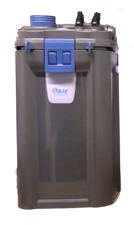
    Species Overview

    Scientific NamePseudanthias squamipinnis
    Common NamesLyretail anthias, scalefin anthias, sea goldie, lyretail fairy basslet, orange seaperch
    FamilySerranidae
    OriginIndo Pacific Ocean (Indo-West Pacific Ocean)
    DietCarnivore
    ColorsOrange, purple, yellow, red
    Care LevelIntermediate
    TemperaturementSemi-aggressive
    Minimum Tank Size125 gallons
    Max Size5 inches
    Temperature Range76 โ€“ 82 degrees F
    pH Range8.0 โ€“ 8.4
    Salinity1.025 or 35 PPT
    Reef SafeYes
    Available As Tank BredUncommon

    Origins And Habitat

    Lyretail Anthias Male in Reef Tank

    The lyretail anthias goes by many names but is pretty easy to identify.

    Contrary to popular belief, these fish are not true anthias species belonging to the Anthias genus. Instead, they belong to the Pseudanthias genus. As a fish species of Pseudanthias, these medium-sized fish have very bright colors that bring great contrast to the aquarium setting.

    Lyretail anthias are native to the Indo-West Pacific Ocean. They can be found throughout the Red Sea as well as off the coasts of Japan, Australia, and South Africa. There, these fish form huge harems in clear tropical waters consisting of one male and up to 10 females1. They depend on coral reefs for protection and food, mainly zooplankton.

    Though these peaceful fish can be found throughout many ecosystems, there is little physical difference between populations.

    Hermaphroditism And Sexual Dimorphism

    Lyretail anthias demonstrate protogynous hermaphroditism, much like clownfish. This is the evolutionary ability for the fish to change from female to male depending on internal and external environmental factors.

    Protogynous hermaphroditism is to increase reproduction rates and is especially successful in harem communities. Lyretails like to stay in large aggregations of about 10 females for every one male. When this male leaves or dies, a female will undergo the transition to male to fill this space and to optimize reproduction rates.

    On top of this, lyretails display sexual dimorphism. Simply put, this is when male and female individuals of the same species differ in appearance. For the lyretail anthias, this difference is pretty huge.

    Male lyretail anthias grow considerably larger than females, maxing out at about 6 inches while females typically stay under 3 inches. The bigger difference is in color.

    Female lyretail anthias are sherbet-colored with a yellowy-pink body and bright yellow underbelly; sometimes these fish may be more yellow than pink. The eyes have hints of purple which are further accented by the purple streak that runs along their cheeks.

    Male lyretail anthias are much more ornate. These fish are dark purplish-red with contrasting red fins; like females, they have a bright red streak that runs along their cheeks. They also have an identifiable elongated dorsal spine and some extension to the rest of their fins.

    In the case of a missing male, females have the ability to transition into a male in under a month. If a female harem has been established without a male, the most dominant female will make the transition in about 170-280 days.

    Lyretail Anthias Tank Requirements

    Though beautiful fish, lyretails aren’t the easiest fish to keep in the aquarium. This is largely due to their spatial and dietary needs. Still, the lyretail anthias is considered to be one of the easiest fake anthias to keep.

    Lyretails live above the reef and need open swimming space. In the tank setting, hobbyists also need additional space to comfortably keep large numbers of these peaceful fish together. Because of this, they need at least a 125 gallon aquarium.

    Though these fish will look their best against a natural backdrop of coral, this isn’t always necessary. One of the important factors to remember when keeping these fish is that they are active zooplankton feeders, constantly searching for floating foods.

    A reef aquarium setting will naturally help to maintain these populations of microorganisms so that they don’t need to be manually supplemented as often.

    Are They Hardy?

    Though lyretails aren’t necessarily sensitive to water parameters, they will do best when conditions are maintained and stable. These fish will show their brightest colors with minimal nitrates and phosphates in a reef tank setting.

    Lyretail anthias are generally hardy, though they should only be kept in matured and established systems.

    Temperament

    Lyretail anthias are active fish. They will usually stay at the top of or in front of the live rock, swimming loosely in their harem (video source).

    In general, these fish keep to themselves if conditions are met. Male lyretail anthias can become territorial at times, though they won’t inflict injury on another fish.

    It is also common to see females picking at each other, especially if there is no male present in the tank. At that point, the biggest and brightest females may work out which one will assume the position of male in the group.

    Are They Aggressive?

    That being said, the lyretail anthias is regarded as one of the more aggressive species within the Pseudanthias genus. They are slightly sensitive to imperfections in saltwater tank conditions and parameters, which can affect their individual behaviors.

    As mentioned before, lyretails are constantly searching for food. If food supplies run low, then these fish have been known to become pretty aggressive towards other fish who might pose as competition. This is especially true for smaller and slower-moving species.

    In the same ways, lyretails can become aggressive if space is limited. Though the males are mostly regarded as being territorial, it’s possible that the females will chase after other fish if they feel they don’t have enough space.

    Are They Reef-Safe?

    Yes – Lyretail anthias are one of the best fish to have in a reef tank setting. These fish are close to being completely reef-safe and won’t bother munching on any sessile invertebrates within the tank display.

    Lyretails are only concerned with food that is free-floating in the water column and won’t pick at the rocks like other foragers. These fish can be safely kept with soft corals, large polyp stony (LPS) corals, and small polyp stony (SPS) corals without any worry.

    Though there is usually no risk with keeping lyretail anthias in a reef setup, it’s always possible for a fish to start picking at coral for no reason.

    Tankmates

    Not only are lyretail anthias reef-safe, but they’re also a great community fish all around. As mentioned before, space and dietary strains can cause individual fish to become more aggressive, but they can usually be kept with an assortment of fish.

    Lyretail anthias are best kept with other reef species. This includes damselfish, tangs, wrasses, and some angelfish.

    To help prevent issues with aggression, it’s recommended to allow lyretails their own space within the aquarium. For example, these fish will mainly stay at the top of or in front of the rockwork. Other smaller fish that like to stay in the same areas for extended periods of time should be avoided.

    For the most part, though, there is enough space for everyone to get along as long as the tank size is right.

    How Many Can Be Kept Together?

    It’s generally agreed that lyretail anthias will do well in groups of at least 4 or more in the home aquarium. It is preferred to keep more, though this pushes the tank size needed.

    Lyretail anthias are social fish that like to be in small groups. In the wild, they can be seen in larger groups with one male surrounded by several females. In the aquarium, it isn’t too necessary to keep so many of them together.

    Most hobbyists pick up a group of all-female lyretail anthias and allow them to pick a male among themselves; it is best to either pick all small juvenile females or a group of females where one is noticeably larger. Immediately adding a male to the tank can cause rejection and even more aggression between individuals.

    Though these fish are a shoaling species, they actually do just fine on their own in the aquarium. Many reefers have had luck keeping only one lyretail anthias by itself in a full reef tank setting. There have been no noticeable differences in behavior and the fish remains present and active.

    Most times, this fish will transition to a male lyretail anthias when alone.

    Can They Be Kept With Other Anthias Species?

    Depending on tank size, you will be able to keep multiple species of anthias fish together. The trick to getting these combinations to work is by choosing species that aren’t too similar in appearance or behavior. Similar to other species, lyretails will become aggressive to similar-looking fish that aren’t in their harem.

    There are many different kinds of anthias in the aquarium, both true ones and fake ones. The problem is that one is more beautiful than the next, making it difficult to pick and choose which one you want to have in your aquarium.

    Instead, pick species that can tell each other apart, like:

    • Bartlett’s anthias (Pseudanthias bartlettorum)
    • Dispar anthias/Madder seaperch (Pseudanthias dispar)
    • Bicolor anthias (Pseudanthias bicolor)
    • Evansi anthias (Pseudanthias evansi)

    Still, some hobbyists have seen aggression between males of each species, though there is usually no cause for concern. If keeping multiple species of anthias together, the tank should be much larger than the minimum tank size recommended of 125 gallons.

    Diet

    The hardest part of owning lyretail anthias will be keeping them fed. These are very active fish with high metabolisms, so they need to be fed regularly. This is also in addition to their need for small planktonic foods, similar to their natural diet in the wild.

    Luckily, most hobbyists have had success getting their lyretails to accept a wide variety of aquarium foods. For best coloration, you’ll want to provide a varied diet.

    Lyretail anthias are largely carnivores. This means that they need a good assortment of meaty foods to meet their dietary demands. This should include a selection of live, frozen, and freeze-dried options, like brine shrimp, mysis shrimp, and black worms.

    If you’re struggling with getting your fish to eat larger foods, then you may want to try feeding copepods or a specialized food, like Reef Frenzy by Larry’s Reef Services (LRS).

    Not all lyretails will readily accept flake or pellet food at first, and might not ever accept anything other than their preferred foods. However, if you’re lucky enough that your lyretail anthias do accept other foods, then high-quality flake foods can be the staple of the diet.

    To ensure that your fish are always happy and healthy, it’s recommended to provide feedings 2-3 times a day. They are known for eating throughout the day. They will do better in a reef aquarium with lots of fauna in the tank such as copepods and zooplankton. You can supplement plankton with foods like Benereef. This food contains planktivore content that are loved by Lyretail Anthias.

    Common Diseases

    Though lyretails are hardy fish, they can succumb to common aquarium illnesses rather quickly. For whatever reason, most anthias available in store are usually affected by one ailment or another. Because of this, it’s definitely recommended to provide plenty of time for quarantine before adding them to the main display.

    One of the most common marine diseases your lyretail anthias fish are likely to get is a type of Uronema, usually Uronema marinum. This is a free-living ciliate parasite that uses the host for living, feeding, and reproducing.

    Though most life stages are fulfilled while actively infecting the fish, the parasite can enter the water column and affect other organisms. It can survive on bacteria and detritus within the system indefinitely, meaning that it will survive through fallow periods.

    Uronema is very quick to kill and should not be ignored. Unfortunately, its symptoms can be difficult to diagnose which can take up valuable treatment time. The main symptoms are red bumps and abrasions that eventually grow into large, open sores. Discoloration, flashing, loss of appetite, and heavy breathing also follow.

    Unfortunately, many hobbyists opt to euthanize their fish once this parasite has displayed itself in the home aquarium; usually, the fish is too far gone and it’s better to sacrifice one to save the whole. However, if you manage to catch it early enough and have the proper quarantine setup and medications, then there is still some hope.

    The best course of treatment is a 5 minutes freshwater dip and a dose of metronidazole every 48 hours for 10-14 days. For best results, it’s also recommended to feed medicated food with a binder like Seachem Focus and Seachem MetroPlex.

    Again, introducing this parasite into the main display will cause it to live in the aquarium indefinitely. The best way to prevent it from devastating your tank is by quarantining.

    Final Thoughts

    The lyretail anthias is a beautiful saltwater fish meant for the reef aquarium. In the wild, these fish form harems and feed on planktonic organisms within the water column. This diet can prove to be difficult for some hobbyists, though lyretails usually adapt well to aquarium foods and conditions.

    One of the major diseases to watch out for concerning these saltwater fish is Uronema, though they are very hardy after being acclimated.

  • Coral Beauty Angel Care (A Complete Guide)

    Coral Beauty Angel Care (A Complete Guide)

    Anyone with an interest in keeping marine fish will have, at some point, come across a coral beauty angel. This beautiful fish is a popular choice for saltwater aquariums, thanks to its bright coloration and relatively hardy nature.

    If you’re looking for a comprehensive guide on how to care for your coral beauty angel, look no further! In this post, we’ll go over everything you need to know in order to keep your coral beauty happy and healthy. From food to tank size, we’ve got you covered. So read on and get started!

    Species Overview

    Scientific NameCentropyge bispinosa
    Common NamesCoral beauty angelfish, two spined angelfish, dusky angelfish
    FamilyPomacanthidae
    OriginIndo-Pacific
    DietOmnivore
    ColorsPurple, blue, orange, yellow, red
    Care LevelEasy
    TemperamentSemi-aggressive
    Minimum Tank Size55 gallons
    Max Size6 inches
    Temperature Range76 โ€“ 82 degrees F
    pH Range8.0 โ€“ 8.4
    Salinity1.025 or 35 PPT
    Reef SafeYes
    Available As Tank Breed?Rare

    Origins And Habitat

    The Coral beauty angelfish, sometimes called two spined angelfish, are a longtime favorite in the aquarium hobby due to their small size and bright colors. For many years, these peaceful fish were believed to be a nano species that could fit into tanks under 40 gallons. Now, we have a better understanding of their true needs and requirements.

    These fish are scientifically known as Centropyge bispinosa and are a type of dwarf angelfish from the Pomacanthidae family. They originate from the shallow reefs of the Indo-Pacific, like many other colorful aquarium fish available in the trade. There, they live in sheltered coral reef ecosystems in shallow lagoons and slopes.

    In the wild, coral beauty angelfish are not the most abundant or bold species of fish on the reef, and this will translate to the aquarium setting. Instead, they can be found grazing on algae in between the corals and rocks alone or in harems of 3-7 individuals.

    Identification

    Coral Beauty Angelfish

    Coral beauties are easy to identify and it’s clear how they earned their name.

    As a species of dwarf angelfish, the coral beauty grows to about 4-6 inches. They are velvety purple with streaks of yellow and orange embers across their sides. Their bellies usually have the most vibrant oranges and yellows.

    In especially vibrantly-colored fish, light blue margins can be seen along the fins and accenting some facial features.

    How Long Do These Beauties Live?

    Most species of marine fish can live a long time. The coral beauty is no different.

    On average, you can expect your coral beauty to live more than 5 years. In ideal conditions, these saltwater fish have been known to live up to 15 years.

    As we’ll talk about later though, the coral beauty angelfish can quickly succumb to some common aquarium diseases.

    Tank Requirements

    As mentioned before, care requirements for the coral beauty angel have gone overlooked for a very long time. Because of their dwarf size, they were often squished into nano reef tanks that were way too small with incompatible tank mates. Even though the coral beauty angelfish might seem tiny, they actually need a lot of open swimming space.

    coral beauty angelfish centropyge need at least a 55-gallon tank. Some hobbyists will say that a 70 gallon is the bare minimum tank size, but a standard 55 gallon will comfortably house one of these gorgeous fish as long as the rest of the stocking is light.

    The coral beauty angelfish can be shy and they will spend most of their time among the live rock picking at algae; they will also appreciate having several hiding places available throughout this intricate rockwork. However, they like to have free-swimming space as well and will establish loose territories.

    Temperament

    The coral beauty angelfish is a species that comes some territorial aggression.

    Though these fish don’t have overly bold personalities, they will set up some territories throughout the tank that they’ll defend. This is especially true if there are other dwarf angels and marine algae-grazers in the tank competing for the same resources.

    Otherwise, they can be seen peacefully swimming in and out of the rockwork, picking at algae and other microflora.

    Are They Aggressive?

    Just how aggressive is the coral beauty? It depends on the personality of the individual fish.

    Coral beauties can greatly range in aggression. Some hobbyists have dwarf angels that are model citizens while others have difficulty from the start. They have surprisingly been known to intentionally chase and injure other fish, especially ones that threaten their territory or that are similar in appearance.

    There is no way to predict how aggressive your coral beauty might be, which is why having a larger tank size is better than having a smaller one. It may also help to add this dwarf angelfish towards the end of the stocking list.

    Perfect Tank Mates

    Yellow Coris Wrasse - A Great Addition for Pest Control

    Aside from their semi-aggression, coral beauty and angelfish are a community species. They can be put together with most species of colorful reef fish without too many problems.

    Some possible tank mates include

    • Damselfish
    • Tangs
    • Gobies
    • Blennies
    • Wrasses
    • Larger angelfish. Remember that these fish should not be kept with other dwarf angelfish unless kept in a large tank.

    As a species of angelfish, there is a slight disposition for your coral beauty to snack on smaller sessile invertebrates, though most hobbyists have no problem keeping them in a full reef tank setup with a variety of species.

    Can These Beauties Be Kept With Flame Angels?

    For many years, coral beauty and flame angelfish (Centropyge loricula) went together as perfect tank mates. As time went on, hobbyists realized that these two fish aren’t exactly compatible.

    As mentioned before, species of dwarf angelfish, like the coral beauty and flame angel, do not do well together. This is largely due to limited resources and territories in smaller reef aquariums. That being said, this iconic pairing is possible if tank conditions are met.

    In order to keep a coral beauty together with a flame angel, the tank should be at least 125 gallons. At this size, there should be enough space for your fish to peacefully cohabitate, though you can still run into some problems.

    To help diffuse aggression even more, it’s recommended to add the two fish together at the same time. This gives them the same opportunity to establish their own territories without being bullied by the other.

    Can You Keep Multiple Beauties Together?

    In short, no, you cannot keep multiple coral beauties together. However, hobbyists have had some success in especially large systems over 200 gallons.

    Not only do coral beauty angelfish centropyge not naturally congregate in the wild, but you could also run into the same problems as with the flame angel. There simply isn’t enough space for multiple coral beauties to live together in most average reef tank setups.
    In the wild, coral beauty angelfish are rarely seen together. For the moments that they are together, they form small harems. Because this is their natural behavior, it doesn’t make too much sense to try this in the aquarium setting.

    What Do Coral Beauty Angels Eat?

    With such a beautiful fish, you definitely want to get your coral beauty looking the best that it can. Though some of this will depend on the lighting and other water parameters, a high-quality diet will definitely help bring out the best colors of your fish.

    The Coral beauty angelfish is an omnivore, meaning they’ll largely accept most plant- and meat-based foods. Remember that these gorgeous fish spend a significant amount of their time picking algae and other microorganisms off the reef in the wild.

    To best replicate this natural diet, live, freeze-dried, and frozen foods, like brine shrimp and mysis shrimp, should regularly be offered. They will also readily accept algae flakes and pellets along with pieces of seaweed. Feedings of live food like blackworms and high quality frozen food like LRS or Rod’s Reef are ideal.

    Coral beauty angelfish can be opportunistic feeders and have been known to go after corals.

    Are They Reef Safe?

    Coral beauties are not considered fully reef safe.

    These dwarf angelfish constantly graze the live rock looking for anything they can eat. Though this helps with algae problems, sometimes these fish get curious and take a bite out of a colony of soft corals. Coral beauty angelfish have been known to eat whole zoanthid colonies overnight and might even nip at large polyp stony (LPS) corals.

    There is no way to know if your coral beauty will be reef safe in the long run. There are ways to deter nipping by making sure that feedings are regular and by meeting all dietary needs. It also helps to keep these hardy fish only when the tank has fully matured to ensure that there is a good population of algae available on the rocks.

    Otherwise, a good majority of hobbyists have luck keeping these saltwater fish in a fully reef tank. Unfortunately, that’s not always the case.

    Do They Eat Hair Algae?

    Treating pest algae with saltwater aquarium fish or invertebrates is a common yet poor practice, especially if you don’t have the tank space. But is the coral beauty an efficient algae-grazer?

    Yes, these saltwater fish are efficient algae-grazers but they can be quite picky. Though your fish might always be picking at the live rock, it might avoid patches of less favorable pest algae, like hair algae. Because there is no guarantee that coral beauties will treat an algae problem and they need substantial space to flourish, they’re not recommended as a cure to a hair algae problem.

    Instead, these beautiful fish can help prevent algae problems. As your fish is constantly picking at the rocks, it’s eating a variety of waste and debris that could eventually give way to algae. If you are looking for marine animals that eat hair algae, check out my algae eater post.

    Breeding

    Like many other aquarium fish, coral beauties have successfully been bred in the display tank setting over the last few years. Captive breeding has led to reduced prices for hobbyists as well as increased sustainability for natural habitats and overall healthier fish. The problem is that most saltwater fish need very large tanks for proper breeding conditions.

    One of the most renowned breeders of the coral beauty angelfish is the Biota Palau Marine Life Nursery located in the middle of the Pacific Ocean. This process starts by collecting several pairs of wild-caught angel species and placing them into 100 gallon outdoor systems, close to their original area of collection. You can learn more about their mission and process in the video below by Biota.

    These tanks imitate natural conditions and do not have filtration. Instead, the water is heavily aerated and regular water changes are performed throughout the week. Once the eggs hatch and the fry are successfully collected, the water is filled with different microorganisms, like phytoplankton, for food.

    A balance is created between the demand of the coral beauty angelfish larvae diet and waste buildup. At this time, the fry are too small to have their water changed; they are nearly microscopic with flattened silver bodies and a bright blue line down their dorsal.

    Over the next few months, they can start to eat larger live foods, like brine shrimp, and will develop their adult colors. Soon, they will be a deep royal blue with accents of iridescent orange and yellow and be ready for their permanent home.

    Coral beauty angelfish from Biota are incredibly hardy and vibrant in color. Because they were raised in the aquarium setting, they readily accept most processed foods and are disease-free.

    Can You Breed Them In The Home Aquarium?

    As of yet, there is no major success in breeding these saltwater fish within the home aquarium setting. This is largely due to the space needed to accommodate the parents and the constant food that fry need.

    The Biota Palau Marine Life Nursery is a large facility known for breeding coral beauty angelfish, gobies, and other popular aquarium species.

    Common Diseases

    One of the benefits of getting a captive-bred dwarf angel is that they are free of parasites. Most wild-caught fish need to be treated for internal and external parasites before adding them to the main display tank. Captive breeding mostly eliminates this threat, though they’re still susceptible to common marine fish diseases.

    Though hardy, coral beauty angelfish are notorious for catching ich (Ichthyophthirius multifiliis) and marine velvet ( Amyloodinium spp.). Unfortunately, angelfish can be affected by disease pretty quickly so treatment should be started as soon as possible.

    It should be noted that dwarf angelfish can be negatively affected by copper-based medications, though most hobbyists have no problems with this fish. For fast and safe recovery, it is always recommended to move the fish to a more controlled quarantine tank.

    Final Thoughts

    The coral beauty angelfish has been a popular aquarium fish for a very long time and rightfully so. These beautiful fish have great colors that can’t easily be found on other fish and have mostly docile temperaments. They are also sustainably captive bred which makes them relatively affordable and saves their natural environments.

    However, these fish are still angelfish and caution is needed when attempting to keep them with corals and smaller invertebrates. If you have any questions about coral beauty angelfish care, leave a comment below. Thanks for reading!