
Last Updated: June 25, 2026
Thank you for visiting! By the way… any links on this page that lead to products on Amazon and other stores/partners are affiliate links Aquarium Store Depot earns a commission if you make a purchase.
Table of Contents
- What Care Guides Get Wrong
- Key Takeaways
- Species Overview
- Classification
- Origin & Natural Habitat
- Appearance & Identification
- Average Size & Lifespan
- Care Guide
- Is It Right for You?
- Tank Mates
- Food & Diet
- Breeding & Reproduction
- Common Health Issues
- Common Mistakes to Avoid
- Where to Buy
- Frequently Asked Questions
- Species Comparison
- Closing Thoughts
- Recommended Video
- References
If you’ve ever searched for a bronze cory and ended up staring at a fish with a gorgeous warm orange glow, there’s a good chance you were looking at a Venezuelan cory. Corydoras venezuelanus is one of those fish that sits in a fascinating gray area in the hobby. Some experts consider it a distinct species, others call it a regional color variant of the common bronze cory. But regardless of where the taxonomy lands, one thing is clear: this is a stunning, hardy, and incredibly rewarding catfish to keep.
What Most Care Guides Get Wrong About the Venezuelan Cory
The Venezuelan Cory (sometimes sold as Venezuelan Orange or Venezuelan Black) is often confused with the Bronze Cory, but it is a different species with different color morphs. The misconception is that the orange coloration you see in photos is permanent and automatic. It is not. The orange intensifies with diet, water quality, and maturity. Newly purchased fish often look pale and need time to color up. The other mistake is assuming this species is as bulletproof as the Bronze Cory. While hardy, it is slightly more sensitive to water quality and does not tolerate neglect as well.
What sets the Venezuelan cory apart from the standard bronze is that rich golden-orange coloration that covers the body, especially along the flanks and head. It’s the kind of color that pops under good lighting, and it looks particularly impressive against a dark substrate. Combine that with classic corydoras personality — constantly scooting along the bottom, sifting through sand, and doing that endearing little “wink” when they roll their eyes — and you’ve got a fish that’s as entertaining as it is beautiful.
Whether you’re new to fishkeeping or have been at it for decades, the Venezuelan cory is one of the most forgiving corydoras you can keep. Here’s everything you need to know to give them the best life possible in your aquarium.
Key Takeaways
- One of the hardiest corydoras available — an excellent choice for beginners and experienced keepers alike
- Distinguished by warm orange-gold body coloration that sets it apart from the standard bronze cory
- Taxonomically debated — sometimes classified as a color variant of C. aeneus, but widely sold as a separate species in the hobby
- Keep in groups of 6 or more in at least a 20-gallon tank with fine sand substrate
- Tolerates a wide range of water parameters (pH 6.0 to 8.0, 2 to 15 dGH), making it adaptable to most community setups
- Easy to breed compared to many corydoras species, with standard T-position spawning behavior
Species Overview
| Field | Details |
|---|---|
| Scientific Name | Corydoras venezuelanus |
| Common Names | Venezuelan Cory, Orange Cory, Orange Venezuelan Cory |
| Family | Callichthyidae |
| Origin | Coastal river systems in northern Venezuela (Valencia Lake basin area) |
| Care Level | Easy |
| Temperament | Peaceful |
| Diet | Omnivore |
| Tank Level | Bottom |
| Maximum Size | 2.5 inches (6 to 7 cm) |
| Minimum Tank Size | 20 gallons (76 liters) |
| Temperature | 72 to 79°F (22 to 26°C) |
| pH | 6.0 to 8.0 |
| Hardness | 2 to 15 dGH |
| Lifespan | 5+ years |
| Breeding | Egg depositor (T-position spawning) |
| Breeding Difficulty | Easy to Moderate |
| Compatibility | Community |
| OK for Planted Tanks? | Yes |
Classification
| Taxonomic Level | Classification |
|---|---|
| Order | Siluriformes |
| Family | Callichthyidae |
| Subfamily | Corydoradinae |
| Genus | Corydoras |
| Species | C. venezuelanus (Ihering, 1911) |
The taxonomic status of the Venezuelan cory is one of the more interesting debates in the corydoras world. Corydoras venezuelanus was originally described by Ihering in 1911 from specimens collected in Venezuela. However, many ichthyologists have since synonymized it with Corydoras aeneus, the common bronze cory, treating it as nothing more than a geographic color variant from northern Venezuela.
The argument for synonymy is straightforward: the two fish share nearly identical morphological features, and the main difference is coloration. Bronze corys across their massive range (which spans from Trinidad to Argentina) show considerable color variation depending on where they were collected. From that perspective, the Venezuelan form is just one more variant in a highly variable species.
On the other side, some taxonomists and many experienced hobbyists point out that the Venezuelan form consistently breeds true for its distinctive orange coloration, that it comes from a geographically isolated population, and that there may be subtle differences in body proportions. For now, the question remains open. What matters for you as a fishkeeper is that the hobby treats them as separate fish, they’re sold under the C. venezuelanus name, and the care requirements are essentially the same regardless of which taxonomic camp you fall into.
Origin & Natural Habitat
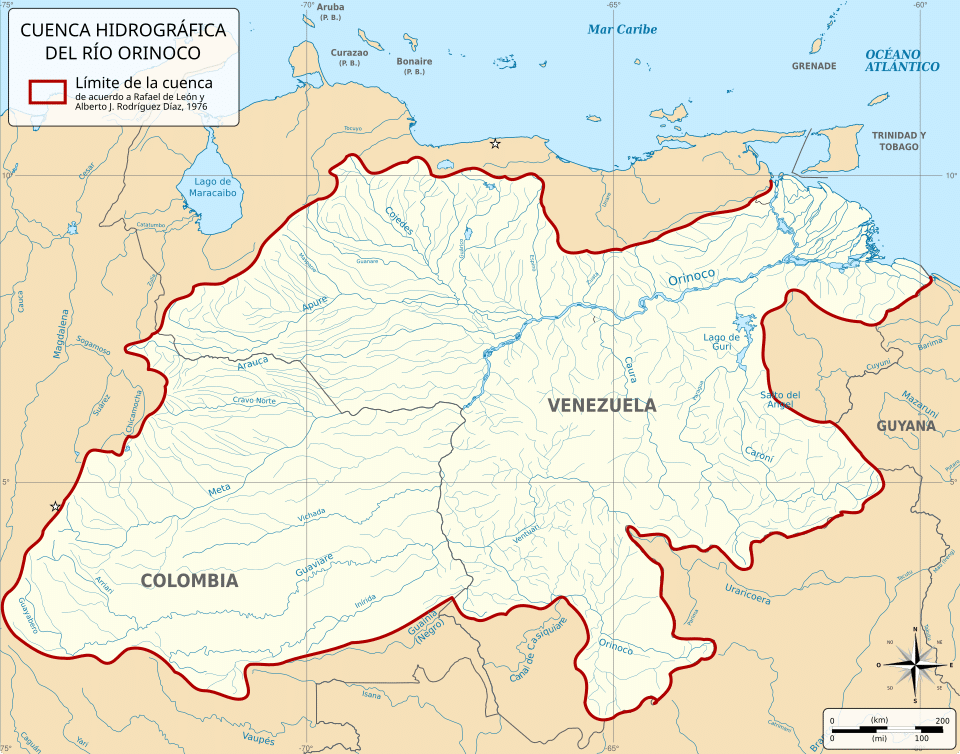
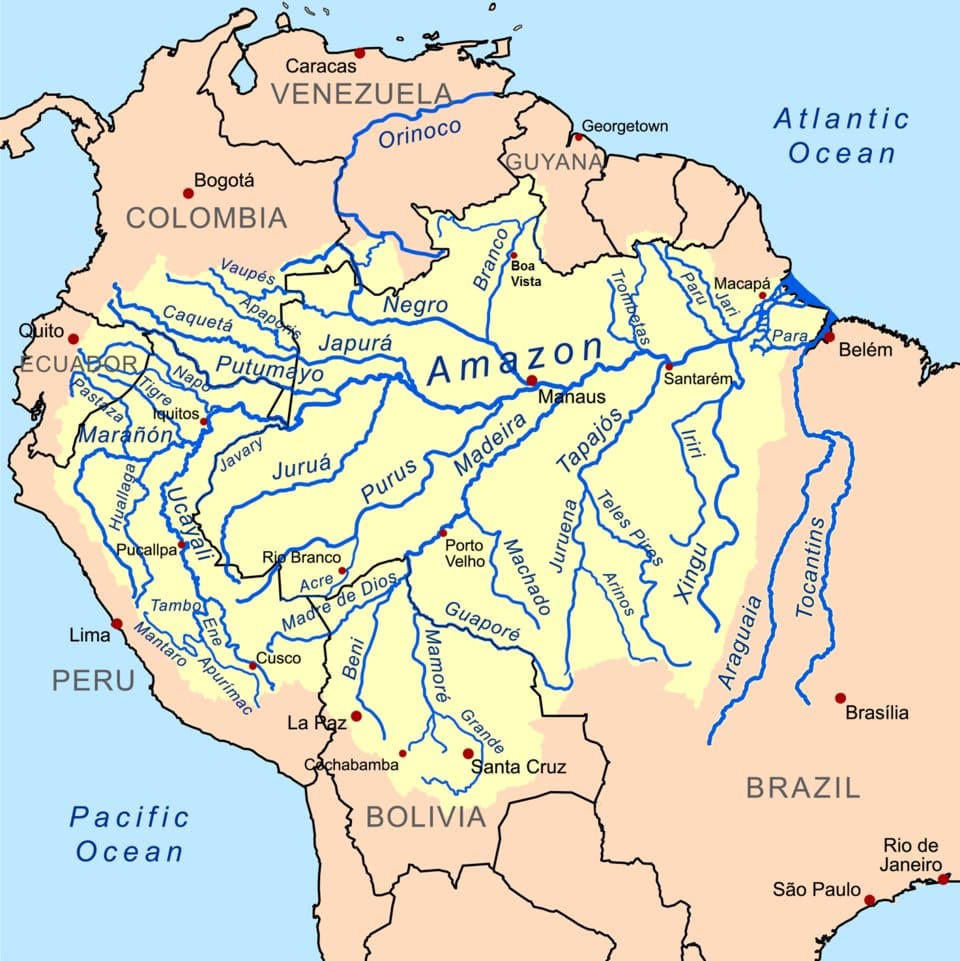
The Venezuelan cory comes from coastal river systems in northern Venezuela, specifically from drainages associated with the Valencia Lake basin (Lago de Valencia) area. This is a very different environment from the massive Amazonian river systems where most corydoras species originate. The Valencia basin sits in a relatively warm, low-altitude valley between two mountain ranges in the north-central part of the country.
In the wild, these corys inhabit slow-moving streams and tributaries with sandy and muddy bottoms. The water tends to be warm and relatively neutral to slightly alkaline compared to the soft, acidic blackwater habitats of many Amazon-basin corydoras. Fallen leaves, submerged branches, and aquatic vegetation provide shelter, while the substrate is rich with organic debris, insect larvae, and small invertebrates that the corys continuously forage through.
This origin story is important because it explains why the Venezuelan cory is so adaptable in aquariums. Unlike species from extreme blackwater environments that need very specific water chemistry, C. venezuelanus evolved in conditions that are much closer to what most fishkeepers have coming out of the tap. That natural flexibility is a big part of why this species is so beginner-friendly.
Appearance & Identification
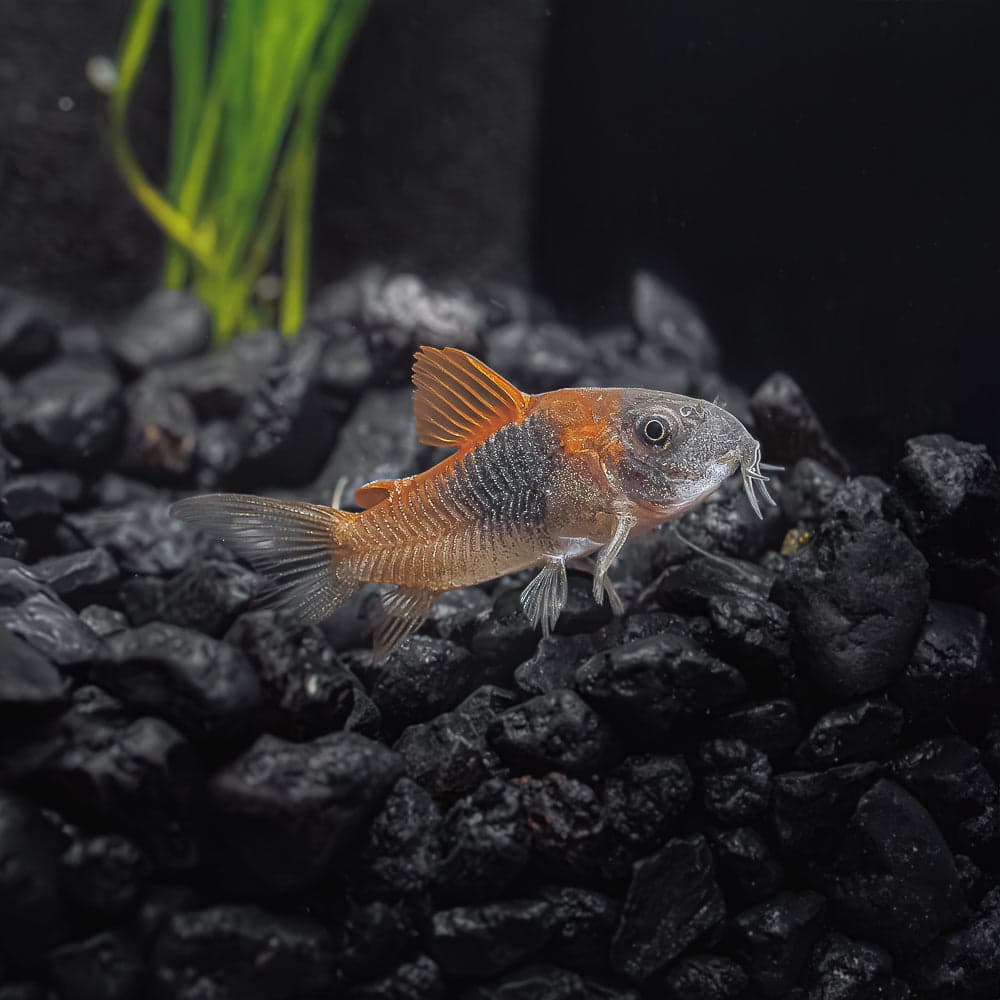
The Venezuelan cory’s defining feature is its warm, golden-orange body color. While the standard bronze cory typically shows a greenish-bronze or olive-gold sheen, the Venezuelan form has a noticeably warmer, more orange tone that covers the head, body, and extends into the flanks. Under good aquarium lighting, this orange coloration really stands out and gives the fish a glow that the typical bronze cory simply doesn’t have.
The body shape follows the classic corydoras blueprint: a compact, somewhat laterally compressed body with two rows of overlapping bony plates (scutes) running along each side. The head is broad and rounded, with a downturned mouth flanked by two pairs of barbels that the fish uses to probe the substrate for food. The dorsal fin is tall and triangular, the pectoral fins are well-developed (with a hardened spine at the leading edge, like all corydoras), and the adipose fin is present as a small, fleshy tab on the back near the tail.
A dark greenish stripe runs along the upper portion of the body through the dorsal area, and there is often a darker spot or blotch on the upper portion of the dorsal fin. The belly is pale cream to white. The fins are generally transparent to lightly tinted with a yellowish wash.
The biggest identification challenge is distinguishing the Venezuelan cory from a standard bronze cory. The orange coloration is the primary giveaway — if the fish has a distinctly warm, orange-gold tone rather than a greenish bronze, you’re most likely looking at the Venezuelan form. That said, coloration can vary with diet, water conditions, and stress level, so newly imported or stressed fish may not show their best color right away.
Male vs. Female
Sexing Venezuelan corys is the same process as most corydoras species, and it gets easier with practice. Females are larger, noticeably rounder, and have a wider body when viewed from above — especially when they’re carrying eggs. They tend to look almost plump compared to males. Males are slimmer, slightly smaller, and more streamlined in profile. The pectoral fins on males may also appear slightly more pointed, though this is a subtle difference.
Both sexes display the same orange-gold coloration and patterning, so color won’t help you tell them apart. Body shape, particularly when viewed from above or head-on, is the most reliable method. If you’re keeping a group of six or more (as you should), you’ll typically end up with a mix of both sexes, and the differences become much more obvious as the fish mature.
Average Size & Lifespan
Venezuelan corys reach a maximum size of about 2.5 inches (6 to 7 cm), with females typically being slightly larger than males. Most specimens sold in the hobby are juveniles around 1 to 1.5 inches, so expect some growth once they’re settled into your tank. They won’t get much bigger than that 2.5-inch mark, which makes them a great fit for moderately sized community aquariums.
With proper care, Venezuelan corys can live 5 years or more. Some keepers have reported specimens reaching 7 to 8 years in well-maintained aquariums. As with all corydoras, longevity depends heavily on water quality, diet, and stress levels. A clean tank, consistent water changes, good food, and a proper group size all contribute to a longer, healthier life.
Venezuelan corydoras (C. venezuelanus) are a hardy, medium-sized cory closely related to C. aeneus. They are adaptable, peaceful, and suitable for most community tanks from 20 gallons up.
Care Guide
The Venezuelan cory is about as easy to care for as corydoras get. It’s forgiving of a wide range of water parameters, eats practically anything, and doesn’t need a complicated setup. If you can keep a basic community tank running, you can keep these fish happy. That said, there are a few things worth getting right to bring out their best color and behavior.
Tank Size
A 20-gallon tank is the minimum for a group of 6 Venezuelan corys. Corydoras are social fish that need to be kept in groups, and a 20-gallon gives them enough bottom space to forage and interact naturally. If you want a larger group (which they’ll always appreciate) or plan to keep them with other bottom dwellers, go with a 30-gallon or larger. A longer, wider footprint is more useful than height for these bottom-dwelling fish — a standard 20-gallon long is ideal as a starting point.
Water Parameters
| Parameter | Recommended Range |
|---|---|
| Temperature | 72 to 79°F (22 to 26°C) |
| pH | 6.0 to 8.0 |
| General Hardness (GH) | 2 to 15 dGH |
| Ammonia | 0 ppm |
| Nitrite | 0 ppm |
| Nitrate | Below 20 ppm |
That pH range of 6.0 to 8.0 is impressively wide for a corydoras. Most people’s tap water will fall somewhere in that window without any adjustments, which is part of what makes this species so approachable. Temperature-wise, aim for the mid-70s as a sweet spot. They can handle the upper end of the range, but prolonged high temperatures (above 80°F) can stress them out and reduce dissolved oxygen levels — something corydoras are particularly sensitive to.
The most important water quality factor for any corydoras is keeping ammonia and nitrite at zero and nitrates as low as possible. Weekly water changes of 25 to 30% are a good standard practice. Clean water is the single biggest factor in keeping these fish healthy and colorful.
Filtration & Water Flow
Venezuelan corys don’t need anything special for filtration — just a reliable filter that turns over the tank volume at least 4 to 5 times per hour. A hang-on-back filter, sponge filter, or canister filter will all work fine. The key is consistent mechanical and biological filtration to keep the water clean.
Water flow should be gentle to moderate. These fish come from slow-moving streams, and while they can handle some current, they don’t want to fight a strong flow along the bottom of the tank. If your filter output is creating a lot of turbulence at substrate level, consider adding a pre-filter sponge or redirecting the output to reduce flow near the bottom.
Lighting
Standard aquarium lighting is perfectly fine for Venezuelan corys. They’re not particularly light-sensitive, but they do tend to be more active and show better color under moderate lighting rather than intense, bright lights. If you’re running a planted tank with higher light levels, make sure there are shaded areas where the corys can retreat when they want a break. Floating plants are a great way to create dappled light zones without changing your overall setup.
Plants & Decorations
Venezuelan corys do well in planted tanks and won’t damage your plants. They spend their time at substrate level, so they’re not going to uproot anything with an established root system. Good plant choices include Java fern, Anubias, Amazon swords, Cryptocoryne species, and Vallisneria. These plants provide cover and help maintain water quality without interfering with the corys’ bottom-dwelling lifestyle.
For decorations, include driftwood, smooth rocks, and pieces of PVC pipe or coconut shells to create hiding spots. Corydoras appreciate having places to tuck into during the day, even if they’re generally bold and active fish. Avoid anything with sharp edges that could damage their barbels or body plates.
Substrate
This is the one area where you really need to get it right. Venezuelan corys — like all corydoras — need fine sand substrate. They spend their entire day sifting through the bottom, pushing their faces into the substrate and filtering sand through their gills to find food particles. Coarse gravel, sharp-edged substrates, and rough materials will damage their sensitive barbels over time, leading to barbel erosion and infections.
Fine pool filter sand, play sand, or a dedicated aquarium sand like CaribSea Super Naturals are all good options. A substrate depth of 1 to 2 inches is plenty. If you want to add a more natural look, scatter some dried Indian almond leaves or oak leaves on top — the corys will love foraging through them, and the tannins released are beneficial for their overall health.
Is the Venezuelan Cory Right for You?
Before you buy, run through this honest checklist. The Venezuelan Cory is a great fish for the right keeper, but it is not for everyone.
- You want a cory with warm orange or deep black coloring that stands out from the typical Bronze
- You can provide high-quality foods including frozen and live options to enhance coloration
- You keep a group of 6+ on sand substrate in a 20-gallon or larger tank
- You maintain consistent water quality with regular weekly water changes
- You want something more visually interesting than a standard Bronze Cory
- You are patient enough to let the full coloration develop over weeks to months
Tank Mates
Venezuelan corys are peaceful, non-aggressive community fish that get along with virtually any similarly tempered species. Their main requirements in tank mates are that the other fish won’t harass them, won’t outcompete them for food at the bottom, and share compatible water parameters. Given the Venezuelan cory’s wide parameter tolerance, that last point is rarely an issue.
Best Tank Mates
- Tetras — Neon tetras, cardinal tetras, rummy-nose tetras, ember tetras, and most other small to mid-sized tetras
- Rasboras — Harlequin rasboras, chili rasboras, lambchop rasboras
- Livebearers — Platies, endlers, and guppies (avoid mollies in very soft water setups)
- Dwarf cichlids — Apistogramma species, Bolivian rams, German blue rams
- Other corydoras — They do fine with other cory species, though they tend to school most tightly with their own kind
- Peaceful catfish — Otocinclus, bristlenose plecos
- Shrimp — Amano shrimp, cherry shrimp (adults are generally safe with corys)
- Snails — Nerite snails, mystery snails, Malaysian trumpet snails
Tank Mates to Avoid
- Large or aggressive cichlids — Oscar, Jack Dempsey, green terror, and other large Central/South American cichlids will bully or eat corydoras
- Aggressive bottom dwellers — Red-tailed sharks, rainbow sharks, and aggressive loaches can harass corys at substrate level
- Large predatory fish — Anything big enough to swallow a cory whole. Keep in mind that corydoras have hardened pectoral spines that can lodge in a predator’s throat, potentially killing both fish
- Fin nippers — Tiger barbs, serpae tetras, and other known nippers can stress corys out, even though their armored bodies offer some protection
Food & Diet
Venezuelan corys are omnivores and enthusiastic eaters. In the wild, they spend most of their waking hours sifting through the substrate for insect larvae, worms, small crustaceans, and organic debris. In the aquarium, they’re not picky at all, but you do need to make sure food actually reaches them at the bottom.
A high-quality sinking pellet or wafer should form the foundation of their diet. Hikari Sinking Wafers, Repashy Bottom Scratcher gel food, and similar products are all solid choices. Supplement this with frozen or live foods like bloodworms, brine shrimp, daphnia, and tubifex worms. These protein-rich foods help with growth, coloration, and breeding condition.
One common mistake is assuming that corydoras will survive on scraps that fall from mid-water and surface feeders. They won’t. Active top and mid-water fish like tetras and rasboras are fast eaters, and very little food makes it to the bottom in a well-stocked tank. Always drop sinking foods specifically for your corys, ideally near their favorite hangout spots, and consider feeding them after lights out when the other fish are less active.
Feed once or twice daily, and only as much as the fish can consume in a few minutes. Uneaten food sitting on the substrate will break down and spike ammonia levels — exactly the kind of water quality issue that corydoras are most sensitive to.
Breeding & Reproduction
Venezuelan corys are among the easier corydoras species to breed in captivity, making them a great choice if you’re interested in trying your hand at breeding catfish. Like all corydoras, they’re egg depositors that use the distinctive T-position spawning method.
Breeding Difficulty
Easy to moderate. If you have a healthy, well-fed group in a clean tank, spawning often happens without any deliberate effort on your part. The challenge isn’t so much getting them to spawn as it is raising the fry successfully.
Spawning Tank Setup
A dedicated breeding tank of 10 to 20 gallons works well. Keep the bottom bare or use a thin layer of fine sand for easy egg collection. Include some smooth surfaces for egg deposition — the glass walls of the tank, broad-leafed plants like Anubias, or even a piece of slate propped against the side. A sponge filter is ideal for filtration since it provides gentle flow without risking fry getting sucked in.
Water Conditions for Breeding
The classic trigger for corydoras spawning is a large, cool water change. Do a 50 to 70% water change with water that’s a few degrees cooler than the tank temperature. This simulates the onset of the rainy season in their natural habitat and is often enough to trigger spawning behavior within hours. Slightly dropping the water hardness and adding some tannins (via Indian almond leaves or alder cones) can also help set the mood.
Conditioning & Spawning
Before attempting to breed, condition the group with plenty of high-protein foods for 2 to 3 weeks. Frozen bloodworms, live brine shrimp, and daphnia are all excellent conditioning foods. You’ll know the females are ready when they look noticeably plump with eggs.
During spawning, the male and female assume the characteristic T-position, where the female presses her mouth against the male’s vent area. She releases a small clutch of eggs (usually 2 to 4 at a time) into a pouch formed by her pelvic fins, fertilizes them, and then swims to a chosen surface to deposit the sticky eggs. This process repeats many times over several hours, with a total of 100 to 200 eggs being laid in a single spawning event.
Egg & Fry Care
Once spawning is complete, remove the adults or move the eggs to a separate hatching container. Corydoras will eat their own eggs if given the chance. The eggs are adhesive and can be gently rolled off the glass with a finger or a credit card.
Eggs typically hatch in 3 to 5 days at 75°F (24°C). Adding a few drops of methylene blue to the hatching container helps prevent fungal growth on unfertilized eggs. Once the fry hatch, they’ll absorb their yolk sacs over the next day or two before becoming free-swimming. At that point, feed them microworms, baby brine shrimp (BBS), or powdered fry food several times daily. Keep the water impeccably clean — small daily water changes of 10 to 15% are essential during the fry-rearing stage.
Common Health Issues
Venezuelan corys are hardy fish, but they’re not immune to common freshwater diseases. Good water quality and a proper diet will prevent most problems before they start.
Barbel Erosion
This is the number one health issue in corydoras keeping, and it’s almost always caused by poor substrate choice or dirty conditions. Sharp gravel wears down the barbels, and bacteria in a dirty substrate can cause infections. Symptoms include shortened, reddened, or missing barbels. The fix is simple: use fine sand substrate and keep it clean. Mild cases can recover on their own once conditions improve.
Ich (White Spot Disease)
Corydoras can contract ich, which shows up as small white spots on the body and fins. Treat with heat (raise temperature to 82 to 86°F gradually) and aquarium salt at half the standard dose. Corydoras are sensitive to medications, so avoid harsh chemical treatments when possible. Never use full-dose copper-based medications on corydoras — they can be lethal.
Bacterial Infections
Red blotches on the body, frayed fins, or cloudy eyes can indicate bacterial infections, usually brought on by poor water quality or stress. Improve water conditions immediately with extra water changes, and treat with a mild antibacterial like API Melafix or Seachem PolyGuard if symptoms don’t improve. In severe cases, a broad-spectrum antibiotic like Kanaplex may be necessary.
Fungal Infections
White, cotton-like growths on the body or fins indicate a fungal infection. This often follows a physical injury or develops on damaged barbels. Treat with an antifungal medication and address the root cause (usually water quality or substrate issues).
Common Mistakes to Avoid
- Using gravel substrate — The most common mistake by far. Corydoras need fine sand to forage properly and protect their barbels. Coarse gravel will damage them over time, guaranteed.
- Keeping them alone or in pairs — Corydoras are schooling fish. A lone cory is a stressed cory. Keep at least 6 together for natural behavior and reduced stress.
- Relying on leftover food — Don’t assume your corys will get enough food from scraps. They need their own dedicated sinking foods, fed directly to the bottom.
- Skipping water changes — Corydoras are bottom dwellers, and waste accumulates at the bottom. They’re often the first fish in a tank to show signs of poor water quality. Stay on top of weekly water changes.
- Overmedicating — Corydoras are scale-less fish with bony plates, and they’re sensitive to many medications — especially copper-based ones. Always use reduced dosages and avoid harsh chemical treatments when gentler options exist.
- Not covering filter intakes — Smaller corys and fry can get trapped against or sucked into unprotected filter intakes. Use a pre-filter sponge on all intake tubes.
Where to Buy
Venezuelan corys are becoming more widely available in the hobby, though they’re not as common as standard bronze corys. You might find them at well-stocked local fish stores, especially those that carry a diverse corydoras selection, but your best bet for healthy, properly identified specimens is usually an online retailer that specializes in freshwater fish.
Two great places to check are Flip Aquatics and Dan’s Fish. Both are reputable online retailers that carry a wide selection of corydoras species and ship healthy, well-acclimated fish. Their stock rotates, so if you don’t see Venezuelan corys listed right away, check back regularly or sign up for restock notifications.
When buying online, look for sellers who can confirm whether the fish are captive-bred or wild-caught. Captive-bred Venezuelan corys tend to be hardier and more adaptable to a wider range of water conditions. Expect to pay a modest premium over standard bronze corys, though they’re still one of the more affordable corydoras species overall.
Frequently Asked Questions
Is the Venezuelan cory the same as the bronze cory?
It depends on who you ask. Some taxonomists consider Corydoras venezuelanus a synonym of Corydoras aeneus (the bronze cory), while others treat it as a valid separate species. In the hobby, they’re sold as distinct fish, and the Venezuelan form is recognized by its warmer orange-gold coloration compared to the greenish-bronze of the standard bronze cory. Care requirements are essentially identical either way.
How many Venezuelan corys should I keep together?
At least 6, and more is always better. Corydoras are social, schooling fish that rely on group behavior for security and stress reduction. A group of 6 or more will be more active, show better color, and display more natural behaviors like synchronized foraging and playful chasing. Keeping fewer than 6 results in shy, stressed fish that often hide.
Can Venezuelan corys live with shrimp?
Yes, adult shrimp are generally safe with Venezuelan corys. Corydoras aren’t predatory and won’t actively hunt shrimp. However, very small baby shrimp could potentially be eaten if a cory happens to scoop one up while foraging. If you’re trying to breed shrimp in the same tank, provide plenty of dense plant cover (like Java moss) where shrimplets can hide.
Do Venezuelan corys need sand substrate?
Yes, absolutely. Fine sand is a non-negotiable requirement for all corydoras species. They feed by plunging their faces into the substrate and sifting material through their gills. Coarse gravel prevents this natural behavior and will gradually wear down and damage their sensitive barbels, leading to infections and reduced quality of life. Pool filter sand, play sand, or aquarium-specific sand all work well.
Why do my Venezuelan corys dart to the surface?
Corydoras are facultative air breathers. They have the ability to gulp air at the surface and absorb oxygen through their intestinal lining. Occasional dashes to the surface are completely normal. However, if your corys are doing it constantly — every few seconds rather than every few minutes — it could indicate low dissolved oxygen levels in the water. Check your aeration, water temperature (warmer water holds less oxygen), and make sure the tank isn’t overstocked.
Are Venezuelan corys good for beginners?
They’re one of the best corydoras for beginners. The Venezuelan cory tolerates a wide range of water parameters, eats just about anything, is extremely hardy, and has an easygoing temperament. As long as you provide sand substrate, keep them in a proper group, and maintain clean water, they’re very forgiving fish that rarely cause problems. They’re a fantastic introduction to the corydoras world.
How the Venezuelan Cory Compares to Similar Species
Venezuelan Cory vs. Bronze Cory
The Bronze Cory is hardier, cheaper, and more forgiving. The Venezuelan Cory is the visual upgrade with better coloration but slightly higher care demands. If you want a no-fuss beginner cory, go Bronze. If you want more color and are willing to put in extra effort on diet and water quality, the Venezuelan is worth it.
Venezuelan Cory vs. Sterbai Cory
Both are attractive corys that justify a higher price point than the Bronze. The Sterbai has detailed spotted patterning and orange pectoral fins, while the Venezuelan has overall body color intensity. The Sterbai handles warmer water better. Both are excellent choices for the keeper who wants a premium cory.
Expert Take (Mark Valderrama, AquariumStoreDepot)
After 25 years in the hobby and time managing fish stores, the venezuelan cory is one of those species I always recommend to hobbyists ready to move beyond the basics. Venezuelan corydoras (C. venezuelanus) are a hardy, medium-sized cory closely related to C. aeneus. They are adaptable, peaceful, and suitable for most community tanks from 20 gallons up. Keep Venezuelan cories in groups of at least 6 on a sand substrate. Their natural behavior involves constant bottom-foraging in large groups – gravel substrate and small groups both suppress this behavior.
Closing Thoughts
The Venezuelan cory is one of those fish that quietly wins you over. It’s not flashy in the way a discus or a betta is, but that warm orange glow, combined with classic corydoras charm and practically bulletproof hardiness, makes it a fish you’ll be glad you added to your tank. Whether you care about the taxonomic debate or not, there’s no denying that this is a beautiful, personable, and easy-to-keep catfish.
If you’re exploring the world of corydoras, the Venezuelan cory is a great place to start — or a great addition to an existing collection. For more corydoras species profiles and care guides, check out our Corydoras: Complete A-Z Species Directory, where we cover everything from the ever-popular peppered cory to some of the more exotic and hard-to-find species in the hobby.
Recommended Video
Check out our corydoras tier list video where we rank the most popular corydoras in the hobby, including the Venezuelan cory:
References
- Froese, R. and D. Pauly, Eds. “Corydoras venezuelanus.” FishBase. fishbase.org
- “Corydoras venezuelanus.” Seriously Fish. seriouslyfish.com
- “Corydoras venezuelanus.” Planet Catfish. planetcatfish.com
- “Corydoras venezuelanus.” The Aquarium Wiki. theaquariumwiki.com
- About the Author
- Latest Posts

I’m Mark Valderrama, founder of Aquarium Store Depot and a fishkeeper with over 25 years of hands-on experience. I started in the hobby at age 11, worked at local fish stores, and have kept freshwater tanks, ponds, and reef tanks ever since. I’ve been featured in two best-selling aquarium books on Amazon and built this site to share practical, experience-based fish keeping knowledge.
Leave a Reply