
Last Updated: June 25, 2026
Thank you for visiting! By the way… any links on this page that lead to products on Amazon and other stores/partners are affiliate links Aquarium Store Depot earns a commission if you make a purchase.
Table of Contents
- What Care Guides Get Wrong
- Key Takeaways
- Species Overview
- Classification
- Origin & Natural Habitat
- Appearance & Identification
- Average Size & Lifespan
- Care Guide
- Is It Right for You?
- Tank Mates
- Food & Diet
- Breeding & Reproduction
- Common Health Issues
- Common Mistakes to Avoid
- Where to Buy
- Frequently Asked Questions
- Species Comparison
- Closing Thoughts
- Recommended Video
- References
Some corydoras have a subtle beauty that takes a minute to appreciate. The skunk cory is not one of those fish. You notice it immediately. That bold dark stripe arching along the dorsal ridge from snout to tail makes this species instantly recognizable, even in a crowded tank full of other corys. It’s a striking marking that earned it both its common names: “skunk cory” for the resemblance to a skunk’s dorsal stripe, and “arched cory” from its scientific name arcuatus, meaning arched or curved.
What Most Care Guides Get Wrong About the Skunk Cory
The Skunk Cory gets its name from the arched black stripe running along its back, similar to a skunk. The misconception is that this is a boring, plain species. In a proper group with good lighting, the contrast between the pale body and the dark dorsal stripe is actually quite elegant. The mistake most keepers make is not giving this species enough cover. Skunk Corys are on the shyer side compared to Bronze or Peppered Corys, and they need driftwood, plants, and hiding spots to feel secure enough to come out and forage actively during the day.
Beyond the looks, the skunk cory is a solid community fish with a calm temperament and reasonable care requirements. They’re not the easiest corydoras for absolute beginners, but they’re well within reach of anyone who’s kept a few tanks. In my 25+ years in the hobby, this is one of those species I think gets overlooked in favor of more commonly available corys like bronze or peppered, and that’s a shame. They bring real visual impact to the bottom of a community tank. Here’s everything you need to know to keep them thriving.
Key Takeaways
- Instantly identifiable by the bold dark arched stripe running along the dorsal ridge from snout to the base of the tail
- Peaceful bottom dweller that does well in community setups with other calm, non-aggressive species
- Keep in groups of 6 or more in at least a 20-gallon tank with fine sand substrate
- Moderate care difficulty, prefers soft, slightly acidic water in the 72 to 79°F range
- Obligate air breather that will dash to the surface periodically, which is completely normal and not a sign of distress
Species Overview
| Field | Details |
|---|---|
| Scientific Name | Corydoras arcuatus |
| Common Names | Skunk Cory, Arched Cory, Skunk Corydoras |
| Family | Callichthyidae |
| Origin | Upper Amazon basin (Ecuador, Peru, Brazil) |
| Care Level | Moderate |
| Temperament | Peaceful |
| Diet | Omnivore |
| Tank Level | Bottom |
| Maximum Size | 2 inches (5 cm) |
| Minimum Tank Size | 20 gallons (76 liters) |
| Temperature | 72 to 79°F (22 to 26°C) |
| pH | 6.0 to 7.5 |
| Hardness | 2 to 15 dGH |
| Lifespan | 5 to 8 years |
| Breeding | Egg depositor (T-position spawning) |
| Breeding Difficulty | Moderate |
| Compatibility | Community |
| OK for Planted Tanks? | Yes |
Classification
| Taxonomic Level | Classification |
|---|---|
| Order | Siluriformes |
| Family | Callichthyidae |
| Subfamily | Corydoradinae |
| Genus | Corydoras |
| Species | C. arcuatus (Elwin, 1938) |
The skunk cory was described by Edgar Elwin in 1938. The species name arcuatus comes from the Latin word for “arched” or “curved,” referring to the distinctive dark stripe that arcs along the dorsal ridge from the snout to the caudal peduncle. It’s one of those cases where the scientific name actually tells you exactly what to look for when identifying the fish.
Note on taxonomy: Corydoras arcuatus has remained within the genus Corydoras (sensu stricto) following recent phylogenetic revisions. The name you’ll find in stores and online is the currently accepted scientific name. Be aware that some similar-looking species with dorsal stripes are occasionally confused with C. arcuatus in the trade, particularly C. narcissus, which has a similar stripe pattern but a longer snout.
Origin & Natural Habitat
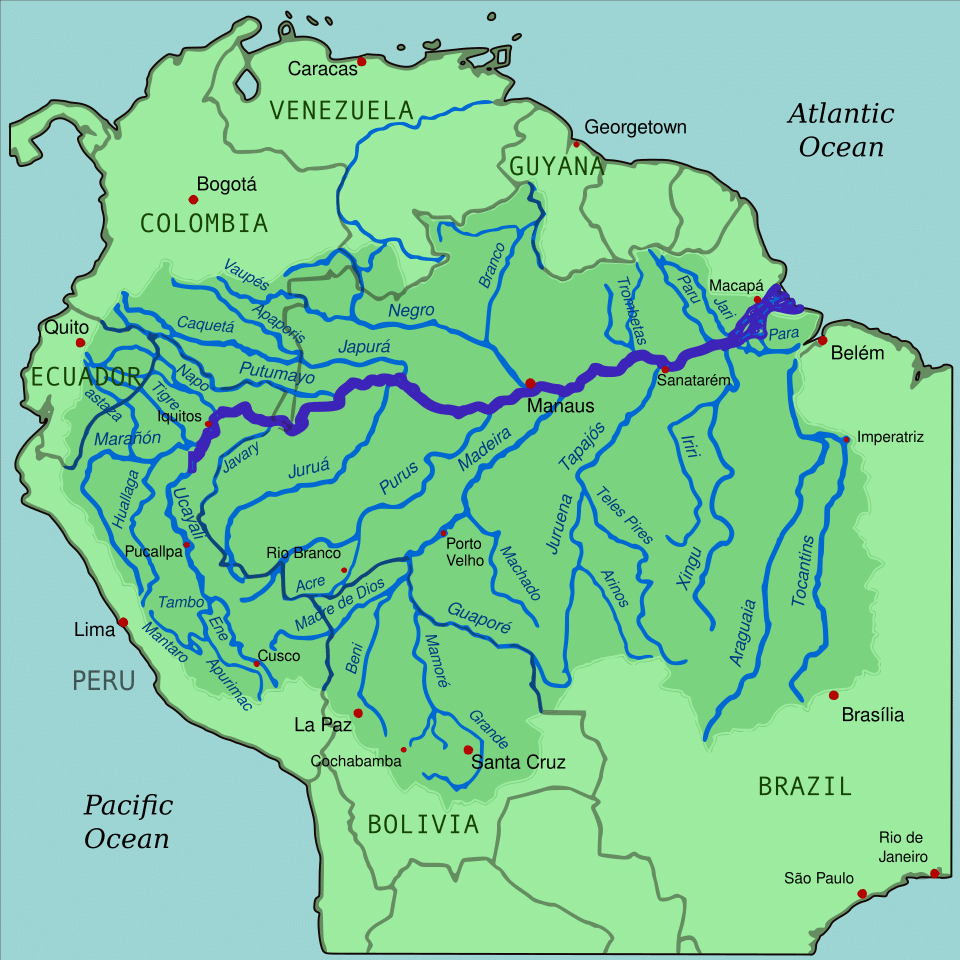
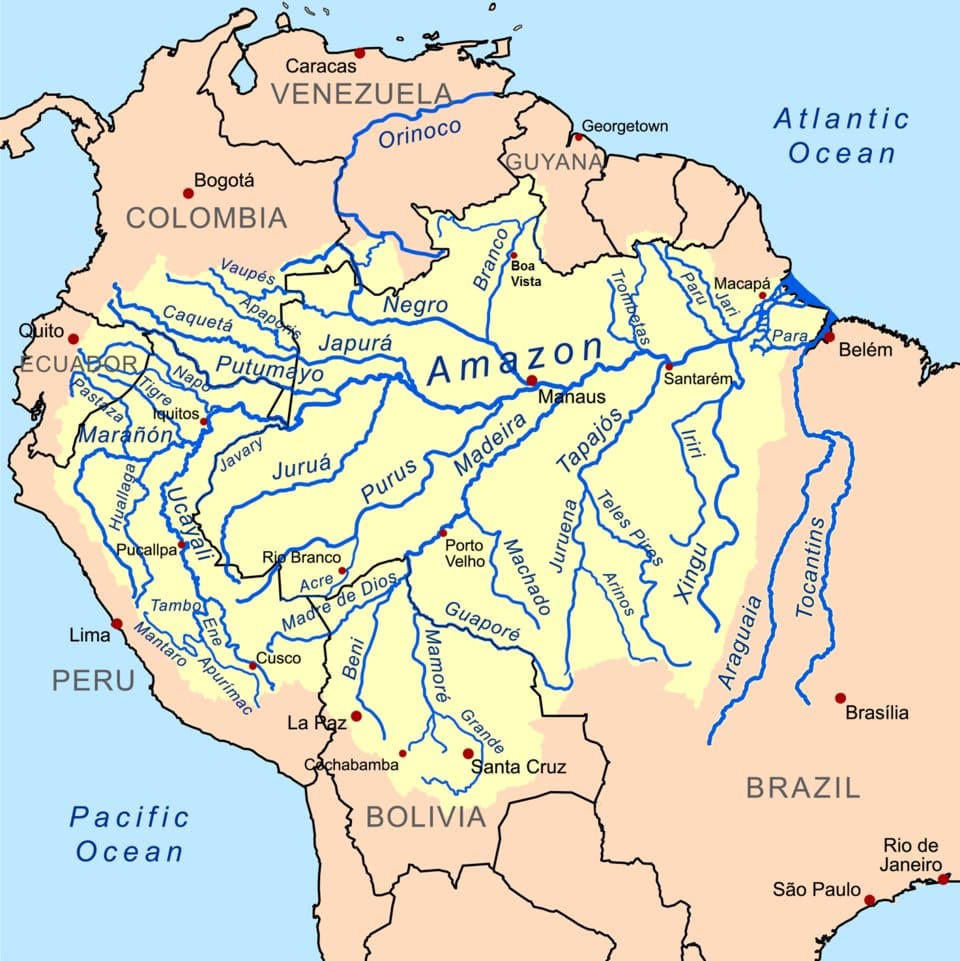
The skunk cory is found across the upper Amazon basin, with collection records from Ecuador, Peru, and western Brazil. Its range overlaps with several other corydoras species, which is common in the incredibly species-rich Amazonian drainage system. Specific collection localities include tributaries of the Rio Tefe and Rio Jurua in Brazil, as well as drainages in eastern Peru and Ecuador.
In the wild, skunk corys inhabit slow-moving streams, shallow tributaries, and flooded forest areas with soft, sandy, or silty bottoms. The water is typically soft and slightly acidic, often stained with tannins from decomposing leaves and wood. These are shaded environments with dense leaf litter, fallen branches, and overhanging vegetation providing both cover and a steady food supply of microorganisms, small invertebrates, and organic debris.
Understanding this natural habitat gives you a clear blueprint for their tank setup. Soft water, gentle flow, leaf litter and driftwood for cover, and a fine sand bottom. You don’t need to perfectly replicate a blackwater biotope, but nudging conditions in that direction will bring out the best behavior and coloration in your fish.
Appearance & Identification
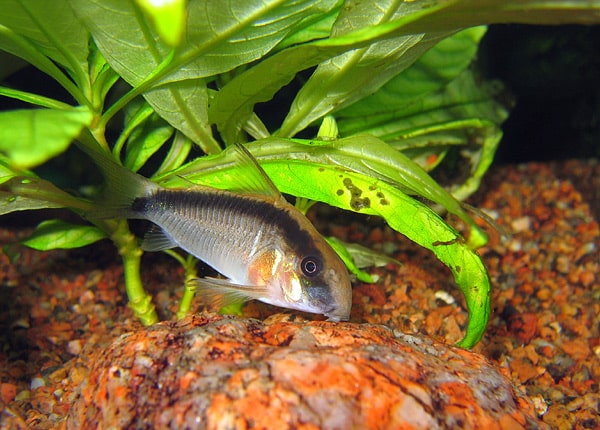
The skunk cory’s defining feature is impossible to miss: a bold, dark stripe that runs along the top of the body from the tip of the snout, over the head, along the dorsal ridge, and down to the base of the tail. This arched stripe sits right along the spine and is the single most reliable way to identify this species. It resembles the dorsal stripe on a skunk, which is exactly how the common name came about.
The base body color is a pale cream to light tan, sometimes with a subtle pinkish or silvery sheen. The contrast between this light body and the dark dorsal stripe is what makes the skunk cory so visually striking. The flanks are clean and mostly unmarked, without the heavy spotting or mottling you see on species like julii or sterbai corys. Fins are transparent to lightly tinted, keeping the visual focus on that signature stripe.
Body shape is typical for the genus: compact, armored with two rows of overlapping bony scutes, a downturned mouth, and two pairs of sensitive barbels used for substrate probing. They’re a relatively streamlined corydoras, not as chunky as a bronze cory but not as dainty as the dwarf species. The overall impression is a clean, elegant fish where one feature dominates the entire look.
Male vs. Female
Sexing skunk corys follows the general corydoras pattern, which means it’s not always straightforward until the fish are mature and well-conditioned. Females tend to be slightly larger and noticeably rounder when viewed from above, especially when carrying eggs. Males are typically more slender and slightly smaller overall.
The dorsal stripe appears on both sexes equally, so that won’t help you tell them apart. The most reliable method is the top-down body shape comparison. When you look at a group from above, the wider, plumper individuals are almost always female. This becomes most obvious when they’re well-fed and in breeding condition. In immature fish, sexing is essentially guesswork, which is another reason to buy a group of 6 or more to ensure you get a mix.
Average Size & Lifespan
Skunk corys reach a maximum size of about 2 inches (5 cm), putting them squarely in the standard-sized corydoras range. Most fish sold at retailers are juveniles around 1 to 1.5 inches, so expect a bit of growth after purchase, but nothing dramatic. Males tend to stay slightly smaller than females.
With proper care, skunk corys can live 5 to 8 years. As with all corydoras, longevity depends on water quality, appropriate substrate, diet variety, and the security of being kept in a proper group. Well-maintained fish in stable conditions routinely hit the upper end of that range. Fish kept alone, on gravel, or in poorly maintained tanks will have significantly shorter lives.
Skunk corydoras (C. arcuatus) are small, peaceful bottom-dwellers with a distinctive dark stripe. They are hardy and adaptable, suitable for most beginner community tanks from 20 gallons.
Care Guide
Tank Size
A 20-gallon (76 liter) tank is the minimum for a group of 6 skunk corys. A 20-gallon long is ideal because it maximizes the floor space these bottom dwellers use for foraging. If you’re planning a larger group of 8 to 12, or housing them alongside other bottom-dwelling species, move up to a 30-gallon (114 liter) or bigger to avoid competition for substrate territory.
Floor space matters more than water column height for corydoras. A wider, shallower tank will always serve them better than a tall, narrow one. That said, skunk corys are obligate air breathers and need unobstructed access to the surface, so don’t pack the tank with so many floating plants that they can’t reach the top easily.
Water Parameters
| Parameter | Recommended Range |
|---|---|
| Temperature | 72 to 79°F (22 to 26°C) |
| pH | 6.0 to 7.5 |
| Hardness | 2 to 15 dGH |
| Ammonia / Nitrite | 0 ppm |
| Nitrate | Below 20 ppm |
Skunk corys prefer soft, slightly acidic water, which reflects their upper Amazon basin origins. A pH in the 6.0 to 7.0 range with low to moderate hardness is where they’ll look and behave their best. They can tolerate neutral water conditions without issues, but pushing much above pH 7.5 or into very hard water isn’t ideal for long-term health.
Like all corydoras, the skunk cory is an obligate air breather. You’ll see them periodically rocket to the surface, gulp a mouthful of air, and return to the bottom. This is completely normal behavior and not a sign of low oxygen or distress. It only becomes a concern if the trips to the surface become frantic and constant, which could indicate deteriorating water quality. Keep up with regular water changes, aim for nitrates below 20 ppm, and maintain zero ammonia and nitrite at all times.
Filtration & Water Flow
Moderate filtration with gentle to moderate flow is the goal. Skunk corys come from slow-moving waters and don’t appreciate being buffeted by strong currents. A hang-on-back filter or canister filter with the output aimed at the surface provides good oxygenation without blasting the bottom of the tank. Sponge filters are another excellent option, especially in smaller tanks or breeding setups, because they provide biological filtration without creating problematic flow at substrate level.
Whatever filter you choose, make sure the intake is covered with a sponge pre-filter. Small corys, and especially fry, can be pulled into unprotected filter intakes. This is a basic precaution that applies to all corydoras setups.
Lighting
Skunk corys aren’t fussy about lighting, but they come from shaded forest streams, so they’re most comfortable under moderate to subdued lighting. If you’re running a planted tank with higher light levels, provide some shaded areas with floating plants, driftwood overhangs, or broad-leafed plants. These shaded retreats give them places to rest during the day when the lights are brightest. They tend to be more active and visible when lighting isn’t too intense.
Plants & Decorations
Skunk corys do well in planted tanks and won’t damage your plants. They’ll weave through stem plants and rest under broad leaves, but they don’t uproot or eat live vegetation. Good plant choices include Java fern, Anubias, Amazon swords, and Cryptocoryne species, all of which provide cover without needing intense lighting.
Driftwood and smooth rocks add visual structure and create the kind of sheltered areas these fish appreciate. Indian almond leaves or other dried leaf litter are a great addition. They release tannins that soften the water slightly, provide biofilm for the corys to graze on, and replicate the leaf-strewn stream bottoms these fish naturally inhabit. Just replace leaves as they break down, roughly every few weeks.
Substrate
Fine, smooth sand is the only appropriate substrate for skunk corys. This is non-negotiable for any corydoras species. These fish spend their lives sifting through substrate with their sensitive barbels, pushing sand through their gills as they search for food. Rough gravel, sharp-edged substrates, or coarse materials will erode and damage their barbels over time, leading to infections and an inability to forage naturally.
Pool filter sand, play sand (rinsed thoroughly), or aquarium-specific sand products all work well. The lighter the color, the more the skunk cory’s dark dorsal stripe will stand out against it. Keep the sand bed clean with regular light vacuuming to prevent waste buildup, which can lead to bacterial issues right at the level where your corys live.
Is the Skunk Cory Right for You?
Before you buy, run through this honest checklist. The Skunk Cory is a great fish for the right keeper, but it is not for everyone.
- You want a subtle, elegant cory with a distinctive back stripe pattern
- You can provide plenty of hiding spots with driftwood and plants for a shy species
- You keep a group of 6+ on sand substrate in a 20-gallon or larger tank
- Your tank is not overly bright or exposed, which stresses this shy species
- You enjoy watching fish gain confidence over time as they settle in
- You want a peaceful cory that works well with other calm community fish
Tank Mates
Best Tank Mates
Skunk corys are peaceful, non-competitive fish that do well with a wide range of calm community species. The best tank mates are fish that occupy different water levels and won’t harass or outcompete your corys for food.
- Tetras (neons, embers, cardinals, rummy-nose) occupy the mid-water and leave the bottom to the corys
- Rasboras (harlequins, chili rasboras, lambchop rasboras) are calm, same water parameter preferences
- Other corydoras species coexist peacefully, and different species will often loosely shoal together
- Otocinclus share similar gentle temperament and water requirements
- Small peaceful gouramis (honey gouramis, sparkling gouramis) stay in the upper water column
- Dwarf shrimp (Amano shrimp, cherry shrimp) are fine companions in a well-planted tank
- Nerite snails and other peaceful invertebrates
Tank Mates to Avoid
- Aggressive cichlids (convicts, Jack Dempseys, large South Americans) will bully and potentially injure corys
- Large or predatory fish that could see a 2-inch cory as food
- Highly territorial bottom dwellers (some pleco species, aggressive loaches) that will compete for substrate space
- Fast, aggressive feeders (tiger barbs in large groups, Buenos Aires tetras) that will snatch all the food before it reaches the bottom
- Fish requiring very different water parameters (African cichlids, hard water livebearers) since the mismatch in preferred conditions will compromise one group or the other
Food & Diet
Skunk corys are omnivores and not picky eaters, but they do need a varied diet to stay healthy. A high-quality sinking pellet or wafer should form the base of their diet, because regular flake food that floats on the surface often gets eaten by mid-water fish before it ever reaches the bottom. Sinking foods ensure your corys actually get to eat.
Supplement the staple food with frozen or live bloodworms, brine shrimp, daphnia, and tubifex worms. These protein-rich foods promote good condition and are especially important for conditioning fish for breeding. Feed these a few times per week as treats alongside the daily staple.
Blanched vegetables like zucchini slices or cucumber rounds are also accepted and add variety. Drop them in at night when the corys are most active. Remove uneaten vegetables the next morning to prevent water quality issues.
Feed once or twice daily, only as much as they can consume within a few minutes. Skunk corys will also constantly graze on biofilm, algae, and microorganisms on surfaces throughout the tank, so some of their diet takes care of itself. Just don’t rely on “they’ll find food on their own” as a feeding strategy. They need dedicated feedings.
Breeding & Reproduction
Breeding Difficulty
Breeding skunk corys is moderately challenging. They’ve been bred in captivity, but they’re not as prolific or cooperative as bronze or peppered corys. Success requires a well-conditioned group, attention to water chemistry, and some patience. If you’ve bred other corydoras species before, the general approach is the same, though skunk corys may take longer to respond to spawning triggers.
Spawning Tank Setup
Set up a dedicated breeding tank of 10 to 20 gallons with a bare bottom or a thin layer of fine sand for easy egg collection. Include some smooth surfaces for egg deposition: broad plant leaves (Java fern or Anubias work well), the glass walls of the tank, or a spawning mop. A gentle sponge filter provides biological filtration without risking fry getting sucked into intakes. Keep lighting subdued.
Water Conditions for Breeding
Cooler, softer water is the primary spawning trigger for most corydoras, and skunk corys are no exception. Gradually lower the temperature by 3 to 5 degrees (to around 68 to 72°F) and perform a large water change of 50% or more with slightly cooler, soft water. This simulates the onset of the rainy season in their native habitat, which is the natural cue for spawning activity. Dropping the pH slightly toward 6.0 to 6.5 can also help.
Conditioning & Spawning
Condition the breeding group with heavy feedings of live and frozen foods for 2 to 3 weeks before attempting to trigger spawning. Bloodworms, brine shrimp, and daphnia are all excellent conditioning foods. Well-conditioned females will become noticeably plumper as they fill with eggs.
When ready to spawn, corydoras engage in their characteristic T-position mating behavior. The male presents his ventral side to the female, and she forms a T-shape against him, receiving sperm before depositing a small clutch of adhesive eggs on a chosen surface. The process repeats over several hours until the female has deposited all her eggs, typically 50 to 100 or more spread across multiple surfaces.
Egg & Fry Care
Once spawning is complete, remove either the adults or the eggs. Corydoras will eat their own eggs if given the chance. If removing eggs, gently roll them off the glass or surface with a finger or credit card and transfer them to a separate container with matching water parameters. Adding a few drops of methylene blue to the egg container helps prevent fungal growth on unfertilized eggs, which can spread to healthy eggs nearby.
Eggs typically hatch in 3 to 5 days depending on temperature. Newly hatched fry will consume their yolk sacs for the first day or two, then need very small foods. Infusoria, microworms, and vinegar eels are good first foods. As the fry grow, graduate to newly hatched baby brine shrimp and finely crushed sinking foods. Keep the fry tank scrupulously clean with daily partial water changes, as fry are extremely sensitive to water quality issues.
Common Health Issues
Barbel Erosion
This is the most common health problem across all corydoras species, and it’s almost always caused by keeping fish on rough or sharp substrate. Barbel erosion is exactly what it sounds like: the barbels wear down, shorten, and can become infected. Once the barbels are severely damaged, the fish can’t forage effectively. Prevention is simple: use fine, smooth sand and keep it clean. Barbels can partially regrow if conditions are corrected early, but severe damage may be permanent.
Ich (White Spot Disease)
Skunk corys can contract ich like any tropical fish. The complication with armored catfish is that they’re more sensitive to many common ich medications, particularly those containing copper or malachite green. The heat treatment method (gradually raising temperature to 86°F and holding it for 10 to 14 days) is generally the safest approach, though 86°F is above the skunk cory’s preferred range. If using medication, dose at half strength and monitor closely for signs of stress. Increase aeration during any treatment, as warmer water holds less dissolved oxygen.
Bacterial Infections
Red blotches on the belly, frayed fins, or cloudy eyes can point to bacterial infections. These are almost always secondary to poor water quality, substrate injuries, or chronic stress. The first step is always improving water conditions through consistent water changes and stable parameters. Mild infections often resolve on their own once conditions improve. Severe cases may require a broad-spectrum antibacterial medication formulated for catfish, dosed carefully.
General Prevention
Quarantine all new fish for at least two weeks before adding them to an established tank. Perform weekly water changes of 20% to 30% and keep nitrates below 20 ppm. Use fine sand substrate and keep it clean. Avoid sudden swings in temperature, pH, or hardness. A consistent, well-maintained environment prevents the vast majority of health problems with this species.
Common Mistakes to Avoid
- Using gravel substrate. This is the single most common mistake with any corydoras. Gravel damages barbels, period. Use fine, smooth sand. No exceptions, no compromises.
- Keeping too few. Skunk corys are social fish that need a group of at least 6 to feel secure. Lone individuals or small groups will hide constantly, stress out, and lose their color. Budget for a proper group from the start.
- Ignoring bottom-level feeding. If all your food is eaten by mid-water fish before it reaches the substrate, your corys are starving. Use dedicated sinking pellets or wafers, and consider feeding after lights out when the corys are most active and competition is lower.
- Skipping the quarantine. New arrivals can carry ich, parasites, or bacteria that decimate an established tank. Two weeks in a separate quarantine tank is cheap insurance against losing your entire group.
- Confusing them with similar species. A few other corydoras species have dorsal stripes, including C. narcissus (longer snout, larger body) and occasionally misidentified wild-caught specimens. This doesn’t affect care, but if you’re trying to breed a specific species, confirm your identification before pairing fish.
Where to Buy
Skunk corys are available through specialty aquarium retailers and online fish stores, though they’re not as commonly stocked as bronze, peppered, or sterbai corys. Prices typically fall in the $8 to $15 range per fish depending on size and whether they’re wild-caught or captive-bred. Both types circulate in the trade, with wild-caught specimens sometimes showing more vivid stripe contrast.
For reliable sourcing and healthy arrivals, check these trusted online retailers:
- Flip Aquatics. Great selection of corydoras species with careful shipping practices.
- Dan’s Fish. Known for healthy, well-acclimated livestock and transparent sourcing.
Always buy a group of at least 6. These social fish do poorly alone, and most specialty retailers offer better per-fish pricing on group orders.
Frequently Asked Questions
Why is it called a skunk cory?
The name comes from the dark stripe running along the dorsal ridge from snout to tail, which resembles the stripe on a skunk’s back. The scientific name arcuatus means “arched,” referring to the curved path of this same stripe. Both common names, “skunk cory” and “arched cory,” describe the same defining feature.
Are skunk corys good for beginners?
They’re a moderate difficulty species. Not the hardest corydoras to keep, but not the easiest either. If you’re completely new to fishkeeping, starting with bronze or peppered corys will give you a more forgiving learning experience. If you have some aquarium experience and can maintain stable, slightly soft water conditions, skunk corys are a reasonable next step.
Can skunk corys live with other corydoras species?
Absolutely. They coexist peacefully with all other corydoras species. Different species will often loosely shoal together, especially during feeding time. Just make sure the tank is large enough to comfortably house proper groups of each species you’re keeping. Six of one species and six of another means you need space for twelve bottom dwellers.
How many skunk corys should I keep?
A minimum of 6, with 8 to 10 being even better. In larger groups they’re bolder, more active, and much more fun to watch as they forage together. Small groups or lone individuals tend to hide and show stress behaviors like color fading and inactivity.
Why does my skunk cory dash to the surface?
Corydoras are obligate air breathers that periodically gulp atmospheric air as part of their normal respiration. Occasional trips to the surface are perfectly natural and nothing to worry about. It only becomes a concern if the behavior becomes frantic and constant, which could indicate poor water quality, low dissolved oxygen, or other environmental stress.
Do skunk corys need sand substrate?
Yes, without exception. All corydoras species need fine, smooth sand substrate. Their barbels are delicate sensory organs used for foraging, and rough gravel or sharp substrates will damage them over time. Barbel erosion leads to infections, inability to forage, and reduced quality of life. Sand is the only appropriate choice.
What’s the difference between a skunk cory and Corydoras narcissus?
Corydoras narcissus is sometimes confused with the skunk cory because both have a dark dorsal stripe. The key differences are that C. narcissus has a noticeably longer snout, a larger adult size (up to 2.5 inches), and a more elongated body profile. They’re also from slightly different parts of the Amazon basin. Care requirements are very similar for both species, so a misidentification won’t cause husbandry problems, but it’s worth knowing which species you have if breeding is your goal.
How the Skunk Cory Compares to Similar Species
Skunk Cory vs. Bandit Cory
The Bandit Cory has more of a mask pattern, while the Skunk Cory has the arched dorsal stripe. Both are peaceful and similarly sized. The Bandit Cory tends to be slightly bolder in behavior. If you want a more confident cory, the Bandit is the better pick. If you prefer understated elegance, the Skunk Cory delivers.
Skunk Cory vs. Peppered Cory
The Peppered Cory is much bolder and more outgoing than the Skunk Cory. If you want constant activity and a fish that is always visible, the Peppered is the better choice. The Skunk Cory is for keepers who enjoy a quieter, more reserved species that rewards patience.
Expert Take (Mark Valderrama, AquariumStoreDepot)
After 25 years in the hobby and time managing fish stores, the skunk cory is one of those species I always recommend to hobbyists ready to move beyond the basics. Skunk corydoras (C. arcuatus) are small, peaceful bottom-dwellers with a distinctive dark stripe. They are hardy and adaptable, suitable for most beginner community tanks from 20 gallons. Minimum group of 6. Skunk cories in groups of 3 or fewer become reclusive and spend the day hiding – the social schooling behavior that makes them interesting to watch only emerges in larger groups.
Closing Thoughts
The skunk cory is one of the most visually distinctive corydoras you can keep. That bold arched stripe makes it instantly identifiable and gives it a look that stands out from the more commonly seen spotted and mottled species. It’s the kind of fish that draws your eye to the bottom of the tank, which is exactly what a good corydoras should do.
Care-wise, there’s nothing exotic or overly demanding about keeping skunk corys. Sand substrate, soft to moderate water, a proper group, and consistent maintenance are the foundations. Get those right and you’ll have an active, attractive group of bottom dwellers that will be a highlight of your community tank for years. They’re one of those species that rewards you for doing the basics well.
Have you kept skunk corys? I’d love to hear about your experience with this species. Drop a comment below!
Recommended Video
Check out our corydoras tier list video where we rank the most popular corydoras in the hobby, including the skunk cory:
References
- Seriously Fish, Corydoras arcuatus species profile. seriouslyfish.com
- FishBase, Corydoras arcuatus (Elwin, 1938). fishbase.se
- The Aquarium Wiki, Corydoras arcuatus. theaquariumwiki.com
- Practical Fishkeeping, Corydoras species guides. practicalfishkeeping.co.uk
- About the Author
- Latest Posts

I’m Mark Valderrama, founder of Aquarium Store Depot and a fishkeeper with over 25 years of hands-on experience. I started in the hobby at age 11, worked at local fish stores, and have kept freshwater tanks, ponds, and reef tanks ever since. I’ve been featured in two best-selling aquarium books on Amazon and built this site to share practical, experience-based fish keeping knowledge.
Leave a Reply