Category: The AquariumStoreDepot.com blog

  • Betta Fish Toys and Enrichment: What Actually Works (And the Mistake Most Owners Make)

    Betta Fish Toys and Enrichment: What Actually Works (And the Mistake Most Owners Make)

    Bettas are more curious and intelligent than most people give them credit for, and enrichment makes a real difference in how they behave and how long they stay healthy. Iโ€™ve seen a lot of these products come through fish stores over 25 years, and the Zoo Med Floating Log is the one Iโ€™d point most people toward first. But the bigger thing I want to say upfront: donโ€™t overthink it. The most common mistake I see is owners trying too hard. constantly rearranging the tank, adding new toys, too much stimulation. Bettas do best when you give them good structure and then let them explore on their own terms.

    Why They Need Enrichment

    Betta fish, otherwise known as Siamese fighting fish are naturally curious fish that need both physical and mental engagement to remain healthy and content. Betta fish get stressed and bored with nothing to interact with in their environment. I’ve even seen Betta’s self mutilate, similar to what Birds do because they are bored.

    It’s not even my personal experience that back this up, but this is also backed by studies as well. A study by the University of Gothenburg in Sweden1 discusses the effect of environmental enrichment.

    The study summarizes with the following excerpt:

    We find that enrichment can affect several aspects of the biology of captive fish, for example, aggression, stress, energy expenditure, injury and disease susceptibility.

    I can take this study and further link this to their natural habitats. In the wild, Bettas live in shallow waters with a lot of vegetation, where they encounter various objects, plants or other species. Oftentimes, males especially are involved in chasing away fish that come near their bubble nests. Stimulus is all around them

    To recreate these conditions at home owners must give access to living or silk made plants for bettas. not only providing hiding spots but also resembling nature more accurately. Using toys like ping pong balls and floating logs can provide entertainment during playtime, causing increased stimulation within the tank environment.

    I find dedicating some play time with your betta helps fill the void if they lack tankmates. Ultimately picking out useful items specially designed for your finned pets is key. think about what activities stimulate interest among bettas. considering all this could bring on an enrichment process both mentally & physically.

    The 5 Best Betta Fish Toys

    Let’s take a deep dive into the best betta fish toys so you can make an informed decision about what would work best in your betta’s tank. For all these toys I’m recommending I’m looking at the following:

    • The chances of your Betta actually interacting with the toy
    • The ease of use for the user
    • Quality of the toy and a reasonable price

    All these toys should be easy for you to find online or at a local pet store. Let’s look at the first one.

    1. Zoo Med Floating Log

    Editor’s Choice
    Zoo Med Floating Log

    The floating log is an excellent environmental enhancer for your Betta fish. Offers a place to hide and rest at the top of their tank. Contains a feeding hole for ease of use

    Buy On Amazon Buy On Petco

    The Zoo Med Floating Betta Log is a popular choice among betta fish owners due to its natural-like design and ability to offer an ideal hiding spot for curious bettas. This floating log imitates the native habitat of your Betta, providing them with space to investigate, rest or stay hidden. It also comes along with a feeding hole on top in order for your fish to enjoy their food without needing to venture out of it.

    A slight downside associated with this aquarium accessory could be its stability since it relies only on one suction cup attached at the tank wall which may cause dislodging issues sometimes reported by users who state that additional function cups are necessary. Personally, I don’t see a problem with it floating around as this is what would happen in nature and if you build a Betta fish tank correctly, the flow should be low anyway.

    All things considered, the Zoo med Floating Betta Log proves itself as an outstanding enhancement addition to any betta environment! Though not necessarily a toy (I would classify it as one of many betta fish accessories), it’s one of my favorites to recommend.

    This is my top recommendation from this list. It gives bettas a natural hiding spot and resting place. exactly what theyโ€™d look for in the wild. and most bettas take to it quickly.

    Specifications:

    • Material: Durable, non-toxic resin
    • Dimensions: 6.5 x 3.5 x 2.75 inches

    Pros:

    • Provides a natural-looking hiding spot
    • Encourages exploration and relaxation
    • Can double as a betta hammock
    • Easy to install with a suction cup

    Cons:

    • May require additional suction cups for stability
    • Paint has been known to chip off over time

    2. R2 Training Kit
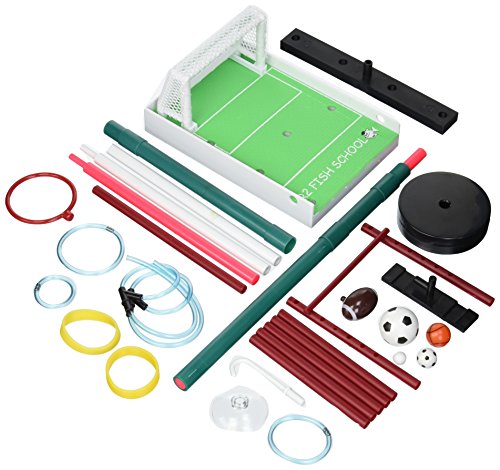
    R2 Training Kit

    A great comprehensive kit that can be used to train your fish with a variety of tricks. Created by a father and son team!

    Buy On Amazon

    Do you want to teach your Betta all the cool tricks and post some TikTok videos about his feats? If so this is the kit to get! Created by Dr. Dean Pomerlau and his son Kyle, this kit comes with a variety of activities:

    • Soccer balls and nets
    • Limbo bar
    • Goal post for swimming around
    • Tunnels
    • Hoops

    The R2 Fish School Training Kit is an ideal tool for betta fish owners who want to mentally stimulate and engage their pet through interactive playtime. By using positive reinforcement – such as providing treats with a feeding wand once tasks are complete. this unique toy can teach your betta new tricks, aiding in the bonding experience between you two. It’s important to remember that not all species of fish respond favorably or calmly when confronted with unfamiliar objects. Stress levels may increase so make sure the kit will suit your specific type before introducing it into its environment. You can see one of the tricks in the video below (video source).

    Specifications:

    • Training method: Positive reinforcement
    • Includes: Hoops, balls, limbo poles, goal posts, feeding wand

    Pros:

    • Provides mental stimulation and interactive playtime
    • Teaches betta fish tricks using positive reinforcement
    • Includes various accessories for different training exercises
    • Includes training lessons and instructions

    Cons:

    • May not be suitable for all fish species
    • Requires dedicated time and effort to train fish

    3. Zoo Med Exercise Mirror

    Zoo Med Exercise Mirror

    The exercise mirror by Zoo Med offers a way for your Betta to show it’s natural territorial behavior. Only use for short periods of time

    Buy On Amazon Buy On Petco

    The Zoo Med Betta Exercise Mirror is a floating device made to give brief stimulation and exercise for your betta fish. Putting it in the tank will cause them to confront their own reflection, so they can flare out their fins, like natural territorial behavior which exercises both body and mind of the animal.

    This is considered one of the more controversial toys on this list. A mirror while it can provide stimulation for your betta and also cause stress with overuse. It should be removed after several minutes.

    Use only briefly then take out immediately after some time has passed. You want to simulate an in the wild event where a betta would come across a rival to his territory. He will flare and try to fight his reflection than take it away mimicing the rival running away. Never leave a mirror in an aquarium long-term.

    From what Iโ€™ve seen, this is solid advice. If you leave a mirror in too long, you will stress your betta out. A minute or two of interaction is plenty. treat it like an occasional enrichment tool, not a permanent fixture.

    Specifications:

    • Type: Floating mirror
    • Usage: Flaring aid for photos and occasional show off

    Pros:

    • Provides short-term stimulation and exercise
    • Encourages natural territorial behaviors
    • Easy to use and remove from the tank

    Cons:

    • Prolonged use may stress betta fish

    4. CAVN Pen Light

    CAVN Pen Light

    This pen light is a high quality LED light that can be used as a pointer to train or to entertain fish

    Buy On Amazon

    The CAVN Pen Light with Pupil Gauge LED Penlight may not be explicitly designed as a betta fish toy, but it is nonetheless it can work well as one. It is a tool for medical professionals when evaluating the size and reaction of patient’s pupils, however, it’s one of the best laser pointers you can buy for either training or entertaining your fish or interacting with him.

    Even though this penlight isn’t intended to provide enrichment directly to your betta fish, in can be used in a variety of works. One of the unique ways I’ve seen laser pointers use is to help pose schooling fish when taking photos for aquascaping competitions. While the use may not be the same as a schooling fish, you can direct your betta fish to different areas of the tank with the point or even use it to make the betta do tricks.

    As always, never point a laser pointer directly into an animal’s eye.

    Specifications:

    • Material: Plastic
    • Color: White
    • Size: 5.3 x 0.5 x 0.5 inches
    • Weight: 0.32 ounces

    Pros:

    • Ideal tool for medical professionals
    • Features a pupil gauge and LED light
    • Comes in a pack of two for convenience
    • Compact size and lightweight design

    Cons:

    • Not specifically designed for betta fish enrichment

    5. Zoo Med Leaf Hammock
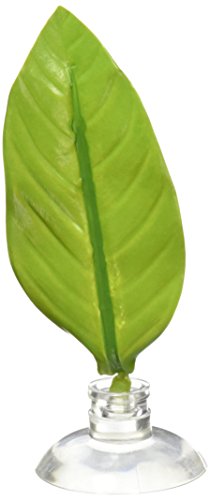
    Zoo Med Leaf Hammock

    This Betta Hammock is a great alternative in the absence of live plants for your Betta to rest on

    Buy On Amazon Buy On Petco

    The Zoo Med Betta Bed Leaf Hammock is a practical decoration more so than a fish toy. It allows your pet to rest in comfort on the leaf. This durable plastic leaf can be securely attached using its suction cup, giving them an ideal spot where they are safe and comfortable. One thing I will say about this is that this decoration isn’t always accepted by a betta fish so you may have some mixed results.

    This is a good decoration to try if you don’t want to use live plants. However, I would encourage using large-leafed live aquarium plants, floating plants, or other decor like driftwood so your betta can rest on it.

    Specifications:

    • Material: Soft plastic
    • Attachment: Suction cup

    Pros:

    • Provides a comfortable resting place near the waterโ€™s surface
    • Easy to install with a suction cup
    • Blends seamlessly with aquarium decor

    Cons:

    • May require occasional adjustments for stability
    • Not all Bettas will use it

    Bonus – A Ping Pong Ball

    Ping Pong Ball

    A simple ping pong ball is one of the cheapest and most entertaining toys you can use with a betta fish. I listed it as a bonus because some of you may have one just sitting in your home. Betta fish love pushing this ball along, and they can be trained to move the ping pong into a goal. If you have one laying around, definitely give it a try and enjoy your betta fish chasing this ball around!

    This actually works really well. bettas will interact with it more than you might expect. Just make sure itโ€™s clean before you drop it in. A new ball straight from the package is ideal.

    Choosing The Right One

    When looking for the best betta fish toys to give your pet, it is important to take into account their unique needs and inclinations. By providing an array of accessories that appeal to their natural tendencies you will ensure they are contented, strong and engaged. Firstly, prioritize items with no toxicity which wonโ€™t release any hazardous materials in the aquarium water. With the exception to a ping ball, stay away from other items that are not designed for aquarium fish, as there is a likelihood that it is not safe for use in an aquarium.

    Likewise be wary of toys with pointed edges or rough textures since these could potentially hurt them. If needed sand off such imperfections using either sandpaper or nail file for added protection.

    Consider how the toy mirrors its native environment when selecting products: giving hiding spots, plants & floating objects can recreate its normal habitat while inspiring exploration & fun activities – some may love chasing bubbles whereas others relax on top by resting near surface-level on leaf hammocks, etcetera!

    Think about whether all selected components blend well within your Betta tank without taking up excessive area or producing stress levels. Ultimately, observe how it behaves around those toys and decor.

    One last thing to note is the activity level of your Betta itself. In my experience, Plakat bettas are going to be pretty active while fancier tail varieties like elephant ears will struggle to do things like train with the Fish School training kit. Understand what your Betta is compatible of physically.

    Non-Toy Ideas

    Toys are nice and have novelty to them. However, natural environmental enhancers are overall better in the long-term. Here are a few non-toy options.

    Indian Almond Leaves

    Indian Almond leaves (also referred to catappa) present several benefits such as releasing tannins into water softening it along with having antibacterial and anti-fungal properties. Tannin rich waters was actually used by owners who used their fish to fight to allow them to heal. Your betta will appreciate the preferred water parameters the leaves provide and will enjoy resting on them. It’s not a toy, but a great way to enrich their natural environment.

    Moss Balls
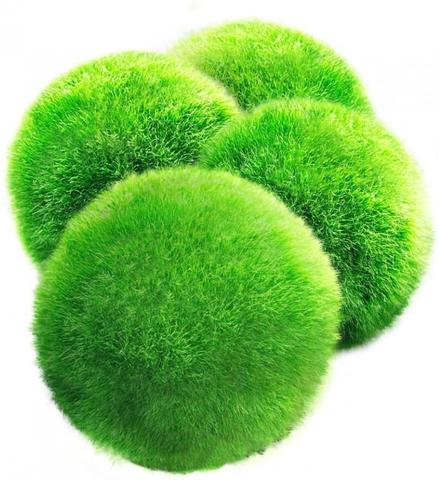
    Budget Option
    Marimo Moss Ball

    Budget Option

    A cheap and easy to care for aquarium plant. Thrives in low light and very low maintenance

    Click For Best Price

    Bettas are very curious about Marimo Moss balls and adding a few will spark their curiosity. Not only do they enjoy interacting with them, but they also help remove toxins and nitrates from your tank. They are great to use in small tanks and are relatively inexpensive to obtain.

    Tankmates
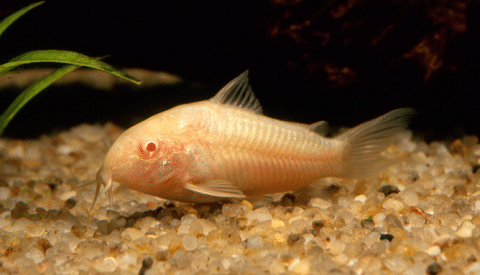
    Albino Cory Catfish

    Who doesn’t like more fish? It may surprised you, but Bettas do a lot better with other fish in their tank. You will need at least a 10 gallon tank to add other tankmates and you want to make sure you add the correct ones. If you add fish that look like them, they may try to fight them. If you try to add fish that are too active, they can outcompete and even nip at your Betta. To help, here are a few options that Betta fish like:

    Frequently Asked Questions

    Do betta fish use toys?

    Bettas are curious fish and will interact with a variety of toys. Cheap and fun items like ping pong balls help keep the mental stimulation, energy levels, and overall happiness of your betta high. Adding these toys are inexpensive, which makes it an excellent choice.

    How do you keep a betta entertained?

    To keep your betta amused, introduce a small plastic ping pong ball into the top of their tank so they can get accustomed to it. You may even be able to teach them certain tricks like swimming through hoops when you move your finger or jumping out of the water if you offer them food from your hand.

    How often should I use the Zoo Med Betta Exercise Mirror?

    It is recommended to employ the Zoo Med Betta Exercise Mirror with care and only for brief periods in order to prevent stressing out your betta fish. It shouldn’t be used multiple times a day. Every other day is about the most I would personally use it for.

    Are there any alternatives to betta fish toys?

    Instead of betta fish toys, consider adding natural live plants to the tank along with decorations and providing a more varied diet for your fish. Also, tankmates are a great way to provide entertainment and enrichment to your betta.

    What should I avoid when choosing betta fish toys?

    When selecting items to provide playtime entertainment for betta fish, one should be aware of the potential dangers posed by cheaply made and improperly constructed toys. Sharp edges or rough surfaces could injure your pet, while toxic chemicals may leach into their water environment if it is not manufactured correctly.

    Closing Thoughts

    For the benefit of your betta, it is essential to provide them with an exciting selection of toys and accessories. Itโ€™s crucial that you think about what their natural habitat would include for stimulation purposes as well as considering any safety implications when selecting these items in order to create a desirable environment for this fish species.

    Have you ever used this toys with your Betta? Let us know in the comments below. Thank you for reading!


    ๐Ÿ“˜ Want to learn more? This article is part of our complete Betta Fish Guide. your ultimate resource for betta care, types, tank setup, feeding, tank mates, and more.
  • Do Betta Fish Need a Filter? My Honest Answer and What I Actually Use

    Do Betta Fish Need a Filter? My Honest Answer and What I Actually Use

    I get this email or message a lot through my email or YouTube channel. Hobbyists, usually brand new, often tell me about their betta fish and their issues. Often, it stems from poor conditions or a question that all centers around the topic of this blog post.

    My quick answer to this is no – they don’t need one. However, many hobbyists are not able to run a tank filterless nor have the desire to maintain a tank without a filter. Not to mention, many filterless tanks are small and lack other factors that are a must for a Betta, such as a heater.

    My go-to recommendations are a sponge filter or an HOB with a sponge pre-filter on the intake. That last part matters. bettas are notoriously weak swimmers (the exception being plakat bettas, which have shorter fins and handle flow much better), and a strong current or an unprotected intake can stress or trap them.

    Key Takeaways

    • Betta fish can survive and even thrive without a filter but requires a lot of understanding of advanced methods of natural fishkeeping.
    • Consider factors such as tank size, adjustability, and maintenance needs when selecting the right filter for your betta fish.
    • Going without a filter requires extra precautions to ensure the cleanliness and stability of the water. It may come with increased risks that should be carefully considered.

    Understanding Their Natural Environment

    Before we discuss filters, we need to first understand how Bettas live naturally. Bettas naturally live in shallow waters and rarely swim more than 4-5 feet away from their territories throughout their entire lives1.

    Knowing this, one may assume that it’s perfectly okay to place these fish in a tiny container and have no filter, considering they live in low oxygen environments. However, there are many things we need to consider here:

    • While the territory and swim space are small naturally for a Betta, the availability of shelter is high, with driftwood, plants, and other matter in the water providing excellent cover for them
    • Plants, natural bacteria in the tank and soil will care for many of the nutrient issues in the wild
    • Bettas thrive in tannin rich waters in the wild, which requires specific setups in captivity
    • Nutrient levels are fairly low in native environments for Betta – oxygen is the main lacking factor

    In my experience being in this hobby for over 25 years, the vast majority of new aquarium hobbyists lack the desire to keep a natural fish tank (though I will discuss how near the end of this post). In the absence of keeping a natural fish tank, filters are something we must consider in order to maintain stable parameters for our beloved Bettas.

    Why We Need Them

    When it comes to betta fish care, maintaining a healthy tank environment is essential and filters play an integral role. They are instrumental in eliminating waste from the tank water, enhancing oxygenation, and stimulating the growth of beneficial bacteria for improved water quality. Adding a filter to your betta aquarium can result in several advantages, such as enabling you to have other tropical species living with them while also keeping toxic parameter levels undetectable.

    Itโ€™s important to remember that these particular fish come originally from shallow rice paddies, which provide slow-moving waters unlike what many other types of tropicals prefer. So selecting the right type of filtering device could make all the difference here – one like air pump powered sponge filters would work best due to its gentleness on both flow rate and ability to filter.

    Waste Removal And Water Quality

    To ensure proper water quality and waste removal for betta fish, it is important to incorporate a filter into their tank. This can be accomplished with the help of mechanical filtration, which traps particles using various types of media like filter pads, sponges, or gravel (as in the case with under gravel filters).

    In combination with mechanical filtration, chemical processes such as activated carbon treatment also support healthy levels by removing substances such as toxins or medications from the environment itself.

    Finally, when using a filter specifically made for betta fishโ€™s requirements, you should always practice safe handling practices – making sure filter floss/media replacements occur according to manufacturer instructions and that regular general upkeep takes place on time so toxins don’t leech back in. Consider changing your media sooner if you have an overstocked tank.

    Oxygenation And Bacteria Growth

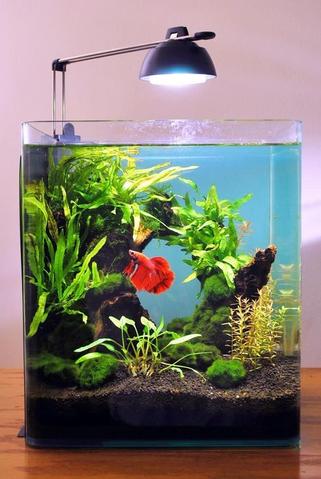
    Betta Tank Setup

    Betta tanks should be kept clean, and filters like sponge filters can help with this process by promoting the growth of bacteria beneficial for biological filtration. This type of bacteria breaks down fish waste via a procedure called the nitrogen cycle into less hazardous substances such as ammonia or nitrites to keep your bettaโ€™s habitat safe. It is also important that water flow in their tank doesnโ€™t become static since it prevents air bubbles from forming, which leads to depletion of oxygen levels, something crucial due to betta fishesโ€™ own labyrinth organ not being enough on its own.

    Do Betta Fish Need A Filter?

    While a Betta fish can live without a filter in the right environment (more on this later), most setups will require a filter for your fish to thrive and maintain good health. Without one, ammonia and nitrite levels can spike, which may lead to stress or even death for these aquatic pets.

    Regular water changes as well as tank cleaning, become essential in the absence of a filter due to potentially poor water quality that comes with not having a filter, resulting in stress, sickness, or shorter lifespans for betta fish. Going without a filtration system may seem like an easier option, but this choice exposes your pet fish to more environmental threats than providing them would have been initially thought out.

    Filters are highly necessary if you wish to create optimal conditions for your beloved betta. Going without filters usually will require more maintenance care as I describe below.

    Increased Maintenance Requirements

    Without the aid of a filter, extra work is essential for keeping your betta fish tank clean and healthy. To make sure the water stays ideal for these creatures, itโ€™s necessary to perform frequent changes. With an unfiltered tank in a small container, it is pretty uncommon to change water every 2-3 days.

    Manual cleaning must be done on a regular basis in order to dispose of any waste that might lead to adverse effects if left unaddressed.

    It can take some time and effort when maintaining an aquarium without using filters. One should consider carefully before deciding between benefits that come with having such equipment versus the increased demand put onto them due to additional upkeep they need do achieve optimal conditions within their betta fish tank.

    Potential Health Risks

    Having a filtered tank is the best choice for your betta fish to ensure their longevity and health. Without filtration, accumulated ammonia from waste can become toxic in an unfiltered environment, leading to stress as well as illnesses such as fin rot or ich. Exposure to poor water quality due to no filter can reduce the life span of bettas significantly.

    By providing adequate filtration, you help remove toxins like ammonia and nitrites. This greatly improve the general health condition of your pet by reducing potential harm caused by bad water chemistry values too high in pollutants that could lead to harmful diseases.

    Pros And Cons Of Going Filterless

    What are the benefits and drawbacks? As a quick breakdown, here they are:

    Cons:

    • Increased water changes
    • Less tank stability to manage toxic ammonia and nitrites

    Here are the pros:

    • Saves money
    • No need to maintain equipment

    Filtration Methods

    When it comes to providing a healthy home for your betta fish, there are three filtration methods you should consider: mechanical, biological, and chemical. Each targets different areas of water cleanliness in order to make sure that the environment is safe and suitable for them. Using all three simultaneously can provide optimal results when implemented correctly into your tank setup.

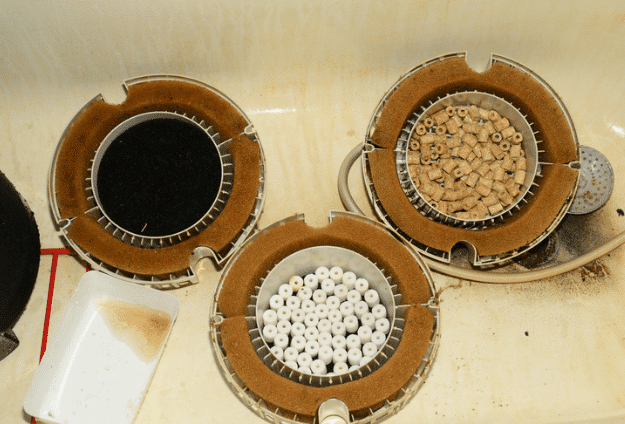
    Every aquarium filter outside of a sponge filter has a 3 stage filtration feature, and it is typically what I recommend with my 25 years of experience in the hobby.

    Mechanical filters work by filtering out solid debris or waste from the aquarium while beneficial bacteria grow with use of biological filtration, which helps break down any dangerous elements within the habitat, such as harmful chemicals, so they cannot cause harm. Chemical media like activated carbon on its own works too – trapping toxins in order to keep overall water quality balanced inside your bettaโ€™s tank system.

    Cleaning Filter Media

    Mechanical Filtration

    We discussed mechanical filtration earlier in this post and now we can dive into it more in this section. Mechancial filter works by trapping debris from the water column with pads, floss, or sponges. It is important to note that this mechanical filtration is not effective unless you clean or replace the mechanical filtration regularly. The debris will continue to stay in the tank trapped and will continue to break down into harmful substances like ammonia until you clean it out.

    Some filters, like Marineland and Tetra filters, will have a cartridge system that will combine both mechanical and chemical filtration. While this seems convenient at first, long term, it can be expensive. I recommend going with a filter that has separate mechanical and chemical filtration sections.

    Chemical Filtration

    Chemical filtration is one of the most controversial filtration methods that you will often see talked about on forums and discussion groups. I have mixed beliefs on it and believe that it has it’s place for many applications.

    Chemical filtration is designed to absorb harmful chemicals and remove odor and discoloration in the tank. On the surface, this shows great; however, in some circumstances, it’s not the best.

    For example, if you have a heavily planted tank carbon can remove trace elements and may require you to change water or fertilize more often. It will also remove medications used so it should be used in a hospital tank.

    Carbon also doesn’t last forever. Usually, 3-4 weeks is the average lifespan before you will need to replace it. Use carbon when you want to :

    • Remove odors
    • If you desire a clear looking tank
    • If you concerned about outside environmental factors around your tank, like sprays getting into the tank

    Avoid carbon if:

    • You need to medicate a tank
    • Have a heavily planted tank and running with infrequent water changes
    • Want to run a tannin heavy tank

    When keeping betta fish, I believe it’s beneficial to run carbon for them as tanks are small, and it helps keep the tank fresh and clear looking.

    Biological Filtration

    Biological filter media is an important aspect in making sure betta fish live in a good environment. Beneficial bacteria, that can breakdown toxins like ammonia and nitrites through the nitrogen cycle process are enabled to grow due to the surface media provided in biological chambers of filters. This means your aquariumโ€™s water quality will be kept clean for your finned friend.

    Biological filtration cannot do all of the work on its own when it comes to ensuring top tier conditions for keeping them happy and healthy. Both mechanical and chemical methods need to merge together with this solution so that you can establish the best tank conditions possible for your fish!

    Types Suitable

    When setting up a betta tank, it is essential to choose the right filter for your particular needs. Hang-on-back (HOB), internal aquarium, sponge and canister filters are all viable options that come with their own pros and cons.

    Before making an informed decision on which type of filtration would be best suited to provide your betta fishโ€™s unique environment with adequate filtration, water flow as well as overall maintenance requirements. Keep in mind that they require peaceful aquatic conditions without strong currents or high levels of agitation from powerful pumps/filters etc.

    By understanding the various types available for use in betta tanks, we can create safe environments where our beloved pets will thrive happily while being provided maximum health benefits from proper filtering systems that suit their individual habits & lifestyles perfectly!

    Hang-On-Back (HOB)

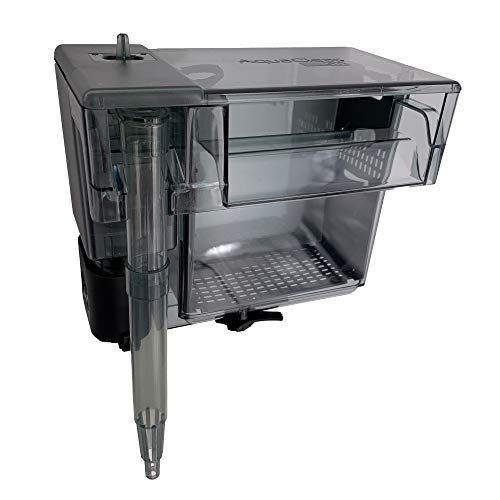
    HOB filters (AKA power filters) are a great choice for betta tanks because of their practicality, convenience and efficiency. These kinds of filters offer several benefits: they hang on the outside wall or back side of your aquarium so that it doesnโ€™t take up extra space inside, installing them is simple enough to do as well as maintain, chemical filtrations paired with mechanical ones makes these types effective at eliminating impurities from water. Adjustable flow rates can be set according to whatever suits best for the particular fish species in question such as betta fishes.

    Donโ€™t forget that regular maintenance plus replacing cartridges regularly will ensure that HOB filter functions properly all through its lifetime usage time. Itโ€™s significant, though, to look out and make sure there wonโ€™t create strong currents which may likely cause harm or stress out any type of aquatic creature, including our beloved betta fishes. if this happens, try making some changes by covering the intake valve via an aquarium sponge in order reduce output pressure coming from Filters themselves accordingly.

    A HOB filter should have a sponge put on the intake to prevent your fish from being sucked into the filter. Consider also setting your filter to one of the lower settings to keep the water calm.

    Sponge Filters

    Betta fish tanks require gentle filtration, and thatโ€™s why sponge filters are the perfect choice for them. These aquarium filters can provide both mechanical as well biological filtering, which is suitable even in breeding or quarantine habitats of betta fishes.

    undefined

    Though effective with smaller tanks, when it comes to bigger ones with multiple inhabitants, these may not offer adequate filtration. Some sponge filters can offer chemical media sections, though I would consider another filter type instead of purchasing these.

    Editor’s Choice
    Hikari Bacto Surge Sponge Filter

    The Best Sponge Filter

    With a name brand and high quality reputation, the Bacto Surge separates itself from the pack

    Buy On Chewy Buy On Amazon

    To ensure its proper functioning, you’ll need to rinse the filter sponges weekly or bi weekly by using water from within the tank itself. Sponge filters are a great option because they won’t suck up your fish and will keep a calm current in the tank.

    Internal Filters

    When looking for an internal filter for betta tanks, it is important to consider the tank size and capacity of the filter. These filters attach to the sides using suction cups and provide a combination of mechanical filtration and biological surface area. Though they offer many benefits in terms of versatility, their use may take up valuable space within your aquariums that need more frequent cleaning than other types do. I personally do not use internal filters that often in tanks that I have setup in the past. If I did, the only internal filter I would use would be OASE’s since I can place a heater inside of it.

    Editor’s Choice
    OASE Bioplus Thermo

    The Best Internal Filter

    The OASE Bioplus is an internal version of the Biomaster Therm. It’s the only internal filter I trust in aquascapes

    Buy On Amazon Buy On Petco

    Canisters

    Canister filters are well suited for larger betta tanks or planted tanks, as they have the capacity to deal with a higher volume of water while providing thorough filtration. This type of filter is placed outside the aquarium and works by pumping water into it which then passes through its filtering media. Though efficient in managing high quality water parameters, canister filters come at an extra cost with more maintenance required than other types of filters.

    The other issue that I have seen happen is that canister filters are designed for higher output than other filters. I have seen Betta’s get sucked up by the intakes as a result or get stressed by the water flow in the tank. You can resolve the intake issue with a sponge on the intake and you can resolve the flow by lowering the flow and using a spray outlet to defuse the flow.

    Choosing The Right One

    Choosing the right filter for your betta tank is important to keep your fish healthy and content. The size of the tank, ease of maintenance, flow rate adjustment options should all be considered when selecting a filter. If possible opt out in favor of one that allows you to maintain proper water quality while avoiding strong currents which may stress out or even hurt the betta fish.

    The frequency with which filters need cleaning as well as their cartridge replacement requirements, have to taken into account too. Ultimately though itโ€™s vital that whatever decision is made accounts for its impact on providing an optimal environment specifically tailored towards keeping these creatures happy and alive for years!

    Adjustability And Flow Rate

    When planning the home of your betta fish, having a filter with adjustable water flow rates is essential. High-velocity currents generated by fixed speed filters can be damaging to these creatures and cause health problems that may reduce their lifespan. To guarantee they will live long and happily, you must equip their tank with a device which allows for adjustments in order to create an environment suitable for them. slow flowing waters being ideal.

    The most common mistake I see with betta filtration is running a filter thatโ€™s too strong. Most bettas are weak swimmers. theyโ€™ll spend all their energy fighting the current rather than exploring the tank. If your betta is constantly hiding in corners, the flow is probably the problem. The exception is plakat bettas, which have shorter fins and handle stronger flow much better than a standard veiltail.

    Maintenance And Replacement Requirements

    When deciding on the filter for your betta tank, keep in mind that different types require varying levels of care and maintenance. This could involve frequent cleaning or changing cartridges, which may be demanding to carry out regularly. Consider if you will have enough time available for these upkeep requirements when selecting a filter before installing it in the aquarium. Generally, the more advanced the filter, the more maintenance it will require to keep running.

    Going The Filterless Route

    Yes, you can run a Betta tank without an aquarium filter. However, it’s not easy. It requires a very specific setup and knowledge of how to grow and keep live aquarium plants. Here is how we do it:

    In a heavily planted natural tank, this is absolutely doable. Iโ€™ve seen it work well firsthand. When you have enough plant mass doing the biological work, the filter becomes optional. It takes more knowledge to manage, but for an experienced keeper itโ€™s a legitimate approach.

    • We will need an active substrate that will serve as a beneficial bacteria bed for our tank
    • We will need to acquire easy to care for, fast growing, plants that can overwhelm algae growth
    • You will want to have a heavily planted tank. Light planting will not be enough
    • We will need to understand fertilizers and dose our aquarium – especially if we don’t plan on changing water

    Walstad Method

    In order to do this correctly, you will need to understand the principles of running a natural tank. The most well known method for a natural tank is known as the Walstad Method. This involves setting up a heavily planted tank using organic potting soil and capping it with a 1″ layer of sand.

    I will do an article on the Walstad Method, breaking it down further in the future. Here are some plants that are great candidates:

    The betta fish is the perfect fish to have for a natural based tank so you are in luck. With their hardy nature and ability to breathe air outside of the tank they adapt well to a no filter environment.

    The Father Fish Method

    Another route to try is what is now called the Father Fish Method. Father Fish is an aquarium influencer with over 50 years in the hobby and a big believer in natural aquariums. He utilizes a modified Walstad Method that improved on the deficiencies of the Walstad. Definitely give him a follow on YouTube if you want to learn more about his approach. I am admittingly a more traditional aquarium keeper like my peers Cory and GreenAqua. However, Father Fish is a great resource of information and provides some hard hitting truths and mythbusting.

    Although some may assume this option is cheaper and takes less work, there are potential problems such as stress induced illnesses and death if you mess up the setup. This is why I advocate research if you are going the no filter route.

    One con to both of these methods is that the aesthetics of the tank bottom can be unsightly for some. More traditional aquascapes favor a more aesthetically pleasing presentation over the natural tank setup. If you don’t want to deal with the hassle of setup or want the aesthetics, consider doing a hybrid with a filter and hardy plants that are column feeders or going all in with carpet plants in a larger aquascape setup.

    Frequently Asked Questions

    How long can betta fish go without a filter?

    Betta fish can live without a filter as long as the ammonia and nitrite levels stay undetectable or low. Assuming that this isn’t the case, most bettas will tolerate the high concentrates for about a week or two until they are overwhelmed by ammonia or nitrate posing. This is why I stated earlier that aquariums without a filter or plants need to be changed every 3-4 days too keep levels liveable.

    Do betta fish need a filter and air pump?

    When it comes to a betta aquarium, a filter is usually necessary – an air pump though isnโ€™t necessarily so. It can be beneficial without one present in the tank. Having one is not required. You actually get both with a sponge filter (otherwise known as an air pump filter).

    Do betta fish need anything in their water?

    Betta fish need tap water that has been filtered to remove chlorine and other metals. Betta need trace elements in their water for survival so using pure distilled water should be avoided as it doesnโ€™t contain these elements

    What does a betta need in a tank?

    Bettas require a filter, heater and a 5 gallon tank to thrive. 10 gallons is the ideal size if you are considering other tankmates. The setup should be in an area without too much foot traffic away from direct sunlight or drafts close by a power source. Some decor is required, either silk based or live. Driftwood can be used, but sharp edges need to be sanded down.

    What types of filters are suitable for betta fish tanks?

    HOB, internal aquarium, sponge, and canister filters are all excellent choices for betta fish tanks. These provide a great way to keep the environment safe and healthy so that your beloved betta has an enjoyable home. As long as the intake is covered with a sponge and the flow is modified to suit the betta, you should be good to go.

    Closing Thoughts

    For your bettaโ€™s optimum health, it is essential to keep their environment clean and healthy. A filter plays an important role in sustaining water quality as well as fostering the growth of beneficial bacteria for a thriving habitat. While they can exist without one, it carries greater demands when caring for them, possibly putting their longevity at risk.

    Now I know several of my readers will want to debate me on this topic and I’m completely open to it. Have you keep your betta without a filter? Let me know in the comments below and let’s discuss. This is one of the more debated topics on the internet and I’m happy to debate and learn from you.


    ๐Ÿ“˜ Want to learn more? This article is part of our complete Betta Fish Guide. your ultimate resource for betta care, types, tank setup, feeding, tank mates, and more.


    ๐Ÿ”ง Want to learn more? This article is part of our complete Aquarium Equipment & Gear Guide. your ultimate resource for filters, heaters, lights, pumps, tanks, and more.

  • Is My Betta Fish Dying? 5 Signs to Watch For (And What to Do)

    Is My Betta Fish Dying? 5 Signs to Watch For (And What to Do)

    In 25 years of keeping and selling fish, the first thing I check when a betta looks off is whether itโ€™s still eating. A betta that stops eating is the earliest and most reliable warning sign that something is wrong. often showing up before lethargy, color loss, or anything else you can easily see. Hereโ€™s what Iโ€™ve learned to watch for, what causes early betta deaths most often, and honest advice on what to do if you think your fish is in trouble.

    Key Takeaways

    • Bettas have the ability to live for 5 years or more in an aquarium with proper care and maintenance.
    • A sick betta fish will show signs of lethargy, heavy breathing, and fading color.
    • A dying or dead betta fish will be difficult to find in the aquarium. Once found, they might be ghostly white and stiff.
    • There are many ways to prevent a betta fish from becoming sick in the first place, but it’s important to be prepared for health issues and water problems before they happen.

    The Reason Why They Are Short Lived

    Betta fish aren’t usually treated like other tropical fish species. They’re often pushed into too small tanks with poor water quality and an overall improper setup. Bettas are beautiful fish that will thrive and live for a considerable amount of time in the right aquarium.

    I cannot count the number of times I’ve seen new hobbyists with get a betta and stick them in a bowl or a “starter tank” that is smaller than 5 gallons, often with no heater1. It’s understandable why this misconception is made as it’s typical to see these fish in cups at chain fish stores. I’m hoping after reading his article you will see there are many ways to increase their lifespans and general health by learning more about their needs.

    How Long Are They Supposed To Live?

    Popular thought is that betta fish only live above 2 to 3 years. While this might be the average hobbyist experience, betta fish can actually live closer to 5 years.

    There are a few reasons why there is a gap between popular belief and their actual life span. One of the major considerations that needs to be taken is the initial age at which the betta is purchased.

    More than likely, your pet betta fish will already be a couple of years old once you add it to your tank. That means that, on average, you will only have another couple of years left with it. This leaves many hobbyists with the impression that betta fish live shorter than other fish.

    However, if you find that your betta fish is dying after a few short months of having it, then there’s most likely a problem in your tank or with the fish. Some of these reasons include water quality, disease, and stress.

    But if nothing seems outwardly wrong with the fish, how can you tell that it’s dying?

    Is My Betta Fish Dying (5 Signs)

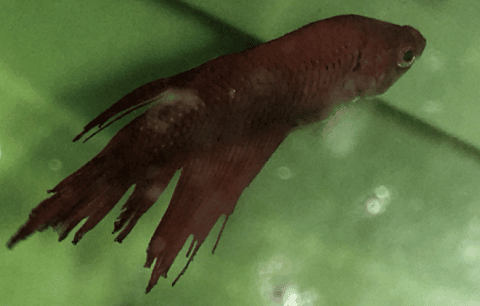
    Betta with Fin Rot

    Unless something wrong happens very fast, fish will often give signs that their health is declining. Here are some of the signs that your betta is dying, along with the reasons they might be displaying these symptoms.

    The most important thing to watch day-to-day is whether your betta is still eating. In my experience, a betta refusing food is the very first warning that something is wrong. it often appears before any of the 5 signs below become obvious. If your betta skips a meal, donโ€™t panic, but watch closely over the next 24. 48 hours.

    1. Lethargy

    The most common sign of a dying betta fish is lethargy. Betta fish aren’t the most active fish to start with, but a lack of activity can quickly become a concerning behavior.

    Common betta fish behaviors include occasionally swimming around the tank, coming to the top of the tank for fish food, and inspecting new items that enter the aquarium. However, normal behaviors can also include laying on their side, floating to the bottom of the aquarium, and resting on objects and plants in the aquarium.

    How can you tell the difference between a resting or sleeping healthy fish and one that’s floating unnaturally?

    A healthy betta fish will regularly take breaks and rest on a leaf or at the bottom of the substrate. In fact, some bettas sleep so heavily that their owners think they’re dead!

    Problems arise when your betta fish wants to be doing something else but is too weak to move or swim. Along with laying on the substrate or an object, your fish might be discolored, breathing abnormally, or with tattered fins. There are common symptoms of many aquarium fish diseases, like ich, swim bladder disease, or dropsy. An older betta fish might also struggle to swim around the aquarium as they once did.

    2. Slowed Reactions

    Alongside lethargy might be slowed reactions. While your betta fish might still be able to move around the tank (albeit at their own pace), they might be slow to react to food or other stimuli.

    In most cases, slowed reactions are a result of old age. As eyesight, smell, and mobility decrease, your fish might need some help.

    While eyesight decline or even blindness does happen with elderly fish. Fish can live normal lives without their site. I have had to build routines so that my blind bettas could continue to eat and swim safely in the tank. Check my article on Dragon Bettas as I drive into that subject as these fancy betta do experience a blindness condition known as diamond eye and I discuss these routines that help.

    However, if your fish is showing little to no interest in food or other things they once enjoyed doing, then there might be an underlying cause. This is especially concerning if your betta fish loses its appetite. Loss of appetite is a very common symptom of most aquarium diseases. A compromised fish may continue to become sicker if they don’t get the nutrients they need to recover.

    3. Heavy Breathing

    Heavy breathing is a sure sign that something is wrong with your betta fish. And sadly, once a fish starts to breathe rapidly, there is often little time to act.

    Often seen alongside lethargy, rapid breathing can be noticed as a fast movement in the gills and mouth. In most cases, this is due to issues with water parameters, but can also be due to disease and illness. It is uncommon for an old betta fish to show signs of heavy breathing.

    There is no other reason why a fish might be showing signs of heavy breathing. Even swimming quickly in the aquarium is unlikely to leave your betta gasping for air. As mentioned before, this symptom is one of the last seen in a betta fish that is dying.

    4. Fading Color

    The good news is that fading color is one of the least alarming betta fish symptoms on this list as it can be caused by a magnitude of other factors, some of which are easily fixable.

    The main reason why betta fish lose color is due to stress. Most often, bettas lose color during transfer and acclimation. Stress is why your betta fish gains so much color in the first week of having it as opposed to its washed-out appearance at the pet store.

    Other stress factors, like incompatible tank mates, can also cause your betta fish to lose color. If keeping a female betta, then she might even develop dark lines across her body that are known as stress stripes.

    Stress factors may not be the only reason your fish loses color, though. Loss of color is a common side effect of most aquarium illnesses, especially fin rot, which is one of the most common betta fish ailments.

    Another reason your fish might be losing color is due to an improper diet. Though this change in appearance won’t be as significant as that of a sick or dying betta fish, intensity and vibrancy can definitely suffer if not given quality food. In addition to a high-quality protein-based diet, betta fish should also be given a variety of live, frozen, and freeze-dried options, like brine shrimp, mysis shrimp, and bloodworms.

    5. Disfigurement

    Another obvious change in appearance that could lead to death might be disfigurement. This is especially noticeable in betta fish suffering from dropsy, swim bladder disease, or tuberculosis (fish TB).

    Unfortunately, most cases of disfigurement are permanent and lead to decreased quality of life or death. There are several rare cases of betta fish owners intervening and creating devices to help their handicapped fish once all other problems have been fixed.

    However, I have typically seen these devices used for Fancy Goldfish as their bulk allows for them to be placed in swim bladder wheelchairs. These wheelchairs allow them to swim properly. Bettas, unfortunately, are too thin to be housed in these devices.

    Reasons For An Early Death

    As mentioned before, betta fish should live for at least 2 years with most having the potential to live up to 5 in their permanent home. There is no reason why you should experience your betta fish dying after just a couple of weeks of owning them.

    If you experienced a very premature betta fish death, then disease, water quality, stress, or other factors were most likely the cause.

    Disease

    One of the main reasons why betta fish die is due to disease. Unfortunately, disease is rampant in the aquarium hobby, and betta fish are especially susceptible due to less-than-ideal housing conditions in commercial pet stores.

    Whenever bringing a fish home from the pet store, it is safe to assume that the fish has been exposed to a disease or illness. Because of this, most hobbyists quarantine their fish before adding them to their main aquarium. As betta fish are often kept alone, this is usually unnecessary, though a quarantine system makes dosing medications and controlling water conditions much easier.

    If your betta fish develops disease after adding it to your tank or if new tank mates bring in disease to a mature system, then all contaminated fish need to be treated.

    Quickly diagnose the disease and start treatment. Luckily, betta fish are resilient fish that often bounce back with the correct treatment.

    Water Quality

    Poor water quality is also one of the major reasons why betta fish die prematurely.

    As betta fish are seen as beginner fish, many fishkeepers new to the hobby are not fully aware of the importance of water parameters. This, in addition to betta fish being seen as hardy fish that don’t need much to survive, often leads to an early betta fish death. The #1 reason for early death is beginners will place these fish in bowls without a filter.

    Like other fish, betta fish need a fully cycled aquarium with 0 ppm ammonia, 0 ppm nitrite, and low to moderate nitrates. Water temperature must be stable between 78-80ยฐ F with pH relatively neutral at 7.0.

    Sadly, some inexperienced hobbyists are not aware that their betta fish is a tropical species. This can lead to overly cold, hot, or unstable water temperature conditions. A cold betta will quickly become lethargic while a hot betta may become erratic and breathe heavily. Some of the deadliest betta diseases are caused by incorrect temperatures. A heater is a must with a betta.

    At the same time, incorrectly treated water can also cause a sick fish. Luckily, most pet stores sell water conditioners along with a new fish. This is an easy way to remove otherwise deadly chemicals, like chlorine, from the water. A betta fish exposed to chlorine may sink to the bottom of the tank and start to breathe rapidly.

    My Personal Story On Water Quality And Early Deaths

    I have a sad story to share about one of my friends I knew who lived in Austin. She got a Betta fish and was new to the hobby. Everything was going great for the first few months, until one day, when she was cleaning the tank, she forgot to put the water conditioner into the new tank water. She went out of town, and I called a friend of mine to check in on the tank after finding out about it.

    The fish was in a 5 gallon tank, and within a couple of hours, the fish had passed away. It’s that quick if you don’t treat your water!

    The cause was straightforward but devastating: she had done a water change without using a dechlorinator. The chlorine in Austin tap water was immediately toxic to the fish. Itโ€™s one of the most preventable betta deaths Iโ€™ve seen. a reminder that always treating tap water before it touches your tank isnโ€™t optional.

    Stress

    Normal betta fish behavior is relaxed swimming with an inquisitive nature. If your fish starts swimming erratically, becomes uninterested in its surroundings, or changes in physical appearance, then it is most likely stressed.

    Stress can arise from a number of factors, including tank conditions, tank mates, and disease.

    Some of the common causes of environmental betta stress come from poor water quality and tank size. These poor fish have been pushed into small tanks for decades. It wasn’t until recently that the aquarium fish industry started advocating for keeping betta fish in correctly sized aquariums that are at least 5 gallons. Otherwise, a small aquarium can lead to sick fish due to poor water conditions or an overall lack of enrichment.

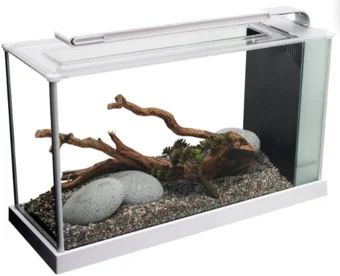
    Editor’s Choice!
    Fluval Spec V

    The Best Betta Fish Tank

    Best filtration, best light, perfect size and with everything you need to get started. It was made for Bettas!

    Buy On Petco Buy on Amazon

    Very active fish or aggressive tank mates can also cause a betta to become stressed. While most betta fish are kept alone, some hobbyists try introducing supposedly compatible species. While these species might work in some setups, a lot depends on the tank setup and the individual betta. Sometimes, it just doesn’t work, and the betta is left stressed.

    Lastly, health issues can greatly stress out a betta. Possible pain and discomfort can bring additional agony to bettas, while the change of scenery and conditions in a hospital tank can bring temporary stress. In most cases, the temporary stress from treatment is often worth the recovery.

    Other Factors

    In some cases, there’s no way to know that your betta fish is dying. Sometimes, conditions change so quickly that there is no saving your fish.

    Some of these factors include changes in source water, introduction of outside chemicals, tank leaks, and aquarium hoods.

    Source water is everything for aquariums. Healthy tank water is the best way to keep your fish healthy. But what happens when your tank isn’t healthy, and you have no way of knowing?

    This can happen if you use tap water or well water in your betta aquarium. While these tank water sources can largely be trusted, sometimes unknowns happen, and contaminants enter the system. Unannounced to betta owners, these unknowns can be deadly for fish. The worst part is that you may never know what went wrong without ordering an in-depth water analysis.

    Likewise, common household chemicals may also lead to sick betta fish. This happens when using aerosol cans, which can readily deliver toxins into the aquarium. For this reason, it’s strongly advised to keep all potential chemicals far away from the aquarium and to open windows when using spray chemicals.

    Another unexpected death could be due to a tank leak. While this is more unlikely to happen in smaller aquariums, sometimes tanks burst a leak in the middle of the night. You may find your betta fish struggling to breathe in whatever pockets of water remain in the tank the next morning.

    Lastly, you may find your betta fish dead on the floor the next time you go to check on your fish. Even with an aquarium hood, bettas are excellent jumpers that can easily fit through a small open crack. This jump may be unprovoked or the result of stress. Regardless, the result is the same, and you end up with a dead or dying betta.

    Confirming Your Fish Has Passed

    It’s one thing to question whether or not your betta fish is dying, but it can be somewhat challenging to make sure your fish is actually dead.

    If your betta is clearly suffering and beyond recovery, you can end its life humanely using clove oil. A small amount mixed into tank water acts as an anesthetic and then peacefully stops the heart. Itโ€™s not an easy decision, but itโ€™s far kinder than watching a fish struggle for days.

    If you’ve been monitoring your betta fish closely for a few days, then it can be very alarming to not find it swimming out front when the tank lights turn on. Prepare for the worst and start searching the tank. Check in between plants and under decorations. Look at equipment and other suction areas. More than likely, you’ll find a very sick fish or a dead fish.

    A dead betta will lack color, have dilated eyes, and be motionless or stiff. If a cleanup crew is present in the aquarium, they may have already started to break down the body. At this point, the fish can be removed from the aquarium and disposed of.

    Remember that your aquarium may still be infected if the fish suffered from viral, parasitic, or bacterial infections.

    FAQs

    How do you save a dying betta fish?

    The best way to save a dying betta is by identifying what it’s dying from. Immediately check the betta fish’s body for signs of disease and then test the water parameters. Treat accordingly but not hastily as aggressive treatment could lead to a premature death.

    What does a sick betta look like?

    A sick betta may lack color and have its fins folded. They may also exhibit unusual behaviors like lethargy and trouble breathing. If left untreated, new symptoms will continue to appear and worsen as time passes.

    Do betta fish float or sink when they die?

    Everyone has seen a cartoon of a dead fish with X’s over its eyes. Contrary to popular belief, though, betta fish sink when they die. They are often carried along with the current once they have passed and get lodged into a hard-to-reach space in the tank.

    How do you treat a sick betta fish?

    There are many ways to treat a sick betta fish. As said before, the best treatment is first finding out what’s the problem. Courses of treatment can include a water change, dosing medications, or comforting an old fish in its final days.

    How do you know when a betta fish is going to die?

    Betta fish death is sudden but gradual. These fish often show signs of dying over the course of a few days or a couple of weeks. Common signs of decline include lack of appetite, loss of color and vibrancy, as well as hiding and laying on the substrate.

    What is the most common way betta fish die?

    The most common ways bettas die are due to diseases and poor water quality. With good aquarium husbandry, both of these ways can largely be avoided.

    Conclusion

    You can never be prepared to lose a pet, but you can always be prepared to treat a sick pet. The best way to keep a betta fish from dying is to prevent it from getting sick in the first place. Be familiar with the common signs of disease and poor water quality and purchase fish from reputable sources. However, sometimes fish die of old age and unknown causes that could have never been foreseen.


    ๐Ÿ“˜ Want to learn more? This article is part of our complete Betta Fish Guide. your ultimate resource for betta care, types, tank setup, feeding, tank mates, and more.

  • Aquarium Moss Guide: 15 Types, My Favorites, and How to Make Them Thrive

    Aquarium Moss Guide: 15 Types, My Favorites, and How to Make Them Thrive

    This plant will grow in almost anything. But if you want it to actually look good, you need to understand what it wants. The gap between alive and thriving is lighting, nutrients, and consistency.

    Any plant stays alive. Making it look good takes understanding.

    Key Takeaways

    • Aquarium mosses work great for aquascaping and fish/shrimp breeding projects
    • They are undemanding aquarium plants but do best with good water flow and cool temperatures
    • These plants should not be planted in the substrate. Some species will grow free-floating and others is attached to your hardscape with glue or thread
    • Moss is easy to propagate by division and it may spread itself around in your tank under ideal growing conditions

    What Are They?

    Aquarium mosses (Java moss, etc.) and liverworts (Pellia, etc.) are non-vascular plants technically known as bryophytes. These delicate plants attach themselves to tree trunks, rocks, driftwood, and riverbanks using anchoring structures known as rhizoids.

    Unlike regular plants, aquarium mosses don’t grow flowers, fruits, and seeds but reproduce with spores instead. They also get their nutrients from the water around them instead of using roots.

    Benefits

    Aquarium moss has many handy benefits for your tank. Let’s take a quick look at some of the reasons you may want to grow these interesting plants.

    • Aesthetics

    Aquarium mosses can turn an average aquascape into something truly special. From a dark green carpet to what looks like miniature fir tree branches, aquarium moss plants is used in loads of interesting ways to create an amazing underwater world.

    • Water Quality

    Like other live aquarium plants, aquatic mosses oxygenate the water while soaking up excess nutrients like nitrates that cause poor water quality. That makes them great for the overall health of your fish and other aquatic pets.

    • Breeding

    Aquatic Moss is one of the best plants for fish and shrimp breeders because its dense growth creates the perfect spawning site for egg scatterers. Their eggs can remain safely hidden from hungry mouths and the fish fry and baby shrimp can also hang out and feed amongst the foliage.

    Keep reading for some basic information about aquarium moss care.

    15 Types Of Aquarium Moss

    Now that you know the basics of Aquarium moss care, let’s dive right in and learn about 15 awesome species that you can grow!

    I supplied a video from our official YouTube Channel so you can get a visual for all these mosses. Our blog goes into further detail so follow along with both to get the full details. If you like our content, be sure to subscribe as we post new videos every week!

    1. Java

    • Scientific Name: Vesicularia dubyana
    • Origin: Southeast Asia
    • Care Level: Beginner
    • pH: 6 – 8
    • Light: Low-medium
    • Temperature: 70 – 75 ยฐF

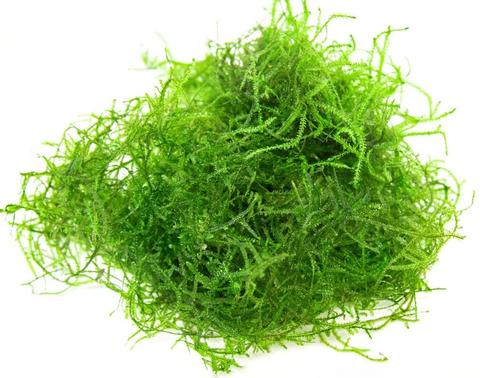
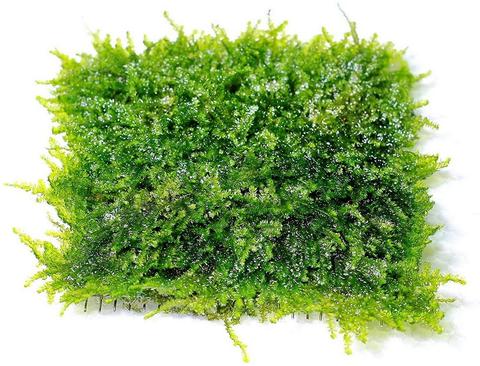
    Java Moss is the perfect species to start with because it is the most popular moss in the aquarium hobby and the easiest to find. This versatile plant is great for aquascaping, breeding projects, or just to provide a great environment for shrimp and small fish to explore.

    You can grow this moss attached to your hardscape, as a carpet plant, or even as a living wall on the side or back of your aquarium. This plant has a moderate growth rate and develops long shoots lined with tiny leaves. It survives under a wide temperature range and in either low or bright light.

    2. Christmas

    • Scientific Name: Vesicularia montagnei
    • Origin: South East Asia and Australia
    • Care Level: Beginner
    • pH: 6-8
    • Light: Low-medium
    • Temperature: 72 – 82 ยฐF

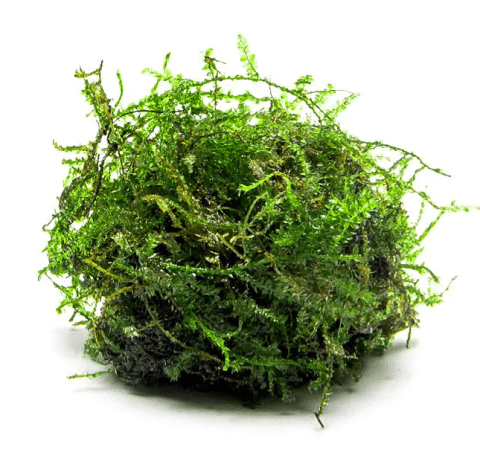
    Christmas moss is another excellent aquatic species that is used in a number of aquascaping styles. This attractive bright green plant is perfect for planted aquariums with dwarf shrimp and shy fish that can hide and feed within its foliage.

    This species gets its name from its Christmas tree-shaped leaves. It has a neat, compact growth form when grown with sufficient light.

    Christmas Moss is my personal favorite from this list. That distinctive Christmas tree growth pattern makes it one of the most visually striking mosses you can keep, and it does especially well attached to driftwood or rocks with good lighting and CO2.

    3. Spiky

    • Scientific Name: Taxiphyllum sp.
    • Origin: Asia
    • Care Level: Beginner
    • pH: 5.5-8
    • Light: Low
    • Temperature: 68-82 ยฐF

    Spiky moss has an upright growth form which is excellent for adding depth to your aquascape. This fast-growing species has branched shoots similar to Christmas moss but grow larger, reaching a length of about 4 inches. Grow this undemanding moss attached to your hardscape or even emersed in a paludarium.

    4. Peacock

    • Scientific Name: Taxiphyllum sp. ‘Peacock moss’
    • Origin: Southeast Asia
    • Care Level: Easy
    • pH: 6-8
    • Light: Low-medium
    • Temperature: 65-77 ยฐF

    Peacock moss is a soft and delicate moss from the Taxiphyllum genus. This beautiful and undemanding aquarium plant has Christmas tree-like leaves.

    5. Weeping

    • Scientific Name: Vesicularia ferriei
    • Origin: Eastern Asia
    • Care Level: Beginner
    • pH: 6 – 8
    • Light: Low-high
    • Temperature: 59-86 ยฐF

    The weeping moss (Vesicularia ferriei) is a slow-growing East Asian species with a beautiful drooping form like a weeping willow tree. You are most likely to achieve this interesting form in your tank when grown under sufficient lighting, although this species can survive in low light. Attach this low-growing species to driftwood with thread or super glue for the best results.

    6. Flame

    Flame Moss

    Flame moss is a creeping plant that does well in shrimp tanks. An easy to grow plant that is slow growing and low maintenance

    Click For Best Price
    • Scientific Name: Taxiphyllum sp. ‘Flame moss’
    • Origin: Southeast Asia
    • Care Level: Easy
    • pH: 6-8
    • Light: Low-medium
    • Temperature: 54-86 ยฐF

    Flame moss is a unique species that grows spiraled, upright stems that resemble flames. This slow-growing aquatic species is grown both emersed and submerged and makes the ideal plant for a nano aquarium with shrimp or small fish.

    Flame moss is a hardy species that reaches a height of 3 to 4 inches if left untrimmed. This decorative plant is suitable for beginners, although it will do best in stable water parameters and gentle water flow conditions.

    7. Phoenix

    • Scientific Name: Fissidens fontanus
    • Origin: North America
    • Care Level: Easy
    • pH: 6-8
    • Light: Medium
    • Temperature: 64 -77ยฐF

    Phoenix moss is a North American moss with loads of uses in the aquarium. This aquarium moss has a delicate feathered appearance that adds amazing texture to any aquascape!

    You can secure this moss to your hardscape with gel super glue or fishing line or you can weigh it down and let it attach itself to your substrate. It will also spread itself around in your tank naturally although it stays low and needs little maintenance.

    8. Pearl

    • Scientific Name: Plagiomnium affine
    • Origin: Europe
    • Care Level: Easy
    • pH: 5-8
    • Light: Low
    • Temperature: 50-86 ยฐF

    Pearl moss is an attractive aquatic plant that grows long fine stems with small round leaves. This very slow-growing European moss species is ideal for low-light conditions.

    Pearl moss is a pretty rare species thats good for the aquarist who enjoys the challenge of growing a variety of different aquatic plant species. Its easy to propagate but will not spread as well as vigorous species like Java moss.

    9. Round Pellia

    • Scientific Name: Monosolenium tenerum
    • Origin: East Asia
    • Care Level: Easy
    • pH: 6-8
    • Light: Low to medium
    • Temperature: 64 – 79 ยฐF

    Monoselenium tenerum is an attractive Asian plant from the liverwort family with a deep green colour. It does well in low light conditions and is grown as a free-floating plant or tied/glued to wood and other objects in planted aquariums.

    This plant should not be confused with Subwassertang, a similar looking fern which is also known as round pellia.

    10. Mini Pellia

    • Scientific Name: Riccardia chamedryfolia
    • Origin: Asia
    • Care Level: Beginner/intermediate
    • pH: 6-8
    • Light: Low-medium
    • Temperature: 64-82 ยฐF

    Mini pellia is often called coral moss, although it is actually a liverwort rather than a true moss. This delicate, deep-green species grows low stems that create interesting effects on driftwood and other hardscape features in a planted tank.

    Mini pellia can grow and spread quickly once it is established in an aquarium and will look its best if given medium light and carbon dioxide. However, its not a good moss choice for warm water temperature ranges above 82ยฐF

    11. Mini Club Moss

    • Scientific Name: Selaginella Kraussiana
    • Origin: Africa
    • Care Level: Easy
    • pH: N/A
    • Light: Low-medium
    • Temperature: Tropical

    Mini clubmoss is a handy species for vivariums and paludariums because it requires high humidity but does not grow submerged in the water. This compact plant reaches a height of just two inches and has beautiful fern-like foliage.

    Mini-club moss requires deep, moist soil to root and grow. Try this interesting plant for the land section of your paludarium or vivarium setup!

    12. Fissidens Nobilis

    • Scientific Name: Fissidens nobilis
    • Origin: Asia
    • Care Level: Easy
    • pH: 6-8
    • Light: Medium
    • Temperature: 64-79 ยฐF

    Fissidens nobilis is a dark green moss that develops a strong attachment with its rhizoids. This Asian species is a great choice for the bottom of your tank or for the driftwood and other hardscape features in your aquascape.

    Fissidens nobilis has a very slow growth rate and looks pretty similar to the phoenix moss (Fissidens fontanus) although it grows larger and more upright feathery fronds.

    13. Ruby Red Club Moss

    • Scientific Name: Selaginella erythropus
    • Origin: South America
    • Care Level: Easy
    • pH: N/A
    • Light: Low-medium
    • Temperature: Tropical

    The ruby red club moss is another interesting option for vivarium and terrariums. The lower surfaces of this terrestrial moss’s leaves are a beautiful ruby-red color that contrast with the dark green uppersides. Club mosses thrive in moist well-drained soil but they should not be grown submerged under the water in an aquarium.

    14. Crystalwort

    • Scientific Name: Riccia fluitans
    • Origin: Cosmopolitan
    • Care Level: Easy
    • pH: 6-8
    • Light: Low-medium
    • Temperature: 68-81 ยฐF

    Popularized by aquascaping legend Takashi Amano, crystalwort is an interesting aquatic species that is grown as a floating plant or attached to driftwood or stainless steel mesh. Riccia fluitans is not a true moss, although it has a similar appearance and growth form in the aquarium (video source).

    This plant grows fast and develops an attractive branching pattern of narrow bright green leaves. It does not need CO2 or intense lighting if grown as a floating plant, although it will do better in a high-tech setup if grown attached to rocks or driftwood at the bottom of your tank.

    15. Willdenow’s Spikemoss

    • Scientific Name: Selaginella willdenowii
    • Origin: Southeast Asia
    • Care Level: Easy
    • pH: N/A
    • Light: Low-medium
    • Temperature: Tropical

    Willdenow’s spikemoss is a large terrestrial species that makes an interesting choice for a terrarium or vivarium setup (video source). This attractive plant grows rooted in the soil and requires fairly shady and moist growing conditions. Unfortunately, this species will not survive if grown underwater.

    Other Popular Species

    • Nano moss – Amblystegium serpens
    • Taiwan moss – Taxiphyllum alternans
    • Marimo moss ball
    • Stringy moss – Leptodictyum riparium

    Basic Care

    There is no specific combination of techniques and parameters that are perfect for every species, but these general guidelines are a good starting point for most aquatic mosses.

    The biggest mistake I see with aquarium moss is treating it like a throwaway plant. These plants can look absolutely incredible in the right conditions. Proper lighting, CO2 supplementation, and good water flow can transform a basic moss clump into something that looks professionally aquascaped. Donโ€™t give up on them too quickly.

    • Lighting

    Most mosses can thrive under a variety of lighting and they are one of the few good options for low-light tanks. Some species even survive under ambient light conditions in well lit rooms, although they should never be exposed to direct sunlight.

    Best Value
    Serene RGB Pro LED

    Current USA’s offering into aquascaping is an incredible value. Spectrum, spread, easy to program and great PAR output.

    Click For Best Price Buy On Amazon
    • Temperature

    Aquatic mosses are highly adaptable plants that can grow in a wide range of temperatures. However, most aquarists get the best results in heated aquariums with stable water temperatures in the low to mid-70s Fahrenheit. Algae and melting can become a problem at higher temperatures.

    Different species prefer different temperatures so choose a moss that will fit in with the other species in your tank. For example, Willow moss prefers cold water below 68 degrees Fahrenheit, while Java moss can survive in the lower 80s Fahrenheit.

    • Feeding

    Aquarium mosses do not gather nutrients from the substrate like regular rooted plants. Instead, they get the nutrients they need from the water column and from waste and detritus particles that settle among their foliage.

    Regular dosing with a liquid fertilizer is recommended for healthy growth, but avoid overdoing it as this could result in poor water quality and algae blooms.

    Editor’s Choice!
    APT Complete

    Editor’s Choice

    Made by an aquascaper for aquascapers. This is the best all around aquarium plant fertilizer on the market. Marco and micronutrients in one bottle!

    Use Coupon Code ASDComplete for 10% off your order!

    Click For Best Price Buy On Amazon
    • CO2

    Aquarium moss needs carbon dioxide, just like other plants, and they will benefit from increased levels. However, pressurized CO2 is not necessary unless you are using strong lighting.

    • Water Flow

    Moderate to strong water flow will help prevent too much waste settling within your moss, and increase aeration and nutrient flow to all parts of the plant. However, moss are delicate plants that is damaged or break loose in very strong water flow, especially when they are still developing healthy rhizoids.

    Attachment

    Keeping aquarium moss fixed in place can seem impossible until you learn a few simple tricks. It’s important to understand that these plants do not grow regular roots into the soil, so most species must be attached to the hardscape (rocks, driftwood, decorations ) or simply left to float in the water column.

    I’m going to share this wondering walkthrough video by Daniel Keepfish Fish that shows how he attaches moss to driftwood and other structures. It’s a must watch!

    You can tie or attach moss to rocks and driftwood with gel super glue, thread or fishing line. Separate and attach the plant in very thin sections, as thick clumps tend to rot from the inside. You can also sandwich moss between stainless steel or plastic mesh and use it as a carpet or even a living wall. Some examples of driftwood would include:

    • Spider wood
    • Manzanita
    • Tiger wood

    We’ll cover the process of growing an amazing wall a little later in this guide, so keep reading to learn about this amazing technique!

    Propagation

    Mosses are very easy to propagate, so you can grow large amounts from a small piece if you have the patience. The easiest method is to simply divide the plant and attach these divisions to other parts of the hardscape in your tank.

    They can also spread themselves around the tank by releasing spores or when small sections break apart, drift around, and anchor themselves.

    Maintenance

    Depending on the species, you need to trim your aquarium moss regularly to keep it neat and healthy. Don’t wait for it to grow too long and dense before trimming because the inner areas can die off if they don’t have access to light and water flow.

    Trimming moss can get pretty messy as all the tiny offcuts go drifting around in the tank. Be sure to switch off your filter and powerheads during this process to avoid clogging up the inflow and media. You can use a fine mesh net or suction from a hose or gravel vacuum to remove the offcuts as you go.

    Uneaten food, fish poop and other waste often settles among moss leaves and stems where it can decay and cause water quality issues. Remove this material with your gravel vacuum or stir it loose by waving your hand just above the plant during water changes.

    Tankmates

    Aquarium moss is delicate and is damaged by large boisterous fish like plecos and bottom feeders that like to root around for food buried in foliage and substrate. However, a clean-up crew of nano species like otos, kuhli loaches, or dwarf shrimp is very helpful for keeping your moss clean and healthy.

    Bonus – How To Create An Wall

    Growing an aquarium moss wall is one of the most interesting and effective ways of using aquarium moss in a planted tank. However, aquarium mosses will not simply attach themselves to glass, so you’ll need to make some preparations to achieve this awesome effect.

    Continue reading to learn how to create your own Aquarium moss walls!

    • Step 1 – Select your moss species

    Weeping moss (Vesicularia ferriei), Flame moss (Taxiphyllum sp. ‘Flame moss’), Christmas moss (Vesicularia montagnei), and many others is used for your moss wall. Choose a species that appeals to your individual vision for the tank.

    • Step 2 – Sterilize your moss

    If you don’t have sterile tissue culture moss, you may wish to sterilize the moss before adding it to your tank. This will minimize the chance of snails and other unwanted organisms getting into your aquarium.

    A weak bleach dip (1 part bleach: 20 parts water) is recommended. Make sure to rinse your moss thoroughly with dechlorinated water after dipping to remove all excess bleach or peroxide.

    • Step 3 – Measure and cut mesh

    You will need two panels of fine stainless steel or aquarium-safe plastic mesh cut to the size of your wall. Each panel should be the same size since you will be creating a moss sandwich to hold everything together.

    • Step 4 – Pack in your moss

    Arrange your moss on one mesh panel, being careful to keep it cool and moist. You don’t need to cover 100% of the mesh, but avoid overfilling as you need good water movement to the moss.

    • Step 5 – Secure the other mesh panel

    Next, it’s time to close the ‘sandwich.’ Use staples, small zip ties, or a needle and fishing line to hold everything together. Remember to mist your moss regularly during the process to prevent shock.

    • Step 6 – Installation

    Now it’s time to secure your moss wall to the glass. If you’ve made a wall that is long enough to cover the back and both sides, it might stay in place without any effort.

    You can also peg or secure a single panel to the glass along the top rim of the tank and secure it along the bottom with rocks and driftwood. Suction cups work too, but try to get your wall attached as flush to the glass as possible to prevent any fish or shrimp getting trapped.

    • Step 7 – Patience

    You know what they say, good things come to those who wait! If all goes well, it’s going to take a few months for the moss to grow through the mesh and create a full wall. Keep the water temperature and parameters stable during this period, and enjoy watching your living wall come to life!

    For a visual aid of all this, I’ll share this video from ThatShrimpDude that shows him setting up his own Moss Wall. Follow along to see how these steps are implemented visually.

    Maintenance

    Once your moss wall is well established, you need to trim it down from time to time to keep it neat. However, this is going to depend on which type of moss you use because some slow-growing species stay short and compact while others may become stringy.

    It’s best to use a pair of curved aquascaping scissors for this job- it’s what they’re designed for. Try to remove all the moss trimmings as you cut them, that way they won’t drift around and spoil in your tank. A gravel vacuum is effective for this job, but a small fine mesh net is easier if you’re working alone.

    FAQs

    What is the best moss for an aquarium?

    Java moss is one of the best aquarium mosses because it’s highly versatile, easily available, and very affordable! This species is used for everything from accents in carefully crafted aquascapes to live spawning mops in commercial fish breeding projects.

    What is the best moss for an aquarium moss wall?

    You could try just about any aquatic species for a moss wall, although in my experience, Christmas moss is the easiest to handle and maintain. Java moss, while beginner friendly, it’s not as clean as Christmas moss when it comes to presentation.

    Is moss good for a fish tank?

    Healthy aquatic moss growth is great for any freshwater fish tank. It provides many benefits, including improved water quality, natural food and hiding spots for your fish and shrimp. Aquatic moss also looks beautiful in any aquascape and it’s really fun to grow!

    What is a good alternative to Java moss?

    Christmas moss (Vesicularia montagnei) is a great alternative to Java Moss. This species has a neater growth form resembling a Christmas tree. It has a slower growth rate but that also means less maintenance in the long run.

    What is the easiest moss to keep in an aquarium?

    Java moss (Taxiphyllum barbieri) is the least demanding moss species to keep and an excellent choice for a beginner. This is an extremely popular aquatic moss species.

    What is the most hardy moss in a fish tank?

    Java moss (Taxiphyllum barbieri) is a very hardy species that can survive in a huge range of water temperatures, parameters and light intensities. This species is also relatively fast-growing.

    Final Thoughts

    There’s nothing like the deep greens of healthy aquarium moss to add that extra dimension to a planted aquascape. These interesting plants benefit our freshwater aquariums in so many ways that every aquarist should consider adding some to their tanks. I hope this guide has inspired you to try growing one of the many amazing types of moss available in the aquarium hobby today!

    Do you grow moss in your fish tanks? Tell us about your favorite aquarium moss species!


    ๐ŸŒฟ Want to learn more? This article is part of our complete Planted Tank & Aquascaping Guide. Your ultimate resource for aquarium plants, aquascaping styles, substrates, and more.

    References

  • Small Freshwater Fish – 21 Popular Types

    Small Freshwater Fish – 21 Popular Types

    Small freshwater fish are where my recommendations start for almost every new hobbyist. they’re manageable, affordable, and the right species in the right school can make a tank look genuinely stunning. After 25 years keeping fish of all sizes, I keep coming back to many of these smaller species as personal favorites.

    Are you looking for some great new fish to add to your aquarium? Small freshwater fish are the most versatile options because you can keep them in small, medium, or even large aquariums!

    There are so many small freshwater fish available in the hobby that choosing the perfect species can be quite a challenge! Well, this article will make your life a lot easier by introducing 21 amazing small fish species and giving you some great information on their care.

    So let’s dive right in!

    Key Takeaways

    • Most fish freshwater fish in the aquarium trade are schooling fish
    • Due to their schooling nature, they require larger tanks, with the exception of a sole Betta Fish
    • Most small fish except for examples like the Pea Puffer, are peaceful fish

    Why Keep Them?

    There are many advantages to keeping small fish. The first, and most obvious advantage is that you can keep them in a relatively small aquarium. This is cheaper and easier to set up than a large tank, and obviously takes up less space in your home or office.

    Keeping a community tank of small freshwater fish also means you can have more of each fish and more variety than if you kept larger species. Small fish tend to be cheaper than large fish, although they aren’t necessarily easier to keep.

    21 Popular Species

    Now that you know all the benefits of small fish keeping, it’s time to learn more about 21 awesome species for your freshwater aquarium! I’ll be providing a list of the following important facts and water parameters for each species:

    • Scientific Name
    • Common Names
    • Minimum Tank Size
    • Adult Size
    • Temperament
    • Care Level
    • Diet
    • Origin
    • Temperature
    • Swimming Level

    We got a video from our YouTube channel so you have a visual of all the fish. Our blog post goes into more detail and is always up to date. If you enjoy our videos be sure to subscribe! Let’s get started!

    1. Chili Rasboras

    • Scientific Name: Boraras brigittae
    • Common Names: Mosquito rasbora
    • Minimum Tank Size: 10 gallons
    • Adult Size: 0.75 inches
    • Temperament: Peaceful
    • Care Level: Easy
    • Diet: Carnivore
    • Origin: Borneo, Southeast Asia
    • Temperature: 68-82ยฐF
    • pH: 4-7

    Chili rasboras are awesome schooling fish for a small aquarium. These micro fish don’t even reach an inch in length, so you never have to worry about them outgrowing your tank.

    Chili rasboras feel safer in numbers, so make sure you pick up a big group of 10 or more. Keeping them in a nature-style tank with live plants will also bring out the best in them and make for a fascinating display.

    2. Exclamation Point Rasbora

    • Scientific Name: Boraras urophthalmoides
    • Common Names: Least rasbora
    • Minimum Tank Size: 10 gallon
    • Adult Size: 0.5 inches
    • Temperament: Peaceful
    • Care Level: Easy
    • Diet: Carnivore
    • Origin: Thailand, Vietnam, Cambodia
    • Temperature: 68-82ยฐF
    • pH: 6-7

    The exclamation point rasbora is closely related to the chilli rasbora, but stays even smaller! They are the smallest of the rasboras in the aquarium trade, and the tiniest fish you are likely to come across.

    Exclamation point rasboras get their name from the bold stripe and dot markings they have on the sides of their orange bodies. Exclamation point rasboras can be kept in a 5-gallon tank but will be much happier in a large school in a 10-gallon tank.

    3. Scarlet Badis

    • Scientific Name: Dario dario
    • Common names: Scarlet gem badis
    • Minimum Tank Size: 5 gallon
    • Adult Size: 0.5-0.75 inches
    • Temperament: Semi-aggressive
    • Care Level: Moderate
    • Diet: Carnivore
    • Origin: India
    • Temperature: 64-79ยฐF
    • pH: 6.5-7.5

    The scarlet badis is an amazing little fish for more experienced aquarists. These micro fish look like tiny cichlids and they can be just as territorial. Scarlet badis are pretty shy and they require live foods, which is why they are not ideal for beginners.

    They can be kept in a tank with other fish of the same species, but you’ll want to provide plenty of cover to prevent too much aggression. A group of one male with a few females is the ideal setup in a nano tank.

    4. Neon Tetra

    • Scientific Name: Paracheirodon innesi
    • Common Names: Neon tetra
    • Minimum Tank Size: 15 gallons
    • Adult Size: 1 inch
    • Temperament: Peaceful
    • Care Level: Easy
    • Diet: Carnivore
    • Origin: Brazil, Colombia, Peru
    • Temperature: 70-77ยฐF
    • pH: 4-7.5

    Neon tetras hardly need any introduction. These beautiful schooling fish are superstars of the aquarium world, and they are ideal for a community tank.

    Neon tetras are super easy to care for and they will thrive on a diet of flake food. They are social creatures, however, so keep at least 6 to see all that these fish have to offer.

    5. Endler’s Livebearers

    • Scientific Name: Poecilia wingei
    • Common names: Endler’s guppy
    • Minimum Tank Size: 10 gallons
    • Adult Size: 1-1.8 inch
    • Temperament: Peaceful
    • Care Level: Easy
    • Diet: Omnivore
    • Origin: Venezuela
    • Temperature: 75-86ยฐF
    • pH: 7-8.5

    Endler’s livebearers are great fish for beginners who do not have the room for a large fish tank. These fascinating fish have amazing colors, and beautiful fins, and they are really easy to breed!

    Male Endler’s livebearers have amazing multi-colored markings, particularly in orange and black. The females are pretty plain in comparison, and also grow much larger.

    6. Pygmy Cory Catfish

    • Scientific Name: Corydoras pygmaeus
    • Common Names: Pygmy corydoras
    • Minimum Tank Size: 10 gallons
    • Adult Size: 1.2 inches
    • Temperament: Peaceful
    • Care Level: Easy
    • Diet: Carnivore
    • Origin: Brazil
    • Temperature: 72-79ยฐF
    • pH: 6.4-7.4

    The pygmy cory catfish is just one of the dozens of corydoras species in the aquarium hobby. These peaceful fish are much smaller than most other cories, however, and also have the interesting habit of schooling in the mid-water, rather than on the bottom.

    These nano fish are really peaceful and will get along great with other nano schooling fish.

    7. Betta Fish

    WYSIWYG Available!
    Betta Fish

    Use Coupon Code ASDFISH at Checkout

    Betta Fish are one of the most beautiful varieties of freshwater fish available in the hobby. Easy to care for with plenty of varieties!

    Buy Premium Varieties Buy On Petco Online
    • Scientific Name: Betta splendens
    • Common Names: Siamese fighting fish
    • Minimum Tank Size: 5 gallons
    • Adult Size: 2.5 inches
    • Temperament: Aggressive
    • Care Level: Moderate
    • Diet: Carnivore
    • Origin: Thailand
    • Temperature: 72-86ยฐF
    • pH: 6-8

    Betta fish are one of the best-looking fish species on the planet. These fish are available in a huge variety of different breed types and colors, so there’s a perfect betta for everyone!

    Betta fish are not as small as some of the other nano fish on this list, but they do great in small aquariums. These fish should not be kept in small spaces like cups or bowls, but they can thrive in a 5-gallon tank with filtration and heating.

    Betta fish are famously aggressive towards other bettas, but they can actually be kept with some other peaceful tank mates in a well-planned community tank.

    8. Pea Puffers

    • Scientific Name: Carinotetraodon travancoricus
    • Common Names: Dwarf puffer
    • Minimum Tank Size: 5 gallons
    • Adult Size: 1 inch
    • Temperament: Semi-aggressive
    • Care Level: Moderate
    • Diet: Carnivore
    • Origin: India
    • Temperature: 72-82ยฐF
    • pH: 6-8

    If you’re looking for a small fish with a big personality, look no further than the pea puffer! These tiny fish can be kept in a very small tank, where they will amaze you with their adorable looks but ruthless attitude.

    Pea puffers use their razor-sharp teeth to tear into aquarium snails, their favorite food! They are not great community fish, however, because they are known to bite their freshwater aquarium tank mates.

    9. Honey Gourami

    • Scientific Name: Trichogaster chuna/ Colisa chuna
    • Common Names: Honey dwarf gourami, sunset gourami
    • Minimum Tank Size: 15 gallons
    • Adult Size: 2 inches
    • Temperament: Peaceful
    • Care Level: Easy
    • Diet: Carnivore
    • Origin: India, Bangladesh, Nepal
    • Temperature: 72-81ยฐF
    • pH: 6-7.5

    The honey gourami is a beautiful fish from the betta family. These fish are relatively peaceful and can be kept alone as a centerpiece fish, although they will be happier if kept in a small group with plenty of hiding spaces. They also get along great with other species of peaceful community fish like tetras.

    Honey gouramis are air-breathing fish, so they need to have access to the surface of the water to survive. These interesting fish also have two long feelers that they can use to explore their environment.

    10. Ember Tetra

    • Scientific Name: Hyphessobrycon amandae
    • Common Names: Fire tetra, Amanda’s tetra, dwarf red tetra, red tetra
    • Minimum Tank Size: 10 gallons
    • Adult Size: 0.75 inches
    • Temperament: Peaceful
    • Care Level: Easy
    • Diet: Carnivore
    • Origin: Brazil
    • Temperature: 68-82ยฐF
    • pH: 5-7

    The ember tetra is one of the smallest tetra species in the aquarium hobby. These nano fish are a fiery red color but have very sweet personalities.

    These very small fish can be pretty shy so keep a nice big school in a heavily planted tank to increase their confidence. Ember tetras are easy to care for and will thrive on a diet of crushed flakes and micro pellets.

    11. Guppy

    • Scientific Name: Poecilia reticulata
    • Common Names: Millionfish, rainbow fish, fancy guppies
    • Minimum Tank Size: 10 gallons
    • Adult Size: 2.5 inches
    • Temperament: Peaceful
    • Care Level: Easy
    • Diet: Omnivore
    • Origin: South America
    • Temperature: 63-82ยฐF
    • pH: 7-8.5

    Guppies are such popular aquarium fish that you’ll find them in just about any fish-keeping store you walk into. They are great beginner fish but still hold interest for expert aquarists interested in breeding projects.

    There are many different breeds of guppies and these are generally known as fancy guppies. These fish are livebearers, which means they are really easy to breed.

    12. Japanese Rice

    • Scientific Name: Oryzias latipes
    • Common Names: Medaka, Japanese killifish
    • Minimum Tank Size: 10 gallons
    • Adult Size: 1.25 inches
    • Temperament: Peaceful
    • Care Level: Easy
    • Diet: Carnivore
    • Origin: Japan, Taiwan, China, Vietnam, Laos
    • Temperature: 61-75ยฐF
    • pH: 7-8

    Japanese rice fish are awesome cold water fish for a nano tank. These shoaling fish are very peaceful and have been kept by fish keepers for centuries. There are many different breeds of Japanese rice fish, including white, pink, and orange types.

    13. Cherry Barb

    • Scientific Name: Puntius titteya
    • Common Names: Cherry barb
    • Minimum Tank Size: 15 gallons
    • Adult Size: 2 inches
    • Temperament: Peaceful
    • Care Level: Easy
    • Diet: Omnivore
    • Origin: Sri Lanka
    • Temperature: 68-81ยฐF
    • pH: 6-8

    The cherry barb is a classic in the aquarium hobby. They get their name from the beautiful deep red color of the males in their breeding colors, although the females are also very attractive.

    Cherry barbs are such popular freshwater fish because they get along great with other freshwater nano fish species. They do not have the fin-nipping tendencies of some other species like tiger barbs.

    14. Black Neon Tetra

    • Scientific Name: Hyphessobrycon herbertaxelrodi
    • Common Names: Black neon
    • Minimum Tank Size: 15 gallons
    • Adult Size: 1.25 inches
    • Temperament: Peaceful
    • Care Level: Easy
    • Diet: Carnivore
    • Origin: Brazil
    • Temperature: 68-82ยฐF
    • pH: 5-7.5

    Black neon tetras make the perfect beginner fish for tropical freshwater aquariums. These small fish are incredibly peaceful, so they make an ideal tank mate for other fish.

    Black neon tetras are very easy-going and hardy too. They thrive on a diet of flake food, but they will appreciate the occasional treat of live/frozen flake food.

    15. Hatchet

    • Scientific Name: Carnegiella strigata
    • Common Names: Marble hatchet
    • Minimum Tank Size: 20 gallons
    • Adult Size: 1.25 inches
    • Temperament: Peaceful
    • Care Level: Moderate
    • Diet: Carnivore
    • Origin: South America
    • Temperature: 68-82ยฐF
    • pH: 5.5-7

    The marble hatchet fish is a really unusual nano aquarium fish that will add life to the top level of your tank. These fish have a really deep, flattened body with interesting black markings and long pectoral fins that they hold above their backs.

    Hatchet fish are master jumpers, so make sure your tank is completely sealed to prevent them from escaping. It is best to keep them in a school of ten or more and provide them with plenty of floating plants to bring out their confidence.

    16. Harlequin Rasbora

    • Scientific Name: Trigonostigma heteromorpha
    • Common Names: Harlequin, Red rasbora
    • Minimum Tank Size: 10 gallons
    • Adult Size: 1.5 inches
    • Temperament: Peaceful
    • Care Level: Easy
    • Diet: omnivore
    • Origin: Southeast Asia
    • Temperature: 70-82ยฐF
    • pH: 5-7.5

    The harlequin rasbora is a peaceful schooling fish with characteristic black triangular markings on the back half of its body. This contrasts with their overall golden orange color to make for a mesmerizing display.

    Harlequin rasboras are ideal community fish that get along great with other species of peaceful fish. These fish are great for beginners and will really thrive in a planted tank, especially if kept in a big school of ten or more.

    17. Clown Killifish

    • Scientific Name: Epiplatys annulatus
    • Common Names: Rocket killifish
    • Minimum Tank Size: 10 gallons
    • Adult Size: 1.25 inches
    • Temperament: Peaceful
    • Care Level: Moderate
    • Diet: Carnivore
    • Origin: Guinea and Sierra Leone, West Africa
    • Temperature: 68-79ยฐF
    • pH: 5-7

    The clown killifish (video source) is a slender banded fish that spends all its time up at the top of the aquarium. Once they color up, these tiny fish show the most amazing colors, especially on their tails.

    These awesome nano fish are also known as rocket killifish because their tails look like the bright flames of a jet! Clown killifish can also rocket their way out of your tank, so make sure you have a tight-fitting lid to prevent them from jumping out.

    18. Glolight Danio

    • Scientific Name: Celestichthys choprae
    • Common Names: glolight danio
    • Minimum Tank Size: 20 gallons
    • Adult Size: 1.25 inches
    • Temperament: Peaceful
    • Care Level: Easy
    • Diet: Carnivore
    • Origin: Myanmar
    • Temperature: 61-82ยฐF
    • pH: 6-8

    Glolight danios are amazing golden fish from Southeast Asia. These hardy and adaptable fish should be kept in a nice big school of the same species. They are very active little fish, so they need a larger tank to really thrive.

    19. Celestial Pearl Danio

    • Scientific Name: Celestichthys margaritatus
    • Common Names: Galaxy rasbora
    • Minimum Tank Size: 10 gallons
    • Adult Size: 0.8 inches
    • Temperament: Peaceful
    • Care Level: Moderate
    • Diet: Omnivore
    • Origin: Myanmar
    • Temperature: 68-79ยฐF
    • pH: 6.5-7.5

    Celestial pearl danios are one of the most beautiful freshwater fish for small tanks. These peaceful fish have vivid orange and black fins, and their bodies are covered in golden spots, just like a sparkling night sky. The females are a little less colorful than males, but they are still great-looking fish.

    Celestial pearl danios are pretty shy little fish that thrive in a planted tank. They can be kept with other peaceful nano fish and will do best when kept with bottom and surface dwellers that won’t compete for their space in the midwater of the tank.

    20. White Cloud Mountain Minnow

    • Scientific Name: Tanichthys albonubes
    • Common Names: White cloud minnow
    • Minimum Tank Size: 10 gallons
    • Adult Size: 1.5 inches
    • Temperament: Peaceful
    • Care Level: Easy
    • Diet: Carnivore
    • Origin: China
    • Temperature: 57-71ยฐF
    • pH: 6-8.5

    White cloud mountain minnows are very peaceful fish from the mountains of China. These small freshwater fish come from a cold water environment, so they do best when kept in an unheated freshwater tank.

    Most white cloud mountain minnows have a neon silvery stripe down their sides and short, bright red fins. Some awesome new varieties are available, however, including a long-finned and a golden form.

    21. Otocinclus Catfish

    • Scientific Name: Otocinclus sp.
    • Common Names: Oto, dwarf sucker
    • Minimum Tank Size: 10 gallons
    • Adult Size: 2 inches
    • Temperament: Peaceful
    • Care Level: Moderate
    • Diet: Algae
    • Origin: South America
    • Temperature: 74-79ยฐF
    • pH: 6.8-7.5

    Otocinclus catfish deserve a spot in just about any freshwater aquarium. These tiny fish are incredibly peaceful, which makes them the first choice for red cherry shrimp keepers.

    These schooling fish are best known for eating algae, and they do an amazing job of keeping their tank clean.

    Tank Setup for Nano Ones

    The best way to keep any freshwater nano fish is to create a tank that simulates its natural habitat. Continue reading to learn how!

    Tank Size

    Tank size can be a controversial issue when it comes to keeping nano fish. Some aquarists are able to keep fish in very small tanks, but this is can be very risky because water temperature and other parameters can swing very quickly in such a low volume.

    The general rule is to provide as much space as possible for any fish, but most of the species on this list will thrive in a nano tank of 15 gallons or so if it is correctly set up. Of course, you can also keep small fish in large tanks.

    Even the smallest aquarium fish can be great jumpers, so you will need a securely fitting hood/lid, no matter which tank size you choose.

    Filtration

    Once you have your tank picked out, you’re going to need to purchase a good-quality water filter. A small sponge filter or hang-on-back filter is an affordable option for beginners, but make sure the current isn’t blowing your fish around too much in a small tank.

    Editor’s Choice
    Hagen AquaClear

    The Best Aquarium Power Filter

    The worlds best selling and most reliable power filter on the market. Unchanged for years because it’s so reliable and versatile

    Buy On Amazon Click For Best Price

    A canister filter is the best choice for planted display tanks, however, because they contain much more filtration media and are housed externally, and don’t take up any space in the tank.

    For fish keepers and breeders with multiple tanks, air-powered sponge filters are a very affordable option.

    Heating

    Most fish keepers will need to use an aquarium heater to keep the water temperature warm enough for tropical fish. Heaters come in various sizes, however, so make sure to pick out a model that matches your tank size.

    Some popular aquarium fish prefer cooler water temperatures and will be happier in an unheated aquarium. Japanese ricefish and white cloud mountain minnows are good examples of these coldwater aquarium fish.

    Lighting

    Your fish need a natural day/night cycle to remain healthy. Set your aquarium lights on a timer to create a natural rhythm, this way you’ll never forget to switch them on or off.

    Growing live plants requires good lighting, although not all plants have the same lighting needs. Your tank should never be placed near a window where it receives direct sunlight.

    Substrate and Decor

    The fun really starts after you have put together all the ‘hardware’! Adding substrate and decorating your tank with hardscape and ornaments is what changes your aquarium from a glass box into an underwater world for your fish.

    Dark, natural-colored substrates are always a great choice because they bring out the best colors in your fish. Use aquarium-safe sand or gravel only, and remember to rinse out the dust thoroughly before adding the substrate to your tank.

    Adding some driftwood and rocks to the aquarium will create some structure and hiding spaces for your fish. Take care to pack heavy objects carefully, of course, because they can hurt your fish or damage your tank if they fall over.

    Live Plants

    Growing live plants is a great way to provide your fish with more natural habitats. Some of the benefits of growing live plants include:

    • Increased oxygen levels
    • Great hiding spaces
    • Decreased nitrate levels
    • Natural food sources like microorganisms

    A tank full of green plants looks great too, and many aquarium plants are surprisingly easy to care for. If you’re new to growing live plants, start out with some easy epiphytes like Java ferns and Anubias. These plants can be kept in their pots or attached to your hardscape and can grow well under standard aquarium lighting.

    Caring

    Caring for your small fish is not necessarily easier than caring for larger fish. In fact, maintaining a nano aquarium requires more care and attention. Read on to learn more about keeping your fish healthy.

    Water Quality & Maintenance

    Maintaining high water quality is your number one priority when keeping a small tank. Water parameters can change very quickly in a small aquarium, so make sure you test your water regularly.

    Perform regular partial water changes to keep your nitrate levels below 20 ppm or so. Remember to use a water conditioner to neutralize your tap water, however, because it usually contains chemicals like chlorine or chloramine.

    Feeding

    Providing your fish with a healthy, balanced diet is essential to keep them in great condition. Most nano fish are predominantly carnivorous and feed on tiny creatures such as insect larvae. Providing this kind of food regularly can be difficult, so most fishkeepers prefer to use prepared foods that contain all the protein, nutrients, and minerals that fish need.

    Most of the fish in this article will thrive on a diet of prepared foods like crushed flake food or floating or sinking pellets. Providing live/frozen foods like baby brine shrimp, blood worms, or micro worms is recommended as an occasional treat, although some species like scarlet badis may need to be fed these natural foods on a daily basis.

    Great For Nano Fish
    Xtreme Aquatic Foods Nano

    Xtreme Aquatics Nano formula is specially designed for smaller fish and contained a well balance mix of raw ingredients. It is a great staple food for your nano fish.

    Buy On Amazon

    Otocinclus catfish are specialist algae eaters that will not feed on fish flakes. They will eat the algae that grow naturally in your tank, but they will need to be fed vegetables and/or algae wafers in a new aquarium with little algae growth.

    Choosing Tank Mates

    Setting up a small fish community tank can is one of the most exciting parts of fish keeping, but it’s very important that all your fish get along.

    Most small fish live in large schools or shoals in nature. They can be stressed, shy, and sometimes even aggressive if kept on their own or in very small groups in aquariums. Most species should be kept in groups of at least 6, although 10, 20, or more in the same tank would be even better!

    Small fish should only be kept with other small fish that are not big enough to swallow each other. Each species should also be happy in the same range of water parameters like pH and temperature.

    Some fish do great without any other tank mates, however. Keeping more aggressive fish like male betta fish and pea puffers on their own is generally recommended.

    Where To Buy Small Freshwater Fish

    Most of the small freshwater fish in this list can be found down at your local fish store. If you prefer the convenience of online shopping, I would highly recommend you check out our recommended list of vendors.

    FAQs

    Which is the tiniest one?

    The tiniest freshwater fish are the rasboras from the Boraras genus. At just half an inch or so, the exclamation point rasbora is the smallest freshwater species you’re likely to find for your aquarium!

    What is a nano one?

    Nano fish are very small species that can be kept in a small aquarium. There is no strict rule, but fish that stay under about 2 inches long can be called nano fish.

    Which one do well in a little tank?

    Most nano fish do well in a small tank. The best species for small tanks are those that can be kept on their own or in small groups, however. Species like betta fish, scarlet badis, and pea puffers all do well in a 5-gallon tank or larger.

    Which one can go in a 1-gallon tank?

    A 1-gallon tank is too small to safely keep fresh water fish. Some aquarists are able to keep bettas in a tiny tank of that size but 5 gallons or more would be a safer and easier option.

    What is the easiest one to take care of in a little tank?

    The betta fish is the easiest fish to care for in a small tank. These wonderful tropical fish do best when kept on their own in a small aquarium with a filter and a heater.

    Final Thoughts

    There is an amazing diversity of small freshwater fish species available to the modern aquarist. This can make deciding which species will work best in your tank kind of daunting, so why not choose from the 21 amazing species in this article? You won’t be disappointed!

    Do you keep small freshwater fish? Tell us about your favorite small fish species in the comments below!

  • Crystal Red Shrimp Care Guide: What You Need to Know Before You Buy

    Crystal Red Shrimp Care Guide: What You Need to Know Before You Buy

    Crystal Red Shrimp need acidic, soft water with zero ammonia tolerance. They are not beginner shrimp. One parameter swing and you lose half the colony overnight.

    If you cannot maintain a pH of 6.0 to 6.8 with zero ammonia every single day, CRS are not for you.

    What It Is Actually Like Living With Crystal Red Shrimp

    A shrimp tank is a constant show of activity. Shrimp graze nonstop, picking at every surface with their tiny legs. They crawl over plants, substrate, and even each other. The movement never stops.

    Molting is both fascinating and nerve-wracking. You will find translucent shed exoskeletons and panic thinking a shrimp died. It did not. But failed molts, where a shrimp gets stuck in its old shell, are always a risk.

    Berried females carrying eggs under their tails are a highlight. You watch the eggs develop over two to three weeks, then suddenly dozens of tiny baby shrimp appear on your moss and plants.

    Shrimp are escape artists during water changes. They jump into buckets, climb up siphon tubes, and end up in places you never expected. Always check your equipment and waste water for hitchhikers.

    Table of Contents

    The Crystal Red Shrimp is one of the most rewarding invertebrates in the hobby, but it is also one of the most sensitive. Water parameters matter more here than with almost any fish. After keeping shrimp colonies for years, I have learned exactly what makes or breaks a thriving colony.

    One parameter swing and an entire colony dies overnight. That is the reality of keeping Crystal Red Shrimp.

    Crystal Red Shrimp do not forgive parameter swings. One bad water change can wipe half a colony overnight. This is not a beginner shrimp.

    A Crystal Red Shrimp colony demands stable parameters every single day. One slip and you start over. This is a commitment to precision, not just maintenance.

    Shrimp keeping is the most humbling branch of the aquarium hobby. The water does not care about your experience level.

    What Most Care Guides Get Wrong About Crystal Red Shrimp

    The most damaging myth about Crystal Red Shrimp is that they’re just like Cherry Shrimp but prettier. Crystal Reds are dramatically more sensitive to water parameters and need soft, acidic water with minimal TDS fluctuation. I’ve watched beginners lose entire colonies because they treated them like hardy Neocaridina.

    The Reality of Keeping Crystal Red Shrimp

    Water parameters rule everything. Shrimp are more sensitive to water chemistry than any fish in your tank. Ammonia, nitrite, and sudden pH swings kill shrimp instantly. A cycled, stable tank is absolutely mandatory before adding your first shrimp.

    Copper is lethal. Many fish medications contain copper. Even trace amounts from pipes, fertilizers, or treatments will wipe out an entire shrimp colony. Read every label before adding anything to a shrimp tank.

    Molting problems are the most common killer. Shrimp need consistent mineral content to molt successfully. Unstable GH and KH levels cause failed molts, which are fatal. Remineralized RO water gives you the most control.

    Biggest Mistake New Owners Make

    Adding shrimp to an uncycled tank or a tank that was recently medicated. Both scenarios kill shrimp within days. The tank needs to be fully cycled and medication-free for at least two weeks before shrimp go in.

    Expert Take

    Drip acclimation is not a suggestion. It is mandatory. Every shrimp I have lost in 25 years died because I rushed the acclimation or ignored a parameter difference.

    Key Takeaways

    • Crystal Red Shrimp require knowledge of their unique grading system, size, lifespan and breeding process for optimal care.
    • Creating the ideal environment involves maintaining proper water parameters & setting up a tank with compatible tank mates and decorations.
    • Breeding CRS requires understanding their gender & mating behavior to provide them with the right conditions for successful reproduction.

    Species Overview

    Scientific Name Caridina cantonensis ‘Crystal Red’
    Common Names Crystal Red Shrimp, CRS
    Family Atyidae
    Origin Originated from wild black and white bee shrimp in Japan
    Diet Omnivore
    Care Level Moderate
    Activity Moderate
    Lifespan 1.5 years
    Temperament Peaceful
    Tank Level Bottom to Mid
    Minimum Tank Size 10 gallons
    Water Temperature Range 68ยฐ-74ยฐF
    Water Hardness 0. 4 dKH
    pH Range 6.2. 6.8
    Filtration/Water Flow Moderate
    Water Type Freshwater
    Breeding Oviparous
    Difficulty to Breed Easy
    Compatibility Species only for breeding
    OK, for Planted Tanks? Yes

    Classification

    Phylum Arthropoda
    Class Malacostraca
    Order Decapoda
    Family Atyidae
    Genus Caridina
    Species C. Cantonensis (Yu, 1938)

    Understanding Them

    Crystal Red Shrimp (CRS) (Video from our YouTube Channel), or crystal shrimp, are a selectively bred dwarf species of freshwater red bee shrimp originating from Southeast Asia. Their exquisite pattern and shades make them desired by aquarists who like keeping Crystal Reds in their tanks. They have become very popular since their introduction in the United States in the early 2000s. These little creatures come with their own individual grading system based on the number of red stripes found on its body. Something that is sure to attract even more attention from those keen to find suitable CRSs for home aquarium settings.

    Speaking, males attain up to 1 inch while females can grow up as large as 1 ยฝ inches maximum when full grown at maturity – often living one or two years depending upon the environment provided and care given by owners this type requires sensitive water parameters due, unlike hardier cherry shrimp varieties which have also been subject to selective breeding resulting in miniscule baby shrimps during reproduction phases making it an interesting addition into any tank-based setup!

    Origin And Habitant

    Crystal Red Shrimp, which have been crafted through a process of careful selective breeding from Bee Shrimp found in Taiwanโ€™s freshwater rivers and streams, donโ€™t naturally occur anywhere. Creating the right environment for them is key to making sure they thrive with ideal water parameters and slightly acidic waters being optimal conditions. This kind of shrimp has evolved over time due to generations upon generations of such specialized breeding practice.

    Appearance

    How-Does-A-Crystal-Red-Shrimp-Look-Like

    The Crystal Red Shrimp with its vibrant red and white stripes stands out among other freshwater shrimp species. Males of the breed are smaller in size, while females have wider tails suited for carrying eggs. This distinct coloring gives a unique contrast to planted aquariums when accompanied by an added boost from algae wafers as well.

    Shrimp of this particular type have become quite sought-after due to their eye-catching colors and pattern that make them appear different compared to any other variety found within rivers or ponds. The flashy shade offered by these invertebrates really brings life into any tank they inhabit, making them one of the most beloved breeds available today!

    Grading System

    The categorization of Crystal Red Shrimp is founded on the intensity and symmetry of their hue, with higher tiers having more vivid colors and designs. In order to progress the quality grade level across a CRS colony, aquarists should only breed shrimp that possess desirable coloration patterns.

    This grading scale can range from B grade at its lowest point all the way up to SSS grade. Each individual will have their own patterning intricacies that impact pricing as well as grade value. Surprisingly enough, the grade is determined by the amount of white, not the amount of red.

    Types

    Crystal Red Shrimp belong to the family of Caridina, which encompasses other popular shrimp varieties such as Bee, Crystal White and Tiger.

    The Crystal White is identified by the females having a minty blue-green color near their egg holding sections. Tiger shrimp are bred to be darker. They are also known as orange-eyed tiger shrimp due to the color of their eyes. Crystal bees are rare and also the most delicate. They are inbred to develop their features and command high prices.

    There are also crystal black shrimp that exhibit the same characteristics but offer a black instead of a red. The same rules grade them.

    This diverse group of freshwater shrimp is acclaimed for its unique colorations and designs. CRS can interbreed with various other types from the same species, but doing so may lead to discoloration into brown instead of their natural black or red hue. All in all, these vibrant colored shrimp make up an exciting part of this aquatic ecosystem!

    Average Size

    Crystal Red Shrimp are a tiny but impactful addition to any aquarium. Males reach up to 1 inch in size while females can get as large as 1.5 inches, making them an ideal choice for aquarists with limited space due to their dwarf shrimp species status. However, the amount of room they require should not be underestimated since it is necessary for ensuring their health. Too small of tanks could lead to negative results down the line.

    Lifespan

    Crystal Red Shrimp can have a long life (for a shrimp) of 1.5 years if they are provided with the right water conditions and care. Factors such as their diet, stress levels, and especially water quality all contribute to how well these shrimp do over time. When healthy, one will see this species being brightly colored while also actively swimming around. Signs that theyโ€™re thriving is when molting happens every 3-4 weeks.

    Creating The Ideal Environment

    Having the appropriate environment is vital for your Crystal Red Shrimpโ€™s health. Unlike Neocaridina species, they need specific water parameters to survive. By keeping accurate conditions of temperature and pH levels while equipping the aquarium with plants and compatible tank mates, youโ€™ll craft a suitable habitat for them to live in.

    It is essential that you remain consistent when setting up their home. This will lead to healthy, thriving shrimp. There are many things to consider, such as:

    • Knowing the difference between Neocaridina and Caridina shrimp
    • Getting your water parameters right
    • Proper tank setup
    • Feeding
    • Keeping stress low

    Let’s look at the differences between Neocaridina and Caridina first.

    Neocaridina Vs Caridina Species

    Both Neocaridina and Caridina genera include a variety of freshwater shrimps with unique color varieties, though they have different care requirements. Neocaridina species are more hardy and easier to take care of. For example, the more forgiving Cherry Shrimp, which belongs to the neocaridina species is widely popular.

    Cardina shrimp, on the other hand, are harder to care for and more specific on parameter requirements. When it comes to Crystal Red shrimp from the caridina species, accurate water parameters are essential for its survival. Knowing that water parameters are critical for success, let’s talk about what to target when maintaining their environment.

    Water Parameters (Water Values)

    For optimal growth and reproduction, Crystal Red Shrimp should be housed in an aquarium with a pH level of 6.2-6.8, temperature ranging from 68-74ยฐF and hardness between 4-6 GH. It is necessary to constantly monitor these water parameters since sudden changes can negatively affect the shrimpโ€™s well lbeing due to their sensitivity levels towards it.

    TDS is the biggest concern we have after this. These shrimp should be kept at a TDS of around 150. If your tap water source is higher than that, you will need to use RO water and remineralize to get the TDS to the correct range. Always use a TDS meter to measure your tap water source and your RO output.

    This is where most Crystal Red Shrimp keepers run into trouble, myself included in conversations with customers over the years. Unlike cherry shrimp, which can handle a wide range of conditions, Crystal Reds have almost no tolerance for parameter swings. A pH spike, a TDS spike, even a careless water change. And you’ll find them dead within hours. If you’re new to shrimp keeping, I’d genuinely recommend starting with cherry shrimp first. Build your confidence with water chemistry, then step up to Crystal Reds when you’re ready.

    My Pick


    HM Digital TDS Meter

    Readily available online, this TDS Meter is perfect for ensuring your levels are optimum for your shrimp


    Buy On Amazon

    Since these shrimp are comfortable at room temperature, you should be able to get away without a heater unless your area experiences cold winters. Water changes are a must if nitrates start getting high. You should keep nitrates lower than 20PPM for these shrimp. Anything higher should call for a water change.

    Tank Setup And Decorations

    To create the perfect environment for Crystal Red Shrimp, aim for a tank of at least 10 gallons in size.

    You should consider a buffering substrate so the water parameters can stay stable. A great substrate to use would be fluval stratum. This substrate is also great for planted tanks.

    Best Value


    Fluval Stratum

    Best Value

    A cheaper and beginner friendly alternative to ADA Soil. Also great for shrimp tanks!


    Buy On Petco


    Buy On Amazon

    Speaking of which, plants are a must for shrimp. Mosses are one of the best plants you can consider, as it’s great for shrimp to breed and forage in. Carpeting plants are also great for aquascaping and using the active substrate. Floating plants or plants that suck up nutrients like Hornwort are ideal to keep your nutrient levels low.

    Decorations such as driftwood and rocks will give them spots to hide and graze on algae within the aquarium. You can use additives like Bacter AE to increase the growth of biofilm when your tank is establishing. For driftwood, consider a low tannin variety like Manzanita for ease of use and better control of tannins.

    Editor’s Choice


    Manzanita Driftwood

    Editor’s Choice

    Manzanita offers it all. Great shape, low tannins, quick to water log and reasonably priced. It’s the ultimate driftwood!


    Click For Best Price


    Click For Branch Pieces

    For filtration purposes, you can install a sponge filter that is safe around these creatures while ensuring good water quality remains stable over time. However, it’s not the prettiest. You can install a hang-on back filter or even a canister filter as long as you put a sponge on the intake.

    By having all of this set up correctly, you can rest assured your red shrimp are getting everything they need from an enriching habitat without feeling stressed or unsafe.

    Feeding

    Providing Crystal Red Shrimp with a varied diet plays an important role in their overall health and well being. In its natural habitat, it mostly consumes algae, plant detritus and microorganisms. For successful aquarium care taking they require more than this, such as commercial shrimp food supplemented by blanched vegetables to satisfy their omnivorous tendencies. Keep the portions measured since too much of anything can damage water quality, which inevitably affects them.

    Having plenty of biofilm is a must as these shrimp need to eat constantly and too much supplemental feeding will pollute the tank. This is accomplished by having lots of available surface such as plants, rocks, and driftwood where biofilm can grow on them.

    Biofilm is even more of a necessary food source when it comes to breeding. The more surface area for biofilm the better!

    Social Behavior And Tank Mates

    When setting up a crystal red shrimp aquarium, it is important to be mindful of the tank mates you choose for your peaceful CRS. They can thrive in community tanks if other non-aggressive creatures are included – their small size and docile nature mean they wonโ€™t pose any harm to them. Nearly every fish will attempt to eat your shrimp, which means if you want to breed them, it’s best to keep them in a species only tank.

    Possible Tank Mates

    Clown Killifish Display

    Crystal Red Shrimp need to be provided with appropriate tank mates. These could include other compatible shrimp, such as Cherry or Dwarf varieties. However, these shrimp species will attempt to breed with each other. To avoid cross breeding either only keep one type of shrimp or mix with shrimp like Amanos that will not breed with them.

    When it comes to fish, there are only three fish I would consider 100% safe in my personal experience. I haven’t seen many shrimp getting eaten with the following fish. In fact, I’ve never see a clown or octo eat any shrimp I’ve kept with them:

    Snails are also great too. Snails like nerites and Malaysian snails are compatible. Avoid large snails like mystery snails, as their bulk can create some issues with your shrimp.

    You also have some micro rasboras that can live with these shrimp. However, there is a chance they could pick or attempt to eat your adult crystal red shrimp.

    Tank Mates To Avoid

    How To Increase Goldfish Life Expectancy

    When selecting tank mates for your Crystal Red Shrimp, it is important to be mindful of fish that may be too large or aggressive. Cichlids, goldfish, and barbs should all be avoided as they can easily prey upon the small creature.

    Creating an environment in which your shrimp feel safe and secure means choosing creatures with similar temperaments who are not much larger than them. This way, there will likely also exist harmony within the aquarium itself.

    Is the Crystal Red Shrimp Right for You?

    Before you add a Crystal Red Shrimp to your tank, here is an honest assessment of what you’re signing up for. I’d rather you know exactly what to expect now than find out the hard way after you’ve already bought one.

    • Experience level: Crystal Red Shrimps are best suited for intermediate to advanced keepers. They have specific requirements that can overwhelm beginners.
    • Tank size commitment: You’ll need at least 10 gallons, though bigger is always better. Make sure you have room for the tank before buying.
    • Tank mate planning: Crystal Red Shrimps is territorial, so plan your community carefully. Not every fish will work as a tank mate.
    • Maintenance demands: Expect regular water testing and consistent water changes. Crystal Red Shrimps are sensitive to parameter fluctuations.
    • Setup investment: Individual Crystal Red Shrimps are affordable, but the right environment adds up. Factor in the full setup cost.
    • Time investment: Beyond daily feeding and weekly maintenance, regular observation is the best way to catch health issues early.
    • Long-term commitment: These are living animals that depend entirely on you. Make sure you’re ready for the ongoing responsibility.

    Breeding

    Breeding Crystal Red Shrimp can provide a great challenge for any aquarist, whether they be beginners or seasoned veterans. By focusing on the water parameters, tank layout, and behavior of these shrimp, hobbyists will be well equipped to nurture their colonies efficiently. Itโ€™s also important to understand the mating rituals involved if you are looking for success with breeding crystal reds! I’ll also supply a video from Soo Shrimp Breeders that breaks down how to breed these shrimp in a short amount of time. I’ll have more details below in our blog post:

    Preparing The Tank

    When breeding Crystal Red Shrimp, it is important to create the ideal tank conditions. Ensure that water temperature remains at or below 74ยฐF as higher temperatures can have an adverse effect on shrimp reproduction. Having a planted aquarium with plenty of hiding spots and grazing areas will increase your chances for successful mating events. This also helps provide baby shrimp somewhere safe to grow up in.

    Many shrimp keepers do not keep a separate breeding tank since you can breed them in a display tank. Also long as you don’t have any fish that will eat the young, you should be fine breeding them in your tank. This is why species only tanks are key if you want to breed shrimp!

    Identifying Gender And Mating

    Knowing the distinctions between male and female Crystal Red Shrimps is essential when attempting to breed them. Male shrimp are slimmer and smaller, while females possess wider tails in which eggs is carried. As noted above. When a female sheds her exoskeleton, pheromones spread across the water, attracting nearby males who will then commence mating activities with her. Keeping an eye on your shrimpโ€™s behavior so youโ€™re able to identify their gender correctly facilitates successful breeding for this species of red shrimp.

    Caring for Babies

    It is important to take care of the offspring you have bred from Crystal Red Shrimp. When they hatch, baby shrimps come into this world with all their features ready and these should be given specialized shrimp food for adequate nutrition. Carefully observe how your young red shrimps develop. This will affect the quality of your CRS colony significantly if done well. Powedered foods are your friend when it comes to dealing with baby shrimp. Don’t underestimate it!

    Frequently Asked Questions

    What type of shrimp are crystal shrimp?

    Crystal shrimp, which are selectively bred from Bee shrimp and is identified by their bright red and white coloration, make an excellent pet choice for any enthusiast of the species. Commonly referred to as โ€˜Crystal Red,โ€™ these shrimps have become increasingly popular amongst keepers across the world.

    Are crystal shrimp easy to keep?

    Crystal shrimp, although expensive and requiring certain needs to be fulfilled in order to thrive, make great pets for those with some aquarium experience. They are quite active but will not turn aggressive when their environment is suitable. However, given their care requirements, there are better alternative shrimp to keep, such as cherry or amano shrimp, that are more forgiving on parameters and considered beginner shrimp.

    Where do crystal shrimp come from?

    Crystal Red Shrimp, with their striking red and white stripes that add stunning beauty to a planted tank, are a species native to Taiwan. These captivating crustaceans offer an interesting aesthetic for aquariums of all sizes.

    What is the highest grade of crystal shrimp?

    Crystal Red shrimp, selectively bred from the Bee shrimp variety, is esteemed as the highest grade of Crystal shrimps due to its abundance in white coloration.

    What is the ideal tank size for Crystal Red Shrimp?

    For maintaining a little school of Crystal Red Shrimp, it is best to have an aquarium that holds at least 10 gallons or more. You can hold a lot of shrimp in a shrimp only tank. As many as 10 per gallon, but you shouldn’t buy to stock as their numbers will increase over time due to breeding.

    How the Crystal Red Shrimp Compares to Similar Species

    If you’re considering a Crystal Red Shrimp, you’ve probably also looked at the Cherry Shrimp. Both fill similar roles, but the differences matter when planning your tank. The Crystal Red Shrimp has its own distinct personality and care needs. In my experience, the choice often comes down to the specific community you’re building and whether your water parameters favor one over the other.

    The Amano Shrimp is worth considering as well. While the Crystal Red Shrimp and the Amano Shrimp share some overlap in care, they bring different energy to a tank. If you have the space, keeping both in separate setups gives you a great chance to compare their behavior firsthand.

    Closing Thoughts

    Want easy, forgiving shrimp? Start with cherry shrimp. Want a challenge with stunning payoff? Get crystal reds and commit to RO water.

    Crystal Red Shrimp are truly captivating creatures that can bring beauty and excitement to any aquarium. By understanding their unique characteristics, providing the proper environment and care, and selecting compatible tank mates, youโ€™ll be well on your way to establishing a thriving CRS colony.

    As you embark on your Crystal Red Shrimp journey, remember that diligent care and attention to detail are key to their health and happiness. Embrace the challenge and enjoy the stunning world of these remarkable shrimp!

  • Betta Fish Tumors: Causes, Symptoms, and What You Can Actually Do

    Betta Fish Tumors: Causes, Symptoms, and What You Can Actually Do

    I’ll be honest: in 25 years of keeping bettas, I’ve never personally dealt with a tumor on one of my fish. It’s actually quite rare in standard betta varieties. the kind most hobbyists keep. Where I see it come up more often is with heavily line-bred or exotic varieties that have been pushed genetically over many generations. My general advice has always been to stick with less modified bettas, both for their health and your sanity. That said, if you’re looking at a growth on your fish right now, there is some hope. and this guide covers what you’re dealing with and what your options are.

    Key Takeaways

    • Recognize the signs of tumors in betta fish & know how to differentiate between different types.
    • Treatments for external/internal tumors vary and may involve surgery, medication, or quarantine.
    • Preventive strategies include maintaining good water quality, providing a balanced diet & seeking advice from an experienced vet.

    How To Recognize A Betta Fish Tumor

    It is important for a betta fish owner to be able to recognize the symptoms of tumors in their pet. Betta fish can develop external and internal growths, which appear differently depending on size, area, and other factors. Identifying them quickly will make treatment more successful.

    To detect whether there are any lumps or changes in behavior, we should take into account when caring for our beloved betta fish. We will discuss both external and internal tumors and how they are different.

    External Types

    Betta-Fish-Tumor

    Betta fish that are healthy typically will not have any visible abnormalities such as lumps or bumps on the scales. Tumors in betta fish can occur and manifest externally. The most frequent causes include abdominal cancerous growths, lumpy lesions resulting from bacterial infections, and a type of abnormal tissue overgrowth called gill hyperplasia1, which leads to tumor-like bulges appearing on their gills.

    External tumors can appear in various parts of your Betta’s body, including:

    • The sides of the betta fish’s body
    • Fins and tail
    • Belly
    • On the gills
    • On their head

    The common tumors you will come across will be external. Betta fish tumor symptoms aside from the obvious growth are lack of appetite and slowing down of activity. The fish may also become blind as a result.

    Internal Types

    Internal tumors can be a major issue for betta fish, as they tend to develop inside the body and are more difficult to detect. This condition is due to physical damage, bacterial infections, parasites or toxins in aquarium water causing tumor like growths. Unfortunately, internal tumors or damage are harder to cure and often are subject to euthanization.

    Often times internal tumor are not actually tumors themselves but are a result of conditions such as bloating, dropsy, or bacterial infections.

    Causes

    Betta fish can develop tumors and understanding the possible causes of this issue can help in both prevention and treatment. Genetic traits, poor dieting habits, unsanitary water conditions as well as viral infections are contributing factors that could be involved in how these fish get cancerous growths.

    The risk of developing such a condition is lowered when taking measures to ensure proper nutrition for betta fish. Feed them high-quality products containing all essential nutrients needed for immunity protection. Unhygienic environments should also not be tolerated, so itโ€™s important to keep tanks clean with regular water changes being done regularly.

    My Personal Experience

    In my experience, I will say that fancier varieties of Betta fish are more prone to tumors than Plakat bettas. I believe this has more to do with all the experimentation that betta breeder do to get the specific breed of fish they sell you and also a combination of not screening their stock well before sale. Most tumors will not appear on a fish later in adult life, leading to the breeder being unable to resolve the issue, so the cycle repeats itself, especially if the fish is bred.

    There is no environmental factor or equipment that I would consider that causes tumors to appear more than others (with the exception of Formalin – but most do not use this unless as a last resort). This is me speaking with 25 years of experience and running multiple fish stores in the past. I frequently notice over the years that it is fancier style bettas and koi bettas that experience this more. If you want to decrease your risk, I would recommend that you seek out plakats and avoid plakat koi bettas.

    Benign Or Cancerous

    When it comes to betta fish, there are two types of tumors they can develop. Benign and cancerous. Benign growths typically donโ€™t spread throughout the body but instead require medication or surgery as treatment methods. On the other hand, a cancerous tumor is much more severe in its effects – reaching other parts of the body and eventually killing the fish.

    Itโ€™s critical to be able to identify which kind of tumorous issue your betta fish may possess so that you understand how best to treat them accordingly. Benign tumors can be removed with the assistance of a veterinarian.

    I know that veterinarians are hard to find in this hobby, so if you can’t find one, try to find an experienced hobbyist who knows what to do and live with the fact that amateur surgery could result in the death of the fish. It’s up to you if you want to take this risk.

    I’ve tried with other conditions before, like with swim bladder disease. I don’t have vets around me who can take care of these conditions. Even with my experience, my success rate isn’t that great. It’s not always the condition itself but the stress of the procedure. When I was new to this, I didn’t use solutions like clove oil to knock out my fish. Learn from my mistakes and talk to hobbyists who are offering to do this for you!

    Treatment

    Unfortunately, if a tumor is identified, there isn’t much you can do, and it’s best for you to address quality of life issues to maximize the comfort of your fish. There are no home remedies that will cure cancerous tumors in betta fish. For those of you lucky enough to have a vet around you, surgical removal is the best way to address this problem. I have a wonderful video in the next section showing you one of the rare Vets in our space who does this procedure.

    Surgical Removal

    The best betta fish tumor treatment is removing the tumor itself. However, it is an uncertain process with no guarantees of success. It would be best to seek the assistance of a knowledgeable veterinarian experienced in treating tropical fish for such procedures. The following video describes this process in detail. Note the fish is knocked out to prevent stress from the procedure. The fish is also revived carefully by The Fish Doctor. View this video in detail before attempting this with a Vet or with an experienced hobbyist. Note success is not guaranteed.

    Common Non-Tumor Lumps

    Betta fish can develop lumps for different reasons that arenโ€™t always tumor related. Abscesses, ulcers, swim bladder disease, dropsy, and constipation are some of the most common causes of these growths on betta fish bodies. Let’s talk about these other conditions that could occur and should be evaluated before considering the next steps:

    Abscesses

    If you see a large white growth on your betta fish, this is likely an abscess due to a loss of scales that has developed into a bacterial infection. This is typically caused by injuries – either from other fish, running into decorations, or being sucked up by a filter. While most injuries should heal on their own, this large white growth is a troublesome sign.

    A betta fish abscess if left untreated, will rupture and cause further damage. It should be treated as a bacterial infection, and you should use antibiotics to treat the condition.

    Fungal Infections

    A white cotton like growth would indicate a fungal infection not a tumor. Those should be treated with anti-fungal medication and typically have good outcomes with treatment.

    Columnaris

    Columnaris is shown as red marks or growths. It is a bacterial infection that oftentimes will kill a fish. Immediate antibacterial care should be taken ASAP.

    Parasites

    Parasites can cause bloating or flattening of a belly. This is usually caused by rings or internal parasites, both of which can be cleared with a medication mix of Seachem Focus and General Cure by feeding the affected fish food treated with these two products.

    API General Cure

    A great general medication for various fish diseases. Can be used in water or fed direct with a binder like SeaChem Focus.

    Buy On Amazon Buy On Chewy

    Swim Bladder Disease

    Swim bladder disease is usually caused by bacterial or parasite infections. Fish suffering from swim bladder disease may experience bump formations because it interferes with their kidney functioning, resulting in fluid retention issues, which manifest through protrusions all over them. They are usually caused by overfeeding, poor temperature stability, or breeding defects.

    Dropsy

    Dropsy has similar effects since its cause lies within buildups around the bodyโ€™s cells making scales pop out more than usual due to the bloating processes. A betta fish develops dropsy due to poor water, stress, water temperature instability, and parasites.

    Prevention Strategies

    Reducing the risk of a tumor on your betta fish developing is a great step and should start before a purchase. Purchasing from a reliable breeder or local store is recommended. Inbred fishes and those coming from poor stock have an increased chance of having health issues like lumps so itโ€™s important that only good quality be chosen.

    Providing well balanced diets with keep a healthy fish while regular water changes along with efficient filtration systems need to be implemented along with a low stress environment. Daily checkups are also encouraged as this will allow suspicious activities such as tumors on bodies at early stages to better manage its progress ahead than later times when something unexpected happens already making potential risks hard (or even impossible)to limit if left unchecked longer.

    Should I Euthanize?

    To euthanize your betta fish is a stressful and heartbreaking decision. Euthanization should be considered if you cannot get an operation and if the stages are advanced. You can euthanize the fish with clove oil, which we have the procedure outlined in our blog post here.

    Frequently Asked Questions

    How do I know if my fish has a tumor?

    External growths in fish can often be identified by feeling for bumps or lumps under the skin. Internal tumors, are harder to detect and are typically fatal. If your fish has a swollen abdomen, it may indicate that they have an internal tumor, which should warrant investigation.

    Why does my betta fish have a white bump?

    Your betta fish is most likely affected by an external parasitic infection called ick, causing a white bump to appear. This parasite will remain attached for four or five days until it drops off and then attaches itself once more. If the bump is large and raised, this could indicate a bigger issue like a bacterial infection or tumor.

    What is the common cause of betta fish death?

    The most common explanations for the death of betta fish are issues such as poor water conditions, providing too much food, and having temperatures that are too cool in their habitat, all factors that can harm them physically and create stress levels leading to sickness or demise.

    How do you treat betta fish tumors?

    For a great majority of tumors and cancers detected in fish, no treatment or cure exists. When discovered early on and the tumor is external, the tumor can be removed with the help of a veterinarian.

    How can I differentiate between benign and cancerous tumors?

    Benign tumors donโ€™t invade other areas and are simpler to manage than cancerous ones, which can spread.

    Closing Thoughts

    It is essential for betta fish owners to be aware of the potential issues associated with tumors in their beloved pets. Taking proactive steps such as providing a proper diet and clean tank environment, monitoring your petโ€™s health daily, and taking prompt action can go far in minimizing any risks related to tumor formation. Catching any warning signs at an early stage is key if effective treatment needs to take place.

    Betta fish provide wonderful companionship that should not be taken lightly. It is the ownerโ€™s responsibility to ensure they remain healthy and happy through constant caretaking efforts. Always do what’s best for your Betta fish. Let me know if you have any comments to share below, and I’ll be here to answer.


    ๐Ÿ“˜ Want to learn more? This article is part of our complete Betta Fish Guide. your ultimate resource for betta care, types, tank setup, feeding, tank mates, and more.

  • 750+ Goldfish Names: How to Pick One That Actually Fits Your Fish

    750+ Goldfish Names: How to Pick One That Actually Fits Your Fish

    I’ve kept goldfish over the years and I’ll be honest. I’ve never been big on naming them. But I’ve noticed that when people do name their fish, the best names almost always come from two things: color and personality. Watch your fish for a few days before you commit. A bright orange one practically names itself. A bold fish that always charges the surface the moment you walk up? That personality will tell you everything. The 750+ names below are organized to make that process easier, whatever direction you’re leaning.

    Key Takeaways

    • Goldfish come in all shapes and sizes and their personalities can be even more varied.
    • Every goldfish is different and their name will need to reflect who they are as a fish.
    • There are many goldfish names available, with some being cute and funny and others being plain yet fitting.
    • Regardless of name goldfish keeping involved a proper tank an environment

    Goldfish Personality

    If you’re new to goldfish keeping, you might not be aware that every fish has its own unique personality. This personality results from the given species and the fish’s environment, meaning tank conditions, tank mates, and even diet. In addition to all that, there are parts of a fish’s personality that are completely unique to that one fish. No two goldfish are created equal.

    Goldfish have a lot of personality, though sadly, they’re seen as some of the less intelligent fish available. Check out our goldfish facts to learn more about them! These fish from the carp family have a fascinating history that’s discussed in this post.

    How To Tell Female From A Male

    Like other pets (e.g. betta fish), whether your goldfish is a male or female will probably have a lot of influence on its name. While goldfish aren’t the easiest fish to tell apart, you can see the difference in a few ways.

    The easiest time to tell your male and female goldfish apart is during spawning times. This is because both fish undergo both physical and behavioral changes.

    Goldfish spawning time is naturally during the spring and summer when waters start to warm. With the power of an aquarium heater and water changes, this water temperature difference can be replicated in the home aquarium or small pond.

    During spawning periods, male goldfish develop tubercles on the sides of their gills. These are small, white bumps that rise under the skin and scales. It is unknown how tubercles aid the fish in reproduction, but a greater abundance of them seems to result in more successful responses and matings from female goldfish. Tubercles may also be present on the pectoral fins.

    Goldfish tubercles1 can greatly resemble an aquarium parasite, like white spot disease also known as ich. Diagnosing illnesses can be difficult in the home aquarium and even more challenging in a larger pond with more outside factors.

    In comparison to tubercles, ich is much less uniform and causes the goldfish to behave differently. Ich covers the entire body of the fish while tubercles stick to the gills and pectoral fins. Ich also causes the fish to appear sick by discoloration and flashing; ich causes the goldfish to have irritated and itchy skin, which results in sudden movements and scratching called flashing.

    If your male goldfish presents with bumpy gills and bright coloration, then he is showing that he is ready to mate. If those signs weren’t enough, then your pet fish will also likely chase other fish around the aquarium almost to the point of harassment.

    At the same time, female goldfish will also change in appearance, though not as drastically. The major difference is the enlargement of the vent. This is an opening behind the anal fins, which will become much more pronounced when the goldfish is ready to mate. The female goldfish will also deepen in color and produce a more rounded belly as she fills up with eggs.

    Otherwise, knowing if your pet goldfish is male or female can be almost impossible. Good thing that there are plenty of gold fish names that are suitable for both!

    How To Choose

    Comet-Fish

    Naming any pet can be hard, but naming a pet goldfish might seem like an impossible task. How can you name something that you can’t even interact with?

    Believe it or not, you will interact with and get to know your pet fish just as much as with any other pet.

    Goldfish have personality! And your goldfish’s name should reflect that. Many goldfish names could perfectly encapsulate your goldfish.

    Goldfish can be funny, playful, cute, smart, or all of the above. They can also be mysterious, troublesome, lazy, or maybe not as smart as their comrades. Goldfish are unique, which means that they all need unique names.

    Some hobbyists like funny goldfish names that play at pop culture references or historical figures. Others opt for more common goldfish names, like the equivalent of a dog being called Max. Some hobbyists change their goldfish’s name every week, while others never get around to giving their fish a name.

    Keep in mind that it might be difficult to tell your goldfish apart from one another, which might just lead to every fish having the same name!

    How Do You Know If Its The Right One?

    It’s pretty easy to look at a list of the most popular names for goldfish and give one to your fish, but how do you know it’s right forever? Goldfish have surprisingly long lives, sometimes surpassing two decades (longer than a family cat or dog), so you definitely need a name that will last as they become long-standing family members in your household.

    Something strange happens when naming any pet, including goldfish. You’ll often find that a name comes to the pet all by itself. This could be due to noticing a particular habit in the fish or another moment in life that just seems to perfectly apply to your goldfish.

    The best way to see if the goldfish names you’re considering for your fish are good is by trying them on for size. Simply start calling your fish by the name and see if it feels right and if it sticks. If it doesn’t fit, then try another.

    If all else fails, let your fish choose its own name. You can do this by writing a couple of goldfish names on a piece of paper, holding them next to the fish tank, and seeing where your goldfish swims. In this way, your goldfish names itself!

    For Males

    FinOliverBuddyLionelHugo
    FlynnGeorgePippinTheodoreDexter
    MaxLeoGizmoUlyssesQuicy
    ElvisSammyWinstonXavierGavin
    KrakenHankChipFinneganAtticus
    SquidLouieAflieNolanNico
    JackTuckerNuggetHudsonYannick
    JamesGusLewisOwenMaximus
    SamuelMiloAceMilesPercival
    NoahRoscoFranklinSilasOrlando

    For Females

    DuthessMiaCharlotteCoraHelena
    CynthiaGigiMadisonBeatriceClaudia
    GraceWinnieIsabellaDelilahOdette
    LucyKikiHannahOpheliaDaphne
    PoppyPhoebeCelesteUrsulaEloise
    PenelopePiperMinnieCeciliaGwendolyn
    EmmaRoxyKittyTessaMinerva
    OliviaLizzyLuluWrexBeatrix
    ZoeLolaCocoFaeGuinevere
    AvaLuluMuffinUnaRoxanne

    Gender Neutral

    BubblesFishMercuryCharlieDakota
    LuckyFishyMarsSailorCasey
    SkipperSplashVenusEchoEmery
    SparkKelpPirateHarleyJamie
    ShimmerSpicyRileyKaiShiloh
    HarperPlutoBuddyRemyElliot
    RowanSawyer

    By Color

    Goldfish come in a lot of colors. This list has names for major color variants of goldfish.

    RedBlueWhiteBlackOrangeVioletMulti-Colored
    FlameBlueGhostNightGoldieVioletFreckles
    PennyAzureSnowflakeRaisinGoldenVioletteSpot
    RosieAquamarineSnowPruneSunViolettaPatches
    CrimsonIndigoDoveVoidSunshineLavenderPolka
    CherryCyanChromeOnyxSunnyThistleRainbow
    ScarletCeruleanPlatinumMidnightTigerMauveKaleidoscope
    ValentineTealTitaniumPantherSunkistRoyalCheckers
    EmberPeriwinkleSteelBanditFantaRegalMotley
    MerlotCobaltNickelCoalPaprikaMagentaStripes
    BricketNavyFrostCrowHoneysuckleAuberginePrism
    RojoDeminMoonbeamRavenMarigoldPurple HazePixel
    PoppyAquaAngelLicoriceFirecrackerAcaiChroma
    BlazeNauticSterlingSalemAuburnConcordDotty
    RedfordFjordCasperShadowTangoVivienneMarble
    SorrelNileMistyAbyssHarvestDomino
    HawkVoyagerMoonEclipseMimosaDot
    ClayPolarisLunaJetFireflySeashell
    BurgundyBluemoonAlabasterObsidianPeaches ‘n CreamCallie
    VixenWhaleYetiNightshadeGoldfinchTechnicolor

    By Tail Type

    A goldfish name based on their tail makes a lot of sense with the types of fancy goldfish and long-finned varieties available in the hobby. Here are several that might help.

    1. Flow
    2. Silky
    3. Wisp
    4. Flutter
    5. Plume
    6. Velvet
    7. Fuzzy
    8. Majesty

    Pop Culture References

    Who doesn’t like a pet with a Pop Culture reference? Below are names with references and where they come from.

    1. Tinkerbell – a fairy-like character from J. M. Barrie’s novel, “Peter Pan”
    2. Phelps – after the United States Olympic swimmer, Michael Phelps
    3. Lochte – another US Olympic swimmer, Ryan Lochte
    4. Forrest Gump – a 1994 film starring Tom Hanks
    5. Hulk – a large green fictional superhero
    6. Romeo – of “Romeo and Juliet” by William Shakespeare
    7. Juliet – of “Romeo and Juliet”
    8. Elon – named after Elon Musk, an entrepreneur and inventor
    9. Britney – named after pop singer, Britney Spears
    10. Ziggy Stardust – named after British performer, David Bowie
    11. Gilligan – inspired by the TV show, “Gilligan’s Island”
    12. Prince – named after American performer, Prince
    13. Beyoncรฉ – named after American singer, Beyoncรฉ
    14. Gaga – named after American singer and performer, Lady Gaga
    15. Taylor – after American singer and songwriter, Taylor Swift
    16. Kanye – named after American rapper, Kanye West
    17. Jaws – after the 1975 film about a killer shark
    18. Nemo – inspired by Pixar’s “Finding Nemo”
    19. Dory – after the hippo tang in “Finding Nemo”
    20. Marlin – after the father clownfish in “Finding Nemo”
    21. Squirt – after the young sea turtle in “Finding Nemo”
    22. Gil – after the Moorish idol in “Finding Nemo”
    23. Bruce – after the main shark in “Finding Nemo”
    24. Captain Morgan – a popular alcoholic rum brand
    25. Flounder – after the yellow and blue striped fish in Disney’s “Little Mermaid”
    26. Sebastian – after the crab in “Little Mermaid”
    27. Ariel – after the mermaid in “Little Mermaid”
    28. Cleo – after the goldfish in Disney’s “Pinocchio”
    29. Batman – inspired by the superhero in DC Comics
    30. Zorro – after a masked fictional character created by Johnston McCulley
    31. Darth Vader – after a fictional villain in George Lucas’ “Star Wars”
    32. Willy – inspired by the film, “Free Willy”
    33. Captain Jack Sparrow – after the pirate character in “Pirates of the Caribbean”
    34. Captain Barbossa – after the villain in “Pirates of the Caribbean”
    35. Captain Hook – after the villain in “Peter Pan”
    36. Cap’n Crunch – inspired by the cereal character
    37. Chewbacca – a furry character in “Star Wars”
    38. Aquaman – a superhero in the DC Comics
    39. Flipper – after the 1964 TV series, “Flipper”
    40. Moby Dick – inspired by Herman Melville’s novel
    41. Jacques Cousteau – after the famous French oceanographer
    42. Long John Silver – inspired by the American fast food chain restaurant
    43. Rambo – named after the “Rambo” franchise
    44. Simba – inspired by Disney’s “The Lion King”
    45. Nala – from “The Lion King”
    46. Mufasa – from “The Lion King”
    47. Zazu – from “The Lion King”
    48. Spongebob – after the main character in the famous TV series
    49. Dumbledore – named after the great wizard in the “Harry Potter” series
    50. Harry – from “Harry Potter”
    51. Hermoine – from “Harry Potter”
    52. Ron – from “Harry Potter”
    53. Dobby – from “Harry Potter”
    54. Frodo – from J. R. R. Tolkien’s “Lord of the Rings” franchise
    55. Bilbo – from “Lord of the Rings”
    56. Gandalf – from “Lord of the Rings”
    57. Gollum – from “Lord of the Rings”
    58. Aragorn – from “Lord of the Rings”
    59. Jon Snow – after the character in George R. R. Martin’s “Games of Thrones”
    60. Khaleesi – from “Game of Thrones”
    61. Cersei – from “Game of Thrones”
    62. Drogo – from “Game of Thrones”
    63. Tyrion – from “Game of Thrones”
    64. Spock – after Gene Roddenberry’s “Star Trek” franchise
    65. Kirk – from “Star Trek”
    66. Picard – from “Star Trek”
    67. Worf – from “Star Trek”
    68. Sherlock – named after Arthur Conan Doyle’s fictional detective
    69. Goldie Hawn – based on the famous actor

    By Gemstones

    OpalEmeraldAmberSardonyxPeridot
    RubyAmethystTopazCitrineAgate
    DiamondSapphireQuartzOnyxTurquoise
    CrystalAdamiteMoonstonePearlJasper

    Japanese Origins

    1. Kingyo – “Goldfish”
    2. Samurai – “Warrior”
    3. Yoshe – “Beauty”
    4. Kaida – “Little dragon”
    5. Runa – “Moon”
    6. Kenzo – “Healthy”/”Wise”
    7. Sakura – “Cherry blossoms”
    8. Maru – “Round”
    9. Umi – “Sea”
    10. Nori – “Seaweed”
    11. Taiyo – “Sun”
    12. Hoshi – “Star”
    13. Tora – “Tiger”
    14. Kiku – “Chrysanthemum”
    15. Koi – “Love”/”Carp”
    16. Yuki – “Snow”

    Chinese Origins

    Goldfish originate from China. Here are several names with good meanings behind them.

    1. Bao – “Treasure”
    2. Ginkgo – after the Gingko tree
    3. Sying – “Star”
    4. Longwei – “Dragon greatness”
    5. Dai – “Respect”
    6. Huang – “Bright”
    7. Yang – “Light”/”Sun”
    8. Tao – “Path”/”Virtue”
    9. Hongse – “Red”
    10. Yue – “Moon”
    11. Lin – “Gem”

    Asian Origins

    China, Japan, and Thailand are the best three countries for goldfish breeders. We have several Asian name ideas that could fit the bill for your fish!

    1. Dalkong (Korean) – “Sweetie”
    2. Dae (Korean) – “Greatness”
    3. Hwan (Korean) – “Bright”
    4. Taeyang (Korean) – “Sun”
    5. Jia (Korean) – “Good”/”Wisdom”
    6. Satang (Korean) – “Candy”
    7. Yejin (Korean) – “Rare”
    8. Bada (Korean) – “Sea”
    9. Dal (Korean) – “Moon”
    10. Cho (Korean) – “Handsome”
    11. Mali (Thai) – “Jasmine flower”
    12. Singha (Thai) – “Lion”
    13. Lukchup (Thai) – “Sweet”/”Candy”
    14. Suriya (Thai) – “Sun”
    15. Sawasdee (Thai) – A greeting
    16. Kao (Thai) – “White”
    17. Oun (Thai) – “Chubby”
    18. Som (Thai) – “Sour”/”Orange”
    19. Lek (Thai) – “Tiny”
    20. Naka (Thai) – “Dragon”
    21. Manis (Indonesian) – “Sweet”
    22. Putih (Indonesian) – “White”
    23. Raja (Indonesian) – “King”
    24. Cinta (Indonesian) – “Love”
    25. Bimo (Indonesian) – “Brave”
    26. Biru (Indonesian) – “Blue”
    27. Pelangi (Indonesian) – “Rainbow”
    28. Bulan (Indonesian) – “Moon”
    29. Ratu (Indonesian) – “Ratu”
    30. Jelita (Indonesian) – “Beautiful”

    Nature Based

    WindStarSageCometSmokey
    RiverStarlightAuroraStarBee
    RockDaisyTideToadFlower
    AutumnSunflowerOrionFrogFleur
    SpringDandelionSkyLilyForest
    SummerSunsetBrookLilacSolstice
    WinterCloudMapleIrisPinecone
    BoulderBearIvyRoseTerra
    StormyWoodyReefCoralFalcon
    SandyBlossomLunarThunderSparrow

    Mythology Based

    ZeusPeresphoneAnubisAphroditeSelene
    StyxPerseusAmunDemeterFreyja
    ThorHermesDionysusCupidDragon
    AthenaTritonOsirisHecateMinotaur
    NeptuneTitanRaPsycheUnicorn
    KelpieNyxNjordPegasusCentaur
    HadesSirenHerculesAtlasNymph
    LokiSelkieFreyaMidasGoblin
    PoseidonHorusArtemisIcarusWyvern
    ApolloAchillesBastetPrometheusCyclops

    Historic Based

    BeethovenFranklinDescartesFidelNelson Mandela
    MozartAmeliaNietzscheCastroNikola
    BachHemingwayKing Henry VIIIAnnie OakleyMichelangelo
    ClopatraFridaRosaMachiavelliVincent Van Gogh
    NapoleonGalileoConfuciusFlorenceSalvador Dali
    EinsteinHoudiniFrankensteinNewtonGustav
    LicolnAlexanderPicassoEdisonRembrandt
    ShakespeareAristoleMarie AntionetteMarcoPolluck
    CaesarPlatoHomerAbrahamClaude
    SocratesKantGandiSojournerRaphael

    Famous Goldfish

    Goldfish have been featured in several movies. Here are a few you may be familiar with:

    1. Cleo – Pinocchio
    2. Dennis – Stanley – A talking pet goldfish
    3. Klaus Heisler – American Dad! The pet goldfish of the Smiths
    4. Chuckles – The goldfish from Find Nemo
    5. Dorthy – The goldfish that appears on Sesame Street
    6. Cosmo – From Fairy odd parents
    7. Wanda – From Fairy odd parents

    Food Based

    SushiNutmegOreoLatteNacho
    SashimiSherbertCinnamonCappuccinoApricot
    WasabiSweet TeaHoneyCoffeeTruffles
    SugarSeaweedMulberryNoodleClementine
    BlueberryTofuMarshmallowCheesecakeCreamsicle
    AppleWalnutOlivePotatoMango
    GrapefruitBrandyPepperWipped CreamTangerine
    TwixCitrusPeppermintFudgePistachio
    PopcornPlumPeanutPeachGinger
    PeaRosemaryTater totToffeePizza
    SweatpeaJellybeanMochiKiwiLime
    GrapeCheetoChestnutCheddarKeylime
    ButtercupJellyEggplantGoudaLemon
    CaramelJamPumpkinMozzarellaLemondrop

    By Personality

    KillerDestroyerKissesZippyBrainy
    SharkFuryPebblesMakoPrincess
    SparkyChonkyDartTranquilPrince
    WiggleChukyPokeyGulpQueen
    HungryWhiskerRippleTroubleKing
    JumperNibblesMystiqueBiggieHubris

    Funny

    Billie Ei-fishSwimmy HendrixSharkiraHunterPisces
    Fin DieselBubbles GaloreSalmonMellowCavier
    Fin-derellaFishbertTunaGigglesGrouper
    SalmonellaFinnocentTroutShrimpAlgae
    Carp DiemFishy McFishersonAnchovyJitterbugSea Squirt
    James PondBubbly SpearsTurboShipwreckThe Captain
    Fish NuggetSir Swims-A-LotBitesCaptainEl Captain
    Fishy SmallsClam ClowderFietNessieSeabuscuit
    Fish And ChipsSharknadoTyphoonOrcaSwim Shady
    Lake SkywalkerFintasiaMarineBlubberStarfish

    Edgy

    VenomSlasherRogueDevilSavage
    AnarchyMenanceXenaDiabloNemesis
    GrimMaverickTalonObscuraVortex
    MortisHavocRexEuphoriaThorn
    BansheeMischiefAxelSuccubusTempest
    ChaosNovaLuciferPandoraSphinx
    ViperMarauderRansom

    FAQ

    What are some of the most famous fish names?

    The most popular names for fish originate from Pixar’s “Finding Nemo”. This film follows father and son, Marlin and Nemo respectively, saltwater clownfish across the ocean. As such, these names have become popular for all fish species, especially orange fish, that resemble those in the movie.

    What are funny goldfish names?

    Goldfish are funny fish and you might want some funny names to match their personalities. There are a few funny goldfish names on this list, including Billie Ei-fish, Swim Shady, and Fin Diesel.

    What are cute goldfish names?

    On top of being funny, goldfish can also be pretty cute, especially some of the chubby fancy varieties. Some of the best cute goldfish names include Pumpkin, Daisy, Squirt, and Lemondrop.

    What are clever goldfish names?

    Even if your goldfish isn’t the smartest doesn’t mean it can’t be named after some of the world’s geniuses. Some clever goldfish names are Socrates, Einstein, and Shakespeare. If you have another favorite author or movie star, then find inspiration in their name!

    What should you name your goldfish?

    There is no right or wrong name for your pet fish! Whatever you decide to name your goldfish is unique to you and your goldfish.

    Final Thoughts

    What’s in a fish name? That’s to be decided by you and your aquarium fish!

    Goldfish names can be exciting and unique or plain and ordinary. It can be initially difficult to tell male goldfish apart from females, but looking at the male’s tubercles and coloration along with the female’s vent during spawning times can help you spot the differences. Also, don’t feel bad if you mix up one fish with another! These orange fish can start to look very similar after a while.

    What names have you called your goldfish? Let us know in the comments below.


    ๐Ÿ“˜ Want to learn more? This article is part of our complete Freshwater Fish Guide. your ultimate resource for freshwater species, care tips, tank setup, and more.

  • Do Fish Sleep? What 25 Years of Watching Tanks Taught Me

    Do Fish Sleep? What 25 Years of Watching Tanks Taught Me

    One of the questions I get surprisingly often. even from people who’ve been in the hobby for years. is whether fish actually sleep. I noticed it myself early on: my bettas would go still near the surface or rest on a leaf late at night, barely moving. My cichlids would find a corner of the tank and just hover. It took me a while to realize that’s exactly what fish sleep looks like. No eyelids, no lying down. but the rest-state is real, and understanding it actually matters for how you set up your tank and your lighting schedule.

    And today, in this article, we’ll cover everything about how a fish sleep.

    So, stay with me!

    Do fish sleep?

    As mentioned earlier, like all living beings, fish sleep too. However, their sleep is different than the sleep of mammals birds, or other animals. That’s because they don’t need a land to rest their body, they don’t need beds, covers, or even eyelids. Basically, most fish cannot even close their eyes (except sharks). Check out the video above from our YouTube Channel and follow along with our blog post.

    The Definition

    To discuss the topic, we need to talk about the actual definition of sleep so we have the proper frameset when talking about our pets. Here is the definition:

    Sleep has a simple definition that includes closed eyelids and a particular brainwave pattern in the neocortex – which makes sleep easy to determine for most animals. However, this makes it difficult for fish because they have neither a neocortex or eyelids.

    The University of Zurith did a study of over 150 animals to determine if all animals sleep1. They determined that all animal sleeps – even microbes! This study used Henri Pieron’s definition of sleep. There are 4 key characteristics:

    1. A species specific sleep posture
    2. The maintenance of behavioral quiescence (inactivity/dormancy)
    3. Elevation of arousal threshold (takes effort to get organism to react)
    4. Reversibility with stimulation (we can wake them up)

    Fish mostly sleep in the form of activity reduction and lower response to stimulus. So, next time, when you find your fish floating in the tank with minimal body movement and changed body coloration, know that it is just sleeping.

    Stanford researchers have found that the freshwater zebrafish slumber much the way we do: They display a type of slow-wave sleep and a type of REM (also known as paradoxical) sleep. The discovery suggests that these neural sleep signatures — present in mammals, reptiles, and birds — emerged at least 450 million years ago.

    It is crucial to understand that fish sleep doesn’t include rapid eye movement (REM sleep), which is associated with dreaming in mammals. In fish species, sleep only occurs with reduced activity levels to save energy and undergo physiological changes to restore or rejuvenate the body.

    Some diurnal species (fish that sleep at night) will actually be active during day and night if they are doing something very involved such as migration. You will see this with Tilapia and even eels when they are trying to mate.

    Fun Fact: Zebrafish species can exhibit two sleep cycles like most higher vertebrates.

    Mindblowing Behaviors Of Dolphins

    Dolphins In Ocean

    Some animals like marine mammals exhibit even stranger behavior. Dolphins do not have gills and need to surface to breathe. They can maintain a sleep cycle by shutting off half the hemispheres of their brain. This is known as unihemispheric slow-wave sleep. While one half of the brain sleeps, the other half keeps them swimming and tracks their need to surface for air while the other half sleeps.

    Other behaviors from dolphins include “logging” which is them floating to the surface on their sides like a log to rest and still breathe air.

    How do fish species sleep?

    Like other animals that require sleep to stay healthy, fish also need sleep to undergo many bodily changes. However, fish sleep differs from other animals. For example, most fish are sleeping while hovering in the water or lying on the sand or substrate, reducing their activity levels. In such conditions, they conserve energy and their metabolic rate decreases they will not respond to external stimuli like usual. Also, the fact that fish do not have eyelids, makes it challenging to figure out if the fish are sleeping.

    Furthermore, many fish seek out shelters or hiding places when they are in resting mode to protect themselves from predators. Therefore, adding crevices, under rocks, and driftwood is recommended to keep in your aquariums.

    How does parrot fish sleep?

    Parrotfish sleep in a very interesting way. They make their own cocoons in the form of sleeping bag by secreting their mucous around them every night, protecting them from predators and parasites.

    How do fish from fast moving water sleep?

    Many different fish species, including pelagic fish and sharks, are constantly moving even when they are resting to ensure a constant water flow and oxygen supply over the gills.

    Other than that, there are several fish species with swim bladder that maintain buoyancy, so even when the fish sleeps, it still floats in the water. 

    How can you tell when your aquatic pet is sleeping? 

    Guppies Swimming

    Chances are your fish are sleeping, but showing no apparent signs of sleep because obviously, they don’t human sleep behaviors. 

    Therefore, it is necessary to figure out how your fish sleeps and provide adequate night time to maintain overall health. Like humans, fish may show signs of sleep deprivation. Thus, provide adjustable aquarium light to understand your fish’s sleep patterns and allow your fish to sleep soundly. 

    Since fish do not have eyelids, you cannot judge whether it’s sleeping. However, there are a few ways to spot a sleeping fish in your aquarium. 

    Location

    Look out for fish that are resting on the bottom or just hovering without being active. If you have a school of fish, you may notice a small group resting somewhere around the corner. Other fish may be sleeping or resting in or around tank decorations or caves.

    Signs of deprivation

    There are thousands of research done on sleep deprivation in many invertebrates and other mammals, but there is little available data on fish. In fact, almost all studies have been conducted on some species, like zebrafish, to know the potential signs of sleep deprivation2.

    1. One of the common signs is increased resting
    2. No response to external stimuli even to potential environmental threats
    3. Changes in activity patterns
    4. Difficulty in learning and memory tasks
    5. Potential stress due to increased cortisol levels

    Note that 4 and 5 are hard to observe in the tank. However, in the studies cited, fish can suffer from insomnia and can develop sleeping disorders. Their sleep is also regulated by Melatonin3.

    How Do I Make Sure They Get Enough?

    One of the easiest ways to let your fish fall asleep is by putting your lights on a timer. This provides your fish with a consistent day and night routine like you would normally do for other animals. Avoid having your fish in constant light.

    It is also recommended to provide hiding places and cover in your aquarium in the form of rocks, caves, driftwood, and other tank decors or aquarium plants, so your fish feels safe and secure in the aquarium while resting. For example, fish living near coral reefs love to hide during the nighttime. Thus, replicate their environment for a better and deeper sleep. 

    During their sleep state, avoid slamming the doors or watching TV at loud volume. Also, do not allow your pets to go near the tank when the fish are sleeping. 

    When transitioning from dark periods to daytime, I recommend gradually brightening the aquarium lights to stimulate natural sleep cycles.

    FAQs

    How do you know if a fish is sleeping?

    There are a few signs of a sleeping fish:

    1. Inactive or motionless during periods of time
    2. Laying on the bottom or just hovering on any aquarium object
    3. Not responding to any external stimuli, even food.

    Do Fish Suffer From Sleep Disorder?

    Even though there’s not a lot of research material available on sleep disorders in fish, however, studies on zebra danios, suggest that the fish may sleep more when there’s a sleep loss.ย 

    Do fish swim when they sleep?

    It depends on the fish species and the type of sleep you get. For example, many fish are almost completely inactive during resting period or they just hover in one place or lie on the substrate. While other fish are continuous swimmers, especially those living in fast-flowing waters, such as Pelagic fish. However, some fish find hiding spots so they can rest without swimming between rocks, corals, or other tank decors.ย 

    Many species of catfish or rays rest on the bottom during resting periods.

    Do fish close their eyes?

    No. Fish do not close their eyes during sleep because they don’t have eyelids.ย 

    How long do fish sleep at a time?

    Aquarium fish may sleep for around 8 to 12 hours, depending on the aquarium light and other factors.

    Do fish sleep or close their eyes?

    Yes, like all other animals, fish do sleep. No, they don’t close their eyes because they don’t have eyelids.ย 

    Final Thoughts

    Sleep is important for the well-being of animals, including fish. However, fish don’t sleep in a conventional way like many animals, and they do not follow circadian rhythm as strictly as humans do. Still, they put their bodies at rest and adjust their sleep routine to water temperature, food, migration patterns, and other factors.

  • Glofish Care: What You Actually Need to Know (And the Ethics Question)

    Glofish Care: What You Actually Need to Know (And the Ethics Question)

    GloFish are genetically modified fish that glow under blue or UV light. They are not painted or dyed. The modification is permanent and heritable. The care is identical to their non-GloFish counterparts.

    GloFish are the same species with a visual twist. Care requirements do not change because a fish glows.

    The biggest challenge with Glofish is not keeping them alive. It is managing how fast they multiply.

    The Glofish breeds constantly and lives 3 to 5 years. You need a plan for fry before you buy your first pair, or your tank will be overrun within months.

    Livebearers teach you more about population management than any textbook ever will.

    What It Is Actually Like Living With Glofish

    The Glofish is more active and aware of its surroundings than most people expect. In a properly set up tank, it shows behaviors that generic care guides never mention.

    Feeding becomes a routine both you and the fish look forward to. The Glofish learns your schedule and responds to your presence near the tank within the first few weeks.

    Maintenance is consistent, not difficult. Regular water changes and parameter monitoring become second nature. The fish rewards consistent care with better color, more activity, and visible health.

    Over time, you notice personality traits unique to your individual fish. Some are bold explorers. Others are cautious observers. That individual personality is what turns casual fishkeeping into a genuine hobby.

    Key Takeaways

    • Glofish are specially bred to contain fluorescent protein genes
    • There are several types of glofish species, all with unique characteristics
    • Specialized lighting and gravel are needed to enhance their look in an aquarium
    • As with any other fish, they require care and maintenance so they can thrive
    • Glofish are exclusively owned by the Tetra Company and are distributed worldwide to local fish stores
    • The Reality of Keeping Glofish
    • What It Is Actually Like Living With Glofish

    The Reality of Keeping Glofish

    Breeding is not optional. It is automatic. If you have males and females, you will have fry within weeks. Most new owners are not prepared for the population explosion. You need a plan, whether that is a grow-out tank, selling to a local store, or keeping predators that naturally control numbers.

    Water hardness matters more than people realize. Livebearers come from hard, alkaline water. Keeping them in soft, acidic conditions leads to chronic health problems, fin clamping, and shortened lifespans. If your tap water is soft, livebearers are not ideal unless you buffer the water.

    Male aggression is constant. Males chase females relentlessly. Without a ratio of at least two females per male, the females get stressed, stop eating, and weaken. Overcrowding males does not solve this. It makes it worse.

    Biggest Mistake New Owners Make

    Buying one male and one female thinking it will be manageable. Within three months you have 30 to 50 fish in a tank designed for 10. Always plan for breeding output before you buy your first pair.

    Expert Take

    If you are keeping livebearers, you are a breeder whether you planned to be or not. Accept it early and have a plan for the fry. That single decision prevents 90% of livebearer problems.

    Understanding Them (Origins)

    Fluorescent Protein Genes

    The dazzling array of colors that Glofish display is attributed to the fluorescent proteins genes they contain. Genes which carry instructions for producing Green Fluorescent Protein (GFP) and Red Fluorescent Protein (RFP). When hit by certain wavelengths, these proteins emit light resulting in their iconic glow. This phenomenon has made Glofish a popular choice among aquarium owners seeking something special.

    Many Glofish kits contain a specialized light to allow these fish to grow. However, you can replicate this “glo” by purchasing actinic fluorescent rights or using your led light’s moonlight feature (AKA blue light).

    Types Of Glofish Available In The Hobby

    Glofish species vary in their characteristics and care requirements. To provide a full overall post about glofish, I need to cover all the current species available. The list is growing every day (and our video above is a nice visual for you to view) and I will also to this list as new releases occur. I will include comprehensive care details for you to look up. Currently, here is what is offered by the Glofish family:

    • Cory Catfish
    • Tetras
    • Long Finned Tetras
    • Danio fish
    • Barbs
    • Pristellas
    • Sharks
    • Betta Fish

    When researching these Glofish it is important to consider the size of tank they need, what environment will best suit them, diet for each individual fish type including compatibility with other types of fishes living together in one fish tank. Let us take a closer look at those extraordinary creatures!

    1. Cory Catfish

    • Scientific Name: Corydoras spp.
    • Difficulty Level: Easy
    • Temperament: Peaceful
    • Adult Size: 2 inches
    • Minimum Tank Size: 20 gallons
    • Diet: Feed frozen, live, and dried foods
    • Origin: South America
    • Temperature: 72-79ยฐF
    • pH: 6.4-7.4
    • Planted tank suitability: Yes

    Cory Catfish are small, gentle fish with an encased body and a highly social nature. They prefer to live in shallow bodies of water such as rivers, streams, marshes or ponds where the visibility is poor. For their safety they rely on strong scales which provide them protection from danger.

    Currently, there are two cory glofish available – Electric green and Sunburst Orange. Both cory fish have similar requirements and sizes. These cories are arguably the most exciting addition to the collection as these fish get along with nearly every other glofish on the list. Their bottom dwelling tendencies keeps them away from the aggression of Betta Fish and Tiger barbs (as long as the school of tiger barbs are big enough)

    Cory Catfish prefers a fine substrate to dig around in. This means that the glofish gravel you will see onsale are not the best for them. It’s not their natural behavior to work through this type of gravel. They also prefer a heavily planted tank with plenty of hiding spaces.

    They will eat just about anything you feed them in the tank and are omnivores. Purchase them in a group of at least 5 or 6 so they can maintain their schooling fish behaviors. You can mix both these species together without any issues.

    2. Tetras

    Tetra

    Tetra glofish derive from black skirt tetras. They tend to be nippy, but can be housed with a variety of other fish.

    Buy On Petco Online Buy On Amazon
    • Scientific Name: Gymnocorymbus ternetzi
    • Difficulty Level: Moderate
    • Temperament: Peaceful – though nippy with certain fish
    • Adult Size: 2.5 inches
    • Minimum Tank Size: 20 gallons
    • Diet: Feed frozen, live, and dried foods
    • Origin: South America
    • Temperature: 70-82ยฐF
    • pH: 6.0-7.5
    • Planted tank suitability: Yes

    Tropical fish, such as tetras, are a popular choice among aquarium enthusiasts for their pleasant temperament and array of colors. They naturally school together in mid-level depths of the tank. These glofish derive from the Black Skirt tetra and come in the following varieties:

    • Cosmic blue
    • Electric green
    • Galactic purple
    • Moonrise pink
    • Starfire red
    • Sunburst orange

    You can mix all these colors together in the tank and they will still get along and school together. Note however, that these tetras come from the black skirt tetra and exhibit some behaviors you need to be aware of:

    • These fish prefer low light – which conflicts with the need of fluorescent light to make them glow
    • They are nippy in nature and will not get along with some glo fish like Bettas

    To design an ideal environment suitable for keeping Tetras healthy and active in your tank at home: Create a space no less than 20 gallons, provide numerous hiding spots that can act as refuge when needed, keep water temperatures between 70ยฐF – 82ยฐF ; lastly feed regularly flakes/pellets along live food options or frozen items alike but be sure all meals comprise of essential nutrients necessary to sustain growth which will help protect against disease development due to deficiency problems over time from unbalanced eating habits.

    3. Long Fin Tetras

    Longfin Tetras

    Longfin Tetras are a variety of blackskirt tetra. Available in several colors. Don’t house with nippy fish

    Buy On Petco Online
    • Scientific Name: Gymnocorymbus ternetzi
    • Difficulty Level: Moderate
    • Temperament: Peaceful – though nippy with certain fish
    • Adult Size: 2.5 inches
    • Minimum Tank Size: 20 gallons
    • Diet: Feed frozen, live, and dried foods
    • Origin: South America
    • Temperature: 70-82ยฐF
    • pH: 6.0-7.5
    • Planted tank suitability: Yes

    These are the long fin varieties of the same black skirt tetra. They are offered in the following colors:

    • Cosmic blue
    • Electric green
    • Galactic purple
    • Moonrise pink
    • Starfire red
    • Sunburst orange

    They have the same water chemistry requirements and the same quirks with them regarding being nippy and preferring low light. Given their longer fins though, they will be targeted by more aggressive fish on the glofish catalog like tiger barbs and bettas and will struggle with fast fish like danios to compete with fish.

    4. Danio Fish

    Danios

    Danios are the original fish that started it all. Great dither fish. Gets along with many fish. Should be housed in at minimum 10 gallons and in a group

    Buy On Petco Online
    • Scientific Name: Danio rerio
    • Difficulty Level: Easy
    • Temperament: Peaceful
    • Adult Size: 2 inches
    • Minimum Tank Size: 10 gallons
    • Diet: Feed frozen, live, and dried foods
    • Origin: India
    • Temperature: 72-81ยฐF
    • pH: 6.5 – 7.5
    • Planted tank suitability: Yes

    The Danio is the fish that started it all. Originally, the Zebra Danio (also known as Zebra Fish) was the first glofish was available in electric green. Now, you have blue, purple, red, and orange available. These dither fish need a group of at least 5 in order for them to stay less stressed and aggressive. They are best in at least a 10 gallon tank since they need lots of open space to swim in.

    5. Barbs

    Tiger Barb

    Tiger barbs are one of the more aggressive fish available. Should kept in groups of 12 to curb aggression. Should not be housed with fish with long fins.

    Buy On Petco Online
    • Scientific Name: Puntius tetrazona, Barbus tetrazona, Capoeta sumatraus, Barbodes tetrazona, and Capoeta tetrazona.
    • Difficulty Level: Easy
    • Temperament: Semi-aggressive
    • Adult Size: 3-4 inches
    • Minimum Tank Size: 20 gallons
    • Diet: Feed frozen, live, and dried foods
    • Origin: South East Asia including Cambodia 
    • Temperature: 73-86ยฐF
    • pH: 6.0 – 8.0
    • Planted tank suitability: Yes

    Barb glofish are one of the most polarizing additions to the collection. Regular Tiger Barbs are semi-aggressive and these varieties are no exception. They will bully and nip every fish in the collection except for the rainbow shark. They are not for beginners and are probably best in a species only tank or housed with a single rainbow shark in a group of at least 12 (versus 5 like suggested on the glofish website.

    They come in three colors, electric green, starfire red, and sunburst orange. If anything, I’m hoping one day glofish comes out with a cherry or gold barb instead as those barbs are more community orientated fish.

    6. Pristellas

    • Scientific Name: Pristella maxillaris
    • Difficulty Level: Easy
    • Temperament: Peaceful
    • Adult Size: 1.5 inches
    • Minimum Tank Size: 10 gallons
    • Diet: Feed frozen, live, and dried foods
    • Origin: South East Asia including Cambodia 
    • Temperature: 70-80ยฐF
    • pH: 6.5 – 7.5
    • Planted tank suitability: Yes

    Pristellas are small, brightly colored freshwater fish native to South America with a peaceful temperament. With regular varieties, males have deeper gray bodies and more vivid red tails than their female counterparts. These species make excellent tank mates for other Glofish as long as they are not kept with any long-finned varieties, as they are known for nipping long nips! They are available in electric green, galactic purple, and sunburst orange.

    7. Sharks

    Rainbow Shark

    The Rainbow Shark Glofish is the largest fish available from the catalog. Semi-aggressive as an adult. Best housed with Tiger barbs

    Best On Petco Online
    • Scientific Name: Epalzeorhynchos frenatum
    • Difficulty Level: Moderate
    • Temperament: Semi-aggressive
    • Adult Size: 6 inches
    • Minimum Tank Size: 50 gallons
    • Diet: Feed frozen, live, and dried foods
    • Origin: Mekong, Chao Phraya, Xe Bangfai, and Maeklong in Indochina
    • Temperature: 72-80ยฐF
    • pH: 6.0 – 8.0
    • Planted tank suitability: Yes

    The sharks in the glofish collection come from the rainbow shark. It is the largest and most aggressive in the glofish catalog, requiring an aquarium over over 50 gallons to house them properly. The glofish site states 20 gallons and I will tell you that that is pretty bad information. These fish once they hit 3-4 inches in length will com into their own, and if you house the wrong fish with them, they will experience their aggression.

    The only fish I would recommend in Glofish’s catalog would be tiger barbs. Both species of fish go hand in hand and have similar temperaments as long as you can put them all in a big enough tank. These glofish sharks have 4 colors available: cosmic blue, electric green, galactic purple, and sunburst orange.

    7. Bettas

    • Scientific Name: Betta splendens
    • Difficulty Level: Easy
    • Temperament: Peaceful, aggressive towards own kind and fish that look like that them
    • Adult Size: 2-3 inches
    • Minimum Tank Size: 5 gallons
    • Diet: Feed frozen, live, and dried foods
    • Origin: Southeast Aisa
    • Temperature: 76-82ยฐF
    • pH: 6.5 – 7.5
    • Planted tank suitability: Yes

    The betta fish glofish is the only Glofish I would recommend in small tanks. They is house alone in a 5 gallon tank or in a community tank at 10 gallons and up. They can also be kept in a group of females if you have a large enough tank (minimum 29 gallons). They prefer planted aquariums and given their fins and slow moving nature they are best not housed with the plastic flake plants that glofish offers in their catalog. You are best to use silk plants or just opt out of the lighting for glofish and go with a planted tank and just use your moonlights when you want to see your betta glo in the tank.

    Creating A Suitable Aquarium

    Want color and activity without breeding headaches? Get all males. Want a self-sustaining colony? Get a proper male-to-female ratio and a grow-out tank.

    To create an optimal environment for your Glofish, begin by selecting the right sized aquarium and tank. Then ensure that it is equipped with suitable lighting which adds to its attractive characteristics while providing a comfortable habitat as well. Whie you can include decorations tailored specifically for enhancing the vibrant look of your Glofish, its best to focus on what’s naturally beneficial to them. Here is some quick points about Glofish before we go into detail:

    • No fish on this list should be in a tank smaller than 5 gallons
    • Many of these fish are schooling fish and need to be in groups
    • Some of these fish are semi-aggressive and require larger tanks
    • Some of these fish like Bettas and Black skirt tetras, prefer long lit tanks – this is in conflict with Glofish light kits available by Glofish
    • In order for you to keep live plants, you will need a planted LED lighting system. Use moonlight features to get your fish to “glo” at night time or in the mornings

    Tank Size And Environment

    When deciding on the proper tank size for your Glofish, keep in mind that at least a 5 gallon capacity is necessary. This is in conflict with the Glofish website as they offer kits smaller than 5 gallons. However, I would NOT recommend any fish for anything under 5 gallons. Between 5-9 gallons I would only consider betta fish. After you hit 10 and up you can consider other fish for a community tank. Note that the largest aquarium offered by Glofish is 10 gallons. However, there is a 20 gallon aquarium by Aqueon that works well for a number of the fish in their catalog. You can check out the list below for a good starter kit option.

    Aqueon NeoGlow LED

    A 20 gallon aquarium kit that is specially designed for Glofish.

    Buy On Amazon Buy On Petco

    30+ gallons would be preferable to allow your fluorescent fish them plenty of space for swimming and staying healthy. Several fish like the tiger barb and the rainbow shark require larger tanks. The best combo for glofish would be a Betta Fish with corydoras or zebra danios with corydoras. Along with providing an appropriate amount of water, itโ€™s important to create a stimulating environment. Including adding plants like rocks or driftwood, which provide extra hiding spots as well as aesthetically enhancing your aquarium.

    Lighting And Decor

    Creating the perfect environment for Glofish fluorescent fish is essential and involves more than just lighting. To achieve a tank with beautiful vibrancy, proper light should be utilized to enhance their colors while producing an inviting atmosphere in your aquarium. Here are some tips on how best to do so:

    1. Consider a light that has a moonlight feature so you can display the fish’s fluorescent color
    2. Avoid illumination around-the-clock as it may cause algae buildup or disturb sleep patterns of any inhabitants

    For decor, Glofish does offer plastic plants that will “glow” in moonlights or with their lighting side, however not that these plants are not appropriate with Betta fish as their fins is damaged by them.

    Maintaining Water Quality

    It is essential to preserve an appropriate water quality for Glofish. You need to create a steady habitat with suitable temperature and filtration, which will benefit your fish’s health and their contentment. Let’s first talk about temperature.

    Temperature And Heater Requirements

    Glofish species are native to tropical climates, which means they need heaters in order to keep the water temperature stable and within their preferred range of 61 – 81 degrees Fahrenheit. Of all glofish available, the Betta will 100% require a heater. The danio fish is the only fish on the list that you can keep without a heater. However, for these fish we would consider a heater for them to keep temperatures stable.

    For a heater setup, a heater and controller setup is the best practice with Finnex’s Titanium heater set being reasonable and reliable for these types of tanks.

    Editor’s Choice
    Finnex STE Series

    Best Aquarium Heater

    Finnex has achieved what we as hobbyist have asked for decades. A reliable heater that won’t fail. Japanese components. Receives our top recommendation.

    Click For Best Price Buy On Amazon

    Water Parameters

    In order to ensure a healthy environment for Glofish species, itโ€™s essential to keep track of the water chemistry requirements listed for each fish. I’ll also highlight nutrient parameters to watch out for:

    Note that glofish are less hardy their their non modified counterparts. Also, many systems will not include live plants, which will limit the ability to handle nitrates. It’s best to stick to the parameters when considering water changes. If any of these levels are off, you should do a water change ASAP.

    Filtration

    In order to maintain a healthy environment in an aquarium for Glofish, it is essential that proper filtration be employed.

    The ideal system used specifically for the fish would be a hang-on filter. Some of the available kits will offer a baseline filter supplied by tetra, which I consider okay. I would opt for a quality hang-on like an Aquaclear. If you go to an aquarium over 40 gallons or consider adding plants, I would consider a canister filter.

    Feeding Your Fish

    Itโ€™s essential to provide the required nutrients by offering various sorts of edibles while minding how often they get fed and their portion sizes. This way, you can guarantee an optimum level of nourishment necessary for them to showcase their striking appearance.

    Types Of Food

    When it comes to feeding your Glofish, there are various types of food you can give them. All the fish offered by Glofish are ominvorious so they will all eat the same food. Here are some types of food that work well – most of which are offered in flake, freeze dried, frozen or in pellets.

    • Bloodworms
    • Insects
    • Daphnia
    • Blackworms
    • Krill

    Also mix your food to keep everything balanced. All these fish will also benefit from a one day fast every week to clear their digestive systems. While Tetra offers a special flake food for glofish, I would not recommend using it only. I think fluval bug bites color enhancing flakes or their standard pellets are a better buy and have fewer preservatives.

    Feeding Frequency And Portions

    All Glofish are active fish that require frequent feedings. It is important to feed your Glofish two times daily in small amounts, ensuring all of the food has been consumed within a 1-2 minute window. Overfeeding can lead to water contamination, resulting in lower quality and an increased risk for diseases.

    Tank Mates And Social Behavior

    It is very important to choose the right tank mates when establishing an aquarium with Glofish since each species has their own distinct social behavior. While you can can mix these fish with non glo fish, I’m going to focus on every glofish type and who they mix best with.

    CorydorasDanioTetraLong Fin TetraPristellaTiger BarbSharkBetta
    DanioCorydorasCorydorasCorydorasCorydorasSharkTiger BarbCorydoras
    TetraTetraDanioDanioDanio
    Long Fin TetraLong Fin TetraLong Fin TetraTetraTetra
    PristellaPristellaPristellaPristellaLong Fin Tetra
    Betta

    I highly advise NOT purchasing a community collection package. From what I’ve seen that is included, they often in fish that long-term will not be compatible with each other. For example, the 20 gallon variety pack offered comes with a rainbow shark, which long-term is only compatible with tiger barbs in a tank larger than 50 gallons.

    Common Health Aliments

    It is essential to keep a watchful eye on the well-being of Glofish for their long life. Knowing common health problems and identifying signs that suggest good health will ensure you can intervene when necessary. Diseases like ich, velvet, and fin rot are common with these fish. The main issue however is the conditioning of the fish.

    Identifying Healthy Glofish

    Because of the nature of how these fish are sold at pet stores, many are in poor condition. They are often stressed out and put in small tanks. Quarantining is highly recommended for these fish to get them in proper shape before introduction into your main tank.

    When purchasing, ensure they have clear eyes, show an appetite, and exhibit bright, uniform coloration. Their swimming should be steady with a slightly rounded abdomen while there are no signs of torn fins or white spots on their body.

    Breeding

    Several readers have asked me to address breeding Glofish. As a reminder, Glofish are protected by a patent. While they can breed in your tank, you cannot legally sell the fish due to the patent protecting them.

    Frequently Asked Questions

    Why were Glofish banned?

    In 2003, California barred the sale of GloFish due to qualms that genetic engineering a fish species would be an inappropriate use of powerful technology. The regulation had been instated prior to their marketing. As of the publication of those post, they are still banned in California1.

    Is it hard to keep Glofish alive?

    Maintaining Glofish is easy due to their robustness and suitability for beginner aquarists. To ensure they live contentedly, make sure the aquarium stays clean and you supply them with proper nutrition. All these factors will help your fish flourish in its new home!

    How many Glofish should be together?

    GloFish Barbs should be kept in groups of at least 12 (to limit aggression), while both GloFish Danios and GloFish Tetras will do well with a school of five or more, but will feel comfortable in larger numbers. To form an eye-catching school of colorful fish, you could get one of each color for a school of six. They will still swim together.

    Can you put GloFish in tank right away?

    No! First, your tank should be cycled, second you should accumulate your fish before putting in to your tank. Before releasing GloFish into their tank, itโ€™s important to let them acclimate – put the sealed bag in for about 15-20 minutes to temperature accumulate. If you can, quarantining is highly recommended.

    Closing Thoughts

    Creating a suitable environment with the right tank size and providing essential care such as maintaining water quality and offering balanced diets are vital to keeping your vibrant Glofish healthy. By following these guidelines, you will be able to ensure that they continue to captivate in your aquarium for many years ahead.

    Have you ever keep these fish in your tank? Let us know your experience in the comments below!


    ๐Ÿ“˜ Want to learn more? This article is part of our complete Freshwater Fish Guide. Your ultimate resource for freshwater species, care tips, tank setup, and more.

  • Can Bettas and Goldfish Live Together? (The Honest Answer)

    Can Bettas and Goldfish Live Together? (The Honest Answer)

    I get this question a lot, and the short answer is no. bettas and goldfish should not be kept together. I’ve never tried it myself because I knew better, but I understand why people are tempted. Both fish show up at the front of every pet store, both are marketed as beginner-friendly, and both are cheap to buy. It seems logical on the surface. But once you understand the actual care requirements of each species, you realize they’re fundamentally incompatible. Here’s what you need to know.

    Key Takeaways

    • Can betta fish live with goldfish? No, they can’t.
    • Betta fish and goldfish are very popular fish that are sought after by beginner hobbyists who might not understand why these fish are incompatible.
    • There are a few reasons why bettas can’t live with goldfish, including differences in behaviors, aquarium setups, and diets.
    • The main differences between these fish are in water temperature and feeding habits.

    Betta Fish Care

    Before we jump into why betta fish and goldfish can’t be kept in the same tank, it’s important to understand the basic fishkeeping behind each species.

    Halfmoon Betta Fish

    Betta fish, scientifically known as Betta splendens, is a domesticated species of fighting fish from Southeast Asia. These fish originate from shallow and often temporary pools of water throughout Thailand, Vietnam, and Cambodia. They have been bred over centuries to exhibit the best colors and finnage, but also demonstrate heightened aggression to other fish.

    In the aquarium hobby, betta fish can comfortably live in a heated 5 gallon aquarium. As these fish originate from a tropical climate, bettas need to be kept at a constant water temperature between 78 and 80ยฐ F. They are hardy to imperfect water conditions but may develop fin rot and other diseases if water parameters aren’t kept stable.

    It should also be noted that betta fish enjoy tannin-stained waters with a lot of organic material. This creates a lot of shade and hiding spots for betta fish to live while also lowering pH to as low as 4.0. In the aquarium, most hobbyists keep their betta tank between 6.5 to 7.0.

    Wild bettas are naturally carnivores that prefer catching small insects that land on top of the water. While these fish should still be given a varied diet in captivity, betta fish thrive with high-quality flake, pellet food, and frozen food.

    Goldfish Care

    At one point or another, everyone has a pet goldfish. These fish can be won as a prize from carnival games to guests with little to no fishkeeping experience. While some winners do their best to give their new fish the best life possible, goldfish can be difficult to care for. Because so many people own goldfish at one point or another, they’ve been deemed as beginner fish even though they are not the easiest fish to keep long-term.

    What is a fancy goldfish

    Goldfish (Carassius auratus) are another type of domesticated fish derived from wild Prussian carp many centuries ago. Over many years, goldfish were selectively bred to exhibit sought-after features, which led to different breeds. While not all goldfish grow to extreme sizes1, some of the most common breeds can grow over a foot. Because of this, most hobbyists recommend keeping goldfish in either very large tanks or ponds.

    On top of their large size, goldfish live a long time. Most goldfish can easily surpass 10 years of age. It’s believed that the oldest goldfish lived to be about 43 years old. In addition, goldfish are very messy fish and easily pollute water conditions. A large goldfish tank helps to disperse waste, but an oversized and efficient filtration system is necessary alongside frequent partial water changes.

    Wild carp originated from Europe and Asia, similar to betta fish. However, they come from very different ecosystems with cool water temperatures. In fact, goldfish prefer temperatures between 65 and 72ยฐ F. They can survive much colder temperatures (they are considered coldwater fish) than this over the winter by hibernating in deeper sections of water.

    Goldfish are very opportunistic feeders and will try to eat anything that fits inside their mouth. Though goldfish food is easy to find at a local pet store, it can be difficult to find a diet that is fulfilling for the fish, and that doesn’t make a mess.

    Can Bettas And Goldfish Live Together?

    No, betta fish cannot live with goldfish. Now that we have a good understanding of where these fish species originate from and some of their behaviors, we can see why they aren’t compatible with each other in the same aquarium. Here is a video from my YouTube Channel so you have a visual. This blog post goes into more detail, so check out both. If you like my content, be sure to subscribe!

    The main reasons why betta fish can’t be kept in the same tank as goldfish are due to differences in behavior, tank setup, and diet.

    Differences In Behavior

    Betta fish are known as Siamese fighting fish. This is because male betta fish were domesticated for violent competition. Unfortunately, this aggression carried on through the generations, and now both male and even female betta fish can be openly aggressive in the aquarium.

    In addition to their aggression, betta fish are actually pretty lazy fish. They are often found floating on plants and other surfaces near the top of the water. Because of their inactivity, some bettas even become overweight and constipated.

    This is in stark contrast to goldfish, who are almost always moving around the aquarium looking for their next meal – which makes sense given they don’t have a stomach! Goldfish are very active fish that aren’t necessarily aggressive, but they’re not community friendly either. As mentioned before, goldfish are very opportunistic feeders that will try to eat anything they come across. In some cases, this means fin nipping or nibbling on another fish out of pure curiosity.

    A betta’s laziness and aggression cause the fish to become helpless in a situation like this. Goldfish are too big and persistent to be compatible with a betta’s more laid back and defensive demeanor.

    Tank Setup Differences

    Regardless of compatibility, placing a betta fish in the same tank as a goldfish doesn’t make sense from an aquarium design standpoint. Betta fish love crowded ecosystems filled with plants, driftwood, and dried leaves. Goldfish need almost empty tanks as they will disrupt any plants or substrate placed alongside them. Goldfish also need a strong and flowing water current to keep waste moving, while bettas prefer near-stagnant conditions.

    Tank Size

    Betta fish might have long flowing fins, but they’re small fish compared to 1 foot long goldfish or an 8 inch bulky fancy goldfish. In general, goldfish need as big of a tank as possible, with a pond being a preferred setting for long term goldfish housing. In contrast, betta fish like to be alone in small, dark, and contained systems.

    Editor’s Choice!
    Fluval Spec V

    The Best Betta Fish Tank

    Best filtration, best light, perfect size and with everything you need to get started. It was made for Bettas!

    Buy On Petco Buy on Amazon

    Betta fish need a 5 gallon tank, while some slim bodied goldfish breeds need at least 75 gallons or more; fancy goldfish breeds have been successfully kept in 40 gallon aquariums.

    Remember that goldfish and betta fish should never be kept in a tiny bowl!

    Water Parameters

    More important than setup and size, water temperatures ultimately make betta fish and goldfish incompatible tank mates.

    Bettas are true tropical fish that need warmer temperatures all the time. They cannot tolerate water temperatures much below 72ยฐ F or above 84ยฐ F. This is in contrast to goldfish, who can tolerate water temperature values in the high 70s for short periods of time.

    While this small overlap might seem like betta fish could live with goldfish, goldfish cannot tolerate prolonged exposure to incorrect water temperatures. Instead, they need steady values below 72ยฐ F. These cold water fish can tolerate nearly every temperature below this temperature as long as they have a deep space to hibernate. They cannot tolerate sudden swings in temperature, though.

    Another water quality concern for both goldfish and betta fish is ammonia. Betta fish live in small tanks with minimal filtration. Even though they don’t create a lot of waste, ammonia can build up from leftover waste and other decaying organics. Similarly, goldfish are very messy eaters and create a lot of organic waste in return. Both these fish are highly susceptible to ammonia poisoning even though they are both relatively hardy fish species.

    Keep in mind that many betta fish are kept in acidic fish tank conditions. This is in contrast to goldfish, which prefer a more neutral pH of around 7.0.

    Diet

    Lastly, dietary and feeding differences between goldfish and betta fish make them incompatible.

    Betta fish are primarily carnivores that hunt for their food. In the aquarium, they need to be given a high-quality flake food or pellet along with live, frozen, and freeze-dried options like brine shrimp, bloodworms, and insect larvae. Unlike goldfish, bettas will not eat live plants in the aquarium but may nip at exposed roots.

    Goldfish also need a high-quality flake or pellet of goldfish food and may be given algae wafers from time to time. These fish are omnivores and are very eager to try eating whatever they can, so they will also readily accept live, frozen, and freeze-dried options.

    My Pick
    Repashy Goldfish Gel Food

    Gel foods are a new development in the fish food industry. This food by Repashy includes a mix of inverts like krill and plant matter like Spirulina. Give it a try!

    Buy On Amazon

    While there is some overlap in diet between goldfish and betta fish, their feeding habits are very different, which ultimately makes them incompatible as tank mates.

    Betta fish are very relaxed eaters who will take their time to investigate what they’re about to eat. Most often, these fish enjoy eating at the surface of the water in small portions at a time. Unlike bettas, goldfish will eat anything, anywhere, at any time – including your Betta Fish! Yes, that’s right, it is possible for your goldfish to eat your betta fish over time as the size differences are that significant!

    All in all, goldfish are overly active feeders that would not allow a betta fish to eat. They will outcompete your betta and may eventually see your Betta as a food source.

    Alternatives

    The simple solution to having betta fish and goldfish living together is by having two separate tanks. Unfortunately, these two fish species will never be able to live together in the same aquarium. Instead of focusing on how one aquarium looks by itself, imagine how these two tanks could look side by side. Plan for an overall theme between the two tanks that connects them without sharing tank water.

    The best alternative to keeping these popular fish together is keeping them separate! You can also consider other tankmates for each fish. We have posts you can view that talks about tankmates about both fish.

    FAQs

    Why can’t betta fish live with goldfish?

    There are several reasons why bettas don’t make good tank mates with goldfish. These reasons include differences in behavior, tank setup, tank size, water parameters, and diet. The biggest factors that prevent this tank mate pairing are differences in temperature and size differences.

    Betta fish are tropical fish that need warm water temperatures, while goldfish need much cooler conditions. Goldfish are overly active feeders, and betta fish would be outcompeted during feeding times. The goldfish is also gets so large that it may consider the Betta as food!

    Are goldfish easier to keep than bettas?

    For the average hobbyist, betta fish are easier to keep than goldfish. Some can argue that goldfish are just as easy to keep as bettas, but their bare minimum requirements make them a little more challenging than other fish.

    The simple truth is that goldfish need huge tanks with regular aquarium maintenance. Most goldfish tank setups start at 55 gallons, which is a big commitment for a beginner. This is in contrast to a 5 gallon betta tank setup that can eventually maintain itself.

    Which fish can be kept with a betta?

    Just because betta fish can’t live with goldfish doesn’t mean that they have to be kept by themselves. Betta fish tank mates depend largely on the behavior of the independent betta. If you have an especially aggressive betta, then options may be limited. However, if your betta is calm and friendly, then certain tetra and rasbora species may be a possibility.

    Can betta fish eat goldfish pellets?

    Many pet fish foods include the same ingredients. The only thing that changes from one to another is quality. For instance, some cheaper options have mixed fillers and types of meals that don’t provide the fish with any sustenance. Unfortunately, this is most true for goldfish foods, as many first-time owners are unaware of premium products.

    In short, betta fish can eat high-quality goldfish food in a hurry, but a specific betta fish food is encouraged.

    What fish cannot be with a betta?

    Betta fish should not be kept with goldfish. In addition, betta fish should not be kept with other betta fish, especially multiple male bettas. They also should not be kept with similar-looking fish.

    Can koi live with betta?

    No, koi fish are much bigger and relatively more active than goldfish. If goldfish can’t be in the same tank as bettas, then koi fish definitely can’t!

    Are betta fish easier to take care of than goldfish?

    Betta fish are generally easier to keep than goldfish. Once established, betta fish will adapt to their surroundings. This doesn’t mean that they can live in poor water quality, though!

    Can goldfish eat betta fish food?

    Likewise, goldfish can also eat betta fish food in an emergency. This is not ideal as betta fish food is more protein based as they are carnivores, but feeding every once in a while will not hurt a goldfish.

    Final Thoughts

    Betta fish and goldfish are two fish that many fish keepers own at one point or another. These fish are so popular that some hobbyists might think that they’re able to live together in the same tank. However, due to differences in behaviors, aquarium setups, and diets, goldfish and betta fish cannot live together.

    Instead, set up a small separate tank for your betta right next to your large goldfish only setup!


    ๐Ÿ“˜ Want to learn more? This article is part of our complete Betta Fish Guide. your ultimate resource for betta care, types, tank setup, feeding, tank mates, and more.

    References

  • Gold Nugget Pleco Care: What You Need to Know Before You Buy

    Gold Nugget Pleco Care: What You Need to Know Before You Buy

    The Gold Nugget Pleco is visually striking and also territorial, aggressive toward other bottom dwellers, and needs warmer water than most community tanks provide.

    Gold nugget plecos are territorial. One per tank is the rule, not the suggestion.

    Plecos do not survive on algae alone. Period.

    Depending on the species, this pleco lives 10 to 20 years and may reach sizes that demand a tank upgrade. Think long-term before bringing one home.

    The pleco you see hiding behind the filter during the day is a completely different fish at midnight.

    What It Is Actually Like Living With Gold Nugget Pleco

    The Gold Nugget Pleco is more active and aware of its surroundings than most people expect. In a properly set up tank, it shows behaviors that generic care guides never mention.

    Feeding becomes a routine both you and the fish look forward to. The Gold Nugget Pleco learns your schedule and responds to your presence near the tank within the first few weeks.

    Maintenance is consistent, not difficult. Regular water changes and parameter monitoring become second nature. The fish rewards consistent care with better color, more activity, and visible health.
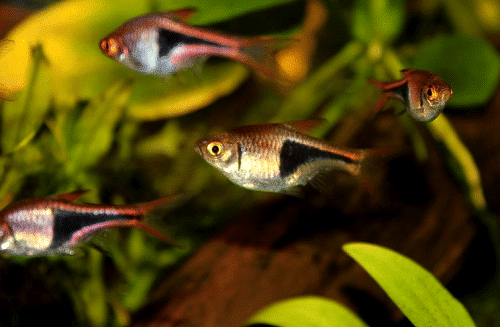
    Over time, you notice personality traits unique to your individual fish. Some are bold explorers. Others are cautious observers. That individual personality is what turns casual fishkeeping into a genuine hobby.

    Nobody tells you about the poop. Bristlenose plecos produce an astonishing amount of waste relative to their size. You will see long strings of it draped across every surface in your tank. This is normal, but it means your filtration needs to keep up. If you are not doing weekly water changes, your pleco will create a nutrient problem faster than any other fish in the tank.
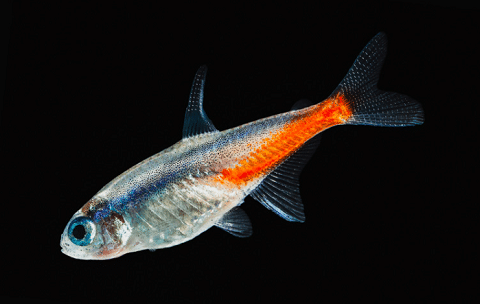
    Key Takeaways

    The Reality of Keeping Gold Nugget Pleco

    Algae is not a diet. Most plecos are omnivores or wood-eaters, not algae eaters. Relying on tank algae to feed your pleco is a recipe for a starving fish. You need to provide sinking wafers, blanched vegetables, and in many cases driftwood for proper nutrition.

    Size varies dramatically by species. A bristlenose stays around 5 inches. A common pleco hits 18 to 24 inches. A royal pleco reaches 17 inches. Knowing the adult size of your specific species before buying is essential.

    They are nocturnal and territorial. Most plecos hide all day and come out at night. If you have multiple plecos, they need separate hiding spots or they will fight. Territorial disputes between plecos cause real injuries.

    Biggest Mistake New Owners Make

    Buying a “pleco” without knowing the species. Common plecos sold at chain stores as 2-inch juveniles grow to nearly 2 feet. Most people do not have a tank large enough for the fish they just bought.

    Expert Take

    Driftwood is not optional for most pleco species. It aids digestion and provides essential fiber. If your pleco does not have wood to rasp on, its long-term health will suffer.

    Species Overview

    Scientific NameBaryancistrus xanthellus
    Common NamesGold Nugget Pleco, Golden Nugget Pleco, Suckermouth Catfish
    FamilyLoricariidae
    OriginBrazil, in the Rio Xingu basin
    DietOmnivore
    Care LevelModerate
    ActivitySlow to Moderate
    Lifespan5 to 7 years
    TemperamentPeaceful (except against fish of its own species)
    Tank LevelBottom
    Minimum Tank Size55 gallons
    Water Temperature Range74ยฐ-84ยฐF
    Water Hardness2 -15 dGH
    pH Range6.5. 7.5
    Filtration/Water FlowHigh
    Water TypeFreshwater
    BreedingVery difficult
    Difficulty to BreedHigh
    CompatibilityCommunity fish
    OK, for Planted Tanks?Yes

    Understanding Them

    Origin And Habitat

    Gold Nugget Plecos are native to the Amazon basin in Brazil, inhabiting warm and swiftly-flowing waters with plenty of places for them to hide amongst vegetation. In this natural environment, there is no a lot of driftwood available to them because of the faster water flow. It’s also more of a tropical environment, where temperatures stay closer to the high 70s throughout the year.

    Appearance

    Gold-Nugget-Pleco

    The gold nugget plecostomus, also known as the nugget pleco or golden nugget plecos, are captivating freshwater fish with their distinctive appearance – dark black body decorated by gleaming yellow spots and wide pectoral fins which show a fan-like dorsal fin. As it matures, its forehead shows signs that make males stand out from females due to the elongated cheek spines that develop. This is used for defense against predators and dueling other male counterparts. As the fish ages, it will lose the yellow highlights on its fins and the yellow spots will become smaller over time.

    Average Size

    When it comes to the Gold Nugget Plecos, their adult size can range from 6 inches up to 12 – with most topping out around 10 inches in length. Aspects such as diet, habitat, and genetics all have an effect on how large they grow. That being said, when constructing your aquarium setup, itโ€™s important to take these factors into consideration in order for this particular nugget pleco breed to prosper properly within its environment.

    Lifespan

    To help ensure that Gold Nugget Plecos reach their maximum lifespan of 5-7 years, keepers should provide excellent living conditions and maintain proper water quality while offering a healthy diet. Taking these steps can support the nugget plecoโ€™s longevity in captivity.

    Explaining The L System Of Naming

    Pleco fish have a lot of varieties in the wild and in captivity. So much so that an L system has been developed to help differentiate the various pleco species from each other. The Gold Nugget Pleco is no expectation and has three variants. These are labeled as:

    • L018 Big Spot Gold Nugget Pleco (Baryancistrus xanthellus)
    • L081 โ€˜Specialโ€™ Gold Seam Fine Spot Gold Nugget Pleco
    • L177 Goldseam Gold Nugget Pleco (Baryancistrus xanthellus)

    Note that two of these species have the same scientific name, which the other does not. Some L species will not have scientific names since they are breeder varieties. These types have different features but similar requirements when it comes to care. It’s best not to purchase any non-common pleco species without knowing the L species number so you can ensure you are purchasing a properly identified fish.

    Caring For Your Gold Nugget Pleco

    Want a small pleco that stays small? Get a bristlenose or clown pleco. Want a show pleco? Get a gold nugget or zebra pleco. Want an algae eater? Get otocinclus. Plecos are not algae cleaners.

    Taking care of your Gold Nugget Pleco is not just about providing food and a comfy home. To ensure the well being of this captivating fish, itโ€™s essential to be aware of water quality levels, feed them with an appropriate diet, and understand their social behavior.

    This section will provide you with pertinent information for creating the perfect environment for a healthy Golden Nugget Pleco so that you can learn everything necessary to look after these incredible creatures!

    Tank Size Requirements

    The size of the tank for your Gold Nugget Pleco is very important to ensure their well being. Itโ€™s recommended that you get a setup between 50 and 120 gallons, depending on its current size as well as other possible tank mates it may have. To create an ideal habitat, go with something rectangular, providing plenty of horizontal space for them to explore on the bottom due to their affinity towards being near the floor. More shallow tanks are preferable for them to maximize floor space.

    Having more space for your fish will diffuse territorial aggression and make your tank more stable. If your budget and space allows, always go for the larger tank.

    Water Quality And Parameters

    Properly managing water conditions and parameters is critical to the health of Gold Nugget Plecos. The optimal temperature for these fish should be between 74-84ยฐF, a pH range from 6.5-7.5 with a hardness level of 2 -15 dGH. Itโ€™s important to keep an eye on all those values throughout the first couple of weeks after setting up your tank environment in order to ensure their stability over time.

    To mirror its natural river habitat, why not try adding an airstone or powerhead? This is because the natural environment of these fish is oxygen rich due to its fast water flow. This will help increase oxygen levels as well as produce a stronger current. This extra detail may make them feel more at ease.

    Creating A Suitable Environment

    Creating a natural habitat for your Gold Nugget Pleco. The first is to use a soft substrate, such as sand or fine gravel. Secondly, provide several hiding spots with elements like driftwood and caves that make it look more realistic. This will also provide added surface area for algae and biofilm to build on, both of which the pleco will eat.

    Lastly, live plants should be present in the tank because they are pleasing visually, positively contribute to water quality, and offer more of a natural environment for the fish.

    To replicate their native environment even closer, you could add tannins from Indian almond leaves or driftwood, which will boost the fish’s immune system and stabilize water parameters to more of the natural waters in South America.

    Feeding

    Gold Nugget Plecos are omnivorous, necessitating a balanced diet containing algae and plant matter. They will also enjoy protein rich foods that your other fish will eat. Their primary source of nutrition is found naturally within the substrate or on decor as they are bottom feeders, but extra nourishment must be provided to live optimally.

    Protein Sources

    Make sure to include the following in your gold nugget pleco diet regime:

    These protein rich foods is offered freeze dried, frozen, or live (except for the beef heart obviously!) for the proper nourishment they need. Monitoring eating habits and adjusting the meals accordingly is important so that overfeeding or malnutrition will not occur.

    Plant Based Sources

    Plecos need a varied diet of meat and plant based food. For these types of foods, consider the following:

    • Blanched vegetables – zucchini, cucumbers, etc
    • Sinking pellets
    • Spirulina

    Social Behavior And Tank Mates

    Gold Nugget Plecos are well suited for a community tank as they tend to remain peaceful. These other freshwater fish can become territorial with other bottom dwellers, such as other gold nugget plecos and any other pleco species living in their tank.

    Good Tankmates

    Blue Gourami Fish

    The Gold Nugget Plecoโ€™s ideal tank mates would be medium-to-large tropical fish such as:

    Make sure you do not get fish so small that they can fit in the mouth of your pleco.

    Bad Tankmates

    Blue-Eye-Pleco

    Owners of Gold Nugget Plecos should be wary when deciding to keep their nugget plecos with aggressive types of fish. While they are naturally armored fish, they is bullied and harassed by much larger fish. For more aggressive fish, consider a larger tank with a common pleco instead or just not having plecos at all:

    By avoiding these types of fish, you should be able to avoid most conflicts in the tank. Note that all fish have different temperaments and may be more aggressive than the norm. Always have a backup plan!

    Challenges In Breeding

    Gold Nugget Pleco breeding is exceptionally difficult and not recommended for most aquarium trade hobbyists since their specific requirements make it hard to replicate the conditions they need accurately. Currently, the suggested standard is to use techniques similar to breeding Zebra Plecos.

    You will also not be able to tell the differences between males and females until the fish are of breeding size. The best way to tell male and females apart is by their foreheads, as males will have a flatter forehead while females is more round.

    When it comes to the breeding aspect of things, it’s best for me to Quote Larry Vines. He is an author at Planet Catfish and publish a book called Loricariidae: The tricks of the trade – a book all about catfish breeding. Quoting him regarding breeding gold nugget plecos below:

    “After having spawned this species off and on for nearly 3 years, I had not found the requirement which would make it possible to easily duplicate the success until late last year. Each time, in the past, the fish would dig caves under the same piece of slate mounted driftwood and spawn in my Hypancistrus zebra grow-out tank. Whenever the pair was removed to another tank to attempt a spawning, nothing ever resulted from the effort.

    This is where my theory about the effects of current came in. When setting up a new tank system, in an attempt to produce commercial numbers of several species, I intentionally oversize the pump to guarantee a good oxygen supply for all the fishes in the system. However, I had to find a place for my breeders while I made spray bars for the tanks and the fish were left overnight with only a direct flow from the water inlet. The next morning, upon inspection to see if everyone survived what I though would be stressful conditions, I found a cluster of eggs laid in the bottom of the tank in front of a rock.

    From that point on, convincing these fish to spawn has not been that difficult. Once a pair of fish is conditioned and have found a suitable spawning suite, the addition of a supplemental powerhead aimed at the cave is all that is required. Raising the fry is not very difficult, but this is a long process. They will not reach beyond 2 inches within 6 months of age. Feedings should be given regularly with baby brineshrimp initially and the food size increase as the fry gain some size.”

    Larry Vines

    Larry’s book is found on google books here.

    Health Issues And Disease Prevention

    Want a small pleco that stays small? Get a bristlenose or clown pleco. Want a show pleco? Get a gold nugget or zebra pleco. Want an algae eater? Get otocinclus. Plecos are not algae cleaners.

    By regularly examining the quality of water, providing a balanced diet, and helping reduce stress in Gold Nugget Plecos you can help prevent health issues such as Ich. Since the vast majority of these fish are imported, internal parasites are a common problem. The good thing is deworming a fish is done even in a planted tank with medications such as general cure and focus.

    Consider quarantining your fish as a best practice. Imported wild caught fish are the most risky fish to purchase without quarantine because of the transfer stress and lack of conditioning of the fish before sale.

    Frequently Asked Questions

    How big does a golden nugget pleco get?

    Golden nugget plecos are commonly kept in captivity and reach a size of 6 inches, but they can grow up to 12 inches when living in optimal conditions.

    What is the ideal tank size for Gold Nugget Plecos?

    When it comes to Gold Nugget Plecos, an aquarium with a capacity of anywhere from 50-120 gallons is recommended. This will ensure that they have enough space regardless of how many tank mates or their size. They are peaceful fish and relatively low maintenance, making them perfect for large community fish tanks When choosing other species as tankmates, choose ones which share the same calm temperament as gold nugget plecos in order to maintain balance within the ecosystem established by your new pet fish!

    What water parameters should I maintain for Gold Nugget Plecos?

    Optimal health of Gold Nugget Plecos is attained with the right temperature, pH and water hardness. For these fish to thrive, a range between 74-84ยฐF should be kept in check along with keeping their environmentโ€™s pH at 6.5-7.5 and its water hardness no less than 2 dGH but not exceeding 15dGH.

    What should I feed my Gold Nugget Pleco?

    A balanced diet with algae, veggies, and high protein foods like bloodworms, brine shrimp, and sinking pellets is necessary for a healthy fish. In the wild, food is plentiful for them. Also, ensure they are well fed, and their bellies are not too thin.

    Are Gold Nugget Plecos compatible with other fish?

    Gold Nugget Plecos are able to live peacefully with their other tankmates, although they can become territorial when it comes to any aquatic life that either looks like them or inhabits the lower regions of an aquarium.

    Summary

    It is important to provide the right care for Gold Nugget Plecos, a captivating species of freshwater fish that can become an integral part of any aquarium community. Attention must be paid when creating their living environment and ensuring proper water quality while providing them with balanced nutrition as well. Selecting suitable tank mates is essential in order to allow your nugget pleco to have a healthy and happy life. With diligent effort towards these factors, you will find your gold nugget truly thriving among its peers!

    Have you kept this fish in your aquarium before? Let us know in the comments below and lets start a conversation. Thank you for reading and see you next time!


    ๐Ÿ“˜ Want to learn more? This article is part of our complete Freshwater Fish Guide. Your ultimate resource for freshwater species, care tips, tank setup, and more.