Tag: Freshwater

  • Panda Cory: Complete Care Guide (With Expert Tips)

    Panda Cory: Complete Care Guide (With Expert Tips)

    Table of Contents

    The panda cory is one of the most popular corydoras in the hobby, and it is also one of the most sensitive. It looks adorable with its black-and-white panda markings, and that cuteness gets it into a lot of tanks it is not suited for. It prefers cooler water between 68 and 77F, needs pristine water quality, and is less forgiving of mistakes than the bronze or peppered cory. Sand substrate is non-negotiable. Panda corys kept on gravel develop barbel erosion that leads to chronic infections and shortened lives.

    In a well-maintained tank with sand, cool water, and a group of six or more, panda corys are active, social, and endlessly charming. But unlike the tank-bred bronze cory that can survive almost anything, the panda cory punishes shortcuts. This guide covers what it takes to keep them healthy, because the panda cory is the cute one everyone wants and the fragile one most people lose first.

    If your water quality is not consistently good, the panda cory will be the first fish in your tank to show it.

    What Most Care Guides Get Wrong About the Panda Cory

    The Panda Cory is one of the most popular corydoras in the hobby, and the biggest misconception is that it is as hardy as the Bronze or Peppered Cory. It is not. Panda Corys are noticeably more sensitive to water quality, temperature swings, and shipping stress. Many die within the first few weeks because keepers treat them like indestructible beginner fish. The truth is that wild-caught Pandas need pristine water and stable cool temperatures (68 to 77F). Tank-bred specimens are tougher, but still not as bulletproof as people expect. The other mistake is keeping them in warm water. This species prefers cooler temperatures and suffers in tanks above 78F.

    Keeping panda cories means maintaining cleaner water than you would need for bronze or peppered cories. They are more sensitive to nitrate buildup and less tolerant of parameter swings. Weekly water changes are not optional with this species.

    The cutest cory is also the most fragile one. And stores put it right next to the beginner fish.

    The Reality of Keeping Panda Cory

    Panda cories come from fast-flowing mountain streams in Peru, which tells you a lot about what they need. Clean, well-oxygenated water with moderate flow. Most home aquariums provide none of these things by default, which is why panda cories have a higher failure rate among beginners than bronze or peppered cories.

    They are also smaller than most people expect. Full-grown panda cories top out at about 2 inches, which makes them a mid-sized cory rather than a large one. This means they get outcompeted at feeding time by bigger, bolder species. In a tank with emerald cories or large tetras, panda cories will struggle to get their share.

    Temperature preference is another area where guides mislead people. Pandas prefer cooler water, ideally 68 to 75F. Keeping them at 80F with discus or rams is asking for trouble. They are not warm water fish despite being sold alongside species that are.

    Biggest Mistake New Owners Make

    Buying them as impulse purchases because they look cute without researching their specific needs. Panda cories are not starter cories. Start with bronze or peppered, learn how to maintain stable water quality, and then graduate to pandas.

    Expert Take

    I always tell people that panda cories are intermediate-level fish dressed in beginner-friendly clothing. They look approachable, the name is endearing, and every store carries them. But they need consistent water quality, cooler temperatures, and a mature tank. Get those three things right and they are fantastic. Skip any of them and you will be replacing dead fish.

    Key Takeaways

    • Panda corys are one of the most popular freshwater fish available due to their resemblance to the giant panda with their black and off-white markings.
    • The panda catfish can bring excitement to the bottom of planted community tanks and are compatible with many other South American fish species.
    • These aquarium fish are easy to keep, fun to feed, and moderately easy to breed.

    An Overview

    Scientific NameCorydoras panda
    Common NamesPanda corydoras, Panda cory, Panda cory cat
    FamilyCallichthyidae
    OriginPeru
    DietOmnivore
    Care LevelEasy
    ActivityActive
    Lifespan5 to 8 years
    TemperamentPeaceful
    Tank LevelBottom
    Minimum Tank Size20 Gallons
    Temperature Range72 to 78 Fยฐ
    Water Hardness3 to 12 dH
    pH Range6.0 to 7.5
    Filtration/Water FlowSlow to moderate
    Water TypeFreshwater
    BreedingEgg Scatterer
    Difficulty to BreedModerate
    CompatibilityCommunity tanks
    OK, for Planted Tanks?Yes

    Classification

    KingdomAnimalia
    PhylumChordata
    ClassActinopterygii
    OrderSiluriformes
    FamilyCallichthyidae
    GenusCorydoras
    SpeciesC. Panda (Nijssen & Isbrรผcker, 1971)

    What Are They?

    Panda corys are a type of true catfish in the Siluriformes order, though they have a much more controllable appetite than their larger relatives! These fish are scientifically known as Corydoras panda and have become increasingly popular in the freshwater aquarium hobby over the past several years.

    The cutest cory is also the most fragile one. And stores put it right next to the beginner fish.

    Because of their popularity and somewhat more difficulty in breeding, panda corys are more expensive than other species of corydoras. On average, these fish sell for $5 to $20 for fully matured individuals; this definitely starts to add up as they are schooling fish that need to be kept in groups of at least 6 or more.

    In addition, panda corys can be difficult to find at local fish stores due to demand and hobbyists often need to purchase them online.

    Are They Rare?

    Panda corys are difficult to find at local fish stores, but why?

    Panda corydoras are relatively rare to find in nature. They come from limited areas of the Amazon in South America where you’re much more likely to find another species of corydoras first. Luckily, panda corys are now bred at the commercial scale which makes them much healthier and much more available to average hobbyists. The problem is that most stores sell out of them, and fast.

    Over the past few years, panda corys have been in high demand. It is no secret that these fish are undeniably cute and everyone wants to have a school for the bottom of their planted aquarium. Just as soon as they become in stock at a store, they sell out even at their above-average prices.

    Origin and Habitat

    The panda cory originates from the upper regions of the Amazon River throughout Peru. There is some speculation that they have traveled to Ecuador, though this has not been fully confirmed.

    In Peru, panda corys can be found in blackwater conditions as well as clear waterways. These rivers are seasonally fed by runoff from the Andes mountain range which temporarily lowers temperatures into the 60s. As we’ll see, panda corydoras prefer cooler water, though they have adapted to withstand the warmer tropical temperatures found in the home aquarium.

    When spotted, these South American fish can be seen schooling in the hundreds or thousands over a soft sand substrate. They especially prefer areas with plenty of structures where they can hide and graze. Surprisingly, not much vegetation is found in their natural habitat conditions.

    Appearance

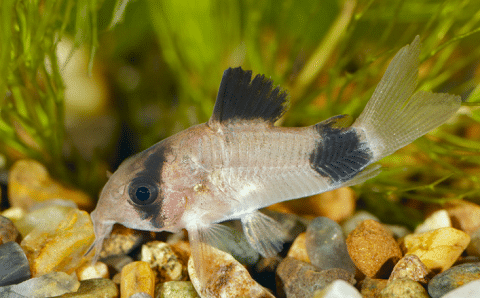
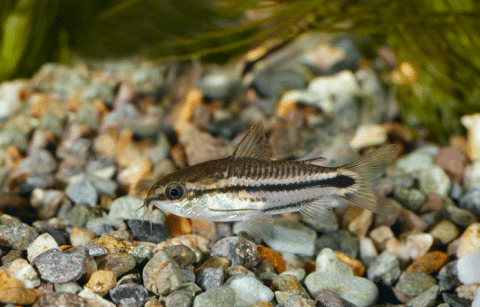
    Panda corys are arguably one of the cutest fish available in the aquarium hobby. If their name didn’t already give it away, these bottom dwelling fish are black and off-white, with markings that resemble a panda bear.

    Panda Cory

    Panda corys have black masking across their eyes along with a black dorsal fin and spot at the base of the tail fin. The rest of their body is a tannish-cream color that can vary in intensity depending on the surrounding environmental conditions.

    These fish stay small and only grow to about 2 to 2.5 inches. They have a typical corydoras shape with a short body, high dorsal fin, and short barbels near their mouth. Their small proportions and black markings definitely make them one of the most desirable freshwater fish available.

    In general, female panda cory cats are larger and have a more rounded belly in comparison to males.

    How Long Do They Live?

    On average, panda corys live for 5 or more years. Though small, these fish live a remarkably long time with hobbyists reporting upwards of 10 years. This is especially great as these fish are more expensive than their relatives and aren’t the easiest to breed in the home aquarium!

    Care

    Though these fish might seem hard to keep due to their price and availability, they are no harder to keep than any other species of corydoras. Most beginner hobbyists can steadily care for panda corys with more experienced hobbyists having no problems at all.

    Here’s how to keep your school of panda cory cats happy and healthy!

    Are They Hardy?

    Yes! Panda corydoras are hardy fish. They’re not the hardiest beginner fish of all time, but they will readily adapt to most aquarium conditions. That being said, these fish do best when added to a mature aquarium with stable water parameters and microflora and fauna living in the substrate.

    Do They Clean Fish Tanks?

    Though panda corys like a mature tank, they will not keep it clean. These fish are not members of the cleanup crew and will not eat pest algae, fish waste, or rotting food. Instead, they will need to be fed alongside all the other fish in the aquarium. Panda corydoras should never be added to the aquarium to treat a pest algae problem. They will not fix it!

    Aquarium Setup

    Panda corys are active fish that love to school. In bigger groups, they can be seen swimming back and forth across the front of the tank, using their barbels to sift through the substrate for food.

    To make your panda catfish feel at home, make sure to leave plenty of open space in the front of the aquarium. Foreground plants can disrupt the flow of the school, causing them to separate and even stress out in extreme cases.

    Plants and decorations may be placed throughout the aquarium to give your fish relief from intense lighting and for places to hide. Though panda corys will swim in full lighting, they definitely prefer some dimmed conditions through floating plants or botanical tannins; in their natural habitat, they are often found swimming on leaf-littered floors.

    Panda corys are jumpers and should be secured with an aquarium hood.

    Tank Size

    Due to their activity level and schooling behavior, panda corys do best in a long tank as opposed to a tall one. A small school of about 6 panda cats can comfortably fit in a 20 gallon long aquarium, though they especially thrive in larger setups.

    Not only do longer tanks give pandas more space to swim, but these aquarium fish also regularly go to the top of the tank. Having less distance to travel to the surface of the water definitely helps them navigate their surroundings better.

    Water Parameters

    Panda corys are relatively hardy fish that can adapt to a large range of water conditions. However, they should never be added to an uncycled aquarium.

    In the wild, this fish species is regularly exposed to fluctuating, cooler water temperatures. Most fish in the aquarium hobby have been acclimated to a tropical water temperature of around 78ยฐ F, but the panda cory is different in that it prefers temperatures closer to 72ยฐ F.

    For many years, the panda cory has been successfully bred through captive breeding programs. This has eliminated the need to catch wild specimens while also adapting the species to standard aquarium conditions. This means that most panda corys will easily acclimate to tropical water conditions.

    Still, it is best to ask the fish store about the conditions of the holding tank and to acclimate your new fish accordingly.

    Filtration and Aeration

    Panda corys aren’t messy fish, though their uneaten food can cause some water quality issues. These fish prefer a sinking food. Anything that isn’t found by your cory cats needs to be removed or processed by a filter.

    In general, a hang on the back or canister filter that is rated for at least 2x the size of the aquarium will keep water parameters in check. These fish can and will happily swim against higher water currents as long as there are spots with less flow they can escape to. This means that powerheads can be used for additional water circulation.

    Editor’s Choice
    Hagen AquaClear

    The Best Aquarium Power Filter

    The worlds best selling and most reliable power filter on the market. Unchanged for years because it’s so reliable and versatile

    Buy On Amazon Click For Best Price

    Aeration is usually not necessary, though an air stone via an air pump can be used to increase dissolved oxygen levels and to help keep fish waste and food off the substrate.

    Lighting

    As mentioned before, panda corys can tolerate high lighting intensities as long as there are places for them to hide. Their natural environments are usually blackwater conditions, which means that the water column is stained brown from organics. This can be recreated by introducing liquid tannins or Indian almond leaves into the aquarium.

    Floating plants also be used to create places of shaded refuge throughout the aquarium.

    Aquatic Plants and Decorations

    Panda cory cats are a very popular addition to the freshwater planted aquarium, but their natural waterways actually lack much vegetation at all. That being said, these fish love weaving in and out of live background plants. They may uproot new plants or loosely planted plants as they sift through the substrate.

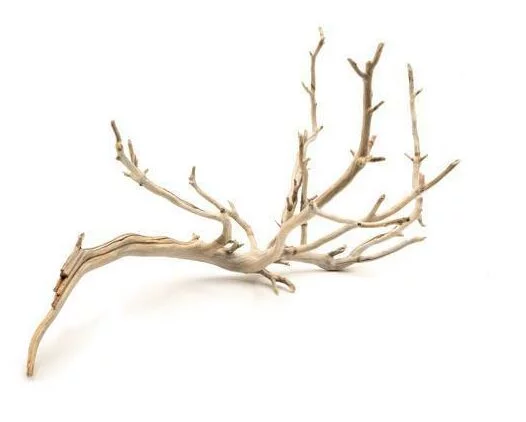
    Otherwise, panda corydoras appreciate rocks and driftwood where they can hide together.

    Tank Maintenance

    This corydoras species isn’t any more susceptible to poor water quality than other corydoras species, so weekly or biweekly 25% water changes are the standard. However, these fish like to eat sinking foods and they might miss a few pieces. To help prevent uneaten food from rotting, it’s strongly recommended to regularly use an aquarium vacuum to clean the substrate.

    Filtration should be gently rinsed out with aquarium water at least once a month.

    Substrate

    Panda cory cats will change color based on the substrate they’re kept on; a darker substrate will cause more intense colorations, but a lighter substrate will compliment the colors of the fish better. A dark substrate will also help dull lighting intensities.

    More importantly, a sand or fine gravel substrate should be used when keeping corydoras. Not only do sand and fine gravel keep your cory from getting injured, but these substrates are also easier for your fish to search for food and for hobbyists to keep clean.

    Great For Bottom Feeders
    Fine Natural Sand

    Natural sand is excellent for bottom feeder fish to forage around in.

    Click For Best Price Buy On Amazon

    Community Tank Mates

    On top of their appearance, panda cory catfish are a favorite due to their compatibility. These fish are perfect for the bottom of a community tank!

    Here are some of the best tank mates to keep with panda catfish:

    Panda corys are an especially popular addition to Amazon River biotopes. As many species of tetra originate from these same waters, hobbyists love mixing massive schools of cory and tetra together in a densely planted aquarium.

    Though South American cichlids also come from these ecosystems, they are not good tank mates for panda catfish. Unfortunately, South American cichlids are too aggressive and territorial for an inquisitive group of corys.

    Other hobbyists prefer to keep panda cats with betta fish (Betta splendens). This might seem like an unlikely pairing, but that’s because it is! This pairing of an aggressive betta with a school of active yet peaceful corys shouldn’t work, but it has been proven to be successful. That being said, not all betta fish are tolerant of such active tank mates so caution is definitely needed.

    Last but not least, panda corydoras can also be kept with adult shrimp. There is always the possibility that panda catfish will eat shrimp and it is likely they’ll eat shrimp fry, but many hobbyists have successfully kept these two together.

    How Many Do You Need?

    The panda cory is a schooling fish that needs company to thrive. These fish will not do well on their own and it’s never a good idea to only get 3 or 4 of them. Instead, a school should be made up of at least 6 fish; it is difficult to tell males from females so the group will inevitably be mixed.

    Many hobbyists like to keep dozens of these fish and they surely show their appreciation by forming tight schools.

    Food and Diet

    Feeding panda corys is one of the best things about owning these fish. This corydoras species is eager to eat anything fresh they come across!

    Panda corys should be given a variety of live, freeze-dried, and frozen foods including brine shrimp, bloodworms, and mosquito larvae. Bloodworms are especially fun to feed as they dig into the substrate causing a feeding frenzy!

    These fish are omnivores and will appreciate a selection of meaty foods as well as plant and vegetable matter. Blanched vegetables may regularly be offered on top of an algae pellet or wafer. To keep costs low, a high-quality sinking fish flake or pellet should be the staple of the diet.

    If you find that food is being eaten before it makes its way to the bottom of the tank, then it is necessary to target feed lower in the water column.

    Breeding

    If your aquarium is set up to your fish’s liking, then panda corys will readily breed in the main display. Otherwise, breeding can be moderately difficult.

    It’s strongly recommended to breed panda corys in a separate breeding tank for a more controlled setting. These fish are egg scatterers that don’t provide any parental care, so they will willingly eat their own eggs and fry.

    This breeding tank should be set to around 75ยฐ F with gentle filtration and plants or a spawning mop. If you are unable to identify the males from the females, then it’s recommended to place a group together. Otherwise, one breeding pair may be spawned (video source).

    Corydoras are seasonal spawners that wait for the wet season. If you aren’t having success, try again during a cooler season, increase oxygenation levels, and perform more water changes. Be aware that corys take a few years to mature before they’re ready to reproduce.

    If you are successful, panda corys will lay their eggs in areas of high flow around the aquarium. At this point, the adults should be removed. The eggs will then hatch within several days.

    Baby panda corys should be given microscopic foods until they’re ready for a larger selection.

    Is the Panda Cory Right for You?

    Before you buy, run through this honest checklist. The Panda Cory is a great fish for the right keeper, but it is not for everyone.

    • You can maintain excellent water quality with consistent parameters and regular changes
    • You keep your tank at 68 to 77F, cooler than most tropical community tanks
    • You want one of the most visually charming corydoras with the iconic panda markings
    • You can keep a group of 6+ on sand substrate in a 20-gallon or larger tank
    • You are experienced enough to handle a species that is less forgiving than beginner corys
    • You buy from reputable sources that carry tank-bred specimens over wild-caught when possible

    Where To Buy Panda

    The best bet to finding a healthy group of panda corys is to shop online. Unfortunately, overnight shipping is expensive but this seems to be the most reliable method for obtaining panda corys right now. If you purchase from the link below, you can use promo code ASDFLIPPROMO for a discount at checkout!

    Frequently Asked Questions

    Are Panda Corys sensitive?

    Panda Corys are somewhat more sensitive than other Corydoras species. They prefer cooler water (68-77ยฐF) and clean conditions. They do not tolerate high nitrates well and need a mature, well-maintained tank to thrive.

    How many Panda Corys should I keep?

    Keep at least 6 Panda Corys together. They are social catfish that feel more secure and behave more naturally in groups. A group of 8-10 is ideal and produces the most entertaining shoaling behavior.

    What substrate is best for Panda Corys?

    Fine, smooth sand is essential for Panda Corys. They constantly sift through the substrate looking for food, and rough gravel will damage their delicate barbels. Pool filter sand, play sand, or aquarium sand all work well.

    Do Panda Corys eat algae?

    Panda Corys are not algae eaters. They are bottom-feeding omnivores that eat sinking pellets, frozen foods, and leftover food that reaches the substrate. They should not be relied upon for algae control.

    Can Panda Corys live with Bettas?

    Yes, Panda Corys are excellent Betta tank mates. They occupy the bottom of the tank while Bettas stay near the surface, so they rarely interact. Both species prefer calm water, making them highly compatible.

    How the Panda Cory Compares to Similar Species

    Panda Cory vs. Peppered Cory

    The Peppered Cory is significantly hardier and also enjoys cooler water. If you want a cool-water cory but are not confident in your water quality maintenance, the Peppered is the safer choice. The Panda Cory is the more visually appealing option but demands more consistent care.

    Panda Cory vs. Bandit Cory

    Both have distinctive facial markings, but the Panda is more recognizable and popular. The Bandit Cory is moderately hardier than the Panda. Both prefer cooler tropical temperatures. The Panda wins on looks and popularity. The Bandit wins on ease of keeping.

    What It Is Actually Like Living With Panda Cory

    Panda cories are more timid than most popular corydoras species. They take longer to settle into a new tank and are more likely to hide behind filters and decorations during the first couple of weeks. Patience is essential.

    Once settled, they become one of the most endearing fish in any community. They forage in tight little groups, and the way they tilt their bodies to work into crevices and around plant roots is genuinely entertaining to watch.

    They have a distinctive “winking” behavior where they rapidly rotate their eyes, which is more visible than in most cories due to the dark eye patch. It always gets a reaction from visitors seeing it for the first time.

    Spawning behavior is dramatic. The male chases the female relentlessly, and when she is ready, she adopts the classic T-position against his side. If you see this happening, you are about to have eggs on your glass within hours.

    Final Thoughts

    The panda cory looks like a beginner fish. It is not. It needs cooler water, pristine conditions, and sand substrate, or those cute markings end up on a dead fish.

    Panda corys are one of the most popular freshwater fish species available right now due to their absolutely adorable markings and active behavior. These energetic fish are easy to keep but bring a ton of activity to the bottom of the tank. They are also easy to breed once conditions have been met, which is profitable for hobbyists due to their high prices and limited availability.

    This article is part of our Corydoras Species Directory. Visit the hub page to explore all species care guides.

  • Gold Barb (Chinese Barb): Complete Care Guide

    Gold Barb (Chinese Barb): Complete Care Guide

    Table of Contents

    The gold barb is one of the hardiest freshwater fish you can buy, and almost nobody talks about it. It tolerates a wide temperature range, eats everything, gets along with virtually any tank mate, and rarely gets sick. The only thing it truly needs is a group. Keep one or two alone and they fade into the background. Keep six or more and they become a bright, active school that brings genuine life to a community tank.

    This is not a flashy species. It is not going to win any beauty contests against neon tetras or German blue rams. But it shows up every day, does not cause problems, and outlasts most of the fish people pay three times more for. This guide covers everything you need to know, because the gold barb does not ask for much. It just asks to not be alone.

    If you want a schooling fish that will not die on you, will not nip fins, and will not empty your wallet, the gold barb is the answer nobody is giving.

    What Most Care Guides Get Wrong About Gold Barb

    Most guides give you a cookie-cutter care sheet for Gold Barb without mentioning the nuances. After 25+ years in this hobby, I have seen how small details in tank setup and maintenance make a real difference in long-term health. Another thing guides gloss over is temperament. Gold Barb are often described with a single label, but their behavior shifts depending on tank size, tank mates, and territory. You need to plan for the worst-case scenario, not the best. Group size is another area where most guides fall short. Saying ‘keep them in groups’ is not enough. The difference between keeping 3 and keeping 8 or more is night and day when it comes to coloration, confidence, and natural behavior.

    The Reality of Keeping Gold Barb

    The gold barb is one of the most cold-tolerant barbs in the hobby, thriving in temperatures from 64 to 75F. That makes it a subtropical fish, not a tropical one. In heated tanks above 78F, gold barbs become stressed and their lifespan shortens.

    They are peaceful, hardy, and get along with virtually everything. The downside is that they are plain. Gold barbs do not have the flash of tiger barbs or the drama of denison barbs. They are the utility player of the barb family.

    A group of six or more brings out their best behavior and coloration. Males develop a deeper gold with black-edged scales when competing for females. Solitary or paired gold barbs look washed out.

    Biggest Mistake New Owners Make

    Keeping them too warm. Gold barbs are subtropical fish that prefer cooler water. Long-term temperatures above 78F stress them and lead to shortened lifespans. If your tank is heated to 80F for tropicals, the gold barb is not the right choice.

    Expert Take

    The gold barb is the best barb for unheated or subtropical setups. A group of eight in a room-temperature 30-gallon with live plants creates a low-maintenance display that works year-round without a heater. Pair them with white clouds, rosy barbs, or hillstream loaches for a complete coolwater community.

    Key Takeaways

    • The female Gold barb is larger, rounder, and a bit duller than the male Gold barbs.
    • During mating, males show beautiful bright colors that may appear a bit different from their original colors. The belly of males becomes pinkish or reddish brown.
    • They are omnivores and eat a varied diet, both in captivity and natural habitat
    • The eggs of Gold barbs are photosensitive. Thus, keep the breeding tank away from direct light until the fish fry is one to two weeks old.

    An Overview

    Scientific Name Barbodes semifasciolatus
    Common Names Golden Barb, Schubert’s Barb, Green Barb, Half Stripped Barb, China Barb, Chinese Half Stripped Barb, and Six Banded Barb
    Family Cyprinidae
    Origin Southeast Asia, China, Taiwan, and Vietnam
    Diet Omnivore
    Care Level Easy
    Activity Active
    Lifespan 5 to 7 years
    Temperament Peaceful
    Tank Level Bottom and middle Dweller
    Minimum Tank Size 20 Gallons
    Temperature Range 65 to 75 Fยฐ
    Water Hardness 5 to 25 dH
    pH Range 6 to 8
    Filtration/Water Flow Slow to moderate
    Water Type Freshwater
    Breeding Egg layer
    Difficulty to Breed Very easy
    Compatibility Community tanks
    OK, for Planted Tanks? Yes

    Classification

    Kingdom Animalia
    Phylum Chordata
    Class Actinopterygii
    Order Cypriniformes
    Family Cyprinidae
    Genus Barbodes
    Species B. Semifasciolatus (Gรผnther, 1868)

    What are they?

    Gold barbs come with many names, which can be confusing at times. They go by Golden Barb, Schubert’s Barb, Green Barb, Half Stripped Barb, China Barb, Chinese Half Stripped Barb, and Six Banded Barb in the aquarium trade.

    But before moving further, let me clarify. Gold Barbs and Golden Barb or Gold-finned Barbs are NOT the same. The Gold barb is also commonly known as Shubertii barb, referring to Tom Shubert of Camden, New Jersey, USA. Tom Shubert develop the Gold barb through selective breeding in the 1960s.

    The gold barb or Chinese half-striped barb is a golden yellow colored freshwater fish in captivity. However, in their natural habitat, they have a greenish tint which is rarely available in the aquarium trade.

    Origin and Habitat

    The Gold barbs come from Southeast Asia, China, Taiwan, and Vietnam. Hence, called the Chinese barb. The native habitat of Gold Barbs is the Red River Basin, the Mekong Basin. They are also intentionally introduced in some places like Hong Kong, Uruguay, and Hawaii.

    As mentioned earlier, in the wild, they have a greenish tint which is almost obsolete in the aquarium trade because the golden color is mostly preferred which is a result of years of selective breeding.

    Appearance

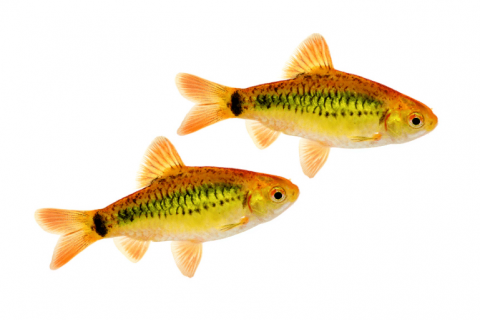
    Gold barbs are yellowish golden in color. They are the fish species you’ll easily find in pet stores with their beautiful little existence that graces your aquariums. However, in the wild, they are naturally green.

    Gold Barbs Profile

    The Gold barbs are mostly entirely golden in color with small distributions of black dots or patches along the lateral line or upper half of their bodies. The rest of the body is usually solid gold in color with the fins; transparent and see-through. Through selective breeding, some distinct species are bred with red fins.

    Their head has a mouth with short barbels at the corner. The eyes are jet black, large on each side.

    The most interesting thing about Gold barb is their wild and captive species were thought to be of different species because of the differences in appearance. However, as time progressed, it is now confirmed that they are both the same species.

    The female gold barb has a round belly and a large body. They are duller in color than the male gold barb. The males, on the other hand, are brightly colored and may develop red bellies when they are ready to mate.

    Lifespan

    The lifespan of Gold barb is around 5 to 6 years in captivity if they receive proper care and nutritious food.

    Average Size

    China barb is small freshwater fish that easily fit in a standard small to moderate capacity aquarium. They grow around 3 inches in length.

    Care

    Gold barbs are schooling fish that need ample space in their aquariums for free swimming. These fish species dwell in the mid-level of the tank. Also, they appreciate a lot of hiding places in the tank. Thus, I recommend adding hiding spaces such as caves, rocks, and driftwood.

    Also, the small size of these fish species allows you to keep them in a large community tank for a safer, healthy environment. Above all, the tank water should be maintained and cleaned throughout for their happy and healthy survival. The water parameters should be optimal as these fish species do great in soft, slightly acidic water.

    Aquarium Setup

    Since they are schooling, peaceful fish, I recommend setting up a tank for at least a group of 6 or more. That too, plenty of open space for free swimming.

    You should also mimic the tank environment as their natural habitat to make their tank feel like home.

    Even though the Gold barb is not finicky about its water requirements, it’s best to keep the temperature range within 65 to 75 degrees Fahrenheit. The tank of Gold barb doesn’t have a heater because they are tropical fish that thrive in cooler water temperatures.

    It is also recommended to provide them with the current in the tank to attain the feeling of free-flowing rivers and streams in their natural habitat.

    Tank Size

    Since Gold barbs are active fish that prefer to live in a group of 6 or more, the bare minimum tank size is 20 gallons.

    Water Parameters

    The Gold barb loves cooler waters as compared to most tropical freshwater fish. Their tanks should be unheated except for a breeding tank. Also, they prefer fairly soft and acidic water with a neutral water pH (7)

    pH: 6 – 8

    Water Temperature:65ยฐF – 75ยฐF

    Water Hardness: 5ยฐ to 25ยฐ DH

    Filtration and Aeration

    Like most fish, the Gold barb loves a clean, hygienic tank. And it’s only possible with an efficient, working filter.

    For gold barbs, the excellent choice is a hang on the back filter for two main reasons:

    1. They are very economical and efficient
    2. They provide current to the fish tank

    Editor’s Choice


    Hagen AquaClear

    The Best Aquarium Power Filter

    The worlds best selling and most reliable power filter on the market. Unchanged for years because it’s so reliable and versatile


    Buy On Amazon


    Click For Best Price

    Lighting

    Gold barbs come from places where there is ample daylight. Hence, standard aquarium lighting will be excellent for their survival. I suggest getting adjustable, dimmable LED aquarium lights.

    Aquatic Plants and Decoration

    Gold barb dwells in the middle of the tank. Thus, consider the number of aquatic plants and decorations because they also appreciate free swimming space. I recommend adding grasses for the lower part of the tank and long-stemmed or floating plants that go upwards. Such plants will provide shelter to your fish and since Gold barb are shoaling species, they will encourage the shoaling behavior as well.

    Also, for tank decor, you can add driftwood, rocks, or caves to provide them with sufficient hiding places.

    Tank Maintenance

    The tank maintenance for Gold barb is easy. Therefore, they are ideal for beginner aquarists. These are hardy fish that need simple water and tank requirements to be happy, healthy, and thriving.

    You need to consider maintaining the preferred water conditions for Gold barb and they will survive for around 5 to 7 years easily. Also, clean the tank regularly and do partial water changes weekly. Wipe away the access algae and other debris that’s accumulated in your tank.

    I highly recommend investing in a water testing kit and using it weekly to help prevent diseases and other problems beforehand.

    Make sure to keep the tank clean in all circumstances because an unclean tank leads to many fatal diseases.

    Substrate

    The beautiful bright yellowish golden color will accentuate better on dark substrates and decors. Thus, many seasoned aquarists prefer a dark substrate in the Gold barb tank.

    You can use a fine-grained soft substrate for the bottom where the Barbs occasionally come and scratch the gravel.

    Community Tank Mates

    Since Gold barbs are active fish, keep them with similarly sized peaceful fish and activity levels for competence in a community tank. Also, gold barbs are fin nippers, thus, avoid keeping them with slow-moving, long-finned fish including angelfish, guppies, betta fish, and Endlers Guppies.

    The gold barbs are schooling fish and love being in a group of 6 or more. However, I don’t recommend keeping them larger, more aggressive, or predatory fish.

    The best community tank mates for Gold barbs are:

    1. Paraguay Tetras
    2. Buenos Aires Tetras
    3. Colombian Tetras
    4. Pristella Tetras
    5. Rummy nose tetras
    6. Neon Tetras
    7. Cardinal Tetras
    8. Cherry barbs
    9. Smaller danios
    10. Green Chinese Barb
    11. Rosy barbs

    However, if you’re too skeptical about keeping Gold barbs in a community aquarium due to their semi-aggressive nature, always consult an expert.

    Breeding

    Here’s some great news!

    Breeding Gold barb is super easy at home!

    The bad news is, that they eat their eggs and fry themselves, so you will have to hatch the eggs and raise the fry yourself.

    They scatter their eggs all over the aquarium. Therefore, I recommend fine-leaved plants in the breeding tank (video source).

    To start the breeding process, first, prepare a separate breeding tank. But before introducing them to the breeding tank, I suggest sexing the fish and putting them on a high protein diet such as brine shrimp. After a few days of a high-protein diet, they are ready to be introduced into the breeding tank.

    Setting up a separate breeding tank

    1. Add fine-leaved plants to the breeding tank to collect their eggs. For example Java moss.
    2. If you want to add substrate, choose a fine substrate, otherwise leave the bottom bare.
    3. Set up a gentle flow and install a sponge filter to keep the tank clean.
    4. Place a spawning mop or mesh cover to collect the eggs before they are eaten by their parents
    5. Once the female lays the eggs, remove both of the parents from the breeding tank.
    6. Maintain the water temperatures around 78 to 80 degrees and adjust the lighting water ph should be around 6 to 7 and water hardness around 8 dGH.
    7. The female Gold barb releases around 300 eggs at a time that are later fertilized by a male.
    8. The spawning takes place early morning when the tank receives ample light.
    9. After the spawning and the removal of parents, you need to hatch the eggs artificially. However, the tank should be treated with an antifungal agent with optimal parameters such as the breeding tank.
    10. Hatching takes place after 3 to 5 days of spawning.
    11. The young fry feed on the yolk sac. Then after a few days, they are fed infusoria and other appropriate foods.
    12. The larvae and fry are photosensitive. Thus, keep the tank dark.
    13. In the first few weeks, feed the fry with freshly hatched brine shrimp and fine fry food.

    Food and Diet

    Being omnivores, the Gold barbs are easy to feed. They will accept anything readily available to them. However, we recommend a healthy and varied diet for their better nourishment.

    You should feed your Gold barbs with protein-rich food for vibrant colors. Also, since gold barbs are active fish, they need proper nourishment for adequate energy.

    You can also feed them any flake food, frozen foods, or non-vegetarian food such as brine shrimp, mosquito larvae, grindal worms, daphnia, micro worms, blood worms, and frozen worms.

    How often should you feed them?

    Feed them once or twice daily, but keep an eye on the uneaten food. You should only feed what they can consume in under 1 minute.

    Common Health Problems & Diseases

    The best thing about Gold barbs is they are hardy fish that are not prone to diseases. However, if they are provided with unclean tank conditions, they may develop infections and diseases detrimental to them. Thus, always strive for a hygienic and clean aquarium.

    Is the Gold Barb Right for You?

    Before you buy a Gold Barb, take an honest look at whether your setup and experience level are a good match. This is not about gatekeeping. It is about setting both you and the fish up for success.

    • Experience level: Gold Barb are a solid choice for beginners. They tolerate a range of conditions and bounce back from minor mistakes. If you are new to fishkeeping, this is a forgiving species to start with.
    • Tank size commitment: A 20-gallon tank works as a minimum. This is a manageable size for most hobbyists, which is part of what makes this species accessible.
    • Temperament considerations: Gold Barb can be territorial or aggressive. You need to plan tank mates carefully and provide enough space and cover to reduce conflict. They are not a good fit for peaceful community tanks with small, shy fish.
    • Feeding requirements: Gold Barb are omnivores that accept a wide range of foods. A quality pellet or flake as a staple, supplemented with frozen or live foods, keeps them healthy and shows off their best coloration.
    • Group requirements: These are schooling fish that need to be kept in groups of 6 or more. Keeping fewer leads to stress, dull coloration, and abnormal behavior. Budget for the full group, not just one or two.
    • Long-term commitment: Make sure you are ready for the full lifespan of this species. Fish are not disposable pets. Research their needs thoroughly before buying, and make sure you can provide consistent care for years to come.

    FAQS

    What It Is Actually Like Living With Gold Barb

    Gold barbs are the steady performers. They school loosely, forage mid-tank, and add a warm golden tone to planted setups. Nothing dramatic, nothing problematic. Reliable.

    Breeding behavior is triggered by cooler temperatures and large water changes. Males color up and chase females through plant cover. It is not as intense as tiger barb sparring but it adds activity.

    They accept every food you offer without hesitation. Flake, pellet, frozen, live. Gold barbs are the least picky eaters in the barb family.

    Final Thoughts

    The gold barb thrives in unheated tanks that would stress half the fish in the hobby. It is the $3 fish that outperforms $30 fish.

    Gold barbs are excellent small, freshwater fish that brings life to your boring aquariums. Their super hardy nature and ease of care make them ideal for beginner aquarists. However, always keep an eye on their tank environment as an unclean tank may result in their deteriorating health.

    This guide is part of our Barbs: Complete Species Directory. Visit the hub page to explore care guides for all popular barb species.

    This article is part of our Barb Species Directory. Visit the hub page to explore all species care guides.

    Check out this video covering barb species for your aquarium:

  • Betta Fish Tank Setup: 5 Steps to Get It Right (From Experience)

    Betta Fish Tank Setup: 5 Steps to Get It Right (From Experience)

    I’ve set up more betta tanks than I can count. from minimalist 5-gallon planted setups to more elaborate community tanks housing a male betta with carefully chosen tank mates. The good news is that bettas aren’t nearly as demanding to set up as some fish, but there are a handful of non-negotiables I see people cut corners on constantly: tank size (a bowl is not a home), a proper heater, and appropriate filtration. Here are the five steps to getting a betta setup right the first time.

    Key Takeaways

    • A single betta fish needs a tank of at least 5 gallons. You’ll need a larger tank if you plan on adding any tank mates. Avoid very small tanks, bowls, or cups- these are bad for your fish’s health
    • Every betta fish tank should include a filter, and you’ll probably need an aquarium heater too. Unfiltered tank setups can result in poor water quality.
    • Live plants and decorations are a great way to create a natural environment for your betta fish. Just make sure your decorations are smooth and fish safe.
    • Betta fish tanks need regular testing and regular maintenance to ensure your betta’s health.

    Aquarium Size

    Alright, let’s start with the most controversial topic when it comes to betta fish keeping, tank size. You’ve probably seen bettas in tiny plastic bowls, cups, and other small containers. The salesman at the local pet store might have even told you that that’s what they prefer.

    The fact is that betta fish need a good amount of room to swim and explore, and more importantly, you need a decent amount of water volume in the tank to maintain good water quality and a healthy betta.

    Some aquarists will tell you that a 2-gallon tank is enough, and then you get fish keepers who insist that every fish needs a huge tank to be happy. Well, my advice is to start with 5 gallons as your minimum. This is a great size for a single male betta fish.

    Editor’s Choice!
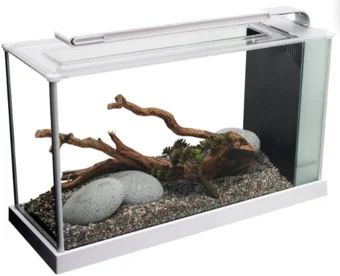
    Fluval Spec V

    The Best Betta Fish Tank

    Best filtration, best light, perfect size and with everything you need to get started. It was made for Bettas!

    Buy On Petco Buy on Amazon

    If you plan on adding more fish and setting up a community tank, however, it’s better to start off with a 10 or 20 gallon tank. The shape isn’t all that important, but avoid very tall, deep tanks or anything that is difficult to clean.

    Finally, I recommend using a lid/hood over your tank to avoid your betta jumping out. Bettas can jump pretty high when they want to, and a sealed tank will also maintain its water level much better.

    Filtration

    Filtration can be another sticky subject. Some experienced aquarists are able to maintain heavily planted tanks without filters, but why risk it? You might find yourself performing more water changes than you’d like!

    Betta males have been bred to have long, flowing fins, which means they are not very strong swimmers. Your filter should not create a strong current because your betta will be exhausted just trying to stay in one place!

    Filters come in all sorts of sizes and shapes, but a sponge filter or hang-on back is going to work best in a small betta fish tank setup. Let’s take a look at the best filters for your betta aquarium setup.

    Hang On Back (HOB) Filters

    Hang-on back filters are all-in-one units that pump water over filtration media. This type of filter clips onto the rim of your tank and can create a gentle cascade effect. Choose a model that matches your tank size and has an adjustable flow for the best results.

    Sponge Filters

    Sponge filters are set at the bottom of your aquarium, usually in a back corner where they can be hidden away. This type of filter requires a small air pump, a length of airline tubing, and a one-way in-line valve to operate safely.

    Sponge filters are often the cheapest option, and they work great, just be sure to buy a decent air pump to minimize noise.

    Heating

    Bettas are tropical fish, which means they come from a part of the world where it stays warm all year long. You might not need to worry about water temperature if you live in a similar climate, but for most of us, an aquarium heater is required.

    Most heaters simply attach to the inside of your aquarium with suction cups. You’ll need to make sure that a heater will fit into your aquarium before you purchase it, of course. A 50-watt heater is a good choice for 5-gallon tanks and more, but if you live in a warm climate, a 25-watt could work out too.

    Aquarium heaters are adjustable, but I always recommend adding a thermometer to your tank because it makes monitoring the actual temperature possible. These range from simple stick-on glass thermometers to handy digital models with alarms that alert you if the tank temperature gets too hot or too cold.

    Lighting

    Betta fish do not have any specific lighting needs, but they do require a natural day/night cycle. You might need to invest in better lighting if you plan on growing a lot of plants, however.

    Choose a model that can be run on a timer for 6 – 8 hours per day so you don’t have to switch it on and off manually. Lighting can be attached under your hood, clip onto the rim of your aquarium, or be supported on its own stand.

    Substrate

    The sand, gravel, or other material at the bottom of a fish tank is called the substrate. There are many options to choose from when putting together a great betta fish tank. These include:

    Sand and gravel are known as inert substrates because they do not leach out any nutrients into the water. These are usually the best options unless you plan on setting up a heavily planted tank. The color is completely up to you, although natural colors look so much better in a planted tank.

    Excellent aquarium soils are available for aquarists looking to set up heavily planted aquariums. These substrates are more expensive, but fortunately, you won’t need too much in a small aquarium!

    Substrates should be rinsed off before adding them to your tank because they can be dusty and cloud up your water. This is easy to do by putting the substrate in a bucket and running water through it until it stays clear.

    Hardscape and Decorations

    The hardscape in your betta fish tank is the collection of solid objects that are used to create structure and interest in the tank. Natural hardscape features like driftwood and stones are the best for creating a natural habitat for your fish.

    Decorations can be a fun way to add character to your betta tank. There are many types of aquarium decorations, including themed objects like:

    • Sunken ships
    • Castles
    • Cartoon characters

    One important thing to note is that any ornament you put into your tank needs to be aquarium-safe, and made specifically to be used in a fish tank. Betta fish have very long, flowing fins that tear easily on sharp edges, so inspect your ornaments carefully and file down any sharp points.

    Fake Plants

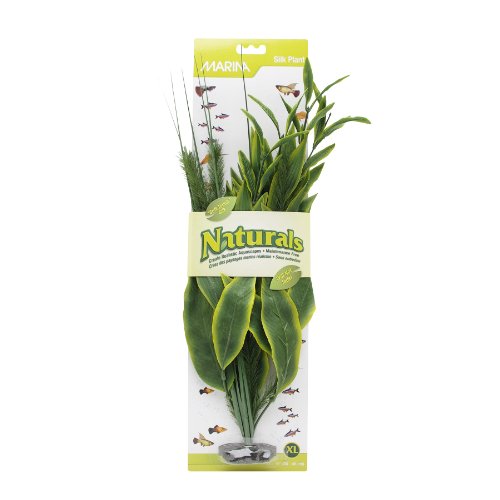
    Artificial plants are a great way to make your tank look more natural while avoiding caring for the real thing. As with plastic ornaments, however, plastic plants can have very sharp edges that can be dangerous for your fish. Silk plants and very soft plastic materials are the safest options.

    Great For Delicate Fins!
    Marina Naturals Plants

    Silk plants that are designed to be gentle on fish with fancy fins like Bettas and Fancy Goldfish

    Buy On Amazon

    Backgrounds

    Aquarium backgrounds are sheets of material that are attached to the outside of your aquarium’s back wall. These are completely optional but they can make your aquarium that much more interesting.

    A plain matte black background is always a great option, but designs with rocks, pebbles, or plants are also available.

    Live Plants

    Live plants are fun to grow and care for, look amazing in a betta tank, and also help to maintain high water quality. Read this section for a brief introduction to growing live plants in your betta fish tank!

    Plant Types

    There are hundreds of different types of aquatic plants in the aquarium hobby, and their care needs differ from species to species.

    All plants need the following:

    • Good light for 6-8 hours per day
    • Nutrients from the substrate or water column
    • Correct pH, temperature, and other parameters

    Floating plants for your aquarium:

    Floating plants float on top of the water. Betta fish breathe air from the surface, so never allow these plants to completely overgrow your tank.

    Stem plants for your aquarium:

    Stem plants are fast-growing species that grow from the substrate or by drifting in the water. These plants are great for soaking up excess nutrients in the water.

    • Limnophila sessiliflora
    • Rotala rotundifolia
    • Ludwigia repens

    Epiphyte plants for your aquarium:

    Epiphytes are plants that grow attached to objects like driftwood. They should not be grown in the substrate.

    Moss plants for your aquarium:

    Aquarium mosses are small, fine plants that can grow on your hardscape or float in the water column.

    Rosette plants for your aquarium:

    Rosette plants are ‘typical’ plants that grow rooted in the substrate of your aquarium.

    Planting Your Plants

    Stem plants and rosette plants need to be planted into the substrate to grow. This is easily done by grasping the bottom of the plant with a pair of aquascaping tweezers and gently pushing it into the substrate.

    Epiphytes like Java ferns and moss should never be planted in the substrate. These plants should be attached to your driftwood or decorations with fine green cotton thread or even super glue.

    Feeding Your Plants

    Plants need nutrients to live and grow. If you plan on setting up a heavily planted aquarium, you will need to fertilize them regularly.

    Plants that grow rooted in the substrate will take their nutrients from a good quality aquarium soil or root tabs. Floating plants and epiphytes can be fed with a water column fertilizer.

    Editor’s Choice!
    APT Complete

    Editor’s Choice

    Made by an aquascaper for aquascapers. This is the best all around aquarium plant fertilizer on the market. Marco and micronutrients in one bottle!

    Use Coupon Code ASDComplete for 10% off your order!

    Click For Best Price Buy On Amazon

    Trimming Your Plants

    Large, fast-growing plants can do an amazing job of maintaining good water quality, but they tend to need frequent trimming. A sharp pair of aquascaping scissors are your best friend here, just remember to net out all of the trimmings after you’re done.

    Aquascaping

    No introduction to aquarium plants would be complete without mentioning aquascaping. This is the art of creating amazing underwater ‘landscapes’ with live plants.

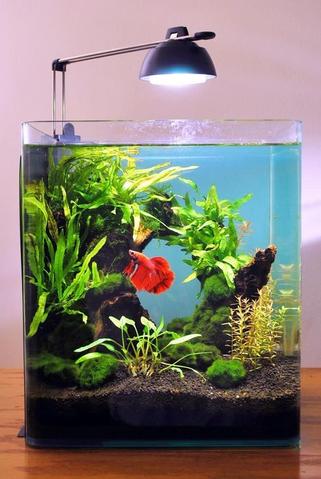
    There are many different styles, but the two best options for a small betta tank are a sloping scape with the smallest plants in the front, moving to taller plants in the back, or an island of plants in the middle of the tank.

    Setting Up Your Aquarium – 5 Steps For Success

    Once you have everything you need to create the perfect tank for your betta, it’s time to put it all together! Read on to learn how.

    1. Location

    The first step when setting up a great tank for your betta is to choose the right location. An aquarium stand or cabinet is the ideal place to set up an aquarium, but smaller tanks can be put on other sturdy surfaces such as desks.

    The surface should be perfectly level, perfectly flat, and strong enough to support the weight of the aquarium, water, and substrate. Avoid setting up your betta tank near a furnace or cold window, and avoid direct sunlight.

    You should also avoid setting up your betta tank next to any electronics or other equipment that should not get wet. You will need an electrical outlet nearby of course to run your filter, heater, and lighting.

    2. Protecting Your Aquarium

    Before placing your aquarium on its surface, it’s vitally important that you make sure the bottom of the glass and the surface are clean and level. Any small object can cause your aquarium glass to crack and break.

    If your tank didn’t already come with cushioning, you’ll need to purchase a padded aquarium mat to protect the bottom.

    3. Decorating Your Aquarium

    Once your aquarium is in place, it’s time to start decorating your tank and installing all the hardware. Let’s get started!

    Start by cleaning your aquarium, just to make sure there are no chemicals or unwanted traces left from manufacturing and packaging. This is also a good time to add your aquarium background if you have one.

    Now it’s time to add your substrate. Rinse it off first and then add it to the bottom of the tank gently. You can create depth in your layout by sloping your substrate up from the front to the back of the tank.

    Next, you can decide where you want to position your filter and heater. It is best to place these items at the back of the tank where they can be hidden by driftwood, plants, or ornaments. Do not switch them on until your tank is filled with water!

    Now it’s time to carefully arrange your decorations and hardscape. Give them a thorough cleaning before adding them to the tank.

    New driftwood can often leach out tannins into the tank in the first few weeks. Soak it in water before adding it to your tank to see if this is the case. If so, you can speed up the process by soaking it in warm water.

    4. Adding Water

    The next step is to add water to your aquarium for the first time. This is an exciting step because you get a real feel for what it is going to look like! This is also the time when you can add live plants if you choose to go that route.

    Tap water usually contains some chemicals that keep the water safe for human consumption. Unfortunately, these chemicals are harmful to aquatic organisms, so make sure you treat the water with a dechlorinator.

    Pouring water into your aquarium will disturb the substrate and even move your decorations, so do this step slowly. One trick that works really well is to place a small plastic bag or sleeve onto the bottom of the tank and pour the water onto it.

    Alternatively, you can make small holes in a plastic bag and pour the water through it, or even borrow a colander from the kitchen. Once your tank is full of water, you can turn on the filter and heater.

    5. Cycling The Aquarium

    Have you ever heard of aquarium cycling? Cycling is the process of establishing a beneficial bacteria population in your tank to get the nitrogen cycle up and running and provide biological filtration.

    You can do this before you get your new betta fish by setting up the tank and running the filter for 2 to 4 weeks. Adding a little fish food to the water will provide the bacteria with the food they need to start growing.

    You can also cycle your tank if you already have your betta fish (in fish cycle) by using a product like API Quickstart, but it’s important to test your water regularly and make water changes if necessary.

    Recap

    Here’s an example of the sequence you should follow:

    • Purchase all equipment
    • Choose your tank location
    • Put your aquarium in place
    • Rinse and then add your substrate
    • Position your filter, heater, hardscape, and decorations
    • Dechlorinate and then add water
    • Add live plants
    • Switch on your filter and heater
    • Cycle the aquarium and add your betta when you detect some nitrate, but no nitrite or ammonia in the water

    Maintenance – Keeping Your Aquarium Healthy

    When it comes to keeping bettas, maintenance is a really important part of the deal. Regular maintenance will keep your betta fish healthy and keep your tank looking beautiful. So what do you need to do?

    The most important part of fish tank maintenance is managing the nitrogen cycle. In a healthy, cycled aquarium, the ammonia from fish waste and uneaten food will be broken down into nitrite and then into nitrate. Unfortunately, nitrate is not broken down any further (unless in a planted tank) and will build up to toxic levels if you don’t do anything about it.

    Testing

    Testing your water regularly is the only way to know how good your water quality is because harmful chemicals are invisible to the eye. You will need a test kit that can measure the following water parameters:

    • Ammonia
    • Nitrite
    • Nitrate
    • pH
    • GH

    Once your aquarium is cycled and your betta is enjoying his or her new home, you will notice that the levels of nitrate (NO-3) start to rise. This nitrogen compound is safe for your betta fish in low concentrations but should be kept to below 20 parts per million (ppm) or so.

    Read on to learn how to maintain high water quality!

    Water Changes

    The best way to manage the nitrate levels in your betta tank is to perform regular partial water changes. The process is really simple, here’s what you will need:

    • A water test kit to measure the nitrates before your water change
    • A gravel vacuum to siphon water out of the tank
    • A bucket for the old water
    • A bucket for the new water
    • A water conditioner/dechlorinator to neutralize tap water
    • A thermometer to help you bring the new water to the same temperature before adding it to the tank

    At this point, you’re probably wondering how much water you should change and how often you need to do it. This is easily determined by testing your water.

    If, for example, your test kit reads nitrates at 20 ppm and you want to bring it down to 10 ppm, you will need to do a 50% water change. if your nitrate levels jump back to 20 ppm after a week, you will need to repeat this schedule each week.

    Other Maintenance

    Testing your tank regularly and performing partial water changes are the most important maintenance tasks, but what else do you need to do to keep your tank clean?

    • From time to time your filtration media can get clogged with waste. Simply rinse it in old tank water (outside of your aquarium) to clean it out and protect your beneficial bacteria.
    • Algae often grow on aquarium glass and hardscape. They can be removed with an algae scraper and a small brush like a clean toothbrush.

    Aquarium Mates

    The great thing about betta fish is that they can be kept on their own in relatively small tanks. That doesn’t mean you can’t keep them with any other types of fish though.

    The most important thing to remember is that you can’t keep more than one male betta fish in the same tank. They are called Siamese fighting fish for a reason! If you want to see a great video from our YouTube channel that goes over Betta Tank Mates, check it out below!

    Adding a nerite snail is a great idea to help control algae in your betta fish aquarium. Shrimps can be risky though because many betta fish will attack them. If you would like to add more fish, however, you’re going to need a tank of at least 10 gallons to avoid overcrowding.

    Here are 4 awesome freshwater fish that make great tank mates with betta fish in a larger community aquarium:

    • Corydoras Catfish – A peaceful schooling bottom dweller.
    • Neon tetras – A peaceful nano schooling fish for the midwater of your tank. These colorful fish should be kept in groups of 6 or more.
    • Otocinclus catfish – An amazing algae-eating catfish.
    • Kuhli loach – An interesting, eel-like aquarium fish that will eat uneaten food from the bottom of the tank.

    Part of the deal when setting up a community tank is making sure that each species is comfortable in the same tank size, setup, and water parameters. Here’s a quick recap on the requirements of your betta fish:

    • pH: 6.5-8
    • Hardness: 5-20 DH
    • Water temperature: 76-81ยฐF
    • Minimum tank size: 5 gallons
    • Water flow: Low

    FAQs

    What do they need in their aquarium?

    Every betta fish tank setup should include a good quality filter, a heater, a thermometer, and aquarium-safe decorations or hardscape. Substrate and live plants are optional but highly recommended.

    How long should you wait to put them in a new aquarium?

    It usually takes 2 to 4 weeks to complete a fishless cycle. Your tank is cycled when ammonia and nitrite levels read zero but nitrates are present.

    Do they need rocks or sand?

    Betta fish do not necessarily need substrate in their aquarium although it can make your aquarium look more interesting and natural. Sand or gravel will also help to anchor ornaments and even live plants. Barebottom aquariums are an option but they need a lot of cleaning or they tend to look a little messy.

    How do you prepare the water for them?

    Start by testing your water to see if the pH is correct for your betta fish. The water will also need to be in the safe temperature range to avoid temperature shock. Tap water should always be treated with a water conditioner/dechlorinator to neutralize chemicals.

    What do you need for a their setup?

    Bettas need a tank of at least 5 gallons with a filter and a heater. Decorating their home with substrate, ornaments, and live plants will create a more natural and comfortable home for your betta fish.

    Final Thoughts

    Setting up your first betta fish tank is easy and really affordable. Follow the advice in this guide to set up a betta tank that is fit for your amazing new pet!

    Do you keep betta fish? Tell us about your betta tank setup in the comments below!


    ๐Ÿ“˜ Want to learn more? This article is part of our complete Betta Fish Guide. your ultimate resource for betta care, types, tank setup, feeding, tank mates, and more.

  • Zebra Loach: Complete Care Guide (Botia striata)

    Zebra Loach: Complete Care Guide (Botia striata)

    Table of Contents

    The zebra loach is the quieter, smaller cousin in the botia family, and that is exactly why people underestimate it. It still needs a group of five or more. It still needs sand substrate. It is still sensitive to medications. The only real difference is it will not terrorize your tank the way a yoyo loach might. But keep one or two alone and you will get a stressed, faded fish that hides all day and slowly declines.

    In the right setup, zebra loaches are active, boldly patterned, and surprisingly social. They stick together, forage through the substrate as a group, and develop hierarchy behaviors that are genuinely interesting to watch. This guide covers what it actually takes to keep them healthy, because being “easy for a loach” does not mean low effort.

    Zebra loaches are the introverts of the botia family. They still need the group. They just do not make a scene about it.

    What Most Care Guides Get Wrong About Zebra Loach

    Most guides give you a cookie-cutter care sheet for Zebra Loach without mentioning the nuances. After 25+ years in this hobby, I have seen how small details in tank setup and maintenance make a real difference in long-term health. Another thing guides gloss over is temperament. Zebra Loach are often described with a single label, but their behavior shifts depending on tank size, tank mates, and territory. You need to plan for the worst-case scenario, not the best. Group size is another area where most guides fall short. Saying ‘keep them in groups’ is not enough. The difference between keeping 3 and keeping 8 or more is night and day when it comes to coloration, confidence, and natural behavior.

    Three zebra loaches means one bully and two victims. Five means a functional society.

    The Reality of Keeping Zebra Loach

    The zebra loach is one of the most underrated loaches in the hobby. It stays smaller than a clown loach, has similar social behavior, and the striped pattern is genuinely attractive on dark substrate. The main reason it is not more popular is that it is not as cheap or as available as kuhli loaches.

    Three zebra loaches means one bully and two victims. Five means a functional society.

    Like all loaches, it is scaleless and medication-sensitive. Half-dose protocols apply to every treatment. Prevention through quarantine and water quality is always preferable to treatment for this species.

    They are active during the day, which separates them from kuhli loaches that hide until dark. A group of five zebra loaches in a properly set up tank provides constant bottom-level activity and entertainment.

    Biggest Mistake New Owners Make

    Keeping them alone or in pairs. Zebra loaches are social fish that need a group of five or more. Isolated zebra loaches become reclusive and stressed, hiding constantly and losing the bold, active behavior that makes them worth keeping.

    Expert Take

    The zebra loach is the loach I recommend for keepers who want clown loach behavior without the 125-gallon commitment. A group of five in a 30-gallon tank with sand substrate and driftwood gives you active, social bottom dwellers that stay under 4 inches. They are the mid-size loach option that more people should consider.

    Key Takeaways

    • Zebra Loaches are extremely social and friendly. They never thrive living alone or in smaller groups.
    • They are tropical aquarium fish species that live in water temperatures ranging from 73 Fยฐ to 79 Fยฐ.
    • They are very small, going about 4 inches in size. They can easily live in groups in small species-specific or community tanks.

    An Overview

    Scientific NameBotia Striata
    Common NamesZebra Loach, Zebra Botia, Lined Loach, Crossbanded Loach, Candystripe Loach, Striped Loach
    FamilyCobitidae
    OriginWestern Ghats, India
    DietOmnivore
    Care LevelEasy to intermediate
    ActivityActive
    Lifespan8 to 15 years
    TemperamentPeaceful
    Tank LevelBottom Dweller
    Minimum Tank Size30 gallons
    Temperature Range73 Fยฐ to 79 Fยฐ
    Water Hardness5 to 12 KH
    pH Range6.5 to 7.5
    Filtration/Water FlowSlow
    Water TypeFreshwater
    BreedingEgg layer
    Difficulty to BreedHard
    CompatibilityCommunity tanks
    OK, for Planted Tanks?Yes

    Classification

    KingdomAnimalia
    PhylumChordata
    ClassActinopterygii
    OrderCypriniformes
    FamilyBotiidae
    GenusBotia
    SpeciesB. Striata (Narayan Rao, 1920)

    What are they?

    Zebra Loach is one of the most irresistible aquarium fish you will ever come across.

    They scientifically go with the name Botia Striata while commonly known as Zebra Loach or Crossbanded Loach. These small and socially active fish are part of the Cobitidae family from the order Cypriniformes.

    The low-key maintenance and friendly composition of a Zebra Loach help it stand out pretty well among other fish. And while there are plenty of features you’ll see in them, their beautiful body coloration and the patterns which emerge from their tiny bodies stay always on top.

    Origin and Habitat

    Zebra Loaches claim their origin in the Western Ghats mountain range located in Southern India. They also inhabit a few regions of Bangladesh in a relatively smaller number.

    They were first sighted in 1926 by the Indian Zoologist Narayan Rao. These now-endangered species were initially distributed across different Indian regions, including Mysore.

    But with time, the increasing pollution surrounding their habitat and constant deforestation have left Botia species in a much smaller quantity. Retreating to narrower regions due to environmental threats, their normal community growth has been sharply stunted.

    According to IUCN, they are on the red list of endangered fish species1.

    Appearance

    Resisting frequent glances at the mazy, unusually beautiful, and sharply sticking out stripes and body coloration of Zebra Loaches is almost like an enterprise. The more you try to look away, the more you feel pulled in.

    Zebra Loach in Aquarium

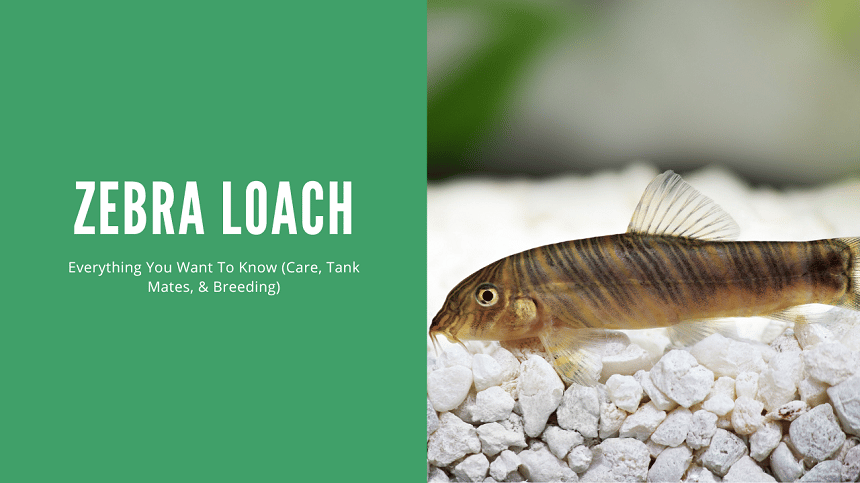
    Zebra Loaches feature shades that vary from deep yellow, bright gold, and dark brown to light beige. Looking at their head, you notice a set of some barbels lacing their heads and noses. These barbels help them scavenge for food sitting at the bottom of the tank.

    Zebra Loaches have a small-sized body that consists of thick and thin sides from different fin locations. Their body looks widened from behind the dorsal fin but tapers off rapidly around the length of the fin.

    As for body shape, they mold their bodies like a loach. Their heads and mouths are inclined downward with maxillary and rostral barbels visibly overhanging. Beginning from the front side of their head to the base of their caudal fin, Zebra Loaches feature a series of mazy stripes sloping backward and forward. Those which appear around the tail look vertical in shape.

    They have almost nine bands which vary in width like the varying width of their body. These stripes look deep blue or dark green with each band secured with a white line. The Zebra Loaches fins including caudal fins, pectoral fins, and dorsal fins also comprise some of the stripes. These stripes, unlike the other bands sitting on different body locations, look black.

    In addition to the fins, the zebra loach’s tail is also partially transparent. The tail features stripes of pale mud-colored dots going along the length of it. Their dorsal fin grows the shape of a half fan or you can say it looks semi-circular, with the tail fin looking like a fork. As for the pectoral and ventral fine, you see them going decently wide.

    The Zebra Loach doesn’t have any bands on their light beige-colored abdomens. Also, they take on vivid colors which don’t fade away with time. These Loaches don’t offer much deviation when it comes to their gender. So far the only known difference between a male Zebra Loach and a female Zebra Loach is the rounded body of the female. They look even plumper during breeding practices.

    Lifespan

    Aside from genetics, the general life cycle of most Zebra Loaches is between 8 to 15 years.

    As a novice aquarist who wants to experience the charms of fish keeping for extended periods of time, a Zebra Loach fits perfectly for this purpose. Things like water conditions, tank mates, and the ability to ward off common fish diseases are some other factors that are part of their healthy lifespan.

    Average Size

    A Zebra Loach goes as big as 4 inches only. They establish social hierarchies where they live or travel to. Therefore in a home aquarium, the small size of Botia Striata helps you keep them in groups.

    Care

    Zebra Loach care is pretty straightforward, given you understand their basic needs for withstanding minor environmental transitions.

    Zebra loaches are hardy fish and can put up pretty well with whatever you throw their way. But there are some really essential things you should always know beforehand.

    A well-running aquarium, some good community friends, perfectly set water parameters, and precautions to minimize the chances of falling prey to common fish diseases count as some of the most important things to their proper care.

    Apart from this, an accurate perception of their dietary needs will help you get them on the safe side in home aquariums.

    Aquarium Setup

    Zebra Loaches love to move in slow-moving streams with a good range of vegetation.

    When you look at the natural habitat of a Zebra Loach, things like slightly acidic water, warm water temperature, and moderate water hardness are also pretty visible. They stay strong when it comes to putting up with water level shifting. Make sure you don’t compromise on their basic requirements though.

    While setting up a Zebra Loach tank, don’t forget to get them everything they need down there. They always stay in the bottom levels, traveling hardly to the mid-water range. And considering their soft barbels, you have to be careful with decorating the lower aquarium area.

    Tank Setup (Tank Size)

    One of the core reasons they are my absolute favorite is their small size.

    Unlike their cousins Clown Loaches, Zebra Loaches remain small. This makes it easier for aquarists to keep these schooling fish in community aquariums or with their own specimen.

    Ideally, a tank size of 30 gallons does well for a decent group of Zebra Loaches. You can go up with the size if there are going to be larger fish in the tank.

    Water Parameters

    As a freshwater fish, a Zebra Loach finds it stressful to live in poor water conditions. And no matter how hardy people say this fish is, a Zebra Loach can’t survive in unhealthy water parameters for a long time.

    Apart from understanding their preferred water parameters, ensuring stability is also essential.

    Make sure the parameters stay within the recommended range and don’t sway from one side to the other.

    • Water temperature: 73 Fยฐ to 79 Fยฐ
    • pH levels: 6.5 to 7.5
    • Water hardness: 2 to 10 KH

    Filtration and Aeration

    To curtail disease, it’s always better to invest in high-quality filtration so your water stays clean.

    This amazing freshwater fish enjoys well-oxygenated water. To help them stay active, get a high-quality canister filter. Canister filters are even more necessary in planted aquariums.

    Best Value
    Fluval Canister Filters

    Our Subscriber’s Choice

    Top name brand, Italian made, and updated design. The next gen Fluval Canisters are a best buy!

    Buy On Amazon Buy On Petco

    Also, perform frequent water changes to keep the water clean and devoid of toxins. You can change water up to 25% per week to do away with ammonia and nitrite.

    Pro Tip: If you get a strong filter know that Zebra Loaches don't appreciate fast water currents. Adjust your flow accordingly and consider disbursing flow with a spray bar.

    Lighting

    In their wild habitat, the Zebra Loach Botia stay active and explore their surroundings at a subdued pace. Their activity level is usually above average during daylight and goes down when the sun goes down. Hence, in their tank setup, you need to arrange a moderate lighting system to monitor their activity during the night. And throughout the day, make sure there is plenty of sunlight falling on their habitat.

    This is primarily linked to their need for solid oxygenation to ward off different ailments. A reasonable section of aquarium plants you can introduce to their tank will grow with the help of lighting.

    Aquarium Plants and Decorations

    Plants and decorations fall in the role of giving them the best life in home aquariums.

    In the wild, Zebra Loaches find comfort in caves and use plants and algae to fluctuate their diet. Instead of going for expensive oxygen boosters, supplement their tank with live plants.

    You can always go for artificial plants. But since artificial vegetation only gives a good look to the tank and does nothing to raise the oxygenation level, easy-to-care-for plants can be good investments.

    Here are some of the best live plants tested out for Zebra Loaches.

    1. Marimo Moss Ball
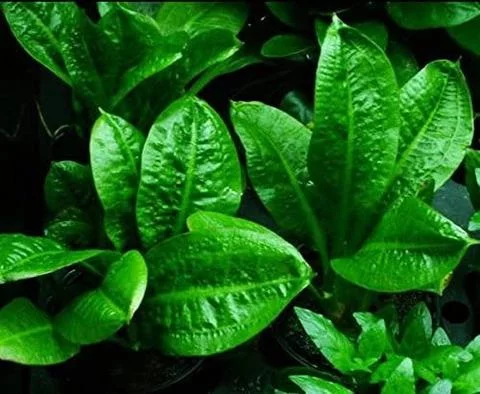
    2. Amazon Sword
    3. Java Fern
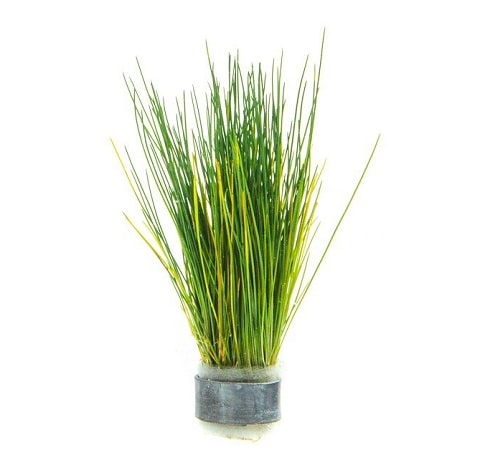
    4. Vallisneria
    5. Christmas Moss
    6. Cryptocoryne wendtii
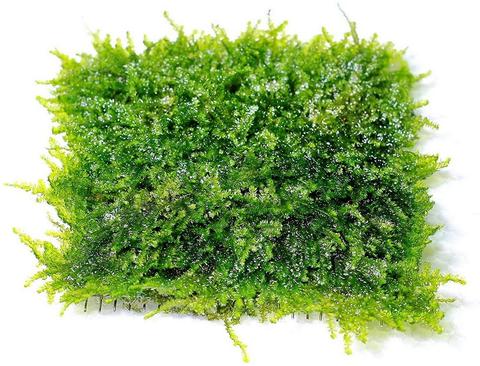
    7. Java Moss

    As for caves, don’t go for flower pots or other manufactured caves with rough edges. Due to the frail barbels of a Zebra Loach, anything that falls in the category of rough-edged objects should be off the list.

    Also, the openings should be large enough to work as a proper hideout free of trapping the fish. However, it should not be too large to look like an open space.

    Tank Maintenance

    Tank maintenance holds as much value to their proper care as things like food and correctly gauged water parameters. A Zebra Loach Botia spends most of its time at the water bottom, making it prone to infections.

    Including weeding out toxins like ammonia and nitrite from the tank, dusting off decorations, trimming off plants, and regularly cleaning rocks and glass help establish a healthy lifestyle within the aquarium community.

    Substrate

    Being a bottom dweller with soft barbels, Botia Striata is used to seep through the substrate to look for food morsels.

    Even if it doesn’t feel the need to do so, a soft substrate is necessary to ensure there’s no rough abrasion between its barbels and substrate.

    Great For Bottom Feeders
    Fine Natural Sand

    Natural sand is excellent for bottom feeder fish to forage around in.

    Click For Best Price Buy On Amazon

    You can layer the base of the tank with sand or soft gravel substrate. Make sure the grains are not too refined or too large for the fish. For planted tanks, planted tank substrate works great and won’t bother your Zebra Loach’s barbels.

    Tank Mates

    For a peaceful fish like Zebra Loach Botia, any similar-sized fish with a friendly attitude will do just fine as a tank mate.

    Zebra Loaches are famous for their social nature. But before I chalk out a whole list of Zebra Loach tank mates, you should understand their behavior first.

    A Zebra Loach sometimes hides behind plants or goes into caves as means of cute mischief. They never harass their tank mates or show territorial aggression. That means that if you have species-specific tanks or a community tank, they will show the same friendly behavior they display in the wild.

    Generally, a Zebra Loach prefers staying with more Zebra Loaches. If you want to go outside of their preferred criteria of a happy home, make sure you don’t add aggressive, larger, or territorial fish to your list.

    Feel free to choose tank mates from the list given below.

    1. Yoyo Loach
    2. Cherry Barb
    3. Neon Tetra
    4. Ember Tetra
    5. Sparkling Gourami
    6. Odessa Tetra
    7. Cory Catfish
    8. Celestial Pearl Danio
    9. Clown Loach
    Pro Tip: While Clown Loaches and Zebra Loaches are good to live together, the size will be a drawback to Clown Loaches. In case you want to house them, get a larger tank to house groups of Clown and Zebra Loaches.

    Poor Tank Mates

    The small size and apparently cordial behavior of a Zebra Loach Botia might trick you into believing that they are safe tank mates for other fish.

    While this is mostly true, a Zebra Loach is known to snack on fish with flowing fins. You should also always avoid freshwater species that threaten their harmony. Here are some tankmates to avoid:

    1. Long-finned Tetras
    2. Bettas
    3. Small Snails

    Breeding Zebra Loaches

    Breeding Zebra Loaches without taking professional help is almost impossible even for advanced-level aquarium hobbyists. Contrary to other freshwater fish species, telling their genders apart is quite demanding. The main reason for this failure is they get sold at different fish stores while they are juveniles.

    Another drawback to breeding Zebra Loaches at home is the inability to have access to hormonal therapies and equipment that commercial breeders use.

    The first step to try to breed them is to determine their sex. There’s not too much information to offer on this subject. But the main difference that is known between male Zebra Loaches and female Zebra Loaches is the rounded body of a female Zebra Loach.

    Male Zebra Loaches can develop a strong coloration of stripes visible on their long noses or snouts, which is another difference known so far.

    Once you’re done with separating the male and the female Zebra Loaches, start pre-conditioning them to breed. Protein-rich diet and raised water temperatures might help with this.

    You can either get the couple a separate breeding tank or breed them in a tank devoid of other fish species. These tiger loaches lay their eggs on leaf litter. Make sure you add a decent amount of it to the breeding tank.

    After this, all you can do is wait for the female to lay eggs. Even today, apart from professional breeders, no one knows how long it takes them to start laying their eggs on their preferred surface.

    Though the chances of successfully getting a Zebra Loach to breed are tough, if you have been successful, separate the parents from the fry as soon as possible.

    Due to uncertainty in their behavior after laying eggs, we can’t really know how they would treat the fry. As with other fish, after the Zebra Loach fry gets hatched, feed them infusoria for a couple of days. Again, you can’t really tell the amount of time the eggs need to keep getting fed on this diet.

    Also, what temperature suits them best is also unknown yet.

    I would recommend not to breed them in a home aquarium unless you are sure that you won’t stress out the fish.

    Food and Diet

    With a Zebra Loach, you don’t have to fuss over what to drop in their tank.

    They are omnivorous fish and bottom dwellers. Whatever you feed them should go straight to the base of the tank for the fish to eat up easily. While commercial foods are not that bad, opting out for cheaper brands would cost you your beloved pet’s life.

    Starting from sinking Catfish pellets, you can design their menu with vegetables like cucumbers, spinach, lettuce, and zucchini. Encouraging minor algae growth will also result in a good variation in their diet. You can lace it up with plant matter that grows on the substrate.

    Feeding Zebra Loaches a protein-rich diet will further help you keep them healthy and happy. You can always rely on bloodworms, daphnia, brine shrimp, mosquito larvae, and earthworms. If you find it hard to get the food down there, use sinking pellets. Apart from this, you can use frozen foods, too.

    Great For Bottom Feeders!
    Hikari Algae Wafers

    Algae wafers are a great way to directly feed your bottom feeding fish. They are especially effective for larger fish like plecos

    Buy On Amazon Buy On Petco

    Before planning out what goes into their tank as their core diet or variation, make sure you know that striped Loaches don’t chase food as actively as their tank mates. It’s always better to feed them at a different time when things are calm in the aquarium.

    Pro Tip: Underfeeding and overfeeding can be some common issues with Zebra Loaches. Feed them twice a day by monitoring who is eating what in the tank.

    Is the Zebra Loach Right for You?

    Before you buy a Zebra Loach, take an honest look at whether your setup and experience level are a good match. This is not about gatekeeping. It is about setting both you and the fish up for success.

    • Experience level: Zebra Loach are a solid choice for beginners. They tolerate a range of conditions and bounce back from minor mistakes. If you are new to fishkeeping, this is a forgiving species to start with.
    • Tank size commitment: A 30-gallon tank is the starting point. This is a mid-size commitment that fits in most homes, but make sure you can handle the water changes and filtration a tank this size requires.
    • Temperament considerations: Zebra Loach can be territorial or aggressive. You need to plan tank mates carefully and provide enough space and cover to reduce conflict. They are not a good fit for peaceful community tanks with small, shy fish.
    • Feeding requirements: Zebra Loach are omnivores that accept a wide range of foods. A quality pellet or flake as a staple, supplemented with frozen or live foods, keeps them healthy and shows off their best coloration.
    • Group requirements: These are schooling fish that need to be kept in groups of 6 or more. Keeping fewer leads to stress, dull coloration, and abnormal behavior. Budget for the full group, not just one or two.
    • Long-term commitment: Make sure you are ready for the full lifespan of this species. Fish are not disposable pets. Research their needs thoroughly before buying, and make sure you can provide consistent care for years to come.

    Common Health Problems

    Botia Striata is a hardy fish with good defensive skills. But damaged water quality, stress, poor food intake, or compromised quality of food can invite some common diseases to your tank. These things can influence Zebra Loach lifespan.

    Knowing the diseases with symptoms and cures will help you get rid of these ailments. In worst cases, the last resort is always taking medication you can find at local fish stores and talking to an experienced hobbyist.

    Skinny Disease

    This ailment is pretty common among the Zebra Loach. Mainly caused by internal parasites, here are some symptoms you should watch out for.

    • Rapid weight loss
    • Loss of color
    • Fins getting clamped or tattered
    • Breathing difficulty
    • Red spots on the fish’s body

    To treat this disease, use antiparasitic drugs like Levamisole.

    Ich

    Ich is another common disease that can attack your pet at any time. An external protozoan parasite causes this ailment.

    Here are some common symptoms:

    • White spots on fins or other body parts
    • Frequent rubbing of the body against sharp objects
    • Loss of appetite

    FAQs

    Where to Buy

    Zebra Loaches are widely available at most local fish stores and online. For healthy, quality stock I recommend checking out Flip Aquatics. They consistently have great fish and back every order with a live arrival guarantee. Dan’s Fish is another solid option with a wide selection of freshwater species.

    This article is part of our Loach Species Directory. Visit the hub page to explore all species care guides.

    Check out our loach tier list video where we rank all the popular loach species for home aquariums:

    How the Zebra Loach Compares to Similar Species

    The most common alternative to the Zebra Loach is the Kuhli Loach, another striped loach option for community tanks. Kuhli Loaches are more secretive and snake-like, while Zebra Loaches are bolder and more active during the day. If you want a loach you actually see, the Zebra Loach is the better pick.

    What It Is Actually Like Living With Zebra Loach

    Zebra loaches are the goldilocks loach. Not too big like clown loaches. Not too shy like kuhli loaches. Not too aggressive like yoyo loaches. They occupy the middle ground in every category, and for a lot of setups, that makes them the perfect choice.

    They investigate everything. New decorations get inspected. New food gets tested cautiously, then devoured. New tankmates get observed from a respectful distance. Zebra loaches are curious without being disruptive.

    The stripe pattern intensifies on dark substrate. On light sand, they look washed out. On black sand or dark brown gravel, the stripes pop. Substrate choice is an aesthetic decision that matters with this species.

    Closing Thoughts

    Woah, went through a lot of info today ๐Ÿ˜…. Thank you for sticking around until the end. Have you kept these loaches before? Share your thoughts in the comments below. I love starting a conversation with my readers. We can all learn from each other and become better aquarists for it. Thank you for stopping by, and see you next time when we publish our next article.

  • Why Is My Goldfish Turning Black? 7 Reasons (and What to Do)

    Why Is My Goldfish Turning Black? 7 Reasons (and What to Do)

    A goldfish turning black is usually the fish telling you something has gone wrong with water quality. I’ve seen this most often when people set up a new tank without properly cycling it first. the black patches are actually melanin being produced in healing tissue after an ammonia spike. That said, a few breeds like black moors and certain telescopes naturally develop dark coloring, so context matters. Here are the 7 most common reasons I see goldfish turning black, and what to do about each one.

    Key Takeaways

    • A goldfish turning black is usually a sign of poor health or stress
    • Ammonia and Nitrite levels are the best things to check on if your fish turns black
    • Healthly goldfish should display great colors, be active, and always are hungry
    • Ensure you feed your goldfish a proper diet to keep it from getting stress or sick

    A Healthy Goldfish

    Before we dive into why your goldfish might be turning black, we need to first establish a baseline of normalcy.

    1) Color. Goldfish come in many colors, shapes, and sizes. Their scales should always be bright and shiny, no matter which breed of goldfish you have. Dullness, cloudiness, or apparent abrasions, are not signs of a healthy goldfish and indicate an underlying problem.

    2) Behavior. A happy goldfish will actively swim across the aquarium searching for food. Sick goldfish will often lay on the bottom of the substrate, and might even show signs of difficulty breathing and staying in an upright position.

    3) Appetite. Eagerness is a great indicator of a happy and healthy goldfish! These fish should always be hungry and searching for food. If your fish becomes less interested during feeding times or stops eating altogether, then something is wrong.

    Goldfish are considered easy fish to keep, but a lot can surprisingly go wrong.

    Why Is My Goldfish Turning Black?

    Your goldfish is turning black due to either water quality issues or illness, or both. In almost all cases of a goldfish turning black, high ammonia levels and subsequent ammonia poisoning are the roots of the cause.

    There are a few other reasons why your goldfish might be turning black, including nitrite poisoning, fin rot, and black spot disease.

    Do Goldfish Turn Black When They’re Sick?

    Yes, goldfish can turn black when they are sick. The main illnesses that cause a goldfish to turn black are fin rot and black spot disease. These black patches may be due to chemical burns, parasites, or other symptoms of the illness.

    Do Goldfish Turn Black When They’re Stressed?

    Yes, goldfish also turn black when they’re stressed. This stress may be due to an illness that has not been listed or may be due to poor water quality. Stress can be caused by illness, incorrect water parameters, incompatible tank mates, or having too many fish in the aquarium.

    Ammonia Poisoning

    Ammonia poisoning is the result of excessively high levels of toxic ammonia being present in the aquarium, leading to burns on the fish’s external and internal organs. Goldfish are very messy fish and many hobbyists struggle with keeping ammonia down in the aquarium; this is the main reason why these fish are not recommended as a beginner species.

    Ammonia should always read as 0 ppm in the cycled aquarium. 5 ppm is about the point where beneficial bacteria become unable to process ammonia entirely.

    Many beginner hobbyists fail to cycle their aquarium fully or overstock their new tank too quickly, overwhelming the bacteria that are responsible for converting ammonia into less toxic compounds. However, high ammonia levels can also come from eventual overstocking, overfeeding, and poor tank maintenance.

    Ammonia is a toxic chemical that burns through the skin and tissue of fish and invertebrates. It can quickly affect internal and external organs, leading to red and inflamed gills, body discoloration, lack of appetite, and lethargy. One of these symptoms could present as dark spots around the gills or on the rest of the body.

    Eventually, organs malfunction to the point of a painful death.

    Luckily, ammonia poisoning is easy to prevent as long as new aquariums are allowed to fully complete the nitrogen cycle1. Mature tanks should have an adequate filtration system for a goldfish bioload and fish tank maintenance should be regular.

    Nitrite Poisoning

    Nitrite poisoning is similar to ammonia poisoning and often follows if water quality is not corrected. Nitrite poisoning is when too much ammonia is converted into toxic nitrite. Nitrite (NO2) binds to hemoglobin, which causes the fish to suffocate.

    Lethargy, difficulty breathing, loss of appetite, and possibly black discoloration could all be a result of nitrite poisoning. The best ways to prevent this from happening are by allowing the aquarium to fully cycle, preventing overstocking the fish tank, and performing regular maintenance to stabilize water parameters.

    Fin Rot

    Fin rot can be caused by bacteria or a fungus, though bacterial fin rot is much more common to see. Though this is considered an illness, fin rot is actually the result of poor water quality.

    Fin rot is most likely to infect fish when the fish is already injured or stressed. The most obvious signs are inflamed and frayed fins. At any point of fin rot, a black vignette may start to form around the edges of the tail, which could make it seem like your fish is changing colors. Unfortunately, this is the rot setting in.

    Lethargy, loss of appetite, clamped fins, abrasions, and discoloration often accompany fin rot. A fungal fin rot infection will have a white, fuzzy appearance instead.

    Black Spot Disease

    Black spot disease is the least probable cause of a goldfish turning black, but this parasitic fluke disease cannot be ruled out entirely.

    Black spot disease is caused by a freshwater fluke parasite from the Neascus genus. Adults enter the aquarium or pond through infected water snails. The parasite’s life cycle then needs to be facilitated by bird droppings, so this disease is nearly impossible to find in the aquarium setting but much more likely to happen in outdoor ponds.

    Once inside the system, the larvae of these parasites burrow into the fish’s skin where the skin then compensates by covering the larvae with a black spot; every speck of black on the body of the fish is a fluke larva.

    In large numbers, black spot disease can easily make it look like your goldfish might be turning black. However, the more apparent the spots, the worse the case of black spot disease. Other symptoms include lethargy, loss of appetite, flashing, and scratching. It is possible for secondary infections to happen due to injury.

    For the most part, black spot disease will clear up on its own due to the nature of the parasite’s life cycle. Aquarium medicines and treatments may be used to facilitate healing but are not usually necessary.

    Will The Black On Your Goldfish Go Away?

    Once the fish’s health has improved, the black on your goldfish will go away. Goldfish are never supposed to change color and don’t have the ability to on a genetic level, such as koi betta fish that have mutating genes.

    It may take a while, but your fish is likely to make a full recovery. That being said, sometimes these stresses and illnesses can cause permanent impairments to fish. This can include scarring, disfigurement, eyesight loss, or discoloration.

    More than likely though, your fish will be back to normal in no time as long as the source of the problem is discovered and treated.

    How To Keep Your Goldfish From Turning Black

    It’s easy to keep your goldfish from turning black. A goldfish developing black spots is either stressed or sick and is not normal. As long as your fish tank is set up correctly, then you should never experience this phenomenon.

    Here is how to ensure that your goldfish never turns any other color than it’s supposed to be!

    1) Fully cycle your goldfish tank. Sadly, goldfish are considered beginner fish, which means that they are often exposed to beginner’s mistakes. The main mistake made is not allowing the aquarium to fully go through the nitrogen cycle. This causes fewer beneficial bacteria to properly convert ammonia to nitrite to nitrate, leading to toxic conditions when fish waste buildup becomes too much. This causes ammonia burns and nitrite poisoning and eventually death.

    2) Use adequate filtration. Goldfish are messy fish, creating a lot of waste and leaving a lot of leftover food. Not to mention they regularly like to dig up plants and decorations and disturb the substrate! It is recommended to have a filter rated for at least 4x the size of the aquarium when keeping goldfish. A large filter will allow for more space for beneficial bacteria to grow, hopefully stopping a goldfish from turning black.

    3) Regular tank maintenance. Most times, a good filtration system is not enough to keep up with the amount of fish waste and uneaten food circulating throughout the aquarium. Goldfish tanks need regular aquarium maintenance. This includes water changes, filter upkeep, and removing uneaten food.

    4) Regularly test water parameters. It’s easy to look in the aquarium and think everything is okay. Many problems in the aquarium don’t become apparent until it’s too late. High ammonia levels can be a silent killer that is otherwise easily preventable. By the time your fish starts to develop black patches and ammonia burns, ammonia will have risen considerably. This can be easily prevented by using an ammonia test kit regularly.

    5) Quarantine new fish. No matter what kind of fish you’re keeping, it is always a good idea to quarantine fish. This allows you to monitor fish health and behavior in a safe quarantine tank over the course of several weeks. Mainly, this will let you safely dose medications to a goldfish turning black without having to worry about killing your other fish or beneficial bacteria.

    6) Provide a healthy diet. Though less likely to happen, goldfish can lose their bright colors from a poor diet. These fish are eager omnivores and need a variety of live, frozen, and freeze-dried foods. Because they’re considered beginner fish, many commercial foods are cheaply made with little nutrition. It is even recommended to get color-enhancing goldfish food to make your fish show their brightest colors without skimping on nutrients.

    Final Thoughts

    It can be scary to see your goldfish turning black. This isn’t normal and indicates that there’s a bigger problem in the system. Usually, this is the result of ammonia burns, nitrite poisoning, fin rot, or black spot disease. Black patches can also be the result of poor water quality or unrelated stress as well.

    Luckily, water parameters can be easily fixed and both fin rot and black spot disease are straightforward to treat. The real solution to keeping your goldfish happy and healthy is setting up an adequately sized aquarium with good filtration and a finished nitrogen cycle.


    ๐Ÿ“˜ Want to learn more? This article is part of our complete Freshwater Fish Guide. your ultimate resource for freshwater species, care tips, tank setup, and more.

    References

  • Chinese Algae Eater: Complete Care Guide (Honest Assessment)

    Chinese Algae Eater: Complete Care Guide (Honest Assessment)

    The Chinese Algae Eater stops eating algae as it matures. Then it starts sucking the slime coat off your other fish. This is not an algae solution. It is a temporary fix that becomes a permanent problem.

    Young Chinese algae eaters eat algae. Adults eat your fish. Plan for both stages.

    Table of Contents

    I’ve had more conversations about Chinese algae eaters than almost any other fish, because they’re one of the most commonly misunderstood species in the hobby. They get sold as algae controllers, people put them in community tanks without thinking twice, and then wonder why their other fish are getting harassed. I’ve seen this pattern repeat for 25 years. This guide is an honest assessment of what they actually are. The good, the bad, and when they do and don’t make sense for your setup.

    Classification

    OrderCypriniformes
    FamilyGyrinocheilidae
    GenusGyrinocheilus
    SpeciesG. Aymonieri (Tirant, 1883)

    The Chinese algae eater has one of the most misleading common names in the hobby. They do eat algae as juveniles, but as they mature. And they can reach 10. 11 inches. They often abandon algae entirely and become territorial, even latching onto flat-bodied fish like angelfish. I want to be straightforward: for most community tanks, I’d recommend a Siamese algae eater or a bristlenose pleco instead. They’re not the same fish despite the similar name. The Siamese algae eater (Crossocheilus oblongus) is the better community option. But if you’ve chosen the Chinese algae eater, here’s what you need to keep it successfully.

    What Most Care Guides Get Wrong About Chinese Algae Eater

    Most care sheets list the minimum tank size for Chinese Algae Eater and call it a day. But a minimum is just that. In my experience, giving them more room changes their behavior completely. You see more natural movement, less stress, and fewer aggression issues. Another thing guides gloss over is temperament. Chinese Algae Eater are often described with a single label, but their behavior shifts depending on tank size, tank mates, and territory. You need to plan for the worst-case scenario, not the best. Group size is another area where most guides fall short. Saying ‘keep them in groups’ is not enough. The difference between keeping 3 and keeping 8 or more is night and day when it comes to coloration, confidence, and natural behavior.

    Key Takeaways

    • Chinese Algae Eaters grow up to 11 inches in the wild. They are not meant for small aquariums
    • They are tropical fish and prefer temperatures from 74-80 degrees
    • They are best in semi-aggressive tanks vs community tanks
    • They will eat algae, but do a better job when young

    What are they?

    The Chinese algae eater, Gyrinocheilus aymonieri, is one of the most popular tropical, freshwater aquarium fish species; Neither due to their striking appearance nor their social behavior, but due to their hard-working nature that helps clean your tank in no time.

    And this is the reason the Chinese algae eater is highly desired and loved by novice and experienced aquarists. In the trade market, it is commonly called Honey sucker or sucking loach.

    First described in 1883 by Tirant, the Chinese algae eater is now found in many areas of Southeast Asia and the Southern side of China. They are native to the mountains of Samrong Tong and Kampong Speu province as well as the Mae Klong, Chao Phraya, Mekong, and Dong Nai river basins of Cambodia, the Yunnan province in China, Laos and Thailand. And in its native countries, the Chinese algae eater is used as a food fish.

    Origin and Habitat

    They are found in many regions of Southeast Asia and Southern parts of China, particularly in the mountains of Samrong Tong and Kampong Speu province as well as the Mae Klong, Chao Phraya, Mekong, and Dong Nai river basins of Cambodia, the Yunnan province in China, Laos and Thailand.

    For aquarium trade, the Chinese algae eaters were first exported to Germany in 1956 and they are very common in the aquarium industry. The distribution of the Chinese algae eater is wide with a considerable decline in the population over the last few years and is threatened in China and Vietnam.

    The Chinese algae eater are found in medium-to-large-sized lakes, rivers, and flooded fields with clear, shallow waters. Their natural habitat is exposed to the Sun with covered substrate and they migrate towards the deeper waters in some seasons.

    Appearance

    They are not kept for their striking appearance because they have long. Elongated light brown bodies with dark stripes on their backs. Like loaches, the mouth of Chinese algae eaters are located underneath or underslung helping them grip rocks and sandy substrate in the aquarium without moving much in the fast-moving waters. It also has many small tubercles or thorns around the mouth.

    What Does A Chinese Algae Eater Eat

    Their bodies are plain with variable color. However, they are commonly found in yellowish brown color with yellow eyes. The common color variations in the Chinese algae eaters are Golden, albino, marble, and lecustic morphs.

    Golden kind

    The Golden algae eater or honey sucker is olive to honey gold in color that may develop black lateral stripes. The belly of the golden Chinese algae eater is pale in color. They thrive in small groups. However, when kept alone, they do just fine.

    Albino kind

    Albino Chinese algae eaters are rare varieties of a Chinese algae eater. They have a pure golden body that lacks any black stripes or spots or dots like other Chinese algae eaters varieties.

    Marble kind

    They have slender bodies that are brownish yellow to golden in color. A dark stripe also runs horizontally through their body which is either solid or broken into spots.

    Lifespan

    When you’re investing in a Chinese algae eater, know that the commitment is long-term. They have an average lifespan of around five to ten years in captivity.

    Average Size

    The Chinese algae eaters are large fish that grows around 11 inches in length in their native regions. However, in captivity, they are much smaller in size. Chinese algae eaters reach around 4 1/2 inches with a few exceptions to reach 5 1/4 inches in captivity.

    The lifespan and average size of the Chinese algae eater largely depend upon the care and environment.

    Care

    Chinese algae eaters are fairly easy to keep and quite hardy. But they are not suitable for community tanks because they are pretty large in size and aggressive which causes a lot of stress in the tank.

    However, like other fish species, they demand ideal water parameters and a tidy substrate to remain happy, healthy, and thriving in an aquarium.

    Aquarium Setup

    When you’re keeping a Chinese algae eater, remember; that when they do the cleaning for you, you must provide them with well-oxygenated water and clean substrate.

    Install a vacuum siphon to clean the substrate of your tank as they are bottom-dwelling fish and spend most of their time digging the substrate. Decomposing matter, nitrates, and phosphates may increase water hardness which is detrimental to the fish. Thus, I recommend replacing 25 to 50% of water at least twice a month.

    I don’t advise removing the biofilm on rocks, decorations, and other objects. You should add a regular algae scraper to keep the glass clean and clear instead.

    Tank Size

    For choosing the ideal tank size, it’s crucial to keep the adult size of Chinese algae eaters in mind. Also, the tank size largely depends on the amount of fish to be kept in an aquarium.

    A young Chinese algae eater would thrive in 30-gallon tank size. However, as adults, when they reach their maximum size, I recommend no less than 55 gallons or more to keep your Chinese algae eaters happy and thriving.

    A 55-gallon tank for adult Chinese algae eaters is the bare minimum. If you’re keeping a group of fish, you need even more space.

    Water Parameters

    The Chinese algae eaters come from areas with warm tropical areas where the temperature remains around 74-80 ยฐF. Here are other important parameters:

    • Water temperature: 74-80 ยฐF
    • pH range: Neutral (6.5 to 7.5)
    • Water hardness: 5 to 19 dGH
    • Water movement: Moderate
    • KH: 8 to 10 KH

    Filtration and Aeration

    Sure, Chinese algae eaters keep your tank clean but they need something to keep the tank clean for them as well.

    And this is why you need a filter in your fish tank. For Chinese algae eaters, I recommend a power filter or canister filter. Both have great features and have a lot of biological filtration that will reduce fish waste. Also, you can add a canister filter or power head to provide the algae eaters with a proper current. But remember to have a tight-fitting cover as this fish swim really fast and can jump when given the chance.

    The Nitrogen Cycle

    Like any other fish tank, Chinese algae eaters have the same nitrogen cycle with a series of biological processes to break down the fish waste and other toxins such as ammonia into nitrates, and nitrites that is eliminated from the water more easily.

    The water conditions should be highly monitored as Chinese algae eaters will die in poor tank conditions. Thus, before adding these fish to the fish tank, make sure you have a mature bacterial colony thriving in your filter. I also advise partial water changes every week to maintain the conditions.

    Lighting

    Lighting isn’t much of a concern for a Chinese algae eater, but you will likely place them in a tank with plants. If you have plants you will want to considered a planted tank lighting system. You don’t need dim lights for these fish. They are tolerate of low light and high intensity lighting.

    Aquatic Plants and Decoration

    The Chinese algae eaters are not finicky about the decorations in their fish tank and they would gladly accept any decorations you add to their aquarium.

    However, their natural habitat has lots and lots of plants so they love an aquarium with many plants. Also, they are very active fish and likes to explore a lot. Thus, I recommend adding lots of caves and crevices, driftwood, twisted roots will also serve as a great retreat.

    Tank Maintenance

    The Chinese algae eaters’ tank develops decomposing organic matter, nitrates, nitrites, and other build-up that may increase the water hardness. Therefore, it is recommended to regularly maintain the tank.

    I advise replacing 25% to 50% of tank water at least twice a month. If you have a group of fish with lots of aquatic plants and decorations, replace 20 to 25% water weekly.

    Substrate

    The substrate in your tank should be rounded and soft since these fish anchor to the surface of your tank with their mouths, the sharp objects might injure your fish.

    I recommend adding boulders, gravel, sand, and areas littered with submerged driftwood and tree roots, and soft sand or gravel mix substrate with lots of stones throughout the tank.

    Community Tank Mates

    As juveniles, they do well in a community tank. However, as adults, they pose a threat to your peaceful freshwater fish because of their size.

    Since they are very large in size, they get territorial and bully their tank mates. Therefore, as adults, try to keep them alone. If you want to keep them in groups, keep a group of at least 5 or more to tame aggression towards the tank mates.

    In community tanks, you can keep them with fast-moving, active fish, such as cyprinids, characids, or similar species, basically any specie that inhabits the upper to the middle level of the tank.

    Breeding

    It is very difficult to breed Chinese algae eaters in captivity. Very little to no successful cases have been reported of breeding or spawning of Chinese algae eaters. If you want to breed them, you need to closely monitor the water parameters and the filtration system; even then, the chances of successful breeding are close to none because it is very difficult to maintain their ideal living conditions

    Also, in terms of sexual differences, the male and female Chinese algae eaters are almost identical which adds to the difficulty in breeding this fish.

    If you want to try your luck breeding the Chinese algae eaters, I suggest placing them in huge tanks to alleviate their aggressive behavior. Also, raising the temperature to 80 ยฐF might help in promoting breeding in Chinese algae eaters. During this whole process, make sure to provide them with optimum water conditions and nutrient-rich diet that may induce the spawning process.

    Again, there are no known cases of breeding Chinese algae eaters in captivity, so it all depends on your luck.

    Food and Diet

    The Chinese algae eaters are omnivores. However, when they are young, they prefer a herbivorous diet consisting of algae and plant matter. You can also feed them live or frozen food and flake foods (video source).

    Adult Chinese algae eater eat algae, small crustaceans, insect larvae, and scales of other fish.

    I recommend feeding them premium quality flake food with fresh plant matter and algae wafers. You can also offer them crushed lettuce and spinach, shelled peas, cucumbers, chopped fruits occassionaly.

    To improve the overall health and coloration, I recommend feeding them with small live or frozen foods such as bloodworms, brine shrimp, Daphnia.

    Feed them regularly and offer algae wafers every alternate day. Many aquarists claim that Chinese algae eater stops eating algae as soon as it tastes fish food, so don’t worry about it and offer them every food.

    Is the Chinese Algae Eater Right for You?

    Before you buy a Chinese Algae Eater, take an honest look at whether your setup and experience level are a good match. This is not about gatekeeping. It is about setting both you and the fish up for success.

    • Experience level: Chinese Algae Eater are a solid choice for beginners. They tolerate a range of conditions and bounce back from minor mistakes. If you are new to fishkeeping, this is a forgiving species to start with.
    • Tank size commitment: A 55-gallon tank is the starting point. This is a mid-size commitment that fits in most homes, but make sure you can handle the water changes and filtration a tank this size requires.
    • Temperament considerations: Chinese Algae Eater is territorial or aggressive. You need to plan tank mates carefully and provide enough space and cover to reduce conflict. They are not a good fit for peaceful community tanks with small, shy fish.
    • Feeding requirements: Chinese Algae Eater are omnivores that accept a wide range of foods. A quality pellet or flake as a staple, supplemented with frozen or live foods, keeps them healthy and shows off their best coloration.
    • Group requirements: These are schooling fish that need to be kept in groups of 6 or more. Keeping fewer leads to stress, dull coloration, and abnormal behavior. Budget for the full group, not just one or two.
    • Long-term commitment: Make sure you are ready for the full lifespan of this species. Fish are not disposable pets. Research their needs thoroughly before buying, and make sure you can provide consistent care for years to come.

    Common Health Problems & Diseases

    Chinese Algae Eaters have a scaleless belly and are prone to disease, so take caution when introducing these fish to an established tank. They are also very sensitive to medications used to treat many diseases, so a separate hospital tank is needed. Cold water and condition changes can also stress these fish and make them prone to disease. Remember that any additions to a tank, such as new fish, plants, substrates, and decorations, can introduce disease. Properly clean or quarantine anything you want to add to an established tank so as not to upset the balance.

    These fish are very resilient, but knowing the signs of illness, and catching and treating them early makes a huge difference. An outbreak of disease can often be limited to just one or a few fishes if dealt with at an early stage. The best way to proactively prevent disease is to give your fish the proper environment and a well-balanced diet. The more closely their environment resembles their natural habitat, the less stress the fish will have, making them healthier and happier. A stressed fish is more likely to acquire disease.

    FAQS

    Are they good?

    Yes, Chinese algae eaters are excellent aquarium fish that are fast-swimming species and hardy freshwater fish. They also keep the algae growth at bay in your freshwater fish aquarium. Appearance-wise, they are not the most colorful fish you would expect in your aquarium, but their instinct to keep the aquarium clean makes them an ideal choice for aquarists.

    How do you take care of them?

    Chinese algae eater care is fairly easy. They are very hardy fish species and don’t get ill easily. However, they are not compatible fish for community tanks. That’s because they are pretty large in size as adults and prefer solitude. They can also show some signs of aggression towards small, peaceful fish.

    The water parameters, i.e., water temperature, water hardness, and pH range should be maintained to keep them healthy and thriving. They also appreciate a neat and clean substrate to dig into. Thus, an efficient aquarium filter is essential for their tank.

    Are they a Pleco?

    Plecos or Hypostomus plecostomus also eat algae and control algae growth in your tank. However, they are not Chinese algae eaters. They belong to different families and classes. But they do get along with each other well.

    Thus, if you’re planning to keep them together, you can place them in the same tank considering the tank should be huge because they both are large fish that need a proper environment and filtration system in tanks.

    How big do the Golden ones get?

    The golden Chinese algae eater grows up to 12 inches or 30 cm in length. An aquarium size of around 150 liters and above is recommended for Golden algae eaters with enough plants and tank decorations for hiding places.

    How much space do they need?

    It depends on the age of Chinese algae eaters. Juvenile Chinese algae eaters need at least a 30-gallon tank size to thrive in their tank. While adults need at least 55 gallons or more to remain happy and healthy. Also, the tank size depends on how many fish are in the tank. If you’re opting for two or more, you need to increase the size of your tank.

    What do adult ones eat?

    The best part about raising Chinese algae eaters is they don’t require much effort and time when it comes to food. Since they are natural scavengers, they spend most of their time foraging the substrate for food and nutrition. They feed on zooplankton, bacteria, and detritus.

    However, as they age, the fish’s diet also changes. Adults don’t prefer algae as such and feed on protein sources such as maggots and insect larvae, brine shrimp to remain active and healthy

    Can they live together?

    Chinese algae eaters are not social animals. They are solitary and mind their own business. They don’t enjoy being in a community tank and neither do they like fish from their own species. Chinese algae eater takes other Chinese algae eaters as a potential threat and they will fight if housed together in the same aquarium.

    Therefore, you should avoid keeping other bottom dwellers in their tanks. Go for top- or middle-dwellers to avoid fights and aggression in your tank.

    Are they good in a community tank?

    No, they are not good community tank species. They get too large and can display aggression to smaller fish. A smaller sucker fish like a Oto fish would be more ideal in a community fish tank.

    Final Thoughts

    Chinese Algae Eaters are a great fish for larger tanks or semi-aggressive setups. They have great personalities and will do a good job at eating algae when they are small. However, they is difficult to breed. Have you kept a Chinese Algae Eater before? Let us know in the comments!

  • 100+ Fish Puns That Are Seriously Fin-tastic

    100+ Fish Puns That Are Seriously Fin-tastic

    After 25 years in the hobby and a YouTube channel where I talk about fish almost every day, I’ve somehow accumulated more fish puns than I should probably admit to. My team finally convinced me to compile them. Some are genuinely clever. Some are terrible. All of them are exactly what you’d expect from someone who has spent decades obsessing over aquarium fish. Here are 100+ fish puns for fellow fish keepers with a sense of humor.

    Fish Puns

    Let’s get started with a hilarious list of fish puns that you can use with your fish-keeping friends. We’ve got a carp-load of puns for you (carp is a fish, duh!).

    Let me take this oppor-tuna-ty to warn you though, that some of these puns are a little fishy. The fun doesn’t stop there though, if you make it through this list of clever fish puns, there are a ton more funny fish jokes to enjoy.

    Get ready for some funny fish puns!

    • They say you can tune a bass but you can’t tuna-fish
    • This pun seems a bit fishy, doesn’t it?
    • We are really on fin ice with this fish pun
    • Oh, I’m just squidding around!
    • Would you let minnow what you think of this pun?
    • Got any jokes? You betta believe it!
    • O-fish-al puns only
    • He’s not a baiting man
    • For heaven’s hake
    • This cod be the best fish pun of all!
    • My gill-friend says these puns are terrible
    • That fish was found gill-ty of spreading fish-ious rumors
    • You could say his behavior was a-trout-cious
    • She wouldn’t be cod dead participating in any-fin so fishy in a krill-ion years
    • Walleye don’t know what all the fuss is about
    • It’s not the time or the plaice for fishy jokes
    • Sharkasm is the lowest form of wit
    • He never takes responsibility, it’s always salmon else’s fault
    • Hmm, this guppy is a little fishy
    • Quick, salmon call a doctor!
    • Don’t use a loan shark, borrow from the river bank
    • Slobsters are the laziest fish
    • What a pain in the bass
    • Use a strong filter in all your tanks to avoid turtle disaster
    • Carp-e-Diem is an easy fish pun
    • Don’t be so shellfish, share these puns with your friends
    • Cod you hand me that net? Tanks a gillion!
    • The starfish is the most famous sea creature
    • The codfather is the top fish boss and the most notorious of the lobsters
    • Shy fish are always so koi
    • Fish DJs drop the bass
    • This is a great oppor-tuna-ty to learn new jokes
    • Clownfish are my arch-Nemo-sis
    • Always do your stretches so you don’t pull a mussel
    • Any reef keeper worth their salt knows that
    • I’m reeferring to saltwater fish-keepers
    • Did you know? Most fish occurs between the head and the tail
    • He did it just for the halibut!
    • Depressed fish should sea kelp immediately
    • You don’t need to be a brain sturgeon to get these fishy jokes
    • These fish jokes are very punny!
    • It’s getting whaley whaley bad now
    • There’s something a bit fishy about this seafood restaurant
    • Did you hear about the guy who ate bad sushi? He got salmonella
    • All these fishy jokes are giving me a haddock
    • Take your time, mullet over, and get back to me
    • The sea is my sole provider
    • Most fish like their food a little worm
    • Amateur tetras always get schooled
    • Most bottom feeders dropped out of school
    • Fish scales weigh the most
    • Hair algae is a real pain in the wrasse
    • With friends like these, who needs anemones?
    • So-fish-ticated guppies always wear suits and ties
    • Swordfishes also dress sharply
    • Elephant fish wear trunks
    • Let’s get trout of here!
    • Sit your wrasse down
    • Fish-keeping is so much fin!
    • Dear cod, not another fish pun
    • Dear cod, I laughed
    • This pun is a clamity
    • I can’t take any moray of these eely bad puns
    • Parasites are rid-ich-ulous
    • These puns are really krilling me
    • Caviar is the most roe-mantic food
    • Starfishes only come out at night
    • He has more tanks than the military
    • I’m looking for someone else to mussel
    • Walk the plankton
    • Oh no the puns are fin-ished
    • Keep your friends close, and your anemones closer
    • You betta believe it!
    • Eat Cray Love!

    Holy mackerel that was a lot of fish puns! Alright, it’s time to scale back on all these fish puns and move on to some-fin a little different. In this next section, we’ll be laying down the ultimate list of fish jokes that incorporate fish puns. Stay tuna’d for the ultimate list of fish jokes to split your gills!

    Jokes

    If you think that was too many fish puns, we’re only just getting started! Sure, some of those fish puns were below sea level, but these fin-tastic fish-pun-filled jokes are sure to get you smiling!

    Let’s get Kraken!

    • How do you make an octopus laugh?

    Give it ten-tickles!

    • What is the funniest fish?

    The clownfish

    • What do bored fish do? They watch tele-fish-ion
    • What’s a guppy’s favorite TV show? Tuna half men
    • What’s a kid guppy’s favorite show? They prefer cartunas
    • Who is a fish’s favorite action hero? Pond, James Pond
    • Why didn’t the oyster twins share these jokes? They were too shellfish to share

    Health Jokes

    All good aquarists take pride in keeping their fish happy and healthy. Let’s take a look at the light side of the hobby with these funny fish jokes.

    • What should you call a fish with no eyes? A fsh has no ‘I’s
    • What do you call a short-sighted fish? A fish-ually impaired fish
    • What do you call a fish that’s hard of hearing? Herring-impaired fish don’t hear so well
    • What do you call a fish without its herring aid? Anything you want, it can’t hear you
    • How do you take care of a fish with a cold? Give sick fish worm soup and vitamin sea
    • What do you do with a sick fish? Take sick fish to the weterinarian
    • What do you do with a really sick fish? You call a clambulance with your shell phone
    • Where do you take a shark with a head injury? Straight to a brain sturgeon
    • Where do you take a pirana with bad teeth? The orca-dontist
    • Why did the snail faint? It was shell-shocked
    • How do fish stay in shape? They have their own scales
    • Which fish have 9 lives? Catfish have nine lives

    Fish And The Law

    It’s o-fish-all, these are the best fishy law jokes on the net!

    • What should a fish do to avoid getting caught? Keep its mouth shut
    • What do police do with criminal shrimp? Law-breaking shrimp are taken down to the crust-station for questioning
    • What do fish judges do? Fish judges balance the scales of justice
    • What’s the difference between a lawyer and a pleco? A lawyer is a scum-sucking scavenger and a pleco is just a fish
    • Who was the most dangerous fish in the sea? Jack the kipper was the most feared fish in all the sea
    • Why do octopuses make the best soldiers? They’re heavily armed (Especially in tanks)

    Schooling Fish

    Are you hooked on fish puns? Fish can be smarter than they look. Polyp a chair, because these jokes are all about fish education. You’re about to be schooled!

    • Why do Fish swim in schools? Fish swim in schools because they can’t walk
    • Why are fish so smart? Because they live in schools, of course!
    • What kind of fish is not smart? The dumb bass is not a very smart fish
    • Why did the teenage fish get bad grades? He was on his shell-phone all day long
    • What did his teacher do? She decided to con-fish-scate it and send him to the offish
    • Have you heard about the illiterate fisherman? He got lost at C

    Everyday Fish Life

    Whale whale whale, I sea you’re still with us! It’s fun to think about fish as if they were people, isn’t it? This next collection of fishy jokes is sure to make you laugh out loud, so keep clam and read on.

    • How do fish get to work? They ride a motor pike
    • How do fish make their cars go faster? They turbot-charge them!
    • How do fish get to school? Young fish take the octo-bus to school
    • Which fish work in balloon factories? Blowfish always get the job
    • What do cowboys of the sea ride? Sea cowboys scallop around on seahorses. Yee-ha!
    • What’s a fish’s favorite music? Drum and bass is a fish’s favorite music
    • Where do tired fish sleep? Tired fish sleep on the seabed
    • How do you call a fish? The best way to get in touch with a fish is to drop it a line with your shell phone
    • How do you get hold of a fish after office hours? Ask someone to hand it to you
    • What did the hopeful fish say to his girlfriend? He asked: ‘Your plaice or mine?’
    • What’s a fish’s favorite instrument? The bass drum is a fish’s favorite musical instrument
    • What kind of fish can you find in apartments? Flatfish live in apartments
    • Where do Brazillian fish wash their fins? Brazillian fish wash their fins in the Amazon river basin
    • Why do reef fish live in saltwater? They would live in pepper water but it makes them sneeze
    • How do you age a goldfish? Take away its ‘G’

    Fish and Money

    Holy carp, the only thing more shocking than those jokes is an electric eel. But wait, there’s more. Check out these fishy jokes about fish and money!

    • Which fish has the highest price tag? The goldfish is the most expensive fish in the world
    • What’s the second most expensive fish in the world? Silver dollars
    • What is the third most expensive fish in the world? The bronze cory
    • What is printed in the middle of a fish dollar bill? ‘In cod we trust’
    • Where do fish go to get their loans? Fish get loans from the river bank
    • Where do ladyfish keep their money? Ladyfish keep their money in an octo-purse
    • Where do male fish keep their money? Male fish keep their cash in a walleye-t
    • Why did the fisherman close his business? Unfortunately, the unlucky fisherman made a net loss
    • Why did the shark drop out of college? The shark dropped out because he just couldn’t mako it
    • Where do fish sell their stuff? Fish sell their used goods down at the prawn shop

    Fish Food Jokes

    We all know fish need a healthy balanced diet. But do you know what your fish’s favorite food is? Let’s hear what the fish say!

    • What’s a fish’s favorite sandwich? Fish love peanut butter and jellyfish sandwiches
    • What do fish eat on the weekends? They get together with their pals for barbeque gills
    • What does moby dick eat? Moby dick ate fish and ships!
    • What do fish eat on their birthdays? Fish eat fishcakes on their birthdays
    • What do you tell a fish on its birthday? Happy birthday, best fishes, and many more
    • Why did the fishy chef make tons of fish eye soup? The chef made tons of fish eye soup because he thought it would see him through the winter
    • Why don’t they serve guppies at seafood restaurants? Seafood restaurants have much bigger fish to fry
    • So this gasping fish walks into a bar…Barman: What can I get you?Fish: Water! I need water!
    • Which fish drink the most? Beer-acudas are always getting drunk and rowdy
    • Which day do fish fear the most? Fryday is the most dangerous day for fish

    Best Of The Rest

    Wow, these fish jokes are really Kraken me up! Here are a bunch more funny fish jokes that you can share with your friends.

    • Which fish never stop talking? Big-mouthed bass never shut up
    • Where do starfish live? Starfish live way out in trouter-space
    • What is the smelliest fish in the ocean? The stink ray is the worst smelling fish in the sea
    • What did the fish say when his friend swam into a wall? Dam!
    • Which fish pray the most? Monkfish and holy mackerel pray the most
    • Which fish live in heaven? Angelfish live in heaven
    • What’s a fish’s favorite hymn? I once was lobster, but now I’m flounder
    • Why did the fish blush? It was in a bare-bottom aquarium
    • What do fish magicians say? Pick a cod, any cod
    • What comes after a goldfish? A silverfish comes after a goldfish

    Knock knock Jokes

    Ah, the good old knock-knock joke. Here are three hilarious fish knock-knock jokes that you can share!

    Knock knock!

    Who’s there?

    A fish

    A fish who?

    Bless you dear

    Knock knock!

    Who’s there?

    Fish tank

    Fish tank who?

    You’re welcome

    Knock knock!

    Who’s there?

    Artie fish

    Artie fish who?

    Artie fish-al intelligence

    Final Thoughts

    Whale, that’s all folks. I hope you enjoyed this funny fish post. Remember, don’t be shellfish, share the fun with your friends and family. Tanks for stopping by and be sure to tuna in next time for more great fishy content! Follow us on YouTube if you like our content. We will be expanding this year!

    Do you have your own fish puns? Let minnow in the comments below!
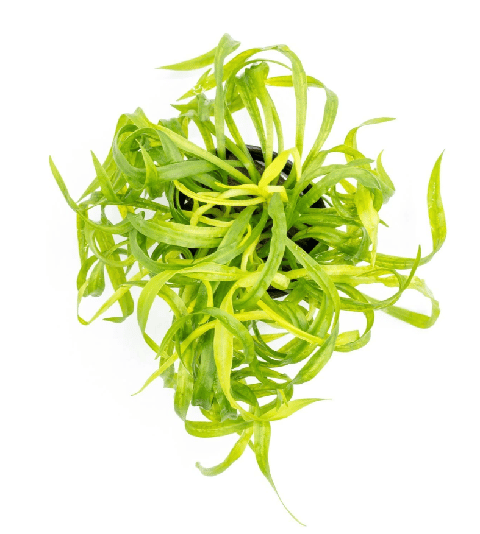
  • Scarlet Badis: Complete Care Guide (Dario dario)

    Scarlet Badis: Complete Care Guide (Dario dario)

    Scarlet Badis are micro predators that refuse flake food. They need live or frozen foods and they are so small that larger tankmates outcompete them at every meal.

    Scarlet badis are one of the most colorful nano fish alive. They are also one of the pickiest eaters.

    Table of Contents

    The Scarlet Badis is a nano tank specialist that rewards patient, detail-oriented keepers. This is not a fish you throw in a community tank and forget about. After years of keeping micro species, I know what this fish actually needs to show its best colors and behavior.

    In a nano tank, every detail matters. There is no room for shortcuts.

    Keeping Scarlet Badis long-term requires consistent water quality, proper diet, and a tank that meets their specific needs. This is not a set-and-forget species.

    When kept right, the Scarlet Badis is one of those fish that makes the entire hobby worth it.

    Scarlet Badis (Dario dario) are one of the most visually spectacular micro fish in the hobby. Those red-and-blue stripes on the males are extraordinary for a fish that barely reaches an inch in length. I recommend them to experienced nano tank keepers, with emphasis on “experienced.” They’re notoriously picky eaters. Many refuse dry food entirely and need live or frozen foods like micro worms or baby brine shrimp. They also do best in species-only setups or with very small, peaceful tank mates that won’t outcompete them at feeding time. Here’s the full care guide.

    What Most Care Guides Get Wrong About Scarlet Badis

    Want an easy community fish? This is not it. Want a species that rewards dedicated care? The Scarlet Badis delivers if you put in the work.

    A lot of guides suggest Scarlet Badis can go in practically any nano tank. That is technically true, but a cramped setup leads to stress and shorter lifespans. Even small fish benefit from a bit of extra space and stable water chemistry that comes with slightly larger volumes. Another thing guides gloss over is temperament. Scarlet Badis are often described with a single label, but their behavior shifts depending on tank size, tank mates, and territory. You need to plan for the worst-case scenario, not the best. Group size is another area where most guides fall short. Saying ‘keep them in groups’ is not enough. The difference between keeping 3 and keeping 8 or more is night and day when it comes to coloration, confidence, and natural behavior.

    The Reality of Keeping Scarlet Badis

    This species has specific needs most generic guides skip. The Scarlet Badis does not thrive in average community conditions. It needs targeted water parameters, the right diet, and compatible tank mates. Half-measures lead to chronic stress and shortened lifespans.

    Observation is your best tool. Watch this fish daily. Changes in color, activity level, or feeding response tell you more about water quality and health than any test kit alone.

    Long-term success requires consistency. Regular maintenance, stable parameters, and a consistent feeding schedule are the foundation of keeping the Scarlet Badis healthy for years.

    Biggest Mistake New Owners Make

    Treating this fish like a generic community species. The Scarlet Badis has specific requirements that differ from the typical tropical fish setup. Ignoring those differences leads to problems within the first few months.

    Expert Take

    After 25 years of keeping Scarlet Badis, the single most important factor is consistency. Stable parameters, regular feeding, and a maintenance schedule you actually follow matter more than any piece of equipment.

    Key Takeaways

    • Scarlet Badis are nano fish that can do well in tanks as small as 5 gallons
    • Males have extended dorsal, anal, and pelvic fins, with the females having little to no prominence
    • They are one of the smallest fish species in the hobby growing to less than an inch long

    An Overview

    Scientific NameDario Dario
    Common NamesScarlet Badis, Rainbow Badis, Scarlet Gem Badis, Bengal Badis
    FamilyBadidae
    OriginBrahmaputra River, West Bengal, India
    DietOmnivore
    Care LevelIntermediate
    ActivityActive
    LifespanUp to 6 years
    TemperamentPeaceful
    Tank LevelBottom
    Minimum Tank Size10 gallons
    Temperature Range70-79 Fยฐ
    Water Hardness2 to 15 KH
    pH Range6.6 to 7.5
    Filtration/Water FlowLow
    Water TypeFreshwater
    BreedingEgg layer
    Difficulty to BreedEasy
    CompatibilityCommunity aquariums
    OK, for Planted Tanks?Yes

    Classification

    OrderPerciformes
    FamilyBadidae
    GenusDario
    SpeciesD. Dario (Hamilton, 1822)

    What are they?

    Scarlet Badis are freshwater fish species from the Badidae family. They technically go with the name Dario Danio. You can commonly refer to them as Rainbow Rainbow Badis or Scarlet Gem Badis.

    If youโ€™re here to look for a variation in your observing routine, they fit the role perfectly well. Aside from their active nature, they understand the assignment of bringing a rich diversity of colors to dull community tanks.

    Scarlet Badis appreciate staying in groups. But territorial aggression is very common among males. Other than that, they canโ€™t put up with substandard water quality. This is the core reason I donโ€™t recommend them to new fish keepers.

    Origin and Habitat

    Scarlet Badis hail from shallow rivers and streams draining into the Brahmaputra River located in West Bengal, India.

    You can also find them scattered occasionally across other Indian regions with the same water conditions that they are naturally intimate with.

    According to resources, out of 100 species that were discovered by the Scottish Physician named Francis Buchanan, Scarlet Badis was one of those.

    In their natural habitat which primarily consists of freshwater, another essential thing that adds to their healthy survival is dense vegetation.

    Appearance

    Scarlet Badis are very small fish that is oftentimes a strong drawback for many fish keepers. But being tiny doesn’t stop them from having distinctive physical features.

    Scarlet Badis

    Before we delve into how they look, what are the main differences between males and females, and what physical characteristics set them apart, I want you to know a couple of things.

    Scarlet Badis are rare fish in the aquarium trade. They are sold out as soon as there is any availability. Another essential thing to know is the inability to tell their genders apart at the time of making a purchase.

    Young Scarlet Badis look alike. As a result, you can’t differentiate between a male and a female until they grow enough to develop visible color pattern differences.

    In a young Scarlet Badis, you notice a common color variation of bright red, burning orange, or dull grayish shade. Any of these shades can cover their whole body including the abdomen areas.

    Excluding their bands, the interesting part about them is the sitting of their fins. They have their dorsal fins and ventral fins starting at the same point.

    The dorsal fin continues lengthwise towards their back with an addition of minor prominence in height at the end.

    Then comes their caudal fin that looks spherical. The size of their caudal fins is identical to the mid-length of their bodies.

    Starting from there, you see a set of vertical bands starting from around the front part of their dorsal fins. There are approximately seven stripes on their sides that stretch towards their fins.

    The fins are outlined with a white shade, with their ventral fins marked with light bluish-white hues.

    Coming back to their stripes, you see them evenly spaced out with up to 7-8 blue lines which also extend towards their fins. The shade of their stripes can depend on the base color of a Scarlet Badis fish.

    While spawning, Scarlet Badis species grow a brighter shade, especially the males.              

    This is their typical color variation. However, they can grow a thin orange shade running alongside their sides, too.

    Male and Female Differences

    Now comes knowing the basics of identification differences between males and females. Scarlet Badis are sexually dimorphic.

    Sexual dimorphism includes the distinction between their colors and fins. The male Scarlet Badis feature bold colors. They are either bright red or orange. On the other hand, the females only give a grayish shade or a dull orangish shade.

    Also, males have extended dorsal, anal, and pelvic fins, with the females having little to no prominence.  The fins of males are outlined with a soft blue shade covering mostly their dorsal and caudal fins.

    The edge color is highly pronounced on their ventral fins which hang pretty low.

    While the females do not feature any prominent physical characteristics, they have red and blue spots scattered across their bodies. Again compared to their male counterparts, the vividness is weak.

    The females go as big as 0.79 inches with the males growing up to 0.51 inches in length.

    Overall, Scarlet Badis are famous for their outlined fins. This feature adds to their beauty especially when they are swimming.

    Types – 3 Different Varieties

    There are currently 5 species in the genus Dario.

    Since Scarlet Badis are small fish, it gets pretty demanding to distinguish them from other fish types with the same or similar body coloration.

    1. Dario Dayingensis

    • Origin: Yunnan, China
    • Size: 2.2 cm (Males) 2.1 cm (females)
    • Unique Traits: Palatine teeth, black blotch in males

    There are some differences between Dario Dayingensis and Dario Dario. Fish from this species don’t have blue outlined fins. They do have the same burning orange as their main body color but lack stripes on the sides as well.

    2. Dario Hysgnion

    • Origin: Southeast Asia
    • Size: 2 cm (males), 1.5 cm (females)
    • Unique Traits: Bright Red body coloration

    This is another similar-looking fish from the same family Bidadae. As compared to other fish, the males look scarlet and have extended pelvic, dorsal, and anal fins. Since they are quite rare, there’s not much information on their subject to offer (video source).

    3. Dario Urops

    • Origin: Western Ghats, Southern India
    • Size: 1.5 to 3 cm
    • Unique Traits: Golden Body with orange-outlined eye

    This is relatively a new species originating from a small river located in Barapole Tributary of Valapattanam river, Kerala. Similar to Dario Dayingensis, they also feature black blotch on the caudal fin with a horizontal stripe. The males of these species have dorsal fins limited to their fin spines.

    These species are easy to distinguish from Scarlet Badis by looking at their size differences, color variations, and presence of any unique trait as I mentioned in their respective profiles.

    Scarlet Badis have more prominent fins, dorsal rays, and rounded caudal fins.

    Lifespan

    The average lifespan of a Scarlet Badis is around 6 years. Their life expectancy might improve with how you understand their natural environment conditions and with what level of care you put into their overall maintenance.

    Average Size

    Scarlet Badis go only as big as 0.79 inches, making them one of the smallest percoid fish species. Females are even smaller than males. They are 0.51 inches long.

    Care

    Unless you give these freshwater fish a strong copy of their natural environment, they will always shy away from social gatherings, healthy activities, and even food.

    Don’t worry! Keeping Scarlet Badis happy is pretty simple once you know your way around them.

    Before you construct their habitat, you have to understand certain things directly involved in their overall maintenance. Their ability to withstand poor water quality is zero. You have to give them fresh water to thrive, which includes frequent water changes.

    The males will go aggressive with their male counterparts. They are highly territorial though less aggressive overall. These apparently peaceful fish can fight each other to death to win over any specific area.

    Another important thing is their preference for thick vegetation. Scarlet Badis natural habitat has active plant life. While setting up their habitat, you have to focus on the quality and quantity of plants you give them.

    Aquarium Setup

    One of the easiest ways to make your pet happy is to give them a homely effect in their new environment.

    Some fish can quickly adapt to environmental changes while others find it hard. To ensure that every individual fish is happy with its new home, you need to pay attention to major and minor details of their natural habitats.

    Scarlet Badis inhabit areas where water is clear and shallow with lots of plants and hiding spaces.

    These fish are shy. It takes them considerable time to blend in with other fish or even get comfortable with their own specimen. Caves and heavily planted tanks can help them with feeling protected.

    While setting up their aquarium, make sure the water flow is low.

    Tank Size

    , there are two ways you can keep these freshwater fish. You can either keep them in small tanks without adding fish from other species or get them a larger tank where you can go in a community setting.

    If you have a small tank, which is good for beginners, you can house a set of 3-4 Scarlet Badis. The aquarium size should be 10 gallons for this setting. But if you have other plans, you can get a larger tank like a 20-gallon tank for a group of 10 Scarlet Badis. Make sure the males are not more than 4.

    But this is not the sole reason I want to put stress on it. As I mentioned earlier, males are designed to display territorial aggression. It can become tough to manage huge numbers of fish if you have a small tank.

    A larger tank will give the males enough space to build their territories without harassing other males. Fighting each other to death is very typical of a male Scarlet Badis. Make sure you handle them the right way in both small and large tanks.

    Scarlet Badis are shy, except for the males acting aggressively.

    If you have too small a tank, these fish will feel threatened by other similar-sized or larger fish. The last resort will always be hiding in caves. Unlike most fish, they are not that active in eating. Smaller tanks with several males or different fish will force them into staying out of sight, leading them to starve or take severe stress.

    Water parameters

    When it comes to one of the main elements of Scarlet Badis care, the right water parameters are always on top.

    They are familiar with water that is slightly acidic, ranging between 6.5 to 7.5. Keep water temperature around 70 Fยฐ to 79 Fยฐ, with water hardness somewhere between 2 to 15 KH. An aquarium heater may be required if you keep other tropical fish.

    Filtration and Aeration

    To keep their ecosystem intact, a strong filtration system will help you. Scarlet Badis are freshwater fish and highly susceptible to dirty water.

    The system you go for will solely depend on the type of aquarium you are planning to get.

    For nano tanks, you don’t need strong filtration systems. A standard sponge filter will work fine. Even if you have a large home aquarium, make sure the filter you use doesn’t create strong water currents.

    Editor’s Choice
    Hikari Bacto Surge Sponge Filter

    The Best Sponge Filter

    With a name brand and high quality reputation, the Bacto Surge separates itself from the pack

    Buy On Chewy Buy On Amazon

    Add live plants to boost oxygenation levels. Also, change your water regularly to ensure there are no toxins in the tank secretly and gradually attacking your Scarlet Badis.

    Don’t forget to test water parameters frequently. This will help you get an idea of how you should adjust the parameters.

    Lighting

    In the wild, they stay under the water, hiding from strong exposure to lighting. Since this is what they prefer, you can use light LED lights to monitor them without disturbing their peace and daily activities.

    I would also recommend you expose your tank to natural light. This will help the live plants grow and give them a fresh environment.

    Aquatic Plants and Decorations

    Properly adjusted water parameters and active plant life work side by side for the overall well-being of Scarlet Badis.

    If you go through their natural habitat, there is a lot of vegetation these freshwater fish use. Scarlet Badis use plants as a good hiding space from predators or for taking casual naps by staying under them.

    They also establish their territories using plants. And during the breeding season, another function of live plants is carrying their eggs.

    If you fail to give Scarlet Badis dense vegetation, it will cause extreme stress to the fish, leading them to act aggressively and unusually timid.

    Here are some great recommendations for plants you can also find in their natural environment.

    With introducing live plants, don’t overlook adding caves as additional hideouts. Make sure the caves are not too big or too small. Smooth-surfaced caves are good for fish with delicate bodies. Make sure you’re not using manufactured caves with jagged edges.

    Tank Maintenance

    If you are doing everything to give Scarlet Badis a healthy environment but not cleaning the tank, thereโ€™s no good.

    To curtail their chances of going ill, you need to clean out almost everything you put in Scarlet Badis tank. From swapping out old water with new to trimming plants and washing out caves, everything holds importance.

    How to clean their Tank

    1. Take our aquarium rocks and caves and use a clean toothbrush to remove debris and alage. Wash with aquarium water.
    2. Trim plants occasionally and donโ€™t forget to weed out waste plant material from the tank.
    3. Rub the aquarium walls off with something mild, then use lukewarm water for further cleanness.
    4. Make sure you donโ€™t leave the corners where the dirt can cling easily for longer.

    Substrate

    Scarlet Badis do well with any type of substrate. But if you want to give them an exact copy of their natural habitat, consider using the sandy substrate.

    They spend more than half of their time exploring the bottom levels. Even if they travel to the middle levels, that happens only once in a long while.

    Community Tank Mates

    Temperament plays a major role in helping them fit in a community tank. Anything that brings them stress curtails their healthy activities and eventually their lifespan.

    Scarlet Badis are peaceful fish with a calm predatory nature. They don’t attack fish that are their size or even smaller. But male Scarlet Badis go really wild if they feel threatened to get their territory snatched away.

    Before you chalk out a list of some ideal Scarlet Badis tank mates, don’t forget to do proper research on every individual fish. Things like temperament, water parameters, and ability to stay out of the lane of their potential tank mates should be at the forefront of your mind.

    Here’s a list of some of the best tank mates you can try out.

    1. Sparking Gouramis
    2. Chili Rasbora
    3. Danio Fish
    4. Dwarf Shrimp
    5. Kuhli Loaches
    6. Other Scarlet Badis
    7. Pea Puffer
    8. Chocolate Gouramis
    9. Pygmy Corydoras
    10. Otocinclus
    11. Galaxy Rasboras
    12. Guppies

    Poor tank Mates

    These nano fish don’t go over the size of 0.79 inches. You might get a similar-sized fish but if it’s super active with an interest in harassing other species, it will force your pet away into their hiding spaces.

    You should also avoid any fish on a hunt for a suitable opportunity. Fish like these attack other fish with weak defensive skills to turn them into their next meal. Here are some of the worst tank mates for your Scarlet Badis based on their size and usual activities.

    1. Angelfish
    2. Catfish
    3. Larger Cichlids
    4. Dwarf Cichlids
    5. Barbs
    6. Shrimp
    7. Betta Fish

    Even though there’s nothing wrong with pairing up Scarlet Badis with Shrimp, your pet can most likely take advantage of their bigger size and snap up the shrimp.

    Scarlet Badis will hide away if there’s any stronger movement around them. Housing them with active eaters will be another bad choice.

    Breeding

    Breeding scarlet Badis is fun and pretty straightforward. All you need is proper guidance to work it out successfully in your home aquariums.

    Like other fish, they can’t be bred in a community tank. They are already shy. Hence, any slight interruption can turn them away from breeding successfully. Here is a video from Heather Nielsen showing the breeding process.

    They need a species-only tank to get conditioned for breeding. You can say this is the first step to getting them started.

    While there’s no problem in breeding them in groups, multiple males will naturally act aggressive. Make sure you have plenty of space and aquarium plants to keep their attention diverted to their female counterparts.

    Start with pre-conditioning the tank by adding plant tannins (like indian almond leaves) to raise acidity levels up to their preferred mark. Then shift your focus on sexing them which is not that hard. Sometimes the species will act contrary, putting you into trouble. During breeding, males grow a more vibrant color of their base shade, which is bright red. Females also change their gray or brown color to a brighter shade.

    If you are breeding them in groups, you’ll notice the submissive male group making their stripes prominent or imitating females to get their attention. They will also start moving fast around the females to get their attention directed at them. Apart from this behavior, they can also move their tails at a rapid pace to tempt the female.

    Sexing

    As I mentioned earlier, at the time of purchasing them you can’t tell their genders apart. But once you start conditioning them for breeding, males ( larger than females) will show a bright and shimmery blue band traveling lengthwise on their pelvic fins.

    Now if you have other plans, you can get the intended pair to another tank for breeding. Don’t forget to give them plenty of plants to use for laying their eggs on. Now comes the next step.

    Once the males are done attracting the females, the female Scarlet Badis will start spawning eggs for the male Scarlet Badis to fertilize. She will go under any available leaf of a plant to lay her eggs on. They do this to protect their eggs. The average number of eggs that a female produces goes 70 to 90.

    The male will take a week to guard them until the eggs are ready to hatch. And while he’s doing it, make sure you remove the female because she will leave anyway. Once the eggs hatch, remove the father as well to his previous accommodation. You can also get a nursery tank for the fry. Plan out the inner tank setup according to the number of eggs you have. You will need a heater, filter, and some Java Moss.

    The fry will take a couple of days to absorb the yolk which will allow them for free swimming.

    Once they start moving freely, give them infusoria. They can’t eat anything because they are too small and weak. Keep them on this diet for at least a week until they grow larger and become able to swallow down baby brine shrimp easily. You can also add micro worms to their menu. But don’t make haste. It might take them weeks to get ready for switching to foods like micro worms.

    If the babies are looked after properly, they will turn into healthy adults. You can introduce them to the main tank after they grow up.

    Food and Diet

    A well-balanced and good round diet is extremely important to keep Scarlet Badis thriving. These micro predators love jumping at live foods like invertebrates.

    To supplement their diet, you can always feed them brine shrimp, daphnia, small worms, insect larvae, mosquito larvae, and bloodworms.

    Feel free to make variations in their diet. As an example, you can get them young fish fry and small zooplankton. Also, banana worms and grindal worms make another great choice. Just don’t overfeed these small freshwater fish. To further diversify their diet, give them snails. Scarlet Badis eat snails that are small.

    Apart from these suggestions, you can add frozen food their to their diet. Make sure you always have plenty of options.

    They don’t like normal fish food. And because of their small size, eating small fish pellets is also a demanding task for them.

    If you’re a new aquarist, don’t hesitate to mix their diet with live and frozen food. This encourages these shy species to eat a good amount of food.

    Is the Scarlet Badis Right for You?

    Before you buy a Scarlet Badis, take an honest look at whether your setup and experience level are a good match. This is not about gatekeeping. It is about setting both you and the fish up for success.

    • Experience level: Scarlet Badis are a solid choice for beginners. They tolerate a range of conditions and bounce back from minor mistakes. If you are new to fishkeeping, this is a forgiving species to start with.
    • Tank size commitment: A 5-gallon tank works as a minimum. This is a manageable size for most hobbyists, which is part of what makes this species accessible.
    • Temperament considerations: Scarlet Badis is territorial or aggressive. You need to plan tank mates carefully and provide enough space and cover to reduce conflict. They are not a good fit for peaceful community tanks with small, shy fish.
    • Feeding requirements: Scarlet Badis are omnivores that accept a wide range of foods. A quality pellet or flake as a staple, supplemented with frozen or live foods, keeps them healthy and shows off their best coloration.
    • Group requirements: These are schooling fish that need to be kept in groups of 6 or more. Keeping fewer leads to stress, dull coloration, and abnormal behavior. Budget for the full group, not just one or two.
    • Water type: This is a saltwater species. You need a fully cycled marine setup with proper salinity, filtration, and water chemistry. Saltwater tanks are more expensive and demanding than freshwater, so factor that into your decision.
    • Long-term commitment: Make sure you are ready for the full lifespan of this species. Fish are not disposable pets. Research their needs thoroughly before buying, and make sure you can provide consistent care for years to come.

    Common Health Problems

    Scarlet Badis are susceptible to some common freshwater diseases. Luckily, there’s no species-specific disease among them.

    Although they can withstand poor water conditions, it’s likely of them to eventually get ill. Stress also plays a major factor. Some of the common diseases they are prone to include:

    Ich

    Ich is a very common fish disease that can attack a number of freshwater fish species. This infection is caused by the presence of an external protozoan parasite.

    Some common symptoms are:

    • Tiny white spots on the body and gills
    • Constant scrapping of the body against sharp objects
    • Abnormality in behavior such as excessive hiding

    Ammonia Poisoning

    Scarlet Badis are immune to ammonia poisoning. If you don’t clean out toxins on time, Scarlet Badis will end up getting attacked rapidly by this ailment.

    Some common symptoms are:

    • Rapid gill movement
    • Frequently traveling to the surface of the water for gasping for air
    • Changed color of gills

    Where To Buy

    These fish is hard to find at local fish stores. You will need to shop at specialty stores or consider an online fish store. If you are going the online route, consider a retailer like Flip Aquatics. You can purchase from them using our promo code ASDFLIPPROMO for a discount at checkout!

    FAQs

    Are they hard to keep?

    Scarlet Badis are active, fun to observe, and beautiful fish to add to any aquarium. They don’t give a tough time to fish-keepers. But if you are new and have little to no knowledge about how they are kept, make sure you read about their water conditions in detail.

    How many should be kept together?

    You should always keep at least 3-5 scarlet Badis together. You can also always introduce new members from the same species based on how large your tank is. If you have 3-4 Scarlet Badis, get a 10-gallon tank. But if there are 6-8 Scarlet Badis together, get a 20-gallon tank.

    Is this fish a Cichlid?

    Due to their sparking colors and personality traits, they are often considered a Cichlid. Cichlids are those fish that eat fish. On the other hand, including different types of food, the favorite food of a Scarlet Badis is eating small fish and insects.

    Are they a schooling fish?

    Scarlet Badis move in groups to feel protected. Starting from 3, you can go and keep them in a group of up to 9 or 10. They are very shy and sometimes act timid when being around larger or aggressive fish. So it’s always better to keep these shy and tropical fish in groups of at least 3.

    How big do they get?

    Scarlet Badis Scarlet Badis are very small. They don’t go above 0.79 inches in size. Females are even smaller, going as big as 0.51 inches only. And their size in home aquariums and in the wild is the same. Even if you give them a protein-rich diet, they can’t grow beyond that.

    What do they eat?

    Scarlet Badis prefer a good diet that includes:

    Insect larvae
    Mosquito larvae
    Banana worms
    Frozen foods
    Bloodworms
    Daphnia
    Small zooplankton
    Tubifex worms

    How the Scarlet Badis Compares to Similar Species

    Want an easy community fish? This is not it. Want a species that rewards dedicated care? The Scarlet Badis delivers if you put in the work.

    The most common alternative to the Scarlet Badis is the Peacock Gudgeon, another small, colorful fish with personality. Peacock Gudgeons are slightly larger and more outgoing, while Scarlet Badis are shyer and pickier eaters. If you want a fish that is always out front, go with the Gudgeon. If you enjoy observing subtle behavior, the Scarlet Badis rewards patience.

    Closing Thoughts

    Scarlet Badis make great additions to any nano aquarium. They are active fish with great personalities and is housed in small aquariums. With the right care, they are easy to breed. Have you kept Scarlet Badis before? Let us know in the comments!

  • Pygmy Corydoras Care Guide: My Favorite Nano Fish for Planted Tanks

    Pygmy Corydoras Care Guide: My Favorite Nano Fish for Planted Tanks

    Table of Contents

    Pygmy Corydoras are not typical bottom dwellers. They hover in the mid-water column and school like tetras. Their tiny size makes them vulnerable to everything: ammonia spikes, aggressive tank mates, strong current, and large fish that see them as food. A mature nano tank with soft sand, gentle filtration, and a group of ten or more is the only setup that works.

    Pygmy corys aren’t small corydoras. They’re a different kind of fish that happens to look like one.

    What Most Care Guides Get Wrong About the Pygmy Corydoras

    The Pygmy Corydoras (Corydoras pygmaeus) is often lumped together with the other two dwarf corys (Habrosus and Hastatus) as if they are interchangeable. They are not. The Pygmy is the middle ground species that hovers slightly above the substrate and will occasionally mid-water school, but it is more substrate-oriented than the Hastatus and more active in the water column than the Habrosus. The biggest mistake keepers make is group size. At barely over 1 inch, individual fish are nearly invisible. You need 10 to 12+ for a group that is actually visible and shows natural schooling behavior. A group of 4 Pygmy Corys just hides.

    The Reality of Keeping Pygmy Corydoras

    The pygmy corydoras is not a typical bottom dweller, and that confuses people who expect it to behave like a bronze or peppered cory. It spends a significant amount of time hovering in the mid-water column, schooling loosely like a tetra rather than sifting substrate. Buy it expecting a bottom dweller and you will be disappointed. Buy it as a nano schooler that happens to be a catfish and you will love it.

    At barely over one inch, the pygmy cory is fragile in ways that larger corydoras are not. Ammonia that a bronze cory shrugs off will kill pygmies. Temperature swings that a peppered cory tolerates will stress pygmies into disease. Water quality is not a preference for this fish. It is a survival requirement.

    Group size changes everything. Four pygmy cories hide behind plants and you wonder why you bothered. Ten pygmy cories form a hovering school in the open water and you understand exactly why this species has a cult following.

    Biggest Mistake New Owners Make

    Buying four or five and expecting to see them. Pygmy cories in small groups hide constantly. You need ten or more for the mid-water schooling behavior that makes this species worth keeping. At barely one inch each, a group of twelve has negligible bioload in a 10 gallon tank. There is no reason to keep a small group.

    Expert Take

    Ten pygmy cories in a mature, densely planted nano tank is one of the most satisfying setups in the hobby. They hover together in open spaces between plant stems, occasionally darting to the surface for air, then settling back into formation. No other corydoras does this. The pygmy is unique, but only in numbers. A group of four is invisible. A group of twelve is mesmerizing.

    Key Takeaways

    • Pymymy Cory Catfish are peaceful bottom dwells who enjoy schooling
    • They only grow to 1.5 inches and leave for about 3 years
    • They are best in aquariums 10 gallons and larger

    A Brief Overview

    Scientific NameCorydoras pygmaeus
    Common NamesPygmy Corydoras, Pygmy Catfish, Pygmy Fish
    FamilyCallichthyidae
    OriginTropical inland waters in South America, and is found in the Madeira River basin in Brazil
    DietOmnivore
    Care LevelModerate
    ActivityActive
    Lifespan3 years
    TemperamentPeaceful
    Tank LevelBottom Dweller
    Minimum Tank Size10 Gallons
    Temperature Range72ยฐF to 79ยฐF (22 to 26ยฐC)
    Water Hardness6 to 15 dKH, but preferably below 8
    pH Range6.5 to 7.5
    Filtration/Water FlowModerate
    Water TypeFreshwater
    BreedingEgg layer
    Difficulty to BreedDifficult
    CompatibilityCommunity tanks
    OK, for Planted Tanks?Yes

    Classification

    OrderSiluriformes
    FamilyCallichthyidae
    GenusCorydoras
    SpeciesC. Pygmaeus (Knaack, 1966)

    What are they?

    Pygmy catfish are one of the smallest fish in the corydoras pygmaeus family, Callichthyidae. Their native habitat is the Rio Madeira river in Brazil. The captive-bred specimens are hardier and tougher than the wild ones.

    Pygmy cory catfish is a tiny fish species with a pale tan or olive color on their bodies. The black stripe also runs the length of the body through the nose to the tail fin. They are different from other species of corydoras because they reside in the middle as well as the bottom of the tank. The tiny size makes them ideal for planted nano aquariums.

    Origin and Habitat

    The native habitat of this species is South America, particularly commonly found in the Madeira river basin in Brazil, the Nanay river, and the Aguarico river.

    Initially, they were considered a miniature Corydoras species of Corydoras Hastatus.

    However, in the early 1990s, researchers found their distinct characteristics, and hence the Pygmy cory catfish species was introduced.

    Appearance

    Pygmy cory or Corydoras pygmaeus, as the name suggests are tiny fish species endemic to Brazil. The female Pygmy cory is an inch longer than the males reaching around 0.75 inches in length. Female Corydoras pygmaeus are found broader than males too, particularly when they are carrying eggs.

    Pygmy Cory

    The Pygmy Cory has distinctive characteristics that set them apart from its counterparts. They have a beautiful teardrop-shaped body and a large head.

    Also, the body is silver in color and a black line runs horizontally through the snout and tail fin. There’s also a second black line which is thinner and runs lower down along the body. The mouths of Pygmy cory species are under-turned with barbels that act as a sensor and help them find food at the bottom of the tank.

    Lifespan

    The lifespan of Pygmy cory is relatively shorter than other fish species. They live for around only three years on average. However, life expectancy largely depends on other factors such as tank conditions, food and nutrition, and proper filtration of the ecosystem.

    Average Size

    They are tiny fish with an average size of no longer than one inch in length. In some rare cases, they may grow for up to 1.5 inches in length.

    Quick Tip: On average, the female Pygmy cory is one inch longer than the male fish which is closer to 0.75 inches in length.

    Care

    Pygmy corys are a popular freshwater fish among many fish keepers due to their small size and hardy nature. They are also fun to watch with an active nature which appeals to most fish keepers.

    Also, the expert aquarists believe there is not much to take care of, they have unique water requirements that make these fish demanding. Also, they have a narrow comfort zone which requires a great amount of attention for proper survival.

    They are also prone to common fish diseases due to unclean environments. Thus, I recommend changing the water after every two weeks and cleaning algae before it overpopulates. The diet of your Pygmy cory should also be taken into consideration for keeping pygmy corys happy and healthy.

    Aquarium Setup

    Like many species, they do the best in an aquarium setup that mimics their natural habitat. The Pygmy cory’s tank should be well-decorated with aquatic plants and other tank decorations that provide hiding places and points of stimulation.

    Since they are bottom dwellers, they spend a lot of time searching for food at the bottom of the tank. Thus, choose a substrate that won’t harm their barbels.

    I also recommend adding grasses and shrimp flats because Pygmy cory loves it.

    Tank Size

    Pygmy Cory is tiny freshwater fish excellent for small aquariums. Therefore, a 10-gallon tank is ideal for a group of 4 or 8 Pygmy cories. However, if you want to keep in them a larger shoaling group, I would recommend increasing the tank size.

    Each additional Pygmy cory needs an additional 2 gallons of tank capacity to remain comfortable in its habitat.

    Water Parameters

    As mentioned earlier, mimicking the natural environment of Pygmy cory is essential to keep them happy and thriving.

    They come from the rivers and tributaries of South America where the water is warm, cloudy, and full of life. The water flow is moderate so they have resistance. Also, the natural environment of Pygmy cory is rich in tannins that provide slightly acidic water as well. You can replicate tannins by using Indian Almond Leaves.

    The ideal water parameters are:

    Water Temperature: 72ยฐF to 79ยฐF (22 to 26ยฐC)

    pH range: 6.5 to 7.5

    Water Hardness: 6 to 15 dKH, but preferably below 8.

    Filtration and Aeration

    Pygmy cory is vulnerable to high levels of Ammonia, nitrites, and nitrates. Therefore, you should always aim to cycle and fully establish your tank before introducing them to the tank.

    Also, I highly recommend changing 10% to 25% of the water twice or at least once a month because they are also very sensitive to frequent water changes.

    I also advise monitoring the bacteria levels in the substrate. These fish species get plagued by bacteria infections. Thus, proper preventive measures should be taken to avoid risking the life of your fish.

    Routine water tests should also be performed with an efficient water test kit, clean up all the leftover food before it rots, and remove all the dead plant and fish matter from the aquarium. Also, vacuuming the substrate help prevent many diseases. The water should be properly circulated to avoid biofilm from accumulating on the water column.

    I highly recommend installing a sponge filter or power filter for the Pygmy corydoras species. That’s because these fish are tiny and you need to ensure the output of the filter is slow and the inlet tubes are not too big. For more elaborate planted tank setups, a canister filter is ideal.

    Lighting

    Pygmy corys prefer dim lighting. Thus, you can install dimmable or adjustable LED lights in your tank. You can also provide them with a heavily planted setup with driftwood pieces and roots, and floating plants, to provide shade from the harsh lights.

    Aquatic Plants and Decorations

    The natural environment of Pygmy cory is densely populated with plants. Therefore, they are safe for a planted aquarium.

    Plants like mosses and large-leaved plants greatly benefit them as hiding spots from the bigger, aggressive fish. Also, floating plants like duckweed to diffuse the bright lighting works the best for the Pygmy cory tank.

    For decorations, you can go for Manzanita Driftwood, aquarium rocks, and other decorations.

    Editor’s Choice
    Manzanita Driftwood

    Editor’s Choice

    Manzanita offers it all. Great shape, low tannins, quick to water log and reasonably priced. It’s the ultimate driftwood!

    Click For Best Price Click For Branch Pieces

    Tank Maintenance

    The Pygmy cory is susceptible to a common fish disease known as Red Blotch disease. The cause of this disease is stress that is induced as a result of fluctuating water conditions and poor water quality. The red blotch disease along with other types of diseases can spread through the addition of new decors, plants, or even new fish to the tank.

    Thus, it is important to carefully clean the types of equipment before adding them to your tank. Also, the new fish should be quarantined before introducing to the tank.

    To keep things simpler and safer, it is recommended to check the water conditions and parameters regularly. Also, do weekly water changes to avoid additional stressors that can cause the outbreak of diseases.

    Substrate

    Since Pygmy cory is a bottom-dwelling fish, it will root around in substrate looking for food. Thus, I recommend adding fine sand or fine-grained substrate without any sharp edges. That’s because the sharp substrate might harm the barbels of your fish in the process.

    Great For Bottom Feeders
    Fine Natural Sand

    Natural sand is excellent for bottom feeder fish to forage around in.

    Click For Best Price Buy On Amazon

    However, I recommend fine sand for the Pygmy cory than the small, round gravel.

    Community Tank Mates

    However a peaceful fish, Pygmy cory is not suitable for a community tank. That’s because they are easily stressed or intimidated by larger, aggressive tank mates. Their mouths are structured in a way that they cannot even nip other fish or fight back when bullied.

    Suitable Tank Mates for them

    The Pygmy cory catfish enjoys the presence of small-sized fish with the same temperament. Here is a list of suitable tank mates for Pygmy cory:

    1. Otocinclus Catfish
    2. Chili Rasboras
    3. Harlequin Rasboras
    4. Albino Bristlenose Pleco
    5. Ember Tetra
    6. Panda Garra
    7. Celestial Pearl Danio
    8. Dwarf Ember Barbs
    9. Guppies
    10. Endlers
    11. Pencilfish
    12. Royal Farlowella
    13. Zebra Danios
    14. Cherry Barbs

    Fish to Avoid

    1. African Cichlids
    2. Goldfish
    3. Aggressive South American Cichlids like Oscars

    Breeding

    According to the masses, breeding Pygmy cory is a bit technical. However, I beg to differ. 

    I believe breeding this fish is easy but breeding the fry can be a little challenging. They breed regularly provided that they have stable water conditions and a healthy diet and the more fish you add to the tank, the more the chances of breeding. Jay Miller also has a video below that talks about his breeding process.

    To get them to breed, aquarists recommend feeding them a high protein diet with a decrease in water temperature by 2 or 3 degrees than their standard range. Also, for breeding conditions, the water has to be slightly acidic.

    The female fish of Pygmy cory lays around 100 eggs. Out of them, the female holds a few eggs in a small pouch near the pelvic fin for proper fertilization.

    A pair of Pygmy cory form a T-shape where the male releases its milt to fertilize the eggs. After fertilization, the fertilized eggs deposit on a smooth but clean surface such as tank walls or thin-leaved plants.

    The eggs hatch in around 3 to 5 days. But before the eggs hatch, it is important to separate the parents as they will most likely eat their own eggs.

    After the eggs are hatched, the fish fry eats their yolk sacs and becomes free-swimming fish. At this stage, the fry is so small that it should be fed with commercially prepared fry food or infusoria, crushed flakes, micro worms, etc.

    The breeding tank should also be equipped with a sponge filter to avoid sucking the fry.

    Some Proven Methods for Breeding Them

    It’s best to stimulate the natural process of breeding Pygmy cory to get more success.

    1. The water temperature should remain cooler around 10ยบF the usual temperature to trigger your pair into spawning in the T-position.
    2. To get soft and acidic water, I recommend using peat filtration.
    3. Add more airstones to stimulate the stormy flow of your tank water.
    4. Remove the adult fish or eggs from the tank because the adult fish will most likely eat the eggs.
    5. I also advise Methylene blue to the tank water to avoid fungus from developing in the tank.

    Food and Diet

    Pygmy cory is omnivore fish and happily accepts dried foods, frozen foods, and live foods. I suggest adding high-quality protein-based tablets of granules as a daily supplement in their diet to ensure a healthy lifestyle and promote vibrant colors.

    In live foods, you can feed them tubifex and bloodworms. However, Pygmy cory is a small fish that needs small food. 

    You can also feed them:

    1. Brine shrimp
    2. Grindal worms
    3. Frozen Bloodworms
    4. Mosquito larvae
    5. Freeze-dried foods such as tubifex and black worms

    For plant-based foods, you can feed them algae wafers, sinking foods such as sinking catfish pellets, decaying leaf litter, Indian almond leaves, alder cones, etc.

    You can occasionally feed them with blanched zucchini, spinach, peas, cucumber, and other green leafy vegetables.

    How often should you feed them?

    You can feed your Pygmy coryย once a dayย daily. However, make sure the food is instantly finishedย within 5 minutes,ย otherwise, it will contaminate the tank.

    Common Health Problems

    Though Pygmy cory is a hardy freshwater fish species, it can still carry some diseases and infections. Some of the most common health problems include.

    Skin & Gill flukes

    Sometimes there is a worm-like parasite that gets attached to your fish. These parasites are so small that are impossible to detect by the naked human eye. The main cause of this disease is overcrowding the tank, high-stress levels in your fish, and poor water quality.

    Symptoms of Skin & Gill Flukes

    1. Itching
    2. Mucus in skin
    3. Redness and soreness of skin and gills

    Costia

    This disease is also caused by a parasite, Ichthyobodo. This parasite thrives in cold water temperatures and it’s very difficult to diagnose the disease in the early stages. The most common treatment for costia is mixing 3 to 4 grams of salt in one liter of water and dipping the affected fish in the salt water.

    Symptoms of Costia

    1. Abnormal patches on the skin
    2. Clamped fins
    3. Loss of appetite
    4. Loss of weight
    5. Itching

    Bacterial infection

    Bacterial infections are caused by the bacteria in the tank. One such example of bacterial infection is the Red Blotch Disease.

    The disease can be treated with antibiotics.

    Symptoms of Bacterial Infections

    1. Bloating
    2. Red ulcers
    3. Red streaks on the skin

    Differences between Male and Female

    It’s difficult to differentiate between a male and female Pygmy cory because of their small size. However, females are slightly larger in size than males, especially if seen from above.

    Is the Pygmy Corydoras Right for You?

    Before you buy, run through this honest checklist. The Pygmy Corydoras is a great fish for the right keeper, but it is not for everyone.

    • You want a tiny corydoras that hovers near the substrate with occasional mid-water excursions
    • You have a nano tank (10+ gallons) dedicated to small, peaceful species
    • You can keep a group of 10 to 12+ for visible schooling behavior
    • You use sponge filtration or intake covers to protect fish under 1 inch
    • Your tank has no fish large enough to eat or bully a 1-inch cory
    • You want the most popular and commonly available of the three dwarf corydoras species
    • You keep planted tanks where tiny fish can rest on leaves and explore safely

    Where To Buy

    Thes fish are readily available at most local pet stores and fish stores. However, if you want to order from a high quality online vendor. I would suggest Flip Aquatics. They quarantine all their livestock for 30 days. You can purchase them from the link below using the promo code ASDFLIPPROMO.

    FAQs

    Are they hard to keep?

    No, Pygmy Cory is easy to keep. However, they have such water and tank requirements that may be confusing for novice aquarists.

    What are they good for?

    Pygmy cory is excellent for small aquarium tanks that find larger, aggressive fish a bit daunting. Therefore, if you’re opting for a community tank, you should rethink your decision with Pygmy cory catfish.

    Do they need sand?

    Yes, since Pygmy cories are bottom and mid-tank dwellers, they are usually seen foraging the substrate. Therefore, fine sand is highly recommended to add as a substrate. Also, Pygmy cory has barbels that is severely injured if sharp objects are used on the substrate.

    What do they eat?

    Pygmy cory catfish are omnivores. They accept both plant and protein matter. Pygmy cory catfish eat:ย 

    1. Brine shrimp
    2. Grindal worms
    3. Frozen Bloodworms
    4. Mosquito larvae
    5. Freeze-dried foods such as tubifex and black worms

    What size tank do Pygmy corydoras need?

    They are small species of fish that need a small tank to thrive. Thus, a 10-gallon tank would be enough to keep a group ofย 4 or 8 Pygmy cories.ย 

    How much are they?

    Pygmy cory is a very reasonable small fish that costs around $2 per fish at reputable fish stores.

    How fast do they grow?

    Pygmy corys take around 3 to 6 months to grow fully and start spawning themselves.

    How many of these should be kept together?

    The Pygmy cory is a shoaling species that needs at least a group of eight fish to remain happy and healthy. If you keep just one Pygmy cory, it will most likely fall a victim to stress.

    How the Pygmy Corydoras Compares to Similar Species

    Pygmy Corydoras vs. Habrosus Cory

    The Habrosus is a dedicated bottom dweller that rarely leaves the substrate, while the Pygmy hovers slightly above it and occasionally schools mid-water. The Habrosus has more defined patterning. The Pygmy is more commonly available and slightly easier to find. Both need groups of 8+, but the Pygmy benefits from even larger groups (10 to 12+).

    Pygmy Corydoras vs. Hastatus Cory

    The Hastatus is the most dramatic mid-water schooler of the trio, while the Pygmy is the middle ground. The Hastatus is slightly smaller and more committed to open-water schooling. The Pygmy is more versatile, splitting time between substrate and mid-water. For most keepers wanting a tiny cory, the Pygmy is the most practical starting point.

    What It Is Actually Like Living With Pygmy Corydoras

    Living with pygmy cories is like having a cloud of tiny catfish drifting through your planted tank. They move as a group, pausing mid-water, then drifting to a new spot. The schooling behavior is loose, not tight like a tetra school, more like a flock of birds that stays in the same general area.

    They perch on leaves. Not often, but enough that you notice it. A pygmy cory sitting on a broad anubias leaf, tail draped over the edge, is one of the most charming sights in nano fishkeeping.

    Sound is part of the experience. Pygmy cories produce quiet clicking sounds with their pectoral spines, especially during feeding. In a quiet room, you can hear it from across the room. It is subtle and oddly satisfying.

    Final Thoughts

    Pygmy fish are beautiful, tiny, freshwater fish that looks beautiful in your small aquariums. They are very peaceful fish that appreciates a shoaling group of eight or more fish in their aquarium. Have you owned a pymgy cory catfish before? Let us know your experiences in the comments below!
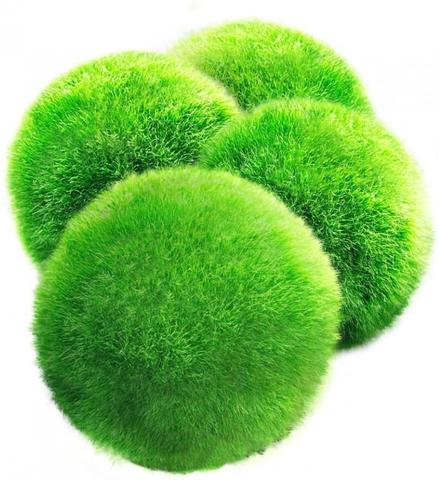
  • Water Wisteria: Complete Care Guide (Best Beginner Plant?)

    Water Wisteria: Complete Care Guide (Best Beginner Plant?)

    This plant will grow in almost anything. But if you want it to actually look good, you need to understand what it wants. The gap between alive and thriving is lighting, nutrients, and consistency.

    Water wisteria grows so fast it doubles as a nitrate sponge. Plant it and watch your water quality improve.

    Any plant stays alive. Making it look good takes understanding.

    What It Is Actually Like Growing Water Wisteria

    The first two weeks after planting are ugly. Emersed-grown leaves melt, new growth starts slow, and your tank looks worse before it looks better. This is normal. Do not rip out the plant and start over.

    Once established, this plant grows. You will be trimming it regularly, replanting cuttings, and giving away excess. The transition from fragile newcomer to aggressive grower happens faster than you expect.

    Algae will try to grow on the leaves. Healthy, fast-growing plants outcompete algae naturally. Slow-growing or struggling plants get covered in it. The plant’s health and algae presence are directly related.

    In the right conditions, aquarium plants produce visible oxygen bubbles called pearling. Watching tiny bubbles stream from the leaves during peak lighting is one of the most rewarding sights in planted tanks.

    Table of Contents

    The Water Wisteria is sold as an easy plant, but easy does not mean neglect-proof. Wrong lighting, wrong substrate, or wrong CO2 approach will turn this plant into a melting mess. After growing aquarium plants for 25 years, I have learned what actually works and what the packaging never tells you.

    Healthy plants grow. If yours is not growing, something fundamental is off.

    This plant thrives when given consistent conditions over weeks and months. Quick fixes do not work in planted tanks. Patience and consistency are the real requirements.

    A well-grown aquarium plant does more for water quality than any filter media you can buy.

    What Most Care Guides Get Wrong About Water Wisteria

    Want the easiest plant? Get java fern or anubias. Want a carpet? Get dwarf sagittaria. Want the best balance of easy and impressive? This plant delivers.

    Most guides give you a cookie-cutter care sheet for Water Wisteria without mentioning the nuances. After 25+ years in this hobby, I have seen how small details in tank setup and maintenance make a real difference in long-term health. Another thing guides gloss over is temperament. Water Wisteria are often described with a single label, but their behavior shifts depending on tank size, tank mates, and territory. You need to plan for the worst-case scenario, not the best. Group size is another area where most guides fall short. Saying ‘keep them in groups’ is not enough. The difference between keeping 3 and keeping 8 or more is night and day when it comes to coloration, confidence, and natural behavior.

    The Reality of Growing Water Wisteria

    Melting after purchase is normal. Most aquarium plants go through a transition period where emersed-grown leaves die off and submersed growth takes over. This is not a sign of failure. It is the plant adapting. Do not pull it out or move it during this phase.

    Lighting is not one-size-fits-all. Too little light and the plant grows leggy or stops entirely. Too much light without CO2 supplementation causes algae explosions. Match your lighting to your CO2 and fertilization strategy.

    Nutrient deficiencies show up in the leaves. Yellow leaves mean iron or nitrogen deficiency. Holes mean potassium deficiency. Black spots mean phosphate issues. Learning to read your plants saves you from guessing.

    Biggest Mistake New Owners Make

    Cranking up the light intensity without adding CO2 or fertilizers. High light without nutrients does not grow plants faster. It grows algae faster. Balance your light, CO2, and nutrients together or keep all three low.

    Expert Take

    If your plant is not growing, check your lighting duration and nutrient levels before changing anything else. Nine times out of ten, the problem is one of those two factors.

    Key Takeaways

    • Water Wisteria is a great naturally filtering plant that will remove nutrients
    • They are hardy and very easy to grow
    • They do not require CO2 and do well in low-light environments
    • They are water column feeders and do not require to be planted in the substrate

    Introduction

    One of the most common live aquarium plants to come across at local fish stores is water wisteria. This freshwater plant is scientifically known as Hygrophila difformis and belongs to the Acanthaceae family, which includes many other aquatic and terrestrial plant species.

    Though these aquarium plants are known as wisteria, they are not related to the magnificent purple blossoms made by flowering plants in the Wisteria genus under the Fabaceae family.

    Instead, the water wisteria plant can add dynamic to the freshwater aquarium with its bushy, lettuce-like appearance and little to no extra care requirements.

    A Brief Overview

    Scientific NameHygrophila difformis
    Common NamesWater wisteria
    FamilyAcanthaceae
    OriginIndia, Nepal, Bangladesh, Bhutan
    Skill LevelVery easy
    LightingLow-high, 40-200PAR (Umols)
    Tank PlacementMidground and background
    Flow RateModerate
    Temperature Range70-85 ยฐF
    Height24 inches
    pH Range6.0-7.5
    Growth RateVery fast
    Feed TypeWater column feeder
    Co2 RequirementNo

    Classification

    DivisionMagnoliophyta
    ClassMagnoliopsida
    OrderLamiales
    FamilyAcanthaceae
    GenusHygrophila
    SpeciesH. Difformis (Linnaeus f.) Blume

    Origins And Habitat

    Water wisteria is native to Southeast Asia, namely throughout parts of India, Nepal, Bangladesh, and Bhutan. It grows in many water and lighting conditions but has been found in abundance in bog-like environments. In some cultures, water wisteria is regularly used for its medicinal properties, though the true effects have been poorly studied.

    In the aquarium, water wisteria will thrive in nearly all environmental conditions as long as nutrients are made available.

    Is it Invasive?

    Water wisteria is an extremely hardy plant that will thrive in tropical climates. It has a very high potential to become an invasive species but has been limited in its worldwide distribution thus far. That being said, water wisteria has been introduced to non-native countries, such as Taiwan, Hungary, and the United Kingdom.

    All aquarium hobbyists are strongly encouraged to properly dispose of plant cuttings to prevent propagation in local waterways.

    What Does it Look Like?

    Water wisteria is named Hygrophila difformis due to this plant species growing different leaf morphologies. Interestingly, no two water wisteria look the same (video source).

    , this is a case of different lighting or temperature conditions, but differing morphologies are within wisteria’s DNA. This can make identifying water wisteria slightly more challenging than other plants.

    Water wisteria can look small and bushy or tall and bundled. In most aquarium setups, water wisteria is tall and bundled with a lacey appearance. Plants may be made up of one or more thick stems with either lace-like leaves or broad leaves; lace-like leaves will have many thin edges while broad leaves are solid and round in appearance.

    The appearance of your water wisteria may change over time depending on aquarium conditions. If allowed to grow above the water line, wisteria will grow broad leaves.

    It is believed that temperature and lighting can also cause wisteria plants to develop one leaf type or another, but appearance is largely due to genetics and maturity. Pruning can also have an effect and trimming broad-leafed water wisteria has resulted in a lacier appearance for experienced keepers.

    In general, water wisteria is a bright green color that has the potential to grow to a maximum height of 24 inches if left uncontrolled. This freshwater plant has an extremely fast growth rate which can either be a nuisance to hobbyists looking to eradicate it from their tanks or a blessing for beginners who are struggling with keeping nutrient levels down.

    Water wisteria is commonly confused with water sprite (Ceratopteris thalictroides) another unrelated aquatic plant.

    Water Wisteria vs. Water Sprite

    Want the easiest plant? Get java fern or anubias. Want a carpet? Get dwarf sagittaria. Want the best balance of easy and impressive? This plant delivers.

    Water wisteria and water sprite, also known as Indian fern or fine leaf Indian fern, are not related but is very similar in appearance. These plants have very similar care requirements and appearances. Telling them apart is pretty tricky.

    The main difference between these two bright green species of plants is that water wisteria has separated stems for individual plants while water sprite has several stems and leaves that originate from the center of the singular bundle. Water sprite also has much finer and more lace-looking leaves and stems. All of this combined makes water sprite much bushier and more delicate in appearance than water wisteria.

    Water Sprite

    Readily available and easy to grow. This fast growing plant will soak up nutrients and thrive in low light

    Click For Best Price Buy On Amazon

    Another major difference between these two plants is that water sprite is a type of fern and will not flower when grown above the surface.

    Placement And Lighting

    Water wisteria is most commonly kept as a background plant. It does not need much light or flow but will do best with at least moderate settings.

    Like other aquatic plants, more light will cause the plant to grow shorter and bushier. Limiting light will cause the plant to reach for the light, causing a leggy, sparse appearance. That being said, experienced keepers have successfully grown water wisteria under fluorescent lighting.

    Can they Grow Floating?

    Water wisteria is primarily a water column feeder. This means that it gets most of the nutrients it needs from the surrounding water column instead of from the substrate. This makes growing this plant at the surface of the water preferable.

    However, wisteria will quickly take over any space that is available to grow. This can quickly block out light from plants below and minimize surface agitation. Floating water wisteria is still one of the best natural coverages for fish fry and shrimp, though.

    What Are Good Tank Mates For them?

    Water wisteria is kept with almost all freshwater fish tank mates. This plant is extremely hardy and resilient and will grow back bigger and stronger if uprooted or eaten.

    Ideal Tank Mates

    Because of its thick stem, experienced keepers have successfully kept water wisteria with goldfish. By the time goldfish are able to uproot the plant or eat all its leaves, chances are that the plant has already started regrowing itself. In fact, this might even help the wisteria plant propagate as lateral root shoots detach from the main stem and replant themselves elsewhere in the tank.

    Water wisteria is especially popular among breeding tanks. The uptake of nutrients and bushy appearance help keep water parameters in check while providing fish and fry with places to hide. For the same reasons, freshwater shrimp will also love this plant.

    If using water wisteria in a pond setting, make sure that it cannot travel to local waterways to prevent it from becoming an invasive species.

    Fish Species To Avoid

    There aren’t many tank mates that can’t be kept with water wisteria. Even if your fish is prone to eating or uprooting plants, water wisteria will persevere. However, this is an extremely fast-growing plant that should not be kept in smaller tanks under 30 gallons.

    Water wisteria is very efficient at taking up nutrients and will display its best colors and form in return. Once nutrients are depleted, the plant will struggle to survive. Nano tanks have limited nutrients available due to smaller bioloads, which can make keeping this plant species in small tanks more challenging than you would expect.

    Feeding (Fertilization)

    Water wisteria does not need additional fertilization and adding fertilizers could actually cause more of a problem than would be beneficial.

    This plant species is an incredibly fast-growing plant as it is and added nutrients could cause it to become unruly. This would make for additional removal and maintenance when the wisteria grows like a weed.

    If the aquarium is heavily stocked with live plants, then fertilizers is necessary to keep water wisteria happy. These aquatic plants are water column feeders and will do best when given liquid fertilizers as opposed to root tabs; root tabs may be supplemented for other plants, but wisteria will not benefit as much.

    Editor’s Choice!
    APT Complete

    Editor’s Choice

    Made by an aquascaper for aquascapers. This is the best all around aquarium plant fertilizer on the market. Marco and micronutrients in one bottle!

    Use Coupon Code ASDComplete for 10% off your order!

    Click For Best Price Buy On Amazon

    How Much And How Often To Feed

    If you are going to dose your aquarium with fertilizers, then you will need to know how much is enough. The exact amount will depend on the import and export of nutrients in the system, including bioload, lighting, filtration, carbon dioxide, and maintenance. One thing is for certain though, water wisteria will definitely take all the nutrients it can get.

    As we’ll discuss, it is best to keep nitrates higher than normal in planted aquariums. This ensures that there is never a shortage of nutrients, which could lead to decreased growth rates and even plant death.

    Most hobbyists find that they need to dose fertilizers at least once a week.

    CO2 Injection

    Similarly, wisteria does not need CO2 and dosing can actually be harmful if used in excess.

    Carbon dioxide should only be dosed in large, heavily planted systems. Dosing carbon dioxide in a small aquarium with wisteria can cause massive overgrowth that could suffocate the system.

    Care

    Want the easiest plant? Get java fern or anubias. Want a carpet? Get dwarf sagittaria. Want the best balance of easy and impressive? This plant delivers.

    All in all, water wisteria doesn’t require much additional care. Put it in your tank and it’s sure to grow. The only factors that will limit this plant’s growth rate are lighting and nutrient availability.

    As long as those needs are met, you will be struggling to keep up with prunings.

    Planted Tank Parameters

    Water wisteria is a heavy water column feeder. These plants need plenty of available nutrients from fish waste, uneaten food, and sometimes fertilizers.

    Though hardy, water wisteria does best when a tropical water temperature is maintained between 70-85 ยฐF. This makes them different from other beginner-friendly plants that are more forgiving of cooler water temperatures.

    That being said, water wisteria is a great plant to help facilitate the water cycle. They can survive moderate levels of ammonia and nitrite and will help stabilize a new system. They do require available nitrates for constant growth, though.

    Filtration 

    Water wisteria does not require filtration and can act as a form of filtration in itself. This plant is so efficient at uptaking nutrients that many hobbyists use it in aquariums that do not have filtration, relying on live plants and other organisms to convert nitrogen.

    Still, we recommend using a sponge filter, hang on the back filter, or canister filter whenever keeping fish and invertebrates.

    Flow

    Water wisteria can tolerate low to high water flow. Environmental factors, such as flow, will influence how the plant grows and develops. A higher flow may cause your plant to grow more tightly together while a slower flow might let it take on a bushier appearance.

    The main objective for flow in a planted aquarium is to prevent algae growth and to deliver nutrients. As long as these needs are met, your water wisteria will adapt to the rate of flow.

    Is the Water Wisteria Right for You?

    Before you buy a Water Wisteria, take an honest look at whether your setup and experience level are a good match. This is not about gatekeeping. It is about setting both you and the fish up for success.

    • Experience level: Water Wisteria are a solid choice for beginners. They tolerate a range of conditions and bounce back from minor mistakes. If you are new to fishkeeping, this is a forgiving species to start with.
    • Tank size commitment: A 30-gallon tank is the starting point. This is a mid-size commitment that fits in most homes, but make sure you can handle the water changes and filtration a tank this size requires.
    • Temperament considerations: Water Wisteria is territorial or aggressive. You need to plan tank mates carefully and provide enough space and cover to reduce conflict. They are not a good fit for peaceful community tanks with small, shy fish.
    • Feeding requirements: Water Wisteria are omnivores that accept a wide range of foods. A quality pellet or flake as a staple, supplemented with frozen or live foods, keeps them healthy and shows off their best coloration.
    • Group requirements: These are schooling fish that need to be kept in groups of 6 or more. Keeping fewer leads to stress, dull coloration, and abnormal behavior. Budget for the full group, not just one or two.
    • Long-term commitment: Make sure you are ready for the full lifespan of this species. Fish are not disposable pets. Research their needs thoroughly before buying, and make sure you can provide consistent care for years to come.

    How To Propagate it

    Few hobbyists ever need to manually propagate wisteria, but it’s not difficult to do so if you ever need extra of this plant.

    Water wisteria is extremely easy to propagate from plants, leaves, or roots. As the plant grows, lateral roots will start to grow from the stem. The plant is cut in between the leaf nodes and replanted straight into the substrate. If you don’t want to wait for your stem to develop roots, then you can simply cut in between the leaf nodes or take a single leaf and replant it.

    It is very difficult to kill water wisteria during the propagation process, so don’t worry about being too aggressive!

    Health And Disease

    Though rare to happen, water wisteria can die due to unfavorable conditions. This is the result of inadequate nutrients or lighting.

    Signs Of Health

    Healthy water wisteria will have bright green leaves and a bushy appearance. An unhappy wisteria plant may appear yellow or brown, have stunted growth, and may start to wilt. By the time water wisteria is affected by an external factor, other aquatic plants will have probably died. These plants are resilient and will be the last ones to fall into a failing system.

    But what could possibly kill water wisteria?

    The main cause of water wisteria melting is insufficient nutrients. These plants need a constant supply of nutrients and a deficiency will cause plant growth to suffer and eventually stop. If you notice discoloration on the stem or leaves of the plant, check the water parameters. Fertilizers or heavier feedings may help to keep your plant fed.

    Another factor that is a problem is lighting. Water wisteria can tolerate high lighting with no problem, but not if they’re not given enough time to acclimate. The truth is that this is an easy plant that’s commonly found. It’s kept under low to medium lighting in stores, making it necessary to acclimate to higher lighting once in your home aquarium.

    It is also very common for new plants to melt during the acclimation process. Over the first few weeks of owning a new plant, the plant will shed all of its leaves to grow better and stronger.

    Where To Buy

    Water wisteria is widely available in in-person and online pet stores and fish stores. It may be sold submersed or emersed; emersed plants may initially melt more than submersed plants, but do not carry the risk of introducing pest snails into the freshwater aquarium.

    This plant is easy to find and highly prolific. It should never cost more than $5. In fact, many hobbyists are willing to give a free piece to fellow planted tank keepers due to its high growth rate.

    Final Thoughts

    Water wisteria is a weed for freshwater aquariums. This plant has a very high growth rate and can adapt to almost all water and tank conditions. Water wisteria is very efficient at uptaking nutrients, which can help stabilize newer systems. In return, it will also grow into a fluffy–yet unpredictable–shape that can provide shelter for fish and shrimp fry.

  • Types of Freshwater Catfish: 10 Great Species (And 4 to Avoid)

    Types of Freshwater Catfish: 10 Great Species (And 4 to Avoid)

    Freshwater catfish range from 1-inch pygmy cories to 4-foot red tail catfish. The size range is absurd and pet stores rarely make the distinction clear.

    The word catfish tells you almost nothing. The species tells you everything.

    Catfish are some of the most diverse and underappreciated fish in the hobby. The order Siluriformes contains over 3,700 species. You could build an entire tank around nothing but catfish and never run out of variety. Over the years I’ve kept cories, bristlenose plecos, pictus catfish, upside-down catfish, and several others. I’ve also learned which ones cause problems in community setups. The “4 to avoid” section of this guide is based on real experience with fish that have a habit of going sideways. Here’s the full breakdown.

    Key Takeaways

    • Catfish are bottom dwelling fish that come in a variety of sizes
    • The smallest Catfish are Cory Catfish. Some Catfish get so large they are not practical for home aquariums
    • Some larger catfish will eat smaller fish while small catfish enjoy schooling

    Introduction

    In recent years, you may have heard of an extreme sport called noodling. This is when fishermen wade into shallow waters, stick their arms into muddy holes, and catch catfish with their bare hands. If you were not aware of this event or didn’t know what it was called, now you know!

    Luckily, the aquarium hobby has removed all need for noodling and instead, makes hundreds of catfish species available to the average aquarium keeper without any mud.

    Freshwater catfish are extremely popular to keep in the aquarium setting due to their unique appearances and bottom-dwelling behaviors. Sizes can range anywhere from less than one inch in the pygmy cory (Corydoras pygmaeus) all the way up to several feet with the expert-level redtail catfish (Phractocephalus hemioliopterus). Most of the smaller species also exhibit schooling behavior.

    What Are they?

    What are catfish, though? On the surface level, these are fish that have long whiskers protruding from the front of their face. These are actually called barbels and help catfish smell their surroundings as they scour the muddy and murky substrate for food.

    Scientifically, catfish belong to the Siluriformes order. They are found on every continent and have adapted to living on the bottom of many waterways. The Mekong giant catfish (Pangasianodon gigas) is one of the largest fish in the world, knowingly growing to at least 9 feet and over 600 pounds.

    What Types Live In Freshwater?

    Most catfish live in freshwater. The most common saltwater catfish species are the hardhead catfish (Ariopsis felis) and the gafftopsail catfish (Bagre marinus) though they are not found in the aquarium hobby. The only true saltwater catfish species found in the aquarium hobby is the striped eel catfish also known as the coral catfish (Plotosus lineatus).

    Are They Good For The Aquarium?

    Catfish are great additions to the aquarium! Many species of catfish eat nuisance algae while others help clean up uneaten food and waste that collects at the bottom of the tank.

    While mostly easy to care for, not all catfish are right for every setup. As we’ll see, some species need mature tanks while others need specific tank mates. Some of the larger species may even be considered predatory while others make for perfect community additions.

    What Is The Smallest Kind?

    Some of the smallest kinds of catfish only grow to be several centimeters long, like the newly discovered Pareiorhina hyptiorhachis from South America. In the aquarium hobby, one of the smallest pleco species available is the pygmy cory, which maxes out at about an inch.

    Care

    Catfish are relatively easy to care for. The waters they originate from are anything but pristine and catfish have adapted. One of these adaptations was the use of barbels for sensing their surroundings in murky environments.

    Aquarium keepers like pristine conditions, though. So how does this translate to the home aquarium?

    Aquarium Setup

    While you don’t need to make a complete muddy mess out of your aquarium, catfish definitely prefer an aquarium with a soft substrate, like sand or silt. This will help prevent injury to their sensitive undersides while letting them sift for food.

    In order to recreate the murkiness of their native waters, it’s strongly recommended to use tannins from organic botanicals, indian almond leaves, and dimmed aquarium lighting. Overly bright settings can cause your catfish to be even more nocturnal than most species already are.

    In addition, driftwood and rocks may be added throughout the tank for structure. Catfish love to make burrows and caves for themselves, so everything added to the aquarium should be safely secured in place.

    Tank Size

    The recommended tank size for catfish will depend on the species. Most community species require at least a 10-20 gallon minimum tank size. The larger species need several hundred–or even several thousand–gallons of water for space to swim and to keep nutrients down.

    Some of the most popular nano catfish species are:

    • Cory catfish
    • Otocinclus catfish
    • Glass catfish

    Filtration

    Catfish need very heavy filtration. These fish are very messy eaters and create a lot of waste. Some species of fish, especially those that come from large river systems, also appreciate additional water flow that simulates currents.

    Depending on the species of catfish, the ideal filtration would be rated for 4x the size of the aquarium. Because of this, many hobbyists use canister filters or sump filtration. Wavemakers and powerheads may be used to help create more movement throughout the tank. Just make sure that the substrate isn’t being kicked around and carried into the filtration.

    Great For Large Tanks
    Fluval FX Series

    High flow, large filtration capacity, and quality plumbing – The FX series is designed for monster fish keepers

    Buy On Amazon Click For Best Price

    If you’re only keeping small fish, like a school of cory catfish, then a regular sponge or hang on the back filter will be more than enough.

    Tank Mates

    Most catfish are peaceful fish that leave other fish alone. The problem is that most catfish have poor eyesight and a big appetite.

    The general rule when keeping catfish is to not keep any fish that could fit into its mouth. Eventually, a large catfish will eat any smaller fish that are available in the aquarium.

    Based on this rule, tank mates may be selected. Most nano catfish species will happily get along with the typical freshwater community fish like tetras, rasboras, and gouramis. Larger species of catfish is kept with more predatory fish.

    Apart from schooling catfish species, it’s never recommended to keep multiple catfish together. This is due to their size, waste, and territorial aggression that comes about as they mature.

    10 Types Of Non-saline Kind For Aquariums

    Here are the best types of catfish to add to the freshwater aquarium! Most of these stay reasonable sizes without having an overly demanding appetite. A few species of pleco have been added to this list as they are commonly sold alongside catfish.

    I included a video above from our YouTube channel. We go over more in detail in the blog post below so be sure to check both out. If you like our content, be sure to subscribe as we post new videos every week!

    1. Cory

    Corydoras trilineatus
    • Scientific Name: Corydoras spp.
    • Common names: Corydoras, cory catfish, corys
    • Minimum Tank Size: 10 gallons
    • Adult Size: 1-3 inches on average
    • Temperament: Peaceful
    • Care Level: Easy
    • Diet: Omnivore
    • Origin: South America
    • Temperature: 72-82ยฐF
    • pH: 6.5-7.5

    Corydoras are arguably the most popular kind of aquarium catfish available, simply due to the fact that there are so many different kinds! These are schooling fish that are very active on the bottom of the tank. They use their barbels to sift through a sand substrate to find food, tracing back and forth across the front of the aquarium.

    Some of the most popular species of Corydoras are:

    • Panda cory (Corydoras panda)
    • Bronze/green cory (Corydoras aeneus)
    • Sterbai cory (Corydoras sterbai)
    • Pygmy cory (Corydoras pygmaeus)

    corys do not purposefully eat algae and won’t solve an algae problem. They can also live surprisingly long with some individuals knowingly surpassing 20 year of age.

    2. Otocinclus

    • Scientific Name: Otocinclus spp.
    • Common names: Otocinclus catfish, Otocinclus, otos
    • Minimum Tank Size: 10 gallon
    • Adult Size: 2 inches
    • Temperament: Peaceful
    • Care Level: Moderate
    • Diet: Herbivore
    • Origin: South America
    • Temperature: 74-82ยฐF
    • pH: 6.5-7.5

    Otos are hands-down one of the best fish available for the freshwater aquarium. These are small schooling fish with a big appetite for algae. They have been known to clear a tank of most nuisance algae within a matter of days. This can become a problem for hobbyists who try to add otocinclus catfish to an immature tank, though.

    Otos are more difficult to keep than expected. They have a high need for algae and other greens due to their strictly herbivorous diet. They can also be skittish and do better in larger schools with other peaceful fish. Because of their size, a 10 gallon tank is recommended but a 20 gallon tank will sustain them longer.

    The otocinclus catfish is commonly confused with the Siamese algae eater (Crossocheilus oblongus) and the Chinese algae eater (Gyrinocheilus aymonieri).

    3. Pictus

    Pictus-Catfish
    • Scientific Name: Pimelodus pictus
    • Common names: Pictus catfish, angel catfish
    • Minimum Tank Size: 75 gallon
    • Adult Size: 5 inches
    • Temperament: Peaceful
    • Care Level: Easy
    • Diet: Omnivore
    • Origin: South America
    • Temperature: 75-82ยฐF
    • pH: 6.5-7.5

    The pictus catfish is a beautiful species with black and white spots over iridescent scales. These fish have a typical catfish body with a high dorsal fin, flattened stomach, and long barbels. They are not difficult to keep in the aquarium setting, though they are a larger schooling fish that requires a big aquarium.

    Though one of the larger species available, they are community tank friendly as long as tank mates are bigger than their mouths or are able to outswim a hungry catfish!

    4. Bristlenose Pleco

    • Scientific Name: Ancistrus spp.
    • Common names: Bristlenose pleco, bushynose pleco
    • Minimum Tank Size: 30 gallon
    • Adult Size: 5 inches
    • Temperament: Peaceful
    • Care Level: Easy
    • Diet: Omnivore
    • Origin: South America
    • Temperature: 72-82ยฐF
    • pH: 6.5-7.5

    Also known as the bushy nose pleco, the bristlenose pleco is a very popular and more manageable alternative to the common pleco. These plecos are named after the unique cluster of short barbels that cover their face. Otherwise, they look nearly identical to other pleco species but stay at a much more manageable size.

    The bristlenose pleco is not a true catfish but is often misidentified as one.

    Bristlenose plecos are peaceful fish, but they is aggressive with their own species and other similar-looking fish. Because of this, they should be the only bottom-dwelling species in the tank unless there is plenty of space and hiding spots for other fish.

    Though it might seem like the bristlenose pleco would eat tons of algae, they are an omnivorous species that prefers leftover meaty foods.

    5. Upside Down

    • Scientific Name: Synodontis nigriventris
    • Common names: Upside down catfish, blotched upside down catfish
    • Minimum Tank Size: 30 gallons
    • Adult Size: 5 inches
    • Temperament: Peaceful
    • Care Level: Easy
    • Diet: Omnivore
    • Origin: Central Africa
    • Temperature: 75-82ยฐF
    • pH: 6.0-7.5

    Yes, the upside down catfish actually swims upside down. Check out the crazy video from PBS above! These unique fish are built like other catfish species and share similar colorations, but they like to swim with their mouths pointing up! Because of this, they can regularly be seen at the top of the water searching for and eating food.

    The upside down catfish is a schooling species and will appreciate being in small groups of at least 3 or 4 individuals.

    6. Alberti

    Synodontis-Catfish
    • Scientific Name: Synodontis alberti
    • Common names: Alberti catfish, bigeye squeaker, Albertโ€™s Synodontis
    • Minimum Tank Size: 30 gallon
    • Adult Size: 6-8 inches
    • Temperament: Peaceful
    • Care Level: Easy
    • Diet: Omnivore
    • Origin: Democratic Republic of Congo, Cameroon, Republic of Congo
    • Temperature: 72-82ยฐF
    • pH: 6.0-8.0

    One of the more uncommon catfish species to find in the aquarium hobby, the Alberti catfish, also known as the high-fin Synodontis, has some of the longest barbels you will see! In fact, this species has the longest whiskers out of all the members of its related genus.

    The Alberti catfish is a peaceful catfish that prefers to have its own space. Hobbyists have successfully kept multiple Alberti catfish together, but this should only be attempted in larger aquariums. They should only be kept with larger tank mates.

    7. Glass

    Glass-Catfish
    • Scientific Name: Kryptopterus vitreolus
    • Common names: Glass catfish, ghost catfish, phantom catfish
    • Minimum Tank Size: 30 gallon
    • Adult Size: 4 inches
    • Temperament: Peaceful
    • Care Level: Moderate
    • Diet: Omnivore
    • Origin: Thailand
    • Temperature: 72-82ยฐF
    • pH: 6.5-7.5

    Whether you’re looking for a catfish that doesn’t live on the bottom of the tank or just want a fish that doesn’t look like any other species of tropical fish, the glass catfish ticks both boxes. These fish are completely clear, exposing their skeleton, organs, and long barbels.

    These are peaceful community fish that enjoy being in each other’s company. However, like other catfish, glass catfish like dimmed conditions. They’re also willing to eat whatever can fit into their mouths, so tank mates should be chosen carefully.

    8. Twig

    • Scientific Name: Farlowella acus
    • Common names: Twig catfish, whiptail catfish
    • Minimum Tank Size: 55 gallon
    • Adult Size: 6 inches
    • Temperament: Peaceful
    • Care Level: Moderate
    • Diet: Omnivore
    • Origin: South America
    • Temperature: 72-82ยฐF
    • pH: 6.5-7.0

    A master of camouflage, the twig catfish (video source) is named after its uncanny resemblance to a piece of bark. These fish are long and skinny with pointed noses, making it hard to believe they’re a type of true catfish.

    Twig catfish is pretty skittish in the aquarium and will prefer being kept with other peaceful fish in dimmed lighting. Keeping twig catfish in a small group or in pairs may help them be more upfront and center in the aquarium.

    While omnivores, twig catfish are mainly herbivores and need to be given algae and a plant-based diet.

    9. Asian Stone

    • Scientific Name: Hara jerdoni
    • Common names: Asian stone catfish, moth catfish, anchor catfish
    • Minimum Tank Size: 5 gallon
    • Adult Size: 1 inch
    • Temperament: Peaceful
    • Care Level: Moderate
    • Diet: Omnivore
    • Origin: India, Bangladesh
    • Temperature: 64-75ยฐF
    • pH: 5.5-7.5

    Possibly even more camouflaged than the twig catfish, the Asian stone catfish (video source) is the perfect catfish species for a nano or even pico freshwater aquarium. These fish are incredibly small and inactive once established. They only grow to be about an inch big and will spend their time searching for food in sandy and muddy bottoms.

    These fish are more difficult to keep than other catfish species. They originate from waterways with high levels of dissolved oxygen, which needs to be replicated in the aquarium. Because they’re commonly kept in smaller aquariums, water parameters can also be more difficult to monitor and control.

    10. Bumblebee

    • Scientific Name: Microglanis iheringi
    • Common names: Bumblebee catfish
    • Minimum Tank Size: 20 gallon
    • Adult Size: 2 inches
    • Temperament: Peaceful
    • Care Level: Moderate
    • Diet: Omnivore (mainly insectivore)
    • Origin: Venezuela and Colombia
    • Temperature: 72-82ยฐF
    • pH: 6.5-7.5

    Not to be confused with the bumblebee goby (Brachygobius xanthozonus), the bumblebee catfish is similar in appearance to the unknowing hobbyist. The main difference is that bumblebee catfish exhibit the typical catfish body with barbels sticking out from their mouth.

    The bumblebee catfish (video source) is difficult to find for sale. Once in the aquarium, they are small peaceful fish. They is somewhat more challenging than other species of catfish as they are mainly insectivores in the wild, feeding mostly on ants. In the aquarium, they can adapt to a larger selection of live, frozen, and freeze-dried options.

    Species To Avoid

    Not all catfish are created equal though. In fact, most catfish species of unsuitable for the aquarium setting due to their monster size.

    Here are some of the species that are still regularly sold in fish stores that the average hobbyist should avoid.

    1. Redtail

    Red-Tailed-Catfish
    • Scientific Name: Phractocephalus hemioliopterus
    • Common names: Redtail catfish
    • Minimum Tank Size: 2700 gallon
    • Adult Size: 5 feet
    • Temperament: Semi-aggressive
    • Care Level: Expert
    • Diet: Omnivore
    • Origin: South America
    • Temperature: 70-79ยฐ F
    • pH: 6.0-7.5

    The redtail catfish is so massive that it is believed to be the monster fish behind the drownings of victims from the Sobral Santos II that sank on the Amazon River in 1981.

    There is no denying that the redtail catfish is one of the most attractive catfish species available in the hobby, but keeping one is unrealistic for most aquarium keepers. Hobbyists would require a massive setup with heavy filtration and carefully chosen tank mates. These fish have been known to be aggressive to other fish that try to invade their territory.

    2. Tiger Shovelnose

    Tiger-Shovelnose-Catfish in an Aquarium
    • Scientific Name: Pseudoplatystoma fasciatum
    • Common names: Tiger shovelnose catfish, tiger catfish
    • Minimum Tank Size: 200 gallon
    • Adult Size: 3 feet
    • Temperament: Aggressive
    • Care Level: Expert
    • Diet: Omnivore
    • Origin: South America
    • Temperature: 75-82ยฐF
    • pH: 6.0-8.0

    The tiger shovelnose catfish is another beautiful fish that simply won’t work in the average home aquarium. These fish have beautiful colorations with a silver body and thin vertical stripes from their head to tail, earning them their name. They also have a unique flattened head with very long whiskers.

    Though smaller than the massive redtail catfish, the tiger shovelnose catfish is aggressive and needs plenty of room to itself. While a single catfish is kept in a traditional glass aquarium, in theory, it’s strongly recommended to only keep them in pool or pond settings.

    Interestingly, the tiger shovelnose catfish has been hybridized with the redtail catfish.

    3. Paroon Shark (Giant Pangasius)

    • Scientific Name: Pangasius sanitwongsei
    • Common names: Paroon shark, giant pangasius, pangasid-catfish, Chao Phraya giant catfish
    • Minimum Tank Size: N/A
    • Adult Size: 9 feet
    • Temperament: Semi-aggressive
    • Care Level: Expert
    • Diet: Omnivore
    • Origin: Southeast Asia
    • Temperature: 75-82ยฐF
    • pH: 6.5-7.5

    The paroon shark is a critically endangered fish that is very similar in appearance and origin to the Mekong giant catfish. Sadly, these fish have been overharvested and collected for the aquarium trade where they are sold while they are only a few inches long. Buyers are completely unaware of their potential size and over 20 year lifespan!

    Not only does their size make them unsuitable for the home aquarium, but they also become very nervous when placed in confined places. As a result, they bang into the walls and injure themselves, which can lead to infection and death.

    4. Common pleco (Suckermouth)

    Common-Pleco
    • Scientific Name: Hypostomus plecostomus
    • Common names: Common pleco, pleco, suckermouth catfish, spotted pleco
    • Minimum Tank Size: 150 gallon
    • Adult Size: 2 feet
    • Temperament: Semi-aggressive
    • Care Level: Moderate
    • Diet: Omnivore
    • Origin: South America
    • Temperature: 72-82ยฐF
    • pH: 6.5-7.5

    Last but not least, the common pleco is definitely one of the catfish-like species you should avoid when going to purchase a fish. Remember, these are not true catfish but they are often lumped together!

    Common plecos fish are everywhere; they are readily available, relatively inexpensive, and advertised as only growing to the size of the tank–which is a complete lie!

    Common plecos are commonly sold as juveniles while they’re only a few inches long. In a matter of time, they will quickly grow closer to 10 inches, which can potentially turn into 2 feet. Though it might seem like they’re herbivores with their suckermouths, they are omnivores that won’t hesitate to be the first to eat any available food that enters the system. In addition, they can become very territorial, especially towards similarly sized fish.

    Final Thoughts

    Catfish come in all shapes and sizes. The aquarium hobby has made many peaceful, schooling fish species available that are perfect for the community tank. Unfortunately, a few monster catfish have also been thrown into the mix that are meant for experts only.

    Luckily, almost all catfish have the same care requirements and curious attitudes.


    ๐Ÿ“˜ Want to learn more? This article is part of our complete Freshwater Fish Guide. Your ultimate resource for freshwater species, care tips, tank setup, and more.

  • Pregnant Guppy: Signs, Timeline, and When to Separate

    Pregnant Guppy: Signs, Timeline, and When to Separate

    Guppies were one of the first fish I kept, and I can tell you from experience that they breed faster than most people expect. The first time a batch of fry appears, it’s exciting. By the third generation, you start asking yourself how to manage the population. Knowing how to spot a pregnant female, understanding the timeline, and deciding whether to separate her are all things that will save you a lot of scrambling. Here’s what I’ve learned about the whole process.

    Guppies breed so readily that the challenge isn’t getting them to reproduce. it’s managing the population once they do. A single pregnant female can deliver 20. 50 fry every four to six weeks, and she can store sperm and continue producing fry for months after being separated from males. I’ve watched beginner tanks go from 6 guppies to 60 in a single season. Knowing how to spot pregnancy, read the gestation timeline, and when to separate the female makes the difference between raising healthy fry and losing them to their own tank mates. Here’s everything you need to know.

    Key Takeaways

    • Males and female Guppies are easy to differentiate. Males have a modified anal fin called a Gonopodium
    • There are five stages of pregnancy stage for a guppy
    • Predation is the biggest challenge with raising guppy fry as many types of fish will try to eat them

    Is My Fish Expecting?

    This is a question that so many beginner fish keepers find themselves asking. If you think your guppy is pregnant, don’t worry, you’re at the right place! If you’re new to fancy guppies, it’s best to go one step back and find out whether you have a female guppy at all.

    Male vs. Female – What’s The difference?

    Figuring out whether your guppy is male or female can be very easy when you know where to look. Read on to learn what to look for:

    • Gonopodium The best way to tell whether your guppy is male or female is to look at the anal fin on their belly area. Male guppies have a modified anal fin consisting of 3 fused fin rays. This structure is used to transfer a sperm packet to the female guppy fish.
    • Body Colors Female guppies can have nice colors, but they usually do not show the amazing variety of colors that the males have. Most female guppies will have silvery bodies with some dull colors and markings.
    • Body Size Female guppies grow much larger than males. They can reach 2.5 inches, a whole inch larger than the males.
    • Fin Size & Shape In most cases, male guppies have longer and more colorful fins than females. Female guppies can have some color on their fins and tails, but it is usually pretty dull and the fins tend to be more rounded.

    Signs Of Pregnancy

    If you’re sure you’re guppy is female, the next step is to figure out if she is pregnant or not.

    Guppies are livebearing fish which means they don’t lay eggs but rather give birth to free-swimming baby guppies. Male and female guppies are often kept together at the store, so if you buy a female from a mixed tank, there’s a good chance your guppy is pregnant.

    So now you know how to tell which of your guppies are male and female, but how do you know if a female guppy is pregnant? Let’s take look at some of the pregnant guppy signs:

    • Gravid Spot The gravid spot is the best sign to confirm whether your female guppy is pregnant. The gravid spot is a dark marking above the female’s anal vent. All mature female guppies have a gravid spot, but it will become larger and darker on pregnant females.
    • Belly Size Changes in size and color of the guppy gravid spot are a great sign of guppy pregnancy, but you should also keep an eye on the belly size of the pregnant fish. Pregnant guppy fish develop a box-shaped belly as the pregnancy progresses.

    If you have noticed these signs, congratulations, you have a pregnant female guppy! The next thing you’re probably wondering is when you can expect the baby guppy fish to be born, so let’s get into it!

    Pregnancy Stages

    Guppy pregnancy can be divided into different stages. Understanding the different stages of your guppy’s pregnancy will help you prepare for the birth and help you get ready to care for the guppy babies. Protim Aquatics has a wonderful video that shows the process. I’ll explain below as well in the post.

    Stage 1. Mating

    The first stage of guppy pregnancy is mating, and guppy breeding behavior can actually be fascinating to watch. Male guppies don’t have all those beautiful colors and fancy fins for nothing, they use them to impress the females!

    Male guppies can mate by the age of about 2 months when they will start to show off and display to the female fish by swimming around them and flaring their fins in a mating ritual.

    If the female is interested, the actual mating process will happen very quickly. The male will tilt his gonopodium forward and use it to transfer a sperm packet to the cloaca of the female fish.

    Stage 2. Early Development

    After mating the female will have a flat belly. A week into her pregnancy, her belly will start to look noticeably rounded. Her gravid spot is not very prominent or dark at this stage.

    Stage 3. Growth Phase

    As the pregnancy progresses over the next two weeks, the belly of your pregnant guppy will become larger until the gravid spot becomes highly visible by the third week.

    Stage 4. Advanced Pregnancy

    By the fourth week, the female guppy fish will look obviously pregnant. Her belly is huge and box-shaped at this time, and she is nearly ready to give birth. Look out for the following signs that your pregnant guppy fish will be giving birth very soon:

    • Pregnant female guppies look for a sheltered spot to give birth about a day before giving birth.
    • She will breathe rapidly, often at the surface.
    • You might even be able to see the dark eyes of the baby fish through the belly of the mother guppy

    Stage 5. Birth

    The typical guppy gestation period is 25-35 days. With so much overlap, it’s tough to plan it to an exact day, but looking out for the signs in stage 4 can help you stay prepared.

    It can take a few hours for your pregnant guppy to give birth to all of her babies. The guppy fry are curled up in a ball when they are born but they will start to swim immediately if they are healthy.

    After giving birth, your female guppy can produce a new brood of fry after about a month. She can do this without mating with a male guppy again because she can store sperm for many months.

    How To Care For Your Expecting Fish

    So now you know how to tell whether your guppy is a female, if your guppy is pregnant, and you know about the 5 stages of guppy pregnancy. But what happens when she gives birth? How do you care for the babies?

    In this section, I’ll teach you the basics of caring for your guppy fry. Let’s dive right in!

    Tank Setup & Parameters

    Guppies are adaptable fish that do not have any special requirements when it comes to tank setup. A ten-gallon or larger tank is ideal for raising guppies.

    Guppies can be kept in a bare bottom tank, or over a substrate of your choice, but you should use a lid/hood over your aquarium to prevent any of your fish from jumping out.

    Guppies are relatively hardy aquarium fish, but they prefer the following range of water parameters:

    • pH: 7-8
    • Hardness: 8-12 dGH
    • Ammonia: 0 ppm
    • Nitrite: 0 ppm
    • Nitrate: < 20 ppm

    Heating

    Adult guppies can survive in a wide range of water temperatures, but I would strongly recommend using a heater to provide the perfect water temperature for your pregnant guppy and her fry.

    The ideal temperature for your pregnant guppy is between 76ยฐF and 80ยฐF and the baby guppies will do great in the same temperatures. Make sure you pick up a heater that matches your tank size and a thermometer to keep an eye on the actual temperature, this will make dialing in the perfect conditions much easier.

    Filtration

    Filtration is something that many first-time guppy breeders don’t pay enough attention to. Baby guppies are not very strong swimmers, so you’ll want to use a filter that creates low water movement in their tank.

    The fry are also very vulnerable to being sucked into power filters, so be sure to protect the baby fish by placing a prefilter sponge or tights over the filter’s intake. The best filter to use when raising guppy fry is a sponge filter.

    Editor’s Choice
    Hikari Bacto Surge Sponge Filter

    The Best Sponge Filter

    With a name brand and high quality reputation, the Bacto Surge separates itself from the pack

    Buy On Chewy Buy On Amazon

    Tank Maintenance

    Pregnant guppies and fry can be very sensitive to poor water quality. A 25% weekly water change is recommended to keep your nitrate levels down and will also allow you to suck up the waste from the bottom of the tank. Just be very careful to avoid sucking up any of the tiny fry!

    Tips For Avoiding Predation

    Guppies will breed freely in a community tank, but there’s a reason why many of the fry disappear in a few days. Most aquarium fish will happily eat these tiny baby fish, including other guppies!

    If you’re OK with that, you might still get a few lucky young fish that survive to adulthood, but you’re going to want to take some steps if you’d like to see more of them survive.

    Provide Cover

    The simplest solution is to provide loads of cover where the babies can hide while they grow. Live plants like guppy grass and Java moss are the best for this, but ornaments and caves can also work very well.

    Growing live plants provides an excellent food source for the baby fish, which will graze on microorganisms that live on the leaves. You will need aquarium lights to successfully grow plants, of course.

    Guppy Grass (Najas indica)

    Guppy Grass is a great plant for breeders and beginners. It is stress free, grows fast, and helps remove nutrients in an aquarium

    Click For Best Price

    Standard aquarium lighting will do fine for easy plants like guppy grass, although you’ll want to set your lights on a 6-8 hour per day timer and provide them with fertilizer to keep them growing well.

    Set Up a Separate Breeding Tank

    For fishkeepers who want to get serious about breeding guppies, a separate tank is the best way to go. This allows you to separate the babies from the other fish that will see them as a tasty snack. This method can be pretty stressful for the pregnant female guppy, but it definitely reduces the chance of your guppy fry being eaten.

    Adult guppies don’t need a huge tank, and you can easily keep a trio in a 5 to 10-gallon setup and raise their fry in a 15-20 gallon grow-out tank. Once your female guppy is pregnant, you can move her into the larger birthing tank until she gives birth. The female can be moved back to the separate breeding tank once the fry are born.

    A bare bottom setup is best for your fry grow-out tank because it is easier to clean and makes it easier to see and count your guppy fry. This tank should be equipped with a gentle sponge filter, and a heater, and include some java moss or guppy grass.

    Use A Breeding Box

    It is possible to let your female guppy give birth in your main tank, but still keep the newborn guppies safe from hungry mouths. Breeder boxes allow you to separate your pregnant female guppies from their fry immediately after they give birth.

    The healthy fry can swim through into a separate chamber where the other fish can’t reach them. The young fry can be kept in the breeding box for a few days but should be moved to a safe place or released into a tank with plenty of cover after that.

    Feeding Your Expecting Fish

    Guppies are easy to feed because they thrive on a diet of high-quality fish flakes. Pregnant guppies should be provided with a more balanced diet to ensure the health and growth of the fry, however.

    Female guppies are omnivorous fish, so feed them fish flakes, frozen brine shrimp, and small amounts of blanched vegetables to keep them in top condition.

    Feeding Your Guppy Fry

    Guppies don’t make great parents, so it’s a good thing baby guppies are born ready to fend for themselves!

    The best food for baby guppies is baby brine shrimp, which can be provided twice per day. The babies will also feed on powdered flakes and forage for themselves on microorganisms growing on live plants.

    How To Avoid Expecting Fish

    If you do not want your guppies to breed, you’re going to need to separate the females from the other fish, but be aware that a pregnant guppy can drop several litters of fry after a single mating. The good news is that many fish-keeping stores will be happy to buy your healthy young guppies from you.

    Consider keeping only males if you haven’t already bought your guppies and you really do not want them to breed. Even female guppies can be purchased and already be pregnant prior to place them into your display tank.

    FAQs

    How long are these fishes expecting for?

    Most female guppies will be pregnant for 21 – 31 days, although sometimes pregnant guppies will carry babies for as long as 35 days.

    How long does it take them to give birth?

    Guppies often stay in labor for many hours but it really depends on how many fry your pregnant guppy is carrying.

    How many babies does an expecting one have?

    Guppies usually give birth to between 5 and 50 babies. The most important factor that determines the number of babies she can produce is her size. Some female guppies have given birth to over 200 fry in a single litter!

    Can female ones conceive without a male?

    A female guppy cannot get pregnant without mating with a male guppy at least once. She can, however, give birth to many litters after just a single mating. This means it is possible to buy a single female guppy from the pet store and have several litters of babies over the next few months!

    Do all female guppies have gravid spots?

    All female guppies have a gravid spot, whether they are pregnant or not. It might not be visible on dark-colored breeds like tuxedo guppies though. This dark area becomes much larger and more visible when a female guppy fish is pregnant.

    How can you tell if they are gravid?

    The best markers to look out for on a pregnant guppy are a large, dark marking (gravid spot) just above the female’s anal vent. Your guppy’s belly will also grow large and box-shaped as the babies grow.

    Why is my expecting fish’s gravid spot orange?

    The gravid spot of a pregnant guppy is usually darker than the rest of her belly. This spot can range from orange to black, depending on the stage of her pregnancy and even the amount of light in the aquarium.

    Final Thoughts

    Having a pregnant guppy is always exciting because you just never know how many fry you’re going to get or what kind of colors and patterns they might have when they grow up! Caring for your pregnant guppy is easy, and with the tips in this guide, you can give the baby guppy fish their best chance of survival. Happy guppy breeding!

    Do you have pregnant guppies in your fish tank? Share your experiences in the comments below! To learn more about guppies lifespan, check out this article.


    ๐Ÿ“˜ Want to learn more? This article is part of our complete Freshwater Fish Guide. your ultimate resource for freshwater species, care tips, tank setup, and more.