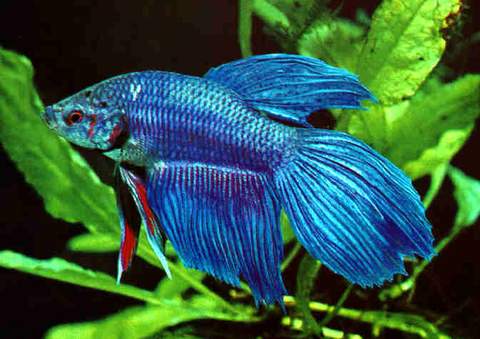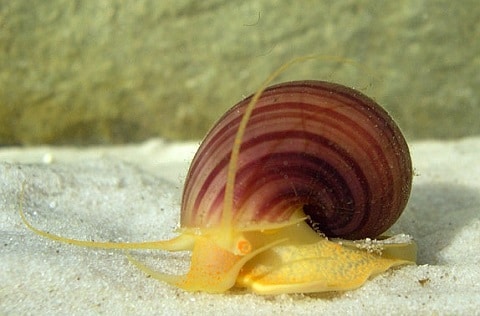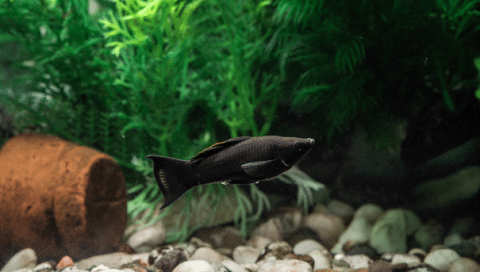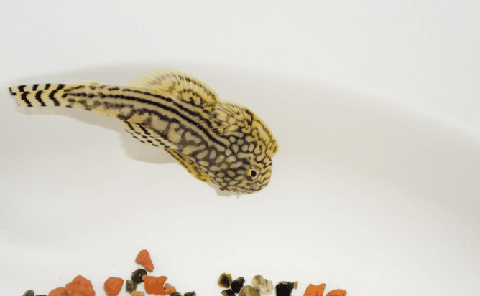
Category: The AquariumStoreDepot.com blog

  • 7 Best Turtles for Aquariums: My Picks After Keeping Sliders

    7 Best Turtles for Aquariums: My Picks After Keeping Sliders

    I’ve kept red-eared sliders, and I’ll tell you upfront: aquarium turtles are a bigger commitment than most people expect. They live for decades, grow surprisingly large, and produce more waste than their size suggests. But they’re also some of the most interactive and personable animals you can keep. rewarding in a way that fish simply can’t replicate. In this guide I cover 7 of the best aquarium turtle species and give you the honest care information you need before bringing one home.

    Key Takeaways

    • There are many different types of freshwater turtles in the aquarium trade, and each has its own unique needs and preferences
    • Captive-bred turtles can make fascinating pets, although they do not like to be touched or handled
    • Aquariums can make excellent turtle habitats, although these amphibious reptiles require some dry land in their tank where they can bask
    • Your turtle’s tank must include a basking platform or secure floating log where your pet can crawl out to warm up
    • Turtles also need a special UV bulb if kept indoors. This essential requirement helps turtles make vitamin D and absorb calcium.

    7 Best Turtles For Aquariums

    1. Red Ear Slider
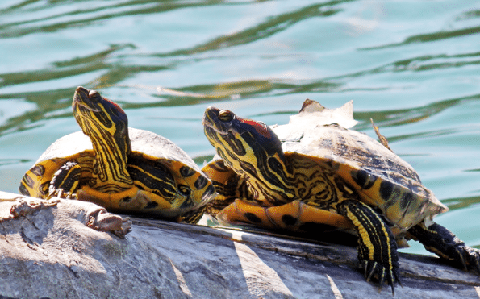
    Red Eared Slider
    • Scientific name: Trachemys scripta elegans
    • Care level: Intermediate (Suitable for beginners)
    • Temperament: Calm and friendly but does not enjoy being handled
    • Minimum tank size: 50 gallons
    • Potential lifespan: Up to 40 years in captivity
    • Recommended temperatures: 70-85ยฐF ambient, 85-90ยฐF basking spot, 75-85ยฐF water

    The red-ear slider is the first species on my list because these colorful reptiles are one of the most popular and attractive pet turtle species in the world! These turtles are suitable for beginners, although they need regular care and water quality maintenance to stay healthy.

    This species is easily available from pet stores, but you can often find mature specimens up for adoption too. These large and colorful reptiles are naturally beautiful, although albinos and various other awesome morphs are available from breeders.

    Keeping these wonderful animals is a long-term commitment since they can live for over 30 years. Red-eared sliders can reach 12 inches when full-grown, so they need an enclosure of at least 50 gallons for long-term care.

    The red-eared slider is my personal top pick, but I want to be upfront: they require significant planning. A juvenile slider looks manageable in a small tank, but within a few years you’re looking at a 12-inch reptile needing 75. 100 gallons of clean water, a powerful canister filter, and a proper basking setup. Sliders that are improperly housed are among the most frequently rehomed turtles in the hobby. Have a realistic plan for the adult setup before you buy the juvenile.

    2. Striped Mud
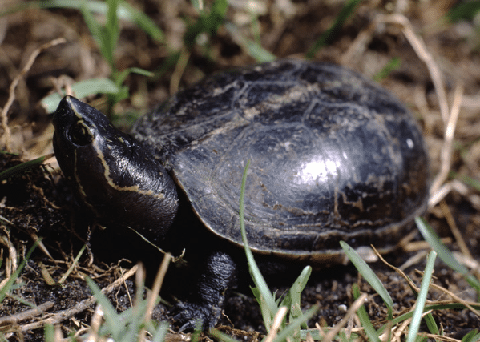
    Striped-Mud-Turtle
    • Scientific name: Kinosternon baurii
    • Care level: Intermediate
    • Temperament: May scratch and bite, should not be handled
    • Minimum tank size: 30 gallons
    • Potential lifespan: Up to 50 years
    • Recommended temperatures: 80-85ยฐF ambient, 87-92ยฐF basking spot, 75-80ยฐF water

    The striped mud turtle is a small species that grows a shell length of just 3.5-4.5 inches. Despite their size, these miniature creatures can live for half a century with good care!

    These turtles are characterized by three pale stripes on their oval shell, although these markings may fade as the animal matures. They are omnivorous turtles that feed on invertebrates and plant material in the wild.

    Striped mud turtles can be kept in a smaller tank than the red-eared slider, although they require good water quality, UVB bulbs, and a suitable basking area just like other species.

    3. Spotted
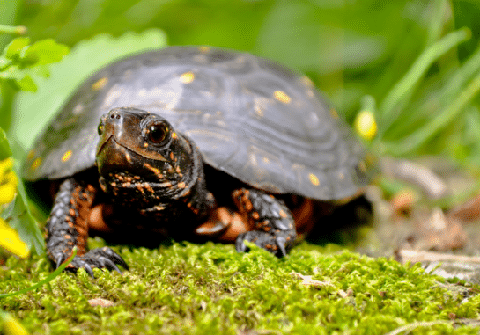
    Spotted-Turtle
    • Scientific name: Clemmys guttata
    • Care level: Intermediate
    • Temperament: Alert and active but does not enjoy handling
    • Minimum tank size: 30 gallons
    • Potential lifespan: Up to 50 years
    • Recommended temperatures: 80-85ยฐF ambient, 95ยฐF basking spot, 70-75ยฐF water

    The spotted turtle is an attractive North American species that grows to about 5 inches or so. These turtles are identified by their dark overall coloration and yellow spots on the head and upper shell.

    Spotted turtles will eat some plant matter, although they are mostly carnivorous. Captive specimens will thrive on quality commercial pellets supplemented with meaty foods like worms and crickets.

    These turtles are not the best swimmers, so keep their water shallow enough for them to breathe at the surface while standing and provide plenty of dry land where they can hang out and bask.

    4. Maps
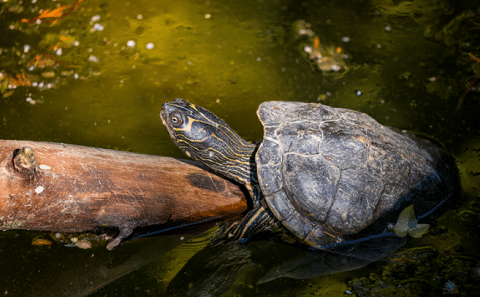
    Missippi Map
    • Scientific name: Graptemys spp.
    • Care level: Intermediate-advanced
    • Temperament: Naturally active but shy around people
    • Minimum tank size: Species dependent. Large species may require over 100 gallons
    • Potential lifespan: Can live for over 30 years
    • Recommended temperatures: 75-85ยฐF ambient, 90-95ยฐF basking spot, 70-80ยฐF water

    Map turtles are some of the most beautiful semi-aquatic turtles available in their pet trade. There are many species, and some have interesting patterns on their skin and shells and textured scales on their upper shells (carapaces) that make them excellent display animals.

    However, map turtles require very clean living conditions and a varied diet. They are not recommended for beginners, although dedicated turtle keepers with moderate experience should have no problems.

    5. Musk

    Stinkpot Musk
    • Scientific name: Sternotherus odoratus
    • Care level: Intermediate
    • Temperament: May scratch and bite. These turtles should not be handled
    • Minimum tank size: 30 gallons
    • Potential lifespan: May live for over 60 years
    • Recommended temperatures: 83-86ยฐF ambient, about 90ยฐF basking spot, 72-78ยฐF water

    Common musk turtles (also known as stinkpots) get their name from the smelly odor they produce when frightened, although captive-bred pets are less likely to react this way once they get used to you.

    These small aquatic turtles grow to about 4 inches and spend most of their time in the water. However, they require a dry basking spot just like the other species in this list.

    Musk turtles are suitable for beginners and their small enclosure requirements make them a popular choice for people with limited space.

    6. Diamondback Terrapins

    • Scientific name: Malaclemys terrapin
    • Care level: Intermediate
    • Temperament: Generally peaceful but may bite if handled
    • Minimum tank size: 55-75 gallons
    • Potential lifespan: Up to 40 years
    • Recommended temperatures: 80-85ยฐF ambient, about 90ยฐF basking spot, 75-78ยฐF water

    Diamondback terrapins are the only species on this list that aren’t naturally found in freshwater habitats. These colorful reptiles are at home in brackish water systems along the East and Gulf coasts of North America. While captive-bred specimens are often kept in freshwater, you will need to increase the salinity to create conditions that match their natural habitat.

    This is a medium-sized species and females can reach a shell length of about 9 inches. In common with many other turtle species, the males are much smaller, maxing out at a shell length of about 5 inches.

    Diamondback terrapins are carnivorous reptiles that feed on small animals like snails. However, captive specimens do well on commercially sold turtle foods like floating sticks.

    7. Eastern Box Turtle

    • Scientific name: Terrapene carolina carolina
    • Care level: Advanced
    • Temperament: Generally docile but males can be aggressive toward each other
    • Minimum enclosure size: Approximately 15 square feet
    • Potential lifespan: May live for over 50 years
    • Temperature requirements: 65-75ยฐF ambient, 80-90ยฐF basking spot

    Box turtles are unique land-dwelling reptiles with a high, dome-shaped shell that can be closed off with a special hinge on the lower shell (plastron). There are several species of box turtles in North America, although the Eastern box turtle is one of the more commonly available captive-bred pet species.

    These colorful reptiles are not suitable for aquariums due to their mostly terrestrial nature, although they love soaking in water and they can swim and even submerge themselves. They should be kept in large outdoor enclosures, preferably planted with vegetation that will provide shade and shelter. However, they can also be kept in large indoor terrariums if you manage the temperature and provide UV lighting.

    Before You Pick One

    There are many different turtle species available in the hobby, so choosing the perfect species can be tough if you’re just getting started. Here are four quick tips for choosing your first turtle.

    • A Long-term Commitment

    Some turtles can live for over 50 years, and many of them outlive their owners. Many turtles that are bought as juveniles will outlive their first owners, so consider buying an adult or adopting a pet from someone who can no longer care for it.

    • Insist on Captive-bred

    Your turtle’s health should be your first priority, so choose healthy, captive-bred animals and never buy animals that were taken from the wild. I recommend choosing a species that is easily available and easy to care for.

    • Turtle Tank Size

    You’ll notice that each species has a different minimum tank size, although your turtle will definitely appreciate a larger habitat. Some turtles need very large enclosures when they reach adult size, so factor this in when choosing your pet.

    • Plan Ahead

    It’s important to consider your new turtle’s care requirements and create a suitable habitat before you bring it home – it will be a whole lot less stressful for you and your pet!

    Care – The Basics

    Enclosure size

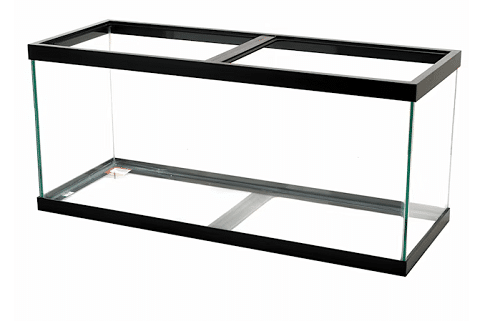
    Freshwater turtles can be kept in aquariums, large plastic containers, or even indoor ponds. The size of their habitat will depend on the size of the species, although your pet will appreciate plenty of room to explore. Small species like mud and musk turtles can be kept in enclosures as small as 30 gallons, while larger types may need enclosures of at least 5 feet long and wide. A 55 gallon tank is usually a good start for many of the turtles on this list.
    Basking Spot

    Most freshwater turtles leave the water regularly to bask in the sun. They do this to warm their bodies and absorb Ultraviolet rays. A turtle tank must include a dry area where your pet can hang out above the water line.

    A floating shelf above the water is a great option as it does not take up any swimming space. However, the shelf must be secured below your tank lighting and be sturdy enough for your pet to climb on and off. You can see that egg crate plastic and acrylic can work for a turtle ramp.

    You can also use a large piece of driftwood or rocks to create a more natural look, although this can take up a lot of space in your turtle’s tank.

    Layout

    Fishkeepers enjoy creating beautiful underwater scenes in their aquariums, but experienced turtle keepers know to keep things simple. A tank without substrate, decorations, and plants is much easier to clean and maintain.

    Care and Maintenance

    Maintaining Water Quality

    Turtles are surprisingly messy eaters and they produce plenty of waste. You will need good filtration to keep their habitat clean and maintain healthy water quality. Internal power filters and canister filters work well for turtles. Canister filters are usually preferred given the amount of waste a turtle can produce.

    This is where most beginners go wrong. Turtles are significantly messier than fish. they eat messily, defecate in the water, and can overwhelm a standard aquarium filter rated for fish their tank size. I recommend running a canister filter rated for at least double your actual tank volume. And don’t underestimate tank size: a slider in a 40-gallon seems fine for a year, but you’re building a problem that costs more to fix later. Bigger tank and oversized filtration from the start will save you money and stress.

    Great For Large Tanks
    Fluval FX Series

    High flow, large filtration capacity, and quality plumbing – The FX series is designed for monster fish keepers

    Buy On Amazon Click For Best Price

    Neglected turtles in dirty water are prone to health problems, so regular maintenance is really important. Perform regular water changes in your turtle tank and give it a thorough cleaning from time to time to maintain hygienic conditions.

    Lighting

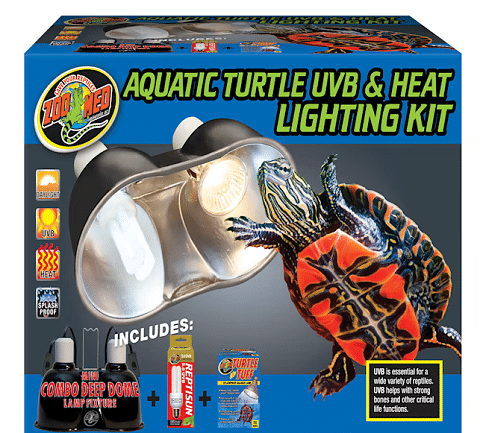
    Turtles kept indoors need access to ultraviolet light to grow healthy bones and shells and to prevent a serious health condition called metabolic bone disease. Without a special UVB light, turtles cannot produce vitamin D and absorb the calcium they need to stay healthy.

    While natural sunlight provides UVA and UVB light, most artificial light sources do not. Purchase a special UV bulb designed specifically for turtles and other reptiles. The light source should be positioned above the basking spot and be run on a timer for ten or more hours each day.
    Heating

    Turtles are cold-blooded animals that require external heat sources to warm their bodies. Your UVB bulb may double as a heat lamp or you may need to install a separate basking lamp to create the perfect temperature.

    The water in your turtle’s tank may need to be heated with a fish tank heater to maintain a comfortable temperature. Use a thermometer to monitor the temperature and create a safe and comfortable environment for your pet.

    Diet

    Turtles are easy to feed, although a varied diet is recommended to keep them happy and healthy. Provide a pellet/stick food made for turtles and supplement it with some fresh foods like romaine lettuce, crickets, and mealworms.

    Most species are omnivores that feed on insects and soft plant material, although different species have different diets. Be sure to research the needs of your pet to create a healthy meal plan.

    Feeding

    Overfeeding can cause health problems so fight the temptation to provide too many snacks! Young turtles can be fed every day while adult specimens should do well with a meal every other day.

    Some turtle keepers move their pets to a separate container at feeding time so they can simply discard the dirty water and uneaten food to keep their main enclosure cleaner for longer. However, this is not recommended for new pets that are still adapting to their new home as unnecessary handling can be stressful.

    Veterinary Care

    Turtles are exotic pets that may need the care of specialist veterinarians. It’s a good idea to contact an exotic pet veterinarian in your area if your pet requires medical care.

    What kind of turtle can live in a fish tank?

    Some aquatic turtles can live with fish, although it is risky to keep them together because turtles will snack on fish and other small animals. Turtles also have different habitat requirements to fish, so it’s better to keep these reptiles in an enclosure designed specifically for their needs.

    Is it OK to put a turtle in an aquarium?

    Many aquatic turtles can be kept in glass aquariums, although they have some special requirements. Their aquarium must include a basking platform where they can crawl out of the water and a special UV light bulb to keep them healthy.

    You should never take a turtle from the wild and keep it as a pet. Many species are now endangered in the wild, and captive-bred specimens tend to be much healthier and easier to care for anyway.

    Can turtles live in a tank full of water?

    Some aquatic turtles can be kept in a tank full of water, although some semi-aquatic turtles need shallow water so that they can keep their head above the surface. Almost all species will require a dry basking spot where they can climb out of the water and heat up.

    Terrestrial turtles and tortoises should not be kept in water!

    What is the easiest turtle to care for?

    Musk and mud turtles are relatively easy to care for because they stay small and do not require a very large habitat. However, the larger red-eared slider is hardy and easy to care for if you have the space.

    How big of a tank do I need for 2 turtles?

    The minimum tank size for two turtles will depend on their age and species. You can keep a pair of small turtles in a tank of about 50 gallons, although larger animals will require more space.

    Final Thoughts

    Keeping turtles is great for people of all ages and each of the aquatic turtles in this guide make great pets if given a good home and properly cared for. I hope the information in this article has helped you choose your new friend for life and given you some insight into the basics of aquatic turtle care and husbandry.

    My final advice for new turtle owners is to factor in their impressive lifespan, especially when buying a juvenile specimen. It’s also important to research the specific needs of the species you choose so that you can provide a happy home for your new companion!

    Do you have an aquatic turtle tank? Tell us about your favorite species in the comments below!
  • Aquarium Water for Plants: What Iโ€™ve Learned After 25 Years of Freshwater Fishkeeping

    Aquarium Water for Plants: What Iโ€™ve Learned After 25 Years of Freshwater Fishkeeping

    Iโ€™ve been doing water changes on my freshwater tanks for over 25 years, and for most of that time Iโ€™ve been routing that water straight to my garden instead of down the drain. As long as your tank is freshwater and hasnโ€™t been medicated, that nutrient-rich water is liquid gold for plants. Iโ€™ve seen the difference firsthand. Hereโ€™s everything you need to know about using aquarium water on your plants and why it works so well.

    Key Takeaways

    • Aquarium water is rich in macro and micronutrients, like nitrogen and phosphorus, that are commonly found in popular fertilizer options.
    • The parameters of your tank water may be influenced by tap water, food ingredients, and fish output.
    • Chemically treated water should not be used on edible plants.
    • Aquaponics is a large field in agriculture and encourages growing plants in a fish-based system.

    Why It Works

    Before we can see how fish tank water can be used to feed terrestrial plants, we need to understand what makes this water special. Like anything in the aquarium hobby, it all ties back to the nitrogen cycle.

    Iโ€™ve always thought of my water change water as free fertilizer. Instead of dumping it, I walk it straight to my garden beds. my freshwater community tanks produce some of the richest free plant food you can find.

    When you cycled your tank, you needed to introduce a source of ammonia into your aquarium. This could have been done organically or chemically. After a while, beneficial bacteria started to reproduce and process the ammonia into other compounds, like nitrite and nitrate. Once enough bacteria had populated the aquarium, ammonia and nitrite could be maintained at 0 ppm while nitrate was controlled through water changes.

    Just because ammonia and nitrite aren’t readable in your current tank through test kits doesn’t mean that they’re not present though. In fact, fish are constantly creating ammonia through respiration and waste. Most test kits don’t read to this precision.

    Plants and Nutrients

    Ambulia-Plant

    If you have a freshwater aquarium, you may have been recommended to add live plants to help cycle the aquarium and to keep an overall healthy system. There is a good reason for this! As we’ll see, aquatic plants are very similar to terrestrial plants in how they rely on nutrients; aquarium plants get most of their nutrients through the water column, though sometimes through the substrate, and most terrestrial plants rely on the soil to receive nutrients.

    Plants can absorb all of these nitrogen compounds: ammonium, ammonia, nitrite, and nitrate. Most species uptake nitrate the most, but live plants can help maintain the other levels. This is why adding live plants to an aquarium can decrease the toxicity of the water and maintain levels in the future.

    It’s important to note that freshwater aquariums also contain other important compounds, like magnesium and phosphate, that aren’t regularly tested for. Just because hobbyists don’t monitor these parameters doesn’t mean they’re not present in the aquarium. As we’ll see, they’re some of the most important compounds for growing terrestrial plants!

    How can our fish tanks help our indoor plants and possibly even help grow the food that we eat?

    Plant Fertilizer

    The next time you go into an outdoor store or gardening center, take a look at the available fertilizers. You may see a variety of powder and liquid options, each of which will provide a percent breakdown of the nutrients offered.

    Pellet-Fertilizer

    You will likely see a ratio of three values on the front, which read N-P-K1, or nitrogen-phosphorus-potassium. These are some of the most important nutrients for plant growth, and the ratio needed will depend on the species of plant being grown.

    While you likely won’t get this precise ratio with fish tank water, nitrogen, phosphorus, and potassium are present in your aquarium. While nitrogen is predictable, phosphorus, potassium, and micronutrient levels will vary as they are influenced by tap water, food ingredients, and other inputs.

    Now that we know how aquarium water acts as a fertilizer, how can we use what we have?

    Watering and Water Changes

    The best way to use your aquarium water as a plant fertilizer is by not wasting what you already have! More than likely, you perform water changes on your aquarium anywhere from once a week to several times a month. Chances are that you’ve been throwing that old water down the drain.

    Before you get rid of that water, get a watering can! Use an aquarium siphon or cup to remove the water from the tank and into your container. As long as there isn’t a ton of fish waste or other organic debris, this water can be directly used to water plants. It really is as easy as that!

    Python Cleaner

    The Python is a mainstay in the fish hobby. Easily clean your aquarium by connecting this to your sink!

    Buy On Amazon

    If you’re siphoning your substrate during your water change, then you may want to take some time to let that gunk settle at the bottom of your container. While it is unlikely to hurt your plants, fish waste left sitting on top of the soil can attract other garden pests and lead to a nasty smell.

    But wait! Don’t throw that fish poop out either. In fact, this organic matter can be directly added to a compost pile along with any excess water.

    Storing Water

    Unless you have a ton of plants, you’ll probably end up with leftover water from your fish tank. This water can be discarded as usual, or you may consider setting up a reserve for later use.

    This reserve is like setting up another fish tank but in a closed tub or bucket. Here is one way of setting up an aquarium water reserve:

    Use a bucket, tub, or other large container. This container should not let light in as this will facilitate algae growth that will end up stealing nutrients. In the worst-case scenario, this nutrient-packed algae can be used for composting!

    This container should also be closed so that no contaminants, like aerosols, insects, or a thirsty pet, can make their way in. If you use a trash cute, the Brute brand is a great mainstay in the hobby. Make sure it is labeled as food grade.

    Use filter media. Contrary to popular belief, beneficial bacteria do not live in the water column. Instead, they live on the surfaces in our fish tanks, mainly in porous filter media. While new amounts of ammonia or nitrite are unlikely to enter your container, beneficial bacteria will continue to make your used fish tank water a healthy environment. You can also squeeze out your sponges during water changes to release some of the bacteria and the nutrients.

    Install a pump. Even though this water will be processed by beneficial bacteria, stagnant water will still invite unhealthy microbes. Stagnant water will likely grow algae and other slime while also depleting the water of oxygen. This could create anaerobic conditions, which would not be healthy for ornamental plants.

    Check your water regularly. Fish tank water won’t store indefinitely, and we don’t recommend hanging onto it for more than a week, especially if there is sediment or other organics present. If you notice a funky smell or any other signs of contamination, dispose of the water.

    Indoor Plants In Your Aquarium

    Aquarium water can be used to water plants with a watering can, but it can also be used straight from the source. Many hobbyists have begun growing indoor plants, and even some fruits and vegetables, straight out of their aquariums. This removes the need to store water and gives plants direct access to some of the best plant fertilizers available. In return, the plant helps remove excess nutrients from the water column.

    In order to grow terrestrial plants out of your aquarium, you will need an additional grow light. Also, some plants cannot have constantly submerged roots, so some special selection is needed.

    Considerations When Using Aquarium Water For Plants

    Aquariums make some of the best plant fertilizers available, but you might have a few questions about keeping healthy fish and healthy plants.

    Should you add more nutrients directly into your aquarium?

    It would make sense that adding more nitrogen compounds and other nutrients to your aquarium would make your fertilizer even better, but aquariums have a delicate balance of parameters. Too much ammonia or nitrite can lead to poisoning your fish; even high levels of nitrates can eventually impact your aquarium.

    However, many hobbyists add nitrogen additives to their aquariums to help their aquatic plants grow. In moderation, this is a great way to facilitate growth and even get more desirable colors out of your live plants. In terms of dosing other macro and micronutrients, like magnesium and phosphate, it’s generally not necessary unless you are certain your aquarium is lacking in them.

    Editor’s Choice!
    APT Complete

    Editor’s Choice

    Made by an aquascaper for aquascapers. This is the best all around aquarium plant fertilizer on the market. Marco and micronutrients in one bottle!

    Use Coupon Code ASDComplete for 10% off your order!

    Click For Best Price Buy On Amazon

    Being able to water plants with fish tank water is an added benefit of your aquarium, not its main purpose (though we’ll discuss more in the aquaponics section later).

    Should you be worried about aquarium chemicals?

    Yes, there are some potential hazards associated with using fish tank water that has been treated with chemical products. This is especially a concern if using the water on edible plants.

    Most hobbyists dose their fish tanks with at least one chemical. Most often, this is a dechlorinator that removes chlorine and chloramine to make water safe for fish, but can also include medications. However, most of these chemicals are not food-grade and cannot be ingested safely for certain. Some fish keepers use alternatives, like ascorbic acid, as a dechlorinator, but this takes some special measuring.

    One product you might not consider a threat to plants is aquarium salt. Most plants cannot physiologically process salt and may start to die as a result. You should never use saltwater for a garden if you keep a marine tank.

    โš ๏ธ From my experience: The two setups I always warn people about are saltwater/reef tanks and African cichlid tanks. Reef tanks have obvious salt issues, but cichlid tanks also tend to run high pH and sometimes have added salt. both can damage or kill garden plants. Stick with a standard freshwater community tank and youโ€™ll be fine.

    If the tank has been medicated in the past or is currently being medicated, you should also not use the water on your garden.

    In general, you should avoid using chemically treated fish tank water on plants you intend to eat.

    Does pH matter?

    So far, we have not discussed pH. Freshwater aquariums typically have a neutral pH of around 7.0, but some blackwater or cichlid tanks might have well above or below that. Most plants thrive in the neutral zone, though some species prefer acidic or basic conditions respectively.

    Another important parameter to consider is alkalinity, or the ability of water to buffer changes in pH. This parameter is rarely discussed in freshwater aquariums, with general hardness being a bigger concern. However, a high alkalinity can also impede plant growth and start to affect the effectiveness of pesticides and other enhancers.

    Aquaponics

    If you’re serious about using your fish tank’s water to facilitate your plant growth, you might be interested in the greater field of aquaponics.

    This takes growing plants with fish tank water to a whole other level. Simply put, aquaponics is sustainable farming using a closed-loop system that is dependent on the nitrogen cycle: fish create waste and the plants uptake the nutrients. Plants are grown directly in the water for easy nutrient uptake without the need for soil.

    Some plants that can be grown in these systems include lettuce, tomatoes, peppers, and herbs.

    Can I use fish tank water to water my plants?

    Yes! Freshwater fish tank water is a great source of nutrients required for healthy plant growth, like nitrates. However, too much watering with aquarium water can overload your plants with nutrients, which can also be detrimental.

    Is aquarium water conditioner good for plants?

    If you’re planning on eating the foods you’re growing, you should not use chemically treated fish tank water. This is because these chemicals have not been evaluated for consumption. Instead, alternatives, like ascorbic acid, could be used to neutralize chlorine for fish.

    Is fish tank water good for gardens?

    Yes, you can use fish tank water on indoor and outdoor plants. Make sure to avoid plants that you will eat as aquarium water is often treated with various chemicals, like dechlorinator.

    Conclusion

    If you love aquariums and gardening, then there are many reasons to start using your tank water to feed your plants! Aquarium water is packed with important nutrients, like nitrate, that can fertilize your plants as needed. Avoid using water that has been chemically treated on edible plants, but save your water change leftovers for later use.


    ๐ŸŒฟ Want to learn more? This article is part of our complete Planted Tank & Aquascaping Guide. your ultimate resource for aquarium plants, aquascaping styles, substrates, and more.

  • Severum Tank Mates: My 15 Picks After Years in the Aquarium Trade

    Severum Tank Mates: My 15 Picks After Years in the Aquarium Trade

    Severums have a well-earned reputation as gentle giants in the cichlid world. and having cared for them at local fish stores over the years, Iโ€™d say thatโ€™s accurate. Theyโ€™re surprisingly peaceful for a cichlid of their size, which opens up a lot of stocking options. But you still need to choose carefully: the wrong tank mate can stress them out or end up as a meal. Here are my picks for the best severum tank mates, plus the ones Iโ€™d steer clear of.

    Key Takeaways

    • Severums are fairly peaceful cichlids that can be kept with a variety of other tropical fish species.
    • The best severum cichlid tank mates are other medium to large fish that prefer a similar water temperature and parameters.
    • The severum cichlid is omnivorous, so they are not safe to keep with nano fish like neon tetras.
    • Severums will also eat live plants and invertebrates like shrimp.

    The Top 15 Severum Tank Mates

    Are you ready to meet 15 suitable tank mates for your severum cichlid? Read on to find the perfect match for your severum community! Here’s a video from our official YouTube Channel. If you like our videos, subscribe to our channel.

    1. Other Severums

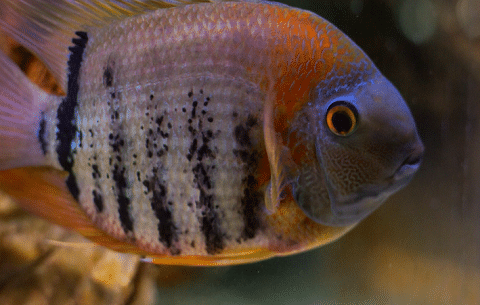
    Severums-Fish

    Before we start getting into other species, let’s discuss the option of keeping multiple severums together in the same tank. Now, these fish don’t need to be kept in schools, and you can keep just a single fish, but many aquarists have kept them together without trouble.

    Of course, severums are large fish, so you’ll probably need a tank that holds a few hundred gallons to keep a group into adulthood. Housing four or more fish together may also help to limit aggression.

    They can be semi-aggressive toward each other, so it’s a good idea to buy them young and add them to the tank at the same time. Choosing individuals of different breeds may also help to prevent aggression, although you’ll probably want to prevent them from hybridizing if you are considering breeding them.

    2. Silver Dollars

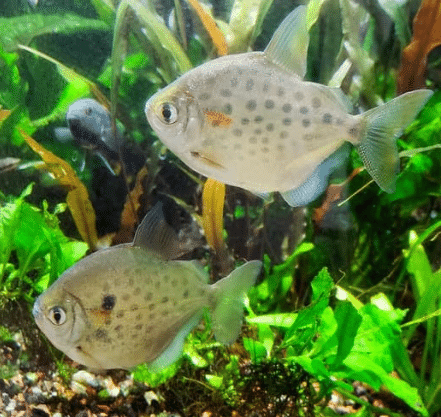
    Spotted Silver Dollar
    • Scientific name: Metynnis argenteus
    • Origin: South America
    • Adult size: 6 inches
    • Minimum tank size: 75 gallons
    • pH: 6-7
    • Temperature: 75-82ยฐF
    • Temperament: Peaceful

    The silver dollar is a peaceful South American schooling fish with an accurate name. These rounded fish are mostly silvery in color, although they may have some orange color on their anal fins.

    Silver dollars tend to hang out in the middle and upper layers of the tank where their high activity levels add a lot of movement. However, these fish do best in groups of about 5 or more, so you’ll need a large aquarium to house them with your severums.

    3. Oscars

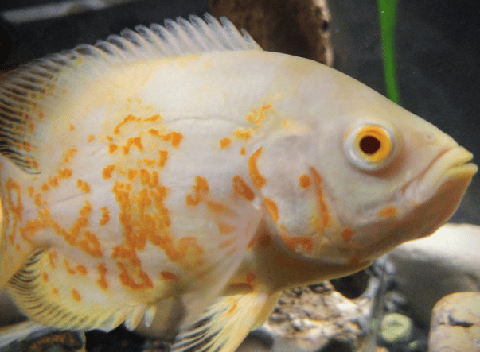
    Albino Oscar
    • Scientific name: Astronotus ocellatus
    • Origin: South America
    • Adult size: 10-14 inches
    • Minimum tank size: 75+ gallons
    • pH: 6-7.5
    • Temperature: 68-82ยฐF
    • Temperament: Semi-aggressive

    Oscars can make great severum tank mates, although a lot depends on their individual personalities. Like the severum cichlid, these large South American cichlids are available in several awesome color patterns, and they generally get along well with tank mates that are too large to fit in their mouths!

    Oscars are pretty easy to care for, although they are carnivorous fish that need a balanced diet that includes some meaty foods like earthworms. These fish also grow even larger than the severum cichlid, so this pairing will not work in anything less than a 75-gallon tank.

    4. Dension Barbs

    Dennison Barb
    • Scientific name: Sahyadria denisonii
    • Origin: India
    • Adult size: 4 inches
    • Minimum tank size: 55 gallons
    • pH: 6.8-7.8
    • Temperature: 60-77ยฐF
    • Temperament: Peaceful

    The denison barb (also known as the roseline shark) is a great choice for aquarists who want a colorful active tank mate for their severum cichlid.

    However, these fish prefer cooler water temperatures than many other tropical species, so you’d need to maintain your water temperatures around the mid-70s Fahrenheit to keep everyone comfortable. Denison barbs do best in a large school, so buy a group of at least 6 individuals.

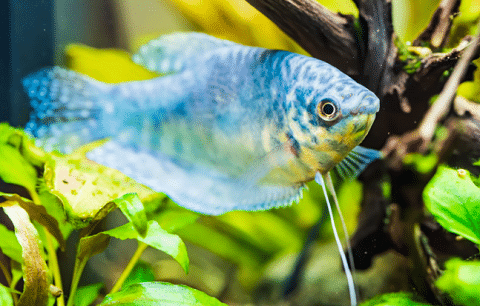
    5. Pearl Gourami

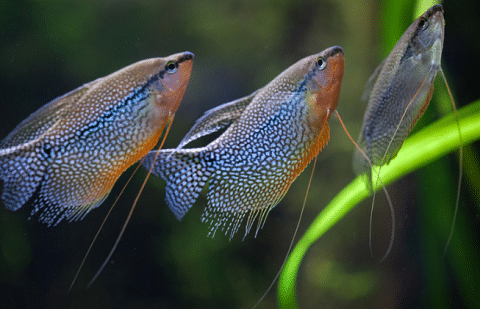
    Pearl Gourami Fish
    • Scientific name: Trichpodus leerii
    • Origin: Southeast Asia
    • Adult size: 4-5 inches
    • Minimum tank size: 30-40 gallons
    • pH: 6-7
    • Temperature: 75-82ยฐF
    • Temperament: Peaceful

    The pearl gourami is a peaceful, docile fish that enjoys similar water conditions to the severum cichlid. These tropical fish do well in community tanks, although you should keep four or more in the same tank.

    These gouramis have a reddish body covered in beautiful pearly spots and a dark horizontal line from their eye to their tail. There pelvic fins are modified into interesting feelers that they move around to explore their environment, making this a fascinating fish to watch.

    6. Medium to large plecos

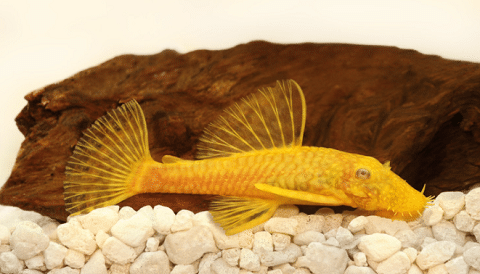
    Bristle Nose Pleco
    • Scientific name: Hypostomus spp., Parancistrus spp., Ancistrus sp. etc.
    • Origin: South America
    • Adult size: 4 – 12 inches
    • Minimum tank size: Species-dependent, medium-sized species will thrive in a 55-gallon+ aquarium
    • pH: Neutral to slightly basic conditions are suitable for many species
    • Temperature: 75-80ยฐF is suitable for many species
    • Temperament: Generally peaceful but can be territorial toward their own kind

    Plecostomus catfish are laid-back bottom feeders that spend most of their time hanging out on the bottom of the tank or sucking onto rocks and driftwood. These cleaner fish are not aggressive, although they can hold their own against more boisterous tank mates.

    Many species will make excellent tank mates for severums, although it’s important to research their needs carefully before you buy. Some pleco species grow surprisingly large, while others require strong water flow or high temperatures

    Check out my guide to 15 pleco fish species to learn about some of the best types in the hobby!

    7. Angelfish

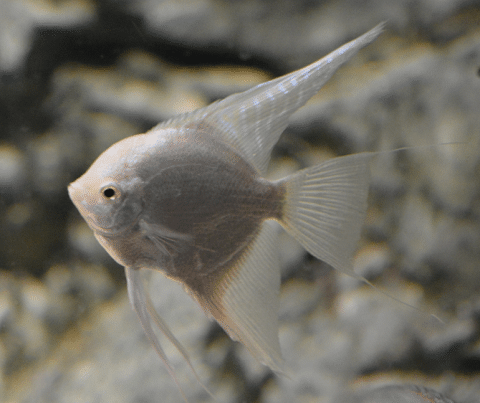
    Platinum Angelfish
    • Scientific name: Pterophyllum spp.
    • Origin: South America
    • Adult size: 6 inches
    • Minimum tank size: 40 gallons
    • pH: 6-7
    • Temperature: 75-82 ยฐF
    • Temperament: Generally peaceful

    Known for their distinctive body shape, freshwater angelfish are incredibly popular in the aquarium hobby. These medium-sized South American cichlids are good tank mates for severums and many other peaceful community fish.

    Angelfish are available in a few different species, including the larger altum angelfish (Pterophyllum altum) and the rarer Leopold’s angelfish (P. leopoldi). The regular freshwater angelfish (P. scalare) is also available in many stunning color morphs.

    8. Blue Gourami

    Blue Gourami Fish
    • Scientific name: Trichopodus trichopterus
    • Origin: Southeast Asia
    • Adult size: 5-6 inches
    • Minimum tank size: 35 gallons
    • pH: 6-8
    • Temperature: 75-86ยฐF
    • Temperament: Semi-aggressive

    The blue gourami (also known as the three-spot gourami) is one of the most beautiful gourami species in the hobby, and it can make a good tank mate for severum cichlids.

    However, blue gouramis are also one of the more aggressive gouramis, so you’ll need to consider the safety of any other tank mates you might want to keep.

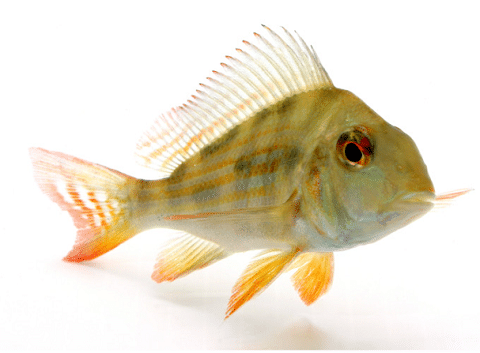
    9. Geophagus

    Geophagus
    • Scientific name: Geophagus spp.
    • Origin: Amazon River Basin, South America
    • Adult size: 5-12 inches
    • Minimum tank size: Species dependent, 55 gallons for smaller species
    • pH: Species dependent, slightly acidic to slightly basic
    • Temperature: Species dependent, generally upper 70s and lower 80s Fahrenheit
    • Temperament: Peaceful and social

    Geophagus cichlids are also known as earth-eaters for their habit of searching for sucking in sand in search of food. This diverse group of South American cichlids includes many species that will work with severums, although it’s important to research the specific water parameter and tank size needs of each type before adding it to your tank.

    It’s also important to house these fish in an aquarium with a sandy substrate to allow for natural foraging behaviors. The various geophagus cichlids inhabit diverse habitats, including still waters and fast-flowing rivers, so select species that will enjoy the same conditions as your severum cichlid.

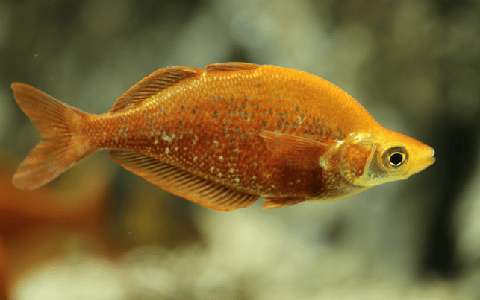
    10. Larger Rainbowfish

    Red-Irian-Fish
    • Scientific name: Melanotaenia spp., Glossolepis etc.
    • Origin: Southeast Asia and Australasia
    • Adult size: 4-6 inches
    • Minimum tank size: 55 gallons
    • pH: 7-8
    • Temperature: 74-78ยฐF
    • Temperament: Peaceful

    Larger rainbowfish species, like the boesemani and red rainbowfish, can make excellent tank mates for severum cichlids, especially if you are looking for large and colorful species that swim actively in the open water.

    However, it’s important to consider their water chemistry preferences when housing them with severum cichlids and South American species. These peaceful fish prefer temperatures in the mid-70s Fahrenheit and neutral to slightly basic water chemistry, so they have a fairly narrow parameter overlap with severums.

    11. Uaru Cichlid

    <a href=Uaru Cichlid” class=”wp-image-1077672″/>
    • Scientific name: Uaru amphiacanthoides
    • Origin: South America
    • Adult size: 10-12 inches
    • Minimum tank size: 75 gallons
    • pH: 6-7
    • Temperature: 82-86ยฐF
    • Temperament: Peaceful

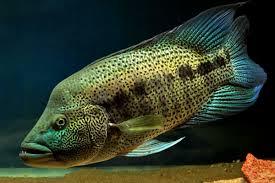
    The Uaru is a large South American cichlid with attractive but neutral body colors. They are identified by the large black blotch on either side of their body and by their bright red or yellow eyes.

    Uaru cichlids are very peaceful and make excellent severum cichlid tank mates, although they require pretty warm water. A tropical aquarium with temperatures in the lower 80s Fahrenheit will be ideal for this tank mate combination.

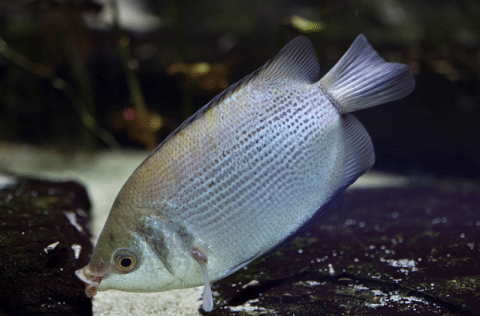
    12. Kissing Gourami

    Kissing Gourami
    • Scientific name: Helostoma temminkii
    • Origin: Southeast Asia
    • Adult size: 8-10 inches
    • Minimum tank size: 50 gallons
    • pH: 6-8
    • Temperature: 72-86ยฐF
    • Temperament: Semi-aggressive

    The kissing gourami is a fascinating freshwater species known for its habit of locking lips with its own kind. These filter-feeding fish are fairly peaceful, and their specialized diet means they can be kept with much smaller tank mates.

    13. Electric Blue Acara

    Electric Blue Acara
    • Scientific name: Most likely to be a hybrid
    • Origin: South American ancestry
    • Adult size: 6-7 inches
    • Minimum tank size: 40 gallons
    • pH: 6-7
    • Temperature: 74-82ยฐF
    • Temperament: Semi-aggressive

    The electric blue acara is a stunning South American cichlid that is most likely to be a hybrid of two or more wild species. These medium-sized freshwater fish are excellent tankmates for severums because they show little aggression and thrive in the same water conditions.

    ๐Ÿ† My top pick: Out of all 15 options on this list, the Electric Blue Acara is the one Iโ€™d recommend first. The temperament match with severums is excellent. neither fish is looking for a fight. and their water parameter requirements line up well. A great pairing.

    14. Salvini Cichlid

    • Scientific name: Cichlasoma salvini
    • Origin: Central America from Mexico to Belize
    • Adult size: Up to 6 inches
    • Minimum tank size: 55 gallons
    • pH: 6.5-8
    • Temperature: 72-79ยฐF
    • Temperament: Aggressive

    The Salvini cichlid is one of the most gorgeous cichlid species in the aquarium world. Unfortunately, they tend to show aggressive breeding behavior, although large severums can generally hold their own against these stunning fish if you provide a suitable environment.

    You can minimize aggressive behavior by keeping a single fish (salvini cichlid pairs can be highly aggressive), providing plenty of space in a large aquarium, and by providing plenty of caves and other hiding spots. Keep an eye on their behavior and be prepared to rehome them if you notice serious aggressive behavior.

    15. Bolivian Rams

    Bolivan Ram Cichlid
    • Scientific name: Mikrogeophagus altispinosus
    • Origin: South America
    • Adult size: 3 inches
    • Minimum tank size: 30 gallons
    • pH: 6-7.5
    • Temperature: 75-82ยฐF
    • Temperament: Peaceful

    Bolivian rams are beautiful severum cichlid companions for more experienced fishkeepers. Just keep in mind that rams are dwarf cichlids, so it may be risky to add young specimens to a tank with full-grown severums that are large enough to swallow them!

    Bolivian rams are generally very peaceful and tend to hang out at the bottom of the tank. These fish can also be kept in aquariums as small as 30 gallons, so it is possible to house several individuals in a larger tank.

    Fish To Avoid

    While severums get along with many other freshwater fish species, there are a few species that you should definitely avoid. Here are four tank mates that are not recommended for adult severum cichlids:

    โš ๏ธ The two mistakes I see most often: choosing fish that are too small (severums will bully or eat them once theyโ€™re fully grown) or too aggressive (severums are peaceful by cichlid standards and will get stressed by constant harassment). Size and temperament matching is everything with this species.

    1. Dwarf Gourami

    <a href=Dwarf Gourami in Aquarium” class=”wp-image-549383″/>

    Large gouramis, like the pearl and kissing gouramis, are appropriate tank mates for severums, but smaller species, like honey and dwarf gouramis, are riskier. I would avoid keeping dwarf gouramis with larger cichlid species.

    2. Smaller Tetras

    Black <a href=Neon Tetra” class=”wp-image-547312″/>

    Some fish keepers have success keeping severums with larger-bodied species like the black skirt tetra, although small schooling fish are generally not a good idea. You should definitely avoid small species like neon and ember tetras.

    3. Highly aggressive fish

    Wolf-Cichlid

    Despite their size, severum cichlids can be vulnerable to attacks from aggressive fish. It’s best to avoid highly aggressive species like wolf cichlids, although some fishkeepers have success with aggressive species like Jack Dempseys and the blood parrot cichlid.

    Be prepared to rehome any fish that don’t get along with your severums as fights and aggressive behaviors can result in serious injuries for one or both fish.

    4. African Cichlids

    Mbuna Cichlids

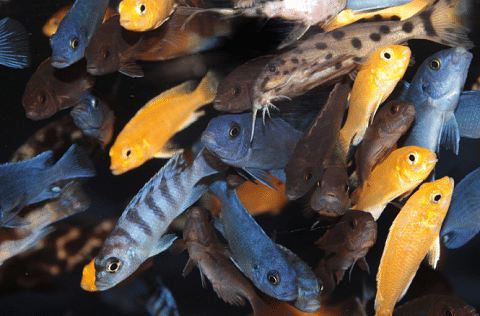
    It’s generally a bad idea to mix African cichlids with severums. Rift Valley cichlids from East Africa require really hard, basic water to survive, while severums prefer neutral or even slightly acidic conditions.

    Aggression and compatibility can also be a problem, so if you do try this pairing, stick to more peaceful species like electric yellow labs.

    Care Basics

    Also known as banded cichlids or ‘poor man’s discus,’ the severum cichlid (Heros sp.) is a large but peaceful South American fish from the cichlid family. There are many different varieties in the aquarium trade, including the green severum, the gold severum, and various other species in the Heros genus.

    Severums can grow to about a foot long out in the wild, but they usually max out at less than ten inches in the home aquarium. They are easy to care for, although they require a large aquarium of at least 55 gallons.

    Diet

    Severums are omnivorous fish that require a varied diet. High-quality pellets are a good staple diet but you should include frozen foods like brine shrimp, bloodworms, and plant matter like blanched vegetables to keep your fish healthy and encourage breeding behavior.

    Recommended Water Parameters

    • Temperature: 75-84ยฐF
    • pH: 6-7.5
    • Water hardness: 4-6dH

    There’s much more to learn about severum cichlid care! Go ahead and check out my in-depth severum cichlid care guide for much more on these awesome fish.

    Community Aquarium Setup Tips

    Aquarium Size

    A 55-gallon tank is suitable for growing out young fish or keeping a single severum cichlid. However, larger fish will do better in a 75-gallon tank, and you’ll need even more space if you’re adding a few tank mates.

    Great Beginner SW Tank
    Aqueon 60 Gallon Breeder

    This new 60 gallon breeder by Aqueon has the length and width of a 75 gallon tank, but at a shorter height. This is the most economical and effective 4 foot gallon tank for the saltwater hobby now.

    Buy on Petco

    A 125+ gallon setup should provide adequate space for a severum cichlid community with a few other medium/large fish, although a bigger tank is always better!

    Decor and Planting

    The ideal layout for the severum cichlid includes plenty of driftwood over a sandy substrate. Unfortunately, these omnivorous cichlids will eat live plants, so it’s generally not a good idea to keep these partly vegetarian fish in planted tanks. However, you could try some tough species like Java fern if you’re not too worried about them getting chewed on.

    Characteristics of Suitable Companion species

    This species can be housed with many other medium to large freshwater aquarium fish. However, it’s important to select tank mates that thrive in the same water conditions as the severum cichlid.

    Severums are not particularly aggressive, although they can hold their own with slightly more aggressive and boisterous species. Small, slow-moving fish are a risky choice because severums are omnivorous.

    How big of a tank do Severums need?

    The minimum tank size for severum cichlids is 55 gallons. However, breeding pairs will require a 75-gallon tank, and you may need to go even larger when keeping multiple fish or adding a few medium to large tank mates.

    Are Severums aggressive?

    Severums are relatively peaceful cichlids, making them an excellent choice for a larger community tank. However, some species are more aggressive than others and each specimen has its own personality.

    They may also become aggressive when breeding, so these fish are generally classified as semi-aggressive.

    Will Severums eat neon tetras?

    Severums are omnivorous and generally feed on plant material and invertebrates. However, a larger specimen will feed on other fish if they are slow enough to catch and small enough to swallow. Keeping the severum cichlid with neon tetras and other small schooling species is not recommended.

    Can you keep a single Severum?

    Severums can be kept on their own or in small groups. Some sources indicate that single fish may become more aggressive without the company of their own kind, although many aquarists have no problems keeping these fish on their own.

    Can a severum live with African cichlids?

    Severums are not ideal tank mates for African cichlids from Lake Malawi, Victoria, and Tanganyika. Those fish are adapted to water with high pH and mineral content, whereas severums prefer soft water with a pH closer to neutral.

    South and Central American cichlid species or West African cichlids like the kribensis are usually a better match on water parameters.

    Final Thoughts

    Careful consideration is necessary when choosing tank mates for freshwater fish – especially when cichlids are involved. Fortunately, the severum cichlid is a gentle giant of the fish keeping world, suitable for many different freshwater tank mates. I hope this guide to the 15 best severum cichlid tank mates has helped you narrow down your options and find the perfect companions for your severum!

    Do you keep severums? Share your favorite tank mates in the comments below!


    ๐Ÿ“˜ Want to learn more? This article is part of our complete Freshwater Fish Guide. your ultimate resource for freshwater species, care tips, tank setup, and more.

  • Fish Tank Filter Not Working? My Troubleshooting Guide After 25 Years

    Fish Tank Filter Not Working? My Troubleshooting Guide After 25 Years

    Is your fish tank filter not working?

    Aquarium filters are essential in this hobby, so when they stop working, you can expect some problems! But what should you do if your filter malfunctions? Well, don’t rush off to buy a new one too soon because there’s a good chance you can fix it yourself!

    In this guide, I’m going to help you get your aquarium filter up and running again. We’ll start off with some pretty obvious stuff and progress to more technical issues, so read through until the end and you should have the solution you need.

    Key Takeaways

    • Aquarium filters can stop working for many different reasons, but it’s often possible to fix the problem at home.
    • Start with the simplest solutions before taking drastic actions. Sometimes all you need to do is check your filter’s electrical plug.
    • A lack of aquarium maintenance can cause various filter problems, so invest a little time every week or two to inspect and maintain your equipment.
    • ELECTRICITY IS DANGEROUS. Unplug your filter before inspecting it and please leave electrical work to competent individuals.

    Troubleshooting – First Steps and Clues

    Are you sure it’s not working?

    This may seem like a silly question, but some filters are almost completely silent so you really need to look or feel to know if they’re running. Look for water flow near the filter’s outflow to know if water is moving through the pump.

    If you’re sure your filter is not running, it’s time to figure out why.

    When did it stop working?

    Doing a little detective work can help you figure out some potential causes of your fish tank filter not working.

    Let’s take a look at a few scenarios:

    • After a power outage: Some filters need to be primed each time you start them. So, if your power went out, you might be able to re-prime your filter and get it up and running again.
    • After a power surge: Lightning strikes, tree falls, and power outages can all cause surges that could damage electrical equipment1.
    • Gradual loss of performance: If your filter has been weak or noisy for some time, it could be a sign of a clogged impeller or filter media. These problems tend to build up over time.

    Fish Tank Filter Not Working – 5 Possible Causes

    Finding the problem with your aquarium filtration system is much easier when you know where to look. Continue reading to discover five possible causes and what you can do to solve them.

    1. Power Problems

    Aquarium filters need electricity to run, so that’s the first place to look when your fish tank filter stops working. Before we go any further, I just want to remind you of something obvious: ELECTRICITY IS DANGEROUS. Please leave electrical work to trained professionals.

    With that out of the way, let’s look at some safe tests that you can do.

    • Check the power source

    If your filter isn’t running at all, don’t be too quick to assume that the filter is the problem! The issue could also lie with your power supply, power strip, or any of the connections between your electrical panel and the filter itself.

    Start by making sure the filter is plugged in at a power outlet. Some outlets have a dedicated on/off switch, so make sure that’s in the ‘on’ position.

    If it’s definitely plugged in but still not running, your next step is to test the outlet. You can do this by unplugging the filter and plugging in a different electrical appliance like a lamp. If that doesn’t work either, your filter is probably not the problem.

    • Check your power strip

    Sometimes there’s nothing wrong with the power source or the filter. Your powerstrip might be faulty or need to be reset. Some power strips include a reset button that will need to be pressed after a power surge or overload.

    • Inspect the cable

    Electrical cables are pretty prone to damage, so it’s a good idea to visually inspect them for signs of wear or breaks. If you’re handy, you may be able to repair a worn cable yourself, but I recommend getting help from a pro if you’re not sure.

    • Are you using a timer?

    It’s best to set your aquarium lights on a timer to keep a regular day/night schedule. However, your fish tank filter should be set to run constantly.

    It’s annoyingly easy to get your plugs mixed up during the aquarium cleaning process, and sometimes the solution is as simple as switching plugs! If this happens to you, consider putting a zip tie or some colored tape on your filter cable to help you identify it easily.

    2. Clogged Filter

    Beneficial Bacteria from Existing Filter

    Your filter is designed to collect debris from the water, but sometimes, these waste particles build up to such an extent that they create blockages that prevent your filter from working properly.

    • Rinse regularly

    Many fish tank filters use a synthetic sponge material as a filtration media. These sponges do not need to be replaced until they begin to fall apart, although they do require regular maintenance to avoid blockages.

    The dirt that collects in your aquarium filter media will reduce water flow and mechanical filtration, but you can avoid this by simply rinsing the sponge outside of your aquarium in some tank water. Avoid using chemicals or hot water when cleaning your sponge media as this can kill the good bacteria that are essential for proper filtration.

    Check out my detailed guide to the aquarium cycle to learn more about beneficial bacteria and the nitrogen cycle.

    • When to replace

    Some filters are designed to use cartridges that must be replaced regularly. This type of media should be replaced at the intervals recommended by the manufacturer to avoid a reduced water flow rate. Filter floss is another filter media that clogs easily and will need to be replaced regularly.

    3. Air Locks

    Sometimes, air gets into the filter and causes an air lock which reduces your flow rate or even prevents your filter from moving water. This often happens when the filter intake is not positioned below the water’s surface, although it also occurs if you run an airstone near the intake. You may need to prime your filter to get it restarted, although the procedure will differ depending on the type of filter you have.

    • Hang on back filters

    Many hang-on-back (HOB) filters need to be primed before they can operate or they may be very noisy and fail to operate correctly. However, some models have self-priming technology.

    To prime a HOB, simply fill the impeller chamber with water from the aquarium until it begins to flow through the outflow and back into the tank. Then, you can adjust the flow rate to suit your needs.

    • Canister filters

    Many canister filters have self-priming technology, but some must be manually primed using the built-in pump. You may also need to rock your canister filter back and forth or side to side to dislodge any air trapped in the impeller housing. These filters should be placed below your aquarium for best results.

    4. Disrupted Water Flow

    Each aquarium filter type works differently, but they are all designed to suck water from the aquarium and pass it through some sort of filter media. The obvious exceptions are sponge or under gravel filters that work with an air pump.

    Your filtration system will not work properly if water can’t flow through the media as it should, so it’s important to inspect your filter and ensure that everything is clean and put together properly.

    • Water intake obstructions

    The water intake is a common source of problems since this is the first place where blockages can occur. Inspect the intake grid or tubes for obstructions like plant leaves or hiding snails.

    Sometimes, the intake tube of your filter may become dislodged, which disrupts the flow of water through the system. Make sure this component is seated properly as it can make a huge difference.

    • Flow valves and flow rate adjustment

    Many modern aquarium filters come with an adjustable flow rate, so this is a good place to start if your filter just seems a little weak. Check out your user manual or look for a dial or lever to increase the flow rate.

    Canister filters have valves on both the intake and output valves. Water will not be able to flow through the canister if either of these valves are shut, so make sure the tabs of each valve are in the open position, or at least open enough for water to pass through.

    • Water level in the tank

    Over time, water will evaporate from your aquarium, leading to a slow decrease in water level. If the level gets below your filter’s intake, the unit will begin to suck air, and it may overheat or malfunction. Keep your aquarium full with regular top-ups and water changes.

    5. Filter Motor Problems

    • Clogged impeller

    Internal power filters, canister filters, and hang-on-back filters all have a part known as an impeller, and this is a very common cause of filter issues.

    The filter impeller is the part of the pump that spins, creating a water current that sucks water through the filtration media and back into the tank. Sometimes, this crucial part becomes dislodged from its correct position or it may get clogged with gravel or wrapped up in fibers or hairs that prevent it from spinning.

    • Impeller maintenance

    You can usually access the impeller pretty easily without any special tools, but make sure the filter is unplugged before opening it up. Gently remove the impeller with your fingers or a pair of tweezers and clean it off, paying attention to the blades and the steel impeller shaft. You should also look for obstructions in the impeller housing and clean it out if necessary.

    • Impeller replacement

    You can often get your aquarium filter back up and running by simply cleaning out the impeller and housing, but eventually, you might need to replace some parts. Impellers don’t last forever, so order a replacement when yours becomes grooved, worn, or broken.

    What To Do If You Can’t Fix It – 5 Helpful Tips

    You’re going to need to take action if you’ve tried all the options listed above and you still can’t get your filter to run. Here’s what you should do:

    • Aerate your aquarium water

    Your aquarium is not going to crash instantly without a filter, although the situation can become more serious after a few hours.

    In the meantime, use an air pump and air stone to oxygenate your aquarium water. This will help your fish breathe and supply dissolved oxygen to the beneficial bacteria that live within your substrate and on surfaces within the tank.

    • Run a spare filter

    I recommend keeping a cheap spare filter for this kind of situation, but it’s very important to use it correctly here. If you’ve got an idea of how aquarium cycling and the nitrogen cycle work, you’ll know that special bacteria live in the media in your filter and that it can take several weeks to build up a decent colony.

    Put the media from your faulty filter into your spare until you can get a new filter or fit replacement parts. You may have to trim the old sponge down to size, but that shouldn’t be a problem. Bio balls and other media types can also be transferred to your spare filter if the design allows custom media.

    • Buying replacement parts

    You can usually buy replacement parts if you have a decent brand-name fish tank filter, although it may make more sense to buy a new filter in some cases. You can ask your local fish store to order replacement parts or simply purchase them online.

    • What if you don’t have a spare filter?

    It is possible to care for the beneficial bacteria in your old filter media, although it can get a little messy if the old media hasn’t been rinsed in a while. Gently remove the media and place it in the tank near an air stone to encourage some water movement through the media and keep the good bacteria oxygenated until you can get a new filter up and running.

    Note that if you purchase the same filter to replace your broken one, you can swap the filter media into the new filter. This will help prevent losses in the bacteria colony as the colony will still function in the new filter.

    • Running a second filter

    Did you know that you can run two or even three filters in the same aquarium? Most aquarists will run a single powerful filter, although two smaller fish tank filters can provide adequate filtration while giving you that extra insurance in case one fails.

    Understocking your tank and growing live plants are great ways to slow the build-up of nitrate levels in the long run, but you can also reduce your filtration needs by feeding your fish correctly. Uneaten food is a major cause of poor water quality.

    Why isn’t my fish tank water filter working?

    Fish tank filters don’t last forever, although you should get many years of use out of a quality product. The most common problems that affect aquarium filters are air locks, clogged media, clogged impellers, and power supply problems.

    How do I know if my fish tank filter is broken?

    Some fish tank filters are virtually silent, but all canister, hang on back, and internal power filters should create some flow from their outlet. Your filter is not working if it does not pump any water.

    How do you unclog a fish tank filter?

    Start by rinsing out your filtration media. I recommend rinsing your filter sponge and media in a separate container filled with aquarium water from a water change.

    Some filter cartridges and floss cannot be reused once clogged, so remember to replace them on a regular basis. Your filter may have indicators that tell you when to service or replace media, but you can also look for guidance in your instruction manual or check with the manufacturer online.

    How long can fish survive without a filter?

    Your fish may survive hours, days, or weeks without a filter. it all depends on your aquarium size, fish species, stocking level, and water chemistry. You can keep your water safer for longer by running an airstone, reducing feeding, and by testing water parameters and performing water changes as necessary.

    What to do if your fish filter stops working?

    A malfunctioning filter will reduce water quality, so this is one problem you should attend to immediately. Take a few minutes to run through the solutions mentioned in this article, including checking the power supply and looking for obstructions and clogs.

    If you can’t solve the problem, you’ll need to install a different filter. I recommend seeding the new filter media with bacteria from your old filter.

    How do I know if my filter is working in my fish tank?

    Adequate mechanical and biological filtration will keep your water clean and prevent odors. A working fish tank filter will suck water into its outtake tube and pump it back into the aquarium. This should create a gentle current that you can see, hear, or feel in the water.

    Final Thoughts

    Providing proper filtration is essential for maintaining a beautiful aquarium and healthy fish, so it can be pretty stressful when your equipment malfunctions. I hope the advice in this guide helps you fix your filter problems without ordering a replacement, but please keep safety in mind when inspecting electrical equipment.


    ๐Ÿ”ง Want to learn more? This article is part of our complete Aquarium Equipment & Gear Guide. your ultimate resource for filters, heaters, lights, pumps, tanks, and more.

  • Best Beginner Tropical Fish: My 11 Picks After 25 Years of Fishkeeping

    Best Beginner Tropical Fish: My 11 Picks After 25 Years of Fishkeeping

    I’ve been keeping tropical fish for over 25 years, and choosing the right beginner fish is something I feel strongly about. Most people walk into a pet store, pick something colorful, and end up with incompatible fish or species that outgrow their tank within a year. After keeping hundreds of species across freshwater setups. from 5-gallon betta tanks to 125-gallon community builds. I’ve put together this list of 11 fish I’d genuinely recommend to any first-time fish keeper.

    Key Takeaways

    • The best tropical fish for beginners are small, peaceful species that can adapt to various water conditions and store-bought foods.
    • Tropical fish require warm, filtered water for long-term care. Select a filter and heater suitable for your tank size.
    • Measure your local water parameters before selecting your first fish. This will help you choose fish that will suit your conditions.
    • Read up on the aquarium cycle and water quality maintenance before buying your first fish. It’s generally safer for first-time fish keepers to cycle their aquarium before adding fish.

    Best Beginner Tropical Fish

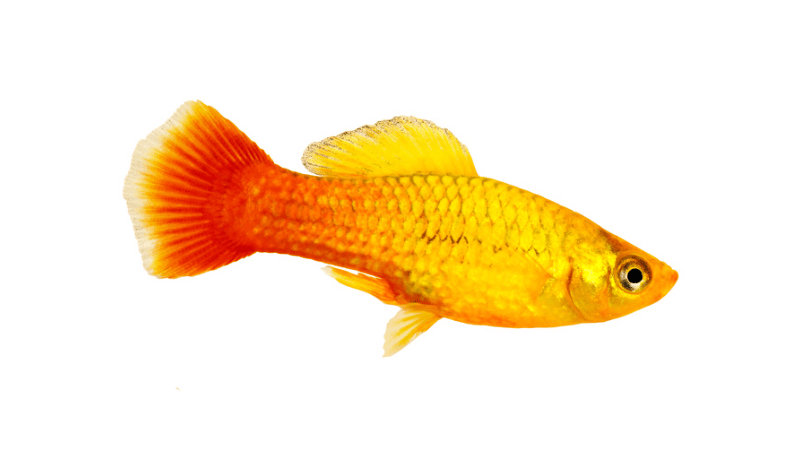
    1. Livebearers

    Sunset-Platy
    • Scientific name: Poecilia and Xiphophorus spp.
    • Origin: North, Central, and South America
    • Size: 1 – 6 inches
    • Minimum tank size: 10 gallons for guppies and Endler’s, 20+ gallons for swordtails and molly fish
    • Temperament: Generally peaceful
    • Swimming level: All levels
    • pH: Most species prefer pH levels above 7
    • Temperature: Upper 60’s to upper 70’s Fahrenheit
    • Key benefits: Affordable, colorful, easy to breed

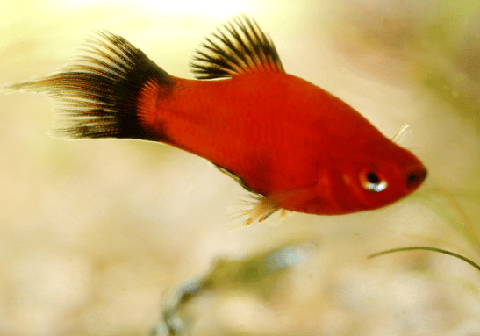
    Livebearers are a great first-fish because they are so affordable and easy to care for. These fish are also available in a wide variety of colors, from jet-black molly fish to fiery red variable platies and multicolored fancy guppies, so you can choose literally any color you like!

    Of all the livebearers, my personal preference is platies. Guppies and mollies have been so heavily overbred that many store-bought specimens are weaker and more disease-prone than they should be. Platies have held up much better. they’re genuinely hardier, healthier, and still come in a great range of colors. If you’re choosing a livebearer for your first tank, start with platies.

    Several differnet species from the same family are available in the hobby, including:

    • Guppy fish (Poecilia reticulata)
    • Endler’s livebearer (Poecilia wingei)
    • Platy fish (Xiphophorus maculatus & X. variatus)
    • Molly fish (Poecilia sphenops & P. latipinna)
    • Swordtail fish (Xiphophorus hellerii).

    All of these tropical fish are members of the Poeciliidae, a family known for producing live baby fry rather than laying eggs. This makes livebearers very easy to breed, even for complete beginners. However, you could keep only males if you don’t want your fish to multiply1.

    Live-bearing fish are generally very easy to care for and will thrive on a diet of small pellets or flake food. Some species will even feed on algae and help to keep their own tank clean!

    2. Betta

    WYSIWYG Available!
    Betta Fish

    Use Coupon Code ASDFISH at Checkout

    Betta Fish are one of the most beautiful varieties of freshwater fish available in the hobby. Easy to care for with plenty of varieties!

    Buy Premium Varieties Buy On Petco Online
    • Scientific name: Betta splendens
    • Origin: Thailand
    • Size: 2- 2.5 inches
    • Minimum tank size: 5+ gallons
    • Temperament: Aggressive
    • Swimming level: Middle and upper levels
    • pH: 6.5-8
    • Temperature: 76-81ยฐF
    • Key benefits: Spectacular colors and fins, thrives in tanks as small as 5 gallons

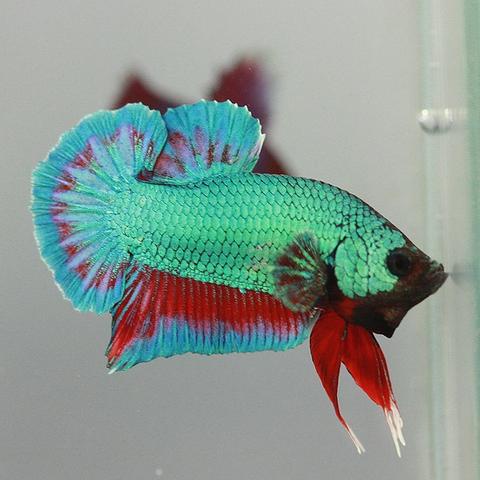
    The betta fish is one of the most popular fish in the hobby due to their beauty and feisty personality. The combination of amazing colors and impressive flowing fins make these small fish excellent display animals for small aquariums.

    Bettas are suitable for some community tanks, although they are usually kept alone in their own tank. These fish don’t need a lot of room, and it’s possible to keep them happy and healthy in a tank as small as 5 gallons. However, you will need to perform regular water changes and equip your aquarium with an aquarium heater and a suitable filter.

    One strong recommendation if you’re buying a betta: look for a Plakat (short-fin betta). Long-finned varieties are beautiful, but their fins are so heavy they can barely swim and they’re prone to fin rot. Plakats are what bettas look like in the wild. they swim powerfully, tend to be healthier, and are noticeably more active fish. Many hobbyists who switch to Plakats never go back to long-finned varieties.

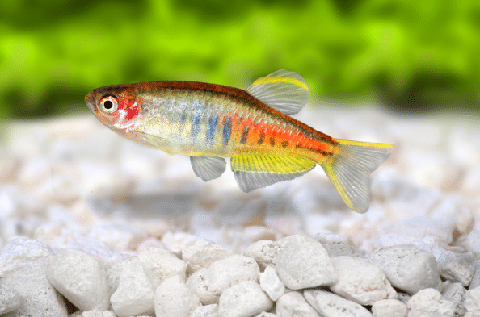
    3. Danios

    <a href=Glowlight Danio Near Gravel” class=”wp-image-557066″/>
    • Scientific name: Danio rerio
    • Origin: Asia
    • Size: 2-2.5 inches
    • Minimum tank size: gallons
    • Temperament: Peaceful
    • Swimming level: All levels
    • pH: 6.5-7
    • Temperature: 72-81ยฐF
    • Key benefits: Hardy, affordable, and active. Various breeds available

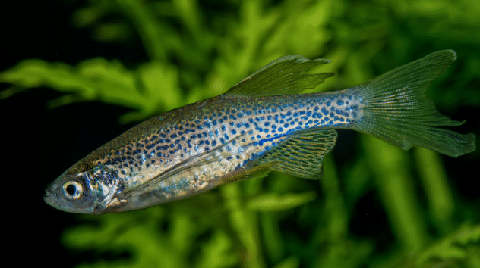
    There are many danio species in the fishkeeping hobby, and some of them are excellent options for beginners. The popular zebra danio (Danio rerio) is one of the hardiest species and is suitable for larger aquariums in the 20-gallon range.

    Zebra danios usually have a silvery body with dark horizontal stripes. However, there are many different breeds, and the spotted leopard danios and the eye-catching neon Glofish breeds are all the same species.

    These active fish can be kept in tanks as small as 10 gallons, although they will appreciate the extra swimming space of a 20-gallon long. Smaller species like the celestial pearl danio are a little more difficult to care for, although they are suitable for moderately experienced fishkeepers with a planted aquarium.

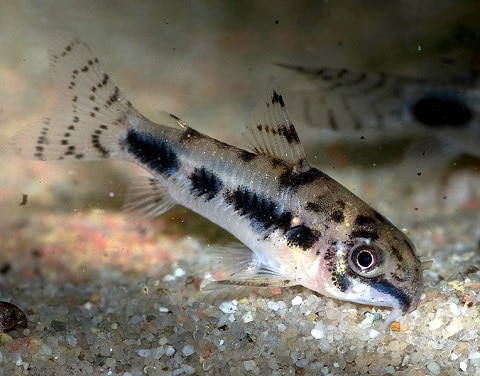
    4. Corydoras Catfish

    • Scientific name: Corydoras spp.
    • Origin: South America
    • Size: 1-3 inches
    • Minimum tank size: usually 30+ gallons, although small species can be kept in tanks as small as 10 gallons
    • Temperament: Peaceful
    • Swimming level: Mostly bottom dwellers
    • pH: 6.5-8
    • Temperature: 72-82ยฐF depending on species
    • Key benefits: Peaceful community fish for the bottom levels of tropical aquariums

    There are dozens of corydoras species available in the aquarium hobby, including popular species like the peppered, bronze, albino, and panda cory catfish. These chunky bottom feeders are some of the best tropical fish for community tanks, although they don’t win any prizes for their color.

    Cory catfish prefer to spend their time peacefully searching the substrate for tasty morsels, although they often shoot up to the surface to grab a breath of air. These entertaining fish will hang out in loose schools of their own species, so try to buy a small group of a single type.

    My personal favorite corydoras for beginners is the Sterbai cory. It’s one of the most striking in the family. cream-colored spots on a dark body with orange-tipped pectoral fins. and importantly, it’s a warmer-water species that thrives at the higher temperatures most tropical community tanks run. I’ve kept Sterbai corys across multiple tank setups and they never disappoint.

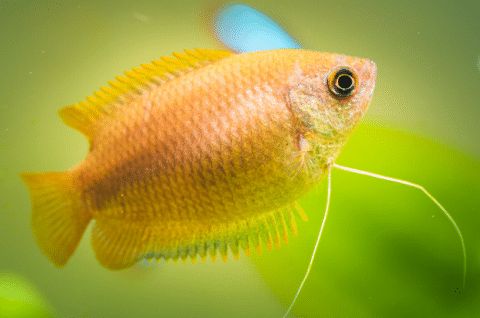
    5. Honey Gourami

    • Scientific name: Trichogaster chuna
    • Origin: Southern Asia
    • Size: 2-2.5 inches
    • Minimum tank size: 10 gallons
    • Temperament: Peaceful
    • Swimming level: Middle and upper levels
    • pH: 6-8
    • Temperature: 74-82ยฐF
    • Key benefits: Peaceful alternative to betta fish

    The honey gourami is a peaceful labyrinth fish that can be kept with other popular tropical fish like neon tetras, rainbow fish, and many more. These interesting fish have modified pelvic fins that they use like little arms to feel the world around them.

    Honey gouramis aren’t quite as colorful as dwarf gouramis, although they are much better fish for beginners due to their peaceful nature. However, these fish are also available in some great color morphs like the sunset and red breeds.

    Honey gouramis are predators that hunt for small aquatic invertebrates and their larvae, although they are easy to feed in captivity. Provide regular flake food and some tasty treats like frozen blood worms and brine shrimp.

    7. Cherry Barb

    • Scientific name: Puntius titteya
    • Origin: Sri Lanka, South Asia
    • Size: 2 inches
    • Minimum tank size: 15-20 gallons
    • Temperament: Peaceful
    • Swimming level: All levels
    • pH: 6-7.5
    • Temperature: 73-81ยฐF
    • Key benefits: A peaceful and inexpensive schooling barb

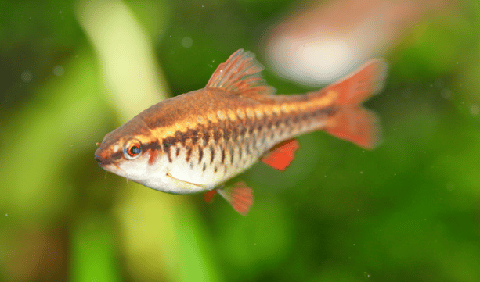
    Cherry barbs are peaceful schooling fish that can be kept with other small peaceful fish like white cloud minnows and zebra danios.

    Males develop a beautiful cherry red shade, although females are also attractive, with a rich orange color and a pair of bright and dark horizontal stripes on each side.

    Cherry barbs are omnivorous fish that thrive on small pellets or flake foods, although they will appreciate a varied diet including live or frozen foods like blood worms. These fish love to hang out together so pick up a school of six or more.

    8. Black Neon Tetra

    • Scientific name: Hyphessobrycon herbertaxelrodi
    • Origin: South America
    • Size: 1.5 inches
    • Minimum tank size: 15-20 gallons
    • Temperament: Peaceful
    • Swimming level: Middle and upper levels
    • pH: 5.5-7.5
    • Temperature: 71-82ยฐF
    • Key benefits: One of the hardiest tetras

    Black neon tetras are perfect community fish for beginners, offering great color and a peaceful nature. These midwater swimming fish will thrive in a tropical fish tank with other schooling fish and bottom dwellers like corydoras catfish and the bristlenose pleco.

    Black neon tetras are schooling fish that should be kept in a group of their own species. A 15-gallon tank would be suitable for about 6 fish.

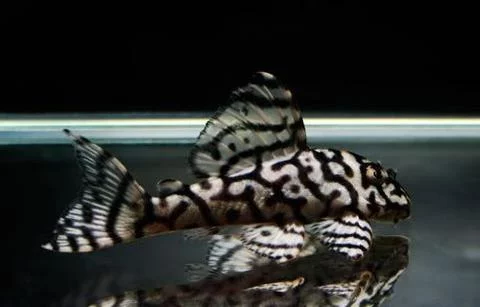
    9. Small Plecos

    Zebra-Pleco
    • Scientific name: Ancistrus spp. etc.
    • Origin: South America
    • Size: 4-6 inches
    • Minimum tank size: 20-30 gallons
    • Temperament: Peaceful
    • Swimming level: Bottom dweller
    • pH: 5.7-7.5
    • Temperature: 73-80ยฐF
    • Key benefits: Fascinating bottom dwellers that can help to control algae in the aquarium

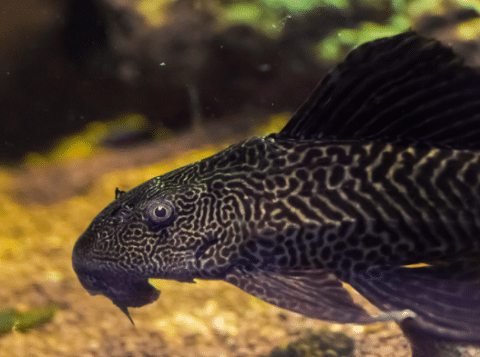
    There are hundreds of pleco species known in the aquarium trade, although small species like the bristlenose pleco are most suitable for beginner fish keepers. These fascinating creatures are very peaceful despite their unusual appearance.

    These gentle catfish will not bother other fish, although they can be a little territorial toward their own kind. That means it’s best to keep just one small pleco species in the same aquarium unless you have a large tank.

    Bristlenose and other small plecos are herbivores that can do a great job of cleaning algae in the aquarium, although you should also provide plenty of driftwood for them to graze on. They will also eat plant food like cucumber, zucchini, sinking algae wafers, and gel foods.

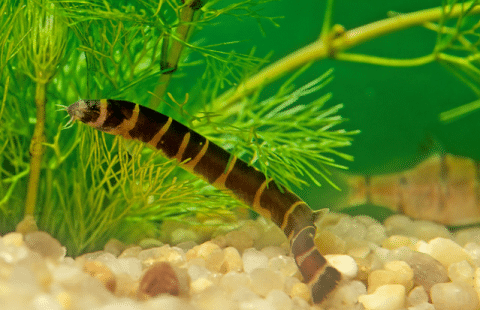
    10. Kuhli Loach

    • Scientific name: Pangio kuhlii
    • Origin: Southeast Asia
    • Size: 3-4 inches
    • Minimum tank size: 20 gallons
    • Temperament: Peaceful
    • Swimming level: Bottom dweller
    • pH: 5.5-6.5
    • Temperature: 73-86ยฐF
    • Key benefits: Interesting bottom dweller that will clean up uneaten food

    Kuhli loaches are fascinating creatures that look like hyperactive eels as they zoom along the bottom of the tank. However, these small loaches are mostly nocturnal, so they are usually active after the lights go off.

    There are a few species in the hobby including the black kuhli loach which is really more of a chocolate-brown shade. However, the regular banded kuhli loach is one of the most attractive types.

    These fish love to hang out with their own kind, so it’s best to buy five or more and let them explore together. They will burrow under rocks and driftwood or tunnel into the substrate but come out to search for uneaten food and sinking pellets or tablets when they smell food in the water.

    11. Kribensis Cichlid

    Kribensis Cichlid Male and Female
    • Scientific name: Pelvicachromis pulcher
    • Origin: West Africa
    • Size: 3-4 inches
    • Minimum tank size: 20 gallons
    • Temperament: Generally peaceful but can be aggressive when breeding
    • Swimming level: All levels
    • pH: 6-7
    • Temperature: 75-79ยฐF
    • Key benefits: A relatively peaceful and adaptable African cichlid with amazing colors

    The kribensis cichlid is a beautiful dwarf cichlid from West African rivers. These colorful fish do not require the hard, high pH water chemistry of other popular African cichlids, making them a good choice for many community setups or even breeding projects.

    These fish spawn easily, and they are fascinating to breed, although they can get pretty aggressive in the breeding season. Males and females are similar in appearance, although females tend to be shorter and plumper, while males have a more streamlined body shape and longer pointed caudal, anal and dorsal fins.

    Kribensis cichlids are easy to care for and will thrive on regular commercial foods like flakes and pellets. They are generally suitable for larger planted tropical fish tanks with other small, peaceful fish, although they are not shrimp-safe.

    Species to Avoid

    Unfortunately, there are many popular tropical fish that are not really suitable for beginner fish owners. Most pet stores have knowledgeable staff that will point new fishkeepers in the right direction, although sometimes beginners buy fish that are better left to the experts.

    Avoid these fish until you are a little more experienced.

    The most common impulse buy I see beginners make is goldfish. Despite being sold in small tanks at the pet store, fancy goldfish can reach 8. 12 inches and single-tailed varieties can hit 12. 18 inches. They’re cold-water fish that don’t belong in a tropical setup, produce significantly more waste than most species, and need far more filtration than beginners typically run. Goldfish are not beginner fish. they’re a dedicated hobby in themselves.

    Tankbusters

    Tinfoil Barb

    Some popular aquarium fish grow surprisingly large and require very large aquariums when they reach adult size. Avoid these common tank busters until you are more experienced and have room for a much larger tank:

    • Common pleco – grows to over 12 inches
    • Red-tailed catfish – grows to over 5 feet!
    • Bala shark – grows to over 12 inches
    • Clown loach – grows to about 12 inches
    • Tinfoil barb – grows to over 12 inches

    Aggressive Species

    Jaguar Cichlid

    Some aquarium fish are prized for their aggressive behaviors, while others are surprisingly mean and territorial. Aggressive fish can be exciting pets, although they are not recommended for beginners.

    Let’s take a look at some examples.

    • Chinese algae-eater – These fish are known to feed on the slime coat of other fish
    • Red-tailed and rainbow sharks – These fish can be surprisingly aggressive and territorial, especially toward their own kind.
    • Jaguar Cichlid – These large cichlids are extremely aggressive towards other fish and may even bite human hands.
    • Red devil cichlidRed devils are highly aggressive Central American Cichlids that need large aquariums and tough tank mates.

    Species With Special Water or Care Requirements

    What is a fancy goldfish

    Some freshwater fish breeds and species have specific needs that make them more difficult to care for. The following fish are better for more experienced fish keepers.

    • Fancy goldfish – Goldfish are not tropical fish. These common aquarium fish need cool water conditions and are usually kept in unheated fish tanks.
    • African cichlids – African cichlids from the Rift Valley lakes require high pH water with a high mineral content. Many species are highly territorial too, so these fish are better left to more experienced fishkeepers.
    • Discus – The discus fish requires pristine water conditions to survive. These sensitive fish are not suitable for beginners.

    Why Are Some Species Easier To Keep?

    Candy Koi <a href=Betta Fish” class=”wp-image-543292″/>

    You may be wondering how I chose the fish in this list, or why some fish are better for beginners than others. Well, it really comes down to a few different factors that make them tougher and easier to care for.

    Let’s take a look at five important characteristics of good beginner fish.

    • Hardiness

    The ideal beginner fish are relatively hardy and will usually survive the kind of mistakes inexperienced fish keepers tend to make.

    Many new fish keepers will take some time to figure out how much to feed their fish, or how often to clean their tank or change their water. Basically, hardy beginner fish are much harder to kill.

    • Diet

    Some fish species have very specific diets that are difficult to provide in an aquarium. Fortunately, all the fish in this list will feed on regular commercial foods like flakes, pellets, or wafers.

    However, it’s still important to select the right kinds of foods for your specific fish species. Many small schooling fish will do well on a flake diet, while bottom feeders like corydoras prefer sinking pellets and tablets.

    • Size

    Bigger fish aren’t necesarily more difficult to care for, although small fish in the 1.5-3 inch range make ideal beginner fish because they tend to do well in the smaller aquariums that most fish keepers start out with.

    Aquariums in the 15 to 30-gallon range are generally cheaper and easier for beginners to maintain.

    • Temperament

    Each fish has its own individual temperament, although different species tend to have certain characteristics. Confident but peaceful fish are the ideal species for beginners because they tend to feed well and get along with other species. Aggressive and shy fish may require more experience.

    • Adaptability

    Some fish have very specific requirements when it comes to temperature, water chemistry, flow, and other factors.

    These fish may be easy to care for if you can provide these conditions, but it is usually best to start out with adaptable fish that thrive in the average home aquarium.

    Aquarium Basics – Getting Started

    Waterbox Nano

    Have you chosen your favorite beginner fish? Run through this list of basic equipment and important concepts before you buy your first fish.

    Basic Equipment List

    • Suitable fish tank – A 15-30 gallon is ideal for beginner fish keepers as they are relatively easy to maintain. Avoid bowls or tanks smaller than 5 gallons.
    • Aquarium heater and thermometer – Tropical fish require a suitable heater to create the warm water conditions that match their natural habitat.
    • Aquarium filter – You will need a filter to keep your water clean and clear. An air-powered sponge filter is adequate for a small aquarium, although power filters, hang-on-backs, and canister filters are better for larger aquariums.
    • Substrate and decorations – Use only clean, aquarium safe products in your fish tank.
    • Maintenance equipment – You’ll also need some cleaning and maintenance equipment like a gravel vacuum, water test kit (pH, GH, KH, Ammonia, Nitrite, Nitrate), water conditioner and a bucket.

    Important Concepts for Beginners

    Take the time to learn about the following important concepts before you buy your first fish.

    • Water parameters – Its important to measure your water hardness and pH before buying your fisrt fish. That way you can choose fish that are naturally suited to your water conditions.
    • The Nitrogen Cycle – Excess nutrients from fish waste and uneaten food are processed by special bacteria in a cycled aquarium. Understanding this cycle will make you a better fish keeper and help you maintain a healthy aquarium.
    • Regular Maintenance – Your aquarium will require regular cleaning and partial water changes to remove dirt, algae, and the excess nutrients left behind from the nitrogen cycle. Ideally, the frequency of these water changes should be based on nitrate levels measured with your water test kit.

    Some of these concepts may seem a little tricky at first, but don’t be intimidated by the technical side of the hobby. The Aquarium Store Depot website is full of in-depth articles that will help you keep your tropical fish happy and healthy for years to come!

    FAQs

    What is the easiest tropical fish to keep for beginners?

    Guppies and zebra danios are among the easiest tropical fish in the aquarium hobby. Zebra danios are particularly hardy fish, although they do best in a larger aquarium of 20 gallons or more. Guppies will thrive in a tank of 10-15 gallons with basic care.

    What is the best tropical fish for a new tank?

    Many new fish keepers make the mistake of adding fish to a new tank right away because they are unaware of the aquarium nitrogen cycle. This process can take several weeks, although some aquarists successfully cycle new aquariums with hardy fish like zebra danios.

    What fish to put in tank first?

    Its best to add just a few fish at a time until your biological filtration system is fully accustomed to a high bioload. Hardy schooling fish like zebra danios or black neon tetras are a good first fish, although there is no set sequence when adding fish to an aquarium.

    Final Thoughts

    Choosing your first fish is an exciting step at the start of a wonderful new hobby and hope the information in this guide has helped you choose your next pets! My best advice is to take your time and enjoy the process of learning before buying your first fish.

    Looking for more fishkeeping information? Browse the rest of my in depth articles for more on these and other tropical freshwater fish. You’ll also find loads of other helpful articles on every aspect of tropical fishkeeping!


    ๐Ÿ“˜ Want to learn more? This article is part of our complete Freshwater Fish Guide. your ultimate resource for freshwater species, care tips, tank setup, and more.


    ๐ŸŸ Want to learn more? This article is part of our complete Aquarium Care Guide. your ultimate resource for water chemistry, maintenance, feeding, disease prevention, and everything you need for a healthy tank.

  • Feeder Fish: My Honest Take After 25 Years of Using Them

    Feeder Fish: My Honest Take After 25 Years of Using Them

    Iโ€™ve used feeder fish in my own tanks over the years. mainly feeder guppies and goldfish. and Iโ€™ve formed a pretty clear opinion on them. Guppies are my preference because they breed fast enough that you can maintain your own colony, which cuts out most of the disease risk. That said, my honest recommendation is to treat feeders as a bridge: useful while youโ€™re transitioning a fish onto prepared foods, but not something Iโ€™d rely on long-term. Hereโ€™s what you need to know before using them.

    Key Takeaways

    • Predatory fish can be fed an assortment of feeder fish.
    • Feeder fish can vary in size and quality, so it’s important to buy the right ones for your fish.
    • The best feeder fish are raised in their own aquarium with a high-quality diet.
    • A nutritious feeder fish can be fed once or twice a week depending on the species and the size of the predator.

    What Are Feeder Fish?

    Comet Goldfish

    Feeder fish are any type of fish that has been bred to serve as food for other aquatic life. This can include an array of species, both freshwater and saltwater.

    Feeder fish are often seen in local fish and pet store locations. They are usually kept by the dozens or hundreds in a big, empty tank. These are usually feeder goldfish, guppies, platies, or other tropical livebearers, and are priced at less than $1.00 each.

    Unfortunately, these fish are not kept in the best conditions. They are seen as highly disposable and not worth the cost of upkeep. As a result, infection, disease, and mutations run rampant. This makes it very easy for these same ailments to be added to the home aquarium during feeding times. For this reason, many hobbyists who heavily rely on feeder fish breed their own stock.

    Feeder fish can also be well-fed guppies and platies from a heavily planted display aquarium. Many hobbyists understand that the love and care they give for feeder fish translates into the overall health of their predatory fish. For this reason, many hobbyists with carnivorous fish raise their own feeder fish in regular aquarium conditions. Some even plump their feeder stock up with high-quality foods to ensure that their bigger fish get a nutritious treat.

    Benefits To Live Food

    For years, there has been discussion surrounding the ethics of feeding live fish to aquarium fish. With all the great food options available, some hobbyists don’t see it necessary to offer live food. While we can’t tell you what’s right or wrong, we can give you some of the benefits of feeding live fish.

    Enrichment

    The biggest benefit of offering live fish as food is providing enrichment for other fish. Fish are limited to their tank environment, and they likely get bored every now and then. They might even get tired of having the same thing for dinner every night in a row.

    Offering feeder fish provides a new enrichment element in the tank by making the other fish use their predatory instincts. This can stimulate your fish’s instincts and activity levels.

    Natural Habitat

    A predatory species likely eats other fish in the wild. This isn’t always true as some fish are strictly insectivores, but if your fish can fit another species in its mouth, then it’s likely that they eat fish in their natural habitat.

    Nutrients

    While aquarium foods are usually packed with nutrients, one food can’t cover every single mineral and nutrient. Because of this, most hobbyists have a rotating diet with many different food options. One of these options might be feeder fish.

    If the hobbyist chooses to raise their own feeder fish, then there is even greater control over nutrient intake for both the prey and the predator.

    Sometimes It’s Necessary

    One reason live food might be necessary is that your fish might be wild caught. While many fish have been successfully bred in the aquarium hobby, some are still collected. Unless they are shown how to eat flake or pellet food, they might need to be given a strictly live diet for a while. This is also true if the fish is picky.

    Types

    The most common types of feeder fish to see for sale are goldfish and guppies. Depending on whether you have access to a bait shop or a more specialized store, you might have access to better, and sometimes cheaper, alternatives.

    Here are some of the different options you might come across and how each can be fed!

    Bluegill

    Bluegills are very common North American freshwater fish found in ponds and lakes. They are scientifically known as Lepomis macrochirus and are often sold for freshwater fishing.

    While some hobbyists catch bluegills to keep as aquarium pets (check with state laws as this could be illegal), others use these fish as food for their other pond fish, like bass. These fish may be found for sale in a commercial fishing store, but are most often caught from local waterways. This can introduce parasites and other diseases into the aquarium.

    Another consideration to take into account is that bluegills are large fish that grow up to a foot long. While they are often sold as juveniles under 5 inches, if your fish doesn’t eat, then you might end up with a bluegill tank mate! Bluegills are also relatively aggressive, which could become problematic in the future.

    Goldfish

    Feeder-Goldfish

    Goldfish, Carassius auratus, are arguably the most common feeder fish available as both freshwater and saltwater predators eat them. They are easy to find and usually marked at an extremely low price. However, there are a lot of problems that can come with goldfish.

    As you may know, goldfish are some of the messiest fish in the aquarium hobby. Setting up and maintaining a healthy supply of goldfish can be difficult for the average aquarist. Purchasing live goldfish from the store can also be challenging as disease runs rampant in unclean and unmonitored store tanks.

    The same problem arises from keeping goldfish as bluegills, and that’s that goldfish can grow to extreme sizes depending on the breed. While some breeds stay small, under 4 inches, others can grow to be a couple feet. Unless you know how to identify breeds of goldfish (and not trust what they’re listed as at the store) then you might not know what you’re getting yourself into.

    There is another underlying problem that hobbyists aren’t even aware of: thiaminase. Thiaminase is a necessary enzyme that helps break down vitamin B1 in several species, including goldfish. Though this enzyme is essential for the fish, ingesting large amounts of it can lead to thiamin deficiency in other organisms.

    Guppies

    Guppies Swimming

    Guppies are another popular choice and the term includes some subcategories. These fish often cost even less than goldfish and are just as available. As these fish stay under about 1.5 inches, they can be fed to a variety of tropical fish.

    ๐Ÿ† My pick among feeder fish: Guppies are my preference over feeder goldfish. Theyโ€™re smaller, they breed incredibly fast, and if you raise your own colony in a spare 10-gallon tank at home, you sidestep the biggest disease risk altogether. A healthy home colony can easily keep pace with most predatory fish.

    Commercial feeders suffer from the same poor conditions as goldfish, meaning that disease and infection can easily be transmitted. Many species of guppy also contain thiaminase, which can start to affect the animals being fed after prolonged ingestion.

    Other alternatives to guppies might be:

    • Mosquito Fish (2.8 inches)
    • Minnows (2.5 inches)

    Mosquito fish, minnows, and guppies are often sold alongside each other as feeder fish. You may not even be able to tell them apart when they’re kept in the same poor conditions. Luckily, they are very easy to breed in the home aquarium and can be fed with high-nutrition foods.

    Unfortunately, both of these fish still increase the chances of thiamin deficiency.

    Platies

    Gold-Red-Platy

    Platies are less commonly found as feeder fish, but many aquarists use them in their own homes as they reproduce rapidly. These fish also stay between 2-3 inches, which makes them easy to feed to most moderately-sized fish.

    If you’re going to feed feeder fish, then platies are probably some of the most reliable, as long as you’re breeding your own. These are easy and hardy fish that can easily be fed and prepared for feeding. As of now, platies are also not known to cause thiamin deficiency in other animals1.

    Why Are They Bad?

    While there are definitely benefits to giving feeder fish to predatory species, like enrichment and nutritional value, there are a lot of reasons why you might be hesitant to try. Here are some remarks from esteemed aquarist and scientist Dr. Neale Monks (see his full article at WebWebMedia).

    Disease and Illness

    As already mentioned, most feeder fish from pet stores are diseased. These are cheap fish that are disposable and will not have their tanks properly taken care of. This, in addition to a high turnover rate, makes it a near-guarantee that some ailment or bacteria will unknowingly enter your aquarium during feeding times.

    โš ๏ธ From my experience: Disease management is the #1 issue I warn people about with feeder fish. Store-bought feeders are kept in severely overcrowded tanks with minimal care. the conditions are rough. Iโ€™ve seen ich and bacterial infections introduced this way more than once. If youโ€™re committed to using live feeders, breeding your own guppy colony at home is far safer than buying off the shelf.

    Poor Nutritional Value

    Yes, feeder fish provide different nutrients than your fish would normally get from a singular fish food. However, a feeder fish is only as nutritional as the nutrition it eats. Since feeder fish aren’t usually taken care of in a commercial setting, they provide little to no additional nutritional benefit.

    Thiaminase

    The enzyme thiaminase can also cause more trouble than what it’s worth. This is an enzyme that’s necessary for breaking down vitamin B1 in many species, including goldfish, minnows, and other invertebrates. Overindulgence of a thiaminase source, like feeder fish, can start to cause a thiamin deficiency in the predator. This can quickly lead to health problems that may not be obvious to treat and eventual death.

    How To Keep Them Healthy

    The key to a happy and healthy fish is giving happy and healthy feeder fish. This means only purchasing from fish stores that keep clean and healthy tanks, and setting up your own breeding tanks if possible.

    This setup doesn’t need to be extensive, but it should support whichever species you choose to raise. There are a few things to keep in mind when choosing a feeder:

    1. Pick a species that can be easily eaten. In terms of size, your fish should be able to swallow the other fish without any problems. Avoid species with sharp fins or body features that could potentially damage your fish’s mouth or esophagus.
    2. Pick a livebearer species. Livebearer species are practically self-sustainable and will provide food for your fish as long as you give them a space to do so. It is also recommended to keep herbivorous livebearers as they can be given plenty of nutritional value through algae flakes and pellets..
    3. Price. Of course, you will need to consider the price if planning to feed store-bought fish. Keep in mind that you don’t need to feed your fish fresh food every day of the week. In fact, it’s better to only feed them once or twice a week! Still, you will need to consider the price, frequency, availability, and quality of the feeders.

    Can you feed your fish other fish?

    Yes! Many species of tropical fish available are predatory fish that rely on consuming other fish and animals for nutrition. In their natural habitat, they would receive nutrients and enrichment from hunting, which can be replicated in the aquarium setting.

    What is the best feeder fish?

    The best feeder fish is one that has been prepared for feeding. Many pet stores have feeders available, but their tank setups usually suffer from overpopulation and poor water quality. The best feeder will come from a clean setup that receives plenty of nutritional value.

    How often should you feed live fish?

    Live fish should be given as a treat once or twice a week. Depending on the size of the fish, and the size of the feeders, your fish might only need to hunt every couple of days.

    If your feeder fish are from a reputable source, you may be able to keep uneaten food in the tank. Otherwise, they should be removed.

    Conclusion

    One of the reasons you likely got a predatory fish is to feed it! Feeding time can be exciting, and offering live foods can be a great way to introduce enrichment and additional nutrients into the aquarium. However, there are a few considerations that need to go into picking the right feeder fish, like size and quality. For the best results, raise live fish in a secondary aquarium.


    ๐ŸŸ Want to learn more? This article is part of our complete Aquarium Care Guide. your ultimate resource for water chemistry, maintenance, feeding, disease prevention, and everything you need for a healthy tank.

  • The 21 Smallest Aquarium Fish in the Trade: My Picks After 25 Years

    The 21 Smallest Aquarium Fish in the Trade: My Picks After 25 Years

    Iโ€™ve personally kept several fish from this list. chili rasboras, pea puffers, and zebra danios. and cared for virtually all of them during my years working at local fish stores. The single most important thing I tell people getting into nano fish: donโ€™t let the small size fool you into thinking a small tank will do. Every fish on this list needs to be kept in a group, and a group still needs space. I always push people toward a 10-gallon minimum, with bigger being better. Hereโ€™s my full breakdown of the 21 smallest aquarium fish in the trade.

    Key Takeaways

    • One of the smallest fish in the aquarium trade is the dwarf pygmy goby.
    • The world’s smallest fish is believed to be Paedocypris progenetica, an unnamed fish from Sumatra.
    • Small aquarium fish don’t require any additional consideration, but tank mates should have a similar temperament.
    • Popular small fish include zebra danios, chili rasboras, dwarf pea puffers, and white cloud minnows.

    The 21 Smallest Aquarium Fish In The Trade

    Some of the smallest fish in the world can be brought into the home aquarium. What they lack in size they bring in color, movement, and excitement. Check out the video from our YouTube Channel.

    It should be noted that just because these fish are small does not necessarily make them the most affordable or hardy species. Some may also be limited in availability or difficult to find.

    1. Dwarf Pygmy Goby

    • Scientific Name: Pandaka pygmaea
    • Adult Size: 0.35-.0.45 inches
    • Tank Size: 5 gallons
    • Temperament: Peaceful, bottom-dwelling

    To begin this list, we start with one of, if not, the world’s smallest fish species: the dwarf pygmy goby. Also known as the Philippine goby, these incredibly tiny fish max out at just under a half-inch long. They have mottled black, brown, and white colors with a typical elongated goby body.

    The dwarf pygmy goby originates from muddy bottoms throughout Southeast Asia. They regularly move between freshwater and brackish conditions; many hobbyists prefer keeping them in medium salinity, but they can also be kept in purely fresh conditions.

    Unfortunately, the dwarf pygmy goby is a critically endangered species and distribution is highly limited. Hobbyists are most likely to find these fish available for purchase near their natural habitats.

    2. Exclamation Point Rasbora

    <a href=Exclamation Point Rasbora” class=”wp-image-1063164″/>
    • Scientific Name: Boraras urophthalmoides
    • Adult Size: 0.50-0.65
    • Tank Size: 10 gallons
    • Temperament: Peaceful, shy

    The exclamation point rasbora is colorful and aptly named for the black-and-orange-outlined ‘!’ on the sides of its body. These fish are native to Thailand but can be found for sale throughout the aquarium industry relatively easily.

    The exclamation point rasbora needs to be kept in larger groups, with most hobbyists recommending a school of at least 10 or more. This is because these fish are very shy and skittish and will find comfort in a larger school. For the same reasons, the aquarium should be densely planted with plenty of floating plants. Tank mate compatibility is also limited.

    3. Chili Rasbora

    • Scientific Name: Boraras brigittae
    • Adult Size: 0.75-1.0 inches
    • Tank Size: 10 gallons
    • Temperament: Peaceful

    The chili rasbora has gained popularity over the past few years as being one of the best freshwater species that only grow to an inch. These fish are firey-orange and will bring tons of color and movement to the aquarium.

    Like most other small fish, chili rasboras are shy schooling fish that excel in a large group with plenty of vegetation. If keeping no other fish, a 10 gallon aquarium can comfortably keep a school of 20 individuals.

    ๐Ÿ† My top pick from this entire list: Chili rasboras are my #1 recommendation for nano tanks. Iโ€™ve kept them personally and theyโ€™re absolutely stunning in a large group against a planted background. The color payoff in a well-planted 10-gallon is hard to beat. they look like living embers.

    The chili rasbora is a relatively hardy fish that can adapt to some changes in water parameters, but good tank husbandry is a must. With excellent care, these fish can live to be 8 years old!

    4. Fire Ember Tetra

    • Scientific Name: Hyphessobrycon amandae
    • Adult Size: 0.75-1.0 inches
    • Tank Size: 10 gallons
    • Temperament: Peaceful

    Similar in appearance to the chili rasbora, the fire ember is bright orange. However, fire embers are hardier, less skittish, and much more affordable than chili rasboras.

    Fire ember tetras originate from the Amazon River in South America. They prefer a heavily planted aquarium and a school of at least 6 or more. These small fish have been captive-bred and can be kept in a wide range of aquarium conditions.

    5. Least Killifish

    • Scientific Name: Heterandria formosa
    • Adult Size: 0.75-1.50 inches
    • Tank Size: 10 gallons
    • Temperament: Peaceful

    Though they’re named killifish, least killifish are not true killifish and are a type of minnow instead. This means that they are small, hardy fish that can complete a natural biotope setup or densely planted aquarium. They are also one of the few aquarium species available that is native to the southeast United States.

    Least killifish are one of the smallest species of minnow available, making them a perfect addition to the nano aquarium. These are not schooling fish, but they greatly enjoy the company of others.

    6. Pygmy Sunfish

    • Scientific Name: Elassoma spp.
    • Adult Size: 1.0-1.5 inches
    • Tank Size: 10 gallons
    • Temperament: Shy, live-feeders

    Pygmy sunfish are sure to make a big splash in the aquarium hobby in the near future. These electric black and blue fish almost resemble a small species of cichlid, without the aggression. Instead, these fish are native to the southeast United States and display paired mating behaviors.

    Pygmy sunfish are currently difficult to find for sale, though demand is growing. There is one major challenge that comes with keeping these fish though, and this is that they require a live food diet. They are ambush predators and need to hunt for prey that wiggles and moves.

    The best home for a pygmy sunfish will have a live food system up and running.

    7. Pygmy Corydoras

    • Scientific Name: Corydoras pygmaeus
    • Adult Size: 0.75-1.5 inches
    • Tank Size: 10 gallons
    • Temperament: Peaceful, bottom-dwellers

    Though some of the other tiny fish on this list might be hard to find at your local fish store, the pygmy corydoras is luckily easy to find.

    These small bottom-dwellers are native to Brazil and appreciate a soft substrate with plenty of live plants. They have natural brown and white colors and are easy to tell apart as females are almost double the size of males! They are very difficult to breed in the home aquarium but have been done so successfully at a commercial scale.

    Pygmy corydoras are one of the few species on this list that can be safely housed with larger tropical fish. As long as they are kept in schools of at least 6 or more and are given plenty of coverage, they will do well in a traditional community tank setup.

    8. Dwarf Pea Puffer

    • Scientific Name: Carinotetraodon travancoricus
    • Adult Size: 1 inch
    • Tank Size: 10 gallons
    • Temperament: Semi-aggressive

    Maybe not the smallest fish on this list, the dwarf pea puffer is certainly the most adorable. These plump little fish are one of the only true freshwater species of puffer; most other species prefer brackish waters. Instead, these fish do best in a heavily planted freshwater aquarium.

    ๐Ÿก From my experience: Pea puffers have enormous personalities for such a tiny fish. Iโ€™ve kept them and always enjoyed them, but they can be nippy with tank mates. They do best in a species-only setup or with very carefully chosen companions. Rewarding fish, just go in with the right expectations.

    The dwarf pea puffer might be small, but they can be aggressive. The problem is that males and females look the same to us, but males can tell each other apart. Male pea puffers can be territorial towards other males in the tank, especially during breeding periods. Because of this, it might take some time to work out a compatible male-to-female ratio.

    9. Clown Killifish

    • Scientific Name: Epiplatys annulatus
    • Adult Size: 1.0-1.5 inches
    • Tank Size: 5 gallons
    • Temperament: Peaceful, predatory

    Also known as the banded panchax, the clown killifish is a very interesting fish to keep. These might not be the smallest fish on the list, but they’re one of the smallest and most effective predators. The clown killifish stays just below the surface of the water, waiting for insects and other small organisms to land. When ready, they use their upturned mouths to quickly catch their prey!

    In the aquarium setting, this can be replicated by offering small insects, such as fruit flies and mosquito larvae. While predators, clown killifish can be kept alongside a variety of community tank species, like tetras and corydoras. However, they are rather solitary and enjoy the company of one or two others.

    10. Spotted Blue Eye Rainbowfish

    • Scientific Name: Pseudomugil gertrudae
    • Adult Size: 1 inch
    • Tank Size: 10 gallons
    • Temperament: Peaceful, shy

    Possibly the most beautiful fish on this list, the spotted blue eye rainbowfish is a shimmering bluish-yellow with elongated speckled fins. Because of their appearance, these are also some of the most expensive fish listed.

    The spotted blue eye rainbowfish only grows to be about an inch at mature size. They originate from shallow, slow-moving waterways throughout Southeast Asia as well as Australia. Spotted blue eye rainbows can withstand low pH levels, making them a good candidate for blackwater or biotope setups.

    These fish do best in groups of at least 6 or more and as one of the only species in the aquarium. They are often kept with peaceful bottom-dwellers, including snails and shrimp.

    11. Green Neon Tetra

    <a href=Green Neon Tetra School” class=”wp-image-1067276″/>
    • Scientific Name: Paracheirodon simulans
    • Adult Size: 0.75-1.0 inches
    • Tank Size: 10 gallons
    • Temperament: Peaceful

    The green neon tetra isn’t seen in the aquarium as often as the more recognizable neon tetra, but these tiny fish do well in a school in most tank setups. A few considerations are needed to keep them, though.

    While tetras are seen as some of the hardiest fish in the aquarium hobby, green neon tetras are a little more sensitive to imperfect water conditions. These fish originate from exclusively blackwater conditions in South America. This means that blackwater conditions with soft, acidic water parameters need to be matched in the home aquarium. They also need heavy plant coverage, preferably with leaf litter that sustains a natural population of small foods.

    12. Kubotai Rasbora

    • Scientific Name: Microdevario kubotai
    • Adult Size: 0.50-1.0 inches
    • Tank Size: 10 gallons
    • Temperament: Peaceful

    One of the less common species of rasbora, the Kubotai rasbora is hard to miss! These fish are naturally neon green from Southeast Asia.

    For their size, these rasboras originate from moderately-flowering waterways. This, in addition to plant life, makes the water highly oxygenated, which should be recreated in the aquarium setting with plants and air bubblers. Surface water may also be agitated as long as it’s not overpowering the rasboras.

    Otherwise, Kubotai rasboras are relatively straightforward to keep as long as water parameters are maintained. They are a schooling fish that need to be kept in a group of at least 6 or more. Tank mate pairing may be difficult as other inhabitants must also be a similar size and be able to withstand a moderate water flow.

    13. White Cloud Minnow

    White Cloud Minnow in Planted Tank
    • Scientific Name: Tanichthys albonubes
    • Adult Size: 1.5 inches
    • Tank Size: 10 gallons
    • Temperament: Peaceful, active

    While many of the smallest aquarium fish are fun and cute to look at, many are shy and reclusive. If you’re looking for something small and active, the white cloud minnow might fit your next coldwater aquarium setup!

    The white cloud minnow is a bold fish with a silver body, bright white horizontal stripe, and unmistakable red fins. They originate from China but have been found in other regions of Southeast Asia. Unfortunately, they are nearly considered extinct in their natural habitat.

    Luckily, these are some of the easiest fish to keep in the aquarium hobby and are highly prolific! They will naturally mate when kept in a school of 6 or more. White cloud minnows are a coldwater species, which means that tank mate pairing can be tricky. They also require some water flow and are relatively active in the top and middle portions of the aquarium.

    14. Glowlight Tetra

    <a href=Glowlight Tetra” class=”wp-image-1084544″/>
    • Scientific Name: Hemigrammus erythrozonus
    • Adult Size: 1.5-2.0 inches
    • Tank Size: 10 gallons
    • Temperament: Peaceful

    You might think that glowlight tetras are artificially dyed, but these bright orange fish are all natural! These tetras are a little bigger than the other species on this list, but they’re a perfect addition to a more active community tank.

    Glowlight tetras originate from South America and do best in a heavily planted aquarium with a dark substrate that lets their natural colors show. These fish are a loose schooling species and need to be kept in groups of at least 6 or more. If they’re swimmingly together in a tight school, then they might be overwhelmed by the other tank mates in the aquarium and a larger school may be necessary.

    15. Dwarf Emerald Rasbora

    • Scientific Name: Danio erythromicron
    • Adult Size: 1.0-1.5 inches
    • Tank Size: 10 gallons
    • Temperament: Peaceful

    The dwarf emerald rasbora is not a common species to see at your local fish store, but these fish complement the colors and behaviors of celestial pearl danios and other small tetras. They may also be advertised as a thick band purple zebra danio.

    Dwarf emerald rasboras have a very limited range in Inle Lake, Myanmar. They are shoaling fish and the male-to-female ratio needs to be balanced. Males are slightly smaller but more colorful than their female counterparts. Because they’re so small, these fish do best in groups of at least 10 or more.

    Another concern surrounding the dwarf emerald rasbora is during feeding time. Though these fish are confident in numbers, they can be outcompeted during feeding times by other more active species. They also have small mouths, which means that they might have difficulty eating some foods.

    16. Borneo Sucker Loach

    • Scientific Name: Gastromyzon punctulatus
    • Adult Size: 1.5-2.0 inches
    • Tank Size: 20 gallons
    • Temperament: Active, social

    Another species not commonly found for sale in the hobby is the Borneo sucker loach, also known as the spotted borneo sucker. These fish are named after the country they originate from and the small yellow spots that cover their dark body.

    The Borneo sucker loach is a relatively challenging fish to keep. These loaches need high water flow, and social groups of at least 4 or more. They should have a healthy supply of natural algae available, but will also need high-quality algae wafers and flakes.

    Other tank mates should be able to tolerate a more active and outgoing species. Though these loaches aren’t aggressive, other small and timid fish might be overwhelmed.

    17. Zebra Danio

    Zebra-Danio
    • Scientific Name: Danio rerio
    • Adult Size: 1.0-2.0 inches
    • Tank Size: 10 gallons
    • Temperament: Active

    The zebra danio is a staple fish in the aquarium hobby. While they’re not the world’s smallest fish, they’re one of the most recognizable.

    The zebra danio originates from parts of Southeast Asia and especially prefers cold water temperatures. However, they have been successfully bred and adapted to the aquarium hobby for years and can now be kept in nearly every temperature range.

    These fish are extremely hardy and can be paired with most fish that fit inside their preferred temperature zone. Zebra danios prefer the upper portions of the water column, where they’ll zoom back and forth across the tank in their school. Smaller, less active tank mates should be avoided.

    ๐ŸŸ From my experience: Zebra danios were one of the first fish I kept and they remain one of the best starter fish in the hobby. Theyโ€™re incredibly hardy, active schoolers, and nearly bulletproof. a great choice if youโ€™re new to nano tanks and want something forgiving.

    19. Gardneri Panchax Killifish

    • Scientific Name: Fundulopanchax gardneri
    • Adult Size: 2.0-2.5 inches
    • Tank Size: 20 gallons
    • Temperament: Peaceful

    One of the most colorful fish on this list, the Gardneri Panchax killifish grows well over one inch but can fill a small aquarium all on their own. Males are brighter in color, but both males and females feature bright green, orange, red, and blue coloration. These fish originate from unique marsh habitats that experience seasonal droughts throughout areas of Africa, like Nigeria and Cameroon.

    Because of their changing environment, these killifish are very hardy and do well in most aquarium setups. A tight aquarium hood is necessary.

    20. Scarlet Badis

    • Scientific Name: Dario dario
    • Adult Size: 1 inch
    • Tank Size: 10 gallons
    • Temperament: Generally peaceful

    The scarlet badis is a perfect freshwater nano fish for hobbyists who prefer cichlid behavior. Badis are like mini-cichlids, just without the aggression!

    The scarlet badis is a colorful red and blue fish that originates from India and Bhutan. When ready, males and females form mating pairs. Males can become aggressive towards each other during these times, so it’s recommended to only keep one male and female per tank.

    Otherwise, scarlet badis are timid fish that will shy away from more active and overbearing species. They need plenty of plants and hiding spots to spawn and to feel safe. These fish also need a high-quality diet mixed with flake food and live food, but should not be overfed as they’re prone to obesity.

    21. Emerald Eye Rasbora

    • Scientific Name: Rasbora dorsiocellata
    • Adult Size: 1.0 inch
    • Tank Size: 10 gallons
    • Temperament: Peaceful

    Another less commonly known rasbora, the emerald eye rasbora is simple in color with a greenish-grey body and highlighted dorsal fin. These fish originate mainly from Thailand but can be found throughout flowing streams across Southeast Asia.

    Emerald eye rasboras have peaceful schooling behaviors. They do well as a background fish in a school of 6 or more but may be timid around more active species.

    Other Species

    There are two species listed below that are not available for aquariums and the others are often mentioned, but we ran out of space. Let me know in the comments if we missed any fish and I’ll add them to the list.

    • Midget dwarf goby
    • Corfu dwarf goby
    • Celestial pearl danio (AKA Galaxy Rasboras)
    • Mosquito rasboras
    • Bettas (AKA Siamese Fighting Fish) – They can live in small tanks but aren’t small themselves)
    • Harlequin Rasbora – popular, but too big to be considered for this list

    Conclusion

    Wanting to keep the smallest fish in the world in the smallest aquarium possible? Many species of fish stay under an inch long, and even more stay under 2 inches long. Most species of small fish don’t require any special considerations in terms of aquarium requirements, but some may be more easily intimidated by larger and more active species than others.

    It’s also important to keep in mind that many small fish are jumpers, so a tight aquarium lid is necessary!


    ๐Ÿ“˜ Want to learn more? This article is part of our complete Freshwater Fish Guide. your ultimate resource for freshwater species, care tips, tank setup, and more.

  • Fish for a 55 Gallon Tank: My 21 Picks After Years in the Aquarium Trade

    Fish for a 55 Gallon Tank: My 21 Picks After Years in the Aquarium Trade

    Iโ€™ve personally cared for nearly every fish on this list through my years working at local fish stores, so I can tell you firsthand which ones thrive in a 55-gallon setup and which ones cause problems. A 55-gallon tank is a fantastic size. it opens the door to impressive centerpiece fish and schooling communities alike, but that wide range of options is exactly where most fishkeepers go wrong. In this guide, Iโ€™ll share my top 21 picks, along with the stocking mistakes I see most often so you can avoid them.

    Key Takeaways

    • There are hundreds of different fish species that you can keep in a 55-gallon tank
    • This tank size is a great choice for large, single-fish setups like oscar aquariums or a busy community aquarium filled with plants and colorful nano fish.
    • Tank size is not the only factor when choosing fish. Take note of each species’s water parameter requirements and select fish that will thrive in your local water.

    Best Freshwater Fish For 55 Gallon Tanks

    Let’s start our list right away. You can check out this video from our official YouTube Channel while following along on this blog post. If you like our content be sure to subscribe!

    1. Freshwater Angelfish

    <a href=Altum Angelfish” class=”wp-image-551860″/>
    • Scientific name: Pterophyllum scalare
    • Care level: Easy
    • Minimum tank size: 40 gallons
    • Temperament: Generally peaceful but may be aggressive when breeding and will eat nano fish
    • Adult fish size: 6 inches
    • Origin: South America
    • Temperature: 75 – 82ยฐF
    • pH: 6-7
    • Diet: Omnivore
    • Swim Level: Mid-level
    • Type: Centerpiece

    Freshwater angelfish are some of the most beautiful and elegant fish in the hobby and they can thrive in a standard four-foot aquarium. These stunning South American Cichlids are available in a range of different breeds, ranging from pure white to black, and even multicolored.

    A pair of angelfish in a 55 gallon planted tank is usually a great idea, just be aware that these fish can show some territorial behavior around breeding time, and they will snack on nano fish when they can catch them.

    ๐Ÿ† My top pick for a 55-gallon centerpiece: If I were setting up a 55-gallon freshwater community tank, angelfish would be my first choice. A pair in a well-planted setup is genuinely stunning. Iโ€™ve seen this work beautifully countless times through my years in the aquarium trade. Just plan your community around them from the start, and avoid adding nano fish as tank mates.

    2. Congo Tetra

    Congo-Tetra
    • Scientific name: Phenacogrammus interruptus
    • Care level: Easy
    • Minimum tank size: 30 gallons
    • Temperament: Peaceful
    • Adult fish size: 2.5-3 inches
    • Origin: West Africa
    • Temperature: 73-82ยฐF
    • pH: 6-7.5
    • Diet: Omnivore
    • Swim Level: Middle and upper levels
    • Type: Schooling fish

    The Congo tetra is a beautiful African schooling fish that is ideal for larger aquariums. Males are neon blue with an orange horizontal stripe and interesting pointed tail fins. Females have a classy gold/silvery color with shorter tails and more compact dorsal fins.

    A school of six or more fish will add variety and heaps of movement to the water column of your 55-gallon tank.

    3. African Cichlids

    African-Cichlids
    • Scientific name: Various
    • Care level: Moderate
    • Minimum tank size: Various
    • Temperament: Semi-aggressive
    • Adult fish size: 1.5 – 5 inches
    • Origin: East Africa
    • Temperature: 77-82ยฐF
    • pH: 7.5-9
    • Diet: Species dependant
    • Swim Level: Lower and middle levels
    • Type: Centerpiece fish

    A four-foot tank is just large enough for an African cichlid setup, although it’s important to choose the right species to minimize territorial disputes and provide the hard, high-pH water these fish require.

    Smaller mbuna cichlids like yellow labs or other smaller species like shell dwellers are ideal for this tank size, although you could also start a breeding group of a slightly larger species like one of the smaller peacocks.

    4. Synodontis Catfish

    Synodontis-Catfish
    • Scientific name: Synodontis spp.
    • Care level: Easy-moderate
    • Minimum tank size: 30-50 gallons
    • Temperament: Peaceful/ Semi-aggressive
    • Adult fish size: 4-8 inches
    • Origin: East Africa
    • Temperature: 74-82ยฐF
    • pH: 7.5 – 8.5
    • Diet: Omnivore
    • Swim Level: Bottom
    • Type: Bottom dweller

    There are several species of Synodontis catfish available in the aquarium hobby, and these interesting fish are especially popular as bottom-dwelling tankmates in an African cichlid tank.

    Of course, you could keep these bottom-dwelling fish with other suitable tank mates, but avoid small, slow-moving species that might turn into lunch. Synodontis catfish prefer the company of their own kind, so pick up a school of four or more.

    5. Discus

    Discus In An Aquarium
    • Scientific name: Symphysodon discus
    • Care level: Advanced
    • Minimum tank size: 55 gallons (75+ is better)
    • Temperament: Peaceful
    • Adult fish size: 5-6 inches
    • Origin: South America
    • Temperature: 82-89ยฐF
    • pH: 6-6.5
    • Diet: Omnivore
    • Swim Level: Middle levels
    • Type: Centerpiece

    It is possible to keep discus cichlids in a tank as small as 55 gallons, but I must emphasize that you’re going to need to stay dedicated to maintain their water quality!

    So, if you’ve always dreamed of keeping the ‘king of the aquarium’ but you don’t have space for a bigger tank, you could attempt this species. Be prepared to perform frequent water changes to keep these delicate fish happy and healthy.

    6. Corydoras Catfish

    • Scientific name: Corydoras spp.
    • Care level: Easy
    • Minimum tank size: 30 gallons for most species
    • Temperament: Peaceful
    • Adult fish size: 2-3 inches
    • Origin: South America
    • Temperature: 74-80ยฐF
    • pH: 5.5-8
    • Diet: Omnivore
    • Swim Level: Bottom
    • Type: Bottom dweller

    Corydoras catfish can be kept in tanks as small as 30 gallons, although a four-foot tank will allow you to keep a larger school or even a few different species. These peaceful fish hang out on the bottom of the tank and they love to search the substrate for leftover food scraps.

    There are many different types, including panda cories, Sterbai cories, and even albino breeds, but these social fish really need the company of their own kind. Pick up a school of at least 5 of the same species and provide a sinking bottom feeder tablet to keep them in good health.

    7. Ram Cichlids

    Golden Ram Cichlid
    • Scientific name: Mikrogeophagus ramirezi
    • Care level: Moderate – Advanced
    • Minimum tank size: 20 gallons
    • Temperament: Peaceful
    • Adult fish size: 2.5 inches
    • Origin: South America
    • Temperature: 78-86ยฐF
    • pH: 5.5-7.5
    • Diet: Omnivore
    • Swim Level: Lower levels
    • Type: Centerpiece

    The ram is a colorful dwarf cichlid from South America. These gorgeous fish are relatively shy and sensitive for a cichlid, but they can make a great addition to a 55-gallon aquarium.

    Ram cichlids hang out at the bottom of the tank and sift through the substrate in search of a meal, so a sand substrate is ideal. These tropical fish require warm water, so set your heater in the low 80s to recreate their natural habitat.

    8. Neon Tetras

    • Scientific name: Paracheirodon innesi
    • Care level: Moderate
    • Minimum tank size: 10 gallons
    • Temperament: Peaceful
    • Adult fish size: 1.5 inches
    • Origin: South America
    • Temperature: 70-79ยฐF
    • pH: 6-7
    • Diet: Omnivore
    • Swim Level: Middle levels
    • Type: Schooling fish

    Who says you can’t keep small fish in a big tank? The neon tetra is a classic community fish that will thrive in a large aquarium filled with live plants and other small peaceful species. These fish look their best in a large school, so a 55-gallon is ideal for the species.

    9. Small to Mid-sized Plecos

    Clown-Pleco
    • Scientific name: Ancistrus spp., Hypancistrus spp. Panaqolas spp. etc.
    • Care level: Easy-Advanced
    • Minimum tank size: 20 gallons
    • Temperament: Peaceful
    • Adult fish size: 3-6 inches
    • Origin: South America
    • Temperature: Species dependant. Some prefer low 70s Fahrenheit while others prefer mid-80s
    • pH: Slightly acidic-slightly basic (Most species will do well in neutral conditions)
    • Diet: Herbivore
    • Swim Level: Bottom
    • Type: Bottom dweller

    There are well over a hundred pleco species, some of which grow to more than a foot in length. However, there are many species in the hobby that are perfectly sized for a 55-gallon tank, and some will even help you keep algae under control.

    These peaceful bottom dwellers are safe to keep with smaller fish, although they can also hold their own with medium-sized fish in community tanks. Include plenty of rocks and driftwood to create a natural environment with plenty of hiding spaces and food sources.

    10. Geophagus

    Geophagus
    • Scientific name: Geophagus spp., Satanoperca spp., etc.
    • Care level: Moderate
    • Minimum tank size: 55 gallons for smaller species
    • Temperament: Generally peaceful
    • Adult fish size: 6+ inches
    • Origin: South America
    • Temperature: Species-dependant
    • pH: Species-dependant
    • Diet: Omnivorous
    • Swim Level: Lower levels
    • Type: Centerpiece

    Geophagus are colorful South American cichlids characterized by their unique feeding style. These medium to large fish sift through the substrate in search of food, so they are not ideal fish for a carefully aquascaped tank!

    Keep geophagus cichlids on a fine sandy substrate and choose smaller species that grow to about 6 inches or smaller (e.g., Geophagus tapajos).

    11. Rainbowfish

    Lake-Tebera-fish
    • Scientific name: Melanotaenia spp.
    • Care level: Easy-moderate
    • Minimum tank size: 30 gallons
    • Temperament: Peaceful
    • Adult fish size: 2-6 inches
    • Origin: Australia and Indonesia
    • Temperature: 74-80ยฐF
    • pH: 6.5-8
    • Diet: Omnivore
    • Swim Level: Middle levels
    • Type: Schooling fish

    Rainbowfish are peaceful, schooling fish that will add color and movement to your 55-gallon aquarium. These fish have an interesting body shape, and there are many amazing species to choose from, including the popular Boesmani rainbow and the smaller dwarf neon rainbow.

    Check out my guide to 15 popular rainbowfish types to find the perfect species for your tank!

    12. Convict Cichlids

    Convict Cichlid
    • Scientific name: Amatitlania nigrofasciata
    • Care level: Easy
    • Minimum tank size: 30 gallons
    • Temperament: Aggressive
    • Adult fish size: 3.5 – 6 inches
    • Origin: South America
    • Temperature: 74-84ยฐF
    • pH: 6.5-8
    • Diet: Omnivore
    • Swim Level: Lower levels
    • Type: Centerpiece

    Named for its grey color and vertical black stripes, the convict cichlid looks like it belongs in a prison! In fact, these South American cichlids are excellent fish for a 55-gallon aquarium, and they’re super easy to breed! In fact, these fish spawn so much that you may want to choose another species if you aren’t up for raising their tiny fry.

    13. Tiger Barbs

    Tiger-Barb
    • Scientific name: Puntigrus tetrazona
    • Care level: Easy
    • Minimum tank size: 30 gallons
    • Temperament: Semi-aggressive
    • Adult fish size: 3 inches
    • Origin: Southeast Asia
    • Temperature: 73-86ยฐF
    • pH: 6-8
    • Diet: Omnivore
    • Swim Level: Middle levels
    • Type: Schooling fish

    Named for its orange body color and four vertical black stripes, the tiger barb is an attractive schooling fish from Southeast Asia. These active barbs have a reputation for nipping other fish, although they tend to behave a lot better when kept in large schools of 15 or more.

    Tiger barbs can be kept with many bottom-dwellers and fast-moving schooling fish, just avoid any slow-moving tankmates or fish with long, flowing fins. A Southeast Asian Biotope with tiger barbs, loaches, and a single red-tailed shark could make an interesting 55-gallon setup.

    14. Rainbow Cichlid

    Rainbow Cichlid
    • Scientific name: Herotilapia multispinosa
    • Care level: Easy
    • Minimum tank size: 20 gallons
    • Temperament: Relatively peaceful
    • Adult fish size: 4-5 inches
    • Origin: Central America
    • Temperature: 72-82ยฐF
    • pH: 7-8
    • Diet: Omnivore
    • Swim Level: Lower levels
    • Type: Centerpiece

    The rainbow cichlid is a beautiful Central American fish that is relatively peaceful as far as cichlids go. That being said, fish from the cichlid family are generally not recommended for the general community tank.

    These fish have a beautiful golden color with a prominent black streak along each side that may be broken into blotches. A pair of rainbow cichlids would be an excellent choice for a planted 55-gallon tank with suitable tankmates.

    15. Dension Barb

    Dension Barb Swimming
    • Scientific name: Sahyadria denisonii
    • Care level: Easy
    • Minimum tank size: 55 gallons
    • Temperament: Peaceful
    • Adult fish size: 4 inches
    • Origin: India
    • Temperature: 59-77ยฐF
    • pH: 6.5-7.8
    • Diet: Omnivore
    • Swim Level: Middle levels
    • Type: Schooling fish

    Also known as the roseline shark, denison barbs are one of the best-looking barbs in the hobby. These speedy schooling fish combine sleek lines and silvery scales with a bright red streak and yellow tail spots.

    Due to their size and active nature, a 55-gallon tank provides just enough swimming space for a small school (6+) of these peaceful freshwater fish. Denison barbs enjoy cooler water temperatures, so factor that in when selecting tank mates.

    16. Electric Blue Acara

    How Does An Electric Blue Acara Look Like
    • Scientific name: Andinoacara pulcher
    • Care level: Moderate
    • Minimum tank size: 40 gallons
    • Temperament: Semi-aggressive
    • Adult fish size: 6-7 inches
    • Origin: Trinidad and Venezuela
    • Temperature: 74-82ยฐF
    • pH: 6-7
    • Diet: Omnivore
    • Swim Level: Lower half
    • Type: Centerpiece

    The electric blue acara is a particularly colorful breed of the regular blue acara and a favorite species in the aquarium hobby. These active South American cichlids add amazing color to a 55-gallon tank and their personality traits make them compatible with a wide variety of species, including other cichlids like angel fish and geophagus.

    17. Giant Danio

    <a href=Giant Danio in Aquarium” class=”wp-image-557080″/>
    • Scientific name: Devario malabaricus
    • Care level: Easy
    • Minimum tank size: 40 gallons
    • Temperament: Generally peaceful
    • Adult fish size: 6 inches
    • Origin: India and Sri Lanka
    • Temperature: 65-77ยฐF
    • pH: 6-8
    • Diet: Omnivore
    • Swim Level: Middle and upper levels
    • Type: Schooling fish

    You probably know danios as tiny nano fish, but one species, the giant danio, doesn’t fit that category.

    The giant danio is a beautiful fish, with gold to orange stripes on a cobalt blue body. These fast-swimming schoolers can reach over 6 inches, so a 55-gallon tank will provide just enough swimming space for a small group.

    18. Fancy Goldfish

    Fancy Goldfish For Sale
    • Scientific name: Carassius auratus
    • Care level: Moderate
    • Minimum tank size: 20-30 gallons
    • Temperament: Peaceful
    • Adult fish size: 6-8 inches
    • Origin: East Asia
    • Temperature: 65-72ยฐF
    • pH: 7-8
    • Diet: Omnivore
    • Swim Level: All levels
    • Type: Centerpiece

    Goldfish are peaceful, long-lived pets with heaps of personality and various breeds to choose from. Fancy goldfish have been selectively bred into some surprising shapes and colors, including black moors, ranchus, and ryukins.

    Many people associate goldfish with small glass bowls, although these fish actually need plenty of space. A 55-gallon tank is a great size for three or four adult fancy goldfish.

    Check out my guide to 12 fancy goldfish types to find the perfect breeds for your tank!

    19. Rosy Barbs

    <a href=Rosy Barb” class=”wp-image-554575″/>
    • Scientific name: Pethia conchonius
    • Care level: Easy
    • Minimum tank size: 30 gallons
    • Temperament: Generally peaceful
    • Adult fish size: 3-4 inches
    • Origin: Southern Asia
    • Temperature: 64-72ยฐF
    • pH: 6-8
    • Diet: Omnivorous
    • Swim Level: All levels
    • Type: Schooling fish

    Rosy barbs are peaceful schooling fish that prefer cool water aquariums. These fish have a golden-orange color, and males tend to be more colorful than females. Long-finned varieties are also available in the aquarium hobby.

    A small school of these medium-sized fish will do well with many small to medium-sized community fish that enjoy the same conditions.

    20. Female Bettas

    Female-Betta
    • Scientific name: Betta splendens
    • Care level: Moderate
    • Minimum tank size: 5 gallons
    • Temperament: Semi-aggressive/aggressive
    • Adult fish size: 2.5 inches
    • Origin: Thailand
    • Temperature: 76-81ยฐF
    • pH: 6.5-8
    • Diet: Carnivore
    • Swim Level: All levels
    • Type: Centerpiece

    The most popular way to keep betta fish is to house a single male alone in a small aquarium. However, you may be surprised to learn that some aquarists successfully keep multiple female bettas together in the same tank.

    This is known as a betta sorority tank, and it’s an interesting option for a 55-gallon aquarium. A sorority tank is not an ideal choice for a beginner, however, and the trick is to keep only females and a minimum group size of four to spread out aggression.

    21. Mollies

    Mollies
    • Scientific name: Poecilia spp.
    • Care level: Moderate
    • Minimum tank size: 20 gallons
    • Temperament: Generally peaceful
    • Adult fish size: 3-6 inches depending on the species
    • Origin: North, Central, and South America
    • Temperature: 72-82ยฐF
    • pH: 7-8.5
    • Diet: Omnivorous
    • Swim Level: Middle levels
    • Type: Schooling fish

    Mollies are medium-sized livebearers that are ideal for a 55-gallon aquarium. These interesting fish are highly adaptable and can even thrive in a saltwater tank, although they are usually kept in hard, freshwater aquariums.

    There are three popular molly species, and they have been hybridized and bred into many beautiful colors and varieties, including the popular balloon molly and various other fancy breeds. Mollies get along with many other peaceful fish and can be kept in a community tank or a dedicated livebearer tank with guppies and other similar species.

    โš ๏ธ The biggest stocking mistake I see with 55-gallon tanks: Fishkeepers constantly underestimate how much aggression and size differences matter. Adding a small, peaceful species to a tank with a larger or semi-aggressive fish almost always ends badly. Iโ€™ve seen it play out dozens of times. Research the adult size and temperament of every fish before mixing species, and when in doubt, stick to fish with similar size and temperament profiles.

    Other Options

    All the fish mentioned in this guide are excellent options for a 55-gallon setup, although there are hundreds of other species that will thrive in this versatile tank size. I’ve narrowed this list down to just 21 options but you can get much more inspiration by exploring some of my other helpful guides.

    Looking for more species? Check out the following posts!

    What fish can you put in a 55-gallon fish tank?

    55-gallon tanks are big enough for most of the popular freshwater aquarium fish sold in fish stores, and there are hundreds of options. Of course, you will need to create a suitable habitat and provide appropriate water parameters for whichever fish you plan to keep.

    What is the largest fish for a 55-gallon tank?

    New World cichlids like Oscars and Jack Dempseys are about the largest fish you can keep in a 55-gallon, although they would prefer a larger tank when fully grown.

    How do you stock a 55-gallon tank?

    Start with your water parameters when stocking a new aquarium. If your water is naturally hard, you may have the ideal conditions for a livebearer tank or for smaller African Cichlids like yellow labs. Soft water is ideal for many tropical South American, Southeast Asian, or West African fish.

    If you’re creating a community tank with several different fish species, make sure each fish will be comfortable in the water conditions you have and attempt to create the kind of habitat they prefer in nature.

    Consider using a calculator like AqAdvisor for help on research.

    How many fish can you have in a 55-gallon tank?

    The total number of fish you can keep will depend on the size and requirements of the fish species. You could keep just a single large species like an adult Jack Dempsey cichlid, or choose a large school (dozens) of nano fish like chili rasboras or ember tetras if you want more fish.

    What can I put in a 55-gallon tank besides fish?

    Fish aren’t the only animals you can keep in a 55-gallon tank. You can also keep freshwater invertebrates like shrimp and snails, amphibians like axolotls and African dwarf frogs, or even small turtle species.

    Final Thoughts

    Choosing the right fish for an aquarium is an exciting but challenging task. Whether you’re considering a 55-gallon tank, or just researching the next fish to add to your existing setup, rest assured that all the fish discussed in this guide will work with the right care.

    Do you have a 55-gallon aquarium? Tell us about your setup in the comments below!


    ๐Ÿ“˜ Want to learn more? This article is part of our complete Freshwater Fish Guide. your ultimate resource for freshwater species, care tips, tank setup, and more.

    References

  • Algae Eaters for Betta Tanks: My 7 Picks After Years of Betta Keeping

    Algae Eaters for Betta Tanks: My 7 Picks After Years of Betta Keeping

    Iโ€™ve kept bettas for years, and algae is something almost every betta keeper deals with eventually. My personal go-to has always been nerite snails. theyโ€™re peaceful, do an excellent job on algae, and wonโ€™t provoke even the most territorial betta. If the tank is big enough, Iโ€™d pair them with an Otocinclus catfish or two for extra coverage. The one thing most people overlook: once you start adding algae eaters, youโ€™re moving into community tank territory. and tank size becomes more important than most people realize.

    Key Takeaways

    • The best algae eaters for Bettas are mystery snails and Otocinclus catfish
    • Some fish are poor choices due to the betta’s aggressive nature or preference for warmer waters
    • Make sure to supplement food with your algae eaters as it’s likely for them to starve without it
    • Consider live plants if you want a more natural way to combat algae by having them outcompete outbreaks

    What Is Algae?

    Algae are plant like organisms that grow their food through photosynthesis. There are many types of algae and some of them are much easier to control than others!

    Algae-In-Tank

    Algae blooms are normal in new tanks that are still going through their first cycle. However, you can expect to see some algae in mature aquariums too.

    There are many ways to control algae growth, ranging from manual scrubbing to growing live plants, but adding a few algae eaters is probably the most interesting method!

    Increasing maintenance, limiting waste products, fish food, and reducing aquarium light duration are also effective techniques that can help you beat algae.

    There’s a lot more to learn about aquarium algae! check out my guide to 10 types of aquarium algae (and how to get rid of them!) for more detailed information.

    What You Need to Know About Temperment

    Betta fish are known for their aggressive nature, but they don’t always deserve this reputation. Many aquarists keep their bettas with a variety of other fish without any problems, although there are always risks involved.

    Veil-Tail-Betta

    You see, betta fish were originally bred for fighting, so it’s no surprise that many individuals still have a mean streak. Some bettas are just more aggressive than others, and it has a lot to do with their own individual personality.

    Tank size matters too, and upgrading to a larger aquarium can help to curb aggressive betta fish behavior. However, you should always have a backup plan in case your betta doesn’t get along with its new algae-busting friends.

    โš ๏ธ The biggest mistake I see: People try to add algae eaters to a 5 or 10-gallon betta tank without realizing theyโ€™re now running a community setup. The moment you add another inhabitant, tank size, filtration, and territorial behavior all become critical factors. My recommendation: if you want algae eaters with your betta, aim for at least a 20-gallon tank.

    Go ahead and check out my guide to the 15 best betta tankmates to learn much more!

    Algae Eater For Betta Tank – 7 Top Picks

    There are many amazing algae eaters in the aquarium hobby, but these seven species are my top picks for your betta fish aquarium! Check out the video from our YouTube Channel and the additional details below from our blog post!

    1. Octocinclus Catfish

    • Scientific name: Otocinclus sp.
    • Difficulty: Moderate
    • Adult size: 1.75 inches
    • Minimum tank size: 10 gallons
    • Temperature: 70 – 77 ยฐF
    • Algae types: Soft green algae and diatoms

    Otocinclus catfish are about the smallest algae-eating fish in the hobby. These nano fish are also known as dwarf suckers for their habit of sucking onto aquarium glass, plants, and hardscape features.

    Otos are extremely peaceful and make excellent algae eaters for betta tanks, although they are not the ideal choice for beginners or aquarists with small tanks. They can be kept in tanks as small as 10 gallons, although 15 gallons or larger would be better.

    If your otocinclus catfish do their job a little too well and eat all the algae in their tank, you’ll need to supplement their diet with algae wafers and some soft greens like zucchini. They are social fish, so pick up a school of five or more.

    2. Nerite Snail

    • Scientific name: Neritina spp., Vittina spp., Clithon spp.
    • Difficulty: Easy
    • Adult size: 0.75 – 1 inch
    • Minimum tank size: 5 gallons
    • Temperature: 70 – 80 ยฐF
    • Algae types: Soft green algae, diatoms, green spot algae

    Nerite snails are the smallest algae eaters and the number one choice for small betta aquariums in the 5-gallon range. These hard-working mollusks are some of the best-looking inverts in the hobby, and they do a terrific job of cleaning algae in an aquarium.

    Nerites breed in brackish water, so there’s no chance of finding any baby snails in your tank. However, they will lay a few eggs here and there. Most betta fish will get along great with nerite snails, but some aggressive fish will nip at nerites.

    ๐Ÿ† My personal pick: Nerites are the algae eater I reach for first in betta tanks. Iโ€™ve used them in my own setups for years. They work even in 5-gallon tanks, they wonโ€™t breed in freshwater, and most bettas leave them completely alone. If your tank is 20 gallons or larger, Iโ€™d add a couple of Otocinclus alongside them for even better algae control.

    3. Mystery Snail

    Mystery-Snail
    • Scientific name: Pomacea bridgesii
    • Difficulty: Easy
    • Adult size: 2 inches
    • Minimum tank size: 5 gallons
    • Temperature: 70 – 80 ยฐF
    • Algae types: Various

    Mystery snails are large aquarium invertebrates that grow to about the size of a golf ball. They come in a variety of cool colors, making them an interesting display animal for your betta tank.

    These snails will eat algae and uneaten food in the tank, so they’re great for keeping your tank clean. However, they are not as good at algae control as their smaller cousin the nerite. If you keep just one, you won’t have to worry about any unsightly eggs, although they can reproduce if you keep two or more.

    Other snail species, like rabbit snails and ramshorn snails, are helpful for algae control, although you might want to avoid species like ramshorns and Malaysian trumpet snails if you don’t like the idea of breeding snails in your tank.

    4. Bristlenose Pleco

    • Scientific name: Ancistrus spp.
    • Difficulty: Easy
    • Adult size: 5 inches
    • Minimum tank size: 20 gallons
    • Temperature: 74 – 80 ยฐF
    • Algae types: Hair algae, cyanobacteria

    Bristlenose plecos are excellent algae eaters for larger betta tanks of at least 20 gallons. They love to eat algae and graze on wood, so make sure there’s plenty of driftwood in the tank.

    Full-grown bristlenose plecos may look kind of scary with their interesting bushy beards, but these fish are very peaceful with other species and they won’t bother your betta fish. On the downside, plecos tend to produce a lot of waste due to their vegetarian diet, so they need decent filtration and regular tank maintenance.

    5. Molly Fish

    Black-Molly
    • Scientific name: Poecilia sphenops
    • Difficulty: Easy
    • Adult size: 3-6 inches
    • Minimum tank size: 20 gallons
    • Temperature: 75 – 80 ยฐF
    • Algae types: Hair algae

    Mollies are live-bearing fish that are surprisingly good at controlling algae! These hardy fish are peaceful but robust enough to hold their own against a grumpy betta.

    However, mollies are one of the larger livebearers, so you’ll need an aquarium of at least 20 gallons to combine these two species. Mollies also need fairly hard, high-pH water, so they will not make good betta tank mates in soft, acidic conditions.

    Mollies are very easy to breed, so you can expect loads of baby fish if you keep males and females together. Choose a couple of males only if you have limited space in your tank.

    6. Hillstream Loach

    Hillstream Loach
    • Scientific name: Sewellia lineolata
    • Difficulty: Moderate
    • Adult size: 2.5 inches
    • Minimum tank size: 20 gallons
    • Temperature: 64 – 80 ยฐF
    • Algae types: Soft green algae and diatoms

    The hillstream loach is one of the most unusual freshwater fish in the aquarium hobby. These little guys look almost like tiny freshwater stingrays, and they love eating algae!

    The hillstream loach is not the ideal tank mate for a betta fish, but you can make it work if you create an environment that favors both of these small fish.

    These voracious algae eaters prefer well-oxygenated, cool water with a rocky bottom, but they can be housed with a betta if your water temperature is kept in the mid-70s Fahrenheit. Adding an airstone for increased oxygenation and water movement will make them feel right at home without creating too much current in the water.

    7. Clown Pleco

    Clown-Pleco
    • Scientific name: Panaqolus maccus
    • Difficulty: Easy
    • Adult size: 3 – 5 inches
    • Minimum tank size: 20 gallons
    • Temperature: 73 – 82 ยฐF
    • Algae types: Biofilm on driftwood

    Clown plecos are not as effective as bristlenose plecos or otocinclus catfish, but their small size and peaceful nature make them great algae eaters for betta aquariums in the 20-gallon range.

    These fish are helpful algae eaters that can effectively clean up a small aquarium, although they spend most of their time feeding on driftwood.

    Others You Think Might Work, But Don’t!

    The recommended species mentioned above are not the only aquarium fish and invertebrates that feed on algae, so you might be wondering why some of the other algae eaters didn’t make the list. Read on to learn why these seven species don’t make good betta fish tank mates.

    1. Guppies and Endlers Livebearers

    Green Guppy

    Keeping guppies with your betta fish can be pretty risky, especially if you have colorful male guppies with big flowing fins. Their similar appearance may trigger some aggressive responses from your betta, but guppies are also known to nip betta fins.

    Guppies will feed on algae, although they don’t eat quite enough to keep a tank clean.

    2. Platies

    Red-Wagtail-Platy

    Platies are beautiful freshwater fish that can actually make good tank mates for your betta fish. Like guppies, these colorful livebearers are known to nip betta fins from time to time, but the main reason to avoid these active fish is their diet.

    Platies can be good algae eaters, but they just aren’t as effective as something like an otocinclus catfish or a nerite snail.

    3. Most Plecos

    Common-Pleco

    Plecostomus catfish are efficient algae eaters, although their size often turns into a problem. Most plecostomus catfish are simply too large to keep in a betta aquarium. Species like the common pleco can reach two feet in length, so adults require an aquarium that holds hundreds of gallons!

    Stick to the bristlenose and clown plecos unless you keep your betta fish in a very large community tank.

    4. Amano Shrimp

    Amano Shrimp Male
    Male Shrimp

    Amano shrimp are one of the best algae eaters for planted freshwater aquariums but they are not the best tank mates for a betta fish.

    Unfortunately, betta fish tend to nip at these gentle crustaceans and they may even eat smaller specimens. Some betta fish will get along great with amano shrimp, but it’s just not worth the risk.

    5. Cherry Shrimp

    Cherry Shrimp

    Adding cherry shrimp to your betta fish tank is probably not going to end well. Betta fish will eat these miniature invertebrates if they can catch them, so it’s really just a matter of time before these colorful shrimp disappear into your betta’s belly.

    Unfortunately, the same goes for other shrimp species like ghost shrimp and young bamboo shrimp. If you would like to attempt keeping shrimp with your betta fish, my recommendation would be to start with a few ghost shrimp or feeder shrimp and see how your fish responds.

    6. Siamese Algae Eater

    Siamese-Algae-Eater

    Siamese algae eaters (SAEs) are avid algae eaters, but you should think twice before adding these active Asian fish to your betta tank.

    Siamese algae eaters grow to 6 inches and they should always be kept in schools, so they need a much bigger aquarium than your average betta fish tank. Siamese Algae eaters also tend to stop eating algae as they mature, and they can get a little aggressive around feeding times.

    7. Chinese Algae Eaters

    Chinese Algae Eater Fish

    The Chinese algae eater is not a smart choice for your betta tank because these freshwater fish can grow to over 10 inches in length and need a tank of at least 55 gallons for long-term care.

    Even if you do keep your betta in such a spacious aquarium, there are more efficient and peaceful options for algae control.

    Cleaner Fish

    Some cleaner fish make great additions to a betta tank, although these helpful bottom feeders are not going to help with your algae problem. Many beginner aquarists assume that bottom feeders eat algae or that they do not need to be fed, but that’s not exactly true.

    Cleaner fish will happily snack on any uneaten betta food that sinks to the bottom, although you’ll still need to feed them a healthy diet. The following cleaner fish can make great tank mates for your betta fish, just don’t expect them to do much about the algae.

    1. Corydoras Catfish

    Panda Cory
    • Scientific name: Corydoras spp.
    • Difficulty: Easy
    • Adult size: 1 – 3 inches (depending on species)
    • Minimum tank size: 30 gallons for most species
    • Temperature: 72 – 78 ยฐF
    • Diet: Omnivorous. Provide a sinking food such as a bottom-feeder tablet

    Corydoras catfish, also known as cories, are gentle bottom dwellers that make great tankmates for betta fish. These schooling fish love to hang out at the bottom of the tank and search through the substrate for tasty morsels.

    Cory catfish are social creatures, so it’s important to buy a school of 5 or more of the same species. Smaller cories are a better fit for most betta aquariums, but keep in mind that the smallest species (dwarf and pygmy cories) tend to hang out in the water column or on plant surfaces more than the bottom of the tank.

    2. Kuhli Loach

    • Scientific name: Pangio kuhlii
    • Difficulty: Easy
    • Adult size: 3 – 4 inches
    • Minimum tank size: 20 gallons
    • Temperature: 73 – 86 ยฐF
    • Diet: Omnivorous. Provide a sinking food such as a bottom-feeder tablet

    Kuhli loaches are small, eel-like bottom dwellers that will search the substrate of your betta tank for uneaten food. These peaceful fish are mostly nocturnal, so you might not see them too much during the day.

    Kuhli loaches are social fish, so you’ll need a small group of four or more. They will burrow into the sand or gravel of your tank, but be sure to add some hiding places like driftwood and rocks to help them feel secure during the day.

    3. Whiptail catfish

    • Scientific name: Farlowella spp.
    • Difficulty: Moderate
    • Adult size: 4 – 6 inches
    • Minimum tank size: 20 gallons
    • Temperature: 72 – 79 ยฐF
    • Diet: Sinking foods and algae

    The whiptail catfish is one of the strangest freshwater fish species, but also one of the most peaceful. These camouflaged fish look just like a twig, which helps them stay hidden from predators in the wild.

    Whiptail catfish are actually good algae eaters in their own right, although you’ll need to supplement their diet with sinking foods like tablets and wafers.

    Other Techniques for Controlling Growth

    Algae eaters can be extremely helpful for cleaning up your betta aquarium, although they are not the only option. Serious algae growth is usually a symptom of an imbalance of light and nutrients and there are a few steps you can take to control this pesky stuff if you have an aggressive betta that doesn’t want to share their tank.

    Try these four techniques for controlling algae growth:

    1. Cut the lights

    Algae tend to thrive in high-light situations, especially if there are plenty of nutrients in the water. Make sure your betta tank is not exposed to any direct sunlight.

    Powerful aquarium lights will also benefit algae, so use a timer to maintain a regular lighting schedule of about 6 hours or so each day.

    2. Grow Live Plants

    Staurogyne Repens Plant

    Live plants look great and create and healthy home for your betta fish. However, their true benefit lies in their algae-fighting abilities!

    Healthy live plants effectively compete with algae and help to soak up excess nutrients in the water, so growing a few fast-growing stem plants can really help with persistent algae problems. However, dead plant matter actually decreases water quality, so take good care of your plants and fertilize them regularly.

    3. More Maintenance

    Poor water quality with high nitrate levels is a common cause of algae blooms. Test your tank water and perform regular water changes to keep your nitrate levels down to 20 parts per million or less.

    You can also clean and remove algae manually during your maintenance routine. Grab your algae scraper and clean the glass before sucking water out of the tank with your gravel vacuum. A toothbrush works great for cleaning ornaments, rocks, and driftwood.

    4. Reduce Feeding

    Excess nutrients from over-feeding fish is one of the leading causes of poor water quality and excessive algae growth. Feed your betta fish once or twice a day and watch to see that your pet is finishing all the food. Uneaten pellets or granules that sink to the bottom will go to waste and increase nitrate and phosphate levels.

    Can you have an algae eater with a betta?

    There are many good algae eaters in the hobby that can live with betta fish, although it’s important to select a species that will be happy in your aquarium. Most algae-eating fish need a tank of at least 20 gallons, so snails may be the best choice if you have a small tank.

    How do I get rid of algae in my betta tank?

    Algae eaters are a great way to manage excess algae, although you can also remove algae manually when cleaning your tank.

    Film algae can be removed from the tank glass with an algae scraper, while soft algae on the substrate can be sucked out with your gravel vacuum. Remove tougher algae on your hardscape with a small brush.

    What is the best bottom feeder for a betta fish tank?

    Corydoras catfish and kuhli loaches are some of my favorite bottom dwellers for large betta fish tanks. Malaysian trumpet snails are a good option for small tanks, although many aquarists prefer to avoid these inverts as they tend to multiply fast in nutrient-rich environments.

    Can you put a betta with a plecostomus?

    Plecos are good algae-eating fish for larger betta aquariums, although it’s important to choose the right species. Smaller species like the bristlenose and clown plecos are ideal for tanks of 30 gallons or more. Avoid larger varieties like the common pleco and sailfin pleco unless you have a very large fish tank.

    How do I control algae in my betta tank?

    Excess light and nutrients are common causes of algae, so make sure you aren’t feeding your fish too much, and avoid positioning your tank in direct sunlight or leaving your tank lights on all day. Good filtration, frequent maintenance, and regular water changes are also vital for keeping a clean tank.

    Final Thoughts

    Algae eaters and bottom dwelling fish are fascinating creatures that can help to keep your betta aquarium looking cleaner for longer. However, you should take your time before choosing your betta clean-up crew and make sure each species will live happily in your tank size and water parameters.

    Have you kept algae eaters in your betta fish aquarium? Share your favorite species in the comments below!
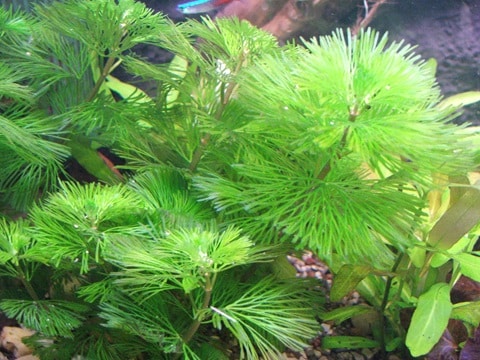

    ๐Ÿ“˜ Want to learn more? This article is part of our complete Betta Fish Guide. your ultimate resource for betta care, types, tank setup, feeding, tank mates, and more.


    ๐ŸŒฟ Want to learn more? This article is part of our complete Planted Tank & Aquascaping Guide. your ultimate resource for aquarium plants, aquascaping styles, substrates, and more.

    References

  • Vegetables for Fish: What I Feed My Tanks After 25 Years (And What to Avoid)

    Vegetables for Fish: What I Feed My Tanks After 25 Years (And What to Avoid)

    Iโ€™ve been feeding vegetables to my fish for years. Nori sheets for saltwater tanks, and cucumbers and romaine lettuce for freshwater setups. Itโ€™s one of the most underrated things you can do for herbivorous and omnivorous fish, and once they find it, they go for it every time. One critical step most people skip: blanching. Leave it out and you risk fouling your water with pesticide residue and disintegrating plant matter. This guide covers what actually works, what doesnโ€™t, and how to prepare it correctly.

    Key Takeaways

    • Aquarium fish can be given an assortment of raw and frozen vegetables!
    • Veggies are a great way to keep fish healthy by introducing vitamins and minerals that aren’t offered in typical fish food.
    • Vegetables can be easily blanched and frozen for easy storage and long-term use.
    • Some fish don’t like vegetables or have never been offered them, so algae wafers are a good alternative instead!

    Vegetables For Fish – Which Are The Best Ones?

    The best vegetable to feed fish (video from our official YouTube Video) is one that will withstand being submerged, at least for an hour or two. This vegetable should not start to disintegrate once a hungry fish starts to get to it. Luckily, a variety of vegetable options can be blanched and eaten by fish.

    A good list of rotating veggies might look like:

    • Broccoli
    • Cucumber
    • Zucchini
    • Yellow squash
    • Spinach
    • Romaine lettuce
    • Carrot
    • Peas
    • Nori (great for saltwater fish)

    Not all fish will like all vegetables, so it might take some time to figure out which ones to include in your feeding rotation. Most hobbyists like to weigh small pieces down with a rubber band around a rock or a suction clip that attaches to the side of the glass.

    ๐Ÿ† My personal picks: For freshwater tanks, cucumbers are my go-to. fish love them, they hold up well submerged, and theyโ€™re easy to prep. For saltwater, Nori (dried seaweed sheets) is the clear winner. tangs and rabbitfish will go absolutely crazy for it on a clip. Iโ€™ve also had great results with romaine lettuce in freshwater setups.

    Does Your Aquatic Pal Need Them?

    Common-Pleco

    Before we even start to discuss how to prepare fresh vegetables for your fish, you need to know if these foods would be similar to something that they would naturally come across in the wild. A carnivorous fish will probably not eat a cucumber, no matter how appealing it might look!

    Most likely, you won’t be able to tell whether a fish is a carnivore, herbivore, or omnivore just by looking at it. There might be some signs, like sharp teeth or a sucker mouth, but even then, you can’t be fully sure. The best way to find out the natural diet of your fish species is by doing research about their natural habitat and hearing experiences from other hobbyists or your local aquarium store.

    Once you’ve established the natural diet of your fish, you can begin catering to it. If it turns out that you have a herbivore fish, then you might start to supplement blanched vegetables into their diet.

    Benefits of Veggies

    There are many benefits to giving vegetables to fish. The main benefit is keeping fish healthy by supplementing vitamins and minerals that aren’t supplied through typical fish food1.

    Spinach Photo

    The other main benefit is enrichment. By now, you’ve probably noticed that your fish waits to be fed at the top of the aquarium anytime you walk by. Feeding time is what they look forward to! Adding veggies is a great way to make feeding time even more exciting and unpredictable while also adding variety and balance to your fish’s diet.

    What Are Blanched Vegetables?

    Simply put, blanching means submerging vegetables or fruits into boiling water for a short period, quickly removing them, and then placing them into a bowl of water with ice. This process only takes a couple of minutes but helps preserve the quality of the vegetable or fruit.

    There are a few ways blanching achieves preservation. First, it inactivates enzymes that would otherwise begin to affect color, taste, and nutritional value over time. Similarly, blanching affects bacteria which would also cause the product to degrade faster.

    Blanching is especially recommended when using vegetables as fish food due to insecticides and other residues. Unfortunately, many unknowns are used to treat food for consumption, so boiling them first reduces the chances of those chemicals entering the aquarium.

    โš ๏ธ The biggest mistake I see: People skip blanching entirely. Raw, unblanched vegetables can foul your water fast as they break down, and youโ€™re putting pesticide residue directly into your tank. Blanching takes about two minutes and makes a real difference. donโ€™t skip it.

    All in all, blanching fresh fruits and vegetables helps preserve them for longer and allows for easy freezing and storage. In the aquarium setting, most hobbyists only offer vegetables as fruits can be messy.

    Can You Serve Them Raw?

    Yes! Tropical fish can be fed raw vegetables. Blanching is recommended for hobbyists who want to keep vegetables on hand for future use. There are a couple of things that need to be considered, though.

    As mentioned before, veggies are often treated with chemicals and other preservatives. These should be thoroughly washed off before being added to the tank. It is also likely that these pieces of raw vegetables will end up floating on the surface of the water, so it might take some extra effort to weigh them down.

    How To Blanch Them

    Blanching Vegetables

    Almost any vegetable can be blanched, but not every blanched vegetable is good for the aquarium. Instead, certain hard vegetables, like broccoli, cucumber, zucchini, and peas, are some of the favorite feeding options for herbivores. This is because other vegetable matter can easily break down and start to affect water quality.

    Vegetables with strong aromas, like brussels sprouts and onions, should be avoided as they can start to affect water conditions as well.

    Buying Them

    This might seem obvious, but you need to purchase your vegetables at the grocery store. Your local fish store will not have fresh vegetables! Now the question comes down to picking the right veggies for your fish.

    Should you buy organic?

    You definitely want to pick the best vegetables possible to feed your fish, and you should be mindful of what you’re putting in the aquarium. However, there is likely little difference between buying organic and using regular produce. The blanching process should hopefully remove any chemicals or additives in either option.

    If you want to feed raw cucumber or another vegetable fresh from the rack, then it may be the better choice to buy organic.

    Preparation

    Depending on what type of vegetables you get for your fish, you might need to do some prep work. Think about how much food you want to give to your fish, for how long, and if you could use the leftovers for your own consumption!

    Some vegetables, like zucchini, cucumber, and broccoli, will need to be cut up into manageable pieces. The goal should be to slice to expose as much of the soft, inside flesh as possible as fish will likely eat these sections first. For something like zucchini, slice each piece to be about 0.5 inches. Most other vegetables, like spinach and lettuce, can be split apart and fed more easily.

    Now, you will want to consider how long you want to serve your fish this food. Fish eat as much as is available, so it’s not recommended to give it all at once. But you don’t want to be feeding the same thing for a month either! Prepare enough food for several feedings. Save some for blanching and save some for the dinner table.

    Blanching Steps

    Now it’s finally time to blanch the veggies. This process is straightforward and easy and almost impossible to mess up.

    1. Bring a pot of water to a rolling boil. The boiling water will activate those processes we talked about earlier!
    2. Fill a separate bowl with water and ice.
    3. Add the sliced vegetables to the boiling water.
    4. Allow them to boil for 1-3 minutes depending on the size of the slices.
    5. Remove the vegetables when they’re crispy. A crunchy vegetable needs more time and a mushy vegetable has gone too long.
    6. Add the veggies to the ice bath. Let them sit in the cold water for a minute or two.
    7. If you’re planning on freezing the vegetables, then wait until they’re completely cooled and dried. Then, store them in a plastic bag in the freezer.

    Feeding Your Fish

    When you’re ready to feed your fish, make sure to fully thaw the frozen vegetable matter. You may need to weigh it down with a rock or clip so that it doesn’t float.

    Allow your fish to eat. It might take some time for them to find and understand that the vegetable matter is food. Snails are also naturally slow!

    After a couple of hours, remove what remains of the veggies. If your fish and snails liked what they were given, you might just find vegetable skin left over.

    How Often To Feed Vegetables?

    How often you feed your fish fresh or frozen vegetables will depend on how many fish are present and their feeding habits.

    If you have a larger tank with lots of tropical fish, shrimp, and snails, then you will need more food to make sure that everyone is getting fed. Always make sure to keep an eye on uneaten food and remove any pieces that could potentially get stuck in the back of the tank.

    In general, fresh and frozen vegetables can be given one to two times a week to create a well-balanced diet.

    Alternatives

    While most aquarium fish enjoy a veggie snack every now and then, some fish simply don’t like vegetables, even if they’re herbivores.

    It makes sense why a carnivorous fish might not eat veggies, but why wouldn’t a herbivore?

    It is possible that your fish was never introduced to any foods other than flake or pellet foods. They might not know how to eat veggies! In cases like this, you can continue to offer your fish fresh vegetables until they take a nibble, or you could settle with a high-quality algae wafer or pellet.

    For saltwater fish, consider a product like Julian Sprung’s Sea-Veggies

    FAQs

    What vegetables can I feed my fish?

    Tropical fish love most vegetables! But every fish will have its own appetite. The best veggies to feed fish include lettuce, peas, zucchini, and cucumber. These can be given raw or frozen as long as they are prepared and thawed before serving.

    Can I feed my fish fruits?

    While fruits can be blanched and stored for serving later, it’s not recommended to give fruits to fish. This is because fruit is high in sugar, which can easily start to affect aquarium water. Because of this, it’s generally recommended to only give fish vegetables.

    How do I make prepared fish foods?

    Feeding vegetables to fish is quick and easy! Depending on the type of veggie you’re giving, you may need to cut it up into small pieces. These pieces can then be washed and added directly to the tank or blanched and saved for later.

    Why didn’t my fish eat vegetables?

    Every fish is different and yours might not enjoy vegetables! Instead, you can supplement those vitamins and minerals with algae wafers or pellets.

    How do I make prepared fish foods?

    Feeding vegetables to fish is quick and easy! Depending on the type of veggie you’re giving, you may need to cut it up into small pieces. These pieces can then be washed and added directly to the tank or blanched and saved for later.

    Why didn’t my fish eat vegetables?

    Every fish is different and yours might not enjoy vegetables! Instead, you can supplement those vitamins and minerals with algae wafers or pellets.

    Can saltwater fish eat vegetables?

    Yes! Saltwater fish can also be given vegetables even though they’re unlikely to experience plant matter in their natural habitats. Because of this, saltwater fish are more likely to ignore vegetable offerings, but some might take a nibble.

    Instead, saltwater fish can be offered different types of macroalgae and seaweed sheets. The most common type of veggie before Nori was popular was romaine lettuce.

    Conclusion

    Most fish love a selection of fresh veggies in addition to their staple fish flakes or pellet, though some fish don’t! These vegetables can be served raw or blanched and frozen for later use. Some options include lettuce, peas, carrots, and broccoli, but an algae wafer will substitute for more picky fish.

    Keep in mind that feeding fresh veggies can be messy and not all fish will enjoy the offer! Uneaten food should be removed if left untouched after a couple of hours.


    ๐ŸŸ Want to learn more? This article is part of our complete Aquarium Care Guide. your ultimate resource for water chemistry, maintenance, feeding, disease prevention, and everything you need for a healthy tank.

  • Zebra Danio Tank Mates: My 21 Picks After Years in the Hobby

    Zebra Danio Tank Mates: My 21 Picks After Years in the Hobby

    Iโ€™ve kept zebra danios and theyโ€™re about as bulletproof as freshwater fish get. hardy, active, and incredibly easy to care for. But that high energy level is exactly what trips people up when selecting tank mates. These fish need space to zoom around, and I wouldnโ€™t attempt a community setup in anything smaller than a 20-gallon tank. Add in their preference for cooler water and you have two things most people donโ€™t think about until itโ€™s too late. In this guide Iโ€™ll walk you through my 21 top picks. and the combinations to avoid.

    Key Takeaways

    • The zebra danio is a hardy, active fish that can be kept with a variety of species.
    • These fish do best in a coldwater setup but can be acclimated to warmer conditions.
    • Some of the best zebra danio tank mates are tetras, rasboras, and corydoras.
    • Tank mate species to avoid include bettas, aggressive cichlids, and fish with large mouths.

    Intro

    Before we can talk about tank mates, we need to understand zebra danio care.

    Zebra danios, scientifically known as Danio rerio, are highly adaptable freshwater fish native to many regions throughout Asia. These fish can be found in cold to hot fast-moving or stagnant conditions across India, Pakistan, Nepal, Bangladesh, and Bhutan; they have been introduced to many other regions of the world, including South America and North America. They usually live alongside vegetation but don’t rely on it for survival1.

    Zebra-Danio

    These freshwater fish grow to be about 1 to 2 inches on average and are named after the alternating silver and bluish-black horizontal stripes along the sides of their body. They have a torpedo-shaped body that helps propel them through the water.

    Zebra danios are a very important species for science. They are considered a scientific model organism, which allows for many avenues of biological study. In fact, a zebra danio has even been sent to outer space! Interestingly, there is also evidence that zebra danios have memory, which means that they may experience some level of consciousness.

    Tank Size

    It is no wonder why the zebra danio is a favorite addition to the aquarium setting due to its high adaptability. These are easy-to-keep fish that bring a lot of movement to the upper portions of the aquarium.

    Zebra danios are a schooling fish, which means that you need to allow space for at least 6 or more individuals. In general, a school of zebra danios can comfortably fit in a 10 gallon aquarium with minimal other fish. However, a 20 gallon long aquarium will allow for a bigger school as well as other tank mates.

    Water Temperature

    One of the most important aspects to keep in mind when keeping zebra danios is their need for cooler water conditions. While these peaceful fish have been documented across a 50 degree range, they seem to do best when the water temperature is kept stable between 65-82ยฐ F.

    โš ๏ธ The biggest tank mate mistake I see: Fishkeepers pair zebra danios with tropical fish that need warmer water, or slow-moving species that canโ€™t handle their energy. Danios are fast and constantly on the move. timid or slow fish will be stressed by them. Always match both temperature range and activity level when choosing tank mates, and remember: nothing smaller than a 20-gallon if you want this to work.

    The Top Zebra Danio Tank Mates

    Now that we have some understanding of where zebra danios come from and how they live in both their natural habitat and in the aquarium, we can start to consider some tank mate options.

    The best zebra danio tank mates will be able to live with an active fish in colder-than-normal water temperatures.

    1. Harlequin Rasboras

    • Scientific Name: Trigonostigma heteromorpha
    • Tank Size: 10 gallons
    • Adult Size: 1-2 inches
    • Water Temperature: 71-80ยฐ F
    • Temperament: Peaceful

    Harlequin rasboras are small, colorful orange and black fish that resemble tetras. They are schooling fish that need to be kept in groups of at least 6 or more. Together, they are active swimmers that will stay in the middle portions of the aquarium.

    With more active fish, like the zebra danio, harlequin rasboras may school tighter together and be less active. However, with a larger tank, the two species will complement each other in terms of activity and color.

    2. Cory Catfish

    Albino Cory Catfish
    • Scientific Name: Corydoras spp.
    • Tank Size: 10 gallons
    • Adult Size: 1-5 inches
    • Water Temperature: 70-80ยฐ F
    • Temperament: Peaceful

    There are many different species of corydoras available in the aquarium hobby, coming in a variety of sizes. These are bottom-dwelling fish that like to school far away from zebra danios at the top of the water column. This distance, in addition to cories preferring slightly cooler-than-normal water conditions, makes them a good pairing for zebra danios.

    ๐Ÿ† My top pick for a zebra danio tank mate: Cory catfish are my go-to recommendation. they occupy the bottom while danios work the top, so thereโ€™s zero competition for space. The shared preference for slightly cooler water makes the parameter match easy too. Iโ€™ve seen this pairing work beautifully, and itโ€™s the first thing I suggest to anyone setting up a danio community tank.

    Some of the most popular Corydoras options include the bronze cory (Corydoras aeneus), pygmy cory (Corydoras pygmaeus), panda cory (Corydoras panda), and Sterba’s cory (Corydoras sterbai).

    3. Mollies

    Sailfin Molly in Aquarium
    • Scientific Name: Poecilia spp.
    • Tank Size: 15 gallons
    • Adult Size: 3-5 inches
    • Water Temperature: 72-82ยฐ F
    • Temperament: Peaceful to semi-aggressive

    Mollies are one of the most popular freshwater fish. Mollies are large fish that come in almost every color, with many different varieties available.

    They not true schooling fish, but they do enjoy the company of at least two to three others. This, in addition to their size, means that they are good feature fish for tanks over 10 gallons.

    It is important to note that while mollies are often seen as community tank fish, they are capable of showing aggression to other fish and each other, especially if there are multiple males in the tank during breeding times. They also prefer the upper portions of the water column. Because of this, it’s important to watch how your mollies and zebra danios interact.

    4. Swordtails

    Swordtail Fish in Planted Tank
    • Scientific Name: Xiphophorus hellerii
    • Tank Size: 20 gallons
    • Adult Size: 3-6
    • Water Temperature: 64-82 ยฐF
    • Temperament: Peaceful to semi-aggressive

    Swordtails are very similar to mollies in terms of color, activity, and behavior. These fish come in all different color variations and are easily recognized by their extended tail fin. They can also be kept in cooler water temperatures.

    These fish are not a schooling species but exhibit shoaling behaviors in small groups with one male and several females. Swordtails are relatively active fish that like to stay in the upper portions of the aquarium. They can become aggressive towards other fish and their own if more than one male is present.

    While swordtails are generally peaceful towards zebra danios, hobbyists should look out for possible fin-nipping and competition during feeding times.

    5. Neon Tetras

    • Scientific Name: Paracheirodon innesi
    • Tank Size: 10 gallons
    • Adult Size: 1.0-1.5 inches
    • Water Temperature: 72-82ยฐ F
    • Temperament: Peaceful, shy

    Neon tetras get along with most freshwater fish, and zebra danios are no exception. These small red and blue fish can be timid, especially when kept in smaller groups. Luckily, they only grow to be about an inch big, which allows for more room for keeping a bigger school. This is necessary as zebra danios can potentially stress them out.

    The good news is that neon tetras and zebra danios generally live in two different areas of the tank. Neon tetras usually stay in the middle and lower portions of the aquarium, away from the hustle and bustle of danios. Still, some extra decorations and hiding spots might encourage your tetras to be more present.

    6. Rummy Nose Tetras

    • Scientific Name: Hemigrammus bleheri
    • Tank Size: 10 gallons
    • Adult Size: 1-2 inches
    • Water Temperature: 75-85ยฐ F
    • Temperament: Peaceful, active

    Rummy nose tetras have a similar appearance and behavior to the zebra danio, but they’re a little more challenging to keep. These peaceful fish are identifiable by their bright red faces and can be seen swimming in schools in the upper portions of the water column.

    While rummy nose tetras make a good option for a zebra danio community tank, they are much more sensitive to incorrect and changing water conditions than other fish species. These fish do especially well in bigger groups in a heavily planted tank.

    7. Apistogrammas

    <a href=Apistogramma cacatuoides” class=”wp-image-1059938″/>
    • Scientific Name: Apistogramma spp.
    • Tank Size: 20 gallons
    • Adult Size: 2-3 inches
    • Water Temperature: 72-86ยฐ F
    • Temperament: Semi-aggressive

    If you want another fish species to be the star of your aquarium instead of your zebra danio school, then an Apistogramma cichlid might make the ideal tank mate. These dwarf fish are from South America and are one of the more peaceful species of cichlid available. They have a moderate temperament but will readily tolerate other small, peaceful fish.

    The trick to choosing good Apistogramma tank mates is selecting fish that can’t be mistaken for another cichlid and that stay out of their way during breeding periods. This makes the zebra danio a good option.

    8. Chili Rasboras

    • Scientific Name: Boraras brigittae
    • Tank Size: 10 gallons
    • Adult Size: <1 inch
    • Water Temperature: 70-82 ยฐF
    • Temperament: Peaceful, shy

    If you’re looking for something even smaller than the zebra danio, chili rasboras are about as tiny as you can get. There are a few considerations that will need to be made before making these two tank mates, though.

    Chili rasboras are extremely small fish that grow to be less than an inch big. They love to school at the top of the water column but will scatter if threatened. Unfortunately, this can sometimes become problematic if you have an especially active or bold zebra danio.

    If you find that your chili rasboras are overwhelmed by your zebra danio school, then you may need to increase the size of your rasbora school, add more plants, or reconsider rehoming one of the species.

    9. Ember Tetras

    • Scientific Name: Hyphessobrycon amandae
    • Tank Size: 10 gallons
    • Adult Size: 1 inch
    • Water Temperature: 72-80 ยฐF
    • Temperament: Peaceful

    While not exactly the same, ember tetras are a good (and cheaper) alternative to chili rasboras. These two fish share some of the same orangey-red colors and ember tetras only grow to be a little bigger.

    Unlike chili rasboras, ember tetras are hardy fish that prefer the middle and lower portions of the water column. They take comfort in a school of 6 or more and can withstand the activity of a zebra danio school.

    For most hobbyists, ember tetras are a better addition to the zebra danio community tank than chili rasboras.

    10. White Cloud Minnows

    • Scientific Name: Tanichthys albonubes
    • Tank Size: 10 gallons
    • Adult Size: 1-2 inches
    • Water Temperature: 57-72ยฐF
    • Temperament: Peaceful, active

    White cloud minnows are one of the best zebra danio community tank mate options, period! This is because their tank size, adult size, water temperature, and temperament all align.

    White cloud minnows are not tropical fish and are instead, minnows. This means that they are incredibly hardy fish that can withstand a wide range of water temperatures and parameters. They are also active schooling fish that enjoy their own company and that of other fish species.

    11. Boesemani Rainbowfish

    Boesemani-Fish
    • Scientific Name: Melanotaenia boesemani
    • Tank Size: 40 gallons
    • Adult Size: 4-5 inches
    • Water Temperature: 72. 77ยฐ F
    • Temperament: Peaceful, active

    The Boesemani rainbowfish and the zebra danio is an odd pairing, but it’s doable! Both of these species are very active and a larger tank will be needed to comfortably keep both. While zebra danios will mostly stay towards the top of the tank, plenty of room should also be allowed for an active school of rainbowfish in the middle.

    This is an unusual pairing mostly due to color and activity levels. As long as temperatures match and there is room to swim, Boesemani rainbows can live alongside zebras.

    12. Cherry Barbs

    • Scientific Name: Puntius titteya
    • Tank Size: 25 gallons
    • Adult Size: 2 inches
    • Water Temperature: 73. 81ยฐ F
    • Temperament: Peaceful, sometimes shy

    Cherry barbs are one of the most ideal tank mates for zebras! Similar in size and activity, these two fish can comfortably live together as cherry barbs prefer the lower areas of the tank.

    That being said, these small barbs can sometimes be shy fish. It’s best to keep these fish in a larger densely planted tank with a good-size school. They can be somewhat sensitive to water parameters, so they should be safely acclimated and kept with good tank husbandry.

    13. Hatchet Fish

    Marble Hachet Fish
    • Scientific Name: Gasteropelecus sternicla
    • Tank Size: 20 gallons
    • Adult Size: 2-3 inches
    • Water Temperature: 72-81ยฐ F
    • Temperament: Peaceful

    If you’re looking for another fish to keep your zebra danios busy at the top of the tank, the hatchet fish will always be found just below the surface. While they don’t have the best vibrant colors, hatchet fish are one of the most interesting-looking fish species available!

    These fish are great for community tanks but need a tight aquarium lid as they’re notorious jumpers.

    14. Kuhli Loach

    • Scientific Name: Pangio kuhlii
    • Tank Size: 20 gallons
    • Adult Size: 3-4 inches
    • Water Temperature: 73-86ยฐ F
    • Temperament: Peaceful

    No matter your tank setup, there is always room for a kuhli loach. These fish are incredibly silly and fit right in at the bottom of a community tank setup.

    Kuhli loaches aren’t true schooling fish, but they thrive in the company of their own. It is important to take careful consideration when introducing kuhli loaches into community tanks as hobbyists sometimes keep them at higher-than-normal water temperatures.

    Always make sure to keep an aquarium lid on to prevent your loaches from escaping!

    15. Platy Fish

    Sunset-Platy
    • Scientific Name: Xiphophorus maculatus
    • Tank Size: 10 gallons
    • Adult Size: 2-3 inches
    • Water Temperature: 64-77 ยฐF
    • Temperament: Peaceful, prolific

    Platy fish are one of the most popular species of freshwater fish for beginner hobbyists and are one of the best tank mates for zebra danios. These community fish are colorful, active, and unbothered by other active species.

    However, platy fish are incredibly prolific and can quickly overpopulate an aquarium. This, in addition to being overall messy fish, can cause water quality problems.

    As long as populations and water quality are kept in check, then platy fish can comfortably live with zebra danios and an assortment of other fish!

    16. Otocinclus

    • Scientific Name: Otocinclus spp.
    • Tank Size: 20 gallons
    • Adult Size: 2-4 inches
    • Water Temperature: 74-79ยฐF
    • Temperament: Peaceful, shy

    Unlike the zebra danio, otocinclus are not beginner fish. In fact, these are some of the most difficult fish to keep due to their constant need for natural algae.

    Otocinclus are smaller fish that rely on each other for safety. They need to be kept in groups of at least 6 or more and need an established aquarium with plenty of natural biofilm. A densely planted tank is a must.

    Because these are some of the most challenging fish to keep and zebra danios are one of the easiest, these two species are not seen together often.

    17. Cardinal Tetras

    • Scientific Name: Paracheirodon axelrodi
    • Tank Size: 10 gallons
    • Adult Size: 1-2 inches
    • Water Temperature: 73-81ยฐ F
    • Temperament: Peaceful

    Slightly larger but more sensitive than neon tetras, cardinal tetras are great tank mates for danios. Cardinal tetras are colorful schooling fish that can be somewhat sensitive to both water quality and overactive tank mates. However, if they’re kept in a big enough school, they will feel safe to explore all corners of the tank, including where your zebra danios like to swim.

    Cardinal tetras don’t have any special considerations, but they do best when acclimated and kept with live plants.

    18. Honey Gourami

    • Scientific Name: Trichogaster chuna
    • Tank Size: 10 gallons
    • Adult Size: 2-3 inches
    • Water Temperature: 74-82ยฐ F
    • Temperament: Peaceful

    The honey gourami is a great feature species for a zebra danio tank. These fish are big and bold but gentle giants. Honey gouramis can be kept alone or in pairs, as long as the tank size allows.

    For the most part, the honey gourami makes a great tank mate for danios. Always make sure to keep an eye out for any potential fin-nipping between the two species. Zebra danios might take some interest in their thread-like pelvic fins.

    19. Nerite Snails

    • Scientific Name: Neritina spp.
    • Tank Size: 10 gallons
    • Adult Size: 1-2 inches
    • Water Temperature: 65-85ยฐ F
    • Temperament: Peaceful

    If you don’t want to keep other fish with your danios, then nerite snails are ideal tank mates! These snails can’t reproduce in freshwater, so you don’t need to worry about them overpopulating. They are also efficient cleaners and will help keep the tank clean of any algae or uneaten food.

    20. Bristle Nose Pleco

    • Scientific Name: Ancistrus cirrhosus
    • Tank Size: 30 gallons
    • Adult Size: 5 inches
    • Water Temperature: 73-80ยฐF
    • Temperament: Peaceful

    If you want a cleanup crew member that’s a little more exciting than a snail, then bristle nose plecos are a great addition to the freshwater aquarium. These plecos grow to reasonable sizes and don’t need a pure vegetation diet. Instead, they’ll help keep the tank clean of leftover food and other organic debris, though they won’t clean up fish waste.

    21. Other Danios

    Leopard

    If you’re a danio fan, then there are a few other species you can safely keep with your zebra danios. While there aren’t many species of danio available in the aquarium hobby, some of the most popular include:

    • Giant danio (Devario aequipinnatus)
    • Pearl danio (Danio albolineatus)
    • Glowlight danio (Danio choprai)
    • Blue danio (Danio kerri)

    Apart from the giant danio, all of these species should have similar tank requirements, though exact specifications are needed.

    Bad Selections

    Though there are many great tank mates for zebra danios, there are a few that will never be compatible. Here are some species to avoid.

    Bettas

    Plakat <a href=Betta Fish” class=”wp-image-34308″/>

    Betta fish are aggressive fish that need their space. The last thing a betta will tolerate is a zebra danio zooming around its territory.

    These two fish are incompatible tank mates due to territorial aggression and overactivity of the Danio that will stress out the Betta.

    Aggressive cichlids

    <a href=Texas Cichlid” class=”wp-image-553069″/>

    For the same reasons, zebra danios will never be compatible with aggressive cichlids, like most African Lake species. Not only will these cichlids see danios as a threat to their territory, but they’ll also see them as food.

    Anything Big

    Arowana Fish

    That brings us to this next generalization. A zebra danio should never be kept with any species that could fit one of these small fish into its mouth.

    A zebra danio can easily entice a predator as it zooms across the tank and be mistaken for food as a result. For this reason, it’s best to keep these danios with similar-sized tank mates.

    FAQs

    What fish can you keep with a zebra danio?

    There are many fish that can be kept with zebra danios, but small tetras, rasboras, catfish, and loaches are some of the best choices! When picking a new fish for your zebra danio tank, water temperature and activity levels are the main factors to take into consideration.

    How many zebra danios should be kept together?

    These danios need to be kept in groups of at least 6 or more. Keeping less than this can cause individuals to become stressed out and reclusive. This might even lead to a premature death.

    Are zebra danios good community fish?

    Yes! Zebra danios are some of the best community fish available. These fish are extremely hardy and can be kept with most community species.

    Are danios fin nippers?

    Zebra danios can be fin nippers. It’s best to avoid long-finned tank mates or to increase the size of the school instead. This should help diffuse possible aggression.

    Can danios go in a tropical tank?

    Yes, zebra danios can be slowly acclimated to a warmer tank even though they prefer cooler temperatures.

    Conclusion

    Zebra danios are widely available fish. While they’re not the most colorful fish, they have bold stripes that catch the eye as they zoom across the tank. These fish are highly active and should be kept with tank mates that can tolerate their behavior. Luckily, many coldwater and freshwater species check this box!

  • How Long Do Fish Live? What Iโ€™ve Learned After 25 Years in the Hobby

    How Long Do Fish Live? What Iโ€™ve Learned After 25 Years in the Hobby

    After 25 years in this hobby, Iโ€™ve seen fish live surprisingly long lives. and heartbreakingly short ones. Koi are the most extreme example: thereโ€™s a famous koi named Hanako that was reportedly over 200 years old. But even in a home aquarium, the difference between a fish living 2 years versus 10 comes down to a handful of key factors. Diet and living conditions are the two biggest ones Iโ€™ve seen in my experience. In this guide Iโ€™ll break down the average lifespans of the most popular aquarium fish. and what actually determines how long they live.

    How Long Do Fish Live (By Category)

    There are over 30,000 fish species on the planet, ranging from tiny nano species to the majestic 60-foot whale shark1. Their lifespans seem to vary as much as their size and appearance, with some species surviving just a few months and others living for centuries! Check our video above for visuals from our YouTube Channel. We go over in more detail in our blog post so you can follow along with both!

    The average aquarium fish lives a few years with good care, although some species can live for a few decades. After reading this guide, you’ll see that there’s a lot of variation between the species.

    Size And Growth

    Unlike humans, fish are indeterminate growers, which means they continue to grow throughout their lives. It can be difficult to guess the age of a fish over at the pet store, but you can bet a large specimen has already reached a good age.

    Scientists have a more precise way of judging a fish’s age. They simply count the rings on their scales, kind of like the way you tell the age of a tree2. Unfortunately, there isn’t a lot of concrete scientific evidence about aquarium fish lifespans out there, so most of what we know comes from the experiences of other fish keepers.

    Of course, many factors can affect how long fish live. For example, a fish that can live for ten years might survive just a few hours in a tank with incorrect water temperature, or it could surprise you and live for 12 years.

    We’ll discuss some of the factors that affect fish longevity later in this post, but for now, let’s go ahead and dive into the average life expectancies of some popular aquarium fish you might consider keeping in your tanks.

    Small Fish Lifespans

    Betta-Fish-Looking-For Food

    Smaller fish tend to have short lifespans, although some nano species can live surprisingly long! You could expect your pets to reach these lifespans with good care and a bit of luck:

    Medium Species

    Lake-Tebera-fish

    The average medium-size fish lifespan is between 5 and 15 years, which makes this group of fish a similar commitment to other popular pets like cats and dogs. Read on to learn about some popular medium aquarium fish lifespans.

    • African Cichlids: 5-10+ years
    • Angelfish: 10-12 years
    • Blood Parrot: 5-15 years
    • Blue Acara: 8-10 years
    • Bristlenose pleco: 10-15 years
    • Common Goldfish: 10-15 years
    • Convict Cichlid: 8-10 years
    • Discus cichlid: 10-18 years
    • Fancy goldfish: 10-15 years
    • Glass catfish: 7-8 years
    • Jack Dempsey: 10-15 years
    • Molly: 3-5 years
    • Rainbowfish: 5-8 years
    • Rainbow shark: 5-8 years
    • Siamese Algae Eater: 5-10 years
    • Silver dollar: 10 years
    • Swordtails: 3-5 years

    Large Species

    Arowana Fish

    Larger fish tend to live longer, although they need proper care and a suitable aquarium to reach their full potential. Let’s take a look at some big fish lifespans.

    ๐Ÿ’ก A lifespan that still blows my mind: Koi are the most extraordinary example of fish longevity in the hobby. The famous koi Hanako was reportedly over 200 years old when she died in 1977. verified by scale ring analysis. Most koi in home ponds already live 25. 35 years with good care, which is remarkable for any fish. Itโ€™s a powerful reminder of just how much proper conditions matter.

    • Arowana: 10-20 years
    • Bala shark: 10 years
    • Bichirs: 10-15 years
    • Black ghost knife fish: 10-15 years
    • Blood Parrot: 5-15 years
    • Clown loach: 10-15 years
    • Dojo loach/Weather loach: 10-15 years
    • Flowerhorn cichlid: 8-12 years
    • Koi fish: 25-35 years, but can over 60 years!
    • Oscars cichlids: 10-15+ years
    • Plecos: 10-20 years
    • Red-tailed Catfish: 15-20 years
    • Severum: 10 years
    • Tinfoil Barb: 8-10 years
    • Tire track eel: 8-18 years

    Wild Species

    Large Mouth Bass

    Just in case you were wondering how aquarium fish stack up against wild species, here’s a list of some well-known wild fish and their lifespans:

    • Atlantic Salmon: 5-8 years
    • Bluegill Sunfish: 5-8 years
    • Common Carp: 25-50 years
    • Largemouth Bass: 10-15 years
    • Rainbow Trout: 5-7 years
    • Sturgeon: 50-60 years

    Aquarium Invertebrates and Other Aquatic Animals

    Fish are not the only animals that live in fish tanks! Continue reading to learn about some other aquatic pet lifespans.

    • Cherry shrimp: 1-2 years
    • Snails: 1-10 years
    • Dwarf Frogs: 5-15 years
    • Turtles: 20-40 years
    • Axolotls: 10-15 years

    9 Factors that Affect Fish Lifespans

    The lifespans listed above are possible with good care and a healthy specimen, but tropical fish often live a much shorter lifespan than you might expect. There are many factors that can determine your pet’s longevity, and many of them are in your control as a fish keeper.

    Continue reading to learn about nine factors that can increase or decrease aquarium fish longevity.

    1. Age At Purchase

    Guppies Swimming

    This one might seem pretty obvious, but young fish can live longer than old fish.

    Most of the fish you see in the pet store are just a few months old, which means they still have most of their expected lifespan ahead of them. The large, mature specimens you see sometimes are much older, and it can be difficult to tell their age.

    Young fish may be more fragile and susceptible to damage than mature specimens, but if you can get them through the acclimation period and the first few weeks in their new tank, these fish can survive for many years.

    2. Stocking

    Bullying and fighting between the fish in your tank can cause stressful living conditions and reduce your fish’s lifespan. Some fish tend to be more aggressive than others, and you really want to avoid these species when setting up a community tank.

    I recommend stocking your tank with peaceful fish that grow to a similar size. This will also prevent any fish from getting snacked on. Remember, big fish eat little fish!

    3. Physical Size

    Frontosa-Cichlid

    If you’ve already scanned through the list of fish and their lifespans, you probably noticed a general trend. Medium-sized fish live longer than small fish, and big fish live even longer.

    Most small fish live about three to five years, while large species like koi can live for several decades. There are exceptions, of course. Kuhli loaches can live surprisingly long for their size!

    Tank size can play an important role in fish lifespans too. Keeping large fish in a small tank will lead to cramped conditions, poor water quality, and a reduced life expectancy.

    4. Genetic Factors And Fancy Breeds

    What is a fancy goldfish

    Genetics plays a big role in the lifespans of pet fish. Some betta fish live for over four years, although selective breeding has decreased the average lifespan of some varieties.

    Some fancy breeds tend to have shorter lifespans than wild-type fish. This applies to fish like balloon mollies and some fancy goldfish breeds. These fish may be more prone to health issues that affect their internal organs, but they can still lead a full and healthy life with good care.

    5. Water Quality

    Tap-Water-Source

    Poor water quality is probably the leading cause of reduced lifespans in pet fish. Keeping a tank clean and maintaining a healthy environment can be tough for beginner fishkeepers, especially if you start with sensitive fish species.

    Understanding the aquarium nitrogen cycle and testing your aquarium water regularly will help you maintain a suitable environment and keep your fish healthy, but having the right equipment is also crucial. Tropical fish need good filtration and regular aquarium maintenance to keep their water safe and achieve their full potential life span.

    6. Water Parameters

    Poor water quality is a major cause of fish mortality, but even well-maintained aquariums can be dangerous for some fish species.

    Each fish species has evolved to live in a certain range of water chemistry parameters. Some fish are highly adaptable, while others won’t survive unless you recreate their preferred conditions. Of course, freshwater fish should not be mixed with saltwater fish and vice versa!

    I suggest testing the pH level and water hardness of your local water supply before choosing your fish species. It is possible to alter your water chemistry or use bottled or reverse osmosis water in your tanks, but it’s always easiest to choose freshwater fish that will thrive in your local water.

    7. Temperature

    Incorrect water temperature can reduce fish lifespan to just hours, so this is one factor I really can’t stress enough. Tropical freshwater fish come from warm water habitats, so most fish keepers will need an aquarium heater to keep these fish healthy.

    However, you probably won’t need a heater if you live in a tropical region, or keep your home at a constant temperature between about 75 and 80 degrees Fahrenheit. Fish temperature preferences vary depending on the species, so always research the needs of each individual fish species before adding them to a community tank with other fish.

    8. Health Problems

    Fish are susceptible to various illnesses that can reduce their lifespan. Common diseases include bacterial infections, fungal infections, viruses, and parasitic infections like ich that cause white spots.

    Aquarium fish are most vulnerable to health problems when their water quality is low, but they can also develop illnesses when kept in unfavorable water parameters or with unsuitable tank mates.

    Disease outbreaks can occur when you add a new fish to your aquarium, so it’s best to confine new fish to a quarantine tank before introducing them to your community aquarium. That way you can monitor your new pet fish for a few weeks and treat them with veterinary medicine if necessary.

    9. Diet

    Diet quality is another important factor that can increase or decrease your fish’s life expectancy. Different species of fish have different dietary needs, so you may need to provide more than one type of food if you keep multiple species of fish.

    โš ๏ธ The three mistakes I see most often that cut fish lifespans short: First, keeping fish in a tank thatโ€™s too small. chronic stress and stunted growth take years off their lives. Second, poor or monotonous diet. fish need variety and species-appropriate food to thrive. Third, bad tank mates that cause constant stress or injury. Iโ€™ve watched all three of these shorten the lives of fish that could have lived much, much longer.

    Fluval Bug Bites Flakes

    A flake version of Fluval’s amazing pellet bug bits products. Great for all tropical fish and high in protein.

    Buy On Amazon Buy On Petco

    Modern prepared fish foods contain just about everything your fish need to stay healthy, but you can also supplement their diet with some healthy treats. Carnivorous and omnivorous fish love live or frozen foods like bloodworm and brine shrimp, while omnivorous and herbivorous fish species enjoy healthy snacks like peas and zucchini.

    FAQs

    How long does a pet fish live?

    Depending on the species, most pet fish with live between 1 and 15 years with good care. The average nano fish will live between 3 and 5 years, while medium fish species have longer lifespans in the 5-15 year range.

    How long do fish live naturally?

    Fish in the wild probably live shorter lifespans than captive fish because they are exposed to more predators and dangerous environmental factors like floods, droughts, and cold snaps. Captive fish can live a surprisingly long life if kept in a clean tank with stable conditions and a high-quality diet.

    Which fish species has the shortest lifespan?

    According to the Guinness Book of Records, the fish with the shortest lifespan is the seven-figure pygmy goby. These tiny saltwater fish complete their entire life cycle in less than two months!

    In the aquarium hobby, livebearers like guppies and platies tend to have shorter lifespans than similar-sized egg layers like the neon tetra. The average guppy has a lifespan of just two to three years.

    Which fish live the longest?

    The longest-living fish species is the Greenland shark, a species of deep, cold waters in the open ocean. These huge sharks can reach about 23 feet and live for over 400 years! This is one fish you probably don’t want in your home aquarium.

    Which fish has the longest lifespan?

    Goldfish are about the longest-living aquarium fish species, and some specimens will live over 25 years with proper care.

    Koi can live even longer, although these beautiful fish from the carp family are usually housed outdoors in ponds. Their average lifespan is about 25 to 30 years, although one incredible specimen called Hanako is said to have lived for 226 years!

    Final Thoughts

    Fish lifespans vary between species, but you can use this guide to make a pretty educated guess about how long your fish will live. Of course, you’ll need to provide consistent care if you want your pets to reach their full potential, so check out my extensive range of fish care guides for loads of great advice!

    How old is your oldest fish? Let me know in the comments below!
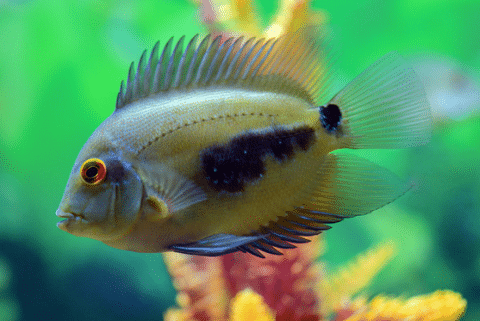

    ๐ŸŸ Want to learn more? This article is part of our complete Aquarium Care Guide. your ultimate resource for water chemistry, maintenance, feeding, disease prevention, and everything you need for a healthy tank.