Category: The AquariumStoreDepot.com blog

  • Yellow Tetra Care Guide: Tank Setup, Diet, Tank Mates & More

    Yellow Tetra Care Guide: Tank Setup, Diet, Tank Mates & More

    Table of Contents

    The yellow tetra is a hardy, peaceful fish that works in almost any community tank. It does not need soft water, special food, or constant attention. It is the tetra you buy when you want something reliable that adds a warm yellow tone to the mid-level of your tank without any drama.

    The yellow tetra is the definition of easy. If you cannot keep this fish alive, you need to fix your fundamentals.

    The Reality of Keeping Yellow Tetra

    Group size is not a suggestion. The minimum school size for yellow tetra is not just a guideline. In small groups, these fish lose color, become stressed, and display abnormal behavior. A proper group of 6 to 8+ is where you start to see natural schooling behavior, full color expression, and the confidence that makes them worth keeping.

    Tank mate selection requires thought. The yellow tetra is not aggressive in the traditional sense, but it is assertive enough to cause problems with the wrong companions. Slow-moving, long-finned species are targets. Fast, short-finned fish of similar size are fine. Plan your community around this reality.

    Hardy does not mean indestructible. The yellow tetra tolerates a range of conditions, but it still needs basic care. Ammonia spikes, dramatic temperature swings, and neglected water changes will catch up to even the toughest species. The difference is margin of error, not immunity.

    Store appearance is not home appearance. Fish in store tanks are stressed, crowded, and under inappropriate lighting. The yellow tetra almost always looks better in a properly set up home aquarium than it does at the store. Dark substrate, live plants, and appropriate lighting bring out colors and behaviors you will never see in a retail environment.

    Biggest Mistake New Owners Make

    Adding them to a peaceful community tank without researching compatibility. The nipping and chasing will stress your existing fish, and by the time you realize the problem, fin damage is already done.

    Expert Take

    In my 25+ years in the hobby, I have consistently found that the hardiest species are the most underrated. The yellow tetra is a perfect example. It is easy to keep, rewarding to watch, and it does not demand the kind of obsessive maintenance that more sensitive species require.

    Key Takeaways

    • One of the hardiest tetras available – tolerates temperatures as low as 68ยฐF (20ยฐC), making it suitable for unheated tanks in many climates
    • Excellent beginner fish – adapts to a wide range of pH (6.0-8.0) and hardness (5-20 dGH) without issue
    • Minimum tank size is 20 gallons (76 liters) for a school of 6+
    • Peaceful schooling species – safe with virtually all community fish and won’t nip fins
    • Not the same as the lemon tetraH. Bifasciatus and H. Pulchripinnis are different species often sold under similar names
    • Develops golden-yellow coloration when kept in good conditions with a varied diet, especially during spawning
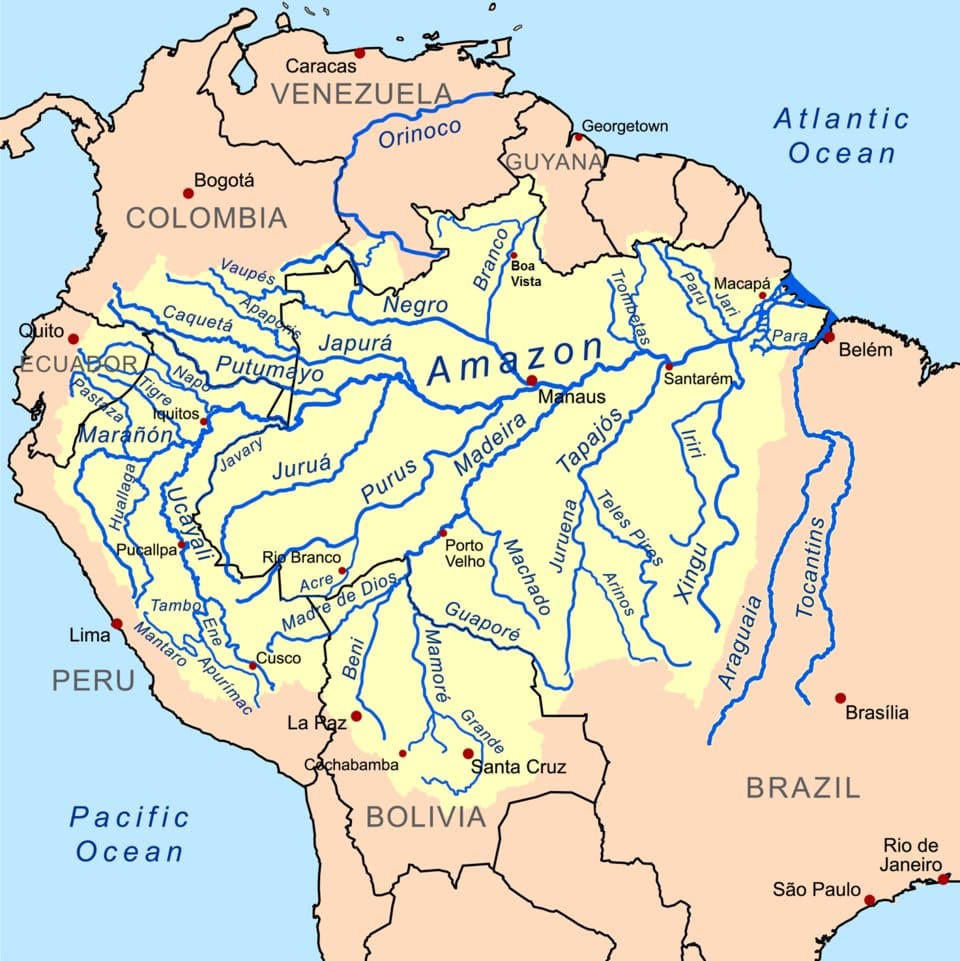
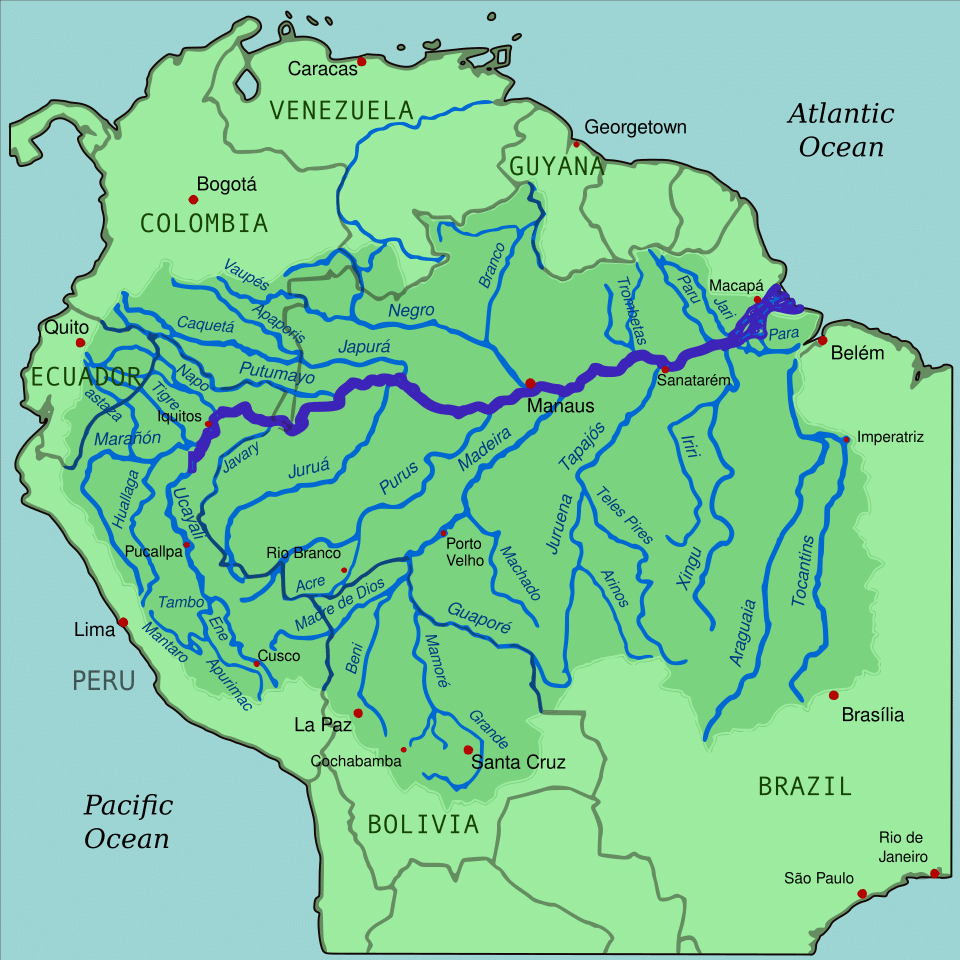
    Map showing the Amazon River Basin in South America
    Map by Kmusser, CC BY-SA 3.0, via Wikimedia Commons

    Species Overview

    Field Details
    Scientific Name Hyphessobrycon bifasciatus
    Common Names Yellow Tetra, Yellow Rio Tetra
    Family Acestrorhamphidae
    Origin Southeastern Brazil (coastal Atlantic Forest drainages)
    Care Level Easy
    Temperament Peaceful
    Diet Omnivore
    Tank Level Mid to Top
    Maximum Size 2 inches (5 cm)
    Minimum Tank Size 20 gallons (76 liters)
    Temperature 68-82ยฐF (20-28ยฐC)
    pH 6.0-8.0
    Hardness 5-20 dGH
    Lifespan 3-5 years in captivity
    Breeding Egg scatterer
    Breeding Difficulty Moderate
    Compatibility Community
    OK for Planted Tanks? Yes

    Classification

    Taxonomic Level Classification
    Order Characiformes
    Family Acestrorhamphidae (reclassified from Characidae, Melo et al. 2024)
    Subfamily Stethaprioninae
    Genus Hyphessobrycon
    Species H. Bifasciatus (Ellis, 1911)

    The genus Hyphessobrycon is one of the largest in the characin world, containing well over 150 described species. It’s long been considered a “catch-all” genus, and most ichthyologists agree it needs significant revision. Many species currently placed in Hyphessobrycon will likely be moved to other genera as more phylogenomic work is completed.

    Note on reclassification: In 2024, a major phylogenomic study (Melo et al.) split the traditional family Characidae into four separate families. The genus Hyphessobrycon was moved into the newly erected family Acestrorhamphidae under the subfamily Stethaprioninae. Some older references and fish store labels still list this species under Characidae, so don’t be surprised if you see conflicting information.

    Origin & Natural Habitat

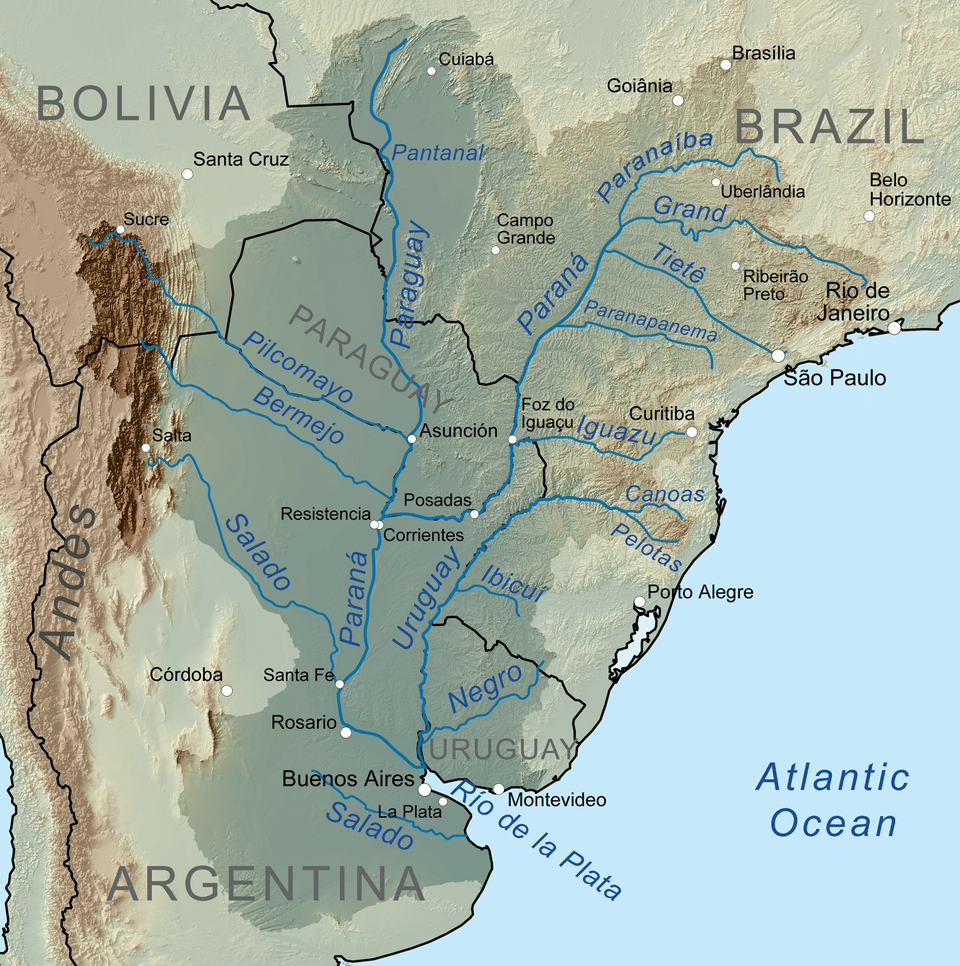
    The yellow tetra is native to southeastern Brazil, specifically the coastal river drainages that run from Rio de Janeiro state south through Sao Paulo and down to Rio Grande do Sul. This is not an Amazon basin fish. Its range falls entirely within the Atlantic Forest biome, one of the most biodiverse (and most threatened) ecosystems on the planet. The rivers and streams in this region drain eastward into the Atlantic Ocean rather than feeding into the Amazon system.

    In the wild, yellow tetras inhabit slow-moving streams, small rivers, and seasonally flooded areas where the water is typically soft to moderately hard with a slightly acidic to neutral pH. The Atlantic Forest waterways are clearer than the tannin-stained blackwater rivers of the Amazon, though fallen leaves and organic matter still influence the water chemistry. The habitat features a mix of aquatic vegetation, submerged roots, and overhanging riparian plants that provide shade and cover.

    What’s notable about this habitat is the temperature range. Southeastern Brazil experiences cooler winters compared to the equatorial Amazon basin, with water temperatures dropping well below what most tropical fish would tolerate. This is exactly why yellow tetras handle cooler water so well in the aquarium. They’ve evolved in an environment where seasonal temperature swings are the norm, not the exception. Most yellow tetras in the hobby are commercially bred, though the species is not as widely farmed as neons or cardinals.

    Map of the Amazon River Basin and South American river systems
    Map of South American freshwater habitats. Via Wikimedia Commons.

    Appearance & Identification

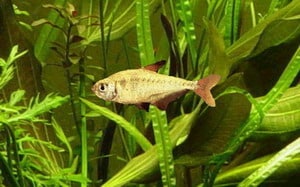
    Yellow tetra (Hyphessobrycon bifasciatus) showing golden-yellow body coloration
    Yellow tetra (Hyphessobrycon bifasciatus). Photo by rdb, CC BY-SA 3.0, via Wikimedia Commons.

    The yellow tetra has a typical tetra body shape, laterally compressed and somewhat deep-bodied compared to slimmer species like neons. The base body color is a translucent silvery-olive that develops a warm golden-yellow hue when the fish is healthy, well-fed, and kept in good conditions. The name “yellow tetra” is aspirational in pet store lighting, but give these fish a planted tank with a dark substrate and proper diet, and the yellow really does come through.

    Two faint dark horizontal bands run along the body, which is where the species name “bifasciatus” (two-banded) comes from. These bands aren’t always visible and will show more prominently when the fish is stressed or in certain lighting. The fins are mostly transparent to slightly yellowish, and the anal fin often shows a touch of red or orange at its base. There’s a dark spot on the humeral region (behind the gill cover) that helps with identification.

    Compared to the lemon tetra (H. Pulchripinnis), which it’s frequently confused with, the yellow tetra is less vibrant overall. The lemon tetra has a much more pronounced bright yellow coloring and distinctive black-edged anal fin. If the fish you’re looking at has a strongly marked black and yellow anal fin, it’s likely a lemon tetra, not a yellow tetra. The yellow tetra’s coloration is subtler and more of a warm golden tone than a bright lemon-yellow.

    Male vs. Female

    Sexing yellow tetras becomes easier as they mature. Females are plumper and rounder in the belly, especially when carrying eggs. Males are slimmer and more streamlined. During spawning season, males develop noticeably more intense golden-yellow coloration and may show brighter reddish tones on the anal fin. Outside of breeding condition, the differences are subtle, so it’s best to buy a group of 8-10 and let nature sort out the ratios.

    Average Size & Lifespan

    Adult yellow tetras reach about 2 inches (5 cm) in total length, which puts them on the slightly larger side for small tetras. They’re a bit bulkier than neons or embers, which means they need a bit more swimming space.

    In captivity, expect a lifespan of 3 to 5 years with proper care. Their hardiness works in their favor here. Because they tolerate a wider range of conditions and are less prone to stress-related issues, they are reliable long-term residents in a well-maintained community tank. Good water quality and a varied diet are the biggest factors in reaching the upper end of that lifespan range.

    Care Guide

    Tank Size

    A 20-gallon (76-liter) tank is the minimum for a school of 6 yellow tetras. These are active swimmers that use the full length of the tank, so a 20-gallon long is preferable to a tall format. If you want a larger school of 10-12 (which looks much better), a 30-gallon (114-liter) tank gives them the room to really show off their schooling behavior.

    Yellow tetras primarily occupy the middle to upper water column, so tanks with good horizontal swimming space matter more than height. They’ll appreciate open areas in the center for swimming with planted borders along the back and sides for retreating when they want cover.

    Water Parameters

    Parameter Ideal Range
    Temperature 68-82ยฐF (20-28ยฐC)
    pH 6.0-8.0
    Hardness 5-20 dGH
    KH 3-12 dKH

    This is where the yellow tetra really stands out from the crowd. That temperature range is remarkably wide for a tetra. At the low end, 68ยฐF (20ยฐC) means this fish can thrive in unheated tanks in homes that stay at room temperature. That’s a genuine advantage if you live in a temperate climate or want to set up a subtropical community tank. Very few tetras give you that kind of flexibility.

    The pH and hardness tolerance is equally impressive. While many popular tetras need soft, acidic water to thrive, yellow tetras adapt to moderately hard, slightly alkaline conditions without complaint. If your tap water runs on the harder side and you’ve struggled to keep neon tetras alive, the yellow tetra is the answer. That said, as with any fish, stability matters more than hitting a specific number. Keep your parameters consistent and they’ll do well.

    Filtration & Water Flow

    Gentle to moderate flow works best. Yellow tetras come from slow-moving streams and flooded areas, so they’re not built for strong currents. A hang-on-back filter or sponge filter is ideal for most setups. If you’re using a canister filter, use a spray bar or lily pipe to diffuse the output so you’re not blasting them around the tank.

    Weekly water changes of 20-25% are recommended. Yellow tetras are forgiving of minor water quality fluctuations, but that’s no excuse to skip maintenance. Consistent water changes are the single most important thing you can do for any fish’s long-term health.

    Lighting

    Moderate lighting works best for yellow tetras. They’re not as light-sensitive as some tetras, but their golden coloration looks washed out under very intense lighting. A standard planted tank light with some floating plants to create shaded areas gives you the best of both worlds. The fish will use the shaded zones to rest and the open areas to swim and school.

    If you’re keeping them in a low-tech setup without strong lighting, they’ll be perfectly content. These aren’t fish that need any special lighting considerations. Just avoid extremes in either direction.

    Plants & Decorations

    Yellow tetras look great in planted tanks, and the green backdrop really helps their golden coloring pop. Hardy, low-maintenance plants like Java fern, Anubias, Cryptocoryne species, and Vallisneria all work well. These plants also tolerate the cooler temperatures that yellow tetras can handle, which is important if you’re running an unheated setup.

    Driftwood and some leaf litter on the substrate create a natural look and provide additional cover. Floating plants like Amazon frogbit or salvinia add overhead shade that yellow tetras appreciate. Leave plenty of open swimming space in the center of the tank, with plants concentrated along the back and sides.

    Substrate

    A dark substrate is the way to go if you want to see the yellow tetra’s best coloring. Fine dark sand or a dark planted tank substrate makes the golden tones much more visible than a light-colored gravel would. That said, yellow tetras aren’t as dramatically affected by substrate color as some species. They’ll still look decent over lighter substrates, but dark gives you the best visual result.

    Is the Yellow Tetra Right for You?

    Before you buy, run through this honest checklist. The Yellow Tetra is a great fish for the right keeper, but it is not for everyone.

    • You want a warm yellow tetra that develops color with proper conditions and diet
    • You can provide soft, slightly acidic water for best color expression
    • You keep a school of 8+ on dark substrate with moderate lighting
    • You have a 15-gallon or larger planted community tank
    • You feed high-quality foods including those with natural color enhancers
    • You are patient enough to wait for full coloring to develop over weeks to months

    Tank Mates

    Best Tank Mates

    Yellow tetras are genuinely peaceful and get along with just about any community fish that won’t eat them. Their tolerance for cooler water also opens up some tank mate options that wouldn’t work with most tropical tetras:

    • Corydoras catfish – perfect bottom-dwelling companions, and many Corydoras species also handle cooler water well
    • Other peaceful tetras – ember tetras, pristella tetras, black neons, and silvertip tetras all make great companions
    • Harlequin rasboras – peaceful mid-level schoolers that complement yellow tetras nicely
    • White Cloud Mountain minnows – if you’re running a cooler subtropical tank, this is a natural pairing
    • Dwarf gouramis – a colorful centerpiece fish that won’t bother your tetras
    • Otocinclus catfish – gentle algae eaters that are completely non-threatening
    • Cherry shrimp – yellow tetras are safe with adult shrimp, though baby shrimp may be eaten
    • Kuhli loaches – peaceful bottom dwellers that add activity to the lower tank zone
    • Bristlenose plecos – hardy algae eaters that stay a manageable size
    • Pencilfish – gentle, slender fish from similar South American habitats

    Tank Mates to Avoid

    • Large cichlids – any fish big enough to see a yellow tetra as a snack
    • Tiger barbs – too boisterous and nippy for peaceful yellow tetras
    • Angelfish – they will eat yellow tetras once they reach adult size
    • Red tail sharks – territorial and prone to chasing small tetras
    • Aggressive or highly territorial species – anything that will outcompete yellow tetras for food or space

    Food & Diet

    Yellow tetras are unfussy eaters that accept virtually anything you put in the tank. They’re true omnivores, and in the wild they feed on small insects, worms, crustaceans, plant matter, and organic detritus. In the aquarium, they’ll happily eat whatever you offer.

    A high-quality flake food or micro pellet makes a solid daily staple. To bring out the best golden-yellow coloration, supplement with frozen or live foods several times per week. Daphnia, brine shrimp, bloodworms, and cyclops are all eagerly accepted and make a noticeable difference in color intensity. Blanched vegetables like zucchini or spinach are also appreciated occasionally.

    Feeding frequency: Once or twice daily, only what they can consume in about 2 minutes. Yellow tetras are enthusiastic eaters and will overeat if given the chance, so keep portions reasonable.

    Color-enhancing tip: Foods rich in carotenoids (like spirulina-based flakes, daphnia, and brine shrimp) help bring out the yellow and gold tones in this species. If your yellow tetras look dull, improving their diet is often the fastest fix.

    Breeding & Reproduction

    Yellow tetras is bred in the home aquarium, though they require a bit more setup than some of the easiest egg scatterers. With the right conditions and a little patience, it’s definitely achievable for hobbyists with some breeding experience.

    Breeding Difficulty

    Moderate. Yellow tetras will breed readily once conditions are right, but getting those conditions dialed in takes some effort. They’re not as forgiving as glowlight tetras or pristella tetras when it comes to water chemistry for spawning.

    Spawning Tank Setup

    Set up a dedicated breeding tank of 10-15 gallons (38-57 liters). Keep the lighting dim, as both eggs and newly hatched fry are sensitive to bright light. Line the bottom with fine-leaved plants like Java moss or spawning mops to catch the scattered eggs. A mesh screen over the bottom works as an alternative, allowing eggs to fall through while keeping the adults from eating them. Yellow tetras, like most tetras, are enthusiastic egg eaters.

    Water Conditions for Breeding

    Soft, slightly acidic water gives you the best results. Aim for a pH of 6.0-6.5, hardness below 8 dGH, and a temperature of 75-80ยฐF (24-27ยฐC). Using RO water mixed with a small amount of tap water is an easy way to achieve these parameters. A gentle air-powered sponge filter provides filtration without creating too much current or sucking up eggs and fry.

    Conditioning & Spawning

    Condition your breeding group with plenty of high-quality live and frozen foods for 1-2 weeks before attempting to spawn them. Brine shrimp, daphnia, and bloodworms all work well for conditioning. When females are visibly plump with eggs and males are showing their most intense golden coloring, they’re ready.

    You can spawn them in pairs or in a small group of 3 males and 3 females. Introduce the fish to the spawning tank in the evening. Spawning typically occurs the following morning, with the pair scattering adhesive eggs among the plants or spawning mops. A healthy female can produce 100-200 eggs per spawn.

    Egg & Fry Care

    Remove the adults immediately after spawning, as they will eat every egg they find. Eggs typically hatch within 24-36 hours. The fry are tiny and will absorb their yolk sac over the next 3-4 days before becoming free-swimming. Feed infusoria or commercially available liquid fry food for the first week, then gradually transition to microworms and freshly hatched baby brine shrimp as the fry grow large enough to take them. Keep the tank dimly lit during the early stages and maintain pristine water quality with small, frequent water changes.

    Common Health Issues

    Yellow tetras are one of the hardier tetras in the hobby, but no fish is immune to disease. Here are the main health concerns to be aware of:

    Ich (White Spot Disease)

    Ich is the most common ailment you’ll encounter with any tropical fish, and yellow tetras are no exception. It usually shows up after a temperature swing or the stress of being moved to a new tank. Look for the telltale white spots on the body and fins. Gradually raise the temperature to 82ยฐF (28ยฐC) and treat with a standard ich medication. Yellow tetras generally tolerate treatment well thanks to their overall hardiness.

    Fin Rot

    Fin rot is almost always a water quality issue. If you notice frayed, discolored, or deteriorating fins, test your water immediately. Ammonia and nitrite should be at zero, and nitrates should be below 20 ppm. Improve water quality with more frequent water changes, and treat with an antibacterial medication if the condition doesn’t improve within a few days. Caught early, fin rot is very treatable.

    General Prevention

    Prevention is always easier than treatment. Quarantine all new fish for at least two weeks before adding them to your main tank. Maintain stable water parameters and stick to a regular water change schedule. Avoid sudden temperature swings, and make sure you’re not overcrowding the tank. Yellow tetras are tough fish, but even tough fish get sick in poor conditions. A well-maintained tank with consistent parameters is your best defense against any disease.

    Common Mistakes to Avoid

    • Keeping too few – Yellow tetras need a group of at least 6 to feel secure. In smaller groups, they become shy, stressed, and spend most of their time hiding. A school of 8-10+ brings out their best behavior and schooling display.
    • Confusing them with lemon tetras – These are different species with different care needs. Hyphessobrycon bifasciatus (yellow tetra) and H. Pulchripinnis (lemon tetra) are often mislabeled in stores. Know what you’re buying.
    • Expecting flashy colors immediately – Yellow tetras in pet store tanks often look dull and washed out. Give them time in a good setup with proper diet, and the golden coloring develops over weeks. Patience pays off with this species.
    • Overheating the tank – While yellow tetras can handle tropical temperatures, they don’t need (or necessarily prefer) the upper range. Running the tank at 74-76ยฐF (23-24ยฐC) is perfectly fine and often brings out better behavior than pushing it to 80ยฐF+.
    • Skipping the quarantine – Just because yellow tetras are hardy doesn’t mean they can’t bring diseases into your main tank. Always quarantine new arrivals for at least two weeks.
    • Poor diet variety – Feeding only flake food will keep them alive but won’t bring out their best color. Supplement with frozen or live foods regularly to see the golden-yellow tones this species is known for.

    Where to Buy

    Yellow tetras aren’t as commonly stocked as neon or cardinal tetras, but they’re not rare either. Check your local fish stores first, as they sometimes carry them under the name “yellow tetra” or occasionally “lemon tetra” (even though that’s technically a different species). Expect to pay around $3-5 per fish, with discounts often available when buying a school.

    For better selection and healthier stock, I recommend ordering from Flip Aquatics or Dan’s Fish. Both are reputable online sellers that ship healthy, well-acclimated fish. Ordering online also lets you confirm you’re getting the right species, which is helpful given the naming confusion between yellow tetras and lemon tetras in some stores.

    Frequently Asked Questions

    Is the yellow tetra the same as the lemon tetra?

    No, they are different species. The yellow tetra (Hyphessobrycon bifasciatus) and the lemon tetra (Hyphessobrycon pulchripinnis) are separate species that are often confused in the hobby. The lemon tetra has brighter, more vivid yellow coloring and a distinctive black-edged anal fin. The yellow tetra has a subtler golden hue and lacks the bold anal fin markings. They come from different parts of Brazil and have slightly different care requirements, though both are easy to keep.

    Can yellow tetras live in an unheated tank?

    Yes, in many cases. Yellow tetras tolerate temperatures as low as 68ยฐF (20ยฐC), which means they can live comfortably in an unheated tank as long as your room temperature stays above that threshold. This makes them one of the few tetras suitable for subtropical or temperate community setups. If your home gets colder than 68ยฐF in winter, you’ll still need a heater as a safety net.

    How many yellow tetras should I keep together?

    A minimum of 6, but 8-10 or more is strongly recommended. Yellow tetras are a schooling species that feel more secure and behave more naturally in larger groups. In small groups, they are shy and hide. In a proper school, they’ll swim actively in the open and display better coloring.

    Are yellow tetras good for beginners?

    Absolutely. Yellow tetras are one of the best beginner tetras available. They tolerate a wider range of water conditions than most tetras, they’re peaceful, they eat anything, and they’re forgiving of minor mistakes. If your tank is cycled and you maintain basic water quality, yellow tetras will thrive.

    What fish can live with yellow tetras?

    Yellow tetras are compatible with virtually any peaceful community fish. Corydoras catfish, other small tetras, rasboras, dwarf gouramis, otocinclus, bristlenose plecos, and peaceful livebearers all make great tank mates. Avoid large or aggressive fish that might see them as food. Their tolerance for cooler water also makes them compatible with White Cloud Mountain minnows in a subtropical setup.

    Why do my yellow tetras look pale?

    Several factors can cause pale coloring. The most common are stress from too few tank mates, poor diet (flake-only feeding), harsh lighting, and light-colored substrate. Yellow tetras need time to settle into a new tank before their color develops fully. Make sure you have a group of 6+, offer varied foods including frozen options, use moderate lighting, and consider a dark substrate. Color-enhancing foods with carotenoids can also help bring out the golden tones.

    What It Is Actually Like Living With Yellow Tetra

    In a proper school, yellow tetra display natural movement patterns that are genuinely engaging to watch. The fish interact with each other, establish subtle hierarchies, and move through the tank with purpose.

    They occupy the middle water column during active hours, creating movement and visual interest in the zone where most fishkeepers want action.

    Feeding time is when their personality comes out. They learn your routine quickly and will anticipate feeding before you even open the lid.

    Their color and behavior improve over time as they settle into a stable environment. Fish that have been in the same tank for months look noticeably better than recently added stock.

    They coexist peacefully with virtually every other appropriately-sized community fish. This compatibility makes tank planning straightforward.

    How the Yellow Tetra Compares to Similar Species

    Yellow Tetra vs. Lemon Tetra

    Despite similar names, these are different species. The Lemon Tetra has a more translucent body with a subtle lemon glow and distinctive red eye. The Yellow Tetra has a deeper, more saturated yellow when conditions are right. Both need dark substrates and proper lighting. The Lemon Tetra is more commonly available.

    Yellow Tetra vs. Gold Tetra

    The Gold Tetra has metallic gold tones from a natural parasite (Ichthyophthirius), while the Yellow Tetra has clean yellow pigment. The Gold Tetra’s color comes from a different mechanism entirely. Both are warm-toned and attractive in the right setup.

    Closing Thoughts

    The yellow tetra won’t dazzle you the way a neon tetra does at first glance, but it earns its keep in ways that matter more over the long run. It’s tough, adaptable, peaceful, and genuinely easy to care for. That combination of traits makes it an excellent choice for beginners, but it’s also a solid pick for experienced hobbyists who want a reliable community fish that won’t cause problems.

    Give a school of yellow tetras a well-planted tank, a dark substrate, and a varied diet, and you’ll be rewarded with a pleasant golden shimmer that grows on you over time. They’re the kind of fish that makes a community tank feel complete without demanding attention.

    Interested in exploring more tetra species for your community tank? Check out our guides for glowlight tetras, ember tetras, and pristella tetras.

    Check out our tetra tier list video where we rank the most popular tetras in the hobby, including the yellow tetra:

    References

    🐟 Explore More Tetras: Check out our complete Tetra Species Guide for profiles on 50+ tetra species.
  • Beckfords Pencilfish Care Guide: Tank Setup, Diet, Tank Mates & More

    Beckfords Pencilfish Care Guide: Tank Setup, Diet, Tank Mates & More

    Table of Contents

    Beckford’s pencilfish is the hardiest pencilfish species and the best starting point for anyone interested in the group. It tolerates a wider range of water conditions than other pencilfish, eats prepared foods more readily, and shows good color without demanding blackwater conditions. Start here or do not start at all.

    Beckford’s pencilfish is the entry point for pencilfish. If you cannot keep this one, the others will destroy you.

    The Reality of Keeping Beckfords Pencilfish

    Group size is not a suggestion. The minimum school size for beckfords pencilfish is not just a guideline. In small groups, these fish lose color, become stressed, and display abnormal behavior. A proper group of 6 to 8+ is where you start to see natural schooling behavior, full color expression, and the confidence that makes them worth keeping.

    Hardy does not mean indestructible. The beckfords pencilfish tolerates a range of conditions, but it still needs basic care. Ammonia spikes, dramatic temperature swings, and neglected water changes will catch up to even the toughest species. The difference is margin of error, not immunity.

    Store appearance is not home appearance. Fish in store tanks are stressed, crowded, and under inappropriate lighting. The beckfords pencilfish almost always looks better in a properly set up home aquarium than it does at the store. Dark substrate, live plants, and appropriate lighting bring out colors and behaviors you will never see in a retail environment.

    Biggest Mistake New Owners Make

    Keeping them with fish small enough to eat. This is a predator. It will eat anything it can fit in its mouth. If you stock smaller fish with a beckfords pencilfish, you are feeding it expensive live food.

    Expert Take

    Predatory fish are not for everyone, but the beckfords pencilfish is one of the more manageable predatory species in the hobby. If you understand the feeding requirements, the tank mate restrictions, and the space needs, it is a genuinely fascinating fish to keep.

    Key Takeaways

    • The hardiest and most adaptable pencilfish with a pH tolerance of 5.0 to 8.0
    • One of the larger pencilfish at roughly 2.5 inches (6.5 cm), needing at least 15 gallons
    • Males develop striking red and orange patches that intensify during displays and sparring
    • Peaceful community fish though males is territorial with each other
    • Nocturnal color change is normal: the lateral stripe fades and spots appear when lights go off
    Map showing the Amazon River Basin in South America
    Map by Kmusser, CC BY-SA 3.0, via Wikimedia Commons

    Species Overview

    FieldDetails
    Scientific NameNannostomus beckfordi
    Common NamesBeckford’s Pencilfish, Golden Pencilfish, Red Pencilfish
    FamilyLebiasinidae
    OriginGuyana, Suriname, French Guiana, and lower Amazon basin
    Care LevelEasy to Moderate
    TemperamentPeaceful (males territorial with each other)
    DietOmnivore (micropredator)
    Tank LevelMid
    Maximum Size2.5 inches (6.5 cm)
    Minimum Tank Size15 gallons (57 liters)
    Temperature73-82ยฐF (23-28ยฐC)
    pH5.0-8.0
    Hardness2-15 dGH
    Lifespan3-5 years in captivity
    BreedingEgg scatterer
    Breeding DifficultyModerate
    CompatibilityPeaceful community
    OK for Planted Tanks?Yes

    Classification

    Taxonomic LevelClassification
    OrderCharaciformes
    FamilyLebiasinidae
    SubfamilyPyrrhulininae
    GenusNannostomus
    SpeciesN. beckfordi (Gรผnther, 1872)

    This species was described by Albert Gรผnther in 1872, making it one of the earlier pencilfish species known to science. It was named after Frederick Beckford, who collected specimens in British Guiana (modern-day Guyana).

    Note on family placement: Pencilfish belong to Lebiasinidae, which is separate from Characidae. This family was not affected by the 2024 Melo et al. revision that reorganized several characin families. Lebiasinidae has been taxonomically stable, and Nannostomus is universally recognized as the pencilfish genus.

    Origin & Natural Habitat

    Beckford’s pencilfish has one of the widest distributions of any pencilfish species. It’s found across Guyana, Suriname, French Guiana, and the lower Amazon basin in Brazil. This broad range is one reason it’s so adaptable in captivity. Populations from different regions have been exposed to a wide variety of water conditions over evolutionary time.

    In the wild, they inhabit slow-moving streams, swamps, and flooded forest areas with dense vegetation. The water ranges from clear to tannin-stained, with substrates of sand, mud, and accumulated leaf litter. Fallen branches and submerged roots provide shelter and territory markers.

    Unlike some of the more specialized pencilfish that come from narrow ranges with very specific water chemistry, N. beckfordi occupies a range of habitats from soft, acidic blackwater streams to moderately hard coastal waterways. This natural versatility translates directly into easier aquarium care.

    Map of the Amazon River Basin and South American river systems
    Map of South American freshwater habitats. Via Wikimedia Commons.

    Appearance & Identification

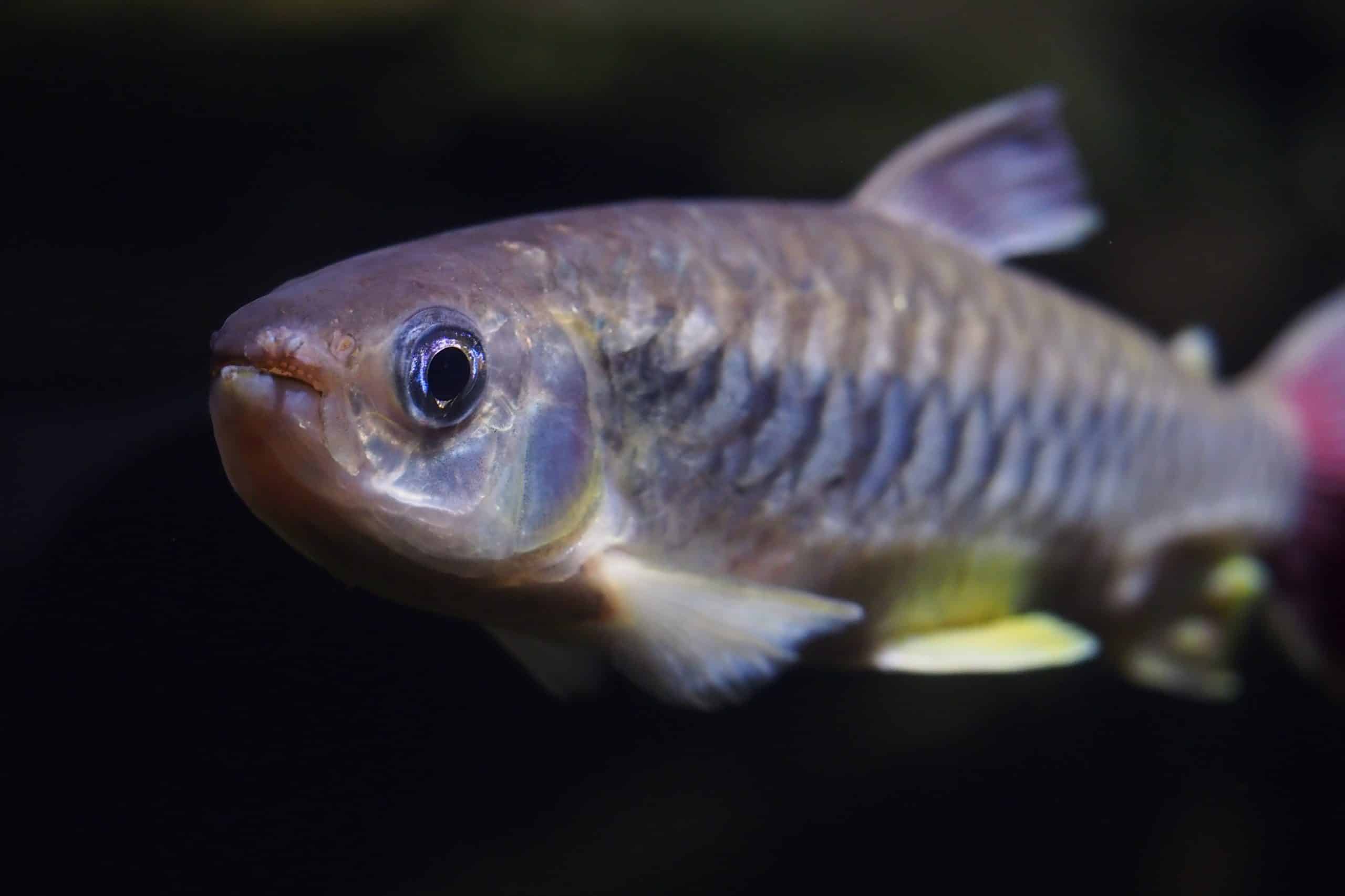
    Beckford’s pencilfish has the classic pencilfish body plan: elongated, somewhat cylindrical, and streamlined with a pointed snout. The base body color is gold-brown to olive, overlaid with a prominent dark lateral stripe that runs from the snout through the eye to the base of the caudal fin. Above this stripe is a golden band that gives the fish its “golden pencilfish” trade name.

    What really sets well-conditioned specimens apart is the red and orange coloration. Males develop vivid red patches on the anal fin, ventral fins, and along the lower body, with orange highlights along the dorsal area. In peak condition, the red is quite intense, earning this fish the alternate name “red pencilfish.”

    Like all pencilfish, N. beckfordi often holds itself at an oblique swimming angle, hovering slightly head-up in the water column. This is normal pencilfish behavior, not a sign of illness or swim bladder problems.

    One of the most interesting features of this species is its nocturnal color change. When the lights go off, the bold lateral stripe fades and is replaced by a pattern of dark spots or blotches. If you turn on the lights at night and see a completely different-looking fish, don’t panic. They’ll revert to their daytime pattern within minutes.

    Male vs. Female

    Males are more colorful than females, with more intense red and orange patches, especially on the fins and lower body. Males also are slightly slimmer. Females are more subdued in coloration with a rounder belly, particularly when carrying eggs. The differences become more obvious as the fish mature, and males displaying at each other will show their best colors.

    Average Size & Lifespan

    Beckford’s pencilfish is one of the larger pencilfish species, reaching about 2.5 inches (6.5 cm) in length. That’s noticeably bigger than species like the coral red pencilfish or dwarf pencilfish, which top out around 1 to 1.5 inches. The larger size makes them a bit more visible in a community tank and slightly more robust overall.

    With proper care, expect a lifespan of 3 to 5 years. Clean water, a varied diet, and a low-stress environment are the main factors that push them toward the upper end of that range.

    Care Guide

    Tank Size

    A 15-gallon tank is the minimum for a group of 6 to 8 Beckford’s pencilfish. Since they’re one of the larger pencilfish species, they benefit from a bit more room than their smaller cousins. A 20-gallon long is an even better starting point if you plan to keep them with other species, as the extra horizontal space gives territorial males room to set up domains without constant clashes.

    Water Parameters

    ParameterIdeal Range
    Temperature73-82ยฐF (23-28ยฐC)
    pH5.0-8.0 (very adaptable)
    General Hardness2-15 dGH
    KH1-8 dKH
    Ammonia / Nitrite0 ppm
    NitrateBelow 20 ppm

    This is where Beckford’s pencilfish really stands out from other pencilfish species. That pH range of 5.0 to 8.0 is remarkably wide for a pencilfish. While they’ll show their best colors in slightly acidic to neutral water, they don’t require the ultra-soft blackwater conditions that species like the coral red pencilfish demand. If your tap water is moderately soft to neutral, you can likely keep these fish without any special water treatment.

    That said, water quality still needs to be good. Keep up with regular water changes (20 to 25 percent weekly) and make sure ammonia and nitrite stay at zero. They’re forgiving on chemistry but not on cleanliness.

    Filtration & Water Flow

    Pencilfish come from slow-moving water, so gentle filtration is the way to go. A sponge filter or a hang-on-back filter with a reduced flow rate works well. If you’re using a canister filter, point the output toward the glass or use a spray bar to diffuse the current. Strong flow will stress these fish and push them into corners of the tank.

    Lighting

    Moderate to subdued lighting works best. Beckford’s pencilfish aren’t as light-sensitive as some of the more specialized pencilfish, but they’ll display better colors and behave more naturally under diffused light. Floating plants are a great way to create shaded areas while still providing enough light for any rooted plants below.

    Plants & Decorations

    A planted tank is ideal for Beckford’s pencilfish. Use a mix of stem plants, Java fern, Anubias, and floating plants to create a layered environment with plenty of visual barriers. Driftwood and branching hardscape add natural structure and give territorial males areas to claim as their own.

    Leaf litter on the substrate is a nice touch that mimics their natural habitat. Indian almond leaves or oak leaves break down slowly, release beneficial tannins, and give the tank a more natural look. They also support the growth of biofilm and microorganisms that the fish will graze on between feedings.

    Substrate

    A dark substrate is recommended. Sand or fine gravel in dark brown or black tones will bring out the best coloration. Pencilfish will wash out visually over light-colored substrates, and darker backgrounds encourage bolder behavior.

    Tank Mates

    Beckford’s pencilfish are peaceful community fish that do well with a wide range of similarly sized, calm species. The main consideration is avoiding anything large enough to eat them or active enough to outcompete them for food.

    Best Tank Mates

    • Small, peaceful tetras (ember tetras, cardinal tetras, rummy-nose tetras)
    • Other pencilfish species such as the coral red pencilfish, three-lined pencilfish, or dwarf pencilfish
    • Small rasboras (chili rasboras, harlequin rasboras)
    • Corydoras species (pygmy, habrosus, or panda corydoras)
    • Otocinclus
    • Dwarf Apistogramma species
    • Cherry shrimp (adults are safe)
    • Nerite snails

    Tank Mates to Avoid

    • Large or aggressive cichlids
    • Fast, boisterous species (tiger barbs, serpae tetras) that will outcompete them for food
    • Predatory fish large enough to swallow them
    • Highly active surface dwellers that will dominate the mid-water zone

    Food & Diet

    Beckford’s pencilfish are micropredators that feed on tiny invertebrates, insect larvae, and zooplankton in the wild. They have relatively small mouths, so food size matters. The good news is that they’re more willing to accept prepared foods than many other pencilfish species.

    • Best foods: Live baby brine shrimp, daphnia, grindal worms, microworms
    • Frozen foods: Cyclops, baby brine shrimp, daphnia, bloodworms (chopped small)
    • Dry foods: High-quality micro pellets, crushed flakes, slow-sinking granules

    Feed small amounts two to three times per day rather than one large feeding. A mix of live or frozen foods alongside quality dry foods will keep them in the best condition. Males that are regularly fed live foods will develop noticeably more intense red coloration.

    Is the Beckfords Pencilfish Right for You?

    Before you add a Beckfords Pencilfish to your tank, here is an honest assessment of what you’re signing up for. I’d rather you know exactly what to expect now than find out the hard way after you’ve already bought one.

    • Experience level: Beckfords Pencilfishs are best suited for intermediate to advanced keepers. They have specific requirements that can overwhelm beginners.
    • Tank size commitment: You’ll need at least 15 gallons, though bigger is always better. Make sure you have room for the tank before buying.
    • Tank mate planning: Beckfords Pencilfishs is territorial, so plan your community carefully. Not every fish will work as a tank mate.
    • Maintenance demands: Expect regular water testing and consistent water changes. Beckfords Pencilfishs are sensitive to parameter fluctuations.
    • Budget reality: Keeping Beckfords Pencilfishs costs more than typical setups. Budget for ongoing costs, not just the initial purchase.
    • Time investment: Beyond daily feeding and weekly maintenance, regular observation is the best way to catch health issues early.
    • Long-term commitment: With proper care, Beckfords Pencilfishs can live up to 5 years. Make sure you’re ready for years of consistent care.

    Breeding & Reproduction

    Beckford’s pencilfish is bred in captivity and are considered one of the easier pencilfish to spawn, though raising the fry still takes some dedication.

    Breeding Difficulty

    Moderate. Spawning can happen in a well-maintained community tank, but raising fry to a viable size requires a dedicated setup. The adults will eat eggs and fry if given the opportunity.

    Spawning Tank Setup

    • Breeding tank: 5 to 10 gallons with very dim lighting
    • Decor: Dense clumps of fine-leaved plants like Java moss, or spawning mops
    • Filtration: Gentle sponge filter only
    • Substrate: Bare bottom or a layer of marbles to protect fallen eggs

    Water Conditions for Breeding

    • Temperature: 79 to 82ยฐF (26 to 28ยฐC), slightly warmer than usual
    • pH: 5.5 to 6.5 (softer, more acidic than normal range)
    • Hardness: 2 to 5 dGH (soft water improves egg viability)

    While Beckford’s pencilfish are tolerant of a wide pH range in everyday life, breeding success improves significantly in softer, more acidic water.

    Conditioning & Spawning

    Condition a pair or a small group (one male to two or three females) with plenty of live foods for one to two weeks before placing them in the breeding tank. Males will display to females with intensified coloration and fin flaring. Spawning typically occurs in the morning, with eggs scattered among fine-leaved plants a few at a time over the course of several hours.

    Egg & Fry Care

    Remove the adults immediately after spawning, as they will eat the eggs. Eggs hatch in approximately 24 to 36 hours, and the fry become free-swimming about 3 to 4 days later. Fry are very small and need infusoria or commercially available liquid fry food for the first week, followed by freshly hatched baby brine shrimp as they grow. Keep the water clean with small, frequent water changes, and maintain very dim lighting during the early stages.

    Common Health Issues

    Ich (White Spot Disease)

    Pencilfish is susceptible to ich, particularly after being shipped or introduced to a new tank. Watch for small white spots on the body and fins, along with flashing (rubbing against surfaces). Treat with gradual temperature increase to 82ยฐF (28ยฐC) combined with aquarium salt or a commercial ich medication.

    Velvet Disease

    Velvet presents as a fine gold or rust-colored dusting on the skin and is harder to spot than ich. Affected fish may clamp their fins and breathe rapidly. Treat with copper-based medications and dim the lights, as the velvet parasite relies on photosynthesis.

    Bacterial Infections

    Poor water quality can lead to fin rot, mouth fungus, and body ulcers. Prevention is the best approach here. Maintain clean water with regular changes, avoid overcrowding, and quarantine new arrivals before adding them to an established tank.

    Internal Parasites

    Wild-caught specimens may carry internal parasites. Signs include weight loss despite eating, stringy white feces, and a sunken belly. If you suspect parasites, treat with a medicated food containing praziquantel or levamisole.

    Common Mistakes to Avoid

    • Keeping them solo or in pairs: Beckford’s pencilfish are best kept in groups of 6 or more. Small numbers lead to shy, stressed fish that hide constantly. A proper group encourages natural behavior and male displays.
    • Too much water flow: They come from slow-moving or still water. Strong currents will stress them out and keep them pinned in low-flow corners of the tank.
    • Food too large: Their mouths are smaller than you’d expect for a 2.5-inch fish. Crush flakes and pellets, or use micro-sized foods to make sure they can actually eat what you’re offering.
    • No visual barriers: Males are territorial. Without driftwood, plants, or other structure to break up sight lines, one dominant male will harass the rest of the group.
    • Skipping quarantine: This applies to any new fish, but pencilfish is sensitive during acclimation. Quarantine new arrivals for 2 to 4 weeks before adding them to your main tank.
    • Bright lighting with no cover: Subdued lighting or floating plants make a big difference. Under harsh light, they’ll look washed out and stay hidden.

    Where to Buy

    Beckford’s pencilfish is the most commonly available pencilfish in the aquarium trade. You may find them at well-stocked local fish stores, but for consistent availability and healthy stock, these trusted online retailers are reliable options:

    Prices are typically very reasonable compared to rarer pencilfish species. Look for captive-bred specimens when possible, as they will acclimate faster and accept prepared foods more readily than wild-caught fish.

    Frequently Asked Questions

    What’s the most popular pencilfish?

    Beckford’s pencilfish (Nannostomus beckfordi) is widely considered the most popular pencilfish in the hobby. It’s the easiest to find, the hardiest to keep, and the most forgiving on water parameters. For hobbyists who want a pencilfish without the demanding water chemistry of species like the coral red pencilfish, Beckford’s is the go-to choice.

    Do pencilfish change color at night?

    Yes. All Nannostomus species, including Beckford’s pencilfish, display a nocturnal color pattern. When the lights go off, the dark lateral stripe fades and is replaced by spots or blotches. This is completely normal and not a sign of stress or illness. The daytime pattern returns within minutes of the lights coming back on.

    Are Beckford’s pencilfish good for beginners?

    They’re a solid choice for anyone who has some basic fishkeeping experience. Their wide pH tolerance (5.0 to 8.0) and hardiness make them much more beginner-friendly than most pencilfish species. The main challenge is making sure the food you offer is small enough and that the tank has enough structure for territorial males.

    Can Beckford’s pencilfish be kept with shrimp?

    Adult cherry shrimp and other similarly sized shrimp are safe with Beckford’s pencilfish. However, very small shrimp and baby shrimp may be picked off, since these fish are micropredators that naturally hunt tiny invertebrates. If breeding shrimp is your priority, provide dense moss and plant cover to give shrimplets hiding spots.

    How many Beckford’s pencilfish should I keep together?

    A minimum group of 6 is recommended, though 8 to 12 is ideal. Larger groups spread out male aggression so no single fish bears the brunt of territorial behavior. In a group of this size, you’ll also see more natural behavior and better coloration as males display to each other.

    Why do my pencilfish swim at an angle?

    The oblique, slightly head-up swimming posture is characteristic of all pencilfish and is perfectly normal. It’s actually where the “pencilfish” name comes from. If a fish is swimming erratically, upside down, or listing to one side, that would be cause for concern, but a consistent slight angle is just how they hold themselves in the water.

    What It Is Actually Like Living With Beckfords Pencilfish

    In a proper school, beckfords pencilfish display natural movement patterns that are genuinely engaging to watch. The fish interact with each other, establish subtle hierarchies, and move through the tank with purpose.

    They spend most of their time near the surface, which fills a level of the tank that many other species ignore. This makes them excellent complements to mid-water and bottom-dwelling fish.

    Feeding time is when their personality comes out. They learn your routine quickly and will anticipate feeding before you even open the lid.

    Their color and behavior improve over time as they settle into a stable environment. Fish that have been in the same tank for months look noticeably better than recently added stock.

    They coexist peacefully with virtually every other appropriately-sized community fish. This compatibility makes tank planning straightforward.

    How the Beckfords Pencilfish Compares to Similar Species

    If you’re considering a Beckfords Pencilfish, you’ve also looked at the Dwarf Pencilfish. Both fill similar roles, but the differences matter when planning your tank. The Beckfords Pencilfish has its own distinct personality and care needs. In my experience, the choice often comes down to the specific community you’re building and whether your water parameters favor one over the other.

    The Ember Tetra is worth considering as well. While the Beckfords Pencilfish and the Ember Tetra share some overlap in care, they bring different energy to a tank. If you have the space, keeping both in separate setups gives you a great chance to compare their behavior firsthand.

    Closing Thoughts

    Beckford’s pencilfish is the kind of fish that grows on you. It’s not the flashiest thing in the store, but once you have a group settled into a planted tank, the subtle gold tones, the flashes of red on displaying males, and the elegant pencilfish posture all come together into something really appealing. There’s a reason this species has been a staple in the hobby for decades.

    What I appreciate most is the balance it strikes. You get the pencilfish look and behavior without the demanding water chemistry that makes some species challenging. It’s an accessible entry point into the Nannostomus genus, and for many keepers, it becomes a gateway to exploring other pencilfish species down the line.

    Check out our tetra tier list video where we rank the most popular tetras in the hobby, including the Beckford’s pencilfish:

    References

    • Froese, R. and D. Pauly, Eds. FishBase. Nannostomus beckfordi. Accessed 2025.
    • SeriouslyFish. Nannostomus beckfordi species profile. Accessed 2025.
    • Weitzman, S.H. and J.S. Cobb (1975). A revision of the South American fishes of the genus Nannostomus Gรผnther. Smithsonian Contributions to Zoology, No. 186.
    • Practical Fishkeeping. Nannostomus beckfordi care guide. Accessed 2025.

    Beckford’s pencilfish is just one of dozens of characin species we cover in our complete species directory. Whether you’re exploring other pencilfish or looking at classic community tetras, our guide has you covered.

    Tetras: Complete A-Z Species Directory

  • Loreto Tetra Care Guide: Tank Setup, Diet, Tank Mates & More

    Loreto Tetra Care Guide: Tank Setup, Diet, Tank Mates & More

    Table of Contents

    The Loreto tetra is a rare, wild-caught species that needs specific conditions. Soft, acidic water, dim lighting, and a calm tank with minimal flow. This is not a fish you impulse-buy. It is a fish you plan a tank around. Get the parameters wrong and it will not last a month.

    Loreto tetras do not adapt to your tank. You adapt your tank to them or they die.

    The Reality of Keeping Loreto Tetra

    Group size is not a suggestion. The minimum school size for loreto tetra is not just a guideline. In small groups, these fish lose color, become stressed, and display abnormal behavior. A proper group of 6 to 8+ is where you start to see natural schooling behavior, full color expression, and the confidence that makes them worth keeping.

    Tank mate selection requires thought. The loreto tetra is not aggressive in the traditional sense, but it is assertive enough to cause problems with the wrong companions. Slow-moving, long-finned species are targets. Fast, short-finned fish of similar size are fine. Plan your community around this reality.

    Hardy does not mean indestructible. The loreto tetra tolerates a range of conditions, but it still needs basic care. Ammonia spikes, dramatic temperature swings, and neglected water changes will catch up to even the toughest species. The difference is margin of error, not immunity.

    Store appearance is not home appearance. Fish in store tanks are stressed, crowded, and under inappropriate lighting. The loreto tetra almost always looks better in a properly set up home aquarium than it does at the store. Dark substrate, live plants, and appropriate lighting bring out colors and behaviors you will never see in a retail environment.

    Biggest Mistake New Owners Make

    Adding them to a peaceful community tank without researching compatibility. The nipping and chasing will stress your existing fish, and by the time you realize the problem, fin damage is already done.

    Expert Take

    The loreto tetra is one of those species that makes the hobby feel exciting again. If you have the chance to buy healthy stock, do it. Availability is unpredictable and good specimens do not last long at specialty retailers.

    Key Takeaways

    • Minimum tank size is 15 gallons (57 liters) for a school of 6, but a 20-gallon long with 10+ fish is ideal
    • Peaceful community fish that does best with other small, calm species in soft water setups
    • Omnivore that accepts flake, frozen, and live foods readily
    • Best for intermediate keepers due to preference for soft, acidic water and limited availability
    • Uncommon in the trade so expect to source from specialty retailers or online sellers
    Map showing the Amazon River Basin in South America
    Map by Kmusser, CC BY-SA 3.0, via Wikimedia Commons

    Species Overview

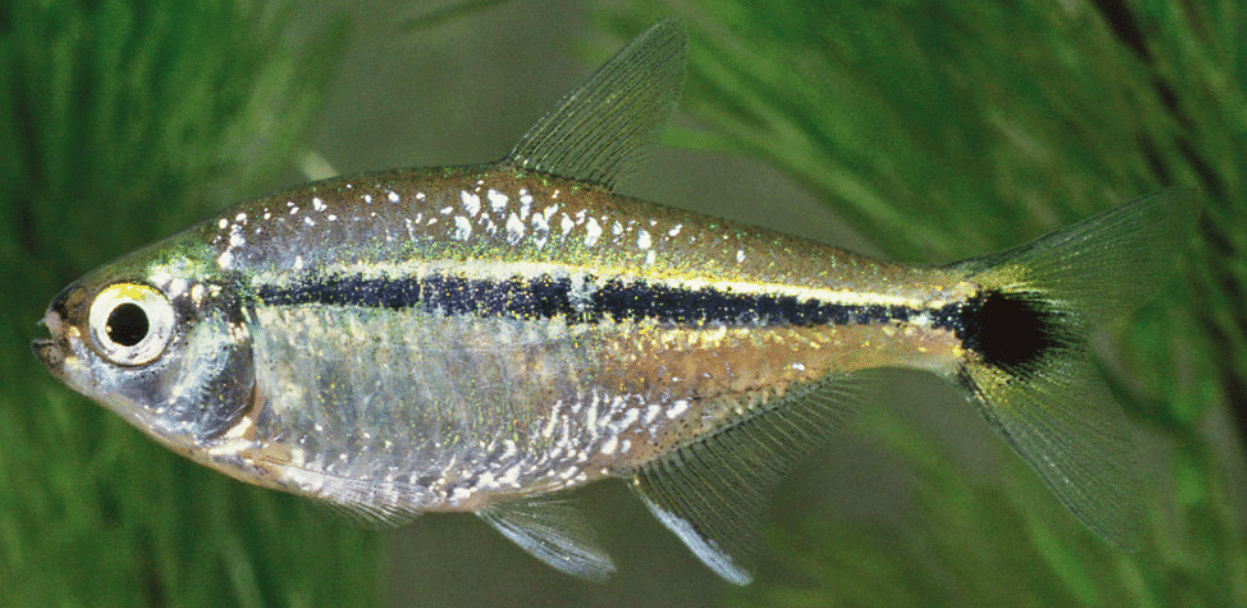
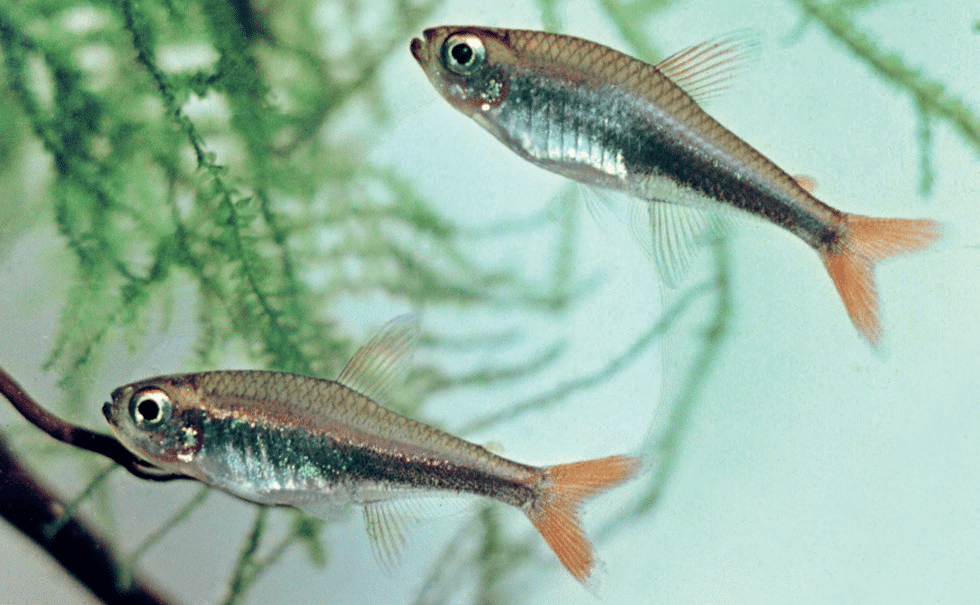
    Loreto Tetras (Hyphessobrycon loretoensis) pair showing orange-tipped fins in an aquarium
    Loreto tetras (Hyphessobrycon loretoensis). Photo: A. Zarske et al, CC BY 4.0, via Wikimedia Commons.
    Field Details
    Scientific Name Hyphessobrycon loretoensis
    Common Names Loreto Tetra, Peruvian Tetra
    Family Acestrorhamphidae
    Origin Loreto region, upper Amazon basin, Peru (Rio Ucayali and Rio Maranon drainages)
    Care Level Moderate
    Temperament Peaceful
    Diet Omnivore
    Tank Level Mid
    Maximum Size 1.2 inches (3 cm)
    Minimum Tank Size 15 gallons (57 liters)
    Temperature 72-82ยฐF (22-28ยฐC)
    pH 5.5-7.0
    Hardness 2-10 dGH
    Lifespan 3-5 years in captivity
    Breeding Egg scatterer
    Breeding Difficulty Moderate
    Compatibility Community (soft water)
    OK for Planted Tanks? Yes

    Classification

    Taxonomic Level Classification
    Order Characiformes
    Family Acestrorhamphidae (reclassified from Characidae, Melo et al. 2024)
    Genus Hyphessobrycon
    Species H. Loretoensis (Ladiges, 1938)

    The genus Hyphessobrycon is one of the largest in the order Characiformes, containing well over 150 described species. Like many large genera of small South American characins, it is widely regarded as polyphyletic and in serious need of revision. Several species currently placed in Hyphessobrycon will likely be moved to new or different genera as molecular studies continue to sort things out.

    Note on reclassification: In 2024, a major phylogenomic study (Melo et al.) split the traditional family Characidae into four separate families. The genus Hyphessobrycon was moved into the newly erected family Acestrorhamphidae. Some older references and fish databases still list this species under Characidae, so don’t be confused if you see conflicting family names depending on the source.

    Origin & Natural Habitat

    Map of the Amazon River basin showing the upper Amazon region of Peru, native habitat of the Loreto Tetra
    Map of the Amazon River basin. The Loreto Tetra is found in the upper Amazon region of Peru. Image by Kmusser, CC BY-SA 3.0, via Wikimedia Commons.

    The Loreto tetra is named after the Loreto region of northeastern Peru, the largest department in the country and one of the most biodiverse places on the planet. This species is found in the upper Amazon basin, specifically within the Rio Ucayali and Rio Maranon drainage systems. These two massive river systems converge to form the Amazon River proper near the city of Iquitos.

    In the wild, Loreto tetras inhabit slow-moving tributaries and forest streams where the water is stained dark brown by tannins from decaying leaves and wood. These are classic blackwater habitats with very soft, acidic water, minimal mineral content, and low visibility. The substrate is typically a mix of fine sand and deep leaf litter, with submerged tree roots and fallen branches providing the primary structure. Aquatic plants are sparse in the darkest blackwater zones, though marginal vegetation grows along the stream edges.

    The canopy overhead filters most of the sunlight, creating dim, shaded conditions at the water’s surface. Sympatric species in these habitats often include other small characins, dwarf cichlids like Apistogramma, and various Corydoras catfish. Understanding this natural environment is the key to replicating conditions that bring out the best in Loreto tetras at home.

    Appearance & Identification

    The Loreto tetra is not a fish that grabs your attention from across the room. It’s a subtle species, and that’s part of its charm. The body is slender and somewhat compressed laterally, with a translucent silvery-olive base color. A prominent dark lateral stripe runs horizontally from the gill cover to the base of the tail, giving the fish a clean, well-defined look.

    What sets this species apart is the soft orange to peach coloring on the tips of the fins, particularly the dorsal, anal, and caudal fins. It’s not a bold, in-your-face color. It’s more of a warm glow that becomes more visible in proper lighting against a dark background. The overall effect is understated but genuinely attractive, especially when you’re watching a school of them move through a planted tank.

    The eye has a reddish tint in healthy, well-conditioned specimens, which adds another subtle detail to their appearance. At just 1.2 inches (3 cm), these are among the smaller tetras in the hobby, which makes them perfect for nano-style planted setups.

    Male vs. Female

    Sexing Loreto tetras takes a careful eye and mature fish. Females are slightly rounder in the body, particularly when carrying eggs. They also appear a bit larger overall. Males are typically slimmer and can show slightly more intense orange coloring on the fins, though the difference is subtle. During spawning condition, the distinction becomes easier as females fill out noticeably with eggs.

    Average Size & Lifespan

    Loreto tetras are a small species, maxing out at around 1.2 inches (3 cm) in total length. This puts them on the smaller end of the tetra spectrum, comparable in size to ember tetras and green neon tetras.

    With proper care, you can expect a lifespan of 3 to 5 years in captivity. Maintaining stable, soft water conditions and feeding a varied diet are the biggest factors in reaching the upper end of that range. Because these fish are relatively uncommon in the trade, the quality of the stock you receive can vary, so sourcing from reputable sellers is important.

    Care Guide

    Tank Size

    A 15-gallon (57-liter) tank is the minimum for a school of 6 Loreto tetras. However, a 20-gallon long (76 liters) is a much better starting point if you want to keep a proper group of 10 or more, which is where this species really starts to look its best. The extra swimming length lets them school naturally, and their subtle colors have more visual impact when there are more of them moving together.

    These fish occupy the middle water column, so horizontal footprint matters more than tank height. A standard 20-gallon long gives you the ideal proportions for watching their natural schooling behavior.

    Water Parameters

    Parameter Ideal Range
    Temperature 72-82ยฐF (22-28ยฐC)
    pH 5.5-7.0
    Hardness 2-10 dGH
    KH 1-5 dKH

    This is where the “moderate” care level comes into play. Loreto tetras strongly prefer soft, acidic water, which mirrors their blackwater origins. They can tolerate conditions up to neutral pH, but they look their best and behave most naturally in water on the softer, more acidic side of the range. If your tap water is hard and alkaline, you’ll likely need to use RO water or peat filtration to bring conditions into their comfort zone.

    Consistency is critical with this species. They don’t handle sudden swings in water chemistry well, so once you dial in your parameters, keep them stable. Indian almond leaves and driftwood will naturally lower pH and soften the water while releasing beneficial tannins.

    Filtration & Water Flow

    Gentle filtration is essential. Loreto tetras come from slow-moving forest streams, and a strong current will stress them and push them into hiding. A sponge filter is an excellent choice for smaller setups because it provides solid biological filtration without creating significant flow. For larger tanks, a hang-on-back filter or small canister with a spray bar works well as long as you diffuse the output.

    Aim for weekly water changes of 15-20%. Since these fish prefer soft, acidic conditions, make sure your replacement water matches the tank parameters closely. Using pre-treated RO water or aged water with tannins helps avoid shocking the fish with each water change.

    Lighting

    Dim to moderate lighting is the way to go. In the wild, Loreto tetras live under dense jungle canopy where very little direct sunlight reaches the water. Bright, intense lighting will wash out their subtle coloring and make them feel exposed. Under softer light, those orange-tipped fins catch the light beautifully, and the dark lateral stripe stands out with more contrast.

    If you’re growing plants that need more light, floating plants like Amazon frogbit, salvinia, or red root floaters are your best friend. They create the dappled, shaded conditions Loreto tetras prefer while still allowing enough light through for mid-level and low-light plants below.

    Plants & Decorations

    A planted tank is the ideal home for Loreto tetras. Low-light species like Java fern, Anubias, Cryptocoryne species, and Java moss all thrive in the same dimmer conditions these fish prefer. Dense planting along the back and sides with open swimming space through the center gives them room to school while still providing the sense of security they need.

    Driftwood is practically a requirement for a Loreto tetra setup. It releases tannins that soften and acidify the water naturally, mimicking their blackwater habitat. Adding a layer of dried Indian almond leaves or oak leaves on the substrate completes the look and provides additional tannin release plus a surface for beneficial biofilm that the fish will graze on throughout the day.

    Substrate

    Dark substrate is strongly recommended. Fine dark sand or a dark aquasoil brings out the contrast in the Loreto tetra’s lateral stripe and makes the orange fin tips pop. On light-colored gravel, their already-subtle coloring fades into the background and you lose much of their visual appeal. Since many planted tank substrates are naturally dark, this works out well if you’re running a planted setup.

    Is the Loreto Tetra Right for You?

    Before you buy, run through this honest checklist. The Loreto Tetra is a great fish for the right keeper, but it is not for everyone.

    • You enjoy collecting rare species that most fishkeepers have never seen
    • You can provide stable water parameters in a mature, well-maintained tank
    • You keep a school of 8+ in a planted nano or community tank
    • You appreciate subtle beauty and delicate markings over bold, flashy colors
    • You have access to specialty fish importers or online retailers who carry rare tetras
    • You value the collector experience of keeping something genuinely uncommon

    Tank Mates

    Best Tank Mates

    Loreto tetras are peaceful and non-aggressive, but their small size and preference for soft water narrows down the ideal companion list to species with similar requirements:

    • Ember tetras – similar size, peaceful, and share the same soft water preferences
    • Green neon tetras – another small blackwater species that pairs naturally with Loreto tetras
    • Corydoras pygmaeus or Corydoras habrosus – tiny bottom dwellers that won’t compete for space or intimidate small tetras
    • Pencilfish (Nannostomus species) – gentle, slender fish from the same types of South American habitats
    • Otocinclus catfish – peaceful algae eaters that stay out of the way
    • Apistogramma dwarf cichlids – a natural pairing for a Peruvian blackwater biotope tank
    • Cherry shrimp – Loreto tetras are small enough that adult shrimp are safe
    • Chocolate gouramis – another soft water species that appreciates similar conditions
    • Harlequin rasboras – peaceful schoolers that do well in slightly acidic water
    • Kuhli loaches – gentle bottom dwellers that add activity to the lower tank levels

    Tank Mates to Avoid

    • Angelfish – will eat Loreto tetras once they reach adult size
    • Tiger barbs – too aggressive and boisterous for this small, peaceful species
    • Large cichlids – any fish big enough to view a 1.2-inch (3 cm) tetra as a snack
    • African cichlids – completely incompatible water chemistry (hard, alkaline vs. Soft, acidic)
    • Fast-moving, aggressive feeders – anything that will outcompete Loreto tetras at feeding time

    Food & Diet

    Loreto tetras are omnivores that accept a wide variety of foods, though their small mouth size means you need to think about particle size. A high-quality micro pellet or crushed flake food works well as a daily staple. These fish have small mouths even by tetra standards, so standard-sized flakes need to be crumbled before feeding.

    To bring out the best coloration and keep them in top condition, supplement their diet with frozen or live foods several times per week. Daphnia, baby brine shrimp, cyclops, and micro worms are all excellent choices and eagerly accepted. Live foods in particular do intensify the warm orange tones in their fins.

    Feeding frequency: Once or twice daily, offering only what they can consume in about 2 minutes. With fish this small, overfeeding is an easy mistake that quickly leads to water quality problems.

    Pro tip: Loreto tetras will feed in the mid-water column and are not aggressive eaters. If you’re keeping them in a community tank, make sure food reaches them before faster or bolder tank mates grab everything. Feeding at multiple spots in the tank helps.

    Breeding & Reproduction

    Breeding Loreto tetras is possible in the home aquarium, but it requires more effort than breeding common species like glowlights or black skirt tetras. Getting the water chemistry right is the biggest challenge.

    Breeding Difficulty

    Moderate. The primary hurdle is providing the very soft, acidic water these fish need to trigger spawning. If you can nail the water conditions, the rest of the process follows the standard egg-scatterer pattern.

    Spawning Tank Setup

    Set up a separate breeding tank of 5-10 gallons (19-38 liters). Keep the lighting very dim or cover the sides of the tank with dark paper, as both eggs and fry are sensitive to light. Add clumps of fine-leaved plants like Java moss or spawning mops to catch the scattered eggs. Alternatively, place a mesh screen above the tank bottom to let eggs fall through while preventing the adults from reaching them. A bare bottom below the mesh makes it easier to spot and count eggs.

    Use a small air-powered sponge filter running gently. Nothing more is needed, and stronger filtration risks sucking up eggs or fry.

    Water Conditions for Breeding

    This is the critical factor. Aim for very soft, acidic water: pH 5.0-6.0, hardness of 1-4 dGH, and a temperature of 78-82ยฐF (26-28ยฐC). RO water remineralized slightly with a GH booster is the most reliable way to achieve these conditions. Filtering through peat or adding Indian almond leaves helps lower pH naturally and adds beneficial tannins. The water should be noticeably tea-colored.

    Conditioning & Spawning

    Condition breeding pairs or small groups separately for 1-2 weeks before introducing them to the spawning tank. Feed heavily with live and frozen foods during this period. Daphnia, baby brine shrimp, and micro worms all work well for conditioning. When females appear noticeably plumper with eggs and males are showing their best fin color, transfer them to the spawning tank in the evening.

    Spawning typically occurs the following morning in the early light hours. As egg scatterers, the pair will release eggs among the fine-leaved plants or mops, with the eggs sinking and sticking to whatever surface they contact. A female may produce 50-100 eggs per spawn.

    Egg & Fry Care

    Remove the adults immediately after spawning. Like most egg-scattering tetras, Loreto tetras will eat their own eggs if they can reach them. The eggs are light-sensitive, so keep the tank dark or very dimly lit during incubation.

    Eggs typically hatch within 24-36 hours. The fry will absorb their yolk sacs and become free-swimming approximately 3-4 days after hatching. At this point, begin feeding infusoria or commercially available liquid fry food. After about a week, the fry should be large enough to accept microworms and freshly hatched baby brine shrimp (BBS). Maintain pristine water quality with very small, frequent water changes using water that matches the tank parameters exactly.

    Growth is slow compared to larger tetra species, which is typical for fish of this size. Expect several months before juveniles start showing adult coloration and is moved to a community tank.

    Common Health Issues

    Loreto tetras are reasonably hardy when kept in appropriate water conditions, but their preference for soft, acidic water means problems will crop up when they’re kept in unsuitable conditions. Here are the main health concerns:

    Ich (White Spot Disease)

    Ich is the most common disease you’ll encounter with any small tropical fish, and Loreto tetras are no exception. Stress from shipping, sudden temperature drops, or introduction to a new tank are the usual triggers. The telltale white spots on the body and fins are easy to identify. Gradually raise the temperature to 82ยฐF (28ยฐC) and treat with a standard ich medication. Most Loreto tetras tolerate treatment well, though be cautious with copper-based medications at the dosages suggested on the label, as soft-water species is more sensitive.

    Neon Tetra Disease (NTD)

    Despite its name, neon tetra disease affects a wide range of small characins, including Hyphessobrycon species. It’s caused by the microsporidian parasite Pleistophora hyphessobryconis, which attacks the fish’s muscle tissue. Symptoms include pale patches on the body, loss of schooling behavior, difficulty swimming, and a curved spine in advanced cases. There is unfortunately no effective treatment. Infected fish should be removed immediately to prevent the parasite from spreading to healthy tank mates.

    General Prevention

    The best approach is always prevention. Quarantine all new arrivals for at least two weeks before adding them to your main display tank. Maintain stable water parameters within the recommended ranges and keep up with your water change schedule. Because Loreto tetras are sensitive to poor water quality and parameter swings, a consistent maintenance routine goes a long way toward preventing health issues.

    Common Mistakes to Avoid

    • Keeping them in hard, alkaline water – This is the number one mistake with Loreto tetras. They come from very soft, acidic blackwater, and while they can survive in moderately neutral conditions, hard alkaline tap water will stress them and dull their coloring. Know your water parameters before buying this species.
    • Keeping too few – A group of 3 or 4 Loreto tetras will be skittish, stressed, and spend most of their time hiding. You need at least 6, and 10 or more is where they really settle in and display natural behavior.
    • Bright lighting with no cover – These are forest stream fish that live under canopy shade. Blasting them with intense lighting washes out their color and makes them uncomfortable. Floating plants and subdued lighting bring out their best.
    • Housing with large or aggressive tank mates – At only 1.2 inches (3 cm), Loreto tetras are easy targets for bigger fish. Stick with small, peaceful companions that share similar water requirements.

    Where to Buy

    The Loreto tetra is not a species you’ll typically find at a chain pet store. It’s uncommon in the mainstream hobby, so you’ll need to look at specialty fish retailers or online sellers. Your best bet for sourcing healthy specimens is through reputable online dealers like Flip Aquatics or Dan’s Fish. Both specialize in healthy, well-acclimated freshwater fish and are reliable sources for harder-to-find species.

    Because of their rarity, Loreto tetras are pricier than common species like neons or black skirts. Availability is seasonal, so if you see them in stock, it’s worth acting quickly. Local fish stores with connections to specialty importers may occasionally carry them as well, so it’s always worth asking.

    Frequently Asked Questions

    How many Loreto tetras should be kept together?

    A minimum of 6, but 10 or more is highly recommended. Loreto tetras are a shoaling species that become stressed and shy in small numbers. In a proper school, they feel secure, display better color, and exhibit their natural schooling behavior. A group of 10-12 in a well-planted 20-gallon long is a genuinely beautiful sight.

    What size tank does a Loreto tetra need?

    A 15-gallon (57-liter) tank is the minimum for a small school of 6. A 20-gallon long (76 liters) is a better choice for a larger group, giving them the horizontal swimming space they need to school properly. Despite their small size, they’re active mid-water swimmers that appreciate room to move.

    Are Loreto tetras good for beginners?

    Not ideally. While they’re not difficult to keep once conditions are dialed in, their preference for soft, acidic water and limited availability make them better suited for intermediate hobbyists. If your tap water is naturally soft and slightly acidic, they become much easier to manage. Beginners in areas with hard, alkaline tap water should consider hardier tetra species first.

    Can Loreto tetras live with shrimp?

    Yes, adult cherry shrimp and Amano shrimp are safe with Loreto tetras. At only 1.2 inches (3 cm), their mouths are too small to bother full-grown shrimp. However, very small shrimplets may be picked off, so provide plenty of moss and hiding spots if you want a breeding shrimp colony in the same tank.

    How long do Loreto tetras live?

    With proper care, Loreto tetras typically live 3 to 5 years in captivity. Maintaining stable, soft water conditions and feeding a varied diet are the biggest factors in reaching the upper end of that range.

    Do Loreto tetras need blackwater conditions?

    They don’t strictly require blackwater, but they certainly thrive in it. Tannin-stained water from driftwood and Indian almond leaves helps maintain the soft, acidic conditions they prefer and brings out their best coloration. You can keep them successfully in clear water as long as the pH stays below 7.0 and the hardness stays low.

    Are Loreto tetras fin nippers?

    No. Loreto tetras are one of the more peaceful tetras in the hobby. They’re not known for fin nipping and are safe even with long-finned tank mates, provided those tank mates share similar water requirements. Keeping them in adequate group sizes (6+) further reduces any chance of nippy behavior.

    What It Is Actually Like Living With Loreto Tetra

    In a proper school, loreto tetra display natural movement patterns that are genuinely engaging to watch. The fish interact with each other, establish subtle hierarchies, and move through the tank with purpose.

    They spend most of their time near the surface, which fills a level of the tank that many other species ignore. This makes them excellent complements to mid-water and bottom-dwelling fish.

    Feeding time is when their personality comes out. They learn your routine quickly and will anticipate feeding before you even open the lid.

    Their color and behavior improve over time as they settle into a stable environment. Fish that have been in the same tank for months look noticeably better than recently added stock.

    They coexist peacefully with virtually every other appropriately-sized community fish. This compatibility makes tank planning straightforward.

    How the Loreto Tetra Compares to Similar Species

    Loreto Tetra vs. Green Neon Tetra

    The Green Neon Tetra is similarly small and subtle but much more commonly available. If you want a delicate, small tetra without the hunt for a rare species, the Green Neon is the practical choice. The Loreto Tetra is for the collector who wants something nobody else has.

    Loreto Tetra vs. Ruby Tetra

    Both are small, less common tetras that appeal to collectors. The Ruby Tetra has more vivid coloring with its red tones. The Loreto Tetra is subtler and rarer. Both reward the keeper who values unusual species over common ones.

    Closing Thoughts

    The Loreto tetra isn’t going to win any popularity contests against neons or cardinals, and honestly, that’s part of its appeal. This is a fish for aquarists who appreciate the quieter side of the hobby. A school of Loreto tetras in a dimly lit, heavily planted blackwater tank is the kind of setup that makes you stop and stare, not because the fish are screaming for attention, but because the whole scene feels natural and alive.

    If you’re looking for more tetra species to explore, check out our complete Tetras hub page for care guides on dozens of species.

    Have you kept Loreto tetras? I’d love to hear about your setup and experience with this uncommon species. Drop a comment below!

    Check out our tetra tier list video where we rank the most popular tetras in the hobby, including the Loreto tetra:

    References

  • Black Line Tetra Care Guide: Tank Setup, Diet, Tank Mates & More

    Black Line Tetra Care Guide: Tank Setup, Diet, Tank Mates & More

    Table of Contents

    The black line tetra is a fast, active schooler that needs swimming space. A 30-gallon minimum for a proper group. They move constantly and any tank that restricts their movement leads to stress and aggression. Give them room and they are one of the most dynamic schooling displays available.

    Black line tetras are built for speed. Give them room to run or do not get them.

    The Reality of Keeping Black Line Tetra

    Group size is not a suggestion. The minimum school size for black line tetra is not just a guideline. In small groups, these fish lose color, become stressed, and display abnormal behavior. A proper group of 6 to 8+ is where you start to see natural schooling behavior, full color expression, and the confidence that makes them worth keeping.

    Tank mate selection requires thought. The black line tetra is not aggressive in the traditional sense, but it is assertive enough to cause problems with the wrong companions. Slow-moving, long-finned species are targets. Fast, short-finned fish of similar size are fine. Plan your community around this reality.

    Hardy does not mean indestructible. The black line tetra tolerates a range of conditions, but it still needs basic care. Ammonia spikes, dramatic temperature swings, and neglected water changes will catch up to even the toughest species. The difference is margin of error, not immunity.

    Store appearance is not home appearance. Fish in store tanks are stressed, crowded, and under inappropriate lighting. The black line tetra almost always looks better in a properly set up home aquarium than it does at the store. Dark substrate, live plants, and appropriate lighting bring out colors and behaviors you will never see in a retail environment.

    Biggest Mistake New Owners Make

    Keeping them with fish small enough to eat. This is a predator. It will eat anything it can fit in its mouth. If you stock smaller fish with a black line tetra, you are feeding it expensive live food.

    Expert Take

    Predatory fish are not for everyone, but the black line tetra is one of the more manageable predatory species in the hobby. If you understand the feeding requirements, the tank mate restrictions, and the space needs, it is a genuinely fascinating fish to keep.

    Key Takeaways

    • Minimum tank size is 20 gallons (76 liters) for a school of 6+ fish
    • Extremely hardy and adaptable – tolerates pH from 6.0 to 8.0 and hardness from 2 to 20 dGH
    • Peaceful community fish that schools well with other similarly sized tetras and rasboras
    • Omnivore – readily accepts flake, pellet, frozen, and live foods
    • Great beginner species – one of the most forgiving tetras in the hobby
    Map showing the Amazon River Basin in South America
    Map by Kmusser, CC BY-SA 3.0, via Wikimedia Commons

    Species Overview

    Field Details
    Scientific Name Hyphessobrycon scholzei
    Common Names Black Line Tetra, Blackline Tetra, Scholze’s Tetra
    Family Acestrorhamphidae
    Origin Coastal rivers of eastern Brazil (Paraiba do Sul basin area)
    Care Level Easy
    Temperament Peaceful
    Diet Omnivore
    Tank Level Mid
    Maximum Size 2 inches (5 cm)
    Minimum Tank Size 20 gallons (76 liters)
    Temperature 72-82ยฐF (22-28ยฐC)
    pH 6.0-8.0
    Hardness 2-20 dGH
    Lifespan 3-5 years in captivity
    Breeding Egg scatterer
    Breeding Difficulty Easy
    Compatibility Community
    OK for Planted Tanks? Yes

    Classification

    Taxonomic Level Classification
    Order Characiformes
    Family Acestrorhamphidae (reclassified from Characidae, Melo et al. 2024)
    Genus Hyphessobrycon
    Species H. Scholzei (Ahl, 1937)

    The black line tetra was originally described by Ernst Ahl in 1937. The genus Hyphessobrycon is one of the largest and most diverse in the characin world, containing well over 150 described species. Many of these are popular aquarium fish, including bleeding heart tetras, flame tetras, and phantom tetras.

    Note on reclassification: The 2024 phylogenomic study by Melo et al. Reorganized the traditional family Characidae into four separate families. Hyphessobrycon was moved into the newly established family Acestrorhamphidae. Older references and many hobby sources still list this species under Characidae, so don’t be confused if you see it listed both ways.

    Origin & Natural Habitat

    The black line tetra is native to coastal river systems of eastern Brazil, primarily in the Paraiba do Sul basin region. This is not an Amazonian species. Its home waters are the smaller rivers and tributaries that drain the coastal lowlands of southeastern Brazil, flowing into the Atlantic Ocean.

    In the wild, black line tetras inhabit slow-moving streams and tributaries with sandy or muddy substrates. These waterways are typically bordered by vegetation, with overhanging branches and aquatic plants providing shade and cover. Fallen leaves and organic debris accumulate on the bottom, contributing tannins that slightly stain the water. The water conditions in these coastal drainages vary quite a bit, ranging from soft and slightly acidic in forested tributaries to moderately hard and neutral in more open areas.

    This broad range of natural conditions is a big reason why the black line tetra is so adaptable in captivity. These fish evolved in waterways where parameters shift with the seasons, and they’ve developed the flexibility to handle it. You’ll find other small characins sharing these habitats, along with small catfish species and various cichlids that prefer the same slow-moving waters.

    Map of the Amazon River Basin and South American river systems
    Map of South American freshwater habitats. Via Wikimedia Commons.

    Appearance & Identification

    Black Line Tetra (Hyphessobrycon scholzei) showing distinctive dark lateral stripe
    Black line tetra (Hyphessobrycon scholzei) displaying the bold dark lateral stripe that gives this species its common name. Image by A. Zarske et al, CC BY 4.0, via Wikimedia Commons.

    The black line tetra has a classic tetra body shape – moderately compressed and elongated with a slight upward curve to the profile. The defining feature is the bold, dark lateral stripe that runs from the tip of the snout straight through the eye and all the way back to the base of the caudal fin. This stripe is consistently dark and well-defined, giving the fish a clean, graphic appearance.

    The body color above the stripe is silvery with a subtle iridescent sheen that catches the light as the fish moves. Below the stripe, the belly is lighter silver to white. The fins are mostly transparent to slightly yellowish, with some individuals showing a faint tint in the anal and caudal fins. While it’s not the most colorful tetra in the hobby, the contrast between the bright silver body and that crisp dark line creates an understated elegance, especially when a school of them moves through a planted tank together.

    Male vs. Female

    Sexing black line tetras is straightforward once they’re mature. Females are noticeably rounder and fuller-bodied than males, especially when carrying eggs. When viewed from above, the difference in body width is easy to spot. Males are slimmer and slightly more streamlined. Males also show slightly more intense iridescence along the body, though the difference is subtle. The dark lateral stripe is equally prominent in both sexes.

    Average Size & Lifespan

    Adult black line tetras typically reach about 2 inches (5 cm) in total length. They’re a fairly standard size for a mid-range tetra, similar in length to species like the black phantom or serpae tetra. Most commercially available specimens are juveniles that will grow to full size within several months of purchase.

    In captivity, black line tetras have a lifespan of 3 to 5 years with proper care. Consistent water quality, a varied diet, and a stress-free environment with adequate schooling numbers are the keys to reaching the upper end of that range. Wild-caught and captive-bred specimens will have similar lifespans when kept under good conditions.

    Care Guide

    Tank Size

    A 20-gallon (76 liter) tank is the minimum for a school of 6 black line tetras. They’re active mid-water swimmers that appreciate horizontal swimming space, so a 20-gallon long is a better choice than a 20-gallon tall if you have the option. If you want a larger school of 10 or more, step up to a 30-gallon (114 liters) or bigger to give them the room they need to school naturally.

    Water Parameters

    Parameter Ideal Range
    Temperature 72-82ยฐF (22-28ยฐC)
    pH 6.0-8.0
    Hardness 2-20 dGH
    KH 2-15 dKH

    One of the biggest selling points of the black line tetra is its adaptability to water chemistry. The pH tolerance from 6.0 all the way to 8.0 means this fish will do fine in almost any tap water. Hardness tolerance is equally broad at 2 to 20 dGH, which covers everything from very soft to moderately hard water. If you’re a beginner who doesn’t want to mess around with RO water or buffer solutions, the black line tetra will work with whatever comes out of your tap.

    That said, stability matters more than hitting a specific number. Avoid sudden swings in pH or temperature, and your black line tetras will do just fine. Captive-bred specimens, which make up the majority of what’s available in the trade, are even more tolerant of varying conditions than wild-caught fish.

    Filtration & Water Flow

    Black line tetras don’t have strong preferences when it comes to filtration type. A standard hang-on-back filter or sponge filter will work well for a 20-gallon setup. For larger tanks, a canister filter provides excellent mechanical and biological filtration. Aim for gentle to moderate flow – these fish come from slow-moving waters in the wild and don’t appreciate being blasted by a strong current.

    Weekly water changes of 20-25% are recommended. Black line tetras are hardy, but consistent maintenance keeps them looking their best and helps prevent the gradual decline in water quality that leads to health problems over time.

    Lighting

    Moderate lighting works best for black line tetras. They’re not particularly light-sensitive, but they do show better color and more confident behavior when the lighting isn’t overly intense. If you’re running a planted tank with stronger lights, provide some shaded areas with floating plants or tall background plants where they can retreat. The iridescent sheen on their body really catches the eye under moderate, angled lighting.

    Plants & Decorations

    Black line tetras look their best in a planted tank with a mix of open swimming space and planted areas along the sides and back. Good plant choices include Java Fern, Anubias, Vallisneria, and Amazon Swords for background coverage. Floating plants like Amazon Frogbit or Water Lettuce provide dappled shade that mimics their natural habitat.

    Driftwood and smooth rocks add visual interest and create natural boundaries in the tank. A few pieces of driftwood also leach tannins into the water, which these fish appreciate even if they don’t require blackwater conditions. Leave the center and front of the tank relatively open so the school has room to swim together.

    Substrate

    Fine gravel or sand both work well. A darker substrate is recommended because it brings out the contrast of the silver body and dark stripe. On a light-colored substrate, the fish will look washed out. Dark sand or dark fine gravel will make your school of black line tetras really stand out.

    Is the Black Line Tetra Right for You?

    Before you buy, run through this honest checklist. The Black Line Tetra is a great fish for the right keeper, but it is not for everyone.

    • You want a mid-sized tetra with a clean, bold horizontal stripe
    • You have a 30-gallon or larger tank with open swimming space
    • You can keep a school of 6 to 8+ for proper schooling behavior
    • You want a hardy species that adapts to a wide range of water conditions
    • Your tank has some current flow. These are active swimmers that enjoy movement
    • You appreciate clean, graphic patterning over flashy coloring

    Tank Mates

    Black line tetras are peaceful community fish that get along well with a wide range of similarly sized, non-aggressive species. Their mid-water swimming habit means they won’t compete with bottom dwellers or surface specialists.

    Best Tank Mates

    • Corydoras catfish – peaceful bottom dwellers that occupy a completely different zone
    • Harlequin Rasboras – similar size and temperament, excellent mid-level companions
    • Neon Tetras – a classic pairing that adds color contrast to the school
    • Ember Tetras – small and peaceful, the warm orange against the black line tetra’s silver looks great
    • Cherry Barbs – peaceful barbs that won’t cause any problems
    • Otocinclus – gentle algae eaters that stay out of the way
    • Bristlenose Plecos – bottom-dwelling algae eaters compatible with most community setups
    • Kuhli Loaches – peaceful nocturnal bottom dwellers
    • Pristella Tetras – similar care requirements and peaceful nature
    • Dwarf Gouramis – add a centerpiece fish without aggression concerns

    Tank Mates to Avoid

    • Large Cichlids – anything big enough to eat them will eventually try
    • Tiger Barbs – notorious fin nippers that can harass peaceful tetras
    • Bettas – the confined space of most betta setups and potential for aggression make this a bad match
    • Jack Dempseys – far too aggressive and predatory for small tetras
    • Red Tail Sharks – territorial bottom-to-mid dwellers that can bully peaceful schoolers

    Food & Diet

    Black line tetras are true omnivores that will eat just about anything you offer. A high-quality flake food or micro pellet should form the base of their diet. Brands like Hikari Micro Pellets or Fluval Bug Bites are excellent staples that provide balanced nutrition.

    Supplement the staple diet with frozen foods like bloodworms, brine shrimp, and daphnia 2-3 times per week. These add variety and help bring out the best coloration. Live foods like baby brine shrimp and daphnia are also accepted eagerly and make excellent conditioning foods if you’re planning to breed them.

    Feed twice daily, offering only what the school can consume within 2-3 minutes per feeding. Black line tetras are enthusiastic eaters that will gorge themselves if given the chance, so portion control prevents overfeeding and keeps the water clean.

    Pro tip: Occasionally offering finely crushed vegetable flakes or blanched spinach adds dietary variety that supports long-term health. Omnivores benefit from plant matter in their diet even if they don’t actively seek it out.

    Breeding & Reproduction

    Black line tetras are one of the easier tetra species to breed in the home aquarium. They’re egg scatterers that will spawn readily once conditions are right, making them a good choice for hobbyists looking to try their hand at breeding characins for the first time.

    Breeding Difficulty

    Easy. Black line tetras spawn willingly in captivity and don’t require extreme water conditions to trigger breeding behavior. With basic conditioning and a dedicated spawning setup, most hobbyists can get them to spawn without much difficulty.

    Spawning Tank Setup

    Set up a separate breeding tank of 10 gallons (38 liters) or larger. Keep the lighting dim and cover the sides of the tank if possible to reduce stress. Place a layer of Java moss, spawning mops, or fine-leaved plants like Cabomba on the bottom to give the eggs something to fall into. A mesh or grid placed just above the bottom works well to prevent the adults from eating the eggs after spawning.

    Use a gentle sponge filter for filtration. Strong flow will scatter the eggs and stress the spawning pair.

    Water Conditions for Breeding

    While black line tetras tolerate a wide range of conditions for general keeping, slightly softer and more acidic water helps trigger spawning. Aim for a pH of 6.0-6.5, hardness around 4-8 dGH, and a temperature of 78-80ยฐF (26-27ยฐC). A partial water change with slightly cooler, soft water can mimic the seasonal rains that trigger spawning in the wild.

    Conditioning & Spawning

    Condition a group of adults (2-3 pairs works well) with generous feedings of live and frozen foods for 1-2 weeks before introducing them to the breeding tank. Daphnia, baby brine shrimp, and bloodworms are all effective conditioning foods. Females will become noticeably plumper as they fill with eggs.

    Introduce the conditioned group to the spawning tank in the evening. Spawning typically occurs the following morning as the first light hits the tank. The males will chase the females through the plants, and eggs are scattered among the vegetation and across the bottom. A healthy female can produce 200-300 eggs per spawning event.

    Remove the adults immediately after spawning is complete, as they will eat the eggs given the opportunity.

    Egg & Fry Care

    The eggs are small, clear, and slightly adhesive. They hatch in approximately 24-36 hours at 78ยฐF (26ยฐC). The fry are tiny and will remain attached to the substrate or plants, absorbing their yolk sacs for the first 2-3 days. Once they become free-swimming, start feeding infusoria or liquid fry food.

    After about a week, the fry will be large enough to accept microworms. At 2-3 weeks, graduate them to freshly hatched baby brine shrimp, which provides excellent nutrition for rapid growth. The fry are light-sensitive in the early stages, so keep the breeding tank dimly lit for the first week or so.

    Growth is steady with frequent small feedings and good water quality. Small water changes of 10% every other day help maintain conditions without shocking the fry. Most commercially available black line tetras are captive-bred, which speaks to how readily this species reproduces in aquarium conditions.

    Common Health Issues

    Black line tetras are hardy fish that don’t have any species-specific diseases to worry about. However, like all freshwater fish, they’re susceptible to a few common conditions.

    Ich (White Spot Disease)

    Ich is the most common ailment in community tanks, and black line tetras can contract it just like any other fish. You’ll see small white spots on the body and fins, along with flashing (rubbing against objects). Raise the temperature to 82-84ยฐF (28-29ยฐC) gradually and treat with a copper-based or malachite green medication. Catching it early makes treatment straightforward.

    Fin Rot

    Fin rot typically shows up as ragged, deteriorating fin edges, often with redness at the base. It’s almost always caused by poor water quality or stress. Improving water conditions through more frequent water changes and cleaning the substrate usually resolves mild cases. Severe infections require antibacterial treatment.

    Columnaris

    This bacterial infection appears as white or grayish patches on the body, often around the mouth or along the lateral line. It spreads quickly in warm water with poor conditions. Quarantine affected fish and treat with antibacterial medications. Prevention is simple: maintain clean water and avoid overcrowding.

    The best defense against all of these is prevention. Quarantine new fish for 2-3 weeks before adding them to your main tank, maintain consistent water quality, and avoid overstocking.

    Common Mistakes to Avoid

    • Keeping too few. Black line tetras are schooling fish that need a group of at least 6 to feel secure. In smaller numbers, they become stressed, hide constantly, and may even nip at tank mates out of anxiety.
    • Skipping the cycle. Even though black line tetras are hardy, they shouldn’t be used to cycle a new tank. Always complete the nitrogen cycle before adding any fish. Hardy doesn’t mean invincible.
    • Ignoring lid security. While not extreme jumpers, black line tetras can and will jump if startled or if water quality deteriorates. A well-fitting lid is essential.
    • Using a light substrate. This isn’t a health issue, but it will make your fish look dull. Dark substrates bring out the best contrast in the silver body and dark stripe.

    Where to Buy

    Black line tetras are not as commonly stocked as neon tetras or black skirt tetras, but they’re available from specialty retailers and online sellers. Your best bets for finding healthy, well-acclimated specimens are:

    • Flip Aquatics – excellent source for quality freshwater fish with reliable shipping
    • Dan’s Fish – another trusted online retailer specializing in freshwater species
    • Local fish stores – independent shops are more likely to carry this species than big chain pet stores, and many can special order them for you

    Most black line tetras in the trade are captive-bred, which means they’re already adapted to aquarium conditions and will ship well. Expect to pay in the $3-5 range per fish, with discounts often available for larger groups.

    Frequently Asked Questions

    How many black line tetras should be kept together?

    A minimum of 6, with 8-10 being ideal. Black line tetras are schooling fish that rely on group numbers for security. In larger groups, they display more natural schooling behavior and bolder coloration. Keeping fewer than 6 leads to stressed, skittish fish that may nip at tank mates.

    What size tank does a black line tetra need?

    A 20-gallon (76 liter) tank is the minimum for a school of 6. These are active mid-water swimmers that need horizontal space to school properly. A 20-gallon long provides the best footprint for a small group, while a 30-gallon (114 liters) or larger is better for groups of 10 or more.

    Are black line tetras easy to care for?

    Yes. Black line tetras are among the easiest tetras to keep. They tolerate a wide range of water conditions (pH 6.0-8.0, hardness 2-20 dGH), eat virtually any food, and are resistant to most common diseases. They’re an excellent choice for beginners setting up their first community tank.

    Can black line tetras live with shrimp?

    Adult Amano shrimp and larger shrimp species are safe with black line tetras. However, small shrimp like cherry shrimp and their juveniles may be picked off, especially baby shrimp. If you keep both, provide plenty of dense plant cover and moss where shrimp can hide and breed safely.

    How long do black line tetras live?

    With proper care, black line tetras typically live 3 to 5 years in captivity. Maintaining stable water conditions, feeding a varied diet, and keeping them in an appropriately sized school are the biggest factors in reaching the upper end of that range.

    Are black line tetras fin nippers?

    No. Black line tetras are genuinely peaceful fish that don’t have a reputation for fin nipping. They’re a safe choice alongside long-finned species, though very slow-moving tank mates with elaborate fins should always be monitored during the initial introduction period.

    Why is my black line tetra losing color?

    Color loss in black line tetras is caused by stress, poor water quality, or inadequate group size. Check your water parameters, make sure you have at least 6 fish in the group, and verify that no aggressive tank mates are causing stress. A dark substrate and moderate lighting also help these fish display their best coloration.

    What It Is Actually Like Living With Black Line Tetra

    In a proper school, black line tetra display natural movement patterns that are genuinely engaging to watch. The fish interact with each other, establish subtle hierarchies, and move through the tank with purpose.

    They spend most of their time near the surface, which fills a level of the tank that many other species ignore. This makes them excellent complements to mid-water and bottom-dwelling fish.

    Feeding time is when their personality comes out. They learn your routine quickly and will anticipate feeding before you even open the lid.

    Their color and behavior improve over time as they settle into a stable environment. Fish that have been in the same tank for months look noticeably better than recently added stock.

    They coexist peacefully with virtually every other appropriately-sized community fish. This compatibility makes tank planning straightforward.

    How the Black Line Tetra Compares to Similar Species

    Black Line Tetra vs. Penguin Tetra

    Both are mid-sized tetras with dark horizontal stripes. The Penguin Tetra has the distinctive oblique stripe that extends into the tail. The Black Line Tetra has a cleaner, straighter stripe. Both are hardy and active. The Penguin Tetra is more commonly available.

    Black Line Tetra vs. Black Neon Tetra

    The Black Neon Tetra is smaller and has a two-toned stripe (dark line with iridescent line above). The Black Line Tetra is larger with a bolder single stripe. For smaller tanks, the Black Neon works better. For larger community setups, the Black Line Tetra fills the space.

    Closing Thoughts

    The black line tetra is a solid, reliable community fish that proves you don’t need flashy colors to make a great impression. That clean dark stripe against the silvery body looks sharp in any planted tank, and the sheer adaptability of this species makes it one of the most beginner-friendly tetras you can find. It eats everything, tolerates a wide range of water conditions, and breeds without much fuss.

    If you’re looking for more tetra species to keep alongside your black line tetras, check out our care guides for pristella tetras, flame tetras, and silvertip tetras. For a full overview of the best tetras in the hobby, visit our complete tetras guide.

    Have you kept black line tetras? I’d love to hear about your experience with them. Drop a comment below!

    Check out our tetra tier list video where we rank the most popular tetras in the hobby, including the black line tetra:

    References

  • Pink-Tailed Chalceus Care Guide: Tank Setup, Diet, Tank Mates & More

    Pink-Tailed Chalceus Care Guide: Tank Setup, Diet, Tank Mates & More

    Table of Contents

    The pink-tailed chalceus is a large, powerful predatory fish that reaches 10 inches or more and needs a tank to match. It is fast, active, and has a striking appearance with its large silver body and distinctive pink-red tail that gives it its name. This is not a community fish for standard setups. It is a large predator that requires serious space, strong filtration, and tank mates that are too big to eat.

    Fast, large, and predatory. This is big-fish fishkeeping in the characin family.

    A 75-gallon minimum, ideally 125+. Powerful filtration. A tight-fitting lid because they jump. Tank mates that match their size. This is a serious commitment.

    The pink-tailed chalceus is for keepers who love tetras but want something at a completely different scale. It bridges the gap between community tetras and monster fish keeping.

    The Reality of Keeping Pink-Tailed Chalceus

    They grow large and fast. Pink-tailed chalceus reach 10 inches or more and grow rapidly with good feeding. A juvenile that looks manageable at 3 inches will outgrow a small tank within months.

    They are jumpers. Like many large characins, the pink-tailed chalceus is an active jumper. A tight, weighted lid is essential. They have the power to push lightweight lids aside.

    The pink-red tail is the signature feature. The vibrant pink-red caudal fin is striking against the silver body and is one of the most distinctive features of any large characin. Color intensity varies with diet, water quality, and age.

    Biggest Mistake New Owners Make

    Buying a juvenile without planning for the adult size. This fish grows fast and reaches 10+ inches. A 20-gallon “starter tank” leads to a stunted, stressed fish within months.

    Expert Take

    The pink-tailed chalceus is an impressive, fast-growing predatory characin that rewards keepers who provide the space and filtration it demands. If you are looking for a large, active fish with real presence, this species delivers.

    Key Takeaways

    • Minimum tank size is 75 gallons (284 liters) for a single specimen, larger for a group
    • Semi-aggressive predator that will eat smaller tank mates like tetras, rasboras, and small livebearers
    • Powerful jumper that absolutely requires a tight-fitting, weighted lid with no gaps
    • Omnivore with predatory tendencies – eats insects, smaller fish, and plant matter
    • Long-lived display fish with a lifespan of 8 to 12 years in proper conditions
    Map showing the Amazon River Basin in South America
    Map by Kmusser, CC BY-SA 3.0, via Wikimedia Commons

    Species Overview

    FieldDetails
    Scientific NameChalceus macrolepidotus
    Common NamesPink-Tailed Chalceus, Pink Tail Chalceus
    FamilyChalceidae
    OriginAmazon and Orinoco basins, Guyana, Suriname
    Care LevelModerate to Advanced
    TemperamentSemi-aggressive, predatory
    DietOmnivore (predatory tendencies)
    Tank LevelTop to Mid
    Maximum Size10 inches (25 cm)
    Minimum Tank Size75 gallons (284 liters)
    Temperature73-82ยฐF (23-28ยฐC)
    pH6.0-7.5
    Hardness2-15 dGH
    Lifespan8-12 years in captivity
    BreedingNot commonly bred in captivity
    Breeding DifficultyDifficult
    CompatibilityLarge fish community
    OK for Planted Tanks?Yes (may nibble soft plants)

    Classification

    Taxonomic LevelClassification
    OrderCharaciformes
    FamilyChalceidae
    GenusChalceus
    SpeciesC. Macrolepidotus (Cuvier, 1818)

    The genus Chalceus is a small group containing only a handful of species, all large-bodied characins from South America. Unlike many tetra and characin genera that were affected by the 2024 Melo et al. Phylogenomic reclassification of Characidae, the family Chalceidae was not impacted by that revision. Chalceus macrolepidotus was originally described by Georges Cuvier in 1818, making it one of the earliest characiform species formally documented by Western science.

    Origin & Natural Habitat

    Map of the Amazon River basin, native range of the Pink-Tailed Chalceus
    Map of the Amazon River basin. The Pink-Tailed Chalceus is found throughout the Amazon and Orinoco drainages. Image by Kmusser, CC BY-SA 3.0, via Wikimedia Commons.

    The pink-tailed chalceus has one of the broader distributions of any large characin in South America. It ranges across the Amazon basin, the Orinoco basin, and the river systems of Guyana and Suriname. This wide distribution means it inhabits a variety of water types, from tannin-stained blackwater tributaries to clearer main river channels.

    In the wild, these fish are typically found in larger rivers and flooded forest areas where there is room to swim and plenty of prey. They’re surface-oriented hunters, often cruising just below the water’s surface looking for insects that have fallen in, small fish, and plant material like fruits and seeds. During the rainy season, they move into flooded forest zones where food is abundant.

    The natural habitat features warm, soft to moderately hard water with a slightly acidic to neutral pH. The substrate is usually a mix of sand and organic debris, with submerged logs and overhanging vegetation providing cover and shade. Understanding their preference for open swimming space near the surface is key to setting up a successful aquarium for this species.

    Appearance & Identification

    Pink-Tailed Chalceus (Chalceus macrolepidotus) close-up showing iridescent scales in an aquarium
    Pink-Tailed Chalceus (Chalceus macrolepidotus). Photo via Wikimedia Commons, CC BY-SA 2.0.

    The pink-tailed chalceus is a genuinely impressive fish to look at. The body is deep, laterally compressed, and covered in extremely large, highly reflective silver scales that shimmer like polished chrome under aquarium lighting. Each individual scale is clearly visible, giving the fish an almost armored appearance. The name “macrolepidotus” literally means “large-scaled,” and it’s well earned.

    The defining feature is the caudal (tail) fin, which ranges from pink to deep red depending on the individual’s condition and mood. This splash of color against the metallic silver body is what makes this fish such a showstopper. The dorsal fin also carry a pinkish or reddish tinge in well-kept specimens. The eyes are relatively large, suited for a surface-oriented predator that relies on vision to find prey.

    One thing worth noting is that coloration can vary somewhat depending on where the fish was collected. Specimens from different river systems may show slightly different intensities of red or pink in the fins. In aquarium conditions, good diet and clean water will bring out the best color.

    Male vs. Female

    Sexing pink-tailed chalceus is difficult outside of spawning condition. Mature females are slightly deeper-bodied and rounder in the belly when carrying eggs. Males may be slightly more streamlined and show marginally more intense color in the caudal fin, but these differences are subtle at best. There are no reliable external markers like fin extensions or dramatic color differences to distinguish the sexes, which is part of why captive breeding has proven so challenging.

    Average Size & Lifespan

    This is a big fish. Adult pink-tailed chalceus reach up to 10 inches (25 cm) in total length, though most aquarium specimens settle in the 8 to 10 inch (20 to 25 cm) range. They’re bulky, too, with a deep body that adds to their overall presence in a tank. Don’t let juveniles at the store fool you. That 3-inch fish will grow quickly with proper feeding.

    In captivity, pink-tailed chalceus have a lifespan of 8 to 12 years when provided with adequate space, clean water, and a varied diet. That’s a significant commitment, so plan accordingly before adding one to your setup. These are fish that is with you for a decade or more.

    Care Guide

    Tank Size

    A 75-gallon (284-liter) tank is the minimum for a single pink-tailed chalceus, but honestly, bigger is always better with a fish this active. If you want to keep a small group of 3 or more (which is ideal since they’re more confident and display better behavior in groups), you’re looking at 125 gallons (473 liters) or larger. A 6-foot tank is preferable because these fish are fast, powerful swimmers that need horizontal space to cruise.

    The tank needs to be long rather than tall. Pink-tailed chalceus spend most of their time in the upper half of the water column, so a standard rectangular tank with plenty of length gives them the swimming room they need. A cramped tank will lead to stress, fin damage from hitting the glass, and a miserable fish that never shows its best behavior.

    Water Parameters

    ParameterIdeal Range
    Temperature73-82ยฐF (23-28ยฐC)
    pH6.0-7.5
    Hardness2-15 dGH
    KH1-10 dKH

    The pink-tailed chalceus is reasonably adaptable when it comes to water chemistry. Its wide natural distribution across multiple river systems means it encounters a range of conditions in the wild, and captive specimens reflect that flexibility. They do best in soft to moderately hard water with a slightly acidic to neutral pH, but they’re not as demanding as some blackwater specialists.

    What matters most is stability. These are large, messy eaters that produce a significant bioload, so keeping water quality high is the real challenge. Ammonia and nitrite must be at zero, and nitrates should be kept below 20 ppm through regular water changes. Sudden parameter swings are harder on large fish than many people realize.

    Filtration & Water Flow

    Strong filtration is non-negotiable for a fish this size. A canister filter rated for your tank volume (or even slightly above) is the way to go. These fish produce a heavy bioload, especially when fed protein-rich foods, and an underpowered filter will struggle to keep up. Running two smaller canisters or adding a large sponge filter as supplemental biological filtration is a smart move for tanks over 100 gallons.

    Moderate water flow suits them well. In the wild, they inhabit both slow-moving tributaries and larger river channels with more current, so they’re comfortable with a reasonable amount of flow. Avoid dead spots where waste can accumulate, but you don’t need powerheads blasting current across the tank.

    Weekly water changes of 25-30% are recommended. With a large, predatory fish producing a heavy bioload, consistent water changes are the single most important thing you can do to keep your chalceus healthy long-term.

    Lighting

    Moderate lighting works best for pink-tailed chalceus. They’re not shy about being in the open, but extremely bright lighting can make them skittish since they’re naturally surface dwellers that are wary of overhead predators. A standard LED aquarium light at moderate intensity will show off their reflective scales beautifully without stressing them out.

    Some floating plant cover is a nice touch. It creates areas of shade and light across the surface, giving the fish the option to move between brighter and dimmer zones. This mimics the natural canopy effect of overhanging vegetation in their native rivers.

    Plants & Decorations

    Keep the layout simple and open. Pink-tailed chalceus are fast, surface-oriented swimmers, and cluttered tanks with dense hardscape will stress them out and lead to injuries. Think big pieces of driftwood positioned along the back and sides, leaving the central and upper areas of the tank wide open for swimming.

    Hardy plants like Java fern, Anubias, and Vallisneria can work, but be aware that chalceus may nibble on softer-leaved plants as part of their omnivorous diet. Tough, bitter-tasting species are your best bet. Floating plants like Amazon frogbit or water lettuce are excellent for creating surface shade and making the fish feel more secure.

    Large rocks and driftwood pieces should be stable and well-positioned. A startled chalceus can launch itself across the tank at surprising speed, and loose decorations can become projectiles. Secure everything.

    Substrate

    Sand or fine gravel both work well. A dark substrate will make the silver scales and pink tail pop with more contrast, while a lighter substrate creates a different but still attractive look. Since pink-tailed chalceus rarely interact with the substrate (they’re upper-water fish), the choice comes down mostly to aesthetics and what works best for your plants and bottom-dwelling tank mates.

    Tank Mates

    Best Tank Mates

    The golden rule with pink-tailed chalceus is simple: if it fits in their mouth, it’s food. Tank mates need to be too large to be swallowed. Stick with robust, similarly sized fish that can hold their own:

    • Silver dollar fish – peaceful, large-bodied schooling fish that occupy the mid-level and make excellent companions
    • Payara (vampire tetra) – another large characin for experienced keepers with very large setups
    • Severum cichlids – large, relatively peaceful cichlids that coexist well with big characins
    • Geophagus eartheaters – bottom-dwelling cichlids that stay out of the chalceus’s territory near the surface
    • Plecostomus (large species) – armored catfish that are too spiny and large to be bothered
    • Oscar cichlids – similarly sized and robust enough to coexist, though monitor for aggression
    • Bichirs – bottom-dwelling predators that occupy a completely different zone in the tank
    • Large tinfoil barbs – fast, tough schooling fish that are too big to be eaten
    • Flagtail prochilodus – large, active characins that make lively tank mates
    • Arowana (in very large tanks) – another surface predator, but only suitable in 300+ gallon setups

    Tank Mates to Avoid

    • Neon tetras, cardinal tetras, and other small tetras – they will be eaten, full stop
    • Guppies, platies, and small livebearers – these are snacks, not tank mates
    • Small rasboras and danios – anything under 3 inches (8 cm) is at risk
    • Dwarf cichlids (Apistogramma, rams) – too small and slow to survive with a surface predator
    • Shrimp of any kind – they will be hunted down and eaten overnight
    • Slow-moving, long-finned fish – fancy goldfish, bettas, and similar fish are too vulnerable

    Food & Diet

    Pink-tailed chalceus are enthusiastic eaters with a diet that reflects their predatory nature. In the wild, they eat insects (especially those that fall on the water surface), smaller fish, crustaceans, plant matter, and fallen fruits. In captivity, variety is the key to keeping them healthy and colorful.

    A quality cichlid pellet or large carnivore stick makes a good daily staple. Supplement regularly with frozen foods like krill, silversides, large mysis shrimp, and bloodworms. Live foods such as crickets, earthworms, and feeder shrimp are taken eagerly and help keep the fish active and engaged. Don’t skip the plant-based component either. Blanched spinach, spirulina-based pellets, and even pieces of fresh fruit (grapes, banana) will be accepted and contribute to a balanced diet.

    Feeding frequency: Once or twice daily for adults. Juveniles benefit from two smaller feedings per day. Only offer what they can consume in about 3 to 5 minutes per feeding.

    Pro tip: Dropping insects like crickets or mealworms on the water surface triggers their natural surface-hunting instinct and is genuinely fun to watch. It also provides enrichment that keeps them from getting bored in captivity.

    Is the Pink-Tailed Chalceus Right for You?

    Before you add a Pink-Tailed Chalceus to your tank, here is an honest assessment of what you’re signing up for. I’d rather you know exactly what to expect now than find out the hard way after you’ve already bought one.

    • Experience level: Pink-Tailed Chalceuss are best suited for intermediate to advanced keepers. They have specific requirements that can overwhelm beginners.
    • Tank size commitment: You’ll need at least 75 gallons, though bigger is always better. Make sure you have room for the tank before buying.
    • Tank mate planning: Pink-Tailed Chalceuss can be territorial, so plan your community carefully. Not every fish will work as a tank mate.
    • Maintenance demands: Expect regular water testing and consistent water changes. Pink-Tailed Chalceuss are sensitive to parameter fluctuations.
    • Budget reality: Keeping Pink-Tailed Chalceuss costs more than typical setups. Budget for ongoing costs, not just the initial purchase.
    • Time investment: Beyond daily feeding and weekly maintenance, regular observation is the best way to catch health issues early.
    • Long-term commitment: With proper care, Pink-Tailed Chalceuss can live up to 12 years. Make sure you’re ready for years of consistent care.

    Breeding & Reproduction

    Breeding the pink-tailed chalceus in home aquaria is extremely rare and not well documented. This is one of those species where captive breeding has proven to be a genuine challenge, and most specimens in the trade are wild-caught.

    Breeding Difficulty

    Difficult. There are very few confirmed reports of successful captive breeding in home aquariums. The fish’s large adult size, space requirements, and the difficulty of conditioning them to spawn make this a project only for advanced hobbyists with very large setups.

    Spawning Tank Setup

    If you want to attempt breeding, you’ll need a very large, dedicated spawning tank of at least 150 gallons (568 liters) or more. The tank should have a gentle current, subdued lighting, and plenty of open swimming space. Fine-leaved plants or spawning mops near the surface could serve as egg-catching sites. A secure, tight-fitting lid is absolutely essential since spawning activity is vigorous and can result in fish launching themselves out of the tank.

    Water Conditions for Breeding

    Based on limited reports, breeding attempts should focus on replicating rainy season conditions. Softer, slightly acidic water (pH 6.0-6.5, hardness 2-8 dGH) at temperatures around 78-82ยฐF (26-28ยฐC) may help trigger spawning. Gradual temperature drops followed by warming, combined with increased water changes using cooler water, can simulate the onset of the wet season. RO or peat-filtered water may help achieve the necessary softness.

    Conditioning & Spawning

    Condition a group of at least 3 to 4 fish (ideally with a mix of males and females, though sexing is difficult) with a protein-rich diet heavy on live and frozen foods for several weeks. Earthworms, crickets, and small feeder fish can all be part of the conditioning regime. Look for females developing a noticeably rounder belly profile as a sign of egg development.

    Spawning behavior in related species typically involves vigorous chasing and surface activity. The exact spawning mechanics of C. Macrolepidotus in captivity are not well described, but they are believed to be egg scatterers. Egg counts from related species suggest a large female could produce several thousand eggs per spawn.

    Egg & Fry Care

    If spawning does occur, remove the adults promptly as they will likely consume the eggs. Eggs are expected to hatch within 24 to 48 hours depending on temperature. Fry would need infusoria or liquid fry food initially, graduating to baby brine shrimp as they grow. Keep the spawning tank dimly lit, as eggs and young fry of most characins are light-sensitive.

    Given the rarity of captive spawning, most pink-tailed chalceus in the hobby are wild-caught from their native range. If you do manage to breed them, document everything. The hobby needs more information on reproducing this species in captivity.

    Common Health Issues

    Pink-tailed chalceus are generally robust fish when kept in clean, well-maintained water. Their main health risks will come from environmental factors rather than species-specific diseases.

    Jump-Related Injuries

    This is by far the most common health issue with this species, and it’s entirely preventable. Pink-tailed chalceus are explosive jumpers, and fish that hit the lid hard can damage their snout, lose scales, or injure their spine. In the worst cases, they clear the lid entirely and end up on the floor. Every injury from jumping opens the door to secondary bacterial or fungal infections. Prevention is simple: a tight-fitting, weighted lid with absolutely no gaps.

    Ich (White Spot Disease)

    Like most tropical fish, pink-tailed chalceus can contract ich when stressed, typically from temperature fluctuations or being introduced to a new tank. The large scale size makes white spots easy to spot. Gradually raise the temperature to 82-84ยฐF (28-29ยฐC) and treat with a standard ich medication. Large characins generally respond well to treatment when caught early.

    General Prevention

    The best approach is prevention through water quality. With a heavy bioload from a large predatory fish, ammonia spikes after feeding are a real concern if your filtration can’t keep up. Quarantine all new fish before adding them to a tank with established chalceus, maintain a rigorous water change schedule, and avoid overcrowding. Wild-caught specimens should be quarantined for at least 3 to 4 weeks and monitored for parasites, which are more common in wild-collected fish.

    Common Mistakes to Avoid

    • No lid or a loose-fitting lid – This is mistake number one with pink-tailed chalceus and it’s the one that kills the most fish. These are among the strongest jumpers in the freshwater hobby. They can clear gaps you wouldn’t think possible. You need a heavy, tight-fitting lid with NO openings. Weight it down if necessary. Every chalceus keeper has a jumping horror story, and they all wish they’d taken the lid more seriously.
    • Keeping them with small fish – That school of neon tetras or group of fancy guppies will become an expensive midnight snack. If a fish fits in the chalceus’s mouth, it will get eaten. This is not aggression; it’s predation. Only house them with fish too large to be swallowed.
    • Undersized tank – Buying a juvenile from the store and putting it in a 30-gallon tank is a recipe for a stressed, stunted fish. These grow fast and need serious swimming space. Plan for the adult size from day one.
    • Skipping water changes – Large predatory fish produce a heavy bioload. If you’re not doing consistent weekly water changes of 25-30%, water quality will deteriorate faster than you might expect, leading to stress and disease.

    Where to Buy

    Pink-tailed chalceus are not as widely available as common community fish, but they show up regularly at specialty fish stores and from online retailers that stock larger South American species. Expect to pay anywhere from $15 to $40 per fish depending on size and source. Most specimens available in the trade are wild-caught.

    For reliable sourcing, check with Flip Aquatics and Dan’s Fish. Both carry a rotating selection of South American species and often source fish that aren’t in their regular inventory if you reach out. Your local fish store also be able to special order them from their suppliers if they don’t stock them regularly.

    Frequently Asked Questions

    Will a pink-tailed chalceus jump out of my tank?

    Yes, absolutely. Pink-tailed chalceus are among the most powerful jumpers in the freshwater hobby. They can launch themselves out of the water with startling force, especially when spooked, during feeding, or at night. A heavy, tight-fitting lid with no gaps is completely non-negotiable. This is not a fish you can keep in an open-top aquarium under any circumstances.

    How many pink-tailed chalceus should be kept together?

    While they is kept singly, pink-tailed chalceus are more confident and show better behavior in groups of 3 or more. A group helps spread out any semi-aggressive tendencies and results in bolder, more active fish. However, keeping a group requires a large tank of 125 gallons (473 liters) or more to give them enough space.

    What size tank does a pink-tailed chalceus need?

    A minimum of 75 gallons (284 liters) for a single fish, though 125 gallons (473 liters) or larger is strongly recommended if keeping a group. A 6-foot long tank is ideal because these are fast, active swimmers that need plenty of horizontal swimming room. Length matters more than height for this surface-oriented species.

    Are pink-tailed chalceus aggressive?

    They’re semi-aggressive and predatory rather than truly aggressive in the territorial sense. They won’t typically fight with similarly sized fish, but they will absolutely eat anything small enough to fit in their mouth. Aggression toward tank mates of similar size is generally limited to occasional chasing, especially around feeding time. Keeping them in a group and providing adequate space reduces this behavior significantly.

    What do pink-tailed chalceus eat?

    They’re omnivores with predatory tendencies. In captivity, feed a varied diet of quality pellets, frozen foods (krill, silversides, bloodworms), and occasional live foods like crickets and earthworms. They also accept plant matter including blanched vegetables and spirulina-based foods. Variety is important for long-term health and vibrant coloration.

    How long do pink-tailed chalceus live?

    With proper care, pink-tailed chalceus live 8 to 12 years in captivity. This is a long-term commitment, so be prepared for a decade or more with this fish. Good water quality, a varied diet, and adequate tank size are the biggest factors in reaching the upper end of that range.

    Can pink-tailed chalceus be kept in a planted tank?

    Yes, but with some caveats. They may nibble on softer-leaved plants, so stick with tough species like Java fern, Anubias, and Vallisneria. Floating plants are particularly useful for providing surface cover and making the fish feel more secure. Keep the center and upper portions of the tank open for swimming since a heavily planted tank with dense mid-level vegetation will frustrate these active swimmers.

    What It Is Actually Like Living With Pink-Tailed Chalceus

    Pink-tailed chalceus are active, fast swimmers that patrol the tank constantly. Their speed and power are immediately apparent.

    The pink-red tail catches light beautifully and creates a flash of color as the fish moves through the tank.

    Feeding time is dramatic. They strike food with explosive speed that demonstrates why they are successful predators.

    They have more personality than their simple appearance suggests. Individual fish develop distinct behaviors and routines.

    How the Pink-Tailed Chalceus Compares to Similar Species

    If you’re considering a Pink-Tailed Chalceus, you’ve probably also looked at the Buenos Aires Tetra. Both fill similar roles, but the differences matter when planning your tank. The Pink-Tailed Chalceus has its own distinct personality and care needs. In my experience, the choice often comes down to the specific community you’re building and whether your water parameters favor one over the other.

    The Silver Dollar Fish is worth considering as well. While the Pink-Tailed Chalceus and the Silver Dollar Fish share some overlap in care, they bring different energy to a tank. If you have the space, keeping both in separate setups gives you a great chance to compare their behavior firsthand.

    Closing Thoughts

    The pink-tailed chalceus is a spectacular fish for the right keeper. Those massive reflective scales and that vivid pink-red tail make it one of the most eye-catching large characins you can keep in a home aquarium. It’s not a beginner fish, and it demands respect in terms of tank size, a secure lid, and appropriate tank mates. But if you’ve got the space and the experience to house one properly, it’s a display fish that will turn heads for a decade or more.

    Looking for more large characin care guides? Check out our complete collection of species profiles on our Tetras hub page.

    Have you kept a pink-tailed chalceus? I’d love to hear about your setup and experience. Drop a comment below!

    The fish that tests your lid before it tests your patience.

    Check out our tetra tier list video where we rank the most popular tetras in the hobby, including the pink-tailed chalceus:

    References

  • Green Fire Tetra Care Guide: Tank Setup, Diet, Tank Mates & More

    Green Fire Tetra Care Guide: Tank Setup, Diet, Tank Mates & More

    Table of Contents

    The green fire tetra combines an iridescent green body with red-orange fins in a small, peaceful package. It needs a school of 8+ and slightly acidic water to show its best colors. In hard, alkaline water, the green fades and the red dulls. This is another tetra where water chemistry makes or breaks the display.

    Green fire tetras in the right water are stunning. In the wrong water, they are forgettable.

    The Reality of Keeping Green Fire Tetra

    Water chemistry is everything. The iridescent green only appears in soft, acidic water with tannins. Hard, alkaline water produces a dull, silver-gray fish with no green at all. If you cannot provide the right water chemistry, this is not the fish for you.

    The orange belly glow is the hidden feature. Most guides focus on the green. But well-kept green fire tetras also develop a warm orange glow on the belly that creates the “fire” part of the name. This only appears in fish kept in ideal conditions for extended periods.

    Subdued lighting is essential. Bright lights wash out the iridescence completely. Subdued to moderate lighting allows the green to shimmer and shift as the fish moves. This is a fish for dimly lit, tannin-stained setups, not bright, clean tanks.

    Biggest Mistake New Owners Make

    Keeping them in hard water under bright lights on white gravel. This combination produces a plain silver fish with no green and no fire. Every visual feature depends on the opposite conditions.

    Expert Take

    The green fire tetra is a remarkable fish in the right setup. A blackwater tank with tannins, soft water, and dim lighting transforms it into something that looks almost bioluminescent. The effort required to create those conditions is what separates good keepers from everyone else.

    Key Takeaways

    • Minimum tank size is 15 gallons (57 liters) for a school of 8+ fish
    • Exceptionally hardy – tolerates temperatures as low as 64°F (18°C) and a pH range of 5.5 to 8.0
    • Omnivore – readily accepts flake, frozen, and live foods with no fuss
    • Great beginner fish – one of the most adaptable and forgiving tetras in the hobby
    • Stunning dual coloration – iridescent green body with fiery red-orange belly and fin bases that intensifies with good care
    Map showing the Amazon River Basin in South America
    Map by Kmusser, CC BY-SA 3.0, via Wikimedia Commons

    Species Overview

    Field Details
    Scientific Name Aphyocharax rathbuni
    Common Names Green Fire Tetra, Redflank Bloodfin
    Family Acestrorhamphidae
    Origin Paraguay River basin – Argentina, Paraguay, Brazil
    Care Level Easy
    Temperament Peaceful
    Diet Omnivore
    Tank Level Mid to Top
    Maximum Size 1.6 inches (4 cm)
    Minimum Tank Size 15 gallons (57 liters)
    Temperature 64-82°F (18-28°C)
    pH 5.5-8.0
    Hardness 2-20 dGH
    Lifespan 3-5 years in captivity
    Breeding Egg scatterer
    Breeding Difficulty Easy
    Compatibility Community
    OK for Planted Tanks? Yes

    Classification

    Taxonomic Level Classification
    Order Characiformes
    Family Acestrorhamphidae (reclassified from Characidae per Melo et al. 2024)
    Genus Aphyocharax
    Species A. Rathbuni (Eigenmann, 1907)

    The genus Aphyocharax contains roughly 11 recognized species of small, slender characins found across South American river systems. This group was historically placed within the family Characidae, but a 2024 phylogenomic study by Melo and colleagues reclassified Aphyocharax and related genera into the family Acestrorhamphidae. You may still see Characidae listed in older references, but the updated classification reflects more accurate evolutionary relationships.

    The Green Fire Tetra’s closest well-known relative is the Bloodfin Tetra (Aphyocharax anisitsi), which shares the same genus and many of the same hardiness traits. The species was originally described by Eigenmann in 1907 from specimens collected in the Paraguay River drainage.

    Origin & Natural Habitat

    Map of the Paraguay River basin in South America, native range of the Green Fire Tetra
    Map of the Paraguay River basin, native range of the Green Fire Tetra. Image by Kmusser, CC BY-SA 3.0, via Wikimedia Commons.

    The Green Fire Tetra is native to the Paraguay River basin in South America, with its range spanning portions of Argentina, Paraguay, and southern Brazil. This is a large subtropical river system that feeds into the Rio de la Plata, and it’s home to a huge diversity of small characins.

    In the wild, Green Fire Tetras inhabit slower-moving tributaries, small streams, and marshy areas along the edges of the main river channels. These habitats typically feature sandy or muddy substrates with plenty of submerged vegetation, fallen branches, and leaf litter. The water conditions vary widely across their range, from soft and slightly acidic in forest-shaded tributaries to harder, more alkaline water in open floodplain areas.

    The subtropical climate of the Paraguay basin means significant seasonal temperature swings, with cooler conditions during the southern winter. This natural exposure to fluctuating temperatures is why the Green Fire Tetra handles cooler water so well in captivity. In the wild, they share their habitat with other Aphyocharax species, various corydoras catfish, and other small characins that thrive in these seasonally variable conditions.

    Appearance & Identification

    The Green Fire Tetra is a small, slender-bodied tetra with a color combination that’s unlike anything else commonly available in the hobby. The upper half of the body is covered in an iridescent green sheen that shifts and glows as the fish moves through the water. The lower half, from the belly down through the anal and pelvic fin bases, is washed in a warm red-orange to fiery red color. It’s this contrast between the cool green and the hot red that earns the species its common name.

    The body shape is elongated and slightly compressed laterally, typical of the Aphyocharax genus. The fins are mostly clear to slightly tinted, with the most color concentrated at the bases of the anal and pelvic fins. Under good conditions, the green iridescence is genuinely electric, while the red tones deepen and spread. Stressed or newly acquired fish often look pale and washed out, so don’t judge them by their pet store appearance. Give them a few weeks in a good setup and the transformation is significant.

    Male vs. Female

    Males are slimmer, more streamlined, and show more vivid coloration, particularly in the red-orange tones along the belly and fin bases. Like their Bloodfin Tetra relatives, mature males develop tiny hook-like structures on the anal and pelvic fin rays. These hooks will sometimes be felt if you run a fine net over the fish, as they snag on the mesh. Females are slightly fuller-bodied, especially when carrying eggs, and their coloration is a bit more subdued.

    Average Size & Lifespan

    Adult Green Fire Tetras reach about 1.6 inches (4 cm) in total length. They’re on the smaller side as tetras go, similar in size to neons and cardinals but with that distinctively slender Aphyocharax body shape that makes them look a bit more streamlined.

    In captivity, expect a lifespan of 3 to 5 years with proper care. Consistent water quality, a varied diet, and a stress-free environment with an adequate school size are the main factors in reaching the upper end of that range. Wild-caught specimens may arrive in slightly better condition than mass-produced farm stock, but either way these are fish that reward good husbandry with longevity.

    Care Guide

    Tank Size

    A 15-gallon (57 liter) tank is the minimum for a school of Green Fire Tetras. These are active, mid-to-upper level swimmers that need room to cruise, so horizontal swimming space matters more than tank height. A 20-gallon long (76 liters) is ideal if you want to keep a larger school of 10 or more, which is where you’ll really see their best schooling behavior.

    Like most Aphyocharax species, Green Fire Tetras are capable jumpers. A tight-fitting lid or cover glass is a must. They’re not as bad as hatchetfish, but a startled fish or one chased by a tank mate will find the gap in your cover if it exists.

    Water Parameters

    Parameter Ideal Range
    Temperature 64-82°F (18-28°C)
    pH 5.5-8.0
    Hardness 2-20 dGH
    KH 2-12 dKH

    The water parameter flexibility on this species is outstanding. A pH range of 5.5 to 8.0 and hardness from 2 to 20 dGH means the Green Fire Tetra will adapt to virtually any tap water in the country. You don’t need RO water, peat filtration, or buffering products. Whatever comes out of your faucet, these fish will handle it.

    The temperature tolerance is equally impressive. They handle everything from 64°F (18°C) to 82°F (28°C), making them one of the few tetras that genuinely thrives in an unheated tank. In a climate-controlled home where room temperature sits around 68-72°F (20-22°C), these fish will do perfectly well without a heater. That said, if you’re keeping them in a heated community tank at 76-78°F (24-26°C), they’ll be happy there too.

    Filtration & Water Flow

    Green Fire Tetras handle moderate water flow without issues. They’re active swimmers that can hold their own in gentle to moderate currents. A standard hang-on-back filter works well for smaller setups, while a canister filter is a better choice for tanks 30 gallons (114 liters) and up. Sponge filters are also fine, especially for smaller or breeding setups.

    Aim for weekly water changes of 20-25% to maintain consistent water quality. Despite their hardiness, they’ll show their best coloration and longest lifespan when water conditions stay stable. Consistency matters more than hitting a specific number.

    Lighting

    Moderate lighting brings out the best in Green Fire Tetras. Their iridescent green scales really pop under standard aquarium lighting, and the red-orange tones along the belly contrast beautifully against a well-lit planted tank. They’re not as light-sensitive as some deeper-bodied tetras, but providing some shaded areas with floating plants gives them spots to retreat to and mimics their natural habitat.

    Plants & Decorations

    A planted tank is the best way to showcase Green Fire Tetras. Hardy, low-maintenance plants like Java Fern, Anubias, Amazon Swords, and Vallisneria work well and complement the fish’s coloration. Green Fire Tetras leave plants completely alone, so you don’t need to worry about nibbling or uprooting.

    Plant densely along the back and sides of the tank, leaving open swimming space in the front and center. Driftwood pieces add a natural look, and floating plants like Amazon Frogbit or Dwarf Water Lettuce provide overhead cover that these fish appreciate. Since they spend most of their time in the mid-to-upper water column, focus decorations on creating a balanced mix of open areas and plant cover at those levels.

    Substrate

    Any substrate works since Green Fire Tetras rarely interact with the bottom. Fine sand or smooth gravel are both suitable. A dark-colored substrate is strongly recommended because it makes the green iridescence and red-orange belly tones stand out dramatically. On a light substrate, the colors look significantly washed out by comparison.

    Is the Green Fire Tetra Right for You?

    Before you buy, run through this honest checklist. The Green Fire Tetra is a great fish for the right keeper, but it is not for everyone.

    • You can provide soft, slightly acidic water with tannins for best color expression
    • You have a planted tank with dark substrate and subdued to moderate lighting
    • You keep a school of 8+ for confident behavior and color display
    • You want a tetra that transforms from ordinary to stunning with the right setup
    • You have a 15-gallon or larger tank with stable water parameters
    • You are willing to put in the effort on water chemistry that this species rewards

    Tank Mates

    Green Fire Tetras are peaceful, active community fish that occupy the middle to upper water column. They pair well with a wide variety of similarly-sized peaceful species. Keeping them in schools of 8 or more is important, as smaller groups can lead to scattered, skittish behavior.

    Best Tank Mates

    • Corydoras catfish – peaceful bottom dwellers that occupy a completely different tank zone
    • Bloodfin Tetras – close relatives from the same genus with similar care requirements and cold tolerance
    • Cherry Barbs – peaceful, similarly sized, and add warm red tones that complement the Green Fire’s coloration
    • Harlequin Rasboras – calm mid-level schoolers that won’t compete for space
    • Ember Tetras – small and peaceful with contrasting warm orange coloration
    • Bristlenose Plecos – peaceful algae eaters that stay out of the way
    • White Cloud Mountain Minnows – another cold-tolerant species, perfect for an unheated tank pairing
    • Zebra Danios – active, cold-tolerant, and equally hardy
    • Kuhli Loaches – peaceful bottom dwellers from a completely different zone
    • Dwarf Gouramis – calm upper-level fish that coexist peacefully

    Tank Mates to Avoid

    • Large Cichlids – anything big enough to view a Green Fire Tetra as food
    • Tiger Barbs – notorious fin nippers that will harass smaller tetras
    • Angelfish – adults may prey on small tetras, especially slender ones like the Green Fire
    • Aggressive or territorial species – anything that will chase or corner these active swimmers
    • Very large tank mates – fish significantly bigger than 4 inches (10 cm) can intimidate and stress small tetras into hiding

    Food & Diet

    Green Fire Tetras are unfussy omnivores that accept just about anything you offer. In the wild, they feed on small insects, worms, crustaceans, and whatever organic matter drifts by. In the aquarium, duplicating that variety is easy and rewarding.

    A high-quality flake food or micro pellet serves as a solid daily staple. Supplement 2-3 times per week with frozen or live foods like bloodworms, daphnia, brine shrimp, and cyclops. These protein-rich additions make a noticeable difference in bringing out the red and green coloration.

    Feeding frequency: Once or twice daily, only what the school can consume in about 2 minutes. Green Fire Tetras are mid-to-upper column feeders, so they’ll grab food at or near the surface quickly. If you’re keeping bottom dwellers like corydoras, make sure sinking foods reach the substrate separately.

    Pro tip: Rotating between 3-4 different food types throughout the week produces the most vibrant coloration. The green iridescence and red belly tones respond noticeably to high-quality, varied nutrition. Don’t rely on flake alone if you want these fish to really shine.

    Breeding & Reproduction

    Green Fire Tetras are egg scatterers that breed relatively easily in a home aquarium. Like their Bloodfin relatives, they’re prolific spawners when properly conditioned, making them a solid choice for hobbyists looking to try their hand at breeding small tetras.

    Breeding Difficulty

    Easy. Green Fire Tetras are among the more straightforward tetras to breed. They don’t require extreme water parameters, and they spawn willingly with basic conditioning. The main challenge is protecting the eggs from the adults.

    Spawning Tank Setup

    Set up a dedicated breeding tank of 10 gallons (38 liters). Add clumps of fine-leaved plants like Java Moss or spawning mops to give eggs somewhere to land. A bare bottom with a layer of glass marbles or a mesh screen works well too, since the goal is to prevent the adults from eating the eggs immediately after spawning. Keep a gentle sponge filter running for water movement and biological filtration. Dim the lighting or cover the sides of the tank to create a more subdued environment.

    Water Conditions for Breeding

    Breeding water doesn’t need to be drastically different from normal care parameters. A temperature around 75-79°F (24-26°C), pH of 6.5-7.0, and hardness of 4-8 dGH provides ideal conditions. Slightly softer, warmer water compared to their normal range will trigger spawning behavior. Using aged or slightly acidic water helps, but these aren’t fish that require peat filtration or extreme softness to breed.

    Conditioning & Spawning

    Separate males and females for 1-2 weeks and feed heavily with live or frozen foods. Daphnia, brine shrimp, and bloodworms are excellent conditioners. When females are visibly plump with eggs and males are displaying their most intense coloration, introduce a breeding group (3 males and 3 females works well) to the spawning tank in the evening.

    Spawning typically occurs the following morning, often at first light. The fish scatter adhesive and non-adhesive eggs among the plants or over the substrate. A well-conditioned female can produce several hundred eggs per spawning session. The spawning act involves the male driving alongside the female with rapid fluttering movements.

    Egg & Fry Care

    Remove the adults immediately after spawning, as they will eat every egg they can find. Eggs hatch in approximately 24-36 hours depending on temperature. The fry become free-swimming about 3-4 days after hatching.

    Feed infusoria or liquid fry food for the first 5-7 days, then graduate to microworms and freshly hatched baby brine shrimp as the fry grow. Keep the tank dimly lit during the early stages, as bright light can stress newly hatched fry. Growth is steady with consistent feeding, and juveniles start showing color within a few weeks.

    Green Fire Tetras in the trade come from a mix of captive-bred farm stock and wild-caught specimens. Their willingness to breed in captivity makes them a sustainable choice for the hobby.

    Common Health Issues

    Green Fire Tetras are hardy fish that rarely develop health problems when kept in clean, stable conditions. That said, no fish is completely immune, and here are the issues to keep on your radar:

    Ich (White Spot Disease)

    The most common freshwater fish ailment. Green Fire Tetras can pick up ich after temperature swings or the stress of being introduced to a new tank. Look for the telltale white salt-grain spots on the body and fins. Gradually raise the temperature to 82°F (28°C) and treat with a standard ich medication. These fish tolerate treatment well.

    Fin Rot

    Bacterial fin rot can show up if water quality declines. Frayed, discolored, or receding fin edges are the early warning signs. Improving water quality through more frequent water changes is often enough to reverse mild cases. For more advanced infections, an antibiotic treatment will be needed.

    General Prevention

    Quarantine all new fish for at least two weeks before adding them to your main tank. Maintain consistent water parameters with regular weekly water changes. A varied diet supports a strong immune system, which is your best defense against most common diseases. The Green Fire Tetra’s natural hardiness works in your favor here, but consistent care still matters.

    Common Mistakes to Avoid

    • Keeping too few – Groups under 6 result in stressed, pale fish that scatter around the tank rather than schooling. Aim for 8 or more to see natural behavior and the best coloration.
    • Judging them by pet store appearance – Green Fire Tetras often look washed out and unremarkable in store tanks. They need time to settle in and color up. Don’t pass on them based on how they look under harsh fluorescent lights in a bare tank.
    • Using light-colored substrate – A light or white substrate washes out their coloration significantly. Dark substrate makes an enormous difference in how vibrant the green and red tones appear.
    • Skipping the lid – Like other Aphyocharax species, Green Fire Tetras can and will jump. A secure cover is essential.

    Where to Buy

    Green Fire Tetras are becoming more widely available, though they’re not as commonly stocked as neons or cardinals at big-box pet stores. Your best bet for finding healthy, well-conditioned specimens is through online specialty retailers that focus on freshwater tropical fish.

    Check availability at these trusted retailers:

    Your local fish store also be able to special-order them through their wholesaler if they don’t carry them regularly. Prices are typically in line with other uncommon but not rare tetras. Both wild-caught and captive-bred stock circulate in the trade.

    Frequently Asked Questions

    How many Green Fire Tetras should be kept together?

    A minimum of 6, but 8 to 10 is much better. Green Fire Tetras are active schooling fish that display their best color and most natural behavior in larger groups. In small numbers, they will scatter and look stressed rather than forming a cohesive school.

    What size tank does a Green Fire Tetra need?

    A 15-gallon (57 liter) tank is the minimum for a school of 8. They’re active swimmers that need horizontal space, so a longer tank is better than a tall one. For larger schools or mixed community setups, 20 gallons (76 liters) or more is ideal.

    Are Green Fire Tetras easy to care for?

    Yes. They’re one of the hardiest tetras available. With a pH tolerance of 5.5 to 8.0, a temperature range of 64-82°F (18-28°C), and an unfussy appetite, they adapt to almost any freshwater setup. They’re an excellent choice for beginners.

    Can Green Fire Tetras live in unheated tanks?

    Yes. Green Fire Tetras are subtropical fish that tolerate temperatures down to 64°F (18°C). In a climate-controlled home where room temperature stays around 68-72°F (20-22°C), they do perfectly well without a heater. Pair them with other cold-tolerant species like White Cloud Mountain Minnows or Zebra Danios for an unheated community setup.

    How long do Green Fire Tetras live?

    Expect 3 to 5 years in captivity with proper care. Consistent water quality, a varied diet, and a stress-free environment in an adequate school are the biggest factors in reaching the upper end of that range.

    Can Green Fire Tetras live with shrimp?

    Adult shrimp like Amano Shrimp are safe with Green Fire Tetras. However, smaller dwarf shrimp species like Cherry Shrimp may be at risk, particularly juveniles and shrimplets. If you’re breeding shrimp, provide plenty of dense plant cover like Java Moss for the shrimp to hide in.

    Are Green Fire Tetras fin nippers?

    Green Fire Tetras are peaceful and not known as persistent fin nippers. They’re less nippy than their Bloodfin relatives. However, keeping them in a proper school of 8 or more reduces any minor nipping tendencies by directing social behavior within the group.

    What It Is Actually Like Living With Green Fire Tetra

    In the right setup, green fire tetras shimmer with an iridescence that shifts between green and blue as they move. The effect is subtle and mesmerizing.

    The orange belly glow develops over weeks in ideal conditions and adds a warm counterpoint to the cool green iridescence.

    They are calm, peaceful swimmers that pair beautifully with other soft water species like green neon tetras, pencilfish, and corydoras.

    The transformation from store appearance to home tank appearance is one of the most dramatic of any common tetra.

    How the Green Fire Tetra Compares to Similar Species

    Green Fire Tetra vs. Ember Tetra

    The Ember Tetra has more consistent, reliable coloring in a wider range of conditions. The Green Fire Tetra needs specific water chemistry to show its best. For most setups, the Ember is more satisfying. For a dedicated blackwater or tannin-stained tank, the Green Fire Tetra rewards the effort.

    Green Fire Tetra vs. Green Neon Tetra

    Both have green iridescence, but the Green Neon Tetra has a more consistent neon stripe. The Green Fire Tetra has the added orange belly glow in ideal conditions. The Green Neon is smaller and better for nano tanks. The Green Fire Tetra needs slightly more space and better water chemistry.

    Closing Thoughts

    The Green Fire Tetra is a genuinely underrated species that checks almost every box. It’s hardy, peaceful, beautiful, adaptable to nearly any water conditions, and even works in unheated setups. The combination of iridescent green and fiery red-orange is unique in the tetra world, and a school of 10 or more in a planted tank with dark substrate is a sight worth building a setup around.

    If you’re exploring other hardy tetras with similar care requirements, check out our guides for Bloodfin Tetras, Buenos Aires Tetras, and Flame Tetras.

    Have you kept Green Fire Tetras? I’d love to hear about your experience with them. Drop a comment below!

    Check out our tetra tier list video where we rank the most popular tetras in the hobby, including the Green Fire Tetra:

    References

    • Froese, R. And D. Pauly, Eds. FishBase. Aphyocharax rathbuni. Accessed 2025.
    • SeriouslyFish. Aphyocharax rathbuni species profile. Accessed 2025.
    • The Aquarium Wiki. Aphyocharax rathbuni. Accessed 2025.
    • Melo, B.F, et al. (2024). Phylogenomics of Characidae. Zoological Journal of the Linnean Society, 202(1), 1-37.

    The Green Fire Tetra is just one of dozens of tetra species we cover in our complete species directory. Whether you’re looking for classic community tetras or unusual specialty species, our guide has you covered.

    👉 Tetras: Complete A-Z Species Directory

  • Can Mollies Live With Bettas (It Depends…)

    Can Mollies Live With Bettas (It Depends…)

    Mollies and bettas are both popular beginner fish so the question of whether they can share a tank makes sense. I’ve kept both species extensively and my honest answer isn’t simple. it depends heavily on the individual betta’s temperament and the tank setup. Here’s what I’ve learned from actually trying this combination.

    Can Mollies Live With Bettas? Well, it depends.

    This is one of the top questions discussed in the aquarium hobby and there is no straightforward answer. Some hobbyists have had success keeping bettas with other tropical species, like molly fish, while other aquarists have failed miserably. If you find that your betta is accepting of other fish, then you might consider a molly fish pairing.

    Keep reading to find out everything you need to know about mollies and bettas, and keep these two species together!

    Key Takeaways

    • Molly fish and betta fish can live in the same aquarium with some special considerations.
    • Mollies can be kept with female or male bettas depending on their temperament.
    • Tank size, tank setup, personality, and acclimation methods all need to be considered to make this pairing successful.
    • Even then, molly fish might not be able to live with a betta.

    Intro to Molly Fish

    Black-Molly

    Molly fish may be beginner tropical fish but they’re highly adaptable and can be kept in freshwater, saltwater, or brackish water conditions. They’re active, colorful fish that are very tolerant of imperfect or volatile water parameters. That being said, their preferred tank conditions align with those of bettas.

    Molly fish (Poecilia spp.) are native to North America, with a natural range from the southern United States to Mexico, though they’ve been introduced worldwide. These fish are commonly found in brackish conditions near the coastline and prefer heavily-planted areas with some water flow.

    Nowadays, it is rare to find wild-caught molly fish available for purchase. In fact, you might not even recognize a wild molly as they have large fins and naturally bright colors. This is very different from the selectively bred colors and varieties available today. Some of these include:

    These fish grow to be about 3-5 inches at mature size, and feature mostly black, white, yellow, and orange solid color and patterning.

    Behavior

    Molly fish are active fish that like to be kept in small groups of at least 3 or more. They are not tight schoolers and will loosely move around the top portions of the tank in a shoal.

    While not aggressive, these fish are bold. They are always present in the aquarium and might nip at long fins. During feeding time, they can be overly ambitious and might outcompete other small and slower species.

    Tank Requirements

    Mollies are one of the hardest fish available period. These fish can adapt to freshwater, brackish, and saltwater conditions and withstand imperfect water parameters. That being said, they should never be subjected to improper care, like being used to cycle an aquarium.

    These are relatively large and active fish, which means they need a decent-sized tank. The minimum tank size recommended for a group of molly fish is 15 gallons with a 20 gallon tank leaving more room for open swimming. As we’ll see, tank size will play an important role in making these fish suitable tank mates for bettas.

    Like in their natural habitat, mollies love dense vegetation with plenty of live plants and driftwood that they can hide in and interact with. These do not need to be high-tech plants, but quantity is important.

    How Can Mollies Live With Bettas?

    Now that we know a little bit about mollies, we can start to understand how they can be compatible tank mates with bettas.

    Red-Betta

    In contrast to the peaceful yet active molly, betta fish are slow-moving and aggressive. Betta fish are very territorial and will nip at and possibly kill any fish that enters their territory. This is especially true for more colorful male betta fish, but female bettas can be just as aggressive. While both male and female betta fish are known to attack, mollies can also be fin nippers which can damage delicate fins.

    Another problem is that molly fish and betta fish like to occupy the same areas of the tank. Both freshwater fish prefer the upper portions of the water column, where their personalities will clash the most. This is especially important to consider during feeding times when mollies are eager and determined, while betta fish are much more docile feeders. This could lead to a betta getting outcompeted and injured by a more ambitious group of mollies.

    It might seem like these two fish are completely incompatible, but believe it or not, many hobbyists have had this pairing work. First, we need to consider the variety of molly fish best suited for a betta tank setup.

    Balloon Mollies

    Balloon Molly in Fish Tank

    Balloon mollies are easily identifiable by their inflated bellies. They share all other molly characteristics but are more unique in stature. Unfortunately, this uniqueness has some downsides.

    There is some discussion in the aquarium hobby about how selective breeding has affected the livelihood of these fish. Some hobbyists find that balloon mollies deform over time and are more susceptible to aquarium diseases, leading to a shorter lifespan.

    When trying to make a difficult tank mate pairing work, you want the healthiest fish possible that can guarantee long-term success. Sadly, the balloon molly is better off in their own separate tank.

    Lyretail Mollies

    poecilia-velifera

    Lyretail mollies1 are more similar to their wild ancestors but are ultimately incompatible with betta fish. These are beautiful fish with long flowing fins, especially seen in the male mollies. However, there are a few problems to consider when trying to keep these fish in betta tanks.

    Lyretail mollies have long tails. Betta fish have long tails. Mollies are fin nippers. Betta fish are fin nippers. While mollies usually nip to establish a pecking order, betta fish do this to defend their territory. It is not unheard of for mollies to start nipping the fins of other fish though, and this is where the problem is.

    Believe it or not, a docile betta fish can become susceptible to molly bullying. This can lead to fin rot and unnecessary stress for the betta. In return, an overly aggressive betta could destroy a lyretail’s fins and even kill the fish. In worst-case scenarios, the betta fish might mistake the lyretail molly for another betta.

    Because of the possible bullying and aggression that can arise between lyretail molly fish and bettas, this variety does make a good betta tank mate.

    Sailfin Mollies

    poecilia-velifera2

    For the same reasons as lyretails, sailfin mollies are also incompatible betta tank mates. Even more similar to wild mollies, sailfin mollies have extended dorsal and tail fins that are easily nipped at. These fish also tend to have more iridescent colors that could cause a betta fish to misidentify them.

    Both of these factors could lead to bullying and aggression between the two species, making them best kept separately.

    Regular Mollies

    It might seem boring or plain, but regular mollies (Poecilia sphenops) are the best variety available for a betta fish tank pairing. These are sometimes called shortfin mollies, with solid black being the most predominant color option available.

    These fish can look a lot like platies, but their bodies are slightly more streamlined and pointed. In other words, their appearance is unremarkable–which is exactly the kind of fish you want to pair with a betta!

    Regular mollies are often compatible with betta fish as the temptation of a betta fin nipping or attacking because of color is eliminated. However, there is still the chance that a molly will fin nip at a betta, so there are a few more steps that need to be taken to increase the chances of success.

    How To Pair

    With possible aggression in mind, how can you increase the chances of a successful pairing between regular mollies and a betta fish? There are many ways to help both your molly and betta feel at home together in the same tank, from the first steps of acclimation to being able to deal with problems when they arise. Still, there are some times when the pairing is simply incompatible.

    Here’s how to successfully keep shortfin mollies with a betta fish!

    Male vs Female Bettas

    Contrary to popular belief, female betta fish are much more similar to their male counterparts than people give them credit for. These are Siamese fighting fish that have earned their name by fighting each other and other fish to death.

    While males show their aggression more colorfully, females can be just as aggressive towards other fish. If anything, male betta fish might actually be slowed down during attacks compared to females due to their excessive finnage, though both are capable of delivering deadly blows.

    So which is better for a betta and molly fish tank?

    In general, female bettas are still considered to be safer to keep with mollies than males, but careful attention is still needed. It should be noted that many hobbyists have had equal success keeping male betta fish with mollies as well.

    Male vs Female Molly Fish

    Another factor to consider is the male-to-female ratio of molly fish. Luckily, male and female mollies are pretty easy to tell apart. In most cases, you should only keep female mollies in a betta fish pairing.

    The most successful pairing of these two fish comes from calm and controlled environments. While not aggressive, male mollies can definitely become determined and overly dominant during breeding periods. Having both male and female mollies in the aquarium would only lead to more aggression that could feed otherwise docile fish. In addition, male mollies are typically more ornate than their female counterparts, possibly confusing betta fish.

    Fry

    Another factor to consider is that having both male and female molles could lead to excess breeding. These fish are prolific livebearers and will continue to reproduce indefinitely. Both female and male bettas will eagerly eat any fry they come across in the aquarium.

    Tank Size

    Both bettas and mollies are small fish, but adding this aggressive and active pairing together increases the minimum tank size needed. For a small group of mollies, a 20 gallon aquarium should comfortably hold these two species together. However, a 25 or 30 gallon aquarium would allow much more room for separate territories and spaces to be established.

    Remember that even though the tank might look sparse with such few fish, the tank is fully stocked and other fish cannot be added.

    Tank Setup

    Another way to increase chances of success is by setting up the tank so that each fish can comfortably stay in its own space. Both bettas and mollies love live plants, and filling the aquarium with vegetation will help improve water quality while providing plenty of hiding places. If enough plants and decorations are added, it’s possible that these fish won’t even encounter each other often in the tank, which is the ideal scenario.

    Feeding

    Betta fish are greedy, but they’re not ambitious eaters. Molly fish are active and ambitious, so special attention needs to be given during feeding times.

    Betta fish love eating from the surface of the water, right where mollies spend most of their time. While a large enough tank should help disperse the two fish, it might be necessary to target feed.

    Betta Fish For Sale

    First, find out which food your betta fish prefers to eat: floating or sinking. Then, feed your mollies the opposite. In general, betta fish are more picky about eating than mollies, so you should always try to accommodate them first.

    To further help decrease aggression during feeding times, feed small amounts several times throughout the day. This should help make food less eventful, lowering the overall excitement in the tank. Adding additional enrichment through live food can also help both fish from getting bored while providing exercise.

    Individual Personality

    Last but not least, you need to understand the personalities of your fish. Betta fish have very present personalities that can range from timid and shy to attacking their own reflections. Molly fish are much more predictable, but you might get an especially aggressive one within the group.

    As we’ll see, it’s best to introduce the molly fish first into the aquarium. Watch how the fish behave among themselves. If there’s a lot of fin nipping, then you might need to add more individuals or remove the problematic ones. Adding more hiding spots can also help make fish more comfortable in their environment.

    Then, observe your betta fish. Go to your pet store and see how they act. Ask to see them be fed. Though this isn’t a true indicator of how they’ll acclimate to your own tank, you can usually tell if they’re more feisty or laidback. During acclimation, you may also get the first sight of how your betta fish reacts to other tank mates.

    Acclimation

    Once you’ve decided on a female or male betta fish and a group of female mollies, it’s time to think about how you’ll safely add them to the aquarium.

    For a dangerous pairing like this, don’t introduce fish directly in the same tank at the same time. Instead, use a clear breeding box to introduce the fish to each other, examining their behaviors and determining if they’re compatible. For the best chances of success, the molly fish should be added before the betta so that they are familiar with the aquarium and establish their own preferred space.

    If the fish seem uninterested in each other while separated by the breeding box and there are no signs of aggression, like gill flaring, then the fish may be added.

    Recovery

    Successful acclimation is the first step. At any given time and for no apparent reason, a male or female betta fish may start to become aggressive towards their tank mates. In return, a molly fish might start to nip at a more submissive betta fish.

    Because of this, the tank should be checked every day. Watch how the tank mates interact with each other and intervene at the first signs of behavior change. Be ready to provide a temporary and permanent home for either fish if needed.

    Alternative Tank Mates

    If you have the room, molly fish are not the only tank mates that could be kept in your betta aquarium. Again, you will need to consider all the factors on this list, especially the personality of your female or male betta fish. With a large enough tank, appropriate tank setup, and careful observation, some possible fish you could add to a betta aquarium are:

    FAQs

    Can I keep a betta with mollies?

    Betta fish can sometimes be kept with mollies. Some conditions, like tank size, tank setup, and compatibility need to be met before successfully keeping these fish together. Even then, this pairing might not be successful.

    What fish can mollies not live with?

    Molly fish can be kept with many fish available in the aquarium hobby, including freshwater, brackish, and saltwater species. They are successfully kept with many fish that are both bigger and smaller than them, ranging in aggression from completely peaceful to fully aggressive. However, mollies are active fish that can overwhelm small and docile fish. They are also a good-sized snack for fish with especially large mouths.

    Will betta fish kill guppies?

    It’s always a possibility that a betta fish will kill any fish it’s kept with. Many steps need to be taken to pair female and male bettas with any other fish, accommodating tank size and tank setup. For many hobbyists, pairing bettas with guppies is challenging.

    What fish can live with molly fish?

    Most tropical community fish can be kept with mollies, but some hobbyists have had success keeping them with betta fish as well. These fish can live in freshwater, brackish, and saltwater conditions, so there are many tank mate options!

    Conclusion

    Bettas and mollies are two beginner fish that hobbyists will likely have at some point throughout their aquarium-keeping careers. But can they have them at the same time, together? While mollies and bettas can be successfully kept together in the same aquarium with careful consideration, this pairing can be difficult. Betta fish are slow and aggressive while mollies are active and peaceful. With the right setup though, these two fish can live together.

  • 9 Types of Geophagus: My Guide to Earth Eaters After Years in the Aquarium Trade

    9 Types of Geophagus: My Guide to Earth Eaters After Years in the Aquarium Trade

    I’ve spent years working in local fish stores, and Geophagus are some of the most fascinating cichlids I’ve had the pleasure of caring for. What sets them apart is their feeding behavior. they scoop up mouthfuls of sand and sift it through their gills, extracting food particles before expelling the substrate. It’s mesmerizing to watch, and one of the main reasons hobbyists fall in love with this group. In this guide, I cover 9 of the most commonly available Geophagus species and everything you need to keep them healthy and thriving.

    Key Takeaways

    • Geophagus are large to medium-sized South American cichlid fishes
    • These fish are relatively peaceful and can be kept with a variety of tank mates. However, they may become aggressive when spawning
    • Earth eaters require a relatively large aquarium (75 gallons+) and should be kept on a sandy substrate
    • Identifying Geophagus can be tricky, so it’s best to buy from reputable breeders and sellers who can provide accurate information

    Types Of Geophagus – 9 Beautiful Species

    1. Altifrons

    geophagus-altifrons
    All photos courtesy of aquariumphoto.dk with their permission
    • Origin: Amazon River Basin in Brazil
    • Maximum size: Can reach over 10 inches
    • Recommended temperature range: 79-89ยฐF
    • pH: 5-7

    Characterized by the lack of vertical bars on its colorful body, Geophagus altifrons often have a pair of small spots on each flank. This species has a deep body shape with a steeply sloping forehead and develops long trailing tips on each fin, including paired caudal extensions.

    G. altifrons are among the most popular eartheater species in the aquarium hobby, although they require a relatively large aquarium for long-term care. This species is one of the larger South American eartheaters and a small group will need a tank of over 100 gallons.

    2. Brasiliensis

    geophagus-brasiliensis
    • Common name: Pearl cichlid
    • Origin: Southeastern Brazil, Paraguay, and Uruguay
    • Maximum size: Males up to about 11 inches and females up to 6 inches
    • Recommended temperature range: 65-82ยฐF
    • pH: 6-8

    Also known as the pearl cichlid, Geophagus brasiliensis is a beautiful freshwater fish characterized by an oval body shape and a dark vertical stripe through each eye. This species also has reddish fins, bright blue spots, and dark markings on its sides.

    Geophagus brasiliensis has similar colors to other members of its genus although its body shape and habits are rather different. They will feed from the bottom, although they do not filter the substrate as often as other earth-eating cichlids.

    3. Winemilleri

    geophagus-winemilleri
    • Origin: Venezuela
    • Maximum size: 8 inches
    • Recommended temperature range: 65-82ยฐF
    • pH: 4-7

    Geophagus winemilleri is a rare but particularly colorful species that can be identified by a dark spot on the lower jaw and long trailing tips and white edges to their red fins.

    They have a series of broad and pale vertical bands on each side and the neon blue markings on their flanks are arranged in horizontal stripes rather than speckles, making this species particularly striking.

    4. Sveni

    geophagus-sveni
    • Origin: Brazil
    • Maximum size: 7 inches
    • Recommended temperature range: 76-84ยฐF
    • pH: 6-7.5

    Geophagus sveni really pops with neon blue and can be distinguished from other earth-eating cichlid fish by the five pale vertical bars on its side and the lack of face markings. This colorful species also has a large blue spot on either side of its body and its tail is covered in glowing blue speckles often arranged in vertical columns.

    G. sveni is a common species, that is suitable for moderately experienced aquarists.

    5. Pellegrini

    geophagus-pellegrini
    • Common name: Yellowhump eartheater
    • Origin: Colombia
    • Maximum size: 6 inches
    • Recommended temperature range: 77-86ยฐF
    • pH: 5-6

    G. pellegrini stands out with its yellowish coloration with dark vertical bars, shallow body shape, and pointed face. Males also develop a prominent hump on the top of the head, which explains why the species is commonly known as the yellowhump eartheater.

    This species is at home in shallow, fast-flowing streams with various substrate types, although it will do well over a sandy substrate in the home aquarium.

    6. Surinamensis

    geophagus-surinamensis
    • Common name: Red striped eartheater
    • Origin: Suriname and French Guiana
    • Maximum size: 12 inches
    • Recommended temperature range: 72-77ยฐF
    • pH: 6-8

    Geophagus surinamensis is a large eartheater with a very restricted distribution range in the northeast of South America.

    Many mislabeled eartheaters are sold as Geophagus surinamensis, although this species is actually pretty rare in the hobby and rarely imported. Many of these fish are likely to be other species like Geophagus abalios or similar species.

    I saw this constantly working in fish stores. fish labeled as Geophagus surinamensis that were almost certainly a different species entirely. True surinamensis are genuinely rare in the trade. If you’re specifically trying to source this species, buy from a reputable breeder who can confirm the collection locality rather than trusting a general store label.

    7. ‘Pindare’

    geophagus-pindare
    • Origin: Brazil
    • Maximum size: 6 inches
    • Recommended temperature range: 79-84ยฐF
    • pH: 6-7

    Geophagus sp. ‘Pindare’ is a relatively small eartheater that reaches about 6 inches in length. This species is identified by its large eye, short and deep body, and a large spot on either flank.

    Geophagus sp. ‘Pindare’ is a relatively peaceful species, although it can become rather aggressive when spawning like other cichlid fishes from the genus Geophagus. The species is known from rivers and can be housed in a tank with moderate water flow and a fine sandy substrate that matches its natural habitat.

    8. Redhead Tapajos

    geophagus-pyrocephalus
    • Origin: Rio Tapajos, Brazil
    • Maximum size: 8 inches
    • Recommended temperature range: 79-86ยฐF
    • pH: 4.5-7.5

    Properly known as Geophagus pyrocephalus, the Geophagus sp ‘Tapajos Red Head’ is a small, peaceful eartheater from the Rio Tapajos, a tributary of the Amazon River.

    It is one of the most colorful and popular eartheaters, and as its name suggests, this fish has a bright red/orange forehead. The species also has neon-striped pelvic, anal, and caudal fins. The red head tapajos is a good first species for Geophagus beginners.

    This is my personal pick for anyone new to Geophagus. The Redhead Tapajos is smaller and more manageable than many of the larger species in this genus, its bright red forehead makes it one of the most visually striking earth eaters available, and it tends to be more forgiving of typical hobbyist conditions. If you’re looking for a starting point with this group, start here.

    9. Acarichthys heckelii

    acarichthys-heckelii
    • Common name: Threadfin Acara
    • Origin: Peru, Colombia, and Brazil
    • Maximum size: 8 inches
    • Recommended temperature range: 76-86ยฐF
    • pH: 6-8

    Despite the obvious similarities, the threadfin acara is not classified as a true Geophagus species. They may belong to distinct lineages, but these earth-eating cichlids share the same habit of digging through the substrate and should ideally be kept over a bed of fine sand.

    Threadfins have a beautiful pearly color and blueish fins with long trailing fin extensions in adult specimens. An albino form is also available in the aquarium trade for fish keepers who want a really striking specimen.

    These fish are generally peaceful towards other fish species, although they can be aggressive toward their own kind or other cichlids with a similar appearance.

    Other Popular Earth Eater Species

    satanoperca-jurupari

    The following earth-eating cichlid species are also known from the aquarium trade:

    • Geophagus dicrozoster – Dichrozoster eartheater
    • G steindachneri – Redhump eartheater
    • Satanoperca jurupari – Demon eartheater
    • Biotodoma cupido – Cupid cichlid
    • Guianacara sp. – Bandit cichlid
    • Gymnogeophagus balzani – Paraguay eartheater

    What Are They?

    Geophagus is a genus of over 30 South American fish species in the Cichlidae family. These fish are commonly known as ‘eartheaters’, although various other genera are typically included in the eartheater group1.

    Geophagus are medium to large freshwater fish that inhabit a wide variety of habitats ranging from relatively still tropical waters to cool, fast-flowing rivers and tributaries. They are restricted to South America where they occur in many countries, including Brazil, Colombia, Venezuela, and Paraguay.

    What’s in a Name?

    The word geophagus means earth-eater and it’s a pretty accurate description of their feeding technique. These fish take mouthfuls of the substrate to sift out food particles before spitting all the sand and inedible material back out or passing it out through their gills. Pretty interesting!

    Identifying Geos

    These fish are pretty difficult to identify to a species level if you don’t know exactly which river system they were collected from. However, you can identify them by careful examination of the spots on their gill plates, markings on their flanks, and spots/stripes on their fins.

    I’ve added some key identifying features in each species profile to help you tell them apart, but it’s a good idea to buy these fish from knowledgeable sellers if you want to be sure.

    Keeping Eartheaters – Tank Setup

    Tank Size

    Geophagus are popular aquarium species that are fairly easy to maintain in captivity. However, their requirements vary from species to species, so it’s important to tailor your tank to the needs of each type.

    These are medium to large freshwater fish, ranging from about 6 to 12 inches in length. While some species can be housed in tanks as small as 55 gallons, most will do better in tanks in the 6-foot range.

    From my experience, a 4-foot tank is the absolute minimum I’d recommend for most Geophagus species. These fish need room to establish loose territories without constant conflict, and footprint matters far more than tank height. If you can manage a 6-foot tank for a small group, you’ll see much more natural behavior and far less stress.

    Great Beginner SW Tank
    Aqueon 60 Gallon Breeder

    This new 60 gallon breeder by Aqueon has the length and width of a 75 gallon tank, but at a shorter height. This is the most economical and effective 4 foot gallon tank for the saltwater hobby now.

    Buy on Petco

    Tank Layout

    When it comes to decor, a simple scape, including some decorative driftwood and a sandy substrate, is considered ideal. Fishkeepers who plan to breed these fish should include some flat rocks to encourage spawning.

    This is non-negotiable. The biggest mistake I see with Geophagus is the wrong substrate. gravel or coarse rock will damage their delicate gill rakers over time as they try to sift it. This is a fish that has evolved specifically to move fine sand. Without it, Geophagus can’t express their natural feeding behavior, and their health will suffer. Fine-grained sand first, everything else second.

    Live plants are not essential, although epiphytes and robust plants like Amazon sword will create a natural habitat and help to improve water quality by reducing nitrates.

    Unfortunately, the sand-sifting feeding behavior of Geophagus cichlids makes them unsuitable for more heavily planted aquariums or tanks with carefully arranged hardscapes.

    Heating and Filtration

    Most species from the Geophagus genus prefer warm, tropical temperatures, often exceeding 80 degrees Fahrenheit. Most aquarists will require a heater to maintain these temperatures.

    Excellent filtration and regular maintenance are necessary to provide the high water quality these fish require. Their habit of stirring up the substrate while feeding will release particles into the water column, so good mechanical filtration is vital.

    Many species inhabit flowing water, so good water flow and aeration are important. A powerful filter may be adequate or you can look at adding a powerhead and an airstone to create a more suitable environment.

    Maintenance and Care

    Water Quality and Maintenance

    High water quality is essential for keeping healthy eartheaters, so be prepared to perform regular maintenance every week. Ideally, you should perform large water changes of at least 50% each week, especially in smaller or more heavily stocked aquariums.

    Feeding

    Geophagus have evolved to sift through sand to find their food, although you will need to feed them regularly in the home aquarium.

    It’s best to feed these cichlids a quality sinking pellet, although acclimated specimens may learn to take flake food. You can also supplement their diet with frozen foods like bloodworm and brine shrimp or plant matter like blanched vegetables and spirulina.

    Great For Bottom Feeders!
    Hikari Algae Wafers

    Algae wafers are a great way to directly feed your bottom feeding fish. They are especially effective for larger fish like plecos

    Buy On Amazon Buy On Petco

    Tank Mates

    Geophagus temperaments vary depending on species and individual personalities. Generally speaking, they are social fish that do best when kept with their own kind, so pick up a group instead of a single fish.

    Geos can be kept with a variety of tank mates, although their companions should enjoy the same conditions and water parameters. Popular options include other South American cichlids like electric blue acaras and smaller community fish like corydoras catfish and larger tetras.

    Geophagus cichlids do not usually eat other fish, although it does happen from time to time. Avoid any very small, slow-moving tank mates that your eartheaters may be able to catch and swallow whole.

    Breeding Earth Eaters

    Geophagus can be bred in the home aquarium, although it is best to keep a breeding pair in their own tank to avoid aggression and protect the fry from predation.

    These fish are mouthbrooding cichlids that make great parents. Some species incubate their eggs in their mouths while others collect the newly hatched fry. In both cases, the parents protect the young until they are old enough to fend for themselves.

    The breeding tank should have gentle filtration, a thick layer of sand, and a few flat rocks where the female will lay her eggs. Once the fry have absorbed their yolk sacs, they can be fed a suitable micro food like baby brine shrimp and finely crushed flake foods.

    How many Geophagus species are there?

    There are about 32 described species of freshwater fishes in the genus Geophagus. These fish are separated into the following three species groups according to their distribution in the wild:

    Geophagus steindachneri group
    Geophagus brasiliensis group
    Geophagus sensu stricto group

    What is the most beautiful Geophagus?

    Geophagus cichlids are among the most colorful and attractive freshwater fish in the aquarium hobby. Opinions differ between fishkeepers, although the red head Tapajos and Geophagus altifrons are strong contenders!

    What is the largest Geophagus?

    The largest eartheater cichlids grow to about 12 inches (30cm) in length and have a pretty fast growth rate. Geophagus altifrons, G. brasiliensis, and G surinamensis are among the largest species in the genus.

    What is the smaller species of Geophagus?

    Geophagus sp. ‘Pindare’ and G. parnaibae are among the smallest species in the genus. These small cichlids reach a maximum size of approximately 6 inches (15cm). The red head tapajos is also relatively small at up to 8 inches (20cm).

    What is the most peaceful Geophagus?

    Most Geophagus cichlids are relatively peaceful fish, although they can be aggressive when breeding. G sveni and G. pyrocephalus (red head Tapajos) are among the most peaceful species, although it’s important to note that each fish has its own personality, and some will behave more aggressively than others.

    How many Geophagus should be kept together?

    Most Geophagus cichlids are shoaling fish that should be kept in groups of 5 or more. However, G. brasiliensis tends to be more aggressive so it is suggested to keep just one specimen and avoid similar-looking fish.

    Final Thoughts

    The earth-eating cichlids from the Geophagus genus are some of the most stunning aquarium fish in the hobby and a great choice for any aquarist with enough space to house a small group. These fish bring amazing colors and interesting antics to any display tank, although they do require excellent water quality and plenty of open sandy substrate to perform their natural feeding behaviors.

    Do you keep Geophagus cichlids in your tanks? Share your favorite species in the comment section!


    ๐Ÿ“˜ Want to learn more? This article is part of our complete Freshwater Fish Guide. your ultimate resource for freshwater species, care tips, tank setup, and more.

  • The 7 Best Plants for Cichlid Tanks: My Picks After Keeping Mbunas in a Planted Setup

    The 7 Best Plants for Cichlid Tanks: My Picks After Keeping Mbunas in a Planted Setup

    I’ve kept Mbunas in planted tanks and the results surprised me. Most people assume African cichlids and live plants can’t coexist, but with the right species it absolutely works. The key is choosing plants tough enough to survive the digging, uprooting, and occasional nibbling that cichlids are known for. In this guide, I cover the 7 plant species I’d trust in a cichlid tank. rooted in real experience, not just theory.

    Key Takeaways

    • African, Central, and South American cichlids can be kept with popular aquatic plants, like Anubias, Java fern, and Cryptocoryne.
    • Plant species are limited by water parameters and cichlid behavior.
    • Some cichlids will rip plants from the substrate, so rhizome species are a better choice.
    • Many of these plant species are low-maintenance but vary in growing times.

    The 7 Best Plants For Cichlid Tank

    Many cichlid tank setups are barebones with a plain substrate and intricate rockwork. These tanks cater to the natural behavior of cichlids, aggressively establishing and defending a territory space within the tank. Having plenty of hiding spots throughout the aquarium helps to diminish aggression while also offering breeding pairs safe spots to spawn. Still, a plain tank can look pretty boring even though African, Central American, and South American cichlids are some of the most colorful fish in the aquarium hobby.

    However, these plain setups are pretty similar to the natural habitats that you might find near Lake Tanganyika or Lake Malawi cichlids. These lakes have basic, hard water that doesn’t support many plants, with even fewer of those species being commercially available in the hobby. As we’ll see, this largely applies to African cichlid tanks. On the other hand, some Central and South Americans originate from very biodiverse waterways, leaving many options open for a planted aquarium.

    I used to be skeptical about African cichlid planted tanks until George Farmer. one of the most respected aquascapers in the hobby. showed me what was possible with the right plant selection. It genuinely opened my eyes. With tough, rhizome-based species like Anubias, Java fern, and Vallisneria, a planted Mbuna tank is achievable and stunning when done right.

    Generally, these are some of the best plant species available for cichlid tanks.

    The biggest mistake I see is choosing the wrong plants. soft, delicate species that cichlids tear apart within days. The second mistake is impatience: plants in cichlid tanks grow slower because lighting is usually lower and CO2 isn’t typically used. Cichlids will also detach rhizome plants from surfaces regularly. Set your expectations and focus on the tough species at the top of this list.

    1. Anubias

    Anubias

    Anubias is hardy and more fish and inverts won’t bother it. An excellent choice for beginners!

    Click For Best Price Buy On Amazon
    • Scientific Name: Anubias spp.
    • Size: 6-18 inches
    • Tank Placement: On surfaces
    • Lighting: Low
    • Cichlid Type: Central, South American, and African cichlids

    Anubias are very hardy plants that grow in nearly any water condition. They can be acclimated to more basic or acidic water pH levels, making them a possible addition to either American or African cichlid tanks. Anubias also prefer lower aquarium lighting, which makes them accessible to hobbyists with low-tech setups. It’s important to keep Anubias under low lighting and in some water flow as these plants cannot tolerate algae growing on their leaves.

    In addition to tolerating different water parameters, Anubias grows on driftwood, rock, and other surfaces. They are not planted in the substrate, which is beneficial since many cichlids love digging through sand and dirt. These plants have thick leaves that also make it hard for cichlids to nip at. Even if you have a troublesome picker, it is unlikely that the plant will be totally eaten.

    Anubias is my #1 pick for any cichlid tank. including Mbunas. I’ve grown it attached to rocks in my African cichlid setups and even my most aggressive fish leave it alone. The thick, rubbery leaves are simply unpleasant to eat, and because Anubias attaches to surfaces rather than planting in substrate, cichlids can’t uproot it no matter how much they dig. It’s the most cichlid-proof plant I’ve found.

    There are many species of Anubias to choose from, with some being hardier and more attainable than others. There are also dwarf species and others that grow to have moderately large leaves, though they are all generally slow growers.

    Some of the most popular species of Anubias are:

    • Anubias nana
    • Anubias barteri
    • Anubias heterophylla
    • Anubias congensis

    2. Java Fern

    • Scientific Name: Leptochilus pteropus/Microsorum pteropus
    • Size: <12 inches
    • Tank Placement: On surfaces
    • Lighting: Low to moderate
    • Cichlid Type: Central, South American, and African cichlids

    Java fern is similar to Anubias in terms of hardiness but offers much more height and placement possibilities. These plants can vary in size, especially when it comes to leaf width. There are tall and skinny varieties like Java Fern Narrow and Java Fern Needle Leaf, or larger-leaf ones like Java Fern Broad Leaf.

    For the most part, all types of Java Fern can be kept in any planted tank. These plants are so resilient that hobbyists even keep them in brackish conditions. They are also difficult and unpleasant to eat, so many fish avoid them. That being said, Java fern can thrive under low to moderate lighting and even high lighting if given time to acclimate. Their rhizomes cannot be planted in the substrate and they need to attach to rocks, driftwood, or other decorations.

    Java fern is a slow grower but becomes bushy over time. This, in addition to the many different types available, makes them a great addition to cichlid planted tanks.

    3. Bolbitis

    • Scientific Name: Bolbitis spp.
    • Size: <24 inches
    • Tank Placement: Midground or background in areas of high water flow
    • Lighting: Low to moderate
    • Cichlid Type: Central, South American, and African cichlids

    Another great plant option for Central, South American, and African cichlids are members of the Bolbitis genus. These are interesting-looking plants that can come in a lacy or broad leaf appearance. One lacy type is Bolbitis difformis while a straighter one is Bolbitis heteroclita.

    These are slow-growing ferns that can reach impressive sizes. Because of this, Bolbitis are used as either midground or foreground coverage. They don’t need a ton of light but do best when placed in high water flow.

    Like Anubias and Java fern, Bolbitis grows from a rhizome that can be attached to surfaces throughout the aquarium, which is necessary when keeping them with cichlids. They have tough, unpleasant leaves that nearly all fish avoid eating.

    Bolbitis is underrated in the cichlid plant conversation. It’s not as commonly sold as Anubias or Java fern, but if you can find it, it’s one of the tougher options on this list and adds a really distinct look to a cichlid tank.

    4. Cryptocoryne

    Low Tech Plant!
    Cryptocoryne Wendtii

    A great low tech plant for multiple aquascape types and setups. Forgiving and hardy, the Cyrptocoryne Wendtii is a great introduction to rooted plants!

    Buy Tissue Culture Buy Potted
    • Scientific Name: Cryptocoryne spp.
    • Size: <12 inches on average
    • Tank Placement: Midground or background
    • Lighting: Low to moderate
    • Cichlid Type: Central, South American, and African cichlids

    Cryptocoryne species are some of the most popular plants available for freshwater aquariums. These plants come in various shapes, sizes, and colors, and are pretty forgiving of varying water parameters. That being said, not every Cryptocoryne species is the right fit for a cichlid tank. Some of the preferred species include:

    • Cryptocoryne wendtii
    • Cryptocoryne usteriana

    Unlike the other species on this list, these plants need to be planted in the substrate. They get their nutrients mainly from their root system, so substrate fertilizers are recommended. Crypts are relatively slow-growing and much more palatable than the plants previously listed, so it’s important to keep your cichlids well-fed. Creating other sources of enrichment, like through live food, can also help distract other fish from digging up and nibbling on leaves.

    5. Crinum

    Crinum_calamistratum
    • Scientific Name: Crinum calamistratum/Crinum thaianum
    • Size: <24 inches
    • Tank Placement: Any
    • Lighting: Moderate to high
    • Cichlid Type: Central, South American, and African cichlids

    Crinum calamistratum and Crinum thaianum are uncommon to find at your local fish or pet store, though they continue to grow in popularity. These plants are mostly found growing on land, but a few make perfect additions to the cichlid planted tank (picture source: File:Crinum Calamistratum kz02.jpg – Wikimedia Commons. 13 Dec. 2019, commons.wikimedia.org/wiki/File:Crinum_calamistratum_kz02.jpg).

    Crinum is a bulb that should be partially buried in the substrate. They need moderate to high lighting and should have some water flow to keep algae from growing on their leaves. Both of these species are root feeders and will need a nutrient-rich substrate.

    Otherwise, Crinum species are very hardy and will withstand being uprooted or eaten by a hungry cichlid. Make sure to feed your fish plenty of other food for a better chance of your plant’s survival. In especially favorable conditions, Crinum may produce a white flower.

    It should be noted that Crinum species prefer hard water conditions, like those found with African cichlids. However, they can be kept in near-neutral conditions if a Central or South American setup allows.

    6. Vallisneria

    • Scientific Name: Vallisneria spp.
    • Size: <36 inches
    • Tank Placement: Midground or background
    • Lighting: Low to high
    • Cichlid Type: Central, South American, and African cichlids

    If you’re looking to create an African cichlid biotope, then some species of Vallisneria might be on your list. These are some of the few species of aquatic plant found in Lake Tanganyika that are readily available in the aquarium hobby. Don’t worry though. These are very hardy plants that can be kept with most other cichlids as well.

    There are many species of Vallisneria available with some staying under 10 inches and others growing out of the tank. Some of the popular types include:

    • Vallisneria americana
    • Vallisneria gigantea
    • Vallisneria spiralis

    Vallisneria are fast-growing with tough leaves that fish struggle to eat. However, new shoots might be susceptible to nibbling.

    7. Amazon Sword

    Amazon Sword

    A classic background aquarium plant. Grows large and will be a centerpiece in your aquarium

    Click For Best Price Buy On Amazon
    • Scientific Name: Echinodorus spp.
    • Size: <24 inches
    • Tank Placement: Background
    • Lighting: Moderate
    • Cichlid Type: Central, South American, and African cichlids

    Amazon swords are very fast-growing, bright green plants that can outgrow and withstand your cichlid’s behaviors. These plants do need to be planted in the substrate, so you might have trouble initially getting them established if your fish keep ripping them up. However, they can be kept in nearly all aquarium conditions as long as they are given moderate lighting.

    There are several types of Amazon sword, like Echinodorus bleheri, Echinodorus grandifolius, Echinodorus xinguensis, and Echinodorus horizontalis. Some of these species may be better equipped for withstanding lower water pH’s in Central and South American cichlid planted tanks.

    There is a chance that cichlids will eat Amazon swords, but adding more plants and keeping fish fed can help deter picking.

    Species That Work Best

    Now that we know some of the possible plants that can be kept with cichlids, we can look more into which cichlids do best with which plants.

    Here are some of the most common cichlids that you might be considering adding to a planted tank.

    1. Apistogrammas

    Apistogramma cacatuoides

    Apistogrammas are a South American cichlid that are commonly kept in blackwater community tank setups with a sand substrate. These fish are very easy to pair with plants and can be kept with all the species mentioned on this list. They will also appreciate floating plants.

    2. Ram Cichlids

    Bolivan Ram Cichlid

    Another South American cichlid, rams are commonly kept in planted community tanks. However, these fish prefer higher-than-normal water temperatures compared to other fish, which can be stressful to some of the more sensitive species of plant. For the most part, Java fern, Anubias, crypts, Bolbitis, and Vallisneria will work in these warmer setups.

    It should also be noted that ram cichlids love to burrow through the substrate, so root-feeder species might be torn up.

    3. Angelfish

    Black Angelfish

    Angelfish are undeniably the most common cichlid to see in the average hobbyist’s aquarium. These fish thrive in slow-moving, heavily planted conditions. They are unlikely to nip at plants and like to take shelter in dense vegetation. However, some of the plants on this list, like Anubias and Crinum, require water flow to prevent algae from growing on their leaves.

    Plants from these genera can still be kept with angels, but some algae control will be needed. This can be done through mechanical maintenance, using nerite snails, or other fish to gently eat algae off the surface of the leaves.

    Julidochromis ornatus

    Julidochromis are a common African cichlid from Lake Tanganyika. This lake has hard, basic water, and plants need to be able to acclimate to those conditions. Because of this, Java fern and Anubias are popular options, along with endemic species of Vallisneria.

    4. Discus

    Blue-Diamond-Discus

    Discus are some of the most challenging fish to keep in the aquarium hobby due to their need for pristine water quality. Luckily, plants help maintain water parameters and can help reduce the maintenance needed to keep these South American cichlids. Unfortunately, discus also prefer higher-than-normal water temperatures, which needs to be considered when picking out different plants.

    Like ram cichlids, some of the best warm water plant species include Java fern, Anubias, crypts, Bolbitis, and Vallisneria.

    5. Geophagus altifrons

    Geophagus altifrons are fun South American cichlids that look stunning in a planted aquarium. These fish can successfully be kept with all the plant species on this list, though it is possible they will dig up any planted ones.

    Some Geophagus are kept in very low acidic water parameters, so some consideration may be needed. However, many plants can adapt.

    6. Neolamprologus leleupi

    A small Lake Tanganyika cichlid, Neolamprologous leleupi is similar to Julidochromis ornatus. These fish especially love to hide in and around caves, though they might interact with surrounding plants from time to time.

    Like Julidochromis, Neolamprogous will pair well with Java fern, Anubias, and Vallisneria.

    Why They Struggle

    Frontosa-Cichlid

    You may have heard the term ‘melting’. This is the word usually used to describe a newly added plant that suddenly dies. The plant often turns yellow or white and loses its leaves until the base of the stem rots (though the plant should be removed much before this!). There is a chance that the plant will come back and survive from this point, especially if you can propagate healthy pieces.

    There are a few reasons plants might melt or die when added to a new aquarium.

    • The water is hard and basic. Many aquarium plants prefer neutral water conditions around 7.0 pH. Unfortunately, Lake Malawi and Tanganyika have much higher pH and hardnesses (usually buffered by crushed coral or limestone), which many plants can’t withstand.
    • The fish in the aquarium are destructive. Almost any type of African, Central, or South American cichlid has the capability of being destructive by digging up rooted plants. This can prevent the plant from becoming established and growing.
    • The water temperature is too high. Many South American cichlids originate from warmer-than-average water temperatures above 80ยฐ F. Most aquarium plants have been acclimated to the 70ยฐ F range.

    Conclusion

    Cichlids are often kept only with each other, but that doesn’t mean you can’t add some biodiversity through plants. While the species of plant that can be kept is limited due to preferred cichlid water parameters and behavior, there are still a few that can quickly fill an aquarium. Some of these options include Anubias, Java fern, and Cryptocoryne.


    ๐Ÿ“˜ Want to learn more? This article is part of our complete Freshwater Fish Guide. your ultimate resource for freshwater species, care tips, tank setup, and more.


    ๐ŸŒฟ Want to learn more? This article is part of our complete Planted Tank & Aquascaping Guide. your ultimate resource for aquarium plants, aquascaping styles, substrates, and more.

  • Turtle Tank Setup (A 7 Step How To Guide)

    Turtle Tank Setup (A 7 Step How To Guide)

    Turtle tanks are a different challenge than fish tanks. the filtration requirements, space needs, and habitat complexity are in a completely different category. I’ve helped set up turtle enclosures and know exactly where beginners go wrong. A proper setup makes the difference between a thriving animal and a stressed one.

    Are you setting up a new tank for a pet turtle? Creating the perfect turtle habitat is a little different from planning a fish tank, but don’t worry; the process is fun and easy once you understand their basic needs!

    In this guide, we’ll run through seven steps on Turtle Tank Setup that will help you create the best environment for your pet.

    Let’s dive in!

    Key Takeaways

    • Fish tanks make great habitats for small and medium-sized semi-aquatic turtles, but large plastic containers are also suitable.
    • Setting up the right turtle tank from the start can save you some headaches down the road, but there’s nothing wrong with choosing a small size tank if you have a very young turtle.
    • Pet turtles need heat, UVB light, and good filtration for long-term care.
    • Your turtle’s tank must include a dry area above the water surface where your pet can bask.

    Step 1: Selection

    Semi-aquatic turtles need both land and water areas in their habitat. There are many options when it comes to enclosures, although your turtle’s home should be able to hold water and provide enough space for your pet to explore.

    Tank Size

    The recommended turtle tank size varies depending on the size and species of your turtle, as well as the number of individuals you keep in the same tank. However, it’s important to provide enough room for your pet turtle to swim comfortably.

    You could start out with an enclosure as small as 20 gallons if you have a young turtle, but be prepared to upgrade to a much larger tank when your pet grows up.

    A basic rule of thumb when choosing a turtle tank is to provide about ten gallons for every inch of shell, so a four-inch turtle should a 40 gallon tank. However, you should definitely research the needs of the species you keep because some semi-aquatic turtles are more active than others.

    Recommended Tank Sizes for Popular Turtle Species

    • Red-ear Slider: 50+ gallons1
    • Musk Turtles: 30+ gallons
    • Spotted turtles: 30+ gallons
    • Striped mud turtles: 30+ gallons
    • Diamondback terrapin: 55+ gallons

    Choose a Material

    There are various options when setting up a turtle habitat. With some modifications, a regular glass or acrylic fish tank works great for most species and will allow you to view your pet from the side as it swims and explores its home. However, you can also use a large plastic container if you’re happy to view your pets from above.

    Add a Cover

    Turtles don’t necessarily need a hood over their tank if the water level is kept well below the rim. However, you don’t want your pet to escape, so it’s best to use a cover that will keep your turtle in and other animals out. This is especially important if you have other pets like cats and dogs.

    A simple mesh screen works well and will not reduce the effect of your UV and heat lamps too much. However, you can use a regular aquarium hood if you have made modifications to allow for your pet’s special lighting needs.

    Step 2: Decorate

    Decorating your turtle tank can make it more visually appealing for yourself, and more interesting for your turtle. Unfortunately, adding too many decorations can make your tank more difficult to clean. Read on for more tips on turtle tank decorations.

    Substrate

    Substrate is not strictly necessary in a turtle tank. In fact, many turtle owners prefer bare-bottom aquariums because they are easier to clean and maintain. However, a layer of sand or river pebbles can create a more natural-looking environment and allow your turtle to dig and enjoy its environment.

    You can use pool filter sand or play sand to save a few dollars or choose an aquarium sand substrate with a color of your choice. Just remember to rinse your substrate well before adding it to your aquarium as new sand and gravel may cloud your water or introduce unwanted chemicals.

    Regular aquarium gravel is a bad idea because turtles can swallow small stones and suffer from impaction.

    Hardscape

    A few large rocks or pieces of driftwood can make your turtle tank look more natural and give your pets a place to explore. However, carefully arranged objects will make cleaning more difficult and can be a hazard for your pet, so keep things as simple as possible.

    Premium Pick
    Buce WSYSIWYG Driftwood

    What You See Is What You Get!

    Buce offers a WSYSIWYG show pieces. Great for aquascaping. They make your aquascapes pop like no other!

    Click For Best Price

    Aquarium hardscape materials are often pre-cleaned, but it’s always a good idea to wash your hardscape properly before adding it to your tank. Boiling driftwood before adding it to your tank will reduce the amount of tannins that leach into the water, although this step is not strictly necessary.

    Plants and Backgrounds

    Turtles tend to damage live plants, but aquarium-safe plastic plants are a great way to make your turtle tank setup look and feel a little more natural. Some turtles will chew on plastic plants, so be prepared to remove these decorations from the tank if necessary.

    A plastic or paper aquarium background with plants and other natural designs can also make your turtle tank a more attractive and enriching environment for your pet.

    Step 3: Create a Basking Area

    Turtles love to spend time in the water, but these aquatic reptiles also need a place to hang out above the surface. Set up a tank with a basking area (AKA Turtle Dock) above the water, and there are a few different options here.

    • Floating and Sinking Basking Areas

    Pet stores sell ornaments made for this purpose, although it’s important to choose an option that will match the depth of your tank. Floating or clip-on basking areas are also available, although they tend to be more suitable for juveniles and smaller aquatic turtle species.

    If you are pretty handy, you can also build your own basking area from PVC pipe and egg-crate material to suit your tank and turtle. Just be sure to use non-toxic materials that won’t rust, rot, or release harmful chemicals into the water.

    • Natural Materials

    You could also slope the substrate into the water or arrange rocks or driftwood on one side of the tank for a more natural look, although this adds a lot of weight while limiting the swimming space. If you do make a rock pile, make sure your basking area is packed very securely to avoid injuries to your pet or damage to a glass fish tank.

    • Above-tank Basking Areas

    Basking platforms and lofts that attach above the aquarium are also available for turtles, and they are usually made to fit standard aquarium sizes. These products are great because they provide plenty of space above the surface and allow you to use all of the water in an aquarium rather than filling it halfway.

    Step 4: Add and Heat the Water

    The water in your turtle tank should be maintained at a comfortable, constant temperature. Unless you keep your home warm and temperature controlled, the best way to do this is with a submersible heater.

    Selecting a Heater

    Regular aquarium heaters are dangerous for turtles because they can knock them over and crack the housing or chew the cable with their strong beaks.

    Editor’s Choice
    Finnex STE Series

    Best Aquarium Heater

    Finnex has achieved what we as hobbyist have asked for decades. A reliable heater that won’t fail. Japanese components. Receives our top recommendation.

    Click For Best Price Buy On Amazon

    You can protect your heater with a heater guard or purchase a special turtle heater with a plastic or titanium construction and cable guard. Alternatively, Choose a canister filter with a built-in heater and house your equipment outside of the tank.

    • Heater Sizes

    Aquarium heaters come in various sizes and wattages, so it’s important to select a model that will maintain the correct temperature in your tank size and indoor conditions. Heaters in the 75 to 200-watt range are typically used in small and medium-sized turtle tanks.

    The recommended tank size for each model will be stated on the heater’s packaging, but you should also factor in the ambient temperature of your home when choosing a heater size.

    Monitoring Water Temperature

    Most aquarium heaters can be set to automatically maintain the proper temperature for your turtle. However, the settings are not always completely accurate, so I recommend including a thermometer in your tank to monitor the water temperature. Just be sure to use something sturdy that your pet cannot damage!

    Step 5: Install a Filter

    Turtles can be messy creatures, so the water in their tank will become dirty and smelly pretty fast without good filtration and regular maintenance.

    Selecting a Filter

    There are many different filters available in the aquarium hobby but not all of them are recommended for turtle tanks. Read on to learn which filters work best for semi-aquatic turtles.

    • Canister Filter

    Canister filters are probably the best option because they are housed outside the aquarium. These filters can hold a lot of filter media without taking up any space in the tank, although they tend to be more expensive than other designs.

    Best Value
    Fluval Canister Filters

    Our Subscriber’s Choice

    Top name brand, Italian made, and updated design. The next gen Fluval Canisters are a best buy!

    Buy On Amazon Buy On Petco
    • Internal Power Filter

    An internal filter is also a good option for small turtle species, although you may need to protect the cable and any weak plastic parts. These filters are generally the most affordable option and a decent product will be very quiet.

    • Other Options

    Depending on the depth and layout of your turtle tank, you may also be able to use a hang-on-back filter, although these filters can be pretty noisy in tanks that aren’t filled to the rim.

    Air-powered sponge filters are generally unsuitable for turtle tanks because they take up a lot of space and are easily damaged.

    Water Quality and Maintenance

    You could cycle your aquarium for a few weeks before you add your turtle to its new home, although you can speed up the process by using some filter media from a mature tank.

    Fortunately, it isn’t absolutely necessary to cycle your turtle tank beforehand, but there are a few steps you should take to keep your pet healthy in the first few weeks.

    Bottled bacteria can be used to jump-start the cycle once you have added your turtle or you can perform regular large water changes to keep ammonia levels as low as possible while the nitrogen cycle establishes in your turtle tank.

    Remember to treat tap water with water conditioner before adding it to your aquarium. This will help to neutralize chemicals like chloramine that can be harmful to your pet.

    Step 6: Add Lighting

    Lighting is one of the most important components of your turtle tank setup. A regular aquarium lamp will help to light up your tank but it won’t provide the heat and ultraviolet light that your turtle needs. Read on to learn more about your turtle’s special light requirements.

    Basking Light

    If you keep your turtle in an outdoor pond, it will get all the warmth and UVB rays it needs from natural direct sunlight, but an indoor turtle tank needs some special equipment. However, you will need a heat lamp and a UV basking lamp above your turtle’s basking area if you house your pet indoors.

    Read on to learn about the importance of ultraviolet light.

    • UVA and UVB Light

    Turtles need UVB light to produce vitamin D and absorb calcium, but most regular lamps and aquarium lights do not provide this important energy.

    Unfortunately, glass filters out the UVB rays in natural sunlight so your pet can get very sick if kept indoors without this special light. However, UVA and UVB lights are easily available online or from your local pet store.

    • Heat Lamp

    Turtles are cold-blooded animals that can only remain healthy and active in a certain range of temperatures. In nature, turtles regularly bask in the sun to warm up. Each species has slightly different heat requirements, but most require temperatures between about 80 and 90 degrees Fahrenheit in their basking spot.

    Simply adjust the distance from between the lamp and the basking spot to dial in the temperature. The best way to get an accurate measure of the temperature on your turtle’s basking spot is to use a digital heat gun/thermometer.

    You can use separate heat and UVB lamps or select a single mercury vapor bulb. These powerful lamps are great ‘all in one’ options that produce both heat and UVB.

    General Lighting

    There are a few options for lighting your turtle tank. You may be happy with the amount of light produced by the UV and heat lamps, or you could include regular aquarium lighting or even submersible LED lighting to enhance your display.

    Light Timing

    It’s best to set your lights on a timer so that you don’t need to manually switch them on and off every day. 10 to 14 hours of UV light per day is recommended to simulate a natural daylight period for your pet.

    Step 7: Add Your Pet

    Congratulations, your turtle tank is nearly ready for your pet! The last step is to test the water temperature with your thermometer to make sure it isn’t too hot or cold. Once the water is at a comfortable temperature, you can introduce your turtle and watch it explore its new home.

    Additional Turtle Tank Setup Safety Tips

    • Avoid any objects or decorations that your turtle could get caught in or trapped under. Turtles can survive for a long time underwater but they need to return to the surface to breathe.
    • Measure water parameters regularly with an aquarium test kit. Ammonia and nitrites are not as dangerous for turtles as they are to fish but you should strive to maintain excellent water quality for your wet pet.
    • UVB lights should be replaced once or twice each year. You may not notice the difference, but they are only effective for a few months.
    • Use sturdy, turtle-safe filters and heaters. This is especially important for larger species.
    • Turtles are known to swallow gravel while feeding. Avoid gravel that is coarser than sand but smaller than your turtle’s head.

    FAQs

    What do turtles need in a tank?

    Turtles need a tank with enough room to swim comfortably while foraging and exploring. These animals also need a heater and a filter to keep their water warm and clean.

    One side of their enclosure must include a land area or basking platform where your pet can crawl out of the water and soak up some heat and UV rays. Install a UVA and UVB lamp above this area of the tank.

    Can turtles live in a tank full of water?

    Most turtles cannot survive long-term in a tank full of water. These reptiles also need a dry area above the water where they can spend time basking.

    What do you put on the bottom of a turtle tank?

    Turtle tanks do not need substrate, although a layer of sand and smooth rocks will create a more natural and comfortable environment for your pet. Avoid gravel that is small enough to eat since this can be very dangerous for your pet.

    How high should the water be in a turtle tank?

    Your turtle tank should include enough water and space for your pet to swim comfortably. As a general rule, the minimum depth should be at least twice the length of your turtle’s shell so that it can turn right-side-up if it flips over.

    Ideally, the tank should hold as much water as possible while also including driftwood or other objects that create areas of different depths.

    What is needed to set up a turtle tank?

    You will need the following items and equipment to set up your turtle tank.

    • Suitable tank with cover
    • Substrate and decorations
    • Turtle basking area
    • Light fixtures and lamps
    • Aquarium heater
    • Thermometer
    • Aquarium filter
    • Water test kit

    Final Thoughts

    So, that’s everything you need to know to set up a basic turtle tank! I hope this guide has answered all your questions and helped you create an amazing home for your new aquatic pet.

    Do you have a pet turtle? Share your experiences and tips in the comments below!

  • Cichlid Tank Mates: My Guide to What Actually Works After 25 Years

    Cichlid Tank Mates: My Guide to What Actually Works After 25 Years

    I’ve kept Mbunas alongside tiger barbs, rainbow sharks, and pictus catfish. and made it work. But that required a properly sized tank, deliberate stocking order, and plenty of territory. Cichlid tank mates aren’t something you pick at random; success comes down to space, water parameters, and knowing your specific cichlid’s temperament. In this guide I break down the best tank mate options for African, Central American, and South American cichlids based on real experience.

    Key Takeaways

    • Contrary to popular belief, cichlids can have tank mates!
    • There are three main types of cichlid: African cichlids, Central American cichlids, and South American cichlids.
    • Aggression varies from species to species and tank mate pairings will greatly depend upon compatibility with other fish, along with water parameters and tank setup.
    • African cichlids have the least flexibility in terms of tank mates while South American species have some of the greatest.

    Understanding What Type You Have

    First, you need to determine what type of cichlid you have. All cichlids are capable of being aggressive, but some can be kept in community tank setups while others can only be kept with members of their own kind.

    Luckily, most aquarium stores accurately name their cichlids so you don’t need to wonder what kind you’re taking home. Here are some of the most common cichlids you’ll find.

    African Cichlids

    Yellow Lab

    African cichlids mainly originate from two freshwater lakes in Africa: Lake Malawi1 and Lake Tanganyika. Lake Malawi cichlids, including Mbuna cichlids, tend to be more colorful but more aggressive than Lake Tanganyika species.

    Lake Malawi cichlids include:

    • Electric yellow cichlid (Labidochromis caeruleus). These fish grow to 5-7 inches and are bright yellow with black-trimmed fins.
    • Demasoni cichlid (Pseudotropheus demasoni). Demasoni cichlids reach mature sizes between 3-5 inches and thrive in groups. They have alternating black and blue stripes.
    • Aulonocara spp. Commonly known as the Lake Malawi peacock cichlids, members of the Aulonocara genus come in reds, blues, and yellows, and grow to about 4-6 inches.

    Lake Tanganyika cichlids include:

    • Frontosa (Cyphotilapia frontosa). Frontosa cichlids are easily recognized by their alternating black and blue stripes and prominent foreheads. They grow to about 8-10 inches.
    • Lemon cichlid (Neolamprologus leleupi). These fish are bright yellow and grow to about 5 inches in length.
    • Golden Julie cichlid (Julidochromis ornatus). The golden Julie stays between 3-4 inches at mature size and features a mottled black, yellow, and white pattern.

    Other popular African cichlids include:

    • Kribensis (Pelvicachromis pulcher)
    • Jewel Cichlid (Hemichromis bimaculatus)
    • African Butterfly Cichlid (Anomalochromis thomasi)

    Central and South American Cichlids

    Cichlids are found throughout Central and South America, with many species originating from the Amazon River. Central American species are considered to be more aggressive than their South American counterparts, but this will vary from species to species.

    Convict-Cichlid

    In comparison to African cichlids, these fish are much less aggressive. In fact, some can be kept in a community tank setup given the right environment.

    Here are some of the most popular Central American cichlids:

    • Red devil (Amphilophus labiatus). The red devil is named after its pale-red coloration and aggressive temperament. These fish reach a maximum size of about a foot.
    • Convict cichlid (Amatitlania nigrofasciata). Growing to 3-5 inches, the convict cichlid is named after its alternating black and white stripes.
    • Jack Dempsey (Rocio octofasciata). The Jack Dempsey reaches mature size at about 10 inches in length. These fish have bluish-green coloration with iridescent spots.

    South American cichlids are some of the recognizable fish in the aquarium hobby, like the freshwater angelfish, though most keepers don’t even know that they’re cichlids! Here’s a list of a few you might recognize:

    • Green terror (Andinoacara rivulatus). A beautiful fish, the green terror is a very aggressive cichlid. These fish are electric blue, yellow, and orange, and can grow up to a foot in length.
    • Ram cichlid (Mikrogeophagus ramirezi). One of the most community-friendly cichlids, the ram cichlid can be easily bred in the home aquarium. These blue, yellow, and red fish stay relatively small, usually under 4 inches.
    • Angelfish (Pterophyllum scalare). An odd-looking cichlid, the freshwater angelfish is a type of South American cichlid! Angels come in a variety of natural blacks, browns, and silvers, and can reach a height of 12 inches.
    • Discus (Symphysodon spp.). Considered to be one of the most challenging cichlid tank setups to maintain, discus come in all colors. They grow to be about 6-10 inches and can be bred in the home aquarium.
    • Severum (Heros severus/Heros efasciatus). Another relatively peaceful fish, the severum comes in a variety of colors, ranging from very bright to dull. They reach mature size between 6-8 inches.

    Best Tank Mates

    As you can see, there are many different species of cichlid! Even though they’re all related to the Cichlidae family, most of these fish cannot be kept with one another. Instead, cichlid tank mates are very limited. In most cases, species can only be kept with their own species. In some of the more niche African cichlid communities, fish can only be kept with other fish from their exact natural habitat.

    When picking cichlid tank mates, aggression needs to be considered first, but tank size and setup need to be considered as well. For example, African cichlids originate from much more basic and harder water parameters than the low acidity and softness found throughout South America. While cichlids aren’t overly active fish, they need a lot of space to create territories.

    This is the single most important rule for cichlid tank mates: don’t attempt it in a small tank. A 55-gallon is the minimum for most African cichlid setups, and even then stocking order is critical. The bigger the tank, the more territory gets distributed and the less any one fish dominates. Combinations that fall apart in a 55-gallon often work fine in a 75 or 90-gallon.

    The biggest mistake I see is hobbyists ignoring water parameter differences. African cichlids need hard, alkaline water. South American community fish like tetras and corydoras prefer soft, acidic conditions. Mix those together and even if the aggression doesn’t kill anything, the wrong parameters will stress every fish in the tank. Know your cichlid’s water chemistry requirements before picking any tank mate.

    With all this considered, here are some of the best tank mates for African, Central American, and South American cichlids.

    African Cichlids

    There are many species of cichlid across the continent of Africa. In most cases, fish that originate from the same region can be kept together. Even then, there is room for aggression.

    Let’s first consider the best tank mates for Lake Malawi species.

    Lake Malawi tank mates

    Lake Malawi African cichlids are considered to be more aggressive than Lake Tanganyika species, so tank mate pairing and ordering are especially important.

    Mbuna

    Mbuna species. Members of the Labidochromis, Pseudotropheus, and Melanochromis genera do best when kept together. These are colorful fish that can be mixed and matched in a 55 gallon aquarium. It is recommended to keep about 10 individuals per 55 gallon, paying extra attention to the stocking order.

    Mbuna cichlids need plenty of rock in their aquarium to set up territories. The most aggressive species should be added last to prevent competition.

    From personal experience: tiger barbs, rainbow sharks, and pictus catfish can all hold their own in a well-set-up Mbuna tank. Tiger barbs are fast and assertive enough to avoid becoming targets. Rainbow sharks are naturally territorial. they stake out their own section and cichlids tend to respect it. Pictus catfish are quick, nocturnal, and generally left alone. None of these are guaranteed, but with a large tank and plenty of rockwork, these combinations can work.

    Aulonocara species. Peacocks are considered to be less aggressive than Mbuna species, but they’re still aggressive cichlids. In most cases, they can’t withstand the aggression of Mbunas, making these two species incompatible tank mates. Instead, peacock cichlids can be kept with each other, and more docile haps (Haplochormis spp.).
    These fish also depend on the rockwork to form territories, so it’s important to incorporate plenty of caves and hiding spots for the fish. Aulonocara and Haplochormis have comparable aggression levels, but this may vary between specific species. Fish may be added together if they’re the same size, or be added later on according to size.

    Lake Tanganyika tank mates

    While Lake Tanganyika African cichlids are generally less aggressive than those from Lake Malawi, special attention is still needed to create successful tank mate pairings.

    Shell-dwellers. There are a few different species of shell-dweller, including those from the Neolamprologus and Lamprologus genera. These freshwater fish defend their shell territories at the bottom of the tank, so tank mates should stay in the upper portions of the tank. Aggression can vary from species to species, but some tank mate options include:

    • Sardine cichlid (Cyprichromis leptosoma)
    • Julidochromis spp.
    • Neolamprologus brichardi
    Frontosa-Cichlid

    Frontosas. These are some of the more peaceful fish on this African cichlid list, but they’re still capable of harassing and eating other fish. Frontosas do well in a species-only aquarium but can be kept with a few other Lake Tanganyika species, like the lemon cichlid or Judiochromis transcriptus. Some cichlid enthusiasts have even had luck keeping frontosas with shell-dwellers if the tank is set up with both species in mind.

    Julidochromis spp.. Species from this genera can be kept with a few different African cichlids. Along with shell-dwellers and frontosas, Julidochromis could potentially be paired with sardine cichlids and Neolamprologus species.
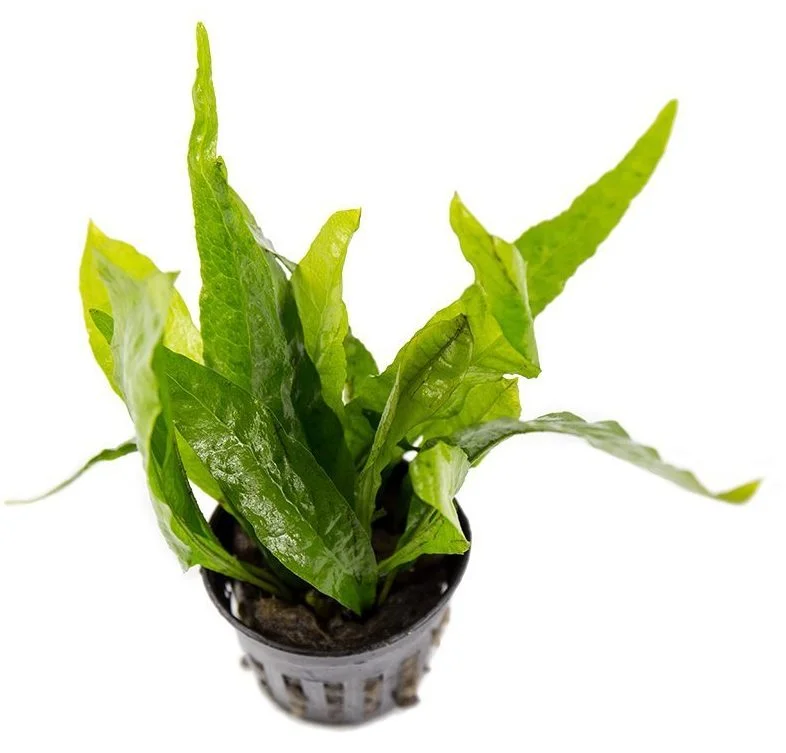
    Other African cichlid tank mates

    In general, African cichlids should only be kept with related species. These are some of the most aggressive fish available in the hobby, and any fish tank mate pairing can fail. Because of this, hobbyists usually only recommend Synodontis catfish for these aggressive cichlid species.

    Synodontis catfish (Synodontis spp.).These are nocturnal fish, which can help decrease the possibility of aggression. Some species only grow to be 4 inches, so they should not be kept with larger cichlids. They originate from Lake Tanganyika and do best with other endemic species, like frontosas and members of both Neolamprologus and Julidochromis. Popular species include S. lucipinnis, S. angelicus, and S. eupterus.

    Synodontis-Catfish

    Given a large tank with plenty of hiding spots, Syndontis have also been successfully kept with Mbunas and Aulonocara peacocks.

    Synodontis and pictus catfish are two of my personal top picks for African cichlid tanks. Both are fast, tough, and occupy different parts of the water column than most cichlids. exactly what you want. They’re not pushovers, and that matters in an African cichlid setup.

    Rainbowfish (Melanotaeniidae family). Some hobbyists add rainbowfish, like Boesemani (Melanotaenia boesemani), to their African cichlid tank setups. These smaller, fast-moving fish act as dither fish which can help diffuse overall aggression.

    Central and South American Cichlids

    If you want a little more wiggle room for cichlid tank mates, Central and South American species are generally much more peaceful than their African counterparts. For some of these cichlids, it’s still recommended to only keep other species from Central and South America.

    Aggressive tank mates

    Central and South American cichlids can greatly vary in size and aggression. Species like red devils and green terrors are large freshwater fish. Even if a given species is not aggressive, they will readily eat smaller fish.

    Here are some of the best tank mates for large and/or aggressive Central and South American cichlids:

    Giant gouramis (Osphronemus goramy). Giant gouramis need a giant tank. They reach impressive sizes and can become increasingly aggressive as they grow. While native to Southeast Asia, these fish can be kept in a cichlid tank with oscars, severums, and geophagus.

    Catfish. Most species of catfish can be kept with both peaceful and aggressive cichlids. An aggressive Central and South American cichlid tank can house Synodontis catfish, Raphael catfish (Platydoras armatulus), Redtail catfish (Phractocephalus hemioliopterus), and Pictus catfish (Pimelodus pictus).

    Keep in mind that some catfish, like the redtail catfish, can grow to extreme sizes.

    Arowana (Osteoglossidae family). Arowanas are one of the largest fish available in the aquarium trade, but they’re relatively delicate. It is not unheard of for especially aggressive species to chase after and attack arowana. Unfortunately, arowanas can quickly succumb to injury. In return, large arowanas also have the potential to eat smaller, calmer cichlids. In some cases, this pairing can work.

    Arowana-Fish

    Other cichlids. The best cichlid pairings are ones that stay true to what you would find in their natural environment. Pick species that naturally occur in the same regions as your desired cichlid. Set up the tank so that each fish has its niche within that space. While this still isn’t guaranteed to work, it’s one of the best ways to approach any cichlid aquarium setup.

    Community tank mates

    It’s always risky adding more peaceful fish to a cichlid tank, but some hobbyists have made it work. These pairings will largely depend on the temperament of your freshwater fish, but success can be increased by providing plenty of hiding spots and paying close attention to interactions. Luckily, these species are usually much more peaceful than African cichlids, so there are some choices!

    Rainbowfish

    Here are some common community tank species that might fit in a Central or South American cichlid setup. Note any cichlid larger than 8 inches may consume them:

    Giant danios (Devario aequipinnatus). Giant danios are possible tank mates for cichlids: they’re big, fast, and stay at the top of the water, away from predators. This doesn’t make them an instant success, however. Many hobbyists have found that their giant danio numbers start to dwindle the longer they stay in the tank. Make sure to watch out for aggression and be ready to rehome fish if necessary.

    Rainbowfish. Species like the Boesemani rainbowfish (Melanotaenia boesemani), millennium rainbowfish (Glossolepis pseudoincisus), and the turquoise rainbowfish (Melanotaenia lacustris) have been known to make good tank mates for certain cichlids. Rainbows need to be kept in groups of at least 6 or more but are generally capable of escaping an attacking cichlid.

    Swordtails (Xiphophorus hellerii). If you have cichlids that mind their own business, then swordtails could help bring some color and movement to the top of the aquarium. These fish are colorful and busy, but most importantly, they’re prolific. This is especially helpful as even if a cichlid goes after adults or eats the majority of fry, chances are that a swordtail population will be able to sustain itself.

    Congo tetras (Phenacogrammus interruptus). Another similar option is the Congo tetra. These are moderately-sized schooling fish, just big enough to hold their own against a more territorial cichlid. Congo tetras are one of the few species of tetra that can be housed with cichlids, as anything smaller could be bullied or eaten.

    Peaceful Cichlid Tank Mates

    Some cichlids simply get along with fish while others are actually peaceful species. So much so that some hobbyists don’t even realize they’re cichlids, like freshwater angelfish! While African cichlids are still too aggressive to make this list, there are plenty of other Central and South American species that can successfully be added to a community tank.
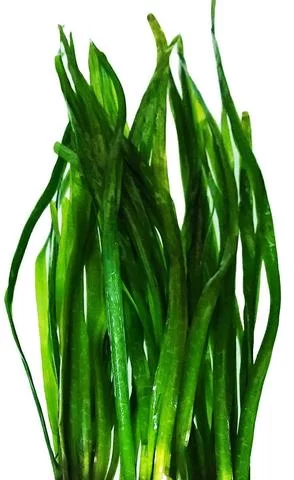
    Rams

    The ram cichlid is a small South American species that can be kept and bred within a community tank setup. These fish only grow to about 4 inches, which means that they can be kept with both bigger and smaller species.
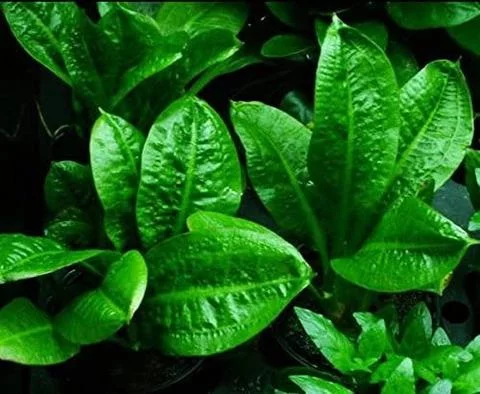
    Some compatible ram cichlid tank mates include:

    It’s important to note that ram cichlids prefer slightly higher water temperatures than normal, in the 78 to 85ยฐ F range. Tank mates should be able to adapt to these conditions without any ill effects.

    Angelfish

    Zebra-Angelfish

    Freshwater angelfish are arguably the most popular species of cichlid, though many hobbyists don’t even realize that they’re cichlids. These fish require some special care when choosing tank mates as they prefer slow-moving water conditions and cannot tolerate having their fins nipped.

    These are some options to consider:

    • Other angelfish
    • Mollies
    • Rainbowfish
    • Corydoras catfish
    • Molly Fish
    • Certain tetras (Cardinal tetras, Rummynose tetras)

    Discus

    Red-Turquoise-Discus

    Discus are one of the more challenging species of aquarium fish to keep due to their need for near-pristine water parameters and higher water temperature ranges. Because of this, many hobbyists choose to keep discus in setups by themselves, but some have also had luck keeping them in community tanks.
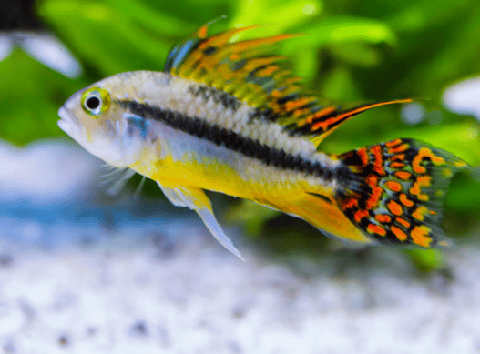
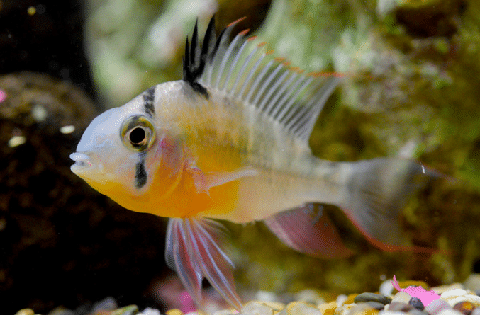
    Some suitable tank mates might be:

    Oscars

    Albino-Oscar

    Oscars can be aggressive, but they don’t mean to be. Instead, these are gentle giants that need plenty of space for themselves and might mistake smaller fish for a meal. Given the right setup, they are very easy to care for and can be kept with a variety of species, including:
    • Silver dollars
    • Clown loaches
    • Arowanas
    • Other cichlids (Green terror, Jack Dempsey, Severums)
    • Other oscars

    Severums

    Severum-Cichlid-Fish

    Severums are another relatively peaceful species of cichlid. These are large fish, growing to nearly 10 inches at adult size, but they can bring a lot of color and interest to a semi-aggressive community tank. They need a large tank, but can be kept with an assortment of:

    • Silver dollars
    • Denison barbs
    • Pearl gouramis
    • Oscars
    • Other severums

    FAQS

    What kind of fish can be put with cichlids?

    African cichlids have limited tank mates while Central and South American species can be kept with a bigger assortment. In general, African cichlids should only be kept with species that originate from the same regions. Central and South American species have greater flexibility for being mixed with each other and with other aquarium species.

    Can you put a cichlid in a community tank?

    Yes! Some cichlids can be kept in a community aquarium setting, like rams, angelfish, and discus. This means that they can be kept with more familiar tetras, cory catfish, and livebearers. However, more aggressive types, like African cichlids, should only be kept with each other.

    Do cichlids eat other fish?

    Yes, cichlids, especially large ones, can eat other fish. This isn’t entirely on purpose for some species, like the oscar, where curiosity gets the best of them. It is always safe to assume that if a fish can fit in another fish’s mouth, they could potentially become lunch.

    African cichlids and more aggressive South American cichlids are more likely to chase and attack fish than they are to mistakingly eat them.

    Can cichlids live with goldfish?

    No! Cichlids can never live with goldfish. Goldfish are coldwater fish while cichlids prefer tropical and above tropical water temperature conditions. Many African cichlid species also prefer harder and more basic water conditions, which is incompatible with goldfish. Lastly, goldfish are gentle and relaxed while cichlids are active and territorial!

    Conclusion

    When setting up a cichlid tank, you need a plan. These are aggressive fish that have special considerations regarding water parameters, tank setup, and aggression. Tank mates will largely revolve around the type of cichlid you choose to keep. An African cichlid tank might only leave room for related species but an angelfish aquarium might allow space for a variety of community species.

    Keep in mind that while one pairing works for another hobbyist it might not always work for you. Always be ready to rehome fish if necessary.


    ๐Ÿ“˜ Want to learn more? This article is part of our complete Freshwater Fish Guide. your ultimate resource for freshwater species, care tips, tank setup, and more.

  • Why Angelfish and Guppies Are a Deadly Combo: What I’ve Seen After 25 Years

    Why Angelfish and Guppies Are a Deadly Combo: What I’ve Seen After 25 Years

    Angelfish and guppies look like an easy pairing on paper. both are tropical, both are popular, and their water parameters overlap enough that it seems to make sense. But I’ve seen this combination go wrong many times. Once angelfish start breeding, they become a completely different fish. The guppies that were swimming around unbothered suddenly become targets. and often end up as a meal. In this article I explain exactly why these two species don’t mix, and what to keep with your angels instead.

    Key Takeaways

    • Angelfish and guppies are two beginner species that are incompatible with each other.
    • Guppies like active, neutral conditions while angelfish thrive in stagnant, acidic environments.
    • Angelfish can grow to moderate sizes and will eat smaller fish and fry.
    • Some of the best tank mates for angelfish are tetras, rainbowfish, and other cichlids.

    Intro To Angelfish

    Before we can understand why guppies are incompatible with angelfish, we need to understand angel requirements on their own. These fish have been in the aquarium hobby for a long time, and the understanding of their care has changed throughout the decades.

    Zebra-Angelfish

    Angelfish are a type of tropical cichlid. The most common species to find in the aquarium hobby is Pterophyllum scalare, but you may find others available in more specialized fish stores. These fish originate from the Amazon River system throughout South America, specifically from parts of Brazil, Colombia, and Peru. They are found in slow-moving waters, dense with vegetation. They prefer more acidic conditions, closer to blackwater environments.

    Luckily, most angelfish available for sale have been commercially bred, which led to more ethical sourcing and better-controlled health. There are also many varieties of angelfish available, but most display plain colors of browns, blacks, and silvers. At adult size, they can grow to be 6 inches long and 8 inches tall. Some individuals even grow to an impressive 1 foot in height!

    Tank Setup

    There has always been a lot of discussion surrounding angelfish tank size. They aren’t overly active fish, but they can grow to considerable sizes and exhibit some aggressive behavior. Because of this, the current recommendation is a 40 gallon for keeping them with multiple angels or other fish species, and a 20 gallon for a pair. Because of their height, they are one of the few fish that do better in a tall aquarium than a long one.

    This aquarium should have minimal water flow with plenty of plants and organics that lower the water pH.

    Behavior

    As a cichlid, these fish are mildly aggressive. They are not fast swimmers and will stick to the middle and upper portions of the water column. Male angels are likely to establish territories throughout the tank, especially during breeding periods. Females can be just as aggressive as males in some cases.

    This is the part most people don’t anticipate. An angelfish that ignored guppies for months can turn predatory the moment it starts breeding. I’ve seen it happen. guppies that coexisted fine suddenly start disappearing once the angels pair off and claim territory. Breeding flips a switch in them, and small, fast-moving fish like guppies become threats to be chased or food to be eaten.

    As slow swimmers, they are also slow eaters. This behavior is especially important to keep in mind when picking other tank mates as a shy angel could be outcompeted.

    One last thing to consider is that, while semi-aggressive fish, angelfish can be skittish. Because of this, many hobbyists keep their angelfish aquariums dimly lit and stained with tannins.

    Intro to Guppies

    A guppy fish is likely to be one of the first tropical fish you ever get. These are small, hardy fish that bring a ton of color and excitement to the aquarium. They’re very forgiving of incorrect water parameters and will continue to breed regardless. All this, in addition to their wide availability and affordable price, make them a perfect beginner fish1.

    Blue Grass Guppy

    That’s the problem, though: guppy fish are perfect beginner fish. What happens when you want to move on to more advanced species, like the angelfish? Can you keep guppies and angels in the same tank?

    In most cases, guppy fish cannot be safely kept with angelfish. It might be hard to understand why, as these fish have many overlapping requirements, but we’ll see what makes these two fish species incompatible in the long run.

    Mature Size

    Guppy fish are small fish with males staying under 1.5 inches and females maxing out at around 2.5 inches. While this makes it so that a lot can be kept in a little, these tiny fish also make an enticing snack for larger angelfish.

    Though unlikely, any fish is capable of eating something that can fit in their mouths. Small guppies, as well as guppy fry, are a quick and easy snack for a mature angelfish.

    Tank Setup

    Guppies can pretty much be kept in any aquarium setup imaginable, but the same cannot be said for angels. As mentioned before, angelfish prefer near-blackwater conditions in dim lighting conditions. While the two species enjoy an abundance of live plants, their compatibility in terms of tank setup ends there.

    Guppy fish are often kept in neutral water parameters, with a pH near 7.0. While they can be acclimated to more acidic conditions, it’s best to keep fish close to their original environments. This is also true for the amount of water flow present in the fish tank. Guppies enjoy swimming against a current, whereas angels will be pushed into the corner by nearly any trace of water movement.

    Another important aspect to keep in mind is that guppies are prolific breeders. The more space and resources they have, the more they will reproduce. In general, guppy fish can comfortably live in a 10 gallon aquarium. At one point or another, adult and/or baby guppies will need to be removed to maintain a healthy balance in the aquarium.

    If placed in a very large tank, removing excess guppy fry can be difficult, even though your angelfish will likely help maintain populations. As we’ll see, an increase in guppies can lead to numerous problems for the angels in regard to opposing behaviors.

    Behavior

    On paper, it would seem that you could keep guppies and angelfish together. But when kept together in the same aquarium, these fish couldn’t be any more different.

    Angelfish might as well have the exact opposite behavior as guppies. Angels are slow-moving and relatively reserved. Guppies are front-and-center and constantly moving! While this pairing of behaviors might work for other fish species, it does not work for these.

    Green-Guppy

    Guppies are simply too overbearing for angels. They stay in the same portions of the aquarium as angels and can stress angelfish out. Keep in mind that just because your angelfish is supposed to be semi-aggressive does not mean that you can’t get a shy one. This is especially true during feeding times when angelfish like to take their time and eat while guppies go into a frenzy. This incompatibility can lead to overly aggressive or starved angels.

    Angelfish are a much more reserved, observational fish. I’ve watched angels in high-activity tanks stop coming to the surface to eat and start retreating into corners. An angelfish that stops eating is already in trouble. The constant movement and surface activity of guppies is genuinely stressful for a fish that prefers slow, dimly lit, plant-heavy conditions.

    While guppies aren’t aggressive fish, they have been known to be fin nippers. If an angelfish spends a significant amount of time in the upper water column, they may start to get bullied by the other guppies. This can be damaging as angelfish are already prone to snagging their extended finnage and developing fin rot. Similarly, an aggressive angel might chase and nip at pesky guppies that invade their territory.

    While it might seem like guppies and angelfish can go in the same tank, the differences in their behaviors ultimately make them incompatible.

    Why Angelfish and Guppies Don’t Work

    Can you put guppies and angelfish together? No.

    While these fish are two of the most popular fish species available, they cannot be kept in the same aquarium. This is because:

    1. Guppies are small, peaceful fish that can quickly become food for a larger angel. Guppy fry will also be regularly consumed by hungry angelfish.
    2. Angelfish prefer water parameters that resemble their natural habitat. This is slow-moving water with low pH. Guppy fish can be acclimated to a lower pH, but prefer a moving water current with near-neutral water quality. Angelfish also prefer dim settings while guppies shine under bright lights.
    3. Guppies can quickly overrun a larger fish tank as they are prolific breeders. A healthy balance between guppies and angels may be difficult to maintain while keeping parameters in check.
    4. Guppy fish and angelfish have opposite behaviors. Angels are large semi-aggressive fish that can bully smaller fish, or be bullied if the individual is shy. This is especially true during feeding times when guppies are quick to eat.

    Better Alternatives

    Though guppies and angelfish might not work together, there are plenty of ways to still use both of these species in their own respective community tank setup.

    Some of the best guppy fish tank mates include:

    Depending on the individual personality of your angel, you may be able to set up a community aquarium. If you have an angelfish that shows territorial behavior, then you may need to include some of the more aggressive species. Unfortunately, there is no way to tell how angelfish will react to new fish, so you might need to rehome tank mates if things don’t work out. To help avoid this, it’s recommended to add other fish to the tank before adding the angels.

    From my experience, rainbowfish and Congo tetras are two of the best alternatives. both are large enough that angels won’t see them as prey, and both are active without being overbearing. For more advanced aquarists, discus are an excellent pairing with angelfish; they share the same slow-water, warm, slightly acidic preferences and have a similar calm temperament. Just be prepared for the water quality demands discus require.

    Some community tank mate options for angelfish include:

    If you have angels that display territorial behavior, then you might consider these tank mates instead:

    In order to keep a group of angelfish together indefinitely, fish should be added to the aquarium at the same time. At least 5 or more can comfortably be kept in a mid-size tank as long as there is a balance of males and females.

    Can different species of angelfish be kept together in the same tank?

    As mentioned before, there are a couple of different species of angelfish available in the aquarium hobby. One of these includes the relatively rare–and expensive–altum angelfish (Pterophyllum altum).

    For the most part, hobbyists agree that these two species can be tank mates as long as a large tank is allowed. It is also recommended to add the two species together to help diffuse any possible aggression. A rehoming plan should be used in case the pairing doesn’t work out.

    Which fish can be kept with angelfish?

    Angelfish can be kept with certain tetras, gouramis, severums, or acaras. They cannot be kept with guppies and generally don’t do well with any species of livebearer.

    What fish are compatible with guppies?

    Angelfish can be kept in pairs with each other, in a community tank setup, or in a semi-aggressive setup. Depending on the plan you have for your tank, you may want to try breeding angels. Otherwise, your angel’s personality will decide whether you keep a community aquarium or a more predatory fish setup.

    How many angel fish should be kept together?

    Angelfish can be kept in pairs of two or in small groups of 5 or more. This will be determined by the size of your aquarium and the temperament of your fish.

    Do angelfish eat other fish?

    Angelfish have small mouths, but they will likely try to eat smaller tank mates. They will especially love trying to catch baby guppies!

    Can you put angelfish with mollies?

    While you can’t really keep guppies and angelfish together, do mollies work?

    Many of the same concerns arise with mollies as when keeping angelfish with guppies: natural habitat differences, and opposing behaviors. However, mollies are considerably bigger than guppies and slightly less active. Full-grown angelfish will still see smaller mollies as snacks, but the two species are slightly more likely to be compatible tank mates in the long run.

    Conclusion

    Guppies and angelfish are two of the most popular beginner fish species available, but unfortunately, they do not make good tank mates. There are simply too many differences between preferred water conditions and behaviors that make it likely for either your angels or guppies to get hurt in the process. Depending on the personality of your angelfish, other suitable tank mates might be tetras, gouramis, corydoras, or other cichlids.


    ๐Ÿ“˜ Want to learn more? This article is part of our complete Freshwater Fish Guide. your ultimate resource for freshwater species, care tips, tank setup, and more.