Generic selectors

Exact matches only

Search in title

Search in content

Post Type Selectors

Tag: Freshwater Fish Profiles

  • Zebra Danio Tank Mates: My 21 Picks After Years in the Hobby

    Zebra Danio Tank Mates: My 21 Picks After Years in the Hobby

    I’ve kept zebra danios and they’re about as bulletproof as freshwater fish get. hardy, active, and incredibly easy to care for. But that high energy level is exactly what trips people up when selecting tank mates. These fish need space to zoom around, and I wouldn’t attempt a community setup in anything smaller than a 20-gallon tank. Add in their preference for cooler water and you have two things most people don’t think about until it’s too late. In this guide I’ll walk you through my 21 top picks. and the combinations to avoid.

    Key Takeaways

    • The zebra danio is a hardy, active fish that can be kept with a variety of species.
    • These fish do best in a coldwater setup but can be acclimated to warmer conditions.
    • Some of the best zebra danio tank mates are tetras, rasboras, and corydoras.
    • Tank mate species to avoid include bettas, aggressive cichlids, and fish with large mouths.

    Intro

    Before we can talk about tank mates, we need to understand zebra danio care.

    Zebra danios, scientifically known as Danio rerio, are highly adaptable freshwater fish native to many regions throughout Asia. These fish can be found in cold to hot fast-moving or stagnant conditions across India, Pakistan, Nepal, Bangladesh, and Bhutan; they have been introduced to many other regions of the world, including South America and North America. They usually live alongside vegetation but don’t rely on it for survival1.
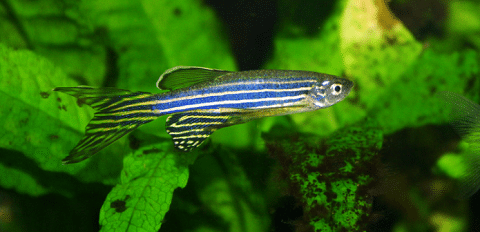
    Zebra-Danio

    These freshwater fish grow to be about 1 to 2 inches on average and are named after the alternating silver and bluish-black horizontal stripes along the sides of their body. They have a torpedo-shaped body that helps propel them through the water.

    Zebra danios are a very important species for science. They are considered a scientific model organism, which allows for many avenues of biological study. In fact, a zebra danio has even been sent to outer space! Interestingly, there is also evidence that zebra danios have memory, which means that they may experience some level of consciousness.

    Tank Size

    It is no wonder why the zebra danio is a favorite addition to the aquarium setting due to its high adaptability. These are easy-to-keep fish that bring a lot of movement to the upper portions of the aquarium.

    Zebra danios are a schooling fish, which means that you need to allow space for at least 6 or more individuals. In general, a school of zebra danios can comfortably fit in a 10 gallon aquarium with minimal other fish. However, a 20 gallon long aquarium will allow for a bigger school as well as other tank mates.

    Water Temperature

    One of the most important aspects to keep in mind when keeping zebra danios is their need for cooler water conditions. While these peaceful fish have been documented across a 50 degree range, they seem to do best when the water temperature is kept stable between 65-82° F.

    ⚠️ The biggest tank mate mistake I see: Fishkeepers pair zebra danios with tropical fish that need warmer water, or slow-moving species that can’t handle their energy. Danios are fast and constantly on the move. timid or slow fish will be stressed by them. Always match both temperature range and activity level when choosing tank mates, and remember: nothing smaller than a 20-gallon if you want this to work.

    The Top Zebra Danio Tank Mates

    Now that we have some understanding of where zebra danios come from and how they live in both their natural habitat and in the aquarium, we can start to consider some tank mate options.

    The best zebra danio tank mates will be able to live with an active fish in colder-than-normal water temperatures.

    1. Harlequin Rasboras
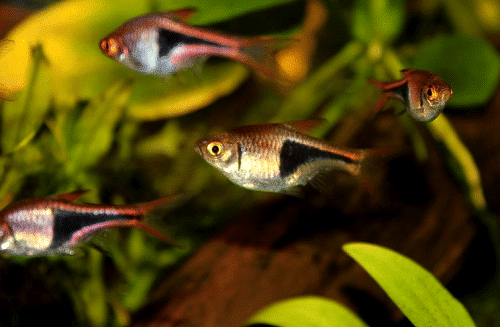
    • Scientific Name: Trigonostigma heteromorpha
    • Tank Size: 10 gallons
    • Adult Size: 1-2 inches
    • Water Temperature: 71-80° F
    • Temperament: Peaceful

    Harlequin rasboras are small, colorful orange and black fish that resemble tetras. They are schooling fish that need to be kept in groups of at least 6 or more. Together, they are active swimmers that will stay in the middle portions of the aquarium.

    With more active fish, like the zebra danio, harlequin rasboras may school tighter together and be less active. However, with a larger tank, the two species will complement each other in terms of activity and color.

    2. Cory Catfish
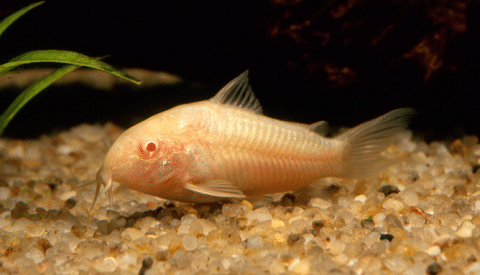
    Albino Cory Catfish
    • Scientific Name: Corydoras spp.
    • Tank Size: 10 gallons
    • Adult Size: 1-5 inches
    • Water Temperature: 70-80° F
    • Temperament: Peaceful

    There are many different species of corydoras available in the aquarium hobby, coming in a variety of sizes. These are bottom-dwelling fish that like to school far away from zebra danios at the top of the water column. This distance, in addition to cories preferring slightly cooler-than-normal water conditions, makes them a good pairing for zebra danios.

    🏆 My top pick for a zebra danio tank mate: Cory catfish are my go-to recommendation. they occupy the bottom while danios work the top, so there’s zero competition for space. The shared preference for slightly cooler water makes the parameter match easy too. I’ve seen this pairing work beautifully, and it’s the first thing I suggest to anyone setting up a danio community tank.

    Some of the most popular Corydoras options include the bronze cory (Corydoras aeneus), pygmy cory (Corydoras pygmaeus), panda cory (Corydoras panda), and Sterba’s cory (Corydoras sterbai).

    3. Mollies
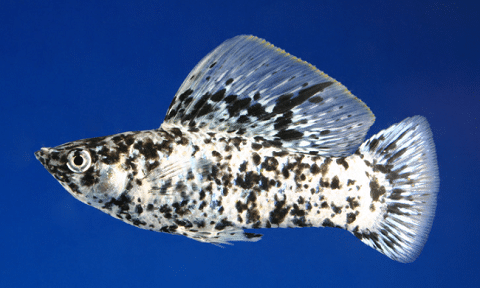
    Sailfin Molly in Aquarium
    • Scientific Name: Poecilia spp.
    • Tank Size: 15 gallons
    • Adult Size: 3-5 inches
    • Water Temperature: 72-82° F
    • Temperament: Peaceful to semi-aggressive

    Mollies are one of the most popular freshwater fish. Mollies are large fish that come in almost every color, with many different varieties available.

    They not true schooling fish, but they do enjoy the company of at least two to three others. This, in addition to their size, means that they are good feature fish for tanks over 10 gallons.

    It is important to note that while mollies are often seen as community tank fish, they are capable of showing aggression to other fish and each other, especially if there are multiple males in the tank during breeding times. They also prefer the upper portions of the water column. Because of this, it’s important to watch how your mollies and zebra danios interact.

    4. Swordtails
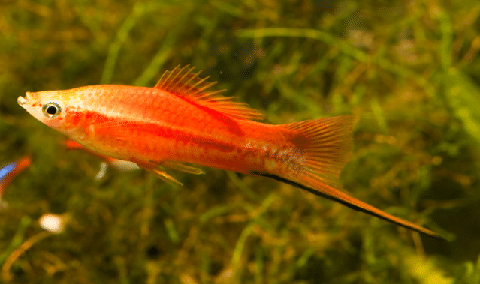
    Swordtail Fish in Planted Tank
    • Scientific Name: Xiphophorus hellerii
    • Tank Size: 20 gallons
    • Adult Size: 3-6
    • Water Temperature: 64-82 °F
    • Temperament: Peaceful to semi-aggressive

    Swordtails are very similar to mollies in terms of color, activity, and behavior. These fish come in all different color variations and are easily recognized by their extended tail fin. They can also be kept in cooler water temperatures.

    These fish are not a schooling species but exhibit shoaling behaviors in small groups with one male and several females. Swordtails are relatively active fish that like to stay in the upper portions of the aquarium. They can become aggressive towards other fish and their own if more than one male is present.

    While swordtails are generally peaceful towards zebra danios, hobbyists should look out for possible fin-nipping and competition during feeding times.

    5. Neon Tetras
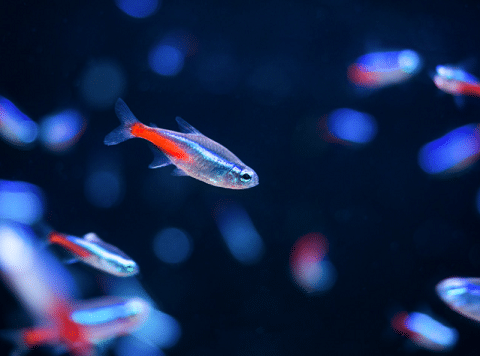
    • Scientific Name: Paracheirodon innesi
    • Tank Size: 10 gallons
    • Adult Size: 1.0-1.5 inches
    • Water Temperature: 72-82° F
    • Temperament: Peaceful, shy

    Neon tetras get along with most freshwater fish, and zebra danios are no exception. These small red and blue fish can be timid, especially when kept in smaller groups. Luckily, they only grow to be about an inch big, which allows for more room for keeping a bigger school. This is necessary as zebra danios can potentially stress them out.

    The good news is that neon tetras and zebra danios generally live in two different areas of the tank. Neon tetras usually stay in the middle and lower portions of the aquarium, away from the hustle and bustle of danios. Still, some extra decorations and hiding spots might encourage your tetras to be more present.

    6. Rummy Nose Tetras
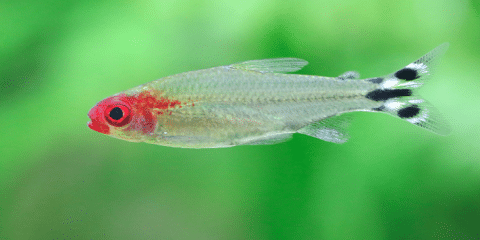
    • Scientific Name: Hemigrammus bleheri
    • Tank Size: 10 gallons
    • Adult Size: 1-2 inches
    • Water Temperature: 75-85° F
    • Temperament: Peaceful, active

    Rummy nose tetras have a similar appearance and behavior to the zebra danio, but they’re a little more challenging to keep. These peaceful fish are identifiable by their bright red faces and can be seen swimming in schools in the upper portions of the water column.

    While rummy nose tetras make a good option for a zebra danio community tank, they are much more sensitive to incorrect and changing water conditions than other fish species. These fish do especially well in bigger groups in a heavily planted tank.

    7. Apistogrammas
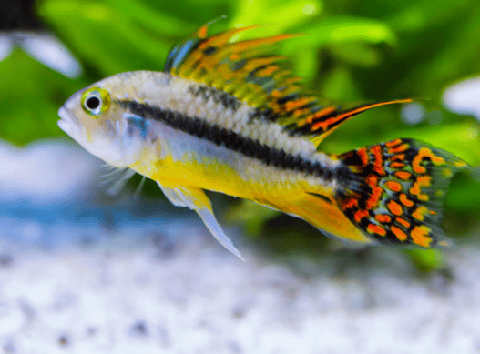
    <a href=Apistogramma cacatuoides” class=”wp-image-1059938″/>
    • Scientific Name: Apistogramma spp.
    • Tank Size: 20 gallons
    • Adult Size: 2-3 inches
    • Water Temperature: 72-86° F
    • Temperament: Semi-aggressive

    If you want another fish species to be the star of your aquarium instead of your zebra danio school, then an Apistogramma cichlid might make the ideal tank mate. These dwarf fish are from South America and are one of the more peaceful species of cichlid available. They have a moderate temperament but will readily tolerate other small, peaceful fish.

    The trick to choosing good Apistogramma tank mates is selecting fish that can’t be mistaken for another cichlid and that stay out of their way during breeding periods. This makes the zebra danio a good option.

    8. Chili Rasboras
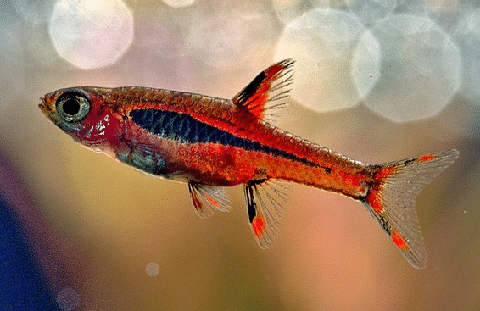
    • Scientific Name: Boraras brigittae
    • Tank Size: 10 gallons
    • Adult Size: <1 inch
    • Water Temperature: 70-82 °F
    • Temperament: Peaceful, shy

    If you’re looking for something even smaller than the zebra danio, chili rasboras are about as tiny as you can get. There are a few considerations that will need to be made before making these two tank mates, though.

    Chili rasboras are extremely small fish that grow to be less than an inch big. They love to school at the top of the water column but will scatter if threatened. Unfortunately, this can sometimes become problematic if you have an especially active or bold zebra danio.

    If you find that your chili rasboras are overwhelmed by your zebra danio school, then you may need to increase the size of your rasbora school, add more plants, or reconsider rehoming one of the species.

    9. Ember Tetras
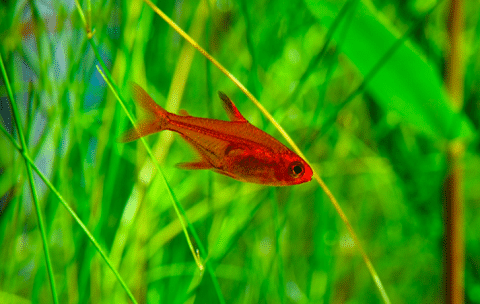
    • Scientific Name: Hyphessobrycon amandae
    • Tank Size: 10 gallons
    • Adult Size: 1 inch
    • Water Temperature: 72-80 °F
    • Temperament: Peaceful

    While not exactly the same, ember tetras are a good (and cheaper) alternative to chili rasboras. These two fish share some of the same orangey-red colors and ember tetras only grow to be a little bigger.

    Unlike chili rasboras, ember tetras are hardy fish that prefer the middle and lower portions of the water column. They take comfort in a school of 6 or more and can withstand the activity of a zebra danio school.

    For most hobbyists, ember tetras are a better addition to the zebra danio community tank than chili rasboras.

    10. White Cloud Minnows
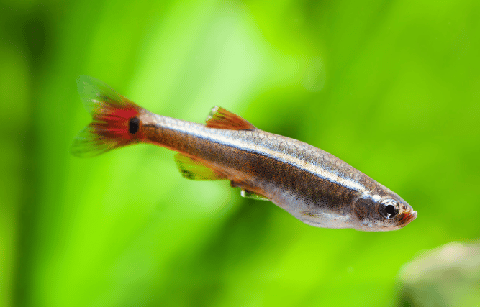
    • Scientific Name: Tanichthys albonubes
    • Tank Size: 10 gallons
    • Adult Size: 1-2 inches
    • Water Temperature: 57-72°F
    • Temperament: Peaceful, active

    White cloud minnows are one of the best zebra danio community tank mate options, period! This is because their tank size, adult size, water temperature, and temperament all align.

    White cloud minnows are not tropical fish and are instead, minnows. This means that they are incredibly hardy fish that can withstand a wide range of water temperatures and parameters. They are also active schooling fish that enjoy their own company and that of other fish species.

    11. Boesemani Rainbowfish
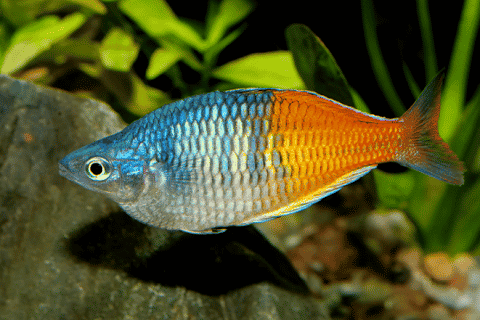
    Boesemani-Fish
    • Scientific Name: Melanotaenia boesemani
    • Tank Size: 40 gallons
    • Adult Size: 4-5 inches
    • Water Temperature: 72. 77° F
    • Temperament: Peaceful, active

    The Boesemani rainbowfish and the zebra danio is an odd pairing, but it’s doable! Both of these species are very active and a larger tank will be needed to comfortably keep both. While zebra danios will mostly stay towards the top of the tank, plenty of room should also be allowed for an active school of rainbowfish in the middle.

    This is an unusual pairing mostly due to color and activity levels. As long as temperatures match and there is room to swim, Boesemani rainbows can live alongside zebras.

    12. Cherry Barbs
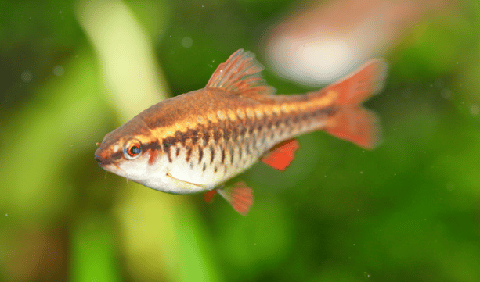
    • Scientific Name: Puntius titteya
    • Tank Size: 25 gallons
    • Adult Size: 2 inches
    • Water Temperature: 73. 81° F
    • Temperament: Peaceful, sometimes shy

    Cherry barbs are one of the most ideal tank mates for zebras! Similar in size and activity, these two fish can comfortably live together as cherry barbs prefer the lower areas of the tank.

    That being said, these small barbs can sometimes be shy fish. It’s best to keep these fish in a larger densely planted tank with a good-size school. They can be somewhat sensitive to water parameters, so they should be safely acclimated and kept with good tank husbandry.

    13. Hatchet Fish
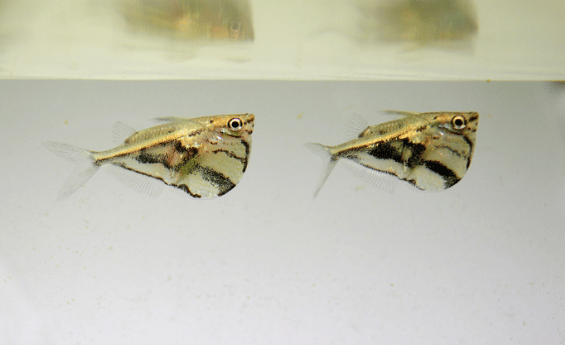
    Marble Hachet Fish
    • Scientific Name: Gasteropelecus sternicla
    • Tank Size: 20 gallons
    • Adult Size: 2-3 inches
    • Water Temperature: 72-81° F
    • Temperament: Peaceful

    If you’re looking for another fish to keep your zebra danios busy at the top of the tank, the hatchet fish will always be found just below the surface. While they don’t have the best vibrant colors, hatchet fish are one of the most interesting-looking fish species available!

    These fish are great for community tanks but need a tight aquarium lid as they’re notorious jumpers.

    14. Kuhli Loach
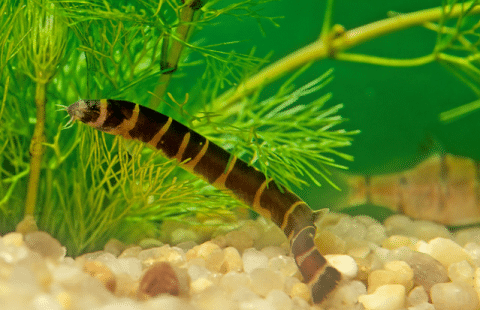
    • Scientific Name: Pangio kuhlii
    • Tank Size: 20 gallons
    • Adult Size: 3-4 inches
    • Water Temperature: 73-86° F
    • Temperament: Peaceful

    No matter your tank setup, there is always room for a kuhli loach. These fish are incredibly silly and fit right in at the bottom of a community tank setup.

    Kuhli loaches aren’t true schooling fish, but they thrive in the company of their own. It is important to take careful consideration when introducing kuhli loaches into community tanks as hobbyists sometimes keep them at higher-than-normal water temperatures.

    Always make sure to keep an aquarium lid on to prevent your loaches from escaping!

    15. Platy Fish
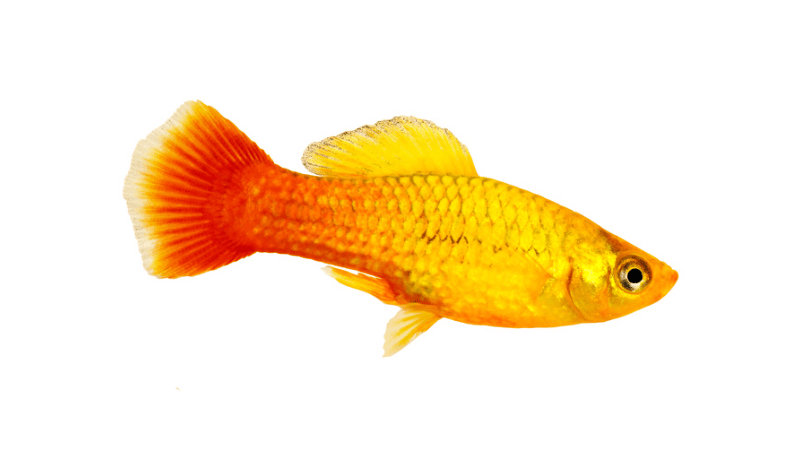
    Sunset-Platy
    • Scientific Name: Xiphophorus maculatus
    • Tank Size: 10 gallons
    • Adult Size: 2-3 inches
    • Water Temperature: 64-77 °F
    • Temperament: Peaceful, prolific

    Platy fish are one of the most popular species of freshwater fish for beginner hobbyists and are one of the best tank mates for zebra danios. These community fish are colorful, active, and unbothered by other active species.

    However, platy fish are incredibly prolific and can quickly overpopulate an aquarium. This, in addition to being overall messy fish, can cause water quality problems.

    As long as populations and water quality are kept in check, then platy fish can comfortably live with zebra danios and an assortment of other fish!

    16. Otocinclus

    • Scientific Name: Otocinclus spp.
    • Tank Size: 20 gallons
    • Adult Size: 2-4 inches
    • Water Temperature: 74-79°F
    • Temperament: Peaceful, shy

    Unlike the zebra danio, otocinclus are not beginner fish. In fact, these are some of the most difficult fish to keep due to their constant need for natural algae.

    Otocinclus are smaller fish that rely on each other for safety. They need to be kept in groups of at least 6 or more and need an established aquarium with plenty of natural biofilm. A densely planted tank is a must.

    Because these are some of the most challenging fish to keep and zebra danios are one of the easiest, these two species are not seen together often.

    17. Cardinal Tetras
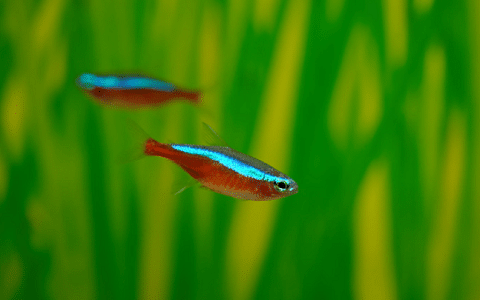
    • Scientific Name: Paracheirodon axelrodi
    • Tank Size: 10 gallons
    • Adult Size: 1-2 inches
    • Water Temperature: 73-81° F
    • Temperament: Peaceful

    Slightly larger but more sensitive than neon tetras, cardinal tetras are great tank mates for danios. Cardinal tetras are colorful schooling fish that can be somewhat sensitive to both water quality and overactive tank mates. However, if they’re kept in a big enough school, they will feel safe to explore all corners of the tank, including where your zebra danios like to swim.

    Cardinal tetras don’t have any special considerations, but they do best when acclimated and kept with live plants.

    18. Honey Gourami
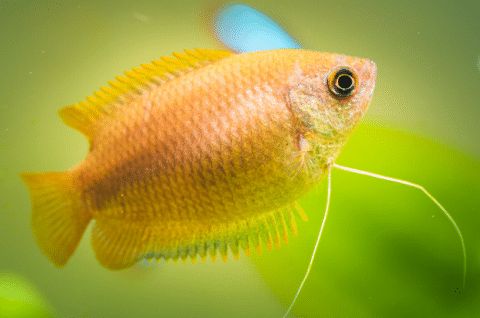
    • Scientific Name: Trichogaster chuna
    • Tank Size: 10 gallons
    • Adult Size: 2-3 inches
    • Water Temperature: 74-82° F
    • Temperament: Peaceful

    The honey gourami is a great feature species for a zebra danio tank. These fish are big and bold but gentle giants. Honey gouramis can be kept alone or in pairs, as long as the tank size allows.

    For the most part, the honey gourami makes a great tank mate for danios. Always make sure to keep an eye out for any potential fin-nipping between the two species. Zebra danios might take some interest in their thread-like pelvic fins.

    19. Nerite Snails

    • Scientific Name: Neritina spp.
    • Tank Size: 10 gallons
    • Adult Size: 1-2 inches
    • Water Temperature: 65-85° F
    • Temperament: Peaceful

    If you don’t want to keep other fish with your danios, then nerite snails are ideal tank mates! These snails can’t reproduce in freshwater, so you don’t need to worry about them overpopulating. They are also efficient cleaners and will help keep the tank clean of any algae or uneaten food.

    20. Bristle Nose Pleco
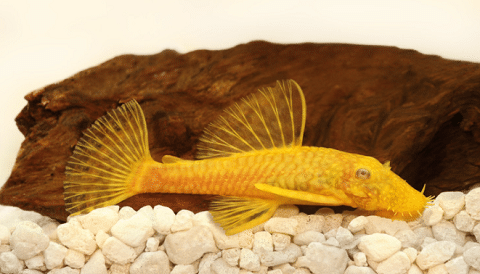
    • Scientific Name: Ancistrus cirrhosus
    • Tank Size: 30 gallons
    • Adult Size: 5 inches
    • Water Temperature: 73-80°F
    • Temperament: Peaceful

    If you want a cleanup crew member that’s a little more exciting than a snail, then bristle nose plecos are a great addition to the freshwater aquarium. These plecos grow to reasonable sizes and don’t need a pure vegetation diet. Instead, they’ll help keep the tank clean of leftover food and other organic debris, though they won’t clean up fish waste.

    21. Other Danios
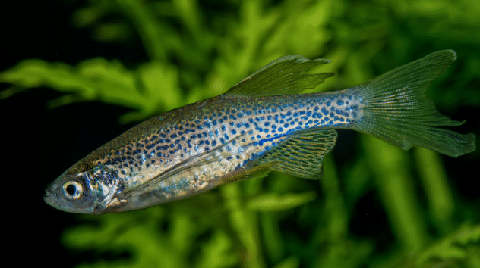
    Leopard

    If you’re a danio fan, then there are a few other species you can safely keep with your zebra danios. While there aren’t many species of danio available in the aquarium hobby, some of the most popular include:

    • Giant danio (Devario aequipinnatus)
    • Pearl danio (Danio albolineatus)
    • Glowlight danio (Danio choprai)
    • Blue danio (Danio kerri)

    Apart from the giant danio, all of these species should have similar tank requirements, though exact specifications are needed.

    Bad Selections

    Though there are many great tank mates for zebra danios, there are a few that will never be compatible. Here are some species to avoid.

    Bettas
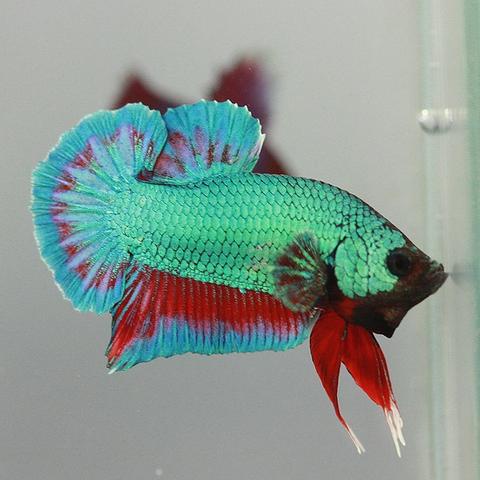
    Plakat <a href=Betta Fish” class=”wp-image-34308″/>

    Betta fish are aggressive fish that need their space. The last thing a betta will tolerate is a zebra danio zooming around its territory.

    These two fish are incompatible tank mates due to territorial aggression and overactivity of the Danio that will stress out the Betta.

    Aggressive cichlids
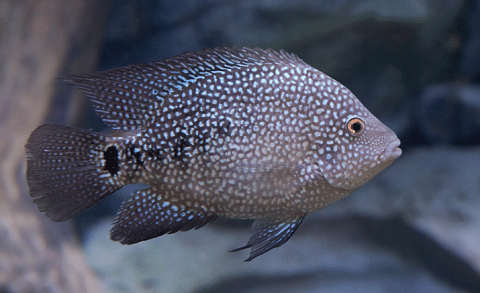
    <a href=Texas Cichlid” class=”wp-image-553069″/>

    For the same reasons, zebra danios will never be compatible with aggressive cichlids, like most African Lake species. Not only will these cichlids see danios as a threat to their territory, but they’ll also see them as food.

    Anything Big
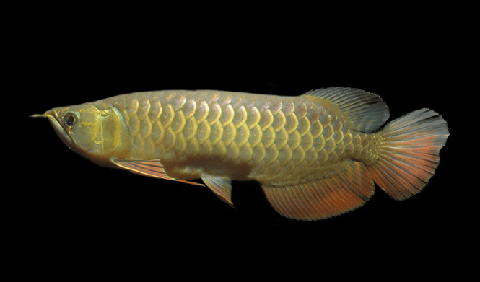
    Arowana Fish

    That brings us to this next generalization. A zebra danio should never be kept with any species that could fit one of these small fish into its mouth.

    A zebra danio can easily entice a predator as it zooms across the tank and be mistaken for food as a result. For this reason, it’s best to keep these danios with similar-sized tank mates.

    FAQs

    What fish can you keep with a zebra danio?

    There are many fish that can be kept with zebra danios, but small tetras, rasboras, catfish, and loaches are some of the best choices! When picking a new fish for your zebra danio tank, water temperature and activity levels are the main factors to take into consideration.

    How many zebra danios should be kept together?

    These danios need to be kept in groups of at least 6 or more. Keeping less than this can cause individuals to become stressed out and reclusive. This might even lead to a premature death.

    Are zebra danios good community fish?

    Yes! Zebra danios are some of the best community fish available. These fish are extremely hardy and can be kept with most community species.

    Are danios fin nippers?

    Zebra danios can be fin nippers. It’s best to avoid long-finned tank mates or to increase the size of the school instead. This should help diffuse possible aggression.

    Can danios go in a tropical tank?

    Yes, zebra danios can be slowly acclimated to a warmer tank even though they prefer cooler temperatures.

    Conclusion

    Zebra danios are widely available fish. While they’re not the most colorful fish, they have bold stripes that catch the eye as they zoom across the tank. These fish are highly active and should be kept with tank mates that can tolerate their behavior. Luckily, many coldwater and freshwater species check this box!
  • How Long Do Fish Live? What I’ve Learned After 25 Years in the Hobby

    How Long Do Fish Live? What I’ve Learned After 25 Years in the Hobby

    After 25 years in this hobby, I’ve seen fish live surprisingly long lives. and heartbreakingly short ones. Koi are the most extreme example: there’s a famous koi named Hanako that was reportedly over 200 years old. But even in a home aquarium, the difference between a fish living 2 years versus 10 comes down to a handful of key factors. Diet and living conditions are the two biggest ones I’ve seen in my experience. In this guide I’ll break down the average lifespans of the most popular aquarium fish. and what actually determines how long they live.

    How Long Do Fish Live (By Category)

    There are over 30,000 fish species on the planet, ranging from tiny nano species to the majestic 60-foot whale shark1. Their lifespans seem to vary as much as their size and appearance, with some species surviving just a few months and others living for centuries! Check our video above for visuals from our YouTube Channel. We go over in more detail in our blog post so you can follow along with both!
    The average aquarium fish lives a few years with good care, although some species can live for a few decades. After reading this guide, you’ll see that there’s a lot of variation between the species.

    Size And Growth

    Unlike humans, fish are indeterminate growers, which means they continue to grow throughout their lives. It can be difficult to guess the age of a fish over at the pet store, but you can bet a large specimen has already reached a good age.

    Scientists have a more precise way of judging a fish’s age. They simply count the rings on their scales, kind of like the way you tell the age of a tree2. Unfortunately, there isn’t a lot of concrete scientific evidence about aquarium fish lifespans out there, so most of what we know comes from the experiences of other fish keepers.

    Of course, many factors can affect how long fish live. For example, a fish that can live for ten years might survive just a few hours in a tank with incorrect water temperature, or it could surprise you and live for 12 years.

    We’ll discuss some of the factors that affect fish longevity later in this post, but for now, let’s go ahead and dive into the average life expectancies of some popular aquarium fish you might consider keeping in your tanks.

    Small Fish Lifespans

    Betta-Fish-Looking-For Food

    Smaller fish tend to have short lifespans, although some nano species can live surprisingly long! You could expect your pets to reach these lifespans with good care and a bit of luck:

    Medium Species

    Lake-Tebera-fish

    The average medium-size fish lifespan is between 5 and 15 years, which makes this group of fish a similar commitment to other popular pets like cats and dogs. Read on to learn about some popular medium aquarium fish lifespans.

    • African Cichlids: 5-10+ years
    • Angelfish: 10-12 years
    • Blood Parrot: 5-15 years
    • Blue Acara: 8-10 years
    • Bristlenose pleco: 10-15 years
    • Common Goldfish: 10-15 years
    • Convict Cichlid: 8-10 years
    • Discus cichlid: 10-18 years
    • Fancy goldfish: 10-15 years
    • Glass catfish: 7-8 years
    • Jack Dempsey: 10-15 years
    • Molly: 3-5 years
    • Rainbowfish: 5-8 years
    • Rainbow shark: 5-8 years
    • Siamese Algae Eater: 5-10 years
    • Silver dollar: 10 years
    • Swordtails: 3-5 years

    Large Species

    Arowana Fish

    Larger fish tend to live longer, although they need proper care and a suitable aquarium to reach their full potential. Let’s take a look at some big fish lifespans.

    💡 A lifespan that still blows my mind: Koi are the most extraordinary example of fish longevity in the hobby. The famous koi Hanako was reportedly over 200 years old when she died in 1977. verified by scale ring analysis. Most koi in home ponds already live 25. 35 years with good care, which is remarkable for any fish. It’s a powerful reminder of just how much proper conditions matter.

    • Arowana: 10-20 years
    • Bala shark: 10 years
    • Bichirs: 10-15 years
    • Black ghost knife fish: 10-15 years
    • Blood Parrot: 5-15 years
    • Clown loach: 10-15 years
    • Dojo loach/Weather loach: 10-15 years
    • Flowerhorn cichlid: 8-12 years
    • Koi fish: 25-35 years, but can over 60 years!
    • Oscars cichlids: 10-15+ years
    • Plecos: 10-20 years
    • Red-tailed Catfish: 15-20 years
    • Severum: 10 years
    • Tinfoil Barb: 8-10 years
    • Tire track eel: 8-18 years

    Wild Species

    Large Mouth Bass

    Just in case you were wondering how aquarium fish stack up against wild species, here’s a list of some well-known wild fish and their lifespans:

    • Atlantic Salmon: 5-8 years
    • Bluegill Sunfish: 5-8 years
    • Common Carp: 25-50 years
    • Largemouth Bass: 10-15 years
    • Rainbow Trout: 5-7 years
    • Sturgeon: 50-60 years

    Aquarium Invertebrates and Other Aquatic Animals

    Fish are not the only animals that live in fish tanks! Continue reading to learn about some other aquatic pet lifespans.

    • Cherry shrimp: 1-2 years
    • Snails: 1-10 years
    • Dwarf Frogs: 5-15 years
    • Turtles: 20-40 years
    • Axolotls: 10-15 years

    9 Factors that Affect Fish Lifespans

    The lifespans listed above are possible with good care and a healthy specimen, but tropical fish often live a much shorter lifespan than you might expect. There are many factors that can determine your pet’s longevity, and many of them are in your control as a fish keeper.

    Continue reading to learn about nine factors that can increase or decrease aquarium fish longevity.

    1. Age At Purchase

    Guppies Swimming

    This one might seem pretty obvious, but young fish can live longer than old fish.

    Most of the fish you see in the pet store are just a few months old, which means they still have most of their expected lifespan ahead of them. The large, mature specimens you see sometimes are much older, and it can be difficult to tell their age.

    Young fish may be more fragile and susceptible to damage than mature specimens, but if you can get them through the acclimation period and the first few weeks in their new tank, these fish can survive for many years.

    2. Stocking

    Bullying and fighting between the fish in your tank can cause stressful living conditions and reduce your fish’s lifespan. Some fish tend to be more aggressive than others, and you really want to avoid these species when setting up a community tank.

    I recommend stocking your tank with peaceful fish that grow to a similar size. This will also prevent any fish from getting snacked on. Remember, big fish eat little fish!

    3. Physical Size

    Frontosa-Cichlid

    If you’ve already scanned through the list of fish and their lifespans, you probably noticed a general trend. Medium-sized fish live longer than small fish, and big fish live even longer.

    Most small fish live about three to five years, while large species like koi can live for several decades. There are exceptions, of course. Kuhli loaches can live surprisingly long for their size!

    Tank size can play an important role in fish lifespans too. Keeping large fish in a small tank will lead to cramped conditions, poor water quality, and a reduced life expectancy.

    4. Genetic Factors And Fancy Breeds

    What is a fancy goldfish

    Genetics plays a big role in the lifespans of pet fish. Some betta fish live for over four years, although selective breeding has decreased the average lifespan of some varieties.

    Some fancy breeds tend to have shorter lifespans than wild-type fish. This applies to fish like balloon mollies and some fancy goldfish breeds. These fish may be more prone to health issues that affect their internal organs, but they can still lead a full and healthy life with good care.

    5. Water Quality

    Tap-Water-Source

    Poor water quality is probably the leading cause of reduced lifespans in pet fish. Keeping a tank clean and maintaining a healthy environment can be tough for beginner fishkeepers, especially if you start with sensitive fish species.

    Understanding the aquarium nitrogen cycle and testing your aquarium water regularly will help you maintain a suitable environment and keep your fish healthy, but having the right equipment is also crucial. Tropical fish need good filtration and regular aquarium maintenance to keep their water safe and achieve their full potential life span.

    6. Water Parameters

    Poor water quality is a major cause of fish mortality, but even well-maintained aquariums can be dangerous for some fish species.

    Each fish species has evolved to live in a certain range of water chemistry parameters. Some fish are highly adaptable, while others won’t survive unless you recreate their preferred conditions. Of course, freshwater fish should not be mixed with saltwater fish and vice versa!

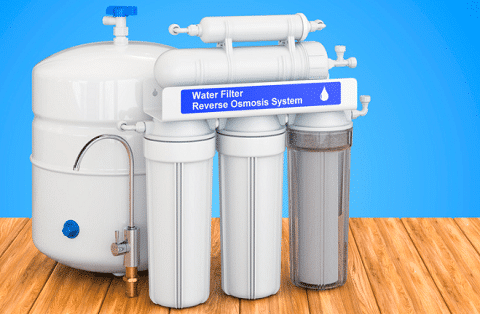
    I suggest testing the pH level and water hardness of your local water supply before choosing your fish species. It is possible to alter your water chemistry or use bottled or reverse osmosis water in your tanks, but it’s always easiest to choose freshwater fish that will thrive in your local water.

    7. Temperature

    Incorrect water temperature can reduce fish lifespan to just hours, so this is one factor I really can’t stress enough. Tropical freshwater fish come from warm water habitats, so most fish keepers will need an aquarium heater to keep these fish healthy.

    However, you probably won’t need a heater if you live in a tropical region, or keep your home at a constant temperature between about 75 and 80 degrees Fahrenheit. Fish temperature preferences vary depending on the species, so always research the needs of each individual fish species before adding them to a community tank with other fish.

    8. Health Problems

    Fish are susceptible to various illnesses that can reduce their lifespan. Common diseases include bacterial infections, fungal infections, viruses, and parasitic infections like ich that cause white spots.

    Aquarium fish are most vulnerable to health problems when their water quality is low, but they can also develop illnesses when kept in unfavorable water parameters or with unsuitable tank mates.

    Disease outbreaks can occur when you add a new fish to your aquarium, so it’s best to confine new fish to a quarantine tank before introducing them to your community aquarium. That way you can monitor your new pet fish for a few weeks and treat them with veterinary medicine if necessary.

    9. Diet

    Diet quality is another important factor that can increase or decrease your fish’s life expectancy. Different species of fish have different dietary needs, so you may need to provide more than one type of food if you keep multiple species of fish.

    ⚠️ The three mistakes I see most often that cut fish lifespans short: First, keeping fish in a tank that’s too small. chronic stress and stunted growth take years off their lives. Second, poor or monotonous diet. fish need variety and species-appropriate food to thrive. Third, bad tank mates that cause constant stress or injury. I’ve watched all three of these shorten the lives of fish that could have lived much, much longer.

    Fluval Bug Bites Flakes

    A flake version of Fluval’s amazing pellet bug bits products. Great for all tropical fish and high in protein.

    Buy On Amazon Buy On Petco

    Modern prepared fish foods contain just about everything your fish need to stay healthy, but you can also supplement their diet with some healthy treats. Carnivorous and omnivorous fish love live or frozen foods like bloodworm and brine shrimp, while omnivorous and herbivorous fish species enjoy healthy snacks like peas and zucchini.

    FAQs

    How long does a pet fish live?

    Depending on the species, most pet fish with live between 1 and 15 years with good care. The average nano fish will live between 3 and 5 years, while medium fish species have longer lifespans in the 5-15 year range.

    How long do fish live naturally?

    Fish in the wild probably live shorter lifespans than captive fish because they are exposed to more predators and dangerous environmental factors like floods, droughts, and cold snaps. Captive fish can live a surprisingly long life if kept in a clean tank with stable conditions and a high-quality diet.

    Which fish species has the shortest lifespan?

    According to the Guinness Book of Records, the fish with the shortest lifespan is the seven-figure pygmy goby. These tiny saltwater fish complete their entire life cycle in less than two months!

    In the aquarium hobby, livebearers like guppies and platies tend to have shorter lifespans than similar-sized egg layers like the neon tetra. The average guppy has a lifespan of just two to three years.

    Which fish live the longest?

    The longest-living fish species is the Greenland shark, a species of deep, cold waters in the open ocean. These huge sharks can reach about 23 feet and live for over 400 years! This is one fish you probably don’t want in your home aquarium.

    Which fish has the longest lifespan?

    Goldfish are about the longest-living aquarium fish species, and some specimens will live over 25 years with proper care.

    Koi can live even longer, although these beautiful fish from the carp family are usually housed outdoors in ponds. Their average lifespan is about 25 to 30 years, although one incredible specimen called Hanako is said to have lived for 226 years!

    Final Thoughts

    Fish lifespans vary between species, but you can use this guide to make a pretty educated guess about how long your fish will live. Of course, you’ll need to provide consistent care if you want your pets to reach their full potential, so check out my extensive range of fish care guides for loads of great advice!

    How old is your oldest fish? Let me know in the comments below!


    🐟 Want to learn more? This article is part of our complete Aquarium Care Guide. your ultimate resource for water chemistry, maintenance, feeding, disease prevention, and everything you need for a healthy tank.

  • Can Angelfish and Bettas Live Together? Why I Always Tell Customers to Avoid It

    Can Angelfish and Bettas Live Together? Why I Always Tell Customers to Avoid It

    I’ve never personally attempted this combination. and after 25 years in the hobby, that’s a deliberate choice. I’ve heard the aftermath from customers who came into the fish store after things went sideways with this pairing. The core problem is size and temperament: angelfish are significantly larger than bettas, and while bettas have a reputation for aggression, they’re actually the ones that come off second best when an adult angelfish asserts itself. My advice: skip this combo entirely. This guide explains exactly why. and what to do if you’re already in this situation.

    Key Takeaways

    • Betta fish and angelfish are not recommended as tank mates.
    • Some aquarists may have successfully housed these fish together in larger aquariums (55-gallon +) but it’s important to have a spare tank ready in case you notice any signs of aggression.
    • Bettas can be aggressive, but they are slow swimmers and stay much smaller than angelfish, so they are more likely to be the victim in an aggressive encounter.

    Can Angelfish And Bettas Live Together? – No!!!

    Here’s your quick answer. In the vast majority of cases, Bettas cannot live with Angelfish in the same tank. Now that you know the answer, let’s go into why it doesn’t work.

    Why It Doesn’t Work

    Let’s take a look at some of the issues you’re likely to face.

    Tank Size

    On paper, angelfish and betta fish prefer similar water parameters, so you might think they make ideal tank mates. However, these fish have very different tank size requirements.

    You’ll need at least 20 gallons to house young angelfish and a 55 gallon tank for adults, but just 5 gallons or more to house bettas. So, you definitely can’t add angelfish to a small betta fish tank.

    Aggression

    Both angelfish and bettas can be aggressive fish, depending on their personalities. Both fish also have long fins, so they can be vulnerable to fin nipping.

    However, a full grown angelfish is much larger than a betta fish, so if there’s any aggression, the betta is going to come off second best.

    🚫 From my experience in the trade: This is the core of why the pairing fails. Bettas have a reputation as the aggressor, but next to a full-grown angelfish, that reputation doesn’t hold up. I’ve had customers come into the store after losing their betta to angelfish aggression they never saw coming. The size difference is just too significant. especially once the angelfish fully matures.

    Angelfish can become especially aggressive during breeding, so if you have males and females, there’s even more risk of them harming your betta fish.

    Illness

    Aggression can turn your community tank into a toxic environment that is as stressful for you as it is for your fish. Unfortunately, aggression also causes illness and even death in pet fish.

    A bullied fish often sustains minor injuries that leave them vulnerable to secondary infections. In some cases, aggressive betta fish or angelfish will even kill their victims outright!

    Betta Basics

    Betta fish (also known as Siamese fighting fish) are small freshwater fish that usually reach about 2.5 inches in length. Today, they are prized for their amazing colors and fancy fins, but these fish were once bred for competitive fighting.

    WYSIWYG Available!
    Betta Fish

    Use Coupon Code ASDFISH at Checkout

    Betta Fish are one of the most beautiful varieties of freshwater fish available in the hobby. Easy to care for with plenty of varieties!

    Buy Premium Varieties Buy On Petco Online

    Bettas have a reputation for aggression, although they can make excellent community fish. A lot depends on their individual personality, but male bettas are likely to fight with their own species if housed in the same tank. It’s always safer to keep just one betta in its own aquarium, or with other compatible species.

    Female bettas are generally regarded as less aggressive than males, although most fishkeepers choose males for their brighter colors and longer fins. You can learn much more about female bettas from my complete female betta care guide.

    Betta fish live in shallow, freshwater habitats and have evolved to breathe air from the surface for survival1. Their hardy nature means they can be kept in tanks as small as 5 gallons, although they require a filter and regular tank maintenance to provide good water quality. Bettas are tropical fish so they also need heated water to stay active and healthy.

    Betta-in-Planted-Aquarium

    Check out my guide to 15 betta fish tank mates (and four to avoid) for advice on some great freshwater fish that can share a tank with a Siamese fighter!

    Facts and Figures

    • Scientific name: Betta splendens
    • Fish family: Osphronemidae
    • Origin: Southeast Asia
    • Diet: Carnivore
    • Temperature: Upper 70s to mid 80s Fahrenheit
    • pH: 6.8 – 7.5
    • Hardness: Soft

    Angelfish in a Nutshell

    Angelfish are medium-sized South American fish from the cichlid family. These popular fish come in various color forms, but each breed has that characteristic combination of long dorsal and anal fins.

    Freshwater-Angelfish

    These fins make the angelfish very ‘tall’, so it’s best to keep these freshwater fish in an aquarium with high sides. In terms of size, these fish can reach over 6 inches in length and an impressive 10 inches in height, so a single fish will need a tank of at least 20 gallons, with 55 gallons being better for larger adults.

    While angelfish are relatively peaceful, they are cichlids, and they aren’t always complete angels! These fish are typically classified as semi-aggressive but they can be pretty aggressive when they’re paired up and start breeding.

    Freshwater angelfish are omnivores, and they have a pretty small mouth. However, they will eat nano fish small enough to swallow.

    Looking for some great ideas for angelfish tank mates? Check out my guide to 15 freshwater species that get along with angelfish!

    Facts and Figures:

    • Scientific name: Pterophyllum scalare
    • Fish family: Cichlid family
    • Origin: Amazon river basin in South America
    • Diet: Omnivore
    • Temperature: Upper 70s to lower 80s Fahrenheit
    • pH: 6.8 – 7.8
    • Hardness: Soft

    How To Keep the Peace

    If you already have angelfish and betta fish in the same tank, there are some things you can do to decrease the chance of aggression. Again, there are no guarantees, but a combination of these techniques might help prevent war in your aquarium.

    Go Big

    A lot of compatibility problems are caused by keeping fish in small tanks. When it comes to angelfish and betta fish, your chance of success rises as you get into that 55+ gallon range, but remember, these fish are still not recommended as tank mates. You have safer bets in 6 or 8 foot long tanks, but at that size your Betta will get lost in the visual of the display tank.

    Get the Parameters Right

    Fortunately, bettas and angelfish thrive in similar conditions. Aim for a water temperature in the upper 70s Fahrenheit and a neutral pH around 7 to keep both fish happy. Both angelfish and betta fish prefer water with a low flow, so use an appropriate filter.

    Start With Young Fish

    Young angelfish do not have the same territorial and aggressive drive as breeding adults, so they’re often safer to keep together with bettas. Letting your fish grow up together might also help prevent aggression down the line, but you can still expect some dominance battles as they grow and reach maturity.

    Female Bettas and Single Angelfish

    Female-Betta

    Female bettas are generally less aggressive than males, and their shorter fins are less prone to damage. Paired angelfish can be more aggressive than single specimens, so a combination of one or more female bettas and a single angelfish might work the best, especially when combined with some of the other tips mentioned here.

    Monitor Regularly

    You should check in on aquarium fish every day, but risky combinations like betta fish and angelfish should be observed frequently, especially in the weeks after they are introduced. A community tank with betta fish and angelfish should be positioned somewhere you can monitor it throughout the day.

    Watch out for any signs of aggression so that you can take action before serious injury can happen. Aggression often takes place during feeding times, so be especially alert when your fish are eating.

    Feeding Your Fish

    Adding food to different parts of the tank at the same time can reduce competition and conflict, but you should also be aware that bettas and angelfish have slightly different diets.

    Betta fish are mostly carnivorous and will thrive on a diet of prepared dried food and live/frozen foods. Angelfish are more omnivorous so they need a prepared food suitable for their needs.

    Live Plants

    Live plants are beautiful to look at, fun to grow, and great for the health of your fish. They’re also perfect for breaking up the line of sight in the tank. This means fish are not always visible to each other, which reduces aggression. Large plants also provide hiding places where fish can escape if they feel threatened or are under attack.

    Choose large plants like Amazon swords, vallisneria, and large Java ferns that will grow up into the water column, but don’t be afraid to add a few smaller species and floating plants to make your aquarium an even more natural environment.

    You can also use artificial plants, but avoid firm plastic decorations that can cut and damage your betta fish fins. Live plants are always better for bettas!

    Caves And Structure

    The hardscape in your tank can also play an important role in breaking up line of sight and creating hiding spots. Rocks, driftwood, cave ornaments, and other decorations provide places where fish can set up territories or hide from dominant tank mates.

    Choose fish-safe ornaments that are made for aquariums to avoid introducing any chemicals into your tank. You should also check for any sharp edges that can tear your fish’s fins.

    Dither Fish

    Sometimes, the best way to avoid aggressive behaviors is to add more fish. Dither fish are active species that create movement and make it difficult for an aggressive fish to single out a victim. The best options are active schooling fish that swim at various levels in the tank.

    Busy bottom dwellers like cory catfish, or fast, active fish like rainbowfish make good dither fish, but it’s important to choose other fish that enjoy the same parameters as angelfish and bettas. Avoid nano dither fish that are small enough for angelfish to swallow. You can also try medium sized social fish like molly fish.

    Plan B – What To Do When War Breaks Out

    If it doesn’t work out between your angelfish and betta, you’re going to have an animal welfare issue on your hands, and the best thing to do is separate your fish or find a new home for one of them.

    You may already have a spare tank that you use for quarantining or treating sick fish, but if not, it’s always a good idea to have an emergency option. You could even use a bucket or something similar as a (very) temporary solution, just make sure the container has not been used to hold any toxic chemicals.

    Once your fish are separated, it’s time to come up with a long-term solution. Continue reading to learn about three possible options.

    Try A Tank Separator

    Installing a tank divider will allow you to keep these two species in one aquarium without any drama, but it does limit the swimming space for both fish and all the other species in the tank. Fish tank dividers are available for sale, or you can make your own to save some money for your next tank.

    If you’re set on keeping both: A tank divider is the one scenario I can honestly endorse. It’s the only way to have both fish without risking conflict. That said, both fish will have reduced swimming space. so if you go this route, start with at least a 55-gallon tank so each side has enough room to live comfortably.

    Budget Option
    LifeWithPets Tank Divider

    Budget Option

    A DIYer’s option. Divide your aquarium and house multiple Bettas!

    Buy On Amazon

    With your fish separated in a single tank, you can start creating hiding spaces, adding more structure to break up their line of sight, and introducing live aquarium plants and dither fish.

    If your fish still don’t get along after making some changes in the tank, you’re going to want to try one of these next options for a long-term solution.

    Start A New Aquarium

    Angelfish need much larger tanks than bettas, but you can create a great new home for a single betta fish in a tank as small as 5 gallons. This is usually the easiest and most cost-effective option, but it will limit your options for adding other species.

    Male bettas are happy to live in their own tanks, but you’ll want to step up to a ten-gallon or larger if you plan on giving him some tank mates. Female betta fish can also be kept in their own tank, or you can keep a sorority of females in a larger aquarium.

    There are great betta tank kits available, but you can also put your own tank together. Just don’t forget the heater and filter!

    Starting a new tank is easier when you already have a cycled aquarium because you can seed your new filter with beneficial bacteria from the old tank to give the nitrogen cycle a jump start. However, you’ll still need to monitor your water parameters regularly, so keep that water test kit handy.

    Check out my guide to fish-in cycling to make the transition as smooth as possible!

    Rehoming

    If your new angelfish isn’t getting along with your betta (or vice versa), and you don’t have the space for another aquarium, you might be able to return the fish to your local fish store. Call ahead and speak to someone at the store before taking your fish on another road trip.

    Depending on their policy, you might not get a refund, but that’s still better than letting your fish get hurt. If the store has a no-return policy, you might want to ask any other fish keeping friends if they have space for a new fish or even put your pet up for sale to a good home.

    Final Thoughts

    So now you know why keeping angelfish and bettas together is a bad idea. Hopefully, you’ve also picked up some useful tips on how to keep the peace if you find yourself housing both species in the same tank.

    While some fishkeepers have managed to keep these fish together successfully, I do not recommend trying it yourself. Rather check out my guides to angelfish tank mates and betta fish tank mates for some much safer options!


    📘 Want to learn more? This article is part of our complete Betta Fish Guide. your ultimate resource for betta care, types, tank setup, feeding, tank mates, and more.


    📘 Want to learn more? This article is part of our complete Freshwater Fish Guide. your ultimate resource for freshwater species, care tips, tank setup, and more.

  • Keyhole Cichlid Care Guide: The Most Underrated Dwarf Cichlid in the Hobby

    Keyhole Cichlid Care Guide: The Most Underrated Dwarf Cichlid in the Hobby

    Hard Rule

    Keyhole cichlids are too timid for tanks with aggressive or fast-moving species. They will stop eating and waste away if kept with tiger barbs, large danios, or other active species that outcompete them. Peaceful tank mates only.

    Table of Contents

    Keyhole cichlids are the most peaceful cichlid in the hobby, and that is exactly why most people fail with them. They get bullied by aggressive tank mates, stressed by fast moving fish, and fade into the background of busy tanks. This fish needs calm, not chaos. I have kept keyholes for years and the biggest mistake is putting them with fish that treat their timidity as an invitation to harass. Get the tank mates right and this fish is a gem. Get them wrong and it hides until it dies. The cichlid that hides behind a leaf when a tetra swims by.

    The cichlid that hides behind a leaf when a tetra swims by.

    What Most Care Guides Get Wrong About Keyhole Cichlid

    The keyhole cichlid is criminally underrated, and the main misconception is that they’re boring. Most people see them in a store tank where they’re washed out, stressed, and hiding, and they pass them by. But in a well-planted tank with proper care, keyhole cichlids develop beautiful gold and cream coloring, and their behavior is endlessly interesting. They’re also the most peaceful cichlid I’ve ever kept. And I mean genuinely peaceful, not “peaceful for a cichlid.” They won’t bother shrimp, they won’t harass other fish, and they won’t destroy your plants. The other myth is that they don’t have personality. Keyholes are shy initially, but once settled in, they become curious, interactive fish that recognize their keepers.

    The Reality of Keeping Keyhole Cichlid

    Keyholes are genuinely gentle fish, and that gentleness defines everything about how you need to keep them.

    They are extremely shy. New keyhole cichlids hide for days or weeks. This is normal and you cannot rush it. Forcing them into the open by removing hiding spots will stress them further. Give them caves, plants, and time.

    They cannot handle aggression. Even mildly aggressive tank mates like tiger barbs or some tetras will stress keyholes into declining health. They need tank mates that are genuinely peaceful and non-confrontational.

    They color up slowly. Keyholes are not flashy fish when you first get them. The colors develop gradually as they settle in and feel secure. A keyhole that has been in your tank for six months looks completely different from one you just brought home.

    They are underrated. Keyholes are one of the most overlooked cichlids in the hobby because they are not aggressive or flashy. But their personality, hardiness, and community compatibility make them excellent fish for the right keeper.

    Biggest Mistake New Keyhole Cichlid Owners Make

    Keeping them with aggressive or even semi-aggressive tank mates. Keyholes are not equipped to handle confrontation. They shut down, stop eating, and waste away. Choose only the most peaceful community fish as companions.

    Expert Take (Mark Valderrama, AquariumStoreDepot)

    A pair of keyhole cichlids in a heavily planted 30 gallon with corydoras and small tetras is one of the most peaceful, attractive cichlid setups you can build. If you want cichlid behavior without cichlid aggression, this is your fish.

    Key Takeaways

    • Keyhole Cichlids are sociable, adaptable freshwater fish that can live up to 10 years with proper care.
    • Create an ideal tank setup by mimicking their natural habitat and providing plenty of cover, such as plants and caves.
    • These fish prefer calmer waters and an acidic pH
    • Choose compatible tank mates like corydoras catfish, larger tetras, and angelfish

    ASD Difficulty Rating: Tier 1/2 – Beginner-Intermediate

    Keyhole cichlids (Cleithracara maronii) are exceptionally peaceful cichlids suitable for community tanks with other gentle species. They are shy, non-digging, and one of the most community-compatible cichlids available.

    Species Overview

    Scientific NameCleithracara maronii
    Common NamesKeyhole Cichlid
    FamilyCichlidae
    OriginSouth America, primarily in slow-moving waters of the Orinoco River basin
    DietOmnivore
    Care LevelEasy to Intermediate
    ActivitySlow to Moderate
    LifespanUp to 10 years
    TemperamentPeaceful (Mildly aggressive when breeding)
    Tank LevelMiddle to bottom
    Minimum Tank Size20 gallon (long format) otherwise, 30+ gallons
    Water Temperature Range74°-80°F
    Water Hardness5 to 20 DH
    pH Range5.0. 7.0
    Filtration / Water MovementLow
    Water TypeFreshwater
    BreedingEgg layer
    Difficulty to BreedEasy to breed
    CompatibilityCommunity fish
    OK, for Planted Tanks?Yes

    Classification

    OrderCichliformes
    FamilyCichlidae
    SubfamilyCichlinae
    GenusCleithracara
    SpeciesC. Maronii (Steindachner, 1881)

    Understanding Them

    Keyhole Cichlids are native to the clear coastal creeks and river basins of South America and make great additions to community tanks for all levels of fish keepers. Slow moving water, rich in decaying wood, is what these freshwater creatures prefer along with their regular diet consisting of worms, crustaceans and insects.

    🏆 Mark’s Take: From what I’ve heard consistently from fish store colleagues who’ve worked with them. Keyhole Cichlids are one of the most genuinely chill cichlids you can add to a community tank. They don’t carry the popularity of rams or apistogrammas, which is honestly a shame, because they’re easier to keep than either. If you want a cichlid that won’t demolish a planted community setup and gives you minimal stress, this fish deserves to be at the top of your list.

    What sets them apart from others is that they can change their coloring pattern depending on threats, which makes them even more appealing! This characteristic of this fish has lead to get the nickname “chamelon cichlid.”

    Fun Fact: The Keyhole Cichlid was named one of the forgotten cichlids per Tropical Fish Hobbyist Magazine. 

    As well as being peaceful by nature, Keyholes also like company so having multiple males or females together. They may have to bicker a little to establish their pecking order, but once they do that they should become peaceful among each other. However, one a breeding pair occurs, more aggression may occur.

    Origin And Distribution

    Keyhole Cichlids (Cleithracara maronii) have a wide distribution across various coastal regions, including Suriname, French Guiana, Venezuela and Guyana, as well as Trinidad & Tobago. These hardy aquarium fish need plenty of space to thrive. They inhabit small creeks and rivers, which offer the perfect habitat for young fish along with other smaller species.

    Average Size

    Considering their eventual adult size of 4 to 4.9 inches (10-12.5 cm), it is important for any aquarist to account for an appropriate tank space when setting up a home environment for keyhole cichlids, as they still need adequate room. They will technically qualify as dwarf cichlids to hobbyists and is kept in tanks as small as 20 gallons if the long configuration is used. Fortunately for you, this cichlid species grows slower than most.

    ⚠️ Size Warning: The label ‘dwarf cichlid’ is misleading here. At 4 to nearly 5 inches, Keyhole Cichlids are on the larger end of what most people expect from a dwarf species. That surprises keepers who assumed they’d stay small like an apistogramma or a pea puffer. This is one of the main reasons hobbyists feel the fish outgrew their plans. A 30-gallon minimum is a much more realistic starting point than the bare minimums you’ll sometimes see listed.

    Appearance

    Keyhold-Cichlid-In-Tank

    Keyhole Cichlids, compared to other dwarf cichlid species, will seem dull in appearance with their muted colors. The body is round and compressed with muted colors that allow it to blend into the surroundings when needed, while there’s a black stripe above the eye, which contrasts effectively against this subtle coloration. The fish will become more yellow with its body color over time as it ages.

    Keyholes possess an unmistakable key shaped mark on their head, giving rise to its common name. During mating season, male and female specimens become even more attractive due to changes in color. Males turning white while females take on the black bar design resulting from where they got their title of ‘keyhole cichlid.’ Adding both genders of this fish species is truly captivating for any home aquarium setup making it stand out amongst other similar types of fish.

    Males are larger than females while sporting longer dorsal fins compared with a female’s rounder shaped ones. Both sexes hold equal beauty making it difficult not love this unique species!

    Lifespan

    When taken care of correctly, Keyhole Cichlids can live for 7-10 years in aquariums. This is quite a lengthy lifespan which makes them good companions to fish lovers who are looking for longterm enjoyment as well as educational opportunities.

    To maximize the health and lifespan of these cichlids, it’s essential that their environment remains stable with optimal water parameters and few stress factors present.

    Ideal Tank Setup For Keyhole Cichlids

    Keyhold cichlids will need a tank at minimum of 20 gallons. However, the tall style 20 gallon will not work at this size. You will need at least a 20 gallon tank so you have enough hortizontial space so the fish will not become overly territorial.

    Substrate And Decorations

    On top of this basic setup, cover like plants or caves are essential if they want these species feeling safe, so adding decoration such as driftwood, rocks, & aquatic plants will help recreate a more organic environment similar to their native habitats, make sure not pick bright lighting nor aggressive neighbors which can easily upset them.

    Fine grained substrates such as soft sand should be used to replicate their natural setting. Decorations, including driftwood and rocks, can add even more visual appeal, plus provide safe hiding spots in the tank.

    This is an excellent cichlid species for a planted tank. They will not eat plants or dig them up. They will also get along with most community fish as long as you don’t keep them with smaller fish that they can fit their mouths. If you want to replicate their natural environment Cabomba or floating varieties are best for them. Heavily planted tanks are encouraged as these are known for being shy fish.

    Is the Keyhole Cichlid Right for You?

    Before you commit to this species, here’s an honest assessment of whether it fits your setup and experience level.

    • The most peaceful cichlid in the hobby. If you want cichlid personality without any aggression whatsoever, this is your fish.
    • Excellent for planted community tanks. Won’t uproot plants, won’t eat shrimp, won’t bully tank mates.
    • Need patience. They’re shy for the first few weeks and need time to settle in before showing their personality.
    • Not a flashy fish. Their beauty is subtle. Cream and gold tones with the distinctive keyhole marking. If you want bright colors, look elsewhere.
    • Hardy and forgiving. Tolerant of a range of water conditions and very disease-resistant once established.
    • Best in groups or pairs. They’re social fish that do better with conspecifics than as singles.

    Water Parameters

    For your Keyhole Cichlids to stay healthy and happy, it is important to adhere to the required water parameters. The pH should be from 5.0 – 7.0 while they should have a stable temperature of 74-80°F. These fish prefer softer water as well.

    Given their higher temperature requirements, they are based setup with a reliable aquarium heater to keep the temperatures stable. In addition, you should also maintain the following nutrient parameters:

    Filtration And Water Flow

    Creating a healthy environment for Keyhole Cichlids necessitates the need for efficient filtration, although their response to strong currents is negative. Many power filters and canister filters will be too strong for them and planted aquariums require water that is not compatible with their preference.

    To mitigate this, consider keeping a heavily planted tank that will have pockets of lower water flow where your fish can feel safe. Note their colors when they are swimming, if they start to display more black marks on their body, this is a result of their reaction to stress around them. This is sometimes your first warning sign that something is amiss with their environment.

    For canister filters, you can use a spray bar attachment to lessen the flow into the tank. The fish is large enough to not get sucked up by intakes, but it is the output speed that will stress them out. Others will use sponge filters, don’t I’m not a fan as I prefer to hide as much equipment as possible in my setups.

    Compatible Tank Mates

    Paleatus-Cory-Fish

    Being a medium sized fish with a docile demeanor, there is a large amount of potential keyhole cichlid tank mates you can add with your Keyhole Cichlid. Possible tankmates include:

    In addition, you can also consider other cichlids such as:

    For these fish, make sure they are either smaller or near the same size as your Keyhole cichlid when they are first introduced.

    Lastly, due to these fish being naturally shy, it’s could help bring them out if you add dither fish in the tank. Look for dithers that are at least 2.5 inches long to prevent them from getting eaten.

    Bad Tankmates

    Avoid the following fish as they will be hostile to your Keyhole Cichlid:

    There are a few fish I’ll include here as maybe. Sometimes they work, and other times they don’t. It’s up to you if you want to consider them. Just have a backup plan if it doesn’t work out:

    Feeding And Nutrition

    Keyhole Cichlids are omnivores and need a diverse diet consisting of both plant and animal based proteins. This mimics their natural habitat, where the primary sources of food are detritus, larvae, as well as small crustaceans such as shrimp.

    To deliver that nutrition to them, provide them with varied dry foods like flakes or pellets alongside live insects and frozen items on occasion, all while making sure not to overfeed by monitoring portion size, as food fed should be consumed within two minutes. Ron’s Cichlid food is a great brand of food to use for these fish to ensure they get a good mix of ingredients.

    Great Balanced Food
    Ron's Cichlid Food

    Ron is an African Cichlid breeder with over 25 years in experience who created a line of food that is well balanced. A great option when you can’t use frozen foods.

    Buy On Amazon

    Breeding Keyhole Cichlids

    Breeding Keyhole Cichlids is relatively straightforward since they form pairs and bond for life as monogamous substrate spawners. To raise their success rate, providing an optimal breeding tank with the right water parameters combined with a diet containing live or frozen foods is key having a successful breeding spawn.

    Female keyhole cichlids can lay up to 600 eggs at a time and both parents will actively care for their young. These eggs is laid on rocks, driftwood, plants, and even on the aquarium glass itself! A spawning site is recommended to create for them. You use flat pieces of rock, wood, or even title or pots so the fish have something to lay their eggs on.

    Parental Care And Fry Development

    One of the more noteworthy characteristics of Keyhole Cichlid breeding is that both male and female fish put forth exceptional efforts when it comes to caring for their eggs and larvae. The parents actively protect them from danger, seeing to it they remain safe until hatching occurs (video source).

    While these fish will get more aggressive when breeding, they are not as bad as other cichlids. They will often push away a threat versus damaging or attacking tank mates. Even so, to keep fry from being eaten by other tankmates, consider moving the parents to their own breeding tank.

    Once hatched, parental care will continue often lasting a few months, as they feed small organisms like infusoria or newly born brine shrimp on behalf of their fry. It is one of the most rewarding things to take part in the hobby.

    Health And Disease Prevention

    To properly care for Keyhole Cichlids, stay on top of water quality parameters. Some common diseases you may come across are:

    • Ich
    • Velvet
    • Flukes

    Less common ailments include infections like fin rot and columnaris.

    Quarantining is your best method of prevent, though I know most hobbyist will not practice this. In the even you do not practice quarantine, keep your tank as stable and stress free as possible.

    Frequently Asked Questions

    What do keyhole cichlids eat?

    Keyhole cichlids are omnivorous, and will eat a variety of food items such as small crustaceans, insects, larvae, worms or small fish. These fish also enjoy eating plant matter. To flakes and pellets that can be bought from the store. Frozen options are great too!

    What color are keyhole cichlids?

    Keyhole cichlids display a yellow-cream color, but when the fish is stressed it can change to brown. An identifiable feature of these species is their black spot situated at its center that looks like a keyhole.

    What cichlids are nice?

    Beginners looking for an easy, peaceful fish can find the keyhole cichlid to be a great option. Not needing much space and having hardiness on its side makes it simple to keep this species in aquariums.

    What size tank do Keyhole Cichlids need?

    Keyhole Cichlids require at least a 20 gallon tank long. If you do not have a long tank, then a 30 gallon would be the minimum tank size.

    Are Keyhole Cichlids compatible with other fish species?

    Keyhole Cichlids are harmonious with other aquatic life like larger tetras, peaceful barbs, and corydoras. As long as the fish won’t fit in its mouth and it’s hostile, your Keyhole should get along with them.

    South American Cichlid Species Directory

    This article is part of our South American Cichlids: Complete A-Z Species Directory. Visit the hub page to explore care guides for all 32 South American cichlid species we cover.

    What It Is Actually Like Living With Keyhole Cichlid

    This is the part no other care guide gives you. Forget water parameters for a minute. Here is what it is actually like to share your tank with this species.

    They change color with mood. Keyholes shift between pale cream and dark brown depending on their mood. The keyhole-shaped marking on their side becomes more or less prominent. Reading their color is like reading their emotions.

    They are gentle parents. Keyhole cichlids are attentive parents, but even their parental aggression is mild by cichlid standards. They escort fry around the tank without the violent territory defense you see in other species.

    They thrive in planted tanks. Unlike many cichlids, keyholes leave plants alone. They do not dig, uproot, or eat plants. A densely planted tank is their ideal habitat.

    They are slow eaters. Keyholes take their time with food. In a tank with fast, aggressive eaters, they get outcompeted and go hungry. Make sure food reaches them during feeding time.

    How the Keyhole Cichlid Compares to Similar Species

    The Bolivian ram is the closest comparison. Both are hardy, peaceful South American dwarf cichlids. Bolivian rams are more colorful and slightly more assertive during breeding. Keyhole cichlids are calmer and even more community-compatible. If you want a dwarf cichlid that will absolutely never cause problems in a community tank, the keyhole wins. If you want more color and don’t mind mild breeding aggression, the Bolivian ram is the better pick.

    The festivum cichlid is another overlooked South American cichlid worth comparing. Festivums are larger (reaching 6-8 inches) and need more space, but they share the keyhole’s gentle temperament. Both are peaceful enough for community tanks with smaller fish, which is unusual for cichlids of their respective sizes. If you have a larger tank and want a similarly gentle cichlid with more physical presence, the festivum is an excellent option.

    Closing Thoughts

    Keyhole cichlids are proof that the quietest fish in the room still needs the right room.

    Fish keepers of all levels can have a rewarding experience with the Keyhole Cichlids, thanks to their remarkable adaptability and peaceful disposition. If you want to create an environment in which these fish thrive, make sure that your tank is set up according to its natural habitat as well as providing adequate care for them.

    Have you kept this fish before? Let us know your experience in the comments below. I love to hear back from my readers. Until next time!

  • Veiltail Betta Fish Care Guide: What I’ve Learned Keeping the Most Common Betta

    Veiltail Betta Fish Care Guide: What I’ve Learned Keeping the Most Common Betta

    Most Veiltail Betta Fish owners kill their fish slowly without realizing it. Tiny bowls, no heater, zero filtration. I have kept bettas for over 25 years and the difference between a Veiltail Betta Fish surviving and actually thriving is night and day. This is what real Veiltail Betta Fish care looks like.

    Every kid’s first fish should not be a death sentence for the fish.

    If your Veiltail Betta Fish is not flaring, building bubble nests, and actively exploring, something is wrong with the setup.

    A healthy Veiltail Betta Fish lives 3 to 5 years. That means years of weekly water changes, a heated and filtered tank, and a varied diet. This is not a disposable pet.

    A betta in a filtered, heated 5-gallon tank acts like a completely different animal than one sitting in a cup at the pet store. The difference is not subtle. It is dramatic.

    What It Is Actually Like Living With Veiltail Betta Fish

    Your Veiltail Betta Fish will learn to recognize you. It will swim to the front of the tank when you approach, flare at its own reflection, and patrol every inch of its territory like it owns the place. Because in its mind, it does.

    Feeding time is the highlight of the day. Bettas are aggressive eaters that will snatch food from the surface the moment it hits the water. They prefer variety. Pellets one day, frozen bloodworms the next, an occasional freeze-dried daphnia treat.

    Bubble nests appear without warning. Your male will spend hours building and repairing a cluster of bubbles at the surface. This is normal healthy behavior, not a sign that it needs a mate.

    At night, bettas sleep. Sometimes in strange positions. On a leaf, wedged behind a filter, or resting on the substrate. The first time you see it, you will think something is wrong. It is not.

    Hard Rule

    Veiltail betta tails are susceptible to fin rot and fin curling in poor water conditions. Maintain pristine water quality with weekly changes. Do not keep them with fin-nipping species – the long tail is a target for any nippy fish.

    Table of Contents

    What Most Care Guides Get Wrong About Veiltail Betta Fish

    Want a centerpiece fish for a nano tank? Get a betta. Want a peaceful community schooler? Get ember tetras instead. Want low maintenance? Get neither. Both need real care.

    The most damaging myth about Veiltail Bettas is that their flowing fins are purely decorative. Those long fins create real practical challenges. Strong filter current can exhaust them, sharp decorations tear their fins easily, and they’re significantly slower swimmers. Silk plants and gentle filtration aren’t suggestions, they’re requirements.

    The Reality of Keeping Veiltail Betta Fish

    They are not low-maintenance pets. Bettas need a heater, a filter, and weekly water changes just like any other tropical fish. The myth that they thrive in small, unfiltered containers has killed millions of these fish. A proper betta setup starts at 5 gallons with a gentle filter and a heater set to 78 degrees.

    Aggression varies wildly between individuals. Some bettas tolerate tank mates without issue. Others attack anything that moves, including snails. There is no way to predict this before you try it. Always have a backup plan if your betta turns out to be a loner.

    Fin rot is the number one killer. Poor water quality causes fin rot faster in bettas than in almost any other fish. Those long, flowing fins are bacteria magnets in dirty water. Weekly 25% water changes are not optional. They are the single most important thing you do for this fish.

    Biggest Mistake New Owners Make

    Putting a betta in an unheated bowl and calling it a day. Bettas are tropical fish that need 76 to 82 degrees. Below 74, their immune system shuts down and they stop eating. A $15 heater is the difference between a vibrant fish and a slow death.

    Expert Take (Mark Valderrama, AquariumStoreDepot)

    After 25 years of keeping bettas, the single best upgrade you can make is a quality heater in a 5-gallon filtered tank. Everything else matters less than getting the basics right first.

    Key Takeaways

    • Veiltail bettas are beautiful fish with long, flowing tails that come in many vibrant colors and can live up to 5 years and grow to 3 inches.
    • Like all bettas, they should be kept in adequate spaces, with 5 gallons being the best size for a solo fish
    • To create a suitable habitat for veiltail bettas, replicate their native environment of slow-moving or still waters with warm temperatures & almond leaves help maintain a healthy environment.
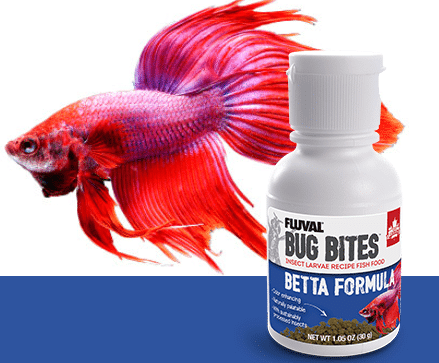
    • Bettas are insect eaters and need insect matter and high protein diets. Food like Fluval Bug bites are excellent for them
    • When choosing tank mates be sure to pick nonaggressive fish. Proper care and monitoring is essential for the health of your veiltail betta.

    ASD Difficulty Rating: Tier 1 – Beginner

    Veiltail bettas are the most common and widely available betta variant, with long flowing tails. Same care requirements as all bettas: single male, heated filtered tank, 5-gallon minimum. More fin rot risk in poor water.

    Species Overview

    Scientific Name Betta splendens
    Common Names Veiltail Betta Fish, Siamese Fighting Fish
    Family Osphronemidae
    Origin Thailand (Southeast Asia)
    Diet Omnivore
    Care Level Intermediate 
    Activity Slow to Moderate
    Lifespan 2. 5 years
    Temperament Peaceful (Aggressive to own kind)
    Tank Level Middle to top
    Minimum Tank Size 5 gallon
    Water Temperature Range 76°-81°F
    Water Hardness 5 to 20 DH
    pH Range 6.5. 8.0 (for most varieties)
    Filtration/Water Flow Low
    Water Type Freshwater
    Breeding Egg-layer
    Difficulty to Breed Easy to breed
    Compatibility Community fish (when with other species)
    OK, for Planted Tanks? Yes

    Classification

    Taxonomic Rank Classification
    Common Name Veiltail Betta
    Scientific Name Betta splendens
    Order Anabantiformes
    Family Osphronemidae
    Genus Betta
    Species B. Splendens

    Understanding Them

    Betta splendens, otherwise known as Veiltail bettas or Fancy Bettas, are a popular variety of Siamese Fighting Fish widely recognized for their captivating coloring and long flowing fins. When these beautiful creatures are easy to care for in an aquarium, they must be given proper care to ensure their long term health. It is the most common type of betta you will come across in stores and is very affordable.

    A deeper understanding about where this type of fighting fish originated from can also aid us in caring for them better. Let’s dive into their background further to learn where they came from.

    Origins And Habitant

    Veiltail bettas are a Southeast Asian species found in countries like Thailand, Cambodia, Indonesia and Vietnam. They populate rice paddies in the wild and were originally kept by locals to breed to fight in betting competitions.

    These Siamese Fighting Fish require calm waters with hardly any current for optimal growth, exactly as it is in their natural habitat. To replicate this environment at home when setting up the tank, avoiding too much flow and maintaining an appropriate temperature range should be given top priority. This will ensure the healthy development of veiltail bettas over time.

    The Fighting Formula

    Thailand’s secret, when it came to fighting betta fish, was in the use of almond leaves. The introduction of almond leaves to a betta tank is incredibly beneficial for veiltail bettas. You can help maintain strong and healthy fish by treating water quality through the release of tannins that lower pH levels, thereby creating an ideal environment for these species1.

    The presence of antifungal and antibacterial agents in this natural resource serves as a mild disinfectant within tanks, which toughens the scales & skin of the fish, making them stronger competitors when it comes to fighting diseases or illnesses. Altogether, adding almond leaves to your aquarium will provide significant benefits to keep your finned friends happy & active!

    Appearance

    Veil-Tail-Betta

    The veiltail bettas are admired by many due to their long, flowing tails that dangle from the fins. Their magnificence is especially seen in the variety of colors they possess, such as royal blue, turquoise, emerald green, fire engine red, and orange, along with bright yellow and near purple for those looking for something different. The male fish boast spectacular colorings and elongated tails versus female fish that are more plain and have shorter fins.

    🐠 Mark’s Take: Those gorgeous fins are also more delicate than most people realize. Veiltails aren’t as hardy as plakat bettas. Those short-finned varieties can handle a lot more. With veiltails, water flow is a bigger deal than it might seem. Even a moderately strong filter output can stress them or cause fin damage over time. I keep a close eye on fin length and watch for any fraying, since that’s the first sign that something is off, whether it’s flow, water quality, or early fin rot.

    It’s very important when taking care of your precious veiltail betta to watch out for any signs or changes in coloration which might hint at stress levels being too high, or there is underlying health issues requiring medical attention quickly if you hope to provide a healthy life environment.

    Size

    Veiltail bettas range from 3.8 – 7.6 cm (1.5 – 3 inches) in length, with the males being larger than females of this type of fish species. They are the usual size compared to other betta fish species. You may be able to find a giant subtype breed, but most giant types are created from other variants, not the Veiltail. Giants can grow up to 5 inches in length.

    Lifespan

    Caring for veiltail bettas correctly can extend their lives to a span of anywhere from two up to five years or even longer. Establishing and maintaining the ideal environment, providing them with balanced meals, and routinely performing tank maintenance are all key elements in ensuring they remain healthy, which is essential for prolonging the friendship you’ll have with your beautiful fish.

    Behavior And Temperament

    Want a centerpiece fish for a nano tank? Get a betta. Want a peaceful community schooler? Get ember tetras instead. Want low maintenance? Get neither. Both need real care.

    Veiltail bettas are a popular choice for aquarium pets due to their peaceful and calm personalities. They can become aggressive when around other male veiltails in particular. To ensure your tank environment is stress-free, it’s important to select suitable non-aggressive species as companions (more on this later in the post). This helps reduce any potential aggression between fish and encourages harmony among the inhabitants of your aquarium so that everyone remains healthy and happy.

    Veiltail Betta Care

    To ensure a healthy and comfortable living space for your veiltail betta, proper care requires creating an appropriate tank setup with suitable decorations as well as controlling the vital water parameters. These details will play a major role in keeping them healthy and contented.

    The following sections explain how to construct their home properly, pick out adequate furnishings, and regulate essential environmental conditions. All of which are necessary elements for providing the best environment possible for your beloved veiltail betta fish!

    Some advice on how to accommodate them with other fish includes providing plenty of cover such as plants which will create distinct territories lessening any aggression. Keeping male bettas separate from each other so fights don’t occur and selecting tankmates that have similar water temperature requirements along with pH levels. Finally, monitoring all activity carefully around the tank, especially if signs suggesting belligerent behavior start arising between two species living alongside one another.

    Tank Setup And Size

    Having its own tank is essential in providing a comfortable and stress-free environment for your veiltail bettas. This allows them to show off their beautiful colors and fascinating behavior, as well as preserve good health. When setting up the aquarium, it must have at least 4-5 gallons of capacity. Adding a heater will allow you to maintain an ideal temperature between 75°F. 81°F since these species are tropical fish by nature. Also include gentle filtration with slow flow rates that simulate natural conditions being experienced by the veiltail betta wild counterparts.

    Editor’s Choice!


    Fluval Spec V

    The Best Betta Fish Tank

    Best filtration, best light, perfect size and with everything you need to get started. It was made for Bettas!


    Buy On Petco


    Buy on Amazon

    Important Tank Conditions (Parameters)

    Note while Betta fish do have a labyrinth organ to survive in low oxygen environments, it will still be stressed in poor water. Keep track of these parameters below and consider making a water change if they exceed any of these recommended levels:

    Decorations

    For your veiltail betta’s tank, make sure to pick out gentle decorations that don’t harm its vulnerable fins. Providing suitable objects can encourage natural behavior and improve the health of your fish by offering stimulating activities – think logs, living or silk fake plants, as well as almond leaves. Creating a pleasant atmosphere for them is key!

    Important Water Parameters

    In order to keep your veiltail betta healthy, it is critical that the water parameters remain within certain ranges. The ideal temperature should be between 75-81°F, with a pH level of 6.8-7.5 and general hardness at 5-20 GH. Regular testing can ensure any potential issues are identified promptly so they is resolved quickly for a safe habitat environment for your fish friend! Monitoring these settings will help you make sure everything stays perfect in this corner of their universe!

    Feeding

    A varied diet is essential for veiltail bettas to get the right amount of nutrients. Feed them twice a day with betta pellets, live food like blood worms and brine shrimp or frozen versions of these foods, as well as insect larvae such as daphnia. Keep in mind not to overfeed since this can lead to several health concerns later on down the line. A carefully balanced meal will help keep your fish happy and healthy overall.

    Choosing Tank Mates for Your Veiltail Betta

    Pygmy Cory

    When selecting tank mates for your veiltail betta, it is important to consider the fish’s temperament and choose suitable companions. The following are all great non aggressive options, as they will help create a peaceful atmosphere in the aquarium:

    These are just several possibilities for a tank mate. I have a better list in our best betta tank mates post.

    Male bettas often regard these types of fish with hostility. Picking compatible tank mates such as those mentioned before can provide an overall stress free habitat ideal for all your aquatic friends, including your beloved veiltail betta!

    Bad Tank Mates

    Tiger Barb Fish

    To ensure peace within the tank environment, steer away from brightly colored or long finned species. After that, avoid these other species as your betta will be bullied or eaten by them:

    Is the Veiltail Betta Fish Right for You?

    Before you add a Veiltail Betta Fish to your tank, here is an honest assessment of what you’re signing up for. I’d rather you know exactly what to expect now than find out the hard way after you’ve already bought one.

    • Experience level: Veiltail Betta Fishs are best suited for intermediate to advanced keepers. They have specific requirements that can overwhelm beginners.
    • Tank size commitment: You’ll need at least 5 gallons, though bigger is always better. Make sure you have room for the tank before buying.
    • Tank mate planning: Veiltail Betta Fishs is territorial, so plan your community carefully. Not every fish will work as a tank mate.
    • Maintenance demands: Expect regular water testing and consistent water changes. Veiltail Betta Fishs are sensitive to parameter fluctuations.
    • Cost to keep: Veiltail Betta Fishs are reasonably affordable. Standard equipment and quality food cover most needs.
    • Time investment: Beyond daily feeding and weekly maintenance, regular observation is the best way to catch health issues early.
    • Long-term commitment: With proper care, Veiltail Betta Fishs can live up to 4 years. Make sure you’re ready for years of consistent care.

    Breeding

    If you’re keen on breeding veiltail bettas, a separate tank should be installed in order to guarantee the safety and comfort of the mating pair. Bubble nests are a key component needed for breeding to occur. The male needs to first build its bubble nest then will attract a female. When she lays her eggs, it is up to the male veiltail betta to guard them and put them into his built bubble nest. To save those little ones from being eaten remove the male once the eggs hatch. The female should be removed once mating occurs, as the male will chase away the female from the nest.

    For the successful raising of fry after they hatch out, we must provide an appropriate food supply and consider foods such as infusoria and baby brine shrimp until the fish are big enough to move onto regular foods.

    Common Health Issues

    Veiltail bettas are known to be hardy. Certain ailments can arise if proper care is not observed. Fin and tail rot, columnaris (mouth fungus), as well as fin rot are the main culprits. Other major diseases like vertical death hang also occur. Cleanliness in their tank environment with correct water parameters and an appropriate diet should work wonders when it comes to avoiding these possible health issues.

    Monitoring for any suspicious changes in behavior or physical appearance of your veiltail betta is essential. A healthy fish that looks cheerful will brighten up any aquarium! I have a full post on common betta fish diseases that you can read up on.

    Purchasing

    Find these betta fish is easy as they are very common in virtually any pet store you visit. However, because they are so common, they can also be sold in poor conditions. If you want a rarer variety, visit a specialized local pet store or consider visiting an online merchant.

    WYSIWYG Available!


    Betta Fish

    Use Coupon Code ASDFISH at Checkout

    Betta Fish are one of the most beautiful varieties of freshwater fish available in the hobby. Easy to care for with plenty of varieties!


    Buy Premium Varieties


    Buy On Petco Online

    When looking at your potential betta pet, look out for the following:

    • White spots
    • Torn up fins
    • Heavy breathing
    • Obvious loss of colors

    Also, note that specialized fish stores will not put bettas in tiny containers but will have them in separated out tanks. These are better conditions for them to sell as the water is filtered, and the fish is monitored better at the store. My recommendation would be to purchase bettas from a store that sells these fish in separate tanks versus tiny containers, as there is a better chance for you to find a healthy specimen.

    ⚠️ Mark’s Tip on Buying: Because veiltails are so common, you’ll often find them sold in individual cups at big box stores. I personally prefer not to buy bettas kept in cups. A betta that’s been housed in a proper tank before purchase is going to be in significantly better condition. When you visit a specialized fish store and see bettas in separated tanks, those are almost always better buys. Look for active fish with intact, fully spread fins and no signs of lethargy or clamping.

    Frequently Asked Questions

    Are veiltail bettas aggressive?

    Veiltail bettas have a relatively low level of aggressiveness, making them favored among those who like to own betta fish. Although they are territorial and is hostile to other creatures in the tank, they are less aggressive than other types of betta fish.

    What is the lifespan of a female veiltail betta fish?

    A female veiltail betta fish can live for a maximum of five to seven years if it is provided with adequate care, which includes feeding them properly and keeping the tank clean. The typical lifespan be 2-4 years. By making sure that your veiltail betta gets everything they need, you are increasing their chances of living longer and healthier lives.

    How big do veiltail fish get?

    Veiltail fancy goldfish can measure between 2-3 inches in length. There are sometimes giant varieties available that could grow as large as 5 inches in length.

    Which betta is more aggressive?

    Plakat bettas, bred for combat and known to be notably hostile due to their temperamental traits, are the most aggressive variety of Bettas. They exhibit more aggress tendencies compared with other breeds.

    How can I tell if my veiltail betta is stressed or sick?

    Monitoring the color and swimming behavior of your veiltail betta is important, as any changes in either is signs that they are stressed or unwell. Heavily breathing and unhealthy looking fins are other signs to watch out for.

    How the Veiltail Betta Fish Compares to Similar Species

    If you’re considering a Veiltail Betta Fish, you’ve probably also looked at the Crowntail Betta. Both fill similar roles, but the differences matter when planning your tank. The Veiltail Betta Fish has its own distinct personality and care needs. In my experience, the choice often comes down to the specific community you’re building and whether your water parameters favor one over the other.

    The Halfmoon Betta is worth considering as well. While the Veiltail Betta Fish and the Halfmoon Betta share some overlap in care, they bring different energy to a tank. If you have the space, keeping both in separate setups gives you a great chance to compare their behavior firsthand.

    Closing Thoughts

    Want a centerpiece fish for a nano tank? Get a betta. Want a peaceful community schooler? Get ember tetras instead. Want low maintenance? Get neither. Both need real care.

    The veiltail is the betta most people start with. That doesn’t make it simple. Those flowing fins are the most maintenance-intensive part of the fish – they need still water, no sharp edges, and a keeper who actually watches them. Get the setup right and you have a fish that builds nests, flares at its reflection, and greets you at feeding time every day. Skip the setup and the fins rot, the fish fades, and you assume bettas are disposable. They’re not.


  • Albino Bristlenose Pleco Care Guide: What You Need to Know Before You Buy

    Albino Bristlenose Pleco Care Guide: What You Need to Know Before You Buy

    The Albino Bristlenose Pleco is the same fish as a regular bristlenose with a color mutation. Same care, same size, same temperament.

    Do not pay a premium for the albino variant expecting different behavior. It is the same fish in a different color.

    Table of Contents

    The Albino Bristlenose Pleco is one of the most commonly misunderstood fish in the aquarium trade. Most people buy one thinking it will clean their tank. It will not. After 25 years of keeping plecos, I know exactly what this fish actually needs and what surprises first-time owners.

    Plecos do not survive on algae alone. Period.

    This is the same fish as a standard bristlenose with a color mutation. Same care, same diet, same temperament. If you already know bristlenose care, you know albino care.

    Depending on the species, this pleco lives 10 to 20 years and may reach sizes that demand a tank upgrade. Think long-term before bringing one home.

    The pleco you see hiding behind the filter during the day is a completely different fish at midnight.

    What Most Care Guides Get Wrong About Albino Bristlenose Pleco

    The most common misconception about Albino Bristlenose Plecos is that they survive on algae alone. They need sinking wafers, blanched vegetables, and driftwood for fiber. The other myth is that albino variants are more delicate than regular bristlenose. In my experience, they’re equally hardy once acclimated.

    The Reality of Keeping Albino Bristlenose Pleco

    Algae is not a diet. Most plecos are omnivores or wood-eaters, not algae eaters. Relying on tank algae to feed your pleco is a recipe for a starving fish. You need to provide sinking wafers, blanched vegetables, and in many cases driftwood for proper nutrition.

    Size varies dramatically by species. A bristlenose stays around 5 inches. A common pleco hits 18 to 24 inches. A royal pleco reaches 17 inches. Knowing the adult size of your specific species before buying is essential.

    They are nocturnal and territorial. Most plecos hide all day and come out at night. If you have multiple plecos, they need separate hiding spots or they will fight. Territorial disputes between plecos cause real injuries.

    Biggest Mistake New Owners Make

    Buying a “pleco” without knowing the species. Common plecos sold at chain stores as 2-inch juveniles grow to nearly 2 feet. Most people do not have a tank large enough for the fish they just bought.

    Expert Take

    Driftwood is not optional for most pleco species. It aids digestion and provides essential fiber. If your pleco does not have wood to rasp on, its long-term health will suffer.

    Key Takeaways

    • Albino Bristlenose Plecos are peaceful, algae eaters that need moderate water flow and a balanced diet for optimal health.
    • They can grow to around 3-5 inches in length with the right care and have a lifespan of up to 7 years.
    • Suitable tank mates include guppies, platys, endlers & corydoras catfish – but avoid African cichlids & large aggressive fish!
    • They originate from South America and prefer a pH range of 6.5 – 7.5

    Species Overview

    Scientific Name Ancistrus sp.
    Common Names Albino Bristlenose Pleco, Albino Bushynose Pleco, Bushy Nose Pleco
    Family Loricariidae
    Origin South America (Amazon River)
    Diet Omnivore
    Care Level Easy
    Activity Slow to Moderate
    Lifespan 5 to 10 years
    Temperament Peaceful (males are territorial against other males)
    Tank Level Bottom Dwellers
    Minimum Tank Size 20 gallons (76 liters)
    Water Temperature Range 72°F to 86°F (22°C to 30°C)
    Water Hardness 6 -10 dKH
    pH Range 6.5 – 7.5
    Filtration/Water Flow Moderate
    Water Type Freshwater
    Breeding Egg layers
    Difficulty to Breed Moderate
    Compatibility Community fish
    OK, for Planted Tanks? Yes

    Classification

    Order Siluriformes
    Family Loricariidae
    Genus Ancistrus
    Species A. Cf. Cirrhosus (albino variant)

    Understanding Them

    Albino Bristlenose Plecos, also known as bristlenose pleco ancistrus, are a peaceful species of freshwater fish native to South America. With their rare albino coloration and low maintenance requirements making them desirable additions to tanks around the world, these aquatic creatures make up for their sparse wild population by helping clean algae from aquariums with ease. Despite being uncommon in nature due to its restricted geographic range and susceptibility to predators, this does not take away from the appeal of having Albino Bristlenose Plecos living among one’s tank occupants.

    🐠 Mark’s Take: What I appreciate about albino bristlenose plecos is how versatile they are. And one thing that surprises a lot of keepers is that they actually do well in African cichlid tanks. The higher pH those setups run doesn’t faze them, and their armored bodies help them hold their own. One thing they genuinely need that often gets skipped: driftwood. Bristlenose plecos rasp on wood as part of their digestion, so a piece of driftwood in the tank isn’t just décor. It’s important for their gut health. Their coloring is also a real standout; that white and yellow is eye-catching in any tank.

    Origin And Habitat

    These adaptable tropical freshwater fish, which originate from the streams and rivers of South America, are easily acclimatized to different kinds of tank water conditions. They make great inhabitants for aquariums in homes around the globe. It’s important that their natural habitat is taken into consideration when setting up a tank. Moderate levels of flow should be maintained as these aquatic creatures prefer this kind of environment over anything else.

    To replicate optimal living standards, it’s best to stick with parameters like pH 6.5 – 7.5.

    Fun Fact: "Some Ancistrus can ingest atmospheric air and utilise it through their highly vascularised stomachs. In extreme cases, they can supplement their oxygen intake by swallowing air1." 

    Appearance

    Bristle Nose Pleco

    Albino bristlenose plecos, also known as albino bristlenose catfish, possess a marbled body. To distinct reddish eyes and tentacle-like appendages named “bristles” that offer protection. Males have longer, more visible bristle tentacles than females. These intriguing creatures are different from other pleco fish species due to their unique looks. The common bristlenose is brown with lighter spots for added interest. These fish will get brighter the healthier they are.

    The fish has a pair of long abdominal fins that are used to land on surfaces and rest. The pectoral fins can also stretch to the surface, make it appear that these fish have legs that can stand them up on surfaces.

    Average Size

    These entrancing fish reach and an adult size of 3-5 inches in length, making them an ideal choice for personal aquariums because they can thrive in tanks of various sizes without taking up too much space.

    Lifespan

    For albino bristlenose plecos, a balanced diet and the right environment will lead to them having an extended life span of up to seven years in your aquarium. On average, these fish live for around five years with proper care.

    Caring for Your Albino Bristlenose Pleco

    To ensure your albino bristlenose plecos live healthy, a balanced diet and a proper environment are paramount components of caring for them. Creating an appropriate habitat with optimal water quality is essential to provide adequate care. Let’s go into tank size, parameters, and the setup itself to learn more about what they need.

    Tank Size Requirements

    For a single Albino Bristlenose Pleco, it is suggested that you use at least 20 gallons for its tank. However, for a community tank setup, my recommendation would be to provide them a 30 gallon tank at a minimum so they have plenty of space. A long tank shape works best in order to maximize the surface space. Picking an appropriate substrate ensures their tentacles remain unharmed as they feed on food found inside the space. Substrates like sand, aquasoil, and gravel work well.

    ⚠️ Size Is the Most Common Mistake: Albino bristlenose plecos are regularly sold when they’re small, but they grow to 4. 5 inches. And that adds up fast in a smaller tank. I’ve seen too many people put these in 10-gallon setups thinking they’d stay small. Stick to 20 gallons as a minimum for one fish, and plan for 30+ if you want to breed them. Getting this right from the start saves a lot of rehoming headaches later.

    Water Quality And Tank Parameters

    When it comes to parameters, it is not only important to have the correct parameters, but it is also important to keep them stable. Aim for a pH level between 6.5 and 7.5, a temperature range of 72 – 78°F, with hardness between 6-10 dKH would be optimal for your fishy friend!

    Also, maintain the following nutrient parameters to keep stress low:

    Remember, with these fish, it’s all about stability. Maintain your tank conditions and parameters. Fluctuations will have a negative effect on your fish’s health.

    Creating A Suitable Environment

    Creating a comfy habitat for the Albino Bristlenose Pleco is possible with driftwood, hideaways and objects that have a smooth surface. To make sure they’re contented and without stress, provide hiding spots such as caves, PVC pipes or other decor items.

    These fish take pleasure in basking around on tank bottoms, which means surface space is highly valued. This is why longer tanks are best suited for them.

    Feeding

    It is essential to feed your Albino Bristlenose Pleco a balanced diet in order for them to remain healthy and content. This aquarium species has an omnivorous appetite, largely consisting of algae and plants. There are a few things I want to address here:

    • Bristlenose plecos will eat surface algae and will eat food that falls to the bottom
    • They will not eat poop – no fish eats poop
    • Algae and leftover food is not enough for them. Cleaner fish need other foods to survive
    • Too much protein in their diets will lead to bloat and other health complications for your Pleco

    Plant Based Diet

    Albino bristlenose plecos naturally consume algae and vegetation in their habitat. In an aquarium, driftwood is used as a source of sustenance for them. Blanched vegetable matter like carrots, cucumbers, zucchini, peas, cabbage leaves, or even parboiled lettuce are great alternatives to provide essential nutrients.

    Of all the vegetables listed, I’m the biggest fan of Zucchini. Albino bristlenose plecos go nuts for them and will happily chew them until there is nothing left. It’s the best set it and forget it food you can use for them aside from wafters.

    Spealing of, adding special types of wafers made from algae is also beneficial for the albino bristlenose plecos’ diet overall.

    Great For Bottom Feeders!


    Hikari Algae Wafers

    Algae wafers are a great way to directly feed your bottom feeding fish. They are especially effective for larger fish like plecos


    Buy On Amazon


    Buy On Petco

    Protein Sources

    Albino Bristlenose Plecos require a mostly plant based diet, with occasional bits of protein to maintain their health. Examples are live bloodworms, black worms, and brine shrimp. It is important to monitor these fish in order for them to be fed adequately without overfeeding, which can lead to digestive issues due to gastrointestinal blockages.

    Behavior And Compatibility

    Albino bristlenose plecos are peaceful fish that is easily kept in a community tank alongside other non-aggressive species. It is important to keep an eye on aggressive or similarly shaped types of fish as they may pose some stress and rivalry for resources among the inhabitants.

    Bristle plecos are noctural fish. They will come out more at night to feed and will take their time during the day to rest in caves or under shelter provided for them. You can use this to your advantage to feed them wafers when your other fish are asleep in the tank.

    Suitable Tank Mates

    Fortunately, there are many great fish compatible with albino bristlenoses like:

    As long as the tankmates aren’t nippy or territorial to the same bottom space of the tank you have a good chance for them to be compatible tank mates

    Bad Tank Mates

    It’s best to avoid certain species such as African cichlids, angelfish or goldfish due to potential competition around food and territorial disputes. Large aggressive fish should also be avoided as they may attack or attempt to eat the smaller Albino Bristlenose Pleco. Stick to large pleco species for these types of fish instead.

    Also, avoid any fish that are bottom dwellers. Creatures like crustaceans and shrimp will create territorial disputes. Some cichlid species also prefer to be at the bottom, like shell dwelling dwarf cichlids which will become aggressive towards your pleco fish. However, snails are perfectly safe with these plecos. They will not brother or attempt to eat them.

    Is the Albino Bristlenose Pleco Right for You?

    Before you add a Albino Bristlenose Pleco to your tank, here is an honest assessment of what you’re signing up for. I’d rather you know exactly what to expect now than find out the hard way after you’ve already bought one.

    • Experience level: Albino Bristlenose Plecos are best suited for intermediate to advanced keepers. They have specific requirements that can overwhelm beginners.
    • Tank size commitment: You’ll need at least 20 gallons, though bigger is always better. Make sure you have room for the tank before buying.
    • Tank mate planning: Albino Bristlenose Plecos is territorial, so plan your community carefully. Not every fish will work as a tank mate.
    • Maintenance demands: Expect regular water testing and consistent water changes. Albino Bristlenose Plecos are sensitive to parameter fluctuations.
    • Budget reality: Keeping Albino Bristlenose Plecos costs more than typical setups. Budget for ongoing costs, not just the initial purchase.
    • Time investment: Beyond daily feeding and weekly maintenance, regular observation is the best way to catch health issues early.
    • Long-term commitment: With proper care, Albino Bristlenose Plecos can live up to 10 years. Make sure you’re ready for years of consistent care.

    Breeding

    Breeding albino bristlenose plecos is a rewarding experience, especially during the winter months when they spawn. Knowing how to identify their genders and provide them with ideal spawning conditions are important aspects of successfully breeding these fish.

    Here are a few points about the process when it comes to breeding these fish:

    • Fish need to be at least 1 year old in order to breed
    • You will need some form of cave for breeding to take place as the male will need to claim territory
    • Once the male claims a cave, he will attempt to attract the female to it
    • During this time, the female will eat more to gain weight and produce eggs
    • The male will then attract the female and trap her inside the cave
    • The female will then lay the eggs in the cave where the male will guard them until they hatch

    Once the fry venture out of the cave, they is fed the same foods as their parents. The best food to provide would be Zucchini, as the fry will happily eat it.

    A breeding tank should be around 30 gallons in size to give space needed to raise fry. Note that plecos will only guard the eggs until they hatch. After the fry hatch, they are on their own. It is ideal to remove the adults once the fry hatch so that they is raised without the parents. To roughly takes 10 days for the eggs to hatch once they are laid in the cave.

    Note that young fish are more prone to nutrient and pH swings. Extra care should be taken to ensure tank parameters stay ideal.

    Identifying Gender

    It is possible to tell the gender of a fish based on bristle length, with males displaying longer and more obvious bristles than females. Males also have a lot more bristles. The differences between the two will become more obvious as they get older.

    To ensure successful breeding, it’s suggested that one male be matched up with one or two females: this ratio increases chances for healthy offspring from the spawning process. Knowing how to identify your fish by gender can help you achieve these results.

    Common Health Problems

    Albino Bristlenose Plecos is resilient creatures, yet they may still contract diseases if their habitat is not adequately maintained. Keeping a watchful eye on the fish and controlling water quality is key to protecting them from bacterial, fungal, or parasitic infections caused by high ammonia or nitrate concentrations. Thus, it’s essential that regular cleanings of tanks with appropriate levels of these elements in order to support health in Albino bristlenose species (and other types of fish).

    Some common diseases include:

    Also, look for warning signs from your pleco, such as them going to the surface to gulping air. This is them using their breathing ability for survival, which was mentioned earlier. Plecos should not be venturing to the surface unless they are trying to eat something. If you see this behavior, this is a warning sign that parameters are off or there is a lack of oxygen in the tank.

    Frequently Asked Questions

    How big do albino Bristlenose plecos get?

    The Albino Bristlenose Pleco, not growing larger than four inches in a home aquarium, is capable of reaching up to six inches max size in some cases.

    What size tank for albino Bristlenose catfish?

    For optimal breeding, keep your albino bristlenose catfish in a 30-gallon tank with water temperature between 73 and 85 degrees Fahrenheit and pH level of 7.

    How long do Bristlenose plecos live for?

    Your bristlenose pleco is expected to live up to 10 years if it is cared for properly. Taking the appropriate measures with regard to your fish’s care will ensure that you get rewarded with its long lifespan.

    What color are albino Bristlenose plecos?

    The Albino Bristlenose Plecostomus is a freshwater fish species native to South America that has whisker like appendages around its mouth and nose, which help it search for food. It is purely white or with a yellowish hue with red eyes.

    What do Albino Bristlenose Plecos eat?

    Albino Bristlenose Plecos mainly consume algae and plant matter, sometimes supplemented by a bit of protein like bloodworms or brine shrimp. They primarily are plant based and enjoy bleached vegetables like Zucchini.

    Are Albino Plecos Rare?

    Yes, they are pretty rare in the wild. Their genetic mutation makes them easy to spot for predators so they are not as numerous as in the the aquarium hobby.

    How the Albino Bristlenose Pleco Compares to Similar Species

    If you’re considering a Albino Bristlenose Pleco, you’ve probably also looked at the Bristlenose Pleco. Both fill similar roles, but the differences matter when planning your tank. The Albino Bristlenose Pleco has its own distinct personality and care needs. In my experience, the choice often comes down to the specific community you’re building and whether your water parameters favor one over the other.

    The Clown Pleco is worth considering as well. While the Albino Bristlenose Pleco and the Clown Pleco share some overlap in care, they bring different energy to a tank. If you have the space, keeping both in separate setups gives you a great chance to compare their behavior firsthand.

    Closing Thoughts

    Want a small pleco that stays small? Get a bristlenose or clown pleco. Want a show pleco? Get a gold nugget or zebra pleco. Want an algae eater? Get otocinclus. Plecos are not algae cleaners.

    The albino bristlenose is the most practical pleco for most setups. It stays under 5 inches, breeds readily, tolerates a wide pH range including African cichlid tanks, and earns its keep without demanding a 100-gallon tank. Feed it properly – wafers, zucchini, driftwood – and it will outlast most of the fish in your tank by years.

  • Iridescent Shark: An Honest Care Guide (And Why Most Aquarists Shouldn’t Buy One)

    Iridescent Shark: An Honest Care Guide (And Why Most Aquarists Shouldn’t Buy One)

    The Iridescent Shark is the kind of fish that makes experienced keepers stop and stare. This is not a beginner species. It requires specific conditions, a specific tank, and a keeper who understands what they are signing up for. After 25 years in the hobby, I still consider this one of the most fascinating fish you can own.

    This fish will outgrow your plans. Accept that before you buy it.

    ASD Difficulty Rating: Expert — Requires 300+ gallon (1,136+ liter) tank for adult colony; schooling fish needs group of 3+; extremely skittish (panic can injure or kill tank mates); 15–20 year commitment; fast growth catches new owners off guard.

    This fish lives a long time, grows large, and demands a dedicated setup. The commitment is real and the costs add up over years, not months.

    Oddball fish are not conversation starters. They are conversation dominators. Guests will stare at this tank for twenty minutes.

    What It Is Actually Like Living With Iridescent Shark

    Oddball fish are the fish that visitors notice first. Nobody glances at this tank and keeps walking. They stop, stare, and ask questions. Be prepared to explain what you are keeping multiple times a week.

    Feeding is an event. Many oddballs are predators that hunt live or frozen food with visible intensity. Watching this fish track and strike at prey is one of the most dramatic moments in fishkeeping.

    These fish grow fast and steadily. One month it fits comfortably. Three months later, you are researching larger tanks. The growth rate catches new owners off guard every single time.

    Oddball fish often recognize their owners. They approach the glass when you enter the room, accept food from your hand, and display behaviors that feel remarkably personal. That connection is why oddball keepers rarely go back to community tanks.

    What Most Care Guides Get Wrong About Iridescent Shark

    The biggest misconception about Iridescent Sharks is that the 3-inch juvenile in the store is what you are buying. It isn’t. These fish reach 3 to 4 feet in the wild and 18 to 24 inches regularly in captivity, in groups of three or more. In my 25 plus years in the hobby, I’ve watched more iridescent sharks get donated to public aquariums – or worse, released – than almost any other large fish in the hobby. The minimum tank for a group of adults is 300 gallons. A 75-gallon is not a long-term home. It’s a holding tank.

    Hard Rule: Do not buy iridescent sharks unless you have a 300-gallon (1,136-liter) tank available now or within 12–18 months. The 3-inch (7.6 cm) fish at the store becomes an 18–24 inch (45–61 cm) fish that needs to school with others. There is no middle ground on tank size.

    The Reality of Keeping Iridescent Shark

    Tank size requirements are extreme. Most oddball fish grow large, fast, and need significantly more space than beginners expect. A 2-inch juvenile will eventually need hundreds of gallons. Research adult size before purchasing, not juvenile size.

    Diet is specialized. Many oddball fish are predators that need live or frozen foods. Some refuse pellets entirely. Feeding costs for large predatory fish add up quickly over the life of the fish.

    Tankmate compatibility is extremely limited. Most oddball fish are either predators that eat smaller fish or territorial species that attack anything in their space. Community setups require careful size matching.

    Biggest Mistake New Owners Make

    Buying a juvenile oddball fish without understanding its adult size. That cute 3-inch fish at the store will be 18 inches long within two years and need a tank most people cannot afford or fit in their home.

    Expert Take

    Before you buy any oddball fish, look up its adult size and multiply your expected tank cost by three. That is the realistic budget for keeping this fish properly.

    Key Takeaways

    Species Overview

    Scientific Name Pangasius hypophthalmus
    Common Names Iridescent Shark, Sutchi Catfish, ID Shark, Sutchi Catfish
    Family Pangasiidae
    Origin Mekong River Basin in Southeast Asia
    Diet Omnivore
    Care Level Advanced
    Activity Active
    Life span 15 – 20 years
    Temperament Peaceful (Will eat smaller fish)
    Tank Level All
    Minimum Tank Size 300 gallons
    Water Temperature Range 72°F to 79°F (22°C to 26°C)
    Water Hardness 2-20 dKH
    pH Range 6.5 – 7.5
    Filtration/Water Flow High
    Water Type Freshwater
    Breeding Mostly commerciality
    Difficulty to Breed Difficult
    Compatibility Similar sized fish only
    OK, for Planted Tanks? No

    Introduction

    Want a conversation piece? Get this fish. Want easy maintenance? Get community fish instead. There is no middle ground with oddball species.

    The iridescent shark, otherwise known as the sutchi catfish or siamese shark (pangasianodon hypophthalmus) is a species of scaleless freshwater fish native to Southeast Asia’s Mekong and Chao Phraya river basins. It can grow up to an impressive 52 inches in length with weights over 40 kg, being one of the largest fish available in the aquarium trade.

    Despite its alluring appearance that attracts aquarists from around the world, most home tanks are simply too small for this animal, making it difficult for them to live their full lifespan in captivity due to inadequate space and care needed. Only experienced owners with large tanks should consider adding one of these sharks into their aquariums

    Natural Habitat And Distribution

    Iridescent sharks (also known as iridescent catfish) are found in the depths of Southeast Asia – specifically, Mekong and Chao Phraya rivers. Due to loss of habitat, contamination, as well as overfishing, these creatures now find themselves classified on the IUCN Red List’s endangered species list. Despite this tough situation they encounter out in nature, iridescent sharks remain popular in aquariums across the world today.

    Researchers and officials from the Wonders of the Mekong said that the Cambodia’s Upper Mekong River system is likely the last surviving natural habitat for the endangered Pangasianodon hypophthalmus or iridescent shark.

    Fishbio Report

    Their skill for getting around their natural environment even when it is difficult to see relies upon long barbels that produce sensory data, which helps them get by successfully during darker periods. The way they reproduce ties into their home surroundings considerably. Something we look into later throughout our guide.

    Appearance

    The iridescent shark is a captivating species, starting off its life with skin shimmering with an entrancing rainbow of colors that darken to solid grey as they age. Its defining features are the sail shaped dorsal fin and other fins, which become darker in shade. Juveniles will have a black stripe along their lateral line and a second stripe below it. It also has two pairs of barbels attached to their face along with large eyes and forked caudal fin.

    Iridescent-Shark

    A rare variant appears among these sharks. The albino iridescent sharks – completely white in coloration except for bright red eyes, making them highly sought out by aquarists wishing for something different from common aquarium dwellers. The albino iridescent shark care requirements remain unchanged when compared to regular non-albino counterparts, so make sure you’re ready before getting one!

    All the same characteristics give this unique creature great visual appeal. Regardless of whether it’s normal or not, certain shades may set apart some members more than others, like those striking albino versions.

    Size And Growth

    Iridescent sharks can reach up to a formidable 52 inches in length and weigh over 40 kg. They grow at an accelerated rate, quickly reaching adult size in just two or three years’ time. Consequently, these large fish need spacious tanks for their optimum welfare and comfort. I have see them outgrow their tanks in less than 4-5 month often times eating smaller fish on the way.

    ⚠️ The “Trap Fish” Warning: Iridescent sharks are sold as cute 2. 3 inch juveniles in pet stores, but they grow to over 52 inches and can weigh more than 40 lbs. I consider them a classic trap fish. They’re impulse buys that people take home without understanding what they’re signing up for. Most outgrow their tank within a year or two, and rehoming a 4-foot catfish is genuinely difficult. Unless you already have a 300+ gallon setup or a large pond, I’d recommend skipping this fish entirely and choosing something more appropriately sized.

    Not many aquarists are able to accommodate such sizable creatures when they become adults! Unfortunately, some people buy juvenile iridescent sharks without realizing the space that they will eventually require as adults. Something which often leads to cramped living conditions filled with stress, which can take its toll on the health of the shark catfish, adversely affecting lifespan expectancy.

    It is critical for prospective owners of this species to plan ahead before bringing one home so that you know what level of care (especially concerning adequate housing space) must be offered throughout their entire lifetime; otherwise, rehoming may prove challenging down the line if circumstances change unexpectedly later on.

    Caring for Your Iridescent Shark

    Caring for iridescent sharks requires a spacious, healthy tank with suitable water parameters and an appropriate environment to ensure their wellbeing. When selecting compatible tank mates it is also important to provide them with a balanced diet. In order to give your shark the best care possible these are some of the specifics you should be aware of:

    • Tank size and setup must meet specific guidelines;
    • Water filtration needs constant monitoring as well as careful management when maintaining certain conditions;
    • Feeding recommendations focus on delivering essential nutrients that improve overall health while avoiding overfeeding or malnutrition dangers;

    We’ll go over each point in the sections below.

    Tank Size And Setup

    When it comes to keeping iridescent sharks, a minimum tank size of 300 gallons is a must. For each additional shark, an extra 150 gallons should be provided for optimum comfort and safety. Undersized tanks can lead to harm or stress for the fish. Often fish in undersized tanks will also exhibit aggression.

    🐟 Mark’s Honest Take: I’ve never kept an iridescent shark. And that’s a deliberate choice. A 300-gallon tank is roughly 8 feet long. That’s not a home aquarium for most people; that’s a commercial-level setup or a serious enthusiast’s pond. I’ve seen stores sell 2-inch juveniles with no context about what they become, and it’s one of the most common mismatches in the hobby. If you’re committed to this fish, make sure your infrastructure is already in place before you buy. Not after.

    To recreate their natural environment inside your tank use soft substrate like sand or consider a bare bottom setup. These fish are too large for any type of planted tank setup, so consider leaving them out.

    Also, avoid decorations that may injure these animals. These fish are scaleless and are prone to injuries from running into large or sharp objects.

    Water Parameters And Filtration

    While these fish are big and hardy, they still need the proper parameters so they can thrive. Temperature should be kept between 72 to 79°F (22 to 26°C), while the ideal pH level is in a range from 6.5 and 7.5 with general hardness ranging 2-20dGH. Unfortunately, since they require at least room temperature water, they do not do well in outdoor ponds as they will get cooler than that.

    Since these species produce hefty amounts of waste, it’s important for efficient filtration processes to occur regularly. 25% per week through a electric pump or vacuuming system works best at maintaining good quality standards in the aquatic environment which they inhabit.

    This becomes especially important because you have no means of natural denitrification processes without plants so water changes are your best bet.

    Feeding

    It is important to maintain a healthy diet for iridescent sharks, as they need variety. This should include their staple food source of high-quality pellets and occasional supplements of live or frozen organisms such as worms, crickets and feeder fish in order to ensure proper nutrition. As the shark grows older, incorporating vegetable matter into its meals will also be beneficial. Thus it’s recommended that you offer them these fresh foods every two or three days on top of their regular pellet intake so they can remain lively and vibrant within your home aquarium environment!

    Behavior And Socialization

    Iridescent sharks are peaceful and social, living in groups. While they aren’t aggressive by nature, their size can make smaller fish feel intimidated. It is important to choose appropriate tank mates for them so that stress levels remain low. As these fish get larger, they will happily eat any fish that can fit in their mouths making it difficult to house many traditional tropical fish with it.

    Tank Mates

    Arowana Fish

    When it comes to choosing suitable Iridescent Shark tank mates for iridescent sharks, active fish such as:

    Aggressive fish like freshwater stingrays or large predatory cichlids like Oscars and peacock bass should also be considered due to their peaceful nature that won’t be easily intimidated by the size of an iridescent shark.

    It is important to monitor interactions between your iridescent shark and any new additions you may want in the aquarium, particularly those that will harm them from being too aggressive or small compared its own size. Remember that every fish is different and the temperament listed on our post is different than the fish you actually own.

    Startle Response And Precautions

    Iridescent sharks, due to their lack of sight and heightened sensitivity to noise and sudden movements, have a tendency towards startle reactions that can result in them inadvertently crashing into tank walls or equipment. To keep your fish calm, it is best to create an environment with little sound by placing the aquarium away from bustling areas of your home and approaching any interaction slowly so they are not disturbed. Below is an example of these fish jumping out of their tanks (video source).

    It is not uncommon for these fish to jump out of their tanks when startled. Given their size, they are hard to handle when they do jump out and will often damage lights and covers when they attempt.

    Health Concerns And Disease Prevention

    Want a conversation piece? Get this fish. Want easy maintenance? Get community fish instead. There is no middle ground with oddball species.

    Keeping water quality up is essential for the well being and long life of iridescent sharks. They are at risk for things like fungal infections on their skin as well as “ich,” a protozoan parasite, which is caused by poor water conditions, leading to stress and weakened immunity in the fish. Another challenge with these fish is that they are scaleless, they are certain medications that cannot be treated much like clown loaches.

    Monitoring your tank’s water parameters closely should help you identify any signs of illness early so that appropriate treatment options is accessed from either your local fish store or veterinarian. These fish are one of the rare fish that are large enough that a vet may be willing to see them.

    Breeding Challenges And Considerations

    It is an ambitious project to try and breed iridescent sharks in captivity as they are migratory fish that need specific environmental requirements, along with a vast amount of space. In their natural habitat these schooling species count on seasonal changes together with movement patterns for breeding purposes, something difficult to reproduce at home.

    Although the chance of successfully breeding this type of shark in your aquarium is slim, it’s still necessary you give them proper care nonetheless. Considering how awe-inspiring they look plus all its distinctive features, having one or more around will make any tank truly special regardless of whether there are plans for reproduction or not.

    Frequently Asked Questions

    How big can iridescent sharks grow?

    Iridescent sharks, which are quite sizable aquatic creatures, can measure up to 52 inches and weigh more than 40 kgs. These large fish make a definite statement in any environment they inhabit. They will eat any fish they can fit in their mouths!

    What is the minimum tank size for iridescent sharks?

    It’s best to have a 300 gallon aquarium for iridescent sharks. For some, an indoor pond is best suited for them.

    What do iridescent sharks eat?

    Iridescent sharks are omnivorous, needing a diet composed of top-notch pellets, both frozen and live foods, along with vegetables to remain in good shape. As they get larger, earthworms, mussels, crayfish, and whole shrimp are some great foods to feed.

    Are iridescent sharks aggressive?

    Iridescent sharks are non-threatening animals, with peaceful and social natures. However, they will eat anything that can fit in their mouths including other fish.

    Why is breeding iridescent sharks in captivity difficult?

    It is tricky to cultivate iridescent sharks in captivity due to their nomadic behavior and need for very precise environmental variables as well as ample living quarters.

    Is the Iridescent Shark Right for You?

    Good Fit If:

    • You already have or are actively building a 300-gallon (1,136-liter) or larger setup
    • You want a visually dramatic schooling species that recognizes you and reacts to your presence
    • You are prepared for a 15–20 year commitment and the feeding and filtration costs of multiple large catfish

    Avoid If:

    • Your tank is under 300 gallons – even 200-gallon buyers end up rehoming these within two years
    • You keep small fish – iridescent sharks eat anything that fits in their mouth
    • You want a peaceful community tank – panic responses from iridescent sharks can injure or kill other fish
    • You cannot commit to the long-term cost and space requirements of growing multiple large predator catfish

    Closing Thoughts

    The iridescent shark is one of the most impulse-bought, undersized-tank fish in the hobby. The 3-inch juvenile becomes an 18-inch schooling fish. Plan for that before you buy. If you have the tank – 300+ gallons, a group of three, heavy filtration, open swimming space – this is a genuinely impressive fish that will define the room it’s in. If you don’t, this is the one to admire at the public aquarium and leave there.


    📘 Want to learn more? This article is part of our complete Freshwater Fish Guide. Your ultimate resource for freshwater species, care tips, tank setup, and more.

  • How Big Do Betta Fish Get? Size, Growth, and What Actually Makes a Difference

    How Big Do Betta Fish Get? Size, Growth, and What Actually Makes a Difference

    I’ve spent over 25 years keeping and working with bettas, and the size question comes up more than almost any other. Most bettas you’ll find at a fish store max out around 2.5 to 3 inches in a home aquarium. but the part that surprises people is the giant betta varieties, which can push close to 5 inches. That’s a completely different fish. Understanding betta size matters because it directly affects what tank you need, what you feed them, and whether your fish ever reaches its full potential. Here’s what I’ve seen actually make a difference.

    Key Takeaways

    • Most Betta fish species grow to around 2.5 to 3 inches in length maximum.
    • The wild bettas may seem smaller in size than the captive counterparts due to their short finnage.
    • The minimum tank size for healthy growth is at least a five-gallon aquarium.
    • Betta fish care with a balanced diet and a well-maintained clean tank is an essential factor in letting your betta grow to its full size.
    • During the first few days, the baby betta fish solely relies on the nutrients absorbed by the yolk sac and doesn’t need any additional food.

    How Big Do Betta Fish Get?

    As mentioned above, the average size of a full-grown betta fish is around 2.5 to 3 inches in length. However, some betta variants, like the giant betta fish tend to grow larger and can reach an average size of 4 inches in length and more. The size of your betta fish largely depends on many factors, such as water quality, food and diet, and a healthy environment.

    How About In The Wild?

    In their natural habitat, wild betta fish are the same size as their captive counterparts. However, due to their different colorful and body appearance (since wild bettas possess smaller fins), they might appear smaller in size.

    Also, betta fish in the wild, are always in the fight or flight response, hence, always in stress. Therefore, their capacity to grow is not enough as compared to the captive, colorful species of home aquariums.

    What Is The Minimum Tank Size For Them?

    Many aquarists believe that betta fish will grow to the size of their tank. However, this is not the case. Betta fish may require free swimming space because an inadequate living environment may lead to a range of other health issues, including stunted growth in the fish species1

    Generally speaking, a small tank size will hinder the betta fish growth, with internal organs growing to their full potential. This results in various health issues and reduced lifespan

    The minimum recommended tank size for a full-grown betta fish is a 5 gallon tank. The bigger, the better! That’s because smaller tanks accumulate waste products quickly, such as Ammonia, nitrites, and nitrates, that suppress the growth of fish and lead to more susceptible diseases.

    Betta fish living and thriving in larger tanks are known to have a healthy life and larger fins, contributing to their overall size. 

    In my experience, while 5 gallons is the workable minimum for a single betta, I always recommend going larger. a 10 or 20-gallon tank is where bettas really shine. A bigger setup gives you room to add compatible tank mates, and you’ll see your fish behave more naturally with more space to explore. I’ve seen bettas in properly sized, well-planted tanks develop fins and coloration you’d never get in a cramped setup.

    How Fast Do They Get To Adult Size? 

    Like other fish, betta fish grow the most during their early life stages and reach their full potential after 6 to 7 months of birth. It doesn’t take very long for baby bettas to get to become fully grown betta fish if kept in the right conditions.

    Betta-in-Planted-Aquarium

    However, there are a variety of factors that play a crucial role in their overall growth. For example, water quality and water parameters. 

    After the first few days of hatching, betta fry absorbs the nutrients from the yolk sac and doesn’t need any additional food. However, after a few weeks, they begin to move and eat microscopic food, such as infusoria. During this time period, the growth is quick with high-quality feedings. Once your fish is 1 to 2 months of age, betta fish eat brine shrimp or blood worms

    However, 2 to 3 months is an important age for growth and development. During this time period, betta fish require a high amount of protein to become big with vibrant colors and healthy long fins. 

    After 6 months, the betta fish is considered an adult, and their growth rate will slow down at this point considerably. 

    How To Make Them Grow Faster

    We all know that betta fish are considerably smaller fish than many fish species. However, with the right and healthy fish environment, they get reach their maximum size; 3 inches in length. 

    Of course, to achieve a bigger and more beautiful betta fish, you need to work hard!

    Tank Size

    First of all, consider the tank size. Many pet stores keep betta fish in small containers, cups, or tiny bowl to save space because you can keep a single betta fish in a small container. This practice is detrimental to the mental and physical well-being of your betta fish and may affect their growth adversely. Therefore, it’s essential to provide at least 5-gallon fish tanks for your betta’s healthy survival. 

    Editor’s Choice!
    Fluval Spec V

    The Best Betta Fish Tank

    Best filtration, best light, perfect size and with everything you need to get started. It was made for Bettas!

    Buy On Petco Buy on Amazon

    Clean tank

    Make sure to do 20% water changes every other way for a healthy and bigger Betta fish. That’s because betta fish excrete a lot of waste and a hormone that inhibits their growth. Therefore, removing at least 20% of water every other day is crucial for their maximum growth. 

    Water temperature

    Maintaining a temperature range of 72 to 83 degrees is crucial to keep the body working properly because temperature changes can be stressful to your fish, inhibiting their growth.

    Balanced diet

    A balanced diet is key to the healthy survival of your betta fish. Make sure the diet of your fish contains lots of fiber and protein. You may feed your fish bloodworms, earthworms, freeze-dried bloodworms, and freeze-dried foods to encourage healthy growth. Only feed twice or thrice a day and remove the leftover food to prevent water contamination.

    Water quality

    Besides being a hardy fish, Betta splendens are still prone to many common aquatic diseases. Therefore, pristine water conditions combined with a balanced diet and well-maintained aquariums with live plants or fake plants can lower the stress.

    Lighting conditions

    The right lighting conditions are essential for the proper growth of your betta fish. Make sure to provide a natural light pattern for your bettas. i.e., natural day and light patterns. This means that only natural lighting is not enough.

    Proper artificial lighting that are dimmable or adjustable are highly recommended. Also, it’s important to place your tank in the right location where it doesn’t allow direct sunlight. For example, away from windows and doors because direct exposure to sunlight cause serious issues in water parameters. Ultimately affecting the health of your bettas. Additionally, natural sunlight may encourage algae infestation in your tank.

    Proper filtration

    Many aquarists believe betta fish grow just fine in an unfiltered tank, but I’ve noticed a significant difference in the health and growth of Bettas that grow in a filtered tank.

    I highly suggest installing a filter if your tank is bigger than 5 gallons to keep water conditions pristine and in optimal ranges for proper maintenance.

    Filters reduce the production of harmful bacteria and parasites in your tank and help with oxidation and nitrification.

    Choosing the best filter for your betta fish depends on various factors such as your tank size, the number of fish in your tank, etc. Just remember that Bettas are not good swimmers, so strong water currents may stress them out. Therefore, an adjustable power filter is highly recommended.

    After 25 years in this hobby, the two mistakes I see most often that hold bettas back are buying too small a tank and feeding a poor diet. A betta in a tiny bowl getting flake food is never going to reach its potential. in size or overall health. Quality pellets supplemented with frozen or live food make a real difference in how a betta develops and how big it ultimately gets.

    FAQS

    Do betta fish grow in bigger tanks?

    Even though the tank size doesn’t influence the growth of betta fish much, bigger tanks are still recommended because lack of free swimming space may cause an inadequate living environment for the fish which may lead to many fish diseases, including stunted growth. 

    Is it better to have 1 or 2 betta fish?

    If you have a small tank. 5 or 10 gallons, then it’s not recommended to keep more than one betta fish. However, if you have bigger tanks over 20 gallons, you can keep two betta fish in the same tank. 

    How big of a tank do I need for a betta fish?

    The minimum tank size for a single betta fish is 5 gallons. However, if you want to keep two or more, you should get a tank bigger than 20 gallons. 

    Can betta fish grow bigger?

    When provided with pristine water conditions and balanced food, betta fish grow to its full potential, 3 inches in length. But anything above 3 inches is nearly impossible. 

    Can a betta have too big of a tank?

    No. There’s nothing as a huge tank for Betta. Betta splendens are highly active fish with filters and heaters installed for their healthy and happy survival. Therefore, if you can accommodate and afford a bigger tank for your fish, happily provide them with all the space they deserve!

    How big should my betta fish grow when they breed?

    The best time for your betta fish to breed is around 6 to 18 months because they are now adults and in their fittest form. 

    Are female betta fish and male betta fish the same size?

    No, upon careful examination, you will notice that male betta fish have thicker bodies and larger fins and bodies than female betta fish. The average size of male bettas is around 2.5 inches to 3 inches. However, female bettas reach a maximum of 2.5 inches in size. 

    Final Thoughts 

    How big do bettas get is not a mystery anymore! The average betta fish grows around 3 inches in length, which is quite small as compared to other freshwater fish. However, make sure to provide them with the best water conditions, water temperature, and diet requirements and you’ll have beautiful happy friends for years to come. 


    📘 Want to learn more? This article is part of our complete Betta Fish Guide. your ultimate resource for betta care, types, tank setup, feeding, tank mates, and more.

    References

  • Betta Fish Water Guide: What I Use After 25 Years and How to Treat It Right

    Betta Fish Water Guide: What I Use After 25 Years and How to Treat It Right

    I’ve kept bettas for over 25 years, and water quality is the single biggest variable that separates healthy bettas from struggling ones. My go-to is RO water with remineralization, or distilled water treated the same way. it gives you full control over what’s in the water rather than relying on whatever comes out of your tap. If you’re looking for the simplest answer, RO water is what I reach for. Here’s a breakdown of every water source option and how to use each one correctly.

    Key Takeaways

    • Not all water is created equal and a good source of water will impact the success of your betta fish tank.
    • Betta fish water conditions should be slightly acidic with a low general hardness.
    • Tap water, bottled spring water, and well water are some of the most popular source water options for betta fish.
    • The cleanest source waters are reverse osmosis water and reverse osmosis deionized water while the dirtiest come from nearby lakes and rivers.

    Why It Matters

    Like all fish, betta fish need water. Water provides the fish with dissolved oxygen and minerals that are essential for bodily processes. But betta fish can’t live in just any water.

    Betta fish are hardy fish that can adapt to a large range of water conditions. Even these small, endearing fish have limits.

    The best way to understand what kind of water betta fish need to thrive is by looking at their natural habitat. Betta fish live in stagnant, temporary pools throughout Southeast Asia. These floodplains and rice paddies are often filled with organics and other vegetation that lower pH levels and water hardness. The water temperature is nearly constant between 78-80° F1.

    At the same time, betta fish have been bred in standard aquarium water parameters for decades. Most of these freshwater fish have never experienced those conditions seen in their natural habitat. Still, their bodies are unable to adapt to some of the more extreme parameters outside of their preferred range.

    Many aquarium hobbyists find betta fish success in tap water, well water, distilled water, and bottled water.

    Betta Fish Water Sources

    There are many different types of water for betta fish. One of the most popular options is to use tap water, but the parameters of tap water vary greatly from one location to the next and may not be right for your aquarium. Luckily, there are other inexpensive options that can give the best betta fish water conditions.

    1. Tap Sources

    Tap-Water-Source

    Most hobbyists have access to running tap water. Tap water is convenient and readily available while also being temperature-ready when needed. There are a few problems with tap water, though.

    The parameters of tap water can vary greatly by location. Tap water is a public resource that is influenced by water facility treatments and storage. While water sits in a reservoir, it is influenced by its environment. This means that water parameters like hardness and pH can be changed by factors such as runoff and minerals. Phosphate and silicate may also be introduced, which are often related to algae problems in betta fish tanks.

    Tap water is also heavily processed in order to be safe for consumption. This means that chemicals such as chlorine, chloramine, fluoride, and others are added daily.

    Luckily, aquarium water conditioner products, like SeaChem Prime, remove chlorine and chloramine while detoxifying the ammonia that may come from that reaction. Not every water conditioner will treat tap water in the same way, though.

    Most water conditioner options won’t treat pH or hardness, so those parameters will need to be manually adjusted. That being said, there are many water conditioner brands that offer a stress coat additive that can help protect and repair the fish’s mucus layer. Always make sure you use a condition when using tap water as untreated water can quickly kill your fish!

    Another issue to consider with tap water is the quality of the pipes that the water is traveling through en route to your house. Unfortunately, many pipes contain rust and lead, which could unknowingly leach into the aquarium.

    Pros

    • Readily available and inexpensive
    • Contains important minerals that betta fish need
    • Water temperature can be easily adjusted for immediate use

    Cons

    • Contains harmful chemicals like chlorine and chloramine
    • Influenced by natural factors that can make for unideal parameters for betta fish tanks
    • Affected by water pipes

    2. Bottled Water

    Drinking-Water

    Bottled spring water is one of the oldest sources of water for betta fish. You might’ve been told to use bottled water when you won a goldfish from the fair, and that’s for a reason.

    Bottled water is considered to be one of the most consistent sources of water as it’s been treated to be 100% pure. This water has been specifically filtered to remove harmful chemicals while being adjusted for mineral levels. Bottled water is dechlorinated, but can vary greatly in pH levels across different brands.

    Some aquarium brands have taken the initiative to create specially prepared betta water that meets the parametric needs of bettas. This water is more expensive than usual, and some hobbyists may question how it differs from other popular bottled spring water brands meant for drinking.

    It’s also important to note that while water may be labeled as being purified water, this may be a marketing tactic that makes the water more appealing despite still containing contaminants. Even if using bottled water, it is still necessary to regularly use an aquarium test kit to test water parameters for fluctuations.

    Pros

    • Consistent parameters that meet the water brand’s standards
    • Pre-dechlorinated and filtered
    • Easy to store for long-term use
    • Betta-specific water brands

    Cons

    • Stored in plastic that could leach unknown toxins
    • pH and mineral levels may vary between brands
    • Contributes to single-use plastic waste
    • Expensive

    3. Well Water

    Well-Water

    Well water is one of the most inexpensive options on this list for good source water for betta fish. This water originates from an underground aquifer, which means that it’s affected by environmental factors.

    Again, well water parameters will depend on the minerals and nutrients of the aquifer that holds the water. Because of this, most well water has high hardness, which may need to be adjusted for before use in a betta tank. However, many beneficial natural minerals and nutrients also seep into the water, which can make for a healthy fish.

    Well water is some of the purest water you can get for a betta fish tank as it is untreated and free from chemicals and other additives.

    Pros

    • Contains natural minerals and nutrients that are beneficial to plants and betta fish
    • Relatively consistent water parameters
    • Betta owners have control over additives and parameters at the source
    • Readily available and free

    Cons

    • Needs to be tested and managed by individual hobbyists
    • Parameters and overall water quality are not officially regulated
    • Potential to temporarily dry up or run low during drought

    4. Distilled Water

    Distilled-Water-Facility

    Distillation is the process by which water is boiled and the steam is then collected and cooled. Through this process, this new distilled water is demineralized and purified of most other contaminants.

    For the most part, distilled water has only hydrogen and oxygen bonds. All other minerals and chemicals have likely been removed. While a good source of water, distilled water cannot be used by itself in the aquarium. This is because distilled water lacks important nutrients, like calcium and magnesium, that fish and plants need.

    There are two ways to successfully use distilled water. The first way is to remineralize it, which can be done by adding aquarium-specific liquid or dry products. This is especially appealing for hobbyists keeping sensitive species that need very specific parameters.

    The other way to use distilled water is by mixing it with another type of water that contains minerals, such as tap water or well water. This is especially effective if those sources introduce too many minerals at once, leaving the distilled water to dilute those amounts. This can also be a cost-effective solution for using distilled water as refills can become expensive over time.

    While distilled water usually doesn’t need to be dechlorinated, it is always a good idea to preemptively dose for chlorine and chloramine.

    Pros

    • Base water (hydrogen and oxygen) without minerals or other additives
    • Easy to dose with liquid and dry minerals for betta-specific water parameters
    • Easy to find at grocery stores

    Cons

    • Lacks essential nutrients and minerals necessary for aquatic life
    • Neutral pH which may need to be lowered for some bettas
    • More expensive than other sources of water

    5. Reverse Osmosis Water (RO)

    RO Filter

    Reverse osmosis water, otherwise referred to as RO water, is most commonly used for saltwater aquariums but can be used in betta tanks as well. This type of water is purified by being pressured through a semipermeable membrane that helps remove minerals and other toxins.

    This is the water source I personally use for my bettas. RO water gives you a clean baseline. no chlorine, no chloramines, no unpredictable mineral content. You remineralize it yourself and know exactly what your fish are living in. For bettas especially, that level of control makes a real difference in long-term health.

    While some fish stores may sell pre-processed RO water, most hobbyists install an RO system in their homes, which requires regular filter changes and replacements. Like distilled water, RO water provides a clean slate for hobbyists to add minerals and nutrients to their liking for bettas and other tank mates.

    Pros

    • All-in-one water purification system
    • Purified water with little to no nutrients, minerals, or chemicals
    • Easily remineralized for sensitive species

    Cons

    • Source water parameters need additional configuration
    • Regular filter replacements and other maintenance
    • Start-up costs are high

    6. Reverse Osmosis Deionized Water (RO/DI)

    Best Value
    LiquaGen – 5-Stage RODI

    Best Value

    A complete 5 stage RODI unit without the excessive price

    Buy On Amazon

    Reverse osmosis deionized (RO/DI) water is the purest water you can get for your aquarium. This water is similar to RO water but features an extra deionization stage that nearly eliminates all total dissolved solids (TDS). TDS are any dissolved solids, including most heavy metals, that are present in water. RO/DI water reduces TDS levels to nearly 0 ppm.

    However, betta fish, plants, and invertebrates cannot live in 0 ppm TDS. These levels, along with pH, micro, and macronutrient levels, would need to be adjusted accordingly for a betta. To be the most cost-effective, it’s only recommended to use RO/DI if keeping other fish tank systems or very sensitive species. The trade-off is that RO/DI can be completely customized for the given tank setup.

    Pros

    • All-in-one RO/DI system
    • The purest water with neutral pH, minimal nutrients and minerals, and low TDS
    • Water parameters can be adjusted as needed with dosing and other supplements

    Cons

    • Additional products needed for water parameter configuration
    • Regular maintenance is required for RO/DI system upkeep
    • High start-up cost and continued maintenance expenses

    7. Rain Water

    Rainwater System

    Bettas are hardy fish that can adapt to a wide range of water parameters. So much so that they find themselves in rain-filled puddles that come and go with the wet and dry seasons.

    If bettas can live in these far-from-perfect conditions then can they live in natural rain water?

    It’s not usually recommended to keep any fish in harvested rain water. Rain water can have very different water parameters from your tank as well as from one collection to the next. Harvested rain water is often softer and more acidic than other sources of water, which is ideal for betta fish. However, the exact levels for these parameters may be too extreme or vary too much.

    The bigger concern with using rain water for betta fish is pathogens. Wild betta fish have built up an immunity to naturally borne illnesses in their environment. Most betta fish available at your local pet store have been selectively bred for decades, which means they haven’t had to build up an immunity against those microorganisms and pathogens that might occur in rain water.

    Other unknown factors that could be in rain water include acid rain, fertilizers, pesticides, and other harmful contaminants.

    How to Make Betta Fish Water from Rain Water

    If you’re confident in the quality of your rain water, then there are a few suggested methods to make it safe for betta fish use.

    1. Collect the water from a trusted source. If you live in a polluted area, then the rain water will also likely be polluted. Collect water far from areas of pollution and treat it immediately.
    2. Screen the water. Passing the water through a fine strainer will remove large contaminants, like insect larvae, rocks, decaying organics, and other macroscopic pieces that need to be removed.
    3. Purify the water. There are many ways to purify rain water for betta fish water use: boiling the water, running it through activated carbon, placing a UV sterilizer in the container, or using a RO or RO/DI system. It’s recommended to use at least two of these methods whenever harvesting your own rain water. For good measure, it’s also recommended to use a water conditioner even though chlorine and chloramine might not be present.
    4. Test parameters. Use a trustworthy water test kit to test levels of all the nutrients present, including ammonia, nitrite, nitrate, pH, phosphate, and water hardness.
    5. Adjust the water accordingly. As mentioned before, rain water is typically soft and acidic. You may need to add in additional dosings to raise levels to the desired ranges.

    Pros

    • Easy to collect
    • Soft and acidic to match the preferred parameters of betta fish
    • Often free of harmful substances found in tap water, like chlorine and chloramine

    Cons

    • Contains many unknowns in regard to pathogens and nutrients
    • Rain water parameters can vary greatly
    • Somewhat difficult to make safe for betta fish
    • Limited by rainfall totals

    8 Natural Sources

    Lake Summertime

    If you’re somewhere it doesn’t rain a lot but are surrounded by bodies of water otherwise, you might consider using a local lake or river for your betta fish water. Unfortunately, natural sources cause many of the same problems that rain water can.

    In addition to harmful pathogens, bacteria, and viruses along with fluctuating parameters, natural lakes and rivers can also inadvertently introduce invasive species into your system. Unless you live in a perfectly protected area of wildlife preserve, chances are that there are invasive species at all levels of the food chain. The most common hitchhikers are insects and snails, especially if collecting live plants. However, much more harmful bacteria and viruses can also be introduced into the tank through natural sources.

    While natural water might look safe to use, it can be filled with pollution, fertilizers, and pesticides just as much as rain water can. As mentioned before, the organisms living in these ecosystems have likely built a tolerance to these harmful substances, allowing them to live there indefinitely. Domesticated betta fish, on the other hand, would quickly succumb to untreated water from these locations.

    In general, it is best to keep nature in nature and use tried and true sources of betta fish water.

    The most common water mistake I see. even from experienced keepers. is forgetting to use water conditioner. It sounds basic, but when you get busy and your tank is only 5 or 10 gallons, it’s easy to skip. A small tank with untreated tap water can harm a betta fast. My advice: keep your conditioner right next to the tank so it becomes part of the routine, not an afterthought.

    Pros

    • Using natural sources can make it feel like you’re making a natural aquarium biotope for your fish
    • Free from added chlorine and chloramine

    Cons

    • May contain harmful pathogens and other invasive species
    • Can be affected by pollution, fertilizers, and pesticides
    • Fluctuating water parameters

    FAQS

    What kind of water do you use for betta fish?

    Treated tap water is usually the best type of water to use for betta tanks. Tap water benefits include a relatively neutral pH, the presence of nutrients and minerals, and being readily available for use at any time. If doing frequent water changes, it is also very convenient to be able to adjust the water temperature without an aquarium heater before adding the water to the tank.

    Keep in mind that tap water parameters will vary by location. The parameters mostly affected by geographic location are pH and general hardness. If these levels are too high, you may be left to look for another source of water to use.

    Can betta fish survive in tap water?

    Yes! Betta fish can live in tap water perfectly safe. In fact, tap water is the most preferred water to use for betta fish aquariums.

    However, untreated tap water that hasn’t been dosed with a water conditioner can be deadly for betta fish. Tap water is regularly dosed with chlorine and chloramine which make water safe to drink. Unfortunately, these compounds are deadly to fish and invertebrates and need to be removed.

    How do you prepare the water for a betta fish?

    Depending on what kind of water for betta fish you choose to use, preparation will vary. If using tap water, bottled water, or well water, then you will likely only need to use water conditioners to remove chlorine and chloramine.

    If you decide to go natural with rain water or local rivers and lakes, then a lot more preparation is needed. Treating these sources will take several steps of filtration and processing.

    Though RO and RO/DI water shouldn’t contain harmful chemicals, it is still recommended to treat them as you would treat tap water with a water conditioner. These source waters will also need to be remineralized and adjusted for pH.

    Do betta fish need anything in their water?

    While you might think water is only hydrogen and oxygen, there is a lot more that is necessary for your betta fish’s success. Most importantly, minerals and nutrients, like calcium and magnesium, play important roles in the physiological processes of fish, plants, and invertebrates. Altogether, these minerals and nutrients play into the general hardness levels of the tank water.

    Dissolved oxygen is also essential for aquatic life. Oxygen levels can deteriorate in stagnant conditions or when there is a lot of decay in the ecosystem.

    What is the best bottled water for a fish tank?

    The best bottled water for betta fish is bottled spring water with a relatively neutral pH and soft general hardness. This can be difficult to find as these parameters are not usually listed on the bottles. You may need to purchase several brands of water and test parameters for ones that meet your desired levels.

    There are several aquarium products available for betta-specific water. One of these products is pre conditioned Fritz Betta Water. This water has been treated with a conditioner and has added tannins from Indian almond leaves for lowered pH and general hardness.

    While good in a pinch, these premade waters can become expensive to use over time. In addition, they are easily replicated at home with some extra preparation.

    Can I put spring water in my betta fish tank?

    Yes! The best spring water to put in a betta fish tank has been filtered and bottled. However, if you have a natural freshwater spring by your house, you may be tempted to take it directly from the source, which is not recommended.

    Though this water might look clear and refreshing, there is still a good chance that it contains pathogens and other harmful chemicals that can hurt your fish. If planning to take water from a natural spring, process it as much as you would for water from a lake or river.

    Final Thoughts

    A good fish tank starts with good water. Betta fish prefer slightly acidic and softer water than other tropical fish, so it’s important to pick a water that sets your fish up to thrive.

    In general, the most popular betta fish water is tap water. Well water and bottled water are also good alternatives that provide a good basis for dosing other additives as needed. If you want the purest water possible, RO or RO/DI water will provide a clean slate for however you choose to make your own water!


    📘 Want to learn more? This article is part of our complete Betta Fish Guide. your ultimate resource for betta care, types, tank setup, feeding, tank mates, and more.

  • Small Freshwater Fish – 21 Popular Types

    Small Freshwater Fish – 21 Popular Types

    Small freshwater fish are where my recommendations start for almost every new hobbyist. they’re manageable, affordable, and the right species in the right school can make a tank look genuinely stunning. After 25 years keeping fish of all sizes, I keep coming back to many of these smaller species as personal favorites.

    Are you looking for some great new fish to add to your aquarium? Small freshwater fish are the most versatile options because you can keep them in small, medium, or even large aquariums!

    There are so many small freshwater fish available in the hobby that choosing the perfect species can be quite a challenge! Well, this article will make your life a lot easier by introducing 21 amazing small fish species and giving you some great information on their care.

    So let’s dive right in!

    Expert Take (Mark Valderrama, AquariumStoreDepot)

    Small freshwater fish are where I start almost every new hobbyist. After 25 years in the hobby, my recommendation has stayed consistent: begin with fish under 2 inches that school well, tolerate a range of conditions, and give you margin for early mistakes. The species on this list are the ones I have stocked and recommended the most. Some are classics for good reason. Others are underrated. All of them work.

    Key Takeaways

    • Most fish freshwater fish in the aquarium trade are schooling fish
    • Due to their schooling nature, they require larger tanks, with the exception of a sole Betta Fish
    • Most small fish except for examples like the Pea Puffer, are peaceful fish

    Why Keep Them?

    There are many advantages to keeping small fish. The first, and most obvious advantage is that you can keep them in a relatively small aquarium. This is cheaper and easier to set up than a large tank, and obviously takes up less space in your home or office.

    Keeping a community tank of small freshwater fish also means you can have more of each fish and more variety than if you kept larger species. Small fish tend to be cheaper than large fish, although they aren’t necessarily easier to keep.

    21 Popular Species

    Now that you know all the benefits of small fish keeping, it’s time to learn more about 21 awesome species for your freshwater aquarium! I’ll be providing a list of the following important facts and water parameters for each species:

    • Scientific Name
    • Common Names
    • Minimum Tank Size
    • Adult Size
    • Temperament
    • Care Level
    • Diet
    • Origin
    • Temperature
    • Swimming Level

    We got a video from our YouTube channel so you have a visual of all the fish. Our blog post goes into more detail and is always up to date. If you enjoy our videos be sure to subscribe! Let’s get started!

    1. Chili Rasboras

    • Scientific Name: Boraras brigittae
    • Common Names: Mosquito rasbora
    • Minimum Tank Size: 10 gallons
    • Adult Size: 0.75 inches
    • Temperament: Peaceful
    • Care Level: Easy
    • Diet: Carnivore
    • Origin: Borneo, Southeast Asia
    • Temperature: 68-82°F
    • pH: 4-7

    Chili rasboras are awesome schooling fish for a small aquarium. These micro fish don’t even reach an inch in length, so you never have to worry about them outgrowing your tank.

    Chili rasboras feel safer in numbers, so make sure you pick up a big group of 10 or more. Keeping them in a nature-style tank with live plants will also bring out the best in them and make for a fascinating display.

    2. Exclamation Point Rasbora

    • Scientific Name: Boraras urophthalmoides
    • Common Names: Least rasbora
    • Minimum Tank Size: 10 gallon
    • Adult Size: 0.5 inches
    • Temperament: Peaceful
    • Care Level: Easy
    • Diet: Carnivore
    • Origin: Thailand, Vietnam, Cambodia
    • Temperature: 68-82°F
    • pH: 6-7

    The exclamation point rasbora is closely related to the chilli rasbora, but stays even smaller! They are the smallest of the rasboras in the aquarium trade, and the tiniest fish you are likely to come across.

    They can be kept in a tank with other fish of the same species, but you’ll want to provide plenty of cover to prevent too much aggression. A group of one male with a few females is the ideal setup in a nano tank.

    4. Neon Tetra

    • Scientific Name: Paracheirodon innesi
    • Common Names: Neon tetra
    • Minimum Tank Size: 15 gallons
    • Adult Size: 1 inch
    • Temperament: Peaceful
    • Care Level: Easy
    • Diet: Carnivore
    • Origin: Brazil, Colombia, Peru
    • Temperature: 70-77°F
    • pH: 4-7.5

    Neon tetras hardly need any introduction. These beautiful schooling fish are superstars of the aquarium world, and they are ideal for a community tank.

    Neon tetras are super easy to care for and they will thrive on a diet of flake food. They are social creatures, however, so keep at least 6 to see all that these fish have to offer.

    5. Endler’s Livebearers

    • Scientific Name: Poecilia wingei
    • Common names: Endler’s guppy
    • Minimum Tank Size: 10 gallons
    • Adult Size: 1-1.8 inch
    • Temperament: Peaceful
    • Care Level: Easy
    • Diet: Omnivore
    • Origin: Venezuela
    • Temperature: 75-86°F
    • pH: 7-8.5

    Endler’s livebearers are great fish for beginners who do not have the room for a large fish tank. These fascinating fish have amazing colors, and beautiful fins, and they are really easy to breed!

    Male Endler’s livebearers have amazing multi-colored markings, particularly in orange and black. The females are pretty plain in comparison, and also grow much larger.

    6. Pygmy Cory Catfish

    • Scientific Name: Corydoras pygmaeus
    • Common Names: Pygmy corydoras
    • Minimum Tank Size: 10 gallons
    • Adult Size: 1.2 inches
    • Temperament: Peaceful
    • Care Level: Easy
    • Diet: Carnivore
    • Origin: Brazil
    • Temperature: 72-79°F
    • pH: 6.4-7.4

    The pygmy cory catfish is just one of the dozens of corydoras species in the aquarium hobby. These peaceful fish are much smaller than most other cories, however, and also have the interesting habit of schooling in the mid-water, rather than on the bottom.

    These nano fish are really peaceful and will get along great with other nano schooling fish.

    7. Betta Fish

    WYSIWYG Available!


    Betta Fish

    Use Coupon Code ASDFISH at Checkout

    Betta Fish are one of the most beautiful varieties of freshwater fish available in the hobby. Easy to care for with plenty of varieties!


    Buy Premium Varieties


    Buy On Petco Online

    • Scientific Name: Betta splendens
    • Common Names: Siamese fighting fish
    • Minimum Tank Size: 5 gallons
    • Adult Size: 2.5 inches
    • Temperament: Aggressive
    • Care Level: Moderate
    • Diet: Carnivore
    • Origin: Thailand
    • Temperature: 72-86°F
    • pH: 6-8

    Betta fish are one of the best-looking fish species on the planet. These fish are available in a huge variety of different breed types and colors, so there’s a perfect betta for everyone!

    Betta fish are not as small as some of the other nano fish on this list, but they do great in small aquariums. These fish should not be kept in small spaces like cups or bowls, but they can thrive in a 5-gallon tank with filtration and heating.

    Betta fish are famously aggressive towards other bettas, but they can actually be kept with some other peaceful tank mates in a well-planned community tank.

    8. Pea Puffers

    • Scientific Name: Carinotetraodon travancoricus
    • Common Names: Dwarf puffer
    • Minimum Tank Size: 5 gallons
    • Adult Size: 1 inch
    • Temperament: Semi-aggressive
    • Care Level: Moderate
    • Diet: Carnivore
    • Origin: India
    • Temperature: 72-82°F
    • pH: 6-8

    If you’re looking for a small fish with a big personality, look no further than the pea puffer! These tiny fish can be kept in a very small tank, where they will amaze you with their adorable looks but ruthless attitude.

    Pea puffers use their razor-sharp teeth to tear into aquarium snails, their favorite food! They are not great community fish, however, because they are known to bite their freshwater aquarium tank mates.

    9. Honey Gourami

    • Scientific Name: Trichogaster chuna/ Colisa chuna
    • Common Names: Honey dwarf gourami, sunset gourami
    • Minimum Tank Size: 15 gallons
    • Adult Size: 2 inches
    • Temperament: Peaceful
    • Care Level: Easy
    • Diet: Carnivore
    • Origin: India, Bangladesh, Nepal
    • Temperature: 72-81°F
    • pH: 6-7.5

    The honey gourami is a beautiful fish from the betta family. These fish are relatively peaceful and can be kept alone as a centerpiece fish, although they will be happier if kept in a small group with plenty of hiding spaces. They also get along great with other species of peaceful community fish like tetras.

    Honey gouramis are air-breathing fish, so they need to have access to the surface of the water to survive. These interesting fish also have two long feelers that they can use to explore their environment.

    10. Ember Tetra

    • Scientific Name: Hyphessobrycon amandae
    • Common Names: Fire tetra, Amanda’s tetra, dwarf red tetra, red tetra
    • Minimum Tank Size: 10 gallons
    • Adult Size: 0.75 inches
    • Temperament: Peaceful
    • Care Level: Easy
    • Diet: Carnivore
    • Origin: Brazil
    • Temperature: 68-82°F
    • pH: 5-7

    The ember tetra is one of the smallest tetra species in the aquarium hobby. These nano fish are a fiery red color but have very sweet personalities.

    These very small fish can be pretty shy so keep a nice big school in a heavily planted tank to increase their confidence. Ember tetras are easy to care for and will thrive on a diet of crushed flakes and micro pellets.

    11. Guppy

    • Scientific Name: Poecilia reticulata
    • Common Names: Millionfish, rainbow fish, fancy guppies
    • Minimum Tank Size: 10 gallons
    • Adult Size: 2.5 inches
    • Temperament: Peaceful
    • Care Level: Easy
    • Diet: Omnivore
    • Origin: South America
    • Temperature: 63-82°F
    • pH: 7-8.5

    Guppies are such popular aquarium fish that you’ll find them in just about any fish-keeping store you walk into. They are great beginner fish but still hold interest for expert aquarists interested in breeding projects.

    There are many different breeds of guppies and these are generally known as fancy guppies. These fish are livebearers, which means they are really easy to breed.

    12. Japanese Rice

    • Scientific Name: Oryzias latipes
    • Common Names: Medaka, Japanese killifish
    • Minimum Tank Size: 10 gallons
    • Adult Size: 1.25 inches
    • Temperament: Peaceful
    • Care Level: Easy
    • Diet: Carnivore
    • Origin: Japan, Taiwan, China, Vietnam, Laos
    • Temperature: 61-75°F
    • pH: 7-8

    Japanese rice fish are awesome cold water fish for a nano tank. These shoaling fish are very peaceful and have been kept by fish keepers for centuries. There are many different breeds of Japanese rice fish, including white, pink, and orange types.

    13. Cherry Barb

    • Scientific Name: Puntius titteya
    • Common Names: Cherry barb
    • Minimum Tank Size: 15 gallons
    • Adult Size: 2 inches
    • Temperament: Peaceful
    • Care Level: Easy
    • Diet: Omnivore
    • Origin: Sri Lanka
    • Temperature: 68-81°F
    • pH: 6-8

    The cherry barb is a classic in the aquarium hobby. They get their name from the beautiful deep red color of the males in their breeding colors, although the females are also very attractive.

    Cherry barbs are such popular freshwater fish because they get along great with other freshwater nano fish species. They do not have the fin-nipping tendencies of some other species like tiger barbs.

    14. Black Neon Tetra

    • Scientific Name: Hyphessobrycon herbertaxelrodi
    • Common Names: Black neon
    • Minimum Tank Size: 15 gallons
    • Adult Size: 1.25 inches
    • Temperament: Peaceful
    • Care Level: Easy
    • Diet: Carnivore
    • Origin: Brazil
    • Temperature: 68-82°F
    • pH: 5-7.5

    Black neon tetras make the perfect beginner fish for tropical freshwater aquariums. These small fish are incredibly peaceful, so they make an ideal tank mate for other fish.

    Black neon tetras are very easy-going and hardy too. They thrive on a diet of flake food, but they will appreciate the occasional treat of live/frozen flake food.

    15. Hatchet

    • Scientific Name: Carnegiella strigata
    • Common Names: Marble hatchet
    • Minimum Tank Size: 20 gallons
    • Adult Size: 1.25 inches
    • Temperament: Peaceful
    • Care Level: Moderate
    • Diet: Carnivore
    • Origin: South America
    • Temperature: 68-82°F
    • pH: 5.5-7

    The marble hatchet fish is a really unusual nano aquarium fish that will add life to the top level of your tank. These fish have a really deep, flattened body with interesting black markings and long pectoral fins that they hold above their backs.

    Hatchet fish are master jumpers, so make sure your tank is completely sealed to prevent them from escaping. It is best to keep them in a school of ten or more and provide them with plenty of floating plants to bring out their confidence.

    16. Harlequin Rasbora

    • Scientific Name: Trigonostigma heteromorpha
    • Common Names: Harlequin, Red rasbora
    • Minimum Tank Size: 10 gallons
    • Adult Size: 1.5 inches
    • Temperament: Peaceful
    • Care Level: Easy
    • Diet: omnivore
    • Origin: Southeast Asia
    • Temperature: 70-82°F
    • pH: 5-7.5

    The harlequin rasbora is a peaceful schooling fish with characteristic black triangular markings on the back half of its body. This contrasts with their overall golden orange color to make for a mesmerizing display.

    Harlequin rasboras are ideal community fish that get along great with other species of peaceful fish. These fish are great for beginners and will really thrive in a planted tank, especially if kept in a big school of ten or more.

    17. Clown Killifish

    • Scientific Name: Epiplatys annulatus
    • Common Names: Rocket killifish
    • Minimum Tank Size: 10 gallons
    • Adult Size: 1.25 inches
    • Temperament: Peaceful
    • Care Level: Moderate
    • Diet: Carnivore
    • Origin: Guinea and Sierra Leone, West Africa
    • Temperature: 68-79°F
    • pH: 5-7

    The clown killifish (video source) is a slender banded fish that spends all its time up at the top of the aquarium. Once they color up, these tiny fish show the most amazing colors, especially on their tails.

    These awesome nano fish are also known as rocket killifish because their tails look like the bright flames of a jet! Clown killifish can also rocket their way out of your tank, so make sure you have a tight-fitting lid to prevent them from jumping out.

    18. Glolight Danio

    • Scientific Name: Celestichthys choprae
    • Common Names: glolight danio
    • Minimum Tank Size: 20 gallons
    • Adult Size: 1.25 inches
    • Temperament: Peaceful
    • Care Level: Easy
    • Diet: Carnivore
    • Origin: Myanmar
    • Temperature: 61-82°F
    • pH: 6-8

    Glolight danios are amazing golden fish from Southeast Asia. These hardy and adaptable fish should be kept in a nice big school of the same species. They are very active little fish, so they need a larger tank to really thrive.

    19. Celestial Pearl Danio

    • Scientific Name: Celestichthys margaritatus
    • Common Names: Galaxy rasbora
    • Minimum Tank Size: 10 gallons
    • Adult Size: 0.8 inches
    • Temperament: Peaceful
    • Care Level: Moderate
    • Diet: Omnivore
    • Origin: Myanmar
    • Temperature: 68-79°F
    • pH: 6.5-7.5

    Celestial pearl danios are one of the most beautiful freshwater fish for small tanks. These peaceful fish have vivid orange and black fins, and their bodies are covered in golden spots, just like a sparkling night sky. The females are a little less colorful than males, but they are still great-looking fish.

    Celestial pearl danios are pretty shy little fish that thrive in a planted tank. They can be kept with other peaceful nano fish and will do best when kept with bottom and surface dwellers that won’t compete for their space in the midwater of the tank.

    20. White Cloud Mountain Minnow

    • Scientific Name: Tanichthys albonubes
    • Common Names: White cloud minnow
    • Minimum Tank Size: 10 gallons
    • Adult Size: 1.5 inches
    • Temperament: Peaceful
    • Care Level: Easy
    • Diet: Carnivore
    • Origin: China
    • Temperature: 57-71°F
    • pH: 6-8.5

    White cloud mountain minnows are very peaceful fish from the mountains of China. These small freshwater fish come from a cold water environment, so they do best when kept in an unheated freshwater tank.

    Most white cloud mountain minnows have a neon silvery stripe down their sides and short, bright red fins. Some awesome new varieties are available, however, including a long-finned and a golden form.

    21. Otocinclus Catfish

    • Scientific Name: Otocinclus sp.
    • Common Names: Oto, dwarf sucker
    • Minimum Tank Size: 10 gallons
    • Adult Size: 2 inches
    • Temperament: Peaceful
    • Care Level: Moderate
    • Diet: Algae
    • Origin: South America
    • Temperature: 74-79°F
    • pH: 6.8-7.5

    Otocinclus catfish deserve a spot in just about any freshwater aquarium. These tiny fish are incredibly peaceful, which makes them the first choice for red cherry shrimp keepers.

    These schooling fish are best known for eating algae, and they do an amazing job of keeping their tank clean.

    Mark’s Pick

    Chili rasboras are my top pick for a planted nano setup. They are tiny, school in open water, their red color pops under LED lighting against green plants, and they are peaceful enough to go with virtually anything. A group of 15 in a planted 10-gallon is one of the most striking nano tanks you can build for under $50.

    Tank Setup for Nano Ones

    The best way to keep any freshwater nano fish is to create a tank that simulates its natural habitat. Continue reading to learn how!

    Tank Size

    Tank size can be a controversial issue when it comes to keeping nano fish. Some aquarists are able to keep fish in very small tanks, but this is can be very risky because water temperature and other parameters can swing very quickly in such a low volume.

    The general rule is to provide as much space as possible for any fish, but most of the species on this list will thrive in a nano tank of 15 gallons or so if it is correctly set up. Of course, you can also keep small fish in large tanks.

    Even the smallest aquarium fish can be great jumpers, so you will need a securely fitting hood/lid, no matter which tank size you choose.

    Filtration

    Once you have your tank picked out, you’re going to need to purchase a good-quality water filter. A small sponge filter or hang-on-back filter is an affordable option for beginners, but make sure the current isn’t blowing your fish around too much in a small tank.

    Editor’s Choice


    Hagen AquaClear

    The Best Aquarium Power Filter

    The worlds best selling and most reliable power filter on the market. Unchanged for years because it’s so reliable and versatile


    Buy On Amazon


    Click For Best Price

    A canister filter is the best choice for planted display tanks, however, because they contain much more filtration media and are housed externally, and don’t take up any space in the tank.

    For fish keepers and breeders with multiple tanks, air-powered sponge filters are a very affordable option.

    Heating

    Most fish keepers will need to use an aquarium heater to keep the water temperature warm enough for tropical fish. Heaters come in various sizes, however, so make sure to pick out a model that matches your tank size.

    Some popular aquarium fish prefer cooler water temperatures and will be happier in an unheated aquarium. Japanese ricefish and white cloud mountain minnows are good examples of these coldwater aquarium fish.

    Lighting

    Your fish need a natural day/night cycle to remain healthy. Set your aquarium lights on a timer to create a natural rhythm, this way you’ll never forget to switch them on or off.

    Growing live plants requires good lighting, although not all plants have the same lighting needs. Your tank should never be placed near a window where it receives direct sunlight.

    Substrate and Decor

    The fun really starts after you have put together all the ‘hardware’! Adding substrate and decorating your tank with hardscape and ornaments is what changes your aquarium from a glass box into an underwater world for your fish.

    Dark, natural-colored substrates are always a great choice because they bring out the best colors in your fish. Use aquarium-safe sand or gravel only, and remember to rinse out the dust thoroughly before adding the substrate to your tank.

    Adding some driftwood and rocks to the aquarium will create some structure and hiding spaces for your fish. Take care to pack heavy objects carefully, of course, because they can hurt your fish or damage your tank if they fall over.

    Live Plants

    Growing live plants is a great way to provide your fish with more natural habitats. Some of the benefits of growing live plants include:

    • Increased oxygen levels
    • Great hiding spaces
    • Decreased nitrate levels
    • Natural food sources like microorganisms

    A tank full of green plants looks great too, and many aquarium plants are surprisingly easy to care for. If you’re new to growing live plants, start out with some easy epiphytes like Java ferns and Anubias. These plants can be kept in their pots or attached to your hardscape and can grow well under standard aquarium lighting.

    Caring

    Caring for your small fish is not necessarily easier than caring for larger fish. In fact, maintaining a nano aquarium requires more care and attention. Read on to learn more about keeping your fish healthy.

    Water Quality & Maintenance

    Maintaining high water quality is your number one priority when keeping a small tank. Water parameters can change very quickly in a small aquarium, so make sure you test your water regularly.

    Perform regular partial water changes to keep your nitrate levels below 20 ppm or so. Remember to use a water conditioner to neutralize your tap water, however, because it usually contains chemicals like chlorine or chloramine.

    Feeding

    Providing your fish with a healthy, balanced diet is essential to keep them in great condition. Most nano fish are predominantly carnivorous and feed on tiny creatures such as insect larvae. Providing this kind of food regularly can be difficult, so most fishkeepers prefer to use prepared foods that contain all the protein, nutrients, and minerals that fish need.

    Most of the fish in this article will thrive on a diet of prepared foods like crushed flake food or floating or sinking pellets. Providing live/frozen foods like baby brine shrimp, blood worms, or micro worms is recommended as an occasional treat, although some species like scarlet badis may need to be fed these natural foods on a daily basis.

    Great For Nano Fish


    Xtreme Aquatic Foods Nano

    Xtreme Aquatics Nano formula is specially designed for smaller fish and contained a well balance mix of raw ingredients. It is a great staple food for your nano fish.


    Buy On Amazon

    Otocinclus catfish are specialist algae eaters that will not feed on fish flakes. They will eat the algae that grow naturally in your tank, but they will need to be fed vegetables and/or algae wafers in a new aquarium with little algae growth.

    Choosing Tank Mates

    Setting up a small fish community tank can is one of the most exciting parts of fish keeping, but it’s very important that all your fish get along.

    Most small fish live in large schools or shoals in nature. They can be stressed, shy, and sometimes even aggressive if kept on their own or in very small groups in aquariums. Most species should be kept in groups of at least 6, although 10, 20, or more in the same tank would be even better!

    Small fish should only be kept with other small fish that are not big enough to swallow each other. Each species should also be happy in the same range of water parameters like pH and temperature.

    Some fish do great without any other tank mates, however. Keeping more aggressive fish like male betta fish and pea puffers on their own is generally recommended.

    Where To Buy Small Freshwater Fish

    Most of the small freshwater fish in this list can be found down at your local fish store. If you prefer the convenience of online shopping, I would highly recommend you check out our recommended list of vendors.

    FAQs

    Which is the tiniest one?

    The tiniest freshwater fish are the rasboras from the Boraras genus. At just half an inch or so, the exclamation point rasbora is the smallest freshwater species you’re likely to find for your aquarium!

    What is a nano one?

    Nano fish are very small species that can be kept in a small aquarium. There is no strict rule, but fish that stay under about 2 inches long can be called nano fish.

    Which one do well in a little tank?

    Most nano fish do well in a small tank. The best species for small tanks are those that can be kept on their own or in small groups, however. Species like betta fish, scarlet badis, and pea puffers all do well in a 5-gallon tank or larger.

    Which one can go in a 1-gallon tank?

    A 1-gallon tank is too small to safely keep fresh water fish. Some aquarists are able to keep bettas in a tiny tank of that size but 5 gallons or more would be a safer and easier option.

    What is the easiest one to take care of in a little tank?

    The betta fish is the easiest fish to care for in a small tank. These wonderful tropical fish do best when kept on their own in a small aquarium with a filter and a heater.

    Quick Comparison

    Fish Max Size Min Group Min Tank Difficulty
    Chili Rasbora 0.7 in (2 cm) 10+ 5 gal (19 L) Easy
    Neon Tetra 1.5 in (4 cm) 6+ 10 gal (38 L) Easy
    Ember Tetra 0.8 in (2 cm) 8+ 5 gal (19 L) Easy
    Endler’s Livebearer 1 in (2.5 cm) 4+ 10 gal (38 L) Easy
    Pygmy Corydoras 1 in (2.5 cm) 6+ 10 gal (38 L) Easy
    Celestial Pearl Danio 1 in (2.5 cm) 6+ 10 gal (38 L) Easy-Moderate

    Fish to Avoid in Nano Setups:

    • Any fish over 2 inches that grows fast (will outcompete or eat nano tank mates)
    • Nippy species like tiger barbs or serpae tetras (will stress small schoolers)
    • Single specimens of schooling fish (stressed = disease and early death)

    Final Thoughts

    There is an amazing diversity of small freshwater fish species available to the modern aquarist. This can make deciding which species will work best in your tank kind of daunting, so why not choose from the 21 amazing species in this article? You won’t be disappointed!

    Do you keep small freshwater fish? Tell us about your favorite small fish species in the comments below!

  • Betta Fish Tumors: Causes, Symptoms, and What You Can Actually Do

    Betta Fish Tumors: Causes, Symptoms, and What You Can Actually Do

    I’ll be honest: in 25 years of keeping bettas, I’ve never personally dealt with a tumor on one of my fish. It’s actually quite rare in standard betta varieties. the kind most hobbyists keep. Where I see it come up more often is with heavily line-bred or exotic varieties that have been pushed genetically over many generations. My general advice has always been to stick with less modified bettas, both for their health and your sanity. That said, if you’re looking at a growth on your fish right now, there is some hope. and this guide covers what you’re dealing with and what your options are.

    Key Takeaways

    • Recognize the signs of tumors in betta fish & know how to differentiate between different types.
    • Treatments for external/internal tumors vary and may involve surgery, medication, or quarantine.
    • Preventive strategies include maintaining good water quality, providing a balanced diet & seeking advice from an experienced vet.

    How To Recognize A Betta Fish Tumor

    It is important for a betta fish owner to be able to recognize the symptoms of tumors in their pet. Betta fish can develop external and internal growths, which appear differently depending on size, area, and other factors. Identifying them quickly will make treatment more successful.

    To detect whether there are any lumps or changes in behavior, we should take into account when caring for our beloved betta fish. We will discuss both external and internal tumors and how they are different.

    External Types

    Betta-Fish-Tumor

    Betta fish that are healthy typically will not have any visible abnormalities such as lumps or bumps on the scales. Tumors in betta fish can occur and manifest externally. The most frequent causes include abdominal cancerous growths, lumpy lesions resulting from bacterial infections, and a type of abnormal tissue overgrowth called gill hyperplasia1, which leads to tumor-like bulges appearing on their gills.

    External tumors can appear in various parts of your Betta’s body, including:

    • The sides of the betta fish’s body
    • Fins and tail
    • Belly
    • On the gills
    • On their head

    The common tumors you will come across will be external. Betta fish tumor symptoms aside from the obvious growth are lack of appetite and slowing down of activity. The fish may also become blind as a result.

    Internal Types

    Internal tumors can be a major issue for betta fish, as they tend to develop inside the body and are more difficult to detect. This condition is due to physical damage, bacterial infections, parasites or toxins in aquarium water causing tumor like growths. Unfortunately, internal tumors or damage are harder to cure and often are subject to euthanization.

    Often times internal tumor are not actually tumors themselves but are a result of conditions such as bloating, dropsy, or bacterial infections.

    Causes

    Betta fish can develop tumors and understanding the possible causes of this issue can help in both prevention and treatment. Genetic traits, poor dieting habits, unsanitary water conditions as well as viral infections are contributing factors that could be involved in how these fish get cancerous growths.

    The risk of developing such a condition is lowered when taking measures to ensure proper nutrition for betta fish. Feed them high-quality products containing all essential nutrients needed for immunity protection. Unhygienic environments should also not be tolerated, so it’s important to keep tanks clean with regular water changes being done regularly.

    My Personal Experience

    In my experience, I will say that fancier varieties of Betta fish are more prone to tumors than Plakat bettas. I believe this has more to do with all the experimentation that betta breeder do to get the specific breed of fish they sell you and also a combination of not screening their stock well before sale. Most tumors will not appear on a fish later in adult life, leading to the breeder being unable to resolve the issue, so the cycle repeats itself, especially if the fish is bred.

    There is no environmental factor or equipment that I would consider that causes tumors to appear more than others (with the exception of Formalin – but most do not use this unless as a last resort). This is me speaking with 25 years of experience and running multiple fish stores in the past. I frequently notice over the years that it is fancier style bettas and koi bettas that experience this more. If you want to decrease your risk, I would recommend that you seek out plakats and avoid plakat koi bettas.

    Benign Or Cancerous

    When it comes to betta fish, there are two types of tumors they can develop. Benign and cancerous. Benign growths typically don’t spread throughout the body but instead require medication or surgery as treatment methods. On the other hand, a cancerous tumor is much more severe in its effects – reaching other parts of the body and eventually killing the fish.

    It’s critical to be able to identify which kind of tumorous issue your betta fish may possess so that you understand how best to treat them accordingly. Benign tumors can be removed with the assistance of a veterinarian.

    I know that veterinarians are hard to find in this hobby, so if you can’t find one, try to find an experienced hobbyist who knows what to do and live with the fact that amateur surgery could result in the death of the fish. It’s up to you if you want to take this risk.

    I’ve tried with other conditions before, like with swim bladder disease. I don’t have vets around me who can take care of these conditions. Even with my experience, my success rate isn’t that great. It’s not always the condition itself but the stress of the procedure. When I was new to this, I didn’t use solutions like clove oil to knock out my fish. Learn from my mistakes and talk to hobbyists who are offering to do this for you!

    Treatment

    Unfortunately, if a tumor is identified, there isn’t much you can do, and it’s best for you to address quality of life issues to maximize the comfort of your fish. There are no home remedies that will cure cancerous tumors in betta fish. For those of you lucky enough to have a vet around you, surgical removal is the best way to address this problem. I have a wonderful video in the next section showing you one of the rare Vets in our space who does this procedure.

    Surgical Removal

    The best betta fish tumor treatment is removing the tumor itself. However, it is an uncertain process with no guarantees of success. It would be best to seek the assistance of a knowledgeable veterinarian experienced in treating tropical fish for such procedures. The following video describes this process in detail. Note the fish is knocked out to prevent stress from the procedure. The fish is also revived carefully by The Fish Doctor. View this video in detail before attempting this with a Vet or with an experienced hobbyist. Note success is not guaranteed.

    Common Non-Tumor Lumps

    Betta fish can develop lumps for different reasons that aren’t always tumor related. Abscesses, ulcers, swim bladder disease, dropsy, and constipation are some of the most common causes of these growths on betta fish bodies. Let’s talk about these other conditions that could occur and should be evaluated before considering the next steps:

    Abscesses

    If you see a large white growth on your betta fish, this is likely an abscess due to a loss of scales that has developed into a bacterial infection. This is typically caused by injuries – either from other fish, running into decorations, or being sucked up by a filter. While most injuries should heal on their own, this large white growth is a troublesome sign.

    A betta fish abscess if left untreated, will rupture and cause further damage. It should be treated as a bacterial infection, and you should use antibiotics to treat the condition.

    Fungal Infections

    A white cotton like growth would indicate a fungal infection not a tumor. Those should be treated with anti-fungal medication and typically have good outcomes with treatment.

    Columnaris

    Columnaris is shown as red marks or growths. It is a bacterial infection that oftentimes will kill a fish. Immediate antibacterial care should be taken ASAP.

    Parasites

    Parasites can cause bloating or flattening of a belly. This is usually caused by rings or internal parasites, both of which can be cleared with a medication mix of Seachem Focus and General Cure by feeding the affected fish food treated with these two products.

    API General Cure

    A great general medication for various fish diseases. Can be used in water or fed direct with a binder like SeaChem Focus.

    Buy On Amazon Buy On Chewy

    Swim Bladder Disease

    Swim bladder disease is usually caused by bacterial or parasite infections. Fish suffering from swim bladder disease may experience bump formations because it interferes with their kidney functioning, resulting in fluid retention issues, which manifest through protrusions all over them. They are usually caused by overfeeding, poor temperature stability, or breeding defects.

    Dropsy

    Dropsy has similar effects since its cause lies within buildups around the body’s cells making scales pop out more than usual due to the bloating processes. A betta fish develops dropsy due to poor water, stress, water temperature instability, and parasites.

    Prevention Strategies

    Reducing the risk of a tumor on your betta fish developing is a great step and should start before a purchase. Purchasing from a reliable breeder or local store is recommended. Inbred fishes and those coming from poor stock have an increased chance of having health issues like lumps so it’s important that only good quality be chosen.

    Providing well balanced diets with keep a healthy fish while regular water changes along with efficient filtration systems need to be implemented along with a low stress environment. Daily checkups are also encouraged as this will allow suspicious activities such as tumors on bodies at early stages to better manage its progress ahead than later times when something unexpected happens already making potential risks hard (or even impossible)to limit if left unchecked longer.

    Should I Euthanize?

    To euthanize your betta fish is a stressful and heartbreaking decision. Euthanization should be considered if you cannot get an operation and if the stages are advanced. You can euthanize the fish with clove oil, which we have the procedure outlined in our blog post here.

    Frequently Asked Questions

    How do I know if my fish has a tumor?

    External growths in fish can often be identified by feeling for bumps or lumps under the skin. Internal tumors, are harder to detect and are typically fatal. If your fish has a swollen abdomen, it may indicate that they have an internal tumor, which should warrant investigation.

    Why does my betta fish have a white bump?

    Your betta fish is most likely affected by an external parasitic infection called ick, causing a white bump to appear. This parasite will remain attached for four or five days until it drops off and then attaches itself once more. If the bump is large and raised, this could indicate a bigger issue like a bacterial infection or tumor.

    What is the common cause of betta fish death?

    The most common explanations for the death of betta fish are issues such as poor water conditions, providing too much food, and having temperatures that are too cool in their habitat, all factors that can harm them physically and create stress levels leading to sickness or demise.

    How do you treat betta fish tumors?

    For a great majority of tumors and cancers detected in fish, no treatment or cure exists. When discovered early on and the tumor is external, the tumor can be removed with the help of a veterinarian.

    How can I differentiate between benign and cancerous tumors?

    Benign tumors don’t invade other areas and are simpler to manage than cancerous ones, which can spread.

    Closing Thoughts

    It is essential for betta fish owners to be aware of the potential issues associated with tumors in their beloved pets. Taking proactive steps such as providing a proper diet and clean tank environment, monitoring your pet’s health daily, and taking prompt action can go far in minimizing any risks related to tumor formation. Catching any warning signs at an early stage is key if effective treatment needs to take place.

    Betta fish provide wonderful companionship that should not be taken lightly. It is the owner’s responsibility to ensure they remain healthy and happy through constant caretaking efforts. Always do what’s best for your Betta fish. Let me know if you have any comments to share below, and I’ll be here to answer.


    📘 Want to learn more? This article is part of our complete Betta Fish Guide. your ultimate resource for betta care, types, tank setup, feeding, tank mates, and more.

  • 750+ Goldfish Names: How to Pick One That Actually Fits Your Fish

    750+ Goldfish Names: How to Pick One That Actually Fits Your Fish

    I’ve kept goldfish over the years and I’ll be honest. I’ve never been big on naming them. But I’ve noticed that when people do name their fish, the best names almost always come from two things: color and personality. Watch your fish for a few days before you commit. A bright orange one practically names itself. A bold fish that always charges the surface the moment you walk up? That personality will tell you everything. The 750+ names below are organized to make that process easier, whatever direction you’re leaning.

    Key Takeaways

    • Goldfish come in all shapes and sizes and their personalities can be even more varied.
    • Every goldfish is different and their name will need to reflect who they are as a fish.
    • There are many goldfish names available, with some being cute and funny and others being plain yet fitting.
    • Regardless of name goldfish keeping involved a proper tank an environment

    Goldfish Personality

    If you’re new to goldfish keeping, you might not be aware that every fish has its own unique personality. This personality results from the given species and the fish’s environment, meaning tank conditions, tank mates, and even diet. In addition to all that, there are parts of a fish’s personality that are completely unique to that one fish. No two goldfish are created equal.

    Goldfish have a lot of personality, though sadly, they’re seen as some of the less intelligent fish available. Check out our goldfish facts to learn more about them! These fish from the carp family have a fascinating history that’s discussed in this post.

    How To Tell Female From A Male

    Like other pets (e.g. betta fish), whether your goldfish is a male or female will probably have a lot of influence on its name. While goldfish aren’t the easiest fish to tell apart, you can see the difference in a few ways.

    The easiest time to tell your male and female goldfish apart is during spawning times. This is because both fish undergo both physical and behavioral changes.

    Goldfish spawning time is naturally during the spring and summer when waters start to warm. With the power of an aquarium heater and water changes, this water temperature difference can be replicated in the home aquarium or small pond.

    During spawning periods, male goldfish develop tubercles on the sides of their gills. These are small, white bumps that rise under the skin and scales. It is unknown how tubercles aid the fish in reproduction, but a greater abundance of them seems to result in more successful responses and matings from female goldfish. Tubercles may also be present on the pectoral fins.

    Goldfish tubercles1 can greatly resemble an aquarium parasite, like white spot disease also known as ich. Diagnosing illnesses can be difficult in the home aquarium and even more challenging in a larger pond with more outside factors.

    In comparison to tubercles, ich is much less uniform and causes the goldfish to behave differently. Ich covers the entire body of the fish while tubercles stick to the gills and pectoral fins. Ich also causes the fish to appear sick by discoloration and flashing; ich causes the goldfish to have irritated and itchy skin, which results in sudden movements and scratching called flashing.

    If your male goldfish presents with bumpy gills and bright coloration, then he is showing that he is ready to mate. If those signs weren’t enough, then your pet fish will also likely chase other fish around the aquarium almost to the point of harassment.

    At the same time, female goldfish will also change in appearance, though not as drastically. The major difference is the enlargement of the vent. This is an opening behind the anal fins, which will become much more pronounced when the goldfish is ready to mate. The female goldfish will also deepen in color and produce a more rounded belly as she fills up with eggs.

    Otherwise, knowing if your pet goldfish is male or female can be almost impossible. Good thing that there are plenty of gold fish names that are suitable for both!

    How To Choose

    Comet-Fish

    Naming any pet can be hard, but naming a pet goldfish might seem like an impossible task. How can you name something that you can’t even interact with?

    Believe it or not, you will interact with and get to know your pet fish just as much as with any other pet.

    Goldfish have personality! And your goldfish’s name should reflect that. Many goldfish names could perfectly encapsulate your goldfish.

    Goldfish can be funny, playful, cute, smart, or all of the above. They can also be mysterious, troublesome, lazy, or maybe not as smart as their comrades. Goldfish are unique, which means that they all need unique names.

    Some hobbyists like funny goldfish names that play at pop culture references or historical figures. Others opt for more common goldfish names, like the equivalent of a dog being called Max. Some hobbyists change their goldfish’s name every week, while others never get around to giving their fish a name.

    Keep in mind that it might be difficult to tell your goldfish apart from one another, which might just lead to every fish having the same name!

    How Do You Know If Its The Right One?

    It’s pretty easy to look at a list of the most popular names for goldfish and give one to your fish, but how do you know it’s right forever? Goldfish have surprisingly long lives, sometimes surpassing two decades (longer than a family cat or dog), so you definitely need a name that will last as they become long-standing family members in your household.

    Something strange happens when naming any pet, including goldfish. You’ll often find that a name comes to the pet all by itself. This could be due to noticing a particular habit in the fish or another moment in life that just seems to perfectly apply to your goldfish.

    The best way to see if the goldfish names you’re considering for your fish are good is by trying them on for size. Simply start calling your fish by the name and see if it feels right and if it sticks. If it doesn’t fit, then try another.

    If all else fails, let your fish choose its own name. You can do this by writing a couple of goldfish names on a piece of paper, holding them next to the fish tank, and seeing where your goldfish swims. In this way, your goldfish names itself!

    For Males

    FinOliverBuddyLionelHugo
    FlynnGeorgePippinTheodoreDexter
    MaxLeoGizmoUlyssesQuicy
    ElvisSammyWinstonXavierGavin
    KrakenHankChipFinneganAtticus
    SquidLouieAflieNolanNico
    JackTuckerNuggetHudsonYannick
    JamesGusLewisOwenMaximus
    SamuelMiloAceMilesPercival
    NoahRoscoFranklinSilasOrlando

    For Females

    DuthessMiaCharlotteCoraHelena
    CynthiaGigiMadisonBeatriceClaudia
    GraceWinnieIsabellaDelilahOdette
    LucyKikiHannahOpheliaDaphne
    PoppyPhoebeCelesteUrsulaEloise
    PenelopePiperMinnieCeciliaGwendolyn
    EmmaRoxyKittyTessaMinerva
    OliviaLizzyLuluWrexBeatrix
    ZoeLolaCocoFaeGuinevere
    AvaLuluMuffinUnaRoxanne

    Gender Neutral

    BubblesFishMercuryCharlieDakota
    LuckyFishyMarsSailorCasey
    SkipperSplashVenusEchoEmery
    SparkKelpPirateHarleyJamie
    ShimmerSpicyRileyKaiShiloh
    HarperPlutoBuddyRemyElliot
    RowanSawyer

    By Color

    Goldfish come in a lot of colors. This list has names for major color variants of goldfish.

    RedBlueWhiteBlackOrangeVioletMulti-Colored
    FlameBlueGhostNightGoldieVioletFreckles
    PennyAzureSnowflakeRaisinGoldenVioletteSpot
    RosieAquamarineSnowPruneSunViolettaPatches
    CrimsonIndigoDoveVoidSunshineLavenderPolka
    CherryCyanChromeOnyxSunnyThistleRainbow
    ScarletCeruleanPlatinumMidnightTigerMauveKaleidoscope
    ValentineTealTitaniumPantherSunkistRoyalCheckers
    EmberPeriwinkleSteelBanditFantaRegalMotley
    MerlotCobaltNickelCoalPaprikaMagentaStripes
    BricketNavyFrostCrowHoneysuckleAuberginePrism
    RojoDeminMoonbeamRavenMarigoldPurple HazePixel
    PoppyAquaAngelLicoriceFirecrackerAcaiChroma
    BlazeNauticSterlingSalemAuburnConcordDotty
    RedfordFjordCasperShadowTangoVivienneMarble
    SorrelNileMistyAbyssHarvestDomino
    HawkVoyagerMoonEclipseMimosaDot
    ClayPolarisLunaJetFireflySeashell
    BurgundyBluemoonAlabasterObsidianPeaches ‘n CreamCallie
    VixenWhaleYetiNightshadeGoldfinchTechnicolor

    By Tail Type

    A goldfish name based on their tail makes a lot of sense with the types of fancy goldfish and long-finned varieties available in the hobby. Here are several that might help.

    1. Flow
    2. Silky
    3. Wisp
    4. Flutter
    5. Plume
    6. Velvet
    7. Fuzzy
    8. Majesty

    Pop Culture References

    Who doesn’t like a pet with a Pop Culture reference? Below are names with references and where they come from.

    1. Tinkerbell – a fairy-like character from J. M. Barrie’s novel, “Peter Pan”
    2. Phelps – after the United States Olympic swimmer, Michael Phelps
    3. Lochte – another US Olympic swimmer, Ryan Lochte
    4. Forrest Gump – a 1994 film starring Tom Hanks
    5. Hulk – a large green fictional superhero
    6. Romeo – of “Romeo and Juliet” by William Shakespeare
    7. Juliet – of “Romeo and Juliet”
    8. Elon – named after Elon Musk, an entrepreneur and inventor
    9. Britney – named after pop singer, Britney Spears
    10. Ziggy Stardust – named after British performer, David Bowie
    11. Gilligan – inspired by the TV show, “Gilligan’s Island”
    12. Prince – named after American performer, Prince
    13. Beyoncé – named after American singer, Beyoncé
    14. Gaga – named after American singer and performer, Lady Gaga
    15. Taylor – after American singer and songwriter, Taylor Swift
    16. Kanye – named after American rapper, Kanye West
    17. Jaws – after the 1975 film about a killer shark
    18. Nemo – inspired by Pixar’s “Finding Nemo”
    19. Dory – after the hippo tang in “Finding Nemo”
    20. Marlin – after the father clownfish in “Finding Nemo”
    21. Squirt – after the young sea turtle in “Finding Nemo”
    22. Gil – after the Moorish idol in “Finding Nemo”
    23. Bruce – after the main shark in “Finding Nemo”
    24. Captain Morgan – a popular alcoholic rum brand
    25. Flounder – after the yellow and blue striped fish in Disney’s “Little Mermaid”
    26. Sebastian – after the crab in “Little Mermaid”
    27. Ariel – after the mermaid in “Little Mermaid”
    28. Cleo – after the goldfish in Disney’s “Pinocchio”
    29. Batman – inspired by the superhero in DC Comics
    30. Zorro – after a masked fictional character created by Johnston McCulley
    31. Darth Vader – after a fictional villain in George Lucas’ “Star Wars”
    32. Willy – inspired by the film, “Free Willy”
    33. Captain Jack Sparrow – after the pirate character in “Pirates of the Caribbean”
    34. Captain Barbossa – after the villain in “Pirates of the Caribbean”
    35. Captain Hook – after the villain in “Peter Pan”
    36. Cap’n Crunch – inspired by the cereal character
    37. Chewbacca – a furry character in “Star Wars”
    38. Aquaman – a superhero in the DC Comics
    39. Flipper – after the 1964 TV series, “Flipper”
    40. Moby Dick – inspired by Herman Melville’s novel
    41. Jacques Cousteau – after the famous French oceanographer
    42. Long John Silver – inspired by the American fast food chain restaurant
    43. Rambo – named after the “Rambo” franchise
    44. Simba – inspired by Disney’s “The Lion King”
    45. Nala – from “The Lion King”
    46. Mufasa – from “The Lion King”
    47. Zazu – from “The Lion King”
    48. Spongebob – after the main character in the famous TV series
    49. Dumbledore – named after the great wizard in the “Harry Potter” series
    50. Harry – from “Harry Potter”
    51. Hermoine – from “Harry Potter”
    52. Ron – from “Harry Potter”
    53. Dobby – from “Harry Potter”
    54. Frodo – from J. R. R. Tolkien’s “Lord of the Rings” franchise
    55. Bilbo – from “Lord of the Rings”
    56. Gandalf – from “Lord of the Rings”
    57. Gollum – from “Lord of the Rings”
    58. Aragorn – from “Lord of the Rings”
    59. Jon Snow – after the character in George R. R. Martin’s “Games of Thrones”
    60. Khaleesi – from “Game of Thrones”
    61. Cersei – from “Game of Thrones”
    62. Drogo – from “Game of Thrones”
    63. Tyrion – from “Game of Thrones”
    64. Spock – after Gene Roddenberry’s “Star Trek” franchise
    65. Kirk – from “Star Trek”
    66. Picard – from “Star Trek”
    67. Worf – from “Star Trek”
    68. Sherlock – named after Arthur Conan Doyle’s fictional detective
    69. Goldie Hawn – based on the famous actor

    By Gemstones

    OpalEmeraldAmberSardonyxPeridot
    RubyAmethystTopazCitrineAgate
    DiamondSapphireQuartzOnyxTurquoise
    CrystalAdamiteMoonstonePearlJasper

    Japanese Origins

    1. Kingyo – “Goldfish”
    2. Samurai – “Warrior”
    3. Yoshe – “Beauty”
    4. Kaida – “Little dragon”
    5. Runa – “Moon”
    6. Kenzo – “Healthy”/”Wise”
    7. Sakura – “Cherry blossoms”
    8. Maru – “Round”
    9. Umi – “Sea”
    10. Nori – “Seaweed”
    11. Taiyo – “Sun”
    12. Hoshi – “Star”
    13. Tora – “Tiger”
    14. Kiku – “Chrysanthemum”
    15. Koi – “Love”/”Carp”
    16. Yuki – “Snow”

    Chinese Origins

    Goldfish originate from China. Here are several names with good meanings behind them.

    1. Bao – “Treasure”
    2. Ginkgo – after the Gingko tree
    3. Sying – “Star”
    4. Longwei – “Dragon greatness”
    5. Dai – “Respect”
    6. Huang – “Bright”
    7. Yang – “Light”/”Sun”
    8. Tao – “Path”/”Virtue”
    9. Hongse – “Red”
    10. Yue – “Moon”
    11. Lin – “Gem”

    Asian Origins

    China, Japan, and Thailand are the best three countries for goldfish breeders. We have several Asian name ideas that could fit the bill for your fish!

    1. Dalkong (Korean) – “Sweetie”
    2. Dae (Korean) – “Greatness”
    3. Hwan (Korean) – “Bright”
    4. Taeyang (Korean) – “Sun”
    5. Jia (Korean) – “Good”/”Wisdom”
    6. Satang (Korean) – “Candy”
    7. Yejin (Korean) – “Rare”
    8. Bada (Korean) – “Sea”
    9. Dal (Korean) – “Moon”
    10. Cho (Korean) – “Handsome”
    11. Mali (Thai) – “Jasmine flower”
    12. Singha (Thai) – “Lion”
    13. Lukchup (Thai) – “Sweet”/”Candy”
    14. Suriya (Thai) – “Sun”
    15. Sawasdee (Thai) – A greeting
    16. Kao (Thai) – “White”
    17. Oun (Thai) – “Chubby”
    18. Som (Thai) – “Sour”/”Orange”
    19. Lek (Thai) – “Tiny”
    20. Naka (Thai) – “Dragon”
    21. Manis (Indonesian) – “Sweet”
    22. Putih (Indonesian) – “White”
    23. Raja (Indonesian) – “King”
    24. Cinta (Indonesian) – “Love”
    25. Bimo (Indonesian) – “Brave”
    26. Biru (Indonesian) – “Blue”
    27. Pelangi (Indonesian) – “Rainbow”
    28. Bulan (Indonesian) – “Moon”
    29. Ratu (Indonesian) – “Ratu”
    30. Jelita (Indonesian) – “Beautiful”

    Nature Based

    WindStarSageCometSmokey
    RiverStarlightAuroraStarBee
    RockDaisyTideToadFlower
    AutumnSunflowerOrionFrogFleur
    SpringDandelionSkyLilyForest
    SummerSunsetBrookLilacSolstice
    WinterCloudMapleIrisPinecone
    BoulderBearIvyRoseTerra
    StormyWoodyReefCoralFalcon
    SandyBlossomLunarThunderSparrow

    Mythology Based

    ZeusPeresphoneAnubisAphroditeSelene
    StyxPerseusAmunDemeterFreyja
    ThorHermesDionysusCupidDragon
    AthenaTritonOsirisHecateMinotaur
    NeptuneTitanRaPsycheUnicorn
    KelpieNyxNjordPegasusCentaur
    HadesSirenHerculesAtlasNymph
    LokiSelkieFreyaMidasGoblin
    PoseidonHorusArtemisIcarusWyvern
    ApolloAchillesBastetPrometheusCyclops

    Historic Based

    BeethovenFranklinDescartesFidelNelson Mandela
    MozartAmeliaNietzscheCastroNikola
    BachHemingwayKing Henry VIIIAnnie OakleyMichelangelo
    ClopatraFridaRosaMachiavelliVincent Van Gogh
    NapoleonGalileoConfuciusFlorenceSalvador Dali
    EinsteinHoudiniFrankensteinNewtonGustav
    LicolnAlexanderPicassoEdisonRembrandt
    ShakespeareAristoleMarie AntionetteMarcoPolluck
    CaesarPlatoHomerAbrahamClaude
    SocratesKantGandiSojournerRaphael

    Famous Goldfish

    Goldfish have been featured in several movies. Here are a few you may be familiar with:

    1. Cleo – Pinocchio
    2. Dennis – Stanley – A talking pet goldfish
    3. Klaus Heisler – American Dad! The pet goldfish of the Smiths
    4. Chuckles – The goldfish from Find Nemo
    5. Dorthy – The goldfish that appears on Sesame Street
    6. Cosmo – From Fairy odd parents
    7. Wanda – From Fairy odd parents

    Food Based

    SushiNutmegOreoLatteNacho
    SashimiSherbertCinnamonCappuccinoApricot
    WasabiSweet TeaHoneyCoffeeTruffles
    SugarSeaweedMulberryNoodleClementine
    BlueberryTofuMarshmallowCheesecakeCreamsicle
    AppleWalnutOlivePotatoMango
    GrapefruitBrandyPepperWipped CreamTangerine
    TwixCitrusPeppermintFudgePistachio
    PopcornPlumPeanutPeachGinger
    PeaRosemaryTater totToffeePizza
    SweatpeaJellybeanMochiKiwiLime
    GrapeCheetoChestnutCheddarKeylime
    ButtercupJellyEggplantGoudaLemon
    CaramelJamPumpkinMozzarellaLemondrop

    By Personality

    KillerDestroyerKissesZippyBrainy
    SharkFuryPebblesMakoPrincess
    SparkyChonkyDartTranquilPrince
    WiggleChukyPokeyGulpQueen
    HungryWhiskerRippleTroubleKing
    JumperNibblesMystiqueBiggieHubris

    Funny

    Billie Ei-fishSwimmy HendrixSharkiraHunterPisces
    Fin DieselBubbles GaloreSalmonMellowCavier
    Fin-derellaFishbertTunaGigglesGrouper
    SalmonellaFinnocentTroutShrimpAlgae
    Carp DiemFishy McFishersonAnchovyJitterbugSea Squirt
    James PondBubbly SpearsTurboShipwreckThe Captain
    Fish NuggetSir Swims-A-LotBitesCaptainEl Captain
    Fishy SmallsClam ClowderFietNessieSeabuscuit
    Fish And ChipsSharknadoTyphoonOrcaSwim Shady
    Lake SkywalkerFintasiaMarineBlubberStarfish

    Edgy

    VenomSlasherRogueDevilSavage
    AnarchyMenanceXenaDiabloNemesis
    GrimMaverickTalonObscuraVortex
    MortisHavocRexEuphoriaThorn
    BansheeMischiefAxelSuccubusTempest
    ChaosNovaLuciferPandoraSphinx
    ViperMarauderRansom

    FAQ

    What are some of the most famous fish names?

    The most popular names for fish originate from Pixar’s “Finding Nemo”. This film follows father and son, Marlin and Nemo respectively, saltwater clownfish across the ocean. As such, these names have become popular for all fish species, especially orange fish, that resemble those in the movie.

    What are funny goldfish names?

    Goldfish are funny fish and you might want some funny names to match their personalities. There are a few funny goldfish names on this list, including Billie Ei-fish, Swim Shady, and Fin Diesel.

    What are cute goldfish names?

    On top of being funny, goldfish can also be pretty cute, especially some of the chubby fancy varieties. Some of the best cute goldfish names include Pumpkin, Daisy, Squirt, and Lemondrop.

    What are clever goldfish names?

    Even if your goldfish isn’t the smartest doesn’t mean it can’t be named after some of the world’s geniuses. Some clever goldfish names are Socrates, Einstein, and Shakespeare. If you have another favorite author or movie star, then find inspiration in their name!

    What should you name your goldfish?

    There is no right or wrong name for your pet fish! Whatever you decide to name your goldfish is unique to you and your goldfish.

    Final Thoughts

    What’s in a fish name? That’s to be decided by you and your aquarium fish!

    Goldfish names can be exciting and unique or plain and ordinary. It can be initially difficult to tell male goldfish apart from females, but looking at the male’s tubercles and coloration along with the female’s vent during spawning times can help you spot the differences. Also, don’t feel bad if you mix up one fish with another! These orange fish can start to look very similar after a while.

    What names have you called your goldfish? Let us know in the comments below.


    📘 Want to learn more? This article is part of our complete Freshwater Fish Guide. your ultimate resource for freshwater species, care tips, tank setup, and more.