

If your parameters are not stable, this coral will not survive the first month. Corals do not die from wrong numbers. They die from unstable numbers. The difference between a thriving reef and a dying one is consistency, not perfection.
Stable mediocre parameters beat perfect parameters that swing. Every time.
What It Is Actually Like Growing Zoanthids to The Soft Coral Superstar (A Care Guide)
Coral growth is measured in weeks and months, not days. You will stare at your frag daily and see nothing. Then one morning, you notice new polyp extension or a visible encrustation line. That moment is deeply satisfying.
Corals open and close based on lighting and flow. Learning to read your coral’s polyp extension tells you more about tank conditions than any parameter test.
Nuisance algae will grow on and around your coral. Keeping it clean without damaging the tissue takes a gentle hand and a turkey baster. This is a regular maintenance task.
The color payoff is real. A coral that looked brown in the store develops vivid greens, purples, or oranges under proper lighting over weeks. That transformation is what makes reef keeping addictive.
Table of Contents
- What Most Care Guides Get Wrong About Zoanthids. The Soft Coral Superstar (A)
- Frequently Asked Questions
- A Quick Overview
- Classification
- Origins And Habitat
- What Do Zoanthids Look Like?
- Are They Corals Poisonous?
- Placement And Temperament In The Aquarium
- Care And Maintenance
- What Are Good Tankmates?
- How To Propagate
- How To Propagate
- Is the Zoanthids. The Soft Coral Superstar (A) Right for You?
- How the Zoanthids. The Soft Coral Superstar (A) Compares to Similar Species
- Closing Thoughts
- The Reality of Keeping Zoanthids to The Soft Coral Superstar (A Care Guide)
- What It Is Actually Like Growing Zoanthids to The Soft Coral Superstar (A Care Guide)
The Zoanthids to The Soft Coral Superstar (A Care Guide) is a go-to recommendation for newer reefers, but it is not bulletproof. Lighting, flow, and placement mistakes kill more frags than disease ever will. After maintaining reef tanks for over two decades, I know exactly where people go wrong with this coral.
More coral frags die from too much light than too little. That surprises most beginners.
Corals grow slowly and demand stable conditions for months and years. This is a long-term commitment to water chemistry, lighting schedules, and consistent maintenance.
Coral keeping is gardening with saltwater. The patience required is identical.
Reef tank owners, are you looking for a new soft coral to add to your aquarium? If so, zoanthids may be the perfect addition! These beautiful and easy-to-care-for corals are an excellent choice for beginners. In this post we will cover everything you need to know about caring for zoanthids in your reef tank.
What Most Care Guides Get Wrong About Zoanthids. The Soft Coral Superstar (A)
Many care guides make the zoanthids. The soft coral superstar (a) sound easier than it really is. They’ll list basic parameters and call it a day. In my experience running reef systems, stability matters far more than hitting a perfect number. Flow and placement get glossed over constantly. I’ve seen perfectly healthy zoanthids. The soft coral superstar (a) colonies stress and close up simply because they were in the wrong spot. Getting flow right is half the battle. The other mistake is overfeeding or over-supplementing. More is not better with corals. Clean water and patience will outperform any additive regimen.
The Reality of Keeping Zoanthids to The Soft Coral Superstar (A Care Guide)
Lighting is the most common source of coral death. New reefers blast their corals with too much PAR on day one. Corals need to acclimate to your lighting over weeks. Starting at 50% intensity and slowly ramping up prevents bleaching and tissue recession.
Flow matters as much as light. Dead spots collect detritus on coral tissue and cause tissue necrosis. Too much direct flow strips flesh from the skeleton. Finding the right flow pattern takes observation and adjustment.
Stability beats perfection. A reef tank with slightly elevated nitrates that stays consistent will grow coral better than a tank with perfect numbers that swings every few days. Corals adapt to stable conditions. They die from instability.
Biggest Mistake New Owners Make
Placing a new coral frag in the highest-light spot of the tank immediately. Corals from a store or vendor have been in shipping bags for hours. They need low light and gradual acclimation. Blasting them with full intensity causes bleaching within days.
Expert Take
Start your lights at 50% and increase by 10% every two weeks. More corals die from too much light too fast than from any disease I have encountered in 25 years of reef keeping.
Frequently Asked Questions
Are zoanthids poisonous?
Some zoanthids, particularly Palythoa species, contain palytoxin, which is one of the most potent toxins found in nature. Always handle zoanthids with gloves and never boil, scrub, or frag them near your face. If you get the toxin in your eyes or an open wound, seek medical attention immediately.
Are zoanthids good for beginners?
Zoanthids are one of the best beginner corals. They are hardy, tolerate a wide range of lighting and flow conditions, and grow quickly. They come in an almost endless variety of colors and patterns, making them fun to collect even as your experience grows.
How fast do zoanthids grow?
Under ideal conditions, zoanthids can add a new polyp every few days to every couple of weeks. Growth rate depends on lighting, flow, water quality, and feeding. Some high-end varieties grow more slowly than common morphs.
Why are my zoanthids not opening?
Closed zoanthids are stressed by water quality issues, pests, or improper placement. Check for zoa pox, nudibranch pests, and asterina starfish on the colony. Elevated nitrates, low alkalinity, or a recent parameter swing can also cause them to stay closed.
Can you keep different zoanthid species together?
Yes, different zoanthid varieties is kept on the same rock or near each other. However, faster-growing varieties may overgrow slower ones, so keep an eye on aggressive spreaders. Some keepers prefer to keep different morphs on separate islands of rock for easier management.
A Quick Overview
| Scientific Name | Zoanthus spp. |
| Common Names | Zoas, zoos, zoanthids, and button polyps; referred to as their specific designer brand when applicable |
| Family | Zoanthidae |
| Origin | Most warm, shallow waters but most species is found universally at multiple depths |
| Common Colors | All colors, though what might appear as black is actually a very dark color instead |
| Care Level | Easy-Moderate |
| Temperament | Not aggressive, though can easily overcrowd other corals |
| Lighting | Moderate (50-150 PAR) |
| Tank Placement | Bottom, Middle, High |
| Flow Rate | Moderate |
| Temperature Range | 76-82 degrees F |
| pH Range | 8.0. 8.4 |
| Salinity | 1.025 or 35 PPT |
| Alkalinity | 8. 12 dKH |
| Calcium Level | 350. 450 PPM |
| Magnesium Level | 1250. 1350 PPM |
| Propagation | Cutting/Fragging |
Classification
| Phylum | Cnidaria |
| Class | Hexacorallia |
| Order | Zoantharia |
| Family | Zoanthidae / Sphenopidae |
| Common Name | Zoanthids (Zoas / Palythoa) |
Origins And Habitat
Zoanthids are very closely related to sea anemones but belong to different taxonomic orders.
Though these corals are extremely common to come across in the ocean and easy to cultivate in a laboratory setting, their species diversity is hardly understood. This can make placing certain species in the correct classification very difficult.
Zoanthid corals is found in most tropical water ecosystems, including the waters around the Caribbean as well as the Indian and Pacific Oceans1. That being said, they is found at all levels of depth and different water temperatures as well.
Interestingly, these corals have adapted to tolerate periods of emersion when the low tide goes out, which can help with collecting and fragging them for the aquarium. At the same time, other zoanthid coral species have been found all the way at the bottom of the ocean on the seafloor at colder temperatures with minimal light.
It is believed that zoanthid corals are epizoic and like to grow on other animals, like sponges.
What Do Zoanthids Look Like?

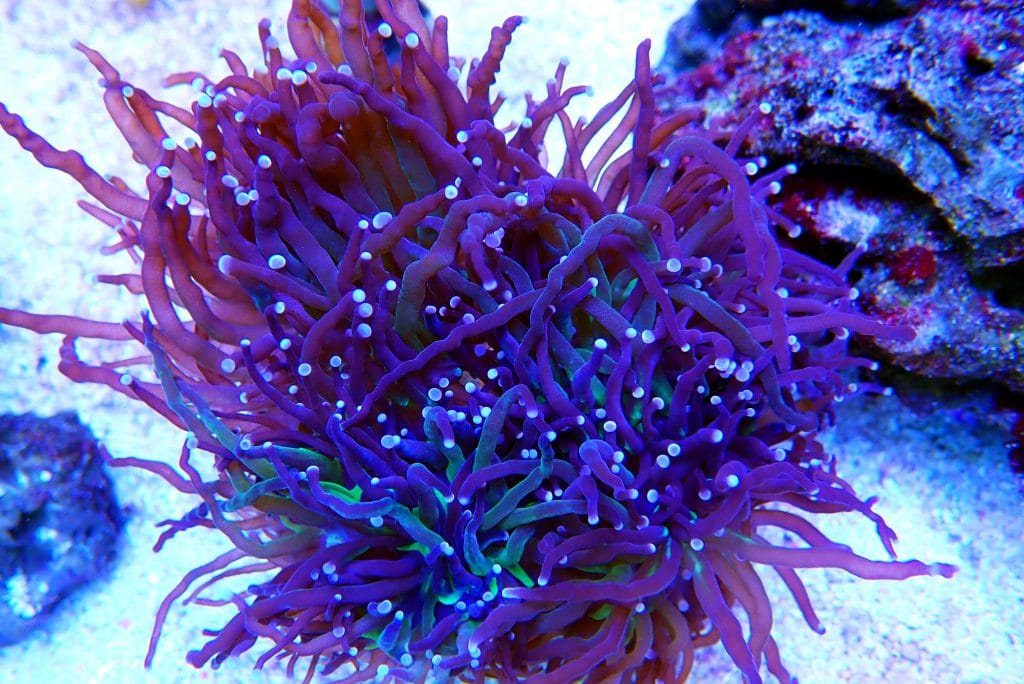
Since they’re so closely related to sea anemones, zoanthid corals actually look like much smaller anemones! These corals form mats of polyps that individually give way to a colorful head. Zoanthids lack a calcium carbonate skeleton and are referred to as soft corals due to their fleshy structure.
This polyp head has two rows of tentacles on the outer rim and has several colors as you work your way into the center towards the mouth. Zoas are sometimes confused with Palythoa spp., but zoanthids are smaller, more colorful, and also have shorter tentacles and a rounder mouth.
However, some zoas and palys are impossible to tell apart and so many species are misidentified.
Designer Names
Zoanthids are one of the most modified corals available in the trade, coming in almost all color morphs with varying shapes, sizes, and tentacle lengths. Zoa gardens and collections have become increasingly popular over the past decade, and hobbyists can now find frags costing $5 or upwards of $2000.
There is some controversy surrounding designer zoanthid corals. Many hobbyists believe that a desirable name increases the price of the coral to be much more than it’s actually worth. For the most part, there’s an affordable zoa for everyone.
Here are some of the most popular designer brands you’re likely to come across:

- Rastas – Rasta zoanthids have yellowish-green tentacles, a bluish-purple outer rim with green, orange, and purple moving inward. These zoas are smaller than other color morphs.
- Eagle Eye – These zoas have light green tentacles, with a thin purple margin and center surrounded by orange.
- Fruit Loops – Fruit Loops have bright orange tentacles, with a deep blue center surrounded by yellow.
- Blue Hornets (pictured above) – These corals are one of the darker zoas available. They have neon-green tentacles with an electric blue center. There is a smaller yellow circle surrounding the mouth.
- LA Lakers – These zoas are very similar in appearance to Fruit Loops. LA Lakers have yellow tentacles with a yellow outer rim and dark blue in the center.
- Sunny D. – Sunny D zoanthids have longer purple tentacles that might appear to be lightly frosted. They have a striated center of greens, oranges, and yellows, with a sometimes purple mouth.
- Ultimate Chaos – Ultimate Chaos zoanthids start moving into the next price tier and are only sold as one or two polyps at a time. These zoanthids look like mini galaxies with swirls of oranges, yellows, and purples. Ultimate Chaos is one of the larger zoanthids.
- Grandmaster Krak – The Grandmaster Krak is one of the most expensive zoanthids, with normal morphs starting at several hundred dollars with the more collectible varieties going into the thousands. These corals are rich yellows, greens, oranges, and blues with a starburst effect. Only one polyp is sold at a time.
Are They Corals Poisonous?

Before introducing one of these corals into your reef tank, this is an important question to consider–and even more important if planning to frag. The problem is that not much is known about palytoxin and it’s hard to tell which corals actually produce it, though it’s mostly associated with those in the Palythoa genus.
Palytoxin is a very dangerous toxin that is life-threatening depending on exposure; palytoxin poisoning includes flu-like symptoms and skin reactions as well as muscular and cardiac complications.
It is believed that bacteria living within the zoanthid coral polyp are responsible for making the palytoxin as opposed to the coral itself. This toxin is released underwater as well as above and poses a risk of being inhaled or entering an orifice; consuming plants and animals that have been exposed to palytoxin can also cause poisoning.
However, the chances that your zoas contain palytoxin are minimal. Hobbyists have kept zoas and palys in their tanks for decades with little to no problems. If you’re truly concerned about introducing this toxin into your aquarium, avoid purchasing more natural-looking varieties as it’s believed they are the most likely to be poisonous.
Otherwise, always use protective equipment when working with your tank. Even if you’re not actively touching your zoas, there’s always the chance that they released palytoxin into the water column.
Do not put your hands into the tank with open wounds and wash your hands with soap immediately after. Aquarium gloves, like West Chester 2920, may be appropriate if dealing with especially large colonies. Eye protection, like the 3M Cool Flow mask, is also appropriate if handling the zoanthid coral outside of the tank.
Placement And Temperament In The Aquarium
Even though zoas are one of the most dangerous animals on this planet, they’re not aggressive to other corals in the tank. However, there are a few potential problems that you might run into with having zoas in your aquarium outside of aggression.
The first zoa problem you might have is rapid growth. Some zoas take months to start propagating and then start growing new heads every other day. This is great if you plan on fragging them, but is a pain if they start growing over your other corals and/or shading out large portions of the tank.
The other main problem with zoas is that they can grow so large and thick that they start to develop dead zones where nutrient transport suffers and algae starts to grow. This will require moving the colony to a higher area of flow, buying new equipment, fragging the colony, or routinely removing debris with a turkey baster.
Are They Easy To Keep?
Though zoas are regarded as one of the easiest corals to keep in the hobby, they are actually the most difficult for many hobbyists. Experienced keepers have zoas that close for months on end without any explanation.
These corals are difficult because each morph requires different lighting, flow, and water parameters.
Corals and Lighting
In general, zoas need moderate lighting (50-150 PAR), but this isn’t to say that hobbyists haven’t kept them way below and way above these numbers.
As mentioned before, zoas are found in extremely shallow waters that are sometimes left exposed when the tide goes out. This means that colonies are receiving tons of light without any moisture relief for extended periods of time. So why do most zoas melt once placed under high lighting then? Well, zoas is placed under high reef lighting with the right steps.
The secret to getting zoas to be happy under high lighting is proper acclimation. These corals need plenty of time to adjust to new conditions and hobbyists move them up in the tank too quickly or too often. Instead, start them at the bottom of your tank and gradually move them up over the course of several months.
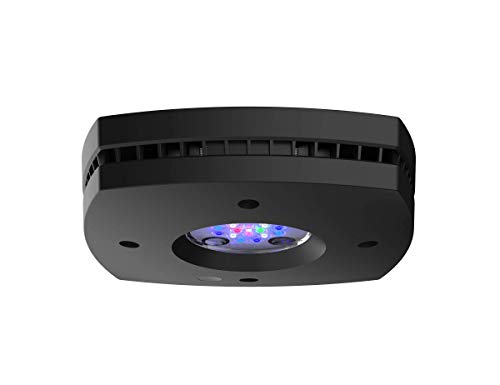
The AI Prime is a great overall all light for Zoas. It contains the correct, PAR, spectrum, and spread needed to get you going with growing your own Zoa colony!
At this point, you may find that your zoas are actually happiest right next to your most demanding small polyp stony corals (SPS). Or, you might find that they start to melt right away with such high light.
For the most part, zoas can also be kept in very low lighting. If you find that your corals are starting to extend upwards, they are probably stretching for light. This is a good indication that it’s time to move them up in the tank.
Otherwise, leave them where they are and try not to move them around too much! Zoas are very temperamental and are used by many hobbyists as a warning coral for being the first to show distress when something is wrong in the tank.
Flow
Getting the water flow right for your zoas is even more challenging than getting the lighting. Again, your corals will let you know they’re not happy with the conditions they’re in.
As mentioned before, these corals can start to develop dead zones once the colony becomes larger. You will want to make sure that water is being moved past all parts of the coral to ensure that nutrients are being delivered and detritus doesn’t start to build up. However, too much flow can cause your zoas to retract and not open for extended periods of time.
Start by placing your zoas in moderate flow and watch how they react. Move accordingly, but never too much at one time. An adjustable aquarium wavemaker is a great way to generate flow and adjust as needed.
Water Parameters
Here is where zoas can get very tricky. Though standard saltwater conditions are recommended for all zoa varieties, ideal parameters aren’t what some zoas want.
Experienced keepers have found zoas to be very sensitive to pH, alkalinity, and nitrate levels. This is very frustrating as one colony of zoanthids is thriving in your tank while the other is quickly melting away.
Unfortunately, this is mostly a game of trial and error of seeing which zoas do best in your system. It is not recommended to change conditions in your tank because of only one coral.
Care And Maintenance
Once you manage to establish a colony of zoas in your aquarium, then there’s not too much work to be done afterward.
These corals is kept in very low-tech tanks with hang on the back filters, canister filters, or sump filtration. They pull most of the nutrients they need from the water column, so a cleaner tank might not benefit from a protein skimmer.
If keeping larger colonies, then brush off algae as it occurs and regularly flush with water to keep detritus from building up.
Feeding
Zoanthids do not need to be fed. These corals get most of their nutrients through fish waste as well as other detritus that is already available in the water column.
Most hobbyists like to supplement with regular broadcast feedings or more concentrated feedings for enhanced color and faster growth rate. If wanting to feed your coral, do not try to feed larger foods. Instead, feed specific coral foods and other microorganisms, like phytoplankton.
What Are Good Tankmates?
Zoanthids are a great choice for any reef setup. This means that they can happily be housed with saltwater community fish, like clownfish, tangs, and cardinals.
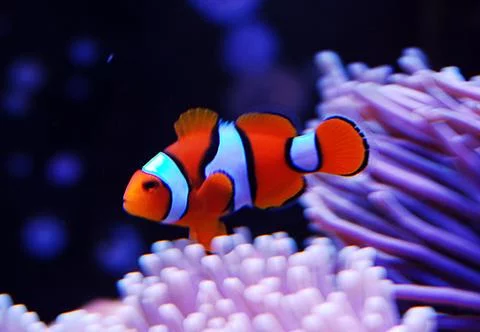
However, zoas is temperamental and they won’t appreciate fish that might annoy them. This includes species of goby and blenny that regularly rest on rock and corals while swimming around the tank. Though these fish can comfortably be kept with zoas, there’s a chance that you find your corals closed up because your fish is using them as a rest stop!
Similarly, larger invertebrates, like urchins and shrimp, should also be avoided for the same reasons. Large crabs and invertebrates with pincers should not be kept with zoas and colonies have been known to disappear overnight due to a hungry cleanup crew.
Of course, do not keep zoas with any fish that are known to eat corals, like angelfish and parrotfish. This is especially dangerous if your zoa ends up containing palytoxin and releases it into the water column once injured.
How To Propagate
Propagating zoanthids is a little intimidating as the threat of palytoxin is always looming. As long as you take precautions with safety equipment, wash your hands, and make sure you don’t have any open wounds, then propagating zoanthids is easy and becomes necessary when colonies start becoming too big.
A few tools are recommended for propagating zoanthids, namely bone cutters for cutting rock and a scalpel or scissors for separating the coral from the rock and/or from the rest of the colony. Here is a great video by ReefAmorous showing how to frag Zoas. A simple breakout summary is below.
- First, break up the rock that the zoas are attached to into smaller, more manageable pieces. If only taking a small part of the colony, then simply move to the next step.
- Next, use your scalpel or scissor to carefully peel off some of the colony. You will want to be wearing eye protection during this part as liquids can squirt from the cut.
- These pieces can then be attached to a frag plug with super glue. Don’t be overly concerned with keeping the frags out of water for too long, but try to get them submerged as soon as possible.
How Do You Get Zoas To Spread On Their Own?
Zoanthids are one of the fastest-growing corals in the aquarium hobby. These corals are asexual and one polyp can quickly turn into 50 over the course of a few months.
There is no secret to getting zoas to quickly reproduce. Like any coral, stability is key. If your zoa polyps are fully extended every day and tank conditions are good, then it’s only a matter of time before your zoa colony expands.
Fragging will help spread that colony to other parts of the tank, but the healing process might delay the growth momentarily.
How Fast Do They Grow?
Even with perfect conditions, zoanthid coral growth rates will vary. Experienced keepers have recorded one new polyp every few days while others go months without any sign of growth.
Zoanthid coral growth is not fully understood, and the rate seems to change tank to tank.
How To Propagate
Zoas is found in any specialized local fish store. One of the biggest struggles if you are a big coral collector is finding all the designer names locally. Your best bet to find the new and best looking designer zoas is to purchase them online from specialty coral sellers or through auction sites.
Best Soft Coral
With lots of colors available, the Zoa is the ultimate easy to keep coral. Limitless color combinations and for all budgets!
Is the Zoanthids. The Soft Coral Superstar (A) Right for You?
Before you add a zoanthids. The soft coral superstar (a) to your tank, it’s worth asking whether this species actually fits your setup and your goals. Here’s a quick breakdown to help you decide.
This species is a good fit if:
- You have an established reef tank with stable parameters. New setups are not the place for corals.
- You’re committed to regular water testing and maintenance. Reef tanks require more attention than freshwater.
- Your lighting and flow match what this coral needs. Not all corals want the same intensity.
- You understand that coral growth is slow. Patience is not optional in reefkeeping.
- You have a plan for fragging or managing growth if the colony expands beyond its space.
- You’re not adding it to a tank with known coral pests. Prevention is easier than treatment.
If most of those points line up with your setup, the zoanthids. The soft coral superstar (a) is worth serious consideration. If several don’t, it’s better to choose a species that matches your tank now rather than trying to make it work.
How the Zoanthids. The Soft Coral Superstar (A) Compares to Similar Species
Want easy, fast-growing coral? Start with green star polyps or zoanthids. Want a challenge? Get SPS and invest in dosing equipment.
Choosing between similar species is tricky. Here’s how the zoanthids. The soft coral superstar (a) stacks up against some common alternatives.
The zoanthids. The soft coral superstar (a) occupies a specific niche in the aquarium hobby, and direct comparisons really depend on what you’re looking for. In my experience, the most common question people ask is whether they should choose the zoanthids. The soft coral superstar (a) or something similar that’s more widely available. The answer comes down to three things: tank size, water parameters, and what other fish you’re keeping. If your setup matches what the zoanthids. The soft coral superstar (a) needs, it’s hard to beat. If not, there are alternatives worth exploring.
Closing Thoughts
Zoanthids is the easiest coral you’ve ever kept or one of the hardest. These soft corals don’t require any special care, but their preferred conditions aren’t straightforward as they vary with different morphs. They are a great addition to any reef tank, and we hope that you will consider placing these beautiful corals in your own. Leave us a comment below if you have any questions about zoanthids or how they is cared for properly!




















 Neon tetra” class=”wp-image-40509″/>