The short answer is: temporarily yes, permanently it’s complicated. Male and female bettas can coexist briefly for breeding, but a male will harass a female relentlessly if they’re kept together long-term in most setups. I’ve kept bettas and followed the betta community closely. the “betta harem” concept gets floated around where one male is kept with multiple females in a large heavily planted tank, and some keepers pull it off. But I’d never recommend it as a beginner setup, and it requires constant monitoring. For 99% of keepers, a male betta does best as the solo star of his own tank.
Key Takeaways
The quick answer is generally no, however it is possible in the right setup
It is possible to house bettas together in the same tank as long as personalities match and the aquarium is set up specifically for keeping multiple bettas.
Temperament, tank mates, introduction methods, water quality, and diet can be controlled to keep male and female betta fish together with minimal to no aggression.
Two to three female bettas should be kept per every one male betta fish. A large tank will leave room for territories to be established, but these small fish can be comfortably kept together in nano aquariums.
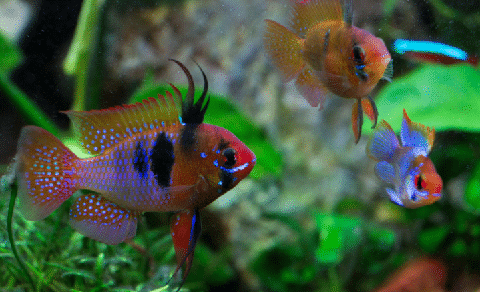
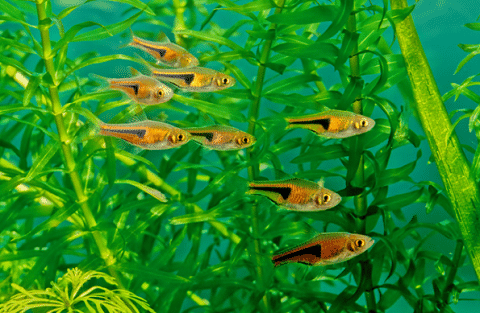
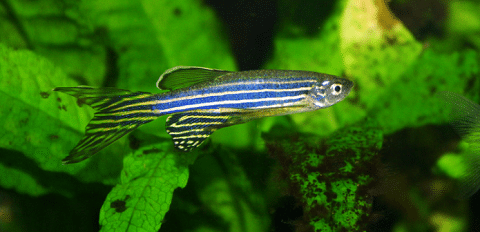
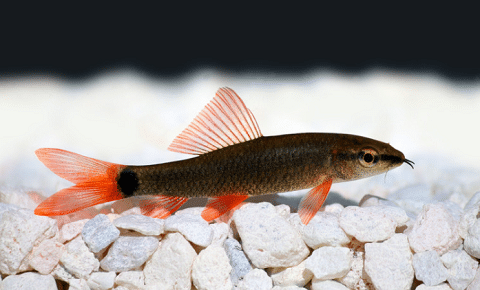
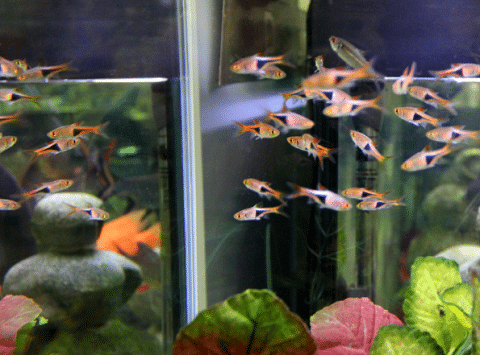
Adding other tank mates, like harlequin rasboras, may help distract more aggressive bettas.
Introduction
It was originally believed that no other fish could live in the same tank alongside betta fish of the Betta splendens species. Over the years, aquarium hobbyists bent the rules and added an assortment of plants, invertebrates, and eventually, other tropical fish. While many times these betta combinations ended up in dead fish, every once in a while, there would be a success.
As more time went on, hobbyists learned which species were compatible and the best ways to introduce them to aggressive bettas. Now, fishkeepers are pushing the betta boundaries even more by trying to keep male and female bettas together indefinitely in the same aquarium.
Can A Male and Female Betta Live Together in the Same Tank?
For a long time, it was believed that male and female bettas should only be together in the same tank for breeding purposes. While this is still largely true, a handful of hobbyists have had luck keeping pairs, harems, and groups together in slightly larger tank setups.
There are a few factors that go into determining whether or not these pairings will be successful. These include temperament, tank setup, tank mates, introduction methods, water quality, and diet. We have a video from our YouTube channel above that gives you a few examples of this combo being successful and we go into more details below in our blog. If you like our content, be sure to subscribe as we post new videos every week!
Why is Your Male Betta Attacking Your Female Betta?
While some male and female betta fish live together with no problems, others are incompatible no matter what you do. In most cases, the male is aggressive towards the female, but sometimes the female can be overly dominant as well.
This aggression usually stems from an overlap in territories, breeding times, or the individual personalities of the fish. No matter why your male betta is attacking your female betta or vice versa, the fish should be separated as soon as possible.
Can You Keep 2 Female Betta Fish Together?
While many hobbyists like to mix males and females, what if you just want to feature two female betta fish? This isn’t quite a betta sorority, but rather, a peaceful pairing of two bettas.
Yes, two female betta fish can live together as long as the personalities of the fish match and the tank is set up correctly. Female bettas can be just as aggressive as their male counterparts, so it’s best to purchase related bettas or ones that were raised together. The tank should also have plenty of swimming space but filled with vegetation and hiding places that break up lines of sight.
If anything, a glass or plastic tank divider can be used to separate these two betta fish without any risk.
Temperament
Naturally, betta fish do not want to be aggressive toward one another. If you think about their secluded natural habitats in seasonal floodplains and rice paddies, being overly aggressive and defensive to the point of death would greatly impact the overall population; a limited number of available fish in an environment should not be made smaller through intraspecies competition.
One of the main reasons domesticated bettas are so aggressive in the aquarium hobby is due to selective breeding. Many lineages of betta fish were intentionally bred to demonstrate the most aggression for fighting purposes, hence their secondary common name of Siamese fighting fish. It’s also been determined that certain colors of betta, namely those with red pigment genetics, have more of an aggressive nature than others1.
While you can try to pick the most natural, wild-type-looking Betta splendens to reduce the chances of aggression, compatibility will largely be up to the individual bettas involved. If you’ve ever owned betta fish before, you will know that no two are the same. Each fish has its own personality that can be bold and expressive or shy and reclusive. Either extreme of this range can result in incompatibility.
Ideally, you want male and female betta fish that are alert yet relaxed. They should be inquisitive but not defensive. If you have overly curious or offensive fish, then there are a few ways to diminish unwanted aggressive and territorial nature through your aquarium setup.
Tank Setup
Think about a betta’s natural habitat again. In addition to being small, betta fish live together in densely vegetative areas. The water is usually stained by tannins from organics with tons of kicked-up sediment. Add in the plant life and visibility is greatly reduced.
These same conditions should be replicated in a betta fish tank with plenty of live plants and structures that break up the line of sight between each betta. When keeping more than one betta fish together, you need to make it easy for territories to be established and later maintained. One way to do this is by creating walls of foliage, like with Java moss (Vesicularia dubyana), between wooden or rock structures.
Though this unkempt environment won’t look polished like most other heavily planted aquariums, your betta fish will be much less willing to fight each other. On top of adding lots of natural coverage and hiding places, lighting can be dimmed and organic tannins may also be added to stain the water and darken conditions.
Contrary to popular belief, adding additional tank mates can also keep male and female bettas calm as long as tank size allows for additional fish. The minimum tank size you will want to consider for multiple Bettas is 20 gallons, with a 20 gallon long being the only viable option at that size. A 29 gallon or larger is preferred. Heavily planted setups are also recommended.
Rarely has the answer to aggressive fish ever been adding additional fish. But believe it or not, having dither species, or bold and active fish that are used by other fish to determine environmental conditions, can help bettas feel more relaxed.
This mentality follows as: if the dither fish are relaxed, then there must be no threat present and the betta can also relax. Dither fish can also increase activity from betta fish and make shy individuals more likely to be in the front of the tank.
Some of the best betta fish dither fish include livebearers, tetras, and danios. Make sure that these fish don’t outcompete your bettas during feeding times. For the best results, it’s recommended to feed your fish in separate areas of the tank, with one species receiving floating fish flakes with others getting sinking pellets. This should help lessen competition and decrease the chances of aggression arising during feeding times.
Still, always watch while your female and male bettas eat as this is when aggression is most likely to show.
How Many Bettas Can Live Together?
In regards to betta fish as their own tank mates, there is a balance that needs to be achieved. At least two to three female betta fish should be kept per every male betta. This will prevent the male betta fish from overpowering the females while also limiting aggression between other males. This should only be attempted in a larger tank.
How Many Bettas Can You Have In Your Tank, Though?
A lot, actually. If things go well, betta fish are small fish that have adapted to living in small spaces. Hobbyists have successfully kept upwards of five betta fish in a 20 gallon tank with one male betta and four female bettas; for nano tanks, it’s recommended to only keep one male betta fish.
As tank size increases, so does the possible number of betta fish. Keep in mind that the more fish you add, the greater risk you’re imposing on your fish.
Introduction Methods
How you introduce your male and female betta fish to one another will get you started on the right foot. There are a couple of ways to introduce these fish with varying success.
Introducing them all at the same time. This is the most agreed-upon method for successfully introducing aggressive fish to each other. Putting all the fish together in the same tank at the same time allows for equal competition to establish territories; there is no opportunity for a dominant female or male to claim and defend their own space in the aquarium. Instead, every fish comes in stressed and then relaxes over time. Unfortunately, this method doesn’t always work. Naturally, some fish are bigger and more aggressive than others. This can still lead to outlying fish that get bullied and harassed by other fish. If using this method, be prepared to remove and rehome less dominant fish.
Introduce additional fish over time. If you’re not able to add all your bettas at the same time, then you might need to add them slowly over the course of weeks or months. This method can be more challenging than introducing all betta fish at the same time as territories and dominance levels are already established; adding a new fish into the mix can upset hierarchies and make fish feel pressed for space, which can result in aggression.The best way to introduce new male and female betta fish to one another is by using a tank divider. This allows the fish to become familiar with each other without threat to their safety; if your fish don’t react well to one another’s presence, then there’s a good chance things won’t go well once the tank divider has been removed.
In addition to these introduction methods, there are other ways in which you can improve the compatibility between your male and female bettas. One way is to purchase related fish. Male and female betta fish that are related and have been raised together are much less likely to be aggressive. This is not always true though and overaggression is still possible.
This is especially likely to happen if mature male bettas are added with mature female bettas. When ready, a male betta will create a bubble nest in preparation to mate. This mating ritual can be intense for the female and has resulted in serious injury during and after the process. As we’ll see, keeping male bettas from initiating the breeding process is safest for all fish involved.
Another way to help guarantee compatibility is by purchasing a pre-formed betta harem. Betta harems have become increasingly popular over the years as hobbyists have figured out how to make them work. These harems consist only of females, which reduces some chance of aggression–don’t be fooled though, female betta fish can be just as aggressive as male bettas (video source).
No matter which introduction method you use, you should always be prepared to move fish to separate tanks if need be.
Water Quality
Water quality plays a big part in whether or not male and female betta fish live compatibly in the same aquarium. As mentioned before, it’s ideal to create conditions that don’t encourage breeding. Breeding betta fish is an intense and sometimes dangerous act that can cause injury to both fish involved.
In this process, male betta fish create a bubble nest at the surface of the water. They then select a female betta fish to entangle and fertilize her eggs. However, the male fish may chase, nip, and even attack female bettas whether they’re ready or not. If successful, the fertilized eggs will begin to fall to the substrate. The male betta fish will catch them and safely put them in the bubble nest. He will continue to protect this nest with his life, including from other betta fish, until they hatch.
The mating season is initiated when conditions are favorable. Remember, betta fish live together in temporary bodies of water that can quickly disappear. This is usually when water temperatures are highest, with plenty of vegetation and insects available for fry to eat.
In the aquarium, male and female betta fish are often moved to a separate breeding tank where conditions can be controlled to simulate these rises in temperature; a separate tank also allows for easy removal of the female betta after mating has finished. Most times, these favorable conditions occur between 80-82° F.
In order to keep male and female betta fish from mating in the aquarium, and thus increasing possible aggression, it’s recommended to keep the water temperature slightly cooler at 75-78° F. Other parameters should be held in their optimal range with both ammonia and nitrite at 0 ppm, minimal nitrates, and pH between 6.5-8.0.
Even more important is keeping these parameters stable. While temperature fluctuations are the leading influence on breeding bettas, other parameter swings can also cause betta fish to initiate the process. Water parameters should remain as stable as possible through close monitoring and water changes.
Water changes should also be more regular than in a regular betta fish tank. This is because both male and female betta fish release pheromones that are attractive to one another, further increasing the likelihood of breeding. Luckily, these pheromones are easily removed during weekly tank maintenance.
Diet
Lastly, diet can play a huge role in whether or not your male and female betta fish live together harmoniously. Here’s how to control feeding time and food selection so that your fish live together indefinitely and not only just for breeding.
Diet is often used to influence breeding. Providing a high-quality, protein-rich food selection is a popular method for hobbyists to use to encourage spawning. While it’s still recommended to give your male and female fish the best food possible, live food is especially preferred. Live food, like insects, bloodworms, and shrimp, distracts your betta fish while providing enrichment. If they are too concentrated on a delicious meal, then there’s no time to be aggressive toward each other.
Live food can be expensive and fattening, though, and can’t be given for every feeding. Instead, a high-quality flake and/or pellet can be given at different locations and depths of the aquarium. This is especially true if you have other species that might outcompete your bettas during feeding times.
In addition to providing live food, feed regularly. Again, this will give the fish something to look forward to and participate in as opposed to fighting.
Conclusion
Yes! It is possible to keep multiple bettas in the same tank–in fact, a group of betta fish can be successfully kept in relatively small aquariums as long as the tank setup is designed with them in mind. These kinds of betta tanks can be used to house a female sorority or a couple of males with several females.
Every fish has its own personality and some combinations won’t work no matter what you do. If you are patient and diligent about your fish’s needs, then there’s a good chance you can keep male and female betta fish together for the long term!
📘 Want to learn more? This article is part of our complete Betta Fish Guide. your ultimate resource for betta care, types, tank setup, feeding, tank mates, and more.
Tinfoil barbs are large, fast schooling fish reaching 14 inches (35 cm). They need 150+ gallon tanks for a proper school, strong filtration, and high oxygen. Not a community tank fish – they will eat small fish and plants.
The tinfoil barb reaches 12 to 14 inches and needs a minimum of 125 gallons. Most pet stores sell them as 2-inch juveniles without mentioning any of that. It is one of the most frequently rehomed fish in the hobby because people buy them small, watch them grow at an alarming rate, and then realize they have no tank large enough to keep a group of them healthy.
If you have the space, a school of adult tinfoil barbs in a 200+ gallon tank is genuinely spectacular. They are fast, flashy, and impressively large. But this is not a fish you stumble into. It is a fish you plan for. This guide covers the real requirements, because a tinfoil barb in a 55-gallon tank is not a pet. It is a countdown to a rehoming post.
Do not buy a tinfoil barb unless you already own or are committed to buying a tank measured in hundreds of gallons. There is no growing into it later.
What Most Care Guides Get Wrong About Tinfoil Barb
Most care sheets list the minimum tank size for Tinfoil Barb and call it a day. But a minimum is just that. In my experience, giving them more room changes their behavior completely. You see more natural movement, less stress, and fewer aggression issues. Another thing guides gloss over is temperament. Tinfoil Barb are often described with a single label, but their behavior shifts depending on tank size, tank mates, and territory. You need to plan for the worst-case scenario, not the best. Group size is another area where most guides fall short. Saying ‘keep them in groups’ is not enough. The difference between keeping 3 and keeping 8 or more is night and day when it comes to coloration, confidence, and natural behavior.
Sold as a flashy two-inch juvenile, it reaches a foot long within two years and destroys plants, overwhelms filtration, and outgrows 90% of home tanks.
The Reality of Keeping Tinfoil Barb
The tinfoil barb grows to 14 inches. Let that number land. Fourteen inches of fast-moving, school-requiring fish in your aquarium. A group of five adult tinfoil barbs needs a 180-gallon tank minimum, and they will reach that size within three years of purchase.
The tinfoil barb is the fish that taught a generation of hobbyists to research before they buy.
They are sold at 2 inches in pet stores alongside fish a fraction of their adult size. The label says ‘community fish.’ That is technically true. They are peaceful. But a peaceful 14-inch fish in a 55-gallon tank is still a fish in the wrong tank.
Schools of five or more are necessary. A single tinfoil barb becomes nervous and erratic. The schooling behavior only stabilizes in groups, and groups of 14-inch fish need serious tank volume.
Biggest Mistake New Owners Make
Buying them as small juveniles for a 55-gallon tank. Tinfoil barbs do not grow slowly. They hit 8 inches within 18 months and keep going. If you do not have a 180-gallon tank in your future, do not buy this fish. There is no plan B that works.
Expert Take (Mark Valderrama, AquariumStoreDepot)
A school of five tinfoil barbs in a 240-gallon tank is one of the most impressive freshwater displays you can build. The silver bodies catch light as they turn in unison, creating a shimmering wall of fish that rivals saltwater schooling species. But the commitment is real. This is not a fish for standard home aquariums. This is a fish for keepers with space, budget, and a long-term plan.
Key Takeaways
Tinfoil barbs are smart and intelligent pets that can easily recognize their owners. You can even hand-feed them and teach them exciting things like swimming through the hoops.
Tinfoil barbs have great instincts. They can hear vibrations in the water and even detect pressure changes and other movements.
In some countries, tinfoil barbs are considered a delicacy and bred on fish farms.
In terms of swimming and tank activities, tinfoil barbs are considered superactive freshwater fish that are capable of swimming up to 37 miles per hour.
Most tinfoil barbs are artificially colored and sold under many names including pink, orange, and blue tinfoil barbs, etc.
Overview
Scientific Name
Barbonymus schwanenfeldii
Common Names
Goldfoil Barb, Schwanefeld’s Barb, River Barb
Family
Cyprinid
Origin
Tropical regions in Borneo, Sumatra, Thailand, and the Malayan peninsula
Diet
Omnivore
Care Level
Moderate
Activity
High
Lifespan
8 to 10 years
Temperament
Semi aggressive fish
Tank Level
All levels
Minimum Tank Size
75 gallon minimum (125+ – 200+ recommended for a school)
Temperature Range
72.0 to 77.0° F (22.2 to 25.0° C)
Water Hardness
2 – 10 dGH
pH Range
6.5 – 7.5
Filtration/Water Flow
Strong
Water Type
Freshwater
Breeding
Egg Scatterers
Difficulty to Breed
Difficult
Compatibility
Compatible with like-minded and like-sized fish species
OK, for Planted Tanks?
With Caution
Classification
Kingdom
Animalia
Phylum
Chordata
Class
Actinopterygii
Order
Cypriniformes
Family
Cyprinidae
Genus
Barbonymus
Species
B. Schwanefeldii (Bleeker, 1854)
Brief Introduction
The tinfoil barb (Barbonymus Schwanenfeldii), or Goldfoil barb, Schwanefeld’s Barb, River Barb is one of the largest fish from the Cyprinid family. The tinfoil barb species are aquatic gentle giants that need a spacious aquarium with lots of beautiful tank decorations. So, if you have the required huge space, this barb fish is ideal for you because it is:
Beautiful and impressive
Easy to care for
Peaceful species
Also, they are schooling fish that lives the best with a school of five fish or more of their size and kind. If you’re keeping them in a tinfoil barb aquarium, be sure to clean the tank regularly and keep an eye on the fish’s activities.
Origin & Habitat
The tinfoil barbs come from the native streams of Borneo, Sumatra, Thailand, and the Malayan peninsula. Later, it was introduced in Singapore and other places. Therefore, they are widely available worldwide.
In the wild, they can be found in rapidly moving rivers and streams. Similarly, in your aquarium, Tinfoil Barbs will appreciate strong currents and strong moving water.
Appearance
In their natural state, the tinfoil barbs are silver or golden yellow in color with lustrous scales. Their fins have beautiful hues of black, orange, and red.
The bodies of tinfoil barbs are torpedo-shaped and have high back and forked tail fin. The dorsal fin is usually red with black blotch along its tip. They also have red pectoral, pelvic, and anal fins. While the caudal fins are orange or have a shade of deep with black submarginal stripe on the upper and lower ends.
Difference between Juvenile and Adult Tinfoil Barb fish
The juvenile tinfoil barbs are different from the adult in terms of body and fin coloration. The young tinfoil barbs have basic silver or tin-plated scales. As they grow older, they develop color to their scales and the pelvic and anal fins turn red with a white tip on the dorsal fin.
Appearance-wise, tinfoil barb resembles their smaller cousins, red-tail tinfoil barb. But, tinfoil barbs are much larger. Other than their size, they are almost identical.
What is the average adult size?
The average adult size of a tinfoil barb is almost 14 inches or 35 cm in length. Therefore, the aquarium size should be no less than 225 gallons.
How long do they live?
Tinfoil barbs are here to stay with you for a good 8 to 10 years. Even longer, when taken good care of their water parameters and other requirements.
Artificially Colored Tinfoil barb:
You may find some bizarre, intriguing colors in the tinfoil barb that are rather transparent or albino. These artificially colored freshwater fish are sold under many different names such as Blushing Tinfoil Barb or colored names like blue, pink, purple, and orange.
Even though attractive, the artificially colored variety poses serious challenges to the fish-keeping world. Therefore, many experts raised serious concerns about this practice because this process may cause stress and pain to the fish. Eventually, the tinfoil barb may be exposed to infections and other diseases by this process.
Food & Diet
Wild tinfoil barbs feed mainly on plant material, but since they are omnivores; they also eat treats in the form of worms, insects, submerged land plants, crustaceans, small fish, and filamentous algae.
In captivity, tinfoil barbs eat all kinds of live food, fresh, frozen, or flake food, such as brine shrimp, and bloodworms. In short, they love proteins and also, tinfoil barb eat small fish. So, it’s not recommended to keep small or tiny fish in their aquarium as they might see them as potential prey.
Additionally, their diet should also contain vegetable substitutes such as wafers, cooked lettuce, spinach, or oatmeal. You can also feed them algae wafers.
How often to feed them?
If you’re feeding them once a day, only feed them enough food for a 5-minute meal. If you’re feeding them several times a day, give them no more than they can consume in three minutes or less.
Temperament and Behavior
Generally, tinfoil barbs are peaceful fish species. However, make sure you don’t keep them with tiny fish because they might end up harming other small fish. All in all, they are peaceful schooling species that are enthralling to watch in home aquariums.
I advise keeping them in a school of at least 5 or more fish of the same size and temperament. Also, avoid keeping shyer fish that prefer slow moving water as they are super active and prefer fast moving water. As a result, the other slow fish might feel intimidated by them and may feel unnecessarily stressed.
Tinfoil barb is a moderately hardy freshwater fish that is very easy to care for. Therefore, it is ideal for beginner aquarists. However, because they are very large freshwater fish, their demands are particular. As a result, things will not work out for beginner aquarists.
If you’re adamant on keeping tinfoil barbs as an adorable pet, proper tank setup with ideal water requirements should be maintained.
Tank Requirements
Since tinfoil barbs grows very large rapidly, you need a spacious tank of no less than 225 gals (852 L). Also, they thrive in a community aquarium to feel comfortable. Additionally, you need high-quality filters to keep the water in optimal conditions and maintain high levels of oxygen and water flow in the tank.
The tinfoil barb fish species are skilled jumpers, so a tank lid or cover is highly recommended to keep them safe. In the natural tinfoil barb habitat, the water is fast flowing with active currents, so you need to mimic the environment by powerheads. They also love to burrow the substrate and soil, so you need to place some of the hardest aquarium plants that can survive their wrath.
Tank Size
The minimum tank size for a Tinfoil barb tank is no less than 225 gallons or 852 litres. Since they grow very large, they are not suitable for nano tanks or small tanks.
Water Parameters
Here is the ideal water for a tinfoil barb tank:
Water temperature range:
72.0 to 77.0° F (22.2 to 25.0° C)
pH range:
6.5-7.5 (slightly acidic)
Water hardness Range:
2 – 10 dGH
Water movement:
Strong
Live Plants
Unfortunately, when it comes to keeping live plants, tinfoil barbs are complete monsters. They will destroy the plants even if they are well-fed and happy. Due to this, many aquarists give up the idea of a planted tank with Tinfoil fish.
However, if you’re determined, you should keep hard-leaved plants Anubias with thick, waxy leaves that the tinfoil barbs find hard to eat. Other great live plants are Crinum, Larger Vals, Java Fern, and Sagittaria.
The tinfoil barb doesn’t leave live plants and tank decorations in good condition if they are too immaculate for their tank.
Therefore, it is recommended to keep large pieces of driftwood as tank decorations on a sandy substrate to mimic their natural habitat.
Substrate
Though the tinfoil barb will do pretty much great in an empty tank, a sandy substrate with scattered rocks or pebbles is an ideal option for their tank.
Filtration and Aeration
Since tinfoil barb needs a very large tank to stay healthy, the need for maintaining water quality is optimal for a healthy environment.
I recommend installing canister filters to keep the water clean and free of nitrates and nitrites. Also, canister filters will help you maintain high levels of oxygenation and water flow, ideal for tinfoil barbs.
Additionally, tinfoil barbs are active swimmers and need a sufficient supply of oxygen. Therefore, the tank water should be well-oxygenated. I recommend getting an air stone or bubbler to help increase the surface area of water and provide more oxygen to the tank.
Though canister filters also provide aeration while agitating the water surface. It’s still advisable to get air stones for adequate aeration.
Aquarium Care
Tinfoil barbs are moderately easy to care for, especially when you keep their water clean. I recommend doing 25% to 50% water changes weekly or biweekly. Also, algae magnets should be placed to keep your tank free of algae.
Overall, if you have a community tank with tank decorations and live plants, perform water changes weekly. Otherwise, monthly water changes are essential to keep the water clean.
Breeding
Tinfoil barb breeding is fairly difficult in captivity. Not because breeding is a challenging process, but because of their exceptionally large size.
Like all other fish from the Cyprinid family, Tinfoil barb lays eggs and scatters them in the tank. The female tinfoil barb lays around thousand eggs. However, they pose a serious threat to their eggs and might end up eating some. Therefore, it’s advisable to separate the breeding pair once the eggs are laid and fertilized.
Though, there are no known cases of breeding tinfoil barbs in captivity. However, it would be a rewarding experience for aquarium hobbyists1.
First of all, start with a separate breeding tank with a bare-bottom tank with spawning mops or live plants, so you can easily find their eggs. After you’ve set up the tank with the required water conditions, it’s time to put the breeding pair in it. It’s advisable to put one male for every 2-3 females.
Tinfoil barb breed during the rainy season, so you can stimulate their breeding behavior by increasing the water flow in the breeding tank and lowering the water level. Also, low water temperatures are recommended.
When the conditions meet their breeding requirements, the male tinfoil barb will follow the female and nudge their bellies to release the eggs. The eggs will later be fertilized by the male tinfoil barb. Since tinfoil barbs are known to eat their eggs, it’s better to separate them after fertilization and spawning.
The eggs hatch in around 48 hours. And once they are hatched, the fry will feed on their egg sacs for 1 to 2 days. After a few days, you can feed them commercially available fry food or infusoria. Baby brine shrimp and mosquito larvae can also be given after a week.
It’s important to maintain water quality to avoid diseases and other problems in the tank.
Fish Diseases
Tinfoil barbs are hardy fish that may ditch many fish diseases. However, like every other fish, they can be prone to certain conditions due to poor water quality and parameters.
Therefore, to avoid fish diseases, it’s important to maintain the water quality to promote a healthy ecosystem.
Some of the common diseases your tinfoil barb may get due to lack of care are:
All of the above diseases are either caused by parasites or bacteria or fungi that are usually found in unclean and unhygienic tank conditions.
FAQs
Are albino tinfoil barbs aggressive?
Albino tinfoil barb is semi-aggressive fish and may become territorial if they feel threatened or stressed. Therefore, it’s important to provide these fish with ample free swimming space in a large tank.
Is tinfoil barb edible?
Though they are sold for only aquariums and are not suitable for consumption, tinfoil barb are still eaten as a popular food item. It is widely used in soups, stews, and curries.
Is tinfoil barb aggressive?
Tinfoil barbs are peaceful fish species. However, they may get aggressive with small fishes or other species smaller than them.
How fast do tinfoil barbs grow?
When taken good care of, the growth rate of tinfoil barb is very high. Young tinfoil barbs grow up to 2 inches per month during their first year of life.
What is the maximum size of a tinfoil barb in an aquarium?
The maximum size of an adult tinfoil barb is around 14 inches in length. However, the final size depends on the diet, water conditions, and tank size.
What It Is Actually Like Living With Tinfoil Barb
Tinfoil barbs in a properly sized tank are majestic. The synchronized schooling, the flash of silver as they turn, the sheer physical presence of five 14-inch fish moving as one. Nothing else in freshwater fishkeeping looks quite like it.
They eat everything. Plants, food, the occasional smaller fish that fits in their mouth. A tinfoil barb tank is a bare tank with rocks, maybe some driftwood. Live plants do not survive.
Water changes are a production. The volume of water you need to change weekly for five adult tinfoil barbs is measured in dozens of gallons. Maintenance is a commitment equal to the tank size.
Hard Rule: Never house tinfoil barbs in tanks under 125 gallons (476 L). They reach 14 inches (35 cm) and produce waste that overwhelms anything smaller. The tank minimum is not a suggestion.
Is the Tinfoil Barb Right for You?
Good Fit If:
You have a large tank – 125 gallons (476 L) minimum, 150+ preferred for a school
You want active, fast-moving schooling fish with impressive size
You keep medium to large tank mates that can hold their own
You enjoy high-maintenance, high-reward setups with powerful filtration
Avoid If:
Your tank is under 125 gallons (476 L) – they grow fast and outgrow smaller setups quickly
You have small fish under 4 inches (10 cm) – tinfoil barbs will eat them
You want a manageable midsize schooling fish – these are long-term, large-tank commitments
You are not prepared for the filtration and water change demands of five large fish
Final Thoughts
Tinfoil barbs are beautiful, impressive creatures that are ideal for your spacious tanks. The tinfoil barb prefers large tank mates that are active swimmers and thrive in fast-moving waters. In the aquarium hobby, these fish species are known for their peaceful, schooling nature and difficulty in breeding.
Therefore, if your only goal is to breed them; think again before buying tinfoil barbs. Otherwise, if you’re looking for some quirky addition to your home aquariums, tinfoil barbs are your best bet!
This guide is part of our Barbs: Complete Species Directory. Visit the hub page to explore care guides for all popular barb species.
This article is part of our Barb Species Directory. Visit the hub page to explore all species care guides.
Recommended Video
Check out this video covering barb species for your aquarium:
Freshwater stingrays need a tank footprint measured in feet, not inches. A 6-foot long, 2-foot wide tank is the starting point, not the goal. They have venomous barbs, eat expensive food, and produce massive waste.
If your tank does not have a 6-foot footprint, do not consider a freshwater stingray.
What It Is Actually Like Living With Freshwater Stingray
Oddball fish are the fish that visitors notice first. Nobody glances at this tank and keeps walking. They stop, stare, and ask questions. Be prepared to explain what you are keeping multiple times a week.
Feeding is an event. Many oddballs are predators that hunt live or frozen food with visible intensity. Watching this fish track and strike at prey is one of the most dramatic moments in fishkeeping.
These fish grow fast and steadily. One month it fits comfortably. Three months later, you are researching larger tanks. The growth rate catches new owners off guard every single time.
Oddball fish often recognize their owners. They approach the glass when you enter the room, accept food from your hand, and display behaviors that feel remarkably personal. That connection is why oddball keepers rarely go back to community tanks.
The Freshwater Stingray is the kind of fish that makes experienced keepers stop and stare. This is not a beginner species. It requires specific conditions, a specific tank, and a keeper who understands what they are signing up for. After 25 years in the hobby, I still consider this one of the most fascinating fish you can own.
This fish will outgrow your plans. Accept that before you buy it.
Freshwater stingrays are not display fish you set and forget. They need massive tanks, pristine water, and a keeper who understands that the sting is real and medical attention is not optional.
This fish lives a long time, grows large, and demands a dedicated setup. The commitment is real and the costs add up over years, not months.
Oddball fish are not conversation starters. They are conversation dominators. Guests will stare at this tank for twenty minutes.
What Most Care Guides Get Wrong About Freshwater Stingray
Want a conversation piece? Get this fish. Want easy maintenance? Get community fish instead. There is no middle ground with oddball species.
Most care sheets list the minimum tank size for Freshwater Stingray and call it a day. But a minimum is just that. In my experience, giving them more room changes their behavior completely. You see more natural movement, less stress, and fewer aggression issues. Another thing guides gloss over is temperament. Freshwater Stingray are often described with a single label, but their behavior shifts depending on tank size, tank mates, and territory. You need to plan for the worst-case scenario, not the best. Group size is another area where most guides fall short. Saying ‘keep them in groups’ is not enough. The difference between keeping 3 and keeping 8 or more is night and day when it comes to coloration, confidence, and natural behavior.
The Reality of Keeping Freshwater Stingray
Tank size requirements are extreme. Most oddball fish grow large, fast, and need significantly more space than beginners expect. A 2-inch juvenile will eventually need hundreds of gallons. Research adult size before purchasing, not juvenile size.
Diet is specialized. Many oddball fish are predators that need live or frozen foods. Some refuse pellets entirely. Feeding costs for large predatory fish add up quickly over the life of the fish.
Tankmate compatibility is extremely limited. Most oddball fish are either predators that eat smaller fish or territorial species that attack anything in their space. Community setups require careful size matching.
Biggest Mistake New Owners Make
Buying a juvenile oddball fish without understanding its adult size. That cute 3-inch fish at the store will be 18 inches long within two years and need a tank most people cannot afford or fit in their home.
Expert Take
Before you buy any oddball fish, look up its adult size and multiply your expected tank cost by three. That is the realistic budget for keeping this fish properly.
ASD Difficulty Rating: Expert — Requires 180+ gallon (680+ liter) tank with sand-only substrate; extremely sensitive to water quality; cannot be kept with spiny fish that could puncture them; venomous spine poses real risk to handlers; one of the most demanding freshwater species available
Key Takeaways
Freshwater stingrays are very personable fish that is an aquarium option for experienced keepers.
These fish require large aquarium setups with ample filtration. They also need a wide variety of live and frozen food options.
Freshwater stingrays is kept with other stingrays, but don’t do well when mixed with upper water level swimmers.
Surprisingly, freshwater rays are able and willing to mate in captivity. However, raising the pups takes a lot of space and dedication.
An Overview
Common Names
Freshwater stingray, River stingray
Colors
Black, brown, yellow
Family
Potamotrygonidae family, Dasyatidae family
Origin
South America, Africa, Australia, Asia
Diet
Omnivore
Care Level
Difficult
Activity
Medium
Lifespan
10+ years
Temperament
Aggressive
Tank Level
Bottom
Minimum Tank Size
300 gallons
Temperature Range
75. 82° F
Water Hardness
6. 14 dGH
pH Range
6.5. 7.5
Filtration/Water Flow
Moderate
Water Type
Freshwater
Breeding
Ovoviviparous
Difficulty to Breed
Moderate
Compatibility
Limited
OK, for Planted Tanks?
No
Classification
Order
Myliobatiformes
Family
Potamotrygonidae
Genus
Potamotrygon
Species
Multiple species (Garman, 1877)
Introduction
Stingrays aren’t just for your local aquarium. Given the right tank setup, these massive fish–yes, they’re fish–is kept in your home. That isn’t to say they’re easy to keep, though.
There are about 35 known species of freshwater stingray. This is only a fraction of the number of discovered saltwater stingrays, which surpasses 200 individual species. Freshwater stingrays are largely categorized into two separate scientific families: the Potamotrygonidae family and the Dasyatidae family.
Members of the Potamotrygonidae family are found only in South America. This group contains the majority of known freshwater stingrays and subsequently some of the most popular Amazonian species available. The Dasyatidae family, commonly known as the whiptail stingrays, includes species from across Africa, Asia, and Australia. These fish get their name from their very long tails, which are longer than the width of their bodies.
You may know this already, but stingrays are actually elasmobranchs, meaning that they’re very closely related to sharks and skates. This means that they have a cartilaginous skeleton. Stingrays should not be confused with skates. Skates do not occur in freshwater or brackish water, have shorter stubbier tails, and often broader pectoral fins. Skates aren’t available for sale in the aquarium trade.
But can you have a pet freshwater stingray?
Yes! You can have freshwater stingrays in your aquarium only if you have the means to keep them. These are large, messy fish that are demanding in filtration and space. They need a high-protein diet with tons of variety and frequency. Both freshwater and saltwater stingrays have been kept in the aquarium, but freshwater rays are more popular and readily available.
Saltwater vs. Freshwater
Before you buy a stingray, you should know everything there is to know about them. These are expensive, demanding fish, that oftentimes require a permit to own. Always make sure to check with your local laws about owning a freshwater or saltwater stingray1.
There are a few major differences between freshwater and saltwater stingrays which largely arise from the conditions they live in.
Freshwater stingrays have neutral colors, consisting of blacks, browns, and yellows. These colors are great representations of the natural murky river water conditions these rays originate from. In contrast, saltwater stingrays are lighter in color and often feature blue accents that help them blend into the bottom of the sea bed.
Both freshwater and saltwater stingrays can grow to massive sizes. However, the largest freshwater stingray size ever recorded was a 661-lb giant freshwater stingray (Urogymnus polylepis).
Are freshwater stingrays venomous?
Yes, both freshwater and saltwater stingrays are venomous. These fish have a very hard cartilaginous venomous barb on their tails that they use for protection. As stingrays live on the bottom of the substrate, they need a way to protect themselves from predators above them, like their main threat of sharks.
Most times, stingrays won’t resort to using their barbs if they don’t have to. This is a defense mechanism that is used if they are about to be stepped on or eaten. The barb is sealed with venom which breaks open when hit into another object. Along with the stingray venom, pieces of the barb may also get stuck in the opposing threat.
Though freshwater stingray venom secreted by the barb is not immediately deadly to humans, the trauma caused by the puncture is. Saltwater and freshwater stingray barbs is removed from the tail by professionals but will need to be clipped or removed again in a few months. In general, practicing stingray safety is a better option than intentionally hurting the fish in an aquarium setting.
Origins And Habitat
Want a conversation piece? Get this fish. Want easy maintenance? Get community fish instead. There is no middle ground with oddball species.
Different freshwater stingray species will be grouped under the larger umbrella term of river stingray. This is because these monster bottom-dwellers lurk on the bottom of freshwater rivers and canals all across the world!
Freshwater stingrays is found on every continent besides Antarctica; members of the Dasyatidae family originate from Africa, Asia, and Australia while Potamotrygonidae are confined to South America.
These stingrays have perfectly adapted to a wide variety of environmental conditions, especially those found in flooded forest areas. They is found in slow-moving or fast waters, clear or murky conditions, shallow or deep water levels, and smooth or rocky bottoms. A few species live close to coastal regions that allow them to wander into brackish and saltwater conditions for short periods.
As we’ll see, the colors and patterns on each species of stingray can tell a lot about their natural habitat.
Appearance
Freshwater stingrays are very easy to distinguish from other rays in saltwater. This is especially true as most species have been bred to show the best color combinations possible.
Many freshwater stingray species available in the aquarium trade are Potamotrygon species. Here are some of the most common species of river stingray you’re likely to come across for sale from specialized breeders:
Black diamond stingray (Potamotrygon leopoldi). Also known as the Xingu River ray or polka-dot stingray, the black diamond stingray originates from the Xingu River basin in Brazil. These fish can grow to be 16 inches in width and feature a dark black body with many small yellowish-white dispersed spots across the back and onto the tail. They originate from clear waterways with rocky substrates.
Ocellate river stingray (Potamotrygon motoro). The ocellate river stingray is commonly known as the motoro stingray, black river stingray, or peacock-eye stingray. This freshwater stingray has a wide distribution across most of northern South America. Depending on where your Potamotrygon motoro originates from, its appearance can vary greatly in terms of color and pattern. In general, these stingrays have a light or dark base color with light yellow spots encircled in darker brown. The ocellate stingray can grow to be nearly 2 feet in width.
Pearl stingray (Potamotrygon jabuti). Not to be confused with its saltwater counterpart, the pearl stingray (Dasyatis margaritella), freshwater pearl stingrays originate from a particular river system in Brazil called the Tapajós River. They are similar in appearance to the ocellate river stingray but have many more bordered circles across their bodies. When looking at these spots, you will notice that the center is yellowish-white. This is surrounded by a darker ring that is then enclosed by another lighter ring. Pearl stingrays are very likely to exhibit albinism.
How Big Do They Get?
Freshwater stingrays are huge fish. So much so that they’re regarded as monster fish.
As mentioned before, the largest freshwater stingray was a giant stingray that weighed over 600 lbs and measured 13 feet long. While most captive-bred stingrays stay well under this extreme, keeping freshwater stingrays is no easy task.
Most freshwater stingray species grow to be at least a foot in width and even bigger in length. Males don’t grow as large as females, which is desirable for hobbyists more limited in space. Males can easily be distinguished by the two claspers that fall under their tails.
While juvenile stingrays might look manageable to keep in a smaller aquarium, these fish should never be kept in anything that’s not fit for their adult size!
Tank Requirements
Want a conversation piece? Get this fish. Want easy maintenance? Get community fish instead. There is no middle ground with oddball species.
Are freshwater stingrays hard to take care of?
Yes, freshwater stingrays is challenging to take care of. Though these fish have been successfully captive-bred, they are still extremely sensitive to incorrect and fluctuating water parameters. Adult fish also grow to extreme sizes, which is difficult to house and feed.
In general, any species of freshwater stingray should only be kept by expert hobbyists.
Tank Size
Freshwater rays are bottom-dwellers that will rarely leave the comfort of the bottom of the tank. Because of this, they need more horizontal space than vertical space.
Adult freshwater stingrays require a tank that is at least 8 x 4 feet. These dimensions will comfortably fit a pair of moderately-sized species. A 6 x 3 foot aquarium can temporarily house young freshwater stingray pups, but this should never become more than temporary housing.
Aquarium Setup
Keeping freshwater stingrays is an oxymoron: they are very difficult fish to keep but don’t actually require an intricate aquarium setup. A stingray tank needs to be big with plenty of space and water volume.
In terms of decoration, the less the better. If there’s anything that your stingray could possibly injure itself on in the tank, it will find a way. Rocks, driftwood, and other typical aquarium decorations should not be added. The tank should be fully bare to allow for the most swimming space and the least risk of injury.
Water Parameters
Freshwater stingrays require pristine water quality at all times. That isn’t to say freshwater stingrays aren’t hardy, but water parameters can change quickly in a stingray tank.
Stingrays are very messy fish that eat a lot and create a lot of waste in return. Not only does a ton of ammonia enter the water column from uneaten food and waste, but stingrays have also evolved to release ammonia from their body for osmoregulation.
Stingrays originated from saltwater conditions and adapted to freshwater over time. They managed to do this by evolving rectal glands that excrete excess urea and ammonia produced in the body to create a balance between internal and external pressures. As a result, ammonia spikes in the water.
Freshwater stingrays cannot tolerate ammonia and can quickly succumb to incorrect water parameters. Ammonia and nitrite should always remain at 0 ppm. Nitrate should always stay under 40 ppm.
To keep up with this influx, frequent water changes are required. Some stingray owners perform daily 60-70% water changes. How often you need to clean your stingray tank will be determined by the overall water volume available, the number of stingrays in the aquarium, and how often and how much they are fed.
One water parameter freshwater stingrays are more tolerable of is pH. This is because some species of freshwater stingray regularly move between freshwater, brackish, and saltwater conditions where pH is constantly fluctuating. In general, the preferred pH for freshwater stingrays is between 6.5 and 7.5. As long as the level stays stable though, they are likely able to adapt to values outside this range.
As freshwater stingrays originate from tropical regions, water temperature should always remain between 75 and 82° F.
Filtration and Aeration
The most important part of a freshwater stingray tank is the filtration. These fish need huge filtration, meaning that a sump filtration system is often the best pick.
A sump allows for the most water volume possible, which is essential due to freshwater stingrays excreting ammonia directly into the water column. External filtration systems also allows for space to keep aquarium equipment out of the display, which could become dangerous for curious rays; a tank heater can easily burn fins and tails!
Lighting
In addition to being nocturnal, freshwater stingrays are sensitive to high lighting. As these fish can’t be kept with live plants due to them rummaging through the substrate, there is no reason to keep them under intense lighting.
Substrate
Next to filtration, the substrate is a very important consideration for a freshwater stingray tank. There is some debate as to what is the right substrate for these fish.
Many stingray owners choose to keep a bare-bottom stingray display. This helps keep the tank clean, prevents the rays from kicking up the substrate, and exposes any shed stingray barbs that could become dangerous to handlers. On the other hand, a fine sand, like pool filter sand, can help stingrays show their true personalities.
No matter if you choose to keep a substrate or not in your freshwater stingray aquarium, there should never be any sharp edges that could injure your ray. This eliminates gravel and other larger rocks.
Temperament
We label our stingrays as aggressive, but these are actually gentle giants. As we’ll see, they’re labeled as aggressive because they can’t be safely kept with many other species.
Instead, stingrays are relaxed yet inquisitive. Most, if not all, species of freshwater stingrays are nocturnal, which means that they’ll be most active at night. Otherwise, they are likely to be found gliding along the tank floor and over each other in an attempt to find food.
Tank Mates
The best tank mates for freshwater stingrays are none. Stingrays are predators which means they’re always looking for their next meal, even if not intentionally. This means that any slow or small fish in the aquarium can quickly become a snack. At the same time, larger fish species can pick on rays and cause them injury.
Oscar Fish” class=”wp-image-1059319″/>
If planning to keep tank mates with freshwater stingrays, be prepared for a lot of trial and error. Experienced keepers have had luck keeping smaller rays with oscar fish, but this will be entirely dependent on the individual fish.
In general, the best tank mates for freshwater stingrays are other freshwater stingrays. These fish enjoy each other’s company, especially if they’re captive-bred. It’s best to mix the same species or similar species that come from the same regions of a river system to match preferred water parameters. Each stingray tank mate carries a ton of bioload along with them!
Diet
Want a conversation piece? Get this fish. Want easy maintenance? Get community fish instead. There is no middle ground with oddball species.
Freshwater stingrays will eat anything–that is, once you get them acclimated to your tank. A new freshwater stingray may be picky when introduced into your aquarium, especially if it is wild-caught.
If your wild-caught stingray refuses to eat prepared foods, then offer live and frozen foods once a day followed by prepared foods. Your freshwater stingray should eventually begin to accept prepared foods more willingly.
Otherwise, these fish eat anything you give them. They need a wide variety of foods, mainly consisting of live and frozen options. Experienced keepers find that a high-protein sinking carnivore pellet, like those from Hikari, is readily accepted by young rays. Once they get bigger, you will need to start preparing your own food options.
Some of the best stingray food options include blackworms, earthworms, insects, mysis shrimp, raw shrimp, mussels, clams, scallops, and other pieces of white fish. These options is frozen together to make protein-packed cubes that make for easy feeding. Leftover food should be immediately removed to keep water quality pristine.
Always make sure to watch your freshwater stingray eat before taking it home from the fish store!
Breeding
Breeding freshwater stingrays is possible in the home aquarium and rays are eager to begin if given the right conditions. Male and female stingrays can easily be told apart. Male stingrays are smaller and have specialized pelvic fins called claspers that are used for reproduction. Interestingly, female stingrays have two uteruses which allow them to have multiple litters from different males.
Once a pair has been established in an adequately-sized and well-fed aquarium, the pair will mate. Freshwater stingrays are ovoviviparous, which means that eggs are fertilized and hatched all while inside the female. Young freshwater stingray pups are then birthed live.
Once they have been birthed, the pups should be removed to their own tank and raised on high-quality foods.
Hard Rule: Freshwater stingrays cannot share a tank with cichlids, catfish with spines, or any fish aggressive enough to bite them. A punctured stingray disc becomes infected. The tank mate list is short and non-negotiable.
Is the Freshwater Stingray Right for You?
Good Fit If:
You already have a 180+ gallon (680+ liter) tank with a sand substrate and strong filtration
You are an experienced keeper comfortable with water quality demands of large, sensitive fish
You want a species-only or near-species-only showpiece tank with a genuinely unique animal
Avoid If:
You keep cichlids, armored catfish, or any fin-nipping species – the combination is dangerous for the ray
Your tank is under 180 gallons (680 liters) – these need floor space, not just volume
You are new to fishkeeping – stingrays are for experienced keepers with a track record on water quality
Closing Thoughts
Freshwater stingrays may not be the first fish species on your list to keep in your home aquarium setup. But if you have the space and filtration, then these are some of the most interesting fish to keep! They require a large aquarium and can’t be kept with other tank mates, but they have very fun and very unexpected personalities.
Bamboo Shrimp are filter feeders, not scavengers. They need current and suspended food particles to survive. If your shrimp is walking the substrate picking at food, it is starving.
A bamboo shrimp walking the bottom is not getting enough food. Fix the flow.
What It Is Actually Like Living With Bamboo Shrimp
A shrimp tank is a constant show of activity. Shrimp graze nonstop, picking at every surface with their tiny legs. They crawl over plants, substrate, and even each other. The movement never stops.
Molting is both fascinating and nerve-wracking. You will find translucent shed exoskeletons and panic thinking a shrimp died. It did not. But failed molts, where a shrimp gets stuck in its old shell, are always a risk.
Berried females carrying eggs under their tails are a highlight. You watch the eggs develop over two to three weeks, then suddenly dozens of tiny baby shrimp appear on your moss and plants.
Shrimp are escape artists during water changes. They jump into buckets, climb up siphon tubes, and end up in places you never expected. Always check your equipment and waste water for hitchhikers.
Hard Rule
Bamboo shrimp feed by filtering suspended particles from the water – they cannot be target-fed like other shrimp. Place them in an area of moderate-to-strong flow where food particles pass through their fans. A clean, low-flow tank starves them.
The Bamboo Shrimp is one of the most rewarding invertebrates in the hobby, but it is also one of the most sensitive. Water parameters matter more here than with almost any fish. After keeping shrimp colonies for years, I have learned exactly what makes or breaks a thriving colony.
One parameter swing and an entire colony dies overnight. That is the reality of keeping Bamboo Shrimp.
A Bamboo Shrimp colony demands stable parameters every single day. One slip and you start over. This is a commitment to precision, not just maintenance.
Shrimp keeping is the most humbling branch of the aquarium hobby. The water does not care about your experience level.
What Most Care Guides Get Wrong About Bamboo Shrimp
Want easy, forgiving shrimp? Start with cherry shrimp. Want a challenge with stunning payoff? Get crystal reds and commit to RO water.
Most guides give you a cookie-cutter care sheet for Bamboo Shrimp without mentioning the nuances. After 25+ years in this hobby, I have seen how small details in tank setup and maintenance make a real difference in long-term health. Another thing guides gloss over is temperament. Bamboo Shrimp are often described with a single label, but their behavior shifts depending on tank size, tank mates, and territory. You need to plan for the worst-case scenario, not the best. Group size is another area where most guides fall short. Saying ‘keep them in groups’ is not enough. The difference between keeping 3 and keeping 8 or more is night and day when it comes to coloration, confidence, and natural behavior.
The Reality of Keeping Bamboo Shrimp
Water parameters rule everything. Shrimp are more sensitive to water chemistry than any fish in your tank. Ammonia, nitrite, and sudden pH swings kill shrimp instantly. A cycled, stable tank is absolutely mandatory before adding your first shrimp.
Copper is lethal. Many fish medications contain copper. Even trace amounts from pipes, fertilizers, or treatments will wipe out an entire shrimp colony. Read every label before adding anything to a shrimp tank.
Molting problems are the most common killer. Shrimp need consistent mineral content to molt successfully. Unstable GH and KH levels cause failed molts, which are fatal. Remineralized RO water gives you the most control.
Biggest Mistake New Owners Make
Adding shrimp to an uncycled tank or a tank that was recently medicated. Both scenarios kill shrimp within days. The tank needs to be fully cycled and medication-free for at least two weeks before shrimp go in.
Expert Take (Mark Valderrama, AquariumStoreDepot)
Drip acclimation is not a suggestion. It is mandatory. Every shrimp I have lost in 25 years died because I rushed the acclimation or ignored a parameter difference.
Frequently Asked Questions
Are bamboo shrimp hard to keep?
Bamboo shrimp are moderate in difficulty. The main challenge is ensuring they get enough food, since they are filter feeders that catch fine particles from the water column. A tank with good flow and regular feeding of powdered foods or crushed flakes is essential for their survival.
Why is my bamboo shrimp picking at the substrate?
When a bamboo shrimp is picking at the substrate instead of fan feeding in the current, it means there is not enough food in the water column. This is a sign of hunger and stress. Try increasing your feeding of finely crushed foods or adding a dedicated liquid invertebrate food.
How big do bamboo shrimp get?
Bamboo shrimp can reach 3 to 4 inches in length, making them one of the largest freshwater shrimp commonly kept in aquariums. Their size and unique fan-feeding behavior make them an impressive display animal in planted community tanks.
Can bamboo shrimp live with bettas?
Bamboo shrimp can coexist with bettas in tanks of 20 gallons or larger. Their large size makes them unlikely targets for betta aggression. However, both species prefer different flow levels: bamboo shrimp need moderate current for feeding, while bettas prefer calmer water.
How long do bamboo shrimp live?
With proper care and consistent feeding, bamboo shrimp can live 4 to 6 years in captivity. They molt regularly as they grow, and providing calcium-rich water helps ensure healthy exoskeleton development. Poor nutrition is the most common cause of premature death.
Key Takeaways
Bamboo shrimp are an interesting freshwater species of filter-feeding shrimp.
These shrimp have simple aquarium requirements but is sensitive when being transported.
Bamboo shrimp are very difficult to breed in captivity and have a short lifespan. They are reasonably more expensive than most other species available.
ASD Difficulty Rating: Tier 2 – Intermediate
Bamboo shrimp (Atyopsis moluccensis) are filter-feeding shrimp that need established tanks with suspended particulates to feed. They cannot survive in pristine low-flow tanks and should not be fed directly – they need flowing food.
Many hobbyists adore saltwater aquariums for their bright and colorful fish. But have you ever seen a freshwater tank filled with vibrant and active shrimp? The freshwater hobby is filled with different shrimp species that are easy and rewarding to keep.
One of the most popular species of freshwater shrimp to keep is the bamboo shrimp, also commonly known as the Singapore shrimp or wood shrimp. Scientifically, the bamboo shrimp is known as Atyopsis moluccensis. Unlike other popular species of freshwater shrimp, the bamboo shrimp is not a dwarf species in itself, though a dwarf relative has been discovered: Atyopsis spinipes1.
Bamboo shrimp are great shrimp to keep in the freshwater aquarium. They get along with almost every fish, are relatively hardy, and help keep the tank clean. They aren’t the most colorful species of freshwater shrimpavailable, though, which can make experienced keepers look past them.
Origin
It is hard to believe, but bamboo shrimp originate from areas where bamboo naturally grows. This is largely throughout Southeast Asia, including parts of Thailand, Indonesia, Sri Lanka, and the Philippines.
There, these shrimp feed on plant and animal particles in the water column as well as in the substrate. Interestingly this is an Asian filter-feeding shrimp. This means that these shrimp have specially adapted claspers with a feathery, fan-like appearance. This allows them to stand in a moderate to strong water current with their fans pointed outwards to catch anything that passes by.
Because they’re filter feeders, they are found in a warm, fast-moving natural habitat that is full of debris and other organic material.
Appearance
Bamboo shrimp aka flower shrimp aren’t the most colorful shrimp. There’s a reason why they’re also known as wood shrimp.
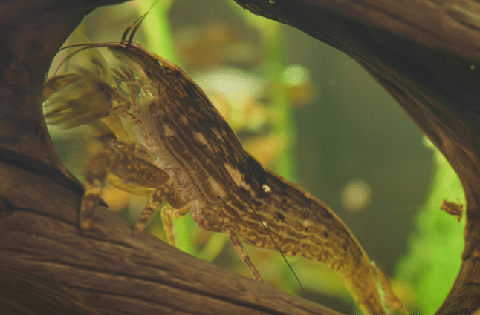
Bamboo shrimp are one of the largest freshwater aquarium shrimp available, growing to about 2 to 4 inches. They are bulky shrimp with large, rounded bodies. As fan shrimp, they have two pairs of feathery arms that help them pull food particles out of the water.
These shrimp are brownish-red but can become darker or lighter depending on available food and other environmental factors. Upon closer inspection, you can see many thin, dark pinstripes run along the sides of their body. Down the middle of their body is a thick off-white stripe that runs from their antennae to the base of their tails.
Male vs. Female
Bamboo shrimp are pretty costly. Considering that they only live for a couple of years, it is expensive to replace your colony so often. Because of this, many shrimp keepers try breeding bamboo shrimp, though we’ll find out that this is a challenge in itself.
To breed bamboo shrimp, you need to have a male and female individual. These shrimp are easy to tell apart from each other, but only when they’re mature in size.
Like other shrimp and crustaceans, you need to look at the abdomen of the shrimp. Female shrimp carry eggs in and around their pleopods, or swimming legs, underneath their abdomen, so this area needs to be big.
In general, males are larger than females. Males also have bigger, thicker first walking legs. From above, male bamboo shrimp are slimmer and shorter than females. Females have wider and longer abdomens, as well as longer pleopods.
Temperament and Behavior
Want easy, forgiving shrimp? Start with cherry shrimp. Want a challenge with stunning payoff? Get crystal reds and commit to RO water.
Bamboo shrimp are perfect tank mates for a community tank setup. Their larger size also makes them compatible with some of the bigger tropical fish species available as long as temperaments match.
Despite their large size, they is shy with sudden movements and bright lights. It may take several weeks for a new shrimp to acclimate to its new home, so make sure to add plenty of hiding spots in the beginning.
In general, this fan shrimp can safely be kept with all community fish species. They spend most of their time propped up on plant leaves or other aquarium decorations in the water current with their fans extended. If your fan shrimp is traveling to the bottom of the tank to look for food in the substrate, then this could indicate that there isn’t enough available food in the water column.
While a healthy bamboo shrimp may still display this behavior, it’s strongly recommended to start offering more available foods that make feeding easier.
Bamboo Shrimp Tank Mates
Not too many hobbyists have a shrimp tank that only features bamboo shrimp. This shrimp species is often an afterthought to a community tank featuring other tropical fish and invertebrates. Luckily, they fit in with almost every tank mate combination!
How Many Should Be Kept Together?
Bamboo shrimp are not territorial towards each other or other shrimp. That being said, there are a few limiting factors that can stop you from keeping multiple bamboo shrimp together.
First, space can become an issue. Not for the reason you may think, though. Instead, bamboo shrimp are very efficient filter feeders that can clean available food particles out of the water column within a few days. This can lead to a shortage of food when there is too much competition.
Second, bamboo shrimp are large shrimp. Though they’re not aggressive, they can add additional bioload to the aquarium that can add up over time.
In general, as long as your shrimp are easily able to find food and have good filtration, then you can keep as many as you would like together.
Best Tank Mates For Them
But what other shrimp and fish can you keep with your bamboo shrimp? Almost everything!
The good news is that bamboo shrimp are large freshwater shrimp. Most tropical fish have small mouths, which takes bamboo shrimp off the menu. This makes bamboo shrimp a great choice for a betta tank, though you will need to create some areas of higher flow in the aquarium that your betta might not appreciate!
These shrimp keep to themselves in the aquarium and won’t bother other peaceful fish. Because they perch on live plants and other decorations, they also stay out of the way of bottomfeeders and other active species. Some of the best tank mates for bamboo shrimp are:
Yes! Bamboo shrimp can live with other freshwater shrimp, specifically dwarf shrimp species. Because these shrimp aren’t the most colorful on their own, many hobbyists keep them with cherry shrimp (Neocaridina davidi) and vampire shrimp (Atya gabonensis). Other less colorful tank mates include Amano shrimp (Caridina multidentata) and ghost shrimp (Palaemonetes paludosus).
Least Compatible Fish For Them
Although large shrimp, bamboo shrimp are still an appetizing choice for fish with large mouths. Fish that should be avoid are:
It should also be noted that bamboo shrimp should not be kept with crayfish, like the Mexican dwarf crayfish (Cambarellus patzcuarensis). Even though these two invertebrates might look similar to one another, the crayfish will gladly eat your shrimp.
Care
Want easy, forgiving shrimp? Start with cherry shrimp. Want a challenge with stunning payoff? Get crystal reds and commit to RO water.
Bamboo shrimp care is easy, but there are a few ways you can guarantee the success of your shrimp. These shrimp only live a couple of years on average, so you want to make the most of it! They are also much more expensive than other shrimp in the aquarium trade.
Are They Hard To Keep?
Bamboo shrimp aren’t one of the hardiest shrimp varieties available. They are susceptible to incorrect or fluctuating water parameters, which can make transferring them between different freshwater aquariums difficult. Your shrimp is most likely to die within the first few days of having it in your tank.
To prevent this from happening, it’s strongly recommended to use a quarantine system that gives full control over tank conditions. Purchase from a reputable seller that keeps juvenile shrimp so that you get the most time with your new invertebrate.
Is the Bamboo Shrimp Right for You?
Before you buy a Bamboo Shrimp, take an honest look at whether your setup and experience level are a good match. This is not about gatekeeping. It is about setting both you and the fish up for success.
Experience level: Bamboo Shrimp are a solid choice for beginners. They tolerate a range of conditions and bounce back from minor mistakes. If you are new to fishkeeping, this is a forgiving species to start with.
Tank size commitment: A 20-gallon tank works as a minimum. This is a manageable size for most hobbyists, which is part of what makes this species accessible.
Temperament considerations: Bamboo Shrimp is territorial or aggressive. You need to plan tank mates carefully and provide enough space and cover to reduce conflict. They are not a good fit for peaceful community tanks with small, shy fish.
Feeding requirements: Bamboo Shrimp are omnivores that accept a wide range of foods. A quality pellet or flake as a staple, supplemented with frozen or live foods, keeps them healthy and shows off their best coloration.
Group requirements: These are schooling fish that need to be kept in groups of 6 or more. Keeping fewer leads to stress, dull coloration, and abnormal behavior. Budget for the full group, not just one or two.
Water type: This is a saltwater species. You need a fully cycled marine setup with proper salinity, filtration, and water chemistry. Saltwater tanks are more expensive and demanding than freshwater, so factor that into your decision.
Long-term commitment: Make sure you are ready for the full lifespan of this species. Fish are not disposable pets. Research their needs thoroughly before buying, and make sure you can provide consistent care for years to come.
Tank Requirements
The best bamboo shrimp care will stem from a good aquarium setup. These shrimp need a mature aquarium where they can feed on the fine particles and microorganisms already present in the water column.
A new tank setup is too clean and will need to be heavily fed to sustain your shrimp.
Tank Size
You’ve most likely seen a small tank filled with cherry shrimp at your local fish store. Since bamboo shrimp are similar to other shrimp species, does this mean that they is kept in a small tank too?
No. Bamboo shrimp prefer a larger tank setup for a few reasons.
First, bamboo shrimp are large shrimp. While they don’t move around the tank much, they create significantly more bioload than small shrimp. They may also struggle to be present in the tank if there are too many other shrimp occupying the space.
Another reason why bamboo shrimp need a larger tank is that they heavily depend on their natural habitat for food. These shrimp need plenty of available food in the water column for their success. A small tank has much less available food, which can cause your shrimp to quickly run out of things to eat.
How Many Can You Put In A 55 Gallon Tank?
There are a lot of factors that go into determining how many bamboo shrimp you can have in your tank. In theory, a 55 gallon could hold a lot of shrimp! But this probably isn’t the best option.
Consider how much natural food is available in your aquarium. Is there a constant supply of plant debris? How often do you feed your fish? Are your shrimp competing for the same food as other fish or invertebrates?
There are some questions you should be asking yourself before you introduce multiple bamboo shrimp into your aquarium. That being said, it’s recommended to keep 1 bamboo shrimp per every 20 gallons of water. This would mean that about 2 to 3 bamboo shrimp could comfortably be kept in a 55 gallon aquarium.
Setup
Aquarium setup doesn’t matter too much when keeping bamboo shrimp as they’ll find their niche within the system. However, there are a few ways you can optimize your shrimp’s way of living.
One of the most important aspects of keeping bamboo shrimp is making sure that there is some water current moving throughout the aquarium. These shrimp come from naturally fast-moving waters where they stand in the current to filter food. Experienced keepers use their filter return or a powerhead to create a stream of water current specifically for their shrimp.
A powerhead pairs well with a sponge filter. This combination allows for water flow as well as a bioload station for bamboo shrimp to pick at if they don’t feel like catching their food.
Otherwise, bamboo shrimp do not need any special aquarium setup. I prefer to dim their lighting or use tannins to create a more comfortable environment for these shy shrimp.
Decor
Bamboo shrimp do best in a heavily planted aquarium where there are plenty of organics available in the water. This is a high or low tech setup with varying lighting intensities; as mentioned before, bamboo shrimp are more present in dimmer lighting.
These shrimp will appreciate natural decor in the form of driftwood, smooth rocks, and leaf litter. However, they can also be kept in more artificial setups as well.
Substrate
The type of substrate you keep your bamboo shrimp on doesn’t matter too much. These shrimp stay off the substrate, staying perched on driftwood and aquarium plants.
For the most natural tank setup, a light or dark brown substrate is recommended.
Live Plants
Bamboo shrimp will greatly appreciate an assortment of live plants. These shrimp will make their home in dense vegetation, catching any food that happens to pass by. Plant matter will also enter the water column, providing additional food for your shrimp.
Want easy, forgiving shrimp? Start with cherry shrimp. Want a challenge with stunning payoff? Get crystal reds and commit to RO water.
Bamboo shrimp are relatively hardy shrimp but they still require mature tank conditions. Good filtration and water circulation are necessary for keeping a happy and healthy bamboo shrimp.
Filtration & Aeration
As mentioned before, bamboo shrimp will do best with a sponge filter in combination with a powerhead. This creates an area for grazing around the filter while also making a current that your shrimp can stand in.
For larger tanks, a hang on the back filter or canister filter is recommended for better filtration and water movement. A powerhead may still be necessary to create areas of higher flow for your shrimp.
An air stone is not necessary, though can help circulate water and nutrients.
Water Parameters
Bamboo shrimp are sensitive to imperfect water parameters. They cannot tolerate any traces of ammonia or nitrite and start to have trouble when nitrates exceed 20 ppm. They is kept in a wide water temperature range between 68 and 85° F but prefer relatively neutral pH levels between 6.5 and 8.0.
One of the more important water parameters to be aware of is calcium. Freshwater shrimp go through the molting process about every month and a half. This is when they shed their old exoskeleton to grow.
To grow a new shell, they need plenty of calcium available in the water. While this is brought in through water changes and diet, bamboo shrimp may be given special shrimp calcium blocks from time to time.
Aquarium Maintenance
Aquarium maintenance for bamboo shrimp is straightforward, especially in a mature tank where parameters are stable. In general, a 10-25% weekly or biweekly water change is recommended for a moderately stocked freshwater aquarium. Bamboo shrimp prefer slightly ‘dirtier’ conditions where food is available in the water column, so experienced keepers only do water changes every other week or once a month.
When performing a water change, make sure to use an aquarium vacuum to remove any rotting food or plant matter.
Testing Tank Conditions
To ensure that your tank is always running the best that it can, regularly test your aquarium water with a dependable test kit. This test kit should use liquid reagants as testing strips are highly inaccurate.
While most shrimp is maintained through only the leftover fish food in the aquarium, bamboo shrimp require some special care and attention when it comes to their food and diet.
Don’t worry, though! Bamboo shrimp feeding doesn’t require too much extra time.
If you notice that your shrimp is searching around sponge filters or wandering around the substrate, there is a lack of food. At this point, it’s strongly recommended to supplement feedings.
Powdered food, crushed fish food, broken-up algae wafers, and small live food may be given daily.
Bamboo shrimp will not fix an algae problem, meaning that they won’t graze on available algae. Instead, they’ll help purify the water of any microscopic waste or organisms that could lead to an algae bloom.
Breeding
Breeding bamboo shrimp is rarely done in the aquarium hobby. Like Amano shrimp, bamboo shrimp need brackish water during their larval stages.
To go about breeding bamboo shrimp, you need a male and a female. Once successfully bred, the fertilized eggs must be gently detached from the female and moved to brackish water conditions. From there, the fry may be fed spirulina powder until they mature.
Where To Buy
Bamboo shrimp are pretty expensive. Their sensitivity to stresses during transportation also makes them slightly difficult to come across at your average pet store. Because they’re difficult to breed in captivity, they also can’t be sourced from fellow hobbyists.
Bamboo shrimp are one of the most overlooked filter feeders in the hobby. They need a good source of suspended food in a mature aquarium setup. They are slightly sensitive to changes in environment and water conditions and have short lifespans.
Still, they’re great invertebrates to have for controlling excess waste and potential algae blooms!
German Blue Rams are the most beautiful dwarf cichlid in freshwater fishkeeping. They are also one of the most frequently killed. Most people do not lose them because they got unlucky. They lose them because their tank was not stable enough, their water was not warm enough, or they added them too early. I have kept these fish on and off for over 20 years, and I still treat every new batch like a test of whether my tank is actually dialed in. If your setup is not rock solid, this fish will die. It is that simple.
If you are willing to meet their demands, a pair of German Blue Rams in a well planted tank is one of the most stunning setups in the hobby. But if you cut corners, they will punish you for it. This guide is the honest version of GBR care. Not the watered down one you will find everywhere else.
German Blue Rams do not tolerate mistakes. They expose them.
If your tank cannot hold a steady 82 to 84 degrees with zero ammonia and minimal nitrates, you are not ready for this fish. That is not gatekeeping. That is just the reality of keeping a species this sensitive.
The German Blue Ram is proof that beauty and difficulty are directly proportional in fishkeeping.
German Blue Rams only live 2 to 4 years, but those years demand pristine water quality, consistent temperatures above 82F, and a level of attention most keepers are not ready to provide.
No other freshwater fish packs this much color into this small a body. And no other fish punishes sloppy husbandry this fast.
Why Most People Fail With German Blue Rams
I have watched this play out dozens of times. Someone sets up a new tank, cycles it for a few weeks, and then adds a pair of German Blue Rams as their centerpiece fish. Within two weeks, one or both are dead. Here is why it keeps happening.
They add them to tanks that are not mature enough. A cycled tank is not the same as a stable tank. GBRs need established biological filtration, stable pH, and a tank that has been running for at least two to three months with other fish in it. A brand new cycle with zero biofilm and fluctuating parameters will kill them. Not eventually. Within weeks..
The temperature is too low. Most community fish do fine at 76 to 78 degrees. German Blue Rams need 82 to 84. That is not optional and it is not a range you can fudge. If your tank sits at 78, your rams will be sluggish, lose color, and start declining within days. And once a GBR starts going downhill, you rarely get them back..
Water parameter swings kill them fast. A pH swing of even 0.5 in a short period will stress a GBR enough to trigger illness. They are not like hardy cichlids that bounce back from rough conditions. Once a German Blue Ram starts declining, you have a very small window to fix things before you lose the fish.
They pick the wrong tank mates. Anything fast, aggressive, or nippy will stress GBRs into hiding. And a stressed ram is a dead ram. Tiger barbs, serpae tetras, and most mbuna are automatic disqualifiers. Stick with calm, slow moving species that occupy different levels of the tank.
The Reality of Keeping German Blue Rams
I am not going to sugarcoat this. German Blue Rams are one of the most demanding freshwater fish you can keep. They look incredible, but they are completely unforgiving if your setup is not right.
They crash fast. A healthy GBR can go from vibrant and active to dead in 48 hours if something shifts in the tank. Ammonia spike, temperature drop, pH swing. Any of these triggers a decline that you cannot reverse once it starts. You do not get second chances with this fish. German Blue Rams are a precision fish. They reward perfection and punish everything else.
The temperature requirement limits your tank mate options. At 82 to 84 degrees, you are ruling out a lot of common community fish that prefer cooler water. Cardinals, rummy noses, and sterbai corydoras work. Most other tetras and corydoras do not thrive at those temps long term.
They look amazing when everything is right. A male GBR in full color in a heavily planted tank is one of the most beautiful things in freshwater fishkeeping. But that only happens when water quality is pristine, temperature is locked in, and stress is minimal. One off parameter and the colors fade within days.
Biggest Mistake New German Blue Ram Owners Make
They buy them too early. The fish looks incredible at the store, they impulse buy a pair, and they add them to a tank that has been running for three weeks. The rams are dead within ten days and the owner blames the fish. The fish was not the problem. The tank was not ready.
Expert Take (Mark Valderrama, AquariumStoreDepot)
Never add German Blue Rams to a tank that has been running for less than three months. This is not a suggestion. This is the single rule that separates people who keep GBRs alive from people who keep buying replacements. A cycled tank is not the same as a mature tank. They need established biofilm, stable parameters, and a bacterial colony that can handle their sensitivity. This is the single most important piece of advice I can give you.
Key Takeaways
German blue ram is named after a famous fish collector and importer from Germany known as Manuel Ramirez.
They have spiny rays in their anal, pelvic, pectoral, and dorsal fin to ward off their predators.
German blue ram loves digging up the substrate, so put hardy plants and floating plants in their aquarium
Electric blue ram is an open spawner; i.e., the wild German rams form a family group and lay around 200 eggs in their natural habitat.
German blue rams are one of the most sensitive commonly kept cichlids. They require stable temperatures of 78-84 degrees F (26-29 degrees C), very soft acidic water, a mature tank, and high-quality water. Not for beginners or new tanks.
Species Overview
Scientific Name
Mikrogeophagus ramirezi
Common Names
German blue ram, blue rams, electric blue rams, Butterfly cichlid
Family
Cichlidae
Origin
Orinoco River basin of South America in the Llanos of Venezuela and Colombia
Diet
Omnivore
Care Level
Moderate to Difficult
Activity
Medium
Lifespan
3 to 4 years
Temperament
Peaceful fish
Tank Level
All levels
Minimum Tank Size
10 gallons
Temperature Range
78.0 to 85.0° F
Water Hardness
6 – 14 dGH
pH Range
6.0 – 7.5
Filtration/Water Flow
Moderate
Water Type
Freshwater
Breeding
Egg Layer/Open spawner
Difficulty to Breed
Easy
Compatibility
Limited, Generally small fish with the same temperament
OK, for Planted Tanks?
With Caution
Classification
Order
Cichliformes
Family
Cichlidae
Subfamily
Geophaginae
Genus
Mikrogeophagus
Species
M. ramirezi (Myers & Harry, 1948)
Brief Introduction
The German Blue Ram or Mikrogeophagus ramirezi goes by many names including, German Ram, Electric Blue Rams, Butterfly Cichlid, Golden Ram, Ramirez’s dwarf cichlid, Ramirezi, Ram cichlid, and Ram. The German blue rams are named after Manuel Ramirez1. one of the first collectors and importers of Ram cichlids in the aquarium trade.
German blue ram is a peaceful fish that can easily be kept in community tanks, even with non-cichlid fish species with a similar temperament. For the record, these fish do not do well in an aggressive fish tank.
Origin & Habitat
Opposed to their name, the German blue rams originated from the Orinoco River basin in Venezuela and Colombia. The reason they are called “German Blue” rams is that the blue variation of Ram cichlids was selectively bred in Germany and became popular from there.
Appearance
The electric blue ram is a small, colorful fish with pointed fins and a tail. Their bodies are oval and the males develop more pointed dorsal fins than female German blue rams.
Starting at their nose, there is a yellow coloration on their body that changes from whitish blue to blue in color. A black curved line runs from their forehead, through their eyes, and reaches down to the chin. Also, the middle part of the body is adorned with a black spot. They have pointed fins that are clear yellow in color with a black blotch. Female Electric blue rams have pinkish-red or orange bellies.
Like all other cichlids, the German blue rams have a full set of pharyngeal teeth located in their throat. They also have spiny rays in their anal, pelvic, pectoral, and dorsal fin to ward off their predators. The front area of their fins is soft, allowing them to move precisely and effortlessly.
Unlike other fish, German blue rams have one nostril on each side of the nose. So, they sense smells in water by sucking in water and expelling it right after it’s sampled.
What is the average adult size?
The Electric blue ram is a small fish, reaching the average size of between 2-2.5 inches (5-6 cm) in length.
How long do they live?
The average lifespan of German blue ram largely depends on their water conditions, diet, and overall care. Under normal circumstances, German blue rams live around 3 to 4 years, while some individuals may live up to 5 years.
Food & Diet
In their natural habitat, wild German blue rams feed on plant materials and small invertebrates. However, in captivity, they feed on a varied diet, including brine shrimp, bloodworms, white worms, chopped earthworms, cyclopeeze, live mosquito larvae, and artemia. You can also feed them flake food and pellets as occasional treats.
How often to feed them?
you need to to feed two to five small amounts of food once or twice a day to keep the water quality optimal for longer periods.
Temperament and Behavior
Fish owners love German blue rams for their ever pleasing nature and beautiful aesthetics. And rightfully so, German blue rams thrive in community tanks even with their non-cichlid mates. However, they may seem aggressive; they are more “bark than bite”.
You can keep them alone, but you need to to keep them in pairs and avoid putting two males in an aquarium until your tank is exceptionally large.
German Blue Ram Tank Mates
Here are some great tank mates for a German blue ram cichlid tank:
No matter how low maintenance German blue rams are, the key to keeping your fish happy lies in the water quality. German blue ram cichlids are prone to rapid breathing and illness due to mismatched water chemistry and quality. Therefore, meeting their tank requirements and maintaining the water quality is essential for the survival of German blue rams.
Tank Requirements
Here’s a complete breakdown of ideal tank requirements for the German blue ram cichlids.
Tank Size
Since they are small community aquarium fish, the recommended tank size is around 15 gallons.
Live Plants
Keeping live plants in a German blue ram aquarium sounds daunting because most aquatic plants cannot tolerate the warm water temperature. Therefore, it is essential to get plants that can survive the hot water.
Also, German blue rams love digging and so, they might hurt your aquatic plants. To cater to this, I suggest keeping plants like Java Ferns and mosses. You can also add floating plants, especially to the breeding tank to diffuse the lighting. Some great examples of live plants are:
Make sure to leave free swimming space while placing plants in their aquarium and install a proper filtration system for their successful survival.
Tank Decorations
German blue Rams love a well decorated tank. And even though they thrive in a community aquarium, sometimes, they might need to find a safe, comfortable place to hide. Therefore, aquarium decorations should be provided with caution.
You can equip their tank with driftwood, flowerpots, dense plant clusters, caves, and rocks to mimic their natural habitat and keep them happy.
Make sure all the decorations are the aquarium and fish-friendly with no sharp edges to create a healthy and stimulating environment.
Substrate
A substrate of fine sand mixed with gravel and granite pebbles works best for a German blue ram tank. That’s because sand mixed with gravel allows your fish to sift through it, which is a natural behavior for them in the wild.
Additionally, you can go for plant substrate or bare bottom as per your preferences and tank requirements.
Note: Make sure your substrate does not leech into the water and change the pH. Avoid using sand for marine tanks
Is the German Blue Ram Right for You?
Before you commit to this species, here’s an honest assessment of whether it fits your setup and experience level.
One of the most beautiful freshwater fish alive. A healthy, fully colored German blue ram is genuinely stunning. the iridescent blue and gold are unmatched.
Not for beginners. I can’t emphasize this enough. If you haven’t successfully kept other sensitive fish, you’re not ready for this one.
Temperature is non-negotiable. 82-84°F minimum. This limits your tank mate options to species that also thrive in warm water.
Perfect for warm, soft-water planted tanks. If you already run a planted tank with CO2 and acidic water, German blue rams feel right at home.
Buy from reputable breeders, not chain stores. Locally bred rams from a quality breeder are significantly hardier than mass-produced imports.
Short lifespan even with perfect care. 2-3 years is typical, which feels short given the effort required to keep them healthy.
Filtration and Aeration
Maintaining Oxygen levels and water quality leads to a happy, healthy tank with a thriving German blue ram.
German blue ram, like any other fish loves a clean and clear environment with low nitrates, ammonia, and zero nitrites. Therefore, a filter that can handle all these toxins and the size of your aquarium is much needed.
I recommend getting a canister filter for a larger tank. However, for a 10-gallon tank, a hang-on filter works wonders. I also suggest installing a filter with a biological filtration system to break down harmful chemicals and waste substances in the water effortlessly.
For aeration, you need to to provide an air stone or bubble wand to create the flow of bubbles. To save yourself money and time, you can get a filter integrated with an air pump to help aerate the water besides filtering.
Water Parameters
The ideal water parameters for German blue Ram are:
Recommended temperature range: 78.0 to 85.0° F
Breeding Temperature:– 77 – 82.4° F
Ideal pH range: 6.0-7.5
Water Hardness Range:6 – 14 dGH
Aquarium Care
I recommend performing water changes of 10% to 20% at least biweekly, depending on the number of fish and tank size. German blue ram is super sensitive to certain chemicals and changes in their environment to the point of their sudden demise.
Also, they are prone to fish tuberculosis or Piscine. Therefore, aquarium maintenance is the key to keeping them healthy and happy. I also advise cleaning and sanitizing their tank decorations and other stuff with a sponge. It is also recommended to vacuum the substrate to remove the waste and all the food.
Breeding
Before setting up a breeding tank, it is important to know that the German blue ram is an open spawner; i.e., the wild German blue rams form a family group and lay around 200 eggs in their natural habitat.
Therefore, in captivity, start with 6 juveniles and let them bond. After they have bonded successfully, move the breeding pair to their own respective tanks.
Requirements for a breeding tank
The ideal water temperature for a breeding tank is around 77 – 82.4° F. They prefer slightly acidic and soft water.
Provide quiet areas for them as they are usually nervous and may end up eating their own eggs if stressed, Also, provide lots of hiding places such as caves and plants, especially wide leaves to spawn on.
you need to to tape the sides of your tank with a taping paper to alleviate stress.
The breeding process
Before spawning, the breeding pair usually spend lots of time cleaning the top of pebbles. After they are comfortable and spawned, the female German blue ram lays around 200 eggs and the male ram cichlid fertilizes them externally. Once they have successfully spawned, you will notice the colors of the pair have intensified drastically.
After 60 hours, the eggs hatch, and just after a few days, the fry will be swimming freely.
Note: German blue ram are known to eat their own fry after hatching, thus, you may put the young ones into a separate tank
Once the fry is free swimming, the male ram takes them into its mouth to clean and then spits them out.
After the yolk sac has disappeared, you can feed the fry micro worm or infusoria. You can also feed them newly hatched baby brine shrimp.
Always remember to maintain the water quality while feeding the fry. you need to to perform 10% water changes every day.
Fish Diseases
Despite being hardy fish, the German blue ram is vulnerable to poor water quality and oxygenation. Hence, resulting in several fish diseases.
One of the most common problems is Ich, which is caused by parasitic infestations from protozoa or worms. Other common diseases include:
Costia disease
Flatworms
Cestoda or tapeworm infestations
Bacterial infections and diseases
Fish tuberculosis
Skin flukes
FAQs
Are German blue Rams difficult to keep?
No, they are moderately easy and not difficult to keep. Still, not recommended for beginners because they demand top-notch water quality and they are very sensitive to certain chemicals and water changes that might pose a challenge to beginner aquarists.
Are German blue rams schooling fish?
No, they are not schooling fish but like to be in pairs or small groups of 6 individuals mainly. They is territorial, especially while breeding, and may show aggression towards other fish. Therefore, it is important to provide them with lots of hiding places and plants to rest on and reduce stress, and aggression.
What is the difference between a blue ram and a German Blue Ram?
There is absolutely no difference between a blue ram and a German blue ram. Both of the names are given to the same species, “Mikrogeophagus ramirezi”. The blue ram cichlid or a German blue ram is a name given to the same species of blue color morph which is a small and peaceful fish found in the streams of Venezuela and Colombia.
Do German blue rams need caves?
Yes, the German blue ram needs lots of hiding places to alleviate the stress and reduce aggression towards other fish. Therefore, caves, rocks, and aquatic plants are essential for their survival.
Are the German Rams hard to keep?
Yes – they are very demanding of their water quality and tank requirements. Therefore, a novice fish keeper might not be able to keep them.
What is the lifespan of a German ram?
German blue rams typically have a life expectancy of 3 to 4 years, while some may reach 5 years. The water quality, nutrition, and general care of German blue rams all affect how long they live on average.
How big do blue ram cichlids get?
The usual size of the electric blue ram is between 2-2.5 inches (5. 6 cm), making it a small fish.
What It Is Actually Like Living With German Blue Rams
When everything is dialed in, German Blue Rams are mesmerizing. Here is what the day to day actually looks like.
They own the bottom of the tank. A pair of GBRs will claim a territory around a cave or flat rock and patrol it constantly. They are not aggressive about it the way mbuna are, but they make it very clear that this is their spot. Other fish learn to stay away.
The color changes tell you everything. A happy, healthy GBR is electric. Deep blues, bright yellows, vivid black markings. When something is off, the colors wash out almost immediately. You learn to read your ram like a dashboard. If the color fades, something in the tank needs attention right now.
Breeding behavior is fascinating. If you get a bonded pair, watching them clean a spawning site, lay eggs, and guard fry together is one of the best things in the hobby. They are attentive parents when conditions are right. Most first attempts fail, but when it clicks, it is incredibly rewarding.
You will check on them constantly. More than any other fish I have kept, GBRs make you pay attention. You will find yourself walking by the tank just to confirm they are still active and colorful. That is not anxiety. That is just what happens when you keep a fish this responsive to its environment.
How the German Blue Ram Compares to Similar Species
The Bolivian ram is the comparison every German blue ram buyer needs to make honestly. Bolivian rams are hardier, tolerate temperatures from 72-79°F, handle a wider pH range, and live longer (4-5 years vs. 2-3 for German blue rams). They’re not as spectacularly colored, but they’re still attractive fish with great personality. If I had to recommend one ram species to someone who’d never kept dwarf cichlids, it would be the Bolivian ram every single time. Save the German blue ram for after you’ve proven you can maintain stable warm, soft water conditions.
The cockatoo dwarf cichlid (Apistogramma cacatuoides) is another excellent comparison. Cockatoos are hardier than German blue rams, tolerate a wider range of conditions, and males are incredibly flashy with their extended dorsal fins. They also breed more readily in captivity. The cockatoo is my recommendation for anyone who wants a colorful dwarf cichlid with breeding potential but isn’t ready for the demands of a German blue ram.
Final Thoughts
German blue rams or electric blue rams are beautiful freshwater fish with a peaceful temperament. However, they are not beginner friendly and require some exceptional care in pristine water conditions.
If not taken care of properly, the fish might show signs of stress and illness, eventually leading to their death. Therefore, proper tank maintenance and tank setup should be exercised to avoid accidents.
Freshwater angelfish need a minimum 24-inch (60 cm) tall tank – their height at full size exceeds 6 inches (15 cm) with fins. Standard 18-inch tanks cramp their fin movement and cause chronic stress. Tank height is the critical dimension.
Freshwater angelfish are one of the most popular cichlids in the hobby and one of the most misunderstood. They are not community fish in the way most people think. They eat small tetras, bully slow swimmers, and become territorial nightmares when they pair off. I have kept angelfish for over 25 years and the most common mistake I see is stocking them with fish they will eventually eat. It happens every single time. The community fish that stops being a community fish the moment it is big enough to eat its neighbors.
The community fish that eats the community.
What Most Care Guides Get Wrong About Freshwater Angelfish
The most persistent myth about angelfish is that they’re peaceful community fish. They’re cichlids. They eat small fish. I can’t tell you how many times I’ve heard from keepers who watched their angelfish eat their neon tetras overnight. If it fits in an angelfish’s mouth, it’s food. And adult angelfish have surprisingly large mouths. The other major misconception is tank size. Yes, a single angelfish can technically survive in a 20-gallon tall tank, but a pair or small group needs 55 gallons minimum. Their tall body shape means they need vertical space too, not just footprint.
Freshwater angelfish are one of the most recognizable fish in the hobby. And one of the most misunderstood. People buy them as juveniles thinking they’re peaceful community fish, then are surprised when a 6-inch adult starts eating neon tetras and bullying everything in the tank. I’ve kept angelfish for years and they’re genuinely wonderful fish, but they need the right setup and the right tank mates. This care guide covers what actually matters from my experience, not just the textbook requirements.
There are a few differences between male and female angels, but they is hard to see. One of the only, though not always guaranteed, ways to tell these fish apart is by examining their behavior. Male angelfish will show much more territorial behavior than females, though some females is just as aggressive.
In general, it’s best to shop from pet stores that already have an established breeding pair. Otherwise, a small group of juvenile angelfish is purchased and maintained until a breeding pair has formed.
Once a pair has formed, they angelfish mate on their own. The water temperature may be slightly elevated, and the quality of food increased to encourage spawning. When ready, the female will release eggs that the male will fertilize. Angelfish parents are very protective of their eggs and should be kept together during this time.
Within a few days, the eggs will hatch the fry will become free-swimming. Baby brine shrimp are great to feed these newborn fish as the yolk sacs of newly hatched brine shrimp offer a lot of nutritional value to them. The parents will continue offering protection during this time but have been known to eat their fry if not supplied with enough food!
Fry may be fed tiny foods, like brine shrimp nauplii, until ready to accept bigger portions.
Fish Diseases
Though angels are hardy fish, they’re susceptible to a few unique diseases and illnesses. Like other fish, they can contract ich, velvet, and fin rot, especially if their long fins are allowed to scrape across objects in the aquarium. Here are a few less common problems you will experience with your angelfish:
Cloudy eyes. Cloudy eyes are never a good sign in fish. They’re indicative of a larger bacteria, fungus, or parasitic infection. Cloudy eyes are caused by poor water quality and can be treated with consistent water changes and light medication treatment.
Gill flukes. These are parasites that take over the fish’s gills and cause inflammation, difficulty breathing, and secondary infections. Gill flukes are a little more difficult to treat than affected fish experiencing cloudy eyes and can require medication, dips, and consistent water changes.
Hexamita. Another parasitic infection, Hexamita causes hole in the head for angels. This is caused by water quality and can be treated by removing carbon from the aquarium, medications, and water changes.
When picking out your new fish, find angelfish that are bright in color, round in the head, and with clear eyes. If possible, ask the employees at the pet stores to feed the fish in front of you. There should be no hesitation to eat. Once home, quarantine your angels accordingly.
Conclusion
Angelfish are cichlids first and community fish second. Forget that and your neon tetras disappear.
Plan the tank around them, not the other way around. Get the height right, get the tank mates right, give them vertical space and plants, and freshwater angelfish will reward you with one of the most visually impressive tanks in the hobby. They have earned their reputation over 90 years in the trade for a reason.
Tropical fish were how I got into this hobby, and after 25+ years and a lot of tanks, I still think a freshwater tropical setup is one of the most rewarding things you can do in this hobby. The variety alone is wild. schooling tetras, large cichlids, oddballs, planted tanks, biotopes. There’s genuinely something for every skill level and every taste.
This guide covers 30 of the most popular tropical species you’ll come across, with honest notes on which ones are truly beginner-friendly and which ones get sold as “easy” but have requirements that can trip you up if you’re not prepared.
Expert Take | Mark Valderrama, AquariumStoreDepot
After 25+ years in this hobby, I want to be direct: the most common mistake I see is beginners buying fish based on looks alone, without checking whether their tank is actually set up for that species. This guide is a decision-making tool, not just a list. Use the difficulty tiers and comparison table below to figure out which group fits your tank, your experience level, and your goals before you go to the fish store.
Key Takeaways
Tropical fish need an electric heater in their tank to stay warm.
There’s a tropical fish species for you, no matter how big your tank and your budget are.
Many freshwater tropical fish can live together, but it’s important to research each fish’s temperament and diet to avoid any accidents.
Fish aren’t the only amazing creatures that live in fish tanks. Amphibians and invertebrates make great pets too!
What Are Tropical Freshwater Fish?
Fish are the most diverse group of vertebrate organisms on the planet (by a long way!), and the tropics have the most variety of all. Freshwater tropical fish are simply the species that come from freshwater bodies like rivers and lakes near the Earth’s equator.
These areas stay warm throughout the year, and abundant rain creates plenty of habitats for these fish to thrive. Freshwater tropical fish often have bright colors and exotic features, and many of these fish do great in home aquariums, provided we can keep the water in their tank warm like their wild home.
There are just so many different tropical fish species that we need a way to split them up into different aquarium fish categories. Let’s take a quick look at some of these groups before we get into the different species.
Schoolers and Shoalers
Many tropical fish species are highly social, and they live in groups in the wild. These fish either hang out in schools where each individual swims in the same direction and move together, or in shoals, where they stay near each other but do their own thing until it’s time to move on.
Schooling and shoaling fish make great aquarium fish, but it’s important to keep enough of them to form their own little school and feel safe together.
Centerpiece Specimens
Some fish are perfectly happy to live on their own, and these species can make great freshwater aquarium fish too. These fish might be the biggest, coolest fish in a tropical community tank, or have the aquarium all to themself as a ‘wet pet’.
Centerpiece fish are often more time-consuming fish, but they are also the most rewarding fish you can keep!
Bottom Dwellers
Bottom dwellers might sound like an insult to some, but there’s a whole world of amazing freshwater aquarium fish species that spend their lives on the bottom of the tank!
These fish often benefit aquariums by cleaning up scraps and wasted food that the other species miss, and they tend to have really weird and interesting body shapes. However, bottom-dwellers usually favor camouflage over bright colors so that they can blend in with their environments.
Peaceful vs. Aggressive Types
Different tropical fish species have different ways of interacting with the other fish. Some fish are highly territorial and do not allow other fish to approach their turf, while others are peaceful and get along great with friends and neighbors.
Sometimes aggressive fish can live with other aggressive fish because they are tough enough to defend themselves, but peaceful community fish do not mix well with aggressive or territorial fish. Placing them together will put your prized pets at risk of getting bullied, eaten, or killed!
Tropical Freshwater Fish Species – 30 Amazing Types!
Are you ready to learn about some awesome freshwater tropical fish? There are way too many species to cover in this article alone, but let’s start out by getting to know the 30 best types that you can keep. I also included a video from our YouTube Channel to help visualize. Our blog post goes into more details so please look at both. If you like our content, be sure to subscribe!
I’ve included the following important facts about each group to help you decide which fish are best for you:
Fish Family
Fish Type
Temperament
Care Level
Size Range
Special Features
Here we go!
1. Arowanas
Fish Family: Osteoglossidae
Fish Type: Centerpiece fish
Temperament: Aggressive
Care Level: Expert
Size Range: 2 – 3 feet
Special Features: Huge size and dragon-like scales
We’re kicking off this list with a true monster fish, just to show you what is possible in the tropical fish-keeping hobby. Arowanas are time-consuming and expensive aquarium fish that need huge aquariums, but boy are they beautiful!
These aggressive fish have huge mouths, and that means any fish that is small enough to eat will probably end up as lunch. Nevertheless, these unique tropical fish can make wonderful pets for experienced fishkeepers.
2. African Cichlids
Fish Family: Cichlidae
Fish Type: Centerpiece fish
Temperament: Semi-aggressive or aggressive
Care Level: Intermediate
Size Range: 1.5 – 16 inches
Special Features: Amazing colors and fascinating breeding behaviors
African Cichlids fall into an in-between category. They make an awesome community species, but they certainly are not peaceful community fish!
These fish have some of the most vibrant colors in the hobby, and their high activity levels make them the first choice for aquarists who want a busy tropical fish tank.
African cichlids tend to be highly territorial, and they will fight and even kill each other if you keep the wrong species, in the wrong numbers, or in the wrong tank setup. They also need hard, high-pH water to thrive, so they aren’t the best choice for beginners.
Temperament: Aggressive to their own kind and fish that look like them
Care Level: Easy
Size Range: 2 – 2.5 inches
Special Features: Great beginner fish for small aquariums
There are many wild species of betta fish, but the Betta splendens, or the Siamese fighting fish is the most popular. These awesome little tropical fish are perfect for small aquariums, and you can find them in pretty much any pet store.
The male betta fish is usually more colorful, but females make great pets too. The most important rule is to keep just one betta fish in a tank, these fish love to fight!
4. Barbs
Fish Family: Cyprinidae
Fish Type: Schooling fish
Temperament: Peaceful to semi-aggressive
Care Level: Easy to intermediate
Size Range: 2 – 14 inches
Special Features: Beautiful fish with glossy scales and a range of colors and patterns
Aquarium barbs are a popular group of tropical aquarium fish for many reasons. Most are peaceful schooling or shoaling fish that are ideal beginner fish and very affordable. Some, like the tiger barb, can be pretty mean though, and these aren’t always a good choice for community tanks.
Some of the best species are the cherry barbs, the golden barbs, and the Odessa barbs, but if you have enough room, the tinfoil barb is great too!
5. Bichirs
Fish Family: Polypteridae
Fish Type: Bottom dweller/ centerpiece fish
Temperament: Semi-aggressive
Care Level: Intermediate
Size Range: up to 20 inches
Special Features: Dinosaur-like appearance and large size
Bichirs are strange, prehistoric-looking tropical fish from Africa. There are several species, although the Senegal bichir is the most popular in the aquarium trade. They will eat any small fish that they can swallow, so keep them with other larger tank mates.
Bichirs can grow huge, and live for over 40 years with good care. Keeping them healthy in the long term is going to require a huge aquarium and serious commitment. Still, these fish are definitely worth considering if you want a truly unique tropical fish pet!
6. Cory Catfish
Fish Family: Callichthyidae
Fish Type: Bottom dwellers
Temperament: Peaceful
Care Level: Easy
Size Range: 1 – 4 inches
Special Features: Peaceful community fish with fun schooling behavior
Originally from the tropical waters of South America, the corydoras catfish is now a popular freshwater aquarium fish all over the world. These fish are incredibly peaceful, so they get along great with pretty much every other tropical fish that is not big enough to eat them!
There are loads of different species, including the tiny pygmy cory and the elegant emerald cory catfish, and all are social schooling fish. That means you’ll need a group of at least 6 of these calm fish to see them at their best.
7. Danios
Fish Family: Cyprinidae
Fish Type: Schooling fish
Temperament: Peaceful
Care Level: Easy
Size Range: 0.8 – 6 inches
Special Features: Peaceful, hardy, and energetic fish for community tanks
Danios are energetic shoaling fish from the same family as barbs and goldfish. There are many species, ranging from the delicate celestial pearl danio to the high-speed zebrafish.
Most danios are tiny fish, but they can be very active and often need plenty of swimming space.
8. Discus
Fish Family: Cichlidae
Fish Type: Centerpiece fish
Temperament: Peaceful
Care Level: Moderate
Size Range: 4 – 8 inches
Special Features: Unique disk shape, various breeds with amazing colors
Few fish have the amazing variety of colors and patterns of the discus fish. These peaceful cichlids are also known as the kings of all freshwater fish in the freshwater hobby. These shy fish need special care, are delicate, and are not recommended for beginners.
9. Dwarf Cichlids
Fish Family: Cichlidae
Fish Type: Bottom dwellers, centerpiece fish
Temperament: Peaceful to semi-aggressive
Care Level: Easy to intermediate
Size Range: 2 – 4 inches
Special Features: Smaller and more peaceful than larger African and New World cichlids
The dwarf cichlids have a number of benefits over their larger cousins. These small fish can be kept in just 30 gallons, and they tend to be more peaceful, while still having great looks and interesting behaviors.
There are many great species of dwarf cichlids in the hobby, but cockatoo cichlids (Apistogramma), rams (Mikrogeophagus), and kribs (Pelvicachromis) are the big names in this group.
10. Freshwater Angelfish
Fish Family: Cichlidae
Fish Type: Centerpiece fish
Temperament: Generally peaceful
Care Level: Easy
Size Range: 6 inches long & 8 inches tall
Special Features: Round, flattened body with huge triangular fins.
The freshwater angelfish is another peaceful South American cichlid that comes in a variety of breeds. The great thing about these large fish is that they thrive in community aquariums and can even live safely with smaller schooling fish like tetras and rainbow fish.
11. Freshwater Catfish
Fish Family: Siluriformes
Fish Type: Bottom dwellers
Temperament: Peaceful to semi-aggressive
Care Level: Easy to advanced
Size Range: 3 inches to 3 feet
Special Features: Long cat-like whiskers
Freshwater catfish are another diverse group of fascinating, and often very large tropical fish. These interesting bottom dwellers rarely have bright colors, but many species have awesome markings and patterns.
Popular aquarium species include the shoaling transparent glass catfish of Asia, the Synodontis catfish of Africa, which includes the strange upside-down catfish, and the spotted pictus catfish of South America.
Catfish are generally peaceful fish, although species with large mouths will eat other fish. Some catfish grow really huge, so always do your research before you leave the shop with a baby catfish!
Gobies are one of the most diverse groups of fish on the planet, and yet there are few species available in the freshwater aquarium trade.
Fortunately, these interesting fish are becoming more popular, and today you can find everything from small, brightly colored algae eaters to large, dangerous-looking creatures like the dragon goby.
Many of the popular freshwater aquarium gobies will do best in brackish conditions, so make sure the species you choose will be happy in your tank.
13. Freshwater Eels
Fish Family: Mastacembelidae etc.
Fish Type: Bottom dwellers
Temperament: Peaceful
Care Level: Intermediate
Size Range: 8 – 40 inches
Special Features: Snake-like body and interesting markings
There are a few groups of freshwater eels in the aquarium, and many of them are not true eels at all! The most popular types are from a fascinating group of snake-like fish that include the tire-track, fire, and spiny eels.
These odd-ball fish come from Africa and Asia, and they make a fascinating centerpiece or bottom dweller fish in many tropical aquarium types.
14. Freshwater Sharks
Fish Family: Cyprinidae
Fish Type: Bottom dwellers
Temperament: Peaceful/semi-aggressive
Care Level: Moderate to advanced
Size Range: 5 – 14 inches
Special Features: Dramatic shark-like fins and body shape
Freshwater sharks are a group of popular tropical fish that don’t exactly live up to their more iconic saltwater fish namesake. While they may have a shark-like body shape, these fish do not have the sharp teeth or leathery skin of true sharks.
The most popular freshwater sharks are rainbow sharks, bala sharks, and red-tail sharks. Some of these fish have naturally bold colors, but check out the Glofish Sharks if you want a fish that really shines!
15. Freshwater Stingrays
Fish Family: Potamotrygonidae
Fish Type: Bottom dweller
Temperament: Peaceful but potentially dangerous
Care Level: Advanced
Size Range: 30 – 36 inches
Special Features: Strange body shape and interactive personality
You might be shocked to learn that freshwater stingrays exist, and even more shocked to discover they make great pets!
However, these unusual fish are not going to fit in your standard aquarium. They are some of the most expensive aquarium fish, and their care requires high experience levels.
Stingrays require a huge floor space, but they don’t need much depth. These flat fish can be kept in indoor ponds where they become very tame and often take food from the hand. Of course, stingrays can sting, so keeping these creatures does come with some risks.
16. Freshwater Puffers
Fish Family: Tetraodontidae
Fish Type: Centerpiece fish
Temperament: Semi-aggressive to aggressive
Care Level: Intermediate to Advanced
Size Range: 1 – 30 inches
Special Features: Unusual looks and swimming style
Freshwater pufferfish are another unusual group of fish that you would expect to find on a saltwater fish list. In fact, there are many freshwater species, and these adorable creatures can make wonderful pets once you understand their needs and behavior.
Freshwater puffers need hard-shelled foods to keep their sharp teeth worn down, and most species are not safe for community tanks.
17. Gouramis
Fish Family: Osphronemidae
Fish Type: Centerpiece fish
Temperament: Peaceful to semi-aggressive
Care Level: Easy to intermediate
Size Range: 1.5 – 28 inches
Special Features: Beautiful colors and long feeler-like pelvic fins
Gourami fish range from the tiny sparkling gourami, perfect for nano aquariums, to the mighty giant gourami, a gentle monster that makes a wonderful pet if given the room it needs. Gouramis are part of the same family as betta fish, and they have the same interesting air-breathing abilities.
Gouramis are a great centerpiece fish for a tropical fish tank. The range of different colors, shapes, and sizes means there’s a gourami species for anyone!
Special Features: Hardy beginner fish that’s easy to breed
Guppies are colorful fish, and they have been bred into many different types with various patterns and fin shapes. These peaceful fish add color and movement to virtually every level of a freshwater tank, and their affordability and hardiness make the an ideal choice for first-time fish keepers.
Guppies are the most common of the livebearers, a group of fish that give birth to live young instead of laying eggs. This means they are super easy to breed, which can be a really fun hobby.
19. Hatchetfish
Fish Family: Gasteropelecidae
Fish Type: Schooling fish
Temperament: Peaceful
Care Level: Intermediate to advanced
Size Range: 1.75 – 3.5 inches
Special Features: Strange flattened body shape and surface-dwelling habits
The hatchetfish is an interesting tropical fish that spends its life up at the surface of the tank. These fish escape predators by jumping out of the water, which means they need a really secure lid to prevent them from escaping onto the floor of your fish room!
20. Killifish
Fish Family: Aplocheilidae, Valenciidae, Cyprinodontidae, Fundulidae, Profundulidae
Fish Type: Shoaling fish
Temperament: Peaceful to semi-aggressive
Care Level: Easy to moderate
Size Range: 1.5 – 5.5 inches
Special Features: surface-dwelling fish with amazing colors
Killifish are colorful nano fish that make fascinating pets and can thrive in tanks as small as 5 or 10 gallons. Like the hatchet fish, killis are generally surface-dwelling fish, and they can easily escape an open-top aquarium.
21. Loaches
Fish Family: Cobitoidea superfamily
Fish Type: Bottom dweller
Temperament: Peaceful
Care Level: Easy to moderate
Size Range: 1 – 12 inches
Special Features: whisker-like barbels and a variety of colors and patterns.
Loaches range from tiny eel-like fish to large colorful schooling species. They all have adorable and fascinating behaviors, and they can make great pets with heaps of personality. Most loaches are tropical fish, but some species like the dojo loach prefer their water a little cooler.
Loaches are generally peaceful creatures that search for food on the bottom of the tank. They are social fish too, so pick up a small group to keep them feeling comfortable in your aquarium.
22. Mollies
Fish Family: Poeciliidae
Fish Type: Shoaling fish, livebearer
Temperament: Peaceful
Care Level: Easy
Size Range: 3 – 7 inches
Special Features: Hardy fish with many color morphs and fin shapes
Mollies are excellent tropical fish for everyone from beginners to experienced fish keepers. These North and Central American livebearers are hardy fish that can live in fresh, brackish, and even saltwater aquariums!
Mollies get along well with other fish, making them ideal for community aquariums. There are three popular species in the aquarium trade, with a variety of popular breeds such as the stunning Sailfin, the elegant lyretail, and the strange balloon molly.
23. New World Cichlids
Fish Family: Cichlidae
Fish Type: Centerpiece fish
Temperament: Peaceful to aggressive
Care Level: Easy to advanced
Size Range: 2 – 12 inches
Special Features: Great colors and personality
The New World Cichlids are a diverse group of tropical fish from Texas through Central and South America. These fish include the shy and colorful dwarf cichlids, the fascinating earth-eaters (Geophagus), and popular large wet pets like Oscar fish, Midas Cichlids, and Jack Dempseys.
There are so many species with different shapes, colors, and personalities that it’s impossible to describe them all here. However, one thing we can say is that there’s a great New World Cichlid for any freshwater aquarium!
24. Platies
Fish Family: Poeciliidae
Fish Type: Shoaling fish, livebearers
Temperament: Peaceful
Care Level: Easy
Size Range: 2 – 3 inches
Special Features: Peaceful community species that is easy to breed
Platies are another wonderful live-bearing species from Mexico and Central America. At two to three inches, these fish are in between the size of the guppy and the molly, and they can be kept with both species in awesome livebearer community tanks.
There are two platy species available in the hobby, but these fish have been selectively bred to produce a huge variety of colorful and interesting breeds like the sunset, Mickey Mouse, and wagtail platies.
Special Features: Armored body and various intricate patterns
Plecostomus catfish, or just plecos for short, are a large group of South American Catfish that hang out on the bottom of lakes and rivers and graze on rocks and driftwood. Plecos are great algae eaters for large aquariums, and they will help to clean the glass and other surfaces of Your tank.
There are hundreds of different pleco species out there, ranging from small pleco species like the strange-looking bristlenose at just 4 inches to the impressive common pleco that can reach 20 inches!
26. Rainbowfish
Fish Family: Melanotaeniidae, Pseudomugilidae, etc.
Fish Type: Schooling fish
Temperament: Peaceful
Care Level: Easy
Size Range: 1.5 – 6 inches
Special Features: Bright colors and peaceful personality
Rainbowfish are a colorful group of tropical fish from Australia and Southeast Asia. They range in size from nano species like the spotted blue-eye rainbow at just 1.5 inches, to medium-sized fish like the popular boesemani rainbowfish.
These active fish thrive in community aquariums with great water quality and suitable tank mates. The larger species will need a tank in the 55-gallon class, but nano types can be kept in a well-planted tank of just 10 gallons or more.
27. Rasboras
Fish Family: Cyprinidae
Fish Type: Schooling fish
Temperament: Peaceful
Care Level: Easy
Size Range: 0.7 – 3 inches
Special Features: Beautiful fish for nano and community aquariums
Rasboras are a group of tropical fish that includes some of the smallest and most popular species in the hobby.
Many of these Asian species are ideal beginner fish, and the tiny Boraras species like the chili rasbora are one of the few schooling fish that can thrive in a 5-gallon aquarium.
28. Swordtails
Fish Family: Poeciliidae
Fish Type: Shoaling fish, livebearer
Temperament: Peaceful
Care Level: Easy
Size Range: 5 – 6 inches
Special Features: Bright colors and long, sword-like tail
Swordtails are one of the larger tropical livebearer species and a great community tankmate for a variety of other fish. They are active freshwater fish that add a flash of color and movement to any aquarium.
Swordtail fish come in various shades of orange, yellow, and pink, and they can have various tail shapes. These fish breed regularly in the home aquarium, so get ready to see loads of little ones if you keep males and females together.
Special Features: Excellent algae control for planted tanks
The plecostomus catfish aren’t the only algae-eating fish in the aquarium world. Many other tropical fish will happily graze on your aquarium glass, hardscape, and plants, and the best part is that they make fascinating pets in their own right!
Look out for Otocinclus catfish (the best choice for nano aquariums), farlowella catfish (strange, twig-like bottom-dwellers), Siamese algae eaters, and flying foxes if you’re looking for great clean-up crew species for your tank.
30. Tetras
Fish Family: Characidae
Fish Type: Schooling fish
Temperament: Peaceful
Care Level: Easy
Size Range: 0.75 – 3 inches
Special Features: Dazzling colors and amazing schooling behavior
Tetras are the perfect fish for peaceful communities and planted aquascapes. There are many wonderful species available in the hobby, ranging from the world-famous neon tetra to slightly larger fish like the Congo Tetra of tropical Africa.
Tetras are schooling or shoaling fish, and they need the company of their own species to swim confidently and show their best colors. Add a school of at least 8 of these fish to your tank and enjoy these rewarding fish!
Tier 2 (Intermediate): Gouramis, barbs, loaches, most cichlids (including angelfish and most New World cichlids), rasboras, rainbowfish, freshwater puffers. Require stable water, appropriate tank mates, and specific diet attention.
Tier 3 (Advanced): Discus, killifish (species-dependent), axolotls, arowanas, freshwater stingrays, bichirs, freshwater eels. Require large tanks, specialized diet, precise parameters, or species-only setups. Do your research before purchasing.
Tier 4 (Expert Only): Large New World cichlids (Oscar, flowerhorn, jaguar) kept as wet pets, freshwater sharks in full-size adult tanks. Years of commitment and dedicated large systems required.
Mark’s Pick | Best First Tropical Fish Setup
For a first freshwater tropical tank, I always recommend corydoras catfish paired with a small tetra school. Corydoras are bulletproof, entertaining to watch, useful for cleanup, and almost never bother other fish. A school of 6+ neon or ember tetras adds movement and color at the midwater level. Together, they teach you how a community tank actually works without punishing every beginner mistake. That combination has launched more successful fishkeepers than any other I’ve seen.
Which Group Fits Your Setup?
Use this decision table to match your goals and tank size to the right fish group before you buy.
If you want…
Best Group
Min. Tank Size
Difficulty
Easy colorful schooling fish
Tetras, Rasboras, Danios
10 gal (38 L)
Beginner
A single showpiece fish
Betta, Angelfish, Gourami
10–55 gal (38–208 L)
Beginner–Intermediate
A community bottom cleaner
Corydoras, Bristlenose Pleco
20 gal (76 L)
Beginner
Easy breeders you can enjoy
Guppies, Mollies, Platies
10 gal (38 L)
Beginner
An aggressive species-only tank
African Cichlids, Large NW Cichlids
55–125 gal (208–473 L)
Expert
The most rewarding challenge
Discus
55+ gal (208+ L)
Advanced
Something genuinely unique
Bichir, Arowana, Freshwater Eel
75–250 gal (284–946 L)
Advanced
Other Creatures
Fish are the first animals that come to mind when we think about aquariums, but did you know that all sorts of other strange and beautiful creatures can live in a fish tank? Let’s check them out!
Freshwater aquarium shrimp are a great addition to small tanks and aquascapes. Peaceful, full of personality, and colorful. Many varieties are available.
Special Features: Wide range of breeds in various colors
Freshwater shrimp have become super popular in the aquarium hobby, and it’s easy to see why! There are many different breeds and species available, and they come in just about any color you can think of.
Freshwater shrimp are very peaceful creatures, and they are fascinating to watch as they feed and explore. Unfortunately, most fish will pick on freshwater shrimp or even swallow them whole, so it’s best to keep them in their own tank or with vegetarian species like the otocinclus catfish.
2. Aquarium Snails
Family: Ampullariidae, Neritidae, etc.
Type: Bottom-dwellers
Temperament: Peaceful
Care Level: Easy
Size Range: 1 – 4 inches
Special Features: Excellent clean-up crew and algae control animals
Aquarium Snails are another excellent aquarium invertebrate for tropical aquariums. These slow-moving creatures do great work in our tanks by eating algae, cleaning up waste, and eating leftover fish food. However, some species tend to multiply really fast!
There are many aquarium snails that do not breed in our fish tanks, and these are usually the best choices. Choose the neatly patterned and colored nerite snails if you want a small, algae-busting machine, or the much larger mystery snail for a cool display animal.
3. Aquarium Crabs
Family: Ocypodidae etc.
Type: Bottom dwellers
Temperament: Peaceful to semi-aggressive
Care Level: Moderate
Size Range: 0.4 – 1 inches
Special Features: Fascinating and unusual aquarium inhabitants
Crabs are not very common in the freshwater aquarium world, although there are some great species available if you know where to look.
Special Features: Fully aquatic frog that can live in a small aquarium
African dwarf frogs are adorable little creatures that spend their whole lives in the water. However, they must swim to the surface to breathe air because they do not have gills like fish.
These social creatures should be kept in groups of two or more, preferably in a shallow aquarium. They are tropical creatures, so they need an aquarium heater and an aquarium filter to keep their water warm and clean.
5. Crayfish
Family: Cambaridae etc.
Type: Bottom dweller
Temperament: Aggressive
Care Level: Easy
Size Range: 1 – 6 inches
Special Features: Bright colors and unique body shape
Freshwater crayfish are probably the most colorful freshwater aquarium invertebrates in the hobby. These cool crustaceans have powerful claws, and they will use them on unsuspecting fish, so their tank mates need to be chosen with care!
6. Axolotls
Family: Ambystomatidae
Type: Centerpiece pet
Temperament: Semi-aggressive
Care Level: Easy
Size Range: 9 – 12 inches
Special Features: Strange spiky gills and a smiling face
We’ve saved the strangest tropical fish tank inhabitant for last. The Axolotl is also known as the Mexican walking fish, but this creature is not a fish at all!
Axolotls are fully aquatic salamanders that do great in fish tanks. These interesting animals are not truly tropical though, so give them their own tank with stable water temperatures of 60-64°F to keep them cool and comfortable.
Common Mistakes to Avoid
Buying a fish based on looks alone without checking adult size, tank requirements, or temperament
Stocking a 10-gallon (38 L) tank with fish labeled “small” at the store that grow to 6 inches (15 cm)
Mixing aggressive cichlids or fin-nipping barbs with slow-moving or long-finned species
Buying schooling fish as singles: they stress, hide, and die faster alone than in a proper group
Adding discus, stingrays, or arowanas as a first fish because they looked stunning at the store
Adding fish to a brand-new uncycled tank without completing the nitrogen cycle first
FAQs
What fish are considered tropical fish?
Tropical fish are any species that come from a warm part of the world. There is no hard rule about the exact temperatures, but most species are comfortable in 74 to 80 degrees Fahrenheit.
These fish usually require an electric aquarium heater to keep their water temperature in the right range, unless you live in a tropical part of the world.
Are tropical fish hard to keep?
Tropical freshwater fish species are among the easiest type of fish to keep and the best option for beginners to the aquarium hobby. Of course, each fish species has its own care requirements, and some are much easier than others.
All species need a big enough tank, good aquarium filtration, and a balanced diet. Most of the popular small fish species will thrive on a simple flake food diet supplemented with live or frozen foods like brine shrimp.
What fish should I put in my tropical tank?
The great thing about tropical fish is the huge variety of species available. There are a couple of questions to ask yourself before choosing fish for your aquarium.
Is my aquarium big enough for this fish? Will this fish get along with my other fish? Can I provide the right care and food for this fish? Do I like the look and behavior of this species?
If you can answer yes to all of those questions, you might just have the perfect species for your tank!
What is the most popular tropical fish?
Guppies, bettas, and tetras are probably the most popular tropical fish species in the world. Of course, with so many amazing fish species available, most aquarists have their own lists of favorite fish!
What is the most hardy tropical fish?
Zebra danios and Livebearers like mollies and guppies are considered especially hardy tropical fish that are great for beginners. However, all fish species deserve the best water quality, care, and diet that you can provide.
Closing Thoughts
The freshwater tropical hobby has something for everyone. Whether you want a low-maintenance nano setup with a betta or a 125-gallon (473 L) African cichlid display, there’s a path that fits your budget, your space, and your skill level. The key is matching the fish to the setup, not the other way around.
Use the difficulty tiers and decision table in this guide before you buy. Start with something forgiving, get it dialed in, and build from there. That’s the approach that leads to tanks you’re proud of years down the road.
Where to Find Quality Tropical Fish
For healthy, quality-guaranteed fish from reputable sources:
Flip Aquatics: quality freshwater fish, shipped live with guarantee
Dan’s Fish: wide selection of tropical community fish
📘 Want to learn more? This article is part of our complete Freshwater Fish Guide. your ultimate resource for freshwater species, care tips, tank setup, and more.
Yellow lab cichlids are the best mbuna for beginners, but beginner friendly does not mean easy. They still need hard, alkaline water, proper overstocking to manage aggression, and a rock structure that prevents line of sight between males. Skip any of those and you will see aggression, stress, and faded color. I have recommended yellow labs as a first African cichlid for over 20 years, but only to people willing to set up the tank correctly first. The on-ramp to the African cichlid addiction that hooks everyone.
The on-ramp to the African cichlid addiction that hooks everyone.
What Most Care Guides Get Wrong About Yellow Lab Cichlid
The number one mistake I see with yellow labs is people buying them thinking they’re a peaceful community fish because of their color and relatively calm reputation. They’re still mbuna. They’re still territorial. And in a tank that’s too small or under-stocked, they’ll bully other fish just like any other mbuna would. The “peaceful mbuna” label is relative. They’re peaceful compared to kenyi or auratus, not compared to tetras or corydoras. The other common issue is hybridization. Yellow labs readily crossbreed with other mbuna in mixed tanks, producing dull hybrid offspring that dilute the beautiful yellow coloring that made them popular in the first place.
That said, “easy to keep” only holds true if you’re running the right conditions. Hard, alkaline water, a low-protein diet to avoid Malawi bloat, and proper territory structure in the tank. Get those right and yellow labs are an absolute pleasure to keep. Here’s everything you need to know.
The Reality of Keeping Yellow Lab Cichlid
Yellow Labs are the most recommended beginner mbuna for good reason. But even the easiest African cichlid comes with requirements you cannot skip.
They need hard, alkaline water. Lake Malawi chemistry means pH between 7.8 and 8.6, high GH, and high KH. If your tap water is soft and acidic, you need to buffer it. Every water change. No exceptions.
They are herbivores. Yellow Labs need a spirulina-based diet. Feeding them high-protein foods like bloodworms regularly leads to Malawi Bloat, which is often fatal. Stick to spirulina flakes and algae-based pellets.
Males color up, females stay pale. Only male Yellow Labs develop that intense electric yellow color. Females are duller and more subdued. If you want a tank full of bright yellow fish, you need males, but too many males means fighting.
Overstocking is part of the strategy. With mbuna, you overstock to spread aggression. A tank with three Yellow Labs will have one bully and two victims. A tank with 12 will have distributed aggression and happier fish. But overstocking demands heavy filtration.
Biggest Mistake New Yellow Lab Cichlid Owners Make
Feeding them protein-heavy foods. Yellow Labs are herbivores, and Malawi Bloat from improper diet kills more labs than anything else. Spirulina flakes and veggie pellets. That is the foundation. No bloodworms as a staple.
Expert Take (Mark Valderrama, AquariumStoreDepot)
Start with a group of 8 to 12 in a 55 gallon tank. Use crushed coral or aragonite substrate to buffer pH naturally. Feed spirulina-based food exclusively. This simple setup will give you one of the most vibrant, active tanks in the hobby.
Key Takeaways
The Yellow lab cichlid is a mouthbrooder. Meaning the female carries fertilized eggs and fry in her mouth until they are big enough to survive on their own.
They are carnivores in the wild and feed on small invertebrates and algae. However, in captivity, they are omnivores and eat a varied diet.
They have been selectively bred resulting in a range of different colors and patterns
The male yellow lab cichlid is larger in size and more colorful than its female counterparts.
Yellow lab cichlids (Labidochromis caeruleus) are one of the most beginner-accessible mbuna from Lake Malawi. They are less aggressive than most mbuna but still need hard alkaline water, rock caves, and groups of 8+.
Species Overview
Scientific Name
Labidochromis caeruleus
Common Names
Yellow Lab, Electric yellow cichlid, lemon drop cichlid
Family
Cichlidae
Origin
East African Central Western coastal region of Lake Malawi
Diet
Omnivore
Care Level
Moderate
Activity
Medium
Lifespan
8 to 10 years
Temperament
Semi-Aggressive
Tank Level
Bottom
Minimum Tank Size
30 gallons
Temperature Range
76 – 82°F
Water Hardness
10-20 dGH
pH Range
7.8 to 8.6
Filtration/Water Flow
Moderate to high
Water Type
Freshwater
Breeding
Egg Layer/Mouthbrooder
Difficulty to Breed
Easy
Compatibility
Limited, African Cichlid only
OK, for Planted Tanks?
With Caution
Classification
Kingdom
Animalia
Phylum
Chordata
Class
Actinopterygii
Order
Cichliformes
Family
Cichlidae
Genus
Labidochromis
Species
L. Caeruleus (Fryer, 1956)
Brief Introduction
Yellow lab cichlids, commonly known as Electric yellow cichlids and yellow labs are popular freshwater fish that originates from Lake Malawi in East Africa.
They are known for their super bright yellow coloration and smaller fish size that is easy to maintain and a treat to watch in your home aquariums. Yellow lab cichlids are beginner friendly fish with unique breeding behavior where the male fish establishes and defends its territories and females lay their eggs on flat surfaces.
Overall, yellow lab cichlids are an excellent and beautiful addition to your home aquariums that add opulence and life wherever they go.
Origin & Habitat
The electric yellow cichlids are found in the rocky banks and heavily vegetated regions of Lake Malawi. Originally, the yellow lab cichlid is from the Nkata Bay of Lake Malawi, which is the home of other African Cichlids. In their natural habitat, these fish mostly dwell in the rocks and reaches a length of around 8 inches.
By the end of 1986, the yellow African cichlid was available to buy for aquarium hobbyists. Shortly after, they became popular freshwater fish known for their aesthetic appearance and peaceful nature (for an African Cichlid).
The name, Labidochromis Caeruleus, was given to a blue fish because it was discovered blue in color. However, the yellow color morph was later found along the North East coast of African lakes, now known as electric yellow cichlids1.
Map by MellonDor, CC BY-SA 4.0, via Wikimedia Commons
Appearance
The Yellow Lab Cichlid’s body is a bright yellow in color, giving them a stunning look. They have an extended, thin body structure, a head that is somewhat pointed, and a prominent forehead. They have longer fins as well, with the dorsal fin reaching all the way back to the tail. Males often outweigh females in size and color, with brighter yellow coloring and longer fins. Females often have a paler color and are smaller.
The young Yellow lab cichlids may have somewhat different patterns from those of adults, but they fade as they get older. Furthermore, some breeders have deliberately bred these fish in an effort to improve particular characteristics, including fin form or color, leading to a variety of various strains and varieties. The Yellow Lab Cichlid is a stunning fish that can give a splash of color to any aquarium
Average Adult Size
The yellow lab cichlids are small fish that grow around a maximum of 5 inches in length for males. The female electric yellow cichlid grows around 3 to 4 inches. However, in some rare cases, they may grow around 6 inches and over, depending on their diet, water quality, and tank size.
Lifespan
The life expectancy of yellow lab cichlids is around 8 to 10 years in captivity. But, they may live for up to 12 years, provided with proper care, a healthy diet, and water conditions.
Food & Diet
Yellow lab cichlids are carnivorous fish in the wild. However, in captivity, they are omnivores. Therefore, their diet should mainly be protein based. High quality fish flakes and fish pellets that are formulated for African cichlids are highly recommended. You can also feed them premium quality frozen foods such as brine shrimp, bloodworms, and krill as occasional treats.
Ron is an African Cichlid breeder with over 25 years in experience who created a line of food that is well balanced. A great option when you can’t use frozen foods.
Additionally, it’s important to add plant-based treats to your yellow lab cichlid’s diet, including zucchini, shelled peas, spinach, and lettuce. This food provides necessary nutritional benefits and helps them in consuming a varied diet.
How Often Do You Feed Yellow Lab Cichlids and How Much?
Avoid overfeeding your yellow lab cichlid and maintain a proper schedule to feed yellow lab cichlids as they overeat and become overweight, leading to health issues. It’s recommended to feed them a small amount of food only twice or thrice a day.
Anything they can consume within two to three minutes is a general rule of thumb to feed yellow lab cichlids.
Temperament and Behavior
Overall the yellow labs are a species of peaceful and shy cichlid, but during the breeding process, they will become aggressive and territorial. It’s recommended to keep a group of 6 or more fish to alleviate their aggression toward other fish.
Yellow lab cichlids are also active swimmers and appreciate lots of hiding places and open spaces in their fish tanks. Since they are known for their digging behavior, it’s important to supply their tank with plenty of decorations and high-quality substrate.
Yellow Lab Cichlid Tank Mates
Yellow lab cichlids are mildly peaceful fish that are compatible with other like-minded fish species. Therefore, it’s crucial to choose suitable tank mates for yellow lab cichlids.
Some of the best-suited tank mates for electric yellow cichlids are:
Other African cichlids species, including yellow tail Acei cichlids, Peacock cichlids, Red Zebra cichlids, Johanni cichlids, blue dolphin cichlids
Yellow lab cichlids are colorful fish that are easy to care for. Despite being low maintenance, they demand basic tank and water requirements to thrive in captivity.
They are also omnivores in captivity, so a varied diet is essential, along with color-enhancing commercial foods to maintain their vibrant colors.
Like all other cichlids, they require regular maintenance and upkeep with stable water parameters to remain happy and healthy. Let’s dive it Yellow Lab Cichlid Care below.
Tank Requirements
Here are the basic tank requirements to provide a suitable and comfortable environment for your yellow lab cichlid.
Tank Size
Since yellow lab cichlids are community fish that thrive with their other cichlids and compatible fish of different species, a tank size of at least 30 gallons is the bare minimum. However, long term this will cause problems with territorial aggression.
If you want to have a group of around 8 to 12 cichlids, a larger tank or around 55 gallons is a good size.
Yellow lab cichlids are active fish and are known to be aggressive toward live plants. Therefore, live plants are not the best choice for your electric yellow cichlids.
However, if you still want to keep live plants for the sake of their beautiful aesthetics, there are some options that are “cichlid-proof”. These include:
The yellow lab cichlid prefers a tank with caves and enough hiding spots. You can pile rocks into the bottom of the tank, especially when your fish are spawning. That’s because yellow lab cichlids are native to Lake Malawi where there are lots of rocks to build their territories. However, make sure the rocks are not pointed enough to hurt your finned pets.
Other recommended tank decorations are:
Limestone rocks (get for maintaining pH and hardness)
Yellow lab cichlids stay at the bottom of the tank, so the choice of premium substrate is crucial.
You can use sand as the best option because Lake Malawi’s bottom is covered in sand. Therefore, using sand will replicate their natural habitat and keep them happy.
Additionally, crushed coral helps maintain the pH levels in your tank by releasing Calcium carbonate into the water. Thus, it’s also a great option for the substrate. Fine gravel can also be used as a substrate.
If you want to keep your tank bare bottom for easy maintenance and cleaning, you can do that too. However, it will be unnatural and uncomfortable for your Yellow labs.
Is the Yellow Lab Cichlid Right for You?
Before you commit to this species, here’s an honest assessment of whether it fits your setup and experience level.
The best beginner mbuna, hands down. If you want to try African cichlids and start with Malawi mbuna, this is the species to begin with.
Brilliant electric yellow color. Few freshwater fish offer this intensity of yellow. They genuinely pop in any setup.
Still need a proper mbuna setup. Minimum 55 gallons with lots of rock work, alkaline water, and appropriate stocking levels.
Best kept with other mild-mannered mbuna or peacocks. Avoid mixing with highly aggressive mbuna species that will outcompete them.
Not suitable for standard community tanks. Despite being calm for mbuna, they’re still too territorial for most tropical community setups.
Easy to breed but hard to keep pure. They’ll hybridize with other mbuna, so keep species separated if you want to maintain pure lines.
Tank Maintenance
Though Yellow Labs fish are hardy and require little maintenance but regular tank cleaning and maintenance are required to keep them healthy for a long.
Filtration and Aeration
Proper filtration is an important step to maintaining a healthy ecosystem for your Yellow lab cichlid.
I recommend installing a filter that is suitable for your tank size and the number of fish you have. Any filter with a turnover rate of around 4 to 6 times the tank volume per hour is ideal for Yellow lab cichlids. You can choose a canister filter, HOB, or sponge filter. However, it’s crucial to clean and replace the filter media regularly.
I also advise putting an air pump or wavemaker in the tank as these species love a well-oxygenated environment. Essentially, you can use sponge filters as they provide filtration and aeration both.
Water Parameters
The ideal water parameters for yellow lab cichlids are as follows:
Water temperature: Between 76-82°F
pH range: 7.8 to 8.6
Water hardness: 10-20 dGH
Tank Maintenance
Tank maintenance is the key to a healthy aquarium. It’s crucial to maintain water temperature. Therefore, I recommend investing in an aquarium thermometer and quality heater to monitor the temperature.
You should perform weekly 25% to 30% water changes to prevent the buildup of fish waste or toxins. In addition to water changes, cleaning the filter and gravel is also important to remove uneaten food and debris.
Breeding
Fun Fact: Yellow lab cichlids are mouth breeders, meaning they keep their young in their mouths until they are ready to hatch.
To reduce the tension in females, I recommend keeping 1 male for every 3 to 6 females. Even though the yellow labs are passive for a cichlid, they will become territorial during breeding.
Here’s how you breed them in a separate tank.
Separate the mature females and one male in a breeding tank.
Fill in the tank with cold water to drop the temperature and stimulate mating.
Feed them protein rich, high quality food free of hormones or unnatural color enhancers
After spawning, when the fry hatch and are free swimming, separate the mother into another tank.
Feed the fry high quality protein rich food to promote healthy growth.
Fish Diseases
Unlike many African cichlids, the electric yellow cichlid is very hardy and less susceptible to Malawi bloat. However, if the water temperature and water conditions are not in pristine conditions, they may be infected with Ich, skin flukes, and other parasitic infections, fungal infections, and bacterial infections.
Therefore, it is necessary to maintain water conditions as per the fish’s preferences and feed them high-quality diet to avoid those diseases.
FAQs
Are Yellow Labs Cichlids Aggressive?
No, Yellow Lab Cichlids are not overly aggressive fish. However, they becomes territorial and semi-aggressive in a small tank with 2 or more males.
Are Yellow Lab Cichlids good for beginners?
Yes, they are ideal for beginners because they are hardy, beautiful, and tolerate a wide range of water conditions. Also, they are peaceful fish as long as you provide them with the right environment and suitable tank mates.
How Much Do Yellow Lab Cichlids Cost?
The total cost of Yellow lab cichlid depends on a variety of factors, including size, age, quality, etc. On average, young fish may cost you around $5 to $10 per fish. However, adult breeding pairs will cost between $20 to $30.
How Big Do Yellow Lab Cichlids Get?
They are small-to-medium-sized fish that grow approximately 4 to 5 inches in length. The male Yellow Lab Cichlids are slightly larger and more colorful than the females.
How long do they live?
The average lifespan of yellow lab cichlids is 8 to 10 years in captivity.
What It Is Actually Like Living With Yellow Lab Cichlid
This is the part no other care guide gives you. Forget water parameters for a minute. Here is what it is actually like to share your tank with this species.
They are always moving. Yellow Labs are active, curious fish that patrol every inch of the tank. They pick at rocks, sift through substrate, and interact with each other constantly. A mbuna tank is never boring.
The yellow really pops. Under the right lighting, a dominant male Yellow Lab is one of the most intensely colored freshwater fish you will ever see. That electric yellow against a dark rock background is stunning.
They breed like rabbits. Yellow Labs are maternal mouthbrooders that breed readily in captivity. If you have males and females, you will have babies. Lots of babies. Have a plan for the fry.
They establish a hierarchy fast. Within days of adding Yellow Labs to a tank, a dominant male emerges. He gets the best territory, the most color, and first dibs on food. Subordinate males stay paler and stick to the edges.
How the Yellow Lab Cichlid Compares to Similar Species
The most relevant comparison is with peacock cichlids. Both are Lake Malawi natives, but they occupy different niches. Yellow labs are rock-dwelling mbuna that need lots of stone structure and are herbivorous. Peacocks are open-water swimmers that prefer sandy substrates and eat more protein. Yellow labs are more aggressive pound-for-pound, but their smaller size (4-5 inches vs. 6-7 for peacocks) means they’re less physically imposing. For beginners, yellow labs are easier to find and cheaper, but peacocks offer more color variety. They is mixed in larger tanks (75+ gallons), but you need to make sure the yellow labs don’t harass the more docile peacocks.
The kribensis cichlid is worth considering if you want a colorful, smaller cichlid but aren’t committed to a full Malawi setup. Kribs are West African, tolerate a wider range of water parameters, and work in more traditional community tanks. They’re not as intensely colored as yellow labs but they’re far more versatile in terms of tank setup options.
Final Thoughts
The Yellow lab cichlid is a beautiful freshwater fish that stays happily in a community tank of like-minded fish species. Despite being beautiful, hardy, and low maintenance, they are beginner friendly. Hence, if you’re new to the aquarium hobby, congratulations on finding your perfect bright finned pal!
Telling male from female goldfish is trickier than most people expect. outside of spawning season, even experienced keepers can get it wrong. I get asked about this a lot, especially from people trying to set up a breeding pair or figure out why their fish are suddenly chasing each other around the tank.
The honest answer is there’s no single foolproof method. You’re looking at a combination of physical cues, and most of them only become obvious when the fish are sexually mature and in breeding condition. Here are the five most reliable signs to look for.
Key Takeaways
Goldfish are relatively easy to breed, but their intense care requirements and large brood sizes should be considered before attempting to do so.
Male fish are smaller yet brighter in coloration and may display breeding tubercles. Female goldfish may develop a noticeable vent and grow rounder in body shape but lack tubercles.
Goldfish are egg scatterers that will eat their eggs once done with the spawning process. Because of this, they do best when bred in a separate tank with controlled settings.
Introduction To Goldfish
Goldfish are not a naturally-occurring fish. Goldfish, scientifically known as Carassius auratus, are largely domesticated forms of crucian carp (Carassius carassius). Over centuries, goldfish have been bred to express the brightest colors and to feature interesting ‘fancy’ body modifications, such as telescope eyes and unique tail fin shape. Each modification is considered a breed of Carassius auratus despite the many differences between each individual.
In the past, goldfish were bred for luck and fortune. Today, some of the rarest breeds of goldfish can also go for large amounts of money, like the Tosakin breed which can sell for several hundred dollars. However, most hobbyists breed their goldfish for the experience as they are relatively easy to breed. Goldfish populations can easily sustain themselves in outdoor ponds and lakes as long as conditions are met.
It should be noted that goldfish produce large broods and hobbyists can become overwhelmed with the number of goldfish they end up with. No matter what, never release domesticated, invasive fish into the wild. This can be destructive to the native ecosystem and to the individual fish.
How To Tell If Goldfish Is Male Or Female
Whether you intend to breed your fish or not, you should identify the gender of your goldfish. This could potentially stop any unwanted broods as well as give a better idea of your available breeding stock; for example, if you’re trying to breed a certain color or feature, you will need to know what breed the parents need to be in order to achieve those desired effects. We have a video below from ThinFrog for a visual ad.
Luckily, telling male and female goldfish apart is straightforward as they express sexual dimorphism, or outward differences between the two genders.
There are several differences between male and female goldfish. These physical and behavioral differences include:
Presence of tubercles. When sexually mature, male goldfish develop small white dots on their gills called breeding tubercles (also known as breeding stars). These are a cluster of small, white dots that rise above the skin of the gill covers; they may also sometimes appear on the pectoral fins. This can immediately be alarming to hobbyists as breeding tubercles are very similar in appearance to parasitic ich.
However, if the white dots stay isolated to the gill plates and other displayed behaviors align with breeding patterns, then these are most likely breeding tubercles.It is not fully understood why male goldfish develop these breeding tubercles, but it’s strongly believed that they help demonstrate strong genes to prospective females.
It should be noted that not all males display breeding tubercles, especially young goldfish that are still in their juvenile stage. However, female goldfish will never develop breeding tubercles.
Rich appearance. Like other fish and animals, male goldfish tend to be more flashy than their female counterparts. In general, male goldfish are brighter and more intense in coloration and have longer, more flowy fins. They also have more pointy pectoral fins and anal fins that are closer to the tail fin than female goldfish.
Different body shapes. On top of differences in cosmetic appearance, male and female goldfish have different body shapes that make them pretty easy to tell apart. Again, like other fish, females are much larger, rounder, and plumper than the more compact and streamlined body shape of their male gold fish counterparts.
Different vents. Another way to tell male and female goldfish apart is by looking at their vents, or the fish’s opening to their digestive and reproductive tracts. This difference between male and female fish can only really be seen during the spawning season but is very obvious otherwise.When the female goldfish becomes ready during the spawning season, the fish will have a noticeable, often white, protruding vent near its anal fin. This is in contrast to male goldfish that will have a flat vent shape.
Behavioral differences. Lastly, goldfish gender can be determined by observing behavioral changes during the breeding season; male goldfish are generally more dominant outside of these periods, but this becomes especially noticeable when there is a viable female nearby.When the female goldfish is ready to breed, the male will begin to chase after her. The female is chased while the male goldfish is the chaser.
Can They Be Both Genders?
No, goldfish are not hermaphrodites. This means that when they are born, they are born one gender and stay that gender for the entirety of their lives.
Can They Change Genders?
No, the gender of your goldfish cannot change. While some tropical fish can change their gender based on changing environmental circumstances, goldfish will stay either male or female for their entire life.
Introduction To Breeding
Goldfish are not difficult to breed, but this doesn’t mean they should be bred by anyone. Unfortunately, there is an overflow of goldfish available, namely common goldfish. As a result, they’re sold as feeder fish or as prizes at carnivals. Because of their low expense and ease of breeding, they are usually kept in horrible pet store conditions. Their low cost also fools beginner hobbyists into believing they are easy fish to keep.
As a responsible breeder, you must be able to safely and confidently rehome potentially hundreds of fish after the mature goldfish pair has spawned. In fact, it isn’t unheard of for goldfish to lay 1,000 eggs at a time. Also, keep in mind that these fish can spawn several times throughout the spawning season.
Goldfish breeders should be aware of goldfish needs, including some handicaps that come along with owning fancy goldfish breeds. For example, some fancy goldfish struggle to swim due to excess finnage.
Otherwise, breeding goldfish is straightforward and easy as long as you are able to tell males and females apart.
Why Are They Chasing Each Other?
As mentioned before, male goldfish will chase females when they’re ready to spawn. This is considered a dancing behavior that encourages the female to release her eggs. However, this can become overwhelming for the female if the male is especially persistent.
If your male goldfish is chasing your female goldfish outside of the breeding season, then there could be a problem regarding space, water quality, or compatibility. These fish may need to be separated at this point.
How Do You Know If Your Fish Is Pregnant?
Goldfish do not become pregnant. Goldfish are egg scatterers. This means that when ready, the female goldfish will release her eggs into the water column for the male the fertilize them. These are sticky eggs that can get caught on live plants, aquarium equipment, or other spawning aids.
However, female goldfish tend to become rounder in body shape when they’re full of unfertilized eggs. This can definitely give them the appearance of being pregnant though they’re not actually carrying goldfish fry.
How Do You Know When They Are Laying Eggs?
Goldfish eggs are macroscopic and easily seen by the human eye. Eggs that are white or clear in color are unfertilized. Fertilized eggs are light brown or yellow in color. As the fertilized eggs develop, a noticeable dark spot will grow in the center of the egg.
There are many obvious signs that your male and female goldfish are ready to spawn, including physical and behavioral changes. When ready, you will see the female releasing her eggs.
How To Breed Them
The best way to breed goldfish is by setting up a separate breeding tank with the same parameters as the display tank or pond. Keeping the goldfish pair in the same tank as other fish and their eggs/fry greatly decreases the chances of success at raising them until adulthood, as the adults are likely to eat their own babies.
Aquarium Setup
In a pond setting, goldfish spawn as soon as temperatures start to rise. Goldfish go into hibernation in the winter and emerge during late spring and early summer for the breeding season. Most goldfish reach sexual maturity around 1 year of age.
In the aquarium, this change in temperature can be replicated by gradually increasing the water temperature. Depending on the initial temperature of your goldfish tank, you may need to first lower the temperature to replicate winter conditions, though this is not usually necessary.
Ideally, the starting water temperature should be between 50-54° F. Over the course of a few days, gradually increase the temperature by about 3 degrees per day until the water reads between 68-74° F. These water temperature changes should encourage breeding behavior and eventual spawning.
Goldfish aren’t overly aggressive fish during the breeding season, but males tend to become overambitious when courting a female. The ideal setup would include several females to one male to avoid over-harassment due to the increased chasing behavior. Many hobbyists are successfully able to breed a solitary pair of goldfish without involving other males or females.
The breeding aquarium should be empty without substrate or decorations. A strong sponge filter with seeded media should be used to cycle the aquarium. As goldfish are messy fish, they need good filtration while keeping delicate eggs and fry safe. A sponge filter allows for good circulation and filtration while not sucking up the babies.
Live plants, like water lettuce (Pistia stratiotes) or Java moss (Vesicularia dubyana), may be used to collect the fertilized eggs. However, goldfish may also see these plants as a snack and make a messy aquarium instead. If you’re looking for a cleaner and more controllable alternative to live plants, then you may use a plastic egg crate or a specific aquarium spawning mat that will catch the eggs and keep them safe.
Once the water temperature has been adjusted to mimic the breeding season and the tank is made comfortable for both the male and female goldfish, spawning may occur. This is a lengthy process and can take several hours. Remember, it’s possible for goldfish to lay 1,000 eggs at a time!
The female will begin releasing eggs and the male will follow close behind, releasing milt. This can cause the water to become temporarily cloudy. The eggs are sticky and will adhere to the live plants or other spawning material. Unfertilized eggs will be clear while fertilized eggs will be yellowish-tan.
Raising The Fry
Once spawning has finished, both the male and female fish should be removed from the tank to prevent them from eating the eggs.
Over the course of the next 3 days, the eggs will develop. Dark structures will begin to form in the middle of the egg until the fry is ready to hatch. After that, the fry will survive on their yolks for about another 3 days. During this time, they will stay stuck to the aquarium glass or other surfaces and do not need to be fed during this time.
Once their yolks have been depleted, they will become free swimming. At this time, they can be fed small foods until ready to accept regular fish food. After a couple of months, they may be released into the main aquarium or pond or given to other goldfish keeper enthusiasts.
Conclusion
Breeding goldfish is relatively straightforward, but their potential adult size, large brood size, and space requirements should be considered before starting the process. If you have everything you need to raise hundreds of goldfish, then you will need to be able to tell if your fish is male or female. This can be determined through physical and behavioral changes.
From there, spawning can take place and the fry can be successfully raised.
📘 Want to learn more? This article is part of our complete Freshwater Fish Guide. your ultimate resource for freshwater species, care tips, tank setup, and more.
Red devil cichlids earn their name. They’re large, bold, and genuinely aggressive. And in 25+ years I’ve seen plenty of them rehomed by people who underestimated just how much personality (and destruction) one fish can bring to a tank. That’s not a knock against the species. It just means they’re a commitment, not an afterthought.
The fish that needs its own tank, its own filter, and its own insurance policy.
The Red Devil does not share. It does not compromise. It owns the tank, and everything in it is either food or a target.
What Most Care Guides Get Wrong About Red Devil Cichlid
The most common misconception about red devil cichlids is confusing them with Midas cichlids (Amphilophus citrinellus). Most fish sold as “red devils” in stores are actually Midas cichlids or hybrids between the two species. True red devils (Amphilophus labiatus) have noticeably thicker lips and a slightly different body shape. This matters because their temperaments differ. True red devils are even more aggressive than Midas cichlids, which is saying something. The other myth is that their aggression is managed by adding more fish. Unlike mbuna where overstocking can spread aggression, adding more fish to a red devil tank just gives them more targets.
Red devil cichlids are among the most aggressive freshwater fish in the hobby. They will kill tank mates, bite your hand during maintenance, and rearrange everything in the tank on a daily basis. This fish does not coexist with anything. I have seen red devils crack heater guards and move rocks that weigh more than they do. If you want a pet with personality, this delivers. If you want a peaceful tank, look elsewhere. The fish that bites back and means it.
The Reality of Keeping Red Devil Cichlid
There is no sugarcoating this. Red Devils are demanding, aggressive, and destructive. Here is what owning one actually looks like.
They destroy everything. Heaters, thermometers, decorations, plants. If a Red Devil can move it, it will. If it cannot move it, it will try. Use external heaters, protected equipment, and heavy rocks that cannot be displaced.
Tank mates are not an option. Most Red Devils end up as solo fish because they attack and kill everything else in the tank. Some keepers have success with similarly-sized aggressive cichlids in very large tanks (150+ gallons), but this is the exception, not the rule.
They bite. Red Devils will bite your hand during water changes and maintenance. This is not playful nipping. They have strong jaws and it hurts. Use caution or tools during tank maintenance.
They need massive filtration. A 12 inch Red Devil produces an enormous amount of waste. You need canister filtration rated for at least double your tank size, and water changes of 30 to 50 percent weekly are mandatory, not optional.
Biggest Mistake New Red Devil Cichlid Owners Make
Buying one as a juvenile and thinking you can keep it with other fish. That cute 3 inch baby will be an 12 inch tank terror within a year, and by then your other fish are already dead or traumatized.
Expert Take
If you want a Red Devil, plan for a 75 gallon species-only tank from day one. Invest in a canister filter rated for twice the tank volume. Accept that this is a solo pet fish with a personality closer to a dog than a typical aquarium fish. If that sounds like your kind of challenge, a Red Devil will not disappoint.
Key Takeaways
The red devil cichlid is a large, aggressive freshwater fish that needs a large tank
They grow over 12 inches with males being larger
They make wonderful pets for experienced fish keepers, but they are known to attack other fish and even bite human hands
It is easiest to keep the red devil cichlid in its own tank without other fish
Fish Species Overview
Scientific Name
Amphilophus labiatus
Common Names
Red devil cichlid
Family
Cichlidae
Origin
Nicaragua, Central America
Diet
Omnivore
Care Level
Moderate
Activity
High
Lifespan
10 to 12 years
Temperament
Aggressive
Tank Level
All levels
Minimum Tank Size
75 gallons
Temperature Range
70 – 78 °F
Water Hardness
6 – 25 dGH
pH Range
6.0 – 8.0
Filtration/Water Flow
Moderate to high
Water Type
Freshwater
Breeding
Egg Layer
Difficulty to Breed
Moderate
Compatibility
Limited, Species-only tank
OK, for Planted Tanks?
No
Classification
Taxonomic Rank
Classification
Common Name
Red Devil Cichlid
Scientific Name
Amphilophus labiatus
Order
Cichliformes
Family
Cichlidae
Genus
Amphilophus
Species
A. Labiatus
Origins
The red devil cichlid is native to Lake Managua and Lake Nicaragua, two large freshwater lakes in the Central American country of Nicaragua. These Nicaraguan lakes provide naturally warm waters throughout the year.
These feisty fish have been introduced to a few places in the world, and wild populations exist in Florida and Hawaii today.
Appearance
The red devil cichlid is a large, attractive freshwater fish that comes in a range of colors. Wild fish are often gray or dark brown but specimens in the aquarium trade stand out with white, yellow, orange, and even bright red shades.
They may be a single color or a combination, with many fish having attractive spots and patterns. Many specimens change color as they mature, so a full-grown adult may look quite different from when you first bought it.
Male red devil fish are larger than females and develop a pronounced bump (nuchal hump) above their heads. Red devils are characterized by their large, thick lips, although this feature is much more pronounced in wild-caught fish.
Red devil cichlids have large dorsal and anal fins that end in a sharp point, sometimes extending to the end of their fan-shaped tails.
The red devil cichlid is easily confused with another popular Central American species known as the Midas Cichlid (Amphilophus citrinellus). However, the red devil grows larger and have thicker lips.
How Big Can They Get?
The red devil cichlid is a large, heavily built fish. Adults can measure 12 to 15 inches when fully grown, and males are the larger sex.
Red devil cichlids are often sold at just an inch or two, but they grow to reach adult size in just three years or so.
How Long Do They Live?
The red devil cichlid can live for over ten years with good care. Their average lifespan is about 10 to 12 years, making them a similar commitment to the average dog.
These fish will live longest if given plenty of tank space, high water quality, and a healthy, balanced diet.
What Do They Eat?
Feeding your red devil cichlid is one of the easiest aspects of its care. These true omnivores eat insect larvae, snails, small fish, and plant material in nature.
Captive specimens are not fussy, and high-quality cichlid pellets are the best option for their daily needs, although young red devil cichlids will eagerly accept tropical fish flakes.
Ron is an African Cichlid breeder with over 25 years in experience who created a line of food that is well balanced. A great option when you can’t use frozen foods.
Live foods provide a great natural source of nutrition for your red devil cichlid. These fish regularly hunt live prey in nature, so they certainly have that killer instinct. Live foods like earthworms, crickets, and cockroaches are great choices.
How Often and How Much to Feed them
Feed your red devil cichlid at least twice each day, providing only as much food as your fish will eat. Remove any uneaten food before it spoils in your tank water.
Red devil cichlids is excitable around mealtimes, and they will often crash into the hood of your aquarium when taking food from the surface. Make sure your lid is securely fitted and solidly built.
Weigh down lightweight hoods to keep them securely in place, and take care when feeding these fish, as an accidental bite is pretty painful.
Temperament and Behavior
The red devil cichlid is an aggressive fish, and they aren’t called devils for nothing! However, these colorful cichlids make wonderful pets that love to interact with their owners.
Nevertheless, many specimens will bite the hand that feeds them, and larger fish can easily draw blood. In extreme cases, you need to use a divider to keep your fish to one side when performing tank maintenance.
Red devils are not fish you can add to a community aquarium. These guys need careful planning and a tank that is designed around their needs. However, it is possible to keep them with some other fish types.
Continue reading to learn about the best red devil cichlid tank mates.
Red Devil Cichlid Tank Mates
Choosing tank mates for your red devil cichlid is challenging because these fish are just so aggressive. It is best to keep them in a species-only tank because they have such great personalities that you don’t need any others.
Nevertheless, multi-fish tanks are possible, but you should always have a plan B in case things don’t work out. Keeping your red devil cichlid with other fish will require an enormous aquarium, so consider the size and weight of a 180 + gallon aquarium before committing to this kind of setup.
Best Tank Mates For Them
It is possible to keep these fish with other red devil cichlids when they are young, but they will become increasingly aggressive as they mature. Introducing all the tank mates when they are young is the best chance of creating a harmonious fish tank, but there are no guarantees when it comes to the red devil.
Some freshwater fish have lived side by side with the red devil cichlid. Plecos are one of them, although these bottom feeders will become strictly nocturnal to stay out of the red devil’s way.
Other possible options are large cichlids like Jack Dempseys, Texas, Midas, and jaguar cichlids, but again, having a spare tank is important if things go wrong.
Least Compatible Fish For Them
Most fish will not get along with the red devil cichlid. Smaller fish may be eaten, while others may be attacked and killed.
Red devil cichlids become particularly aggressive when breeding. They will kill any other fish in their tank during this time.
Care
Red devil cichlids are not ideal for beginner aquarists. That being said, their care is relatively straightforward for more experienced fishkeepers, especially if you start out with the right tank setup.
Read on to learn more about red devil cichlid care, their tank size, and setup needs.
Tank Requirements
The red devil cichlid needs a large aquarium with stable decorations, a secure hood, and a fine sand substrate. Keep reading for more information.
Tank Size
Red devil cichlids are large fish that need plenty of room. You can start out with a 55-gallon tank, but a 75-gallon setup will be best for a single fish in the long run. You could also keep a pair in this size tank, but stepping up to a larger size is a better bet.
Setup
Keeping red devil cichlids is all about the fish, so don’t design a complicated aquascape. These fish rearrange their tank regularly, so choosing the right decor is very important.
Decor
Providing a cave or shelter is a great way to ensure your fish has a place to relax and feel secure. However, safety is a very important consideration when choosing decorations for red devil cichlids.
These fish love to dig, and they can destabilize rock piles and driftwood arrangements, causing them to collapse. This will cause injury to your fish or even crack your aquarium!
Avoid placing decorations on top of deep sand. If you don’t want to make a rock arrangement for your fish, secure each component with an aquarium and fish-safe epoxy.
Substrate
A fine sand substrate is ideal because it will allow your fish to dig without scratching or injuring themselves.
Live Plants
Red devil cichlids are not recommended for a planted aquarium because they are notorious for tearing up all sorts of aquatic plants.
Water Quality And Filtration
Maintaining high water quality is essential in any aquarium; your red devil tank is no exception.
Filtration & Aeration
Powerful filtration is vital when keeping these large and messy fish. Red devils is hard on aquarium equipment like filters and heaters, so external hardware is often the best choice. Canister filters with integrated heaters (or you can get an in-line heater) are a great option because they limit the amount of hardware that your red devil cichlid can reach.
A sump system is recommended for larger tanks. Larger hang-on back and internal power filters do not have enough to capacity to house adult cichlids. Their activity will also damage internal filters and sponge filters.
Red devil cichlids are native to stillwater environments, so aim for moderate water movement to avoid stressing your fish. Although it’s not essential, an airstone or two will increase aeration in your red devil cichlid tank and increase the activity levels of your fish.
Water Parameters
Red devil cichlids is kept in water with a pH of 6 to 8, although right around neutral is preferred. Ideal temperatures range from about 70 to 78 degrees Fahrenheit, and they will thrive in water hardness of 6 to 25 dGH.
Aquarium Maintenance
Regular aquarium maintenance is essential for keeping your red devil cichlid tank looking great and keeping your fish in excellent health.
Perform a 25-30% water change on your aquarium each week to reduce the build-up of nitrates in your water. This is also a great time to clean up your glass, vacuum up waste from the substrate, and perform any maintenance on your equipment.
Testing Tank Conditions
The only way to really know what’s going on in your water chemistry is to test regularly. Red devil cichlids can survive in a reasonable range of water parameters, but you should strive to maintain stable conditions in your tank.
Breeding red devil cichlids is easy – just make sure you’ll be able to find homes for all the young freshwater fish before you start!
Sexing
The first step toward breeding red devil cichlids is to acquire a breeding pair. Fortunately, adult red devil cichlids are easy to sex. The male red devil cichlid is bigger (up to 15 inches) and has a bigger nuchal hump. Females max out at about 10 inches and have a lighter build and a flatter forehead.
However, forming a pair is easier said than done since males can kill females if they don’t hit it off. Growing out a few young red devils in a large tank and allowing a pair to form naturally is one safe technique, but the other fish will need to be removed for their safety.
These fish can reach spawning age when they are about 6 inches long if healthy and well-conditioned.
Conditioning
Your fish should be in excellent condition before starting your breeding project. Pay extra attention to their water quality through frequent maintenance and provide plenty of live and frozen foods.
Raising the tank temperature to 75 – 78 degrees, Fahrenheit can trigger spawning since this replicates the natural temperature increase in their breeding season.
The Breeding Process
Red devil cichlids spawn on hard, level surfaces like a flat rock, or the walls or ceiling of a cave. The female will lay hundreds of eggs which the male then fertilizes.
The fertilized eggs will begin to hatch after about three days and will be closely guarded by the adult fish. After hatching, the young fry will be moved to a hole in the substrate and become free swimming within another week or so.
Males becomes aggressive toward female red devil cichlids at this point, so make sure you include a few secure hiding places and caves that are too small to fit the male. A divider is necessary.
Caring for Fry
Red devils are large fish, and you can expect a lot of babies after a successful spawn. Be prepared to see 300 to 800 red devil cichlid fry! The fry gets all the nutrients they need from their yolk sac, but they will require food after their fourth or fifth day.
Baby brine shrimp and crushed flakes are great starter foods for these fish. You can feed the fry directly using a turkey baster or a large syringe with some airline tubing.
The adult fish (video source) are very protective over their fry, although you can move the baby fish to their own tank to avoid any chance of them being eaten by their parents. Move the female to her own tank, if you choose to separate the fry as this can trigger extra aggression from the male.
Health And Disease
Red devil cichlids are not particularly prone to health problems, and they are relatively trouble-free if maintained in good conditions. Like any fish species, they are most likely to develop problems when stressed by poor water quality, inappropriate food, or conflict with other fish.
Evaluating their Health
The best way to monitor your fish’s health is to observe their physical appearance and behavior. Make the time to watch your fish for a few minutes in the morning and evening each day, and pay attention to any noticeable changes.
Healthy fish have vibrant colors, complete fins that are not held clamped against the body, and a healthy appearance without sores or wounds.
Buoyancy issues like floating or sinking are something to watch out for, as well as low activity levels and a lack of appetite.
Common Health Issues
Red devil cichlids can contract various illnesses that commonly affect freshwater fish species. Consult your veterinarian for more information on treating illnesses in your fish.
Ich
Ich or white spot disease is one of the most common illnesses that affect freshwater fish, and it is serious if left untreated. This parasitic infection is caused by protozoa and often flares up in stressed fish.
Ich is treated with aquarium salt, heat treatments, or specially formulated medications like ich-X.
Fungal infections
Fungal infections can cause fluffy growths on your fish’s skin, gills, and fins. This form of illness often arises from poor water conditions, so a targeted treatment with antifungal medication and better aquarium hygiene are recommended for the best results.
Physical injuries from fighting
Red devil cichlids have an aggressive nature, and they are often kept with other aggressive freshwater fish. Fights happen, and these powerful cichlids can easily damage each other with their powerful jaws and sharp teeth.
It’s very important to have a spare fish tank available if you keep red devil cichlids with other fish, even of the same species. Separate your fish immediately if you see signs of serious aggression and treat their wounds when necessary.
Bacterial infections
Fish are susceptible to many bacterial infections, particularly when injured or kept in poor water quality conditions. These infections is treated with antibiotics, available online, from aquarium stores, or from your local veterinarian.
Where To Buy
Red devil cichlids are very affordable if bought young. You can find these aggressive cichlid species online or at many aquarium stores. Unfortunately, red devils often hybridize with other cichlid species like Midas and Texas, so buy from a reputable breeder to be sure your fish are purebred.
FAQs
Do They Eat Fish?
Red devil cichlids are omnivorous fish with large mouths and they will eat any fish small enough to swallow. However, avoid providing feeder fish as this can introduce infectious diseases to your tank.
How Can You Tell If They Are Male Or Female?
Young red devil cichlids are very difficult to sex, although older fish develop distinct physical differences as they mature. An adult male will grow larger and develop a more prominent nuchal hump above his head than a female red devil.
What Do They Eat?
Red devil cichlids will eat just about anything you give them. A balanced diet of quality cichlid pellets supplemented with live/frozen foods and vegetables will keep your red devil cichlid healthy.
What Is The Difference Between This Fish And Midas Cichlid?
The red devil cichlid is easily confused with the Midas cichlid. Both fish come from the same family and genus, and they will readily interbreed to produce hybrids. Younger red devils look very similar, but adults grow longer, have thicker lips, and have a longer sloped forehead than Midas cichlids.
How Fast Do They Grow?
Red devil cichlid fry grow quickly and begin to change color by the time they reach about two inches long. They may reach 8 to 10 inches within a year if well-fed and cared for, but their growth rate slows after that.
How long does it take for them to reach full size?
Red devil cichlids take about three years to reach their adult size. However, they can live for over ten years and will continue to grow slowly throughout their lives.
Is the Red Devil Cichlid Right for You?
Before you commit to this species, here’s an honest assessment of whether it fits your setup and experience level.
Only for experienced keepers who understand extreme aggression. This is not a fish for beginners or anyone who hasn’t managed aggressive cichlids before.
Need 75 gallons minimum for a single fish. A pair requires 125+ gallons, and even then, the female need to be separated during non-breeding periods.
Incredible personality and intelligence. Red devils are among the most interactive freshwater fish and develop strong bonds with their owners.
Best kept as a solo species. Tank mates are possible but risky. Even large, tough fish can be injured or killed.
Will rearrange everything. Decorations, substrate, heaters, filter intakes. Nothing is safe from a determined red devil.
Long-lived commitment. Healthy red devils can live 12-15 years, so be ready for the long haul.
What It Is Actually Like Living With Red Devil Cichlid
This is the part no other care guide gives you. Forget water parameters for a minute. Here is what it is actually like to share your tank with this species.
They have enormous personality. Red Devils are among the most interactive freshwater fish. They recognize their owner, beg for food, and will display for you constantly. Some keepers describe them as underwater dogs.
Feeding time is an event. A hungry Red Devil does not wait politely. It splashes, rams the glass, and makes itself impossible to ignore. Feeding this fish is entertaining and occasionally wet.
They rearrange the entire tank. Gravel mountains, dug-out caves, displaced decorations. Your aquascape is a suggestion, not a reality, when a Red Devil lives there.
Aggression is constant, not occasional. This is not a fish that gets aggressive during breeding and calms down afterward. Red Devils are aggressive all the time. Every day. That is their baseline personality.
How the Red Devil Cichlid Compares to Similar Species
Red devils are constantly compared to flowerhorns, partly because they’re one of the parent species used in flowerhorn creation. In terms of aggression, they’re roughly equal. Both are among the most aggressive freshwater aquarium fish. Flowerhorns are flashier with their pronounced nuchal hump and iridescent coloring, while red devils have a more natural, wild-caught aesthetic. Red devils is successfully bred in captivity as a pure species, which is something flowerhorns can’t match. If you value authenticity and want to work with a real species, the red devil is the choice. If you want maximum visual drama, the flowerhorn edges ahead.
The Jack Dempsey is another large Central American cichlid that gets compared to red devils, but they’re in different leagues of aggression. Jack Dempseys are assertive but manageable in a well-planned community tank. Red devils will dominate and potentially injure any tank mate regardless of size. If you like the idea of a big, tough Central American cichlid but want more flexibility with tank mates, the Jack Dempsey is the safer choice.
Final Thoughts
A red devil does not share territory. It eliminates competition.
The red devil cichlid is not for everyone. However, If you want a feisty, aggressive, and exciting pet that loves to interact, it is the perfect option for you! Just make sure you read through this guide carefully before adopting one of these amazing cichlids from Central America.
Do you keep red devil cichlids? Tell us about your experiences in the comments below!
In my years working with rainbowfish, boesemani Rainbowfish at the pet store look nothing like adults. The washed-out silver juvenile turns into a half-blue, half-orange showpiece over months. But they need space, schools of 6 or more, and hard water.
Juvenile boesemani look nothing like the adults on the box. Patience is the price of those colors.
A mature male boesemani in breeding color rivals most saltwater fish for impact. You just have to wait for it.
Hard Rule
Boesemani rainbowfish need moderately hard water (GH 8-15) to show full coloration. In soft water they remain dull regardless of diet or lighting. Water chemistry is the primary color driver for this species.
Boesemani rainbowfish are one of my go-to recommendations when people ask about community fish that actually look impressive in a planted tank. That blue-purple to orange gradient is genuinely striking. Especially when you have a school of 8 or more males competing and displaying. They’re one of those fish that look like they cost a lot more than they actually do.
They’re peaceful, reasonably easy to keep, and get more beautiful as they mature and fully color up. Here’s what it takes to keep them healthy and showing full color.
What Most Care Guides Get Wrong About Boesemani Rainbowfish
Most guides give you a cookie-cutter care sheet for Boesemani Rainbowfish without mentioning the nuances. After 25+ years in this hobby, I have seen how small details in tank setup and maintenance make a real difference in long-term health. Another thing guides gloss over is temperament. Boesemani Rainbowfish are often described with a single label, but their behavior shifts depending on tank size, tank mates, and territory. You need to plan for the worst-case scenario, not the best. Group size is another area where most guides fall short. Saying ‘keep them in groups’ is not enough. The difference between keeping 3 and keeping 8 or more is night and day when it comes to coloration, confidence, and natural behavior.
Boesemani rainbowfish (Melanotaenia boesemani) are large, colorful schooling fish reaching 4 inches (10 cm). They need groups of 6+, 55-gallon minimum, and moderately hard water to bring out their vivid orange-blue coloration.
Key Takeaways
Boesemani rainbowfish are colorful fish that can grow to be slightly larger than other freshwater community species.
These fish don’t have any special requirements, but they do best in heavily planted setups.
Boesemanis will outcompete other species for food, so tank mates need to be carefully chosen or a specific feeding method needs to be used.
These rainbows is bred in the home aquarium, which lessens the impact on dwindling natural populations.
Overview Of The Fish Species
Scientific Name
Melanotaenia boesemani
Common Names
Boesemani Rainbowfish, Boeseman’s Rainbowfish
Family
Melanotaeniidae
Origin
Indonesia
Diet
Omnivore
Care Level
Moderate
Activity
Moderate activity
Lifespan
5 to 10 years
Temperament
Peaceful
Tank Level
Middle
Minimum Tank Size
40 gallons
Temperature Range
72. 77° F
Water Hardness
9. 19 KH
pH Range
7.0. 8.0
Filtration/Water Flow
Low to moderate
Water Type
Freshwater
Breeding
Egg Layer
Difficulty to Breed
Moderate
Compatibility
Community tanks
OK, for Planted Tanks?
Yes
Classification
Order
Atheriniformes
Family
Melanotaeniidae
Genus
Melanotaenia
Species
M. Boesemani (Allen & Cross, 1980)
Introduction To Boesemani Rainbowfish
Everybody has tetras in their tank. We don’t blame them. Tetras are small yet colorful fish that can make any tank come to life.
But isn’t there another, more unique alternative that’s just as colorful and exciting?
Yes! Past the tetras and the rasboras, there’s a wide variety of rainbowfish species available for beginner to expert hobbyists. These fish have all the characteristics that make tetras desirable but offer a new shape and personality to the community fish tank. The Boesemani rainbowfish, scientifically known as Melanotaenia boesemani, is one of the most popular species of rainbowfish available in the aquarium hobby.
Though these fish are very popular in the hobby and have been successfully bred commercially, they are, unfortunately, endangered in their wild natural habitat ecosystems and listed on the IUCN Red List of endangered species. This is a direct result of harvesting done by the aquarium hobby, so it is strongly encouraged to ethically source the next rainbowfish that you add to your tank.
Otherwise, rainbowfish are large, active schooling fish that is kept in moderately sized aquariums. They get along with most freshwater community fish species and are hardy to most aquarium water parameters.
Origin and Habitat
The Boesemani rainbowfish is one of the most colorful species of fish that occurs naturally in the wild. These blue and orange fish have a very limited natural range, with populations existing only in the tri-lake region of Indonesia known as Ajamaru. Some other populations have been found in nearby lakes, namely Lake Hain and Lake Aitinjo.
There, Boesemani rainbowfish stay in the shallow waters. They is found in dense vegetation where they school and reproduce. Though the waters from these lakes are naturally hard with high pH, Boesemani rainbowfish have been found in various hardness and pH conditions. This has made acclimating them to the water parameters preferred by aquarium fish that much easier.
As we’ll see, these fish do best in heavily planted aquariums with low to moderate water flow.
Appearance
Rainbowfish have unique appearances that make them attractive to hobbyists who want something a little different from your typical tropical fish. There are many different species of rainbowfish available, with some staying small and others growing large with special features.
The true appeal of this rainbowfish is its colors. There is no other fish that compares! The Boesemani rainbowfish is brightly colored with blues, yellows, oranges, and even greens. Male Boesemani rainbows feature the greatest contrast in colors, with the first half of their body being a dark blue that slowly fades into a deep orange by their tail fin. In contrast, females are solid silver or yellowish-green with lighter-colored bellies.
The Boesemani rainbow also has an interesting body shape. They have a deeper body with long dorsal and anal fins. Female fish aren’t as deep-bodied, but can still easily be told apart from other species.
How Big Do They Get?
The Boesemani rainbowfish is a moderately sized species of rainbow. Male fish grow to be slightly larger than females, maxing out at about 5 inches. Females stay under 4 inches at adult size.
Boesemani Rainbowfish Care
Boesemani rainbowfish care is easy, though there are some special considerations that should be taken into account before buying them. If given the right aquarium setup, though, these fish can live for relatively long times and will bring new colors to a fish tank.
Are They Easy To Keep?
In general, Boesemani rainbowfish are very easy to keep: they’re hardy fish that have been bred to withstand most conditions seen in the aquarium hobby. However, they are large, active fish that will be overbearing for other species.
Despite their larger size, they can also be somewhat skittish fish. Because of this, it’s essential to keep them in sizeable groups with an appropriate ratio of female to male fish. This grouping setup will also help increase color expression from the males while also lessening the harassment between males and females.
To help make your fish even more comfortable in its tank, a heavily planted setup is recommended.
Aquarium Setup
Unlike tetras and other popular tropical fish, Boesemani rainbows should be given some special consideration when setting up their tank. These fish shine best when given the right conditions.
An ideal Boesemani aquarium setup would be filled with dense vegetation at all levels of the aquarium. These fish mostly swim in the middle but will gladly venture to the tops and bottoms of the tank to look for food. To help make them more comfortable, add live plant species that grow in the foreground, midground, and background. Otherwise, regularly prune plants to create a layered effect.
Rocks, driftwood, and other natural aquarium decorations may be added to create depth and interest as well as various hiding spots for your fish. Make sure to keep plenty of space open in the middle of the tank as these rainbows like to swim! While unlikely to jump out of the aquarium, it’s recommended to use an aquarium lid that stops any overly adventurous fish.
Tank Size
We list Boesemani rainbowfish as moderately difficult fish to keep due to their relatively demanding tank size. These are larger-than-average tropical fish that need plenty of room to swim and school. That being said, they don’t require a massive setup, either.
Boesemani rainbowfish need a minimum tank size of 40 gallons. Any smaller than this reduces the number of rainbows that is kept together and the other species that is added. Any aquarium larger than this greatly increases the possibility of keeping other rainbows and species.
Remember that a lot of aquarium space will be lost to plants and decorations in a heavily planted tank.
Water Parameters
Boesemani rainbows are hardy fish. They’ve been successfully bred in the aquarium industry, meaning they have been comfortably kept in many different water parameters. This also means that they’ve been exposed to many common freshwater diseases, helping their immune systems recognize and overcome pathogens faster and easier.
These rainbowfish do best when kept in tropical water conditions with a constant water temperature between 72. 77° F. While a tropical species, hobbyists report having greater success keeping their Boesemanis in slightly cooler water temperatures.
As mentioned before, Boesemani rainbowfish have been found in varying pH levels. In general, the aquarium should be kept at neutral pH, between 7.0. 8.0. Water hardness should remain between 9. 19 KH, but they are highly adaptable to changing hardness levels as well.
Filtration and Aeration
Boesemani rainbows don’t mean to be messy, but their size, activity, and willingness to eat anything can make for a high bioload. Luckily, plants help uptake nutrients and other wastes to perform food production. This reduces the need for extensive tank maintenance, though some care is still needed.
An adequately sized filter is highly recommended for a Boesemani rainbowfish tank. This filter should be rated for at least 2x the tank size to help remove waste and provide water circulation. These rainbows are strong swimmers and are able to swim against a moderate water flow but need areas of lower flow. Consider the types of live plants you plan on keeping too. Many species prefer gentle water movement.
Additional aeration is always welcomed and is achieved through a sponge filter and/or air stone. A large sponge filter or several smaller ones can create low water movement while also facilitating gas exchange, which is important for plant health. An air stone can also be attached to an air pump for aesthetic purposes or for better gas exchange.
Lighting
The type of lighting you need for your tank depends on the types of plants being kept. Boesemani rainbowfish is skittish with other active species and sudden shadows, but they can be kept under higher lighting setups as long as an aquarium lid is secured. In other words, these rainbows won’t avoid swimming out in the open just because of high lighting conditions.
Instead, base the amount of lighting on the species of live plant being kept. Even with high lighting, rainbowfish will use their natural habitat to hide if they feel uncomfortable or stressed; if you do find that your fish is hiding in the shadows, try adding more live plants, floating plants, or structures to increase available areas for relief.
Aquarium Plants and Decorations
Aquarium plants are a must for Boesemani rainbows. These fish originate from very densely planted areas which provide them with food and shelter. It seems counterintuitive, but the more places you have available for your fish to hide, the more likely they’ll be out in the open.
Aquarium plants also make for a healthy tank. In order to perform photosynthesis and grow, plants need nutrients. The fish and invertebrates provide these nutrients in the aquarium. As these excess nutrients are used, the water is cleaned, meaning less work for the hobbyist. This also means that additional fertilization may be necessary if enough nutrients aren’t naturally entering the system.
In addition to plants, rocks, and driftwood, other aquarium-safe decorations may be added to your rainbowfish tank. Make sure that these objects are securely placed, as Boesemanis can bump into them and knock them over when going at high speeds.
Tank Maintenance
Because most rainbowfish are kept in well-planted tanks, tank maintenance is low. In fact, some aquarium keepers leave their Boesemani tanks unfiltered, leaving the live plants and fish to find a balance between nutrient input and output; we only recommend this Walstad method for very experienced hobbyists.
Still, regular weekly or biweekly 10-25% water changes are recommended. Performing water changes helps remove waste caught around the stems of plants while also introducing new, nutrient-rich water for plants to use. If using a pure source of water, like from reverse osmosis, then minerals will need to be manually added back in.
If dosing fertilizers, regularly use a dependable water testing kit to see how nutrients are moving throughout the system.
Substrate
Boesemani rainbowfish is kept on any substrate. A dark substrate will help complement and intensify their coloration but it isn’t necessary to make these fish bold.
Instead, the substrate should be chosen with plants in mind. For this reason, many hobbyists use plant-specific substrates that facilitate healthy root growth. Another good alternative is aquarium-purpose river sand that comes in various color grades.
Community Tank Mates
For the most part, Boesemani rainbowfish are peaceful fish that is kept with various species. The main concerns in choosing suitable tank mates for them are matching preferred water temperatures and activity levels.
Can They Go In A Community Tank?
Yes! Boesemani rainbows thrive in a community tank setting. They are often used as the featured species of the tank, with all other fish complimenting their movement and colors.
Some of the best Boesemani rainbowfish tank mates include:
Because these rainbows prefer harder water, experienced keepers have had luck keeping them with some of the more peaceful species of African rift lake cichlids. Avoid smaller, slow-moving fish tank mates that could easily be overwhelmed and outcompeted.
Boesemani rainbowfish are schooling fish that love to be in their own company. However, an imbalance of males to females can lead to harassment, so it’s recommended to keep 2 to 3 females for every male fish. At least 6 rainbowfish should be kept together at any given time.
Can They Live With Angelfish?
Boesemani rainbowfish can live with angelfish under certain conditions. Angelfish are slow-moving fish, but as cichlids, they can defend themselves. This pairing can work if the angelfish are larger than the rainbowfish and more aggressive. Otherwise, the Boesemanis may be too overwhelming and outcompete the angels.
Food and Diet
These rainbows happily accept any and all foods. They are active swimmers that need a lot of food to keep them going. A small portion of high-quality flake food may be given a couple of times throughout the day. This will help keep costs down while also encouraging your fish’s colors while fulfilling their appetite.
For a treat, Boesemani rainbowfish may be given a mixed diet of freeze-dried, live, and frozen foods. They especially love brine shrimp, bloodworms, tubifex worms, and mosquito larvae. As omnivores, they will also eat green vegetables, like spinach and cucumber. While these rainbows aren’t overly messy fish, regular feedings of protein-rich food can lead to water quality issues.
While Boesemani rainbows might seem like they have large mouths, they actually have small throats, which can limit what they eat. Make sure to feed appropriately-sized live foods and cut up any pieces that might seem too big.
Another concern with Boesemani feeding is that they are too ambitious. These are fast fish and even faster eaters. This can cause other fish to miss out and become stressed. To help mitigate this problem, try feeding Boesemanis sinking foods and the other fish floating foods. This should help keep all fish occupied with eating at different levels of the tank.
Breeding Boesemani Rainbows
Breeding Boesemani rainbowfish has been achieved at the commercial level. They are easy to breed in the home aquarium setting though it’s recommended to use a breeding tank. Raising their fry is somewhat challenging, and a breeding tank will provide the most control over conditions.
To start breeding your Boesemani rainbowfish, place a group of females with one to two males. Feed high-quality food and a steady diet while raising the water temperature to about 80. 84° F and pH to slightly basic at 7.5. When ready, females will become plump, and males will intensify in color.
As egg scatterers, female Boesemanis will freely release their eggs, and the males will fertilize them. Fine-leaved plants, like Java moss, or egg crate, is used to catch the eggs. Once the eggs have been fertilized, the adult fish may be removed from the tank to prevent them from eating the eggs.
After about a week, the fry hatch. They will need to be given small foods, like infusoria, until they’re big enough to accept bigger foods, like baby brine shrimp. After a few months, they are ready to be given to another hobbyist or moved back to the display tank.
Conclusion
Boesemani rainbowfish are great fish for hobbyists looking for something new. These fish are just as easy as tetras and rasboras but offer new colors and shapes to add to the community fish tank setup. There are a few considerations needed when picking tank mates, as these rainbows is overly active and ambitious feeders, but they are not aggressive. They are also easy fish to breed for beginner hobbyists looking for a new challenge!
Expert Take | Mark Valderrama — AquariumStoreDepot
Pufferfish are some of the most intelligent, personable fish in the hobby. I have worked with them at the retail level for years, and the number one mistake I see is people buying them for a community tank. The puffer always wins that situation, and the community fish always pay for it. Know what you are signing up for before you bring one home.
Freshwater puffers range from inch-long pea puffers to 2-foot fahaka puffers. All of them bite. All of them need specialized feeding. None of them belong in a standard community tank without serious planning.
The cute factor wears off fast when your puffer eats your tetra collection on day two.
That said, there are legitimately great true freshwater options. The pea puffer is the standout for planted and nano setups. The South American puffer is one of the few that tolerates community life. And the fahaka is as close to a wet dog as the hobby gets. Here is my breakdown of 13 species worth knowing, with honest notes on the freshwater versus brackish issue for each one.
Key Takeaways
Freshwater puffer fish range from tiny nano species to real tank busters that need hundreds of gallons
Most pufferfish do best in a species-only setup; community attempts usually end with missing fins and dead tank mates
All puffers need meaty, hard-shelled food like snails and shellfish to keep their continuously-growing beaks worn down
Several “freshwater” puffers sold at retail are actually brackish species and will decline long-term in pure freshwater
What Are They?
Puffer fish belong to the Tetraodontidae family, found in fresh, brackish, and saltwater environments worldwide.
These fish puff up by sucking in water or air, making them look two to three times larger to deter predators. If that does not work, tetrodotoxin in their skin is the backup plan. In captivity that toxin is not a practical concern, but you should never feed a puffer to another animal.
The teeth are the part that matters most for care. A puffer’s beak is made of fused teeth that grow continuously throughout its life. Without hard foods to grind against, the beak overrows and the fish cannot eat. This is not theoretical. It happens regularly in tanks where owners feed only soft foods. Overgrown beaks require trimming under sedation, and most hobbyists are not equipped for that.
Puffers are genuinely interactive fish. They recognize their owners, beg at the glass, and have distinct personalities. That is why they are addictive. But they are not fish you add to an existing setup. They are fish you build a tank around.
Puffer Difficulty Tiers
Beginner-Accessible
Pea puffer, South American puffer. Small, true freshwater, manageable tanks. Still need live snails and proper filtration.
Intermediate
Fahaka, spotted Congo, hairy puffer, imitator, red-tailed dwarf. Require more space, stricter water quality, careful feeding schedules.
Experienced Only
Mbu puffer (500-gallon minimum), golden puffer (highly aggressive, rarely available). These are long-term lifestyle commitments, not tank additions.
The Freshwater vs. Brackish Confusion
This is the most important section in this article. Several species sold as “freshwater puffers” are actually brackish water fish that tolerate fresh water as juveniles but require salt as adults. Keeping them in pure freshwater long-term leads to chronic stress, immune suppression, and early death.
The green spotted puffer is the most common offender. Juveniles are routinely sold in freshwater tanks at retail. Adults need specific gravity around 1.005 to 1.010 to truly thrive. The figure 8 puffer is another one, native to estuarine environments in Southeast Asia. It handles fresh water reasonably well compared to the green spotted, but it still benefits from low-level brackish conditions.
True freshwater species: pea puffer, imitator, mbu, hairy puffer, spotted Congo, South American, fahaka, red-tailed dwarf, golden, ocellated, arrowhead, crested. These are the ones this article focuses on.
Avoid Freshwater Puffers If…
You run a community tank and are not willing to rebuild it around the puffer
You cannot maintain a steady supply of live or frozen meaty foods (snails, bloodworms, clams)
You are buying for a 10-gallon or smaller setup and want anything beyond one pea puffer
You want a low-maintenance fish you can feed flakes and leave alone
Your household cannot handle a 100-gallon-plus commitment for a fahaka or mbu
13 Freshwater Puffer Fish Species
Species
Max Size
Min Tank
Temperament
Community Safe?
True FW?
Pea Puffer
1 in (2.5 cm)
5 gal (19 L)
Aggressive
With caution
Yes
Imitator
1 in (2.5 cm)
5 gal (19 L)
Aggressive
With caution
Yes
South American
3-4 in (7-10 cm)
30 gal (114 L)
Semi-aggressive
With caution
Yes
Spotted Congo
4 in (10 cm)
40 gal (151 L)
Semi-aggressive
With caution
Yes
Red-Tailed Dwarf
1.5-2 in (4-5 cm)
15 gal (57 L)
Aggressive
No
Yes
Hairy Puffer
5 in (13 cm)
30 gal (114 L)
Aggressive
No
Yes
Fahaka
17 in (43 cm)
100 gal (378 L)
Highly aggressive
No
Yes
Mbu
20-30 in (51-76 cm)
500 gal (1893 L)
Aggressive
With caution
Yes
Green Spotted
6 in (15 cm)
30 gal (114 L)
Semi-aggressive
With caution
No (brackish)
Golden
4 in (10 cm)
20-30 gal (76-114 L)
Highly aggressive
No
Yes
Ocellated
6 in (15 cm)
20 gal (76 L)
Aggressive
No
Yes
Arrowhead
6 in (15 cm)
20 gal (76 L)
Aggressive
No
Yes
Crested
2 in (5 cm)
15 gal (57 L)
Semi-aggressive
No
Yes
1. Pea Puffer
Scientific name: Carinotetraodon travancoricus
Common names: Dwarf puffer, pygmy pufferfish
Origin: India
Adult size: 1 inch (2.5 cm)
Minimum tank size: 5 gallons (19 L)
Temperament: Aggressive
Community safe?: With caution
pH: 6.8-8.0
Water temperature: 72-82°F (22-28°C)
The pea puffer is the entry point for most people getting into puffers, and that is appropriate. It is the most accessible of the group: small, true freshwater, widely available, and manageable in a planted tank. One fish works in a well-planted 5-gallon (19 L). A trio of one male and two females can work in a 15-gallon (57 L) if you have enough plant density to break line of sight.
Do not let the size fool you. These are aggressive fish. Pea puffers have ended snail colonies, taken fin chunks from betta fish, and killed smaller tankmates. In a species-only or very carefully chosen community with fast-moving fish, they do fine. In a general community tank, they cause problems.
Live snails are the preferred food. Keep a ramshorn or bladder snail colony running in a separate container and you will never run short. Frozen bloodworms and brine shrimp round out the diet. They will not touch dry food reliably.
2. Imitator Puffer
Scientific name: Carinotetraodon imitator
Common names: Dwarf Malabar puffer
Origin: India
Adult size: 1 inch (2.5 cm)
Minimum tank size: 5 gallons (19 L)
Temperament: Aggressive
Community safe?: With caution
pH: 6.8-7.5
Water temperature: 76-82°F (24-28°C)
The imitator is essentially the pea puffer’s rarer cousin, distinguished by brighter yellow coloration and fewer spots. Care requirements are nearly identical. This species shows up occasionally at specialty retailers but is not as consistently available as the pea puffer. If you find one, the care is the same: species-only or very careful community, live snails as the primary food.
3. Mbu Puffer
Scientific name: Tetraodon mbu
Common names: Giant freshwater puffer
Origin: Central Africa (Congo River basin)
Adult size: 20-30 inches (51-76 cm)
Minimum tank size: 500 gallons (1,893 L)
Temperament: Aggressive
Community safe?: With caution in massive tanks only
pH: 7.0-8.0
Water temperature: 75-79°F (24-26°C)
The mbu is the world’s largest true freshwater puffer. This is not a fish for a home aquarium in any conventional sense. A 500-gallon (1,893 L) is the stated minimum, and that assumes a single fish with no tankmates. Adults eat whole shellfish, crabs, and clams. Feeding one mbu can cost more per month than feeding a small dog.
These fish are extraordinarily personable and intelligent. They are also a 15-20 year commitment with an animal that will outgrow most purpose-built fish rooms. People who keep them love them deeply. But this is a decision that should not be made impulsively.
4. Hairy Puffer
Scientific name: Tetraodon baileyi
Origin: Laos and Thailand
Adult size: 5 inches (13 cm)
Minimum tank size: 30 gallons (114 L)
Temperament: Aggressive
Community safe?: No
pH: 6.5-7.5
Water temperature: 74-81°F (23-27°C)
The hairy puffer is an ambush predator. It stays near the bottom or buried in substrate, waiting for food to come to it. The hair-like skin filaments break up its outline, helping it blend in. In a tank, this means you need sand or fine substrate that it can partially bury into and décor arranged to create ambush zones. Species-only. Not negotiable.
5. Green Spotted Puffer
Scientific name: Tetraodon nigroviridis
Origin: South and Southeast Asia
Adult size: 6 inches (15 cm)
Minimum tank size: 30 gallons (114 L)
Temperament: Semi-aggressive
Community safe?: Brackish community with caution
pH: 7.5-8.5
Water temperature: 75-82°F (24-28°C)
This is the brackish confusion species. Juveniles are sold in freshwater retail tanks constantly, and they survive for a while. But adults need specific gravity around 1.005-1.010 to truly thrive. If you want to keep green spotted puffers long-term, plan for a brackish setup before you buy.
6. Spotted Congo Puffer
Scientific name: Tetraodon schoutedeni
Origin: Democratic Republic of Congo
Adult size: 4 inches (10 cm)
Minimum tank size: 40 gallons (151 L)
Temperament: Semi-aggressive
Community safe?: With caution
pH: 6.5-7.5
Water temperature: 78-81°F (26-27°C)
The spotted Congo is the most community-tolerant of the African puffers. It can be kept in small groups and will sometimes coexist with other fish if there are no slow-swimming, long-finned targets. Standard puffer caveats apply: excellent water quality, hard-shelled food, no fin-nippers for tankmates.
7. South American Puffer
Scientific name: Colomesus asellus
Common names: Amazon puffer
Origin: Amazon River Basin, South America
Adult size: 3-4 inches (7-10 cm)
Minimum tank size: 30 gallons (114 L)
Temperament: Semi-aggressive
Community safe?: With caution, in groups of 6+
pH: 5.5-8.0
Water temperature: 75-80°F (24-27°C)
The South American puffer is genuinely the most community-compatible species on this list. It is schooling in the wild, which changes the dynamic compared to solitary puffers. A group of six or more in a large tank with fast-moving, similarly-sized fish has a real shot at working. This is the puffer for someone who wants puffers but still has a community setup they are not willing to tear down.
8. Red-Tailed Dwarf Puffer
Scientific name: Carinotetraodon irrubesco
Common names: Red-tailed redeye puffer
Origin: Southeast Asia
Adult size: 1.5-2 inches (4-5 cm)
Minimum tank size: 15 gallons (57 L)
Temperament: Aggressive
Community safe?: No
pH: 6.0-7.5
Water temperature: 68-82°F (20-28°C)
True freshwater, attractive markings, bright red eyes. Species-only tank. A small group of one male and several females can work in a heavily planted tank with significant hardscape. Males fight, so do not keep two males together without a large tank and dense cover.
9. Fahaka Puffer
Scientific name: Tetraodon lineatus
Common names: Globe fish, Nile puffer
Origin: Central and North Africa
Adult size: up to 17 inches (43 cm)
Minimum tank size: 100-150 gallons (378-568 L)
Temperament: Highly aggressive
Community safe?: No
pH: 6.5-7.5
Water temperature: 75-79°F (24-26°C)
The fahaka is a solitary, highly aggressive fish that will live alone for its entire life. No tankmates. Not even large ones. Fahaka puffers bite through aquarium heater cables, silicone seams, and anything else that interests them. Their beaks are powerful enough to draw blood from a careless hand during feeding. Diet is whole shellfish, crab legs, clams, and large snails. This fish is a commitment, but the relationship you build with one is unlike anything else in the hobby.
10. Golden Puffer
Scientific name: Auriglobus silus
Common names: Gold green puffer, avocado puffer, bronze puffer
Origin: Southeast Asia
Adult size: 4 inches (10 cm)
Minimum tank size: 20-30 gallons (76-114 L)
Temperament: Highly aggressive
Community safe?: No
pH: 6.0-7.8
Water temperature: 74-80°F (23-27°C)
Still rare in the hobby. Highly aggressive toward its own species and other fish. Each specimen typically needs its own tank. Beautiful fish, but this is an advanced keeper’s project, not a beginner purchase.
A well-planted, cave-rich setup with moderate water flow suits the ocellated puffer best. Sandy substrate mimics its natural habitat. Species-only. Occasionally available through specialty importers.
12. Arrowhead Puffer
Scientific name: Tetraodon suvattii
Common names: Pignose puffer
Origin: Laos and Thailand
Adult size: 6 inches (15 cm)
Minimum tank size: 20 gallons (76 L)
Temperament: Aggressive
Community safe?: No
pH: 6.5-7.5
Water temperature: 72-79°F (22-26°C)
Bottom ambush predator. Inactive most of the time, active at feeding. Needs 2-3 inches (5-7 cm) of fine substrate to bury into. Will eat any fish that fits in its mouth and bite chunks from fish that do not. Species-only tank, no exceptions.
13. Crested Puffer
Scientific name: Carinotetraodon lorteti
Common names: Red-eyed puffer
Origin: Southeast Asia
Adult size: 2 inches (5 cm)
Minimum tank size: 15 gallons (57 L)
Temperament: Semi-aggressive
Community safe?: No
pH: 5.0-7.5
Water temperature: 75-82°F (24-28°C)
Similar in appearance to the red-tailed dwarf but grows slightly larger. Dense planting and hardscape are required if keeping more than one. A small group in a large, well-structured tank can work, but monitor carefully for aggression.
Tank Setup
Puffers are messy feeders. Protein-rich meaty food breaks down fast and drives ammonia up quickly. Strong filtration is not optional. An oversized filter rated for double the tank volume is the right starting point, not the maximum.
Freshwater puffers are sensitive to nitrates despite their reputation for hardiness. Keep nitrates under 20 ppm (mg/L). That means regular water changes, quality filtration, and not overfeeding. Test your water at first to establish a baseline, then build a maintenance schedule around what you find.
All freshwater puffer species are tropical fish and need a heater. Some species from fast-flowing rivers appreciate powerheads for added water movement, but always include sheltered areas where the fish can rest without fighting current.
Live plants help water quality and add visual breaks in the tank. Large puffers are hard on plants, so stick with tough, fast-growing species: Java fern, Java fern, anacharis, hornwort. Do not plant a prize aquascape and then add a fahaka to it.
Feeding
Pufferfish will not eat flake food. Do not try to make them. Their diet is meaty, hard-shelled, and live or frozen. This is the part that ends puffer ownership for people who did not research before buying.
The beak grows continuously throughout the fish’s life. Hard foods grind it down naturally. Without them, the beak overrows and the fish starves even when food is available. A puffer with an overgrown beak needs veterinary attention. It happens. It is preventable with the right diet.
Primary food options: live snails (ramshorn, bladder, pond snails), frozen bloodworms, frozen brine shrimp, ghost shrimp, mosquito larvae, freeze-dried krill. Larger species need whole clams, mussels, and crab legs from the grocery store seafood section. Freeze the shellfish before feeding to kill pathogens.
Feed two to three times daily and remove uneaten food within a few hours. Puffers produce significant waste and spoiling food compounds the problem fast.
The honest answer is that most puffers do not have tank mates. They are species-only fish. The question is not “what can I add?” but “will I accept a species-only setup?”
If you insist on a community attempt, the South American puffer is your best option. Keep it in a group of six or more with fast-moving, similarly-sized fish. Danios, larger tetras, and similarly active species. No slow fish, no long-finned fish, no invertebrates.
For all other puffers, the answer is almost always no. A larger fish that can defend itself might survive short-term, but puffers are persistent biters. Even large cichlids end up stressed and fin-damaged in close quarters with an aggressive puffer.
Health and Disease
Most puffer health problems trace back to three causes: poor water quality, wrong diet, and stress from inappropriate tank mates or stocking density.
Many freshwater puffers available at retail are wild-caught. Wild-caught fish frequently arrive with internal parasites. Quarantine is not optional with these fish. Run a standard quarantine period of at least two weeks, and seriously consider a prophylactic deworming treatment before introducing them to a display tank.
Never add puffers to an uncycled tank. Ammonia and nitrite spikes hit them hard. Stress from water quality issues opens the door to bacterial infections, ich, and other opportunistic diseases quickly.
FAQs
Are freshwater puffers easy to keep?
Not for beginners. They have specialized diets (live and frozen meaty food, hard-shelled items), they do not belong in community tanks, and they require excellent water quality. Aquarists with a few years of experience who are willing to set up species-only tanks and maintain snail cultures will find them very manageable. First-time fish keepers should not start here.
Which freshwater puffer is best for beginners?
The pea puffer is the most accessible entry point. It is true freshwater, small enough for a 5-gallon (19 L) tank, widely available, and inexpensive. The South American puffer is the best choice if you want something that might work in a community setting.
Can freshwater puffers live with other fish?
Most cannot, or should not. The South American puffer is the exception when kept in a group with fast-moving community fish. All other species on this list are better off in species-only setups. Their fin-nipping instinct is strong enough that community attempts usually end badly.
What is the difference between a freshwater and brackish puffer?
True freshwater species complete their entire life cycle in fresh water and do not need salt. Brackish species like the green spotted puffer tolerate fresh water as juveniles but require specific gravity of 1.005-1.010 as adults. Keeping a brackish species in permanent fresh water shortens its lifespan significantly.
Why do puffer fish need hard-shelled food?
Puffer fish have fused teeth that form a beak-like structure that grows continuously. Hard foods like snails and shellfish grind down the beak through normal use. Without hard food, the beak overrows and the fish loses the ability to eat, even if food is present. This is the most common preventable cause of puffer death in captivity.
Closing Thoughts
Freshwater puffers are some of the most personality-rich fish you can keep. They recognize you, they react to you, and there is nothing generic about a tank built around them. But they are also demanding in ways that catch people off guard. The diet commitment is real. The species-only requirement eliminates most of the easy community tank setups. And the larger species represent multi-decade commitments to fish that will outgrow most rooms.
Go in with your eyes open and you will love them. Go in expecting a community tank centerpiece with no behavior changes required and you will be disappointed, and your other fish will pay for it.
Mark’s Pick
For most hobbyists making their first move into puffers, the pea puffer is where I would start. Set up a 10-gallon (38 L) planted tank, get a snail culture running before you buy the fish, and spend a few months learning how puffers behave and what they actually eat. Then decide if you want to scale up to a South American puffer community or go all-in on a species tank with a fahaka. The pea puffer gives you the full puffer experience at a scale that is actually manageable.
Where to Buy Freshwater Puffer Fish
Pea puffers and South American puffers are increasingly available online, which is often a better option than local fish stores for niche species. Online sellers ship directly from their own systems, and the fish arrive in better condition than most retail store stock. For larger or rarer species, specialty importers are the most reliable source.
Flip Aquatics – Quality freshwater fish, reliable shipping, good stock of dwarf species
Dan’s Fish – Healthy fish, good availability on puffers and specialty freshwater species
📚 Want to learn more? This article is part of our complete Freshwater Fish Guide. Your ultimate resource for freshwater species, care tips, tank setup, and more.
🐠
Before you go — free aquarium tips!
Get Mark's weekly fish & reef guides. No fluff, no spam — just real hobby experience from 25+ years in the tank.


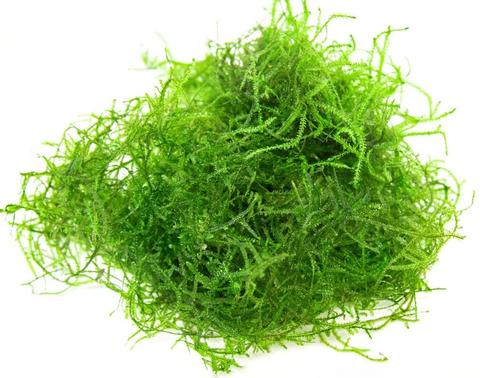

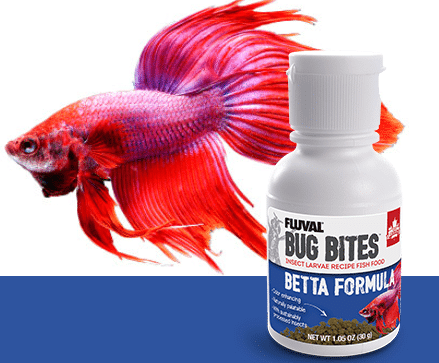

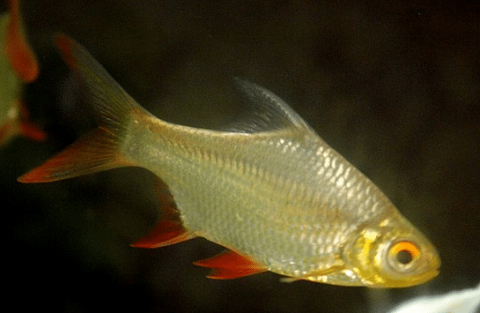
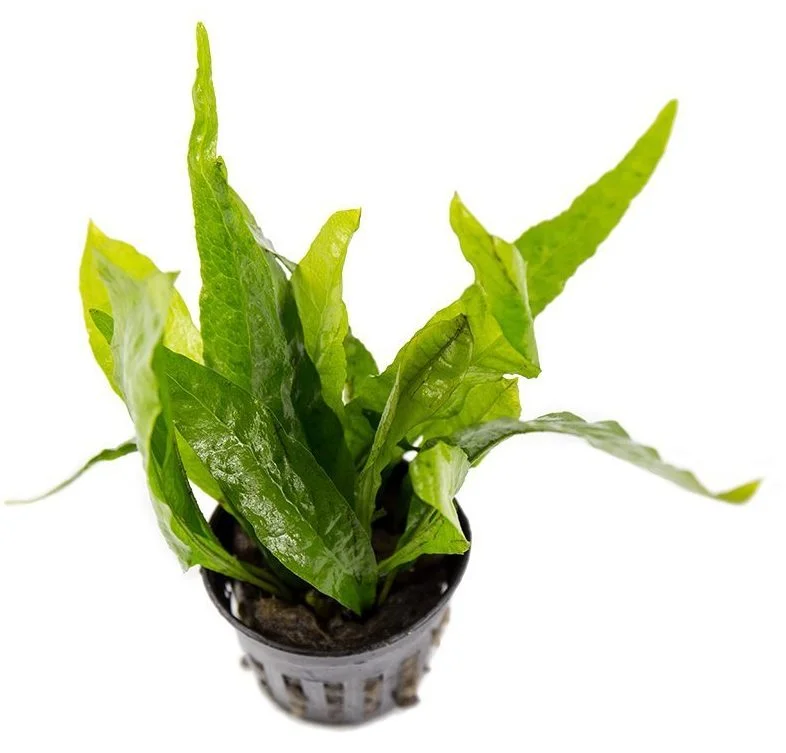


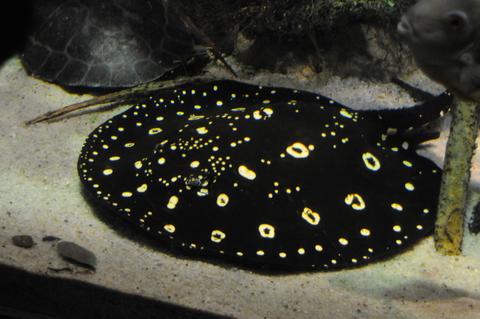

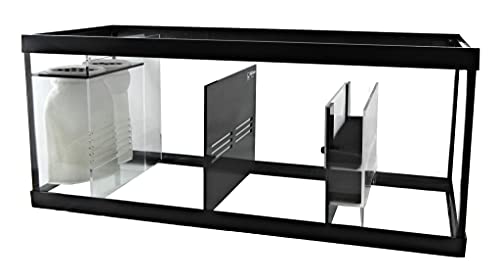

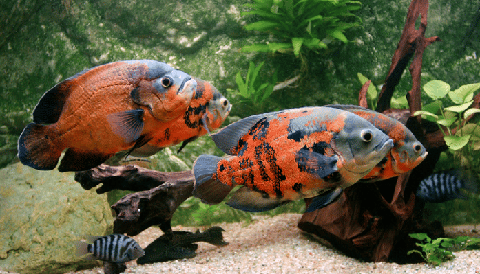 Oscar Fish” class=”wp-image-1059319″/>