Tag: Freshwater

  • How Much Does an Axolotl Cost? Full Breakdown Including Setup, Food, and Ongoing Care

    How Much Does an Axolotl Cost? Full Breakdown Including Setup, Food, and Ongoing Care

    Axolotls need cold water. Not room temperature. Cold. Below 68 degrees Fahrenheit or they stress, stop eating, and get sick. The number one killer is warm water in uncontrolled rooms during summer.

    If you cannot keep your tank below 68 degrees year-round, you cannot keep an axolotl.

    If you cannot keep your tank below 68 degrees year-round, you cannot keep an axolotl.

    What are axolotls?

    Before digging further, let’s give a quick review of what actually axolotls are and how are they different from other salamanders.

    Axolotls are amphibians. However, unlike salamanders, they spend most of their lives underwater. They are close relatives of Tiger salamander and range up to a foot in length. (quite a large size for salamanders)

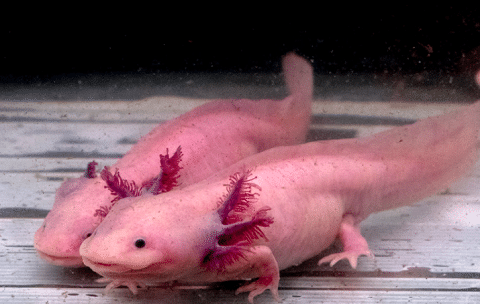
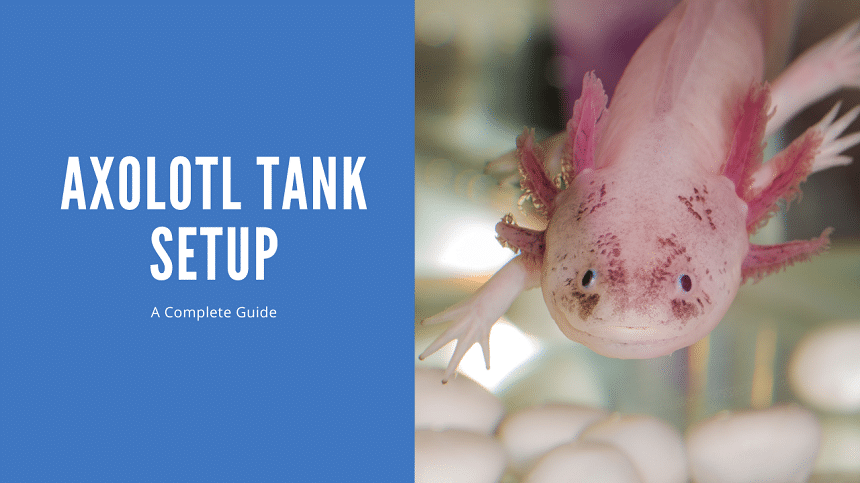
    They showcase mottled brown and black colors. However, in some rare and costly varieties, Albino and Leucistic axolotls display a translucent white color with shiny gold flecks and red or pink feathery gills.

    How are they different from other salamanders?

    Axolotls charm marine experts for their retention of features from the larval stage.

    If you’ve seen tadpoles, you know what I’m talking about!

    Amphibians; in general, go through a process called metamorphosis. It is a process in which an animal goes through certain developmental changes in the body structure. However, this process doesn’t apply to axolotls.

    Axolotls, even in their adulthood retain their larval features including tadpole-like fins and external feathery gills.

    One enticing thing about axolotls is that they take their regeneration to the next level. It would surprise you that axolotls cannot only regenerate tissues, but limbs, brains, spines, and even jaws!

    How Much Do Axolotls cost?

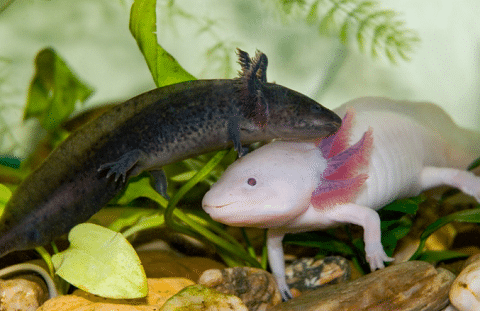
    Axolotl in Aquarium

    The average cost of an axolotl doesn’t end with its purchase.

    There are several other costs involved; the axolotl tank, accessories, delivery fees, recurring costs, monthly cost, yearly cost, and much more!

    So, let’s go budgeting!

    The Initial Cost

    Axolotls are inexpensive exotic pets with an initial cost of around $30 to $100; that too for basic and juvenile axolotls.

    The price, however, varies for exotic or adult axolotls. Depending on the rarity of morph and the health of the axolotl, rare axolotls like piebald axolotl cost around $100.

    The adult Golden Albino axolotl costs around $45. Meanwhile, other varieties with exceptional pigmentations would cost you around $300 to $1500.

    Shipping

    If you’ve ordered your axolotl online through a reputable store, be sure to add a few bucks (say $40 to $60) as a flat rate of the shipping cost for each pet.

    The Tank

    So, this is where your actual expenses lie. An axolotl needs a larger tank than any other amphibian.

    That’s because they spend their whole time underwater and the smallest tank you can accommodate for young axolotls is 10 gallons. 

    For a mature axolotl tank, a standard 20 gallons aquarium would suffice.

    However, it’s not just the tank that counts.

    Since your smiling pets would be captive-bred animals, they would need ample lighting and filtration. Some pet stores offer various aquarium kits and ensembles that include LED lighting, filtration device and cartridges, heating devices, and other tank decors.

    The overall tank setup would cost you somewhere between $100 to $300 approximately.

    Recurring Costs

    Lucky for you; axolotls are exclusively captive pets.

    And on top of all that, they have exceptional regenerative abilities. It makes it easier to minus the health problems of axolotls and clinical attention.

    However, I still recommend visiting the vet once a year to rule out any medical abnormalities in your pet.

    Basically, the only recurring cost left is food.

    Axolotls enjoy a protein-rich diet including brine shrimp, earthworms, bloodworms. Many novice keepers make the mistake to feed feeder fish and mice to their diet. I strongly discourage live or dead food as it may introduce bacterial and parasitic infections to the tank.

    Hence, the annual recurring cost of grown-up axolotls that feed twice weekly is estimated to be around $50.

    Medical Care

    I have rarely seen an axolotl falling sick and dying of a fatal disease.

    However, they are living beings and require regular medical upkeep. As a responsible axolotl owner, you should make a yearly visit to the vet to avoid deadly diseases or aliments.

    Factors Affecting the Price of This Pet

    No two axolotls are the same. And that applies to their cost as well. There are a number of factors that affect the axolotl price.

    Axolotl Morphs

    Morph Rarity

    When it comes to axolotl price, it mostly depends on the rarity of color. There are some varieties that are extremely rare, and hence the fancy price tag. Meanwhile, the common and basic morphs are inexpensive and easily available in pet stores.

    Age

    Age is also an essential factor in determining the cost of an axolotl. Adult axolotls sell at a higher price than juveniles. That’s because mature axolotls are easy to care for and friendly.

    Health Conditions

    While visiting the pet store, you may encounter the same morph axolotls selling at a low cost than some others. That is mainly because of their health conditions.

    A healthy axolotl would retail at a much higher price than the ones in poor conditions.

    I advise inspecting the axolotl before making your valuable purchase. An unhealthy axolotl will most likely be lethargic and unresponsive.

    Breeder

    The price also varies from breeder to breeder. Some breeders charge higher prices due to their reputation or brand name. Other breeders may charge nominal rates for a basic morph.

    Requirements for the Tank

    Like I said before, the prices for axolotls vary depending on their pigmentation and health. However, it’s the tank cost that makes the difference.

    Along with a larger tank, axolotls require several other essentials to keep them healthy and happy throughout their lives.

    I have prepared a thorough list for pet owners to guide through the proper requirements and estimated costs of an axolotl tank.

    The Aquarium

    Estimated cost: $25 – 100

    Happy axolotls are the best.

    And what keeps the axolotl happy is a long aquarium around 30 inches in length.

    For your convenience, I would suggest a standard 20-gallon long tank for an adult axolotl that provides much room for movement. For the best price, you can consider buying a cheap one used or waiting for a local chain pet store’s dollar per gallon sale.

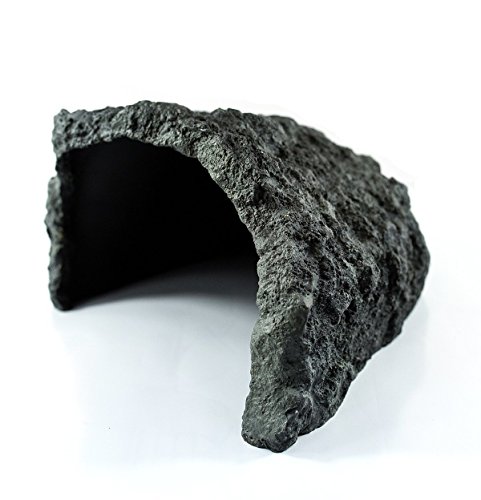
    Also, axolotls prefer dim lights. And so, I encourage placing some type of hide in the aquarium for them to get shade.

    Reptile Hide

    Hides are common place in the reptile word. Excellent for creating a safe space for your reptiles and amphibians

    Buy On Amazon

    Filtration

    Estimated Cost: Less than $100 – $150+

    You can cut the cost of filtration only if you promise to change the water regularly. 

    Yes, you can go cheap on filtration for axolotls if you are willing to do more water changes. However, I recommend installing canister filters in axolotl’s water tank.

    You might wonder why.

    Well, axolotls produce a lot of waste, which means a lot of ammonia. And they are extremely sensitive to poor water conditions. Therefore, installing a high quality filter would be the safest option.

    Also, canister filters, although difficult to maintain, provide enough room for biomedia and gentle water flow to keep your pets healthy.

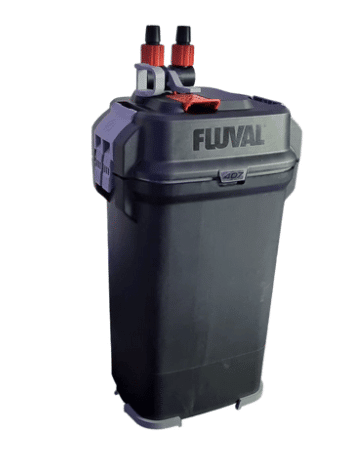
    A good-quality canister filter costs less than $100 and lasts much longer than expected. Fluvals would be consider top-tier for a Axolotl tank, but you can do well with a budget canister like a Sun Sun.

    Best Value
    Fluval Canister Filters

    Our Subscriber’s Choice

    Top name brand, Italian made, and updated design. The next gen Fluval Canisters are a best buy!

    Buy On Amazon Buy On Petco

    Substrates

    Estimated Cost: $15 – $25

    You have to be very finicky while choosing the substrate for axolotl.

    Since axolotls have delicate skin, the hard or sharp substrate might cause potential injuries to your axolotl. The costs of substrate or aquarium sand should cost you no more than $10 or $15. 

    Natural Fine Sand

    I always recommend natural fine sand substrates for the axolotl aquariums. (with caution, of course)

    If you choose natural sand substrates, make sure to avoid Calcium Carbonate sand as it might disrupt the pH levels of the tank.

    Also, I recommend stirring the sand once in a while to help prevent the buildup of air gases and bacteria.

    Great For Bottom Feeders
    Fine Natural Sand

    Natural sand is excellent for bottom feeder fish to forage around in.

    Click For Best Price Buy On Amazon

    Rocks and Gravels

    Always remember; the larger the rocks, the better!

    Axolotls have delicate mouths, and they suck in their food.

    If you use rocks that are too small, your axolotl will suffer from intestinal blockage and experience several health problems.

    Also, rocks and gravels should be smooth-edged and rounded. For younger axolotls (under 6 inches/15 cm long), avoid using any rocks or substrate at all. 

    Lighting

    Estimated cost: less than $50

    Fun fact: Axolotls do not have eyelids!

    And so, strong lighting overwhelms them.

    If you want to install lighting sources, always go for LED aquarium lights that are dimmable.

    However, the best advice I can give you is to utilize natural lighting. Axolotls do not require lighting, nor does the tank. But, if you have live plants, you can always opt for Planted Tank LED lights that are adjustable.

    This way, the tank also doesn’t heat up and water temperature is maintained throughout.

    The lighting cost for an axolotl tank should cost you around $50 for a premium-quality, adjustable LED aquarium light.

    Water Temperature & Chiller

    Estimated Cost: $10 – $15

    One thing that makes Axolotls challenging for beginners is their demand for optimal water temperatures.

    The ideal water temperature for Axolotls ranges from 57 to 67 degrees Fahrenheit.

    However, in some rare cases, they have adapted to water temperatures as low as 50 degrees Fahrenheit and as high as 72 degrees Fahrenheit.

    According to experts, Axolotls show sluggish behavior below 57 degrees Fahrenheit, and higher temperatures might trigger serious diseases. Also, temperature fluctuations is detrimental to your axolotl, as they are sensitive to them.

    Therefore, in hotter climates, it is a challenge to maintain water temperature, an aquarium chiller should be installed to ensure water stays cool enough.

    A fan costs around $10 and can work exceptionally well in keeping your tank water cool.

    Aquarium Cooling Fan

    Aquarium cooling fans are cheap and effective ways of pushing heat away from the aquarium

    Buy On Amazon Click For Best Price

    Even in cooler climates, a heater for an axolotl tank is not needed as the temperatures rarely fall below the their preferred ranges. If needed, the LED lighting or natural source of light would provide enough heat to the tank. Having a lid on the aquarium will also keep heat inside

    Decoration

    Estimated Cost: Around $50

    Axolotls appreciate decorations as much as other aquarium pets.

    However, you have to be extra careful with the decors you choose for your smiling pet.

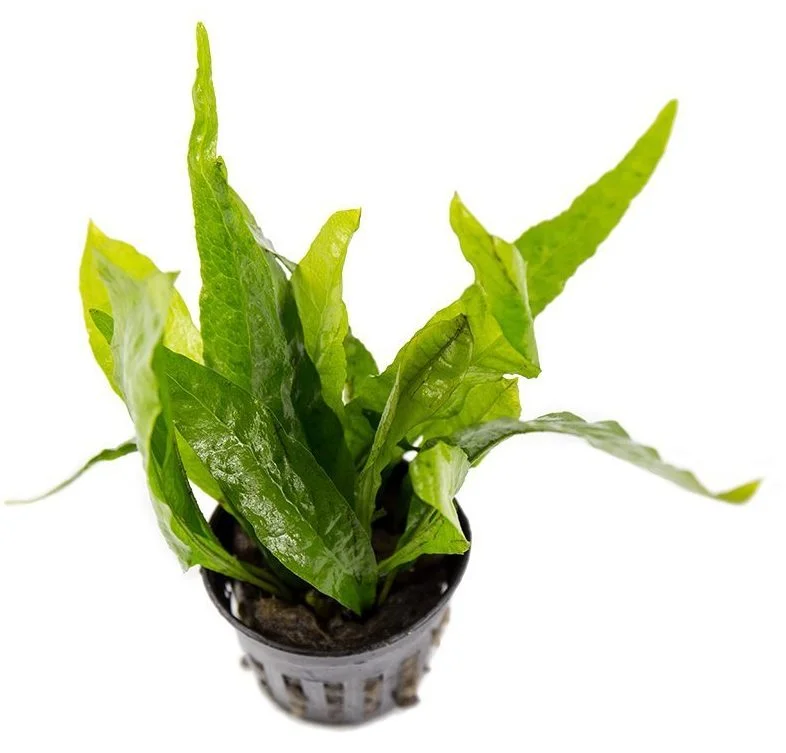
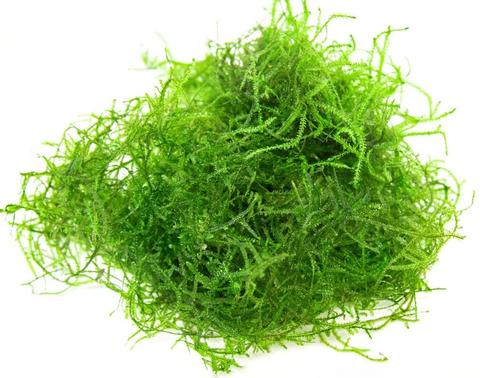
    I always suggest live plants for axolotl tank as they like sitting on them. Low light plants like Java fern,, Java Moss, Eludia, Marimo moss ball, and floating plants like Amazon Frogbits, and Water Lettuce are some excellent options for axolotl.

    Nevertheless, axolotls do great without live plants. If you want to adorn your tank, feel free to add fake (plastic) plants as they require zero maintenance and lighting.

    Additionally, to offer some safe places to hide, you can invest in high-quality hides for the axolotl, such as Cichlid rocks or Ceramic pipes, dragon stones, river rocks. Rock structures are also a great addition to an axolotl aquarium, which costs around $50 each.

    You can add absolutely anything, just make sure the edges of objects are not sharp to avoid injuries.

    Water De-chlorinator

    Estimated cost: $10

    Water de-chlorinator is something that your axolotl would thank you for!

    Axolotls make a lot of mess in their natural habitat and things are no different in the home aquariums. Therefore, the tap water needs to be de-chlorinated every now and then to make it axolotl-friendly.

    I always recommend installing water de-chlorinators in your axolotl tanks.

    They are cheap and readily available in the market and cost around $10 or so. I recommend Seachem Prime.

    The Total Costs of Owning This Pet

    Now that I’ve covered everything, let’s break all the expenses down for you.

    The initial cost of an small axolotl is around $30 to $100, depending upon the breed and variation you opt for.

    However, if you buy your axolotl online, it might cost you an additional $40 to $60 due to shipping and morphs (since online sellers tend to have better morphs).

    For an adult, you need a large tank of around 20-gallons. This would cost you around $200 to $300 with all the required devices.

    Lastly, the complete axolotl aquarium setup would cost you around $150 to $600 minus the food and water therapy.

    Also, baby axolotl needs to eat more frequently than adults. But as they grow, they require less feeding and more maintenance. 

    So, axolotls are amazing pets that are quite inexpensive as compared to other exotic pets. And the total cost you pay or spend on your smiling pals is worth every penny.

    FAQS

    Do they bite?

    Yes, they do. Since axolotls are carnivorous, they bite everything. Axolotls also bite their fellows in the tank if they get too close to each other. However, their bite feels more like a tingling sensation rather than an actual animal bite.

    Is it illegal to own one as a pet (Mexican walking fish)?

    Yes, it is — in some states.

    Axolotls are unfortunately considered critically endangered species. Also, their population in the wild is slowly decreasing. Therefore, in some states like California, Maine, New Jersey, and Virginia have put restrictions to make them illegal.

    The California law doesn’t prohibit owning axolotls because they are endangered, but because they pose a serious threat to native wildlife. Hence, it is advised to keep axolotls that are bred and raised in captivity rather than in their natural habitat.

    How much does the rarest one cost?

    The rare axolotls can cost around $300 to $1500, depending on the morph, age, and overall health conditions.

    Some axolotl morphs are extremely rare, which includesย Chimera axolotls, mosaic axolotl, Enigma axolotl, Piebald axolotl, Firefly axolotl, and Lavender axolotl.

    The Chimera and Mosaic axolotls are only sold through specialized sellers. The Enigma axolotls are worth around $1500.

    The piebald axolotl costs around $300. The Firefly and Lavender axolotl cost somewhere between $250 to $115 each.

    How much does it cost per month?

    The monthly costs of owning an axolotl only include food consumables.
    And luckily, their food supplies are much cheaper than any other exotic pet. The diet of axolotl comprises protein-rich food that mostly includes brine shrimp, bloodworms, etc.

    Generally, the adult axolotl eats twice or three times a week. So, the monthly expenses of owning an axolotl should not be more than $20 to $30.

    Are they good pets?

    Axolotls are interesting creatures.

    They are hardy, always smiling, easy to look after, and easy to feed.

    Just what an axolotl owner needs!

    However, they might not be the best fit for novice keepers as there are a few things to consider;

    1. Temperature for axolotls should be between 57 to 67 degrees Fahrenheit. Anything more or less than that may put your pet under stress
    2. Since they have a sensitive mouth, the substrate or decors used should be of high quality and kept clean
    3. They demand clean water filtration. Therefore, a high-quality filter is recommended

    Final Thoughts

    Now you know what it costs to own an axolotl.

    Besides everything, make sure to keep the water clean, and water temperatures maintained for your walking fish to stay healthy and smiling. The price that starts from $30 may touch $600 or so after complete tank setup. So, I believe it’s not much to invest given the joy and how long these animals live.

    Got any comments to share? Leave a comment below and let’s get a conversation going!

  • Axolotl Tank Mates: 5 That Work (and 4 That Don’t)

    Axolotl Tank Mates: 5 That Work (and 4 That Don’t)

    Axolotls need cold water. Not room temperature. Cold. Below 68 degrees Fahrenheit or they stress, stop eating, and get sick. The number one killer is warm water in uncontrolled rooms during summer.

    If you cannot keep your tank below 68 degrees year-round, you cannot keep an axolotl.

    If you cannot keep your tank below 68 degrees year-round, you cannot keep an axolotl.

    Here’s what you need to know when considering tank mates for your Mexican walking fish.

    Understanding Your Axolotl

    An axolotl is a freshwater bottom-dwelling aquatic salamander that prefers to keep to itself. They do best when kept on their own in an aquarium with slow-moving water.

    Despite being antisocial, axolotls are very peaceful creatures. They spend most of their time exploring the bottom of the tank at their own, slow pace. They are also nocturnal which means they will mostly come out at night when the aquarium lights are off.

    Keep in mind that Axolotls are carnivores that like to hunt live food1. This means that they may sneak up on resting fish and make a quick snack out of them., their slow-moving nature ensures the safety of other small fish.

    Axolotls are cold water critters. Due to the temperature of the water being so low, it will be unsuitable for a large variety of other freshwater creatures.

    What Makes a Good Mate for Your Fish?

    If you’re considering upgrading your axolotl tank into a community aquarium, there are a few things to keep in mind. Axolotls thrive when kept in isolation. That said, you can try to keep them with other aquatic critters.

    Not all fish are good tank mates for axolotls. Those that make the cut are peaceful fish that also keep to themselves. Another requirement is being adapted to cool water aquariums.

    You might notice your axolotls having a go at their tank buddies, even if they can’t eat them. That’s why it’s important to choose critters that can’t fit into the axolotl’s mouth.

    This brings us to the next point, the critters you keep need to be fast enough to escape. Axolotls will try to hunt any live fish and other critters in the same tank as them. If you’re having problems, rather keep your freshwater fish in separate aquariums.

    Why Some Fish Aren’t Suitable

    Some critters just aren’t suitable axolotl tank mates. Here’s why.

    Axolotls prefer cool water. That’s why you can’t add any tropical fish to their tanks. The water is simply too cold. You need an aquarium chiller to keep the water cool in water climates.

    • Temperament

    Any aggressive or territorial fish is a bad idea. These creatures will harass your salamander and injure it in the process. Highly active swimmers also aren’t suitable. Their movements will stress your axolotl.

    • Health risks

    Some freshwater critters pose a health risk to your axolotls. Cory Catfish, for instance, have sharp spines on their pectoral and dorsal fins. These can injure your axolotl if it tries to eat them.

    Small fish and mini snails can also be a choking hazard and can lead to impaction. Some critters also carry diseases.

    • Direct competition

    Other bottom-dwelling fish aren’t a good idea either. Bottom feeders are in direct competition for food. This means your axolotl might bully its tank buddies to get to the food.

    If the other critters are very voracious eaters, they also won’t do. Axolotls eat slowly which means they won’t be able to compete for food with other bottom-dwelling fish.

    How to Set Up A Community Aquarium

    Setting up a community tank is quite simple. Here’s what you need to know:

    Aquarium Setup

    The minimum size for a one adult axolotl tank is 20 gallons. If you’re thinking of adding two adult axolotls to the same tank, this will be an added cost. You will need to jump to a 55-gallon tank for a pair of axolotls. Similarly, if you’re adding other fish or creatures, start with a minimum of 55 gallons. Bigger is always better, so if you have the space, go bigger.

    Substrate

    The best substrate for axolotl community tanks is sand since they like to dig. This gives the axolotl something to do instead of chasing the other community creatures around.

    Great For Bottom Feeders
    Fine Natural Sand

    Natural sand is excellent for bottom feeder fish to forage around in.

    Click For Best Price Buy On Amazon

    Water Parameters For The Aquarium

    Axolotls have very specific needs when it comes to their tank water. Any tank mates you plan on adding should also have the same preferences. Take a look at the following axolotl water parameters to compare them to the requirements of the chosen tank mates.

    • Water temperature: Cold water is a must, keep the temperature in the range of 59 to 73 degrees Fahrenheit (15 – 23ยฐC). The ideal temperature is between 60 and 64 degrees Fahrenheit (16 – 18ยฐC).
    • pH: Axolotls prefer a pH in the range of 6.5 to 8.0. The ideal pH for this species will be 7.4 – 7.6.
    • GH: 125-250ppm (7-14dGH)
    • kH: 53-143ppm (3-8dKH)
    • Ammonia (NH3): 0 ppm
    • Nitrite (NO2-): 0 ppm
    • Nitrate (NO3-): <60 ppm

    Filtration

    It doesn’t matter if an axolotl is in its larval stage or already an adult, they all require a tank with good filtration and slow-moving water. Any tank mates chosen to join an axolotl aquarium should also be happy with this setup.

    Axolotl owners prefer to use sponge filters in their aquariums. These filters can circulate a large amount of water in a short time without creating a lot of flow in the tank. This is absolutely essential for the messy axolotl.

    Decor Considerations

    Make sure there are enough hiding spots in your tank. Axolotls prefer to hide away from light. Other creatures in the aquarium will also need a place to relax where they don’t feel threatened by the axolotl. Add some driftwood, rocks, hides, or plants to your tank to create a range of hiding spots to choose from.

    Lighting

    Other fish may prefer tanks with lights. If this is the case, make sure the axolotl has a dark spot to hide in. It’s best to get tank mates that also prefer a dim interior for a happy community.

    Before running to the pet store, make sure to do some research first. There are only a few fish that is safely kept in the same tank as an axolotl. Even so, these communities are never without their risks. Here’s a list of some suitable tank mate options for your axolotl (And a video by yours truly for those who would rather watch).

    Top 5 Axolotl Tank Mates

    Let’s look at the best tankmates for these “walking fish.”

    1. Other Types

    Multiple Axolotls

    Adult axolotls make great tank mates. It’s best to keep a male and female together, but you can also keep same-gender axolotls together if you don’t want any babies.

    You can tell a male from a female axolotl by looking at the cloaca (opening under the tale). In males, the cloaca protrudes quite a bit while it sits nearly flat against the belly in females.

    It’s best to not keep a smaller axolotl with a fully matured one. Don’t keep juvenile axolotls together either. They often display cannibalistic tendencies towards each other. Adults may even eat their larvae if given the chance.

    If you see any reoccurring problems, it is better to separate axolotls into different aquariums. One axolotl on its own is best.

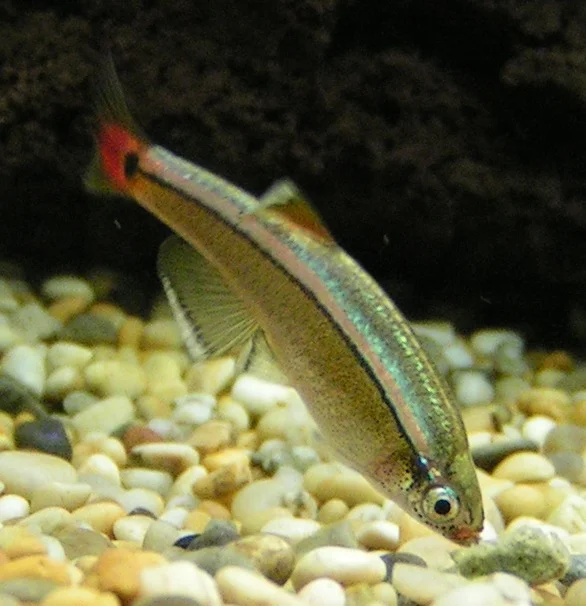
    2. White Cloud Mountain Minnows

    White Cloud Minnow

    White cloud minnows are peaceful cool water fish that can make excellent tank mates for axolotls. Their lack of spines and shells makes them safe for axolotls to eat. Even though this might not be your goal, they will get chowed every now and again.

    There is no real way to prevent your axolotls from hunting these fish, so you might want to consider keeping them in separate tanks. Fortunately, minnows are quite fast. They should be able to escape the axolotls unless caught off guard.

    3. Guppy Fish

    Guppy Fish

    Guppies are another fish species that rarely pose a risk to your axolotls. Unlike the fast white cloud minnows, guppies will be eaten more often. They do sometimes carry diseases, however.

    The babies of guppies are often used as feeder fishes. This means that owners intentionally provide these fish as a snack to their axolotls. Baby guppies are small enough to not pose a health risk when swallowed by juvenile axolotls.

    Guppies, being livebearers, reproduce very fast. The sudden increase in fish numbers may stress your axolotl despite it having an easy snack.

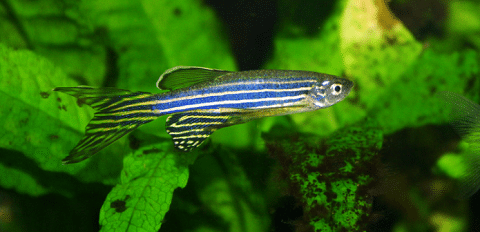
    4. Zebra Danios

    What Does A Zebra Danio Look Like

    Zebra Danios are also great peaceful cool-water fish to consider. They will keep to their shoals and mostly stay away from your axolotl. Again you might see your fish disappear every now and then. Fortunately, zebra danios are very agile fish so they might stand a chance in an axolotl aquarium.

    Just because they can swim, however, doesn’t mean your axolotls won’t catch these danios off guard every once in a while.

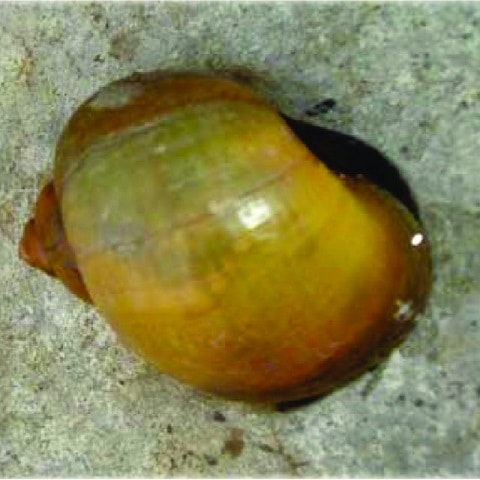
    5. Apple Snails (As adults)

    Golden Apple Snail

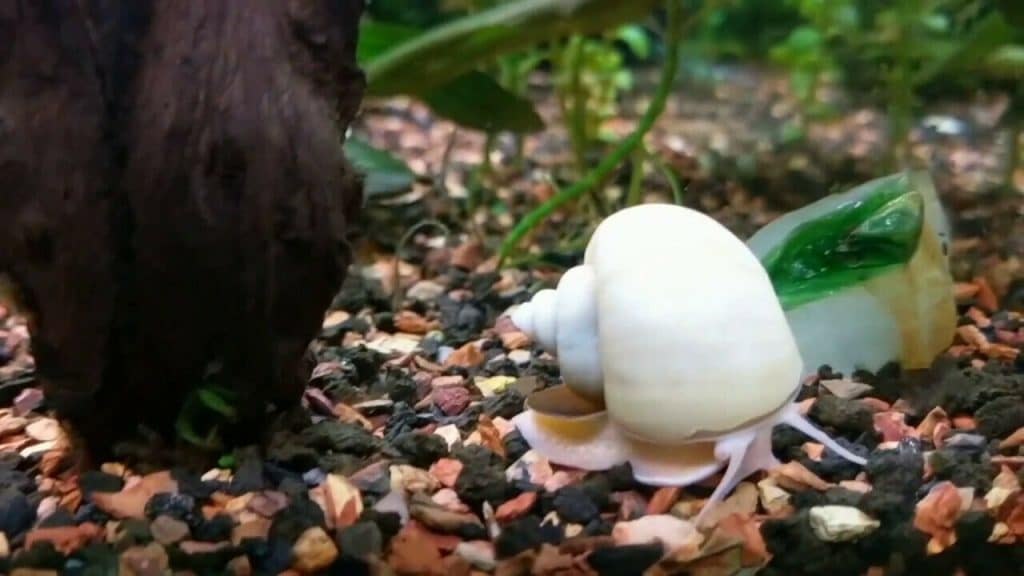
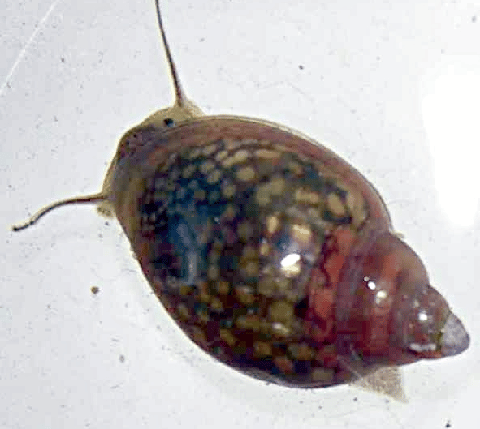
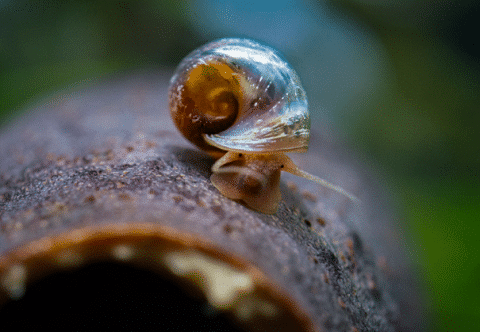
    Adult apple snails can safely be kept in the same aquarium as young axolotls. They aren’t small enough for your walking fish to eat. Baby cold water snails like juvenile bladder or ramshorn snails are also safe since they have soft shells.

    Adult ramshorn and bladder snails are risky. They are small enough to swallow, but not soft enough to fully digest.

    If you want to keep snails, avoid mini snails and stick to adult apple snails. Multi snails can also be risky as they can climb on your axolotl and suck off their slime coats.

    Fish You Should AVOID

    This list doesn’t include all the fish that are unsuitable for axolotl community tanks. The species here, are mentioned because they may seem to fit the description of the perfect tank mate, but they really aren’t. Keep an eye out for the following critters.

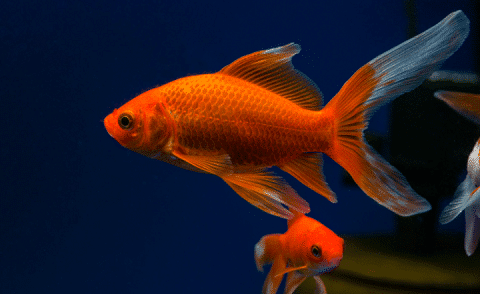
    1. Goldfish

    What is a slim bodied goldfish

    Many think goldfish are great tankmates for axolotls since they also like the cold. Unfortunately, that isn’t true of these freshwater fish. Goldfish have quite a bad reputation for being fin nippers. They also get big which makes harassing your beloved salamander easier.

    Goldfish tend to nip at the fins and gills of the axolotl which causes stress and injury to your pet. They also produce a lot of waste which isn’t ideal when added to the mess axolotls already make.

    The only goldfish varieties that may work in an Axolotl tank are fancy goldfish. These fish are just as slow as your Axolotl which gives it a chance to nip back. The goldfish will quickly learn to avoid the axolotl. They still pose a choking hazard when they are small, however, even more so due to how slow they are.

    If you decide to use fancy goldfish with your axolotl, make sure to get a very large tank to accommodate the mess. If you don’t have the space, rather choose one of the suitable options mentioned above.

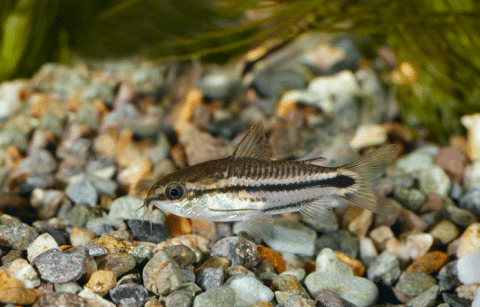
    2. Cory Catfish

    Pygmy Cory

    Cory catfish are very peaceful critters, but they aren’t good for axolotl tanks. These fish have sharp spines on their dorsal and pectoral fins that will injure your axolotl if it tries to swallow them. They are also bottom feeders which places them in direct competition with the bottom-dwelling axolotl.

    3. Otocinclus Catfish

    Octocinclus Fish

    The otocinclus catfish is another fish that may seem completely harmless. Unfortunately, it also has spines like the cory catfish. The otocinclus also prefers fast-moving water and will zip around the aquarium at high speed. These are all characteristics that make it unsuitable as a tank mate for an Axolotl.

    4. Shrimp

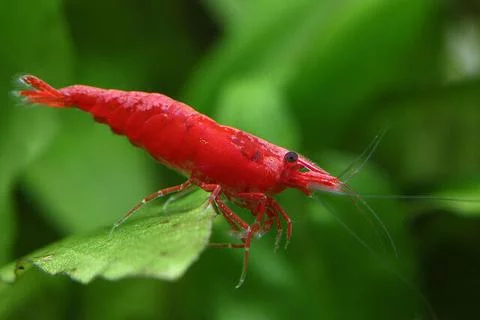
    Freshwater Shrimps aren’t ideal for Axolotl aquariums, in fact, many owners use them as treats for their pets. Small shrimp may stand a chance if there’s sufficient plant cover to hide in. Most of the time, however, they will get gobbled up pretty fast.

    Ghost shrimp and Amano shrimp are excellent addition to any freshwater aquarium. They help to clean up any leftover food. This in turn helps to keep the parameters in your aquarium stable.

    Both Amano shrimp and ghost shrimp make perfect snacks for axolotls. You will need to be okay with them being eaten while they keep the tank clean. Axolotls have an excellent sense of smell so these shrimps may not even be safe in dense plant cover.

    FAQS

    Do these fish get along with others?

    Yes, but mostly only as adults. Younger axolotls tend to be cannibalistic which can lead to lost limbs and other problems. Keeping males and females together will lead to breeding so be prepared for 1500 babies.

    Can they live with angelfish?

    No, angelfish are warm-water fish whereas axolotls prefer cool water. Angelfish are also fin-nippers, so even if it was possible, you still wouldn’t be able to keep them together.

    Will they eat fish?

    Yes, if they can catch them, they’ll eat their fish buddies. If you keep small fish with an axolotl, there’s always the chance of seeing one or two disappear. Small fish like mosquito fish are often used as axolotl snacks.

    Can Other Fish Live together?

    Yes, but this setup is never without risks. Small fish can get eaten or your axolotl can get harassed by fin-nippers. There’s also the risk of your axolotl choking or becoming impacted when swallowing prey that is too big for its digestive system.

    Can they live with turtles?

    No, turtles have different care requirements from axolotls. Turtles are also quite aggressive and unpredictable which can lead to an injured axolotl.

    Final Thoughts

    Now that you know a bit about axolotls and the creatures they may get along with, you can make an informed decision on whether or not you should go forward with this plan. Keep in mind that the risks do outweigh the benefits of having buddies in the same aquarium as your axolotls. Isolation is even preferred by these underwater salamanders.

    If you have any questions regarding axolotls and the critters that can live with them, leave a comment below.

  • Axolotl Breeding Guide: How to Breed Axolotls and Raise the Babies

    Axolotl Breeding Guide: How to Breed Axolotls and Raise the Babies

    Axolotls need cold water. Not room temperature. Cold. Below 68 degrees Fahrenheit or they stress, stop eating, and get sick. The number one killer is warm water in uncontrolled rooms during summer.

    If you cannot keep your tank below 68 degrees year-round, you cannot keep an axolotl.

    If you cannot keep your tank below 68 degrees year-round, you cannot keep an axolotl.

    Where Do They Come From?

    Axolotls is found in lakes around Mexico City. These critters are critically endangered due to pollution and illegal trafficking. One of the lakes you can still expect to see an axolotl or two is Lake Xochimilco.

    Axolotls are unusual amphibians that remain in their larval form even after they mature. This means the adults stay aquatic and keep their gills instead of taking to land like most other amphibians do. Be careful not to confuse an axolotl with the larval stage of a tiger salamander (a closely related salamander species).

    Why Are Axolotls Special?

    These critters have an amazing ability to fully regenerate missing limbs. For this reason, axolotls are being monitored in many labs to satisfy the curiosity of scientists. Along with lost limbs, they can also regrow other body parts such as the eyes, and even regenerate their spinal cords. This makes them very interesting due to the potential use this ability holds has in human medicine.

    How Do They Breed?

    Axolotls are egg-layers. The male and female will participate in a mating ritual when ready to breed. To start the courting process, the adult Axolotl male will nudge the hindquarters of the female to see if she is receptive to his advances. The video by Jules Askalotl provides an visual overview of the breeding process.

    Once he establishes her willingness to participate, he’ll place himself in front of her and start to lead her around the aquarium. He’ll always make sure that his tail is touching her nose. As he leads her forward, he’ll deposit a packet of sperm known as a spermatophore.

    The male will then lead the female over this packet until it lines up with her cloaca (vent or sexual organ). She then absorbs the sperm into her reproductive tract to fertilize her eggs. This process is referred to as indirect fertilization.

    Over the next hour, the male will continue leading the female over several packets of sperm until the breeding process is complete. Once done, remove the male to allow the female some peace before the egg-laying starts.

    The female will only lay her eggs around 12 to 72 hours later. Your Axolotl may lay up to 1500 eggs on the decor provided, so be prepared. Once the process is complete, make sure to either remove the eggs or the adults. These animals aren’t against eating their own eggs.

    It’s also best to remove the breeding pair from community setups with other fish. Some fish will get stressed out by the erratic movements of the adult Axolotl pair during breeding.

    What to Do When the Eggs Hatch

    Axolotl eggs incubate for around 15 days before hatching if kept at 72 degrees Fahrenheit (22ยฐC). The hatching will be delayed for a few days more in cooler water.

    For optimal larvae growth, make sure to keep the water in the upper-temperature limit. It is also essential to keep the water quality pristine. Axolotl larvae kept in poor water conditions have very poor survival and growth rates.

    This means that once the eggs start hatching, you’ll have your hands full with tank maintenance. You will need to do partial water changes every few days to keep the water clean while your baby Axolotls are growing. This is especially important if you have lots of them in one setup.

    If you kept all your eggs in one place, you will need to separate your babies into several 20 gallon tanks once they are big enough to be moved. Make sure to not keep more than 100 babies in one place. It is possible to keep up to 200 young axolotls in one aquarium, but this may lead to several unnecessary injuries and even fatalities.

    Aquariums with fewer offspring in them have fewer problems such as damaged fins or lost limbs and gills.

    Feeding Requirements

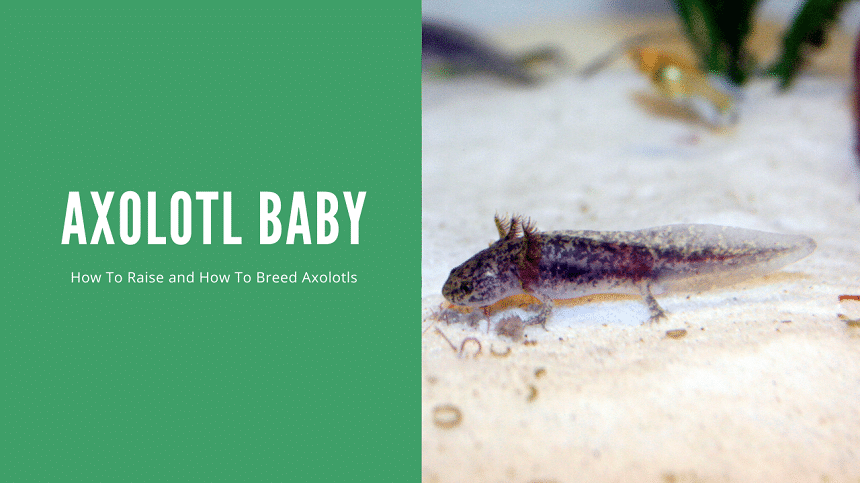
    Axolotl Larve

    Newly hatched Axolotls won’t start feeding immediately after hatching. They only need live foods around 48-72 hours after hatching. In the period between hatching and their first feeding, they will be sustained by the remaining egg yolk in their bellies. The yolk will be visible through the skin as a cream-colored mass.

    During this time the young also won’t be moving. Don’t throw them out by accident because they seemed dead. Not moving is completely normal at this stage. You’ll see them start to wiggle around 2 to 3 days after they were born, this is your cue to start feeding them.

    Baby axolotls aren’t the easiest to feed. These youngsters require small, live food items in large quantities to keep them sustained. Until the Axolotl larvae grow their front legs, they will also only respond to moving live foods.

    Without their legs moving around is a bit challenging for them. This means that they won’t actively try to find food. Make sure to deposit the food in front of them to make sure they are eating. If you fail to provide the right food, they may start to eat each other.

    Fortunately, unlike frogs, young Axolotls grow their front legs first. Until they reach this milestone, however, feed easily accessible live food such as newly hatched brine shrimp and daphnia. Once their front legs are developed, they will also have developed a sense of smell. This means it’s time to start introducing dead food items.

    You can offer dead food items earlier, but you’ll need to use tweezers and wiggle them around to mimic the movement of live foods to entice your baby Axolotls to eat. This is time-consuming, especially if you need to feed 1500 baby Axolotls. Rather stick to newly hatched brine shrimp and other foods that can wiggle around like daphnia.

    What to Feed

    Until a baby Axolotl grows its front limbs, you will be limited to only a few live food items. Here are some great snacks for your young pet:

    • Newly hatched brine shrimp
    • Daphnia
    • Microworms
    • Freshly chopped up blackworms (they wiggle for a long time after chopping)
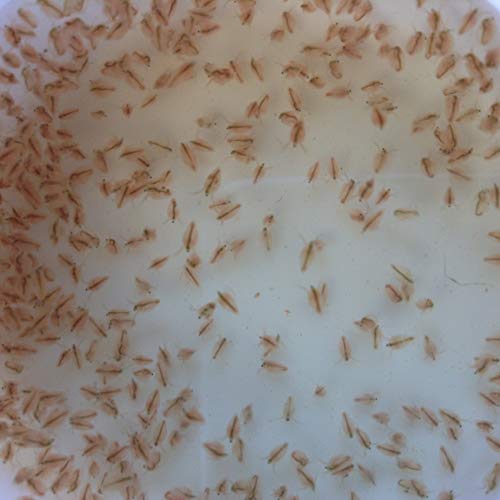
    Live Daphnia

    Water fleas or Daphnia are an excellent live food offering for fish and fry

    Buy On Amazon

    Once the baby Axolotl developed its front legs, it will become more mobile and start to actively hunt. At this point, you can start to introduce some dead food items along with fast-moving live food. Here are a few options:

    • Frozen brine shrimp
    • Frozen bloodworms
    • Live mosquito larvae
    • Live brine shrimp
    • Live bloodworms
    • Earthworms

    Once the baby axolotl grows its hind legs, it is fed exactly the same as an adult with the exception of the frequency in feeding. Baby axolotls need a lot of food to grow. To keep them healthy, you will need to feed them at least twice a day.

    Once these little amphibians have all their legs, you can also start to introduce foods such as Axolotl pellets to their diet. Also, make sure to feed a variety of live and dead food for optimal health and growth. If you can’t find pellet food specifically for Axolotls, you can try feeding others specifically meant for carnivorous fish.

    When feeding your baby Axolotls, make sure not to overfeed. If that happens, the uneaten food will start to rot and affect your water quality. Make sure to remove any uneaten food. Next time feed just enough to make sure they can eat all of it in 5 minutes tops. If it’s not eaten, remove it.

    Tank Setup

    Axolotl Eggs

    Just like adult Axolotls, babies also need a proper setup to stay healthy. Here’s what you need to know to set up a tank for axolotl babies (Egg picture source).

    Tank Size

    The minimum tank size requirement for Axolotl larvae is also 20 gallons. Unlike an adult that requires the whole 20 gallons to itself, you can keep up to 200 newly hatched axolotls in the same tank which isn’t that much of a cost.

    Keeping that many larvae together, however, is not advised. It’s better to stick to around 100 baby Axolotls together in a tank. This lower number helps to avoid unnecessary death and lost legs.

    Once the larvae develop their front legs, you’ll need to divide the colonies into smaller ones yet again. This means that you’ll need several 20-gallon tanks or a super large aquarium. Keep in mind that bigger is always better. More water means fresh water for longer periods between water changes.

    For the breeding tank, use a 20-gallon tank. This leaves just enough space to prevent the female from refusing to participate in the mating ritual.

    You can keep the eggs in a 10-gallon tank altogether until they hatch. After that, make sure to divide the larvae into smaller communities or transfer them to a larger aquarium.

    Water Parameters

    Baby Axolotls are a bit more sensitive to water parameters than adults. For this reason, you need to be more vigilant when it comes to aquarium maintenance. Since you’re keeping several larvae in the same tank, you’ll also need to do more water changes to keep the water clean.

    Skipping a water change can lead to water quality problems which in turn causes deaths. Also, make sure to treat any water before you put it into your tank. Tap water contains chemicals such as heavy metals and chlorine that will cause deaths.

    Here are the water parameters for keeping your Axolotl larvae healthy:

    • Water temperature: Keep the water temperature in the range of 59 to 73 degrees Fahrenheit (15 – 23ยฐC). The ideal temperature for larvae is between 70-72ยฐF (21-22ยฐC).
    • pH: Keep the pH in the range of 6.5 to 8.0. The ideal pH for baby axolotl is 7.4 – 7.6.
    • GH: 125-250ppm (7-14deg)
    • kH: 53-143ppm (3-8deg)
    • Ammonia (NH3): 0 ppm
    • Nitrite (NO2-): 0 ppm
    • Nitrate (NO3-): <60 ppm

    Water Temperature

    A baby Axolotl does well in the same temperature range as the adults. For optimal growth, however, you want to keep this baby in slightly warmer water. 72 degrees Fahrenheit (22ยฐC) is a good start for hatching eggs and growing out newly hatched larvae.

    As your baby axolotl grows, you can slowly lower the temperature to between 60 and 64ยฐF (16 – 18ยฐC). This will allow the baby to slowly adapt instead of getting a shock.

    Make sure to put an accurate thermometer in your tank to monitor water temperature changes. If the aquarium water is too warm, your baby axolotl will become stressed., you will require a water chiller if the water gets too hot too often or for prolonged periods of time.

    In an emergency, you can add frozen cubes of Axolotl-safe water to your aquarium to help cool it down. In the rare event where it gets too cold, simply add an aquarium heater to get it up to the right temperature.

    Substrate

    The best substrate for Axolotl youngsters is sand. Sand provides some grip on the bottom of the aquarium as well as enrichment. Just like adult axolotls, the youngsters also like to dig through the substrate.

    Great For Bottom Feeders
    Fine Natural Sand

    Natural sand is excellent for bottom feeder fish to forage around in.

    Click For Best Price Buy On Amazon

    Sand is also safe if accidentally swallowed due to the very small size of the particles. Any kind of gravel should be avoided in larval tanks since it can cause injury and severe health problems.

    Setting up a bare bottom aquarium is also possible. This will make cleaning much easier since you can simply suck up any solid waste during a water change.

    Tank Decor

    It’s always a good idea to have some decor in your tank. A completely empty tank will cause stress to your Axolotl larvae. Aquarium decorations you can consider include the following.

    Plants

    Plants are great in Axolotl tanks. They provide cover as well as enrichment. Keep in mind that the plants need to grow well in minimal lighting. Low light plants are the best candidates for an Axolotl tank.

    Axolotls are nocturnal. For this reason, they have quite poor eyesight and prefer a dark environment. If the lighting in your tank is too strong, your axolotls will always be hiding from it.

    It is also best to pick floating plants or those that prefer to grow on other ornaments like Anubias Nana or Java Fern. Axolotls dig a lot. This means that they will disturb and dig up any plants in the substrate.

    Driftwood

    Driftwood makes excellent places for an Axolotl to hide in and explore. It will also provide a surface for some kinds of plants to grow on. Driftwood also looks great when used on its own.

    Hides

    It’s very important to provide your Axolotl youngsters with places to hide. You can do this by adding ceramic pipes or other structures to your setup. This is even more important in tanks with lights. Axolotls have very sensitive eye lids and need to escape to a dark corner when the lights are on.

    Rocks

    Rocks are also an excellent addition to your breeding setup. A large flat rock is ideal for your Axolotls to breed on. Rocks can also be stacked and used to create shelters and hiding spots for the young. If done right, you don’t need anything else in your tank. Rocks make excellent decorations and can also be used to grow some kinds of plants.

    Filtration Needs

    Baby Axolotls need slow-moving water in their tank. For this reason, you can’t just put any filtration system in there. They also need a strong filtration system due to being such messy creatures, so it’s important that your filter can circulate a large amount of water in a short amount of time.

    The best filters for baby Axolotls are sponge filters. These filters can circulate water quite quickly without creating a lot of flow.

    Biofoam filters are quite popular for Axolotl setups. These sponge filters will help to clean the water while allowing beneficial bacteria to grow in the filter media. The bacteria in turn will help to keep your water parameters stable.

    Baby Axolotls are quite sensitive to parameter changes so it’s best to make sure the tank is properly cycled before breeding with your adults.

    FAQs

    Juvenile Axolotl

    Why are my baby axolotls dying?

    The most common reason for premature death is infections. Infections can happen due to poor water quality or overcrowding. Make sure to do daily water changes and separate your young into tanks of 100 Axolotls each.

    How often should I feed them?

    Baby Axolotls have voracious appetites. For this reason, it’s best to feed them once or twice a day.

    What do they eat?

    Baby Axolotls eat small live foods. You can try newly hatched brine shrimps, daphnia, chopped blackworms, and microworms.

    How do I identify their gender?

    The easiest way to identify gender is to check the cloaca (the opening or vent by the tail). The male Axolotl has a very prominent cloaca that protrudes slightly from the belly. The female has a much smaller cloaca that sits almost or even completely flat against the belly.

    Final Thoughts

    Now that you know a bit more about breeding Axolotls and caring for the young, you should have minimal problems doing it yourself. Just remember to set up a decent breeding tank with a proper filtration system and once the young hatch, don’t feed them immediately.

    If you have any other questions, don’t hesitate to comment below.

  • Discus Fish Care – The Ultimate Guide To the King Of Aquariums

    Discus Fish Care – The Ultimate Guide To the King Of Aquariums

    Discus are the fish I call the King of the aquarium. And for good reason. I’ve kept discus in dedicated setups and they’re unlike anything else in freshwater. The challenge is real: they demand pristine water, specific temperatures, and more patience than most fish require. But when you get the conditions right, there’s nothing more impressive in a planted tank.

    The Discus Fish. To many who are fans of this fish, they are often called the Kings of the Aquarium. The are large, striking, and very beautiful freshwater fish. They are also to many considered a very difficult fish to keep. It is our dream fish and the one we wish we could have, but intimated by what others have said about proper Discus Fish Care.

    Today’s blog post is all about Discus Fish Care. My goal here is to really break down Discus Fish care into critical key concepts. If these concepts are followed, you will have much better success than the average Aquarium Discus Fish keeper. I want to make you well informed and armed with the knowledge to become successful and happy with your Discus Aquarium.

    Key Takeaways

    • Discus fish have very specific requirements compared to most tropical fish – with temperature and pH being the biggest standout
    • They are very peaceful fish that can be easily bullied
    • They require longer aquariums and high-quality diets
    • Example tankmates include neon tetras and cory catfish
    • Clean water is a must for them. Frequent water changes and high-end filters are a must!

    Discus are the most demanding freshwater fish in the hobby. They need pristine water, elevated temperatures, and a level of consistency that most hobbyists are not prepared to deliver. One missed water change and they stop eating. Inconsistent parameters and they get hole in the head. I have kept discus for over 20 years and I still treat every water change like it matters, because with discus, it does. If your maintenance routine is not rock solid, this fish will punish you for it.

    The Reality of Keeping Discus Fish Care

    Water parameters are not suggestions. Discus Fish Care reacts to instability. A swing of even 1-2 degrees or 0.5 pH will trigger stress, disease, or death.

    Tank maturity matters. New tanks kill this species. The tank needs to be established for months before introducing Discus Fish Care.

    Diet precision is critical. Overfeeding or wrong food causes bloat and internal damage. Small, varied meals are the standard.

    Biggest Mistake New Discus Fish Care Owners Make

    Adding Discus Fish Care to an immature tank. New setups have unstable parameters, and this species punishes instability with disease and death. Cycle the tank fully and let it mature before adding this fish.

    Expert Take

    Mature tank, stable parameters, small frequent meals. Discus Fish Care rewards precision and punishes shortcuts. If you are not willing to test water weekly, pick a hardier species.

    A Quick Overview

    Scientific NameSymphysodon discus
    Common NamesDiscus Fish, Discus, Pompadour fish
    FamilyCichlidae
    OriginSouth America, Amazon river
    DietOmnivore
    Care LevelAdvanced
    ActivitySlow to Moderate
    Lifespan10-15 years
    TemperamentPeaceful
    Tank LevelMiddle
    Minimum Tank Size75 gallon
    Temperature Range82ยฐ-89ยฐF (28ยฐ-32ยฐC)
    Water Hardness1 to 4 dKH
    pH Range6.0. 6.5 (for most varieties)
    Filtration/Water FlowLow
    Water TypeFreshwater
    BreedingEgg-layer
    Difficulty to BreedModerately difficult
    CompatibilityLimited, Best as a species-only tank
    OK, for Planted Tanks?Yes, but requires low nutrient water

    History

    Discus fish originate from the Amazon River. There original homes were around submerged tree roots and branches. This water was very clean and calm. The Discus Fish is a member of the cichlidae family. The cichlidae family is the largest group of freshwater fishes. However, Discus do not share the characteristics of many other Cichlids. Discus are very peaceful by nature while many Cichlids are aggressive and built for speed.

    Johann Natterer

    The first Discus was identified in the early 1800s by Johann Natterer1. Natterer was instrumental in the identification of many animal species in the Amazon. His name is associated with several animals such as the Natterer’s bat.

    The fish Discus to be imported happened around 1921. The shipping handling method for these fish at the time where not very good. Many died during the shipping process due to stress. It wasn’t until the mid 1930s that Discus started getting bred in captivity. These happened when the first Discus Fish were imported to the United States and Dwight Winter became the first person to successfully breed Discus in capacity.

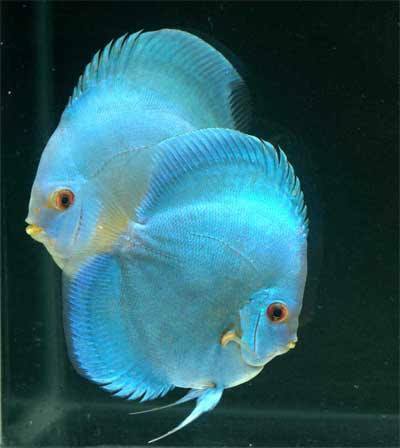
    As breeding techniques advanced and shipping improved, we started to see more varieties of Discus. Between the 1970s and 80s Discuss breeders started to create more colorful and vibrant varieties of Discus, like the Powder Blue Discus shown below.

    Powder Blue Discus

    Discus Fish Care – The Keys To Success Keeping Discus

    Discus to many are considered very challenging to keep (video from our YouTube Channel). They are more difficult to keep then the average freshwater tropical fish, but not impossible. It is a matter of getting all the care elements dialed in so you have a stable tank. Discus Fish require a high investment. They need bigger tanks and higher quality equipment to provide the best environment for them. Let’s break down the keys to success for Discus Fish. They are:

    • Housing
    • Filtration
    • Source Water
    • Temperature
    • Oxygen
    • Decor
    • Substrate (Or no substrate)
    • Diet
    • Tank Mates

    Tank Size (Housing)

    Adult Discus are large fish. They can grow up to 6 to 8 inches long, they also grow height wise as well due to their dish shape. Like most Cichlids, they are territorial to their own kind, so they need space to thrive and and a natural looking environment to curb their aggression.

    75 Gallon Aquarium

    The best tank to start a Discus Tank with would be a 75 gallon aquarium. Some people say a 55 gallon aquarium is okay, but I prefer the 75 gallon because it is both wider and taller. These are both factors we want to keep in mind when it comes to the taller disc shapes of these fish.

    For a 75 gallon aquarium, we are looking to house 6 adult sized discus fish. Some people will start these tanks up with 10-12 younger discus and allow them to grow. Eventually, they will reduce their numbers to 6, with two being males. Reducing the male population reduces the aggressiveness. A 75 gallon aquarium is not an aquarium you can easily order online.

    My suggestion would be to either purchase the aquarium from a petstore when they go on sale or attempt to purchase a cheap used tank from a hobbyist or classified ad. Marineland is a good brand to purchase a first time Discus Aquarium. They are well built and have black silicone instead of clear.

    Tank Filtration

    DIscus require very clean water. Their natural environment has clean water and the average home aquarium does not provide the quality water or filtration they need. Many hardcore discus keepers will sort this out with daily or every other day water changes. These water changes are very large – usually 50% or more. We can do the same thing here, but if you to build a foundation of proper equipment that can help keep your levels down you won’t be a slave to water changes.

    Our first option is a Power Filter like a Hagen Aquaclear. The aquaclear always makes it into our fish tanks if one is looking for a hang on the back filter. It will do a great job for you and will work trouble free for years.

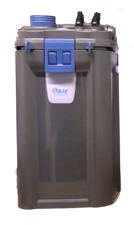
    Our next option is a premium piece of equipment like a Canister Filter. Again, our focus on Discus tanks is very clean water. A Canister filter is ideal for this as we can stuff these with premium level biomedia like Biohome Ultimate Filter Media. This media is one of the best out there in the market and has the ability to reduce nitrates in the aquarium. We are going to pair this media inside the best canister filter on the market today, the OASE Biomaster Thermo. This canister filter comes with a heater bay to place your heater and with a ton of media space.

    This is a premium option, but let’s keep in mind that Discus are a premium level fish. These fish are not cheap and they demand proper equipment and maintenance. Let’s set ourselves up for success by getting high end equipment.

    Source Water

    Discus Fish need very clean water. I will say this over and over again in this blog post to drive in the point. It is one of the most critical factors to your success. Sometimes, the source water of your tap water is not going to be good enough for your Discus Fish.

    It’s going to depend on your city’s water report. I would suggest you get a city water report and get the readings of levels in your tank to determine if an RODI Unit is going to be needed. The main thing we are going to need to look for are high nitrates. If you have high nitrates coming out of your tap water, you need to consider an RODI Unit or RO Unit. RO water becomes a major purchase when it comes to breeding or raising Discus fry.

    Budget Option
    Aquatic Life RO Buddie

    Budget Option

    Compact and great for smaller tanks. This is the best unit if you live in an apartment or dorm

    Buy On Petco Buy On Amazon

    The RODI unit shown above is an example of a good unit that will get the job done. If you are going to use RO or RODI water, you will want to use a trace element supplement. Seachem’s Discus Trace is just the supplement to use. Distilled water can also work in a pinch, but given the tank size needed for these fish, it’s usually not a good long term choice.

    For those of us using tap water, it is very important to age your tap water for 24 hours then treat it with a declorinator like Seachem Prime. You can further prep with a heater and airstone or submersible pump. The preference is aged tap water + prime if your source water is good enough.

    I know not everyone’s tap water is going to be adequate. If you cannot obtain your city’s water report, I would suggest getting an RO unit. Nearly all units designed for aquariums will be an RODI unit. For Discus, you can remove the DI stage to save on the resin as long as your TDS output is within 50-100.

    Temperature

    Next to clean water, temperature is the second big factor to Discus Fish care success. Discuss thrive on temperatures from 85 to 86 degrees. That is a lot warmer than most tropical fish that likes 78 degrees. What will usually happen with Discus under lower temperatures is that they will not fare well under typical tropical fish temperatures.

    We want higher temperatures for a Discus fish for multiple reasons. Warmer water keeps our Discus active. It increases their metabolism and produce a more colorful fish. Many Discus are also keep at higher temperatures.

    Imported Discus from Germany and Malaysia will often keep their temperatures higher. You will also want to see what temperatures the Discus you are looking to buy are kept at as you need to accumulate. The main issue you will deal with higher temperatures is bacterial infections. If you have an outbreak, they are tougher to deal with at higher temperatures because the bacteria will produce faster. 

    We want to use the Best Aquarium Heater we can get our hands on. For a Discus aquarium, the Eheim Jager heaters are the best heaters to go with. It would also be wise to get an aquarium heater controller like an Ink Bird to ensure you have temperatures that are accurate and fail proof.   

    Tank Aeration

    With higher temperatures and larger fish we will be dealing with oxygen issues in our aquarium. Also, Discus Fish prefer calm waters so we cannot use a Wave Maker for our setup. We are going to want to use a proper Aquarium Air Pump to provide a high amount of oxygen to our Discus tank.

    Whisper AP Series

    A great air pump option for larger tanks. The AP series is Tetra’s best product among all its offerings

    Buy On Chewy Buy On Amazon

    Since we are dealing with larger tanks with Discus, a powerful air pump is in order. The Tetra Whisper AP series is the ideal aquarium air pump for Discus tanks. It is powerful and can handle the needs of these large fish while not making you lose your mind with their noise. 

    Tank Decorations

    Discus Fish Tank Decorations

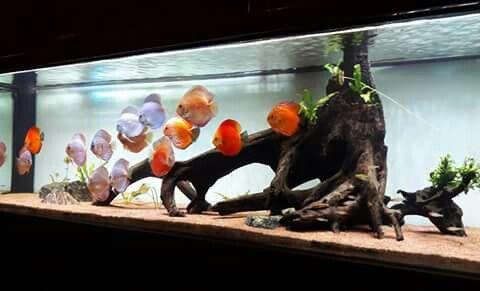
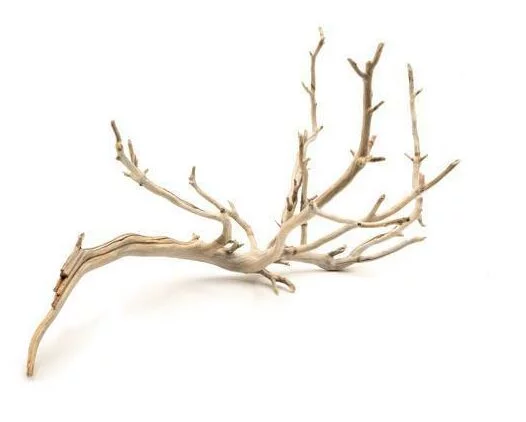
    From what we know about the history of Discus Fish, they lived near submerged tree roots and branches. The best decor for Discus is going to be Driftwood. However, we need to be very careful in our handling and selection of driftwood. We want a wood that will not alter the pH of our tank and we want something that is not going to rot away and leech nutrients all over the place.

    Editor’s Choice
    Manzanita Driftwood

    Editor’s Choice

    Manzanita offers it all. Great shape, low tannins, quick to water log and reasonably priced. It’s the ultimate driftwood!

    Click For Best Price Click For Branch Pieces

    Manzanita wood is probably the best wood to use for a Discus tank. It is clean and looks the part for their natural environment. Sandblasted Manzanita is what we want to look for. There are large showpieces you can purchase from the link above. These large sizes will show better in a large Discus tank.

    Prepping the wood for the aquarium is a major process we must undergo for our Discus. Prepping driftwood for aquarium usage requires us to boil it for 10 to 15 minutes. This is to clean the rock of decaying, dead material and to remove tannins. Tannins being released from driftwood will dark the water of your aquarium giving it a tea-colored look.  Below is a video by Long Island Fish Guy showing the process.

    The main challenge with boiling a large piece of driftwood is you cannot fit it in a pot. To work through this there are two approaches. One is to boil in parts that you can dip into a cooking pot. Another is to put the wood in a bathtub or outside and pour the boiling water on the wood. Be very careful if you have to do this as you can hurt yourself. 

    Tank Substrate

    Discus keepers fall into two camps. Those who want to do a bare bottom tank and those who want the look of a natural substrate. There are pros and cons to both.

    For a bare bottom tank, we are working to create a very clean tank. The bare bottom approach is the preferred approach for breeders and those raising Discus fry. You can do a bare bottom tank for adult discus. For many, they will feel that the look of a bare bottom is odd. Painting the bottom of the aquarium white will help with the look. Other hobbyists have used aquarium safe tile to decorate their bottoms.

    A discus tank with a natural substrate will provide a natural aesthic look. The problem you run into with a substrate is waste accumulation and dealing with potential nutrient issues. The best way to work with a substrate is to use it for aesthic purposes only.

    We aren’t going to make an active substrate and we want a thin substrate similar to what I suggested with my prior Goldfish Tank post. We want no more than a half inch for our substrate. This will limit our ability for using rooted Aquarium Plants, but we will see later on that rooted plants are not the best for Discus Tanks.

    The easiest substrate to maintain for a Discus tank is sand. We also have to consider the colors of our Discus. Discus fish are bright in color so a dark color would make them look darker. A lighter substrate will make our Discus look more bright. Light substrate is what we are going to want. 

    Ideal For Goldfish
    Caribsea Super Naturals Sand

    This sand by Caribsea is perfect for supporting the foraging habit of goldfish. Also works with bottom feeders and discus fish.

    Buy On Amazon Buy On Petco

    A sandy grain size substrate like the one pictured above from Caribsea is what we are looking for. Again, we only want a half inch of substrate. This substrate is also pH neutral – something we will desire as most Discus for keeping purposes will need acidic water to neutral. This range of pH is 6.8 – 7.6 for most Discus varieties. If we are breeding discus, pH needs is different. But, the best practice for breeding Discus is bare bottom.

    Diet

    Discus are big and colorful fish. They are demanding when it comes to diet as they need a varied and balance diet in order to keep their immune systems and colors healthy. Discus also require to be feed multiple times a day. They also have small mouths for their size and are slow eaters.

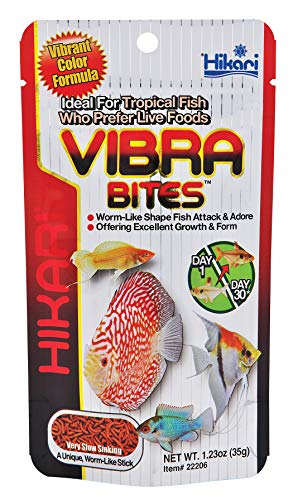
    When it comes to food, the smaller is better. We want a mix of bloodworms, blackworms, and vibra bites. The delivery method is important as well. I have mentioned in past posts the amazing nutritional value of blackworms in the past. Blackworms would be my go to here. Freeze Dried Blackworms with a vitamin boost like Vita-Chem is a great mix.

    My Pick
    Vita Chem

    One of the best nutritional supplements you can use for freshwater fish. Works great with pellet and fried dried foods.

    Buy On Amazon Buy On Chewy

    For pellet food, Vibra bites is perfect for discus. It has the worm like shape that get your Discus going. 

    Great For Discus
    Hikari Vibra Bites

    A color enhancing formula that has a worm shape. Excellent for discus fish.

    Buy On Amazon Buy On Petco

    For feeding worm food like black worms a feeding cone can useful for keeping the food in place. Discus are slow eaters so this keeps the food in one place so your Discus can eat while keeping your tank clean. The video below by Canadian Aqua Farm shows a feeding cone in action.

    Tank Mates

    Finding tank mates for a Discus Fish tank is the challenge. Because we are going to keep our Discus in hotter waters, this is going to hard on many tropical fish. Also Discus are slow feeders so an aggressive feeder is going to out compete and stress our Discus.

    Aquarium fish like barbs are going to be bad tank mates due to how aggressive and active they are. Angelfish and Rams should also be avoided. We will also want to be careful about adding too many schooling fish like tetras who as a group can out compete our discus for food.

    When we think about good tank mates, Cardinal Tetras and Corys come to mind. It is doable, but my recommendation is to make your Discus the centerpiece of your aquarium. Start with a dominant Discus Tank first then consider adding tank mates if you really want to. 

    Live Plants for Them

    Planted Discus Tank

    A planted tank with Discuss is one of the most challenging setups you can attempt in the freshwater hobby. You are working against multiple factors when trying to add plants with Discus.

    The first is the temperature. Because Discus do better in warm weathers, many plants will struggle to thrive at 85-86 degrees. The second factor working against is the lack of nutrients. Remember when I said that Discus Fish like clean water? Clean water means low nutrients. Low nutrients means that plants are going to have a hard time getting the food they need and we cannot use an active substrate.

    Active substrate like the ADA Aquasoil I recommend in our Best Planted Tank Substrate post will cause higher nutrient levels in the tank. Great for rooted and carpeting plants, but bad for Discus. 

    So what does this leave us with? We just eliminated a number of possible aquarium plants from the list. We are going to want live plants that can not only tolerate the higher temperatures of our Discus tank, but also will still grow in a low nutrient environment. We also want plants that can tolerate a non CO2 injected environment as we want to ensure we have a rich amount of oxygen available with our higher temperatures.

    This leaves us with the hardiest of live plants, preferably ones that are column feeders versus root feeders. These will will do well without CO2 These plants are:

    All of the plants above are considered Low Light Aquarium Plants. All you need to do to if you want live plants is to upgrade your lights to a proper Planted Tank LED System. I would recommend Current USA’s Serence Pro lights.

    Best Value
    Serene RGB Pro LED

    Current USA’s offering into aquascaping is an incredible value. Spectrum, spread, easy to program and great PAR output.

    Click For Best Price Buy On Amazon

    When planning a planted Discus Tank, we will need to keep in mind spacing. We will want our plants either attached to our driftwood or in the background of our aquarium. We want to keep the rest of the aquarium open for our Discus to swim and not feel crapped.

    We want to avoid densely planted tanks. Lastly, our fish population decreases in a planted setup. For a 100 gallon fish tank, we would drop down to 5 to 6 Adult Discus. We do this because our substrate become an issue with waste with a planted tank. We want to keep our tanks very clean for Discus, so our best approach here is to reduce our aquarium fish population. 

    Another thing to keep in mind is that Planted tanks are not good for raising fry or breeding. If you are looking to breed, the best practice are bare bottom tanks.

    Different Types

    There are tons of breeds of Discus. They are all long-lived, get large, and is breed under the right conditions. We have two types of Discus in our hobby:

    • Wild Discus
    • Domestic Discus

    Wild

    Heckel Discus

    The wild discus are the original Discus where our domestics come from. The Blue Green wild discus is where most of our Domestic Discus come from.

    The Heckel Discus is one of the most sought after wild Discus. They are found in the Rio Negro. They are one of the most demanding Discus to keep in the aquarium due to their pH requirements. They prefer a pH closer to 4.0, which is a challenge for many aquarium keepers. 

    All wild Discus are imported and difficult to keep in comparison to domestically bred Discus who are used to aquarium environments. Wild caught Discus are best kept to the experts and Discus enthusiast.

    Domestic (Captive Bred)

    There are more than 1000 types of Discus Fish available in the market, day by day count is increasing because of cross breeding and demand on market. And this video below shows the diversity of Discus fish. One thing to keep in mind is that Discus with a yellow coloring have difficulty maintaining their color.

    I’ll go over the various discuss types in another post to keep this one short. Check out the visual below by Knock Out Aquatics to see how varied Discus get!

    How To Select Them

    Discus are very sensitive fish. They require careful selection when choosing a quality store to purchase from an a healthy specimen. Here are a few things to look for:

    • Round shape – look for deformities
    • Clear eyes – no nicks or cloudy eyes
    • Good color – poor color indicates stress or poor diet
    • Fins – Look for straight fins. Watch out for bent or clamped fins
    • Body mass – Your Discus should look thick. Do not purchase a thin Discus
    • Good appetite – Your Discus should actively eat when fed
    • Swimming activity – The Discus should be swimming in the open not in a corner

    How To Quarantine Them

    While I believe you should quarantine all fish, I know most people will not. Discus fish are a premium fish and require quarantine into to thrive. The quarantine process takes 8 weeks and involves frequent water changes – as often as every day!

    In the second week, Discus experts would recommend prophylatic treatment with Prazipro or Levamisole to treat for internal parasites. Internal parasites are very common with Discus and is a mild treatment2.

    You would stop treatment in the 6th weeks and do a 2 week observation period. You should not use antibiotics or external parasite treatments unless you see signs of disease. To learn more about diseases check out this fish disease article. Some commmon factors that cause health issues would be:

    • Chemical poisoning – from poor water conditions
    • Dissolved gases – from low oxygen or high CO2 levels
    • Poor tank hygiene
    • Nutritional deficiencies
    • Gill flukes, parasites — which is why we quarantine!
    • Bacterial infections

    Your quarantine tank should be bare bottom with a cycled filter. It should be away from your display and you should use a separate net for it. Given the time involved of quarantine, do not plan on traveling or vacationing during this time. Know your schedule and plan ahead!

    Breeding

    This is a separate post in itself, so I’ll keep it brief. There are two methods for breeding Discus fish – artificial and natural.

    Artifical Breeding

    This involved removing the eggs after they have been fertilized. Fry are hatched and fed slime when they are initially born. As they grow, they are transitioned to baby brine shrimp and commercial foods. This is a common method of breeding for commercial Discus breeders. PVC is used as a surface to lay eggs and collect them. It is efficient and more profitable from a business perspective

    Natural Breeding

    Natural Discuss breeding allows for the eggs to be tended by the parents. The fry hatch and are free to swim in the aquarium. The fry will eat their parent’s slime coat when they are born. They eventually will be transitioned to baby shrimp and commercial food.

    This is considered one of the most fulfilling experiences in our hobby. The parents take takes tending to their babies. They fish fry receive antibodies from their parent’s slime coats. As a result, they can develop a stronger immune system.

    Where To Buy

    Discus fish are one of the more difficult fish to purchase. You will want to purchase them from a high quality local fish store if you are looking to buy locally. If you do not have a good local fish store, you can purchase high quality specimens at tradeshows.

    A more recent development has been the emergence of What You See Is What You Get (WYSIWYG) online fish stores. Most are small specialty fish stores. When looking at one, make sure they offer a arrive live guarantee and a warranty of at least 7 days.

    Additional Resources (Books To Read)

    There are many books out there that go beyond the scope of this blog post. However, not all are created equal. There are two books I recommend when it comes to Discus care.

    Discus World

    Discus World

    A great deep dive book on Discuss keeping for a beginner. Written by a discuss breeder

    Buy On Amazon

    The Discus World book is a good casual dive into the world of Discus keeping and breeding. It is informational enough to get you beyond what I have covered here, yet friendly enough for a beginner to pick up.

    The Discus Book

    The Discus Book

    First published in 1989, this book is an update with a full color edition. Written by Alastair Agutter, who has been an authority on aquariums since 1967

    Buy On Amazon

    The Discus Book is the book to purchase if you want a comprehensive guide on Discus. This book is written by Alastair Agutter. Alastair has been involved in the aquarium hobby since 1967. He is a veteran in the industry. He offers a no sales approach to proper care. It’s a refreshing perspective to read as our aquarium hobby evolves into a gadget first approach. He’s all about the biological and science. It’s a must read if you want to get serious about Discus!

    What It Is Actually Like Living With Discus Fish Care

    Discus Fish Care is a fish that makes you a better fishkeeper. You learn to test water, maintain consistency, and pay attention to subtle changes.

    When thriving, Discus Fish Care displays colors and behaviors that no hardy fish matches. The reward is real.

    When stressed, the signs are immediate. Clamped fins, faded color, hiding. You learn to read this fish or you lose it.

    Closing Thoughts

    Discus do not forgive sloppy water changes. They just stop eating.

    Discus fish are the known as the king of the aquarium. They are beautiful but difficult to keep. If you are up to the challenge, they is one of the most rewarding experiences in our hobby. I hope I showed you what Discus fish can offer you as a pet by reading this post. If you have any questions, leave a comment below. Thank you for reading.


  • Flowerhorn Cichlid Care – A Complete Guide

    Flowerhorn Cichlid Care – A Complete Guide

    Flowerhorns are the most aggressively territorial freshwater fish most hobbyists will ever keep. They do not tolerate tank mates. They rearrange your tank daily. They will bite your hand during water changes and mean it. A flowerhorn demands a tank built entirely around its existence, and if you try to compromise on that, something in your tank is going to die. I have seen experienced keepers underestimate these fish, and the result is always the same.

    A flowerhorn does not share a tank. It allows you to share its tank.

    What Most Care Guides Get Wrong About Flowerhorn Cichlid

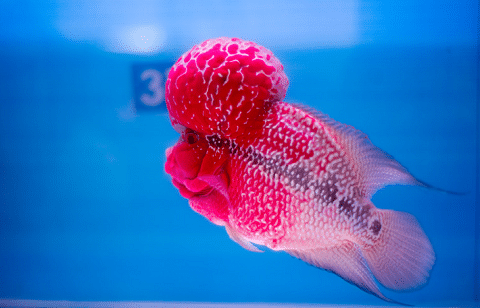
    The most persistent myth about flowerhorns is that bigger is always better when it comes to their nuchal hump (the kok). I’ve seen keepers pump their fish full of questionable supplements and hormones trying to grow the biggest head possible, and it often shortens the fish’s life. A healthy flowerhorn with a moderate hump will outlive an overfed, hormone-treated one every time. The other misconception is that flowerhorns are impossible to keep with other fish. While they’re aggressive, I’ve seen experienced keepers maintain them successfully with large, tough tank mates in 150+ gallon setups. It’s not easy, but it’s not impossible either.

    What It Is Actually Like Living With Flowerhorn Cichlid Care

    Flowerhorn Cichlid Care watches you. When you walk past the tank, it tracks your movement. This is not a passive decoration. It is an aware, reactive animal.

    Feeding time is intense. Flowerhorn Cichlid Care strikes hard and fast. Smaller foods disappear in one motion.

    Tank maintenance takes longer than with community fish. The waste output is significant, and skipping a water change shows within days.

    Other fish in the tank exist on Flowerhorn Cichlid Care’s terms. If it decides a tank mate is in the wrong spot, that tank mate moves or gets hit.

    Table of Contents

    Flowerhorns are the most aggressive cichlid most hobbyists will ever encounter. They will kill tank mates, rearrange your tank daily, and demand a setup built entirely around them. This is not a community fish. This is not even a fish you keep with other cichlids. A flowerhorn gets its own tank, period. If that is not what you signed up for, walk away now. This is not a fish you own. It is a fish that owns the tank.

    The Reality of Keeping Flowerhorn Cichlid

    Flowerhorns are interactive, intelligent, and visually spectacular. They are also the most destructive freshwater fish you will keep. Here is the reality.

    Solo tank only. This is not a suggestion. Flowerhorns will attack and kill virtually any tank mate you put with them. Some experienced keepers have success with large, tough companions in 150+ gallon tanks, but the default should always be a species-only setup. One fish, one tank.

    They destroy everything. Heaters get knocked off. Decorations get moved. Plants get shredded. Substrate gets rearranged into hills and valleys. You will learn to use heavy, stable equipment and accept that your aquascape belongs to the flowerhorn, not to you.

    The kok is not everything. The nuchal hump size is partly genetic, partly diet, partly water quality. Supplements and hormones marketed to grow bigger koks often shorten the fish’s life. A healthy flowerhorn with moderate head growth will outlive an overfed, hormone-treated one every time. Do not chase the kok at the expense of the fish.

    They bond with their owner. Flowerhorns learn to recognize the person who feeds them. They follow you across the room, beg for food, and display aggression toward strangers. This is a fish with a genuine relationship with its keeper, and that bond is a big part of why people keep them despite the aggression.

    Biggest Mistake New Flowerhorn Cichlid Owners Make

    Trying to keep them with other fish. It does not matter how big your tank is or how tough you think your other fish are. The default outcome of adding tank mates to a flowerhorn tank is injuries and death. Some people get lucky for a while, but eventually the flowerhorn decides it wants the other fish gone, and it has the size and aggression to make that happen. Accept the solo lifestyle or do not get a flowerhorn.

    Expert Take

    Flowerhorns are the most interactive freshwater fish in the hobby. Nothing else comes close to the bond between a flowerhorn and its keeper. They greet you, they beg, they display, they have genuine moods. The trade-off is that they need their own tank, heavy-duty equipment, and an owner who respects their aggression instead of trying to work around it. If you want a pet fish in the truest sense of the word, this is it.

    The Reality of Keeping Flowerhorn Cichlid Care

    Size is the first reality check. Flowerhorn Cichlid Care grows fast and grows large. A tank that fits today will not fit in six months.

    Aggression is not optional. This fish is territorial by nature. Tank mates are selected around this fact or they become food.

    Filtration needs are extreme. Large predatory cichlids produce massive waste loads. Underfilter this tank and water quality crashes fast.

    Biggest Mistake New Flowerhorn Cichlid Care Owners Make

    Putting Flowerhorn Cichlid Care in a tank that is too small. This fish grows fast and gets aggressive in tight spaces. Start with the final tank size from day one or do not start at all.

    Expert Take

    Flowerhorn Cichlid Care is a commitment fish. Start with a 75 gallon minimum, run heavy filtration, and stock only tank mates that hold their own. Half measures do not work with predatory cichlids.

    Species Overview

    Scientific NameUnknown – Hybrid
    Common NamesFlowerhorn Cichlid, Flowerhorn fish, Flowerhorn, Luohans
    FamilyCichlidae
    OriginVariable – Manmade fish
    DietOmnivore
    Care LevelIntermediate
    ActivityModerate
    Lifespan10-12 years
    TemperamentAggressive
    Tank LevelAll levels
    Minimum Tank Size75 gallon
    Temperature Range75ยฐ-86ยฐF (24ยฐ-30ยฐC)
    Water Hardness161-358ppm (9-20 dGH)
    pH Range6.5 – 8.0
    Filtration/Water FlowModerate to high
    Water TypeFreshwater
    BreedingEgg-layer
    Difficulty to BreedDifficult to breed
    CompatibilityLimited, Species-only tank
    OK, for Planted Tanks?Yes, known to dig up plants

    Classification

    Taxonomic RankClassification
    Common NameFlowerhorn Cichlid
    Scientific NameHybrid (no single species)
    OrderCichliformes
    FamilyCichlidae
    GenusHybrid
    SpeciesHybrid

    Origins

    Flowerhorn Cichlids (video source) are manmade freshwater fish that were first bred by fish keepers in Thailand, Malaysia, and Taiwan. That means this aquatic animal does not naturally occur in the wild. The closest wild relatives to this hybrid fish, are African Cichlids.

    They first appeared in the market in 1996 and have been rising in popularity since. These large Cichlids also have quite an impressive lifespan adding to their popularity.

    Unfortunately, some Flowerhorns have been illegally released into the wild. They can now be found in a few wild habitats around the world where they’ve become an invasive species.

    Flowerhorn fish is a result of selectively breeding different African Cichlid species. The idea of breeding these fish was based on the earliest manmade fish called the Blood Parrot.

    Interbreeding Cichlids gives them the same unique head and body shape as the parent species. Fortunately, this process is fairly simple since Cichlids will spawn with just about any fish of the opposite sex as long as it’s another Cichlid species.

    A few of the naturally occurring species that were used to create Flowerhorn strains are Red Devil (Amphilophus labiatus), Redheaded Cichlid (Paraneetroplus synspilus), Midas Cichlid (Amphilophus citrinellus), Red Terror (Cichlasoma festae), and Trimac (Cichlasoma trimaculatum). Parrot fish also played a role, but nobody seems to know (or aren’t telling us) exactly to what degree any of these species were involved.

    There were originally only five strains of Flowerhorns. These were referred to as Luohans. These strains include the golden-based group such as Faders and Golden Trimax as well as the Golden Monkey, Kamfa, and Zhen Zhu varieties. These are sometimes referred to as Cichlid fish breeds, but in reality, they are only hybrids and not full breeds.

    Other strains have also since been developed. Some of the most popular Flowerhorns are currently Golden Monkey, Red Dragon Flowerhorn, and Thai Silk.

    What Do Flowerhorn Cichlids Look Like?

    Flowerhorn Cichlid At Local Fish Store

    A Flowerhorn Cichlid is a large fish with a unique body shape and nuchal hump also called a Kok. The nuchal hump is the large protrusion on top of your fish’s head that gives them an easily recognizable silhouette. The size can vary from massive nuchal humps on males to nonexistent on females. The size can also change depending on the situation the fish finds itself in.

    Both the dorsal and anal fins start about two-thirds of the way back on the body and stretch all the way to the base of the tail. The dorsal fin matches the bulk of the anal fin and ends in a fleshy, braid-like protrusion. The dorsal and anal fins also dwarf the caudal fin.

    The tail fin, on the other hand, is round and much thinner than the other fins but the shape may vary. The pectoral fins are quite short and often almost see-through.

    Flowerhorns also have quite a lumpy ‘chin’ area that extends right to the ventral fins. This feature is much more prominent in males.

    Male Flowerhorns also have more brightly colored, pearlized scales. The female Flowerhorn will be an inch or two smaller than the male.

    The unusual patterns of Flowerhorns evolve and change as the juvenile fish grow into adulthood. Once this critter reaches mature size, the patterns are set. This means that you may not know what you’re getting if you choose a juvenile fish. Most will end up with horizontal black stripes, however.

    The eyes of these aquatic pets are quite prominent. The King Kamfa variety have white or yellow eyes.

    How Big Can They Get?

    Flowerhorn Cichlids are a large fish species. These aquarium fish can grow to about 12 to 16 inches (30.4-40.6cm) depending on the variant. It’s important to know the average size of your adult. The size will affect everything from Flowerhorn Cichlid care, tank mates, and even the aquarium setup.

    How Long Do They Live?

    Flowerhorns can live around 10 to 12 years. For this reason, it is quite important that you’re ready for a long-term commitment. The lifespan of your fish can drastically vary depending on the care you provide.

    If your fish is constantly exposed to poor water quality or set up in an unsuitable aquarium, you can expect a sickly, short-lived fish.

    What Do They Eat?

    Flowerhorn Cichlids are omnivorous. This means that you’ll need to feed meaty treats like brine shrimp, bloodworms, mosquito larvae, as well as some greens to keep your fish healthy. The best way to do this is to feed a healthy pellet-based diet for omnivorous fish with some added treats.

    Feeding a Flowerhorn Cichlid is fairly easy as long as you get the balance right. Due to these fish being so large, they have quite a big apatite. These freshwater fish will quite happily feed on just about anything that ends up in the tank.

    If you’re unsure which meaty treats your fish can eat, consider adding the following foods:

    • Brine shrimp
    • Shrimp
    • Bloodworms
    • Mosquito larvae
    • Earthworms
    • Other aquatic worms
    • Fish fillet
    • Dried crickets
    • Dried grasshoppers
    • Krill

    What you feed will depend on the size of your fish. Small treats like brine shrimps are for small fish. Bigger fish can have bigger snacks like earthworms.

    For greens, you can consider adding the following vegetables:

    • Boiled peas (No shells)
    • Zucchini
    • Shredded lettuce
    • Cucumber

    Give Them Live Foods

    To keep your fish in tip-top shape, it is best to feed both live and frozen foods. Live foods, like mosquito larvae, will provide your fish with some entertainment. Hunting these creatures will also appeal to the foraging instincts of your Flowerhorn Cichlid.

    How Much and How Often to Feed Them

    It is best to feed your Flowerhorn Cichlid just enough to finish the food within five minutes after feeding. If you notice any food left at the end of five minutes, consider reducing the amount fed.

    Any food that is allowed to settle to the bottom of the tank will just stay there to rot. This reduces your water quality and will lead to ammonia spikes if you’re not careful.

    On the other hand, if your fish isn’t fed enough, it will start to dig up plants, chew on the leaves and break the stems. To reduce this destructive behavior, make sure to feed your fish regularly.

    Adult fish need to be fed around two to three times a day. Young fish need five to 10 feedings to help them grow. If your fish aren’t interested in every feeding, reduce the number of feeding per day.

    Their Temperament and Behavior

    Flowerhorn Cichlid in Competition

    Flowerhorn Cichlids have a reputation for being quite aggressive. For this reason, they don’t do so well in community tanks with other fish. If you keep these fish with other species, you can expect fights to break out quite often. Even when kept in tanks with others of their kind, their aggressive nature will often lead to fighting.

    Funny enough, Flowerhorns do prefer to swim in pairs. Keeping a male and female together in the tank will often reduce aggression and lower the stress levels in the aquarium.

    It is possible to add in a few tank mates for your Flowerhorns if you do some careful planning. It’s an idea to keep them with peaceful fish of a similar size.

    These Cichlids also won’t just stay in one layer of the tank. You can expect to see your fish moving up and down the water column as they, please. They will also claim territories in the aquarium which can lead to fighting. This is why it is very important to have enough space if you’re planning on having more than one Flowerhorn Cichlid in the tank.

    If you’re planning a planted aquarium, you’ll also need to do some planning. These fish aren’t the best when it comes to living plants. They will often dig up the plants and even eat them. To avoid this, make sure to feed your fish correctly and plant unpalatable specimens that don’t require the substrate to thrive in your tank.

    Tank Mates

    Flowerhorn Cichlid tank mates aren’t easy to find. , these fish don’t do so well in a tank set up with other aquarium fish. Their aggressive nature and territorial tendencies will get in the way.

    Fortunately, there are a few suitable tank mates out there. It will also help to select a large tank to reduce possible aggressive behavior. Before you select tank mates, keep the following guidelines in mind:

    • Avoid other species of aggressive fish. Choosing fish with peaceful dispositions is best.
    • Avoid slow-moving fish. Any species that gets selected must be able to escape any conflict.
    • Avoid shrimp and snails, they will definitely only serve as a great snack for your fish.
    • Avoid fish that are significantly smaller than your Flowerhorns. They will end up as snacks and targets for aggression rather than Flowerhorn tank mates.
    • Any tank mate you select must be big enough to hold its own and be fast enough to swim away when the need arises.

    If you’re still considering getting some friends for your fish, keep the lists below in mind.

    Best Tank Mates for Them

    It can get quite frustrating to select some fishy friends for your giant terrors. To make it a bit easier, consider the following species:

    Least Compatible Fish for Them

    Care

    Despite being a manmade fish, the Flowerhorn Cichlid is quite hardy and fairly easy to care for. If keeping fish is new to you, you shouldn’t have any problems, but having some experience is better. New fish keepers are often put off by the required tank size as well.

    Flowerhorns are big fish. They are also quite aggressive and messy. This can complicate things when it comes to keeping other fish with your Flowerhorn. You’ll also need to do regular maintenance to keep the tank clean and the water conditions perfect.

    Tank Requirements

    Flowerhorns need quite big aquariums to satisfy their territorial needs. You will also need some decorations in your tank setup to keep them out of trouble.

    Unfortunately, it’s impossible to know exactly what these fish prefer in terms of habitat since they were bred in captivity. In other fish species, you may set up the aquarium with plants or lots of rocks to mimic the natural habitat of that specific freshwater fish. In this case, your guess is as good as mine when it comes to tank decorations.

    Despite not having a natural habitat, you can still create a stunning home for your pet. Here’s what you need to know.

    Tank Size

    To keep your fish healthy and stress-free, you will need at least a 75-gallon tank. These are very messy fish so if you can go bigger, go for it. Bigger tanks will prevent sudden changes in water parameters due to rotting fish waste and uneaten food.

    If you’re thinking of keeping a breeding pair in the same tank, make sure to allocate at least 150 gallons to these fish. The bigger the tank, the less likely it will be for them to show aggression due to territorial battles. If you want a tank with different Cichlid species or other fish in it, make sure to give them a tank with a minimum volume of 215 gallons to prevent aggression.

    Tank Setup

    Setting up a Flowerhorn tank is really quite simple. After you’ve selected the tank you want, you will need to add a few things to create a suitable environment for your fish. Here are a few decor ideas to think about.

    Plants

    A Flowerhorn Cichlid does well in a tank with some added plants. Unfortunately, they do will dig up plants from the substrate. It’s best to keep them in tanks with plants that prefer to grow on other objects like driftwood and rocks with their roots exposed.

    If possible, also select plants that aren’t the most palatable. Flowerhorns are omnivores and will nibble on your plants from time to time. A few live plants you can consider are Anubias Nana and Java Fern. Be prepared for some casualties, however, since these big fish will damage some of your plants.

    Editor’s Choice
    Java Fern

    Editor’s Choice

    Hardy, easy to care for, and requires only basic lighting to grow. This is the perfect aquarium plant for beginners!

    Buy On Buce Plant Buy On Glass Aqua

    Substrate

    By now you probably noticed that Flowerhorns love to dig around in the substrate. For this reason, it is very important to choose something safe to put at the bottom of your tank.

    The best substrate will be sand or large tiles without any sharp edges. Sand allows the fish to dig to its heart’s content without the risk of injury. Avoid coarse gravel. The substrate is often ingested during digging which may lead to impaction if the grains are too large.

    Some aquarium enthusiasts prefer to have a bare bottom tank. Bare tanks are very easy to clean and also completely remove the likelihood of impaction due to substrate ingestion.

    Decor

    To create a bit more structure in the tank, you can add large heavy rocks or driftwood to your tank. Just make sure that the items you add are large and heavy enough to not be knocked over by your fish. If you can, secure any decorations to the bottom of the tank.

    Water Quality and Filtration

    Flowerhorns prefer clean water in their tanks. They are quite sensitive to pollutants which means regular water changes are necessary to keep them healthy. It is also best to have a moderate flow in the tank to circulate oxygen and remove toxins.

    Filtration

    Flowerhorns are very messy. For this reason, they need a strong filtration system to help maintain the correct water parameters. Your filter should produce a moderate flow to circulate water around the aquarium.

    A canister filter is an excellent choice when it comes to these Cichlids. It will create the correct flow while removing any solids from the water. It will also help to remove toxins by allowing beneficial bacteria to grow in the filter media. The Fluval FX Series is designed for large fish like Flowerhorns.

    Great For Large Tanks
    Fluval FX Series

    High flow, large filtration capacity, and quality plumbing – The FX series is designed for monster fish keepers

    Buy On Amazon Click For Best Price

    Water Parameters

    Despite being quite hardy fish, you will still need to keep an eye on the water conditions to keep them healthy. Here’s a quick breakdown of the parameters for Flowerhorn Cichlids:

    • Water Temperature: 75-86ยฐF (24-30ยฐc)
    • pH: 6.5-7.8
    • GH: 161-358ppm (9-20 dGH)
    • kH: 54-107ppm (3-6 dKH)
    • Ammonia (NH3): 0 ppm
    • Nitrite (NO2-): 0 ppm
    • Nitrate (NO3-): <20 ppm

    Aquarium Maintenance

    Since Flowerhorns are such slobs, it is very important to do regular aquarium maintenance. You should do weekly water changes and replace at least 20% of the aquarium water. On top of that, you can do monthly water changes of up to 70% of the total volume of water.

    Doing these water changes will remove solid waste and excess nitrates in the water. Nitrates may not be dangerous in small quantities, but they will become toxic in large amounts.

    Testing Tank Conditions

    To keep your fish health excellent, make sure to do weekly water tests. To achieve this you will need a water test kit. The ideal kit will test all the water parameters except for the temperature in your tank. For that, you will need a thermometer.

    Breeding

    Breeding these fish is very difficult. Fertile specimens are extremely rare in this hybrid breed. A fish keeper also needs to wait for around 8-10 months or even longer before they can test breed their male and up to 2 years for a female. For this reason, it becomes very frustrating trying to breed these Cichlids.

    If you still insist on breeding them, you’ll need a breeding tank and some knowledge.

    Sexing

    Male and female Flowerhorns are quite easy to tell apart. Males are around one to two inches bigger than females. They are also more brightly colored.

    You can also expect a V-shaped vent on the male where the female has a U-shaped vent. The most prominent difference is the nuchal hump. Males will have massive nuchal humps while a female has no hump or just a very small protrusion.

    It is difficult to sex juveniles so make sure to buy from an experienced breeder to be sure.

    Getting Your Fish Ready to Breed

    You don’t need to do anything special to prepare your fish for breeding. Simply place them in a breeding tank with a similar size to their normal tank. If the male is too aggressive, use a divider that allows water flow between the male and female. This should encourage breeding as soon as the divider is removed.

    Your breeding tank will function as both a spawning tank as well as a fry tank.

    The Breeding Process

    During the breeding process (video source), the female Flowerhorn will lay around 900 eggs on a smooth surface somewhere in the tank. The male will then swim over and fertilize the eggs.

    Once fertilization has taken place you can remove the female. The male Flowerhorn will care for the eggs until they hatch. Once the fry hatched, you can also remove the male.

    Caring For Fry

    Caring for the fry is quite simple. It is best to feed the fry with live food like brine shrimps to help them grow. You will need to do this 5 to 10 times per day to keep up with their ferocious appetite and nutrient needs.

    Once they turn 6 months old, you should be able to sex your offspring and separate them into different grow-out tanks.

    Health And Disease

    You’ll be happy to know that Flowerhorns aren’t susceptible to any particular disease. Unfortunately, there are still a few things you should be aware of. Let’s take a look at your Cichlid’s health.

    Evaluating Their Health

    It’s very important to keep an eye on these amazing creatures. Fortunately, it’s quite obvious when your pet isn’t feeling so well. Look out for the following red flags:

    • Reduced apatite
    • Obvious sores on the body
    • Reduced activity level
    • Change in normal behavior

    Common Health Issues

    These Cichlids are amazingly healthy pets. This doesn’t mean they are completely immune against diseases, however. Here are a few health issues you should be aware of:

    • Mechanical health issues

    Due to these fish being so aggressive, you can expect a few injuries every now and then. These shouldn’t be a huge problem unless they affect the fish’s ability to swim. Injuries can also happen during the exploration of the tank and while digging through the substrate.

    Avoid these issues by checking the tank for any sharp objects and providing a large enough aquarium to avoid conflict.

    • Ich

    Ich shows up as white spots on the body and gills of your aquatic pet. Make sure to treat this disease immediately to prevent serious complications. To understand ich better, take a look at this article.

    • Hole-in-the-head disease

    This disease looks like holes in the nuchal hump of your fish. Fortunately, it is curable, but some scarring will remain. Treat this problem by doing daily water changes and removing any activated carbon in your tank until the water conditions improve.

    Where to Buy

    Flowerhorn Cichlids are quite popular. They is found in almost any aquarium shop around the world. Unfortunately, these hybrid species are not cheap to obtain. The average price they go for is around $35 for just one fish. To get the best of the best, you will need to venture to an online fish store, connect with breeders locally, or at tradeshows.

    FAQS

    How much do they cost?

    On average, the Flowerhorn costs around $35 per fish. If you buy a juvenile, the costs is slightly lower.

    How big do they get?

    Flowerhorns can grow to around 12 to 16 inches (30.4-40.6cm) depending on the strain.

    When do they get their hump?

    Flowerhorns only grow humps under the right conditions. Most juveniles should start to develop their characteristic appearance at around 6 months old.

    Can they live with African Cichlids?

    Yes, but there is always the risk of conflict. Make sure the tank is big enough if you want to attempt this.

    Is the Flowerhorn Cichlid Right for You?

    Before you commit to this species, here’s an honest assessment of whether it fits your setup and experience level.

    • Perfect if you want a pet fish, not just an aquarium. Flowerhorns recognize their owners, beg for food, and develop distinct personalities that rival any pet.
    • Not for small tank keepers. You need 75 gallons minimum for a single flowerhorn, and bigger is always better with these fish.
    • Great if you enjoy a species-only setup. Most flowerhorns do best as the sole fish in their tank, so if you like the idea of one showpiece fish, this is your species.
    • Skip if you’re on a tight budget. Between the large tank, heavy filtration, and high-protein diet, flowerhorns are expensive to maintain compared to most freshwater fish.
    • Ideal for keepers who want interaction. These fish will play with you through the glass, follow you around the room, and learn feeding routines within days.
    • Not suitable for community setups. Unless you have 150+ gallons and experience managing aggressive cichlids, plan on keeping them alone.

    How the Flowerhorn Cichlid Compares to Similar Species

    Flowerhorns are often compared to oscars, and it’s an understandable comparison. Both are large, personable cichlids that become genuine pets. But they’re different fish in practice. Oscars are messy eaters that need excellent filtration but are less aggressive toward tank mates of similar size. Flowerhorns take aggression to another level. An oscar will chase a tank mate; a flowerhorn will kill one. Oscars also grow slightly larger (up to 14 inches vs. 12 for most flowerhorns) and are less expensive to acquire. If you want a big, interactive pet fish and plan to keep it with other large cichlids, the oscar is the safer choice. If you want a single showpiece fish with maximum visual impact and don’t mind a solo setup, the flowerhorn is hard to beat.

    The red devil cichlid is one of the parent species used in flowerhorn breeding, so the comparison is natural. Red devils are pure species with their own charm. They’re slightly less flashy but arguably more authentic. They share the flowerhorn’s aggression and need for space, but they lack the exaggerated nuchal hump that makes flowerhorns so distinctive. Red devils can also be kept in pairs for breeding, which is something flowerhorns (as hybrids) can’t do as reliably.

    What It Is Actually Like Living With Flowerhorn Cichlid

    Living with a flowerhorn is the closest thing to keeping a pet that also wants to fight you. You walk into the room and the fish follows you, pressing against the glass, flaring, displaying. You put your finger near the tank and it charges. You reach in for maintenance and it bites you. Not a nip. A bite with intent. You learn to respect the fish, and in return, it gives you a level of interaction that no other freshwater species can match.

    The tank will never look the way you set it up. Substrate gets piled into mounds. Decorations get shoved into corners. Heaters get knocked sideways. You stop fighting it and start securing equipment with suction cups rated for industrial use. The flowerhorn wins every decorating argument. Every single time.

    Feeding is a performance. The fish sees the food container and goes into a frenzy. It slams into the surface, grabs pellets with force, and makes a mess. Visitors are either fascinated or slightly alarmed. The flowerhorn does not care either way. It is the undisputed center of attention in whatever room it occupies, and it knows it.

    Closing Thoughts

    A flowerhorn does not coexist. It dominates or it destroys.

    Flowerhorn fish is very popular in the aquarium trade. They are fairly easy to keep as long as you do regular tank maintenance to keep the water quality pristine. It is also important to monitor the water temperature to keep them healthy.

    If you have any questions, please comment below.


  • Rainbow Shark Care Guide: What to Know Before Adding One to Your Tank

    Rainbow Shark Care Guide: What to Know Before Adding One to Your Tank

    Rainbow Sharks are territorial bottom dwellers that get more aggressive with age. The cute juvenile at the pet store becomes a tank bully within months.

    Rainbow sharks are not sharks. They are territorial bottom dwellers with an attitude problem.

    Rainbow sharks are not sharks. They are territorial bottom dwellers with an attitude problem.

    Table of Contents

    The Rainbow Shark looks ordinary in a store and transforms in a proper tank. After keeping rainbowfish for decades, I know the difference between a washed-out store specimen and a fully colored adult is staggering. This guide covers exactly what you need to bring out its best.

    Store rainbowfish look nothing like properly kept adults. The transformation takes patience.

    Keeping Rainbow Shark long-term requires consistent water quality, proper diet, and a tank that meets their specific needs. This is not a set-and-forget species.

    When kept right, the Rainbow Shark is one of those fish that makes the entire hobby worth it.

    Let’s get started!

    What Most Care Guides Get Wrong About Rainbow Shark What to Know Before Adding One to Your Tank

    The biggest mistake I see with rainbow shark what to know before adding one to your tanks is underestimating their aggression. Guides will label them “semi-aggressive” and move on. In practice, that label doesn’t tell you much. Tank layout, stocking density, and territory management all play a huge role in whether these fish coexist or constantly fight. Tank size is another area where most guides get it wrong. The minimum listed on most care sheets is exactly that, a minimum. For long-term success, especially if you’re keeping a group, I always recommend going at least one size up from whatever the guide suggests. Finally, diet gets oversimplified. Pellets alone won’t cut it. In my 25+ years keeping fish, I’ve found that variety in diet directly affects color, growth, and overall vitality. Include frozen foods, quality pellets, and occasional vegetable matter for the best results.

    The Reality of Keeping Rainbow Shark

    This species has specific needs most generic guides skip. The Rainbow Shark does not thrive in average community conditions. It needs targeted water parameters, the right diet, and compatible tank mates. Half-measures lead to chronic stress and shortened lifespans.

    Observation is your best tool. Watch this fish daily. Changes in color, activity level, or feeding response tell you more about water quality and health than any test kit alone.

    Long-term success requires consistency. Regular maintenance, stable parameters, and a consistent feeding schedule are the foundation of keeping the Rainbow Shark healthy for years.

    Biggest Mistake New Owners Make

    Treating this fish like a generic community species. The Rainbow Shark has specific requirements that differ from the typical tropical fish setup. Ignoring those differences leads to problems within the first few months.

    Expert Take

    After 25 years of keeping Rainbow Shark, the single most important factor is consistency. Stable parameters, regular feeding, and a maintenance schedule you actually follow matter more than any piece of equipment.

    Brief Overview of Rainbow Sharks

    Scientific NameEpalzeorhynchos frenatum
    Common NamesRuby shark, Red-finned shark, rainbow sharkminnow, green fringelip labeo, whitefin shark, and whitetail sharkminnow.
    FamilyCyprinidae
    OriginMekong, Chao Phraya, Xe Bangfai, and Maeklong in Indochina
    DietOmnivore
    Care LevelModerate
    ActivityHigh/ very active
    Lifespan5 to 8 years (approx.)
    TemperamentAggressive / Dominant
    Tank LevelBottom
    Minimum Tank SizeMin. 50 gallons
    Temperature Range72 ยฐ F to 80 ยฐF
    Water Hardness5 to 11 dH
    pH Range6. 8
    Filtration/Water FlowFast (mimicking the river basins)
    Water TypeFreshwater
    BreedingEgg-layer
    Difficulty to BreedDifficult to breed
    CompatibilityModerate (get along with freshwater fish of the same size)
    OK, for Planted Tanks?Yes, especially for hard-leaved vegetation

    Classification

    OrderCypriniformes
    FamilyCyprinidae
    GenusEpalzeorhynchos
    SpeciesE. Frenatum (Fowler, 1934)

    Origin and Natural Habitat

    Rainbow shark (Epalzeorhynchos frenatum) is nothing like true sharks; they are freshwater fish, live peacefully with their kin, and feed on algae and plankton. However, they were named after the mighty sharks because of the upright dorsal fin that strikes a close resemblance to sharks while swimming.

    The rainbow sharks originated from Southeast Asia, particularly Thailand, and are now commonly found in the freshwater basins of Mekong, Chao, Phraya, Xe Bangfai, and Maeklong.

    Unfortunately, the habitat destruction in the wild resulted in the decreased population of rainbow sharks. However, in nature, they are bottom dwellers and mostly live in sandy substrates.

    Even though rainbow fish is a peaceful breed, it gets territorial and might give a tough time to their smaller tank mates. Therefore, it’s a good idea to keep a few fish in the aquarium, that is closer to their own size. Also, rainbow sharks are a little high-maintenance and might pose a challenge to novice fish keepers.

    So, choose wisely!

    What Do They Look Like?

    What does a rainbow shark look like

    As I mentioned before, Rainbow sharks are commonly known as red-finned sharks, which earned their name because of the dorsal fin.

    And if you see them swimming, you might mistake them for baby ocean sharks for once!

    However, rainbow sharks are small and have elongated and slender backs with flat stomachs. Their fins, as the name suggests, are bright red with somewhat orangish hues. The bright red-orangish fins pop out against their dull grey bodies.

    The dorsal fins of rainbow sharks comprise 11 branched rays with a prolonged fin tail. Like ocean sharks, the rainbow shark’s face is flat, but the snout is somewhat rounded along with an elongated body that tapers off at the tail.

    What’s the difference between the males and females?

    Before stating the differences here, I’d like to emphasize that male rainbow sharks are very dominant and aggressive toward their gender. Therefore, I always recommend keeping rainbow sharks carefully; one male in a tank is enough!

    Coming back to the variations, there’s not much to name their gender, especially for juvenile rainbow sharks. To clearly reveal the gender, it’s always best to wait until the sharks grow completely and reach adulthood.

    An adult rainbow shark has a thin body with bright red-colored fins and black lines on its tailfins. Comparatively, female rainbow sharks possess faded coloration with more pronounced bellies and the black, grey lines on the tailfins are absent in females.

    How Big Can They Get?

    After about 2 years, rainbow shark reaches its full potential size, which is approximately 6 inches in length. In some rare cases, the rainbow shark might grow as long as 8 inches. However, they only get that large in bigger tanks.

    In any case, due to their size and active behavior, large aquarium tanks are a necessity for rainbow sharks.

    Interestingly, both male and female red-tail sharks are almost the same size in all varieties, and they sexually mature when they are four inches in length.

    How Long Do They Live?

    Under favorable conditions, rainbow sharks have proven to live for approximately 5-8 years in captivity. However, few claims suggest they live longer in nature.

    The lifespan of rainbow sharks depends on:

    1. Overall tank and water environment
    2. Diet rich in vegetable and protein matter
    3. Perfect sandy substrate for bottom-dwelling

    Temperament and Activity Level

    One thing that I genuinely love about the Rainbow shark breed is its agile and lively nature (video source).

    Also, since they are bottom dwellers, they enjoy their time in the water grazing for food.

    Therefore, many aquarists discourage tanks or aquariums for the rainbow shark as the confined space might trigger their aggressive side. As a result, they might attack smaller sharks and ultimately kill them.

    Nonetheless, if you want to keep a group in home aquariums, make sure to install a large tank.

    Mature ones are territorial

    Juvenile rainbow sharks are social and get along with other fish pretty well.

    But as soon as they reach adulthood, they become standoffish and solitary, asserting dominance in the presence of other fish.

    To cater to this, I advise making tunnels, caves, and crevices for hiding. Also, it’s advisable to plant dense and healthy vegetation for the well-being of other fish and thriving a healthy community that involves fewer accidents.

    What are Good Tank Mates for Them?

    Well, if you ask me, I’d say, no mates are always better!

    You might argue that they get along with true loaches and plecos really well.

    Yes, I agree!

    But in the wild only. In captivity, the rainbow sharks are quite aggressive and territorial. And like I mentioned before, they are bottom-dwellers; they don’t enjoy the company of other scavengers.

    And this brings me to the conclusion that bottom dwelling tank mates should always be avoided for Rainbow sharks.

    However, if you’re still adamant, I advise you to introduce your red-fin shark to a pre-occupied tank with only a few fish to reduce the likeliness of harassment.

    Red-fin sharks are compatible with upper and middle tank dwellers, including.

    Also, while introducing rainbow sharks to their tank mates, be wary of their size and personality so that they could defend themselves.

    Least Compatible Tank Mates

    The worst tank mates for Rainbow sharks are shy and small fish, which are easily dominated.

    Also, avoid bottom dwellers, very large, and aggressive tank mates including.

    1. Red-tailed shark
    2. Bala sharks
    3. Loaches
    4. Catfish
    5. Red Devil Cichlids
    6. Green Terror Cichlids

    What do they eat?

    The fact that rainbow sharks are omnivorous makes them voracious eaters. Also, they are not finicky and enjoy plants and prey.

    The feeding habits in their native habitat rely on decaying plants, plankton, algae, insects, larvae, worms, and much more.

    However, in captivity, since we target good coloration and a healthy lifespan, it’s best to include high-quality vegetable and protein matter.

    For exquisite coloration and luster, I recommend feeding plants to the fish, such as lettuce, cucumber, cabbage, etc.

    Also, they are bottom-dwellers, so make sure you get sinking pellets so they don’t miss out on some good nutritional diet.

    Juveniles should munch on a protein-rich diet (brine shrimp, worms, and live food) to remain healthy and become brighter and stronger as they age.

    However, since rainbow sharks are scavengers, they sometimes might overeat, which results in some illnesses. Therefore, it’s best to start feeding once a day to understand their pattern and adjust the diet accordingly.

    Normally 2 feeding sessions a day comprising 5 minutes of feeding works the best for rainbow sharks.

    Below is the list of recommended food you should incorporate into the diet of your rainbow shark.

    • Insect larvae
    • Algae (tablets/wafers)
    • Bloodworms
    • Tubifex Worms
    • Brine Shrimp
    • Daphnia
    • Artemia
    • Pellets
    • Flakes
    • Vegetables (peas, cucumber, zucchini, lettuce, and spinach)

    Albino

    Albino Rainbow Shark

    The most common and popular variation of Rainbow sharks is the Albino variant.

    The Albino rainbow shark possesses white abdomens with bright red eyes and fins that make them stand out in the tank. Though the variety is extremely rare, it is fondly loved by aquarists.

    Albinos are very active, bottom-dwellers that feed on biofilm, plankton, and other organisms in the freshwater. Juvenile Albinos are sociable and amicable. However, as they age, they become more distant and aloof. Hence, they don’t get along with fish of their own kind including Flying Foxes, and Siamese bottom feeders. 

    If you’re planning on keeping your Albinos in a small tank, think again!

    Albino rainbow shark is known to be a very active jumper, so it demands large tanks with ample water flow and decent filtration. I also recommend installing protective aquarium lids, just so you don’t have to deal with accidents.

    As long as the diet of Albinos is, get your fresh veggies ready, as Zucchini, Cucumber, and other high-quality vegetable and protein matter (brine shrimps, frozen bloodworms) are ideal for Albino Rainbow Sharks.

     Personally, I would recommend Albino Rainbow shark to experienced fish keepers because:

    1. High-maintenance
    2. Slightly aggressive

    Breeding

    Let me be very honest here.

    If you’re raising rainbow sharks for the purpose of breeding, it’s time to move on!

    That’s because the chances of breeding rainbow sharks, especially in captivity, are close to none.

    Firstly, in their juvenile years, it’s impossible to distinguish between males and females. Secondly, rainbow sharks are so dominant and aggressive that they barely allow other fish to share the tank.

    Therefore, there are few successful results of breeding rainbow sharks in aquariums (video source).

    In nature, it’s a different story.

    Rainbow sharks or Ruby sharks, like mentioned earlier, reach their sexual maturity as soon as they are 4 inches. The females lay eggs and males fertilize them later.

    The ideal breeding months of Rainbow sharks are October and November. Thereafter the male fertilizes the eggs and the eggs are then transferred to a separate tank until the fry appears after a week.

    The fry depends on high-quality protein so that they develop vibrant red fins and a healthy luster.

    Care

    Luckily, you don’t need to care much about the rainbow shark as it enjoys its own company and eats whatever is accessible to them.

    However, if you are someone who believes in the healthy nurturing of their pet fish, the tank size, balanced, and water quality of the aquarium should be your top priority.

    Tank Size

    While keeping the rainbow shark, know that we don’t start small here.

    That being said, 50 gallons tank size is the bare minimum, that too for one rainbow shark.

    If you’re planning on keeping multiple rainbow sharks, be sure to provide substantial tank space.

    Also, the length of your tank should at least be four feet long and 18 inches wide, considering a single fish.

    Since rainbow shark is an active jumper and avid swimmer, it’s best to keep the tank big and wide so that your adorable red-finned pets can get the most of their lives.

    Water Parameters

    An interesting factor that keeps most aquarists from raising rainbow sharks is their fondness for their natural environment.

    It’s almost impossible to recreate the natural conditions for rainbow sharks to reduce their aggression and dominance.

    However, all we can do is try!

    Rainbow sharks originally come from Southeast Asia’s freshwater basins where the water temperature ranges between 72ยฐF to 82ยฐF.

    Therefore, the optimal water temperature for the rainbow shark falls somewhere between 77ยฐF.

    So, I suggest maintaining the water temperatures of your tank between 72ยฐF to 82ยฐF with the help of a premium heater that sets the temperature effectively.

    Also, in the wild, these sharks enjoy river water that flows at a higher speed.

    Therefore, maintain the water movement of the tank between moderate or fast to mimic their natural habitat.

    Water pH and Hardness

    Water pH and hardness are essential to maintain for keeping rainbow sharks calm and stress-free.

    The ideal pH level ranges between 6 to 8 pH while the water hardness should be no less or more than 5 to 11 dH.

    Substrate and Water Flow

    Being a freshwater fish, the rainbow shark loves sandy bases. Also, many aquarists believe that’s a plus point because the sand is easy to clean and seldom collects food and other fish food waste that may be harmful to your fish.

    Great For Bottom Feeders
    Fine Natural Sand

    Natural sand is excellent for bottom feeder fish to forage around in.

    Click For Best Price Buy On Amazon

    Besides sand, you may opt for round gravels that are not too edgy or sharp to avoid potential injuries.

    Additionally, as I mentioned before, the water flow should also be maintained to entertain your rainbow shark. I recommend installing small jets and air-stones to control the constant water pressure and flow.

    If your tank houses more than one rainbow shark and is over 125 gallons, you can make use of controllable wavemakers, including EcoTech, IceCap, and several others.

    Aquascape Decors

    If you want to keep Rainbow sharks as your pet, I cannot stop stressing enough about recreating their natural habitat as they get quite upset in plain captivity.

    The river basins in Thailand are filled with hiding places and natural vegetation. Therefore, you should consider freshening up the aquarium experience.

    The sandy substrates help their scales from damaging when they are scavenging at the bottom and the hiding places give them plenty of space to spend their time in solitude.

    I recommend setting up a tank with driftwood, boulders and pebbles, caves, and rock formation with lots of other decorations to keep your red-finned shark busy and happy.

    Aquatic plants with hard foilage are also an excellent option to change their game. Since they are omnivorous, they like to munch on plants and green algae. Therefore, aquarists suggest keeping hard-leaved plants in the aquariums.

    Also, the plants and decorations reduce the chances of conflicts between the different fishes. Nevertheless, if your tank houses just one rainbow shark, the decors and plantations are pretty straightforward.

    Furthermore, it helps them to have a peaceful corner for themselves to feel safe and secure. When they feel unharmed, they are pleasant and lively.

    The best plants for rainbow sharks are.

    1. Java Fern
    2. Anubias
    3. Hornwort
    4. Lemon Bacopa
    5. Vallisneria
    6. Amazon sword

    Lighting

    If you ask me, I’d say lighting isn’t a requirement for rainbow sharks. However, it’s always best to follow a natural day and night cycle to offer them their natural lifestyle.

    Also, stronger illumination help algae to develop in your tank, which allows easier grazing for your rainbow minnow.

    However, sometimes the bright lightings might get a little overwhelming for your sharks. Therefore, I recommend installing LED lights that are more economical and programmable.

    Proper Filtration

    The rainbow shark demands exceptional water quality, tank size, and proper sanitization and filtration.

    Rainbow sharks cannot stand low oxygen levels and toxins such as nitrates, nitrite, and Ammonia. So, a filter would be essential for raising a healthy rainbow shark.

    For filters, I recommend investing in a canister filter better than the HOB.

    That’s because the ideal range of rainbow shark filters should be 360GPH and above, and the canister filter will provide just that.

    If you have small sharks in your aquarium tank, fret not!

    Canister filters is easily adjusted and provide the perfect volume for your tank.

    Diseases

    In terms of diseases and other illnesses, rainbow sharks are pretty hardy. But like any other freshwater fish species, they sometimes catch illnesses that are common and can easily be treated.

    Some of the diseases are discussed as under.

    Swim Bladder Disease

    If you notice your rainbow fish swimming queerly, you might mistake it with the fun behavior.

    However, it’s much more than that!

    The swim bladder disease is a serious medical condition when a fish cannot swim properly and have difficulty controlling their ability to swim or float.

    Symptoms

    • Standing on the head
    • Swimming upside down
    • Distended belly
    • Loss of appetite
    • Curved back
    • Floating on the sides

    Causes

    The major cause of swim bladder disease is the compression or squeezing of the swim bladder by overeating, gulping air, or constipation.

    Some other causes also include.

    1. Bacterial infection
    2. Cysts
    3. Egg bound, in females
    4. Parasites
    5. Fatty liver tissues

    Constipation

    If you have spent much time looking after aquarium fish, you might have noticed stingy feces, hanging from the fish.

    That’s the major symptom of constipation.

    When that occurs, wait for a few days and it should be gone on its own. But in severe cases, feeding a balanced diet that includes peas, brine shrimp along salt baths should help alleviate the symptoms.

    Symptoms

    1. Stingy and hanging feces
    2. Bloating
    3. Laziness

    Causes

    1. Lack of fiber

    FAQs

    Will they eat other fish?

    In wild, no!

    However, things rainbow sharks are semi-aggressive when they are kept in captivity and might attack other small fish or fish of their own kind.

    Therefore, it’s best to stick with one or a maximum of two fish, provided that there is ample space in the tank and other decors.

    Which fish can live with them?

    You can keep fish that are upper and middle-tank dwellers and possess a powerful personality that can defend back.

    1. Rainbowfish
    2. Barbs
    3. Indian Loach
    4. Gouramis
    5. Clown Loach
    6. Snails

    How aggressive are they?

    Albino Rainbow sharks are of the same kind as normal rainbow sharks. Therefore, they show aggression and dominance towards other smaller fish and fish that are too shy to fight back.

    How big of a tank do they need?

    Rainbow sharks need ample space and time to adjust to their tanks. Therefore, keeping the tank as big as at least 50 gallons would suffice the needs of your rainbow shark.

    That being said, the tank size should also increase when the number of fish increases.

    Are they aggressive?

    Yes, rainbow shark (Ruby shark) is pretty aggressive and shows some serious behavioral problems. Therefore, a novice fish hobbyist can hardly keep up with them.

    Not only they are aggressive but demanding as well. The tank size, the decors, the vegetation, pH, and Oxygen levels should fall under the recommended range to keep your rainbow shark happy.

    Is the Rainbow Shark What to Know Before Adding One to Your Tank Right for You?

    Before you add a rainbow shark what to know before adding one to your tank to your tank, it’s worth asking whether this species actually fits your setup and your goals. Here’s a quick breakdown to help you decide.

    This species is a good fit if:

    • You have a large enough tank to manage territories. Cramped conditions amplify aggression.
    • You’re comfortable managing aggression through stocking ratios, line of sight breaks, and tank layout.
    • You can commit to regular water changes. These fish produce more waste than many smaller species.
    • You’re not planning a peaceful community tank. Rainbow Shark What to Know Before Adding One to Your Tanks need tank mates that can hold their own.
    • You enjoy watching active, interactive fish. Cichlids have personality that smaller species simply don’t match.
    • You have backup plans. Sometimes a particular fish just doesn’t work out, and you need a way to rehome it.
    • You’re feeding a varied, high-quality diet. Color and health depend on nutrition.

    If most of those points line up with your setup, the rainbow shark what to know before adding one to your tank is worth serious consideration. If several don’t, it’s better to choose a species that matches your tank now rather than trying to make it work.

    How the Rainbow Shark What to Know Before Adding One to Your Tank Compares to Similar Species

    Want an easy community fish? This is not it. Want a species that rewards dedicated care? The Rainbow Shark delivers if you put in the work.

    Choosing between similar species is tricky. Here’s how the rainbow shark what to know before adding one to your tank stacks up against some common alternatives.

    The rainbow shark what to know before adding one to your tank occupies a specific niche in the aquarium hobby, and direct comparisons really depend on what you’re looking for. In my experience, the most common question people ask is whether they should choose the rainbow shark what to know before adding one to your tank or something similar that’s more widely available. The answer comes down to three things: tank size, water parameters, and what other fish you’re keeping. If your setup matches what the rainbow shark what to know before adding one to your tank needs, it’s hard to beat. If not, there are alternatives worth exploring.

    Final Thoughts

    Rainbow shark is a beautiful freshwater aquarium fish that adds grace to your home. However, if you cannot afford a bigger tank, I suggest you keep looking for other better and smaller alternatives like nano fish.

    One thing that I would strongly advise is recreating the natural environment within the tank with the recommended decors and aquascape.

    Also, a happy rainbow shark is mellow and decent. So, make sure to gear up all the essentials before you bring one home.

  • Axolotl Tank Setup: The Complete Guide (Temperature Is Everything)

    Axolotl Tank Setup: The Complete Guide (Temperature Is Everything)

    Axolotls need cold water. Not room temperature. Cold. Below 68 degrees Fahrenheit or they stress, stop eating, and get sick. The number one killer is warm water in uncontrolled rooms during summer.

    If you cannot keep your tank below 68 degrees year-round, you cannot keep an axolotl.

    If you cannot keep your tank below 68 degrees year-round, you cannot keep an axolotl.

    Table of Contents

    The single most important thing to get right in an axolotl tank setup is temperature. And it’s also the most commonly overlooked. Axolotls need water between 60 and 68ยฐF. At 70ยฐF and above, they become stressed, stop eating, and become vulnerable to bacterial infections. In most homes, especially in summer, that means you need an aquarium chiller. It’s an extra cost that surprises a lot of new axolotl keepers who assumed a heater was the only temperature equipment they needed. Beyond temperature, the other non-negotiables are fine sand substrate (axolotls will swallow gravel and get intestinal impactions), gentle filtration with low flow (they stress in strong currents), and nothing sharp or abrasive near those external gills. Get those right and the rest is straightforward. Here’s the complete tank setup guide.

    Before we get started, however, let’s make sure you know a little about this awesome amphibian.

    What Most Care Guides Get Wrong About Axolotl Tank Setup (Temperature Is Everything)

    The biggest mistake I see with axolotl tank setup (temperature is everything)s is underestimating their aggression. Guides will label them “semi-aggressive” and move on. In practice, that label doesn’t tell you much. Tank layout, stocking density, and territory management all play a huge role in whether these fish coexist or constantly fight. Tank size is another area where most guides get it wrong. The minimum listed on most care sheets is exactly that, a minimum. For long-term success, especially if you’re keeping a group, I always recommend going at least one size up from whatever the guide suggests. Finally, diet gets oversimplified. Pellets alone won’t cut it. In my 25+ years keeping fish, I’ve found that variety in diet directly affects color, growth, and overall vitality. Include frozen foods, quality pellets, and occasional vegetable matter for the best results.

    Species Overview

    Scientific NameAmbystoma mexicanum
    Common NamesAxolotl, Mexican walking fish, Mexican salamander, or Mexican axolotl
    FamilyAmbystomatidae
    OriginOriginally found in several lakes, such as Lake Xochimilco underlying Mexico City
    DietCarnivore
    Care LevelIntermediate
    ActivityLow
    Lifespan10-15 years
    TemperamentPeaceful
    Tank LevelBottom
    Minimum Tank Size20 gallons
    Temperature Range59 – 73ยฐF (15 – 23ยฐC)
    Water Hardness125-250ppm (7-14deg)
    pH Range6.5 – 8.0
    Filtration/Water FlowLow
    Water TypeFreshwater
    BreedingEgg-layer
    Difficulty to BreedIntermediate
    CompatibilitySpecies-only tank or community tank
    OK, for Planted Tanks?Yes, but known to uproot plants

    Classification

    OrderUrodela
    FamilyAmbystomatidae
    GenusAmbystoma
    SpeciesA. Mexicanum (Shaw & Nodder, 1798)

    Axolotl Tank Setup Guide

    Ambystoma mexicanum, commonly referred to as the axolotl, Mexican walking fish, Mexican salamander, or Mexican axolotl, are salamanders that stay in their larval stage.

    This means that axolotls will never morph into their adult forms and are thus known as neotenic salamanders. This, however, means that an axolotl will never take to land and thus needs to be housed in a fully aquatic tank setup.

    Lifespan

    Axolotls are only for those who are ready for a long-term commitment. If cared for properly, these critters will bless you with up to 15 years of cuteness.

    Make sure you choose a healthy axolotl to start off with. It can become quite challenging to nurse them back to health.

    The stress of moving house won’t help either. This means that a sick axolotl is more likely to get sicker due to stress. Healthy axolotls will handle rehoming much better.

    Appearance

    Axolotl in Aquarium

    Adult axolotls are dark brown with black speckling. Since they remain aquatic, you can expect to see dark gills extending from both sides of the head.

    It is also possible to find other color morphs such as albinos and specimens with both white and brown markings. In albinos or white varieties, you can expect the feathery gills to be a pink color (like the one pictured above).

    Mexican walking fish have pretty long tails, while their legs and feet are small in comparison. There is a fin along the spine that extends from the tip of the tail all the way to the back of the head. You can expect to see another lower fin that extends from between the hind legs all the way to the tip of the tail.

    Axolotls should always be kept in water due to their permeable skin. If left outside of the water for even a short amount of time, your axolotl will dehydrate and die.

    Permeable skin also makes axolotls vulnerable to chemicals in the water. For this reason, you need to make sure only tap water treated with a water conditioner is added to the tank.

    Amazingly, these animals can regrow their limbs. Mexican walking fish scientific studies have become quite popular for this particular reason. Everyone would like to know exactly how they do it and if it’s possible to replicate the process for human use.

    Average Size

    Mexican walking fish may be bigger than you first imagined. The average size of these exotic critters is around 9 inches (23cm).

    They can get to about 12 inches (30cm), however, so make sure your tank is big enough to accommodate the size of your fully grown adult axolotls. Many keepers will tell you bigger tanks are always better to house axolotls.

    Temperament And Behavior

    Ambystoma mexicanum are very peaceful pets. They do very well in community setups with other aquarium fish.

    The slow nature of an axolotl makes them relatively safe to have around small fish and other aquatic creatures like shrimps. Pet axolotls prefer to keep to themselves most of the time, even when you have more than one of them in the same tank.

    If you have a brightly lit tank, you may never see your axolotl. These critters are nocturnal and very sensitive to bright light. For this reason, they will hide in dark areas of the tank while the lights are on.

    During times when the lights are off, the axolotl is seen digging and sifting through the substrate. This is entertaining for them and appeals to their natural foraging behavior.

    Health Considerations

    Axolotls are very sensitive creatures. To keep them healthy, you will need to set up an axolotl-friendly tank.

    When doing this, keep in mind their behavior, sensitivity, and also how much waste they produce.

    For these reasons, axolotls need a tank with good filtration but no extreme currents. The most common signs of distress in axolotls include holding the gills more forward than usual, refusing to eat, and hiding a lot.

    Stressed axolotls are also more prone to bacterial infections. If you see any injuries on your pet, make sure to get veterinary advice to solve the problem as quickly as possible.

    Diet

    Axolotls are highly carnivorous creatures. Fortunately, it’s fairly simple to feed these little wonders.

    Feeding axolotls starts with gathering the right foods. They prefer meaty treats like aquatic insects or brine shrimp. What exactly they snack on will also depend on the size of your axolotl so don’t be surprised if brine shrimps just don’t cut it anymore.

    If you’re worried about providing the right axolotl feed, consider getting some commercial fish food. Sinking pellets for carnivorous creatures are specifically designed to contain all the nutrients your pet needs to stay healthy. The food from Invert Aquatics below is a great choice.

    Great For Axolotls!
    Invert Aquatics Soft Pellets for Axolotls

    Made in the USA with raw quality ingredients. This food is specially designed for Axolotls!

    Buy On Amazon

    Ultimately, what axolotls feed on will depend on what you provide. It’s best to feed a variety of fresh and frozen foods for optimal health.

    In addition to the above-mentioned foods, you can also try feeding live mosquito larva, bloodworms, chopped earthworms, strips of meat, or even raw fish. Just you need to feed appropriate amounts to avoid uneaten food spoiling your water quality.

    Handling

    Handling axolotls should be done with care. If you can avoid it, don’t touch your pet. Instead, use a fine mesh net to catch and relocate your axolotl.

    The net will prevent any unnecessary injuries and make it much easier to catch your axolotls when you need to.

    Tank Setup

    Now that you know a little more about the aquatic animal known as an axolotl, you can start thinking about what you’ll need to create the perfect habitat. Axolotls aren’t very picky about how their tanks look as long as you pay attention to a few critical needs (video source).

    Here’s what you need to know.

    The Tank

    Axolotls don’t need much when it comes to tanks. They is placed in just about any tank as long as it has enough floor space and has a minimum capacity of around 20 gallons. The main Axolotl cost is upfront with the tank, equipment, and animal. Maintenance cost is pretty reasonable.

    Beginner pet owners may be incorrectly informed on the care of an axolotl. Some pet stores suggest an axolotl tank with as little as 10 gallons capacity. While these tanks can house younger axolotls just fine, it’s not ideal for fully grown adults.

    Axolotls create a lot of waste. If the tank is too small, the water parameters will fluctuate quite drastically. This will affect the health of your axolotl in the long run.

    It’s always better to go bigger for this exact reason. Bigger tanks have more water in them which means changes in the water parameters will happen slower. This makes it easier to keep your pet axolotl healthy.

    You can start off with a small 10-gallon tank for your young axolotls, but keep in mind you’ll soon have to upgrade. If you can go up to 40 gallons from the start, your axolotl will stand a better chance of staying healthy for its entire life.

    Substrate Considerations

    Most axolotl keepers often create their axolotl tank with a bare bottom. This makes it easy to keep the tank clean, but might affect the health of your pet.

    Leaving the tank bare will simplify doing water changes. You can simply suck up any waste at the bottom of the tank without worrying about the substrate. There’s also less chance of anaerobic bacteria causing problems in your axolotl tank.

    Unfortunately, bare bottom tanks can cause some stress in your axolotl. They don’t like slipping on the bottom of the tank and may develop sores on the toes due to the effort they exert to hold on.

    They also need something to keep them occupied to prevent boredom. Having a bare bottom tank prevents natural foraging behavior such as digging.

    Sand is the best substrate for axolotl tanks. Fine sand will prevent slipping and provide endless entertainment. Axolotls love to dig and sift through sand to mimic natural foraging behaviors.

    Great For Bottom Feeders
    Fine Natural Sand

    Natural sand is excellent for bottom feeder fish to forage around in.

    Click For Best Price Buy On Amazon

    If your pet accidentally eats some of the sand, the particles are also small enough to pass through the digestive system without any problems.

    It’s best to avoid any fine gravel. These particles are small enough to be swallowed but too big to pass through the digestive system. This can cause problems such as impaction that will lead to the death of your beloved pet.

    Coarse gravel should also be avoided. Even if the particles are big enough not to be swallowed, they will irritate the sensitive skin of your axolotl and cause injuries.

    Tank Decorations

    Axolotl care includes providing enrichment as well as escapes. By adding tank decorations you can do just that. Here are a few things you should consider adding to your axolotl tank.

    Driftwood

    Driftwood without any sharp edges is great for axolotl tanks. You can create interesting aquascapes as well as some perfect places to hide.

    Driftwood can also be used to grow plants like java fern and anubias nana. These plants prefer to grow attached to objects like driftwood with their roots exposed to the water.

    Rocks

    It’s always a good idea to add a few rocks to your axolotl tank. River rocks is stacked to create caves and tunnels for your axolotl to hide in and swim through.

    Cichlid rocks are an excellent addition as well. These are fake rocks with holes in them specifically made to provide shelter.

    Plants

    Live plants are a great choice for an axolotl tank. These creatures produce a lot of waste that is turned into nutrients with the help of the beneficial bacteria in your tank.

    These nutrients make excellent plant fertilizer. This means that live plants will remove excess nutrients in the water which in turn improves water quality. Low light plants are ideal given the nocturnal nature of these animals.

    Plants are also soft and flexible which means your axolotl can swim in between them without the potential of getting snagged or otherwise injured. Axolotls can also use them as shelter when the need arises.

    It’s best to stick to plants like java ferns that prefer to grow on other ornaments instead of in the substrate. Axolotls have a habit of digging up plants that are rooted in the substrate.

    Fake plants are an option for axolotl tanks, but they aren’t ideal. They will have sharp edges that can injure your axolotl. They also don’t bring any benefits to the tank.

    Hides

    If your tank doesn’t already have enough hiding spots, then you can consider getting a hide. These are especially important in tanks with extra lighting in planted aquariums.

    A hide will create a nice dark hiding spot for your axolotl to relax while the aquarium lights are on. Axolotls are quite sensitive to light so they will appreciate this little getaway.

    Reptile Hide

    Hides are common place in the reptile word. Excellent for creating a safe space for your reptiles and amphibians

    Buy On Amazon

    Hides is just about anything from an aquarium castle with little holes, to ceramic pipes strategically placed around the tank. Just make sure that whatever hide you choose has no sharp edges that can injure your beloved pet axolotl.

    Filtration System

    Axolotls are known to produce large amounts of waste quite quickly. For this reason, it is very important to have a strong filtration system.

    Unfortunately, this is quite tricky since an axolotl prefers a filtered tank with a relatively low flow compared to most aquarium critters. The next challenge is providing adequate aeration at the same time. Canister filters are excellent as they can work in lower water levels and won’t make the noise a power filter will make with water splashing from the outflow.

    You can also utilize an internal filter, but you will want to consider oversizing given the waste production of these animals.

    These not-so-small amphibians are quite clumsy swimmers. If the flow in your filtered aquarium is too strong, your axolotl will quickly become exhausted fighting against the current. This exhaustion will lead to stress and ultimately illness and early death.

    If you’re unsure if your tank has too much flow, observe your axolotl. Most axolotls will hold their gills more forward than usual when stressed by the flow in your aquarium.

    Sponge filters are an excellent choice for axolotl tanks. Despite how effectively they filter waste, they still create a relatively low flow compared to many other filters and pumps available on the market. Sponge filters also increase aeration and oxygen levels which takes care of both problems in one go.

    Lighting

    Amphibian enthusiasts will tell you that axolotls do just fine without any lighting in their tanks. In fact, they even prefer tanks without any aquarium lights. Axolotls are nocturnal animals, and this means they will be most active in the dark or in the dim lighting provided by the room’s external lighting.

    If planted tank lights are required in your aquarium for growing living plants, it is very important to make sure your axolotl has a dark hiding spot to get away from it all. Axolotls don’t have great eyesight, but their eyes are very sensitive to bright light.

    You will notice your axolotl only emerging once the lights in your tank go out. To minimize the time your axolotl needs to hide, make sure to choose plants with low light requirements such as anubias nana, cryptocorynes, and java fern.

    Water Parameters

    Axolotls aren’t too picky when it comes to their water parameters. As long as you stay in the tolerated range, you should have minimal problems.

    This doesn’t mean you can skip on doing tank maintenance, however. Aquarium water can go from good to terrible fairly quickly.

    If you have some experience in the aquarium hobby, you will know how important it is to test your water regularly. To do this you will need an aquarium water test kit.

    This water test kit should give you an idea of what your water parameters look like with the exception of temperature. You’ll need a thermometer to check that.

    If you’re wondering what normal axolotl water parameters are, take a look below:

    • Water temperature: The acceptable range for water temperature is 59 to 73 degrees Fahrenheit (15 – 23ยฐC). The ideal temperature for this species, however, is between 60 and 64 degrees Fahrenheit (16 – 18ยฐC).
    • pH: The acceptable range for pH is 6.5 to 8.0. The ideal pH for your axolotl tank will be 7.4 – 7.6.
    • GH: 125-250ppm (7-14deg)
    • kH: 53-143ppm (3-8deg)
    • Ammonia (NH3): 0 ppm
    • Nitrite (NO2-): 0 ppm
    • Nitrate (NO3-): <60 ppm

    Water Temperature

    Try to keep the temperature within the temperature range provided. If the tank water constantly warms up to beyond the acceptable range, you might need an aquarium chiller.

    The warmer the water, the more stressed your axolotl will become. Warmer water contains less oxygen than cooler water. Axolotls require lots of oxygen to stay healthy which means better aeration is required. If the axolotl just can’t adapt to the change or the aeration isn’t sufficient, it will become stressed and die.

    In an emergency, cool the water by adding ice cubes made from fish-safe, treated water. In the case of the water being too cold, simply install an aquarium heater to regulate the temperature.

    Make sure to install a thermometer to keep an eye on the temperature in your tank.

    Tank Mates

    Not all creatures do well as tank mates for axolotls. Some fish will nip at their feathery gills. Axolotls are also nocturnal which means they can easily ambush sleeping fish for a quick meal. If you’re still wondering what to place in the tank with your walking fish, take a look at the following suggestions.

    Suitable Tank Mates

    • Other Axolotls (Best choice as long as they have enough space and are of equal size)
    • Small Shrimp (ghost shrimps)
    • Guppies
    • Mini soft-shelled snails (Ramshorn snails)
    • White cloud minnows
    • Other species of peaceful cool water fish

    Tank Mates To Avoid

    Cory catfish and otocinclus catfish may seem harmless to your axolotl. Unfortunately, these fish do have spines on their dorsal and pectoral fins which can cause fatal injuries to your axolotl if it attempts to eat one of them.

    Cycling The Tank

    It is very important to prepare your axolotl’s tank at least one month before your new buddy arrives. This allows good bacteria to grow in your tank which in turn stabilizes the water parameters.

    These bacteria are responsible for breaking down ammonia which is produced by uneaten food particles as well as axolotl waste. Ammonia is a toxic substance if left untreated.

    After being broken down by the bacteria it will be turned into nitrites and then nitrates. Nitrites are still toxic, but the ultimate product, nitrates, is relatively harmless.

    If your tank is maintained properly, you should never have spikes in ammonia and nitrites as long as your aquarium is properly cycled beforehand.

    Tank Maintenance

    Axolotl care starts with proper aquarium maintenance. You will need to do 20% water changes weekly to control the water quality in the tank. A gravel vacuum will come in handy here for siphoning waste from the bottom of the tank.

    Before adding new water to the tank, however, make sure it is treated with a water conditioner. Conditioning tap water removes any harmful chemicals such as chlorine from the water.

    Your axolotls will spend their entire lives in this tank, so make sure they have the healthiest environment possible.

    Keeping Multiples in Your Tank

    Multiple Axolotls

    If you plan on keeping more than one axolotl, start with a minimum tank size of 55 gallons. For every additional axolotl after that add another 10 gallons.

    This will allow for the appropriate amount of water to prevent ammonia spikes, prevent aggression, and ultimately unnecessary deaths. Experienced keepers take interest in breeding Axolotls. I have a separate article for that if you are interested here.

    FAQS

    What size tank do they need?

    An axolotl requires a minimum tank size of around 20 gallons. This allows for steady water parameters without any sudden spikes in ammonia and nitrite due to waste production.

    Do they need special tanks?

    No, Axolotls are fine in just about any tank. Aquariums with more floor space are ideal, however, since axolotls spend a lot of time moving around on the bottom of the tank.

    What fish can live in the same tank with them?

    Fish such as guppies and white cloud minnows make excellent companions for axolotls. You can also place other peaceful community fish with axolotls with the exception of cory catfish and otocinclus catfish.

    Can they live with other animals?

    Yes, axolotls are peaceful creatures which means they do well when kept with other non-aggressive. You can pair axolotls with peaceful community fish as well as invertebrates like snails.

    Do they need sand in their tank?

    Yes, sand allows the axolotl some grip on the bottom of the tank. It also allows them to carry out their natural behaviors such as digging and sifting through the substrate.

    Is the Axolotl Tank Setup (Temperature Is Everything) Right for You?

    Before you add a axolotl tank setup (temperature is everything) to your tank, it’s worth asking whether this species actually fits your setup and your goals. Here’s a quick breakdown to help you decide.

    This species is a good fit if:

    • You have a large enough tank to manage territories. Cramped conditions amplify aggression.
    • You’re comfortable managing aggression through stocking ratios, line of sight breaks, and tank layout.
    • You can commit to regular water changes. These fish produce more waste than many smaller species.
    • You’re not planning a peaceful community tank. Axolotl Tank Setup (Temperature Is Everything)s need tank mates that can hold their own.
    • You enjoy watching active, interactive fish. Cichlids have personality that smaller species simply don’t match.
    • You have backup plans. Sometimes a particular fish just doesn’t work out, and you need a way to rehome it.
    • You’re feeding a varied, high-quality diet. Color and health depend on nutrition.

    If most of those points line up with your setup, the axolotl tank setup (temperature is everything) is worth serious consideration. If several don’t, it’s better to choose a species that matches your tank now rather than trying to make it work.

    How the Axolotl Tank Setup (Temperature Is Everything) Compares to Similar Species

    Choosing between similar species is tricky. Here’s how the axolotl tank setup (temperature is everything) stacks up against some common alternatives.

    The axolotl tank setup (temperature is everything) occupies a specific niche in the aquarium hobby, and direct comparisons really depend on what you’re looking for. In my experience, the most common question people ask is whether they should choose the axolotl tank setup (temperature is everything) or something similar that’s more widely available. The answer comes down to three things: tank size, water parameters, and what other fish you’re keeping. If your setup matches what the axolotl tank setup (temperature is everything) needs, it’s hard to beat. If not, there are alternatives worth exploring.

    Final Thoughts

    Now that you know a bit more about setting up an axolotl tank you should have no problems designing your own. Just remember to set up a decent filtration system and provide lots of hiding places for your axolotl to relax in.

    If you have any questions, don’t hesitate to comment below.

  • Dojo Loach Care Guide: The ‘Weather Fish’ That’s Bigger Than You Think

    Dojo Loach Care Guide: The ‘Weather Fish’ That’s Bigger Than You Think

    Table of Contents

    The Dojo Loach is a coldwater species that does not belong in a heated tropical tank. Keep it above 75F long term and it will have a shortened, stressed life. This fish needs cool water, a sand substrate for burrowing, and a secure lid because it will find every gap. Ignore the temperature requirement and you are setting this fish up to fail.

    The dojo loach is a coldwater fish with a tropical fish price tag, and that mismatch kills thousands every year.

    What Most Care Guides Get Wrong About Dojo Loach The โ€˜Weather Fishโ€™ Thatโ€™s Bigger Than You Think

    The most common mistake I see with dojo loach the โ€˜weather fishโ€™ thatโ€™s bigger than you thinks is keeping too few. Guides will say “minimum 6” and leave it at that. In reality, these fish behave completely differently in a proper group of 8 to 10 or more. Keeping just 3 or 4 often leads to stress, hiding, and fin nipping that wouldn’t happen in a larger school. Another thing most guides miss is how much lighting and decor affect this species. Dojo Loach The โ€˜Weather Fishโ€™ Thatโ€™s Bigger Than You Thinks look washed out under bright white LEDs on a light substrate. Dim the lights, add some tannins, use a dark background, and you’ll see colors you didn’t know they had. I’ve also noticed that many care sheets recommend overly broad water parameters. Yes, dojo loach the โ€˜weather fishโ€™ thatโ€™s bigger than you thinks are adaptable.

    The Reality of Keeping Dojo Loach

    The dojo loach grows to 10 to 12 inches and lives 10 to 15 years. It is a coldwater fish, not a tropical fish. The ideal temperature range is 65 to 75F, and keeping it above 78F long term stresses its immune system and shortens its lifespan. If your tank runs at 80F for your tropicals, the dojo loach does not belong in it.

    They are escape artists. If there is any gap in your tank lid, a dojo loach will find it. They climb filter intakes, squeeze through feeding holes, and wedge themselves into airline tubing. A tight-fitting lid is not optional. It is the difference between finding your fish in the tank or on the floor.

    The bioload is significant. A 12-inch dojo loach produces waste comparable to a small cichlid. Heavy filtration and frequent water changes are necessary, not suggestions. Understocking the tank relative to the loach’s eventual adult size is the only way to maintain water quality.

    Biggest Mistake New Owners Make

    Keeping them in tropical setups at 78 to 82F. The dojo loach is a temperate species that thrives in cooler water. Long-term exposure to tropical temperatures weakens their immune system and leads to chronic health problems. If you want a loach for your heated tank, pick a different species.

    Expert Take

    The dojo loach is one of the most personable fish in the hobby, but it belongs in a coolwater or subtropical setup, not a heated tropical tank. A 55-gallon minimum with a tight lid, sand substrate, and temperatures between 65 and 72F gives you a fish that will interact with you for over a decade. They eat from your hand, respond to your presence, and have more personality than most fish twice their price.

    Species Overview

    Scientific NameMisgurnus anguillicaudatus
    Common NamesDojo Loach, Weather Loach, Japanese Weather Loach, Weatherfish, Pond Loach, Oriental Loach, Dojo Fish
    FamilyCobitidae
    OriginCentral & Eastern Asia from Siberia to Vietnam. Introduced widely
    DietCarnivore
    Care LevelEasy
    ActivityModerate
    Lifespan7-10 years 
    TemperamentPeaceful
    Tank LevelBottom
    Minimum Tank Size55 gallons
    Temperature Range59ยฐ. 77ยฐF
    Water Hardness1. 12 dKH
    pH Range6 – 8
    Filtration/Water FlowLow
    Water TypeFreshwater
    BreedingEgg-layer
    Difficulty to BreedDifficult to breed
    CompatibilitySpecies-only tank or community tank 
    OK, for Planted Tanks?Yes, but known to uproot plants

    Classification

    OrderCypriniformes
    FamilyCobitidae
    GenusMisgurnus
    SpeciesM. Anguillicaudatus (Cantor, 1842)

    Origins and Habitat

    The Dojo Loach is a fish species with a pretty wide distribution. They are native to the countries of:

    • Russia
    • China
    • Japan
    • Korea
    • Vietnam        

    Today, the Dojo Loach has an even wider distribution because it has been introduced to many countries outside of its natural range. Sometimes these fish escape when kept in ponds, and sometimes people release them into local waterways.

    As a result, you can find these fish swimming wild in parts of Europe, The USA, and Australia. Their natural habitat is ponds, swamps, and shallow streams with a soft, muddy substrate.  

    What Do They Look Like?

    Dojo Loach

    The Dojo Loach is a long, eel-like fish. They have a small, rounded tail and a similar-sized dorsal fin that is set quite far back.

    Like other loaches, the Weatherfish has 1o little whiskers around its mouth. These structures are actually called barbels and they help the fish to find food.

    Varieties

    Their color varies a lot and they can be plain, striped, or marked in spots and blotches. In the aquarium hobby, interesting albino and golden color morphs are also available.

    • Golden Dojo Loach

    Gold Dojo Loaches are a really cool color morph that has a plain, golden yellow body color, usually with dark eyes.

    • Albino Dojo Loach

    Albino Dojo Loaches can be a little lighter in color than the gold dojos and have red eyes.

    Size

    Dojo Loaches are medium-sized fish that usually grow to about 6 inches long in the home aquarium. They can grow to double this size in the wild, however. If you can provide them with a nice big aquarium and great water quality, you might just be surprised at how big they grow!  

    How Long Do They Live?

    The Dojo Loach is a pretty long-lived fish that will usually survive for 7-10 years in the aquarium. Of course, the better its living environment, the longer your pet is likely to live, so make sure you read the sections about the diet and tank set up for these awesome fish.

    Dojo Loach Care Guide

    One of the reasons that Dojo Loaches are so popular is that they are friendly fish with great personalities. In case you’ve been wondering about why the Dojo Loach is also known as a Weather loach, this next fact will amaze you.

    These fascinating fish can predict changes in weather. They don’t use satellite imagery or any fancy technology for this, rather the barometric pressure changes that happen before a storm causes their activity levels to spike.

    So if you see your Weatherfish spring into action and start getting restless, it is time to shut the windows and get ready for some rain. Apart from this, Dojo Loaches can be pretty inactive fish.

    They love hanging out at the bottom of the tank and hiding in caves or under rocks and driftwood. They also enjoy digging through the substrate and you’ll often find just their little faces sticking up out of the sand.    

    What Are Good Tank Mates?

    The first tank mate to get for your Weather Loach is definitely a few more Weather Loaches! These fish are most comfortable in groups and will be more bold and active with a few friends around. That doesn’t mean you can’t keep them in a community tank other species as well though.

    Before we get onto a few specific ideas, here are a few general pointers for choosing Dojo Loach tank mates:

    • These fish require cooler water, so it’s important that you select tankmates that enjoy lower water temperatures
    • Choose similar fish that are not known for aggression or fin nipping
    • Avoid large predatory fish
    • Try to choose some mid and topwater tank mates to avoid overcrowding the bottom of the tank  

    Best Tank Mates for Them

    Now that you know what to look out for, here are a couple of great species that I would recommend:

    Least Compatible Fish for Them

    Unfortunately, warm-water tropical fish will not be good tankmates, unless they are comfortable in temperatures of below about 77ยฐF. Here are a few examples of fish that are not recommended:

    Goldfish

    There are too many reports of Dojo Loaches attacking Goldfish to ignore. While keeping them together with Common Goldfish is probably perfectly safe, less agile fancy Goldfish should probably be avoided.

    Invertebrates

    These bottom dwellers feed on invertebrates like snails, crustaceans, and insect larvae. This means that they are not good tank mates for shrimp and snails.

    In fact, Weather Loaches is handy for controlling pest snail populations in freshwater aquariums. Although larger shrimps like Amanos will probably hold their own against Weather Loaches, I wouldn’t recommend taking the risk.

    What Do They Eat?

    In nature, Dojo Loaches are carnivores. They hunt the bottom of swamps and streams for small invertebrates like worms and insect larvae, snails, and small crustaceans. They would also certainly take fish larvae and eggs.

    Let’s take a look at how to provide them with a healthy diet:

    Prepared Foods

    Freezed Dried Food

    As far as processed foods are concerned, bottom feeder tablets or sinking pellets are the best options for these fish. They will eat flake food but they don’t usually feed from the water surface.

    It’s really fun to watch these fish feed. Once the tablet has reached the bottom of the tank (or sometimes even before), they will smell the food and begin searching the bottom of the tank. Once found, the feeding frenzy begins as they playfully wrestle each other, taking turns feeding on the shrinking pellet.

    Another reason that this fish species can be so fun to keep is that, with a little patience, they will happily eat right out of your hand if they like the food you are providing.

    Live & Frozen Foods

    Feeding frozen and live foods is a great way to provide your Dojo Loaches with a natural food source. If you have other schooling fish in the tank like minnows or danios, your loaches will not get much before it’s all eaten though.

    One way to limit this competition is to feed enough for all of your fish to get a good helping. Alternatively, you can add your live/frozen foods just after your other fish have had their fill of the pellets or tropical flakes they usually feed on.

    Some great live/frozen foods that you can feed your Dojo Loaches include:

    How Much and How Often to Feed Them

    If feeding sinking foods like bottom feeder tablets, you can feed these fish every day or every second day. It really depends on the amount of food you are providing, as well as the number and size of your fish.

    In order to prevent overfeeding, make sure you aren’t feeding more than your fish can eat in one go. Uneaten food in the tank will cause nasty ammonia spikes and reduced water quality.

    Tank Setup

    If you want your Dojo Loach to live the longest, healthiest life possible, you’ll need to create an awesome tank where it can feel right at home. Here’s how:

    Tank Size

    When it comes to choosing the best tank size for aquarium fish, you must consider both the size of the fish and their habits. In the case of the adult Weather Loach, you’re going to need a tank of at least 55 gallons.

    When you first get your dojos, they is just a few inches long, but then they still have plenty of growing to do! A mature Dojo Loach can reach nearly a foot long.

    These fish don’t spend a whole lot of time swimming in the open water, so a tank with a large footprint is ideal so give them plenty of room to explore the bottom.

    Don’t Forget the Lid/Hood

    You will not think it by looking at them, but loach species are great jumpers. Sadly, these fish will jump out of aquariums without lids, and usually, this ends in tragedy. For this reason, dojos should only be housed in aquariums with tight-fitting lids. If you are considering a rimless aquarium, purchase a glass lid from the manufacturer or store you purchase from.

    Plants

    Growing live plants in your aquarium is pretty much always a great benefit for your fish. Sometimes, however, the fish aren’t so good for the plants, and this can be the case with the Dojo Loach.

    These fish are natural-born diggers, and they just love to crawl through the roots of plants. Unfortunately, this often disturbs the plants and sometimes uproots them completely.

    While dojo loaches aren’t a great choice for carefully designed aquascapes, you definitely can keep them in planted tanks. I would suggest growing epiphytes that grow attached to driftwood, floating plants, or leaving stem and rosette plants in their pots.

    Some great plants to use are:

    Plants to avoid

    Substrate

    Pond Loaches are bottom dwellers that love to dig and explore the bottom of the tank. They have sensitive whiskers called barbels, and their bodies are not covered in protective scales. This means that they can easily hurt themselves in a sharp, coarse substrate.

    In their natural habitat, these fish prefer mud and soft sand, but the best aquarium substrates for them is definitely fine sand or rounded gravel.

    Great For Bottom Feeders
    Fine Natural Sand

    Natural sand is excellent for bottom feeder fish to forage around in.

    Click For Best Price Buy On Amazon

    Decor

    Apart from burying themselves in the substrate, Weather Loaches also love to hang out in caves and other hiding places. You can make up your own hiding places by stacking rocks or driftwood carefully, just make sure you arrange your hardscape securely to prevent any accidents during tank maintenance.

    If you prefer ready-made options, you can always pick up some aquarium ornaments like artificial caves, castles, or sunken ships.

    Water Quality

    When it comes to aquarium husbandry, maintaining great water quality is the most important factor for success. Let’s take a look at how to keep your aquarium clean and healthy:

    Filtration

    A good quality filter is essential for keeping your tank clean and safe for your pets. When it comes to Dojo loaches, any type of filter is fine, although these fish do not enjoy very strong water flow.

    One important tip is to go ahead and cover up your filter intake to be on the safe side because loaches love to hide, and often find their way inside filters.

    Water Parameters

    One of the most important things to remember is that Dojo Loaches aren’t tropical fish, so you probably will not need to run a heater to keep your water temperature in the right range. Be aware that if you live in a tropical area, the water temperatures in your tank might rise to warmer than 77ยฐF even without a heater.

    Apart from their temperature needs, Weather Loaches are very hardy fish that will do well in most setups. They are happy in slightly acidic to slightly alkaline water, with a range of hardness values.

    Aquarium Maintenance

    You will need to perform regular partial water changes to keep your aquarium water safe and healthy for your pets. Although Dojo Loaches are not very sensitive to water conditions, they definitely deserve the best conditions that you can provide for them.

    Water changes are a pretty easy and straightforward job that you can do every week or two. If you’re not sure about how to change the water in your tank, go ahead and check out this article for all you need to know!

    Test Tank Conditions

    Even with a great quality filter and regular maintenance, the only way to know how good your water parameters are is to test. Your local fish store can test your water for you, but I would definitely recommend picking up a test kit.

    Testing your water is easy, and this way, you’ll be able to pick up any problems before they turn into a headache! The most important parameters to test for are:

    • Ammonia
    • Nitrite
    • Nitrate
    • pH    

    Breeding

    Few aquarists have managed to breed this fish species in the home aquarium. That being said, it does happen and many fry have been successfully raised this way. The greatest challenge is that this often seems to happen out of the blue, so it is unknown exactly what triggers breeding and how to create these conditions in the tank. I supplied the video above from FishyBusiness. I’ll explain in text below.

    Sexing

    The most visible difference between male and female loaches is the size and shape of their pectoral fins. These fins are located just behind the fish’s gills.

    In the male, they are larger and more triangular in shape when looked at from above. The female’s pectoral fins will be rounder in profile and a little smaller.

    Getting Your Fish Ready to Breed

    It is not known exactly what makes Dojo Loaches get into the mood to breed in the aquarium. Many fish are stimulated to breed by a change in barometric pressure, water temperature, and current that mimics a change in the seasons.

    When it comes to Weather Loaches, there are no guarantees though, so your best chance is probably just to provide your fish with a great home with perfect parameters and a high-quality diet that includes live/frozen foods like Tubifex worms or black worms.  

    Health and Disease

    Dojo Loaches are usually very hardy, low-maintenance fish for cool water aquariums. They do pick up issues from time to time though, so let’s take a look at how to identify and avoid health problems.

    Evaluating Their Health

    Whether you’re picking out a new pet at the fish store, or just keeping an eye on the health of the fish in your tank, there are some important things to look out for.

    A healthy Dojo Loach will spend a lot of its time hiding out in the substrate or under the hardscape of your aquarium. This is normal behavior, so don’t worry if they seem a little inactive. Around feeding time they should get a lot more lively, however.

    Signs of poor health to look out for are:

    • Clamped fins that are held tight against the fishes sides
    • Floating caused by swim bladder issues
    • Worn barbels that could indicate infection or damage from a sharp substrate
    • White spots or patches on the skin that caused by parasites and fungal infections
    • Swollen external gills

    Common Health Issues

    Although Dojo Loaches are very hardy aquarium bottom feeders, these are the issues that they are most likely to have:  

    • Skin infections
    • Ich
    • Swim bladder  disease

    Weather Loaches don’t have any scales which means their skin is very sensitive to damage. These fish love to dig, so avoid keeping them in a tank with a sharp substrate that could injure their skin and barrels, leaving them vulnerable to infections.

    The best way to avoid illness is to make sure you keep your water quality high by running good filtration and performing regular water changes. Keeping Weather Loaches in water that is too warm will also stress your fish, which can lead to infections and other health issues.

    Where to Buy

    Dojo Loaches are common fish in the aquarium trade, and you can usually find them at your local fish store or online. I recommend checking out Flipaquatics because they keep great quality stock and back it up with a 100% live arrival guarantee to take the stress out of online shopping. They also stock the amazing golden form when available and quarantine all their fish!

    Frequently Asked Questions

    What do they eat?

    Dojo Loaches hunt for small invertebrates like worms and crustaceans. In the aquarium, they can be fed sinking pellets and tablets as well as frozen foods like bloodworms.

    Are they Hardy?

    Dojo Loaches are one of the hardiest aquarium fish out there, and many people even keep them outdoors in ponds. This isn’t recommended though because these fish have escaped ponds and gotten into local waterways where they are invasive.

    What size tank do they need?

    Dojo Loaches grow to over 10 inches in length. A minimum tank size of about 55 gallons is recommended for keeping adults.

    What fish can go with them?

    The best fish to keep with Dojo Loaches are other peaceful fish like Danios and White Cloud Minnows that also prefer a cooler water temperature.

    Check out our loach tier list video where we rank all the popular loach species for home aquariums:

    Is the Dojo Loach The โ€˜Weather Fishโ€™ Thatโ€™s Bigger Than You Think Right for You?

    Before you add a dojo loach the โ€˜weather fishโ€™ thatโ€™s bigger than you think to your tank, it’s worth asking whether this species actually fits your setup and your goals. Here’s a quick breakdown to help you decide.

    This species is a good fit if:

    • You can keep a proper school. A minimum of 6, but 8 to 10 or more is where you’ll see the best behavior.
    • You have a tank that’s at least 55 gallons. Schooling fish need swimming room.
    • You want a species that works well in a community setup with other peaceful fish.
    • You’re willing to maintain stable water conditions. Consistency matters more than perfection.
    • You enjoy watching natural schooling behavior, because a tight, coordinated school is one of the most satisfying things in the hobby.
    • You can provide a varied diet beyond just flake food.

    If most of those points line up with your setup, the dojo loach the โ€˜weather fishโ€™ thatโ€™s bigger than you think is worth serious consideration. If several don’t, it’s better to choose a species that matches your tank now rather than trying to make it work.

    How the Dojo Loach The โ€˜Weather Fishโ€™ Thatโ€™s Bigger Than You Think Compares to Similar Species

    Choosing between similar species can be tricky. Here’s how the dojo loach the โ€˜weather fishโ€™ thatโ€™s bigger than you think stacks up against some common alternatives.

    The dojo loach the โ€˜weather fishโ€™ thatโ€™s bigger than you think occupies a specific niche in the aquarium hobby, and direct comparisons really depend on what you’re looking for. In my experience, the most common question people ask is whether they should choose the dojo loach the โ€˜weather fishโ€™ thatโ€™s bigger than you think or something similar that’s more widely available. The answer usually comes down to three things: tank size, water parameters, and what other fish you’re keeping. If your setup matches what the dojo loach the โ€˜weather fishโ€™ thatโ€™s bigger than you think needs, it’s hard to beat. If not, there are usually alternatives worth exploring.

    What It Is Actually Like Living With Dojo Loach

    Dojo loaches are the golden retrievers of fishkeeping. They follow your finger along the glass. They eat from your hand within weeks of purchase. They rest with their heads propped on decorations, watching the room with an awareness that most fish lack entirely.

    The weather prediction reputation is real. Before storms or barometric pressure drops, dojo loaches become hyperactive, swimming frantically and gulping air at the surface. It is not reliable enough to replace a barometer, but it is consistent enough that experienced keepers notice the pattern.

    They bury themselves. You will look in the tank and count one fewer loach than you own. Then you notice a nose poking out of the sand. This is normal and they need soft substrate deep enough to accommodate the behavior. Gravel does not work.

    Closing Thoughts

    Dojo Loaches deserve a spot in just about any unheated freshwater aquarium. These funny freshwater fish are easy to care for and very entertaining to watch as they explore the lower levels of the tank. You can use the information in this guide to help you provide your Weather Loach with the best care.

  • Estimative Index (EI) โ€“ What It Is and How To Use It in Your Planted Tank

    Estimative Index (EI) โ€“ What It Is and How To Use It in Your Planted Tank

    The Estimative Index is one of those fertilization methods that completely changed how I think about dosing planted tanks. Developed by Tom Barr, EI takes the guesswork out of fertilization by overdosing nutrients slightly each week and doing a large water change to reset. it’s elegant in its simplicity and brutally effective in practice. I’ve run EI in my own high-tech tanks and found it far more reliable than trying to dial in exact dosing for each individual nutrient. If you’re running CO2 and serious about plant growth, this method is worth understanding.

    What Is The Estimative Index Method?

    The Estimative Index (EI) was developed by Tom Barr in the mid-1990s1. The index (dosing rates) was developed through experimentation and the beauty of the system is that it is proportional to aquarium water volume, so you can apply the index to any planted aquarium size.

    This technique provides an excellent general starting point, but it can also be customized to suit the characteristics of your setup. Essentially, this method of plant fertilizing involves overdosing all the nutrients your plants need on a consistent basis and then performing large weekly water changes to reset the parameters.

    By doing this you will not need to test nutrient values because your values will stay in a relatively stable range, week after week.

    Benefits of This Method

    Planted Aquarium EI

    The system is designed to remove the need to rely on a test kit, which can be inaccurate anyway unless you have expensive calibrated equipment. In a nutshell, the goal of the system is to provide your plants with complete nutrition, at repeatable and consistent levels.

    The EI system works on the assumption that algae growth is not triggered by high nutrient levels, but more often from an imbalance of CO2. This may sound like an odd statement until you consider that one of the best ways to out-compete algae growth is to have vigorous competition from healthy aquatic plants.

    Supplying more nutrients prevents the development of plant deficiencies so naturally, it makes sense to boost your plant performance as much as possible.

    Who Is it For?

    The Estimative Index method is especially useful for high-light tanks that are heavily planted. This applies in particular to high-tech setups that have stable levels of CO2 from injection systems that match the lighting period of the tank.

    Without the high energy conditions created by high lighting and added CO2, increased nutrient levels will not be as effective. Still, it is possible to use the principles of EI in low light tanks, but the strength and frequency of the dosing will need to be decreased

    EI is not necessary for aquarists who just keep a few low-light plants in their fish tanks and are happy with the results they achieve. Instead, this is a system for growers with a high light tank that want to get the most out of their plants. That means achieving the fastest growth and the best color, all while seriously reducing algae growth.

    Although this system does have some pretty substantial start-up costs, the raw materials will last a long time, saving you plenty of money in the long run when compared with dosing liquid fertilizers at similar concentrations.

    EI And Fish Safety

    The method appears to be perfectly safe for fish since nitrates are kept around the standard 20ppm mark and CO2 levels are maintained at or below the safe level of 30ppm. Performing large, regular water changes is very important, however, to reset the tank to reduce excess nutrient levels and manage the ammonia introduced by decaying plant parts and fish waste.

    Dosing

    EI Index Dosing

    The reason why the EI dosing levels are so scaleable is that they are proportional to water volume, rather than measured in a set value like milligrams or ounces. The dosages are described in parts per million(ppm) per week and are estimated to cover the maximum potential nutrient uptake rates for aquarium plants.

    I understand this might be getting a little complicated at this point, so read on for a breakdown of exactly what these terms mean.

    How Is PPM Calculated?

    Ppm is a simple way of describing a concentration. For example, 1 milligram of a powder mixed with 1 liter of aquarium water creates a concentration of 1 part per million, pretty simple right?

    What Is Nutrient Uptake?

    Nutrient uptake is a very important concept to understand when discussing the EI Method. Nutrient uptake is simply the amount of nutrients a plant can take out(uptake) from the aquarium water column in a defined period.

    Let’s take a look at an example to help explain this concept:

    You have one healthy aquarium plant in your tank and you dose a certain nutrient to a concentration of 20 ppm. The next day, you measure the concentration of the same nutrient and find that the concentration has dropped to 15ppm.

    You are now able to calculate the plant’s nutrient uptake rate and it can be described as 5 ppm per day. Since ppm is a ratio, this measured nutrient uptake rate will apply to your plant in your specific tank size.

    What Affects Nutrient Uptake Rate?

    • Different plant species have different potential growth rates. Fast-growing stem plants have a much higher nutrient uptake rate than slow-growing epiphytes for example.
    • As light intensity increases, photosynthesis increases, placing more demand on the plant’s nutrient stores to produce sugars.
    • As with light, carbon dioxide availability is essential for the process of photosynthesis to occur. Both must be in balance, and therefore, high light will create an increased demand for CO2.
    • Plant mass and size- The larger a plant, the greater its nutrient uptake potential will be.

    The Goal Of EI Nutrient Dosing

    The goal of EI nutrient dosing is to guarantee that your plants are never deficient in any of the nutrients that they need. In other words, the plant’s maximum nutrient uptake levels are always available in the aquarium water.

    The recommended dose concentrations are designed to match the maximum amount that plants can potentially use in a very high light planted aquarium. This doesn’t mean that they will necessarily use all of these nutrients in the water column, it just means that there is no benefit in adding any more.

    Another great benefit of EI dosing is the prevention of algae blooms. If you dose consistently, your healthy plants will out-compete algae, now that’s a win-win!

    Recommended Dosage Rates

    The ideal nutrient levels that you will try to maintain in the water column when using the EI method are as follows:

    • Carbon Dioxide (CO2): 20-30ppm per week
    • Nitrate (NO3): 20 ppm per week
    • Potassium (K): 10-30 ppm per week
    • Phosphate (PO4): 1-2 ppm per week
    • Magnesium (Mg): 10 ppm per week
    • Iron (Fe): 0.5 ppm per week

    These uptake rates were measured under the maximum level of light intensity that plants can use for photosynthesis. What this means is that whether you have moderate light, or high-intensity lighting, the dose rates above will always provide enough nutrients to your plants.

    The fact that your planted aquarium probably has a lower intensity of light and your plant’s actual nutrient uptake rate is lower does not matter.

    What You Need To Use This Method

    A major difference between using regular liquid solutions and root tabs, and using the EI method is the consistency of the nutrients. In this case, you will be using each nutrient in its pure dry powdered form. It is up to you to mix them up or dose them individually at the right concentrations.

    Purchasing the chemicals is pretty expensive, particularly because you will need a few of them to get started properly. If you do the math though, and you’re serious about maintaining a heavily planted aquarium, you’ll actually be saving a lot of money in the long run.

    Macro-nutrients For Plant Growth

    Magnesium Sulfate

    Macronutrients are the substances needed by plants in relatively high concentrations. Here’s what they are called and what they do for your plants:

    • Potassium Nitrate

    This compound is a source of Potassium and nitrogen for your plants. Nitrogen is vital for chlorophyll production and photosynthesis. It promotes the health and growth of the above-ground parts of the plant.

    Potassium is essential for the transport of substances within the plant as well as for the process of photosynthesis. It maintains a plant’s resilience and strengthens it at a cellular level.

    • Potassium Phosphate

    Phosphorus is vital for healthy root development in plants and helps plants to store energy. It is also necessary for successful photosynthesis and to promote vigor and resilience in plants.

    • Magnesium Sulfate

    Magnesium and sulfur are secondary macronutrients which means that they are needed in lower quantities than nitrogen, phosphorus, and potassium(NPK). They are still essential in the planted aquarium for healthy growth though.

    Magnesium is the most important component of chlorophyll, and without it, photosynthesis would not be possible. Sulfur is also necessary for chlorophyll formation and allows plants to make use of nitrogen.

    Magnesium sulfate is an optional macro for the EI method, but is useful if you have very soft water as it can be effective in boosting GH. It is also a good idea to dose magnesium sulfate if you use reverse osmosis(RO) water.

    Micro-nutrients For Plant Growth

    Micronutrients are trace elements that are also essential for healthy plants but needed in much smaller amounts than macronutrients. The most important trace elements are:

    • Iron
    • Zinc
    • Manganese
    • Molybdenum
    • Copper

    You can use Plantex CSM+B as your source of trace elements or use a liquid product like Seachem Flourish.

    Seachem Flourish Trace

    A great aquarium fertilizer for getting essential trace elements into your planted tank. Readily available in stores

    Buy On Amazon

    Dosing Equipment

    Apart from a collection of dry fertilizer powders, you need very little equipment to use the EI method. The dry fertilizers themselves will need to be measured pretty accurately. A set of small measuring spoons and a scale will come in handy for this, although you can get by using just a teaspoon.

    You can dose the dry fertilizers directly into the water column, or if you prefer, you can also mix them into a liquid solution. If you prefer to make liquid solutions, some small bottles and a funnel will come in handy. For large aquarium, it could make sense to investing in a dosing system.

    Aquarium Lighting

    The dosage values that are recommended for the EI method were developed for plants grown under very high light. While you will get the best results in high light tanks, you don’t need to have extremely high light.

    Low light tanks, however, will not benefit from this system if you are adding way more nutrients than the plants can use due to limited photosynthesis potential.

    CO2 Injection

    To achieve optimum plant growth by using the EI method, you will need to run a carbon dioxide injection system in your tank. You should aim for a CO2 concentration of no more than 30ppm to ensure the safety of your livestock.

    The most reliable way to achieve stable levels is to use pressurized CO2 with a drop checker and a bubble counter. A diffuser will be necessary to make this vital gas easily available to your plants.

    CO2 is only used by your plants during photosynthesis, and this means that your system should only run while your lights are on. It does take a little while for the gas to build up to optimum levels though, so the best thing to do is run your pressurized injection system on a separate timer that starts up about 2 hours before the lights go on, and then shuts off when the lights go out.

    Filtration For The Planted Aquarium

    In a planted aquarium with high light and excess nutrients in the water column, excellent filtration becomes very important. This is because the filter is not only necessary for processing uneaten fish food and fish waste as in a traditional fish tank.

    In such a high-energy planted aquarium, the plant material can also be a source of ammonia. Wet/dry filters and canister filters tend to be the best options for this type of setup. OASE Biomasters are great filters to consider.

    Water Hardness

    For the EI system to be effective, you will need a carbonate hardness of at least 3-5 ยฐKH and a general hardness of about the same. This usually is not a problem if using tap water, but if you use reverse osmosis(RO) water in your tanks, or your area has naturally soft water, you will need to remineralize the water.

    How To Dose With This Method

    One of the major differences between the EI method and other feeding routines is the high frequency of application. This is a hands-on approach that requires you to dose daily and dose consistently.

    If you cannot commit to dose daily, 2-3 times a week is also acceptable though. The idea is that your plants do much better with a constant supply of nutrients, rather than the occasional boost.

    A typical EI routine consists of dosing macro-nutrients, and micro-nutrients (trace elements) on alternate days for 6 days, then performing a water change on the 7th day.

    As an example, an EI schedule could look like this:

    • Monday: Dose macronutrients
    • Tuesday: Dose micronutrients (trace elements)
    • Wednesday: Dose macros
    • Thursday: Dose micros
    • Friday: Dose macros
    • Saturday: Dose Micros
    • Sunday: Perform 50% water change and dose a GH booster if using reverse osmosis (RO) water

    It is important to dose your macros and micros on separate days because when added together, the chemicals can interact in ways that make them unusable for your plants.

    Water Changes

    The usual advice is to perform a 50% weekly water change but you can also increase this up to 75% if you prefer. In a healthy and very large tank, you can even decrease your water changes to twice or even once a month. Ideally though, you want to follow a routine that is repeatable and reliably shows results.

    How To Perform A Water Change

    For aquarists, water changes are just a fact of life. A 50% weekly water change might sound a little extreme, but they are necessary to ‘reset’ your nutrient concentrations. Under the high energy growth conditions associated with high lighting and CO2 injection, high levels of ammonia (and therefore nitrates) are produced.

    When performing your weekly water change, be sure to turn off your equipment like filters and heaters. You can use this opportunity to vacuum the substrate and carpet plants to remove any physical waste in the tank. This is also a great time to trim your plants and siphon out all the trimmings so that they do not rot in your tank.

    When the time comes to refill, try to make sure that the water you add to the tank is as close as possible to the temperature of the water still in the tank. This will minimize any temperature shock on your livestock. You should also condition your tap water to neutralize any harmful chemicals it might contain.

    EI vs PPS

    Now that you know what the EI system is and what it is used for, you may be wondering if there are other systems that can be used. You might have heard of another popular fertilizing technique called the Perpetual Preservation System, but the two are really very different.

    While the EI method intentionally overdoses by providing the maximum possible amount of nutrients that a plant can use, the PPS system attempts to dial in the numbers and limit any excess nutrients in the water column.

    Essentially, EI is designed to maximize plant growth and accepts that major water changes will be necessary to reset the water parameters and maintain a consistent nutrient level.

    PPS is not an attempt to create maximum plant growth, but rather to establish a system that is self-sustaining and does not require water changes.

    EI Aquarium Calculator

    While it is possible to calculate your dosages yourself, it is much easier to use this dedicated online EI calculator. Go ahead and play around with this calculator to help you understand the sort of amounts of each nutrient you will need to add on a daily and weekly basis for your aquarium size.

    FAQs

    What is EI?

    Estimated Index is a fertilization system developed by Tom Barr in the 1990s that is designed to promote maximum plant growth in aquarium plants. The idea is to provide the maximum nutrient levels that the plants can potentially use, and maintain these levels continuously.

    How do I use dry fertilizer in my aquarium?

    Once you have measured the amount of dry fertilizer that you need to dose for the day, you can simply dissolve it in some tank water and then add it to your planted aquarium. You can even add the powder directly to the water.

    What is a perpetual preservation system?

    The perpetual preservation system(PPS) is a fertilizing system for the planted aquarium that attempts to minimize excess nutrients in the water column and make it possible to maintain a healthy tank that does not need water changes.

    What are macronutrients in aquarium plants?

    Macronutrients are the nutrients like nitrogen, phosphorus, and potassium that plants need in the largest amounts.

    Final Thoughts

    If you’re looking for the ultimate manual control over the plant growth in your aquarium, while preventing the dreaded algae bloom, the EI system is just what you’re looking for. This is a very hands-on method that is not suited to the casual aquarist or someone looking for a low-maintenance aquarium.

    If you have the time and the passion and want to grow your fully planted tank to its full potential, this is definitely a great solution for you!


    ๐ŸŒฟ Want to learn more? This article is part of our complete Planted Tank & Aquascaping Guide. your ultimate resource for aquarium plants, aquascaping styles, substrates, and more.

  • Freshwater Aquarium Snails โ€“ 7 to Buy and 4 to Avoid

    Freshwater Aquarium Snails โ€“ 7 to Buy and 4 to Avoid

    Aquarium snails get a bad reputation that’s often undeserved. some are genuinely excellent additions to a tank as part of a cleanup crew, while others are hitchhiker pests that reproduce fast enough to take over if you’re not careful. After 25 years in the hobby I’ve kept most of the popular species and dealt with the problem ones too, so I can give you a clear picture of which snails are worth adding intentionally and which you should avoid or remove. This guide covers 7 species worth keeping and 4 to steer clear of.

    Good Vs. Bad?

    What makes a good and a bad aquarium snail? Well, there are good and bad sides to most of the snails in the aquarium hobby. Many aquarists think of snails as fascinating pets that can be both beautiful and useful in the aquarium. Others don’t like them at all, especially when they find their way into the tank by accident and seem to take over!

    Let’s take a look at some of the pros and cons of keeping these tank cleaners in your aquarium.

    Pros

    1. Snails do an excellent job of cleaning up leftover fish food and waste in the tank. They are the captains of the clean-up crew!

    2. Snails eat algae- freshwater snails can help to keep your tank’s glass, plants, ornaments, and substrate looking clean and beautiful.

    3. Some snails burrow into the substrate. Digging through the substrate releases trapped gas and also takes nutrients down to where plants need them. Snails can also clean the surface layer of the substrate to keep your tank looking great.

    Cons

    1. When snails breed out of control, they can actually add to the bioload of your aquarium, causing your tank to become overstocked and go out of balance.

    2. It’s pretty rare, but some freshwater snails will feed on living plants.

    3. A huge overpopulation of snails can look bad, and they can stick to the glass and leave snail eggs all over the tank too.

    As long as you manage the cons, just about any aquarium snail can be a ‘good’ snail. That being said, certain species of snails do make much better choices than others.

    The 7 Best Freshwater Aquarium Snail Species

    There is quite a variety of snails available in the hobby at the moment, so choosing the right species for your tank can be a bit of a challenge.

    In this article, I’m introducing the most popular types of freshwater aquarium snails and providing you with the most important information about them like:

    Although there are several species of snails available in the aquarium trade, these are the best species for planted tanks in particular. I consider these 7 types of snails to be the best options for most aquariums though, and they are great as species for community tanks as well. Below is a video from our YouTube channel. We go into further detail below. If you like our content, subscribe to us! You can use this information to help you decide which type of snail is best for your aquarium.

    Let’s jump right in and meet these slow-moving aquatic friends!

    1. Horned Nerite

    • Scientific Name: Clithon corona
    • Size: 1 inch
    • Origin: Southeast Asia
    • Temperature: 72-82ยฐF
    • pH: 7.0-8.2
    • Tank Size: 5+ gallons

    Horned nerite snails are fascinating aquarium snails that come in a variety of colors and patterns. They are easily identified by the projections (horns) on the shell.

    The color of their shells is pretty variable but often they have a cool black and yellow striped look. These snails eat algae and are great scavengers for freshwater aquariums.

    Like other popular aquarium snails from the Neritidae family, these animals live in freshwater but need brackish water to breed. These peaceful snails are perfect for aquascapes because they do not eat live plants.

    2. Zebra Nerite

    • Scientific Name: Neritina natalensis
    • Size: 1 inch
    • Origin: South Africa, Mozambique, Tanzania, Kenya, Somalia
    • Temperature: 65-85ยฐF
    • pH: 6.5-8.5
    • Tank size: 5+ gallons

    Zebra nerite snails are one of the best aquatic snails for your planted aquarium. These animals look amazing and get their name from their beautiful striped shells.

    It’s not only their looks that make them so great though, but they are also amazing algae eaters!

    Nerite snails cannot breed in freshwater and rely on brackish water to reproduce. For this reason, you’ll never have to worry about this species overpopulating your freshwater aquarium.

    3. Tiger Nerite

    • Scientific Name: Vittina semiconica
    • Size: 1.5 inches
    • Origin: Indonesia
    • Temperature: 65-85ยฐF
    • pH: 6.5-8.5
    • Tank size: 5+ gallons

    Like the zebra nerite, tiger nerites won’t bother live plants or breed in your tank. These snails have a really cool golden orange shell with rows of interesting black markings.

    They do occasionally lay eggs, but these aren’t going to hatch in a freshwater tank. Nerite snails are excellent algae eaters and they do a fantastic job of keeping the tank clean.

    4. Malaysian Trumpet

    Trumpet-Snail
    • Scientific Name: Melanoides tuberculata
    • Size: 1 inch
    • Origin: Southeast Asia
    • Temperature: 72-86ยฐF
    • pH: 6.5-7.5
    • Tank size: 3+ gallons

    Malaysian Trumpet Snails are a species that many fishkeepers think of as pest snails. If you look at some of their benefits, however, it’s clear that there’s more to these crawling creatures!

    They are burrowing snails that are great for managing the substrate at the bottom of your tank. All that burrowing prevents the build-up of toxic gases and helps to work nutrients into the soil which actually benefits the plants.

    These animals aren’t for everyone though. Malaysian trumpet snails breed fast, are ultra-tough, and can be very difficult to remove, so think carefully before introducing them to your tank.

    5. Mystery

    Mystery-Snail
    • Scientific Name: Pomacea bridgesii
    • Size: 2 inches
    • Origin: Brazil, Bolivia, Paraguay, Peru
    • Temperature: 68-82ยฐF
    • pH: 7.6-8.4
    • Tank size: 5+ gallons

    Mystery Snails are awesome cleaners that will eat any leftover food in the aquarium. They are large snails but are super peaceful and work great in shrimp tanks. Mystery snails are also known as Gold Inca snails.

    Mystery snails can be bred in the aquarium, but unlike other types of snails, their eggs must be laid outside of the water. This requirement, together with the fact that you need a male and female to breed, means they are easy to control and won’t multiply unless you make it possible.

    6. Rabbit

    • Scientific Name: Tylomelania spp.
    • Size: 2-4 inches
    • Origin: Indonesia
    • Temperature: 76-84ยฐF
    • pH: 7.2-8
    • Tank size: 30+ gallons

    Rabbit snails look kind of like a jumbo Malaysian trumpet snail. The head of this species resembles a rabbit’s head, and that’s where they get their name.

    There are several species of rabbit snails available. These big snails come in a few cool color morphs and won’t multiply like trumpet snails. Although it isn’t usually a problem, rabbit snails have been reported to feed on some aquarium plants like Java Ferns.

    These snails are great for cleaning up the tank and also keep the substrate healthy by burrowing. Because they grow pretty big, these snails are best for larger fish tanks of 30 gallons or more.

    7. Ivory

    Ivory-Ranch
    • Scientific Name: Pomacea bridgesii
    • Size: 2 inches
    • Origin: Brazil, Bolivia, Paraguay, Peru
    • Temperature: 68-82ยฐF
    • pH: 7.6-8.4
    • Tank size: 5+ gallons

    If you like Mystery Snails, but want something a little more exotic for your planted tank, the Ivory Snail might be the perfect option for you. These awesome-looking snails are the same species as the regular Mystery Snail but have been bred to have pure cream-white shells and pale white bodies with pink and orange markings.

    Ivory Snails also have all the same great benefits for your tank as the regular Mystery Snail. These active snails will search your tank for algae and uneaten fish food and are completely peaceful with their tankmates.

    The 4 To Avoid

    The species in this list tend to be those unwanted snails that aquarists try to get rid of. They do have their positive sides, so I’m not calling them straight-up villains here.

    Instead, you are recommended to be very cautious about adding them to your tank and rather try out some of the other snails listed above. You see our video below if you want to see these snails in action. Please subscribe to our YouTube channel if you like content like this.

    1. Bladder

    Bladder-Snail
    • Scientific Name: Physa acuta
    • Size: 1/2 inch
    • Origin: Uncertain
    • Temperature: 64-84ยฐF
    • pH: 7-8
    • Tank size: 3+ gallons

    Bladder snails (video source) are a freshwater snail species that many aquarists have in their tanks. However, these snails aren’t usually added to fish tanks by choice!

    These distinctive-looking snails have the ability to breed fast, and since they are hermaphroditic, you only need one to start a colony. Bladder Snails don’t dig and they breathe air from the surface, although they spend most of their time cruising around on surfaces in your tank.

    They feed on algae, waste, and uneaten food but do not damage plants. They will feed on damaged or dead plant matter, however.

    2. Ramshorn

    Ramshorn-Snail
    • Scientific Name: Planorbarius duryi
    • Size: 1 inch
    • Origin: USA
    • Temperature: 60-80ยฐF
    • pH: 7.0-7.5
    • Tank size: 5+ gallons

    Ramshorn snails often find their way into aquariums accidentally on new plants. They are one of the most common pest snails in the aquarium trade.

    Ramshorn snails are very peaceful but breed freely, which can be pretty annoying if you never planned on having them in the first place. Ramshorn snails are hard workers in freshwater aquariums, however, and have awesome multicolored spiraled shells.

    They are not fussy about food and are happy to scavenge and feed on uneaten fish food. They will also eat algae but do not feed on live plants. They are known for eating black beard algae.

    3. Assassin

    • Scientific Name: Clea helena
    • Size: 1-2 inches
    • Origin: Thailand, Indonesia, Malaysia
    • Temperature: 75-80ยฐF
    • pH: 7-8
    • Tank size: 29+ gallons

    Assassin Snails are the cannibals of the snail world. These carnivorous mollusks feed on other snails, so most aquarists keep them to help control the population of pest snails in their tanks.

    For that purpose, they are great, but if you like your snails, avoid introducing assassins to your tank! Although it is rare, they will sometimes feed on freshwater shrimps in the aquarium as well.

    Usually, however, they will only feed on dead or dying shrimps, and even dead fish. If you don’t have other snails, you can still keep this species if you provide them with a high protein sinking food like bloodworms.

    4. Apple

    Golden-Apple-Snail
    • Scientific Name: Pomecea canaliculata
    • Size: 2-3 inches
    • Origin: Brazil, Paraguay, Uruguay, Bolivia, and Argentina
    • Temperature: 65-82ยฐF
    • pH: 7-8
    • Tank size: 10+ gallons

    Apple snails (image source) have crawled onto this list of snails to avoid for two reasons, they have a habit of eating live plants and they are invasive.

    To be fair, apple snails can make an interesting pet in tanks without any live plants, but they should be kept far away from your aquascapes.

    Apple snails have escaped captivity and become invasive in many parts of Asia and the Southeast of the USA. They will probably invade other parts of the world if they are allowed to, so please remember to be responsible and never release them (or any other aquarium plant or animal) into the wild.

    How To Care

    Most types of snails are really easy to care for and will thrive in your fish tank without any extra effort from you. They will do best in a healthy and stable environment though, so here’s some basic information on how to provide them with a great home.

    How To Set Up Your Tank

    Aquarium and pond snails can be kept in just about any tank size, although the larger species obviously need more space. Assassin snails, for example, will do best in larger tanks with more stable conditions.

    Good filtration is very important for keeping healthy aquariums. Although many snail species can survive in lower water quality conditions, running a good quality filter will keep the water looking and smelling pristine. Filtration is also super important if you plan on keeping other animals like shrimp and fish.

    To keep the water temperature stable in your aquarium, you will need to install an aquarium heater. Make sure you set your heater to a temperature that your species of snail is comfortable in. A thermometer is also very useful because it allows you to monitor the water temperature in your tank.

    Some types of snails, like nerites, for example, will often crawl out of the water and can easily escape your fish tank. Make sure you have a secure lid/hood over your tank to prevent them from escaping and getting lost or hurt.

    What To Feed Them

    Most aquarium snails will live happily in your aquarium without needing to be fed specifically. Here’s what they eat:

    • Uneaten fish food
    • Dead plant matter
    • Soft algae
    • Fish waste

    This makes keeping your snails happy and well-fed really easy. If you don’t have enough of those food sources available to your snails, you can also feed them some bottom feeder tablets, or even some blanched green vegetables.

    Providing an extra food source is definitely recommended if you keep a lot of algae-eating snails like nerites and they run out of food. If this happens, it is even possible to grow algae for them to eat.

    Where To Get Them

    Many fishkeeping stores have a few of the more common snails available for sale. For a great variety of cool aquarium snail species from an online fish store, I would suggest checking out Flipaquatics. The team at Flipaquatics takes great care of their stock to ensure your new pets arrive in perfect shape.

    How To Avoid Introducing Nuisance Varieties To Your Aquarium

    Snails often find their way into aquariums, whether we introduce them intentionally or not! It is easy to prevent this from happening though, so let’s start by looking at how they sneak in.

    How Can They Get Into Your Tank?

    The first thing to note is that snails can get into your aquarium as adults, or as eggs. Any time you add something to your aquarium that has been in another aquarium, you run the risk of adding snails.

    This includes the tanks at your local fish store or even your friends’ tanks. Adding things to your tank from wild sources like ditches, lakes, or rivers is also a risk.

    Snails and their eggs are usually attached to new plants, ornaments, gravel, or basically anything from another tank. Snails are really tough as well, so even if an object has been outside of a tank for some time, the snails can still survive.

    Another way that snails can arrive is when you introduce new fish to your tank. Sometimes a little gravel gets scooped up and bagged along with your new fish, and sometimes a snail or two can be part of the deal.

    Tips To Keep Them Out

    Adding new plants is one of the most common ways that pest snails are introduced to fish tanks. Before adding a new plant to your aquarium, check it thoroughly and rinse it off, removing any snails or eggs you might see.

    Next, prepare a bleach dip consisting of 1 part bleach to about 20 parts water. Dip soft plants in the solution for no more than a minute and firm plants for up to two minutes. Afterward, rinse the plants off carefully with conditioned water before planting them out.

    A much easier way to safely add new plants is to buy tissue culture specimens. These are plants that are carefully grown under special lab conditions to ensure that they are pest-free. They are not always easy to find, so check out online retailers like Buceplant for a great range.

    My Pick
    Buce Plant

    Buce Plant offers a wide variety of aquatic plants for sale. With one of the largest selections in the US, you will find what you need here. They are also a great source for freshwater shrimp!

    Click For More Info

    How To Get Rid Of Nuisance Varieties

    Before starting an all-out war with the snails in your tank, remember the great benefits they provide. Often, it’s best to keep them around but keep the numbers down to a reasonable level.

    Managing the snail population in your tank can be surprisingly easy if you understand this one simple truth about snails: the more food they have, the more they will breed! So how do you reduce the amount of food available to the snails?

    Reducing Their Food Supply

    Well, start by making sure you are not overfeeding your fish. If there’s limited food for the snails, their numbers will stay stable.

    It is very important to maintain good water quality in your tank by performing regular water changes and tank maintenance. This is the best way to keep the nutrient levels low in the water.

    Another great way to reduce the nutrients in your aquarium is to grow fast-growing aquarium plants that will soak up excess nutrients and turn them into healthy new leaves!

    Physical Removal

    Here’s a great tip for actively managing the snail numbers in your tank: you can bait them with algae wafers or even a piece of lettuce or some other leafy green.

    Set the bait into a small dish on the bottom of the tank, and weigh it down so that the snails can access it. Leave the dish in the tank overnight, and remove it the next morning when it is crawling with snails!

    Introduce Assasin Species

    Introducing another species of freshwater aquarium snail to your tank might seem like a terrible way to reduce your pest snail population. Assassin snails are one kind of animal that can really help though because they eat other snails.

    Fish That Will Eat Them

    Whether you want to keep your pet snails safe from hungry fish, or are looking for a way to remove unwanted pests from your aquarium, knowing which species of fish eat snails is very useful! The following fish species are notorious snail-eaters that can help remove pest snails from your tank.

    Fish That Are Compatible with Them

    For the snail-lovers out there, it can be devastating to see your pets eaten by their tank mates. Fortunately, most peaceful community fish will get along fine with snails, as long as they prefer the same water parameters.

    Smaller nano fish are usually a safer bet than larger fish, and shrimp are also great tank mates. Fish have a mind of their own of course, and there are no 100% guarantees, but as long as you avoid the fish listed above, your snails should be safe.

    FAQS

    Are they good for your fish tank?

    Snails provide a bunch of great benefits for your tank. Apart from the few species that feed on plants, snails are usually a hardworking member of your clean-up crew.

    How big do they get?

    The maximum size of aquarium snails varies hugely, depending on their species. Bladder snails, for example, only measure about 1/2 an inch across, while mystery snails can reach golf ball size!

    Can you have a tank of just them without any fish?

    Sure, if you’re interested in keeping snails only, there’s nothing wrong with that. You can add a few live plants and a basic filter and you will have a very interesting invert tank.

    How do I know what kind I have?

    Most of the common aquarium snails are pretty easy to identify once they have reached full size. The color, markings, and shape of the shell, as well as the color and form of the body, are the best way to identify these creatures.

    How long do they live?

    The lifespan of aquarium snails varies, depending on their species and how healthy their water parameters are. You can expect most types of aquarium snails to live at least 1 to 3 years.

    Final Thoughts

    Love them or hate them, aquarium snails are something that most aquarists and fishkeepers will come across sooner or later. Some might be pests, but many of them are very cool additions to community tanks and planted aquariums.

    Whether you’re looking to add new snails to your tank or get rid of them, I hope this guide helps you out! Please comment below if you have any questions.


    ๐Ÿ“˜ Want to learn more? This article is part of our complete Freshwater Fish Guide. your ultimate resource for freshwater species, care tips, tank setup, and more.


    ๐ŸŸ Want to learn more? This article is part of our complete Aquarium Care Guide. your ultimate resource for water chemistry, maintenance, feeding, disease prevention, and everything you need for a healthy tank.
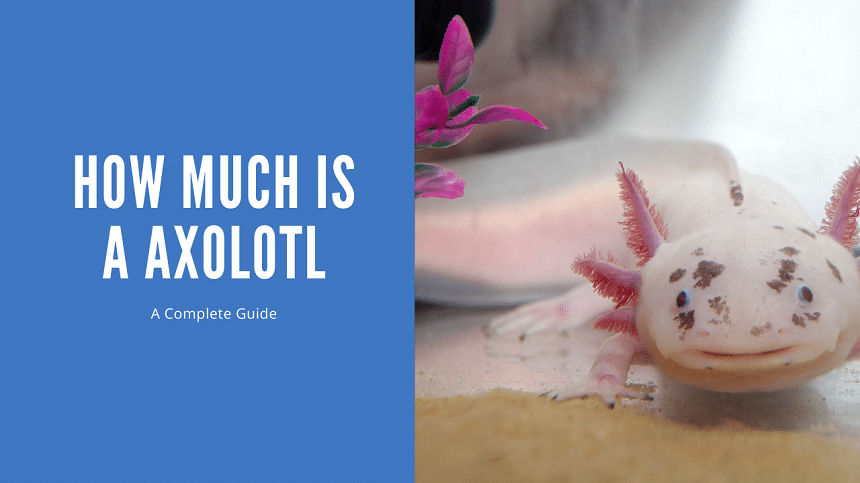
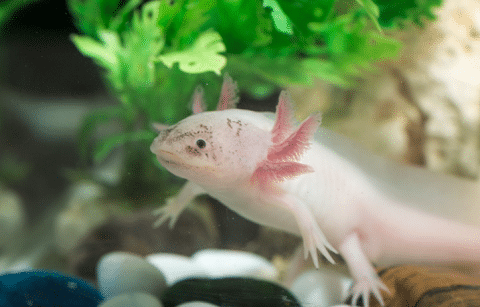
  • Aquascape Aquarium โ€“ What It Is and How To Get Started (Full Guide)

    Aquascape Aquarium โ€“ What It Is and How To Get Started (Full Guide)

    Aquascaping is one of the most creatively rewarding things you can do in this hobby. it’s where fishkeeping meets art. I’ve been setting up planted tanks for over 25 years, and I still find the aquascaping side endlessly compelling. Whether you want a lush Nature Aquarium layout, a minimal Iwagumi, or a dramatic Dutch style, the fundamentals are the same: understanding how to work with hardscape, plants, light, and flow to create something that looks like a slice of nature. This guide is your starting point for getting into aquascaping the right way.

    What Is An Aquascape Aquarium?

    Aquascaping is an art, a passion, and a science all rolled into one fascinating pastime. Essentially aquascaping is a form of gardening and fishkeeping, in 3 dimensions, all within the four walls of the aquarium!

    It involves designing beautiful and aesthetically pleasing environments that mimic natural landscapes. The hobby has come a long way, and innovative pioneers have constantly experimented and worked towards the goal of more beautiful and awe-inspiring planted aquariums.

    Why Start Aquascaping?

    Aquascaping is a challenging and rewarding activity that many of us find completely addictive. There are no limits to how far you can go with this hobby.

    Many people start fishkeeping and move on to aquascaping. It calls for creativity and an artistic eye, as well as an understanding of biology.

    Aquascaping is a really absorbing hobby. You will learn through trial and error. It helps you to destress and forget all about life’s challenges, providing real serenity and relaxation.

    Amazingly, aquascaping also provides a connection with nature, even if your tank is in the living room of your apartment, high above the ground in a busy city. These are the reasons we aquascape!

    The History

    No discussion on the topic of aquascaping would be complete without explaining how it all started. For this, we have to pay tribute to the most important contributor to the hobby, Mr. Takashi Amano from Japan1.

    Takashi is legendary for popularizing the nature-style aquarium and making the hobby accessible with his books on aquascaping, and by displaying his tanks. He was a pioneer in our history and brought the zen like nature to aquascapes that you see today. He created incredible scapes. You can see an example of these scapes at the ADA Museum in Japan. Above is a video of Takashi and the ADA Museum (Video Source).

    He founded ADA (Aqua Design Amano) way back in 1984 and the innovative, high-quality products they developed are still produced and extremely popular in the hobby today.

    Design Concepts

    Designing the layout of your aquascape is all about following clues from nature, harnessing your creativity, and finding what suits your own eye. There are a few proven tips that help to create a space with a truly aesthetic appeal, however.

    I’ll run you through a brief introduction on some of these techniques that you can incorporate into your planning process.

    The Rule of Thirds

    The rule of thirds is a visual technique used in composing paintings, photography, and other art forms. Here’s a pro tip, it works amazing for aquascaping too!

    It works on the principle that the human eye finds features in a scene that are located slightly off-center the most appealing. The focal point positions that really catch our attention are combinations of the upper and lower, and left and right thirds of the scene. Here is a video below by Julian Discovers explaining the concept.

    Video Source

    If you have a smartphone, the grid mode in the camera settings is very useful for finding these areas of interest. Where the lines of the grid intersect is where you should create a focal point with things like dominant hardscape features, or interesting specimen plants.

    The Golden Ratio

    If you’re interested in the rule of thirds and want to look deeper into this visual technique, you need to understand the golden ratio. The golden ratio, or Fibonacci spiral, is a mathematical concept that can be expressed as 1:1.618. Here is a video below by Mark Denny explaining how the golden ratio works in photography.

    The rule of thirds is roughly based on this ratio. In a scene that follows this ratio, the form follows a smooth curve, similar to a rolling wave on the ocean, with the focal point being in the center of the wave, located near one of the intersections of the grid described above.

    Use Of Depth

    The aquascape is a 3-dimensional space, which means it is possible to create a sense of depth in the tank. A simple and effective way to enhance the feeling of depth is to slope the substrate from the front to the back.

    By sloping the bottom of the tank, and planting creatively, it is possible to make the tank look almost infinitely deep. Using low-growing aquarium plants in the front of the tank and progressing to taller plants in the middle ground and then tall plants in the background is another very effective way to create a sense of depth.

    Styles

    Although there are no rules or limits to the type of aquascapes you can create, there are a few popular freshwater aquascaping styles that are proven winners. If you’re new to aquascaping, basing your tank on one of these styles is a great way to start.

    Let’s take a quick look at these styles:

    • Dutch Aquarium
    • Jungle Style
    • Biotope
    • Nature Aquarium
    • Iwagumi
    • Ryoboku

    The Dutch Style

    Dutch Aquascape

    The Dutch aquarium is a very ordered style that appeals to more formal aquatic gardeners. Dutch-style aquascapes are all about the plants. This planted aquarium design focuses on the beauty of the plants and their arrangement, rather than trying to recreate nature.

    Hardscape features are less important in this aquascape style and often are not very visible at all. Dutch tanks are very heavily planted, with the different species arranged and grouped carefully to contrast and complement each other with different textures, colors, and shapes.

    The Biotope

    Video Source

    Biotope aquascapes are basically a way of recreating a scene from nature as accurately as possible. This could be a local pond or river bank near your house or a few square feet of the mighty Amazon river!

    Biotopes don’t only look like a tiny portion of a wild aquatic scene, they should also have the same kind of substrates, species of plants, and fish that would be found there.

    Some examples of popular biotopes include:

    • Hillstream
    • Amazon River
    • West African
    • Malaysian
    • Blackwater

    Jungle Style

    This type of aquascape is styled in the wild and chaotic manner of the jungle. It’s a lively design that needs plenty of planning but involves less maintenance in the long run since the plants are allowed the freedom to grow out in their natural way.

    Jungle-style aquascapes are full, busy tanks with tall, large-leaved plants and limited visible hardscape, mostly in the form of driftwood.

    The Nature Style

    Nature Style Aquarium Example

    The nature aquarium is the style popularized by Takashi Amano. It does not seek to mirror a natural scene quite as accurately as a biotope aquascape but rather to create a harmonious underwater world that is visually pleasing to the human eye.

    A key concept in the nature aquarium is the principle of Wabi-Sabi, which translates from Japanese as ‘perfection in imperfection’. The nature style aims to create an aesthetically pleasing aquascape that lies somewhere between the order of the Dutch-style planted tank and the untamed appearance of the Jungle aquascape.

    Iwagumi And Ryoboku

    The Iwagumi and Ryoboku style aquascapes are minimalist designs that have plenty of open space and place the most emphasis on the hardscape. In the case of the Iwagumi aquascape, the hardscape is made up of a carefully arranged rock formation.

    Usually, an odd number of main stones and smaller stones are used and each has its own significance and name. Carpeting plants are the most important plant component used in Iwagumi style aquascapes.

    The Ryoboku is similar to the Iwagumi style but uses wooden elements like driftwood as the central focus that the aquascape is built around.

    How To Set Up

    Aquascaping is a long-term hobby, and the most important part of setting up an aquascape is planning! Try not to be tempted to rush the planning and jump into setting up too quickly.

    When it comes to aquascaping, the planning process is actually fascinating and loads of fun, so take your time with it!

    Let’s take a look at the basic elements of any aquascaped aquarium:

    The Tank

    Many aquascape aquariums will use a rimless tank these days. These tanks have low iron aquarium glass that has better clarity than traditional glass. In an aquarium where looks are everything, a well designed rimless tank really helps with the look. Standard braced tanks can look old fashioned and tuned down with the hue on the glass. If you are getting really serious about aquascaping, consider a rimless with iron low glass. UNS aquariums is one of the best out there.

    Editor’s Choice!
    UNS Ultra Clear Tanks

    Editor’s Choice!

    A world class rimless aquarium. Available in many sizes and shipped direct to your door

    Click For Best Price

    Hardscape

    The hardscape is the cornerstone of any beautiful aquascape. It is the foundation and the backbone of your layout, so make sure you spend plenty of time experimenting with different materials and arrangements.

    As the name suggests, the hardscape is made out of hard materials. These are usually either wood or rock. You can also use aquarium ornaments as part of your aquascape, but be careful to keep the tank looking as natural as possible for a really great aquascape.

    You can collect your own materials, but not just any rocks or wood will work in an aquarium. To start out, I would suggest using these materials:

    • Dragon stone
    • Lava rock
    • Seiryu stone
    • Petrified wood
    • Spider wood
    • Pacific wood
    • Amazon wood

    Online retailers can stock an awesome range of hardscape materials that you can check out. One of the bigger frustrations for me personally is the lack of aquascaping specialized stores in the US. Online is the way to go!

    Editor’s Choice!
    Ohko Dragon Stone

    Editor’s Choice

    Ohko is the premier aquascaping rock today. Granite based with amazing shapes and selection

    Buy on Buce Plant Buy on Glass Aqua

    Substrate

    The substrate is another essential part of any aquascape. For the purpose of this article, the term substrate means the gravel/soil/sand at the bottom of the tank.
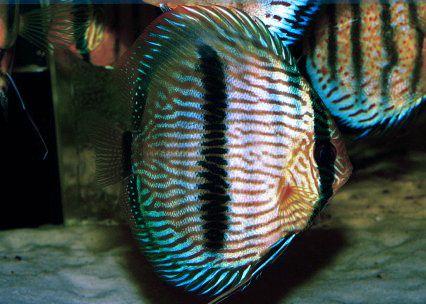
    Now, not all substrates are suitable for aquascaping, and the different varieties have different properties and uses. You should definitely avoid unnatural-looking substrates like multi-colored gravel, as this will not be aesthetically pleasing.

    The most simple way to categorize aquascape substrates would be between materials that contain nutrients and those that don’t. Let’s take a closer look at what this means:

    Active Soils

    Active soils are usually clay-based and contain the essential nutrients that plants need to grow. They can be expensive, but I would definitely recommend going this route if you want to be successful from the start. There are many great products on the market, including:

    Editor’s Choice!
    ADA Aqua Soil

    The Best Planted Tank Substrate

    The world’s standard in active substrates for planted tanks. Created by brand that founded modern aquascaping

    Buy On Amazon

    Inert Substrates

    Inert substrates are materials that do not interact with the water by changing the pH or releasing minerals and nutrients. Plants will not get any nutrients from this kind of substrate so dosing a fertilizer, or using root tabs will be very important.

    Sand and gravel with varying grain sizes are the best examples of inert substrates. One of the best ways to use inert substrates is as a cap over the top of active soils. You can also use them as a decorative layer. Sand is a really good aesthetic enhancer in aquascapes to create trails and contrast.

    Great For Bottom Feeders
    Fine Natural Sand

    Natural sand is excellent for bottom feeder fish to forage around in.

    Click For Best Price Buy On Amazon

    Lighting

    Lighting in the aquascape serves two different functions. It makes the viewing experience better, and most importantly, it allows your plants to photosynthesize. The needs of your plants are definitely the first priority when choosing aquarium lighting.

    Not just any kind of light will work, so make sure you set up lighting specifically designed for growing aquatic plants. It needs to have the right strength and frequency for the size of your tank and the kinds of plants you want to grow. I find the Serene RGB as the most beginner friendly LED light on the market. You can grow just about anything with it and the price is very reasonable.

    Best Value
    Serene RGB Pro LED

    Current USA’s offering into aquascaping is an incredible value. Spectrum, spread, easy to program and great PAR output.

    Click For Best Price Buy On Amazon

    A good tip for beginners is to choose lighting that covers the minimum needs of your plants, rather than going overboard with very high lighting. Remember, with too much light, algae can easily get out of control, but without enough light, your plants will not grow to their full potential.

    Your lights will need to run on a timer that comes on automatically at the same time each day. Aquarists usually run 6-10 hours of light, with 8 hours being pretty ideal.

    The Importance of CO2

    CO2 (carbon dioxide) is the gas that plants use during photosynthesis. Without this gas, your plants simply can’t live and grow.

    CO2 is all around us and occurs naturally in your aquarium water. The natural concentration is enough for some plants to grow, but pretty much all plants will benefit from increased levels, and many types of plants won’t grow well at all without running a pressurized CO2 system.

    Pretty much all of the incredible and jaw-dropping aquascapes you will see run with injected CO2. Unfortunately, pressurized CO2 systems are expensive, but if you want to get serious about the hobby, start out in the right way with this investment. If are are shopping for an option, you can’t go wrong with CO2art. Check out my offer code ASD10%Off for an extra discount.

    The Ultimate CO2 Kit
    CO2Art Pro Elite Series Bundle

    Use Offer Code ASD10%Off

    The highest end offering by CO2Art. This package includes everything you need to perform consistent and the highest quality CO2 injection in the industry!

    Click For Best Price

    These systems allow you to run a stable and measured level of carbon dioxide. Levels of up to 30 ppm will promote incredible plant health and growth, while not affecting your fish and other livestock.

    That being said, there are many aquatic plants that you can grow without running CO2 in your tank, so with some careful planning and research, you can easily start out with a low-tech fish tank.

    Filtration

    Good filtration is hugely important in any aquarium. Planted aquascapes need very good filtration because both fish waste and rotting plant material can foul the water and cause dangerous ammonia spikes. There are a few different types of filters available in the hobby, and just about any style can be used.

    The best filter types for aquascapes are external filters because you really want to minimize the amount of hardware visible in the aquarium. The most popular styles are external hang-on back (HOB) filters and canister filters.

    Canister filters tend to be more expensive but allow the aquarist much greater control over the filter media selection, and most importantly, they can be kept out of sight in the cabinet below the aquarium.

    Plants

    Live plants are what really make an aquascape. Sure, you can create some beautiful hardscape layouts, but healthy plants are what bring the scene to life.

    Pretty much any kind of aquarium plant can be used in the aquascape. The texture of the foliage can have a big impact on the feel of the aquascape though. A nano aquarium with only large leaf plants can look even smaller than it is, so these plants should ideally be used in a larger aquarium.

    Small plants with fine leaves can be used to create a space that feels a lot larger, especially when the hardscape and substrate are arranged in ways that enhance this perception.

    There are an amazing variety of plants available in the hobby and I recommend a solid online retailer like BucePlant for buying new plants because they offer such a comprehensive range of healthy, high-quality stock.

    Let’s take a look at some of the most important types of plants for aquascapers.

    Stem Plants

    Stem plants are usually taller, fast-growing plants that take nutrients from the substrate and the water column. Stem plants are a very important component of Dutch aquascapes and usually work well as background plants. Some great examples include:

    Epiphytes And Mosses

    Epiphytes are plants that do not grow rooted in the substrate but are grown attached to the hardscape instead. Epiphytes tend to be slow-growing, and are great plants to start out with as they can be very easy to maintain.

    Mosses also grow attached to hardscape. Mosses like Java moss can also be left to float around the tank, although floating plants can look a little untidy in a carefully scaped aquarium.

    These kinds of plants work excellent in nature and jungle-style aquascapes. Great examples of this type of plant include:

    Grass/Carpet Plants

    Plants that cover the bottom of the tank like a lawn are usually known as carpeting plants in the hobby. These plants are characteristic of Iwagumi and Ryoboku style aquascapes, although they are also used in the foreground of Dutch aquascapes and nature aquariums.

    Growing an amazing carpet usually requires good light and CO2 injection. Some popular examples of these plants include:

    Fertilization

    All aquatic plants need nutrients to grow. Because aquariums are basically closed systems (apart from the fish food that you add) you will need to supply nutrients and trace elements to your plants in order for them to grow. These are added via aquarium fertilizers.

    Aquarium plants fall into two broad categories. They can be either root feeders, which gather the nutrients they need from the substrate or water column feeders that get everything they need from the water. Many plants species can also gather nutrients in both of these ways.

    Root feeders require an active aquarium soil to grow well. They can also be grown in inert substrates, but only if you use root tabs to provide nutrients to the root zone.

    Active aquarium soils don’t last forever either, and will eventually be completely leached out of nutrients. This kind of substrate is great at reabsorbing nutrients though so inserting a few root tabs will revive them.

    Water column feeders rely on the nutrients suspended in the water to feed. Fish food and waste do actually supply some of what these plants need, but you will also need to dose a high-quality aquarium fertilizer supplement like APT Complete to keep them growing at their best.

    Editor’s Choice!
    APT Complete

    Editor’s Choice

    Made by an aquascaper for aquascapers. This is the best all around aquarium plant fertilizer on the market. Marco and micronutrients in one bottle!

    Use Coupon Code ASDComplete for 10% off your order!

    Click For Best Price Buy On Amazon

    Dosage will depend on the product you use but generally, feeding at least once a day to once a week is recommended. When starting out, it’s best to follow the directions on the bottle and gauge from there. There are more advanced methods like the estimative index you can look into as you get more experience.

    Fish Selection

    Although fish are usually not the main attraction in amazing aquascapes, they will complete the package and add a sense of liveliness and activity to your underwater garden. Many aquascapers choose small fish which improves the sense of scale in the aquarium, making the scape look bigger.

    Choosing fish species that prefer cooler water of around 74ยฐF is recommended when starting out because higher temperatures tend to cause faster algae growth. The fish you choose to stock must, of course, be suited to the same parameters as the plants you grow. The best fish for most aquascapes are going to be nano fish. If you are in the market for nano fish, check out Flipaquatics for a great selection of fish for your aquascape, they quarantine all their livestock.

    Some popular species include:

    It is also a good idea to stock some species that can help with natural algae control like:

    Vegetarian or destructive fish should obviously be avoided because you don’t want your fish to rearrange your aquascape! The following species generally do not work well in aquascapes:

    Maintenance

    A lot of planning and work goes into setting up an amazing aquascape, but it doesn’t end there. Tank maintenance is hugely important to keep your carefully created aquascape looking amazing.

    Without going into too much detail, The following maintenance procedures should all be part of your regular schedule:

    • Water Changes- Aim for a 50% water change every week to start out. Make sure you dechlorinate the water before adding it to your tank. If you have water that is hard, you might want to considering buffering or investing in an RO system.
    • Glass Cleaning- Use an algae scraper or an old credit card to clean your glass. Be careful not to get any sand between the scraper and the glass as this will scratch the tank.
    • Plant Trimming- Trim your plants carefully with aquascaping scissors and remove all of the trimmings with a small fish net or siphon them out.
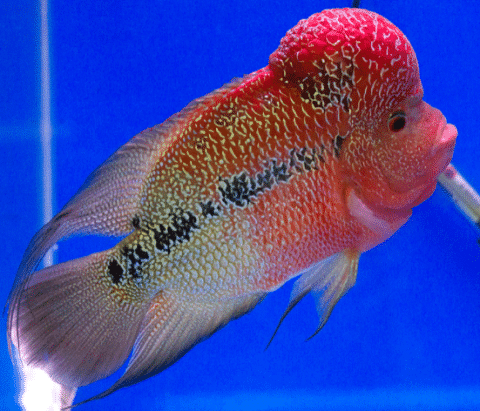
    • Test Water Parameters- Use a liquid test kit to monitor your water parameters.
    • Fertilizing- Feed your plants regularly to keep them healthy and growing.

    FAQS

    What is the meaning of it?

    Aquascaping involves creating and maintaining a living underwater environment. You can think of the word as a combination of aqua (water) and landscape.

    What plants are good for it?

    Almost all aquarium plants have a place in one aquascaping style or another. It really depends on your vision for the aquarium. Check out my care guides for more information on some of the best plants for planted tanks. I also have articles on beginner plants and low light plants.

    What is the function?

    Aquascaping has many functions. It is an incredible hobby that creates beauty in any space and provides a healthy living environment for the fish. Many aquascapers find the connection with nature that this hobby provides very fulfilling.

    How do you care for it?

    Aquascaping is not only about the creative process and the actual putting together of the aquarium. Maintenance is also a huge part of this hobby. Maintenance includes feeding and trimming the plants, keeping the tank and hardscape clean, and managing the water quality in the aquarium.

    Final Thoughts

    Aquascaping is one of the most fascinating and absorbing hobbies out there. If you’re only just beginning your aquascaping journey, the information in this article will get you started in the right direction towards creating your very own beautiful underwater world. Have fun and feel free to ask any questions or comment below!


    ๐ŸŒฟ Want to learn more? This article is part of our complete Planted Tank & Aquascaping Guide. your ultimate resource for aquarium plants, aquascaping styles, substrates, and more.

  • 10 Best Aquarium Grass Species โ€“ Carpet & Foreground Plant Guide

    10 Best Aquarium Grass Species โ€“ Carpet & Foreground Plant Guide

    This plant will grow in almost anything. But if you want it to actually look good, you need to understand what it wants. The gap between alive and thriving is lighting, nutrients, and consistency.

    Any plant stays alive. Making it look good takes understanding.

    Any plant stays alive. Making it look good takes understanding.

    A lush grass carpet is one of the most striking things you can achieve in a planted aquarium. I’ve attempted it multiple times over my 25 years in the hobby and I can tell you the species choice and setup make all the difference. Some aquarium grasses are genuinely beginner-friendly, while others demand CO2, high light, and careful trimming to stay dense. This guide covers the best grass species I’ve grown and the honest care requirements for each so you can pick the right one for your setup.

    The Benefits

    Like all aquatic plants, aquarium grass plants provide a huge range of benefits to your aquarium pets. Firstly, carpeting plants create an awesome habitat that bottom-dwelling fish love to explore and hide in.

    Aquarium plants also oxygenate the water and use up excess nutrients and nitrates from uneaten food and fish waste. In this way, they can prevent algae growth by out-competing the algae for nutrients.

    Apart from the benefits for the health of your tropical fish, a green bushy carpet at the bottom of the tank just looks amazing and adds that wow factor to any aquarium layout.

    Aquascaping With Them

    Aquarium grass and carpeting plants form the cornerstone of many of the most incredible freshwater aquascapes. You’ll find these plants in everything from picturesque, minimalist Iwagumi style layouts to wild-looking nature aquariums, and even carefully ordered Dutch-style planted tanks.

    Carpeting plants are super useful for the foreground of your tank because they tend to stay low and is gradually replaced by taller plants towards the back of the layout. Some species grow taller and make interesting specimen plants for the midground of your tank, especially when grown in tight clumps.

    Other plants like the Vallisneria grow really tall and make awesome background plants. These plants create that densely planted jungle feel and is very handy for hiding hardware like heaters and airlines.

    10 Best Aquarium Grass Species

    With the huge range of aquatic plants available in the hobby, picking out the right aquarium plant species for your tank is pretty tricky. That’s why I’ve put together this list of my top 10 favorite aquarium grass plants to make your life a lot easier. For each species, I’ll provide vital information like:

    • Scientific Name
    • Skill Level
    • Size
    • Lighting
    • Tank Placement
    • Growth Rate
    • CO2 Requirement

    Check out the video below from our YouTube Channel. We go over this in more detail in our blog post below. If you like our content, be sure to subscribe, as we have new videos we publish every week.

    So let’s get started!

    1. Dwarf Hairgrass

    Easy To Grow Carpet!
    Dwarf Hairgrass

    Dwarf hairgrass is an easy to grow carpet that is great for beginners. Purchase tissue culture plants to ensure pest free plants!

    Click For Best Price Buy On Glass Aqua
    • Scientific Name: Eleocharis pusilla
    • Skill Level: Easy
    • Size: 2-3 Inches
    • Lighting: Moderate
    • Tank Placement: Carpet, Foreground, Midground
    • Growth Rate: Moderate
    • CO2 Requirement: Yes

    Dwarf Hairgrass is the first plant that comes to mind when discussing aquarium grass plants and that’s why it’s the first species on my list! This Australasian plant is easy to grow under moderate light and looks amazing as a carpet in minimalistic aquascapes like Iwagumi.

    Dwarf Hairgrass grows best in an aquarium soil substrate but can also work great in fine gravel or sand substrate enriched with root tabs. It is possible to plant Dwarf Hairgrass in a low-tech setup without CO2 but to achieve a dense carpet, you’re going to want a controlled supply of this important gas.

    2. Dwarf Sagittaria

    • Scientific Name: Sagittaria subulata
    • Skill Level: Easy
    • Size: 4-12 Inches
    • Lighting: Moderate-high
    • Tank Placement: Carpet, Foreground, Midground, Background
    • Growth Rate: Moderate/Fast
    • CO2 Requirement: No, recommended

    Dwarf sag is a marsh plant from the Americas that looks amazing in freshwater aquariums. It is not a true grass but with its long narrow leaves, this plant makes a fantastic specimen plant or even a lush carpet option.

    , this popular aquarium plant grows to about 6 inches and is perfect for the midground in most tanks. Dwarf Sagittaria likes high lighting and will grow best with added CO2.

    3. Vals Nana

    • Scientific Name: Vallisneria nana
    • Skill Level: Moderate
    • Size: 12-20 inches
    • Lighting: Moderate-High
    • Tank Placement: Background
    • Growth Rate: Fast
    • CO2 Requirement: Recommended

    Vals Nana is a great grass plant for the background of your aquarium. This plant grows fast, and is not suitable for trimming into a lawn, but should rather be used to get a tall, wild grass-type look.

    Vals nana looks similar to Hairgrass will grow taller and can make a very effective green backdrop to a nature-style aquascape.

    4. Eleocharis Belem

    Eleocharis Belem

    Shorter than dwarf grass and with a curly shape, this aquarium grass offers good looks with less maintenance than other grass

    Click For Best Price Buy On Glass Aqua
    • Scientific Name: Eleocharis sp.
    • Skill Level: Easy
    • Size: 2-3 inches
    • Lighting: Moderate
    • Tank Placement: Carpet, Foreground
    • Growth Rate: Moderate
    • CO2 Requirement: Recommended

    This popular Hairgrass form is similar to the well-known Dwarf Hairgrass. This aquatic plant differs in its slightly more curly leaf shape and smaller size. Eleocharis Belem makes a wonderful carpet, especially if you provide it with good light and added CO2.

    5. Narrow-leaf Micro Sword

    Micro Amazon Sword

    A mid-ground plant that is fast growing and easy to grow

    Click For Best Price Buy On Amazon
    • Scientific Name: Lilaeopsis mauritiana
    • Skill Level: Easy
    • Size: 1-2.5 inches
    • Lighting: Moderate-High
    • Tank Placement: Foreground
    • Growth Rate: Slow
    • CO2 Requirement: Recommended

    Narrow-leaf Micro Sword is a tropical aquarium plant from the island of Mauritius. This aquatic plant grows slowly and stays small, between 2 and 4 inches in height.

    This makes it a great low-maintenance carpet plant. Good quality light and injected CO2 will help these plants grow faster.

    6. Pygmy Chain Sword

    Pygmy Chain Sword

    A low growing grass light that produces red hues in CO2 and fertilizer powered tanks.

    Click For Best Price Buy On Glass Aqua
    • Scientific Name: Helanthium tenellum
    • Skill Level: Easy
    • Size: 3-4 inches
    • Lighting: Moderate
    • Tank Placement: Carpet, Foreground, Midground
    • Growth Rate: Moderate
    • CO2 Requirement: No

    This low-growing, easy plant from the Americas was previously thought to be a species of Echinodorus. The narrow-leaf variety looks very much like a grass plant, and there is a slightly larger broad-leaved variety available as well.

    Under high light, with fertilizer and CO2, the grass-like narrow-leaved form can take on a unique deep red tone that really stands out. These plants are also known as Dwarf Chain Swords.

    7. Dwarf Four-leaf Clover

    Marsilea Hirsuta

    A round leaf plant that can grow as a carpeting plant. Best grown with CO2 and stronger lighting

    Click For Best Price Buy On Glass Aqua
    • Scientific Name: Marsilea hirsuta
    • Skill Level: Easy
    • Size: 1 inch
    • Lighting: Moderate-High
    • Tank Placement: Carpet, Midground, Foreground
    • Growth Rate: Slow-Moderate
    • CO2 Requirement: No, recommended

    Dwarf water clover has round leaves and might not look much like grass when you take a close look at it. It makes an awesome bright green carpet for the floor of the planted tank though. This plant is easy to grow and works well in a smaller tank.

    If you want that really short, lawn look, however, you’re going to need good light and injected CO2. Under lower light, this aquatic plant grow a bit tall and thin.

    8. Glosso

    Glossostigma Elatinoideas

    A beautiful carpeting plant that is best suited for advanced aquascapers. Grows fast and requires CO2

    Click For Best Price Buy On Glass Aqua
    • Scientific Name: Glossostigma elatinoides
    • Skill Level: Moderate-Advanced
    • Size: 1-2 inches
    • Lighting: High
    • Tank Placement: Carpet, Foreground
    • Growth Rate: Fast
    • CO2 Requirement: Yes

    This beautiful lawn plant from New Zealand is quite a challenge to grow but is an awesome plant for experienced aquarists. It needs a lot of light and access to CO2 to keep it growing low and tight. In the wrong conditions, Glossostima plants tend to grow tall and thin, which isn’t a great look.

    9. Dwarf Baby Tears

    Baby Tears

    One of the easier carpeting plants available for planted tanks.

    Click For Best Price Buy On Amazon
    • Scientific Name: Hemianthus callitrichoides
    • Skill Level: Moderate-Advanced
    • Size: 1-2 inches
    • Lighting: High
    • Tank Placement: Carpet, Foreground, Midground
    • Growth Rate: Moderate-Fast
    • CO2 Requirement: Yes

    Dwarf Baby Tears is a Cuban plant that is very popular with experienced aquarists who want a very short, tight carpet. Dwarf Baby Tears is tricky for beginners because they need high lighting, CO2, good nutrients, and water flow to stay healthy.

    Regular trimming is also necessary to keep the lower parts of the plant healthy. Dwarf Baby Tears is probably the ultimate carpet plant, are you ready for the challenge?

    10. Monte Carlo

    Monte Carlo Tissue Culture – UNS

    Tissue culture plants are grown in labs and are completely pest free and have great shelf lives

    Click For Best Price Buy On Amazon
    • Scientific Name: Micranthemum tweediei
    • Skill Level: Easy-Moderate
    • Size: 1-2 inches
    • Lighting: Moderate
    • Tank Placement: Carpet, Foreground, Midground
    • Growth Rate: Moderate-Fast
    • CO2 Requirement: Yes

    MicranthemumMonte Carlo’ is a popular Argentinian aquarium plant that looks similar to the previous species, but is a more hardy plant. These bright green carpet plants stay low and spread into a lovely green lawn if you provide them with enough light and CO2.

    It is even possible to grow Monte Carlo plants over rocks and other features in the aquarium as their root system doesn’t necessarily need access to soil.

    Tank Setup

    If you want to grow grass carpet plants in your aquarium, you’ll want to make sure you’re set up for success from the start. Let’s take a look at what you’ll need!

    Lighting

    A good light source is one of the most important keys to success when it comes to growing aquarium grass plants. Although most of the species on this list could technically survive under low light, they will not thrive in these conditions. If you want to grow a dense, short carpet of living plants, high light is the best way to go.

    Medium light is also a good option for many plants, especially if you are OK with taller, thinner plants with a slower growth rate. LED and fluorescent lamps are both great options, but whatever light intensity you choose to run, make sure you pick one with a Kelvin rating of 5500-6500.

    Substrate

    Almost all aquarium grass and carpet plants need substrate to grow. Some plants like Java Moss and Monte Carlo is grown to look like grass if attached to the hardscape though.

    A nutrient-rich plant substrate is the best way to go. I would advise starting out with a good-quality aquarium soil. If you prefer to use an inert substrate like pool filter sand, it is possible to feed the plant’s roots with fertilizer tabs.

    CO2 Injection

    Along with light, water, and nutrients, Carbon dioxide is essential for all plants to live and grow. This gas occurs naturally in your aquarium water, but for many plants, the levels are just too low for healthy growth.

    Pretty much all aquarium plants grow best with increases CO2 levels, so if you want to get more serious about growing aquatic carpet plants, I would definitely suggest setting up a pressurized CO2 injection system.

    It’s not that you can’t grow a carpet without CO2, it just gets very difficult to get good results because the plants will not spread and cover the bottom in the way you want.

    Carbon dioxide is poisonous to your livestock at concentrations of over 30 ppm so make sure you set up a bubble counter and a drop checker to get your levels right and keep them running stable every day. If you are in the market for a quality CO2 system, I recommend the CO2Art brand.

    The Ultimate CO2 Kit
    CO2Art Pro Elite Series Bundle

    Use Offer Code ASD10%Off

    The highest end offering by CO2Art. This package includes everything you need to perform consistent and the highest quality CO2 injection in the industry!

    Click For Best Price

    Your aquarium plant will only be able to use Carbon dioxide while the lights are on, so make sure to set your injection system on a timer that starts up about 2 hours before your lights go on, and then shuts off again at the same time as your lights go off. The early start is to allow the gas to build up to the right concentrations so the plants are ready to grow as soon as the lights come on.

    Filtration & Water Quality

    A good quality filter is one of the most important pieces of hardware in any type of aquarium. Not only do filters keep the water in your tank looking great, but they are also vital for maintaining great water quality.

    The filter media in a mature cycled aquarium houses special beneficial bacteria that turn the harmful toxins in fish waste into nitrates. This keeps your fish healthy and creates an excellent natural source of nutrients for your plants!

    For a tank with a serious grass carpet, I recommend a top quality canister filter. Canister filters have the media capacity to handle the increase bioload of plant waste for large planted tanks and aquascapes.

    Tank Mates

    Grass and carpet plants provide a great natural habitat that bottom-dwelling fish love to explore. Most tropical fish make perfect tankmates for these plants, as long as they enjoy the same water temperature and parameters. There are a few types of fish that will not get along peacefully with your plants though, so here’s a short list of fish to avoid:

    • Silver Dollars
    • Goldfish
    • Oscars and other large cichlids
    • Buenos Aires Tetras

    The best fish for grass and really any type of planted tank are going to be nano fish. These small fish do well in planted tanks because they like to school, they are peaceful, and will not eat your plants. Several examples of these fish would be:

    How To Grow

    Turning a small pot full of aquarium grass plants into a dense carpet at the bottom of the tank is difficult if you don’t know a few tricks. Read on how to learn the secrets to success!

    The Dry Start Method

    Some of the small aquarium grass plants will be much easier to grow using the dry start method, especially if you plan on growing a carpet. The dry start method involves setting up your aquarium, complete with substrate and hardscape, but then only adding enough water to saturate the soil.

    The plants are then planted and allowed to grow and develop healthy root systems until they are firmly attached rooted in the substrate. This can make life a whole lot easier because tiny plants tend to wash loose and drift around in tanks that are already filled with water. Here is a video by JJ Aquariums for a visual.

    This technique is recommended for growing beautiful carpets and works really well with tiny plants like Dwarf Baby Tears, Monte Carlo, Dwarf Four-leaf Clover, and Dwarf Hair Grass. One very important point to remember is that not all plants will survive a dry start. Some aquarium plants like Vallisneria can only be grown submerged under the water.

    Spacing & Propagation

    Planting on a grid is the best way to grow a carpet of aquarium grass plants, without spending a ton of money on enough plants to cover up the bottom of the tank. To do this, separate your tissue culture plants into as many sections as possible. Each section should be a complete plant with some healthy leaves and roots.

    Plant each one out at equal distances from its neighbor. A distance of about 0.5-1 inches will work, but obviously, the closer the spacing, the faster the plants will fill in. Use your aquascaping tweezers or pincettes to gently push each plant into the substrate, leaving a little bit above the soil surface.

    Aquarium grass plants are very easy to propagate because they spread laterally. Trimming the plants often speeds up their spread, and with the right light, access to nutrients, and CO2, you can get really good results. You can take cuttings at any time to replant elsewhere in your tank, just make sure they have some roots and leaves.

    Fertilization

    Fertilizer is a big deal when it comes to growing aquarium grasses. Because of their faster growing nature, they tend to consume nutrients fast and will need supplementation.. You will want an aquarium fertilizer designed for planted tanks. Not all fertilizers are designed for planted tanks and aquascapes as some tend to be newbie friendly.

    If you are attempting a carpet, you will want to go with a fertilizer like APT Complete. This fertilizer is designed for aquascapers and serious planted tank enthusiasts. It’s an all-in-one fertilizer, so the guesswork is taken out for you.

    Editor’s Choice!
    APT Complete

    Editor’s Choice

    Made by an aquascaper for aquascapers. This is the best all around aquarium plant fertilizer on the market. Marco and micronutrients in one bottle!

    Use Coupon Code ASDComplete for 10% off your order!

    Click For Best Price Buy On Amazon

    Trimming

    Regular trimming is very important for maintaining a neat and even carpet at the bottom of the tank. Some plants that stay compact won’t need much attention, apart from keeping them to the areas where you want them.

    Taller plants like dwarf hair grass can benefit from trimming especially while it is still spreading to cover the floor. Trimming these plants actually stimulates them to put their energy into spreading out laterally, rather than growing tall.

    Trimming aquarium grass plants evenly is pretty tricky with a regular pair of scissors. I recommend a sharp pair of curved or double-curved aquascaping scissors for the evenest results.

    Be sure to turn off your filter while trimming and allow the trimmings to float to the surface where you can collect them with a small fine mesh net. You can also siphon out any trimmings that may be drifting in the water.

    Tank Maintenance

    Regular aquarium maintenance is vital for growing healthy aquarium grass and carpeting plants. This means performing regular partial water changes, testing your water parameters, and removing algae when necessary.

    Vacuuming is one part of tank maintenance that is especially important when growing this kind of plant. Unfortunately, uneaten food and waste tend to fall and settle around the root zone of carpeting plants.

    If this kind of waste collects and causes nutrient levels to rise too high, ammonia spikes can occur, creating a dangerous situation for your pets. To prevent this, make sure you suck up as much waste from the plants as possible with your gravel vacuum when removing water for a water change.

    Pests And Other Problems

    Pests like snails often find their way into home aquariums on new plants. The best way to avoid introducing pests to your aquarium is definitely to use tissue culture plants.

    One of the most common problems we see with grass carpet plants is tall, thin growth, and a stubborn refusal to spread! This is typical of light and carbon dioxide deficiency, so consider upgrading to a more high-tech setup, or choose a plant species with lower light needs to get more bushy growth.

    Hair algae is an issue in planted tanks with too much light and nutrients, but not enough CO2. Sometimes a simple fix is to decrease your photoperiod (day length) or add a clean-up crew like Amano shrimp and Otocinclus catfish.

    Where To Buy

    Aquarium grass plants are popular and pretty easy to find at most good fish stores and through online fish stores. When it comes to buying aquarium grass plants, I definitely suggest starting out with tissue culture specimens that are produced by a sterile process.

    FAQS

    Which is good for a tank?

    Choosing a grass plant for your aquarium is all about your goals for the look of your aquascape, and the kind of equipment you have. Any of the 10 species in this list will work great in your planted tank.

    Can I grow it in my fish tank?

    Absolutely you can grow grass in your fish tank. Not just any old grass will do though, you will need to plant an aquatic plant like one of the species described in this article.

    How long does it take to grow?

    Growing speed varies depending on which type of water plants you grow. Regardless of the species though, each type will have a ‘sweet spot’ where the lighting, CO2 levels, and nutrients are perfect for optimum growth.

    Can you put fake plants in a tank?

    Plastic plants are a quick and easy way to green up aquariums. There are pros and cons to this option, but whatever ornament you choose to use in your fish tank, always be sure that it is aquarium safe.

    How do I grow it in my fish tank?

    To grow aquatic grass plants, you will need light, nutrients, substrate, and water with the right temperature and parameters. Read through this article to learn everything you need to know about how to grow your own aquarium grass plants.

    Final Thoughts

    A beautiful aquascape is not complete without some grass and carpet plants. Apart from the obvious aesthetic benefits, these plants are also great for your fish and really satisfying to grow. Use the information in this guide to start growing your very own underwater grass plants. Happy growing!


    ๐ŸŒฟ Want to learn more? This article is part of our complete Planted Tank & Aquascaping Guide. Your ultimate resource for aquarium plants, aquascaping styles, substrates, and more.