Tag: Freshwater

  • 11 Best Types of Rasboras: Schooling Fish for Planted and Nano Tanks

    11 Best Types of Rasboras: Schooling Fish for Planted and Nano Tanks

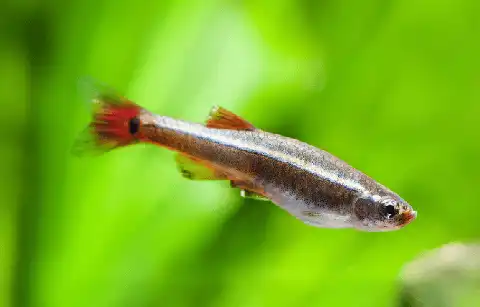
    Rasboras are one of those fish families I keep coming back to after 25 years in this hobby. They’re diverse, peaceful, and ideally suited to the planted nano tanks that have become so popular. The harlequin rasbora is the most iconic. a lot of hobbyists’ first schooling fish. but the family includes chili rasboras, lambchop rasboras, galaxy rasboras (celestial pearl danios), and more, each bringing something distinct to a planted setup. One thing I always mention to people getting started with rasboras: most prefer softer, slightly acidic water. Many will adapt to neutral conditions, but they genuinely thrive when the parameters reflect their natural blackwater habitat. This guide covers 11 of the best species worth considering.

    What Are Rasboras?

    Rasboras are freshwater fish from the Cyprinidae family. That family might sound familiar because it is the same group that includes other well-known aquarium fish like barbs, goldfish, and koi.

    Many of the tiny species were originally placed in the Rasbora genus, butscientists have since split them up into a few different groups. Most of the species in the aquarium trade are from South and Southeast Asia where they live in streams, ponds, and lakes.

    Rasboras are some of the smallest fish species known, and most aquarium species grow to just an inch or two in length. These fish are awesome in nano aquariums, and their peaceful temperaments and great colors have made them firm favorites among fishkeepers all over the world!

    11 Best Types Of Rasboras For Aquariums

    Now that you know a little bit more about rasboras, it’s time to meet 11 great species that you can keep! Below is a video from our YouTube channel. We go into more detail in the blog post below. If you enjoy our content, please make sure to subscribe!

    I’ve included the most important information to help you choose the best species for your tank. Take note of the following stats for each species:

    • Scientific Name
    • Difficulty Level
    • Temperament
    • Adult Size
    • Minimum Tank Size
    • Diet
    • Origin
    • Temperature
    • pH
    • Difficulty to breed
    • Planted tank suitability

    So let’s get started!

    1. Harlequin Rasbora

    • Scientific Name: Trigonostigma heteromorpha
    • Difficulty Level: Easy
    • Temperament: Very peaceful
    • Adult Size: 1.5-1.75 inches
    • Minimum Tank Size: 10 gallons (20 gallons recommended)
    • Diet: Carnivorous, provide micropellets/flakes, live and frozen food
    • Origin: Southeast Asia
    • Temperature: 70-82ยฐF
    • pH: 5.5-7.5
    • Difficulty to breed: Moderate
    • Planted tank suitability: Yes

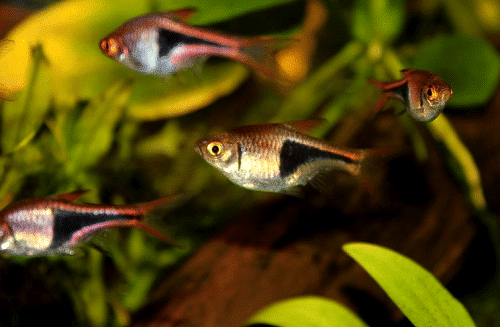
    The Harlequin rasbora is an amazing schooling fish for community fish tanks. These fish have awesome black triangular markings on their sides, which contrasts with their golden orange color.

    Harlequin rasboras are one of the most popular aquarium species sold today because they are so peaceful and easy to care for. Keep a group of 8 or more to see the natural schooling behavior of these neat little fish.

    2. Dwarf Emerald

    • Scientific Name: Celestichthys erythromicron
    • Difficulty Level: Moderate
    • Temperament: Peaceful
    • Adult Size: 1 inch
    • Minimum Tank Size: 10 gallons
    • Diet: Omnivorous, feed micro pellets, and live/frozen food
    • Origin: Myanmar
    • Temperature: 68-75ยฐF
    • pH: 7.5-8
    • Difficulty to breed: Moderate
    • Planted tank suitability: Yes

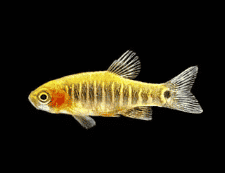
    The dwarf emerald rasbora (video source) is an awesome nano fish for cool water aquariums. They look very similar to galaxy rasboras/ celestial pearl danios and are actually pretty closely related. These tiny fish are really peaceful and don’t get much over an inch in size.

    They are can be shy by nature but will be most comfortable and active in a well-planted aquarium. A group of 6 or more dwarf emerald rasboras would be great in a species-only nano tank, but they can also be kept with other peaceful fish of a similar size.

    3. Chili Rasbora/ Mosquito

    • Scientific Name: Boraras brigittae
    • Difficulty Level: Moderate
    • Temperament: Peaceful
    • Adult Size: 0.75 inches
    • Minimum Tank Size: 10 gallons
    • Diet: Carnivorous, provide micropellets/flakes, live and frozen food
    • Origin: Borneo
    • Temperature: 68-82ยฐF
    • pH: 4-7
    • Difficulty to breed: Moderate
    • Planted tank suitability: Yes

    Chili rasboras (video source) are one of the smallest fish species in the fishkeeping hobby and are also known as the mosquito rasbora. For such a small species, these little guys are really adaptable to different conditions, but they do need excellent water quality to thrive.

    Chili rasbora fish do best when kept on their own but they can be kept with other small species that won’t out-compete them for food.

    4. Blue Axelrodi

    • Scientific Name: Sundadanio axelrodi
    • Difficulty Level: Moderate
    • Temperament: Peaceful
    • Adult Size: 0.75 inches
    • Minimum Tank Size: 5 gallons
    • Diet: Carnivorous, feed live/frozen food
    • Origin: Indonesia, Borneo, Sumatra
    • Temperature: 73-79ยฐF
    • pH: 4-6.5
    • Difficulty to breed: advanced
    • Planted tank suitability: Yes

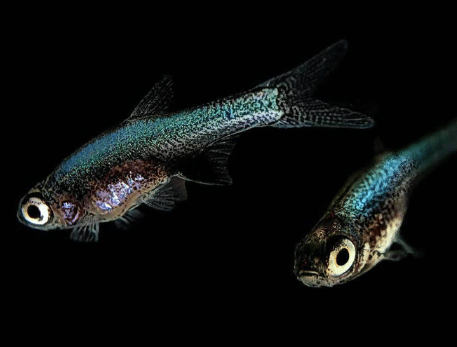
    The blue variety of the axelrodi rasbora (video source) is true schooling fish that should be kept in large groups of 20 or more to really shine.

    These tiny fish don’t always accept prepared foods, so be sure to keep a supply of live or frozen foods like daphnia or grindal worms to keep them well-fed.

    5. Spotted/ Dwarf

    • Scientific Name: Boraras maculatus
    • Difficulty Level: Easy
    • Temperament: Peaceful
    • Adult Size: 0.75-1 inch
    • Minimum Tank Size: 10 gallons
    • Diet: Carnivorous, provide micropellets/flakes, live and frozen food
    • Origin: Southeast Asia
    • Temperature: 68-82ยฐF
    • pH: 4-6.5
    • Difficulty to breed: Moderate
    • Planted tank suitability: Yes

    The spotted, or dwarf rasbora (video source) is another tiny species that is just perfect for a planted nano tank. This colorful fish has a bright red gill cover and three black spots on its orange body.

    The ideal tank mates for dwarf rasboras are shrimp, snails, and other peaceful nano fish. Keep at least ten of these social schooling fish to keep them confident and active.

    6. Merah

    • Scientific Name: Boraras merah
    • Difficulty Level: Easy
    • Temperament: Peaceful
    • Adult Size: 0.75 inches
    • Minimum Tank Size: 10 gallons
    • Diet: Carnivorous, provide micropellets/flakes, live and frozen food
    • Origin: Borneo
    • Temperature: 68-82ยฐF
    • pH: 4-6.5
    • Difficulty to breed: Moderate
    • Planted tank suitability: Yes

    The merah rasbora (video source) is another diminutive species for all the nano fish lovers out there! They are also known as the phoenix rasbora.

    This species is very similar to the chili rasbora but is generally less colorful. Like other rasboras, these fish do best in groups because they prefer to school together.

    7. Black Harlequin

    • Scientific Name: Trigonostigma heteromorpha
    • Difficulty Level: Easy
    • Temperament: Very peaceful
    • Adult Size: 1.5-1.75 inches
    • Minimum Tank Size: 10 gallons
    • Diet: Carnivorous, provide micropellets/flakes, live and frozen food
    • Origin: Southeast Asia
    • Temperature: 70-82ยฐF
    • pH: 5.5-7.5
    • Difficulty to breed: Moderate
    • Planted tank suitability: Yes

    The black harlequin rasbora is a dark variant of the standard harlequin rasbora. This popular species has been a favorite amongst aquarists for over a century, and it’s easy to see why!

    Black harlequin rasboras have the same care needs as the regular species.

    8. Green Kubotai

    • Scientific Name: Microdevario kubotai
    • Difficulty Level: Easy
    • Temperament: Peaceful
    • Adult Size: 0.75 inches
    • Minimum Tank Size: 15 gallons
    • Diet: Omnivorous, feed micro pellets, flakes, and live/frozen food
    • Origin: Thailand, Myanmar
    • Temperature: 68-80ยฐF
    • pH: 6-7
    • Difficulty to breed: Moderate
    • Planted tank suitability: Yes

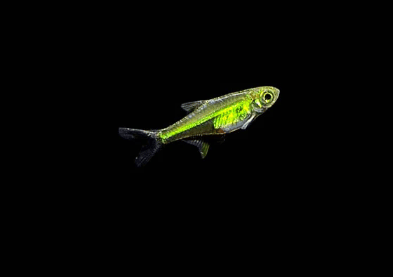
    The green kubotsai rasbora (video source) has an amazing neon green body color. These tiny shoaling fish are a perfect choice for a planted aquarium.

    They can be kept in a species-only tank in groups of 8 or more, or as part of a peaceful nano community.

    9. Exclamation Point

    • Scientific Name: Boraras urophthalmoides
    • Difficulty Level: Easy
    • Temperament: Peaceful
    • Adult Size: 0.5-0.7 inches
    • Minimum Tank Size: 10 gallon
    • Diet: Carnivorous, provide micropellets/flakes, live and frozen food
    • Origin: Vietnam, Cambodia, Thailand
    • Temperature: 68-82ยฐF
    • pH: 6-7
    • Difficulty to breed: Moderate
    • Planted tank suitability: Yes

    The exclamation point rasbora (video source) is another incredible nano fish from the Boraras genus. If the word Boraras sounds strangely familiar, that’s because this name is an anagram of the word rasbora.

    The exclamation point is one of the smaller rasbora species that you would come across at just half an inch or so in length. It gets its name from the combination of a line and a dot on the fish’s body, which make a perfect exclamation point!

    10. Emerald Eye

    • Scientific Name: Brevibora dorsiocellata
    • Difficulty Level: Easy
    • Temperament: Peaceful
    • Adult Size: 1.5 inches
    • Minimum Tank Size: 10 gallons
    • Diet: Carnivorous, provide micropellets/flakes, live and frozen food
    • Origin: Thailand, Sumatra, Malaysia,
    • Temperature: 68-77ยฐF
    • pH: 5-7.5
    • Difficulty to breed: Moderate
    • Planted tank suitability: Yes

    The emerald eye rasbora is a great-looking schooling fish. These fish have beautiful iridescent green markings from their eyes right down to their tails.

    These small rasboras are very peaceful and stay small, making them an ideal choice for a soft water community setup.

    11. Scissortail

    <a href=Scissortail Rasbora in Planted Tank” class=”wp-image-552942″/>
    • Scientific Name: Rasbora trilineata
    • Difficulty Level: Easy
    • Temperament: Peaceful
    • Adult Size: 6 inches
    • Minimum Tank Size: 55 gallons
    • Diet: Carnivorous, provide micropellets/flakes, live and frozen food
    • Origin: Southeast Asia
    • Temperature: 73-77ยฐF
    • pH: 6.5-7.5
    • Difficulty to breed: Moderate
    • Planted tank suitability: Yes

    The scissortail rasbora grows to a size of 6 inches, making it a giant of the rasbora world! Scissortail rasboras get their name from the interesting way they twitch their caudal fin.

    Like the other rasboras, these schooling fish do best in groups. Scissortail rasboras are a large and active species, so naturally, they need a fairly large tank to have enough room.

    Other Species

    Just in case 11 species wasn’t enough, here are a few more bonus rasboras that you can look out for!

    • Galaxy rasbora/ Celestial pearl danioDanio margaritatus
    • Blackline rasbora-Rasbora borapetensis
    • Clown rasbora-Rasbora kalochroma
    • Brilliant rasbora- Rasbora einthovenii

    Tank Setup

    Rasboras make great nano fish for small aquariums. Even though they may be tiny, they tend to be very active fish, so a minimum tank size of about 10 gallons is recommended for most of the smaller species.

    Substrate & Decor

    Sand or gravel makes a fine substrate for most rasboras, although a complete aqua soil is often a better choice for planted tanks because rasboras do best in aquariums with abundant aquatic plant growth.

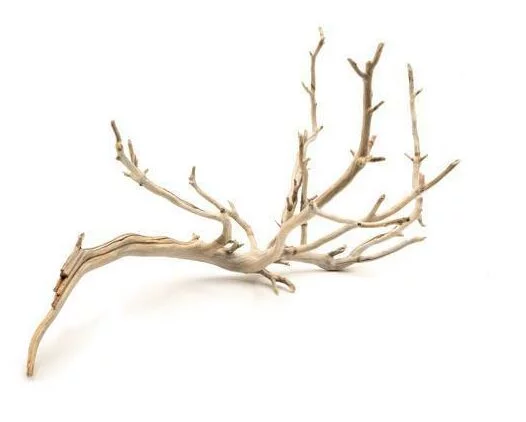
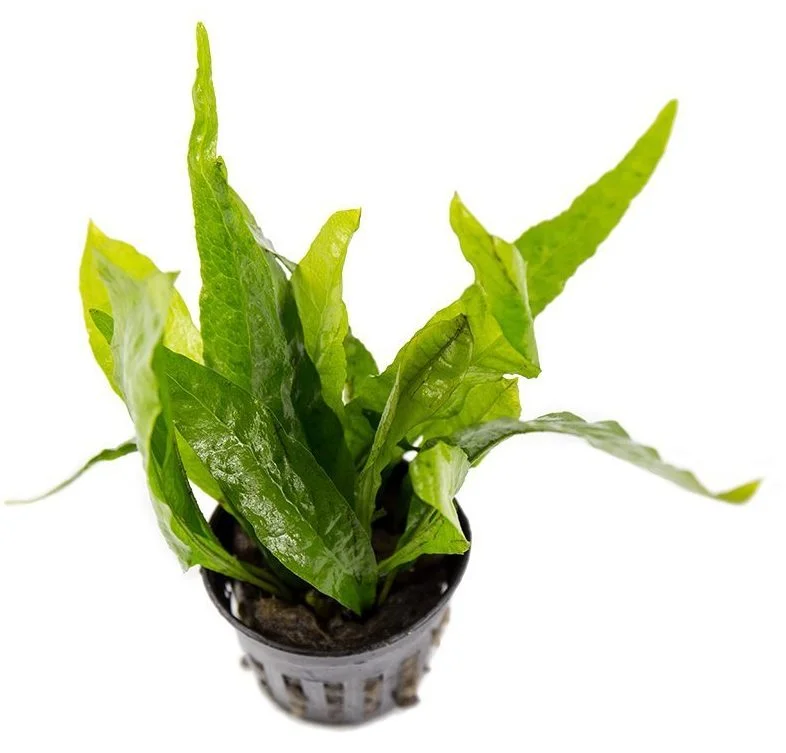
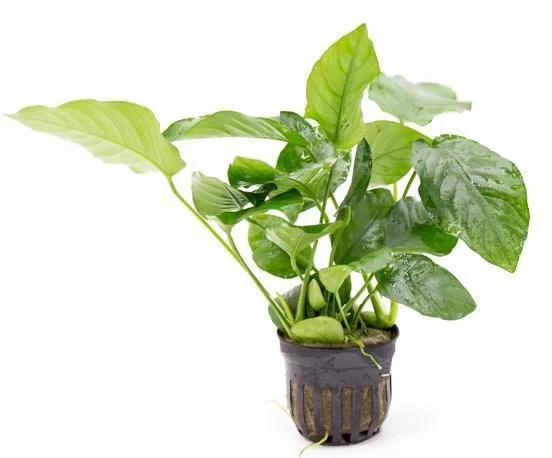
    Adding some driftwood and plenty of live plants will help these fish feel more at home in the aquarium. Plants like Java ferns, cryptocorynes, and amazon swords are great choices because they are easy to grow and don’t need powerful lighting.

    Editor’s Choice
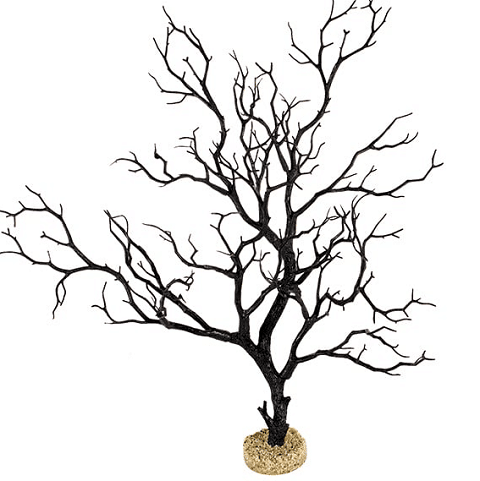
    Manzanita Driftwood

    Editor’s Choice

    Manzanita offers it all. Great shape, low tannins, quick to water log and reasonably priced. It’s the ultimate driftwood!

    Click For Best Price Click For Branch Pieces

    Lighting & Filtration

    Specialized lighting is not necessary for your rasbora aquarium. While bright light is great for a planted tank, it’s not necessarily the best choice for these fish.

    Most rasboras prefer fairly dim lighting in the aquarium. Growing some red root floaters or other species of floating plants is a good idea because it helps maintain the dim light these fish prefer.

    Rasboras are small fish that prefer still or slow-flowing water. A simple sponge filter will provide adequate filtration for most species.

    For a more compact and aesthetic option, a hang-on back or internal power filter can also be used. Just be sure to set up a prefilter sponge over the intake to prevent any tiny fish from getting sucked in.

    Editor’s Choice
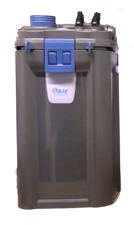
    OASE Bioplus Thermo

    The Best Internal Filter

    The OASE Bioplus is an internal version of the Biomaster Therm. It’s the only internal filter I trust in aquascapes

    Buy On Amazon Buy On Petco

    Whichever filter you prefer, make sure it is capable of excellent mechanical and biological filtration, especially if you are keeping your rasboras in a nano aquarium.

    Care

    Now that you know how to set up a great home for your fish, it’s time to learn how to keep them healthy. Rasboras are pretty easy to care for if you can maintain good water quality and feed them a quality diet. Choosing the right tankmates is also very important since these fish are so small.

    Read on to learn about all of these things and more!

    Aquarium maintenance

    Most rasboras require great water quality, and that’s why regular aquarium maintenance is so important. This might not be everyone’s idea of a good time, but it’s really not such a bad deal.

    Get into the habit of performing a partial water change every week, especially if you keep a nano aquarium. You can use your test kit to monitor the nitrate levels- that way you’ll know if you’re changing enough water.

    Use a gravel vacuum to suck out any solid waste particles from the substrate and give your aquarium glass a good clean with your algae scraper. Once you’re done, you can sit back and admire a beautiful tank with happy rasboras for the rest of the week!

    Behavior & Feeding

    Most species of rasboras available in the aquarium trade are considered micro predators. In their natural freshwater habitats, they feed on tiny crustaceans and other invertebrates.

    In the home aquarium, these fish prefer to feed on frozen and live foods like brine shrimp and daphnia. Most species will feed on dried foods like fish flakes and tropical granules, however. A good food to try is Xtreme Aquatic Foods Nano formula.

    Great For Nano Fish
    Xtreme Aquatic Foods Nano

    Xtreme Aquatics Nano formula is specially designed for smaller fish and contained a well balance mix of raw ingredients. It is a great staple food for your nano fish.

    Buy On Amazon

    Breeding

    Breeding rasboras is not very difficult. In fact, healthy adult fish will breed freely in many home aquariums. These fish produce eggs on a regular basis, so don’t be too surprised if you see some tiny fry in your tank!

    Rasboras aren’t that big on eating eggs, but there are no guarantees that the eggs will be left to hatch. Fortunately, the eggs hatch after just a day or so, and the fry begin swimming 2 or 3 days after that. They will have the best chance of survival if your tank is heavily planted, and contains only rasboras.

    Setting up a small breeding tank will give you a much higher success rate. A small tank with a sponge filter, some floating plants, and some broadleaved plants is ideal for this purpose. Place a conditioned pair into the tank and, with some luck, the female will lay some eggs on the underside of a leaf.

    After the pair have finished breeding, they should be moved back to their regular display tank. The fry grow very fast but must be fed on tiny food like infusoria until they are able to progress to baby brine shrimp.

    Tankmates

    Rasboras make great fish for community tanks because they are so peaceful. Most rasbora species will get along perfectly with similarly sized community nano fish, as long as they all enjoy the same water parameters.

    Let’s take a look at some ideal tank mates:

    The smallest species from the Boraras genus tend to do best in a species-only tank. They can, however, be kept with inverts like:

    Where to Buy

    Some of the different rasbora species are very common in the aquarium trade. Your local fish store probably sells a few popular species, and it’s always worth asking if they can track down something they don’t have in stock.

    These days the greatest selection of species can be found online. Quality retailers like Flipaquatics.com are worth checking out because they stock a wide range of great nano fish.

    FAQs

    Will different they school together?

    Rasboras are peaceful, social fish that will enjoy schooling with other, similar-sized species. It is best to keep at least 6 individuals of each species in your aquarium, even though your different rasboras will probably school together.

    Is a rasbora a tetra?

    Rasboras and tetras are both small schooling fish, but they are not actually related. Most tetras come from South America, while rasboras come from South and Southeast Asia.

    What type of fish is a rasbora?

    Rasboras are freshwater fish from the cyprinid family. They are mostly very small schooling fish that feed on tiny organisms.

    What is the smallest?

    The exclamation point rasbora (Boraras urophthalmoides) is the smallest rasbora species you are likely to find in the aquarium hobby. There is an even smaller species, however. The closely related Boraras micros maxes out at just half an inch long!

    Can different types live together?

    You can keep different species of rasboras in the same tank. Make sure that the different rasboras enjoy the same water parameters like pH and temperature, however.

    The different Boraras species are closely related and might hybridize together. Avoid keeping them in the same tank, especially if you plan on breeding your fish.

    Final Thoughts

    Rasboras are probably the best nano schooling fish in the aquarium hobby. These fish are small, peaceful, colorful, and pretty easy to care for. If you’re looking for a fish to put into a planted nano tank, look no further!

    Which is your favorite rasbora species? Let me know in the comments below!

    ๐Ÿ“˜ Want to learn more? This article is part of our complete Freshwater Fish Guide. your ultimate resource for freshwater species, care tips, tank setup, and more.

  • 20 Great Coldwater Aquarium Fish: The Complete Guide (No Heater Required)

    20 Great Coldwater Aquarium Fish: The Complete Guide (No Heater Required)

    Table of Contents

    Most beginners assume every aquarium needs a heater. but some of the best fish in the hobby actually prefer cool water, and a few will suffer if kept too warm. After 25 years in this hobby, I’ve seen countless coldwater fish kept in heated tropical tanks because it’s “convenient.” Short-term they look fine. Long-term they’re stressed, their immune systems are compromised, and they live a fraction of their potential lifespan. In this guide I’m covering 20 coldwater aquarium fish I’d genuinely recommend, with honest notes on the temperature range each species actually needs to thrive. not just survive.

    What Most Care Guides Get Wrong About 20 Great Coldwater Aquarium Fish (No Heater Required)

    The most common mistake I see with 20 great coldwater aquarium fish (no heater required)s is keeping too few. Guides will say “minimum 6” and leave it at that. In reality, these fish behave completely differently in a proper group of 8 to 10 or more. Keeping just 3 or 4 often leads to stress, hiding, and fin nipping that wouldn’t happen in a larger school. Another thing most guides miss is how much lighting and decor affect this species. 20 Great Coldwater Aquarium Fish (No Heater Required)s look washed out under bright white LEDs on a light substrate. Dim the lights, add some tannins, use a dark background, and you’ll see colors you didn’t know they had. I’ve also noticed that many care sheets recommend overly broad water parameters. Yes, 20 great coldwater aquarium fish (no heater required)s are adaptable. But “adaptable” doesn’t mean they’ll thrive in just anything.

    What Is A Coldwater Aquarium Fish?

    Cold water aquarium fish can survive in temperatures of 70ยฐF or lower. They are species that come from the subtropical and temperate parts of the world where the water isn’t always warm.

    Unlike most tropical fish, cold-water fish do not need a heater to survive in the home aquarium. These fish are at home in the same temperatures that most people are, so the natural room temperature of your home is usually fine for them.

    The Advantages

    Keeping coldwater fish can have some real benefits for aquarists and the fish themselves. Let’s take a look at some of the reasons you might choose to keep cold-water fish over tropical species.

    You Don’t Need A Heater

    Not needing a heater to keep the water temperature in the comfortable range has a few benefits that you might not realize.

    Firstly, you don’t need to buy an aquarium heater or pay for the energy they use. In this hobby, every cent counts right? You can also think of this as a more eco-friendly option.

    Heaters can be unsightly too, so you’re also able to create a more natural-looking aquarium, and reduce the amount of hardware and electrical cords you need to hide.

    It Can Be Safer

    Power interruptions are a fact of life for many people. With an unheated tank, you don’t need to panic when the power goes out.

    Even when the lights stay on, aquarium heaters can still malfunction. This is another thing you don’t have to worry about with an unheated tank.

    Less Cleaning

    Algae thrive in warm water, and this can be a real challenge in planted tropical fish tanks. Coldwater can be a real blessing in heavily planted aquariums and aquascapes because the plants and glass are less likely to be covered.

    15 Best Tanks

    Now that you know what a cold-water fish is, it’s time to get to know some of the best species for your aquarium. I’ll be listing some important stats for each species, so you can make sure you’re making the right choice. These are:

    • The fish’s scientific name
    • Its size when fully grown
    • How easy it is to care for
    • The minimum suitable tank size
    • The fish’s temperament
    • What the fish eats
    • Where it comes from
    • The water temperature the fish prefers
    • It’s swimming level in the aquarium

    So let’s meet them now! You can see our YouTube Video below from our channel and also follow along in our blog post:

    Let’s meet our fish!

    1. Japanese Rice

    • Scientific Name: Oryzias latipes
    • Adult Size: 1.5 inches
    • Care Level: Easy
    • Minimum Tank Size: 10 gallons
    • Temperament: Peaceful
    • Diet: Carnivore, feed dried, live & frozen foods
    • Origin: Eastern Asia
    • Water Temperature: 64-71ยฐF
    • Swimming Level: All levels

    The Japanese rice fish or Medaka fish is a great coldwater species for nano tanks. They get their name because they are often found living wild in rice paddies.

    The wild type is not the most colorful fish out there, but they are amazing to watch. A golden variety, as well as some genetically modified glowing varieties, have also been developed if you’re looking for more color. These tiny schooling fish will be happiest if kept in groups of 8 or more.

    2. Bloodfin Tetra

    • Scientific Name: Aphyocharax anisitsi
    • Adult Size: 2 inches
    • Care Level: Easy
    • Minimum Tank Size: 15 gallons
    • Temperament: Semi-aggressive, nips fins
    • Diet: Carnivore, feed dried, live & frozen foods
    • Origin: Brazil, Argentina, Paraguay
    • Water Temperature: 64-82ยฐF
    • Swimming Level: Midwater

    The bloodfin tetra is a great schooling fish for unheated aquariums. Their blood-red fins give these silvery fish a striking look in the aquarium.

    They are very hardy fish that are adaptable to a wide range of water temperatures, which means you don’t have to worry if it gets a little warmer than usual. These long-lived tetras regularly survive for over 5 years, especially if kept in groups of 6 or more.

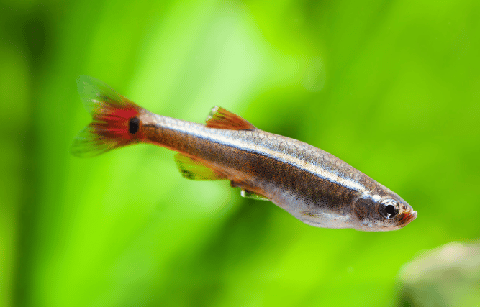
    3. White Cloud Mountain Minnow

    • Scientific Name: Tanichthys albonubes
    • Adult Size: 1.5 inches
    • Care Level: Easy
    • Minimum Tank Size: 10 gallons
    • Temperament: Peaceful
    • Diet: Carnivore, feed dried, live, and frozen foods
    • Origin: China
    • Water Temperature: 58-72ยฐF
    • Swimming Level: Midwater

    White cloud mountain minnows are one of the best cold-water fish in the aquarium hobby. These schooling fish get their name from the White cloud mountain in China1, where they can be found living wild.

    These peaceful fish are available in some awesome varieties including gold and long-finned types. They prefer cooler water temperatures and are easy to care for. The white cloud mountain minnow is a great choice for a community tank if kept with other peaceful fish.

    4. Panda Corydoras

    • Scientific Name: Corydoras panda
    • Adult Size: 2 inches
    • Care Level: Easy-moderate
    • Minimum Tank Size: 10 gallons
    • Temperament: Peaceful
    • Diet: Omnivore, feed sinking dried foods, live and frozen supplements
    • Origin: Peru
    • Water Temperature: 68-77ยฐF
    • Swimming Level: Bottom

    Panda corydoras get their name from their bold black and white markings and black eyestripe. These adorable catfish are great for cold water aquariums, even though commercially bred individuals are less fussy about water temperatures than wild-caught fish.

    Panda cory catfish are very peaceful and social bottom feeders that will be most confident in a school of 6 or more.

    5. Guppies

    • Scientific Name: Poecilia reticulata
    • Adult Size: 1-2.5 inches
    • Care Level: Easy
    • Minimum Tank Size: 10 gallons
    • Temperament: Peaceful
    • Diet: Omnivores, feed dried, live, and frozen foods
    • Origin: South America and the Caribbean
    • Water Temperature: 63-82ยฐF
    • Swimming Level: All levels

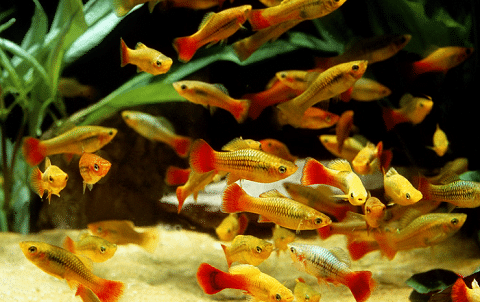
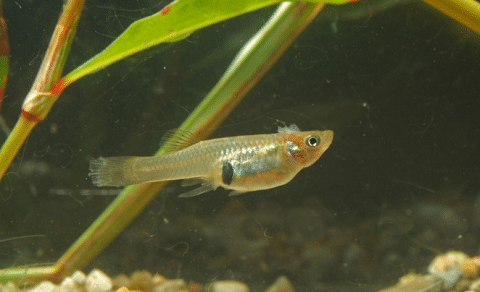
    Guppies are one of the most popular pet fish on the planet. They are very adaptable and do just as well as cold-water fish as they do in a community tank with tropical fish. These peaceful fish have been bred to display an amazing variety of colors.

    Guppies are livebearers, which means they give birth to live fry instead of laying eggs. It is best to keep only one sex if you don’t want these fish to multiply in your aquarium.

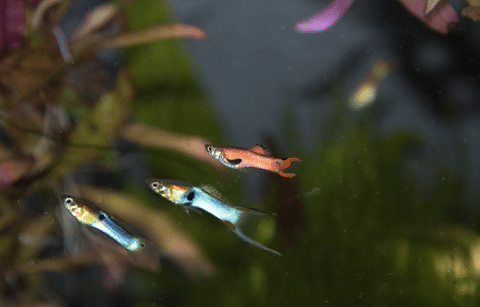
    6. Endler’s Livebearer

    • Scientific Name: Poecilia wingei
    • Adult Size: 1-1.8 inches
    • Care Level: Easy
    • Minimum Tank Size: 10 gallons
    • Temperament: Peaceful
    • Diet: Omnivores, feed dried, live, and frozen foods
    • Origin: Venezuela, South America
    • Water Temperature: 64-84ยฐF
    • Swimming Level: All levels

    Endler’s livebearers are another awesome nano species for coldwater aquariums. These tiny fish look very similar to guppies, but they stay much smaller at under 2 inches in length. They are not cold-water fish specifically, but they are very hardy and will do great in an unheated tank in a warm home.

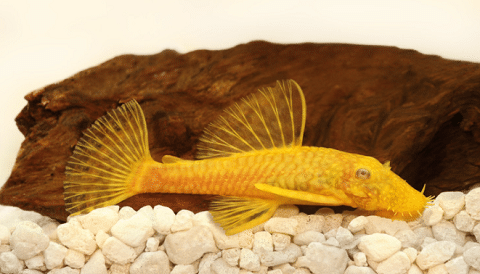
    7. Bristle Nose Pleco

    • Scientific Name: Ancistrus sp.
    • Adult Size: 4-5 inches
    • Care Level: Moderate
    • Minimum Tank Size: 15 gallons
    • Temperament: Peaceful
    • Diet: Herbivore, feed algae wafers & vegetables
    • Origin: Argentina
    • Water Temperature: 70-79ยฐF
    • Swimming Level: Bottom

    The bristle nose pleco is an unusual fish that is very useful for eating algae. Most people assume these fish can only be kept in tropical aquariums, but they are comfortable in most unheated aquariums and many aquarists have even managed to keep them with goldfish.

    Bristlenose plecos are vegetarian fish that need plenty of driftwood to graze on. They are such efficient algae eaters that you’ll need to supplement their diet with spirulina wafers and veggies to keep them well fed. The pleco pictured above is the Albino breed.

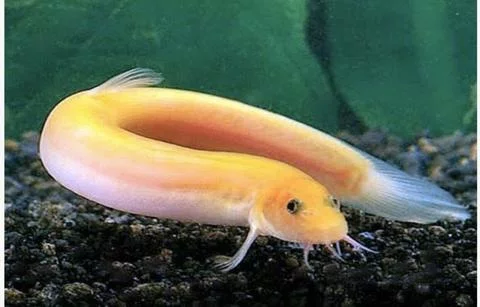
    8. Dojo Loach

    • Scientific Name: Misgurnus anguillicaudatus
    • Adult Size: 6-12 inches
    • Care Level: Easy
    • Minimum Tank Size: 55 gallons
    • Temperament: Peaceful
    • Diet: Carnivore, feed sinking dried foods
    • Origin: Central & Eastern Asia
    • Water Temperature: 59-77ยฐF
    • Swimming Level: Bottom

    The dojo loach is a great coldwater fish species for larger aquariums. Some aquarists even keep these interesting loach fish in outdoor ponds with Koi.

    The dojo loach is also known as the weather loach because they become more active when the barometric pressure changes. These interesting fish can reach up to 12 inches in length, which means they should be kept in a freshwater aquarium that holds at least 55 gallons.

    9. Rosy Barb

    https://youtu.be/HJmNdqwZE_Y
    • Scientific Name: Pethia conchonius
    • Adult Size: 3 inches
    • Care Level: Easy
    • Minimum Tank Size: 25 gallons
    • Temperament: Peaceful
    • Diet: Omnivore, feed dried, live, and frozen foods
    • Origin: India, Nepal, Bangladesh, Pakistan
    • Water Temperature: 60-75ยฐF
    • Swimming Level: Midwater

    Rosy barbs are another great species for unheated tanks. These beautiful fish have large, highly reflective scales and come in some amazing varieties like the long-fins and neons (video source).

    They are social cyprinids that like to swim in larger schools, so pick up a group of 10 or more if possible. These schooling fish are easy to care for, but not the best choice for planted tanks because they tend to nibble on leaves.

    10. Gold Barb

    <a href=Gold Tetra in Aquarium” class=”wp-image-552736″/>
    • Scientific Name: Barbodes semifasciolatus
    • Adult Size: 2.5-3 inches
    • Care Level: Peaceful
    • Minimum Tank Size: 20 gallons
    • Temperament: Semi-aggressive
    • Diet: Omnivore, feed dried, frozen, and live foods
    • Origin: China, Vietnam, Taiwan
    • Water Temperature: 61-75ยฐF
    • Swimming Level: Bottom, midwater

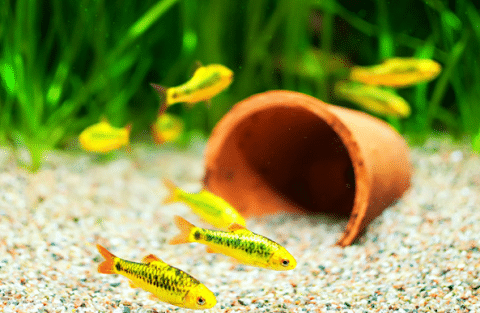
    Gold barbs are a great choice for cold water tanks with lower water temperatures. These social fish are also known as the Chinese barb fish and they should be kept in a school of at least 8.

    Although wild gold barbs are greenish, the fish in the aquarium trade have been bred to have an amazing golden body color with dark blotches and reddish eyes and fins. A cool albino form is also available from time to time.

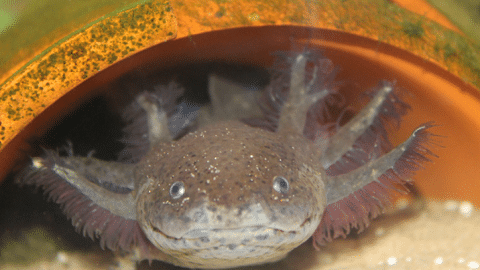
    11. Axolotl

    Wild Type Axolotl
    • Scientific Name: Ambystoma mexicanum
    • Adult Size: 6-12 inches
    • Care Level: Moderate
    • Minimum Tank Size: 15 gallons
    • Temperament: Semi-aggressive
    • Diet: Carnivore, feed pellets, frozen or live food
    • Origin: Mexico
    • Water Temperature: 57-68ยฐF
    • Swimming Level: Bottom

    The axolotl is also known as the Mexican walking fish, but did you know that these amazing animals are not really fish at all? Axolotls are actually amphibians, just like frogs and salamanders! These creatures make amazing and unusual pets for freshwater aquariums.

    Axolotls spend their whole lives underwater and do best when kept on their own. This is because they have a tendency to eat nano fish or even each other! They need cool water and are more active in low lighting because they are nocturnal.

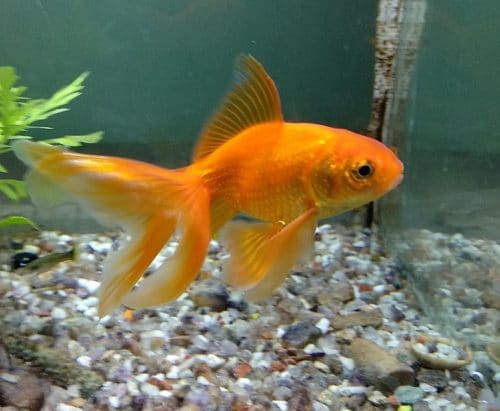
    12. Fancy Goldfish

    Fantail Goldfish Swimming
    • Scientific Name: Carassius auratus
    • Adult Size: 6-8 inches
    • Care Level: Moderate
    • Minimum Tank Size: 20 gallons
    • Temperament: Peaceful
    • Diet: Omnivore, feed dried, live, and frozen foods
    • Origin: China and Eastern Asia
    • Water Temperature: 65-72ยฐF
    • Swimming Level: Midwater

    Goldfish are more than just feeder fish. The fancy goldfish is one of the best cold-water fish and one of the most popular pets in the world!

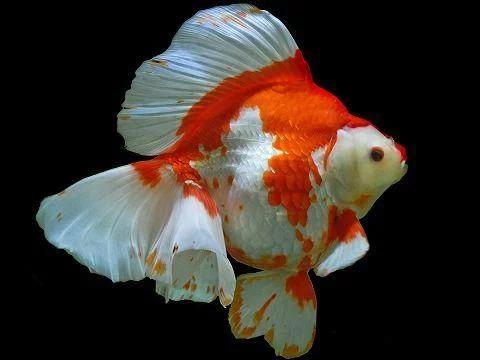
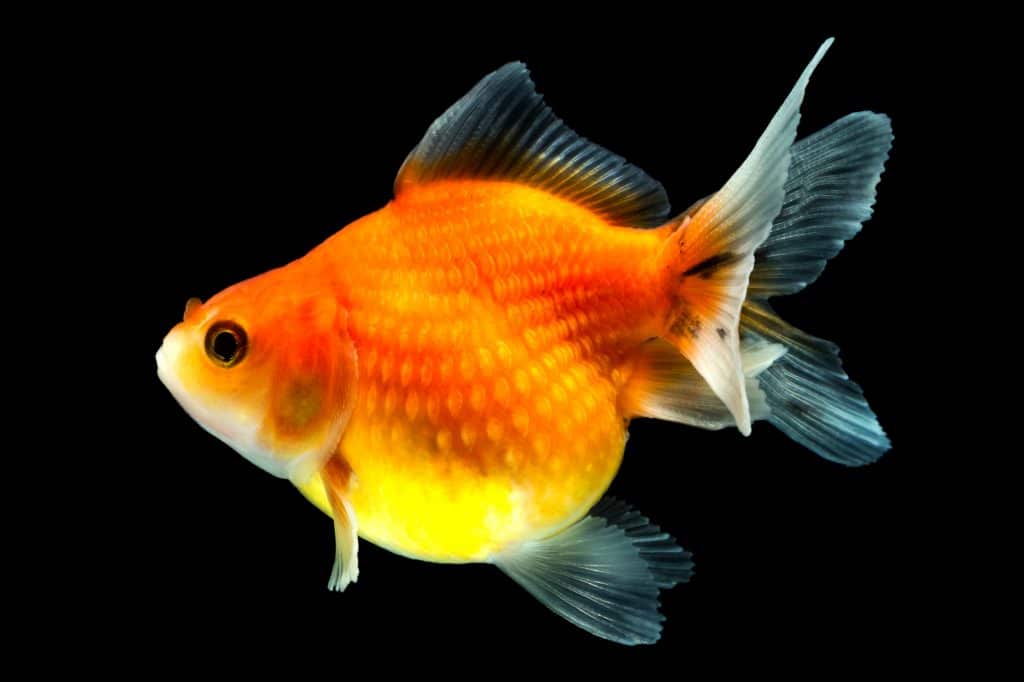
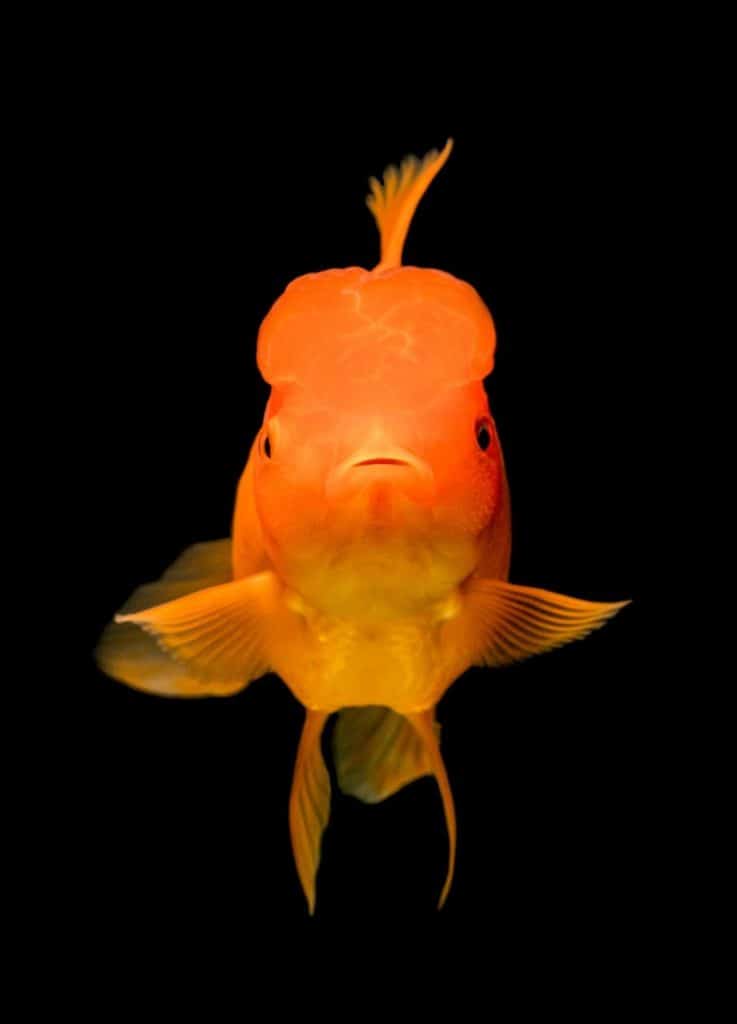
    These fish are available in a huge range of different breeds, including amazing fish like orandas, ranchus, and bubble-eyes. Fancy goldfish can reach over 8 inches in length, and they need a larger tank than you might think, so don’t be tempted to set them up in a goldfish bowl from your local fish store.

    13. Sunset Variatus

    Sunset Variatus
    • Scientific Name: Xiphophorus variatus
    • Adult Size: 2-2.8 inches
    • Care Level: Easy
    • Minimum Tank Size: 15 gallons
    • Temperament: Peaceful
    • Diet: Omnivore, feed dried, live, and frozen foods
    • Origin: Mexico
    • Water Temperature: 68-79ยฐF
    • Swimming Level: All levels

    The sunset variatus is another great little livebearer for a cold water tank. This morph of the variable platy has amazing red and yellow colors, just like the sky at sunset. Sunset variatus prefer higher pH water conditions, just like many other livebearers.

    14. Celestial Pearl Danio

    • Scientific Name: Celestichthys margaritatus
    • Adult Size: 0.75 inches
    • Care Level: Moderate
    • Minimum Tank Size: 10 gallons
    • Temperament: Peaceful
    • Diet: Omnivore, feed dried, live, and frozen foods
    • Origin: Myanmar, Thailand
    • Water Temperature: 68-78ยฐF
    • Swimming Level: Midwater

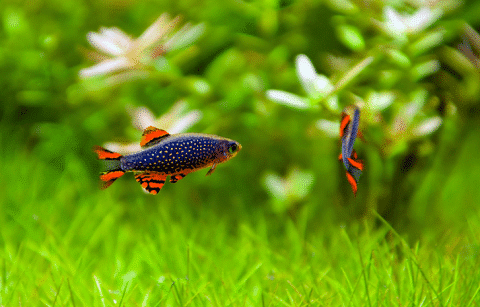
    The celestial pearl danio is an awesome nano fish species that looks amazing in a heavily planted tank. These fish are also known as galaxy rasboras or just CPDs for short.

    They are fairly timid fish that prefer cooler water temperatures. Celestial pearl danios can be kept with other fish, provided their tank mates are peaceful and stay small.

    15. Zebra Danio

    What Does A Zebra Danio Look Like
    • Scientific Name: Brachydanio rerio
    • Adult Size: 1.5-2 inches
    • Care Level: Easy
    • Minimum Tank Size: 10 gallons
    • Temperament: Peaceful
    • Diet: Carnivore, feed dried, live, and frozen foods
    • Origin: India
    • Water Temperature: 70-82ยฐF
    • Swimming Level: Top, Midwater

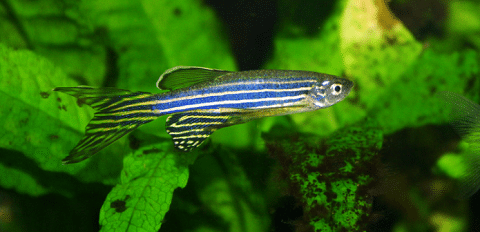
    The zebra danio is another great cold-water fish that is really underrated in the aquarium hobby. Zebra danios are peaceful and hardy fish that are easy to care for. Zebra danios are fast swimming, active danio fish that are amazing in community tanks and get along with many fish.

    16. Paradise

    Paradise Fish in Aquarium
    • Scientific Name: Macropodus opercularis
    • Adult Size: 3 inches
    • Care Level: Easy
    • Minimum Tank Size: 20 gallons
    • Temperament: Semi-aggressive
    • Diet: Carnivore, feed dried, live, and frozen foods
    • Origin: South and East Asia
    • Water Temperature: 50-71ยฐF
    • Swimming Level: Top, Midwater

    The paradise fish is also known as the paradise gourami or the Chinese fighting fish. These beautiful fish are related to betta fish and have all the colors of a tropical species, but are happy in an unheated tank.

    Paradise fish have a reputation for being aggressive fish and do best in a species-only tank. Keep a single male and 2 or more females if you plan on keeping a group of these feisty fish.

    17. Mosquito

    Mosquito Fish in Pond
    • Scientific Name: Gambusia affinis
    • Adult Size: 1.5-2.5 inches
    • Care Level: Easy
    • Minimum Tank Size: 5 gallons
    • Temperament: Semi-aggressive
    • Diet: Omnivore, feed dried, live, and frozen foods
    • Origin: USA and Mexico
    • Water Temperature: 50-84ยฐF
    • Swimming Level: All levels

    The mosquito fish is a small fish species that is usually kept outdoors in ponds as a mosquito larvae control. They can actually make a really fascinating cold water pet fish, however.

    One thing to note is that mosquito fish can be pretty aggressive and are known to nip the fins of their tank mates. They are very hardy fish and make an interesting choice for an unheated nano tank.

    18. Asian Stone Catfish

    • Scientific Name: Hara jerdoni
    • Adult Size: 1.2 inches
    • Care Level: Moderate
    • Minimum Tank Size: 10 gallons
    • Temperament: Peaceful
    • Diet: Carnivore, feed live and frozen foods
    • Origin: Bangladesh, India
    • Water Temperature: 64-75ยฐF
    • Swimming Level: Bottom

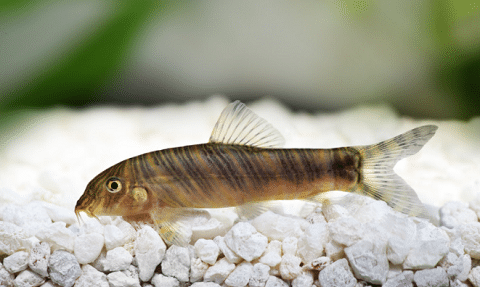
    The Asian stone catfish (video source) is a unique little nocturnal fish for unheated aquariums. They are not super active fish and make a great choice for a nano tank.

    The Asian stone catfish can also be kept in a community tank as long as its tank mates are also small and peaceful. Feeding them at night is recommended because they are clumsy and the other fish can easily out-compete them for slow sinking food like frozen brine shrimp.

    19. Rosy Red Minnows

    https://youtu.be/JFi6xF2fVkI
    • Scientific Name: Pimephales promelas
    • Adult Size: 3 inches
    • Care Level: Easy
    • Minimum Tank Size: 15 gallons
    • Temperament: Peaceful
    • Diet: Omnivore, feed dried, live, and frozen foods
    • Origin: Canada, USA, Mexico
    • Water Temperature: 50-78ยฐF
    • Swimming Level: Midwater

    Rosy red minnows are more often used as bait and feeder fish than kept as pets. That’s a shame because they are great-looking fish that are perfect for cold water tanks! Rosy red minnows can be kept in a huge range of water temperatures and are even good for ponds outdoors.

    20. Pygmy Sunfish

    Evergladei Male
    • Scientific Name: Elassoma evergladei
    • Adult Size: 1.4 inches
    • Care Level: Moderate
    • Minimum Tank Size: 10 gallons
    • Temperament: Peaceful, shy
    • Diet: Carnivore, feed live and frozen food
    • Origin: USA
    • Water Temperature: 50-72ยฐF
    • Swimming Level: Bottom, midwater

    The pygmy sunfish (picture source) is a cute little fish that is native to the Southeastern United States. The breeding males have stunning iridescent blue and black colors.

    Pygmy sunfish are not usually seen in fish stores, although they do great in unheated aquariums. These tiny fish are actually more popular with fish keepers over in Europe than in their native North America.

    Coldwater Tank Setup

    Setting up a coldwater tank is just the same as setting up a tropical tank, only you won’t be using a heater. If you live in a tropical climate, however, you might need to take some steps to manage the water temperatures.

    Managing Your Tank In Warm Climates

    When summer comes along and temperatures in the house begin to rise, keeping your cool water fish comfortable can be tough! Here’s a list of 6 great tips on keeping your fish cool:

    1. Monitor the temperature

    The most important tool for managing the temperature in your cold water aquarium is a thermometer. A cost-effective solution is to use a simple glass thermometer and keep an eye on it whenever it feels a little warm in your home.

    An even better option is to use a digital thermometer with a programmable alarm. This way, you can set the device to alert you when the water temperature rises beyond a certain point. Pretty smart!

    2. Use minimal equipment

    Knowing the actual temperature in your tank is one thing, but what can you do to keep the temperature in the safe range for your fish?

    The first thing to do is switch off or remove any unnecessary equipment in the tank. Things like lights and powerheads give off small amounts of heat and can be switched off temporarily without any harm.

    It’s not only the hardware inside your tank that can warm up the water, however. Computers, televisions, refrigerators, and all sorts of appliances can warm up the air around your aquarium.

    3. Choose the right lighting

    You might not realize it, but some aquarium lights produce plenty of heat. Not all types of aquarium lighting produce the same amount of heat, however.

    Switch to LED lighting if your lights are creating heat. This is the best option for keeping your coldwater fish comfortable.

    4. Turn on the AC

    The temperature of the water in your aquarium is directly affected by the temperature of the air in the room. You can keep your aquarium water temperature down by keeping the room cool with air conditioning. This might not be the most energy-efficient method, but it is very effective! Another alternative is using a mobile AC system.

    Value Priced
    BLACK+DECKER Portable AC

    Mobile AC units are an unconventional, but very effective and cheaper solution over many chiller options

    Buy On Amazon

    5. Choose the right location

    Not all areas of your home have the same temperature. The north side of your house will usually be cooler than the south if you live in America, Europe, or anywhere north of the equator.

    Heat always rises, so the coolest part of your home will usually be downstairs or in the basement. Direct sunlight can heat the water in your tank, even if the air temperature is cool. Never set up an aquarium where it will receive direct sunlight.

    6. Cool the water

    You will need to cool down the water in your tank if you’ve followed all the tips above, and the water temperature is still rising too much.

    The best way to do this is to use an aquarium chiller. These devices are not cheap, but they are very effective because they refrigerate the water. Aquarium chillers can be programmed to maintain a stable, constant temperature of your choice.

    A less reliable, but much cheaper option is to run an airstone and an aquarium fan on the water surface. This works best in a tank with no hood. A mesh screen might be necessary though because many fish species can jump out of their tank.

    Whichever method you use, make sure you change the temperature gradually to avoid stressing your fish.

    Filtration

    All aquariums should have good quality filtration to keep the water quality safe, and the tank looking beautiful. Coldwater tanks are no exception, and you can use the same varieties of aquarium filters as you would in a tropical setup.

    An air-powered sponge filter is a great option because they do not create any heat and actually help to cool the water slightly. An external canister filter will provide superior filtration, however, and has the added benefit of not cluttering up the tank.

    Tank Maintenance

    Regular tank maintenance is really important for keeping your coldwater fish healthy and happy. A nice clean tank also looks great, so you can enjoy watching your fish even more. Here’s what you’ll need to do:

    Testing

    Being able to test your water parameters is really important for maintaining your fish tank. Firstly, testing will show you the pH and hardness of your water, which is very important for most species.

    Testing for ammonia and nitrite will also allow you to determine whether your aquarium is cycled or not, and whether it’s safe to start introducing fish to a new tank.

    Lastly, regular testing for nitrate levels is necessary to work out the perfect maintenance schedule for your tank.

    Aquarium test kits are super easy to use, just make sure you buy a kit that can measure the following parameters:

    • pH
    • GH
    • KH
    • Ammonia
    • Nitrite
    • Nitrate

    Water Changes

    In a healthy, cycled aquarium, beneficial bacteria break down harmful chemicals known as ammonia and nitrite into nitrate. Nitrate is a lot less toxic, but in large concentrations, this compound can still be dangerous.

    Growing plenty of live plants can help to lower the level of nitrates in your tank, but the best way is to physically remove them by replacing some of the water. Use your test kit to measure the nitrate in your water. Ideally, you should try to keep the nitrate levels below 20 parts per million.

    The process of performing a partial water change is simple. Start by preparing some fresh water. Use a water conditioner to neutralize any chemicals and allow the water to reach the same temperature as your tank water. You will need the same amount of water as you plan on removing.

    Next, suck out water from the bottom of the tank with your gravel vacuum and into a bucket or drain. This will remove all the waste particles that have settled on the substrate.

    All you have to do now is add the new water to the tank. Pour it in slowly to avoid stirring up the substrate and uprooting any plants.

    Other Maintenance Tasks

    You’ll also want to clean the algae off your aquarium glass from time to time. You can do this whenever necessary, but I suggest doing this just before your water change. That way you can suck up any loose algae!

    You’ll also need to rinse out your aquarium filter media from time to time. There are colonies of beneficial bacteria that live in the filter media of a cycled freshwater aquarium. They are sensitive to tap water, so remember to clean your filter media in the water you have removed from the tank.

    Setting Up A Coldwater Community Tank

    You can set up an awesome unheated community tank, even though the options are a little more limited. Read on for some handy tips to help you stock your cold water tank.

    Choosing Tank Mates

    Choosing the right tank mates is essential to ensure that all your pets get along in the aquarium. The most important factors when selecting tank mates are:

    • Temperature compatibility
    • Other parameters like pH and hardness
    • Size and aggression levels

    Live Plants

    Coldwater aquariums are not only for fish. You can also grow a variety of awesome live plants in an unheated tank. The following beginner live plant species are all great options:

    You’ll need to read up on the needs of each plant species to learn how to care for them because their needs do vary.

    What About Freshwater Tank Shrimp And Snails?

    The good news is that you can keep freshwater invertebrates in a coldwater tank too! Not all inverts like cool water, however.

    The following species are safe bets:

    • Cherry shrimp (Neocardinia) – Minimum temperature 65ยฐF
    • Caridina shrimp – Minimum temperature 64ยฐF
    • Amano shrimp – Minimum temperature 64ยฐF
    • Malaysian trumpet snails – Minimum temperature 65ยฐF
    • Japanese trapdoor snail – Minimum temperature 68ยฐF

    Shrimp and snails are great because they help to keep your aquarium clean. Shrimp don’t always make the best tank mates for community tanks, however. Some cold-water species like paradise fish will probably see your shrimp as a tasty snack!

    Where To Buy

    You can usually find the more popular coldwater species at your local fish stores. Another great place to shop aquarium fish is online, especially if you’re looking for specific fish species.

    FAQs

    Can a cold water tank be too cold?

    All fish species have an ideal temperature range where they are most comfortable. If the water in your tank gets too cold, your fish will be under stress and might not survive.

    Do you need a heater for cold water tanks?

    Coldwater fish only need a heater in very cold environments. In cold climates, an aquarium in an uninsulated building might need a heater during the winter. Cold is a relative term of course, so it really depends on how cold your home is and what kind of fish you keep.

    Can you have a tank without a heater?

    You can definitely have a fish tank without a heater. The temperature of the water in your tank will vary with the temperature in your home, so the type of fish you can keep will be limited.

    You’ll probably need to keep coldwater fish in an unheated aquarium unless you live in a tropical climate or like to keep your home really warm.

    Can you keep cold water types in a tank?

    Cold water fish are not only good for ponds. Even the common goldfish is considered to be a coldwater fish, and they do great in fish tanks!

    Can they survive in coldwater?

    Some pet fish do really well in cold water while some will not survive. It really depends on the species of fish you keep and what kind of environment they are adapted to survive in.

    What About Koi?

    Koi carp are an amazing coldwater fish, however, they require a large pond and their care are beyond the scope of this blog post. I felt it was best to cover them separate to not confuse readers. If you want to learn more about Koi, check out koi care articles.

    Is the 20 Great Coldwater Aquarium Fish (No Heater Required) Right for You?

    Before you add a 20 great coldwater aquarium fish (no heater required) to your tank, it’s worth asking whether this species actually fits your setup and your goals. Here’s a quick breakdown to help you decide.

    This species is a good fit if:

    • You have a large enough tank to manage territories. Cramped conditions amplify aggression.
    • You’re comfortable managing aggression through stocking ratios, line of sight breaks, and tank layout.
    • You can commit to regular water changes. These fish produce more waste than many smaller species.
    • You’re not planning a peaceful community tank. 20 Great Coldwater Aquarium Fish (No Heater Required)s need tank mates that can hold their own.
    • You enjoy watching active, interactive fish. Cichlids have personality that smaller species simply don’t match.
    • You have backup plans. Sometimes a particular fish just doesn’t work out, and you need a way to rehome it.
    • You’re feeding a varied, high-quality diet. Color and health depend on nutrition.

    If most of those points line up with your setup, the 20 great coldwater aquarium fish (no heater required) is worth serious consideration. If several don’t, it’s better to choose a species that matches your tank now rather than trying to make it work.

    How the 20 Great Coldwater Aquarium Fish (No Heater Required) Compares to Similar Species

    Choosing between similar species can be tricky. Here’s how the 20 great coldwater aquarium fish (no heater required) stacks up against some common alternatives.

    The 20 great coldwater aquarium fish (no heater required) occupies a specific niche in the aquarium hobby, and direct comparisons really depend on what you’re looking for. In my experience, the most common question people ask is whether they should choose the 20 great coldwater aquarium fish (no heater required) or something similar that’s more widely available. The answer usually comes down to three things: tank size, water parameters, and what other fish you’re keeping. If your setup matches what the 20 great coldwater aquarium fish (no heater required) needs, it’s hard to beat. If not, there are usually alternatives worth exploring.

    Final Thoughts

    Cold water aquarium fish are underrated in the hobby. Many of them are super easy to care for and make awesome pets. If you’re looking to start up a new tank, maybe you should think about ditching the heater and stocking some of the fish on this list!

    What’s your favorite cold water fish species? Let me know below!

  • Antibiotics for Fish: What Actually Works and When to Use Them

    Antibiotics for Fish: What Actually Works and When to Use Them

    After 25+ years in this hobby, the biggest mistake I see when fish get sick is treating the wrong thing. People reach for antibiotics when the problem is parasitic, or use anti-parasitics when it’s actually a bacterial infection. The diagnosis step matters more than the medication choice. That said, having the right antibiotics on hand before you need them is critical. these illnesses can progress fast, and waiting for a shipment while a fish is deteriorating is a bad position to be in. Kanaplex is my go-to for bacterial infections, and I’ve used Furan-2 for gram-negative bacterial issues. Here’s what you need to know about how fish antibiotics work and when to actually use them.

    How Do Antibiotics For Fish Work?

    To understand when to treat with antibiotics, we need to first understand how fish antibiotics work.

    It’s important to realize that fish antibiotics do not magically cure fish of their ailments. Instead, fish antibiotics decrease the growth of bacteria populations until the immune system of the fish is able to recover and naturally build resistance.

    Simply put, fish antibiotics interfere with the physiological and reproductive abilities of bacteria, slowing or stopping growth and spread. In the aquarium setting, there are two main types of bacterial infections you need to be aware of: gram-positive bacteria and gram-negative bacteria.

    Gram-Positive Bacteria vs. Gram-Negative Bacteria

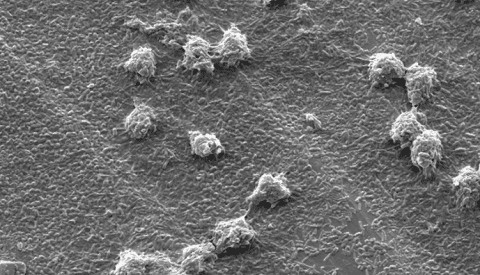
    Gram Negative Bacteria

    Differentiating between bacteria can be complicated, but it’s necessary for accurate diagnosis and treatment. In short, the difference between gram-positive bacteria and gram-negative bacteria is their cell wall composition.

    • Gram-positive bacteria have a thin cell wall surrounded by an outer membrane. Gram-positive bacterial infections are less common in the aquarium setting and usually consist of Streptococcus spp..
    • Gram-negative bacteria lack an outer membrane but have thick polymer layers instead. Most aquatic bacterial infections arise from gram-negative bacteria, like Aeromonas spp., Flavobacterium spp., Vibrio spp., and Pseudomonas spp..

    The most definitive way to tell gram-positive bacteria apart from gram-negative bacteria is by performing a gram stain, hence the name. Gram-positive bacteria will stain blue while gram-negative bacteria will stain pink.

    As most hobbyists aren’t able to perform such a test, only physical symptoms can be observed for diagnosis. Gram-negative infections are typically more aggressive and deadly to fish.

    Identifying Bacterial Infections

    A bacterial infection can be difficult to diagnose. They often happen alongside other diseases and infections with similar symptoms, especially fungal infections. However, bacterial infections are much more common than true fungal infections as bacteria readily live in aquarium water, waiting to affect a compromised pet fish.

    The most common symptoms of a bacterial infection are:

    • Inflammation or redness
    • Irregular mucus/slime coat
    • Fragile and frayed fins
    • Cloudy or swollen eyes
    • Bloating

    Infection is largely caused by injury alongside poor water conditions and/or malnourishment. It is possible for your fish to fight off infection if water quality is good and diet is maintained, though sometimes even the strongest pet fish can succumb to harmful bacteria.

    It is near impossible to differentiate between gram-positive bacteria and gram-negative bacteria without a gram stain. Since gram-negative bacterial infections are much more common (in freshwater), most hobbyists use a fish medication that will target those bacteria first. In marine fish, gram-negative is more common.

    Treating Your Aquatic Pets

    Knowing what to treat is equally as important as correctly treating. Fish antibiotics have exact directions and the treatment schedule needs to be followed carefully.

    How do these antibiotics move from the water into your fish, though?

    How To Give To Your Pets

    The best way to give fish antibiotics is through treated food. This lets the medicine be administered in more direct, higher doses and saves some damage to nitrifying bacteria. A problem arises when your pet fish refuses to eat though, making this method impossible.

    Most fish antibiotics can be dosed directly into the aquarium. From there, these medicines need to be incorporated into the body of the fish, but how? This involves some physiology.

    Fish experience osmoregulation1. Osmosis is the process of a solvent moving from an area of low concentration to an area of high concentration across a semipermeable membrane in order to create a balance between the internal and external environments. Osmoregulation differs between freshwater and saltwater life. Here’s a video from Its AumSum Time. The explains the difference between freshwater and saltwater fish.

    Freshwater fish are hypertonic, meaning that their internal environment has more salt than their external environment. Because of this, water flows in through the gills and is absorbed by the body.

    On the other hand, saltwater fish are hypotonic, meaning that their internal environment has less salt than their external environment. Because of this, water wants to leave their body. In order to compensate for this loss, saltwater fish need to actively drink water and conserve it by sending some to their digestive tract.

    In the aquarium setting, this is an advantage to saltwater species. Because saltwater fish actively take water into their bodies, soluble antibiotics are much more likely to immediately enter the internal bloodstream in the marine environment. Still, freshwater fish can be given soluble antibiotics, though feeding them is much more effective.

    In general, there are two ways to administer fish antibiotics for both freshwater and saltwater fish. If your fish is suffering from an external infection, then bath treatments are recommended, though they can sometimes be ineffective. If your fish is showing signs of internal infection, then food treatment is the best route.

    Bath Treatments

    Bath treatments are the preferred choice of treatment for external infections when the fish is refusing to eat or there are other limitations.

    Bath treatments are best when there is no access to a quarantine system that allows for fish antibiotics to be directly dosed into the aquarium. This could be due to sensitive corals and invertebrates or where there is large biological filtration that could be affected.

    The problem with bath treatments is that very little medicine actually enters the bloodstream of the fish. In addition, the constant transferring of the fish can be stressful and cause injury; if the fish dies during this transfer, then there was probably little hope for it in the first place.

    Antibiotic-Treated Food

    The best treatment for bacterial infections is through food mixed with fish antibiotics. This requires a binding factor, like Seachem Focus, so that the fish antibiotics do not leak out of the food.

    This method allows the medication to be administered in large doses. However, it requires that the fish is still actively eating, which means that the infection has not yet compromised the fish to a large extent. Still, appetite can sometimes be increased through garlic or live food methods.

    Injection

    Lastly, injection is a possible course of treatment, though many hobbyists do not have this option available to them.

    An injection is the best and most effective method of treating infections in large and expensive fish, like oscars or koi, but is often unattainable for the average hobbyist.

    The 9 Best

    Depending on the type and severity of the infection, different fish antibiotics will be more effective. Most of these fish antibiotics can be used in freshwater, brackish, and saltwater systems though it is recommended to read all instructions closely. We have a video just for you from our YouTube channel. We go into more detail in the blog post below. Please subscribe if you enjoy our content.

    1. Thomas Labs Cephalexin (Keflex)

    Thomas Labs Cephalexin offers two grades of fish antibiotics: Thomas Labs Fish Flex and Fish Flex Forte. Though this antibiotic is labeled as ornamental fish antibiotics, hobbyists have actually found it to be most effective against invertebrate bacterial infections, especially those found in anemones.

    This is a very broad fish antibiotics and needs to be administered in a quarantine system or bath for 5-10 days.

    2. Thomas Labs Ciprofloxacin

    Again, Thomas Labs offers two grades of this antibiotic: Thomas Labs Fish Flox and Fish Flox Forte.

    Ciprofloxacin is much more effective as a fish antibiotic than cephalexin, though this product is regularly used to treat anemones and other invertebrates as well. Specifically, this medicine can be dosed in a bath or in a quarantine tank for gram-negative bacterial infections over the course of 5-7 days.

    3. Thomas Labs Amoxicillin 

    Amoxicillin is a very popular antibiotic for other animals and human use. However, amoxicillin isn’t commonly used in the aquarium as a viable course of fish antibiotics. Regardless, Thomas Labs carries Thomas Laboratories Amoxicillin Fish Mox and Fish Mox Forte.

    If for anything, amoxicillin is one of the few fish antibiotics, alongside penicillin and ampicillin, used for treating gram-positive bacterial infections. These fish antibiotics should not be used with invertebrates and should be administered in a quarantine tank or bath treatment for 5 days. Still, hobbyists prefer other fish antibiotics first.

    Can You Use Amoxicillin In The Aquarium?

    Never use antibiotics intended for human consumption in the aquarium and vice versa. Medications should always be dosed seriously and carefully. Aquarium brands have specific formulas for making ornamental fish drugs that are not for human use.

    While aquarium brand amoxicillin can be used in the aquarium, hobbyists usually prefer other options first. Amoxicillin is very popular for treating other animals and humans but is generally useless in the aquarium setting. One of the only ailments hobbyists have found amoxicillin to be useful for is treating fungal infections in the eyes.

    4. Nitrofuracin Green Powder

    Nitrofuracin Green Powder is one of the most popular aquarium antibiotics. It is also used as a healing agent to use in quarantine tanks. This product contains methylene blue, in addition to nitrofurazone and sulfathiazole sodium, which will kill nitrifying bacteria. Nitrofuracin Green Powder is especially useful for healing cuts and abrasions while dealing with the infection.

    Many hobbyists consider Nitrofuracin Green Powder to be a quicker and more effective alternative to API Furan-2. Nitrofuracin Green Powder should be dosed for at least 10 consecutive days.

    5. Seachem KanaPlex + Seachem MetroPlex + API Furan-2

    Seachem KanaPlex, MetroPlex, and API Furan-2 are very common fish antibiotics to dose together. These three medications can be incredibly effective at combatting a variety of infections.

    Seachem Kanaplex is a 7-day kanamycin-based medicine recommended for:

    • Popeye
    • Cloudy eye
    • Fin rot
    • Dropsy
    • Mouth rot
    • Hemorraghic septicemia(Aeromonas hydrophilia)

    MetroPlex should be dosed at the same time, though can be administered up to 3 weeks on its own. This antibiotic is made from metronidazole and is meant to treat protozoan parasites and anaerobic bacterial diseases (Cryptocaryon, Hexamita, Ichthyophthirius). Mainly, MetroPlex is used for ich, hole in the head/head and lateral line erosion (Hexamita spp./Spironucleus vortens), and velvet.

    API Furan-2 targets both gram-positive and gram-negative bacteria through a 7-day nitrofurazone-based treatment. This antibiotic specifically treats for:

    • Bacterial gill disease
    • Open red sores (Aeromonas spp.)
    • Body slime
    • Cloudy eye
    • Columnaris (Flavobacterium columnaris)
    • Fin rot

    This combination of fish medications can cover a wide range of infections as long as the treatment is carried out in full.

    6. Seachem SulfaPlex + NeoPlex

    Seachem SulfpaPlex and NeoPlex can be used together at the same time or separately depending on the illness.

    SulfaPlex is a general sulfathiazole-based antibiotic meant to treat bacterial, fungal, and protozoan-related illnesses. Though this product can be used in both freshwater and saltwater settings, it is most effective to travel across gills in saltwater.

    Specifically, SulfaPlex can be used to treat:

    • Fin rot
    • Hemorraghic septicemia(Aeromonas hydrophilia)
    • Fur coat syndrome
    • Mouth rot
    • Fungus

    NeoPlex is another broad neomycin sulfate-based treatment for external infections, like fin rot, bacterial lesions, bloat, and mouth rot. Most hobbyists describe it as having the same effects as topical Neosporin.

    Both of these medicines should be used for at least 7 days but can be dosed for up to 3 weeks on their own.

    7. API Triple Sulfa

    API Triple Sulfa is one of the safer fish antibiotics treatments to use in the aquarium as it won’t completely kill all nitrifying bacteria. Still, filter media should be removed before dosing for best results.

    Sulfa medications are thought to be somewhat outdated. Many hobbyists have found some resistance to these treatments and opt for stronger alternatives, like Furan-2. However, API Triple Sulfa has the benefit of being gentle on the display tank ecosystem if need be.

    API Triple Sulfa can treat gram-negative bacteria, like those that cause:

    • Hemorrhagic septicemia (Aeromonas hydrophilia)
    • Bacterial gill disease
    • Fin rot
    • Cottonmouth diseases
    • Body slime
    • Cloudy Eyes

    Treatment should last 10 days.

    8. Enrofloxacin

    Enrofloxacin is one of the most modern ways to treat bacterial infections in fish2, though it is still best administered in a quarantine tank or through 5-hour baths. Though effective, this medicine can be difficult to find; it is most commonly found as Baytril from Bayer Pharmaceuticals.

    This is a fast-acting fluoroquinolone antibiotic that can help treat gram-negative and gram-positive infections.

    9. AAP Spectrogram

    As of 2021, AAP Spectrogram has become difficult to find fish antibiotics; this is likely in direct response to heightened pharmaceutical regulations during the Covid-19 pandemic.

    If you come across AAP Spectrogram, it can be very useful for treating both gram-negative and gram-positive bacterial infections. This fish medicine is a combination of KanaPlex and Furan-2 (kanamycin/nitrofurazone), but much easier to use and more effective. It can be used to treat most infections besides parasitic ones.

    Which Are Safe?

    All medications that are labeled for aquarium use are safe for the aquarium. However, it is possible to overdose on some medications so it’s important to follow directions closely.

    There is one thing you should avoid though, and that’s ‘natural’ medications.

    Avoiding ‘Natural’ Products And Medications

    While many reputable aquarium brands offer great products to their consumers, some brands take advantage of branding treatments. Some of the latest trends in the aquarium hobby have arisen from ‘natural’ fish antibiotics and medications which end up hurting fish more than helping them. Some of these organic alternatives include tannins and natural oils.

    Tannins can be very beneficial to aquatic systems and can lead to healthy fish, however, they don’t exactly help with bacterial infections. Research has found that tannins are only effective at combatting bacteria at very high concentrations3, much more than is reasonable for any tank size. Tannic acid is also a blood coagulant with can decrease healing rates.

    Natural oils, like those found in MelaFix and PimaFix, are also detrimental to the health of your fish. Though these oils might look and smell medicinal, they have been linked to swim bladder damage and have been found to be nearly ineffective at low concentrations. Similarly, aloe vera also inhibits your fish’s ability to exchange oxygen and increases available sugars for bacteria to feed on.

    Though it might seem like a good idea to stay as natural as possible when it comes to treating fish diseases, it is usually safer and easier to use tried and true fish antibiotics.

    Can You Give Your Fish Over-The-Counter Human Types?

    Fish should never be given medications intended for human consumption. Though the chemical makeup may be similar between medicines, factors like dosages, solubilities, and efficacy cannot be known.

    It is true that some fish antibiotics have become difficult to find recently. Though you may not be able to get the antibiotics of your choice, there are many alternatives for each treatment from reputable aquariums brands like API and Seachem. This makes treating your fish safe, fast, and easy.

    Can Humans Take Fish Meds?

    Also no! You should never be using an antibiotic you haven’t been personally prescribed. Not only does this put your own health at risk, but it can also make it difficult for other hobbyists to obtain these fish antibiotics in the future, like AAP Spectrogram.

    In case of a medical emergency, consult your primary doctor.

    Where To Buy

    It’s actually getting more challenging these days to purchase fish antibiotics as regulations get tougher from states (and the food and drug administration). Supplies have also gotten tighter. Here are a few places you can likely find the fish med you are looking for.

    Chain Pet Stores and Local Stores

    These are usually your defaults when you are in a hurry for a fish medication and you can’t wait even on 2 day shipping. The problem that you run into with either is the limited availability. You will usually find Seachem medications at both stores, but hours will be limited. Sometimes you can get to a chain pet store like a Petco later at night as they tend to stay open later than local fish stores.

    Amazon

    Another default choice for fish antibiotics is because of availability and speed of shipping. Again, the brand limitation can be an issue. Thomas Labs fish antibiotic medication isn’t always available here. There is another choice if you are looking for Thomas Lab medications.

    Chewy

    Chewy surprisedly has a number of Thomas Lab fish meds available. They ship slower than amazon through. They also have generic Thomas Lab medications under the name Aqua-Mox that is available.

    National Fish Pharmacy

    This is a great choice when looking for Nitrofuracin Green Powder. They sell in bulk sizes and shipping is slow. This is a good choice if you are building a fish pharmacy for emergencies.

    References

    Final Thoughts

    There’s a lot more to fish antibiotics than you might have thought. Identifying a bacterial infection in your fish can be difficult, but treatment doesn’t need to be complicated.

    First, understand the difference between gram-positive and gram-negative infections. Then choose a course of fish antibiotics and a method for administering them. Keep up with water changes and water parameters and keep your fish eating.

    Within no time, the infection should start to heal and your fish will get back to normal

  • 10 Best Red Aquarium Plants โ€“ Care Tips From a Planted Tank Keeper

    10 Best Red Aquarium Plants โ€“ Care Tips From a Planted Tank Keeper

    Red aquarium plants have always been one of my favorite ways to add contrast and depth to a planted tank. When I set up my 65-gallon community planted tank, I made sure to include reds throughout to create that pop against the greens. The challenge with red plants is that they demand more light and often stronger nutrients than green plants, and I’ve learned through trial and error exactly what they need to thrive. This guide covers my top picks and the key things you need to know to actually keep them vibrant. not just alive.

    Why Grow Red Aquarium Plants?

    We got a video for you from our YouTube Channel you can check out all about Red Plants. We go into more detail in the blog post below. Sub to our YouTube channel for more content as we post new videos every week.

    If you’ve ever seen an aquascape aquarium with bright and colorful red plants in it, you’ll know what all the fuss is about. Of course, bright green plants are beautiful too, but there’s something special about dramatic rosy foliage that really catches the eye.

    Growing healthy red plants can be a little bit challenging for beginners, but with the right equipment and know-how, it is a fascinating side of the planted tank hobby that any aquarist can succeed at!

    10 Best Red Aquarium Plants

    In a hurry? Check out red plants sold at Buce Plant!

    Here we go folks, it’s time to introduce 10 amazing red aquarium plants that you can use in your own aquascape! For each plant, I’ll be providing important information like:

    • The plant’s average size
    • The recommended placement in the tank
    • pH
    • Care level
    • Light requirements
    • CO2 requirement
    • Method for propagating new plants

    1. Ludwigia natans ‘Super Red’

    • Size: 6-20 inches
    • Tank Placement: Mid ground, Background
    • Origin: North America
    • pH: 6-7
    • Care level: Easy
    • Lighting: Medium
    • CO2 requirement: No, recommended
    • Propagation: Rooted cuttings

    Ludwigia natans ‘Super Red’ is a great plant to start out with. This fast-growing stem plant for freshwater aquariums is an easy plant to care for but will develop its best color with proper lighting and CO2 injection.

    It is a tall, narrow plant when grown singly, but being soft and delicate, it shows great movement when a few stems are planted together in groups.

    2. Alternanthera reineckii ‘Mini’

    Alternanthera Reineckii

    A challenging, but rewarding red aquarium plant. Grows in all placements

    Click For Best Price Buy On Glass Aqua
    • Size: 3-12 inches
    • Tank Placement: Foreground, Mid ground, Background
    • Origin: South America
    • pH: 5-7
    • Care level: Moderate
    • Lighting: Medium-High
    • CO2 requirement: Yes
    • Propagation: Rooted cuttings

    Alternanthera reineckii is a very popular aquarium plant that is commonly referred to as AR for short. It is a beautiful but fragile plant that is available in many amazing varieties. AR ‘Mini’ is a relatively compact and slow-growing stem plant with amazing color.

    Being a slow-growing plant, it can be prone to algae growth on its broad leaf surfaces. Give this plant stable water parameters and regular tank maintenance and it will provide you with incredible foliage and color.

    3. Alternanthera reineckii ‘Rosanervig’

    • Size: 4-12 inches
    • Tank Placement: Mid ground, Background
    • Origin: South & Central America
    • pH: 6.5-7.5
    • Care level: Moderate
    • Lighting: Medium-high
    • CO2 requirement: Yes
    • Propagation: Rooted cuttings

    AR ‘Rosanervig’ is a taller variety that makes a great midground plant for larger aquariums. It can even be used as an effective background in small tanks. This gorgeous plant has reddish-green foliage with brilliant pink veins.

    4. Rotala rotundifolia ‘Red’

    • Size: 8+ inches
    • Tank Placement: Background
    • Origin: Southeast Asia
    • pH: 6.5-7.5
    • Care level: Easy
    • Lighting: High
    • CO2 requirement: Yes
    • Propagation: Rooted cuttings

    Rotala rotundifolia ‘Red’is an easy-to-grow stem plant that can add amazing color to your aquarium. This fast-growing aquatic plant produces its best colors when nitrogen is limited in the tank. It is easy to trim and propagate, which makes it an excellent choice for aquascaping.

    5. Rotala macrandra ‘Mini’

    • Size: 8-11 inches
    • Tank Placement: Background, Mid ground
    • Origin: India
    • pH: 5-7.5
    • Care level: Advanced
    • Lighting: High
    • CO2 requirement: Yes
    • Propagation: Root cut side shoots in substrate

    Rotala macranda ‘Mini’ is a spectacular but challenging aquatic plant for more experienced aquarists. These stem plants grow quickly with the right care, but need intense lighting and the correct nutrient balance to thrive.

    This plant also needs limited nitrates to develop its red coloration, just like the previous species. Furthermore, it also needs acidic, soft water and increased carbon dioxide (CO2) levels. Are you ready for the challenge of growing this striking plant?

    6. Nymphaea zenkeri – Tiger Lotus

    • Size: 4-30 inches
    • Tank Placement: Floating plant, midground
    • Origin: Africa
    • pH: 6-7.5
    • Care level: Easy
    • Lighting: Moderate
    • CO2 requirement: Recommended
    • Propagation: Root side shoots

    The red tiger lotus (video source from Tropica) is a bold aquatic aquarium plant that can be used as a centerpiece plant for the mid-ground. This hardy plant species is almost a combination of a stem plant and a floating plant in that it grow its root system in the substrate while producing large, flat, floating leaves on the water surface.

    The Red tiger lotus plant is easy to grow but will show its best red color if provided with high-intensity lighting system, additional carbon dioxide, and enough nutrients.

    7. Ludwigia peruensis

    • Size: 18 inches
    • Tank Placement: Midground, Background
    • Origin: North America
    • pH: 6.5-7.5
    • Care level: Moderate
    • Lighting: High
    • CO2 requirement: Yes
    • Propagation: Rooted cuttings

    This Ludwigia species is very popular for its two-tone foliage. Each amazing leaf is green above and red below. It makes a fine background plant for small aquariums or can be used in the midground of larger tanks.

    8. Alternanthera Lilacina

    • Size: 4-12+ inches
    • Tank Placement: Midground, Background
    • Origin: South America
    • pH: 6.5-7.5
    • Care level: Easy-Moderate
    • Lighting: Medium-high
    • CO2 requirement: Yes
    • Propagation: Rooted cuttings

    This colorful AR variety is popular for its deep red stems and pink to red young growth. The undersides of the leaves are often a striking purple color.

    It is a pretty undemanding plant that has a moderate growth rate under bright lighting. This is an excellent plant for dutch style planted aquarium, providing intense color.

    9. Alternanthera reineckii ‘Rosaefolia Mini’

    • Size: 8 inches
    • Tank Placement: Midground
    • Origin: South America
    • pH: 5-7
    • Care level: Moderate
    • Lighting: Medium-High
    • CO2 requirement: Yes
    • Propagation: Rooted cuttings

    AR ‘Roseafolia Mini’ is a small plant that has a big presence in any planted fish tank. Its stems and foliage can be seen in a variety of reddish hues from pink, through red, to purple with intense lighting.

    This versatile plant is a great size for the midground of most aquaria, and can even be trimmed down to create a lush red carpet effect in a large aquarium.

    10. Phyllanthus fluitans – Red Root Floater

    • Size: 1 inch
    • Tank Placement: Floating plant
    • Origin: South America
    • pH: 6.5-7.5
    • Care level: Easy
    • Lighting: Medium-High
    • CO2 requirement: No
    • Propagation: Side-shoot division

    Unlike the other plants in this list, the red root floater is not rooted in the substrate. In fact, these stunning plants float at the water’s surface just like water lilies. Their tiny roots trail down into the water creating an enchanting underwater scene.

    As the name suggests, these popular floating aquarium plants are best known for their bright red roots. The leaves themselves will also be a beautiful red shade if grown under bright light.

    Tank setup

    Now that you’ve learned about ten great plants that you can grow in your fish tank, let’s take a closer look at what you’ll need to grow healthy red aquarium plants.

    Substrate

    You should select a nutrient rich substrate for most popular aquatic plants that are rooted. The exceptions, of course, are floating plants like the red root floater and some epiphytes.

    Aquasoils are a soil-based nutrient rich substrate designed specifically for planted tanks. There are many great options on the market, including popular varieties like:

    Editor’s Choice!
    ADA Aqua Soil

    The Best Planted Tank Substrate

    The world’s standard in active substrates for planted tanks. Created by brand that founded modern aquascaping

    Buy On Amazon

    Lighting

    Providing strong enough light intensity is the number one requirement for vibrant red aquarium plants. Many plants will grow quite happily in low light but remain green or just lack that wow factor that we want from the red plant species.

    It is important to remember that light intensity diminishes quickly with depth. This means that low-growing plants will be getting a lot less light than taller plants. For this reason, deeper aquariums will also need stronger lighting, even if they hold the same volume of water.

    A PAR level of about 100 umols measured at the bottom of the tank is a good value to aim for. This will bring out great color in most of the red aquatic plants

    The Light Spectrum

    When considering the needs of an aquatic plant, not just any bright light will do.

    Lighting that is turned up in the blue and red spectrum is ideal, but only so much as to maintain a natural and visually pleasing look. The red spectrum not only makes red aquarium plants appear redder but also helps them develop their color.

    Editor’s Choice
    Twinstar LED

    The Best LED for Planted Tanks

    Twinstar nails the spectrum, has the proper spread and comes with a sleek design. Perfect for aquascapers

    Buy On Buce Plant Buy On Glass Aqua

    Filtration

    When selecting a filtration system, opt for a model that provides a good flow and a high water turnover. A turnover rate of 5 times the volume of your aquarium per hour is a good place to start.

    You can use an internal power filter or a hang-on back design to filter your aquarium, but external filters are best for creating beautiful display tanks. This is because canister filters are housed outside of the aquarium, so you won’t have to hide any hardware. OASE makes the best canister filters on the market. They are the top choice for planted aquarium owners today.

    How To Grow These Tank Plants

    Maintaining healthy aquatic plants of any color requires an understanding of the basics of plant care. Put simply, plants need:

    • Light
    • Water
    • Carbon dioxide
    • Nutrients

    That’s not all that aquatic plants need, however. You should also provide the following:

    • A suitable rich substrate
    • The correct temperature range
    • Suitable parameters like water hardness and pH
    • Healthy water flow
    • Good plant spacing and trimming

    With this in mind, let’s take a look at the specifics you need to know for growing red plants in particular.

    Growing With CO2 Supplementation

    Carbon dioxide is absolutely necessary for healthy plant growth, and red plants species are no exception. Although this gas is present in all aquariums, you will need to provide an increased concentration to really see your plants flourish.

    The fact is, your aquarium plants simply can’t make use of bright light without elevated CO2 levels. In fact, intense light without CO2 will probably just grow you a whole lot of algae!

    CO2 Injection Systems

    CO2 supplementation might be the secret ingredient for amazing plant growth, but this gas has a dark side too. It is lethal in high concentrations (above 30ppm), which is a huge problem if you keep any fish or live animals in your aquarium.

    Fortunately, there are some amazing products and systems available to the modern hobbyist that make running CO2 safely pretty simple. An example of a great CO2 system includes the following components:

    • Pressurized CO2 canister
    • Co2 regulator
    • Diffuser
    • Bubble counter
    • Drop checker and solution
    • Timer
    The Ultimate CO2 Kit
    CO2Art Pro Elite Series Bundle

    Use Offer Code ASD10%Off

    The highest end offering by CO2Art. This package includes everything you need to perform consistent and the highest quality CO2 injection in the industry!

    Click For Best Price

    Using this kind of setup, you can set your injection system to provide dissolved carbon dioxide levels between 15 and 30ppm exactly when the plants need it.

    Since plants need light to use CO2, you’ll want to set your timer to fire up an hour or two before the lights go on, and then switch off at the same time as the lights go out.

    Maintaining Good Water Quality

    Creating an amazing underwater garden requires regular maintenance. Here’s what you’ll need to do to keep your red plants healthy and looking great:

    • Vacuum your gravel and carpet plants with a gravel vacuum to remove physical waste and uneaten fish food
    • Keep your glass clean with an algae scraper
    • Trim plants that are growing too large and shading out other plants. Use a sharp pair of aquascaping scissors for this task
    • Remove all trimmings and dead plant material from the tank
    • Rinse out your filter media or replace cartridges when necessary
    • Perform a weekly water changes. Start with about 25%, but measure your nitrate levels to fine-tune your routine

    Testing

    A good test kit is an essential tool for maintaining a healthy aquarium and one of the best purchases you will ever make. A test kit allows you to determine whether your tank is cycled, measure the parameters of your tap water, and monitor the nitrate levels in your aquarium.

    Supplements And Feeding

    Your aquarium plants require regular feeding of aquarium fertilizers to keep up with the demands of growth under high light and increased CO2 levels.

    A product like APT Zero from the 2Hr Aquarist is an ideal all-in-one solution for amazing growth for a planted fish tank. This formula lacks nitrate, which is great for keeping nitrogen levels down and boosting red colors while minimizing algae growth.

    Nitrogen Limitation

    Many red plants look their best and develop their most intense coloration in a low nitrogen environment. That’s why reducing the nitrates in the water through regular water changes can be so important.

    This technique does not work for all red plants, however, but species like Rotala rotundifolia certainly do respond best to low nitrate levels. It is not realistic to maintain zero nitrates in the long term, especially if you keep fish. Of course, plants need some nitrogen to grow, so a prolonged absence of this important element will stunt and even kill plants.

    It is feasible to aim for nitrate levels below 5ppm, however, especially as a temporary method to bring out the best colors for a photo shoot for example.

    Pests and other problems

    The most common issues with red plants are poor color, and we know this is often a result of incorrect light, CO2 supplementation, and nutrient levels. Let’s take a look at some of the problems you may encounter.

    Unwelcome Guests

    Pests like snails and planaria are often introduced to aquariums as stow-aways on new aquarium plants. These animals don’t typically affect the plants themselves, but can be a major headache for other reasons. The best way to avoid introducing these pests is to grow tissue culture plants that are produced in sterile conditions.

    Hungry Herbivores

    Some common aquarium fish will feast on your red plants too. The following species are the usual suspects:

    Instability And Melting

    Aquarium plants can die back pretty alarmingly when they are moved into different environments. This phenomenon is known as melting, and it is very common.

    Often, the plants you buy were grown emersed (out of water), and being submerged underwater is a huge shock. The plant responds by getting rid of its old air-loving leaves and replacing them with new ones that are ready for life underwater. Most plants will bounce back pretty quickly, and all you need to do is remove all the dead, brown or dying leaves before it rots in your fish tank.

    Another potential cause for melt is unstable parameters and poor water quality. Keeping up with regular aquarium maintenance is the best way to avoid this problem.

    Algae

    Algae often thrive under the intense lighting needed to create a vibrant red aquarium plant. Balancing your light, nutrients, and carbon dioxide (CO2) is the best way to manage this problem, but there are some other options too.

    One of the best ways to combat algae is to have plenty of healthy, fast-growing plants to outcompete this common aquarium villain. If your planted aquarium is still young and growing, there are some other options too.

    Algae-eating aquarium animals can do an awesome job of keeping your tank clean, and what’s more, they are amazing creatures in their own right! Fish like Otocinclus catfish, and inverts like Amano shrimp and nerite snails are the first species that come to mind, but check out my article on aquarium algae eaters for even more great options.

    If you prefer to keep plants only, there are some great products available for managing the algae in your tank. The APT Fix algae treatment is ideal for spot treating any algae in the tank before it can grow into a headache.

    Great For Planted Tanks!
    APT Fix

    Use Coupon Code ASDComplete

    APT Fix is a spot dosage treatment that works great for planted tanks. Effective and easy to use. Won’t hurt plants or livestock

    Click For Best Price

    Where To Buy

    Your local fish store is always worth checking out for aquarium plants. Always make certain, however, that the plants are correctly labeled.

    For the most part, the best place to shop for a wide variety of red plants is online. Buceplant.com is one of the most trusted online aquarium plant retailers, and they stock an amazing range of the best red aquarium plants for your fish tank.

    FAQs

    Do you need CO2 for these types of Tank plants?

    Not all red aquarium plants need injected CO2 to grow in the home aquarium. However, all of them will benefit from increased carbon dioxide, with faster and more robust growth.

    Do they need more light?

    Yes, most red aquarium plants need high lighting to look their best. There are always exceptions, but most species will require high, or at least moderate light to look their best.

    How do you keep these a vibrant color?

    To keep red aquarium plants red you will need to provide them sufficient light, nutrients, and carbon dioxide. Some plants also respond to very low nitrate levels by turning red.

    What does red-light do for Tank greenery?

    Red light can make red plants look even redder. The red part of the light spectrum helps plants grow tall and even is also known to stimulate flowering. On the other hand, too much red light can look unnatural, and even cause increased algae growth.

    Do they need iron?

    Red aquatic plants certainly need iron to grow healthy. Iron is one of the trace elements that all plants need, however, and it does not increase the red color in plants.

    Final Thoughts

    Red aquatic plants are often that X-factor that makes a good aquascape greatSure, they are an eye catching plant and can be a little needier than a green plant, but the results are worth it!

    Do you love red plants as much as I do? If so, share your favorite red plant below. Happy aquascaping!


    ๐ŸŒฟ Want to learn more? This article is part of our complete Planted Tank & Aquascaping Guide. your ultimate resource for aquarium plants, aquascaping styles, substrates, and more.

  • 15 Best Fish for a 10 Gallon Tank: How Many Can You Actually Keep?

    15 Best Fish for a 10 Gallon Tank: How Many Can You Actually Keep?

    The 10-gallon tank is one of the most popular starter sizes in the hobby. and one of the most commonly overstocked. After 25 years of keeping and recommending fish, I’ve seen this play out hundreds of times: someone grabs a 10-gallon kit, picks fish that look cool together, and a few months later wonders why things aren’t going well. The fix is simple but requires being honest about stocking numbers. In this guide I’m sharing 15 fish that genuinely work in a 10-gallon, with real numbers on how many you can keep and a clear-eyed look at which species are often oversold for this tank size.

    Top Picks

    Editor’s Choice
    Betta
    • Easy to care
    • Lot of breeds available
    Easiest To Care For
    White Cloud Mountain Minnow” data-lasso-lid=”1063222″>White Cloud Minnow
    • No heater needed
    • Easy to care for
    Most Unique
    Pea Puffers
    • Species only
    • Personality

    Let’s get straight to the point and go with my top picks. Bettas are my top choice because there are so many varieties available, and they have a great centerpiece look to them. White cloud minnows are the easiest to care for of all the fish I’m listing on this post. They don’t require a heater, school and are very hardy. Finally, pea puffers are a great choice if you want something unique, but they are semi-aggressive and best housed with their own kind in a species only tank in a group for an aquarium this small.

    The 15 Best Fish For 10 Gallon Tank

    Now that you know a little more about my top picks for fish you can keep in a 10-gallon tank, it’s time to meet some of the other fish! For you visual learners, my video is above for you to view. Check out my YouTube channel here.

    For each species, I’ll be provided a quick rundown on the most important stats you need to know like:

    • Their scientific name
    • Size when fully grown
    • Care Level
    • Temperament
    • What they eat
    • Where do they come from
    • Temperature range
    • Swimming level in the tank

    Let’s begin!

    1. Betta

    WYSIWYG Available!
    Betta Fish

    Use Coupon Code ASDFISH at Checkout

    Betta Fish are one of the most beautiful varieties of freshwater fish available in the hobby. Easy to care for with plenty of varieties!

    Buy Premium Varieties Buy On Petco Online
    • Scientific Name: Betta splendens
    • Adult Size: 2.5-3 inches
    • Care Level: Moderate
    • Temperament: Aggressive
    • Diet: Carnivorous, Feed live/frozen foods, flakes, and pellets
    • Origin: Vietnam, Cambodia, Thailand
    • Water Temperature: 75-80ยฐF
    • Swimming Level: Top, Midwater

    The betta fish is surely the most popular nano fish for freshwater tanks of all time! These aggressive little fish prefer to be kept as the only fish in the aquarium. They are also known as Siamese fighting fish because males will fight to the death if kept together in a small aquarium.

    This means only a single male betta fish should be kept in a 10-gallon species-only tank. Don’t worry though, the tank won’t feel too empty because these colorful fish have plenty of personalities. Betta fish come in a huge range of colors and shapes, so there’s a type of betta out there to suit just about anyone. They do need warmer temperatures than most fish.

    2. Guppy

    Guppy Fish
    • Scientific Name: Poecilia reticulata
    • Adult Size: 1-2.5 inches
    • Care Level: Easy
    • Temperament: Peaceful
    • Diet: Omnivorous, feed dried, frozen, and live foods
    • Origin: South America and the Caribbean
    • Water Temperature: 63-82ยฐF
    • Swimming Level: All levels

    Guppies are another one of the most popular fish in the aquarium hobby. These colorful, peaceful community fish come in an amazing variety of colors and breeds known as fancy guppies.

    The fancy guppy is a hardy fish that does great in both community tanks and species-only tanks. They are livebearers, so if you would prefer not to breed them, make sure you don’t keep males and females in the same tank.

    Female fish may already be pregnant when you buy them so males tend to be the better bet. The males are also smaller, more colorful, and have longer fins.

    3. Rice

    • Scientific Name: Oryzias Latipes
    • Adult Size: 1-1.5 inches
    • Care Level: Easy
    • Temperament: Peaceful
    • Diet: Omnivorous, feed dried, frozen, and live foods
    • Origin: Japan
    • Water Temperature: 72-80ยฐF
    • Swimming Level: All levels

    Japanese Rice fish are an often overlooked, but extremely interesting and playful little fish. They have been raised for centuries in Asia due to their natural habitat being on rice patties across the continent! These curious creatures also go by many names including Medaka or Japanese killifish because they can be found naturally around these areas as well.

    Ricefish, known for their peaceful nature, should be housed in the aquarium with other tranquil fish and larger invertebrates. Ricefish do best when kept at numbers of 6 or more, as they show their finest coloration and behavior when around others for companionship. They have the potential to jump out of a tank so you will want to cover your tank with an appropriate hood or glass lid.

    4. Endler’s Livebearer

    Endler's Livebearer
    • Scientific Name: Poecilia wingei
    • Adult Size: 1-1.8 inches
    • Care Level: Easy
    • Temperament: Peaceful
    • Diet: Omnivorous, feed dried, frozen, and live foods
    • Origin: Venezuela, South America
    • Water Temperature: 72-80ยฐF
    • Swimming Level: All levels

    Endler’s livebearers are the nano cousin of the common guppy. Like guppies and mollies, these fish breed very easily in the home aquarium. You can prevent breeding by keeping only specimens of a single-sex.

    Males are smaller and more colorful than females, just like guppies. These colorful little fish are very easy to care for and great fun to watch as they forage all over the tank. This is one nano fish that I would recommend to any beginner!

    5. Chili Rasbora

    • Scientific Name: Boraras brigittae
    • Adult Size: 0.8 inches
    • Care Level: Easy
    • Temperament: Peaceful
    • Diet: Carnivorous, feed-dried, frozen, and live foods
    • Origin: Southeast Asia
    • Water Temperature: 68-82ยฐF
    • Swimming Level: Top, Midwater

    The Chili rasbora (video source) is a tiny fish that does great in a 10-gallon aquarium. They can be kept on their own or with other community fish and inverts.

    These bright orange fish captivate aquarists with interesting black markings on their sides and fins. Chili rasboras are schooling fish and you can keep as many as 20 of them in a planted 10-gallon tank with great filtration.

    6. White Cloud Minnow

    • Scientific Name: Tanichthys albonubes
    • Adult Size: 1.5 inches
    • Care Level: Easy
    • Temperament: Peaceful
    • Diet: Carnivorous, feed-dried, frozen, and live foods
    • Origin: China
    • Water Temperature: 58-72ยฐF
    • Swimming Level: Midwater

    White cloud mountain minnows are beautiful and graceful schooling fish that are a great choice for a 10-gallon aquarium. They are not tropical fish like the other species in this list and are suitable for cool water tanks.

    White cloud minnows are available in some amazing varieties, with gold body color, or long flowing fins for example.

    7. Celestial Pearl Danio

    CELESTIAL <a href=PEARL DANIO” class=”wp-image-546585″/>
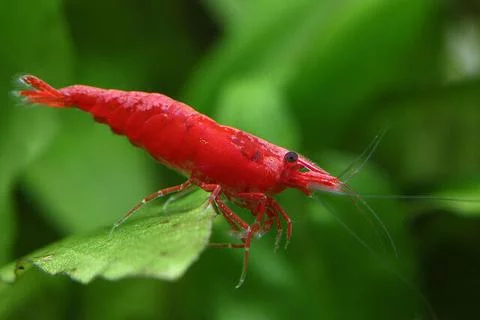
    • Scientific Name: Celestichthys margaritatus
    • Adult Size: 0.75 inches
    • Care Level: Moderate
    • Temperament: Peaceful
    • Diet: Omnivorous, feed dried, frozen, and live foods
    • Origin: Thailand, Myanmar
    • Water Temperature: 68-78ยฐF
    • Swimming Level: Midwater

    The celestial pearl danio is beautiful nano fish that is a wonderful choice for a 10-gallon aquarium. These small fish are most happy in a heavily planted tank. They can be kept with other peaceful fish, but they can be outcomhttps://aquariumstoredepot.com/blogs/news/small-freshwater-fishpeted by faster more aggressive feeders and bigger fish.

    Celestial pearl danios are small school fish, so be sure to pick up a group of at least 6 individuals.

    8. Neon Tetra

    Neon Tetra
    • Scientific Name: Paracheirodon innesi
    • Adult Size: 1 inch
    • Care Level: Easy
    • Temperament: Peaceful
    • Diet: Omnivorous, feed dried, frozen, and live foods
    • Origin: South America
    • Water Temperature:70-77ยฐF
    • Swimming Level: Midwater

    The neon tetra is a classic nano fish that will add amazing color to your 10-gallon tank.

    This is about the smallest tank size that neon tetras will thrive in, but with great filtration, you can easily keep small groups of 6 to 8. These popular tropical fish are easy to find at just about any pet store and are very easy to care for.

    9. Female Bettas

    Female Betta Group
    • Scientific Name: Betta splendens
    • Adult Size: 2-2.5 inches
    • Care Level: Moderate
    • Temperament: Semi-aggressive
    • Diet: Carnivorous, Feed live/frozen foods, flakes, and pellets
    • Origin: Vietnam, Cambodia, Thailand
    • Water Temperature: 75-80ยฐF
    • Swimming Level: Top, Midwater

    Female betta fish are often overlooked in the aquarium hobby because they don’t have as much color and fancy finnage as the males. The truth is that females still have great colors and personalities. They are not as aggressive as the males, which makes them a better option as tank mates for community tanks. You will have an easier time finding tank mates with females.

    A small group of female betta fish is known as a sorority. Experienced aquarists can keep a sorority in a 10-gallon tank, but a single female betta is usually the perfect fish for a tank of this size.

    10. Zebra Danio

    What Does A Zebra Danio Look Like
    • Scientific Name: Brachydanio rerio
    • Adult Size: 1.5-2 inches
    • Care Level: Easy
    • Temperament: Peaceful
    • Diet: Carnivorous, feed dried, frozen, and live foods
    • Origin: India
    • Water Temperature: 70-82ยฐF
    • Swimming Level: Top, Midwater

    Zebra danios are very adaptable and hardy fish that can be housed in a 10-gallon aquarium. These active fish are great fun to watch as they zoom around the tank at high speed!

    Zebra danios are not always schooling fish, but a group of at least 5 or 6 danios should be kept in the same tank. These fish need plenty of swimming space, so make sure you leave a lot of space available.

    11. Dwarf Corydoras Catfish

    Pygmy Cory
    • Scientific Name: Corydoras hastatus
    • Adult Size: 1 inch
    • Care Level: Moderate
    • Temperament: Peaceful
    • Diet: Omnivorous, feed dried, frozen, and live foods
    • Origin: South America
    • Water Temperature: 72-78ยฐF
    • Swimming Level: Midwater

    The dwarf corydoras is a great little cory catfish that stays really small. These schooling catfish swim around actively in the midwater of the aquarium, unlike most other species of cory cats that are bottom dwellers.

    10 gallons is the minimum tank size that these cory catfish should be kept in and they do best in groups of at least 6. They are a great addition to community tanks with other community fish.

    12. Freshwater Pea Puffer

    • Scientific Name: Carinotetradon travancoricus
    • Adult Size: 1 inch
    • Care Level: Moderate
    • Temperament: Aggressive
    • Diet: Carnivorous, feed frozen and live foods
    • Origin: India
    • Water Temperature: 72-82ยฐF
    • Swimming Level: Top, Midwater

    The freshwater pea puffer (video source) is a unique tropical fish species that has a larger-than-life personality. These tiny predators are aggressive fish that do best in a species-only tank.

    I would suggest keeping just one freshwater pea puffer in a 10-gallon tank. Some aquarists have had success keeping as many as 3 of these fascinating fish in this tank size, however.

    If you do plan on keeping more than one, make sure your tank is heavily planted. Adding plenty of structure like driftwood will also ensure that the fish are not constantly visible to one another. It can be difficult to house them with other fish successfully.

    13. Dwarf Gourami

    Dwarf Gourami in Aquarium
    • Scientific Name: Trichogaster lalius
    • Adult Size: 2.5-3 inches
    • Care Level: Moderate
    • Temperament: Semi-aggressive
    • Diet: Omnivorous, feed dried and frozen foods
    • Origin: India, Bangladesh, Pakistan
    • Water Temperature: 72-82ยฐF
    • Swimming Level: Top, Midwater

    The dwarf gourami is an amazing little fish from the same family as the betta fish. They are the smallest gourami type and therefore the best option for small tanks.

    Due to their small size, a pair of these beautiful fish could be kept in a 10-gallon aquarium, as long as you have great filtration and plenty of live plants and hiding places. Dwarf gourami fish like dark, shady spots in the tank, and this will allow the female to get some alone time if the male is giving her too much attention.

    14. Freshwater Shrimp

    • Scientific Name: Neocaridina davidi
    • Adult Size: 1-1.25 inches
    • Care Level: Easy
    • Temperament: Peaceful
    • Diet: Omnivorous, Algae
    • Origin: Taiwan
    • Water Temperature: 60-82ยฐF
    • Swimming Level: Bottom

    You don’t have to keep fish species to have a lively 10-gallon aquarium. Freshwater shrimp are another cool stocking option for nano aquariums. These useful inverts eat algae and leftover food from the bottom of the tank. There are many types of freshwater shrimp and great algae eaters available with the cherry shrimp being the one with the most utility in an aquarium.

    These cherry shrimp are relatively hardy and can be found in a great variety of different color morphs from cherry-red to deep blue. Baby are not safe with any fish species in the tank, but adults can be kept with some nano fish like dwarf corydoras.

    15. Nerite Snails

    • Scientific Name: Clithon, Vittina, and Neritina spp.
    • Adult Size: 1-1.5 inches
    • Care Level: Easy
    • Temperament: Peaceful
    • Diet: Algae
    • Origin: Africa and Asia
    • Water Temperature: 72-82ยฐF
    • Swimming Level: Bottom

    Many fishkeepers think of snails as unwanted pests. They’ve probably never kept nerite snails! These awesome algae eaters cannot breed in freshwater which means they never take over tanks.

    What’s more, they are great-looking animals and add very little bioload to a small tank. There are few species of nerites in the aquarium hobby, including the horned, tiger, zebra, and olive nerite snail. All of them are ideal for 10-gallon aquariums.

    What You Need to Know About Stocking For Your Aquarium

    The first thing to know when stocking a ten-gallon aquarium is that smaller doesn’t necessarily mean easier. The smaller the aquarium is, the less stable the water conditions will be.

    There is just something so special about a nano aquarium, however, that makes the challenge welcome. For me, there are 3 keys to success when keeping a 10-gallon fish tank:

    • Choosing the right fish
    • Providing good quality filtration
    • Keeping up with regular maintenance

    I’ll cover each of these factors in the article, so make sure you read until the end.

    Debunking the Inch-Per-Gallon Myth

    How many fish can comfortably inhabit a 10-gallon tank? Many fish keepers will automatically go to the inch-per-gallon rule when stocking an aquarium. This old rule states that you can keep 1 inch of fish for every gallon of water in your tank.

    In many cases, this can be good advice, but there are always exceptions to any rule! For example, ten 1-inch-long fish might sound just fine for a 10-gallon tank, but one 10-inch fish will obviously be too big for the same fish tank.

    Of course, you can keep more fish of a small species in a tank than the same number of larger fish. It is equally important to understand that not all fish have the same needs.

    Keeping too many fish in your tank creates a few different problems. The obvious issue is that the fish will feel cramped and not be able to behave naturally. Poor water quality problems are just as serious, if not more so!

    The more fish you have in a tank, the more waste they are going to produce. This waste can cause big problems if not managed, and the results can be tragic for your pets. Beefing up your filtration and maintenance, and growing plenty of live plants can increase the number of fish you can keep, but there are definitely limits.

    Aquariums Hold Less Water Than Youโ€™d Think

    Another important thing to remember is that a ten-gallon aquarium usually doesn’t hold a full 10 gallons of water. Your aquarium is never completely full either because you’ll want to leave just a little room to prevent spilling during feeding and maintenance.

    Along with the water, your aquarium will probably contain:

    • 1-3 inches of substrate
    • Hardware like the heater, filter, thermometer, etc.
    • Hardscape features like rocks and driftwood
    • Ornaments and decorations

    As you can tell, your ten-gallon tank will not be able to house 10 inches of fish if you follow the inch-per-gallon rule. In fact, you’d need to bump the number down to about 8 inches.

    The Characteristics of the Ideal Nano

    In the aquarium hobby, very small fish are generally known as nano fish. But what makes a good nano fish? The following factors are all important characteristics:

    Size

    Of course, a fish for small aquariums should not outgrow its tank. This is one of the biggest mistakes beginners make when choosing new fish at the pet store.

    90% of the fish you see in their tanks are juveniles, and have a whole lot of growing to do! Always make sure to research the adult size of a fish before taking it home.

    Hardiness

    The tank environment can be a lot less stable than the natural habitat of freshwater fish. This is especially true in small tanks like 10 gallons. The easiest nano fish are the hardy species that can survive fluctuations in water parameters and conditions.

    Behavior

    Size and hardiness are extremely important characteristics, but understanding the natural behavior of a fish species is just as crucial. Aggressive, territorial fish like male bettas can do great in small aquariums, but only if they are the only member of their species in the tank!

    Other awesome nano species like the freshwater pea puffer are less particular about who they’ll attack and they should only be kept with their own species, or on their own in smaller tanks.

    Finally, the ideal nano fish does not require too much swimming space, because there isn’t much room in a nano aquarium.

    How To Set Up the Aquarium

    After you’ve chosen the kind of fish you want to keep, the next step is to learn how to provide them with the perfect home.

    A great place to start is to look at the natural habitat of the fish you keep, whether you’re setting up a community tank or keeping just one fish species. In this section, I’ll give you a quick rundown of what you’ll need.

    Filtration

    An aquarium filter is a must-have for any 10-gallon tank. The only question is, which type of filter should you get? There are many different types of aquarium filters available on the market today, and you will need to select a model that suits your tank size, fish type, and budget.

    For the ultimate display tank, I suggest a small canister filter. These filters create a much more natural look by taking up no room in the tank (apart from the intake and outflow pipes, of course). Hang-on back and internal power filters are also great options, and even the humble sponge filter will provide great filtration, at a very reasonable price.

    Whichever type of filter you choose to run, make sure it is rated to at least 10 gallons. You can certainly use a filter designed for larger tanks too, the only consideration is that you do not want to blast your fish with an overly strong water flow!

    Heating

    Most of the aquarium fish and inverts in the hobby are tropical species, which means they are at home in warm temperatures. If you live in a tropical part of the world, you might be able to get away with an unheated tank.

    Using an aquarium heater is usually the best option no matter where you live, however, because it maintains stable temperatures. A small aquarium thermometer mounted somewhere in the tank is also very handy for monitoring the performance of the heaters in your fish tanks.

    Lighting

    Your choice of lighting is very broad unless you are going to be growing live plants. Even then, standard LED or fluorescent lighting will usually work just fine for low-light species like Java ferns. For plants that require moderate to high light, you’re going to need some good quality lights in the correct spectrum for live plants.

    Best Value
    Serene RGB Pro LED

    Current USA’s offering into aquascaping is an incredible value. Spectrum, spread, easy to program and great PAR output.

    Click For Best Price Buy On Amazon

    I recommend running your lights for 6-10 hours a day to provide your fish with a natural photoperiod. Setting your lights on a timer is the best way to keep the timing consistent.

    Maintenance

    Having a fully cycled aquarium with all the equipment and the perfect nano fish for your ten-gallon setup is not the only thing you need to maintain an awesome fish tank. You’ll also need to roll up your sleeves on a regular basis to keep your tank clean and your fish happy.

    Read on for a brief introduction to tank maintenance.

    Water Quality

    Water quality decreases over time as fish waste and uneaten food accumulate in the tank. Although your filter will go a long way towards maintaining good water quality, there’s no way to get around performing regular partial water changes.

    This is so important because nitrates will eventually build up to high enough levels to poison your pets. Physical waste will also accumulate on the substrate and hardscape in your tank, which doesn’t look so great.

    Testing

    A basic test kit is an absolute must-have for any aquarist. They are vital for testing to determine your pH, hardness, and other parameters, and to determine when your tank is cycled.

    You’ll also need to test your nitrate levels regularly to work out the ideal frequency and volume of water changes necessary for your setup.

    Keeping Your Aquarium Clean

    The best time to clean up your aquarium is while you are performing water changes. Since you will be siphoning water out of your tank, you may as well suck up all the waste on the substrate and hardscape with your gravel vacuum at the same time!

    Algae can be removed from the glass and hardscape with an algae scraper and a small brush. You will also need to rinse out your filter media from time to time.

    This should only be done with conditioned water or old water that you have taken out during a water change. This will keep your hard-working beneficial bacteria safe from the harmful chemicals in tap water.

    Growing Plants

    Growing live plants in your aquarium has a number of great benefits. In case you aren’t already convinced, here are 5 reasons to grow live plants in your ten-gallon aquarium:

    • Live plants provide your fish with a more natural habitat
    • Micro-organisms that grow on live plants are a great food source for small fish
    • Live plants oxygenate the water
    • Plants use nitrates as a fertilizer
    • Growing live plants is fun!

    Live plants do best with good lighting. Choose a light that is specifically designed for aquarium plants for the best growth. Once you’re a little more experienced, you may want to invest in a CO2 injection system for a densely planted tank with the most beautiful plants.

    Creating a ten-gallon aquascaped aquarium with amazing nano fish is a challenging but hugely rewarding goal for any aquarist!

    Where To Buy The Aquarium

    Most of the species in this list can be found at your local fish store. Trusted online fish dealers are another great place to find nano fish. Buying online also takes a lot of the hassle and stress out of transporting sensitive fish for longer distances.

    FAQs

    What fishes can the aquarium hold?

    Unfortunately, most aquarium fish are simply too large or need too much space to be kept in a 10-gallon aquarium. All the fish species in this list are great starting points for stocking a 10-gallon tank.

    What is the biggest type you can keep in this size aquarium?

    An adult male betta is probably the largest fish that can be kept comfortably in a 10-gallon tank.

    Can I have 8 fishes in this aquarium?

    You can definitely keep 8 fish in a 10-gallon tank. However, it’s important to avoid overstocking. The species of fish is very important, however. Nano-schooling fishing like ember tetras and chili rasboras, for example, are excellent fish choices for this tank size.

    How many can I have in this size of the aquarium?

    The number of fish you can keep depends on all kinds of different factors. Most fish species cannot be kept in a 10-gallon tank, but some species will even do fine in groups of as many as 20 or more.

    Final Thoughts

    A 10-gallon tank freshwater aquarium is a great size for your bedroom or even your desk at the office. Now that you’ve been introduced to different species of nano fish and inverts, which species will you choose?

    Let us know below, we’d love to hear from you! If you are looking for fish for a 20 gallon tank, check out this article.


    ๐Ÿ“˜ Want to learn more? This article is part of our complete Freshwater Fish Guide. your ultimate resource for freshwater species, care tips, tank setup, and more.

    References

  • 15 Best Freshwater Angelfish Types: The Complete Visual Guide to Varieties

    15 Best Freshwater Angelfish Types: The Complete Visual Guide to Varieties

    Freshwater angelfish are one of the species I get asked about most. and after 25 years in this hobby, I still find them genuinely fascinating. That elegant, disc-shaped profile stands out in any tank, and the variety of color morphs and fin types that’ve been selectively bred is impressive. But there are things people don’t always know before they buy: angelfish are cichlids, which means they’re territorial, they pair-bond, and they will absolutely eat small fish like neon tetras. That “angelfish ate my neons” story is as old as the hobby itself. All those beautiful color varieties. silver, black, koi, marble, gold. are the same species (Pterophyllum scalare), just selectively bred. This guide covers 15 of the most popular types to help you find the right fit for your tank.

    Freshwater angelfish are one of the most common and popular aquarium fish in the hobby. You only have to look at them to see why! These beautiful fish for freshwater aquariums have a distinctive body shape and great colors and markings.

    What Is An Angelfish?

    Freshwater angelfish are South American cichlids of the Pterophyllum genus. These graceful and elegant fish are relatively peaceful as far as cichlids go, and are popular as community fish for home aquariums.

    Angelfish are hardy tropical fish that can live as long as a decade in a well-maintained fish tank. These fish have been captive-bred in the aquarium hobby for generations and are available in an amazing variety of different breeds today.

    There are 3 wild species of freshwater angelfish known in the freshwater aquarium hobby:

    • Common angelfish- Pterophyllum scalare

    Most of the angelfish found in the aquarium trade are varieties of this species.

    • Altum angelfish- Pterophyllum altum

    This large species is seen less often but is pretty well known in the hobby.

    • Leopold’s angelfish- Pterophyllum leopoldi

    The last species is very rare in the hobby, but is the smallest of the three and does very well in aquariums.

    15 Angelfish Types for your aquarium

    Now that you know a little more about these popular tropical fish, it’s time to dive right in and get to know some of the best types that you can keep in your own fish tank.

    For each type, I’ll be providing some important information like:

    • Which species they are
    • Their size when fully grown
    • How they look and what makes them unique

    Check out our YouTube video below from our channel. We go into further detail in our blog. Give us a sub if you like our content!

    So let’s get started!

    1. Altum

    <a href=Altum Angelfish in Planted Tank” class=”wp-image-551860″/>
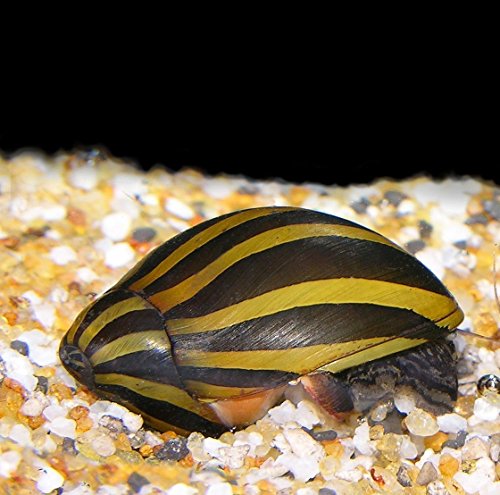
    • Angelfish Species: Pterophyllum altum
    • Adult Size: 7 inches long, 10 inches deep
    • Color: Silver, gold, and black
    • Unique Traits: Largest angelfish

    The altum angelfish is a relatively rare species that is larger and deeper-bodied than the more common aquarium varieties. They are also known as the Orinoco angelfish after one of the South American rivers where they are found.

    These angelic fish look amazing and usually have silver coloration with only three stripes. They are a great choice for more experienced aquarists because they are a challenging but rewarding species to keep.

    2. Koi Angel-Fish

    Koi Angelfish
    • Angelfish Species: Pterophyllum scalare
    • Adult Size: 6 inches long, 8 inches deep
    • Color: White, yellow/orange, black
    • Unique Traits: Tricolor with unique markings

    The koi angelfish is one of the most popular types of angelfish and it is easy to see why! Each koi angelfish is unique which makes them highly sought after, and often more expensive.

    This variant typically has three colors (tricolor) like the Asian koi carp. These colors are white, black, and golden orange/yellow. Koi angelfish are eyecatching fish that make a great centerpiece fish in community aquariums.

    3. Panda

    • Angelfish Species: Pterophyllum scalare
    • Adult Size: 6 inches long, 8 inches deep
    • Color: Black and white
    • Unique Traits: Variably marked in black and white

    The panda angelfish (video source) is a bold variant of the popular angelfish. These black and white angelfish can have various markings, making each individual unique.

    4. Albino Dantum

    • Angelfish Species: Pterophyllum sp.
    • Adult Size: 6 inches long, 8 inches deep
    • Color: White
    • Unique Traits: Tall body and long fins

    Albino dantum angelfish (LFS Source) are another amazing angelfish breed. These fish have red eyes and visible, but uncolored vertical stripes. The exact species of the breed is unknown, and they might even be a hybrid between two different species.

    5. Fluorescent

    • Angelfish Species: Pterophyllum scalare
    • Adult Size: 6 inches long, 8 inches deep
    • Color: Pink
    • Unique Traits: Bright, fluorescent color

    The fluorescent angelfish (video source) is a genetically modified breed. These fish are very rare and were first developed by researchers in Taiwan. One thing is for certain though, these pink angels are the most colorful angelfish breed in the hobby!

    6. Chocolate Angelfish

    https://youtu.be/p1YXZM6SP2U
    • Angelfish Species: Pterophyllum scalare
    • Adult Size: 6 inches long, 8 inches deep
    • Color Pattern: Brown and silver
    • Unique Traits: Dark body and silvery head

    Chocolate angelfish (video source) have a dark pigmentation that usually begins just behind the gills and covers most of the body. Their heads are typically silvery grey in color. This bold breed often has grey patches on the dark chocolate-colored sides of the body.

    7. Platinum

    Platinum Angelfish
    • Angelfish Species: Pterophyllum scalare
    • Adult Size: 6 inches long, 8 inches deep
    • Color: Silvery white
    • Unique Traits: Solid/ Uniform

    The platinum angelfish is a dazzling breed with all-white coloration. These fish are not albino, however, and have black eyes.

    Platinum angelfish really stand out in a tank with good lighting and a dark background.

    8. Leopard

    Leopard Angelfish
    • Angelfish Species: Pterophyllum scalare
    • Adult Size: 6 inches long, 8 inches deep
    • Color: Black and golden yellow
    • Unique Traits: Variable markings

    The leopard angelfish is a breed that has very variable markings. The spotted coloration of the leopard angelfish is most obvious when the fish are young and reared in good lighting. The markings often merge into a solid dark color as the fish mature.

    9. Veiltail

    • Angelfish Species: Pterophyllum scalare
    • Adult Size: 6 inches long, 8 inches deep
    • Color: Variable
    • Unique Traits: Long, flowing fins

    Veiltail or veil angelfish are bred for their wonderful flowing fins. These angelic fish come in a variety of different colors and patterns.

    They are a little clumsier than regular finned breeds so they do better in tanks with a slow water flow. They should also not be housed with any tank mates that might want to nip at their incredible finnage.

    10. Ghost

    • Angelfish Species: Pterophyllum scalare
    • Adult Size: 6 inches long, 8 inches deep
    • Color: Variable
    • Unique Traits: Stripeless sides

    Ghost angelfish (video source) have genetics that prevents them from developing the bold stripes of typical angelfish. They usually have a silver body, but darker variants like the black ghost are also available.

    11. Gold

    Gold Angelfish
    • Angelfish Species: Pterophyllum scalare
    • Adult Size: 6 inches long, 8 inches deep
    • Color: Golden
    • Unique Traits: Stripeless

    Gold angelfish have a solid pale golden color over their entire body. This breed has been in the aquarium trade since the 1960s when they were first accidentally bred. Gold angelfish show the most color towards the top of the head and have no black coloration.

    12. Albino

    Albino Angelfish
    • Angelfish Species: Pterophyllum scalare
    • Adult Size: 6 inches long, 8 inches deep
    • Color: Pink/white
    • Unique Traits: No pigment and pink/red eyes

    Albino angelfish have no pigment and therefore have a whitish pink overall coloration and distinctive pink/red eyes. While albino angelfish are very unusual and interesting, they tend to be less hardy than naturally colored forms.

    13. Black

    Black Angelfish
    • Angelfish Species: Pterophyllum scalare
    • Adult Size: 6 inches long, 8 inches deep
    • Color: Black
    • Unique Traits: Dark body and red eyes

    Black angelfish are almost completely black, and usually do not have any white pigmentation. This dramatic-looking breed typically has red eyes which stand out against their dark body color.

    14. Blue

    • Angelfish Species: Pterophyllum scalare
    • Adult Size: 6 inches long, 8 inches deep
    • Color: Blue and silver
    • Unique Traits: Blue color

    The blue angelfish is a beautiful breed that has a powdery blue tint to its silvery body. The verticle black bars may be fainter in fish with the blue gene than in other breeds, but will usually still be visible.

    15. Redcap

    • Angelfish Species: Pterophyllum scalare
    • Adult Size: 6 inches long, 8 inches deep
    • Color: silvery-white and orange
    • Unique Traits: Red head cap

    The redcap angelfish (video source) is a distinctive breed with a white body and orange ‘cap’. The orange coloration extends roughly from the fish’s mouth to the start of the dorsal fin.

    Some Other Popular Varieties

    • Marble angelfish
    • Zebra angelfish
    • Black lace angelfish
    • Silver angelfish
    • Blushing angelfish
    • Smokey angelfish

    Tank Setup

    Before setting up a tank for any fish, it is important to know a little about their natural habitat.

    Freshwater angelfish are native to several countries in South America where they occur in slow-moving, acidic water that is rich in aquatic vegetation and leaf litter.

    With this in mind, let’s take a look at how to set up an awesome angelfish aquarium!

    Tank Size

    Angelfish are medium-sized fish that need a fairly large aquarium. Although they may look small when sold as juveniles at the pet store, they will grow to about the size of a saucer.

    The minimum tank size for a small group of these amazing fish is 29 gallons, but a 55-gallon tank or larger would be a better option. Choose a deep tank that will give these tall fish plenty of room to move up and down in the water.

    Filtration

    You will need a good-quality filter to keep your water quality high. The type of filter you select is not too important, and many angelfish keepers rely on simple sponge filters.

    Hang-on back and canister filters also work great, and have the benefit of using little or no space in the tank. One important factor to keep in mind is that angelfish do not enjoy strong water flow, so select a filter model with an adjustable flow rate.

    Temperature And Other Important Parameters

    Angelfish are tropical fish that prefer warm water temperatures. Temperatures between 78 and 84ยฐF are ideal for these fish. Since most homes won’t run this warm, an investment in an aquarium heater is required.

    Unless you live in a tropical climate, you will need to run a heater to keep the water in your tank stable and warm enough.

    In nature, these fish are found in slightly acidic water. Most of the angelfish in the aquarium trade are captive-bred fish and are very adaptable to different conditions, however.

    Generally speaking, angelfish can be kept in the following water parameters:

    • pH: 6.5-7.2
    • Ammonia: 0 ppm
    • Nitrite: 0 ppm
    • Nitrate: <30 ppm

    Live Plants And Decorations

    Angelfish feel very at home in planted aquariums. They can be kept with most of the common tropical aquarium plants, but be advised, they might nibble the leaves!

    This means they aren’t the best choice for carefully aquascaped tanks. If you’re new to growing aquarium plants, the following species are good options because they are tough and easy to care for:

    A substrate is not strictly necessary and many aquarists choose keep these fish in a bare bottom tank. For a more natural look, sand or gravel substrates are also good options.

    Providing some vertical structure in the tank is another way to make your fish feel more comfortable while improving the aesthetics of your aquarium. Vertically arranged driftwood is great for simulating their natural, flooded riverbank habitat.

    How To Care For Your Pet

    Angelfish are hardy and relatively easy fish to care for. They are a great choice for beginners, as long as they can be provided with the basic care they need.

    Read on to learn how to care for these angelic tropical fish.

    Water Quality

    The most important requirement for keeping healthy angelfish is to provide them with excellent water quality. Without good filtration and regular maintenance, the water in your tank can quickly become toxic.

    Your filter and the beneficial bacteria that colonize it will do a lot of the hard work in maintaining your water quality. You will also have to get your hands wet on a regular basis, however, and perform partial water changes and vacuum the bottom of the tank.

    Testing

    Testing your water parameters is the simplest way to know whether your water quality is good, and your maintenance schedule is adequate. This is quick and easy to do and should be part of any aquarist’s skill set.

    Fortunately, water test kits make this task very easy. I would suggest picking up a master test kit or high quality liquid tests. Whichever test kit you get, make sure you can measure the following parameters:

    • pH
    • Ammonia
    • Nitrite
    • Nitrate

    Aquarium Maintenance

    Aquarium maintenance is a great chance to get hands-on with your tank, and really get a feel for what’s going on in your underwater world. Apart from keeping your freshwater aquarium looking great, regular maintenance is necessary for keeping nitrate levels in the water down to safe levels, and this requires partial water changes.

    Freshwater angelfish are relatively hardy, especially if captive-bred. Provided they are kept in an appropriately sized tank, you can probably get away with a small water change once a week, or a larger one every 2nd week.

    The volume and frequency of your water changes will be determined largely by the bioload in your tank, and other factors like how heavily you feed your pets. In any case, your test kit will be very helpful in working out how much maintenance is necessary.

    Feeding

    Angelfish are omnivorous fish that are easy to feed. Cichlid pellets or tropical fish flakes are great options as staple food sources.

    To provide your fish with a more balanced diet, be sure to supplement them with live and frozen foods like bloodworms, and boiled/blanched vegetables like peas and zucchini.

    You can feed your fish once or twice a day, but be careful to avoid overfeeding. As a general rule do not put more food into the tank than your fish can finish in about 2 minutes.

    Tankmates

    While your angelfish will be very peaceful towards other species, they can be a little aggressive towards other angelfish of the same species. To minimize aggression, make sure you keep a group of at least 4 or so. This helps to prevent anyone from getting picked on.

    You can also keep a single angelfish in a large community tank. When selecting tank mates, be sure to avoid any aggressive species or known fin-nippers like tiger barbs that can damage the long fins of your angels.

    Although their mouths are pretty small, it is wise to remember that freshwater angelfish are fairly large community fish and will eat any other fish or shrimp that is small enough for them to swallow.

    The following species are all good tankmate options:

    No matter which fish you choose to keep with your angels, be sure that they enjoy the same warm water temperature and other parameters.

    Breeding

    It is possible to breed your angelfish at home. Using a dedicated breeding tank can be very helpful in minimizing losses because angelfish will often feed on their own spawn and fry.

    It is very difficult to tell male angelfish from females, so it is best to keep several fish and let them pair up naturally. You would be very unlucky to not have at least one breeding pair from a group of 6-8 angelfish. Alternatively, you may be able to buy an established breeding pair from an experienced breeder.

    Conditioning your fish with high-quality, live, or frozen food will increase their chance of spawning. Freshwater angelfish lay eggs on vertical surfaces in the tank, and this could be anything from a plant to the glass walls of the aquarium.

    The eggs hatch after just a few days and you can expect hundreds of fry, so make sure you are going to be able to find them all homes before breeding. Hatching your own baby brine shrimp will ensure you have an ideal food source for the little ones.

    Health Problems

    Unfortunately, freshwater angelfish are sensitive to some common fish diseases. The best way to avoid these issues is to maintain excellent water quality, maintain the correct water parameters, and feed your fish a healthy balanced diet.

    Quarantining new fish before introducing them to a community tank is also advisable to prevent the spreading of diseases. Some of the more commonly seen diseases include:

    Where To Buy

    Angelfish are very popular and are usually easy to find at pet stores. Your local pet store will probably stock some of the more popular captive-bred varieties, but for rarer types, online shopping or getting in touch with local breeders might be necessary.

    FAQS

    What Is The Rarest Freshwater Type?

    The clown angelfish is considered to be one of the rarest types of angelfish in the aquarium trade.

    How Many Should Be Kept Together?

    Angelfish are naturally social, so it is best to keep at least 4 of them in the same tank. It is possible, however, to keep a single angelfish as a centerpiece fish in a community tank.

    Do They Eat Other Fish?

    Freshwater Angelfish will feed on just about any smaller fish or freshwater aquarium animal that is small enough to fit in their mouths.

    This is just the natural and instinctive feeding behavior of wild angelfish, and shouldn’t be seen as aggression.

    How Many Times A Day Should You Feed Freshwater Types?

    Most angelfish can be fed once or twice per day, although young fish may need more frequent meals.

    To avoid overfeeding, make sure your fish are able to finish all the food in one go because uneaten food will spoil and affect the water quality in the tank.

    Can You Mix Different Types Together?

    You can certainly keep different types of angelfish together in the same fish tank. If you are selective breeding for a specific type of angelfish, this can produce some unwanted results though.

    Veil angelfish may be an exception, however. Since they are slower swimmers than other breeds, they may struggle to compete for food and defend themselves against any territorial aggression.

    Final Thoughts

    With so many different types of angelfish available in the hobby, there’s an angelfish out there to suit just about any tank.

    Which is your favorite type of angelfish? Let me know below!


    ๐Ÿ“˜ Want to learn more? This article is part of our complete Freshwater Fish Guide. your ultimate resource for freshwater species, care tips, tank setup, and more.

  • Freshwater Fish Compatibility Chart โ€“ A Complete Reference Guide

    Freshwater Fish Compatibility Chart โ€“ A Complete Reference Guide

    Fish compatibility is one of the first things I look at when helping someone stock a new tank. and it’s where a lot of beginners go wrong by trusting the fish store without checking the numbers. After 25 years of keeping community tanks and fielding compatibility questions from my YouTube audience, I’ve developed a clear sense of which fish coexist peacefully and which create problems. This compatibility chart covers the most popular freshwater fish and gives you a quick reference for building a balanced, peaceful community tank.

    What Are They?

    A compatibility chart is used in the fish-keeping hobby as a reference to see what fish can get along with each other. Each fish type is placed on the chart and referenced against another fish species. You look at the two species on the chart that are cross-referenced to see if the fish are compatible with each other.

    Some charts are more detailed than others. A general chart is good for looking at general compatibility. There are also species-specific charts like African Cichlid compatibility charts that will go through all the various types of cichlids and determine which types get along with each other.

    Below are a few charts to help you make informed decisions based on the type of aquarium you are keeping.

    Freshwater Compatibility Chart

    Below is a general guideline on freshwater aquarium fish and their compatibility with each other. Keep in mind that compatibility can vary based on the temperament of the fish. There are also some extreme varieties in fish species that are outside of their norm. A good example are Buenos Aires Tetras, which are known for eating live plants. Always do extra research before making a purchase.

    Freshwater Fish Compatibility Chart

    Saltwater

    Below is a list of major marine fish species and their compatibility with each other and corals. Keep in mind with marine fish, there can be vast differences in personality. A yellow tang can be very peaceful while another can be very aggressive fish and a terror. Personalities vary more in saltwater fish – especially when it comes to determine whether they are reef safe fish.

    Saltwater Fish Compatibility Chart

    Factors That Determine If Fish Will Get Along

    While the chart supplied below is a good general guideline, every fish is different and many charts do not go into great detail about specific species within the fish breed. Let’s talk about these other factors. These especially are important to consider if the fish you are looking to house are labeled as a “c” on the chart.

    Fish Temperament

    Fish within the species you want may have varying temperaments. A good example are Tiger Barbs. These Barb Fish are considered semi-aggressive fish while Cherry barbs are considered peaceful and will get along with many peaceful fish.

    There is individual fish temperament to take into account as well. Some fish within the same species will be more aggressive than others. You will often see this with male and female species. The males will typically be more aggressive. Another factor to consider is if the fish is breeding. Many cichlids will get more aggressive and territorial if they are breeding.

    Activity Levels

    Some fish are more laid back than others while others are very active. Good examples would be discus fish and dither fish like danios. Sometimes mixing a calm fish with a hyper active fish can be problematic as the more peaceful fish will have trouble competing for food. Other times more active fish can help more timid fish relax.

    Water Temperatures

    Some fish are cold water fish – like goldfish while others like Betta fish prefer the higher end of tropical water temperatures (76-78 degrees). Others like Discus fish do better in warmer waters above 78, which would be harmful to other fish. Most fish compatibility charts will not cover water temperature differences, so do your research on the fish’s individual needs. Check out my freshwater fish profiles as I have many popular species documented on my site.

    Position In Tank

    Every fish occupies different areas of the tank. This is most pronounced with bottom feeders who will only stay near the substrate. Too many bottom feeders in the tank could result in aggression issues. Balance out the spacing of all fish in all areas – bottom, mid-level, and surface swimmers. You can create a friendly freshwater fish community tank if you keep in mind these three levels.

    Size

    Size of the fish can be a major factor in compatibility. Some fish have large mouths. While they may not be aggressive, their mouths may be big enough to shallow smaller fish. In general, they to avoid adding fish that can fit in the mouth of the existing fish you already have.

    Water Chemistry

    Water chemistry like pH and hardness can create issues with compatibility. African cichlids require hard water and higher pH while many tropical fish prefer softer and lower pH water. Some compatibility charts will not address this. There are also species with the classes of fish listed on the chart that could have major differences. A good example would be certain Discus species that prefer low pH in the 5 range.

    Territorial Behaviors

    Some fish, particularly Cichlids, are territorial1. They will stake a claim on a space and become more aggressive if there isn’t enough space or shelter in the tank. While two fish can be compatible on paper, the aggression caused by lack of space and shelter will cause problems.

    To work through this, build up your aquascapes with shelter like live plants, aquarium driftwood, and/or aquarium rocks. A fully scaped out aquarium should curb many aggression issues.

    Editor’s Choice
    Manzanita Driftwood

    Editor’s Choice

    Manzanita offers it all. Great shape, low tannins, quick to water log and reasonably priced. It’s the ultimate driftwood!

    Click For Best Price Click For Branch Pieces

    When it comes to marine fish, nearly all fish on the saltwater aquarium side are going to be aggressive or semi-aggressive. This has to do with their natural environment, where they constantly battle for prized shelter in the coral reefs. This is the main reason why it’s more difficult to keep many fish in a saltwater tank even with stellar filtration.

    Introducing New Animals In An Existing Tank

    This can be a full blog post in itself. I feel the best way to explain this is to differ from PrimeTime Aquatic’s channel. He’s an amazing content creator, and a regular at various tradeshows I’ve been to. This video will show you how to introduce your newly purchased fish.

    While this particular video does not addressing quarantining, I do have a quarantine blog and video post that is marine fish related. The same principals apply, though in freshwater most aquarists will not use medications prophylactically.

    FAQS

    What Species Are Friendly with Each Other?

    Many people mistakenly believe that all fish can live together in the same tank. This is not true. Some fish are compatible, while others are not. The following list provides a few examples of compatible fish:

    Corys
    Danios
    Gouramis
    Guppies
    Loaches
    Mollies
    Catfish

    How Do You Know If They Can Live Together?

    There are a few things to look for when trying to determine if two types of fish are compatible. Aggression is one factor. if you place an aggressive fish with a timid one there will be constant harassing. They’re probably not compatible. Size is also important. you don’t want a small fish getting eaten by a larger one. Temperature and activity level are also important. you don’t want two fish that need radically different water temperatures or fish who have opposing activity levels that bother the slower moving fish. And finally, water chemistry needs should be considered as well. some fish need harder or softer water than others.

    Which Should Not Be Together?

    Some fish should not be together because they will consume each other. For example, large cichlids and tetras should not be together in the same tank because the cichlids will consume the tetras. Additionally, different species of fish should not be together in the same tank because they will compete for food and can even attack and kill one another.

    What Is A Good Combination For A Tank?

    There is no one perfect combination of fish for an aquarium, but there are general guidelines that can help you create a healthy and balanced ecosystem. For example, it’s generally recommended to have a mix of bottom feeders, surface swimmers, and mid-level fish. This helps to create different levels in the tank, curbs aggression, and provides a natural habitat for the fish.

    Another important consideration is the size of the fish. It’s important to choose fish that are compatible in size, so they don’t outgrow their home or become aggressive towards other fish. And finally, remember to research the specific needs of each type of fish before adding them to your tank; not all fish can tolerate the same water conditions.

    Closing Thoughts

    I hope the charts supplied today helped you in determining if fish you are thinking of housing together are compatible. I am aware that the charts are general guidelines and more specific sub-species may require questions. If you have such questions, leave a comment below and let’s start a conversation. Thanks for reading!


    ๐Ÿ“˜ Want to learn more? This article is part of our complete Freshwater Fish Guide. your ultimate resource for freshwater species, care tips, tank setup, and more.


    ๐ŸŸ Want to learn more? This article is part of our complete Aquarium Care Guide. your ultimate resource for water chemistry, maintenance, feeding, disease prevention, and everything you need for a healthy tank.

  • Fancy Goldfish Types – 12 Best (With Pictures)

    Fancy Goldfish Types – 12 Best (With Pictures)

    Goldfish are not easy. They produce more waste than fish three times their price and need more space than most people realize. A single goldfish needs 20 gallons minimum and heavy filtration. Most goldfish deaths come from undersized tanks and inadequate filtration.

    A goldfish kept properly is more impressive than most tropical fish. The problem is almost nobody keeps them properly.

    Not all goldfish look the same, however. As a result of centuries of breeding, there are now many incredible types of goldfish available for your aquarium! In this article, I’ll be introducing you to the 12 best fancy goldfish types, and giving you a good introduction to their care.

    So let’s get started!

    What Is A Goldfish?

    Goldfish are small to large freshwater fish that are kept in aquariums and ponds across the globe. These fish are members of the Cyprinidae(carp) family.

    In the wild, goldfish can grow to over 15 inches and 9 pounds, although they stay below 8 inches in most fish tanks. Modern goldfish range from your regular common goldfish to weird and wonderful breeds like the bubble eyes and telescope goldfish.

    What Makes Them Such Great Pets?

    Goldfish are undemanding pets that are very relaxing to watch. It’s easy to get attached to your goldfish because each individual can have a unique appearance and personality.

    Goldfish are very peaceful aquarium pets that do not show aggression towards each other or other animals in the aquarium. They can live for over a decade, although the more usual lifespan is more like 5 years.

    Where It All Started

    Modern-day goldfish were originally bred from a small wild goldfish species known as Carassius auratus which is native to China and other parts of Eastern Asia. Amazingly, the first records of domestication of the species go back over 1000 years!

    Glass aquariums did not exist hundreds of years ago when goldfish types were being bred, so many of the characteristic features were selected to make these fish look more attractive when viewed from above.

    12 Types Of Goldfish for your aquarium

    Now that you know a little more about the background of one of the world’s favorite fish species, it’s time to meet some fancy goldfish types! Before we get started, here are a few important technical terms to know:

    • Caudal fin: Another name for the tail fin
    • Dorsal fin: The fin on top of a fish’s back
    • Anal fin: The fin closest to the tail on the bottom of a fish
    • Hood: A growth on the top and/or sides of the head of a fancy goldfish. Known as a wen in Chinese.
    • Telescopic eyes: Protruding eyes that stick out from the sides of the head
    • Metallic scales: Glossy, reflective scales
    • Nacreous scales: Multicolored scales
    • Matte scales: Clear scales without color

    We have a video below from our YouTube channel that goes over our list. If you like our content, please subscribe. We post videos every week. We go into more detail in the blog post below.

    1. Fantail

    Fantail Goldfish Swimming
    • Adult Size: 6-8 inches in length
    • Color Pattern: Varied
    • Unique Traits: Double tail

    The fantail goldfish is one of the most popular fancy goldfish breeds. They are best known for their amazing double fins and large, flowing tail fin.

    In this type of goldfish, all the fins are paired except for the dorsal fin. The body is egg-shaped and, when viewed from above, the tail creates a triangular shape.

    Fantail goldfish can have either normal or telescope eyes and are available in a range of different colors and patterns.

    2. Ranchu

    Ranchu Goldfish
    • Adult Size: 6-8 inches in length
    • Color Pattern: Varied
    • Unique Traits: Well developed hood, no dorsal fin

    The ranchu goldfish is a Japanese breed that is seriously cute. This type of goldfish fish is best known for its prominent hood, thick body shape, and missing dorsal fin. They have a rounded back and small, rounded fins.

    The impressive hood of this fancy goldfish type takes about a year to grow. Ranchu goldfish have double caudal fins that are flared out. When seen from above, this creates an interesting 3-lobed appearance.

    3. Lionchu

    • Adult Size: 6-10 inches in length
    • Color Pattern: Varied
    • Unique Traits: No dorsal fin

    The lionchu goldfish is a cross between the popular lionhead and ranchu goldfish breeds. These fish share characteristics of both their parent breeds like their head growths and lack of dorsal fin.

    This relatively new fancy goldfish breed was accepted in 2006 and is thought to have originated in Thailand (video source).

    4. Ryukin

    Ryukin Goldfish
    • Adult Size: 6-10 inches in length
    • Color Pattern: Varied
    • Unique Traits: Large shoulder hump, pointed head

    The ryukin goldfish is a stunning ancient Chinese breed with a very deep body shape. The body of this fancy goldfish variety is 75% or more of the fish’s body length. The impressive humped back of the ryukin goldfish develops as it gets older.

    Ryukin goldfish have a pointed head that sticks out from their massive body, creating a unique look. They have double fins that can vary in length and a large and prominent single dorsal fin.

    5. Pearlscale

    Pearscale Goldfish
    • Adult Size: 6-8 inches in length
    • Color Pattern: Varied
    • Unique Traits: Special scales, Spherical body

    Like other goldfish from the double fin group, pearlscale goldfish have all paired fins except for the dorsal fin. The body shape of the pearlscale goldfish is short and rounded, and they can reach the size of an orange!

    These fish have rounded fin tips and there are many varieties of pearlscale goldfish, including fish with oranda goldfish type heads.

    6. Butterfly

    • Adult Size: 6-8 inches in length
    • Color Pattern: Varied
    • Unique Traits: 180 degree horizontal paired caudal fins

    The butterfly or butterfly tail goldfish (video source) is a breed that gets its name from its double tail fins. These fins are spread out and flattened. The effect is that the caudal fins look like a flying butterfly when viewed from above.

    This amazing feature isn’t all that’s interesting about this breed though. These fancy goldfish belong to the double-finned group of breeds and butterfly goldfish most often have telescopic eyes/dragon eyes. This breed of goldfish is also available with normal eyes, however.

    7. Oranda

    Oranda Close Up
    • Adult Size: 8-12 inches in length
    • Color Pattern: Variable
    • Unique Traits: Large hood, egg-shaped body

    Oranda goldfish are a spectacular breed. They have an egg-shaped body with a prominent hood/wen. These fish have well-developed, flowing fins, including a large dorsal fin.

    They have a similar body shape to the fantail goldfish. There are many different forms of these type of goldfish, with different color hoods and even telescopic eyes.

    8. Black Moor

    Black moor goldfish in aquarium
    • Adult Size: 6-8 inches in length
    • Color Pattern: Black
    • Unique Traits: All-black color and telescopic eyes

    The black moor is a popular and dramatic-looking telescope eye goldfish breed. These all-black fancy goldfish are one of the most easily recognizable breeds.

    The black moor goldfish has a rounded body and the same double finnage as the typical fantail goldfish.

    9. Veiltail

    Veiltail Goldfish in Aquarium
    • Adult Size: 6-8 inches in length
    • Color Pattern: Varied
    • Unique Traits: Large double tail with a straight edge and no fork, sail-like dorsal fin

    The veiltail goldfish is a rare breed that is known for its large and beautiful tail. In this type of goldfish, the caudal fin should be 1 to 1.5 times the length of the body. Furthermore, the lobes of the caudal fin are not forked, and the back edge of the fin should be straight.

    It is not only the tail that is impressive, this breed also has a large, upright dorsal fin. Veiltail goldfish have a similar body shape to the fantail goldfish, with the same double fins. Veiltail goldfish can have matte, nacreous, or metallic scales.

    10. Lionhead

    Lionhead Goldfish
    • Adult Size: 6 inches in length
    • Color Pattern: Varied
    • Unique Traits: Large hood, no dorsal fin

    The Lionhead goldfish is a centuries-old Chinese breed of fancy goldfish. They have a very well-developed hood that covers almost their entire head.

    This breed was created before the ranchu and has a similar egg-shaped body. While they also have paired caudal and anal fins, and no dorsal fin, these slow-moving fish differ from the ranchu by having a fairly straight back.

    11. Bubble Eye

    Bubble Eye Goldfish in Aquarium
    • Adult Size: 3-5 inches in length
    • Color Pattern: Varied
    • Unique Traits: Large sacs(bubbles) below the eyes, no dorsal fin

    The bubble eye is one of the strangest fancy goldfish breeds available. These fish have fluid-filled sacs on their cheeks that make their eyes bulge out and look upwards.

    Apart from their protruding eyes, bubble eye goldfish have the same body shape as the ranchu goldfish and also lack a dorsal fin. Because of this extreme body modification, bubble eye goldfish are pretty weak swimmers and need special care and tank setups to avoid injuries.

    12. Sabao

    • Adult Size: 6-8 inches in length
    • Color Pattern: Red and White
    • Unique Traits: Strongly forked single tail

    This uncommon Japanese breed is also known as the Tamasaba goldfish (video source). They are a single tailed goldfish breed with a strongly forked caudal fin with pointed tail fins, almost like a fast swimming ocean fish.

    While this fancy goldfish variety does have a plump body, the shape is more like a common or comet goldfish than some of the round-bodied breeds. These beautiful fish have red and white body colors.

    Colors

    You may have noticed that almost all of the fancy goldfish types in my list are available in varied colors. Let’s take a look at some of the most common goldfish colors:

    • Red
    • Orange
    • Yellow
    • White

    Other Colors

    apart from the regular colors you expect to see on a goldfish, there are also some more subtle and natural color forms available. These include:

    • Green- Green goldfish are actually more of a light bronze color than a true green
    • Black – Black goldfish are relatively rare. The black moor goldfish is a great example of this color morph
    • Blue – Blue goldfish have a dusty black look, rather than a true blue color
    • Wild/Iron – The silvery brown color of wild goldfish
    • Uncolored – Uncolored goldfish have the wild/iron color when young. They often develop brighter adult colors as they mature

    Patterns

    Goldfish come in an almost infinite variety of patterns, and that’s what makes each individual so unique! Apart from single-colored fish, there are some well-recognized goldfish patterns that you are likely to encounter out there like:

    Panda

    These goldfish are also known as magpie or black and white goldfish. They are variously marked in pure black and white.

    Calico/Multicolored

    Calico goldfish have nacreous scales. They can have multiple different colors, in complex patterns.

    Redcap

    These goldfish have a white body with a red ‘cap’ on the head.

    Whitecap

    These goldfish have a red body with a white ‘cap’ on the head.

    Scale Types

    The type of scales is another characteristic that varies between different individual goldfish. Fancy goldfish can have 3 different types of scales. These are:

    Metallic

    This is the most common scale type. Metallic scale types are glossy and reflect a lot of light. These scales are single-colored.

    Matte

    This scale type is translucent and does not reflect any light. Goldfish with matte scales do not have typical colors and tend to be a pinkish color.

    Nacreous

    This scale type is a mix between metallic and matte. Goldfish with nacreous scales is multicolored, like calico goldfish.

    Tank Setup

    Successful goldfish keeping starts with the right fish tank setup for their needs. In this section, we’ll take a closer look at how to set up a great goldfish aquarium.

    Tank Size

    Although many pet stores sell goldfish bowls, the truth is that goldfish need plenty of space. As a general rule, an aquarium of 20 gallons is necessary for keeping a single goldfish, and you’ll need a further 20 gallons for each additional goldfish you add.

    That might sound like a lot of space for a 6-inch fish, but remember that goldfish are very stocky, which makes them very large in relation to their body length. Since they prefer to live in groups, you’ll need a fairly large aquarium to set up the perfect home for your fish.

    Substrate

    A substrate is not absolutely necessary for your tank. A bare bottom aquarium makes cleaning much easier but does not provide a very natural look.

    https://aquariumstoredepot.com/blogs/news/what-do-goldfish-eatGoldfish love to search the substrate at the bottom of the tank while looking for food, and this natural behavior is not possible in a bare bottom tank. To create a more natural environment for your fish, consider using a fine gravel or sand substrate.

    Ideal For Goldfish
    Caribsea Super Naturals Sand

    This sand by Caribsea is perfect for supporting the foraging habit of goldfish. Also works with bottom feeders and discus fish.

    Buy On Amazon Buy On Petco

    Filtration

    An aquarium filter is a very important piece of hardware for your goldfish tank. You can use just about any kind of filter for common goldfish, but weaker swimmers like bubble eye goldfish will do far better with a simple sponge filter that creates a very gentle flow.

    Goldfish produce plenty of waste, so adequate filtration is important. That means you can run several sponge filters or even a combination of a hang-on back or canister filter with additional sponge filters.

    Goldfish like cool, well-oxygenated water. Sponge filters are useful for oxygenating the water, but running a simple airstone or bubbler as well is a good idea.

    Heating

    Goldfish are cool water fish, which means they do not require a heater in many homes. Their ideal temperature range lies between 65-72ยฐF, so if your home gets below these temperatures, a heater will be necessary.

    At the same time, if you live in a tropical climate and the water in your aquarium naturally rises above about 72ยฐF, you would need to keep your tank in an air-conditioned room or run an aquarium chiller to keep your fish comfortable.

    Other Important Parameters

    • pH: 7-8
    • GH: 150ppm
    • KH: 70-140ppm

    Live Plants for Tanks

    Goldfish are omnivorous, and they love to feed on live plants. Unfortunately, this means they are not good fish for aquascaped aquariums. There are, however, a few species of plants that goldfish don’t feed on.

    Here are a few popular choices:

    Your other option is to grow fast-growing plants that can keep up with your goldfish’s appetite and provide them with a natural food source. The following species work great for this:

    Fake plants are another option if you would like to green up your tank without growing live plants. Be sure to select plant decorations that are aquarium safe, and have soft, smooth surfaces that can’t damage your goldfish’s eyes or fins.

    Great For Delicate Fins!
    Marina Naturals Plants

    Silk plants that are designed to be gentle on fish with fancy fins like Bettas and Fancy Goldfish

    Buy On Amazon

    Decorations

    Although decorations aren’t strictly necessary, they are a great way to make your aquarium more aesthetically pleasing.

    You can let your creativity run wild when choosing your decor, but remember to keep the health of your fish in mind.

    Fancy goldfish is pretty clumsy, and sharp decorations is a serious hazard for them. Veiltail goldfish, for example, have long flowing fins that can easily tear. Bubble eye goldfish can also burst the fluid-filled sacs on their cheeks on sharp objects.

    Care Instructions

    Goldfish are a relatively easy species to care for once you understand their needs. They are social creatures that should be kept in a pair at a minimum. Let’s take a look at how to keep your fancy goldfish well taken care of.

    Water Quality

    Maintaining good water quality is the key to success for any tank, and a goldfish aquarium is no different. Poor water quality puts your fish under stress, and this can lead to poor health and disease.

    Good water quality is a result of an appropriate size tank, good filtration, correct feeding, and regular maintenance.

    Testing

    In order to keep your goldfish happy and healthy, you will need to keep your water parameters stable at the values listed above. To do this, you’ll need a test kit so that you can measure and monitor your water chemistry.

    A liquid test kit is all that you will need. Choose a test kit that allows you to measure all of the following parameters:

    • Ammonia
    • Nitrite
    • Nitrate
    • pH

    An inexpensive aquarium thermometer is also useful for monitoring the water temperature in your aquarium.

    Aquarium Maintenance

    Goldfish are hardy fish, but they do need good water quality and regular maintenance and monitoring. This means you’ll need to roll up your sleeves and get your hands wet every now and then to keep your pet’s tank in great shape.

    Water changes and gravel vacuuming are the two most important maintenance activities, and you will need to do this every week or two. The bigger your tank, and the fewer fish you keep, the longer you can go between water changes.

    Remember to test your nitrate levels regularly, because this will help you work out the perfect maintenance schedule for your tank. Ideally, you should aim to keep your nitrates to 20ppm, but goldfish are hardy fish, so anything below 50ppm before a water change is still well below their tolerance level.

    Use your gravel vacuum or python system to suck up any waste at the bottom of your tank while removing water, and take this time to scrape off any algae that is growing on the glass of your aquarium.

    Python Cleaner

    The Python is a mainstay in the fish hobby. Easily clean your aquarium by connecting this to your sink!

    Buy On Amazon

    The new water you put into the tank should be the same temperature as the water you took out, and always remember to use a water conditioner to neutralize harmful chemicals like chloramine in tap water.

    Feeding Instructions

    Goldfish are omnivorous, which means they eat both plant and animal foods. High protein diets is good for improved growth and color, but balance is very important. To keep your goldfish in great health, always feed them a high-quality, varied diet.

    The following food sources are recommended:

    • High-quality sinking pellets
    • Frozen brine shrimp
    • Frozen bloodworms
    • Vegetables

    Many keepers feed floating foods without any issues, but there are reports of fish ingesting too much air while feeding at the surface. If your fish develops buoyancy issues, a change of diet may be necessary.

    In warmer water, you can feed your goldfish 2 or 3 times a day. In cooler water, your fish will be less active and is fed once a day or so. Avoid overfeeding your pets by only supplying enough food for them to finish within about 2 minutes.

    For some clumsy fancy goldfish, 2 minutes may not be enough time for them to finish a meal. Another rough estimate then is to feed your fish a portion size that is the same size as one of their eyes.

    Tankmates

    It is best to keep goldfish in a species-only tank. Furthermore, slow-moving fancy goldfish types should only be kept with other goldfish with similar needs, rather than with faster moving single tail common goldfish. This is to give the fancy goldfish a fair chance at reaching the food at mealtimes.

    There are some other fish that are compatible with goldfish. Goldfish community tanks are only a good idea for more experienced goldfish keepers though. The important thing is that any tank mate must be peaceful and enjoy the same cooler water temperatures.

    Possible options include:

    Breeding

    Although it is challenging, it is possible to breed your goldfish at home. For starters, you will need an adult pair. Unfortunately, the goldfish sexes are not that easy to tell apart.

    You can identify a male goldfish by his smaller, more streamlined body. You may also notice spots on his pectoral fins, and small bumps (tubercles) that develop on his gill covers when ready to breed.

    Female goldfish tend to be heavier, with deeper bodies. The vent of a female goldfish will also protrude slightly when she is in breeding condition.

    Goldfish prefer to breed in the spring, and if you find one of your goldfish is constantly following another one, you could have a breeding pair. When ready, they will spawn on plants in the aquarium and this is where the eggs will stick.

    You will need to move the plant with eggs to a separate tank or container. Run an airstone in this tank to keep the eggs well oxygenated. The fertilized eggs will hatch in just days.

    If successful, you will have a huge number of fry to feed with baby brine shrimp. Congratulations!

    Health Problems

    Goldfish are hardy, but they is susceptible to a few common goldfish conditions such as:

    • Swim bladder disease and other buoyancy issues
    • Polycystic kidney disease
    • Parasites such as anchor worms and fish lice
    • Bacterial infections such as fin rot
    • Fungal infections

    The best way to prevent health problems is to keep your fancy goldfish in excellent water quality, feed them a high-quality diet, and keep their water at the correct temperature.

    Due to the heavily modified body shapes of some of the fancy goldfish breeds, they is affected by a few specific problems. Eye and fin injuries is avoided by keeping sharp objects out of the tank.

    Bubble eye goldfish is very susceptible to infections if their bubbles should become damaged. Fortunately, their bubbles can heal and restore themselves naturally under ideal circumstances.

    You can prevent exhaustion in weaker swimmers like ranchu goldfish by running sponge filters, rather than power filters.

    Where To Buy

    Goldfish are one of the easier types of fish to find at your local pet store. Most aquarium stores sell common goldfish as feeder goldfish for other carnivorous aquarium fish. For different types of goldfish and fancy breeds, buying online or getting in touch with a local club is another great option.

    FAQS

    How many types are there?

    There are about 200 types of goldfish breeds recognized today. Many of these fancy goldfish breeds are ancient, although breeders continue to create new fish today.

    What type can live together?

    Goldfish are peaceful animals that do not fight with each other. The only consideration when putting different breeds together is their speed and ability to compete for food.

    It is best to not keep fast-moving breeds like comet goldfish with slower breeds like the lionhead goldfish.

    Which is the hardiest?

    The hardiest fancy goldfish are probably the breeds that are most similar to the regular common goldfish. Single-tailed types of goldfish like the comet goldfish are a good example.

    What is the difference between a regular and a fancy breed?

    Fancy goldfish are special breeds that have been bred for various traits like body and fin shape, double fins, head growths, and bubble eyes. A regular common goldfish can still be a beautiful fish but is not considered a fancy goldfish.

    Which is the most popular?

    The classic fantail is probably the most popular of the fancy goldfish varieties.

    Final Thoughts

    The fancy goldfish varieties make some of the best pets in the aquarium world because they are just so adorable and full of personality. I love that there are so many different types of goldfish and the rich history behind these fish is fascinating.

    Which is your favorite goldfish breed? Let me know below!


    ๐Ÿ“˜ Want to learn more? This article is part of our complete Freshwater Fish Guide. Your ultimate resource for freshwater species, care tips, tank setup, and more.

  • 15 Best Aquarium Shrimp Types: From Beginner to Advanced (Plus the Copper Warning)

    15 Best Aquarium Shrimp Types: From Beginner to Advanced (Plus the Copper Warning)

    Aquarium shrimp range from bulletproof cherry shrimp to fragile crystal reds that die if you look at them wrong. Choosing the right species is the difference between a thriving colony and an empty tank.

    Start with neocaridina. Graduate to caridina. Skip that order and you will kill expensive shrimp.

    Start with neocaridina. Graduate to caridina. Skip that order and you will kill expensive shrimp.

    What Are Aquarium Shrimps?

    What Are Aquarium Shrimp

    Freshwater aquarium shrimp are tiny crustaceans from the Atyidae family. Although there are many different colors available, most of them have been produced through selective breeding and there are just a few very popular species.

    The 3 most commonly kept groups of freshwater aquarium shrimps are:

    • Caridina species like the Taiwan bee shrimp
    • Neocaridina species like the cherry shrimp
    • Palaemonetes species like the ghost shrimp

    Other freshwater shrimp types that are kept include:

    Neocaridina vs Caridina

    The Neocaridina and Caridina genera are the two most popular aquarium shrimp, and they have been bred into an amazing variety of colors and patterns. Apart from their different color patterns, these freshwater shrimp look very similar, and you need a very well-trained eye to tell them apart based on their body structures.

    Nevertheless, these animals come from two distinct genera and cannot breed together. They also have pretty different needs which makes it very important to know exactly which kind of shrimp you are caring for.

    The Neocaridina genus includes very popular dwarf shrimp species like red cherry shrimp, babaulti shrimp, and snowball shrimp. Neocaridina species are ideal beginner shrimps that tend to be easy to care for and breed.

    Caridina shrimp are better for more experienced shrimp keepers. These awesome animals include freshwater shrimp species like the Sulawesi shrimp/cardinal shrimp.

    Top 15 Freshwater Aquarium Shrimp Types

    Now that you know a little more about the different types of freshwater shrimps, it’s time to get into the fun stuff, and get to know the best-looking and most useful shrimp types for your tank!

    For each freshwater shrimp species I’ll be listing the following important care information that you need to know:

    • Species
    • Difficulty Level
    • Adult Size
    • pH
    • TDS
    • GH
    • KH
    • Diet
    • Difficulty to breed
    • Gestation Period
    • Planted tank suitability

    Below is a video from our YouTube Channel. We go into more detail in the blog post below. If you like our content, be sure to subscribe to us on YouTube where we post new videos every week!

    So let’s meet some interesting inverts!

    1. Fire Red Cherry Shrimp

    • Shrimp Species: Neocaridina davidi
    • Difficulty Level: Easy
    • Adult Size: 1-1.25 inches
    • pH: 7-8
    • TDS: 200-300ppm
    • GH: 4-8dGH
    • KH: 3-15dKH
    • Diet: Omnivorous
    • Difficulty to breed: Easy
    • Gestation Period: 30 days
    • Planted tank suitability: Yes

    Number one on this list has to be the fire red cherry shrimp. This is a really popular freshwater shrimp with deeps. This cherry shrimp that is easy to care for and actually helps maintain your tank!

    The fire red cherry shrimp is the ideal choice for beginners because they are hardy and easy to feed and breed. These active shrimp are very entertaining and work great in a planted nano tank. Neocaridina davidi is an adaptable species that is kept in temperatures between about 60ยฐF and 85ยฐF.

    2. Amano

    • Shrimp Species: Caridina multidentata/ C. Japonica
    • Difficulty Level: Easy
    • Adult Size: 1.5-2 inches
    • pH: 6.5-8
    • TDS: 80-450 ppm
    • GH: 1-15dGH
    • KH: 1-10dKH
    • Diet: Omnivorous
    • Difficulty to breed: Easy
    • Gestation Period: 30 days
    • Planted tank suitability: Yes

    The Amano shrimp was introduced to the hobby by Takashi Amano way back in the 1980s. Since then, these excellent inverts have been a staple in the planted tank hobby because they are algae eaters which makes them a great part of any clean-up crew. They are one of the few shrimps that are known for eating black brush algae.

    Amano shrimps are a little larger than cherry shrimp and tend to be relatively long-lived. While they might not have the same bright colors as some of the other Caridina species, The ‘natural’ look is great for nature aquariums. They also will only breed with the same species and cannot successfully reproduce in freshwater only!

    3. Blue Dream

    • Shrimp Species: Neocaridina davidi
    • Difficulty Level: Easy
    • Adult Size: 1-1.25 inches
    • pH: 7-8
    • TDS: 200-300ppm
    • GH: 4-8dGH
    • KH: 3-15dKH
    • Diet: Omnivorous
    • Difficulty to breed: Easy
    • Gestation Period: 30 days
    • Planted tank suitability: Yes

    Blue animals is pretty hard to find for freshwater aquariums. Fortunately, the blue dream shrimp is an excellent exception!

    These unique and eyecatching forms of the popular cherry shrimp are just as easy to care for but provide a different dimension of color. These inverts provide a number of benefits for the health of your aquarium, just like regular cherry shrimp.

    4. Sunkist Orange

    • Shrimp Species: Neocaridina davidi
    • Difficulty Level: Easy
    • Adult Size: 1-1.25 inches
    • pH: 7-8
    • TDS: 200-300ppm
    • GH: 4-8dGH
    • KH: 3-15dKH
    • Diet: Omnivorous
    • Difficulty to breed: Easy
    • Gestation Period: 30 days
    • Planted tank suitability: Yes

    The Sunkist orange is another color variant of Neocaridinia davidi, and these guys really know how to brighten up an aquarium! These shrimp look amazing in planted tanks with a dark substrate that makes their colors pop.

    They are also known as orange sakura shrimp, and they are pretty hardy and low maintenance. These shrimp are another great choice for beginner shrimp keepers.

    5. Yellow Goldenback

    Yellow Goldenback Shrimp

    The goldenback offers a yellow shrimp with a translucent line on the middle of their backs. They look amazing in dark backgrounds

    Click For Best Price
    • Shrimp Species: Neocaridina davidi
    • Difficulty Level: Easy
    • Adult Size: 1-1.25 inches
    • pH: 7-8
    • TDS: 200-300ppm
    • GH: 4-8dGH
    • KH: 3-15dKH
    • Diet: Omnivorous
    • Difficulty to breed: Easy
    • Gestation Period: 30 days
    • Planted tank suitability: Yes

    The yellow goldenback shrimp is another form of the cherry shrimp. In terms of color, these inverts pack a lot of punch for such a small animal. These shrimp have a solid gold-yellow line along their back from their nose to their tail, and the rest of the body is a translucent yellow color.

    6. Tangerine Tiger

    • Shrimp Species: Caridina serrata
    • Difficulty Level: Moderate
    • Adult Size: 1-1.5 inches
    • pH: 6.5-7.8
    • TDS: 100-250ppm
    • GH: 5-6dGH
    • KH: 0-5dKH
    • Diet: Omnivorous
    • Difficulty to breed: Easy
    • Gestation Period: 30 days
    • Planted tank suitability: Yes

    The tangerine tiger is a relatively hardy Caridina species. Like the popular Amano shrimp, these crustaceans make a great addition to your tank as a dedicated member of the clean-up crew.

    These shrimp are a great starter for keepers who are new to the world of Caridina, and they can even be mixed with Neocaridina species because they will not breed together.

    7. Crystal Red

    • Shrimp Species: Caridina cantonensis
    • Difficulty Level: Moderate-Advanced
    • Adult Size: 1-1.5 inches
    • pH: 6-7.5
    • TDS: 100-200ppm
    • GH: 4-6dGH
    • KH: 0-2dKH
    • Diet: Omnivorous
    • Difficulty to breed: Easy
    • Gestation Period: 30 days
    • Planted tank suitability: Yes

    The crystal red shrimp is cool-water shrimp that is most at home in water between 64ยฐF and 76ยฐF. They were originally bred from the Taiwan Bee shrimp and their bold colors are reminiscent of the koi fish.

    To achieve these colors, they have been selectively bred, and today they are available in a variety of grades. The crystal red shrimp is one of the best-looking inverts in the hobby, but they do require more experience and they tend to be fairly expensive.

    8. Green Jade

    • Shrimp Species: Neocaridina davidi
    • Difficulty Level: Easy
    • Adult Size: 1-1.25 inches
    • pH: 7-8
    • TDS: 200-300ppm
    • GH: 4-8dGH
    • KH: 3-15dKH
    • Diet: Omnivorous
    • Difficulty to breed: Easy
    • Gestation Period: 30 days
    • Planted tank suitability: Yes

    The green jade shrimp is a beautiful color variant of the popular cherry shrimp. They have very similar markings to the yellow goldenback, with the same ‘racing stripe’ along their back. They differ in their amazing jade-green body color.

    9. Blue Bolt

    • Shrimp Species: Caridina cantonensis
    • Difficulty Level: Moderate-Advanced
    • Adult Size: 1-1.5 inches
    • pH: 5.6-6.2
    • TDS: 100-200ppm
    • GH: 4-6dGH
    • KH: 0-2dKH
    • Diet: Omnivorous
    • Difficulty to breed: Easy
    • Gestation Period: 30 days
    • Planted tank suitability: Yes

    The blue bolt shrimp is a stunning, but difficult to keep, cross between the Taiwan Bee shrimp and the crystal black shrimp. These eye-catching shrimp have speckled whitish bodies, with blue heads and reddish eyes.

    10. Red Rili

    Red Rili Shrimp

    A striking red and white shrimp that is hardy and easier to care for

    Click For Best Price
    • Shrimp Species: Neocaridina davidi
    • Difficulty Level: Easy
    • Adult Size: 1-1.25 inches
    • pH: 7-8
    • TDS: 200-300ppm
    • GH: 4-8dGH
    • KH: 3-15dKH
    • Diet: Omnivorous
    • Difficulty to breed: Easy
    • Gestation Period: 30 days
    • Planted tank suitability: Yes

    The red rili shrimp is a great option for inexperienced keepers who want the red and white colors of something like a crystal red. As a product of selective breeding of the cherry shrimp, they are relatively hardy. Unlike the more expensive crystal shrimp, red rili shrimp have more translucent bodies.

    11. Glass (Ghost)

    Ghost Shrimp
    • Shrimp Species: Palaemonetes sp.
    • Difficulty Level: Easy
    • Adult Size: 1-1.5 inches
    • pH: 7-7.8
    • TDS: 150-200
    • GH: 3-15dGH
    • KH: 3-15dKH
    • Diet: Omnivorous
    • Difficulty to breed: Easy
    • Gestation Period: 3 weeks
    • Planted tank suitability: Yes

    Glass shrimp, which are also known as ghost shrimp, are native to North America. Ghost shrimp are often sold at your local fish store as feeder animals for larger fish, but they actually make awesome pets.

    There are a few different species of shrimp known as ghost shrimps, and they get their name from their translucent body. Buying these shrimp is a bit of a gamble because some ghost shrimp species are actually adapted to brackish or salt water.

    12. Chocolate

    • Shrimp Species: Neocaridina davidi
    • Difficulty Level: Easy
    • Adult Size: 1-1.25 inches
    • pH: 7-8
    • TDS: 200-300ppm
    • GH: 4-8dGH
    • KH: 3-15dKH
    • Diet: Omnivorous
    • Difficulty to breed: Easy
    • Gestation Period: 30 days
    • Planted tank suitability: Yes

    The chocolate or black rose shrimp is a really attractive but understated color morph of the cherry shrimp. Their color varies from an almost red-brown color to brown speckled over a clear yellow body. These shrimp are easy to care for and will be a great addition to a planted tank.

    13. Black Pinto

    • Shrimp Species: Caridina cantonensis
    • Difficulty Level: Moderate-Advanced
    • Adult Size: 1-1.5 inches
    • pH: 6-7.5
    • TDS: 100-200ppm
    • GH: 4-6dGH
    • KH: 0-2dKH
    • Diet: Herbivorous
    • Difficulty to breed: Easy
    • Gestation Period: 30 days
    • Planted tank suitability: Yes

    The black pinto shrimp is a selectively bred variant of the bee shrimp. These stunning inverts are best suited for more experienced shrimp keepers because they are sensitive and require excellent water conditions.

    14. Black King Kong

    King Kong Shrimp

    An all black shrimp. A rare shrimp that requires extra care to keep

    Click For Best Price
    • Shrimp Species: Caridina cantonensis
    • Difficulty Level: Moderate- advanced
    • Adult Size: 1-1.5 inches
    • pH: 5-6
    • TDS: 100-200 ppm
    • GH: 4-6dGH
    • KH: 0-2dKH
    • Diet: Herbivorous
    • Difficulty to breed: Easy
    • Gestation Period: 30 days
    • Planted tank suitability: Yes

    These incredibly marked inverts are also known as the panda shrimp or black king kong pandas. They are rare and high-end animals, that come at a cost, but they’re worth it if you ask me! If you’re an experienced shrimp keeper, this type is definitely worth considering.

    15. Extreme Wine Red

    • Shrimp Species: Caridina cantonensis
    • Difficulty Level: Moderate- Advanced
    • Adult Size: 1-1.5 inches
    • pH: 5-6
    • TDS: 100-200ppm
    • GH: 4-6dGH
    • KH: 0-2dKH
    • Diet: Herbivorous
    • Difficulty to breed: Easy
    • Gestation Period: 30 days
    • Planted tank suitability: Yes

    The extreme wine red shrimp has a very dark red body with lighter-colored legs, tail, and mouthparts. Like the black king kong, these valuable shrimp are descendants of the bee shrimp. The extreme wine red is a hugely popular but rare variant that is best suited to experienced aquarists.

    Freshwater Aquarium Tank Setup

    Shrimp have much the same needs as tropical fish when it comes to their tank set up. This means an adequately sized aquarium with a filter and a heater(in temperate climates) is necessary. Let’s take a look at how to create the perfect tank environment for your shrimp.

    Tank Size

    Shrimp are very small animals that contribute very little to the bio-load of an aquarium. For this reason, many shrimp keepers are able to maintain their shrimp in tanks of just a few gallons.

    For beginners, however, a larger tank of 10 gallons or more will help in maintaining safe, stable water parameters. For the more sensitive Caridina species, a tank of 15-20 gallons is ideal.

    Filtration

    Filtration is vital in any aquarium, and freshwater shrimp setups are no different. The type of filter you run in your tank is important, however, especially if you are going to be breeding them.

    Shrimp are not the strongest swimmers, and they love looking for new places to hide. This can mean trouble and they can easily be sucked into the intake of a power filter.

    I would suggest a simple, air-powered sponge filter, although a hang-on back or internal power filter are also good options as long as you set up a prefilter sponge to keep your pets out of the intake. You can make your own prefilter sponge, or select a model that provides this option.

    Flow rate is also important when selecting a filter for your shrimp tank. Choosing a model that is designed for your tank size is very important, and an adjustable flow rate will help in keeping the current down.

    Substrate

    You can keep your shrimp on an inert substrate like sand or gravel. These are good options for non-planted tanks or setups with floating and epiphytic plants.

    Active aquarium soils like Tropica Aquarium soil or UNS Controsoil are better options for heavily planted tanks with stem and rosette plants. These soils can also be helpful in buffering the pH and keeping it down to ideal levels.

    Tropica Aquarium Soil

    A top grade planted tank substrate from Europe. More natural looking than ADA Soil

    Click For Best Price Buy On Amazon

    Live Plants

    Freshwater shrimps do very well in planted tanks. Plants are very helpful for taking up excess nutrients, oxygenating the water, and improving water quality. If you’re new to growing live plants, I would suggest starting out with some easy to grow, low-light plants like:

    Shrimp can, however, also be kept in high-tech, CO2-injected tanks, provided the gas is kept in the safe range of below 30 ppm.

    Freshwater shrimp are very sensitive to copper found in some plant fertilizers. Keep this in mind when picking up any products for your plants.

    Freshwater plants are a very common source of unwanted pests in the aquarium. Don’t be discouraged though, there are safe ways to green up your tank. I would suggest growing tissue culture plants to avoid introducing pests like planaria that can kill shrimp.

    Water Parameters

    When discussing the needs of freshwater shrimp (or any aquarium fish or plant for that matter), aquarists are most concerned with the following parameters:

    • pH: The level of the alkalinity or acidity of the water.
    • GH: A measure of dissolved salts (particularly magnesium and calcium) in the water
    • KH: A measure of the carbonates and bicarbonates in the water. These affect the stability of the pH
    • TDS: Total dissolved solids in the water, measured in parts per million

    The only way to reliably monitor these parameters is to test them regularly.

    Don’t sweat it, you don’t need a degree in chemistry for this. All you need is some simple test kits and a TDS meter to start out. They’re easy to use, and pretty fun too!

    My Pick
    HM Digital TDS Meter

    Readily available online, this TDS Meter is perfect for ensuring your levels are optimum for your shrimp

    Buy On Amazon

    Water Quality

    Together with the parameters listed above, there are some other chemicals found in your water that increase when uneaten fish food and waste accumulate. These are nitrogen compounds called Ammonia, nitrite, and nitrate. These parameters should be kept at:

    • Ammonia: 0ppm
    • Nitrite: 0ppm
    • Nitrate:<20 ppm

    These parameters can also be tested with your strip tests.

    Before adding any shrimp to an aquarium, make sure it is fully cycled. A cycled aquarium will not produce any ammonia or nitrite as these harmful chemicals are converted into nitrates by beneficial bacteria.

    If this sounds like a different language to you, go ahead and check out my article on fishless cycling.

    A build-up of nitrates is to be expected in any tank. This is easily managed by performing regular partial water changes.

    Care

    Freshwater shrimp are easy to care for once you get the basics right. Shrimp are small, sensitive creatures, so slowly and carefully acclimating them to your tank is important. They are naturally social creatures, so make sure you keep them in a group of at least 10 or so.

    Read on for some more important shrimp care tips.

    Feeding

    Shrimp are often kept as part of an aquarium’s clean-up crew. Some species like the Amano shrimp eat algae, and most shrimp will be more than happy to pick up the scraps of leftover fish food. Other freshwater shrimp species like bamboo shrimps, for example, are actually filter feeders.

    In the right sort of setup, you might not have to feed your shrimp at all, but this is only really safe in mature established tanks that have some algae and other natural food sources.

    , you’ll want to feed your shrimp a healthy, balanced diet. This is done once per day, and remember to avoid overfeeding. Let’s take a look at some good freshwater aquarium shrimp food sources:

    Maintenance

    Shrimp need good water quality, and that means regular tank maintenance is necessary. You will need to perform a regular water change in the aquarium once a week or so to remove physical waste and reduce the nitrate levels in the water.

    Great care is necessary since shrimp are small and can easily be sucked up by your gravel vacuum. A good workaround for this problem is to fit some fine mesh or stocking over the end of the gravel vacuum.

    Be sure to treat the new water with a water conditioner and match the temperature to your tank water before adding it to your aquarium.

    Tankmates

    One of the most common questions aquarists ask is what kind of fish they can keep with their shrimp. Most shrimp make incredibly peaceful tank mates, but the challenge is that other animals tend to kill or eat them. Unfortunately, this means they don’t always work well in a community tank.

    Freshwater snails are one of the best tank mates for your shrimp. I would suggest nerites and mystery snails because they will not breed out of control and compete with your shrimp for food resources.

    There are very few fish that are completely shrimp-safe, especially if you are breeding your shrimp. Even adult shrimp is picked at by surprisingly small fish. To be completely safe, a shrimp-only tank is your best bet.

    Keeping fish with your shrimp is possible, however. Let’s take a look at a few potential peaceful fish tank mates:

    When choosing fish as tank mates, it is best to assume that any species is a potential threat to your baby shrimp. To be on the safe side, make sure you provide plenty of hiding spaces for your shrimp in case they need to retreat from their tank mates!

    Breeding

    Breeding your aquarium shrimp is very easy (video source). The secret to success is simply to provide your shrimp with excellent water quality and the parameters they need to stay healthy. This is a lot easier to do with hardy Neocaridina shrimp species than the sensitive Caridina species.

    Although the males tend to be a little smaller, sexing your shrimp is very difficult. For this reason, stating your shrimp colony with at least 10 individuals is recommended since this should provide you with at least a few of either sex.

    If your shrimp are happy and healthy, you will probably be amazed to see tiny shrimp in the tank after a little while. Specialist baby shrimp foods are available to give the little ones the perfect nutrition.

    Baby shrimp will often be eaten pretty quickly in a community fish tank. Providing them with plenty of cover in the form of floating plants is one way to minimize your losses, but it’s far better to grow your colony in a shrimp-only tank.

    Avoid keeping different colors variants in the same tank if you’re going to be breeding your shrimp for specific colors. If they aren’t kept separately, they will breed together and lose their colors, producing pretty dull-looking offspring.

    Where To Buy

    If you’re looking for ghost shrimp, they is found at your local fish store or even big box stores. For the higher quality and higher grade shrimp, I would check out an online fish store like Buce Plant. Not only do they stock an amazing range, but you can also pick up a couple of tissue culture plants from them at the same time to really get your tank started!

    My Pick
    Buce Plant

    Buce Plant offers a wide variety of aquatic plants for sale. With one of the largest selections in the US, you will find what you need here. They are also a great source for freshwater shrimp!

    Click For More Info

    FAQS

    Which kinds are used in aquariums?

    There is quite a variety of freshwater shrimp types available in the aquarium hobby. The most popular are certainly the Neocaridina and Caridina species.

    Which kinds is kept together?

    Most of the dwarf freshwater shrimp is kept together. It is tough to match the parameters between the different types, however, so selecting a single species of shrimp is a safer bet for beginners.

    Which are the hardiest?

    The ever-popular cherry shrimp is by many aquarists to be the hardiest freshwater aquarium shrimp. Bamboo shrimp and glass shrimp are other close contenders.

    Are they easy to keep?

    Freshwater shrimp is very easy to keep. For beginners, they are not as easy as some fish species, so be sure to get all your research done and your tank set up correctly before starting with shrimp.

    What are some common types?

    The freshwater shrimp that you are most likely to come across are cherry shrimp, Amano shrimp, and ghost shrimp. The various types of bee shrimps are also popular, and other shrimp species like bamboo shrimp are also available.

    Final Thoughts

    Freshwater shrimp are wonderful pets. They don’t need a lot of space, and they’re just as entertaining as fish (if you ask me anyway). The ongoing development of this side of the hobby is very exciting and I can’t wait to see which new breeds and species of shrimp will become available!

    Which of the 15 shrimp types in this list do you like best? Let me know below!


    ๐Ÿ“˜ Want to learn more? This article is part of our complete Freshwater Fish Guide. Your ultimate resource for freshwater species, care tips, tank setup, and more.

  • Worms In Fish Tank โ€“ ID Guide for the 4 Main Types

    Worms In Fish Tank โ€“ ID Guide for the 4 Main Types

    Finding worms in your aquarium is one of those moments that can cause instant panic. but the reality is that not all worms are harmful, and some are actually beneficial. I’ve encountered every major type of aquarium worm over 25 years of fishkeeping, from harmless detritus worms to parasitic camallanus worms that can devastate a fish population if left unchecked. The most important thing is being able to identify what you’re dealing with quickly so you can take the right action. This guide covers the four main types you’re likely to encounter and what each one means for your tank.

    4 Types of Aquarium Worms

    There are many types of pests that can turn up in aquariums and worms are a common culprit. In this article, I’ll be introducing 4 common types of worms found in fish tanks and ponds.

    For each type, I will provide you with some important information about:

    • Identifying the worm type
    • Where they occur in the aquarium
    • What causes them to spread and multiply
    • How to treat them

    So let’s get started!

    1. Detritus

    Detrius Worms in Substrate

    Detritus worms are common but harmless segmented worms. Many aquarists would rather not have any worms in their tanks, but detritus worms are actually a great member of your tank’s clean-up crew. These tiny annelid worms work hard to break down waste which helps keep the tank clean and the water quality high.

    Detritus worms can reproduce rapidly in poorly maintained aquariums with too much waste and uneaten fish food.

    Appearance

    Detritus worms are segmented (annelid) worms, which puts them in the same family as the regular earthworm.

    They are usually tiny white worms, but there are a bunch of different species, and some of the larger types can grow to an inch in length.

    Where They Occur

    Detritus worms usually live in the substrate, but they can also be found hiding in other places like your aquarium filter media. When the population of detritus worms in an aquarium explodes, they can be seen all over the place, even at the surface of the water.

    Causes

    Detritus worms find their way into aquariums with new fish and plants, or in translocated gravel, filter media, or water. They are present in many fish tanks and really don’t do any harm.

    The detritus worm population increases when your water quality gets really bad and there is plenty of food for them in the form of leftover fish foods and waste. To prevent a detritus worms population explosion, make sure you maintain good water quality and dissolved oxygen levels.

    Treatment Options

    The best way to get rid of detritus worms is to give your tank a thorough cleaning and vacuum the gravel. To prevent detritus worms from coming back, keep up with regular aquarium maintenance and avoid overfeeding and overstocking your tank.

    Chemical treatments are unnecessary for controlling detritus worms.

    2. Planaria

    Planaria Worm Under Microscope

    Planaria worms are another common aquarium pest. These worms occur in both fresh and saltwater and can be quite a headache for fish and shrimp keepers.

    These creatures are a little more sinister than the detritus worms because they are actually predators. These worms eat other small animals and they have been known to eat baby shrimps, as well as recently molted or weakened adult shrimps.

    Appearance

    Planaria worms are flatworms of the turbellaria family. These flattened worms have a triangular head shape and two visible eyes, which makes them pretty easy to identify.

    They come in a variety of colors including white, red, and brown. They are usually seen crawling around because they are unable to swim.

    Planaria worms look similar to the harmless rhabdocoela worms which are also a type of flatworm. Rhabdocoela worms are much smaller, however, and feed on bacteria and algae.

    Where They Occur

    Planaria worms are usually found in or on the substrate, or on the aquarium glass. These flatworms are unable to swim, so you won’t find them in the water column.

    Causes

    Planaria worms get into aquariums from water, materials, plants, and animals brought over from other infected aquariums and water sources. Quarantining new fish and sterilizing new plants before introducing them to your tank is always a good idea.

    Treatment Options

    The best way to get rid of, or at least manage the population of planaria worms is to use either traps or poisons. Some fish will also feed on the planaria in your aquarium.

    3. Anchor

    Anchor Worms

    Anchor worms, or Lernaea, are common parasites that attach to aquarium fish. These unwelcome creatures are large enough to be seen with the naked eye.

    Appearance

    Anchor worms are visible as string-like structures that trail from the bodies of freshwater fish.

    Their name is a little confusing since these creatures are actually crustaceans, and the worm-like part that is visible is, in fact, the female reproductive structure. They also have an anchor-like structure beneath the fish’s skin that keeps them locked in place.

    Where They Occur

    Anchor worms attach themselves to the skin of freshwater fish. They mostly affect cyprinid fish like goldfish and koi, but there are several different types of anchor worms and many different fish species can be affected.

    Causes

    Anchor worms find their way into aquariums when infected fish are introduced. The best way to avoid this is to quarantine your livestock before introduction to your fish tank. Anchor worms can also be introduced on live plants or in any water transferred to your tank.

    Treatment Options

    You can get rid of anchor worms with a chemical treatment, and by manually removing them from your fish.

    While manually removing them with tweezers can be very effective, it is also risky and stressful for your fish. The wounds this can cause can be more harmful than the parasites themselves, especially in smaller, more sensitive fish.

    Chemical treatments for anchor worms include:

    • Potassium permanganate
    • Hikari Cyropro
    • Dimilin
    • Salt

    You can learn more about them and other parasites in my fish diseases post.

    4. Camallanus

    Camallanus Worm

    Camallanus worms (picture source) are another dreaded aquarium pest. These parasites can be common in livebearers but also affect many different fish species. This infection causes bloating and wasting disease, which can eventually kill your fish.

    Appearance

    Camallanus worms can go undetected in small numbers, but when you do spot them, it can be pretty alarming. These fish parasites are visible as thin red worms that protrude from the fish’s anus. They have the ability to retreat back into the host fish’s body, so they are not always visible.

    Where They Occur

    Camallanus worms are internal parasites, which means they live inside your fish.

    Causes

    Camallanus worms get into fish tanks when bringing in new livestock and fish from other infected sources like pet stores or friends’ tanks.

    Treatment Options

    Camallanus worms can be tough to get rid of! If you notice any infected fish, take action right away.

    The best treatment is to use medications like Fenbendazole. Fortunately, these antihelminthic medicines are safe for inverts like shrimps and snails in the correct doses.

    Levamisole is another popular treatment for these parasites.

    Removal & Treatment

    Worm removal begins with identifying the type of worm you have and identifying the cause. Once you have that worked out, you can put together an action plan!

    We have a video below from our YouTube channel that will guide you. We go over more in detail in this blog. If you like our content, be sure to subscribe. We post every week.

    Let’s take a look at how to control worm populations in your aquarium.

    How To Avoid Introducing Them

    Prevention is always better than cure, just as the old saying goes! Even if you already have a worm problem, preventing further introductions in the future is definitely a good idea. Let’s take a look at how to keep unwanted critters out of your tank:

    • Buy your fish from a trusted source
    • Grow tissue culture plants that are pest-free. (Buceplant stocks a great range of these). Avoid adding wild pond plants to your tank
    • Add as little water from outside sources as possible. Natural waterways and other aquariums are especially risky sources
    • Quarantine your fish before adding them to a community tank
    • Dip your plants to kill any hitch-hiking pests

    Maintaining Good Water Quality

    Water quality can be both the cause of worm infestations, as well a factor that makes a bad situation even worse. The main causes of poor water quality are:

    • Leftover food from overfeeding your fish. Leftover fish food increases nutrient levels in the water and can cause algae growth too
    • Excess waste in the aquarium system from too many fish or a lack of maintenance
    • Plant waste in the form of rotting leaves will also reduce water quality
    • Poor filtration

    Poor water quality creates a great environment for worms to multiply, and also weakens your fish’s immune system, making them more susceptible to attack by parasites.

    To stay on top of the water quality in your tank, make sure you run a good quality filter, perform regular partial water changes, and test your water parameters regularly.

    Using A Gravel Vacuum

    Giving your aquarium a thorough cleaning every few weeks is a very important part of aquarium maintenance. Your gravel vacuum is one of the most useful tools you have for keeping the water quality in your tank high and preventing pest problems.

    By vacuuming the substrate, you not only remove the worms and larvae, but also the leftover food and waste that feeds them.

    Using A Trap

    Trapping can be a very effective means of controlling the population of stubborn worms like planaria. You aren’t likely to remove all of them this way, but it is a great option for aquarists who prefer not to use chemical treatments.

    A worm trap is a device that is baited with a food source like shrimp meat or frozen bloodworms. The planaria worms then enter the trap, allowing you to remove them easily.

    Planaria Trap

    This glass tube is specially designed to trap and remove Planaria

    Buy On Amazon

    Avoid leaving large amounts of bait in your tank for extended periods because this can cause dangerous ammonia spikes and reduce water quality.

    Introducing Predatory Fish

    Zebra Loach in Aquarium

    In the case of non-parasitic worms like planaria and detritus worms, bottom feeders like loaches and other predatory fish can definitely be helpful. These worms will be seen as a tasty snack, and even if the fish can’t eradicate them completely, they will still help to keep the population under control.

    Unfortunately, when it comes to parasites like anchor worms and camallanus worms, your fish are the victims and will not be able to help themselves.

    Chemical Treatment

    Sometimes, using medications and chemical treatments is the only option, even though many aquarists would prefer not to.

    Dangerous parasites like anchor worms and camallanus worms should be eradicated as quickly and efficiently as possible. There are many products available, and if you’re uncertain about treating your own fish, reaching out to a veterinarian is always a safer bet.

    Here’s a short list of commonly used chemical treatments that are available for aquarium water and fish treatment.

    • Fenbendazole
    My Pick
    Absolute Wormer +

    An aquarium safe Fenbendazole treatment. Works against Flukes, Tapeworms, Nematodes, Planaria, Camallanus and more! 

    Buy On Amazon

    Fenbendazole is an active canine dewormer ingredient that is very effective for wiping out planarians in aquariums.

    • Levamisole

    Levamisole is an antihelminthic medication that can be very effective in the control of nematodes like camallanus worms. Unfortunately, this medication can be dangerous to shrimp and some fish such as loaches if overdosed.

    • Dimilin

    Dimilin x is a very useful product for controlling infestations of anchor worms. This is a very powerful treatment, however, so great care is necessary when calculating dosages.

    FAQs

    Are they bad in a fish tank?

    Not all worms in fish tanks are bad. Some, like the detritus worms, are quite harmless. If you find any worms in your fish tank, make sure to identify them as accurately as possible to decide on the best treatment plan.

    Are they harmful to humans?

    No, fish tank worms are not dangerous to humans. There are, however, some (rare) conditions that humans can get from aquariums, so it’s a good idea to wash your hands after tank maintenance, and avoid swallowing aquarium water.

    Where do they come from?

    Fish tank worms find their way into our aquariums with animals, objects, or water from other aquariums or natural water sources. They tend to come in with plants, fish, water, gravel, and aquarium filter media.

    Are planaria harmful to fish?

    Planaria are usually not harmful to healthy fish. They can attack sick or injured fish, however. Planaria worms are harmful to shrimp and snails, so it is best to get rid of these pests as soon as possible.

    Final Thoughts

    If you’re dealing with an aquarium worm problem, rest assured, you’re not alone. Spotting a worm in your tank can be pretty alarming, but there’s no need to panic. Simply start by identifying the creature, and then be sure to follow the necessary steps or consult a veterinarian if necessary.

    Have you had any aquarium worm issues lately? Let me know how you solved the problem below!


    ๐ŸŸ Want to learn more? This article is part of our complete Aquarium Care Guide. your ultimate resource for water chemistry, maintenance, feeding, disease prevention, and everything you need for a healthy tank.

  • 7 Best Plants For Goldfish Tanks โ€“ Species That Actually Survive

    7 Best Plants For Goldfish Tanks โ€“ Species That Actually Survive

    Goldfish are not easy. They produce more waste than fish three times their price and need more space than most people realize. A single goldfish needs 20 gallons minimum and heavy filtration. Most goldfish deaths come from undersized tanks and inadequate filtration.

    A goldfish kept properly is more impressive than most tropical fish. The problem is almost nobody keeps them properly.

    The Challenge

    Keeping aquarium plants in your goldfish tank is quite challenging. Goldfish are very destructive towards most aquatic plants. If you still want to try your luck, you’ll need to consider the following points.

    Temperature

    Goldfish need the water temperature to be in the range of 68 to 74ยฐ Fahrenheit (20-23ยฐC). It is a bit challenging to find plants that will tolerate this coldwater fish environment. Tropical plants that require heaters may struggle quite a bit and grow very slowly under these conditions.

    If you want to keep aquarium plants in your goldfish tank, it’s best to select plants that will tolerate or even prefer lower water temperatures. The perfect plants for goldfish are those that also grow quite quickly in low temperatures. Goldfish have a tendency to uproot and destroy live plants, so quick recovery is a preferred quality.

    Plant Placement

    It’s very important to think of plant placement. Goldfish have this nasty habit to dig up plants that require substrate. It’s best to avoid any of these heavy root feeders that require the substrate to grow.

    If you want growing plants in your aquarium, try finding those that will thrive while floating or that prefers to root themselves on ornaments like driftwood. There are multiple varieties of aquarium plants that do just that.

    High Nutrient Loads

    Another thing to keep in mind is the high nutrient load of the water. Goldfish are large and extremely messy fish. They produce a lot of fish waste that leads to large amounts of nitrates in the water. Live plants will help to manage the high nutrient load of the water, but some might grow completely out of control.

    The trick is to find the right plants for your goldfish tank. These will be plants that can grow without being rooted in the substrate and that prefer lots of nutrients, but won’t explode and take over., they will also be fast-growing plants, but you should be able to control them.

    While doing your research, make sure to check the size of the mature plant, how fast it grows, and how well it will absorb nitrates. The more nitrates it can absorb from the aquarium water in a small amount of time, the better.

    They Will Eat Most Plants

    Goldfish are nuisances in a planted aquarium. They are very destructive and will quickly destroy sensitive species of plants, especially those rooted in the substrate. The best plants for goldfish aquariums are those that are hardy or unpalatable to these fish. If you want to see a visual example of a planted goldfish tank, check out an example below by FlameGourami.

    A tough plant will be able to handle some mutilation and still manage to recover where more sensitive plants will simply perish. If you can’t find a plant your goldfish will leave alone, at least choose one that can handle the destruction and grow stronger because of it.

    Many goldfish keepers opt to go for fake aquarium plants. These plants won’t be eaten by the goldfish, but they also don’t benefit the tank except for maybe looking nice. Some even grow terrestrial plants like peace lilies to make up for not having fully aquatic plants in the tank.

    Keep in mind that peace lilies is poisonous if eaten by your goldfish, so make sure there are other plants or lots of food for your fish to nip at instead.

    Another terrestrial plant you can try is the pothos plant. Pothos plants will improve the water quality in your goldfish tank, but like peace lilies, should never be fully submerged. This plant cannot survive underwater. Allow the root system to dangle in the water while keeping the rest of the plant dry.

    The root system of terrestrial plants offers hiding spots for most fish and is sometimes better at keeping the water parameters stable than most plants that grow submerged are. Keep them in mind as a backup if other aquarium plants just can’t keep up with the amount of waste your fish produce.

    The 7 Best Plants For Goldfish

    Let’s go into detail of the 7 plants I am recommending for goldfish. For visual learners, I have my video below for reference. My blog content has more details so keeping. Make sure to subscribe to my YouTube channel if you like the content.

    1. Java Fern

    Editor’s Choice
    Java Fern

    Editor’s Choice

    Hardy, easy to care for, and requires only basic lighting to grow. This is the perfect aquarium plant for beginners!

    Buy On Buce Plant Buy On Glass Aqua
    • Scientific Name: Microsorum pteropus
    • Skill Level: Beginner
    • Size: 13.5 inches (34.3cm)
    • Lighting: Low to high (40-200PAR)
    • Tank Placement: Mid to background
    • Growth Rate: Slow to moderate
    • CO2 Requirement: Low

    Java fern is a very hardy plant that grows quite easily without any expensive aquarium equipment. They do just fine in low-light environments without any added carbon dioxide. They are also excellent additions to goldfish tanks since these fish won’t bother nipping at the hard, fibrous leaves.

    Java fern plants also don’t appreciate being planted in the substrate. Rather attach them to ornaments or other decorations with some fishing line and watch them thrive. This ability to grow outside the substrate means your java fern won’t get dug up and you can even keep a bare bottom tank if you like.

    2. Java Moss

    • Scientific Name: Taxiphyllum barbieri
    • Skill Level: Beginner
    • Size: 3-10 inches (7.6-25.4cm)
    • Lighting: Low to high (40-200PAR)
    • Tank Placement: Foreground to midground (Good carpeting plant)
    • Growth Rate: Slow to moderate
    • CO2 Requirement: Low to medium, recommended for increased growth rate

    Java moss is an interesting aquarium plant that doesn’t have roots. Instead, this plant has sticky ends called rhizoids that they use to stick to just about any surface. For this reason, java moss is very versatile and is used anywhere in a fish tank. It is most often used as a carpeting plant, however.

    Java moss, like java fern and anubias, doesn’t require any special equipment. They do perfectly fine in a tank with low lighting. More light will make the strands more compact, however.

    Goldfish will mess with this plant, but, it can outgrow the damage. Some fish keepers say goldfish avoid it, but this isn’t really true. Java moss just recovers very quickly so fish keepers might not notice any damage to the moss.

    3. Anubias

    Best Value
    Anubias Barteri

    Best Value

    A forgiving low light aquarium plant that will not be eaten by most fish

    Click For Best Price Buy On Amazon
    • Scientific Name: Anubias species
    • Skill Level: Beginner
    • Size: 4-15.7 inches (10-40cm) depending on species
    • Lighting: Low to high (40-200PAR) depending on species
    • Tank Placement: Foreground to background depending on species
    • Growth Rate: Slow
    • CO2 Requirement: Low

    Anubias plants are ideal for goldfish tanks since they prefer to grow outside of the substrate. Their root systems are adapted to take nutrients directly from the water column and will rot if buried in the substrate. It’s best to tie them to other ornaments like rocks and driftwood to keep them growing.

    This plant is extremely hardy, but it grows slowly. This makes it vulnerable to algae growth on the leaves. Fortunately, the tough, rubbery leaves aren’t favored by goldfish.

    Anubias is a rhizome plant. This is the structure where the roots and leaves grow from. It’s very important to keep the rhizome exposed to the water column at all times to avoid problems such as rot and eventually death.

    Anubias plants, like java fern and moss, are great for low-tech setups due to their preference for low light conditions. When combined with other plants, make sure they all have the same light requirements. Anubias plants will do well in medium lighting as well but will suffer in high light conditions.

    4. Marimo Moss Ball

    Budget Option
    Marimo Moss Ball

    Budget Option

    A cheap and easy to care for aquarium plant. Thrives in low light and very low maintenance

    Click For Best Price
    • Scientific Name: Aegagropila linnaei
    • Skill Level: Beginner
    • Size: 2.3-12 inches (5.8-30.5cm)
    • Lighting: Low to moderate (40-125PAR)
    • Tank Placement: Foreground to midground
    • Growth Rate: Very Slow
    • CO2 Requirement: Low

    The marimo moss ball is actually algae and not a true plant. These moss balls are super easy to care for, prefer low light, and are left alone by most goldfish. Some goldfish may become curious and try to eat it, however.

    Despite being a very slow grower, this ball of algae will help to keep your goldfish tank clean. It is really good at removing nitrates from the water and harbors a host of beneficial bacteria. Moss balls also help to prevent other less desirable algae from growing. This makes it ideal in tanks that contain slow growers like anubias and java fern.

    Rotate your moss balls to keep them round and just forget about them for a while. Once in a while during a water change, simply rinse the ball to remove any fish waste or other debris that might have gotten stuck in the fibers.

    5. Crinum calamistratum (African Onion Plant)

    Crinum Calamistratumn

    A bulb plant that does well against plant eaters due to its odd shape and hard leaves

    Click For Best Price
    • Scientific Name: Crinum calamistratum
    • Skill Level: Beginner to intermediate
    • Size: 36-48 inches (91.4-122 cm)
    • Lighting: Moderate to high (100-200PAR)
    • Tank Placement: Background
    • Growth Rate: Slow
    • CO2 Requirement: Low

    Crinum calamistratum, commonly known as the African onion plant, is a bulb that can grow fully submerged in fresh or brackish water. It is most often used as a background plant in the aquarium hobby. This plant prefers moderate to high light to grow optimally in an aquarium.

    The onion plant works in goldfish tanks since the leaves are hard and oddly shaped which makes it more difficult to damage than most other aquatic plants. If you’re considering new plants for your goldfish tank, this one can definitely be added to the list.

    Keep in mind that Crinum calamistratum aren’t tiny plants. They can take up quite a bit of space in a fish tank. For this reason, avoid planting them in nano aquariums. Some goldfish keepers find that keeping this plant in a pot or vase with root tabs instead of rooted in the substrate is more convenient. Goldfish tend to uproot plants quite frequently if planted in the substrate.

    6. Water Sprite

    Water Sprite

    Readily available and easy to grow. This fast growing plant will soak up nutrients and thrive in low light

    Click For Best Price Buy On Amazon
    • Scientific Name: Ceratopteris thalictroides
    • Skill Level: Beginner to intermediate
    • Size: 6-11.8 inches (15-30cm)
    • Lighting: Moderate to high (100-200PAR)
    • Tank Placement: Midground, background, or floating
    • Growth Rate: Fast
    • CO2 Requirement: Low, recommended for improved growth rate

    Water sprite is a beautiful plant that is grown either in the middle of your tank, in the back, or left floating. When rooted in the background of your tank, you can leave it to grow out of the water. As floating plants, water sprite will grow faster than the rooted version. This is because of the high light exposure at the top of the tank.

    Water sprite is one of the best aquatic plants for consuming excess nutrients in the water. This makes it one of the best plants for goldfish tanks. With high light exposure, this plant should grow quite rapidly. You might need to use some CO2 if the growth rate isn’t what you want it to be.

    7. Elodea (Anacharis)

    • Scientific Name: Elodea species
    • Skill Level: Beginner
    • Size: 4 – 36 inches (10.2 – 91.4cm) depending on species
    • Lighting: Moderate to very high (100-250PAR)
    • Tank Placement: Background or floating
    • Growth Rate: Very fast
    • CO2 Requirement: Low to high, will improve growth rate

    Elodea is a very popular stem plant in goldfish tanks. There’s no need to try and prevent goldfish from eating it, this fast-growing plant can keep up with the demand.

    This plant isn’t just one species, however, the word ‘elodea’ refers to many plants. While choosing plants from this group, you will need to keep in mind the size of your goldfish aquarium. Some Elodea plants can get very big and will take over quickly.

    Elodea is placed in the background of your tank or you can use them as floating plants. If grown planted, these aquarium plants will grow slower than the floating versions. The reason for this is that more of the plant will be exposed to light while floating.

    Live Plant Alternatives For Tanks

    Aren’t willing to maintain a live plant or two in your goldfish tank? Consider the following decorations instead.

    Fake Plants

    If you can’t find any goldfish plants that can keep up with your ferocious eaters, consider getting a fake plant or two. Fake aquatic foliage is an excellent alternative to living greens. They don’t need any special care like aquarium fertilizers and specialized planted aquarium lights to look good. Most goldfish won’t even know the difference.

    Unfortunately, care must be taken when selecting the fake plant you like. Some fake plant makes are made from plastic that has sharp edges. This is a problem if you have a clumsy swimmer like a fancy goldfish. It’s best to stick to silk plants where possible. These are made of a soft material that won’t damage your fish’s fins. The product below from Marina is a great silk plant product.

    Great For Delicate Fins!
    Marina Naturals Plants

    Silk plants that are designed to be gentle on fish with fancy fins like Bettas and Fancy Goldfish

    Buy On Amazon

    If the plant isn’t real, it also won’t contribute anything besides looks and shelter to the tank. A real plant will at least absorb some nutrients out of the water column. This keeps the water parameters stable for longer. Without the real thing, you will need to do more tank maintenance since goldfish are very messy critters.

    Bare Tanks

    Some goldfish keepers opt to go for a bare-bottom tank. These tanks are easier to clean and maintain. Just because you have a bare tank, however, doesn’t mean you can’t have any live plants.

    If you have other aquarium ornaments in your tank, you can still grow an aquarium plant or two on it. You will have to pick a plant that can live outside the substrate to survive in this goldfish aquarium.

    Fortunately, there are a few goldfish plants that will get the job done. An aquarium plant like anubias for instance prefers to grow on other ornaments instead of in substrate.

    Other Decor Options

    If you don’t like the look of fake greens, consider creating a tank with only ornaments in it. You can choose something like driftwood, stacked rocks, or even ceramic decorations to decorate your tank. A great artifical driftwood to use is offer by Current USA.

    Driftwood comes in all shapes and sizes and can look great used on its own. It can also be used to create some hiding spots for your fish.

    Rocks is stacked to create caves and tunnels for your fish to swim through. These can serve as endless entertainment and cant be destroyed by your overly curious goldfish.

    Ceramic decorations come in many shapes, colors, designs, and sizes. You will need to decide what you want to do before buying any of these decorations. If you’re creating a tank for kids, you might want to add SpongeBob or another child-themed decoration to the tank to make it more exciting.

    Fake VS Real Plants – What Is Better?

    Goldfish like an aquarium plant or two in their tanks. They use these to hide under and in the case of live plants, they’ll also snack on them. These fish are very curious creatures. You will notice them investigating any new plants added to the tank, no matter if they are fake or real.

    Now you may be wondering if live or fake plants are better for goldfish. Let’s take a look.

    Living Plants

    Living plants are great for goldfish tanks if you choose the correct plants for the job. These plants offer a range of benefits to the tank. Here are the pros and cons of keeping a living plant in a goldfish tank.

    Pros

    • Removes nitrates from the water
    • Provides oxygen to the fish
    • Source of entertainment for goldfish
    • Contribute to a healthy goldfish diet
    • Looks great in the tank
    • Offers a place to hide in
    • Offers a place to lay eggs in

    Cons

    • A plant that requires substrate will be uprooted frequently
    • Goldfish have a nasty habit of eating just about anything green in their tanks
    • A slow-growing plant may be destroyed and killed

    Fake Plants

    Fake plants are a good option for very destructive goldfish. They can also look good if care is taken when choosing the right designs. Here are the pros and cons of using plant imitations in your tank.

    Pros

    • Looks great
    • Goldfish can’t destroy them
    • Offers shelter for your fish
    • Offers a place to lay eggs in

    Cons

    • Offers a great surface for algae to grow on
    • There are no benefits to the tank besides contributing to the aesthetics
    • Fancy goldfish’s fins may get damaged by the sharp plastic edges

    FAQS

    Are real plants good for them?

    Live plants are great for goldfish. These fish love to nibble on anything green, therefore any plants used must be goldfish safe. The best goldfish plants are those that grow really fast or aren’t very tasty.

    Do they need plants in their tank?

    No, but live plants will definitely help to improve the water quality in your goldfish aquarium. They will remove some of the nitrates from the water while releasing oxygen for your fish to use. Fake plants look great, but they don’t contribute in any other way to the tank.

    Which plants are beneficial?

    Any live plants will benefit your tank but the best are those that grow very quickly. These include plants such as Java fern, Java moss, Anubias, Onion plant, Elodia, Water sprite, and Cryptocorynes.

    Final Thoughts

    Goldfish keeping isn’t the easiest thing when it comes to keeping your aquarium foliage alive. These fish are voracious eaters that will nibble on just about anything. Fortunately, as you now know, there is a plant or two that can survive them.

    Now all you have to do is select your favorite, buy them and introduce them into your tank. Most importantly, remember to have fun.

    Happy fish keeping!


    ๐Ÿ“˜ Want to learn more? This article is part of our complete Freshwater Fish Guide. Your ultimate resource for freshwater species, care tips, tank setup, and more.


    ๐ŸŒฟ Want to learn more? This article is part of our complete Planted Tank & Aquascaping Guide. Your ultimate resource for aquarium plants, aquascaping styles, substrates, and more.

  • 12 Best Algae Eaters for Freshwater Tanks โ€“ What Actually Works

    12 Best Algae Eaters for Freshwater Tanks โ€“ What Actually Works

    Algae management is something every hobbyist deals with, and after 25 years I’ve learned that the best long-term solution is biological. the right algae eaters working alongside good husbandry. I’ve kept most of the popular algae eating species across freshwater tanks, and there’s a huge difference in how effective different species are for different types of algae. A pleco that destroys green spot algae won’t do much for hair algae, and an otocinclus that thrives in one tank will decline in another. This guide cuts through the generic lists and gives you real insight into which algae eaters actually work and in what situations.

    What Is Algae?

    Algae are types of plants that occur pretty much everywhere on the planet. They are the basis of many ecosystems and really important for all life on earth. Like other plants, algae need light, water, nutrients, and carbon dioxide to survive.

    All aquariums have algae and that isn’t necessarily a bad thing. The truth is, algae don’t look great, and many aquarists would rather not see any in their tanks.

    Fortunately, it is possible to suppress its growth to where it is invisible, or at least not very obvious. Before we move on to the best algae eater for your aquarium, let’s get to know the enemy.

    Know Your Algae-Common types

    If you have a freshwater aquarium, the chances are good that you’ve seen a few different types of algae in your tank. Here you can learn a little about the different types of algae (and bacteria) that grow in freshwater aquariums, and what causes them.

    True Types

    These are your common algaes that you will come across in owning an aquarium. Most are caused by excessive nutrients and can be dealt with with re-balance and algae eaters.

    Green Water

    Green Water in Aquarium

    Green water is caused by tiny phytoplankton that grows in the water column. Unlike other types of algae, this phytoplankton does not need any hard surface to grow on. It isn’t as bad as it looks, and your animals will most likely be just fine in green water for short periods of time.

    To prevent it from blooming, keep your water quality high. To do this, avoid overfeeding and overstocking your tank, and most importantly, make sure your aquarium is not exposed to too much light, especially direct sunlight. An aquarium UV sterilizer is also an effective solution for clearing up your water.

    Green water is also a common issue with overstocked ponds or ponds with too high of a bioload.

    Green Spot – GSA (Choleochaete)

    Green Spot Algae GSA

    This type of algae is usually seen as tiny, round green patches growing on the glass, hardscape, plant leaves, or equipment in your tank. These spots can spread to form large patches, and this type of algae can be tough to remove. Green spot algae can be caused by a lack of CO2 or phosphates in your planted aquarium.

    Green Dust Algae

    Green Dust – GDA

    Unlike the Green spot algae, green dust algae are easy to remove and tend to coat the glass of your aquarium more evenly. This green film is unsightly but pretty harmless and typically lasts for just a few weeks.

    The growth of green dust algae is thought to be triggered by large changes in the tank, like replacing hardscape features or removing plants. Many algae eaters will happily feed on this type of soft algae.

    Green Fuzz (Oedogonium)

    Green fuzz algae are one of the types that are often referred to as filamentous algae. It tends to develop in tanks with a nutrient imbalance. This could be the result of too many nutrients in a fish-only tank or not enough nutrients in a planted tank.

    Green Beard – GBA (Green Brush)

    Green Brush Algae

    Green beard algae is a common type that can be found in both planted and fish-only tanks (picture source). To be honest, this type of algae doesn’t look all that bad, but you’ll want to prevent it anyway.

    Like most algae issues, the root cause is generally a poor balance of nutrients and light.

    Black Brush – BBA (Audouinella sp.) AKA Black Beard

    This is the type of algae that many aquarists dread (video source). The reason is that it is tough to remove, and very few animals are interested in eating it!

    Siamese algae eaters and Amano shrimps can help remove and prevent this black algae problem. Unless you or your algae eaters catch it early, you’ll probably need to get your hands wet and start scrubbing if you have a lot of it.

    Blanket Weed (Cladophora)

    Cladophora Algae

    Blanket weed looks very similar to green fuzz algae and can cover just about any surface in your aquarium, including live plants. Not many animals will feed on this algae, but invertebrates like Amano and cherry shrimp can be helpful.

    Outbreaks of blanket weed tend to happen in tanks with high nutrient levels.

    Green Thread

    Green thread algae is another form of filamentous algae (picture source) that is common in cycling tanks. In mature aquariums, the development of this algae is the result of imbalances in light, CO2, and nutrients.

    Water Silk (Spirogyra)

    Spirogyra in Aquarium

    This type of filamentous algae (picture source) tends to occur when nutrients and light are out of balance. It can happen in planted tanks where the plant growth is poor and not able to compete with the algae.

    In fish-only tanks, spikes in nutrients or ammonia could potentially cause this problem. This type of algae is better prevented than cured!

    Hair (Rhizoclonium)

    Hair Algae in Aquarium

    Hair algae create long, fine strands that often grow from aquatic plants. They can be removed manually, but luckily, many algae eaters will use them as a food source. Possible causes for the growth of this algae include nutrient imbalances and low water flow.

    Staghorn (Compsopogon sp.)

    This common algae type takes its name from its branches that resemble the antlers of a deer (video source). It is typically found growing on your hardscape or live plants and can be a sign of a nutrient imbalance or lack of carbon dioxide.

    Other Types And Related Issues

    These are other aliments your tank can experience that often times are confused with algae. I’ll break each type below and explain the causes.

    Brown (Diatoms)

    Freshwater Diatoms

    Diatoms are very common in new aquariums. They develop a few weeks into the life of your tank and generally do not stick around for long, usually being outcompeted by other types of algae.

    If you have a mature aquarium and are still having problems with diatoms, you may want to lower the silicates in your water. Fortunately, many algae eaters love this type of brown slime algae.

    Blue-Green – BGA (Cyanobacteria)

    Blue-green algae is actually a form of bacteria that is common in new aquariums (video source). It is usually seen in patches on the substrate, glass, or on plants. When this occurs in mature aquariums, it is usually a sign of poor maintenance and high nutrient levels.

    Surface Scum

    Surface Scum in Aquarium

    This form of biofilm can be caused by either algae or bacteria. The best way to prevent this is to manage nutrient levels in the water, but using a surface skimmer is probably the most effective means in more stubborn tanks. Some aquarium algae eaters will also use this as a food source.

    Cloudy Water

    Cloudy Water in an Aquarium

    Cloudy water is a very common and normal part of the aquarium cycling process. In a newly set up tank, it tends to come and go all by itself and is nothing to worry about.

    In mature tanks, however, this could be a sign of overfeeding and overstocking. A poor filtration system or something like a dead fish spoiling in the water are other possible causes. Performing regular water changes is a good way of preventing this issue.

    Stained Water

    Tannins

    If the water in your aquarium has changed from clear to yellow or brown, it has probably been stained by your hardscape. This usually happens when you add new driftwood to the tank, and tannins in the wood leach out into the water column. You can think of it like a teabag, turning the water dark.

    Boiling your driftwood in water before adding it to your tank will remove these tannins much faster, but if you skipped this step, don’t worry, the wood will stop affecting water quality after a few weeks, and some water changes.

    White Fungus

    This nasty-looking material is pretty harmless and is very common on new driftwood. Some fish and animals will feed on it. Rest assured, white fungus on new driftwood will clear up in a matter of days or weeks.

    This fungus can, however, also form on decomposing material in your tank, like a dead fish or uneaten food. These should always be removed from the tank!

    12 Best Algae Eaters for Freshwater Tanks

    Now that you know about the different types of algae, and have a better idea of what causes them, it’s time to meet the animals that will be more than happy to feast on the algae in your aquarium. For each algae eater, I’ll be including some vital information like:

    • The type of algae they eat
    • Their scientific name
    • Difficulty Level
    • Temperament
    • Adult Size
    • Minimum Tank Size
    • Origin
    • Temperature
    • pH
    • Whether they’re safe for planted tanks

    So let’s get started and find the right algae eater for your tank! You can check out the video from our YouTube channel below and also see more details in the blog post below! If you like our content, be sure to subscribe!

    1. Amano Shrimp

    • Target Algae: Varied, Hair algae, string algae, brush algae
    • Scientific Name: Caridina multidentata
    • Difficulty Level: Easy
    • Temperament: Peaceful
    • Adult Size: 2 inches
    • Minimum Tank Size: 5 gallon
    • Origin: Japan
    • Temperature: 65-78ยฐF
    • pH: 6.5-8
    • Planted Tanks: Yes

    These awesome algae-eating shrimp get their name from the legendary Takashi Amano. Amano shrimp are one of the best algae eaters available and have even been reported to eat the dreaded black brush algae.

    Amano shrimps are peaceful creatures and are a great option for tanks too small for algae-eating fish. They may not be the most colorful crustaceans, but these interesting invertebrates are very hard workers!

    2. Otocinclus Catfish

    Octocinclus Fish
    • Target Algae: Soft green algae and diatoms
    • Scientific Name: Otocinclus spp.
    • Difficulty Level: Easy
    • Temperament: Peaceful
    • Adult Size: 2 inches
    • Minimum Tank Size: 10+ gallons
    • Origin: South America, Venezuela, Argentina
    • Temperature: 72-79ยฐF
    • pH: 6-7.5
    • Planted Tanks: Yes

    The otocinclus catfish, dwarf suckerfish, or just plain oto, is probably the best nano algae-eating fish in the hobby. These small bottom dwelling fish are incredibly peaceful, and one of the few species that are 100% safe to keep with shrimp.

    Otos are pretty sensitive algae-eating catfish, that need great water quality to do well. Unfortunately, many of these awesome algae eaters do not survive being transported and switched between tanks. If you are careful and take the time to acclimate them slowly, however, they can be a great solution to your algae problems!

    3. Mollies

    Black Molly
    • Target Algae: Surface scum, hair algae, blanket weed algae, green fuzz algae
    • Scientific Name: Poecilia spp.
    • Difficulty Level: Easy
    • Temperament: Peaceful
    • Adult Size: up to 4.5 inches
    • Minimum Tank Size: 10+ gallons
    • Origin: North & South America
    • Temperature: 72-78ยฐF
    • pH: 7.5-8.5
    • Planted Tanks: Yes

    Mollies are one of the most common aquarium fish out there, and many aquarists will be surprised to hear that they eat al. That being said, these fish might not be the best freshwater algae eaters, but they can definitely help!

    One of the great benefits of these fun fish is their appetite for surface scum in the aquarium, which is something that other algae-eating fish aren’t great at controlling.

    4. Horned Nerite Snail

    • Target Algae: Green spot algae, green dust algae, diatoms
    • Scientific Name: Clithon corona
    • Difficulty Level: Easy
    • Temperament: Peaceful
    • Adult Size: 1 inch
    • Minimum Tank Size: 5 gallons
    • Origin: Southeast Asia
    • Temperature: 72-82ยฐF
    • pH: 7-8.2
    • Planted Tanks: Yes

    Horned Nerite snails are excellent algae eaters for freshwater aquariums. They can vary a lot in color but are best known for the cool ‘horns’ that grow from their shells, giving them a really unique look.

    Unlike some other snails that will feed on plants or multiply out of control, these funky animals won’t give you any problems. Nerite snails are one of the only good options for removing black brush algae.

    5. Zebra Nerite Snail

    • Target Algae: Green spot algae, green dust algae, diatoms
    • Scientific Name: Neritina natalensis
    • Difficulty Level: Easy
    • Temperament: Peaceful
    • Adult Size: 1 inch
    • Minimum Tank Size: 5+ gallons
    • Origin: Southern and Eastern Africa
    • Temperature: 65-85ยฐF
    • pH: 6.5-8.5
    • Planted Tanks: Yes

    Zebra nerite snails are very interesting freshwater algae eaters that are a great choice for nano aquariums. These algae-eating snails can live for years and won’t reproduce in your tank like regular ramshorn snails.

    Another great benefit of these algae-eating snails is that they don’t eat plants. They will lay eggs on the glass, but don’t worry, they won’t hatch and take over.

    6. Tiger Nerite Snail

    • Target Algae: Green spot algae, green dust algae, diatoms
    • Scientific Name: Vittina semiconica
    • Difficulty Level: Easy
    • Temperament: Peaceful
    • Adult Size: 1.5 inches
    • Minimum Tank Size: 5+ gallons
    • Origin: Indonesia
    • Temperature: 65-85ยฐF
    • pH: 6.5-8.5
    • Planted Tanks: Yes

    Tiger nerite snails are another excellent algae-eating snail species that have amazing shell colors and patterns. in contrast with the stripes of the zebra nerites, these snails have rows of black markings on a golden orange shell.

    Like all aquarium snails, these guys will do better in harder water as this keeps their shells strong and looking great.

    7. Mystery Snail

    Mystery Snail
    • Target Algae: Hair algae
    • Scientific Name: Pomacea bridgesii
    • Difficulty Level: Easy
    • Temperament: Peaceful
    • Adult Size: 2 inches
    • Minimum Tank Size: 5 gallons
    • Origin: Bolivia, Brazil, Paraguay, Peru
    • Temperature: 68-82ยฐF
    • pH: 7.6-8.4
    • Planted Tanks: Yes

    The mystery snail is a large snail with a bright-colored shell. These snails love eating algae, but they will also feed on leftover fish food and other food sources.

    While mystery snails do eat decaying plant material, they will not eat live aquarium plants, so they are a great choice for planted aquariums. Mystery snails can reproduce in your fish tank, but don’t usually breed out of control.

    8. Siamese

    Siamese Algae Eater
    • Target Algae: Filamentous green algae, black-brush algae
    • Scientific Name: Crossocheilus langei
    • Difficulty Level: Easy
    • Temperament: Peaceful
    • Adult Size: 7 inches
    • Minimum Tank Size: 30 gallons
    • Origin: Southeast Asia
    • Temperature: 68-79ยฐF
    • pH: 6-7.5
    • Planted Tanks: Yes

    The Siamese algae eater is one of the best algae eaters for larger aquariums. These freshwater aquarium sharks grow to over 6 inches in length. Siamese algae eaters are one of the only algae eaters that will feed on black beard algae.

    Take care when buying these fish because there are very similar fish known as the Chinese algae eater and the very similar flying fox. Chinese algae eaters in particular grow much larger than the Siamese algae eater and are known for some aggressive behaviors.

    9. Freshwater Goby

    • Target Algae: soft green algae, diatoms, blue-green algae, black brush algae
    • Scientific Name: Stiphodon spp.
    • Difficulty Level: Easy
    • Temperament: Peaceful
    • Adult Size: 2 inches
    • Minimum Tank Size: 10 gallons
    • Origin: Southeast Asia
    • Temperature: 72-75ยฐF
    • pH: 6.5-7.5
    • Planted Tanks: Yes

    Stiphodon gobies (video source) are amazing algae-eating fish with a great personalities. These fish are amazing to watch as they float around the aquarium, feeding on algae that grow on the glass and other surfaces like rocks and plant leaves.

    They are small algae eaters that fit in great in a community tank, just avoid keeping them with any large predatory fish.

    10. Bristlenose Pleco

    Bristle Nose Pleco
    • Target Algae: Soft green algae, green spot algae, diatoms, white fungus
    • Scientific Name: Ancistrus spp.
    • Difficulty Level: Easy
    • Temperament: Peaceful/ semi-aggressive
    • Adult Size: 5 inches
    • Minimum Tank Size: 40 gallons
    • Origin: South America
    • Temperature: 73-81ยฐF
    • pH: 5.8-7.2
    • Planted Tanks: Yes

    Bristlenose plecos are probably the most interesting-looking algae eaters available in the hobby. These effective algae-eating catfish are very peaceful with other fish but will be territorial when mature, so keep only one bristlenose in your tank.

    When they’re not engaged in algae control, these fish love to hide away in a sheltered spot, so be sure to pick up some aquarium cave ornaments for them to hang out in.

    11. Glass Shrimp

    • Target Algae: Hair algae
    • Scientific Name: Palaemonetes spp.
    • Difficulty Level: Easy
    • Temperament: Peaceful
    • Adult Size: 1.5 inches
    • Minimum Tank Size: 5+ gallons
    • Origin: North America
    • Temperature: 65-82ยฐF
    • pH: 7-8
    • Planted Tanks: Yes

    Glass shrimp or ghost shrimp as they are often known are a great member of any clean-up crew (video source). These animals aren’t going to be your first choice when picking an algae eater specifically, but they do help and are also excellent at cleaning up uneaten fish food. They are also very affordable and fascinating animals to watch!

    12. Cherry Shrimp

    Beginner Friendly
    Cherry Shrimp

    Great red color and very hardy. Cherry shrimp are the best beginner shrimp for shrimp tanks

    Click For Best Price Buy In Bulk
    • Target Algae: Soft green algae, diatoms
    • Scientific Name: Neocaridina heteropoda
    • Difficulty Level: Easy
    • Temperament: Peaceful
    • Adult Size: 1.5 inches
    • Minimum Tank Size: 5 gallons
    • Origin: Taiwan
    • Temperature: 65-85ยฐF
    • pH: 6.5-8
    • Planted Tanks: Yes

    Cherry shrimp are a great shrimp species for beginners. These colorful crustaceans love to feed on algae and biofilm in the aquarium, so they can really help to keep your tank looking clean. Cherry shrimp are a great choice for smaller aquariums, especially in tanks with nano fish that won’t eat them.

    When To Introduce Them

    Your aquarium should be fully cycled before introducing algae eaters or any other fish to the tank. It is normal to pick up a few algae problems while your tank is cycling, so avoid the urge to go out and start a whole army of algae eaters in the first few weeks.

    As you know, all aquariums contain algae, but it is possible to add too many algae eaters and have them run out of food. If you have too many algae eaters, you will need to supplement their diet with other food sources.

    Nano Tanks

    Choosing an algae eater for your nano tank can be very tricky, especially when the aquarium is already fully stocked, or if your tank is simply too small for fish. In this case, the best way to control algae will be to introduce some inverts like freshwater snails and algae-eating shrimp. Some great nano tank mates options are listed below:

    What To Feed Them

    This may seem pretty obvious. They eat algae, right? Well, that’s true of course but algae growth is dynamic, and you don’t want your animals going hungry as a reward for cleaning up your tank! If your algae eaters run out of food, you can provide them with the following supplementary food sources:

    • Spirulina tablets
    • Algae wafers
    • Blanched Vegetables
    • Algae grown on pebbles
    Great For Bottom Feeders!
    Hikari Algae Wafers

    Algae wafers are a great way to directly feed your bottom feeding fish. They are especially effective for larger fish like plecos

    Buy On Amazon Buy On Petco

    Some of the species on my list, like mollies, are part-time algae eaters that will need a regular food supply in addition to the algae in your tank. Limiting their access to regular fish food will encourage them to focus on algae, but they will definitely need an additional food source.

    What To Do If You Still Have Algae (8 Ways To Get Rid Of)

    The best way to manage algae in your freshwater aquarium is definitely prevention rather than cure. In mature aquariums, algae tend to become a problem when the system is out of balance. If you still have an ongoing algae problem after introducing algae-eating animals, you’ll need to make some adjustments.

    We know that algae need water, light, and nutrients to grow. Well, water is always going to be part of the equation, but as an aquarist, at least you have control over the light and nutrients in your tank.

    Let’s look at other ways to reduce algae growth:

    1. Grow Live Plants

    Growing live plants is a great way to limit algae growth in your aquarium. Healthy, fast-growing plants like Vallisneria will out-compete the algae for nutrients while lowering the nutrient level in the water at the same time.

    2. Avoid Introducing It To Your Tank

    Sometimes, algae find their way into your tank on plants, and this can be the start of your problems. The best way to prevent this is to use tissue culture plants that are grown under sterile conditions.

    These plants can be hard to find at your local fish store. I recommend an online store like Buceplant.com as the first place to look because they stock such an incredible range of these safe-to-grow aquatic plants.

    3. Lower Your Lights

    Algae often thrive under bright lights. Unless you have a planted tank, I would suggest using low-powered aquarium lights to be safe. If you prefer not to change your lights, reducing your photoperiod (day length) can also be very helpful.

    For planted tanks with higher end led systems, you will need to balance light, CO2, and fertilizers. If there is an imbalance, algae will thrive.

    4. Put Your Tank On A Diet

    Algae need nutrients to grow. One of the biggest mistakes aquarists make is to feed their fish more than they can eat. The uneaten food then becomes a great source of nutrients for algae, which is the last thing you want!

    5. Use A Remover Solution

    There are many algae removing solutions out there on the market that can work on various types of algae. The one I recommend is APT Fix. This is a spot dosage treatment you can use on BBA, string, hair, fuzz, and film algae. This is a great product to use if you have a planted tank.

    Great For Planted Tanks!
    APT Fix

    Use Coupon Code ASDComplete

    APT Fix is a spot dosage treatment that works great for planted tanks. Effective and easy to use. Won’t hurt plants or livestock

    Click For Best Price

    6. Avoid Overstocking

    Apart from fish food, the other big source of excess nutrients in your tank is fish waste. The more fish you have, the more waste they can produce. To avoid these issues, keep your tank stocked below its maximum limit.

    7. Upgrade Your Filtration

    If you’re having water quality issues, it could mean your filtration system is inadequate for the size and bioload of your aquarium. Upgrading to a larger filter (like a canister filter), or even adding a second filter to the tank can be very helpful.

    8. Maintenance

    Even if your freshwater aquarium is stocked with the best algae-eating animals, and you’ve followed all the steps listed above, you still need to perform regular aquarium maintenance.

    Make sure you perform water changes and vacuum your gravel regularly. Using an aquarium water test kit is the best way to monitor the water parameters of your tank.

    Where To Buy Them

    Most good pet and aquarium stores will offer at least one species of algae-eating animal for your freshwater aquarium. Instead of driving all day or calling around, I suggest checking an online store like Flipaquatics.com.

    They stock a huge variety of algae-eating fish and invertebrates, and their team does an amazing job of taking care of their livestock, so you don’t have to stress about them arriving in one piece.

    FAQS

    Do snails eat algae?

    Most aquarium snails are great at cleaning up the tank because they feed on algae and leftover fish food. The nerite snails, mystery snails, and rabbit snails are the most popular because they do not multiply. Other aquarium species like Malaysian trumpet snails and ramshorn snails also eat algae, but they can become a bit of a pest.

    What kind of fish keeps the tank clean?

    Luckily for aquarists, there are many excellent algae-eating fish that can keep the aquarium clean. The best algae-eating fish for freshwater aquariums are otocinclus catfish, twig catfish, bristlenose plecos, and siamese algae eaters.

    What products should I use in a freshwater tank?

    There are effective products on the market like API Algaefix that can be used to kill algae in your tank. A better long-term organic solution would be to introduce some algae eaters and make some adjustments to your tank’s light and nutrient levels, however.

    Why does my fish tank keep turning green?

    The most common reasons for algae growth in your aquarium are too much light and nutrients. If your tank is exposed to any direct sunlight, you will need to shade it or consider moving it to another position. If you keep live plants in your tank, adding more nutrients can increase plant health and help them outcompete the algae.

    How big do they get?

    Algae eaters range in size from tiny algae-eating shrimp to large fish that can measure over a foot in length! Be sure to research the maximum size of any animal before introducing it to your freshwater aquarium.

    Final Thoughts

    Using algae eaters to keep your tank clean is an amazing organic solution to pesky algae. Although the best way of managing algae is preventing its growth, algae eaters are such cool animals to keep that a little extra algae growth can be forgiven!

    What are the best algae eaters that you’ve kept in your aquarium? Let me know below!


    ๐Ÿ“˜ Want to learn more? This article is part of our complete Freshwater Fish Guide. your ultimate resource for freshwater species, care tips, tank setup, and more.


    ๐ŸŒฟ Want to learn more? This article is part of our complete Planted Tank & Aquascaping Guide. your ultimate resource for aquarium plants, aquascaping styles, substrates, and more.


    ๐ŸŸ Want to learn more? This article is part of our complete Aquarium Care Guide. your ultimate resource for water chemistry, maintenance, feeding, disease prevention, and everything you need for a healthy tank.