Author: Mark Valderrama

  • Zoanthids – The Soft Coral Superstar (A Care Guide)

    Zoanthids – The Soft Coral Superstar (A Care Guide)

    Zoanthids are one of my favorite soft corals to collect, and I’ve kept them in my reef for years. The color variety is absolutely insane โ€” I’ve seen zoas at Reefapalooza that looked like they were painted by an artist. They’re also very beginner-friendly, which makes them a perfect starting point for new reef hobbyists who want something visually impressive without a steep learning curve.

    Reef tank owners, are you looking for a new soft coral to add to your aquarium? If so, zoanthids may be the perfect addition! These beautiful and easy-to-care-for corals are an excellent choice for beginners. In this post we will cover everything you need to know about caring for zoanthids in your reef tank.

    A Quick Overview

    Scientific NameZoanthus spp.
    Common NamesZoas, zoos, zoanthids, and button polyps; usually referred to as their specific designer brand when applicable
    FamilyZoanthidae
    OriginMost warm, shallow waters but most species can be found universally at multiple depths
    Common ColorsAll colors, though what might appear as black is actually a very dark color instead
    Care LevelEasy-Moderate
    TemperamentNot aggressive, though can easily overcrowd other corals
    LightingModerate (50-150 PAR)
    Tank PlacementBottom, Middle, High
    Flow RateModerate
    Temperature Range76-82 degrees F
    pH Range8.0 โ€“ 8.4
    Salinity1.025 or 35 PPT
    Alkalinity8 โ€“ 12 dKH
    Calcium Level350 โ€“ 450 PPM
    Magnesium Level1250 โ€“ 1350 PPM
    PropagationCutting/Fragging

    Origins And Habitat

    Zoanthids are very closely related to sea anemones but belong to different taxonomic orders.

    Though these corals are extremely common to come across in the ocean and easy to cultivate in a laboratory setting, their species diversity is hardly understood. This can make placing certain species in the correct classification very difficult.

    Zoanthid corals can be found in most tropical water ecosystems, including the waters around the Caribbean as well as the Indian and Pacific Oceans1. That being said, they can be found at all levels of depth and different water temperatures as well.

    Interestingly, these corals have adapted to tolerate periods of emersion when the low tide goes out, which can help with collecting and fragging them for the aquarium. At the same time, other zoanthid coral species have been found all the way at the bottom of the ocean on the seafloor at colder temperatures with minimal light.

    It is believed that zoanthid corals are epizoic and like to grow on other animals, like sponges.

    What Do Zoanthids Look Like?

    Zoas

    Since they’re so closely related to sea anemones, zoanthid corals actually look like much smaller anemones! These corals form mats of polyps that individually give way to a colorful head. Zoanthids lack a calcium carbonate skeleton and are referred to as soft corals due to their fleshy structure.

    This polyp head has two rows of tentacles on the outer rim and usually has several colors as you work your way into the center towards the mouth. Zoas are sometimes confused with Palythoa spp., but zoanthids are usually smaller, more colorful, and also have shorter tentacles and a rounder mouth.

    However, some zoas and palys are impossible to tell apart and so many species are misidentified.

    Designer Names

    Zoanthids are one of the most modified corals available in the trade, coming in almost all color morphs with varying shapes, sizes, and tentacle lengths. Zoa gardens and collections have become increasingly popular over the past decade, and hobbyists can now find frags costing $5 or upwards of $2000.

    There is some controversy surrounding designer zoanthid corals. Many hobbyists believe that a desirable name increases the price of the coral to be much more than it’s actually worth. For the most part, there’s an affordable zoa for everyone.

    Here are some of the most popular designer brands you’re likely to come across:

    Blue Hornet Zoas
    • Rastas – Rasta zoanthids have yellowish-green tentacles, a bluish-purple outer rim with green, orange, and purple moving inward. These zoas tend to be smaller than other color morphs.
    • Eagle Eye – These zoas have light green tentacles, with a thin purple margin and center surrounded by orange.
    • Fruit Loops – Fruit Loops have bright orange tentacles, with a deep blue center surrounded by yellow.
    • Blue Hornets (pictured above) – These corals are one of the darker zoas available. They have neon-green tentacles with an electric blue center. There is a smaller yellow circle surrounding the mouth.
    • LA Lakers – These zoas are very similar in appearance to Fruit Loops. LA Lakers have yellow tentacles with a yellow outer rim and dark blue in the center.
    • Sunny D. – Sunny D zoanthids have longer purple tentacles that might appear to be lightly frosted. They have a striated center of greens, oranges, and yellows, with a sometimes purple mouth.
    • Ultimate Chaos – Ultimate Chaos zoanthids start moving into the next price tier and are usually only sold as one or two polyps at a time. These zoanthids look like mini galaxies with swirls of oranges, yellows, and purples. Ultimate Chaos is one of the larger zoanthids.
    • Grandmaster Krak – The Grandmaster Krak is one of the most expensive zoanthids, with normal morphs starting at several hundred dollars with the more collectible varieties going into the thousands. These corals are rich yellows, greens, oranges, and blues with a starburst effect. Typically only one polyp is sold at a time.

    Are They Corals Poisonous?

    Eagle Eye Zoanthid Coral

    Before introducing one of these corals into your reef tank, this is an important question to consider–and even more important if planning to frag. The problem is that not much is known about palytoxin and it’s hard to tell which corals actually produce it, though it’s mostly associated with those in the Palythoa genus.

    Palytoxin is a very dangerous toxin that can be life-threatening depending on exposure; palytoxin poisoning includes flu-like symptoms and skin reactions as well as muscular and cardiac complications.

    It is believed that bacteria living within the zoanthid coral polyp are responsible for making the palytoxin as opposed to the coral itself. This toxin can be released underwater as well as above and poses a risk of being inhaled or entering an orifice; consuming plants and animals that have been exposed to palytoxin can also cause poisoning.

    However, the chances that your zoas contain palytoxin are minimal. Hobbyists have kept zoas and palys in their tanks for decades with little to no problems. If you’re truly concerned about introducing this toxin into your aquarium, avoid purchasing more natural-looking varieties as it’s believed they are the most likely to be poisonous.

    Otherwise, always use protective equipment when working with your tank. Even if you’re not actively touching your zoas, there’s always the chance that they released palytoxin into the water column.

    Do not put your hands into the tank with open wounds and wash your hands with soap immediately after. Aquarium gloves, like West Chester 2920, may be appropriate if dealing with especially large colonies. Eye protection, like the 3M Cool Flow mask, is also appropriate if handling the zoanthid coral outside of the tank.

    Placement And Temperament In The Aquarium

    Even though zoas are one of the most dangerous animals on this planet, they’re not aggressive to other corals in the tank. However, there are a few potential problems that you might run into with having zoas in your aquarium outside of aggression.

    The first zoa problem you might have is rapid growth. Some zoas take months to start propagating and then start growing new heads every other day. This is great if you plan on fragging them, but can be a pain if they start growing over your other corals and/or shading out large portions of the tank.

    The other main problem with zoas is that they can grow so large and thick that they start to develop dead zones where nutrient transport suffers and algae starts to grow. This will require moving the colony to a higher area of flow, buying new equipment, fragging the colony, or routinely removing debris with a turkey baster.

    Are They Easy To Keep?

    Though zoas are regarded as one of the easiest corals to keep in the hobby, they are actually the most difficult for many hobbyists. Some hobbyists have zoas that close for months on end without any explanation.

    These corals are difficult because each morph requires different lighting, flow, and water parameters.

    Corals and Lighting

    In general, zoas need moderate lighting (50-150 PAR), but this isn’t to say that hobbyists haven’t kept them way below and way above these numbers.

    As mentioned before, zoas are found in extremely shallow waters that are sometimes left exposed when the tide goes out. This means that colonies are receiving tons of light without any moisture relief for extended periods of time. So why do most zoas melt once placed under high lighting then? Well, zoas can be placed under high reef lighting with the right steps.

    The secret to getting zoas to be happy under high lighting is proper acclimation. These corals need plenty of time to adjust to new conditions and hobbyists usually move them up in the tank too quickly or too often. Instead, start them at the bottom of your tank and gradually move them up over the course of several months.

    Great For Zoas
    AquaIllumination AI Prime

    The AI Prime is a great overall all light for Zoas. It contains the correct, PAR, spectrum, and spread needed to get you going with growing your own Zoa colony!

    Buy On Amazon Click For Best Price

    At this point, you may find that your zoas are actually happiest right next to your most demanding small polyp stony corals (SPS). Or, you might find that they start to melt right away with such high light.

    For the most part, zoas can also be kept in very low lighting. If you find that your corals are starting to extend upwards, they are probably stretching for light. This is a good indication that it’s time to move them up in the tank.

    Otherwise, leave them where they are and try not to move them around too much! Zoas are very temperamental and are used by many hobbyists as a warning coral for being the first to show distress when something is wrong in the tank.

    Flow

    Getting the water flow right for your zoas can be even more challenging than getting the lighting. Again, your corals will let you know they’re not happy with the conditions they’re in.

    As mentioned before, these corals can start to develop dead zones once the colony becomes larger. You will want to make sure that water is being moved past all parts of the coral to ensure that nutrients are being delivered and detritus doesn’t start to build up. However, too much flow can cause your zoas to retract and not open for extended periods of time.

    Start by placing your zoas in moderate flow and watch how they react. Move accordingly, but never too much at one time. An adjustable aquarium wavemaker is a great way to generate flow and adjust as needed.

    Water Parameters

    Here is where zoas can get very tricky. Though standard saltwater conditions are recommended for all zoa varieties, ideal parameters aren’t what some zoas want.

    Some hobbyists have found zoas to be very sensitive to pH, alkalinity, and nitrate levels. This can be very frustrating as one colony of zoanthids might be thriving in your tank while the other is quickly melting away.

    Unfortunately, this is mostly a game of trial and error of seeing which zoas do best in your system. It is not recommended to change conditions in your tank because of only one coral.

    Care And Maintenance

    Once you manage to establish a colony of zoas in your aquarium, then there’s not too much work to be done afterward.

    These corals can be kept in very low-tech tanks with hang on the back filters, canister filters, or sump filtration. They pull most of the nutrients they need from the water column, so a cleaner tank might not benefit from a protein skimmer.

    If keeping larger colonies, then brush off algae as it occurs and regularly flush with water to keep detritus from building up.

    Feeding

    Zoanthids do not need to be fed. These corals get most of their nutrients through fish waste as well as other detritus that is already available in the water column.

    Most hobbyists like to supplement with regular broadcast feedings or more concentrated feedings for enhanced color and faster growth rate. If wanting to feed your coral, do not try to feed larger foods. Instead, feed specific coral foods and other microorganisms, like phytoplankton.

    What Are Good Tankmates?

    Zoanthids are a great choice for any reef setup. This means that they can happily be housed with saltwater community fish, like clownfish, tangs, and cardinals.

    Tank Raised Clownfish

    However, zoas can be temperamental and they won’t appreciate fish that might annoy them. This includes species of goby and blenny that regularly rest on rock and corals while swimming around the tank. Though these fish can comfortably be kept with zoas, there’s a chance that you find your corals closed up because your fish is using them as a rest stop!

    Similarly, larger invertebrates, like urchins and shrimp, should also be avoided for the same reasons. Large crabs and invertebrates with pincers should not be kept with zoas and colonies have been known to disappear overnight due to a hungry cleanup crew.

    Of course, do not keep zoas with any fish that are known to eat corals, like angelfish and parrotfish. This can be especially dangerous if your zoa ends up containing palytoxin and releases it into the water column once injured.

    How To Propagate

    Propagating zoanthids can be a little intimidating as the threat of palytoxin is always looming. As long as you take precautions with safety equipment, wash your hands, and make sure you don’t have any open wounds, then propagating zoanthids is easy and usually becomes necessary when colonies start becoming too big.

    A few tools are recommended for propagating zoanthids, namely bone cutters for cutting rock and a scalpel or scissors for separating the coral from the rock and/or from the rest of the colony. Here is a great video by ReefAmorous showing how to frag Zoas. A simple breakout summary is below.

    1. First, break up the rock that the zoas are attached to into smaller, more manageable pieces. If only taking a small part of the colony, then simply move to the next step.
    2. Next, use your scalpel or scissor to carefully peel off some of the colony. You will want to be wearing eye protection during this part as liquids can squirt from the cut.
    3. These pieces can then be attached to a frag plug with super glue. Don’t be overly concerned with keeping the frags out of water for too long, but try to get them submerged as soon as possible.

    How Do You Get Zoas To Spread On Their Own?

    Zoanthids are one of the fastest-growing corals in the aquarium hobby. These corals are asexual and one polyp can quickly turn into 50 over the course of a few months.

    There is no secret to getting zoas to quickly reproduce. Like any coral, stability is key. If your zoa polyps are fully extended every day and tank conditions are good, then it’s only a matter of time before your zoa colony expands.

    Fragging will help spread that colony to other parts of the tank, but the healing process might delay the growth momentarily.

    How Fast Do They Grow?

    Even with perfect conditions, zoanthid coral growth rates will vary. Some hobbyists have recorded one new polyp every few days while others go months without any sign of growth.

    Zoanthid coral growth is not fully understood, and the rate seems to change tank to tank.

    How To Propagate

    Zoas can be found in any specialized local fish store. One of the biggest struggles if you are a big coral collector is finding all the designer names locally. Your best bet to find the new and best looking designer zoas is to purchase them online from specialty coral sellers or through auction sites.

    Closing Thoughts

    Zoanthids can be the easiest coral you’ve ever kept or one of the hardest. These soft corals don’t require any special care, but their preferred conditions aren’t usually straightforward as they vary with different morphs. They are a great addition to any reef tank, and we hope that you will consider placing these beautiful corals in your own. Leave us a comment below if you have any questions about zoanthids or how they can be cared for properly!


    ๐Ÿ“˜ Want to learn more? This article is part of our complete Saltwater Fish & Reef Guide โ€” your ultimate resource for marine fish, coral care, reef setup, and more.

  • BUCEPHALANDRA – Buying, planting and caring for your first One

    BUCEPHALANDRA – Buying, planting and caring for your first One

    Bucephalandra is one of the plants I find myself recommending more and more, especially to hobbyists who already have java fern and anubias and want to try something a bit more interesting. I keep several varieties in my planted tanks โ€” the iridescent shimmer on the leaves under good lighting is unlike anything else in the hobby. They’re slow-growing but virtually indestructible once established, which makes them well worth the patience.

    Are you looking to buy your first Bucephalandra plant? Look no further! This blog post will show you how to find the best one for your needs and care instructions. You’ll learn about what they are, where to get them, what kind of light they need, and much more! We hope this helps make choosing a new plant that much easier.

    Species Overview

    Scientific NameBucephalandra spp.
    Common NamesBuce plant, Buceps
    FamilyAraceae
    OriginBorneo, Southeast Asia
    Skill LevelEasy, moderate
    LightingLow, 40 PAR (Umols)
    Tank PlacementForeground, Midground
    Flow RateModerate, High
    Temperature Range71-79ยฐF
    Height1-10 inches
    pH Range6.0 – 8.0
    PropagationRhizome division
    Growth RateSlow growth rate
    Feed TypeColumn or Root Feeder
    CO2 RequirementNo, but recommended

    Origins And Habitat

    In nature, the Bucephalandra species are mostly found growing densely over stones and aquarium rocks. They grow in and along streams and rivers in tropical forests in Borneo.

    In these habitats, the plants are flooded in the rainy season, growing submerged. In the dry season, water levels drop and they continue to grow emersed. Bucephalandra, or buce plants as they are often known, are great low-maintenance plants for beginners or more experienced aquarists. These tough little plants come in a huge range of cultivars, but all are small, slow-growing aquarium plants.

    What Do They Look Like?

    How Does Bucephalandra Look Like

    Bucephalandra species are broadleaf flowering plants that grow from a creeping rhizome that tend to run across rocks and driftwood. Although they are pretty new to the hobby, there are already a huge variety of cultivars and varieties available.

    The shape and color of the leaves vary, but the upper sides tend to be glossy, and sometimes even iridescent. The edges of the leaves in the different varieties can be wavy, like as in ‘Wavy Green’ or flattened and leaf shape varies from teardrop-shaped, elongated, to rounded.

    The size of the leaves varies a lot as well, depending on the species or variety you have. They measure anything from less than a half an inch long in a type like ‘Black Tears’ to leaves of about 3 inches long in ‘Green Broad Leaf’.

    The undersides of the leaves can be spotted in different colors and are often interestingly marked in red, yellow, or white. The tops of leaves can also have interesting white spotting. For many of these species, their new leaves may have strong coloration.

    These plants vary in size with some species staying lower than an inch in height, and others reaching over 2 feet. Most plants in the hobby measure between 1 and 10 inches tall.

    Placement And Lighting

    Being small rhizome plants, buce plants look great when grown rooted in the foreground or on hardscape elements in the midground of the planted aquarium. They are adapted to life in flowing water and this makes them an ideal choice for aquascapes with some current, like hillstream biotopes for example.

    Bucephalandra species grow from a creeping rhizome where branches readily emerge them. This new growth will be bigger than the original.

    Due to how their new growth and new leaves emerge, they should not be planted in the aquarium substrate. It is possible to grow these aquatic plants rooted, provided only the root system is covered by the gravel.

    These plants can be grown attached to aquarium rocks or driftwood and will attach themselves better to surfaces that are heavily textured. Until they are properly attached, they can be secured with thread or glue.

    Being a slow-growing broadleaf aquarium plant, the buce plant is vulnerable to algae growth on the leaves, which can happen quickly in a tank with strong planted aquarium lighting and unbalanced parameters. Buce plants are really easy to care for if grown under low light or shaded out by other aquarium plants or hardscape features.

    What Are Good Tank Mates?

    Bucephalandra plants are suitable for most species only and community freshwater tropical aquariums. These are hardy plants that most fish will not damage or eat.

    Good Tank Mates

    Good fish species to keep with these aquatic plants include those that enjoy slightly cooler water with a good flow. Hillstream loaches for example may do well with this aquarium plant.

    That being said, Bucephalandra is quite an adaptable group and will survive in warmer conditions with a lower flow as well. As a plant with a low growth rate, buceps can easily be overtaken by algae.

    Grazers like Otocinclus catfish, Stiphodon gobies, and siamese algae eaters make great tank mates because they will actively clean the surfaces of the leaves. Inverts like Amano shrimp and nerite snails will also help to keep the leaves clean.

    Schooling fish like cherry barbs and cardinal tetra do an excellent job of contrasting the wavy green leaves of the buce plant.

    Fish Species To Avoid

    Buce plants are pretty tough and hardy specimens in the aquarium. It is probably best to avoid keeping them with large fish like oscars that might disturb them, especially if you plan on growing them rooted.

    As a plant that does well in aquariums with a good flow, avoid keeping fish like fancy goldfish or bettas that are not strong swimmers. Buceps are one of the best options for African cichlid and goldfish tanks but this doesn’t mean they’re completely immune to these plant-eaters.

    If you do want to grow buceps in a cichlid or goldfish tank, be sure to plant a few plants (the more the better), to spread out the damage and give the plants a chance to recover.

    Feeding and Fertilization

    How Much And How Often To Feed

    Being a slow-growing plant with a low light demand, bucephalandras don’t necessarily need to be fed to maintain good health. Unused nutrients in the water will tend to promote algae growth that the plants may not be able to compete with.

    If you wish to grow these plants under more high-tech conditions with stronger lighting and CO2 injection, light feeding in the water column will help these aquatic plants grow faster in these conditions. An all in one aquarium fertilizer like APT Complete is great to use for feeding plants in aquascapes.

    Editor’s Choice!
    APT Complete

    Editor’s Choice

    Made by an aquascaper for aquascapers. This is the best all around aquarium plant fertilizer on the market. Marco and micronutrients in one bottle!

    Use Coupon Code ASDComplete for 10% off your order!

    Click For Best Price Buy On Amazon

    If planted in coarse gravel with good water flow to the roots, water column feeding will still provide all the nutrients they need.

    Types

    There are at least 30 different plant species in the Bucephalandra genus and the taxonomy of plants in the aquarium trade is quite confused. Most buce plant species do not have common names.

    There are a huge variety of trade names out there, but the following types are all popular choices:

    • Bucephalandra sp. ‘Brownie Ghost’
    • Bucephalandra sp. ‘Brownie Brown’
    • Bucephalandra sp. ‘Titania’
    • Bucephalandra pygmaea ‘Green Wavy’
    • Bucephalandra sp. ‘Kedagang’
    • Bucephalandra sp. ‘Black Pearl’
    • Bucephalandra sp. ‘Green Tears’
    • Bucephalandra sp. ‘Super Blue’
    • Bucephalandra sp. ‘Deep Blue’
    • Bucephalandra sp. ‘Rainbow Marble’

    There are a large variety of Buce Plants available. They are best illustrated by a video. This one by iConic Scape is a great slide show of over 20 varieties to see!

    Bucephalandra Care Guide

    Bucephalandra is similar in its care requirements to the more familiar anubias species. These are not difficult plants to grow, provided you maintain suitable and stable water parameters.

    Even under ideal conditions, buce plants are always going to be slow-growing. This makes for a great, low-maintenance option for a planted tank.

    Planted Tank Parameters

    Bucephalandras are not that particular about water parameters, as long as they are stable. Ideal water temperatures are on the cooler side, but these aquatic plants do well in standard tropical freshwater aquarium temperatures between 71-79ยฐF. If you live in a colder climate, consider purchasing a quality aquarium heater.

    If you do run a CO2 system in your tank, begin injection 2 hours before your lights start up and keep your carbon dioxide levels below 30ppm.

    Tank size is not very important because these plants don’t get very big and have very slow growth rate. For this reason, bucephalandra plants are great low-maintenance options for nano tanks of about 5 gallons or more, provided you can keep your water parameters stable.

    Water Quality

    Although bucephalandra plants are considered easy to keep, they do require good water quality. A buce plant grown in an uncycled, or overstocked aquarium with unstable water parameters is likely to melt.

    There is loads of information out there on the aquarium nitrogen cycle, but without going into too much detail, a cycled aquarium is one that has an established colony of beneficial bacteria living especially inside the media of its filter.

    These good bacteria convert the ammonia in fish waste and uneaten fish food into nitrites and then nitrates which are much safer for plant and animal life. It takes a little while to get a new aquarium cycled, which is why you shouldn’t stock an uncycled aquarium for at least a month or so.

    Filtration

    Adequate filtration is key to success when growing any bucephalandra species. Good filtration will provide the plants with the flow they prefer as well as assist in maintaining good water quality by maintaining a healthy colony of beneficial bacteria.

    Use a filter that creates a good amount of movement in the tank, and processes the volume of your tank at least 4-6 times in an hour. For mass planted tanks, it is best to consider a high end canister filter as plant waste will produce ammonia and added waste matter that a good filter will pick up.

    Flow

    Bucephalandras are naturally adapted to grow along streams and rivers with a decent amount of flow, particularly in the rainy season. For this reason, it is best to keep them in an environment with a good flow rate to mimic these conditions. The lily pipe is a great way to distribute flow across the aquarium.

    Aquarium Maintenance

    Testing Water Conditions

    Buceps are sensitive to poor water quality and changing water parameters. For this reason, testing water conditions regularly is definitely recommended when growing these aquarium plants.

    Pick up some liquid aquarium test kits and start by testing your water before buying the plant. In this way, you can figure out whether your parameters are good.

    Record the test results and compare them with your findings the next time you test. By doing this, you’ll be able to figure out how stable your water conditions are.

    Retest your water parameters before and after a water change to see how much the conditions are changing and decide whether your water changes are frequent and or large enough. Remember, the smaller your aquarium and the more heavily stocked it is, the more water you’re going to need to change.    

    How To Set Up Your Aquarium Tank

    Buceps grow really well on hardscape elements like aquarium driftwood or lava rock. You can use super glue or fishing wire to attach them.

    The best types of super glue for the job are usually the gel types. Another simple trick is to use a rubber band to secure the plant until it has grown roots around the feature.

    If you want to grow them rooted, coarse aquarium soil or gravel is recommended. You might want to anchor the plant to the substrate for a few weeks until the roots have had the chance to become established.

    Temporarily anchoring the plant will be especially helpful if you have a good water flow in your aquascape. If the conditions in your aquarium are suitable, the roots will grow pretty fast.

    How To Propagate

    Since bucephalandras grow from a creeping rhizome, the easiest way to propagate new plants is to divide the rhizome. It is important that each portion of the rhizome is large enough, and a good minimum size to aim for is about 1.5 inches.

    Health And Disease

    Signs Of Health

    Even though these plants have a slow growth rate, healthy specimens should produce a new leaf structure or two every few weeks or so. Another sign of a healthy buce plant is flower production. The flowers are pretty short-lived when grown submerged, however.

    Signs Of Ill Health

    Unhealthy plants will be limp and the leaves will have a light brown coloration. These plants will melt back or become covered in algae.  

    Common Health Issues And Treatment

    Algae growth on the leaves is a common problem in poor water quality because bucephalandra is a slow growth rate plant and their wavy green leaves have large surfaces.

    If your plants have lost the fight against algae issues, it is possible to treat them using a product like Seachem Excel or hydrogen peroxide, but remember that some algae in the aquarium is needed if you have algae-eating livestock. Prevention is definitely better than cure though so be sure to figure out the cause and take steps to avoid the algae growing back.

    Another common problem with buceps is melt. This often happens just after planting or when moving plants between tanks with different parameters. Melt is less likely to be a problem in tanks with good water flow and added CO2.

    Other common causes for melt are unstable water conditions in overstocked, overfed, or uncycled aquariums. Probably the easiest cause of melt to treat is when they are rooted with the rhizome buried. Adjust the position of these plants so that the creeping rhizome is clear of the substrate and prune out any melting growth before it fouls your water.

    Plant Pests

    The safest way to add a new bucephalandra to your aquascape without introducing any unwelcome pests is to purchase tissue culture specimens. These plants are grown in a sterile, pest-free lab environment.

    If you get a potted plant from your local fish store or a cutting from a friend, be sure to inspect the plant carefully for any snails that might be hiding on its leaves. Remove anything you find and also prune out any unhealthy or badly damaged leaves to avoid them melting in your tank.

    Dipping your buceps in a very mild bleach solution (20 parts water: 1 part bleach) is another option, just take care not to overdo it and burn your plants. Take care to rinse the plant very well after treatment.

    Where To Buy

    Although Bucephalanda is a fairly new plant to the hobby, it is quite widely available. You are not going to find them in chain pet stores as a result. They are only going to be available at local fish stores and online. Often the plants you buy at your local fish store have been grown emersed and do not look quite like they will when established underwater, making selecting a specific type or species even more confusing. buying online ensure you get the correct plant variety, and when it comes to online, there is one place I highly recommend.

    That would be a store with the very name Buce in it, Buceplant. Their business was founded by a local aquascaping who loves Buce plants so much that he created a store so there could be a reliable source of high quality and less expensive Bucephalandra. If you are shopping online, this is the destination to get these wonderful plants.

    Bucephalandra

    Bucephalandra is a slow-growing plant that’s perfect for anyone looking to grow their first aquatic plant. They are great for attaching to hardscape

    Click For Best Price Shop Tissue Culture

    Wherever you end up buying your buceps, make sure you get them from a reputable dealer because the collection and trade of wild buce plant species is a risk to wild populations and their habitat.

    FAQS

    Are they easy to grow?

    The bucephalandra plant species are easy to grow in low-tech aquariums. The best colors and plant growth rate is achieved with stronger light and CO2 injection and this is where more experience is required to limit algae growth on the leaves.

    Can they grow on wood?

    Bucephalandra is an ideal plant for growing on wood. You will need to attach the rhizome to the wood in some way until the roots have become established enough to keep the aquarium plant anchored.

    Where do they grow?

    In nature, the Bucephalandra species grow in and along shallow streams and rivers in the tropical jungle environments of Borneo, Southeast Asia.

    Does Bucephalandra need substrate?

    Bucephalandra does not need substrate and grows well as an epiphyte. These plants can be attached to the hardscape using various methods and will gather their nutrients from the water column.

    Why is this so expensive?

    The price of bucephalandra plants tends to be pretty high because they are such slow-growing plants, meaning growers can’t produce a lot of plants for the market. Fortunately, authorities have also clamped down on illegal harvesting of wild plants from their natural environment, which is eliminating cheap illegal exports.

    Can they grow emersed?

    Buce plant species grow well emersed and are great plants for humid ripariums and paludariums as well. Buceps may take slightly different growth forms when grown emersed and they tend to flower better.

    Closing Thoughts

    As far as low-maintenance aquarium plants go, bucephalandra is pretty hard to beat. They might cost a little more, but these plants offer a great alternative to the similar but more common Anubias nana.

    We hope this blog post has helped you learn more about the Bucephalandra plant, and that it’s made your decision to purchase one a little bit easier. If there are any questions we didn’t answer or if something isn’t clear enough for you, please leave us a comment below! Thank you so much for reading our blog – we appreciate your feedback and time!

    ๐ŸŒฟ Want to learn more? This article is part of our complete Planted Tank & Aquascaping Guide โ€” your ultimate resource for aquarium plants, aquascaping styles, substrates, and more.

  • How To Care For Your New Duncan Coral

    How To Care For Your New Duncan Coral

    Duncan corals are one of the LPS corals I recommend most to reefers making the jump from softies. I’ve kept them in my reef and they’re genuinely easy to please โ€” moderate light, moderate flow, and they respond enthusiastically to target feeding. Watch a duncan coral open up and extend its tentacles at feeding time and you’ll understand why they’re so popular with hobbyists at every level.

    Fellow reefers, we have all been there. We are so excited to buy a new coral and the excitement is quickly followed by fear that we won’t know how to care for it properly. Fortunately a Duncan Coral is one of the easier LPS corals to keep in the hobby. However, they are a coral and require proper care. And being an LPS corals there are other parameters that come into play when it comes to growing a healthy colony of Duncans.

    We’re going to go over the basics of how to care for your Duncan Coral. When you are done reading this post, you should have all that you need in order to keep your coral happy and healthy in its new home. Let’s get started!

    Species Overview

    Scientific NameDuncanopsammia axifuga
    Common NamesDuncans (abbreviated from their genus name), rarely referred to as the whisker coral or daisy coral
    FamilyDendrophylliidae
    OriginAustralia
    Common ColorsPurples, blues, greens
    Care LevelEasy
    TemperamentNot aggressive
    LightingLow-High (<50-200 PAR)
    Tank PlacementBottom, Middle, Top
    Flow RateModerate-High
    Temperature Range76-82 degrees F
    pH Range8.0 โ€“ 8.4
    Salinity1.025 or 35 PPT
    Alkalinity8 โ€“ 12 dKH
    Calcium Level350 โ€“ 450 PPM
    Magnesium Level1250 โ€“ 1350 PPM
    PropagationCutting/Fragging

    Origins And Habitat

    The Duncan coral is the only species within the Duncanopsammia genus and originates from the waters surrounding Australia. More specifically, these corals can be found off the western and northern coasts of Australia and as far away as the South China Sea.

    There, these corals thrive in many conditions but prefer sandy areas. Once established in large colonies, it can be difficult to see any of their branching skeleton. Duncan corals are a recent addition to the aquarium hobby and have only been available for about 15 years.

    What Do Duncan Corals Look Like?

    What Does A Duncan Coral Look Like

    Though duncan corals might look fleshy from above, they are actually a type of large polyp stony coral (LPS). This means that each polyp is supported and sheltered by a hard calcium carbonate skeleton.

    Duncan corals are an easy coral species to identify if you know what you’re looking for. Usually seen in tight colonies, these corals have wide polyp heads surrounded by tentacles with a mouth in the center. Some Duncans may have longer tentacles than others, but they’re relatively short. The center of the polyp usually stays under a few inches wide across.

    These polyps are typically a mixture of purples, blues, and greens, though these colors might change and intensify under certain lighting. Almost all Duncans have a blueish-green center with light pink or purple tentacles. These tentacles are harmless to fish and other corals, though Duncans should be given their own space within the aquarium.

    It is believed that this Duncan skeleton is much stronger than other LPS. The Duncan coral is a branching species, which means that each polyp head will extend from its own individual section of skeleton.

    Though there is only one known species of this coral, the degree of branching can vary greatly between specimens. Some Duncans have tight and compact branching whereas others have very long tree-like branches where each polyp is very far from the next.

    In general, the Duncan coral appearance is likened to elegance corals (Catalaphyllia jardinei) and Euphyllia spp., like hammers and frogspawns. However, Duncans are considered to be even easier to keep than those and are accepted as one of the best beginner corals in the hobby.

    Are They Easy To Keep?

    Duncan corals are considered to be one of the easiest LPS corals to care for and are great for beginners. As we’ll discuss, these corals can adapt to a variety of water conditions and tank setups.

    That being said, Duncan corals are not the most popular coral to have in your tank. This is because they can be slow growing, uninteresting to look at when compared to other corals, and take up a lot of space in the aquarium.

    If you don’t want to spend a fortune on coral if you’re just starting out, then Duncan corals are a good choice! Give them some time in your tank and you might even grow a larger colony that can be traded for more desirable species.

    Placement And Temperament In The Aquarium

    Duncan corals are extremely adaptable and can live in most conditions if acclimated properly. Hobbyists have kept Duncans at the bottoms of their reef aquariums in the shadows, or right next to Acropora small polyp stony coral (SPS) at the highest PAR values.

    Though these corals can be placed anywhere from low to high reef lighting, their color doesn’t change with intensity. Instead, Duncan color is highly influenced by the spectrum of the light being used; they might show more neon variations under actinic lighting than a light focused in the other spectrums.

    Duncan corals do need good flow and should be placed in a medium to high current. This is because they are very susceptible to being taken over by algae due to stagnant areas in the colony; they are also voracious eaters and will want to catch any available food in the water column.

    If flow allows, these corals can be placed on the substrate or on the rockwork. Placement doesn’t need to be cautious of other corals as Duncans are completely harmless and cannot sting. That being said, they can easily be attacked by more aggressive corals which will cause them to close and eventually die.

    Duncan corals can also quickly shade out other species below, so make sure you allow your Duncan enough room to grow to full size.

    Care And Maintenance

    Duncan Coral Care

    Duncan corals are very low maintenance and are able to sustain themselves with good lighting, flow, and available nutrients. They can tolerate relatively large swings in water parameters but do best in optimal water conditions.

    Water Parameters

    Like most other corals, Duncans need stable water parameters. Most importantly, they need some nitrate to be available in the aquarium in order to grow and maintain their color.

    Too clean of an aquarium will not allow your Duncan corals to thrive, and will usually be reflected in other coral development as well. Because these corals are LPS, they need ample levels of calcium and stable alkalinity in order to form their skeletons.

    If keeping larger colonies of Duncan or if placed in a mixed reef aquarium with SPS, then it may be necessary to dose those depleted nutrients. Otherwise, regular feedings and water changes will be enough to keep nutrients available.

    Duncan corals do not require any special filtration and can be kept with a hang on the back filter, canister filter, or sump filtration. A protein skimmer is not necessary, especially if the system does not have many nutrients available.

    Feeding

    One of the best features of Duncan corals is their willingness to eat almost anything you give them. Unlike many other LPS, Duncans are actually very willing to use the mouth at the top of their polyp head to ingest both small and large pieces of food.

    Duncan corals can be fed an assortment of foods, including mysis shrimp, krill, pieces of seafood, as well as coral-specific powder formulas and pellets. These corals are voracious feeders and will accept these foods when offered. However, in order to keep nutrients down, it’s only recommended to target feed about one to two times per week.

    Duncan corals will readily accept food that is placed near their mouths, though this can take some time to move the food and digest it. In that time, fish and invertebrates may steal the food and annoy the coral in the process.

    The best way to stop this from happening is to broadcast feed at the same time to stop them from stealing the food. A great coral food to use to feed Duncans would be Reef Roids.

    What Are Good Tankmates?

    Duncan corals are not able to defend themselves like most other corals. The only thing they can do is retract if something starts to walk over them or attack them.

    This is especially important to keep in mind when choosing other corals to place around your Duncan. Aggressive corals with long sweeper tentacles, like favia corals (Favia spp.) and torch corals (Euphyllia glabrescens), should be avoided or placed far away from your Duncan colony.

    Otherwise, duncan corals can be kept with a variety of reef-safe fish and invertebrates. Some options include:

    Gobies and blennies are also on this list but have been known to excessively swim and walk over Duncan corals that might be placed on the substrate. Invertebrates, like species of cleaner shrimp, should also be avoided for this same reason as they can cause your corals to be closed more than you would like.

    Other invertebrates with pincers and an appetite for fleshy corals should never be placed in a reef tank either. This includes emerald crabs (Mithraculus sculptus) and banded coral shrimp (Stenopus hispidus).

    Problems

    For as easy as Duncans can be for some hobbyists, they can sometimes be as temperamental as zoas! For the most part, though, solving Duncan coral problems is straightforward and usually a matter of adjusting lighting, flow, or pests.

    Why Is They Not Opening Up?

    The most common problem to have with Duncan corals is the failure for them to open or extend completely. Don’t panic though! Duncan corals are very easy to save if things go wrong and it’s just a matter of looking at what could be causing the problem.

    Lighting and flow

    If you have a relatively new Duncan coral or just recently rearranged your saltwater tank, your Duncan might not be happy with its new placement.

    Duncan corals can tolerate most light intensities, even when next to SPS, but this does not mean that they can go from very low light to bright light without any acclimation. If you find that your Duncan coral is not extending, try moving it away from the light. Slowly work back up towards that level in the tank instead.

    The same solution goes for water flow. Duncans do best in moderate to high flow. Not enough flow can cause algae to grow and irritate the coral while overly high flow can start to cause tissue damage. You want to find a happy medium between these two extremes; a good placement would bring soft movement to all tentacles of the colony. Work with adjustable wavemakers or gyre (like the IceCap Gyre) to make things easier to adjust in your aquarium.

    Best Value
    IceCap Gyre

    Best Value

    Breakthrough technology at a reasonable price. The IceCap Gyre is a great deal!

    Click For Best Price Buy On Amazon

    New growth

    Believe it or not, a closed Duncan can actually be a good sign!

    Sometimes these corals will close up for a few days while they develop new heads. These heads will be near the base of the polyp and lighter in color. If you notice these and hadn’t seen them before, then your coral is happy and growing!

    If you don’t see any new heads, check out other reasons as to why your coral might be closed.

    Acclimation

    Though Duncans can quickly adapt to new conditions, they still need to be acclimated like all other corals, invertebrates, and fish.

    Most hobbyists don’t feel the need to drip acclimate their corals, but a temperature match is definitely recommended. A coral dip or quarantine period is also strongly recommended before adding the piece to your tank to avoid disease and pest introduction.

    Before placing your coral in its final spot in the tank, it is best to leave it on the substrate or on a frag rack for a couple of weeks so that it can adjust to your tank’s parameters. Then, slowly move the frag to the desired placement.

    Pests

    Lastly, pests can be the cause of your angry Duncan coral. If something like Aiptasia or hydroids start growing on the skeleton of your Duncan, it can easily irritate the polyp, causing it to start retracted.

    Pests can be hard to see and you might need to take a magnifying glass to the side of the tank, but your coral should make a full recovery once the pest has been removed.

    Solutions

    Most Duncan coral problems are straightforward, though it’s always scary to have to handle your corals.

    If you can’t find any reason as to why your Duncan corals might be closed, try enticing them to open. This can be done with target feeding to encourage your coral to eat. Try not to do this too much, though, as you can irritate the coral and build up nutrients within the tank.

    How To Frag

    Duncans are one of the easiest and most forgiving species of coral to propagate. As a branching species of large polyp stony coral, simply use a bone cutter or electric saw to cut the skeleton below the flesh.

    Fragging is the best way to control Duncan growth or to spread the coral around the tank. Fragging can also be helpful if one section of the colony is damaged or has been infected by pests.

    Here is how to easily frag your Duncan colony:

    1. First, remove the coral from the tank. Try to keep the coral submerged in water as much as possible.
    2. Carefully cut the coral with the bone cutter or electric saw between where the flesh starts and the branching begins.
    3. Attach this frag to a frag plug with superglue (cyanoacrylate).
    4. Dip your coral. Dipping your Duncan in a coral solution or iodine is highly recommended to promote fast healing, but this is not entirely necessary.
    5. Put the frag back into the tank, preferably on a frag rack or in the substrate; make sure that the coral is secure and won’t fall over.
    6. Gradually more the coral up to its final spot in the tank or rehome it to another hobbyist.

    If you are looking for a more visual example, our Aussie friends at Gallery Aquatic TV give a great example below on how to frag these Aussie originals.

    Closing Thoughts

    While Duncan corals might not be the most popular LPS coral to have in the reef aquarium, these beginner corals bring movement to the display. They can be placed in almost all lighting intensities with acclimation, which can fill up empty spots in the aquarium. Duncan corals do require moderate to high water flow and will close for extended periods of time if conditions are unideal. However, they are very easy to frag and one of the most forgiving species to propagate.

    We want all Duncan owners out there to know how much we appreciate them for taking the time to read this article. Leave us a comment below if you’ve got any questions about caring for your own Duncans!


    ๐Ÿ“˜ Want to learn more? This article is part of our complete Saltwater Fish & Reef Guide โ€” your ultimate resource for marine fish, coral care, reef setup, and more.

  • Anubias Nana Care guide: The Beginner’s Aquarium Plant

    Anubias Nana Care guide: The Beginner’s Aquarium Plant

    Anubias nana is probably the plant I’ve recommended more than any other over 25 years in the hobby. It goes in every tank I set up โ€” it tolerates low light, grows attached to hardscape rather than substrate, and looks great in every style of aquascape. The one thing I always tell beginners: never bury the rhizome in the substrate or it will rot. Tie it to rock or wood and it’ll thrive indefinitely.

    Anubias nana, or to use its more technical name, Anubias barteri var. nana has to be one of the best freshwater plants for beginners. These great-looking plants for freshwater aquariums are really forgiving and can be grown without powerful light or CO2 injection.

    If you’re new to the hobby of keeping plants alive in an aquarium, you may be unsure of which plant is best for your first. If so, Anubias Nana might be just the ticket! These hardy little plants are perfect for beginners because they tolerate a wide range of water conditions and grow slowly enough that it’s easy to keep up with their maintenance. This article will teach you everything you need to know about caring for these beautiful aquatic plants.

    A Brief Overview Of Anubias nana

    Scientific NameAnubias barteri var. nana
    Common NamesDwarf anubias, nana anubias, petite anubias
    Family NameAraceae
    OriginCameroon, equatorial West Africa
    Skill LevelEasy
    LightingLow to medium light, 40-125 PAR (Umols)
    Tank PlacementForeground or Midground
    Flow RateLow, Moderate
    Temperature Range72 – 82 F
    Height6 inches
    pH Range6-7.5
    PropagationRhizome division
    Growth RateSlow
    Feed TypeColumn or Root Feeder
    CO2 RequirementNo

    Origins And Habitat of Anubias Nana

    This plant was originally collected from around riverbanks near Victoria, Cameroon in West Africa. In nature, it grows wild as a semiaquatic marsh plant. It rarely grows completely submerged in the wild. It is known as an African with the moniker of “the plastic plant that grows” due to it’s dark green leaves that can make it look plastic with its leathery shine.

    What Do They Look Like?

    How Does Anubias Nana Look Like

    Anubias barteri var. nana is a highly attractive little plant that grows from a thick horizontal rhizome. They are the smallest variety in the Anubias genus that are commonly kept in the aquarium trade.

    The plants are firm in texture and the leaves, stems, and rhizome are deep green in color. This is a compact, stocky plant with rounded, horizontally arranged leaves that measure about 1.5-3.5 inches long and about 1.5 inches across. The leaves have secondary veins that are laid out diagonally from the center vein.

    Anubias nana is one of the few aquarium plants that can flower fully submerged underwater. The flowers are not particularly impressive but are definitely interesting in the aquascape. You can see an example of the flower from this video by Aquascaping the World By BM.

    Placement And Lighting

    Anubias nana is a small plant that looks great in the foreground or attached to hardscape features in the midground of the aquascape. They work best in nature-style aquascapes and look especially good when anchored to driftwood in heavily structured, tropical biotopes.

    This anubias grows from a thick rhizome that should not be covered by the substrate. The roots growing from the rhizome can, however, be set into the substrate where they will develop and anchor the plant.

    With smaller plants, this can be done by carefully pushing the plant’s rhizome into the substrate until the roots are buried and then pulling the rhizome back out slowly and carefully until just the root system are covered and the rhizome is clear.

    These dwarf anubias plants can also feed from the water column, and they look great when tied to driftwood or rocks with fishing line, cotton thread, or even glued with a product like Seachem Flourish glue.

    Some growers even leave these plants to float, although they are not ideal for this. At least in my experience, when not anchored they tend to drift around until becoming trapped against another plant, often upside-down.

    Anubias Nana is a slow grower in a planted tank, with relatively large leaves, and low to medium light requirements. When grown under strong lighting, they tend to develop problems with algae growth on the leaves.

    What Are Good Tank Mates?

    These plants work great with all sorts of freshwater aquarium fish. Because of their tough leaves, they are one of the few species for the planted tank that most herbivorous fish won’t feed on.

    Good Tank Mates

    Rasboras

    Algae eaters like otos (Otocinclus spp.), siamese algae eaters, and neon blue gobies (Stiphodon spp.) are excellent fish to keep with this plant. These little freshwater fish will actively feed directly from the leaves of the plant. They also do well with any schooling fish like tetras, cherry barbs, and Harlequin Rasboras.

    This is one of the few plants that can be safely grown with goldfish and African cichlids. Even though these plants tend to prefer lower pH, they will generally do fine in the alkaline water in African cichlid tanks.

    Tank Mates To Avoid

    Even though this is one of the best plants for destructive freshwater aquarium fish species, you will still be taking a risk by growing this Anubias with fish like silver dollars and oscars. In an oscar tank, you might have better results by growing this plant attached to the hardscape rather than near the soil.

    Feeding And Fertilization

    Being a slow-growing plant that will grow in a low tech/low energy tank, fertilizing with aquarium fertilizers isn’t usually necessary or recommended. If you are keeping fish with your plants, the nutrients in their food and waste are likely to be more than enough for these tough little plants.

    How Much And How Often To Feed

    Fertilizing these plants is not necessary and might do more harm than good. The only time feeding might be a good idea is if you keep these plants in a heavily planted tank with other fast-growing column feeders like stem plants and floating plants that will use up the nutrients and out-compete any algae growth in the system. In situations like this, rooted anubias plants might well benefit from a substrate fertilizer. It would also benefit the plants in general to use an active substrate as this releases nutrients for the plants and will soak in nutrients as bacterial colonies establish themselves.

    Different Types

    The plant commonly called Anubias nana is actually a variety of the species Anubias barteri. These plants are, therefore, most correctly calledby the name Anubias barteri var. nana.

    There are a few other varieties of this species, all of which grow to a larger size and height than nana. Without going into too much detail, Author Christel Kasselmann, in his book, Aquarium Plants describes the following other closely related anubias barteri species:

    • Anubias barteri var. barteri ‘coffeefolia’
    • Anubias barteri var. angustifolia
    • Anubias barteri var. caladiifolia
    • Anubias barteri var. glabra
    • Anubias Nana Petite

    One very popular form of Anubias barteri species in the planted tank hobby is Anubias barteri var. nana ‘petite’. These plants are most often called Anubias nana petite, or sometimes Anubias nana bonsai, and are great little low-maintenance plants. The care of this petite anubias is the same as that of regular Anubias nana except theyare a smaller plant, maxing out at a size of about 2 inches tall.

    Care

    Anubias barteri var. nana is one of the easiest aquarium plants to care for because of its slow growth rate and low nutrient, low to medium light requirement, and carbon dioxide requirements. In time, you might want to give these plants a trim or remove leaves that have become covered in algae growth but they are generally very low-maintenance. Anubias nana can live for many years, and will usually survive all the mistakes of people that are new to the hobby.

    Anubiarium 9L v2

    Planted Tank Parameters

    Anubias nana and nana petite are hardy in quite a wide range of water parameters. A stable temperature of anything between 72 and 82ยฐF is preferred and pH values of 6.0 – 7.5 are ideal. These plants do, however, tend to do better in mildly acidic conditions. Water hardness does not seem to have much of an effect on these adaptable plants.

    Water Quality

    Being a robust variety, Anubias nana is more tolerant of changes in water quality than many other freshwater plants. That being said, the aquarist should always strive to keep the conditions in their tank as stable as possible. Maintaining a stable water temperature is also important, so be sure to use an aquarium heater and monitor its performance with a thermometer or aquarium controller.

    Filtration

    Filtration is extremely important in the planted tank. These plants don’t have any specific filtration needs, but without a good filter, your chances of developing problems with algae are much higher.

    So be sure to run a good quality filter in your tank and if you keep fish or other animals, be sure to stock appropriately. The general advice when selecting a filter is to choose a model with a flow rate that is 4-6 times the volume of your aquarium. In a causally planted tank, a hang-on filter will suffice.

    However, in a mass planted tank, one needs to factor in the waste many aquatic plants produce. This added bioload demands for a higher end filtration unit. I highly recommended canister filters for mass planted and high end aquascaped tanks.

    Flow

    Anubias nana and Anubias nana petite are robust and compact little plants that will do well in a wide range of flow strengths. They can be difficult to keep anchored when growing rooted, and a strong flow will probably frustrate you by uprooting your plants. In tanks with faster currents, use a hardscape feature like a rock to protect the plant from any strong and direct flow. The use of a lily pipe will also allow you to use a higher flow filter while spreading the flow throughout the tank.

    Aquarium Maintenance

    While easy to care for, this plant still requires a good home that is well maintenance. Let’s talk about needs.

    Testing Water Conditions

    Before buying any new plant, start by testing your water conditions to see if your setup is suitable for that species. You can do this at home quite easily using liquid water test kits.

    Water quality can change or fluctuate, especially in tanks with high fish stocking rates. These changes happen especially quickly in small aquariums so be sure to test regularly.

    A good time to perform these tests is once every one to two weeks when you’re doing your regular partial water changes. The results will indicate whether your water changes are being done often enough. You will want to test for:

    • Ammonia
    • Nitrite
    • Nitrate
    • pH
    • Water Hardness

    If any of these are off, consider remedying the situation before you plant other aquarium plants.

    How To Set Up Your Aquarium Tank

    This aquarium plant doesn’t have any really specific tank requirements. They stay small and compact so they are a great choice for smaller tanks, anywhere from about 5 gallons and up. Anubias nana petite could even be grown in smaller aquariums, provided you keep a close eye on your water quality.

    A great way to grow this species is by attaching its rhizome to driftwood, rocks, or even an aquarium decoration, so look out for a nice fish-safe piece to use for this purpose.

    This variety also grows well when rooted, as long as you keep the rhizome uncovered. The root system will hold well in a fine medium like sand, although a nutrient-rich medium like an aquarium soil will help these plants grow stronger.

    How To Propagate

    Although they are very slow-growing plants, Anubias nana propagation is easy, even for aquarists with low experience levels. To create new plants, one simply has to divide a mature rhizome. The rhizome is easy to spot, it’s the stem-like structure that the roots grow from.

    This structure grows parallel to the ground and, if grown in the right conditions, will grow in length, developing new stems in time. By taking a section of the rhizome with its own leaves and stems, you can easily grow a new plant.  

    A great video by The Small Scape has one of the best in-depth videos on how to perform rhizome division on these little guys. Check it out below and give her a sub if you like it!

    Health And Disease

    Signs Of Health

    Healthy Anubias nana and nana petite plants will produce new leaves regularly. This is a slow process, but young new growth will have a bright green color, unlike the dark green of mature foliage. Plants with a few small, light-colored leaves are in good health.

    Signs Of Ill Health

    Avoid plants that are covered in algae, have a damaged rhizome without roots or have full-grown but discolored leaves.

    Common Health Issues And Treatment

    The most common health issue in Anubias nana and Anubias nana petite is algae infestation. The most common cause of this condition is excessively strong lighting and too many nutrients in the water.

    This problem mostly affects plants that have been recently added to the aquarium and have not established strong and healthy root systems and adapted to your water parameters. The best thing to do in this case is to shade these plants by growing them under a floating species or consider adjusting your light strength.  

    Anubias nana plants that have their rhizome planted below the surface of the soil tend to melt and slowly die. Reposition these plants so that the rhizome is clear of the soil to solve this problem.

    Some growers may be concerned about the slow growth of these plants, but rest assured, this is completely normal and healthy for the species.

    Plant Pests

    The easiest way to start out with pest-free plants, and avoid introducing unwanted hitch-hikers to your tank is to grow tissue culture plants that are propagated under strict lab conditions.

    When growing regular potted Anubias nana plants, be sure to inspect them for snails or any other organisms and remove anything you find. Go ahead and remove any dead or diseased plant parts while you’re at it and then wash the plants off carefully before adding them to your aquascape.

    You can go one step further and give your plants a bleach dip to kill off anything you might have missed. Use a very weak solution of 20 parts water to 1 part bleach and dip the plant in the mixture for a minute or two. After dipping your plant, be sure to wash it off very carefully to avoid adding bleach to your aquarium.

    Where To Buy

    Anubius nana and Anubias nana petite are very popular and common aquarium plants. They are easy to find in pet stores, local pet stores, or they can be bought online.

    If purchasing online, I would highly recommend purchasing your plants from BucePlant. They offer the highly quality aquatic plants you can find online and offer an amazing selection of both potted and tissue culture plants. Local fish stores that specialize in aquascaping are difficult to find. Give BucePlant a chance if you have no store local to you!

    Great Beginner Plant
    Anubias Nana

    Hardy, forgiving and easy to grow. The Anubias Nana is your ticket to the incredible hobby that is aquascaping!

    Click For Best Price Buy Tissue Culture

    FAQS

    Does they need soil?

    Anubias nana plants do not need soil. These plants can be grown quite easily without soil by attaching them to a hardscape feature like driftwood, rocks, or even an ornament.

    Can you plant them petite?

    Just like its larger form, Anubias nana petite can be planted, as long as its rhizome is kept clear of the substrate.

    Does they need CO2?

    Of course, all plants need CO2 injection for rapid and healthy growth. When it comes to Anubias nana petite, however, the background carbon dioxide levels in most home aquariums is enough for healthy growth.

    Injecting CO2 could well result in faster, healthier growth. The challenge is to match the lighting and feeding in a way that will not result in unwanted algae growth.

    Do they need fertilizer?

    These plants generally don’t need any fertilizer. If you keep fish in your tank, the nutrients in their waste and feed should be more than enough for this species.

    Can you plant them in substrate?

    This species can be planted in the soil and will grow very well if set up this way. The key to success with this method is to make sure that rhizomes are not covered by the soil.

    Roots from the rhizome will grow into the soil in time, and it is best to anchor the plant with a few stones or something similar until it is secure.

    What Questions Do You Have?

    Anubias Nana is a wonderful plant for beginners because it tolerates a wide range of water conditions and grows slowly so that maintenance is easy. If you’re new to the hobby of keeping plants alive in an aquarium, this article should have helped teach you everything you need to know about caring for these beautiful aquatic plants. Leave us your thoughts on whether or not this was helpful by leaving a comment below! We’d love to hear from you!

    ๐ŸŒฟ Want to learn more? This article is part of our complete Planted Tank & Aquascaping Guide โ€” your ultimate resource for aquarium plants, aquascaping styles, substrates, and more.

  • Caring For Your Black Moor Goldfish (With Pictures)

    Caring For Your Black Moor Goldfish (With Pictures)

    Black moor goldfish are one of those fancy varieties that I think are underappreciated โ€” there’s something elegant about that all-black coloration and the dramatic telescope eyes. I’ve kept fancy goldfish including black moors, and the telescope eye varieties do need a bit more attention than standard goldfish because their vision is genuinely limited. Set them up right and they’re charming, personable fish with a lot of character.

    Have you just purchased your first Black Moor Goldfish? Congratulations on being a new fish parent and thank you for taking the time to research how to care for them. You will find that not only are they easy to take care of, but their beautiful colors make them a great addition to any home or office.

    Of all the fancy goldfish which have attracted the interest of the home aquariums of beginner aquarists, one the most distinct aquarium fish is undoubtedly the black moor goldfish. Named for its beautiful black coloring, this is a peaceful type of goldfish that is very easy and rewarding to care for. What distinguishes the black moor from other fancy goldfish types are, mainly, its “dragon” eyes. As one of the telescope goldfish, these fish have eyes with a comic and endearing bulging appearance.

    It’s important to follow the proper care specifications in order to ensure a long and healthy life for your new friends: hereโ€™s my comprehensive guide to black moor goldfish care.

    A Brief Overview of the Black Moor Goldfish

    Scientific NameCarassius Auratus
    Common NamesBlack Moor Goldfish, Dragon Eye Goldfish, Black Demekin, Black Peony Goldfish, Telescope Goldfish
    FamilyCyprinidae
    OriginChina and Japan
    DietOmnivore
    Care LevelEasy
    ActivityModerately Active
    Lifespan10 โ€” 15 years
    TemperamentPeaceful
    Tank LevelAll levels, mainly mid level
    Minimum Tank Size20 gallon aquarium
    Temperature Range65ยบF to 72ยบF
    KH4-20
    pH Range6.5 to 7.5
    Filtration/Water FlowModerate
    Water TypeFreshwater
    BreedingLay eggs seasonally, can be hand spawned
    Difficulty to BreedModerate
    CompatibilityPeaceful community species, best with other Fancy Goldfish
    OK for Planted Tanks?Mostly No

    Origins and Habitat

    Like all goldfish carassius auratus, the lineage of the black moor has its beginnings in the Prussian carp, a wild carp specimen found in parts of North America, Europe and most notably, Asia. The first incidence of carp being caught and domesticated, however, occurred in China.

    The black moor goldfish is a result of selective fish breeding done in China and Japan to obtain and retain its defining genetic abnormality: telescope eyes. This was done by confining fish with such eyes to a single pond, leading to a larger spawn. The unqiue black coloring and long tail fins of the black moor were thus bred into permanence.

    What Does they Look Like?

    What Does A Black Moor Goldfish Look Like

    With bulging eyes and a metallic coat of black scales, the black moor goldfish has an easily recognizable appearance:

    Body

    Like many other fancy goldfish, the body of the black moor goldfish is rotund, with an egg shape. This is offset by their beautiful tail and anal fins, which are long, graceful and flowing. Meanwhile, their pectoral and dorsal fins tend to be larger.

    Color

    The black moor goldfish gets its name from the distinct, fully black coloration of its scales. However, this beautiful metallic black color is not seen until they get older. As a juvenile, the scales of a black moor goldfish have a color more accurately described as dark bronze. Beyond maturity, when it begins aging, a black moorโ€™s fins may turn grayish, but don’t begrudge them for not staying true to their name.

    Eyes

    And now for the best part of the black moor goldfish: its large, bulging eyes, which are quite fittingly called telescope eyes (and alternatively, dragon eyes). As they age, black moor goldfish’s eyes tend to get bigger. So, if you look into a tank full of these fish, you can easily pick out the eldest among them by the size of his or her eyes. The bulging eyes phenomenon is a result of intraocular pressure, which causes the fancy goldfish to, ironically, have very weak eyesight. 

    Gender Differences

    Telling the sex of a black moor is decidedly difficult, although males do tend to be smaller than females. During mating season, however, the fins of a male black moor goldfish is covered with breeding tubercles, which look like little white bumps.

    HOW BIG ARE THEY?

    The size of a black moor goldfish changes quite noticeably as he or she grows. The average size of a black moor is about 6 inches. At their largest, they might measure up to 8 inches.

    HOW LONG DO THEY LIVE?

    Like most other goldfish varieties, these fish have a life expectancy between 10 and 15 years. However, if you manage to provide superior water quality and diligently keep up tank maintenance, you might even see your black moors make into 20 years of age.

    Temperament and Activity Level

    Whether you put your black moors in with other tank mates or in a community tank, you will be pleased by their friendly and peaceful temperament. That said, the best course of action is to put these slow swimmers in with a shoal of other black moors.

    Not only that, but their low activity level also makes black moor goldfish care easy: these fancy goldfish like to simply swim back and forth across their tank without bothering any other fish. You’ll often find them swimming leisurely in the middle of the tank, although you shouldn’t be surprised to see your fish concealing him or herself in the decorations or in the substrate.

    What are Good Tank Mates?

    Choose the members of your aquarium carefully. As these fish are fragile and peaceful goldfish carassius auratus, their chosen companions should have a similar disposition and set of traits. This is a very important aspect of black moor goldfish care as it ensures that your fish wonโ€™t be bullied or injured. This is not only limited to fin nipping but extends to their eyes, which are easily injured.

    Good Tank Mates

    For non-fish the best tankmates would be:

    Many fish available will need different water temperature requirements. Peaceful and schooling fish like minnows your Goldfish may try to eat , but they are are fast enough to get away and not be stressed out in larger tanks. You will need to worry about feeding though as fancy goldfish are slow swimmers and eaters.

    The best tank mates for a black moor goldfish would be other goldfish of the fancy variety, such as:

    Pearscale Goldfish

    Inverts like freshwater shrimp are generally going to be a bad idea. While shrimp can be fast enough to get away, the stress of being constantly chased could make them jump out of the tank. Snails would be a better choice with nerite and the mystery variety being known to coexist peacefully with your black moors.

    Fish Species to Avoid

    You should at all costs avoid pairing your black moor with territorial or aggressive goldfish varieties. Such types of fish are known to nip at the long flowing fins of black moors, which can cause fin rot. It can also be quite stressful for black moors to try and avoid aggressive tank mates, which in turn might affect their health and lifespan. Such tankmates that do not pair well with Goldfish would be Cichlids.

    What Do Carassius Auratus Eat?

    Most goldfish varieties are omnivorous fish, which means they can be fed food of the meat as well as plant variety. Although this extends your range of options, you should also be warned that, as fish with big and hungry appetites, your black moors are liable to start feeding on anything you put in your aquarium.

    Dry pellets and flakes can easily be fed to a black moor. That said, you should also aim to create variety in their diet to ensure good health. You can feed them vegetables such as broccoli, spinach and lettuce. Make sure to stream your veggies before introducing as this sterilizes them. Specialized frozen foods are highly recommended as they offer the best nutritional value you can get in the hobby. High protein foods help to bring out the black coloration of these fish quicker.

    What About Live Foods?

    As carnivores, black moors take well to certain easily digestible freeze-dried live foods or frozen live foods, such as blackworms, bloodworms, brine shrimp, tubifex worms, and daphnia (brine shrimp has the lowest nutritional value of all I mentioned). Before feeding freeze-dried foods to your black moors, however, you should soak the food in some aquarium water first to facilitate a smoother digestion process. Soaking with supplements like Vita-Chem will help boost the nutritional content of the food.

    My Pick
    Vita Chem

    One of the best nutritional supplements you can use for freshwater fish. Works great with pellet and fried dried foods.

    Buy On Amazon Buy On Chewy

    How Much and How Often to Feed

    Most goldfish carassis auratus varieties should be given food several times a day (though most fish keepers can only do twice a day), and the same is true for the black moor goldfish carassius auratus. But keeping their big appetite in mind, itโ€™s also important not to overfeed your black moors. Their internal organs are squeezed into a compact body, which can lead to fatal digestive problems such as constipation, when the fish is given excessive food.

    Moreover, be sure to eliminate any leftover food so as to keep the water unpolluted and safe for your fish to live and thrive in. Using a rule of thumb of only feeding what your fish can eat in 2 minutes is a good guideline to work with.

    How to Set Up Your Fish Tank

    Black moor goldfish in aquarium

    Remember, goldfish are descended from carps. As such, itโ€™s best to try to ensure a tank environment that closely mimics the natural habitat of a carb. Black moors have weak eyesight and love to feed on almost any small object they find, which is important to keep in mind. Murky, moderately brackish water with a gravel substrate should be a good fit for your black moors.

    Furthermore, considering that they are weak swimmers, the optimal tank shape for them is long rather than tallโ€”this gives them more swimming space. If it’s tall, it might be harder for black moors to reach any food on the surface.

    Minimum Tank Size Considerations

    Despite their relatively small size, these fish do take up a lot of space due to their long and large fins. So, for a single black moor goldfish, you should provide at least a 20 gallon aquarium. Then, for every new fish you add, you should add another 10 gallons.

    Substrate

    Care should be taken when selecting substrates for goldfish. Goldfish will regularly dig in the substrate and with their large mouths, it is easy for them to accidentally shallow gravel. I would recommend a sandy substrate for goldfish as this allows them to forgage freely and split out any sand bits as they dig around the tank.

    Ideal For Goldfish
    Caribsea Super Naturals Sand

    This sand by Caribsea is perfect for supporting the foraging habit of goldfish. Also works with bottom feeders and discus fish.

    Buy On Amazon Buy On Petco

    Decor

    Despite their slow swimming speed, black moors are big eaters who are prone to nibbling on almost anything they find. So, itโ€™s best to avoid putting a lot of tank dรฉcor in their aquarium. They might just start chewing on it. That said, if you must include decor, ensure that they have smooth surfaces and donโ€™t have any sharp or protruding edges. Itโ€™s best to steer clear of driftwood and sharp rocks.

    Plants

    As they are known diggers, donโ€™t be surprised if your fish start digging up any live plants youโ€™ve planted in their substrate. The best way to work around their digging nature is to attach plants to aquarium rocks. You need to be selective on your plants though, as goldfish will eat many live plants and their temperature requirements are not compatible with most plants.

    The safest plants to use on goldfish would be:

    All the plants above are considered beginner aquarium plants, so you can still maintain a easy to keep tank! You can also use artifical plants. Silk plants are better to use than plastic ones as they will lack the sharp edges that could potentially harm your fish.

    Water Quality (Care)

    Here are the specifics of maintaining optimal water quality.

    Filtration

    It’s recommended to include an efficient filter in your black moor’s tank. This ensures that the water stays clear, which is important since black moors produce a lot of waste. For smaller tanks a quality hang on filter like an aquaclear or seachem tidal would work well.

    For larger tanks, it would be best to consider using a well made canister filter. Goldfish are bulky and large. This size makes them hard on your bioload. A canister filter is designed to handle large bioloads. With goldfish tanks, I would recommend loading up on a quality biological media that can process nitrates. I feel Biohome Ultimate Filter Media is the best complete filtration media when it comes to high bio-load non-planted tanks.

    Editor’s Choice!
    Biohome Ultimate Filter Media

    Editor’s Choice!

    This is the best media you can buy for your aquarium. It does it all – removes ammonia, nitrite, and nitrates

    Buy On Amazon

    Water Parameters

    As black moors are an artificially bred species, there is no exact habitat you can replicate for them. However, we do know that their black color appears more quickly in low water temperatures. So donโ€™t set the tank up in any room that tends to get hot, or near any heat source (e.g. a fireplace), as this will affect water temperatures. They also benefit from neutral pH levels. Let’s look at some specifics of water conditions for these freshwater fish:

    • Water Temperature: 65.0 to 72.0ยฐ F  / 18.3 to 22.2ยฐ C
    • pH Range: 6.0 – 7.5
    • Lighting: Strong lighting is required to help your ocularly impaired fish.
    • Hardness Range: 5 – 19 dGH
    • Salinity: Below 10%; specific gravity should be below 1.002
    • Water Movement: Moderate

    Aquarium Maintenance

    Itโ€™s of utmost importance to ensure clean water conditions for your fish as it directly affects their health. About 20% of the water should be changed on a monthly basis to keep phosphate and nitrate levels at a healthy level. What’s more, it’s recommended to make use of a gravel siphon to remove elements such as organic debris and sludge.

    Test Water Conditions

    If youโ€™re committed to ensuring a long life for your fish, you should invest in an aquarium test kit. It allows you to determine whether the mentioned water parameters are being maintained properly in your black moorโ€™s tank. 

    How to Breed

    It’s relatively easy to breed black moors on your own in a tank. To get your black moors to mate and start laying eggs, create the following conditions.

    Breeding Tank Setup

    Start by moving your pair of breeding black moors to a separate tank (video by All Blue Amante Del Pesce). You should aim to ensure that there are adequate surfaces such as plants and decor for the female to lay eggs when it’s time.

    Breeding Temperature

    Once your fish are in their tank, start by slowly lowering the temperature to 60ยฐ F (15.5ยฐ C). Then, gradually increase the water temperature by 3ยฐ daily until your fish look ready to mate. You should also make daily water changes of 20%. This will bring on spawning season.

    After Breeding

    Once your female fish lays her eggs, the male will go on to fertilize them. This process involves a courtship ritual in which the male chases the female around for some time. This might take several hours and you might see as many as 10,000 eggs in the tank by the end of it. Once the eggs appear, swiftly remove the pair back into their original tank as they will otherwise eat the eggs.

    Feeding Your Fry

    In a week, you’ll have black moor fancy goldfish babies. Congrats, you’ve unlocked a new level in fish keeping! Keep feeding them foods high in protein and iron until they take on an adult size. In about two months, you can start feeding them the same food you give to their parents.

    Health and Disease

    Concerned about the health of your freshwater fish? Hereโ€™s what you need to know if you have a sick fish.

    Signs of Health

    If your fancy goldfish are swimming about normally, that’s usually a good indicator of health. They should be regularly eating and should sign good colors and believing should not be labored.

    Signs of Ill Health

    Here are the three main indicators of poor health in your black moor goldfish that anyone practicing fish keeping should know:

    • Their appearance. Note whether there is any dull coloration, color changes, or colorless patches. If you notice any significant color changes, your black moors might be suffering from velvet disease or skin disease.
    • Their movements. Healthy goldfish usually swim and bob along the middle of the tank. So if you see that they are sitting at the bottom of the tank or floating on the surface, they might be afflicted by swim bladder.
    • Their appetite. If you notice that your goldfish is not eating properly, they might be suffering from ich, which occurs when there is a parasitic protozoan in the body of the fish. In advanced cases, you might also notice white spots, rapid breathing, and isolation.

    Common Health Issues and Treatment

    Like all common freshwater fish, black moors are at risk of being inflicted by ich, fin rot, fungus, and flukes. With their long fins, they are particularly likely to catch fin rot. However, this can be prevented if you maintain a high quality of water in their tank.

    If you suspect a swim bladder (symptoms discussed above), check out my freshwater fish diseases post. There is a great video and explanation on treatment and alternative long-term solutions like fabricated “wheel chairs” that hobbyists have used to save their fish.

    As a telescopic goldfish breed with poor eyesight, black moors are prone to eye diseases caused by fungi and bacteria (particularly if their tank is not clean and well-maintained). When handling your black moors, always be very cautious so as not to accidentally injure or damage their eyes.

    It’s important to keep ammonia and nitrate levels low in your black moor’s goldfish tank. To ensure this, you should aim to replace about 25% of the water volume on a weekly basis. You may need to increase the volume based on your test results. Regularly testing your water with an aquarium test kit will help you adjust your water change routine to manage nitrates.

    Where to Buy

    Black moor goldfish are quite inexpensive and are commonly found. You can typically find them in chain pet stores. However, I would recommend you either purchase at a specialty local fish store or if you cannot find a good one in your area, looking into an online fish store.

    Frequently Asked Questions

    Are they hard to take care of?

    No, theyโ€™re relatively low-maintenance: as long as you feed them in a timely manner, maintain tank conditions and remember to conduct regular water changes, youโ€™ll be good to go!

    How long do they live?

    Like the majority of goldfish species, these dragon fish live up to 10 to 15 years.

    Can they live in a 3-gallon tank?

    No. A black moor needs at least a 20 gallon aquarium. And, for every new fish you introduce, you should add 10 gallons of water to the aquarium.

    Their small size at pet stores can fool a novice fish keeper into thinking that itโ€™s okay to place your black moor goldfish in a small aquarium or fish bowl, but they need a lot of space to swim slowly about and they get large. With their bulky size, goldfish produce a lot of waste; so the smaller the aquarium, the more quickly the water will go toxic and endanger the life of your fish.

    Are they aggressive?

    No. On the contrary, black moors are some of the most peaceful species of goldfish youโ€™ll find, which makes them agreeable tank mates like many other goldfish species. Their physical limitations (i.e. poor eyesight and heavy body) also make it difficult for a black moor to be aggressive.

    Closing Thoughts

    This fascinating fish might make it seem like they’re difficult to care for, but a species like the black moor goldfish makes it obvious that that’s a misconception. As long as you can commit to ensure optimal tank standards, and donโ€™t place them with any aggressive fish species, your gentle and beautiful black moors will stay by your side for at least 10 years! I hope youโ€™ve found this guide helpful in understanding black moor goldfish care. Your feedback would be appreciated, so please leave a comment below!

    ๐Ÿ“˜ Want to learn more? This article is part of our complete Freshwater Fish Guide โ€” your ultimate resource for freshwater species, care tips, tank setup, and more.

  • Ludwigia Repens Plant Care: A Guide to Growth and Maintenance

    Ludwigia Repens Plant Care: A Guide to Growth and Maintenance

    Ludwigia repens is one of the red stem plants I keep coming back to in my planted tanks. It’s one of the more accessible red plants โ€” unlike some demanding reds, ludwigia will show color even without CO2 in high light conditions. I use it for midground and background work, and the contrast between its reddish undersides and green tops makes it one of the more visually dynamic plants you can add to a layout.

    Looking for an easy to care for red plant? Ludwigia repens may for you then. Reds are a major challenge for beginner planted tank owners due to their more complex care over green aquatic plants. However, this plant bucks the trend with its forgiving nature. Ludwigia repens, or the red leaf ludwigia is a great beginner plant that can be grown under a wide range of different lighting conditions, and with or without CO2 injection. This is one of the best red plants for beginners to start out with. Read on to learn everything you need to know about growing the red leaf ludwigia.

    Species Overview

    Scientific NameLudwigia repens
    Common NamesRed leaf ludwigia, red repens, creeping primrose-willow, water primrose
    FamilyOnagraceae
    OriginUnited States of America, Mexico (North and Central America)
    Skill LevelEasy
    LightingModerate, but grows best at 100-200 PAR (Umols)
    Tank PlacementMid ground & Background
    Flow RateLow, Moderate
    Temperature Range72 – 82ยฐF
    Height8 – 20 inches
    pH Range6.5 – 7.5
    ProprogationStem cuttings
    Growth RateFast
    Feed TypeColumn and Root Feeder
    Co2 RequirementNo

    Origins And Habitat

    Ludwigia repens is an amphibious flowering plant from the United States and Mexico in North and Central America. In the wild, it can be found growing in ditches, ponds, and along sandy and muddy stream banks.

    What Does They Look Like?

    Ludwigia Repens Stems

    Ludwigia repens is a stunning red stem plant with foliage color that varies from dark green to deep red. Overall color depends a lot on growing conditions, but the leaves on these aquatic plants are mostly green to brownish red.

    Color will vary according to the strength of the lighting the plants receive and also the variety of creeping primrose willow you have. These aquatic plants will be greener in low-light tank conditions becoming redder under strong light.

    This effect can often be seen where lower leaves remain an olive-green color while leaves towards the top of the tank have a red tint. This beautiful color makes this an ideal specimen plant that captures your attention.

    This is an upright but narrow plant, that reaches heights of about 20 inches and grows 2-3 inches across. It has oppositely arranged oval leaves.

    Placement And Lighting

    Being a fairly tall plant, Ludwigia repens is best grown in the mid ground to background of planted tanks. Although these plants can be grown under pretty low light, they will tend to drop some leaves (especially at the bottom of the stem) under these conditions.

    This is a versatile plant that works great in a wide range of aquascapes. They work particularly well as a background plant in nature-style biotopes but also in Dutch Aquascape style planted tanks.

    Moderate to strong planted tank lighting will bring out the best colors in this plant and ensure fast and vigorous growth.

    What Are Good Tank Mates?

    Ludwigia repens works great in most tropical community tanks where peaceful fish species are kept. Although not ideal, it is a fast-growing species and might even survive being fed on occasionally.

    Good Tank Mates

    Good tank mates for this plant include:

    Basically, any non-herbivorous, tropical freshwater fish that does not disturb the substrate too much will work well with Ludwigia repens, provided they share the same parameter ranges.

    Fish Species To Avoid

    Fantail Goldfish Swimming

    Avoid keeping fish like silver dollars, goldfish, and Buenos Aires tetras which will feed on this and other aquarium plants in your fish tank. Large, aggressive species like Oscars are likely to damage these delicate plants and are not recommended as fish tank mates.

    Feeding and Fertilization

    Although not considered a heavy feeder, this plant, like all red species, needs enough iron to maintain healthy growth. A supplement like Seachem Flourish Iron added in small amounts on a weekly basis will provide for these needs.

    Ludwigia repens is both a root and water column feeding plant that should be grown in a good quality aqua soil for best results. These aquatic plants will also thrive in dirt substrates capped with gravel.

    How Much And How Often To Feed

    It is important to remember that a plant’s nutrient needs has a lot to do with how fast it is growing. For example, a plant that is grown under bright light, with a long photoperiod, and added carbon dioxide will naturally need a steady supply of nutrients to keep up with the fast growth it is like to achieve.

    In low-tech environments, especially where fish are kept, established red leaf ludwigias will need very little in the way of supplementary feeding. In most cases, a good quality aqua soil will provide all the nutrients these aquatic plants need to thrive. In a high tech environment, the growth of the aquatic plant will accelerate, requiring more nutrients. When it comes to aquarium plant fertilizers, I feel no one does it better than APT Complete. It’s designed for Dutch aquascapers, which makes it perfect for a red plant like this.

    Editor’s Choice!
    APT Complete

    Editor’s Choice

    Made by an aquascaper for aquascapers. This is the best all around aquarium plant fertilizer on the market. Marco and micronutrients in one bottle!

    Use Coupon Code ASDComplete for 10% off your order!

    Click For Best Price Buy On Amazon

    Types

    Ludwigia repens comes in a variety of subtypes. Here are a few of the more popular variants you will find in stores:

    • Ludwigia repens ‘Rubin’ is a popular variety with a rich red color. To get the most out of this form, you will need bright lighting and CO2 injection in your aquarium. The result is a real eye-catching specimen plant with a compact growth form.
    • Ludwigia repens ‘Mini Super Red’ is a spectacular compact form with a deep red color, just like its name suggests. These plants do best in hi-tech setups.
    • Ludwigia repens ‘Mesakana’ is an orange to red form with larger, more rounded leaves than regular L. repens. These plants require better lighting than other varieties as well but are otherwise just as easy to grow.

    Care Requirements

    This is a fast-growing stem plant that benefits from being pruned regularly. Trimming encourages a denser growth form, and pruned plants will also develop rooted nodes faster.

    Being an upright, narrow growing aquatic plant, it is best to plant Ludwigia repens in groupings to create a dense stand that will create a more dramatic effect in the aquascape. A bunch of stems growing together will also provide more structure and shelter for livestock like shrimp and fish.

    Don’t worry if you only have a few stems to start out with, they are easily propagated and you can develop a group fairly quickly. As it does in nature, this plant will grow emersed in shallow tanks if left untrimmed.

    Planted Tank Parameters

    Red leaf ludwigia repens grows best in slightly acidic water but will survive in neutral to slightly alkaline environments as well. Soft water is preferred but these are hardy plants and will tolerate hard water.

    This aquarium plant does best with a growth temperature of 75-79ยฐF but will grow in much cooler environments, just at a slower rate. Although a CO2 system is not strictly necessary, it is advised, particularly when growing these plants under the recommended lighting intensity.

    If you are equipped for it, aim for a CO2 injection rate of not more than 30ppm and time your CO2 injection to begin 2 hours before your photoperiod begins in the morning.

    Water Quality

    Ludwigia repens is a pretty undemanding plant to grow, but it doesn’t appreciate unstable water conditions. When grown in poor quality water, these aquarium plants are likely to melt, and decaying plant material in your fish tank can result in even worse conditions.

    To prevent this, stay on top of your regular maintenance routine by performing regular partial water changes. This is especially important in smaller aquariums where fish and other livestock are kept. Remember, the smaller an aquarium is, the faster the water quality can swing.

    Use a water conditioner like Seachem prime when adding new water to your aquarium to neutralize harmful chemicals like chlorine in tap water.

    Filtration

    All planted tanks should have a good filtration system in place to maintain stable and healthy water conditions. These aquatic plants don’t have any special filtration requirements but should be grown at a reasonable distance from your filter’s uptake and outflow to prevent any mechanical damage to the plants.

    Plants in general have the potential to generate more ammonia than fish do in mass plantings. If you are planting a heavily planted tank, you should consider a canister filter so you have proper filtration to handle the added bioload from plant waste in the aquarium.

    Flow

    Being a pretty delicate plant, strong flow is not recommended for these plants. They will show some nice movement in a tank with some current or if grown just ahead of a gentle spray-bar type outflow. Take care not to focus the outflow of your filter directly on these plants as they will tend to fold right over in a strong current.

    Aquarium Maintenance

    Testing Water Conditions

    It is vitally important to test your water quality parameters regularly. Start by testing your water before introducing L. repens to make sure that your parameters are suitable for the plant.

    After that, test your water before each water change to determine how stable your water conditions are. Various aquarium test kits are available that you can use at home to test pH, hardness, ammonia, nitrate, and nitrite levels in the water.

    How To Set Up Your Aquarium

    Red leaf ludwigia repens reaches a height of about 20 inches and might require frequent trimming in shallow tanks. For this reason, medium to large aquariums are best, unless you enjoy growing emersed species of course. A minimum tank size of around 10 gallons or so is recommended.

    A good quality aquarium substrate is best, although organic dirt substrates capped in gravel will work well too.

    Only finely textured, sand substrates should be avoided because this plant’s roots will not develop strongly or be able to feed well. Fine, compacted substrates can even suffocate the roots.

    How To Propagate

    Red leaf ludwigia repens is easily propagated in the planted aquarium. Simply take a cutting from a stem that holds a few healthy leaves.

    Remove the lower leaves at the node because this is where new roots will develop. Often, however, roots and new stems will develop at nodes, making these the ideal cuttings to take.

    Then simply plant your cutting into the substrate using your aquascaping tweezers. In nature, this species will flower and drop seeds when grown emersed.

    Health And Disease

    Signs Of Health

    Ludwigia repens is a naturally soft and somewhat fragile species. Healthy plants will have some red coloration and intact leaves when bought. Healthy aquarium plants should also be developing new growth at the nodes in the form of roots and stems.

    Signs Of Ill Health

    If possible, avoid plants that show signs of damaged stems, excessive melt, and decaying leaves.

    Common Health Issues And Treatment

    It is common for red leaf ludwigia repens to melt back when first planted in your aquarium. The plants are usually grown in very different environments and parameters before you buy them and there is a natural adjustment period.

    If this happens, don’t panic, the plants will usually recover to establish healthy root systems and grow back stronger. Be sure to remove any dead or dying plant matter before it can foul up your water though.

    Plant Pests

    Unfortunately, there’s always a chance of introducing unwanted pests when adding new plants to the aquarium. The easiest way to avoid this from the start is to grow tissue culture plants that have been grown under carefully controlled laboratory conditions.

    Tissue cultures usually aren’t quite as hardy as regularly grown stock so be sure you have your water parameters where they need to be before introducing them to the system. They also require more aquarium fertilizer to start since they lack the root system that steam cuttings may have.

    When introducing regularly grown ludwigias, start by giving the plants a good inspection. Remove any unhealthy-looking leaves or stems and look out for snails while you’re at it.

    To be extra-safe, you might want to consider giving your plants a bleach dip in a very mild solution (20 parts water: 1 part bleach) to kill off any pests. Ludwigia repens are delicate plants, however, so don’t go much over a minute in the dip and rinse them off thoroughly before introducing them to your aquascape.

    How To Plant

    A how to on planting the Ludwigia Repens is best served with a video. This is a straight to the point video by Otter Creek Aquatics and shows you how to maximize your purchase by spliting up the stems into individual pieces when planting.

    Where To Buy

    Ludwigia is a popular and common aquarium plant that is usually available from local fish stores and online fish stores. I personally recommend purchasing your live plants online from BucePlant. They offer both stem and tissue culture Ludwigia Repens.

    My Pick
    Ludwigia Repens

    Buceplant offers both stem and tissue culture Ludwigia Repens at great prices. A great beginner red plant to try!

    Buy Stem Plants Buy Tissue Culture

    FAQS

    Do they need CO2?

    Ludwigia repens does not strictly require CO2 for healthy growth. That being said, these plants will definitely benefit from the addition of CO2.

    How fast do they grow?

    The rate of growth in this species will vary according to parameters like temperature, nutrient availability, and water temperature. In most tropical fish tanks, however, these are fast-growing stem plants that will need to be trimmed from time to time.

    How do you plant these in gravel?

    Ludwigia is quite a delicate plant and should be planted carefully in coarse, gravel substrate to avoid damaging its root system. They are fast-growing plants and will recover well after an initial melt, however. Create a depression in your substrate using your finger or your aquascaping tweezers, place your plant in the depression, root carefully, and then cover lightly with the gravel.

    Can they grow floating?

    These plants can grow floating, and this one possible way of propagating new cuttings until they’ve developed a root structure. There are much better-looking floating plants though, so you’ll probably want to grow them rooted in the substrate.

    Can they grow in cold water?

    Ludwigia repens is suitable for use in cool-water aquariums and will survive in pretty cold water, although you can expect the plant to have a much slower growth rate in cold conditions.

    Closing Thoughts

    Ludwigia repens is a great choice for aquarists looking for a stem plant to add colors to the mid-ground or background of their planted tanks. These plants are pretty beginner-friendly but will do well in high-tech setups with CO2 injections and offer something for aquarium plant growers at all levels.


    ๐ŸŒฟ Want to learn more? This article is part of our complete Planted Tank & Aquascaping Guide โ€” your ultimate resource for aquarium plants, aquascaping styles, substrates, and more.

  • Pearlscale Goldfish Care Guide: The Fancy Variety With Unique Needs

    Pearlscale Goldfish Care Guide: The Fancy Variety With Unique Needs

    Pearlscale goldfish are one of the most distinctive fancy varieties you can keep, and I find their round, golf-ball body shape genuinely endearing. They’re not the hardiest fancy goldfish โ€” that round body means they’re more prone to swim bladder issues than more streamlined varieties โ€” but with the right diet and tank setup they do very well. If you’re a goldfish enthusiast looking for something unusual, pearlscales are worth the extra care.

    Pearlscale goldfish are one of the most distinctive fancy varieties you’ll encounter โ€” those raised, dome-shaped scales genuinely do look like pearls, and the round, almost spherical body is unlike any other goldfish. I’ve covered dozens of goldfish types on our YouTube channel over the years, and the pearlscale is always one that surprises people who haven’t seen it before. That said, after 25 years in this hobby I want to be upfront: that beautiful round body comes with real care considerations. Pearlscales are prone to swim bladder issues, especially when overfed or kept on a poor diet. They’re also slow swimmers that absolutely cannot share a tank with single-tailed goldfish varieties. This guide covers everything you need to keep pearlscales healthy long-term.

    Species Overview

    Scientific NameCarassius Auratus
    Common NamesGolfball pearlscale, pearlscale goldfish, ping-pong goldfish
    FamilyCyprinidae
    OriginChina
    DietOmnivore
    Care LevelEasy
    ActivityModerately Active
    Lifespan5 to 10 Years
    TemperamentPeaceful
    Tank LevelAll levels
    Minimum Tank Size20 Gallons
    Water Temperature Range65ยฐF to 75ยฐF
    KH4-20
    pH Range6.5 to 7.5
    Filtration/Water FlowModerate
    Water TypeFreshwater
    BreedingEgg layers, can be bred in both small and large groups, can be hand spawned
    Difficulty to BreedModerate
    CompatibilityPeaceful community species, best with other Fancy Goldfish
    OK for Planted Tanks?Mostly No

    Origins and Habitat

    Originating in the early 20th century, the pearlscale goldfish is a relatively new addition to the family of fancy goldfish. Unlike the slender common goldfish, the Chinshurin (as is their Japanese name) have an adorable rounded body, which increases their popularity.

    Most species of goldfish are bred in China or Japan. However, modern day pearlscale goldfish are bred and developed mainly in England. But like most fancy goldfish, ping-pong goldfish are bred and kept all over the world. Because there are specially bred goldfish, there are no Pearlscale fish in existence in the wild.

    What Does the Pearlscale Goldfish Look Like?

    What Does A Pearlscale Goldfish Look Like

    There are many ways to tell goldfish pearlscale apart from others:

    Body

    One of the first things youโ€™ll notice when you lay your eyes on a pearlscale goldfish is its egg shaped round belly (many also compare it to a golf ball), which is offset especially by its compact and stubby body. In fact, this roundness is what inspires the โ€œping-pong goldfishโ€ moniker.

    Accompanying the short and rounded body are beautiful fins that flow ethereally in the water. They have a single dorsal fin, while the rest of the fins are paired. Of these, the twin tailed fin is the most remarkable, as it has a forked appearance.

    The wen fish or crown pearlscale goldfish (named for the crown atop their head) have a slightly different appearance, with large and distinct bubbles on their heads. These might be given the name of high-headed or hooded pearlscales.

    Scales

    What truly sets the pearlscale goldfish apart are its distinct scales, which are nacreous (reflective and translucent tissue). These scales are caused by calcium carbonate deposits due to a genetic mutation. Arranged in visually pleasing rows, these scales have a shiny and luminescent appearance that have a pearl like appearance (and hence the name!), and a bead-like texture.

    You wonโ€™t see these pretty nacreous scales until your goldfish are older, however. To the untrained eye, young fish of this goldfish species might be difficult to tell apart from the common goldfish.

    Color

    The golfball pearlscale goldfish comes in a wide variety of colors and patterns. Most commonly found are solid colored specimens, which might be covered in white, red, blue or black. Calico and chocolate brown varieties are also found of this beautiful freshwater pearlscale fish. There are many types of pearlscale goldfish available. The video below from Molly Babe Aquatics gives a great example of the variety out there.

    How Big are They?

    On average, a pearlscale goldfish will measure between 6 and 8 inches in length, and on rare occasions, 10 inches. One easy way to imagine their size is to think of the shape and size of oranges.ย 

    How Long do they Live?

    The average lifespan of a pearlscale is between 5 and 10 years, which is less than their non-fancy varieties due to their genetic makeup. Rarely, some goldfish pearlscale species live up to 15 years. Itโ€™s important to note the health problems that some pearlscale goldfish might be exposed to in suboptimal living conditions. Thatโ€™s why itโ€™s important to know how to set up their tanks for maximum life and health.

    Temperament and Activity Level

    One of the reasons why pearlscales are so popular as pets is their docile and peaceful temperament. Furthermore, theyโ€™re slow moving, slow swimmers. Because of this, they are relatively low-maintenance, and they donโ€™t exhibit aggression.

    Pearlscale goldfish are quite easy-going compared to other freshwater fish, preferring to spend their days swimming about slowly (unlike, for example, wakin goldfish who are known for fast swimming). However, just because they’re not fast swimmers doesnโ€™t mean they have a low activity level: sometimes, they like to explore and play, so itโ€™s a good idea to put them in a sizeable goldfish only tank.

    What are Good Tank Mates?

    Thinking of putting some pearlscale goldfish into an existing aquarium? Consider what fish make good tank mates for them, and which ones donโ€™t:

    Good Tank Mates

    If you have a peaceful community aquarium, great news! Some pearlscale goldfish will make a wonderful addition to it, as they can cohabitate easily with other fancy goldfish and docile freshwater fish. Here are some good tank mates for pearlscale goldfish:

    Other than fish, certain snail species also go well with pearlscales, such as mystery and nerite snails.

    Fish Species to Avoid

    Pond Goldfish For Koi

    As mentioned before, goldfish pearlscales are slow swimmers. As such, itโ€™s important to keep them away from fast swimming and aggressive fish, because they might end up nipping at the fins of your pearlscales and out competing them for food. Accordingly, here are some fish species you should avoid putting in with your pearlscales:

    Furthermore, note that many tropical fish should not share the same aquarium as your pearlscales, as they have different temperature requirements. Even if no fin-nipping occurs with tank mates, feeding time will be difficult for your pearlscale goldfish if the tank mates are fast.

    What do They Eat?

    As omnivores who thrive on a healthy diet, pearscale goldfish will readily accept most food that you give them. The best kind of readymade food to give your pearlscales is calcium-fortified dry pellets and dry flakes, but only after itโ€™s been soaked. This is because they have a sensitive digestive system and are prone to developing swim bladder disease.

    Pearlscales love vegetables, such as cucumbers, frozen peas (as well as deshelled peas), and lettuce. These are great for pearlscales as they keep intestinal problems (such as constipation) at bay. Make sure to steam vegetables before feeding them to fish to sterilize them

    Furthermore, limit protein for your pearlscales; it should make up only about 30% of their diet. Excessive protein can cause health complications for pearlscales.

    What About Live Foods?

    You can include live foods in your pearlscale’s diet every now and again. Brine shrimp, Daphnia, blood worms, blackworms, or Tubifex worms are good live food options for your pearlscale goldfish. Keep in mind the risks of diseases when feeding live food. The safest way to feed live food is to cultivate your own, but this is not for everyone.

    How Much and How Often to Feed

    A balanced and healthy diet for a pearlscale goldfish will be one made up of a mix of high quality frozen, pellets, and flakes which are given to them at least twice a day. Only feed what your fish can eat in 2 minutes to avoid any excess food in the tank.

    Tank Requirements

    Fish Tank Size

    The recommended minimum size for a pearlscale goldfish aquarium is 20 gallonsโ€”even better if you can make it 30.

    This is because, although theyโ€™re weak swimmers and slower swimmers than other similar goldfish species, pearlscales do like to swim around their aquarium. More importantly, they need a lot of oxygen and produce a lot of waste. A general rule of thumb is to add 10 gallons of tank capacity for every one fancy goldfish after the first 30 gallons.

    Tank Setup

    Here are some particulars on setting up a freshwater aquarium for your pearlscale.

    Substrate

    A sandy substrate is the best option if you want to create a natural environment for your pearlscales. This is to mimic their natural environment as pearlscales enjoy digging through their substrate. If you go with gravel, itโ€™s important to ensure that youโ€™re getting larger and smoother gravel substrate. Otherwise, they might accidentally swallow some. 

    Decor

    One of the defining characteristics of pearlscales is that they have very delicate and breakable scales. This is why itโ€™s important to avoid putting them in a crowded aquarium. If your existing tank has many decorations and aquarium rocks with sharp edges (or any other sharp objects), itโ€™s best not to put your pearlscales in it as they might accidentally bump into them and have their scales fall off.

    If this happens, the fish will not regain its original โ€œpearlโ€ scales; instead, regular scales will grow in their place (although some aquarists say that additional calcium helps here, this is undocumented). That said, aquarium driftwood and plants are okay. You can smooth out driftwood with sandpaper and cut off sharp edges.

    Plants

    Plants are a great addition to a pearlscale goldfish aquarium, because these fancy goldfish love darting in between and playing with live plants. In fact, a natural pond-like habitat is very good for pearlscales. If you want to put live plants with your pearlscales, go with cold-hardy and beginner plants like Java fern, Hornwort, Anubias and Anacharis. Goldfish in general do not have an appetite for Java Fern and Anubias, but every individual fish is different.

    Editor’s Choice
    Java Fern

    Editor’s Choice

    Hardy, easy to care for, and requires only basic lighting to grow. This is the perfect aquarium plant for beginners!

    Buy On Buce Plant Buy On Glass Aqua

    Pearscale Goldfish Care (Water Quality)

    Nutrition, clean water, and stress management are the keys to proper Pearlscale goldfish care. Let’s focus on filtration and maintenance.

    Filtration

    In the case of pearlscales, biological filtration is best as it allows for a high level of water quality, which keeps them safe from common aliments and stress.

    With a decent filtration system, both your fishโ€™s waste and leftover food will be dealt with. This is particularly important because pearlscales are slow eaters and tend to take their time to get to their food. A hang on back filter at minimum are best to use given the high bioload these fish add to an aquarium.

    A canister filter should be considered for larger fancy goldfish tanks. Their large mature bulky mature sizes and general foraging habits tends to generate a lot of waste particles in the water that need to be filtered out. A large filter like a canister will ensure mechanical filtration is top tier and nutrients can be processed appropriately.

    In fish only fancy goldfish tank, a complete media like biohome is an ideal solution for keeping nitrates down when pairing with a canister. Biohome is amazing for high load fish only tanks – such as a large fancy goldfish tank.

    Editor’s Choice!
    Biohome Ultimate Filter Media

    Editor’s Choice!

    This is the best media you can buy for your aquarium. It does it all – removes ammonia, nitrite, and nitrates

    Buy On Amazon

    Water Parameters

    As the species of pearlscale goldfish isnโ€™t naturally occurring, there is no natural habitat you can emulate for them in your tank. However, their preferences are well known. They can withstand a wide temperature range, and do well in cold water and neutral pH levels. Watch out for frequently fluctuating pH levels as this can cause disease and ill health. Nitrates is also a common issue with fancy goldfish tanks. Regularly testing your water will assist in determine the water change volume and frequency.

    Here are some specifics:

    • Water Temperature: 65.0 to 75.0ยฐ F
    • pH Range: 6.0-7.5
    • Hardness Range: 4 – 20 KH
    • Salinity: Below 10% (with a specific gravity below 1.002)
    • Water Movement: Moderate
    • Nitrates: Keep below 40

    Aquarium Maintenance

    The tank you place your pearlscale goldfish in should be well-maintained if you want them to stay healthy. Scheduled weekly water changes of 1/4 to 1/3 are required as pearlscales produce a lot of waste. As mentioned earlier, you can also choose to include snails in the tank as they make short work of algae and help to keep the tank clean. Since goldfish tanks require a lot of regular cleaning, an investment in a tool like a python cleaner can help save you time.

    Python Cleaner

    The Python is a mainstay in the fish hobby. Easily clean your aquarium by connecting this to your sink!

    Buy On Amazon

    How to Set Up Your Fish Tank

    Beyond providing a good filtration system for your pearlscale goldfishโ€™s tank, consider the following set-up requirements:

    Tank Size

    As you already know, at least 30 gallons is required for housing a pearlscale goldfish, with an additional 10 added for each new goldfish you introduce into the tank. This large amount of water is required so that the waste is diluted, and it lets you keep water changes scheduled to once a week.

    Tank Shape

    A large surface area is optimal for keeping fancy goldfish as it prevents an oxygen shortage. Remember, the tank shape determines the surface area; as such, itโ€™s best to go with an elongated tank as opposed to a tall one. If you want a round or oval tank for your goldfish, it should be narrow at the top and wide in the middle for maximum surface area.

    How to Breed

    In the right conditions, pearlscale goldfish can spawn easily and readily. They are egg layers who can breed in small groups as well as large ones.

    Breeding Conditions

    Start by providing a breeding tank that is at least 20 gallons. A few weeks before breeding, make it a point to separate the males and females as this will increase their interest to spawn. When you’re ready, release the males and females in at the same time. Avoid rough handling.

    Drop the temperature slowly to around 60ยฐF, then gradually warm it at 3ยฐF until spawning occurs. Usually, when the temperature is between 68ยฐ and 74ยฐF, spawning will begin. This is a good time to feed your pearlscales live food such as worms and brine shrimp. Try to feed at least thrice a day. As for water changes, you should aim to make partial changes of about 20% per day.

    How to Tell if Your Pearlscales Will Start Breeding

    As the tank temperature increases, the male pearlscale will chase the female around (not aggressively) for several days. Both males and females will have a vivid, more intense color.

    If you see a gyrating action in your freshwater fish, that means they’re spawning. The female will be pushed against any plants inside the aquarium during the process, which will cause tiny eggs to drop out, which can then be fertilized.

    Goldfish eggs

    The spawning process can last up to 3 hours and produce about 10,000 eggs. Once this is done, remove the goldfish from the breeding tank, because they will start trying to eat the eggs. In 4 to 7 days thereafter, you should have a brand new group of juvenile pearlscale goldfish.

    Health and Disease

    Signs of Health

    If your pearlscales have shiny scales and eyes, are swimming about their tank most of the day, and feed periodically throughout the day, you can safely assume that they’re healthy and happy. They should also retain their round body shape.

    Signs of Ill Health

    If your fancy goldfish seem lethargic, arenโ€™t eating much, have pale skin, are hollow-bellied, or have fraying fins or scale loss, that means their health or life expectancy is compromised. Hereโ€™s what might be ailing them:

    Common Health Issues and Treatment

    Pearlscale goldfish are prone to being afflicted by all common freshwater fish diseases, such as fin rot, ich, flukes and fungus.

    Because pearlscale goldfish have long and flowy fins, they are particularly prone to fin rot, which mainly occurs in poor quality water. So to prevent this, you should aim to provide high quality water for your goldfish.

    Swim bladder disease is another commonly occurring disease in pearlscale goldfish. This is due to the compactness of their intestinal tract, which is easily affected by taking in too much food or even air. I go over swim bladder, dropsy and other serious goldfish aliments in my freshwater fish diseases post.

    Where to Buy

    As a common fancy goldfish, pearlscales are readily available in most pet shops, both online and off. However, the finest pearlscales are typically imported from countries like China. It is best to work with a what you see is what you get (WYSIWYG) online fish store to get select varieties.

    Closing Thoughts

    After this post, you should have a better understanding of the care and maintenance required for pearlscale goldfish. If you’re interested in learning more about freshwater fish or if you’ve been considering getting one as your first pet, please leave me a comment below! I’m happy to answer any questions that may come up while reading this blog post.

    ๐Ÿ“˜ Want to learn more? This article is part of our complete Freshwater Fish Guide โ€” your ultimate resource for freshwater species, care tips, tank setup, and more.

  • How To Care For The Frogspawn Coral In Your Reef Tank

    How To Care For The Frogspawn Coral In Your Reef Tank

    Frogspawn coral is one of the most visually striking LPS corals I keep in my reef tank, and it’s been a staple in the hobby for good reason. When it’s healthy and fully extended, those tentacles with their forked tips look genuinely alien โ€” in the best way. The main thing I tell people is to watch its placement carefully, because frogspawn will sting neighboring corals with its sweeper tentacles and needs adequate space around it.

    Do you have a Frogspawn Coral in your reef tank? If so, congratulations, you have one of the most beautiful and beginner friendly LPS corals available in the hobby. They are typically hardy corals, but it’s important to know how to care for them if you want your tank to thrive. This blog post will cover everything you need to know about caring for this type of coral including light requirements, water flow preferences, feeding habits, and more!
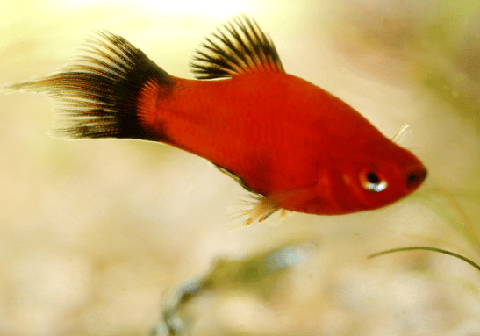
    Species Overview

    Scientific NameEuphyllia divisa (wall) and Euphyllia paradivisa (branching)
    Common NamesFrogspawn coral, less commonly known as the wall coral, octopus coral, grape coral, or honey coral
    FamilyEuphylliidae
    OriginIndo-Pacific, mainly around Australia and Southeast Asia
    Common ColorsGreens, Purples/Pinks, Browns, Oranges/Yellows
    Care LevelModerate
    TemperamentSemi-aggressive
    LightingModerate (50-150 PAR)
    Tank PlacementBottom, Middle
    Flow RateModerate
    Temperature Range76-82 degrees F
    pH Range8.0 – 8.4
    Salinity1.025 or 35 PPT
    Alkalinity8 – 12 dKH
    Calcium Level350 – 450 PPM
    Magnesium Level1250 – 1350 PPM
    PropagationCutting/Fragging

    Origins And Habitat

    Frogspawn coral can be found in large colonies around reef structures of Southeast Asia and Australia. There, they can be found in indirect sunlight at depths of about 130 feet.

    Interestingly, these corals seem to prefer more turbid waters with gentle currents and muddy substrates, which is a very different environment from the aragonite-sand and clear water we strive for in our home reef aquariums.

    As a species of Euphyllia, frogspawns have sweeper corals that are full of stinging nematocysts that can be used to catch planktonic organisms and attack nearby corals that might outcompete the colony for resources. Because of this, there is usually some space between frogspawn coral and the next coral species on the reef.

    Name

    There are believed to be at least two unique species of frogspawn coral present in the aquarium hobby, Euphyllia divisa (wall) and Euphyllia paradivisa (branching). However, the aquarium hobby has created many hybrids of Euphyllia that have made placing frogspawn into an exact taxonomic categorization difficult.

    The common name ‘frogspawn’ comes from their unique bubble-tipped appearance that resembles frog eggs.

    What Do They Look Like?

    Classic Frogspawn Coral

    The frogspawn coral is one of the most popular types of large-polyp stony coral (LPS) not only because of its easy care but also because of the flowing movement it can provide in a display.

    As mentioned before, frogspawn coral looks like a bunch of frog eggs; these corals have many tentacles with different-colored tips along them. These tentacles can range in color with greens, pinks, oranges, and browns, while the tips can contrast with darker or lighter greens, pinks, purples, yellows, and oranges.

    Of course, the brighter and more eye-catching the color, the more expensive the frogspawn coral will be.

    In general, most frogspawn corals you come across will be the branching variety. This means that each polyp will have its own calcium carbonate skeleton base. Branching frogspawns can grow very quickly by forming new heads at the base of the polyp which will then mature within several months in favorable conditions.

    This is in contrast to wall frogspawns, which are pretty rare to come across due to their slower growth rate and more difficult care. Instead of having defined polyps, wall frogspawns grow along a solid calcium carbonate skeleton, making the coral much more compact in appearance.

    Different Types

    Like other Euphyllia, frogspawn corals have been hybridized with each other and with other species. This has resulted in some spectacular colorations, but also some very unclear common names and designer brands.

    Here are some of the most common frogspawn colors you’re likely to come across:

    • Golden peach frogspawn coral. These corals are one of the more expensive types of frogspawn due to their pink coloration; their tentacles are dark purplish-pink while the tips are light pink with some yellow fluorescence under certain lights.
    • Purple tip frogspawn coral. Probably the most common coloration you’re likely to come across, the purple tip frogspawn is easy to confuse with a hammer coral due to same coloration. These corals have bright green tentacles with electric purple tips. While not the most desirable color combination, these corals can still bring movement to the tank and accent other Euphyllia.
    • Toxic green frogspawn coral. A common and less in demand type of frogspawn, the toxic green frogspawn glows neon under certain lights. These corals have dark green tentacles and light green tips that look like a highlighter pen.

    Both the purple tip and toxic green frogspawn coral are featured in the video above by Elite Reef Denver.

    Placement And Temperament In The Aquarium

    Frogspawn Placement

    Frogspawn coral is often used as a centerpiece coral in the reef aquarium. They can quickly fill up a rock island, gently swaying in the flow.

    While these corals can generally be placed anywhere throughout the reef tank, there are some things to keep in mind before gluing down that frag. The most important factors to consider are light and water flow.

    Frogspawns do not require a lot of light and are naturally found in indirect sunlight. While replicating indirect sunlight in the aquarium can be difficult, placing your frogspawn in the middle to lower water column with moderate lighting (50-150 PAR) will recreate those conditions.

    Hobbyists agree that there is no true benefit to keeping these corals in higher lighting and can risk the health of the coral instead. If your coral starts to bleach and lose its color, then it might be getting too much light.

    Similarly, frogspawns do best in moderate flow. The amount that their tentacles extend largely depends on the flow they are placed in; higher flows equal more retracted tentacles while lower flows result in more extended tentacles. Because of this, many hobbyists keep their corals in just enough flow to keep algae away and to keep the frogspawn fed. Flow can be provided either with return pumps or wavemakers.

    Unlike other Euphyllia, like torch corals, frogspawns do not do well when placed on the substrate. This is because their tentacles fall over the sides of their skeleton, which can easily start to rub against sharp surfaces and invite injury.

    Frogspawn coral should also not be placed next to other corals due to their sweeper tentacles. If placed too close to another coral, be prepared for some chemical warfare to break out in your tank. This is true for all coral species except for other frogspawns and hammer corals (Euphyllia ancora, Euphyllia parancora, etc.). Keep them away from other aggressive Euphyllia like bubble corals.

    Interestingly, frogspawns can be placed next to similar species (except torches) with little to no ill effect. They will continue to grow in and out of each other, which can make for a beautiful colony of many colors.

    Successful – Water Quality

    Frogspawn coral is very easy to keep and one of the best LPS coral species for beginner enthusiasts. As with any coral, stability is better than chasing numbers, though your water still should be testing within a given range.

    Water Parameters

    Euphyllia is not demanding in regards to nutrients, but will not do well with higher nitrates. At the same time, they also won’t do well if the tank is too clean and if there are limited nitrates and phosphates.

    Since the frogspawn coral tends to be the first LPS coral for many, it is our introduction to reef aquarium water parameters. Frogspawn corals should be kept in nitrates below 40 PPM with phosphates below 0.1 PPM. They do need 1200-1350PPM magnesium, 350-450 PPM calcium, and steady alkalinity at 8-12 dKH; these nutrients are fundamental for growing new skeleton and maintaining vibrancy.

    As with any coral, frogspawn coral does best in stable conditions. While hobbyists have successfully kept frogspawn at values above and below those listed, consistency is more important.

    Dosing

    Dosing is not necessary for frogspawns unless the tank is filled with many LPS corals and small-polyp stony corals (SPS) that quickly deplete reef elements; if you have large colonies of Euphyllia, you may also want to consider dosing alkalinity, calcium, and other trace elements for healthy skeleton growth. ESV B-Ionic is a great choice for first time dosers. It works really well with dosing pumps while being easy to use for manual doing.

    Best For Beginners
    E.S.V. B-Ionic

    Great For Beginners

    ESV B-Ionic is a great 2 part solution that works for all levels. Approachable for a beginner to use and can be used for all reef tank builds.

    Click For Best Price Buy On Amazon

    Testing Water Conditions

    Frogspawns are very forgiving when it comes to parameter swings, but that doesn’t mean that you can allow your tank to have daily changes in conditions. Because of this, LPS corals should only be added once the tank has fully established after several months.

    If dosing additional nutrients, water should be tested immediately after dosing and right before the next dose. This will allow you to trace how nutrients are being cycled throughout the tank.

    Filtration

    Frogspawn coral does not require any special filtration and can be kept in setups with a hang on the back filter, canister filter, or sump filtration. A protein skimmer is also not necessary and might even be harmful to systems with low nutrient input.

    Instead, focus on getting the placement of your coral correct. Nutrients should constantly be flowing in and out of your coral with moderate flow.

    What Are Good Tankmates?

    Frogspawn corals can be kept with a variety of fish and invertebrates. However, their soft fleshy polyps can be appetizing for some species, so it is important to have a truly reef-safe community. Some ideal tankmates would be:

    It should be noted that some clownfish may attempt to host a frogspawn coral as it would with an anemone. Though some corals may tolerate this symbiosis, others will retract and could even begin to die back.

    Some invertebrates, like hermit crabs, emerald crabs, and shrimp, may also pose a threat to frogspawn as they are not entirely reef-safe. Even though you might have an invertebrate that has never touched any of your other corals before, it is possible for them to develop an appetite for frogspawns overnight.

    Likewise, fish species that are known to pick at corals should also be avoided. This includes:

    • Angelfish
    • Triggerfish
    • Groupers
    • Puffers
    • Parrotfish
    • Butterflyfish

    What Do They Eat?

    While frogspawn might look hungry with all those tentacles reaching for food, they’re actually best kept without any additional target feeding.

    Trying to feed your frogspawn coral larger foods, like fish and shrimp, can actually do more harm than good. This is because the polyp will see this food as a threat, which can cause it to retract.

    If your coral does accept the food, then your fish and invertebrates will also most likely steal it before the frogspawn has the chance to move the food into its mouth; either that or your coral will spit it out entirely!

    If really wanting to feed your frogspawn coral, then it is best to broadcast feed brine shrimp, zooplankton, and coral foods, like Reef Roids.

    How Much And How Often To Feed

    If you do choose to feed your frogspawn coral, you should only feed once a week. This will not only help prevent nutrient buildup in your tank but there’s also no real benefit to overfeeding Euphyllia.

    More importantly, light, flow, and water quality will determine the growth rate of your frogspawn coral.

    Health And Disease

    The frogspawn coral is a hardy lps species but can die back very quickly once subjected to disease. The most important factor in keeping these corals is protecting their delicate tentacles.

    If their tentacles are scraped against rock or placed in high flow, they may succumb to stress or brown jelly infection or disease, which can kill the coral in a matter of days.

    To help prevent diseases from entering your reef aquarium when purchasing new corals, it’s recommended to do an iodine or coral bath and to quarantine the piece for a couple of weeks.

    Pests

    Of course, you will have to be mindful of bringing pests into the aquarium with any new corals you bring into the system as well. A coral dip and quarantine will help, but it’s still possible for these pests to slip by:

    How To Propagate

    Frogspawn coral is one of the fastest-growing species of Euphyllia, and you will probably have to frag your colony at some point. Don’t worry, this is easier than it sounds. First, you need to know if you have a branching or wall variety.

    If you have a branching variety, then your chances of success are very high. You will need a bone cutter or electric saw that can cleanly cut through the skeleton. Remove the coral from the tank and use the instrument to cut underneath the flesh of the frogspawn coral and before the branch. Dip the coral in iodine and place it in a low-stress environment until it recovers.

    Wall frogspawns are harder to frag and success is not guaranteed. This is because you will need to cut through a good majority of flesh with a saw; a saw will provide the cleanest cut, increasing chances of success.

    There is no clean way to do this, but once the wall has been divided, dip the coral in iodine and place it in a low-stress environment. Monitor recovery and move the coral to its final place in the tank once fully healed.

    Where To Buy

    Because frogspawn coral is fast-growing, it is usually more available than some other Euphyllia, like torches. They also ship very easily, which makes them good online buys. However, expect to pay at least $50 for one frag with more colorful variations fetching closer to $200 and over.

    Best LPS Coral
    Frogspawn

    Editor’s Choice

    A readily available, hardy, and beautiful LPS coral. Great for beginners and forgiving

    Shop WYSIWYG Click For Best Price

    FAQs

    Are They Hard To Keep?

    Frogspawn Corals are not hard to keep. They are one of the easiest LPS corals you can keep and also one of the easier corals to keep in the saltwater aquarium trade. They are tolerate of less ideal conditions and do not respond as quickly to swings in parameter. Nevertheless, the more stable your tank is the better!

    Where Should I Place Them?

    You should place your frogspawn coral in the middle of your tank. They prefer moderate flow. In reef tanks setup for LPS corals, they can be placed near the top of the water flow is lower and on the bottom and away from other corals in a mostly SPS coral configuration.

    Do They Grow Fast?

    Frogspawn corals do not grow fast. They are one of the slower growing corals in the aquarium trade. Because of this however, they will not demand a lot in terms of two part solution for dosing. You can increase the growth rate by better spectrum lighting, moderate flow

    Closing Thoughts

    Frogspawn corals are one of the best Euphyllia to have for beginner, intermediate, and advanced hobbyists as they are easy to care for, come in a variety of colors, and resemble an anemone without any of the aggression or over-splitting.

    These corals need moderate light and moderate flow, but will quickly start to grow new polyps once established. Feeding is not required and the coral can easily be cut as needed. I hope youโ€™ve learned a lot about caring for your Frogspawn Coral in this blog post and that it has answered any questions or concerns you may have had. If not, please leave me a comment below with anything else on your mind!


    ๐Ÿ“˜ Want to learn more? This article is part of our complete Saltwater Fish & Reef Guide โ€” your ultimate resource for marine fish, coral care, reef setup, and more.

  • A care and info guide on the Monte Carlo Plant

    A care and info guide on the Monte Carlo Plant

    Monte Carlo is my go-to carpet plant for hobbyists who want that lush low-growing look but find dwarf hairgrass too demanding. I’ve grown it in CO2-injected tanks and it carpets beautifully โ€” and unlike some carpeting plants, it stays reasonably compact and manageable. It does need good light and nutrients to really spread, but compared to some alternatives it’s much more forgiving when conditions aren’t perfect.

    The micranthemum Monte Carlo plant is one of the most popular carpeting plants for moderately lit freshwater tropical aquascapes. These aquatic plants are great for beginners and they grow fast, creating a dense and beautiful bright green carpet. That isn’t all they can be used for, however, these tiny plants can be grown as epiphytes too. Grown this way, they make for an eye-catching cascading carpet over hardscape features like driftwood and rock.

    This blog post will teach you how to care for your Monte Carlo Plant while also providing information about where it comes from, what it looks like, and more. Let’s get started!

    A Brief Overview Of The Monte Carlo Plant

    Scientific NameMicranthemum tweediei
    Common NamesMonte Carlo
    FamilyScrophulariaceae
    OriginSouth America (Argentina)
    Skill LevelEasy to Moderate
    LightingModerate 30-50 PAR (umols)
    Tank PlacementForeground, midground
    Flow RateLow, Moderate
    Temperature Range68-77ยฐ F
    Height1-2 Inches
    pH Range6-7.5
    PropagationDivision
    Growth RateModerate, Fast
    Feed TypeColumn and Root Feeder
    CO2 RequirementYes

    Origins And Habitat

    Micranthemum tweediei ‘Monte Carlo’ is a green freshwater plant from Argentina in South America. In nature, these aquatic plants are found in shallow freshwater systems like streams, lakes, and bogs that get plenty of sunlight.

    They are amphibious plants that can be found growing underwater, on saturated ground, or growing emersed.

    What Does This Plant Look Like?

    How Does a Monte Carlo Plant Look Like

    Monte Carlo1 is a beautiful, light green-colored carpeting aquarium plant that grows as a dense, low, and spreading mound. Under good light, these aquarium plants spread laterally at a good rate, and don’t grow much taller than about 2 inches.

    Micranthemum Monte Carlo leaves are small and rounded and these plants have tiny roots. In appearance, this aquatic plant has a lot in common with another well-known carpeting plant, Dwarf Baby Tears.

    This aquatic plant works really well in Iwagumi and Dutch-style aquascapes but will suit any layout that demands for carpeting plants. With care and maintenance you can create foreground planted carpets that will be eye popping.

    Placement And Lighting

    Monte Carlo is most often grown as a carpet plant in the foreground and midground. The aquarium plant is pretty versatile, however, and works just as well if grown as an epiphyte.

    To grow this plant as an epiphyte, you can attach it to hardscape elements like driftwood, cave ornaments, or lava rock. If your hardscape element does not have suitable holes or cracks to hold the roots of this plant, you may need to attach it using nylon thread or superglue.

    These aquarium plants need medium to high lighting to maintain a dense, low, and compact growth form. Plants grown under inadequate lighting will tend to grow tall and thin.

    Plants grown on hardscape features tend to be closer to the light source and therefore might do well under weaker light, but it’s always important to factor in the depth of the water.

    What Are Good Tank Mates?

    Micranthemum Monte Carlo is great for community or species-only fish tanks. Especially where schooling fish are kept. Most species of tropical freshwater fish can be kept with this aquarium plant, as long as they share the same water parameter needs. Some great smaller fish would include:

    Male Cherry Barb

    Fish Species To Avoid

    One of the greatest challenges to growing a beautiful carpet of Monte Carlo is getting the plants to stay put when you first plant them. Fish like corydoras catfish and Kuhli loaches that forage by sifting through the substrate can easily dislodge these plants before the carpet becomes well established.

    Avoid growing this aquatic plant in goldfish tanks since this is a plant they will feed on. Other fish to avoid keeping with Monte Carlo are:

    Feeding A Plant (Fertilization)

    As an aquarium plant that gathers nutrients from both the substrate and the water column, Micranthemum Monte Carlo will benefit from a fertile growing medium as well as a liquid fertilizer. If grown in an inert substrate like gravel or sand, this excellent foreground plant will definitely benefit from the addition of root tabs.

    Plants grown on rocks and other hardscape features will need to get all the nutrients they need from the water column, making liquid fertilizer essential for good growth. For any carpeting and other heavy feeding plants, I recommend APT complete. It is the best all around liquid fertilizer on the market.

    Editor’s Choice!
    APT Complete

    Editor’s Choice

    Made by an aquascaper for aquascapers. This is the best all around aquarium plant fertilizer on the market. Marco and micronutrients in one bottle!

    Use Coupon Code ASDComplete for 10% off your order!

    Click For Best Price Buy On Amazon

    How Much And How Often To Feed

    How frequently you choose to feed this aquarium plant is going to depend on a couple of factors. Under high lighting and CO2, Micranthemum ‘Monte Carlo’ will require a steady supply of nutrients to keep up with the fast growth that these conditions stimulate.

    This could mean daily to weekly doses of a supplement like Seachem flourish in the water column are needed. In tanks with only moderate lighting and a healthy stock of fish, you can get away with feeding once every week or two.

    CO2 Injection

    Monte Carlo, like all plants, needs light and carbon dioxide to grow. The background level of CO2 in aquariums is typically too low for this aquarium plant to develop into a tight, compact carpet. For this reason, CO2 injection is recommended for optimal growth.

    How Much CO2 Do You Need?

    The aquarist should aim to maintain dissolved CO2 levels of about 30ppm (parts per million) in their aquarium. This is the ‘sweet spot’ that results in optimal aquarium plant growth while remaining safe for fish and other livestock.

    Getting your CO2 levels to 30ppm can take a little fine-tuning, but with a bubble counter and drop checker, you should be able to get it dialed in. It takes a little while for dissolved CO2 levels to rise in the aquarium so start off slow. Keep an eye on the color of your drop checker and once it stays stable at the right levels, observe your bubble count.

    Whether you’re using a standard or an in-line diffuser, make sure you set your drop checker well away from the CO2 entering the tank for more accurate results. If you are looking for a combo package for a CO2 regulator. Check out this link.

    Premium Pick
    Pro-SE Complete Bundle

    Premium Pick

    Everything you need to get started. A professional level CO2 system.

    Click For Best Price

    How long Should You Run CO2?

    Plants can only grow effectively when they have access to enough CO2 and light. They use these energy sources at the same time so you only really need to run your pressurized CO2 system when the lights are on.

    It takes a little while for the CO2 in your aquarium to build up to that sweet spot of 30ppm, however, so ideally, you should be running your CO2 system on a separate timer that starts up about 2 hours before the lights go on. You can have your CO2 injection system shut down at the same time as the lights, or a little earlier because some CO2 will remain available in the system for a while.

    Plant Care

    Under good light and proper conditions, Micranthemum Monte Carlo grows pretty fast and can be pretty invasive, which is great if you enjoy working on your aquascape, or maybe not that great if you’re looking for a low-maintenance option.

    This species also has a habit of crowding out other aquatic plants so if you’re looking for a mixed species carpet, this may take a bit of extra trimming on your part.

    Apart from trimming with a sharp pair of curved trimming scissors, it’s also possible to thin out your Monte Carlo carpet using a fine pair of aquascaping tweezers or pincettes. This is a delicate procedure though, the aquarist needs to take care not to uproot more of the aquarium plant than is necessary. Regular trimming is a must to keep the dense shape of this plant.

    My Pick
    Aquascape Tool Kit

    This aquascape set will get you started with pruning and trimming your prized plants to maintain that show winning look!

    Buy On Amazon

    Planted Tank Conditions

    The Monte Carlo plant does best in freshwater tropical aquariums that are on the cooler side, say between 68-77ยฐ F. These plants have a pretty wide tolerance for water hardness.

    They need a decent amount of light, especially if you want a dense, low growing carpet in the foreground and midground of your aquascape. Although these plants can be grown without added CO2, they will perform better if this is provided.

    Maintaining parameters

    Monte Carlo in Aquarium

    Being a dense carpeting aquarium plant, Micranthemum Monte Carlo will tend to capture fish waste and detritus and keep it trapped within its foliage (Picture Source). Although this can provide nutrients to the plant, it could potentially result in ammonia spikes in time if left unmanaged.

    For this reason, a dense carpet of Monte Carlo is not advised in tanks with high stocking rates and a lot of waste. A good clean-up crew of small inverts like freshwater shrimp is also helpful in this regard.

    It is possible to vacuum over a Monte Carlo plant carpet to capture waste that has collected beneath it but special care should be taken to not uproot the plants in the process as they tend to have pretty week root systems. Some aquarists have had success by fitting a grid-like material over the end of their vacuum to help to prevent sucking up the plants.

    Water Quality

    Maintaining great water quality and tank conditions is important for all aquarium plants and animals, and Monte Carlo is no exception. In tanks with fish, a partial water change every week or two is recommended and this is a great time to test water parameters with aquarium test kits and give your plants a trim too.

    Be sure to use a water conditioner during water changes to neutralize harmful chemicals that may be present in your local tap water.

    Filtration

    It is best to use a filter with a pre-filter sponge over its inlet when growing fine aquarium plants like Monte Carlo. This is because trimmings or small plants that have come loose from the substrate can get sucked into your filter and cause blockages. Due to the nature of this plant, a high quality hang on the back filter or canister filter is recommended to keep the aquarium clear of plant and matter debris.

    Flow

    Micranthemum Monte Carlo has pretty small, fine roots that are easily loosened from the substrate. For this reason, direct, strong flow is a bad idea as it can dislodge your carpet.

    Some flow is important, however, as this ensures a good distribution of CO2 and nutrients throughout your tank and keeps waste particles from settling on your plants before they can be processed in the filter. Grow this aquarium plant in a tank with a low to moderate flow for best results.

    Aquarium Maintenance

    Testing Water Conditions

    Regular testing of water conditions should be part of your aquarium maintenance routine. You can use either strip tests or liquid tests, but be sure to keep an eye on parameters like ammonia and nitrites, particularly if you have livestock in your aquascape.

    Other important parameters to keep an eye on in the aquarium are pH, general hardness, and carbonate hardness. You should, of course, also have a thermometer and keep an eye on your water temperature regularly to alert you to a malfunctioning heater.

    How To Set Up Your Aquarium

    Monte Carlo can be grown in a few different ways. These plants can be started off using the dry-start method or simply planted into the substrate of an established aquascape using a pair of fine aquarium tweezers. The video below from WASABI describes how to plant and prep this plant.

    Use a good quality aqua-soil as your substrate, or if using an inert substrate, be sure to use root tabs from time to time to provide nutrients to the root zone. A third substrate option is to use a layer of an inert material like sand or gravel over a layer of nutrient-containing dirt.

    Monte Carlo plant roots will develop better in gravel than sand, although the plants can be pretty easily dislodged from the substrate in a really coarse medium, so go for a substrate with a moderate texture.

    As a small, carpeting plant, this species can be grown in just about any size aquarium, from just a few gallons and up.

    Although it is possible to grow this aquatic plant without added Co2, Monte Carlo will definitely perform better if this is provided.

    How To Propagate

    Micranthemum Monte Carlo tends to spread quickly and can be easily propagated by division, as long as the sections you take have both healthy leaves and roots.

    When planting out in your tank to create a carpet effect in your aquascape, simply break up a mass of Monte Carlo into sections of about half an inch or less across, each with its own roots, and then plant them in a grid pattern at a spacing of an inch or two apart. Although this looks pretty unnatural at first, the plants will spread quickly to fill the gaps and create a beautiful natural lawn-like effect.

    You will find that the plants come loose from the substrate very easily when you first plant them and this can be pretty frustrating. One way to avoid this is to plant them a little deeper than you think they should go.

    With more of the plant beneath the surface of the substrate, they tend to sit a lot more firmly. Use a fine pair of tweezers or pincettes for this job and push each plant into the substrate at a 45ยฐ angle.

    If you’re still having trouble getting your plants anchored, consider keeping them in their pot and letting them spread out and root themselves naturally from a central point. The process will take a little longer but could save you some frustration.

    Health And Disease

    Signs Of Health in Plants

    Healthy Monte Carlo will grow pretty vigorously and spread quickly in the aquarium. In good conditions, this aquarium plant stays low and compact, with short stems and small bright green leaves.

    Signs Of Ill Health

    Plants that are not happy will usually show you a few signs. Monte Carlo plants that turn yellow or brown, or grow tall and thin require attention.

    Plants that grow tall and thin are looking for light and this is a sure sign that your aquarium lighting is not strong enough. Yellowing leaves can signal a lack of nutrients or even a lack of carbon dioxide.

    If you find that your plants are getting covered in algae, you may need to adjust the amount of fertilizer you’re dosing and the strength and hours of light you’re running.

    Common Health Issues And Treatment

    It is common for an aquatic plant to melt back when newly planted in the aquarium. If conditions are otherwise good, your plant should adapt to its new environment pretty quickly and bounce back with healthy new growth.

    Plant Pests

    To avoid introducing unwanted pests like snails into your aquascape, consider buying your Monte Carlo as a Tissue culture vs potted plants that’s grown in pest-free lab conditions.

    If you’re growing your plants from material propagated in more traditional ways, you’ll want to make sure to wash your plants off properly under running water and remove any dead or dying leaves.

    Have a good look at the plant and remove any unwanted critters if you can see any. You can also dip your plants in a very mild solution (20 parts water to 1 part bleach) of bleach to kill unwanted parasites and creatures. You need to be very careful with delicate plants like Monte Carlo as the bleach can damage the plants too.

    If you do go this route, be sure to dip them for less than about 2 minutes and give them a good rinse afterward to remove all traces of bleach.

    Where To Buy

    Monte Carlo is a common aquarium plant in the aquarium trade and can be found at many fishkeeping and online fish stores. I recommend purchasing tissue culture plants vs potted plants as they are a great way to get pest free live plants and they have great shelf lives.

    Monte Carlo Tissue Culture – UNS

    Tissue culture plants are grown in labs and are completely pest free and have great shelf lives

    Click For Best Price Buy On Amazon

    FAQS

    Are they easy to grow?

    Monte Carlo is an easy carpet aquarium plant for tropical aquariums. In optimal conditions with good light and CO2, this plant can grow pretty quickly, and cover the substrate in your aquarium in just a few weeks.

    Can they grow without soil?

    Micranthemum Monte Carlo can be grown as an epiphyte, without any contact with soil. If attached to a hardscape element like driftwood or an ornament by wedging it into a hole or gluing, this aquarium plant will grow by taking all the nutrients it needs from the water column.

    How do you take care of a your plant?

    Monte Carlo is an easy carpet aquarium plant to take care of once it is established in the aquascape. Provided you maintain the correct water parameters, and have enough light, nutrients, and CO2, these plants will grow fast.

    All you really have to do then is trim your Monte Carlo carpets regularly to prevent them from growing too thick and shading out the lower stems and leaves.

    Can they grow on rock?

    Micranthemum Monte Carlo can grow on rock, provided you find a good way to attach it. This is easiest if the rock you have has a good texture like lava rock with cracks and holes for the roots to hold on to.

    Monte Carlo grown as an epiphyte in this way might need extra liquid feeding though because they aren’t getting any nutrients from the substrate.

    Closing Thoughts

    Micranthemum ‘Monte Carlo’ is a wonderful plant for vibrant green dense carpets in the aquascape. This plant is easy to care for and grows at a good rate if given the proper growing conditions.

    This plant has other uses besides carpeting and works well as an epiphyte on hardscape features as well. Using the tips and information in this guide, you can make Monte Carlo a beautiful new addition to your aquascape. We hope you enjoy this blog post about Monte Carlo Plants! Leave us your comments below on what you think of these miniature green beauties or if there’s anything else you want to know more about them?


    ๐ŸŒฟ Want to learn more? This article is part of our complete Planted Tank & Aquascaping Guide โ€” your ultimate resource for aquarium plants, aquascaping styles, substrates, and more.

  • How to Care For A Torch Coral – Your Expert Guide

    How to Care For A Torch Coral – Your Expert Guide

    Torch coral is one of the most sought-after LPS corals in the reef hobby, and I understand the obsession โ€” a healthy torch fully extended in good flow is a stunning sight. I’ve kept them in my 125-gallon reef and they can be a bit temperamental compared to hammers or frogspawn, especially given the torch coral disease (rapid tissue necrosis) that has affected many tanks in recent years. That said, healthy specimens from reputable sources kept in stable systems do beautifully.

    The Torch Coral is a brightly colored and beautiful type of coral that can be found in reef aquariums around the world. They are characterized by their long tentacles, which they use to feed on plankton from the water column. When cared for properly, Torch Corals will grow and thrive in your tank. In this blog post, I am going to show you how to care for a torch coral so that you can enjoy them for years!

    We’ll cover what types of lights are best for Torch Coral growth and maintenance as well as other factors that can make or break your Torch Coral experience. We’ll also go over feeding schedules and anything else you need to know about caring for a Torch Coral. I hope this article helps you better understand how to keep your Torch Coral happy and healthy so it can be admired by all!

    A Brief Overview Of The Torch Coral

    Scientific NameEuphyllia glabrescens
    Common NamesTorch coral, pom-pom coral, brain trumpet coral
    FamilyEuphylliidae
    OriginIndo-Pacific, Australia, Indonesia
    Common ColorsGreens, Purple/Pinks, Browns, Oranges/Yellows
    Care LevelModerate
    TemperamentSemi-Aggressive to Aggressive
    LightingModerate (50-150 PAR)
    Tank PlacementBottom, Middle
    Flow RateModerate
    Temperature Range76-82 degrees F
    pH Range8.0 – 8.4
    Salinity1.025 or 35 PPT
    Alkalinity8 – 12 dKH
    Calcium Level350 – 450 PPM
    Magnesium Level1250 – 1350 PPM
    PropagationCutting/Fragging

    Origins And Habitat

    Like many other corals available in the aquarium trade, the torch coral comes from the warm waters of the Indo-Pacific around Australia and Indonesia1.

    There, torch corals can be found among other large-polyp stony corals (LPS) and small-polyp stony corals (SPS). However, torch corals have long sweeper tentacles that are used for catching food and stinging nearby corals and sessile animals that might try to steal resources. Because of this, the area surrounding the torch coral is usually clear around all sides.

    Torch corals are very forgiving of water parameters but may struggle in conditions with higher nitrates. Interestingly, they have been found in waters with varying levels of turbidity which is much different from the sparkling, pristine waters of our home aquariums.

    These corals cannot withstand higher flow rates as their delicate flesh can be easily damaged.

    What Does The Torch Coral Look Like?

    How Does a Torch Coral Look Like

    The torch coral resembles a flickering flame when submerged under a decent flow. These corals have polyps with long tentacles that can be a mixture of greens, purples, pinks, browns, oranges, and yellows.

    Torch corals are stony lps corals that are part of the Euphylliidae family, which makes them close relatives to frogspawn corals (Euphyllia divisa) and hammer corals (Euphyllia ancora). While care and appearance are similar between these species, they can be told apart by some key features.

    Mainly, torch corals have long, skinny tentacles. The bottoms of the tentacles are usually noticeably darker than the round tips of the tentacles and are typically a different color altogether. A frogspawn coral has thicker, branching tentacles while a hammer coral has shorter, wider tentacles with flattened tips.

    Each torch coral polyp can measure up to 10 inches across with another 10 inches in tentacle. Transparent sweeper tentacles maybe even longer than normal tentacles as they extend their reach for optimal feeding and territory defense.

    As a type of large-polyp stony coral, torch corals have hard calcium carbonate skeletons. Unlike other euphillyas the Hammer Coral, torch skeletons are branching. Branching torches have defined coral polyps each with its own skeleton base whereas wall corals are a straight line of coral polyps with one connected skeleton.

    Different Types

    Many varieties of torch coral have been brought into the aquarium hobby with differences in color, tentacle length, and hardiness; in general, the more attractive the color, the more expensive the coral. Luckily, care doesn’t differ too much between the varieties.

    Types of Torch Corals

    Here are the more rare and expensive varieties of torch coral you’re likely to come across:

    • Indo gold torch (AKA Holy Grail Torch). The gold torch is named after its deep orangey-green tentacles and lighter green tips. This variety has longer, skinnier tentacles and is said to be more forgiving of unfavorable water conditions than the Aussie gold torch.
    • Aussie gold torch. The Aussie torch is similar to the Indo gold torch but has orangey-gold tentacles with bluish-purple tips. The easiest way to tell these two torches apart is by looking at the difference in tentacle length; Aussie gold torches have much shorter and stubbier tentacles.
    • Black torch. The black torch is named after its intense purple coloration with neon green tips and does not require special care.

    Placement And Temperament In The Aquarium

    Torch Coral Placed Mid Tank

    Torch coral placement varies in the aquarium. Some hobbyists prefer keeping them in lower lighting with the lower flow for the greatest tentacle extension. Other hobbyists like to keep their torches in moderate lighting with a higher flow to deter algae.

    There doesn’t seem to be any benefit to placing torch corals under higher PAR (150+ PAR), and they might actually start to bleach if exposed to unfavorable conditions for too long; some hobbyists like to keep them on the sandbed if lighting and flow allow in order to keep other corals from getting stung. Most reef leds will support a Torch coral. The main thing will be to adjust light intensity or placement to get them within the desired PAR level.

    Torch corals tend to do better under moderate flow, Higher rates of flow will cause your coral to not extend as far. Higher flow rates are beneficial for delivering food and keeping algae off the skeleton. As long as the water current isn’t directly hitting the polyp, then your torch coral should be able to withstand most flow rates.

    Torch corals are moderately aggressive corals and will defend their place in a reef aquarium. At night, these corals will extend their sweeper tentacles in order to feed and to keep other corals from getting too close. Because of this, they should be given enough room to expand and release their sweeper tentacles; this is especially true for other corals that are behind the torch as the sweeper tentacles move with the water flow.

    Water Quality

    Overall, torch corals are relatively easy to keep and are recommended for beginner to medium-skilled coral enthusiasts. That being said, they do tend to be more sensitive to fluctuations in water parameters and poorer water conditions than other coral species of Euphyllia.

    Water Parameters

    Even though torch corals have sweepers, they heavily rely on the water column to provide the nutrients they need to grow and develop new skeletons. Surprisingly, the problem that most hobbyists run into is having too clean of a tank.

    Torch corals need nitrate and phosphate; running 0 PPM phosphates and 0 PPM nitrates deprives the coral of important nutrients needed for development and sustaining their vibrant colors. At the same time, these corals don’t do well in high nutrients either.

    Ideally, nitrates should be kept under 40 PPM and phosphates below 0.1 PPM. Torch corals also require steady magnesium levels (1250-1350 PPM), calcium levels (350-450 PPM), and alkalinity levels (8-12 dKH) to continually grow.

    Of course, hobbyists have gone above and below these ideals with success. As long as conditions are stable and your corals look happy, then you have no need to worry.

    Filtration

    Torch corals do not require any special filtration. More importantly, placement and flow need to be correct.

    As long as your torch is getting enough light and a strong enough current to carry food and keep off algae, then hang on the backs, sumps, protein skimmers, and canisters work just as well.

    Maintaining parameters

    As mentioned before, stability is key. Even though torch corals are more influenced by water parameters than other Euphyllia, as long as your tank is testing within a given range and staying accurate, then your torch coral will stay fully extended.

    Dosing

    It is generally agreed that dosing is not required for torch corals and other Euphyllia corals; for the most part, these corals will get the nutrients they need from food, fish waste, and the salt mix being used.

    However, if keeping a larger colony of torches or a mixed reef with SPS, then some hobbyists might choose to dose for alkalinity, calcium, and other trace elements to help with skeleton growth.

    Testing Water Conditions

    If choosing to dose for alkalinity or calcium, then you will want to regularly test water conditions to see how your corals are incorporating those additives.

    In order to do this, test water parameters right after dosing. Before the next dose, test the nutrients that you have been targeting. Keep a record of the numbers to watch how they interact and decrease between doses.

    What Are Good Tank Mates?

    Torch corals can be kept with any reef-safe fish or invertebrate. This includes:

    It is possible that clownfish will attempt to host a torch coral, but this can cause the coral to stress out and keep its tentacles retracted.

    It should also be noted that ‘reef-safe’ invertebrates, like emerald crabs, hermit crabs, and some shrimp, may not be reef-friendly for fleshy large polyp stony corals. Too many times hobbyists have had a helpful crab become hungry for corals overnight and destroy a reef. For the best security, stick to herbivores instead.

    Tankmates to avoid are:

    Anything that has noticeable teeth or pincers is not a good combination for a reef tank!

    What Do They Eat? (Feeding)

    Torch corals don’t eat the same way other animals do that have a mouth in the middle of their polyp, like the similar-looking anemone. In fact, most torch corals will refuse larger foods, like shrimp and other pieces of meat.

    If really interested in feeding torch corals for the extra nutrition, brine shrimp, zooplankton, and coral foods, like Reef Roids, are good choices.

    How Much And How Often To Feed

    If choosing to feed your torch coral, you should not overfeed. Some hobbyists never spot feed or give additional supplements to their corals and have substantial growth and vibrant colors. Others feed high-quality foods and see little to no growth. Coral success is largely based on water quality, lighting, and flow.

    That being said, torch corals should only be fed once a week at maximum in order to allow time for your coral to digest and to keep water conditions more stable.

    Health And Disease

    During the daytime, your torch coral polyp should be fully extended with bright coloration. If purchasing a new coral, remember that coral will never look like how it does in the store or on online websites. This is simply due to differences in lighting and sometimes, color enhancement.

    Euphyllia corals are very susceptible to brown jelly disease, which can cause the coral to die within a few days. Other bacterial infections are also very likely to come in on new torches, and the corals should be dipped and preferably quarantined before being placed in the display aquarium.

    Pests

    Like all corals, torch corals can bring in unwanted pests. Common pests you will need to look out for are:

    • Flatworms
    • Aiptasia
    • Isopods
    • Amphipods

    In order to eliminate the threat of pests as much as possible, a coral dip should be used and the frag plug should be removed; again, quarantine will improve the chances of catching pests, but even then, it’s possible that they still slip by undetected.

    How To Propagate

    Fragging corals that are branching like torches are easy to do but will require some extra tools to ensure success. The best way to frag torches is by using an electric saw or bone cutters. Carefully, you want to cut the skeleton between the start of the flesh and where the coral branches. Use iodine to help disinfect and superglue the frag to a plug. Branching corals are easier to fag with proper bone cutter tools.

    Leave the piece near the sand bed and in low to medium flow until ready to acclimate to higher lighting and water current.

    Wall corals are more difficult to frag and have a lower success rate. This is because you will need to cut through the flesh of the coral, which can fatally injure it if not careful. Because of this, it is highly recommended to use a sharp electric saw like a Gryphon bandsaw to cut through the piece of the skeleton.

    Use the best coral disinfectant product available and keep the frag in a low-stress environment until ready to move to its final location in the aquarium.

    Where To Buy

    Over the past few years, torch corals have been hard to find and the prices reflect that. On average, be prepared to spend upwards of $150 for a high-quality torch coral frag.

    These corals ship well overnight and can be purchased online or in-store. If you purchase online, my preference would be to purchase only what you see is what you get (WYSIWYG) corals

    Closing Thoughts

    Torch Coral care is a rewarding experience, but it can also be challenging. I hope this article helped you better understand how to keep your Torch Coral happy and healthy so that you can enjoy its beauty for years to come! Comment below if there are any more questions I havenโ€™t answered in the article or on our site. I know caring for these beautiful creatures isn’t always easy, but hopefully, with some knowledge from this post, things will get easier as time goes by. Happy reefing!


    ๐Ÿ“˜ Want to learn more? This article is part of our complete Saltwater Fish & Reef Guide โ€” your ultimate resource for marine fish, coral care, reef setup, and more.

  • How Much Are Koi Fish? What Drives the Price From $5 to $1.8 Million

    How Much Are Koi Fish? What Drives the Price From $5 to $1.8 Million

    Koi pricing is one of those topics that genuinely surprises people when they first look into it. I’ve seen koi at big-box stores for $5 and show-quality nishikigoi at Aquashella that run into the tens of thousands of dollars โ€” and occasionally heard of champion fish selling for millions in Japan. Understanding what drives that range makes the hobby a lot more interesting, and helps you make smarter buying decisions whether you’re a beginner or a serious collector.

    Koi pricing spans one of the widest ranges of any animal in the hobby โ€” from a few dollars for feeder koi to a Kohaku that sold for $1.8 million in Japan in 2018. Most pond keepers are operating somewhere in the middle, which is actually a great place to be. I’ve seen koi vendors at Aquashella selling beautiful, healthy fish for $20โ€“$100, and that’s where most hobbyists will spend. What drives the high end is a combination of variety, pattern symmetry, body shape, bloodline, and whether the fish came from a top Japanese breeder. Here’s how to understand what you’re actually paying for.

    The most expensive Koi fish sold in Japan was worth $1.8 million in 2018. 

    Koi fish are known to adorn garden ponds, restaurant interiors, and lounge space for their beautiful lineage and bizarre coloring. But do you know, how much are Koi fish and what exactly adds to their worth? In this article, I’ll list some mind-boggling factors that determine Koi fish’s cost and overall quality of a Champion Koi.

    Why are Koi fish so expensive? (12 Reasons That Explain How Much Are Koi Fish)

    There’s no one answer to this question (in fact, that’s why we created this video above from our YouTube channel). The worth of Koi fish highly depends on some obvious factors such as the quality of Koi, colors, and patterns. On the basis of quality and price, Koi fish are usually categorized into three classes;

    • Pond raised Koi – The Koi that we raise in ponds are the easiest to find and the cheapest in the market.
    • Ornamental quality Koi – The popular category that we raise as ornamental fish, such as Butterfly Koi. These are cheaper than the show-quality Koi fish but a bit pricey than the pond-raised fish.
    • Show quality Koi – The highest quality of Koi fish all around the world and the costliest. These are raised for competitions and Japanese Koi shows.

    However, not all Koi qualify as the Grand Champion and some might end up in the bargain bin. As an avid Koi enthusiast, I’ll specify some of the greatest reasons for Koi’s unrivaled value.

    1. Successful Spawning

    Any Koi keeper would agree; despite thousands of Koi eggs during the spawning behavior, only 20% of quality Koi survive, sometime the survival is by chance. The survival chances make Koi more cherished and an expensive pet fish.

    But what exactly is a spawning behavior?

    Koi Spawning Behavior

    The process of spawning in Koi fish happens once a year when male Koi show great interest in the female Koi fish and keep following them for a day or two. Finally, the male Koi, usually in the early morning chase and nudge the Koi fish, and this is how the spawning begins.

    During spawning, the female Koi lay thousands of eggs that are then fertilized by interested males immediately.

    Now, this is where the quality and high prices come in.

    The Egg Stage

    Koi eggs stick to whatever they come in contact with. Usually, Koi fish like to deposit their eggs in aquatic plants such as water hyacinth and water lettuce. Therefore, I always encourage plants in a Koi pond if you want to breed them. However, around 20% of the thousands and thousands of eggs usually die of fungus, infertility, or eventually rot to death.

    The Hatchlings

    Under favorable water conditions, the eggs hatch in around 4-5 days. The hatchlings feed on their yolk sac until they are fully capable to eat food. Nevertheless, 20% of the hatchlings usually die before they are 1 inch long.

    The Culling Process

    Generally, only 60% of Koi fish reach 1 inch in length and make it through the hatching phase. This is where the farmers start the culling process.

    During the process, breeders discard all of the bad and deformed fish into the bargain bin. Hence, the healthy Koi fry feeds on a high-protein diet for around 3-4 weeks for further inspection when they reach around 2 to 3 inches. After a couple of weeks, breeders examine the baby Koi and discard another 15% of Koi into the bargain bin. And so, only the best, high-quality Koi makes it to the Grand Champion Koi list.

    After successful tallying of the Koi fish, they are either sold locally or internationally for hundreds to thousands of dollars.

    2. Body Conformation or Shape

    Koi Body

    Novice Koi hobbyists often overlook the conformation or body shape of Koi fish, mainly because they are not aware of its worth.

    However, let me tell you;

    The quality and cost of Koi fish are highly dependent on its body shape. The award-winning Koi fish is free of any defects and deformation in body shape. The ideal conformation of Koi fish is a torpedo-shaped, symmetrical body with even fins, corresponding to the body.

    3. Colors and Patterns Diversity

    One thing that outshines Koi is the color variety and fascinating patterns that keep the spectators in awe.

    The colors in Koi can be classified into six extraordinary variations ranging from metallic and white to blue, yellow, red, and black. Nonetheless, not all the colors and patterns are as appreciated by Koi owners. Hence, the high pricing.

    Also, the depth of Koi skin cells affects the vividness of Koi. That being said, the brighter the Koi, the costlier. 

    Therefore, Koi breeders particularly pick the best colors and develop them into a brighter appearance through nutritious food for a heftier price tag.

    The Grand Champion Koi that sold for $1.8 million in Japan had sultry red patches on a white body surface that sparkled like diamonds. And so in an enthusiast mind, the cost was justified.

    Thus, the rarity and purity of colors and patterns increase the value of Koi fish.

    4. The Biosecurity of Koi farms

    Experienced Koi breeders maintain strict biosecurity in farms to prevent fish diseases and keep an active protocol for their inventory.

    These Koi ponds are usually in remote places to prevent the contamination of water through pathogens, and all of this costs substantial money.

    5. The need for a Large Pond

    Unlike goldfish, guppies, and other commercial aquarium fish, Koi demands a huge pond for their survival.

    The depth and intensity of Koi’s color and luster depend on water quality, therefore, Koi breeders prefer breeding and raising them in large ponds.

    Consequently, a Koi farm needs a vast space with sufficient ventilation and filtration that add to its overall yield.

    6. The import Costings

    No matter what you do and how you do it. Let’s admit this – The quality of Japanese Koi is second to none and unmatchable. Therefore, all countries import show quality Koi from Japan, and this also adds to the ultimate price of Koi fish.

    7. Connoisseur’s Craze

    I’ll be honest here, it’s a game of supply and demand.

    The more the demand, the higher the cost.

    People are crazy about Koi. Thus, Koi are expensive. In Japanese culture, Koi is considered a sacred pet that brings good luck and prosperity to the family.

    And so, people show immeasurable affection towards Koi. They want it in their garden ponds, large indoor aquariums, and for winning the grand competitions, including the most popular All Japan Grand Koi Competition. Hence, the mad price. Let’s look at some Grand Champion Koi from the show itself over the years. Check out Koi Port Indonesia for more videos:

    8. High-quality Koi Luster

    High-quality Koi fish are free of blemishes and the skin is lustrous and rich with pigments. Just like you can easily distinguish between cotton and silk. The high-quality Koi can easily be recognized through its shimmery lustrous body.

    9. The Overall Personality – Quality & Elegance

    The judgment of quality and elegance on the basis of Koi’s personality is an arbitrary choice. However, Koi connoisseurs rely on this factor heavily. High-quality Koi fish are proven to perform exceptionally, be it swimming or socializing (aggressive or slow Koi fish are naturally devalued.)

    Also, Koi owners judge the fish by their body movements and how gracefully they flex their bodies in the water. If the Koi fish looks healthier and energetic among the shoal, it is always rated higher. 

    10. Extended Breeding time

    The breeding of Koi is not everyone’s cup of tea.

    Unlike guppies and bettas, Koi breeding needs patience and resilience. Any breeder will at least need 3 to 5 years to nourish and sell the show-quality Koi in the market.

    11. Distinctive Features

    Breeding Koi fish is a life-changing experience, and breeders put everything at stake to hit the jackpot.

    Sometimes, when breeders are being a little adventurous, they might interbreed some of the rarest and quirkiest fish with distinctive qualities. The result is an extraordinary baby koi that manifests in magnificent colors and patterns.

    Hence the breeders demand an exceptionally high price for Koi fish with such peculiar qualities.

    12. Heritage and Legacy

    You would be surprised to know that Koi fish, in their early years, were only bred for food. However, as time passed, breeders started seeing great potential in breeding the fish and making a living out of it. Nowadays, Koi fish are kept for their extravagant patterns and exquisite colors in landscaped ponds and large aquariums.

    Did you know?

    Even though Koi are commonly called Japanese Carp, they did not originally originate from Japan. Their exact origin is highly debatable by the Koi experts.

    Nishikigoi

    The carp that we call Koi, is Nishikigoi, which is termed as living jewels or brocaded carp. Nishikigoi possesses wonderful patterns and colors that we adore and love today.

    Although Koi is not originated from Japan, Japanese breeders get the credit for fine-turning and breeding them to the remarkable color variations we witness now.

    The Big Three

    There are 15 major types of Koi but the most popular among them are the three varieties namely, Kohaku, the Sanke, and the Showa. These varieties of Koi fish are commonly called, the big three in the USA and Europe.

    What determines a Champion?

    Even after years of breeding Koi fish, many breeders still couldn’t master the art of raising a Champion Koi.

    According to Koi fish experts, the cost of Koi depends on the diverging intensity and depth of the colors. Also, there is an ideal size for a very expensive Koi fish.

    The most prized Koi is not very large. Rather, they are 1.5 feet long with a torpedo-shaped body.

    But how do experts judge Koi for a Grand Champion?

    Well, they have their ways. However, there are five factors that determine a Champion Koi.

    • Overall Body Size
    • Shape and Body Conformation
    • Patterns
    • Color Depth
    • Intensity

    Overall Body Size

    Like in many departments, the bigger the size, the better. The same is the case with Koi fish. 

    A larger size Koi fish has reached maturity and thus its full potential. Therefore, the ideal size for Champion Koi is as long as it can handle without compromising its color intensity and depth.

    Big Girl, reportedly known as the largest Koi fish to date, weighs 40kg (90lbs) and is 1.2m (4 feet) long.

    Shape and Body Conformation

    Grand Champion Koi Sanke

    About 60% judging score of a Champion Koi makes up the body shape and conformation of Koi fish (2010 Champion Sanke showed above1).

    For the fish to qualify as a Champion Koi, it should have a long, broad head with a symmetrical tail and pectoral fins. Also, it should have a beautiful streamlined shape with thin bodies.

    Any deformities, be it around the eyes, mouth, or fin areas are a minus. Furthermore, fins should be in optimal condition with no fraying or wear and tear.

    It is observed that female Koi tend to win majority shows because of their peculiar shape and body conformation.

    Patterns

    The judgments based on patterns are a bit difficult to understand for novice Koi keepers.

    Nonetheless, I’ll make it sound easy-peasy.

    On the basis of patterns, we classify Koi fish in several categories. What judges basically look for is the clear and crisp outlines or edges, colloquially known as ‘Kiwa’ (meaning: verge, side, edges).

    Therefore, if we speak about Koi, the edges or Kiwa constitute the hi (red) or Sumi (black) patterns. These patterns although seem identical, tell a lot about the quality of the Koi fish.

    Patterns, together with color depth and intensity make up 30% of the total judging score of Champion Koi. Let’s look at some examples from The Daily Koi Channel of the All Japan Young Koi Show in 2021.

    Where’s the highest quality of Kiwa found?

    The big three.

    Yes, Kohaku, Sanke, and Showa possess the highest quality of Kiwa, especially the Kohaku varieties where red patterns are adorned on a white surface to illustrate the Kiwa. Kiwa refers to edge of a pattern element.

    Besides, the uniformity of colors also counts. For example, even hues of Crimson red or persimmon and orangish-red patterns throughout the body. The Champion quality Koi has a very dense red hue on the sharp edges of the pattern. Also, the barrier of red and white should be crystal clear with no blurring.

    Types of Kiwa

    Based on super edgy patterns, Kiwa is divided into two types.

    1. Kamisori Kiwa: Kiwa with razor-like edges, running through individual scales
    2. Maruzome Kiwa: Resembling the outline of a cherry blossom petal, Maruzome Kiwa gives a scalloped appearance to the trailing tip of the red patterns.

    Please note that we always consider the trailing edge of the pattern in judging Kiwa. (i.e., the edge nearest to the tail of Koi fish)

    The Distinctive Colors

    For determining a Champion Koi, Koi experts look for the following color varieties;

    1. Pearly white surface with red (hi) patterns and definite outlines, such as Kohaku
    2. Pure black body base with white and red hues, such as Showa
    3. Peacock like metallic looking, red and orange attractive markings, such as Kujaku

    Hinkaku

    The overall personality matters.

    And this is exactly what the judges assess while choosing a Champion Koi. The general aura of the fish with traits such as vitality, behavior, and overall personality against the norms.

    Sometimes, while judging, the ‘seemingly’ healthy but quiet fish might lose the race against the boisterous, energetic, and lively ones.

    How to Raise A Prized Pet?

    Raising a Champion Koi is not a five-finger exercise, instead, it takes a lot of hard work and patience in raising one.

    Quality Food

    Premium quality Koi food makes all the difference. Not just quality food but with efficient measurements will help your fish grow and develop vivid colors.

    Particularly in summers, when Koi are much hungrier and active, you should increase the frequency of daily feedings. Furthermore, you also notice that Koi will prefer eating food at one time more than the other. So, I recommend scheduling the feedings manually or get an automatic feeder for consistent feedings.

    Premium Pick
    Blue Ridge Platinum Pro

    Champion Koi Food

    If you’re looking to raise championship quality Nishikigoi or showing Koi in competitive events, I’d suggest that you give Blue Ridge Platinum Pro a go

    Click For Best Price

    Also, always measure the water temperature manually. 

    Recommended Feed Measurements based on water temperature

    1. Below 55ยฐ F = Feed once a week
    2. Below 61ยฐ – 65ยฐ F = Feed twice a day
    3. Bello1 65ยฐ- 73ยฐF = Feed thrice a day
    4. Over 77ยฐF = feed five times or more per day.

    Floating vs Sinking Food: Which is better?

    Almost all the Koi owners prefer floating food because it makes less mess. However, in recent years, there is a surge of sinking Koi food as the secret to Japanese jumbo-sized Koi is high-quality sinking Koi food.

    Let’s decide on the best type of food based on your preferences.

    Floating Food

    Let’s admit it! Floating food is fun to watch. Also, you can always hand feed your fish and enjoy the graceful sight of your Koi flexing their slender bodies.

    Furthermore, floating food allows you to diagnose health symptoms and carefully examine their odd behaviors. Therefore, I always enjoy giving floating food to my Koi as I get to spend more time with them and catch serious problems before they get worse. But there are cons to everything. Floating food has a lower conversion rate that would cease your Koi’s growth.

    Sinking Food

    Japanese breeders love sinking food as it stimulates growth and has a higher feed efficiency.

    However, you cannot deny the fact that sinking food means lesser interaction with your Koi and the chances of examining or diagnosing health issues are close to none.

    Treats to the Rescue

    High-quality Koi not only rely on the feed but consume occasional natural treats to grow into healthy and happy Champions.

    Therefore, if you’re adamant to hand feed your Koi, you can always choose to offer them yummy treats that would add to their nutritional value, such as orange peels, lettuce. You can also offer a mix of floating and sinking food to enjoy time with your pet and feed them wholesomely.

    The Quality of the food affects Water Quality

    As an avid Koi keeper, you should know that water quality is the number one factor that keeps Koi healthy and striving. Therefore, it’s imperative to feed your Koi premium-quality food that doesn’t pollute your water quite often. Inferior quality feed also increases the chances of pond scum and cloudy water that is a breeding ground for bacteria and fungi.

    Thus, I recommend feeds that do not fall apart quickly with less particulate matter to maintain the water quality and hygiene for your pet.

    Where To Buy Champion Level Fish

    I’ll be honest, it is very difficult to find champion level koi and most folks can’t afford it. I’ll start with 3 tiers of koi dealers, the best most are going to be able to afford, a high-tier, then an all in Champion level experience. Let’s start with the 1st level.

    Level 1 – Next Day

    My Pick!
    Next Day Koi

    Use Coupon Code: ASDEPOT

    Next Day Koi offers WYSIWYG Koi from the best breeders and farms in the country.

    Shop Now

    Next Day Koi offers WYSIWYG imported Koi from Japan that will satisfy the wonder and awe many Koi enthusiasts are looking for. You can get lower to mid priced Koi here that are beautiful looking delivered straight to your door. My coupon code also will get you an cool 10% off.

    Level 2 – Kloubec

    Kloubec Koi represents the next level of Koi FIsh for sale. This seller is a great option when looking for high quality Koi fish over $500. The EBay store will often have adult sized Koi that will show well.

    Level 3 – KoiTrips

    A World Class Koi Experience!
    Koi Trips

    Check It Off Your Bucket List!

    Visit the top breeders in the world and pick your very know champion level koi. Fly out to Japan for a true VIP experience with Koi Trips!

    Click For More Info

    Are you looking for the experience of a lifetime? Do you want to go to Japan and hand pick your very own champion level Koi from the top breeders in the world? If so, Tim Waddington and his team at KoiTrips are ready to take you on a the VIP experience of a lifetime. Come to Japan, pick the best quality koi in the world, and Tim’s team will do the rest to get it to your home in perfect condition!

    Other FAQS

    How much does it cost?

    It depends on a number of factors. Usually, the pond quality Koi costs around $50 – $150, depending on the size, color, shape, and variety.

    However, there are some show-quality varieties that would cost more than $10,000.

    Are they expensive?

    Yes, Koi fish are the most prized pet in the world, ranging from $50 to $2.2 million.

    Not only they are expensive but very high-maintenance, i.e., they require scheduled feeding, a clean koi pond, and aquatic plants to thrive.

    How much do they cost?

    Koi fish cost anywhere between $50 to $10,000 and above. Most Koi will fall in the range of $50 – $150

    How much is a 20-year-old worth?

    A healthy 20-year-old Koi would cost around $200 or above, depending on the size and current market value. If you have an adult Koi fish but a healthy one, i.e., it has not developed blemishes, freckles, or spots with a decent body shape. Then congratulations! It is likely worth even more!

    Final Thoughts

    Now, the answer to, how much are koi fish is too much ๐Ÿ˜…. But at least, now you know why they are madly prized and what it takes to make a champion Koi. Next time you’re thinking to feed your valuable pet inferior quality food, think twice, as it might affect its growth and color vibrancy.

  • How To Care For Your Water Sprite – A Complete Guide

    How To Care For Your Water Sprite – A Complete Guide

    Water sprite is one of those plants I always keep on hand for new tank setups โ€” it grows fast, competes with algae, provides cover for fry, and doesn’t demand much in return. I’ve used it floating and planted, and both work well. It’s one of the best plants for anyone cycling a new tank or setting up a breeding setup where you need quick biological filtration assistance and hiding spots.

    If you’ve just brought home a water sprite or are thinking of having one, you may be wondering how to care for it. With the proper knowledge and equipment, caring for your water sprite is simple! There are so many different types of aquarium plants available today that choosing the right one for your aquascape can be a bit daunting. Water Sprite is an great option for many aquarists both experienced and new to the hobby.

    If youโ€™re looking for a delicately textured floating, mid-or background plant, Water Sprite might be just the plant for you. Read on to learn everything you need to know about growing and caring for the Water Sprite.

    A Brief Overview Of The Water Sprite (Ceratopteris thalictroides)

    These fast-growing aquatic plants are adaptable to a wide range of water parameters and are so versatile that they can be grown in many different ways in your aquascape. Water Sprite is a great plant for freshwater aquascapes and is safe to grow with most fish and shrimps.

    Scientific NameCeratopteris thalictroides
    Common NamesWater Sprite, Indian Water Fern, Oriental Water Fern, Water Stag-horn Fern, Water Hornfern
    FamilyPteridaceae
    OriginTropical regions, including Northern Australia, Southeast Asia, India, East Africa, and Central America
    Skill LevelEasy
    LightingModerate 30-80 PAR (umols)
    Tank PlacementMidground, Background, Floating
    Flow RateLow
    Temperature Range72-82ยฐF
    Height5.0 – 8.4
    Growth RateFast
    Feed TypeColumn and Root Feeder
    Co2 RequirementNo

    Origins And Habitat

    The Water Sprite plant is a beautiful aquatic plant that can be found growing in and around freshwater bodies in tropical regions across the globe. Water Sprite plants occur in Northern Australia, Southeast Asia, India, East Africa, and Central America.

    Ceratopteris thalictroides is an adaptable species that grows naturally in a wide range of different habitats. It can be found in fresh or stagnant, standing water, marsh habitats, or gently flowing streams and grow emersed or submersed in sunny or partially shaded positions.

    What Does They Look Like?

    Water Sprite in Aquarium

    Water Sprite is a beautiful green species for aquascapes that looks a lot in appearance like terrestrial ferns do. This fern takes different forms depending on how it is grown in the fish tank and what kind of lighting it gets. Ceratopteris thalictroides grow from a short rhizome and their foliage varies from vibrant light to deep dark green.

    Plants that are allowed to float in the fish tank will take on a more spreading, flattened appearance. This floating plant also developed a large interesting white, hanging root system. 

    Indian Fern plants that are grown rooted in the substrate have broad, pale leaves arranged in a rosette from a single stem. Interestingly, these plants have two different types of fine leaves. Both smaller sterile leaves and larger fertile leaves can be found on the same plant. 

    In very shallow aquariums, rooted Water Sprite plants will happily grow up and out of the tank water if left to grow to their full size of about 15 inches tall.

    Placement And Lighting

    Water sprite is a really versatile and useful species that can be used in a number of different ways in the aquascape. In the planted aquarium, the fine leaves work well to soften and break up harsh lines.

    Depending on the size of your aquarium, this plant could make a great midground or background plant. In smaller aquariums, these water ferns grow tall enough as rooted specimens to create a beautiful, finely textured backdrop to your aquascape. 

    In larger aquariums, Water Sprite makes a great mid-ground plant that can be rooted or attached to a hardscape feature like rocks or driftwood. When grown this way with good light, Water Sprites can be very effective at hiding the base of taller stem plants in the background. 

    Another popular option is to allow this plant to float at the waterโ€™s surface. Bear in mind of course that floating Water Sprite plants will shade out the plants rooted below it, so be sure to grow only low light species under your floating plant. 

    Wherever you plant your Water Sprite, make sure it has access to at least moderate plant light to ensure vibrant color and a healthy growth rate. Rooted plants will need stronger light than floated plants because they are further from the light source.

    What Are Good Tank Mates (Fish)?

    Good Tank Mates

    Neon tetra

    The Water Sprite plant is great for community tanks and will work well with most fish and invertebrate species. Nano fish species, fry, and freshwater shrimp will appreciate the safety and shelter provided by the dense foliage of this plant.

    Water Sprite works equally well in species-only aquariums, as long as the freshwater fish you keep isn’t herbivore or prone to digging through the substrate.

    Floating Water Sprite plants can develop really cool root systems that trap food particles and detritus in the water column, making a great place for shrimps and small fish to forage.  

    Fish Species To Avoid

    Avoid keeping plant-eating freshwater fish like goldfish, Buenos Aires Tetras, and some cichlids with Water Sprite as they tend to feed on this plant.

    Feeding and Fertilization

    Water Sprite grows fast and vigorously and does not require much feeding if rooted in a nutrient rich plant substrate. Water Sprite plants also take nutrients from the water column and are great at soaking up excess nutrients from fish food and waste. This property makes water sprite a really helpful plant for maintaining stable water parameters and preventing algae blooms.

    How Much And How Often To Feed

    Since Water Sprite does not necessarily need to be on a strict feeding schedule, the timing and amount of fertilizer you use will probably be more dependent on the needs of other species you might be keeping in your planted tank.

    It is best to feed your plants regularly to maintain stable water parameters. Of course, it is difficult to know exactly what your plant’s nutrient requirements are without measuring so it is best to test regularly.

    The best way to determine the right feeding schedule for your plants is with caution and through a process of trial and testing. Feed your plants daily or every second day and dial the amount of aquarium fertilizer in to where water parameters stay as stable as possible.

    Fast Growing

    Being a fast-growing plant, Water Sprite will need to be pruned from time to time. This is especially true under strong light and when they are taking a lot of nutrients from the water. Below is a quick video from Tropica that provides a handling and growth care video on the plant.

    Use a sharp pair of aquascaping scissors to remove minor stems, rather than trimming individual leaves, because any damaged leaves or stems left attached to the plant could turn brown and rot. Be careful never to pull on a rooted Water Sprite plant or damage its primary stem as this could hurt the whole plant.

    Planted Tank Parameters

    Water Sprite grows well across a wide range of tank parameters. Water temperatures between 72ยฐF and 84ยฐF are ideal and this plant will do fine in both hard and soft water. KH values of 3-8 are ideal for this plant.

    They also grow well in pretty much any pH value that you’re likely to find in an aquarium. That being said, it has been noted that water Sprite grows best in slightly acidic to neutral water.

    Maintaining parameters

    To maintain stable water parameters in your planted fish tank, be sure to set your lighting on a timer to provide a regular and consistent light schedule. Always stock your tank appropriately and be careful not to overfeed your fish and animals.

    Use a heater to maintain a stable water temperature and a filter that provides effective mechanical, chemical, and biological filtration. From time to time, you will need to rinse out your filtration media or replace the cartridges in your filter.

    When rinsing out your filter media, be sure to use water that you have collected from your tank during a water change. By doing this you will avoid killing the beneficial bacteria that colonize your filter with the harsh chemicals found in most tap water.

    Water Quality

    Good water quality and tank conditions are the cornerstone of all thriving planted aquariums, and by far the most important piece of equipment for maintaining the water quality in your planted fish tank is your filter.

    Filtration

    As good as Water Sprite is at absorbing excess nutrients in the water, youโ€™ll still want good filtration in your aquarium to maintain a healthy system. These plants have fine, delicate leaves that do break apart from time to time. For this reason, itโ€™s a good idea to use a filter with a prefilter sponge on its intake to prevent plant material from being sucked in.

    Flow

    Water Sprite is not adapted to life in fast-flowing water. Use a slow to moderate water flow in your aquarium to maintain healthy plants. In aquariums with higher flow rates, position these plants away from the outflow of the filter, or grow them behind a hardscape feature that blocks out the current. 

    Aquarium Maintenance

    Testing Tank Conditions

    Before introducing a new plant to your fish tank, be sure to test the conditions of the water. This way you will know if the parameters in your planted tank are suitable for the species you want to grow. You will need an aquarium test kit to do this at home. 

    The most important water conditions for you to keep an eye on are the levels of Ammonia, Nitrites, Nitrates, pH, general hardness, and carbonate hardness in the water. Itโ€™s a good idea to get into a routine of testing your tank water conditions every week before you perform a water change.

    Set Up Your Aquarium

    Water Sprite is a very versatile aquatic plant and will easily adapt to most setups. If you plan on growing this as a rooted plant, provide at least 2 inches of substrate to allow your plant to develop a strong root system.

    Rooted Water Sprites do not have any particular substrate requirements and can be grown in sand or gravel. In the right conditions, Water Sprite has a pretty fast growth rate in the planted tank.

    This reason, coupled with the species potential height of about 15 inches, means you should grow this species in tanks of at least 10 gallons. In smaller tanks, Water Sprite can quickly take over your aquascape.

    Propagate

    Water Sprite is a very easy plant to propagate. Healthy, mature plants will form miniature daughter plantlets on the edges of their leaves. In time, the little Water Sprite plantlet will break free and will grow as a floating plant or attach itself to the substrate in your aquarium. 

    These little plantlets can be pulled from the leaves and planted in the gravel or sand once they have established their own root system. You can also attach these young plants to a hardscape feature like driftwood or rock using nylon or even super glue. The video above by gmluv illustrates the daughter leaves.

    Another easy way to propagate new Water Sprite plants is to simply cut off a secondary stem from the mother plant that has healthy leaves on it. Allow this cutting to float freely in the tank and it will often develop its own healthy root system pretty quickly.

    Health And Disease

    Water Sprite tends to be a fast-growing, vigorous species that has few problems in the planted tank. There are always things that can go wrong, however, especially in smaller freshwater tanks. The successful aquarist is always alert to possible problems by keeping a close lookout for changes in their plants.

    Signs Of Health

    Healthy Water Sprite plants will have vibrant green foliage and stems and a well-developed root system. Plants grown in pots should be able to grow and support themselves without bending over under their own weight.

    Signs Of Ill Health

    Different mineral deficiencies affect how these plants grow and often show up as characteristic discoloration and damage to the leaves of the Water Sprite. Look out for yellowing or browning of the usually green leaves. The appearance of rotting leaves and roots are also clues that signal poor health in this plant

    Common Health Issues And Treatment

    The most important needs for all aquarium plants are light, nutrients, and carbon dioxide. If you have too much, or not enough of any of these things, you could start to pick up problems with your plants. Fortunately, Water Sprite is a hardy plant that isnโ€™t too picky about aquarium parameters. 

    Nevertheless, there are a few important points to remember about caring for your plants. A common problem when growing these plants in the substrate is not providing enough light and planting the roots too deeply. The crown of the plant should always be above the level of the substrate. 

    Another common problem with aquarium plants is an excess of nutrients like phosphates in the water. This can cause a build-up of algae in the tank and on your plants. To prevent this, make sure not to overfeed your fish and get into the habit of doing partial water changes on a weekly basis.

    Plant Pests

    Plant eating snails can really take their toll on this plant. If you do keep snails, be sure to keep them well-fed for your best chance at protecting your plant. Snails and other pests are often introduced to your aquarium accidentally on new plants. 

    The best way to prevent this is to give new plants a good wash and a dip before introducing them to your aquascape. Start by removing any dead or unhealthy-looking leaves from the plant with a sharp pair of scissors. Inspect the plant for any snails and remove them. 

    Dipping your Water Sprite plants briefly in a very mild solution of bleach (20 parts water to 1 part bleach) is a great way of killing off parasites and unwanted organisms before introducing them to your aquarium. Plants should be dipped for a period of not more than 2 minutes and then washed and rinsed thoroughly before planting out.

    Where To Buy

    These plants can often be found at local aquarium stores or bought from an online fish store. Personally, my recommendation is to purchase from Buceplant if purchasing online. They also still Tropica tissue grown aquarium plants, which is a great way to prevent introducing pests into your aquarium.

    Water Sprite

    Readily available and easy to grow. This fast growing plant will soak up nutrients and thrive in low light

    Click For Best Price Buy On Amazon

    Frequently Asked Questions

    Is This low light?

    Water Sprite has moderate light requirements. Although Water Sprites will survive in low-light tanks, they tend to grow much better in medium light conditions. In low light, these plants tend to grow a bit tall and thin, unlike the dense, compact, and deep green plants you get under good light.

    Where Can I get Them?

    Water Sprite is a common aquarium plant that you can pick up at many pet stores. A great place to order your plants online is from BucePlant.com.ย 

    Does the They need Co2?

    You can easily grow Water Sprites in low-tech setups but they will grow faster and look better if given good light and Co2. Plant growth is accelerated with Co2, but plant thrives without Co2 injection.

    Are they a good floating plant?

    Yes, Water Sprite is a great floating plant that develops an interesting root system. These plants will do better if allowed to float in lower light setups.ย 

    Closing Thoughts

    Have you ever considered adding water sprite into your aquarium? If not, itโ€™s time to give this versatile plant a shot. Water Sprite offers great benefits for the fish in your tank and is low maintenance too! You can find these plants at any local pet store or online retailer. It’s hardy enough that there are no special care requirements, so if you’re new to keeping an aquarium, don’t be afraid of trying out something new like water sprite!

    Leave us a comment below on what type of aquatic life you have and how much success with your current setup has been had with other types of plants such as moss balls, java moss, or java ferns! We’d love to hear from you and learn more about what kind of setups you have.


    ๐ŸŒฟ Want to learn more? This article is part of our complete Planted Tank & Aquascaping Guide โ€” your ultimate resource for aquarium plants, aquascaping styles, substrates, and more.