Tag: Fishkeeping

  • 15 Best Gourami Tank Mates (Species That Actually Work)

    15 Best Gourami Tank Mates (Species That Actually Work)

    Gouramis are a staple in my freshwater recommendations. peaceful, colorful, and hardy once established. But tank mate compatibility takes some thought, especially for dwarf gouramis which can be more sensitive than people expect. After keeping them in community setups for years, here’s what I’ve found actually works.

    Gouramis are labyrinth fish, which means they breathe surface air. and that quirk shapes everything about how they behave in a community tank. In my experience, the species matters enormously when it comes to tank mates. Honey gouramis are genuinely peaceful and easy to mix. Dwarf gouramis can be surprisingly nippy and territorial, especially males toward anything that resembles them in color or shape. Giant gouramis are a different animal entirely. they’ll eventually eat anything small enough to fit in their mouth. The tank mates that work best are mid- and bottom-dwelling fish that stay out of a gourami’s surface territory and don’t have flowing fins that invite fin-nipping. Here are 15 proven picks that work across most gourami setups.

    If youโ€™re looking to bring the beauty of Gourami fish into your home aquarium, this post will show you how. With their vibrant colors and generally peaceful demeanor in most breeds, these popular freshwater species make great additions to any community tank setup when paired with compatible partners! Weโ€™ll go over tips on selecting suitable Gourami tank mates that allow them (and you) to enjoy a beautiful harmony under the sea.

    Key Takeaways

    • Understand the differences between male and female Gouramis when choosing tank mates
    • Create a suitably sized habitat with ideal water parameters for a healthy environment
    • Not all Gouramis are the same. Some are more aggressive than others
    • Picking a combination of midwater and bottom dwellers will help keep aggression down

    Understanding The Species

    Gouramis are beautiful aquatic creatures that have their roots in Eastern and Southern Asia1, commonly spotted in marshy streams or water bodies such as wetlands. These fish, known for their peaceful temperament, often get picked up to be part of community tanks where itโ€™s critical to choose its tank mates carefully according to the Gouramiโ€™s behavior needs, habitat preferences, and even specific environmental requirements. To keep your pet healthy, one must select appropriate companions so they may feel comfortable with each other while residing together.

    Male Vs Female Differences

    When selecting tank mates, it is important to understand the differences between male and females. Males have brighter and bolder colors. They are often sold more in over females in fish stores. Males are usually shorter and thinner compared to their female counterparts. This color comes with added aggression towards fish that look like them or other males.

    Females, on the other hand, are larger and rounder. They are less aggressive but also less colorful than the males. You would have your best chance of success with females over males.

    Breed Differences

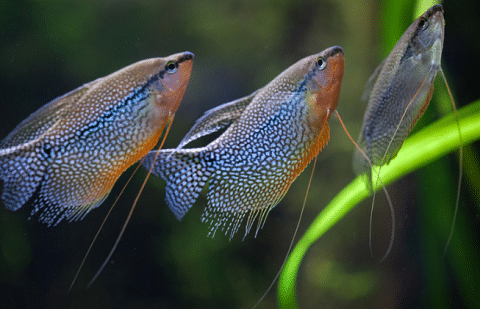
    Some breeds are more aggressive than others. For example, the Gold Gourami and Dwarf Gourami are known in the hobby for their semi-aggressive nature. In contrast, the Honey and Pearl Gourami are two of the most peaceful Gourami fish you can purchase in the hobby and will get along with just about any fish.

    Habitat Requirements And Parameters

    Maintaining a healthy and stress-free environment is an essential step when looking after Gouramis. The best conditions for them require a pH of 6.8 to 7.8, with the water hardness ranging from 3 dKH up to 8 dKH at temperatures between 74ยฐF and 80ยฐF Fahrenheit. A top notch filtration system, as well as regularly cleaning out any waste or leftover food will help keep your tank pristine.

    Tropical fish flakes and pellets are their main diet staple, but itโ€™s worth supplementing with higher quality foods like frozen food or cultivated live foods.

    My Pick
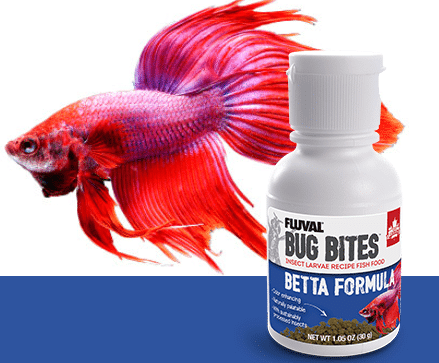
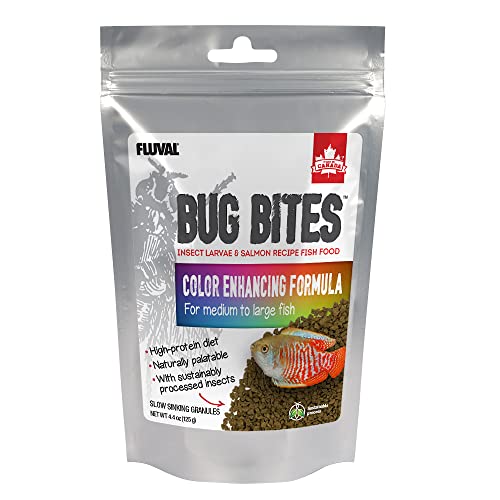
    Fluval Bug Bites – Tropical Formula

    Fluval bug bites tropical fish is an excellent staple food for most tropical fish. Made of black solider fly larvae

    Buy On Amazon Buy On Petco

    Top 15 Gourami Tank Mates

    We have now achieved a better understanding of Gouramis and their needs, so itโ€™s the right time to examine 15 best tank mates that will cohabitate successfully with your gourami. These particular species were cautiously chosen based on demeandor, compatibility as well as their capacity to create an ideal community aquarium environment.

    Each one was elected for its potential of being capable of peacefully living together with Gouramis making them great companions inside the same habitat or enclosure.

    1. Neon Tetra

    • Scientific Name: Paracheirodon innesi
    • Adult Size: 1 inch
    • pH: 6 to 8
    • Water Temperature: 72 and 76ยฐF.
    • Minimum Tank Size: 10 gallons

    Neon Tetras are a great addition to any community tank, with their bright red and blue stripes adding plenty of colors. These peaceful schooling fish make excellent companions for Gouramis as they live peacefully in the same environment (given enough hiding spots such as plants or other shelters) and enjoy similar water conditions. This freshwater fish species is often regarded as an ideal choice for picking out suitable tank mates for your aquarium setup!

    2. Cardinal Tetra

    • Scientific Name: Paracheirodon axelrodi
    • Adult Size: 1.5 inches
    • pH: 4.6 to 6.2 range
    • Water Temperature: 73ยฐF to 81ยฐF
    • Minimum Tank Size: 10 gallons

    Cardinal Tetras are an ideal choice when looking for tank mates to go with Gouramis. They may be slightly bigger than the Neon varieties, but just like their relatives, they are peaceful community fish and can get on well together in one environment. If youโ€™re after larger schooling fish, then Cardinals make a great choice pick! To keep them comfortable, itโ€™s important to maintain water temperatures around 24ยฐC and create plenty of hiding spots by using leaf litter as well as floating plants if opting for a blackwater setup.

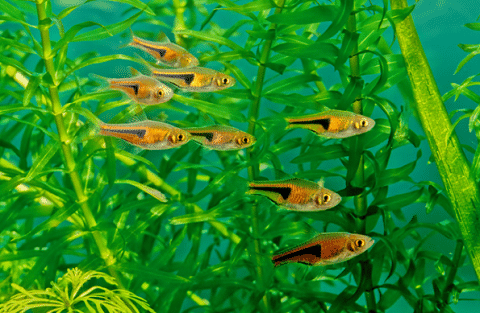
    3. Harlequin Rasbora

    • Scientific Name: Trigonostigma heteromorpha
    • Adult Size: 2 inches
    • pH: 6.0 to 7.5
    • Water Temperature: 72 and 81ยฐF
    • Minimum Tank Size: 10 gallons

    Harlequins are incredibly peaceful, colorful fish that can make perfect tankmates for Gouramis and betta. These stunning aquatic animals feature orange bodies with distinctive black triangle patterning. A sense of security is gained when living in groups, so they should always be housed alongside their own kind to increase activity levels.

    When it comes time to set up an aquarium environment suitable for these amazing creatures, the water must move slowly along with plenty of vegetation, plus ample swimming room as well as hiding places necessary to reduce stress.

    4. Rainbowfish

    Lake Tebera Rainbowfish
    • Scientific Name: Melanotaeniidae
    • Adult Size: 4.7 inches
    • pH: 7.0 to 8.0
    • Water Temperature: 74ยฐ and 78ยฐ F
    • Minimum Tank Size: 30 gallons

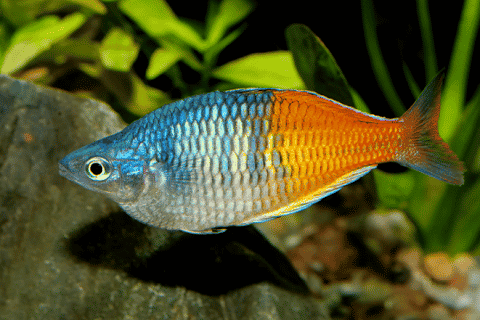
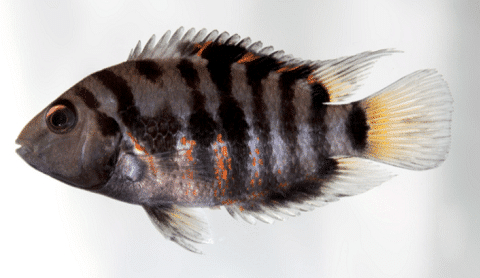
    Struggling to find dwarf gourami tank mates? Rainbowfish are ideal tank mates for nearly all Gourami breeds in a community tank. Distinguished by their bright hues and gentle demeanors, they can peacefully cohabitate with the species without any difficulties. Notable traits of Rainbowfish include:
    • Vivid colors
    • Docile temperament
    • Energetic swimmers

    They tend to stay towards the midsection and top part of aquariums. While they do swim in the territory of gouramis, their size keeps them from getting pushed around.

    With these vibrant fish being present, your tank will take on more life. Theyโ€™re robust enough to thrive under various conditions when it comes to water parameters, so you can be sure that introducing them into a Gourami environment wonโ€™t bring about any troubles if given plenty of spots for sheltering away from stressors plus space where they may flaunt around unrestrictedly.

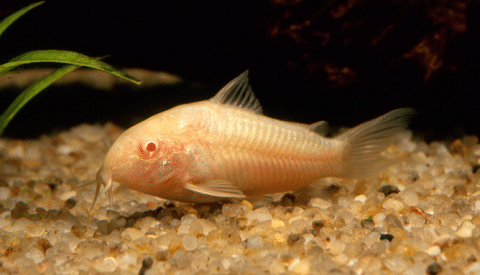
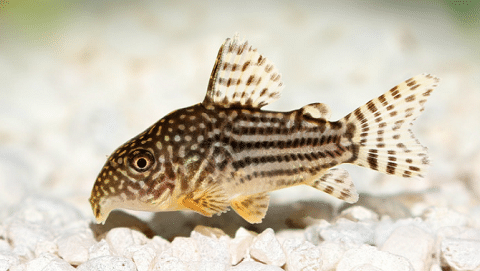
    5. Corydoras Catfish

    Habrosus Corydoras
    • Scientific Name: Corydoras
    • Adult Size: 2.5 to 12 cm (1.0 to 4.7 in)
    • pH: 6.5 to 7.8
    • Water Temperature: 72 and 82ยฐF.
    • Minimum Tank Size: 20 gallons

    Corydoras Catfish are an ideal tankmate for Gouramis, as they remain peaceful and stay towards the bottom. A group of six or more is recommended to observe schooling behavior while also creating a secure environment for them. Not only that, but these fish have scavenging capabilities, which help maintain a clean aquarium by consuming leftover food bits or other debris scattered around it. Corydoras catfish make great additions to any home aquarium!

    6. Otocinclus

    • Scientific Name: Otocinclus
    • Adult Size: 1 1/2. 2 inches
    • pH: 6.0 to 7.5
    • Water Temperature: 72-82ยฐF
    • Minimum Tank Size: 10 gallons

    Otocinclus, otherwise known as the โ€œdwarf suckermouth catfishโ€ are an excellent tank mate for Gouramis and other fish because they eat algae and help keep tanks clean. It is suggested that at least five be placed together in one aquarium since Otocinclus tend to prefer company from their own kind.

    Before introducing them into a new habitat, itโ€™s essential that an established freshwater home has plenty of natural food sources, such as algae already available so these smaller fish have access to meals right away. Always give supplement food as they are known for doing too good of a job at wiping away algae!

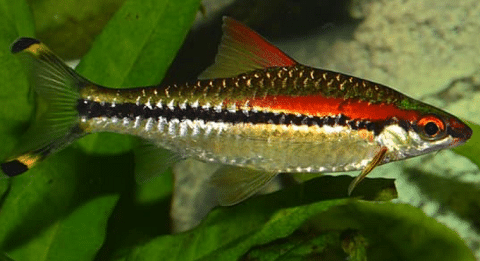
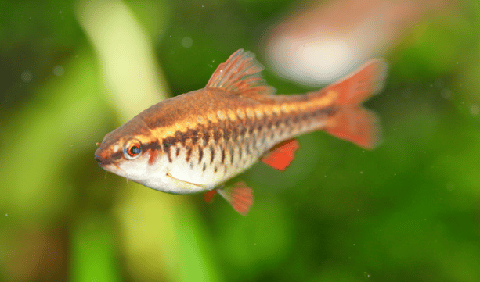
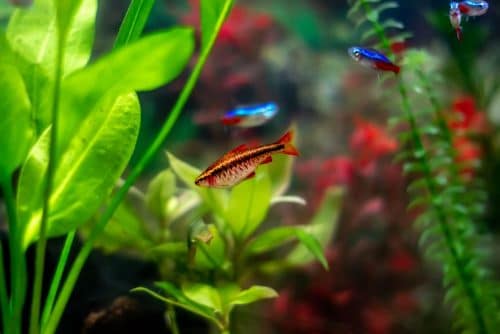
    7. Cherry Barb

    • Scientific Name: Puntius titteya
    • Adult Size: 2 inches
    • pH: 6 to 8
    • Water Temperature: 73 and 81ยฐF.
    • Minimum Tank Size: 25 to 30 gallons

    Cherry Barbs are renowned for their peaceful temperament and vivacious red hue, making them an ideal choice of schooling fish to add to any community tank. These beautiful creatures thrive best in heavily planted tanks with plenty of hiding spots. A school should consist of at least eight individuals. When placed together with Gouramis, they will coexist peacefully so long as each species is given ample space and shelter within the environment.

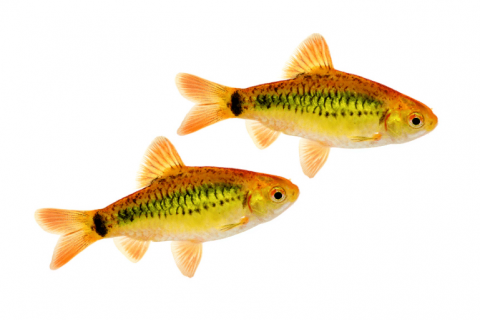
    8. Gold Barb

    Gold Barbs Profile
    • Scientific Name: Barbodes semifasciolatus
    • Adult Size: 2 inches
    • pH: 6 to 8
    • Water Temperature: 65 and 75ยฐF.
    • Minimum Tank Size: 20 gallons

    Gold Barbs, are an excellent choice and can happily coexist in a community aquarium. These attractive fish need plenty of areas to explore or hide amongst while also requiring stable water conditions within the ideal range. This makes them perfect even for novice aquarists looking to add some vibrant life to their Gourami setup!

    9. Zebra Loach

    Zebra Loach in Aquarium
    • Scientific Name: Botia Striata
    • Adult Size: 3.5 inches
    • pH: 6.5 to 7.5
    • Water Temperature: 73 and 79ยฐF
    • Minimum Tank Size: 30 gallons

    Zebra Loaches are great tank mates for Gouramis and Zebra Danios, since theyโ€™re peaceful fish that wonโ€™t overpower their size. These eye-catching creatures have black and white stripes resembling the pattern of a zebra. As well as providing an aesthetically pleasing element in the aquarium, these loaches also help to keep pest snail populations at bay, making them essential additions to your Gourami tank!

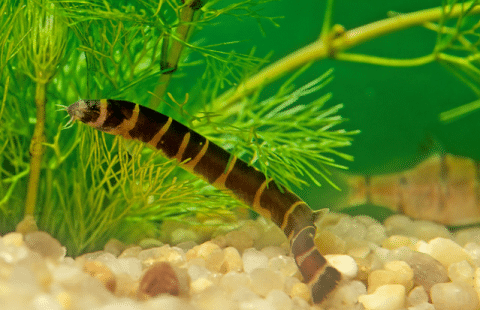
    10. Kuhli Loach

    Kuhli Loach in Aquarium
    • Scientific Name: Pangio Kuhlii
    • Adult Size: 4 inches
    • pH: 5.5 to 6.5
    • Water Temperature: 73 and 86ยฐF
    • Minimum Tank Size: 20 gallons

    Kuhli Loaches are the perfect aquatic pet for Gourami enthusiasts due to their nocturnal, snake-like features and peaceful temperament. With a scale-less body covered in alternating dark and light stripes, they bring quite an interesting addition to your tank!

    These curious fish mainly originate from areas such as Indonesia, Singapore, Malaysia, Borneo or Java. For maximum enjoyment of these creatures, itโ€™s best to have them swimming with at least eight mates so that you can witness all the amazing group activities they may get up to.

    For sure, keeping Kuhli Loaches is not only mesmerizing but also practical if one has Gouramis since this species will mind its own business without bothering anyone else around it.

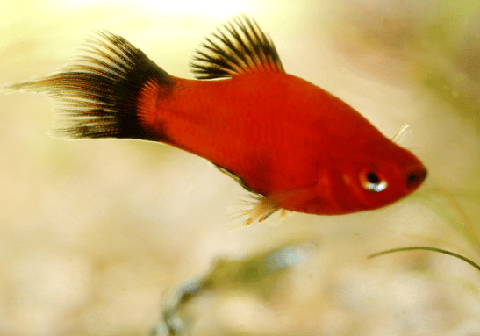
    11. Platy Fish

    Red Wagtail Platy
    • Scientific Name: Xiphophorus maculatus
    • Adult Size: 2-3 inches
    • pH: 7.0 to 8.5
    • Water Temperature: 72 ยฐ to 82 ยฐF
    • Minimum Tank Size: 10 gallons

    Platy Fish are attractive and easy to look after, with the same preferred aquatic conditions as Gouramis. The recommended temperatures range from 72-78ยฐF, a pH level of 6.5-7.5 is acceptable along with a hardness between 5-15 dGH.

    When tending to Platy Fish itโ€™s important that they have areas where they can hide away and not be mixed in with overly aggressive fish species. These placid creatures get along well cohabiting their habitats peacefully with Gouramis, who require comparable water parameters! If you keep a more aggressive gourami, consider the next livebearer below. I generally don’t recommend Endler’s or guppies as they can be small for most breeds outside of a Sparkling or Honey Gourami.

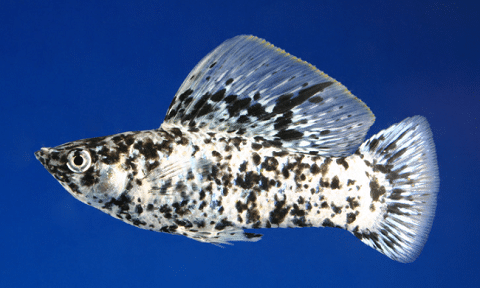
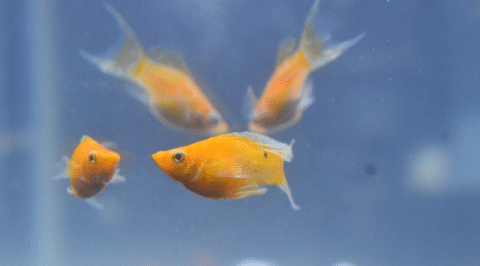
    12. Molly Fish

    Sailfin Molly in Aquarium
    • Scientific Name: Poecilia sphenops, P. latipinna, P. velifera, etc.
    • Adult Size: 4 inches
    • pH: 7.0 to 8.5
    • Water Temperature: 72 ยฐ to 82 ยฐF
    • Minimum Tank Size: 20 gallons

    Molly Fish are a peaceful species of fish, tolerant and apt to cohabitate in an aquarium environment with Gouramis. These fish boast robust healthiness as well as being willing eaters alongside the other type of aquatic animals inhabiting the same space.

    Itโ€™s essential that Molly Fish possess adequate hiding spots plus open spaces for swimming so they remain comfortable. While they are peaceful, they are big enough to not be bullied with most Gourami breeds. Both Mollies and Gouramis have omnivorous dietary habits, so there is no issue providing them both with food coming from similar sources. Mollies are also decent cleaner fish as they will consume algae in the aquarium.

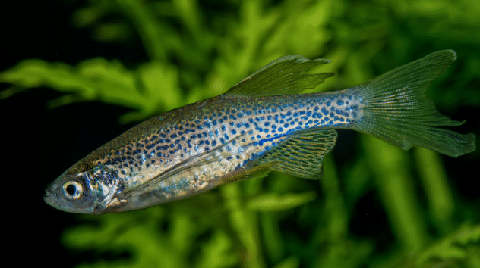
    13. Danio Fish

    Leopard Danio in Planted Tank
    • Scientific Name: Danio spp.
    • Adult Size: 1 to 4 inches
    • pH: 6 to 7.5
    • Water Temperature: 72 ยฐ to 81 ยฐF
    • Minimum Tank Size: 10 gallons for most species

    Danio Fish are calm and peaceful creatures. They originate from South Asia as well as Southeast Asia, making them a great choice for densely planted tanks with Gouramis, since theyโ€™re very hardy and can adapt quickly to their environment. Danio fish are very fish and should be able to dodge most aggression attempts as long as you give them enough space to maneuver. To ensure an enjoyable aquatic habitat both during the day and night, itโ€™s essential that these active little swimmers have sufficient space available at all times.

    14. Amano Shrimp

    • Scientific Name: Caridina multidetata
    • Adult Size: 2 inches
    • pH: 6 to 7.5
    • Water Temperature: 65 ยฐ to 78 ยฐF
    • Minimum Tank Size: 10 gallons for most species

    The Amano Shrimp is a larger variety of dwarf shrimp and makes an interesting addition to any tank with Gouramis. Its ability to clean the area by consuming algae, coupled with its peaceful nature, gives it many benefits for this type of environment. As they are bigger than other shrimp types, there is less chance that Gouramis will see them as food!

    15. Nerite Snails

    • Scientific Name: Neritina spp
    • Adult Size: 1 inch
    • pH: 6 to 8
    • Water Temperature: 65 ยฐ to 85 ยฐF
    • Minimum Tank Size: 5 gallons

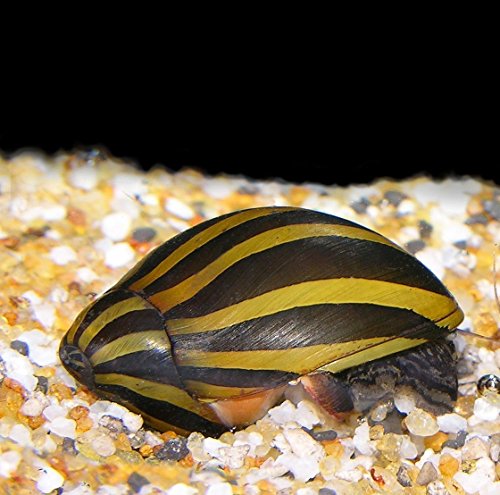
    Nerite snails are beloved by aquarium fanatics for their stunning looks and algae-eating nature, which helps to keep tanks pristine. They arrive in a selection of colors and patterns that make them stand out from the rest.

    These interesting snails are ideal companions when it comes to keeping Gouramis, as they wonโ€™t multiply like some other species do if kept in freshwater aquariums, making them an effective addition with no added complications!

    Other Fish Species

    Here are other species that didn’t make our list but are mentioned with commentary to help you with your decision:

    • Betta fish – Not compatible in most cases. Possible to get along with Pearl and Honey Gouramis
    • Glass catfish – A very peaceful fish best with smaller breeds
    • Mystery Snail – Great, just can be large
    • Chili Rasboras – Great for peaceful smaller breeds. Risky with dwarf gouramis unless tank is long
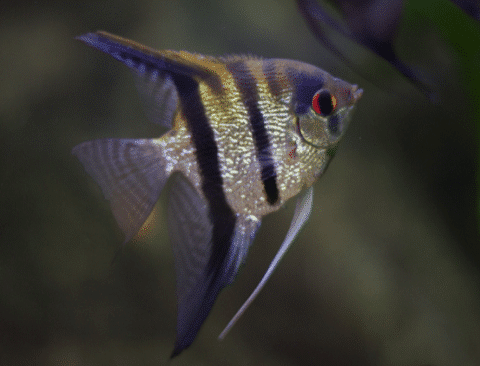
    • Angelfish – Dependent on gourami breed. Pearl gouramis are your best bet

    Tips For Creating A Harmonious Community Tank

    Creating a pleasant tank for Gouramis and their companions necessitates care in setup. By selecting appropriate tank mates, managing the perfect water conditions, and offering adequate hiding spots, you can create an atmosphere that is soothing as well as unperturbed for your fish species.

    You must bear in mind that each kind of fish has distinct needs to be fulfilled. Thus, itโ€™s vital to fulfill these requirements so that there will be equilibrium between them and other sorts of aquatic life in this community aquarium setup.

    Providing Adequate Hiding Spots

    Incorporating elements like plants, rocks and driftwood into the aquarium is paramount for reducing aggression in your Gouramis and their tank mates. Having a plethora of hiding spots will decrease competition for resources among fish within the tank, which helps to avoid disputes regarding territory.

    Another factor is keeping surface dwelling fish to a minium. Stick to mid and bottom level swimmers your gouramis do not feel threatened.

    Frequently Asked Questions

    Can gouramis go in a community tank?

    When it comes to keeping sparkling gouramis in a community tank, providing the necessary conditions is of utmost importance. For this type of environment, an aquarium should be properly planted with plenty of hiding spots and also offer ample space for swimming around. Optimal water temperature ranges between 72-82ยฐF (22-28ยฐC) while oxygenation must remain high and cleanliness essential. Fish that fit well into such tanks include species like Harlequin Rasboras or Corydoras Catfish.

    How many gouramis should be kept together?

    For optimal social interaction, itโ€™s suggested to have a minimum of four fish in the tank. To get even better results, increase that number to six or more, with either only one male present or no males at all. Not all breeds are suited for group interaction. Pearl Gouramis are the best candidate for a large group.
    What big fish can live with gourami?

    Gouramis make an attractive addition to a tank, and can be housed with a variety of fish species such as mollies, tetras, non-fancy livebearers, certain peaceful barbs and danios. All these fish have tolerance for the mild nature of gourami, making them compatible companions in your aquarium.

    Can Cory catfish live with gouramis?

    A 20-gallon tank is large enough for both Cory catfish and gouramis to peacefully coexist. Thus, these two types of fish can live together in the same aquarium without any problems.

    What water parameters are ideal for Gouramis?

    For optimal conditions, Gouramis should be kept in an aquatic environment with a pH between 6.8 and 7.8, hardness of 3 to 8 dKH, and temperature set at 75ยฐ F – 80ยฐ F degrees Fahrenheit for optimal living results.

    Closing Thoughts

    With the right planning and attention to detail, you can provide a thriving environment for your Gourami community tank that will bring pleasure and beauty into your home for many years. Making sure all the fishโ€™ needs are met – such as selecting appropriate tank mates that complement each other in terms of size, temperament, habitat requirements etc. is key to achieving harmony within this unique aquarium setup.

  • 21 African Dwarf Frog Tank Mates That Are Actually Compatible

    21 African Dwarf Frog Tank Mates That Are Actually Compatible

    African Dwarf Frog tank mates need to be slow enough that the frog competes for food and peaceful enough not to bother a nearly blind amphibian.

    Every tank mate you add is another mouth competing with an animal that cannot find food. Choose carefully.

    Key Takeaways

    • African Dwarf Frogs are small, peaceful, and hardy animals that need proper tank setup & diet of mainly meaty foods.
    • Choose tank mates with similar size & provide enough space in tanks of 10+ gallons for them to swim/explore.
    • Aim for a harmonious ecosystem by avoiding aggressive fish. Select from our list of 21 compatible species!

    Species Overview

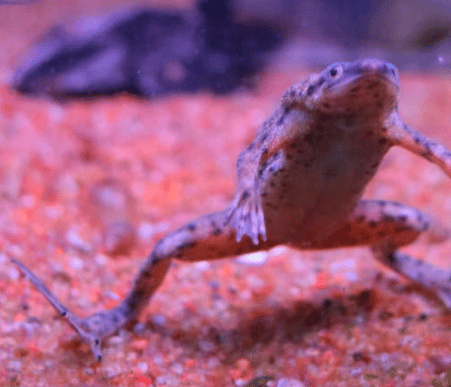
    African Dwarf Frogs, native to African rivers and streams1, are small amphibians that can grow up to 1.8 inches. These hardy animals have adapted well to different water conditions and consume meat-based food (e.g. – brine shrimp, bloodworms), but will also eat high protein fish pellets or flakes as snacks. To ensure the health of your frogs, it is necessary for you to set up an aquarium with compatible tank mates, properly filtered water temperature settings, along with other beneficial factors which would help dwarf frogs thrive in their environment. Caring for them should be straightforward since these peaceful creatures arenโ€™t choosy about what they munch on!

    Size And Space Requirements

    When looking for the right tank mates for African Dwarf Frogs, it is important to select animals of a similar size. This ensures compatibility and minimizes any threats between them. A 10-gallon aquarium should be sufficient if just two frogs are sharing the space. When adding other aquatic creatures like fish or additional dwarf frogs – then at least a 20-gallon tank would provide enough room without overcrowding your aquatic animals. When picking companions for these small amphibians, avoid anything that could pose as a predator, such as any fish that could fit them in their mouths.

    Water Conditions And Environment

    When housing African Dwarf Frogs, they must have warm filtered water with ideal temperatures between 72ยฐF and 82ยฐF. There should also be aquatic plants for places to hide, as well as low-level lighting in the tank so these frogs feel secure. When picking out any other creatures to live in this habitat, such as Nerite Snails or Mystery Snails, you need to make sure that their environment is suitable for them, too.

    The 21 Top African Dwarf Frog Tank Mates

    We now know enough about African Dwarf Frogs to start filling our tanks with compatible companions! To that end, let us discuss the list of 21 potential tank mates: think small and colorful fish alongside other aquatic critters. All share similar characteristics such as maintenance needs, eating habits, and personalities. Perfect for a harmonious cohabitation in one aquarium! Ready to get started on your special African dwarf frog setup? I’ve included the following states for each candidate:

    • Scientific Name
    • Adult Size
    • Water Temperature Range
    • Minimum tank size
    • Care Level
    • Diet
    • Origin
    • Swimming Level

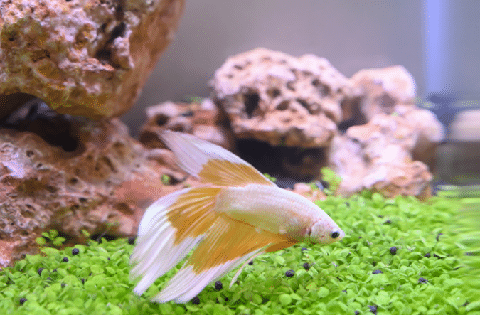
    1. Betta Fish

    WYSIWYG Available!
    Betta Fish

    Use Coupon Code ASDFISH at Checkout

    Betta Fish are one of the most beautiful varieties of freshwater fish available in the hobby. Easy to care for with plenty of varieties!

    Buy Premium Varieties Buy On Petco Online
    • Scientific Name: Corydoras spp.
    • Adult Size: 3 inches,
    • Water Temperature: 75ยฐF to 80ยฐF
    • Minimum tank size: 5 gallons
    • Care Level: Easy
    • Diet. Carnivore
    • Origin. Thailand
    • Swimming Level. Top to middle

    We start off the list with everyone’s favorite. While looking at color patterns and personalities, you may think they are one of the best tank mates for your fish, but that is not always the case. Males are at a higher risk of fighting, with Plakat breeds being the most risky. While it is possible to use them together, they are one of the riskiest on this list. However, they are extremely popular so I felt it was good to include them on the list. You will have your best luck with a female non plakat breed.

    2. Corydoras Catfish

    Habrosus Corydoras
    • Scientific Name: Corydoras spp.
    • Adult Size: 2 to 3 inches,
    • Water Temperature: 72ยฐF to 79ยฐF (22 to 26ยฐC)
    • Minimum tank size: 10 gallons
    • Care Level: Moderate
    • Diet. Omnivore
    • Origin. South America
    • Swimming Level. Bottom

    Corydoras Catfish are good companions for African Dwarf Frogs, since they both demand similar levels of care and measure around the same size. These catfish have slender figures that come in either black or brown colors with a maximum length up to 2.5 inches. Their playful attitude makes them excellent tank mates for dwarf frogs.

    It is essential to provide plenty of places where they can hide away when needed. These fish enjoy taking refuge by burrowing into the substrate as well as finding snug spots elsewhere in their habitat.

    3. Kuhli Loach

    • Scientific Name: Pangio Kuhlii
    • Adult Size: 4. 5 inches
    • Water Temperature: 73 to 86ยฐ F
    • Minimum tank size: 20 gallons
    • Care Level: Easy
    • Diet. Omnivore
    • Origin. Southeast Asia
    • Swimming Level. Bottom

    African Dwarf Frogs can benefit from having a Kuhli Loach as a tankmate. These fish have an eel-like appearance with their slender body and black stripe, growing up to 5 inches in size. They are peaceful creatures that prefer living in groups, which makes them great for community tanks. They are more active at night. They will hide among the plants or burrow deep down into substrate bedding during the day.

    4. Neon Tetras

    • Scientific Name: Paracheirodon innesi
    • Adult Size: 1.5 inches
    • Water Temperature: 70 ยฐ to 79 ยฐF
    • Minimum tank size: 10 gallons
    • Care Level: Moderate
    • Diet. Omnivore
    • Origin. South America
    • Swimming Level. Top to Middle

    The Neon Tetra is a small, eye-catching fish that is kept in harmony with African Dwarf Frogs within the same tank. These species are renowned for their vibrant red and blue stripes, which bring vividness to any aquarium setup. In order to get the most out of these delightful creatures, itโ€™s recommended they should always travel in packs of six or more – this makes them schooling fish naturally gravitating towards each otherโ€™s company.
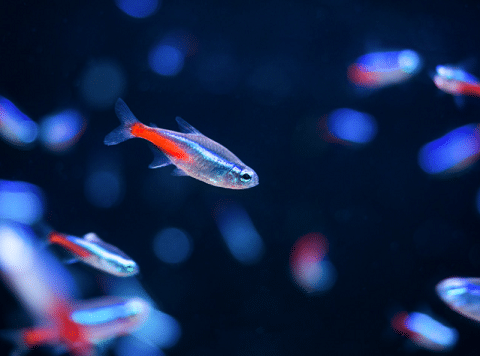
    In terms of temperature preferences and pH needs, these little beauties require 70ยฐF. 81ยฐF water temperature range along with 6.0. 7.0 on your pH scale. Being similar requirements between african dwarf frogs and neon tetras means coexistence together has proved easy, making for a great dwarf frog tank mate.

    5. Cardinal Tetra

    • Scientific Name: Paracheirodon axelrodi
    • Adult Size: 1.5 inches
    • Water Temperature: 73ยฐF to 81ยฐF
    • Minimum tank size: 20 gallons
    • Care Level: Moderate
    • Diet. Omnivore
    • Origin. South America
    • Swimming Level. Mid to Top

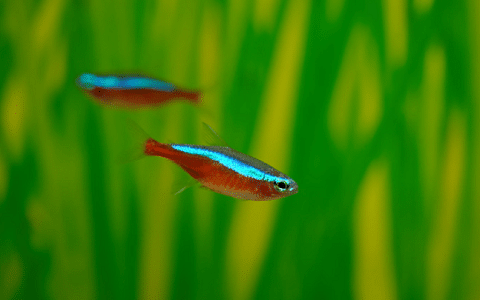
    Cardinal Tetras make for a cheerful addition to any community tank. These small, peaceful fish have striking coloration with red stripes that run along their bodies and are contrasted by vibrant blue streaks above them. Cardinal Tetras do best in temperatures between 73ยฐF and 81ยฐF. They are social creatures, too, so it is recommended to keep at least six of the same species together in one aquarium if you want an active atmosphere. African dwarfs frogs is kept successfully alongside these schooling fish since they share similar needs, such as neutral to acidic pH levels ranging from 6.0-7.0.
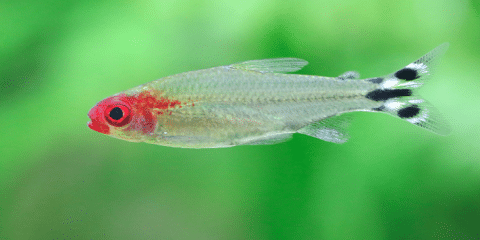
    6. Rummy Nose Tetra

    • Scientific Name: Hemigrammus bleheri
    • Adult Size: 1.5 inches
    • Water Temperature: 75ยฐF to 85ยฐF
    • Minimum tank size: 10 gallons
    • Care Level: Easy
    • Diet. Omnivore
    • Origin. South America
    • Swimming Level. Mid to Top

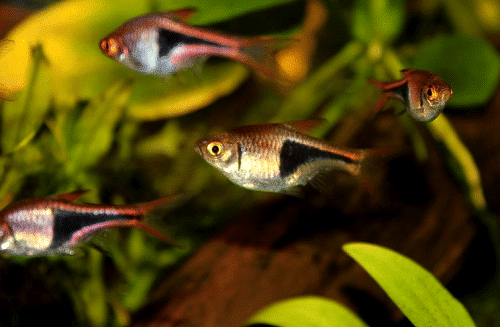
    The Rummy Nose Tetra is a great fit for African Dwarf Frog tanks due to their peaceful demeanor and similar care requirements. These fish are distinctive thanks to the striking black and white stripes that form on its tail, as well as its bright red nose. When kept in schools with at least six members, these creatures will thrive within an environment that maintains temperatures between 75ยฐF-85ยฐF paired alongside a pH range 6.4-7.0., making them perfectly suitable tank mates for African Dwarfs! Their interesting colors add something special to any frog tank setup while taking little effort from you. An ideal companion species all around!

    7. Cherry Barb

    • Scientific Name: Puntius titteya
    • Adult Size: 2 inches
    • Water Temperature: 73ยฐF to 81ยฐF
    • Minimum tank size: 25 gallons
    • Care Level: Easy
    • Diet. Omnivore
    • Origin. Sri Lanka
    • Swimming Level. All

    Cherry Barbs are schooling fish that can coexist peacefully with African Dwarf Frogs. This species has a striking red coloring and is docile, making it an ideal tankmate for your dwarf frogs. When it comes to temperature range and pH level, they should have water between 73ยฐF to 81ยฐF and 6.0-7.0, respectively. The more colorful creatures there are in the group (at least six), the better! All things considered, the Cherry Barb, with their captivating features, plus their peaceful nature make them great companion animals for African Dwarves.

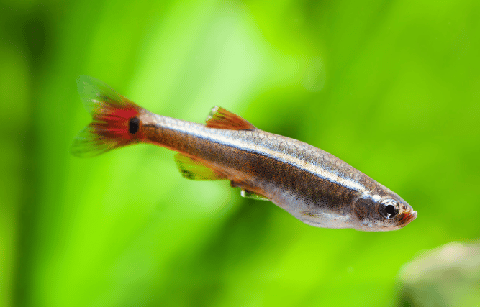
    8. White Cloud Minnow

    • Scientific Name: Tanichthys albonubes
    • Adult Size: 1 inch
    • Water Temperature: 64ยฐF to 72ยฐF
    • Minimum tank size: 10 gallons
    • Care Level: Easy
    • Diet. Omnivore
    • Origin. China
    • Swimming Level. Mid to Top

    White Cloud Minnows are a hardy species that can live in harmony with African Dwarf Frogs when kept together in the same tank. This small fish has an elegant silver body, decorated by a thin black line and radiant red fins. For them to thrive optimally, water temperature should be between 64ยฐF and 72ยฐF while pH levels ranging from 6.0 to 8.0 is recommended for optimal health of these aquatic dwellers.

    Given their schooling nature, at least six individuals must coexist simultaneously so they can feel relaxed around each other. Thanks also to its peaceful disposition, it will get along with your drawf frog just fine.

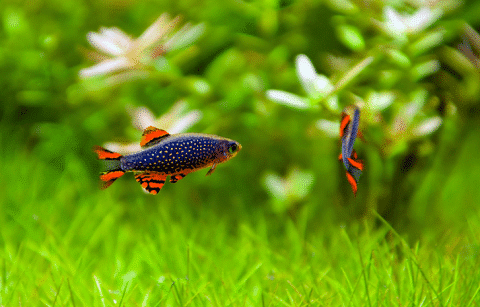
    9. Celestial Pearl Danio

    • Scientific Name: Danio margaritatus
    • Adult Size: 1 inch
    • Water Temperature: 72ยฐF to 76ยฐF
    • Minimum tank size: 10 gallons
    • Care Level: Moderate
    • Diet. Omnivore
    • Origin. South East Asia
    • Swimming Level. Midwater

    The Celestial Pearl Danio, also known as Galaxy Rasbora, is an attractive fish that can peacefully coexist with African Dwarf Frogs if given the right care. They have a blue body speckled with white spots resembling stars and require a temperature of 72ยฐF to 76ยฐF along with a pH range of 6.5-7.5 for ideal living conditions. These should be kept in groups at least six since they are schooling fish. It is a wonderful, colorful fish that compliments the African dwarf frog well.

    10. Harlequin Rasbora

    • Scientific Name: Trigonostigma heteromorpha
    • Adult Size: 2 inches
    • Water Temperature: 71ยฐF to 80ยฐF
    • Minimum tank size: 10 gallons
    • Care Level: Easy
    • Diet. Omnivore
    • Origin. South East Asia
    • Swimming Level. Midwater

    Harlequin Rasboras are schooling fish with silver bodies featuring a distinct triangular black patch. It is suggested to keep them in groups of six or more and they prefer water temperatures between 71ยฐF – 80ยฐF plus pH ranges from 6.0-7.0, making them an ideal addition to any African dwarf frog tank. Their peaceful nature makes it possible for the community tank setup as well! With its unique coloring, these vibrant creatures will make quite the splash in your frog tank habitat.

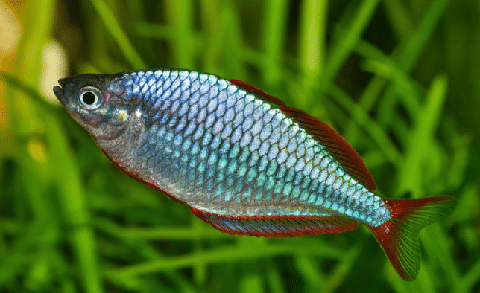
    11. Dwarf Rainbowfish (Praecox)

    • Scientific Name: Melanotaenia praecox
    • Adult Size: 2.5 to 3 inches
    • Water Temperature: 72ยฐF to 82ยฐF
    • Minimum tank size: 20 gallons
    • Care Level: Easy
    • Diet. Omnivore
    • Origin. Indonesia
    • Swimming Level. Top to Mid

    For a vibrant and compatible tankmate for your African Dwarf Frogs, the Dwarf Rainbowfish is an ideal choice. This colorful fish species can live harmoniously in well-planted tanks with its non-aggressive nature. These rainbowfish have bright blue bodies that are set off by orange or red fins. They shimmer like rainbows! To keep this species happy, you should provide water temperatures between 72ยฐF – 82ยฐF and maintain pH levels at 7.0 to 8.0. They need to in a group of at least six, which will pump up the tank requirements higher to at least 20 gallons to house them and frogs.

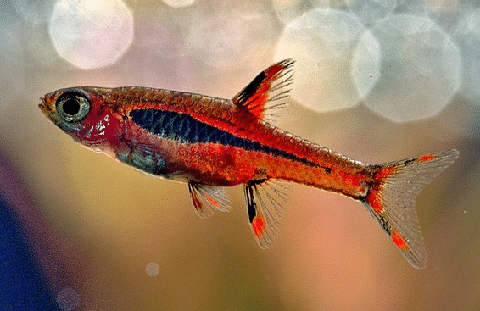
    12. Chili Rasbora

    • Scientific Name: Boraras brigittae
    • Adult Size: 1 inch
    • Water Temperature: 70ยฐF to 82ยฐF
    • Minimum tank size: 10 gallons
    • Care Level: Moderate
    • Diet. Carnivorous
    • Origin. Southeast Asia
    • Swimming Level. Midwater

    Chili Rasboras are tiny, peaceful fish with a bright red body featuring a black stripe down the side. The ideal environment for them is water between 70ยฐF and 82ยฐF. Recommended pH levels are from 6.0 to 7.0, though they have been known to tolerate lower pH levels. They and should be kept in groups of at least six so they exhibit their schooling behavior. They are peaceful fish that shouldn’t have issues with african dwarf frog and most other fish.

    13. Otocinclus

    • Scientific Name: Otocinclus spp.
    • Adult Size: 1.5 to 2 inches
    • Water Temperature: 74ยฐF to 79ยฐF
    • Minimum tank size: 20 gallons
    • Care Level: Moderate
    • Diet. Herbivore
    • Origin. Southeast Asia
    • Swimming Level. Bottom to Middle

    Otocinclus, a small and non-aggressive catfish species that can range from black to brown coloration with an average size of 2 inches in length. They are a great tankmate for your African dwarf frogs. These fish are good at scavenging uneaten food items and will also do an excellent job at eating algae. Their unique look adds even more visual interest to your community aquarium. Not competing with them over food resources, Otocinclus forms a safe relationship, enabling both species to thrive together peacefully. Just make sure you do supplemental feedings with food like algae wafers if you run out of algae in the tank!

    14. Zebra Danios

    What Does A Zebra Danio Look Like
    • Scientific Name: Danio rerio
    • Adult Size: 1 inch
    • Water Temperature: 72ยฐF to 81ยฐF
    • Minimum tank size: 10 gallons
    • Care Level: Easy
    • Diet. Omnivore
    • Origin. India
    • Swimming Level. All

    Zebra Danios are ideal for keeping in a community tank with African Dwarf Frogs. Peaceful and active, these fish have distinctive silver-blue stripes running along their bodies to make an interesting addition to the aquarium environment. With optimal water temperatures of 72ยฐF – 81ยฐF and pH levels of 6.5, 7.2, they should be kept in groups of six or more as schooling fish will bring out the playful side that makes them such great companions for your dwarf frog setup! Always feed these fish first before your frog as their fast nature will easily leave your frog short of food if you don’t!

    15. Honey Gourami

    • Scientific Name: Trichogaster chuna
    • Adult Size: 2 inches
    • Water Temperature: 74ยฐF to 82ยฐF
    • Minimum tank size: 10 gallons
    • Care Level: Easy
    • Diet. Omnivore
    • Origin. India
    • Swimming Level. Middle to top

    Honey Gourami is a peaceful, serene fish that could coexist with African Dwarf Frogs in an aquarium filled with plants. Their bodies have a golden hue and feature stripes running along the side from head to tail. This species of tropical fish prefers water temperatures between 74ยฐF-82ยฐF combined with pH levels ranging from 6.0 to 7.5.

    As peaceful as they may be, Honey Gouramis tend to prefer places where they can find refuge. Thus, itโ€™s essential you give them adequate hiding spots within your tank by having enough decorations and greenery inside their environment so these shy creatures feel more at ease around their new African Dwarf Frog tank mates.

    16. Fancy Guppy

    • Scientific Name: Poecilia reticulata
    • Adult Size: 2 inches
    • Water Temperature: 72ยฐF to 82ยฐF
    • Minimum tank size: 10 gallons
    • Care Level: Easy
    • Diet. Omnivore
    • Origin. South America
    • Swimming Level. Middle to top

    Fancy Guppies, a breed of brilliantly colored fish, is kept alongside African Dwarf Frogs in an aquarium. With males displaying more vivid colors than females, these live bearers require water temperatures between 72-82ยฐF and pH levels from 6.8 to 7.8 for optimal health. Making them ideal tank mates for your dwarf frogs due to their peaceful nature!

    As a word of caution with any livebearer, they reproduce rapidly. Actively monitor the number of Fancy Guppy individuals you have so that no overcrowding takes place within your aquascape ecosystem!

    17. Platies

    Platy Fish
    • Scientific Name: Xiphophorus maculatus
    • Adult Size: 2-3 inches
    • Water Temperature: 70ยฐF to 82ยฐF
    • Minimum tank size: 10 gallons
    • Care Level: Easy
    • Diet. Omnivore
    • Origin. South America
    • Swimming Level. Middle to top

    Platies make an attractive and colorful addition to any community tank. Their non-aggressive nature makes them perfect companions for African Dwarf Frogs, but due to their live-bearing status there is a need for regular monitoring in order not to overcrowd the aquarium with fry. The ideal environment should maintain water temperatures between 70ยฐF – 82ยฐF with a pH range of 7.0 to 8.5.

    18. Endler’s Livebearer

    • Scientific Name: Poecilia wingei
    • Adult Size: 1.5 inches
    • Water Temperature: 64ยฐF to 82ยฐF
    • Minimum tank size: 10 gallons
    • Care Level: Easy
    • Diet. Omnivore
    • Origin. South America
    • Swimming Level. Middle to top

    Endlerโ€™s Livebearer, a vivid-colored fish that is peaceful and non-aggressive in nature, require a larger tank to prevent overpopulation when living with African Dwarf Frogs. These amazing creatures have various fluorescent hues, which makes them quite outstanding within the aquarium. Endlers prefer temperatures between 64ยฐF and 82ยฐF as well as a pH range of 5.5 to 8.0. These wide parameter tolerates make it feasible for these stunning creatures to be compatible cohabitants alongside your dwarf frogs!

    Though capable of multiplying quickly due to their live-bearing characteristic, proper population management would keep overcrowding from occurring where they are housed.

    19. Nerite Snails

    • Scientific Name: Neritina spp
    • Adult Size: 0.5 to 1 inch
    • Water Temperature: 65ยฐF to 85ยฐF
    • Minimum tank size: 5 gallons
    • Care Level: Easy
    • Diet. Herbivore
    • Origin. Atlantic
    • Swimming Level. All

    Nerite snails, with their diverse range of colors and patterns, are an interesting addition to any community tank. Ideal conditions for these peaceful non-aggressive creatures include a water temperature between 65ยฐF – 85ยฐF and pH 7.0. 8.5. Their wide range makes them suitable companions alongside your African Dwarf Frogs who do not compete over food resources in the same habitat. Unfortunately, they may lay eggs around the aquarium. While they won’t hatch because babies need brackish water to survive, it may be become an eyesore if they are purchased from the pet store in large numbers.

    20. Cherry Shrimp

    Beginner Friendly
    Cherry Shrimp

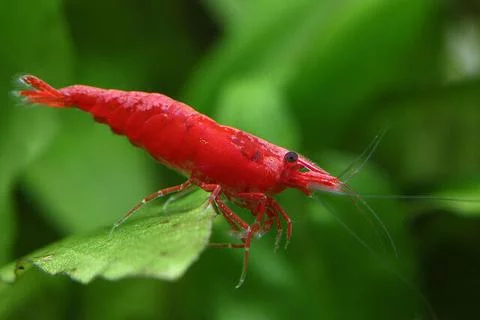
    Great red color and very hardy. Cherry shrimp are the best beginner shrimp for shrimp tanks

    Click For Best Price Buy In Bulk
    • Scientific Name: Neocaridina davidi
    • Adult Size: 1 to 1.25 inches
    • Water Temperature: 65ยฐF to 73ยฐF
    • Minimum tank size: 5 gallons
    • Care Level: Easy
    • Diet. Omnivore
    • Origin. Taiwan
    • Swimming Level. All

    The Cherry Shrimp is a vivid, small-sized crustacean that is placed in the same tank as African Dwarf Frogs but could also potentially become their prey. This appealing shrimp requires waters with temperatures between 65ยฐF to 73ยฐF and pH levels of 6.0 up to 7.5 for it to thrive. They are an amiable creature and make great companions when cohabitating with dwarf frogs. They need a lot plants and your frogs need to be well fed for them not to be seen as snacks to your frog. The next shrimp will be a better option.

    21. Amano Shrimp

    • Scientific Name: Caridina multidetata
    • Adult Size: 2 inches
    • Water Temperature: 65ยฐF to 78ยฐF
    • Minimum tank size: 5 gallons
    • Care Level: Easy
    • Diet. Omnivore
    • Origin. Japan
    • Swimming Level. All

    Amano shrimp are great candidates for tankmates to African Dwarf Frogs since they will not be eaten. These shrimps have a grey body with dark stripes across them and can survive comfortably in water temperatures between 70ยฐF-80ยฐF as well as pH of 6.0-7.0. These peaceful creatures help keep tanks clean by eating algae and other debris from the bottom substrate, making them perfect companions for your dwarf frogs! Bamboo shrimp also work great too.

    Tank Mates To Avoid

    When looking for tank mates to share your African Dwarf Frogsโ€™ habitat, focus on compatible and non-aggressive species that require similar care requirements and environmental conditions. Avoid predators, aggressive fish such as territorial cichlids, large predators, and African Clawed Frogs.

    Creating A Balanced Community Tank

    How Does an African Dwarf Frog Look Like

    Creating a harmonious tank for your African dwarf frogs and their other inhabitants requires careful consideration of factors such as compatibility, tank size and environmental conditions. All the species in an African Dwarf Frog aquarium should have similar water parameters, including temperature and pH levels. Providing ample hiding places with plants is necessary to create an environment that mimics nature.

    Itโ€™s important to keep track of food consumption so that all occupants receive adequate nutrition. Ensure there are no overcrowding issues by keeping population numbers under control when needed. Here are some general tips to help:

    • Feed your fish first, then your frog, to ensure everyone gets enough food
    • Balance your tank our with bottom dwellers, mid swimmers, and surface dwelling fish
    • Keep lots of decor and/or plants so there are places to hide for everyone

    Frequently Asked Questions

    Do African dwarf frogs need a companion?

    African Dwarf Frogs require companionship to be healthy and happy. These social amphibians should live in a group of two or more. They will do best at minimum a 10 gallon tank with 20 gallons being recommended. It is best if they cohabit with peaceful, slow swimming fish species too.

    Can African dwarf frogs live in a fish tank?

    African dwarf frogs make great companions and is kept with other species. They need a minimum of 10 gallons in order to live comfortably, though if you want multiple frogs or are adding fish into the mix then a 20-gallon tank is a better choice.

    Will African dwarf frogs eat guppies?

    African dwarf frogs are an excellent option if you need to curb the number of guppies in your tank since they can certainly consume any fry that is born in the tank. Kept this in mind if you actually want to breed guppies.
    What size should tank mates of African Dwarf Frogs be?

    Tankmates for African Dwarf Frogs should not be larger than 3 inches in order to protect them from potential harm. These frogs are timid and non-aggressive, so it is essential that their tankmates also exhibit these traits, as they could otherwise cause injury or distress to the dwarf frogs.

    How often should I feed beef heart to my African Dwarf Frogs?

    Once a month, African Dwarf Frogs should be given beef heart as their food source. These small amphibians will benefit from this treat.

    Closing Thoughts

    African dwarfs frogs are unique and easy to care for amphibians that can co-exist peacefully in a shared tank with compatible other species. If you carefully choose less aggressive pets who need similar water parameters, then your African Dwarf Frogโ€™s aquarium will be an interesting spectacle of colors while simultaneously being balanced and healthy. You should pay attention to feeding patterns, water purity levels as well as quantity when making sure the environment is suitable for everyone living inside it. With adequate dedication, having an African Dwarf Frog Tank at home will be both rewarding and appealing.

    Have you keep frogs in your aquarium? Let us know in the comments below. Until next time fishkeepers!

  • Top 10 Pea Puffer Tank Mates (And 4 You Should Never Try)

    Top 10 Pea Puffer Tank Mates (And 4 You Should Never Try)

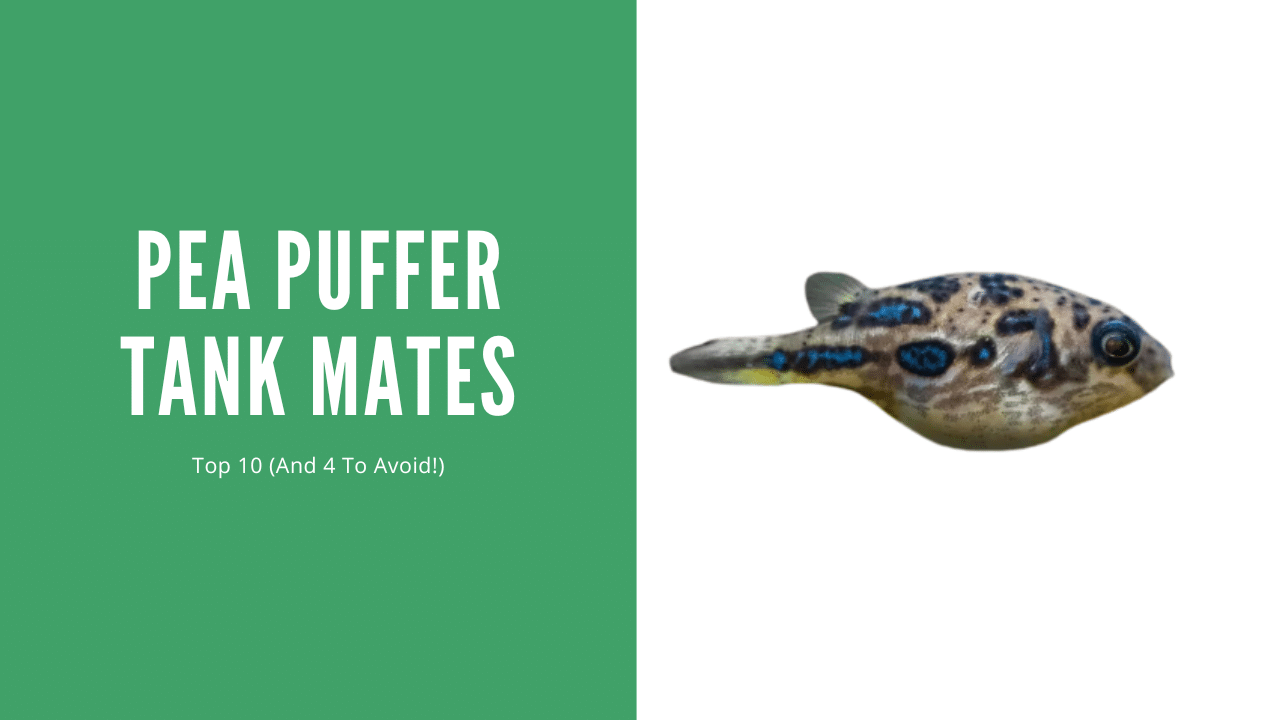
    Pea Puffer tank mates are a short list because pea puffers bite everything. They nip fins, hunt snails, and terrorize slow-moving fish.

    Most pea puffer tank mate lists are wish lists. The puffer decides who stays.

    Key Takeaways

    • Pea puffers are territorial and semi-aggressive fish
    • Provide enough space and hiding spots, as well as the right water parameters to create an ideal habitat.
    • Choose tank mates for your pea puffer – good options include Otocinclus Catfish, small Plecos & other Pea Puffers. Avoid Guppies, Rasboras & Betta Fish.
    • All fish are a potential risk – always have a back up plan

    Understanding Pea Puffers

    Pea puffers are renowned for their playful personalities and dainty size. Although these little fish may be small, they can still exhibit a great deal of aggression. Hence, it is essential to understand what type of environment will support them so that other aquatic life forms in the tank donโ€™t come under attack from this active species!

    Pea Puffers have a number of traits that will make them a poor fit in community fish tanks. They are territorial and very curious creatures that regularly get bored. This boredom is what makes them nip other fish, similar to how tiger barbs do the same. Not only do they nip, but they have powerful jaws that can hurt, maim, or kill other fish species.

    Size and Space Requirements

    A minimum tank size requirement of a 20 long tank must be met to each consider other tankmates other than pea puffers. Furthermore, a heavily planted habitat combined with plenty of places to hide is a must so other fish have places to hide from your pea puffer’s aggression outbursts.

    The little pea puffers need room to be comfortable. For just one of them, the ideal is a 10-gallon tank. With six of these fish together, youโ€™ll want no less than 20 gallons in order that they donโ€™t become aggressive or hurt their aquarium companions. Itโ€™s essential to create plenty of space and hideaways so peace can reign under the water!
    While 20 is the minimum, a 29 gallon tank would be recommended or even a 40 gallon breeder. The larger the tank, the higher the chances of success. Males will also be more aggressive than females. While you won’t be able to tell the differences between the two when they are young, over time the female will become larger and rounder than the male.

    Water Conditions And Environment

    Providing a secure and comfortable environment is essential for the health of pea puffers and their tank mates. Itโ€™s best to keep warm, soft water with consistent pH levels in an fish tank filled with live plants that offer plenty of hiding spots. However, these fish are very adaptable. Pea puffers can live in hard water.

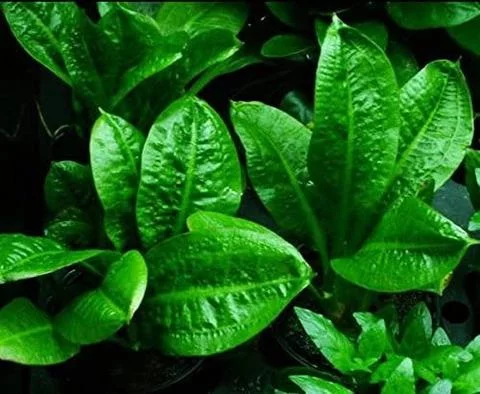
    The main thing with a tank setup with other fish is hiding places. Heavily planted tanks are ideal. You will want to utilize hardy plants such as Amazon Sword or Java Fern. Pea puffers will happily nip at plants out of boredom and less hardy plants will die or not thrive due to the beating taken from your puffers.

    Amazon Sword

    A classic background aquarium plant. Grows large and will be a centerpiece in your aquarium

    Click For Best Price Buy On Amazon

    A Word Of Caution

    When considering pea puffers for an aquarium, it is important to be aware of their potential aggression. The fish may act aggressively towards smaller species with slow or long-finned movement since they are prone to fin-nipping behavior and are territorial.

    Even with a larger tank, all puffers have different personalities. In this list, I have included a chance of success rating so you are aware of the risk. As a rule of thumb, here are a few general tips:

    • Introduce the pea puffers last or rehome temporarily while introducing the new fish
    • Observe the puffers in a breeding box in the tank to monitor interactions
    • Keep your puffers well fed, a well-fed fish will be less aggressive (e.g., brine shrimp, bloodworms, etc)
    • Always have a backup plan, and be prepared to remove the puffers right away if severe aggression occurs

    The 10 Best Pea Puffer Tank Mates

    Now on to our list. Here is in my mind, the top 10 options you can try to keep with Pea puffers. I have included the following stats for each species.

    • Scientific Name
    • Adult Size
    • Water Temperature Range
    • Minimum tank size
    • Care Level
    • Diet
    • Origin
    • Swimming Level
    • Change Of Success

    Let’s get started with our list!

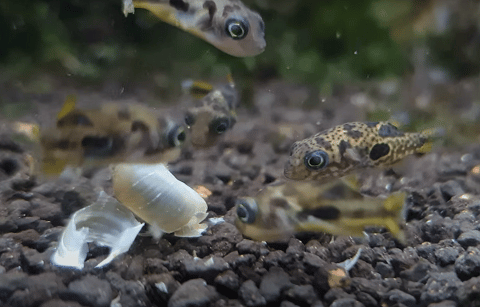
    1. Other Pea Puffers

    Pea Puffer Eating Snail
    • Scientific Name: Carinotetraodon travancoricus
    • Adult Size: 1 inch
    • Water Temperature: 72ยฐ. 82ยฐ F
    • Minimum tank size: 10 gallons
    • Care Level: Moderate
    • Diet – Carnivore
    • Origin – India
    • Swimming Level – Top, middle, below
    • Change Of Success – Guaranteed

    The best tank mate is to just had more pea puffers! The ideal ratio for pea puffers is to have 3 females for every male, in order to reduce the chances of them displaying aggression. To ensure they cohabitate happily, a spacious and well-planted aquarium should be provided as it gives each puffer enough room and hiding places. Having at least three fish will give these critters companionship too!

    2. Otocinclus Catfish

    • Scientific Name: Otocinclus spp.
    • Adult Size: 1.5 to 2 iches
    • Water Temperature: 74ยฐF to 79ยฐF
    • Minimum tank size: 20 gallons
    • Care Level: Moderate
    • Diet – Herbivore
    • Origin – South America
    • Swimming Level – Bottom to middle
    • Change Of Success – High

    Otocinclus catfish make terrific tankmates for pea puffers due to their peaceful nature and efficient algae-eating capabilities. These small fish help keep the aquarium environment tidy by consuming excess vegetation, making them a highly beneficial addition to any community of aquatic animals.

    It is important that these fish have an abundance of plants and algae in order to survive while living alongside your pea puffer friends! Supplemental feeding is a must!

    3. Corydoras Catfish

    What Does A Cory Catfish Look Like
    • Scientific Name: Corydoras spp.
    • Adult Size: 2 to 3 inches,
    • Water Temperature: 72ยฐF to 79ยฐF (22 to 26ยฐC)
    • Minimum tank size: 10 gallons
    • Care Level: Moderate
    • Diet – Omnivore
    • Origin – South America
    • Swimming Level – Bottom
    • Change Of Success – High

    Corydoras catfish provide a great addition to an aquarium with pea puffers due to their calm, placid nature. Their armored bodies help ensure they can live in harmony with the fish that make up this type of community tank with a lower risk of aggression occurring. In terms of maintaining cleanliness within the habitat, these bottom-feeders are invaluable as they consume bits and pieces left behind from feeding time for all living occupants. Their omnivorous nature makes them a great scavenger with the puffer’s messy nature.

    4. Bristlenose Pleco

    • Scientific Name: Ancistrus Cirrhosus
    • Adult Size: 4 to 5 inches
    • Water Temperature: 73ยฐF to 80ยฐF
    • Minimum tank size: 20 gallons
    • Care Level: Easy
    • Diet – Herbivore
    • Origin – South America
    • Swimming Level – Bottom
    • Change Of Success – High

    The Bristlenose Plecos are peaceful, algae-eating fish that can coexist happily with the pea puffers. Their armored body provides them protection, while their algae consumption helps to keep a puffer tank clean from unwanted growth. Hence, these small and unique looking creatures make for an excellent choice when setting up a friendly environment between your pea puffers and other aquatic animals in oneโ€™s home aquarium.

    5. Kuhli Loaches

    • Scientific Name: Pangio Kuhlii
    • Adult Size: 4 – 5 inches
    • Water Temperature: 73 to 86ยฐ F
    • Minimum tank size: 20 gallons
    • Care Level: Easy
    • Diet – Omnivore
    • Origin – Southeast Asia
    • Swimming Level – Bottom
    • Change Of Success – High

    Kuhli Loaches are not overly aggressive and spend most of their time at night. They is easily kept with pea puffers in an aquarium, as long as they have a soft sand substrate that allows them to burrow comfortably and places to hide. An environment like this allows both species to thrive side by side, giving the tank owner plenty of interesting activity to observe underwater.

    6. Zebra Danios

    What Does A Zebra Danio Look Like
    • Scientific Name: Danio rerio
    • Adult Size: 1 inch
    • Water Temperature: 72 to 81ยฐ F
    • Minimum tank size: 10 gallons
    • Care Level: Easy
    • Diet – Omnivore
    • Origin – Eastern India
    • Swimming Level – All
    • Change Of Success – Medium

    Zebra Danios, a type of schooling fish known as being peaceful fish and swift in the water. They are fast enough to avoid the aggression of your pea puffer as long as the tank is large enough for them to maneuver.

    Given they are dither fish, their nature will help bring out your pea puffers out in the open more. There still is a chance these fish may be victims of nipping or being eaten (especially long finned types), but of all non bottom feeding fish, these danios have the best chance of success.

    7. White Cloud Minnow

    • Scientific Name: Tanichthys albonubes
    • Adult Size: 1 inch
    • Water Temperature: 57ยฐF to 72ยฐF
    • Minimum tank size: 10 gallons
    • Care Level: Easy
    • Diet – Omnivore
    • Origin – China
    • Swimming Level – Mid to Top
    • Change Of Success – Medium

    White Cloud Minnows are a great choice for an aquarium due to their peaceful temperament and fast speed. Like the Zebra danio, they are fast enough to avoid the aggression of your puffer. They do best in groups when it comes to swimming, creating even more harmony within community tanks as they scavenge. These hardy fish truly bring life into your tank! As another dither fish, they will encourage your dwarf pufferfish to be more active fish.

    They are still at risk of being nipped or eaten; these colorful fish species have a lower chance than others.

    8. Amano Shrimp

    • Scientific Name: Caridina multidetata
    • Adult Size: 2 inches
    • Water Temperature: 65ยฐF to 78ยฐF
    • Minimum tank size: 5 gallons
    • Care Level: Easy
    • Diet – Omnivore
    • Origin – Japan
    • Swimming Level – All
    • Change Of Success – Low

    Amano Shrimp can make good tank mate for pea puffers. These peaceful invertebrates are efficient algae eaters, consuming both the excess food in the tank as well as keeping it clean from an algae bloom. Due to their docile nature, they can live happily with a puffer without much trouble at all. They require minimal care while occupying various sized tanks just fine!

    However, if not placed in a heavily planted tank there’s a good chance your Amano will become a snack for the pea puffer. A larger tank and lots of plants are essential. Do not attempt if you have a mostly open aquascape setup!

    9. Molly Fish

    How Do Molly Fish Look Like
    • Scientific Name: Poecilia sphenops, P. Latipinna, P. Velifera, etc.
    • Adult Size: 4 inches
    • Water Temperature: 72 ยฐ to 82 ยฐF
    • Minimum tank size: 20 gallons
    • Care Level: Easy
    • Diet – Omnivore
    • Origin – North and South America
    • Swimming Level – Middle
    • Change Of Success – Low

    Molly Fish are potentially great companions for pea puffers in the same community tank. However, a large tank is needed to pull it off. While the dwarf puffer won’t eat the Mollies, it is possible for them to get nipped. A tank of at least 29 gallons is a must to attempt, with your highest success at a 40 gallon tank.

    This is the only livebearer that makes our list. All other livebearers are too small and is mortally wounded or eaten.

    10. Neon Tetras

    • Scientific Name: Paracheirodon innesi
    • Adult Size: 1.5 inches
    • Water Temperature: 70 ยฐ to 79 ยฐF
    • Minimum tank size: 10 gallons
    • Care Level: Moderate
    • Diet – Omnivore
    • Origin – South America
    • Swimming Level – Top to Middle
    • Change Of Success – Low

    Neon Tetras are a type of aquarium fish known for their stunning colors and peaceful nature. While they are fast enough to avoid the pea puffer, they need a long enough tank and enough planted life to cohabitate with them safely.

    They also need to be housed in large numbers. Knowing this, I would not attempt housing them with a dwarf puffer in anything less than 29 gallons. You will have the most success in a 40 gallon breeder.

    Bad Choices

    When it comes to tank mates for pea puffers, some fish species are not recommended due to their size, temperament, or vulnerability. The following fish should be completely avoided in order to keep the inhabitants safe and happy. Itโ€™s important that these factors are taken into consideration before adding any other types of creatures into your pea puffer aquarium!

    1. Guppy Fish

    Guppy Fish, with their graceful fins and delicate swimming style, can make them attractive targets for pea puffers. These fish are also known to reproduce quickly, which could make the fry snacks for the puffer. However, guppies are too small to be housed with a pea puffer. While they are fast and can avoid the puffer, a nip could result in a moral wound given their size or they is eaten all together.

    2. Rasboras

    School of Rasboras

    Itโ€™s best to steer clear of combining rasboras and pea puffers in the same tank. These small fish can become easy targets of aggression, inducing stress for both types of species. To create a more balanced habitat, it is advisable not to mix them together as this is detrimental for the rasboras. Although these delicate little creatures are peaceful by nature, theyโ€™re often too vulnerable when exposed to attacks that come with pairing them up with predatory fish like pea puffers.

    As a side note, the Chilil Rasbora is often mentioned in blogs. I will tell you right now if your pea puffer manages to nip one of them they will be killed nearly instantly! Don’t risk it. Zebra Danios fare a much better chance.

    3. Angelfish

    Freshwater Angelfish

    Angelfish and pea puffers are a combo that will end up as a bloodbath. The pufferfish will enjoy nipping at the fins of the Angelfish, while the Angelfish is big enough to stand up on its own and fight back. It is even more disastrous if either fish is breeding. For both animalsโ€™ welfare, itโ€™s recommended they remain separate inhabitants of different tanks/aquariums.

    4. Betta Fish

    WYSIWYG Available!
    Betta Fish

    Use Coupon Code ASDFISH at Checkout

    Betta Fish are one of the most beautiful varieties of freshwater fish available in the hobby. Easy to care for with plenty of varieties!

    Buy Premium Varieties Buy On Petco Online

    Housing a betta fish and pea puffers together is not advisable since both are territorial in nature. However, this is a battle the pea puffer will win as their beaks are powerful enough to heavily damage the Betta. Furthermore, fancy finned varieties will have zero chance against the pufferfish. Fights will easily result in an infection for the Betta and possibly death from stress. These are both species completely incompatible with each other and should not be housed together.

    Frequently Asked Questions

    What is housed with pea puffers?

    Pea puffers are semi-aggressive, which makes them a challenge to be housed with other fish. The best fish to house with them are other pea puffers. One lower risk choices include Corydoras, small plecos, and kuhli loaches.

    Can a pea puffer be in a community tank?

    Keeping pea puffers in their own tank without other fish is the most beneficial for them since they are territorial and semi-aggressive. Your best option is to house them with their own kind in pea puffer tanks.

    Do pea puffers need friends?

    A 10 gallon tank is the perfect space for a single pea puffer. They are known to be territorial and donโ€™t need any companions in order to stay healthy. Although itโ€™s possible that two or more of them can live happily together with enough room, this isnโ€™t essential.

    How big should a tank be for a single pea puffer?

    A 10 gallon tank is necessary for keeping a single pea puffer fish.

    How can I reduce aggression in my pea puffer tank?

    For your pea puffer tank to be a peaceful place, providing plenty of room for swimming as well as hiding spots and ensuring the water is kept clean are key. A longer tank that is longer than 2 feet is also helpful. All these aspects help prevent aggressive behaviors from occurring in this type of aquarium.

    Closing Thoughts

    To conclude, it is possible for pea puffers to live happily with other tank mates if their special needs and characters are taken into consideration. When looking at space requirements, hiding places, and water quality. Which should be kept up to a high standard – as well as being aware of the pufferโ€™s size and behavior, one can establish an enchanting underwater environment that everyone in the aquarium will thrive in! So donโ€™t hesitate anymore. Bring home some amazing cohabitants for your precious little pea puffers today!

    If you like our content be sure to subscribe to our YouTube Channel. We post new videos every week. Let know your experience in the comments below!


    ๐Ÿ“˜ Want to learn more? This article is part of our complete Freshwater Fish Guide. Your ultimate resource for freshwater species, care tips, tank setup, and more.

  • Betta Fish Vertical Death Hang: Causes and How to Treat It

    Betta Fish Vertical Death Hang: Causes and How to Treat It

    Vertical death hang is one of those alarming behaviors that sends betta keepers into a panic. and understandably so. I’ve seen it in my own bettas and helped other hobbyists troubleshoot it many times. The causes range from swim bladder issues to temperature shock, and knowing which one you’re dealing with determines the fix.

    If you see your betta hanging vertically near the surface. head up, tail down, barely moving. that’s what the hobby calls the vertical death hang, and it’s one of the more alarming things you can witness in a fish tank. I’ve seen it more times than I’d like over 25+ years. The good news: it’s not always fatal. The underlying cause is almost always swim bladder related, but what’s triggering the swim bladder problem is the real question. and that’s where the treatment path splits. Here’s how to read the situation and what to do about it.

    Key Takeaways

    • Betta fish vertical death hang is caused by swim bladder disorder, environmental factors, and other health issues.
    • Early intervention is key to treating it – adjust diet, improve water quality & ensure proper filtration.
    • Monitor behavior & educate yourself on betta care for prevention of this fatal issue.

    What Is It?

    Betta fish can suffer from a worrisome issue known as vertical death hang. This condition is seen when the betta has difficulty keeping itself upright, and it becomes trapped in an almost vertical position while struggling until its demise unless treated properly. Often linked to swim bladder disease or environmental problems that hinder the ability of these little guys to remain afloat while swimming vertically, this behavior – also called betta fish hanging – deserves more attention for anyone caring about their pet fishโ€™s wellbeing.

    To gain insight into what causes this phenomenon, we must look at two primary culprits: issues with swim bladder regulation and potential challenges coming from the environment.

    Swim Bladder Disorder

    Betta fish are prone to swim bladder disorder which can result in their vertical death hang. This occurs when the gas filled sac located within them, helping with buoyancy and swimming horizontally, is not functioning correctly. Symptoms of this disorder include erratically swimming along with a crooked posture or swelling around the stomach as well as lethargy. As such, itโ€™s important to identify what causes the issue before attempting treatment so that betta fish do not suffer from unnecessary stress from treatment.

    Environmental Factors

    The environment plays a big role in preventing your betta fish hanging vertically in your tank. This includes keeping the water temperature between 76-82 degrees Fahrenheit, using proper filtration systems and providing enough space for them to swim freely by having at least 5 gallons of tank size. High levels of ammonia, nitrites, and nitrates as well as low oxygen concentrations, are all detrimental factors that can lead to said condition.

    Common Causes

    We have a clearer understanding of what leads to betta fish vertical death hang, so letโ€™s take an in-depth look at some common factors. Such as inappropriate water quality, not having efficient filtration systems installed, tank size being too small for the species, wrong dietary intake and bacterial infections that could upset the pH levels.

    Betta in Planted Aquarium

    Awareness on these potential issues will allow you to move swiftly if needed. Thus guaranteeing your bettaโ€™s well-being.

    Poor Water Conditions

    Maintaining the right water quality is paramount for your betta fishโ€™s well-being, particularly in regard to controlling ammonia levels and making sure its environment remains at an appropriate temperature. Not heeding these two points could lead to a phenomenon known as โ€˜betta fish vertical death hangโ€™, so itโ€™s important that you keep up with regular water changes along with investing in a trustworthy heater and thermometer apparatus. Always make sure you treat your tap water with a dechlorinater also.

    On top of looking out for proper temperature and ammonium readings, one should also pay attention to ensuring there are no pH levels discrepancies within your betta tank. Optimal values falling between 6.5 – 7 will ensure they remain safe from any potential occurrence of this unfortunate health issue. which can happen otherwise if good care isnโ€™t taken!

    Inadequate Filtration

    Using the correct filter for your betta fish tank is key to maintaining good water quality and reducing stress levels, which can lead to vertical death hang. Low-flow filters are recommended as they cause less damage to fins while still effectively filtering out toxins. Regularly cleaning the filter and changing its disposable media will ensure healthy conditions in the aquarium, thus helping prevent a potential occurrence of betta fish or other speciesโ€™ vertical death.

    Editor’s Choice
    Hikari Bacto Surge Sponge Filter

    The Best Sponge Filter

    With a name brand and high quality reputation, the Bacto Surge separates itself from the pack

    Buy On Chewy Buy On Amazon

    For bettas, internal filters and sponge filters are the most gentle. You can use power filters or canister filters if you dial down the flow and cover the intake with a sponge.

    Incorrect Tank Size

    It is suggested to have a tank of 5 gallons or larger for betta fish in order to reduce the chances of them suffering from vertical death hang. This will allow an appropriate space where they can spread their territory without having to face any stress due to insufficient size and also help maintain good water quality. A small tank like a bowl or tiny aquarium is not recommended.

    An inadequate aquarium could lead these aquatic creatures into developing issues that could cause problems like vertical death hang. Bettas do best in community tanks. I would encourage anyone who wants to keep a Betta fish to consider at least a 10 or 20 gallon tank in order to house them in a school full of other community fish.

    Poor Diet

    Feeding your betta fish a nutritious diet with the right portions is key to preventing constipation and swim bladder problems. Offering different types of food such as freeze-dried bloodworms, brine shrimp, daphnia, or live foods like mosquito larvae and tubifex worms can help stop the issues that may lead to vertical death hang in these creatures. Dry foods can become problematic overtime, as they will expand in the belly and could cause bladder diseases. In order to prevent that you should offer a mix of foods and offer plenty of insect or worm matter. Foods like bug bites are a good source for a staple and do not expand as much as lower quality pellet foods.

    If untreated by adjusting their dietary plan, this phenomenon could be fatal for our finned friends. Thus making sure they eat balanced meals regularly will ensure proper health and guard against potential conditions such as swimming bladder complications which ultimately might cause vertical betta fish hang!

    Bacterial Infections

    Betta fish are prone to diseases such as a swim bladder issue and vertical death if exposed to harmful bacteria. To ensure that your bettaโ€™s health is not compromised, it is vital to maintain a clean tank environment for optimal swimming behavior. Infections can also occur due to a poor accumulation process. Ask the vendor you are purchasing your fish from about their water parameters and have your water prepped close to theirs. Also consider drip accumulation for fish that are purchased locally (do not do this with fish purchased online)

    This can be done through regular water changes, using proper filtration systems and removing debris from the aquariums which would help reduce the development of infections in sick fish leading them towards their own natural way of living, swimming! Keeping an eye on this level of hygiene also reduces any chances they may have had with enduring vertical death hangs due to bacterial related problems.

    pH Levels

    Maintaining the right pH levels in a betta fish tank is very important to keep them healthy, as imbalances can lead to vertical death hang. The optimal level for these fish lies between 6.5 and 7. Using water testing regularly allows you to monitor your aquariumโ€™s acidity degree accordingly.

    If something goes wrong with your tanks PH values, there are certain solutions that could help out like peat moss or driftwood if you need it more acidic or limestone/coral sand when trying to increase alkalinity instead – thus providing an appropriate environment for avoiding any issue related to their fishโ€™s โ€œvertical death hangโ€ health-wise speaking.

    Keeping the correct pH conditions will provide welfare benefits directly connected with this danger so all betta fish owners should take into account such essential factor regarding Fish Vertical Death Hang prevention today!

    Treatment

    Acting quickly is necessary in order to deal with betta fish vertical death hang. Ensuring better water quality, appropriate filtration, and sufficient space can help the betta fish recover from such a situation as well as reduce the chances of it occurring again in the future. To this effect, monitoring your petโ€™s behavior carefully while learning more about proper care should result in early recognition of any possible problems that could lead to or cause vertical death hang for a betta fish. By looking into their diet and implementing adjustments accordingly, you will be able to provide assistance when needed most.

    Adjusting Diet

    To help prevent constipation and swim bladder problems in betta fish, one should ensure their diet is balanced. This could include a combination of freeze-dried bloodworms, brine shrimp, daphnia and live foods like mosquito larvae or tubifex worms. Itโ€™s essential to control proper feeding portions as overfeeding can result in vertical death hang for the fish. Adjusting dietary habits can reduce the risks associated with this issue while also preventing any future complications due to constipation or swim bladder issues on the overall health of your betta fish.

    Improving Water Quality

    To avoid betta fish suffering from vertical death, the water quality in their tank needs to be kept consistent. Temperature should stay between 76-82 degrees Fahrenheit and you must maintain adequate filtration with regular water changes so that it has a healthy pH level.

    Maintaining good aquatic conditions will help reduce the likelihood of problems such as fish falling over due to poor health – resulting in better overall well being for your pet betta swimming straight up!

    Ensuring Proper Filtration

    Maintaining proper filtration is essential for providing a healthy habitat and preventing harmful toxin build up in your betta fishโ€™s tank. Ensure that the correct aquarium filter type – low-flow, gentle on fins, is used so as to create an environment conducive to keeping aquarium water quality optimal while decreasing levels of stress, which could lead to Vertical Death Hang in your pet fish.

    Cleaning filters regularly and changing out media when needed can assist with sustaining top notch quality H2O, thereby avoiding the accumulation of toxins detrimental to their health. Taking these measures will ensure that you are adhering correctly in order for optimum well being ensuring a happy & calm life for your beloved Betta Fish vertical friend!

    Providing Adequate Space

    When it comes to betta fish, a tank size of at least 5 gallons is recommended in order to reduce the risk of vertical death hang. This amount of space allows for your fish to swim freely and claim their own territory with less stress. To create an environment that reduces tension, decorations, and plants are highly recommended as well.

    Seeking Outside Help

    I have seen cases where a Vet can see a Betta Fish. For swim bladder related issues, this can sometimes be a good choice if one is available. Swim bladder problems sometimes require an invasive procedure of venting the fish or injecting medications, both of which are difficult to do as a hobbyist. It is an expensive option, though.

    If you seek out a vet, expect to pay at least $100 for the consultation plus any related treatments. It’s worth the fees if you want the best advice and want immediate help. However, this option is not available to everyone. If a vet is not available, try asking at your local aquarium society or check with other hobbyists who are local who may have worked with this condition before.

    Preventing Betta Fish Vertical Death Hang

    In order to avoid betta fish vertical death hang, it is important for the owner of these fish to monitor their behavior regularly and be aware of proper care instructions. By monitoring your bettaโ€™s behavior, you can identify signs in its early stages and act accordingly. By following basic guidelines on tank setup, dieting habits, and maintenance correctly, this problem may not occur at all or appear much later on. All those points fall into two categories: observing the changes in a fishโ€™s conduct carefully and being informed about appropriate methods that go with looking after such aquatic species.

    Monitoring Behavior

    By keeping an eye on your betta fishโ€™s swimming patterns, eating habits and activity levels regularly, you can potentially notice any changes in their behavior, which could indicate signs of vertical death hang. Thus allowing for the necessary steps to be taken to ensure its safety from this condition.

    Monitoring your petโ€™s well-being is easy as long as you remain vigilant. Thus reducing any likelihood that it may succumb to a situation where it will require more intensive attention due to suffering vertical death or even potential fatality from said cause.

    Add Indian Almond Leaves

    Indian Almond Leaves offer a host of benefits to a Betta fish. There are some hobbyists that have stated that many common aliments can be prevented using these leaves. I’ll leave you with an actual study that backs up the claim here.

    Educating Yourself

    Having proper knowledge of betta fish care is a key element in warding off vertical death hang. Itโ€™s important to become familiar with the correct tank setup, nutrition requirements and cleaning procedures for offering your fish an optimal living atmosphere, which can decrease any risks of illnesses.

    Frequently Asked Questions

    Why is my fish hanging vertically?

    My fish is swimming vertically because it likely has an issue with its swim bladder, which can be caused by eating too many dry food pellets, bloodworms, or brine shrimp. As this causes the fish to become bloated, the swim bladder gets blocked and leads to an injury that makes them float vertically.

    How do I know if my betta fish is dying?

    If the color of your betta fish is becoming dull it is not energetic or hungry anymore, then these could be signs that your pet may be nearing its end.

    Why is my fish hanging vertically?

    My fish is swimming vertically because it likely has an issue with its swim bladder, which can be caused by eating too many dry food pellets, bloodworms, or brine shrimp. As this causes the fish to become bloated, the swim bladder gets blocked and leads to an injury that makes them float vertically.

    How do I know if my betta fish is dying?

    If the color of your betta fish is becoming dull it is not energetic or hungry anymore, then these could be signs that your pet may be nearing its end.

    How can I prevent betta fish vertical death hang?

    Taking note of your bettaโ€™s actions, making sure the water quality is suitable, having correct filtration, and allowing enough space can promote a healthy life for your fish and prevent them from succumbing to vertical death hang.

    What is the ideal tank size for betta fish?

    Betta fish will do best in a tank that is at least 5 gallons, which provides enough room for them to move and swim freely. Itโ€™s important they have adequate space to live out their natural behaviors.

    Closing Thoughts

    To ensure your betta fish enjoys a happy, healthy life and to avert vertical death hang, it is imperative that you understand its causes as well as educate yourself on proper care of the species. Monitor their behavior frequently in order for any symptoms or signs of this condition to be picked up early. Doing so will allow you to be proactive rather than reactive when addressing the Vertical Death Hang, which can potentially have fatal consequences if not addressed swiftly.

  • 15 Fish With Big Lips: Species Guide With Photos

    15 Fish With Big Lips: Species Guide With Photos

    Big lips in fish aren’t just for looks. they’re usually a highly functional adaptation tied to how that species feeds. Flowerhorn cichlids develop them as a secondary sexual trait, triggerfish use thick lips to handle spiny prey, and some wrasses use them to manipulate food with surprising precision. It’s one of those morphological features that tells you a lot about a fish’s natural behavior if you know what to look for. Here are 15 species where the lips are part of what makes them so distinctive.

    Key Takeaways

    • The shape and size of fish lips and mouths can tell a lot about the predatory behaviors of the species.
    • Fish can use their lips for predation, interactions, and reproductive purposes.
    • Fish lips are generally divided into four categories: terminal, inferior, superior, or protrusible.
    • Some of the most popular fish in the aquarium hobby have modified mouths that have special dietary considerations!

    Evolution Reasons

    Lips might not seem like an important of evolution, but most fish are predators that use their mouths every day to catch prey. This means that the mechanism for catching these prey should be as specialized as possible! At the same time, lips can act as a way to fight off competition or attract mates.

    When fish first evolved, they had a simple mouth that lacked a jaw. Today, some of those ancestors can be seen in jawless fish, like lampreys (Hyperoartia class). The development of a skeletal jaw allowed fish to diversify in both prey and lifestyle. Soon, mouth structure gave way to teeth, crushing palates, and suction cup-like structures.

    Different Mouths of Fish

    When looking at fish with big lips, consider the overall purpose of the mouth structure. A fish with decent-sized lips that preys on organisms in the substrate may not find it beneficial to have an upwards-pointing mouth. Because of this, we see 4 main types of mouths among freshwater and saltwater fish.

    1. Terminal mouth. Terminal mouths are commonly seen on most fish, including some of the most popular fish species (like freshwater angelfish) available to a fish enthusiast. A terminal mouth means that the mouth is at the same level as the fish in the front of the head.
    2. Inferior mouth. Mostly seen on bottom-dwelling fish species, inferior mouths point down. These mouths are specialized for catching prey underneath the fish.
    3. Superior mouth. Opposite to the inferior mouth, the superior mouth points up. This evolution is commonly seen in fish that stay near the surface of the water, like arowana, but can be found in fish at all levels. In some cases, superior mouth fish species use their large mouths as a trap door mechanism which creates a vacuum and quickly pulls prey into their mouth.
    4. Protrusible mouth. A protrusible mouth can have any of the previous features on this list, like a fish that has both a terminal and protrusible mouth. A protrusible mouth means that the fish can extend its mouth forward, oftentimes extending their lips in the process. This can be helpful for quick ambush attacks as well as for fighting with other fish.

    Why does your fish have big lips and a big mouth?

    There are a few reasons why the size and shape of the lips and mouth might vary across species. These are mainly due to predation, interactions, and reproductive purposes.

    Predation

    Predation is the main reason why fish lips look the way they do. While the mouth is the cavity that holds and processes food, the lips help catch the prey.

    One of the most extreme lip adaptations to predation can be seen in parrotfish (Scaridae family) in tropical and subtropical waters around the world. Most species within this scientific community live on coral reefs where algae and coral are abundant. In response, parrotfish evolved hard beaks that can crush, break, and scrape hard surfaces for food.

    As mentioned before, the overall orientation of the mouth also aids in predation. In the case of the parrotfish, their mouths are terminal, meaning straightforward. However, fish that live on the bottom of coral reefs, like saltwater blennies (Blenniiformes order), have downward-pointing inferior mouths.

    Interactions

    Another reason why lips might be the most notable feature of a fish is due to how they interact with one another.

    One of the most popular cases of lip-to-lip interaction is from a popular fish, the kissing gourami (Helostoma temminckii). These fish have terminal, protrusible mouths that they use to extend to meet with other kissing gouramis. This lip-to-lip contact might seem romantic, but it’s actually a way that the fish are competing and asserting dominance.

    If you notice this happening in your aquarium, it could be a sign that your fish are stressed or that the male-to-female ratio is imbalanced.

    Reproductive Purposes

    Lastly, big lips can be a way that fish use to attract mates. Reason stands that if predation is successful due to big lips, then the big-lipped fish must have good genes. This makes the fish very desirable to breed with.

    However, some fish, like freshwater cichlids, also use their lips and mouths to hold and protect fertilized eggs and fry. Male bettas even use their tiny mouth to create bubble nests and to transfer fertilized eggs to the surface of the water.

    Top Fish With Big Lips

    Here are some amazing marine creatures with the most obvious facial features!

    1. Koi Fish

    Bekko Koi Fish
    • Scientific Name: Cyprinus rubrofuscus var. “koi”
    • Diet: Omnivorous
    • Size: 1-3 feet
    • Origin: Japan (domesticated)
    • Type: Protrusible mouth
    • Available to Hobbyists: Yes

    If you’ve ever been to a koi pond, you may have been greeted by many large mouths gasping at the surface of the water for food. Koi fish have reasonably big protrusible mouths for what they eat, which consists of mostly plants, invertebrates, algae, and even fallen fruits that have made their way onto the bottom of the substrate.

    A protrusible mouth allows koi to extend their lips to quickly catch prey. These freshwater fish species do not have teeth in their mouth but have pharyngeal teeth towards the back of their mouth which help grind and break up food.

    Koi also have barbels around their mouth that can help them navigate and find prey in murky waters.

    2. Flowerhorn

    Flowerhorn Cichlid in Competition
    • Scientific Name: Hybrid
    • Diet: Omnivorous
    • Size: 8-16 inches
    • Origin: Southeast Asia (domesticated)
    • Type: Large mouth, prominent lips
    • Available to Hobbyists: Yes

    Flowerhorn fish are a hybrid cichlid available in the aquarium hobby. These are very colorful fish with big lips and big personalities.

    Flowerhorns are omnivorous fish that will willingly eat plants, insects, and small fish. They have teeth directly in their mouth as well as pharyngeal teeth further back to help process larger foods.

    As cichlids, flowerhorn fish can be aggressive. They have been known to lock lips with other fish in an attempt to defend their territory or overtake other males. They often chase fish around the tank and can inflict considerable damage with their large mouth.

    3. Grouper

    Panther Grouper with Cleaner Wrasse
    • Scientific Name: Serranidae family
    • Diet: Carnivorous
    • Size: 35-90 inches
    • Origin: Worldwide tropical and temperate oceans
    • Type: Protrusible mouth
    • Available to Hobbyists: Some

    Groupers are some of the largest fish in the marine world, it only makes sense that they have the mouth to match.

    Groupers are a large scientific family of fish, with some individuals, like the giant grouper or Queensland grouper (Epinephelus lanceolatus), growing upwards of 7 feet long. These saltwater fish are largely carnivores with strong jaws, preferring to eat large fish and crustaceans. Some species of grouper have teeth in their mouth to catch and devour prey, but most species swallow their prey whole.

    Most grouper fish are ambush predators. A protrusible mouth allows them to keep some distance from prey while also guaranteeing a successful hunt.

    4. Giant Gourami

    Giant Gourami Fish
    • Scientific Name: Osphronemus goramy
    • Diet: Omnivorous
    • Size: <2 feet
    • Origin: Southeast Asia
    • Type: Protrusible mouth
    • Available to Hobbyists: Yes, though not recommended

    The giant gourami fish is another species with a big mouth. These gourami fish should not be confused with the smaller popular aquarium fish, the kissing gourami, which uses its protrusible lips to lock with another fish in competition and defense. This behavior is not seen in giant gourami.

    While the giant gourami can also be territorial and aggressive, their mouth is a greater threat to prey. No worries though, as giant gouramis are herbivores that use pharyngeal teeth to grind plants and algae. However, they may sometimes eat smaller fish and invertebrates.

    5. Largemouth Bass

    Large Mouth Bass
    • Scientific Name: Micropterus salmoides
    • Diet: Carnivorous
    • Size: <2.5 feet
    • Origin: North America
    • Type: Large mouth
    • Available to Hobbyists: Yes, though not commercially

    The largemouth bass is a popular fish species among anglers, but less commonly seen in the aquarium hobby. These are big game fish that need a carnivorous diet and get very large, which make it difficult to keep in aquariums.

    The largemouth bass is typically the apex predator in its freshwater lake and pond ecosystems. These fish are ambush predators that capture their prey by creating a vacuum when they open their mouths. Largemouth bass use teeth in the front of their mouths as well as further back pharyngeal teeth to process their food.

    Unfortunately, the largemouth bass is an invasive species in some countries, namely Canada and Japan1.

    6. Lionfish

    Lionfish in Aquarium
    • Scientific Name: Pterois spp.
    • Diet: Carnivorous
    • Size: 4-18 inches
    • Origin: Worldwide tropical and temperate oceans
    • Type: Protrusible mouth
    • Available to Hobbyists: Yes

    Lionfish are very invasive fish, and their availability as aquarium fish is regularly questioned. These fish have large protrusible mouths lined with sharp teeth to catch smaller fish and invertebrates. They may even eat other lionfish.

    While hunting, lionfish will confuse their prey with jets of water until they attack. They also have specialized swim bladder muscles that help provide calculated movement for a guaranteed kill.

    7. Gulper Catfish

    • Scientific Name: Asterophysus batrachus
    • Diet: Carnivorous
    • Size: <1 foot
    • Origin: South America
    • Type: Inferior mouth
    • Available to Hobbyists: Yes

    The gulper catfish (video source), also known as the ogre catfish, is a medium-sized catfish capable of preying on fish the same size as itself. Like many other catfish species, the gulper catfish has an inferior mouth that is on the bottom of its head and pointed downwards to prey on substrate-dwelling organisms.

    While the gulper catfish will generally eat whatever it finds, it uses its large mouth to strike other fish by the head. The gulper’s mouth is lined with small sharp teeth that make it almost impossible for prey to escape its hold. Then, the catfish continues to swallow its prey whole, often stretching and distending the stomach. It is well known for eating fish larger than itself!

    8. Stonefish

    Stonefish
    • Scientific Name: Synanceia spp.
    • Diet: Carnivorous
    • Size: 14-20 inches
    • Origin: Indo-Pacific (Indian Ocean)
    • Type: Superior and protrusible mouth
    • Available to Hobbyists: Rarely

    Stonefish, a type of scorpionfish, are the most venomous fish known. These fish have deadly stings that keep them safe from predators. However, they are also adept predators with modified mouths.

    As bottom-dwellers, stonefish have superior mouths that point upwards toward prey. They also have protrusible mouths that quickly open and create suction to help complete an undetected ambush. They lack teeth but have a bony palate that can easily crush prey.

    9. Sarcastic Fringehead

    Fridgehead Fish
    • Scientific Name: Neoclinus blanchardi
    • Diet: Carnivorous
    • Size: <1 foot
    • Origin: Pacific Ocean
    • Type: Large and distended mouth
    • Available to Hobbyists: No

    Big lips are important to the sarcastic fringehead. These fish have very unique lips with a large mouth to go along with them.

    When open, a sarcastic fringehead’s mouth forms a rounded pentagon with bright colors along the edges. This large mouth is often used to fend off other males and competitors through mouth wrestling and gaping displays. This is a necessary behavior as these fish inhabit coral reefs and have very specific territories around caves and tight spaces.

    10. Arowana

    Arowana Fish
    • Scientific Name:Osteoglossidae family
    • Diet: Carnivorous
    • Size: 2-3 feet
    • Origin: South America, Southeast Asia, and Australia
    • Type: Upturned and protrusible mouth
    • Available to Hobbyists: Yes

    A lot can be deducted from looking at an arowana’s mouth. These freshwater fish are almost always seen in surface waters. This, in addition to their large and upturned mouth, shows that their diet consists of both aquatic and land animals, like smaller fish, insects, and even birds. In fact, these fish are capable of jumping considerable heights out of the water.

    Arowana also have sensory barbels that help them detect prey along with teeth that keep prey in their mouth.

    11. Oscars

    Albino Oscar
    • Scientific Name: Astronotus ocellatus
    • Diet: Omnivorous
    • Size: <1.5 feet
    • Origin: South America
    • Type: Protrusible mouth
    • Available to Hobbyists: Yes

    Oscars are the number one tropical freshwater fish for eating things they aren’t supposed to. These fish are very curious and very hungry and won’t hesitate to try eating something that isn’t food in their tank.

    In the wild, these fish are just as eager to eat other fish, plants, insects, and other food-shaped items. This means that they need a large mouth with a protrusible jaw and teeth to capture prey. Oscars have great natural camouflage, which allows them to wait for their prey to come to them and then ambush attack.

    12. Red Shoulder Peacock Cichlid

    • Scientific Name: Aulonocara stuartgranti
    • Diet: Omnivorous
    • Size: <1.5 feet
    • Origin: Lake Malawi
    • Type: Protrusible mouth
    • Available to Hobbyists: Yes

    These tropical freshwater fish (video source) use their mouth a lot! The red shoulder peacock cichlid is a benthophagous fish species. This means that they find their food in and around the substrate by taking mouthfuls of it and sifting through for small organisms; they actively hunt for small invertebrates on top of the substrate as well.

    In addition, red shoulder peacock cichlids are mouthbrooders, which means they raise their fry within their mouths. These African Cichlids are also naturally aggressive fish, which could lead to locking lips or gaping their mouths to warn off predators and potential competition.

    13. Napoleon Wrasse

    Humphead Wrasse
    • Scientific Name: Cheilinus undulatus
    • Diet: Omnivorous
    • Size: 3.0-6.5 feet
    • Origin: Indian and Pacific Oceans
    • Type: Protrusible mouth
    • Available to Hobbyists: No

    Also known as the humphead wrasse, the Napoleon wrasse is undoubtedly a fish with big lips and a big head! These marine fish can be found foraging for food in and around coral reefs. While primarily carnivores, they may graze on algae and seaweed.

    It is believed that part of the reason Napoleon fish have such big lips is for attracting mates; large lips indicate better fitness and a more desirable mate.

    Unfortunately, Humphead wrasses are endangered due to overconsumption, habitat loss and destruction, and lack of species management.

    14. Big Lip Damselfish

    • Scientific Name: Cheiloprion labiatus
    • Diet: Herbivorous
    • Size: 2.5 inches
    • Origin: Indo-Pacific
    • Type: Big lips and protrusible mouth
    • Available to Hobbyists: No

    Not all damselfish are created equal. For some reason, the big lip damselfish (video source) has evolved, especially large lips. But why?

    Unlike other damsels, the big lip damsel is primarily a herbivore. Their diet consists largely of coral, algae, and other flora growing on rocks around reefs in tropical waters. It is believed that these lips help the fish scrape fleshy coral and algae off hard surfaces. They are commonly seen during scuba diving expeditions.

    15. Sweetlips

    • Scientific Name: Plectorhinchus spp.
    • Diet: Carnivorous
    • Size: <2 feet
    • Origin: Worldwide tropical and temperate oceans
    • Type: Protrusible mouth
    • Available to Hobbyists: Yes

    Contrary to their name, sweetlips fish (video source) are predators with a big mouth. These saltwater fish likely get their name from their large, and often colorful, pouting lips. However, this mouth is used for catching small invertebrates and fish; caution is needed when keeping them in a home aquarium fish setting.

    Some sweetlips commonly kept by aquarium enthusiasts are:

    • Harlequin sweetlips (Plectorhinchus chaetodonoides)
    • Striped sweetlips (Plectorhinchus diagrammus)
    • Oriental sweetlips (Plectorhinchus vittatus)

    FAQs

    What are the fish with big lips called?

    There are many species of fish with big lips, but there is no scientific category for fish with especially large facial features.

    What fish has big pucker lips?

    While some fish might have big lips, some have puckered lips. Some species of pucker-lipped fish include the slippery dick wrasse (Halichoeres bivittatus), yellowhead jawfish (Opistognathus aurifrons), and warty frogfish (Antennarius maculatus).

    What is the name of the fish with the big face?

    The most recognizable fish with the biggest face is the Napoleon wrasse (Cheilinus undulatus).

    What is a slimy fish with big lips?

    One of the slimiest fishes known is the hagfish (Myxinidae family). Though these fish don’t have the biggest lips on this list, their unique mouth structure makes them a good candidate.

    What fish has big lips and front teeth?

    While there are many fish that fit the description of big lips and front teeth, we think that harlequin tusk wrasses (Choerodon fasciatus) have one of the most impressive mouths in the aquarium hobby!

    Closing Thoughts

    From small fish to big fish, every species has unique lips and mouth. Some are pointed upwards and others down, while some are lined with sharp teeth while others are designed to crush. Most popular aquarium fish have a terminal mouth that is relative to their body size, but others need special dietary and habitat considerations.

  • Vampire Shrimp Care Guide: The Fan Feeder That Surprises Everyone

    Vampire Shrimp Care Guide: The Fan Feeder That Surprises Everyone

    Vampire Shrimp are filter feeders that sit in current and catch microscopic food with fan-shaped hands. If your tank does not have fine particulate food in the water column, this shrimp starves.

    A clean tank is a starving tank for vampire shrimp. They need suspended food, not a scrubbed aquarium.

    What It Is Actually Like Living With Vampire Shrimp

    A shrimp tank is a constant show of activity. Shrimp graze nonstop, picking at every surface with their tiny legs. They crawl over plants, substrate, and even each other. The movement never stops.

    Molting is both fascinating and nerve-wracking. You will find translucent shed exoskeletons and panic thinking a shrimp died. It did not. But failed molts, where a shrimp gets stuck in its old shell, are always a risk.

    Berried females carrying eggs under their tails are a highlight. You watch the eggs develop over two to three weeks, then suddenly dozens of tiny baby shrimp appear on your moss and plants.

    Shrimp are escape artists during water changes. They jump into buckets, climb up siphon tubes, and end up in places you never expected. Always check your equipment and waste water for hitchhikers.

    Table of Contents

    The Vampire Shrimp is one of the most rewarding invertebrates in the hobby, but it is also one of the most sensitive. Water parameters matter more here than with almost any fish. After keeping shrimp colonies for years, I have learned exactly what makes or breaks a thriving colony.

    One parameter swing and an entire colony dies overnight. That is the reality of keeping Vampire Shrimp.

    A Vampire Shrimp colony demands stable parameters every single day. One slip and you start over. This is a commitment to precision, not just maintenance.

    Shrimp keeping is the most humbling branch of the aquarium hobby. The water does not care about your experience level.

    What Most Care Guides Get Wrong About Vampire Shrimp

    Most guides give you a cookie-cutter care sheet for Vampire Shrimp without mentioning the nuances. After 25+ years in this hobby, I have seen how small details in tank setup and maintenance make a real difference in long-term health. Another thing guides gloss over is temperament. Vampire Shrimp are often described with a single label, but their behavior shifts depending on tank size, tank mates, and territory. You need to plan for the worst-case scenario, not the best. Group size is another area where most guides fall short. Saying ‘keep them in groups’ is not enough. The difference between keeping 3 and keeping 8 or more is night and day when it comes to coloration, confidence, and natural behavior.

    The Reality of Keeping Vampire Shrimp

    Water parameters rule everything. Shrimp are more sensitive to water chemistry than any fish in your tank. Ammonia, nitrite, and sudden pH swings kill shrimp instantly. A cycled, stable tank is absolutely mandatory before adding your first shrimp.

    Copper is lethal. Many fish medications contain copper. Even trace amounts from pipes, fertilizers, or treatments will wipe out an entire shrimp colony. Read every label before adding anything to a shrimp tank.

    Molting problems are the most common killer. Shrimp need consistent mineral content to molt successfully. Unstable GH and KH levels cause failed molts, which are fatal. Remineralized RO water gives you the most control.

    Biggest Mistake New Owners Make

    Adding shrimp to an uncycled tank or a tank that was recently medicated. Both scenarios kill shrimp within days. The tank needs to be fully cycled and medication-free for at least two weeks before shrimp go in.

    Expert Take

    Drip acclimation is not a suggestion. It is mandatory. Every shrimp I have lost in 25 years died because I rushed the acclimation or ignored a parameter difference.

    Key Takeaways

    • Vampire Shrimp are captivating freshwater shrimp species with fan-like setae, color changing abilities, and peaceful nature.
    • With proper care they can live up to 5 years in size
    • Choose tank mates carefully for a thriving aquarium ecosystem.
    • Vampire Shrimp range from $12-$25 and are widely available online or at pet stores.

    Species Overview

    Scientific NameAtya gabonensis
    Common NamesVampire Shrimp, African Filter Shrimp, Gabon Shrimp, Giant African Fan Shrimp, Giant African Filter Shrimp, Cameroon Shrimp, Rhino Shrimp
    FamilyAtyidae
    OriginWestern Africa and South America
    DietOmnivore – Filter Feeder
    Care LevelModerate
    ActivityModerate
    Lifespan3 to 6 years
    TemperamentPeaceful 
    Tank LevelBottom
    Minimum Tank Size30 gallons
    Temperature Range74-84 F (23-29 C)
    Water Hardness5-15 dKH
    pH Range6.5 – 7.8
    Filtration/Water FlowHigh
    Water TypeFreshwater
    BreedingEgg Layer
    Difficulty to BreedVery difficult
    CompatibilityCommunity Tanks
    OK, for Planted Tanks?Yes

    Classification

    PhylumArthropoda
    ClassMalacostraca
    OrderDecapoda
    FamilyAtyidae
    GenusAtya
    SpeciesA. Gabonensis (Giebel, 1875)

    Introduction

    Atya gabonensis, commonly known as Vampire Shrimp or African Fan Shrimp and also referred to as Gabon Shrimp, Viper shrimp, and African Filter Shrimp, are freshwater crustaceans of West Africa and South America. These beautiful creatures can vary in color depending on the environment they inhabit, diet consumed, or the substrate where they are living. In the wild, these species can reach up to 6 inches long, but are maintained between 3-4 1/2 inches when captive, with a lifespan that lasts from three to six years in captivity, which is longer than most other shrimp species out there!

    Because of their gentle demeanor, the vampire shrimps have become very popular among fish hobbyists because, thanks to its fan-like setae, they filter food matter particles away from the water column. These invertebrates serve an important role for many ecosystems, and their largest size makes them one of the rare aquarium shrimp other than bamboo shrimp that are compatible with Betta Fish.

    Origin And Distribution

    Vampire Shrimp live in the wild in South America and West Africa, where they thrive in fast-moving, oxygenated coastal waters. They may be found taking refuge amid mangrove roots or dense foliage during the day as well as underneath rocks and logs.

    Their natural environment helps to keep them healthy by providing a wide range of water conditions for filter feeding. Itโ€™s vital that any tank setup endeavors to replicate this native habitat if you want your vampire shrimps to stay strong and healthy.

    Physical Characteristics

    Vampire Shrimp With Blue Velvet Shrimp

    The extraordinary vampire shrimp has many distinct features – their stocky bodies, pointy bumps on the legs and fan feeders called chela used for filter feeding. These chela, when not out, look like fangs in front of the shrimp, which is how it got its name vampire shrimp.

    Not only that, but these creatures go through color changes over time as they age, tending towards darkening shades like black or sometimes even getting lighter blues or even purples after molting when the exoskeleton is shed.

    Lifespan

    Vampire Shrimp lifespan is quite long when compared to other species. In captivity, these shrimp have been known to survive up to six years, much longer than many other freshwater shrimp varieties in the hobby.

    Correct care and suitable habitat are essential for the upkeep of your vampire shrimp so that it can enjoy a healthy life filled with vibrancy. Providing vampire shrimp care in accordance with their needs will guarantee longevity. Proper tankmate selection will also keep the shrimp in a stress free environment.

    Average Size

    The vampire shrimp can reach up to a remarkable 6 inches in size when they reside in their natural habitat. However, for those kept as pets, typical vampire shrimp size is 3.5 and 4.5 inches due to the variance of food sources and other conditions presented by a controlled aquarium environment compared with its wild counterpart. This is why considerable growth differences occur for these creatures depending on where they are living or thriving from day to day.

    Comparing Vampire Shrimp And Bamboo Shrimp

    Bamboo Shrimp on Driftwood

    Vampire Shrimp and Bamboo Shrimp bear strong resemblances in terms of size and look, yet their origins, habits, and life spans are much different. Lifespan is one main contrast: while the formerโ€™s lifespan stretches to 3-6 years found in southeastern Asia. That of the latter averages 1-2 years only. Bamboo shrimp are also brown in color, allowing them to blend into the background of the aquarium. Vampire Shrimp are white until they get older where they can get blue or purple hues.

    Care requirements also vary considerably between them, with vampire shrimps requiring a bit more attention compared to their bamboo shrimp counterpart. Nonetheless, both species have similar interesting ways of filter feeding behavior, which makes these pets ideal tankmates for each other if a compatible environment is provided.

    Creating The Ideal Habitat

    For a successful home for your vampire shrimps, itโ€™s important to create an atmosphere that is similar to their natural living conditions. Maintaining the right water parameters and providing them with adequate tank decor as well as hideouts, are paramount in keeping these nocturnal creatures healthy.

    By crafting an environment suited just for your shrimp, you can guarantee they will have plenty of stimulation and live a long life, showcasing their remarkable habits such as filter feeding. As long as all requirements are met according to each individual species needs, youโ€™ll be sure to observe its fascinating behavior too!

    These shrimp are based in at least a 30 gallon aquarium with a 40 gallon breeder being recommended.

    Aqueon 40 Gallon Breeder

    Your standard 40 gallon breeder tank. Great dimensions, easy to find, and well priced

    Buy On Petco Buy On Amazon

    Water Conditions And Parameters

    To ensure the optimal health of vampire shrimp, maintaining stable water parameters is key. Water temperature should be between 75-84ยฐ F (24-29ยฐ C) and pH ranging from 6.5 to 7.5 with KH levels at 3 to 10 are all needed for them to flourish in their environment. Itโ€™s also imperative that regular maintenance such as monthly filter maintenance and water changes happen regularly. As with all shrimp species, acclimation during introduction must occur correctly for minimal stress on your new pet! Any shrimp purchased locally should be drop accumulated to ensure a smooth transition into their new homes.

    Tank Decor And Hiding Places

    For your vampire shrimp to be healthy and safe, it is necessary that their water parameters are kept stable as well as providing suitable tank decorations. Sand substrate should be used for its digestion benefits, which emulate the natural environment of these creatures. There ought to exist a variety of hideouts. Live plants, rock/wood shelters or upturned logs provide shelter allowing them privacy throughout day and night when they scavenge around in search of food.

    Great For Bottom Feeders
    Fine Natural Sand

    Natural sand is excellent for bottom feeder fish to forage around in.

    Click For Best Price Buy On Amazon

    Another thing to note is due to their filter feeding habits, they prefer a stronger water current. They have large legs, which allow them to tolerate stronger currents. Just make sure you have plants anchored and have plants that can tolerate the higher water flow.

    Feeding And Diet

    Filter Feeding Shrimp, commonly referred to as vampire shrimp due to their unique feeding habits, are reliant upon a well-balanced diet. To ensure they obtain the necessary nutrition and retain their vibrant colors, it is important that both natural food sources in the water column be supplemented with additional options.

    One of the main foods these shrimp feed off of is copepods. Unfortunately, many freshwater aquarium lack this microfauna. This type of microfauna is only going to be introduced via live plants, and that in itself is rare. The best way to get these animals into your aquarium would be to purchase a microfauna package from a breeder. One such breeder is Phillips Fish Works, who sells a package called bag of bugs. This microfauna culture has the perfect mix or organisms that your Vampire Shrimp would enjoy.

    Specialized shrimp foods designed for filter feeders can supply this requirement, but crushed flakes or fish pellets also serve quite nicely when mixed into meals regularly consumed by these critters. Keep a close watch on nitrates when using powdered fish food, as it’s easy to add excessive nutrients to the tank that can harm your shrimp. Lastly, plant matter particles are also ingested by your shrimp, which is why they will do well in planted tank setups.

    Filter Feeding Habits

    Vampire Shrimp (video source) stand apart from other shrimp due to their filter feeding behaviors. Through the use of fan-like setae on their chela, they can capture and ingest algae particles, detritus, and any tiny nutrients that drift through the water column. This particular method is a major benefit in keeping tanks clean while providing them with the necessary nutrition for sustaining health.

    To make sure your Vampire Shrimps feed properly, ensure thereโ€™s a powerful current present in your aquarium so theyโ€™ll be able to catch food quickly. They should also have access to both natural sources as well as supplements since itโ€™ll help them live healthier lives and display these remarkable feeding habits regularly!

    Selecting Suitable Tank Mates

    When selecting compatible tank mates for your vampire shrimp, itโ€™s essential to ensure that the species chosen are peaceful and compatible with their particular needs. Good invertebrate or fish companions include dwarf shrimp, snails and small non-aggressive fish which will create a tranquil atmosphere alongside your vampire shrimp. Choosing suitable tankmates guarantees that there will be an effective balance of aquatic creatures in harmony within the aquarium.

    Ideal Invertebrate And Fish Companions

    Cherry Barb Tank Mates

    Creating a healthy tank environment with suitable tank mates is key to keeping your vampire shrimp happy and thriving. Several types of shrimp (even dwarf shrimp) can make compatible companions, including:

    There are also several fish species that suite them well including:

    By selecting the right friends for their habitat, itโ€™s possible to guarantee a stress free existence filled with joy.

    Tank Mates To Avoid

    Tiger <a href=Oscar Fish” class=”wp-image-1059319″/>
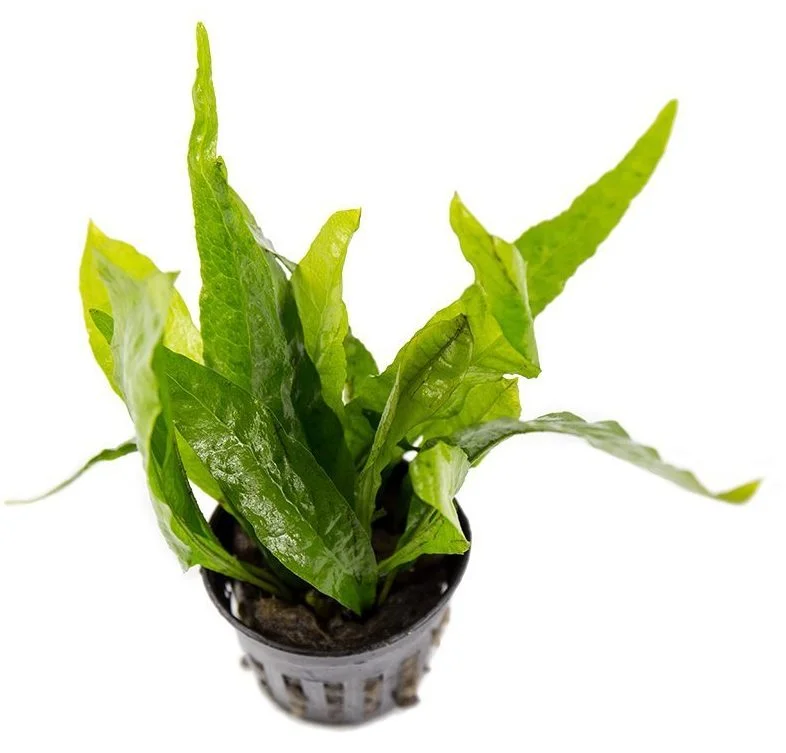
    It is essential to provide a safe and harmonious environment for your vampire shrimp. To do so, itโ€™s crucial to be mindful of the tank mates you select. Some species should never be included in their habitat. Such aggressive fish as:

    By being wise about selecting suitable companions, such as peaceful fish that can live in harmony with them without causing any harm, we create an ideal place where they can thrive without worries!

    Breeding Challenges And Techniques

    Breeding Vampire Shrimp is a complex task, since their young need both brackish and freshwater for proper development. This is different from some other shrimp species (those similar to Amano Shrimp), which do not require this type of care while raising fry in captivity. The young also go through various stages of growth before they become adults.

    Despite these difficulties, successful reproduction is still achievable when the right conditions are set up by aquarists. The best way to successfully breed them and raise the young is to follow the same procedure as you would with Amano Shrimps. To provide you with a reference, here is a video by Avatar Aquatics that gives you a step by step. Mirroring the tactics outlined here should work the same with Vampire Shrimp.

    Price Range And Availability

    If you are looking to purchase vampire shrimp, they cost from $12-$15 for one individual and up to around $20 -$25 if bought in a group. You can easily find them at some online stores as well as local aquatic pet shops.

    It is important that when making your selection of these shrimps, the buyer should do their research thoroughly by asking questions about how the shrimp was cared for so far and make sure it looks healthy before purchasing it.

    Frequently Asked Questions

    Do Vampire Shrimp clean the tank?

    Vampire shrimp are natural filter feeders, however, they are not as great cleaners as an Amano shrimp would be. Their filter feeding habits are more suited to control microfauna, which is something many aquarists do not have unless they have a heavily planted aquarium. Adequate flow in their environment must exist for them to filter feed efficiently.

    What is the temperament of a Vampire Shrimp?

    These interesting creatures, known as vampire shrimp, prefer a peaceful environment and are shy. They will often retreat to small areas in the aquarium but can also be seen swimming with other filter shrimps or bamboo shrimp alongside them.

    Given their mellow nature and simple needs for caretaking, these critters make an excellent choice if youโ€™re looking into bringing some life into your freshwater tank! They display dynamic activity, which adds vibrancy to your aquatic home. They are also large enough where many fish will not try to eat them. They are one of the few shrimp in the hobby that are 100% compatible with Betta Fish.

    What size tank for Vampire Shrimp?

    A 30 gallon tank is the ideal size for a Vampire shrimp habitat, providing them ample room to roam and delivering required flow of water that facilitates their nourishment. The spacious environment allows these shrimps enough space in which they can both explore and find refuge when needed. It ensures appropriate circulation necessary for feeding purposes too!

    Are Vampire Shrimp saltwater or freshwater?

    Vampire Shrimp, renowned for their large size and long lifespan of up to 10 years in captivity, is found living naturally throughout South America as well as the Antilles and West Africa. They are freshwater shrimp and will not tolerate a saltwater environment.

    Are Vampire Shrimp saltwater or freshwater?

    Vampire Shrimp, renowned for their large size and long lifespan of up to 10 years in captivity, is found living naturally throughout South America as well as the Antilles and West Africa. They are freshwater shrimp and will not tolerate a saltwater environment.

    What is the typical lifespan of Vampire Shrimp in captivity?

    Vampire Shrimp live between three to six years in captivity. They are one of the longest lived shrimp species in the freshwater aquarium hobby.

    How the Vampire Shrimp Compares to Similar Species

    Want easy, forgiving shrimp? Start with cherry shrimp. Want a challenge with stunning payoff? Get crystal reds and commit to RO water.

    The most common alternative to the Vampire Shrimp is the Bamboo Shrimp, another filter-feeding shrimp. Both fan-feed from the water column and both need established tanks with current. Bamboo Shrimp are more common and less expensive. Vampire Shrimp are larger and more dramatic looking. Care requirements are nearly identical for both.

    Closing Thoughts

    At the end of it all, vampire shrimp are exceptionally captivating creatures that is a unique part of any peaceful freshwater aquarium. By becoming informed on their behaviors and needs, one will have taken an important step in setting up an ideal habitat for them to thrive. With attention and devotion, you can observe these remarkable animals flourishing in your tank day after day.

    Have you tried keeping these shrimp in your fish tank? Let us know in the comments below as we love to hear from our readers. Until next time follow shrimp keepers!

  • Dragon Goby Care Guide: Why Brackish Water Actually Matters

    Dragon Goby Care Guide: Why Brackish Water Actually Matters

    The Dragon Goby looks like a predator but it is actually a filter feeder with terrible eyesight. It needs brackish water, fine sand to burrow in, and food it does not have to hunt.

    Dragon gobies look aggressive and eat like pacifists. They need brackish water and fine sand, not a predator setup.

    Table of Contents

    Dragon Gobies are one of those fish that gets sold in freshwater sections of pet stores. And that’s the first problem. They’re actually brackish water fish, and keeping them in pure freshwater long-term causes chronic stress and a shortened lifespan. I’ve kept gobies in my saltwater setups and understand how important salinity is to these species. If you want a Dragon Goby to actually thrive rather than just survive, you need to know what they really need. Here’s the honest care guide.

    What Most Care Guides Get Wrong About Dragon Goby

    Most care sheets list the minimum tank size for Dragon Goby and call it a day. But a minimum is just that. In my experience, giving them more room changes their behavior completely. You see more natural movement, less stress, and fewer aggression issues. Another thing guides gloss over is temperament. Dragon Goby are often described with a single label, but their behavior shifts depending on tank size, tank mates, and territory. You need to plan for the worst-case scenario, not the best. Group size is another area where most guides fall short. Saying ‘keep them in groups’ is not enough. The difference between keeping 3 and keeping 8 or more is night and day when it comes to coloration, confidence, and natural behavior.

    Key Takeaways

    • Dragon Gobies are freshwater aquarium fish from the Atlantic coast () with a lifespan of up to 10 years.
    • Caring for your Dragon Goby involves providing an appropriate environment, suitable tank mates, and a high-protein varied diet.
    • Breeding them requires setting up separate tanks and caring for eggs/fry with small live foods.

    Species Overview

    Scientific NameGobioides broussonnetii
    Common NamesDragon Goby, Dragon Gobys, Violet Goby, Dragonfish
    FamilyGobiidae
    OriginWestern Atlantic, South America, Or Gulf Coast
    DietOmnivore
    Care LevelModerate
    ActivityLow to Moderate
    Lifespan6. 10 years
    TemperamentPeaceful (Aggressive to own kind)
    Tank LevelBottom Dwelling
    Minimum Tank Size55 gallons (needs a 4 foot long tank)
    Water Temperature Range72-78 F (22-25 C)
    Water Hardness10-20 dKH
    pH Range6.5-8.5
    Filtration/Water FlowModerate
    Water TypeBrackish
    Salinity1.005 – 1.010
    BreedingRarely observed
    Difficulty to BreedVery difficult
    CompatibilityPeaceful fish of similar size
    OK, for Planted Tanks?With caution

    Classification

    OrderGobiiformes
    FamilyGobiidae
    GenusGobioides
    SpeciesG. Broussonnetii (Lacepede, 1800)

    Introduction

    Origin And Habitat

    Dragon Gobies, native to estuaries and bays along the Atlantic coast of South Carolina up to Central Americaโ€™s Amazon River Basin (some even come from the Gulf of Mexico), require brackish waters in order for them to thrive. In these environments, they is seen lurking near muddy bottoms during night-time hunts for food while hiding away through daylight hours.

    To create an adequate home aquarium environment that mimics their natural habitat is crucial when caring for this species of fish as it permits full expression of its behaviors and appearance. Attention must also be paid when attempting to replicate its environment since Dragon Gobies are tailored well into life within brackish water habitats.

    Physical Characteristics

    Dragon Goby

    Dragon Gobies are truly unique in their eel-like shape and attractive coloration, which can range from grey or brown to a stunning silver blue with yellow patches when kept under optimal conditions within the brackish water aquarium. They almost have a prehistoric like look to them, which adds to their appeal.

    These fish also have sharp teeth that they use for eating small invertebrates as well as debris found in natural habitats. Their ventral fins enable them to remain stationary on rocks and foliage while scavenging for food sources too. When wanting to differentiate between male and female Dragon Gobies, look at the genital papilla1. This papilla is a small, fleshy tube behind the anus. Males possess more pointed ones than females who have shorter but yellower versions of this structure.

    Lifespan

    Dragon Gobies are renowned for their hardiness and adaptability, making them a rewarding addition to any aquarium with the right aquarium water conditions. To ensure that these creatures have an extended life expectancy of up to 10 years in captivity, they must be provided with quality care as well as nourishment from frozen brine shrimp or other suitable food sources. Compatible tank mates that won’t stress them out and having a longer tank that can provide enough surface space will help greatly.

    Average Size

    Dragon Gobies are an impressive species of fish that can reach a maximum length of 24 inches in the wild, making them one of the biggest among gobies. When kept as pets, their growth be slower and they measure around 12 inches long. Beside of their size and their bottom dwelling nature, longer tanks are preferred for them.

    Caring For Your Dragon Goby

    The care of a Dragon Goby (AKA Violet Goby) requires an understanding of their brackish water needs, which is difficult to meet in a standard freshwater aquarium. Providing the right environment with hiding places for them and sand substrates is critical for keeping your fish healthy and content. Itโ€™s imperative that they receive proper nutrition from a varied diet as well as have suitable tank mates – something mentioned before when we discussed these creaturesโ€™ requirements. Let’s look into acquiring the right tank size for them.

    Tank Setup Requirements

    When it comes to an aquarium for these fish, it’s more about the surface space of the bottom of the tank over gallon size. These fish are bottom dwellers and don’t do as well in tall tanks. They should be housed in tanks at least 48 inches in length, with a 60 gallon breeder or 75 gallon tank being the recommended tank size for them. This size offers plenty of room to swim and maneuver as well as places to hide away. Opting for a horizontal format will give them even more space to establish their territory.

    Great Beginner SW Tank
    Aqueon 60 Gallon Breeder

    This new 60 gallon breeder by Aqueon has the length and width of a 75 gallon tank, but at a shorter height. This is the most economical and effective 4 foot gallon tank for the saltwater hobby now.

    Buy on Petco

    That being said, Dragon gobies are fairly peaceful except for members of their own species once they reach adulthood. In order to house more than one in the tank, you will need at least a 6 foot long tank.

    Choosing an appropriate substrate a sand base (we will cover this more later in the post) being the most suitable as it mimics its natural environment.

    Substrate And Decorations

    As previously mentioned, an ideal tank for your Dragon Goby would include a dark sandy substrate that allows them to burrow and hide comfortably. Adding aragonite can also help regulate the hardness and alkalinity of the water, which are necessary elements for proper water conditions in order to keep your fish healthy.

    When it comes to decorating their habitat, you should opt for rocks, driftwood or live plants as these will give natural hiding places while creating more aesthetic appeal than other decorations such as sharp coral pieces. As sensitive skinned creatures, they must be protected from scraping against rough surfaces, which could lead to injuries and infections.

    Because of their shifting nature, rooted plants are going to be a bad idea. Attempt to use plants that are column feeders, like Java fern or Anubias as they feed on the water column and can tolerate hard water.

    Water Requirements (Water Parameters)

    Dragon Gobies are a brackish water species that require specific conditions for health and well-being. The ideal temperature is between 78ยฐ and 82ยฐ Fahrenheit with pH ranging from 6.5 to 8.5. Saline levels should be kept 1.006 -1.008 as these parameters create an appropriate environment for them to thrive in correctly maintained cleanliness through effective filtration systems being paramount too!

    Poorly managed quality of the aquatic world can lead your Dragon Gooby straight to disease, or worse, so regular monitoring of water changes as needed will help. Try to keep your water quality at these levels and do water changes if you see anything wrong when you test:

    Feeding

    Dragon Gobies shift sand to get food in the wild and will do the same in your aquarium. However, they shift sand in the world to eat microfauna, which is not going to exist in a fish tank. As such, you will need to feed your goby prepared foods so it can get enough to eat.

    As carnivores and scavengers, these creatures demand high amounts of protein for optimal development. To make sure they stay vibrant in color and full of energy, offering different types of fish foods will guarantee that all nutrients are consumed properly.

    Feeding Frequency And Food Options

    Dragon Gobies need to be fed once daily with a wide selection of small food items. Good choices include flakes, pellets that sink, algae wafers, bloodworms, and tubifex worms, as well as baby brine shrimp and vegetable pieces cut into tiny sizes. This variety in their diet provides them with all the necessary nutrients they require for optimal health.

    Itโ€™s important to keep an eye on your dragon gobbyโ€™s throat size while feeding. It can make it hard for them if large chunks are given. So ensure only smaller portions which will not cause any difficulty during feeding time! Feeding should happen at night when these creatures are more awake and eager eaters than normal daylight hours would dictate. By offering the right kind of foods tailored specifically for nighttime consumption, you can maintain your gobyโ€™s well being through a carefully managed nutrition schedule!

    Social Behavior And Tank Mates

    The social behavior and choice of tank mates are key to the successful upkeep of a Dragon Goby. Whilst these fish are territorial, getting along with other goby species or aggressive fish can prove difficult. Members of their own species they will fight with and aggressive fish will bully them. The sweet spot is finding fish that are relatively peaceful that they can’t fit in their own mouths and won’t occupy the bottom of the tank.

    Suitable Tank Mates

    Sailfin Molly in Aquarium

    When selecting a suitable tank for your Dragon Goby, it is essential to select peaceful and moderate-sized fish that wonโ€™t fight over resources or space. Possible companions include:

    One must be careful not to keep large predators with the dragon goby nor house them in an aquarium occupied by overly aggressive fish. Some blogs will also mention that you can keep other fish like guppy fish and platies with with your dragon fish. However, they are these are smaller fish and I believe Mollies and Swordtails are a better fit for the long term.

    Breeding Challenges

    Raising Dragon Gobies is a rewarding pursuit for aquarists who are willing to give them the necessary attention and care. By providing optimal conditions in their habitat, it is possible to reproduce these remarkable fish under captive conditions successfully. However, it is very difficult to do for most aquarists as it requires a large tank. Still, I’ll explain what’s involved if you do happen to have a long enough tank to pull it and you are interested in trying.

    Caring For Eggs And Fry

    For optimal breeding of Dragon Gobies, the suggested ratio is 3 females for each male. Their food intake should be reduced temporarily and then gradually increased with live food to condition them before setting up a tank in semi-darkness and sand as a substrate, which will help encourage spawning.

    Optimal water conditions are necessary when it comes to nurturing these fry. Temperature ranging from 78 – 82ยฐF while pH levels between 7.5. 8.5. Providing plenty of small live foods such as baby brine shrimp, microworms or Daphnia would assure healthy growth and development among freshwater fish species like these guys here!

    That being said, most Dragon fish you purchase in pet stores will be wild caught as breeding is very difficult to do. I highly encourage you to seek guidance from a local breeder or your local aquarium society to see if anyone local has tried.

    Common Health Issues

    Dragon fish are mostly hardy but are prone to diseases if placed in a high stress environment or if a breakout occurs. Ich is the most common. They also can get fin rot if semi-aggressive or aggressive tank mates nip their fins. Bacterial infections will often occur if you place two gobies together, as injuries is severe enough for an infection to take place.

    Frequently Asked Questions

    How big do Dragon Gobies get?

    Dragon Gobies can grow quite large when living in the wild, with some reaching a size of 24 inches. When kept as pets, they will max out at 15 inches. This is contingent on tank size, however.

    Can Dragon Gobies live in freshwater?

    Dragon Gobies are quite versatile, meaning they can live in both freshwater and brackish/marine aquariums. They have the ability to adjust their living environment so itโ€™s feasible for them to exist within any water conditions. However, care must be taken, and you should know the water parameters they are housed in before attempting. It’s safe to assume they are being kept in brackish water parameters.

    What can live with a dragon goby?

    When searching for fish to join a Dragon Goby in the tank, it is important to choose species that are of medium size and peaceful temperament since this type of goby is quite shy yet big enough to eat smaller fish. Itโ€™s best to opt for those living in brackish water environments as well. Mollies and Swordtails are two of the best candidates to house with Dragon Gobies.

    What is the lifespan of a dragon goby?

    The lifespan of dragon gobies kept in captivity has been known to last up to 10 years on average. Some owners have had the privilege of witnessing their fish thrive even beyond this point. It is possible for these aquatic creatures to survive for longer than a decade when cared for properly by experienced aquarists.

    What is the ideal tank size for a single Dragon Goby?

    A 4 foot long tank is recommended with a 60 breeder or 75 gallon tank being the best fit for them. Some blogs you may come across say 25 gallons. I will tell you right now that these writers are confused as they are referring to the saltwater fish of the same name that can live in a 30 gallon tank. This fish WILL NOT do well in a 25 gallon tank. It grows a foot long and will become highly territorial in a cramped space as it becomes an adult!

    How the Dragon Goby Compares to Similar Species

    The most common alternative to the Dragon Goby is the Bumblebee Goby, another brackish goby. Bumblebee Gobies are tiny and more colorful, while Dragon Gobies grow over a foot long and look prehistoric. Both need brackish conditions. If you want a small display fish, go Bumblebee. If you want a large, dramatic oddball, go Dragon Goby.

    Closing Thoughts

    Owning Dragon Gobies is an incredibly rewarding experience for any aquarist, especially those who enjoy keeping brackish water tanks. This species boasts a dazzling appearance and intriguing behavior that often makes them the center of conversation in most aquariums. Proper care must be taken into account if you want to keep your Dragon Goby healthy. With time and dedication, anyone can foster a successful environment where they are sure to thrive.

    Do you have a Dragon Goby in your aquarium? Let us know your experience in the comments. We love to hear from our readers and interact with them. Until next time!

  • The 10 Most Expensive Goldfish in the World (With Real Prices)

    The 10 Most Expensive Goldfish in the World (With Real Prices)

    Goldfish breeding is one of the most sophisticated areas of the aquarium hobby, and top fancy varieties command prices that genuinely surprise most people. I’ve attended goldfish auctions and seen serious collectors pay serious money for quality specimens. it’s a world most casual hobbyists don’t know exists. Here’s what drives those prices.

    Goldfish pricing is a topic full of misinformation. you’ve probably seen headlines claiming a goldfish sold for $1.8 million. I’ve seen those stories circulate for years and the facts don’t hold up (we debunk that below). What’s genuinely true is that high-quality show goldfish from serious breeders. particularly Ranchu and Ryukin varieties from Japanese and Chinese bloodlines. can command prices in the thousands. After 25+ years attending aquarium shows and following the goldfish hobby, here’s what actually drives the price of premium goldfish.

    Key Takeaways

    • Fancy goldfish are generally more expensive than slim-bodied types
    • Imported fancy goldfish will sell for the highest amounts with the most prestigious breeders located in China, Japan, and Thailand
    • Extreme care and quarantining should be done whenever handling very expensive fish

    Fake News Alert – False Claims

    Before we explore the gorgeous realm of these exotic goldfish, it is necessary to debunk some myths about Goldie and Meteor being labeled as the priciest in existence. These statements are not backed up. In fact, there is some serious doubt one of them even ever existed.

    Goldie – Reportedly Sold For $1.8 Million

    The story of Goldie, a goldfish that was rumored to have gone for the outrageous sum of $1.8 million1, continues to captivate many people. I’ve seen this fish mentioned on several blogs, and honestly I have no idea where they got this from. There is no news story backing up the claim or documented sale. In fact, the sale that connects most to Goldie was in the same year in 2018. This was related to S Legend – an expensive Kohaku koi fish which sold at auction in October 2018 following intense bidding competition between interested buyers.

    There is another article about a goldfish pool painting that was doe by Winston Churchill that sold for $1.8 million. Nothing about Goldie, though. Therefore, this is fake news!

    The Meteor Goldfish

    Meteor Goldfish
    Image Credit – Wikipedia Commons

    Rumors of an expensive goldfish breed called the Meteor Goldfish have circulated. It was once consided the rarest breed of goldfish. It lacked a tail fin, but made up for it with an overdeveloped anal fin that gave the fish the look of a falling meteor. However, no photographs or documented sales of this fish exist. The fish was available during the late 19th and 20th century. Because of the lack of proof, the Bristol Aquarist Society (BAS) concluded that this fish is just a rumor.

    Since we have no documented sales or photos, this is another fake news story!

    Top 10 Most Expensive Goldfish Varieties

    Now that we have debunked the pretenders let us now embark on a remarkable journey to explore the 10 most expensive goldfish varieties in the world. These beautiful aquatic creatures are highly sought-after for their unique features, vivid colors and rarity. From Red Oranda with its captivating look to Tosakinโ€™s mesmerizing charm. Each of these fish is nothing short of an elegant living gemstone. Not only do they have a majestic appearance, but also come at hefty prices! Thus, making them quite valuable among collectors all over the globe. Our video from our YouTube Channel goes over them all, and we go into more detail in our blog. For each fish on the list we will include the following:

    • Adult Size
    • Color Pattern
    • Unique Traits
    • Approximate Price

    Note for prices I will be listing the show level or adult sized prices. It is possible to get these fish at lower prices as juveniles or in their more common variants. Let’s get started with our list!

    1. Rocky The Red Oranda

    • Adult Size – 12 inches and 2 and a half pounds!
    • Color Pattern: Orange with black marketings
    • Unique Traits: Jumbo size
    • Approximate Price: 4,500+ Pounds (approx $6,000)

    Marvel at Rocky (video from World News&EveryThing AbouT Life), the majestic Giant Oranda goldfish. With its dazzling multicolored hues and weight of more than two pounds, it surely deserves to be named Britainโ€™s fattest goldfish – a title which is accompanied by an equally impressive value estimated at around $6,000.

    This lovely Red Oranda goldfish was sold by Star Fisheries in Sutton, London, one of the premier goldfish retails in the world. Rocky was considered the largest Oranda to ever be imported into the UK at the time. Story has it that Star Fisheries spent 6 months convincing the breeder to sell Rocky to them.

    While this goldfish is certainly one of the largest fancies on record, our next fish has the current crown of the most expensive goldfish ever sold

    2. Panda Oranda

    • Adult Size – 8 inches
    • Color Pattern: White body with black fins and patches
    • Unique Traits: Panda like appearance
    • Approximate Price: 6,500+ Pounds (approx $8,200)

    The Panda Oranda goldfish is an exquisite choice for aquarists due to its striking black and white markings, graceful slender body shape, and remarkable jelly-like head adorned with the same. The rarity of this variation of the oranda goldfish makes them very precious – generally selling for $50-$180! However, the most expensive one ever sold was sold by Star Fisheries for 6,500 pounds! Showcase and jumbo sized Pandas can definitely sell for thousands of dollars!

    Not only are they beautiful creatures, but retain the hardier nature of orandas. To top it off, these delightful panda variations can also have the Moor characteristics too (with these fish being called Panda Moor Goldfish). There is also a panda ranchu variety, but the Orandas are more popular. This makes them all together unique specimens worthy of any aquarium ownerโ€™s attention!

    3. Ryukin

    Ryukin Goldfish
    • Adult Size – 8 inches
    • Color Pattern: Various
    • Unique Traits: Stately appearance
    • Approximate Price: $50 – $300+

    The Ryukin Goldfish, which is a type of fancy goldfish possessing a somewhat compact frame and tall back, has proven to be an incredibly mesmerizing sight. Especially popular among them is the Red & White Short-Tail variety as they boast splendid white scales with vivid orange or red streaks displayed across their fins, bellies and faces.

    These resilient fancy goldfish make for a majestic spectacle when swimming around, thanks in part to their graceful long flowing fins that add additional beauty beyond its hues. With imported Ryukins commanding the highest prices, you can expect to pay $50 for a domestic specimen to over $300 for show grade imported Ryukins

    4. Butter Kirkin

    • Adult Size – 7 inches
    • Color Pattern: Various
    • Unique Traits: Butterfly like double tail, moor like eyes
    • Approximate Price: $200 – $400+

    Sometimes known as the butterfly tail goldfish, the Butter Kirkin (video source) is an exquisite type of fish that comes with unique colors and a graceful appearance. By evoking the beauty of this rare breed, people call it โ€˜Butter Kirkinโ€™, known for its butterfly like fins as well as its black moor like eyes. This is a rare breed that is not often seen at stores. Your best bet is to find them online where they will be typically sold at adult sizes

    These fish command high prices, with showcase style butterfly goldfish selling for over $400!

    5. Giant Thai Orandas

    • Adult Size – 8+ inches
    • Color Pattern: Various thought usually bi-color
    • Unique Traits: Jumbo size compared to regular Orandas
    • Approximate Price: $200+

    Thai breeders have certainly made a name for themselves over the years. Well known for their stellar Betta breeds, they have really produced some stand out quality goldfish. The Giant Thai Oranda goldfish is such a standout compared to common Orandas like the red cap oranda goldfish. These jumbo Orandas grow over 8 inches in size!

    Their rarity makes them highly prized amongst goldfish enthusiasts. It is not unusual for these luxurious creatures of aquatic elegance to be sold at prices ranging anywhere between $200-500 USD, depending on their size.

    6. Ranchu Sakura

    • Adult Size – 6+ inches
    • Color Pattern: White body with orange markings
    • Unique Traits: Jumbo size compared to regular Orandas
    • Approximate Price: $200+

    Introduced to the aquarium hobby in 1970, the Ranchu Sakura goldfish is a precious fish, known for its bright colors and special body shape. This breed was created by cross breeding the Rachu with the Calico Ranchu. They orginated from Japan, but Thai breeders have developed their own. The Ranchu goldfish has been nickname โ€œking of the goldfishโ€ due to its resemblance with lionhead fish in terms of their round torso and big head.

    While there are rare Ranchu goldfish out there, the Sakura is one of the most expensive you will fine. They easily command prices over $200.

    7. Thai Oranda Tricolor

    • Adult Size – 6+ inches
    • Color Pattern: Three colors (with darker varieties selling for more)
    • Unique Traits: Tricoloring
    • Approximate Price: $200+

    Tricolor Thai Oranda goldfish are distinctively recognized due to their stunning three-color pattern of red, white and black as well as the round shape with a double tail. These luxurious fish constitute one of the several varieties available in the world that makes them alluringly exquisite on account of size, growth potential and uniqueness, which also affects its pricing. Adult sized goldfish of this breed easily sell for over $200!

    8. Tosakin

    • Adult Size – Up to 8 inches
    • Color Pattern: Red, black, or red & white
    • Unique Traits: A divided double tail that spreads horizontally
    • Approximate Price: $200+

    The Tosakin goldfish (video source) is an extraordinary fish due to its captivating tail shape and price of up to $600 (though many show level fish found online typically sell for over 200 dollars). They have a short, deep body shape with a horizontally spreading tail. They are best viewed from above, where you can appreciate their tails the most.

    Because of their unique tails, they aren’t the best swimmers and require tanks with low water flow.

    9. Lionchu

    Lionhead Goldfish
    • Adult Size – Up to 8 inches
    • Color Pattern: Red, black, or red & white
    • Unique Traits: A divided double tail that spreads horizontally
    • Approximate Price: $150+

    For goldfish lovers, Lionchu breeds offer a truly one-of-a-kind option that brings together the best features of both Ranchu and Lionhead varieties. With prices ranging from $100 to $500 per fish, their large heads, which resemble giant bubbles combined with their rounded bodies and curved back create an elegant look.

    The Giant Thai Lionchu Goldfish version of these hybrids stands out amongst all other forms due to its size and significant cost – up to 500 dollars – making it highly desirable for many luxury aquarists who appreciate extravagance in fish selection!

    10. Jikin

    • Adult Size – 8-10 inches
    • Color Pattern: Usually red & white/ orange & white
    • Unique Traits: X-shaped double tail
    • Approximate Price: $150+

    The stunning Jikin goldfish (also known the as peacock tail goldfish) is a real treasure amongst goldfish enthusiasts due to their exclusive look and high cost. Characterized by its white body marked with vibrant red fins, it also boasts of an alluring four-leaf clover shaped tail which sets them apart from the more commonly seen fantail variety.

    This rare Japanese species has earned itself quite the name in aquarist circles thanks to these unique features making breeding challenges for owners even harder than usual. Its elegant appearance, coupled with scarcity, renders this special kind of fish one worthy addition to any serious collectorโ€™s tank!

    Bonus Fish – Chicken Steve

    @lukesgoldies Chicken Steve may be the most famous goldfish. Will I sell him? #fish #goldfish #aquarium #chickensteve โ™ฌ Night Trouble – Petit Biscuit

    Ah Chicken Steve, you are the Kim Kardashian of all goldfish. You broke the interest on TikTok becoming arguably the most famous goldfish in the world as documented by his owner LukesGoldies. Chicken Steve’s fame got so big he managed to get himself on the New York Times and Paper Magazine.

    At one point, Luke actually considered selling his prized famous goldfish and announced it on his social media channel. Many of his fans protested. However, its safe to say given Chicken Steve’s fam that it’s very possible that selling him would have easily netted $1,000. It’s possible that his fame could have gotten him sold above a price to pass up the current record holder.

    Only time will tell if Luke really follows through and sells Chicken Steve. If he does, I’m sure to document the sell and see if he manages to become the most expensive goldfish ever sold. I’m sure whoever buys Chicken Stever will no doubt want to put him on social media. Heck, maybe another YouTuber will buy him!

    Less Expensive Alternatives

    Fantail Goldfish

    While these fish features are extremely rare and pricey, you can still own wonderful goldfish that are reasonable in price. Here are other goldfish that have had selective breeding that will not break your bank!

    • Fantail goldfish
    • Pompom goldfish (with chocolate pompom goldfish being the most expensive)
    • Black moor goldfish
    • Pearlscale goldfish

    Why Are Fancies More Expensive Than Slim Bodied?

    Shubunkin Tank Requirements

    The rarity of fancy goldfish varieties like the Giant Thai Lionchu and Ryukin, as well as their challenging breeding process, make them more expensive than slim-bodied species such as common goldfish, feeder fish, or comet goldfish. Their limited numbers drive up demand from collectors who value these unique animals for their captivating looks and high price tags. Goldfish fans everywhere crave to add these luxurious fish to their aquariums despite the cost implications associated with obtaining them. That’s not to say some slim boded goldfish like shubunkin goldfish can fetch for high prices

    Factors Influencing Goldfish Prices

    The goldfish price is greatly affected by several different elements, including size and growth potential, rarity as well as the fishโ€™s coloring. Typically, bigger golden varieties that have a greater capacity for expansion cost more than small ones. While breeds such as celestial eye goldfish, telescope goldfish or panda moor are extremely sought after due to their scarcity with other species. It is not only unique colors that make them costly, but also how difficult breeding these fish can be – adding yet another factor into why people tend to pay more for certain types of eye-goldfish.

    Size And Growth Potential

    Goldfish of larger size and with better growing capacity are usually more expensive because their rarity makes them highly sought-after. They require a greater amount of space as well as special care, which adds to the expenses for those who wish to keep one at home.

    Rarity And Uniqueness

    The Panda Oranda goldfish is a very sought-after type of fish, renowned for its unique black and white coloration. Itโ€™s bred in limited quantities, which makes it rather rare compared to other varieties, thus driving up the price due to demand and scarcity. Its distinctive traits combined with rarity make this an exceptional kind of goldfish that many are willing to pay more for. Other kinds of highly coveted rare goldfish also come at elevated prices owing to their uniqueness and low numbers being bred.

    Color Patterns

    What is a fancy goldfish

    Goldfish exhibiting rare and spectacular color patterns such as the Thai Oranda Tricolor and Giant Thai Oranda are in high demand due to their captivating look. Examples of these uncommon scale colors include calico, chocolate, blue, purple or black. Breeding goldfish with this array of unusual hues is a difficult task that can sometimes rely on chance alone. They have become sought after items for which buyers must pay an elevated price tag.

    These kinds of fish typically cost more than other varieties because not only are they hard to come by, but there is keen interest from many potential customers hoping to obtain them.

    Breeding Challenges

    The cost of some goldfish varieties can be high due to the difficulties encountered when trying to breed them. Such types include Jikin and Ranchu Sakura, which are known for their hard-to-cultivate characteristics. Producing these fish requires knowledgeable skills in terms of providing suitable nutrition and environment, as this allows genetic defects and health issues that may arise during breeding processes to be avoided or reduced. As such, only skilled breeders with enough knowledge on each specific type will ensure a successful outcome in getting healthy offspring from various goldfish breeds. thus commanding higher prices accordingly.

    Caring For Expensive Goldfish

    To ensure the best care for your pricey goldfish, you must consider many aspects, such as tank requirements, nutrition and feeding needs, as well as compatibility with other fish. By offering a fitting habitat plus proper goldfish food portions and taking measures to prevent conflict among its fellow inhabitants of the tank, will increase both their wellbeing and lifespan.

    Letโ€™s investigate each point in Detail regarding caring properly for these expensive goldfish.

    Tank Requirements

    When owning expensive goldfish, it is best to provide a tank of at least 55 gallons in size. This larger environment will give them the adequate space they need and ensure their health. It is not uncommon for these rare goldfish to be placed in either very large tanks or indoor ponds.

    Great Beginner SW Tank
    Aqueon 60 Gallon Breeder

    This new 60 gallon breeder by Aqueon has the length and width of a 75 gallon tank, but at a shorter height. This is the most economical and effective 4 foot gallon tank for the saltwater hobby now.

    Buy on Petco

    Maintaining cleanliness and proper water conditions on an ongoing basis can help keep your expensive pet healthy too. Frequent cleaning must not be overlooked! Water changes are key with goldfish as they are tough on bioloads.

    Feeding And Nutrition

    The health and appearance of costly goldfish can be maintained only through providing a balanced diet with high-quality food. Its daily nutrition needs to include no more than 30% protein, 10% fat or less, under 10% carbohydrate along with vitamins A, D, K and folic acid in the total dietary intake. It is recommended to feed them just as much flakes/pellets/gel foods that they are able to consume within two minutes time period. These animals being omnivores should also have vegetables added for variety purpose into their feeding routine. In this way, an ideal meal plan will ensure good general condition of your expensive fish pets!

    My Pick
    Northfin Goldfish Formula

    The Best Goldfish Pellet

    Specially designed for goldfish and free from fillers

    Buy On Amazon Buy On Chewy

    Quarantine Considerations

    While it is ideal to quarantine any fish to prevent a disease outbreak in your display tank, it is more so important with exotic varieties. The great thing about purchasing very expensive fish though is that sometimes the pet stores you are purchasing them from will quarantining and deworm the fish yourself saving you a lot of hassle!

    Compatibility With Other Fish

    Given the rarity of these fish, these are best suited for species only tanks. It’s not worth the risk to mix them with other fish types as they will need to compete for food and could be bullied by other tankmates.

    Frequently Asked Questions

    How much is a lion head goldfish?

    A common lion head goldfish can be purchased for as little as $15, however exotic or adult sized lionheads will often sell for significantly more. You can easily find adult sized fish for over $100!

    Why is goldfish so expensive?

    Goldfish are so expensive due to the arduous process of breeding and maintaining them. This, in turn, leads to only high-quality specimens being available – making them costly.

    What are some examples of the most expensive goldfish varieties?

    For those looking to invest in a high-end type of goldfish, the Panda Oranda, and Ryukin varieties are perfect choices. These particular fish boast beautiful colors and unique patterns that bring life into any aquarium they occupy.

    Despite being expensive types of goldfish, these specimens tend to be fairly hardy creatures. Capable of living for over ten years with proper care! It should also be noted that higher maintenance is required compared to other types, making them an investment worth considering if you have the time available!

    Why are fancy goldfish more expensive than slim-bodied goldfish?

    Fancy goldfish, with their infrequent appearances and breeding difficulties coupled with special qualities, are undeniably more expensive than slim-bodied goldfish species.

    What factors influence goldfish prices?

    When picking your ideal pet fish, there are various elements to consider such as size and growth capability, how scarce or singular it is in terms of color patterning and breeding difficulty. The breeder reputation and country of origin are also major factors. All this will be reflected in the price for a goldfish.

    Closing Thoughts

    To sum up, the realm of expensive goldfish keeping is an amazing and delightful world that mesmerizes lovers and connoisseurs. We have investigated this enthralling domain by disputing unsubstantiated claims related to Goldie or Meteor Goldfish varieties as well as exploring the 10 pricier types.

    By offering proper care such as aquarium needs, nourishment and interacting them compatibly with other fish. You can enjoy these valuable creatures for a long time too.

    Have you kept one of these pricey goldfish? Let us know in the comments below!

  • Halfmoon Betta Care: How to Keep Those Fins Healthy and Stunning

    Halfmoon Betta Care: How to Keep Those Fins Healthy and Stunning

    Most Halfmoon Betta owners kill their fish slowly without realizing it. Tiny bowls, no heater, zero filtration. I have kept bettas for over 25 years and the difference between a Halfmoon Betta surviving and actually thriving is night and day. This is what real Halfmoon Betta care looks like.

    If your Halfmoon Betta is not flaring, building bubble nests, and actively exploring, something is wrong with the setup.

    A healthy Halfmoon Betta lives 3 to 5 years. That means years of weekly water changes, a heated and filtered tank, and a varied diet. This is not a disposable pet.

    A betta in a filtered, heated 5-gallon tank acts like a completely different animal than one sitting in a cup at the pet store. The difference is not subtle. It is dramatic.

    What It Is Actually Like Living With Halfmoon Betta

    Your Halfmoon Betta will learn to recognize you. It will swim to the front of the tank when you approach, flare at its own reflection, and patrol every inch of its territory like it owns the place. Because in its mind, it does.

    Feeding time is the highlight of the day. Bettas are aggressive eaters that will snatch food from the surface the moment it hits the water. They prefer variety. Pellets one day, frozen bloodworms the next, an occasional freeze-dried daphnia treat.

    Bubble nests appear without warning. Your male will spend hours building and repairing a cluster of bubbles at the surface. This is normal healthy behavior, not a sign that it needs a mate.

    At night, bettas sleep. Sometimes in strange positions. On a leaf, wedged behind a filter, or resting on the substrate. The first time you see it, you will think something is wrong. It is not.

    Species Overview

    Scientific NameBetta splendens
    Common NamesHalfmoon Betta Fish, Moon Betta, Siamese Fighting Fish
    FamilyOsphronemidae
    OriginThailand
    DietOmnivore
    Care LevelIntermediate 
    ActivitySlow to Moderate
    Lifespan2. 5 years
    TemperamentPeaceful (Aggressive to own kind)
    Tank LevelMiddle to top
    Minimum Tank Size5 gallon
    Water Temperature Range76ยฐ-81ยฐF
    Water Hardness5 to 20 DH
    pH Range6.5. 8.0 (for most varieties)
    Filtration/Water FlowLow
    Water TypeFreshwater
    BreedingEgg-layer
    Difficulty to BreedEasy to breed
    CompatibilityCommunity fish (when with other species)
    OK, for Planted Tanks?Yes

    What Is A Halfmoon Betta Fish?

    Like other betta fish, Halfmoon bettas are known for their beautiful finnage and vibrant colors, and unique patterns that make them noticeable creatures in your fish tank. Like other betta fish strains, including Deltas and Super Delta, the halfmoon betta has large fins and D-shaped tails.

    These fish species are prone to fin rot, so ideal water quality should be maintained to avoid any health hazards. Since their long flowing tails carry so much weight, you might catch your half-moon bettas biting their own fins.

    What’s A True Breed

    Many novice aquarists confuse all the betta fish with a half-circle tail to be halfmoon betta. However, that’s not the case. There’s so much more to the true identity of a halfmoon betta than just the tail shape.

    The true definition of a halfmoon betta is the one that creates an entire circle where the dorsal fin, anal fin, and caudal fin overlap each other and make a complete circle. Also, the caudal fin of the Halfmoon betta fish shield flares out beyond 180 degrees to be considered true half-moons. Experts suggest the best halfmoon betta fish have straight caudal fins edges. But this condition is rare since many breeders fail to meet this requirement.

    In short, the caudal fins of a true halfmoon betta fish should form a perfect D in full flare and the sides should be absolutely vertical and create a clean corner with the outside edge. The irony is, halfmoon bettas do not produce true offspring, even if two true halfmoon betta breed, only a very small proportion of the offspring will have real half-moon tails.

    Origin & Habitat

    The existence of Bettas is as old as human civilization. But, they became the talk of the town in the 19th century when gambling on fish fights was at its peak. Particularly, male bettas were widely used among Thai and Malay people for fighting purposes.

    Halfmoon bettas are selectively bred varieties of the very popular Siamese fighting fish. Originally, they are from Southeast Asia, whereas the original bettas are from the Mekong basin of Thailand, Laos, and Cambodia. Since their natural habitat is shallow, slow-moving waters, they prefer water conditions

    Halfmoon bettas are a selectively bred variant of the Siamese Fighting Fish (Betta splendens), which originate from Southeast Asia. The original betta species are found in the Mekong basin in countries such as Thailand, Laos, Cambodia, and Vietnam. Their natural habitats are shallow, slow-moving waters such as rice paddies, marshes, ponds, and slow streams.

    Today, half-moon betta is a popular freshwater fish in the fishkeeping industry, including the white half-moon betta and albino varieties.

    Appearance

    Halfmoon Betta Fish

    Halfmoon betta fish is a beautiful variant of the most popular betta fish with exotic colors and a stunning appearance with an exquisite display of fins and tails. They have the unique semi-circular shape of fins and tails that fans out like a half-moon, like their name. When the fins are in their full flare, they should spread out and form a perfect 180 degrees, in the shape of the letter, D.

    The tails and fins are two of the most distinguishable characteristics of the Halfmoon betta. They have large fins that are long and flowy with clean and sharp edges. These fish species come in a variety of colors and patterns. You will find them in solid colors, marbled patterns, and multicolored variants. All look beautiful and elegant. However, some popular colors in Halfmoon betta are red, blue, black, white betta, metallic, and other iridescent varieties.

    Like most fish, the male halfmoon bettas are more vibrant and have longer fins than their female halfmoon betta counterparts.

    How Big They Can Get?

    When fully grown and developed, the average size of halfmoon betta is around three inches.

    Lifespan (How Long Do They Live?)

    The average lifespan of Halfmoon bettas depends on the water quality and other water conditions and parameters. However, under optimal conditions, the life expectancy of Halfmoon Betta is between two and four years.

    Types

    There are several types of Halfmoon betta that differ from one another in terms of appearance. 

    Plakat

    Fancy Marble Plakat Betta

    If true halfmoon betta baffles you for their long, high-maintenance fins and tail, you should definitely check out the Plakat version. Also known as HMPK in the trade, these fish species have shorter fins that fan out to 180 degrees, just like the standard halfmoon betta. However, the risk of fin rot is less likely than other halfmoon betta fish.

    Plakats are Betta species that were first found in Thailand with red, black, and blue coloration. However, today, they are available in various tail types, including Crowntail, Doubletail, Halfmoon, and others. They are active fish that do pretty well in a 10+ gallon tank. They are also known as been more aggressive than other betta types, so make sure they have plenty of space.

    Dumbo

    Elephant Ear Betta

    Dumbo betta or Elephant ear betta is a specially bred betta. These betta fish have a unique characteristic of huge pectoral fins, that resemble the Elephant’s ears. Hence, the name. Like other bettas, Dumbo bettas display a wide range of colors and patterns that grace your home aquariums. However, due to their large and delicate fins, they are high-maintenance and require more care. Nevertheless, they are a popular betta bred among aquarists. 

    Koi 

    Galaxy Koi Betta

    Koi fish under the betta category? Confusing, I know. However, if you love Koi but are short on huge space, then Koi bettas are the perfect pet for you!

    Koi betta is not some variant of the Carp family, but a true betta fish with marble coloration that resembles the great Koi fish. The only big difference is they are much smaller in size and well suited for smaller tanks.

    Appearance wise, Koi bettas are mostly white in color with a combo of black, red, yellow, or orange. However, in some rare cases, you might find unique color splotches, including blue and green. 

    Unlike most betta, Koi bettas are short-finned and are low-maintenance. You will often see Koi bettas with the desirable halfmoon tail trait in Plakats.

    Dragon Scale

    Dragon Betta

    The dragon scale betta is a beautiful breed as a result of selective breeding. Nowadays, Dragon scale bettas are gaining more popularity because of their stoic appearance.

    They have transparent scales with stunning metallic coloration and long flowing tails that drape like curtains in the water. But, because of excessive selective breeding, they may experience eventual blindness and other health problems. It is becoming one of the more controversial breeds to keep in the hobby.

    Mustard Gas

    Mustard Tail Betta

    If you want a showcase blue fish in your tank, go for mustard gas bettas because their long tails make and complimentary yellow tails pop. Because of their slow swimming behavior, they are an excellent choice for a nano tank as a sole species. 

    Mustard gas is a bi-colored fish that come in beautiful colors where the main color is mostly mustard combined with other striking colors such as blue, red, white, or yellow. Like their name, the behavior and temperament of Mustard gas are also very interesting. 

    Butterfly (Delta Tail)

    The butterfly betta fish has one color that spreads throughout their bodies into the base of the fins. While the fins and tails of Butterfly bettas are mostly white or translucent. 

    When the fins of butterfly bettas are in full flare, you will notice that they have a two-tone color band on the outer half of each fin, which is a beautiful sight to witness. 

    Butterfly betta has many color varieties that make them the popular choice for aquariums. However, the most common variety is the blue half-moon betta fish.

    Platinum

    In a tank full of betta colors, all that shimmers is a platinum betta or white halfmoon betta fish. As the name suggests, Platinum bettas have a striking appearance with pearl-white bodies that gleam and beam in your aquariums.

    Unlike the albino betta varieties, the Platinum betta has no traces of pink and displays a shimmery and metallic effect that beams in the dark. 

    Samurai

    Samurai Koi Betta

    Samurai bettas are short-finned versions of Halfmoon that are easy to maintain and keep, but they require a little upkeep to be healthy and thrive in your fish tank. They are a variant of the Dragonscale and have a half dragon scale pattern. Like dragon scale bettas, they too can also suffer from blindness due to diamond eye.

    Marble Dot

    Marble dot bettas (video source) have translucent solid bodies adorned with unique marbling on their bodies. The marbling on these fish is a genetic flaw, but it is flawless and looks like a dream in the fish tank. They are available in both plakat and full halfmoon varieties.

    Alien

    Alien Betta Male

    Alien bettas are not found in their natural environment because they are not wildly available. This fish is a result of crossbreeding two different types of betta fish in captivity. They have a black or dark body adorned with a metallic luster.

    Temperament & Activity Level

    As mentioned, the Halfmoon betta is a tropical fish species that does well in warm climate environments. These tropical fish are adapted to survive in water temperatures ranging from 72ยฐ-81ยฐ Fahrenheit (26- 28 degrees Celsius). However, all Betta prefer to be in temperatures of 76 – 78 degrees Fahrenheit

    Despite the relatively warm water environment characterized by low dissolved oxygen, these fighting fish can rise to the water surface to breathe atmospheric air. This feat is made possible by the labyrinth organ that allows them to survive in low-dissolved oxygen tropical waters.

    Consequently, the surface breathing ability makes betta fish one of the few species of fish that can survive in shallow water. This doesn’t mean you should keep them in a bowl long-term, though! Despite their hardiness, the Halfmoon betta thrives in fresh, soft water.

    Ideal Tank Mates

    What Does A Cory Catfish Look Like

    All Betta fish are territorial, especially the males. Males will set up a territory roughly two feet in length. Any fish that looks like them is seen as a threat. This is something to remember if you want to keep your Betta with other fish.

    Therefore, beginner aquarists need to do some research before choosing the ideal tank mates for them. Some of the best tank mates are:

    The Reality of Keeping Halfmoon Betta

    They are not low-maintenance pets. Bettas need a heater, a filter, and weekly water changes just like any other tropical fish. The myth that they thrive in small, unfiltered containers has killed millions of these fish. A proper betta setup starts at 5 gallons with a gentle filter and a heater set to 78 degrees.

    Aggression varies wildly between individuals. Some bettas tolerate tank mates without issue. Others attack anything that moves, including snails. There is no way to predict this before you try it. Always have a backup plan if your betta turns out to be a loner.

    Fin rot is the number one killer. Poor water quality causes fin rot faster in bettas than in almost any other fish. Those long, flowing fins are bacteria magnets in dirty water. Weekly 25% water changes are not optional. They are the single most important thing you do for this fish.

    Biggest Mistake New Owners Make

    Putting a betta in an unheated bowl and calling it a day. Bettas are tropical fish that need 76 to 82 degrees. Below 74, their immune system shuts down and they stop eating. A $15 heater is the difference between a vibrant fish and a slow death.

    Expert Take

    After 25 years of keeping bettas, the single best upgrade you can make is a quality heater in a 5-gallon filtered tank. Everything else matters less than getting the basics right first.

    I will note that Females are less aggressive, making the Female halfmoon betta suitable as a community fish. You will also increase your chances of success in a larger tank. 20 gallon tanks will not have issues, especially if you opt for the 20 gallon long variant.

    Food & Diet (What Do They Eat?)

    Halfmoon betta is strictly carnivores and thrives on a protein-rich diet, derived from animal sources. In the wild, the Halfmoon betta normally feeds on mosquito larvae, small crustaceans, insects, and zooplankton.

    In captivity, they thrive on a diet similar to their wild diet. Therefore, frozen foods, including bloodworms, black worms, brine shrimp, insect matter, daphnia, and other foods should be incorporated. 

    You can also give them live food (such as live brine shrimp) inside the tank to nurture their natural intuition to hunt. Many aquarists rely on commercial fish food for their Halfmoon betta, but careful selection should be made and mixing of foods should be done to encourage a balanced diet.

    Tank Requirements

    Here are some suitable tank requirements for Halfmoon bettas:

    Temperature 

    Bettas are tropical fish and require a stable, warm environment. The water temperature should be maintained between 76-82 degrees Fahrenheit (24-28 degrees Celsius). If you live in a colder climate, you need an aquarium heater to maintain this temperature range.

    Editor’s Choice
    Finnex STE Series

    Best Aquarium Heater

    Finnex has achieved what we as hobbyist have asked for decades. A reliable heater that won’t fail. Japanese components. Receives our top recommendation.

    Click For Best Price Buy On Amazon

    Filtration

    Bettas have a labyrinth organ, allowing them to breathe air, but they still benefit from a filtered tank. However, they prefer calm waters and is stressed by strong currents. Thus, use a low-flow filter or adjust your filter’s flow rate to be gentle. Sponge filters are often a good choice for Betta tanks.

    However, a proper filtration system for larger community setups should be provided because, like other fish, halfmoon betta also produces waste that pollutes the tank and may disturb the nitrogen cycle. For a larger tank set up, you can use hang-on-back or canister filters. Make sure to adjust the water flow, reduce the currents, and put a sponge on the intake for a smooth setup. 

    For aeration, because Halfmoon betta is labyrinth fish, the use of traditional air pumps or air stones is not needed. In a betta tank, if you provide too much surface agitation, there is adverse effects on your fish. 

    Covered Tank

    Bettas are known to jump, so a tank with a lid is important to prevent them from leaping out. However, ensure that there’s some gap between the water surface and the cover for the Betta to breathe air when needed. These fish are large enough that you could incorporate the use of mesh to cover the tank. You see this with a saltwater aquarium. However, this netting will not protect your other fish that are smaller, especially smaller schooling fish.

    Great For Rimless Tanks
    DIY Mesh Screen

    This mesh screen kit allows you to create your own custom mesh screen. Protect your fish from jumping with this screen. Does not affect your lighting and spread.

    Buy On Amazon

    Decorations

    Bettas like to explore and hide, so adding live plants, rocks, driftwood, and caves, can create a more enriching environment. However, avoid any sharp or rough decorations that could tear the delicate fins of your Halfmoon Betta. If you want to use artificial plants, consider using silk plants.

    Lighting

    Bettas do not require special lighting, but a moderate amount of light will help them follow a healthy day-night cycle. If live plants are used in the tank, they need specific lighting requirements. If you want to keep a high tech high light setup, you will need to have darker areas for your Betta. Hides are helpful for this or having lots of plant density where your Betta can take shelter will be beneficial to them.

    Water Quality

    Bettas need clean water with a pH of around 7.0. Undetectable levels of ammonia and nitrites should be maintained. Nitrates should be kept below 40 PPM and is regulated by making regular water changes and testing your water. Ensure to pre-condition the tap water to remove harmful chlorine before adding it to the tank.

    Tank Size

    Considering its small fish size and it’s ability to live in shallow waters, some newcomers to Betta fish keeping think it’s okay to place the in a bowl. That is not the best for their long-term health. Therefore, at least 5 gallons tank is recommended for a sole fish to keep them healthy. You will want to go to a minimum 10 gallons to consider other tankmates, which a 20 gallon tank being recommended for a community tank. 

    Aquatic Plants

    Plants are essential elements to maintain any aquarium as they provide oxygen, regulate water quality and provide hiding places for your fish. However, due to the special water and tank requirements of betta fish, choosing aquarium plants are challenging.

    Here are some of the best aquatic plants for your fish tank.

    1. Java fern
    2. Anubias Nana
    3. Marimo Moss balls
    4. Water sprite
    5. Amazon Sword
    6. Vallisneria
    7. Banana plant
    8. Java moss
    9. Anacharis

    If maintaining the plants is a task for you, you can also choose plastic plants to give your bettas shelter without caring and worrying about the plants. However, choose plastic plants with smooth leaves to avoid any fin damage. 

    Substrate

    For substrate, it is important to choose soft and smooth material that won’t damage your betta’s fins. Therefore, sand is the most viable option because it is smooth and soft. If you have live plants that need to be rooted down, provide a nutrient-rich substrate. 

    You can also opt for bare bottom without any substrate, as it will make it easy to clean the tank. However, this will limit your decoration and plant options, and tank decors and plants need substrate to root in. That being said, column feeding plants like Anubias are great for bare bottom style setups. Also, keep in mind that bare bottoms may also be a source of stress for a betta if they flare at their reflection. Consider putting a background on the bottom of the tank or painting the bottom to prevent this from occurring.

    Differences Between Male And Females

    For breeding purposes, it is important to differentiate between male and female halfmoon bettas carefully.

    Luckily, unlike other fish, it is not difficult to differentiate between the two genders in Halfmoon bettas. Male halfmoon betta are aggressive and territorial, while female bettas can go along pretty well with other fish species. 

    Furthermore, male halfmoon bettas have brighter colors and beautiful long fins as compared to female bettas that have dull colors, though some specific breeds of female bettas will be colorful in their own right. 

    Fish Diseases

    Want a centerpiece fish for a nano tank? Get a betta. Want a peaceful community schooler? Get ember tetras instead. Want low maintenance? Get neither. Both need real care.

    Halfmoon bettas, because of their beautiful and rather vulnerable long, flowing fins are more prone to fish diseases. Some of the common fish diseases found in Halfmoon bettas are:

    1. Fin rot
    2. Tail rot
    3. Swim bladder disease
    4. Dropsy
    5. Ich
    6. Velvet
    7. Popeye

    Therefore, proper care with suitable tank mates and water parameters should be provided to keep the disease at bay. Many diseases are a result of injuries with Bettas. Parasitic diseases are a result of not quarantining or high stress levels in the tank.

    FAQs

    Are half-moon bettas rare?

    Halfmoon bettas are not rare, but comparatively more challenging to breed and care for than their other betta counterparts. Halfmoon Plakat Bettas (HPMK) is one of the more expensive bettas in the hobby if they have certain traits mixed with their halfmoon variety.

    Are Half Moon bettas aggressive?

    The male halfmoon betta is particularly aggressive and territorial with other males. Therefore, two males should never be housed together in the same tank as a rule of thumb. You can place 2 males in a tank, but this is an advanced topic and requires a larger tank. If you want to know how to do this, check out our why bettas fish fight blog post.ย 

    What is the temperament of a Halfmoon betta fish?

    The temperament of Halfmoon betta fish depends on a lot of factors, including the individual fish’s personality. However, in general, Halfmoon betta, like all bettas, are semi-aggressive and territorial.ย 

    Can a betta be happy in a 2-gallon tank?ย 

    No, due to their small size, many people believe bettas can survive in small jars or tanks. However, betta fish is an active species that need at least a 5-gallon tank for long-term survival.ย 

    How big does a Half moon betta fish get?

    The Halfmoon betta is a small fish that can get aroundย three inches in size.ย 

    What is the difference between Full moon and Half moon betta fish?

    Half-Moon bettas have a single tail that extends to 180 degrees, whilst Full-Moon bettas are renowned for having a double tail that extends beyond 180 degrees. Full moon bettas achieve this look by having a double tail that has two half moons creating the full moon like appearance.

    How long do halfmoon betta fish live?

    In captivity, the average lifespan of halfmoon betta isย two and four years. The length of life is extended with a quality diet, a low stress environment, and excellent water conditions.

    Final Thoughts 

    Halfmoon bettas are a beautiful, active member of the Osphronemidae family that is famous for their unique, stunning fins that drape gracefully as they swim in your home aquariums. They are easy to care for, provided that the tank conditions are taken care of, and a bigger tank is provided for their free-swimming behavior and hunting instincts.

    Make sure to maintain tank conditions and water parameters in control to keep your Halfmoon betta healthy and in good health. Have you kept these Bettas before? If so, let us know in the comments! Until next time.


    ๐Ÿ“˜ Want to learn more? This article is part of our complete Betta Fish Guide. Your ultimate resource for betta care, types, tank setup, feeding, tank mates, and more.

  • Guppies And Betta – Can You Keep Both? (we Answer How)

    Guppies And Betta – Can You Keep Both? (we Answer How)

    Guppies and bettas are two of the most popular fish in the hobby, so the question of whether they can share a tank comes up constantly. I’ve tried this combination myself and my answer is nuanced: it depends on the individual betta, the tank size, and how the setup is structured. Here’s what I’ve learned.

    Guppies and Bettas are some of the most popular species of tropical fish in the hobby. You likely come to this article researching online and wonder if these two types of fish can peacefully coexist. I have good and bad new for you. The good news is that you certainly can keep both species. The bad news is that it takes work and careful selection to pull it off. I’ll go deeper in this blog post and answer all your questions. Ready to get started? Let’s begin!

    Key Takeaways

    • It is possible for betta fish and guppies to coexist in the same tank, with careful consideration of their temperaments, coloration, & tank setup.
    • To keep them healthy & reduce aggression, provide a varied diet that meets each speciesโ€™ needs plus decorations & hiding spots.
    • Monitor for signs of aggression and consider alternative tank mates if needed.

    Understanding Guppies And Betta Fish

    Guppies and bettas can be kept together in a shared tank under certain conditions. Itโ€™s important to take into account their individual temperaments, the colors of the guppies, whether they are male or female, as well as the aquarium setup when deciding if it is suitable for them both. To understand how these two species interact with each other alongside any potential cohabitants, letโ€™s analyze what similarities and differences there may be between these different types of fish.

    Betta Fish Overview

    WYSIWYG Available!
    Betta Fish

    Use Coupon Code ASDFISH at Checkout

    Betta Fish are one of the most beautiful varieties of freshwater fish available in the hobby. Easy to care for with plenty of varieties!

    Buy Premium Varieties Buy On Petco Online

    Bettas, also known as Siamese fighting fish, are native to the warm waters of Southeast Asia1. Male betta fish have vibrant colors and long fins that can be seen in their natural habitats. They tend to be territorial and may fight with other male bettas or similar-looking species for dominance. Some varieties like true Halfmoon or Delta Bettas are considered more peaceful. However, other breeds like Plakat breeds, are typically known for being aggressive. We have a blog post that details out how to select a less aggressive Betta fish. Check it out here.

    On the other hand, guppies from South America bring brightness into any aquarium thanks to their brightly colored tails – especially on males which stand out compared to larger females who lack coloration but still make a stunning addition when brought together with Bettas in one tank where itโ€™s important enough space is provided so both kinds feel comfortable living side by side (though guppies enjoy eating betta food too).

    Guppy Overview

    Guppy fish, a member of the Poeciliidae family, are known for their remarkable colors and iridescent shine, which is created by reflective cells called iridophores. They have been known as millionfish or mistakenly as rainbow fish. The males measure between 0.6 to 1.4 inches, while female guppies grow larger, typically from 1.2 to 2.4 inches long. When given suitable tank conditions, guppies can remain healthy over three years of life in various aquatic settings like rivers, streams or ponds.

    When considering breeding these livebearers give birth not just once, but multiple times due to their fast growth rate so itโ€™s important that if youโ€™re housing them with betta fish there will be overcrowding issues and possible aggression from your Betta as fry grow.

    Tank Requirements

    Having the proper habitat is essential for bettas and guppies to peacefully live together. Establishing a tank with the correct dimensions, decorations, hiding spots, and water properties can decrease aggression risks while providing an amiable atmosphere for both pet fish species.

    Ideal Tank Size

    It is strongly suggested to have an aquarium with a minimum capacity of 10 gallons for housing bettas and guppies together. Having larger tanks will ensure better living conditions, making it possible for the two species to mark their respective territories without excessive disputes between them.

    For instance, keeping one single betta along with six guppies can be suitably done in an aquarium 15 or 20 gallons. Always take into account how many fish you intend on having before deciding your tank size as this way they are able to live comfortably within that environment.

    For best results, a 20 gallon long tank is the best to use as the length is over 24 inches. Male bettas will establish a territory of 24 inches in length, so this gives space to curb any aggression issues.

    Decorations And Hiding Spots

    It is essential for the well being of both bettas and guppies that they have access to a variety of decorations as well as hiding places. Decorative items such as artificial or live plants, driftwood, rocks, and caves give these fish an enjoyable environment with added safety benefits in order to reduce any stress induced by aggression. Itโ€™s important there are plenty of hidey holes available for each species so no uncomfortable situations arise between them.

    Editor’s Choice
    Manzanita Driftwood

    Editor’s Choice

    Manzanita offers it all. Great shape, low tannins, quick to water log and reasonably priced. It’s the ultimate driftwood!

    Click For Best Price Click For Branch Pieces

    Since we are talking about Betta fish here, we also need to be extra careful about the type of decor we choose. We need to avoid decor that has sharp, jagged, or rough edges. Decorations with these characteristics pose a hazard to our Betta’s delicate fins. Severe injuries or stress can lead to conditions like fin rot.

    Water Parameters And Filtration

    To ensure bettas and guppies thrive, it is essential to maintain the correct water parameters. Betta fish live in warmer temperatures of 78ยฐF to 80ยฐF, while Guppies prefer a cooler 72-82 ยฐF range. Guppies need an ideal pH level of 7.0 -7.2 and harder water for optimal living conditions. In comparison, Bettas tend towards softer water instead. However, Guppies can be accumulated better to the Betta’s environmental preferences than the Betta can.

    It is vital that you select suitable filtration systems to keep their environment clean. As Bettaโ€™s favor gentle flow rates when filtering their tanks, it is suggested that this be kept low with adjustable settings if possible. A sponge filter can fit the bill and keep things gentle. Power filters and canister filters are going to be more appropriate for planted tank setups, though. Both these filters should have ways to adjust the filter flow, and you can put a sponge on the intake to protect your Betta.

    Editor’s Choice
    Hagen AquaClear

    The Best Aquarium Power Filter

    The worlds best selling and most reliable power filter on the market. Unchanged for years because it’s so reliable and versatile

    Buy On Amazon Click For Best Price

    Gender Considerations

    When deciding whether male and female bettas can cohabitate with guppies in the same aquarium, gender plays a significant factor. It is important to be mindful of both speciesโ€™ sexes and how it will impact their relationship dynamic.

    Males Considerations

    Betta in Fish Tank

    Male bettas are known for their potentially aggressive tendencies and should not be housed with colorful male guppies, as the colorful fish may become a target of attack. Keeping a female guppy in combination with a single male betta is possible. Precaution must still be taken to maintain an appropriate ratio of 1:3 females-to-male during cohabitation. This helps ensure that no one fish will bear too much attention from the betta while letting other individuals establish hierarchical relationships among themselves peacefully.

    If you are going to attempt to house male guppies, choose breeds that are not colorful. Breeds like the Lyretail guppy will typically be identified as a threat by the Betta. Nonfancy types and feeder guppies are good candidates as they are not very colorful.

    Though itโ€™s feasible to house lady guppies together with a sole Mr Betta, itโ€™s best practice to check on them regularly in order to guarantee they all get along just fine without any hostile behavior occurring between either species. In cases where animosity arises, you may wish to consider housing the Betta separately.

    Female Interactions

    Female Betta Fish

    When it comes to female bettas, they are usually more relaxed and less aggressive than males. This makes them a suitable choice when kept with guppies. To ensure that there is harmony among your tankmates, pay close attention to their behavior and how well things are going between them.

    An adequately set up aquarium, along with stable water conditions plus enough food could bring about a peaceful atmosphere in tanks housing both bettas and guppies if these two species mix together. Your best chances of success would be only introducing one female betta to live with guppies.

    Feeding And Dietary Needs Of Both Species

    When it comes to keeping bettas and guppies in the same tank, a varied diet is essential for their well-being. While both can each others foods, it is not the healthiest for them.

    Bettas are carnivores by nature and need protein rich diets. Meanwhile, guppy fish are omnivores and need more plant based diets. While guppies eat betta food, it will not be healthy for them long-term.

    Types Of Food

    Bettas and guppies both benefit from a diverse nutritional regimen, which can include flakes, pellets, or freeze-dried items such as blood worms, brine shrimp, and daphnia. Being carnivores, Bettas thrive on insect rich diets. Fluval Bug Bites are an excellent choice for a staple for them.

    You should mix all the types of food and varieties in your regimen to vary up the food you feed your fish. This will lead to feeding them a well balanced diet.

    Feeding Schedule And Frequency

    Because the guppy fish will eat the Bettas food, we need to make sure our Betta fish is well feed as hunger can lead to aggression. The way to resolve this is to feed your guppies first. When you feed your guppies, feed them a plant rich diet. Your Betta will learn not to go after this type of food over time. Once the guppies are fed, feed your Betta. While the guppies may still eat the Betta’s food, the guppies will still be getting a plant rich diet. Since the guppies are already fed, it’s less likely for them to eat the Betta’s food.

    Ideally, you should feed both fish daily with a single day fast every week to clear their digestive tracts.

    Monitoring And Managing Aggression

    Despite the prospect of bettas and guppies coexisting harmoniously in an aquarium, it is necessary to watch out for any potential signs of aggression so that both species can thrive peacefully.

    Signs of aggression are worrisome and need to be addressed right away. Let’s look into this in the next section.

    Signs Of Aggression

    Betta Fish Interacting with Reflection

    Watching your guppies and betta fish for signs of aggression is key. This can involve chasing, nipping fins, shredding fins or a loss of appetite on eitherโ€™s part, along with changes to coloration, which could indicate distress. For the Bettas, flaring behavior is another sign of aggression towards the guppies. It is more than likely that the Betta fish will be the aggressor if there are any aggressive actions. With larger livebearers like molly fish, this may be the opposite with the males of the species, but generally, guppies are pretty passive and easygoing.

    Preventing And Addressing Aggression

    In order to mitigate and respond to hostility between bettas and guppies, it is essential that there are a lot of places for them both to hide, as well as decorations in the tank. The best way to prevent aggression is to introduce the Betta last. Place the betta in a breeding box and observe the behavior as the guppies try to interact with it. If you see a lot of flaring, that is a warning sign to you that you will likely have conflict in the tank.

    Breeding And Cohabitation

    While your guppies can bred in the tank with a Betta present, the guppy fry will most certainly be devoured by the Betta. Any guppy fry under a month of age is a likely target by the Betta to be eaten. In other to breed successfully you will need to remove the fry and raise them in a separate tank and introduce them back when they are old enough. However, it’s important to note the overstocking is a very real issue with livebearers. It is probably best not to consider breeding each fish if you plan to house them together.

    Alternative Tank Mates

    Habrosus Corydoras

    If bettas and guppies are incompatible, there are still other community fish species that can create a peaceful community tank. Platyfish, ghost shrimp, cherry shrimp, Corydoras catfish, and Amano shrimps all make perfect mates for guppies.

    For the betta fish, the best alternatives are bottom dwelling fish or to try a larger livebearers like a swordtail or molly. In most cases, it’s better to return the Betta to the pet store and either try with another Betta or pass on keeping any Bettas with the guppies.

    Frequently Asked Questions

    Do betta fish get along with guppies?

    It is possible to house betta fish and guppies together, provided the tank is large enough and the environment remains peaceful. The key here is having a well decorated environment with lots of shelter, keeping both fish species well fed, and carefully selecting both betta fish and guppy breeds.

    Why is my betta attacking my guppies?

    Your Betta is attacking your guppy because it likely looks too much like them. Fancy guppies are typically targeted due to their colorful scales and tails. They are seen as competition in the Betta’s territory. If your tank is on the small end, your guppies will have no means of escape. If you have a large enough tank (20 gallons or more), you may need to remove the Betta and possibly get another less aggressive Betta breed if reintroduction after several days does not work.

    How many guppies can you have in a 5 gallon tank with a betta fish?

    It is NOT recommended to place any guppies with a Betta in a tank that is 5 gallons. You are best suited to keep a single betta alone in a 5 gallon tank. You may consider some snails if your filtration can handle it. 10 gallons is the minimum to consider any other fish tank mates with a betta. The space is too small and the territory claimed by the betta is too large for aggression to be curbed if it occurs. It’s best to consider a 5 gallon tank a betta tank.

    What kind of guppies can live with bettas?

    To avoid any potential hostility, it is recommended that Bettas be kept with guppies of a dull coloring that distinguishes them from the former.

    What fish cannot go with a betta?

    Bettas are a type of fish that have an aggressive and territorial nature. Fish that look like them, such as colorful fancy guppy breeds, gouramis, and paradise fish should be avoided.

    Closing Thoughts

    By considering the different traits of bettas and guppies, we can achieve an effective coexistence for both species within one tank. Through proper planning, monitoring, and maintenance, it is possible to create a balanced ecosystem where these aquarium fish will thrive simultaneously. As long as all requirements are met in accordance with understanding their natural behavior patterns, there is no reason why they cannot peacefully share living quarters while you get to enjoy watching them swimming together every day!

    Have you successfully kept a Betta with your guppies? If so, let us know your stories in the comments below. Until next time!

  • How To Keep A Betta In Community Tank Successfully

    How To Keep A Betta In Community Tank Successfully

    Keeping a betta in a community tank is something I’ve done successfully. and unsuccessfully. over the years, and the difference almost always comes down to setup rather than luck. Bettas have a reputation as loners but many individuals can coexist with the right fish if the tank conditions and stocking choices are correct. Here’s my practical guide to making it work.

    So you love Betta but wonder if you can keep a Betta in Community Tanks. After all, what’s better than a betta fish in a tank than having one in a thriving community tank?

    Are you ready to unlock the full potential of your betta fish and create a vibrant, lively underwater world where they can get along with other fish species? With some knowledge and planning, it is achievable! Let us look into the secrets to keeping successful bettas in community tanks.

    Key Takeaways

    • Create a betta-friendly community tank with plenty of hiding spots and decorations.
    • Monitor interactions between fish & maintain optimal water conditions for stress-free living.
    • Choose compatible tank mates, such as neon tetras or snails, to coexist peacefully in your betta community tank!

    Creating A Friendly Aquarium (With A Betta In Community Tanks)

    When setting up a betta community tank, creating an environment that meets the needs of Siamese fighting fish and potential tank mates is essential. It necessitates thinking about aspects like size, decorations, and water conditions in order to make sure both bettas (called siamese fighting fish) and other tropical fish can cohabit peacefully.

    Careful deliberation must be exercised when opting for a particular type of betta or other speciesโ€™ appropriate aquarium among all available varieties of tanks designed specifically for this purpose.

    Tank Size Considerations

    When talking about betta community tanks, tank size is a major factor. A 20-gallon aquarium offers plenty of space for the male betta and its potential companions to swim without feeling confined or threatened in their territories. While suitable males can be placed with your fish in smaller aquaria, itโ€™s essential to research each fish speciesโ€™ minimum tank requirements prior to introducing them into the same environment as your betta so they can all thrive comfortably within a single container. Planning ahead will ensure that everyone has enough room and help maintain balance within this type of ecosystem.

    While we can go lower than 20 gallons, 20 gallons is our safest option. I have seen 10 gallon tanks work in the past, but you will limit your tank mates. Typically, having a larger school of fish or having social fish that can stand up for themselves while not bullying your Betta is your best option. A planted tank is also a better option than a fish only setup. This will often require going with a larger tank to have the best chance at success.

    When selecting a 20 gallon fish tank, I recommend opting for a 20 gallon long instead of the standard. This puts the tank at longer than 24 inches. As we know from our Why Do Betta Fish Fight blog post, Betta fish are territorial and will establish space in that tank that will usually expand to 24 inches in length. With the 30 inches length of a 20 gallon long, you give everyone space to diffuse any possible aggression.

    Decorations And Hiding Spots

    Itโ€™s essential to create hiding spaces and decorations in a betta community tank if you want to reduce territorial tension among your fish. Design the aquarium with plenty of plants, rocks, driftwood, and other enclosures so that they can find security in their own territory, which will stop any conflicts or aggression from occurring.

    Adding aquatic plants along with shelter in decor not only gives them spots for refuge, but also heightens up the overall aesthetics of it. Should signs of quarrels between bettas and their companions be observed then separate compartments may need to be considered or possible removal of the Betta may need to happen. However, your chances of success are much higher with a well planted and scaped tank. For plants, we recommend the following:

    Water Conditions And Quality

    Creating a suitable habitat for bettas and their tank mates is imperative to having a successful community fish tank. Also known as the Siamese fighting fish, these animals require clean water with consistent parameters in order to remain healthy and free from stress. Having an efficient filtration system that can filter out unwanted particles is essential when managing all the inhabitants of your aquarium space.

    Itโ€™s equally important to keep watch over other factors like temperature, pH levels, etc., ensuring they stay within boundaries. Temperature is our biggest challenge with Bettas as they do best in warm warmers of around 78 degrees. This may rule out several species of schooling fish that prefer cooler temperatures. They also prefer lower light, which will rule out plants that demand high light intensity unless you can design the tank to have low light area or use floating plants to diffuse the light.

    You will also deal with lower flow. Bettas prefer lower flow and may not do well with fish that prefer higher flow.

    How To Select The Proper Candidate

    Blue Betta Fish

    Selecting a Betta for a community tank is a process within itself and something I usually don’t see covered in other blogs and forums. In order to select the right Betta, we need to find the fish with the right temperament. The ideal fish is a more passive fish. Here are a few steps and pointers to follow for the best success:

    • Females are, in general, less aggressive than males1
    • Plakat Betta fish are generally more aggressive than other types of bettas
    • When observing your fish, bring a mirror with you. Observe your betta candidate for 2-4 minutes. If the fish is flaring immediately and showing aggression, this is likely a more aggressive betta. The ones that do not interact as strongly are more passive
    • Next, ask the pet store to feed the Betta. Sometimes, a more passive fish could be sick. We can mitigate some risk of illness if we can see the fish eat. If the fish eats and shows that it is passive, you have a good candidate for a community tank.

    What Order Should You Introduce Them?

    Due to the Betta fish’s territorial nature, it is best to introduce them last into a community tank. This means they will have no territory established to defend against their tank mates. If the Betta fish is first, I recommend that you remove the Betta fish and add the other tankmates into the tank. Place the betta fish back into the tank after a week. You can even take this a step further by rearranging the aquascape and removing the bubble nest prior to reintroducing your Betta fish back into the tank.

    Tips For Introducing Bettas To A Community Tank

    When introducing your bettas to their new community tank, make sure to acclimate them gradually and monitor how they interact with the other fish. It is important that all of the aquatic life in this environment have a stress free transition into living together – for everyoneโ€™s benefit! Thus, creating an ideal habitat setup beforehand as well as observing interactions between tank mates, are key steps when making a successful introduction.

    Acclimating Your Fish

    To ensure a stress free transition to the community tank, itโ€™s best to gradually acclimate your betta. A recommended method is floating its old water in a clear bag within the new tank for around 30 minutes and slowly topping up with some of the communityโ€™s water during this time. This helps reduce shock from unfamiliar parameters or temperature changes while allowing them to get used to their environment more easily.

    That’s the first step. There are two methods to introduce them after this:

    1. Using a breeder box
    2. Feeding the community fish while introducing the new betta

    A breeder box allows you to please the Betta fish into the box so it can observe the new tankmates and they can do the same. This gives you a buffer from any aggression and lets you monitor interactions safely. My recommendation would be to keep your Betta in the breeder box for a week while under observation. Release the fish from the breeder box if the week observation period is successful.

    My Pick
    Fish Breeding Box

    This is my go to breeding box. Useful for breeding and for new fish introductions. It’s been a mainstay whenever I introduce new fish to observe behavior.

    Buy On Amazon

    The other other method is to feeding your community fish while introducing your betta. This involves a piece of food that is distracting to your fish like excessive food or using a wafer that sinks to the bottom. While your other fish feed on one side of the tank, you can introduce the Betta into the tank so it can safely swim and interact with your other fish. Fish that aren’t hungry tend not to be as aggressive, so this will give you a buffer.

    Ideally, if you are patient enough, you can utilize both methods

    Monitoring Interactions

    Monitoring the interactions between your betta and their tank mates is important to identify any aggression or disputes that may occur. Pay special attention during meal times, as this can be a source of conflict for competing over food. If aggressive behaviors are observed, then swift action should be taken. Depending on the situation, it could mean separating individuals into different tanks with altered decor elements or completely removing them from each otherโ€™s presence altogether. Keeping an eye out allows issues not to worsen. Then, they have already been addressed accordingly.

    Male vs. Female Aggression And Challenges

    When thinking about putting bettas in a community tank, itโ€™s important to be aware of the distinctions between males and females. Males have been known for their territorial behaviors and aggression while female bettas are usually friendly enough to live with other fish together.

    Betta Fish Interacting with Reflection

    A maleโ€™s presence when combining them into one habitat brings particular difficulties due to its nature, which must be kept in mind. Multiple female bettas can be kept, but these are best done in a betta sorority environment with females from the same breeding batch.

    Male Challenges

    The striking colors and fin movement of male bettas make them a beautiful addition to any community tank, but their aggressive behavior can be difficult for other fish species. Male betta tank mates should not look like them or be as colorful as them, as they may be seen as threats.

    When looking for tank mates to add to a betta fish tank, female ones are usually more friendly with other species of fish. They have an inclination towards forming groups or โ€œsororitiesโ€ in larger fish tanks (30 gallons minimum), and because of this, they create an exciting atmosphere within the community tanks.

    Fish that swim fast and stay together in schools are ideal companions, as well as bottom-dwellers like corydoras catfish; these would most likely not start any quarrel between them since they inhabit different parts of the environment. Be wary about adding fin nippers and bright colored creatures as female betta tank mates. They may bring stress to the females or threaten their safety due to competitive behavior.

    Choosing Compatible Tank Mates

    In order to create a harmonious community tank, suitable fish and non-fish tank mates should be chosen for the betta. It is essential that both their size and demeanor are taken into account before they can inhabit this type of environment alongside peaceful species of fish. Tank inhabitants, which provide additional benefits to the total ecosystem should also be considered in combination with these more passive varieties so it may remain balanced overall.

    Peaceful Fish Species

    Rasboras

    When it comes to finding betta fish tank mates, there are some peaceful fish species that coexist well with them in community tanks. These include neon tetras and rasboras (like the harlequin rasbora), along with zebra danios, Endlerโ€™s guppies, and corydoras catfish.

    Itโ€™s advisable to stay away from brightly colored fish or fin nipping fish which can stir up trouble between the betta and other fish present in the same tank. Instead of these kinds of breeds, one should go for small fast swimming yet gentle creatures whose needs correlate with each others like dietary requirements or water parameters etc.

    Kuhli loaches and bristlenose plecos make great companions, too, since they mainly dwell on the bottom where few resources have competition, thus lowering any chances of conflict among all sea life sharing a single habitat together!

    Larger livebearers like platy fish and mollies are great candidates. These fish are generally carefree and big enough that even if the Betta shows aggression will not be a threat to the livebearer due to their size and numbers.

    Looking for more in-depth info? Check out our video from our YouTube Channel about the best betta tank mates available.

    Non-Fish Tank Mates

    Bamboo Shrimp on Driftwood

    For a healthy and stimulating betta community tank, itโ€™s important to include peaceful fish species. Consider adding some non-fish tank mates such as mystery snails and larger shrimp like bamboo shrimp, these creatures help keep the aquarium clean by eating algae and leftover food particles while also providing diversity in your aquatic world. It is paramount that you research each creatureโ€™s water parameters compatibility with both other inhabitants of the tank and ensure peace between them all for successful cohabitation within the same environment.

    Frequently Asked Questions

    Can a betta live in a community tank?

    Having the appropriate aquarium, with compatible companions and ample plants, a betta can successfully exist in a community tank. A 20 gallon environment should provide enough cover for these tropical fish to cohabit peacefully. Through careful selection of betta tankmates as well as providing lots of greenery, this model could work for many aquarists looking into setting up a harmonious Betta Community Tank.

    How big should a betta community tank be?

    For betta fish, a 5-gallon tank is suggested as the ideal size if kept alone, and 10 gallons should be considered the minimum tank size when introducing other tank mates (with 20 gallons being recommended). This suggestion applies to anyone who wishes to house more a sole betta fish in their aquarium.

    How can I create hiding spots for bettas and their tank mates in a community tank?

    Adding plenty of aquarium plants, rocks, and ornaments to your tank will provide hiding spots for bettas and their fishcompanions, thus reducing the amount of stress as well as territorially-motivated behavior while creating a refuge for all inhabitants.

    What are some peaceful fish species that can coexist with bettas in a community tank?

    Endlerโ€™s guppies, platies, neon tetras, rasboras and zebra danios are some of the best tank mates for bettas as they are known for living in harmony with bettas in a shared community tank. Guppy fish are a bit riskier with fancy varieties.

    How can I prevent aggression in my betta community tank?

    For a peaceful environment in the betta community tank, itโ€™s necessary to ensure ample hiding spots as well as an ideal set-up and design of the container. To achieve this, decorations like plants or rocks can be used to provide lots of places where fish can hide away from potential threats or conflicts with each other. Having sufficient space between inhabitants is essential. Longer tanks over 2 feet will diffuse aggression and keep fish well fed will also help.

    Closing Thoughts

    Setting up a thriving betta community tank can be both exciting and challenging. It is important to take into account the size of the tank, water conditions, as well as potential compatible fish species that could make for suitable tank mates in order to ensure harmony between all parties involved. Creating an environment where everyone can thrive requires patience and dedication, so you must have a full understanding of each fishโ€™ needs before starting this project.

    If done correctly, your underwater world will bring immense joy and beauty with its colorful array of diverse creatures. It truly is an amazing sight! With commitment comes reward, so plan carefully. Creating the perfect balance necessary for such tanks might require some trial and error, but once achieved, it provides worthwhile results every time!

  • Guppy Temperature Guide: Do They Actually Need a Heater?

    Guppy Temperature Guide: Do They Actually Need a Heater?

    Having worked with livebearers for over two decades, guppies are one of the most forgiving livebearers in the hobby. they tolerate a wider temperature range than most tropical fish, which leads a lot of people to skip the heater entirely. My take: a heater is still worth it, and here’s why. Consistent temperature matters more than the specific number. A tank that fluctuates between 68ยฐF at night and 78ยฐF during the day stresses fish more than a stable 74ยฐF does, even if both fall within the “acceptable” range. A good titanium heater with a controller takes that variability out of the equation. Here’s the full breakdown on guppy temperature requirements.

    Key Takeaways

    • Maintaining the right temperature in your guppy tank is essential for keeping them healthy and happy, with an optimal range of 72-82ยฐF (22 to 28ยฐC).
    • Monitor water temperature regularly & choose the right heater to create a comfortable environment.
    • Take steps like adjusting heaters or using ice packs/fans when dealing with fluctuations, and move indoors during cold weather.

    Understanding Guppy Temperature Requirements

    Tropical guppy fish require a particular temperature range to be at their best, so the water temperature of your guppy tank is vitally important. Keeping this right will mean that these vivid creatures stay healthy and active while reducing their risk of illness. But what exactly should you look for in terms of optimum temperature for them? And how can you make sure thereโ€™s consistency?

    We got a video above all about it from our YouTube Channel. You can also follow along as our blog post goes into further detail.

    Tropical Fish Environment

    Guppies are native to South America1 and prefer water temperatures between 72-82 Fahrenheit (22 – 28 Celsius). Colder waters of 60 F or below can be very dangerous for guppies, as this temperature does not allow them to remain active and healthy when breeding, something that needs an ideal guppy water temperature range in order to achieve successful results. On the other hand, higher than optimal temp levels may lead to oxygen depletion, a weakened immune system response, and decreased ammonia tolerance and production. Thus, it is essential they have just enough heat without getting too warm.

    Optimal Range

    Guppy Fish In Aquarium

    For guppies to stay healthy, the optimal temperature range should be kept consistent and between 72-82ยฐF (22 to 28ยฐC). This environment allows them to coexist with other fish species without any difficulty or discomfort. If temperatures are higher than 90 F (32 C), it could lead to health complications for the guppy so this limit shouldnโ€™t be exceeded. It is noteworthy that even though they prefer warmer water, as mentioned previously, these aquatic animals can still survive in lower 60s conditions too.

    What’s The Maximum Degree They Can Live In?

    The maximum temperature a guppy fish can live in is 90 degrees Fahrenheit. However, they cannot live in this temperature range for a long time. Typically, these high temperature ranges are used for therapeutic purposes, such as to relieve the fish from certain health issues. Typically, these procedures are done short term, such as a week. These temperatures are gradually raised and then adjusted down after treatment. Higher temperatures may also decrease the life span of your fish as increased metabolism levels will lead to shorter lives.

    It is important to know that your Guppy Fish cannot survive such high temperatures for a long period of time. Going past the therapeutic range will be stressful for your fish and could lead to death. Higher temperatures will also lead to decreased oxygen levels. You should always add extra oxygen in a hotter water temperature environment so your fish do not suffocate.

    Stabilizing Water Conditions

    Choosing the optimal heater and monitoring water temperature for your guppy tank is necessary to create a healthy, stable environment for your aquarium fish. Not only will this ensure that they remain contented and thriving. It also makes an attractive aquatic display! To make sure these needs are met, one must know how to select an appropriate heater, watch over the heat levels in their aquarium, as well as address any changes promptly. With all of these aspects cared for properly, you can guarantee both vibrant coloration from your livestock as well as a joyous viewing experience.

    Choosing The Right Heater

    To ensure a safe and comfortable habitat for guppies, selecting the right heater is very important. Heat can be provided through filter heaters, hang-on heaters or submersible varieties depending on your fish tank size, e.g., 100W would suit a 20 gallon aquarium best.

    Filter types are often used as they warm up the water while flowing back into the aquarium, which promotes even temperature distribution with no visibility. You will see this type of filter with modern filters like OASEs or with in-line heaters on Canister filters.

    Hang-on heaters are typically considered an older technology and harder to find unless you purchase used ones. They are prone to failure as the water levels are low compared to submersible heaters.

    Submersible heaters are the most common type of aquarium heater you will find for sale. They can be fully submersed and be placed anywhere in the aquarium.

    Monitoring For Stability

    Maintaining the water temperature in your guppy tank is of great importance to create a healthy atmosphere. To manage this, an aquarium thermometer can be used for regularly tracking and staying within the optimal range between 72ยฐF – 82ยฐF (22ยฐC. 28ยฐC). Consistently keeping tabs on the warm water temperature will let you spot any sudden changes immediately and make alterations accordingly. If itโ€™s too cold, use a heater to raise it back up, whereas if itโ€™s overheated, employ a fan as cooling mechanism or try to lower the temperature in your home. In doing so, not only are stressful conditions avoided, but also well-being is supported amongst all inhabitants in the tank environment.

    Another thing to keep in mind is that heaters often fail in our industry. Consider investing in a proper aquarium controller or use a heater that uses one, such as a titanium heating element.

    Editor’s Choice
    Finnex STE Series

    Best Aquarium Heater

    Finnex has achieved what we as hobbyist have asked for decades. A reliable heater that won’t fail. Japanese components. Receives our top recommendation.

    Click For Best Price Buy On Amazon

    Dealing With Fluctuations

    Many aquarium owners are familiar with the issue of temperature fluctuation in their guppy tank, making it essential to handle these issues as quickly as possible. To create a stable environment for your fish, try adding or removing water from the tank and conditioning new H2O with an appropriate conditioner and keeping the water change to your tank temperature before introducing into the system.

    You can use floating ice packs or fans to regulate temperatures that become too high. By taking swift action to control any changes in temperature within your aquarium space will help guarantee that all inhabitants remain healthy and contented.

    The Impact Of Cold Conditions On Guppies

    Guppies, as tropical fish, are prone to be adversely affected by cold temperatures. The drastic temperature change can cause their activity levels to dip and make them more susceptible to illness due to increased stress levels. It is important for guppiesโ€™ well being that one comprehends how such cold temperatures impact them.

    Activity Levels And Stress

    To keep your puppies healthy, the water temperature in their tank should stay within a specific range. Colder water causes them to be inactive and stressed, which can lead to health issues. This is because being cold-blooded creatures means they need warmth for activity. When itโ€™s colder, they become sluggish and start feeling stress and discomfort. The result of this could eventually be sickness or death, so keeping tabs on the temperature ensures an active environment with no worries of affliction!

    Disease Susceptibility

    The water temperature range should be kept between 72ยฐF and 82ยฐF (22ยฐC to 28 ยฐC) for the well being of guppies since low temperatures can weaken their immunity, decrease activity levels, and increase susceptibility to illnesses. Cold conditions make these fish more prone to health problems, so it is important that they are held in an environment with ideal temperature parameters for them.

    Breeding Challenges

    Guppy Fish

    It can be difficult to breed guppies in cold water, as their activity levels decrease and they lack the energy for successful reproduction. The chilliness of the environment makes them sluggish and tends to inhibit breeding from taking place. Plus, there is a greater possibility that fry wonโ€™t survive because it increases the chances of illness occurring and deaths related to stress. To promote success when trying to bring out new generations within your tank waters, you need to maintain suitable temperature limits and maintain them in the range we have mentiond.

    The Impact Of Hot Temperatures

    Tropical fish, such as guppies, are usually accustomed to warm climates. They can suffer from excessive heat, leading to issues with oxygen levels and their immune systems being weakened due to ammonia build-up. All of this combined will damage the health of your precious guppy fish if left unchecked.

    It is important for you as an aquarist owner to take steps in order to maintain a suitable environment so that your pet fish stay healthy and happy!

    Oxygen Depletion

    Having a proper water temperature is essential for guppies to survive, as high heat can deplete oxygen levels in the water. When this occurs, it causes stress and decreased activity, leaving them vulnerable to illnesses and even death due to suffocation. If your fish tank gets above 82 degrees, consider getting additional oxygen in the tank via an air stone and air pump while also making efforts to bring the temperature down.

    Editor’s Choice!
    Eheim Air Pump

    The Quietest Air Pump

    Powerful, quiet, and German engineered. Even comes with an air stone! The best aquarium air pump you can buy today!

    Click For Best Price Buy On Amazon

    Immune System Compromise

    High temperatures will lead to stress, which can lead to an increase in susceptibility to common fish diseases. One such issue you run into is with fungal and bacterial related illnesses. Higher temperatures will increase the reproduction of these infections

    However, for parasites, higher temperatures are great for dealing with them. Hot temperatures are a common method to try to treat these pathogens. Just make sure you know what type of disease you are dealing with if you attempt to use this remedy to cure your fish.

    Ammonia Buildup

    Hot water can be dangerous for guppies due if ammonia is present. Ammonia is a byproduct of organic matter decomposition (such as fish waste and uneaten food). Elevated temperatures not only cause ammonia levels to be less tolerable due to increased metabolism rates, but it also causes the accumulation of ammonia levels to increase due to the fish’s increased activity levels.

    In order to avoid such outcomes, itโ€™s essential that appropriate maintenance measures are taken regularly: replace some tank water at regular intervals, filter out all solid waste produced by the animals or excess feed given to them, and keep track of how much they eat every day.

    Guppies In Outdoor Ponds

    In temperate climates, guppies can be kept in outdoor ponds during warm weather as long as the water stays above 68ยฐF (20ยฐC). When colder months come around, itโ€™s important to bring them indoors because temperature drops could negatively affect their health. Moving the fish within is necessary for safeguarding against any risks posed by frigid conditions. I have a video below from Non Dan Hdt that shows guppies being raised in a pond.

    Warm Weather Care

    When temperatures are warm, guppies can live outside in ponds as long as the water stays above the minimum water temperature of 68ยฐF (20ยฐC). To guarantee their health and happiness, it is important to provide a proper pond or tub equipped with appropriate filter/air stone if necessary. You should offer plants for shade & oxygenation and feed them weekly in order to prevent overfeeding, which could lead to contamination of the water.

    Guppy Grass (Najas indica)

    Guppy Grass is a great plant for breeders and beginners. It is stress free, grows fast, and helps remove nutrients in an aquarium

    Click For Best Price

    Following these steps will help create an inviting tropical habitat perfect for your guppies when warmer seasons occur!

    Cold Weather Precautions

    When temperatures outside dip, it is important to take care of your tropical fish by moving them indoors. Guppies require a specific temperature range in order for them to stay healthy. If the water temperature dips below 68ยฐ Fahrenheit outdoors, then they should be safely relocated inside. If you live in a cooler climate where outside temperatures regularly dip to near freezing, you may not want to consider keeping guppies outside.

    Water Quality And Guppy Health

    Water quality is important for the well-being of your guppies, so itโ€™s essential to monitor pH levels, hardness, and minerals in their tank. Regular water changes are necessary too, as they help keep contaminants from harming them.

    In this section we will explain why maintaining good water quality matters for these fish and give advice on how to do that effectively. Keeping an eye on elements such as alkalinity can make a big difference when it comes to caring for your guppy tankโ€™s inhabitants!

    pH Levels

    For healthy guppies, it is imperative to monitor and adjust the pH level of their water frequently. Guppy wellness depends on maintaining a range between 6.8-7.8. Being outside this can cause extreme stress or even death for these fishy friends! To keep a consistent environment that wonโ€™t change suddenly, using buffers (also known as chemical stabilizers) may be beneficial in regulating fluctuation caused by anything from temperature variances to waste removal processes via filters/water changes, etc. Being mindful of your petโ€™s special needs and following appropriate aquarium care practices will help ensure all critters are happy & thriving!

    Hardness And Minerals

    Aside from water temperature, proper hardness is important for their health. Hard water with minerals best reflects the natural environment of these fish, containing calcium, magnesium, and other necessary substances beneficial to their well being through osmoregulation. To keep optimal values, you can add aquarium salt as needed.

    Regular Water Changes

    Carrying out regular water changes is fundamental for keeping a constant temperature and creating an environment conducive to guppy health. Refreshing 30% of the tankโ€™s water each week helps prevent increases in ammonia, suppress harmful bacteria buildup, and preserve oxygen levels. These frequent alterations minimize sudden variances in pH balance, alkalinity concentration, and nitrate amounts. all elements which are necessary considerations when managing guppiesโ€™ well being.

    When changing water, you should try to match the temperature of the display tank to avoid any temperature shock with your fish. Use a thermometer to keep as close as the same temperature as possible.

    Frequently Asked Questions

    What temp is too cold for guppies?

    Guppies can survive cold water temperatures as low as 60ยฐF (16ยฐC), but it is preferable to maintain the aquariumโ€™s temperature between 72-82ยฐF (22-28 ยฐC) for their health. For optimal results, a steady range of these particular temperatures should be kept within the tank environment in order to give guppies a stress free living space.

    What is the ideal temperature for guppies to breed?

    The perfect temperature to breed guppies is between 78ยฐ-80ยฐF. This can be achieved either with an aquarium heater or by having a home that is kept at a higher temperature.

    Do guppies need a heater?

    Guppies are tropical fish, need a heater to keep their water at warm temperatures. If your home is constantly kept at room temperature, however, it’s likely you can get away without a heater. If you decide to breed your fish though, it would be best to keep a heater to maintain them at a higher temperature.

    What temp can guppy survive?

    Guppy fish require stable temperatures of 72 to 82ยฐF. However, they can tolerate higher or lower temperatures for a brief amount of time if the fluctuation occurs gradually versus suddenly. Temperature fluctuations should be avoided as they can negatively affect the well-being of these fish. Keeping this specific range is critical for guppy survival and health maintenance.

    How often should I perform water changes for my guppy tank?

    A weekly water change is an ideal way to care for your guppy tank, swapping out around 30% of its contents. You should do water changes based on the water test results. If water test show anything off with your ammonia, nitrites, or nitrates, you should consider making a water change to balance this out. You should also make a water change if your hardness parameters are way off, such has having water that is too soft for them.

    Closing Thoughts

    By caring for your guppy fish through adequate temperature management and clean water, you can foster a vibrant habitat in which they are sure to thrive. Their origins from tropical climates must be kept in mind while providing the right care and attention. This way, their vivacious colors will shine, as well as their lively personalities that bring such charm into your tank. Ultimately, it is essential to maintain proper levels of both warmth and purity if we wish our little friends all health & happiness!

    Have you kept guppies before? Let us know in the comments below. Let’s start a conversation. Until next time!


    ๐Ÿ“˜ Want to learn more? This article is part of our complete Freshwater Fish Guide. your ultimate resource for freshwater species, care tips, tank setup, and more.