Tag: Fishkeeping

  • Chloroquine Phosphate โ€“ The Aquarium Fish Treatment That’s Not a COVID Cure

    Chloroquine Phosphate โ€“ The Aquarium Fish Treatment That’s Not a COVID Cure

    I’m really frustrated and tired of the news about Chloroquine Phosphate. There is so much bad information about Chloroquine Phosphate it has gotten to the point where it’s affecting my business. I’ve been in the marine fish keeping industry for over 20 years. I’ve used this substance on marine fish in quarantine for ages. I’ve been quietly speaking its praises to my fellow hobby club and group members. It’s been my secret weapon for years in battling the most deadly marine fish diseases over the years.

    It is a sad day for me today. Today, I had to take down my Choloroquine Phosphate product from my store. I can no longer sell it, and it all started with a generic announcement that became a bad news story. I tried to dispense with the myth that it was a cure for COVID. I was even on the news to talk about it. I was verbally abused by prospective customers through live chat and the phone because I refused to sell the product to them after they openly admitted to me that they were planning to use it for human consumption. I was threatened 3 times by my merchant provider to take off my product from my store or face losing my merchant account and getting my site completely shut down.

    Today enough is enough, the product is getting de-listed. But I’m not simply going away. I redirected my old product to this page to educate folks on what Choloquine Phosphate REALLY is, why it’s an amazing product FOR FISH, and my story as to why I ultimately ended up pulling it from my store. So sit down, relax, and enjoy my story. It’s going to be a doozy!

    What Is It?

    Chloroquine Phosphate, is an antiprotozoal drug used by marine and aquarium hobbyists to treat fish suffering from Cryptocaryon (Marine Ich), Marine Velvet, Brooke, and Uroema.

    Chloroquine Phosphate is so well regarded in the marine hobby that it was covered by Advanced Aquarist as a wonder drug. It became the drug of choice for many public aquariums including the Georgia Aquarium. It has been widely used by hobbyists in the early days of the marine aquarium hobby and used in the aquaculture industry since the 70s and 80s.

    It is typically unavailable to the majority of the reefing community due to it normally being available through a Veterinarian via a prescription. As you can imagine, it can be very difficult to obtain a prescription for this wonderful medication as there are not many fish vets available who know about the medication or would be willing to prescribe it.

    How I Got Started With It

    I started the reefing hobby in the late 90s and was a member of the local aquarium club in my area at the time. I was introduced to the process of quarantining marine fish after having several issues with Marine Velvet. Chloroquine Phosphate became an amazing medication. The biggest advantage to it versus copper was that it would work with zero ramp up. This was a huge development because Marine Velvet and Brooke work very quickly against a marine fish. Within 24-48 hours, most fish will die from getting overwhelmed from these diseases.

    Chloroquine Phosphate was simply amazing. I never lost a battle with Marine Velvet using this medication. Back then, it was easy to obtain this medication without a prescription because there was this amazing product from Aquatronics called Marex. Marex had just enough pure Cholorquine Phosphate to be effective and also was inexpensive. It was also available without a vet’s prescription. It was my go to until Aquatronics went out of business in the early 2000s.

    I have been a promoter of this medication for many years, so much that I have a blog post on how to quarantine fish that details how to use the product. You can see my video below.

    How I Got Started With Selling 

    After Aquatonics went out of business, I was frustrated on how I couldn’t get this medication. The vets around me had no clue what I was talking about and I was hearing more and more that vets weren’t prescribing it anymore. You had to go to a vet who either specialized in marine fish or koi ponds to get the medication. There simply weren’t that many vets around who specialized in fish. So where could I get this medication so I could have a chance against the deadly 3 (Marine Velvet, Brooke, Uroema)?

    This is when I found out about Fish Pharmacies. They sold medications to public aquariums and aquaculture facilities who needed the medication to cure their livestock. I was amazed that I could get this medication from them, but the amount they sell you in bulk was quite a lot. You would have to purchase a kilogram at a time while most marine fish keepers would maybe need 50-100 grams max in their medication drawers to get what they need.

    I had my stash of Cholorquine Phosphate for my incoming fish for my reef tank. I heard so much on the reefing forums of people racking their brains trying to fight off Marine Velvet with Seachem Copper. It was sad to see so many people fail. Copper is tricky to use while Cholorquine was a one-time medication then you just replace with more medication as you change water. Super easy!

    As I heard more and more about people losing fish to marine velvet, I started to sell Cholorquine Phosphate on this site. I had a certificate of analysis showing 99.9% purity of the product. I was the only seller on the web that had such a certificate at the time.

    Chloroquine Phosphate Certificate of Analysis

    As the availability of Cholorquine Phosphate became more scarce, I started to obtain the medication through labs that would sell to universities. Since I had a commercial license, I was able to procure the product. I was rocking and rolling selling to customers who were saving marine fish life everyday with this wonder fish medication. It was really rewarding getting the emails thanking me for selling them the medication.

    COVID-19 And “Chloroquine”

    COVID-19 has been a mess for everyone. My own business was affected not just with the general downturn of the economy, but the affect on prices on livestock in the marine hobby. Price for fish and corals skyrocketed 2 -3 x times their usual price as imports closed up and supply became restricted. My fish medication product also became part of the news cycle when the President of the US announced that the U.S. Food and Drug Administration (FDA) had approved the use of hydroxychloroquine against COVID-19.

    Unfortunately, the President and most of the media shortened the name of the drug to Chloroquine. In came all the new articles talking about Chloroquine and how it would aid in the fight against COVID-19. Search results exploded for everything Chloroquine. Everyone wanted their hands on it.

    It became very easy to confuse the abbreviation Chloroquine with Chloroquine Phosphate. The price of this well loved fish medication exploded overnight. Once an affordable medication, Chloroquine Phosphate was all of a sudden selling for over $400 for only 10 grams. People wanted to use it for human consumption.

    I started getting messaged on my live chat from people asking me if they could use this medication on humans. I told them that it is a fish medication and it is not for human consumption. I got several angry messages in my live chat when I refused to sell them batches of the medication as they openly said they were going to use it on loved ones affected by the virus.

    My Interview With NBC News

    This was starting to get crazy. I was contacted by a BBC journalist who wanted to talk about the product I sold in my store. They had told me that a man had died ingesting this medication in Arizona. I was horrified and concerned for the public health. I was also cringing when I read the article and it mentioned that the product was a fish tank cleaner (it’s a medication not a fish tank cleaner). They asked me if I was interested in being interviewed on TV about my experience. I was happy to do so. I wanted to dispel the myths about this medication.  I spent about 2 hours in meetings with BBC and then my interview was displayed on NBC News.

    I felt much better getting the word out. I had chosen to place the medication product as out of stock in my store when I first heard of the FDA announcement. I had a feeling that it would get confused. I was planning to keep it out of stock until this COVID-19 mess was behind us. I wasn’t ready about what was going to happen next…

    Shopify Threatens To Shut Down My Store

    A couple of weeks passed since my interview with NBC. I was getting ramped up on some new content I was writing and went to check my email. I got a notice from Shopify that my product was removed from my store. The product was marked as high risk due to it being related to the Coronavirus. They sent me a notice stating that there was a risk that I was price gouging and had to provide proof that this wasn’t the case. They wanted to me to provide proof of my historical price of the product and also prove that a major retailer sold the product near the price I sold mine for. I was surprised that my store was threatened to be shut down thinking I was price gouging. I never increased my prices and had positive reviews for my product. I explained myself to Shopify and got everything lifted.

    A few days later after my product went offline, it was pulled again for the same reason. I responded to the risk department with all my past communication. I took it further and gave them the interview link to my talk with NBCNews. They apologized and I was listed again. I was told all was good after that.

    Shopify Labels My Product As A Pharmaceutical 

    A few weeks past. My site was getting a curiously high amount of traffic since my interview. Likely due to folks landing on my product page and seeing my product in the search results. Things were looking pretty good for me. I was having a great month despite the lockdown orders and my biggest challenge was supply chain restrictions. I woke up one morning and received another letter from Shopify.

    This letter was a bit different. I was having my payments held because Shopify’s risk department had labeled my product a Pharmaceutical. Looking at the terms of service, the fish medication product I sold was being placed under regulated or illegal products or services. This labeled my product as no different than cannabis dispensaries, tobacco sales, age restricted goods or services, weapons, etc. I was floored.

    I tried to explain the situation to the risk department. They said my best course of action would be to find another merchant supplier who would be willing to work with my product. This put me in a tough spot. I had my payments withheld during this time and no merchant services provider that was referred to me was answering emails or picking up the phone due to staff reductions related to COVID-19. I was a rock in a hard place.

    Since I couldn’t get anyone on the phone and there was risk that this could happen again, I decided to remove my product permanently from my store. I felt bad for my past customers who came to rely on this product to save their sick fish. There wasn’t much else I could do.

    What It Isn’t

    Now that you know the story and why I won’t relist my product. Let’s talk about what Choloroquine Phosphate isn’t.

    It Is Not Fish Tank Cleaner

    I have no idea where the news got this information from. It is not used to clean fish tanks. While it does have anti-algae properties, its primary purpose is as a antiprotozoal medication. I said this in my talks with BBC, but for some reason it never showed up in the news article or the interview.

    It Is Not A Medication for COVID-19

    It was hydroxychloroquine that was approved by the U.S. Food and Drug Administration. They are two completely different drugs. Cholorquine Phosphate is used for humans to treat malaria. The brand name for the drug is called Aralen. Is not the same thing that I sold. My product was the substance in it’s purest form. The drug designed for humans is not pure Choloroquine Phosphate. This is likely why that poor man in Arizona died ingesting it. He had likely overdosed on the drug.

    The Food and Drug Administration (FDA) Warns Against Using It

    On March 27, 2020, the FDA sent an public health letter to stakeholders warning to not use use Chloroquine Phosphate intended for fish as treatment for COVID-19 in humans. The FDA closed the letter with the following:

    People should not take any form of chloroquine unless it has been prescribed by a licensed public health care provider and is obtained through a legitimate source.

    You can find the full letter here. Amazingly enough, the letter itself did not receive much news coverage.

    What It Is

    Let’s talk about what this medication is for fish. It is

    • Superior to and more gentle on fish than copper
    • A 10 Gram bottle treats 250 gallons at a 40mg/gallon dosage
    • Chloroquine Phophate (CP) is the drug of choice for diseases like Ich (Cryptocaryon irritans), Marine Velvet Disease (Amyloodinium), Brooklynella hostilis, & Uronema marinum
    • One time medication – only replace medication in the event of a water change
    • Chloroquine Phosphate acts as an algaecide eliminating algae in the quarantine tank.

    How to Use It On Fish

    Since my product got taken down, I’m going to use the how to use instructions that were on my product page for anyone who attempts to use this on their fish.

    • For Quarantine (Prophylactic) Treatment – Typical dosage for quarantine is 40mg/Gallon
    • When dosing Chloroquine Phosphate, treat water with a pre-dissolved solution using a cup of tank water
    • For Ich – 30 day active treatment
    • For Velvet – 14 day active treatment
    • For active infection – up to 60mg/gallon
    • For Uroema – up to 80mg/gallon
    • Highly recommended that you use a digital scale to measure your dosage to ensure accuracy
    • Keep medication in a cool, dark, and dry pace. Chloroquine Phosphate is heat and light sensitive
    • If a water change is performed, Chloroquine Phosphate will need to be re-dosed for the amount of water changed. You do not need to dose Chloroquine for top off water.

    Additional Warnings about Using It On Fish

    Here are the additional notes and warnings that were on my product page that I’m displaying for anyone looking into this medication.

    • NOT RECOMMENDED FOR PIPEFISH, PUPPERS, LIONFISH, SEAHORSES, WRASSES, ANTHIAS, & BLUE HIPPO TANGS!
    • Not reef safe – Chloroquine Phosphate is meant to be used in a quarantine for prophylactic treatment or in a hospital tank for active infections.
    • No one ships Chloroquine Phosphate next day If you have an infected fish and you need treatment now I highly recommended going to your LFS and obtaining Copper. Most of the diseases Chloroquine phosphate treats are extremely deadly and can kill a fish overnight

    Closing Thoughts

    I’m sad to no longer offering this life saving treatment for what I call the deadly 3 marine fish diseases. Hopefully COVID-19 gets past us sooner than later and we can all return to normal. I hope clinical trials go well with the vaccine being developed. Maybe we will see Chloroquine Phosphate offered again as a treatment for marine fish diseases in the future. Right now, the supply chain is on hold due to concerns that people will use it for human consumption. Stay safe. My thoughts are with you all. We will all come out of this stronger. Take care and thank you for reading.


    ๐Ÿ“˜ Want to learn more? This article is part of our complete Saltwater Fish & Reef Guide. your ultimate resource for marine fish, coral care, reef setup, and more.

  • How to Set up a Freshwater Shrimp Tank: The Ultimate Guide

    How to Set up a Freshwater Shrimp Tank: The Ultimate Guide

    A dedicated shrimp tank is different from a fish tank in almost every way. No copper-based medications. No aggressive tankmates. No sudden parameter swings.

    A shrimp tank is not a fish tank with shrimp in it. Build it for the shrimp or watch them die.

    Freshwater Shrimp tanks are getting very popular these days. Shrimp with their small size, active nature, and appealing personality has increased in popularity, especially with nano or smaller tanks. Shrimp tanks have some special considerations though to be successful. They is intimating at first because they is more delicate than fish and require a bit more planning than first.

    That is not to say they are difficult to keep. In fact, most shrimp are relatively easy to keep, they just require proper planning. That’s what this article is for – to get you on the right track. In this article, I will discuss everything you need to know to get started right.

    Key Takeaways

    • A sponge filter is the go-to for most shrimp tank keepers
    • If you are going the planted tank route, you must ensure your substrate and fertilizers do not contain copper as it could kill your shrimp
    • TDS meters are beneficial to determine if your source water is okay. Consider RO or RODI + mineralizing if your TDS is too high
    • Tank mates are tricky as many fish will prey on shrimp. If they don’t prey on the adult shrimp, they will likely eat the baby shrimp

    Freshwater Shrimp Tank Equipment – Getting The Proper Equipment

    Below is a video from our YouTube Channel all about how to setup a freshwater shrimp tank. We go over more details in our blog post below. If you like our content, be sure to subscribe.

    The first step is figuring out what we need exactly to get started. Let’s start with the biggest consideration – the tank itself.

    Tank Size

    Bigger is better and more stable. Although shrimp can technically survive in a very small aquarium, the water is prone to fluctuations in parameters and temperatures. This can lead to premature death of shrimp. Shrimp do not like a lot of parameter fluctuations in their tank. In addition, healthy freshwater shrimp will actively breed, meaning you want a bigger tank to support the offspring.

    Shrimp Tank Size

    There is also a drawback with going too big. Too big with how small the shrimp are will make your aquarium look underwhelming. Due to this, I would recommend not going larger than 40 gallons with 20 – 29 gallons being an ideal sweet spot to start. A 2 foot long tank will be the cheapest overall to setup.

    If you are looking for a cheap used tank, you will need to do some extra diligence when shopping around. Any used tank that has been treated with copper is going to be a major problem with freshwater shrimp. Copper will leech from the silicon seems in a used aquarium and will kill off new additions to your tank. It is critical that you purchase a used tank that has never been treated with copper to ensure long-term success.

    Filtration

    Editor’s Choice
    Hikari Bacto Surge Sponge Filter

    The Best Sponge Filter

    With a name brand and high quality reputation, the Bacto Surge separates itself from the pack

    Buy On Chewy Buy On Amazon

    Freshwater Shrimp filtration gets a little more complicated with shrimp as you have to account for shrimp fry then the general small nature of Shrimp. A filter can easily suck up shrimp babies and even adults. It is easy to modify your filters to prevent this though., shrimps tanks go with one of the following:

    We do not consider Canister Filters with freshwater shrimp. It’s just overkill for this application. Internal filters could work, but the sponge filter is just a great choice to use if you are going internal. If you are going with a Hang On Back Filter, you can’t go wrong with an Hagen Aquaclear Filter.

    • Sponge Filter – Cheap, easy, and not dangerous to shrimp out of the box. Many shrimp breeders use these in their tanks because they are so easy to use and they work!
    • Hang On Back (HOB) Filter – Also known as power filters. These are excellent choices, but you have to modify your intake to prevent any accidents. I would suggest you place a sponge pre-filter on your intake in order to prevent any losses.

    Heating

    An Aquarium Heater is a controversial subject among shrimp keepers, especially those who keep Neocaridina Shrimp, which can live in cooler water. Ideally, you will want your freshwater shrimp in water temperatures of 70 – 79 degrees Fahrenheit though many breeders will say that a heater is not exactly needed with Neocardina shrimp as long as your area does not get too cold during the winter. For heaters, I would recommend Eheim Jagers.

    Substrate

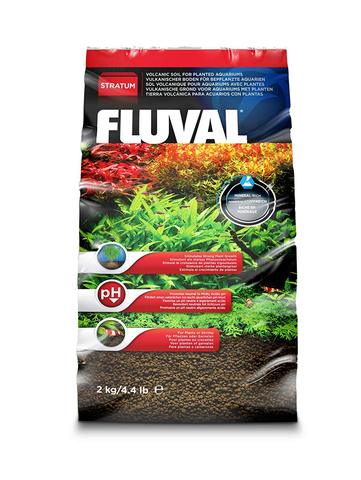
    With Aquarium Substrate, we have to consider either going with an inert or active substrate. An inert substrate will not affect our water parameters, but will require more supplementation to maintain plants. An active substrate is more suited for shrimp that need softer water, like Caridina shrimp. You will also have more success with active substrate growing rooted plants as nutrients will be available through the substrate. If you are going with an active substrate, consider going with ADA Aquasoil or Fluval Stratum, which is designed for freshwater shrimp.

    Best Value
    Fluval Stratum

    Best Value

    A cheaper and beginner friendly alternative to ADA Soil. Also great for shrimp tanks!

    Buy On Petco Buy On Amazon

    If we are looking at shrimp that like KH, like Neocaridina shrimp, you may want to consider an inert substrate. I would recommend CaribSea EcoComplete if you are looking for an inert substrate.

    If you go with an active soil, keep in mind that your cycle time will be longer. Active soil will produce a lot of ammonia when new and freshwater shrimp are very sensitive to ammonia spikes. Be patient with your cycle and introduce your shrimp when parameters have stabilized.

    Plants

    Anubias

    Anubias is hardy and more fish and inverts won’t bother it. An excellent choice for beginners!

    Click For Best Price Buy On Amazon

    Shrimp thrive on planted tanks and there are several good choices for freshwater shrimp. Here are several that will work well with your shrimp inhabitants:

    If you are going with an active substrate, you can consider carpet plants like Monte Carlo. Duckweed and Rotalas do a very good job at protecting your shrimp from high nitrate spikes as they tend to explode in growth when nutrients are high. Also stay on top of your pruning and leaf clean up to prevent decaying matter build up in your aquarium.

    Lighting

    Freshwater Shrimp and lighting is pretty simple. You can use any decent Planted Tank LED system and you should be able to house the main plants listed. For the best features, I would recommend the Serene RGB Pro LED light if it’s in your budget.

    Best Value
    Serene RGB Pro LED

    Current USA’s offering into aquascaping is an incredible value. Spectrum, spread, easy to program and great PAR output.

    Click For Best Price Buy On Amazon

    Test Kits

    There are several parameters we will want to keep an eye when shrimp keeping. These will be:

    • Ammonia
    • Nitrite
    • Nitrate
    • pH
    • GH
    • KH
    • TDS

    Ammonia, Nitrite are very important to measure when you get started with your tank. As you tank matures, you will mostly worry about your nitrate levels. PH, GH, and KH need to be regularly tested in order to ensure they stay stable with your desired shrimp.

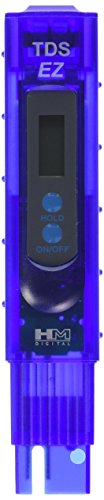
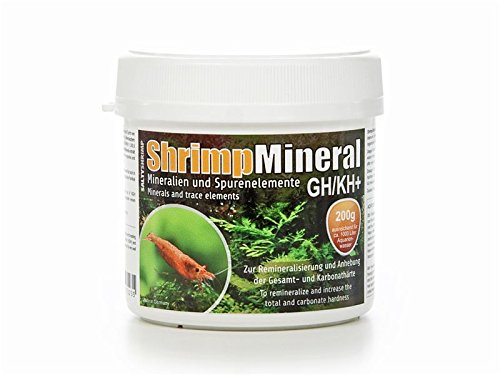
    TDS is a new parameter to test when it comes to shrimp keeping. TDS is a measure of total dissolved solids in water. Too much TDS can affect the health of your shrimp and some shrimp are so sensitive, it is more ideal to use water from an RODI System and then re-materialize the water with a supplement like Shrimp Mineral. Below is a chart that lists out the range of TDS levels for specific types of shrimp:

    NameOptimal TDSLimits
    Bamboo Shrimp150. 200100. 300
    Snowball Shrimp150. 20080. 300
    Ghost Shrimp150. 200100. 400
    Amano Shrimp150. 200100. 400
    Cherry Shrimp150. 200100. 400
    Cardinal Shrimp10050. 150
    Blue Tiger Shrimp180. 220100. 300
    My Pick
    HM Digital TDS Meter

    Readily available online, this TDS Meter is perfect for ensuring your levels are optimum for your shrimp

    Buy On Amazon

    TDS Meters are readily available online and do a great job at getting accurate readings for you. Make sure when you are testing for TDS, that you test your other parameters as well. Everything affects TDS so just measuring TDA alone is not sufficient! Check out our posts on Aquarium Test Kits for more recommendations on test kits. For KH and HG tests, an API Test Kit should work for most shrimp keepers.

    Parameters for Neocaridina are as follows:

    • pH: 6.5 – 7.5
    • KH: 1-4
    • GH: 6-8
    • TDS – 80-200
    • Water Temp: 65 – 73 F

    Parameters for Caridina shrimp are as follows:

    • pH: 6.2 – 6.6
    • KH: 2-6
    • GH: 4-8
    • TDS: 80-100
    • Water Temp: 70 – 73 F

    Keep in mind these are general guidelines. Caridina and their bee varieties can have various ideal parameters so you will want to do your research accordingly!

    How To Set Up

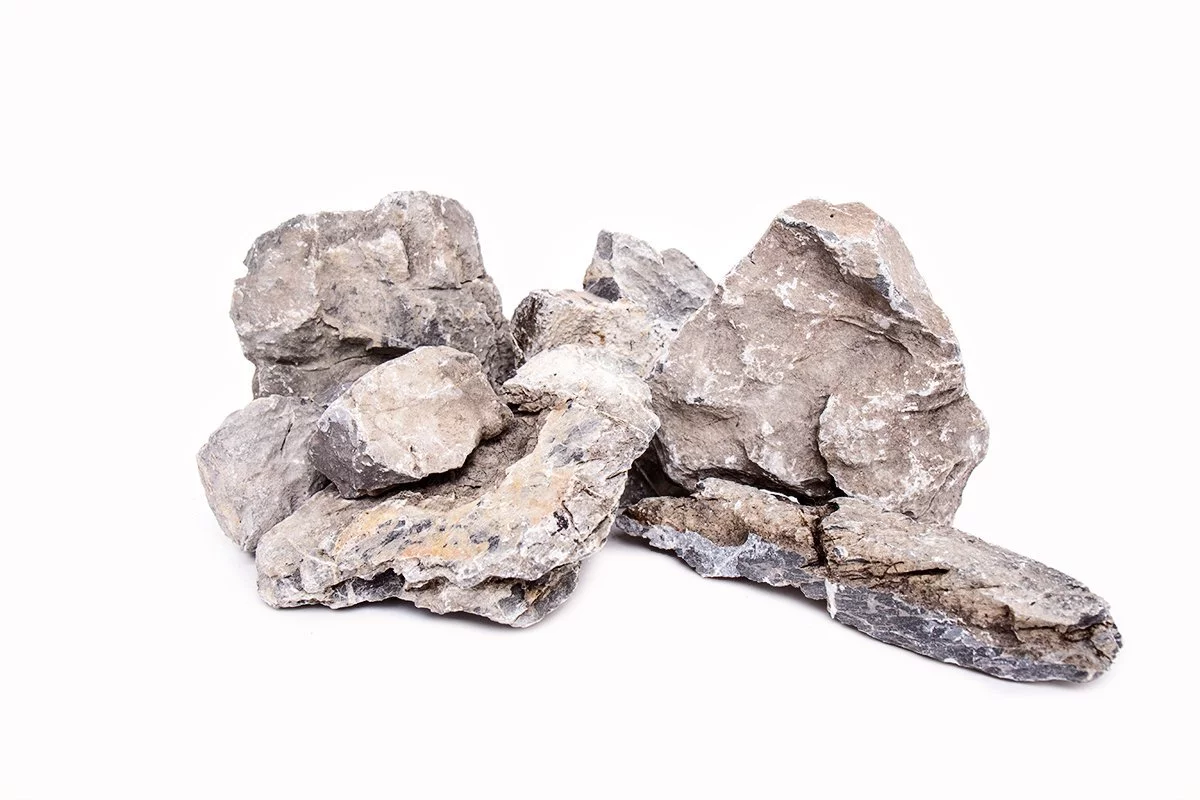
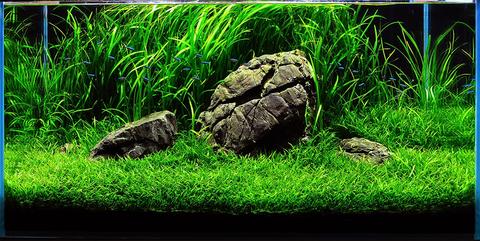
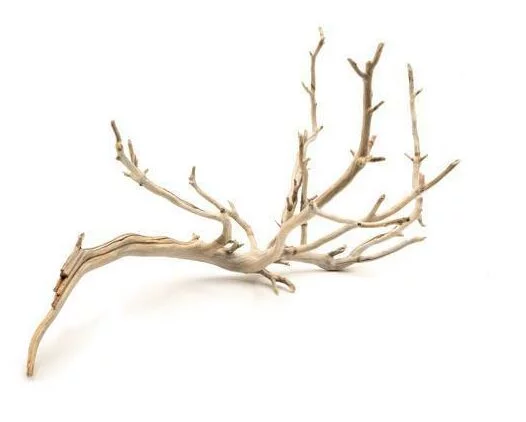
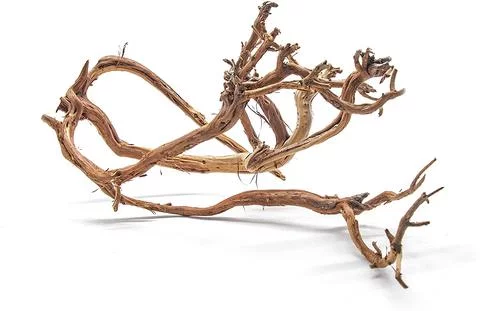
    I’m going to borrow a video from my good friend Aaron from Aaron’s Aquatics. This video shows an example setup and the start up process. Aquascaping for Shrimp Tanks are best using the Iwagumi style aquascape. This is because the large rocks create mountain that are still smooth for shrimp to venture around on. Cholla wood is also great to use for shrimp. Aaron’s video also has a few other recommendations like Catappa Leaves.

    Species – Choosing The Right Ones

    So you heard me earlier in this post talk about Neocaridina and Caridina shrimp. I’m going to focus on these two types of shrimp in this post.

    Neocaridina shrimp are going to be hardier than Cardina shrimp. They are a hardwater species and like KH, which means them best for an inert substrate. If the Neocardina shrimp, the Cherry Shrimp is the most beginner friendly and has the most variety.

    Beginner Friendly
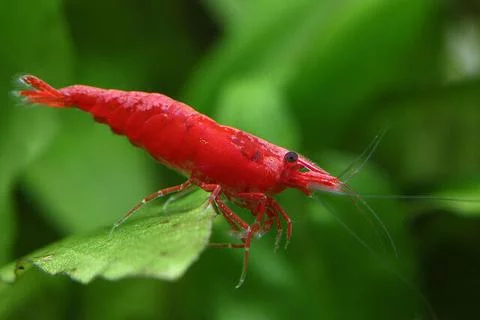
    Cherry Shrimp

    Great red color and very hardy. Cherry shrimp are the best beginner shrimp for shrimp tanks

    Click For Best Price Buy In Bulk

    Cherry Shrimp have grades that are easy to follow with Red Cherry being the lowest grade and Painted Fire Red being the highest. Their grades are as follows:

    • Cherry
    • Sakura
    • Fire Red
    • Painted Fire Red

    Each grade is more rare and more expensive than the other. Cherry shrimp will  breed and grow quickly.

    Other examples include Yellow, Blue Dream, and Green. All come from the Neocardina Davidi species. You can get multiple colors, but be aware that over time they will cross bred and you will have hybrids. A variety only tank is more ideal to keep consistent colors.

    Snow White Bee Shrimp

    Caridina shrimp are a soft water, more delicate species of shrimp. They tend to be imported from other countries making them larger when shipped and more prone to die off for a variety of reasons that I will explain later. Caradia shrimp and bring in some exotic colors and adapt better to active soils like ADA Aquasoil because they prefer softer water and tend to fit better in a professional level planted tank because the plants one will go for will demand softer water. Caradina shrimp are highly sensitive to parameter fluctuations and the reason why shrimp tend to get labeled as hard to keep in our industry. One common Caradina shrimp is an Amano shrimp.

    There is another type of shrimp that is available called Sulawesi shrimp. These are exotic shrimp that imported. They have high mortality rates when shipping and are an advanced care shrimp to keep.

    Here is a simple chart below on Neocardina and Caradina shrimp varieties:

    Neo CaridinaCaridina
    CherryTangerie Tigers
    SnowballsRacoon Tigers
    Blue JellyYellow King Kong
    Blue DreamAura Blue
    CarbonBlue Bolts (Crystal/Bee)
    OrangeShadow Panda (Crystal/Bee)
    ChocolateGolden Bee
    Green JadeSnow White

    Sourcing Selections

    When purchasing freshwater aquarium shrimp, sourcing becomes a major component in your success. With shrimp, you have two sources, importing shrimp and homebred shrimp.

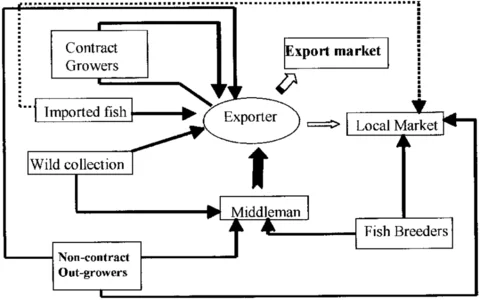
    Importing shrimp is what you will find at your local fish stores. If you haven’t seen my Quarantine post, you may not be familiar with the sourcing cycle of imported livestock in our hobby. It is below for your reference:

    The Ornamental Fish Trade Supply Chain

    Imported livestock in general are going to go through multiple distributions to get to your home. This increases stress and the likelihood for diseases. Imported shrimp will also be larger in size, meaning they will have a harder time adapting to captivity. It is common for imported shrimp to experience die off when shipping (picture reference from the University of Florida).

    Homebred shrimp on the other hand are going to be hardier in general. They are used being in captivity and tend to be less prone to diseases. Homebred shrimp can also have issues as well if your breeder is not experienced or they are only a generation or two removed from being imported. In general, it’s going to be better to get your shrimp homebred from a local breeder in your area as they will use the similar source water as you (e.g. – tap water). Check your local aquarium societies and social media groups for sources of homebred shrimp.

    For those who do not have a local breeder available, I would highly recommend Buceplant. They sell a variety of Neocardina shrimp that would all be excellent choices for your shrimp tank.

    Pests – Dealing With Them

    Freshwater aquarium shrimp have pests that we need to deal with. Most will come from freshwater plants we purchase. The main pests are:

    • Planaria
    • Hydra
    • Scuds
    • Dragon Fly Nymphs

    Planaria is a type of flatworm that will attack and eat shrimp. You can use a Planaria Trap or a No Planaria medication to eradicate the problem.

    Hydra is a small aquatic vertebrae. They will sting and poison your shrimp killing them. They can also be treated with No Planaria medication.

    Scuds are especially dangerous for newborn shrimp. It is another hitchhiker from live plants. Manual removal is best for these. The reproduce very fast. Another option is to use Bettas or Killifish as they they will happily eat the scuds. Betta are a wildcard for shrimp tanks. Some people go the nuclear route, remove as many shrimp as they can, drop the Betta in and let it eat all the scuds over time. Once the scuds have been eaten the Betta is removed and the shrimp is reintroduced.

    Dragonfly Nymphs are nasty predators. They will kill and eat your shrimp and will hunt non-stop. Manual removal is your best bet. There are other options you can do, but they will harm your shrimp.

    The best way to deal with pests is prevention though. Consider dipping your plants in a bleach solution (19 parts water to 1 parts bleach) and rising with Prime conditioned water before introducing them into your aquarium or consider quarantining your live plant additions. See the video below from LifeWithPets on how to do a bleach dip for your live plants:

    Compatible Tank Mates

    You may not be interested in shrimp only tanks, so this list of fish will help with picking ones that will work with your shrimp. One thing you will need to keep in mind is if you add fish, it is going to be very likely that the shrimp babies will get eaten so don’t expect to breed shrimp with fish. There are very few fish that will not eat a baby shrimp if given a chance. You can increase your chances of success by choosing a larger species of shrimp like an Amano. Here is a limited selection of small fish that may work in a shrimp tank:

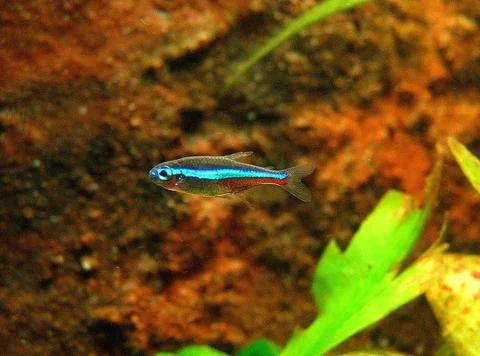
    Neon Tetra

    Feeding

    You need a mix of natural and prepared food to be successful with shrimp tanks. The main natural food we are looking to have available is biofilm. Biofilm is the structure bacteria build to support themselves and grow on surfaces. Shrimp will eat this in the aquarium. Biofilm can grow on your sponger filter, leave litter, mosses, and rocks. The more surface you have available the better for your shrimp. You can also provide “permanent food” like Cholla Wood.

    The next is prepared food. Powered Shrimp Baby Food by GlasGarten is a great choice to sustain shrimp babies. For adult shrimp, commercial shrimp food is available for purchase and will do the trick.

    Shrimp Baby

    This powdered food is perfect for baby shrimp

    Buy On Amazon

    It is also a good idea to use a Feeding Tray when feeding your shrimp. This will prevent excess food getting lost in your substrate and keeping the rest of your aquarium clean from food debris. It’s also a nice way to observe your fish.

    Tank Maintenance

    Shrimp in general are more prone to parameter changes than fish. Staying on top of maintenance is a big deal with shrimp tanks. Many shrimp tanks are also smaller tanks, which make them more susceptible to parameter changes.

    Water Quality

    Shrimp are sensitive to ammonia, nitrite, and higher levels of nitrate. Weekly water changes are especially important with shrimp tanks. Another factor to consider with shrimp tanks is water top off. When water evaporates, parameters can change. Evaporation just pulls out water, but leaves your trace minerals in. You will want to added pure replacement water. This would be something like RODI water or distilled water to replace your evaporated water. You can use an Auto Top Of System to make things easier.

    Shrimp Tank Maintenance Tasks

    Additional tasks aside from water changes and top off water would be once a month filter cleaning. Make sure when you clean your filter media that you use your pulled tank water and squeeze the foam or sponges. This will clean out the debris, but will maintain the bacterial colonies in the media. Sponges should last a very long time and shouldn’t need to be replaced. Don’t replace a sponge unless you absolutely have to, and be very careful if you do because of the bacterial colony loss. It’s better to seed a sponge beforehand if you have to replace a sponge.

    Another key thing to note about shrimp tank is you need to be very careful when you put your hands in your aquarium. Shrimp are very sensitive to toxins. Detergents, chemicals on plants, flea treatments from pets, flea shampoo, and cleaners are prone a risk for your shrimp. Always make sure you wash your hands before putting your hands in your tank. Reef Safe Soap is your friend and a recommended purchase if you are going to handle a shrimp tank.

    Problems – Why They Die

    There a number of challenges one can come across with a Shrimp Tank. I’ll try to cover several of them in this post.

    Parameter Swings

    Shrimp are sensitive to water parameter swings. Having proper tests kits and a TDS meter are you friend. Get in the habit of regularly testing your water on a weekly basis.

    Uncycled Tanks

    Shrimp are very sensitive to ammonia in the aquarium and with their prolific breeding, they can add on to your bioload overtime. If you are using active substrate like ADA Aquasoil, keep in mind that the substrate will generate ammonia when it is first introduced. You will want to give an active soil like this a good two months before introducing shrimp.

    Molting Issues

    A common aliment in beginner shrimp tanks. This indicates a lack of iodine in the tank. Most staple food and powered food will serve this function. Fertilizer that is made for shrimp tanks will also include iodine to help support the shrimp’s molting process. Additional items to add if needed would be montmorillonite material powder that you can readily purchase online.

    Too Many Males

    If you have a shrimp tank with too many males to females, this will present a problem to your population. Males in abundance will overwhelm, stress out, and harass females to the point of death. If you are seeing your females are dropping fast, consider removing a portion of your male population to balance out your numbers. I have provide examples of a female and male shrimp to show you the visual differences. The male is longer while the female has an expanded abdomen section.

    Female Cherry Shrimp
    Male Shrimp

    Aquarium Heaters

    Heater failure is pretty common in our hobby. A failed heater can lead to many shrimp deaths. Heaters will fail on the on position, which will overheat your tank. Consider an Aquarium Heater Controller to prevent a catastrophic event.

    Pests

    As we mentioned earlier, pests are a major problem in shrimp tanks. Consider using a bleach dip to prevent nuisance pests in your tank.

    Toxins

    Toxins – especially copper are especially deadly to shrimp. Make sure if you are using fertilizer that your fertilizer is shrimp safe meaning that there isn’t copper in the mix or purchase a fertilizer specially designed for shrimp. Check our our Aquarium Plant Fertilizer post for recommended products.

    Poor Source Water

    Let’s talk about your source water. In general for freshwater tanks, you is okay using tap water that is treated with a Dechlorinator. If you are going to keep harder to keep shrimp like Caridina shrimp, you will probably need to go with better source water.

    Shrimp are very sensitive to copper levels and high nurtients, things that is present in tap water. You will want to look at your city’s water reports to see what is in your water. RODI water is 99% pure H20 for your aquarium and ideal for sensitive species of shrimp. If you use tap water with Caridina shrimp, it’s possible to get quick die off of your shrimp. If you are using RODI water, you will need to remineralize the water when making water changes. You will want to use a remineralizer supplement in order to get the proper elements in your water changes so your shrimp can stay health.

    Editor’s Choice
    SaltyShrimp – Shrimp Mineral

    Editor’s Choice

    The go to for remineralizing your source water. Highly recommended for all shrimp tank setups

    Buy On Amazon

    Baby Deaths

    Having baby shrimp dying in large numbers can indicate an inadequate source of biofilm for the babies. Focus on building this up in your tank with more rocks, mosses, leave litter, and consider using powdered food to keep them fed.

    Life Span

    Shrimp don’t actually live very long. Most shrimp will live 6-12 months in an aquarium, but they breed a lot. This is also why having a single variety of shrimp is a big deal because generations pass quickly and within a couple of years you will have hybrid shrimps in your tank from the new generations.

    Closing Thoughts

    Glass Feeding Dish For Shrimp Tanks

    Freshwater shrimp tanks are loaded with personality and if bigger shrimp are selected, they is manageable for a beginner. Shrimp tanks are a niche in our hobby with challenge levels for everyone and it is really exciting to have an actively breeding tank.

    They can really be a lot of fun to keep and with their smaller sizes, your wallet will thank you versus going for a much larger tank :). If you have any questions, please leave a comment below. Thank you for reading.

  • Best Self-Cleaning Fish Tanks: 7 Picks That Actually Reduce Maintenance

    Best Self-Cleaning Fish Tanks: 7 Picks That Actually Reduce Maintenance

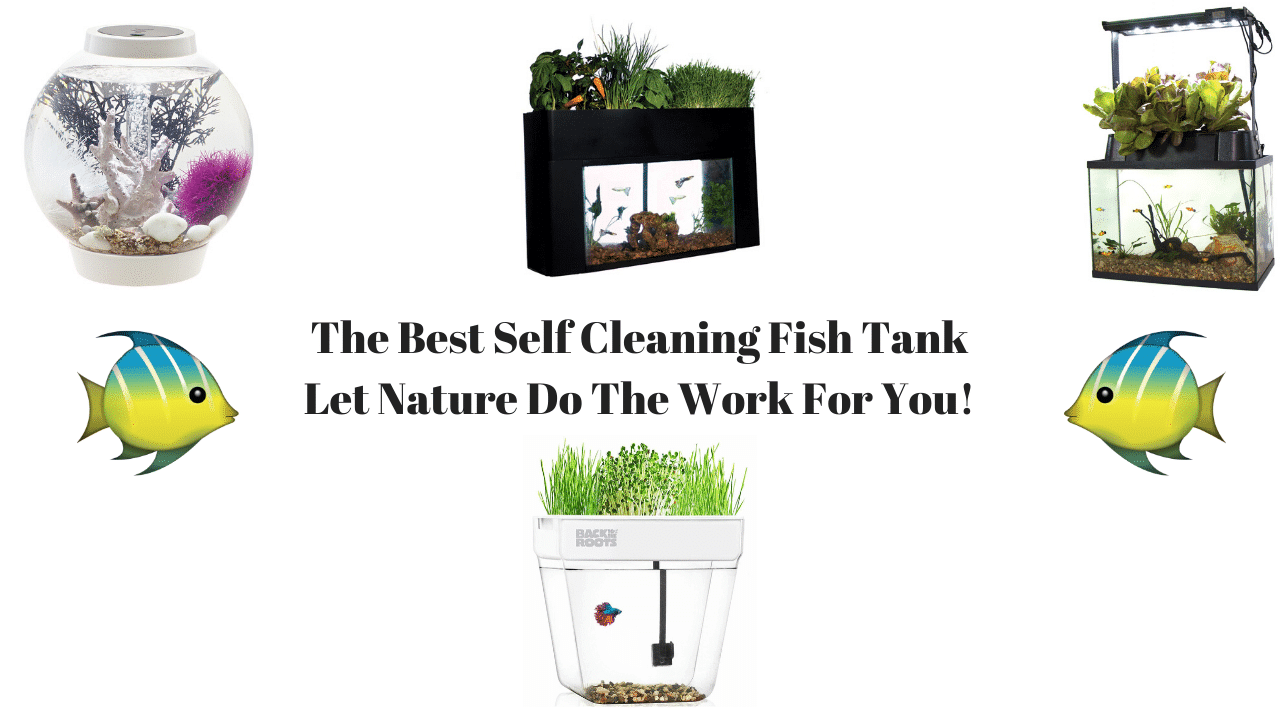
    Let me be straight with you: no fish tank truly cleans itself. That’s marketing language. What “self-cleaning” actually means in practice is that certain tank designs minimize manual maintenance through better filtration, bottom-draining systems, or biological setups that handle waste more efficiently than a standard aquarium. After testing dozens of tanks over 25 years, I’ve found some genuinely reduce the time you spend on upkeep. and some are just all-in-one tanks dressed up with clever branding. The ones worth your money share a few traits: solid filtration for their volume, easy water change access, and build quality that holds up. Water changes are still non-negotiable. no tank eliminates them. but the right design can cut your maintenance time significantly. Here are 7 that actually deliver.

    Are you wanting to keep a fish tank, but don’t want to deal with the hassle of cleaning it? Do you want a low-maintenance aquarium? Perhaps you want to try out aquaponics and grow vegetables with your aquarium? If any 3 questions peak your interest, than purchasing a self cleaning fish tank for you is the answer.

    That’s what this post is all about today. Finding self-cleaning tanks that are easy to use and maintain. 

    What Makes A Good Self Cleaning Fish Tank (My Criteria)

    When selecting determining the best self-cleaning fish tank on the market we looked at the following factors:

    • It is easy to use and setup?
    • Can you grow vegetables with it?
    • Is the price reasonable?
    • It is really low maintenance or is it just a gimmick?

    My List of Self-Cleaning Fish Tank Candidates

    In a hurry? I recommend the AquaSprouts Garden!

    PictureNameSizeLink
    Editor’s Choice!
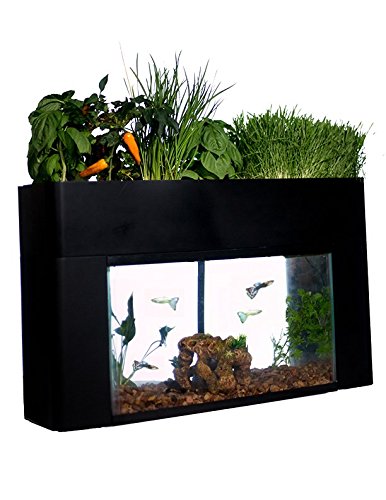
    AquaSprouts Garden
    AquaSprouts Garden
    • 10 Gallons
    Buy On Amazon
    Best Value
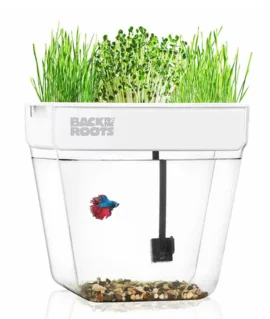
    Back To The Roots Water Garden
    Back To The Roots Water Garden
    • 3 Gallons
    Buy On ChewyBuy On Amazon
    Budget Option
    biOrb Classic Aquarium Kit
    biOrb Classic Aquarium Kit
    • 4 Gallons
    Buy On ChewyBuy On Amazon
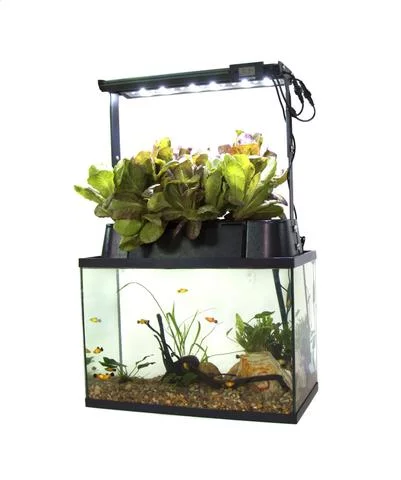
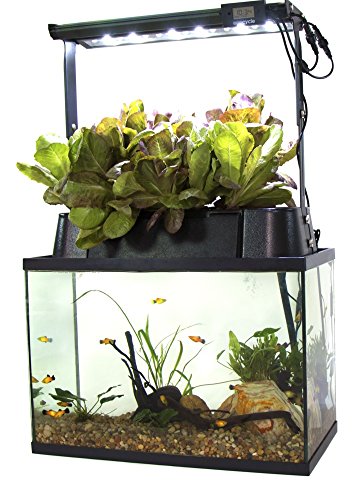
    EcoLife Aquaponics Indoor Garden System EcoLife Aquaponics Indoor Garden System
    • 20 Gallons
    Buy On Amazon
    biOrb Flow biOrb Flow
    • 8 Gallons
    Buy On ChewyBuy On Amazon
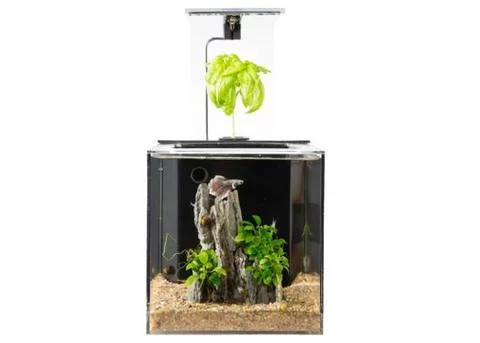
    EcoQubeC Aquarium EcoQubeC Aquarium
    • 1 Gallon
    Buy On Amazon
    As Seen On TV My Fun Fish Tank As Seen On TV My Fun Fish Tank
    • 1/2 Gallon
    Buy On Amazon

    The Top Choices (2023 Reviews)

    So now the moment you have been waiting for! Below is the list of the best self-cleaning fish tanks on the market today. I put the preferred choices at the top for ease of selection for you. There will be affiliate links below. An affiliate link means I may earn advertising or referral fees if you make a purchase through my link.

    With that disclosure out of the way, let’s get into the reviews!

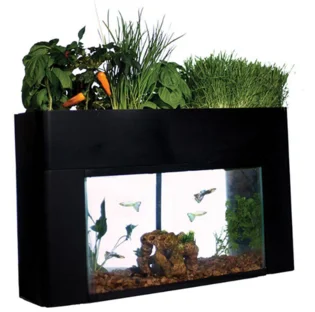
    1. AquaSprouts Garden

    Editor’s Choice!
    AquaSprouts Garden

    Editor’s Choice

    A great way to have a self sustainting fish tank and to grow vegatables for your family. The best choice today for a self cleaning fish tank!

    Buy On Amazon

    I absolutely love the concept behind the Aquasprouts Garden kit. It is completely nature focused. The goal of the kit is to have the the plants and vegetables grow and take in the nutrients from the inhabitants in the tank. At 10 gallons in capacity, this not only gives you enough space to grow a sizable amount of vegetables, but also house a good amount of fish. In my opinion, this is the best aquarium kit to introduce yourself to aquaponics and is a poster child for a self-cleaning fish tank.

    It is based off a custom-molded garden bed that fits over a 10 gallon tank. The kit also comes with a light bar where you can mount a grow light to grow your plants. I love how the bar can be extended to accommodate taller plants. The light bar allows you to place this aquarium where you want. You will not have to worry about getting enough natural light with this kit. 

    The water pump that comes with the kit pushes water up to the grow bed, which feed up to the clay pebble grow filter media. The dirty water with fish waste provides nutrients to your plants. The grow bed then drains down to your aquarium providing clean water that is aerated from the surface agitation.

    The company mission for AquaSprouts is very heart warming. Founded by Jack Ikard, his original goal was to grow organic food in an urban environment. They were established in Austin, Texas. They are a home grown company. Their award winning AquaSprouts kit has been featured in The New Year Times, Good Housekeeping, and Wired. 

    This is a true self-sustaining aquarium and is low maintenance. This is the best kit on the market. There are many imitators, but this is the original. If you want to get involved in Aquaponic or just have a self cleaning aquarium, this is the aquarium kit to buy.

    The only drawback with this kit is the price. It is a well made and created and manufactured in the US. You get what you pay for with this tank kit.

    Pros

    • Good size
    • Grows Vegetables
    • Easily Assembled

    Cons

    • Expensive
    • 10 gallon tank not included

    2. Back To Roots Water Garden AquaSprouts Garden

    Best Value
    Back To The Roots Water Garden

    A great self run fish tank that will produce a small amount of veggies. Great price and great features

    Buy On Chewy Buy On Amazon

    If the price of the Aquasprouts garden steers you away or if you are looking mostly a tank that cleans itself, this is a great alternative. This Tank by Back To Roots is a good blend of Aquaponics and a self-cleaning fish tank. 

    The aquarium kit comes with everything you need to get started and will go plants year round. Weighing in at 3 gallons, it is large enough to host a small pet fish. It functions like the Aquaspourts is that the fish waste from the aquarium feeds the plants above.

    This tank like the AquaSprouts is also made in the USA. As a certified B Corporation, they have dedicated their mission to have the highest standards of social and environmental impact.There mission is to reconnect family and kids to where food comes and experience the joys of growing food themselves. The makers of the product have a solid social following and the founders have featured on Forbes, NowThis, and even received The Champion of Change Award from President Obama. Below is a video from the founders explaining their product.

    This is a great product at a great value. The only downfall is the size. It is isn’t designed for large vegetables, but it is more user friendly and cheaper than the Aquasprouts. It also does not come with a light stand, so you will need to place this near a window or get a clip on light source for it. 

    Pros

    • Easy to use
    • Self maintained
    • Decent size

    Cons

    • Not designed for vegetables
    • No light stand

    3. biOrb Classic Aquarium Kit – Budget Priced

    The biOrb Aquariums by OASE are a aquariums that are built for simplicity. If you read my Best Canister Filter review blog, you know that I’m a big fan of OASE. Their filtration units are the best of the best and they have the same commitment with this aquarium.

    I’m not a fan of fish bowls myself, but this aquarium is the exception. This aquarium is small and simple. It has everything you need to get started – lighting, pump, filtration and solid instructions. At 4 gallons, it is just the right size to house some quality nano tank fish, including Bettas.

    The filtration is air driven and works a lot like the old school under gravel filters. The difference is that there are filter cartridges in the bottom of the intake. 

    biOrb Filter Flow

    What you get here is a filter that is designed like a professionally built commercial pond. The filtration unit pulls in dirty water to the bottom and filters out clean water from the top. It’s a genius design and makes this simple and self cleaning. 

    The biOrb has the potential to be self cleaning with modification. You can grow low light plants in this kit. In fact, there is a great video by charlieflyte who nailed it. Check out his video of his biOrb. 

    It is cheaper than the Aquasprouts and Back to Roots kit and is perfect for you if you just want an aquarium. For the quality that you get from OASE, the price cannot be beat. It is well deserving of my budget option badge.

    Pros

    • Big for a fish bowl
    • Complete filtration
    • Built for simplicity

    Cons

    • Not true self cleaning
    • Won’t grow vegetables 

    4. EcoLife Aquaponics Indoor Garden System – Biggest Aquaponics Kit On The Market

    ECO-Cycle Garden System

    The largest aquaponcis kits on the market. Has plenty of space to grow vegetables for your family and enough space to keep plenty of fish

    Buy On Amazon

    The EcoLife Aquaponics Indoor Garden System is the heavylist on this list. This is an aquaponics kit that supports a 20 gallon aquarium. You can grow plenty of vegetables with this kit and keep a good amount of fish. This is the only tank on self cleaning tank that can support a goldfish due to its size. Others can, but goldfish get large so over time they would outgrow the tank. They also tend to be hard on a tank’s bioload.

    This kit includes the LED light fixture to grow vegetables. I really like this. It takes away a lot of the guess work. The LED light is also a natural spectrum versus a glow light spectrum. This compliments your home better versus having that weird red grow led light shining above your aquarium.

    This is the most expensive aquarium kit on the list by a long-shot. It’s a bit too expensive for me to put this as my top choice. It is a great choice if it is within your budget. 

    Pros

    • Size
    • Will grow lots of vegetables
    • Comes with LED light fixture

    Cons

    • Size
    • Expensive
    • Tank not included 

    5. biOrb Flow

    biOrb Flow

    A step up in size and funtionality to the biOrb Classic. Lightweight with its acrylic construction

    Buy On Petco Buy On Amazon

    Looking for something bigger than the biOrb Classic? The biOrb flow is a step up in size and functionality. At 8 gallons in size, it is a a great potential first time aquarium. It is built off the same principals as the Classic with a filter than pulls from the bottom and pushes out to the top.

    This aquarium is made of acrylic instead of glass. Acrylic makes this aquarium super durable, lightweight, and clear. The best benefit from acrylic is the clarity. Even a low iron aquarium has less clarity than acrylic. This also explains the price for this aquarium. it’s more expensive then similar sized aquariums.  

    It won’t grow vegetables like the aquaponic kits, but for a fish keeping focused aquarium, the concept is great. It is a simple to use aquarium. 

    Pros

    • Size
    • Complete filtration
    • Built for simplicity

    Cons

    • Expensive
    • Not true self cleaning
    • Won’t grow vegetables 

    6. EcoQubeC Aquarium – The Kickstarter Project With Potential

    The EcoQube has a ton of potential. My favorite part of this aquarium is the filtration box located in the back of the aquarium. This houses the intake and 3 stage filtration unit away from the rest of the tank. This give this aquarium one of the cleanest presentations among all the others in the list. The light that comes with it is adequate to grow vegetables.

    Now let’s get to what I do not like with this product. The grow area will only hold one plant. This really limits what you can grow and do with it. The tank is only 1 gallon in size, which theoretically is inappropriate for most fish. I’m always a bit annoyed when I see Betta fish advertised in these products knowing that long-term a tank this size is not healthy for them. 

    Lastly, it’s not readily available. It’s still a kick starter project. Perhaps over time as it improved I can rank it higher on the list. I really love the concept and they are still improving the product. If they can get the product to a 3 or 5 gallon aquarium, then I can see it’s potentially fully realized. 

    Pros

    • Size
    • Light
    • Built for simplicity

    Cons

    • Size
    • Not readily available
    • Won’t grow large vegetables

    7. My Fun – Budget Setup

    As Seen on TV My Fun Fish Tank

    A great concept, but ultimately is too small for for fish

    Buy On Amazon

    As Seen On TV My Fun Fish Tank is a straight to the point concept — Namely, how to make an aquarium that truly cleans itself. It accomplishes this by sucking out dirty water with gravity when you add new water in. What happen is dirty water gets sucked out as your new water gets added in. This is as easy as it gets for a self-cleaning fish tank.

    The price on this product is rock bottom. It’s easily the cheapest self-cleaning fish tank on this list, it is also the smallest. The concept is amazing and I know it sells like hotcakes online.

    My biggest gripe is that it’s too small for fish. At only 1/2 a gallon in capacity, I couldn’t recommend this tank to anyone for keeping fish. This makes the list because the price is so attractive and I wanted to keep it on here so I can talk about how it’s too small for fish.

    I would probably put a ghost shrimp in here at most. It’s a novelty item and I would expect to upgrade to something more in the future. If it was a 3 gallon tank that removed fish waste like it does on the infomercial, I feel the concept would be amazing and would have the potential to bounce the biOrb out of the top of budget option list.

    Pros

    • Cheap!
    • Truly self cleaning
    • Simple to use

    Cons

    • Too small for fish
    • Cleaning system has issues clogging
    • More novelty than function 

    My Recommendation

    The best self-cleaning fish tank in my opinion is the Aquasprouts Garden kit. It has the ideal size at 10 gallons, it will grow plenty of vegetables, and the decision is mean to be true self cleaning with nature doing all the work for you.

    The Back To Roots garden is the best value on this list. It is cheaper than the Aquasprouts and still big enough to achieve the self-cleaning goal and will grow simple vegetables.

    The BiOrb is a great budget option. It nails self cleaning with its bottom up filtration approach and can become fully self cleaning with the right plant setup.

    Who Should Buy One?

    They should work for practically anyone, but I feel they fit best for the following people:

    • If you dislike the cleaning an aquarium
    • If you do not have time to clean or feel like it’s a tedious job
    • You want to give the tank to a child

    The last option is what I feel puts you in the best category to purchase a tank like the ones on the list. If you have a child, they can learn a lot from having an aquarium and if you are growing vegetables from it, it is a great family activity and learning activity.

    Frequently Asked Questions

    Below are usual questions I get from readers. I’ll do my best to add more as people ask. Let a comment below in the post if you have further questions.

    Another Alternative

    Another alternative to self cleaning fish tanks is creating a low light planted tank where the plants soak up the nutrients and your fish load is on the lighter end. This is a techique that has been popularized by a few YouTuber influencers.

    There is actually a local fish store that has successful run without water changes for years. Cory at Aquarium Co-Op interviewed them on his YouTube channel. Check it out below:

    Admittingly, a no water change freshwater tank is something I have little experience. I have achieved a successful reef tank with no water changes overtime. The main hurdle you run into with freshwater systems is the need to fertilization if you are aquascaping. Running no water changes is more of a natural style that conflicts with many aquascapers. Nevertheless, it is achievable and something you can look into if you want a self cleaning fish tank that runs off nature. The video gives you a lot of food for thought :).

    Closing Thoughts

    Self cleaning fish tanks are a new concept in our hobby. I really like the approaches I’m seeing from manufacturers. Some want to tackle it with aquaponics and others want to build an easy to use system. I feel that big approaches are great and one approach will fit your wants. If you have any questions, please let a comment below. Thanks for reading. Until next time

  • The Complete List of 150 Aquarium Hobbyist Clubs and Societies

    The Complete List of 150 Aquarium Hobbyist Clubs and Societies

    Aquarium Hobbyist Clubs and Societies: The Complete Directory

    aquarium hobbyist clubs and societies worldwide

    Local aquarium hobbyist clubs and societies are one of the most underrated resources in this hobby, and I say that after 25+ years of keeping fish. The knowledge inside a good local club. from breeders who’ve been at it for decades, to members willing to share cuttings, fry, or equipment at cost. is genuinely hard to find anywhere else. I’ve made some of my best hobby connections through club events and auctions. If you haven’t looked into your local club yet, I strongly encourage it. Below is a comprehensive list of aquarium hobbyist clubs and societies organized by region to help you find one near you.

    Aquarium hobbyist clubs and societies can provide incredible learning experiences with the vast number of hobbyist veterans willing to help you out. Many are closer to you can you think. We encourage anyone who keeps freshwater or saltwater aquariums to join an aquarium club. They can provide many learning opportunities, mentorships, and a great way to make new friends. The tank tours alone are worth stopping by!

    Since many of these clubs do not market themselves, Aquarium Store Depot  has provided a list so that you can find the closest one to you. There are aquarium clubs popping up throughout the States all the time so if you have one that we have not listed, please e-mail us at info@aquariumstoredepot.com or contact us and we will get the list updated:

    One underappreciated benefit of joining local clubs is access to a mentorship network. Most experienced hobbyists in these groups are genuinely happy to answer questions, do tank visits, or help troubleshoot a problem. You also get early access to members-only auctions, where locally bred fish, home-grown plants, and coral frags often go for a fraction of what you’d pay online. For beginners especially, this community knowledge base shortens the learning curve dramatically and makes the hobby far more enjoyable from day one.

    What to Expect From Aquarium Hobbyist Clubs

    Most aquarium hobbyist clubs operate on a simple model: members pay a small annual fee to fund events, speakers, and a shared library of books and equipment. Monthly meetings typically include a program segment (a speaker or demonstration), a Q&A, and an auction where members bring in frags, fry, cuttings, or equipment to sell or trade. This is one of the best ways to get rare or locally bred species that you’d never find at a big box store.

    Freshwater aquarium hobbyist clubs tend to focus on planted tanks, cichlids, bettas, native fish, and general community fish. Marine and reef aquarium hobbyist clubs (often called reef clubs or SCMAS) center on coral propagation, SPS and LPS care, equipment reviews, and tank tours. Many clubs now have hybrid memberships that welcome both freshwater and saltwater hobbyists.

    StateCityNameWebsite
    AlabamaMobileMobile Bay Reef Keepersmbrk.com
    ArizonaPhoenixArizona Frag Clubarizonafrag.com
    ArizonaPhoenixDrywash Aquarium Societydrywashaquarium.com
    ArizonaPhoenix/TucsonArizona Aquatic Plant Enthusiastsazaquaticplants.com
    ArizonaTucsonDesert Aquarist Societydesertaquaristsociety.com
    ArkansasLittle RockRazorback Reef Marine Aquarium Society (RRMAS)razorbackreef.com
    CaliforniaCosa MesaCoast Fish Clubcoastfishclub.com
    CaliforniaFresnoCentral Valley Reeferscvreefers.org
    CaliforniaHaywardBay Area Reefersbareefers.org
    CaliforniaHollisterCentral Coast Aquarium Clubkidjacobmartin.wix.com
    CaliforniaLos AngelesLos Angeles Reef Societylareefsociety.org
    CaliforniaNorthern CaliforniaCalifornia Betta Societycbsbettas.org
    CaliforniaRiversidePan Pacific Guppy Associationppga.tripod.com
    CaliforniaSacramentoSacramento Aquarium Societysacramentoaquariumsociety.info
    CaliforniaSan DiegoSan Diego Tropical Fish Societysandiegotropicalfish.com
    CaliforniaSan DiegoSan Diego Marine Aquarium Societysdmas.com
    CaliforniaSan FranciscoSan Francisco Aquarium SocietySanFranciscoAquariumSociety.org
    CaliforniaSan FranciscoSan Francisco Bay Area Aquatic Plant Societysfbaaps.org
    CaliforniaSan JosePacific Coast Cichlid Associationcichlidworld.com
    CaliforniaSanta AnaSouthern California Marine Aquarium Societyofficalscmas.org
    CaliforniaSouthern CaliforniaSouthern California Aquatic Plant Societyscapeclub.org
    ColoradoArvadaColorado Aquarium Societycoloradoaquarium.org
    ColoradoColoradoMarine Aquarium Society of Coloradocoloradoaquarium.org
    ColoradoDenverRocky Mountain Cichlid Associationmarinecolorado.org
    ColoradoSouthern ColoradoSouthern Colorado Marine Aquarium Societythescmas.com
    ConnecticutConnecticutConnecticut Area Reef Societyctars.org
    ConnecticutHudson ValleyDanbury Area Aquarium Societynortheastcouncil.org
    ConnecticutNorwalkNorwalk Aquarium Societynorwalkas.org
    DelawareDelawareChesapeake Area Killifish Clubchesapeakekillifish.org
    DelawareNew CastleDelaware Reef Clubdalreefclub.com
    District of ColumbiaDCCapital Cichlid Associationcapitalcichlids.org
    District of ColumbiaDCPotomac Valley Aquarium Societypvas.com
    District of ColumbiaDCWashington DC Area Marine Aquarist Society (WAMAS)wamas.org
    FloridaBrevardBrevard Area Reef Societybrevardareareefsociety.com
    FloridaMiamiFlorida Marine Aquarium Societyfmas1995.org
    FloridaOrlandoOrlando Reef Caretakers Associationo-r-c-a.com
    FloridaPalm BeachPalm Beach Marine Aquarium Societypbmas.org
    FloridaSaratosaCoastal Aquarium Societycoastalaquariumsociety.com
    FloridaSouth FloridaGold Coast Aquarium Society of South Floridagcaquarium.org
    FloridaTampa BayTampa Bay Aquarium Societytbas1.com
    FloridaVariousFlorida Reef Aquarium Group (FRAG)floridareefaquariumgroup.com
    GeorgiaAtlantaAtlanta Area Aquarium Societyatlantaaquarium.com
    GeorgiaAtlantaAtlanta Reef Clubatlantareefclub.org
    GeorgiaAtlantaAtlanta Southeastern Marine Aquarium Societyatlanta-smas.org
    HawaiiHonoluluHonolulu Aquarium Societyhonoluluaquariumsociety.org
    IllinoisBloomingtonCentral Illinois Tropical Aquarium Clubcitac-il.org
    IllinoisChicagoChicagoland Marine Aquarium Societycmas.net
    IllinoisChicagoGreater Chicago Cichlid Associationgcca.net
    IllinoisRockfordRockford Reefersrockfordreefersaquariumclub.org
    IndianaIndianaIndiana Marine Aquarium Societyindmas.org
    IndianaIndianapolisCircle City Aquarium Clubcirclecityaqclub.org
    IndianaNorth Central IndianaNorthwest Indiana Marine Aquarium Clubmichianaaquariumsociety.org
    IndianaNorthwest IndianaNorthwest Indiana Marine Aquarium Clubnwimac.org
    IowaIowaGreater Iowa Reef Societygreateriowareefsociety.org
    IowaMarionEastern Iowa Aquarium Associationfinflap.com
    KansasKansasSalt Citysalt-city.org
    KansasKansas CityHeart of America Aquarium Societykcfishclub.org
    KentuckyLouisvilleLouisville Marine Aquarium Societylmas.org
    LouisianaLouisianaLouisiana Reef Clublareefclub.com
    LouisianaSoutheast LouisianaSoutheast Louisiana Aquarium Societyselas.us
    MarylandChesapeakeChesapeake Marine Aquarium Societycmas-md.org
    MarylandMarylandChesapeake Guppy Clubchesapeakeguppyclub.org
    MarylandSouthern MarylandSouthern Maryland Marine Aquarium Societysmmas.org
    MassachusettsBostonBoston Aquarium Societybostonaquariumsociety.org
    MassachusettsBostonBoston Reefersbostonreefers.org
    MassachusettsNew EnglandNew England Fancy Guppy Associationnewenglandguppies.org
    MassachusettsSpringfieldPioneer Valley Aquarium Societypvas.net
    MassachusettsWorcesterWorcester Aquarium Societysites.google.com/site/worcesteraquariumsociety
    MichiganDetroitMichigan Guppy Breedersmichiganguppybreeders.com
    MichiganDetroitMotor City Aquarium Clubmotorcityaquariumsociety.com
    MichiganLansingMid-Michigan Marine Clubmidmichiganmarineclub.org
    MichiganMichiganMarinelife Aquarium Society of Michiganmasm.org
    MichiganMichiganMichigan Reefersmichiganreefers.com
    MichiganNorthern MichiganUpper Peninsula of Michigan Marine Aquarium Societyupmmas.com
    MichiganSouthwest MichiganSouthwest Michigan Aquarium Societyswmas.org
    MinnesotaNorthern MinnesotaNorthern Minnesota Reef Clubfrozenocean.org
    MinnesotaRosevilleMinnesota Aquarium Societyaquarium.mn
    MinnesotaSt. PaulTwin Cities Marine Aquarium Societytcmas.org
    MissouriMaryland HeightsMissouri Aquarium Societymissouriaquariumsociety.com
    MissouriSpringfieldSaltwater Enthusiasts Association of Springfieldtheseas.org
    MissouriSt. LouisSaltwater Enthusiasts Association of St. Louisseasl.org
    MissouriSt. LouisSt. Louis Area Saltwater Hobbyistsslashclub.org
    NevadaLas VegasLas Vegas Marine Aquarium Societylvmas.com
    New HampshireNew HampshireNew Hampshire Aquarium Societynhaquariumsociety.com
    New JerseyFreeholdJersey Shore Aquarium Societyjerseyshoreas.org
    New JerseyNew JerseyNew Jersey Reefers Clubnjreefers.org
    New JerseyNew JerseyNew Jersey Aquarium Societynjas.net
    New YorkAlbanyCapital District Marine Aquarist’s Societycdmas.org
    New YorkBrooklynBrooklyn Aquarium Societybasny.org
    New YorkBuffaloUpstate Reef Societyupstatereef.com
    New YorkCentral New YorkCentral New York Aquarium Societycnyas.org
    New YorkHudson ValleyHudson Valley Reefkeepershvreef.org
    New YorkLong IslandLong Island Aquarium Societyliasonline.org
    New YorkLong IslandLong Island Reef Associationlongislandreef.org
    New YorkManhattanManhattan Reefsmanhattanreefs.com
    New YorkNassau CountyNassau County Aquarium Societyncasweb.org
    New YorkOleanAllegheny River Valley Aquarium Societyorgsites.com/ny/arvas
    New YorkQueensGreater City Aquarium Societygreatercity.org
    North CarolinaCharlotteReef Aquarium Society of Charlotterasoc.org
    North CarolinaRaleighTriangle Reef Aquarium Clubtrianglereefaquariumclub.tripod.com
    OhioAkronGreater Akron Aquarium Societygaas-fish.net
    OhioCentral OhioCentral Ohio Reef Aquaristscorareef.org
    OhioCincinnatiCincinnati Reefkeepers Societycincyreef.com
    OhioClevelandGuppy Association of Greater Clevelandangelfire.com/hi5/gagc
    OhioClevelandCleveland Saltwater Enthusiasts Associationc-sea.org
    OhioColumbusColumbus Area Fish Enthusiastscolumbusfishclub.org
    OhioLorain CountyLorain County Aquarium Societylcas-fish.net
    OhioMedina CoutyMedina County Aquarium Societymcas-fish.net
    OhioMiddleburg HeightsOhio Cichlid Associationohiocichlid.com
    OhioYoungstownYoungstown Area Tropical Fish Societyyatfs.com
    OklahomaOklahoma CityCentral Oklahoma Marine Aquarium Societyoklahomaocean.tripod.com
    OregonOregonPacific Northwest Marine Aquarium Societypnwmass.org
    OregonEugeneWillamette Valley Aquarium Societywvaquariumsociety.com
    PennsylvaniaChurchvilleBucks County Aquarium Societybcasonline.com
    PennsylvaniaDelaware ValleyDelaware County Aquarium Societydcas.us
    PennsylvaniaDelaware ValleyDelaware Vallery Reef Clubdelvalreefclub.org
    PennsylvaniaLancaster CountyAquarium Club of Lancaster Countyaclcpa.org
    PennsylvaniaNorthern MarylandMason Dixon Reef Clubmdreefclub.com
    PennsylvaniaPittsburgGreater Pittsburgh Aquarium Societygpasi.org
    PennsylvaniaPittsburghPittsburgh Marine Aquarium Societypmasi.org
    PennsylvaniaPittsburghPittsburgh Area Killifish Associationsheneskillies.com/paka/paka.htm
    Rhode IslandCranstonOcean State Reef Aquarium Societyosras.com
    Rhode IslandCranstonOcean State Reef Aquarium Societyosras.com
    South CarolinaCharlestonCharleston Reefers Clubcharlestonreefers.org
    South CarolinaColumbiaColumbia Marine Aquarium Clubcolumbiamac.org
    South DakoaSioux FallsSioux Fallas Area Aquarium Societysfaas.org
    TennesseeKnoxvilleMiddle Tennesse Reef Clubmtrc.org
    TexasAustinAustin Reef Clubaustinreefclub.com
    TexasDallasDallas Marine Aquarium Societydallasmas.org
    TexasDallas/Fort WorthDallas Fort Worth Marine Aquarium Societydfwmas.org
    TexasDallas/Fort WorthNorth Texas Reef Fanaticsnorthtexasreeffanatics.org
    TexasHoustonGreater Houston Aquarium Clubhoustonfishbox.com
    TexasHoustonMarine Aquarium and Reef Society of Houstonmarsh-reef.org
    TexasLubbockLubbock Reef Clublubbockreefclub.com
    TexasSan AntonioHill Country Cichlid Clubhillcountrycichlidclub.com
    TexasSouthern TexasMarine Aquarists Association of South Texasmaast.org
    TexasWacoSaltwater Club of Central Texasmyscct.com
    UtahSalt Lake CityGreat Salt Lake Aquarium Societygslas.com
    UtahSalt Lake CityWasatch Marine Aquarium Societyutahreefs.com
    VermontVermontVermont Marine Aquaristssaltwatervt.org
    VirginiaRichmondRichmond Reefersrichmondreefers.com
    WashingtonSeattleGreater Seattle Aquarium Societygsas.org
    WashingtonSpokaneSpokane Reef Societyicehouse.net
    WashingtonWashingtonPacific Sound Aquarium Societypnwmas.org
    WashingtonYakimaYakima Salt Water Clubyswc.forumotion.net
    WisconsinMadisonMadison Area Reef Societymadisonreef.com
    WisconsinMadisonMadison Area Aquatic Hobbyistsmadisonaquatichobby.com
    WisconsinMilwaukeeThe Milwaukee Aquarium Societymilwaukeeaquariumsociety.com
    WisconsinWisconsinWisconsin Reef Societywireefsociety.com

    Starting a freshwater tank? Check out our freshwater aquarium words of wisdom

    Starting a saltwater tank? Check out our saltwater reef tank words of wisdom

    Looking to buy livestock? Check out this link for the best place to buy fish online

    Why Join Aquarium Hobbyist Clubs and Societies

    Whether you’re new to the hobby or decades in, aquarium hobbyist clubs and societies remain one of the most underrated resources in fishkeeping. Most aquarium hobbyist clubs host monthly meetings, livestock auctions, and equipment swaps where you can find rare species at a fraction of retail prices. Many aquarium hobbyist clubs also maintain active online communities if in-person attendance isn’t possible. If you’ve been considering joining, this grand list of aquarium hobbyist clubs and societies is a great place to start.

    aquarium hobbyist clubs meeting
    Join local aquarium hobbyist clubs to meet fellow fishkeepers.

    References

  • The 10 Best Nitrate Removers for Freshwater aquariums (2026 Reviews)

    The 10 Best Nitrate Removers for Freshwater aquariums (2026 Reviews)

    High nitrates are one of the most common problems I see in freshwater tanks. and one of the most misunderstood. Regular water changes are always the foundation, but in heavily stocked or planted tanks, a dedicated nitrate remover can genuinely help bridge the gap between maintenance days. I’ve tested plenty of products and methods over 25 years, and I can tell you which approaches actually move the needle.

    https://youtu.be/E0YnjkKaGn8

    “Help, my nitrate levels are over 50 PPM!” This is a common email or text I get on my live chat. High nitrate levels can be a major problem for freshwater aquarium keepers. In today’s post, I want to talk about the best nitrate remover for freshwater tanks. Nitrates, for some of us, are the bane of our existence. We obsess over the nitrate level in our fish tanks because our local fish store and fish guides told us that high nitrate levels is bad and stresses out our pet fish.

    This is all true, however, instead of stressing out over them let’s talk about how to take proper action in tackling the issue. I want to revisit the nitration cycle and talk about ways to remove and lower nitrates in your aquarium water. I want us to reflect on how we got to this place. Once we know, let’s talk about the best nitrate removers to solve our problem. 

    Revisiting the Nitration Cycle 

    Aquarium Nitrogen Cycle

    Let’s first revisit the nitration cycle. I know some of you reading this already know it, but I also know some of you may not and have become successful by listening to your local fish store on what to buy. Part of having a nitrate problem is because we are out of balance. The nitration cycle has 5 stages:

    1. Nitrogen is introduced with fish food
    2. Ammonia is excreted either by fish waste (fish poop) or decaying material
    3. Nitrosomas bacteria convert Ammonia to Nitrite
    4. Nitrobactor bacteria converts Nitrite to Nitrate
    5. Plants use Nitrates and Ammonium as fertilizer

    The above is the natural way of how an aquatic ecosystem would work. The issue most likely with your aquarium water is that you are missing #5. If you lack live plants, nitrate levels can build up. Also, the stock media from your aquarium filters will not address #5. It is not common for filter makers to provide media that will remove nitrates. This is to keep costs down as the media designed to lower nitrates is more expensive and some buyers may not even want it.

    Ways To Remove It

    So now that we know the cycle, and likely what our deficiency is in the cycle, let’s talk about how to remove nitrates. You can see our video from our YouTube Channel for some visuals.

    1. Water changes

    This is the most common way. Water changes will reduce nitrates in the aquarium environment and bring in clean water to your fish tank. While this is an all-around fix, too many water changes can be disruptive to our closed systems. They are also labor intensive. We do not want to be a slave to the water change. Our goal is to get down to changing the water tank every other week, or every month.

    2. Live Plants

    A large live plant population can actually act as an effective nitrate remover for your aquarium. This works great for planted tank setups. However, I do know many people who have had nitrate problems and cannot have planted tanks. This usually happens when you’ve got fish who eat live aquarium plants, aggressive fish that uproot or damage them, or people who do not want to regularly prune live plants and maintain them.

    3. Reduce livestock

    Sometimes an aquarium has high nitrate levels because the fish tank is overstocked. This is common with people who follow the 1 inch per fish rule. Your biological filtration products are working overtime when your fish tank is overstocked. Other times, you have fish that are hard on your bioload such as gold fish or large aggressive fish.

    4. Filters

    Nitrate removers are filter media designed to remove nitrate from your aquarium either through chemical or biological means. They either come in disposable media or permanent media. They are not dangerous to the inhabitants in your tank, and will reside in your filter compartments. Some nitrate removers have mixed media, meaning that they handle other things aside from nitrate in your tank water. Some will have carbon while others use resin to remove other impurities in your aquarium water.

    A dedicated nitrate removing media is a great way to target the problem immediately, but they need to be replaced regularly. A permanent media will grow anaerobic bacteria in the media. This anaerobic bacteria will consume nitrates in your tank water. If you’ve considered all these ways to reduce nitrates in your aquarium water, and are still at the point where nitrate removers are necessary, then read on for our buying guide.

    The Candidates

    Below is a list of the best nitrate removers for freshwater aquariums. All products here have been selected through our field experience and all are safe to use in a freshwater tank. Each have their pros and cons, which I will discuss below. There is a product for you on this list.

    In a hurry? I recommend Biohome for a permanent solution and Seachem Purigen for a disposable solution.

    PictureNameTypeLink
    Editor’s Choice
    Biohome Ultimate Filter Media
    Biohome Ultimate Filter Media

    Permanent

    Buy On Amazon
    Best Value
    Seachem Purigen
    Seachem Purigen

    Disposable

    Click For Best PriceBuy On Amazon
    Budget Option
    EA Premium Nitrate Reducer
    EA Premium Nitrate Reducer

    Disposable

    Buy On Amazon
    Acurel LLC Nitrate Reducing Media Pad Acurel LLC Nitrate Reducing Media Pad

    Disposable

    Buy On Amazon
    API Nitra-Zorb API Nitra-Zorb

    Disposable

    Buy On AmazonBuy On Chewy
    Boxtech Aquarium Media Boxtech Aquarium Media

    Permanent

    Buy On Amazon
    Dr. Tim's Aquatics All-Natural Aquarium Pearls Dr. Tim’s Aquatics All-Natural Aquarium Pearls

    Permanent

    Buy On Amazon
    IceCap Turf Scrubber IceCap Turf Scrubber

    Permanent

    Buy On Amazon
    Seachem Denitrate Seachem Denitrate

    Permanent

    Buy On Amazon
    Seachem Matrix Seachem Matrix

    Permanent

    Click For Best PriceBuy On Amazon

    The Top 10 Choices (2023 Reviews)

    Let’s go into further detail of each nitrate remover to see why I picked each product.

    1. Bio-Home Ultimate Filter Media – The Best Biological Filtration Media  

    Editor’s Choice!
    Biohome Ultimate Filter Media

    Editor’s Choice!

    This is the best media you can buy for your aquarium. It does it all – removes ammonia, nitrite, and nitrates

    Buy On Amazon

    Bio-Home, in my opinion, is the best biological filtration media you can purchase, and is the best nitrate remover for freshwater tanks. It has the ability to control ammonia, nitrite, and nitrate on it’s own. Bio-Home got its start from PondGuru, one of the bigger Youtubers on pond care. PondGuru developed this product to resolve high nutrient issues in ponds. It also does an amazing job as a nitrate remover for freshwater tanks. I highly recommend it for anyone with a fish-only or lightly planted tank.

    Because it is a biological based filter media, it is permanent in your system and allows for less water changes. You add it in your filter unit and forget about it. The media will house both aerobic and anaerobic bacteria and the mini-version will fit in some power filters. 

    It’s a great biological media, but it has one drawback. It is a very expensive nitrate remover and you will need 2-4 lbs for a mid-sized aquarium. Also, because it is biologically based it will need to establish in your fish tank before it will remove nitrates. Bio-Home offers the following guidelines when trying to figure out how much media you need to purchase.

    EnvironmentAmount of Biohome Required
    Avg Community Tropical Tank1 kg/26 gal (100 lt)
    Avg Cold Water Tank1-1.5 kg/26 gal (100 lt)
    Predator Tank1.5-2 kg/26 gal (100 lt)
    Large Cichlid Tank1.5-2 kg/26 gal (100 lt)
    Malawi/Tanganyikan Tank1.5-2 kg/26 gal (100 lt)
    Avg Mixed Fish Pond1 kg/52 gal (200 lt)
    Avg Koi Pond1 kg/39 gal (150 lt)

    If you want a filter media that will free you of being a slave to constant water changes, this is worth every penny.

    Pros

    • Biological based – permanent
    • less water changes
    • Small enough to fit in power filters

    Cons

    • Expensive
    • Needs to establish in your aquarium water in order to get results

    2. Seachem Purigen – Instant Removal In A Small Package!

    Best Value
    Seachem Purigen

    Best Value

    Seachem is the most effective and quickest way to remove nitrates out of your aquarium

    Buy On Amazon Click For Best Price

    Seachem Purigen is a fast acting nitrate remover that uses resin to remove a number of organic compounds in your aquarium water. It is resin based and its color changes as it depletes. This makes it easy to identify when to replace or recharge the resin. Recharging the resin involves using an unscented bleach solution. The bleach burns off the organics that have been removed from the fish tank.

    This type of regeneration is superior to API’s salt solution of regeneration. A salt based regeneration only replaces the removed ionic compounds. It will not destroy the large compounds that were removed. This can be risky over time as the organics can potentially leech back into your aquarium water over time. You do not really run this risk with Seachem Purigen because the price of this nitrate remover is so reasonable that many who use it don’t even bother to recharge it. It is fast acting and has great field results. 

    Seachem Purigen is easy to find online and at stores. It will also fit in power filters and you do not need that much to get great results for your freshwater aquarium!

    Pros

    • Rechargable
    • Fast acting
    • Good price

    Cons

    • Complex to recharge

    3. EA Premium Pad – Budget Friendly

    Budget Option
    EA Premium Pad

    Budget Option

    A budget friendly, yet effective nitrate removing option. Works great in canister filters

    Buy On Amazon

    If you are looking for a budget friendly nitrate remover, the EA Premium Nitrate Reducer is a great product to look at. Like Acruel’s pad, it works instantly as it is an infused filter pad. I would install this in the second chamber of your canister filter after your mechanical stage. It will work with a power filter, but you may have difficulty getting enough of the product to be effective in smaller filters.

    Make sure you rinse it before putting it into your aquarium. It’s dusty and can cloud up water if you don’t rinse it before it goes into your filter. This is a great nitrate remover for those who need fast results and are on a budget.

    Pros

    • Cheap
    • Works instantly
    • Can be cut to fit

    Cons

    • Dusty – rinse first before using
    • Hard to find locally

    4. Acurel LLC Pad – Great for Canister Filters

    Acurel LLC Nitrate Reducing Pad

    This is the name brand version of the EA Pad. Proven field results and fast acting

    Buy On Amazon

    Acurel’s Nitrate Reducing Pad has been around for years and is well known for quickly taking care of nitrate problems in a freshwater aquarium. It comes in a large 10 x 18 inch pad that you can cut to size. I find this pad works best in a canister filter if the media chambers are large enough to accommodate a pad. I would put this in the chemical media chamber below your carbon media or in-lieu of.

    This nitrate remover has amazing field results. It has taken down nitrate levels in a 180 gallon Cichlid tank from 60-80PPM to 20PPM or less. The biggest problem is that it’s difficult to get enough of the product into a power filter as you need to use a sizable amount of it to get the desired results. It is generally hard to find locally, making this best to purchase online. The price is very reasonable, making this a great nitrate remover if you own a canister filter.

    Pros

    • Can be cut to size
    • Very effective
    • Works quickly

    Cons

    • Not enough surface area to work with most power filters
    • Hard to find locally

    5. API Nitra-Zorb – Resin Based Carbon Replacement

    API NITRA-ZORB

    A readily available and effective nitrate remove. Available online and at any local pet store

    Buy On Amazon Buy On Chewy

    API Nitra-Zorb is a resin based filter media that works to eliminate ammonia, nitrite, nitrate, and harmful chemicals in your aquarium. It is a great all around filter media that replaces carbon in your aquarium. Because it is resin based, it can be recharged. The recharging instructions are simple. You only need aquarium salt and warm tap water to soak the media bag for 2 hours.

    This makes it a really attractive media to buy for nitrate removal since you can buy a bag and reuse it, granted you are willing to recharge it regularly.

    The biggest problem with using Nitra-Zorb as a nitrate remover, is that it is designed for canister filters. The bag can be too large for most power filters. Another concern is that since the bag can handle a complete nitrogen cycle on its own, it can hurt the natural biological filtration that you have set up in your filter or your aquarium plants. I feel that a nitrate remover product should be a supplement for your cycle in your aquarium, and not a replacement.

    Pros

    • Resin based – replaces carbon
    • Media can be reused

    Cons

    • Bag is large and is meant for canister filters
    • Expensive

    6. Boxtech Aquarium Media – MarinePure Like Media That Fits In A Canister Filter

    BoxTech Aquarium Media

    BoxTech is a ceramic media that works to remove nitrates. Best suited for sumps and canister filters

    Buy On Amazon

    In the saltwater aquarium side of the hobby, there is this wonderful product called marinepure that is a ceramic block that acts as a superior biological filtration in sumps. The blocks are massive and have superior surface area. These blocks by BoxTech offer the same advantages as marinepure, but are designed to be small enough to fit in a canister filter. 

    The ceramic block will achieve a full nitrogen cycle removing nitrates. Because it is a permanent solution, you won’t have to worry about replacing media overtime. This is a less expensive long-term nitrate remover for freshwater tanks.

    Unfortunately, like many products on this list, it can be difficult to fit in most power filters. It’s a 3×3 block so it may fit in larger power filters. It will also need to establish in your tank in order to achieve results. 

    Pros

    • Convenient shape – fits in canister filters
    • Incredible surface area for bacteria
    • Permanent

    Cons

    • Won’t fit in most power filters
    • Needs to establish to get results 

    7. Dr. Tim’s Aquatics All-Natural Aquarium Pearls – Designed By A Marine Biologist

    DrTim s Aquatics NP-Active Pearls

    These pearls work to remove both nitrates and phosphates from aquariums. They are best suited for fish only freshwater setups

    Buy On Amazon

    Dr. Tim is well known by keepers of reef aquariums and public aquariums. He has designed unique products that solves issues like cycling a tank. These NP-Active Pearls by Dr. Tim are natural bio-polymers that remove nitrates and phosphates in your aquarium. They work in both freshwater and saltwater aquariums and do a great job.

    Because it is a bio-ball based media, it is best run in a media reactor versus a canister filter or power filter. It will still lower the nitrate level in any of them, it’s just more effective in a media reactor. 

    Pros

    • Permanent
    • Removes phosphate and nitrate
    • Small enough to fit in a power filter

    Cons

    • Expensive
    • Works best in a media reactor

    8. IceCap Turf Scrubber – Uses Algae

    IceCap Turf Scrubber

    Turf scrubbers are well known in saltwater aquariums for removing nitrates and phosphates

    Buy On Amazon

    An algae turf scrubber is well known in the saltwater aquarium hobby for it’s ability to remove nitrates, phosphates, and harmful chemicals in your aquarium. It does this all by growing algae on a mesh sheet. This algae once established will filter all sorts of nutrients out of your aquarium water.

    A good turf scrubber will do wonders to getting your levels down, and have had field results bringing nitrates to nearly undetectable levels. This is all done naturally and is a permanent nitrate removing solution. It will also reduce algae in your display tank since the algae growth in your scrubber will compete with it. IceCap has done an excellent job at making these scrubbers as affordable as possible for hobbyist with a well made solution.

    Turf scrubbers are complex to install and dial in. They require a separate pump and are best run in a sump. They are expensive and you have to remove the algae every 7-14 days. This can be messy and smelly. If you have a sump and some very high nitrate levels, this could be the best nitrate remover for you.

    Pros

    • Reduces nitrates and phosphates naturally
    • Can eliminate nitrates to extreme low levels
    • Reduces algae in display tank

    Cons

    • Complex to install
    • Expensive
    • Maintenance is messy and smelly

    9. Seachem Denitrate

    Seachem Denitrate

    Denitrate is a permanent media that is soley designed to remove nitrates from aquariums

    Buy On Amazon

    Seachem Denitrate is a biological media that has the ability to house anaerobic bacteria. Anaerobic bacteria can survive because of the porous nature of this media. It allows for areas to be depleted of oxygen which is what creates these anaerobic pockets. It functions as both basic biological media and nitrate reducing media since it is a dual purpose media.

    This product from SeaChem is basically the same as SeaChem Matrix, which I will discuss next. The main difference between the two nitrate removers is that the media for SeaChem Denitrate is smaller, making it far easier for your power filters to house it. It is one of the few nitrate removing media here that will fit and be functional in a power filter. There is also a big advantage with SeaChem products in general. They are readily available online and in stores.

    This 1 liter package will work for a larger size tank up to 50 gallons. It is a permanent solution, and the price is reasonable for its capacity. Because it is a permanent nitrate remover solution, it will need to establish first before any results can be seen. To function correctly, SeaChem recommends that you lower the gallons per hour on your filtration unit down to 50 gallons per hour.

    Given its availability, it’s a great choice for your fish tank if you are using a power filter.

    Pros

    • Biological based
    • Fits in power filters
    • Permanent solution

    Cons

    • Needs time to establish

    10. Seachem Matrix – Superior Biological Media Replacement

    Seachem Matrix

    Matrix is a biological media that will provide a complete nitrogen cycle in your aquarium

    Buy On Amazon Click For Best Price

    Seachem Matrix is the flagship biological media product of SeaChem. It offers superior biological filtration that will house both aerobic and anaerobic bacteria species. It is a permanent nitrate reducer solution that is designed to work in canister filters. It is a larger media version of denitrate. This is done on purpose so the inner core can hold more anaerobic bacteria.

    It will take time to establish given its biological nature. It is readily available in stores. This is a great solution if you are starting up a new tank and want to have great biological filter media to start.

    Pros

    • Biological based
    • Permanent solution
    • Reasonable price

    Cons

    • Designed for canister filters
    • Takes time to establish

    Our Expert Pick

    There are two categories when naming a best nitrate remover. We have permanent and disposable solutions. Permanent solutions take time to establish and will solve your problem over time. Disposable solutions will work immediately and require replacement to keep levels down. We also included a video of our channel that summarizes the products from our blog post. Please subscribe if you like our content!

    Best Permanent Product

    This honor goes to Bio-Home Ultimate Filter Media. It has proven field results and does not have a gallon per hour limitation like some of the other permanent solutions out there. They are able to do this because the core of the media will hold anaerobic pockets for nitrate removing bacteria to thrive. I have seen bio-home reduce nitrates in pond filters pushing through 1700+ gallons per hour and still have stellar results. It is worth every penny.

    Best Disposable Product

    This honor goes to Seachem Purigen. The Purigen resin works immediately and is very effective. It changes color so you know when it is time to replace the media. This nitrate remover is so cheap that you don’t have to recharge the product, and you don’t need much of it. This makes it ideal for power filters. It is also readily available online and in most fish stores.  

    Closing Thoughts

    Nitrate reduction can be a tough nut to crack in a non-planted freshwater aquarium. Overstock fish tanks have an even harder time. The great thing is that there are products that are very effective at resolving your issues with your aquarium water. I hope the overview and the product reviews I provided have helped you to make an informed decision. If you have any questions, please leave a comment below. Thank you for reading my buying guide and see you next time!

    References

  • Freshwater Aquarium – Words of Wisdom I Wish I Knew Before I Started

    Freshwater Aquarium – Words of Wisdom I Wish I Knew Before I Started

    Hello again fellow readers. Over the past few years, I have gone through a full dive into the freshwater aquarium hobby. As many of my friends and hobbyists know, I started in the hobby straight into saltwater aquariums and then into reef tanks. A couple of years ago, I posted a big piece of content titled words of wisdom I wish I knew before I started. As I got more into the freshwater side of the hobby, I thought to myself I should do the same with freshwater aquariums.

    Today’s post is going to be a long. Each one of these points can be a post on its own. My purpose is to place all these words of wisdom into a single post so you can reference it to anyone starting out in the freshwater aquarium hobby. I got a video below as well you can check out from our YouTube Channel.

    Key Takeaways

    • Education is the number one factor to have success. Research and trust authoritative blogs and experts in the field
    • Don’t cheap out on your setup, invest in quality equipment
    • Be careful with your livestock choices
    • Be patient with your setup and keep calm when things go wrong
    • Maintain your aquarium and avoid getting multiple fish tanks

    Freshwater Aquarium Words Of Wisdom – What I Wish I Knew Before I Started

    #1 – Educate Yourself

    Educate Yourself

    The freshwater hobby is very broad. I would say it is about 3-4 times more broad than the saltwater aquarium hobby. A saltwater hobbyist goes to corals at the ultimate goal while a freshwater aquarist can have many goals. You can go with a large predator tank, a planted tank, a small betta fish tank, or even a pond. This means that the hobby is always evolving. There are new breakthroughs every day and new subsets of the hobby. Such as in life, dedicate yourself to never stop learning about this hobby if you are passionate about it. Seek blogs like this one, videos, authoritative figures, etc.

    #2 – Patience Is Your Virtue

    Patience with Aquariums

    Read the image above and understand what it comes. Freshwater aquariums is all about doing everything you can to set yourself for success then letting go. You have to be patient about the results after you have taking the actions or setup the proper routines. Impatience will wreck you in this hobby.

    #3 – Know The Nitrogen Cycle

    The nitrogen cycle is the cornerstone piece of knowledge you must have to succeed in the fish hobby. The nitrogen cycle is a 5 stage process:

    1. Nitrogen is introduced with fish food
    2. Ammonia is excreted either by fish or decaying material
    3. Nitrosomas bacteria convert Ammonia to Nitrite
    4. Nitrobactor bacteria converts Nitrite to Nitrate
    5. Plants use Nitrates and Ammonium as fertilizer

    Your aquarium is a closed biosystem. Your biosystem needs to have a balance of enough bacteria to keep levels in check. Knowing your balance will keep you from overstocking and overwhelming your biosystem. You can check out the video below by Girl Talks Fish for a more detailed explanation.


    It is important to know that most stock filtration equipment will not offer you a full nitrogen cycle out of the box. There are two ways to resolve this. Either get live plants or invest in the best nitrate removers for freshwater aquariums. I recommend Biohome Ultimate for permanent solution or Purigen as a disposable solution.

    #4 – Involve Your Family

    Child Fish Tank

    Freshwater Aquariums offer a greater opportunity to get your family or loved ones involved in your hobby. The hobby is easier to understand and perform compared to saltwater aquariums and anyone with proper guidance and training can have fun and get involved. Do not isolate yourself in your hobby or passion. Invite your children if you have them or your loved one into your hobby. You can have reliable tank sitters when you are away and not panic when things go wrong and you are not present to fix them. A family that keeps fish together, stays together.

    #5 – Watch Out For Multiple Tank Syndrome

    Multiple Tank Syndrome

    Freshwater aquariums are more approachable and far easier to get lost in multiple tank syndrome than with saltwater tanks. For one, it’s way easier to handle water changes and multiple tanks since the you do not need a RODI system for the vast majority of setups. The other thing is that the freshwater hobby is so broad. It’s better to have specialty tanks then to attempt mixed community aquariums not to mention the various aquascaping styles with planted tanks.

    Avoid stretching yourself too thin as well as your wallet. Take your time to enjoy your current aquarium and learn from it. When you are ready for the next steps, consider an upgrade and not an additional fish tank.

    #6 – Join A Local Club

    Aquarium Society Meeting

    A local aquarium club or society can be transformation in journey in this hobby. You can meet many people of different backgrounds and experience. One of the biggest benefits to joining a club is the mentorships you can obtain if you are looking for advanced techniques and freshwater fish keeping methods. You can check out a list of local aquarium clubs in our prior blog post.

    #7 – Don’t Take LFS Advice at Full Value

    There is a higher likelihood that you will get a knowledgeable employee at a local fish store (AKA LFS) when it comes to freshwater aquariums. However, remember that the freshwater hobby is vast. It’s very possible that the employee can be an expert on say Discus Tanks and be completely clueless on how to dry start an Iwagumi aquascape. Always do your research, be prepared, and have a plan before you walk into your local fish store.

    #8 – Everyone On A Forum Has An Opinion

    There are many great forums online that you can join to learn more about the hobby. Be careful of bad information and people trying to give you an answer to help but may not know the best answer.

    When it comes to freshwater aquariums I would look at social proof. Is the person giving you advice have the type of tank that you want? Does this person have proven knowledge in the hobby.

    To provide you a good example, there are many blogs on the internet about tank equipment. Some of them are written with bad advice to sell you a product rather than educate you. Others I would have serious doubts if author bio on the bottom is a real person.

    This blog and site was founded by me, Mark Valderrama. I have been featured on NBCNews, Slate, Buzzfeed, and Huffington post regarding care about our hobby. I am the peer adviser of two books written about aquariums, Freshwater Aquariums for Dummies 3rd edition and Saltwater Aquariums for Dummies 3rd edition. I have owned both freshwater fish and saltwater aquariums.

    There are many influencers in the freshwater space, more so than the reefing hobby. Many are true experts in the field versus entertainers. Take your time to do your due diligence.

    #9 – Don’t Overstock

    Overstocked Aquarium

    The general rule you hear in the freshwater hobby is the 1 inch of fish per gallon. I cringe when I hear this rule, because it’s way too broad. Some freshwater fish, like goldfish, are big and bulky, and are hard on a bioload. Other fish, like Cichlids, are territorial and need shelter and space. The 1 inch of fish per gallon is okay for schooling fish like Tetras, but it fails on just about everything else. Too many fish can also lead to poor quality water and a cloudy fish tank.

    If you want to look up stocking levels, I would highly suggest using AqAdvisor as a tool. It will provide a comprehensive calculation for your stock, and allow you to plan correctly for your aquarium.

    #10 – Betta Fish Do Not Belong In A Bowl

    Betta Fish Bowl

    You see Betta all the time at local pet stores in bowls. You also probably see a bunch of Betta Fish Tank sets available at the same said stores. I will tell you right now that this is not healthy long-term for a Betta. Bettas are best served in at least a 5 gallon aquarium. Give your pet Betta a better life by giving it an environment that it would enjoy. Check out our Betta Fish Care guide for more info on these wonderful fish.

    #11 – Goldfish Do Not Belong In A Bowl

    Goldfish Bowl

    This is another soapbox moment for me. Goldfish get large and need a lot of space to get to their full size. A goldfish bowl is not healthy for them long term. They are also freshwater fish that are very hard on a bioload since they eat so much and produce a ton of waste. Treat your pet goldfish to a proper aquarium setup so they can reach their full size and potential. Check out our Goldfish Tank care guide for more info on these popular fish.

    #12 – Leave Large Aggressive Fish For The Vets

    Large Aggressive Fish

    You may walk into this hobby wanting to get large aggressive freshwater fish. After all, many like Arowanas, Oscars, Jewel Cichlids, and Jack Dempsey are very beautiful large fish. The problem with these fish are multiple. They get very large and require very large aquariums. This means you have to invest a lot in getting the proper sized tank for them. They are very aggressive and so you have to be very careful who you house with them. Some of these fish are so aggressive that they have no issues with trying to go after your hands when feeding them! Worse yet, some of these fish are large and powerful enough to crack aquariums that are too small for them. The wolf cichlid is notorious for their super aggressive nature as an example.

    Large fish also require a ton of food. Due to their aggression, they are known for getting wounds from fighting or just thrashing about in your tank. These wounds can lead to infections. Keep large aggressive fish for the experts or those with the budgets you can handle them.

    #13 – Filtration Matters

    Hagen Aquaclear

    It can be really tempting to just buy a cheap filter to get you started on your freshwater aquarium. The hobby makes it very easy to get into with entry level filters or cheap filters made in China. The problem is not all filters are created the same and as your tank matures, you need better filtration. I would recommend at minimum an Aquarium Power Filter for most freshwater aquarium setups and a Canister Filter for planted tanks. Save the sponge filters for specialized tanks like Freshwater Shrimp Tanks or fry raising. There are very good brand names in the freshwater hobby make quality equipment like Hagen and Eheim. Their equipment is built to last for many years.

    #14 – Start Bigger Than Necessary

    Bigger is Better

    If you are starting out in the hobby, the best advice is to buy the biggest tank for your setup that you can afford. The bigger the tank, the more stability you would have. If you are going for a smaller aquarium like a 5 gallon or 10 gallon aquarium, I would suggest going with an all in one aquarium so you have everything setup and ready to go for you. The main issue with smaller tanks is it is hard to grow with them and often times you outgrow the tank quickly or get overzealous and overpopulate the tank.

    #15 – Get A Good Test Kit

    Keeping a successful aquarium means you are in tune with your tank and its water quality parameters. You want to get in the habit of regularly testing your water so you can spot changes in your biosystem before its too late. Not all test kits are created equal. See our post on the Best Freshwater Aquarium Test Kits for our picks. Don’t have time to read that post? No problem, I would recommend the API Freshwater Master Test Kit for most freshwater setups.

    #16 – Get A Good Gravel Vacuum

    Python Cleaner

    The Python is a mainstay in the fish hobby. Easily clean your aquarium by connecting this to your sink!

    Buy On Amazon

    If you have an aquarium substrate, a gravel vacuum is a critical tool. A quality gravel vacuum can pull out all sorts of junk out of your substrate. There are lots of waste that accumulates in your gravel bed and without vacuuming you run of having waste decay and cause nutrient spikes down the road. The best gravel vacuum in my experience is the Python gravel vacuum. It connects directly to your sink and is very convenient to use.

    #17 – Set A Maintenance Schedule

    Set A Schedule

    Setting a maintenance schedule and sticking to it is a long-term habit in our hobby. There are a lot of things to consider when keeping a fish tank, so it’s best to write things down as set reminders for yourself in order to keep up with your tank. Here are suggestions I would have of maintenance tasks to keep track of:

    • Daily
      • Dose fertilizer
      • Check bubble counter and drop checker color
      • Check water level – top off if needed
      • Observe your fish for any obvious signs of disease or stress
    • Weekly
      • Water change 15-20%
      • Check all your equipment to ensure working order
      • Clean glass, hardscape, and plant leaves
      • Trim your live plants if you have them
      • Check CO2 canister – refill as needed
      • Test your water
    • Monthly
      • Clean out your filters – wash down after cleaning with aquarium water
      • Clean pipes and strainers

    Some setups are easier to maintain then others. You can always look into a self cleaning fish tank, if you want something less maintenance heavy. Most will be powered by natural filtration.

    #18 – Have Backup Equipment

    Backup Aquarium Equipment

    The harsh reality of our aquarium equipment is that they are subjected to being in hard conditions being underwater with our livestock. Eventually, equipment does break and they can be expensive to replace. The unfortunate fact is our equipment tends to go down at the worst times. The best way to prevent a disaster is to have a back up plan. Having back up equipment is the best step we can make. Here is backup equipment we want to have in for our freshwater aquarium.

    #19 – Have A Plan When The Power Goes Out

    Power Outage Aquarium

    Fish Tank Power outages are one of the most common cause of tank crashes in our hobby. It is a really helpless feeling when the power is out and you watch all your livestock slowly die because you have no backup plan. Don’t let this be you! Be proactive and develop a plan of action when it happens (because it will!).

    The great thing about freshwater aquariums is that many can get by with a couple of battery powered air pumps. For others with larger aquariums we can consider a battery backup air pump. For those with large investments in their aquariums, you may want to consider a mobile generator or a whole home generator.

    #20 – CO2 Matters (It’s Easier Than You Think!)

    CO2 Aquarium

    As we have learned in our Best CO2 System for Planted Aquarium post, the golden ticket to fast grow in plants is CO2. 50% of your plants dry mass is carbon. A live plant will use 10 times more carbon than any other macro or micro nutrient. Knowing these fact, many hobbyists are still intimated by CO2. Sometimes it’s the cost to setup and other times it’s being intimated by the complexity.

    CO2 systems are much easier to setup and dial than you think. One you have one setup and running, it’s mostly just reading your drop checker and adjusting your inject levels to stay within level. Many hobbyists I talked to post install usually tell me they wish they did it earlier. Take the plunge and get some killer growth in your plants!

    #21 – No CO2? Go Low Tech!

    Low Tech Planted Tank

    Is a CO2 setup out of your budget? If so, pivoting to a low tech planted tank is a great alternative. A low tech tank is a freshwater aquarium with live plants that do not use CO2 injection. Building a thriving low tech tank requires proper selection of live plants. You want to work with plants that do well under low light, will generally feed in the water column, and are hardy. Check out our best low light aquarium plants and best beginner aquarium plants post for a full list of plants that are ideal for low tech. For those who don’t have the time to read, my go to for low tech are Java Fern and Anubias.

    #22 – Not All Fertilizers Are Created Equal

    Editor’s Choice!
    APT Complete

    Editor’s Choice

    Made by an aquascaper for aquascapers. This is the best all around aquarium plant fertilizer on the market. Marco and micronutrients in one bottle!

    Use Coupon Code ASDComplete for 10% off your order!

    Click For Best Price Buy On Amazon

    We learned in our Best Aquarium Plant Fertilizers post that fertilization is one of the 3 cornerstones of planted tank success. Unfortunately, we also learned that fertilizers are not all created equal. The most popular fertilizers sold in planted tanks are usually designed for low tech planted tanks. Those with full planted tanks or high need better fertilizers. In addition, many fertilizers do not have guaranteed analysis info and hide behind their brand names. We swear by APT Complete for our fertilization needs.

    #23 – Red Plants Are Harder To Grow Than Green Plants

    Red Aquarium Plant

    Red plants are typically harder to care for than green plants. This is due to their stronger light requirements, more specific spectrum requirements, and nitrate needs.

    They generally should be avoided by beginners. If you want to try out a red plants, consider an easier to care for species like Cyptocoryne ‘flamingo’ or Red Amazon Swords.

    #24 – A Quality Light Matters For Planted Tanks

    Best Value
    Serene RGB Pro LED

    Current USA’s offering into aquascaping is an incredible value. Spectrum, spread, easy to program and great PAR output.

    Click For Best Price Buy On Amazon

    We learned in our Best LED Lights for Planted Tanks post that lighting is one of the 3 cornerstones of planted tank success. Lighting is broken down into three elements that we need to know are adequate in the lighting fixture we purchase:

    • Spectrum
    • PAR
    • Spread

    We learned that there is an ideal plant spectrum and that different plants have different PAR requirements. Shading can also be problematic with taller plants so spread is a major factor in our decision for our fixture.

    The Serene Pro RGB LED we feel is the best comprehensive planted tank light in the industry. It excels in all 3 elements and will work with most planted tank setups.

    #25 – Dip Your Plants

    Dipping your plants should be something all planted aquarium owners should do before introducing plants in their aquarium. Plants can introduce pests and disease such as snails and parasites like ich and planaria. By using this method by Lifewithpets above, you can eliminate pest hitchikers from your plants. For parasites, you can consider a quarantine period for your plants in a separate tank. You can do even better by select lab grown plants, which tend to be pest and disease free for extra safety.

    #26 – Aquascaping Tools Are Amazing!

    Stainless Steel Aquascaping Tools

    Look cool and get the job done right with these stainless steel aquascaping tools. For for fine detailing on your scape!

    Buy On Amazon

    Proper Aquascaping tools are amazing when it comes to maintaining your planted tank. Curve scissors make it easy to cut down ground cover and smaller plants while prune shares will cut your taller plants. The tweezers are great for moving plants around and handling new arrivals. The substrate spatula is excellent for keeping your substrate tidy and even. I can’t imagine handling a planted tank without one. It’s a must purchase in my mind if you are serious about keeping a planted tank.


    #27 – Not All Substrates Are Created Equal

    Editor’s Choice!
    ADA Aqua Soil

    The Best Planted Tank Substrate

    The world’s standard in active substrates for planted tanks. Created by brand that founded modern aquascaping

    Buy On Amazon

    In our best aquarium substrate for planted tank post, we talked about active vs inactive substrates. Active substrates are ones that alter our water chemistry and break down over time. As this substrate breaks down, they fertilize our aquarium plants. This means active substrate amazing for rooted plants and ground cover. They are also preferred for dry starts as you can grow some plants in the substrate before you flood your tank. This results in healthy plant growth from the start, a short/nearly instant cycle, and less algae problems.

    In contrast, an inactive substrate will not alter your water chemistry. It will not breakdown. However, some inactive substrates are designed to absorb nutrients and still work well for rooted plants. If you are going with a traditional gravel bed, you may want to consider column feeding live plants since it will be more difficult to support root plants in gravel.

    #28 – Driftwood Can Leach Tannins

    In our Best Driftwood for Aquariums post, we talked about tannins and how to prevent your aquarium for getting that unappealing tea color. The best two ways to prevent this are:

    • Select a driftwood with a low tannin count
    • Prep your driftwood properly

    We learned from our post that Manzanita, Spider wood, and Tiger wood have a low amount of tannins and are the preferred driftwood types to work with.

    Prepping your driftwood will also save you a world of headache getting that tea color out. Boil your driftwood until the tea color is gone and use carbon media to get rid of any discoloration that comes from the leftover tannins.

    #29 – Not All Rocks Are Safe For Usage

    Traditional Seiryu Stone

    A go to classic. Highly recommended for Iwagumi aquascapes

    Buy On Buce Plant Buy On Glass Aqua

    In our best rocks for freshwater aquarium post, we learned that not all rocks are safe for aquariums. Some rocks can alter our water chemistry. Some like limestone will raise the pH and hardness, which is great for an African Cichlid Tank, but bad for the majority of tropical freshwater fish. Other rocks, like the ones you can pick up at your local river could contain harmful chemicals or bacteria that can wipe our your tank.The preferred rock for freshwater aquarium is granite and there are many types of available in our hobby. I would recommend Seiryu Rock for most aquarium projects.

    #30 – Learn To Aquascape

    Learning the types of freshwater aquascape styles and how to design them will take your tanks to the next level. If you want to have stunning award winning looking tanks, it all starts with learning how to aquascape. Start by learning the various type of styles and design concepts like the rule of two thirds and tension vs harmony. What makes aquascaping amazing in this hobby is it is all derived from art, photo techniques, and garden scape designs. It is a true art form that is very rewarding when you create a major work of art. You can get started by learning about a few of the aquascape styles below

    Final Thoughts

    That was a long post wasn’t it :). Well, I hope you enjoyed reading and took away some words of wisdom. As always, please share and subscribe to our newsletter. If you have any tips you would like to share, please leave us a comment below. Thanks for reading and see you next time!


    ๐Ÿ“˜ Want to learn more? This article is part of our complete Freshwater Fish Guide. your ultimate resource for freshwater species, care tips, tank setup, and more.
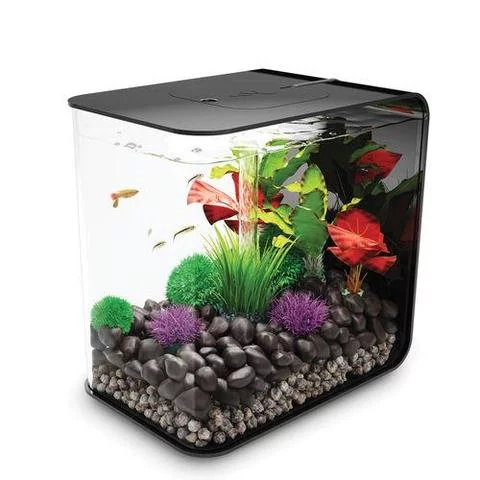
  • 9 Best Driftwood for Aquariums โ€“ Types, Tips & What to Avoid

    9 Best Driftwood for Aquariums โ€“ Types, Tips & What to Avoid

    Driftwood is one of my favorite elements in any aquarium setup. it adds natural structure, gives fish and shrimp places to explore, and anchors plants like Java fern and Anubias beautifully. I’ve used many types over the years in both freshwater and reef setups, from Manzanita branches in planted tanks to spider wood for a more dramatic look. The key things most people don’t consider upfront are tannin leaching, how long different woods take to waterlog, and which types are safest for sensitive fish and shrimp. This guide covers the best driftwood options with all of that in mind.

    With over 25 years of experience in the aquarium hobby, Iโ€™ve assisted countless clients, hobbyists, and readers like you in overcoming their aquascaping setup dilemmas. Iโ€™ve personally used these wood pieces in real world scenarios to determine the best aquarium driftwood in the hobby.

    The Top Picks

    Editor’s Choice
    Manzanita
    • Low tannins
    • Mult size pieces
    Best Value
    Tigerwood
    • Low tannins
    • Show cases available
    Budget Option
    Spiderwood
    • Unique shape
    • Great for smaller tanks

    There are so many quality driftwood to pick here it’s really hard to pick a winner. Let’s separate these into separate categories, as there is a piece for everyone’s needs here.

    The Candidates – A Quick Comparison

    Let’s discuss the list of wood pieces I looked at for this review roundup. Below is the list of products I reviewed for this post.

    PictureNameBest ForLink
    Editor’s Choice!
    Manzanita Driftwood
    Manzanita Driftwood

    Low Tannins

    Click For Best Price
    Best Value
    Tigerwood
    Tigerwood

    Low Tannins

    Click For Best Price
    Budget Option
    Spiderwood
    Spiderwood

    Unique shape

    Click For Best PriceBuy On Amazon
    Buce Plant WSYIWYG Driftwood Buce Plant WSYIWYG Driftwood

    Showpieces

    Click For Best Price
    Bonsai Driftwood Bonsai Driftwood

    Best Shape

    Click For Best Price
    Fluval Mopani Wood Fluval Mopani Wood

    Brand Name

    Buy On Amazon
    Koyal Wholesale California Driftwood Koyal Wholesale California Driftwood

    Brand Name

    Buy On Amazon
    Hamiledyi Driftwood Hamiledyi Driftwood

    Price

    Buy On Amazon
    NiloG Cholla Wood NiloG Cholla Wood

    Best For Shrimp Tanks

    Buy on AmazonClick For Best Price

    The Top 9 Choices (2023 Update)

    Let’s go into further detail with each product

    1. Manzanita – The Ultimate

    Editor’s Choice
    Manzanita Driftwood

    Editor’s Choice

    Manzanita offers it all. Great shape, low tannins, quick to water log and reasonably priced. It’s the ultimate driftwood!

    Click For Best Price Click For Branch Pieces

    Manzanita driftwood is friendliest driftwood to work with in the industry. This wood from Buceplant has it all. It is well priced, looks amazing, and the support team at BucePlant are the best in the business. You can’t go wrong with them. They sell small and medium sizes. These are valued priced pieces that offer all the advantages of Manzanita.

    Like many Manzanita sellers, availability is limited. I would suggest jumping on a purchase if pieces are in stock. 

    Pros

    • Manzanita Driftwood
    • Cheap
    • Large Pieces

    Cons

    • Availability

    2. Tiger Wood – Amazing Showpiece

    More aquascaping goodness with these amazing show pieces by BucePlant. BucePlant arts offers tiger wood in all sizes. This driftwood has thick branches with great shapes that will look great in longer and larger aquariums. Because of tiger wood’s low tannin count and ease to water log, it is easy to prep for aquarium usage.

    Because Buce offers these in all sizes, there is a tigerwood piece available for any aquarium setup

    Pros

    • Amazing show pieces
    • Unique branch structures
    • Easy to prep

    Cons

    • The look is not for everyone

    3. Spider Wood – At a Jaw Dropping Price!

    If you are looking for spider wood, I would highly recommend Buce’s Spider Wood. These pieces are offered at various sizes from 4 – 18″. There are even massive showpieces available for sale on their site that are simply amazing! They are offered at super low prices. It’s really hard to find something of similar quality at the price these are sold for. 

    Pros

    • Exotic looking pieces
    • Great Price
    • Sizable pieces

    Cons

    • The look is not for everyone

    4. Buce WYSIWYG Wood .  Showpieces for Award Winning Aquascapes

    Premium Pick
    Buce WSYSIWYG Driftwood

    What You See Is What You Get!

    Buce offers a WSYSIWYG show pieces. Great for aquascaping. They make your aquascapes pop like no other!

    Click For Best Price

    Are you looking for top quality aquarium driftwood pieces? If so, BucePlant is where you want to go. This is a WYSIWYG vendor with large and impressive show pieces for sale. Every showpiece they offer has low tannins, wonโ€™t alter pH, and easy to place. 

    The other thing I love is this is the only vendor on our list that offers truck style driftwood. If you know anything about nature aquascape, truck style driftwood offers amazing forest like backdrops.

    All the pieces they offer are giant pieces. Make sure you take your measurements on your aquarium before purchasing. 

    This is the some best quality driftwood you can buy online. It has a high price tag as a result and expect slower shipping times due to their size.

    Pros

    • WYSIWYG
    • Lots of selection
    • Gigantic pieces

    Cons

    • Price
    • Slower shipping

    5. Bonsai – Create An Underwater Japanese Garden Today!

    Bonsai Driftwood

    Bonsai driftwood offers a unique looking background in your tank. With the proper plants attached to it you can truly get a forest like look in your tank

    Click For Best Price Buy On Amazon

    These Bonsai Driftwood pieces offered for size are amazing looking in your aquarium. They have the added benefit of lowing your pH and softening your water, making them ideal for the vast majority of planted tank setups

    Bonsai trees cans be different to aquascape. They require a high amount of touch not only to get the moss down correctly, but also to keep them well groomed. If you are up for the challenge and want something stunning, this could be the wood piece for you!

    Pros

    • Amazing looking
    • Lowers pH and softens water

    Cons

    • Takes skill to aquascape properly
    • Price

    6. Fluval Mopani Wood – A Trusted Brand

    Fluval Mopani Driftwood

    Backed by a quality brand name, this Mopani wood are high quality specimens that will show off in your display tank

    Buy On Amazon

    The Fluval name brand enters our list with their Mopani Wood product. This is the same Mopani Wood you saw me explain earlier, but backed by the Fluval name. The result is you get high quality specimens that are well picked by Fluval. You also get a competitive price due to Fluval’s scale of operations. They offer both small and large sizes so you can find the right size for your aquarium in their selection.

    The only thing I do not like is the Mopani wood itself. Mopani is notorious for its tannin leeching. Fluval puts in their product description that it “adds a slight tint water, creating a more natural looking water conditions.” Honestly, that is just covering the for the tannins here. Take your time to prep this wood and have your carbon ready if you want to use this driftwood. They are great looking pieces if you can handle the tannin leeching.

    Pros

    • Fluval Name
    • Well picked specimens
    • Great price

    Cons

    • Tannin leeching from Mopani

    7. Koyal Wholesale California – Old School Bogwood

    Koyal Wholesale California Driftwood with Natural Brown Branches, 12-Inch

    A throwback to the old bogwood setups. Koyal is a name brand and offers driftwood at competitive prices

    Buy On Amazon

    Koyal Wholesale’s driftwood pieces are known in the wedding industry due to the hit wedding TV show My Fair Wedding. However, these pieces are also great for aquariums. This product from Koyal reminds me a lot of the old bogwood pieces that used to be offered at fish stores. There is also a Grapewood Branch variant that is offer that looks more like the the other driftwood pieces on this list.

    Given the popularity and supply of the product, they are offered at a competitive price. They are sold at 12″ pieces, which should be fine for most aquariums. The major complaint with these have been the wood takes a long time to water log and there have been shipping mishaps.

    Pros

    • Old school bogwood look
    • Price

    Cons

    • Shipping issues
    • Takes long to water log

    8. Hamiledyi

    Hamiledyi Driftwood

    A budget friendly driftwood option. Best for smaller tanks

    Buy On Amazon

    If you are looking for budget driftwood these pieces from Hamiledyi are what you are looking for. They are ideal for smaller tanks and the pieces have good variation. The price is very reasonable and wood is lightweight.

    Hamiledyi does not state the origin of this driftwood. From what we know from the review this is a high tannin count wood. It is likely this wood is a variation of Malaysian Driftwood, which is a common wood found  at local fish store. Given it’s budget price, it’s not a finished wood as well. Expect to sand down edges to make it smooth to the touch.

    Pros

    • Small Sizes
    • Good variation
    • Price

    Cons

    • Mixed Driftwood. you do not know the type or source
    • High tannin count
    • Raw wood

    9. NiloG Cholla Wood – The Choice for Freshwater Shrimp Tanks

    Great For Shrimp Tanks!
    Cholla Wood

    Cholla is best known for being an excellent wood for pet shrimp

    Buy On Amazon Click For Best Price

    If you are looking for wood for a shrimp tank, this is the product to buy. This Cholla Wood by NiloG is a great buy. It is cheap and your shrimp will love you for it as they feed off it all day. 

    Cholla wood is not for every fish tank. It decays fast and needs an inhabitant that will happily eat it while it decomposes. This is why they are ideal for species of shrimp like Cherry and Amano Shrimp as they will scavenge off the remains.

    Pros

    • Great for shrimp tanks
    • Cheap

    Cons

    • Decays fast 

    What Is Aquarium Driftwood? 

    Driftwood on Beach

    Aquarium driftwood is wood that has been washed over through a beach, river, or a lake. This driftwood provides shelter and food for inverts and fish in freshwater aquariums. They also provide cover and a source of food for birds that live near the waters. Most driftwood are the remains of trees. Driftwood has also been discussed in Norse mythology. In the mythology, the first humans were formed out of two pieces of driftwood made of ash and elm by the god Odin.

    The Trouble with Tannins

    Tannins Driftwood

    Before I go over the types of aquarium driftwood, let’s talk about what Tannins are a natural compound contained in driftwood. They are released into your aquarium as the driftwood soaks. When tannins are released into your aquarium, the compound will discolor your aqyuarium water. At low levels, it will look like a light yellow color and at high concentrations, it will look like the color of tea (as showed by the fishlore forum member GreeksGills) . While tannins will not harm your fish, it is not very pleasing to the eye. 

    There are ways to mitigate tannins in your aquarium. The first is to boil your driftwood before it goes into your aquarium. You can also add carbon media to remove the discoloration. I will go more into Driftwood prepping later in this post. 

    Types of Aquarium Driftwood

    Before we look at a list of driftwood we can buy, let’s talk about the types of aquarium driftwood available in our hobby. They all have different looks and characteristics.

    Bonsai

    Bonsai Driftwood

    Bonsai Driftwood is a designer driftwood that is handcrafted by artisans to create unique works of art. These wood pieces resemble a bonsai tree. They are amazing piece alone in an aquarium and are eye catching with live plants growing on them. The favorite type of plant to grow on this driftwood are mosses. They are sharp and not ideal for Fancy Goldfish or Betta Fish Care. They are pricey and each piece is unique. They contain a moderate amount of tannins and will lower pH.

    Cholla

    Cholla Driftwood

    Cholla driftwood is one of the cheapest and readily available driftwood you can find. It is native to the Southwest United States. It is actually the dried remains of a Cholla Cactus. It is one of the go to driftwoods for Freshwater Shrimp Tanks. The reason why is because the Cholla wood surface is ideal for harvesting biofilm. It has a moderate tannin count and takes some time to get waterlogged. 

    Manzanita

    Manzanita Driftwood

    Manzanita Driftwood is becoming a highly desired aquarium driftwood for aquascapers. It is wood that comes from shrubs native to Oregon, Texas, California and New Mexico. It has many advantages over other types of driftwood. It has a low tannin count and looks amazing. It has a branch like structure, which creates unique looking scapes. It waterlogs the fastest among all other driftwood available. It is one of the few driftwoods you can buy that is pH neutral. No pH change is a big game changer for those who want driftwood but may have fish that are not compatible with lower pHs. It is very resistant to decomposition. This makes this driftwood very long lasting and strong. 

    It really is in my mind the driftwood of choice. What’s the catch? Well, it’s difficult to find. The best sources are going to be smaller sellers online.

    Mopani

    Mopani Driftwood

    Mopani is a unique looking wood comprised of 2 tone color combinations. It will lower your pH and has a high tannin count. It is becoming a more popular driftwood for aquariums as larger aquarium brands are starting to sell in in stores. It is a readily available driftwood. They are imported from the plains of Namibia by local tribesmen.

    Spider Wood

    Spiderwood

    Spiderwood is well known for its varied branched appearance. It is found in Mongolia and looks like a spider (hence the name). It matures into a beautiful Mahogany color in the aquarium. This wood has a low tannin count and is quick to get water logged. Since this is an imported wood, it is usually on the cheaper end compared to others. 

    Tiger Wood

    Tiger Driftwood

    Tiger wood derived it’s name by its shape. It looks like the strips of a tiger or the claws of one. It is pale in appearance and has a branched look that is thicker than most branch type driftwood. They generally are only available as larger show pieces. This type of driftwood is ideal for attaching ferns and mosses. It has a light amount of tannins and will get waterlogged quickly. 

    How To Prep for Tank Usage

    So now that you know what the best driftwood is to buy, let’s talk about getting them into your aquarium.  There are two things we want to do to prep our driftwood for aquarium usage:

    • Removing Tannins
    • Waterlogging the wood

    There are two options two achieve both. One would be soaking the driftwood. This takes a long time, usually 2-4 weeks. While this may work for very large show pieces, it’s not a fun method for the those of us excited to scape our tanks. Boiling would be our next option and the preferred way of prepping our aquarium driftwood.

    The video below by Long Island Fish Guy illustrates the process. When boiling, you want to boil until you the water in the boil pot is clear. You will also want to utilize carbon media to mitigate any residual leeching of tannins afterwords.

    If you have a large piece of driftwood, you can boil it in sections boil. Put what you can fit in your pot as you go. If the wood is very large, you may have to consider the soaking method

    One thing to note is Tannins do have benefits in an aquarium. It just doesn’t make your aquarium look pleasing to the eye for most. My preference is to purchase driftwood with low tannin count like Manzanita or Spiderwood. This helps with ease of prep and keeps your aquarium clear of that tea color.

    How To Attach Live Plants

    Attaching live plants to your driftwood really makes your aquascape come alive. There are two type of live plants that are ideal for attaching to driftwood.

    For moss, you can use super glue to attach the base of the moss to your driftwood. Below is a great video by Roma Aquatics that shows how to do this. What I love about attaching plants on wood is you can do this outside of your aquarium and take your time with it. 

    The next video by Fishaholic shows how to attach a column feeding live plant to driftwood. This example is Java Fern. You can do this with any other column feeding live plant. Both methods I’m showing here are done with super glue. I prefer this method over fishing line or tiebacks since glue is invisible and easier to work with in my experience. 

    FAQ

    What Kind is Safe For Tanks?

    The safest driftwood are ones sold are pet stores, local fish stores, and online stores. Common trade names that are safe are Manzanita, Tiger, Spider and Bonzai driftwood.

    Which Wood Is Ideal?

    The best wood for driftwood are the ones sold at pet stores. Of these, Manzanita and Tigerwood are the easiest to deal with because they produce low tannins and waterlog quickly

    Is It Good For Freshwater Tanks?

    Yes – driftwood is good for freshwater aquariums. Driftwood lowers the pH and softens the water, which most tropical fish and live plants prefer. Your fish see it as a natural habitant and will feel safe with it around them. You can also attach plants and moss to the driftwood to produce a stunning planted structure!

    Does It Cause Ammonia?

    Driftwood can cause ammonia, if it hasn’t been treated. Untreated wood can contain organic matter that will decay in the aquarium and spike ammonia levels. To avoid this, you can boil driftwood as a safety precaution even if the wood has been treated.

    Closing Thoughts

    Driftwood adds a lot of beauty to your aquarium. I hope through this post I was able to help you make an informed decision on what the driftwood you want to purchase for your aquarium. If you have any questions, please leave them in the comments below. Thank you for reading and see you next time!


    ๐ŸŒฟ Want to learn more? This article is part of our complete Planted Tank & Aquascaping Guide. your ultimate resource for aquarium plants, aquascaping styles, substrates, and more.
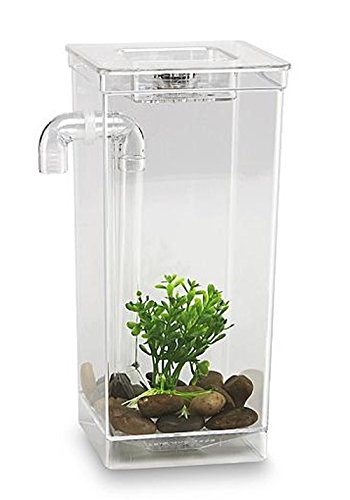
  • 9 Best Rocks for Freshwater Aquariums โ€“ Aquascape in Style

    9 Best Rocks for Freshwater Aquariums โ€“ Aquascape in Style

    Rock selection is one of the most important and underappreciated decisions in aquascaping. I’ve spent a lot of time sourcing and working with different rock types for my own tanks, and the wrong choice can actually crash your water chemistry. some rocks leach calcium and raise pH dramatically, which is a serious problem in a planted tank. Beyond chemistry, the right rock defines the entire aesthetic of your aquascape, whether you’re going for a dramatic Seiryu stone Iwagumi or a natural river rock layout. Here’s my breakdown of the best rock types for freshwater aquariums and what you need to know before buying.

    What to Look For When Purchasing A Rock for a Freshwater Aquarium

    In general, the vast majority of freshwater fish and plants prefer softer water and lower pH. Knowing this fact, we want to avoid rocks that are high in calcium. Rocks high in calcium will alter the water chemistry of our aquarium. It will result in our water becoming hard. They also will alter the pH of the aquarium making our aquarium alkaline in nature. That is great for African Cichlids and Saltwater Tanks, but will be disastrous for most tropical fish we can purchase.

    We need to break down rocks further to understand what makes a good freshwater aquarium rock. Let’s dive into the types of rocks.

    The Three Types For Your Tank

    We can separate freshwater aquarium rocks into three categories: igneous, sedimentary, and metamorphic rocks.

    Igneous

    Black Lava Rock

    Igneous rock is any type of crystalline or glassy rock. These are formed by the cooling and solidification of molten earth material. Aquarium rocks in our trade of this type would include dolerite, gabbro, granite, basalt, and lava rock.

    Sedimentary

    Limestone Rock

    Sedimentary rock are rocks that are formed by the accumulation or deposition of small particles and subsequent cementation. Aquarium rocks in our trade of this type would include marl, limestone, sandstone, breccia, conglomerate, and shale.

    Metamorphic

    Slate Stone

    Metamorphic rocks arise from the transformation of existing rock types. The original rock form was subjected to heat and pressure which cause physical or chemical change. Aquarium rocks in our trade of this type would include quartzite, dolomite, marble, schist, slate, and hornfels.

    They Can Alter Chemistry

    Now that I explained the types of rocks, let’s talk about the aquariums rocks that can alter the chemistry of our tanks. We can separate them into two types. 

    • Aquarium Rocks that lower pH and soften water
    • Aquarium Rocks that increase pH and harden water

    If we are looking to lower pH and soften our water, we want to use aquarium rocks like sandstone and basalt. If we are looking to increase pH and harden our water, we want to use aquarium rocks like marble and limestone

    There are also rocks that serve functions with planted aquariums. For example, lava rocks can be used to fertilize aquatics plants. Granite is one of the safest rocks to use in an aquarium due to its neutral nature. It is also one of the heaviest.

    9 That Are Safe For Fresh Tanks

    Now that we have a base understanding of rocks for freshwater aquariums, it’s time to talk about the best ones to buy. Below is a recommended list of the best freshwater aquarium rocks you can purchase online. I’ll go in more detail in my reviews of each.

    In a hurry? I recommend Ohko Dragon Stone!

    PictureNameBest ForLink
    Editor’s Choice!
    Ohko Dragon Stone
    Ohko Dragon Stone

    Planted Tanks

    Click For Best PriceBuy On Glass Aqua
    Best Value
    Black Mountain Seiryu Stone
    Black Mountain Seiryu Stone

    Planted Tanks

    Click For Best Price
    Budget Option
    Black Lava Rock
    Black Lava Rock

    Planted Tanks

    Click For Best Price
    Traditional Seiryu Stone Traditional Seiryu Stone

    Planted Tanks

    Click For Best PriceBuy On Glass Aqua
    Premium Pick!
    Buceplant WYSIWYG Stones
    Buceplant WYSIWYG Stones

    Planted Tanks

    Click For Best Price
    Lifegard Aquatics Redwood Petrified Stone Lifegard Aquatics Redwood Petrified Stone

    Planted Tanks

    Buy On AmazonBuy On Chewy
    Penn-Plax Deco-Replicas Ornament Series Penn-Plax Deco-Replicas Ornament Series

    Cichlids

    Buy On Amazon
    Small World Slate & Stone Rock Small World Slate & Stone Rock

    Freshwater Tanks

    Buy On Amazon
    Texas Holey Rock Texas Holey Rock

    African Cichlids

    Buy On Amazon

    Let’s take a closer look as to why these rocks stand out so much!

    1. Ohko Dragon Stone – Great for Planted Tanks

    Editor’s Choice!
    Ohko Dragon Stone

    Editor’s Choice

    Ohko is the premier aquascaping rock today. Granite based with amazing shapes and selection

    Buy on Buce Plant Buy on Glass Aqua

    Ohko Dragon Stone is one of the preferred aquarium rocks to use in Iwagumi Aquascapes. These rocks are not only beautiful, they are also natural in nature. They will not alter your pH or hardness being granite based. They will look fantastic in any planted tank setup. They are full of holes, nooks and crannies making them very good rocks for natural shelter for your fish.

    These are the hot rocks for pro aquascaping projects these days. Check out the video above from BucePlant to see how amazing they look. Like any preferred aquascaper rock, they do have a higher price tag.

    Pros

    • Rocks do not alter pH or hardness
    • Great looking rocks
    • Lots of sizes available

    Cons

    • Price

    Best For – Planted Tanks

    2. Black Mountain Seiryu Stone – Best Value In Unique-Looking Stones

    Best Vaue
    Black Mountain Seiryu Stone

    Best Value

    With an amazing black and white contrast, black mountain is an excellent choice for any aquascape. It is reasonably priced!

    Click For Best Price

    If you are looking for a unique looking aquarium rock, check out Black Mountain Seiryu Stone. The unique white veins really pop in an aquascape. They will not alter your pH or hardness so you can add them to any aquarium setup. These rocks are hard to find so be on the look out if you like them and want to buy one. The great thing from buying from our link is that Buce sells super high quality Black Seiryu and in packs up to 30lbs! 

    Pros

    • Rocks do not alter pH or hardness
    • Amazing unique look
    • Lots of sizes available

    Cons

    • Availability
    • Price

    Best For – Planted Tanks

    3. Black Lava – A Great Budget Aquascaping Stone

    Budget Option
    Black Lava Rock

    Budget Option

    Great choice for budgets. Won’t alter your chemistry and provides housing for beneficial bacteria

    Click For Best Price

    Quality lava rock is hard to find online. It’s pretty common to see listings of lava rock being used as biomedia or fireplaces. This makes sense given they are great for housing beneficial bacteria and are great stones for fire places. This does limit what you can buy on online though.

    When it comes to aquarium lava rock these Black Lava Rocks by BucePlant are exactly what we are looking for. These are large rocks with unique shapes unlike what you will find at most pet stores. If you are looking to quality lava rock, check out their store and selection.

    Pros

    • Black color works well with aquascapers
    • Price
    • Lava Rock has multiple beneficial properties

    Cons

    • Not as pretty as the major aquascaper rocks

    Best For – Freshwater Tanks

    4. Traditional Seiryu – The Aquascaper’s Choice

    Traditional Seiryu Stone

    A go to classic. Highly recommended for Iwagumi aquascapes

    Buy On Buce Plant Buy On Glass Aqua

    If you want a pro quality aquascaping rock, but the Ohko is out of your budget, I would highly recommend Buce Seiryu Rock.  Seiryu is the godfather of all aquascaping rocks. These are hand picked stones from Buce. With their excellent customer service and high quality reviews, you can’t go wrong with them!

    You will not be disappointed in going with them! Great details and texture comes with these rocks.

    Pros

    • Great rock specimens
    • Great reviews and testimonials
    • Hand picked stones

    Cons

    • Price

    Best For – Planted Tanks 

    5. BucePlant WYSIWYG Stones – For the Pro Aquascapers

    Premium Pick
    Buceplant WYSIWYG Stones

    The Finest Available Online

    Buceplant offers the premium stones online. Showpiece What You See Is What You Got (WYSIWYG) stones. Get your centerpiece today!

    Click For Best Price

    We start off this list with high end aquarium rocks. These rocks offered by BucePlant are what we call in the industry What You See Is What You Get (WYSIWYG) rocks. This seller lists individual rocks or sets of rocks for you to purchase and you get the exact rocks in the picture. This is the best way to get large aquarium rocks for aquascapes if you are looking to do big projects.

    In my mind, WYSIWYG vendors are the sellers to go to if you are looking for a large display stone. These are excellent for planted tanks and highly recommended if they are within your budget.

    Pros

    • You get exactly what you see in the photo (WYSIWYG)
    • Large aquarium rocks available
    • High quality rocks

    Cons

    • Limited quantities
    • Expensive

    Best For – Planted Tanks

    6. Lifegard Aquatics Redwood Petrified Stone – Made For You Aquascape Sets!

    Great For Beginners
    Lifegard Aquatics Redwood Petrified Stone

    A complete set done for you. This is a great choice for someone completely new to aquascaping

    Buy On Amazon Buy On Chewy

    Are you looking for a done for you aquascape set? If so, the Lifegard Aquatics Petrified Wood Sets are right up your ally. These aquarium rocks are sold in packages for specific tank sizes. All you do is order the place for your aquarium and you are good to go. No need to guess or pick rocks. These sets use pertified wood instead of stone. As a result, the look is very unique for your aquascape.

    Lifegard also offers another variant called the Klondike Petrified Stone set if you are looking for a different shade or color. I love these sets for first time aquascapers. It is wood versus stone, which may bother a purist, but not a problem for a newcomer. The price is pretty reasonable as well!

    Pros

    • Will not alter pH or hardness
    • Done for you sets
    • Unique look

    Cons

    • It’s wood versus stone – some purists may not be fans

    Best For – Planted Tanks 

    7. Penn-Plax Deco-Replicas Ornament Series – Great for Territorial Fish

    Penn-Plax Deco Rock

    Simple and designed for Cichlids. These rock provide shelter for your territorial fish

    Buy On Amazon

    Penn-Plax Deco-Replicas Ornament Series are resin ornaments that resemble natural granite. They are great for territorial fish like cichlids. Each aquarium rock acts like an individual home or condo for your fish. Because they are resin based, so they do not affect your water chemistry and are very easy to clean due their smooth outer surface. They are also very easy to stack and create a community of homes. 

    The thing I do not like with these rocks is they are rough on the inside. This is due to their resin makeup. The resin has been smoothed out on the outside but not on the inside. This leads to rough and sharp edges inside the structure. This does not make them safe for delicate species like Betta Fish. You can make them smooth with a file, but given their price point it’s probably better to look at another product if you have delicate fish.

    Pros

    • Cheap
    • Easy to clean
    • Great for territorial fish

    Cons

    • Rough on the inside – not safe for delicate fish like Bettas

    Best For – Cichlids 

    8. Small World Slate & Stone – Slate for a Great Price

    Small World Slate & Stone Rock

    Great price and selection. Small world offers an affordable solution for quality aquarium slate

    Buy On Amazon

    These Slate Aquarium Rocks by Small World are an amazing deal. The product pictured above is the 5-7 inch stone sets. These are high-quality slate pieces sourced from the USA. Small World Slate and Stone is a small family-run business and its customer service is top-notch.

    Slate will not alter your pH or hardness. They are great for Aquascaping and for creating caves and structures. They are also great for reptiles since they hold heat well. Slate is one of the most popular stones for garden and pond hardscaping.

    Slate is easy to break or crack. Be very careful with handling the stones as they can chip easily.

    Pros

    • Good price
    • Will not alter pH or hardness
    • Soured from the USA and small business owned

    Cons

    • Easy to chip or breakย 

    Best For – Freshwater Tanks 

    9. Texas Holey – Perfect for African Cichlids

    Great For African Cichlids
    Texas Holey Rock Natural Limestone

    With its ability to raise pH and hardness, this rock is an excellent choice for African Cichlids

    Buy On Amazon

    If you own African Cichlids, these limestone rocks are perfect for them. Texas Holey Rock has several benefits for African Cichlids. Being made of calcium carbonate, these rocks buffer pH and hardness, which solves your aquarium water chemistry issues with Africans. The holes are great for shelter and curb aggressively in your freshwater tank.

    These rocks are sourced locally in Austin, Texas. The team selects these rocks to take care to find quality specimens for aquarium usage. The Company was built by a Cichlid tank owner who understands the need for quality hardscaping.

    Given their limestone makeup, these rocks are only appropriate for fish that need a higher pH or hard water. The white appearance is also not for everyone. You can mitigate the white look by using low-light aquarium plants like Java Fern, and Java Moss which easily attach to these rocks. 

    Pros

    • Buffers pH and hardness for African Cichlids
    • Hand picked selection
    • Holes are great for shelter

    Cons

    • White appearance is not for everyone
    • Only for fish that need hard water and higher pH

    Best For – African Cichlids 

    Our Expert Pick

    I listed a number of aquarium rock selections. Which one is best for you? I’m going to split these in several categories and explain.

    FAQS

    Which Are Safe For Fresh Tanks?

    The safest rocks are ones you can purchase at a pet store, local fish store, or online. That being said, the best rocks to use are Ohko dragon stone, Seiryu Stone, and Lava Rock. You can also use rocks like slate for building levels and Holey Rock for setups that require hard water or higher pH.

    Can You Put Any Kind In A Fish Tank?

    No. You cannot just put any rock in a fish tank. Some rocks will alter the chemistry of the water like its pH or hardness, which can have negative effects on your fish and plants. Rocks collected from outside or rivers may also contain organic material, which may die off and cause ammonia spikes. It’s best to purchase your rocks from a reputable pet store whether in person or online.

    Can Live Stones Be Used In Fresh Tanks?

    No. Live rock is rock that is either pulled from the oceans or grown aquaculturally to be used in saltwater tanks. They contain saltwater bacteria and organisms, which would die off if placed in a freshwater tank.

    Which Ones Raise the pH in the Tank?

    Rocks that are made of calcium carbonate like limestone will raise the pH in an aquarium. These rocks are ideal for fish that prefer higher pH and hard water like African Cichlids.

    Conclusion

    Aquarium rocks can really be striking backdrops in your fish tank when you find the rest specimens. I hope this post helped you find what you were looking for. If you have any questions, please leave a comment below. Thanks for reading.  


    ๐ŸŒฟ Want to learn more? This article is part of our complete Planted Tank & Aquascaping Guide. your ultimate resource for aquarium plants, aquascaping styles, substrates, and more.

    References

  • 11 Best Rimless Aquariums โ€“ The Clean Look of Modern Fishkeeping

    11 Best Rimless Aquariums โ€“ The Clean Look of Modern Fishkeeping

    Rimless aquariums are something I genuinely love. the clean, borderless look transforms a tank into living art, and it’s the aesthetic I gravitate toward for aquascaping builds. The difference between a rimless and a standard braced tank is immediately obvious: you get an unobstructed view from every angle, which makes a huge difference in how planted tanks and reef setups are photographed and enjoyed. After working with rimless tanks of various sizes and brands over the years, I can tell you which builds are worth the premium price and which cut corners on glass thickness and silicone quality.

    Before we start, I will disclose there will be affiliate links in this post where I may get a commission should you choose to make a purchase at no charge to you.

    In a hurry? For a freshwater rimless aquarium I recommend UNS Systems for a saltwater rimless aquarium I recommend Waterbox.

    What To Look For When Buying It

    Before we start comparing rimless aquariums, we need to talk about what to look for when purchasing one. A number of manufacturers have hopped on the rimless aquarium bandwagon and they are not all created equal. 

    First things first, let’s talk about what you want. What are your goals? Are you looking to do a planted tank? Are you looking to do a reef tank? Are you desiring an all in one fish tank setup? What is your budget? These are all questions you want to write down and know before you go comparison shopping because rimless aquariums are designed for multiple specialty tanks so there should be a rimless aquarium for you once you know what you want to do with your fish tank build.

    For the aquariums I’m reviewing today, this is my criteria:

    • Quality
    • Features and Accessories
    • Brand Name
    • Price

    The Candidates

    Now that we know what to look for, the types of rimless tanks available, and what makes them an amazing buy, it’s time to talk about the best rimless aquariums out there. The list below is our picks after client field testing and our own experience with these manufacturers. There is a rimless aquarium for everyone on this list. Let’s begin! 

    In a hurry? I recommend UNS Aquariums!

    PictureNameBest ForLink
    Editor’s Choice!
    UNS Ultra Clear Tanks
    UNS Ultra Clear Tanks
    • Planted Tanks
    Click For Best Price
    Best Value
    Waterbox Aquariums
    Waterbox Aquariums
    • Freshwater Tanks
    • Saltwater Tanks
    Click For Best Price
    Budget Option
    Laden Rimless Aquariums
    Laden Rimless Aquariums
    • Planted Tanks
    Buy On Amazon
    Current USA Serene Rimless Aquarium Current USA Serene Rimless Aquarium
    • Freshwater Tanks
    • Aquascapes
    Click For Best PriceBuy On SWA
    Fluval Sea Evo Fluval Sea Evo
    • Nano Reef Tanks
    Click For Best PriceBuy On Amazon
    JBJ Rimless Flat Panel JBJ Rimless Flat Panel
    • Freshwater Tanks
    • Saltwater Tanks
    Click For Best Price
    Innovative Marine Nuvo Lagoon Innovative Marine Nuvo Lagoon
    • Nano Reef Tanks
    Click For Best Price
    Innovative Marine Mini 40 Aquarium Innovative Marine Mini 40 Aquarium
    • Saltwater Tanks
    Click For Best Price
    Lifegard Aquatics Crystal Aquarium Lifegard Aquatics Crystal Aquarium
    • Freshwater Tanks
    • Saltwater Tanks
    Buy On Amazon
    Red Sea Reefer Red Sea Reefer
    • Reef Tanks
    Click For Best Price
    SC Aquarium Rimless Cube Aquariums SC Aquarium Rimless Cube Aquariums
    • Reef Tanks
    Buy On Amazon

    The 11 Best Rimless Aquariums (2023 Reviews)

    Below, I will go into detail of each recommended fish tank. Let’s see which rimless aquariums made the cut!

    1. UNS Ultra Clear Tanks

    Editor’s Choice!
    UNS Ultra Clear Tanks

    Editor’s Choice!

    A world class rimless aquarium. Available in many sizes and shipped direct to your door

    Click For Best Price

    If I take this post from a pure rimless tank view, the Ultum Nature Systems Rimless Tanks are in a class of their own. These are without a doubt the world class ultra lean best rimless tanks you can purchase today. German engineering with 45 degree precision cut mitered edges. The Ultum Nature Systems rimless tank is designed with low iron glass that is 91% Diamant glass and brands with the UN systems logo on the bottom. When guests visit your home and see how awesome your glass tank looks, they will know UNS is the designer of your rimless aquarium. It’s a true work of art.

    These rimless aquariums are available in many sizes and professionally shipped to your door. Shipping large fish tanks has always been a major pain. Ultum Nature Systems does not ship cheap. Their larger fish tanks are shipped in crates and carefully packaged. I have seen many all in one fish tanks shipped poor and cracked upon delivery. You do not have to worry about that drama with UNS. The comfort of knowing you won’t have to get multiple rimless tanks shipped until it arrives undamaged is not a concern with this brand.

    The other thing I love about these fish tanks are the furniture. The furniture options are amazing. They are high-end professional manufactured cabinets. They fit flush with your UNS rimless tank. You don’t have to worry about getting a custom made cabinet or finding a standard cabinet that fits. UNS offers it all for you in one complete professional package. It’s no wonder why they are the top choice for professional aquascapers. Just look at the cabinet video below from Ultum Nature Systems. The cabinet just screams world class quality.

    UNS tanks come in many sizes. From a rimless nano fish tank all the way up to a massive 150+ gallon rimless aquarium, there is a size for everyone at every budget. 

    There are two cons with Ultum Nature Systems. The first is they are solely focused on the freshwater hobby, so they do not make a reef ready rimless aquarium. It is a pure rimless aquarium through and through with UNS though they do offer All In One Tanks.  They will also be comparatively expensive compared to other fish tanks at their size. In my opinion, you get what you pay for. This is a world class brand and rimless aquarium. You can’t go wrong purchasing one. See the full UNS Aquarium Review.

    Pros

    • World class glass tank design
    • Great furniture options
    • Professional delivery

    Cons

    • Expensive
    • Not available as reef ready

    Best For – Planted Tanks

    2. Waterbox Tanks

    Best Value
    Waterbox Aquariums

    Best Value

    A great option for a reef tank. Stellar quality and ready made to run from day one.

    Click For Best Price

    If I think about the best value in rimless tanks today, without a doubt I would say Waterbox delivers. Waterbox primarily delivers reef ready aquariums. Waterbox reef ready systems have the best plumbing system available for a ready to run fish tank today. Their plumbing system is called the Platinum Reed Plumbing system. It is built with a true manifold system with quality colored PVC and unions for easy maintenance. Their overflow system is a true BeanAnimal, which is the reef standard in today’s modern reef.

    Waterbox sumps are the best you can buy for a ready to run fish tank. They are multistage designs and made of rimless glass. 

    Waterbox and Red Sea have competed head to head for a number of years. There are die-hard fans for each brand. While I felt Waterbox always had the better designs and features, they have completely separated themselves from Red Sea with the introduction of their freshwater systems, the Clear models. The Clear models are hard to find at this time because supplies are limited, but once they have full production they will have complete glass tank designs for both freshwater and saltwater hobbyists. 

    These are expensive tanks no doubt, however, the construction and quality for their prices earns the best value among all rimless tanks on this list. It is a well deserved distinction by Waterbox. Excellent aquariums overall. See the full Waterbox Aquariums review.

    Pros

    Cons

    • Expensive

    Best For – Reef Tanks

    3. Landen

    Budget Option
    Landen Rimless Aquariums

    Budget Option

    A budget rimless tank fo freshwater and saltwater tanks

    Buy On Amazon

    This rimless aquarium by Laden is great for planted tanks. They are just what we are looking for when we are creating a planted tank aquascape. This low iron glass tank is expertly crafted and they are available in multiple sizes. The rimless aquarium I have linked in this post I feel is the ideal size for many first time aquascaping projects. 

    Landen aquariums are only available online, which makes them perfect for those who cannot purchase rimless tanks locally. They are well known for their great packaging that ensures your glass aquarium arrives undamaged from shipping.

    The only cons I have with this tank is the price. You get what you pay for with this tank. It’s one of the better bare bones low iron glass rimless aquariums on the market.

    Pros

    • Expert craftsmanship
    • Multiple sizes available
    • Great packaging on shipping

    Cons

    • Price 

    Best For – Planted Tanks

    4. Current USA Serene 65

    Current USA Serene 65

    Current’s Serene line offers a unique opportunity for Freshwater Aquarists. Comes with a filter, stand, light. You can even pick an aquascaping package!

    Click For Best Price Buy On SWA

    Are you looking for a large all-in-one aquarium for a freshwater tank that is also rimless? There has been a major gap in the market, as the original premium all-in-one rimless tanks started with reef tanks. As freshwater aquascaping has become more popular in the US, you have seen an introduction of lines like Waterbox getting into freshwater fish tanks and now you have Current USA getting into the Freshwater premium line now.

    The Serene Aquarium offers you a 4 foot long glass aquarium measuring  48in. x 18in. x 18in. It is a low iron glass rimless tank with a frosted background film pre-installed. This gives you the white background look that is loved by aquascapers. The inlet and return lines are also frosted to blend into the aquarium.

    https://player.vimeo.com/video/378915106?h=de8dec6db2

    Did I mention that Current also includes a backlight light? This backlight is something that has been missing in every freshwater setup I have come across. Current addresses this and doesn’t overcharge for it like ADA does (the only other manufacturer who supplies a backlight option!)

    The cabinet is solid wood with a reclaimed wood finish. This gives it a neutral color that blends well in a lot of modern homes. It also has soft touch doors and an open structure that gives you easy access to the inside without a bulky support beam in the center of it.

    The Serene also comes with an LED light , a hidden OASE canister filter, and a Hydor inline heater. All of these items are pre-installed and ready to go for you. This makes the system plug-in and play and easy to maintain.

    Serene Package Includes

    There are also other options you can get with this rimless glass aquarium. This tank comes with aquascape bundles you can purchase that have been designed by professional aquascapers. The first is a Riverwood scape that is displayed in the video below and the second is the Manzanita scape. Both options are easy to install in your aquarium and will give it an eye popping design that will even be the envy of your planted tank friends!

    So what’s the catch? Well, it’s fairly expensive. Even at its price, it’s an amazing value. You get a high quality system and the price is comparable to Waterbox’s freshwater rimless line. I do feel Current does need to have other options like a planted tank variant, which you could get a killer canister filter like an OASE and an option to swap out the LED light for a Serene Pro RGB LED light. I am a huge fan of both products when it comes to planted tank setups.

    Pros

    • Simple to set up
    • Amazing low iron glass aquarium
    • Aquascaping bundles look amazing

    Cons

    • Needs a planted tank option
    • Expensive

    Best For – Freshwater Tanks

    5. Fluval Sea Evo

    Fluval Sea Evo XIII

    A great starter rimless aquarium. One of the best nano reef tanks available today

    Buy On Amazon Click For Best Price

    The Fluval Sea Evo is a great rimless glass aquarium if you are looking for a nano reef tank. This fish tank is designed with beginners in mind, as they have everything that you would want to get you started. This tank is so well loved that it is the official tank of Biota’s sustainable reef kits. Biota, if you do not know, are huge pioneers in our industry. They were the first mass producers of the tank raised Tang and Clown Trigger. If there is a choice of a cutting edge breeder in our industry, this is a product to look into.

    The Fluval has it all to get started. It comes with competent LED lighting that acts like a cover. The media chambers are good enough and the return pump is strong enough for corals. The main issue with this Evo aquarium tank is that you have to know what it is designed for. It is designed for low light corals and small reef fish. If you keep that in mind, you can build an amazing and easy to keep nano reef tank.

    The biggest issue with this fish tank is the heat management. This is a big concern if you live in a warmer climate. Because the tank is small and covered, heat gets trapped during hot days. Make sure you have adequate AC coverage in the area you place your Fluval Evo in.

    Pros

    • Comes with LED lighting and cover
    • Price
    • Peninsula style

    Cons

    Best For – Nano Reef Tanks

    6. JBJ Flat Panels

    JBJ Rimless Aquarium

    A great starter saltwater reef tank. All in one tank with a plentiful 65 gallon capacity

    Click For Best Price

    The JBJ Rimless Flat Panel, in my mind, is the best starter saltwater reef aquarium set you can purchase today. It has the perfect dimensions for aquascaping. The JBJ Rimless is a reef tank that is 36 x 24 inches. 3 feet is long enough for territory for small fish, and 2 feet for the width is plently for having the space to sort rocks and corals for viewing.

    It does mean that the LED light will be a bit more expensive, but the added gallon capacity of a 65 gallon tank is ideal. It is also sumpless, which means transitioning to saltwater even easier. It has large enough bays to house standard automation like auto top of systems and even a small protein skimmer. The JBJ Rimless is priced competitively as well. It seems expensive at first glance, but given you are getting the cabinet, it’s not as bad as you may believe.

    However, the JBJ cabinet, while looking great from the outside, is not the highest quality. 

    Pros

    • Great value with price and stand
    • Ideal dimensions with 36 x 24 DIMS

    Cons

    • Cabinet not the great quality
    • Still expensive for some

    Best For – All

    7. Innovative Nuvo Lagoon

    Innovative Marine Lagoon

    A great rimless nano tank with an all in one chamber

    Click For Best Price

    Nuvo Aquariums are well known in the saltwater tank hobby as one of the best rimless aquariums you can buy. This Lagoon model from Nuvo does not disappoint.  It comes with a great filter media chamber or the option to use a filter sock. The return pump is a DC pump that is power and very reliable. The dual outlets are great for getting your flow dialed in correctly. I also really like that they added their mesh screen lids. Nuvo designs a number of accessories for their aquariums including protein skimmers, media reactors, and wavemakers, so going with their line will always mean you can find accessories that will fit your fish tank.

    The main thing not to like about this tank is the height of the aquarium. It only stands at 12 inches in height. That’s not stellar for a display tank. A 16″ height would be preferable. The price is on the high end, but you get what you pay for with this aquarium. 

    Pros

    • Awesome equipment included
    • Dual outlets
    • Nuvo brand name

    Cons

    • Price
    • Short height for a display tank

    Best For – Nano Reef Tanks

    8. Innovative Nuvo 40 – A Ready To Sump System

    Innovative Marine NUVO 40 EXT

    A nano tank with a built in overflow for a sump. A great options for those who don’t want to drill a tank

    Click For Best Price

    All in One tanks are great for quick fish tank set ups, however others want to set up a complete sump filtration system. Not everyone likes to drill an aquarium, and this solution by Nuvo is an excellent choice. It comes complete with a glass overflow that is connected to the back of the aquarium. As the overflow does not take up space inside the aquarium, you have full access to your fish tank for aquascaping. This is something that not even ghost overflow can provide!

    Because the overflow is built into the system, you do not have to worry about leaking issues when you start up. Leak issues are always a pain to deal with. I also deal with them when working with external overflows. All overflows have their quirks. This EXT line from Nuvo offers a hassale free solution. This is an excellent choice if you are looking for a sumped tank as a beginner.

    The major downfalls for me is that the overflow is a Durso versus a Bean Animal. In Nuvo’s difference though, a Bean Animal overflow would have taken up a lot of space. It is also fairly expensive compared to drilling a tank yourself.

    Pros

    • Drilled with overflow
    • Nuvo brand name

    Cons

    • Expensive
    • Durso vs Bean Animal Design

    Best For – Reef Tanks

    9. Lifegard Aquatics Crystal

    Lifegard Aquatics Crystal Aquarium

    A great all in one rimless aquarium suitable for both freshwater and saltwater setups

    Buy On Amazon

    The Lifegard Crystal Aquarium is a great value for those looking for a rimless aquarium. The price for these fish tanks are tough to beat. This ultra low iron glass aquarium comes with a traditional all in one chamber where you can place your media and equipment in the back. They utilize bio balls for their biological media, which I feel is “old school” in this day and age.  The pump that comes with the tank is stronger than most I’ve seen included in all in one tanks. It may need to be adjusted down for those with planted tanks.

    The main “con” here is the media included. Bio balls are just weird to me these days. I would prefer a media chamber with multiple stages so I can put whatever I want in it like Innovative offers. The affordable price for this aquarium tank makes it definitely worth a consideration!

    Pros

    • Great price
    • Multiple sizes available
    • Strong pump

    Cons

    • Not a fan of the media included

    Best For – All Tanks

    10. Red Sea Reefer

    Red Sea Reefer

    The originator of the all in one reef tank. Newly improved and ready to run. This is the benchmark all reef tanks are measured against

    Click For Best Price

    The Red Sea Reefer is the original ready to run reef tank that started it all. For a long time in the saltwater hobby if you wanted to create a high quality reef setup, you were on your own to pick the glass aquarium, get a custom made stand, and built a sump. Red Sea changed all of that with the release of the Reefer. Since then, many competitors have appeared to challenge their place in the market that they created.

    The Reefer series has been unchanged for the most part for many years. It still uses simple to install components and high quality low iron glass with a Bean Animal overflow design. They are used by many hobbyists today, which means getting one approachable because there are many peers to get advice from who are running these aquariums.

    Their latest V3 refresh puts their tanks on par with the WaterBox systems. They are using a better sump design that is adjustable and they switch over to colored PvC and a longer warranty. The ATO system, while it comes standard, is ancient with a standard float valve. I’d rather have been nix this and use better quality PVC or design a manifold.  

    Overall, the Red Sea brand is a high quality one and their success with their tanks cannot be denied. The community is also amazing. Read more about our in-depth Red Sea Reefer Review.

    Pros

    • Brand Name
    • Easy to Assemble 

    Cons

    • Expensive
    • Sump
    • Plumbing

    Best For – Planted Tanks

    11. SCA 66 Gallon Cube

    SCA 66 Gallon Rimless Aquariums

    A ready to run rimless cube aquarium. Great dimensions and sump ready. A great first reef tank!

    Buy On Amazon

    The SCA 66 Gallon Rimless Cube Aquarium is a STARFIRE glass (low iron glass) cube tank that will blow you away. It’s simply amazing. I love the dimensions. The 80 gallon rimless aquarium shown here is 32 x 24 x 24. 24 inches of width and height is great working space to build the aquascape of your dreams. I also love that SC builds quality overflows. They make quality Druso overflows that won’t drive you crazy with their noise. They will also create full packages that come complete with a sump and protein skimmer.

    For example this 66 gallon rimless aquarium  comes with an aquarium kit of the main essentials to get started. The price is amazing for what you get. It still has the 24 inches of width like the 80 gallon rimless fish tank and only sacrifices 4 inches of height. I know many reefers who swear by SCA and have built incredible display tanks with them. They are the ultimate valued prices reef ready systems in our industry!

    SCA Aquarium 66 Gallon Package Review (Buy On Amazon)

    I can go on and on about how much I like SC Aquariums, but there is even a nicer aquarium from them that I’m about to review next. What do I not like? It’s the stand if you get the plug and play (PnP) system like the 66 gallon rimless aquarium shown above. It’s a lower quality stand. The next fish tank from SC Aquarium addresses that issue.

    Pros

    • Amazing dimensions
    • Reef Ready
    • Great price for a high end aquarium

    Cons

    • If you buy SC’s stands – they are lower quality and not tall

    Best For – Reef Tanks

    Our Expert Pick

    The moment has come to crown the best rimless aquarium. As always I offer multiple “best of” here as there are many of you looking for different types of fish tanks.

    Best Rimless Aquarium for Planted Tanks – UNS Aquariums

    Best Rimless Aquarium for Reef Tanks – Waterbox Aquariums

    Best Rimless Aquarium for Nano Reef Tanks – Fluval Evo

    What Is It? How Do They Work and How Are they Constructed?

    A rimless aquarium is a fish tank that lacks bracing. In a typical aquarium, they are manufactured by siliconing the glass pieces together than supporting the silicon joints with a plastic brace or rimless around the bottom and top of the tank.  Fish tanks have been constructed in this fashion for many years. They are produced at mass scale, are cheap, and very durable due to the bracing. 

    A rimless aquarium is constructed using what we call the direct injection method. Silicon is injected directly into the joint and pieces are squeezed together. The injection method is a very precise method. Doing it correctly makes for a clean look without any silicon sticking out of the edges. There are a lot of DIY videos out there that should this process and you can definitely try this yourself. Personally, I wouldn’t recommend it unless you have a lot of experience in building fish tanks.

    Traditional vs Low Iron Glass

    Another big selling point with rimless aquariums is that many are constructed with low iron glass. All manufacturers use different names for this. Some call it Starfire glass others call it ultra clear others diamond grade. Whatever they want to call or market it as it is all low iron glass at the end of the day. Low iron glass removes that green tint you will see in traditional glass. The larger the fish tank, the more noticeable of a difference you will see between a low iron glass tank vs a traditional glass tank. 

    Low Iron vs Traditional Glass Clarity

    Types

    As I stated earlier in the post, there are various types of rimless aquariums you can purchase out there. Let me go over the various types and what they are best for.

    Bare Bones

    Bare Bones Rimless Aquariums

    This is just the glass aquarium itself. These types of aquariums are best for planted tank setups. Many planted tank setups and aquascape what a completely clear background to start. Since they are typically using canister filters they have no need for an overflow system. A transparent background is perfect for a planted tank to really showcase light for that mountain or landscape like look that many aquascapers are looking to do.

    All In One

    All In One Rimless Aquariums

    An all in one rimless aquarium are designed to be a complete aquarium kit. They come with a chamber at the side or back of the fish tank. The chamber has a media chamber where you can add your desired filter media and will have a return and sometimes an optional 2nd chamber for you to add additional equipment like a protein skimmer or auto top off unitThese types of tanks are great first time reef or saltwater tanks. They can make a great freshwater fish tank, though planted tank setups may need additional modifications to add an Aquarium CO2 system and reduce the flow depending on the livestock selection.

    Reef Ready

    Reef Ready Rimless Aquarium

    A Reef ready rimless aquarium is a tank with a built in overflow. They typically are drilled at the bottom and will use a durso overflow. High end aquariums of this style will sometimes be built using bean animal overflows. These are aquariums are designed to be used with an aquarium sump. They are best suited for high end reef tanks. These tanks start you off with a great foundation and are easy to install.

    Why Do You Need One?

    Let’s talk about why you would want a rimless aquarium. Aside from the appealing look there are other great reasons to purchase one:

    • Many rimless aquariums are made of low iron glass. The larger these tanks are the bigger the difference. This provides a clear unfiltered view to your aquarium displaying it’s true beauty. Only an acrylic tank can match the clarity of a low iron glass aquarium.
    • You have a clear view of your water line with a rimless aquarium. This gives your fish tank a more natural look.
    • Many rimless aquariums come in cube form. While not the best for most fish, this can save you a lot of money down the road when it comes to purchasing lights as many LED lights are designed for 2 x 2 foot.
    • For you saltwater tank owners, you won’t have to deal with that annoying salt creep on the braces of your tank. If you ever owned a euro-braced tank, the difference is night and day on the salt creep you can accumulate. 
    • They are designed for open tops, creating the best gas exchange possible for your aquarium.

    Tips and Tricks

    Here are a few tips and tricks to know when owning a rimless aquarium.

    Place it on a flat solid surface

    A Rimless aquarium cannot be placed on budget build aquarium stands. These are the usual particle board aquarium stands you will see at chain pet stores. Here is a picture to show you what I’m talking about:

    Budget Build Aquarium Stand

    If you place your rimless aquarium on a stand like this, the fish tank will have not support at the bottom and will crack under the pressure of your water. Do not make this expensive mistake! Most rimless aquariums will come with a self leveling mat to place on your surface. Make sure you use it. If you need to purchase one, here is a link for a self leveling mat.

    Install a Stylish LED Light

    A rimless aquarium’s look is compromised by a bulky and ugly looking LED light fixture. There are two ways to tackle this issue. Either purchase a lightweight Reef LED system (for saltwater) or Planted LED system that can mount on the rim of your aquarium or hang your light fixtures. On many high end aquarium installs, light fixtures are hung on the ceiling or a cabinet installed hanger is placed to hang the lights. Do yourself a favor and purchase the right looking LED lights so you do not take away from the sleek look of your aquarium.

    Wipe Down The Top

    Just use a clean towel or paper towel wipe down the top of your aquarium. Dust likes to collect up here so you will want to keep the area clean to not deter from the view of your creation.

    Conclusion

    Did you find the best rimless aquarium for you? Have any questions? Please leave a comment below if you do. I love hearing from my readers. I hope you are able to make a better informed decision on your purchase. Thank you for reading and see you next time! 


    ๐Ÿ”ง Want to learn more? This article is part of our complete Aquarium Equipment & Gear Guide. your ultimate resource for filters, heaters, lights, pumps, tanks, and more.
  • The 7 Best Aquarium Air Pumps [Tested and Reviewed]

    The 7 Best Aquarium Air Pumps [Tested and Reviewed]

    Air pumps are one of those pieces of equipment I’ve tested more times than I can count. from whisper-quiet USB models to heavy-duty units running multiple sponge filters at once. After 25 years in this hobby, I’ve learned that noise, output consistency, and durability vary wildly between brands, and the wrong choice leads to a humming annoyance on your nightstand or a dead pump mid-cycle. In this guide I’m breaking down the models that have actually held up in my experience.

    Are you struggling with finding a quiet aquarium air pump?

    In this blog, we share the best aquarium air pumps, from small sized ones to ones meant for larger setups.

    With over 25 years of experience in the aquarium hobby, Iโ€™ve assisted countless clients, hobbyists, and readers like you in finding quality equipment that works. Iโ€™ve personally tested these products in real world scenarios to determine the quietest and highest quality air pumps on the market.

    The Top Picks

    Editor’s Choice
    Eheim Air
    • Quietest pump
    • Name brand
    Best Value
    Fluval Q Series
    • Name brand
    • Well priced
    Budget Option
    Tetra Whisper
    • Cheap
    • Good features

    For those of you in a hurry, let’s get to the top picks right away. First off, if you want the best quality and the quietest out there the Eheim Air is a clear choice. This is the quiet air pump on the market and the Eheim brand is well known for last forever. The best value would be the M series by Fluval. It’s as cheap as lesser brands and still has the Fluval name behind it. It’s also pretty powerful for its size. Lastly, the tetra whisper is the go to for budget air pump. It has good features for the price and very easy to find even in chain pet stores.

    The Candidates – A Quick Overview

    There are many types of Air Pumps available today, but what is the best out there? The following air pumps have been reviewed with durability, function, and quiet operation in mind. There were many air pumps that did not make the cut. There were several that we cut from this list because we have field experience with these. The ones that I dropped are too loud, very expensive, or not very reliable. Below are the air pumps I would recommend.

    PictureNameFeaturesLink
    Editor’s Choice
    Eheim Air Pump
    Eheim Air Pump
    • Plug In
    • Quiet
    Click For Best PriceBuy On Amazon
    Best Value
    Fluval Q Series
    Fluval Q Series
    • Plug In
    Buy On ChewyBuy On Amazon
    Budget Option
    Tetra Whisper 
    Tetra Whisper 
    • Plug In
    Buy On PetcoBuy On Amazon
    Tetra Whisper AP Series Tetra Whisper AP Series
    • Plug In
    • Large Tanks
    Buy On ChewyBuy On Amazon
    Cobalt Rescue Cobalt Rescue
    • Battery Backup
    Click For Best PriceBuy On Amazon
    Penn Plax Silent Penn Plax Silent
    • Battery Powered
    Buy On ChewyBuy On Amazon
    Deep Blue Professional Hurricane Category 5 Deep Blue Professional Hurricane Category 5
    • Battery Backup
    Buy On Amazon

    The 7 Best Aquarium Air Pumps Reviewed

    Let’s dive deep and see why these made the list!

    1. Eheim

    Editor’s Choice!
    Eheim Air Pump

    The Quietest Air Pump

    Powerful, quiet, and German engineered. Even comes with an air stone! The best aquarium air pump you can buy today!

    Click For Best Price Buy On Amazon

    The Eheim Air Pumps are without a doubt the quietest aquarium air pumps you can buy on the market today. They are powerful, quiet, and well-made. After all, Eheim is well known for producing excellent aquarium equipment for the hobby. The other great thing about this air pump is the diffuser that it comes with is pretty good. This eliminates the guesswork of having to buy an air stone. They also give you a check valve in the box. It is a well-engineered and well-thought-out package.

    It is a plug-in-only air pump. This means if you want an air pump with backup abilities you will need need to shop for another unit. You could also buy a separate battery-powered air pump. The Eheim pump is on the pricey side among the plug-in air pumps on the list.

    Pros

    • The quietest aquarium air pump on the list
    • Eheim brand name
    • Comes with a great diffuser and check valve

    Cons

    • Expense
    • Plug-in option only

    2. Fluval Q Series – Great Bang for the Buck

    Best Value
    Fluval Q Series

    Best Value

    Great value for a stellar brand name. The Fluval air pump delivers quality and value

    Buy On Chewy Buy On Amazon

    The Fluval Q Series Air Pumps offer an entry-level price with the brand name we love in Fluval. Fluval, as they have always done, backs up their equipment with a generous 2-year warranty on this air pump model. For a brand name air pump, it has a get price point and should definitely be a consideration over cheaper Chinese-made units out there. It is a powerful unit with dual air outlets.

    Due to the unit’s power, it does give off more noise than I would like. The sound level is more equal to lesser brand names. This is disappointing for a Fluval branded air pump. But given they are designed for larger tank capacities, it may be worth looking at if noise isn’t a concern for you. The price point for a brand name air pump is great.

    Pros

    • Cheap for a brand name air pump
    • Fluval brand name
    • Powerful

    Cons

    • Surprisingly loud given the brand name

    3. Tetra Whisper – Great All-Around Unit

    The Tetra Whisper Air Pump is a staple in our industry.  Tetra and their name brand Whisper have been what they are known for. The air pump is their major item in the Whisper lineup. The Tetra Whisper has a good balance of features. It is very cheap compared to the others on this list and it is quiet. It also doesn’t look that bad in your cabinet or hanging outside of your tank due to its unique shape. I guess you could say there is a bit of a cool feature with its not boxy look.

    It is cheap and gets the job done. If you are looking for value, the Tetra Whisper is for you!

    Pros

    • Cheap
    • Good balance of features

    Cons

    • Not as quiet as the premium brand models

    4. Tetra Whisper AP – For Large Tanks

    Whisper AP Series

    A great air pump option for larger tanks. The AP series is Tetra’s best product among all its offerings

    Buy On Chewy Buy On Amazon

    The Tetra AP Series Air Pumps are pumps designed for larger tanks. This is Tetra’s best product in the Aquarium trade. It is super quiet for how powerful it is. It is not as quiet as the Ehiem air pump. But, it is close and operates at much larger aquarium capacities — up to 300 gallons in fact. Even with its large operating capacity, it still retails at a great price. To top it all off, Tetra backs this air pump with a limited lifetime guarantee. What isn’t there to like here?

     
    The only grip I have with this air pump is it only comes with a single airline outlet for the AP 150 outlet. That is fixed with a proper Gang Valve.  

    Pros

    • Quiet for a large air pump
    • Value Priced
    • Limited lifetime guarantee

    Cons

    • AP 150 only has one airline hose outlet

    5. Cobalt Rescue – Great Unit With Back-up Capability

    The Cobalt Aquatics Rescue Air Pumps is our first pump on the list with backup capability. It comes with an internal battery that can power the air pump for 24 hours in the event of a power outage. Add to the fact that it can be plugged in, this unit afters a primary air pump with power outage backup. It has a good amount of power output and should suit a medium-sized fish tank.

    Given that it is a unit that offers a battery backup function, it is on the pricier side. It has also been reported as loud compared to some of the more quiet models that we will be looking at later. If noise isn’t that much of a concern for you and you want a power backup option, this unit would be a great pick for you.

    Pros

    • Backup capability with internal that lasts up to 24 hrs
    • Powerful out of the box – will suit most aquariums
    • Not as quiet as other models

    Cons

    • Expensive
    • Louder than other models

    6. Penn Plax Silent – A Quality Battery Powered Unit

    The Penn Plex Silient Air B 11 is the perfect battery-powered air pump. It has a good amount of power, being able to handle tanks up to 29 gallons. The unit is powered by 2 D batteries that should give you a life of about 6-8 hours. The auto-on feature is a nice bonus as you can plug this into your outlet and it will monitor if a power outage occurs. If an outage occurs, the battery-powered unit will turn on.

    This is great piece of mind if you go out of town or away from your aquarium and an outage occurs. I feel that every aquarium owner should have one of these units. They will save your livestock one day.
     
    It is more expensive than other battery powered air pumps on the market. Yet, the generic and cheaper alternatives out there are not very reliable. This is a piece of equipment you pull out when your pet’s lives are in danger. I’d rather spend more for something I know that is going to work. Going for a cheap unit that may or may not work when it is most needed can be disastrous. This unit is not built for quiet. In fact, it is the loudest air pump on this list by far. But, that’s not it’s function. It exists to save your pets lives in the event of a power outage. This is an air pump you should buy today as part of your emergency planning.
     

    Pros

    • Battery Powered
    • Good power – works for up to 29 gallons
    • Auto On Feature

    Cons

    • More expensive than other battery powered air pumps
    • Loud

    7. Deep Blue Professional Hurricane Category 5 – The Ultimate In Battery Powered Backup Units

    Deep Blue Professional Hurricane

    The Hurricane is the ultimate in battery backup air pump technology today. Protect your prized pets with its 12 Ah battery designed to run for days

    Buy On Amazon

    The Deep Blue Professional Hurricane Category 5 Air Pump is the ultimate in battery backup aquarium air pumps.

    Armed with a lead acid battery pack, this unit does not mess around with its battery backup capacity. It not only comes with a 4.0 Ah battery out of the box, it will also operate with 12 Ah. It is some great piece of mind to know you can work the unit with these larger batteries if needed. Note that if you use a 12 Ah battery you will not be able to house the battery in the unit. It is a powerful air pump that is designed for mid-size aquarium. With dual airline outlets, this unit can serve as your primary air pump as well as your backup. This has everything you want in a good air pump.
     
    You get what you pay for with this unit. It is the most expensive air pump on the list and its larger size will produce more noise than the Eheim. If you have a mid-size tank and want to protect your investment out of the box, this is the unit to buy.
     

    Pros

    • Battery backup that will run for days not hours!
    • Powerful
    • Dual airline outlets

    Cons

    • Expensive
    • Louder than others on the list

    What Are They?

    Aquarium air pumps are a piece of equipment that delivers oxygen to your aquarium. Air pumps are external devices. They need to be placed outside of your aquarium, which means they are not waterproof. The air they generate is delivered through airline tubing. You can use accessories like air stones and bubble decorations.

    Air stones can distribute oxygen while bubble decorations add interest to your aquarium. They work in both freshwater and saltwater tanks. For saltwater, they tend to be used with wood stones in applications such as Protein Skimmers. Since saltwater fish tanks need to have more current than freshwater fish tanks, a wave maker is a better fit for them.

    Aquarium Air Pump

    The mechanics of an aquarium air pump are actually pretty simple (image source). You have a magnet, which is the tan-colored part above that turns on and of. As the magnet turns on and off, the lever on the bottom left of the photo moves up and down. This movement from the level pumps the rubber part in the middle called the diaphragm. The diaphragm is the part that takes in air and pushes it out to the airline tubing.

    Do I Need It?

    The main reason to get an aquarium air pump would be to provide oxygen in the tank. The most common application for an aquarium air pump is with fish that need rich oxygen. Discus (due to higher temperatures) or Goldfish (Due to their size) are two examples. They are also great to use if you want to connect them to a Sponge Filter or Air Pump Powered Protein Skimmers.

    Pumps versus Wavemakers

    I do get this question a lot. Why should I get an aquarium air pump over a wavemaker? Aquarium Wavemakers are great solutions for water movement and aeration. Yet, they are not for every aquarium setup. In freshwater tanks, there are certain setups where an air pump is more appropriate. For example, fish like African Cichlids need current. Other fish like Goldfish and Betta Fish, want calmer waters. With an aquarium air pump, you can have oxygen-rich water without having a current that is too strong for fish.

    Types

    There are three types of air pumps in general. They are:

    • Plug-in
    • Battery Powered
    • Battery Backup

    Plug-In

    This is going to be the more common air pump you come across. They plug into your outlet and run all day. Super simple and for the most part very reliable. They do not have an on and off switch and are meant to run 24-7. You can if you want to control their operation if you have a controllable power outlet.

    Battery Powered

    These air pumps operate off batteries. They are smaller air pumps and come in handy in the event of a power outage. The batteries tend to last a good while – usually around 8 hours. All battery-powered air pumps are unfortunately very loud. It’s simply not their main design to be quiet. They are designed to be used in a pinch. They are not designed to be your primary air pump in your aquarium. I would recommend that you have a battery-powered air pump on hand for emergencies. They will save your fish tank one day.

    Battery Backup

    This air pump is a combination of the two previous types of air pumps. They plug into your outlet and have a bay to place backup batteries in the unit. When the power goes out, the battery backup will kick in to keep your fish tank oxygenated. Lack of oxygen is one of the major reasons for a tank crash during a power outage. A high-end unit will likely save your aquarium one day from a power outage. They are priceless units.

    Accessories – Getting the Essentials

    So we have got through all the best aquarium air pumps available to buy today. Before you go get your air pump, let’s talk about all the essential accessories. You will want to look into these before setting everything up. They are:
    • Airline Tubing
    • Air Check Valve
    • Air Control Valve
    • Airstone/Bubblers
    • Airline Connector
    • Gang Valve

    Airline Tubing

    Air Line Tubing

    These connect your air pump to your air stone, bubble, or sponge filter The tubing transfers the airflow to your fish tank. They are very cheap to obtain and just about any you purchase will be very reliable. I would recommend Penn Plax’s Airline Tubing or Lee’s brand if shopping locally. All you do is measure and cut to length and you are good to go.

    Airline Check Valve

    Check Valves

    An Airline Check Valve is an accessory that will prevent your airline tubes from siphoning water out of your aquarium. This can occur in the event of a power outage or equipment failure. They are a must for any air pump application.

    Control Valve

    Air Pump Control Valve

    An Air Control Valve is an accessory that allows you to have more precise control over your Air Pump’s output. They work by turning the valve to reduce or increase the airflow. For control valves, I prefer the ones made by Fluval.

    Stones and Bubblers

    Airstone Bubblers Aquariums

    An air stone or aquarium bubbler helps better distribute the oxygen into your aquarium. Without either, the airline connected to your air pump will generate big bubbles. These large bubbles can be loud and disruptive to your water line. In a freshwater fish tank, we prefer a smooth distribution of bubbles.

    The finer the better as this provides more rich oxygen into the aquarium. Air stones are the standard that most of us in the hobby are used to and provide fine bubbles. Bubblers are more expensive than air stones and take it a step up producing a fine mist of bubbles. Air stones are cheap and get the job done, but if you want the best, go with a bubbler.

    Airline Connectors

    Air Line Connectors

    Airline Connectors are plastic pieces that allow you to split your airline in two or to connect your airline at 90-degree angles. They come in handy when you have a lot of airlines that you need to work with. Airline tubes can get bent reducing the output of your pump. The connectors will create a good directional change for you preventing the issue.

    Gang Valve

    Gang Valve

    A gang valve is an air pump accessory that will split your airline output into multiple lines. It also has the added benefit of being able to control the airflow of each line. It’s a combination of an air control valve and airline connectors. I would recommend Penn Plax’s Gang Valve if you are looking to get one.

    How to Reduce the Noise From Your Unit

    A common question I get from readers is how do I reduce the noise from my air pump. Of all the features and models I listed on this best of the post, the primary concern with an air pump is noise. The unfortunate truth is that all air pumps make a sound. There are two things we can work on here when it comes to noise:

    • Quality of sound
    • Reducing sound

    The quality or the type of sound that your air pump produces is a major factor. A lower-quality air pump will rattle and bump while the higher-quality brands like Eheims will hum along. An air pump that hum along tends to not annoy people, even if they are louder than the ones that rattle.

    Reducing the sound itself is the next thing we can work on. We can do the following to further reduce the noise produced by our air pump:

    • Raise the depth of our airstones
    • Moving the air pump to a different location
    • Fill any unused airline outlets

    Raise the Depth of Your Stones

    For smaller pumps, they will work harder the deeper your air stones are placed in the tank. You can solve this by moving the air stones up or considering purchasing a larger air pump that can operate at those depths without having to work hard.

    Move It To A Different Location

    Air pump location is a very important factor. If they are leaning on something, they can create more vibrations that can create more noise. Even the surface it sits on could create a problem. If the surface is an issue, you can consider moving it or placing the air pump on a Neoprene Mat.

    If you have an Aquarium Cabinet with doors, placing the air pump inside the cabinet can muffle the noise. Keep in mind that many budget built aquarium cabinets are made of particle board. A particle board and an air pump are a bad combination. Consider a neoprene mat to migrate the noise if you are using such a cabinet. Oak cabinets fare a lot better at noise absorption.

    Fill Any Unused Airline Outlets

    Some of the air pumps we have featured in this post have multiple airline outlets. This is great for having the ability to use multiple airlines out of the box, but can also create a problem if you do not utilize them. Unused airline outlets will be noisy as the air pump will push air to these outlets even if unused. To reduce the noise, one way would be to plug in airline tubing to the unused outlet. It will generate less noise than if the outlet was left open.

    FAQS

    Can A Unit Be Too Strong For A Fish Tank?

    Yes, an air pump can be too strong for a fish tank. If they are oversized, they can disrupt the water surface too much causing stress on your livestock. It’s best to either buy a smaller air pump or split the outlets so they can be spread out to other parts of the tank.

    Should I Turn It Off At Night?

    No. It’s not necessary to turn off your air pump at night. However, you can if you wish to disconnect it if your air pump is not connected to your filtration system, like a sponge filter

    Do Fish Like Stones and Bubblers?

    Yes, but not because they actually like the way it looks. Air stones distribute air more calmly than just your airline and the added oxygen benefits your fish. So in that way, fish do like air stones in their tank.

    Do I Need One If I Have A Filter?

    You typically will not need an air pump if you have a capable filter. However, there are certain fish where added oxygen would benefit them like Discus fish. Air pumps also become more important if a tank is overcrowded because oxygen starts to become scarce.

    Conclusion

    We went through quiet a lot today. We learned about how air pumps work. What different models are available for purchase. We looked at accessories for our air pump. We then provided a few pro tips to make your pump as quiet as possible.
     
    The fact of the matter is air pumps do generate noise. There is no way around that. But, we want to reduce that noise as much as possible. We want a quality air pump that produces a sound that will not annoy us. An air pump should produce a smooth sound versus a banging or clanging sound. If you have any questions below, please leave them in the comments. Thanks for reading.

    ๐Ÿ”ง Want to learn more? This article is part of our complete Aquarium Equipment & Gear Guide. your ultimate resource for filters, heaters, lights, pumps, tanks, and more.
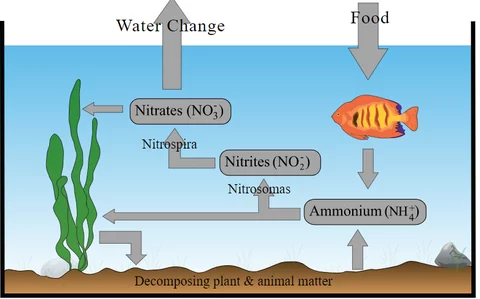
  • Best Aquarium Return Pumps (2026 Reviews ๐Ÿ…) โ€“ AC vs DC Pumps

    Best Aquarium Return Pumps (2026 Reviews ๐Ÿ…) โ€“ AC vs DC Pumps

    Following up our Best Aquarium Wavemakers Review post, it would be natural for me to write about the best aquarium return pumps next. Return pumps are an essential component for many fish tanks. They are used in all-in-one tanks, water changing stations, and in aquariums sumps or refugium sumps. It is the heart of the aquarium and thus the very piece of equipment in your setup that you do not want to fail. You can argue that next to an Aquarium Heater, a failed return pump can be disastrous not only for your livestock, but to your home in the event of a flood or leak.

    The goal with this post is not to point you to the cheapest aquarium return pumps or the most expensive ones. I’m going to point you to the highest quality and reliable pumps available today on the market. This is a component of your system that you should not skim on. You want an aquarium return pump to last forever, be quiet, and to be relevantly maintenance free.

    What Is An Aquarium Return Pump?

    The first question you may be asking is why do I have to use a return pump versus say a wavemaker or powerhead. The main difference here is that return pumps are designed to pump water uphill and are made to handle head pressure. Wavemakers are meant to pump water within the aquarium and a powerhead is not suited to handle the head pressure that a return pump is design to take.ย 

    AC vs. DC Return Pumps

    Return pump manufacturers have been really pushing DC return pumps a lot recently. It makes a lot of sense given the control features that DC pumps offer. Nearly all DC return pumps are controllable with precision and have feed modes to instantly shut off the water pump when feeding your fish, plants, or corals. Some return pump come with smart phone apps that makes monitoring and setup a breeze. They are also a lot more energy efficient.

    However, they come with some big advantages. Reliability is the number one concern I would have with a return pump. You see, a large number of DC return pumps are made in China and the same manufacturer often makes several re-branded pumps (e.g. – Jabeos). Sometimes the quality control simply isn’t there. Other times, the warranties are very short because the manufacturers are well aware of the issues — especially if they operate in saltwater aquariums. A DC controller with have 3 failure points that you will need to deal with:

    • The controller
    • The power supply
    • The motor

    The motor will be the most reliable part of your DC return pump and the controller will be the least reliable. Often times when I see a DC return pump failure, it will usually be the controller.

    AC pumps are a tried and true in this industry. The benchmark of this engineering comes from Italy. Italian engineers had developed the Askoll Motor Block.

    Askroll Motor Block

    Askolls motor blocks are known for their extreme reliability in the aquarium trade with many motor blocks easily lasting over 10 years. The manufactures will also back up their models with long-term warranties, typically at least 3 years or more! The motor block is the only failure point to be concerned with on an AC aquarium return pump. As you can see, they are very worry free!

    AC pumps also come with some big disadvantages over DC pumps. Several are not adjustable aside from the flow rate reducer, which means the pump will always run at full power and the decreased flow rate results in head pressure (e.g. – more wear and tear). Nearly all will not have a feed feature and the energy consumption is a lot more. Several AC pumps are also loud, which is a big consideration if you are working with a setup in a study or bedroom.

    Internal Versus External

    An internal return pump can only be run submerged in water.

    Panworld Pumps

    An external return pump is made to operate solely outside of the water. They can handle pushing water over long distances due to their designs. Nearly any return meant to work externally only is going to be extremely reliable. Not having the pump inside the water, especially not in saltwater increases the reliability of a return pump immensely. Many of these pumps will operate for years without maintenance. They will also offer the higher flow rate. They are commercial sized external water pumps that can handle flow rates for large displays, ponds, and fish stores.

    The main drawbacks with external return pumps are that they are large, loud, and expensive. An external return pump is best operated for people who have basement sumps or fish rooms where water needs to travel long distances. 

    Our Criteria

    Having criteria to rate these pumps are important. Here is what we looked at

    • Warranty – A quality brand is backed with a long warranty. 1 year or less on the warranty is suspect in our mind
    • Gallons Per Hour (GPH) – The GPH output of these pumps are very important and even more so if they operate will under longer distances
    • Noise – A funny thing about DC pumps is they can be noiser than AC pumps because of the DC “whine”
    • Price – While great pumps can be expensive, they aren’t for everyone. I want to find good pumps for every budget.

    Top of List

    Below is the list of recommended aquarium return pumps. They range between AC & DC pumps and external and submersible. All will have uses in your aquarium. 

    In a hurry? I recommend Sicce Syncra SDC Pumps!

    PictureNamePower TypeLink
    Editor’s Choice!
    Sicce Syncra SDC
    Sicce Syncra SDC

    DC

    Click For Best PriceBuy On Amazon
    Best Value
    Sicce Syncra Aquarium Pump
    Sicce Syncra Aquarium Pump

    AC

    Click For Best PriceBuy On Amazon
    Budget Option
    Jabeo DCP Sine Wave Return Pump
    Jabeo DCP Sine Wave Return Pump

    DC

    Buy On Amazon
    Current USA EFlux Return Pump Current USA EFlux Return Pump

    DC

    Click For Best PriceBuy On Amazon
    Fluval SP  Fluval SP 

    AC

    Buy On Amazon
    Ecotech Vectra Ecotech Vectra

    DC

    Click For Best PriceBuy On Amazon
    Eheim Universal Pump Eheim Universal Pump

    AC

    Click For Best PriceBuy On Amazon
    Eheim CompactON  Eheim CompactON 

    AC

    Click For Best PriceBuy On Amazon
    Iwaki Water Pumps Iwaki Water Pumps

    AC

    Buy On Amazon
    Innovative Marine Mighty Jet Innovative Marine Mighty Jet

    DC

    Click For Best PriceBuy On Amazon
    Panworld External Pump Panworld External Pump

    AC

    Click For Best PriceBuy On Amazon
    ReeFlo Dart Pumps ReeFlo Dart Pumps

    AC

    Buy On Amazon
    Reef Octopus VarioS Reef Octopus VarioS

    DC

    Click For Best PriceBuy On Amazon

    The Top Units (2023 Reviews)

    1. Sicce Syndra SDC – Finally a DC Unit with Sicce Reliability!

    Editor’s Choice
    Syncra SDC

    Editor’s Choice

    The Syncra is a perfect combination of DC control with AC reliability. Backed by a 5 year warranty and the legendary Sicce brand name

    Click For Best Price Buy On Amazon

    I have gotten comments from readers and folks I know that I am an anti DC pump hobbyist. There is one DC return pump that completely closes the door on the anti DC pump view I have. It is the Sicce Syncra SDC return pump. Without a doubt, this is the best DC pump you can purchase hands down on the market. Nothing comes close to it. It is a version of the legendary Syncra AC pumps now in DC form.

    This is a well engineered DC pump that is built in Italy. Sicce continues to stick with its high quality manufacturing and R&D process that has earned its reputation for long lasting pumps. This is the only DC pump I have seen that is backed by a 5 year warranty. There is only one other that I know that exceeds this warranty — and those pumps are nearly 3 times the price of the SDC! 

    Not only do you go the great reliability of Sicce, but the controller is excellent. It runs of a mobile app. It runs off wifi, so this is a completely mobile app unlike the Current USA bluetooth accessories that require you to have a device nearby.  You can run the app on your phone and it will alert you if the pump goes offline. For a piece of equipment as critical as a return pump, that is big time piece of mind.It has the same closed pump feature that the EcoTech pumps have as well.

    This is the DC pump to buy if you want a DC pump. Unfortunately, it comes with a high price tag. It should last you a lifetime like all Sicce pumps — something that nearly all DC pump manufacturers these days cannot say with confidence. The Sicce Syncra SDC is now my pump of choice for all premium builds.  See Full Review.

    Pros

    • Sicce name and quality – made in Italy not in China!
    • 5 year warranty on a DC Pump!
    • Fully controllable via mobile app

    Cons

    • Expensive 

    2. Sicce Syndra – Quiet & Reliable Unit That Lasts A Lifetime

    The Sicce Syndra aquarium return pump is the first pump I recommend to clients when building an aquarium. Their final selection will vary depending on their budget and their desire for control on their return pump, but the Sicce is also the benchmark I start with. I always start with a Sicce pump because they have the best engineering, best reliability, and best warranties in the industry.  

    I didn’t even mention how quiet they are. They are insanely quiet. Many DC pumps are louder than these in comparison. It’s all due to their 35+ years of Italian engineering and care in manufacturing. The pump is equipped with a synchronous motor and advanced rotor which cuts down on the noise significantly.

    Sicce tops off all these features with a gold standard best in industry 5 year warranty. No maker unless you spending way more in the DC category (looking at you Abyzz) offers a warranty like this. There is absolute confidence from Sicce that this pump will serve you for a lifetime. I have seen many of these pumps in tanks run smoothly for years.

    Sicce’s reliable and engineer are well earned and as a result, these pumps are on the pricey side. However, knowing that the return pump is the heart of an aquarium system I see no problem in spending a little more for a pump that will offer me a lifetime of worry free operation.

     Pros

    • Quiet (virtually dead silent!)
    • Industry best 5 year warranty
    • Can be run internally or externally

    Cons

    • Expensive
    • Suctions instead of rubber feet
    • Needs a gate valve for true precision adjustments

    3. Jabeo DCP Sine Wave – Affordable DC Power

    Budget Option
    Jebeo DCP

    Budget Option

    Easily the best Jabeo DC pump ever released. Great budget price and quiet operation

    Buy On Amazon

    The Jabeo DCP Sine Wave return pump is the first Jabeo return pump that I am comfortable putting under a recommended list. Everyone is always asking me if Jabeos are worth buying and in the past I was 100% against them because of reliability issues. This particular model however, has my interest because of the Sine Wave technology that makes them crazy quiet. Sine Wave removes that annoying humming noise so common with your average DC pump.

    It’s frankly annoying to the ear to hear it throughout the day. I know some clients who hate that DC hum so much that they end up going with a Sicce AC pump instead because they can’t stand it! The Sine Wave tech on this pump puts out about 25% less noise then the previous Jabeo generation (the DCS).

    This pump features a controller than can adjust the pump from 30% to 100% power and comes with a feed mode that will shut off the pump for 10 minutes. Perfect for coral feeding or hand feeding shy inhabitants in your tank. This pump is also compatible with Jabeo’s battery backup (the IceCap battery backup will also work) solution giving you hours of operation in the event of a power outage.

    The DCP Sine Wave is also the one variant of Jabeo that you will not see clones for. There are a lot and I mean A LOT of Jabeo clones and even American sellers who rebrand Jabeo pumps like Simplicity, but the Sine Wave tech is exclusive to the Jabeo brand so if you are going to use a Chinese made DC pump that is not a major brand, this is the one to look at.

    Now let’s talk about issues with this pump. In my own personal experience, the controller is the Achilles heal of this unit. It is fairly common to have a unit shipped with a faulty controller and it will generally fail right away. I’m not sure why they fail so much, but make absolutely certain that you purchase this pump from a seller who can ship you a replacement fast and with no added cost if you have to return it (like Amazon). 

    Once you have a working controller, these units last a decent amount of time. They haven’t been out for too long, but I do know of several installs with these going two years now and still working like new. Given the price of these units, that’s pretty good if you are working with a budget.

    Pros

    • Cheap!
    • Sine Wave tech = more silent than many DC Pumps
    • Lots of output options available

    Cons

    • Controller reliability

    4. Current USA EFlux – Affordable DC Power and Reliability

    Current USA eFlux DC Pump

    Use Coupon Code ASD15 At Checkout!

    A budget friendly offering from Current USA. Integrates well with all Current USA products with its unique controller

    Click For Best Price Buy On Amazon

    Current USA starts off our list with a very competent Eflux DC Pump offering. This water pump is well made with a controller that can adjust the flow rate from 1% to 100% using a dial. It has the advantage of hooking integrating with the Eflux Wavemakers and Loop LEDs for a complete package. It is a compact for the power it brings and I really like the rubber feet that come with it so you don’t have to worry about placing a silicon mat underneath it.

    Current USA’s customer service has also been in my experience excellent and one of the reasons I go with them for many system components.

    The main thing I don’t like about this DC return pump is the lack of a true feed mode. There isn’t even an option to do a feed mode out of the box. You get a feed mode when it’s linked to the Loop Led manifold or the Bluetooth accessory, but the feed mode is a 30% dial down mode not complete shut off. This makes it disappointing if you want a button for a feed mode, but since I tend to hook systems up with switch boards or a controller it is a non issue for me.

    I would say this is the weakest offering of the Loop trio though, with the EFlux wavemakers being the strongest product offer of theirs. 

    Pros

    • Works with Current USA Loop System
    • Adjustable by dial so it can go from 1% to 100%
    • Current USA customer service

    Cons

    • Does not have a true feed mode
    • Dial can also be a disadvantage

    5. Fluval Sea SP – Askoll Motor + Warranty = Ultimate Reliability

    Fluval Sea SP

    Designed with the reliable Askoll motor, these Italian made AC return pumps are a great pickup

    Buy On Amazon

    The Fluval Sea SP series return pumps are a throw back to the reliable Askoll motor design. Italian engineered and backed by a benchmark 3 year warranty, the Fluval Sea offeres reliable, powerful, and quiet operation. Yes, that is right, these Fluval Sea have been reported to be quieter than old generation Jabeo DC pumps. They can also be run internally or externally. It is a great all around pump.

    My main nitpick with this water pump is there is no flow rate regulator out of the box. In order to tune down this pump, you are required to use a gate valve in your plumbing. While a gate valve is recommended in any sump design, this can be an added expense and time cost for some who is looking to save on design costs. These are all power hungry and large pumps so don’t expect energy savings from them.

    Pros

    • Askoll Motor & Italian engineering
    • Lots of GPH sizes for an AC pump
    • Runs internal or external

    Cons

    • Water pump does not have a flow rate regulator out of the box
    • Large compared to DC pumps
    • High wattage consumption

    6. EcoTech Vectra – High End DC Unit With Smart Phone App Features

    EcoTech Marine Vectra

    The Vectra offers a lot of premium features such as auto calibration and closed mode. It is one of the more advanced pumps available today

    Click For Best Price Buy On Amazon

    The EcoTech Vectra is loaded with lots of smart features like auto calibration which will adjust itself automatically to the overflow drain of your tank. It is compatible with the EcoTech battery backup system, which can power the water pump for a couple of days. It can work with the ReefLink app giving you full access to your operations on your computer. 

    My favorite offering is the closed mode. I am a big fan of doing closed loop systems – especially for smaller tanks where you can eliminate a wavemaker and have more room for your corals and fish. The closed loop options offer wavemaking features like gyre and reef crest random modes giving you the random flow rate you need for a reef tank.

    As with all EcoTech products, this is an expensive DC return pump. I’m not too upset about the price though. It’s the warranty that really bugs me. EcoTech only backs this up with a 1 year warranty, which is a big shame for a return pump that is supposed to be the heart of the aquarium.

    Pros

    • Smart features like auto calibrate
    • Compatible with EcoTech Battery Backup System
    • Close Loop Modes 

    Cons

    • Only a 1 year warranty
    • Expensive

    7. Eheim Universal Hobby – An Oldie but Goodie

    Eheim Hobby Pump

    An old, but very reliable design. There are many of these pumps still in service that have run for over 15 years!

    Buy On Amazon Click For Best Price

    The Eheim Hobby Pump is an extremely reliable aquarium return pump that has been around for many years in the hobby. I know a number of hobbyists who use this water pump with many still running after over 15 years of usage. The reliability of these pumps are virtually unmatched. They only come in smaller gallon per hour outputs, but for the what they are capable of, they are great additions to a system.

    Unfortunately, as of this post, they are becoming more and more difficult to find as the manufacturer is phasing them out for a more mainstream and cheaper pump. If you can find these pumps for sale, they are worth every penny for their reliability. 

    Pros

    • Eheim name
    • Extremely reliable
    • Works submersed in water or externally

    Cons

    • Difficult to obtain
    • Expensive for an AC pump
    • Not designed for hard PVC installs
    • Needs a gate valve to fully control flow rate

    8. Eheim CompactON – New Generation Units

    Eheim compactON

    This Eheim pump is the successor to the Compact + series. It is a budget friendly version of the Eheim hobby pumps

    Buy On Amazon Click For Best Price

    The Eheim CompactON aquarium return pumps are the newest generation of pumps from Eheim. These pumps are the successor of Eheim’s popular Compact+ series pumps. What you get here is a compact fit that fits in tight sumps and all in one aquariums with the reliability of the the Eheim name. The ceramic bearing construction makes for a silent water pump. There is an easy to access adjustment dial near the outlet to adjust the flow rate. It comes with accessories so you can either do a hard or soft plumbing install.

    Like many Eheim products, these pumps are on the pricer side of AC return pumps, but you are getting a more reliable water pump spending more.

    Pros

    • Eheim Name
    • Has accessories for soft and hard plumbing installs
    • Small footprint

    Cons

    • Expensive
    • Hard to find

    9. Iwaki External – Japanese Quality with Long-Term Reliability

    Iwaki External Pump

    A japanese made motor and external pump makes these ironclad reliable. Excellent for basement sumps and ponds

    Buy On Amazon

    The Iwaki Magdrive Pumps are the first external aquarium pump on this list. Iwaki is a very well known brand in the aquarium and pond industry due to their reliability and performance. The main difference between these aquariums and internal return pumps is the head pressure they can handle. They can work across longer distances making them perfect for basement sump and fish room installs.

    External pumps come with a number of drawbacks. They are big and loud and can only be installed externally. They are not ideal for below the cabinet installs due to this and really are best for separate room installs. They are expensive, but one of these will last a lifetime and well worth the money if you have a specialized install.

    Pros

    • High quality build and motor
    • Handles a lot of headpressure (great for basement sumps/fishrooms)

    Cons

    • Loud and big
    • Can only be used externally
    • Expensive

    10. MightyJet DC – DC Power for All In One Tanks

    Great For All In One Tanks
    Mighty Jet Pump

    A compact, yet powerful DC return pump. Its small size make them a perfect upgrade for all in one tanks

    Buy On Amazon Click For Best Price

    The MightyJet DC Pump by Innovative is the perfect aquarium return pump to upgrade to if you are looking for a DC powered pump in your all in one aquarium. They come in either 326 GPH or 538 GPH sizes, with both models being small enough to fit in the return chamber of your all in one.

    It has many of the features you would expect with a DC pump drawing little power, having a feed mode, and being fully adjustable. The 326 GPH model uses only 15 watts at 100% so in a backup situation it can be dialed down and can operate for a long-term with a UPS or battery backup system.

    Because this is a name brand DC pump, they are expensive given the output. There is also no sound dampening features like silicone or rubber feet like you get with the Current USA and other name brand DC offerings. It is a great water pump that works for all in one tanks and should also be a consideration for those if you running nano reef tanks with sumps.

    Pros

    • Small enough to fit in all in one aquarium chambers
    • Good GPH output given size
    • Fully adjustable

    Cons

    • Expensive compared to similar AC powered pumps
    • No sound dampening feet

    11. Panworld External – The Choice for Basement Sumps

    Pan World Pumps

    Budget priced yet realiable external pumps

    Buy On Amazon Click For Best Price

    Panworld External Pumps offer a very reliable return pump for a reason price. I see many basement sumps and fish rooms run these pumps for years. They are pretty common place in the reefing community with their great price point and reliability.

    Panworld’s price point comes from their 26 years of pump manufacturing experience, using Japanese pump technology and having manufacturing based in Taiwan. 

    As with any external pump, they are best for applications where you are moving water to an outside location like a basement or a fishroom. They are too big and bulky to be placed underneath cabinets and they are loud. They are amazing to use in water changing stations and various other external applications. 

    Pros

    • Cheap for an external return pump
    • Sturdy and reliable

    Cons

    • Big and bulky
    • Loud
    • Only works externally

    12. ReeFlo – Lots of Power for External Applications

    ReeFlo Pumps

    An external that is designed to be quiet. They have models that can push over 5,000 gallons per hour!

    Buy On Amazon

    Did I mention that external return pumps are loud? Well, the Reeflo External Return Pumps kick that concern to the curb. Don’t believe me? Just check out this field test video below and hear it yourself:

    Pretty quiet isn’t it? Not only are they quiet, but they are very powerful. The entry level dart models produce a flow rate of 2600 GPH and their gold models can easily push out 5500+ GPH!. These are the pumps for you monster keepers or those with big fish rooms with lots of water to move.

    These pumps are built in the USA and small business owned. The motors are fully rebuild-able meaning that you are can ensure that these pumps will operate for a lifetime. All the pumps come with multiple year warranties for worry free operation and purchase.

    They are expensive external pumps, but if I was looking for an external water pump for my fish room or basement and silence is a huge priority – this would be the pump I would be looking at. 

    Pros

    • Very powerful flow rate (high GPH)
    • More silent than other external return pumps
    • Rebuild-able motors 

    Cons

    • Expensive
    • Big and bulky

    13. Reef Octopus VarioS – Quality Marine Brand DC Unit

    Reef Octopus VarioS

    A very comprehensive and competent DC pump made by Reef Octopus

    Buy On Amazon Click For Best Price

    The Reef Octopus VarioS return pump offers a fully controllable DC pump. This pump is controller ready, being able to connect with controllers like the Neptune Apex and is meant for aquarists looking for high end equipment.

    The controller is pretty comprehensive on it’s own offering a 15 or 16 minute feed mode and several speed settings. 

    The reef octopus is an expensive return pump, but those looking for a controller ready water pump won’t be disappointed by its performance. It is considered one of the best values for high end name brand DC pumps in the hobby. Reef octopus has a great brand name in our hobby.

    Pros

    • Aquarium controller ready
    • Very comprehensive controller

    Cons

    • Expensive
    • Only a 2 year warranty

    Our Recommendations

    If you have been reading our other articles, you may be aware of our Sicce bias, but there are options available for every type of build from the list presented above. Below are category recommendations:

    How Many GPH Should My Unit Be?

    When selecting a return pump, it is very important to know how many gallons per hour you need and how much water is going to be pushed distance wise. As the distance increases, there is loss on the flow called headloss. Here is a link to a headloss calculator so you can do a best estimate. I would recommend that you slightly oversize your return pump and use the pump’s control features or a gate value to reduce the flow rate to get it to the proper gallons per hour that you need. You may also decided to run additional equipment using a PVC manifold so oversizing would have it’s advantages if you go that route.

    Closing Thoughts

    Return pumps in my early years of building aquariums with sumps was a very nerve wracking experience. There are many out there and figuring out what the proper gallons per hour that you need and making head loss calculations just made you nervous if you purchased a pump that was too small or too big. DC pumps have really taken out the guess work with their ability to adjust power with the controller and not worry about added stress to the pump over time by having an over-sized and highly restricted return pump.

    AC pumps are still extremely valuable with their reliability and performance. If you take your time research the output that you need and get an appropriate gate valve you are set for worry free successor with an AC pump.

    I hope this guide helped you in making your decision. If you have any questions, please leave them in the comment and I will do the best I can to address them. Thanks for reading!


    ๐Ÿ”ง Want to learn more? This article is part of our complete Aquarium Equipment & Gear Guide. your ultimate resource for filters, heaters, lights, pumps, tanks, and more.
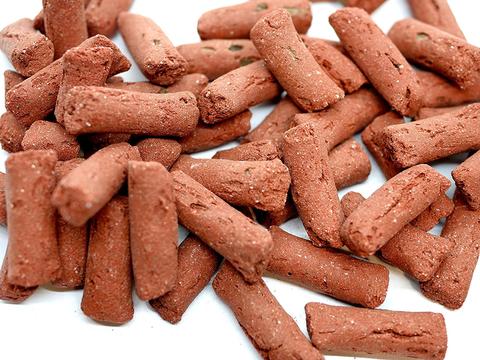
  • Goldfish Tank – Your Guide To Successful Goldfish Care

    Goldfish Tank – Your Guide To Successful Goldfish Care

    After 25 years of watching goldfish keepers make the same mistakes, goldfish are not easy. They produce more waste than fish three times their price and need more space than most people realize. A single goldfish needs 20 gallons minimum and heavy filtration. Most goldfish deaths come from undersized tanks and inadequate filtration.

    A goldfish tank is not a set-it-and-forget-it project. It is a commitment to managing waste.

    A goldfish kept properly is more impressive than most tropical fish. The problem is almost nobody keeps them properly.

    The Goldfish is one of the most popular fish in our aquarium hobby. It may even have been the first fish you had when you first got introduced to aquariums. You may have even come across this article thinking about setting up a Goldfish tank for the first time or for a loved one. They really are amazing fish that is also easily misunderstood. Because they are first-time fish, a number of us enter into Goldfish care with little knowledge on what is needed to have them thrive.

    I’m sharing this article with you today so you can learn all the essentials plus more. I want you to be very successful in caring for your pet Goldfish. As quick disclosure, this blog post will contain affiliate links which I may get a small commission at no extra cost to you should you make a purchase. Now let’s get started!

    Key Takeaways

    • Goldfish are not beginner fish. They require larger tanks and are quite messy
    • They are coldwater fish and are best with other goldfish
    • Live plants with goldfish is possible if you know what plants to select
    • There are slim-bodied and fancy goldfish. Slim bodied are more athletic and can live in ponds

    History of Goldfish

    One crazy fact about Goldfish is that they were first kept for their meat. Yes, that’s right. Goldfish used to be what was for dinner in China, their area of origin. Goldfish are the domesticated version of wild carp from East Asia. Their original colors were silver-grey and they were known as “chi” in the East. It was one of the most common staples of meat in China at one time.

    Common Carp

    As carp continued to be bred for meat, a strange thing happened. Genetic mutations would occur with the carp and these “mutants” would end up with flashy red, yellow, and orange colors. If these fish were in the wild, they would get quickly eaten by predators since they stood out so much. These flashy-looking new fish caught the eye of Buddhist monks in the 9th century. They began to keep these colorful fish in their ponds. The Goldfish was born at this time as an ornamental pet. 

    The breeding of the fancy Goldfish varieties did not begin until the 1600s starting in Ming Dynasty China. They were highly regarded for their scales and it was tradition for a man to give his wife a goldfish on their first anniversary to symbolize the prosperous years to come. Goldfish were imported to North America around the 1850s. This video by Aquatography provides a deep look into the origins of goldfish.

    Care – The Major Factors We Need To Know

    Goldfish on the surface seem very hardy and easy to take care of. For the most part, they are. However, we want to have the best environment we can place them in. I want to go beyond the basic beginner setup and set you up for long-term success. Goldfish care is broken down into several parts:

    We have a video from our YouTube Channel that you can follow along as well. Be sure to check both as our blog goes into more detail. If you enjoy our channel, be sure to subscribe as we post videos every week!

    Aquarium Size

    I’m going to say it upfront to my readers. Goldfish do not belong in a Goldfish bowl. You may see Goldfish bowls everywhere, but bowls are not big enough for the long-term. You may purchase them as young new fish for your fish tank, but they will get large. In fact, the Common Goldfish can grow up to 10 inches in size and Fancy Goldfish can grow up to 8 inches in length. Some have grown as large as cats in rivers! That is a lot of Goldfish for a tank! Goldfish also have a lot of mass, especially the Fancy types. Given their adult sizes, it’s no wonder they were originally kept in ponds.

    When sizing an aquarium for a Fancy Goldfish, you will want to start out with a tank size of 20 gallons for a single Fancy. After that, it’s roughly 10 gallons per every other Fancy Goldfish. This means a 40 gallon tank can hold 3 adult-sized Fancy Goldfish. That doesn’t sound like a lot of fish, but remember they get pretty big. We need to ensure an aquarium is big enough not only for them to have room to swim around, but also so you are not a slave to water changes.

    For a common variety of Goldfish like a Comet, you will want to consider an aquarium size of 30 gallons and target at least 4 feet in length. Each subsequent comet you add would need an additional 12 gallons so for a 55 gallon tank, we are talking about 3 full-size Comets. Again, not a lot of fish. Keep in mind that Comets can grow up to 12 inches in length!

    For a Fancy Goldfish setup, I would recommend a larger aquarium like a 55-gallon tank or 60 gallon breeder.  These 4-foot-long tanks offer everything you need to get started. You can go cheaper if you wait for a dollar-per-gallon sale at your local chain pet store to pick these aquariums up.

    Filtration

    Goldfish in general are very hard on the bioload of an aquarium. They are large, messy, eat constantly throughout the day, and stir up your Aquarium Substrate all day. Maintaining a Goldfish tank requires a hefty filter. Keeping in mind that Goldfish are an entry-level fish for Aquarists, we are going to focus on more budget-friendly options. Our best option is a good quality aquarium Power Filter like a Hagen Aquaclear

    The Hagen Aquaclear is a quality-made, readily available power filter that has stood the test of time. It is very easy to customize each section of the filter stages to suit your needs. It will provide years of reliable operation. Make sure you size up one model that is made for a larger aquarium. A goldfish aquarium produce a lot of waste, so get try aiming for oversized filtration

    Parameters (Water Quality)

    The main thing with Goldfish tanks once you have the tank cycled is consistently monitoring your Nitrate and pH levels. Ammonia is a concern when you first cycle the tank or when you add new fish. Goldfish, due to their messiness and consistent desire to eat will produce a lot of waste. A full goldfish tank will end up running higher nitrate levels as a result. You want to test your nitrate levels regularly with a proper Aquarium Test Kit. Take care of your goldfish by ensuring your nitrates don’t go above 40. This will ensure you have the best water quality possible. 

    The pH levels of your Goldfish aquarium are also critical. Goldfish are like an aquarium at 7-8 pH at all times. This is different from most tropical fish and planted aquarium environments which prefer a pH at an acidic level lower than 7. Make sure your tap water has the proper pH and adjust accordingly if your tap is below 7. Always use a water conditioner like Sea Chem Prime to treat your water. A water conditioner will remove harmful chemicals out of your tap water like ammonia and chlorine and make it aquarium safe.

    Temperature

    Goldfish are cold water fish. Anything over 75 degrees for a Goldfish is going to stress out your fish. Goldfish actually have a large range of temperatures that they can live in. The range is from 50-75 degrees F, with the general ideal range being 65-72 degrees. This means that if you keep your home at room temperature, you should be fine without having an Aquarium Heater in your tank.

    There are two things we have to keep in mind with Goldfish tanks. If you live in a hotter climate, you need to control the temperature in your aquarium in the summer. This require an Aquarium Chiller or getting your specific room where your tank is to a cooler temperature with a mobile AC. If you live in a cold climate with very cold winters, you may want to consider having a heater handy when the temperatures get below freezing in your area. 

    Decorations

    When we think about Decorations for a Goldfish tank, we have to consider both space and safety. Common Goldfish are fast and enjoy swimming around. Fancy Goldfish are slow, clumsy, and have delicate fins. Both types of Goldfish need their space to swim. Consider having an open aquascape when building out a Goldfish tank.

    When it comes to the decor itself, we want to consider rocks, and artificial plants without sharp edges. We take the same consideration as we do with Betta Fish where we avoid sharp edges as the long fins of our Fancy Goldfish can get caught and damaged.

    A good brand to look into is marina naturals when looking at silk artificial plants. These plants will not damage the fins of your Fancy Goldfish. You will need to keep in mind that goldfish like to dig out plants. It may be a good ideal to anchor these down with rocks.

    Substrate

    Goldfish love to stir the substrate in search of food. They have big mouths, so substrates that are medium or larger in size can pose a problem for them as they can accidentally shallow the pebbles. We want to make sure that goldfish have a substrate that they can easily stir and scavenge around. Knowing this, the best goldfish tank substrate is going to be a sandy one. 

    A sandy grain size substrate like the one sold by Caribsea is what we are looking for. We want to work with a thin layer of sand. This is to counteract the big pitfalls of a sandy substrate. Sand can compact and create anaerobic pockets, which is very dangerous for your fish. A thin layer that barely covers the bottom of your aquarium and no more than 1/2 an inch is what we are shooting for. This sandy substrate will get stirred all day by your Goldfish and mimics their natural environment. This substrate is also pH neutral – a major factor because Goldfish need a pH of 7.2 – 7.6.

    Diet

    Food for Goldfish is an interesting topic because the industry is loaded with a lot of food targeted at beginners. These foods are cheap, easy to feed, clean, and last a long time. That is great for us humans, but they are not that great for our Goldfish.

    The most basic food offered to Goldfish is flakes. Most flake food offered on the market is full of fillers, which long-term is unhealthy for your Goldfish and creates a lot of waste. We want to upgrade the diet of our Goldfish to something better. At a minimum, we want to think about quality pellet food.

    A good brand for goldfish pellet is Northfin. They sell a premium Goldfish pellet formula specially designed for them. It is free from fillers and includes a healthy dose of Omega 3s to really help bring out the color in your Goldfish. I would recommend presoaking your pellets in aquarium water before you feed them to your Goldfish. This will allow for the pellets to soften and expand a bit so they don’t expand in your Goldfish’s gut. 

    Going further, we can look into freeze-dried food. I would recommend Hikari’s Bio-Pure Krill. Kill has the ability to boost carotene levels in your Goldfish. This helps produce better coloration in your Goldfish and can prevent them from turning black. This formula is multi-vitamin enriched so you do not have to supplement with a vitamin supplement like Vita-Boost.

    The next step up would be frozen food. These you would likely need to purchase from your local pet or fish store. For frozen food, look for brine shrimp, blood worms, or daphnia. Good brands to look at would be Hikari or Cobalt Aquatics.

    Lastly, we go with live foods. For live foods, I want to look at live plants. Goldfish in general, are known for eating a number of aquarium plants. While this is bad if you are looking for a planted goldfish tank (it is possible to have plants with goldfish – more on this later), we can use this to our advantage when supplementing our Goldfish’s diet. One plant that Goldfish love to eat that is fast-growing and readily available in our trade is Duckweed.

    If you are part of an Aquarium society or know anyone with a Planted Tank, there is a good chance they either have Duckweed or have grown it in the past. Duckweed is also grown in ponds for Koi and Goldfish. Goldfish love to gobble this plant up. It is very cheap to obtain and a very fast grower. It is very important to have food readily available in your aquarium for a Goldfish. We have to keep in mind that Goldfish do not have true stomachs.

    Because of this, they are always eating and hungry. You do need to feed goldfish regularly, but a natural food like Duckweed can really come in handy because you can make it available in your tank, it’s a natural filter, and it is eaten away by your Goldfish throughout the day.

    Aquarium Mates

    Tank mates for Goldfish is quite tricky. They have several factors working against potential Goldfish tank mates. They are a coldwater fish, so that eliminates all tropical freshwater fish right off the bat. Fancy Goldfish also are slow and have large fins, which is attractive to nip for a more active fish. Goldfish can also be bullies themselves. Their large size, mouths, and mass can present problems to smaller fish. For this reason, the best recommendation is to have a Goldfish-only tank.

    That being said, there are some tank mates that would work. These tank mates would be:

    • Coldwater snails like Nitrite and Apple Snails
    • Brittle Nose Plecos
    • Dojo Loaches

    Snails are a great addition because they will work on algae in the tank and for the most part Goldfish should leave them alone. If the Goldfish do decide to harass them, they are large enough to handle themselves and give you enough time to reconsider their compatibility. Every Goldfish is different after all.

    When it comes to Plecos, only the Bristle Nose Pleco is compatible with a goldfish. Common plecos are a bad idea as they require driftwood and can get very large.

    Dojo Loach

    Dojo Loaches (pictured above) are likely the best candidate when it comes to other fish in a goldfish tank. They get rather long at 5 inches and require at least a 30-gallon tank, but they can tolerate the cooler waters of a goldfish tank. They are very peaceful, very active, full of personality, and excellent scavengers. 

    It’s always best to introduce these new fish and inverts AFTER our goldfish have been added. We want to make sure our goldfish are established since they tend to be the ones that are bullied not the other way around! You will also want to consider a larger tank if you want to have other tank mates. A 55 gallon or 75 gallon fish tank would be good options.

    Live Plants

    Goldfish Planted Tank

    Plants for Goldfish like tank mates are tricky. You have a number of things working against you when it comes to them. Because Goldfish like cold water that is 7-8 in pH, this eliminates the majority of tropical aquarium plants available for sale. Goldfish also love to gobble up plants. They will eat just about any plant you stick in the tank. Another factor is that Goldfish stir up the substrate, which means that if you have any rooted plants that need to be established in your substrate, it is likely that your Goldfish will dig them out.

    That seems like there are a lot of things going against you when it comes to aquarium plants, but we also need to think about the benefits as well. Plants will really help with your water change efforts. They will thrive in the high nutrient environment that goldfish will create with the waste they produce. If you don’t want to be a slave to water changes, live plants is your ticket to relief. In large quantities, they can act as natural filtration for your tank.

    So let’s talk about what plants work best. We want to make sure these plants tolerate higher pH, will do well with high nutrients, won’t mind the cooler temperatures, and won’t get eaten by our Goldfish. These are:

    All of the plants above are Low Light Aquarium Plants. All you need to do if you want aquarium plants is to upgrade your lights to a proper Planted Tank LED System.

    Types

    There are a lot of different Goldfish types to house in your aquarium. All goldfish are long-lived and will provide years of joy for you. I’m going to break down a small list of Goldfish for you. I’m going to split it into two types:

    • Slim Bodied Goldfish
    • Fancy Goldfish

    Slim Bodied

    Slim bodied Goldfish are one of the hardiest fish you can purchase in the hobby. They is placed in home aquariums or outdoor in ponds. They will tolerate a wide range of temperatures. They are fast swimmers, very active, and aggressive eaters. They cannot be kept with Fancy Goldfish as they will out-compete them in an aquarium with how fast they swim around and eat. Below are a few types of slim bodied Goldfish:

    • Common Goldfish
    • Comet Goldfish 
    • Shubunkin Goldfish 
    • Wakin Goldfish

    The common Goldfish is also known as your “feeder” goldfish at pet stores. They are also the Goldfish you used to get at fairs as prizes. This Goldfish most resembles their original ancestors, the carp. They can grow as long as a foot if given a large enough aquarium or if housed in a pond. They are very hardy, very cheap, and long-lived fish.

    The Comet Goldfish is a variant of the common Goldfish that has a long fancy tail. They share the same hardy characteristics of the common, but with more flash with their tails. They will also get a foot long and are fast swimmers. They a relatively cheap fish to purchase.

    The Shubunkin Goldfish is a multicolored goldfish. These you will see placed in ponds as they get long and command a higher price tag than the former 2 mentioned. Some varieties of Shubunkin will grow fancy tails and fins.

    Shubunkin Goldfish

    Fancy

    Fancy Goldfish are selectively bred fish that have been created over the years. They are not found in the wild and exhibit multiple unique characteristics depending on the type. They are fish with a lot of mass on them and are clumsy in nature. They have long elegant fins and are slow swimmers. Because of the slower swimming speed, they do not mix well with slim-bodied Goldfish as they will be unable to compete with them for food.

    These egg shaped fish are valued for their looks. They tend to be more delicate than slim bodied Goldfish, but there are several varieties that are hardy and appropriate for beginners. A few examples of Fancy Goldfish types are:

    Ryukin Goldfish

    The Fantail, Black Moor, and Ryukin Goldfish are great fancy varieties that are appropriate for beginners. The Lionhead and Telescope Goldfish are varieties that would be considered more delicate and better suited for experienced Goldfish keepers. The main difference between the first three and their others is what stands out with the two other fish. The Lionheads are so modified that their dorsal fin is missing. Their fleshy-like head and clumsy nature make them sensitive to injury. For the Telescope, it’s the eyes. The eyes give them limited vision and make them delicate. It’s another Fancy that is not for beginners.
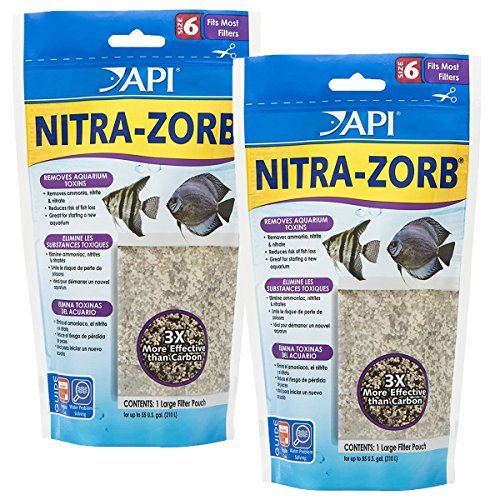
    I go into more detail on fancies in this blog post, but I wanted to help you identify what is a hardy Fancy Goldfish and which ones aren’t. The less modified features of the fish, the more likely it will be better suited for a beginner. Of all the Fancies listed here, my personal favorite is the Ryukin. It is bold, elegant, and hardy. It is a wonderful addition to a Fancy Goldfish aquarium.

    Putting It Together

    We have discussed a lot about Goldfish Tank care, food, housing, and types of Goldfish. It’s time to put everything we have learned today and make a comprehensive setup. In this setup, we are going to set up a Goldfish tank with live plants. You can opt not to use plants and save yourself on upgrading your light.  

    • Tank – 55 gallon for 60-gallon breeder
    • Lighting – Add another light strip to host low-light plants
    • Filter – Hagen Aquaclear or Fluval Canister Filter
    • Heater – None
    • Plants – Java Fern and Anubias
    • Rocks – Margo Garden Products 3-5″ Rain Forest Large Rocks (available on Amazon)
    • Substrate – Caribsea Super Naturals
    • Fancy Goldfish – 2 of your choice (after the tank has been cycled)
    • Water Conditioner (To treat tap water) – SeaChem Prime

    To save on money, we can purchase a 40 gallon breeder to 55 gallon tank during Petco’s dollar-per-gallon sale. All the other components fit very well for this setup and for what we want to house. If you opt for a 55 gallon tank, you can house 3-5 fancy goldfish. You will want to anchor your plants to your rocks so they don’t get stirred up by your Goldfish.

    If you opt for a dollar-per-gallon sale tank, you are free to select the light of your choice. I would recommend an led light like the Serene Pro LED if you are selecting a light for a planted aquarium setup.

    Additional Resources

    There are many books out there that go beyond the scope of this blog post. However, not all are created equal. There is one book I recommend when it comes to Goldfish care.
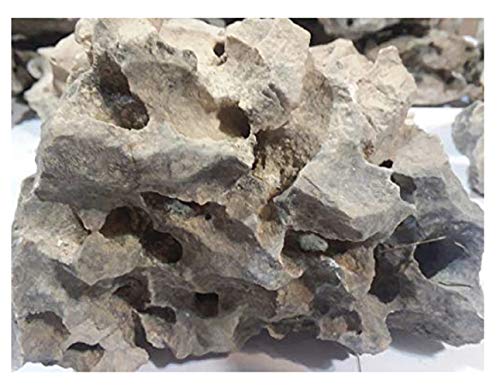
    Fancy Goldfish: Complete Guide To Care And Collecting 

    Over 100 Photos!
    Fancy Goldfish: A Complete Guide

    An in-depth book on the world of fancy goldfish. Highly recommended and full of timeless knowledge

    Buy On Amazon

    This Book Written by Dr. Johnson goes over diseases, prevention, health, breeding, and proper fish selection. It contains over 100 color photos of Fancy Goldfish. The information contained in this book is a full deep dive into the world of Fancy Goldfish. You will become an expert in knowledge after you read this book. It does have some outdated information given it was published back in 2001, but the majority of the information in this book I would consider evergreen.

    I would highly recommend it to anyone who really wants to keep the more exotic Fancy Goldfish or considering expanding into larger display tanks.

    FAQs

    What Size Aquarium Do They Need?

    The minimum size tank that a goldfish needs is 20 gallons. For each additional goldfish after the initial one, you will need at least 10 gallons. The best starter size to house multiple goldfish would be a 55 gallon tank.

    How Long Can They Live In A 1 Gallon Aquarium?

    A goldfish will not thrive and may not live very long in a 1-gallon tank. These tanks are too small for them. Goldfish do not have a labyrinth organ like a betta fish. This is how betta fish can live in small containers. Even then, it’s not ideal to place a fish in such a small tank. Consider placing your goldfish in an appropriately sized tank for its long-term health.

    Can They Live Without A Filter Or Air Pump

    Yes, goldfish can live without a filter or an air pump. However, it’s risky to do so. Without a filter, a goldfish tank may experience ammonia spikes.

    Closing Thoughts

    Goldfish go way beyond the fish in the bowl that money of us have seen in the past. There are many varieties of Goldfish with some of the exotic Fancy types selling for hundreds of dollars. They are large fish with personality and unique aesthetics. They do require larger tanks long-term, but they are long-live fish easily living over 10 years in more aquariums. I hope I showed you what Goldfish can offer you as a pet by reading this post. If you have any questions, leave a comment below. Thank you for reading.


    ๐Ÿ“˜ Want to learn more? This article is part of our complete Freshwater Fish Guide. Your ultimate resource for freshwater species, care tips, tank setup, and more.