Category: The AquariumStoreDepot.com blog

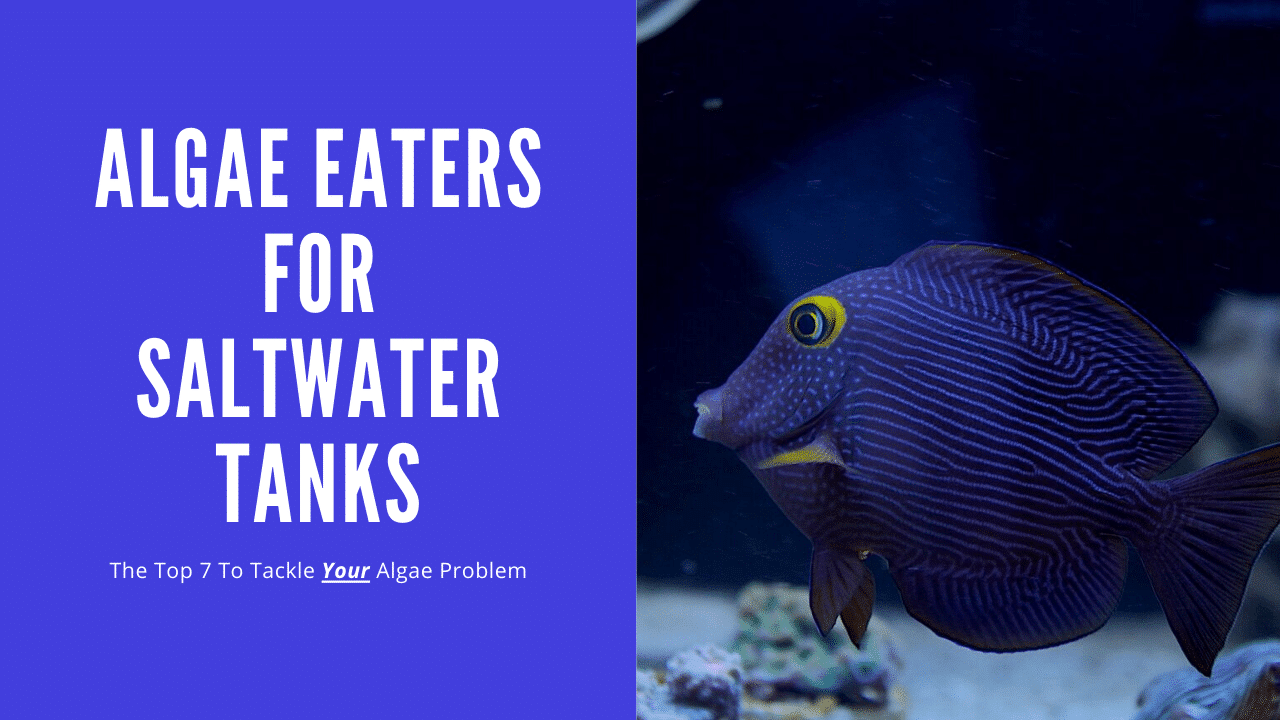
  • Algae Eaters – The 7 Best For Your Saltwater Tank

    Algae Eaters – The 7 Best For Your Saltwater Tank

    Saltwater algae control is a challenge I’ve dealt with across every phase of reef keeping, and having the right cleanup crew makes a genuine difference. I’ve tried most of the common saltwater algae eaters in my 125-gallon and know which ones actually earn their spot. and which ones cause more trouble than they solve.

    Today’s post is about Algae eaters for your saltwater tank. Before we get into our list of 7 best, I want to talk about the 3 key steps in implementing an algae control system. When most people have an outbreak, the first thing one might do is buy livestock to fix the issue. However, livestock is not the fix, but actually the control. Livestock controls algae and prevention measures fix outbreaks. Knowing prevention, the types of algae, and how to combat them will ensure that you implement the right algae control measures in your tank 
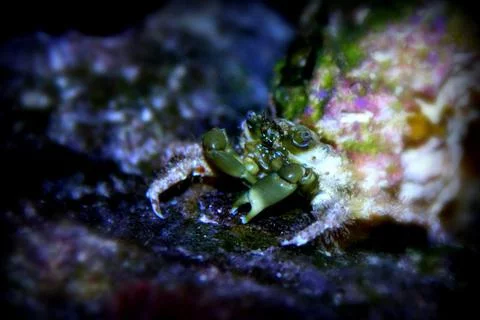
    Algae Eaters

    Step 1 – Know How To Prevent Outbreaks

    The first step in controlling algae is preventative. Virtually all algae comes from the following sources:

    • Age of tank
    • Excessive Nutrients – Phosphates, Nitrates Silicates, TDS in source water
    • Poor lighting
    • Hitchhiked from live rock or coral purchases

    Age of tank is usually the first issue. If your tank is establishing or just got out of its cycle, it is very common to get nuisance algae. Usually this starts with diatoms and then moves to hair algae and red slime. You get outbreaks because your bacteria cycle is still maturing. As you perform proper maintenance, your nutrient levels should stabilize. Stay patient if you are a newcomer experiencing your first bloom 

    What Causes It?

    To answer the question about what does algae eat, let’s talk about excessive nutrients. The most common cause of Saltwater Aquarium algae outbreaks is poor source water. Water from the tap can be filled with silicates, phosphates, and nitrates that make nuisance algae thrive in your tank. Algae thrives no this nutrients as this is their food source and they will grow to consume these nutrients in your tank. These nutrients will then get “trapped” in the algae, meaning you will not be able to remove these nutrients out the system until you remove both the algae and the source of these nutrients.

    After learning about the age of the tank, the second question I also ask hobbyist when they have an outbreak is where their source water is coming from. If you are not using an RODI System ((Please note, this post includes affiliate links for which I may make a small commission at no extra cost to you should you make a purchase), you will have outbreaks unless your source water is very pure. Even with an RODI system, one can still have outbreaks and sometimes this is due to not replacing your RODI parts timely.
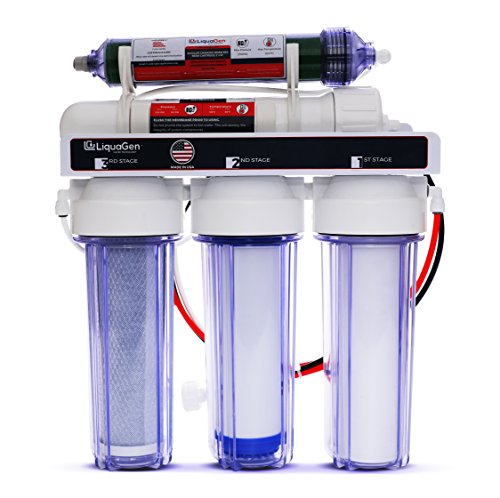
    Best Value
    LiquaGen – 5-Stage RODI

    Best Value

    A complete 5 stage RODI unit without the excessive price

    Buy On Amazon

    This brings us to the next part with nutrient control – maintenance. You need to have a proper maintenance schedule in order to prevent high nutrient levels. This means water changes, cleaning equipment, changing light bulbs if you use T5 fluorescent lighting, having a proper protein skimmer, and not overfeeding or overstocking your tank.

    Poor lighting is another factor that is usually fixed easily. This is common with T5 fluorescent lighting as the spectrum and intensity degrades as the lights age. If you have older bulbs, you should replace them with fresh bulbs. If you have a light fixture that does not produce the correct spectrum, you should consider getting an appropriate reef light.

    Hitchhiking algae is our last culprit. Macroalgae, Byropsis, and Macro Algae are usually the types of algae that make their way through Hitchhiking. You can avoid most of these issues by investing in dry rock instead of live rock. This leaves corals as your only source of introduction. You can limit your exposure by purchasing frags, inspecting corals before purchase, and only purchasing from reputable local or online stores.

    Dry Rock

    This dry rock from ARC reef is mined from the Earth and is completely eco-friendly

    Buy On Amazon

    Prevention is the first step in algae control. Our next stop is knowing your algae.

    Step 2 – Know What Type You Are Dealing With

    When combating algae, you need to know what type of algae you are dealing with, how they come about, and how to limit or eliminate them. I will be going over the following algae below:

    • Diatoms
    • Dinoflagellates
    • Film Algae
    • Red Slime (Cyanobacteria)
    • Hair Algae
    • Bubble Algae
    • Bryopsis Algae 
    • Calerpa Algae

    Diatoms

    Diatoms

    Diatoms are brown algae that usually appear when a tank has just completed its cycle. They can cover sand, rocks, pumps, glass…pretty much everything. They are unsightly, but harmless in your tank. Diatoms feed off silicates. You can prevent silicate by using an RODI system and keeping up with the maintenance. Even with proper maintenance though, they can still appear via additives, salt mixes, or using improper sand. 

    Film
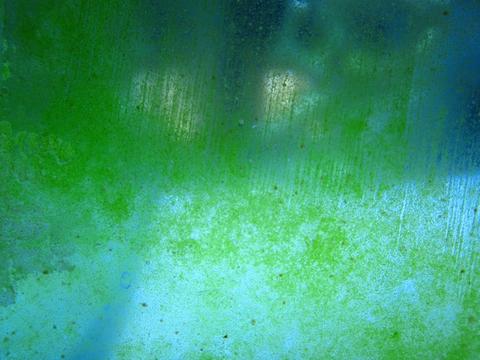
    This is a common algae in a tank that grows due to nutrients in the tank. They are not harmful, just unsightly and easily removed manually or eaten by algae eaters.

    Dinoflagellates
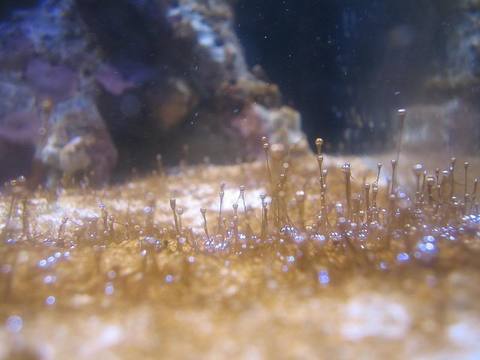
    Dinoflagellates

    Also known as brown slime algae. This type of algae is some nasty stuff. They release toxins, will kill sensitive inverts like snails, and will feed off what they kill. Eliminating them in the tank requires a mult-prong approach involving granular activated carbon, black out periods, raising pH, reduced feedings, and manual removal. It’s not an outbreak to be taken lightly. More on How To Get Rid of Dinoflagellates.

    Red Slime (Cyanobacteria)
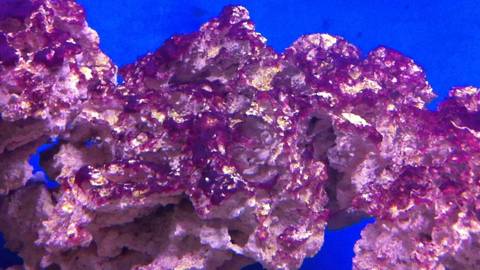
    Cyanobacteria

    Often called algae, this is actually bacteria. Cyanobacteria is another common nuisance that pops up in a newer tank. While not harmful to fish, they are harmful to corals – especially soft corals. It is something that will always been present in your system. It is all about nutrient control with Cyano. The key parameters to control are phosphate (below 0.05 ppm) and nitrates (below 10 ppm). Nutrients can be locked in the red slime, so a common frustration point with reefers is their parameters test well, but the cyano is holding the nutrients until they are removed.

    Other factors are lighting and low flow. Redirect power heads and wavemakers or add more to eliminate dead spots. If the tank is overtaken, you can manually remove by siphoning the cyanobacteria. Chemical options would include using Chemi-Clean ,which can be used as a good way of wiping out Cyano while address the long-term issue.

    Treats Cyanobacteria
    Chemi-Clean

    This solution from Boyd Enterprises efficiently treats cyanobacteria outbreaks

    Buy On Amazon Buy On Petco

    Hair

    Hair Algae

    Hair Algae is an algae that thrives on nutrients. Having high phosphates and nitrates will cause this algae to thrive. Like Cyanobacteria, it can always be present in the tank, but can be controlled and virtually eliminated with good maintenance practices and algae eaters. You can also purposely grow in a container filtration unit like an Algae Scrubber where it can be used to keep phosphates and nitrates low and pH stable at night.

    Bubble
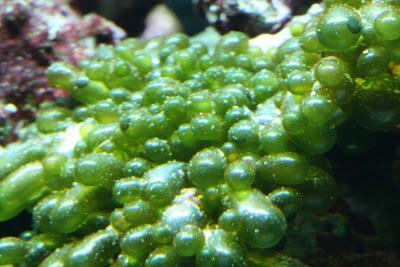
    Bubble Algae

    Bubble algae is usually introduced in the tank as a hitchhiker from either purchased live rock or corals. The best way to prevent it is to carefully inspect all of your rock or coral purchases for this hitchhiker. If you do end up with bubble algae, work to eliminate it early. You can manually remove it (but be careful about popping the bubbles or you will have it reproduce everywhere) or enlist algae eaters that specialize in eating this algae.

    Bryopsis
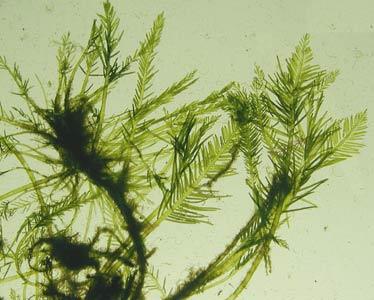
    Bryopsis Algae

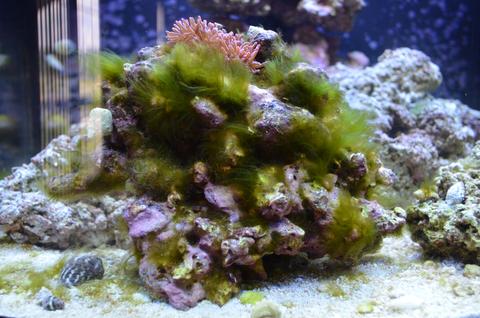
    Bryopsis Algae is a fern-like algae that usually gets introduced in your aquarium from live rock or purchased corals. It is very difficult to get rid of and there are all sorts of horror stories about this algae. This is an algae unfortunately that many algae eaters will not touch.

    The best way to get rid of it is to raise your magnesium levels using a supplement like Kent Marine Tech M. You would want to increase your magnesium to the 1500 levels gradually over a week and keep it consistent until the Bryopsis is wiped out.  

    Kent Marine Magnesium

    Kent Marine Magnesium is a safe, high-quality ionically balanced magnesium supplement that supports both the health of your coral reef inhabitants and the growth of healthy corals.

    Buy On Amazon

    Calerpa

    Caulerpa Racemosa Algae

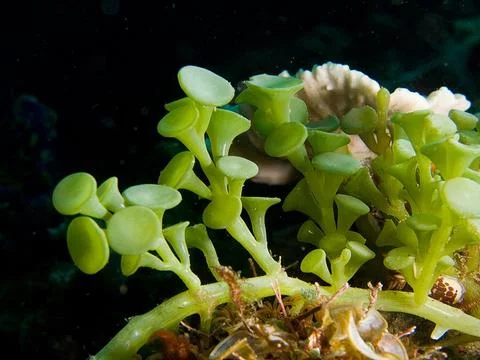
    Calerpa Algae is another algae that finds its way to your tank as a hitchhiker. It is another algae that is difficult to get rid of, but there are algae eaters that will happily eat away at this algae. If it has over taken your tank, it is best to manually remove what you can and then implement the help of an algae eating crew to keep it contained. This algae, like many others on this list thrive on nutrients so keeping phosphates and nitrates low will limit its growth rate.

    Chaetomorpha
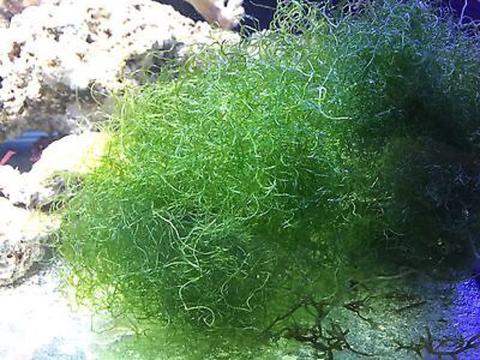
    chaetomorpha algae

    Chaetomorpha Algae is a single celled algae that is actually used as a beneficial type of algae in many saltwater aquarium setups. While not considered a nuisance algae, I listed this on here to saw that not all algae is bad algae. Chaetomorpha algae is usually placed in a sump and grown in a separate section of the sump to help control nitrates and phosphates.

    While it is fine in a sump, they do happen to hitch hike in the display aquarium when you purchase corals or live rock. They can quick grow out of hand if they grow in your display tank if there is nothing in the tank to eat it and may require manual removal to keep it in check.

    Step 3 – Add Them To Your Aquarium

    We have gone through preventative measures and identification. Since algae is always present in our systems, you should implement some algae eaters to control the algae that does make itself present. Step 1 and 2 were guides on how to prevent an outbreak. Step 3 is about how to implement the best crew to control the algae that does show up. Check out our video from our YouTube channel.

    Below are the list of my recommended algae eaters:

    The Top 7 Control Livestock for Saltwater Tanks

    Let’s go into further detail about each algae eater. Below is a short description of each of your crew member candidates.

    ImageNameTypeLink
    Nassarius Snail Nassarius Snail

    Diatoms

    Click For Best PriceBuy on SWF.com
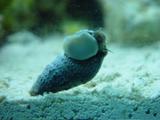
    Cerith Snail Cerith Snail

    Cyano, Hair, Film

    Click For Best PriceBuy on SWF.com
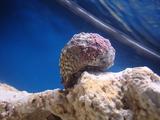
    Mexican Turbo Snail Mexican Turbo Snail

    Cyano, Diatoms, Film, Macro Algae

    Click For Best PriceBuy on SWF.com
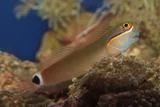
    Tailspot Blenny Tailspot Blenny

    Film, Hair

    Click For Best Price
    Kole Tang Kole Tang

    Film

    Click For Best Price
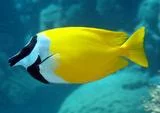
    FoxFace FoxFace

    Hair, Macro Algae

    Click For Best Price
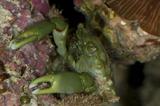
    Emerald Crab Emerald Crab

    Bubble, Hair

    Click For Best Price

    1. Nassarius Snail

    Best For Diatoms
    Nassarius Snail

    Best For Diatoms

    Nassarirus Snails excel at keeping your sandbed clean and algae free!

    Click For Best Price Buy on SWF.com

    Stats:

    • Temperament – Peaceful
    • Minimum Tank Size – 10 gallons
    • Size – 1/2″
    • Care Level – Easy 
    • Target Algae – Any nutrient reliant algae

    Contrary to belief, the Nassarius Snail does not directly eat algae. So why would it make this list? Because as we had discussed earlier, algae control is mostly about nutrient control. These are savaging snails that do an incredible job of eating detritus in the tank, keeping your nutrients in check, and algae at bay. They do most of their work in the sand, so they will only be compatible with tanks with a substrate. 

    2. Cerith Snails

    Small But Mighty!
    Cerith Snail

    A Workhorse Algae Eater

    Ceriths are small, but in large numbers do a great job at removing algae from rocks and glass

    Click For Best Price Buy From SWF.com

    Stats:

    • Temperament – Peaceful
    • Minimum Tank Size – Any
    • Size – 1″
    • Care Level – Easy
    • Target Algae – Cyano, Hair Algae, Film

    The Cerith Snail makes it to our honorable mention. Many reefers would put these to the top of their list, but I have it an honorable mention for a few reasons. The first is that they can reproduce in the aquarium and you can have dozens of snails in a short period of time. 

    The second is their size – they tend to be pretty small which can be a bad thing if they get sucked into your overflow box and cause some issues with plumbing.

    Aside from that though they are a great hybrid cleaner. They clean on the rock, glass, and sand. They all are most active at night so they tend to avoid getting eating by fish who like to snack on snails. Their small size makes them ideal for nano reef tanks. They are also dirt cheap to get in large qualities. Just check out this deal on 100 cerith snails.

    3. Mexican Turbo Snail

    Great For Larger Tanks!
    Mexican Turbo Snail

    A Work Horse Algae Eater

    Great for larger tanks, the Mexican Turbo Snail eats most types of algae in your aquarium

    Click For Best Price Buy From SWF.com

    Stats:

    • Temperament – Peaceful
    • Minimum Tank Size – 10 gallons
    • Size – 2″
    • Care Level – Easy 
    • Target Algae – Cyanobacteria, Diatoms, Film Algae, Macro Algae

    The Mexican Turbo Snail is the ultimate reef snail for larger tanks. It will mow down several types of nuisance algae, grow sizable, and have the ability to flip itself over. Its shell shape makes it difficult for crabs to eat it as well. It does not take many of these snails to establish a good clean up crew in a tank. Every reefer should consider these snails. The only downfall with them is they get large. For small saltwater aquariums, I would recommend you go with Ceriths instead.  

    4. TailSpot Blenny

    Great For Small Tanks
    Tailspot Blenny

    Great For Small Tanks

    Great personality and algae eater. The Tailspot Blenny is an entertaining addition to any saltwater tank.

    Click For Best Price

    Stats:

    • Temperament – Peaceful
    • Minimum Tank Size – 10 gallons
    • Size – 2 1/2″
    • Care Level – Easy 
    • Target Algae – Film Algae, Hair Algae

    Most hobbyists think about the lawnmower blenny when it comes to an algae eating blenny. I tend to shy away from the lawnmower primarily due to its max size of 5″. The Tailspot Blenny has all the algae eating characteristics of the lawnmower blenny but in a smaller, more colorful, and more peaceful package. They have great personalities and are a great addition to your tank.

    5. Kole Tang

    Great For Large Tanks
    Kole Tang

    A Hardy Tang

    Hardy and medium sized, the Kole Tang is great at removing film algae from rocks and glass

    Click For Best Price

    Stats:

    • Temperament – Semi-aggressive
    • Minimum Tank Size – 70 gallons
    • Size – 7″
    • Care Level – Moderate
    • Target Algae – Film Algae

    The Kole Tang makes our list for a few reasons. It is one of the smaller tangs you can put in your aquarium, which means that those with a medium sized tank can house them. They tend to be less aggressive in smaller aquariums than yellow, purple, or scopas tangs.

    Kole tangs will eat film algae though in some cases will eat hair and macro algae. For those with larger tanks, a yellow tang or a foxface/rabbitfish would be a viable candidate for hair and macro algae. If you have a much larger tank mixing both a bristle tooth tang like a Kole and a zebra species tang or foxface/rabbitfish make for a solid algae control team.

    6. Foxface

    Hair Algae Specialist
    Foxface

    Hair Algae Specialist

    Hardy, peaceful and full of personality – the Foxface is a wondering addition to any tank.

    Click For Best Price

    Stats:

    • Temperament – Semi-aggressive
    • Minimum Tank Size – 75 gallons
    • Size – 8″
    • Care Level – Moderate
    • Target Algae – Hair, Macro Algae

    The best companion for an algae destroying fish duo is a Kole Tang and Foxface. The Foxface is an amazing algae eater in saltwater aquariums. They will chew up any hair algae in the aquarium and will happily eat most macro algae. Combining them with a Kole tang covers more algae you will face in a saltwater tank. It is also one of the most the hardy herbivores you can purchase for a saltwater aquarium. Their thick slime coats make them very resistant to ich and bacterial infections.

    There are some significant drawbacks with a Foxface however. The main one is they are venomenous. They have spikes that can leave a nasty sting, though not as dangerous as a lionfish or scorpion fish. They get pretty large at 8″ and grow very fast. They also can develop a taste for some corals and inverts – specifically clams. If a Foxface gives you pause, a Scopas Tang could be a good alternative. A Scopas is the most hardy Zebrasoma species tang you can buy. 

    7. Emerald Crab

    Bubble Algae Destroyer
    Emerald Crab

    Bubble Algae Destroyer

    The emerald crab is a great scavenger and bubble algae eater

    Click For Best Price

    Stats:

    • Temperament – Semi-aggressive
    • Minimum Tank Size – 10 gallons
    • Size – 2 1/2″
    • Care Level – Easy
    • Target Algae – Bubble Algae, Hair Algae, controls nutrient reliant algae

    The emerald crab is well known for eating bubble algae. It is a scavenger that will feed on uneaten foods and many types of nuisance algae. They are generally a peaceful invert, but can become an opportunistic eater if food sources are low. This invert should be part of any clean up crew in a reef tank. If you are going to get an emerald crab, ensure that your crab is guaranteed to eat bubble algae.

    There are some clean-up crew sellers out there that guarantee their crabs will do so, and those are the ones you want. You will also want to make sure you purchase a female as they are typically less aggressive than males. A picture is shown below so you can tell the difference:
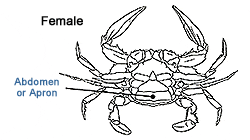
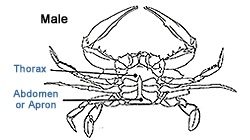
    Emerald Crab Male vs Female
    Male Emerald Crab

    Which Have You Used?

    So that’s my list folks. These 7 aquatic animals I feel are the best algae control livestock you can add to your saltwater aquarium. If you want to go the equipment route, I would highly recommend an algae turf scrubber for controlling all types of nuisance algae growth.

    Did I miss any of your favorites in the list above? Share what I missed in the comments below and please share this post with others if you found it helpful. Thanks for reading!
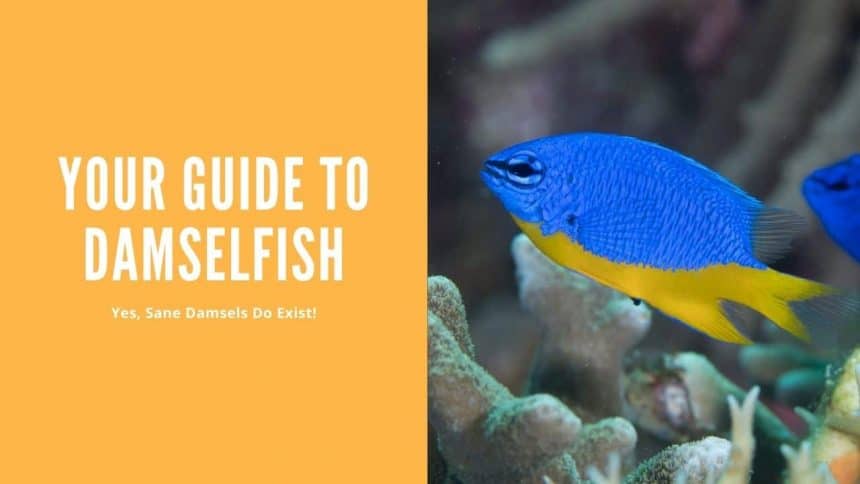
  • Damselfish – Yes, Sane Damsels Do Exist!

    Damselfish – Yes, Sane Damsels Do Exist!

    After running reef tanks for over two decades, damselfish are sold as starter fish to cycle saltwater tanks. Then they grow up, become territorial nightmares, and nobody catches them in a reef full of rock.

    The damselfish is cheap, hardy, and aggressive enough to terrorize fish three times its size.

    Damsels are easy to add and nearly impossible to remove. Think about that before you buy one.

    Damselfish get a really bad rap in the saltwater aquarium hobby. They are highly aggressive, bite your hand if you put it in the tank, have been known to harass timid tank mates to death, and are a pain to remove if you have to take one out of your tank. Check out the video below from our YouTube Channel.

    So why would anyway ever consider a damsel for their fish tank let alone a reef tank? Well they are several:

    • They are an extremely hardy marine fish
    • They will eat just about anything you feed them
    • They have an exclusive blue color that is difficult to find 
    • They are small and do not require a large tank
    • They are reef safe when introduced correctly

    Back in the day before fishless cycling was common practice, the Damselfish was the fish you would use to cycle a saltwater tank because they could tolerate levels of ammonia, nitrite, and nitrates that would kill off many other saltwater fish. Of course, nowadays one should never consider cycling with damselfish.  However, they are extremely hardy in a tank and are a very forgiving fish for a novice.

    Damselfish will eat just about anything you feed them in the tank. They do not require a specialized diet and will do just fine with any food you buy them.

    Damselfish have a blue color that is very hard to find for a reef tank. Think about it for a second. How often have you thought about looking for a blue colored fish to compliment your coral reef tank setup?  Let’s think about likely candidates:

    • Blue Tang AKA “Dory” – Very large, susceptible to ich
    • Powder Blue Tang – Notoriously difficult to keep and best for experts
    • Mandarin Goby – Notoriously difficult to keep from starving to death and will devastate a micro-fauna population in a smaller tank
    • Large Angelfish – Not reef safe and get very large
    • Coral Beauty Angelfish – Hit or miss on reef safe; intermediate level fish
    • Blue Reef Chromis – The most suitable candidate, but get 5″ long and should be grouped

    Wow, that was pretty quick. So unless you have a large tank or pretty skilled at reefing already, your options are pretty limited for a blue fish.  

    Damsel fish - Yes, Sane Damsels Do Exist!

    Most Damsels stay very small. Only a few members get large and should be avoided for a community tank as they get very aggressive. Their compact size makes them attractive for smaller tanks, especially those under 75 gallons.

    Damselfish are reef safe, but have to be introduced in the correct manner. This means that you have to introduce them last and with the right tankmates, I’ll get into this in detail later in this article.

    So we have established the reasons why a Damselfish is a good candidate for your saltwater aquarium, but we have all heard the horror stories of their aggressive nature. Is there such thing as a sane Damselfish?  The answer is – YES!

    Introducing the Chrysiptera Damselfish Species

    Scientific NameChrysipertera
    Common Name (Species)Damselfish
    FamilyPomacentridae
    OriginIndo Pacific
    DietOmnivore
    Care LevelEasy
    ActivityActive
    Lifespan to 10 years
    TempermentSemi-aggressive
    Tank LevelAll Areas
    Minimum Tank Size30 Gallons
    Temperature Range73. 81 Degrees F
    pH Range8.1 – 8.4
    Filtration/Flow RateAll
    Water TypeSaltwater
    BreedingEgg-layers, Difficult to breed
    CompatibilitySemi-Aggressive tanks
    Ok, For Reef Tanks?Yes
    Ok, For Inverts?Mostly Yes

    These Damsels comes from the family pomacentridae and hail from the indo Pacific. There is a genus in the Damselfish family called Chrysiperta. They are just as pretty as other other Damsel relatives but far more peaceful. They will bring the lively nature and action of Damsels without the aggressiveness.

    I will break down 4 of the more colorful Chrysiperta Damsels that fit the exclusive Damsel blue that many hobbyist love:

    • Azure Damsel
    • Starck’s Damsel
    • Yellow-Tail Damsel
    • Springer’s Damsel


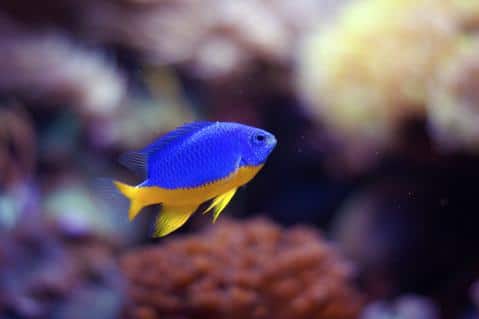
    Azure Damsel
    Azure – Tank Bred and tame

    Max Size – 3″
    Minimum Tank Size – 30 gallons

    The Azure damselfish species is the most mild-mannered of the group. It has a wonderful disposition in the group and has rarely caused disruptions in aquariums. It is the best Damselfish to choose if you are considering one that is blue. In larger tanks, they have been kept in groups. It is as of the date of this post, the only Damselfish of the 4 that is available as tank bred.

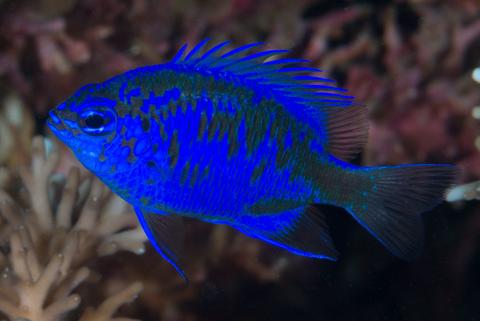
    Starck's Damsel

    Starck’s – The Beauty of the Group

    Max Size – 4″
    Minimum Tank Size – 30 gallons

    The Starck is more aggressive than the Azure but still far less than many other Damsels. It has a brilliant blue body with a broad yellow band running along the top. It can almost pass as an Angelfish to a layperson’s eye. Unfortunately the Starck’s Damsel is a hard Damselfish to find available part of the year and commanding a price tag equivalent to Dwarf Angelfish like Flame Angels.

    Yellow Tail Damsel

    Yellow Tail – The “Dory” Substitute

    Max Size – 3″
    Minimum Tank Size – 30 gallons

    This is the most aggressive of the four and has the most horror stories behind it. It’s on the list for two reasons. First, many of the stories I have seen have been involving timid saltwater fish or where the yellow tail was placed in first and established its territory. Both are incorrect ways on how to introduce a Damselfish. Second, the its yellow tail fin and color is often mistaken as a “Baby Dory” by children and with it’s hardiness can withstand a novice hobbyist or parent purchasing a “Dory” (AKA Blue Tang) for their children.

    I personally have recommend this marine fish to potential Blue Hippo Tang buyers along with a lot of education about the care and maintenance required to successfully keep saltwater fish. The suggestion was so common, that I actually was interviewed by the Huffington Post about my experience with this aquarium fish.

    Springer’s – The Coral Pest Slayer

    Max Size – 3″
    Minimum Tank Size – 30 gallons

    Springer's Damsel

    Of all the damsels on this list, the Springer’s Damsel offers pest control abilities. This Indo Pacific fish is well known for wiping out flatworms in a reef tank, their ability to wipe out pests have been compared with Wrasses like Six-line and Malnanrus Wrasses. The great thing about a Springer’s damsel is they are just as docile as Azures so you can get a small pest control fish without the attitude of a Six-line Wrasse in a small system! In a smaller system they cannot be beat for pest control. Keep in mind though as they mature they will look at your hands as threats to their territory and will likely attack your hands!

    So I have outlined the four best Damselfish. Now let’s break down the best practices for adding a Damsel to your tank.

    Best Practices for Adding Them

    I’m going to break this done into 3 parts:

    • Introduce them last
    • Have other semi-aggressive fish in the tank
    • Have lots of rockwork

    Damselfish are often going to be the most aggressive marine fish you will add to your tank. Because of this, you need to introduce them last into your tank where territory has already been established by your other tankmates. This will prevent your damsel from becoming the alpha fish in your tank.

    Semi-aggressive fish need to be in the tank in order to be successful in the tank. If you have timid tank mates like firefish, damsels should be avoided. Here is a quick list of semi-aggressive fish that suit a damsel’s nature:

    • Tangs
    • Dwarf Angelfish
    • Clownfish
    • Dottybacks
    • Basslets like the Royal Gramma
    • Semi-Aggressive wrasses like Malnarus. Caution with flasher wrasses
    • Bottom Dwelling Gobies

    Rockwork is the third factor on our list. You are likely going to have a lot of rockwork if you have a reef aquarium so you will likely be okay. This is mostly a consideration if you have a fish-only setup.

    When selecting damselfish for your aquarium, you pretty much wonโ€™t go wrong with these guys if youโ€™re looking for a community setup. Just make sure you have a tank that is suited for the species of fish you are getting, add them last, and pay attention to tankmates.

    Care Guide

    The damselfish on this list, with the exception of the Starcki Damsel, will grow to about 2-3 inches in length. The Starcki will be a bit bigger topping out at 4 inches. Give their more aggressive nature, it is best to keep them in a 30 gallon aquarium or larger with length being a major factor as damsels tend to claim an area of the tank as their own.

    Water temperature should remain at 73 to 81 Fahrenheit, which pH levels at 8.1 to 8.4 and salinity at 1.020 – 1.026. Open spaces are ideal for them as damsels are open swimmers. The rocks you keep in the tank should have plenty of hiding places to reduce aggression.

    Best Food For Them

    What makes damselfish great in saltwater tanks is that they tend to not be very picky eaters, but doesn’t mean that you should just feed the first fish food you find at the grocery store! Damselfish should be offered a complete diet. Let’s talk about the hierarchy of saltwater aquarium food.

    • Best – Fresh/Raw Food, Enriched Frozen Food
    • Better – Fried Dried + Nutrient Soaked Food
    • Good – Enriched Flake/Pellet Food

    The Best Frozen Food for Them – LRS Nano

    There are not many of us in this hobby who will go make fresh seafood for our marine fish. There are videos available on how to do this, but I’m going to assume it’s just not realistic for you to make your own. It’s a pretty smelly process! The next best option would be live black worms if you can somehow get it locally and grow a culture, but again your significant other may not be a fan of you keeping worms around the house or in the fridge ;-).

    So this brings us to frozen food. Without a doubt, LRS Nano frozen is the best frozen food you can get on the market. It is only available at your local fish store so if you are fortunate to have a store that carries it buy it today! The rest of the items are available online with Amazon (Affiliate Links Below) being the best way to get them quickly.

    The Best Freeze Died Food for Them – Fried Dried California Blackworms + Selcon

    California black worms have been praised by long-term reefers as a great source of nutrition and the most pickiest of fish will eat them. At least for the live black worms, but as I stated before live is tough to get and this is the next best thing you can get at a reasonable price. These freeze dried California black worms are ready to go for your Damselfish to eat 

    It is highly recommended to soak them in Selcon prior to feeding. The great thing about freeze dried food is they take vitamin soaks like Selcon very well so you know your fish are getting a vitamin rich diet!

    Selcon

    A vitamin enhancer that works great in freeze dried and frozen foods. A great choice to boost nutrition in brine shrimp, mysis, and blackworms

    Buy On Amazon Click For Best Price

    The Best Flake Food for Them – Cobalt Aquatics Marine Omni Flake Food

    While you can make a very good case for pellet food, in our experience damselfish have an easier time eating flake food given their smaller mouths. Pellets are a more appropriate food for their large cousins, Clownfish. What makes Cobalt Aquatics Marine Omni Flakes stand out is their food contains probiotics. The mix of the flake is also very comprehensive containing highly quality ingredients like squid, spirulina, plankton, krill, and mussel. The product is made in the USA and it’s highly palatable formula are great for finicky eaters and avoids the digestion/nutrition issue common with low quality flake foods.

    Contains Probiotics!
    Cobalt Aquatics Marine Omni Flakes

    One of the better flake foods available for marine fish today

    Buy On Amazon Buy On Chewy

    Are You Ready?

    Contrary to common belief that all Damsels are evil, we have listed several damselfish that are compatible in a reef community tank. As long as you add them last and pick the correct species of fish to mix them with, you should have a little blue marine fish that you can enjoy! Thanks for reading!


    ๐Ÿ“˜ Want to learn more? This article is part of our complete Saltwater Fish & Reef Guide. Your ultimate resource for marine fish, coral care, reef setup, and more.

  • Best Reef Safe Fish – Top 11 (That Won’t Eat Corals)

    Best Reef Safe Fish – Top 11 (That Won’t Eat Corals)

    When going to a local fish store (LFS), it can be always tempting to impulse buy a fancy looking fish that you have never seen or heard of before.  Listed below are best reef safe fish fish that are best suited for virtually any community and reef setup.  Equipment is important for this hobby, but proper fish selection is critical for success.  I always would find it frustrating to see LFS sell fish that are for advanced fish keepers or not suited to the tank of the buyer (*cough* Tangs).  In a later post, I will go through the top 10 saltwater aquarium fish you should avoid.

    My Criteria For Selecting These Fish

    The fish on my list selected using the following criteria:

    1. Does not require a large tank (more than 4 feet tank)
    2. Well known for being reef safe (won’t nip at corals)
    3. Not overly aggressive (e.g. – Damsels)
    4. Hardy fish or fish that is available as tank bred
    5. Does not require a specialized diet 

    Reef Safe Fish For Everyone

    Here are our candidates. I’ll go over more details below. This is a quick reference point for you.

    In a hurry? I recommend Tank Raised Clownfish for any reef tank!

    PictureNameMinimum Tank SizeLink
    Editor’s Choice
    Tank Raised Clownfish
    Tank Raised Clownfish

    20 Gallons

    Click For Best Price
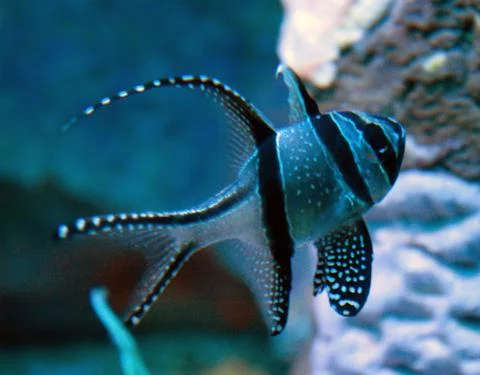
    Banggai Cardinal Banggai Cardinal

    30 Gallons

    Click For Best Price
    Orchid Dottyback Orchid Dottyback

    30 Gallons

    Click For Best Price
    Royal Gramma Royal Gramma

    30 Gallons

    Click For Best Price
    Blue Green Chromis Blue Green Chromis

    30 Gallons

    Click For Best Price
    Firefish Firefish

    30 Gallons

    Click For Best Price
    Six Line Wrasse Six Line Wrasse

    30 Gallons

    Click For Best Price
    Watchman Goby Watchman Goby

    30 Gallons

    Click For Best Price
    Midas Blenny Midas Blenny

    30 Gallons

    Click For Best Price
    McCosker's Wrasse McCosker’s Wrasse

    55 Gallons

    Click For Best Price
    Azure Damselfish Azure Damselfish

    30 Gallons

    Click For Best Price

    The Top 11 For Any Saltwater Aquarium (2023 Update)

    Let’s dive into each fish and their profiles. These reef aquarium fishes will be suitable for virtually any saltwater aquarium.

    1. Tank Raised Clownfish (Ocellaris or Percula Species)

    Editor’s Choice
    Tank Raised Clownfish

    Best Choice For Reef Tanks!

    Clownfish are hardy, full of personality, and are safe for all corals. They are an icon for any saltwater tank

    Click For Best Price Purchase ORA Clownfish

    Stats:

    • Minimum Tank Size – 20 Gallons
    • Max Size – 3″
    • Temperament – Peaceful to Semi-Aggressive

    The Ocellaris clownfish is the industry’s most popular saltwater aquarium fish.  With the explosion of the tank raised fish industry, all sorts of designer clownfish are now available.  Ocellaris clownfish can be kept in pairs as long as you buy two when young or purchase one larger and one smaller.  They are known to spawn in captivity and will host corals. They are 100% reef safe and hardy fish  Quite simply, a reef tank is incomplete without a pair!

    2. Banggai Cardinalfish

    Peaceful Fish
    Banggai Cardinal

    A peaceful and easy going fish. They are very hardy and openly breed in aquariums. Available as tank bred

    Click For Best Price

    Stats:

    • Minimum Tank Size – 30 Gallons
    • Max Size – 3″
    • Temperament – Peaceful to Semi-Aggressive

    Peaceful tank mates, great personality and striking black lines make up this iconic saltwater aquarium fish. They can also be kept in pairs, will spawn in captivity, and are very hardy.  The Banggai Cardinalfish is the poster child of how hobbyist, industry professionals, and scientists came together to support sustainable production of a marine species in captivity. They are excellent for reef tanks and will not bother any tank inhabitants or corals. They are ideal beginner saltwater fish. 

    3. Orchid Dottyback

    Orchid Dottyback

    Tank bred and very hardy. This is the most mild-mannered dottyback you can purchase

    Click For Best Price

    Stats:

    • Minimum Tank Size – 30 Gallons
    • Max Size – 3″
    • Temperament – Semi-Aggressive

    Yes, I know this is a bad picture–but the fish is awesome. Dottybacks in general get a bad rap.  This is mostly due to the fact that most dottybacks can channel their inner damsel and create havoc in your reef tank.

    Fortunately, the Orchid Dottyback is not one of those. They have a mild temper in a community reeftank and are the great tankmates.  It is not recommended to keep these in pairs unless you can purchase a mated pair.  There is no easy way to identify the differences between a male and female, and they do not change gender like clownfish.  Nevertheless, they are a great saltwater aquarium fish. They are reef safe and actually do a good job at eradicating bristle worms from an aquarium.

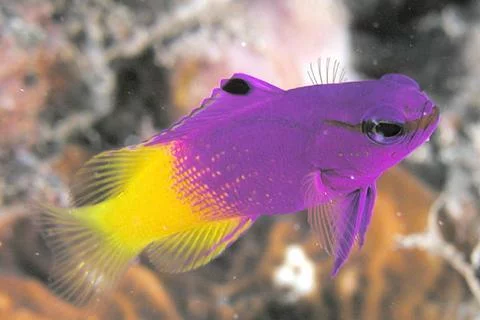
    4. Royal Gramma

    Royal Gamma

    Amazing colors and easy to care for. The royal gamma will not bother any coral or invert in your aquarium

    Click For Best Price

    Stats:

    • Minimum Tank Size – 30 Gallons
    • Max Size – 3″
    • Temperament – Semi-Aggressive

    A striking blend of colors and personality make up this beautiful saltwater aquarium fish.  The Royal Gramma will try to be the boss in your tank, but will generally be kept in check by clownfish, tangs, and angelfish.   They will be aggressive to similar bodied fish and their own kin.  You cannot keep both a Dottyback or Royal Gramma in the same reef aquarium so pick the one you prefer.  I lean towards to the Orchid Dottyback because they are available as tank bred. The Gramma is more mild mannered than the Orchid. They will not bother any corals

    5. Blue Green Chromis

    Blue Green Chromis

    A schooling reef fish. These are great in larger numbers to see their schooling nature

    Click For Best Price

    Stats:

    • Minimum Tank Size – 30 Gallons
    • Max Size – 3.5″
    • Temperament – Peaceful

    The Blue Green Chromis hardy long-lived saltwater fish that will school together.  They are the neon-tetra of saltwater aquarium fish. You cannot go wrong putting this fish in your tank.

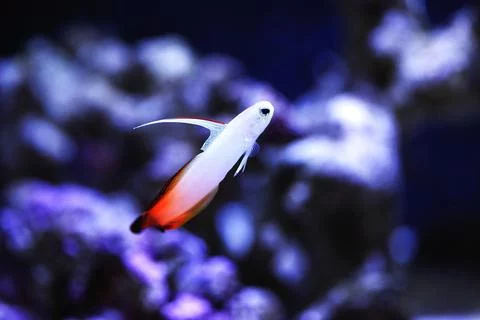
    6. Firefish

    Great For Nano Reefs
    Firefish

    Peaceful and great in smaller fish. Make sure your tank is covered. They are jumpers

    Click For Best Price

    Stats:

    • Minimum Tank Size – 10 Gallons
    • Max Size – 3″
    • Temperament – Peaceful

    The Firefish is the go to saltwater fish for nano tanks.  Peaceful, quiet, striking colors, and very hardy.  They can be kept in pairs and generally the pair will be together, but it is best to purchase them young to increase your chances of success.  

    They are timid fish that can be harassed by more aggressive tank mates. They are model citizens in a reef aquarium. They are safe for all corals and invertebrates.  

    7. Six Line Wrasse

    Great For Coral Pests
    Six Line Wrasse

    A coral pest eliminator that will not harm corals. They are on the aggressive side so add them last

    Click For Best Price

    Stats:

    • Minimum Tank Size – 30 Gallons
    • Max Size – 3″
    • Temperament – Semi-aggressive

    Wrasses are very active fish.  The Sixline Wrasse is no exception.  A reef safe and hardy saltwater aquarium fish.  The only downfall with this wrasse is they are a on the aggressive side and will harass easily intimidated fish.  It’s best to keep them with other semi-aggressive fish like clownfish and to add them last to avoid any tank drama. They do an amazing job at removing various pests from corals while still remaining reef safe. 

    8. Yellow Watchman Goby

    Great With Pistol Shrimps
    Watchman Goby

    A tank bred goby that has a symbiotic relationship with pistol shrimp. Hardy and won’t bother any corals

    Click For Best Price

    Stats:

    • Minimum Tank Size – 30 Gallons
    • Max Size – 3″
    • Temperament – Peaceful

    The Yellow Watchman Goby is considered one of the best saltwater aquarium fish for beginners.  They can be paired with a pistol shrimp and they two will form a pair.  If you are attempting a pair, ensure that you have at least a 2″ sand bed available and purchase a small shrimp like a candy cane shrimp.  Seeing the interaction with watchman goby and a pistol is a joy. The goby works to keep the shrimp safe which the shrimp does it’s work on the sand and gather food.

    If you decide not to pair them with a shrimp, they are still a great fish to have on their own and readily eat any prepared food

    9. Midas Blenny

    Midas Blenny

    A beautiful fish with a unique swimming style. They are excellent for any coral setup and are very active in the aquarium

    Click For Best Price

    Stats:

    • Minimum Tank Size – 30 Gallons
    • Max Size – 6″
    • Temperament – Peaceful

    The Midas Blenny is the perfect Blenny.  Colorful, great personality, and completely reef safe. Most hobbyist who have them state they are their favorite saltwater fish in the tank. They have no swim bladder so they are consistently moving and have an eel like look when swimming.

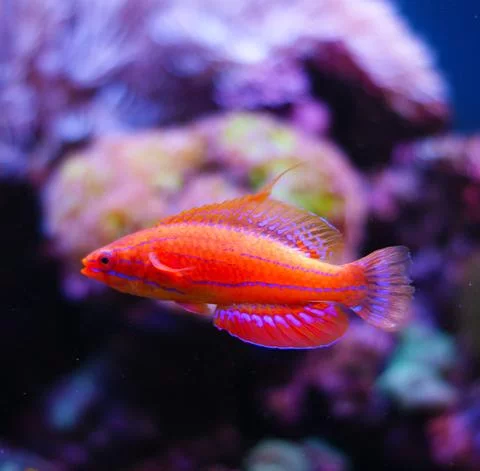
    10. McCosker’s Wrasse

    McCosker's Wrasse

    A lovely and peaceful community wrasse. The males like to flash their fins. They are 100% reef safe

    Click For Best Price

    Stats:

    • Minimum Tank Size – 55 Gallons
    • Max Size – 3″
    • Temperament – Peaceful

    The McCoosker’s Wrasse is only fish on the list that requires a tank larger than 3 feet.  It is generally encouraged to keep them in groups as the male will perform colorful displays to the females in the tank.  However, you will need to introduce the female first or introduce as a group.  They do change genders like clown fish.  

    They are one of lesser aggressive tank mates, so if you are going to keep them, make sure they are one of the first saltwater aquarium fish you put in your tank.  These wrasse fish are known to be jumpers so a cover is recommended. 

    11. Azure Damselfish

    A Sane Damselfish!
    Azure Damselfish

    The Safest Damsel For Reef Tanks

    Damsels get a bad rep. This one bunks the trend if introduced last. They are the least aggressive damsels you can add

    Click For Best Price

    Stats:

    • Minimum Tank Size – 30 Gallons
    • Max Size – 2.5″
    • Temperament – Semi-Aggressive

    Also known as the Kupang Damsel, this is easily the most controversial fish on my list. Here me out before you react though. Not all damselfish are horrible. You can check our damselfish article for more details about it. Among all the damels available in our hobby, the Azure is the best option for a community reef fish.

    They will still be careful considerations to be made to ensure you have success with their more aggressive nature. If you take the right steps, they make the cut on my list. You cannot have more than one of these per 18 inches of reef tank length as they will bully each other to death. They are great color additions as they contrast a number of reef aquarium fishes with their blue colors. They also look amazing under actinic reef lighting.  

    Honorable Mentions

    These fish could have made the list, but we ran out of room to talk about them in the article

    • Chalk bass – great fish, hard to find in stores
    • Swallowtail Angelfish – reef safe, moderate difficulty
    • Engineer Goby

    Fish To Avoid

    • Powder Blue Tang – Reef safe, but not hardy
    • Leopard Wrasse – Does bad in captivity
    • Mandarin Goby – Tends to strive in a tank unless it’s large and full of copepods
    • Maroon Clownfish – Aggressive as an adult

    What Does The Term Mean?

    You would be surprised being on this post how confusing this term can be. I’m going to define this for you so you can determine how best you want to build your reef.

    What Does It Mean In The Hobby?

    The general term reef safe means that the fish you purchase will not brother corals and other sensitive invertebrates. Because the general term means the fish won’t bother corals and inverts, you will get a lot of “with caution” in our trade. To help, Let’s break it down further with fish that won’t eat corals and fish that won’t eat inverts.

    The Ones That Won’t Eat Corals

    To me, this is what I define as reef safe to truly be. These fish will not eat corals and do not pose a danger to them. The following fish species are generally not going to eat corals:

    • Damselfish
    • Clownfish
    • Most tangs
    • Most blennies
    • Cardinalfish
    • Most wrasse fish
    • Gobies

    The Ones That Won’t Eat Corals, But Will Eat Inverts

    The list above are the usual fish species you will see listed as safe, but we can take it even further. These fish will not eat corals, but may pose a danger to inverts like shrimp and small fish.

    • Lionfish
    • Reef safe triggerfish
    • Marine bettas
    • Snowflake eels
    • Hawkfish
    • Hogfish
    • Groupers like the Miniatus

    Notice that our list got a lot bigger. Yes, you can get pretty creative when you open up your reef tank to fish that will eat inverts, but will not bother your corals. You will need a larger reef tank to house this fish, but you can add more color and more aggression to the tank with these choices. If you don’t believe me, check out this video by Robs Koi Pond. His snowflake eel is happily house in his reef tank.

    FAQS

    Which Ones Go Well With Corals?

    Generally any fish that does not have a taste for corals are your best bet. These types of fish would generally be damsels, clownfish, most tangs, blennies, cardinal fish, most wrasses, and gobies.

    Note when it comes to the term reef safe – there are two types. Reef safe meaning they will not eat corals and another classification meaning they will not eat inverts like crabs and shrimp like cleaner shrimp.

    Knowing this, there are some fish like Lionfish that will happily eat small fish and small inverts, but will not bother corals.

    Which Is The Most Peaceful Saltwater Species?

    Most blennies and gobies are considered the most peaceful saltwater fish you can buy. Cardinalfish are also a great choice. Some fairy wrasses are also considered timid and will not bother most fish.

    Which Is The Easiest Saltwater Species To Keep?

    In general, clownfish are going to be the easiest and least demanding fish you can keep in a saltwater aquarium. They are semi-aggressive, but are generally hardy and come tank bred. They are reef safe and are small enough to be comfortable in most saltwater tank sizes.

    What Are Your Recommendations?

    I created this list to help starters and I know I did exclude a few excellent choices.  What saltwater fish do you think make a great start for a saltwater aquarium newbie?  Share it with us in the comment section below or you can read more about our blog here.  I’m sure a lot of new and potential fish keepers would love to hear your feedback :).

    P.S. – Want more info on saltwater reef tanks? Check out my post title 55 saltwater reef tank words of wisdom

  • The Best Koi Food For 2026 โ€“ Reviewed And Tested

    The Best Koi Food For 2026 โ€“ Reviewed And Tested

    Koi are pond fish. Not aquarium fish. They reach 2 to 3 feet long and live 25 years or more. The commitment is closer to owning a dog than keeping a fish tank.

    Koi outlive most pets. Make sure your pond plan matches a 25-year commitment.

    Are you struggling with finding a quality Koi Food product?

    In this blog, we share the best koi food, from ones with probiotics to others you will commonly find in pet stores.

    With over 25 years of experience in the aquatics hobby, Iโ€™ve assisted countless clients, hobbyists, and readers like you in overcoming their fish diet woes. Iโ€™ve personally tested these products in real world scenarios to determine the best koi foods on the market.

    The Top Picks

    Best Value
    Blue Ridge Koi & Goldfish Food
    • Koi and Goldfish
    • Premium quality
    Budget Option
    Hikari Gold
    • All Koi
    • Readily available

    For those of you in a hurry, here are the top three I recommended. All are high quality and one if readily available in most fish and pond stores you will visit and easy to find online.

    The Candidates – A Quick Comparison

    Here’s a table of our 7 candiates

    I’ve encapsulated these food brands based on the quality ingredients for the passionate fellow Koi keepers who’d like to raise quality Koi fish.

    ImageProductBest ForLink
    Editor’s Choice!
    Blue Ridge Probiotic Plus
    Blue Ridge Probiotic Plus

    All seasons, all Koi

    Click For Best PriceBuy On Amazon
    Best Value
    Blue Ridge Koi & Goldfish Food
    Blue Ridge Koi & Goldfish Food

    Koi & GoldFish

    Click For Best PriceBuy On Amazon
    Budget Option
    Hikari USA Gold
    Hikari USA Gold

    All Koi

    Buy On AmazonBuy On Petco
    Blue Ridge Platinum Pro Blue Ridge Platinum Pro

    Champion Koi

    Click For Best Price
    Kaytee Koi Food Kaytee Koi Food

    All Koi

    Buy On ChewyBuy On Amazon
    Mazuri Koi Nuggets Mazuri Koi Nuggets

    Koi 6″ or larger

    Buy On ChewyBuy On Amazon
    Tetra Pond High Protein Growth Tetra Pond High Protein Growth

    Young Koi

    Buy On ChewyBuy On Amazon

    The Top 7 Best Koi Food For Your Prized Pets – (2023 Update)

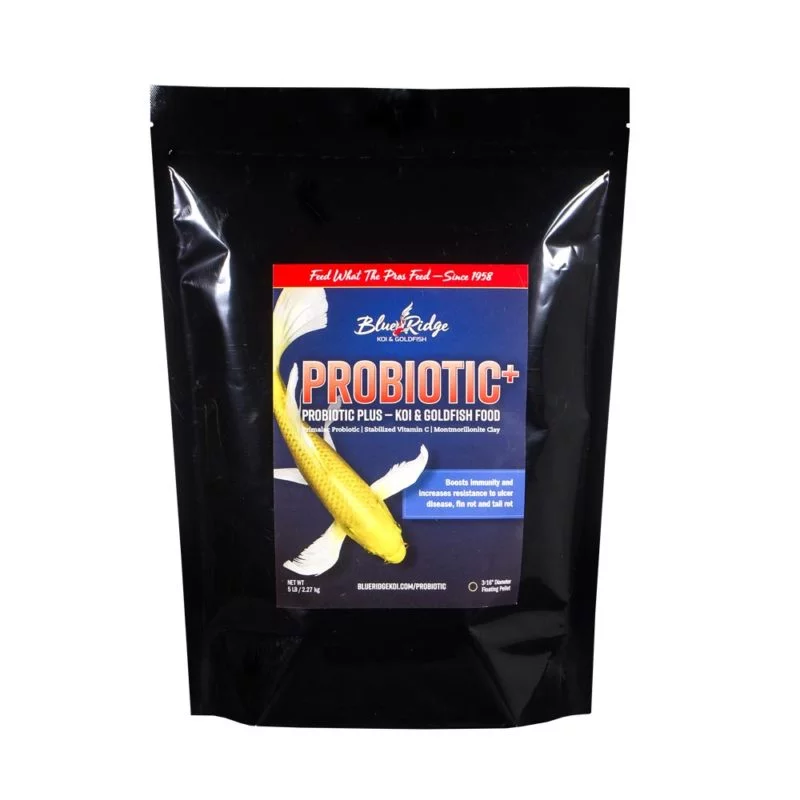
    1. Blue Ridge Probiotic Plus

    Editor’s Choice!
    Blue Ridge Probiotic Plus

    The Best Koi Food

    Blue Ridge Probiotic Plus Premium Koi food is formulated with key elements to improve Koi immunity and boost growth rate

    Click For Best Price Buy On Amazon

    Nutritional Analysis

    Season: All seasons
    Pellet size: Floating large pellets
    Crude protein: 36%
    Crude fat: 6%
    Crude fiber: 5%
    Total microorganisms: 280,000 CFU/g
    Color enhancer: Yes

    Overview:

    As I mentioned earlier, Koi are prodigious eaters and not too finicky, and the fact that they are omnivorous gives them the leverage to eat anything they find in your Koi pond.

    Therefore, it’s imperative to treat them with food that boosts their immune system and increases resistance against diseases and infections.

    Blue Ridge Probiotic Plus Premium Koi food is formulated with key elements to improve Koi immunity and boost growth rate. Upon inspecting the product closely, I’ve realized that Blue Ridge Probiotic Plus Koi food is the enhanced version of the same old Koi formula that bred thousands of healthy Koi with an addition of three vital ingredients. Primalac, Vitamin C, and montmorillonite clay, which I call the healthy trio to fight bacterial infections.

    Let me dissect the ingredients and their importance to Koi fish so you can understand it better.

    Primalac

    The primalac probiotic in Blue Ridge is the one that makes all the difference. Primalac introduces friendly bacteria to Koi fish through food. It helps your Koi fight diseases, infections, and promote the health of the digestive tract.

    Koi are easily prone to ulcer disease and the Probiotic supplement in Koi food is a sigh of relief for Koi enthusiasts as it prevents the possibility of your Koi fish falling a victim to ulcer disease.

    Therefore, the kick of Primalac Probiotic in Koi food is essential to prevent harmful bacterial infections and other deadly diseases in Koi.

    Vitamin C

    Koi fish needs Vitamin C intake as much as humans do.

    Vitamin C is a powerful antioxidant that controls stress levels in Koi fish and keeps them happy, healthy, and thriving. Koi fed with Vitamin C exhibited improved growth, immunity, and physiology. A balanced diet with a healthy proportion of Vitamin C protects against Aeromonas hydrophila infection, manifesting open wounds on the Koi surface.

    Montmorillonite Clay

    Calcium montmorillonite clay is enriched with minerals such as Calcium, Magnesium, Potassium, Sodium, and Iron. All of these minerals are crucial for Koi’s growth, health, and color enhancement.

    However, montmorillonite clay is also known to promote a good digestive system in Koi fish.

    The other benefits of calcium montmorillonite clay to Koi fish include:

    1. Improved Koi skin luster.
    2. Increase the growth rate by binding toxins.
    3. Aid in digestion.
    4. Enhance the color by producing deeper reds and crystal whites.
    5. Absorbs metal radicals and toxins.

    Benefits of Feeding Blue Ridge Probiotic Plus

    Probiotic Plus feed is a premium Koi food that is fed during all seasons. However, I’d recommend feeding it during stressful times of the year. In early spring or late fall, when the water gets cooler, the bacteria become active, and Koi is prone to harmful diseases and infections.

    Also, in warm water, Koi activity increases, which requires more Oxygen levels than usual. Therefore, it’s better to keep their immune system boosted with Blue Ridge Probiotic Plus Koi Food throughout the year.

    2. Blue Ridge

    Best Value
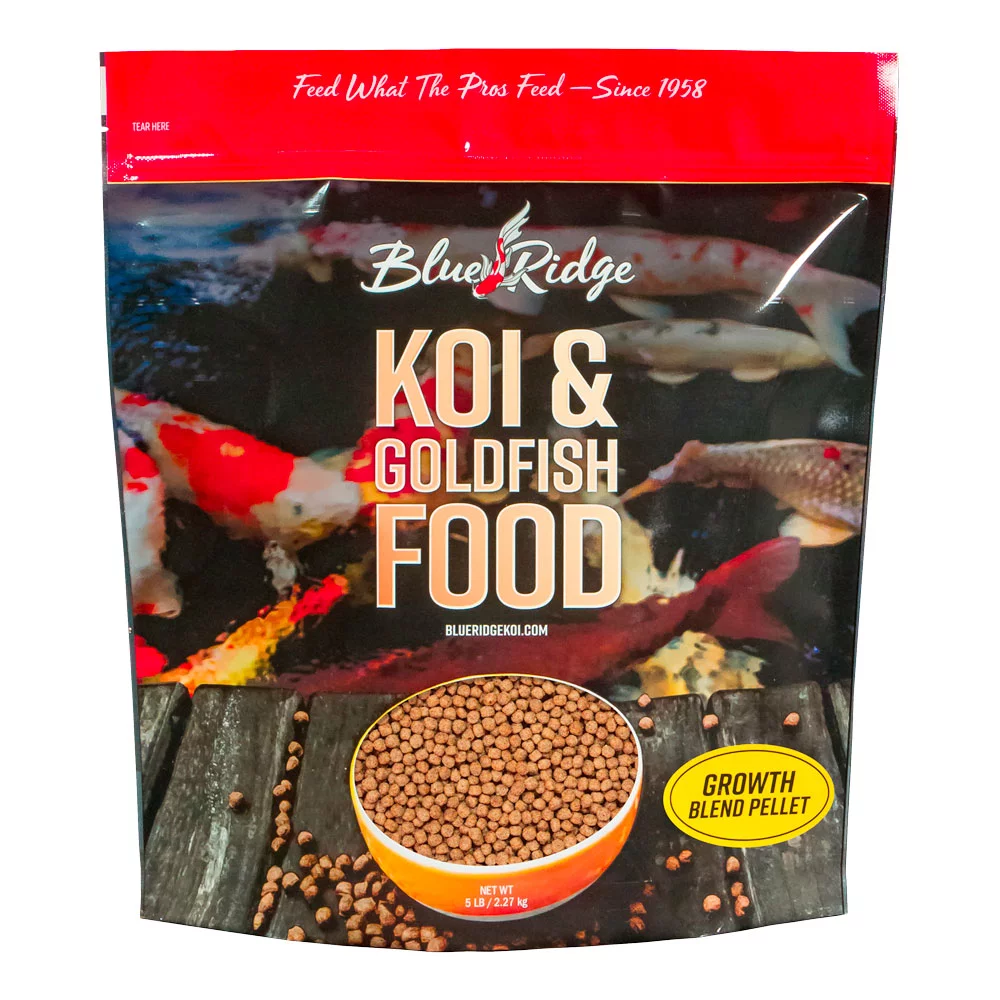
    Blue Ridge Koi & Goldfish Food

    The Best Value in Koi Food

    Premium quality Koi food without the premium price. It’s the best value on the market

    Click For Best Price Buy On Amazon

    Nutritional Analysis: 

    Season: All Season.
    Pellet size: Floating small pellets
    Crude protein: 36%
    Crude fat content: 6%
    Crude fiber: 5%
    Phosphorus: 0.75%
    Ash content: 8.50%
    Color enhancers: NO

    Overview:

    If you have a variety of Koi fish in your Koi pond, Blue Ridge Koi Food is the only premium quality food without a premium price tag.

    Ideally, this product is for small-sized Koi and pond goldfish measuring 5 inches or smaller, as it is supplemented with all the essential minerals and vitamins required for the healthy growth of Koi.

    However, you can still feed it to your adult Koi because it contains a unique blend of vitamins and minerals that encourage resistance against stress and infections.

    Another advantage of giving Blue Ridge Koi pellets to your exotic Koi is that they float. For most Koi parents, floating pellets work the best as they settle on the water surface and provide an enthralling experience.

    Furthermore, these floating pellets soften when comes in contact with water to promote fast digestion. Since the food is prepared with 100% natural ingredients, if it disintegrates, the water doesn’t get polluted or infected. Also, floating pellets allow you to examine your Koi fish for any possible allergies and ulcers.

    Therefore, I highly recommend Blue Ridge Koi and Goldfish food as it’s the best value premium quality food available in the market.

    3. Hikari USA Gold

    Budget Option
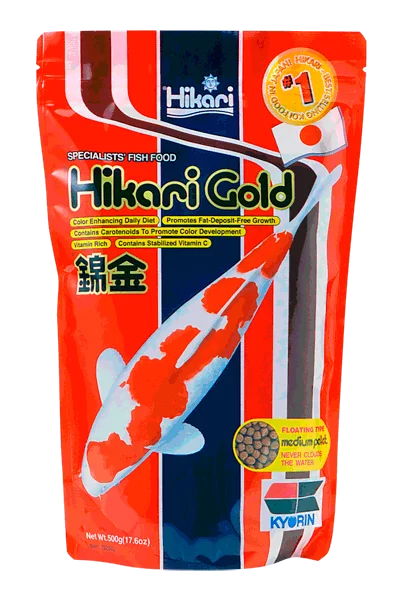
    Hikari Usa Gold

    Budget Option

    The Hikari USA Gold is a powerful blend of minerals, vitamins, and proteins to boost Koi’s immune system and overall growth.

    Buy On Amazon Buy On Petco

    Nutritional Analysis

    Seasons: All seasons Koi food, preferably cooler climates
    Pellet size: Medium food pellets
    Crude Protein: 40%
    Crude fat content: 4%
    Crude fiber: 4%
    Vitamins and minerals: Vitamin A, D3, E, C, and Phosphorus
    Color enhancer: Carotene

    Overview:

    We all love beautiful, vivid creatures flexing their graceful, shiny bodies underwater. However, with time, when Koi lacks a balanced diet, their color may fade. To improve the luster of their skin and color brilliance, Hikari USA Gold is a budget-friendly yet an excellent option.

    The Hikari USA Gold is a powerful blend of minerals, vitamins, and proteins to boost Koi’s immune system and overall growth. The best part about this food is it incorporates soybean meal. Koi, despite being omnivorous, cannot digest the animal protein easily. Therefore, soybean meal is a plus-plus in terms of healthy digestion.

    It is enriched with Carotene, which is an exceptional natural color enhancer that brings the best and the brightest out of your Koi fish. And I totally approve of it. Many koi keepers claim that Hikari USA gold is truly a gold food that improved the washed-out colors of their Koi and brought a shiny luster to their skin.

    The stabilized vitamin C infused in the Hikari Gold Koi food supports a healthy immune system and promotes long, happy life for your loving pets. The other plus point of Hikari USA gold is that it’s a floating food that allows easy monitoring of the amount eaten and discourages overfeeding, ultimately leading to a healthy environment.

    Although this food is well-suited for all seasons, it gives the best results in warmer parts of the day. Nevertheless, your Koi would outshine and grow gracefully, even in the freezing temperatures. It is highly recommended to remove the remnants of Koi feed to prevent water contamination and overfeeding.

    Bonus Point:

    If your Koi is sensitive and behaves erratically to any of the environmental triggers, this food would do wonders as it is almond free, and doesn’t stimulate the allergens.

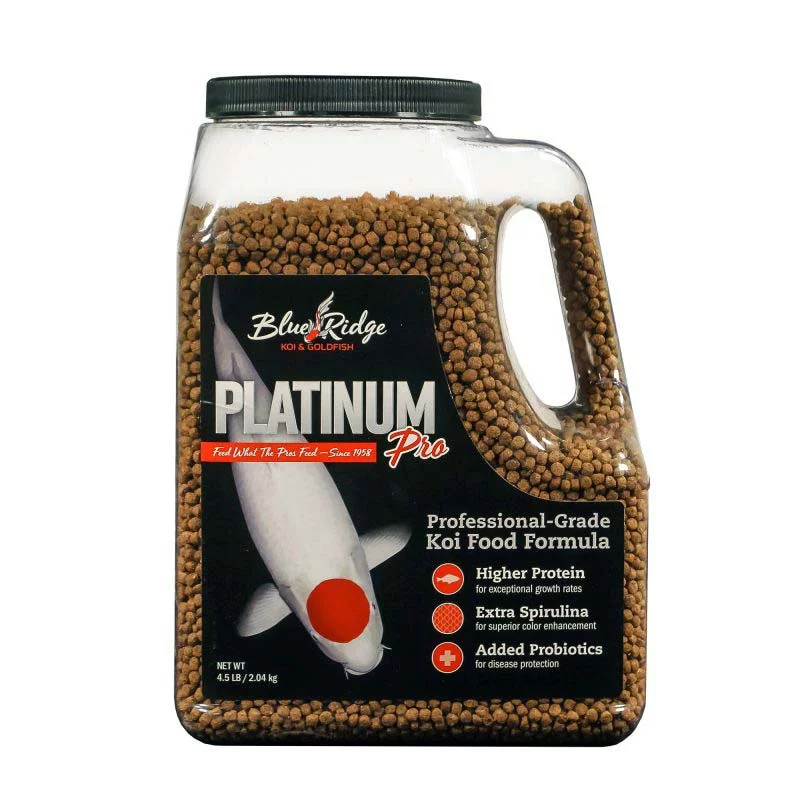
    4. Blue Ridge Platinum Pro

    Premium Pick
    Blue Ridge Platinum Pro

    Champion Koi Food

    If you’re looking to raise championship quality Nishikigoi or showing Koi in competitive events, I’d suggest that you give Blue Ridge Platinum Pro a go

    Click For Best Price

    Nutritional Analysis:

    Season: All season Koi food
    Pellet Size: Large food pellets
    Crude protein: 41%
    Crude fat content: 6.5%
    Crude fiber: 5%
    Minerals: phosphorous, ash content, calcium, sodium
    Color enhancer: Spirulina and Canthaxanthin

    Overview:

    This premium Koi food guarantees freshness and incorporates the highest quality ingredients to ensure fish health, vibrant colors, and optimal growth, hence the price.

    Blue Ridge Platinum Pro premium Koi food is a powerful meal based formula that provides an adequate base diet for your pet with enhanced proteins to help your finned friends grow faster and thrive in the most stressful seasons. It is a powerhouse of quality protein, amino acids, and carbohydrates, which are essential in keeping your Koi fish fit as a fiddle.

    The top-notch color enhancers Spirulina and Canthaxanthin used in the formulation of this product are proven to improve and enhance the enchanting hues of your adorable pets. Also, it contains Primilac, a probiotic designed to protect koi from deadly diseases and infections.

    All in all, Blue Ridge Platinum Pro is an all-in-one Koi food that provides everything your Koi fish needs to live longer, happier, and healthier.

    Since they are floating premium Koi pellets that hover over the water surface, you get a chance to witness the exquisite moves of your Koi fish while feeding. Given the high price of the fish, this is recommended for premium breed koi fish.

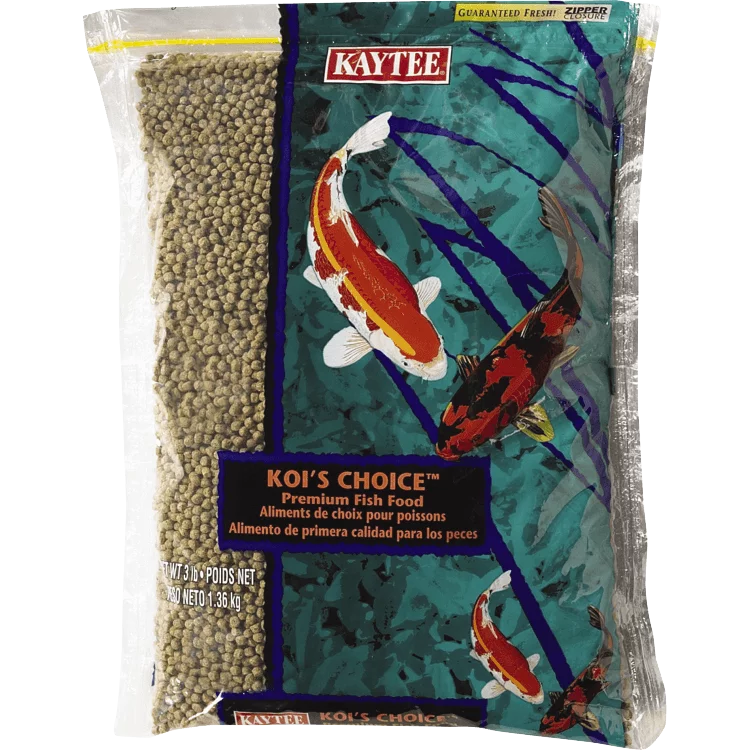
    5. Kaytee Premium

    Also Great
    Kaytee Koi Fish Food

    When it comes to providing premium quality food within a budget, nothing beats the effectiveness and excellence of Kaytee Koi fish food

    Buy On Amazon Buy on Chewy

    Nutritional analysis:

    Season: All season Koi food
    Pellet size: Medium/ Large
    Crude protein: 35%
    Crude fat content: 5%
    Crude fiber: 4%
    Minerals: Ash content and phosphorus
    Color enhancer: Wheat germ and Alfalfa meal.

    Overview:

    Koi need protein to grow new tissues, muscles and provide energy. Kaytee Koi food ensures they get the right amount of protein through animal and vegetable sources. It makes up about 35% protein with the active ingredient being the fish meal.

    The best part about Kaytee’s Koi fish food is that it’s suitable for all small pond fish ranging from any size and age. The food pellets are free-floating and easy to digest without leaving much waste behind. The secondary nutrients used in Kaytee’s Koi fish food are fish oil, wheat germ meal, and alfalfa meal, which are proven color enhancing factors that improve immunity, eye, heart, and cognitive functions as well. 

    If you’re looking for a well-balanced, all-purpose, and season economical Koi fish food that would help in color enhancement and improve healthy growth for your delightful pets, I highly recommend Kaytee’s as it’s one of the most reasonable and best koi fish food out there.

    6. Mazuri Nuggets

    Mazuri Koi Pond Nuggets

    Mazuri Koi Pond Nuggets contains stabilized Vitamin C that improves Koi fish’s shelf-life and water stability and provides protection against Koi ulcers and other virulent diseases

    Buy On Amazon Buy On Chewy

    Nutritional analysis:

    Season: All season Koi food
    Pellet size: Small round food pellets
    Crude protein: 33%
    Crude fat content: 2.5%
    Crude fiber: 6%
    Minerals: Ash and phosphorus
    Color enhancer: Spirulina algae

    Overview:

    Koi fish raised in artificial ponds might lack some basic nutrients and minerals. To fulfill those bodily needs of Koi, Mazuri introduced a high quality Koi food that provides complete nutrition.

    With essential crude protein, fats, and fibers, Mazuri Koi pond nuggets help tissues and muscles to grow stronger. The animal protein used in the pellets is mainly fish meal that ensures fast and healthy growth. However, the unique additive Spirulina algae is a rich source of pigmentation that Koi fish love to munch on.

    Although the food suits almost all fish sizes, it’s ideally formulated for fish six inches or larger. The fish and animal protein along with the Spirulina algae make the Koi food extremely delicious that your Koi would love and eat gladly.

    If you’re tired of trying new fish supplements now and then, I highly recommend using Mazuri’s Koi pellet food for complete nutrition.

    7. Tetra Pond High Growth

    Tetra Pond High Protein Growth

    Good But Not Great

    It’s cheap and easily available, just not the best out there

    Buy On Amazon Buy On Chewy

    Nutritional analysis:

    Season: Late spring and early summer
    Pellet size: Dry stick pellets
    Crude protein: 43%
    Crude fat content: 9.5%
    Crude fiber: 2%
    Minerals and vitamins: Phosphorus, Vitamin C, VIT. B12 supplement
    Color enhancer: Beta-Carotene, Annatto Extract, Canthaxanthin

    Overview:

    Tetra pond High Koi Growth food is highly valued by Koi experts for all the right reasons.

    Every novice Koi keeper I meet is worried about two things. Koi growth and color enhancement. Even though I agree, breeding a bunch of Koi fish and not getting your desired results is overwhelming, patience and the right strategy is the key to raising healthy and beautiful Koi fish.

    To cater to these problems, Tetra Pond Koi Growth food introduced an excellent and highly prized product for all the Koi parents.

    Tetra Pond High Protein Koi Growth food is not your average Koi food. It’s formulated with a high-protein diet to boost your young Koi’s growth instantly. It also contains amino acids to help young Koi grow into beautiful, healthy, and mature ones. The essential minerals and vitamins used in it are imperative for healthy, lustrous skin, growth, and color enhancement of your Koi. Besides, it’s enriched with stabilized Vitamin C to help fight diseases and Koi ulcers.

    It’s an ideal Koi food for late spring and early summers that contains Beta-Carotene, Annatto Extract, Canthaxanthin as the active color enhancing combo that yields beautiful rich Koi color. The pellets are soft sticks that float on the water surface and easy to digest.

    Despite being the Koi expert’s choice premium fish food, I’d still NOT recommend this product for the following reasons:

    1. It’s high in protein: I claim to be an expert in Koi keeping, and so I know the amount of food I need to feed it. However, any novice Koi keeper would not figure out the proper feed supply for their Koi and might end up overfeeding or overcrowding their pond with food. In this scenario, the Koi would leave the food as is. The food with high protein content ends up in water through ammonification of uneaten feed and excretion, which ultimately spoils the living environment for your Koi fish.
    2. Stick pellets: The young Koi might not chew the sticks properly, leaving behind the remnants of it in your pond that would make the water foggy and contaminated.
    3. The game of genetics: We should realize that the growth of Koi depends on several factors such as genetics, oxygen levels, heat, and water quality. Some Koi keepers are too obsessed with the rapid growth of their Koi and end up overwhelming the fish with high protein food. Sure, these products promise favorable results, but one should not forget about the game of genetics. As a pro, I believe in steady growth through excellent water quality, oxygen levels, and balanced nutrition rather than force-feeding your Koi. If your Koi is not lucky with the growth, it will never be a Jumbo Koi regardless of what food you feed it. Feeding rapid growth food yields other health problems, such as fatty deposits around the heart and kidney.

    That being said, this product contains high protein content, and it is optimal for the Koi who has stopped growing suddenly or started acting sluggish or showing washed-out colors.

    Why I only selected 7 Products?

    If you’ve stumbled upon my website after surfing the internet for hours about the best Koi food, you must be wondering “Why I only selected 7 Koi fish food”, when there’s an endless ocean of products available in the market.

    Well, before I answer this question, know that I’ve been into Koi keeping for quite some time, and I understand that it’s baffling to choose the best out of hundreds of brands, each claiming to be the best.

    Therefore, I kept this list brief, informative and cutting through the jargon.

    The reason I chose these 7 Koi fish food is:

    I practice what I preach

    I’m a passionate Koi keeper, but more than that I’m a responsible blogger who has built this credibility over years. I’ll never suggest anything I haven’t tried myself to my audience. The products I share and review on my blog are tried, tested, and approved by me. Therefore, be 100% sure if I recommend something here as it’s coming from my personal experience.

    I don’t want to create “information overload”

    I understand that too much information can overwhelm and may leave you in fits of fury. When I’m seeking recommendations for any product and the internet bombards me with millions of recommendations, I always end up buying nothing. Therefore, to keep things simple and sweet, I’ve shared the Top 7 Best Koi fish food for your colorful finned pets that I tried on my Koi first.

    One product is a big no-no and SHOULD be avoided

    Ever since I’ve started this blog, I shared information worthy of being shared. The reason I listed tetra pond high protein Koi food product in the list is it’s highly regarded by many Koi keepers. However, I found it a bit off, and not just me. Many critics commented that their fish didn’t respond well to the Koi fish food.

    That may be due to the high protein content resulting in ammonification of extra feed and excretion or because of the stick pellet that most young Koi find difficult to grasp and grind. Whatever the case may be, I don’t recommend giving rapid growth food that might cause further serious problems to your Koi.

    I never depend wholly on commercial feed

    I’ve thoroughly noticed that my pond fish look much fresher and happier when I treat them with some fresh food alongside Koi fish food.

    Many fresh foods are a vital source of vitamins and minerals for your Koi. Therefore, make sure to feed your Koi the most common, accessible, and best Koi fish treats:

    Lettuce

    Lettuce is an excellent source of vitamins, minerals, and vegetable proteins. It’s suggested that you serve lettuce by shredding the leaves and letting them float in the pond. After your Koi has finished munching on lettuce, just remove the remains to prevent water contamination.

    Oranges

    Oranges are a source of Vitamin C, which is a powerful antioxidant and support immune system health. Just cut the organs into segments and put them in the pond with the rind intact. Your Koi would eat the flesh and leave the rind behind. After they’re finished eating, make sure to remove the rind from your pond.

    Prawns

    One incredible protein source for your Koi fish is prawns. Luckily, the Koi adores prawns, and since prawns are the chief protein source, they should be fed in summers for extra energy and easy digestion.

    Insects and Larvae

    Your Koi pond would naturally have some insects and larvae. If not, you should consider adding insects to your Koi fish food repertoire since they are palatable and environmentally friendly human protein source.

    Product Buying Guide

    Koi fish are avid and opportunistic feeders. They will simply eat anything accessible to them. Be it inferior quality Koi kish food or insects and waste. However, as a responsible Koi owner, it’s your job to make sure your Koi gets all the required nutrients and minerals through its diet. The market is highly saturated with various Koi food products. Nonetheless, you should always keep a few factors in mind before buying food for Koi or any other pond fish.

    Koi Food Buying Guide

    Nutritional Analysis

    What is the first thing you do when you come across a new product in the market? You check the label for its effectiveness.

    The same principle applies when selecting your Koi food. Various Koi food is available in the market for different purposes. High quality Koi food supports Koi vibrance, while others improve and help in rapid Koi growth. Whatever the case may be, your set goals for your Koi fish matter the most in choosing Koi foods.

    Furthermore, some Koi fish food brands are high in protein content and so they’re not suitable for winter. As the water temperature drops, the Koi’s body metabolism slows down, as a result the Koi cannot digest the protein content properly, which ends up accumulating inside the Koi and results in serious illness.

    Therefore, if you’re not aiming for the giant Koi, I highly recommend using Probiotic Plus from Blue Ridge as it’s an all-season Koi food and easily digestible that would last throughout the year.

    Number of Fish

    The number of Koi fish in your pond influences your choice of Koi food. There is a remarkable interaction between the koi population and the frequency of feeding. If you have a few Koi fish in the pond, the competition is too low and the growth rate is too fast. However, if are too many in the pond, the competition for food would be fierce, resulting in serious stress and eventual death of your fish.

    Therefore, a healthy balance in the population of Koi in your pond is imperative to keep them happy and thriving.

    Age and Size of Fish

    Serious breeders should consider this factor before buying Koi food.

    The food formulated for young Koi is intended for rapid growth and provides more protein to support muscles, while for adult Koi, the food used is mostly for producing eggs and sperms.

    Special ingredients

    The Koi and other pond fish require exclusive ingredients in their diet for a healthy and long life.

    The high quality Koi food has some of the best ingredients for Koi vibrance, growth, and a robust immune system to fight against diseases.

    If you’re aiming to improve the vividness of your Koi, there are some Koi food that involves excellent color enhancing additives such as Spirulina and Wheat germ oil where Spirulina brings out the Beni (red color) in the Koi while the wheat germ brings out the shiroji (white color).

    If you are working towards the rapid growth and strong immune system of your Koi, it’s recommended to go for the Koi fish food products that are formulated with Vitamin C and high protein content to serve the purpose.

    Fish Feeding Tips for Raising Exotics

    Koi are beautiful creatures that are absolutely refreshing to the eyes. There’s nothing better in this world than to witness the gracious moves of your Koi fish in your backyard pond. However, to keep them healthy and happy, you need to feed Koi a well-balanced diet.

    Here are some tried and tested feeding tips for raising your exotic Koi.

    1. Give your Koi the food that’s specifically designed for Koi fish.
    2. Adjust the protein content according to seasons. It should be between 33-38% in the cooler months and 35-50% in the summers.
    3. Clean the pond water as soon as your Koi has finished eating.
    4. Always look for food that’s high in vitamins and minerals, specifically vitamin A, B, D, and C. The presence of color enhancing ingredients in Koi food such as spirulina and krill indicates that the food is of high quality as they help to boost immunity and enhance color.
    5. Koi have no stomach. Therefore, feed them little, but often.
    6. In winters, Koi can survive without eating. Hence, you should avoid protein based diet in winters.

    Types of Foods

    Floating Koi Food

    There are various factors to consider before buying the best Koi food for your fish. One of them is choosing the right type of food.

    Koi food comes in two types:

    Floating

    Most Koi keepers prefer floating food because it allows you to interact with your Koi and show off their colorful bodies. You can look out for any possible skin diseases and ulcers when they eat at the top surface.

    The best advantage of using floating food is you can easily remove the remnants of it, if not consumed.

    Sinking

    As Koi are bottom feeders, sinking food allows your fish to eat more. It also causes less damage to Koi during the feeding and is a healthy option for your Koi’s gall bladder.

    My Verdict

    Since both floating and sinking Koi food uses the same ingredients, it doesn’t really matter how you feed them.

    Personally, I’ve tried both methods and I prefer floating pellets more. Because for me, feeding time is truly an adventure, and I want to make the most of it. Besides, floating food allows me to remove the remnants easily and helps me keep a track of my Koi’s diet.

    However, to improve growth, sinking food does a promising job.

    Why Do You Need To Feed A High Quality Product?

    Just like we need a balanced, healthy diet to carry out our body mechanisms really well, Koi are no different.

    High quality Koi fish products improve your Koi’s health, color, and immune system. Also, the food that is of premium quality increases water clarity in your pond and prevents water contamination. Essential nutrients such as stabilized Vitamin C, at least 28% protein content, and fats regulate the body’s mechanisms and boost immunity to fight against the diseases. The color enhancing ingredients such as Carotenoid improve Koi’s color and give luster.

    High quality Koi food is more palatable than the inferior ones and improves Koi’s appetite.

    The key ingredients in high quality Koi food are fish meal, Wheat Germ Oil and Spirulina. Fish meal is an excellent source of white protein that builds up your Koi’s muscles and flesh. Wheat Germ Oil is health-boosting oil that lifts the skin quality of koi. Spirulina is a nutritional supplement that is the powerhouse of protein, vitamins, and minerals to improve the immunity and quality of koi. The powerful ingredients in high-quality food products provide complete and balanced nourishment to your Koi maintain the water quality of your pond.

    Frequently Asked Questions

    FAQ

    I’ve compiled a list of frequently asked questions that were important to address. However, you’re free to ask more questions about Koi diet in the comments section, and I’ll get back with thorough information.

    What is the top product for babies?

    For young Koi, you need to keep the protein contents high for proper growth and defense against the diseases. The ones I mentioned in the article are well-suited for young Koi. However, my personal favorite food for Koi would be Blue Ridge Probiotic Plus Koi & Goldfish Food.

    The reason I would choose Blue Ridge Probiotic Plus over any other food is that it provides complete nutrition that is crucial for young Koi’s growth. Also, these pellets float and soften quickly for easy digestion, and won’t turn the water cloudy. It also offers essential minerals and trace elements that are filtered out from the ponds, which make it an ideal choice for young Koi.

    You can also feed the pellets two to four times a day, depending on the water temperature.

    How often should they be fed?

    As a rule of thumb, feed your Koi as much as they can finish in 5 minutes. After 5 minutes, if you see no leftovers, feed a bit more, and stop.

    Please know that Koi have no stomach. So, they cannot store the food you feed them.

    However, it is recommended to feed one to two times daily, if the water temperature is above 60 but below 70 degrees. Meanwhile, in warm seasons when the water temperature rises above 70 degrees, feed two to four times daily.

    How can I fatten up my fish?

    Your koi will thrive if you provide your Koi with a large, warm habitat and a high-quality, balanced diet. Koi keep on growing their entire lives, but the major growth occurs while they are young.

    However, sometimes, even after feeding the best quality Koi food, your Koi will not reach your desired size. It’s because genetics play an integral part in Koi’s growth and ultimate size.

    Nonetheless, the factors that play a crucial role in your Koi’s rapid growth are high quality Koi food, warm, clean, and healthy water habitat.

    What can I feed my fish besides commercial products?

    I always encourage feeding natural fresh food to Koi alongside commercial Koi fish food and fish supplements. Here are some of the finest fresh food choices you can feed your Koi.

    1) Lettuce
    2) Oranges
    3) Prawns
    4) Garlic
    4) Insects and larvae

    Why do they spit out food?

    Food spitting is a common phenomenon in Koi fish, and mostly it’s of no concern. There are a few reasons your Koi spits out food occasionally.

    1) You’ve not changed or modified their diet for so long.
    2) Your Koi doesn’t enjoy the food you’re feeding them.
    3) The Koi might have mouth problems such as ulcers, tumors.
    4) The gill problems is a serious cause of spitting out food. The symptoms to look out for gill parasites are spots, a slimy coat, and parasites.
    5) The food you’re feeding them is too hard or large for them to eat. To cater to this, crush the food into smaller pieces and soften it a bit before feeding Koi.

    While spitting out food is a common phenomenon, always keep an eye on infections and diseases.

    How do I know if my fish is hungry?

    Many Koi owners don’t realize if their Koi is hungry. Fortunately, the signals are still there.

    1) If you feed them floating pellets, you will find your fish waiting at top of the pond surface.
    2) Your fish exhibits sluggish behavior.
    3) Your fish search for the food digging around the substrate.
    4) Your fish gets smaller with reduced weight and overall dimensions.

    How long can they go without me feeding them?

    Koi are foragers. If you don’t feed it, it’ll find something to eat on the water surface. That’s the reason they can go two weeks without food. However, during summers, due to the increased activity, they need more food than usual.

    At what water temperatures do you stop feeding them?

    When the water temperature drops below 41 degrees, you should stop feeding them entirely as they go into hibernation mode.

    Do they eat at night?

    You will notice your Koi waiting for food at the water surface during night time. It’s recommended to feed a small amount of feed until 10 pm.

    How can I enhance their color?

    High quality Koi food contains color enhancing ingredients such as caroteneย and spirulina,ย which are proven to improve the color of Koi and boost their immune system. The nutritional supplements in high quality Koi food target the reds and whites of Koi’s skin and make it look healthier.

    Final Thoughts

    Lastly, besides feeding high quality Koi food, try to maintain the water condition as improved water quality affects the overall nutrition of the fish food.

    I’ve listed 7 of the best Koi food easily available in the market that contains all the nutrients necessary for Koi’s health, growth, and color enhancement.

    Out of the 7 food products, 6 are highly recommended. However, Tetra pond High Koi Growth food should only be given if you’re an experienced Koi keeper and understand your Koi’s needs.

  • Best Overflow Boxes โ€“ Hang On Overflows vs. Drilled and Best to Buy 2026 Reviews

    Best Overflow Boxes โ€“ Hang On Overflows vs. Drilled and Best to Buy 2026 Reviews

    Choosing between a hang-on overflow box and a drilled tank is one of the first real decisions you make when setting up a sump-based system. and it’s one I’ve thought about carefully on my own setups. A drilled tank is always my preference for reliability, but hang-on boxes have gotten significantly better and are a legitimate option when drilling isn’t possible. Here’s how to think through the choice and which products I’d actually recommend.

    For anyone who has a reef tank or freshwater tank where one is considering a cleaner setup, an overflow box is a major consideration. An overflow box is an entry point to setting up a sump. It filters out surface scum off the top of your aquarium and a properly installed overflow is a clean addition to your aquarium.

    There are many overflow boxes out in the market, so what is the best overflow box? In today’s post I will go over the types of overflow boxes, hang-on versus drilled overflow boxes, the best hang on overflow box and drilled overflow boxes, and how to install an overflow on your aquarium. I hope at the end of the article you will become more informed and less scared about installing an overflow to create a primer aquarium equipment system.

    Types of Overflow Boxes 

    There are generally three types of overflow boxes:

    • Internal Hang-On Overflow Boxes
    • Internal Built-In Overflow Boxes
    • External Overflow Boxes

    Internal hang-on overflow boxes are the simplest to install, but have the greatest risk of failure in your aquarium. The failure usually will occur with the loss siphon due to failure of the tubes, pump, or a power outage. They are usually the most affordable of the three and can be a good choice for those who do not want to drill their tank. The failure points of a hang-on overflow can be mitigated by building a larger sump.

    Internal built-in overflow boxes are what you will usually see with Reef Ready Systems like a Red Sea Reefer. They are integrated with the tank and usually are built with a Durso style system, which can operate with only one hole but do not have the silent features of a Bean Animal Overflow. It is possible to get a custom aquarium with a bean animal internal built-in overflow, but you will typically pay a lot more then going with an internal hang-on overflow or drilling your tank and getting an external overflow box.

    An external overflow box offer the most feature rich option on the market currently. You can easily find external overflow boxes with a bean animal setup and there are several models now that offer a slim overflow design, which leaves a very small footprint inside the aquarium. The main downfalls with an external overflow is that you cannot have a flush aquarium to the wall since the box will stick out, and you will have to drill your tank (or pay someone to drill your tank – more on that later in this post).

    The 3 Best Hang-On Overflow Box (2023 Reviews)

    While my recommendation would be to purchase an external overflow or consider a reef ready tank, there are many people reading this post who may not have this option. Below would be my recommendations for a hang-on overflow box:

    In a hurry? I recommend the CPR Overflow Box as a hang on option!

    Editor’s Choice!
    CPR Overflow Box
    CPR Overflow Box
    • Adjustable Water Level
    • Failure Prevention Features
    Best Value
    EShoops Overflow Box
    EShoops Overflow Box
    • Brand
    Budget Option
    Blue Ocean Overflow Box
    Blue Ocean Overflow Box
    • Great Price

    1. CPR – A Comprehensive External Unit With Failure Prevention Features

    Editor’s Choice
    CPR Overflow Box

    Best Hang On Overflow Box

    The CPR is known as the safest hang on overflow box to use. This is the best option if you are not able to drill your tank

    Click For Best Price Buy On Amazon

    CPR is brand name that longtime reefers know. They are a small private company that has been around for ages pioneering one of the first successful hang-on protein skimmers on the market, the CPR Bakpak. Their overflow is another very successful product. This external overflow box is a step up to the Eshopps overflow box as it includes failure prevention options such as installing an aqua lifter pump.

    The water level on the CPR Overflow Box can be adjusted on this overflow box allow you to modify the water level in your tank and it comes with a generous 1″ bulkhead with a pre-filter that can be used to prevent any clog from large inverts like snails. I highly recommend purchasing the aqua lifter pump for a full proof setup!

    Pros

    • Failure prevention features
    • Adjustable water level

    Cons

    • Internal part of the box is clear instead of black
    • Only one siphon & one drain
    • Need to buy aqua lifter pump separately

    2. Eshopps – The Budget Minded Solution

    Best Value
    Eshopps Overflow Box

    An easy to use, easy to install hang on overflow box

    Buy On Amazon

    We are going to talk about the Eshopps PF-800 for this review. This overflow box is made for aquariums 75-125 gallons in size. The black part of the overflow (the part that you can see in the tank) only measures 8″ x 2 1/4″ leaving a small footprint in the tank. It only has one siphon tube, but that tube measures 1.25″. It includes a pre-filter, which you can remove or keep on to prevent snails like clogging the pipe. It has nylon nuts so you can easily fasten to your tank. A lot of us who got started with sump filtration started with one of these and it has been unchanged for many years.

    Pros

    • Cheap
    • Black Internal box and small footprint

    Cons

    • No failure prevention features
    • Only one siphon & one drain

    3. Blue Ocean – For The Value Conscious Shopper

    Budget Option
    Blue Ocean Overflow Box

    Blue Ocean’s overflow is a budget friendly overflow box

    Buy On Amazon

    The Blue Ocean Overflow Box represents a value for overflow boxes. It doesn’t have the name recognition like Eshopps or CPR has, but it does offer similar features to the CPR as long as you purchase the optional power head. The drain is a ample 1″ bulkhead with a strainer equipped, which means you don’t need to add a pre-filter to the box.

    Pros

    • Cheap!
    • Strainer feature which means no prefilter needed

    Cons

    • Requires a power head vs. an air pump to prevent loss siphon
    • Clear overflow box

    The Top 3 (2021 Reviews)

    I have provided a number of recommended overflow boxes above for those not considering drilling a tank. For those who are considering drilling a tank, there are a few one external overflow boxes I go to.

    In a hurry? I recommend Fiji Overflow Boxes!

    Editor’s Choice!
    Fiji Cube Overflow Box
    Fiji Cube Overflow Box
    • Bean Animal
    • Very Quiet
    Best Value
    EShopps Eclipse Overflow Box
    EShopps Eclipse Overflow Box
    • Brand
    Premium Pick
    Prodigy Slim Overflow Box
    Prodigy Slim Overflow Box
    • Slimmest Design

    1. Fiji Cube – A Cheaper And Better Option Than The Eshopps Eclipse!

    Editor’s Choice!
    Fiji Cube Overflow Box

    The Fiji Cube overflow is the best value and best choice for a bean animal external overflow box

    Buy On Amazon

    The Fiji Cube Overflow Box is the ideal design for an overflow box. The design has the overflow box lower so the water level in the overflow box can be adjusted to be super quiet. They are also offered in more sizes than the Eclipses with the smaller models being a Durso design, while the larger models offering a true bean animal design.

    Not only is the Fiji Cube overflow box have a superior design to the Eclipse, but it is also cheaper! Designed and made in Minnesota, Fiji Cube has been known for developing high quality tanks and sumps. This overflow box is another high quality product and worth a look if you want a slim overflow box.

    One word of caution with the Fiji is that the template is made for a rimless tank. For a rimmed tank, you will need to place the template INSIDE the tank and drill where the water line marker is ABOVE the plastic rim. This will result in the box being mounted inbetween the rim on some smaller tank installs. On small installs Iโ€™ve done, this required me to make my own gasket (1/4โ€ or 1/2โ€ depending on the install) to make the box fit even.

    Pros

    • Superior design and cheap for a slim overflow box!
    • Takes up very little space inside the aquarium
    • Kit comes complete with drill template, hole saw, and emergency drain piping

    Cons

    • You will need to drill the tank (or pay someone to do it)
    • More advanced setup knowledge required over hang-on overflows
    • Template is for rimless tanks 

    2. Eshopps Eclipse Slim – Bean Animal Unit at an Affordable Price!

    Best Value
    Eshopps Eclipse Overflow Box

    The best way to jump into a bean animal overflow system

    Buy On Amazon Click For Best Price

    The Eshopps Eclipse slim overflow boxes represent a great entry level into a bean animal setup. What makes a bean animal such a special overflow setup is that it covers multiple points of failure. The largest model has three drains, which will provide a complete full proof overflow design. The smaller models include two drains, but even that would be considered a pretty full proof setup.

    The other great feature about the the Eclipse overflow box is the slim external design. It takes up a very small footprint in the aquarium that won’t get in the way of aquascaping your tank. Finally, it comes with everything you need. It comes with the drill template, the hole saw, and even an emergency drain pipe ready to install!

    The main gripe with this overflow design is the box design itself. The slim overflow stands too high compared to the overflow box drain. This leads to a noisier overflow box than designed. Fortunately, our next overflow box on the list solves this issue!

    Pros

    • Full proof design
    • Slim overflow takes up little space inside the aquarium
    • Kit comes complete with drill template, hole saw, and emergency drain piping

    Cons

    • You will need to drill the tank (or pay someone to do it)
    • More advanced setup knowledge required over hang-on overflows
    • The overflow box can be too high compared to the drain box which makes it louder than it should be if you oversize the box

    3. Prodigy External – Limitless Potential

    Premium Pick
    Prodigy Slim Overflow

    The Thinnest Overflow Box Ever!

    With an overflow that is less than 1/3 of an inch thick, this product makes any coral aquascaper jump for joy!

    Click For Best Price

    The new Prodigy External Overflow Box is an adjustment breakthrough in overflow technology. When overflows first came out, they covered an entire section of an aquarium, cutting out valuable aquascaping space. Then we had the traditional overflow box, which left an ugly block in the middle of your tank. Then we move to the slim overflow, which is what the Eclipse and Fiji Cube represent.

    This new overflow box is the next generation of overflows. The overflow piece that goes to your display tank is only 8mm thick! That’s less than 1/3 of an inch. You can now get a bean animal overflow installed in your aquarium and have all the room for your aquascaping. I’m super excited the potential this product brings to our aquariums.

    It also allows you to adjust the overflow gate, giving you an easy option to adjust your box’s water flow level without having to reach into your sump and turn a gate value.

    So what’s the catch here? The first is the price. It one of the most expensive overflow boxes you can purchase and I’m also not feeling in the color. Orange is just weird to me and I would have preferred a neutral color like a black. It’s also brand new, so it is bound to have some issues from the onset.

    Give it a couple of years though and every manufacturer will be jumping to replicate this overflow – and also lower the price in the process ?.

    Pros

    • Slimmest overflow available
    • Bean Animal design
    • Adjustable overflow gate

    Cons

    • Expensive
    • The overflow box can be too high compared to the drain box which makes it louder than it should be if you oversize the box

    Prepping for a Hang On Sump Setup

    If you have decided to get a hang-on overflow, the next setup is prepping for a sump setup. Let’s talk about the considerations you need to take into account:

    • How will I hang my return piping – assuming I don’t want to drill
    • What size sump should I get?
    • What return pump should I get?

    How will I hang my return piping – assuming I don’t want to drill

    Assuming you want to go with a complete drill free setup, you will want to get a U-Tuber directional return to get water to enter your display tank in an orderly fashion. This U-Tube by ThePetStop will get you going and will support either 3/4″ or 1″ tubing and is very easy to install. It comes in black so it should blend in well with black backgrounds.

    U-Tube Return

    This U-Tube Return pip is a great choice for DIY drill free setups

    Buy On Amazon

    What Size Sump Should I Get?

    Another very important consideration. Again, since we are considering a budget build with a hang-on overflow the go to would be a cheap aquarium from a dollar per gallon size off Petco. Get the longest and largest tank you can fit in your cabinet. For a 4 foot 120 gallon tank, this would be a 40 gallon breeder and for a 6 foot 125 gallon tank, this would be a 55 gallon tank. Keep your water level low, about 7-9 inches, in the sump and the remaining space can be used as overflow protection in the event that the overflow or return pump fails.

    What Return Pump Should I Get?

    For a budget build, I would just add in an Italian made AC return pump like a Fluval SP. These pumps are made with the legendary Askoll pump and are backed by a 3 year warranty. Don’t go with a DC Pump for a budget build as you will likely be shopping for cheap Chinese made pumps, which can be disastrous if they fail and you lack the budget to replace. Other options would include a Sicce Syncra or a Aquaeon Quietflow for smaller tanks. See our Best Aquarium Return Pumps post for more pumps that we reviewed.

    Prepping for an External Sump Setup

    If you have decided to get an external overflow box, the next setup is prepping to drill the tank and setting it up. Let’s talk about the considerations you need to take into account:

    • How will I drill the tank? DIY or Paying Someone?
    • What size sump should I get?
    • What return pump should I get?

    How will I Drill The Tank? DIY Or Paying Someone?

    The major reason why most people do not go with external overflows is they are scared to drill a tank. It’s actually pretty easy to do as long as you have the right equipment and setup the time to do it. Here is what you will need if you decided to drill the tank yourself:

    • Hole saws
    • Drilling Template
    • Drill Stand
    • Corded Drill
    • Plumbers Putty 

    How to Drill A Fish Tank

    Before you decide to drill a tank, make sure that the aquarium glass you are drilling is not made of tempered glass. It is a pretty reasonable assumption that if you are drilling on the back of the tank that you don’t have to worry about this as the vast majority of manufacturers will not make the back of the glass tempered glass. However, the sides or the bottom are usually made of tempered glass so check with the manufacturer if you are planning to drill on the side or bottom.

    The good thing is if you are following this review guide and selected the Eshopps overflow box, you already have a hole saw and drill template. You may need a hole saw for your return piping, which I have linked here so you can purchase. You will want a hole saw to drill a 3/4″ return if you use 1″ drain piping.

    One of the optional pieces of equipment is a Drill Stand. A drill stand is excellent to use because it will steady your hand and allow you to go slowly while drilling the hole. Make sure you remove the spring when drilling an aquarium.

    My Pick
    Milescraft Drillmate

    This is my go to drill stand that I use whenever I need to drill an aquarium. Makes drilling stable and even

    Buy On Amazon

    I would recommend a corded drill instead of a cordless drill for drilling an aquarium. The reason why is that drilling a tank does take time and it is likely that you will need to stop to replace the battery mid-way. A corded drill is more powerful, easier to use for this application, will drill a cleaner hole safely, and will get the job done quicker than a cordless drill. I prefer to use a DeWalt Corded Drill for drilling aquariums.

    My Pick
    DEWALT Corded Drill

    Drilling a tank takes a long time, especially on larger tanks. A corded drill ensures you have full power without worry about your battery dying

    Buy On Amazon

    Plumbers putty and water is the last items you will need. You want to have water in the area you are drilling to lubricate and cool the drill as you go. Use the plumber’s putty to create a circle to hold the water as you drill.

    Finally I have included a video to help from Melev’s Reef. He is a seasoned expert and uses a cordless drill. I still recommend going with a drill stand at minimum if you are doing this for the first time.

    Paying Someone to Drill Your Tank

    If all of that scares you, you can always offer to pay someone to drill your tank. A number of local aquarist Facebook groups will have people who will happily drill your tank or you can ask your local aquarium club if there are any members who will drill tanks. Usually the fee is pretty minimal and some people will even do it for free! I would definitely check out a facebook group or your aquarium club before even considering paying a plumber or local fish store to drill your tank.

    What Size Sump Should I Get?

    As big as you can get. Since we are talking about a drilled tank setup, we venture into the realm of custom made sumps. There are several stock sumps out there that I would say are the best aquarium sumps you can buy that are manufactures. You can of course still go with a DIY baffle kit for smaller tanks as well.

    What Return Pump Should I Get?

    Since we are talking about a higher end budget, I feel more comfortable recommending a DC Pump if you want the features that a DC Pump has. The best DC Pump that won’t break the bank and is not cheap Chinese junk are the Reef Octopus Varios DC Pumps. Other options on the AC side would include the Fluval SPSicce SDC, and Rossmont Pumps. Check out our best aquarium return pump post for more details on pump picks.

    Editor’s Choice
    Syncra SDC

    Editor’s Choice

    The Syncra is a perfect combination of DC control with AC reliability. Backed by a 5 year warranty and the legendary Sicce brand name

    Click For Best Price Buy On Amazon

    My Recommended Picks

    I have provided a good chuck of information and you may be wondering what my recommendation is. If you are going with a hang-on overflow box setup, I would recommend the CPR overflow box, an aqualift pump, and a Fluval SP or Syncra as your return pump.

    If you are going with a drilled setup, you can’t go wrong with the Eshopps Eclipse overflow, but the Fiji Cube overflow box is a killer design and price. There are others out there, but they are far more expensive and the Eshopps Eclipse or Fiji Cube will serve the vast majority of aquarists. If you are going with a DC pump, it’s pretty much the Reef Octopus Pump or something far more expensive unless you are okay with purchasing multiple Jebeo pumps and having them ready on hand to replace as they tend to fail prematurely.

    Closing Thoughts

    I hope I have provided you a wealth of information to make an informed decision. Please leave a comment below if you have any questions. Thanks for reading!

    ๐Ÿ”ง Want to learn more? This article is part of our complete Aquarium Equipment & Gear Guide. your ultimate resource for filters, heaters, lights, pumps, tanks, and more.

  • 8 Best Aquarium Plant Fertilizers โ€“ Tested Across 25 Years of Planted Tanks

    8 Best Aquarium Plant Fertilizers โ€“ Tested Across 25 Years of Planted Tanks

    Planted tank fertilization is one of those areas where I’ve seen hobbyists go in two completely opposite directions. either ignoring it entirely and wondering why plants melt, or going so deep into the EI dosing rabbit hole that they stress themselves out. The truth is somewhere in the middle. After 25 years of keeping planted tanks, I know which fertilizer approaches work for most setups and which products consistently deliver results.

    Fertilization is one of those areas where planted tank keepers either overthink it completely or neglect it until their plants start declining. I’ve been dosing fertilizers in planted tanks for over 25 years and have used everything from all-in-one liquid ferts to the Estimative Index dry dosing method. The right fertilizer depends heavily on your tank’s light level, plant density, and whether you’re running CO2. and I break all of that down here alongside my picks for the best products available.

    With over 25 years of experience in the aquarium hobby, Iโ€™ve assisted countless clients, hobbyists, and readers like you in overcoming their plant growth woes (and believe me, there are a ton of fertilizer products out there). Iโ€™ve personally tested these products in real world scenarios to determine the best aquarium plant fertilizer on the market. You can check out the video below from our YouTube Channel.

    The Top Picks

    Editor’s Choice!
    APT Complete
    • Made for aquascapers
    • All in one formula
    • Easy to use
    Great For Dosing
    Brightwell Aquatics Florinmulti
    • Macro Nutrients
    • Micro Nutrients
    • Brand Name
    Great For Shrimp
    NilocG Shrimp Specific
    • Shrimp Specific

    Let’s cut straight to the point for those of you in a hurry. My two recommended choices would be Florinmulti as it is readily available at more specialty stores and APT Complete due to how concentrated the mix is. APT is complete fertilizer with everything plants need. You can’t go wrong with either choice and both are designed with planted tank hobbyists in mind. Go with NilocG’s formula if you are keeping a shrimp tank.

    Knowing all of this, I still feel in order to get the best results with fertilization, that you should consider CO2 Injection in your aquarium as that will significantly enhance the growth of your plants and will make fertilization far more effective. When the CO2 levels are higher and stable in your planted tank system, your plants will take off with the available CO2 for them to utilize. The fertilizers they will then use will fuel their growth further.

    The Candidates – A Quick Comparison

    Now, let’s get started with fertilizer recommendations. I’m going to provide both liquid fertilizers and root tabs and explain further as I go through each product.

    PictureNameFeaturesLink
    Editor’s Choice!
    APT Complete

    APT Complete

    • Macro Nutrients
    • Micro Nutrients
    • All In One Formula
    Click For Best PriceBuy On Amazon
    Best For Dosing
    Brightwell Aquatics Florinmulti

    Brightwell Aquatics Florinmulti

    • Macro Nutrients
    • Micro Nutrients
    Buy On Amazon
    Ideal For Shrimp
    NilocG Aquatics Shrimp Specific Fertilizer

    NilocG Aquatics Shrimp Specific Fertilizer

    • Shrimp Specific
    Buy On Amazon
    Seachem Flourish

    Seachem Flourish

    • Macro Nutrients
    Buy On Amazon
    Seachem Flourish Trace

    Seachem Flourish Trace

    • Trace Elements
    Buy On Amazon
    Seachem Flourish Tabs

    Seachem Flourish Tabs

    • Root Tabs
    Buy On Amazon
    API Leaf Zone

    API Leaf Zone

    • Macro Nutrients
    • Micro Nutrients
    Buy On ChewyBuy On Amazon
    API Root Tabs

    API Root Tabs

    • Root Tabs
    Buy On ChewyBuy On Amazon

    The Top 8 Products (2023 Reviews) 

    Let’s take a lot at each plant fertilizer and see why they made the cut

    1. APT Complete – for Serious Planted Tank Enthusiasts 

    Editor’s Choice!
    APT Complete

    Editor’s Choice

    Made by an aquascaper for aquascapers. This is the best all around aquarium plant fertilizer on the market. Marco and micronutrients in one bottle!

    Use Coupon Code ASDComplete for 10% off your order!

    Click For Best Price Buy On Amazon

    APT Complete is the comprehensive planted aquarium plant fertilizer to use for enthusiasts. It is designed for demanding aquarium plants by a demanding planted tank expert that is research backed. The key here is the concentrate of this formula. Just 1ML per 20 liters adds the following nutrients:

    • 1.5PPM Nitrogen
    • 0.7 PPM Phosphorous
    • 4 PPM Potassium
    • 0.3 PPM Iron
    • 0.4 PPM Magnesium

    This concentrate is at a higher level than many of the branded fertilizers on this list and is truly designed for those with high demanding tanks. That means not only will you save on fertilizer, but you will grow successfully as well. It is also shrimp friendly as it has a low amount of copper compared to other brands.

    This is a liquid fertilizer product that is not well known in the industry as they maker of the product is in Singapore. You will not find this product in most stores. It’s worth it’s price in gold. It comes with everything aquarium plants need in one bottle. It is the best all in one aquarium plant fertilizer I’ve seen on the market. And to top it all off, you can use the offer code ASDComplete for a cool 10% off. What are you waiting for!

    Pros

    • Designed for planted tank enthusiasts
    • Saves money in the long run
    • Shrimp tank friendly
    • Has everything plants need

    Cons

    • Not available in most stores
    • Need to be careful with low tech tanks due to concentration

    2. Brightwell Aquatics Florinmulti – Advanced Comprehensive Supplementation

    Brightwell Aquatics Florinmulti

    A comprehensive fertilizer solution that is more available at local fish stores. Works for all planted tanks

    Buy On Amazon

    I know Brightwell Aquatics from their saltwater products, but their freshwater products are also pretty amazing. This Florinmulti aquarium plant fertilizer is a great mix of macro and mico nutrients that will make your aquatic plants thrive. Brightwell’s name in the industry is well know and they do their research on their products. It’s an easy to use product.

    The main thing that Brightwell did with this liquid fertilizer product is not include phosphate and nitrogen in their supplement. I actually liked how they did this because nitrate and phosphate supplementation can be done separately and can be controlled. Phosphate and nitrate are very dependent on your bio-load and I feel that Brightwell made the right choice excluding it from their brand. As with many brightwell products, it is a premium price product.

    Pros

    • Contains 14 elements
    • Brightwell name brand
    • Easy to use

    Cons

    • Does not contain nitrogen or phosphate
    • Expensive

    3. NilocG Aquatics – for Shrimp Tanks

    Great For Shrimp Tanks!
    Thrive S Fertilizer

    An aquarium plant fertilizer specifically designed for shrimp tanks

    Buy On Amazon

    NilocG Aquatics Shrimp Specific Fertilizer is a great choice for those with Freshwater Shrimp Tanks. Supplementation for shrimp like Cherry or Amano Shrimp is more specific than for fish because you have to be careful of copper levels and this fertilizer keeps that in mind by not including copper in its mix. I’m always a fan of aquarium plant fertilizers that provide a guaranteed analysis and this product has good numbers.

    This liquid fertilizer product is very safe to use with shrimp. NilocG sells the best aquarium plant fertilizers for shrimp tanks on the list.

    Pros

    • Specifically make for shrimp tanks
    • Product has guaranteed analysis

    Cons

    • Expensive

    4. Seachem Flourish – Entry Level Supplementation for Planted Tanks

    Seachem Flourish

    An easy to use entry level fertilizer for freshwater planted tanks. Readily available at most stores

    Buy On Amazon

    Seachem Flourish is a common supplement you will see in the retail stores when looking for an aquarium plan fertilizer. It’s very easy to use and beginner friendly due to the light amount of nutrients it contains. This makes Seachem Flourish ideal for the beginner and for those with low light or low tech planted tanks. It is readily available and Seachem has a brand name behind their product.

    Pros

    • Ideal for low light/low tech planted tanks
    • Easy to use
    • Readily available

    Cons

    • Contains little phosphate and nitrate
    • You will use the bottle quickly

    5. Seachem Flourish Trace – Trace Element Supplementation for Planted Tanks

    Seachem Flourish Trace

    A great aquarium fertilizer for getting essential trace elements into your planted tank. Readily available in stores

    Buy On Amazon

    Seachem Flourish Trace a product that includes a variety of trace elements like Boron, Manganese, and Copper. Because this product only contains trace elements – it makes it easier to use with other products like nitrate, phosphate, iron supplements so you can be extra accurate. SeaChem Flourish Trace is a readily available aquarium plant fertilizer product at stores making this easy for you to pick up if you are in a jam.

    It does contain copper though, so keep that in mind if you keep a shrimp tank.

    Pros

    • Trace elements only – good for supplementation
    • Easy to use – Beginner friendly

    Cons

    • Contains copper – not safe for shrimp tanks
    • Runs out quick

    6. Seachem Flourish Tabs – Great Choice for Rooted Plants

    Seachem Flourish Tabs

    A tab fertilizer designed for rooted aquarium plants

    Buy On Amazon

    Root tabs like Seachem Flourish are great for planted tanks with inert substrates. These tabs work by placing them down in your substrate around the roots of your aquarium plants like Amazon Swords. The Seachem Flourish product has all the major and minor elements needed to feed your aquarium plants. It’s a comprehensive fertilizer, but it is designed for beginner planted tanks. Those with higher demand aquarium plants and bigger planted tank loads may want to look at other fertilizers or may want to separate out some of the main macros like nitrate and phosphate.

    Pros

    • Easy to use
    • Readiliy available
    • Has the all the elements you need

    Cons

    • Designed as a catch all for all tanks – not for high demanding tanks
    • Only suited for rooted aquatic plants

    7. API Leaf Zone – Budget and Beginner Friendly Supplementation

    API Leaf Zone Freshwater Aquarium Plant Fertilizer

    Contains iron and potassium. Best suited for heavily stocked aquariums or low tech plant setups. Easy for beginners to use

    Buy On Chewy Buy On Amazon

    If you head off to your local pet store, API Leaf Zone will likely be the aquarium plant fertilizer product that you will find there. It is readily available in most stores and is a pretty cheap product. It contains iron and potassium, two of the nutrients we listed earlier that are not produced by livestock or come from source water. Because it does not include other nutrients, the product assumes that you have a heavy bio-load that will produce the other essential nutrients in your aquarium.

    This supplement is best for what we call “low-tech” planted tanks. These are tanks that contain Low Light Plants and aquatic plants that are easy to care for. Because it only contains two nutrients, it is beginner friendly to use.

    Pros

    • Cheap
    • Readily available

    Cons

    • Runs out fast
    • Only contains potassium and iron

    8. API Root Tabs – Supplementation for Heavy Bio-Load Tanks

    API Root Tabs

    An easy to use and beginner friendly root tab fertilizer

    Buy On Chewy Buy On Amazon

    API Root Tabs are likely going to be the most readily available root tab that you will find in stores. It is a very easy to use product and it contains iron. It is relevantly cheap making it an easy to afford for newcomers to planted tanks. Because it is a tabbed product, it is not ideal for aquatic plants that feed off the water column so know this before using.

    The main drawback for me is there is no guaranteed analysis on the product. This can be frustrating for those who want to dial in their dosing routines.

    Pros

    • Easy to use
    • Contains Iron
    • Cheap

    Cons

    • Not for water column feeding plants
    • No guaranteed analysis info

    Macro and Micro Nutrients for Aquarium Plants – What Are They?

    We are going to start with the nutrients that aquatic plants need. Aquatic plants like terrestrial plants require a variety of nutrients to grow and thrive. These nutrients are split into two groups – macro and micro nutrients

    Macro Nutrients

    Macros nutrients make up the majority of your aquarium plant’s mass. These nutrients will come either from your water column or your Aquarium Substrate. We can split up these macro nutrients into the following:

    • Carbon
    • Nitrogen
    • Phosphorous
    • Potassium

    Carbon

    Carbon is the big chuck of the equation. Plants need carbon. It makes up 40% of your plant’s dry mass. As I mentioned in our Best CO2 System for Planted Aquarium post, the fact that carbon is such a big part of your plant’s mass is why CO2 supplementation makes such a giant impact on your plant growth. With higher CO2 levels, you can scale up your nutrient requirements and accelerate the growth and improve the health of your aquatic plants by leaps and bounds. We want to aim for 30PPM of CO2.

    Nitrogen

    Nitrogen levels will have impact on your plant growth rates. When it is very limited it can cause growth rates to halt and plants to become brittle. In green plants, low levels will lead to yellowing of the leaves. It can also enhance the reds of some plants at lower levels. Nitrogen can be made available from livestock if the bio-load if significant.

    Phosphorous

    This is an often under-dosed nutrient. PO4 plays a big role in the energy systems if plants. If you have an ideal amount of PO4 in your aquarium, an aquatic plant will be more robust and will display better colors. Phosphorus can be made available from livestock if the bio-load if significant.

    Potassium

    Potassium helps with the metabolism of your plants. Without it, your plant health will deteriorate cause visible issues like pinholes or brittle leaves. Potassium is not produced by your livestock in your aquarium and is not usually available from your water. It requires dosing to maintain ideal levels.

    Micro Nutrients

    Micro nutrients are nutrients that are required by your aquatic plants in lesser amounts, but are critical to your plant’s success. Micro Nutrients are:

    • Iron
    • Manganese
    • Trace Elements

    Iron

    Iron is important for chlorophyll production. Without the proper amount of iron, plants can be afflicted with clorosis in the leaves (aka yellowing of leaves).  Iron is neither available from livestock or your source water. It requires dosing to maintain proper levels.

    Manganese

    Manganese is part of the photosynthesis process. When levels are lacking, this will affect the ability to take in macro nutrients. Like Iron, this must be dosed in order to maintain levels.

    Trace Elements

    These would include things like Magnesium, Boron, Zine, Copper, Cobalt, etc. They can be contained in source water, but often times are required to be dosed to maintain levels.

    Types of Aquarium Fertilizers

    Aquarium fertilizers come in a variety of form. They are:

    Substrates

    An active substrate like ADA Aquasoil will act as its own fertilizer being a source of nutrients for your aquatic plants. They are great for getting your planted aquariums started. They will degrade over time. This requires you to replace the substrate over time and increase dosing as it breaks down. You will not need to use an active substrate if you have plants that are column feeders. This is because column feeders cannot access the nutrients in your substrate.

    Liquid

    Liquid Fertilizers are the standard plant fertilizer you will see. They are easy to use and distribute. They can both be feed into the water column and injected into the substrate. This give them the advantage of being able to feed both column and root feeders.

    Root Tabs

    Roots Tabs are designed for root plants. If you have a large amount of aquarium plants that feed through their root system, Rooted tabs can be very useful in delivering the nutrients they need to continue to thrive and grow. Root tabs will not be useful for aquatic plants that feed off your water column.

    Should You Dose These Products?

    The quick answer is yes, if you want to have the best growth and coloration of most plant species.

    Because your aquarium is a closed environment, there is not a natural cycle of renewal of nutrients. Our substrates and soil eventually will delete and other nutrients will be removed via water changes over time. There are also elements in that cannot be replaced with source water or produced by livestock as mentioned above. A planted tank can definitely grow without fertilization, but they will not achieve the best plant growth. You are in summary, not allowing your aquarium to live to its full potential. We want our environments and pets to thrive and give them the best, so fertilization is there to provide an ideal environment.

    We proper levels, your aquatic plants will grow more dense, with better color, and will remain healthy.

    Understanding The Three Elements of Aquatic Greenery Success

    We are covering one of the elements today. There are three of them for planted tank success and they are:

    Fertilizers are probably the most difficult to understand and easiest to ignore. It’s also easy to under and overdose! Below is a picture from aquaticplantcentral’s forum to give you an overview on plant nutrient deficiencies as a quick reference.

    Aquarium Plant Deficiency Symptoms

    Getting familiar with the photo above will help you diagnose issues in your planted tank as your plants will give you visual queues and signs on what they are lacking in the aquarium.

    Frequently Asked Questions

    Below are common questions I get from readers and clients. If you have any you free I missed, please leave a comment below and I can update the post to including the additional question and answer.

    What Are The Parameters I Should Be Maintaining In A Planted Tank?

    This is a loaded question, but assuming you run a higher light and CO2 system, these would be figures you would generally aim for in a planted tank. You can use Aquarium Test Kits to monitor your levels:

    ParameterLevel
    Ammonia0 PPM
    Nitrite0 PPM
    GH (General Hardness)2-8 dGH
    KH (Carbonate Hardness)3-6 dKH
    pH6.5 – 7.0
    N03 (Nitrate)5 – 10 PPM
    CO220 – 30 PPM
    PO4 (Phosphate)0.2 – 0.5 PPM
    Fe (Iron)0.2 – 0.7PPM

    Why Do You Not Recommend API Leaf Zone and Flourish?

    Unlike other sites or bloggers you may have visited I do not recommend API Leaf Zone or Flourish for serious planted tank owners. API Leaf Zone only contains Potassium and Iron. It is designed for a low tech planted tank and lacks the macro nutrientsย needed for serious grow in a full blown planted tank that is running CO2.

    Flourish on the other hand is an entry level dosing product. It contains little nitrate and phosphate. This allows for forgiveness if you overdose or not sure what you are doing at first. When you have a full planted tank with lots of hungry plants, you will go through this product quickly.

    Both the Brightwell and APT products are designed for planted tank owners will full planted tanks running off CO2 systems. They are designed for serious hobbyist who want big time growth. API Leaf Zone and SeaChem Flourish are entry level products for when you start out.ย When you are ready to graduate you can use Brightwell and APT. Most of the time, I just tell folks to go with Brightwell or APT right away knowing their goals are a full planted tank with CO2.

    What About CO2 Boosters?

    CO2 boosters are great for low light and low tech planted tanks. I would only recommend them for those setups. A CO2 booster product like API CO2 Boosterย will work on these low light and low tech setups. All planted aquariums will welcome a boost in CO2 levels regardless of what types of plants you put into your system.

    The issue with CO2 boosters is outside of a low light or low tech planted tank. When you get into setups that have full tanks of hungry and fast growing plants, they will require constant CO2 levels. You will struggle to maintain stable CO2 levels in a fully planted tank, especially if you decide to make a high demand planted aquascape like say an Dutch Aquascape. A CO2 Booster simply will not do with these setups. I would recommend a CO2 system if your long term plan is a fully planted tank or if you want an advanced aquascape setup.

    Are They Bad for Fish?

    Fertilizers are not bad for fish in general. The main parameter we may have to keep an eye on is nitrates if we are housing particularly sensitive fish like say Discus. Fertilizers encourage plant grow, which in turn will increase the quality of your water. It will increase the natural look of your aquarium and provide shelterย for your fish. Large plants will reduce aggression and decrease stress levels. For some fish, it will produce a food source for them. There is virtually no drawback to your tank health if you use fertilizers properly as healthy plants is healthy for all the inhabitants in your tank.

    How Do I Dose Liquid Products?

    If you are using an all-in-one fertilizer like we are recommending, your job should be fairly easy. We should follow the instructions on the bottle, in which both APT and Brightwell offer clear guidelines on how much to dose. Pour the suggested dosage in the cap or a small container and release the fertilizer to the outlet of your tank. Before you recap the bottle make sure you dip the cap in your aquarium water to rinse off. This will keep your cap from crusting over time.

    Experienced planted tank owners prefer to dose everyday. It is better for your planted to have sustained stable levels in your tank. Dosing once a week with a big dosage can lead to unstable levels, which will hurt the potential grow you can get if you dosage smaller and constantly everyday.

    When Should I Dose My Tank?

    You should fertilize as soon as your tank is cycled and your plants are actively growing. It is best to dose every day. It is best to dose all in one day.

    Do These Products Increase Nitrates?

    It most certainty can. It depends on the fertilizer. It is best to follow your manufacturer’s instructions and monitor your levels via a test kit. You may need to adjust overtime as your plants grow.

    Do Planted Tanks Need Fertilizer?

    Yes, aquarium plants should be given fertilizer. However, the need to fertilizer does not trump the need for higher CO2 levels. The effectiveness of plant growth goes CO2 > Lighting > Fertilizer. You need to balance all three, but you will get greater initial plant growth going with CO2 first. If you have a good aqua soil, you will generally get a good fertilizer boost to start.

    Closing Thoughts

    Aquarium plant fertilizers are 1 of 3 major components of planted tank success with lighting and substrates being the other. I hope I helped to point you in the right direction on what fertilizer is right for you and your budget. If you have any questions, feel free to leave a comment below. Thanks for reading!
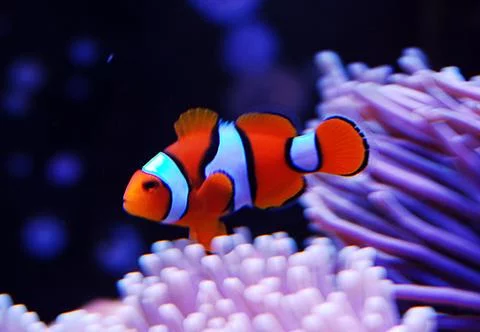

    ๐ŸŒฟ Want to learn more? This article is part of our complete Planted Tank & Aquascaping Guide. your ultimate resource for aquarium plants, aquascaping styles, substrates, and more.

  • 7 Best Substrates for Planted Tanks โ€“ Tested After 25 Years of Planted Tanks

    7 Best Substrates for Planted Tanks โ€“ Tested After 25 Years of Planted Tanks

    Substrate is a decision that’s hard to undo once the tank is running. and I’ve learned that the hard way. Switching substrate mid-cycle means tearing down everything, so getting it right from the start matters. After 25 years of planted tanks, I’ve used inert gravels, active soils, sand, and everything in between. The right choice depends on what you’re keeping and how involved you want to be with fertilization.

    Substrate is one of the most important decisions you’ll make for a planted tank. get it wrong and your plants will struggle no matter what else you do right. I’ve tested many substrates over 25 years of planted tank keeping, from inert sands and gravel to active soils like ADA Aqua Soil, and the difference in plant growth between a nutrient-rich substrate and a plain inert one is enormous. This review covers the substrates I’ve actually used and what I’ve found works best for different tank types and budgets.

    With over 25 years of experience in the aquarium hobby, Iโ€™ve assisted countless clients, hobbyists, and readers like you in building their dream aquascape. Iโ€™ve personally tested these products in real world scenarios to determine the best planted tank substrate on the market.

    Top Picks

    Editor’s Choice!
    ADA Aqua Soil Amazonia
    ADA Aqua Soil Amazonia
    • World Class
    • Best For Aquascapers
    Best Value
    Fluval Stratum
    Fluval Stratum
    • Great Price
    • Beginner Friendly
    Budget Option
    CaribSea Eco Complete
    CaribSea Eco Complete
    • Best Price
    • Beginner Friendly

    Let’s start with the top picks for those of you in a hurry. Of all the substrates reviewed, ADA is without a doubt the world leader when it comes to the best substrate available for planted aquarium owners. Fluval Stratum is a great alternative if you want cheaper and is more approachable for beginners. I feel that the Caribsea EcoComplete achieves the best combination of being beginner friendly and having a substrate that can absorb nutrients.

    Our Candidates

    Let’s talk about the list of products I looked at. Here is a list of the substrates I reviewed for this round up.

    PictureNameFeaturesLink
    Editor’s Choice
    ADA Aqua Soil Amazonia
    ADA Aqua Soil Amazonia
    • Active Substrate
    • Nutrient Rich
    Buy On Amazon
    Best Value
    Fluval Stratum 
    Fluval Stratum 
    • Active Substrate
    • Nutrient Rich
    Buy On ChewyBuy On Amazon
    Budget Option
    CaribSea Eco Complete
    CaribSea Eco Complete
    • Inert
    • Beginner Friendly
    Buy On ChewyBuy On Amazon
    Tropica Aquarium Soil Tropica Aquarium Soil
    • Active Substrate
    • Nurtient Rich
    Click For Best PriceBuy On Amazon
    Mr. Aqua Aquarium Soil Mr. Aqua Aquarium Soil
    • Active Substrate
    • Nutrient Rich
    Buy On Amazon
    ADA Aqua Soil Amazonia Light ADA Aqua Soil Amazonia Light
    • Active Substrate
    • Beginner Friendly
    Buy On Amazon
    Seachem Flourite Seachem Flourite
    • Inert
    • Readily Available
    Buy On Amazon

    The Top 7 – Best Substrate For Planted Tanks

    Let’s go over each substrate and see why each one made the list

    1. ADA Aqua Soil Amazonia – The Most Famous Soil

    Editor’s Choice!
    ADA Aqua Soil

    The Best Planted Tank Substrate

    The world’s standard in active substrates for planted tanks. Created by brand that founded modern aquascaping

    Buy On Amazon

    ADA Amazonia substrate mix that is known around the world by expert aquascapers. It lowers the hardness and pH levels to make the water mildy acidic, which is preferred by most tropical fish and plants. The substrate contains a rich amount of ammonia and phosphate.

    The main issue with this substrate that it is very rich in nutrients and a newly planted aquarium will suffer from very high nutrients in during the establishment period. This will cause algae breaks and cloudy water and lots of water changes during the 8 week establishment period of the substrate. Some aquarists mitigate this issue by doing a planted tank dry start. Since the nutrients in this substrate is so high, it is easier to grow out new plants via the dry start method making this substrate a very popular one for this method.

    This can frustrate some newcomers into the planted tank world. It also breaks down over time, requiring replenishment every 1-2 years as the substrate breaks down. This can be a major problem when it comes time to replace the soil if you aren’t careful as the substrate will leech out ammonia. It is really a substrate that is best in an experienced aquarists hands. ADA aqua soil is also an expensive substrate due to its high production quality and name brand.

    Pros and Cons

    Pros
    • Very rich in nutrients
    • Well known field results with the best aquascapers in the world
    • Designed for expert level plants
    Cons
    • Will leech ammonia when first placed in the tank
    • Expensive
    • Takes about 8 weeks to establish

    2. Fluval Stratum – Volcanic Soil for Aquariums

    Best Value
    Fluval Stratum

    Best Value

    A cheaper and beginner friendly alternative to ADA Soil. Also great for shrimp tanks!

    Buy On Petco Buy On Amazon

    Fluval Stratum is a specialty substrate that is designed for shrimp tanks. It made of Volcanic soil and is a porous material that establishes a ton of beneficial bacteria. It will also naturally lower pH making this ideal for most tropical fish and plants. It also tends not to discolor water when first placed into the tank.

    One tip when placing in this substrate is to make sure the substrate is not under the rock or driftwood you are using. The substrate is easy to break under pressure and one it breaks, it loses its use in the tank.

    The main downfalls I see with with this substrate is that it can be lightweight and easy to siphon out when cleaning the tank. It is significantly cheaper than ADA Aqua Soil and is effective for planted tanks. It is a great alternative and cheaper option. It is also more available in stores.

    Pros and Cons

    Pros
    • Natural Volcanic based substrate
    • Waters great with smaller tanks
    • Soil has a high CEC value
    Cons
    • Lightweight – easy to siphon away substrate when cleaning
    • Soil will break under light pressure

    3. CaribSea Eco Complete – The Most Famous Aquarium Soil

    Budget Option
    CaribSea Eco Complete

    Budget Option

    A beginner friendly, inert substrate that is great for beginners starting their first planted tanks

    Buy On Petco Buy On Amazon

    Caribsea Eco Complete is a balanced substrate that is packed with liquid fertilizer. The soil holds the fertilizer within it for easy absorption. It has the added benefit of not decreasing pH or hardness in the long term. This gives you the advantage of having a substrate that is inert in nature, but also has the benefits of a commercial substrate. It comes in either a red or black color. It also has the added benefit of already having beneficial bacteria colony growing on it. This will reduce your cycle time when establishing a tank. The other added benefit is that it has a good amount of iron in it, making it better suited for red colored plants.

    The main issue with Caribsea Eco Complete is that is it lightweight and may have issues anchoring larger plants. It’s shape is also not ideal for bottom dwellers. It is one of the cheapest and readily available planted tank substrates on the market. It makes an excellent budget option if your funds are limited.

    Pros and Cons

    Pros
    • Contains beneficial bacteria
    • Inert substrate
    • No washing necessary
    Cons
    • Lightweight
    • Substrate not the best for bottom dwellers

    4. Tropica Aquarium Soil – Balanced Aquarium Soil from Europe

    Tropica Aquarium Soil

    A top grade planted tank substrate from Europe. More natural looking than ADA Soil

    Click For Best Price Buy On Amazon

    Tropica Aquarium Soil is a substrate brand in Europe that is well known. It is similiar to ADA aquasoil, but will not leech as much ammonia as the standard ADA aquasoil. Its grain is not uniform as well, giving a more natural looking substrate. Like most of the substrates on this list, it will lower pH and hardness making it ideal for most tropical fish and plants.

    Pros and Cons

    Pros
    • Leeches less ammonia then ADA soil
    • More natural grain variety and shape
    • Lowers pH and hardness
    Cons
    • Expensive
    • Hard to find

    5. Mr Aqua Aquarium Soil – ADA Amazonia Aquasoil on a Budget

    Mr. Aqua Soil

    An ADA soil clone that is more porous and better suited for shrimp tanks.

    Buy On Amazon

    Mr Aqua Aquarium Soil is an aquarium substrate that is similar to ADA aquasoil, but less rich in ammonia. The porous granular structure of this substrate helps with water exchange. It will soften water and lower pH like most of the soils on this list.

    I find this as a good cheaper alternative for those who want ADA quality soil, but not the ADA quality price. It can be tough to find locally though, but the link I have provided above makes it easier to purchase.

    Pros and Cons

    Pros
    • Cheaper than ADA soil and more porous
    • Lowers pH and softens water
    • Less ammonia – easier to cycle time for establishment
    Cons
    • Harder to find in store

    6. ADA Aqua Soil Amazonia Light – Beginner Friendly ADA Soil

    ADA Amazonia Light

    An ADA substrate that is designed for beginners in mind. More forgiving for a beginner but still pro grade quality

    Buy On Amazon

    ADA Amazonia Light is a more beginner friendly ADA soil. This substrate has a lower amount of nutrients. This means that there will be less of a establishment period and there will be less algae spikes when the plants are first getting established. This substrate lowers the hardness and pH levels to make the water mildy acidic, which is preferred by most tropical fish and plants. For those looking for ADA soils but don’t want as big of a disruptive 8 week cycle period, this is a better substrate to start with.

    Pros and Cons

    Pros
    • Very rich in nutrients
    • Well known field results with the best aquascapers in the world
    • Less nutrients than standard ADA Amazonia product
    Cons
    • Expensive
    • Takes about 8 weeks to establish

    7. Seachem Florite – Reliable Clay Based Product

    SeaChem Flourite

    A insert clay based soil that does not break down in the aquarium. Readily available in stores

    Buy On Amazon

    Seachem Flourite is a clay based substrate that you will not need to replace over time in your aquarium. It comes in several colors and grain types so you can find the substrate that works for you with this brand. Seachem Flourite is clay based, it will not alter your tank chemistry so you can use supplements to adjust your parameters as necessary.

    Seachem Flourite is not nutrient loaded like say ADA or Mr. Aqua, but that also means that you will not experience the algae outbreaks that these substrates experience during the first couple of months. It is also not suited for bottom dwellers given it’s sharp structure. That can be a bit of downer if you are are into bottom dwelling fish like Corys. Seachem Flourite a great looking natural soil for people looking to do a natural looking planted aquarium with water column feeding plants.

    Pros and Cons

    Pros
    • Several colors and types available
    • Doesn’t break down because it’s clay based
    • Readily available
    Cons
    • Messy to work with
    • Not nutrient loaded
    • Not suited for bottom dwellers

    What Are?

    We have to first start with this definition because we have to state the purpose of our substrate. Substrate is going to be gravel or some other specialty material that will be used to root plants in the aquarium. These plants will root in this substrate and use the nutrients in the substrate to grow and sustain themselves. It is also fair to point out though that most plants are water column feeders, which means they will derive nutrients from your water not your from the substrate. Several of the low light plants we mentioned in our prior post are column feeders.

    However, some of the larger and more diverse plants in the industry are root feeders. these would include plants like Amazon Swords, Vallisneria, and Crypts. These also include the most highly sought after high end carpeting plants.

    Why Do We Need It?

    This is another good question because of plants do feed on the substrate, why do we need to go out of way to purchase a specialty plant substrate for them. Most of the planted substrate packages will tell you that it has nutrients that allow plants to grow, which is true.

    However, let’s dive in deeper. the planted substrates will be rich in nutrients that will actually rot in your tank and release nutrients in your aquarium. Your plants will then consume it — if you select the correct plants. If you purchase a planted substrate, but you purchase plants that are water feeders like Java Fern what will happen is that your nutrient levels will spike and the other thing that is going to consume these high levels will be algae — lots of algae.

    That’s why we need to be careful when we select what substrate to purchase and what plants will be placed in the aquarium. These substrates will be rich in nutrients early on when your plants are small which will allow them to grow and establish in your aquarium.

    Most substrates will typically stay rich in nutrients for about 1-2 years. At this point, we will need to renew the substrate as the nutrient levels in the substrate will be begin to get exhausted. This will then require us to renew the soil will additional supplements such as Root Tabs so you can continue to re-materialize the substrate.

    If you do decide to focus mainly on plants that are water column feeders, your options for substrates will open up. You can select just about any substrate you want that pleases your eye and be successful with column feeder plants like Anubias, Java Moss, and Java Fern.

    Types

    Planted Aquarium Soil

    Let’s discuss the types of substrates now. There are several we have discussed here. They are:

    Clay Based

    Clay based substrates are our first set of inert substrates. Inert substrates will not alter the chemistry of your aquarium. These hard baked clay substrates will last forever and are the easiest planted aquarium substrates to manage. They will require fertilization if you plan to use root plants in your aquarium.

    Sand

    Sand is another inert substrate commonly used. The main issue with sand is if it is not course, there is a possibility that the sand will not be suitable for plants. Keep this in mind if you are considering this.

    Gravel Based

    Gravel based substrates that the standard substrates you will see at a fish store or chain pet store. They can come in a variety of colors and shapes and do not offer nutrients. They are typically best served for fish only or with planted tanks composing of water column feeding aquarium plants. Like clay based substrates, they will not alter water chemistry.

    We have a video all about plants that do well in gravel if you want to check it out from our YouTube channel below:

    Materialized Products

    A good example of this is SeaChem’s Aquasolum. This is a materialized porous substrate. It tends to lower pH and soften water. It is ideal for keeping freshwater shrimp and root based planted tanks. Other types of these commercially available soils are Flourite and EcoComplete.

    pH Boosting Products

    These would include substrates like crushed coral. This is more suited for fish that require a high pH level like African Cichlids. These substrates increase your pH and maintains a stable level so you do not have to work with pH boosting supplements. These substrates do not make our list since they are not usually used in planted tank setups. Even if they are, the plants you will normally work with will be column feeding plants that fish in general won’t eat. This is because the fish we usually work with at higher pH for tropical fish are going to be Cichlids.

    Important Factors In Choosing Soils

    It’s really easy to get lost in the various types of aquarium substrates available and what they do (you can also see our video from our YouTube Channel for more info). It’s best for me to outline what the critical factors are when you select a substrate for your planted aquarium. They are the following:

    Grain Size

    Planted Aquarium Sand

    Too think of a grain size and your root feeders will not be able to feed off the substrate. Too small and it will compact the substrate choking the roots out. Too fine of a substrate will also be stirred too easily by fish and inverts in your aquarium. For grain size you will want a range of 1-3 mm with 2mm generally being the sweet spot.

    Material

    As we discussed previously, material of the substrate matters. We generally want to avoid materials that increase hardness or pH. These would include substrates like coral sand or limestone chips. For ease, just follow the products we recommend in this post as it will eliminate the guesswork.

    CEC Value

    This is also known as cation exchange capacity. This reflects the substrates ability to bind aquarium plant fertilizer and other elements in it. Generally the higher the better as substrates with higher CEC values will hold nutrients better in the substrate for plants to utilize.

    Weight

    Some plants have delicate or small roots. A heavy or large substrate may cause difficulties when handling these. It’s sometime to consider depending on your overall plant selection.

    Going the DIY Route

    There is another popular route for aquarists to go to when it comes to a planted aquarium. This would involve using garden/top soil as a base and then “capping” the soil with coarse sand or one of the products listed above in our list to save on money. This is a viable option that can lead to lots of success, but it is really a mention best suited for someone who has experience with planted tanks.

    For one, it can be difficult to find the correct soil for your planted tank because many of these soils are not studied or observed for aquarium usage. This means you may not know how your parameters shift when you place this soil in the tank. They will also leech ammonia like crazy so you may have an extended cycle and they will break down the fastest of all substrates. I feel that it is something that should be attempted by an experienced hobbyist and generally out of the scope of this post.

    Frequently Asked Questions

    I get a number of questions from readers about planted aquarium setups. Below are several frequent ones I get. If you have others you would like to get answered, please leave a comment below and I will added to this post.

    How Deep Should My Aquarium Soil Be?

    Many of us who are doing a planted aquarium aquascape style like an Iwagumi Aquascape are going to use a sloped substrate setup. When this is done, the usual recommended substrate depth is 3 inches in the front and 5 inches in the back. I feel it’s fine to go 2 inches in the front and 4 inches in the back. Unless you have large rooted planted like Swords, you shouldn’t have to go more than 4 inches in depth.

    If you are working with column feeder aquarium plants, substrate depth is less of an issue. You can consider going with a low depth. You can use an inactive aquarium substrate that barely cover the bottom of your aquarium. This will provide an easier to clean and easier to manage substrate. It will also save you some money as well.

    Closing Thoughts

    There are a variety of substrates available on the market and it can make the a bit mind racking to determine what is best. The best place to start is to see what types of plants and setups you want and then journey to your substrate from there. If you are going with mostly column feeding plants, you can go with an insert substrate and have great success.

    If you are are planning to go with mostly root feeders, you will want to have a soil based substrate like an ADA or Mr. Aqua and need to work with the cycle period or consider dry starting the aquarium. If you have any questions, please feel free to leave a comment below. Thanks for reading.


    ๐ŸŒฟ Want to learn more? This article is part of our complete Planted Tank & Aquascaping Guide. your ultimate resource for aquarium plants, aquascaping styles, substrates, and more.

  • The 21+ Best Low Light Aquarium Plants – [Reviewed and Tested]

    The 21+ Best Low Light Aquarium Plants – [Reviewed and Tested]

    Low light aquarium plants are where I always point beginners. and honestly, they deserve more credit from experienced hobbyists too. Some of my favorite tanks have been built around low-tech, low-light plant setups. No CO2, no high-intensity lighting, no fuss. You get lush, natural-looking growth with plants that actually forgive beginner mistakes, and the results can be genuinely beautiful.

    Are you struggling with finding an aquarium plant that won’t die on you?

    In this blog, we share the best low light aquarium plants, from foreground plants to mosses.

    With over 25 years of experience in the aquarium hobby, Iโ€™ve assisted countless clients, hobbyists, and readers like you in overcoming their brown thumbs. Iโ€™ve personally grown many of these plants in real world scenarios to determine the best low tech plants in the hobby..

    The Top Picks

    I’m going to list the top 3 aquatic plants for quick reference as I’m going to go through a bunch of options for you today. The top 3 are hand picked for you! I’m going to try to stick with common names to keep confusion to the minimum. Every one of these low light plants I’ll go over in this post can run off low lighting conditions.

    Editor’s Choice!
    Java Fern
    Java Fern
    • Background or mid placement
    • Column feeder
    Best Value
    Anubias Barteri
    Anubias Barteri
    • Mid-ground placement
    • Column Feeder
    Budget Option
    Marimo Moss Ball” data-lasso-lid=”38687″>Marimo Moss Ball
    Marimo Moss Ball
    • Foreground or Background
    • Column Feeder

    Java fern is the most readily available and one of the easiest plants to care for in the hobby. Anubias offers a low light plant that grows slow while Moss balls are cheap and work in small tanks.

    The Top 21 Low Light Aquarium Plants

    Let’s get started with our best low light aquarium plants list!

    1. Java Fern

    Java Fern is one of the most readily available freshwater plants available in the industry. Java Ferns are a slower grower, but it can tolerate most light conditions and is a very hardy plant species. It also has a unique leaf structure and can be glued to rocks for some unique aquascaping accents. Like the other plants above, many fish ignore java ferns. It is a foreground plant that is a literally set it and forgot it plant. Java ferns are the perfect plants for beginners, or those looking for a stress free planted tank. The Java fern is a staple in most low light tank setups. 

    2. Anubias Barteri

    Best Value
    Anubias Barteri

    Best Value

    A forgiving low light aquarium plant that will not be eaten by most fish

    Click For Best Price Buy On Amazon

    Anubias Barteri is one of the most popular and hardy freshwater aquarium plants available in the hobby. Also known as Coffeefolia, it has heavy thick leaves that are rippled in appearance. When the Anubias barteri plant is young, it will have reddish brown leaves which will change to green as it matures.

    This plant is actually ideal for fish that like to eat plants because many fish will tend to leave it alone as they do not like the taste. It is a midwater plant that is a root feeder so you will need a substrate that has room for it to grow its root system. It is a moderate grower and grows well even in low light. If you are looking for a small plant, the Anubias Nana variety works really well!

    These Anubias barteri plants also flower. They will flower better when emerged, but they will also flower when submerged in an aquarium. Check out this video by Dovydas below.

    3. Marimo Moss Balls

    Budget Option
    Marimo Moss Ball

    Budget Option

    A cheap and easy to care for aquarium plant. Thrives in low light and very low maintenance

    Click For Best Price

    Marimo Moss Balls are foreground plants that are very easy to care and grow. They will thrive in just about any light condition and just ask to be rotated every water change or so. They can be kept in just about any tank. From a large planted display to a fish bowl it will thrive in any condition. Some people will even place the in sumps as a form of refugium. They are also very long lived with the species living over 200 years in the wild.

    Marimo Moss balls are ideal for small plants and for small inhabits like shrimp. They are also a good fit for smaller activity fish like Bettas. Marimo moss balls aren’t actually considered a plant, more so a form of green algae that grows into a ball formation. Because of their size they are ideal for a smaller fish tank. They do very well in a low light aquarium.

    4. Amazon Sword

    Amazon Sword

    A classic background aquarium plant. Grows large and will be a centerpiece in your aquarium

    Click For Best Price Buy On Amazon

    The Amazon Sword is a staple in many freshwater planted tanks. It is found in aquariums all over the world as it is well known for its hardiness and ability to thrive in a vary of conditions. It is also a fairly inexpensive plant and readily available in most stores. It can grow to an impressive length usually growing to over a foot in height. Having an aquarium at least 16 inches in height would be ideal for it. These plants are also easy to propagate and do just fine in low light. 

    It’s main drawback are its root system. They are fairly large and powerful and will grow deep into the substrate. It does require a deeper (at least 2.5 inches deep) and solid substrate due to this.It grows to a dark green color. If you see the leaves start to brown out, this means that your nutrients are low. It must be planted in the substrate as it is a root feeder.

    This plant does not require a ton of light and will thrive in a low light aquarium. It does not require much pruning as well. It is a common plant in a planted tank for a reason.

    5. Cryptocoryne Lucens

    Cryptocoryne Lucens is a low growing crypt plant that generally grows within the 3 to 5 inches in height range. It sometimes is used as a foreground plant in larger tanks and due to its size it can work as a background plant in smaller tanks. 

    It’s an undemanding plant that thrive in most aquarium conditions. It is a slow grower and prefers not to move around. Once you plant it, plan on not moving it. It is often recommended to beginners because of it’s easy level of care, slow growth rate, and low light demand. Crypts in general make great low light plants.

    6. Vallisneria Americana (Eel Grass)

    Vallisneria Americana or Eel Grass is a native aquatic plant from Florida. It has nice twisted and ribbon like leaves and is usually one of the first plants beginners will try and most often are very successful with it because it is easy to take care of. It is a fast grower as well and is a great background plant due to its taller spread.

    It is one of the easiest aquarium plants to propagate via its runners and this also gives it the ability to take over a fish tank, so proper pruning and maintenance will be necessary to keep it in check. It is considered a staple in planted aquariums due to its well earned reputation of being easy to care for and being able to thrive in low light.

    7. Dwarf Sagittaria

    Dwarf Sagittaria

    A great first time beginner plant. Hardy and thrives in low light. Provides a natural looking ground cover

    Click For Best Price Buy On Amazon

    Dwarf Sagittaria is a great first time plant for a beginner. It is a low level of care plant that stays small in size and will spread to form a grass like carpet. It is ideally placed in the foreground of your aquarium where it can provide a great looking grass covering to accent your taller and larger plants.

    There aren’t any high light or fertilizer requirements with this plant. It will readily grow in just about any tank conditions. It is an ideal low light carpeting plant.

    8. Java Moss

    Java moss is a plant that can attach to rocks, driftwood, and roots. It is a very hardy plant that does not need a lot of attention and will grow in just about any condition. It is commonly used to help baby fry hide from adults. Like Anubias Barteri, Java moss is compatible with most fish as many will not pick at it. Java moss is a foreground plant that can grow like a lawn if you want it to and can grow fast. It does well in a low light aquarium.

    9. Pearl Weed

    Pearl Weed

    A carpet growing plant that is fast growing and will do well in low light

    Click For Best Price Buy On Amazon

    Pearl Weed is a carpet growing plant that bright green and low growing. It is the ideal carpet plant for beginners. This is a really accommodating plant in that it can be used in the foreground, mid ground, and background as it doesn’t require much to be planted. It will also grow plenty fast under lower light aquarium conditions.

    Because of its fast growing and carpet nature, it will require constant pruning to keep it from growing vertically. It also will not mind a hard prune and being shaped to the way you desire. This is also a very easy plant to propagate as all you need to do is cut the end of the stems, group them together and simply bury them together in your substrate. 

    This is an ideal carpet covering plant for those struggling with others.

    10. Anacharis (Elodea Densa)

    Anacharis is a plant you may have seen in science class in school. Because it’s leaves are only one or two cells thick they are often used to teach children about cellular and plant cell structure as they can be easily view through a microscope.

    It is a highly valued aquarium plant that can soak up nutrients in the water. It is so good at its job that it is used in wastewater treatment models as it has been found to remove harmful chemicals in water such as arsenic! 

    It is very easy to grow grow very fast even in low light. It does have an issue of being considered a pest to wildlife though, which means it has been deemed illegal in several states in the US due to its invasive nature. It is very popular in Ponds and cold water aquariums because it is tolerate of a variety of water temperatures. It is also used as a plant for goldfish as they will happily eat the plant and they are cheap to purchase.

    It is a very fast grower and it’s chemical and nutrient soaking ability make Anacharis a very utilitarian plant to have in a planted tank. 

    11. Rose Sword Plant

    Rose Sword Plant

    One of the rare red plants that can grow in low light. Easy to care for and grows large

    Click For Best Price Buy On Amazon

    The Rose Sword Plant is a variant of the Amazon Sword plant that has a range of colors from green, brown, pink, to red. New leaves will start out as pink or bronze and will eventually turn to bright or dark green as they mature. They are just as easy to take care of Amazon Swords, but will require a bit stronger lighting conditions in order to bring out the best colors. However, they will thrive and grow in low light conditions. Most red plants tend to require higher lighting which is why they don’t make this list. This is one type of plant you can get that gets you the red, but won’t require higher light conditions or CO2 injections.

    12. Water Sprite

    Water Sprite

    Readily available and easy to grow. This fast growing plant will soak up nutrients and thrive in low light

    Click For Best Price Buy On Amazon

    The Water Sprite is another commonly available plant that has the ability to thrive either planted or floating in low light conditions. It is an ideal plant for cover for fry and for timid fish due to the cover it can provide with its grow spread. These plants are also valuable to scientist because they germinate so fast. They are often used in genetic research.

    They are fast growers and will suck up nutrients in a fish tank. Both a good and bad thing, but the plant is relatively low maintenance and can still do well without supplementation. They make good background and middle placement plants and actually do a good job of keeping algae at bay as they create a lot of shade under them. It is a commonly available and cheap plant.

    13. Hornwort

    Hornwort is like many plants on this list, are one of the easiest freshwater plants to grow in an aquarium. In the wild, you can find it across all continents except for Antarctica. It is a fast growing plant, so it will require pruning to keep in check. What I love about this plant is that is it very flexible. You can either plant it in the substrate or use it as a floating plant on the surface of the water as it will thrive in either situation.  It is a dark green plant with dense foliage with a unique leaf structure that provided excellent aesthetics to your aquarium.

    It can get tall, but can be controlled with regular pruning. It is a truly non-demanding plant and will do great in the background or attached to rocks. It is also one of the plants on this list that can grow in cold water temperatures. It is a great low light tank plant.

    14. Christmas Moss

    Christmas moss is a staple in freshwater shrimp tanks. It has a bold green color and can be used in a variety of ways to space an aquarium. It’s most common use is to attach it to aquarium rocks or driftwood. What makes this work in shrimp tanks is it’s hardiness.

    While it is a low light plant in the sense that it can live without CO2 injection, it will thrive with it. If you want to go as hands off as possible, consider our next option below, Java Moss.

    15. Java Moss

    Java moss is arguably the most popular aquarium plant in the hobby today. This moss is great for beginners, does great in low lighting conditions and doesn’t need a high level of care. Java moss has many applications as you can attach it to driftwood, rocks, or even have it as a carpet in your substrate. There are two reasons why I put it below marimo moss balls and christmas moss. That is for the aesthics.

    It’s the not the best looking plant. In fact, most plants in the Java class don’t really look the same as other plants. They are hardy and have a certain look to them. They are great for beginners. If you are looking for a show stopping aquascape though, most aquascapers will not use them and will default to less unruly plants like christmas moss.

    16. Bucephalandra

    Bucephalandra

    Bucephalandra is a slow-growing plant that’s perfect for anyone looking to grow their first aquatic plant. They are great for attaching to hardscape

    Click For Best Price Shop Tissue Culture

    Bucephalandra is a undervalued low light plant in the aquarium industry. I say that because many beginners don’t consider it. It is usually reserved for more advanced hobbyists, mostly due to its availability and price. It is a plant that has a number of varieties available and colors. From dark green, to light green and even near blacks, this plant can pop in any environment.

    Because they are rhizomes like Anubias, they are best grown on rocks and driftwood. They also prefer a good amount of water flow, which make them a better candidate for professional aquascapes and planted aquariums.

    17. Cryptocoryne Wendtii

    Low Tech Plant!
    Cryptocoryne Wendtii

    A great low tech plant for multiple aquascape types and setups. Forgiving and hardy, the Cyrptocoryne Wendtii is a great introduction to rooted plants!

    Buy Tissue Culture Buy Potted

    Cryptocoryne Wendtii are great plants for low light conditions. This particular species called Cryptocoryne Wendtii is well known for its shades of pink and green. It’s a forgiving plant that doesn’t need a high level of care and it offers a unique look compared to other aquatic plants on this list. It’s also one of the few rooted plants on this list that is easy to find tissue culture grown.

    That’s one of my frustrations with plants like java fern and anubias. It’s difficult to find them as tissue culture. You can find this one available though. If you want a plant that is easy to grow and that you know will be pest free, consider buying a tissue culture version.

    18. Dwarf Hairgrass

    Easy To Grow Carpet!
    Dwarf Hairgrass

    Dwarf hairgrass is an easy to grow carpet that is great for beginners. Purchase tissue culture plants to ensure pest free plants!

    Click For Best Price Buy On Glass Aqua

    Dwarf hairgrass is a bright green aquarium plant that gives the appearance of grass. It only grows to 3 inches in height. It can give the appearance of a groundcover when grown in mass at the bottom of the tank.

    It’s green look works well in simple aquascapes like Iwagumi. It can outcompete other carpeting plants, so if you want to plant it, know that it will become the dominant foreground plant in your tank. It is a hardy plant that doesn’t require a high level of care that beginners will appreciate.

    19. Floating Fern

    Salvinia Natans (Floating Fern)

    A floating plant that tolerates cold water. Does best in low flow tanks

    Click For Best Price Buy From Glass Aqua

    Floating plants are a great option if you are looking for low light/low tech plants. One of the more unique floating plants available is called the floating fern. Not only can it do well in low light conditions, but it does well in cold water temperatures too.

    It has a unique leaf shape and the root systems are very large. These make these plants ideal for betta fish tanks and axolotls as they can shade your aquatic pet from the light and still give you a pretty plant that will tolerate low flow water conditions.

    20. Ludwigia Repens

    My Pick
    Ludwigia Repens

    Buceplant offers both stem and tissue culture Ludwigia Repens at great prices. A great beginner red plant to try!

    Buy Stem Plants Buy Tissue Culture

    Ludwigia Repens is the only red aquarium plant that makes this list. While it is considered a moderate light plant, many plant lights will accommodate its par requirement. It is a stem plant and red plant that doesn’t require CO2 to grow.

    Ludwigia Repens is a forgiving and low level of care stem plant. It is the best plant to stepping stone with if you want to get into growing those harder to grow red plants.

    21. Anubias Nana

    Great Beginner Plant
    Anubias Nana

    Hardy, forgiving and easy to grow. The Anubias Nana is your ticket to the incredible hobby that is aquascaping!

    Click For Best Price Buy Tissue Culture

    Anubias Nana is the smaller cousin of Anubias Barteri. It’s a low level of care plant and is one of the most forgiving aquarium plants you can purchase in the hobby. It can grow in a variety conditions, most fish won’t eat it, and it be grown either emerged or submerged. This makes this plant an excellent candidate for terrariums and paludariums.

    Given its smaller size, it works well in smaller fish tanks. If you are looking for an even smaller plant for nano tanks, consider trying Anubias Nana Petite.

    22. Lucky Bamboo

    • Scientific Name: Dracaena sanderiana
    • Skill Level: Easy
    • Size: Up to 39 inches
    • Lighting: Low
    • pH: 6.0 – 7.5
    • Growth Rate: Slow to Moderate
    • CO2 Requirement: Optional

    Lucky bamboo, often overlooked as an aquarium backdrop, has gained recognition through recent social media trends, particularly on social media. This plant offers a lush, verdant area within your tank, providing a natural playground for fish to dart through.

    Known for its resilience and minimal maintenance requirements, lucky bamboo thrives even with the simplest of care routines. An added advantage is its ability to flourish in dimly lit environments, as ambient light suffices for its growth, making it an ideal choice for lower light aquariums. To ensure its longevity, remember to keep the foliage emerged above the water’s surface.

    Types of Aquarium Plants 

    Let’s start first with the type of aquarium plants and how they are different we have the following:

    Ferns and Mosses

    These plants reproduce in the aquarium by producing spores. These plants include plants such as Java Fern, Java Moss, and Water Sprite. These plants tend to be popular among breeders because they provide good cover for fry in an aquarium. Most ferns and mosses are aquarium plants that will do well in low light. 

    Rosettes

    These are flowering plants that you will see in both aquariums and outdoor ponds. These include plants like the Amazon Sword plant and Anubias. Rosettes are known for their shortened stems and are very leafy. This makes them a very popular plant for aquariums.

    Floaters

    These are plants that are not rooted in the substrate and do best floating at the surface of the water line. Some species would include Hornwort and duckweed. They are great plants for new fry to hide it, but several species grow extremely fast and can take over a fish tank.

    Types of Feeders

    Plants are also separated in the way they feed in your aquarium. We separate plants in the aquarium hobby as column feeders and root feeders. A column feeding plant take nutrients from the water column, which means you can place column feeders above your gravel substrate and do not have to worry about having a nutrient rich substrate. Root feeders take nutrients from the substrate. These plants will anchor to your substrate and require substrate that can sustain them. 

    Not only do we need to know about how plants feed, but also where they are best placed. There are foregound, midwater, floating, and background plants. Knowing what plants are best for each section in your planted aquarium setup will help you design an aquascape that looks beautiful and professional!

    How to Select Tank Foliage

    We supplied a video from our YouTube channel that summarizes the list above. Subscribe to us if you like our videos. We post new ones every week.

    It can be intimidating when purchasing plants for the very first time from a fish or pet store. Here are a few tips when it comes to selecting a plant for your aquarium:

    • Don’t purchase plants with damaged fins or holes in the leaves
    • Look for discoloration of leaves as well as yellow leaves
    • Considering dipping your plants in a 1/10 bleach solution to remove any unwanted snails and algae from the leaves.

    Another option to get the best plants possible is to consider tissue cultured plants. Tissue cultured plants are grown in labs and will not have any pest hitchhikers. I would definitely consider purchasing them if you can find them for the plant you are looking for. The most well known brands for tissue culture would be Tropica and Aquatic Farmer, both of which you can find in online stores if your local store does not carry any.

    Planted Tank Lighting Options

    We do have a post about the Best Planted Tank LED Lights but we can pull from that list to provide a few options if you don’t have time to read that article. For a low light aquarium on a budget, the NiCrew Sky LED would be the easiest choice. If you want an overall comprehensive light with the ability to expand to more light demanding plants, the Serene LED is one of the best lights out there and is simple to use. The Serene is ideal if you are planning to graduate beyond low light aquarium plants.

    Best Value
    Serene RGB Pro LED

    Current USA’s offering into aquascaping is an incredible value. Spectrum, spread, easy to program and great PAR output.

    Click For Best Price Buy On Amazon

    CO2 Systems

    CO2 is the driver of growth for any planted tank. While many of these plants can grow without the assistance of a CO2 system, they will grow a lot better and faster with CO2. While a full blown CO2 system may not be a good option for you, there is a good middle ground to get growth via supplementation.

    Seachem Excel is arguably the best CO2 supplement when you are beginner. It’s easy to use and also works great for eliminating nuisance algae. It’s super easy to use. All you have to do is add 1 cupful for every 50 gallons daily or every other day. When you do a major water change and on the initial use, you add 1 cupful for every 10 gallons. It’s also safe on moss balls (which is considered a form of algae).

    Fertilizers

    Aquarium fertilizers are important to keep your nutrient levels stable for growth. If you start supplementing CO2, you will need to look into fertilizers to keep your growth levels up. While APT complete is considered a supplement for full blown planted tanks, it can be adjusted for low energy setups. I’m a fan of the supplement as it is a complete all in one that is superior to most pet store purchased products.

    Editor’s Choice!
    APT Complete

    Editor’s Choice

    Made by an aquascaper for aquascapers. This is the best all around aquarium plant fertilizer on the market. Marco and micronutrients in one bottle!

    Use Coupon Code ASDComplete for 10% off your order!

    Click For Best Price Buy On Amazon

    FAQS

    What Aquatic Foliage Does Well With Muted Lighting?

    There are many plants that do well in low light aquariums. Plants such as Java Fern, Anubias, Bucephalandra are excellent choices. They will go well even in low light and no CO2.

    Can I Grow Tank Foliage Without A Lamp?

    No. You cannot grow aquarium plants without a light. Whether its direct sunlight (not recommended to avoid algae) or a plant light – all plants in the aquarium trade need light to survive. Most plants will survive around 7 days without lights while other more sensitive plants will start showing signs of stress after 2 or 3 days.

    How Many Hours of Illumination Do These Types of Tank Foliage Need?

    Plants need about 8 to 10 hours of light to survive. Low light plants do well with this much light. Other plants may need more light, but it is more about the intensity of the light versus the duration.

    What is considered moderate illumination for tank foliage?

    Moderate light is anything over 100 PAR. Most planted tank lights will provide moderate light. If you are looking for intense lighting, there are brands of lights from companies like UNS that make high-intensity lights desired for professional aquascapes.

    Will normal LEDs grow foliage?

    Yes, a normal LED light can grow plants assuming the amount of PAR is enough to grow the plant. It will not have the best spectrum to grow optimally though. Plain white lights tend to give off a lot of PAR and may actually burn plants or encourage more algae growth. It’s best to purchase a specially-made aquarium plant light to ensure you get the best growth rate from your plants.

    Conclusion

    So that was the list. I tend to surprise people when I can name a lot of plants that will work well in low light aquariums and many of these plants will not require CO2 supplementation. You can transition to a planted tank with these plant species relatively easily and have great success today! Many of these plants listed are staples in the industry, require a low level of care, and are well regarded for their toughness in handling just about anything you can throw at them. I wish you success on your low light planted tank journey! If you have any questions, please leave a comment below. Thanks for reading.


    ๐ŸŒฟ Want to learn more? This article is part of our complete Planted Tank & Aquascaping Guide. your ultimate resource for aquarium plants, aquascaping styles, substrates, and more.

  • Best Solar Powered Pond Pump โ€“ Reviewed & Compared

    Best Solar Powered Pond Pump โ€“ Reviewed & Compared

    Solar pond pumps have genuinely impressed me in recent years. when I first looked at them years ago, the performance wasn’t there for anything serious. That’s changed. If you have a garden pond or water feature where running electrical lines is a hassle or an expense you want to avoid, today’s solar options are worth a real look. I’ve evaluated the leading models and here’s what I found.

    Solar powered pond pumps have come a long way in recent years, and they’re now a genuinely viable option for many pond setups. especially smaller water features and garden ponds where running electrical lines is impractical or expensive. The appeal is obvious: no wiring, lower operating costs, and an eco-friendly option for keeping water moving and oxygenated. After covering pond equipment extensively over 25 years, I can break down when solar pumps make sense, what their real limitations are, and which models I’d actually recommend.

    A common question I get asked when it comes to pond keeping is can you keep a pond with a solar powered pond pump. The concept of having a completely green solution sounds very appealing for many people, but there are several factors you will need to consider before choosing a solar powered pump. Let’s first start out with the main benefits of owning one. Then we will look at the best solar powered pond pump among a list of recommendations.

    Main Benefits of A Solar Powered Pond Pump

    The most obvious benefit from a solar powered ponds is that the solar panels that comes with the kits absorb energy from the sun to provide electricity to the pond pump. This provides a green solution to your pond with no monthly running electrical cost. 

    Another benefit is they are smaller and quiet than traditional pumps and are powerful enough to run smaller water features.

    Given the fact that they can run with just the rays of the sun, these solar powered pumps can also offer a back-up solution for when there are power outages that are not weather related. A good example would be if your area has rolling blackouts during the summer when the solar panels would be able to absorb a lot of energy during the summer months. 

    Major Drawbacks of Solar Powered Pond Pumps

    The main thing you will have to consider with solar powered pond pumps is that they are not very powerful. The largest solar powered pond pump will not be able to be used in larger pond features. Usually over 250 GPH is considered a “powerful” pump when it comes to solar powered pond pumps. This is in stark difference to traditional pond pumps that normally will pump over 1000 GPH. Because of this, they are not built to replace traditional pond pumps and are designed for a supplemental purpose such as a fountain pump or aerator. 

    Solar powered pond pumps also will have smaller batteries (if they are included) meaning that they will hold very little charge in the event the solar panels are not able to harvest energy from the sun during an overcast day. A backup solution is probably going to be required in order to operate the pump 24-7 like a traditional pump.

    Considerations

    Knowing the drawbacks of a solar powered pond pump, we have to think about what we can use these ponds for. If you have a large pond, you will have to make peace that a solar powered pond will not be able to power your pond. However, to add a fountain to your pond, then these solar pumps are good considerations. 

    You will want to know if you get enough sunlight in the area you are going to place the panel at. You will want to ideally place the panels in an area that gets the strongest sun during the day which will be from 11AM to 3PM. It will be a good idea to consider a solar power pump with a quality battery. This will ensure that it can run when there isn’t enough sunlight during the day and at nighttime. 

    A Quick Glance

    Below are several solar powered pond pumps we would recommend

    PictureNameFeaturesLink
    Editor’s Choice!
    Aquaplancton Solar Powered Water Fountain Pump Kit
    Aquaplancton Solar Powered Water Fountain Pump Kit
    • 898 GPH
    Buy On Amazon
    Eco-Worthy Solar Fountain Water Pump Kit Eco-Worthy Solar Fountain Water Pump Kit
    • 160 – 360 GPH
    Buy On Amazon
    Lewisia Solar Fountain Pump Kit Lewisia Solar Fountain Pump Kit
    • 165 – 300 GPH
    Buy On Amazon
    Solariver Solar Powered Water Pump Kit Solariver Solar Powered Water Pump Kit
    • 160 – 360 GPH
    Buy On Amazon

    Top Models Compared (2023 Reviews)

    Let’s take a look at each offering.

    1. Aquaplancton Kit – 800+ GPH of power!

    Editor’s Choice
    Aquaplancton Solar Powered Pump

    Editor’s Choice

    A high GPH capacity with big enough panels to run it. The go to for solar powered pond pumps

    Buy On Amazon

    The Aquaplancton Solar Water Pump Kit offers a power 800+ GPH pump mated to a 50 watt solar panel.This is one of the biggest solar powered pond pumps available on the market. The pump also offers an auto dry run cutoff that will prevent your pump from getting emptied out in the event of a leak. The power cable reaches up to 16 feet so you can place the panel in the right spot in your backyard. 

    Because of it’s size, it has the high price on the list and just like all the other pumps on this list, there is no battery backup.

    Pros

    • One of the most powerful solar powered pumps on the market
    • Auto dry run cutoff on pump
    • 50 watt panel

    Cons

    • Expensive
    • No battery backup

    2. Eco-Worthy Fountain Kit – Well Price Entry Level Kit

    ECO-WORTHY Solar Fountain Water Pump

    A well priced entry level solar kit that provides enough water for a foundation

    Buy On Amazon

    The Eco-Worthy solar powered pond pump kit is an entry level unit that has a very reasonable price. It comes with all the essentials to start up a solar powered pond and the available sizes are adequately powerful.

    It comes in three sizes, either the 5W, 10W, or 20W solar panel models are available and all have two types of fountain heads so you can customize your spray pattern.  

    The biggest cons with this unit is the lack of battery backup. Because it doesn’t come with a battery, it will not run at night time.

    Pros

    • Easy to use
    • Cheap Price

    Cons

    • No Battery Backup

    3. Lewisia Fountain Kit – Compact Kit for Small Areas

    Lewisia Solar Fountain Pump Kit

    A compact pump kit that is great to use for small spaces and ponds

    Buy On Amazon

    The Lewisia Solar Fountain Pump is a small solar powered pond kit that offers an option for those who need a more compact setup being only 5W solar panel. The pump is so small you can easily enclose the pump that comes with the kit in your hands! It comes with 4 different fountain pump heads and can easily shoot water up to two feet in the air. 

    There is also a 10W model available for those who need greater power. 

    Pros

    • Cheap
    • Easy to Install

    Cons

    • No battery backup

    4. Solariver Kit

    Solariver Solar Water Pump Kit

    A solar powered kit that comes with a serious DC pump. Lifts water up to 3 feet

    Buy On Amazon

    The Solariver Pond Pump Kit offers a more powerful pump and wattage going up to 20 watts and 360 GPH. The 360GPH pump has the ability to lift water in a fountain up to 3 feet. The pump is pretty sizable in this kit. It doesn’t look like a mini pump and looks very sturdy. In fact, it’s a pretty common DC pump that is included for ponds so you aren’t getting a watered down pump. That’s a nice touch in my mind. It’s very easy to install and comes with a very generous cord of 16 feet so you can place your panel in the ideal spot and hide the wire under your landscaping.

    As with the other kits, this unit does not come with a battery backup. Do not expect it to run at night unless you get a battery backup solution.

    Pros

    • Strong pump
    • Plug and play design

    Cons

    • No Battery Backup

    Battery Backup Solutions

    You have likely noticed that there are no kits here that offer a battery backup solution. There are some good reasons for it. For one, the kits that actually do come with one do not have large batteries which means the backup solution not viable to run at night. The other reason is that in order to provide a backup solution that allows the unit to operate at night or during extended bad weather days, the cost for such a solution will sometimes be more expensive than the kit itself!

    One such option that some people use is hooking the solar panel kit to a deep cell battery so the battery can be charged by the solar panels. The battery than provides an adequate backup that will allow the unit to run 24-7.

    Final Thoughts

    Solar power pond pumps have their niche in the industry. As a supplemental pump they work as a great accent to your pond or water feature. However, without added investment, you cannot run the unit 24-7 as it will shut off during night time when there is no energy to harvest from the sun. As long as you know the drawbacks of getting a solar powered pump, you will be able to enjoy your purchase.

    However, if you are not comfortable with it not working at night, considering investing in a battery backup solution for your solar panels or look at our best pond pumps post to see what traditional pumps are good to look for when it comes to running your pond. Thank you for reading.


    ๐Ÿ”ง Want to learn more? This article is part of our complete Aquarium Equipment & Gear Guide. your ultimate resource for filters, heaters, lights, pumps, tanks, and more.

  • The 7 Best Koi Pond Kits Of 2026 [Tested & Reviewed]

    The 7 Best Koi Pond Kits Of 2026 [Tested & Reviewed]

    Building a koi pond is one of the most rewarding projects in the hobby. but the planning stage is where most people run into trouble. I’ve talked with a lot of pond keepers who jumped into a kit without thinking through filtration capacity, liner quality, or pump sizing for their stocking plans. The kits I recommend here are ones that hold up under real koi loads, not just goldfish-level stocking.

    Building a Koi Pond is an exciting endeavor yet overwhelming with details. Koi are the fanciest, yet most complex of all pond fish. They are the considered the ultimate level of pond keeping in the trade and many people go all all on designs and aquascapes and there are many professional koi pond installations that go well over $15,000 all said and done.

    In this post, I’m going to go over everything today on how a professional Koi pond is constructed. Then I’m going to simplify everything so you can build a reasonable Koi pond with the best koi pond kits available on the market. Sure, you can spend several thousand with a professional and have a wonderful cement based bottom drain Koi pond, but I imagine if you are here that is not your idea of how much you want to spend for a Koi pond.

    I will go through the concepts of why so many professionals focus on big installs and then get you into the contractor’s mindset so you can build a wonderful Koi pond for less and be satisfied with what you create. Let’s first talk about what makes an ideal Koi pond.

    The Ideal Setup

    Let’s first start with the basics and walk in the shoes of a professional Koi Pond install. Actually, let’s take it a step further and go into the shoes of a commercial installer. A Koi Pond should be in its basics:

    • A clean and healthy environment
    • A safe environment 

    That seems really simple to provide, but let’s dig into the details. When a commercial installer refers to a clean and healthy environment, the installer refers to a koi pond setup where all fish waste is pulled from a central area in the pond. Let’s illustrate this with a sample 3000 gallon Koi Pond setup below: 

    Bottom Drain Koi Pond

    As you can see here, there are two bottom drains in this pond build. The pond surface is made in a bowl like shape so fish waste and detritus flows downward into the drain. The pond uses a waterfall feature and a pond skimmer. This is what we would call in the industry the pinnacle of koi pond keeping. This is how commercial installs are done and they require little maintenance, however, they are only affordable to commercial businesses or very wealthy individuals. We need to narrow our focus down to a more reasonable setup, which we will get to later.

    Now let’s talk about the next point, a safe environment to provide the best care for your Koi. A Koi Pond needs to be dig deep enough so the fish can hide away from predators on the surface. We want to make sure our Koi are safe from animals such as raccoons, possums, and herons. In addition to this, we want to make sure the Koi are protected from sharp objects like sharp rocks or sharp surfaces. This becomes even more important as Koi start to spawn.

    What happens when you take all these principles together is you get a 1500+ gallon koi pond that is at least 3 feet deep with a bottom drain with the highest end equipment available such as Pond Bead Filters, completely bare bottom, and plant-less. It creates an easy to maintain Koi pond that is all about the Koi, but also very expensive. We need to dig into these principles and focus on more cost effective way of building a quality pond. So let’s dig in. 

    How Big Should My Koi Pond Be?

    This should be the first question we ask ourselves. Koi are very large fish for a pond and need a lot of space. You should not consider putting Koi in a pond unless you are going to make a pond that is at least 1000 gallons. 1500 gallons and up is preferred for most experts. You can go a bit smaller if you only house 1 or 2 Koi and mix with goldfish, but the general consensus is at least 1000 gallons for Koi at minimum.

    A More Cost Effective Method

    Getting a commercial installation of a Koi Pond is a consideration — if you have the money to do it! However, lets take the contractor’s perspective. A commercial install is a major pain for a contractor. You have to get a building permit, there is heavy equipment that needs to be brought in, and the build take get several weeks to do. Manufacturers like Aquascape Pros have been made by contractors for contractors. They focus on all in one koi pond kits that have everything you need to get started and you do not need heavy equipment to perform the install.

    These pond kits are made for contractors who want to make big margins creative value based large pond installations. Where the buyer is satisfied that they got a great looking, easy to maintain pond, for a reasonable price. The contractor is happy because they made a big margin without the mess of a building permit, large crews, and heavy equipment. It’s a win-win for all. And you can do it yourself if you want to remove the contractor all together!

    What you end up with is a design as shown below by Aquascape Pros

    Pond Kit Construction

    The waterfall pushes water down and into the pond skimmer while plants are placed in the middle of the pond.

    Building A Clean And Healthy Environment

    Let’s focus on the equipment that comes with these Koi Pond kits and why they are great for Koi Pond setups. 

    Skimmer

    A pond skimmer works on keeping your pond clean. They function like the skimmers built in pools, these are just designed for your pond. They remove debris, returns water to the surface, and aerates your pond. It is in essence a mechanical filter for your pond. They are one of the essential filtration tools for a pond.

    Waterfall Filter

    The waterfall filter is your biological filter in your pond. It works to maintain the proper biological balance in your pond so you have a proper nitrogen cycle to maintain proper pond parameters. Many waterfall filters on the market are very unsightly and not easy to hide. With these kits we will go over, they are meant to be integrated parts of your pond so they will hide well not stick out like a sore thumb. Because they are meant to act like a waterfall, they provide aeration and flow into your pond. When designed correctly, they create a beautiful looking water feature. They are also pleasant to hear providing excellent ambient noise. 

    Pump

    All these kits come with a properly sized pond pump, taking out all the guesswork regarding head-loss and sizing your pump to your filtration unit. It is way easier to get a kit then figuring out what works with your equipment of choice

    Liner and Underlayment 

    These kits use Pond Liner and underlayment instead of concentrate surfaces like with commercial installations. These liners are made of EDPM, usually 45mm thick. They are designed to retain water in ponds. A properly made EDPM pond liner should be backed by a long warranty, such as 20 years and should provide resistance to UV, ozone, and oxidation. A well made liner and proper install should provide years of trouble-free use and enjoyment.

    The Candidates

    Now that I have your attention regarding Koi Pond Kits, let’s look at a list of recommended kits to get you started. Just so you know, Aquarium Store Depot may collect a share of sales or other compensation from the links on this page (learn more).

    All these kits are excellent kits with everything you need to get started on building the Koi Pond of your dreams. All can be installed with hand tools. 

    In A Hurry? I recommend the Half Off Ponds Savio Signature Kit with UV

    PictureNameFeaturesLink
    Editor’s Choice!
    Half Off Ponds Savio Signature with UV Kit
    Half Off Ponds Savio Signature with UV Kit
    • 15 x 20 x 1.5ft 
    • 1900 Gallons
    Buy On Amazon
    Aquascape Complete Pond Kit Aquascape Complete Pond Kit
    • 8 x 11  x 2 ft
    •  1320 Gallons
    Buy On Amazon
    Savio EPDM Pond Kit Savio EPDM Pond Kit
    • 15 x 20 x 2ft
    • 1900 Gallons
    Buy On Amazon
    Simply Ponds 2100 Simply Ponds 2100
    • 15 x 15 x 2ft
    • 1500 Gallons
    Buy On Amazon

    The Best Koi Pond Kits (2023 Reviews)

    Let’s get into the reviews of these pond kits below.

    1. Half Off Savio Signature – With UV

    Editor’s Choice!
    Half Off Ponds Savio Signature

    Editor’s Choice!

    With premium Savio parts and a UV sterilizer, this pond kit has it all and will operate reliably for years!

    Buy On Amazon

    The Half Off Pond Savio Signature series pond kits are a great deal to consider. This particular pond kit actually comes with a UV sterilizer. I actually wish more pond kits would come with UV sterilizers because I feel they are an essential tool for combating green algae blooms that tend to be all too common in the summer. This pond kit also comes with some accent lighting, which is another consideration you may want to put into your pond for added aesthetics.

    Savio is a well known quality brand in the pond industry. They have been making pond kits for equipment for many years and they have videos for their installs available for you to view.

    This is a really good pond kit, with the only downfall being that the max depth of these kits is only 1.5 feet deep. It is spec’ed to 1900 gallons, making it a large pond kit. See the full review for all Half Off Ponds kits.

    Pros

    • Savio name
    • Comes with a UV Sterilizer
    • Good Price

    Cons

    • Designed for only 1.5 feet deep

    2. Aquascape Complete

    Aquascape Complete Pond Kit

    High quality equipment backed by a 20 year warranty. Aquascape works with contractors around the US for peace of mind install work

    Buy On Amazon

    The Koi Pond kit from Aquascape offers some of the highest quality equipment of the koi ponds kits on this list. It both the skimmer and the waterfall filter are great filtration systems that the Aquascape team created many years ago with their own experience making high quality pond builds. There is also a dosing system that comes with the kit, allowing you to dose supplements into your pond easily. 

    The pond liner itself is made of 45mm EPDM and backed by a 20 year warranty and the filtration components on the skimmer and waterfall have a lifetime warranty. Aquascape also works with a network of contractors so if you would like to hire help, they have a list of contractors that they recommend that you can work with. They market these kits to show they can be built with hand tools and their instructions provided are pretty detailed.

    They are at a premium price though. It’s easily the most expensive pond kit on the list. There is a cheaper pond kit without the dosing system also available.

    Pros

    • Very high quality equipment
    • Comes with a dosing system
    • 20 year warranty on liner

    Cons

    • Expensive

    3. Savio EPDM – Great Price and Brand Name

    Savio EDPM Kit

    A cheaper variant than my Editor’s Choice. Same high quality Savio parts!

    Buy On Amazon

    The Savio EPDM Pond Kit is a great kit for a great price. The Savio name and the quality of this equipment is ideal for a new Koi pond. This is essentially the same pond kit as the above Savio kit but without the UV so you get a slightly lower price for those of you who are being extra budget cautious. It has the same downfall being designed for depths of only 1.5 deep with the dimensions provided on the kit, but you can build a deeper depth, you just have to be aware that the footprint will be smaller if you go deeper on the depth with this kit.

    Pros

    • Great price
    • Savio brand name

    Cons

    • Designed for only 1.5 feet deep

    4. Simply Ponds 2100 – A Budget Friendly Package

    Simply Ponds Kits

    A value priced Koi pond kit. Contains a Savio waterfall filter. Keeps price down with a generic skimmer and pond. Overall, a great value for those on a budget!

    Buy On Amazon

    The Simply Pond 2100 Pond Kit is the cheapest Koi Pond kit on this list. It provides a good mix of quality and value in this package. They mix high quality brands like Savio in the waterfall filter and use cheaper parts on the pump and skimmer. Because you purchase this package from Half Off Ponds, you have one source of warranty claims for all your equipment purchased, which helps balance out this kit from say the Savio or Aquascape kits who could make the same claims.

    The main downfall of this pond kit is the skimmer and the pump. The skimmer isn’t as high quality as a Savio skimmer or Aquascape, but it’s a good trade off for the price. If you want to do a pond cheap but still maintain quality, this kit is a perfect fit for you!

    Pros

    • Good combination of value and quality in equipment make up
    • Lifetime warranty on liner

    Cons

    • Skimmer and pond pump is of a lower quality then the rest of this list

    Providing A Safe Environment

    As you can see with these high quality Koi pond kits, you can build a very effective and easy to maintain Koi pond without having to do a concrete based Koi pond with a bottom drain. But how about protecting your Koi? After all the depth in many of these pond kits are designed for 2 feet in depth so what’s the best way to combat this? Here are a few tips. If you follow these tips, you shouldn’t need to worry too much about predators in your Koi pond:

    Purchase a predator decoy

    A predator decoy like a Alligator Head Decoy is effective at deterring Heron. 

    Deters Heron
    Alligator Head Decoy

    Effective Against Heron

    This alligator head decoy is a great tool for keeping Heron away from your pond and Koi

    Buy On Amazon

    Install A Nite Guard

    A Nite Guard is a predator control light that is effective at deterring raccoons. The sudden flashes of lights scare them away and keep your Koi safe at night.

    Deters Raccoons
    Nite Guard Solar

    Great Against Raccoons

    The Nite Guard is a tool that will flash lights at raccoons to scare them away. Protects your Koi late at night!

    Buy On Amazon

    Install Steep Declines

    Many of these kits recommend a step layout on the pond. These steps create steep declines into your pond. Many predators do not like to get wet and the declines will deter them from attempting to swipe at your fish. This also protects your fish as they won’t venture into the shallow parts of your pond. This is why you should avoid just building a straight oval in your pond design when installing these kits. You can see the illustration below as a guide.

    Step Declines in Ponds Setups

    Go More Than 2 Feet Deep

    Going 2.5 feet is a good compromise for adding some additional predator protection at the deepest part of your pond. If you go too deep, you will effect the filtration of the skimmer. Do not go more than 3 feet deep with these pond kits.

    Use Netting

    It’s not an ideal solution because it adds additional work and maintenance, but a Pond Net is an effective tool for night protection of predators. It is a consideration if you live in an area that has a lot of active predators at night.

    My Recommendation

    Of all the Koi Pond Kits here, I feel that the Savio Signature Series with UV is the best Koi pond kit to purchase available today. That UV filter that is included truly gives you everything you need to get started. The Savio name is well known in the industry and the price is very reasonable. You will just need to work with a smaller footprint than advertised on the box as the specs are listed at a 1.5 foot depth and we definitely do not want to make a Koi pond that shallow unless we are installing anti-predator features.

    How To Install

    Installing a Koi Pond Kit is a long process, but can be done with hand tools and by yourself or with a friend. Below is a great video from Aquascape on how to install their kit as a reference. All the koi pond kits in this post come with very details instructions.

    Livestock Selection

    Looking for how quality Koi and Pond Goldfish for your outdoor water garden? If so check out NextDayKoi. Use the coupon code ASDEPOT to get 10% off!

    Conclusion

    I hope I have provided a solid amount of information to aid you on your journey to build a Koi pond of your dreams. This Koi pond kits will get you started on the right foot of enjoying your own pondscape in your home. If you have any questions, please feel free to leave them in the comment section. Thanks for reading.

  • The Ultimate DIY Garden Pond Guide – 4 Types and how to build, & maintain

    The Ultimate DIY Garden Pond Guide – 4 Types and how to build, & maintain

    Garden ponds are something I’ve helped dozens of hobbyists build over the years. and the projects that fail almost always do so for the same reasons: wrong liner, undersized pump, or skipping the biological filtration stage. I built my first backyard pond in the early 2000s and have been refining the process ever since. This guide covers the four main pond types and what it actually takes to build and maintain each one successfully.

    Ponds or waterscapes add a lot of serenity and visual appeal to your landscaping. Just stepping out of home to view your own backyard paradise is a great way to reduce stress, relax, and enjoy your home. The pleasant sound of water and the added wildlife that comes with the pond turns your home into an oasis, adds home value, and visual appeal for you and your guest.

    The DIY Garden Pond and waterscapes can be a really intimating to first to think about. Most of us think of massive Koi Ponds we see at restaurants and garden magazines. While they are great inspirational works of water art, they are unrealistic for most of us. There is also the discussion of costs and maintenance. You will find out in this article that there are a variety of garden ponds and some of them can be done for low costs and some of them are relatively maintenance free.

    Just a quick note that this post will include affiliate links for which I may make a small commission at no extra cost to you should you make a purchase. With that disclosure out of the way, let’s talk about ponds!

    The DIY Garden Ponds (The Types)

    There are many type of garden ponds that you can build and several of them have kits that make it easy for yourself or your contractor to build for you. The more research you do about it, the better you will be aware of what your options are and how to get the best looking pond possible. There are several types of garden ponds that you can build:

    • The Koi Pond
    • The Goldfish Pond
    • The Planted Water Garden
    • The Patio Pond
    • The Pondless Waterfall

    The Koi Pool

    The Koi Pond

    When I refer to the Koi Pond, I’m referring to a Koi aficionado pond. These ponds are typically large. They are usually going to be over 1,200 gallons and around 3 feet in depth. These ponds are usually fish only, due to the fact that Koi are known for eating pond plants, the added sensitivity of Koi over hardier pond fish like goldfish, and ease of medicating fish if there is a disease outbreak. The key concept with the Koi pond is to have a bottom drain.

    This is either done with a bottom drain installed on a concentrate pond or a pond liner kit that has a Pond Skimmer opposite of a waterfall filter where the water flow goes into the skimmer.

    Bottom drains installed on a concentrate pond is out of the scope of this post and is the most expensive type of pond you can purchase. They require a licensed contractor, lots of planning, may require permits, and are very expensive. Koi Pond Kits made of pond liner, can be purchased and be installed either by yourself or with the assistance of a contractor for a much lower cost. The kits are made so you have all the major parts that you need to do the install.

    The main extras you will need are tools, rocks, and landscaping to decorate around the pond. The pond liner is made of high quality EPDM rubber and last for many years. Plants with Koi ponds are usually going to be placed outside of the pond. Some of the best outside of pond plants for Koi ponds are going to be plants such as ferns.

    The Goldfish Pool

    The Goldfish Pond

    The goldfish pond is ideal for those who are building smaller ponds and want an easier to take care of the pond in the long-term vs Koi Fish. Goldfish ponds are an ideal backyard pond due to the smaller footprint. Because goldfish come in a variety of sizes, you can fit them in virtually any pond kit you can purchase. Pond Goldfish have incredible resiliency compared to Koi.

    They are extremely hardy and more tolerant of temperature signs. Their smaller size makes them easier to hide in shallower ponds over Koi and they are much cheaper than Koi. Nearly all goldfish ponds are going to be made of EPDM liners or even a Rigid Pond Liner.

    Goldfish can also be placed in patio ponds as long as you stay on top of maintenance and water water changes. Goldfish can also be mixed with Koi so a larger pond can have a mix of both, which is a good compromise if you are on the lower end of the gallon size minimum for Koi. Goldfish in general are going to be less destructive with plants so they also make a better candidate for water gardens over Koi. Some Goldfsh like the Shubunkin Goldfish, are sometimes labeled as a poor man’s goldfish due to their colorful varieties and fancy fins.

    The Planted Pool

    Planted Water Garden

    The Planted Water Garden is a pond that has aquatic plants inside the pond. These are what most people think of when they image a pond. Aquatic plants are great for nutrient reduction, filtration, shelter, and food but there are multiple considerations to keep in mind if you want plants in your pond. Having plants in your garden will hamper your ability to manage diseases in your pond if an outbreak occurs as many medications will kill off plants.

    There are also fish that are not great with plants, such as Koi. You will have to consider plants more appropriate for Koi or think about better fish for plants such as goldfish, mollies, guppies, paradise fish, and white cloud minnows.

    Most planted water gardens can be installed with a planted water garden kit and are made of EPM pond liner. They will require a pond skimmer and a filter waterfall. Most the kits available will have everything you need to get started. A well maintained setup makes a great and enjoyable backyard pond.

    The Patio Pool

    The Patio Pond

    The Patio Pond is very popular among those who live in apartments, small homes, or want to accent their outdoor patio with a water feature. They can contain fish or just be a true water garden. Some of them won’t even have fish and are simply there for the water sounds and effect. They are compact and very painless to install.

    All you need to do is find a place for it and fill with water (don’t forget water declorinator if you are adding aquatic inhabitants or plants) and you are good to go. Ideal fish for these small ponds are going to be small fish like white cloud minnow and guppies.

    You can add goldfish like feeder goldfish and fancy gold fish in the short-term, but most of these kits are going to be too small long-term. Example of plants for patio ponds would be water lettuce, creeping jenny, and anacharis. Patio ponds are also ideal setups for solar powered pond pumps where the pond can power the entire setup and not use electricity from the grid.

    The Pondless Waterfall

    Pondless Waterfall

    The pondless waterfall is a water-feature that is beautiful, yet extremely low maintenance for the owner. It brings all the benefits of a water feature to your home with the additional wildlife and the sounds of water, the added aesthetics, but without the major task of maintenance. If you have ever owned a pond before, you are well aware that having fish in your pond adds a lot of the maintenance. You have to maintain the bioscape you have created, watch out for predators, and need to feed and care for your fish if they ever get sick or injured.

    The pondless waterfall is all about aesthetics, which honestly is what a lot of folks who want a pond look for. It is one of the most popular waterscapes installed today for good reason. They can also be installed indoors.

    The best pondless waterfalls are going to be complete kits with everything you need. They will be made of EPM liner, a waterfall spillway, and a waterfall vault that will catch the water from the waterfall. They are easier to install and cheaper then other ponds since they have less parts. They can be installed by yourself with just hand tools. Waterfall kits will give you a backyard pond without the added maintenance of sustaining aquatic animals.

    Building Instructions

    Installing Backyard Pond

    As you have seen when discussing the types of ponds, many ponds these days can be installed with pond kits. These kits give you all the major parts you need in order to do your install can can be installed with hand tools. Here are a few tips you keep in mind when installing a garden pond:

    • Call before you dig – call your local utility company and get your gas lines, water lines, etc marked in your yard before you get started. This will prevent you from hitting a major line when installing your garden pond
    • Choose a level site – This will make your install easier and keep additional expenses from happening like having to build up a retaining wall
    • Avoid trees that can cause damage – Pine trees are the worst trees to have near a pond as the needles will clog and damage your filters. You will also want to watch out for large trees that have invasive roots that could damage your liner over time.
    • Get proper tools – while these pond kits can be installed with hand tools, there are a few tools you will want handy in order to complete your install

    How To Install

    Installing a garden pond isn’t as difficult as you think with all the kits available these days. The main trick is keeping everything level, the set up of the stones, and evacuating the dig site for filter and the skimmer. The video below from Savio, one of the best pond equipment manufacturers, illustrates how to install your Garden Pond.

    If you aren’t planning on installing your pond or water feature yourself, keep these tips in mind when selecting a contractor:

    • Make sure your contractor specializes in water features. Waterscapes are a work of art and requires a lot of creatively and taste to pull off a great looking finished work. If this is what they do for a living, they likely know about aesthetics and the biology of a pond
    • Make sure you look at the contractor’s past work. They should be able to supply you a sample of the waterscapes they have done, and they should have references and reviews on their business profile or web page
    • Make sure you work with a licensed contractor. If you are going to hire someone, having a licensed contractor protects you and gives you resource in the event something goes wrong
    • Lean on kits over custom equipment. It’s easier to maintain kits and to find replacement parts for these over custom packages. Custom filters and high end equipment is mostly something for the Koi aficionado. High end koi ponds are a small percentage of pond installs that are done in the industry – especially for residential installs

    Maintenance

    DIY Garden Pond Maintenance

    Here are a few quick tips on maintaining your water garden pond

    • Clean your pond regularly – pond-less waterfalls will have the least maintenance, but you should inspect your pumps regularly
    • Manage plants near your pond – Prune plants near your pond
    • Manage ice with a deicer – Pond De-Icers keep a small hole in the ice during the winter months and keep your fish alive throughout the winter.
    • Control Algae Growth – Maintaining lower nutrient level and getting a UV Sterilizer will keep algae outbreaks at bay
    • Maintain your filters and pumps – A broken piece of equipment can be disastrous for your pond inhabitants. Always keep up on maintenance
    • Maintain your water level – Water evaporation is a major issue in the summer. Make sure you check your water levels and top off your level with chlorinated water
    • Test your water – Pond Test Kits can be purchased so you can regularly check your levels. Test frequently (at least once a week) to ensure your levels stay consistent.

    Closing Thoughts

    A pond is a great centerpiece to have in your yard. They are very enjoyable to own and with so DIY kits available now, the prospect of building your own pond or waterscape is easier than ever to do. Hopefully this article help narrow down what you are looking for. As I release more content over the weeks, I will add supporting links to each section so you can see what equipment is available and what is recommended to use. Happy building!

  • The 5 Best Aquarium Chillers of 2026 [Tested & Reviewed]

    The 5 Best Aquarium Chillers of 2026 [Tested & Reviewed]

    Aquarium chillers are one of those purchases I see reef keepers delay until they’ve already lost livestock. and that’s a painful way to learn. I run a 125-gallon reef and have tested chillers across multiple summers in a warm climate. The difference between a quality unit and a cheap one shows up fast when ambient temps climb. Here’s what’s actually worth your money.

    Summer of 69 could be the best days of Bryan Adamโ€™s life but not in general for people like us. Summer, typically, is a hard time to pass if you live in hot areas like the South in the United States or South-Asian countries like India, Bangladesh and Pakistan. And if you think of those fish, aquatic plant and coral living in high-temperature water the whole day, you will realize that summer is actually a nightmare with a poker face. An aquarium in a hot climate may require an aquarium chiller in order to keep stable temperatures.

    Keep this in mind that aquariums shouldnโ€™t get hotter than 83ยฐF in any situation. At 83ยฐF or higher water temperature, the oxygen level in aquarium water starts to diminish and this leads to a stressful-competitive situation for the fish and other inhabitants to get oxygen. Be fearful, this may lead to the death of your aquarium residents. 

    For the optimum health of your fish and other aquarium species, it is advised to keep them in an acceptable range of water temperature. For example, tropical fish and saltwater aquarium fish have an acceptable range of 72ยฐ to 80ยฐ F (optimal is 78ยฐ F), Fancy Goldfish, like Fantails, have an acceptable range of  65ยฐ to 72ยฐ F and Common Goldfish have an acceptable range of  65ยบ to 68ยบ F.

    Now if you stay outside from home the whole day, which of course you do because of office, class or for simple groceries, DONโ€™T keep your aquarium in a place that has direct contact with the sun. This will lead to an increase in growth of algae that would be difficult to clean. So you can figure it out by now that keeping the aquarium water temperature optimum is vital. Here are some of the best, cheapest and quickest methods that will help you reduce the tankโ€™s water temperature in summer.

    How to Protect Your Aquarium Against Summer Temperatures

    Straight as it sounds! The cooler the temperature outside, the lesser the water temperature will increase inside the aquarium. The temperature will be within the safe range for your fish. Plus, your friends and family will thank you too for the air cooler/conditioner.  
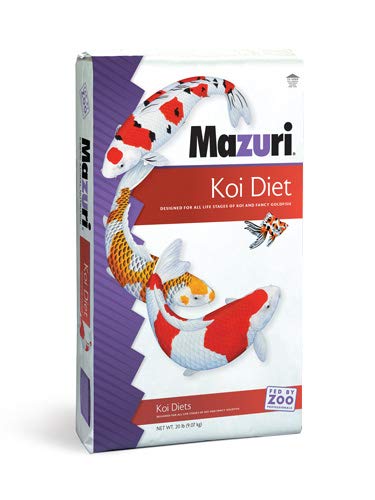
    Beat The Heat On A Budget (Mobile ACs for Tanks)!

    Before I get into the Best Aquarium Chillers, there is a bit of secret many of these chiller manufacturers do not want you to know. There are actually reasonably priced mobile ACs that can be purchased online that will keep the area you keep your aquarium cool! Here are a few suggestions. This choice is a good consideration if you add an aquarium in a den, garage, or addition:

    Value Priced
    BLACK+DECKER Portable AC

    Mobile AC units are an unconventional, but very effective and cheaper solution over many chiller options

    Buy On Amazon

    Mobile ACs require an outside vent so your only limitation is having a vent to the outside of your home or a window when you can insert the window outlet to it. They are very easy to install and the window outlets are made to universally fit on just about any window. Having the area in your home where your aquarium sits in cool is the most vital aspect of keeping temperatures safe. These mobile solution will not only work in new additions of your home, but also will protect you in the event of a AC failure.

    An even cheaper alternative is a Window AC unit. While these units are cheap and will get the job done, they are a lot longer than the portable AC units I have showed above. I feel that the Portable AC units are better values and since they are portable, you can move them around the house for other rooms if need. 

    Invest in an Tank Cooler

    Now if you want to have a substitute of an air cooler or if you think your existing air conditioner isnโ€™t doing much in terms of keeping the temperature in check for fish, you can purchase an aquarium chiller. Chillers have a variety of shapes, sizes and styles. So to buy the perfect chiller, you need to know the dimension and size of your aquarium and the temperature degree that has to be brought down to keep it at an optimum level.

    Once you are done buying just fix it in the sump or plumb it in-line of your tank. Voila! This is a sure effective method for beating that scorching heat of summer, plus you can also place it with your heater to control the temperature changes of your room. Let’s talk about the best aquarium chillers out there to purchase.

    The Candidates – A Quick Comparision

    Now to know which aquarium chiller is the best or which suits your needs the most is a big question, which I am here to answer. When you are buying look at the chillerโ€™s packaging for the horsepower rating; this rating is useful to determine the number of watts the chiller is going to use. British Thermal Units (BTU) is another rating which you should check before purchasing your ultimate aquarium chiller. Below are some recommended picks I’ll go over.

    In a hurry? I recommend the JBJ Artica!

    PictureNameSizesLink
    Editor’s Choice!
    JBJ Arctica 
    JBJ Arctica 
    • 1/15 HP
    • 1/10 HP
    • 1/5 HP
    • 1/3 HP
    Click For Best PriceBuy On Amazon
    Best Value
    Hamilton Technology Aqua Euro Max
    Hamilton Technology Aqua Euro Max
    • 1/13 HP
    • 1/10 HP
    • 1/4 HP
    • 1/2 HP
    • 1 HP
    Click For Best PriceBuy On Amazon
    Budget Option
    Active Aqua Chiller
    Active Aqua Chiller
    • 1/10 HP
    • 1/4 HP
    • 1/2 HP
    • 1 HP
    Buy On Amazon
    Teco Tank Aquarium Chiller Teco Tank Aquarium Chiller
    • 1/6 HP
    • 1/4 HP
    Buy On Amazon
    IceProbe Thermoelectric Chiller IceProbe Thermoelectric Chiller
    • 1/4/ HP
    Buy On Amazon
    Baoshishan Aquarium Chiller Baoshishan Aquarium Chiller
    • 1/10 HP
    • 1/3 HP
    Buy On Amazon

    The Top Choices For The Money – 2023 Updated

    Let’s see each aquarium chiller in detail

    1. JBJ Artica – The Name Brand

    Editor’s Choice
    JBJ Arctica Aquarium Chiller

    Editor’s Choice

    The name brand in aquarium chillers. The JBJ Arctica efficiently keeps tanks cool and are quiet

    Click For Best Price Buy On Amazon

    When it comes to JBJ, most people recognize them for their aquarium chillers. The JBJ Arctica Chillers come in a variety of sizes and use a titanium coil design, which makes them ideal for all aquariums. They are also known for being quiet to operate – a big consideration if you are planning to install one of these in a living room. These are energy efficient and quality units that will last a very long time.

    They do come with a premium price tag though. They are one of the more expensive aquarium chiller solutions on the market, but their reputation is well known in the industry for being reliable and effective.

    Pros

    • Well-known reliable chillers
    • Titanium make up
    • Energy Efficient

    Cons

    • Expensive

    2. Hamilton Technology Aqua Euro Max

    Best Value
    Aqua Euro Max Aquarium Chiller

    Best Value

    One of the most popular brands of aquarium chillers on the market. Designed for saltwater tank usage

    Buy On Amazon

    The Euro Max Chillers are a mainstay in the aquarium industry. It is probably the most commonly available aquarium chiller on the market, which means finding parts, service, and replacement are much easier than other units on this list. 

    These chillers are designed for aquariums, specially for saltwater aquariums. They are known for being long-lasting units. It comes with a removable air filter that is easy to pull to maintain. This filter is there to keep the chiller operating for a longer life, so you money will be well invested with this unit.

    Aside from their price, the only complaint I have with these units is that it comes with a barb connector. As a chiller that is designed for saltwater aquariums, a PVC connector via a slip fitting or bulkhead would have been more desirable especially knowing that many reef tanks get hard plumbed.

    Pros

    • Quality built unit made for reef tanks
    • Long-lasting
    • Readily available and easy to find parts and service

    Cons

    • Barb instead of bulkhead fitting
    • Expensive

    3. Active Aqua – Simple To Use

    Budget Option
    Active Aqua Chiller

    Budget Option

    A budget friendly aquarium chill that offers a variety of models and sizes

    Buy On Amazon

    The Active Aqua Chiller is a Freon-free aquarium chiller that is typically used in hydroponic systems. Because it is Freon-free, this makes the Active Aqua unit environmentally safe and easier to maintain. It has its own control unit with LCD displays. It has an anti-corrosive titanium evaporator – which is a huge deal for saltwater aquarium users. The Active Aqua 1/10 model pictured here is rated 1,020 BTU and will suit a 50 gallon tank. 

    Active Aqua gives you a number of choices though, going all the way up to 1 horsepower units that will suit large tanks. Its price point puts it in the middle of the pack of this list.

    Pros

    • Freon-free unit
    • Titanium make up – anti-corrosive
    • Lots of models available

    Cons

    • While mid-priced, it’s still expensive

    4. Teco Tank Tank Cooler – The Ultimate In Temperature Regulation

    Teco WiFi Tank Chiller

    An advanced chiller with loads of features. Capable of heating and cooling a tank

    Click For Best Price Buy On Amazon

    The Teco Tank Aquarium Chiller is bar none the most advance aquarium chiller available on the market for a hobbyist. It supplies the ultimate in aquarium temperature regulation. It not only provides aquarium chilling, but also very high quality aquarium heating. While it’s marketed as a aquarium chiller, it really is a complete temperature regulation solution.

    You probably know from reading my Best Aquarium Heaters post that aquarium heaters are one of the more fail probe pieces of equipment. The Teco Tank aquarium chiller provides a heating and cooling solution for consumers and professional tanks. See the video below by Dutch Reefer to see the Teco Tank chiller in action.

    The unit starts off with high-end compressors and titanium coaxial heaters to provide complete temperature regulation. It comes complete with a temperature controller that is accurate up to 1 degree Fahrenheit and contains audible alarms if the temperatures get too low or too cold. They add this all in with a compact design and Italian made engineering and you have a top of the line unit. This is also the only unit on the list has has a warranty over a year.

    So what’s the catch? It’s easily the price tag. They are the most expensive units on this list by a mile, but for someone running a high end planted tank or reef tank it may be worth the price.

    Pros

    • Heating and Cooling all in one unit
    • Italian made engineering
    • Professional/Commercial level equipment

    Cons

    • Very expensive

    5. Iceprobe Thermoelectric – Compact Solution

    Iceprobe ThermoElectric Chiller

    A compact chiller solution. Also works with drilled tanks

    Buy On Amazon

    The IceProbe Thermoelectric Chiller is a unit piece of equipment that can cool an aquarium yet still have a small footprint. This is accomplished by using a thermoelectric probe that is inside the water line and an external fan and controlled unit.

    What you get is a chiller that can take a very small footprint in the aquarium. Multiple units can be purchased to handle larger tanks. Purchasing 3 for a larger tank will equal to the purchase price of one of the middle-end units on this list so the price isn’t that bad when you think about it.

    The biggest downfall with this unit is that is requires a drilled aquarium. You need to have a hole to fit the probe or you stick it on top of your aquarium, which leaves an ugly looking piece of equipment visible. Others have had success placing the unit on top of a Power Filter for those with hang on back filters.

    I like to hide as much equipment as possible so I feel this unit is best in an Aquarium Sump or drilled to the back of an aquarium. If you want to learn more about drilling aquariums, check out my Best Aquarium Overflow Box Reviews post. 

    Pros

    • Compact
    • Reasonably price for what it can do
    • Requires no pump

    Cons

    • Large aquariums require multiple units

    6. Baoshishan – A New Player To The Market

    Baoshishan Aquarium Chiller

    A chiller with premium level parts without the premium level price. Easy to operate and maintain

    Buy On Amazon

    The Baoshishan Aquarium Chiller is a new entry in the market. It is made to be a premium quality chiller, but with a mid-level price. It is designed for aquarium and hydroponic usage. It comes with some higher features like a digital temperature controller. The built in controller will keep the unit from over cooling the tank. The controller is borrowing from the refrigeration industry and is one of the higher quality ones that come with a chiller. It is designed to be a easy to use and quiet chiller.

    The main issue with this unit is it is new to the market and a few users have had issues with the unit trigger their breaker switches due to the power demand of these units. The pump it comes with is not very powerful and the instructions are fairly useless. Fortunately, it’s an easy to operate unit.

    Pros

    • Good Price
    • Solid temperature controller

    Cons

    • Bad instructions
    • New to market
    • Power demanding 

    Tips

    There is more to keeping an aquarium cool than just having a chiller and or an AC. Here are some other pointers.

    A good filtration system

    Aeration enables the tank surface water not to be exposed to the higher temperature outside for long. Plus, the filtration system will filter the water as well (the double benefit you know).

    Circulation of water

    Good water circulation is a must to keep the water cool. Heat energy evaporates from the surface of the water. In addition to that, gases do an exchange at the surface of the water; where Carbon Dioxide leaves the water surface and Oxygen takes place instead. Without this circulation, the waterโ€™s dissolved oxygen levels can turn out critically low at higher tank temperatures.

    But the question is what is considered to be โ€œa good water circulationโ€? Water circulation may vary because of the dimension of the tank, the inhabitants it holds and the way it is decorated. Now speaking generally, tanks which have fish only must have water flow that turns the water over 10-40 times per hour (tph).

    If your tanks hold soft corals then the water turns over should be 10-30 tph. If you have all the soft, hard and large polyp stony corals then make sure the tankโ€™s water turns over about 30-50 tph. Aquarium with small polyp stony coral should have water turn over 40-80 tph at least.

    Invest in good aquarium wavemakers and aquarium return pumps to get to the times per hour requirements you need for your aquarium.

    Well, these are rules of thumb that can vary from tank to tank. But following this would make sure that the aquarium tank runs naturally cooler in summer.

    Use LED Lighting

    LED lighting versus T5s or Metal Halides have a big advantage over heat production. LEDs are the produce the least lighting and are ideal for aquariums house in hot climates. Check our our Best Reef LED Reviews for recommended selections.

    Cheap Solutions – How Not To Break Your Bank

    Now letโ€™s talk about some quick solutions which do not break your bank:

    Frozen water bottles

    Freeze water in a clean bottle that has never been in contact with soap or other detergents. This is the easiest solution because when the temperature is high just place the frozen bottle in the tank, once the temperature drops, bring it out as per your convenience.

    My suggestion here is not to throw ice cubes direct into the aquarium (no matter how easy and time-saving it may seem). Adding direct ice cubes may introduce chlorine and/or chloramine in your tank water (which you do not want unless youโ€™re using un-chlorinated water for ice cubes). Plus avoid using ice packs too which has a tendency to leak.

    Keep a constant sharp eye when the temperature starts to fall- there are no sure ways to tell when the temperature would drop or how long does it take for the water bottle to bring the temperature at an optimum level. So, yes- it is compulsory to keep the aquarium water cool; but no- you canโ€™t rush in doing it.

    Increase evaporation and air circulation with a fan

    Evaporation, as the water transforms into the gas, cools the tank water. This happens when a form of energy such as heat transferred from pumps, lighting and the roomโ€™s air temperature adds to the water. For this to happen, the surface of the water must be in contact with the open air. In other words, the aquarium cannot be hooded.

    Now to increase the evaporation and air flow process, keep a small fan in such a way that it blows air across the surface of the water. Now the question is how many fans do you need to make this air flow and evaporation process! Well, it solely depends on the size and dimension of your aquarium-tank. But only having a single fan would do the trick and you can see a huge difference in terms of keeping your aquarium cool.

    Placement of Tank

    Too much of a good thing may actually harm more than you think. Sunlight is important for living objects to get nutrients, for growth and development but the constant contact of sun rays to your aquatic friends may do more harm than good. Position your aquarium tank in such a way that it is not in direct contact with the sunlight. Plus, during summer sun travels higher in the sky- thus constantly changing angles of sun rays.

    So you may have to re-position your aquarium more often. If you donโ€™t want to go through all these hassles, install blinds in your tank room to block out the sunlight as temperature rises. Reducing this light, in turn, will also reduce the amount of heat energy passing through the tank water. Also, refrain from adding any artificial lighting to your fish-tank. Remember, it may look all those shimmery when you add blinking lights to your aquarium, but in the long turn it is harming the health of your fish and corals- the actual beauty of your โ€œlive-boxโ€.

    Ditch the Tank Canopy/Top – Let the Air Flow!

    A common trend now in the aquarium industry are open tops. They have the advantage of additional gas exchange and keep your aquarium cooler by have the water open in the room. You exchange this additional cooling with added evaporation and you will want to put down a mesh cover in order to keep your fish from jumping while keep the tank open. If you happen to run an air pump, one other downside to consider is that air pumps will blow water out causing additional water spots or salt creep if you run a saltwater tank.

    Be a โ€œmiserโ€ when adding that extra fish

    Now, as you are passing by the aquarium shop you may see some of the worldโ€™s best colorful fish swimming from one corner to the other of a fancy aquarium and it may happen that it is the last day of the month and you have just got a text from your bank that your account has been debited with the current monthโ€™s salary- sounds like a God sent notification to buy an extra fish for your aquarium? NO! Adding that extra little life to your already low oxygen level aquarium will result in a stressful situation for all the poor inhabitants of your tank. So always check your aquarium water temperature before you purchase an extra life for it.

    Though differently sized aquarium requires different methods to keep the temperature in check; these are few of the tactics that go well with almost every aquarium that you may have. Adapt these techniques in summer to maintain a better environment in your aquarium, your fish-friends will thank you!

    Closing Thoughts

    I have provided a number of options for you to keep your aquarium cool. From fans, placement of the aquarium, to mobile ACs to aquarium chillers themselves there are many options available for you. Look at what your budget can afford and take it from there. I hope this post was useful to you. If you have any questions, please leave a comment below. Thanks for reading.


    ๐Ÿ”ง Want to learn more? This article is part of our complete Aquarium Equipment & Gear Guide. your ultimate resource for filters, heaters, lights, pumps, tanks, and more.