AquariumStoreDepot

Tag: Freshwater

  • Rainbow Crab Care Guide: The Semi-Aquatic Setup They Actually Need

    Rainbow Crab Care Guide: The Semi-Aquatic Setup They Actually Need

    Rainbow Crabs are one of those species that gets misrepresented a lot in pet stores — they’re frequently sold as aquarium crabs, but they’re actually semi-aquatic. They need land access just as much as water, which catches a lot of buyers off guard. Get that setup wrong and you’re not going to have a happy crab for long. The good news is that once you understand what they actually need — a proper paludarium-style enclosure with both zones — they’re a fascinating and rewarding species to keep. Here’s how to do it right.

    Key Takeaways

    • Rainbow crabs do best in a 50% water 50% land setup
    • Provide them with proper care and housing, including suitable substrate & hiding spots
    • Provide them a balanced diet with fresh fruits/veggies, insects & protein-rich foods.
    • Molting is an important process. They need a good place to have during this time and will eat their molts

    Species Overview

    Scientific NameCardisoma armatum
    Common NamesRainbow Crab, Patriot Crab, African Rainbow Crab, African Freshwater Crab, Nigerian Moon Crab, Tricolor Crab, Soapdish Crabs, Indigo Crab, Burrowing Land Crabs, Tricolour crabs
    FamilySesarmidae
    OriginSoutheast Asia (specifically Indonesia), West Coast of Africa
    DietOmnivore
    Care LevelIntermediate 
    ActivityMostly active during the night (nocturnal)
    Life Span2-3 years
    TemperamentGenerally peaceful, but males can be territorial towards each other
    Tank LevelSemi terrestrial, with access to both land and water areas in the tank
    Minimum Tank Size5 gallons (18 liters) for a single crab, larger if keeping a group
    Temperature Range75-82°F (24-28°C)
    Water Hardness0-10 dKH
    pH Range6.0-7.5
    Filtration/Water FlowSlow to Moderate
    Water TypeFreshwater Tanks
    BreedingEgg Carrier
    Difficulty to BreedModerate
    CompatibilityCompatible with like-minded and like-sized fish species and inverts
    OK, for Planted Tanks?With Caution

    Understanding Them

    Rainbow crabs, known to some as land crabs, are semi-aquatic crustaceans native to West Africa1. Their alluring combination of aggressive behavior and vibrant colors set them apart from other crab species such as the patriot crab, males displaying brighter tints than females. Such an attractive form is referred to by their scientific name Cardisoma armatum – which can be translated literally into “armored with claws”!

    Let’s have a closer look at these remarkable creatures. Discussing where they come from, what makes them so unique in terms of physicality (size & color), and how long we get on average for lucky enough owners or observers – rainbow crab life expectancy.

    Origin And Natural Habitat

    Rainbow crabs, also known as African Rainbow Crab or Patriot Crab, are native to the coastal regions of West Africa. Showcasing stunning colors on their bodies with males featuring bright blue carapace and orange red legs along with white claws while females flaunt pale blue-grey hues combined with pale orange legs coupled by white pincers differentiates them from other animals in their natural habitat.

    These burrowing crustaceans thrive best near fresh/saltwater sources where they can dig deep into moist sand and vegetation for an idealistic cool shelter setting within its burrows -an extremely important part of taking care of these crabs in captivity, which we will explore ahead!

    Appearance

    Rainbow-Crab-On-Rock

    Rainbow crabs are known for their dazzling colors, especially the males which often boast much brighter hues than females. These could include vivid reds with orange-red legs, yellows and oranges as well as softer blues and greens, while some species even feature a purple blue carapace! After they hatch in watery habitats baby rainbow crabs stay there until growing larger when they become more land based creatures. As these crab age or molt Their beauty may fade yet it is still easy to distinguish them from other types of crustaceans due to all those distinctive coloring patterns that make up this unusual creature’s appearance.

    Average Size

    Rainbow crabs can reach up to 8 inches in size thought are usually purchased at a smaller size and seen in aquariums around 3-4 inches. To make sure they stay healthy, it is important for them to have sufficient space and hideouts when held together with other rainbow crabs, something we will be discussing more thoroughly later on in the section about housing conditions.

    Lifespan

    Rainbow crabs usually survive for around 8 years in their natural habitat, but when kept as pets they have an average life expectancy of 3-5 years. Maintaining the health of these vibrant crustaceans involves providing them with proper care to guarantee a suitable living environment – diet, stress levels, and surroundings all playing important roles. In order to successfully keep rainbow crabs captive it is necessary to create an optimal home setting and provide adequate support on a consistent basis.

    Proper Housing For Rainbow Crabs

    Taking care of rainbow crabs is a key part when it comes to creating the perfect living conditions for these semi-terrestrial creatures. To do so, you will need to create a paludarium that has both aquatic and terrestrial aspects within its environment in order for them to live properly.

    For the aquarium size, consider a 3 or 4 foot long aquarium, with 4 feet being the preferred. Plan on purchasing a cover for the tank as these crabs are known for being escape artists. The tank should also be placed in a quiet room as they do not like to be placed in busy areas like a living room.

    Paludarium Setup

    For rainbow crabs, maintaining a paludarium with an even aquatic-terrestrial division is essential for their health. This means providing freshwater or brackish water (with a suggested saliny of 1.005 – 1.015). Provide a humid environment with temperatures ranging from 75°F up to 85°F.

    As far as crab hiding spots go, making sure you provide suitable options allows them more comfort within their living environment. This could include some type of foliage like live plants or other items that will serve similar purposes without risking any damage caused by the crab walking over them or through their burrowing habits.

    Your land and water sections of the paludarium should be appropriately split. Ideally, you want half the tank land and the other half water with both sections separated horizontally. The water section must be filtered. You can use a canister or an internal filter to filter out the water in that section.

    Best Value
    Penn-Plax Cascade Internal Filter

    This 3 stage internal filter offers one of the largest media capacities for an internal filter

    Buy On Chewy Buy On Amazon

    Substrate And Hiding Spots

    Rainbow crabs must have a deep substrate, such as sand or cocofiber, to create and live in their burrows. The land portion of the paludarium should be at minimum 10 cm (4 inches) in depth for them to feel safe while making their homes. We would recommend much deeper so they bury themselves in the sand. This behavior is seen more often when the crab molts. Hiding places like driftwood, rocks, and vegetation are important components of imitating nature when creating an ideal habitat for these crustaceans.

    Diet And Feeding

    Rainbow crabs are omnivorous animals that need a well-balanced diet to stay healthy and content. To provide this, their meals should consist of fruits, vegetables, insects or other sources of protein. For optimal nutrition it is vital for the owners to manage leftover food accordingly in order to ensure these crustaceans get everything they require and that food doesn’t rot in the tank.

    You should also watch for uneaten food reaching the water section of the tank. Make sure to clean out the water of the tank at least once a month and more often than that if you are dealing with ammonia or nitrite issues.

    Dietary Needs And Types Of Food

    Rainbow crabs need a varied diet of meats, fruits, and vegetables to thrive. This should consist of the following:

    FruitsVegetablesProtein
    MangosKaleMealworms
    PapayasCollard GreensShrimp
    ApplesSquashKrill
    WatermelonBloodworms
    Grapes

    You can also use pet food, such as Hikari Crab Cuisine, as a staple to feed in between the suggested foods. It is also important to include calcium supplements for the formation of their shells. For these reasons, giving crab balanced meals is essential for its growth development to avoid potential problems.

    Behavior And Social Interaction

    Rainbow crabs are a solitary species. If you are planning to keep one, plan on only keeping this species in the tank. While it is possible to keep another rainbow crab, they are aggressive with each other and require a larger tank.

    There are no fish tank mates you can include in the water section of the tank. Your crab will eventually either eat or kill them over time. They are aggressive and territorial species once established.

    Molting Process

    Rainbow crabs require molting to not only grow their protective shells but for development as well. This process involves the crab taking in water until its carapace has reached a bursting point, at which time it will push out of its shell. It is critical that these creatures are left undisturbed during this delicate period so they can complete it properly. Do not attempt to handle or feed them while molting (they won’t eat anyway during this time), and let them eat up what was inside the old shell instead – making sure calcium levels remain balanced throughout this transition stage is paramount for rainbow crabs’ health. In order to breed these fascinating crustaceans successfully

    Health And Potential Diseases

    Maintaining a healthy environment and diet is essential for preserving the health of rainbow crabs, as shell rot, fungal infections, or parasitic infestations can easily take hold in poor conditions. Appropriate attention to their living arrangements should be taken to ensure they remain strong and lively.

    Cleaning out the tank regularly helps battle these diseases. Keep a well balanced diet will also keep many diseases away. Don’t hesitate seeking professional help from a vet or experienced crab keeper if things do go south.

    Breeding Challenges And Considerations

    Breeding rainbow crabs can be a tricky undertaking due to their particular environmental demands, belligerent mating behavior and reliance on lunar cycles and tides. For the majority of hobbyists, the intricate courtship rituals, as well as how these crustaceans mate together with specific natural factors, make it near impossible to raise them in captivity.

    For those interested in the breeding process. The crabs have a mating ritual where the female will store sperm in her body. When the eggs are ready to be released, the sperm will be released to flow over the eggs and fertilize them. The female Rainbow Crab journeys to the ocean, releasing her eggs into shallow waters. These eggs will hatch, and the rainbow crab larvae will be in salt water. A crab can have as many as 100 offspring at one time, though the average is usually 10 to 20.

    For those who are interested in having one or more of these species at home, it is suggested that they buy from established vendors instead of trying to breed them since that way assures healthier specimens without all difficulty related to breeding.

    Other Species To Check Out

    Not sure if this crab is for you? Check out our other crab guides below:

    Frequently Asked Questions

    How old do rainbow crabs get?

    Rainbow crabs have an average lifespan of 5 to 8 years when kept in captivity. They grow up to a carapace size of 10 cm (4 inches). To maximize their lifespan, place them in a sizable tank and provide them with a balanced diet.

    Are rainbow crabs pets?

    Rainbow crabs can be excellent pets, offering captivating views both in and out of the water. They make great companions to watch over a long time! They are an excellent sole species to keep.

    What is the ideal temperature and humidity for rainbow crabs?

    To promote the health of your rainbow crabs, temperature should be kept between 75° to 85° Fahrenheit with a humidity range from 75-85%. Water should be kept clean with the use of an aquarium filter, with an internal filter being the easiest filter to implement.

    How often do rainbow crabs molt?

    Rainbow crabs molt in a cycle, dependent upon their maturity. This timeframe lasts anywhere from several weeks to multiple months. During this time, the land crab will not eat, but will eventually eat their molt when they are ready.

    Can rainbow crabs be kept with other crustaceans?

    When it comes to rainbow crabs, keeping them together is not a good idea as they can have conflicts over authority. It’s best to separate these from other types of crustaceans too. These little creatures should be kept away from each other so that there won’t be any hostility between them and the others.

    Closing Thoughts

    This blog post has focused on giving us a better comprehension of rainbow crabs – their mesmerizing colors, semi-terrestrial life style and the difficulties that come along with keeping them in captivity. A proper habitat as well as supplying adequate nourishment are important steps when caring for these crab species so that you can ensure they stay healthy.

    How has your experience been keeping these animals? Let us know in the comments below. Until next time, fellow crab keepers!


    📘 Want to learn more? This article is part of our complete Freshwater Fish Guide — your ultimate resource for freshwater species, care tips, tank setup, and more.

  • Gold Gourami Care: The Temperament Issue Nobody Warns You About

    Gold Gourami Care: The Temperament Issue Nobody Warns You About

    Gold Gouramis have a reputation problem — they’re sold as peaceful community fish, but anyone who’s kept them knows they can get genuinely aggressive, especially males in smaller tanks. They’re a color variant of the Three Spot Gourami, and that species has a well-documented mean streak as they mature. That doesn’t make them a bad choice, but it does mean you need to think carefully about tank size and tankmate selection. In a large enough tank with the right companions, they’re stunning centerpiece fish. Here’s how to make it work.

    Key Takeaways

    • Gold Gouramis are a popular aquarium choice due to their striking appearance and hardiness.
    • Creating the perfect home for your Gold Gouramis requires understanding their specific requirements, such as tank size, water parameters & filtration, substrate/plants/decorations & diet
    • These fish are semi-aggressive and grow to 6 inches in length
    • They need lots of space to curb aggression in order to keep in community tanks with other fish

    Species Overview

    Scientific NameTrichopodus trichopterus
    Common NamesGold Gourami, Three Spot Gourami
    FamilyOsphronemidae
    OriginSoutheast Asia
    DietOmnivore
    Care LevelModerate
    ActivitySlow to Moderate
    Lifespan4 to 6 years
    TemperamentSemi-Aggressive
    Tank LevelMid to Top
    Minimum Tank Size40 gallons (3 foot length minimum)
    Water Temperature Range72°-82°F
    Water Hardness4 – 18 dKH
    pH Range6.0 – 7.5
    Filtration/Water FlowModerate
    Water TypeFreshwater
    BreedingEgg Layers in Bubble Nests
    Difficulty to BreedModerate
    CompatibilityCommunity fish – with the right fish
    OK, for Planted Tanks?Yes

    Species Introduction

    Their looks and their adaptability make them great showcase fish, and with the right tankmates they can be housed in a community thank.

    Origin And Habit

    Gold Gouramis, a type of labyrinth fish hailing from Southeast Asia and Indonesia with their natural habitat consisting mostly of vegetation in slow-moving waters. Their diets predominantly comprised crustaceans, insect larvae, and zooplankton, which dictate what kind of foods they require to thrive as captives. It is important that one familiarize oneself with the conditions necessary to replicate Gold Gourami’s original environment so you can keep them under low stress conditions that allow them to thrive.

    Appearance (Physical Characteristics)

    Gold Gouramis, a gourami species of fish, display an attractive golden hue that transitions into stripes near the rear. This is especially visible in male Gold Gouramis. They have wide fins and flat bodies with beautiful orangish-yellow pigmentations. An interesting aspect about them is their labyrinth organ, which allows for direct air breathing from water surfaces, something not commonly found among other fish types (though standard with Betta Fish – a close causing of the gouramis)!

    Gold-Gourami

    Males and females are easy to differentiate thanks to sexual dimorphism1: Males possess pointed dorsal fin while females feature rounder fins in comparison. Thus, it makes mating selection much simpler if one chooses to add variety to aquariums containing these creatures. There is also a blue color variation of this fish called the Blue Gourami with a similar temperament.

    These fish are sometimes classified incorrectly. Trichopodus trichopterus is another species that is known as the three spot gourami. These fish are differentiated by the shorter dorsal fin base on the Trichopodus versus the Trichogaster gouramis.

    Average Size

    Gold Gouramis will grow up to 6 inches in size, with males having a longer length than females. They usually grow quite quickly when young and can reach up to an inch each month of growth. Their rate slows as they mature. Having knowledge about how big they may get is essential for creating the right environment by selecting compatible tank mates as small species or species that look like them can be targeted.

    Lifespan

    Gold Gouramis, if taken good care of and kept in suitable tank conditions, have a life expectancy of anywhere between 4 to 6 years. It is important that their environment be calm as well as nutritionally balanced for them to live out their full lifespan. It’s essential you choose appropriate tankmates that sync with the gourami’s temperament so they can stay happy throughout those many years.

    Creating The Ideal Gold Gourami Environment

    Creating a suitable habitat for Gold Gouramis is essential to keep them healthy and active. This includes selecting the right tank set up, water parameters, and decorations. We will review all these elements in upcoming sections so that you can create an ideal living space with stunning visuals pleasing to your fish friends!

    Tank Size And Setup

    When setting up a tank for Gold Gouramis, the minimum recommended size is 40 gallons to provide adequate room for their growth and movement.

    Aqueon 40 Gallon Breeder

    Your standard 40 gallon breeder tank. Great dimensions, easy to find, and well priced

    Buy On Petco Buy On Amazon

    It’s essential that you cover the aquarium with either a lid or mesh, as these fish can jump out of their tanks. To best mirror its natural habitat and make it a comfortable environment for your gourami, include hiding spots along with some floating plants and dark substrate decorations around the bottom area of your gold gourami tank setup. Given that gourami fish, in general, are surface dwellers, floating plants will help promote their natural behaviors.

    Water Parameters And Filtration

    The health and welfare of Gold Gouramis highly depend on the maintenance of ideal water conditions. The preferred temperature should lie between 73°F to 82°F, with a pH that ranges from 6.0 to 8.0 as well as hardness range from 5-30 dGH. To maintain cleanliness in the aquarium, it is recommended that an appropriate filtration system be set up. Power filters and canister filters are recommended since these aquatic creatures do grow larger and need to be fed in greater quantities to stay healthy.

    Continuous monitoring coupled with frequent 25% changes must be done regularly for optimal tank conditions. You can keep track of your parameters like Ammonia, Nitrite, and Nitrate using aquarium test kits. We would recommend keep nitrates under 40PPM for the general health of the fish and any inverts or plants you plan on keeping.

    Substrate, Plants, And Decorations

    When designing a Gold Gourami tank, it is important to consider how the environment is constructed. While they generally don’t care about the substrate type you chose, the other inhabitants and plants you may want will have different needs. For example, if you add bottom dwellers like Corydoras, you will want a sandy substrate for them to rummage through. If you decide on plants like carpeting plants or rooted plants, you will want a substrate that can hold nutrients or an aquasoil.

    We recommend that you keep Gold Gouramis in a planted tank. This not only is natural for them, but it will also curb their aggression. Having lots of hiding spaces will allow for refuge for other fish. Here are a few easy to care for plants you can consider with Gold Gouramis:

    Also, adding items such as caves, driftwood, and soft rocks can give your gourami shelter while also creating a visually appealing display within the aquarium. For driftwood, Manzanita is a top choice. Avoid any chemistry altering rocks, such as limestone.

    Editor’s Choice
    Manzanita Driftwood

    Editor’s Choice

    Manzanita offers it all. Great shape, low tannins, quick to water log and reasonably priced. It’s the ultimate driftwood!

    Click For Best Price Click For Branch Pieces

    Floating vegetation is especially beneficial for these fish in part because they feel more comfortable when close cover resembles their native conditions. Incorporating some into your setup provides many benefits both aesthetically and filtration wise. Consider these floating plants with your Gourami:

    Feeding (Diet And Nutrition)

    When it comes to Gold Gouramis, a balanced omnivorous diet is essential in order for them to receive the nutrients they need for optimal growth and good health. This involves giving them both meat-based and vegetable based meals on a regular basis.

    To ensure their vitality, here are some tips for maintaining your gold gourami’s nutritional needs. Firstly, by creating an appropriate feeding schedule that provides nourishment at set intervals. Secondly, make sure these foods contain diverse nutrient sources within each meal plan.

    Feeding Schedule And Tips

    Gold Gouramis should be fed once or twice a day with only enough food that they can consume in 2 minutes to avoid any water quality issues. This Gourami species is prone to bloating, so a balanced diet is key to prevent this ailment. Too much protein in their diet will cause bloating, so you will want to mix in green matter in their diets. For protein, consider the following foods:

    • Live brine shrimp, blackworms
    • Frozen bloodworms, brine shrimp
    • High quality flake food and pellet food

    For vegetables, consider blanched vegetables such as:

    • Cucumber
    • Zucchini
    • Yam
    • Shelled Peas

    Fasting is a must with this fish. You will need to fish this fish at least once a week to clear their digestive system. By watching their eating habits closely, you can prevent potential digestive problems related to overfeeding and poor food selection while maintaining good health for your Gold Gouramis.

    Behavior

    When it comes to Gold Gouramis, they are usually described as peaceful fish yet can become semi-aggressive with maturity. Due to their temperament issues, they are not considered appropriate for beginner aquarists. When selecting tankmates for a community aquarium setup, careful consideration needs to be given in order for everyone to enjoy a low stress environment.

    One of the biggest issues we encounter with these fish is that they are placed in tanks too small. This is due to poor care guides published at chain fish stores or online that regularly recommend these fish in a 20 gallon tank. If the tank is too small, you are bound to deal with aggression as they get older. A 3 foot minimum tank size is recommended if you are going to attempt to place these fish with other community fish.

    In saying that, let’s talk about what tankmates could be good candidates.

    Good Tankmates

    Lake-Kutubu-Fish

    When it comes to selecting tankmates for Gold Gouramis, the key is finding peaceful fish that are not too small to be eaten or bullied. Some suitable choices are:

    One should also consider Otocinclus Catfish or a Bristle Nose Pleco when making their selection for general cleanup. Note that these fish listed are medium sized, or even semi aggressive. You will want fish that can stand up to their aggression and aren’t too small. For schooling fish, consider medium sized schooling fish and keep them in large numbers to keep your Gourami from singling one out.

    It’s important to remember all these aquatic creatures need similar water parameters plus adequate space along with plenty of places where they could hide out if necessary. This guarantees a low stress environment. By choosing compatible inhabitants, you’re sure to provide your beloved Gold Gouramis an enjoyable home!

    Bad Tankmates

    Arowana Fish

    When keeping Gold Gouramis in a community tank, it is important to be aware of their semi-aggressive behavior and the possible effects that mixing with aggressive or timid fish could have. Here are some fish that are absolute no’s. They may be okay when the Gold Gourami is small, but there will be issues when they reach adulthood:

    Slow moving species like Discus Fish may not suit these more boisterous creatures. One must take care when choosing suitable companions for your gourami so no occupant will feel unnecessary stress within this environment.

    Breeding Gold Gouramis: Tips and Techniques

    Breeding Gold Gouramis is an enjoyable endeavor for both novice and seasoned aquarists alike. A successful setup should include a tank with plenty of floating plants, caves, and ample surface area. The temperature must also be increased to 80°F (26°C). To encourage breeding, bubble nests will need to be constructed by the male gold gourami, who will also look after any eggs that are laid. Once the eggs are placed in the bubble nest, remove the female, as the male will chase her away. After the fry are born, it’s important for the male to be removed from the tank, or else he may eat his own fry! We have included a great video by Kaimuki Backyard that documents the behavior below.

    Once hatched small amounts baby brine shrimp can then be given as nourishment while they grow up before transitioning them onto other types suitable foods. Breeding is most successful in a separate breeding tank. Breeding in the display tank could result in added aggression and the fry getting eaten by other tank mates.

    Common Health Issues And Prevention

    Gold Gouramis, while hardy freshwater fish, can still suffer from common health issues such as ich, bacterial infections, and constipation. To maintain a healthy environment for these creatures, it is essential to tend to the water quality regularly by making water changes and keeping up with filter maintenance.

    Any new fish you want to add should be thoroughly checked or quarantined before introducing them into your already settled aquarium so they do not disturb its balance nor cause diseases. Keeping an eye out on how Gold Gouramis are doing and check for signs of illness such as:

    • Flashing or scratching on rocks or substrate
    • Rapid breathing
    • Torn fins
    • White spots
    • White stringy poop

    You can visit our fish diseases post to learn how to tackle and cure various illnesses you can come across in the aquarium trade!

    Frequently Asked Questions

    How big do gold Gouramis get?

    Gold Gouramis can reach a maximum of 6 inches in length. ales are characterized by their extravagant fins, which are Bigger than those of female gouramis. Males are also more aggressive than females

    Are Golden gouramis peaceful?

    No, Golden Gouramis are only peaceful when they are juvenile fish. As they reach adulthood, they will come into their own and become territorial. They will attack fish that are smaller and timid and swim near their territory. The best way to curb this aggression is to have a bigger tank and to avoid fish that prefer to swim at the top of the tank.

    What size tank does a gold gourami need?

    Gold gouramis should be kept in an aquarium no smaller than 40 gallons that contains plenty of plants and hiding places such as driftwood and rocks. We recommend that you place them in a tank no shorter than 3 feet in length.

    Are gold honey Gouramis aggressive?

    Yes, Gold Gouramis are semi-aggressive when they reach adulthood. They are most aggressive to fish that swim to the top of the tank or look like them. To avoid aggression, purchase bottom feeders or mid level swimmers or consider large fish that will stand up to themselves but who also can’t eat them.

    What should I feed my Gold Gouramis?

    For Gold Gouramis to stay healthy, it’s important to give them a nutritious omnivorous diet composed of quality flake foods, frozen food, and pellets. Vegetable matter should be considered either with prepared fish foods or blanched vegetables.

    Closing Thoughts

    This misunderstood fish does get a bad reputation in the aquarium industry due to how aggressive it can become as it gets older. Honestly, I’m surprised that it isn’t as infamous as the Tiger Barb given it is more aggressive than them. As long as you place them in a sizable tank with the right tankmates, you can succeed with them in a community fish tank.

    How has your luck been with this fish? Any horror stories you would like to share? Leave them in the comments below. I really want to get the word out on how these fish really are as there is a lot of misinformation on the internet about their temperament. I hope this article helped you in learning more about them. Until next time fellow fish keepers!


    📘 Want to learn more? This article is part of our complete Freshwater Fish Guide — your ultimate resource for freshwater species, care tips, tank setup, and more.

  • 15 Aquarium Fish That Start With P (Species Reference Guide)

    15 Aquarium Fish That Start With P (Species Reference Guide)

    P covers a surprisingly strong lineup of aquarium fish — puffers, platies, platys, plecostomus, peacock cichlids, and more. I’ve kept several on this list personally, from common platies in community tanks to various pleco species. Whether you’re trying to identify something or shopping for your next addition, this list should give you a solid starting point.

    Key Takeaways

    • There are many fish whose name begins with the letter P.
    • Some of the most recognized P-lettered fish are pufferfish, piranha, platies, and pipefish.
    • Unfortunately, not even fish that begins with P can be kept in the aquarium, due to size, aggression, or other behaviors.
    • If you’re stuck deciding which fish to get next, the letter P offers many options to choose from!

    15 Fish That Start With P

    1. Platies

    Sunset-Platy
    • Scientific Name: Xiphophorus maculatus
    • Fish Family: Poeciliidae
    • Water Type: Freshwater
    • Temperament: Peaceful
    • Care Level: Easy
    • Size Range: 2-3 inches
    • Special Features: Different varieties and colors

    Platy fish are one of the most common freshwater fish to come across in the aquarium hobby. These fish are relatively small yet packed with color. There are many varieties of platy available, with long or short fins along with nearly every color and pattern imaginable.

    Here are some of the most popular varieties of platyfish available:

    • Red wagtail platy – Red with black fins
    • Sunset platy – Gradients of reds, yellows, and oranges
    • Panda platy – Half black and white with black spots
    • Hi-fin platy – Extended dorsal fins

    Platies are some of the easiest fish to care for that start with P. They need a 10 gallon tank and tropical conditions but will adapt to appropriate tank and water conditions. Some hobbyists find these fish a nuisance due to their prolific live birth rates.

    2. Pearl Gourami

    Pearl Gourami Fish
    • Scientific Name: Trichopodus leerii
    • Fish Family: Osphronemidae
    • Water Type: Freshwater
    • Temperament: Peaceful
    • Care Level: Moderate
    • Size Range: 4-5 inches
    • Special Features: Irridescent spots

    The pearl gourami is an understated species of fish that fits perfectly into planted community tanks. These fish are medium-sized with shiny bluish-white spots all over their body. Like other gouramis, they have long sensors that reach out in front of them to help navigate their surroundings and find food.

    Pearl gouramis are moderately easy to keep. They are slightly larger than most freshwater fish and need a 30 or 40 gallon aquarium. While active swimmers, pearl gouramis need plenty of space to hide and tank mates that match their calm demeanor.

    3. Paradise Fish

    Paradise Fish in Aquarium
    • Scientific Name: Macropodus opercularis
    • Fish Family: Osphronemidae
    • Water Type: Freshwater
    • Temperament: Generally peaceful
    • Care Level: Easy
    • Size Range: 2-3 inches
    • Special Features: Bright colors

    Once a very popular freshwater fish, paradise fish can still bring immense color to the aquarium. These orange and blue fish are a generally peaceful species that does well in planted aquariums. These are some considerations needed when planning tank mates as these fish can be aggressive to similar-looking species.

    While forked tail paradise fish, Macropodus opercularis, is the most common type of paradise fish to come across, there are a few other species that you might find:

    • Macropodus chinensis – Round tail
    • Macropodus cupanus – Pointed tail

    Like other types of gourami, paradise fish are easy to keep. They require a 20 gallon aquarium with tropical water conditions.

    4. Painted Talking Catfish

    • Scientific Name: Acanthodoras cataphractus
    • Fish Family: Doradidae
    • Water Type: Freshwater
    • Temperament: Semi-aggressive
    • Care Level: Moderate
    • Size Range: 2-4 inches
    • Special Features: Nocturnal

    Also known as the spiny or chocolate catfish, the painted talking catfish (video source) isn’t commonly seen in the aquarium hobby. These striped fish may be confused with the striped Raphael catfish (Platydoras armatulus) but stay slightly smaller.

    These talking fish are named after their ability to produce sound. Like other catfish, they have long barbels and nocturnal behaviors. They are mainly detritivores but might try to eat small fish. The minimum tank size recommended is 40 gallons.

    5. Praecox Rainbowfish

    Rainbow Fish in Planted Tank
    • Scientific Name: Melanotaenia praecox
    • Fish Family: Melanotaeniidae
    • Water Type: Freshwater
    • Temperament: Peaceful but active
    • Care Level: Easy
    • Size Range: 2-3 inches
    • Special Features: Bright iridescent coloration

    Most species of rainbowfish grow to moderate sizes, but the praecox rainbowfish, also known as the dwarf neon rainbowfish, stays a manageable size. Due to their small potential size, praecox rainbows only require a 20 gallon school but need to be kept in schools.

    Praecox rainbowfish (also known by their common name dwarf rainbowfish) are very active fish and need a long aquarium setup. Tank mates should also match their active behavior so that they are not stressed or out-competed during feeding times.

    6. Plecostomus

    Common-Pleco
    • Scientific Name: Hypostomus plecostomus
    • Fish Family: Loricariidae
    • Water Type: Freshwater
    • Temperament: Semi-aggressive
    • Care Level: Moderate
    • Size Range: 12-15 inches
    • Special Features: Large suckermouth

    The common plecostomus is probably the first fish that comes to mind that starts with the letter P. These freshwater fish have been in the aquarium hobby for a long time and carry a lot of discussion around them. These a large fish that need a lot of space, but they’re often sold as beginner-friendly at only a couple of inches long.

    In reality, common plecos need well over a 100 gallon aquarium for long-term housing. Not only are these fish big, but they also live up to 15 years. Ideally, common plecos should only be kept in a pond or lake setting; if keeping your pleco outdoors, make sure that the area is contained as common plecos are becoming an increasingly invasive species.

    7. Pigeon Blood Discus

    Pigeon-Blood-Discus
    • Scientific Name: Symphysodon spp.
    • Fish Family: Cichlidae
    • Water Type: Freshwater
    • Temperament: Peaceful
    • Care Level: Moderate to expert
    • Size Range: 8-12 inches
    • Special Features: Bright red and bluish-white coloration

    The pigeon blood discus is a specific variety of discus fish. These freshwater fish are recognized by their unmistakable plate-like bodies with bright red and bluish-white dappling.

    Discus fish are one of the more difficult species of fish to take care of in the aquarium setting. They require warmer water temperatures between 82° and 86° F and large tanks above 75 gallons. They are not hardy and hobbyists often find that their discus tanks need daily water changes to thrive. That being said, many discus keepers also successfully keep these fish with minimal maintenance.

    8. Pygmy Corydoras

    • Scientific Name: Corydoras pygmaeus
    • Fish Family: Callichthyidae
    • Water Type: Freshwater
    • Temperament: Peaceful
    • Care Level: Moderate
    • Size Range: <1 inch
    • Special Features: Small size

    The smallest, and arguably cutest, species on this list, the pygmy corydoras is a great tank mate for most community planted tanks. Pygmy corys stay very small but require a school of at least 6 or more. Even then, a moderate-sized school of them can comfortably live in a 10 gallon aquarium.

    Though easy to keep, these corydoras can be extra sensitive to stress and improper water parameters. This is one fish that especially benefits from being quarantined before being added to the main display tank.

    9. Pearlscale Goldfish

    Pearscale-Goldfish
    • Scientific Name: Carassius auratus
    • Fish Family: Cyprinidae
    • Water Type: Freshwater
    • Temperament: Peaceful but active
    • Care Level: Easy to moderate
    • Size Range: 6-8 inches
    • Special Features: Scaly, bumpy body

    The pearlscale goldfish is not sick with dropsy! Instead, this breed of goldfish has been carefully bred to display a rough, bumpy texture on its body and an extra egg-shaped body.

    Most goldfish breeds are easy to care for as long as you have the appropriate space and filtration. Pearlscale goldfish need at least 20 gallons, with bigger always being better. As goldfish, they need powerful filtration and regular tank maintenance.

    However, unlike other goldfish breeds, pearlscales won’t excel in outdoor ponds. These fish have delicate scales that need to be protected from bumping into both dull and sharp objects.

    10. Peters Elephantnose Fish

    Elephant Nose Fish in Planted Tank
    • Scientific Name: Gnathonemus petersii
    • Fish Family: Mormyridae
    • Water Type: Freshwater
    • Temperament: Peaceful but can be territorial
    • Care Level: Difficult
    • Size Range: 7-9 inches
    • Special Features: Long nose and unusual body shape

    Peters elephantnose fish, simply known as the elephantnose fish, is one of the most interesting-looking fish on this list! These tropical fish originate from Africa and feature a unique feature called the Schnauzenorgan. This extended nose helps them locate food, navigate their surroundings, and communicate with other fish through electroreceptors; interestingly, the rest of their body is also covered in these receptors.

    The Peters elephantnose fish is a large, active fish that can possibly pose a threat to other smaller fish in the aquarium. They need at least a 55 gallon tank, but a 100 or more gallon aquarium will allow them to show their most natural behaviors.

    11. Polka Dot Loach

    • Scientific Name: Botia kubotai
    • Fish Family: Botiidae
    • Water Type: Freshwater
    • Temperament: Peaceful
    • Care Level: Moderate
    • Size Range: 5-6 inches
    • Special Features: Outgoing personality

    The polka dot loach (video source), also known as the angelicus loach, is an attractive fish with a big personality. They have a similar appearance to other freshwater loaches, like the yoyo loach (Botia almorhae), but have more segmented natural patterns as adults.

    Polka dot loaches do best when kept in groups of at least 6 or more. This means that they need an aquarium size of at least 55 gallons or more. These are very active bottom-dwellers that will search the substrate for plant matter and leftover food but will not eat fish waste or other decaying organics.

    12. Pufferfish (Freshwater)

    Green Spotted Pufferfish in Aquarium
    • Fish Family: Tetraodontidae
    • Water Type: Freshwater, brackish
    • Temperament: Semi-aggressive to aggressive
    • Care Level: Moderate
    • Size Range: 1-24 inches
    • Special Features: Hard beak, inflatable

    Some of the most recognizable fish that start with P belong to the freshwater pufferfish group. Many species of freshwater puffer can successfully live in the aquarium setting, including:

    • Pea puffer (Carinotetraodon travancoricus)
    • Fahaka puffer (Tetraodon lineatus)
    • Figure-8 puffer (Tetraodon biocellatus)
    • Congo puffer (Tetraodon miurus)

    These fish range from very small to very large and recommended tank size will vary. Most of these species are incompatible with other fish, though might enjoy the company of each other.

    It should be noted that some of these species may need to be kept in brackish water conditions as they mature.

    13. Pufferfish (Marine)

    Golden Pufferfish in Aquarium
    • Fish Family: Tetraodontidae
    • Water Type: Saltwater
    • Temperament: Semi-aggressive to aggressive
    • Care Level: Moderate
    • Size Range: 4+ inches
    • Special Features: Hard beak, inflatable

    Possibly even more popular aquarium fish than their freshwater cousins, saltwater pufferfish are big and bold. This means that most species of this saltwater fish need at least a 75 gallon tank or more, though it is much easier to pair them with other aggressive tank mates.

    Some of the most popular saltwater pufferfish are:

    • Dogface puffer (Arothron nigropunctatus)
    • Porcupine puffer (Diodon holocanthus)
    • Stars and stripes puffer (Arothron hispidus)
    • Saddle puffer (Canthigaster coronata)

    Again, the exact needs for each of these fish will vary by species. However, these are totally saltwater fish that need appropriate salinity levels throughout their lifetimes.

    14. Pipefish

    Pipefish
    • Fish Family: Syngnathidae
    • Water Type: Saltwater
    • Temperament: Peaceful
    • Care Level: Difficult
    • Size Range: 3-15 inches
    • Special Features: Long body and pointed snout

    Closely related to seahorses, pipefish are known for their snake-like, elongated body. These are very interesting-looking fish that look great in an aquarium but are difficult to provide proper care for.

    Unfortunately, pipefish need very specific saltwater aquarium setups with gentle water flow, suitable water parameters, and a careful diet. These fish don’t transition to aquarium life well and it can be a challenge to ensure that your fish eats and gets enough to eat.

    There are a few species of pipefish available for purchase in the aquarium hobby:

    • Banded pipefish (Doryrhamphus dactylophorus)
    • Bluestripe pipefish (Doryrhamphus excisus)
    • Yellow multibanded pipefish (Doryrhamphus pessuliferus)

    15. Painted Glass Fish

    Painted-Glass-Fish

    To round off this list, we need to talk about painted glass fish. Unfortunately, this cruel type of fish also starts with P. Product Review Help has a great video example of the inhumane above. 80% of these fish will die in the process of the injection!

    Painted glass fish are artificially dyed glass fish (Parambassis ranga), that have been injected with various colors and chemicals. These are regularly confused with GloFish, which gain their bright neon colors through genetics. The painted glass fish industry should not be supported. GloFish are a much more humane and safe practice for achieving the same effect.

    There are different species of GloFish available:

    There are no special care requirements for GloFish. Instead, the basic needs of the given species will need to be met.

    Other Species That Can’t Be Kept In Aquariums

    As you can imagine, there are many fish that start with the letter P that can’t be kept in the aquarium. This could be due to a lack of demand, space requirements, dietary needs, or aggression.

    Here are some species that didn’t make the cut!

    1. Pacific Lamprey (Entosphenus tridentatus). We think it’s fair to say that nobody would want to keep a Pacific lamprey in their home aquarium. While one of the most ancient fish in aquatic ecosystems, lampreys are eel-like fish with serrated mouths and sharp teeth they use to stick onto and digest prey. These P-lettered fish are impractical to keep in the aquarium due to their size and activity.
    2. Pacific Salmon (Oncorhynchus spp.). The term Pacific salmon often refers to sockeye, king (chinook), coho, chum, and pink salmon. These are very important food fish for commercial fishing that undergo a massive migration to the northern Pacific Ocean. This migration is necessary for their life stages and would not be possible in an aquarium setting.
    3. Pacific Hake (Merluccius productus). Also known as Pacific whiting or Jack salmon, Pacific hake are large deep-sea fish in the eastern Pacific Ocean. This fish species undergoes daily vertical migration, sometimes moving over 1,000 feet a day, which is impossible to recreate in an aquarium setting. The Pacific hake is also an important commercial species.
    4. Pilot Fish (Naucrates ductor). These fish are rarely seen without a nearby shark or turtle. Pilot fish grow to big sizes and travel long distances. They rely on other fish, mainly elasmobranchs, to catch leftover food and clean up parasites.
    5. Port Jackson Shark (Heterodontus portusjacksoni). Native to southern Australia, the Port Jackson shark is a type of bullhead shark that grows to be nearly 6 feet long. They are a nocturnal species that relies on migrating around the continent for reproduction.
    6. Pacific Fat Sleeper Goby (Dormitator latifrons). Found in freshwater, saltwater, and brackish conditions, the Pacific fat sleeper goby is native to portions of North and South America. These fish live in between tides in estuaries and inlets and have developed a special method of breathing called facultative air-breathing. They have a specialized diet of mud and other organic material, which would be difficult to supply in a home setting.
    7. Pelagic Cod (Melanonus gracilis). The pelagic cod is a deepwater fish that lives in cold to temperate water conditions. These fish have no commercial value and should not be confused with Atlantic or Pacific cod.

    Honorable Mentions

    Here are other fish we ran out of space to post in this blog post:

    • Blood Parrot Cichlid
    • Pearl Roach
    • Pike Conger
    • Peacock Cichlid
    • Panda Dwarf Cichlid
    • Panda Corydoras
    • Parrot Fish
    • Peacock Flounder
    • Pelican Eel
    • Pacific Herring
    • Pacu (Invasive – has been caught in Lake Michigan) but to not keep in aquariums

    Other Lists

    Looking for other fish that start with other letters of the alphabet? Check out the other posts below:

    FAQs

    What is a flat fish that starts with P?

    The flattest fish that starts with the letter P are plaice (Pleuronectidae), more commonly recognized as flounders. There are four main types of plaice: American, Alaskan, European, and scale-eye plaice.

    What is the Florida fish that starts with P?

    There are many species of fish in Florida that start with P. Some of these fish might include pinfish (Lagodon rhomboides), Pompano dolphinfish (Coryphaena equiselis), and porkfish (Anisotremus virginicus).

    What predatory fish starts with P?

    The most well-known predatory fish that starts with P is the piranha (Serrasalmidae family). Though these carnivorous fish might look fearsome, there is a lot of misunderstanding behind them. One thing to note is that they make great aquarium fish, though!

    What fish starts with the letter P?

    With over 33,000 different species of fish, many fish names start with the letter P! If you can’t decide what kind of fish you want to add to your aquarium, pick a letter and see which options fit best for you.

    Conclusion

    There are many fish that start with the letter P. Some big, some small, some saltwater, and some freshwater, with a species that’s appropriate for any fish tank setup. As with any species, make sure that you can provide a life-long home for whichever P-named fish you decide to get!

  • 15 Aquarium Fish That Start With S (Species Reference Guide)

    15 Aquarium Fish That Start With S (Species Reference Guide)

    S is one of the strongest letters in the hobby — swordtails, serpae tetras, silver dollars, Siamese algae eaters, saltwater species like seahorses and sea horses. I’ve kept several on this list personally. Whether you’re trying to ID a species or looking for your next purchase, this guide covers the most relevant aquarium fish starting with S, both freshwater and saltwater.

    Key Takeaways

    • Many aquarium fish start with S, including extremely popular species like the Siamese fighting fish and the shubunkin goldfish
    • This guide lists pet fish and species that aren’t kept in the hobby.
    • Be sure to research any fish before adding it to your fish tank.

    15 Aquarium Fish That Start With S

    1. Severum

    Yellow Severum Cichlid
    • Scientific Name (Latin Names): Heros spp.
    • Fish Family: Cichlidae
    • Water Type: Freshwater
    • Temperament: Semi-aggressive
    • Care Level: Moderate
    • Size Range: 7 – 10 inches
    • Special Features: Peaceful nature and beautiful colors

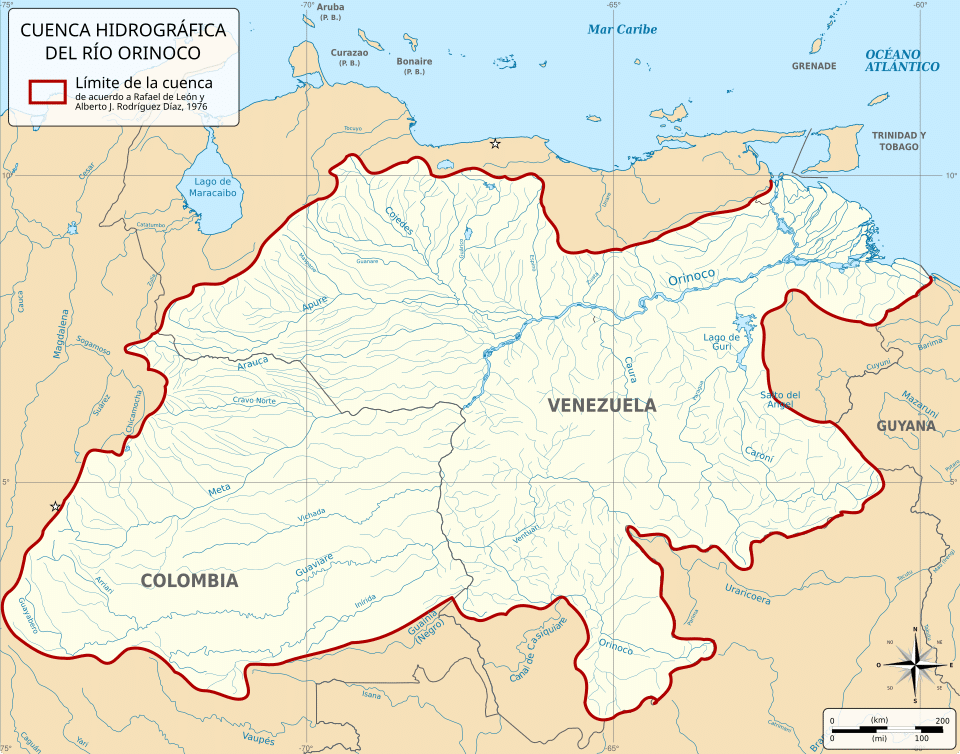
    The severum is an awesome South American cichlid from the Rio Negro and Orinoco rivers. These fish also known through their common names Banded Cichlid and Rainbow Severum Cichlidare have many different types available, ranging from solid oranges to red and green fish breeds with bold black stripes.
    These large fish are relatively peaceful as far as cichlids go, and they make a great choice for tanks of 55 gallons or more. They can be kept with a variety of tank mates, but avoid any fish small enough for your severum to swallow.

    2. Siamese Fighting Fish

    WYSIWYG Available!
    Betta Fish

    Use Coupon Code ASDFISH at Checkout

    Betta Fish are one of the most beautiful varieties of freshwater fish available in the hobby. Easy to care for with plenty of varieties!

    Buy Premium Varieties Buy On Petco Online
    • Scientific Name: Betta splendens
    • Fish Family: Osphronemidae
    • Water Type: Freshwater
    • Temperament: Aggressive toward their own species
    • Care Level: Easy
    • Size Range: 2 – 2.5 inches
    • Special Features: Amazing range of breeds and colors

    The Siamese fighting fish is also known as the betta fish. These freshwater fish species come from Southeast Asia originally, but today you can find them in pet stores all over the world!

    Siamese fighting fish are available in almost every color imaginable, and their beautiful fins really add to their charm. These tropical fish are wonderful pets, and they’re a great choice for fishkeepers who don’t have space for a large aquarium.

    3. Siamese Algae Eater

    • Scientific Name: Crossocheilus oblongus
    • Fish Family: Cyprinidae
    • Water Type: Freshwater
    • Temperament: Peaceful
    • Care Level: Easy
    • Size Range: 6 inches
    • Special Features: Shark-like fins and bold horizontal strips

    The Siamese algae eater is an excellent species for medium to large tropical aquariums. These hardy fish come from rivers in Southeast Asia but adapt to a wide range of water parameters in the home aquarium.
    These useful freshwater fish love to eat aquarium algae, and they work tirelessly to keep your tank clean! Siamese algae-eaters are schooling fish, so be sure to keep them in a group of at least four.

    4. Swordtail

    Swordtail Fish in Planted Tank
    • Scientific Name: Xiphophorus hellerii
    • Fish Family: Poeciliidae
    • Water Type: Freshwater
    • Temperament: Peaceful
    • Care Level: Easy
    • Size Range: 5 – 6.5 inches
    • Special Features: Long, sword-shaped tail

    The swordtail is a popular aquarium fish that comes from Mexico and Central America. They have been selectively bred into many beautiful color forms, mostly with bright orange, yellow, and red shades.
    Swordtails are great freshwater fish for a peaceful planted community aquarium. These fish are livebearers like guppies and mollies, which means they are super easy to breed in your aquarium.

    5. Snakeskin Discus

    Snakeskin-Discus
    • Scientific Name: Symphysodon spp.
    • Fish Family: Cichlidae
    • Water Type: Freshwater
    • Temperament: Peaceful
    • Care Level: Advanced
    • Size Range: 6 – 8 inches
    • Special Features: Disc-shaped body with beautiful neon colors

    The discus fish is one of the world’s most beautiful fish species. These South American cichlids are often known as the King of the aquarium because of their bold appearance, although they are pretty sensitive creatures that need excellent water quality to survive.

    The snakeskin discus is a particularly mesmerizing discus breed that has 14 dark vertical bars instead of the normal 9 of the wild fish. These stunning freshwater fish are available in many beautiful color patterns, usually including intense turquoise and deep red.

    6. Shubunkin Goldfish

    Shubunkin Tank Requirements
    • Scientific Name: Carassius auratus
    • Fish Family: Cyprinidae
    • Water Type: Freshwater
    • Temperament: Peaceful
    • Care Level: Intermediate
    • Size Range: 8 – 10 inches in aquariums
    • Special Features: Calico color pattern

    Shubunkins are a slim-bodied breed of goldfish that were first developed over a century ago. These peaceful fish stand out from regular goldfish with their attractive calico color pattern of pearly scales with overlapping patches of various colors, including white, red, and black.

    Shubunkin goldfish make great pets for large, coldwater aquariums, but they can also be kept outdoors in ponds.

    7. Saulosi African Cichlid

    • Scientific Name: Pseudotropheus saulosi
    • Fish Family: Cichlidae
    • Water Type: Freshwater
    • Temperament: Semi-aggressive
    • Care Level: Moderate
    • Size Range: 3 – 3.4 inches
    • Special Features: Different male and female colors

    The saulosi cichlid (video source) is an African Cichlid fish species from Lake Malawi in East Africa. These dwarf mbuna cichlids can be kept in a relatively small tank of about 40 gallons, although they do need hard, alkaline water to thrive.

    Like many other African cichlids, adult males and females look completely different! Females are bright yellow, while males are electric blue with black vertical bars.

    8. Splendid Killifish

    • Scientific Name: Aphyosemion splendopleure
    • Fish Family: Nothobranchiidae
    • Water Type: Freshwater
    • Temperament: Peaceful
    • Care Level: Intermediate
    • Size Range: 2 – 2.2 inches
    • Special Features: Bright colors and full fins

    The splendid killifish (video source) is a beautiful African fish that can make a peaceful and fascinating aquarium pet. The male is particularly colorful and develops pearly pink, blue, green, and yellow tones. They are shy fish that do best when kept in well-planted nano aquariums.

    9. Sunset Gourami

    • Scientific Name: Trichogaster/colisa chuna
    • Fish Family: Osphronemidae
    • Water Type: Freshwater
    • Temperament: Peaceful
    • Care Level: Easy
    • Size Range: 2 inches
    • Special Features: Interesting feeler-like fins

    The sunset gourami is also known by their common name, the honey gourami. Males develop beautiful sunset-orange colors to impress females in the breeding season, but these tropical fish are fascinating to watch at any time of the year.

    These peaceful nanofish are excellent for community aquariums, where they will get along with many other fish species.

    10. Smudge Spot Corydoras

    • Scientific Name: Corydoras similis
    • Fish Family: Callichthyidae
    • Water Type: Freshwater
    • Temperament: Peaceful
    • Care Level: Easy
    • Size Range: 2 – 2.4 inches
    • Special Features: Spotted pattern with a dark blotch near the tail

    The smudge spot corydoras (video source) is one of over 160 small catfish species in their family. These adorable little bottom-dwellers are excellent community fish for tropical freshwater aquariums where they love to hang out in schools with their own species.

    Keep your similis cory-cats on a smooth, fine substrate and feed them quality sinking food to keep them happy and healthy.

    11. Seahorse

    Seahorse Couple
    • Scientific Name: Hippocampus spp.
    • Fish Family: Syngnathidae
    • Water Type: Saltwater
    • Temperament: Peaceful
    • Care Level: Moderate
    • Size Range: 2 to 13 inches
    • Special Features: Long curly tail and horse-shaped head

    There are over 40 species of these strange saltwater fish, and some of them make great aquarium pets for dedicated fishkeepers! They are not all that difficult to keep, although they require a diet of mysis shrimp and very low water flow in their tank.

    Seahorses should not be kept with other fish. Rather, keep these unique creatures in a species-only marine tank where you can create the perfect conditions for them to thrive.

    12. Scorpion Fish

    • Scientific Name: Taenianotus spp., Amblyapistus spp. etc.
    • Fish Family: Scorpaenidae
    • Water Type: Saltwater
    • Temperament: Semi-aggressive
    • Care Level: Moderate
    • Size Range: 2 – 40+ inches
    • Special Features: Venomous spines

    There are hundreds of different scorpionfish in the world’s oceans (video source), and many of these strange marine fish make fascinating pets.

    However, scorpionfish have venomous spines, which can cause serious pain or even death in some cases, so this is one fish you do not want to touch!

    13. Squirrelfish

    Squirrel Fish In Aquarium
    • Scientific Name: Sargocentron spp.
    • Fish Family: Holocentridae
    • Water Type: Saltwater
    • Temperament: Peaceful
    • Care Level: Easy – Moderate
    • Size Range: 3 – 19 inches
    • Special Features: Large eyes and colorful stripes

    Squirrelfish are nocturnal saltwater fish that come out onto the reef at night to hunt for shrimp and other marine invertebrates. These colorful fish are excellent for marine aquariums, especially if you keep the lights low. One thing to note is that some of these fish have venomous spines, so never touch them with your bare hands.

    14. Scribbled Rabbitfish

    Scribbled Rabbitfish
    • Scientific Name: Siganus doliatus
    • Fish Family: Siganidae
    • Water Type: Saltwater
    • Temperament: Peaceful
    • Care Level: Moderate
    • Size Range: 10 inches
    • Special Features: Circuit board pattern of scribbled lines

    Also known as the barred spinefoot and the blue-lined rabbitfish, scribbled rabbitfish are attractive tropical marine fish from the western Pacific Ocean. They take their fish names from the beautiful scribbled blue lines across their pearl and yellow body.

    These herbivores don’t only look great in a marine tank, but they also help to keep your aquarium clean by grazing on unwanted algae!

    15. Sharks

    Bamboo Shark
    • Scientific Name: Various
    • Fish Family: Chondrichthyes
    • Water Type: Saltwater
    • Temperament: Semi-aggressive – aggressive
    • Care Level: Moderate – advanced
    • Size Range: 7 inches to 60 feet
    • Special Features: Leathery skin and prominent gill slits

    Sharks are one of the largest fish in the world, and with over 500 species, these notorious creatures come in all shapes and sizes!

    Larger species like the sand tiger shark are only suitable for massive displays at public aquariums like the Georgia Aquarium, but that doesn’t mean you don’t have options for a home fish tank. Some small shark species, like catsharks can be kept in tanks as small as 200 gallons.

    Other Fish (Not For Aquariums)

    Not all fish that start with S are going to fit into your home aquarium. Let’s dive in and meet some larger species from all over the world!

    1. Snake Mackerel

    • Scientific Name: Gempylus serpens
    • Fish Family: Gempylidae
    • Origin: Subtropical and tropical waters worldwide
    • Water Type: Saltwater
    • Size: 3 feet
    • Special Features: Elongated body and sharp fangs

    The snake mackerel (video source) is an ocean predator that spends its days hiding out in deep dark water over a thousand feet below. When night falls, these sleek, sharp-toothed fish rise to the surface to hunt smaller fish and squid.

    2. Sea Catfish

    Sea Catfish
    • Scientific Name: Various
    • Fish Family: Ariidae
    • Origin: Tropical and subtropical waters worldwide
    • Water Type: Brackish and saltwater
    • Size: Usually 1 -2 feet but over 5 feet in some species
    • Special Features: Venomous spines

    Sea catfish are fascinating creatures that are often the first to reach fishermen’s baits.These gray/silvery fish have long, whisker-like barbles and venomous spines.

    Sea catfish are great parents, too, and keep their young safe in their own mouth until the fry are ready to fend for themselves. This family includes the Colombian shark, a challenging but popular aquarium fish.

    3. Sea Lamprey

    Sea Lamprey
    • Scientific Name: Petromyzon marinus
    • Fish Family: Petromyzontidae
    • Origin: North Atlantic Ocean around North America and Europe
    • Water Type: Saltwater
    • Size: Up to 4 feet
    • Special Features: Jawless sucker-mouth

    The sea lamprey is a primitive, eel-like creature that feeds by latching onto other fish and sucking their blood. To do this, lampreyes have round, flattened sucker mouths full of sharp teeth and often kill their victim. Pretty creepy right? Fortunately, lampreys don’t usually bite humans!

    4. Sea Bass

    Sea Bass
    • Scientific Name: Various
    • Fish Family: Serranidae
    • Origin: Tropical and subtropical waters worldwide
    • Water Type: Saltwater
    • Size: Up to 8 feet and over 500 pounds in some species
    • Special Features: Large mouth for catching prey

    There are many species of seabass, from the giant seabass of the Pacific Ocean to the European seabass of the eastern Atlantic Ocean. These large-mouthed hunters are common in the marine environment.

    5. Sea Dragon

    Sea Dragon
    • Scientific Name: Phycodurus eques
    • Fish Family: Syngnathidae
    • Origin: West and south coast of Australia
    • Water Type: Saltwater
    • Size: 8 – 9 inches
    • Special Features: Amazing leafy camouflage

    The Leafy sea dragon is a remarkable little sea creature that looks something like a cross between a seahorse and a piece of seaweed! These slow-swimming creatures cruise around hunting for tiny crustaceans and invertebrates to snack on.

    6. Salmon Shark

    • Scientific Name: Lamna ditropis
    • Fish Family: Lamnidae
    • Origin: North Pacific Ocean
    • Water Type: Saltwater
    • Size: up to 10 feet
    • Special Features: Chunky body and large black eye

    The salmon shark (video source) is built like a tank. These small relatives of the great white shark feed on salmon and other species of fish that they catch with amazing speed. Salmon Sharks occur from California up to Alaska and across the Pacific to Japan.

    7. Snake Eel

    Snowflake Eel in Aquarium
    • Scientific Name: Various
    • Fish Family: Ophichthidae
    • Origin: Tropical and temperate waters worldwide
    • Water Type: Saltwater
    • Size: Up to 7 feet in larger species
    • Special Features: Snake-like patterns

    Over 200 snake eel species live in the world’s oceans, either free-swimming or burrowing into the substrate of the ocean floor. Burrowing species use their pointed tails that they use to dig down into the sand.

    These creatures can have some pretty amazing colors and patterns that make them look just like sea snakes.

    8. Sea Toad

    • Scientific Name: Various
    • Fish Family: Chaunacidae
    • Origin: Indian, Pacific, & Atlantic Oceans
    • Water Type: Saltwater
    • Size: Up to 12 inches
    • Special Features: Spiny scales and leg-like fins.

    The sea toad (video source) is a bottom-dwelling sea fish that occurs at depths of several thousand feet. These unusual fish pick a good spot and lie in wait for small creatures to approach a glowing lure above their mouth.
    Sea toads may not be strong swimmers, but they have another interesting way to get around. Leg-like fins allow them to walk along the ocean floor!

    9. Sea Devil

    • Scientific Name: Melanocetus spp.
    • Fish Family: Melanocetidae
    • Origin: Atlantic, Pacific, & Indian Ocean
    • Water Type: Saltwater
    • Size: Up to 7 inches
    • Special Features: Glowing lure on the end of a fishing rod-like structure above their head

    The black sea devil (video source) is a true sea monster, even though it grows to just a few inches long! The males are really tiny, growing to just about an inch long when mature. These pitch-black deep-sea fish have huge fangs and a glowing lure to attract their prey within reach.

    10. Speckled Trout

    Speckled Trout
    • Scientific Name: Cynoscion nebulous
    • Fish Family: Sciaenidae
    • Origin: Southeastern United States
    • Water Type: Brackish & saltwater
    • Size: Up to 3 feet and 17 pounds
    • Special Features: Speckled body and bright yellow mouth

    The speckled trout or spotted sea trout is a beautiful game fish from shallow coastal waters around the United States. They have huge fangs for latching onto crustaceans and small baitfish like mullets. These predatory fish are very popular with sport fishermen because they aggressively strike at baits in shallow waters.

    11. Sockeye Salmon

    Sockeye Salmon
    • Scientific Name: Oncorhynchus nerka
    • Fish Family: Salmonidae
    • Origin: Northern Pacific, from Columbia River to Alaska and across to Japan
    • Water Type: Fresh, brackish, & saltwater
    • Size: 2 – 2.5 feet
    • Special Features: Bright red and green spawning colors

    The sockeye salmon is a common Pacific salmon species that grows to about 17 pounds. Although some populations are landlocked, most sockeyes spend their lives in saltwater and return to freshwater to spawn in the rivers where they hatched. The male changes color from silvery blue to bright red and green when it’s time to breed.

    12. Skipjack Tuna

    • Scientific Name: Katsuwonus pelamis
    • Fish Family: Scombridae
    • Origin: Tropical and temperate regions worldwide
    • Water Type: Saltwater
    • Size: Up to 3 feet
    • Special Features: Striped belly and large eyes

    The skipjack tuna (video source) is a small tuna species that occurs in warm surface waters of the open ocean and is a popular food fish. These lightning-fast fish feed on squid, crustaceans, and baitfish, although they are also important prey for large pelagic fish like marlin.

    13. Spiny Dwarf Catfish

    • Scientific Name: Scoloplax spp.
    • Fish Family: Scoloplacidae
    • Origin: South America
    • Water Type: Freshwater
    • Size: 0.75 inches
    • Special Features: Tiny size

    The spiny dwarf catfishes are a handful of South American species that live among debris in streams and lakes. They are among the world’s smallest catfish, with some species reaching just half an inch when full-grown!

    14. Sea Bream

    • Scientific Name: Sparus aurata
    • Fish Family: Various
    • Origin: Worldwide
    • Water Type: Saltwater
    • Size: Variable
    • Special Features: Deep body shape

    Sea bream (video source) are one of the largest groups of saltwater fish and one of the most popular food fish! These fish have a flattened body with a deep profile and they range in size from a few inches all the way to a few feet.
    The sheepshead is a good example of an American sea bream species but European readers may be more familiar with the popular gilthead bream.

    15. Sand Diver

    • Scientific Name: Synodus intermedius
    • Fish Family: Synodontidae
    • Origin: Western Atlantic Ocean and the Gulf of Mexico
    • Water Type: Saltwater
    • Size: up to 18 inches
    • Special Features: Lizard-like appearance

    The sand diver (video source) is a fierce predator that hangs out in sandy areas around reefs. These elongated bottom-dwellers bury themselves in the sand with just their face sticking out and wait for food to come to them. Any small crustacean or fish that cruises by will be swallowed in an instant by their large, toothy mouth!

    Bonus Species

    There are many more fascinating fresh and saltwater fish beginning with S that we kept off to keep this post shorter. Keep reading for loads more!

    Aquarium Species

    • Sandbar cichlid
    • Sailfin Molly
    • Sailfin Pleco (poecilia velifera)
    • Salvini Cichlids
    • Seba Mono
    • Short finned congo tetra
    • Silver gourami
    • Silver shark
    • Sparkling earth eater
    • Snakeskin Gourami
    • Striped goby cichlid
    • Spike-tailed paradise fish
    • Striped silver dollar
      Siamese flying fox
    • Spotted climbing perch
    • Spiny eel

    Other Species

    • Sand Goby
    • Sheepshead minnow
    • Shovelnose Catfish
    • Spot line peacock cichlid
    • Spaghetti eel
    • Southern dolly varden
    • Southern soft-spined rainbowfish
    • Other Saltwater Species
    • Sawtooth eel
    • Smalleye Squaretail
    • Snipe eel
    • Southern hake & silver hake
    • Striped bass
    • Southern smelt
    • Surf sardine
    • Spanish Mackerel
    • Sea raven
    • Scabbard fish
    • Sea chub
    • Sand goby
    • Flatfish
    • Sand sole
    • Southern flounder
    • Sand dab
    • Summer flounder
    • Sleeper shark
    • Smooth dogfish
    • Sandbar shark

    Other Lists

    Looking for other fish that start with other letters of the alphabet? Check out the other posts below:

    Final Thoughts

    From sixty-foot sharks to shrimp-sized spiny dwarf catfish, there’s no shortage of fish that start with S. I hope you’ve enjoyed this fun guide, and who knows, one of these species could even be the next addition to your aquarium!

    Do you have a favorite fish that starts with S? Share your top pick in the comments below!

  • Top 15 Crayfish Tank Mates: What Can Actually Live With Them

    Top 15 Crayfish Tank Mates: What Can Actually Live With Them

    Crayfish are genuinely entertaining to keep, but they’re also opportunistic predators that will go after slow-moving fish, shrimp, and anything they can grab at night. Tankmate selection is probably the single most important decision you’ll make with a crayfish setup. The good news is there’s a solid list of species that coexist successfully — mostly fast-moving fish that stay off the bottom and out of claw range. Here’s what I’d recommend based on what actually works in practice.

    Have you ever thought about adding a fascinating crayfish to your aquarium, but you’re unsure what crayfish tank mates would be the best fit? Worry no more! In this blog post, we’ll guide you through understanding crayfish behavior, their ideal tank environment, and our top 10 recommendations for compatible crayfish tank mates. Let’s dive in!

    Key Takeaways

    • Crayfish are predators and opportunistic feeders and will happily eat fish
    • No tankmate that isn’t another crayfish is safe – our list are just less risky choices
    • Choose fish that have similar temperature and chemistry requirements to your crayfish
    • Provide hiding spots and keep your Crayfish well fed to curb aggression

    Understanding Them

    To create an environment conducive to achieving this harmony, you need to take into consideration water parameters like temperature, pH balance & hardness that suit both your resident crayfish and its prospective partners equally well while also providing ample space along with hiding spots within the tank size itself so territorial disputes do not arise amongst any occupants.

    Behavior And Temperament

    When picking tankmates for crayfish, choose fish that can quickly flee to avoid aggressive encounters. They should be able to stay away from the bottom of the aquarium, with surface dwellers being an ideal choice. This is also why understanding your particular species’ temperament is important – aggression levels might depend on size, age, or environmental conditions. Besides their our behavior factor, opt for non-aggressive fish that won’t start any conflicts with crayfish or see them as a food source.

    Also, note there are various types of Crayfish

    • Dwarf Crayfish
    • Electric Blue Crayfish
    • Red Swamp Crayfish
    • Dwarf Orange Crayfish
    • Marmorkrebs
    • Yabby
    • Australian Red Claw Crayfish

    Dwarf crayfish have the highest success rate of working out in a community tank. Large crayfish like the Australian Red Claw Crayfish have a poor chance. Meanwhile, the electric blue has a moderate chance of success.

    Ideal Tank Environment And Parameters

    Blue-Crayfish

    When setting up a crayfish tank, water parameters must be monitored closely in order to ensure the best environment and welfare of all its inhabitants. Ideally, pH levels should stay between 6.5 and 7.5 while temperature stays within 65-75°F (18-24 °C). Moderate water flow is suggested for most types of crayfish.

    Tank size also plays an important role when it comes to selecting which species can inhabit the same aquarium with your pet crayfish. 55 gallons is considered enough space for species such as the Electric Blue Crayfish, although larger aquariums are recommended if more fish will join them too. Having said that, make sure everyone has an adequate amount of room so they may thrive without any impediments or overcrowding issues arising down the line.

    Top Crayfish Tank Mates

    After exploring the behavior of crayfish and creating their ideal aquatic environments, let’s check out our 15 top picks for the most compatible tank mates (and the video from our official Youtube Channel). I have a few points of emphasis I need to put down first before we get started:

    • Any fish tankmate is a risk to a Crayfish – they all have a risk of being eaten
    • The best way to prevent plants and fish getting harder with crayfish is to not keep fish at all with them
    • Larger aggressive fish could seem like good choices as they won’t be targeted, but post molting Crayfish will be seen as potential prey!

    We have selected these fish according to how well they will get along with crayfish, as well as satisfying appropriate water conditions that are perfect for them. All fish are at risk of being eaten or killed, but we have selected the ones with the smallest chances.

    1. Other Crayfish

    Red-Crayfish
    • Scientific Name: Procambarus spp
    • Adult Size: 4 to 6 inches
    • Water Temperature: 65°F to 75°F
    • Minimum tank size: 40+ gallons
    • Care Level: Moderate
    • Diet – Omnivore
    • Origin – Domestic
    • Swimming Level – Bottom

    If done correctly, having two crayfish from the same species in a tank can be possible. You’ll need to have plenty of room for multiple adult specimens and enough places for them to hide so as not to cause any territorial issues. At a minimum, a 4 foot tank is required to attempt.

    Still, it is risky to house more than one due to their aggressive nature – always watch over them carefully and prepare yourself that you may eventually need to split them apart if disagreements occur or if an overly dominant individual is present. Males are more prone to exhibit aggressive behavior to their own kind1.

    2. Zebra Danios

    What Does A Zebra Danio Look Like
    • Scientific Name: Danio rerio
    • Adult Size: 2 to 2.5 inches
    • Water Temperature: 72°F to 81°F
    • Minimum tank size: 10 gallons
    • Care Level: Easy
    • Diet – Omnivore
    • Origin – India
    • Swimming Level – All

    Zebra danios are popular schooling fish, well suited to living alongside crayfish. Their speed gives them an edge when it comes to dodging their tank mates, and they tend to stay close to the surface, so there is less chance of direct contact with bottom dwelling species like crayfish.

    For beginning aquarists as well as experienced ones alike, these colorful little swimmers possess several appealing qualities – they’re easy keepers. Tolerant of a range of water parameters and eye catching in any setup! They also are admittingly cheap so they aren’t that bad to replace if they do happen to get eaten. They should be kept in larger numbers to feel secure around the Crayfish. They are about as safe as you can get when it comes to a crayfish tank mate.

    3. Livebearers

    Platy Fish
    • Scientific Name: Poecilia, Xiphophorus spp
    • Adult Size: 2 to 5 inches
    • Water Temperature: 64°F to 82°F
    • Minimum tank size: 10 gallons
    • Care Level: Easy
    • Diet – Omnivore
    • Origin – North/South America
    • Swimming Level – Middle to Top

    Tankmates for blue crayfish, such as guppies, mollies and swordtails, are suitable. As these fish reproduce quickly, they usually remain close to the surface of the tank, keeping them out of reach of their companion crustacean. Because of their tendency to produce many offspring, they can replenish their numbers.

    You should keep your Crayfish well feed to keep them from just eating all your livebearers. They are at less risk then being eaten then others

    4. Ricefish

    • Scientific Name: Oryzias latipes
    • Adult Size: 2 inches
    • Water Temperature: 61°F to 75°F
    • Minimum tank size: 10 gallons
    • Care Level: Moderate
    • Diet – Omnivore
    • Origin – Japan, East Asia
    • Swimming Level – Middle to Top

    Ricefish, being quick and peaceful creatures, can usually avoid becoming food for crayfish. They can wander down to the bottom of the tank where it is more difficult for them to escape predation. Given their natural behavior of being around rice patties, floating plants are recommended to keep them at the top of the tank.

    5. Pencilfish

    Pencil-Fish
    • Scientific Name: Nannostomus spp.
    • Adult Size: 2 inches
    • Water Temperature: 64°F to 82°F
    • Minimum tank size: 10 gallons
    • Care Level: Moderate
    • Diet – Omnivore
    • Origin – South America
    • Swimming Level – Middle to top

    Surface-dwelling fish like pencilfish are a great addition to an aquarium as they can avoid the presence of crayfish. These peaceful swimmers tend to stay near the top of the water where they won’t be targeted by these predators.

    Feeding both species of aquatic animals is also easy, as pencilfish may not always consume food that has sunken to the bottom of the aquarium. This feed behavior keeps them out of harm’s way and allows you to feed both animals separately.

    6. White Cloud Mountain Minnows

    • Scientific Name: Tanichthys albonubes
    • Adult Size: 1.5 inches
    • Water Temperature: 57°F to 72°F
    • Minimum tank size: 10 gallons
    • Care Level: Easy
    • Diet – Omnivore
    • Origin – China
    • Swimming Level – Middle to top

    White cloud mountain minnows are speedy fish that can usually live peacefully with crayfish. They tend to stay toward the middle or top of a tank, which helps them avoid confrontation. Still, it is important to observe their interactions closely in case any problems arise between these aquatic creatures.

    By offering sufficient hiding places and keeping optimal water conditions, harmony should be maintained within your aquarium for all its inhabitants. Keep numbers high for them so they can feel comfortable around a predator like your crayfish.

    7. Silver Dollars

    Common Silver Dollar
    • Scientific Name: Metynnis argenteus / Metynnis hypsauchen
    • Adult Size: 6 inches
    • Water Temperature: 72°F to 82°F
    • Minimum tank size: 75 gallons
    • Care Level: Easy
    • Diet – Omnivore
    • Origin – South America
    • Swimming Level – Middle to top

    Silver dollars are big fish that can get along with crayfish because of their size, speed, and habit to swim in schools. They enjoy staying together as a large group, which makes it hard for the crustaceans to target them as food. Being relatively large is another benefit when cohabitating with these aquatic creatures.

    Adult silver dollars may reach up to 6 inches and are very fast, making them unappealing targets for potential predators such as crayfish. Despite this advantage, you should still pay attention. At the same time, they share an aquarium and make sure everything runs smoothly. A starving Crayfish will probably still try.

    8. Goldfish

    Goldfish Fins
    • Scientific Name: Carassius auratus
    • Adult Size: 6+ inches
    • Water Temperature: 60°F to 72°F
    • Minimum tank size: 40 gallons
    • Care Level: Easy
    • Diet – Omnivore
    • Origin – China
    • Swimming Level – All, though mainly Middle

    This is one of the most unlikely combinations, and at a glance, this seems like a recipe for disaster. After all, many fancy tail varieties are slow and hampered by their various genetic mutations that make them ill suited to be around a predator like a Crayfish.

    However, with the right selection of breeds, goldfish are too bulky and fast to be a target. Here are some good picks if you want to attempt this combo:

    Crayfish may view the slower swimming goldfish as a source of food, potentially putting them at risk of being caught, while the substrate scavenging by the goldfish will put them in view of the Crayfish. If you choose to take this route, it’s important that their environment be monitored regularly for signs of aggression. Always make sure you purchase goldfish that are larger than your Crayfish.

    9. Hatchetfish

    Marble Hachet Fish
    • Scientific Name: Gasteropelecus sternicla
    • Adult Size: 1.5 inches
    • Water Temperature: 72°F to 81°F
    • Minimum tank size: 20 gallons
    • Care Level: Moderate
    • Diet – Omnivore
    • Origin – South America
    • Swimming Level – Top

    Hatchetfish are surface-dwelling creatures, which should in concept keep them away from Crayfish. These fish typically stay near the top of a tank and will not attempt to eat food that sinks below the water’s surface – allowing you to feed both animals easily and keeping both within sight of each other.

    Hatchetfish enjoy being in groups and should be kept in a large ground to feel secure.

    10. Rainbowfish

    Lake-Tebera-fish
    • Scientific Name: Melanotaenia spp.
    • Adult Size:
    • Water Temperature: 72°F to 77°F
    • Minimum tank size: 40 gallons
    • Care Level: Moderate
    • Diet – Omnivore
    • Origin – Indonesia
    • Swimming Level – Middle

    Tank mates such as rainbowfish can be compatible with crayfish in most scenarios. These fish are swift swimmers that usually stay near the top of the tank. They could unexpectedly end up close to where an aggressive crayfish resides, so it’s important to keep watch over their interactions.

    To give them a safe haven from any dangers present at the bottom of said aquarium, plenty of hiding spots should also be made available for all occupants’ benefit. Rainbowfish also enjoy being in large schools so the larger the school, the less of a chance the Crayfish will have of snacking on the group.

    Other Considerations

    Here are other fish mentioned in other blogs on our YouTube channels I researched. I’ll list them and state the reasons why they are not listed.

    • Red Tail Sharks – The red tail shark is large, but slow as it gets older
    • Golden Wonder Killifish – Surface dweller, but not as safe as the other fish listed
    • African Butterfly Fish – Good option requires a larger tank
    • Tiger barbs – Too curious for their own good
    • Bala Sharks – Requires very large tank
    • Neon Tetras – Often cited. Less successful than Danios
    • Cichlids – They are either too small and will get eaten or too large and aggressive that they will eat the Crayfish after it molts

    Tips For A Successful Aquarium

    Successfully maintaining a thriving tank full of crayfish and their companions requires ample attention to detail as well as an extensive comprehension of the specific needs for each species. By providing shelters, monitoring water parameters, and observing food intake habits, you can build a healthy environment conducive for your aquatic occupants.

    Let’s go over a few factors to increase your chances of success.

    Providing Hiding Spots

    It is essential to build hiding spots in the crayfish tank to help reduce hostility and conflicts between its inhabitants. Crayfish are also noctural. If they don’t feel safe during the hide, they could get stressed out and eventually eat from the stress. These animals are meant to hide most of the day.

    You can set up these hideaways using items from nature like rocks, driftwood, and plants, which will also make your aquarium more attractive while giving refuge to all animals inside it.

    Maintaining Water Parameters

    In order to provide the most suitable environment for crayfish and their tankmates, it is imperative that water parameters remain within acceptable levels. Regular testing of pH, temperature, and hardness should be conducted so adjustments can be made when necessary.

    Regular partial water changes are essential practices as these crayfish can be messy when eating will help maintain optimal conditions in a community tanks.

    Monitoring Feeding Habits

    Monitoring the dietary intake of crayfish and their tankmates is absolutely essential to ensure everyone is receiving proper nutrition as well as avoiding competition or hostility over food. It’s important to observe how much you’re giving out, to variety, and make adjustments accordingly.

    Be sure that anything not eaten by your aquatic companions gets removed from the aquarium before it has a chance to decompose and contaminate water quality levels, doing so will sustain an optimum living environment for all inhabitants including your beloved crayfish! By keeping watch on what they consume along with correct portion size management, things can stay healthy and vibrant within the confines of this artificial eco-system.

    Frequently Asked Questions

    Can crayfish live with cichlids?

    No. Crayfish cannot be kept with Cichlids. With larger cichlids, they will tolerate each other and the crayfish will not see them as prey. However, when the crayfish molts they are vulnerable. During this time your larger cichlids will find the Crayfish irresistible and will try to eat it. For small cichlids, they hang around the bottom too much and are too small to be considered safe options. Your Crayfish will likely end up eating them.

    Do crayfish and shrimp get along?

    It is wise to not house crayfish and shrimp together because the former might view them as a meal. They should be kept in individual aquariums. This precaution ensures that both aquatic species can exist without fear of being preyed on or harassed by each other. Keeping these two kinds of creatures apart will maintain their safety and create an ideal environment for cohabitation between them.

    Can I put a crayfish with my betta?

    No. Crayfish are not compatible with Betta fish. Bettas are slow moving fish and while they generally are surface dwellers, they are easy prey to catch for crayfish. It would be better to house a Betta with a bamboo shrimp, which is large enough not to be considered prey yet peaceful enough not to try to eat the Betta.

    What are some good tank mates for crayfish?

    Crayfish are best with other crayfish if the tank is larger enough. Otherwise, all fish and shrimp are at risk of being eaten. That being said, the safest bets are Zebra danios, livebearers, and white cloud minnows.

    How can I provide hiding spots for crayfish and their tank mates?

    Adding rocks, driftwood, plants, and other decorations to an aquarium can create the perfect hiding spots for a crayfish and its tank mates.

    Closing Thoughts

    A captivating aquarium with diverse aquatic life can be created by paying attention to important details and providing suitable tankmates for crayfish. Key factors like understanding the behavior of these crustaceans, creating ideal habitats, and our top 10 recommended choices should all be considered to keep the risk of livestock being eaten to a minimum. It’s also essential to include hiding spots, keep water parameters consistent as well as monitoring their feeding habits, doing this will help maintain harmony within your tank!


    📘 Want to learn more? This article is part of our complete Freshwater Fish Guide — your ultimate resource for freshwater species, care tips, tank setup, and more.

  • Top 15 Bichir Tank Mates: What Works With This Prehistoric Predator

    Top 15 Bichir Tank Mates: What Works With This Prehistoric Predator

    Bichirs are one of those fish that immediately turn heads in any tank — that prehistoric, armored look is unlike anything else in freshwater. They’re also one of the more misunderstood species when it comes to tankmates. The key thing to understand is that bichirs are ambush predators at night and will eat anything small enough to fit in their mouth — so small fish and shrimp are off the table. But they’re actually quite peaceful with fish their own size or larger. Get the tankmate selection right and they’re fascinating long-term residents. Here’s what works.

    Key Takeaways

    • Choose tank mates for Bichirs carefully, understanding their behavior and needs
    • Small tankmates are bad choices as they can be eaten
    • A large tank is a must if you want to keep other tankmates

    Understanding Them

    Bichirs should primarily feed on meat or aquatic invertebrates since they are carnivorous and could live for up to 15 years, making it all the more important to research this ambush predator’s behavior prior to introducing other types of fish into the environment. What’s even more unique about these bottom dwellers is how they take advantage of both their gills and lungs to survive!

    We need to keep in mind what makes the Senegal bichir so different from others while looking for suitable tank mates based on our knowledge regarding behaviors such as capabilities before joining two separate worlds within one ecosystem.

    Overview Of Types

    There are various types of Bichirs, all with different sizes. Below are a few with their average sizes below for reference.

    • Dinosaur Bichir – 12 inches
    • Ornate Bichir – 24 inches
    • Saddled – 30 inches
    • Delhezi – 14 inches

    For this post, we’ll focus on the Dinosaur Bichir. Other Bichirs will require larger tanks and more careful tankmate selection.

    Ambush Predator Nature

    Bichirs are ambush predators, so it is necessary to choose tank mates that they cannot view as prey or competition for hiding places. Fish that inhabit the middle and top part of an aquarium and active during the daytime work well. Just ensure there’s sufficient space to establish their individual territories. Silver dollar fish make excellent peaceful partners since conflicts can be prevented this way. If looking at larger types, note aggression levels beforehand too!

    With regards to food items like frozen food, one should pick carefully and try to feed separately to avoid aggression. Keep in mind that due to their ambush nature, they will sneak up on fish and eat them. This leaves out the typical fast schooling fish like Danios that can actually be snuck up on and eaten.

    Ideal Aquarium Size And Water Parameters

    When constructing a habitat for Bichirs, the minimum tank size should be around 55 gallons. It is crucial to ensure that conditions such as water temperature (74-82°F) and pH level (6.2-7.8) are kept stable in order to provide them with an optimal living environment. They prefer a of sandy substrate that replicates their natural freshwater habitats, plus plenty of hiding spots where fish can make themselves at home safely and conduct their ambush behaviors.

    The next step would include introducing compatible tank mates who possess particular traits that could easily fit into this established ecosystem alongside our beloved Bichir friends (and not become lunch).

    Also, note that Bichirs are compatible with aquatic plants. However, not all fish on this list will be.

    Top 10 Bichir Tank Mates

    Bichirs should be kept with certain fish species when setting up a community tank to ensure harmony and visual appeal. This diet includes fish that are going to be generally safe to keep with them but be aware that every fish is different and could have a more aggressive or passive personality than what is considered normal for their species. With that, let’s get started.

    1. Eels

    Fire Eel in driftwood
    • Scientific Name: Various
    • Adult Size: 6 to 150+ inches
    • Water Temperature: 72°F to 82°F
    • Minimum tank size: 20 – 55+ gallons
    • Care Level: Moderate
    • Diet – Carnivore
    • Origin – Various
    • Swimming Level – Bottom

    Eels make potentially great tank mates. These creatures all prefer to dwell at the bottom of the tank, where they can hide away from potential conflicts with other occupants. This makes them a great fit as peaceful companions in your aquarium environment (with the right fish). With ample hiding spots supplied alongside compatible diets for each species, you’ll be sure that both parties live harmoniously together. Lots of shelter and hiding spots are a must to house both species.

    2. Silver Dollars

    Common Silver Dollar
    • Scientific Name: Metynnis argenteus / Metynnis hypsauchen
    • Adult Size: 6 inches
    • Water Temperature: 72°F to 82°F
    • Minimum tank size: 75 gallons
    • Care Level: Easy
    • Diet – Omnivore
    • Origin – South America
    • Swimming Level – Middle to top

    Silver Dollars are an ideal addition to a community tank as they are peaceful tank mates and social. These freshwater fish thrive in schools of at least six but will require ample swimming space for them all. They have slim build bodies that make for interesting viewing in the aquarium while having a diet mostly based on plants – they’re omnivores so that other foods may be offered too!

    These Silver Dollars can make great companions with Bichirs and other fish. When given proper care and attention, they both create quite an engaging atmosphere within any tank setup. They are very fast and large, which keeps them from getting targeted by your Bichir.

    3. Hoplo Catfish

    Hoplo Catfish
    • Scientific Name: Megalechis thoracata
    • Adult Size: 6 inches
    • Water Temperature: 72°F to 82°F
    • Minimum tank size: 40 gallons
    • Care Level: Moderate
    • Diet – Omnivore
    • Origin – South America
    • Swimming Level – Middle to top

    Hoplo Catfish are the perfect tank mates for Bichirs due to their peaceful nature, size, and adaptability. Native to South America, these armored bottom dwellers can grow up to 8 inches in length, making them an ideal companion for a Bichir. For optimal living conditions, it is necessary that when housing Hoplo catfish alongside Bichirs you have a minimum of 55 gallons as well as numerous hiding spots with sandy substrate present within the aquarium environment so both species may thrive comfortably together.

    Note that this catfish is considered on the riskier end. Not because the fish could get eaten but because Bichirs do have a habit of biting off the whiskers of catfish. Careful observation should be taken and action should be taken immediately if a fish is attacked.

    4. Oscars

    Tiger Oscar Fish
    • Scientific Name: Astronotus ocellatus
    • Adult Size: 12+ inches
    • Water Temperature: 74°F to 81°F
    • Minimum tank size: 55 gallons
    • Care Level: Moderate
    • Diet – Omnivore
    • Origin – South America
    • Swimming Level – Middle to top

    Oscars are large and hardy aquatic creatures that, with the proper precautions taken to prevent aggression between them and Bichirs, can peacefully inhabit the same tank. These fish showcase a dark body complete with bright orange designs on their head as well as fins for extra visual interest in any aquarium setting. Pellets and frozen food will comprise most of an Oscar’s diet, but they also benefit from some live foods such as worms, insects, and occasionally feeder fish (if that’s your thing)!

    5. Tinfoil Barb

    Tinfoil Barb in Tank
    • Scientific Name: Barbonymus schwanenfeldii
    • Adult Size: 14 inches
    • Water Temperature: 72°F to 77°F
    • Minimum tank size: 75 gallons
    • Care Level: Moderate
    • Diet – Omnivore
    • Origin – East Asia
    • Swimming Level – All

    Tinfoil barbs are a highly engaging species native to Southeast Asia that thrive in community tanks. These fish require ample space and an array of dietary components, including both plant-based foods and protein-rich options for best health results. They can grow quite large too!

    When housing these active schooling fish with Bichirs, be sure your tank is at least a 6 foot long tank so their needs can be met. With adequate care, Tinfoil Barbs coexist peacefully alongside their tankmates, leading to hours of viewing pleasure from the vibrant aquarium environment created by these two beautiful creatures.

    6. Knife Fish

    Black Ghost Knife Fish in Aquarium
    • Scientific Name: Apteronotus albifrons
    • Adult Size: 14+ inches
    • Water Temperature: 73°F to 82°F
    • Minimum tank size: 100 gallons
    • Care Level: Carnivorous
    • Diet – Omnivore
    • Origin – South America
    • Swimming Level – Middle to Bottom

    When housing Knife Fish with Bichirs, creating an environment suitable for both is essential. This means providing a large tank of at least 125 gallons and plenty of cover to comfortably house both. These peaceful fish need the ability to hide away from light during the day. They must be fed meaty treats, including worms, larvae, shrimp, and other small fish(via silver sides if you go the frozen route) in order to stay healthy, and if adequately cared for, they can make great companions!

    Their unique rod-shaped tail without dorsal or caudal fins helps distinguish them as one-of-a-kind amongst aquarium occupants, making excellent tank mates with your Bichir.

    7. Bala Shark

    How Does A Bala Shark Look Like
    • Scientific Name: Balantiocheilos melanopterus
    • Adult Size: 12 inches
    • Water Temperature: 75°F to 82°F
    • Minimum tank size: 125 gallons
    • Care Level: Moderate
    • Diet – Omnivore
    • Origin – Southeast Asia
    • Swimming Level – Middle to Top

    Bala Sharks are a Southeast Asian species of active, social fish that can grow up to 12 inches long, making them ideal companions for Bichirs. For the best results when keeping Balas with these bottom dwellers, an aquarium size of 125 gallons is necessary, and water conditions must be kept between 72-82°F. They like to socialize and should be kept in groups – hence the larger aquarium size requirement.

    With proper care, you can create a thriving, dynamic tank environment where both species happily exist.

    8. Giant Gourami

    Giant Gourami Fish
    • Scientific Name: Osphronemus goramy
    • Adult Size: 18 inches
    • Water Temperature: 69°F to 86°F
    • Minimum tank size: 200 gallons
    • Care Level: Moderate
    • Origin: Southeast Asia
    • Swimming Level – Middle to Top

    Giant Gouramis are relatively placid, sizable fish, which can be kept with Bichirs in a suitably spacious tank that includes areas for them to hide. These specimens have the potential to reach up to 18 inches and live an average of 10 years so they provide a good companion option when placed alongside Bichirs.

    Tank size is the biggest hurdle to house both a Bichir and a Giant Gourami. The Gouramis themselves need a 200+ gallon aquarium, keeping them out of the reach of many aquarists. However, it’s a great combination if you are able to house them in a tank that large.

    9. Arowana

    Arowana Fish
    • Scientific Name: Scleropages formosus
    • Adult Size: 2+ feet
    • Water Temperature: 75°F to 82°F
    • Minimum tank size: 250 gallons, 8 foot long tank
    • Care Level: Advanced
    • Origin: Amazon
    • Swimming Level – Middle to Top

    Arowanas, native to tropical climates and growing large in size, are a good companion fish for Bichirs when kept in tanks of 250 gallons or larger. These predatory creatures need a high-protein diet comprised mostly of live foods such as worms, insects, and shrimp as well as frozen meals like fish. When given proper care, including ample space and the right food, Arowanas can create an exciting atmosphere with their tank mates while being healthy simultaneously. As long as you keep a tank large enough, it is possible to keep both species.

    10. Denison Barbs

    Dension Barb In Aquarium
    • Scientific Name: Sahyadria denisonii
    • Adult Size: 4 inches
    • Water Temperature: 72°F to 79°F
    • Minimum tank size: 40 gallons
    • Care Level: Moderate
    • Origin: Southern India
    • Swimming Level – Middle to Top

    Denison barbs are active and social fish native to Southeast Asia. When given enough room for swimming in a community tank with plenty of variety in their diet, these schooling creatures can happily co-exist with Bichirs. With proper care provided by an aquarist, Denison Barbs will create dynamic aquarium life that engages the viewer.

    These two fish species in a community tank provide a colorful display when harmoniously kept together. However, careful observation should be made as it is possible for the Bichir to eat them.

    11. Elephant Nose Fish

    Elephant Nose Fish in Planted Tank
    • Scientific Name: Gnathonemus petersii
    • Adult Size: 9 inches
    • Water Temperature: 73°F to 82°F
    • Minimum tank size: 55 gallons
    • Care Level: Difficult
    • Origin: Africa
    • Swimming Level – Bottom of the tank

    Elephant Nose Fish are a distinctively sized species of fish that can co-exist well with Bichirs, but in order for this to be the case, they need specific tank conditions. These medium size fish have several characteristics that you should take into consideration when setting up their home. They can act both sensitive and aggressive, and an aquarium not smaller than 50 gallons is required due to their dimensions. Using sand or silt as substrates is essential since these will help protect its delicate trunk from any harm.

    Being carnivorous creatures, they must feed on bugs and larvae while also having access to various types of worms & crustaceans. When housing Elephant Noses along side Bichir, provide them generous space plus places where they could hide out – this way preventing possible aggression among them. With good care given by aquarists, Elephant Nose Fish would look splendid swimming alongside your precious finned friends!

    12. African Butterfly Fish

    Freshwater Butterfly Fish
    • Scientific Name: Pantodon buchholzi
    • Adult Size: 6 inches
    • Water Temperature: 75°F to 82°F
    • Minimum tank size: 30 gallons
    • Care Level: Moderate
    • Origin: Africa
    • Swimming Level – Top

    African Butterfly Fish are somewhat aggressive inhabitants of the top-most area in an aquarium and can cohabit with Bichirs when proper conditions are met. Coming from Africa, these fish need to have a tank that is at least 30 gallons large, which provides them plenty of hiding places and live or frozen foods available so they can feed their carnivorous diet. They should work well with Bichirs since they take up difficult aquarium areas.

    13. Clown Loaches

    Clown Loach in Aquarium
    • Scientific Name: Botia macracantha
    • Adult Size: 12 inches
    • Water Temperature: 75°F to 85°F
    • Minimum tank size: 100 gallons
    • Care Level: Difficult
    • Origin: Indonesia
    • Swimming Level – Bottom

    Clown Loaches, native to Southeast Asia and renowned for their playful social nature, make a fun addition to any community tank. To ensure the health of these fish when housed with Bichirs, it is necessary that they be placed in a group. This will push up your tank requirements to the larger tanks available in the hobby.

    As long as you take into account such considerations, your entertaining pet clowns will enjoy living alongside other species like Bichirs!

    14. Severum

    Severum Cichlid Fish
    • Scientific Name: Heros severus
    • Adult Size: 8 inches
    • Water Temperature: 75°F to 84°F
    • Minimum tank size: 55 gallons
    • Care Level: Moderate
    • Origin: South America
    • Swimming Level – Bottom to Mid

    Severums, native to South America and growing up to 8 inches in length, are a species of cichlid that can be housed with Bichirs. It is arguably considered the perfect tankmate for a Bichir.

    This gentle giant requires at least 75 gallons of aquarium size when housed with a bichir, as well as offering numerous hiding places such as caves or driftwood. They need a balanced diet, including high quality pellets along with frozen foods for optimal growth and health. This is a slam dunk pick that shouldn’t have issues with each other as long as you have a large enough aquarium.

    15. Leopard Bush Fish

    Leopard Bush Fish Near Substrate
    • Scientific Name: Ctenopoma acutirostre
    • Adult Size: 6 inches
    • Water Temperature: 72°F to 82°F
    • Minimum tank size: 50 gallons
    • Care Level: Moderate
    • Origin: Africa
    • Swimming Level – Bottom to Mid

    Leopard Bush Fish, native to Africa with an attractive yellowy-brown color and dark spots all over their tall bodies, is a visually striking addition compatible in community tanks. These ambush predators need at least 50 gallons of water and should have plenty of hiding places such as hides or caves for them to feel safe. They must get fed live or frozen items like bloodworms, brine shrimp, and other meat based meals on a regular basis for proper care.

    They could get eaten by larger Bichirs, but Dinosaur Bichirs should be fine.

    Honorable Mentions

    We left some fish off our list since we limited ourselves to 15. Here are some others you can consider.

    • Convict Cichlid
    • Pink Convict Cichlid
    • Blue Acara
    • Peacock Bass

    Bad Choices

    When selecting suitable tank mates for Bichirs, it’s important to be mindful of size, aggression levels, and other particular needs. Opting for tankmates such as fish species that are less aggressive, at least a medium size, and aren’t slow will increase your chances of success. In saying this, here are a few fish species to avoid:

    • Small schooling nano fish
    • Danios – while fast, they will get ambushed
    • Small cichlids
    • Corydoras catfish – too small
    • Bettas
    • Plecos – they will suck on the slime coat of the Bichir
    • Any fish on this list purchased small – while they could be compatible as adults juvenile fish like Bala Sharks could be snacks for a Bichir when small!

    Frequently Asked Questions

    What fish can be with a bichir?

    A fish needs to at least medium sized and non aggressive larger fish to live with a Bichir. This would include possible mates like Oscars, Silver Dollars, Severums, or top dwelling fish like African Butterfly fish

    Can bichir live in a community tank?

    Bichir can coexist in a community tank as long as there is plenty of room and hiding places. As they are relatively slow-moving, it’s best to avoid putting them with aggressive fish who could harass or scare the bichirs. Their diet should include live foods such as bloodworms and frozen items like brine shrimp to meet their nutritional needs.

    How big of a tank do Bichirs require?

    Be sure to have a minimum of 90 gallons when planning for Adult Bichirs. This size tank is essential in order to provide them with enough space and keep any possible aggression low among tankmates.

    What type of substrate is best for Bichir?

    A sandy substrate is highly recommended for Bichirs, allowing them to hide and burrow in their surroundings. A sandy substrate allows them to exhibit their natural behaviors and conduct their ambush predator actions – though you should pick fish they cannot fit in their mouths!

    Are Bichirs compatible with smaller fish species?

    Given their predatory nature, it is suggested that smaller fish species not be kept with Bichirs as they may choose to attack them. They are also ambush predators and can eat small athletic fish like neon tetras and zebra danios.

    Closing Thoughts

    When selecting tank mates for Bichirs, it is important to consider the size, aggression levels, and needs of each fish species. I hope this list is of use to you in finding the right tankmates for your setup. Ultimately, every Bichir is different. They can be model citizens or absolute terrors. Always have a backup plan when it comes to any fish that can be aggressive or eat fish.

    Have you kept Bichirs with fish before? Let us know in the comments below what your experience has been with keep a Dinosaur Bichir Tank. Thank you for reading and see you next time!


    📘 Want to learn more? This article is part of our complete Freshwater Fish Guide — your ultimate resource for freshwater species, care tips, tank setup, and more.

  • How Often to Feed Betta Fish: My Actual Schedule (And Why Less Is More)

    How Often to Feed Betta Fish: My Actual Schedule (And Why Less Is More)

    Overfeeding is one of the most common mistakes I see with bettas — and it’s not because people don’t care, it’s because bettas act like they’re starving even when they’re not. Their stomachs are roughly the size of their eye, which means a few pellets is genuinely enough per feeding. I feed my bettas once or twice a day, small amounts, and skip a day once a week to let their digestive system clear out. That simple routine prevents the bloating and constipation issues that cut a lot of bettas’ lives short. Here’s the full breakdown of what I actually do.

    1. Your tank set-up
    2. The personality and age of your betta fish
    3. Fish food

    Therefore, in this article, I won’t give a generic, one-size-fits-all response. Instead, you’ll get complete guidelines about your betta fish feeding regime, food options, etc.

    Stay with me to explore more about this exciting topic!

    Key Takeaways

    • Betta fish eat protein-rich diet. If there are no proteins in their meal, they will eat algae roots as a means of survival.
    • Betta fish have small stomachs. They only need around 4-7 pellets as one meal.
    • Betta fish can go without food for 10-14 days, so you can leave them unattended for a weekend trip.
    • You should always have a fasting day a week for the healthy well-being of your betta fish.

    Types Of Food

    According to a recent study,

    “The growth rate, weight gain, and final weight of Siamese fighting fish were exceptional with mixed diet treatment, i.e., a varied diet.”

    And rightfully so.

    Since betta fish are strictly omnivores, they need a varied diet to ensure optimal health. We, as their owners, need to overcome any nutritional value deficiencies in foods in order to promote breeding and natural behaviors.

    Therefore, fish experts suggest feeding betta fish a balanced diet that contains live food, frozen foods, commercial food, and vegetables.

    Pellet foods

    Betta pellets are the most common food for betta fish because they provide all the essential nutrients required for the optimal growth of your fish. However, refrain from getting inferior-quality pellets as they cause more harm than good.

    My favorite betta fish pellets are Fluval’s bug bites formula because wild betta’s diet mainly comprises insect larvae, and the primary ingredient of these pellets is Black Solider Fly larvae. Therefore, it is the perfect diet with the perfect size to fit small mouths of betta fish.

    You can also get floating pellets because betta have upturned mouths and are surface feeders.

    Live Food

    When it comes to feeding your betta, they thrive on live food as in the wild. Their diet mainly contains insects and small crustaceans. Therefore, captive betta should be fed brine shrimp, daphnia, mosquito larvae, and blood worms to replicate their natural diet and stimulate their hunting instincts.

    If live food is not available in your nearest pet stores, you can also make your own live food with baby brine shrimp eggs. In a few days, you’ll have a wholesome colony of baby brine shrimp that you can feed betta fish easily. You can also opt to grow your own worms, but that is a messy process and better suited for larger aquarium setups where all the worms can be eaten quickly

    Frozen food or freeze-dried foods

    If you don’t have live food or cannot make your own live food, freeze-dried of frozen food is an excellent option. You can get blood worms, brine shrimp, and daphnia in freeze-dried food form and let your betta fish enjoy the flavor and nutritional value.

    Vegetables

    Although bettas are not very fond of vegetables, occasionally feeding as treats are highly recommended to improve their digestive system. Peas are best used to aid in digestion.

    Flake Foods

    Flake foods are not recommended for bettas because they are not as nutritionally dense compared to other fish food options. However, you can feed them if you really want. Lean on using betta food made in flake form if you want to use this type of food.

    Fluval Bug Bites Flakes

    A flake version of Fluval’s amazing pellet bug bits products. Great for all tropical fish and high in protein.

    Buy On Amazon Buy On Petco

    How Often Should They Be Fed – Factors To Consider

    There are some factors to consider before setting a betta fish feeding schedule.

    Age

    The age of your betta fish largely impacts your food intake. Young betta or betta fry need more food than adult betta fish. However, adults require only once or twice feedings a day.

    Size

    After age, the size of your betta fish should be an indicator of your feeding frequency. The bigger the fish, the more food they need.

    Activity Level

    Betta in Planted Aquarium

    If you have short-finned betta fish, such as Plakats, you know they are more active than your long-finned betta varieties. And thus, they need more food and energy. The size of your tank will matter too. Fish in small tanks will not be as active, while fish in larger setups with other fish to interact with will be more active.

    In short, the more active your fish is, the more food they need.

    Stomach Size

    Your betta fish’s stomach is the most prominent factor in determining your betta fish feeding. If your betta fish has a rounded stomach, it has had a hearty meal and is now happy.

    However, make sure your betta doesn’t have a bloated stomach, as it can lead to constipation and other digestive issues.

    Visible Swim Bladder

    One of the most important factors to look out for is the prominence of the swim bladder in your betta, which is present near the tail of your betta fish.

    If it’s easily visible, your betta fish is severely underweight, and you should increase the amount of food you’re feeding betta fish. However, if the swim bladder is not visible at all, chances are your betta is absolutely healthy, and you don’t need to adjust its diet.

    Water Temperature

    Since betta fish are tropical fish, they prefer warm water. And so, their metabolism also increases with warmer water temperatures. Thus, need more food.

    How often?

    So, you’ve already sorted out your preferred food for your betta fish and the condition of your betta fish is also clear. It’s time to answer the most asked question: How often to feed betta fish food?

    If your fish is already healthy, feed an adult betta fish once or twice a day, provided your tank is adjusted at the ideal water temperature and the water quality is also pristine. I recommend spacing the fish meal at least 8 hours apart into smaller feedings if you’re feeding twice a day.

    In the case of juveniles, you can feed a betta fish several times a day, provided that you’re not overfeeding and offering appropriate amounts.

    However, if your fish is breeding, spread out more frequent meals at a 4 to 6-hourly gap and make sure your fish eat food within 2 minutes

    Fish experts also recommend having one fasting day a week to keep the digestive system on track and reduce the risk of bloating and constipation.

    How many pellets do I feed them in a meal?

    Pellet food size differs from brand to brand, so the answer is subjective. Follow the package instructions and feed a betta fish the amount of pellet food that fits their mouth. As a rule of thumb 4-7 pellets is okay to use in a feeding.

    How To Prevent Overeating

    Betta fish are voracious eaters. Wild bettas eat whatever they can whenever they find it. Therefore, if you have a wild-caught betta fish, chances are it will end up overeating and bloating.

    Of course, overeating leads to several health issues in betta fish, such as obesity, swim bladder disease, and digestive issues.

    Therefore, it is important to control their diet and ensure what you provide is a balanced and healthy diet. Always feed your betta fish the recommended daily amount of food and clean the excess food or too much uneaten food after each feed with a net or turkey baster. 

    Fry And Juvenile Considerations

    After 3 days of hatching, the yolk is attached to a fry. Therefore, it will feed off the yolk sac for the first 48 hours. After 48 hours, betta fry will search and hunt for food. It is recommended to feed insect larvae or infusoria or baby brine shrimp to young bettas as this food is much like a liquid. You can also feed them live food as it is full of nutrients and easy to hunt. 

    However, make sure the amount you’re feeding to young bettas should be bite-sized

    What To Do If They Aren’t Hungry

    The good part about betta fish’s diet is it can go without eating for 10-14 days. So, even if you forget to feed them for a couple of days, they should be okay.

    However, there are a few concerns if your betta fish stops eating altogether.

    Stress

    There are several reasons for stress in betta fish. It could be due to changes in water temperature, tank decors, environmental change, or the introduction of new tank mates. Mostly, the change in water temperature doesn’t do well for bettas. Therefore, I always recommend installing an aquarium water thermometer and heater to control the temperature.

    Editor’s Choice
    Finnex STE Series

    Best Aquarium Heater

    Finnex has achieved what we as hobbyist have asked for decades. A reliable heater that won’t fail. Japanese components. Receives our top recommendation.

    Click For Best Price Buy On Amazon

    Small Tank

    The other reason could be insufficient swimming space. Though bettas are not surprisingly active fish, they still need at least a 5 gallon tank to thrive as a solo fish or 10 gallons to have other fish tankmates. Betta fish kept in small bowls or small tanks mostly stop eating and become unhappy. Therefore, always ensure your betta has a lot of swimming space and tank decors to explore the tank.

    Aging

    If your betta is not eating the amount of food it usually does, that’s because it is growing old. As betta age, they become less active and eat less food. 

    FAQs

    How much should I feed my betta fish daily?

    The daily recommended food intake for your betta depends upon various factors, including the size of your fish, age, activity levels, food type, and stomach size. However, a healthy adult betta fish eats a maximum of twice a day with recommended daily portions while juveniles need several feedings a day. 

    How long can a betta fish go without food?

    Betta fish can go without food for 10-14 days. However, they should be regularly feed so they can stay healthy. If your fish is not eating for several days when you attempt to feed them, this could be a sign an illness or stress.

    Should I skip 1 day of feeding betta? 

    Yes, fish experts (including myself) suggest having at least 1 fasting day a week for a healthy digestive system and preventing issues like constipation and bloating. 

    What does an overfed betta look like?

    An overfed betta looks like a swollen balloon that is about to explode. It means it will have a noticeably rounded or distended abdomen, which is not healthy. Also, because of bloating, an overfed betta fish will have difficulty in swimming, and it will be mostly lethargic. In a tank with other tankmates, this excessive bloating could be seen as a sign of weakness of the fish which could lead them to getting picked on.

    Is it OK to feed Betta once a day?

    Yes, it is OK to feed a betta fish once a day, provided you filtration is good and your betta fish is not underweight. Fish that need to gain weight can be fed twice a day

    How often should I feed my betta?

    You should feed a betta fish once or twice a day. If you are using pellets – 4-7 pellets per betta is a good standard feeding.

    Will a betta fish be OK without food for 2 days?

    Yes, betta fish go without food for 10-14 days. Therefore, it is absolutely OK for a betta fish to go without food for 2 days. However, if your fish is not eating when you attempt feeding, this could be a warning sign of poor health. If you go out of town and don’t feed for a couple of days that should be okay.

    Final Thoughts

    Betta fish are beautiful creatures that bring a spark to your aquarium. A healthy, happy betta is essential to keeping your home aquariums colorful and playful. Therefore, it is recommended to feed them twice a day with the recommended portion size to avoid issues like bloating, constipation, and other digestive problems. 

    Make sure you feed high-quality, protein-based food to your female bettas and male bettas to ensure they’re up to the task of mating. 


    📘 Want to learn more? This article is part of our complete Betta Fish Guide — your ultimate resource for betta care, types, tank setup, feeding, tank mates, and more.

  • 21 Types of Discus Fish: A Visual Guide to Every Major Variety

    21 Types of Discus Fish: A Visual Guide to Every Major Variety

    Discus have a reputation as the king of freshwater fish — and honestly, it’s earned. The color variety in modern captive-bred discus is extraordinary, and the breeding programs have produced some genuinely stunning morphs over the years. That said, they’re not beginner fish. Discus need warm, soft, slightly acidic water, a mature tank, and frequent water changes to really thrive. I’ve seen too many people buy them based on looks without doing the homework and then struggle. If you’re serious about keeping them, this guide covers the major types and what distinguishes each one.

    Key Takeaways

    • Discus fish are one of the world’s most sought-after aquarium fish
    • These unique South American cichlids are available in countless beautiful and colorful strains or breeds
    • Discus require excellent water quality and high temperatures. They are not recommended for beginners

    A Brief Species Overview

    Discus fish are tropical freshwater fish from the cichlid family. There are three species of discus in the Symphysodon genus, namely the Heckel discus (Symphysodon discus), the green discus (S. tarzoo), and the blue discus (S. aequifasciatus).

    These disc-shaped fish come in many different color forms, both natural and developed by selective breeding in captivity. Adult discus are large fish that can reach a length of about 8 inches in captivity, although adults typically reach 6 inches. Despite their flattened shape, these fish get surprisingly heavy, and adults weigh about half a pound.

    Why Are They So Popular?

    Discus fish are some of the world’s most beautiful fish species. They are fairly challenging to care for and come in a variety of rare and sought-after breeds, making them ideal for more experienced fish keepers and breeders.

    Nothing quite beats a well-lit display tank with a group of several types of discus. With the right care, these gorgeous fish can live for an impressive ten to 15 years, so they can brighten your home for a long time too!

    Where It All Started

    Discus fish were first discovered by European explorers in the 1800s but it wasn’t until the 1930s that the first fish successfully survived the trip to the Old World1.

    These naturally colored fish became popular with breeders in Europe and Asia, and many new strains began to appear in the 1980s and 1990s, including color breeds completely different from their wild ancestors.

    After nearly a century in captivity, the king of aquariums remains as popular as ever and is now kept in fish tanks all over the world!

    Natural Habitat

    Discus fish (also known as pompadour fish) are native to the tropical freshwaters of the Amazon River Basin in South America. They live in still and very slow-flowing warm water habitats near the bank of clear lakes and river courses.

    These fish prefer areas with a sandy bottom among driftwood and the roots of trees. The water in their natural habitat is generally warm, soft, and slightly acidic.

    The Top 21 Discus Fish Types

    Discus breeding is a fascinating topic, and the amount of different types of discus fish in the hobby today is quite remarkable. We got a video from our YouTube Channel you can check out while you read along on our blog. If you like this content, but sure to subscribe as we post new videos every week!

    Let’s take a look at 21 of the most discus fishes that you can keep!

    1. Heckel

    Heckel-Discus
    • Adult Size: up to 8 inches
    • Color Pattern: Red, brown, blue, turquoise
    • Unique Traits: Very rounded body shape and dark vertical bars

    The Heckel discus (Symphysodon discus) is a wild discus species, first described by an Austrian ichthyologist in the mid-1800s. They are also known as the red discus.

    These beautiful but challenging fish are native to the Rio Negro and other major tributaries of the Amazon River. This species can be identified by nine vertical stripes along its body, and the fifth stripe is particularly bold.

    2. Wild

    • Adult Size: up to 8 inches
    • Color Pattern: Various
    • Unique Traits: Round body shape and natural coloration

    Wild discus fish are simply fish that have not been selectively bred into new colors and patterns. Wild discus can be from any of the three recognized discus species.

    While they may not have the impressive solid colors of some of the newer breeds, wild discus are still incredibly beautiful fish.

    3. Blue Diamond

    Blue-Diamond-Discus
    • Adult Size: 6 inches
    • Color Pattern: Solid Blue
    • Unique Traits: Deep oval shape and unpatterned body

    The blue diamond discus is an attractive metallic blue breed first developed in Asia in the early 1990s. These oval-shaped fish have been bred to be a solid base color without vertical bars, although their eyes are typically deep red. As captive-bred fish, they are often hardier than wild-caught discus.

    4. Red Turquoise

    Red-Turquoise-Discus
    • Adult Size: 6 inches
    • Color Pattern: Red and turquoise
    • Unique Traits: Light blue color with beautiful red patterns

    As their name suggests, the red turquoise discus is a breed that combines two striking colors. They are an early breed, first developed in Asia in the 1980s.

    Their background body color is a metallic turquoise shade, covered in deep red markings that extend onto their fins. They may be predominantly blue (blue base) or mostly red (red base).

    5. Brilliant Turquoise

    • Adult Size: 6 inches
    • Color Pattern: Turquoise & green
    • Unique Traits: Greenish tint

    The brilliant turquoise discus combines bright turquoise and beautiful green shades with dark red eyes. These fish also feature fine reddish markings and may have some darker vertical stripes.

    The brilliant turquoise discus is one of the most colorful breeds and is perfect for a dramatic display tank with other discus strains.

    6. Tangerine

    • Adult Size: 6 inches
    • Color Pattern: Orange
    • Unique Traits: Solid orange color

    The tangerine discus (video source) features a solid pale orange color, with deeper tangerine shades just above and below their anal and dorsal fins. This bright discus breed is a truly eye-catching display fish for experienced hobbyists.

    7. Cobalt

    Cobalt-Discus
    • Adult Size: 6 inches
    • Color Pattern: Dark blue
    • Unique Traits: Deep, metallic blue color

    The cobalt discus is a solid blue discus breed, although they may still display dark vertical stripes. They may also have red-tinged fins and some red spotting or barring on their sides.

    This classic ornamental breed was first developed in the 1970s and remains very popular in the modern hobby.

    8. Ghost

    • Adult Size: 6 inches
    • Color Pattern: Gray or light blue
    • Unique Traits: Pale, ghostly color

    The ghost discus (video source) is an unusual and unique strain, perfect for discus keepers who want an oddball fish in their collection.

    The ghost discus is a pale gray or light blue solid breed, often with transparent fins. They may also have yellow markings at the base of the tail, pectoral fins, and around the head.

    9. Snakeskin

    Snakeskin-Discus
    • Adult Size: 6 inches
    • Color Pattern: Various
    • Unique Traits: 14 stress bars/vertical stripes

    The snakeskin discus was first seen in the mid-1990s when Asian breeders developed fish with 14 vertical stripes, rather than the usual 9. Today, this unique gene has been crossbred into several different color forms and patterns.

    10. Marlboro

    Marlboro-Discus
    • Adult Size: 6 inches
    • Color Pattern: Solid red & yellow/white
    • Unique Traits: Bright red body and pale head

    The red marlboro discus is a truly eye-catching fish with its bright red body color and light yellow or white head with red eyes.

    Their caudal, anal, and dorsal fins are often darker, sometimes nearly black, and there may be a pale patch at the base of the tail.

    11. Ring Leopard

    • Adult Size: 6 inches
    • Color Pattern: Red, blue, yellow, white
    • Unique Traits: Spots arranged in rings form a leopard-print pattern

    The ring leopard discus fish (video source) is a unique breed with ring-shaped markings on its body, just like a leopard or jaguar. These fish are available in several color combinations, and they may have faint vertical stripes on either side of their body.

    12. Checkerboard

    Checkerboard-Discus
    • Adult Size: 6 inches
    • Color Pattern: Red/orange patterns on a whitish background
    • Unique Traits: Honeycomb pattern

    Checkerboard strains, like the checkerboard red map discus, have white or pale blue background colors and a complete red honeycomb pattern all over their body. Their eyes are red and they often have yellowfish markings on their face.

    13. Panda

    • Adult Size: 6 inches
    • Color Pattern: Various
    • Unique Traits: dense cluster or solid color patch on the body

    The panda discus is a unique breed with a heavily patterned body. Their markings fuse to form a large orange cluster or patch, surrounded by turquoise spots. Their face tends to be yellowish, and this shade may also occur at the base of the tail.

    14. Pigeon Blood

    Pigeon-Blood-Discus
    • Adult Size: 6 inches
    • Color Pattern: Cream yellow background with yellow-red patterning
    • Unique Traits: Black speckling/peppering

    The pigeon blood discus is a hardy, man-made strain, first developed by a Thai fish breeder, Kitti Phanaitthi.

    These oddly named cichlids often have fine black speckling, although selective breeding has reduced this trait in modern specimens. Pigeon blood discus have bright red eyes and many specimens have distinctive black tails.

    15. Albino Golden

    • Adult Size: 6 inches
    • Color Pattern: Solid yellow
    • Unique Traits: Golden body with contrasting red eyes

    The albino golden discus fish (video source) is one of the brightest breeds, with a solid yellow color across the body like the golden light of sunrise. This color may extend onto their fins or be replaced with white or light red markings. The albino golden discus is the ideal breed to add more variety to your discus tank.

    16. Brown

    Brown
    • Adult Size: 6 – 8 inches
    • Color Pattern: Brown with dark bars and some red and turquoise
    • Unique Traits: Natural wild-type fish

    The brown discus fish (Symphysodon aequifasciatus) is also known as the blue discus. It is one of just three recognized discus species found in the Amazon River basin.

    Brown discus fish might not have the bright colors of man-made breeds like neon blue discus, but these fish are still stunning in their natural colors!

    17. Tiger Turkish

    • Adult Size: 6 inches
    • Color Pattern: Red & turquoise
    • Unique Traits: Long vertical stripes

    The tiger turkish discus fish (video from Jack Wattley Discus) is a stunning breed named for its colorful vertical stripes. These fish generally have a brilliant turquoise background color with red stripes on their sides.

    Their natural dark vertical bars may also be visible which really adds to their stripey appearance. This would be a fun fish to combine with something like a ring leopard and a blue snakeskin to compare their different patterning.

    18. Red Spotted Green

    Red-Spotted-Green-Discus
    • Adult Size: 6 inches
    • Color Pattern: Enhanced wild-type
    • Unique Traits: Red spots and brighter body coloration

    The red spotted green discus is the perfect choice for hobbyists who like the wild look of the brown discus but want a little more ‘pop’ in their fish.

    This popular breed has a golden sunset body color, with small red spots. The dark vertical bars are clearly visible, and there is plenty of turquoise and red color, particularly around the head, shoulders, and vent areas.

    19. White Butterfly

    • Adult Size: 6 inches
    • Color Pattern: White and yellow color
    • Unique Traits: Pure white body

    The white butterfly discus (video source) will stand out as the angel of your aquarium with its gleaming solid white body color. These fish typically have red eyes and some yellow markings on their face. Some specimens also have spots or stripes over their bodies.

    20. Millennium Golden

    • Adult Size: 6 inches
    • Color Pattern: Yellow
    • Unique Traits: Solid golden color

    The millennium golden discus (video source) is one of the purest solid-colored discus breeds in the hobby. These stunning fish may have the same golden color on their dorsal and anal fins as on their body, or have white and transparent finnage.

    21. Red Melon

    • Adult Size: 6 inches
    • Color Pattern: Red/orange & yellow/white
    • Unique Traits: Warm, contrasting colors

    The red melon discus (video source) is very similar in appearance to the red marlboro discus fish, and their names are sometimes interchanged. Red melons tend to have a bright red/orange body with paler shades of yellow or white on their face.

    This breed has come so far from the natural wild type that mixing the two in the same tank could make a fascinating display of discus fish genetics!

    Other Notable Breeds

    • Brilliant blue discus fish
    • Mercury discus fish
    • White dragon discus
    • Albino platinum discus
    • Heckel cross discus

    Tank Setup

    After seeing all the amazing discus breeds, you’re probably itching to set up your own amazing discus tank! While these fish are not recommended for beginners, a fairly experienced fishkeeper can be successful if they’re prepared to put in the time and effort to research their needs and purchase all the right equipment.

    In this section, we’ll take a look at the basic tank setup for keeping discus fish. Let’s get started!

    Tank Size

    The king of the aquarium is a large, deep-bodied fish, so you’re going to need a large tank to provide enough space. The general recommendation is to get the biggest tank you can afford and have room for.

    The minimum tank size for discus is about 55 gallons, although at that size you might as well go ahead and buy a 75-gallon. Of course, bigger is always better!

    Filtration

    Maintaining excellent water quality is probably the biggest challenge when it comes to discus care. Regular maintenance is essential, but you can only do so many water changes in a week! The answer to this problem is high-quality filtration.

    A small HOB or sponge filter is not going to be sufficient here, so focus on large filters that hold high filtration media volumes. I recommend a large canister filter with a variety of media for advanced mechanical, chemical, and biological filtration.

    Discus fishes do not enjoy strong water flow, so keep that in mind when selecting a filter and positioning its outflow. Running two filters is also an option as it keeps the system going when replacing media and provides a good ‘safety net’ if one should fail.

    Heating

    The discus is a sensitive fish that needs warmer water than most tropical species. High temperatures keep these fish active, reduce illness, and bring out their best colors.

    You will need a reliable heater that can maintain steady temperatures between 82 and 86 °F. I recommend using an aquarium temperature controller for added security, and you should also keep a spare heater in case of failures.

    Editor’s Choice
    Finnex STE Series

    Best Aquarium Heater

    Finnex has achieved what we as hobbyist have asked for decades. A reliable heater that won’t fail. Japanese components. Receives our top recommendation.

    Click For Best Price Buy On Amazon

    Many aquarists prefer to keep their discus at about 86°F or 30°C, although lower temperatures are recommended for heavily planted tanks or if you plan on adding other fish species. Be sure to keep your fish at the same temperature they were raised in and slowly acclimate them if you want to make a change.

    Other Important Parameters

    • pH: 6 – 7
    • Hardness: 1 – 4°dKH
    • Ammonia: 0 ppm
    • Nitrite: 0 ppm
    • Nitrate: less than 20 ppm (Ideally <10 ppm)

    Plants And Decorations

    Discus fish can be kept in bare-bottom freshwater aquariums, but a nicely decorated display tank looks much better and provides a more natural environment for your fish.

    Plated-Tank-Discus

    A thin layer of sand or smooth, fine gravel is your best option when it comes to the substrate. This doesn’t leave much room for rooted plants, so choose easy epiphytes like Java Fern and anubias that you can attach to your hardscape.

    Speaking of hardscape, select some beautiful aquarium driftwood like mopani and manzanita. Dark woods like mopani may leach tannins for several weeks, so go ahead and boil it well to pull out most of the color.

    Editor’s Choice
    Manzanita Driftwood

    Editor’s Choice

    Manzanita offers it all. Great shape, low tannins, quick to water log and reasonably priced. It’s the ultimate driftwood!

    Click For Best Price Click For Branch Pieces

    Rocks are not a major feature in the discus fishes’ natural habitat, but you can incorporate them in your tank layout for an interesting look. Just be sure to avoid limestone-based rocks that will raise your pH.

    Care Guidelines

    The discus fish is an advanced species to care for because it has special requirements and needs excellent water quality. Let’s take a closer look at their care.

    Feeding

    In the wild, discus fish feed on algae and small invertebrates. You can provide a balanced diet in captivity by feeding them a high-quality prepared flake or pellet food. You should also provide a spirulina flake or other algae-based food and supplement their diet with live or frozen bloodworms and other small invertebrates. Here are some good sources to look for:

    Feed your discus fish one to three times per day, providing only what they can finish in about one minute to prevent overfeeding. Uneaten food should be removed to prevent water quality problems in your discus tank.

    Tankmates

    The best tank mates for the king of aquariums are other discus fish, especially if you’re just getting started with this species.

    Leopard Angelfish

    Discus fish are usually kept in a species only tank because it makes it easier to cater to their specific needs. You can keep a pair of discus for breeding, but a group of six or so is recommended for an excellent display and to encourage natural and confident behaviors.

    However, it is possible to keep your discus with many other freshwater fish that enjoy the same water temperatures and parameters. Their tank mates should be peaceful species that won’t outcompete them for food. Possible options include:

    Breeding

    Discus fish are difficult to breed successfully, and their fry need excellent water quality to survive. However, these egg-laying fish often spawn in home aquariums. You’ll need to keep a pair of discus in their own breeding tank if you want to successfully raise their fry.

    The female lays her stick eggs on a level surface like a large leaf, rock, driftwood, or even aquarium glass. The male fertilizes the eggs in stages as they are laid. The parents will fan the eggs to keep them oxygenated, and they hatch after about 3 days.

    The fry become free swimming on about the 4th day and, amazingly, they feed on the mucous coat on their parent’s skin for their first few weeks before learning to eat adult food. At that stage, you can remove the parents from the tank and focus on growing out the young fish.

    Health Problems

    Discus fish are sensitive creatures, most prone to health problems if kept in low water temperatures or poor water quality. It’s best to consult a veterinarian or experienced fishkeeper if you notice any problems with these fish, but your first step is to look for stressors like water parameters and address them quickly.

    Look out for the following warning signs each day when observing your fish:

    • Low appetite
    • Clamped fins
    • Buoyancy issues
    • White spots or cottony growths
    • Cloudy or swollen eyes

    Where To Buy

    Buy your discus fish from reputable and experienced breeders who can provide information on their tank conditions and the fish’s bloodlines. The king of the aquarium is not a cheap fish, so protect your investment and buy smart. You should research both local options and online options.

    FAQs

    Which discus fish is the best?

    The best discus fish is the breed that appeals to your own tastes. With so many different types of discus available, there’s a perfect color and pattern combination for any fishkeeper!

    How many species of discus fish are there?

    There are just three recognized species of discus fish, and all of them live in the Amazon River system. These three species are the blue/brown discus, the heckel discus, and the green discus.

    Can you mix discus with other fish?

    Discus fish can be kept with other fish that enjoy the same high water temperature and soft, acidic water parameters. They should not be kept with any large and aggressive species or boisterous fish that snatch up all the food before your discus can get their share.

    What is the most popular discus strain?

    The blue diamond discus and pigeon blood discus strains tend to be highly popular and affordable options. Classic early strains like the cobalt discus and the red turquoise discus also remain as popular as ever.

    What is the most beautiful discus fish?

    All discus fish are beautiful, but the white strains like the albino platinum and the white diamond discus can be breathtaking in a well lit display tank.

    Final Thoughts

    Discus fish are truly the “King” of freshwater aquarium fish. Their colors are amazing, and their size makes them excellent centerpiece fish. Yes, they are difficult to care for, but for those who are up for the challenge, it is a rewarding experience.

    Do you have any of these Discus fish in your setup? Did we miss one that you want to add to the list? Let us know in the comments below. We love to hear back from our readers. Thank you for reading, and see you next time.


    📘 Want to learn more? This article is part of our complete Freshwater Fish Guide — your ultimate resource for freshwater species, care tips, tank setup, and more.

  • 15 Best Rainbow Shark Tank Mates: Compatible Species That Work

    15 Best Rainbow Shark Tank Mates: Compatible Species That Work

    Rainbow Sharks get lumped in with Red Tail Sharks constantly — even mislabeled at fish stores — but they’re actually a different species with a somewhat different temperament. Rainbow Sharks are territorial, particularly toward their own kind and similarly shaped fish, but they’re generally more manageable than Red Tails in a well-planned community tank. The key is giving them a defined territory with caves or hiding spots so they’re not constantly patrolling the whole tank. Pick the right tankmates and they’re a great centerpiece fish for a medium to large setup.

    Key Takeaways

    • Rainbow Sharks are territorial and aggressive, so choose tank mates carefully.
    • A minimum of a 4 foot long tank is required to curb aggression
    • Tips on introducing new fish to your Rainbow Shark tank include adding them last, providing hiding spots & closely monitoring behavior.

    Understanding Them

    With their dark blue bodies and dazzling orange or red-black fins, they are a popular addition to aquariums around the world. The albino rainbow shark also stands out with its distinct look from other varieties of this freshwater fish.

    It is important for those looking to add these animals into an existing tank that they understand how territorial and aggressive Rainbow Sharks tend to be (especially towards bottom dwellers as well as any similar species present) before introducing them alongside potential tank mates. Understanding what type of food rainbow sharks consume also falls under preparation requirements here too!

    Aggression And Territorial Nature

    It’s essential to take into account the aggressive nature of Rainbow Sharks when selecting their tank mates, as they are known for claiming dominance over a particular territory in an aquarium. To reduce the likelihood of aggression towards other fish that might have similar physical traits or occupy adjacent areas within the same environment, select non-aggressive species which don’t possess long fins and substantial tails.

    Albino Rainbow Shark

    These fish should either be larger than the shark, be able to stand up for themselves, school in large numbers, or be very fast. This will keep tension between inhabitants at bay and maintain peace across all corners of your underwater oasis.

    Ideal Tank Size And Parameters

    When it comes to rainbow shark care, they are relatively hardy fish. In order to cohabitate peacefully with their tank mates, a minimum of a 50 gallon fish tank is required for the aquarium size, with the tank length being at minimum 4 feet. Anything smaller will result in an aggressive rainbow shark that will harass your peaceful fish.

    Rainbow sharks live with pH from 6.0 – 8.0, hardness levels of 3-14 dKH and nitrate levels no higher than 40ppm. Zero ammonia and nitrite must be maintained in order for these fish to thrive optimally.

    Decorations like rocks, driftwood & caves will create plenty of hiding spots, which allow them to set up personal boundaries within the tank comfortably, thus giving them peace of mind when living in harmony with its occupants.

    Top 15 Rainbow Shark Tank Mates

    So let’s take a look at the top 15 shark tank mates compatible with these striking fish! Each aquarium fish featured offers its own unique features that complement your shark.

    1. Tiger Barbs

    Tiger Barb Fish
    • Scientific Name: Puntius tetrazona, Barbus tetrazona, Capoeta sumatraus, Barbodes tetrazona, and Capoeta tetrazona
    • Life Span: 5 to 7 years
    • Adult Size – 4 inches
    • Water Temperature: 73°F to 86°F
    • Minimum tank size: 20 gallons
    • Care Level: Easy
    • Diet: Omnivore
    • Origin: Southeast asia
    • Swimming Level: Mid

    Tiger Barbs can provide a vibrant addition to aquariums when kept in schools of 6 or more, as long as their habitat provides enough room for them to swim. With their small size and quick movements, these active fish are able to avoid confrontation with Rainbow Sharks.

    These omnivorous fish need both live food (e.g., worms) and processed food items like flakes, pellets, etc. One also needs to be careful not to introduce any passive species which may become victims of Tiger barbs’ fin-nipping behavior!

    2. Gouramis

    Blue Gourami Fish
    • Scientific Name: Trichopodus spp.
    • Life Span: 4 to 6 years
    • Adult Size: 4 – 7 inches
    • Water Temperature: 76°F to 82°F
    • Minimum tank size: 30 gallons
    • Care Level: Easy to Moderate
    • Diet: Omnivore
    • Origin: East Asia
    • Swimming Level: Top to Mid

    Gouramis can peacefully coexist with Rainbow Sharks if carefully chosen in terms of size and demeanor. These fish offer the other tank inhabitants plenty of room to avoid conflicts while swimming around at all levels inside the aquarium.

    When deciding on a suitable companion for your rainbow shark, you should consider varieties such as Blue Gourami, Pearl Gourami, or Moonlight Gourami that will help promote harmony within their aquatic home. Make sure the tank is appropriately large enough and decorated accordingly!

    3. Congo Tetra

    Congo-Tetra
    • Scientific Name: Phenacogrammus Interruptus
    • Life Span: 3 to 5 years
    • Adult Size: 3- 4 inches
    • Water Temperature: 73°F to 82°F
    • Minimum tank size: 30 gallons
    • Care Level: Easy
    • Diet: Omnivore
    • Origin: Africa
    • Swimming Level: Top to Mid

    Congo Tetras are social, peaceful creatures and make ideal tank mates for Rainbow Sharks. These spectacular fish benefit from living in schools of 6 or more to avoid any territorial issues with the sharks and they mostly swim around near the middle-to-top part of their environment.

    These omnivores consume live, dried or frozen food, so feeding them along side Rainbow Sharks is a hassle free activity, making it easier for you as an aquarist!

    4. Rainbowfish

    Rainbow Fish in Planted Tank
    • Scientific Name: Melanotaenia spp.
    • Life Span: 5 to 8 years
    • Adult Size: 4- 5 inches
    • Water Temperature: 72°F to 77°F
    • Minimum tank size: 40 gallons
    • Care Level: Moderate
    • Diet: Omnivore
    • Origin: Indonesia (some are from Australia
    • Swimming Level: Middle

    Rainbowfish possess a combination of bright colors and swift swimming capabilities, enabling them to coexist in the same tank with Rainbow Sharks due to their top-dwelling behavior. Their beautiful coloring and lively movements make for an appealing addition to any aquarium environment.

    A popular variety is known as Dwarf Neon Rainbowfish, a small but animated species hailing from Indonesia that needs at least ten or more individuals living harmoniously. They feed off algae, worms, bloodworms, daphnia insects & mosquitoes as well as vegetables such as spinach leaves, cabbage & peas.

    5. Bristlenose Pleco

    Bristle Nose Pleco
    • Scientific Name: Ancistrus Cirrhosus
    • Life Span: 5 to 12 years
    • Adult Size: 4 to 5 inches
    • Water Temperature: 73°F to 80°F
    • Minimum tank size: 30 gallons
    • Care Level: Easy
    • Diet: Herbivore
    • Origin: Amazon
    • Swimming Level: Bottom

    Bristlenose Plecos are usually a calm species and don’t typically display aggression towards other tank mates, even when they reach their mature size. They possess an instantly recognizable bristly nose and eat algae from the bottom of tanks. These fish should be kept in large aquariums alongside Rainbow Sharks to prevent any potential conflicts that may arise due to territorial disputes or lack of hiding spots for either species.

    6. Danio Fish

    Leopard Danio in Planted Tank
    • Scientific Name: Danio spp.
    • Life Span: up to 5 years
    • Adult Size: 1 – 4 inches
    • Water Temperature: 64°F to 75°F
    • Minimum tank size: 10 gallons
    • Care Level: Easy
    • Diet: Omnivore
    • Origin: India
    • Swimming Level: All

    Danio Fish are ideal tankmates for Rainbow Sharks, as they can peacefully inhabit the middle of an aquarium. With their colorful appearance and lifespan up to 5 years, these fish make a great addition to your environment. Their diet is primarily made up of foods such as worms, bloodworms and daphnia. But vegetables like lettuce, zucchini or peas are also welcomed treats! Because Danio’s swim around quickly in tanks, they do not disturb other aquatic life easily, making them excellent rainbow shark companions. They are fast enough to escape any aggression.

    Giant and pearl danios are the best choices when it comes to danio fish with a rainbow shark.

    7. Severum

    Severums Fish
    • Scientific Name: Heros severus
    • Life Span: 7 to 10 years
    • Adult Size: 8 inches
    • Water Temperature: 75°F to 84°F
    • Minimum tank size: 55 gallon tank
    • Care Level: Moderate
    • Diet: Omnivore
    • Origin: South America
    • Swimming Level: Bottom to Mid

    A large, peaceful cichlid like a Severum is a perfect addition to an impressively decorated aquarium, as they can easily cohabitate with Rainbow Sharks. Since these species have similar water parameters and temperaments, it’s unlikely that any territorial dispute will arise between them in the same tank.

    The vibrant colors on their body really make for quite an interesting sight when contrasted against the dark hues of a Rainbow Shark. Thus creating even more visual appeal within your aquarium! To ensure both fish live harmoniously with each other, remember to give each enough room by having adequate hiding places throughout too.

    8. Odessa Barbs

    • Scientific Name: Pethia padamya
    • Life Span: 3 to 5 years
    • Adult Size: 3 inches
    • Water Temperature: 70°F to 78°F
    • Minimum tank size: 30 gallons
    • Care Level: Easy
    • Diet: Omnivore
    • Origin: Asia
    • Swimming Level: Middle dwellers

    Odessa Barbs (video source) are a type of schooling fish that can co-exist peacefully with Rainbow Sharks in the same tank when kept in groups and given plenty of room to swim. These calm aquatic creatures make suitable companions for your shark. Caution should be taken not to house them with other species who have extended fins or slower swimming speed as they may become vulnerable targets for nipping. To maintain harmony, it is recommended that at least six members from the same variety are purchased so they retain their social interactions.

    9. Black Shirt Tetra

    What Does Black Shirt Tetra Look Like
    • Scientific Name: Gymnocorymbus ternetzi
    • Life Span: 3 to 5 years
    • Adult Size: 3 inches
    • Water Temperature: 70°F to 82°F
    • Minimum tank size: 15 gallons
    • Care Level: Easy
    • Diet: Omnivore
    • Origin: South America
    • Swimming Level: Middle dwellers

    Black Skirt Tetras are a peaceful, mid-level schooling fish found in South America. These lovely creatures have an eye-catching striped pattern. Their body is colored black with a red or orange stripe running down its back and along the sides of it too. To ensure that both Black Skirt Tetras and Rainbow Sharks can live harmoniously together as tankmates, make sure to provide them adequate room for swimming around in water conditions appropriate for each species. A large school is recommended to curb any nipping tendencies and to provide safety in numbers against the shark.

    10. Blue Acara

    Electric Blue Acara in Planted Tank
    • Scientific Name: Andinoacara pulcher
    • Life Span: 7 to 10 years
    • Adult Size: 6 inches
    • Water Temperature: 74°F to 82°F
    • Minimum tank size: 40 gallons
    • Care Level: Moderate
    • Diet: Omnivore
    • Origin: Hybrid
    • Swimming Level: Middle to Bottom

    Originating from South America and growing up to 6 inches in length, Blue Acaras are a stunning semi aggressive fish that is from the Cichlid family. Space is the biggest requirement when it comes to housing these fish. A sizeable 4 foot long thank is recommended with plenty of hiding spots. The Acara can stand up for itself, though caution and observation should be made if the Acara breeds as they get aggressive during this time.

    11. Scissortail Rasbora

    Scissortail Rasbora in Planted Tank
    • Scientific Name: Rasbora trilineata
    • Life Span: 5 years
    • Adult Size: 3.5 inches
    • Water Temperature: 73°F to 78°F
    • Minimum tank size: 20 gallons
    • Care Level: Moderate
    • Diet: Omnivore
    • Origin: East Asia
    • Swimming Level: Middle

    Scissortails are lively and energetic creatures that form great tankmates for Rainbow Sharks, as they thrive in larger tanks. These attractive fish love being kept together in groups while swimming freely around the middle section of their homes, far from any territorial disputes with Rainbows.

    It is essential to furnish them with an aquarium decorated nicely with rocks and plants since it gives these species places to escape when feeling unsafe or nervous. Schooling numbers should be large with this rasbora to discourage aggressive behavior.

    12. Harlequin Rasbora

    How Do Harlequin Rasboras Look Like
    • Scientific Name: Trigonostigma heteromorpha
    • Life Span: 5 to 8 years
    • Adult Size: 1.75 inches
    • Water Temperature: 71°F to 80°F
    • Minimum tank size: 10 gallons
    • Care Level: Easy
    • Diet: Omnivore
    • Origin: South Asia
    • Swimming Level: Middle

    Harlequin Rasboras are a visually striking species of schooling fish that peacefully coexist with Rainbow Sharks in an aquarium full of plants. They largely stay at the top and middle levels, away from more aggressive bottom dwellers like Rainbows.

    Being omnivorous, Harlequins eat both live or frozen food as well as dried foods, making mealtime straightforward for their tankmates too. Like the scissortail, they should be kept in large schools with the shark.

    13. Cory Catfish

    Albino Cory Catfish
    • Scientific Name: Corydoras spp.
    • Life Span: 7 to 10 years
    • Adult Size: 2 to 3 inches
    • Water Temperature: 72°F to 77°F
    • Minimum tank size: 10 gallons
    • Care Level: Easy
    • Diet: Omnivore
    • Origin: South America
    • Swimming Level: Bottom of tank

    Cory Catfish are beautiful creatures who prefer to live in groups at the bottom of tanks. To prevent any conflicts between Corys and Rainbow Sharks, it is vital to have a sizable aquarium with plenty of hiding areas and sandy ground for them both. If kept in large schools, the rainbow shark may chase the catfish, but will usually not attack the fish.

    14. Hillstream Loach

    Hillstream Loach in Tank
    • Scientific Name: Sewellia lineolata
    • Life Span: 5 to 10 years
    • Adult Size: 2.0 to 2.5 inches
    • Water Temperature: 64°F to 80°F
    • Minimum tank size: 20 gallons
    • Care Level: Moderate
    • Diet: Omnivore
    • Origin: Vietnam
    • Swimming Level: Bottom

    Hillstream Loaches are fascinating bottom-dwelling fish with an unusual manta ray shape and attractive colorings, making them a great choice for any aquarium. It’s important to provide plenty of cover spots as well as swift water currents when they’re kept in the same tank with Rainbow Sharks since this is how these creatures exist naturally. It is possible that the rainbow shark will attempt to chase the loach away, but these fish are fast enough to not be bullied by their territorial behavior as long as the tank is large enough. Plan on also purchasing a group of them as they prefer safety in numbers.

    15. Hemichormis Exsul

    • Scientific Name: Rubricatochromis exsul
    • Life Span: 5 to 10 years
    • Adult Size: 4 inches
    • Water Temperature: 73°F to 80°F
    • Minimum tank size: 29 gallons
    • Care Level: Moderate
    • Diet: Omnivore
    • Origin: Kenya
    • Swimming Level: Mid to Top

    Hemichromis Exsul (video source), also known as Turkana Jewel Cichlid, are peaceful cichlid species native to Africa. In larger tanks with plenty of hiding spots, they can make attractive and interesting tankmates for Rainbow Sharks. They are not as aggressive as Jewel Cichlids, yet will still stand up for themselves if your shark tries to bully them.

    The best chance of success with these fish is space. Have a 4 foot long space to decrease the chance of territorial conflicts between the two species.

    Iffy Choices

    Yellow Lab Cichlid in Aquarium

    In order to keep fish species compatible with Rainbow Sharks, it is important for aquarists to closely monitor their tanks. While the fish we mentioned on our list should do fine with Rainbow sharks, here are a list of fish that are often considered, but may be bad choices:

    • Angelfish – Can work – 60/40 chance
    • African Cichlids – Africans will usually bully the redtail.
    • Green Terrors – Green terror may bully the shark
    • Oscars – Very dependent on the the individual temperament of your Oscar

    Beginners should research each of these species thoroughly before attempting them alongside sharks. As always, when dealing with a new setup or tank inhabitants, there could be potential disputes over territory, so caution should always be exercised.

    Bad Choices

    Veil Tail Betta

    Some popular species of fish often get considered with Rainbow sharks. Here a few that are bad choices and shouldn’t be housed together:

    Tips For Introduction

    It is important to adhere to certain steps when adding new aquarium companions for Rainbow Sharks. You should add the shark at last, provide hiding spaces, and minimize spaces issues that can lead to territorial clashes between fish.

    You can also opt to introduce the fish in a breeder box to see how fish interaction with them the first few days of interaction. Keeping an eye on each species’ behavior ensures no bullying from your sharks takes place in order for them both and their tank mates to coexist peacefully in a community tank setting.

    Frequently Asked Questions

    What can a rainbow shark live with?

    Rainbow Sharks should be kept away from any smaller fish because they can become the dominant species. They are an excellent tankmate for larger freshwater fish organisms such as Danios, Gouramis, Rasboras and Rainbowfish plus Barbs, Loaches and Plecos. Some bigger shrimp varieties make great companions too!

    What fish can I have with my rainbow shark?

    Keeping rainbow sharks in your aquarium with other fish, such as small tetras, rasboras and larger cichlids like Neolamprologus Pulcher (a dwarf African Cichlid), is possible provided that they can protect themselves. To ensure a healthy environment for all tank mates it is important to provide adequate hiding spots and take measures to maintain the water quality in order to prevent aggressive behavior from the shark. The other species must be able to choose where or when they flee if feeling threatened by their neighbor.

    What fish cannot live with rainbow shark?

    Rainbow sharks are a semi-aggressive species and should not be housed with long finned fish such as angelfish or smaller breeds. Tankmates that work well for them include Danios, Gouramis, Rasboras, Rainbowfish, Apistogramma Dwarf Cichlids, Green Neon Tetras African Cichlids Synodontis Catfishes & Bichirs. All these mentioned tank mates can coexist harmoniously in an aquarium along with rainbow sharks.

    Are rainbow shark fish aggressive?

    Rainbow sharks, although small in size and not a risk to their owners, can be quite aggressive when other fish are around. It is essential that they are monitored carefully after adding them into an aquarium setting so as to make sure no additional creatures get targeted by these semi-aggressive animals.

    It’s important for the tank owner to stay alert regarding any hostile behaviors from rainbow sharks toward their fellow aquatic inhabitants. Otherwise, it could lead to bad outcomes eventually!

    What is the ideal tank size for Rainbow Sharks?

    A tank of 50 gallons or more is a great idea for Rainbow Sharks, giving them ample space to move around. This offers plenty of swimming room and also has enough space in the aquarium to include any other types of fish which may be present. A large size container like this allows these species their natural aquatic movements while promoting healthy behaviors all at once.

    Closing Thoughts

    To sum up, finding tank mates that will fit well in a Rainbow Shark aquarium can be an enjoyable experience. It is important to know about the habits of these fish and pick suitable candidates for their company to create a lovely atmosphere with plentiful harmony inside the community tank.

    Have you tried to keep these fish in your aquarium? Let us know your experience in the comments below. See you next time fishkeepers!


    📘 Want to learn more? This article is part of our complete Freshwater Fish Guide — your ultimate resource for freshwater species, care tips, tank setup, and more.

  • Top 15 Red Tail Shark Tank Mates: What Can Handle Their Aggression

    Top 15 Red Tail Shark Tank Mates: What Can Handle Their Aggression

    Red Tail Sharks are one of those fish that looks great in the store and causes problems at home — not because they’re impossible to keep, but because most people underestimate how territorial they get as they mature. I’ve seen them absolutely fixate on a single tankmate and relentlessly chase them to exhaustion. The solution isn’t avoiding them altogether — it’s understanding that they need space, caves, and tankmates fast enough or bold enough not to be easy targets. Get that right and they’re genuinely striking fish to keep. Here’s what actually works as tankmates.

    Key Takeaways

    • Red Tail Sharks can live peacefully with other fish species if given the right care and understanding.
    • Provide them with their own spot in a larger tank, ensure ideal water parameters & provide hiding spots for a harmonious aquarium.
    • Choose larger, non-aggressive tank mates like Severums, Pearl Gouramis
    • Schooling fish can work if fast, larger, and in large numbers like Tiger Barbs

    Understanding Them

    Behavior And Temperament

    Red tailed black sharks, referred to as red tail or tailshark by many aquarists, are usually quite aggressive towards other aquarium fish, especially those species with a similar appearance or that like to stick close to the bottom (such as the rainbow shark). To provide them with an area in which they can feel comfortable and reduce stress levels. Fish that school will also be targets unless the numbers are so great that the shark is overwhelmed by the sheer numbers.

    What Does A Redtail Shark Look Like

    These fish are often confused with rainbow sharks, which are less aggressive. They are often mislabeled at fish stores.

    Ideal Tank Environment And Parameters

    A minimum of 55 gallons should be provided for a single shark. However, a 100 gallon tank or larger will have the best chances of success. At a minimum, the tank should be at least 4 feet in length, with 6 being recommended.

    The problem I see with many Red Tail horror stories is that the fish is placed in a tank that is too small. These fish look cute and unique at the fish store and are often sold as juveniles. These juvenile red tail sharks are mild mannered when small, but they will come into their own when they reach around 3-4 inches in length. It is usually at this time when I see people post or message me about their problems. Often, these fish are placed in small tanks, usually 29 gallons. This is too small for them, and their territorial nature is too much for any inhabitant in the tank.

    Regarding temperature ranges, keep them between 72-82°F and pH levels of 6.5 – 7.5. As long as your setup is on point, you should have good success with the fish we are going to discuss below.

    Top 15 Red Tail Shark Tank Mates

    Here we have 15 of the best tank mates suitable for Red Tail Sharks. Some are slam dunks, while others need caution exercised in order to keep them together successfully. With each pick, I’ll explain why they made it on the list and what to look out for. Let’s get go ahead and get started with this list!

    1. Severums

    Yellow Severum Cichlid
    • Scientific Name: Heros severus
    • Adult Size: 8 inches
    • Water Temperature: 75°F to 84°F
    • Minimum tank size: 55 gallons
    • Care Level: Moderate
    • Diet – Omnivore
    • Origin – South America
    • Swimming Level – Bottom to mid

    Severums, native to South America, are beloved for their eye-catching hues and placid demeanor. These gentle giants make an excellent companion species when placed in the same tank. These two varieties of fish will usually exist harmoniously without causing any trouble. Both will benefit from this shared environment as they display their majestic beauty with no conflicts between them. In most tank setups, your Severum will become the dominant member of the tank while enforcing the peace. It’s one of the best fish to use in a semi-aggressive tank.

    2. Geophages

    Geophagus
    • Scientific Name: Geophagus spp.
    • Adult Size: 5-8 inches
    • Water Temperature: 76°F to 83°F
    • Minimum tank size: 55-75+ gallons
    • Care Level: Moderate
    • Diet – Omnivore
    • Origin – South America
    • Swimming Level – Middle to Bottom

    Geophages, are substrate stirring cichlids that can peacefully cohabit with Red Tail Sharks if they have enough room and the tank is properly set up. To avoid conflicts between both species, it’s necessary for an aquarium to contain plenty of material for the Geophage to filter through, along with a high functioning filtration system in order to maintain optimal water quality conditions.

    The Geophages should also be larger when purchased. You can also keep them in groups to help add to the intimation factor.

    3. Pearl Gourami

    Pearl Gourami Fish
    • Scientific Name: Trichopodus leerii
    • Adult Size: 4-5 inches
    • Water Temperature: 75°F to 82°F
    • Minimum tank size: 30 gallons
    • Care Level: Intermediate
    • Diet – Omnivore
    • Origin – Southeast Asia
    • Swimming Level – Mid to top

    Pearl Gourami, with their attractive visuals and peaceful temperament, make great tank mates for Red Tail Sharks. In an aquarium setting, they can coexist peacefully in the same aquarium due to occupying different areas within it. This provides an interesting yet balanced atmosphere that is perfect for any community tank that includes these two species of fish. These peaceful fish do best in a group, so plan on purchasing multiple.

    4. Tiger Barbs

    Tiger Barb Fish
    • Scientific Name: Puntius tetrazona, Barbus tetrazona, Capoeta sumatraus, Barbodes tetrazona, and Capoeta tetrazona
    • Adult Size: 4-5 inches
    • Water Temperature: 73°F to 86°F
    • Minimum tank size: 20 gallons
    • Care Level: Easy
    • Diet – Omnivore
    • Origin – Southeast Asia
    • Swimming Level – Mid

    Tiger Barbs are sometimes a disaster in a community tank setup. However, they are a good pick for a tank with a red tail shark in it. They have energetic behavior and an eye-catching appearance while also being able to balance out the temperament of Red Tail Sharks. These fast swimmers are hardy and easy to care for – making them one of the top choices when it comes to stocking up your dream aquatic home!

    One thing to note is these fish can be bullied to death if you keep them in low numbers against the shark. You should plan on at least a school of 12 to have the best result.

    5. Peacock Cichlids

    Blue Peacock Cichlid
    • Scientific Name: Aulonocara
    • Adult Size: 4+ inches
    • Water Temperature: 74°F to 82°F
    • Minimum tank size: 55 gallons
    • Care Level: Moderate
    • Diet – Omnivore
    • Origin – East Africa
    • Swimming Level – Mid to bottom

    The attractive Peacock Cichlids can take the aggression of the red tail shark and also dish it out if needed. As they are of similar size, these fish will stalemate and will settle on their territorial if they do battle.

    As they are not relentless with their aggression, having Peacock Cichlids as companions to the Red Tails will help maintain balance within your tank while adding beauty too! Stick with peacocks that are medium sized.

    6. Hap Cichlids

    Hap Cichlid
    • Scientific Name: Sciaenochromis spp.
    • Adult Size: 6+ inches
    • Water Temperature: 76°F to 82°F
    • Minimum tank size: 75 gallons
    • Care Level: Moderate
    • Diet – Omnivore
    • Origin – East Africa
    • Swimming Level – Mid to bottom

    Red Tail Sharks make suitable tank mates for Hap Cichlids because of their vibrant colors and semi-aggressive temperament. Adding these to a community aquarium is sure to be an aesthetically pleasing sight as they will not show any aggressive tendencies towards each other in the right environment. The two species can coexist peacefully, creating a wonderful underwater world that is sure to captivate viewers!

    One thing to note is I omitted Mbunas. While some Mbunas are successful, like Electric Yellows, many Mbunas are too aggressive to the point where they could bully the shark to death.

    7. Tinfoil Barb

    Tinfoil Barb in Tank
    • Scientific Name: Barbonymus schwanenfeldii
    • Adult Size: 14 inches
    • Water Temperature: 72°F to 77°F
    • Minimum tank size: 75 gallons
    • Care Level: Moderate
    • Diet – Omnivore
    • Origin – East Asia
    • Swimming Level – All

    Tinfoil barbs are an ideal addition to a community tank. Characterized by their peaceful nature, they can peacefully coexist with Red Tail Sharks in the same aquarium if enough space is provided for them both. Being large, placid fish that need lots of swimming room makes them great partners for an active species like Red Tail sharks.

    Their one-of-a-kind look adds aesthetic appeal and completes the harmonious environment created when having multiple different types of fish housed together. Be aware they require massive tanks and a group. 200+ gallons is recommended to house a school.

    8. Silver Dollars

    Silver Dollar Fish
    • Scientific Name: Metynnis argenteus / Metynnis hypsauchen
    • Adult Size: 6 inches
    • Water Temperature: 75°F to 82°F
    • Minimum tank size: 75 gallons
    • Care Level: Easy
    • Diet – Omnivore
    • Origin – South America
    • Swimming Level – All

    Silver Dollars make a great tankmate for Red Tail Sharks due to their peaceful nature and need for lots of room in the aquarium. This piranha lookalike with an impressive shimmering silver hue brings balance to the environment with its calm demeanor around large fish.

    They are considered a large dither fish and are so fast and athletic that your red tail shark will not be about to bully them. Their silver colors also complement the Red Tail Shark perfectly. It’s one of the best and safest combos on the list.

    However, note that Silver dollars will eat just about any aquatic plant you place in the tank.

    9. Rainbowfish

    Lake Tebera Rainbowfish
    • Scientific Name: Melanotaenia boesemani
    • Adult Size: 4-5 inches
    • Water Temperature: 72°F to 77°F
    • Minimum tank size: 40 gallons
    • Care Level: Intermediate
    • Diet – Omnivore
    • Origin – Indonesia
    • Swimming Level – Middle

    Rainbowfish bring beauty and life to a community tank with their dazzling colors and energetic activity. As ideal tankmates for Red Tail Sharks, they show an affinity toward different areas of the aquarium, contrasting nicely against a Red Tailed Shark while also living in harmony there. These fish can be great additions to any aquatic space by providing color as well as the friendly interplay between species. Plan on keeping them in a large school and consider the larger species of rainbowfish.

    10. Yoyo Loach

    Yoyo Loach in Aquarium
    • Scientific Name: Botia Almorhae or Botia Lohachata
    • Adult Size: 2.5 inches
    • Water Temperature: 72°F to 77°F
    • Minimum tank size: 30 gallons
    • Care Level: Intermediate
    • Diet – Omnivore
    • Origin – India
    • Swimming Level – Bottom

    Yoyo Loaches, which are a type of bottom-dwelling fish, can peacefully coexist with Red Tail Sharks in the same community tank in most cases. To make sure they’re comfortable and have plenty of hiding spots to swim to when needed, proper tank setup is important. With that set up completed, these active social creatures will create an exciting, diverse environment below the water’s surface together with their red tail counterparts.

    While it is possible your red tail shark will bully your yoyo loach, they are very active fish and can avoid them if there is enough space. If you have a very large tank, you could consider a school of clown loaches.

    11. Bristle Nose Pleco

    Bristle Nose Pleco
    • Scientific Name: Ancistrus Cirrhosus
    • Adult Size: 4 – 5 inches
    • Water Temperature: 73°F to 80°F
    • Minimum tank size: 30 gallons
    • Care Level: Easy
    • Diet – Herbivore
    • Origin – Amazon
    • Swimming Level – Bottom

    The Bristle Nose Pleco is a peaceful algae eater that can coexist in the same tank with Red Tail Sharks. Their gentle personality and capacity to clean aquariums make them suitable for any community containing red tail inhabitants, plus they benefit from brine shrimp-based diets as well! Not only that, but their one of a kind look adds charm to an aquascape already inhabited by the sharks.

    It is still possible for your red tail black shark could exhibit aggression, but chances are pretty good they can live together in large tanks.

    12. Odessa Barb

    • Scientific Name: Pethia padamya
    • Adult Size: 3 inches
    • Water Temperature: 70°F to 80°F
    • Minimum tank size: 30 gallons
    • Care Level: Easy
    • Diet – Herbivore
    • Origin – Southeast Asia
    • Swimming Level – Mid

    Odessa Barbs are active and lively, ideal for enhancing the beauty of a community tank. They can easily coexist with a Red Tailed Black Shark as they do not get intimidated by them. Odessa Barbs (video source) work well in school-type environments due to their social nature, making it a great addition to any aquarium setup containing red tail sharks! These resilient freshwater fish also make an excellent choice for beginners since they’re easy enough to care for.

    13. Roseline Shark

    Rosaline Shark
    • Scientific Name: Sahyadria denisonii
    • Adult Size: 6 inches
    • Water Temperature: 65°F to 77°F
    • Minimum tank size: 55 gallons
    • Care Level: Moderate
    • Diet – Omnivore
    • Origin – India
    • Swimming Level – Mid

    Roseline Sharks have vibrant colors and are a great fit for tanks that contain Red Tail Sharks. They share the tank peacefully, allowing them to form an impressive multi-species setup in ample living space. This makes Roselines perfect mates for their red tail counterparts since they too are swift swimmers yet peaceful creatures at heart.

    A community of both these species should provide plenty of visual stimulation while still being harmonious with one another due to the nature of how well-suited Roseline sharks can be as tankmates. They should be kept in large groups so they can’t be singled out by the red tail shark.

    These are considered one of the riskier choices as the Roselines could outcompete the red tail shark in large numbers or can be bullied in small numbers. It’s easier to deal with your shark being outcompeted. Just learn to feed the two species separately.

    14. Congo Tetra

    Congo-Tetra
    • Scientific Name: Phenacogrammus interruptus
    • Adult Size: 2.5 – 3.5 inches
    • Water Temperature: 73°F to 82°F
    • Minimum tank size: 30 gallons
    • Care Level: Moderate
    • Diet – Omnivore
    • Origin – Democratic Republic of Congo
    • Swimming Level – Middle to Top

    Congo Tetras are one of the larger tetra species available in the hobby, making them suitable tank mates for Red Tail Sharks. They rarely act aggressively and prefer to occupy different areas of the aquarium. Their light colors compliment the shark’s colors and their speed helps if the shark chases away any. Thus, they are perfect companions for those looking at setting up tanks featuring Red Tails alongside other species of fish (as long as they are kept in large numbers).

    15. Blue Acara

    How Does An Electric Blue Acara Look Like
    • Scientific Name: Andinoacara pulcher
    • Adult Size: 6 inches
    • Water Temperature: 74°F to 82°F
    • Minimum tank size: 40 gallons
    • Care Level: Moderate
    • Diet – Omnivore
    • Origin – Hybrid
    • Swimming Level – Middle to Bottom

    Blue Acara, with their gorgeous colors and behavior, make ideal tank mates for Red Tail Sharks due to both species’ comparable size. Their peaceful temperament ensures harmony in a larger aquarium that is decorated well. These South American cichlids are able to peacefully coexist alongside the red tail creatures, creating an even more vibrant setting when included together in one community habitat.

    Acaras can be bullied if you purchase one that is smaller than your red tail shark. To prevent this, make sure your Acara is sizably larger and that the freshwater shark is introduced after the Acara.

    Bad Choices

    In order to maintain a calm, peaceful community tank for Red Tail Sharks and their mates, you need to select the correct tankmates. Here are some bad choices not to consider so you don’t end up with bullied or stressed fish:

    With careful consideration, you can easily establish an attractive, thriving aquatic atmosphere that all your finned friends alike can enjoy!

    Tips For Creating A Stress Fish Aquarium

    An underwater environment with Red Tail Sharks without fighting is achievable through careful planning. Make sure the aquarium has sufficient space for each inhabitant to swim freely, as well as hiding spots like rocks or plants, in order to reduce aggression between fish species. It’s important that water parameters remain stable so all inhabitants stay healthy and safe.

    Here are some other tips that should help you out:

    • Add your red tail shark last or temporarily relocate the shark for a few weeks to reestablish territories
    • Consider using a breeding box when introducing the fish to the community and observe interactions
    • Make sure for similarity sized fish that the red tail is small at the time of purchase
    • Consider a 6 foot long tank instead of a 4 foot long tank if you have the space for it

    Frequently Asked Questions

    Will a red tail shark eat other fish?

    The potential of red tail sharks to be hostile towards other inhabitants in the tank must not go unnoticed, as their chasing and disruption of feeding may lead to deadly consequences for the latter. It is important that any aggressiveness exhibited by these particular fish is reigned in promptly.

    Are red tail sharks aggressive to other fish?

    Red Tail. Sharks can be quite aggressive with other fish, so it is important to ensure they have semi-aggressive tankmates and an abundance of places where they feel secure. Keeping the Red Tails happy should help reduce any potential hostility towards their fellow aquatic creatures.

    Do red tail sharks clean the tank?

    Red tail sharks are not as good at cleaning the tank and consuming algae compared to other species. To keep your aquarium in top condition, ensure you have sufficient amounts of growth-promoting light sources available for the algal population, then watch it flourish!

    What fish can live with red tail catfish?

    Harmonious cohabitation is possible between a Redtail Catfish and various species, including Oscars, Umbees, Stingrays, Pacu Fish Arowanas as well as Peacock Bass or Plecostomus.

    What is the ideal tank size for Red Tail Sharks?

    When it comes to housing your Red Tail Shark, the recommended minimum tank size is 55 gallons. A larger 100 gallon fish tank would be more suitable if you choose to keep multiple red tails together. This difference in scale should be taken into consideration before deciding on what kind of setup will work best for your shark’s home.

    Can You Breed Red Tail Sharks?

    Generally, breeding red tail sharks is not possible for the average aquarist. They are bred commercially with the help of hormones which is difficult to replicate.

    Closing Thoughts

    To experience the beauty and harmony of well-balanced community tanks, it is essential to understand the temperament of Red Tail Sharks and their tank mates. This includes providing an ideal environment that will ensure all fish species can coexist peacefully. With proper care, this special breed has the potential to be at the center of such surroundings!

    Have you kept Red Tailed Sharks in the past? Let us know your experience in the comments below. Until next time fishkeepers!


    📘 Want to learn more? This article is part of our complete Freshwater Fish Guide — your ultimate resource for freshwater species, care tips, tank setup, and more.

  • How to Soften Aquarium Water: 7 Methods That Actually Work

    How to Soften Aquarium Water: 7 Methods That Actually Work

    Hard tap water is one of the most common challenges I hear about from hobbyists — and it’s especially relevant if you’re keeping soft water species like tetras, discus, or Apistogramma cichlids that really do need lower GH to thrive. My go-to solution has always been RO water with remineralization, because it gives you complete control. But there are simpler options depending on how hard your water is and what you’re keeping. Here are 7 methods that actually work, ranked from most reliable to most situational.

    In this blog, I’ve covered a lot about maintaining water quality and ideal tank water requirements for your fish. But, today I’ll talk about rather serious issues, i.e., dealing with water hardness. We’ll also discuss general hardness gh and carbonate hardness. Also, how does hard water affect your aquatic plants and livestock.

    What Is Hardness?

    We’re not diving into the scientific definition, so, in simple words, water hardness is the number of dissolved minerals, such as Calcium ions and Magnesium ions in water. Hard water feels slimy on your hands even after washing with soap. Therefore, you end up using more soap or detergent to clean things.

    Hard water also leaves solid deposits of Calcium carbonate on your utensils and lowers the efficiency of water heaters and other equipment, ultimately reducing the life of your kitchen utensils. In short, hard water has high mineral content while soft water has low mineral content that does not affect your aquatic friends so much.

    As surprising as it sounds, hard water possesses some real benefits for humans. Because humans, in general, require mineral content to remain healthy and hard water provides just the right traces of Calcium and magnesium in the diet.

    Hardness And pH level In Fish Tanks

    Water hardness is often ignored by many aquarists. However, it’s essential to maintain water hardness in your aquarium as it is closely related to pH levels in your aquarium water. Therefore, many fish experts suggest using water conditioners to adjust the mineral content in home aquariums.

    That’s because a wide number of fish species cannot survive hard water, causing them to fall ill and die. Sometimes, the tap water is slighter hard, and in some places, it is soft. The water hardness or water softness depends on the place you live in.

    As a rule of thumb, if you live in areas with limestone, the water will be hard. If your tap water comes from rivers and lakes, the water will be soft because it has low mineral content.

    How Does Hardness Affect Your Fish Tank

    Hard water directly influences pH levels in your fish tank. The minerals in hard water make the tank water more alkaline and acidic, ultimately affecting the overall health and well-being of your soft water fish species.

    Many aquarium fish species have always lived in soft water, so they don’t adapt well to hard water and it may lead to many health issues. Additionally, hard water also interrupts the osmoregulatory process1, where they maintain a balance between salt and water inside their bodies, leading to stress and illness.

    As far as breeding is concerned, even hard water fish species find it hard to breed in hard water. Therefore, experts suggest changing hard water to soft water to stimulate spawning.

    African Cichlids in a Rock Aquarium

    Furthermore, if you have tank decorations, you’ll always notice limescale deposits on equipment and other tank decors, reducing the efficiency and working mechanisms of heaters and aquarium filters leading to an unhealthy tank environment.

    Fun Fact: Most fish species are not soft water fish and thrive in hard water. For example, African Cichlids, Paradise fish, prefer slightly hard, alkaline water. In a saltwater aquarium, water is naturally hard. Some fish like Discus fish, need very soft water.

    General Hardness GH vs. Carbonate Hardness

    The measures of concentration of Calcium and magnesium ions along with carbonate and bicarbonate ions in water are called general hardness and carbonate hardness.

    General Hardness GH

    The concentration of Magnesium and Calcium ions in the water is termed General hardness. In my earlier posts, you must have noticed units such as ppm (parts per million) or DH (Degrees hardness). So, ppm and DH are the units of General hardness where 1°dH indicates 10 mg of calcium oxide (CaO) per liter of water.

    The general hardness (GH) can have an adverse effect on the health and well-being of your aquatic pets and aquarium plants as they have different hard water preferences.

    Carbonate Hardness KH

    The concentration of Carbonate ions and Bicarbonate dissolved in the water is termed Carbonate hardness. Carbonate hardness turns the fish tank water alkaline and may resist changes in the pH levels of your aquarium water.

    Low KH can result in fluctuating pH levels, which significantly impact your aquarium life, whereas high KH results in a more stable pH.

    In conclusion, General hardness is easier to adjust than carbonate hardness.

    Changing GH And KH In Your Fish Tank

    There are different treatments to control GH and KH in aquarium water. First of all, experts suggest using water conditioners, salt, water softening pillow, RO water, etc.

    We will discuss how to treat GH and KH and how to soften your aquarium water later, but first, let’s discuss how hard water and soft water are distributed in the United States. 

    Map of water hardness in the United States, 1975

    The map above indicates the concentration of water hardness in the USA. The red areas indicate hard water, and the purple areas (East coast outside of Florida and North East coasts) indicate soft water. Knowing the hardness of where you live helps to naturally pick out your fish. For example, if you live in North Carolina, you are best off with software fish like many freshwater community fish, while if you live in Texas, you will do best with African cichlids as they prefer hard water.

    7 Ways On How To Soften Aquarium Water

    Now that we laid out the foundation, let’s talk about the 7 ways to soften our water.

    1. RO Filter

    Reverse osmosis filters are commonly used in the aquarium hobby to purify water for freshwater and marine aquariums. RO filter works to soften aquarium water by removing dissolved minerals and solids from the water and only letting water molecules pass through.

    The surprising part of using RO filters is their ability to re-mineralize the water after de-mineralizing it. Of course, water free of all minerals can be detrimental to your fish. Therefore, there’s a characteristic named “blank slate” of RO water, allowing you to add your preferred re-mineralizing products to achieve your desired KH, GH, and pH levels.

    If you own larger tanks, a reverse osmosis unit is the best investment you can make. If you are trying to keep a saltwater tank, consider an RODI filter instead.

    Best Value
    LiquaGen – 5-Stage RODI

    Best Value

    A complete 5 stage RODI unit without the excessive price

    Buy On Amazon

    2. Distilled water

    Distilled water is devoid of all the impurities and minerals as it has been boiled into vapor and cooled to form liquid again. This extreme process of vaporizing the water and turning it back to liquid results in 100% purified water that removes all the minerals from it, making GH absolutely zero. Also, it is free of chlorine, chloramines, soluble heavy metal ions, and other chemicals.

    It is readily available everywhere—in pharmacies, grocery stores, and local pet shops. However, if you have large breeding tanks or large fish tanks, the regular use of distilled water can be heavy on the pocket. 

    How to use distilled water in your aquarium 

    1. I always suggest mixing regular aquarium water with distilled water and adjusting the softness or hardness, respectively. And perform regular water changes using the same ratio of distilled water and aquarium water to decrease the water hardness over time. 
    2. Before mixing aquarium water and distilled water and before adding it to the fish tank, double-check the water parameters. 
    3. Use salts and other remineralizing products from the market to make sure your aquarium water gets all the right minerals it needs.

    3. Rainwater

    Rainwater System

    The best and most affordable option that involves no additional cost and maintenance is using rainwater to soften aquarium water.

    The perfect advice is to do all water changes using rainwater. But, the question arises, how do I know if rainwater is soft? 

    Absolutely right! You don’t. Hence, you can always collect rainwater to test it later to determine the levels of GH and KH. However, be informed that rainwater is naturally and usually soft because it has zero traces of dissolved minerals, including Calcium and Magnesium.

    However, if you find out the collected rainwater is way too soft for your ideal water parameters, you can always mix it up with tap water – just make sure you dechlorinate the water! 

    Practice caution

    While softening aquarium water with rainwater, practice caution as it can collect many pollutants from the environment and may pollute your tank as well. Besides, collect rainwater in clean containers or barrels to prevent contaminants from entering into your aquarium water. Lastly, always test collect rainwater before adding it to your aquarium as it can sometimes be slightly acidic water, harmful for your fish. 

    4. Peat Moss

    Peat Moss In Garden

    If you’re looking for an all-natural, organic option for softening aquarium water, adding peat moss to your aquarium should be your best bet. Peat moss releases humic substances and tannins that reduce the general hardness and Carbonate hardness of aquarium water. This also results in low pH levels and makes the water more acidic. It is considered a “natural” chemical filtration media that leads to softer water.

    If you have blackwater fish in your tank, adding peat moss gives your water a brownish hue that mimics the natural environment of your fish to thrive in such water conditions. 

    How to use peat moss to soften aquarium water

    1. Soak or boil peat moss for a few hours before adding it to the aquarium water to clean any impurities and toxins. 
    2. Use a mesh bag or nylon stocking to place the peat moss. It is recommended to position the peat moss inside the filter, so water flows freely through it. 
    3. Always check and monitor the pH level, GH, and KH after you add it to ensure water chemistry is within safe levels.
    4. I recommend replacing peat moss every other month to maintain efficiency.
    5. While performing water changes, always use a mix of tap water and soft water in the form of RO, rainwater, etc.
    6. To remove some of the color of peat moss, add activated carbon in the water filter to clear up the water. 

    Aqua Soil

    Tropica Aquarium Soil

    A top grade planted tank substrate from Europe. More natural looking than ADA Soil

    Click For Best Price Buy On Amazon

    If you have a heavily planted aquarium, consider using aqua soil to create and maintain ideal water conditions for aquatic plants. Aqua soil uses natural materials to lower the carbonate hardness, reducing the pH levels in water to make it more acidic and soft. 

    Many aquarists, including myself, are raving fans of aqua soil for planted tanks because they are rich with nutrients, including nitrogen, phosphorus, and other elements needed for plant growth. 

    However, if you’re setting up your tank with aqua soil for the first time, be careful of Ammonia leaching. If this happens, avoid adding fish to your tank until the ammonia levels are under safe ranges.

    Indian Almond Leaves

    Also, an ideal natural solution for brackish water fish species, Indian almond leaves are used to soften aquarium water. These dried leaves are most popularly used in betta fish tanks or shrimp tanks. They release tannins and humic substances to soften aquarium water and lower its pH. 

    Not only does it soften aquarium water, but it also provides natural shelter for your fish to flee from stress and predators effectively. 

    How to add Indian almond leaves to soften aquarium water

    The process is straightforward.

    1. Take dry and brown Indian Almond leaves and rinse them thoroughly to remove pollutants and get rid of insects. 
    2. Add a few leaves to your tank and let them settle down to the bottom. 
    3. After a week or so, test your water for hardness. Needless to say, the water hardness level should go down!

    Driftwood

    Driftwood is also a natural alternative to soften aquarium water. Just like peat moss, driftwood also releases tannic acid that boosts fish immunity and fights against fungal infections.

    Editor’s Choice
    Manzanita Driftwood

    Editor’s Choice

    Manzanita offers it all. Great shape, low tannins, quick to water log and reasonably priced. It’s the ultimate driftwood!

    Click For Best Price Click For Branch Pieces

    However, driftwood impacts pH more than KH. Also, your tank water needs to be carefully monitored for fungal growth and parasites if the driftwood is contaminated or not clean enough. 

    FAQs

    How do I lower the hardness of my aquarium water?

    You can lower the water hardness in your aquarium water by adding water conditioners, salts, water softening pillows, RO filters, and much more. Whatever you do, make sure you perform regular water changes and monitor the water parameters to track water hardness regularly.

    Is it okay to put fish in hard water?

    Yes, there are a variety of tropical fish well-suited for all types of tanks, including hard water tanks. 

    How do I make my aquarium water soft?

    You can add natural and organic matter such as Indian almond leaf, water-softening pillows, distilled water mixed with tap water, and much more to soften aquarium water easily. 

    How do I lower the hardness in my aquarium naturally?

    To lower the hardness in your aquarium naturally, you need to add natural elements such as Rainwater, Indian almond leaf, peat moss, and driftwood. These options soften water through natural means and keep your fish healthy and happy. 

    Can I use baking soda to soften aquarium water?

    No, fish experts do not recommend using baking soda to soften aquarium water as it raises the carbonate’s highness and pH levels and does quite the opposite of softening water. 

    Is it safe to use a water softener in a fish tank?

    Yes, it’s absolutely safe to use water softeners in a fish tank. Since most water softeners are organic and natural and provide the right balance of dissolved mineral levels, the fish remain healthy and thrive in your home aquariums.

    Final Thoughts

    Water hardness is one of the most critical problems in the aquarium world. But, not anymore! Because now you know how to soften aquarium water without compromising the health of your fish and breaking the bank. 

    For larger tanks, invest in RO filters. For heavily planted aquariums, go for Aqua soils, and for brackish water fish species tanks, always choose Indian leaves and Peat moss. 


    🐟 Want to learn more? This article is part of our complete Aquarium Care Guide — your ultimate resource for water chemistry, maintenance, feeding, disease prevention, and everything you need for a healthy tank.

  • 15 Fish With Big Foreheads: Species Guide With Photos

    15 Fish With Big Foreheads: Species Guide With Photos

    The nuchal hump — that distinctive forehead bulge you see on certain cichlids and other species — is one of those features that immediately catches people’s attention at fish stores. Flowerhorn cichlids are probably the most well-known example, but the list goes well beyond them. In most cases it’s a secondary sexual characteristic that develops in mature males, though the function varies by species. Here are 15 fish where that forehead is part of what makes them so distinctive.

    Key Takeaways

    • Many freshwater and saltwater fish have modified facial structures that appear as a large bump or hump on the top of their head.
    • Male individuals are much more likely to have these humps, but females may also have smaller head features.
    • Big foreheads may be used for mating, defense, and foraging for food.
    • Studies are being made to understand why fish and other marine life have large heads, like for echolocation and physiological process.

    Face Morphology

    A lot can be determined by simply looking at the face of a fish. Notice the eyes, the mouth, the teeth, and the barbels if they’re present. Every feature of a fish’s morphology evolved to help the fish in one way or another; in some cases, these features, mostly eyes, disappear altogether to allot resources to more important functions!

    One morphology that has evolved in fish is the nuchal hump1. The nuchal hump is an often large bump on top of the fish’s head. This feature is mostly present in freshwater cichlids but can be seen in some marine species as well. It’s important to note that not all fish with big foreheads have a nuchal hump.

    Why did fish evolve to have this morphology?

    It seems that most fish with big foreheads use their structures for the same reasons: mating, defense, and foraging as well as some other possible physiological benefits. Still, the overall uses and advantages of these structures are being closely studied across species.

    Mating

    Like most animals, fish use body modifications to attract mates. This may be through intense coloration or specialized structures, such as a big forehead. Most saltwater and freshwater fish individuals that exhibit a large head are male (like the humphead glassfish). Female fish might have a smaller bump or lack one altogether.

    Male fish with big foreheads are most likely to be physically fit, meaning that they have good genes that are ideal to be passed down to future generations. A female will see this and be much more likely to mate with a male with a big forehead than a smaller one. To help bring attention to this, the bump is usually brightly colored as well.

    Defense

    Fish with big foreheads may also use their structures to defend themselves and their resources. Similar to animals on land, headbutting behaviors have been observed in some species. Most times, though, fish try to settle disagreements without getting physical, as this could potentially cause injury to both parties.

    Instead, a fish with a big forehead might first try to intimidate other fish with smaller foreheads. This may be through sheer size alone or certain movements or colors that help enhance the size of the forehead.

    Foraging

    Another way fish with big forehead modifications use their heads is by searching for food. One specific example is the green humphead parrotfish (Bolbometopon muricatum). These are large saltwater fish that live and feed among coral reefs throughout the Pacific and Indian Oceans. In addition to their strong beaked mouth, these fish dislodge and eat coral by ramming their heads into the reef.

    It’s possible that other species of fish locate small fish and crustaceans by sensing vibrations through their hump.

    Other Benefits

    For a lot of saltwater and freshwater fish, it’s unknown why fish develop big foreheads. While the main reason is likely to be one of the explanations listed previously, some hypotheses state otherwise.

    Some of these beliefs include that fish with big forehead modifications use them to maintain buoyancy and orientation within the water column. Another popular theory is that these appendages are used to store excess nutrients.

    One animal being closely studied is the sperm whale (Physeter macrocephalus), which is one of the most wondrous creatures of the sea. But why do these mammals have such massive heads?

    Sperm Whale In Ocean

    It’s believed that the head of sperm whales contains many of the necessary organs needed for echolocation (Beluga whales have similar features). These specialized organs are filled with an oil called spermaceti, which was used for manufacturing candles and other oil-based products. However, it’s also been theorized that sperm whales have padded heads due to headbutting behaviors, though more research is needed.

    Another fish with a unique forehead is the barreleye fish. It is a small deep sea fish with a transparent head. The head and forehead are transparent, which allows the eyes to collect more light. These are adaptions that help them find food in the deepest parts of the ocean.

    Top 15 Fish With Big Foreheads

    Here are some of the most recognizable fish with big forehead modifications and why they have them. Some of these species can be found in the aquarium hobby, but many are too large to keep inside a closed environment.

    1. Flowerhorn Cichlid

    Flowerhorn Cichlid in Competition
    • Family: Cichlidae family
    • Scientific name: Hybrid
    • Size: 8-16 inches
    • Water type: Freshwater
    • Aquarium friendly? Yes

    The flowerhorn cichlid is a hybrid cichlid species bred for its incredible colors and body modifications. One of these modifications is the large bump on these fish’s heads, which gives way to the flowerhorn fish name.

    This ornamental bump is called a nuchal hump. Male flowerhorn fish have much more pronounced humps than females, though their exact size varies depending on stress levels, nutrition, and genes. This hump is mainly used for attracting mates and asserting dominance over other males but has also been theorized to store nutrients.

    2. Red Devil

    Red Devil Cichlid As An Adult
    • Family: Cichlidae family
    • Scientific name: Amphilophus labiatus
    • Size: 10-12 inches
    • Water type: Freshwater
    • Aquarium friendly? Yes

    The red devil is another type of cichlid with a strong forehead. These are cichlids, naturally found in Central America, specifically around Nicaragua and in the san juan river. This fish shares a common name with Amphilophus citrinellus, also known as the Midas cichlid, which can make picking out the right fish confusing.

    Interestingly, wild A. labiatus individuals feature large lips. When in captivity, red devil lips greatly diminish in size. While this body modification can vary, red devils still keep a prominent forehead both in and out of the aquarium setting.

    It is believed that these large heads are used for sexual dimorphism, mating, defense, and possibly protecting fry as these cichlids are excellent parents. There is also a possibility that this head is used to help the fish control its buoyancy.

    3. Frontosa

    Frontosa Cichlid with Live Plants
    • Family: Cichlidae family
    • Scientific name: Cyphotilapia frontosa
    • Size: <1 foot
    • Water type: Freshwater
    • Aquarium friendly? Yes

    The frontosa cichlid, also known as the front cichlid, is a large fish with a big head to match. Even more so, the alternating black and blue stripes of these fish help accentuate an already large forehead.

    Like the other cichlids on this list, frontosa may use their head for sexual dimorphism, mating, and defense. This defense is in regards to maintaining territory and resources, but may also aid in protecting these fish from other predators throughout Lake Tanganyika in East Africa.

    4. Redhead Cichlid

    • Family: Cichlidae family
    • Scientific name: Vieja melanurus
    • Size: 12-14 inches
    • Water type: Freshwater
    • Aquarium friendly? Yes

    Not only does the redhead cichlid have a large forehead, (video source) but these fish also have a bright purplish-red face that can’t be missed in the home aquarium. The redhead cichlid originates from Central America, specifically throughout Mexico, Guatemala, and Belize.

    As one of the most colorful cichlids available, these large fish were used to create some of the most popular aquarium hybrids, like blood parrot cichlids and flowerhorn cichlids. That means that they use their nuchal hump to attract mates, defend their territory, and possibly store nutrients.

    5. Midas Cichlid

    • Family: Cichlidae family
    • Scientific name: Amphilophus citrinellus
    • Size: 8-10 inches
    • Water type: Freshwater
    • Aquarium friendly? Yes

    Not to be confused with the red devil (Amphilophus labiatus), the Midas cichlid is a very aggressive fish that uses its large forehead to defend its territory, which often encompasses the entirety of the tank. Midas cichlids likely use their hump to attract mates as well (video source).

    In the wild, Midas cichlids have a less prominent hump that only appears during the breeding season. In the aquarium, fish are selectively bred for more extreme color and body modifications.

    6. Tapajos Orange Head Geophagus

    • Family: Cichlidae family
    • Scientific name: Geophagus sp. ‘orange head’
    • Size: 8-10 inches
    • Water type: Freshwater
    • Aquarium friendly? Yes

    The Tapajos orange head Geophagus hasn’t yet been designated a cichlid scientific species, but it’s believed these fish are derivations of Geophagus brasiliensis.

    These Geophagus don’t have the largest foreheads on this list but are popular aquarium fish due to their bright red face. Dominant males are especially likely to form nuchal humps and brighter colors as the fish ages.

    7. Chocolate Cichlid

    https://youtu.be/tOXHRO_oZIY
    • Family: Cichlidae family
    • Scientific name: Hypselecara temporalis
    • Size: 10-12 inches
    • Water type: Freshwater
    • Aquarium friendly? Yes

    Not much is known about the chocolate cichlid (video source). They belong to a small group of cichlids that originate from the Amazon basin in South America. While their colors aren’t the desired bright blue or red, these fish bring unique natural tones to the aquarium, which has increased their popularity over the years.

    Chocolate cichlids are unique in that they don’t have an enormous forehead. Instead, they have a very broad and round head, which likely aids in their ability to find and hunt for food while also attracting mates.

    8. Rio Grand Cichlid (Texas Cichlid)

    Texas Cichlid
    • Family: Cichlidae family
    • Scientific name: Herichthys cyanoguttatus
    • Size: 10-12 inches
    • Water type: Freshwater
    • Aquarium friendly? Yes

    Also known as the Texas cichlid, the Rio Grand cichlid is the only native cichlid fish species in the United States. They are used as sporting fish and aquarium fish. They are also a popular local dish.

    The Rio Grand cichlid does not have an overly pronounced forehead, but males may develop one if they gain dominance over a certain territory or group.

    9. Green Terror

    Green Terror Cichlid in Aquarium
    • Family: Cichlidae family
    • Scientific name: Andinoacara rivulatus
    • Size: 4-12 inches
    • Water type: Freshwater
    • Aquarium friendly? Yes

    The green terror is one of the most popular fish species available in the aquarium hobby. These fish are big and colorful. Their aggression varies on an individual basis, which allows them to be kept with a variety of fish.

    Like other large cichlids, the green terror has a nuchal hump, most obviously seen on dominant male fish. This hump may also be used to attract females, which are much smaller in size, as well as to aid in feeding and defending territory.

    10. Asian Sheepshead Wrasse

    https://youtu.be/rrDK26Qfcb0
    • Family: Labridae family
    • Scientific name: Semicossyphus reticulatus
    • Size: 3-4 feet
    • Water type: Saltwater
    • Aquarium friendly? No

    Far from being the prettiest fish species on this list, the Asian sheepshead wrasse definitely makes an impression in more ways than one (video source).

    In addition to a large jaw and big teeth, the Asian sheepshead wrasse has a perfectly round pink egg on its head. This hump has yet to be closely studied, but it’s safe to assume that it helps the fish attract mates and defend recourses.

    Like most wrasse fish species, the Asian sheepshead wrasse can change between having male and female organs throughout its life depending on environmental factors.

    11. Green Humphead Parrotfish

    • Family: Scaridae family
    • Scientific name: Bolbometopon muricatum
    • Size: 3-5 feet
    • Water type: Saltwater
    • Aquarium friendly? No

    Also known as the bumphead parrotfish, the green humphead parrotfish is a giant saltwater fish with a giant forehead.

    Interestingly, green humphead parrotfish do not display large differences in sexual dimorphism, meaning that both the males and females have a very similar appearance, including their humpheads. This would imply that the main uses of their hump is less for attracting mates, and more so for defending resources and foraging. It’s believed that green humphead parrotfish may use their nuchal hump to break up coral reefs, which are their main source of food.

    These fish have a few other unique features about them, including large scales and a powerful crushing beak.

    12. Mahi Mahi

    Mahi Mahi
    • Family: Coryphaenidae family
    • Scientific name: Coryphaena hippurus
    • Size: <7 feet
    • Water type: Saltwater
    • Aquarium friendly? No

    Mahi Mahi, also known as dolphinfish, is a very common commercial fish. These are long, impressive fish that don’t look like any other fish species. One of their defining features is their vertical forehead that curves into their long dorsal fin and scissor shaped tail fin.

    Mahi Mahi are very fast swimmers that are apex predators. However, they’re also prey for many larger, faster fish. Their overall slender body shape, including their head, allows these fish to quickly and expertly cut through the water to either catch prey or avoid predators.

    Male Mahi Mahi fish also have greater accentuated heads which can mean their appearance is used for attracting mates.

    13. Oranda Goldfish

    Oranda Close Up
    • Family: Cyprinidae family
    • Scientific name: Carassius auratus
    • Size: 7-9 inches
    • Water type: Freshwater
    • Aquarium friendly? Yes

    Goldfish are some of the most recognizable fish in the aquarium hobby. These are not naturally occurring fish in freshwater habitats, but rather, have been bred for centuries to achieve the most desired colors and body modifications.

    One of these modifications is the wen, or an often-colorful head cap commonly seen on ornate breeds of goldfish. This growth was initially a mutation that was later selectively bred for its unique appearance.

    Oranda goldfish can have large, bubbly wens that cover the entire topside of their head. One of the most popular types of oranda goldfish is the red cap oranda, with a bright orange or red cap against a pure white body.

    Unfortunately, these head growths are delicate and can easily become damaged or infected with improper care.

    14. Napoleon Wrasse

    Humphead Wrasse
    • Family: Labridae family
    • Scientific name: Cheilinus undulatus
    • Size: 3-6 feet
    • Water type: Freshwater
    • Aquarium friendly? No

    Similar to the Asian sheepshead wrasse, the Napoleon wrasse also has a strong forehead. These marine fish live in and around coral reefs and are very opportunistic feeders of small crustaceans and other invertebrates.

    In addition to its thick lips, the Napoleon fish may also use its big head to attract mates. The hump is likely used to defend territory.

    Sadly, the Napoleon wrasse is endangered throughout the Indo-Pacific region.

    15. Hump Headed Blenny

    • Family: Blenniidae family
    • Scientific name: Blenniella gibbifrons
    • Size: 2-4 inches
    • Water type: Saltwater
    • Aquarium friendly? No

    Not all fish with big heads need to be big. The hump headed blenny, also known as the bullethead rockskipper, is a small fish from the Indian and Pacific Oceans that hasn’t really been studied.

    That being said, almost all blennies have high-mounted eyes on the tops of their head that allow them to spot prey on the substrate or rock floor while also being alert to passing predators. This accentuated hump may help these blennies find prey and avoid predators better altogether.

    FAQs

    What is the name of the fish that has a big head?

    There are many fish with a big head! In the aquarium hobby, the flowerhorn fish is thought to have some of the biggest heads possible as they have been selectively bred for decades. In the wild, humphead wrasses have some of the most prevalent head features.

    What is the big fish with a bulbous head?

    When talking about not only big heads but also bulbous heads, fancy goldfish are at the top of most hobbyists’ lists. Some breeds of goldfish have bubbly head caps that have been selectively bred for generations.

    Why do some fish have big foreheads?

    Fish have large foreheads to better aid in survival. This could be for mating, defensive, and foraging purposes.

    What kind of fish is Yoriko?

    Yoriko is another common name for the Asian sheepshead wrasse.

    What is the Japanese big forehead fish?

    The most well-known species of a big foreheaded fish in the western Pacific Ocean is the Asian sheepshead wrasse. These fish are native to tropical waters around Japan, China, and the Korean peninsula.

    What are the goldfish with big heads called?

    The oranda goldfish is one of the most common breeds of big-headed goldfish. The lionhead goldfish also has a smaller wen head cap.

    Conclusion

    While a big forehead doesn’t make a fish smarter, these body structures can help fish survive in their natural habitats. Big foreheads can impress mates while allowing individuals to guard themselves and their resources. There is also a lot of speculation about how these modifications could further help fish store nutrients, maintain buoyancy, and even aid in better echolocation of each other and prey.

    If keeping a fish with an enhanced forehead, make sure to take special care that it does not get damaged, as infection can easily spread.