Category: The AquariumStoreDepot.com blog

  • Java Loach Care Guide: The Peaceful Banded Bottom Dweller

    Java Loach Care Guide: The Peaceful Banded Bottom Dweller

    Table of Contents

    The java loach is a small, peaceful bottom dweller that disappears entirely if you skip sand substrate. It buries, sifts, and hides constantly. Without fine sand to work through, it becomes a stressed, pale fish that sits in corners and slowly deteriorates. Sand is not a preference for this species. It is survival.

    With the right setup, java loaches are active little foragers that bring life to the bottom of a tank without any of the aggression problems that come with larger loaches. This guide covers what makes them work and what makes them fail, because the difference comes down to substrate and group size more than anything else.

    A java loach without sand is a java loach you will never see. Get the substrate right and everything else falls into place.

    If you bought three java loaches, you bought three invisible fish. Get eight and you might actually see them.

    The Reality of Keeping Java Loach

    The Java loach is a small, peaceful banded loach that stays under 3 inches and works well in community setups where larger loaches would be too assertive. It is the calm member of the loach family, lacking the boldness of yoyo loaches and the hyperactivity of dwarf chain loaches.

    Like all loaches, it is scaleless. Half-dose protocols for medications are not optional. The Java loach is particularly sensitive to copper-based treatments, which should be avoided entirely if possible.

    They prefer groups of five or more and arecome reclusive in smaller numbers. The banded pattern is attractive but subtle, showing best on dark substrate with moderate lighting.

    Biggest Mistake New Owners Make

    Overlooking this species because it lacks the flash of clown loaches or the novelty of kuhlis. The Java loach is the practical loach. It stays small, stays peaceful, and fits in tanks that larger loach species outgrow.

    Expert Take

    The Java loach is the loach I recommend for keepers who want loach behavior in a 20-gallon community tank. No other loach species is as consistently peaceful at this size. A group of five on sand substrate with moderate planting gives you social bottom-level activity without the assertiveness or space requirements of larger botias.

    Key Takeaways

    • The “unbanded” kuhli loach. Same eel-like body shape and behavior as the popular kuhli, but with a uniform brown to reddish-brown coloration instead of bands
    • Sand substrate is non-negotiable because these fish burrow and sift constantly; gravel will stress them out and damage their barbels
    • Keep in groups of 6 or more in a minimum 20-gallon (76 liter) tank. They’re social and much more active when they feel safe in numbers
    • Soft, acidic water preferred with a pH of 5.5 to 7.0, though they’re adaptable to moderately hard conditions
    • Nocturnal and shy. Provide plenty of hiding spots with leaf litter, driftwood, and plants to see natural behavior
    • Rarely bred in home aquariums, making captive-bred specimens uncommon in the trade

    Species Overview

    Field Details
    Scientific Name Pangio oblonga (Valenciennes, 1846)
    Common Names Java Loach, Black Kuhli Loach, Chocolate Kuhli Loach, Cinnamon Loach
    Family Cobitidae
    Origin Java, Sumatra, Borneo, Peninsular Malaysia, Thailand
    Care Level Easy to Moderate
    Temperament Peaceful
    Diet Omnivore (micropredator)
    Tank Level Bottom
    Maximum Size 3.2 inches (8 cm)
    Minimum Tank Size 20 gallons (76 liters)
    Temperature 70 to 79°F (21 to 26°C)
    pH 5.5 to 7.0
    Hardness 0 to 8 dGH
    Lifespan 8 to 10 years
    Breeding Egg scatterer
    Breeding Difficulty Difficult
    Compatibility Community (peaceful species only)
    OK for Planted Tanks? Yes

    Classification

    Taxonomic Level Classification
    Order Cypriniformes
    Family Cobitidae (Spined loaches)
    Subfamily Cobitinae
    Genus Pangio
    Species P. Oblonga (Valenciennes, 1846)

    The Java loach was originally described by Achille Valenciennes in 1846 as Cobitis oblonga from specimens collected near Bogor in West Java, Indonesia. It was later reclassified into the genus Pangio, and you’ll sometimes still encounter the older synonym Acanthophthalmus javanicus in older aquarium literature. That old generic name refers to the subocular spine (“thorn-eye”) found beneath each eye in all Pangio species.

    A note on taxonomy: The genus Pangio is a taxonomic headache. Molecular analysis suggests that P. Oblonga actually represents a complex of closely related species with at least four distinct genetic lineages already identified. The fish sold as “Java loach” or “Black Kuhli” in the hobby may represent more than one species. Additionally, Kottelat and Lim (1993) placed P. Oblonga in the P. Kuhlii. Oblonga group, where banded and unbanded species are surprisingly intermixed at the genetic level. Don’t be surprised if this species gets split or reclassified in the coming years.

    Origin & Natural Habitat

    The Java loach is native to Southeast Asia with a wide distribution across Java, Sumatra, Borneo, Peninsular Malaysia, and Thailand. The type locality is near the city of Bogor in West Java, Indonesia, but the species has been recorded across a surprisingly broad range. Some reports extend its distribution to Vietnam, Laos, Cambodia, and even parts of Myanmar and Bangladesh, though these more distant records may involve related species within the P. Oblonga complex.

    In the wild, Java loaches inhabit shallow, slow-moving forest streams, swamps, oxbows, and backwaters. They’re commonly found in ancient peat swamp forests where the water is stained dark brown with tannins from decomposing vegetation. These blackwater environments are characterized by very soft, acidic water. Sometimes with a pH as low as 3.5. And deep accumulations of leaf litter on sandy substrates.

    The substrate in their native habitat is fine sand mixed with decomposing leaves and organic debris. They spend their time partially buried or threading their way through leaf litter in shaded, dimly lit environments. The water is sluggish, with minimal current, and overhead forest canopy keeps light levels low. Understanding this natural habitat is the key to providing the right conditions in captivity.
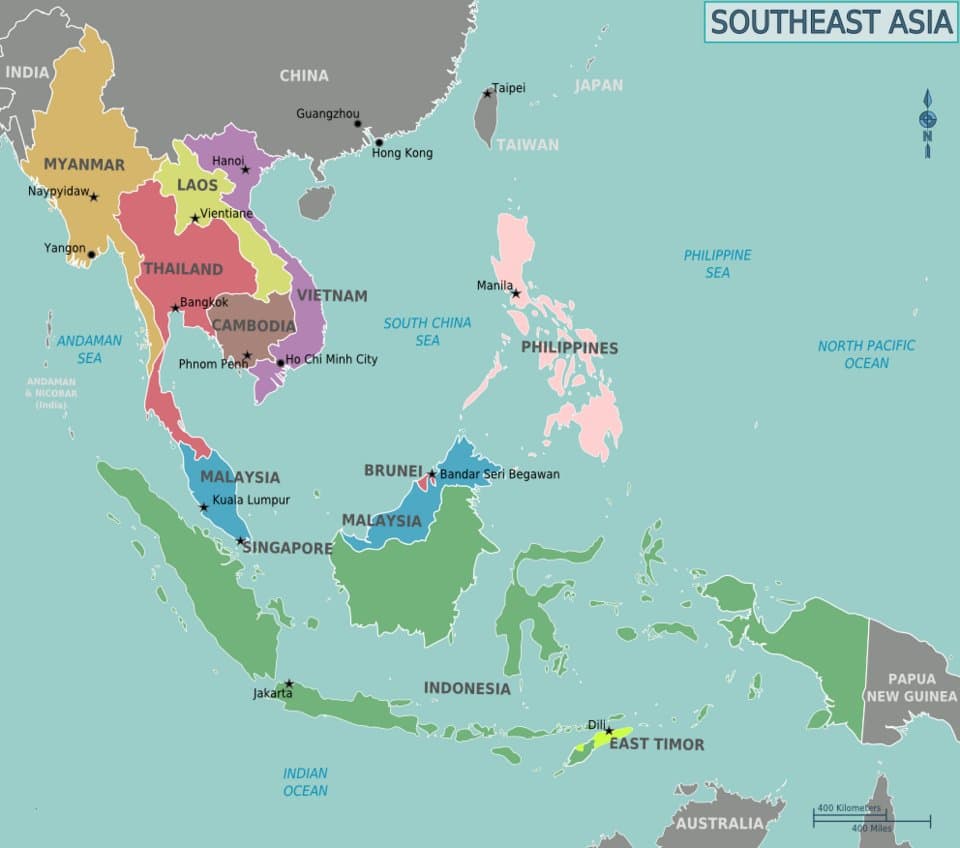
    Map of Southeast Asia showing freshwater fish habitats
    Map of Southeast Asian freshwater habitats. Via Wikimedia Commons.

    Appearance & Identification

    The Java loach has the same elongated, eel-like body shape that makes all Pangio species instantly recognizable. The body is cylindrical and slightly compressed laterally, tapering toward a small, rounded tail. The dorsal fin is set far back on the body, close to the tail. A distinctive feature of the genus.

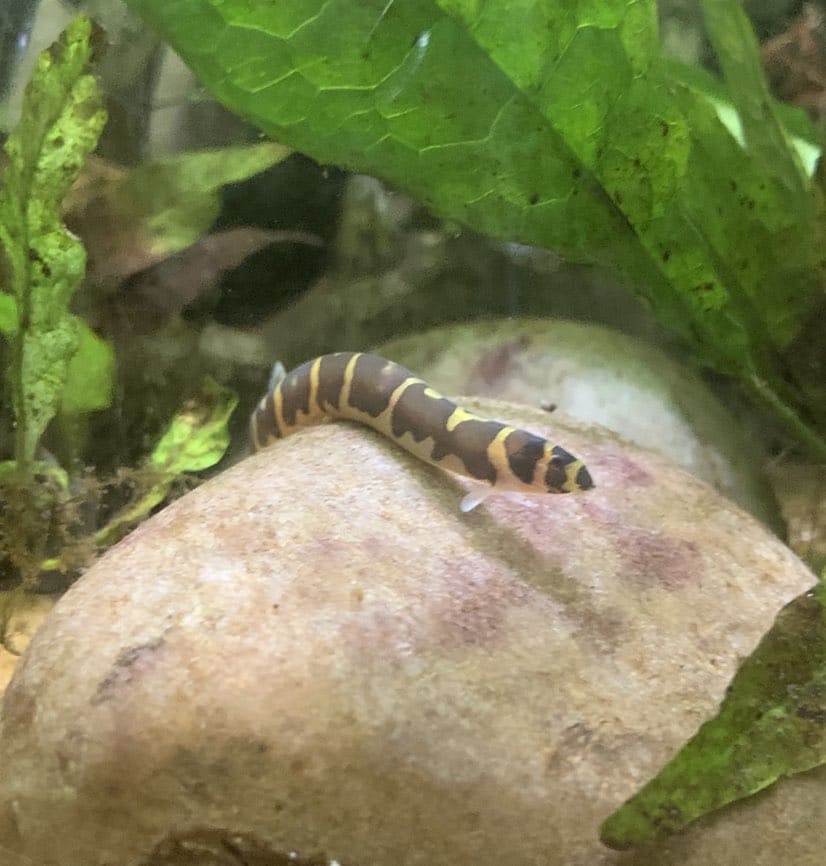
    Where the Java loach diverges from its more popular banded cousin is coloration. Instead of the alternating dark bands on a lighter body that define the kuhli loach (Pangio semicincta), the Java loach wears a uniform reddish-brown to dark chocolate brown, sometimes approaching near-black in certain specimens. The belly is slightly lighter. Some individuals may show a faint dark bar at the base of the caudal fin. The body has reduced or absent scales, giving it a smooth, slightly slimy feel. Another reason these fish can slip through surprisingly small gaps.

    Like all Pangio, the Java loach has three pairs of barbels around its downturned mouth, which it uses to probe the substrate for food. There’s a small, bifid (forked) subocular spine beneath each eye. This is a defensive structure, so handle these fish carefully and avoid fine-mesh nets where the spines can tangle.

    One key identification point: P. Oblonga lacks nasal barbels and has a relatively deeper body compared to similar plain-colored species like Pangio pangia, which is a noticeably slimmer fish. The vertebral count of 45 to 47 is another diagnostic feature, though obviously that’s not something you’re checking at the fish store.

    Male vs. Female

    Feature Male Female
    Body Shape Slimmer, more streamlined Heavier-bodied, especially when gravid
    Size Slightly smaller Slightly larger
    Pectoral Fins First ray thickened and branched First ray thinner, not branched
    Belly Flat when viewed from above Rounded when carrying eggs

    Sexing Java loaches is difficult outside of breeding condition. The most reliable external difference is the modified first pectoral-fin ray in males, which is thickened and branched compared to the thinner ray in females. Females carrying eggs will appear noticeably plumper when viewed from above, and you will see a greenish tint through the belly wall from the developing eggs.

    Average Size & Lifespan

    Java loaches reach a maximum size of about 3.2 inches (8 cm) in total length, with most aquarium specimens settling in at 2.5 to 3 inches (6 to 7.5 cm). They’re slightly shorter and deeper-bodied than the banded kuhli loach (P. Semicincta), which can reach closer to 4 inches (10 cm).

    With proper care, Java loaches typically live 8 to 10 years in captivity, and hobbyists report specimens exceeding a decade. These are long-lived fish for their size, so consider it a real commitment when you bring them home. Lifespan is heavily influenced by water quality, diet quality, and stress levels. Loaches kept alone or in small groups in poorly maintained tanks will have significantly shortened lifespans.

    Care Guide

    Tank Size

    A minimum of 20 gallons (76 liters) is recommended for a group of Java loaches. While they’re small fish, they need floor space more than water volume. A longer, shallower tank with a footprint of at least 24 x 12 inches (60 x 30 cm) is ideal. These fish are horizontal swimmers that spend their lives on or near the bottom, so surface area matters much more than height.

    If you’re keeping a larger group of 10 or more. Which is honestly when they’re at their best. Consider a 30-gallon (114 liter) long or larger. More floor space means more foraging territory and less competition for hiding spots.

    Water Parameters

    Parameter Ideal Range
    Temperature 70 to 79°F (21 to 26°C)
    pH 5.5 to 7.0
    General Hardness (GH) 0 to 8 dGH
    Carbonate Hardness (KH) 0 to 4 dKH
    Ammonia / Nitrite 0 ppm
    Nitrate Below 20 ppm

    Java loaches come from soft, acidic waters and do best in similar conditions. A pH in the low to mid 6 range with soft water is ideal, though they’ll adapt to neutral conditions if the transition is gradual. They’re more sensitive to water quality issues than many tropical fish. Ammonia and nitrite must be at zero, and nitrates should be kept low through regular water changes.

    Temperature-wise, they’re comfortable in a broad range, but the sweet spot is around 75°F (24°C). These aren’t warm-water fish like some tropical species, so you don’t need to crank the heater. In fact, they are more active and comfortable at slightly cooler temperatures within their range.

    Filtration & Water Flow

    Gentle filtration is the name of the game. Java loaches come from calm, sluggish waters and don’t appreciate strong currents. A sponge filter or a hang-on-back filter with a reduced flow rate works perfectly. If you’re using a canister filter, baffle the output or use a spray bar to diffuse the flow.

    One critical consideration: Java loaches can and will squeeze into filter intakes. Cover all intake tubes with a pre-filter sponge. I’ve heard countless stories of hobbyists finding their loaches inside hang-on-back filters or canister filter compartments. Their thin, eel-like bodies can fit through surprisingly small openings. A tight-fitting lid is also essential. These fish are escape artists, especially during the first few nights in a new tank or during barometric pressure changes.

    Lighting

    Dim lighting is strongly preferred. In the wild, these fish live under dense forest canopy in deeply shaded waters. Bright overhead lighting will keep them hidden and stressed. If you’re running a planted tank with moderate to high lighting, make sure there are shaded areas under driftwood, broad-leaved plants, or floating plants where the loaches can retreat during the day.

    Floating plants like Amazon frogbit, red root floaters, or water lettuce are an easy way to provide the dappled shade they prefer. You’ll notice your Java loaches become significantly more active and visible as lighting levels drop. Many hobbyists report the best viewing is during dusk and dawn periods when room lights are dimming.

    Plants & Decorations

    Think forest floor when decorating a Java loach tank. Driftwood, smooth stones, leaf litter, and low-light plants create the ideal environment. Indian almond leaves, oak leaves, or other dried botanicals serve a dual purpose. They provide hiding spots and release beneficial tannins that mimic the blackwater conditions these fish evolved in.

    Java fern, anubias, and cryptocoryne species are all excellent plant choices because they tolerate the low light these loaches prefer. Provide multiple hiding spots throughout the tank. Lengths of PVC pipe, coconut shells with entrance holes, and densely planted corners all work. The more secure your loaches feel, the more you’ll actually see them out and about.

    Substrate

    This is the single most important aspect of a Java loach setup: use fine sand. Period. These fish spend their lives on and in the substrate. They burrow, sift, and probe with their delicate barbels constantly. Coarse gravel will damage their barbels, stress them out, and prevent natural foraging behavior.

    Fine play sand, pool filter sand, or a dedicated aquarium sand like CaribSea Super Naturals are all excellent choices. A sand depth of 2 to 3 inches (5 to 7.5 cm) gives them room to partially bury themselves, which is a completely normal and healthy behavior. If you see your Java loaches diving headfirst into the sand and disappearing, that’s not a problem. That’s a sign they’re comfortable. Avoid any substrate with sharp edges or coarse texture.

    Is the Java Loach Right for You?

    Before you buy, run through this honest checklist. The Java Loach is a great fish for the right keeper, but it is not for everyone.

    • You want a hardy, forgiving loach species that tolerates beginner mistakes
    • You have a 15-gallon or larger tank with a sandy or fine substrate
    • You can keep a group of 6 or more – singles are perpetual hiders
    • You want a peaceful species that ignores every other fish in the tank
    • You are setting up a community tank and want a problem-free bottom dweller
    • You do not need a showpiece fish – you appreciate subtle charm

    Tank Mates

    Java loaches are among the most peaceful bottom dwellers you can keep. They ignore other fish almost entirely and are only interested in foraging through the substrate. That said, they’re also small, shy, and nocturnal, so you need to choose tank mates that won’t bully, outcompete, or eat them.

    Best Tank Mates

    • Small rasboras. Harlequin rasboras, chili rasboras (Boraras brigittae), and other Boraras species
    • Small tetras. Ember tetras, neon tetras, green neon tetras
    • Other Pangio species. Kuhli loaches (P. Semicincta) will school alongside them naturally
    • Corydoras catfish. Similar temperament and habitat preferences; provide enough floor space for both
    • Sparkling gouramis (Trichopsis pumila). Calm top and middle dwellers from similar habitats
    • Chocolate gouramis (Sphaerichthys osphromenoides). Same blackwater preferences
    • Otocinclus catfish. Gentle algae eaters that won’t compete for the same foods
    • Dwarf shrimp. Cherry shrimp and Amano shrimp coexist well, though very small shrimp fry may be eaten
    • Nerite snails. Excellent cleanup crew with zero conflict potential

    Tank Mates to Avoid

    • Cichlids. Even smaller species like rams can harass bottom-dwelling loaches, and larger cichlids will eat them
    • Large or aggressive loaches. Clown loaches and yoyo loaches will outcompete and intimidate Java loaches
    • Barbs. Tiger barbs and other nippy species will harass them
    • Large catfish. Anything big enough to swallow them whole
    • Aggressive bottom dwellers. Red-tailed sharks, rainbow sharks, and territorial plecos
    • Fast, boisterous fish. Giant danios and other hyperactive swimmers that create too much commotion

    Food & Diet

    Java loaches are micropredators in the wild, meaning they sift through substrate and leaf litter to extract tiny invertebrates. Insect larvae, small crustaceans, and worms. In the aquarium, they readily accept a variety of foods, but you need to make sure the food actually reaches them on the bottom.

    High-quality sinking pellets or wafers should form the base diet. Supplement regularly with frozen or live foods like bloodworms, brine shrimp (Artemia), Daphnia, and microworms. These protein-rich foods mimic their natural diet and keep them in peak condition. Frozen foods are the easiest option for most hobbyists and are readily accepted.

    Because Java loaches are primarily nocturnal feeders, consider adding food shortly after lights go out. If you only feed during the day when other fish are active, your loaches may not get their fair share. A targeted feeding with a turkey baster near their favorite hiding spots at dusk is one of the best tricks for making sure they’re eating well.

    Feed small amounts daily or every other day. They don’t need much. Overfeeding is a bigger concern than underfeeding, especially in a community tank where uneaten food will sink to the bottom anyway.

    Breeding & Reproduction

    Breeding Difficulty

    Breeding Java loaches in captivity is difficult and rarely accomplished intentionally. Most successful spawning events are accidental, with hobbyists discovering tiny fry in established, well-planted tanks. There’s no reliable, repeatable breeding protocol established for this species in the hobby.

    Spawning Tank Setup

    If you want to attempt breeding, set up a dedicated spawning tank of at least 10 gallons (38 liters) with a sand substrate, plenty of fine-leaved plants or spawning mops, and gentle sponge filtration. Java moss and similar dense plant material provide ideal egg-catching surfaces. Keep the tank dimly lit and heavily planted.

    Water Conditions for Breeding

    Very soft, acidic water appears to be important. Target a pH of 5.5 to 6.5 and very low hardness (under 3 dGH). A slight temperature drop followed by warmer water. Simulating seasonal rainfall patterns. May trigger spawning behavior. Hobbyists have reported success with water changes using slightly cooler, softer water to mimic the onset of the wet season.

    Interestingly, the one well-documented captive spawning event for Pangio oblonga occurred in harder, more alkaline conditions than you’d expect (pH 7.8 to 8.0 with higher mineral content), suggesting these fish can surprise you when conditions are right in ways we don’t fully understand yet.

    Conditioning & Spawning

    Condition breeding candidates with a protein-rich diet of live and frozen foods for several weeks before attempting to spawn. Bloodworms, blackworms, and Daphnia are excellent conditioning foods. Females ready to spawn will appear noticeably plumper, and you may be able to see a greenish tint from developing eggs through the belly.

    Spawning in Pangio species typically involves the pair swimming in close contact, with the female releasing adhesive green eggs that stick to plant surfaces or scatter into the substrate. The process usually occurs at night, which is another reason these spawning events are rarely observed.

    Egg & Fry Care

    Adults will eat their own eggs if given the chance, so remove the parents or the egg-laden plants after spawning. Eggs typically hatch within 24 to 48 hours depending on temperature. The fry are tiny and will initially feed on their yolk sac, then graduate to infusoria and freshly hatched baby brine shrimp.

    Fry are extremely small and fragile. Keep the rearing tank dimly lit with excellent water quality and very gentle or no filtration beyond a mature sponge filter. Frequent small water changes are essential. Growth is slow, and it takes several months before the young loaches begin to resemble miniature adults.

    Common Health Issues

    Ich (White Spot Disease)

    Java loaches are particularly susceptible to ich, and their reduced or absent scales make them more vulnerable to the parasite. The catch is that they’re also more sensitive to medications. Especially copper-based treatments, which can be lethal to scaleless fish. If you need to treat ich, use half-dose medication specifically labeled safe for scaleless fish, or rely on the heat treatment method (gradually raising temperature to 86°F / 30°C over 48 hours) combined with increased aeration.

    Skinny Disease

    Loaches can be susceptible to internal parasites, which manifest as gradual wasting even when the fish appears to eat normally. If a Java loach becomes noticeably thinner despite regular feeding, internal parasites are a likely culprit. Medicated food containing levamisole or praziquantel can help, but prevention through quarantine of all new arrivals is the better approach.

    Bacterial Infections

    Poor water quality is the primary trigger for bacterial infections in loaches. Red streaking on the body, ulcers, or patches of discoloration are warning signs. Because these fish spend all their time on the substrate, they’re more exposed to bacterial concentrations in the lower water column. Maintain pristine water quality and vacuum the substrate regularly. But gently, since your loaches may be hiding under the sand.

    Common Mistakes to Avoid

    • Using gravel substrate. This is the number one mistake. Java loaches need fine sand, full stop. Gravel damages their barbels, prevents burrowing, and causes chronic stress.
    • Keeping them alone or in pairs. These are social fish that need a group of at least 6. Solo Java loaches hide constantly and never display natural behavior.
    • Not covering the tank. Java loaches are notorious jumpers, especially in new setups or during storms. A tight-fitting lid with no gaps is essential.
    • Leaving filter intakes uncovered. Their slender bodies can fit through small openings. Always use pre-filter sponges on intake tubes.
    • Overmedicating. Scaleless fish are extremely sensitive to copper and many common medications. Always dose at half strength and use products labeled safe for scaleless fish.
    • Feeding only during the day. As nocturnal feeders, they may miss meals if food is only offered when other fish are most active. Add sinking foods after lights out.
    • Too much light and no hiding spots. This creates stressed, perpetually hidden loaches. Provide driftwood, plants, leaf litter, and dim lighting for natural behavior.

    Where to Buy

    Java loaches show up in the aquarium trade regularly, though they’re less commonly stocked than banded kuhli loaches. The biggest challenge is correct identification. Many fish stores sell them as generic “black kuhli loaches” or “chocolate kuhlis,” and they’re sometimes mixed in with shipments of banded kuhlis. Online specialty retailers are more reliable for getting correctly identified specimens.

    Two reputable online sources I recommend are Flip Aquatics and Dan’s Fish. Both are known for healthy livestock and accurate species identification, which matters more than usual with Pangio species where mislabeling is rampant. Check their availability, as loach stocks can fluctuate with import schedules.

    Expect to pay $4 to $8 per fish depending on size and source. Since you’re buying a group of at least 6, factor that into your budget. Most specimens in the trade are wild-caught from Southeast Asia, as captive breeding is rare. Quarantine all new arrivals for at least two weeks before adding them to your display tank. This is especially important with wild-caught loaches, which can carry internal parasites.

    Frequently Asked Questions

    What is the difference between a Java loach and a kuhli loach?

    The main difference is coloration. The kuhli loach most commonly sold in stores (Pangio semicincta) has alternating dark and light bands along its body, while the Java loach (Pangio oblonga) has a uniform brown to reddish-brown coloration without bands. The Java loach also is slightly smaller and deeper-bodied. Care requirements are virtually identical, and the two species can be kept together.

    Can Java loaches live with shrimp?

    Adult dwarf shrimp like cherry shrimp and Amano shrimp are safe with Java loaches. The loaches may eat very small shrimplets if they stumble across them while foraging, but they don’t actively hunt shrimp. In a well-planted tank with plenty of hiding spots, a cherry shrimp colony can thrive alongside Java loaches. Just don’t expect 100 percent survival of newborn shrimp.

    Why do my Java loaches hide all the time?

    This is normal behavior, especially if your tank is brightly lit, they’re in a small group, or they’re recently added. Java loaches are naturally nocturnal and shy. The best ways to see them more often are: keep them in larger groups (8 or more), use dim lighting or floating plants, provide plenty of hiding spots (counterintuitive, but more security equals less hiding), and feed at dusk when they naturally become active.

    Do Java loaches burrow in the sand?

    Yes, and they’re very good at it. Java loaches regularly dive into fine sand substrate and may disappear completely, with only their head or barbels visible. This is perfectly normal and healthy behavior. It’s how they feel secure and how they forage naturally. It’s one of the main reasons sand substrate is required, not optional, for this species.

    How many Java loaches should I keep?

    A minimum of 6, but 8 to 10 or more is ideal. In larger groups, Java loaches are significantly bolder and more active. You’ll see them foraging together in a little pack, sometimes piling on top of each other in their favorite hiding spot. Keeping fewer than 6 results in stressed, permanently hidden fish that rarely emerge. These are highly social animals despite being nocturnal.

    Are Java loaches sensitive to medication?

    Yes, extremely. Like all scaleless or reduced-scale fish, Java loaches are far more sensitive to medications than fully scaled species. Copper-based treatments can be lethal even at standard doses. Always use half-dose medications labeled safe for scaleless fish, and consider heat treatment for ich as a safer first option. Prevention through good water quality and quarantine is always better than treatment with this species.

    What It Is Actually Like Living With Java Loach

    Java loaches are the background players of the loach world. They do their job quietly, foraging through substrate, resting in small groups, and staying out of everyone else’s way. It is not exciting, but it is reliable.

    They become more visible over time as they acclimate to the tank. New Java loaches hide for the first week. After a month, they patrol the substrate during the day without hesitation. Patience is part of the process.

    The banded pattern provides subtle visual interest without competing with flashier tankmates. In a community with bright tetras and colorful rasboras, the Java loach complements without stealing the show.

    Closing Thoughts

    The Java loach doesn’t grab attention with flashy colors or dramatic patterns. It earns your appreciation slowly, through its fascinating burrowing behavior, its social dynamics in a group, and the way it brings a forest-floor authenticity to a well-scaped tank that few other fish can match. In a hobby that often chases the brightest and most colorful, there’s something refreshing about a fish that’s perfectly content being subtle.

    Give them sand, keep them in a proper group, dim the lights, and scatter some leaf litter around. When you sit down at dusk and watch a group of Java loaches emerge from their hiding spots to forage through the botanicals, threading over and under each other in the half-light. That’s one of the most natural, rewarding things you can witness in a home aquarium. They’re proof that sometimes the most interesting fish are the ones you have to take a closer look to appreciate.

    Have you kept Java loaches? I’d love to hear about your setup. Drop a comment below!

    This guide is part of our Loaches: Complete Species Directory. Visit the hub page to explore care guides for all popular loach species.

    Check out our video on loaches where we cover some of the most popular species in the hobby, including the Java loach:

    References

  • Discus Fish Care Guide: The King of the Aquarium Explained

    Discus Fish Care Guide: The King of the Aquarium Explained

    Table of Contents

    Discus are the most demanding freshwater fish in the hobby. They need pristine water, elevated temperatures, and a level of consistency that most hobbyists are not prepared to deliver. One missed water change and they stop eating. Inconsistent parameters and they get hole in the head. I have kept discus for over 20 years and I still treat every water change like it matters, because with discus, it does. If your maintenance routine is not rock solid, this fish will punish you for it. The king of the aquarium, but only if you serve it.

    The fish that turns your hobby into a lifestyle.

    What Most Care Guides Get Wrong About Discus Fish

    The biggest myth in the discus world is that they’re impossibly difficult to keep. Modern captive-bred discus are significantly hardier than the wild-caught specimens that earned discus their difficult reputation decades ago. I’m not saying they’re easy. They still need warm water (82-86°F), excellent water quality, and a proper diet. But the idea that only expert-level aquarists can keep discus alive is outdated. What hasn’t changed is the need for commitment. Discus demand frequent water changes (I recommend at least 50% weekly), premium-quality food, and stable parameters. They’re not difficult because they’re fragile. They’re difficult because they’re demanding.

    But let’s not sugarcoat it. Discus have earned their reputation as a demanding species, and that reputation exists for a reason. They need warm water, pristine conditions, consistent maintenance, and a level of attention that goes well beyond what most community fish require. In my 25+ years in the hobby, I’ve watched plenty of fishkeepers try to cut corners with discus, and it never ends well. This guide is for the folks who want to do it right from the start. We’ll focus primarily on the wild species, though bred variants are widely available and hardier.

    The Reality of Keeping Discus Fish

    Discus are not a fish you add to an existing setup. You build the entire tank around them.

    Water changes are your job now. Discus need 25 to 50 percent water changes multiple times per week. Not once a week. Not when you get around to it. This is non-negotiable.

    Temperature limits your options. At 82 to 86F, most common community fish cannot live with discus. Your tank mate list is short and specific.

    Groups are mandatory. Discus are social cichlids. A single discus is a stressed discus. Keep 5 or more, which means 55 gallons minimum and ideally 75 or larger.

    Diet determines color. Cheap flake food produces dull discus. High-quality pellets, frozen bloodworms, and beefheart mix are what bring out the color you paid for.

    Biggest Mistake New Discus Fish Owners Make

    Buying one or two discus and adding them to an existing community tank. Discus need to be the centerpiece of a tank built for their specific needs. Water too cool, tank mates too aggressive, water changes too infrequent. Any of those and you have expensive, faded, stressed fish.

    Expert Take

    Give discus a 75-gallon minimum with a group of 5 or more, bare bottom or fine sand, 82 to 86F, and commit to water changes multiple times per week. Feed a varied diet of quality pellets, frozen foods, and beefheart mix. The reward is unmatched.

    Key Takeaways

    • Temperature requirements are non-negotiable. Discus need 82-86°F (28-30°C), warmer than most tropical fish, which limits compatible tank mates
    • Water quality must be exceptional. Frequent water changes (often 25-50% multiple times per week) are standard for serious discus keeping
    • Best kept in groups of 5 or more in a minimum 55-gallon tank, though larger groups in bigger tanks produce the best results
    • Wild discus are a species complex comprising Symphysodon discus, S. Aequifasciatus, and S. Tarzoo, with numerous captive-bred color variants available
    • Peaceful but sensitive. Discus stress easily and do best in calm environments with subdued lighting and minimal disturbance
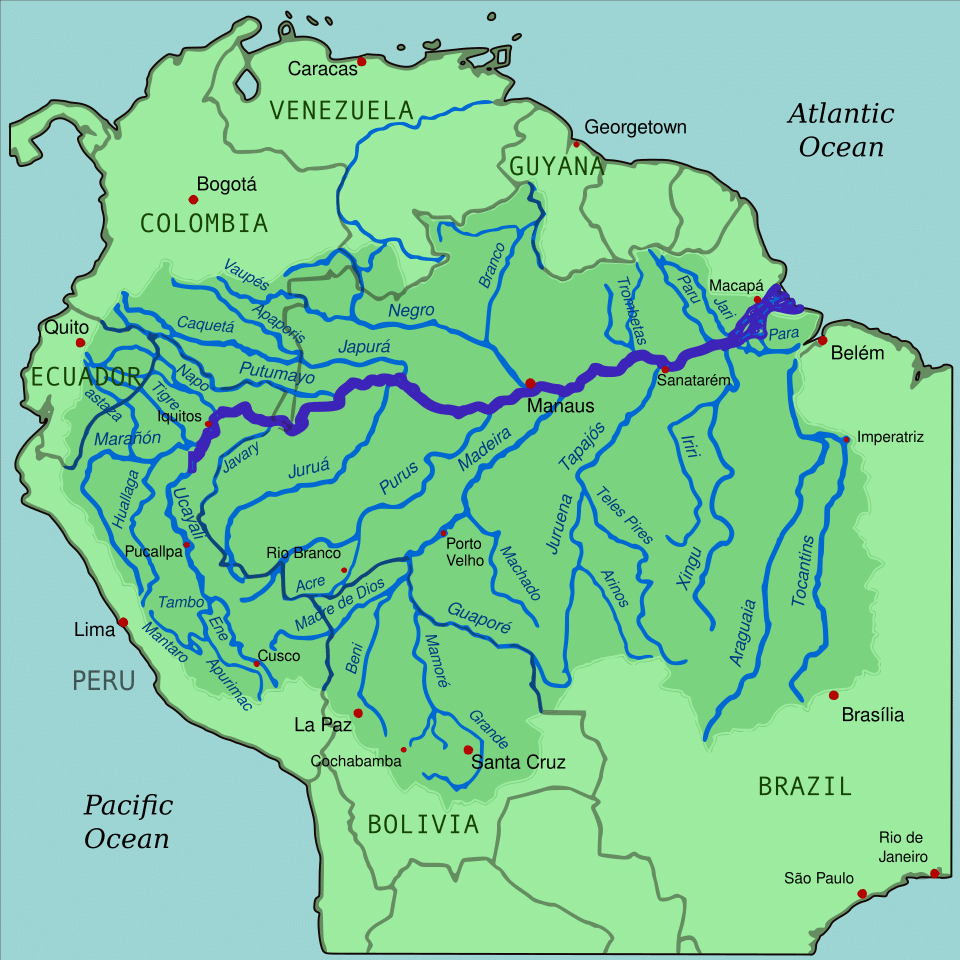
    Map showing the Amazon River Basin in South America
    Map by Kmusser, CC BY-SA 3.0, via Wikimedia Commons

    Species Overview

    FieldDetails
    Scientific NameSymphysodon spp. (S. Discus, S. Aequifasciatus, S. Tarzoo)
    Common NamesDiscus, Discus Fish, Pompadour Fish, King of the Aquarium
    FamilyCichlidae
    OriginAmazon River basin, South America
    Care LevelAdvanced
    TemperamentPeaceful
    DietOmnivore
    Tank LevelMiddle
    Maximum Size8 inches (20 cm)
    Minimum Tank Size55 gallons (208 liters)
    Temperature82 to 86°F (28 to 30°C)
    pH5.0 to 7.0
    Hardness1 to 8 dGH
    Lifespan10 to 15 years
    BreedingSubstrate spawner (parental care with mucus feeding)
    Breeding DifficultyDifficult
    CompatibilityPeaceful community (warm water species only)
    OK for Planted Tanks?Yes (heat-tolerant plants only)

    Classification

    Taxonomic LevelClassification
    OrderCichliformes
    FamilyCichlidae
    SubfamilyCichlinae
    GenusSymphysodon
    SpeciesS. Discus Heckel, 1840 (Heckel Discus); S. Aequifasciatus Pellegrin, 1904 (Blue/Brown Discus); S. Tarzoo Lyons, 1959 (Green Discus)

    The taxonomy of discus has been debated for decades and remains somewhat contentious. The genus Symphysodon was established by Heckel in 1840, with S. Discus (the Heckel discus) as the type species. Symphysodon aequifasciatus was described by Pellegrin in 1904 as the blue or brown discus, and S. Tarzoo was described by Lyons in 1959 as the green discus, though some taxonomists consider tarzoo a subspecies of aequifasciatus rather than a full species.

    What matters for aquarists is understanding that wild discus vary significantly depending on their collection locality. Fish from different river systems display distinct color patterns and may have different water parameter preferences. Captive-bred discus, which represent the vast majority of what’s available in the hobby today, have been selectively bred into dozens of color varieties and are more adaptable to a wider range of water conditions than their wild counterparts.

    Origin & Natural Habitat

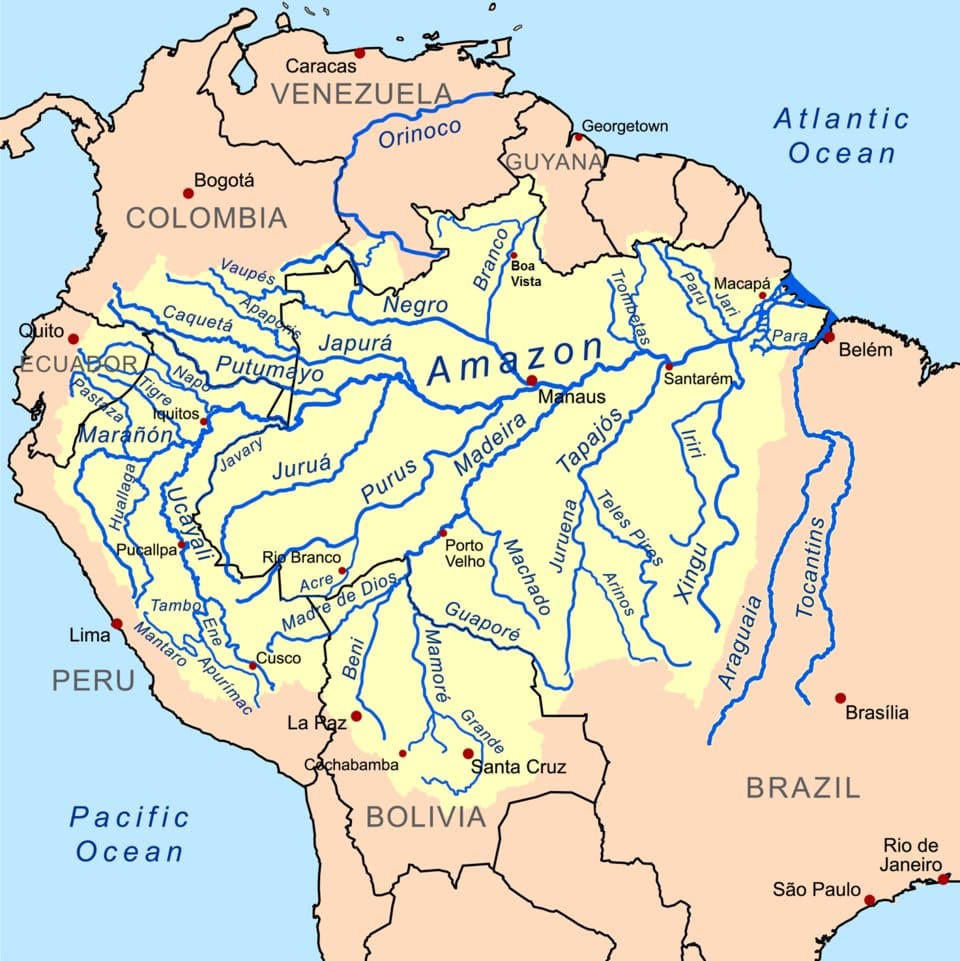
    Discus are found throughout the Amazon River basin in Brazil, with different species and populations occupying different tributaries and drainage systems. Symphysodon discus (Heckel discus) is primarily found in the Rio Negro system. Symphysodon aequifasciatus ranges more widely through the central and eastern Amazon, particularly the Solimoes system. Symphysodon tarzoo occurs in the western Amazon, with notable populations in Peruvian and Colombian tributaries.

    In their native waters, discus inhabit slow-moving tributaries, forest pools, and floodplain lakes. They favor sheltered areas around submerged tree roots, fallen branches, and dense vegetation where the water is calm and heavily shaded. The water in these habitats is very warm (often above 84°F / 29°C), extremely soft, and acidic, with pH values sometimes dropping below 5.0 during the dry season.

    The leaf litter and tannin-stained water of their native habitat creates a dimly lit, tea-colored environment. Wild discus school together in these sheltered areas, often hovering motionless among root structures before darting out to catch small invertebrates. Replicating at least some elements of this environment in the aquarium helps bring out natural behavior and reduces stress.

    Map of the Amazon River Basin and South American river systems
    Map of South American freshwater habitats. Via Wikimedia Commons.

    Appearance & Identification

    The most immediately recognizable feature of any discus is the body shape: laterally compressed into a nearly perfect disc (hence the name). This extreme compression gives them their distinctive round profile when viewed from the side, while from the front, they appear remarkably thin. The fins are continuous and rounded, with long trailing edges on the dorsal and anal fins that complete the circular silhouette.

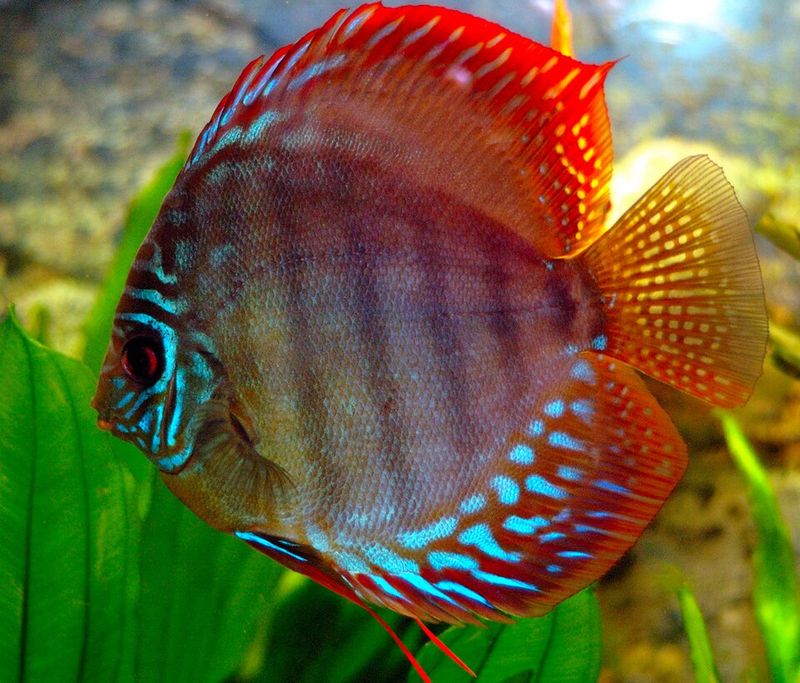
    Wild Heckel discus (S. Discus) show a brownish-red body with prominent vertical bars, including a very pronounced central bar that distinguishes them from other species. Blue and brown discus (S. Aequifasciatus) display horizontal blue striations over a brown to reddish-brown base, with more evenly distributed vertical bars. Green discus (S. Tarzoo) show red spotting on a greenish-brown body, often with striking red spots on the face and body.

    Captive-bred variants span an enormous range of colors and patterns, from solid reds, blues, and whites to patterned varieties like pigeon blood, snakeskin, and leopard. While these bred forms are stunning, they all descend from the same wild species complex and share identical care requirements.

    Male vs. Female

    Sexing discus is difficult and unreliable outside of breeding behavior. There are no consistent external differences visible to most keepers. Some experienced breeders claim males will have thicker lips, slightly larger overall size, and a more pointed dorsal fin, but none of these traits are definitive.

    FeatureMaleFemale
    Body SizeSlightly larger on averageSlightly smaller on average
    Lip ThicknessReportedly thicker (not reliable)Reportedly thinner (not reliable)
    Dorsal FinMay be slightly more pointedMay be slightly more rounded
    Breeding TubeNarrow and pointed (visible only when spawning)Wider and rounder (visible only when spawning)
    Forehead ProfileMay develop slight nuchal hump with ageGenerally smoother profile

    The only reliable method of sexing discus is observing spawning behavior. The female’s ovipositor is wider and more rounded than the male’s narrower breeding tube. As with many cichlids, the best approach to getting a breeding pair is to start with a group of 6 or more juveniles and allow pairs to form naturally.

    Average Size & Lifespan

    Adult discus reach 6-8 inches (15-20 cm) in diameter, though well-fed specimens in spacious tanks can occasionally reach 9 inches. Growth rate depends heavily on water quality, diet, and tank size. Juvenile discus grow relatively quickly during their first year with frequent feedings and daily water changes, but growth slows significantly after reaching about 4-5 inches.

    With excellent care, discus commonly live 10-15 years in captivity. There are reports of well-maintained specimens living beyond 15 years. These are not short-term fish. A healthy discus tank is a long-term project that rewards patience and consistency.

    Care Guide

    Tank Size

    A minimum of 55 gallons (208 liters) is needed for a small group of discus, but bigger is genuinely better with this species. A 75-gallon or larger tank provides more stable water parameters and gives the fish room to establish a natural social hierarchy without constant conflict. For a group of 5-6 adults, a 90 to 125-gallon tank is ideal.

    Tank height matters with discus. Their tall body shape means they benefit from tanks with at least 18-20 inches of water depth. Standard 55 and 75-gallon tanks work well in this regard. Avoid long, shallow tanks that limit vertical swimming space.

    Water Parameters

    ParameterRecommended Range
    Temperature82 to 86°F (28 to 30°C)
    pH5.0 to 7.0
    General Hardness1 to 8 dGH
    Ammonia0 ppm
    Nitrite0 ppm
    NitrateBelow 10 ppm (ideally below 5 ppm)

    The temperature range is the most critical parameter. Discus need consistently warm water, and drops below 80°F (27°C) will stress them and make them susceptible to disease. Wild discus and breeding pairs do best at the higher end of the range (84-86°F), while captive-bred discus being kept in display setups is comfortable at 82-84°F.

    Wild discus strongly prefer soft, acidic water, and breeding requires pH below 6.0 with minimal hardness. Captive-bred discus are more adaptable and can thrive in slightly harder, more neutral water, but they still shouldn’t be kept in hard, alkaline conditions. Whatever your parameters are, stability matters more than hitting a specific number.

    Filtration & Water Flow

    Filtration needs to be effective without creating strong currents. Discus come from still to very slow-moving water, and strong flow stresses them. A quality canister filter or sponge filter (or combination of both) works well. Many discus keepers favor sponge filters for breeding setups because they provide gentle biological filtration without creating turbulent water movement.

    Regardless of your filtration setup, frequent water changes are the cornerstone of successful discus keeping. Many experienced keepers perform 25-50% water changes multiple times per week. For juvenile discus being grown out, daily water changes aren’t uncommon. The replacement water must be temperature-matched and dechlorinated. Discus are acutely sensitive to temperature swings.

    Lighting

    Discus prefer subdued lighting that mimics the dimly lit forest pools of their natural habitat. Bright, harsh lighting causes stress and encourages them to hide. If you’re keeping live plants (which you need for a display tank), use moderate LED lighting and include floating plants to create shaded areas where the discus can retreat. A dimmer or timer that gradually increases and decreases light intensity is a nice touch.

    Plants & Decorations

    A well-planted discus tank is one of the most beautiful setups in the hobby. The challenge is finding plants that tolerate the high temperatures discus require. Good options include amazon swords (Echinodorus spp.), vallisneria, anubias, java fern, and various stem plants that handle warmth well. Avoid cold-water species that will melt at 84°F.

    Driftwood is an excellent addition to a discus tank. It releases tannins that slightly acidify the water and create the natural tea-colored tint these fish experience in the wild. Tall pieces of driftwood with branching structures mimic the submerged roots and branches of their native habitat. Some keepers run bare-bottom tanks for easier cleaning, especially with juvenile discus or breeding setups, but a planted tank is ideal for a display group.

    Substrate

    Fine sand works well for discus display tanks. It looks natural and is easy for discus to pick through for missed food particles. Some keepers prefer bare-bottom tanks for hygiene purposes, since uneaten food and waste are easier to spot and remove. For planted discus tanks, a nutrient-rich substrate capped with fine sand or an aquasoil designed for planted setups works well. Avoid sharp or coarse gravel.

    Is the Discus Fish Right for You?

    Before you commit to this species, here’s an honest assessment of whether it fits your setup and experience level.

    • The most visually stunning freshwater fish available. Nothing else in freshwater comes close to a healthy school of discus in a planted tank.
    • Requires serious commitment to water quality. 50%+ weekly water changes are standard, not optional.
    • High temperature requirement limits tank mate options. 82-86°F rules out many common community fish.
    • Best kept in groups of 5 or more. Discus are social fish that display better behavior and less stress in groups.
    • Not a beginner fish, but not impossible either. If you’re willing to commit to the maintenance schedule, modern captive-bred discus are achievable for dedicated intermediate keepers.
    • Expensive to set up and maintain. Quality discus, a large heated tank, premium food, and the ongoing cost of water changes add up quickly.

    Tank Mates

    Choosing tank mates for discus comes down to two non-negotiable requirements: the companion species must tolerate high temperatures (82-86°F) and must be peaceful enough not to outcompete the discus for food or cause stress through aggressive behavior. Discus are slow, deliberate eaters, and faster, more aggressive fish will beat them to every meal.

    Best Tank Mates

    • Cardinal tetras. The classic discus companion. They thrive at high temperatures and their blue-red coloring complements discus beautifully
    • Rummy-nose tetras. Another excellent warm-water tetra that schools tightly, adding movement and color
    • Sterbai corydoras. One of the few corydoras species that tolerates the warm temperatures discus require
    • German blue rams. Another warm-water cichlid that coexists peacefully with discus in adequately sized tanks
    • Bristlenose plecos. Useful algae cleaners that leave discus alone, though watch for any that develop a taste for slime coat grazing
    • Hatchetfish. Peaceful surface dwellers that occupy a different zone than discus

    Tank Mates to Avoid

    • Aggressive cichlids. Oscars, Jack Dempseys, convicts, and other pugnacious cichlids will terrorize discus
    • Fast, aggressive feeders. Tiger barbs, serpae tetras, and Buenos Aires tetras will outcompete discus at feeding time and may nip fins
    • Cold-water species. Most danios, white cloud mountain minnows, and similar fish that prefer temperatures below 78°F
    • Large plecostomus. Common plecos can develop a habit of sucking on discus slime coat, causing serious stress and injury
    • Boisterous species. Any fish that creates constant movement and commotion in the tank will stress discus

    Food & Diet

    Discus are omnivores with a preference for protein-rich foods. In the wild, they feed on small invertebrates, insect larvae, and planktonic organisms. In captivity, a varied diet is essential for maintaining their health and vibrant coloration.

    High-quality discus-specific pellets or granules should form the dietary foundation. These are formulated with the protein levels and vitamins discus need. Supplement with frozen bloodworms, brine shrimp, mysis shrimp, and white worms on a rotating basis. Many serious discus keepers also prepare homemade beef heart or seafood mix, though this is supplemental rather than a staple.

    Feed adult discus 2-3 times daily, offering only what they can consume within a few minutes. Juvenile discus being grown out should be fed more frequently, up to 4-5 smaller meals throughout the day. Remove any uneaten food promptly, as leftovers decay quickly in the warm water and degrade water quality. Speaking of which, the warm temperatures that discus require also mean that organic waste breaks down faster, which is another reason why frequent water changes are so critical.

    Breeding & Reproduction

    Breeding Difficulty

    Difficult. While captive-bred discus are somewhat easier to breed than wild specimens, successfully raising fry requires significant effort, dedication, and often a separate breeding setup. The unique aspect of discus breeding is that fry feed on a special mucus secreted by the parents’ skin, which means the parents play an active role in fry survival that can’t easily be replicated artificially.

    Spawning Tank Setup

    A dedicated breeding tank of 40-55 gallons works well for a pair. Many breeders use bare-bottom tanks for hygiene. Provide a vertical spawning surface such as a broad-leafed plant (amazon sword is traditional), a cone-shaped spawning device, a PVC pipe stood upright, or a piece of slate leaned against the wall. The pair will clean their chosen surface meticulously before spawning.

    Water Conditions for Breeding

    Wild discus and many captive-bred lines require very soft, acidic water for successful spawning. Target a pH of 5.5-6.5 with hardness below 3 dGH. Temperature should be at the higher end of their range, 84-86°F (29-30°C). Use reverse osmosis (RO) water or very soft tap water. Some breeders add peat filtration or Indian almond leaves to condition the water.

    Conditioning & Spawning

    Condition the pair with frequent feedings of high-protein foods: bloodworms, brine shrimp, and quality pellets. When ready to spawn, the pair will darken in color, select and clean a vertical surface, and begin passing over it in alternating fashion. The female deposits rows of adhesive eggs, followed by the male who fertilizes each pass. A typical clutch contains 100-300 eggs, though experienced pairs may produce more.

    Egg & Fry Care

    Both parents fan and guard the eggs, which hatch in approximately 48-60 hours at 84°F (29°C). The wrigglers remain attached to the spawning surface for another 2-3 days before becoming free-swimming. Here’s where discus breeding gets truly unique: free-swimming fry immediately attach to the parents and begin feeding on a special protein-rich mucus secreted by their skin. The fry will alternate between both parents. This mucus feeding stage lasts about 1-2 weeks and is critical for fry survival.

    After the mucus feeding stage, fry is transitioned to freshly hatched baby brine shrimp and gradually weaned onto finely ground flake or commercial fry food. First-time parents often eat their eggs or fail to produce adequate mucus. Patience is key, as most pairs improve with each spawning attempt. Frequent small water changes in the fry tank are essential for healthy growth.

    Common Health Issues

    Discus Plague

    This is the term used for a severe, often fatal illness that presents as darkening of the body, excessive mucus production, white stringy feces, lethargy, and loss of appetite. It can spread rapidly through a tank and is believed to involve a combination of viral, bacterial, and parasitic agents. Treatment is challenging and involves raising water temperature to 90-92°F (32-33°C), adding metronidazole, and performing large daily water changes. Prevention through quarantine of new fish and maintaining pristine water conditions is the best approach.

    Internal Parasites

    White, stringy feces, weight loss despite eating, and lethargy are hallmarks of internal parasitic infections. Hexamita and intestinal worms are common culprits, particularly in wild-caught specimens. Treatment with metronidazole (for Hexamita) or praziquantel (for intestinal worms) is effective. Quarantine all new discus for at least 2-4 weeks before introducing them to an established tank.

    Gill Flukes

    Rapid breathing, flashing (rubbing against objects), and clamped fins can indicate gill flukes (Dactylogyrus spp.). These parasites attach to the gills and cause inflammation. Treatment with praziquantel or formalin-based medications is effective. Gill flukes are more common in wild-caught discus but can occur in any fish stressed by poor water conditions.

    Hole in the Head (HITH)

    Similar to oscars, discus are susceptible to hole-in-the-head disease, which presents as pitting around the head and lateral line. This condition is strongly linked to poor water quality (especially high nitrates), nutritional deficiencies, and Hexamita infection. Treatment involves improving water quality, supplementing the diet with vitamins, and using metronidazole when parasites are suspected. Maintaining nitrates below 10 ppm and feeding a varied, vitamin-rich diet are the best preventive measures.

    Common Mistakes to Avoid

    • Keeping the water too cool. Discus need 82-86°F minimum. Keeping them at “normal” tropical temperatures of 76-78°F weakens their immune system and leads to disease
    • Skipping water changes. You cannot maintain discus long-term without frequent, substantial water changes. This is the single biggest factor in discus health
    • Keeping too few fish. A single discus or a pair will be stressed and hide constantly. Groups of 5 or more establish a natural social hierarchy and display better behavior
    • Mixing wild-caught with captive-bred discus. Wild specimens often carry parasites and diseases that captive-bred fish have no immunity to. Quarantine is absolutely essential
    • Choosing aggressive tank mates. Discus are timid fish that will stop eating and deteriorate quickly when bullied or outcompeted for food
    • Temperature fluctuations during water changes. Always temperature-match new water carefully. Even a 2-3 degree swing can trigger stress and disease

    Where to Buy

    Buying discus from a reputable source is more important with this species than perhaps any other freshwater fish. Poorly kept discus carry internal parasites, are stressed from shipping and crowded conditions, and may never recover to full health. Buying from quality sources saves you enormous headaches down the road.

    Flip Aquatics is a trusted option for quality freshwater fish, and Dan’s Fish is another reputable source. Both ship with live arrival guarantees and maintain high standards for the fish they sell. When shopping for discus, ask about the fish’s history, how long they’ve been in the seller’s facility, and what they’ve been eating.

    When selecting discus, look for bright, vibrant coloration, round body shape, clear eyes, and active swimming behavior. Avoid dark or clamped discus, fish with pinched bellies, or any individual in a tank where other fish appear ill. Always quarantine new discus for a minimum of 2-4 weeks before adding them to your display tank.

    Frequently Asked Questions

    Are discus good for beginners?

    , no. Discus require precise temperature control, frequent water changes, and careful attention to water quality that can overwhelm first-time fishkeepers. That said, a dedicated beginner who does thorough research and commits to the maintenance schedule can succeed. Captive-bred discus are considerably more forgiving than wild-caught specimens.

    How often do discus need water changes?

    Most successful discus keepers perform at least 25-30% water changes 2-3 times per week. Some do daily changes, especially when growing out juveniles. The key is consistency. Discus do not tolerate accumulating nitrates or fluctuating water chemistry. Whatever schedule you choose, stick to it religiously.

    How many discus should I keep together?

    A minimum of 5-6 discus is recommended. In smaller groups, dominant fish can bully subordinates relentlessly. Larger groups of 8 or more will disperse aggression and create a more natural social dynamic. A single discus will hide, refuse food, and decline in health.

    What’s the difference between wild and captive-bred discus?

    Wild discus display natural color patterns specific to their collection locality and require softer, more acidic water. They’re more challenging to keep and prone to internal parasites. Captive-bred discus come in a wide range of selectively bred color varieties, are more adaptable to different water conditions, and are hardier. For most hobbyists, captive-bred discus are the better choice.

    Do discus need a bare-bottom tank?

    No, though many breeders and serious keepers use bare-bottom tanks because they’re easier to keep clean. A well-maintained planted tank with sand substrate is perfectly suitable for discus and looks much more attractive. The key is that whatever substrate you use, you need to keep it clean. Uneaten food rotting in the substrate is a fast track to water quality problems.

    Can I keep discus in a planted tank?

    Absolutely, and it’s one of the most stunning setups in the hobby. The challenge is finding plants that handle the 82-86°F water discus require. Amazon swords, vallisneria, anubias, java fern, and certain stem plants like Staurogyne repens do well at these temperatures. Avoid cold-water plant species that will struggle in discus-temperature water.

    What It Is Actually Like Living With Discus Fish

    This is the part no other care guide gives you. Forget water parameters for a minute. Here is what it is actually like to share your tank with this species.

    They have more personality than you expect. The Discus Fish is not a fish that just sits in the background. Once settled in, they become interactive, curious, and responsive to your presence.

    Feeding time reveals their character. Watch how the Discus Fish approaches food and you will see real personality. Some are bold, some are cautious, and their feeding behavior tells you a lot about their mood and health.

    They establish routines. After a few weeks, your Discus Fish will have favorite spots, preferred paths through the tank, and predictable patterns. Learning these routines makes you a better keeper.

    Color is a health indicator. The Discus Fish’s coloration is a real-time report card on your husbandry. Vibrant color means happy fish. Faded color means something is wrong. Pay attention.

    How the Discus Fish Compares to Similar Species

    The freshwater angelfish is the most practical alternative for keepers who love the tall, elegant South American cichlid look but aren’t ready for discus-level commitment. Angelfish thrive at standard tropical temperatures (76-82°F), eat readily available foods, and don’t require the intensive water change schedule that discus demand. They’re about 60% of the visual impact at 10% of the difficulty. Many discus keepers started with angelfish, and it’s a natural progression to move from one to the other.

    The severum cichlid is often called the “poor man’s discus” because of its similar round body shape and South American origins. Severums are dramatically hardier, tolerate wider water conditions, and cost a fraction of what quality discus cost. They lack the discus’s refined beauty and come in fewer color varieties, but they offer 80% of the experience at 20% of the difficulty. If you want a large, round, colorful South American cichlid without the maintenance demands, the severum is the honest recommendation.

    Closing Thoughts

    Discus do not forgive sloppy water changes. They just stop eating.

    Discus are not easy fish, and anyone who tells you otherwise either hasn’t kept them or hasn’t kept them well. They demand warm water, frequent maintenance, careful tank mate selection, and a willingness to invest the time and money that quality fishkeeping requires. But there’s a reason they’ve been called the king of the freshwater aquarium for decades.

    A properly maintained group of discus, gliding through a planted tank under subdued lighting, is one of the most breathtaking sights in the freshwater hobby. If you’re willing to commit to the care they require, they’ll reward you with years of beauty and fascination. Start with captive-bred specimens if you’re new to discus, invest in quality filtration, keep up with your water changes, and don’t cut corners on food. The fish will tell you if you’re doing it right.

    This article is part of our South American Cichlids species directory. Explore more South American cichlid care guides.

    References

    • Seriously Fish. Symphysodon aequifasciatus species profile. seriouslyfish.com
    • FishBase. Symphysodon aequifasciatus (Pellegrin, 1904). fishbase.se
    • Ready, J.S. Et al. (2006). Color pattern variation, distribution, and phylogeography of Symphysodon. Hydrobiologia 568: 209-225.
    • Practical Fishkeeping. Discus care guide. practicalfishkeeping.co.uk
  • Emperor Tetra Care Guide: Tank Setup, Diet, Tank Mates, & More

    Emperor Tetra Care Guide: Tank Setup, Diet, Tank Mates, & More

    Table of Contents

    The emperor tetra is one of the most regal-looking freshwater fish you can keep. Mature males develop extended dorsal and caudal fin rays and an iridescent purple-blue body that photographs poorly and looks incredible in person. This is not a fish you appreciate from pictures. You have to see it live.

    No photo does the emperor tetra justice. It is a fish you have to see in person to understand.

    The Reality of Keeping Emperor Tetra

    Males are dramatically different from females. Male emperor tetras develop deep purple-black coloring, extended tail fin rays, and iridescent blue eyes. Females are lighter and lack the fin extensions. You need both sexes for the best display, and at least 2 to 3 males to see the full range of male behavior.

    The iridescent blue eye is mesmerizing. Under the right lighting, the emperor tetra’s eyes glow an electric blue that is unlike anything else in the small tetra world. This feature alone makes the species worth keeping.

    They are peaceful but not pushovers. Emperor tetras hold their own in a community without being aggressive. They are not timid fish that hide. They occupy space with quiet confidence and rarely get bullied by other similarly-sized species.

    Biggest Mistake New Owners Make

    Keeping them under bright white lighting on a light background. The purple-black coloring and the blue eye iridescence both need dark backgrounds and moderate lighting to show properly. Bright lights flatten the colors completely.

    Expert Take

    The emperor tetra is one of the most elegant freshwater fish you can keep at this size. It does not demand attention through flash or brightness. It earns it through refinement. For keepers who appreciate subtle beauty, this is a top-tier choice.

    Key Takeaways

    • One of the most visually striking tetras with purple iridescence, a dark lateral stripe, and a unique trident-shaped tail
    • Eye color reveals the sex – males have blue eyes, females have green eyes
    • Hardy and beginner-friendly, adaptable to a wide range of water conditions
    • Keep in groups of 6-10 for natural behavior and the best male displays
    • 20-gallon minimum with dim lighting and planted tank for optimal coloration
    Map showing the Amazon River Basin in South America
    Map by Kmusser, CC BY-SA 3.0, via Wikimedia Commons

    Species Overview

    Field Details
    Scientific Name Nematobrycon palmeri
    Common Names Emperor Tetra, Palmer’s Tetra
    Family Acestrorhamphidae
    Origin Atrato & San Juan River basins, Colombia
    Care Level Easy
    Temperament Peaceful
    Diet Omnivore
    Tank Level Mid
    Maximum Size 1.6 inches (4.2 cm)
    Minimum Tank Size 20 gallons (75 liters)
    Temperature 73-81°F (23-27°C)
    pH 5.0-7.5
    Hardness 1-12 dGH
    Lifespan 3-6 years in captivity
    Breeding Egg scatterer
    Breeding Difficulty Moderate
    Compatibility Community
    OK for Planted Tanks? Yes

    Classification

    Taxonomic Level Classification
    Order Characiformes
    Family Acestrorhamphidae (reclassified from Characidae, Melo et al. 2024)
    Subfamily Rhoadsiinae
    Genus Nematobrycon
    Species N. Palmeri (Eigenmann, 1911)

    The emperor tetra was described by Carl Eigenmann in 1911 and named after the collector, T. Palmer. The genus name Nematobrycon refers to the thread-like extension of the central caudal fin ray that’s a hallmark of this fish. There are only two species in the genus: N. Palmeri (the emperor tetra) and N. Lacortei (the rainbow emperor tetra).

    Note on reclassification: The 2024 phylogenomic study by Melo et al. Moved the emperor tetra from the old catch-all family Characidae into the new family Acestrorhamphidae, placed within the subfamily Rhoadsiinae. FishBase has already updated to reflect this new classification.

    Origin & Natural Habitat

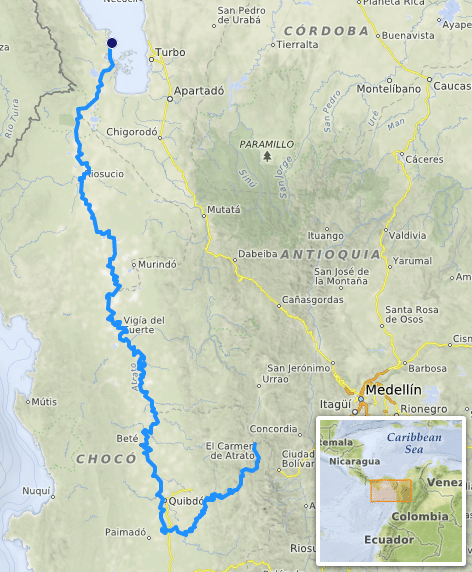
    Map of the Rio Atrato in Colombia, native habitat of the emperor tetra
    Map of the Rio Atrato in western Colombia. The emperor tetra is native to the Atrato and San Juan river basins in the Choco region. Image by OpenStreetMap contributors & Ccmpg, CC BY-SA 4.0, via Wikimedia Commons.

    The emperor tetra is endemic to Colombia, specifically the Atrato and San Juan river basins in the Choco department on the country’s Pacific coast. This is a region of incredibly high biodiversity and heavy rainfall, with dense tropical forests surrounding the river systems.

    In the wild, emperor tetras inhabit slower-moving sections of rivers, minor tributaries, and backwater areas. The water is soft and slightly acidic, shaded by dense riparian vegetation. Substrates are sandy with abundant leaf litter and submerged wood. These are calm, shaded environments with relatively warm, stable water temperatures.

    Understanding their natural habitat explains why emperor tetras look their absolute best in planted aquariums with dim lighting, dark substrates, and plenty of natural structure like driftwood and leaf litter.

    Appearance & Identification

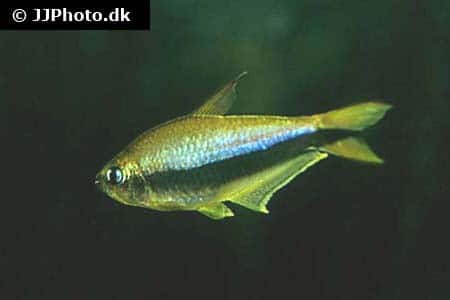
    Emperor tetra (Nematobrycon palmeri) showing purple iridescence and trident tail
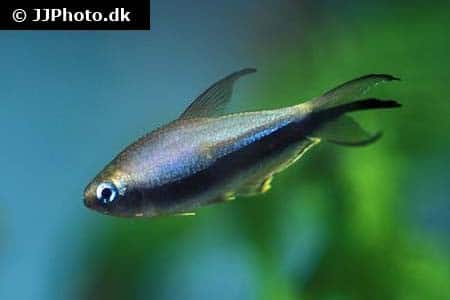
    Emperor tetra displaying its signature purple iridescence and dark lateral stripe. Photo: AquariumPhoto.dk

    The emperor tetra has a moderately deep, laterally compressed body with a color scheme that’s unlike any other common tetra. The body has a warm cream-to-golden base overlaid with a deep purple-blue iridescence that shifts and shimmers as the fish moves. A bold dark lateral stripe runs from the snout through the eye to the base of the tail, and the fins take on yellow-gold tones with dark edging.

    The standout feature is the trident-shaped caudal fin. In mature males, the central ray of the tail fin extends into a distinctive spike, creating a three-pronged appearance that’s completely unique among popular aquarium tetras. No other commonly kept tetra has this feature.

    Male vs. Female

    Emperor tetras are one of the easiest tetras to sex, thanks to several clear differences:

    • Eye color – Males have brilliant blue irises, while females have green irises. This is the quickest way to tell them apart.
    • Fins – Males develop much longer, more extended dorsal, anal, and caudal fins. The central caudal ray extension (the “trident”) is much more pronounced in males.
    • Coloration – Males are more intensely colored with deeper iridescence.
    • Body shape – Females are slightly rounder and deeper-bodied, especially when carrying eggs.

    Average Size & Lifespan

    Emperor tetras reach about 1.4 to 1.6 inches (3.5-4.2 cm) in standard length, putting them in the medium range for commonly kept tetras. They’re a bit larger than neon tetras but smaller than bleeding hearts or Congo tetras.

    With proper care, expect a lifespan of 3 to 6 years. Some well-maintained specimens can push past 5 years, which is on the longer end for small tetras.

    Care Guide

    Tank Size

    A 20-gallon tank is the recommended minimum for a group of 6-8 emperor tetras. They need enough space for males to establish small territories and display without constantly clashing. A 30-gallon or larger tank is ideal if you want a bigger group or a multi-species community.

    Water Parameters

    Parameter Ideal Range
    Temperature 73-81°F (23-27°C)
    pH 5.0-7.5
    Hardness 1-12 dGH
    KH 1-8 dKH

    Emperor tetras are adaptable and tolerate a fairly wide range of conditions. That said, they show their most intense iridescence in soft, slightly acidic water with some tannins. Driftwood and Indian almond leaves help create ideal conditions naturally. The key is stability – avoid sudden parameter swings.

    Filtration & Water Flow

    Moderate flow is ideal. They come from slower-moving waters, so don’t blast them with a strong current, but they can handle more flow than some of the more delicate nano tetras. A hang-on-back or canister filter turning over 4-5 times the tank volume per hour works well. Weekly water changes of 20-25% keep things clean.

    Lighting

    Subdued to moderate lighting brings out the best in emperor tetras. Their iridescent purple-blue coloration is most visible under gentle, angled lighting rather than harsh overhead lights. Floating plants are your friend here – they create natural shade patterns that really make the iridescence pop.

    Plants & Decorations

    A well-planted tank with driftwood and a dark substrate is the ideal setup. Live plants provide territory boundaries that help manage male territoriality, and the dark background makes their iridescent coloration stand out dramatically. Java fern, Anubias, Cryptocoryne, and floating plants all work beautifully. Dried leaf litter adds a natural biotope feel.

    Is the Emperor Tetra Right for You?

    Emperor tetras reward patient keepers with one of the most elegant displays in freshwater fishkeeping. Here’s who should keep them:

    • You’re patient. Emperor tetras take 6-8 months to reach their full stunning potential
    • You have at least a 20-gallon tank, ideally 30 gallons, to let males develop properly
    • You want a tetra that rivals some dwarf cichlids in terms of finnage and elegance
    • You appreciate deep purple-blue iridescence. Fully mature males are breathtaking
    • You want a peaceful species that works with virtually any community tank mate
    • Don’t bother if you expect instant gratification. The payoff with emperors is long-term and worth the wait

    Tank Mates

    Best Tank Mates

    • Other peaceful tetras (rummy-nose, cardinal, neon, ember tetras)
    • Corydoras catfish – ideal bottom-dwelling companions
    • Pencilfish – gentle mid-level fish from similar habitats
    • Hatchetfish – top-dwelling fish that fill a different zone
    • Dwarf cichlids (rams, Apistogramma) – natural South American biotope pairing
    • Honey gouramis – peaceful, complementary centerpiece
    • Bristlenose plecos – peaceful algae eaters
    • Otocinclus – small, peaceful bottom feeders

    Tank Mates to Avoid

    • Large aggressive cichlids – anything that could eat or bully them
    • Very active, boisterous species – tiger barbs and giant danios will outcompete and stress them
    • Other emperor tetras in too-small groups – males is territorial, so keep enough females to distribute attention

    Food & Diet

    Emperor tetras are omnivorous micropredators. In the wild, they feed primarily on small insects, larvae, and invertebrates. In the aquarium, they accept a wide range of foods and are not picky eaters.

    A high-quality flake or micro-pellet makes a good daily staple. Supplement with live or frozen foods like daphnia, baby brine shrimp, cyclops, and bloodworms (in moderation) for the best coloration and overall health. Daily feeding of small live or frozen foods is recommended by Seriously Fish for optimal condition and breeding readiness.

    Feeding tip: Feed small portions once or twice daily. Emperor tetras are active feeders but have small mouths, so appropriately sized food is important.

    Breeding & Reproduction

    Emperor tetras are egg scatterers and are considered not particularly difficult to breed, making them a good species for hobbyists looking to try tetra breeding.

    Spawning Tank Setup

    Set up a separate 10-gallon breeding tank with dim lighting and fine-leaved plants like Java moss or spawning mops. Use a mesh or marble layer on the bottom to protect eggs. Water should be soft and slightly acidic – pH 6.0-6.5, temperature 78-80°F, with minimal hardness.

    Conditioning & Spawning

    Condition a breeding pair with plenty of live foods for 1-2 weeks. Males will display intensely, showing off their extended fins and iridescent coloration. Spawning typically occurs in the morning, with the female scattering eggs among the plants.

    Egg & Fry Care

    Remove adults after spawning to prevent egg predation. Eggs hatch in 24-36 hours, and fry become free-swimming 4-5 days later. Feed infusoria or liquid fry food initially, then graduate to microworms and baby brine shrimp as the fry grow. Growth is moderate, and juveniles begin showing adult coloration at about 2-3 months.

    Common Health Issues

    Emperor tetras are hardy, but they’re susceptible to the standard tropical fish diseases:

    Ich (White Spot Disease)

    The most common ailment. White spots on body and fins, usually triggered by temperature fluctuations or stress. Raise temperature gradually to 82°F and treat with standard ich medication.

    Fin Rot

    Bacterial deterioration of the fins, particularly concerning in males with their beautiful extended finnage. Usually caused by poor water quality. Improve conditions with extra water changes and treat with antibacterial medication if needed.

    General Prevention

    Quarantine all new fish for 2-3 weeks. Maintain stable water parameters and keep up with regular water changes. A varied diet supports a strong immune system. Emperor tetras are robust when their basic needs are met.

    Common Mistakes to Avoid

    • Keeping too few – In groups smaller than 6, males become overly territorial and females get harassed. Groups of 8-10 are ideal.
    • Bright lighting – Their iridescent coloration washes out under harsh lights. Subdued lighting with floating plants is the way to go.
    • Not enough structure – Males establish small territories. Without plants and driftwood to break sight lines, aggression within the group increases.
    • Expecting color from juveniles – Young emperor tetras look pretty plain. The deep purple iridescence and fin extensions develop as they mature, so give them time.
    • Missing the trident tail – Sometimes pet stores sell emperor tetras with damaged or nipped caudal fins. The central ray extension grows back, but it takes time.

    Where to Buy

    Emperor tetras are moderately available at local fish stores and widely available online. Pricing is typically $4-8 per fish. The “black emperor tetra” variant (a selectively bred darker form) may be available at slightly higher prices.

    Make sure the tank is fully cycled first. Emperor tetras need stable, clean water to show their best coloring, and ammonia or nitrite spikes in a new tank will set them back immediately.

    For quality stock with live arrival guarantees, check Flip Aquatics and Dan’s Fish. Both retailers regularly carry emperor tetras and ship healthy, well-acclimated specimens.

    Frequently Asked Questions

    How can you tell male and female emperor tetras apart?

    The easiest method is eye color. Males have brilliant blue irises, while females have green irises. Males also develop much longer fins, a more extended central caudal ray (the “trident”), and more intense iridescent coloration. Females are slightly rounder and deeper-bodied.

    What is the black emperor tetra?

    The black emperor tetra is a selectively bred color variant of Nematobrycon palmeri with significantly darker overall coloration. The body is much darker (almost black in some specimens) while retaining the characteristic iridescence and trident tail. Care requirements are identical to the standard emperor tetra.

    Are emperor tetras aggressive?

    Not truly aggressive, but males are mildly territorial. They establish small domains in the aquarium and will display and posture at other males that enter their space. This behavior is normal and rarely causes injury in a properly sized, decorated tank. Keeping a group of 8-10 with more females than males manages this behavior effectively.

    Why does my emperor tetra’s tail look different?

    If the trident-shaped tail is missing or irregular, it may have been nipped by tank mates or damaged during shipping. The central caudal ray extension will regrow over time in good conditions. It’s also possible you have a young specimen that hasn’t fully developed the extension yet, or a female (whose caudal ray is less extended).

    What size tank do emperor tetras need?

    A minimum of 20 gallons for a group of 6-8. A 30-gallon or larger tank is recommended for a proper school of 10 or more, especially in a community setup. Males need enough space to establish territories without constant conflict.

    What It Is Actually Like Living With Emperor Tetra

    Male emperor tetras have a presence that exceeds their small size. The deep purple-black coloring and elongated fins give them a regal bearing that stands out in any community.

    The blue eye glow is most visible during the first hour after lights come on and during social interactions. It is a small detail that makes checking the tank a genuine pleasure.

    They move through the tank with a deliberate, unhurried pace. There is no frantic swimming or darting. Everything about this fish says calm authority.

    They pair exceptionally well with other subtle species like pencilfish, corydoras, and small rasboras.

    How the Emperor Tetra Compares to Similar Species

    Emperor Tetra vs. Blue Emperor Tetra

    Blue emperor tetras deliver more intense blue coloration but are more assertive in temperament. Regular emperors are the more predictably peaceful option and work in a wider range of community setups. Blue emperors need more careful management of group dynamics and tank mate selection. If peace is your priority, stick with regular emperors. If you want maximum blue impact and can handle slightly feistier fish, blue emperors are the upgrade. Check out our Blue Emperor Tetra care guide for more details.

    Emperor Tetra vs. Diamond Tetra

    Diamond tetras and emperor tetras are often compared because both develop impressive finnage on mature males. Diamond tetras lean toward iridescent sparkle while emperors offer deep purple-blue with flowing rays. Both need time and space to reach their potential. Diamond tetras are slightly hardier and less demanding about tank size. Emperors are more colorful and elegant when fully mature. In a large planted tank, a school of each species creates one of the most visually stunning tetra displays possible. Check out our Diamond Tetra care guide for more details.

    Closing Thoughts

    The emperor tetra is one of the hobby’s most underappreciated fish. When you see a mature male in a well-planted tank – that deep purple iridescence glowing under soft lighting, the trident tail fanned out, those piercing blue eyes – it’s genuinely one of the most beautiful freshwater fish you can keep. And it’s not even that difficult to care for.

    Give them a planted tank with dim lighting, soft water, and a proper group of 8-10, and you’ll have one of the most impressive tetra displays in the hobby. They’re especially stunning alongside rummy-nose tetras for schooling contrast, or paired with cardinal tetras for a South American biotope theme.

    Check out our tetra tier list video where we rank the most popular tetras in the hobby, including the emperor tetra:

    References

    Explore More Tetras

    Looking for more tetra species? Check out our complete Tetras A to Z directory covering every tetra species in the freshwater hobby.

  • Sulphur Crest Cichlid Care Guide: The Peaceful Cave-Dwelling Hap

    Sulphur Crest Cichlid Care Guide: The Peaceful Cave-Dwelling Hap

    Table of Contents

    Sulphur crest cichlids are the peaceful cave dwellers of Lake Malawi, and their calm temperament makes them one of the easiest haps to keep. But peaceful does not mean passive. They still need proper water chemistry, adequate hiding spots, and tank mates that will not bully them out of their caves. I have kept otopharynx lithobates for years and the biggest issue is keeping them with aggressive haps that monopolize the best cave structures. The calm cave dweller that rewards patience with a yellow crest you will not find on any other hap.

    The hap that chose peace and a cave over territory and a fight.

    What Most Care Guides Get Wrong About Sulphur Crest Cichlid

    The biggest misconception about Sulphur Crest Cichlids is that they need the same setup as other haps. Otopharynx lithobates is a cave dwelling species that requires specific rockwork with overhangs and caverns. Keeping them in an open water setup with minimal rockwork will leave them stressed and hiding constantly. The second mistake is overlooking them because they are not as flashy as Electric Blue Haps or Red Empress. A mature male Sulphur Crest in breeding dress, with its vivid yellow blaze and metallic blue body, is genuinely stunning.

    The Reality of Keeping Sulphur Crest Cichlid

    Mbuna keeping is a different discipline from regular fishkeeping. The Sulphur Crest Cichlid is no exception. Here is what you need to prepare for.

    Hard, alkaline water is mandatory. Lake Malawi chemistry means pH between 7.8 and 8.6, high GH, and high KH. There is no faking this. If your tap water is soft and acidic, you need to buffer every water change without exception.

    Overstocking is the strategy. Keeping 3 or 4 Sulphur Crest Cichlids leads to one bully and victims. You need groups of 12 or more to spread aggression. But overstocking only works with heavy filtration and consistent water changes.

    Diet is critical. Spirulina and veggie-based foods are essential. High-protein diets cause Malawi Bloat, which is often fatal.

    Rockwork defines territories. Mbuna need piles of rocks with caves and passageways. Without proper rockwork, dominant fish have nowhere to establish boundaries and subordinates have nowhere to hide. Stack rocks from substrate to near the waterline.

    Biggest Mistake New Sulphur Crest Cichlid Owners Make

    Understocking. Keeping a small group of Sulphur Crest Cichlids means the dominant fish picks off the weak ones. You need a large group to distribute aggression. Twelve is the minimum for most mbuna species.

    Expert Take

    Start with a group of 12 or more in a 55 gallon minimum. Use aragonite or crushed coral substrate to buffer pH naturally. Feed spirulina-based food as the staple. Stack rocks to create territories. This formula works for Sulphur Crest Cichlids and most other mbuna.

    Key Takeaways

    • Stunning blue and yellow coloration. Males develop deep metallic blue with a bright yellow “sulphur” blaze across the head and dorsal fin
    • Peaceful cave-dweller. One of the most docile Malawi Haps; spends time foraging in rock crevices rather than fighting
    • 75-gallon minimum. Moderate size at 6 inches; fits comfortably in properly set-up Hap and Peacock communities
    • Carnivorous/insectivorous. Feed a protein-rich diet of pellets, frozen shrimp, and invertebrate-based foods
    • IUCN Vulnerable. Wild populations are threatened; buying captive-bred specimens supports conservation
    • Maternal mouthbrooder. Females carry 25. 50 eggs for 3. 4 weeks; breed in a harem of 1 male to 3+ females
    Map showing Lake Malawi and the African Great Lakes region
    Map of Lake Malawi. Via Wikimedia Commons.

    Species Overview

    Common NameSulphur Crest Cichlid, Sulphur-Headed Hap, Yellow Blaze Lithobates
    Scientific NameOtopharynx lithobates
    Care LevelIntermediate
    TemperamentPeaceful
    Max Size6 inches (15. 16 cm)
    Min Tank Size75 gallons (284 liters)
    DietCarnivore (Insectivore)
    Lifespan8. 10 years
    Water Temp76. 82°F (24. 28°C)
    pH7.8. 8.6
    OriginLake Malawi, Africa

    Classification

    KingdomAnimalia
    PhylumChordata
    ClassActinopterygii
    OrderCichliformes
    FamilyCichlidae
    GenusOtopharynx
    SpeciesO. Lithobates (Oliver, 1989)

    Origin & Natural Habitat

    Otopharynx lithobates is endemic to Lake Malawi, where it inhabits rocky reef areas at depths of 10. 25 meters (33. 82 feet). The name “lithobates” translates to rock-dweller, which perfectly describes this species’ lifestyle. It spends its time foraging in and around caves, crevices, and rocky overhangs, searching for invertebrates and other food items.

    This preference for deeper rocky habitats is one reason the species is relatively uncommon in the wild. Harvesting from these depths is more difficult, and combined with limited wild populations, O. Lithobates has been listed as Vulnerable on the IUCN Red List. This makes captive breeding programs and responsible hobbyist breeding all the more important for the long-term survival of the species.

    In their natural environment, Sulphur Crests are found as solitary individuals or in small groups around cave-rich rocky areas. Males establish territories centered on caves or overhangs that they defend for breeding purposes.

    Map showing Lake Malawi and the African Great Lakes region
    Map by MellonDor, CC BY-SA 4.0, via Wikimedia Commons

    Appearance & Identification

    The male Sulphur Crest in full color is a study in contrasts. The body develops a deep, rich metallic blue, while a vivid yellow-gold stripe runs from the snout across the top of the head and continues along the dorsal fin. The “sulphur crest” that gives the fish its common name. The effect is striking and immediately identifies this species.

    Females and juveniles are much less dramatic. Grey-beige to brownish body color with three dark spots on the flank (one near the tail base, one under the shoulder, and one midway between). These spots can actually help with sexing, as they’re very prominent in females and juveniles but become nearly invisible as males develop their adult coloration.

    The body shape is moderately deep and slightly elongated, typical of cave-foraging Haps. The mouth is adapted for probing crevices and picking invertebrates from rock surfaces rather than engulfing large prey.

    Male vs. Female

    Sexing juveniles is tricky. Look for the three dark flank spots, which are more prominent in females. Once males develop adult coloration, the difference is dramatic.

    FeatureMaleFemale
    Body ColorDeep metallic blue with yellow dorsal blazeGrey-beige to brownish
    SizeUp to 6 inches (15. 16 cm)Up to 5 inches (12. 13 cm)
    Flank SpotsNearly invisible in fully colored malesThree prominent dark spots on flank
    Egg SpotsPresent on anal finAbsent or very faint
    Dorsal FinYellow blaze extending along dorsalShorter, no yellow coloration

    Average Size & Lifespan

    Sulphur Crests are a moderate-sized Hap, with males reaching about 6 inches (15. 16 cm) and females staying slightly smaller. They’re not huge fish, which is part of what makes them so versatile for community setups. They’re large enough to hold their own but small enough to work in a 75-gallon tank.

    With proper care, expect a lifespan of 8. 10 years. Consistent water quality and a proper diet are the biggest factors in reaching the upper end of that range.

    Care Guide

    Tank Size

    A 75-gallon (284-liter) tank is the minimum for a small group of Sulphur Crests. For a pair or harem with other community members, 100 gallons (379 liters) or larger is ideal. These fish aren’t the open-water marathon swimmers that some Haps are, but they still need adequate space for territories and cave access.

    Tank design matters more than raw volume for this species. Focus on creating a layout with plenty of caves, crevices, and overhangs. This is what Sulphur Crests care about most.

    Water Parameters

    Temperature76. 82°F (24. 28°C)
    pH7.8. 8.6
    General Hardness (dGH)10. 20 dGH
    Carbonate Hardness (dKH)10. 15 dKH
    Ammonia0 ppm
    Nitrite0 ppm
    Nitrate<20 ppm

    Standard Lake Malawi parameters. Hard, alkaline, warm, and stable. Like all Malawi cichlids, consistency is more important than hitting exact numbers. Buffer soft water with aragonite or crushed coral, and maintain a regular water change schedule of 25. 35% weekly.

    Filtration & Water Flow

    A quality canister filter rated for 1.5. 2x your tank volume works well. Sulphur Crests produce a moderate bioload. Less than the big predatory Haps but still enough to require solid filtration. Moderate flow is appropriate; these cave-dwellers don’t need or want strong currents.

    Lighting

    Moderate lighting is ideal. Coming from deeper rocky habitats, Sulphur Crests prefer slightly subdued light levels over intense illumination. That said, standard LED lighting is perfectly fine. Just avoid blasting them with maximum intensity. The yellow blaze shows up beautifully under moderate light. Keep the photoperiod to 8. 10 hours.

    Plants & Decorations

    Rocks are the star of the show for Sulphur Crests. Stack them to create caves, overhangs, tunnels, and crevices. The more complex the rockwork, the happier these fish will be. They spend their time actively foraging through and around these structures, which is part of what makes them so fun to watch.

    Unlike many cichlids, Sulphur Crests won’t dig up or eat live plants. Anubias and Java Fern attached to rocks blend seamlessly into the rocky aquascape. Leave some open areas for swimming, but prioritize the cave structures.

    Substrate

    Fine sand is preferred. Sulphur Crests don’t dig aggressively, so substrate choice is more about aesthetics and water chemistry than behavioral needs. Aragonite sand provides helpful buffering, or use dark sand for a more dramatic contrast against the fish’s coloration.

    Is the Sulphur Crest Cichlid Right for You?

    Sulphur Crest Cichlids are one of the most underappreciated haps in the hobby. Their unique cave dwelling behavior and striking breeding colors make them a hidden gem for the right keeper.

    • Great fit if you enjoy setting up elaborate rockwork with caves and overhangs
    • Great fit if you want a peaceful hap that adds variety to a community without adding aggression
    • Great fit if you appreciate species that reward patience. Males develop their best color over time in a stress free environment
    • Not ideal if your tank setup is primarily open water with minimal rock structures
    • Not ideal if you want a fish that is constantly visible. Cave dwellers spend significant time in their chosen retreat
    • Not ideal if you keep aggressive species that will deny the Sulphur Crest access to cave territories

    Sulphur Crest Cichlids are a fantastic choice for hobbyists who enjoy building detailed aquascapes and appreciate subtle, natural beauty. A male defending his cave in full color is one of the most rewarding sights in the hap hobby.

    Tank Mates

    Best Tank Mates

    Sulphur Crests are among the most peaceful Malawi Haps, making them compatible with a wide range of similarly tempered species:

    • Peacock cichlids (Aulonocara spp.). Ideal companions; similar size and peaceful temperament
    • Red Empress (Protomelas taeniolatus). Another peaceful Hap with complementary coloring
    • Red Kadango (Copadichromis borleyi). Peaceful open-water Hap; different niche avoids competition
    • Deep Water Hap (Placidochromis electra). Gentle species that pairs well with Sulphur Crests
    • Electric Blue Hap (Sciaenochromis fryeri). Manageable aggression, different niche
    • Synodontis catfish. Reliable bottom dwellers for any peaceful Malawi community

    Tank Mates to Avoid

    • Aggressive mbuna. Sulphur Crests are too gentle for the mbuna aggression game; they’ll be bullied and stressed
    • Large predatory Haps. At 6 inches, Sulphur Crests can be prey for big piscivores like Venustus or Eye-Biters
    • Any boisterous or belligerent species. These fish need a calm community to thrive and show their best colors
    • Very small fish. While not aggressive predators, Sulphur Crests may eat very small tank mates opportunistically

    Food & Diet

    Sulphur Crests are primarily carnivorous with an insectivorous bent. In the wild, they forage through rock crevices for invertebrates. Small crustaceans, insect larvae, and other tiny animals living in the rocky substrate. This feeding behavior is fascinating to watch in the aquarium as the fish systematically investigates every crack and gap in the rockwork.

    A high-quality carnivore cichlid pellet or stick makes a good staple. Supplement with frozen foods like mysis shrimp, brine shrimp, daphnia, krill, and chopped prawns. A small amount of spirulina or algae-based food aids digestion, but the diet should lean heavily toward protein.

    Feed 1. 2 modest meals per day. Avoid overfeeding. Keep portions small to maintain water quality and prevent bloat. Skip bloodworms and mammalian meat products.

    Breeding & Reproduction

    Sulphur Crests are maternal mouthbrooders best bred in a species-specific tank. While they can breed in community settings, a dedicated breeding setup produces much better results.

    Spawning Behavior

    Maintain a harem of 1 male to at least 3 females. If multiple males are present, only the dominant male will develop full breeding colors and spawn with the females. Subordinate males remain drab and won’t breed.

    The male establishes a territory centered around a cave or overhang. Fitting for a rock-dwelling species. He displays his vivid blue and yellow coloration to attract females. When a female is receptive, spawning follows the standard Malawi mouthbrooder pattern with egg-spot fertilization.

    Mouthbrooding & Fry Care

    Females carry 25. 50 eggs for 3. 4 weeks before releasing the free-swimming fry. During this time, she won’t eat and should not be disturbed. Stressed females may spit out or consume the brood. Handle with extreme care if relocation is necessary.

    A consideration unique to this species. If a female is removed from the colony for too long, she may lose her place in the social hierarchy when returned. Time your interventions carefully.

    Newly released fry are large enough to accept baby brine shrimp immediately. Raise them separately from adults. Given the species’ IUCN Vulnerable status, successful captive breeding is a meaningful contribution to the hobby and conservation alike.

    Common Health Issues

    Malawi Bloat

    Malawi Bloat is the primary health threat for Sulphur Crests, as with all Malawi cichlids. Stress, poor water quality, and overfeeding are the usual triggers. Watch for abdominal swelling, stringy white feces, appetite loss, and rapid breathing. Act immediately if symptoms appear. Bloat kills fast.

    Maintain excellent water quality, feed appropriate portions, and minimize stress through proper tank mates and adequate hiding spots. Treat early with Metronidazole.

    Ich (White Spot Disease)

    Ich can occur after stress events or temperature fluctuations. The white spots are easily identified. Raise temperature gradually to 82°F (28°C) and treat with ich medication. Sulphur Crests are hardy and recover well with prompt treatment.

    Hole-in-the-Head Disease (HITH)

    HITH can affect Sulphur Crests, particularly in tanks with poor water quality or vitamin-deficient diets. Small pits or lesions on the head and lateral line are the telltale signs. Improving water quality and diet variety halts progression and allows healing.

    Common Mistakes to Avoid

    • Keeping with aggressive species. Sulphur Crests are too peaceful for mbuna tanks; they need calm, similarly tempered companions
    • Not enough caves and rock structures. These are cave-dwelling fish; without adequate rockwork, they’ll be stressed and won’t display natural behavior
    • Keeping multiple males in small tanks. Only the dominant male breeds; subordinates remain drab and stressed. One male per tank unless you have 150+ gallons
    • Ignoring their IUCN status. Buy captive-bred specimens, not wild-caught; supporting responsible breeding helps the species
    • Pairing with large predators. At 6 inches, Sulphur Crests are vulnerable to piscivorous Haps; choose appropriately sized tank mates
    • Overfeeding. Their moderate size means smaller portions; don’t feed like you would for larger Haps

    Where to Buy

    Sulphur Crest Cichlids are available in the specialty cichlid market, though they’re not as commonly stocked as Electric Blue Haps or Red Empress. You need to order from online breeders rather than finding them at a local store. Expect to pay $10. $20 for juveniles. Look for captive-bred stock whenever possible:

    • Flip Aquatics. Carries a range of Malawi Hap species including less common varieties
    • Dan’s Fish. Good source for Otopharynx species and other specialty Haps

    Buy a group of 6. 8 juveniles if you can find them. Growing them out together gives you the best chance of establishing a proper harem with good social dynamics.

    FAQ

    Are Sulphur Crest Cichlids aggressive?

    Not at all. They’re among the most peaceful Malawi Haps. They’re far more interested in exploring caves and foraging for food than fighting. Males will become mildly territorial during breeding, but their aggression is modest compared to most Malawi cichlids. They’re ideal for peaceful Hap and Peacock communities.

    Can Sulphur Crests live with Peacock cichlids?

    Yes. This is an excellent pairing. Both genera are similarly sized, similarly tempered, and occupy slightly different niches (Sulphur Crests are cave-focused while many Peacocks prefer open areas). The different coloration patterns minimize territorial triggers. One of the better combinations for a mixed Malawi community.

    Are Sulphur Crest Cichlids endangered?

    Otopharynx lithobates is listed as Vulnerable on the IUCN Red List, meaning wild populations face significant threats. Collection for the aquarium trade is one factor, along with habitat degradation. Buying captive-bred specimens. Rather than wild-caught. Is the responsible choice and helps reduce pressure on wild populations.

    What do Sulphur Crests eat?

    They’re carnivores with an insectivorous focus. In the wild, they forage for small invertebrates in rock crevices. In the aquarium, feed quality carnivore pellets as the staple, supplemented with frozen mysis shrimp, brine shrimp, daphnia, krill, and chopped prawns. A small amount of spirulina aids digestion. Feed 1. 2 modest meals daily.

    How do I sex Sulphur Crest Cichlids?

    Juvenile sexing is difficult. Look for the three dark flank spots. They’re more prominent in females and juveniles but nearly invisible in mature males. Once males develop their blue body and yellow dorsal blaze, sexing becomes obvious. Males are also slightly larger and have more pronounced fins.

    What It Is Actually Like Living With Sulphur Crest Cichlid

    This is the part no other care guide gives you. Forget water parameters for a minute. Here is what it is actually like to share your tank with this species.

    They have more personality than you expect. The Sulphur Crest Cichlid is not a fish that just sits in the background. Once settled in, they become interactive, curious, and responsive to your presence.

    Feeding time reveals their character. Watch how the Sulphur Crest Cichlid approaches food and you will see real personality. Some are bold, some are cautious, and their feeding behavior tells you a lot about their mood and health.

    They establish routines. After a few weeks, your Sulphur Crest Cichlid will have favorite spots, preferred paths through the tank, and predictable patterns. Learning these routines makes you a better keeper.

    Color is a health indicator. The Sulphur Crest Cichlid’s coloration is a real-time report card on your husbandry. Vibrant color means happy fish. Faded color means something is wrong. Pay attention.

    How the Sulphur Crest Cichlid Compares to Similar Species

    Choosing the right Malawi cichlid means understanding how similar species compare. Here is how the Sulphur Crest Cichlid stacks up against species you will also be considering.

    Sulphur Crest Cichlid vs. Deep Water Hap

    Sulphur Crests and Deep Water Haps are both peaceful species that work well in community tanks, but they occupy completely different zones. Deep Water Haps are open water swimmers, while Sulphur Crests stay close to their caves and rock structures. This difference makes them excellent tankmates. They will not compete for territory since they prefer different areas of the tank. Together, they create activity at multiple levels in your aquarium. You can learn more in our Deep Water Hap Care Guide.

    Closing Thoughts

    Sulphur crests are the calmest hap in the lake. That only works if their tank mates are calm too.

    The Sulphur Crest Cichlid is a hidden gem in the Malawi Hap world. That blue-and-yellow color combination is genuinely elegant, and their peaceful cave-foraging behavior makes them endlessly interesting to watch. In a hobby where aggression often dominates the conversation, Otopharynx lithobates proves that you can have stunning color without the chaos.

    The fact that this species is Vulnerable in the wild makes keeping and breeding captive specimens even more rewarding. You’re not just enjoying a beautiful fish. You’re contributing to the preservation of a species. Give them proper caves, clean water, and peaceful companions, and the Sulphur Crest will be one of the most satisfying fish you’ve ever kept.

    This article is part of our Lake Malawi Cichlid Species Directory: Complete A-Z Care Guide List. Visit the hub page to explore care guides for all 28 Lake Malawi cichlid species we cover.

    Recommended Video

    References

  • Red Phantom Tetra Care Guide: Tank Setup, Diet, Tank Mates & More

    Red Phantom Tetra Care Guide: Tank Setup, Diet, Tank Mates & More

    Table of Contents

    The red phantom tetra is the overlooked sibling of the black phantom. It has the same great schooling behavior and dorsal fin displays but in deep red instead of black. Keep fewer than 8 and they fade to nothing. Keep them in soft, slightly acidic water with a dark substrate and they become one of the most striking mid-level schoolers available.

    The red phantom tetra is the black phantom’s better-looking sibling. But it needs soft water to prove it.

    The Reality of Keeping Red Phantom Tetra

    Color varies dramatically between sources. Wild-caught red phantom tetras from specific locations show deeper, more intense red than tank-bred specimens. The color also varies with diet, water chemistry, and lighting. Expect variation and be prepared to work for the best color expression.

    They share the sparring behavior of black phantoms. Males display to each other with spread fins just like black phantom tetras, but the visual effect is different because the fins are translucent red rather than dark. The combination of red coloring and fin displays is stunning.

    They need softer water than most common tetras. Red phantom tetras show their best color in soft, slightly acidic water. In hard, alkaline water, the red fades to a washed-out pink. If your tap water is hard, consider RO water or a dedicated setup for this species.

    Biggest Mistake New Owners Make

    Keeping them in hard, alkaline water where the red color fades. The entire visual appeal of this fish depends on maintaining appropriate water chemistry. If you cannot provide soft water, choose a different tetra.

    Expert Take

    The red phantom tetra is one of the most beautiful small tetras available when properly maintained. The combination of translucent red coloring, phantom-style sparring displays, and an elegant body shape makes it a standout in any planted tank.

    Key Takeaways

    • Vibrant red-orange coloration that intensifies in soft, slightly acidic water with dim lighting
    • Perfect pairing with black phantom tetras for a striking dark-and-red contrast in the same tank
    • Keep in groups of 8-10 for the best behavior and coloration
    • Hardy and beginner-friendly, adaptable to a wide range of water conditions
    • Small size (1.2 inches) makes them ideal for nano and planted aquariums
    Map showing the Amazon River Basin in South America
    Map by Kmusser, CC BY-SA 3.0, via Wikimedia Commons

    Species Overview

    Field Details
    Scientific Name Megalamphodus sweglesi (formerly Hyphessobrycon sweglesi)
    Common Names Red Phantom Tetra, Sweglesi Tetra
    Family Acestrorhamphidae
    Origin Orinoco River basin (Colombia, Venezuela)
    Care Level Easy
    Temperament Peaceful
    Diet Omnivore
    Tank Level Mid
    Maximum Size 1.2 inches (3 cm)
    Minimum Tank Size 15 gallons (57 liters)
    Temperature 68-82°F (20-28°C)
    pH 4.5-7.5
    Hardness 1-12 dGH
    Lifespan 3-5 years in captivity
    Breeding Egg scatterer
    Breeding Difficulty Moderate
    Compatibility Community
    OK for Planted Tanks? Yes

    Classification

    Taxonomic Level Classification
    Order Characiformes
    Family Acestrorhamphidae (reclassified from Characidae, Melo et al. 2024)
    Subfamily Megalamphodinae
    Genus Megalamphodus
    Species M. Sweglesi (Géry, 1961)

    The red phantom tetra was described by Jacques Géry in 1961 and originally placed in Megalamphodus before being moved to the catch-all genus Hyphessobrycon. The species is named after Kyle Swegler, a tropical fish collector who discovered the species.

    Note on reclassification: The 2024 phylogenomic study by Melo et al. Returned this species to Megalamphodus within the new family Acestrorhamphidae, subfamily Megalamphodinae. This puts it in the same genus as its close relative, the black phantom tetra (M. Megalopterus), and the bleeding heart tetra (M. Erythrostigma). Most hobby sources still use Hyphessobrycon sweglesi, but the scientific literature now uses Megalamphodus sweglesi.

    Origin & Natural Habitat

    Map of the Orinoco River drainage basin in Colombia and Venezuela, native habitat of the red phantom tetra
    Map of the Orinoco River drainage basin. The red phantom tetra is found in tributaries of the upper and middle Orinoco in Colombia and Venezuela. Image by Sémhur, Fev & Milenioscuro, CC BY-SA 4.0, via Wikimedia Commons.

    The red phantom tetra is native to the upper and middle Orinoco River watershed in Colombia and Venezuela. It inhabits minor tributaries, smaller rivers, oxbow lakes, and seasonally flooded forests across the llanos (grassland plains) and morichal (palm swamp) habitats of the region.

    In the wild, these fish live in both blackwater and clearwater environments. The water is typically soft, acidic, and stained with tannins from decomposing leaves and wood. Substrates are sandy, and the habitat features dense aquatic vegetation, overhanging riparian plants, and submerged root structures that provide shelter and foraging opportunities.

    Understanding their natural habitat explains why red phantoms show their best colors in aquariums with soft water, dim lighting, and plenty of botanicals like driftwood and leaf litter.

    Appearance & Identification

    Red phantom tetra (Megalamphodus sweglesi) showing vibrant red-orange coloration
    Red phantom tetra displaying its characteristic warm red-orange coloration. Photo: AquariumPhoto.dk

    The red phantom tetra has a laterally compressed, somewhat deep body with a beautiful translucent red-orange coloration that does glow from within. A prominent dark shoulder spot (humeral blotch) sits just behind the gill cover, which is shared with other phantom tetras and is one of the genus’s defining features.

    The fins are translucent with red tinting, and a dark blotch on the dorsal fin adds a nice accent. Under good conditions in soft, slightly acidic water, the red coloration intensifies to a deep, warm crimson. There are at least two color forms in the trade, including a particularly vivid red variant that’s especially sought after.

    Male vs. Female

    Like its black phantom cousin, the red phantom shows clear sexual dimorphism:

    • Males are slimmer with extended dorsal and anal fins. They will show more intense coloration, especially when displaying.
    • Females have deeper, rounder bodies (particularly when carrying eggs) with shorter fins.

    The differences are less dramatic than in the black phantom tetra, where males and females look almost like different species. In red phantoms, both sexes share the same warm red-orange coloration.

    Average Size & Lifespan

    Red phantom tetras are on the smaller side, reaching about 1 to 1.2 inches (2.5-3 cm) in standard length. This makes them smaller than black phantoms and considerably smaller than bleeding heart tetras, so they’re a great choice for smaller aquariums and nano setups.

    With proper care, expect a lifespan of 3 to 5 years. Clean, stable water conditions and a varied diet are the keys to longevity.

    Care Guide

    Tank Size

    A 15-gallon tank works as a minimum for a school of 8-10 red phantom tetras, though 20 gallons gives them more room and makes it easier to maintain stable water conditions. Their smaller size compared to black phantoms means they don’t need quite as much space, making them well-suited for moderately sized planted tanks.

    Water Parameters

    Parameter Ideal Range
    Temperature 68-82°F (20-28°C)
    pH 5.5-7.0
    Hardness 1-12 dGH
    KH 1-8 dKH

    Red phantoms tolerate a fairly wide range of conditions, but they show their best coloration in soft, slightly acidic water. Tannin-stained water from driftwood or Indian almond leaves brings out deeper reds. They can handle temperatures down to 68°F, which gives you more flexibility than many tropical tetras.

    Filtration & Water Flow

    Gentle to moderate flow is best. These fish come from slow-moving tributaries and flooded forest environments, so a strong current will stress them. A sponge filter is ideal for smaller setups, while a hang-on-back filter with a baffle works well in larger tanks. Weekly water changes of 20-25% keep water quality high.

    Lighting

    Subdued lighting is the way to go with red phantom tetras. Under bright lights, they look washed out and will hide. Add floating plants to diffuse the light, and you’ll see their red coloration deepen significantly. This is one of those species where the lighting setup makes a huge difference in how impressive they look.

    Plants & Decorations

    A well-planted tank with driftwood and a dark substrate is the ideal setup. Live plants provide security and territory boundaries, while driftwood releases tannins that soften the water and bring out the fish’s best colors. Dried leaf litter on the substrate mimics their natural habitat and promotes beneficial microorganism growth. Java fern, Anubias, Cryptocoryne, and floating plants all work well.

    Is the Red Phantom Tetra Right for You?

    Red phantom tetras are one of the hobby’s best-kept secrets for peaceful color. Here’s who should be keeping them:

    • You want vibrant red coloration in a genuinely peaceful species. Red phantoms are not serpaes
    • You appreciate the combination of transparent body and deep red that creates a glowing effect
    • You have a planted tank with soft water. Their red intensifies dramatically in the right conditions
    • You want a tetra that’s confident enough to stay visible but never causes problems
    • You keep a group of 8+ for the best schooling display and color development
    • These are an excellent choice for almost any peaceful community. Very few situations where they don’t work

    Tank Mates

    Best Tank Mates

    • Black phantom tetras – the classic pairing for stunning visual contrast
    • Other small tetras (neon tetras, ember tetras, cardinal tetras, green neon tetras)
    • Corydoras catfish – peaceful bottom dwellers that stay out of the way
    • Pencilfish – gentle nano fish from similar South American habitats
    • Otocinclus – tiny peaceful algae eaters
    • Honey gouramis – a peaceful, complementary centerpiece fish
    • Dwarf cichlids (rams, Apistogramma) – natural biotope pairing
    • Small rasboras (chili rasboras, harlequin rasboras)

    Tank Mates to Avoid

    • Large or aggressive fish – anything that could eat or intimidate them
    • Fast, boisterous species (giant danios, large barbs) – will outcompete them for food and stress them
    • Breeding shrimp colonies – baby shrimp will be eaten, though adult shrimp are safe

    Food & Diet

    Red phantom tetras are omnivores that accept a wide range of foods. In the wild, they feed on small insects, larvae, and organic matter in the water column. In the aquarium, high-quality micro-flakes or crushed pellets make a good daily staple.

    Supplement with live or frozen foods 2-3 times per week for optimal coloration and health. Daphnia, baby brine shrimp, cyclops, and bloodworms (in moderation) are all excellent choices. Their small mouths mean food should be appropriately sized – crushed flakes and micro-foods work best.

    Feeding tip: Feed small amounts once or twice daily. Overfeeding leads to water quality issues, which shows up quickly as faded coloration and stressed behavior.

    Breeding & Reproduction

    Red phantom tetras are egg scatterers that show no parental care. They’re considered moderately easy to breed and will sometimes spawn spontaneously in a well-maintained, mature aquarium.

    Spawning Tank Setup

    For controlled breeding, set up a separate 10-gallon tank with very dim lighting. Use fine-leaved plants like Java moss or spawning mops to catch eggs, and place mesh or marbles on the bottom to protect fallen eggs from the parents. Water should be very soft and acidic – pH 6.0-6.5 with minimal hardness.

    Conditioning & Spawning

    Condition a breeding pair or small group with plenty of live foods for 1-2 weeks. Males will display intensely for females, showing off their extended dorsal fins. Spawning usually occurs in the early morning. The female scatters eggs among the plants while the male fertilizes them.

    Egg & Fry Care

    Remove adults immediately after spawning because they will eat the eggs. Keep the tank dimly lit since the eggs are light-sensitive. Hatching occurs in about 24-36 hours, and fry become free-swimming 3-4 days later. Feed Paramecium or liquid fry food initially, then graduate to baby brine shrimp (Artemia nauplii) as the fry grow.

    Common Health Issues

    Red phantom tetras are hardy fish, but they’re susceptible to the standard tropical fish diseases:

    Ich (White Spot Disease)

    The most common ailment. Small white spots appear on the body and fins, usually triggered by temperature swings or stress. Raise the temperature gradually to 82°F and treat with a standard ich medication.

    Neon Tetra Disease

    Caused by the parasite Pleistophora hyphessobryconis. Symptoms include fading color, irregular swimming, and a curved spine. Unfortunately, there’s no cure. Prevention through quarantine of new fish and maintaining excellent water quality is the only defense.

    General Prevention

    Quarantine all new fish for 2-3 weeks before adding them to your main tank. Maintain stable water parameters and keep up with regular water changes. A varied diet helps support a strong immune system.

    Common Mistakes to Avoid

    • Keeping too few – In small groups, red phantoms are shy and barely show any color. Keep 8-10 minimum to see their natural schooling behavior and full coloration.
    • Bright lighting – These fish wash out under intense light. Use floating plants and subdued lighting to bring out the deep red tones.
    • Hard, alkaline water – While they’ll survive in it, hard water mutes their coloration significantly. Soft, slightly acidic water makes a dramatic difference.
    • Mixing with large or aggressive fish – Red phantoms are small and peaceful. Boisterous tank mates will stress them and they’ll spend all their time hiding.
    • Expecting instant color – Pet store specimens often look pale. Give them a few weeks in a well-set-up tank and their true colors will develop.

    Where to Buy

    Red phantom tetras are moderately available at local fish stores and widely available online. Pricing is typically $4-8 per fish, depending on the source and color quality. Some retailers offer a particularly vivid “super red” variant that commands slightly higher prices.

    Only add them to a fully cycled, mature tank. Red phantoms are sensitive to water quality, and ammonia or nitrite from an uncycled setup will cause stress and disease quickly.

    For quality stock with live arrival guarantees, check Flip Aquatics and Dan’s Fish. Both retailers ship healthy, well-acclimated fish directly to your door.

    Frequently Asked Questions

    Can you keep red and black phantom tetras together?

    Absolutely. It’s one of the best combinations in the hobby. The warm red-orange of the red phantoms alongside the dark, smoky black phantoms creates a stunning visual contrast. They have nearly identical care requirements and coexist peacefully. This is a combination I recommend to anyone looking for a visually striking tetra community.

    How many red phantom tetras should I keep?

    A minimum of 6, but 8-10 is strongly recommended. In larger groups, they establish natural dominance hierarchies, display more confidently, and show significantly better coloration. A school of 10+ in a planted tank is genuinely impressive.

    Are red phantom tetras the same as rosy tetras?

    No. The “rosy tetra” (Hyphessobrycon rosaceus) is a different species, though both belong to the broader “rosy tetra clade” of related species. Red phantoms (M. Sweglesi) are smaller, more intensely colored, and have the characteristic shoulder spot that defines the phantom tetras.

    Why are my red phantom tetras pale?

    The most common causes are stress (from too-small groups, aggressive tank mates, or new surroundings), bright lighting, hard water, or poor water quality. Fix these factors and give them 2-3 weeks to settle in. Well-conditioned red phantoms in soft water with dim lighting are dramatically more colorful than stressed specimens.

    What size tank do red phantom tetras need?

    A 15-gallon tank works for a group of 8-10 red phantom tetras. Their small adult size (about 1.2 inches) makes them suitable for smaller aquariums compared to larger tetra species. A 20-gallon tank provides even more comfort and flexibility for a community setup.

    What It Is Actually Like Living With Red Phantom Tetra

    Red phantom tetras glow under moderate lighting in a way that photographs fail to capture. The translucent red body catches light from within, creating a warm ruby luminescence.

    Male sparring displays are enhanced by the red coloring. When two males face off with spread fins, the red intensifies noticeably.

    They are peaceful with other species and make excellent companions for other calm, small tetras, corydoras, and shrimp.

    In a school of 6 to 8 against a dark background, the combined effect of multiple translucent red bodies moving together creates one of the warmest, most inviting displays in nano fishkeeping.

    How the Red Phantom Tetra Compares to Similar Species

    Red Phantom Tetra vs. Black Phantom Tetra

    Black phantom tetras are the cool-toned sibling. Smoky grey-black where red phantoms are warm red. Both share the same peaceful temperament and the distinctive dorsal fin spot. Males in both species display to each other by flaring their fins, but neither species is actually aggressive during these displays. Keeping both species together creates a stunning warm-and-cool contrast. If you can only pick one, red phantoms offer more color impact, while black phantoms have more dramatic male display behavior. Check out our Black Phantom Tetra care guide for more details.

    Red Phantom Tetra vs. Flame Tetra

    Flame tetras are another red-orange option, but they’re more solidly opaque where red phantoms have that characteristic translucency. Flame tetras are hardier and more forgiving of varied water conditions. Red phantoms need softer water for peak coloration. In terms of pure visual impact, red phantoms in the right setup are the more striking fish. Flame tetras are the more practical, low-maintenance choice that still delivers warm tones reliably. Check out our Flame Tetra care guide for more details.

    Closing Thoughts

    The red phantom tetra is one of those fish that rewards you for doing things right. In a bare, brightly lit tank, they look average at best. But put them in a well-planted aquarium with soft water, dim lighting, driftwood, and a dark substrate, and the transformation is remarkable. The warm red-orange glow, the confident schooling behavior, and the subtle fin displays make them one of the most satisfying tetras to keep.

    If you’re looking for one recommendation, pair them with black phantom tetras. The dark-and-red combination is hard to beat, and both species have identical care requirements. Add some ember tetras to fill out the warm color palette, throw in a school of rummy-nose tetras for the tight schooling contrast, and you’ve got one of the best tetra community tanks possible.

    Check out our tetra tier list video where we rank the most popular tetras in the hobby, including the red phantom tetra:

    References

    Explore More Tetras

    Looking for more tetra species? Check out our complete Tetras A to Z directory covering every tetra species in the freshwater hobby.

  • Deep Water Hap Care Guide: The Peaceful Open-Water Cichlid

    Deep Water Hap Care Guide: The Peaceful Open-Water Cichlid

    Table of Contents

    Deep water haps are the open water swimmers of Lake Malawi, and they need tank space that reflects that lifestyle. These are not fish that sit on rocks or hide in caves. They cruise, and a tank that is too short or too cramped for cruising creates stress that shows in faded color and erratic behavior. I have kept placidochromis electra and the key is horizontal swimming space. A tall, narrow tank is the wrong choice for this species. The Lake Malawi hap that needs dimmer lights and more swimming room than everything else in your setup.

    The Malawi hap that proves not everything from the lake is aggressive.

    What Most Care Guides Get Wrong About Deep Water Hap

    The name “Deep Water Hap” leads people to think these fish need unusual water conditions or special pressure considerations. They do not. Placidochromis electra adapts perfectly to standard Lake Malawi parameters in a home aquarium. The name simply refers to their natural habitat deeper in the lake. The real care mistake is not providing enough open swimming space. Deep Water Haps are active midwater swimmers that get stressed in tanks cluttered with too much rockwork. They need open lanes to cruise through.

    The Reality of Keeping Deep Water Hap

    Mbuna keeping is a different discipline from regular fishkeeping. The Deep Water Hap is no exception. Here is what you need to prepare for.

    Hard, alkaline water is mandatory. Lake Malawi chemistry means pH between 7.8 and 8.6, high GH, and high KH. There is no faking this. If your tap water is soft and acidic, you need to buffer every water change without exception.

    Overstocking is the strategy. Keeping 3 or 4 Deep Water Haps leads to one bully and victims. You need groups of 12 or more to spread aggression. But overstocking only works with heavy filtration and consistent water changes.

    Diet is critical. Spirulina and veggie-based foods are essential. High-protein diets cause Malawi Bloat, which is often fatal.

    Rockwork defines territories. Mbuna need piles of rocks with caves and passageways. Without proper rockwork, dominant fish have nowhere to establish boundaries and subordinates have nowhere to hide. Stack rocks from substrate to near the waterline.

    Biggest Mistake New Deep Water Hap Owners Make

    Understocking. Keeping a small group of Deep Water Haps means the dominant fish picks off the weak ones. You need a large group to distribute aggression. Twelve is the minimum for most mbuna species.

    Expert Take

    Start with a group of 12 or more in a 55 gallon minimum. Use aragonite or crushed coral substrate to buffer pH naturally. Feed spirulina-based food as the staple. Stack rocks to create territories. This formula works for Deep Water Haps and most other mbuna.

    Key Takeaways

    • Elegant steel-blue coloration. Males develop a refined metallic blue sheen; females are also colorful compared to most Malawi species
    • Exceptionally peaceful. One of the gentlest Malawi Haps; not suited for boisterous community tanks
    • 75-gallon minimum. Reaches about 8 inches; needs moderate space with open sandy areas
    • Opportunistic omnivore. Forages for invertebrates in sand; feed a varied diet of pellets and frozen foods
    • Multiple color variants. Several geographic variants exist, each with slightly different coloration
    • Maternal mouthbrooder. Females carry up to 50 eggs for about 3 weeks; keep 1 male to 3. 4 females
    Map showing Lake Malawi and the African Great Lakes region
    Map of Lake Malawi. Via Wikimedia Commons.

    Species Overview

    Common NameDeep Water Hap, Deepwater Hap
    Scientific NamePlacidochromis electra
    Care LevelBeginner to Intermediate
    TemperamentPeaceful
    Max Size8 inches (20 cm)
    Min Tank Size75 gallons (284 liters)
    DietOmnivore
    Lifespan7. 10 years
    Water Temp76. 82°F (24. 28°C)
    pH7.8. 8.6
    OriginLake Malawi, Africa

    Classification

    KingdomAnimalia
    PhylumChordata
    ClassActinopterygii
    OrderCichliformes
    FamilyCichlidae
    GenusPlacidochromis
    SpeciesP. Electra (Burgess, 1979)

    Origin & Natural Habitat

    Placidochromis electra is endemic to Lake Malawi, primarily found around Likoma Island, Mara Point, and along the Malawian coast. Despite the “Deep Water” common name, the species actually inhabits areas starting from about 7 meters (23 feet) deep over sandy bottoms adjacent to rocky zones. Not the extreme depths the name will suggest.

    In their natural habitat, Deep Water Haps are opportunistic sand-foragers. They follow other larger fish. Particularly sand-sifting species. And feed on invertebrates and organic material disturbed by those fish as they forage. It’s a clever feeding strategy that maximizes calorie intake with minimal effort.

    Several geographical color variants exist, including ‘Blue Otter,’ ‘Gome,’ ‘Londo,’ ‘Mandalawi,’ and ‘Undu.’ Each has slightly different coloration, though the general body shape and temperament remain consistent across all forms.

    Map showing Lake Malawi and the African Great Lakes region
    Map by MellonDor, CC BY-SA 4.0, via Wikimedia Commons

    Appearance & Identification

    Males develop a clean, metallic steel-blue coloration across the body. The blue isn’t as electric or intense as Sciaenochromis fryeri, but it has an understated elegance that’s very appealing. More like polished metal than glowing neon. Some variants show additional highlights, depending on their geographical origin.

    One notable feature of the Deep Water Hap is that females are actually quite colorful compared to females of other Malawi species. While they don’t match the males, female P. Electra have a pleasant silvery-blue hue with darker barring that’s more attractive than the drab gray typical of most female Haps.

    The body shape is moderately elongated and streamlined, built for cruising over sandy substrates rather than maneuvering through tight rock crevices.

    Male vs. Female

    Sexing is straightforward once males develop coloration. Both sexes are more colorful than many other Malawi species, but the difference is still clear.

    FeatureMaleFemale
    Body ColorMetallic steel-blue across entire bodySilvery-blue with darker vertical barring
    SizeUp to 8 inches (20 cm)Up to 6 inches (15 cm)
    FinsLonger, more developed with blue coloringShorter but still notably colorful
    Egg SpotsPresent on anal finAbsent or faint
    BehaviorMildly territorial during breeding onlySocial, stays in loose groups

    Average Size & Lifespan

    Males reach about 8 inches (20 cm) in captivity, with females topping out around 6 inches (15 cm). They’re a medium-sized Hap. Substantial enough to be impressive but not so large that they demand a massive tank.

    With proper care, Deep Water Haps live approximately 7. 10 years. Good water quality and a varied diet are the main factors in reaching the upper end of that lifespan range.

    Care Guide

    Tank Size

    A 75-gallon (284-liter) tank is the minimum for a small group of Deep Water Haps. For a community setup with multiple species, 90. 125 gallons (340. 475 liters) provides better flexibility. Tank length is important. These are cruisers that need swimming space over wide, sandy areas.

    Focus on providing open floor space rather than packing the tank with rockwork. Deep Water Haps spend most of their time over sand, not in caves.

    Water Parameters

    Temperature76. 82°F (24. 28°C)
    pH7.8. 8.6
    General Hardness (dGH)10. 20 dGH
    Carbonate Hardness (dKH)10. 15 dKH
    Ammonia0 ppm
    Nitrite0 ppm
    Nitrate<20 ppm

    Standard Lake Malawi parameters with the usual emphasis on stability. Invest in quality filtration to keep water consistently clean, and maintain a regular water change schedule. Deep Water Haps are particularly sensitive to declining water quality. Poor conditions quickly lead to stress and color loss.

    Filtration & Water Flow

    A canister filter rated for 1.5. 2x your tank volume handles the job well. Moderate water flow is appropriate. Enough for circulation and oxygenation without strong currents. Weekly water changes of 25. 35% keep parameters stable.

    Lighting

    Moderate lighting is best, consistent with their natural habitat at deeper depths. Very bright lighting can stress Deep Water Haps. Standard LED lighting at moderate intensity showcases their metallic coloration nicely. Keep the photoperiod to 8. 10 hours.

    Plants & Decorations

    Design the tank with large open sandy areas and some scattered rock piles for shelter and breeding sites. Don’t create wall-to-wall rockwork. Deep Water Haps need open floor space for their foraging behavior. A few rock “islands” along the back provide enough structure without overwhelming the open areas.

    Plants aren’t required but won’t be damaged if included. Vallisneria, Anubias, and Java Fern all work well as accent pieces.

    Substrate

    A sandy substrate is essential. Deep Water Haps are sand-foragers that sift through the substrate looking for invertebrates and food particles. Fine pool filter sand or play sand works well. Aragonite sand is a good choice if you need pH buffering.

    Is the Deep Water Hap Right for You?

    Deep Water Haps are a peaceful, metallic blue species that adds elegance to any Malawi community. They are one of the most underrated haps available.

    • Great fit if you want a peaceful hap that does not dominate or stress other species
    • Great fit if you have a tank layout with plenty of open swimming space for midwater cruising
    • Great fit if you enjoy the metallic blue coloring that develops as males mature
    • Not ideal if your tank is heavily rock scaped with little open water. Deep Water Haps need room to swim
    • Not ideal if you keep aggressive species that will chase and harass this peaceful fish
    • Not ideal if you want instant color impact. Males take time to develop their full metallic blue sheen

    Deep Water Haps are one of my favorite haps for community tanks. They are peaceful, beautiful when mature, and add a calm, elegant presence that balances out more active species.

    Tank Mates

    Best Tank Mates

    Deep Water Haps are among the gentlest Malawi cichlids, which means tank mate selection needs to focus on equally peaceful species. Boisterous companions will stress them out and suppress their behavior and coloration:

    • Peacock cichlids (Aulonocara spp.). Excellent match in temperament and size
    • Red Kadango (Copadichromis borleyi). Fellow peaceful Hap with complementary behavior
    • Sulphur Crest (Otopharynx lithobates). Another gentle Hap; great community pairing
    • Red Empress (Protomelas taeniolatus). Peaceful and appropriately sized
    • Blue Dolphin (Cyrtocara moorii). Fellow sand-sifter with compatible temperament
    • Synodontis catfish. Non-competitive bottom dwellers

    Tank Mates to Avoid

    • All mbuna species. The constant aggression and harassment of mbuna tanks will overwhelm Deep Water Haps
    • Large predatory Haps. Big piscivores may view them as prey
    • Any boisterous or aggressive species. Deep Water Haps need a calm environment to thrive
    • Similarly colored blue Haps. May trigger mild territorial responses from the male

    Food & Diet

    In the wild, Deep Water Haps are opportunistic omnivores that feed by sifting through sand for invertebrates, algae, and organic material. They also follow larger foraging fish, picking up food disturbed from the substrate. A behavior that’s occasionally visible in aquarium settings when they shadow other cichlids around the tank.

    Feed a high-quality omnivore cichlid pellet or granule as the staple diet. Supplement with frozen foods like mysis shrimp, brine shrimp, daphnia, and krill 2. 3 times per week. Some spirulina or vegetable content in the diet aids digestion and overall health.

    Feed 2. 3 small meals per day. These fish aren’t particularly prone to overeating, but portion control is still important for preventing bloat. Avoid bloodworms and mammalian meat products.

    Breeding & Reproduction

    Deep Water Haps are maternal mouthbrooders that breed well in captivity, though for the best results, a species-specific breeding tank is recommended.

    Spawning Behavior

    Maintain a ratio of 1 male to 3. 4 females. The male prepares a spawning site by either digging a pit in the sand or clearing a flat rock surface. He courts females with intensified coloration and active displays. Deep Water Haps become only mildly territorial during breeding. A far cry from the intense aggression of many other Malawi species.

    Spawning follows the standard Malawi mouthbrooder pattern with egg-spot fertilization. To encourage breeding, perform regular water changes and maintain slightly cooler water temperatures. A stress-free environment with plenty of hiding spaces supports the female during the incubation period.

    Mouthbrooding & Fry Care

    Females carry a brood of up to 50 eggs for approximately 3 weeks. During this time, she won’t eat and her jaw will be visibly distended. Handle holding females carefully. Stress can cause premature spitting or brood consumption.

    Newly released fry can eat baby brine shrimp and microworms immediately. Grow them out separately for the best survival rate. Note that adult P. Electra is expensive to purchase, so starting with a group of 6. 8 juveniles and growing them out is often the most practical approach for establishing a breeding colony.

    Common Health Issues

    Malawi Bloat

    Bloat remains the top health concern for all Malawi cichlids. Deep Water Haps are susceptible, particularly when stressed or fed an unbalanced diet. Symptoms include abdominal swelling, white stringy feces, loss of appetite, and labored breathing. Maintain pristine water conditions and balanced nutrition to prevent it. Treat with Metronidazole at the first sign of symptoms.

    Ich (White Spot Disease)

    Stress from aggressive tank mates or environmental changes can trigger ich outbreaks. White spots on fins and body are the telltale sign. Raise temperature gradually to 82°F (28°C) and apply ich medication. Deep Water Haps are hardy fish that respond well to treatment when addressed promptly.

    Stress-Related Disorders

    Because Deep Water Haps are so peaceful, they’re particularly vulnerable to stress from aggressive tank mates. Chronic stress leads to faded coloration, reduced appetite, weakened immunity, and susceptibility to secondary infections. The best prevention is choosing calm, compatible tank mates and providing a well-structured environment with adequate hiding spots.

    Common Mistakes to Avoid

    • Keeping with aggressive species. Deep Water Haps are too gentle for mbuna tanks or communities with boisterous Haps
    • Too much rockwork, not enough sand. These are sand-foragers; they need open sandy areas to display natural behavior
    • Bright, intense lighting. They come from deeper water and prefer subdued to moderate lighting
    • Ignoring stress signs. Color fading is an early warning; investigate and address the cause immediately
    • Overfeeding. Moderate portions prevent bloat; these fish don’t need large meals
    • Keeping only one pair. A harem ratio of 1 male to 3. 4 females produces better social dynamics and breeding results

    Where to Buy

    Deep Water Haps are available in the specialty cichlid market, though they’re not as widely stocked as the more popular Haps. Adult specimens can command premium prices. Expect $12. $25 for juveniles. Look for specific locale variants if you have a color preference:

    • Flip Aquatics. Stocks a range of Malawi Haps including Placidochromis species
    • Dan’s Fish. Good source for Deep Water Haps and other specialty Hap species

    Starting with a group of 6. 8 juveniles is the most economical approach and gives you the best chance of establishing a proper breeding colony.

    FAQ

    Are Deep Water Haps aggressive?

    No. They’re one of the most peaceful Malawi cichlids you can keep. Males become only mildly territorial during breeding, but overall, they’re gentle fish that do best in calm communities. They’re definitely not suited for a tank with aggressive species.

    Do Deep Water Haps actually come from deep water?

    The name is somewhat misleading. While they were originally thought to inhabit very deep water, we now know they’re found starting at about 7 meters (23 feet). Deeper than many species but not extreme. The common name has persisted despite this correction in scientific understanding.

    Can Deep Water Haps live with Peacock cichlids?

    Absolutely. This is one of the best combinations in the Malawi hobby. Both are similarly sized, similarly tempered, and complementary in coloration and behavior. A mixed Deep Water Hap and Peacock community is about as harmonious as Malawi keeping gets.

    What color variants of Deep Water Haps are available?

    Several geographic variants exist, including ‘Blue Otter,’ ‘Gome,’ ‘Londo,’ ‘Mandalawi,’ and ‘Undu.’ Each has slightly different blue tones and accent coloration. When purchasing, ask the seller which locale the fish originate from so you know what the adult coloration will look like.

    What do Deep Water Haps eat?

    They’re omnivorous sand-foragers in the wild. Feed a quality omnivore cichlid pellet as the staple, supplemented with frozen foods like mysis shrimp, brine shrimp, daphnia, and krill. Include some spirulina or vegetable content for digestive health. Feed 2. 3 small meals daily.

    What It Is Actually Like Living With Deep Water Hap

    This is the part no other care guide gives you. Forget water parameters for a minute. Here is what it is actually like to share your tank with this species.

    They have more personality than you expect. The Deep Water Hap is not a fish that just sits in the background. Once settled in, they become interactive, curious, and responsive to your presence.

    Feeding time reveals their character. Watch how the Deep Water Hap approaches food and you will see real personality. Some are bold, some are cautious, and their feeding behavior tells you a lot about their mood and health.

    They establish routines. After a few weeks, your Deep Water Hap will have favorite spots, preferred paths through the tank, and predictable patterns. Learning these routines makes you a better keeper.

    Color is a health indicator. The Deep Water Hap’s coloration is a real-time report card on your husbandry. Vibrant color means happy fish. Faded color means something is wrong. Pay attention.

    How the Deep Water Hap Compares to Similar Species

    Choosing the right Malawi cichlid means understanding how similar species compare. Here is how the Deep Water Hap stacks up against species you will also be considering.

    Deep Water Hap vs. Electric Blue Hap

    Both species offer blue coloring, but the effect is very different. Electric Blue Haps have intense, vivid metallic blue that demands attention, while Deep Water Haps display a subtler, more iridescent blue. The Electric Blue Hap is also more assertive and predatory. If you want a bold centerpiece, go with the Electric Blue. If you want a calmer, more peaceful blue hap that plays well with others, the Deep Water Hap is the better fit. You can learn more in our Electric Blue Hap Care Guide.

    Deep Water Hap vs. Red Kadango

    Deep Water Haps and Red Kadango are both peaceful, open water haps that make excellent tankmates. The blue of the Deep Water Hap against the red orange of the Kadango creates one of the best color contrasts available in a Malawi community. Both prefer groups and plenty of swimming space. In a 75 gallon or larger tank, this combination is highly recommended. You can learn more in our Red Kadango Care Guide.

    Closing Thoughts

    Deep water haps need room to swim. A cramped tank turns a cruiser into a nervous wreck.

    The Deep Water Hap is an underrated gem in the Malawi cichlid world. While it will not have the screaming neon coloration of some other Haps, that refined metallic steel-blue, combined with genuinely peaceful behavior and interesting foraging habits, makes it a fantastic community fish. The fact that even the females are relatively colorful is a bonus that most other Malawi species can’t match.

    Give them a calm community, open sandy areas to forage, moderate lighting, and clean water, and Placidochromis electra will quietly become one of the most appreciated fish in your collection.

    This article is part of our Lake Malawi Cichlid Species Directory: Complete A-Z Care Guide List. Visit the hub page to explore care guides for all 28 Lake Malawi cichlid species we cover.

    Recommended Video

    References

  • Black Phantom Tetra Care Guide: Tank Setup, Diet, Tank Mates & More

    Black Phantom Tetra Care Guide: Tank Setup, Diet, Tank Mates & More

    Table of Contents

    The black phantom tetra is the best display tetra most people have never kept. Males flare their oversized dorsal fins at each other in constant sparring matches that look like a slow-motion boxing match. Keep fewer than 6 and you lose the behavior entirely. Keep them in a proper school and you get a show that never stops.

    Male black phantom tetras flaring at each other is one of the best free shows in the freshwater hobby.

    The Reality of Keeping Black Phantom Tetra

    Male sparring is the main attraction. Male black phantom tetras spread their oversized fins and face off with each other in ritualized displays. No physical contact. Just fin-flaring, posturing, and dramatic showmanship. This behavior is constant in a group with multiple males and it is genuinely entertaining.

    Females are a completely different fish visually. Males are dark, dramatic, and large-finned. Females are lighter colored with reddish-tinted fins and a more compact body. Both are attractive, but for different reasons. A mixed group shows both looks.

    They need dark backgrounds to look their best. Against a light background, black phantom tetras look washed out. Against a dark background with moderate lighting, the dark coloring becomes rich and dramatic, and the fin displays are much more visible.

    Biggest Mistake New Owners Make

    Keeping all females or only one male. The sparring behavior between males is the entire appeal of this species. Without multiple males, you miss the show.

    Expert Take

    The black phantom tetra is one of the most behaviorally interesting small fish in the hobby. The male sparring displays are fascinating and they happen all day long. If you want a fish that does more than just swim around, this is an excellent choice.

    Key Takeaways

    • Hardy and beginner-friendly – one of the easiest tetras to keep, adaptable to a wide range of water conditions
    • Striking sexual dimorphism – males have large black fins, females have reddish-pink fins, making mixed groups visually stunning
    • Males spar with dramatic fin displays – flaring and posturing that’s entertaining to watch and rarely causes any harm
    • Keep in groups of 6. 8 minimum – proper group size prevents fin-nipping and brings out natural behavior
    • 20-gallon tank minimum with dim lighting and dark substrate for best coloration
    Map showing the Amazon River Basin in South America
    Map by Kmusser, CC BY-SA 3.0, via Wikimedia Commons

    Species Overview

    Field Details
    Scientific Name Megalamphodus megalopterus (formerly Hyphessobrycon megalopterus)
    Common Names Black Phantom Tetra
    Family Acestrorhamphidae
    Origin Upper Paraguay & Guaporé River basins (Brazil, Bolivia)
    Care Level Easy
    Temperament Peaceful
    Diet Omnivore
    Tank Level Mid
    Maximum Size 1.8 inches (4.5 cm)
    Minimum Tank Size 20 gallons (75 liters)
    Temperature 72. 82°F (22. 28°C)
    pH 6.0. 7.5
    Hardness 2. 18 dGH
    Lifespan 3. 5 years in captivity
    Breeding Egg scatterer
    Breeding Difficulty Moderate
    Compatibility Community
    OK for Planted Tanks? Yes

    Classification

    Taxonomic Level Classification
    Order Characiformes
    Family Acestrorhamphidae (reclassified from Characidae, Melo et al. 2024)
    Subfamily Megalamphodinae
    Genus Megalamphodus
    Species M. Megalopterus (Eigenmann, 1915)

    The black phantom tetra was originally described by Carl Eigenmann in 1915 as Megalamphodus megalopterus. For decades it was placed in Hyphessobrycon, the enormous catch-all genus that housed dozens of loosely related tetras. The species name megalopterus means “large-finned” in Greek – a fitting description once you see a mature male’s oversized dorsal fin.

    Note on reclassification: The 2024 phylogenomic study by Melo et al. Reorganized the tetra family tree significantly. The black phantom was returned to its original genus Megalamphodus within the new family Acestrorhamphidae, subfamily Megalamphodinae. This same subfamily includes other “rosy tetra clade” species like the red phantom tetra and the bleeding heart tetra. Most hobby sources still reference the old name Hyphessobrycon megalopterus, but the scientific literature now uses Megalamphodus megalopterus.

    Origin & Natural Habitat

    Map of the Rio de la Plata drainage basin in South America showing the Paraguay River - native habitat region of the black phantom tetra
    Map of the Rio de la Plata drainage basin – the black phantom tetra is found in the upper Paraguay and Guaporé River systems in Brazil and Bolivia. Image by Kmusser, CC BY-SA 3.0, via Wikimedia Commons.

    The black phantom tetra is native to the upper Paraguay River basin and the upper Guaporé (Iténez) River drainage in central South America, spanning parts of Brazil and Bolivia. The type locality is the Rio Guaporé, which forms part of the border between the two countries.

    In the wild, these fish inhabit slow-moving tributaries, streams, and marshy areas with soft, sandy or muddy substrates. The habitat is typically shaded by overhanging vegetation, with plenty of submerged roots, fallen branches, and leaf litter. The water is often stained brown from tannins – soft, slightly acidic, and warm.

    This is classic South American blackwater and clearwater habitat, and it explains why black phantoms look their best in aquariums that replicate these conditions – dim lighting, dark substrate, and plenty of botanical elements.

    Appearance & Identification

    Black phantom tetra (Megalamphodus megalopterus) showing dark coloration and large fins
    Black phantom tetra displaying its characteristic dark coloration and oversized fins. Photo: AquariumPhoto.dk

    The black phantom tetra has a laterally compressed, somewhat deep body with a distinctive smoky gray to dark charcoal coloration. A prominent dark shoulder spot (humeral blotch) sits just behind the gill cover, which is one of its most recognizable features. The overall impression is of a shadowy, elegant fish – nothing flashy, just effortlessly cool.

    Under good conditions, the body takes on a subtle silvery sheen with darker edges. The fins are where things get really interesting, and this is where the dramatic sexual dimorphism comes into play.

    Male vs. Female

    This is one of the easiest tetras to sex, and the differences are striking:

    • Males are slimmer and develop very large, dramatic black dorsal, anal, and pelvic fins. The dorsal fin in particular becomes tall and sail-like. Males are darker overall and intensify their coloration during displays.
    • Females have a rounder, deeper body (especially when carrying eggs) with shorter fins that are reddish-pink in color. The pectoral fins in females also show a distinctive pink-red hue.

    Keeping a mixed group of males and females together creates a beautiful contrast – the dark, dramatic males alongside the warmer-toned females. It’s one of the best examples of sexual dimorphism in the tetra world.

    Average Size & Lifespan

    Black phantom tetras reach about 1.5 to 1.8 inches (4. 4.5 cm) in standard length, placing them in the medium range for commonly kept tetras. They’re noticeably larger than neons but smaller than bleeding hearts or Congo tetras.

    With proper care, expect a lifespan of 3 to 5 years. Consistent water quality and a varied diet are the biggest factors in maximizing their longevity.

    Care Guide

    Tank Size

    A 20-gallon tank is the recommended minimum for a group of 6. 8 black phantom tetras. They’re active mid-level swimmers and need enough horizontal space to school and for males to establish display territories. If you want a larger group of 10+ (recommended for the best behavior), step up to a 30-gallon or larger.

    Water Parameters

    Parameter Ideal Range
    Temperature 72. 82°F (22. 28°C)
    pH 6.0. 7.5
    Hardness 2. 18 dGH
    KH 4. 8 dKH

    Black phantoms are impressively adaptable. They’ll do fine in a fairly wide range of conditions, which is one reason they’re such a good choice for beginners. That said, they show their best coloration in softer, slightly acidic water with some tannins – think driftwood and Indian almond leaves. Avoid extremes and keep parameters stable.

    Filtration & Water Flow

    Gentle to moderate flow suits them best. In the wild, they inhabit still to slow-moving water, so don’t blast them with a strong current. A sponge filter or a hang-on-back with a baffle works well. Weekly water changes of 20. 25% keep things clean.

    Lighting

    Subdued lighting is the key to getting the best out of black phantom tetras. Under harsh, bright lights they look pale and washed out. Dim the lights, add floating plants for shade, and watch the transformation – their colors deepen, their fins spread, and their behavior becomes much more confident and natural.

    Plants & Decorations

    A densely planted tank with driftwood, root structures, and a dark substrate is the ideal setup. The dark background makes their subtle coloration pop. Live plants provide security and natural territory boundaries that help manage male displays. Java fern, Anubias, Cryptocoryne, and floating plants like Amazon frogbit all work beautifully.

    Substrate

    Dark sand or fine gravel is strongly recommended. A dark substrate enhances their coloration dramatically – on light-colored substrate, they will look washed out and stressed. This is one of those fish where the substrate choice makes a huge visual difference.

    Is the Black Phantom Tetra Right for You?

    Black phantom tetras combine dramatic looks with fascinating behavior. Here’s who should keep them:

    • You enjoy watching natural display behaviors. Male black phantoms put on an incredible show
    • You want a tetra that offers visual variety between males and females in the same school
    • You have a planted tank with moderate to low lighting. Their dark coloring pops in these conditions
    • You appreciate dramatic fin shape. Males develop some of the largest dorsal fins relative to body size of any tetra
    • You want a hardy, easy-to-keep species that still offers sophisticated behavior
    • Perfect for hobbyists who value behavior and personality as much as color

    Tank Mates

    Best Tank Mates

    Black phantom tetras are peaceful community fish that pair well with a wide range of tank mates:

    • Other tetras – neon tetras, ember tetras, rummy-nose tetras, cardinal tetras
    • Red phantom tetras – the classic pairing, creating a beautiful dark-and-red contrast in the same tank
    • Corydoras catfish – ideal bottom-dwelling companions
    • Pencilfish – gentle nano fish from similar habitats
    • Honey gouramis – peaceful, complementary colors
    • Dwarf cichlids (rams, Apistogramma) – natural South American biotope pairing
    • Otocinclus – peaceful algae eaters that stay out of the way
    • Hatchetfish – occupy the top level, filling a different zone

    Tank Mates to Avoid

    • Large aggressive cichlids – anything that could eat or bully them
    • Slow-moving long-finned fish (bettas, fancy guppies) – black phantoms may nip at trailing fins, especially in small groups
    • Dwarf shrimp – adult shrimp are fine, but baby shrimp will be hunted

    Food & Diet

    Black phantom tetras are unfussy omnivores that accept just about anything you offer. In the wild, they feed on small insects, larvae, and organic matter. In the aquarium, a high-quality flake or micro-pellet should form the staple diet.

    Supplement with frozen or live foods 2. 3 times per week to maintain good condition and bring out the best coloration. Daphnia, baby brine shrimp, cyclops, and bloodworms (in moderation) are all excellent choices. A little spirulina or vegetable-based food rounds things out nicely.

    Feeding tip: Feed small amounts once or twice daily – only what they can finish in 2 minutes. These fish have small mouths, so make sure the food is appropriately sized.

    Breeding & Reproduction

    Black phantom tetras are egg scatterers and moderately easy to breed compared to some other tetras. They’re a good species for hobbyists looking to try their hand at tetra breeding for the first time.

    Spawning Tank Setup

    Set up a separate 10-gallon breeding tank with very dim lighting. Use fine-leaved plants like Java moss or spawning mops to catch eggs, and consider a mesh or marble layer on the bottom to protect fallen eggs from the parents. Water should be soft and slightly acidic – pH 6.0. 6.5, temperature around 76. 80°F (24. 27°C), with minimal hardness.

    Conditioning & Spawning

    Condition a breeding pair (or small group) with plenty of live foods for 1. 2 weeks. When the female is visibly plump with eggs and the male is showing intense coloration, introduce them to the spawning tank in the evening. Spawning usually occurs the following morning. The female scatters eggs among the plants while the male fertilizes them.

    Egg & Fry Care

    Remove the adults immediately after spawning – they will eat the eggs without hesitation. Eggs are light-sensitive, so keep the tank dark or very dimly lit. Hatching occurs in about 24. 36 hours, and fry become free-swimming 3. 4 days later. Feed infusoria or liquid fry food initially, graduating to baby brine shrimp as they grow.

    Common Health Issues

    Black phantom tetras are hardy fish, but they’re susceptible to the same common tropical fish diseases:

    Ich (White Spot Disease)

    The most common ailment – white salt-grain-like spots on the body and fins. Usually triggered by temperature fluctuations or stress. Raise the temperature gradually to 82°F and treat with a standard ich medication.

    Fin Rot

    Bacterial deterioration of the fins, often caused by poor water quality. Particularly worth watching for in males with their large fins. Improve water quality with extra water changes and treat with antibacterial medication if needed.

    General Prevention

    Quarantine new fish for 2. 3 weeks before adding them to your main tank. Maintain stable water parameters – consistency matters more than hitting exact numbers. Regular water changes and a varied diet keep the immune system strong.

    Common Mistakes to Avoid

    • Keeping too few – In groups smaller than 6, black phantoms become shy, stressed, and more likely to nip at other fish. A group of 8+ is ideal.
    • Bright lighting with no shade – These fish look terrible under bright lights. Add floating plants and use subdued lighting to bring out their best colors.
    • Light-colored substrate – A white or light sand substrate will wash out their coloration significantly. Always use dark substrate with this species.
    • Pairing with long-finned fish – Black phantoms can be fin-nippers, especially in undersized groups. Keep them away from bettas and fancy guppies.
    • Expecting instant color – Pet store specimens often look pale and drab from stress. Give them a few weeks to settle in and their true colors will emerge.

    Where to Buy

    Black phantom tetras are widely available at local fish stores, chain pet retailers, and online. They’re typically priced between $3. 6 per fish, making them one of the more affordable tetras. Because they’re commercially bred in large numbers, availability is good.

    Only add them to a fully cycled, stable tank. Black phantoms handle a range of water chemistry, but they do not handle ammonia or nitrite. A new tank that has not finished cycling will stress them out and open the door to disease.

    For quality stock with live arrival guarantees, check Flip Aquatics and Dan’s Fish. Both carry this species regularly, though stock can fluctuate. Buying online lets you get healthy, well-acclimated specimens shipped directly to your door.

    Frequently Asked Questions

    How many black phantom tetras should I keep?

    A minimum of 6, but 8. 10 is ideal. Larger groups distribute male aggression, reduce fin-nipping of tank mates, and produce much better schooling and display behavior. In a proper group, male sparring displays become a regular and entertaining feature.

    Are black phantom tetras aggressive?

    Not truly aggressive, but males are territorial and will spar with each other through dramatic fin-flaring displays. This is normal behavior and rarely results in injury – it’s more like a posing contest. The main concern is fin-nipping, which is almost always solved by keeping them in larger groups.

    Can you keep black and red phantom tetras together?

    Absolutely – it’s one of the best combinations in the hobby. The dark coloration of the black phantoms alongside the warm red tones of the red phantoms creates a stunning visual contrast. They have nearly identical care requirements and coexist peacefully.

    Why do my black phantom tetras look pale?

    The most common causes are stress (from too few in the group, too-small tank, or aggressive tank mates), bright lighting, light-colored substrate, or poor water quality. Fix these issues and give them a few weeks – their color should deepen noticeably. Well-settled black phantoms in a dim, planted tank look dramatically different from stressed pet store fish.

    Do black phantom tetras nip fins?

    They is mild fin-nippers, particularly if kept in insufficient numbers (fewer than 6). In a proper school, the nipping behavior is directed at each other during displays rather than at tank mates. Avoid housing them with slow-moving, long-finned species like bettas or fancy guppies.

    What It Is Actually Like Living With Black Phantom Tetra

    Watching male black phantom tetras spar is addictive. They face each other, spread their oversized fins to maximum extension, and hold the pose for several seconds before darting away. It happens dozens of times a day.

    Despite the dramatic displays, no actual fighting occurs. The sparring is purely ritualistic and no fish gets hurt. This makes it one of the most entertaining social behaviors you can observe without any welfare concerns.

    They prefer the lower to middle water column and look best in tanks with plenty of plants and dark substrate.

    They are completely peaceful toward other species. All the drama stays within the school.

    How the Black Phantom Tetra Compares to Similar Species

    Black Phantom Tetra vs. Red Phantom Tetra

    Red phantoms are the warm-toned counterpart. Vivid red versus the black phantom’s smoky darkness. Both are equally peaceful and share similar care requirements. The main difference beyond color is that male black phantoms are more dramatic displayers, putting on more visually striking fin-flaring shows. Red phantoms school more cohesively. Keeping both together is one of the best tetra combinations in the hobby. The warm red and cool dark fish create a natural contrast that looks deliberate and artistic. Check out our Red Phantom Tetra care guide for more details.

    Black Phantom Tetra vs. Emperor Tetra

    Emperor tetras share the black phantom’s elegant fin development and dignified presence, but in completely different colors. Deep purple-blue versus smoky black. Both species reward patience as males develop their full finnage over months. Emperors are slightly more refined in appearance; black phantoms are more dramatic in behavior. Both are excellent peaceful community choices. If you want color and elegance, go emperor. If you want behavioral drama and dark sophistication, go black phantom. Check out our Emperor Tetra care guide for more details.

    Closing Thoughts

    The black phantom tetra is proof that you don’t need bright colors to make a visual impact. Their moody, smoky coloration, dramatic fin displays, and the striking contrast between dark males and pink-finned females make this one of the most visually interesting tetras available. Add in their hardiness, affordability, and peaceful temperament, and you’ve got a fish that deserves way more attention than it gets.

    Give them dim lighting, a dark substrate, a proper group of 8 or more, and watch the magic happen. They’re especially stunning paired with red phantom tetras for a dark-and-red theme that’s hard to beat.

    For more tetra species to consider alongside your black phantoms, check out our care guides for bleeding heart tetras, ember tetras, and rummy-nose tetras.

    Check out our tetra tier list video where we rank the most popular tetras in the hobby, including the black phantom tetra:

    References

    Explore More Tetras

    Looking for more tetra species? Check out our complete Tetras A to Z directory covering every tetra species in the freshwater hobby.

  • Cobalt Blue Zebra Care Guide: The Bold Blue Mbuna

    Cobalt Blue Zebra Care Guide: The Bold Blue Mbuna

    Table of Contents

    The Cobalt Blue Zebra is a Lake Malawi mbuna, and if you do not know what that means, here is the short version: small, colorful, and aggressive enough to kill tank mates that do not fit the program. Mbuna are not community fish. They are colony fish that need hard, alkaline water, overstocked tanks to spread aggression, and a keeper who understands that these fish play by different rules than anything else in freshwater. The blue mbuna that claims every rock and defends it like rent is due.

    Mbuna are not community fish. They are a controlled chaos that looks incredible when you get it right.

    This species lives 8 to 10 years. Every one of those years requires maintaining Lake Malawi water chemistry and managing mbuna aggression dynamics.

    These Lake Malawi natives have been a cornerstone of the African cichlid hobby for decades, and it’s easy to see why. They’re robust, moderately aggressive (by mbuna standards), and that color is absolutely unbeatable as a centerpiece in a Malawi biotope. Pair them with yellow or orange species, and you’ve got a tank that looks like a living work of art.

    In this guide, I’ll walk you through everything you need to know to keep Cobalt Blue Zebras thriving. From proper tank setup and diet to managing their territorial side and breeding them successfully.

    The Cobalt Blue Zebra is a small fish with big demands. Get them right and your tank looks like a coral reef. Get them wrong and you have a war zone.

    What Most Care Guides Get Wrong About Cobalt Blue Zebra

    The biggest mistake people make with Cobalt Blue Zebras is underestimating their aggression because of their calm appearance. That powder blue coloring looks peaceful, but these are true mbuna with full mbuna attitudes. A dominant male will claim a territory and defend it vigorously. The second misconception is that all blue zebras are the same species. There are multiple Metriaclima species sold under similar names, and each has slightly different behavior. Make sure you are buying Metriaclima callainos specifically if you want the true Cobalt Blue Zebra.

    The Reality of Keeping Cobalt Blue Zebra

    Mbuna keeping is a different discipline from regular fishkeeping. The Cobalt Blue Zebra is no exception. Here is what you need to prepare for.

    Hard, alkaline water is mandatory. Lake Malawi chemistry means pH between 7.8 and 8.6, high GH, and high KH. There is no faking this. If your tap water is soft and acidic, you need to buffer every water change without exception.

    Overstocking is the strategy. Keeping 3 or 4 Cobalt Blue Zebras leads to one bully and victims. You need groups of 12 or more to spread aggression. But overstocking only works with heavy filtration and consistent water changes.

    Diet is critical. Spirulina and veggie-based foods are essential. High-protein diets cause Malawi Bloat, which is often fatal.

    Rockwork defines territories. Mbuna need piles of rocks with caves and passageways. Without proper rockwork, dominant fish have nowhere to establish boundaries and subordinates have nowhere to hide. Stack rocks from substrate to near the waterline.

    Biggest Mistake New Cobalt Blue Zebra Owners Make

    Understocking. Keeping a small group of Cobalt Blue Zebras means the dominant fish picks off the weak ones. You need a large group to distribute aggression. Twelve is the minimum for most mbuna species.

    Expert Take

    Start with a group of 12 or more in a 55 gallon minimum. Use aragonite or crushed coral substrate to buffer pH naturally. Feed spirulina-based food as the staple. Stack rocks to create territories. This formula works for Cobalt Blue Zebras and most other mbuna.

    Key Takeaways

    • Stunning solid blue coloration. Males display consistent cobalt blue; one of the boldest blue fish in freshwater
    • Moderately aggressive. Territorial but manageable in a properly stocked mbuna community
    • Grows to 5 inches (13 cm). Medium-sized mbuna that needs at least 55 gallons
    • Long-lived. Can reach 10 years with proper care
    • Herbivore. Plant-based diet is critical to prevent Malawi Bloat
    • Maternal mouthbrooder. Breeds readily in captivity with proper setup
    Map showing Lake Malawi and the African Great Lakes region
    Map of Lake Malawi. Via Wikimedia Commons.

    Species Overview

    Common NameCobalt Blue Zebra, Cobalt Blue Cichlid
    Scientific NameMetriaclima callainos (syn. Maylandia callainos)
    Care LevelIntermediate
    TemperamentAggressive
    Max Size5 inches (13 cm)
    Min Tank Size55 gallons (208 liters)
    DietHerbivore
    Lifespan8. 10 years
    Water Temp76. 82°F (24. 28°C)
    pH7.8. 8.6
    OriginLake Malawi, Africa

    Classification

    KingdomAnimalia
    PhylumChordata
    ClassActinopterygii
    OrderCichliformes
    FamilyCichlidae
    GenusMetriaclima
    SpeciesM. Callainos

    Origin & Natural Habitat

    The Cobalt Blue Zebra is endemic to Lake Malawi in East Africa, where it primarily inhabits the rocky shoreline around the Nkhata Bay region. They can also be found in the northeast portion of the lake, from Lkombe to Puulu. Like all mbuna, they are rock dwellers that spend their lives in and around the boulder-strewn shallows of the lake.

    In their natural habitat, Cobalt Blue Zebras occupy both sandy shallows and deeper rocky zones. They graze on the aufwuchs that coats every rock surface. The biofilm of algae, diatoms, and tiny invertebrates that forms the foundation of the mbuna food web. Males hold territories among the rocks, while females and juveniles form loose aggregations that move through the habitat grazing.

    The water in this region of Lake Malawi is crystal clear, warm (76. 82°F / 24. 28°C), and highly alkaline with a pH of 7.8. 8.6. The mineral content is high, resulting in hard water with significant calcium and magnesium levels. These stable conditions are what you need to replicate in the home aquarium.

    Map showing Lake Malawi and the African Great Lakes region
    Map by MellonDor, CC BY-SA 4.0, via Wikimedia Commons

    Appearance & Identification

    The Cobalt Blue Zebra’s claim to fame is its remarkable coloration. Males display a consistent, uniform light cobalt blue across their entire body. No stripes, no patterns, just pure blue. Despite the “Zebra” in their common name, they show no banding whatsoever. The only accent comes from the orange egg-shaped spots on the anal fin, which play a role during breeding.

    Their body shape is classic mbuna. Robust, laterally compressed, with a slightly downturned mouth adapted for scraping algae from rock surfaces. Under good aquarium lighting, the blue color practically glows, making this one of the most visually impactful species you can keep.

    Male vs. Female

    While both sexes display blue coloration, there are noticeable differences once you know what to look for.

    FeatureMaleFemale
    ColorVivid, intense cobalt blueLighter, grayish-blue
    SizeUp to 5 inches (13 cm)Up to 4 inches (10 cm)
    Egg Spots4+ prominent spots on anal finFewer or absent
    Body ShapeMore robust head and bodySlightly slimmer, rounder when gravid
    BehaviorHighly territorial, displays frequentlyMore social, schools with other females

    Average Size & Lifespan

    Cobalt Blue Zebras are a medium-sized mbuna, reaching about 5 inches (13 cm) at full maturity. Males are slightly larger than females, which max out around 4 inches (10 cm). They have a sturdy build that’s characteristic of the genus.

    One of the best things about this species is their longevity. With proper care. Clean water, a plant-based diet, and a well-structured tank. Cobalt Blue Zebras can live 8. 10 years in captivity. That’s a long relationship with a fish, and it’s well worth the investment in proper setup and care.

    Care Guide

    Tank Size

    A 55-gallon (208-liter) tank is the minimum, but 75 gallons (284 liters) or more is strongly recommended, especially for a mixed mbuna community. The tank should be at least 4 feet (120 cm) long to provide adequate horizontal swimming space. In a well-stocked mbuna community of 10 or more fish, 75. 100 gallons (284. 379 liters) is the sweet spot.

    Water Parameters

    Temperature76. 82°F (24. 28°C)
    pH7.8. 8.6
    General Hardness (dGH)10. 20 dGH
    Carbonate Hardness (dKH)10. 15 dKH
    Ammonia0 ppm
    Nitrite0 ppm
    Nitrate<20 ppm

    A laterite-based or aragonite substrate helps maintain the high pH and alkalinity these fish need. Avoid using driftwood, peat, or anything else that would lower pH. If your tap water is soft, you’ll need to buffer it. Crushed coral in the filter or substrate works great for this.

    Filtration & Water Flow

    Robust filtration is a must. A canister filter or wet/dry filter rated for at least 1.5 times your tank volume is ideal. Adding a powerhead creates the moderate water movement these fish are accustomed to and improves oxygenation. Lake Malawi has highly dissolved oxygen levels, so good surface agitation is important.

    Weekly water changes of 25. 40% keep nitrates low and water quality high. In heavily stocked tanks, don’t skip these. Mbuna produce significant waste, and elevated nitrates are a direct path to health problems.

    Lighting

    Standard aquarium LED lighting is perfect. Cobalt Blue Zebras look absolutely stunning under good lighting. The blue really pops. A photoperiod of 8. 10 hours is ideal. Moderate lighting also promotes natural algae growth on rocks, giving the fish something to graze on between feedings.

    Plants & Decorations

    This is a rockwork-focused setup. Build complex rock structures with lots of caves, tunnels, and passages. Each territorial male needs his own cave, and subordinate fish need escape routes and hiding spots. Limestone, lava rock, and ocean rock all work well.

    Cobalt Blue Zebras may uproot plants, so stick with hardy species attached to hardscape. Anubias on rocks, Java Fern on driftwood. Ensure all rock structures are stable, as these fish will dig around the base.

    Substrate

    Fine sand is recommended. Aragonite sand is ideal as it naturally buffers pH upward. Pool filter sand is a budget-friendly alternative that looks great. These fish enjoy burrowing and sifting through sand, so a sand substrate encourages natural behavior and makes cleanup easier.

    Is the Cobalt Blue Zebra Right for You?

    Cobalt Blue Zebras are one of the cleanest looking mbuna you can keep. Their solid blue coloration makes them an instant centerpiece. But they are still mbuna through and through.

    • Great fit if you want a solid colored blue mbuna that does not have complicated pattern requirements for identification
    • Great fit if you are building a mixed mbuna community with species like Red Zebras, Yellow Labs, and Acei
    • Great fit if you have at least a 55 gallon tank with plenty of rockwork for territory establishment
    • Not ideal if you expect a peaceful fish based on their calm blue appearance. They are moderately aggressive
    • Not ideal if you want to mix them with Peacock cichlids. The aggression mismatch will stress your Peacocks
    • Not ideal if you already have Maingano or other blue species that could create confusion and trigger extra aggression

    Cobalt Blue Zebras are hardy, beautiful, and straightforward to keep for anyone with basic mbuna experience. They are an excellent addition to most Malawi community tanks.

    Tank Mates

    Best Tank Mates

    Cobalt Blue Zebras work well in mixed mbuna communities with species of contrasting color and similar temperament. Good companions include:

    • Yellow Lab (Labidochromis caeruleus). Classic color contrast pairing
    • Red Zebra (Metriaclima estherae). Orange vs. Blue makes a stunning display
    • Auratus (Melanochromis auratus). Aggressive but can coexist in large tanks
    • Acei Cichlid (Pseudotropheus acei). Uses different tank zones, reduces conflict
    • Synodontis catfish. Hardy bottom dwellers that stay out of the way

    Tank Mates to Avoid

    • Peacock cichlids (Aulonocara spp.). Too peaceful for a mbuna-dominated tank
    • Other solid blue mbuna. Similar coloration triggers territorial conflict
    • Small community fish. Will be harassed or eaten
    • Haplochromis species. Most haps are too gentle for mbuna company
    • Long-finned species. Will be targeted for fin nipping

    Food & Diet

    Cobalt Blue Zebras are vegetarians in the wild, feeding almost exclusively on algae-covered rocks. In the aquarium, spirulina-based flakes and pellets should be the daily staple. Supplement with blanched vegetables like spinach, peas, and zucchini for variety.

    This is a species where diet really matters. Avoid live worms, brine shrimp in large quantities, and especially beef heart. These high-protein, high-fat foods can cause bloat and other digestive problems. Algae wafers and nori sheets on a veggie clip are excellent additions to the rotation.

    Feed 2. 3 small meals per day, only providing what the fish can eat within a few minutes. Overfeeding pollutes the water and promotes obesity. Both bad news for mbuna.

    Breeding & Reproduction

    Cobalt Blue Zebras are maternal mouthbrooders that breed readily in captivity. With good water quality, proper nutrition, and a dominant male with access to females, spawning is almost inevitable.

    Spawning Behavior

    Males become particularly vibrant when ready to spawn, building nests in the substrate or clearing flat rock surfaces. The male courts females with energetic displays. Shaking, flaring, and leading the female to his chosen site. The female deposits eggs a few at a time, then picks them up in her mouth. When the male flashes his anal fin egg spots, the female attempts to collect these “eggs,” inadvertently picking up the male’s milt to fertilize the eggs in her buccal cavity.

    A single spawning can produce 10. 50 fertilized eggs, depending on the female’s size and maturity.

    Mouthbrooding & Fry Care

    The female holds the developing eggs and fry for approximately 3 weeks. During this time she won’t eat, and her mouth will appear noticeably swollen. She’ll become more reclusive, preferring to hide among the rocks.

    Once released, the fry are free-swimming and can take newly hatched brine shrimp, daphnia, or crushed flake food right away. For the best survival rates, isolate the holding female in a separate tank a few days before she’s expected to release. Keep at least 3 females per male to prevent over-harassment.

    Common Health Issues

    Malawi Bloat

    The number one threat to Cobalt Blue Zebras. Malawi Bloat is caused by a protozoan that thrives when the fish is stressed or fed an inappropriate high-protein diet. Watch for swollen abdomen, white stringy feces, loss of appetite, and labored breathing. If caught early, treatment with Metronidazole in a hospital tank can help. Prevention through proper diet and water quality is far more effective than any treatment.

    Ich (White Spot Disease)

    Stress from transport or water quality drops can trigger ich. Look for small white spots on the body and fins. Gradually raise temperature to 82°F (28°C) and apply a quality ich treatment. Cobalt Blue Zebras are hardy and recover quickly when treatment begins early.

    Fin Rot & Bacterial Infections

    Injuries from territorial disputes can lead to secondary bacterial infections if water quality is poor. Frayed fins, red patches, and cloudy eyes are warning signs. Maintain pristine water conditions and treat with antibacterial medications if necessary. Regular water changes are the best preventive measure.

    Common Mistakes to Avoid

    • Feeding a protein-heavy diet. These are herbivores. Spirulina and vegetables first, protein treats sparingly
    • Insufficient rockwork. Without ample caves and visual barriers, aggression escalates
    • Mixing with peaceful species. Peacocks and haps don’t belong in a mbuna tank
    • Skipping water changes. Mbuna tanks are overstocked; water quality degrades fast without regular maintenance
    • Keeping too many males. One dominant male per species is ideal; extra males cause constant fighting
    • Using a tank that’s too small. 55 gallons is minimum; 75+ is much better for a community setup

    Where to Buy

    Cobalt Blue Zebras are widely available at local fish stores and online retailers that specialize in African cichlids. They’re a common and affordable mbuna, priced at $5. $12 per fish. For the best quality and selection:

    • Flip Aquatics. Consistent quality and healthy fish with reliable shipping
    • Dan’s Fish. Trusted source for Cobalt Blue Zebras and other popular mbuna

    Buy a group of at least 6, with 1 male to 3+ females. Since sexing is tricky with juveniles, buying a slightly larger group and rehoming extra males once they color up is a solid strategy.

    FAQ

    What’s the difference between Cobalt Blue Zebra and other blue mbuna?

    The Cobalt Blue Zebra (Metriaclima callainos) has a uniform, solid cobalt blue color without stripes or barring. This distinguishes it from Demasoni (blue with black vertical bars), Maingano (dark blue with light blue horizontal stripes), and Saulosi males (blue with black bars). The solid, unbroken blue is the Cobalt Blue Zebra’s signature.

    Are Cobalt Blue Zebras aggressive?

    Yes, they are aggressive and territorial, especially during breeding. However, they’re roughly mid-range on the mbuna aggression scale. More aggressive than Yellow Labs or Rusty Cichlids, but less extreme than Auratus. Proper stocking, ample rockwork, and a female-heavy ratio go a long way toward managing their behavior.

    How many Cobalt Blue Zebras should I keep?

    In a 55. 75 gallon tank, keep 6. 10 with a ratio of 1 male to 3+ females. In larger tanks (100+ gallons), you can maintain a larger group. The key is keeping a single dominant male. Extra males will be chased relentlessly.

    Can Cobalt Blue Zebras live with Peacocks?

    Not recommended. Most Peacock species (Aulonocara) are significantly more peaceful than Cobalt Blue Zebras and will be stressed and outcompeted in a mbuna-dominated environment. Stick to other mbuna of similar temperament.

    What should I feed Cobalt Blue Zebras?

    A primarily vegetarian diet is essential. High-quality spirulina flakes or pellets should be the staple, supplemented with blanched veggies and algae wafers. Limit protein-rich foods to occasional treats. Avoid bloodworms and beef heart entirely. These can cause fatal bloat in herbivorous mbuna.

    How long do Cobalt Blue Zebras live?

    With proper care, Cobalt Blue Zebras can live 8. 10 years in captivity. Maintaining excellent water quality, providing a plant-based diet, and minimizing chronic stress are the keys to maximizing their lifespan.

    What It Is Actually Like Living With Cobalt Blue Zebra

    This is the part no other care guide gives you. Forget water parameters for a minute. Here is what it is actually like to share your tank with this species.

    They have more personality than you expect. The Cobalt Blue Zebra is not a fish that just sits in the background. Once settled in, they become interactive, curious, and responsive to your presence.

    Feeding time reveals their character. Watch how the Cobalt Blue Zebra approaches food and you will see real personality. Some are bold, some are cautious, and their feeding behavior tells you a lot about their mood and health.

    They establish routines. After a few weeks, your Cobalt Blue Zebra will have favorite spots, preferred paths through the tank, and predictable patterns. Learning these routines makes you a better keeper.

    Color is a health indicator. The Cobalt Blue Zebra’s coloration is a real-time report card on your husbandry. Vibrant color means happy fish. Faded color means something is wrong. Pay attention.

    How the Cobalt Blue Zebra Compares to Similar Species

    Choosing the right Malawi cichlid means understanding how similar species compare. Here is how the Cobalt Blue Zebra stacks up against species you will also be considering.

    Cobalt Blue Zebra vs. Red Zebra Cichlid

    Cobalt Blue Zebras and Red Zebras are closely related Metriaclima species with nearly identical care requirements. The only real difference is color, and that makes them one of the best mbuna pairings in the hobby. The blue and orange contrast in a properly aquascaped tank is genuinely impressive. Both species share similar aggression levels, so neither dominates the other. Keep 1 male to 3 or 4 females of each species for the best results. You can learn more in our Red Zebra Cichlid Care Guide.

    Cobalt Blue Zebra vs. Powder Blue Cichlid

    The Powder Blue Cichlid (Pseudotropheus socolofi) offers a similar blue tone but is a different genus entirely. Powder Blues are calmer than Cobalt Blue Zebras, making them a better choice for less aggressive setups. If you want a blue mbuna that plays nicer with milder tankmates, go with the Powder Blue. If you want the bolder, more robust Metriaclima temperament, the Cobalt Blue Zebra is your fish. You can learn more in our Powder Blue Cichlid Care Guide.

    Closing Thoughts

    The Cobalt Blue Zebra is one of those species that justifies an entire tank setup. That electric blue color is genuinely unmatched in the freshwater world, and watching a dominant male patrol his rocky territory is endlessly entertaining. Paired with contrasting species like Yellow Labs or Red Zebras, a Cobalt Blue Zebra community tank is about as visually stunning as freshwater gets.

    They’re not a beginner fish, but they’re well within reach for anyone with some aquarium experience and a willingness to commit to the basics. Alkaline water, plant-based diet, plenty of rockwork, and consistent maintenance. Get those fundamentals right, and your Cobalt Blues will be turning heads for a decade.

    This article is part of our Lake Malawi Cichlid Species Directory: Complete A-Z Care Guide List. Visit the hub page to explore care guides for all 28 Lake Malawi cichlid species we cover.

    Recommended Video

    References

  • Chocolate Cichlid Care Guide: The Color-Changing Gentle Giant

    Chocolate Cichlid Care Guide: The Color-Changing Gentle Giant

    Table of Contents

    Chocolate cichlids are the gentle giants of the South American cichlid world. They change color based on mood, get massive, and need a tank most hobbyists are not willing to provide. At over 12 inches fully grown, this fish needs a 125 gallon minimum, and that is not a suggestion. I have seen chocolate cichlids stunted in 75 gallon tanks, and a stunted chocolate cichlid is a stressed, aggressive shadow of what it should be. Get the space right and you have twelve inches of cichlid that would rather hide behind a log than fight.

    Twelve inches of cichlid that would rather hide behind a log than fight.

    What Most Care Guides Get Wrong About Chocolate Cichlid

    The biggest mistake with Chocolate Cichlids is underestimating their territorial needs. Most guides give minimum tank sizes that work only if the fish is alone. Add tank mates and you need significantly more space plus sight-line breaks. In my 25 plus years in the hobby, I’ve seen more cichlid aggression problems caused by cramped tanks than by genuinely aggressive fish.

    The Reality of Keeping Chocolate Cichlid

    Chocolate cichlids are gentle giants that change color based on mood, and they have a lot of moods.

    They get massive. Chocolate cichlids reach 10 to 12 inches. A 75-gallon is the bare minimum for a single fish, and 125 gallons for a pair.

    Color changes are constant. Stress turns them dark. Excitement turns them lighter with vivid patterns. Breeding brings out colors you did not know they had. Their skin is a real-time mood indicator.

    They are surprisingly peaceful for their size. Chocolate cichlids coexist with other large South Americans better than most cichlids their size. But they will eat anything that fits in their mouth.

    They bond for life. A bonded pair of chocolate cichlids is one of the most fascinating things in the hobby. They communicate, share parental duties, and will defend fry aggressively.

    Biggest Mistake New Chocolate Cichlid Owners Make

    Underestimating their adult size. Juvenile chocolate cichlids in a fish store look manageable. An adult at 12 inches in a 55-gallon tank is not manageable. Plan for the adult size from day one.

    Expert Take

    Give the Chocolate Cichlid a 125-gallon minimum for a pair, with sand substrate, large driftwood, and warm soft water. Feed a varied diet including quality pellets, earthworms, and frozen foods. These fish live 10 to 15 years, so plan accordingly.

    Key Takeaways

    • Surprisingly peaceful for its size. Despite reaching 12 inches, the chocolate cichlid is far less aggressive than most large cichlids
    • Dramatic color-changing ability. Adults shift between chocolate brown, emerald green, gold, and reddish tones depending on mood and environment
    • Minimum 75-gallon tank for a single adult or pair, with larger setups preferred
    • Tolerant of a wide pH range (5.0-7.5), making it more accessible than many SA cichlids
    • Biparental substrate spawner with devoted parental care, including excavating pits in the substrate for fry
    Map showing the Amazon River Basin in South America
    Map by Kmusser, CC BY-SA 3.0, via Wikimedia Commons

    Species Overview

    FieldDetails
    Scientific NameHypselecara temporalis
    Common NamesChocolate Cichlid, Emerald Cichlid, Chocolate Emerald Cichlid
    FamilyCichlidae
    OriginAmazon River basin, South America
    Care LevelModerate
    TemperamentSemi-aggressive (peaceful for a large cichlid)
    DietOmnivore
    Tank LevelMiddle to Bottom
    Maximum Size12 inches (30 cm)
    Minimum Tank Size75 gallons (284 liters)
    Temperature75 to 84°F (24 to 29°C)
    pH5.0 to 7.5
    Hardness1 to 12 dGH
    Lifespan10 to 12 years
    BreedingSubstrate spawner
    Breeding DifficultyModerate
    CompatibilityCommunity (with medium to large peaceful fish)
    OK for Planted Tanks?Partially (may uproot delicate plants)

    Classification

    Taxonomic LevelClassification
    OrderCichliformes
    FamilyCichlidae
    SubfamilyCichlinae
    GenusHypselecara
    SpeciesH. Temporalis (Günther, 1862)

    The chocolate cichlid was first described by Albert Günther in 1862. The genus name Hypselecara comes from the Greek words “hypselos” (high or tall) and “kara” (head or face), referring to the species’ high, rounded forehead profile. The species name temporalis refers to the temporal region of the head, likely describing the prominent head shape.

    This fish has been bounced around taxonomically over the years and has appeared under various genus names in older literature, including Heros and Cichlasoma. The current placement in Hypselecara is well-established. There is one other species in the genus, H. Coryphaenoides, which is less commonly seen in the hobby.

    Origin & Natural Habitat

    The chocolate cichlid is widely distributed throughout the Amazon River basin, occurring in Peru, Colombia, Venezuela, and Brazil. Its range encompasses the Ucayali and Amazonas river drainages in Peru, the Amazonas drainage in Colombia, and the Solimoes-Amazon system and tributaries in Brazil including rivers in the state of Amapá. This broad distribution mirrors the oscar’s range, though the chocolate cichlid is less well known despite being similarly widespread.

    In the wild, chocolate cichlids inhabit slow-flowing, turbid waters over muddy or sandy substrates. They’re found in silt-laden rivers and their associated floodplain lakes and backwaters. Unlike some cichlids that prefer clear or blackwater conditions, chocolate cichlids are adapted to murkier environments where visibility is reduced. They use fallen wood, root tangles, and submerged structures as shelter and territory markers.

    The water in their native habitat is warm (77-86°F / 25-30°C), soft to moderately hard, and slightly acidic to neutral. These are fairly typical Amazonian conditions, which helps explain the species’ adaptability in captivity. Seasonal flooding expands and contracts their available habitat, and they’re accustomed to gradual changes in water level and chemistry.

    Map of the Amazon River Basin and South American river systems
    Map of South American freshwater habitats. Via Wikimedia Commons.

    Appearance & Identification

    The chocolate cichlid is a deep-bodied, laterally compressed fish with a rounded profile and a prominent, slightly convex forehead. At first glance, the body shape is reminiscent of a large severum or uaru, with a disc-like profile that gives the fish a substantial, imposing presence in the aquarium.

    What makes this species truly special is its remarkable color-changing ability. The base coloration can shift dramatically between chocolate brown, olive green, emerald green, golden yellow, and even reddish tones. These changes can happen in minutes, triggered by mood, social interactions, light conditions, and breeding status. A fish that looks plain brown in the morning will display vivid emerald green by afternoon. During breeding, both parents may display their most intense colors simultaneously.

    A dark lateral spot is present on the mid-body, and a dark blotch may appear on the operculum (gill cover). The fins are dark with subtle iridescence. The eye is often reddish-orange, providing a nice contrast against whatever body color the fish is displaying at the moment.

    Juveniles are considerably less impressive, showing a drab olive-brown coloration with dark barring. The color-changing ability develops gradually as the fish matures, with full adult coloration appearing at around 4-5 inches.

    Male vs. Female

    Sexing chocolate cichlids becomes more feasible as the fish mature, though it remains challenging in younger specimens.

    FeatureMaleFemale
    Body SizeLarger, up to 12 inchesSlightly smaller, up to 10 inches
    Nuchal HumpDevelops a pronounced frontal hump with maturityLittle to no frontal hump
    Fin ExtensionsDorsal and anal fins more pointed and elongatedFins more rounded
    Body ShapeSlightly deeper bodySlightly slimmer profile
    ColorationOften more intense color displaysSimilar range but sometimes less vivid

    The most reliable sexing indicator in mature fish is the nuchal hump. Adult males develop a noticeable frontal bump on the forehead that becomes more pronounced with age, while females maintain a smoother profile. During spawning, the breeding tubes provide definitive identification, with the female’s tube being wider and blunter.

    Average Size & Lifespan

    Chocolate cichlids reach an impressive 10-12 inches (25-30 cm) in captivity, with some reports of larger specimens in very spacious tanks. Growth rate is moderate to fast, with well-fed juveniles gaining an inch or more per month during their first year. Plan for adult size from the start, as these fish will outgrow undersized tanks quickly.

    With proper care, chocolate cichlids can live 10-12 years in captivity. This is a meaningful long-term commitment. Like most large cichlids, their longevity depends on consistent water quality, a proper diet, and adequate housing throughout their lives.

    Care Guide

    Tank Size

    A minimum of 75 gallons (284 liters) is necessary for a single adult or a mated pair. For a community setup with chocolate cichlids and other mid-to-large species, 125 gallons or larger is strongly recommended. These are big fish that need room to swim and establish comfortable territories.

    A standard 75-gallon tank (48 x 18 x 21 inches) provides adequate floor space, but the 18-inch width is important for allowing the fish to turn comfortably. Taller tanks accommodate their deep body shape. For a pair with potential breeding plans, a 90 to 125-gallon setup provides the best environment.

    Water Parameters

    ParameterRecommended Range
    Temperature75 to 84°F (24 to 29°C)
    pH5.0 to 7.5
    General Hardness1 to 12 dGH
    Ammonia0 ppm
    Nitrite0 ppm
    NitrateBelow 20 ppm

    One of the notable advantages of the chocolate cichlid is its broad tolerance for water chemistry. With a pH range spanning from 5.0 to 7.5 and hardness from 1 to 12 dGH, this species accommodates a wider range of tap water conditions than many South American cichlids. Most hobbyists can keep chocolate cichlids without the RO systems or elaborate water softening setups that species like altum angelfish or wild discus require.

    While adaptable, they still benefit from soft to moderately soft water and a slightly acidic pH for optimal coloration and health. Consistency matters more than hitting a specific target. Avoid dramatic swings in any parameter, and maintain clean water through regular water changes.

    Filtration & Water Flow

    A robust canister filter or multiple filters providing 4-5 times tank volume turnover per hour is recommended. Chocolate cichlids are reasonably heavy waste producers for their size, and effective filtration is essential for maintaining water quality. Moderate water flow is appropriate. These fish come from slow-moving waters and don’t need or appreciate strong currents.

    Weekly water changes of 25-30% help keep nitrate levels in check and maintain the clean conditions these fish need to display their best coloration. Deteriorating water quality is one of the fastest ways to dull a chocolate cichlid’s impressive color palette.

    Lighting

    Standard to moderate aquarium lighting works well. Chocolate cichlids aren’t particularly light-sensitive, but subdued lighting often brings out more natural behavior and can enhance their color-changing displays. Their iridescent coloration look best under moderate rather than intense lighting. If you’re keeping live plants, match the lighting to plant needs; the fish will adapt.

    Plants & Decorations

    Chocolate cichlids can coexist with live plants, but they may uproot delicate species, especially during breeding when they excavate substrate for spawning pits. Hardy plants attached to driftwood (java fern, anubias, bolbitis) are the safest choices. Robust rooted plants like large amazon swords may survive if well-established, but be prepared for some rearranging.

    Large pieces of driftwood and smooth boulders form the backbone of a good chocolate cichlid setup. Vertical slate pieces are valuable if you’re hoping for breeding, as the fish often use them as spawning surfaces. Create some open swimming areas along with sheltered zones behind driftwood where the fish can retreat when they want privacy.

    Substrate

    Fine to medium sand is the preferred substrate. Chocolate cichlids spawn by excavating pits in the substrate, and sand allows this natural behavior without risk of injury. Sand is also easier to clean and looks natural in an Amazon biotope setup. Avoid sharp or coarse gravel that could injure the fish’s mouth during digging.

    Tank Mates

    For a large cichlid, the chocolate cichlid is remarkably laid-back. While they is territorial during breeding and may squabble with other large fish over prime spots in the tank, they’re nowhere near as aggressive as oscars, Jack Dempseys, or other large New World cichlids. This makes them one of the best large cichlids for community setups.

    Best Tank Mates

    • Severums. Similar size, temperament, and water preferences. One of the most natural pairings
    • Geophagus species. Peaceful eartheaters complement chocolate cichlids well in large setups
    • Angelfish. Can coexist in large tanks, though angelfish should be well-established before adding a chocolate cichlid
    • Large tetras. Silver dollars, Congo tetras, and similar deep-bodied schooling fish make good companions
    • Plecostomus. Bristlenose plecos, royal plecos, and other mid-to-large pleco species coexist well
    • Large catfish. Pimelodid catfish, raphael catfish, and similar species occupy different tank zones
    • Uaru. Similar size and peaceful nature make these a good match in tanks of 125+ gallons

    Tank Mates to Avoid

    • Highly aggressive cichlids. Red devils, jaguar cichlids, and other pugnacious species will dominate chocolate cichlids
    • Small fish. Anything that fits in the mouth is at risk. Keep all tank mates over 3-4 inches minimum
    • Aggressive territorial cichlids. Convict cichlids and similar species may provoke conflicts in moderate-sized tanks
    • African cichlids. Incompatible water requirements and behavioral styles

    Food & Diet

    Chocolate cichlids are omnivores with a good appetite and unfussy eating habits. In the wild, they feed on a mix of invertebrates, algae, plant matter, and small organisms found among substrate and vegetation. In captivity, they accept virtually everything offered.

    A high-quality cichlid pellet appropriate for their size should form the dietary base. Supplement with frozen foods like krill, shrimp, bloodworms, and mysis shrimp. Vegetable matter is important for this species: spirulina-based foods, blanched zucchini, spinach, and shelled peas should be offered regularly. The combination of protein and plant matter promotes the best health, coloration, and growth.

    Feed adult chocolate cichlids once or twice daily, offering only what they can consume in a few minutes. Like many large cichlids, they are enthusiastic eaters and will happily overeat if given the opportunity. Monitor body condition and adjust feeding amounts accordingly. Obesity is a real concern with large cichlids that have constant access to food.

    Is the Chocolate Cichlid Right for You?

    Before you add a Chocolate Cichlid to your tank, here is an honest assessment of what you’re signing up for. I’d rather you know exactly what to expect now than find out the hard way after you’ve already bought one.

    • Experience level: Chocolate Cichlids are best suited for intermediate to advanced keepers. They have specific requirements that can overwhelm beginners.
    • Tank size commitment: You’ll need at least 75 gallons, though bigger is always better. Make sure you have room for the tank before buying.
    • Tank mate planning: Chocolate Cichlids is territorial, so plan your community carefully. Not every fish will work as a tank mate.
    • Maintenance demands: Expect regular water testing and consistent water changes. Chocolate Cichlids are sensitive to parameter fluctuations.
    • Cost to keep: Chocolate Cichlids are reasonably affordable. Standard equipment and quality food cover most needs.
    • Time investment: Beyond daily feeding and weekly maintenance, regular observation is the best way to catch health issues early.
    • Long-term commitment: With proper care, Chocolate Cichlids can live up to 12 years. Make sure you’re ready for years of consistent care.

    Breeding & Reproduction

    Breeding Difficulty

    Moderate. Chocolate cichlids can breed in home aquariums once a compatible pair has formed. They’re substrate spawners with devoted biparental care, and watching a pair raise a brood is one of the most rewarding experiences in cichlid keeping. The main challenge is obtaining a compatible pair, since sexing juveniles is unreliable.

    Spawning Tank Setup

    A breeding pair should be housed in a tank of at least 75 gallons. Provide vertical slate pieces, flat rocks, and smooth driftwood surfaces as potential spawning sites. A sand substrate is important because the pair will dig pits in the substrate as part of their brood care. Keep the décor relatively simple and stable, as breeding pairs may rearrange lighter objects.

    Water Conditions for Breeding

    Slightly softer, warmer water encourage spawning. Target pH 6.0-6.5, hardness below 8 dGH, and temperatures of 80-84°F (27-29°C). A large water change with slightly cooler water can help trigger breeding behavior. Maintain excellent water quality with nitrates below 10 ppm.

    Conditioning & Spawning

    Condition the pair with increased feedings of high-quality live and frozen foods for several weeks. When ready, both fish intensify their coloration dramatically, often displaying their most vivid emerald green or golden tones. They clean a vertical surface (slate is a favorite) and begin the spawning process. The female deposits rows of adhesive eggs on the surface, and the male follows to fertilize them. Clutch sizes are variable, ranging from 200-600 eggs depending on the female’s size and condition.

    Egg & Fry Care

    Both parents actively guard the eggs, fanning them and removing any that turn white. Eggs hatch in approximately 3-4 days, and the parents move the wrigglers to pre-dug pits in the substrate. The fry become free-swimming about 5-7 days after hatching.

    Parental care in chocolate cichlids is impressive. Both parents herd and guard the free-swimming fry, leading them around the tank and aggressively defending them from any perceived threat. The fry is fed freshly hatched baby brine shrimp, microworms, and finely crushed spirulina flake. The parents continue to guard the brood for several weeks, and some pairs remain attentive for up to a month or more.

    Common Health Issues

    Hole in the Head Disease (HITH)

    Like many large South American cichlids, chocolate cichlids are susceptible to HITH. The condition presents as pitting and erosion around the head and lateral line, linked to poor water quality, nutritional deficiency, and Hexamita infection. Prevention through regular water changes, a varied diet with adequate vitamins, and maintaining low nitrate levels is the best approach. Treatment involves water quality improvement and metronidazole when parasites are suspected.

    Ich (White Spot Disease)

    Chocolate cichlids can develop ich when stressed by temperature changes, poor water quality, or introduction of new, infected fish. Treatment involves raising the temperature to 84-86°F (29-30°C) and using a commercial ich medication. These robust fish respond well to treatment when caught early.

    Bloat

    Internal bacterial infection or digestive issues can cause abdominal swelling, loss of appetite, and lethargy. Bloat in large cichlids is often associated with poor diet, internal parasites, or stress. Feeding a balanced diet with adequate vegetable matter helps prevent digestive issues. Epsom salt (1 tablespoon per 5 gallons) provides relief for mild cases, while severe infections require antibiotic treatment.

    Fungal Infections

    White, cotton-like growths on the body or fins indicate fungal infection, occurring on damaged tissue or in immunocompromised fish. These are secondary infections following injury or stress. Treatment with antifungal medications like methylene blue or commercial fungal treatments is effective. Address the underlying cause (water quality, aggression from tank mates) to prevent recurrence.

    Common Mistakes to Avoid

    • Expecting a plain brown fish. The name “chocolate cichlid” undersells this species. Under proper conditions, they display a stunning range of colors including emerald green, gold, and red. Don’t be disappointed by juvenile or stressed coloration
    • Underestimating adult size. At 12 inches, chocolate cichlids are serious fish that need serious tank space. Plan for a 75-gallon minimum from the start
    • Mixing with overly aggressive species. While they can hold their own against moderate tank mates, truly aggressive cichlids will dominate chocolate cichlids. Choose companions that match their semi-aggressive but peaceful nature
    • Neglecting vegetable matter in the diet. These omnivores need plant-based foods as part of their regular diet. A protein-only diet can lead to digestive issues and reduced coloration
    • Failing to provide spawning surfaces. If you want to see breeding behavior, include vertical slate or smooth stone surfaces. Without appropriate spawning sites, even a ready pair may not breed
    • Poor water quality maintenance. Like all large cichlids, chocolate cichlids produce significant waste. Regular water changes and robust filtration are non-negotiable

    Where to Buy

    Chocolate cichlids are available from specialty fish stores and online retailers, though they’re not as commonly stocked as oscars or severums. They may be listed under either “chocolate cichlid” or “emerald cichlid” depending on the retailer, and sometimes under the older taxonomic name Cichlasoma temporale in older listings.

    Flip Aquatics is a great source for quality South American cichlids, and Dan’s Fish is another reputable option. Both retailers ship with live arrival guarantees and maintain healthy stock.

    When selecting chocolate cichlids, look for alert, active fish with clear eyes and intact fins. Don’t judge them by juvenile coloration, which is drab. Focus on health indicators: good body weight, responsive behavior, and no visible signs of disease. If buying juveniles to grow out (the most common option), get 4-6 to allow natural pair formation.

    Frequently Asked Questions

    How does the chocolate cichlid compare to an oscar?

    Both are large South American cichlids from similar habitats, but their personalities differ significantly. Oscars are more aggressive, more interactive with their owners, and more destructive in the tank. Chocolate cichlids are calmer, less aggressive, and better suited to community setups with other peaceful-to-moderate species. If you want a big cichlid without the oscar’s level of tank-wrecking chaos, the chocolate cichlid is worth considering.

    Why does my chocolate cichlid change color?

    Color changes in chocolate cichlids are normal and are triggered by mood, social interactions, breeding status, stress, and environmental conditions. A fish displaying vivid emerald green or golden tones is feeling confident and comfortable. Darkening or paling can indicate stress, submission, or illness. Breeding pairs often display their most intense and varied coloration. This color-changing ability is one of the species’ most fascinating traits.

    Will chocolate cichlids destroy my plants?

    They’re less destructive than oscars but more than, say, festivum. Chocolate cichlids may uproot plants during digging and rearranging, especially when breeding. Plants attached to driftwood or rocks (java fern, anubias) are safe. Rooted plants are at moderate risk, particularly smaller or less-established ones. If planted aquascaping is your priority, there are better cichlid choices.

    Are they really peaceful for their size?

    Relatively speaking, yes. Chocolate cichlids are significantly less aggressive than oscars, Jack Dempseys, green terrors, and most other large New World cichlids. They can coexist with a range of medium to large peaceful species in adequately sized tanks. That said, they’re still cichlids. Breeding pairs will defend their territory and fry, and dominant individuals may chase subordinates. “Peaceful for a large cichlid” is the most accurate characterization.

    Is the emerald cichlid the same as the chocolate cichlid?

    Yes. “Chocolate cichlid” and “emerald cichlid” are both common names for Hypselecara temporalis. The “chocolate” name refers to the brown coloration they often display, while “emerald” describes the stunning green tones they can show under different conditions. Both names describe the same fish.

    What It Is Actually Like Living With Chocolate Cichlid

    This is the part no other care guide gives you. Forget water parameters for a minute. Here is what it is actually like to share your tank with this species.

    They have more personality than you expect. The Chocolate Cichlid is not a fish that just sits in the background. Once settled in, they become interactive, curious, and responsive to your presence.

    Feeding time reveals their character. Watch how the Chocolate Cichlid approaches food and you will see real personality. Some are bold, some are cautious, and their feeding behavior tells you a lot about their mood and health.

    They establish routines. After a few weeks, your Chocolate Cichlid will have favorite spots, preferred paths through the tank, and predictable patterns. Learning these routines makes you a better keeper.

    Color is a health indicator. The Chocolate Cichlid’s coloration is a real-time report card on your husbandry. Vibrant color means happy fish. Faded color means something is wrong. Pay attention.

    How the Chocolate Cichlid Compares to Similar Species

    If you’re considering a Chocolate Cichlid, you’ve probably also looked at the Oscar Fish. Both fill similar roles, but the differences matter when planning your tank. The Chocolate Cichlid has its own distinct personality and care needs. In my experience, the choice often comes down to the specific community you’re building and whether your water parameters favor one over the other.

    The Green Terror is worth considering as well. While the Chocolate Cichlid and the Green Terror share some overlap in care, they bring different energy to a tank. If you have the space, keeping both in separate setups gives you a great chance to compare their behavior firsthand.

    Closing Thoughts

    A chocolate cichlid changes color with its mood. If it is always dark, something is wrong.

    The chocolate cichlid is the large South American cichlid that deserves far more attention than it gets. It combines the presence and personality of a big cichlid with a temperament that actually allows you to keep it in a community setting. The color-changing ability adds a dynamic element that few other freshwater fish can match. And the devoted parental care displayed by breeding pairs is genuinely moving to witness.

    If you’re in the market for a large, impressive cichlid and you don’t want to deal with the aggression and chaos that comes with many species in this size range, give the chocolate cichlid a serious look. Set up a 75+ gallon tank with sand substrate, some substantial driftwood, and a few slate pieces. Add a group of juveniles and give them time to grow into their colors. The transformation from drab juvenile to color-shifting adult is one of the most satisfying journeys in the South American cichlid hobby.

    This article is part of our South American Cichlids species directory. Explore more South American cichlid care guides.

    References

    • Seriously Fish. Hypselecara temporalis species profile. seriouslyfish.com
    • FishBase. Hypselecara temporalis (Günther, 1862). fishbase.se
    • Kullander, S.O. (2003). Family Cichlidae. In: Reis, R.E., Kullander, S.O. & Ferraris, C.J. (eds.) Check List of the Freshwater Fishes of South and Central America. Porto Alegre: EDIPUCRS.
    • Practical Fishkeeping. Chocolate cichlid care guide. practicalfishkeeping.co.uk
  • Diamond Tetra Care Guide: Tank Setup, Diet, Tank Mates & More

    Diamond Tetra Care Guide: Tank Setup, Diet, Tank Mates & More

    Table of Contents

    The diamond tetra is one of the most visually stunning tetras in the hobby when mature. The problem is that juvenile specimens at the store look like nothing. It takes 6 to 12 months of stable conditions for the scales to develop that full diamond sparkle. This fish rewards patience and punishes impulse buyers.

    A mature diamond tetra in the right light is one of the most beautiful freshwater fish alive. But you have to wait for it.

    The Reality of Keeping Diamond Tetra

    Juveniles look nothing like adults. This is the biggest barrier to diamond tetra adoption. At the store, they are plain, grayish fish that nobody looks twice at. The reflective scales and flowing fins develop gradually over months. You are buying the potential, not the finished product.

    Lighting determines the sparkle intensity. Under flat overhead lighting, the reflective scales look muted. Under angled or diffused lighting with a dark background, each scale catches light individually, creating a sparkling effect across the entire body. The right lighting setup transforms this fish.

    Males grow long, flowing fins. Mature male diamond tetras develop extended dorsal and anal fins that rival some of the most popular long-finned aquarium fish. These extensions take months to fully develop and are easily damaged by fin nippers or rough decorations.

    Biggest Mistake New Owners Make

    Judging them by their juvenile appearance at the store. Every diamond tetra keeper went through the same process. Buy plain-looking juveniles, wait a few months, and then wonder why everyone does not keep this fish. The payoff is worth the patience.

    Expert Take

    The diamond tetra is the most visually underrated tetra in the hobby. No photo or video captures what the sparkle looks like in person. If you have the patience to wait for the transformation, this is one of the most rewarding species you will ever keep.

    Key Takeaways

    • Patience is key – juveniles look plain, but mature adults develop an incredible iridescent shimmer that rivals any tetra in the hobby
    • Minimum tank size is 20 gallons, but 30+ gallons lets a proper school of 8. 10 really shine
    • Subdued lighting is critical – bright lights wash them out, but dim conditions make the diamond scales sparkle
    • Endangered in the wild – listed as EN by the IUCN, but widely available as captive-bred stock in the hobby
    • Males develop elongated dorsal fins with violet iridescence, making them easy to sex and impressive to watch
    Map showing the Amazon River Basin in South America
    Map by Kmusser, CC BY-SA 3.0, via Wikimedia Commons

    Species Overview

    Field Details
    Scientific Name Makunaima pittieri (formerly Moenkhausia pittieri)
    Common Names Diamond Tetra, Pittier’s Tetra
    Family Acestrorhamphidae
    Origin Lake Valencia basin, Venezuela
    Care Level Easy
    Temperament Peaceful
    Diet Omnivore
    Tank Level Mid
    Maximum Size 2.4 inches (6 cm)
    Minimum Tank Size 20 gallons (75 liters)
    Temperature 75. 82°F (24. 28°C)
    pH 5.5. 7.0
    Hardness 5. 12 dGH
    Lifespan 3. 5 years in captivity
    Breeding Egg scatterer
    Breeding Difficulty Moderate
    Compatibility Community
    OK for Planted Tanks? Yes

    Classification

    Taxonomic Level Classification
    Order Characiformes
    Family Acestrorhamphidae (reclassified from Characidae, Melo et al. 2024)
    Genus Makunaima (Terán, Benítez & Mirande, 2020)
    Species M. Pittieri (Eigenmann, 1920)

    This species was originally described as Moenkhausia pittieri by Carl H. Eigenmann in 1920. The genus Makunaima was erected by Terán, Benítez, and Mirande in 2020 based on phylogenetic analyses, and the diamond tetra was transferred to it from Moenkhausia. Most aquarium sources still use the old name, but scientific literature and FishBase now recognize Makunaima pittieri.

    Note on reclassification: The 2024 Melo et al. Phylogenomic study further reorganized the tetra family tree, confirming the placement of Makunaima within the new family Acestrorhamphidae (formerly part of Characidae). The genus name Makunaima references an indigenous Venezuelan mythological figure – fitting for a species endemic to Venezuela.

    Origin & Natural Habitat

    Map showing the Valencia region in Carabobo state, Venezuela - native habitat of the diamond tetra
    Map of the Valencia municipality in Carabobo state, Venezuela – the diamond tetra is endemic to the Lake Valencia basin in this region. Map data © OpenStreetMap contributors, via Wikimedia Commons.

    The diamond tetra is endemic to the Lake Valencia basin in northern Venezuela, specifically within the states of Carabobo and Aragua. This is one of the most geographically restricted ranges of any common aquarium tetra – the entire wild population exists in a single lake basin.

    In the wild, diamond tetras inhabit slow-moving, vegetation-rich tributary streams and backwater areas around Lake Valencia. These are shallow, leaf-littered environments with overhanging tree cover that keeps the water shaded. The substrate is typically sandy, with plenty of submerged branches and decomposing organic matter that stains the water a tea-brown color.

    Conservation note: The diamond tetra is listed as Endangered (EN) by the IUCN due to habitat loss and degradation in the Lake Valencia basin. However, virtually all fish in the aquarium trade are captive-bred, so keeping them in your tank doesn’t impact wild populations.

    Appearance & Identification

    Diamond tetra (Makunaima pittieri) showing iridescent scales
    Diamond tetra displaying the signature iridescent shimmer. Photo: AquariumPhoto.dk

    The diamond tetra earns its name from the dazzling, diamond-like iridescence that covers its body when the light catches it at the right angle. Each scale reflects light individually, creating a shimmering, sparkly effect that’s completely unique among commonly available tetras. The base body color is silver to grey-green, overlaid with this iridescent coating that can flash gold, green, blue, and violet depending on the lighting.

    Here’s the thing most people don’t expect: juvenile diamond tetras look incredibly plain. They’re basically just silver fish with no personality. The iridescence develops as they mature, typically becoming truly impressive around 6. 12 months of age. A dark substrate and dim lighting dramatically enhances the shimmer effect.

    Male vs. Female

    Sexing diamond tetras is straightforward once they’re mature. Males are slimmer and develop noticeably longer dorsal and anal fins with a beautiful violet iridescence. The dorsal fin extension in males is quite dramatic and becomes a key display feature during social interactions. Females are deeper-bodied (especially when full of eggs) with shorter, nearly transparent fins.

    Average Size & Lifespan

    Adult diamond tetras reach about 2 to 2.4 inches (5. 6 cm) in standard length. They’re a mid-sized tetra – not as small as neons or embers, but not as large as bleeding hearts or congos. Their laterally compressed body and extended fins give them a slightly larger visual presence than their measurements might suggest.

    With proper care, expect 3 to 5 years in captivity. Good water quality, a varied diet, and low-stress conditions are the main factors in reaching the upper end of that range.

    Care Guide

    Tank Size

    A 20-gallon tank works for a small group of 6. 8, but I’d recommend 30 gallons or more for a school of 10+ in a community setting. Diamond tetras are active swimmers and the extra horizontal space lets them school properly. A longer tank (at least 24 inches) is more important than a tall one.

    Water Parameters

    Parameter Ideal Range
    Temperature 75. 82°F (24. 28°C)
    pH 5.5. 7.0
    Hardness 5. 12 dGH
    KH 1. 8 dKH

    Diamond tetras prefer soft, slightly acidic water but captive-bred specimens are quite adaptable to a range of conditions. They’ll tolerate moderately hard water fine, though the best coloration and iridescence develops in softer water. Stability matters more than hitting an exact number – avoid sudden parameter swings.

    Lighting

    This is where diamond tetras are a bit different from many fish. They look their absolute best under subdued, indirect lighting. In bright light, they actually look washed out and lose much of their sparkle. Floating plants are essential – they diffuse the light and create the dappled, shaded conditions where the iridescence really pops. If you want the “diamond” effect, low lighting is non-negotiable.

    Plants & Decorations

    A densely planted tank is ideal and is where diamond tetras truly come into their own. Use a combination of background plants, midground varieties, and especially floating plants. Driftwood branches and leaf litter on the substrate complete the natural biotope look and release beneficial tannins that enhance coloration. A dark substrate is strongly recommended – it brings out the shimmer dramatically compared to light-colored substrates.

    Filtration & Water Flow

    Gentle to moderate water flow. These fish come from slow-moving streams, so they don’t need strong currents. A quality hang-on-back or canister filter turning over 4. 5 times the tank volume per hour is perfect. Keep nitrates very low – diamond tetras don’t tolerate accumulated organic waste well. Weekly water changes of 25. 30% are essential.

    Is the Diamond Tetra Right for You?

    Diamond tetras are one of the most rewarding long-term tetra investments in the hobby. Here’s who should commit to them:

    • You’re incredibly patient. Diamond tetras need 6+ months to show their true beauty
    • You can provide moderate, angled lighting rather than harsh overhead illumination
    • You have at least a 20-gallon tank to let males develop their full finnage
    • You want a species that genuinely gets better with age. Peak diamond tetras are show-quality fish
    • You appreciate iridescent, light-catching qualities over solid color
    • Not for the impatient. If you want instant beauty, look at red phantoms or bleeding hearts instead

    Tank Mates

    Best Tank Mates

    Diamond tetras are peaceful community fish that pair well with a wide range of species:

    • Other peaceful tetras – neons, cardinals, embers, rummy-nose, bleeding hearts
    • Rasboras – harlequins, chili rasboras, lambchop rasboras
    • Danios – celestial pearl danios, zebra danios
    • Livebearers – platies, endlers (avoid fancy guppies – see below)
    • Corydoras catfish – ideal bottom-dwelling companions
    • Dwarf cichlids – rams, Apistogramma
    • Peaceful gouramis – honey gouramis, pearl gouramis
    • Otocinclus – gentle algae eaters that won’t compete

    Tank Mates to Avoid

    • Long-finned species – diamond tetras have a reputation for fin-nipping, especially in small groups. Avoid fancy guppies, angelfish, and bettas.
    • Large aggressive cichlids – anything that would bully or eat them
    • Slow-moving, elaborately finned fish – the temptation to nip is too strong

    Important note on fin-nipping: Diamond tetras get a bad reputation as fin nippers, but this behavior is almost always caused by keeping them in groups that are too small. In a proper school of 8. 10, they focus their social energy on each other. In groups under 6, they redirect that energy toward other fish’s fins.

    Food & Diet

    Diamond tetras are unfussy omnivores that accept a wide range of foods. A high-quality flake or micro pellet serves well as a daily staple. Supplement several times per week with frozen or live foods – bloodworms, daphnia, brine shrimp, and cyclops are all eagerly accepted.

    A varied diet is the key to developing and maintaining the iridescent coloration this species is known for. Fish fed only dried food will never look as good as those getting regular live and frozen supplementation. A little spirulina or vegetable-based food also benefits overall health.

    Feeding frequency: Once or twice daily, only what the school can finish in 2. 3 minutes. Overfeeding is a bigger risk than underfeeding with diamond tetras, as they’re sensitive to the water quality decline that comes with excess food.

    Breeding & Reproduction

    Diamond tetras are egg scatterers that is bred in the home aquarium with some preparation. They’re moderately difficult – easier than bleeding hearts, but requiring more attention to water conditions than some other tetras.

    Spawning Tank Setup

    Set up a dedicated spawning tank of at least 10 gallons with very dim lighting. Use fine-leaved plants like Java moss, spawning mops, or mesh on the bottom to protect fallen eggs from hungry parents. The water should be soft and acidic – pH 5.5. 6.5, hardness 1. 5 dGH, temperature around 80. 84°F (27. 29°C).

    Conditioning & Spawning

    Condition a breeding pair or small group with plenty of high-quality live foods – brine shrimp, bloodworms, and daphnia – for 1. 2 weeks. Spawning typically occurs in the morning when light first hits the tank. The female scatters eggs among fine-leaved vegetation while the male fertilizes them.

    Egg & Fry Care

    Remove adults immediately after spawning – they will eat the eggs without hesitation. Eggs hatch in 24. 36 hours, and fry become free-swimming 3. 4 days later. Feed infusoria or liquid fry food for the first few days, then graduate to microworms and baby brine shrimp as they grow. Keep the rearing tank dimly lit and maintain excellent water quality with small daily water changes.

    Common Health Issues

    Diamond tetras are hardy fish that rarely develop problems in well-maintained tanks. Like all tetras, they’re susceptible to the standard tropical fish ailments:

    Ich (White Spot Disease)

    The most common issue, usually triggered by temperature fluctuations or stress from transport. Small white cysts appear on the body and fins. Raise temperature gradually to 82°F and treat with a standard ich medication. Diamond tetras generally respond well to treatment.

    Fin Rot

    Bacterial infection that causes fin deterioration, typically a sign of poor water quality. Address the underlying water conditions, perform extra water changes, and treat with an antibacterial medication if it doesn’t resolve.

    General Prevention

    Quarantine all new fish for at least two weeks before adding them to your display tank. Diamond tetras are sensitive to organic waste buildup, so consistent water changes and good filtration are your primary defense against disease. Maintain stable parameters – gradual changes are tolerated, but sudden swings cause stress and lower immunity.

    Common Mistakes to Avoid

    • Judging them as juveniles – The number one reason people pass on diamond tetras is because they look plain in store tanks. Give them time and good conditions, and they’ll transform.
    • Bright lighting – Nothing kills the diamond shimmer faster than blasting them with bright aquarium lights. Use floating plants and subdued lighting.
    • Light substrate – A pale or white substrate washes out their coloration. Dark sand or gravel makes an enormous difference.
    • Too few fish – Small groups lead to fin-nipping and stressed behavior. Keep at least 8, ideally 10+.
    • Poor diet variety – Diamond tetras on a flake-only diet never develop their full iridescence. Supplement with live and frozen foods regularly.

    Where to Buy

    Diamond tetras are widely available at local fish stores and specialty retailers. They’re typically priced between $5. 10 per fish. Because virtually all stock is captive-bred, quality can vary – look for active specimens with clear eyes and intact fins, even if the coloration looks plain (it will develop later).

    Only add them to a fully cycled tank. Diamond tetras need stable water to develop their full shimmer, and ammonia or nitrite from an uncycled tank will stress them and dull their coloring permanently.

    For quality stock, check Dan’s Fish, which regularly carries diamond tetras. Flip Aquatics does not currently carry this species but is worth checking for availability updates. Both retailers ship healthy, well-acclimated fish with live arrival guarantees.

    Frequently Asked Questions

    Why does my diamond tetra look plain?

    Almost certainly because it’s still young. Diamond tetras are famously plain as juveniles and only develop their signature iridescent shimmer as they mature – typically around 6. 12 months of age. Also check your lighting: bright lights wash out their colors. Use floating plants for subdued lighting and a dark substrate to maximize the shimmer effect.

    Are diamond tetras fin nippers?

    They is, but it’s almost always a group size problem. In groups of 8 or more, diamond tetras focus their social behavior on each other and leave tank mates alone. In small groups (under 6), they redirect that energy toward other fish’s fins. Keep them in a proper school and avoid pairing with long-finned species.

    How many diamond tetras should be kept together?

    A minimum of 6, but 8. 10 is strongly recommended. Larger groups reduce fin-nipping, encourage natural schooling behavior, and let you see the impressive male fin displays and social interactions that make this species so rewarding to keep.

    Are diamond tetras endangered?

    Yes, the wild population in Venezuela’s Lake Valencia basin is listed as Endangered by the IUCN due to habitat loss. However, virtually all diamond tetras in the aquarium trade are captive-bred, so keeping them in your tank has no impact on wild populations.

    What brings out the best color in diamond tetras?

    Three things: subdued lighting (floating plants are essential), a dark substrate, and a varied diet that includes live and frozen foods. Tannin-stained water from driftwood or Indian almond leaves also enhances the iridescent effect. The best diamond tetras are kept in heavily planted, dimly lit tanks with regular feeding of high-quality live foods.

    What It Is Actually Like Living With Diamond Tetra

    Mature diamond tetras in a properly lit tank are mesmerizing. The reflective scales create a shimmering, sparkling effect that changes with every movement and every shift in light angle.

    Males display to each other with spread fins, and the combination of flowing fins and sparkling scales during these interactions is one of the most beautiful displays in freshwater fishkeeping.

    They are mid-water swimmers that need open space to be appreciated. Dense plant cover is fine along the edges, but leave the center open for swimming and displaying.

    They are peaceful and hardy, making them suitable for any community with similarly-sized, non-aggressive fish.

    How the Diamond Tetra Compares to Similar Species

    Diamond Tetra vs. Emperor Tetra

    Emperor tetras and diamond tetras are the two premier “elegant finnage” tetras, and choosing between them often comes down to color preference. Emperors offer deep purple-blue; diamonds offer iridescent silver-gold sparkle. Both need time to mature and space for males to develop. Emperors are slightly more colorful overall; diamonds are more light-reactive and sparkly. In a large planted tank, keeping both species together creates one of the most visually sophisticated tetra displays possible. Dark elegance meets light-catching shimmer. Check out our Emperor Tetra care guide for more details.

    Diamond Tetra vs. Silver Tetra

    Silver tetras share metallic qualities with diamond tetras but achieve the effect differently. Silver tetras are uniformly reflective like polished metal, while diamond tetras scatter light from individual iridescent scales. Silver tetras also reach their full appearance much faster. They look good within weeks, not months. For immediate impact, silver tetras deliver. For long-term payoff with more complex visual textures, diamond tetras are the premium choice. Check out our Silver Tetra care guide for more details.

    Closing Thoughts

    The diamond tetra is a perfect example of why patience matters in this hobby. What starts as an unremarkable silver fish transforms into something genuinely breathtaking when you give it the right conditions and time to mature. The iridescent shimmer, the elongated male fins, the tight schooling behavior – it all comes together into one of the most visually rewarding tetra species you can keep.

    The recipe for success is simple: a well-planted tank, dim lighting, dark substrate, a proper group size of 8+, and a varied diet. Do those things and you’ll have a centerpiece school that draws every visitor’s eye.

    Looking for other stunning tetra species to pair with your diamonds? Check out our care guides for bleeding heart tetras, ember tetras, and cardinal tetras.

    Check out our tetra tier list video where we rank the most popular tetras in the hobby, including the diamond tetra:

    References

    Explore More Tetras

    Looking for more tetra species? Check out our complete Tetras A to Z directory covering every tetra species in the freshwater hobby.

  • Bleeding Heart Tetra Care Guide: Tank Setup, Diet, Tank Mates & More

    Bleeding Heart Tetra Care Guide: Tank Setup, Diet, Tank Mates & More

    Table of Contents

    The bleeding heart tetra needs space. This is a larger tetra that develops serious attitude problems in small tanks. A 30-gallon minimum for a school. Stable, soft water. And no slow-moving tank mates with flowing fins. Get these basics wrong and you get a stressed, aggressive fish that looks nothing like the photos.

    Bleeding heart tetras in a small tank are aggressive and pale. In a proper setup, they are one of the best tetras in the hobby.

    The Reality of Keeping Bleeding Heart Tetra

    They are bigger than most people expect. Bleeding heart tetras reach about 3 inches, making them significantly larger than most popular community tetras. A school of 6 in a 20-gallon feels cramped. They need a 30-gallon or larger tank to swim comfortably and display properly.

    Males develop impressive fin extensions. Mature males grow elongated dorsal and anal fins that flow beautifully when the fish is swimming in open water. In cramped tanks or with fin nippers, these extensions get damaged and never fully develop. Give males space and the right tank mates.

    The red spot fades with stress. The signature bleeding heart marking is a reliable stress indicator. A vivid red spot means the fish is healthy and comfortable. A faded or pale spot means something in the environment needs attention. Water quality, temperature, or social stress are the usual causes.

    Biggest Mistake New Owners Make

    Keeping them in a tank that is too small. At 3 inches, these are not nano fish. They need space to swim, display, and develop their fin extensions. A cramped tank produces stressed, pale fish with damaged fins.

    Expert Take

    The bleeding heart tetra is the best large tetra for a standard community tank. It has the size, the color, and the visual drama to serve as the centerpiece species in a 30 to 55-gallon planted setup.

    Key Takeaways

    • Minimum tank size is 20 gallons (75 liters), but 30+ gallons gives them proper room to school and display
    • One of the larger common tetras – adults reach 2.5 inches (6+ cm), making them more substantial than neons or embers
    • Males develop spectacular extended dorsal fins – among the most dramatic finnage of any tetra species
    • Keep in groups of 8. 10 to distribute male aggression and see the best social behavior
    • Extremely difficult to breed in home aquariums, though commercially bred stock is widely available
    Map showing the Amazon River Basin in South America
    Map by Kmusser, CC BY-SA 3.0, via Wikimedia Commons

    Species Overview

    Field Details
    Scientific Name Megalamphodus erythrostigma (formerly Hyphessobrycon erythrostigma)
    Common Names Bleeding Heart Tetra, Punto Rojo
    Family Acestrorhamphidae
    Origin Upper Amazon basin (Peru, Colombia, Brazil)
    Care Level Easy to Moderate
    Temperament Peaceful (males mildly territorial)
    Diet Omnivore
    Tank Level Mid
    Maximum Size 2.5 inches (6 cm)
    Minimum Tank Size 20 gallons (75 liters)
    Temperature 72. 82°F (22. 28°C)
    pH 5.5. 7.5
    Hardness 2. 12 dGH
    Lifespan 3. 5 years in captivity
    Breeding Egg scatterer
    Breeding Difficulty Very Difficult
    Compatibility Community
    OK for Planted Tanks? Yes

    Classification

    Taxonomic Level Classification
    Order Characiformes
    Family Acestrorhamphidae (reclassified from Characidae, Melo et al. 2024)
    Subfamily Megalamphodinae
    Genus Megalamphodus
    Species M. Erythrostigma (Fowler, 1943)

    This species has had quite a taxonomic journey. It was originally described as Hemigrammus erythrostigma by Fowler in 1943, then moved to Hyphessobrycon – the name most hobbyists still know it by. The species name erythrostigma means “red mark” in Greek, referring to that unmistakable crimson spot on the flank.

    Note on reclassification: In 2024, a major phylogenomic study (Melo et al.) reorganized the tetra family tree. The bleeding heart tetra was moved into the revalidated genus Megalamphodus (originally erected by Eigenmann in 1915) within the new family Acestrorhamphidae, subfamily Megalamphodinae. This same move affected other “rosy tetra clade” species. Most aquarium sources still use the old name Hyphessobrycon erythrostigma, but FishBase and scientific literature now use Megalamphodus erythrostigma.

    Origin & Natural Habitat

    Map of the Amazon River basin in South America - native habitat region of the bleeding heart tetra
    Map of the Amazon River drainage basin – the bleeding heart tetra is found in the upper Amazon region where Peru, Colombia, and Brazil meet. Image by Kmusser, CC BY-SA 3.0, via Wikimedia Commons.

    The bleeding heart tetra comes from the upper Amazon basin, in the “Tres Fronteras” region where the borders of Peru, Colombia, and Brazil converge. Its range extends from the Rio Purus in Brazil upstream to the Nanay watershed near Iquitos, Peru.

    In the wild, these fish inhabit sluggish tributaries, side channels, and forest lakes. They’re typically found in small streams (igarapés) just 5. 7 meters wide, shaded by dense riparian vegetation, with sandy substrates and plenty of submerged woody structure – fallen branches, tree roots, and leaf litter. They will hang out in the boundary zones between shallow and deeper water.

    The water in these habitats is extremely soft and acidic – field measurements have recorded pH values as low as 3.8 and dissolved oxygen levels that most fish couldn’t survive. The water is stained brown by tannins from decomposing organic matter. While you don’t need to replicate these extreme conditions in an aquarium, understanding the natural habitat explains why bleeding hearts appreciate soft, slightly acidic water and dim lighting.

    Appearance & Identification

    Bleeding heart tetra (Megalamphodus erythrostigma) showing the signature red chest spot
    Bleeding heart tetra showing the signature crimson spot. Photo: AquariumPhoto.dk

    The bleeding heart tetra has a deep, laterally compressed body that’s noticeably taller and more robust than most popular tetras. The body color ranges from silvery beige to a soft pinkish-orange hue, and the standout feature is the vivid crimson spot on the flank near the shoulder – the “bleeding heart” that gives this fish its name. It’s a striking mark that catches the light and draws attention immediately.

    The fins are translucent with hints of red and pink coloration. Under good conditions, the overall color intensifies and the fins develop a beautiful warm tone. A faint dark lateral line may be visible depending on the fish’s mood and the lighting.

    Male vs. Female

    Bleeding hearts are one of the easier tetras to sex, especially once mature. Males are larger and more intensely colored, but the real giveaway is the fins – mature males develop dramatically elongated, sickle-shaped dorsal fins that are among the most impressive finnage you’ll see on any tetra species. Males also have bony hooks on the anal and pelvic fins and darker fin tips. Females are rounder and deeper-bodied (especially when carrying eggs), with shorter, more rounded fins.

    Average Size & Lifespan

    Adult bleeding heart tetras reach about 2 to 2.5 inches (5. 6 cm) in standard length, making them one of the larger commonly available tetra species. They have a noticeably heavier build than most tetras, which gives them a commanding presence in a community tank.

    In captivity, expect a lifespan of 3 to 5 years with proper care. Some individuals can push past 5 years under optimal conditions. Their larger size compared to smaller tetras will come with slightly more longevity.

    Care Guide

    Tank Size

    A 20-gallon tank is the minimum for a group of 6 bleeding heart tetras, but I’d recommend 30 gallons or more if you want a proper school of 8. 10. These fish are more active and larger than many popular tetras, and they need the horizontal swimming space to school comfortably and for males to establish their territories without constantly clashing.

    Water Parameters

    Parameter Ideal Range
    Temperature 72. 82°F (22. 28°C)
    pH 5.5. 7.5
    Hardness 2. 12 dGH
    KH 1. 8 dKH

    Bleeding hearts come from extremely soft, acidic water in the wild, but captive-bred specimens adapt well to a broader range of conditions. They’ll do fine in moderately hard water around neutral pH, though they show their best coloration and behavior in softer, slightly acidic conditions. Indian almond leaves or driftwood can naturally soften the water and add tannins.

    One thing to watch: bleeding hearts are sensitive to accumulated organic waste. Keep up with regular water changes and make sure your biological filtration is mature before adding them.

    Filtration & Water Flow

    Moderate flow works best. These fish come from slow-moving waters, so they don’t need a strong current, but they can handle a bit more flow than some of the smaller delicate tetras. A quality hang-on-back or canister filter turning over the tank volume 4. 5 times per hour is ideal. Weekly water changes of 25. 30% are essential to keep organic waste levels down.

    Lighting

    Subdued to moderate lighting brings out the best in bleeding heart tetras. In the wild, their habitat is heavily shaded by overhanging vegetation, and they respond well to similar conditions in the aquarium. Floating plants are your best friend here – they soften the light, create shaded areas the fish naturally gravitate to, and help reduce stress. Under harsh, bright lighting, bleeding hearts can look washed out and nervous.

    Plants & Decorations

    A well-planted tank with plenty of structure is ideal. Use a mix of background plants, midground varieties, and floating plants to create layers. Driftwood and branching root structures mimic their natural habitat and give males natural territory boundaries – this actually helps reduce aggression by breaking sight lines.

    Dried leaf litter on the substrate is a great addition for a biotope-style setup. The leaves release tannins, promote beneficial microorganisms, and give the tank a natural blackwater feel that these fish evolved in.

    Substrate

    A soft sandy substrate is preferred – it’s closest to their natural habitat and won’t damage their barbels or fins if they forage near the bottom. Dark sand or substrate enhances their coloration significantly, making the reds and pinks pop against the background.

    Is the Bleeding Heart Tetra Right for You?

    Bleeding heart tetras are bold, beautiful, and bigger than most people expect. Here’s who should keep them:

    • You have a 30-gallon or larger tank. These are bigger tetras that need real space
    • You want a bold, visible species that’s always front and center during feeding
    • You appreciate the iconic red heart spot. It’s one of the most recognizable markings in the tetra world
    • You keep similarly assertive tank mates that can compete at feeding time
    • You want a long-lived tetra. Bleeding hearts regularly exceed 5 years with good care
    • Not the best choice for tanks full of shy, slow-feeding species. They’ll dominate meal time

    Tank Mates

    Best Tank Mates

    Bleeding heart tetras are peaceful community fish, though they’re slightly more assertive than smaller tetra species. They do best with similarly sized or slightly larger tank mates:

    • Rummy-nose tetras – similar size, tight schoolers that complement bleeding hearts well
    • Emperor tetras – another larger tetra with similar care requirements
    • Congo tetras – peaceful, similarly sized, beautiful contrast
    • Corydoras catfish – ideal bottom-dwelling companions that stay out of the way
    • Hatchetfish – top-dwelling fish that fill a different zone in the tank
    • Pencilfish – gentle mid-level fish from similar habitats
    • Dwarf cichlids (rams, Apistogramma) – a natural South American biotope pairing
    • Gouramis (peaceful species) – honey or pearl gouramis work well as centerpiece fish
    • Bristlenose plecos – peaceful algae eaters that ignore tetras entirely

    Tank Mates to Avoid

    • Long-finned species (angelfish, bettas) – bleeding hearts may nip at trailing fins
    • Large aggressive cichlids – any fish that would bully or eat them
    • Very small tetras (embers, green neons) – may be intimidated by the bleeding hearts’ larger size and activity level
    • Slow-moving long-finned fish – the temptation to nip is real, especially in small groups

    Food & Diet

    Bleeding heart tetras are opportunistic omnivores with a surprising dietary quirk – in the wild, stomach analyses have shown that up to 98.5% of their diet consists of fruit remains. They’re predominantly frugivorous, which is unusual for a tetra. They also eat aquatic insects and their larvae.

    In the aquarium, they’re unfussy eaters. A high-quality flake or micro pellet makes a good daily staple. Supplement with frozen or live foods like bloodworms, daphnia, and brine shrimp several times per week to maintain good coloration and health. They’ll also accept spirulina flakes and plant-based foods – and interestingly, in my experience, hobbyists report they’ll even nibble on small pieces of fresh fruit placed in the tank.

    Feeding frequency: Once or twice daily, only what the school can finish in about 2. 3 minutes. Their larger size means they eat more than small tetras, so adjust portions accordingly.

    Breeding & Reproduction

    Fair warning: bleeding heart tetras are notoriously difficult to breed in home aquariums. This is one of the few common tetras where hobbyist breeding success is genuinely rare. Females frequently reject male advances, and getting the conditions just right is a challenge.

    Breeding Difficulty

    Very difficult. Despite being commercially bred on farms (which is where virtually all aquarium stock comes from), replicating those results at home has proven extremely challenging for most hobbyists.

    Spawning Tank Setup

    If you want to attempt breeding, set up a dedicated 20. 40 gallon spawning tank with very dim lighting. Use fine-leaved plants like Java moss or spawning mops, and cover the bottom with mesh or marbles to prevent the parents from eating fallen eggs. Very soft, acidic water is critical – use RO water or peat-filtered water to achieve pH 6.0. 6.5 and minimal hardness.

    Conditioning & Spawning

    Group breeding (3 males and 3 females) will yield better results than pairing, as it lets the fish choose their own mates. Condition the group with plenty of live foods – bloodworms, brine shrimp, and daphnia – for several weeks. Weekly water changes with slightly cooler water helps simulate rainy season conditions and trigger spawning behavior. Spawning typically occurs after dark.

    Egg & Fry Care

    Remove adults immediately after spawning – they will eat eggs and fry aggressively. Eggs hatch in approximately 36 hours. Once fry become free-swimming, feed infusoria or liquid fry food initially, then graduate to baby brine shrimp. Keep the rearing tank dimly lit and maintain excellent water quality with small daily water changes.

    Common Health Issues

    Bleeding heart tetras are robust fish, but like all tetras, they’re susceptible to several common ailments:

    Ich (White Spot Disease)

    The most common tropical fish disease. Small white cysts appear on the body and fins, usually triggered by temperature fluctuations or stress. Raise the temperature gradually to 82°F (28°C) and treat with a standard ich medication. Bleeding hearts generally tolerate treatment well.

    Metallic Gold Scale Condition

    A distinctive condition where some or all body scales develop a metallic gold appearance. The cause isn’t well understood (possibly parasitic), but affected fish show no signs of discomfort and lifespan appears unaffected. It’s relatively common in small characins and is considered cosmetic rather than dangerous.

    General Prevention

    Quarantine all new fish for at least two weeks. Bleeding hearts are intolerant of poor water quality and accumulated organic waste, so staying on top of water changes is your best defense. Maintain stable parameters – sudden swings in temperature or pH cause more problems than slightly imperfect numbers.

    Common Mistakes to Avoid

    • Keeping too few – This is the single biggest mistake with bleeding hearts. In small groups (under 6), they become stressed and may resort to fin-nipping tank mates. Keep 8. 10 to distribute aggression and see proper schooling behavior.
    • Too small a tank – These are larger, more active tetras. A 10-gallon tank is far too small. Give them at least 20 gallons, preferably 30+.
    • Pairing with long-finned fish – Bleeding hearts have a tendency to nip flowing fins, especially in undersized groups. Avoid angelfish, bettas, and fancy guppies.
    • Neglecting water changes – They’re sensitive to organic waste buildup. Skipping water changes will show up as faded colors, stress, and eventually disease.
    • Expecting easy breeding – Unlike most common tetras, bleeding hearts are very difficult to breed at home. Don’t set up a breeding project expecting quick results.

    Where to Buy

    Bleeding heart tetras are readily available at most local fish stores and some chain pet retailers. They’re typically priced between $5. 10 per fish, depending on size and source. Wild-caught specimens from the Rio Nanay in Peru are occasionally available and will show more intense coloration than farm-bred stock.

    Never add them to an uncycled tank. Bleeding hearts are sensitive to ammonia and nitrite, and a new tank that has not finished cycling will stress them into disease quickly.

    For quality stock, check Flip Aquatics and Dan’s Fish. Dan’s Fish occasionally carries wild-caught “Rio Nanay” bleeding hearts that are particularly impressive. Both retailers ship healthy, well-acclimated fish with live arrival guarantees.

    Frequently Asked Questions

    How many bleeding heart tetras should be kept together?

    A minimum of 6, but 8. 10 is strongly recommended. In smaller groups, males become territorial and may nip at other fish. Larger groups distribute aggression and let you see their natural social dynamics – including the entertaining male displays and sparring that are a highlight of keeping this species.

    Are bleeding heart tetras aggressive?

    Not truly aggressive, but they’re more assertive than smaller tetras. Males will display and spar with each other – flaring their fins and posturing – but this rarely results in actual injury. The main risk is fin-nipping if they’re kept in too-small groups or housed with long-finned species. In a proper school of 8+, aggression is distributed and manageable.

    Can you breed bleeding heart tetras at home?

    It’s possible but very difficult. Bleeding hearts are notoriously reluctant to spawn in home aquariums, even when conditions seem ideal. Commercial breeding farms have success, but hobbyist breeding is rare. If you want to try, use very soft, acidic water, dim lighting, and group spawning (3 males, 3 females) rather than pairs.

    What size tank do bleeding heart tetras need?

    At least 20 gallons for a minimum group of 6. A 30-gallon or larger tank is recommended for a proper school of 8. 10, especially if you’re keeping them in a community setup with other species.

    Do bleeding heart tetras nip fins?

    They can, especially in undersized groups. Bleeding hearts are more prone to fin-nipping than most tetras, which is why keeping them in groups of 8+ is so important. In large groups, they focus their social behavior on each other rather than on tank mates. Avoid pairing them with slow-moving, long-finned species.

    What do bleeding heart tetras eat in the wild?

    Surprisingly, they’re predominantly fruit-eaters. Stomach analyses of wild specimens have shown up to 98.5% fruit remains, supplemented by aquatic insects and larvae. In the aquarium, they accept standard flake and pellet foods, but supplementing with live and frozen foods brings out the best coloration.

    What It Is Actually Like Living With Bleeding Heart Tetra

    In a proper school, bleeding heart tetra display natural movement patterns that are genuinely engaging to watch. The fish interact with each other, establish subtle hierarchies, and move through the tank with purpose.

    They spend most of their time near the surface, which fills a level of the tank that many other species ignore. This makes them excellent complements to mid-water and bottom-dwelling fish.

    Feeding time is when their personality comes out. They learn your routine quickly and will anticipate feeding before you even open the lid.

    Their color and behavior improve over time as they settle into a stable environment. Fish that have been in the same tank for months look noticeably better than recently added stock.

    They coexist peacefully with virtually every other appropriately-sized community fish. This compatibility makes tank planning straightforward.

    How the Bleeding Heart Tetra Compares to Similar Species

    Bleeding Heart Tetra vs. Flameback Bleeding Heart Tetra

    The flameback variety adds intense red-orange dorsal coloration on top of the standard bleeding heart’s already-attractive design. Flamebacks are slightly more demanding about water chemistry. They need softer, more acidic water to develop that signature dorsal color. Regular bleeding hearts are hardier and more forgiving. If you want maximum visual impact and are willing to dial in water parameters, the flameback is the premium option. For reliability and ease of care, the standard bleeding heart is the smarter starting point. Check out our Flameback Bleeding Heart Tetra care guide for more details.

    Bleeding Heart Tetra vs. Rosy Tetra

    Rosy tetras share warm pink tones with bleeding hearts but stay significantly smaller and are much more peaceful at feeding time. If you love the bleeding heart aesthetic but have a smaller tank or more timid tank mates, rosy tetras deliver a similar warm color palette in a gentler, more compact package. Bleeding hearts are the bold, assertive option for larger setups. Rosy tetras are the diplomatic option that works in almost any community. Check out our Rosy Tetra care guide for more details.

    Closing Thoughts

    The bleeding heart tetra is one of the most visually striking tetras you can keep, and it brings a level of personality and presence that smaller species can’t match. Those extended dorsal fins on the males, the vivid crimson heart mark, and the active social dynamics make this a fish that’s genuinely fun to watch – not just pretty background movement.

    The key to success is simple: keep them in a proper group of 8. 10, give them enough space, maintain clean water, and provide some dim lighting with a dark substrate. Do that, and you’ll have one of the best-looking tetra displays in the hobby.

    If you’re looking for other larger tetras to keep alongside your bleeding hearts, check out our care guides for Congo tetras, rummy-nose tetras, and black skirt tetras.

    Check out our tetra tier list video where we rank the most popular tetras in the hobby, including the bleeding heart tetra:

    References

    Explore More Tetras

    Looking for more tetra species? Check out our complete Tetras A to Z directory covering every tetra species in the freshwater hobby.

  • Powder Blue Cichlid Care Guide: The Hardy Beginner Mbuna

    Powder Blue Cichlid Care Guide: The Hardy Beginner Mbuna

    Table of Contents

    Powder blue cichlids are a solid beginner mbuna that offers striking color without extreme aggression. But underestimating this fish is still a mistake. They hold territory, chase intruders, and need the same hard, alkaline water and rock heavy setup as every other mbuna. I have kept pseudotropheus socolofi for years and the biggest issue is people buying them for their color and ignoring the African cichlid requirements that come with it. The beginner mbuna that teaches you every lesson African cichlid keeping demands.

    Beginner-friendly by mbuna standards, which still means intermediate by everyone else’s.

    What Most Care Guides Get Wrong About Powder Blue Cichlid

    The most common mistake with Powder Blues is assuming they are the same as Cobalt Blue Zebras. They are not. Pseudotropheus socolofi and Metriaclima callainos look similar at first glance, but Powder Blues are noticeably calmer and slightly slimmer. Buying the wrong species because a store mislabeled them leads to aggression problems in tanks designed for a milder fish. The other misconception is that “beginner mbuna” means you can skip the basics. Powder Blues still need proper pH above 7.8, adequate filtration, and a well structured rockscape.

    The Reality of Keeping Powder Blue Cichlid

    Mbuna keeping is a different discipline from regular fishkeeping. The Powder Blue Cichlid is no exception. Here is what you need to prepare for.

    Hard, alkaline water is mandatory. Lake Malawi chemistry means pH between 7.8 and 8.6, high GH, and high KH. There is no faking this. If your tap water is soft and acidic, you need to buffer every water change without exception.

    Overstocking is the strategy. Keeping 3 or 4 Powder Blue Cichlids leads to one bully and victims. You need groups of 12 or more to spread aggression. But overstocking only works with heavy filtration and consistent water changes.

    Diet is critical. Spirulina and veggie-based foods are essential. High-protein diets cause Malawi Bloat, which is often fatal.

    Rockwork defines territories. Mbuna need piles of rocks with caves and passageways. Without proper rockwork, dominant fish have nowhere to establish boundaries and subordinates have nowhere to hide. Stack rocks from substrate to near the waterline.

    Biggest Mistake New Powder Blue Cichlid Owners Make

    Understocking. Keeping a small group of Powder Blue Cichlids means the dominant fish picks off the weak ones. You need a large group to distribute aggression. Twelve is the minimum for most mbuna species.

    Expert Take

    Start with a group of 12 or more in a 55 gallon minimum. Use aragonite or crushed coral substrate to buffer pH naturally. Feed spirulina-based food as the staple. Stack rocks to create territories. This formula works for Powder Blue Cichlids and most other mbuna.

    Key Takeaways

    • Beautiful powder blue coloration. Both sexes display the signature soft blue color with black fin edging
    • Relatively peaceful for a mbuna. Less aggressive than most mbuna species; suitable for mixed communities
    • Compact size. Reaches only about 4 inches (10 cm), manageable in a 55-gallon setup
    • Hardy and adaptable. One of the more forgiving mbuna for intermediate keepers
    • Omnivore with herbivore leanings. Plant-based diet is essential to prevent bloat
    • Prolific breeder. Maternal mouthbrooder that can produce up to 60 fry per brood
    Map showing Lake Malawi and the African Great Lakes region
    Map of Lake Malawi. Via Wikimedia Commons.

    Species Overview

    Common NamePowder Blue Cichlid, Pindani, Eduard’s Mbuna
    Scientific NamePseudotropheus socolofi
    Care LevelEasy to Intermediate
    TemperamentMildly Aggressive
    Max Size4 inches (10 cm)
    Min Tank Size55 gallons (208 liters)
    DietOmnivore (primarily herbivorous)
    Lifespan5. 8 years
    Water Temp76. 82°F (24. 28°C)
    pH7.8. 8.6
    OriginLake Malawi, Africa (Mozambique coast)

    Classification

    KingdomAnimalia
    PhylumChordata
    ClassActinopterygii
    OrderCichliformes
    FamilyCichlidae
    GenusPseudotropheus
    SpeciesP. Socolofi

    Origin & Natural Habitat

    The Powder Blue Cichlid originates from Lake Malawi in the East African Rift Valley. Its distribution is centered along the Mozambique coast of the lake, particularly around Tumbi Point and Cobue. This coastal region provides the typical mbuna habitat. Rocky shorelines with abundant boulders and rubble that create a complex maze of caves and crevices.

    In their natural environment, Powder Blues inhabit the rocky zones at depths ranging from about 6 to 45 feet (2. 15 meters). They graze on aufwuchs. The biofilm of algae and microorganisms that coats every rock surface. Which forms the bulk of their natural diet. The water is characteristically warm, alkaline, and mineral-rich, with remarkable stability in temperature and chemistry throughout the year.

    The species was named after Eduard Socolof, a well-known aquarium fish importer who helped introduce many Lake Malawi species to the hobby.

    Map showing Lake Malawi and the African Great Lakes region
    Map by MellonDor, CC BY-SA 4.0, via Wikimedia Commons

    Appearance & Identification

    True to its common name, the Powder Blue Cichlid displays a soft, luminous powder blue coloration across its entire body. The fins feature attractive black edging on the dorsal fin. A characteristic that varies in prominence between individuals. Some specimens display the black dorsal stripe boldly, while others show it more subtly. The overall effect is clean, refined, and quite unlike the bold patterns of many other mbuna.

    Their body shape is typical of the genus Pseudotropheus. Elongated and laterally compressed with a slightly downturned mouth adapted for grazing. Under quality aquarium lighting, the blue takes on an almost ethereal, shimmering quality that makes them look truly special.

    Male vs. Female

    Sexing Powder Blue Cichlids is notoriously difficult because both sexes share the same blue coloration. It’s one of the trickier mbuna to sex visually.

    FeatureMaleFemale
    ColorBrighter, shinier whitish-bluePaler, duller blue
    Egg SpotsLarger and more intensely coloredSmaller or fewer egg spots
    Pelvic FinsLongerShorter
    SizeSlightly larger, up to 4 inchesSlightly smaller, around 3.5 inches
    BehaviorMore territorial during breedingMore social, less confrontational

    Venting is the most reliable method for sexing this species, but it requires practice and careful handling. When buying, purchasing a group of 6. 8 juveniles gives you the best odds of getting a workable male-to-female ratio.

    Average Size & Lifespan

    Powder Blue Cichlids are a small to medium-sized mbuna, reaching about 4 inches (10 cm) in captivity. Males may grow slightly larger than females, but the difference is modest. Their compact size makes them one of the more manageable mbuna for medium-sized tanks.

    Lifespan is 5. 8 years with proper care. Consistent water quality, a balanced plant-based diet, and a stress-free environment are the keys to reaching the upper end of that range. Their relatively peaceful nature helps. They experience less chronic stress from constant fighting compared to more aggressive mbuna.

    Care Guide

    Tank Size

    A 55-gallon (208-liter) tank is suitable for a small species-only group. For a mixed mbuna community, 75 gallons (284 liters) or larger is preferred. As always with mbuna, horizontal space matters. A standard 4-foot tank is the minimum length you need.

    Water Parameters

    Temperature76. 82°F (24. 28°C)
    pH7.8. 8.6
    General Hardness (dGH)10. 20 dGH
    Carbonate Hardness (dKH)10. 15 dKH
    Ammonia0 ppm
    Nitrite0 ppm
    Nitrate<20 ppm

    Use aragonite sand or crushed coral to maintain the alkaline pH these fish need. Avoid using driftwood (which lowers pH) or any substrate designed for planted tanks. Stability in water chemistry is more important than hitting exact numbers.

    Filtration & Water Flow

    A canister filter rated for 1.5. 2 times your tank volume provides the mechanical and biological filtration these fish need. Supplemental water movement from a powerhead improves oxygenation and replicates the moderate currents of Lake Malawi. Good surface agitation is important for gas exchange.

    Weekly water changes of 25. 30% are standard. Powder Blues are sensitive to deteriorating water quality, so consistent maintenance is essential. Regular testing for ammonia, nitrite, and nitrate helps you stay ahead of problems.

    Lighting

    Standard aquarium LED lighting works well. Powder Blues show their best color under moderate lighting. An 8. 10 hour photoperiod is ideal and encourages natural algae growth on rocks for supplemental grazing.

    Plants & Decorations

    Create an environment rich in rock formations with plenty of caves, crevices, and hiding spots. Each fish needs access to retreat areas, even in a relatively peaceful species like socolofi. Stack rocks from the substrate to near the surface, creating multiple territories and visual barriers.

    Hardy plants like Anubias, Java Fern, and Vallisneria can work in a Powder Blue tank. These fish are less destructive to plants than many mbuna species, though they may still uproot anything that’s not securely attached to hardscape.

    Substrate

    Fine sand. Particularly aragonite sand. Is ideal. It provides a natural look, buffers pH, and supports the natural digging behavior that mbuna enjoy. Crushed coral mixed into the substrate adds additional buffering capacity. Darker substrates can help these fish display stronger colors, as mbuna will show better coloration when they feel secure.

    Is the Powder Blue Cichlid Right for You?

    Powder Blue Cichlids are one of the best entry points into the mbuna world. They are hardy, reasonably peaceful, and consistently blue. Here is whether they match your setup.

    • Great fit if you want a blue mbuna that is less aggressive than most Metriaclima species
    • Great fit if you are building a beginner friendly Malawi community with species like Yellow Labs, Acei, and Rusties
    • Great fit if you want a species that breeds easily and gives you a taste of mouthbrooding behavior
    • Not ideal if you already have Cobalt Blue Zebras. The similar appearance can cause confusion and extra aggression between males
    • Not ideal if you want maximum color variety. Powder Blues are uniformly blue with minimal pattern variation
    • Not ideal if you keep highly aggressive mbuna that will bully a calmer species

    Powder Blues offer everything a beginner needs in a mbuna. Consistent color, manageable temperament, and straightforward care. They are a solid foundation species for any Malawi community.

    Tank Mates

    Best Tank Mates

    Powder Blues are one of the more flexible mbuna when it comes to tank mates. Their milder temperament opens up options that wouldn’t work with more aggressive species. Good choices include:

    • Yellow Lab (Labidochromis caeruleus). Classic peaceful mbuna pairing
    • Acei Cichlid (Pseudotropheus acei). Equally peaceful, different tank zone preference
    • Rusty Cichlid (Iodotropheus sprengerae). Another mild mbuna with contrasting color
    • Peacock cichlids (Aulonocara spp.). Powder Blues are mild enough to mix with Peacocks
    • Haplochromis species. Compatible with many of the more peaceful Malawi haps
    • Synodontis catfish. Excellent bottom-dwelling companions

    Tank Mates to Avoid

    • Auratus (Melanochromis auratus). Far too aggressive; will bully Powder Blues
    • Kenyi (Maylandia lombardoi). Too boisterous and aggressive
    • Other similarly colored blue mbuna. Color similarity can trigger aggression
    • Large aggressive mbuna. Powder Blues will be outcompeted and stressed
    • Small community fish. Not suitable for a cichlid environment

    Food & Diet

    Powder Blue Cichlids are omnivores that should be fed a primarily plant-based diet. High-quality spirulina-based flakes or pellets should be the daily staple. Supplement with blanched vegetables. Spinach, peas, zucchini, and romaine lettuce are all readily accepted.

    Occasional treats of live or frozen foods like brine shrimp and daphnia are fine 1. 2 times per week, but don’t overdo the protein. Avoid bloodworms and beef heart. These high-fat, high-protein foods can cause serious digestive problems and contribute to Malawi Bloat.

    Feed 2. 3 small meals daily, providing only what the fish can consume within a few minutes. Veggie wafers and algae wafers make great supplemental options between primary feedings.

    Breeding & Reproduction

    Powder Blue Cichlids are maternal mouthbrooders that breed readily in captivity. They’re actually one of the more prolific mbuna breeders, with large brood sizes relative to their body size.

    Spawning Behavior

    Keep one male with at least 4 females for the best breeding results. The male establishes a territory and courts females with color intensification and vigorous body displays. The spawning follows the standard mbuna egg-dummy method. The female deposits eggs, collects them in her mouth, then is lured by the male’s anal fin egg spots to inadvertently pick up milt for fertilization.

    Mouthbrooding & Fry Care

    The female holds the developing eggs for up to 3 weeks, fasting throughout the incubation period. She can carry up to 60 fry per brood. An impressively large clutch for a fish this size. Minimize stress for the holding female by keeping lighting dim and providing quiet hiding areas. An overly stressed female may spit the fry prematurely or consume them.

    Once released, the fry are large enough to take brine shrimp nauplii, microworms, and crushed spirulina flake from day one. They grow quickly with proper feeding. For the best survival rates, move the holding female to a separate tank before release.

    Common Health Issues

    Malawi Bloat

    The primary health concern for Powder Blues and all herbivorous mbuna. Caused by a protozoan that multiplies under stress or with improper diet, Malawi Bloat produces abdominal swelling, white feces, loss of appetite, and rapid breathing. It is fatal within days. Prevention through a plant-based diet and excellent water quality is essential. Treat early cases with Metronidazole in a hospital tank.

    Ich (White Spot Disease)

    Stress-related ich shows up as small white spots on the body and fins. Raise temperature gradually to 82°F (28°C) and treat with an appropriate medication. Powder Blues are hardy and recover well with early treatment.

    Bacterial Infections

    Poor water quality can lead to bacterial infections showing as fin rot, cloudy eyes, or red patches. Regular water changes and proper filtration are the best prevention. Treat with antibacterial medications when symptoms appear, and isolate affected fish in a hospital tank.

    Common Mistakes to Avoid

    • Keeping in pairs. One male with one female leads to constant harassment. Keep several females per male (4+ is ideal)
    • Mixing with overly aggressive mbuna. Despite being mbuna, Powder Blues are too mild for species like Auratus or Kenyi
    • Feeding too much protein. Their digestive system is built for plant matter. Heavy protein causes bloat
    • Skipping water changes. Consistent maintenance is non-negotiable for long-term health
    • Insufficient hiding spots. Even peaceful mbuna need caves and retreats for security
    • Using wood or peat. These lower pH, which is the opposite of what Malawi cichlids need

    Where to Buy

    Powder Blue Cichlids are widely available and one of the more affordable mbuna species. Most local fish stores with an African cichlid selection carry them, and they’re priced at $4. $10 per fish. For the healthiest stock:

    • Flip Aquatics. Consistent quality and reliable shipping for African cichlids
    • Dan’s Fish. Trusted retailer with a good selection of mbuna species

    Buy a group of 6. 8 juveniles. Since sexing is difficult, a larger group increases your chances of getting a good male-to-female ratio. Rehome extra males once they is identified.

    FAQ

    Is the Powder Blue Cichlid the same as Pindani?

    Yes. “Pindani” and “Eduard’s Mbuna” are alternate common names for Pseudotropheus socolofi. All three names refer to the same species. The species was named after Eduard Socolof, who played an important role in importing Lake Malawi cichlids to the aquarium trade.

    Can Powder Blue Cichlids live with Peacocks?

    Yes, they can. Powder Blues are one of the few mbuna species mild enough to coexist peacefully with Peacock cichlids (Aulonocara). Just avoid keeping them with very similar blue-colored Peacock species to prevent color-based aggression. Monitor interactions during feeding to ensure the Peacocks get their share.

    How do I sex Powder Blue Cichlids?

    It’s not easy. Both sexes display similar powder blue coloration. Males are slightly brighter with larger, more intensely colored egg spots on the anal fin, and their pelvic fins are longer. Venting. Examining the genital papilla. Is the most reliable method but requires experience. Buying a group of 6. 8 and letting them sort themselves out is the most practical approach.

    Are Powder Blue Cichlids good for beginners?

    They’re one of the best mbuna for beginners. Their relatively peaceful temperament, hardiness, and adaptability make them more forgiving than most other mbuna species. If you have basic aquarium experience and understand the fundamentals of Lake Malawi water chemistry, Powder Blues are an excellent starting point for the mbuna hobby.

    How many Powder Blues should I keep?

    A group of 6. 8 with a ratio of 1 male to 4+ females is ideal. Keeping in pairs will result in the male constantly harassing the single female. A larger group distributes attention and creates a more natural social dynamic.

    What It Is Actually Like Living With Powder Blue Cichlid

    This is the part no other care guide gives you. Forget water parameters for a minute. Here is what it is actually like to share your tank with this species.

    They have more personality than you expect. The Powder Blue Cichlid is not a fish that just sits in the background. Once settled in, they become interactive, curious, and responsive to your presence.

    Feeding time reveals their character. Watch how the Powder Blue Cichlid approaches food and you will see real personality. Some are bold, some are cautious, and their feeding behavior tells you a lot about their mood and health.

    They establish routines. After a few weeks, your Powder Blue Cichlid will have favorite spots, preferred paths through the tank, and predictable patterns. Learning these routines makes you a better keeper.

    Color is a health indicator. The Powder Blue Cichlid’s coloration is a real-time report card on your husbandry. Vibrant color means happy fish. Faded color means something is wrong. Pay attention.

    How the Powder Blue Cichlid Compares to Similar Species

    Choosing the right Malawi cichlid means understanding how similar species compare. Here is how the Powder Blue Cichlid stacks up against species you will also be considering.

    Powder Blue Cichlid vs. Cobalt Blue Zebra

    These two species are the most commonly confused blue mbuna in the hobby. Powder Blues (Pseudotropheus socolofi) are slimmer with a slightly lighter blue, while Cobalt Blue Zebras (Metriaclima callainos) are stockier with deeper coloration. The biggest practical difference is temperament. Powder Blues are notably calmer, making them better for less aggressive communities. If your tank already has tough species, the Cobalt Blue Zebra holds its own better. For a mellower setup, stick with the Powder Blue. You can learn more in our Cobalt Blue Zebra Care Guide.

    Closing Thoughts

    Powder blues are the calm mbuna, but calm is relative when every fish in the tank is African.

    The Powder Blue Cichlid is a gem of the mbuna world. Subtle, refined, and significantly more manageable than most of its relatives. Its soft blue color creates a beautiful canvas in any Lake Malawi tank, and its peaceful nature opens up stocking options that would be off the table with more aggressive species.

    For hobbyists looking for a mbuna that offers the full Malawi experience. Alkaline water, rocky aquascapes, and fascinating cichlid behavior. Without the extreme aggression that makes some species so challenging, the Powder Blue is hard to beat. Give it clean water, a plant-based diet, and a proper group size, and it’ll reward you with years of quiet beauty.

    This article is part of our Lake Malawi Cichlid Species Directory: Complete A-Z Care Guide List. Visit the hub page to explore care guides for all 28 Lake Malawi cichlid species we cover.

    Recommended Video

    References