Table of Contents
- The Reality of Keeping Blue Panda Apisto
- Key Takeaways
- Species Overview
- Classification
- Origin & Natural Habitat
- Appearance & Identification
- Average Size & Lifespan
- Care Guide
- Tank Mates
- Food & Diet
- Breeding & Reproduction
- Common Health Issues
- Common Mistakes to Avoid
- Where to Buy
- FAQ
- Closing Thoughts
- References
- What Most Care Guides Get Wrong
- Why Apistos Become Aggressive
- Is the Blue Panda Apisto Right for You?
- What It Is Actually Like Living With Blue Panda Apisto
- Species Comparison
Blue Panda Apistos look peaceful. And they are, right up until they claim a cave. Then they own that corner of your tank and everything within six inches of it is under new management. The female turns yellow, drops into the cave, and suddenly your quiet planted tank has a tiny dictator guarding eggs with more intensity than fish ten times her size. This is the part nobody warns you about with apistos. They are not aggressive fish. They are fish with a switch, and breeding flips it.
Blue Panda Apistos do not just live in your tank. They claim part of it.
Blue Panda Apistos do not stay peaceful. Once they claim territory, they control that part of the tank completely. Every cave, every corner, every line of sight. Setup does not just affect their health. It determines their entire personality.
This species lives 3 to 5 years in good conditions. That is 3 to 5 years of soft, acidic water and consistent maintenance.
Hailing from the Ucayali River drainage in Peru, the Blue Panda Apisto has only been scientifically described since 1997, making it a relatively recent addition to the aquarium world. Despite that, it’s developed a dedicated following among dwarf cichlid enthusiasts. In my 25+ years in the hobby, I’ve watched this species go from a rare import to a much more accessible option, thanks to successful captive breeding programs. It’s not the easiest Apistogramma for a first-timer, but for an intermediate keeper who’s willing to dial in the water chemistry, the reward is absolutely worth the effort. Here’s what you need to know.
What Most Care Guides Get Wrong About Blue Panda Apisto
The biggest misconception about Blue Panda Apistos is that all dwarf cichlids are easy beginner fish. Most need soft, acidic water and are sensitive to parameter swings. In my 25 plus years in the hobby, I’ve watched beginners lose entire groups because their tap water was too hard. A 20-gallon long is a much more realistic starting point for a pair than a 10-gallon.
Why Apistos Become Aggressive
Understanding the territory flip is the key to keeping Blue Panda Apistos successfully. These are not randomly aggressive fish. Their aggression has a clear trigger and a predictable pattern.
Territory. They pick a cave and defend a perimeter around it. Everything within roughly six inches of that cave entrance belongs to them, and they will remind every other fish in the tank of that fact.
Breeding. The female turns bright yellow and becomes hyper-aggressive to everything, including the male. This is not a malfunction. This is a fish protecting her eggs with everything she has.
Cave ownership. One cave per female is the absolute minimum. Two females sharing one cave means fights break out. Always provide at least one cave per female. Without dedicated spawning sites, aggression has no outlet and the entire tank suffers.
Tank layout impact. An open tank with no line of sight breaks equals constant conflict. A planted tank with multiple caves, driftwood, and visual barriers equals peaceful coexistence. The difference between a stressed tank and a thriving one is almost always about layout, not about the fish themselves.
The Reality of Keeping Blue Panda Apisto
Here is what actually happens when you keep Blue Panda Apistos. Not what the spec sheet says. What you will see in your tank every day.
They stay near the bottom third of the tank. You will rarely see them mid-water. They hug the substrate, weave through caves, and patrol their territory along the bottom. If you want a fish that uses the whole water column, this is not it.
Males display constantly. If your male stops displaying, something is wrong with the water. The blue and orange coloring only shows fully in soft, acidic water. Hard water equals dull fish. If your Blue Panda male looks washed out, the problem is almost always water chemistry, not the fish.
Females turn bright yellow when ready to breed. You will know. There is no guessing involved. When that yellow appears, the territory flip is coming.
Once fry appear, the female will chase everything, including the male. Females guarding fry will chase fish five times their size. Do not underestimate a 2 inch female apisto defending eggs. Have a plan for this. Either a tank large enough for the male to escape, or a divider, or a second tank ready. This is not optional planning. This is what happens every single time they breed.
They are shy for the first week. Then they own the tank. The first week they hide. The second week they explore. By the third week they own the tank. That transition catches people off guard. New Blue Panda Apistos hide behind driftwood and refuse food for days. Give them time. Once they settle in, they become the most interactive fish in your setup.
Biggest Mistake New Blue Panda Apisto Owners Make
Putting them in hard, alkaline water and wondering why the colors fade. Blue Panda Apistos need a pH below 7.0 and hardness under 5 dGH. If your tap water is hard, you need an RO unit or you need a different fish.
Expert Take
Blue Panda Apistos need soft, acidic water to show their best color. pH above 7.0 and hardness above 5 dGH will leave you with a pale, stressed fish that never looks like the photos. This is not optional.
Key Takeaways
- Breathtaking blue coloration: Males develop an intense powder-blue body with a distinctive black blotch on the caudal fin that earns the species its “panda” nickname.
- Prefers very soft, acidic water: This species does best in soft water with a low pH, especially for breeding. Captive-bred fish are more flexible, but don’t push into hard, alkaline conditions.
- Monogamous pair-bonding tendencies: Unlike many Apistogramma species that are haremic, A. panduro tends to form strong pair bonds, making them ideal for pair-based setups.
- Cave spawners with fierce maternal instinct: Females guard eggs and fry with remarkable aggression, sometimes driving males to the opposite end of the tank.
- Small but territorial: At just 3 inches max, they still defend their chosen territory with conviction. Provide plenty of visual barriers and cover.
Species Overview
| Property | Details |
|---|---|
| Scientific Name | Apistogramma panduro |
| Common Names | Blue Panda Apisto, Blue Panda Dwarf Cichlid, Panduro Apisto |
| Family | Cichlidae |
| Origin | Peru (Río Ucayali drainage) |
| Care Level | Intermediate |
| Temperament | Territorial when breeding |
| Diet | Carnivore (primarily) |
| Tank Level | Bottom to middle |
| Maximum Size | 3 inches (7.5 cm) |
| Minimum Tank Size | 20 gallons (75 liters) |
| Temperature | 72 – 82°F (22 – 28°C) |
| pH | 5.0 – 7.0 |
| Hardness | 1 – 5 dGH |
| Lifespan | 3 – 5 years |
| Breeding | Cave spawner |
| Breeding Difficulty | Moderate |
| Compatibility | Peaceful outside breeding, territorial during spawning |
| OK for Planted Tanks? | Yes (highly recommended) |
Classification
| Taxonomic Rank | Classification |
|---|---|
| Order | Cichliformes |
| Family | Cichlidae |
| Subfamily | Geophaginae |
| Genus | Apistogramma |
| Species | A. panduro (Römer, 1997) |
Apistogramma panduro was described by Uwe Römer in 1997 and named after the Peruvian collector Jorge Panduro Pinedo who first brought the species to the attention of the aquarium hobby. It belongs to the nijsseni species group within the genus Apistogramma, alongside the closely related A. Nijsseni (Panda Dwarf Cichlid). The two species are sometimes confused in the trade, but A. Panduro males display a more extensive blue coloration across the body, while A. Nijsseni males tend to have more black patterning and a less vivid blue.
Origin & Natural Habitat
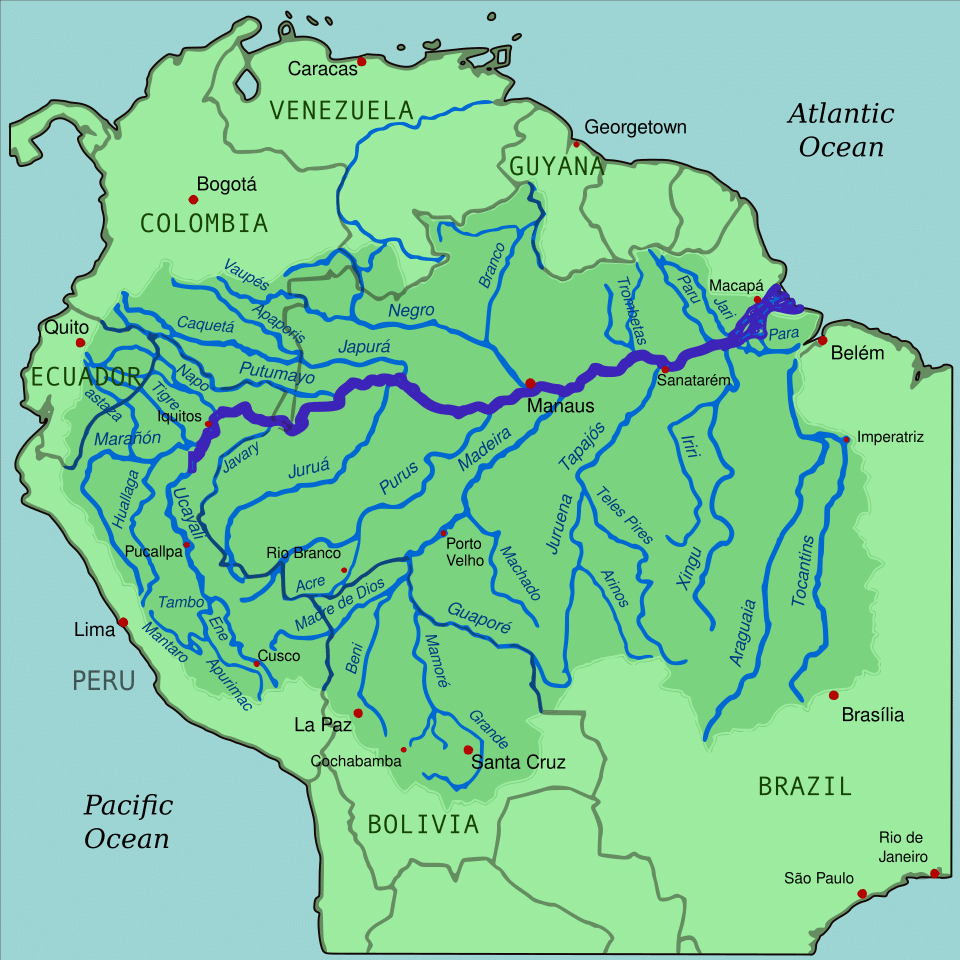
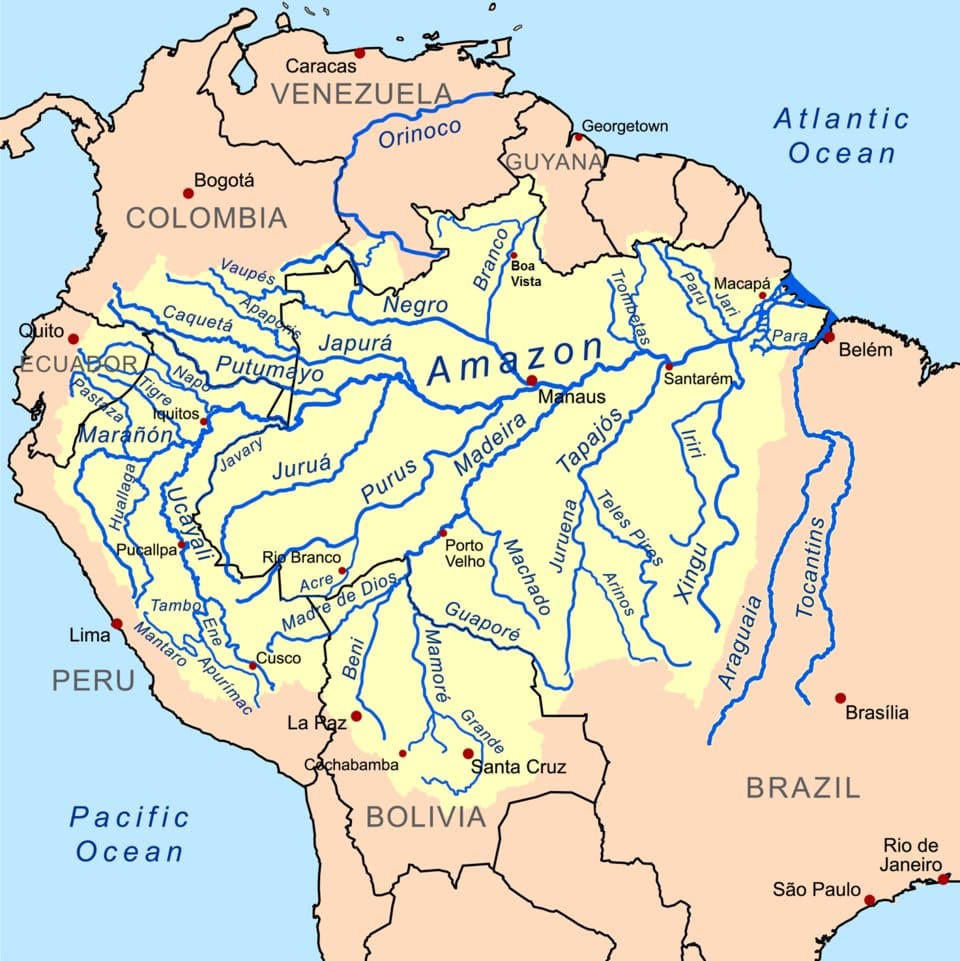
The Blue Panda Apisto is native to the Río Ucayali drainage in Peru, one of the major headwater tributaries of the Amazon River. The exact collection localities have been somewhat guarded by collectors and exporters over the years, but the species is known to inhabit smaller tributaries and backwater areas within this system. These are classic blackwater habitats in the western Amazon basin, where dense rainforest canopy creates deep shade over narrow, slow-moving streams.
In its natural environment, A. Panduro lives in water that is extremely soft, highly acidic (often below pH 5.0), and stained dark brown by tannins from decomposing organic matter. The substrate consists of fine sand buried under thick layers of fallen leaves, and the water is very slow-moving or nearly still. Submerged roots, branches, and leaf litter provide a complex three-dimensional structure that the fish use for shelter, foraging, and spawning. Water temperatures in these habitats typically range from 75 to 82°F (24 to 28°C). Recreating even a simplified version of this environment goes a long way toward keeping this species thriving in captivity.
Appearance & Identification
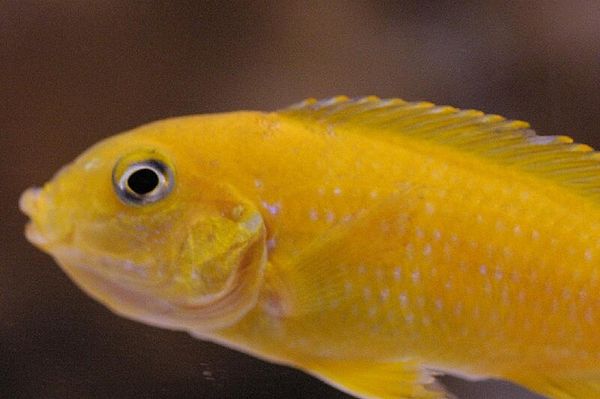
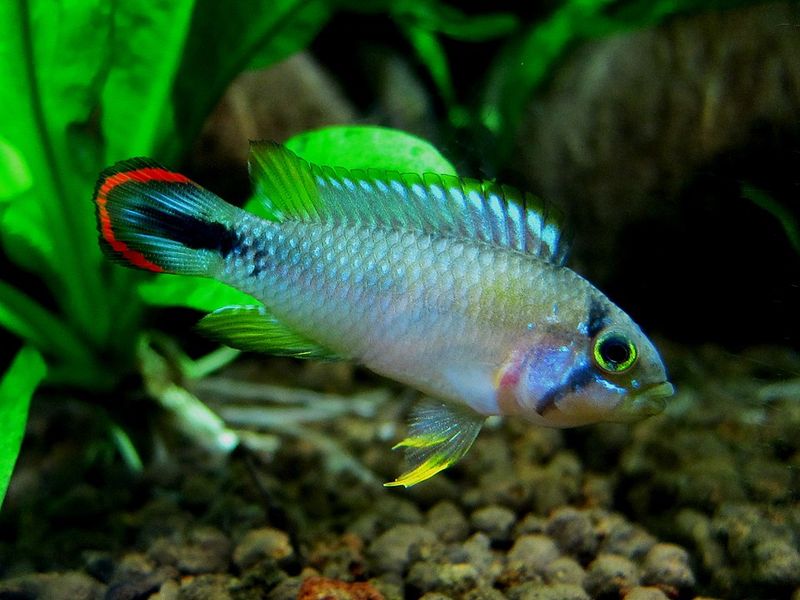
Male Blue Panda Apistos are genuinely spectacular. The body is a deep, saturated sky-blue that intensifies with mood and maturity, overlaid with metallic iridescence that catches the light beautifully. A dark lateral stripe runs from the snout through the eye to the middle of the body, and the most distinctive field mark is a bold black spot or blotch on the caudal fin that’s clearly visible even from across a room. The dorsal fin is tall, pointed, and edged in red-orange, while the anal and pelvic fins display blue coloration with darker edging. When a male is displaying or defending territory, the colors become even more vivid.
Females are smaller and much more understated in coloration, displaying a warm yellowish body that becomes bright lemon-yellow during breeding condition. They develop dark lateral bars and a more prominent lateral stripe when guarding eggs or fry. While they lack the dramatic blue of the males, breeding females in full yellow display are striking in their own right. Both sexes have relatively small, slightly upturned mouths compared to some other Apistogramma species.
Male vs. Female
| Feature | Male | Female |
|---|---|---|
| Size | Up to 3 inches (7.5 cm) | Up to 2.2 inches (5.5 cm) |
| Coloration | Vivid sky-blue with metallic sheen | Yellowish-olive, bright yellow when breeding |
| Caudal Fin | Rounded with bold black spot (“panda mark”) | Rounded, mostly clear or lightly colored |
| Dorsal Fin | Tall, pointed, with red-orange edging | Shorter, rounded |
| Body Shape | Elongated, slimmer | More compact, rounder when gravid |
Sexing Blue Panda Apistos becomes straightforward once the fish reach about 1.5 inches (4 cm). The blue coloration in males begins developing well before full maturity, and their fins start extending noticeably beyond female proportions. In mixed batches of juveniles, the first fish to show blue tones and pointed dorsal fins are your males.
Average Size & Lifespan
Males typically reach about 2.5 to 3 inches (6 to 7.5 cm) in a well-maintained aquarium, while females max out around 2 to 2.2 inches (5 to 5.5 cm). Like most Apistogramma species, these are true dwarf cichlids that pack a lot of personality into a very small body. Don’t let their size fool you into thinking they’ll work in a nano tank, though. They still need adequate territory and swimming space.
With optimal care, Blue Panda Apistos live 3 to 5 years in captivity. Consistent water quality, a varied diet rich in live and frozen foods, and low-stress social conditions are the keys to reaching the upper end of that range. Fish kept in hard, alkaline water or subjected to frequent parameter swings tend to have shortened lifespans.
Care Guide
Tank Size
A 20-gallon (75-liter) tank is appropriate for a single pair of Blue Panda Apistos. Since this species tends toward monogamous pair bonding rather than harem structures, a pair-based setup is actually the most natural arrangement. If you want to keep a small group with one male and two females, provide at least 30 gallons (115 liters) with distinct territories separated by visual barriers. As always with Apistogramma, prioritize floor space over height. A longer, shallower tank is far more useful than a tall, narrow one.
Water Parameters
| Parameter | Recommended Range |
|---|---|
| Temperature | 72 – 82°F (22 – 28°C) |
| pH | 5.0 – 7.0 |
| General Hardness (GH) | 1 – 5 dGH |
| KH | 0 – 3 dKH |
| Ammonia | 0 ppm |
| Nitrite | 0 ppm |
| Nitrate | < 20 ppm |
The Blue Panda Apisto comes from some of the softest, most acidic water in the Amazon basin, and it appreciates similar conditions in captivity. Wild-caught specimens are particularly demanding about water chemistry, often refusing to thrive in anything harder than 3 dGH with a pH above 6.0. Captive-bred fish are more forgiving, but this species still does noticeably better in soft, acidic conditions than in neutral or alkaline water. If your tap water is on the harder side, blending with RO water is a smart investment. Indian almond leaves and driftwood help naturally lower pH and provide the tannin-rich conditions these fish prefer.
Filtration & Water Flow
Keep the flow gentle. Blue Panda Apistos come from near-stagnant backwaters and creeks, so a strong current will stress them out. A sponge filter is ideal for breeding setups and smaller tanks, providing excellent biological filtration without creating significant water movement. For community tanks, a hang-on-back filter with a baffle or a small canister filter with a spray bar works well. Aim for around 4 times tank volume turnover per hour, but diffuse the output so there aren’t strong currents in the tank.
Lighting
Low to moderate lighting is strongly preferred. In the wild, these fish live under dense forest canopy where very little direct light reaches the water. In the aquarium, harsh lighting makes them feel exposed and washes out their coloration. Use floating plants to create dappled shade, and consider adding Indian almond leaves to naturally tint the water amber. Under these conditions, the males’ blue coloration really pops against the warm-toned water, creating a stunning visual effect.
Plants & Decorations
Dense, complex decoration is essential. Build your hardscape around driftwood, roots, and branches that create caves, overhangs, and sheltered areas. Add dedicated spawning caves using coconut shells, clay pots, or commercial Apistogramma caves. These fish need line-of-sight breaks between territories, especially during breeding when the female becomes highly territorial. Java Fern, Anubias, Cryptocoryne, and various mosses are all excellent plant choices that thrive under the low-light, soft-water conditions this species prefers.
A thick layer of dried Indian almond leaves or oak leaves on the substrate is highly recommended. Beyond their water-conditioning benefits, they create a natural leaf litter bed that the fish find comforting and that supports the growth of microfauna that fry can feed on. This is one of those species where a biotope-inspired setup truly brings out the best behavior and coloration.
More caves means less conflict. Fewer caves means the dominant fish owns everything and every other fish pays for it. This is not about aesthetics. This is about managing aggression through design.
Substrate
Fine sand is a must. Blue Panda Apistos sift through the substrate as part of their natural feeding behavior, and anything coarser than fine sand risks damaging their delicate gill filaments. A light-colored sand creates a nice contrast against the dark leaf litter and driftwood of a naturalistic setup, but darker substrates work fine too. Avoid any sharp-edged substrates or coarse gravel.
Tank Mates
Best Tank Mates
Choose small, peaceful species that prefer the same soft, acidic water conditions. The best tank mates are upper and mid-water dither fish that won’t compete for bottom territory. Good options include:
- Pencilfish (Nannostomus species). Perfect dither fish for Apistogramma tanks
- Cardinal Tetras. Thrive in the same soft, acidic conditions
- Green Neon Tetras. Tiny, peaceful, and love blackwater setups
- Ember Tetras. Gentle schoolers that add warm color contrast
- Hatchetfish. Surface dwellers that stay out of cichlid territory entirely
- Pygmy Corydoras. Small enough to coexist peacefully, though monitor during breeding
- Otocinclus. Gentle algae grazers that won’t provoke territorial behavior
Tank Mates to Avoid
- Other Apistogramma species. Territory conflicts are likely in anything under 55 gallons
- Larger or aggressive cichlids. Will dominate and stress these small fish
- Fin-nipping species. Tiger Barbs, Serpae Tetras, and similar troublemakers target elaborate fins
- Fast, boisterous fish. Giant Danios and similar hyperactive species create stress through constant activity
- Bottom-dwelling competitors. Larger Corydoras or Plecos may compete for space and disturb spawning sites
Food & Diet
Blue Panda Apistos are carnivorous feeders that naturally prey on small aquatic invertebrates. In the aquarium, they thrive on a diet centered around frozen and live foods. Frozen bloodworms, brine shrimp, daphnia, and cyclops should be offered regularly. Live foods like baby brine shrimp, grindal worms, and microworms are especially valuable for conditioning fish for breeding and maintaining peak coloration.
Most captive-bred specimens will learn to accept high-quality sinking pellets and granules, which can serve as a supplemental food source. However, dry foods alone won’t bring out the best in this species. A diet that’s at least 60 to 70 percent frozen and live foods is ideal. Feed small amounts twice daily, ensuring the food reaches the bottom of the tank where these fish prefer to feed. Watch for uneaten food and remove it promptly, as soft-water tanks are sensitive to organic waste buildup.
Is the Blue Panda Apisto Right for You?
Before you add a Blue Panda Apisto to your tank, here is an honest assessment of what you’re signing up for. I’d rather you know exactly what to expect now than find out the hard way after you’ve already bought one.
- Experience level: Blue Panda Apistos are best suited for intermediate to advanced keepers. They have specific requirements that can overwhelm beginners.
- Tank size commitment: You’ll need at least 20 gallons, though bigger is always better. Make sure you have room for the tank before buying.
- Tank mate planning: Blue Panda Apistos is territorial, so plan your community carefully. Not every fish will work as a tank mate.
- Maintenance demands: Expect regular water testing and consistent water changes. Blue Panda Apistos are sensitive to parameter fluctuations.
- Budget reality: Keeping Blue Panda Apistos costs more than typical setups. Budget for ongoing costs, not just the initial purchase.
- Time investment: Beyond daily feeding and weekly maintenance, regular observation is the best way to catch health issues early.
- Long-term commitment: With proper care, Blue Panda Apistos can live up to 5 years. Make sure you’re ready for years of consistent care.
Breeding & Reproduction
Breeding Difficulty
Moderate. A. Panduro is reasonably breedable in captivity, but success depends heavily on providing appropriate water chemistry. Getting them to spawn isn’t terribly difficult if the water is soft and acidic, but raising fry through the first few weeks requires attention and the right foods. This species form monogamous pair bonds, which simplifies the social dynamics compared to haremic Apistogramma species.
Spawning Tank Setup
A 10 to 20-gallon (40 to 75-liter) breeding tank works well for a pair. Furnish it with multiple cave options, as the female will inspect several before choosing her preferred site. Coconut shell halves, small clay pots, and PVC pipe sections all work as spawning caves. Include plenty of visual barriers and hiding spots using plants and driftwood so the male has places to retreat if the female becomes aggressive after spawning. A well-seasoned sponge filter is the safest filtration choice.
Water Conditions for Breeding
Soft, acidic water is essential for successful breeding. Target a pH of 5.0 to 6.0, temperature around 78 to 80°F (26 to 27°C), and very low hardness (1 to 2 dGH). RO water is often necessary to achieve these conditions. Add Indian almond leaves and alder cones to help maintain the acidic, tannin-rich water these fish spawn in naturally. Stable parameters are critical, so make all adjustments gradually and avoid sudden changes.
Conditioning & Spawning
Condition the pair with heavy feedings of live and frozen foods for two to three weeks. The female will begin showing intense yellow breeding coloration and start spending time inspecting cave sites. When ready, she deposits her eggs on the ceiling of the chosen cave, producing a clutch of approximately 40 to 80 eggs. The eggs are adhesive and small, typically reddish-brown in color.
After spawning, the female takes sole charge of the eggs and becomes extremely aggressive toward the male. In tanks under 20 gallons, removing the male is often necessary to prevent injury. The female will fan the eggs continuously and remove any that develop fungus. Her brood care instinct is intense, and she’ll actively defend against fish many times her size.
Egg & Fry Care
Eggs hatch in approximately 2 to 3 days at breeding temperatures. The wrigglers remain attached in the cave for another 4 to 5 days while absorbing their yolk sacs. Once free-swimming, the fry emerge as a tight school led by the attentive mother. Initial foods should be infusoria, paramecium cultures, or commercially available liquid fry food. Within a week, the fry will be large enough to take freshly hatched baby brine shrimp, which should become their primary food source. Growth is moderate, and the fry begin showing their parents’ characteristic patterns at around 8 to 10 weeks.
Common Health Issues
Ich (White Spot Disease)
Ich is the most common parasitic disease in freshwater aquariums, and dwarf cichlids are susceptible, particularly when stressed by temperature fluctuations or new tank introductions. White spots across the body and fins, flashing behavior, and clamped fins are the telltale signs. The standard heat treatment (gradually raising temperature to 86°F / 30°C for 10 to 14 days) is effective. Use medications at reduced doses, as dwarf cichlids and their soft-water environments is sensitive to full-strength treatments.
Hole-in-the-Head Disease
HITH manifests as small pitting or erosion on the head and lateral line area. It’s commonly linked to poor water quality, vitamin deficiencies, and elevated nitrate levels. Prevention is far better than treatment with this condition. Keep nitrates below 20 ppm, provide a varied diet including vitamin-rich live foods, and maintain consistent water quality. Metronidazole is effective for treatment in early stages.
Velvet Disease
Velvet (Piscinoodinium) is particularly insidious because it’s easy to miss in the early stages. It presents as a fine, gold-dusted appearance on the skin, rapid breathing, and lethargy. It’s more common in warm, soft-water tanks, which unfortunately describes the ideal Blue Panda Apisto setup. Dimming the lights and treating with copper-based medications (at reduced doses) is the typical approach. Quarantining new fish before adding them to your display tank is the best prevention.
Internal Parasites
Wild-caught Blue Panda Apistos frequently carry internal parasites that cause wasting, hollow belly, and stringy white feces. If you purchase wild-caught specimens, prophylactic deworming during a quarantine period is strongly recommended. Even captive-bred fish should be quarantined for at least two weeks before introduction to an established display tank to monitor for any signs of illness.
Common Mistakes to Avoid
- Keeping them in hard water: This species is more sensitive to water hardness than many commonly kept Apistos. Hard, alkaline water leads to stress, poor coloration, and failed breeding attempts. Invest in RO water if your tap water is hard.
- Too much water flow: These are still-water fish. A filter output blasting across the tank creates chronic stress. Diffuse your flow with spray bars, baffles, or sponge filters.
- Overcrowding the bottom level: Loading up on bottom-dwelling species in a Blue Panda tank defeats the purpose. Give these fish the substrate territory they need and focus tank mates on the middle and upper water levels.
- Neglecting live and frozen foods: A diet of only dry pellets won’t cut it with this species. Their coloration, health, and breeding potential all depend on regular access to protein-rich frozen and live foods.
- Not quarantining new additions: Whether wild-caught or captive-bred, always quarantine new fish for at least two weeks. This is especially important with Apistogramma species, which can carry internal parasites that aren’t immediately visible.
- Bright, unshaded lighting: Direct, harsh lighting makes these fish pale and skittish. Always provide shaded retreats and consider tinting the water with tannins for the best color display.
Where to Buy
Blue Panda Apistos are available through specialty fish retailers and online sellers who focus on dwarf cichlids. They’re not common at chain pet stores, so you’ll likely need to shop from dedicated sources. Here are two I recommend:
- Flip Aquatics. Known for quality livestock and careful shipping. They regularly carry Apistogramma species and are a great place to check for availability.
- Dan’s Fish. Another trusted source for healthy dwarf cichlids. Their selection frequently includes captive-bred Apistogramma at competitive prices.
When purchasing, always ask whether the fish are wild-caught or captive-bred. Wild-caught specimens typically display more intense coloration but require more precise water conditions and are more likely to carry parasites. Captive-bred fish are hardier and adapt more easily to a wider range of aquarium conditions.
FAQ
What’s the difference between Blue Panda Apisto and Panda Apisto?
The Blue Panda Apisto (A. Panduro) and the Panda Apisto (A. Nijsseni) are closely related species in the same group that are sometimes confused in the trade. A. Panduro males display more extensive blue body coloration with a distinct black caudal spot, while A. Nijsseni males tend to have more black patterning overall with less vivid blue. The females of both species are similar, making positive identification easier when looking at mature males.
Do Blue Panda Apistos need RO water?
It depends on your tap water. If your tap water is soft and slightly acidic (below 5 dGH, pH under 7.0), you may not need RO water at all. If your tap water is moderately hard or alkaline, blending with RO water is strongly recommended, especially for breeding. Many successful keepers use a mix of tap and RO water to achieve the soft, slightly acidic conditions this species prefers.
Can I keep Blue Panda Apistos in a community tank?
Yes, as long as the community consists of small, peaceful species that tolerate soft, acidic water. Cardinal Tetras, pencilfish, and Ember Tetras are all excellent choices. Just be aware that the female will become very territorial during breeding, so make sure the tank is large enough and well-decorated enough that other fish can escape her aggression.
How do I bring out the best color in my Blue Panda Apisto?
Three factors have the biggest impact on coloration: water chemistry, diet, and lighting environment. Soft, acidic water with tannins produces the deepest blue coloration. A diet rich in live and frozen foods provides the nutrients for vibrant pigmentation. And subdued lighting with a dark substrate makes the blue really pop. When all three come together, the males are genuinely jaw-dropping.
Are Blue Panda Apistos aggressive?
They are territorial when breeding. Outside of spawning, they are peaceful community fish. But when a female claims a cave and lays eggs, she becomes aggressive toward everything in range, including the male. Males defend their territory from other bottom-dwelling fish at all times. In a properly decorated tank with enough caves and visual barriers, aggression stays contained. In an open tank without line of sight breaks, it becomes a problem fast.
What It Is Actually Like Living With Blue Panda Apisto
This is the part no other care guide gives you. Forget water parameters for a minute. Here is what it is actually like to share your tank with this species.
They have more personality than you expect. The Blue Panda Apisto is not a fish that just sits in the background. Once settled in, they become interactive, curious, and responsive to your presence.
Feeding time reveals their character. Watch how the Blue Panda Apisto approaches food and you will see real personality. Some are bold, some are cautious, and their feeding behavior tells you a lot about their mood and health.
They establish routines. After a few weeks, your Blue Panda Apisto will have favorite spots, preferred paths through the tank, and predictable patterns. Learning these routines makes you a better keeper.
Color is a health indicator. The Blue Panda Apisto’s coloration is a real-time report card on your husbandry. Vibrant color means happy fish. Faded color means something is wrong. Pay attention.
How the Blue Panda Apisto Compares to Similar Species
Blue Panda Apisto vs German Blue Ram
Want a dwarf cichlid that controls its environment? Get the apisto. Want a dwarf cichlid that the environment controls? Get the German Blue Ram. That is the fundamental difference. Apistos are the working dwarf cichlid. GBRs are the display model. In my experience, apistos are easier to keep alive and more interesting to watch.
Blue Panda Apisto vs Cockatoo Apisto
Cockatoos are bolder, more colorful, and more available. Blue Pandas are subtler, calmer outside of breeding, and harder to find. Want the showiest apisto? Cockatoo. Want the one that makes you slow down and actually watch? Blue Panda.
If you are also considering the MacMaster’s Dwarf Cichlid or the Inka Apisto, both are solid options with overlapping care requirements. The MacMaster’s is a good starter apisto with less demanding water needs. The Inka brings a different energy but shares the same territory-driven behavior during breeding.
Closing Thoughts
The Blue Panda Apisto is one of those fish that makes you rethink what’s possible in a 20-gallon tank. A mature male in peak condition, displaying against a backdrop of dark driftwood and amber-tinted water, is a sight that rivals fish costing ten times as much. This isn’t a species you just glance at and move on. It demands your attention, and it rewards the keeper who puts in the effort to get the water chemistry and environment right.
This is not just a peaceful dwarf cichlid. It is a fish that turns part of your tank into its territory and dares anything else to cross the line.
If you’re ready to take the next step in dwarf cichlid keeping and you’re willing to dial in soft, acidic water conditions, A. Panduro is an outstanding choice. The monogamous pair-bonding behavior, the intense coloration, and the fascinating brood care make this a species you’ll never get tired of watching.
This article is part of our South American Cichlids species directory. Explore more South American cichlid care guides.
References
- Seriously Fish. (n.d.). Apistogramma panduro. Retrieved from https://www.seriouslyfish.com/species/apistogramma-panduro/
- Froese, R. & Pauly, D. (Eds.). (2024). Apistogramma panduro in FishBase. Retrieved from https://www.fishbase.se/summary/Apistogramma-panduro.html
- Römer, U. (1997). Diagnose dreier neuer Arten und einer Unterart aus der Verwandtschaft von Apistogramma nijsseni Kullander, 1979. DATZ Sonderheft Apistogramma, 44-49.
- Römer, U. (2006). Cichlid Atlas Volume 2: Natural History of South American Dwarf Cichlids. Mergus Publishers.