Freshwater aquarium fish offer an incredible diversity of colors, shapes, behaviors, and personalities. Whether you’re setting up your very first tank or you’re a seasoned aquarist building a complex community, there’s a freshwater species perfect for you.
This mega guide is your central hub for everything freshwater fish. We’ve organized our 200+ in-depth articles into species groups so you can quickly find care guides, tank mate recommendations, and expert tips for any freshwater fish. Each section links to our detailed articles where you can dive deeper.
New to the hobby? Start here. These guides cover the best beginner-friendly species, community tank stocking, and how to choose the right fish for your tank size.
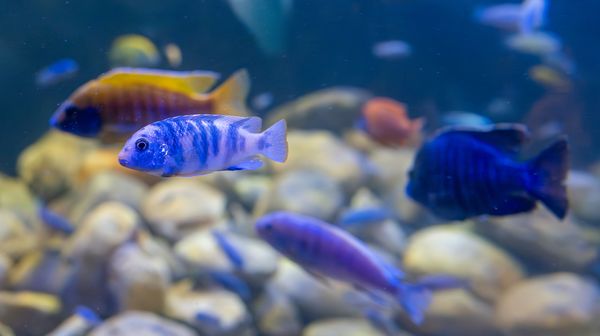
Cichlids are among the most colorful and personality-rich freshwater fish. From the vibrant African cichlids of Lake Malawi to the majestic South American species, this family offers something for every experience level.
Goldfish are one of the most iconic and beloved freshwater fish. From fancy varieties to hardy comets, they come in a stunning range of shapes and colors. Proper goldfish care starts with understanding their unique needs.
Tetras are the backbone of countless community tanks. These small, colorful schooling fish are peaceful and look stunning in planted aquariums. Here are our guides to the most popular species.
Livebearers are beginner-friendly fish that give birth to free-swimming fry instead of laying eggs. Guppies, mollies, platies, and swordtails are the most popular species in this group.
Gouramis are labyrinth fish known for their vibrant colors and unique ability to breathe atmospheric air. They range from peaceful dwarf varieties to more assertive species, making great centerpiece fish.
Barbs are active, hardy schooling fish that bring energy and movement to any tank. From the popular tiger barb to the peaceful cherry barb, this group includes species for every community setup.
Catfish and plecos are the workhorses of the freshwater tank. Many species help control algae while adding interesting bottom-dwelling behavior. From tiny otos to impressive plecos, there’s a catfish for every setup.
Loaches are fascinating bottom-dwellers known for their unique behaviors and ability to control pest snails. Many species are social and should be kept in groups.
Rasboras and danios are small, peaceful schooling fish perfect for nano tanks and community setups. Many species display stunning colors and are incredibly hardy.
Freshwater angelfish are elegant, graceful fish that serve as stunning centerpieces in medium to large tanks. Their tall body shape and flowing fins make them unmistakable.
Killifish and rainbow fish are some of the most brilliantly colored freshwater species available. Often overlooked by beginners, these fish reward experienced keepers with dazzling displays.
For aquarists ready for a challenge, these large and exotic freshwater species offer truly unique fishkeeping experiences. Many require spacious tanks and specialized care.
Freshwater invertebrates add diversity and utility to your tank. Shrimp help with algae control, snails clean up waste, and crabs bring unique personality. Many make excellent additions to community and planted tanks.
The betta fish is the most abused fish in the hobby. Not because people are cruel. Because pet stores sell bowls right next to them and call it a setup. It is not. A betta kept in a bowl is not living. It is surviving, and usually not for long.
A betta in a bowl is not a pet. It is a countdown.
Video: Betta Fish Care Guide
What Most Care Guides Get Wrong About Betta Fish: The
The most common mistake I see with Betta Fish: Thes is people following outdated care advice that gets recycled from guide to guide. In my 25 plus years in the hobby, hands-on experience often contradicts what you read online. The biggest issue is usually tank size and group size. Minimum recommendations are exactly that, minimums. The other overlooked factor is acclimation.
Betta fish (Betta splendens), also known as Siamese Fighting Fish, originate from the rice paddies and shallow waters of Southeast Asia. They are labyrinth fish, meaning they can breathe air from the surface. Which is why they can survive in lower-oxygen environments. However, “surviving” and “thriving” are very different things. Proper care is essential for a healthy, vibrant betta.
A betta’s minimum tank size should be 5 gallons, they require warm water (76-81°F), and they need a gentle filter and regular water changes. With the right setup, bettas can live 3-5 years and will reward you with incredible personality and interaction.
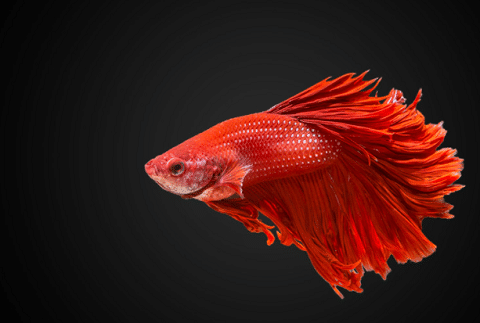
One of the most exciting aspects of betta keeping is the incredible diversity of tail types and color patterns available. From the elegant flowing fins of Halfmoon bettas to the spiky crown-like rays of Crowntails, and from solid colors to stunning marble and galaxy patterns. There’s a betta for every taste. Some rare varieties can cost hundreds or even thousands of dollars.
Understanding the different varieties helps you choose the right betta for your setup and know what to expect in terms of care requirements, as some varieties like Dragon Scale bettas are more prone to certain health issues.
Dive Deeper:
Halfmoon Betta. The stunning 180-degree tail spread that makes this variety a showstopper
Crowntail Betta. Recognizable by their spiky, crown-like fin rays
Plakat Betta. Short-finned bettas that are closer to wild betta fish
Setting up a proper betta tank goes beyond just filling a container with water. Bettas are tropical fish that need consistent warm temperatures, clean filtered water, and an enriching environment with plants and hiding spots. The right equipment makes the difference between a betta that merely survives and one that truly thrives with vibrant colors and active behavior.
Key equipment includes a reliable heater (bettas need 76-81°F), a gentle filter (bettas prefer low flow), appropriate lighting, and live or silk plants. Regular maintenance including water changes and tank cleaning is essential for long-term health.
Betta fish are carnivores in the wild, feeding primarily on insects and insect larvae. In captivity, they need a protein-rich diet to maintain their health and color. A quality betta-specific pellet should form the base of their diet, supplemented with frozen or freeze-dried foods like bloodworms, brine shrimp, and daphnia.
Overfeeding is one of the most common mistakes betta keepers make. A betta’s stomach is roughly the size of its eye, so 2-3 pellets twice daily is typically sufficient. Fasting one day per week can help prevent bloating and digestive issues.
Dive Deeper:
Best Betta Food. Top-rated betta pellets, frozen foods, and treats reviewed
Contrary to popular belief, betta fish don’t have to live alone. While male bettas are aggressive toward other male bettas (and often toward fish with similar flowing fins), many species can coexist peacefully with bettas in a properly sized community tank. The key is choosing the right tank mates. Peaceful, non-nippy species that won’t compete with your betta or trigger aggression.
Popular compatible tank mates include Corydoras catfish, certain tetras, snails, and shrimp. A minimum 10-gallon tank is recommended for any betta community setup, and always have a backup plan in case your particular betta doesn’t tolerate tank mates.
Dive Deeper:
Betta Tank Mates. The complete compatibility guide for betta community tanks
Betta Sorority. Keeping multiple female bettas together. Risks and rewards
Betta fish are among the most personable freshwater fish you can keep. They recognize their owners, can be trained to do simple tricks, and display a wide range of interesting behaviors. Understanding these behaviors helps you identify when your betta is happy, stressed, or potentially ill.
Common behaviors include flaring (spreading their gills to appear larger), building bubble nests (a sign of a healthy, content male), glass surfing (which can indicate stress), and resting near the bottom or on leaves. Learning to read your betta’s body language is one of the most rewarding parts of keeping these incredible fish.
Even with excellent care, betta fish can sometimes fall ill. The most common betta diseases include ich (white spot disease), fin rot, velvet, swim bladder disorder, and dropsy. Early detection is critical. The sooner you notice symptoms and begin treatment, the better your betta’s chances of recovery.
Prevention is always better than cure. Maintaining clean water with proper parameters, avoiding overfeeding, minimizing stress, and quarantining new tank mates are the best ways to keep your betta healthy. When disease does strike, understanding the specific condition helps you choose the right treatment.
Dive Deeper:
Betta Fish Disease. Complete guide to identifying and treating common betta illnesses
Ich on Betta. How to identify, treat, and prevent white spot disease
Betta Fish Tumor. Causes, types, and what you can do about betta tumors
Before you add a Betta Fish: The to your tank, here is an honest assessment of what you’re signing up for. I’d rather you know exactly what to expect now than find out the hard way after you’ve already bought one.
Experience level: Betta Fish: Thes are best suited for intermediate to advanced keepers. They have specific requirements that can overwhelm beginners.
Tank size commitment: You’ll need at least 5 gallons, though bigger is always better. Make sure you have room for the tank before buying.
Tank mate planning: Betta Fish: Thes is territorial, so plan your community carefully. Not every fish will work as a tank mate.
Maintenance routine: Weekly water changes and regular filter maintenance are the baseline. Consistency matters more than perfection.
Budget reality: Keeping Betta Fish: Thes costs more than typical setups. Budget for ongoing costs, not just the initial purchase.
Time investment: Beyond daily feeding and weekly maintenance, regular observation is the best way to catch health issues early.
Long-term commitment: With proper care, Betta Fish: Thes can live up to 5 years. Make sure you’re ready for years of consistent care.
Breeding Betta Fish
Breeding betta fish is a rewarding but challenging endeavor that requires careful planning, dedicated equipment, and patience. The process involves conditioning a pair, introducing them carefully, monitoring the male’s bubble nest building and the spawning embrace, and then raising potentially hundreds of tiny fry.
You’ll need a separate breeding tank, a conditioning period with high-protein foods, and a plan for raising and rehoming the fry. It’s not a casual undertaking. But for dedicated hobbyists, breeding bettas offers a fascinating window into their natural reproductive behavior.
Dive Deeper:
Breeding Betta Fish. Complete step-by-step breeding guide from conditioning to raising fry
Frequently Asked Questions
How long do betta fish live?
With proper care in a heated, filtered tank of at least 5 gallons, betta fish typically live 3 to 5 years. Some well-cared-for bettas have lived beyond 5 years. The biggest factors in longevity are water quality, diet, and avoiding the common mistake of keeping them in unfiltered bowls.
Can betta fish live with other fish?
Male bettas can live with certain peaceful community fish in tanks of 10 gallons or larger. Good tank mates include corydoras catfish, certain rasboras, and snails. Avoid other bettas (males will fight), gouramis, and any fish with long, flowing fins that is mistaken for a rival.
Do betta fish need a heater?
Yes. Bettas are tropical fish that need water temperatures between 76 and 82°F. Without a heater, most home aquariums will be too cool, leading to lethargy, weakened immune systems, and a shorter lifespan. A small adjustable heater is essential equipment for any betta tank.
How often should you feed a betta fish?
Feed adult bettas twice daily, offering only what they can consume in about two minutes per feeding. A varied diet of quality betta pellets, frozen bloodworms, and brine shrimp keeps them healthy. One fasting day per week can help prevent bloating and digestive issues.
Why is my betta fish not eating?
Common causes include stress from a new environment, water that is too cold, poor water quality, or illness. Check your water parameters and temperature first. A newly purchased betta may take a day or two to adjust before eating normally. If the refusal persists beyond a few days, look for signs of disease.
Your Betta Fish Journey Starts Here
Whether you’re setting up your first betta tank or looking to level up your betta keeping skills, the resources above will help you provide the best possible care for your fish. Betta fish are incredibly rewarding pets. With the right knowledge and setup, your betta will thrive and bring you joy for years to come.
Have questions? Drop a comment below and our team will be happy to help. And be sure to check out our YouTube channel for video guides on betta fish care and more.
The Malawi Hawk is a Lake Malawi haplochromine and one of the most dramatic predators in the lake. This fish dive-bombs prey from above, a hunting strategy that makes it both fascinating and dangerous to keep with smaller tank mates enough to kill tank mates that do not fit the program. Mbuna are not community fish. Keep it with fish too large to swallow and it becomes one of the most dramatic display fish in the hobby. The dive-bombing predator that hunts from above.
Mbuna are not community fish. They are a controlled chaos that looks incredible when you get it right.
This species lives 10 to 15 years. Every one of those years requires maintaining Lake Malawi water chemistry and managing a large predatory hap in a community setting.
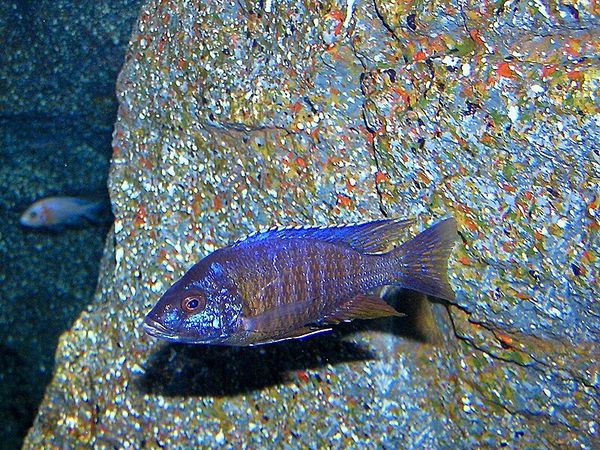
The Malawi Hawk is also one of the largest cichlids in Lake Malawi, reaching up to 12 inches in captivity. Males develop an impressive bluish coloration with orange-red ventral fins that makes them formidable-looking fish with real visual presence. This is a species that demands attention. Both yours, because it requires expert-level care, and your visitors’, because nobody walks past a full-grown Malawi Hawk without asking questions.
This is an advanced fishkeeping species. It needs a big tank, carefully selected tank mates, and a keeper who understands predatory cichlid management. But for those who can provide the right environment, the Malawi Hawk is one of the most rewarding fish in the hobby.
The Malawi Hawk is a small fish with big demands. Get them right and your tank looks like a coral reef. Get them wrong and you have a war zone.
What Most Care Guides Get Wrong About Malawi Hawk
The Malawi Hawk gets its name from its hunting technique of diving down on prey from above, similar to a bird of prey. The biggest misconception is that this makes them unkeepable. In a properly sized tank with appropriate tankmates, Champsochromis caeruleus is actually one of the more manageable large predators. The real mistake is tank size. These fish reach 12 inches or more and need at least 150 gallons. Cramming them into smaller tanks triggers the aggressive hunting behavior that gives them their fearsome reputation.
The Reality of Keeping Malawi Hawk
Mbuna keeping is a different discipline from regular fishkeeping. The Malawi Hawk is no exception. Here is what you need to prepare for.
Hard, alkaline water is mandatory. Lake Malawi chemistry means pH between 7.8 and 8.6, high GH, and high KH. There is no faking this. If your tap water is soft and acidic, you need to buffer every water change without exception.
Overstocking is the strategy. Keeping 3 or 4 Malawi Hawks leads to one bully and victims. You need groups of 12 or more to spread aggression. But overstocking only works with heavy filtration and consistent water changes.
Diet is critical. Feed a varied diet appropriate for the species. Quality pellets should be the staple, supplemented with occasional frozen foods.
Rockwork defines territories. Mbuna need piles of rocks with caves and passageways. Without proper rockwork, dominant fish have nowhere to establish boundaries and subordinates have nowhere to hide. Stack rocks from substrate to near the waterline.
Biggest Mistake New Malawi Hawk Owners Make
Understocking. Keeping a small group of Malawi Hawks means the dominant fish picks off the weak ones. You need a large group to distribute aggression. Twelve is the minimum for most mbuna species.
Expert Take
Start with a group of 12 or more in a 55 gallon minimum. Use aragonite or crushed coral substrate to buffer pH naturally. Feed spirulina-based food as the staple. Stack rocks to create territories. This formula works for Malawi Hawks and most other mbuna.
Key Takeaways
Unique “hawk-like” hunting behavior. Tilts onto its side and dives down on prey from above, striking at an angle like a bird of prey
One of Lake Malawi’s largest cichlids. Reaches up to 12 inches (30 cm); needs a tank at least 6 feet long
125-gallon minimum. A 6-foot tank is mandatory; 150+ gallons recommended for a breeding group
The only species in its genus. Aristochromis is monotypic; there’s nothing else quite like it in the lake
Spooks easily. Startled fish can sprint into glass; avoid sudden movements around the tank
Maternal mouthbrooder. Females carry 15. 50 fry for 3. 4 weeks; breeding requires patience and proper conditioning
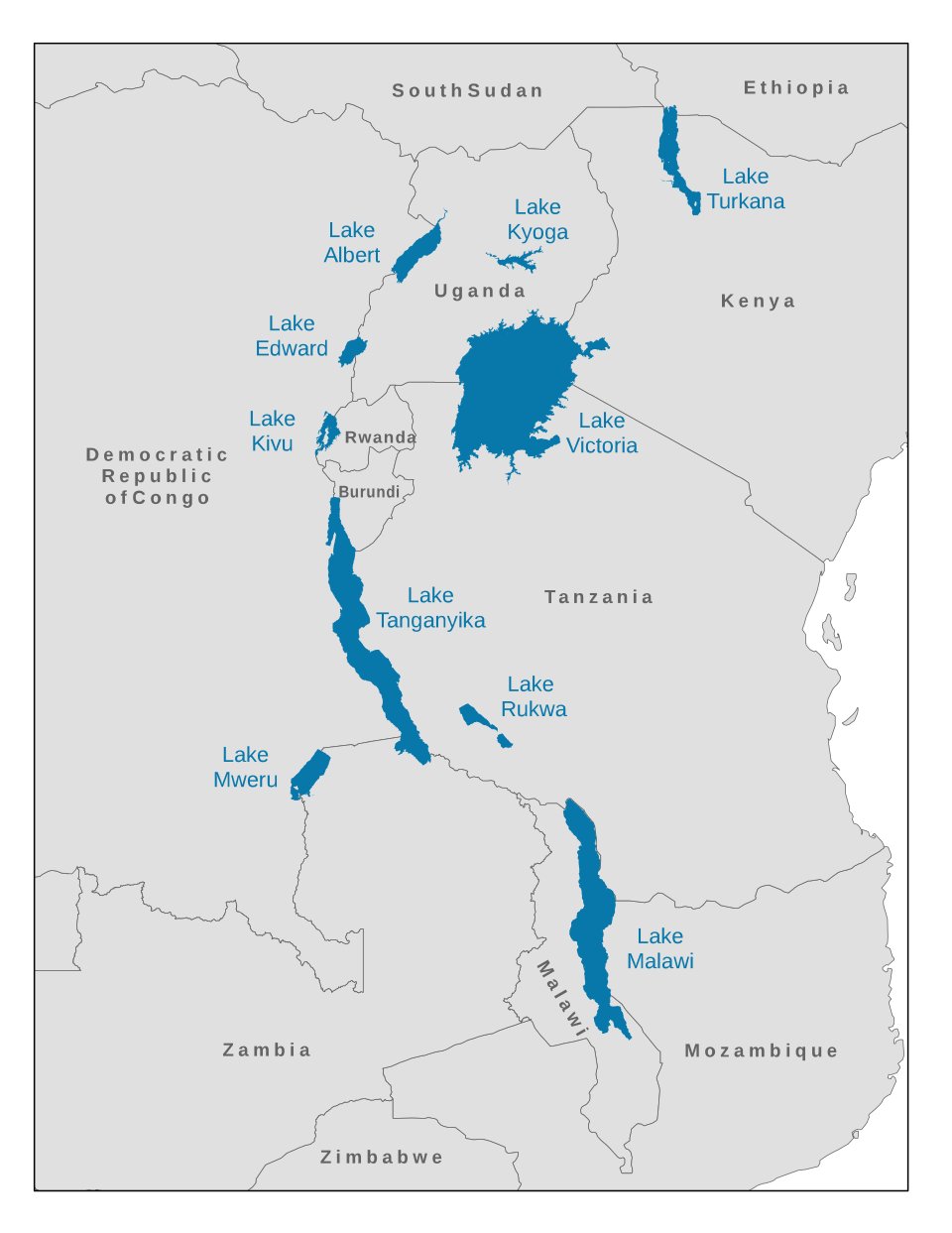
Map of Lake Malawi. Via Wikimedia Commons.
Species Overview
Common Name
Malawi Hawk, Hawk Cichlid
Scientific Name
Aristochromis christyi
Care Level
Advanced
Temperament
Predatory / Aggressive
Max Size
12 inches (30 cm)
Min Tank Size
125 gallons (473 liters)
Diet
Carnivore (Piscivore)
Lifespan
10. 15 years
Water Temp
76. 82°F (24. 28°C)
pH
7.8. 8.6
Origin
Lake Malawi, Africa
Classification
Kingdom
Animalia
Phylum
Chordata
Class
Actinopterygii
Order
Cichliformes
Family
Cichlidae
Genus
Aristochromis
Species
A. Christyi (Trewavas, 1935)
Origin & Natural Habitat
Aristochromis christyi is endemic to Lake Malawi and occurs in low abundance throughout the entire lake. It’s the only species in its genus. Making it monotypic. And there’s no apparent variation across different locations. This uniformity across such a large lake is unusual for Malawi cichlids, which show significant geographical color variation.
In the wild, the Malawi Hawk is an open-water predator found near the rocky shoreline. Unlike ambush predators that hide and wait, the Malawi Hawk is an active hunter that uses a remarkable aerial-style attack. When it spots prey. Small mbuna or other cichlids near rocky outcrops. It turns onto its side, monitoring the target with one eye while slowly sinking toward it. Then it strikes with a sudden downward lunge, coming at the prey from above at an angle, just like a hawk diving on a mouse.
This hunting strategy is so specialized that it’s not known from any other Lake Malawi cichlid. The behavior alone makes the Malawi Hawk one of the most fascinating species in the entire lake ecosystem.
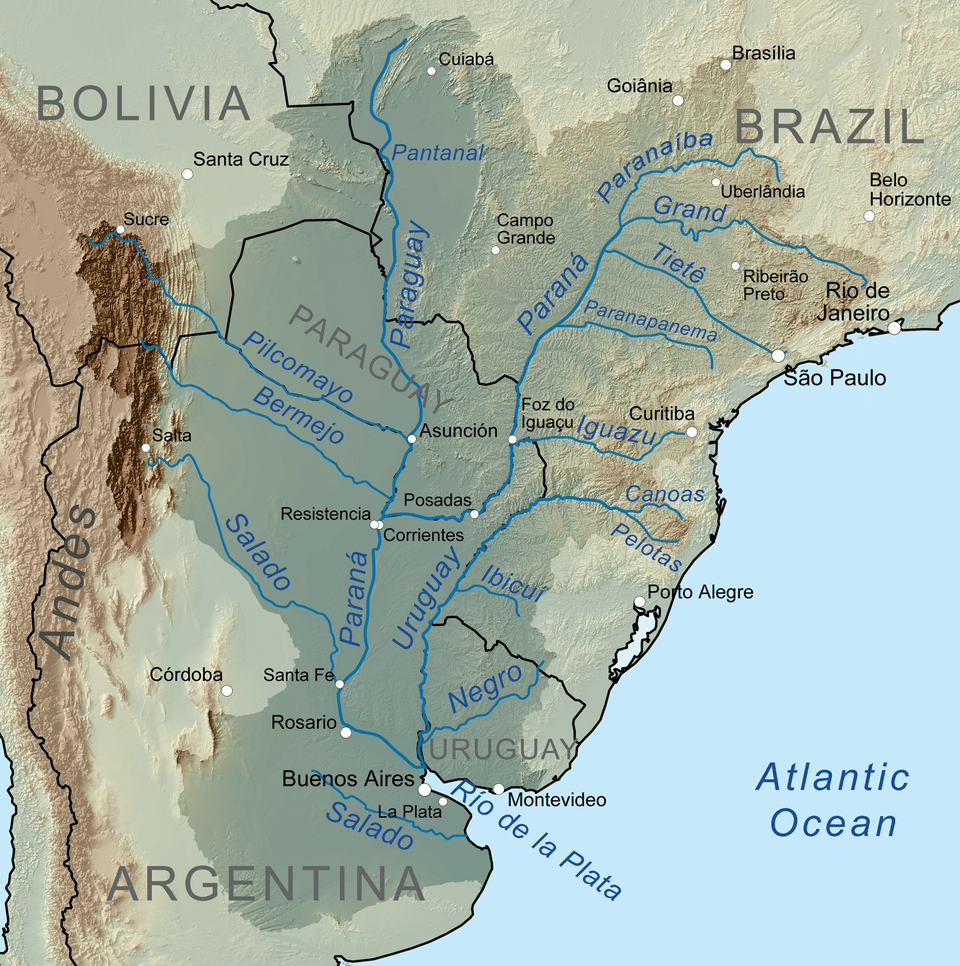
Map by MellonDor, CC BY-SA 4.0, via Wikimedia Commons
Appearance & Identification
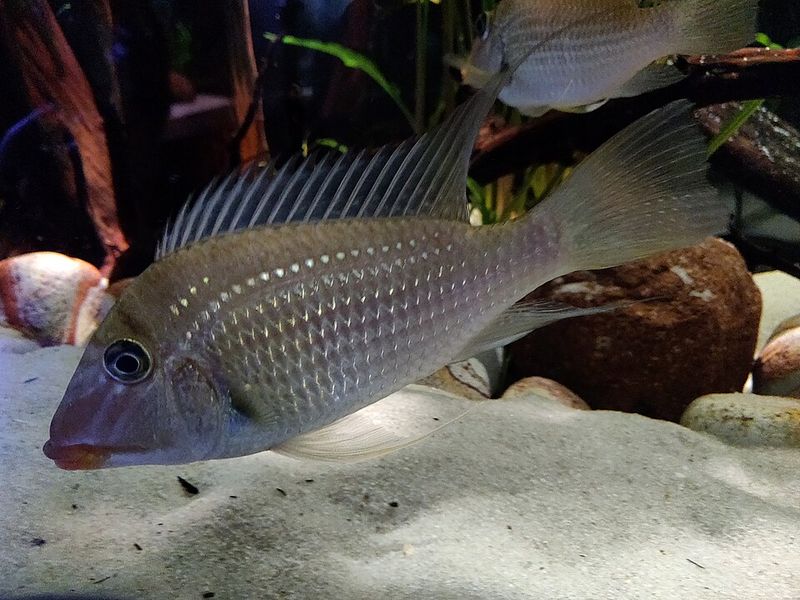
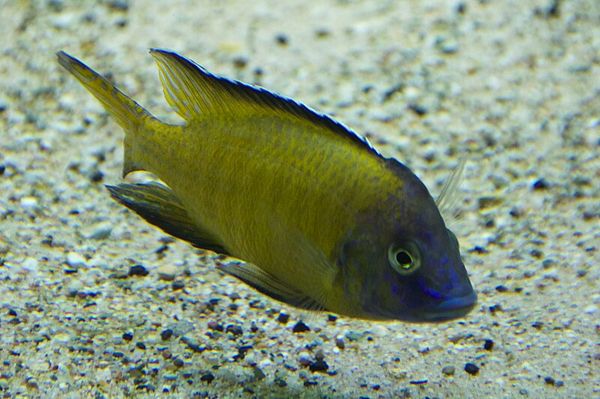
The Malawi Hawk has a long, streamlined body with a large, pronounced head and sizeable mouth. The physical tools of a predator built for speed and power. Males develop an impressive bluish-green coloration across the body as they mature, with vivid orange-red ventral fins that provide a striking color accent. Dominant males in full breeding dress lose most of their dark barring, leaving a clean blue-green body that’s genuinely beautiful.
Females are brown to gray with a characteristic diagonally ascending black stripe across the flank. This stripe pattern helps identify female Malawi Hawks and distinguishes them from other large Hap females that might look similar at first glance.
The overall body proportions are distinctive. The head seems almost oversized relative to the body, a feature that speaks directly to the fish’s predatory lifestyle. The mouth is large enough to engulf surprisingly big prey items.
Male vs. Female
Sexing mature Malawi Hawks is straightforward. The color difference is dramatic, and the female’s diagonal flank stripe is a reliable identifier.
Feature
Male
Female
Body Color
Blue-green with orange-red ventral fins
Brown-gray with diagonal black flank stripe
Size
Up to 12 inches (30 cm)
Up to 8. 9 inches (20. 23 cm)
Barring
Faded or absent in dominant males
May show faint vertical barring
Egg Spots
Present on anal fin
Absent or very faint
Head
Larger, more pronounced
Proportionally smaller
Average Size & Lifespan
Males can reach up to 12 inches (30 cm) in captivity. That’s a substantial fish with real physical presence. Females are smaller but still impressive at 8. 9 inches (20. 23 cm). This is one of the larger Haps commonly kept in the hobby, and tank sizing must reflect their adult dimensions.
Malawi Hawks are long-lived. Expect 10. 15 years with proper care. That longevity, combined with the tank size requirements, means this is a significant long-term commitment. Plan accordingly before purchasing.
Care Guide
Tank Size
A 125-gallon (473-liter) tank is the minimum, and a 6-foot tank length is mandatory. Malawi Hawks are open-water predators that need long swimming lanes and clear sightlines. For a breeding group with additional tank mates, push into the 150. 200 gallon range.
An important consideration. Malawi Hawks spook easily. In tanks that are too short or cluttered, a startled Hawk can sprint fast enough to injure itself on the glass. Long, clear sightlines help prevent panic-induced collisions. Avoid placing the tank in high-traffic areas where sudden movements could startle the fish.
Water Parameters
Temperature
76. 82°F (24. 28°C)
pH
7.8. 8.6
General Hardness (dGH)
10. 20 dGH
Carbonate Hardness (dKH)
10. 15 dKH
Ammonia
0 ppm
Nitrite
0 ppm
Nitrate
<20 ppm
Standard Lake Malawi parameters with extra emphasis on water quality. These are big fish with significant bioloads, and they’re messy eaters of protein-rich foods. Maintain strict water change schedules. 50% biweekly is a good target. Pay special attention to nitrate levels, as chronic elevation leads to health problems over time.
Filtration & Water Flow
Heavy-duty filtration is essential. A large canister filter or sump system rated for at least 2x your tank volume is the minimum. Malawi Hawks are messy eaters, and their high-protein diet produces significant waste that can quickly degrade water quality without adequate filtration.
Moderate flow is appropriate. Good circulation prevents dead spots and keeps the water well-oxygenated. Avoid strong currents that could stress the fish.
Lighting
Standard LED lighting at moderate intensity works well. Malawi Hawks don’t have specialized lighting needs. Avoid sudden lighting changes. Going from dark to bright abruptly can startle these skittish fish. Use a timer with gradual ramp-up if possible. Keep the photoperiod to 8. 10 hours.
Plants & Decorations
The Malawi Hawk needs plenty of open swimming space above all else. It’s an open-water predator, not a cave-dweller. Add some rock piles along the back and sides for visual variety and shelter, but keep the center and front of the tank wide open. Long, clear sightlines are critical for reducing panic sprints.
Don’t overcrowd the tank with rockwork. Too many obstacles create collision hazards for these fast-moving, easily startled fish. A few well-placed structures are enough.
Substrate
Sandy substrate is recommended. The male digs shallow spawning pits in sand during breeding, so a sandy area is important for reproductive behavior. Pool filter sand or aragonite sand both work well. The overall footprint should favor the open swimming area over elaborate substrate features.
Is the Malawi Hawk Right for You?
The Malawi Hawk is one of the most dramatic predators in Lake Malawi. Its dive bombing hunting technique is unlike anything else in the freshwater hobby.
Great fit if you want to keep one of the most unique predatory cichlids in existence
Great fit if you have a 150 gallon or larger tank with deep water for vertical hunting runs
Great fit if you are experienced with large predators and can manage feeding and aggression
Not ideal if your tank is under 150 gallons. These fish need depth as well as length
Not ideal if you keep any small fish. The Hawk will hunt them relentlessly
Not ideal if you are new to African cichlids. This is an advanced species
Not ideal if you want a community tank. Hawks need to be the dominant predator in their environment
A Malawi Hawk in a large, well managed tank is one of the most impressive sights in the cichlid hobby. Their hunting behavior alone makes them worth keeping for any experienced predatory fish enthusiast.
Tank Mates
Best Tank Mates
Only similarly sized, robust fish should share space with a Malawi Hawk. The Hawk’s large mouth can handle surprisingly big prey, so err on the side of caution when selecting companions:
Blue Dolphin (Cyrtocara moorii). Large, peaceful sand-sifter; occupies a different niche
Malawi Eye-Biter (Dimidiochromis compressiceps). Large predatory Hap with compatible temperament
Venustus (Nimbochromis venustus). Similar size and predatory nature
Adult Peacock cichlids. Fully grown Aulonocara at 5+ inches are safe, but monitor carefully
Large Synodontis catfish. Bottom dwellers that stay below the Hawk’s hunting zone
Tank Mates to Avoid
All mbuna. The Malawi Hawk’s natural prey; they will be eaten
Small Haps and Peacocks. Anything under 5 inches is at serious risk of predation
Slender or elongated fish. Easier to swallow than deep-bodied species of the same length
Juvenile fish of any species. Grow potential tank mates to adult size before introducing them
Overly aggressive species. Malawi Hawks spook easily; constant harassment from aggressive fish causes chronic stress
Food & Diet
The Malawi Hawk is a dedicated piscivore in the wild, feeding primarily on other cichlids near the rocky shoreline. In captivity, it can be trained to accept dead and prepared foods, though this may take patience. Some specimens are slower to transition than others.
Quality carnivore pellets can form the dietary base, though some individuals refuse dry food entirely. The most reliable foods are frozen prawns, krill, mussels, cockle, lancefish, and chopped fish fillet. These substantial, meaty items appeal to the Hawk’s predatory instincts and provide the protein needed to maintain their large body size.
Feed 1. 2 meals per day for adults. Two smaller feedings per day, with occasional live food treats, can help get reluctant females into breeding condition. Don’t overfeed. Monitor portions carefully to maintain water quality and prevent bloat. Avoid bloodworms, beef heart, and live feeder fish (parasites and disease risk).
Breeding & Reproduction
Malawi Hawks are polygamous maternal mouthbrooders. While most aquarium specimens are commercially bred, getting them to breed in a home aquarium requires patience, proper conditioning, and the right setup.
Spawning Behavior
Maintain a harem of 1 male to at least 3 females. Provide plenty of cover so females can escape the male’s attention, as he may harass females that aren’t ready to spawn. Before spawning, the male digs a shallow pit in the sand and displays intensely, showing his best blue-green coloration with orange fins to attract a receptive female.
Spawning follows the standard Malawi mouthbrooder pattern. The pair circles each other over the spawning pit, with the female laying eggs that she picks up in her mouth. The male presents his egg spots, and the female collects milt to fertilize the eggs inside her buccal cavity.
Getting females into breeding condition can be more challenging than with many other Malawi cichlids. Two feedings per day with occasional live food treats helps condition them. Patience is key. This species doesn’t spawn on a predictable schedule.
Mouthbrooding & Fry Care
Females carry a relatively small brood. 15. 50 fry. For 3. 4 weeks. The eggs are quite large, which accounts for the smaller brood size compared to other Malawi mouthbrooders. During incubation, the female won’t eat and should be left undisturbed.
Once released, the fry are large and capable of fending for themselves to some extent, but they should still be raised separately from adults for the best survival rate. They accept baby brine shrimp, microworms, and finely crushed dry food from the moment they’re released.
Common Health Issues
Malawi Bloat
Bloat is the primary health threat for Malawi Hawks, as with all Malawi cichlids. Large predatory fish that eat high-protein diets are susceptible, especially when water quality slips or they’re overfed. Symptoms include abdominal swelling, white stringy feces, loss of appetite, and rapid breathing. Act immediately. This disease kills fast.
Maintain excellent water quality with regular large water changes, feed measured portions, and avoid low-quality foods. Treat early cases with Metronidazole in a quarantine setup.
Stress-Related Injuries
Because Malawi Hawks are easily startled, they’re prone to injuring themselves during panic sprints. Snout damage from hitting the glass, scale loss from collisions with rocks, and general abrasions. Prevention is the best approach: maintain long sightlines, avoid cluttering the tank, position the tank away from high-traffic areas, and don’t tap on the glass. Secondary bacterial infections from injuries can occur if water quality isn’t pristine.
Hole-in-the-Head Disease (HITH)
Large cichlids are susceptible to HITH, which causes pitted lesions on the head and lateral line. It’s linked to poor water quality, vitamin deficiencies, and possibly activated carbon overuse. Improving diet variety (including vitamin-rich frozen foods) and water conditions halts and reverses the condition.
Common Mistakes to Avoid
Tank too small or too short. A 12-inch predator needs a 6-foot tank minimum; short tanks lead to panic injuries from glass collisions
Keeping with small fish. Mbuna and other small cichlids are the Malawi Hawk’s natural diet; they will be eaten
Cluttered aquascape. Too many rocks and obstacles create collision hazards for this fast, easily startled species
Sudden movements around the tank. Hawks spook easily; approach the tank calmly and avoid tapping on the glass
Expecting quick breeding results. Conditioning females takes time; be patient with the process
Skimping on filtration. Big fish, big waste, big filtration requirements; don’t cut corners
Where to Buy
Malawi Hawks are uncommon in the general aquarium trade but more available than some of the rarest Malawi Haps. Most specimens sold are commercially bred rather than wild-caught. Expect to pay $15. $30 for juveniles, with larger or sexed specimens commanding higher prices. Check these reputable online sources:
Flip Aquatics. Carries a range of large Malawi Hap species including Aristochromis
Dan’s Fish. Good source for Malawi Hawks and other predatory Haps
Buy a group of 5. 6 juveniles if possible and grow them out. This gives you the best chance of ending up with a proper breeding group. As males color up, keep only one and rehome the extras.
FAQ
Do Malawi Hawks really hunt like hawks?
Yes. This is one of the most remarkable hunting behaviors in any freshwater fish. The Malawi Hawk turns onto its side and slowly descends toward its prey from above, monitoring the target with one eye. When close enough, it lunges downward at an angle, striking from above just like a raptor. This behavior gives the species its common name and makes it genuinely unique among Lake Malawi cichlids.
How big do Malawi Hawks get?
Males reach up to 12 inches (30 cm) in captivity, with females reaching 8. 9 inches (20. 23 cm). This is a large, powerful fish that needs a tank at least 6 feet long and 125 gallons minimum. Don’t underestimate their growth potential.
Are Malawi Hawks aggressive?
They’re predatory rather than conventionally aggressive. They don’t constantly chase and harass tank mates like mbuna. Instead, they eat fish that are small enough to fit in their mouth. With appropriately sized companions, they’re manageable. Males do become territorial during breeding, and they can be hard on females that aren’t ready to spawn.
Can Malawi Hawks live with Peacock cichlids?
Only with fully grown adult Peacocks. A mature male Peacock at 5+ inches is safe from predation, but smaller individuals or females is at risk. Monitor the relationship carefully, especially when the Hawk is in breeding condition. Many keepers prefer to keep Malawi Hawks exclusively with other large Haps to avoid any risk.
Why does my Malawi Hawk tilt on its side?
If your Hawk tilts onto its side and slowly drifts downward, it’s likely exhibiting natural hunting behavior. Positioning itself for a hawk-style strike. This is completely normal and one of the most fascinating aspects of keeping this species. However, if the fish is lying on its side on the bottom and appears lethargic or unresponsive, that’s a sign of illness. Check water parameters immediately.
Is the Malawi Hawk hard to breed?
Breeding is achievable but requires patience. Getting females into breeding condition takes more effort than with many other Malawi cichlids. Consistent, high-quality feeding with occasional live food treats helps. Brood sizes are relatively small (15. 50 fry), and the eggs are large. The biggest challenges are providing adequate tank space and managing the male’s aggression toward females during spawning season.
What It Is Actually Like Living With Malawi Hawk
This is the part no other care guide gives you. Forget water parameters for a minute. Here is what it is actually like to share your tank with this species.
They have more personality than you expect. The Malawi Hawk is not a fish that just sits in the background. Once settled in, they become interactive, curious, and responsive to your presence.
Feeding time reveals their character. Watch how the Malawi Hawk approaches food and you will see real personality. Some are bold, some are cautious, and their feeding behavior tells you a lot about their mood and health.
They establish routines. After a few weeks, your Malawi Hawk will have favorite spots, preferred paths through the tank, and predictable patterns. Learning these routines makes you a better keeper.
Color is a health indicator. The Malawi Hawk’s coloration is a real-time report card on your husbandry. Vibrant color means happy fish. Faded color means something is wrong. Pay attention.
How the Malawi Hawk Compares to Similar Species
Choosing the right Malawi cichlid means understanding how similar species compare. Here is how the Malawi Hawk stacks up against species you might also be considering.
Malawi Hawk vs. Malawi Eye-Biter
The Malawi Hawk and Eye-Biter represent two different predatory strategies from Lake Malawi. The Hawk hunts with vertical diving attacks, while the Eye-Biter uses lateral ambush strikes. Both are large, powerful predators that need 125 to 150 gallon minimum tanks. In terms of manageability, the Hawk is actually somewhat calmer in community settings, despite the dramatic name. The Eye-Biter will cause more problems in mixed tanks due to its lateral striking behavior. You can learn more in our Malawi Eye-Biter Care Guide.
Malawi Hawk vs. Big Blue Hap
Both Malawi Hawks and Big Blue Haps reach similar sizes (10 to 12 inches) and need large tanks. Big Blue Haps offer more intense metallic blue coloring, while Hawks display a subtler silver blue with interesting patterning. Both are apex predators. Keeping them together requires a very large setup (200 gallons plus) with careful management. For a single large predator display, choose based on whether you prefer the Hawk’s unique hunting behavior or the Big Blue’s sheer visual impact. You can learn more in our Big Blue Hap Care Guide.
Closing Thoughts
The Malawi Hawk is a fish that makes you understand why people get obsessed with cichlids. That hawk-like hunting behavior is something you truly have to see to appreciate. There’s nothing else like it in the freshwater hobby. Combined with impressive size, striking coloration, and the distinction of being the only species in its genus, Aristochromis christyi is a genuine treasure for the advanced cichlid keeper.
The requirements are significant. A big tank, careful tank mate selection, patience with breeding, and awareness of their skittish nature. But for the keeper who can provide the right environment, the Malawi Hawk delivers a fishkeeping experience that few other species can match. It’s the kind of fish that reminds you why you got into this hobby in the first place.
The kitty tetra is a small, peaceful schooler that works well in nano and community setups. It is not flashy, it is not demanding, and it does not cause problems. But keep fewer than 8 and the schooling breaks down completely. This is a numbers fish. The display only works with a proper group.
Kitty tetras are only interesting in groups of 8 or more. Below that, you have generic silver fish.
The Reality of Keeping Kitty Tetra
Group size is not a suggestion. The minimum school size for kitty tetra is not just a guideline. In small groups, these fish lose color, become stressed, and display abnormal behavior. A proper group of 6 to 8+ is where you start to see natural schooling behavior, full color expression, and the confidence that makes them worth keeping.
Tank mate selection requires thought. The kitty tetra is not aggressive in the traditional sense, but it is assertive enough to cause problems with the wrong companions. Slow-moving, long-finned species are targets. Fast, short-finned fish of similar size are fine. Plan your community around this reality.
Store appearance is not home appearance. Fish in store tanks are stressed, crowded, and under inappropriate lighting. The kitty tetra almost always looks better in a properly set up home aquarium than it does at the store. Dark substrate, live plants, and appropriate lighting bring out colors and behaviors you will never see in a retail environment.
Biggest Mistake New Owners Make
Keeping them with fish small enough to eat. This is a predator. It will eat anything it can fit in its mouth. If you stock smaller fish with a kitty tetra, you are feeding it expensive live food.
Expert Take
Predatory fish are not for everyone, but the kitty tetra is one of the more manageable predatory species in the hobby. If you understand the feeding requirements, the tank mate restrictions, and the space needs, it is a genuinely fascinating fish to keep.
Key Takeaways
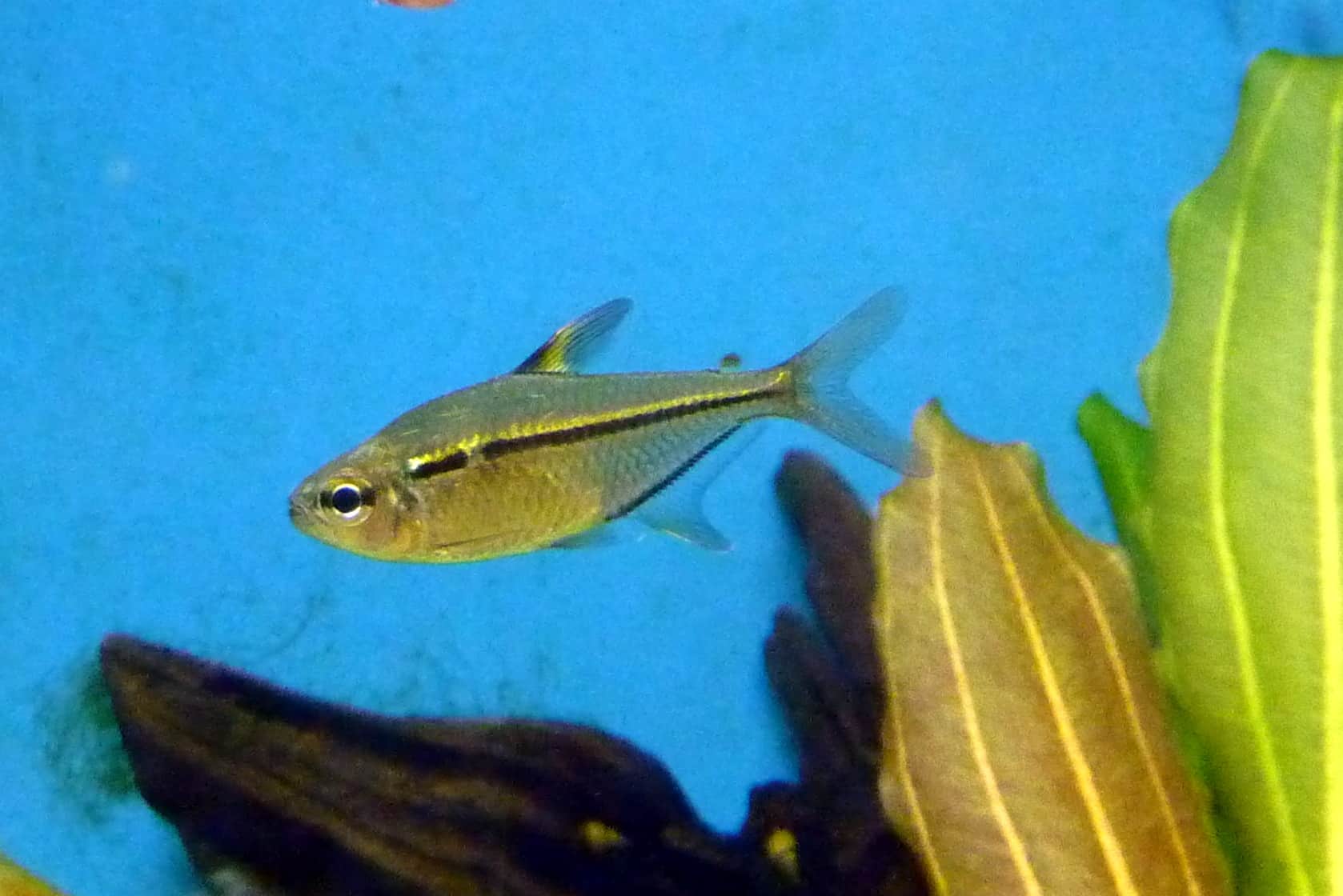
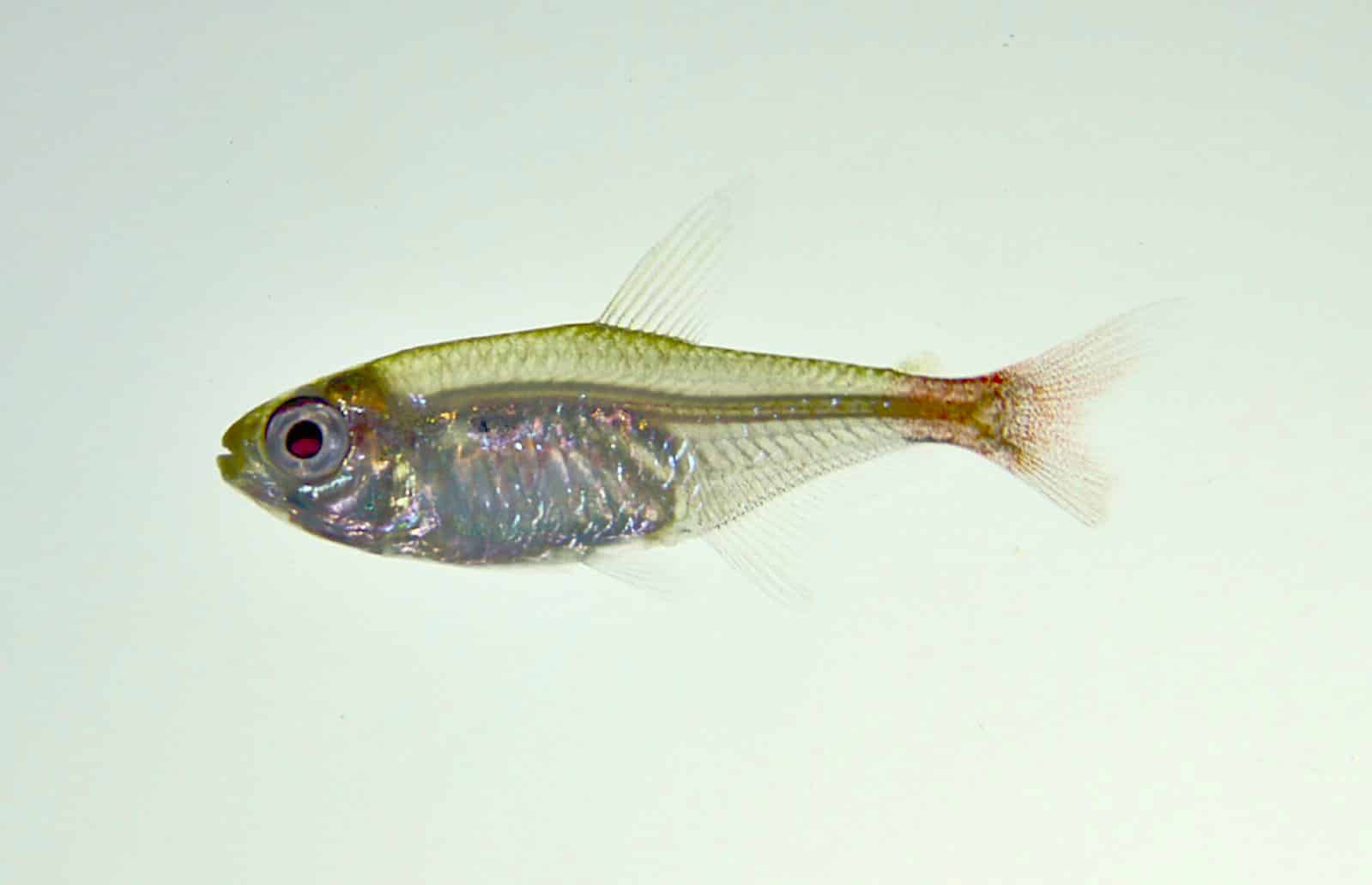
Tiny but eye-catching, with a golden-tan body and a distinctive dark blotch that gives the species its “kitty” nickname
Peaceful schooling species that does best in groups of 8 or more
Soft, slightly acidic water preferred, with a pH range of 5.5 to 7.0
Recently reclassified from Characidae to Acestrorhamphidae following the 2024 Melo et al. Study
Great for planted tanks and pairs well with other small, calm community fish
Moderate care level, suitable for hobbyists with some experience
Map by Kmusser, CC BY-SA 3.0, via Wikimedia Commons
Species Overview
Field
Details
Scientific Name
Hyphessobrycon heliacus
Common Names
Kitty Tetra
Family
Acestrorhamphidae
Origin
Upper Rio Teles Pires, Tapajós drainage, Brazil
Care Level
Moderate
Temperament
Peaceful
Diet
Omnivore
Tank Level
Mid
Maximum Size
1.2 inches (3 cm)
Minimum Tank Size
15 gallons (57 liters)
Temperature
72-82°F (22-28°C)
pH
5.5-7.0
Hardness
2-10 dGH
Lifespan
3-5 years in captivity
Breeding
Egg scatterer
Breeding Difficulty
Moderate
Compatibility
Peaceful community
OK for Planted Tanks?
Yes
Classification
Taxonomic Level
Classification
Order
Characiformes
Family
Acestrorhamphidae (Melo et al, 2024)
Genus
Hyphessobrycon
Species
H. Heliacus (Moreira, Landim & Costa, 2002)
This species was formally described by Moreira, Landim, and Costa in 2002 from specimens collected in the upper Tapajós basin. The specific name heliacus refers to the sun, a nod to the golden coloration of the fish.
Note on family placement: The kitty tetra was historically placed in Characidae, the large “catch-all” family for many small tetras. In 2024, a comprehensive phylogenomic study by Melo et al. Reorganized Characidae and moved this species into the family Acestrorhamphidae. You’ll still see older references listing it under Characidae, but the current accepted classification places it in Acestrorhamphidae.
Origin & Natural Habitat
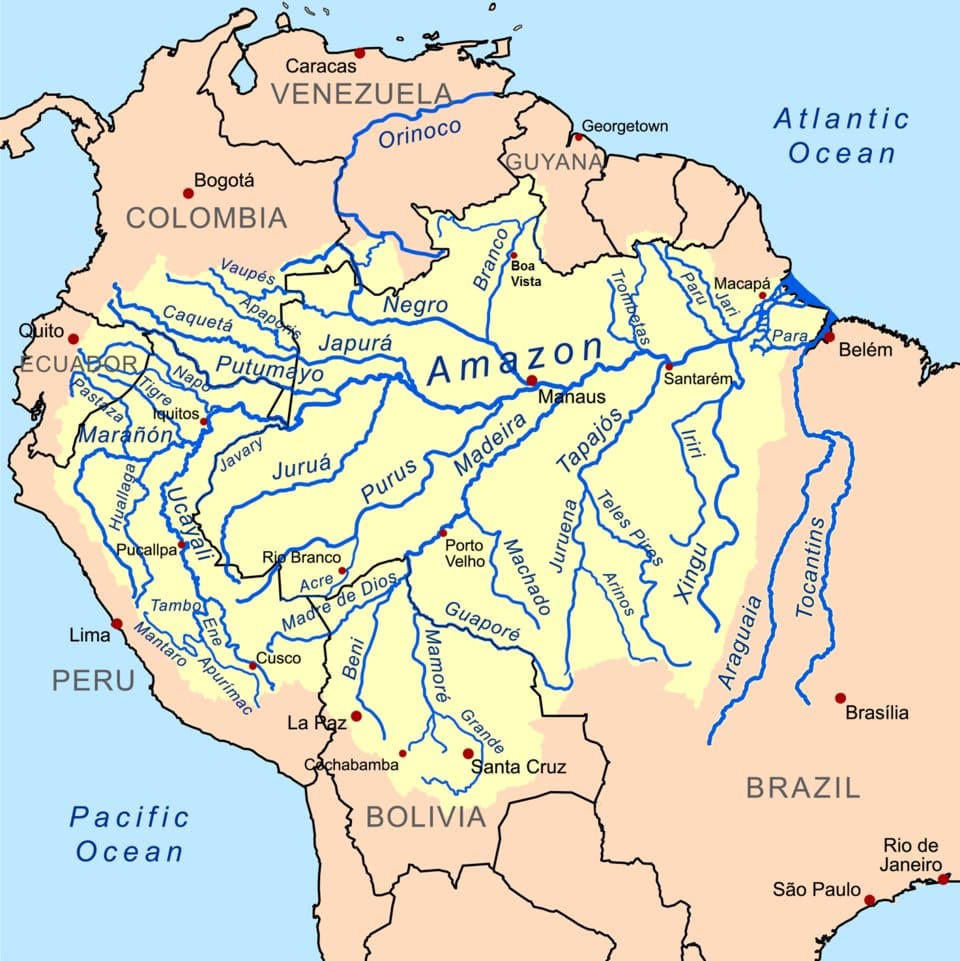
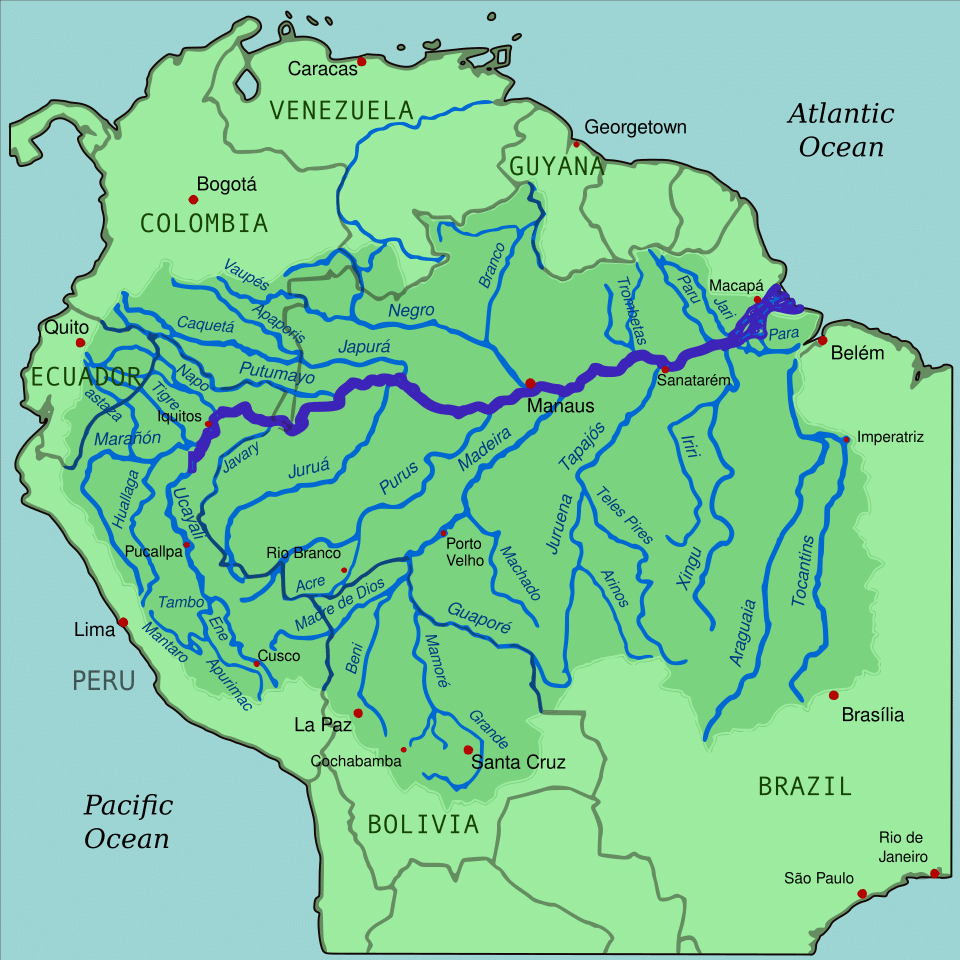
Map of the Amazon River basin. The Kitty Tetra is native to the upper Rio Teles Pires in the Tapajós drainage. Map by Kmusser, CC BY-SA 3.0, via Wikimedia Commons.
The kitty tetra comes from the upper Rio Teles Pires, which is part of the larger Tapajós river drainage in the state of Mato Grosso, Brazil. The Tapajós is one of the major clearwater tributaries of the Amazon, and it drains a vast area of the Brazilian Shield. This region is known for its relatively clear, slightly acidic water and rocky, sandy substrates.
In its natural habitat, the kitty tetra inhabits shallow streams and tributaries with moderate to slow flow, often in areas where vegetation overhangs the water. The substrate is a mix of sand and leaf litter, with fallen branches and submerged roots providing shelter. The water is soft, slightly acidic, and warm year-round. These aren’t blackwater streams like those in the Rio Negro basin, but they’re not hard, alkaline rivers either. Think warm, gentle, well-oxygenated water with plenty of natural cover.
Understanding this habitat is helpful when you’re setting up a tank for them. They don’t need extreme conditions, but they do appreciate soft water, natural decor, and a setup that offers some cover and structure rather than wide-open swimming space.
Appearance & Identification
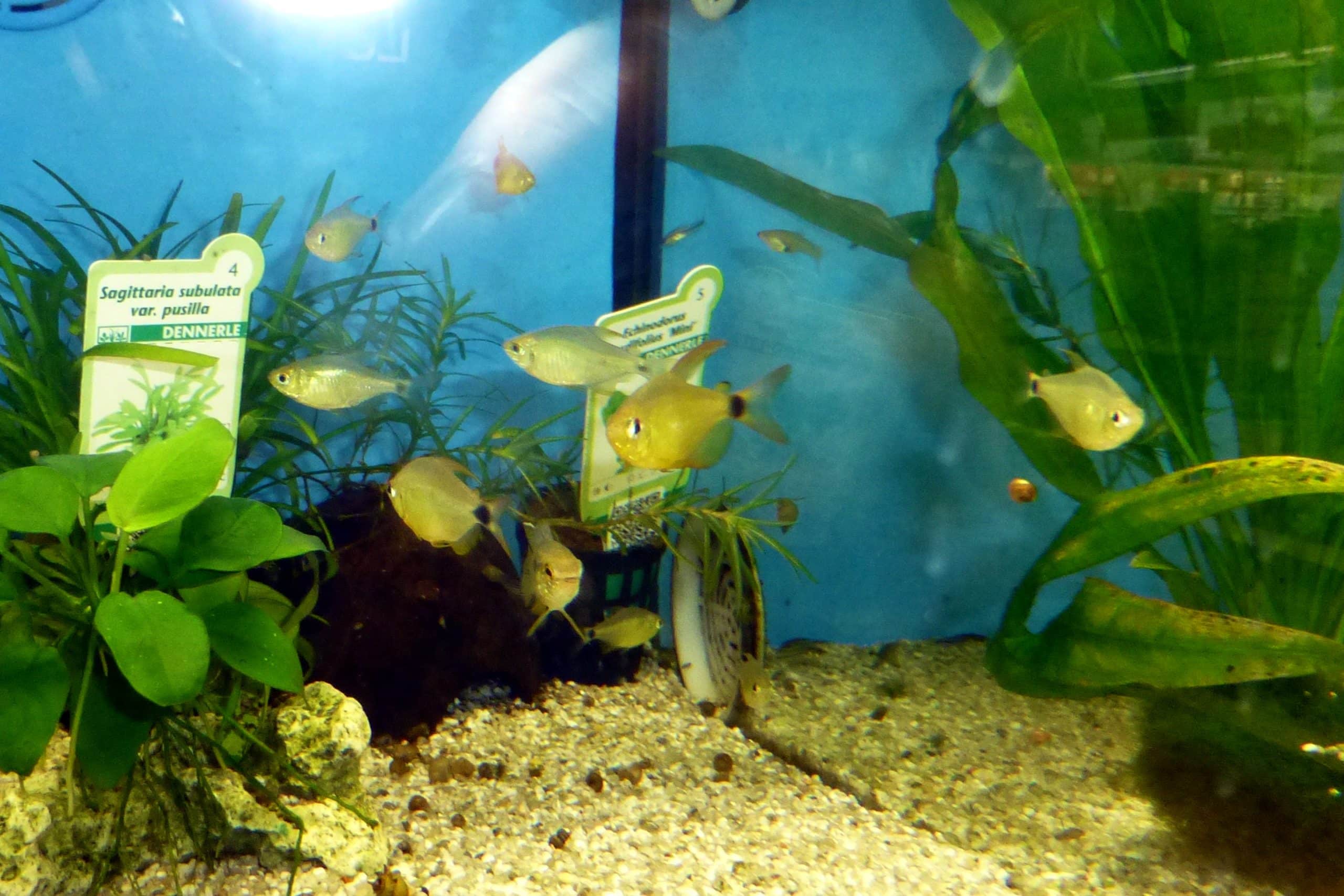
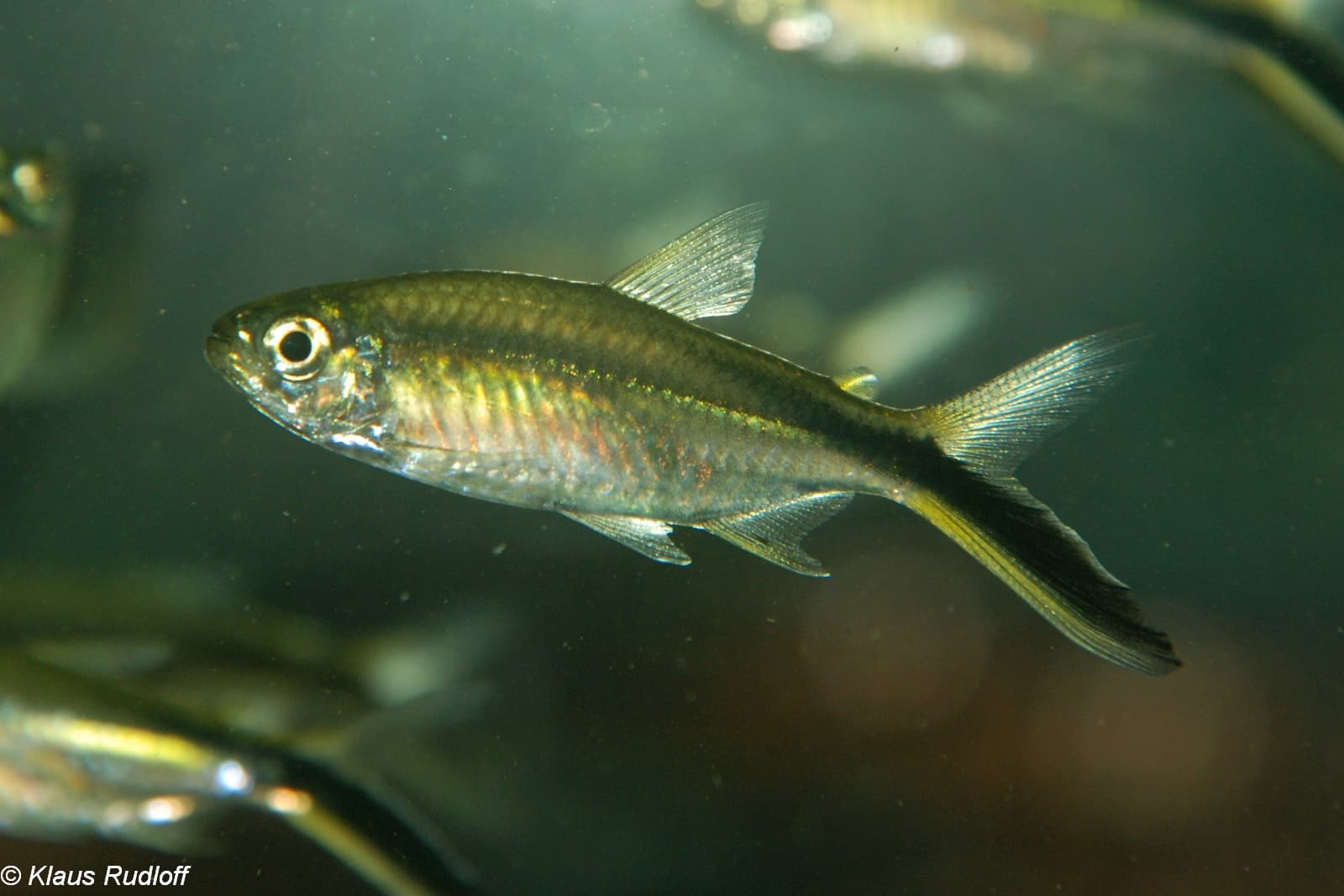
The kitty tetra is a small, subtly beautiful fish. The base color is a warm golden to yellow-tan, which gives it a sun-kissed look under good lighting. The standout feature is a prominent dark blotch on the body, roughly in the middle of the flank, that in my experience, hobbyists say resembles a cat’s face or mask pattern. That’s where the “kitty” name comes from, and once you see it, the resemblance is hard to unsee.
The fins are mostly translucent with a slight golden wash. The body shape is typical of small Hyphessobrycon species: laterally compressed, moderately deep, and streamlined. Overall, the kitty tetra has a clean, elegant look. It’s not flashy in the way a cardinal tetra is, but in a well-planted tank with good lighting, a school of these fish has a warm, natural glow that’s really appealing.
Male vs. Female
Sexing kitty tetras isn’t always straightforward, especially with juveniles. Mature females are slightly rounder in the belly, particularly when carrying eggs. Males are often a touch more slender and may show slightly more intense coloration. The differences are subtle, though, and having a group of 8 or more gives you the best chance of having both sexes well represented without needing to worry about picking individuals.
Average Size & Lifespan
The kitty tetra is a genuinely small fish, maxing out at about 1.2 inches (3 cm) in total length. Most specimens you’ll see in aquariums stay right around that size. This makes them an excellent choice for smaller planted tanks where you want a school of fish that won’t overwhelm the space.
With proper care, clean water, and a good diet, expect a lifespan of 3 to 5 years. That’s a solid run for a fish this size. Consistent water quality and a low-stress environment are the biggest factors in getting them to the upper end of that range.
Care Guide
Tank Size
A 15-gallon tank is the minimum for a school of 8 to 10 kitty tetras. They’re small fish, but they’re active mid-level swimmers and benefit from having enough horizontal space to school naturally. If you want to keep them in a community with other species, stepping up to a 20-gallon long gives everyone more room and makes the tank easier to manage.
A 15-gallon also gives you more stable water chemistry than a 10-gallon would, which matters when you’re keeping soft-water species. Smaller volumes swing faster, and that’s never a good thing.
Water Parameters
Parameter
Ideal Range
Temperature
72-82°F (22-28°C)
pH
5.5-7.0
General Hardness
2-10 dGH
KH
1-4 dKH
Ammonia / Nitrite
0 ppm
Nitrate
Below 20 ppm
The kitty tetra does best in soft, slightly acidic water. They’re not as demanding as some of the extreme blackwater species, but they won’t thrive long-term in hard, alkaline conditions. If your tap water is moderately soft (under 10 dGH) with a neutral to slightly acidic pH, you’re fine. If you’re dealing with hard, high-pH tap water, consider blending with RO/DI water or using botanicals like Indian almond leaves and driftwood to soften things up naturally.
Keep the temperature stable somewhere in the 75 to 79°F (24 to 26°C) range for everyday keeping. They can handle the full 72 to 82°F range, but aim for the middle for the best balance of activity and longevity.
Filtration & Water Flow
A good hang-on-back filter or a small canister filter works well for a kitty tetra tank. These fish come from areas with moderate to low flow, so don’t blast them with a powerhead. You want gentle, consistent filtration that turns the tank volume over about 4 to 6 times per hour. A sponge filter is another excellent option, especially in smaller setups, and it doubles as a biological filtration powerhouse.
If your filter creates too much current, use a spray bar or baffle to spread the output. You’ll notice the fish are calmer and school more naturally when the flow is manageable.
Lighting
Moderate lighting works best. Kitty tetras aren’t extreme shade dwellers, but they look their best and behave most naturally under medium-intensity light with some shaded areas. If you’re running a planted tank with higher light, floating plants are your friend. They diffuse the intensity at the surface and create dappled light patterns below, which these fish do appreciate.
Under the right lighting, the golden tones in their body really come alive. Overly bright, clinical lighting washes them out and makes them look pale.
Substrate & Decor
A dark, fine-grained substrate is ideal. Black sand or a dark planted tank soil brings out the golden coloration of these fish beautifully. Light-colored substrates won’t harm them, but the contrast is less striking and the fish may appear more washed out.
For decor, think natural. Driftwood, smooth stones, and live plants create the kind of environment where kitty tetras feel secure. Dense plantings along the back and sides with open swimming space in the middle give them room to school while also providing cover when they want it. Good plant choices include Java fern, Anubias, Cryptocoryne species, and stem plants like Rotala or Ludwigia. A few floating plants on the surface complete the look and help control light.
Adding a few Indian almond leaves or alder cones to the tank provides tannins that lightly tint the water and helps keep the pH in the ideal range. It also gives the tank a more natural, biotope-style feel.
Water Changes
Weekly water changes of 20 to 30 percent are the standard recommendation. Match the temperature and chemistry of the replacement water as closely as possible. Big swings in pH or hardness during water changes are stressful for any soft-water fish, including kitty tetras.
If you’re using RO/DI water, remineralize it with a product designed for soft-water fish before adding it to the tank. Never add straight RO water, as the lack of any mineral content can cause osmotic stress.
Is the Kitty Tetra Right for You?
The kitty tetra is a charming species that offers more personality per inch than most tetras. Here’s who should keep them:
You want a tetra with genuine personality. Kitty tetras are more interactive than most small species
You have a mature, well-cycled tank that’s been running for at least two months
You appreciate the charm of keeping a species with an unusual, memorable name
You’re looking for a mid-tank schooler that doesn’t just blend into the background
You can keep a group of 8 or more. They’re noticeably more confident in larger schools
Hold off if your tank is brand new. These fish need established biological filtration to thrive
Tank Mates
Kitty tetras are peaceful, easygoing fish that do well in a community setting, as long as their tank mates share a similar temperament and water preferences. They’re mid-level swimmers, so pairing them with bottom-dwellers and surface fish creates a well-balanced tank where every zone is occupied.
Good Tank Mates
Other small, peaceful tetras (ember tetras, green neon tetras, pristella tetras)
Corydoras catfish (pygmy, habrosus, or smaller species)
Otocinclus
Pencilfish (Nannostomus species)
Small rasboras (chili rasboras, strawberry rasboras)
Dwarf gouramis and honey gouramis
Cherry shrimp, Amano shrimp
Nerite snails, mystery snails
Tank Mates to Avoid
Large or aggressive cichlids
Fast, nippy species like tiger barbs or serpae tetras
Large predatory fish that could eat them
Species that require hard, alkaline water (African cichlids, livebearers)
The key is to keep things calm. Kitty tetras aren’t going to hold their own against boisterous or aggressive tank mates. Stick with species that prefer similar water conditions and have a peaceful disposition.
Food & Diet
Kitty tetras are omnivores and not particularly picky eaters, which is one of the things that makes them manageable for hobbyists with some experience. In the wild, they feed on small invertebrates, insect larvae, and plant matter. In the aquarium, they’ll accept a wide range of foods.
A good staple diet includes:
High-quality flake food or micro pellets as a daily staple
Live foods: Baby brine shrimp, daphnia, microworms (great for conditioning)
Feed small amounts once or twice daily. These are tiny fish with small stomachs, so it’s better to offer a pinch they can finish in about two minutes than to dump in a large amount. Variety is important. Rotating between dry, frozen, and live foods keeps the fish healthy, encourages better coloration, and supports their immune system.
If you’re aiming to condition them for breeding, increase the frequency of frozen and live food offerings for a couple of weeks. The extra protein makes a noticeable difference in their readiness to spawn.
Breeding & Reproduction
Breeding kitty tetras is possible in the home aquarium, though it takes some effort and preparation. They’re egg scatterers, which means the female releases eggs freely and the male fertilizes them as they fall. There’s no parental care, and both parents will eat the eggs if given the chance.
Breeding Difficulty
Moderate. They’re not the easiest tetras to breed, but they’re far from impossible if you set up the right conditions and put in the work to condition the adults properly.
Spawning Tank Setup
Set up a dedicated breeding tank of 5 to 10 gallons. Use a bare bottom or cover it with spawning mops or a layer of fine-leaved plants like Java moss. The goal is to give the eggs somewhere to fall where the adults can’t easily reach them. A mesh grid raised slightly above the bottom works well too.
Water Conditions for Breeding
Softer and slightly warmer than normal maintenance conditions will trigger spawning:
Temperature: 78-80°F (26-27°C)
pH: 5.5-6.5
Hardness: 2-4 dGH
Keep the lighting dim. Many small tetras do prefer spawning in subdued light, and kitty tetras are no exception.
Conditioning & Spawning
Condition a breeding pair or a small group (2 males, 3 to 4 females) with frequent feedings of live and frozen foods for about two weeks before moving them to the spawning tank. Daphnia, baby brine shrimp, and bloodworms are all good choices. Well-conditioned females will appear noticeably rounder.
Spawning usually occurs in the early morning hours. The pair will scatter eggs among plants or over the substrate. Once you see eggs (they’re small and slightly adhesive), remove the adults immediately to prevent them from eating the eggs.
Egg & Fry Care
Eggs typically hatch in 24 to 36 hours. The fry will absorb their yolk sac over the next couple of days and become free-swimming around day 3 to 4. At that point, start feeding infusoria or liquid fry food, then transition to freshly hatched baby brine shrimp as the fry grow large enough to take them.
Keep the breeding tank dimly lit and maintain pristine water quality with small, frequent water changes. Fry are delicate in the first two weeks, but once they start accepting baby brine shrimp, survival rates improve significantly.
Common Health Issues
Ich (White Spot Disease)
Ich is one of the most common diseases in freshwater fish and kitty tetras are no exception. You’ll see small white spots on the body and fins, along with flashing (rubbing against surfaces) and clamped fins. It’s usually triggered by temperature fluctuations or stress from transport. Raise the temperature gradually to 82°F (28°C) and treat with a commercially available ich medication. Quarantine new fish before adding them to your main tank to reduce the risk.
Fin Rot
Frayed or deteriorating fins are a sign of bacterial infection, usually caused by poor water quality. The fix is straightforward: clean up the water with extra water changes, check your parameters, and treat with an antibacterial medication if the damage is severe. In mild cases, improving water quality alone is enough for the fins to regenerate.
Stress-Related Illness
Kitty tetras that are kept in groups that are too small, exposed to aggressive tank mates, or maintained in poor water conditions become chronically stressed. Stress suppresses their immune system and opens the door to secondary infections. Keeping them in appropriate group sizes, with the right water chemistry, and in a well-maintained tank is the best preventive medicine you can offer.
Common Mistakes to Avoid
Keeping too few: A group of 3 or 4 kitty tetras will not behave naturally. You need at least 8 for proper schooling behavior and reduced stress. More is better.
Hard, alkaline water: While they’re more adaptable than some soft-water species, they won’t do their best long-term in hard, high-pH water. Aim for soft to moderately hard conditions.
Skipping quarantine: These are small fish that are vulnerable to disease, especially right after shipping. Always quarantine new arrivals for at least two weeks before adding them to your display tank.
Overfeeding: It’s easy to overfeed tiny fish. A small pinch they can finish in two minutes is plenty. Uneaten food fouls the water fast in smaller tanks.
Aggressive tank mates: Don’t pair them with fin nippers or boisterous species. They need a calm environment to thrive.
Neglecting water changes: Consistent weekly water changes are non-negotiable. Small fish in moderate-sized tanks produce less waste, but water quality can still decline quickly if you get lazy with maintenance.
Where to Buy
The kitty tetra is not a species you’ll typically find at chain pet stores. It’s more of a specialty fish that pops up through importers and online retailers who carry unusual South American species. Availability is seasonal, so when you do find them, it’s often worth grabbing a group while you can. Check these trusted sources:
Both retailers ship live fish and are reliable sources for healthy stock. Check their availability pages regularly, as rarer species like the kitty tetra will sell out fast.
Frequently Asked Questions
Why is it called the kitty tetra?
The common name comes from the distinctive dark blotch pattern on the body, which in my experience, hobbyists say resembles a cat’s face or mask. It’s one of those names that makes more sense once you’re looking at the fish in person.
How many kitty tetras should I keep together?
A minimum of 8 is recommended. Like most small tetras, they feel more secure and display better behavior in larger groups. In a group of fewer than 6, they are skittish and stressed. A group of 10 to 12 in a well-planted tank is ideal.
Are kitty tetras good for beginners?
They’re rated as moderate care level, so they’re better suited for hobbyists who have some experience with water chemistry and maintaining stable tank conditions. If you’ve successfully kept other tetras or small tropical fish, you should be able to handle kitty tetras without too much trouble.
Can kitty tetras live with shrimp?
Yes, generally. Adult cherry shrimp and Amano shrimp are safe with kitty tetras. Very small shrimp fry might get picked off, as most small fish will eat anything that fits in their mouth. If you’re breeding shrimp, provide dense plant cover so the shrimplets have places to hide.
What family does the kitty tetra belong to?
As of the 2024 Melo et al. Phylogenomic revision, the kitty tetra is placed in the family Acestrorhamphidae. It was previously classified under Characidae. This reclassification doesn’t change anything about their care requirements, but it reflects a better understanding of how these fish are related to one another.
Do kitty tetras need soft water?
They prefer it, yes. Soft to moderately hard water (2 to 10 dGH) with a slightly acidic pH (5.5 to 7.0) is the target range. They’re more flexible than extreme blackwater species, but they won’t do well in very hard, alkaline conditions. If your tap water is hard, blending with RO/DI water is the most reliable solution.
What It Is Actually Like Living With Kitty Tetra
In a proper school, kitty tetra display natural movement patterns that are genuinely engaging to watch. The fish interact with each other, establish subtle hierarchies, and move through the tank with purpose.
They spend most of their time near the surface, which fills a level of the tank that many other species ignore. This makes them excellent complements to mid-water and bottom-dwelling fish.
Feeding time is when their personality comes out. They learn your routine quickly and will anticipate feeding before you even open the lid.
Their color and behavior improve over time as they settle into a stable environment. Fish that have been in the same tank for months look noticeably better than recently added stock.
They coexist peacefully with virtually every other appropriately-sized community fish. This compatibility makes tank planning straightforward.
How the Kitty Tetra Compares to Similar Species
Kitty Tetra vs. Jelly Bean Tetra
Jelly bean tetras are similarly sized and share that “uncommon but rewarding” appeal. Both species are conversation starters that most visitors won’t recognize. The main difference is temperament. Jelly bean tetras are slightly more reserved, while kitty tetras are bolder and more willing to come to the front of the tank during feeding. Color-wise, jelly bean tetras lean more toward subtle pinks and translucence, while kitty tetras have more defined markings. Both are solid picks for hobbyists who want something different. Check out our Jelly Bean Tetra care guide for more details.
Kitty Tetra vs. Ornate Tetra
Ornate tetras are another overlooked species worth comparing. They’re a bit flashier in terms of fin coloration and patterning, but kitty tetras have the edge in personality and interactive behavior. Ornate tetras are also slightly more adaptable to varied water conditions, making them a better fit if your parameters aren’t dialed in perfectly. For a tank where watching fish behavior matters more than raw color, I’d go with kitty tetras every time. Check out our Ornate Tetra care guide for more details.
Closing Thoughts
The kitty tetra is one of those fish that quietly wins you over. It’s not the flashiest tetra in the hobby, and it doesn’t have the instant name recognition of a neon or a cardinal. But put a school of 10 or 12 in a well-planted tank with warm lighting and soft water, and you’ll see exactly why people seek them out. That golden glow, the quirky dark blotch, and their relaxed schooling behavior make for a tank that’s genuinely enjoyable to watch.
They’re manageable for anyone with a bit of fishkeeping experience, they are a peaceful community fish with a spark of personality. They won’t bother tank mates, but they won’t be wallflowers either, and they don’t demand extreme water conditions. If you’re building a South American community or just looking for something a little different from the usual tetra lineup, the kitty tetra deserves a serious look.
Good luck finding it, but worth the hunt for nano keepers.
Recommended Video
Check out our tetra tier list video where we rank the most popular tetras in the hobby, including the Kitty Tetra:
Moreira, C.R, Landim, M.I. & Costa, W.J.E.M. (2002). Hyphessobrycon heliacus: a new characid fish (Ostariophysi: Characiformes) from the upper Rio Tapajós basin, Central Brazil. Copeia, 2002(2), 428-432.
Melo, B.F, et al. (2024). Phylogenomics of Characidae. Zoological Journal of the Linnean Society, 202(1), 1-37.
Explore More Tetras
The kitty tetra is just one of dozens of tetra species we cover in our complete species directory. Whether you’re into rare South American imports or beginner-friendly community tetras, our guide has you covered.
The ruby tetra is a tiny, jewel-colored fish that only shows its true colors in soft, acidic water with dim lighting and dark substrate. In a bright tank with hard water, it is a pale, forgettable micro fish. This species is living proof that the right environment makes or breaks a fish.
The smallest, reddest tetra that is also the hardest to keep.
Ruby tetras in the wrong water are invisible. In the right water, they are the most vivid micro fish in the hobby.
The Reality of Keeping Ruby Tetra
Group size is not a suggestion. The minimum school size for ruby tetra is not just a guideline. In small groups, these fish lose color, become stressed, and display abnormal behavior. A proper group of 6 to 8+ is where you start to see natural schooling behavior, full color expression, and the confidence that makes them worth keeping.
Hardy does not mean indestructible. The ruby tetra tolerates a range of conditions, but it still needs basic care. Ammonia spikes, dramatic temperature swings, and neglected water changes will catch up to even the toughest species. The difference is margin of error, not immunity.
Store appearance is not home appearance. Fish in store tanks are stressed, crowded, and under inappropriate lighting. The ruby tetra almost always looks better in a properly set up home aquarium than it does at the store. Dark substrate, live plants, and appropriate lighting bring out colors and behaviors you will never see in a retail environment.
Biggest Mistake New Owners Make
Keeping them with fish small enough to eat. This is a predator. It will eat anything it can fit in its mouth. If you stock smaller fish with a ruby tetra, you are feeding it expensive live food.
Expert Take
Predatory fish are not for everyone, but the ruby tetra is one of the more manageable predatory species in the hobby. If you understand the feeding requirements, the tank mate restrictions, and the space needs, it is a genuinely fascinating fish to keep.
Key Takeaways
True nano fish at just 0.6-0.8 inches (1.5-2 cm), ideal for planted nano tanks
Deep ruby-red coloration that intensifies with proper water conditions and diet
Requires soft, acidic water (pH 4.0-6.5) for best health and color
Must be kept in groups of 10 or more for natural schooling behavior and confidence
Moderate care level due to sensitivity to water quality and specific parameter needs
Recently reclassified from Characidae to Acestrorhamphidae (Melo et al. 2024)
Map by Kmusser, CC BY-SA 3.0, via Wikimedia Commons
Species Overview
Field
Details
Scientific Name
Axelrodia riesei
Common Names
Ruby Tetra
Family
Acestrorhamphidae
Origin
Upper Meta River basin, Colombia (Orinoco drainage)
Care Level
Moderate
Temperament
Peaceful
Diet
Omnivore (micropredator)
Tank Level
Mid
Maximum Size
0.8 inches (2 cm)
Minimum Tank Size
10 gallons (38 liters)
Temperature
68-82°F (20-28°C)
pH
4.0-6.5
Hardness
1-5 dGH
Lifespan
3-5 years in captivity
Breeding
Egg scatterer
Breeding Difficulty
Difficult
Compatibility
Specialist nano community / species only
OK for Planted Tanks?
Yes
Classification
Taxonomic Level
Classification
Order
Characiformes
Family
Acestrorhamphidae (Melo et al. 2024)
Genus
Axelrodia
Species
A. Riesei (Géry, 1966)
Axelrodia riesei was described by Jacques Géry in 1966. The genus name honors Herbert R. Axelrod, the influential aquarium book publisher and ichthyology patron, while the species name honors Arnim Riese, who collected the original specimens.
Note on family placement: The ruby tetra was historically placed in Characidae, the large “catch-all” family for most South American tetras. However, a major phylogenomic revision by Melo et al. In 2024 moved Axelrodia and several related genera into the family Acestrorhamphidae. This is a small genus with only three described species: A. Riesei (ruby tetra), A. Lindeae, and A. Stigmatias.
Origin & Natural Habitat
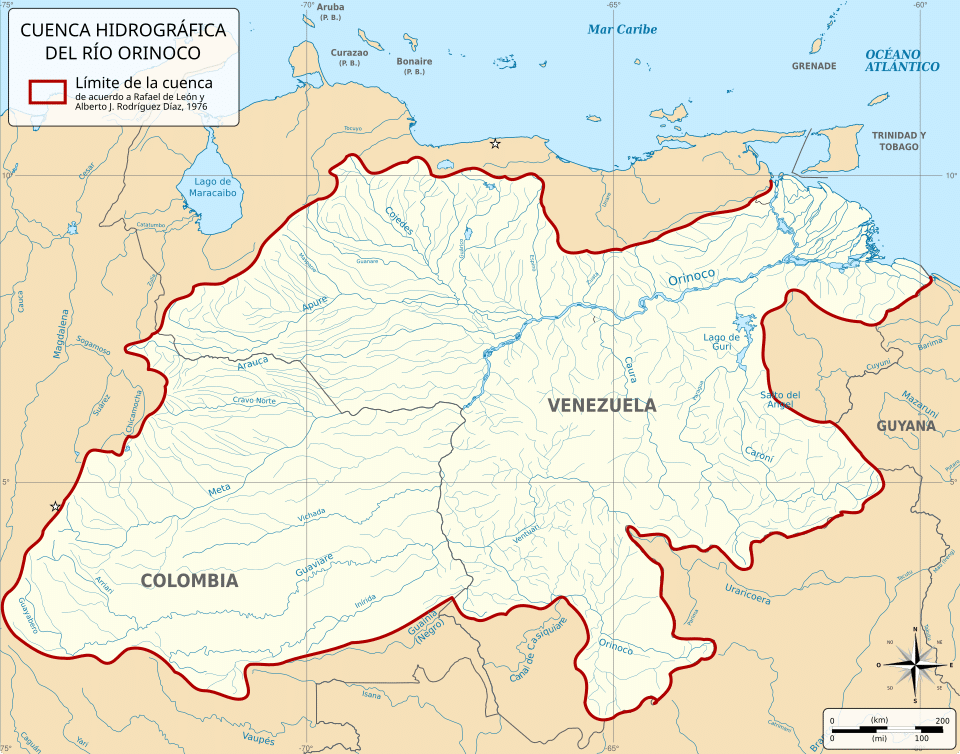
The ruby tetra is native to the upper Meta River basin in Colombia, part of the broader Orinoco River drainage.
The ruby tetra comes from the upper Meta River basin in Colombia, which is part of the larger Orinoco River drainage system. This is a region of slow-moving, heavily shaded forest streams with extremely soft, acidic water. The water is often stained a deep amber-brown by tannins leaching from decomposing leaf litter and woody debris.
In the wild, these fish inhabit small, shallow streams with minimal current. The substrate is typically soft sand and mud covered with a thick layer of fallen leaves. Overhead canopy provides heavy shade, keeping light levels very low. The water parameters in these habitats is extreme by aquarium standards, with pH values as low as 4.0 and virtually no measurable hardness.
Understanding this natural habitat is key to keeping ruby tetras successfully. They evolved in water that most fishkeepers would consider unusable. Replicating at least some of those conditions, particularly the soft, acidic water chemistry and dim lighting, is essential for long-term health and the best coloration.
Appearance & Identification
A school of ruby tetras in a planted aquascape. Photo by Gergely Hideg, CC BY 2.0, via Wikimedia Commons.
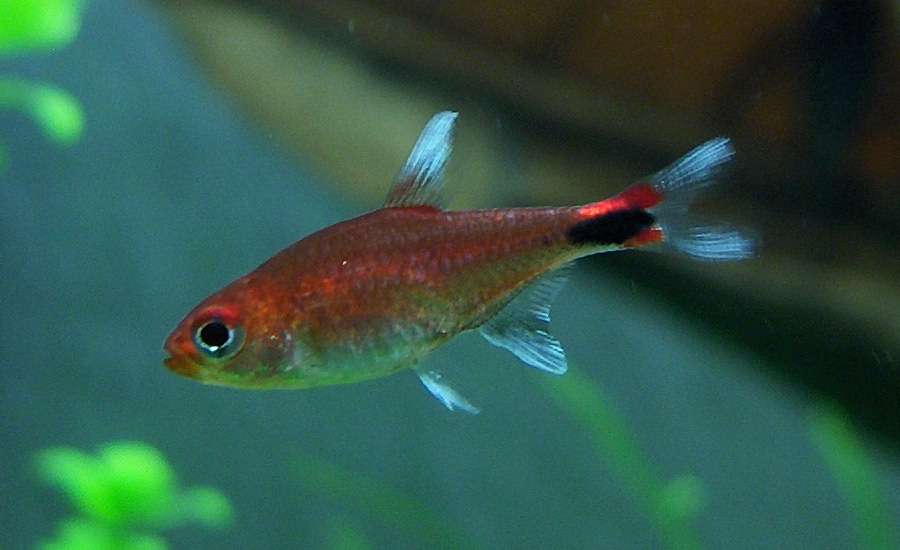
The ruby tetra’s most striking feature is its deep red to ruby-red body coloration. The body itself is somewhat translucent, with the red pigment concentrated along the flanks and intensifying toward the caudal peduncle. When conditions are right and the fish are healthy and settled, the red is remarkably intense for such a tiny fish. It’s not a subtle blush. It’s a rich, saturated ruby that catches the light beautifully.
The body shape is typical of small characins: compressed laterally with a slightly elongated profile. The fins are mostly transparent to slightly reddish. A faint dark spot may be visible at the base of the caudal fin. The eyes are relatively large for the body size, which is common in small species that inhabit dimly lit waters.
Color intensity varies significantly based on water conditions, diet, and stress levels. In hard, alkaline water or under bright lighting, ruby tetras will look washed out and pale. Give them soft, acidic water with tannins, a high-quality diet, and subdued lighting, and the transformation is dramatic.
Male vs. Female
Sexual dimorphism is subtle in the ruby tetra. Males are slightly slimmer and may show more intense red coloration, particularly when in breeding condition. Females are a bit rounder and fuller-bodied, especially when carrying eggs. The size difference between sexes is minimal given how small these fish already are, so telling them apart takes a practiced eye and well-conditioned fish.
Average Size & Lifespan
The ruby tetra is one of the smallest tetras available in the hobby. Adults reach just 0.6 to 0.8 inches (1.5 to 2 cm) in total length. That’s genuinely tiny. To put it in perspective, these fish are roughly the size of a grain of rice when you first get them, and they don’t grow much larger than a small paper clip at maturity.
With proper care and appropriate water conditions, ruby tetras can live 3 to 5 years. That’s a respectable lifespan for such a small fish. Reaching the upper end of that range depends heavily on water quality, stable parameters, and a nutritious diet of appropriately sized foods.
Care Guide
Tank Size
A 10-gallon tank is the minimum for a school of ruby tetras. While they’re tiny fish, they need to be kept in groups of at least 10, and a 10-gallon gives them enough horizontal swimming space while maintaining stable water parameters. For a nano community setup with other small, peaceful species, step up to a 15 to 20-gallon tank.
Smaller tanks like 5-gallon nanos might seem tempting given their size, but the issue isn’t swimming room. It’s water stability. Very small volumes of soft, acidic water can swing dramatically in pH and other parameters, and ruby tetras don’t handle instability well.
Water Parameters
Parameter
Recommended Range
Temperature
68-82°F (20-28°C)
pH
4.0-6.5
General Hardness (GH)
1-5 dGH
Carbonate Hardness (KH)
0-2 dKH
Ammonia / Nitrite
0 ppm
Nitrate
<20 ppm
This is where the ruby tetra gets serious. The pH range alone tells you this is not a fish for standard community setups with hard tap water. They genuinely prefer very soft, acidic conditions. If your tap water is hard and alkaline, you’ll need to use RO (reverse osmosis) water remineralized to very low levels, or a mix of RO and tap to bring parameters down.
Indian almond leaves, driftwood, and peat filtration can all help naturally lower pH and add beneficial tannins. These blackwater conditions not only keep the fish healthy but also bring out their best coloration. A temperature in the mid-70s F (around 24-25°C) is a comfortable middle ground for most setups.
Filtration & Water Flow
Ruby tetras come from slow-moving to nearly still waters, so gentle filtration is essential. A sponge filter is the ideal choice for a ruby tetra tank. It provides biological filtration without creating strong currents that would stress these tiny fish. If you’re using a hang-on-back or canister filter, baffle the output to reduce flow.
Good biological filtration is critical because these fish are sensitive to ammonia and nitrite. The filter needs to be well-established before adding ruby tetras. Never add them to a tank that hasn’t been fully cycled.
Lighting
Keep lighting low to moderate. In the wild, ruby tetras live under dense forest canopy where very little direct light reaches the water. Bright aquarium lighting washes out their color and makes them feel exposed and stressed. Floating plants like Amazon frogbit, red root floaters, or salvinia are excellent for diffusing light and creating the kind of dappled shade these fish prefer.
If you’re growing plants that need higher light, use floating plants to create shaded areas where the ruby tetras can retreat. You’ll notice they look their best and behave most naturally under subdued lighting.
Plants & Decorations
A planted tank is really the only way to go with ruby tetras. Dense plantings of Java fern, Java moss, Cryptocorynes, Anubias, and Bucephalandra provide cover and create the kind of environment where these fish feel secure enough to display their best behavior and coloration.
Driftwood is a must. It leeches tannins that naturally acidify and soften the water while giving the tank a more natural, blackwater feel. Spider wood, mopani wood, and Malaysian driftwood all work well. Add a generous layer of dried Indian almond leaves (catappa) to the bottom of the tank. As they decompose, they release tannins and create a leaf litter habitat that closely mimics the ruby tetra’s natural environment.
Substrate
A fine, dark-colored sand is the best substrate choice. Dark substrates help the fish feel secure and make their red coloration pop against the background. Avoid bright white or light-colored substrates, which can cause the fish to look washed out and feel stressed. Active substrates designed for planted tanks that naturally buffer toward acidic pH (like ADA Amazonia or similar products) is helpful for maintaining the low pH these fish prefer.
Water Changes
Perform weekly water changes of 15-25%. The key with ruby tetras is consistency. Avoid large water changes that causes sudden swings in pH or hardness. Always match the replacement water to the tank’s parameters, especially temperature and pH. If you’re using RO water, make sure it’s remineralized and pH-adjusted before adding it to the tank.
In a well-planted, lightly stocked tank with good filtration, smaller and more frequent water changes are better than large, infrequent ones. Stability matters more than perfection with this species.
Is the Ruby Tetra Right for You?
Ruby tetras are a nano fishkeeper’s dream when kept correctly. Here’s who should be adding them to their setup:
You’re into nano tanks and want a true micro species with real color impact
You can commit to a large school of 12-15. This is where ruby tetras transform from ordinary to extraordinary
You’re running a blackwater or tannin-stained setup. Their colors are unreal in tea-colored water
You enjoy the aesthetic of a tight, coordinated school moving through plants
You want a species that’s genuinely tiny. Perfect for 10-15 gallon planted tanks
Don’t bother if you plan to keep just 5-6. You’ll never see their best behavior or color
Tank Mates
Choosing tank mates for ruby tetras requires careful consideration. Their tiny size means anything larger than about 2 inches could potentially see them as food, or at least intimidate them into hiding. The best approach is a species-only tank or a carefully selected nano community.
Best Tank Mates
Other nano tetras of similar size, such as green neon tetras or ember tetras
Small rasboras like chili rasboras (Boraras brigittae) or mosquito rasboras
Pygmy corydoras (Corydoras pygmaeus or C. Habrosus), which share similar water parameter preferences
Otocinclus catfish as a gentle algae-eating companion
Small freshwater shrimp like Amano shrimp or neocaridina (though very soft water isn’t ideal for most shrimp)
Any fish over 2 inches that could view them as food
Aggressive or territorial species like cichlids, bettas, or gouramis
Fast-moving, boisterous tetras like Buenos Aires tetras or serpae tetras that would out-compete them for food
Large bottom dwellers like standard-sized corydoras or plecos
Any predatory species, even small ones like dwarf cichlids
Honestly, a species-only setup is often the best choice for ruby tetras. A school of 15 to 20 in a well-planted 10 or 15-gallon tank is a beautiful sight, and you won’t have to worry about compatibility issues or food competition.
Food & Diet
Ruby tetras are micropredators in the wild, feeding on tiny invertebrates, insect larvae, and zooplankton. In the aquarium, their tiny mouths mean you need to provide appropriately sized foods. Standard flake food straight from the container is often too large. You’ll need to crush it into a fine powder or, better yet, use foods specifically designed for very small fish.
A good diet for ruby tetras includes:
Crushed high-quality flake food ground into a fine powder
Micro pellets designed for nano fish
Baby brine shrimp (freshly hatched), which are an excellent live food and color enhancer
Daphnia (smaller varieties), either live or frozen
Micro worms and vinegar eels as supplemental live foods
Frozen cyclops, which are perfectly sized for tiny mouths
Feed small amounts two to three times daily rather than one large feeding. Their small stomachs can’t handle large meals, and uneaten food in soft, acidic water breaks down quickly and can foul the water. Live and frozen foods should make up a significant portion of the diet, as these bring out the best coloration and overall vitality.
Breeding & Reproduction
Breeding ruby tetras in captivity is challenging but not impossible. Like most small characins, they are egg scatterers with no parental care. The main difficulties are their small size, the tiny size of the eggs and fry, and the very specific water conditions required to trigger spawning.
Breeding Difficulty
Ruby tetras are considered difficult to breed in the home aquarium. Successful breeding requires very soft, acidic water, well-conditioned adults, and careful management of the eggs and fry. This is not a beginner breeding project.
Spawning Tank Setup
Set up a small breeding tank (5 gallons is sufficient) with a bare bottom or a layer of Java moss. A mesh screen over the bottom helps protect eggs from being eaten by the parents. Keep the tank dimly lit, as both the eggs and the parents prefer low light. A small, air-driven sponge filter provides gentle filtration without creating currents that could scatter the tiny eggs.
Water Conditions for Breeding
Breeding water should be extremely soft (1-2 dGH) and acidic (pH 5.0-6.0). Temperature around 77-79°F (25-26°C). RO water with minimal remineralization is typically necessary. Tannin-stained water from peat filtration or Indian almond leaves helps create the right conditions and has mild antifungal properties that benefit egg survival.
Conditioning & Spawning
Condition breeding pairs with plenty of live foods, particularly baby brine shrimp and daphnia, for two to three weeks before attempting to spawn. Select the plumpest female and the most intensely colored male. Introduce them to the breeding tank in the evening. Spawning typically occurs in the early morning hours.
The female scatters a small number of tiny adhesive eggs among fine-leaved plants or Java moss. Remove the adults immediately after spawning, as they will eat the eggs if given the opportunity.
Egg & Fry Care
Eggs hatch in approximately 24 to 36 hours, and the fry become free-swimming about 3 to 4 days later. The fry are extremely small and require infusoria or liquid fry food for the first week or two before graduating to freshly hatched baby brine shrimp. Keep the breeding tank dark during the egg and early fry stages, as both are light-sensitive.
Growth is slow, and losses is high in the early stages. Maintaining pristine water quality while keeping the fry fed is the biggest challenge. Small, frequent water changes with matched parameters are essential.
Common Health Issues
Ruby tetras are hardy once established in appropriate conditions, but their small size and sensitivity to water quality make them vulnerable to several common issues.
Ich (White Spot Disease)
Ich is a risk for any stressed freshwater fish, and ruby tetras are no exception. White spots on the body and fins, flashing against objects, and clamped fins are telltale signs. Treat with gradually raising the temperature to 82-84°F (28-29°C) and adding aquarium salt at half the normal dose, since these fish are sensitive to salt. Malachite green-based medications can also work but should be used at reduced dosages for small, sensitive species.
Columnaris (Cotton Mouth Disease)
Bacterial infections like columnaris is triggered by poor water quality or sudden parameter swings. Look for white or grayish patches on the body, frayed fins, or lesions around the mouth. Improve water quality immediately and treat with appropriate antibacterial medication. Prevention through stable, clean water is always the best approach.
Fungal Infections
Fungal infections can appear as cotton-like white growths on the body or fins, often at the site of a wound or area of compromised scales. The tannin-rich blackwater conditions that ruby tetras prefer actually have natural antifungal properties, which is another reason to maintain appropriate water chemistry. Treat with an antifungal medication if infection occurs.
Stress-Related Issues
Many health problems in ruby tetras trace back to stress. Being kept in inappropriate water conditions (too hard, too alkaline, too bright), in groups that are too small, or with aggressive tank mates all suppress their immune system. A stressed ruby tetra loses its color, hides constantly, and becomes susceptible to infections. Prevention through proper husbandry is far more effective than treating problems after they develop.
Common Mistakes to Avoid
Adding them to hard, alkaline water. This is the number one mistake. Ruby tetras need soft, acidic conditions. If your tap water is hard, you need RO water or another method to soften it.
Keeping too few. A group of 5 or 6 will be perpetually stressed and hiding. Keep at least 10, and 15-20 is even better.
Feeding food that’s too large. Their mouths are tiny. Crush flakes to powder or use nano-specific foods.
Adding them to a new or uncycled tank. These fish are sensitive to ammonia and nitrite. Only add them to a fully matured, cycled tank.
Using bright lighting without shade. They come from heavily shaded forest streams. Bright lights wash out their color and stress them out. Use floating plants to diffuse the light.
Mixing with larger or aggressive fish. At under an inch, they’re an easy target. Keep them with similarly sized, peaceful species only.
Large, infrequent water changes. Small, consistent water changes are better than large ones that can swing pH and hardness dramatically in soft water.
Where to Buy
Ruby tetras are a specialty species that you won’t find at big-box pet stores. They’re occasionally available through specialty importers and dedicated online fish retailers. Because they’re wild-caught from Colombia, availability is seasonal and limited. When you do find them, buy a good-sized group right away, as they will not be available again for a while.
Check these reputable online retailers for availability:
Local fish stores with good relationships with specialty importers also be able to special-order ruby tetras for you. It’s worth asking, especially at stores that cater to the planted tank and nano fish community.
Frequently Asked Questions
Are ruby tetras hard to keep?
They’re moderate in difficulty. The biggest challenge is providing and maintaining soft, acidic water. If you can set up a tank with the right water chemistry (using RO water, driftwood, and Indian almond leaves), they’re actually quite resilient little fish. They’re not a good fit for beginners with hard tap water or standard community setups, but experienced nano fishkeepers who understand water chemistry will do well with them.
How many ruby tetras should I keep together?
A minimum of 10, with 15 to 20 being ideal. Ruby tetras are small, shy schooling fish that rely on group numbers for security and confidence. In smaller groups, they hide constantly and never display their best coloration or natural behavior. Larger schools are noticeably more active, more colorful, and more engaging to watch.
Can ruby tetras live with shrimp?
They can, but there’s a catch. Ruby tetras thrive in very soft, acidic water, which isn’t ideal for most freshwater shrimp. Neocaridina shrimp prefer harder, more alkaline conditions. Amano shrimp are more tolerant of varying parameters and can work as tank mates, but they’re also quite large compared to ruby tetras. If you want to try it, aim for a pH and hardness compromise that works for both species, though it won’t be optimal for either.
What’s the best tank size for ruby tetras?
A 10-gallon tank is the minimum for a species-only school. It provides enough volume for stable water parameters while still allowing you to enjoy their behavior up close. For a nano community with other small species, a 15 to 20-gallon tank gives everyone more room and better water stability. Despite their tiny size, bigger tanks make parameter management much easier, which matters a lot with soft water species.
Why are my ruby tetras pale?
Pale coloration in ruby tetras usually points to one of three problems: wrong water parameters (too hard or too alkaline), too much light, or stress from small group size or aggressive tank mates. Check your pH and hardness first. Then evaluate your lighting and add floating plants to create shade. Make sure you have at least 10 fish in the group. A high-quality diet with regular live or frozen foods also helps bring out their best red color.
Are ruby tetras the same as ember tetras?
No, they’re completely different species. Ember tetras (Hyphessobrycon amandae) are orange-red, slightly larger, and significantly easier to keep. They tolerate a much wider range of water parameters and are a better choice for beginners. Ruby tetras (Axelrodia riesei) are smaller, deeper red, and require soft, acidic water to thrive. They’re also rarer and more expensive. Both are great nano fish, but they have very different care requirements.
What It Is Actually Like Living With Ruby Tetra
In a proper school, ruby tetra display natural movement patterns that are genuinely engaging to watch. The fish interact with each other, establish subtle hierarchies, and move through the tank with purpose.
They occupy the middle water column during active hours, creating movement and visual interest in the zone where most fishkeepers want action.
Feeding time is when their personality comes out. They learn your routine quickly and will anticipate feeding before you even open the lid.
Their color and behavior improve over time as they settle into a stable environment. Fish that have been in the same tank for months look noticeably better than recently added stock.
They coexist peacefully with virtually every other appropriately-sized community fish. This compatibility makes tank planning straightforward.
How the Ruby Tetra Compares to Similar Species
Ruby Tetra vs. Ember Tetra
Ember tetras are the most popular nano tetra, and the comparison to ruby tetras is inevitable. Both are tiny warm-toned fish that look best in planted tanks. The key difference is that ember tetras are more orange while ruby tetras are deeper red. Especially in tannin-rich water. Embers are also slightly hardier and more forgiving of beginner mistakes. Ruby tetras demand better water quality and more specific conditions to color up. If you want easy warm tones, go ember. If you want richer reds and don’t mind putting in extra effort, ruby tetras are the upgrade. Check out our Ember Tetra care guide for more details.
Ruby Tetra vs. Phoenix Tetra
Phoenix tetras share warm coloration but are notably larger. They need more tank space and don’t work as well in true nano setups. Ruby tetras are the better pick for 10-15 gallon tanks, while phoenix tetras need 20 gallons or more. Phoenix tetras are also more active swimmers that cover more ground, while ruby tetras will hover in tight schools near plant cover. Both are underrated, but they serve different tank size niches. Check out our Phoenix Tetra care guide for more details.
Closing Thoughts
The ruby tetra is a specialist’s fish, and there’s absolutely nothing wrong with that. Not every species needs to be beginner-friendly to be worth keeping. When you set up a blackwater nano tank with soft, tannin-stained water, dim lighting, leaf litter, and a school of 15 or 20 ruby tetras glowing like tiny embers against the dark background, you’ve created something genuinely special.
If you’re ready to move beyond standard community fish and explore the world of soft water nano species, the ruby tetra is one of the best places to start. It asks for specific conditions in return for incredible color and fascinating behavior. That’s a fair trade in my book.
Recommended Video
Check out our tetra tier list video where we rank the most popular tetras in the hobby, including the ruby tetra:
References
Froese, R. And D. Pauly, Eds. FishBase. Axelrodia riesei. Accessed 2025.
Melo, B.F. Et al. (2024). Phylogenomics of Characidae: reclassification and family-level revision. Molecular Phylogenetics and Evolution.
Géry, J. (1966). Original description of Axelrodia riesei. Tropical Fish Hobbyist, 14(6): 29-35.
Explore More Tetras
The ruby tetra is just one of dozens of tetra species we cover in our complete species directory. Whether you’re into rare nano species or classic community tetras, our guide has you covered.
Demon eartheaters do not die from aggression or disease in most home aquariums. They die from neglect. Nitrates creep up, water changes get skipped, and this fish slowly deteriorates because it will not tolerate what most other cichlids shrug off. I have seen perfectly healthy demon eartheaters go from thriving to dead in under two weeks when maintenance slipped. Named demon for its scientific name, not its behavior. This is one of the gentlest large cichlids in the hobby.
This is the cichlid that punishes lazy fishkeeping. Every single time.
The Reality of Keeping Demon Eartheater
Size does not equal aggression. Demon Eartheater is proof that large cichlids do not have to be bullies. But size still demands space.
They are smarter than most give them credit for. Demon Eartheater recognizes its owner, responds to routine, and shows genuine personality.
Diet is more complex than expected. A large fish with specific dietary needs requires more planning than a simple pellet routine.
Biggest Mistake New Demon Eartheater Owners Make
Underestimating space requirements. Demon Eartheater is peaceful but large. A cramped tank turns a gentle fish into a stressed one, and stressed fish get sick.
Expert Take
Demon Eartheater is the cichlid for people who want personality without constant aggression management. Give it space, feed it well, and it becomes the centerpiece of any tank.
What Most Care Guides Get Wrong About the Demon Eartheater
The Demon Eartheater (Satanoperca leucosticta) has one of the most misleading names in the hobby. There is nothing demonic about this fish. It is actually one of the most peaceful cichlids you can keep, gentle enough for a well-planned community tank. The name makes people avoid it, which is a shame. The real misconception is about hardiness. Demon Eartheaters are more sensitive to water quality than most cichlids. They need pristine, warm water (82 to 86F) and will not tolerate nitrate buildup. This is not a fish for a neglected tank with irregular water changes.
What makes the demon eartheater special is the combination of its calm disposition, interesting mouthbrooding behavior, and the way a group of these fish transforms a large aquarium into something that feels alive and natural. This is a fish that belongs in groups, and watching five or six of them work their way across a sandy bottom, sifting and sorting, is mesmerizing. They’re not a beginner fish, though. Their sensitivity to water quality and their need for space mean you’ll want some experience under your belt before taking them on.
Key Takeaways
Surprisingly peaceful. Despite its intimidating name, this is one of the gentlest cichlids in the hobby
Best kept in groups. A minimum of 5-8 specimens is recommended, as they are naturally gregarious and form loose social hierarchies
Maternal mouthbrooder. The female collects and incubates eggs in her mouth for approximately two weeks
Sensitive to water quality. This species does not tolerate high nitrates or deteriorating conditions well. Consistent maintenance is essential
Gets to a good size. Adults reach around 10 inches (25 cm), requiring a spacious tank of at least 75 gallons for a group
Map by Kmusser, CC BY-SA 3.0, via Wikimedia Commons
Amazon River basin (Brazil, Peru, French Guiana, Guyana)
Care Level
Moderate to Advanced
Temperament
Peaceful
Diet
Omnivore
Tank Level
Bottom
Maximum Size
10 inches (25 cm)
Minimum Tank Size
75 gallons (284 liters)
Temperature
78 to 84°F (25 to 29°C)
pH
6.0 to 7.0
Hardness
5 to 10 dGH
Lifespan
8 to 10 years
Breeding
Maternal mouthbrooder
Breeding Difficulty
Moderate
Compatibility
Peaceful community with appropriately sized fish
OK for Planted Tanks?
No (will dig and uproot plants)
Classification
Taxonomic Level
Classification
Order
Cichliformes
Family
Cichlidae
Subfamily
Geophaginae
Genus
Satanoperca
Species
S. Jurupari (Heckel, 1840)
The demon eartheater was originally described by Johann Jakob Heckel in 1840 as Geophagus jurupari. It was later transferred to the genus Satanoperca, which was revalidated by Kullander in 1986. The genus name comes from the Greek words for “Satan” and “perch,” while the species name jurupari derives from a Tupi word meaning “demon.” Despite the sinister naming, the fish is among the most docile cichlids in the trade.
Fish sold as S. Jurupari in the trade are often actually S. Leucosticta or other members of the jurupari species group. The genus currently contains about 10 recognized species with several more awaiting formal description. Care requirements are similar across the group, but exact identification matters for breeding purposes.
Origin & Natural Habitat
The demon eartheater has a wide distribution across the Amazon River basin, from Peru through Brazil and into the Guianas. It’s found in slow-moving rivers, tributaries, floodplain lakes, and backwaters with sandy or muddy substrates. These habitats are warm, soft, and slightly acidic, with slow currents and abundant organic material on the bottom.
In the wild, demon eartheaters are found in loose groups, congregating over open sandy areas where they can sift through the substrate undisturbed. They prefer areas with moderate vegetation cover but spend most of their time over open substrate rather than hiding among structure. The water in their natural habitat often contains tannins from decaying plant material, giving it a brownish tint and further softening and acidifying it.
Understanding this natural behavior is key to keeping them well. These are open-water, social, bottom-dwelling fish that need space, sand, clean water, and the company of their own kind to display natural behavior.
Map of South American freshwater habitats. Via Wikimedia Commons.
Appearance & Identification
The demon eartheater has an elongated, laterally compressed body with a large, somewhat pointed head. The base color is greenish-yellow to yellow-brown, and each scale features an iridescent yellow to gold spot that gives the fish a sparkly, textured look. On the head, these spots often develop a turquoise or blue-green iridescence that becomes more pronounced under good conditions.
Faint, broad vertical bars may be visible on the body, especially when the fish is stressed or displaying. A dark spot at the base of the caudal fin is present in most specimens. The fins are largely transparent to slightly yellowish, and mature fish may develop subtle extensions on the dorsal and pelvic fins. This isn’t a fish that screams for attention with bold colors, but the delicate iridescence and subtle patterning are genuinely beautiful once you take the time to appreciate them.
Male vs. Female
Sexing demon eartheaters is notoriously difficult outside of breeding. There are no reliable external differences between the sexes in non-breeding condition, which is why most keepers start with a group and let pairs form naturally.
Feature
Male
Female
Body Size
Slightly larger, up to 10 inches (25 cm)
Slightly smaller, up to 8 inches (20 cm)
Head Shape
May develop a slightly more pronounced head profile
Slightly more streamlined
Fin Extensions
May show slightly longer fin filaments when mature
Slightly shorter fins
Coloration
Marginally more vivid iridescence
Slightly less intense
Breeding Behavior
Defends territory near spawning site
Collects and broods eggs in mouth
Average Size & Lifespan
Demon eartheaters reach 8-10 inches (20-25 cm) in home aquariums. Growth is moderate, and it can take two or more years for them to reach full adult size. They’re not fast growers compared to some cichlids, which actually works in their favor since it means they is raised in moderate-sized tanks before needing their permanent large setup.
Lifespan is 8-10 years with proper care, though some well-maintained specimens live longer. Water quality is the single biggest factor in longevity. This species is unforgiving of neglected maintenance, and chronic exposure to elevated nitrates shortens their lives significantly.
Care Guide
Tank Size
A minimum of 75 gallons (284 liters) is needed for a small group. For a proper group of 5-8 adults, a 125-gallon (473-liter) or larger tank is strongly recommended. These are social fish that need to be kept in groups, and each adult is 8-10 inches long, so the space adds up quickly. A long, wide tank with maximum floor area is more important than height.
Understocking a demon eartheater tank is never a mistake. These fish don’t deal well with crowding, and extra water volume provides a larger buffer against nitrate accumulation. If you have the space and the budget, always go bigger.
Water Parameters
Parameter
Recommended Range
Temperature
78 to 84°F (25 to 29°C)
pH
6.0 to 7.0
General Hardness
5 to 10 dGH
Ammonia
0 ppm
Nitrite
0 ppm
Nitrate
Below 15 ppm
This is where the demon eartheater demands attention. It is especially sensitive to deteriorating water conditions. Elevated nitrates, even levels that many other cichlids would tolerate without issue, can lead to head and lateral line erosion and stunted growth. Keeping nitrates below 15 ppm should be your target, which means frequent, substantial water changes are part of the deal.
Soft, slightly acidic water mimics their natural habitat and brings out the best coloration. If your tap water is hard and alkaline, you needs to use RO water or peat filtration to achieve suitable conditions. Temperature should stay on the warmer side, between 78-84°F (25-29°C), which is warmer than many other commonly kept eartheaters.
Filtration & Water Flow
Powerful filtration is essential, but water movement should remain gentle. That sounds contradictory, but a large canister filter with a spray bar or lily pipe output achieves both goals: high filtration capacity with diffused, gentle flow throughout the tank. Target a turnover rate of 8-10 times the tank volume per hour.
Large weekly water changes of 30-50% are recommended. This is not a species you can maintain on a biweekly change schedule. The combination of their sensitivity to nitrates and the waste produced by a group of large fish means you need to stay on top of maintenance. Consider this commitment before purchasing.
Lighting
Subdued to moderate lighting is ideal. Demon eartheaters come from shaded, tannin-stained waters and feel most comfortable under dim conditions. Floating plants are an excellent addition to reduce light at the substrate level. Under more intense lighting, these fish becomes shy and spend more time hiding. The iridescent spots on their body and head show best under moderate, warm-toned lighting.
Plants & Decorations
This is not a planted tank species. Demon eartheaters are thorough and persistent diggers that will uproot anything planted in the substrate. Epiphytic plants like anubias and java fern attached to driftwood are the only plants that will survive. Floating plants work well for light diffusion but keep in mind they can reduce gas exchange at the surface.
Large pieces of driftwood create natural territory markers and provide some visual barriers. Smooth rocks and boulders is used, but avoid sharp edges that could injure the fish during digging. Leave large areas of open sand since demon eartheaters spend most of their time sifting over open substrate rather than hiding among structure. The goal is a natural, open layout that mimics their riverine habitat.
Substrate
Fine sand is absolutely non-negotiable. Demon eartheaters are among the most dedicated sand-sifters in the cichlid world. They take large mouthfuls of sand, filter edible particles through their gills, and expel the rest. This behavior is constant and essential to their well-being. Gravel or coarse substrates will damage gill filaments and prevent natural feeding. Use a fine, smooth aquarium sand or pool filter sand at a depth of 2-3 inches (5-7 cm).
Is the Demon Eartheater Right for You?
Before you buy, run through this honest checklist. The Demon Eartheater is a great fish for the right keeper, but it is not for everyone.
You can maintain pristine water quality with low nitrates and regular large water changes
You have a 75-gallon or larger tank with fine sand substrate
You want a genuinely peaceful, gentle cichlid despite the intimidating name
You keep your tank at 82 to 86F, warmer than most tropical setups
You want to watch natural sand sifting behavior where the fish takes in mouthfuls of sand
You are an experienced keeper who understands that sensitivity to water quality is a real commitment
Tank Mates
The demon eartheater’s peaceful temperament makes tank mate selection easy. Unless breeding, they won’t bother fish that are too large to swallow. The key consideration is finding companions that enjoy similar water conditions (warm, soft, acidic) and won’t bully the eartheaters.
Best Tank Mates
Silver dollars. Robust, peaceful schooling fish that occupy mid-water and share soft-water preferences
Larger tetras (Congo tetras, emperor tetras). Active mid-water swimmers that are too large to eat
Angelfish. Compatible in terms of water parameters and temperament
Corydoras catfish. Peaceful bottom companions in large tanks with ample sand area
Larger rainbowfish (Boesemani, red rainbowfish). Active dither fish that stay in mid-water
Bristlenose plecos. Unobtrusive algae eaters that coexist peacefully
Tank Mates to Avoid
Aggressive or territorial cichlids. Red devils, Jack Dempseys, and similar species will bully the peaceful demon eartheaters
Very small fish. Anything under 1.5 inches (4 cm) risks being eaten, especially by larger adults
Fish requiring hard, alkaline water. African cichlids, livebearers, and similar species need incompatible water chemistry
Aggressive bottom dwellers. Territorial loaches or aggressive catfish will create stress over substrate access
Food & Diet
Demon eartheaters are omnivorous bottom sifters. In the wild, they extract small invertebrates, organic particles, and plant material from the substrate. In captivity, a varied diet of quality sinking pellets and granules forms the foundation. Supplement with frozen bloodworms, mysis shrimp, brine shrimp, and daphnia for protein.
Vegetable matter is an important component of the diet. Spirulina flakes, blanched greens, and algae wafers provide necessary fiber and nutrients. Feed 2-3 small meals per day rather than one large feeding. Because these fish feed from the bottom, sinking foods are essential. Floating foods will be largely ignored.
Avoid mammalian meats like beef heart as a staple. The fats in these products are poorly metabolized by most South American cichlids and can contribute to health problems over time. Stick to aquatic-based proteins and plant matter.
Breeding & Reproduction
Breeding Difficulty
Moderate. Demon eartheaters have been bred successfully in home aquariums, but it requires patience and attention to water quality. Sexing is difficult, so starting with a group and allowing natural pair formation is the most practical approach. Sexual maturity may take a year or more.
Spawning Tank Setup
A large, spacious tank with fine sand substrate and minimal decoration is ideal for breeding. Flat rocks or slate pieces provide spawning surfaces. The group dynamic is important since demon eartheaters breed more readily in social groups where a natural hierarchy has been established. A sponge filter or well-diffused canister output ensures water movement doesn’t disturb the breeding area.
Water Conditions for Breeding
Soft, slightly acidic water (pH 6.0-6.5, dH below 8) at around 82°F (28°C) creates optimal conditions. Immaculate water quality with very low nitrates is essential. Large weekly water changes and a well-balanced, protein-rich diet are the primary triggers for spawning behavior.
Conditioning & Spawning
Conditioning breeders with a diverse, high-protein diet is important. Spawning doesn’t seem to be triggered by specific environmental cues like temperature drops or rain simulation. Instead, a combination of stable, excellent water quality and consistent high-quality feeding eventually leads to spawning in a well-established group.
When ready, the female deposits eggs in small batches on a cleaned surface, and the male follows behind to fertilize them. The female immediately collects the fertilized eggs into her mouth. This process repeats until up to 400 eggs have been laid and collected.
Egg & Fry Care
The female incubates the eggs in her mouth for approximately 14 days, depending on temperature. During this time, she may eat very little or not at all. Upon release, the free-swimming fry are large enough to accept baby brine shrimp and crushed flake food immediately. The female continues to offer the fry shelter in her mouth for approximately three more weeks if she senses danger, which is fascinating to observe.
Common Health Issues
Hole in the Head (HITH) and Lateral Line Erosion
This is the number one health concern with demon eartheaters. They are exceptionally susceptible to HITH and lateral line erosion, which manifests as pitting and tissue loss around the head and along the sensory line on the body. The primary cause is poor water quality, specifically elevated nitrates. A varied diet with adequate vitamins and minerals is also critical for prevention. Once advanced, HITH damage may not fully heal even after conditions improve.
Ich (White Spot Disease)
Like all freshwater fish, demon eartheaters can contract ich. Stress from temperature changes, shipping, or poor water quality makes them vulnerable. The elevated temperatures this species prefers actually work in your favor during treatment, as raising the temperature to 86°F (30°C) accelerates the ich lifecycle and makes treatment more effective. Use a quality ich medication at the recommended dosage.
Hexamita (Internal Protozoan Parasite)
Hexamita infections are closely associated with HITH and can cause similar symptoms along with white, stringy feces and loss of appetite. Metronidazole is the standard treatment, administered in the food or dissolved in the water. Maintaining pristine water conditions reduces the risk significantly.
Stunted Growth
Demon eartheaters raised in tanks with poor water quality or inadequate nutrition may fail to reach their full adult size. Unlike some health issues that is reversed, growth stunting is often permanent if it occurs during the critical juvenile development period. Prevention through proper tank size, water quality, and varied nutrition is the only approach.
Common Mistakes to Avoid
Keeping them alone or in pairs. Demon eartheaters are social fish that need a group of at least 5-8 individuals. Solitary specimens become withdrawn and stressed
Neglecting water changes. This species is more sensitive to nitrate accumulation than almost any other commonly kept cichlid. Large, frequent water changes are mandatory, not optional
Using gravel substrate. This species is a dedicated sand sifter. Gravel damages gill filaments and prevents the natural feeding behavior that keeps them healthy and active
Housing with aggressive fish. Demon eartheaters are peaceful and will be bullied by aggressive tank mates. Choose companions with similar temperament
Putting them in planted tanks. They will dig up anything rooted in the substrate. Use epiphytic plants on hardscape only
Underfeeding variety. A monotonous diet leads to nutritional deficiency and contributes to HITH. Offer a mix of pellets, frozen foods, and vegetables
Where to Buy
Demon eartheaters are available through many online retailers, though they’re less commonly stocked at local fish stores than some other South American cichlids. Flip Aquatics and Dan’s Fish are both good sources to check for availability. Since these fish should be purchased in groups, buying online often makes more sense than trying to find 5-8 individuals at a single local store.
Be aware that fish sold as S. Jurupari are frequently misidentified. Several similar-looking species in the jurupari group are sold under this name. Care requirements are largely the same across the group, but if accurate identification matters to you (particularly for breeding), purchase from a reputable source that can verify the species.
Frequently Asked Questions
Are demon eartheaters actually aggressive?
Not at all. The name is purely derived from indigenous terminology and has nothing to do with the fish’s temperament. Unless actively breeding, demon eartheaters are among the most peaceful cichlids available. They coexist with a wide range of tank mates and rarely show aggression toward other species.
How many demon eartheaters should I keep?
A minimum of 5-8 individuals is recommended. These are naturally gregarious fish that form social hierarchies. Keeping fewer leads to stress and dominant individuals may relentlessly harass subordinates without enough targets to spread aggression. In larger groups, the hierarchy stabilizes and everyone settles in.
How do I tell males from females?
Outside of breeding behavior, there are no reliable visual differences between the sexes. Males may grow slightly larger and develop marginally longer fin extensions, but these differences are subtle at best. The best approach is to buy a group of juveniles and let them grow up together, allowing pairs to form naturally.
How often should I do water changes?
Weekly water changes of 30-50% are recommended. This species is more sensitive to nitrate accumulation than most other cichlids. If your tank is heavily stocked, twice-weekly changes may be necessary. Test your nitrate levels regularly and target keeping them below 15 ppm consistently.
Is my fish really Satanoperca jurupari?
Possibly not. Fish sold under this name are frequently S. Leucosticta or other members of the jurupari species group. Exact identification requires close examination of scale patterns, head markings, and geographic origin. For general care purposes, the species within the group have very similar requirements, so misidentification doesn’t cause practical problems.
Can I keep plants with demon eartheaters?
Only epiphytic plants attached to hardscape (java fern, anubias, bolbitis) and floating plants will survive. Anything rooted in the substrate will be dug up within days. This is a fundamental part of the species’ natural behavior and cannot be trained out of them.
What It Is Actually Like Living With Demon Eartheater
Living with demon eartheaters means watching fish work. A group of six or seven of these fish turns your aquarium into a constant excavation site. They pick up mouthfuls of sand, sift it through their gills, and move on to the next spot. Over and over, all day long. It sounds monotonous on paper, but in practice it is hypnotic. You sit down to watch for five minutes and lose half an hour.
The colors are not flashy from across the room. But get close and the iridescent scales shift between gold, green, and turquoise depending on the light. When they are settled and comfortable, the subtle sparkle is genuinely stunning. When they are stressed, they fade to a dull grey-brown, and that color change is your first warning sign that something is wrong with your water.
The mouthbrooding is something you never forget the first time you see it. The female picks up eggs in her mouth and holds them for two weeks. She stops eating entirely during that time. Watching a fish that dedicated to its offspring changes how you think about cichlids.
How the Demon Eartheater Compares to Similar Species
The Redhump is hardier and more assertive, making it the easier eartheater to keep. The Demon Eartheater is more peaceful but much more sensitive to water quality. Beginners should start with the Redhump. The Demon Eartheater is for experienced keepers who can provide consistently pristine conditions.
Both are peaceful South American cichlids, but the Demon Eartheater is much larger (8 to 10 inches vs 3 inches) and needs a much bigger tank. The Bolivian Ram is also hardier and tolerates cooler water. If you want a peaceful cichlid for a smaller tank, the Bolivian Ram wins. For a large tank with warm, pristine water, the Demon Eartheater is the stunning centerpiece.
Closing Thoughts
The demon eartheater is one of those fish that rewards patience and commitment. It won’t be the flashiest fish in your tank on day one, but give a group of these fish clean water, fine sand, and time to settle in, and they’ll develop into one of the most captivating displays in your fish room. The constant sand-sifting, the subtle iridescence, the social interactions, and the fascinating mouthbrooding behavior all combine to make this a genuinely special species.
This isn’t a fish for everyone. The water quality demands are real, and the need for a large tank with a proper group means a significant investment of space and effort. But for the fishkeeper who’s ready for that commitment, the demon eartheater offers something that very few other cichlids can match: a large, peaceful, socially complex fish with a behavioral repertoire that keeps you watching for years.
The short-stripe penguin tetra is a smaller, less aggressive version of the standard penguin tetra. It has the same distinctive angled swimming behavior but in a smaller package that works in 20-gallon tanks. Keep 8+ for the full display. Fewer and the behavior disappears.
Short-stripe penguin tetras in a proper school deliver the same unique display as standard penguins but in half the space.
The Reality of Keeping Short-stripe Penguin Tetra
Group size is not a suggestion. The minimum school size for short-stripe penguin tetra is not just a guideline. In small groups, these fish lose color, become stressed, and display abnormal behavior. A proper group of 6 to 8+ is where you start to see natural schooling behavior, full color expression, and the confidence that makes them worth keeping.
Tank mate selection requires thought. The short-stripe penguin tetra is not aggressive in the traditional sense, but it is assertive enough to cause problems with the wrong companions. Slow-moving, long-finned species are targets. Fast, short-finned fish of similar size are fine. Plan your community around this reality.
Hardy does not mean indestructible. The short-stripe penguin tetra tolerates a range of conditions, but it still needs basic care. Ammonia spikes, dramatic temperature swings, and neglected water changes will catch up to even the toughest species. The difference is margin of error, not immunity.
Store appearance is not home appearance. Fish in store tanks are stressed, crowded, and under inappropriate lighting. The short-stripe penguin tetra almost always looks better in a properly set up home aquarium than it does at the store. Dark substrate, live plants, and appropriate lighting bring out colors and behaviors you will never see in a retail environment.
Biggest Mistake New Owners Make
Keeping them with fish small enough to eat. This is a predator. It will eat anything it can fit in its mouth. If you stock smaller fish with a short-stripe penguin tetra, you are feeding it expensive live food.
Expert Take
Predatory fish are not for everyone, but the short-stripe penguin tetra is one of the more manageable predatory species in the hobby. If you understand the feeding requirements, the tank mate restrictions, and the space needs, it is a genuinely fascinating fish to keep.
Key Takeaways
Rarely seen in the hobby – often confused with the more common T. Boehlkei, but identifiable by its shorter black stripe that starts at mid-body
Larger than the regular penguin tetra – reaches up to 3 inches (7.5 cm), so plan for a 30-gallon minimum
Same signature oblique swimming posture – head tilted slightly upward at rest, completely normal and healthy
Hardy and easy to care for – tolerates a wide range of water conditions from soft acidic to moderately hard
Keep in groups of 8-10+ for the best schooling behavior and most natural display
Map by Kmusser, CC BY-SA 3.0, via Wikimedia Commons
Characidae (retained after 2024 Melo et al. Revision)
Genus
Thayeria
Species
T. Obliqua (Eigenmann, 1908)
The short-stripe penguin tetra was described by Carl Eigenmann in 1908, making it the first Thayeria species to be scientifically described. The genus currently contains four species: T. Obliqua, T. Boehlkei (the common penguin tetra), T. Ifati, and T. Tapajonica (described in 2017).
A note on identification: The hobby has a long history of mixing up T. Obliqua and T. Boehlkei. For decades, most fish labeled “penguin tetra” were actually T. Boehlkei, not T. Obliqua. The key difference is the stripe. In T. Boehlkei, the dark stripe runs the full length of the body starting from the gill cover. In T. Obliqua, the stripe is shorter, beginning around mid-body and extending into the lower caudal lobe. T. Obliqua is also the larger species.
Note on taxonomy: While the 2024 phylogenomic revision by Melo et al. Reclassified T. Boehlkei into the new family Acestrorhamphidae, T. Obliqua remained within Characidae. This is an interesting taxonomic split within the same genus that may be revised further as more molecular data becomes available.
Origin & Natural Habitat
Map of the Amazon River basin. The short-stripe penguin tetra is found in tributaries and floodplain habitats across the Amazon basin in Peru and Brazil. Image: Wikimedia Commons.
The short-stripe penguin tetra is native to the Amazon basin, found across a range of habitats in Peru and Brazil. It inhabits slow-moving tributaries, flooded forest areas, and quiet backwaters where the current is gentle and vegetation is abundant.
In the wild, these fish are typically found in areas with dense submerged and marginal vegetation, often in tannin-stained blackwater or clearwater streams with sandy or leaf-littered substrates. The canopy overhead filters much of the direct sunlight, creating the dim, diffuse lighting conditions these fish prefer. Water conditions in these habitats tend toward the soft and acidic side, though they occupy a range of environments across their distribution.
This natural habitat diversity is part of what makes the short-stripe penguin tetra so adaptable in aquarium conditions. It’s used to fluctuating water levels, varying chemistry, and seasonal changes in food availability.
Appearance & Identification
The short-stripe penguin tetra has an elongated, laterally compressed body with a silvery base color and a subtle olive-green or golden tone along the back. The belly is lighter, often with a slight yellowish or white hue. Fins are mostly transparent to slightly yellowish.
The defining feature is the oblique black stripe that runs from approximately mid-body down into the lower lobe of the caudal fin. This is what gives the fish both its common name and its scientific name (obliqua refers to the angled stripe). Unlike T. Boehlkei, where the stripe starts at the gill cover and runs the full length of the body, the short-stripe version has a notably shorter marking that fades out before reaching the head. A thin golden or iridescent line often borders the stripe above, catching the light nicely under good aquarium lighting.
At 3 inches (7.5 cm), this is the largest species in the Thayeria genus and has a heavier, more robust build than T. Boehlkei. In a school, their size and the characteristic head-up resting posture make for an impressive display.
The Oblique Swimming Posture
Like all Thayeria species, the short-stripe penguin tetra naturally rests and hovers at an oblique angle with the head tilted slightly upward. This is not a sign of illness or swim bladder problems. It’s the species’ normal resting position and the trait that inspired the “penguin” common name, since it resembles a penguin standing upright. When startled or actively feeding, they’ll swim horizontally like any other fish before returning to their characteristic tilt.
Male vs. Female
Sexing short-stripe penguin tetras is moderately difficult, but there are a few reliable indicators in mature fish:
Body shape – Females are fuller and deeper-bodied, especially when carrying eggs. Males are slimmer and more streamlined.
Size – Females are often slightly larger overall.
Coloration – Males may show slightly more intensity in the stripe contrast and any iridescent highlights, though the difference is subtle.
Anal fin – Males may have a slightly more pointed anal fin compared to the rounder profile in females.
Average Size & Lifespan
The short-stripe penguin tetra reaches a maximum size of about 3 inches (7.5 cm), making it one of the larger tetras commonly kept in the hobby and noticeably bigger than its cousin T. Boehlkei, which tops out around 2.4 inches (6 cm). Their elongated body shape gives them a presence in the tank that belies their tetra classification.
With consistent care and stable water conditions, expect a lifespan of 5 to 8 years. That’s a very respectable run for a tetra. Clean water, a varied diet, and a stress-free environment with a proper school are the biggest factors in pushing toward the upper end of that range.
Care Guide
Tank Size
A 30-gallon tank is the recommended minimum for a group of 8-10 short-stripe penguin tetras. Because these fish are larger and more active than typical small tetras, they need the extra swimming space. A 30-gallon long or standard is a good starting point. If you’re building a community tank with multiple species, consider stepping up to 40 gallons or more. These fish use the mid to upper water column extensively, so horizontal swimming space matters more than tank height.
Water Parameters
Parameter
Ideal Range
Temperature
72-82°F (22-28°C)
pH
5.5-7.5
Hardness
2-15 dGH
KH
1-8 dKH
The short-stripe penguin tetra handles a solid range of water conditions, though it’s a bit more oriented toward soft, acidic water compared to the ultra-tolerant T. Boehlkei. It does best in soft to moderately hard water with a slightly acidic to neutral pH. If your tap water is within these ranges, you’re in good shape without needing to chase specific numbers. Stability is always more important than hitting an exact target.
If you’re running a blackwater setup with driftwood and botanicals, these fish will feel right at home and show their best coloration. They’ll also do perfectly well in a standard planted community tank with neutral parameters.
Filtration & Water Flow
Moderate flow works best. These fish come from relatively calm waters, so you don’t need a powerhead or heavy current. A hang-on-back filter or canister filter turning over the tank volume about 4-5 times per hour is ideal. Stick with 20-25% weekly water changes to keep nitrate levels low and water quality consistent. A sponge filter is also a fine option for smaller setups, though it won’t provide as much mechanical filtration.
Lighting
Moderate to subdued lighting is ideal. The short-stripe penguin tetra naturally lives under forest canopy, so harsh overhead light isn’t what they’re used to. Floating plants like Amazon frogbit, water lettuce, or red root floaters help diffuse light and create the dappled conditions these fish prefer. Under the right lighting, the iridescent line along the stripe really catches the eye.
Plants & Decorations
Go with a planted tank layout that balances cover with open swimming space. Dense planting along the back and sides provides shelter and a sense of security, while an open area through the center and front lets the school move freely. Driftwood, dried leaf litter, and some floating plants add a natural Amazonian feel and help tint the water slightly.
Good plant choices include Java fern, Vallisneria, Amazon swords, Anubias, and Cryptocoryne species. Just avoid packing the tank so tightly that there’s no open water for swimming. These are active fish that need room to cruise.
Substrate
A dark sand or fine gravel substrate works well. Dark substrates bring out the best coloration in these fish and mimic the sandy, leaf-covered bottoms of their natural habitat. Any inert aquarium sand or smooth gravel will do the job. If you’re running a planted tank, an aquasoil works fine too, though it’s not necessary just for the fish.
Is the Short-stripe Penguin Tetra Right for You?
The short-stripe penguin tetra is a specialized choice that rewards attentive keepers. Here’s who should consider them:
You already like penguin tetras but want a less common, more refined variant
You maintain excellent water quality with nitrates consistently below 20 ppm
You find their unique angled swimming posture charming rather than concerning
You have a mature planted tank with gentle filtration. Strong current stresses them
You want an interesting conversation piece. Visitors always notice their swimming angle
Pass on these if you’re looking for a low-maintenance, set-it-and-forget-it tetra
Tank Mates
Best Tank Mates
Other peaceful tetras (cardinal, rummy-nose, ember, flame tetras)
Penguin tetras (T. Boehlkei) – a great same-genus pairing that highlights the differences between the two species
Hatchetfish – share the upper water column and come from similar Amazonian habitats
Rasboras – peaceful mid-level schoolers
Dwarf cichlids (rams, Apistogramma) – excellent South American biotope companions
Bristlenose plecos – peaceful algae eaters that occupy different tank space
Otocinclus – small, gentle bottom feeders
Pencilfish – calm mid-to-upper column fish from similar habitats
Tank Mates to Avoid
Large or aggressive cichlids – anything big enough to view them as food or bully them
Very long-finned species – while not known as persistent nippers, keeping them in too-small groups can occasionally lead to fin-nipping behavior toward slow-moving, long-finned fish
Highly aggressive or territorial species – fast-moving predators will stress them out
Very small shrimp – adult short-stripe penguin tetras may snack on cherry shrimp or small neocaridina, especially juveniles
Food & Diet
In the wild, short-stripe penguin tetras are micropredators that feed on small insects, insect larvae, crustaceans, and other invertebrates that drift through the water column or fall from overhanging vegetation. In the aquarium, they’re enthusiastic and easy-to-feed omnivores.
A good quality flake food or micro-pellet serves as a solid daily staple. Supplement regularly with live or frozen foods like daphnia, baby brine shrimp, bloodworms, cyclops, and mosquito larvae. This variety keeps them healthy, supports strong coloration, and helps condition them for breeding. They’ll feed readily at the surface and throughout the mid-water column.
Feeding tip: Feed small amounts once or twice daily. These are active feeders that won’t be shy at mealtimes. In a community tank, they can outpace slower eaters, so consider feeding at multiple spots to make sure everyone gets their share.
Breeding & Reproduction
Breeding the short-stripe penguin tetra is possible in a home aquarium, though it’s considered moderately difficult compared to the more prolific T. Boehlkei. Like most tetras, they are egg scatterers with no parental care.
Breeding Difficulty
Moderate. Conditioning the adults and triggering spawning is achievable, but raising the fry requires attention to water quality and food size. The species is less commonly bred in captivity than the regular penguin tetra, partly because it’s harder to source and partly because getting the water conditions just right takes a bit more effort.
Spawning Tank Setup
Set up a dedicated 10-15 gallon breeding tank with dim lighting, gentle sponge filtration, and fine-leaved plants like Java moss or spawning mops. Cover the bottom with a mesh or layer of marbles to prevent the adults from eating the eggs once they’re scattered. Keep the tank covered, as these fish can jump when excited during spawning.
Water Conditions for Breeding
Soft, acidic water is key. Drop the pH to around 5.5-6.5 and keep the hardness very low, around 1-4 dGH. Temperature should be on the warmer side of their range, around 78-80°F (25-27°C). A slight temperature drop followed by a gradual increase will sometimes help trigger spawning, mimicking the seasonal rain cycles in their natural habitat.
Conditioning & Spawning
Condition breeding pairs or a small group with plenty of protein-rich live and frozen foods for 1-2 weeks before introducing them to the spawning tank. Well-conditioned females will appear noticeably rounder. Spawning typically occurs in the morning hours. The female scatters eggs among the plants and substrate, and the male fertilizes them as they fall.
Egg & Fry Care
Remove the adults immediately after spawning. They will eat the eggs if left in the tank. Keep the breeding tank dimly lit, as the eggs are light-sensitive. Eggs typically hatch within 24-36 hours, and the fry become free-swimming about 3-4 days after that.
Start feeding infusoria or a liquid fry food for the first few days, then transition to microworms and freshly hatched baby brine shrimp as the fry grow. Maintain excellent water quality with small, frequent water changes. Growth is steady but takes patience. The distinctive stripe pattern develops as the juveniles mature.
Common Health Issues
Short-stripe penguin tetras are hardy fish, but they’re susceptible to the same common diseases that affect most tropical freshwater species:
Ich (White Spot Disease)
The most common ailment you’ll encounter with any tropical fish. Small white spots appear on the body and fins, usually triggered by temperature fluctuations or stress from poor water quality. Raise the temperature gradually to 82°F and treat with a standard ich medication. Caught early, it’s very treatable.
Neon Tetra Disease
Despite the name, this parasitic infection (caused by Pleistophora hyphessobryconis) can affect many characin species, including penguin tetras. Symptoms include faded or patchy coloration, cysts under the skin, and erratic swimming behavior. There is no effective treatment. Remove affected fish immediately to prevent the disease from spreading to the rest of the school.
Fin Rot
Bacterial degradation of the fins, typically caused by poor water conditions. You’ll notice ragged, fraying fin edges that progressively worsen. The best first step is improving water quality with extra water changes. If it doesn’t resolve within a week, treat with an antibacterial medication.
General Prevention
Quarantine all new fish for 2-4 weeks before adding them to your main tank. This single habit prevents the vast majority of disease introductions. Beyond that, maintain stable water parameters, keep up with weekly water changes, and feed a varied diet with emphasis on small frozen foods. They will ignore large pellets and do best with foods sized for their small mouths. Short-stripe penguin tetras are tough fish when given consistent, clean conditions.
Common Mistakes to Avoid
Keeping too few – A group of 3-4 will be stressed and may display fin-nipping behavior. Aim for 8-10 or more to see natural schooling and the best coloration.
Undersizing the tank – At 3 inches (7.5 cm), these are bigger than the typical penguin tetra. A 20-gallon tank that works for T. Boehlkei is too cramped for a school of T. Obliqua. Start at 30 gallons.
Panicking about the tilted posture – New owners sometimes assume the angled swimming position is a sign of swim bladder disease. It’s not. This is completely normal behavior for all Thayeria species. Only worry if a fish that was previously swimming at an angle suddenly swims flat and becomes lethargic.
Confusing species – Make sure you’re actually getting T. Obliqua (short stripe starting at mid-body) and not T. Boehlkei (full-length stripe from gill cover to tail). Check the stripe length before purchasing.
Not enough open swimming space – These are active mid-water swimmers. A tank packed wall-to-wall with decorations and no open lanes will frustrate them. Balance planted areas with clear swimming corridors.
Skipping the quarantine – Because this species is uncommon and often wild-caught, quarantining new arrivals for 2-4 weeks is especially important to catch any parasites or diseases before they reach your main tank.
Where to Buy
The short-stripe penguin tetra is significantly less common in the hobby than T. Boehlkei. You’re unlikely to find it at chain pet stores. Your best bet is specialty online retailers who carry uncommon or wild-caught species. When purchasing, double-check the stripe pattern to confirm you’re getting the real T. Obliqua and not the more common T. Boehlkei.
Check these trusted online retailers for availability:
What is the difference between Thayeria obliqua and Thayeria boehlkei?
The main visual difference is the stripe. In T. Obliqua (the short-stripe penguin tetra), the black lateral stripe starts around mid-body and runs into the lower caudal lobe. In T. Boehlkei (the common penguin tetra), the stripe extends the full length of the body, starting from the gill cover. T. Obliqua is also larger, reaching 3 inches (7.5 cm) compared to T. Boehlkei‘s 2.4 inches (6 cm). Both share the characteristic oblique swimming posture.
Why does my short-stripe penguin tetra swim at an angle?
This is completely normal. All species in the genus Thayeria naturally hover at an angle with the head tilted slightly upward. It’s the behavior that gave them the “penguin” common name, since it resembles a penguin standing upright. If a fish that was previously swimming at an angle suddenly swims flat and appears lethargic, that would be a reason to investigate.
How big do short-stripe penguin tetras get?
They reach a maximum size of about 3 inches (7.5 cm), which is noticeably larger than the more common penguin tetra (T. Boehlkei). This larger size is one of the reasons a 30-gallon minimum is recommended instead of the 20-gallon minimum that works for regular penguin tetras.
How many short-stripe penguin tetras should I keep?
A minimum of 6, but 8-10 or more is strongly recommended. Larger groups produce more natural schooling behavior, reduce any potential for fin nipping, and create a much more visually impressive display. In a 40-gallon or larger tank, a group of 12-15 is well worth considering.
Are short-stripe penguin tetras good for beginners?
Yes. They’re hardy, easy to feed, peaceful, and tolerant of a range of water conditions. The only caveat is finding them in the first place, since they’re much less common than the standard penguin tetra. If you can source them, they’re a great choice for someone with a properly cycled tank and basic fishkeeping knowledge.
Can I keep short-stripe penguin tetras with regular penguin tetras?
Absolutely. Keeping T. Obliqua and T. Boehlkei together in the same tank actually makes for an interesting display. You can observe the differences in stripe length and body size side by side. Both species share similar care requirements and temperament, so they coexist without issues. Just make sure each species has a proper school of at least 6.
What It Is Actually Like Living With Short-stripe Penguin Tetra
In a proper school, short-stripe penguin tetra display natural movement patterns that are genuinely engaging to watch. The fish interact with each other, establish subtle hierarchies, and move through the tank with purpose.
They spend most of their time near the surface, which fills a level of the tank that many other species ignore. This makes them excellent complements to mid-water and bottom-dwelling fish.
Feeding time is when their personality comes out. They learn your routine quickly and will anticipate feeding before you even open the lid.
Their color and behavior improve over time as they settle into a stable environment. Fish that have been in the same tank for months look noticeably better than recently added stock.
They coexist peacefully with virtually every other appropriately-sized community fish. This compatibility makes tank planning straightforward.
How the Short-stripe Penguin Tetra Compares to Similar Species
Short-stripe Penguin Tetra vs. Penguin Tetra
The regular penguin tetra is the obvious comparison point. Standard penguin tetras are hardier, more widely available, and less demanding about water quality. Their black stripe extends further along the body, creating a bolder visual pattern. Short-stripe penguin tetras are more refined in appearance with a shorter, more distinct marking. In terms of keeping difficulty, regular penguin tetras are firmly beginner-friendly while short-stripes sit more in the intermediate range. If you’re new to the hobby, start with regular penguin tetras and graduate to the short-stripe variety once you have experience maintaining stable water parameters. Check out our Penguin Tetra care guide for more details.
Short-stripe Penguin Tetra vs. Emperor Tetra
Emperor tetras share that dignified, elegant presence in the tank but with completely different coloration. Deep purple-blue with flashes of iridescence versus the penguin tetra’s black-and-silver pattern. Both species look their best in mature, well-maintained tanks. Emperors are slightly more robust and forgiving of parameter swings. If you want that stately mid-tank presence but need something hardier, the emperor tetra is the more practical choice. Check out our Emperor Tetra care guide for more details.
Closing Thoughts
The short-stripe penguin tetra is one of those species that most hobbyists have never heard of, and that’s a shame. It shares all the best qualities of the common penguin tetra: hardiness, peaceful temperament, that unforgettable angled swimming posture, and easy feeding habits. But it brings a bit more to the table with its larger size and the subtle elegance of that shorter, mid-body stripe.
Finding T. Obliqua takes a bit more effort than picking up a school of T. Boehlkei at your local fish store. But if you’re the kind of fishkeeper who appreciates something a little different and likes having a species in your tank that sparks a conversation, this is a fish worth tracking down. A school of 10 or more in a well-planted Amazonian setup is genuinely one of the more rewarding community tank experiences you can put together.
Recommended Video
Check out our tetra tier list video where we rank the most popular tetras in the hobby, including the short-stripe penguin tetra:
The short-stripe penguin tetra is just one of dozens of tetra species we cover in our complete species directory. Whether you’re into rare Amazonian species or beginner-friendly community tetras, our guide has you covered.
Agassiz’s dwarf cichlid is the apistogramma most people start with, and for good reason. Males are stunning, breeding is achievable, and their behavior is endlessly entertaining. But do not let the word dwarf fool you. Males are territorial, aggressive toward other males, and demand soft, acidic water that tap water in most areas does not provide. I have kept agassizii for years and the number one reason people fail is water chemistry. Get the pH and hardness wrong and this fish fades fast. And territory is non-negotiable. One cave per female or someone gets evicted.
One cave per female or someone gets evicted.
What Most Care Guides Get Wrong About the Agassiz’s Dwarf Cichlid
The Agassiz’s Dwarf Cichlid (Apistogramma agassizii) is often listed as a beginner apisto, and that is only half true. It is one of the more available and recognized apistos, but it still needs soft, acidic water to show its best colors and breed successfully. Keeping it in hard, alkaline water works for survival but you will never see the stunning blue, red, and yellow coloration that makes this species famous. The other misconception is about male behavior. Males are territorial and will harass females relentlessly in tanks that are too small or lack hiding spots. You need multiple females per male and plenty of visual barriers.
What makes Agassiz’s dwarf cichlid particularly appealing is its versatility. Captive-bred specimens are well-adapted to a range of water conditions, making them accessible to hobbyists who don’t have naturally soft, acidic tap water. They’re harem breeders with fascinating courtship and parental care behaviors, and they’re one of the most commonly available apistos in the hobby. Whether you’re stepping into the dwarf cichlid world for the first time or adding another species to an established collection, A. Agassizii delivers.
The Reality of Keeping Agassiz’s Dwarf Cichlid
Agassizs dwarf cichlids are the classic apisto that everyone starts with, and the one that teaches you what dwarf cichlid keeping is really about.
Males are territorial but not murderous. Agassizs apistos defend territory through display, not violence. That spade-shaped tail and lateral display are meant to intimidate, not injure.
Harem keeping works. One male with 2 to 3 females in a well-decorated 30-gallon is the classic setup. Each female needs her own cave.
They adapt better than most apistos. While they prefer soft, acidic water, agassizs apistos tolerate neutral pH better than many dwarf cichlids. This makes them more forgiving for beginners.
Color morphs vary wildly. From fire red to double red to blue, the color variation within this species is enormous. Different collection localities produce dramatically different looking fish.
Biggest Mistake New Agassiz’s Dwarf Cichlid Owners Make
Not providing enough caves for the females. In a harem setup, each female needs her own cave or territory. Without that, the dominant female harasses the others and you lose fish.
Expert Take
Give Agassizs Dwarf Cichlid a 30-gallon minimum for a harem, with sand substrate, multiple caves (one per female plus extras), and Indian almond leaves. They are the best starting point for anyone serious about apistogramma keeping.
Key Takeaways
One of the most popular apistos. Widely available, well-studied, and offered in multiple color varieties
Males are showstoppers with vivid coloration and a distinctive flame-shaped (spade-shaped) caudal fin
Harem breeders. Best kept as one male with 2-3 females in a well-structured tank
Captive-bred specimens are adaptable to a wider range of water conditions than wild-caught fish
Ideal for planted tanks. Won’t damage plants and thrives in densely planted environments with plenty of cover
Map by Kmusser, CC BY-SA 3.0, via Wikimedia Commons
Apistogramma agassizii was originally described as Geophagus (Mesops) agassizii by Steindachner in 1875. The species name honors Louis Agassiz, the famous zoologist and geologist who led the Thayer Expedition to Brazil (1865-1866) during which the type specimens were collected. The genus name Apistogramma comes from the Greek for “uncertain line,” referring to the variably developed lateral lines found in species of this genus. A. Agassizii is the namesake of one of the three main lineage groups within the genus, the agassizii lineage, which includes several related species.
Origin & Natural Habitat
Agassiz’s dwarf cichlid has a broad distribution across the Amazon River basin, ranging from Peru through Brazil along the main Amazon-Solimoes channel and its tributaries, extending east to the Capim River basin. This wide range encompasses diverse water types including clear, black, and white water habitats, which explains the considerable variation in coloration between populations.
In the wild, A. Agassizii inhabits shallow tributaries with sandy bottoms, often in areas with abundant leaf litter, submerged roots, and overhanging vegetation. The water is warm, very soft, and acidic, often with pH values in the 4-5 range in blackwater habitats. However, the species is found across such a wide range of water types that generalizations about habitat are difficult. What’s consistent is the preference for structure-rich environments near the bottom, where the fish can establish territories and find shelter.
The leaf litter habitat is particularly important for understanding how to keep this species well. In nature, the accumulated leaves on the bottom create a complex three-dimensional landscape that provides food (infusoria and small invertebrates), shelter, and spawning sites. Replicating this with dried leaves, botanicals, and dense planting dramatically improves the behavior and health of captive fish.
Map of South American freshwater habitats. Via Wikimedia Commons.
Appearance & Identification
Male Agassiz’s dwarf cichlids are among the most colorful fish in the genus. The body is elongated and laterally compressed, with a prominent dark lateral stripe running from the snout through the eye to the caudal peduncle. The most distinctive feature is the caudal fin, which is shaped like a spade or flame, coming to a pointed tip that makes the fish look larger and more impressive than it actually is.
Wild-type males show a blue-silver body with yellow-orange on the belly, chest, and fins. However, selective breeding has produced numerous color forms including “double red” (red in the caudal and dorsal fins), “fire red” (intense overall red), “gold” (yellow-gold body), and “blue” (enhanced blue iridescence). Regardless of color form, the body shape and flame-shaped tail remain the hallmarks of the species.
Females are considerably smaller and less colorful, with a brownish to olive body that transforms to bright yellow with bold dark markings when breeding or guarding fry. This color change is one of the most dramatic in the dwarf cichlid world.
Male vs. Female
Sexing adult A. Agassizii is straightforward. The size and fin differences between the sexes are pronounced.
Feature
Male
Female
Body Size
Up to 3.5 inches (9 cm)
Up to 2.5 inches (6 cm)
Caudal Fin
Flame-shaped (spade), elongated
Rounded, much smaller
Dorsal Fin
Elongated, with extended rays
Shorter, rounded
Coloration
Vivid blues, reds, yellows depending on variety
Brownish-olive, turns bright yellow when breeding
Body Shape
More elongated, deeper body
Smaller, more compact
Average Size & Lifespan
Males reach a maximum of about 3-3.5 inches (7-9 cm), with some sources noting specimens up to 4.4 cm SL (standard length, which excludes the caudal fin). The flame-shaped caudal fin adds considerable visual length. Females are noticeably smaller at 2-2.5 inches (5-6 cm). This is one of the larger Apistogramma species, which is part of why a 20-gallon tank is recommended rather than the 15-gallon minimum that works for some smaller apistos.
Lifespan is 3-5 years in captivity, which is standard for the genus. As with other dwarf cichlids, the relatively short individual lifespan is compensated by their willingness to breed, allowing you to maintain a self-sustaining population over many years. Optimal water quality and a varied diet are the biggest factors in reaching the upper end of that lifespan range.
Care Guide
Tank Size
A 20-gallon (76-liter) tank is the minimum for a pair or a harem of one male with 2-3 females. For a community setup with dither fish and multiple female territories, 30-40 gallons provides more room and reduces aggression. As with all apistos, footprint matters more than height. A 20-gallon long (30 x 12 x 12 inches) is far better than a 20-gallon tall for this species.
Each female in a harem needs her own territory with at least one cave. Plan the tank layout around providing distinct territorial zones separated by visual barriers. This prevents the male from constantly cornering any single female and allows each female to establish her own domain.
Water Parameters
Parameter
Recommended Range
Temperature
73 to 84°F (23 to 29°C)
pH
5.0 to 7.0
General Hardness
1 to 10 dGH
Ammonia
0 ppm
Nitrite
0 ppm
Nitrate
Below 20 ppm
Wild A. Agassizii come from extremely soft, acidic water with pH values as low as 4-5. Commercially bred specimens, however, are much more tolerant and can thrive in moderately soft water with a near-neutral pH. A pH around 6.5-7.0 with low hardness (GH around 6, KH around 2) works well for captive-bred fish. Don’t introduce apistos as the first fish in a newly cycled tank. Wait at least a few weeks until the biological balance is fully established, since these fish are sensitive to ammonia and nitrite.
For breeding, softer and more acidic conditions (pH 6.0-6.5, GH below 5) significantly improve egg viability and hatch rates. Indian almond leaves, driftwood, and peat filtration naturally soften and acidify the water while providing a more natural environment.
Filtration & Water Flow
Gentle filtration is key. A. Agassizii comes from slow-moving water and doesn’t appreciate strong currents. Sponge filters are excellent for smaller setups, providing biological filtration with minimal flow. In larger tanks, a hang-on-back or small canister filter with a pre-filter sponge and diffused output works well. Matten filters are particularly well-suited for apisto tanks, offering large surface area for biological filtration with very low flow.
Weekly water changes of 20-25% maintain water quality without causing parameter swings. Consistency matters more than large changes. Match the temperature and chemistry of the replacement water closely to what’s in the tank.
Lighting
Low to moderate lighting is preferred. These fish come from shaded forest streams and display their best behavior and coloration under subdued conditions. Floating plants are one of the most effective tools for creating the dim, sheltered environment apistos love. Under moderate planted-tank lighting, provide enough shade through plant cover that the bottom of the tank has areas of reduced light intensity.
Plants & Decorations
A densely planted tank is the ideal habitat for Agassiz’s dwarf cichlid. Java fern, anubias, cryptocorynes, and floating plants all work beautifully. The fish don’t damage plants, so you can go as elaborate with your aquascaping as you like. Dense planting creates visual barriers that help manage aggression and give each fish its own space.
Caves are essential. Provide at least one cave per female, plus extras. Coconut shell halves with an entrance hole, small terracotta pots, commercially available ceramic caves, or natural rock formations all work. Driftwood adds structure and releases tannins that benefit water chemistry. Adding dried Indian almond leaves or other botanicals on the substrate mimics the natural leaf litter habitat and provides foraging opportunities.
Substrate
Fine sand is the ideal substrate. Agassiz’s apistos spend time on and near the bottom, occasionally sifting through sand for food particles. Sand provides a natural look, is gentle on their bodies, and supports the planted tank aesthetic that works so well with this species. A dark-colored sand can enhance the contrast with the fish’s coloration.
Is the Agassiz’s Dwarf Cichlid Right for You?
Before you buy, run through this honest checklist. The Agassiz’s Dwarf Cichlid is a great fish for the right keeper, but it is not for everyone.
You can provide soft, acidic water (pH 5.5 to 6.8) for best coloration and breeding
You have a 20-gallon or larger planted tank with driftwood and hiding spots
You want one of the most colorful freshwater fish available when conditions are right
You can keep a harem setup (1 male to 2 or 3 females) with adequate territory for each
You enjoy watching complex cichlid breeding behavior in a smaller package
You understand that water chemistry directly impacts how colorful this species becomes
Tank Mates
Agassiz’s dwarf cichlid is peaceful toward other species that stay out of its bottom territory. The classic setup pairs apistos with small, peaceful schooling fish in the upper water levels. These schooling fish serve as “dither fish” that help the apistos feel secure and encourage them to come out into the open.
Best Tank Mates
Cardinal tetras. Classic apisto companions that thrive in similar soft, acidic water
Rummy-nose tetras. Peaceful mid-water schoolers that serve as excellent dither fish
Pencilfish (Nannostomus spp.). Upper-water dwellers that share soft-water preferences
Ember tetras. Tiny, peaceful, and beautiful alongside apistos in planted tanks
Hatchetfish. Surface-dwelling fish that avoid the apisto’s territory entirely
Otocinclus. Peaceful algae eaters that don’t compete for territory
Small corydoras. Can work in larger tanks, though watch for territory disputes
Tank Mates to Avoid
Other bottom-dwelling cichlids in small tanks. Rams, other apistos, and kribensis create territorial conflicts
Aggressive or boisterous fish. Tiger barbs, serpae tetras, and similar species will harass and outcompete apistos
Large or predatory fish. Anything that could eat a 2-3 inch fish
Dwarf shrimp. Will be hunted and eaten, especially smaller species
Food & Diet
Agassiz’s dwarf cichlids are carnivores that feed on small invertebrates and insect larvae in the wild. In captivity, a protein-rich diet centered on frozen and live foods brings out the best coloration and condition. Frozen bloodworms, brine shrimp, daphnia, cyclops, and mysis shrimp are all eagerly accepted. Live foods like baby brine shrimp, blackworms, microworms, and grindal worms are excellent for conditioning and encouraging breeding behavior.
Captive-bred specimens often accept high-quality micro pellets and crushed flake food, which simplifies daily feeding. However, frozen and live foods should remain a significant part of the diet for optimal health and coloration. Feed small amounts 2-3 times daily. These fish have small stomachs and do better with frequent, modest meals rather than one large feeding.
Breeding & Reproduction
Breeding Difficulty
Moderate. A. Agassizii breeds readily in captivity once conditions are right. It’s considered one of the easier Apistogramma species to spawn, especially captive-bred stock. Sexual maturity is reached around 6 months of age.
Spawning Tank Setup
A 20-gallon breeding tank with sand substrate, multiple caves, leaf litter, and a sponge filter provides an ideal setup. Each female needs her own cave as a potential spawning site. Provide at least 2-3 cave options per female so they can choose their preferred site. Keep the tank densely planted with plenty of visual barriers.
Water Conditions for Breeding
Softer, more acidic water (pH 6.0-6.5, GH 2-5) at 79-82°F (26-28°C) improves egg viability and hatch rates. Adding tannins through Indian almond leaves or alder cones creates a more natural environment and has mild antifungal properties that can help protect eggs. Clean water with very low nitrates is essential.
Conditioning & Spawning
Condition breeders with live and frozen foods for 1-2 weeks. When ready, the female turns bright yellow with bold dark markings and begins actively exploring caves. She may show her belly to the male as an invitation. The female lures the male toward her chosen cave, where she deposits eggs on the ceiling or walls. The male enters briefly to fertilize the eggs.
Be aware that A. Agassizii is a harem breeder, and aggression between the male and female is significant during the breeding cycle. In small or poorly structured tanks, one fish may seriously injure or kill the other. Provide ample cover and escape routes, and be prepared to separate them if aggression escalates beyond normal breeding behavior.
Egg & Fry Care
The female takes primary responsibility for egg care, fanning the eggs and removing any that develop fungus. Eggs hatch within 24-72 hours depending on temperature, which is notably fast compared to many other cichlids. The fry become free-swimming within a few days of hatching and are guarded by the female, who herds them around the tank and aggressively defends them.
First foods should include infusoria and micro-organisms, followed by freshly hatched baby brine shrimp within a few days. The female’s protective behavior is remarkable. She’ll turn bright yellow as a warning signal and aggressively chase away any fish, including the male, that comes near her brood.
Common Health Issues
Bacterial Infections
Bacterial infections present as fin erosion, body sores, cloudy eyes, or lethargy, triggered by poor water quality or stress. Prevention through consistent water quality is the best defense. Treatment with broad-spectrum antibiotics like kanamycin or nitrofurazone is effective when caught early. Quarantine infected fish in a hospital tank when possible.
Ich (White Spot Disease)
Ich is a common problem after stress events like temperature fluctuations or new tank introductions. Gradually raise the temperature to 82-84°F (28-29°C) and use a quality ich medication. Apistos tolerate standard ich treatments well due to their preference for warm water.
Internal Parasites
White, stringy feces and progressive weight loss despite normal feeding suggest internal parasites. This is more common in wild-caught specimens but can occur in tank-raised fish too. Metronidazole treats protozoan parasites like Hexamita, while praziquantel targets intestinal worms. Always quarantine new fish for at least two weeks.
Velvet Disease (Oodinium)
Velvet presents as a fine, dusty gold or rust-colored coating on the body, often accompanied by fin clamping and rapid breathing. It progresses faster than ich and is lethal if not treated quickly. Dim the lights (the parasite is photosynthetic), raise the temperature, and treat with copper-based medication. Early detection is crucial with velvet.
Common Mistakes to Avoid
Not providing enough caves. Each female needs at least one cave. Without caves, females can’t spawn and remain chronically stressed
Introducing to a new tank too soon. Don’t add apistos to a freshly cycled tank. Wait at least 2-3 weeks for the biological balance to fully stabilize
Keeping in hard, alkaline water. While captive-bred fish are more tolerant, very hard water (above 15 dGH) and pH above 7.5 cause long-term health issues
Housing with aggressive tank mates. Apistos are small fish that will be bullied by larger or more aggressive species. Choose peaceful companions
Underestimating breeding aggression. A female guarding fry can become surprisingly aggressive. In small tanks, the male need to be removed for his own safety
Feeding only prepared foods. While captive-bred fish accept pellets, a diet without frozen or live foods will result in faded coloration and reduced vitality
Where to Buy
Agassiz’s dwarf cichlids are one of the more commonly available Apistogramma species, and you will often find them at local fish stores with a decent cichlid selection. For specific color varieties (double red, fire red, gold), specialty retailers are your best bet. Flip Aquatics carries quality dwarf cichlids and is worth checking for availability, and Dan’s Fish is another reliable source for healthy, well-conditioned specimens.
When buying, look for active fish with vibrant coloration, intact fins (especially the male’s flame-shaped caudal), and no visible signs of disease. If possible, buy a group to establish a harem: one male with two or three females. Sexing is straightforward in adults, so selecting a proper group should be easy.
Frequently Asked Questions
Is the Agassiz’s dwarf cichlid good for beginners?
Captive-bred A. Agassizii is one of the easier Apistogramma species to keep, along with the cockatoo apisto. It’s suitable for fishkeepers with some experience in basic tropical fish care, water testing, and maintenance. Complete beginners should gain some experience with hardier species first, but it’s an excellent second or third step into more specialized fishkeeping.
Should I keep a pair or a harem?
A harem of one male with 2-3 females is the more natural social structure and works better than a single pair. In a pair setup, the male’s attention is focused entirely on one female, which can lead to excessive harassment. With multiple females, his attention is distributed. Each female needs her own cave and territory, so plan the tank layout accordingly.
What are the different color varieties?
Popular varieties include “double red” (red in the caudal and dorsal fins), “fire red” (intense overall red coloration), “gold” or “yellow” (golden body tones), and “blue” (enhanced blue iridescence). Wild-type coloring varies considerably between geographic populations. All color forms have identical care requirements.
What’s the difference between wild-caught and captive-bred?
Wild-caught specimens are more demanding about water chemistry, requiring very soft, acidic water to thrive and breed. They will also carry internal parasites. Captive-bred fish are adapted to a wider range of conditions and are hardier. For most hobbyists, captive-bred is the better choice unless you specifically want a wild population for breeding purposes.
Can I keep Agassiz’s apistos with shrimp?
Not with dwarf shrimp like cherry shrimp or neocaridina. Apistos will hunt and eat dwarf shrimp with enthusiasm. Larger shrimp like amanos may survive if the tank has dense plant cover, but there’s always risk. If you want to keep both, a heavily planted tank with lots of moss gives the shrimp the best chance, but losses are likely.
What It Is Actually Like Living With Agassiz’s Dwarf Cichlid
This is the part no other care guide gives you. Forget water parameters for a minute. Here is what it is actually like to share your tank with this species.
They have more personality than you expect. The Agassiz’s Dwarf Cichlid is not a fish that just sits in the background. Once settled in, they become interactive, curious, and responsive to your presence.
Feeding time reveals their character. Watch how the Agassiz’s Dwarf Cichlid approaches food and you will see real personality. Some are bold, some are cautious, and their feeding behavior tells you a lot about their mood and health.
They establish routines. After a few weeks, your Agassiz’s Dwarf Cichlid will have favorite spots, preferred paths through the tank, and predictable patterns. Learning these routines makes you a better keeper.
Color is a health indicator. The Agassiz’s Dwarf Cichlid’s coloration is a real-time report card on your husbandry. Vibrant color means happy fish. Faded color means something is wrong. Pay attention.
How the Agassiz’s Dwarf Cichlid Compares to Similar Species
The Borellii is more peaceful and slightly more forgiving of water conditions. The Agassiz’s has more dramatic coloration in ideal conditions but is more demanding about water chemistry and more aggressive. For beginners to apistos, the Borellii is the safer starting point. For keepers who can nail the water parameters, the Agassiz’s rewards you with stunning colors.
Both are small, colorful South American cichlids that need warm, soft water. The German Blue Ram is more sensitive to water quality and has a shorter lifespan. The Agassiz’s Dwarf Cichlid is hardier overall and lives longer. If you have struggled keeping Rams alive, the Agassiz’s is worth trying.
Closing Thoughts
Agassiz’s apistos in the right water are electric. In the wrong water, they are grey and dying.
Agassiz’s dwarf cichlid is a classic of the hobby for good reason. The combination of vivid coloration, manageable size, fascinating breeding behavior, and relative adaptability makes it one of the best apistos for anyone looking to explore the world of dwarf cichlids. The flame-tailed males are genuinely stunning in a well-planted tank, and the behavioral dynamics of a harem group provide entertainment that simple fish-watching can’t match.
Set up a planted tank with soft water, sandy substrate, and plenty of caves. Stock a harem with one male and two or three females. Add some cardinal tetras or pencilfish as dither fish. Feed a varied carnivorous diet with plenty of frozen and live foods. The result is one of the most rewarding small fish setups you can build, and one that consistently ranks among the favorites of experienced hobbyists worldwide.
Ulrey’s tetra is a hardy, overlooked schooler that works in almost any community setup. It does not need soft water, does not need special food, and does not cause problems. The only reason it is not more popular is that most stores do not carry it. If you find them, buy them.
Ulrey’s tetra is the easy tetra that nobody knows about. If you find them in stock, do not hesitate.
The Reality of Keeping Ulrey’s Tetra
Group size is not a suggestion. The minimum school size for ulrey’s tetra is not just a guideline. In small groups, these fish lose color, become stressed, and display abnormal behavior. A proper group of 6 to 8+ is where you start to see natural schooling behavior, full color expression, and the confidence that makes them worth keeping.
Tank mate selection requires thought. The ulrey’s tetra is not aggressive in the traditional sense, but it is assertive enough to cause problems with the wrong companions. Slow-moving, long-finned species are targets. Fast, short-finned fish of similar size are fine. Plan your community around this reality.
Hardy does not mean indestructible. The ulrey’s tetra tolerates a range of conditions, but it still needs basic care. Ammonia spikes, dramatic temperature swings, and neglected water changes will catch up to even the toughest species. The difference is margin of error, not immunity.
Store appearance is not home appearance. Fish in store tanks are stressed, crowded, and under inappropriate lighting. The ulrey’s tetra almost always looks better in a properly set up home aquarium than it does at the store. Dark substrate, live plants, and appropriate lighting bring out colors and behaviors you will never see in a retail environment.
Biggest Mistake New Owners Make
Keeping them with fish small enough to eat. This is a predator. It will eat anything it can fit in its mouth. If you stock smaller fish with a ulrey’s tetra, you are feeding it expensive live food.
Expert Take
Predatory fish are not for everyone, but the ulrey’s tetra is one of the more manageable predatory species in the hobby. If you understand the feeding requirements, the tank mate restrictions, and the space needs, it is a genuinely fascinating fish to keep.
Key Takeaways
Peaceful schooling fish that does best in groups of 6 or more
20-gallon minimum gives a school enough room to swim and display naturally
Hardy and adaptable to a wide pH range (6.0 to 7.5), making it beginner-friendly
Distinctive flag-like pattern with a dark horizontal stripe topped by a golden band
Easy to feed and compatible with most mostly peaceful community fish, but keep them in groups of 8 or more to manage their intraspecies sparring. Small groups bring out the worst in them
Map by Kmusser, CC BY-SA 3.0, via Wikimedia Commons
Species Overview
Field
Details
Scientific Name
Hemigrammus ulreyi
Common Names
Ulrey’s Tetra
Family
Characidae
Origin
Paraguay River basin, Pantanal region (Brazil/Paraguay)
Care Level
Easy
Temperament
Peaceful
Diet
Omnivore
Tank Level
Mid
Maximum Size
2 inches (5 cm)
Minimum Tank Size
20 gallons (76 liters)
Temperature
72-79°F (22-26°C)
pH
6.0-7.5
Hardness
2-15 dGH
Lifespan
3-5 years in captivity
Breeding
Egg scatterer
Breeding Difficulty
Moderate
Compatibility
Community
OK for Planted Tanks?
Yes
Classification
Taxonomic Level
Classification
Order
Characiformes
Family
Characidae
Genus
Hemigrammus
Species
H. Ulreyi (Boulenger, 1895)
The genus Hemigrammus is one of the largest in the order Characiformes, containing over 70 described species. Taxonomy within the genus is considered Incertae Sedis (uncertain placement), and future revisions may reorganize several species into new genera.
Note on taxonomy: In 2024, a major phylogenomic study (Melo et al.) reorganized the traditional family Characidae, splitting several genera into newly erected families. Unlike many other Hemigrammus species that were moved into Acestrorhamphidae, H. Ulreyi remained within Characidae based on its phylogenetic placement. Some older references may group it differently, but current evidence supports keeping it in Characidae.
Ulrey’s tetra is native to the Paraguay River basin, including the vast Pantanal wetlands that span parts of Brazil and Paraguay. The Pantanal is one of the largest tropical wetland systems on Earth, and it provides a unique environment shaped by dramatic seasonal flooding.
In the wild, these fish inhabit slow-moving streams, tributaries, and floodplain pools where vegetation is dense along the margins. The water is typically warm, slightly acidic to neutral, and moderately soft. The substrate is often sandy or silty, with leaf litter and submerged vegetation providing cover. During the wet season, flooded grasslands and forests expand the available habitat significantly, and these tetras take advantage of the additional food sources and shelter.
Understanding this environment is helpful when setting up a tank for them. They don’t come from extreme blackwater conditions, so they’re more adaptable to typical aquarium water than many other South American tetras.
Appearance & Identification
Ulrey’s tetra is a clean-looking fish with a distinctive color pattern that makes it easy to identify once you know what to look for. The body is a silvery olive base, compressed laterally like most characins. What sets it apart is the bold dark horizontal stripe that runs from behind the gill cover to the base of the tail fin.
Just above that dark stripe sits a bright golden-yellow band that runs parallel to it, creating a striking two-toned “flag” pattern. This contrast between the dark and golden markings is the hallmark of the species and gives the fish a polished, well-defined look that really pops in a planted tank.
The fins are mostly transparent with a slight yellowish tint. The upper portion of the eye shows the reddish tone that’s common in many Hemigrammus species. In good conditions with proper lighting and diet, the colors intensify noticeably, and a well-maintained school is genuinely attractive.
Male vs. Female
Sexual dimorphism in Ulrey’s tetras is subtle. Males are typically slimmer and may display slightly more vivid coloration, especially along the golden band. Females are rounder and fuller-bodied, particularly when they are carrying eggs. The differences are most visible when comparing adults side by side, but they aren’t dramatic enough to spot at a glance in a mixed group.
Average Size & Lifespan
Ulrey’s tetras reach a maximum size of about 2 inches (5 cm) in total length. Most aquarium specimens stay in the 1.5 to 1.75 inch range. They’re comparable in size to other popular small tetras like neons and glowlights.
With stable water quality and a varied diet, expect a lifespan of 3 to 5 years. This is typical for small characins. The biggest factors in reaching the upper end of that range are consistent water parameters, proper nutrition, and keeping them in a low-stress environment with appropriate tankmates.
Care Guide
Tank Size
A 20-gallon tank is the recommended minimum for a school of 6 to 8 Ulrey’s tetras. If you want a larger group of 10 or more (which I’d always recommend for schooling species), step up to a 30-gallon or bigger. These fish are active mid-level swimmers, and the extra horizontal swimming space makes a real difference in how naturally the school behaves.
Water Parameters
Parameter
Ideal Range
Temperature
72-79°F (22-26°C)
pH
6.0-7.5
General Hardness
2-15 dGH
KH
2-10 dKH
Ammonia / Nitrite
0 ppm
Nitrate
Below 30 ppm
One of the best things about Ulrey’s tetra is its adaptability. It tolerates a wider pH and hardness range than many South American tetras, which makes it a good fit for hobbyists who don’t have naturally soft water. That said, they’ll show the best coloration in slightly soft, mildly acidic conditions. Adding driftwood or Indian almond leaves to release tannins helps bring out those golden tones.
Filtration & Water Flow
Standard filtration with a hang-on-back filter or sponge filter works well. These fish come from slow-moving waters, so keep the flow moderate. A gentle current is fine, but avoid anything that creates a strong directional flow across the tank. Weekly water changes of 20 to 25 percent will keep nitrates in check and maintain water quality.
Lighting
Moderate lighting is ideal. Ulrey’s tetras aren’t as light-sensitive as some deeper-water species, but they still look their best under subdued conditions. Floating plants like Amazon frogbit or red root floaters help diffuse overhead light and create dappled shade zones that mimic their natural habitat.
Plants & Decorations
A planted tank is the way to go with these fish. Use a mix of background plants (Vallisneria, Amazon swords), midground plants (Cryptocorynes, Anubias), and floating plants to create layers of cover. Driftwood and dried leaf litter add a natural touch and release tannins that enhance coloration.
Leave an open swimming area in the center or front of the tank so the school has room to move together. A well-planted perimeter with open center is the classic community tank layout, and it works perfectly for this species.
Substrate
A dark substrate (black sand, dark gravel, or an aquasoil) will make the golden and dark markings on these fish stand out much more than a light-colored substrate. This isn’t a strict requirement, but the visual difference is significant. Fine sand or smooth gravel both work well.
Is the Ulrey’s Tetra Right for You?
Ulrey’s tetra is a solid, underrated choice for community tanks with the right group dynamics. Here’s who they’re best for:
You want a classic-looking tetra with bold markings that hold up across the tank
You can keep a group of 8+ to spread out their internal social dynamics
You have a 20-gallon or larger tank with both open swimming space and planted areas
You don’t mind a tetra species that’s harder to source than the usual pet store options
You want a robust fish that handles a range of water conditions without drama
Avoid if you only want 5-6. Smaller groups amplify their nippy tendencies within the school
Tank Mates
Ulrey’s tetras are peaceful community fish that mix well with other calm, similarly sized species. They’re not nippy, not pushy, and generally mind their own business in the mid-water column.
Best Tank Mates
Other small, peaceful tetras (neon tetras, ember tetras, cardinal tetras, rummy-nose tetras)
Rasboras (harlequin rasboras, chili rasboras)
Corydoras catfish
Small Loricariids (otocinclus, bristlenose plecos)
Small gouramis (honey gouramis, sparkling gouramis)
Peaceful livebearers (endlers, platies)
Cherry shrimp and amano shrimp
Nerite snails, mystery snails
Tank Mates to Avoid
Large or aggressive cichlids (oscars, Jack Dempseys, convicts)
Fast, nippy species like tiger barbs or serpae tetras
Any predatory fish large enough to eat them
Highly territorial bottom-dwellers that may stress the group
Food & Diet
Feeding Ulrey’s tetras is as simple as it gets. They’re true omnivores that accept virtually anything offered. In the wild, they feed on small insects, insect larvae, worms, micro-crustaceans, and plant matter. In the aquarium, variety is the key to keeping them healthy and colorful.
Staple: High-quality flakes or micro pellets
Frozen foods: Bloodworms, daphnia, brine shrimp
Live foods: Baby brine shrimp, microworms, daphnia
Supplements: Freeze-dried foods, spirulina-based flakes for plant matter
Feed small portions two to three times daily rather than one large feeding. Their mouths are small, so crushed flakes or micro-sized pellets work better than standard pellets. A diet that includes regular frozen or live foods will bring out the best coloration, especially along that golden stripe.
Breeding & Reproduction
Ulrey’s tetras are egg scatterers that is bred in captivity with proper preparation. They’re not the most frequently bred tetra, but it’s definitely achievable with the right setup and conditioning.
Breeding Difficulty
Moderate. They require a dedicated breeding setup and some preparation, but they don’t have the extreme water chemistry demands of some other characins.
Spawning Tank Setup
Breeding tank: 10 to 15 gallons
Decor: Fine-leaved plants (Java moss, Cabomba) or spawning mops
Lighting: Very dim or cover the sides of the tank
Filtration: Gentle sponge filter only
Base: A mesh or marble bottom helps prevent the parents from eating eggs
Water Conditions for Breeding
Temperature: 78 to 82°F (26 to 28°C), slightly warmer than normal
pH: 6.0 to 6.5
Hardness: 2 to 6 dGH (softer water encourages spawning)
Conditioning & Spawning
Condition a breeding pair (or a small group with more males than females) with high-protein live and frozen foods for one to two weeks before introducing them to the breeding tank. Bloodworms, brine shrimp, and daphnia are ideal conditioning foods. Introduce the conditioned fish to the spawning tank in the evening. Spawning typically occurs the following morning as light levels increase.
The female will scatter adhesive eggs among fine-leaved plants or spawning mops. A single spawning can produce 100 to 200 eggs.
Egg & Fry Care
Remove the parents immediately after spawning, as they will eat the eggs. Keep the breeding tank dark, as the eggs are light-sensitive. Eggs typically hatch in 24 to 36 hours. The fry will absorb their yolk sacs over the next 2 to 3 days and become free-swimming around day 4 to 5.
Feed free-swimming fry infusoria or commercially available liquid fry food for the first week, then transition to freshly hatched baby brine shrimp as they grow. Perform small, frequent water changes to maintain quality, and keep the light levels low during the early weeks.
Common Health Issues
Ulrey’s tetras are reasonably hardy fish, but like all small characins, they’re susceptible to a handful of common issues. Most health problems come down to water quality and stress.
Ich (White Spot Disease)
The most common issue with small tetras, usually triggered by temperature swings or transport stress. Look for small white spots on the body and fins. Raise the temperature to 86°F (30°C) gradually and treat with a quality ich medication.
Fin Rot
Typically a water quality problem. Frayed, discolored fin edges are the telltale sign. Increase water change frequency and treat with antibacterial medication if the condition doesn’t improve.
Neon Tetra Disease
A risk with most small characins, caused by the parasite Pleistophora hyphessobryconis. Symptoms include fading color, erratic swimming, and body wasting. There is no reliable cure, so prevention through quarantine is critical. Always quarantine new fish for 2 to 4 weeks before adding them to your main tank.
Stress-Related Illness
Keeping Ulrey’s tetras in groups that are too small, with aggressive tankmates, or in unstable water conditions leads to chronic stress. Stressed fish become more vulnerable to opportunistic infections. The best prevention is a stable environment, proper group size, and compatible tankmates.
Common Mistakes to Avoid
Keeping too few: A pair or a group of 3 will be stressed and hide constantly. Get at least 6, and 10+ is better.
Skipping the cycle: These fish should only go into a fully cycled aquarium. They don’t handle ammonia or nitrite spikes well.
Overly strong flow: They come from calm waters. A powerhead blasting across the tank will exhaust them.
Aggressive tankmates: They’re peaceful fish that won’t compete with pushy species for food or territory.
Skipping quarantine: Small tetras are notorious for carrying diseases into established tanks. Always quarantine new arrivals for at least 2 weeks.
Light-colored substrate with no cover: They’ll look washed out and feel exposed. Give them a dark substrate and plant cover.
Where to Buy
Ulrey’s tetra is not one of the more commonly stocked species at chain pet stores, so you’ll likely need to look at specialty retailers or online fish stores. These are two trusted sources I recommend:
Try to buy a group all at once rather than adding individuals over time. A group that arrives together acclimates better and schools more cohesively. If you can’t find them in stock, check back regularly or reach out to the retailer to ask about availability.
Frequently Asked Questions
Are Ulrey’s tetras good for beginners?
Yes. They’re hardy, peaceful, and tolerate a wide range of water parameters. As long as you keep them in a proper group in a cycled tank, they’re a great choice for someone getting into the hobby.
How many Ulrey’s tetras should I keep?
A minimum of 6, but 10 or more is ideal. Larger groups school more naturally, display brighter colors, and are less stressed overall.
Do Ulrey’s tetras nip fins?
No. They’re one of the more peaceful tetra species and are not known for fin nipping behavior. They’re generally safe with long-finned species.
What makes Ulrey’s tetra different from other Hemigrammus species?
The most distinctive feature is the bold dark horizontal stripe with a bright golden-yellow band running just above it. This “flag” pattern is unique to H. Ulreyi and makes it easy to distinguish from other small tetras in the genus.
Can Ulrey’s tetras live in hard water?
They’re more adaptable than many South American tetras and can handle moderately hard water up to 15 dGH. However, they’ll show their best colors in softer water. If your tap water is very hard, mixing with RO water helps.
Do Ulrey’s tetras need a heater?
In most homes, yes. They need stable temperatures between 72 and 79°F (22 to 26°C). A reliable heater prevents the temperature swings that can trigger stress and disease.
What It Is Actually Like Living With Ulrey’s Tetra
In a proper school, ulrey’s tetra display natural movement patterns that are genuinely engaging to watch. The fish interact with each other, establish subtle hierarchies, and move through the tank with purpose.
They occupy the middle water column during active hours, creating movement and visual interest in the zone where most fishkeepers want action.
Feeding time is when their personality comes out. They learn your routine quickly and will anticipate feeding before you even open the lid.
Their color and behavior improve over time as they settle into a stable environment. Fish that have been in the same tank for months look noticeably better than recently added stock.
How the Ulrey’s Tetra Compares to Similar Species
Ulrey’s Tetra vs. Buenos Aires Tetra
Buenos Aires tetras are superficially similar. Both are robust, medium-sized tetras with horizontal markings. But Buenos Aires tetras are notorious plant eaters and grow significantly larger. Ulrey’s tetras are far more plant-safe and stay smaller, making them a better fit for planted community tanks. Buenos Aires tetras are also more boisterous and better suited to semi-aggressive setups. If you want that bold stripe look in a planted tank, Ulrey’s tetra is the way to go without sacrificing your aquascape. Check out our Buenos Aires Tetra care guide for more details.
Ulrey’s Tetra vs. Bloodfin Tetra
Bloodfin tetras are another hardy, understated species, but their appeal is completely different. Red fins against a silvery body versus Ulrey’s bold horizontal stripe. Both are excellent hardy community fish with similar care requirements. Bloodfin tetras are slightly easier to find and have an incredible lifespan (10+ years is documented). Ulrey’s tetras offer more pattern interest. For visual impact in the mid-water column, Ulrey’s wins. For longevity and easy sourcing, bloodfins take it. Check out our Bloodfin Tetra care guide for more details.
Closing Thoughts
Ulrey’s tetra is the kind of fish that rewards you for paying attention. It doesn’t have the instant flash of a cardinal tetra or the name recognition of a neon, but a school of 10 or more in a well-planted tank with a dark substrate is a genuinely impressive sight. That golden stripe catches the light in a way that’s hard to appreciate from a single photo.
They’re genuinely easy to care for once you have a proper group size. They’re one of the most forgiving tetras in terms of water chemistry, peaceful with just about everything, and hardy enough to handle typical community tank conditions without issue. If you’ve been keeping the usual small tetras and want to try something a little different, Ulrey’s tetra is a species that deserves a spot on your shortlist.
Recommended Video
Check out our tetra tier list video where we rank the most popular tetras in the hobby, including the Ulrey’s tetra:
References
Froese, R. And D. Pauly, Eds. FishBase. Hemigrammus ulreyi. Accessed 2025.
Melo, B.F, et al. (2024). Phylogenomics of Characidae. Zoological Journal of the Linnean Society, 202(1), 1-37.
Explore More Tetras
Ulrey’s tetra is just one of dozens of tetra species we cover in our complete species directory. Whether you’re looking for beginner-friendly community tetras or something more specialized, our guide has you covered.
Demasoni cichlids pack more aggression per inch than any other mbuna in the hobby. They are relentless, territorial, and will kill tank mates if the group is too small. The only way to keep demasoni is to overstock aggressively and spread the aggression across a large group. I have seen single demasoni murder entire tanks because the keeper thought three or four would be enough. It is not. With demasoni, you go big on numbers or you do not keep them at all. The one-inch fish that needs a bigger group than species ten times its size.
Three Demasoni is a murder scene; twelve is a functioning society.
What Most Care Guides Get Wrong About Demasoni Cichlid
The biggest misconception about Demasoni is that they is kept in small groups like other mbuna. I see this advice everywhere, and it leads to dead fish every time. Keeping 3 or 4 Demasoni in a tank is a death sentence for the weakest individuals. The dominant male will relentlessly target subordinates until only one remains. You need 12 or more to spread aggression properly. The second mistake is housing them in a 40 gallon tank because they are small. Size does not equal space requirements with this species. Their aggression output demands 55 gallons minimum, and honestly, 75 is where they really do well.
The Reality of Keeping Demasoni Cichlid
Mbuna keeping is a different discipline from regular fishkeeping. The Demasoni Cichlid is no exception. Here is what you need to prepare for.
Hard, alkaline water is mandatory. Lake Malawi chemistry means pH between 7.8 and 8.6, high GH, and high KH. There is no faking this. If your tap water is soft and acidic, you need to buffer every water change without exception.
Overstocking is the strategy. Keeping 3 or 4 Demasoni Cichlids leads to one bully and victims. You need groups of 12 or more to spread aggression. But overstocking only works with heavy filtration and consistent water changes.
Diet is critical. Spirulina and veggie-based foods are essential. High-protein diets cause Malawi Bloat, which is often fatal.
Rockwork defines territories. Mbuna need piles of rocks with caves and passageways. Without proper rockwork, dominant fish have nowhere to establish boundaries and subordinates have nowhere to hide. Stack rocks from substrate to near the waterline.
Biggest Mistake New Demasoni Cichlid Owners Make
Understocking. Keeping a small group of Demasoni Cichlids means the dominant fish picks off the weak ones. You need a large group to distribute aggression. Twelve is the minimum for most mbuna species.
Expert Take
Start with a group of 12 or more in a 55 gallon minimum. Use aragonite or crushed coral substrate to buffer pH naturally. Feed spirulina-based food as the staple. Stack rocks to create territories. This formula works for Demasoni Cichlids and most other mbuna.
Key Takeaways
Small but aggressive. Demasoni only reach 2.5. 3 inches (6.4. 7.6 cm), but they are one of the most territorial mbuna species available
Keep in large groups. A minimum of 12 fish is essential to diffuse aggression. I would not keep fewer under any circumstances; keeping just a few will result in bullying and casualties
Herbivore diet is critical. Spirulina-based foods should be the staple; high-protein diets lead to deadly Malawi Bloat
55-gallon minimum. Though small, they need space for territories; 75 gallons or more is ideal for a proper colony
Maternal mouthbrooder. Females carry eggs for 14. 20 days and are easy to breed in captivity
Vulnerable in the wild. Listed as Vulnerable on the IUCN Red List due to their extremely limited range in Lake Malawi
Map of Lake Malawi. Via Wikimedia Commons.
Species Overview
Common Name
Demasoni Cichlid, Dwarf Mbuna
Scientific Name
Pseudotropheus demasoni
Care Level
Intermediate
Temperament
Aggressive
Max Size
2.5. 3 inches (6.4. 7.6 cm)
Min Tank Size
55 gallons (208 liters)
Diet
Herbivore
Lifespan
10+ years
Water Temp
76. 82°F (24. 28°C)
pH
7.8. 8.6
Origin
Lake Malawi, Africa
Classification
Kingdom
Animalia
Phylum
Chordata
Class
Actinopterygii
Order
Cichliformes
Family
Cichlidae
Genus
Pseudotropheus
Species
P. Demasoni
Origin & Natural Habitat
The Demasoni Cichlid is endemic to Lake Malawi in East Africa, one of the African Great Lakes and one of the most biodiverse freshwater ecosystems on the planet. Specifically, this species is found around Pombo Rocks and Ndumbi Point along the Tanzanian coast of the lake.
What makes Demasoni particularly interesting. And concerning from a conservation standpoint. Is their incredibly limited natural range. They occupy just a small stretch of rocky shoreline, which is why the IUCN has listed them as Vulnerable. In the wild, they inhabit the rocky sediment-free zones at depths between 3 and 13 feet (1. 4 meters), grazing on the biofilm (aufwuchs) that coats the rocks.
Lake Malawi itself is characterized by extremely hard, alkaline water with a stable pH ranging from 7.8 to 8.6. The water is clear and warm, between 76. 82°F (24. 28°C). Recreating these conditions in the home aquarium is essential for keeping Demasoni healthy and displaying their best colors.
Map by MellonDor, CC BY-SA 4.0, via Wikimedia Commons
Appearance & Identification
Demasoni Cichlids are absolutely stunning for their size. Their bodies feature alternating dark blue (nearly black) and light blue vertical bars that run from the head to the tail. The dorsal fin continues the striping pattern, and the overall effect creates one of the most visually striking small cichlids in the hobby.
Their body shape is typical of mbuna. Elongated and somewhat compressed laterally, built for darting in and out of rocky crevices. The color intensity can vary somewhat depending on mood, dominance status, and diet, but healthy Demasoni always display bold, high-contrast striping.
Male vs. Female
Sexing Demasoni is one of the trickier aspects of keeping this species. Unlike many mbuna where males and females look drastically different, both sexes of P. Demasoni display the same blue and black barring pattern. However, there are subtle differences if you know what to look for.
Feature
Male
Female
Size
Slightly larger, up to 3 inches
Slightly smaller, around 2.5 inches
Color Intensity
Bolder, more vivid stripes
Slightly duller coloration
Egg Spots
More prominent on anal fin
Fewer or absent egg spots
Body Shape
Slightly more robust
Rounder belly when carrying eggs
Behavior
More territorial, displays frequently
Less dominant, schools with other females
Average Size & Lifespan
Demasoni Cichlids are one of the smallest mbuna species available in the hobby. They reach 2.5. 3 inches (6.4. 7.6 cm) in captivity, with males being slightly larger than females. Aquarium specimens occasionally grow a touch larger than their wild counterparts, but don’t expect them to exceed 3.5 inches under any circumstances.
In terms of lifespan, Demasoni are surprisingly long-lived for their size. With proper care. Clean water, appropriate diet, and a well-managed colony. They can live 10 years or more in captivity. I’ve seen reports of well-kept specimens pushing past the 12-year mark, which is remarkable for a fish this small.
Care Guide
Tank Size
Despite their small size, Demasoni Cichlids need a surprisingly spacious tank. The absolute minimum is 55 gallons (208 liters) for a small group, but I’d strongly recommend 75 gallons (284 liters) or larger if you want a proper colony of 12 or more. A 4-foot tank is the minimum length you need. These fish need horizontal swimming space to establish territories without constant conflict.
If you’re building a mixed mbuna community, plan on 100 gallons (379 liters) or more. The extra space goes a long way toward keeping aggression manageable when you’re mixing Demasoni with other species.
Water Parameters
Temperature
76. 82°F (24. 28°C)
pH
7.8. 8.6
General Hardness (dGH)
10. 20 dGH
Carbonate Hardness (dKH)
10. 15 dKH
Ammonia
0 ppm
Nitrite
0 ppm
Nitrate
<20 ppm
Lake Malawi is one of the most stable freshwater environments on Earth, so consistency is key. Sudden swings in pH or temperature will stress your Demasoni quickly. If your tap water is naturally soft and acidic, you’ll need to buffer it using crushed coral in your substrate or filter, or use a commercially available cichlid buffer.
Filtration & Water Flow
Demasoni need excellent water quality. A canister filter rated for at least 1.5 times your tank volume is ideal, and adding a powerhead for additional circulation is a smart move. Lake Malawi has well-oxygenated water with moderate current, so good surface agitation is important.
Because mbuna tanks are overstocked to manage aggression, filtration needs to be robust. Weekly water changes of 25. 40% are non-negotiable. Demasoni are sensitive to elevated nitrates, and poor water quality is one of the leading triggers for Malawi Bloat.
Lighting
Moderate lighting works well for Demasoni. They come from relatively shallow, well-lit waters, so they’re comfortable under standard aquarium LED lighting. If you want to encourage algae growth on rocks (which gives them something natural to graze on), you can run your lights for 8. 10 hours per day.
Plants & Decorations
Rock, rock, and more rock. That’s the theme for a Demasoni tank. Create a rocky reef-style aquascape with lots of caves, overhangs, and crevices. Each fish needs to be able to claim a territory and have somewhere to retreat when being chased. Ocean rock, limestone, and lava rock all work well.
Stack your rocks from the substrate all the way to near the water surface. The more complex your rockwork, the better. Line-of-sight breaks are essential for reducing aggression. As for plants, most mbuna will uproot or eat them, but Anubias attached to rocks and Java Fern tied to driftwood can survive in a Demasoni tank.
Substrate
A sand substrate is the way to go. Pool filter sand, play sand, or aragonite sand all work well. Aragonite has the added benefit of buffering your pH upward, which is exactly what you want for Lake Malawi cichlids. Crushed coral mixed into the substrate serves the same purpose. Avoid dark or planted-tank substrates that will lower pH.
Is the Demasoni Cichlid Right for You?
Demasoni Cichlids are stunning, but they are not for everyone. Before you commit, honestly assess whether your setup and experience match what this species demands.
Great fit if you want a species-dominant mbuna tank with one of the most visually striking dwarf cichlids in the hobby
Great fit if you can commit to keeping a group of 12 or more from the start
Great fit if you already have experience with mbuna aggression dynamics and understand how to manage territorial disputes
Not ideal if you want a mixed mbuna community with only a few of each species. Demasoni do not work well in small numbers
Not ideal if you only have a 40 gallon tank or smaller. These fish need room despite their small size
Not ideal if you are a first time cichlid keeper. Start with a more forgiving species like Yellow Labs or Rusty Cichlids and learn the basics first
If you can provide the right group size and tank volume, Demasoni are incredibly rewarding. A thriving colony of these electric blue and black striped fish is one of the best displays in the freshwater hobby.
Tank Mates
Best Tank Mates
Demasoni do best with other moderately aggressive to aggressive mbuna that don’t share their coloration. The key is avoiding species with similar blue and black vertical barring. Demasoni will treat lookalikes as rivals and harass them relentlessly. Good options include:
Yellow Lab (Labidochromis caeruleus). Different color, relatively peaceful
Red Zebra (Metriaclima estherae). Bold enough to hold its own
Rusty Cichlid (Iodotropheus sprengerae). Peaceful mbuna, different look
Synodontis catfish. Bottom dwellers that get left alone
Tank Mates to Avoid
Maingano (Melanochromis cyaneorhabdos). Too similar in coloring; will trigger constant aggression
Auratus (Melanochromis auratus). Extremely aggressive and will dominate the tank
Peacock cichlids (Aulonocara spp.). Too docile for a Demasoni tank; they’ll be stressed and outcompeted
Any slow-moving or long-finned fish. Demasoni will nip and harass them relentlessly
Other blue-barred mbuna. Color similarity triggers territorial aggression
Food & Diet
Diet is absolutely critical with Demasoni. Get this wrong, and you’ll be dealing with Malawi Bloat, which can kill a fish within days. In the wild, Demasoni are aufwuchs grazers, scraping biofilm and algae from rocks throughout the day. Their digestive systems are built for a plant-based, low-protein diet.
Your staple should be a high-quality spirulina flake or pellet. Supplement with blanched vegetables like zucchini, spinach, or shelled peas. Algae wafers and nori (seaweed sheets) on a veggie clip are also excellent options.
You can offer occasional treats like brine shrimp or mysis shrimp, but keep protein-rich foods to once or twice a week at most. Avoid bloodworms, beef heart, and tubifex worms entirely. These high-fat, high-protein foods are the fast track to bloat. Feed small amounts 2. 3 times per day rather than one large feeding.
Breeding & Reproduction
Demasoni are maternal mouthbrooders, like all Lake Malawi mbuna. Breeding them in captivity is relatively straightforward once you have a well-established colony with the right male-to-female ratio.
Spawning Behavior
When a male is ready to spawn, he’ll intensify his colors and begin displaying near his chosen territory. A flat rock or cleared area near his cave. He’ll shake and shimmy to attract a receptive female. The pair performs the classic mbuna circular spawning dance, with the female depositing a few eggs at a time, then immediately scooping them into her mouth.
The male displays egg-shaped spots on his anal fin (known as egg dummies), and when the female attempts to collect these “eggs,” she inadvertently picks up the male’s milt, fertilizing the eggs in her mouth.
Mouthbrooding & Fry Care
The female carries the developing eggs and fry in her buccal cavity for 14. 20 days. During this time, she won’t eat, and you’ll notice her jaw appears distended and she becomes more reclusive. A typical brood is 5. 15 fry, depending on the female’s size and experience.
Once the fry are released, they’re free-swimming and ready to eat. Newly hatched brine shrimp, crushed spirulina flake, and finely ground fry food all work well. For the best survival rates, move the holding female to a separate breeding tank a few days before she’s due to release, or strip the fry from her mouth at around day 18. The fry grow slowly compared to larger mbuna species.
Common Health Issues
Malawi Bloat
This is the number one killer of Demasoni and other herbivorous mbuna. Malawi Bloat is caused by a protozoan that thrives when fish are stressed or fed an improper diet. Symptoms include a swollen abdomen, loss of appetite, rapid breathing, and white or stringy feces. Once the bloat progresses to internal organ damage, it’s often fatal within 24. 72 hours.
Prevention is everything: feed a plant-based diet, maintain pristine water quality, and minimize stress. If you catch it early, treatment with Metronidazole-based medication is effective. Remove the affected fish to a hospital tank immediately.
Ich (White Spot Disease)
Ich is common in stressed cichlids, especially after transport or when water quality drops. You’ll see small white spots covering the body and fins. Raise the temperature gradually to 82°F (28°C) and treat with a quality ich medication. Many ich treatments contain copper, which is safe for cichlids but should be dosed carefully.
Swim Bladder Issues
Overfeeding or feeding inappropriate foods can cause swim bladder problems, resulting in the fish swimming erratically or struggling to maintain buoyancy. Fasting for 2. 3 days and then offering blanched peas resolves mild cases.
Common Mistakes to Avoid
Keeping too few Demasoni. A group of 2. 3 will result in one dominant fish bullying the others to death. You need 12 or more to properly distribute aggression
Feeding a protein-heavy diet. Bloodworms, beef heart, and other high-protein foods lead directly to Malawi Bloat. Stick to spirulina and veggies
Not enough rockwork. Without abundant caves and line-of-sight breaks, dominant fish will terrorize the tank
Mixing with similar-looking species. Any fish with blue and black vertical bars will be treated as a competitor
Neglecting water changes. Overstocked mbuna tanks produce a lot of waste. Skip water changes, and nitrate levels spike fast
Undersized tank. A 20-gallon or 30-gallon tank might seem fine for a 3-inch fish, but Demasoni need space to establish territories
Where to Buy
Demasoni Cichlids are popular in the hobby, so you can find them at many local fish stores that carry African cichlids. However, for healthy, quality stock, I recommend ordering from reputable online sellers who specialize in cichlids:
Flip Aquatics. A reliable source for quality African cichlids with excellent customer service and healthy fish
Dan’s Fish. Another trusted retailer that frequently stocks Demasoni and other mbuna species
When buying Demasoni, try to purchase a group of 12 or more juveniles from the same source. This lets you grow them out together, which reduces aggression compared to adding new fish to an established colony. Expect to pay $5. $12 per fish depending on size and source.
FAQ
How many Demasoni should I keep together?
A minimum of 12 is recommended. In smaller groups, the dominant male will relentlessly bully subordinate fish, often resulting in deaths. Large groups of 12. 20+ distribute the aggression so no single fish bears the brunt of it. Aim for a ratio of 1 male to every 3. 4 females.
Can Demasoni live with Peacock cichlids?
, no. Peacocks (Aulonocara species) are much more docile than Demasoni and will be stressed, outcompeted for food, and harassed in a tank with these feisty dwarf mbuna. Stick to other moderately aggressive to aggressive mbuna as tank mates.
What should I feed my Demasoni?
A plant-based diet is essential. High-quality spirulina flakes or pellets should be the staple, supplemented with blanched vegetables, algae wafers, and nori. Occasional brine shrimp or mysis shrimp is fine as a treat, but avoid bloodworms, beef heart, and other high-protein foods that can cause Malawi Bloat.
Why are my Demasoni losing color?
Color loss in Demasoni indicates stress. Common causes include poor water quality, bullying from tank mates, insufficient hiding spots, or an improper diet. Check your water parameters, ensure the tank has plenty of rockwork, and verify that no single fish is being singled out by aggressors. Subdominant males will also display paler colors as a sign of submission.
Are Demasoni good for beginners?
Not really. While they’re hardy once established, their aggressive nature and specific stocking requirements make them better suited for intermediate to experienced fishkeepers. If you’re new to African cichlids, start with something more forgiving like Yellow Labs or Rusty Cichlids before working your way up to Demasoni.
How can I tell if my Demasoni is male or female?
Sexing Demasoni is difficult because both sexes share the same blue and black barring. Males are slightly larger, have more prominent egg spots on their anal fin, and display bolder colors. The most reliable method is venting. Examining the shape of the genital papilla. But this requires practice and careful handling.
What It Is Actually Like Living With Demasoni Cichlid
This is the part no other care guide gives you. Forget water parameters for a minute. Here is what it is actually like to share your tank with this species.
They have more personality than you expect. The Demasoni Cichlid is not a fish that just sits in the background. Once settled in, they become interactive, curious, and responsive to your presence.
Feeding time reveals their character. Watch how the Demasoni Cichlid approaches food and you will see real personality. Some are bold, some are cautious, and their feeding behavior tells you a lot about their mood and health.
They establish routines. After a few weeks, your Demasoni Cichlid will have favorite spots, preferred paths through the tank, and predictable patterns. Learning these routines makes you a better keeper.
Color is a health indicator. The Demasoni Cichlid’s coloration is a real-time report card on your husbandry. Vibrant color means happy fish. Faded color means something is wrong. Pay attention.
How the Demasoni Cichlid Compares to Similar Species
Choosing the right Malawi cichlid means understanding how similar species compare. Here is how the Demasoni Cichlid stacks up against species you will also be considering.
Demasoni Cichlid vs. Maingano Cichlid
The Maingano and Demasoni are frequently confused because both feature horizontal blue and dark striping. However, they are quite different in practice. Maingano (Melanochromis cyaneorhabdos) have lighter blue horizontal stripes on a darker body, while Demasoni have alternating dark blue and light blue vertical bars. Maingano are also considerably more aggressive individually and should never be mixed with Demasoni. The two species can hybridize, which is another reason to keep them separate. If you want the blue striped look but prefer a slightly hardier fish that does fine in smaller groups, the Maingano may be a better choice. But if you want a colony display with the most vivid patterning, Demasoni win that contest every time. You can learn more in our Maingano Cichlid Care Guide.
Demasoni Cichlid vs. Saulosi Cichlid
Saulosi are another dwarf mbuna from Lake Malawi, and they share the Demasoni’s preference for being kept in groups. The key difference is temperament. Saulosi are significantly calmer and easier to manage. Males display blue barring similar to Demasoni, while females are bright yellow, giving you a two tone colony. If the Demasoni’s aggression level concerns you but you still want a colorful dwarf mbuna colony, Saulosi are the perfect alternative. They thrive in the same water parameters and similar rocky setups, but they will not terrorize tankmates the way Demasoni can. You can learn more in our Saulosi Cichlid Care Guide.
Closing Thoughts
A demasoni tank is not a community. It is managed chaos.
The Demasoni Cichlid is proof that great things come in small packages. These little mbuna are bursting with color and personality, and a well-stocked colony in a properly set up tank is genuinely one of the most impressive displays in the freshwater hobby. But they demand respect. Get the group size wrong, feed the wrong diet, or skimp on filtration, and you’ll run into problems fast.
If you’re willing to commit to a group of 12 or more, maintain excellent water quality, and provide a rocky habitat with plenty of hiding spots, Demasoni will reward you with years of vibrant color and fascinating behavior. They’re not the easiest mbuna to keep, but they’re absolutely worth the effort.
The red-base tetra is a mid-size schooler with intense red coloration at the base of the tail that only shows in proper conditions. Soft water, dark substrate, and a school of 8+. Skip any of these and you get a plain silver fish that looks nothing like the photos online.
The red-base tetra in the wrong setup is a plain silver fish. In the right setup, the red is electric.
The Reality of Keeping Red-Base Tetra
Group size is not a suggestion. The minimum school size for red-base tetra is not just a guideline. In small groups, these fish lose color, become stressed, and display abnormal behavior. A proper group of 6 to 8+ is where you start to see natural schooling behavior, full color expression, and the confidence that makes them worth keeping.
Tank mate selection requires thought. The red-base tetra is not aggressive in the traditional sense, but it is assertive enough to cause problems with the wrong companions. Slow-moving, long-finned species are targets. Fast, short-finned fish of similar size are fine. Plan your community around this reality.
Hardy does not mean indestructible. The red-base tetra tolerates a range of conditions, but it still needs basic care. Ammonia spikes, dramatic temperature swings, and neglected water changes will catch up to even the toughest species. The difference is margin of error, not immunity.
Store appearance is not home appearance. Fish in store tanks are stressed, crowded, and under inappropriate lighting. The red-base tetra almost always looks better in a properly set up home aquarium than it does at the store. Dark substrate, live plants, and appropriate lighting bring out colors and behaviors you will never see in a retail environment.
Biggest Mistake New Owners Make
Keeping them with fish small enough to eat. This is a predator. It will eat anything it can fit in its mouth. If you stock smaller fish with a red-base tetra, you are feeding it expensive live food.
Expert Take
Predatory fish are not for everyone, but the red-base tetra is one of the more manageable predatory species in the hobby. If you understand the feeding requirements, the tank mate restrictions, and the space needs, it is a genuinely fascinating fish to keep.
Key Takeaways
Distinctive red caudal spot sets this tetra apart from similar small characins
Minimum group of 6, but 10 or more brings out confident schooling behavior and better coloration
15 gallons minimum for a small school, 20+ gallons for a larger group
Tolerates a wide pH range (5.5 to 7.5), making it adaptable to most community setups
Easy care level with no special requirements beyond stable water and a varied diet
Map by Kmusser, CC BY-SA 3.0, via Wikimedia Commons
Species Overview
Field
Details
Scientific Name
Hemigrammus stictus
Common Names
Red-Base Tetra
Family
Characidae
Origin
Amazon basin, widespread across South America
Care Level
Easy
Temperament
Peaceful
Diet
Omnivore
Tank Level
Mid
Maximum Size
1.8 inches (4.5 cm)
Minimum Tank Size
15 gallons (57 liters)
Temperature
75-82°F (24-28°C)
pH
5.5-7.5
Hardness
2-15 dGH
Lifespan
3-5 years in captivity
Breeding
Egg scatterer
Breeding Difficulty
Moderate
Compatibility
Community
OK for Planted Tanks?
Yes
Classification
Taxonomic Level
Classification
Order
Characiformes
Family
Characidae (retained in Characidae after 2024 Melo et al. Revision)
Genus
Hemigrammus
Species
H. Stictus (Durbin, 1909)
The genus Hemigrammus is one of the largest in the order Characiformes, containing over 70 described species. Its taxonomy has been considered Incertae Sedis (uncertain placement) for years, and revisions are still ongoing.
Note on classification: Unlike many other Hemigrammus species that were moved to the newly erected family Acestrorhamphidae in the 2024 Melo et al. Phylogenomic study, H. Stictus was retained within Characidae. This is worth noting because if you’ve been reading our other tetra care guides, you’ll notice that many closely related species were reclassified. The red-base tetra stayed put.
The red-base tetra has one of the wider distributions of any small tetra species. It’s found throughout much of the Amazon basin and across several river systems in South America. This widespread range is part of why the species is so adaptable in captivity. It has evolved to handle a variety of water conditions across different habitats.
In the wild, these fish inhabit slow-moving tributaries, forest streams, and floodplain areas where the water is typically warm and soft. Many of these habitats feature dense vegetation along the banks, a substrate of sand and leaf litter, and water stained with tannins from decomposing organic matter. This gives you a good blueprint for how to set up their tank at home.
Appearance & Identification
Red-base tetra (Hemigrammus stictus) showing the vivid red caudal spot that gives this species its common name. Photo: CC BY 2.0, Clinton & Charles Robertson, via Flickr.
At first glance, the red-base tetra might look like a fairly plain silver tetra. But once you look a little closer, that changes fast. The standout feature is the vivid red patch at the base of the caudal fin, which is where the common name comes from. It’s a bold splash of color that becomes even more pronounced under good conditions and against a dark background.
The body is elongated and somewhat compressed laterally, typical of many Hemigrammus species. The base color is a silvery-olive tone with a subtle iridescence along the flanks. The upper portion of the eye is a bright red-orange, another common trait in this genus. The fins are mostly transparent, which makes that red caudal spot stand out even more.
A faint horizontal stripe may be visible along the lateral line, though it’s not as prominent as you’d see on a neon or cardinal tetra. Overall, this is a clean-looking fish that really pops in groups.
Male vs. Female
Sexual dimorphism in red-base tetras is subtle. Females are slightly rounder and deeper-bodied than males, especially when they’re carrying eggs. Males are typically slimmer and may show slightly more intense coloration, particularly in the red caudal patch. The differences are not dramatic, and sexing them outside of breeding condition is tricky.
Average Size & Lifespan
Red-base tetras max out at about 1.8 inches (4.5 cm) in standard length. Most aquarium specimens settle closer to 1.5 inches. They’re in the same size range as glowlight tetras and ember tetras, so plan your stocking accordingly.
With stable water conditions and a varied diet, expect a lifespan of 3 to 5 years. This is standard for small characins. Keeping up with consistent water quality, avoiding overcrowding, and feeding a nutritious diet are the biggest factors in reaching the upper end of that range.
Care Guide
Tank Size
A 15-gallon tank is the minimum for a group of 6 red-base tetras. If you plan to keep 10 or more (which I’d strongly recommend for the best display), step up to 20 gallons or larger. These are active mid-level swimmers that use horizontal space, so a longer tank footprint is better than a tall, narrow one.
Water Parameters
Parameter
Ideal Range
Temperature
75-82°F (24-28°C)
pH
5.5-7.5
General Hardness
2-15 dGH
KH
1-10 dKH
Ammonia / Nitrite
0 ppm
Nitrate
Below 30 ppm
One of the things that makes red-base tetras so easy to keep is their broad tolerance for different water chemistry. They do well in soft, acidic water, but they also handle neutral to slightly alkaline conditions without issue. That wider pH range of 5.5 to 7.5 makes them flexible for a variety of community setups.
That said, they look their best in softer water with some tannins. Adding Indian almond leaves, driftwood, or alder cones will naturally soften the water and bring out deeper coloration in that red caudal spot.
Filtration & Water Flow
Standard filtration works fine. A hang-on-back filter or sponge filter is all you need for a tank of this size. Keep the flow rate moderate. These fish come from slow-moving waters and don’t appreciate being blasted around the tank. If your filter creates too much current, a spray bar or baffle will fix that.
Weekly water changes of 20 to 25 percent will keep things stable. They’re not especially sensitive to minor parameter swings, but consistency is always the goal.
Lighting
Moderate to subdued lighting works best. The red-base tetra naturally comes from habitats with significant canopy cover, so they won’t appreciate blinding light. Floating plants are an easy way to diffuse the light and make the fish feel more secure. As a bonus, the darker environment makes that red caudal spot really stand out.
Plants & Decorations
A planted tank is the ideal setup for red-base tetras. Use a mix of background stem plants (like Vallisneria or Hygrophila), midground plants, and some floating cover. Driftwood and dried leaf litter add visual interest and help replicate their natural habitat.
Leave open swimming space in the center and front of the tank so you can enjoy the schooling behavior. The classic layout of a well-planted perimeter with open center works perfectly here.
Substrate
A dark substrate (black sand or fine dark gravel) is the best choice. It mimics the natural streambed these fish come from and provides contrast that makes their colors pop. Light-colored substrates won’t harm them, but the fish will look washed out by comparison.
Is the Red-Base Tetra Right for You?
Red-base tetras reward the right conditions with color that surprises people. Here’s who should keep them:
You have a soft water setup where their red coloration can fully develop
You use a dark substrate and moderate lighting. Bright white gravel will wash them out
You keep tank mates with short fins. They can nip at long-finned species
You can keep a group of 8+ to direct their energy at each other rather than other fish
You want a tetra that’s easy to maintain but needs specific conditions for peak color
Skip these if your tank has bettas, angelfish, or other long-finned species
Tank Mates
Red-base tetras are peaceful and well-suited for community aquariums. They don’t nip fins, they don’t bother other species, and they stay in the mid-water column where they won’t compete with bottom dwellers. Just make sure their tankmates have a similar temperament.
Good Tank Mates
Other small, peaceful tetras (neon tetras, ember tetras, cardinal tetras, glowlight tetras)
Rasboras (harlequin rasboras, chili rasboras)
Corydoras catfish
Small Loricariids (otocinclus, bristlenose plecos)
Small gouramis (honey gouramis, sparkling gouramis)
Peaceful livebearers (endlers, guppies)
Cherry shrimp and amano shrimp
Nerite snails, mystery snails
Tank Mates to Avoid
Large or aggressive cichlids (oscars, Jack Dempseys, convicts)
Fast, nippy species like tiger barbs or serpae tetras
Large predatory fish that could eat them
Overly territorial species that dominate the mid-water column
Food & Diet
Feeding red-base tetras is about as easy as it gets. They’re true omnivores with zero picky-eating tendencies. In the wild, they feed on small insects, larvae, worms, crustaceans, and bits of plant matter. In captivity, they’ll take just about anything you offer.
For the best health and coloration, provide a varied diet:
Staple: High-quality flakes or micro pellets
Frozen foods: Bloodworms, daphnia, brine shrimp
Live foods: Baby brine shrimp, microworms, daphnia
Supplements: Freeze-dried foods, spirulina-based flakes for plant matter
Feed small amounts two to three times per day. Their mouths are small, so crushed flakes or micro pellets work better than large food items. Color-enhancing foods with carotenoids helps intensify that red caudal spot.
Breeding & Reproduction
Red-base tetras are egg scatterers and is bred in captivity with some preparation. They’re not the most difficult species to spawn, but it does take more setup than simply letting nature take its course in a community tank.
Breeding Difficulty
Moderate. Triggering spawning requires soft, acidic water and proper conditioning. Raising the fry is the bigger challenge, as they’re tiny and need appropriately small foods in the first few weeks.
Spawning Tank Setup
Tank size: 10 to 15 gallons
Decor: Fine-leaved plants (java moss, spawning mops) to catch the scattered eggs
Lighting: Very dim or covered
Filtration: Gentle sponge filter only
Bottom: Consider a mesh or grid on the bottom to protect eggs from being eaten
Water Conditions for Breeding
Temperature: 80 to 84°F (27 to 29°C)
pH: 5.5 to 6.5
Hardness: 1 to 5 dGH (very soft)
Softer, more acidic water than their normal range is key to triggering spawning. Use RO or distilled water mixed with a small amount of tap water to achieve these parameters.
Conditioning & Spawning
Condition a breeding pair (or a small group of 2 males and 3 females) with high-protein live and frozen foods for one to two weeks before introducing them to the breeding tank. Move them to the spawning tank in the evening. Spawning typically occurs in the early morning hours the next day.
Egg & Fry Care
Remove the adults immediately after spawning, as they will eat the eggs if given the chance. The eggs are light-sensitive, so keep the breeding tank dark or dimly lit.
Eggs typically hatch within 24 to 36 hours. The fry will absorb their yolk sac for another 2 to 3 days before becoming free-swimming. Start feeding with infusoria or liquid fry food initially, then transition to freshly hatched baby brine shrimp as the fry grow large enough to take them. Frequent small water changes (5 to 10 percent daily) help keep the fry tank clean without stressing the young fish.
Common Health Issues
Red-base tetras are hardy fish, but they’re still susceptible to the same issues that affect most small tetras. The good news is that most problems are preventable with basic maintenance.
Ich (White Spot Disease)
The most common issue with any small tropical fish. You’ll see white spots on the body and fins, along with flashing (rubbing against surfaces). It’s usually triggered by temperature swings or stress from transport. Raise the temperature gradually to 86°F and treat with an ich medication.
Fin Rot
Ragged, deteriorating fins are a sign of bacterial infection, almost always linked to poor water quality. Increase your water change frequency, check your parameters, and treat with an antibacterial medication if the condition doesn’t improve.
Neon Tetra Disease
Despite the name, neon tetra disease can affect many small characins, including the red-base tetra. Symptoms include loss of color, erratic swimming, and body cysts. There is no reliable cure, which is why quarantining all new fish for 2 to 4 weeks before adding them to your main tank is so important.
Columnaris
A bacterial infection that shows up as white or grayish patches on the body or mouth. It can spread quickly in stressed or overcrowded tanks. Treat with antibiotics and address the underlying cause (usually poor water quality or overstocking).
Common Mistakes to Avoid
Keeping too few: A group of 3 or 4 will be stressed and skittish. Get at least 6, ideally 10 or more for natural behavior.
Skipping quarantine: Small tetras are notorious for bringing diseases into established tanks. Always quarantine new arrivals for at least 2 weeks.
Adding to an uncycled tank: Even hardy tetras don’t do well in a tank that hasn’t been properly cycled. Make sure ammonia and nitrite are at 0 ppm before adding fish.
Bright, stark lighting: This washes out their colors and makes them feel exposed. Use floating plants or moderate lighting for the best results.
Overly aggressive tankmates: Their peaceful nature means they can’t compete with pushy or territorial fish. Match them with similarly calm species.
Where to Buy
Red-base tetras are not as commonly stocked as neons or cardinals, but they show up at specialty retailers and online fish stores from time to time. Your best bet is to check dedicated online suppliers:
Buy your full group at once if possible. Adding fish one or two at a time over weeks creates unnecessary stress for both the newcomers and the existing group. A single shipment of 8 to 10 fish is the way to go.
Frequently Asked Questions
Are red-base tetras good for beginners?
Yes. They’re hardy, peaceful, and accept a wide range of water parameters. As long as you keep them in a proper school and maintain stable conditions, they’re a great choice for hobbyists at any experience level.
How many red-base tetras should I keep together?
A minimum of 6, but 10 or more is ideal. Larger groups are more confident, school more tightly, and show better coloration. In a group of fewer than 6, they are shy and hide.
Do red-base tetras nip fins?
No. They’re peaceful and not known for fin nipping. They’re safe to keep with long-finned species like bettas and fancy guppies, as long as those tankmates are also peaceful.
What makes the red-base tetra different from other Hemigrammus species?
The vivid red patch right at the base of the caudal fin is the key identifying feature. While several Hemigrammus species have red tones or markings, the concentrated spot at the tail base is distinctive to H. Stictus.
Can red-base tetras live in hard water?
They can tolerate moderately hard water up to about 15 dGH, which is more flexible than many Amazonian tetras. However, they’ll show their best colors in softer conditions. Very hard, alkaline water should be avoided.
Do red-base tetras need a heater?
Yes. They’re tropical fish that need a consistent temperature between 75 and 82°F (24 to 28°C). A reliable heater with a thermostat is essential unless your room temperature stays consistently in that range year-round.
What It Is Actually Like Living With Red-Base Tetra
In a proper school, red-base tetra display natural movement patterns that are genuinely engaging to watch. The fish interact with each other, establish subtle hierarchies, and move through the tank with purpose.
They spend most of their time near the surface, which fills a level of the tank that many other species ignore. This makes them excellent complements to mid-water and bottom-dwelling fish.
Feeding time is when their personality comes out. They learn your routine quickly and will anticipate feeding before you even open the lid.
Their color and behavior improve over time as they settle into a stable environment. Fish that have been in the same tank for months look noticeably better than recently added stock.
They coexist peacefully with virtually every other appropriately-sized community fish. This compatibility makes tank planning straightforward.
How the Red-Base Tetra Compares to Similar Species
Red-Base Tetra vs. Bloodfin Tetra
Bloodfin tetras also feature red coloring around the fins, but the distribution is different. Bloodfins show red across all their fins, creating a more dramatic overall display. Red-base tetras concentrate the color at the tail base, creating a subtler effect. Bloodfins are also significantly hardier and longer-lived, making them the better choice for beginners. Red-base tetras need more specific water conditions to color up properly. If you just want red-accented tetras and don’t want to fuss with water chemistry, bloodfins are the practical choice. Check out our Bloodfin Tetra care guide for more details.
Red-Base Tetra vs. Flame Tetra
Flame tetras deliver consistent warm coloration without the water chemistry demands that red-base tetras need. They’re also completely peaceful. No fin-nipping tendencies at all. Red-base tetras offer a different aesthetic with the color concentrated at the tail, but they’re fussier about conditions and less safe with long-finned tank mates. For a low-effort warm-toned tetra, flame tetras win every time. Red-base tetras are the choice when you want something less common and have the setup to support them. Check out our Flame Tetra care guide for more details.
Closing Thoughts
The red-base tetra isn’t going to win any popularity contests against the neons and cardinals of the world, but that’s part of its charm. If you want a tetra that’s a little different, easy to care for, and genuinely attractive in a planted community setup, Hemigrammus stictus is hard to beat.
That red caudal spot is the star of the show, and it really pops once you give them the right environment. A dark substrate, some floating plants, a bit of tannin in the water, and a group of 10 or more of these fish will give you a display that’s subtle but undeniably beautiful. In my 25+ years in the hobby, I’ve learned that the best fish are often the ones people overlook. The red-base tetra is one of them.
Recommended Video
Check out our tetra tier list video where we rank the most popular tetras in the hobby, including the red-base tetra:
Melo, B.F, et al. (2024). Phylogenomics of Characidae. Zoological Journal of the Linnean Society, 202(1), 1-37.
Explore More Tetras
The red-base tetra is just one of dozens of tetra species we cover in our complete species directory. Whether you’re looking for beginner-friendly community tetras or something more specialized, our guide has you covered.
Flavescent peacocks are the most popular aulonocara species for good reason. They color up reliably, tolerate a range of tank conditions, and show less aggression than most Lake Malawi cichlids. But less aggression is not no aggression. Males still claim territory, still harass subdominant males, and still need proper tank structure to manage conflicts. I have kept flavescent peacocks for years and the key is keeping only one male per tank unless you have 100 gallons or more. The peacock that colors up reliably when everything else about your setup is right.
The peacock that looks different depending on who is watching.
The Reality of Keeping Flavescent Peacock
Mbuna keeping is a different discipline from regular fishkeeping. The Flavescent Peacock is no exception. Here is what you need to prepare for.
Hard, alkaline water is mandatory. Lake Malawi chemistry means pH between 7.8 and 8.6, high GH, and high KH. There is no faking this. If your tap water is soft and acidic, you need to buffer every water change without exception.
Overstocking is the strategy. Keeping 3 or 4 Flavescent Peacocks leads to one bully and victims. You need groups of 12 or more to spread aggression. But overstocking only works with heavy filtration and consistent water changes.
Diet is critical. Spirulina and veggie-based foods are essential. High-protein diets cause Malawi Bloat, which is often fatal.
Rockwork defines territories. Mbuna need piles of rocks with caves and passageways. Without proper rockwork, dominant fish have nowhere to establish boundaries and subordinates have nowhere to hide. Stack rocks from substrate to near the waterline.
Biggest Mistake New Flavescent Peacock Owners Make
Understocking. Keeping a small group of Flavescent Peacocks means the dominant fish picks off the weak ones. You need a large group to distribute aggression. Twelve is the minimum for most mbuna species.
Expert Take
Start with a group of 12 or more in a 55 gallon minimum. Use aragonite or crushed coral substrate to buffer pH naturally. Feed spirulina-based food as the staple. Stack rocks to create territories. This formula works for Flavescent Peacocks and most other mbuna.
Key Takeaways
One of the most peaceful Malawi cichlids, making it ideal for community setups with other Peacocks and mild Haplochromines
Males display stunning yellow, blue, and black coloration while females remain plain silver-brown, showing extreme sexual dimorphism
Sand substrate is non-negotiable because Peacocks sift the substrate to feed, and gravel can damage their gills and mouth
Minimum 75-gallon tank with hard, alkaline water (pH 7.8-8.6) to replicate Lake Malawi conditions
Must not be housed with aggressive Mbuna, which will bully and outcompete these more peaceful cichlids
The genus name Aulonocara comes from the Greek words aulos (flute) and kara (face/head), referring to the enlarged lateral line pores on the head that resemble the holes of a flute. These sensory pores are a defining feature of all Peacock cichlids and play a key role in how they locate food in the substrate. The species name honors Stuart M. Grant, a legendary English fish exporter who operated in Malawi for decades and was instrumental in bringing many Lake Malawi cichlid species into the aquarium hobby.
Aulonocara stuartgranti is a wide-ranging species with numerous geographic color variants found along different portions of the Lake Malawi coastline. The “Usisya” variant is the one most commonly associated with the Flavescent Peacock name in the hobby, but you will also encounter other locality forms labeled as A. Stuartgranti from Cobue, Chilumba, Ngara, and other locations. Each locale produces males with slightly different color patterns, which is typical for Lake Malawi cichlids.
Origin & Natural Habitat
The Flavescent Peacock is endemic to Lake Malawi in East Africa, one of the Great Rift Valley lakes and one of the most biodiverse freshwater ecosystems on the planet. Lake Malawi is shared by Malawi, Mozambique, and Tanzania, and is home to hundreds of cichlid species found nowhere else on Earth.
Aulonocara stuartgranti is found along the central eastern and north-central western coastline of the lake, as well as in the Cape Maclear area. It inhabits the intermediate zones where rocky shorelines give way to open sandy expanses with scattered rocks. This transition zone is the key habitat for virtually all Peacock cichlids. Unlike Mbuna, which are tightly associated with rocky habitats, Peacocks spend most of their time over sandy substrates near rocks.
In the wild, Flavescent Peacocks hover motionless above the sandy bottom, using those enlarged sensory pores on their heads to detect the slightest vibrations from invertebrates buried in the sand below. When prey is detected, a quick plunge into the substrate secures the meal. The remaining sand is expelled through the gills. It’s a remarkably specialized feeding strategy, and watching it in the aquarium is genuinely fascinating.
The water in Lake Malawi is hard, alkaline, and remarkably stable. Temperature fluctuations are minimal, and water chemistry stays consistent year-round. This stability is important to replicate in the aquarium, as Peacocks are more sensitive to water quality swings than many other cichlid groups.
Map by MellonDor, CC BY-SA 4.0, via Wikimedia Commons
Appearance & Identification
The Flavescent Peacock is a genuinely stunning fish when it’s in full color. Dominant males develop a bright yellow body that extends from the gill plate through the flanks and into the tail. The face and head are a rich metallic blue that contrasts sharply against the yellow body. The dorsal and anal fins are dark black with blue edging, creating a bold three-tone look that’s hard to miss in any tank.
Color intensity varies significantly between individuals and is heavily influenced by mood, dominance status, diet, and water quality. A dominant male in a well-maintained tank with proper tank mates will display colors that are dramatically more vivid than a stressed or subdominant fish. This is true across all Peacock species, but it’s especially noticeable with the Flavescent.
Juveniles and subdominant males look essentially identical to females, showing a plain silver-grey body with faint vertical barring. Males start showing color around 2.5 to 3 inches (6-8 cm), but full adult coloration may not develop until they reach 4 inches (10 cm) or larger. Patience is required. Buying juvenile Peacocks and waiting for them to color up is part of the experience.
Male vs. Female
Sexual dimorphism in Peacock cichlids is extreme, more dramatic than almost any other freshwater fish group. Telling adult males from females is effortless once the males color up. Here’s a quick breakdown:
Feature
Male
Female
Color
Vivid yellow body, blue face, dark fins
Plain silver-grey with faint bars
Size
5-6 inches (12-15 cm)
4-5 inches (10-12 cm)
Body Shape
Slightly larger, more elongated
Slightly smaller, rounder belly
Fins
Longer, more pointed dorsal and anal fins
Shorter, rounded fins
Egg Spots
Present on anal fin
Usually absent or faint
The challenge comes with juveniles. Young Flavescent Peacocks all look female until the males begin developing color. If you’re buying juveniles, purchasing a group of 6-8 and letting them grow out is the best strategy for ending up with at least one colorful male.
Average Size & Lifespan
Flavescent Peacocks reach a maximum size of 5 to 6 inches (12-15 cm), with males being slightly larger than females. FishBase records the maximum standard length at around 4.7 inches (11.8 cm), but aquarium specimens with good nutrition often grow a bit larger. They’re a medium-sized Malawi cichlid, not as big as some of the larger Haplochromines but larger than most Mbuna.
With proper care, expect a lifespan of 6 to 8 years. Some individuals may push past this with excellent water quality and a low-stress environment. The keys to longevity with any Peacock are stable water parameters, a varied diet, and keeping them with appropriate tank mates that won’t constantly harass them.
Care Guide
Tank Size
A minimum of 75 gallons (284 liters) is recommended for a small group of Flavescent Peacocks. A standard 75-gallon (4 feet long) gives enough floor space for males to establish territories without constant conflict. If you’re planning a mixed Peacock and Hap community, which is one of the most popular setups in the hobby, go with 125 gallons (473 liters) or larger. More space means less aggression and better color from your males.
Tank length matters more than height with Peacocks. These fish spend most of their time in the bottom half of the water column, so a longer footprint provides more usable territory. A 6-foot 125-gallon is significantly better than a taller 90-gallon for a Peacock community.
Water Parameters
Parameter
Ideal Range
Temperature
76-82°F (24-28°C)
pH
7.8-8.6
General Hardness (GH)
10-20 dGH
Carbonate Hardness (KH)
6-12 dKH
Ammonia
0 ppm
Nitrite
0 ppm
Nitrate
Below 20-30 ppm
Peacocks are more sensitive to poor water quality than many other Malawi cichlids. They do not tolerate elevated nitrates well, and sudden swings in pH or temperature can trigger Malawi Bloat, which is the number one killer in this group. Consistency is king. Aim for weekly water changes of 25-30% to keep nitrates low and parameters stable.
If your tap water is naturally soft and acidic, you’ll need to buffer it. Aragonite or crushed coral in the substrate or filter can help maintain the high pH and hardness these fish require. Lake Malawi cichlid buffer products are also available and work well.
Filtration & Water Flow
Over-filtration is the way to go with any Malawi cichlid tank. These fish produce a significant bioload, and the alkaline water conditions mean ammonia is more toxic at higher pH levels. A canister filter rated for at least 1.5 times your tank volume is a good starting point. Many experienced keepers use a canister filter combined with a sump or a second hang-on-back filter for redundancy.
Water flow should be moderate. Peacocks don’t come from wave-battered rocky zones like Mbuna do. They inhabit calmer sandy areas, so you don’t need powerheads creating strong currents. Good surface agitation for oxygenation is important, but avoid turning the tank into a whirlpool.
Lighting
Standard aquarium lighting works fine. Peacocks don’t have specific lighting requirements, but moderate lighting bring out the best color. Extremely bright lighting can make them feel exposed and stressed, leading to washed-out coloration. If you’re running high-output LEDs, consider dimming them or providing shaded areas with rock formations. Many keepers find that a slightly subdued light with a blue or actinic spectrum makes the metallic blue face of Peacocks absolutely pop.
Plants & Decorations
The ideal Peacock tank combines open sandy areas with rock formations. Unlike a Mbuna tank that’s packed wall-to-wall with rocks, a Peacock setup should have more open floor space. Stack rocks along the back and sides to create caves and territories, but leave the majority of the tank bottom open for sand sifting and swimming.
Live plants are possible but limited. The alkaline water and the tendency of Peacocks to disturb the substrate while sifting make delicate plants impractical. Hardy species like Anubias (attached to rocks), Vallisneria, and Java Fern will survive. Avoid anything that needs to root in the sand, as it will be constantly uprooted.
Substrate
Sand is essential for Peacock cichlids. This is not a suggestion, it’s a requirement. These fish are sand sifters by nature. They take mouthfuls of substrate, filter it through their gills for food, and expel the rest. Gravel that’s too coarse can damage their gills, inhibit their natural feeding behavior, and even cause internal injuries if pieces are ingested.
Pool filter sand, play sand, or aragonite sand all work well. Aragonite has the added benefit of slowly buffering the water to maintain high pH and hardness. Many keepers use a darker sand because Peacocks will display better coloration over darker substrates. A white or bright substrate can wash out their colors.
Tank Mates
This is the section that matters most with Peacock cichlids, because getting tank mates wrong is the fastest way to ruin a Peacock tank. Peacocks are the most peaceful group of Lake Malawi cichlids. They are not Mbuna. They cannot hold their own against aggressive, hyperactive rock dwellers. Mixing Peacocks with the wrong species leads to stressed, pale, hiding fish that never show their true colors.
Best Tank Mates
Other Peacock cichlids (Aulonocara spp.) — The classic combination. Multiple Peacock species together in a large tank creates an incredible display. Avoid keeping species that look too similar to prevent excessive aggression between males.
Mild Haplochromines — Species like Copadichromis azureus, Copadichromis borleyi, Placidochromis electra, and Otopharynx lithobates are excellent companions. They occupy similar water column levels and have compatible temperaments.
Cyrtocara moorii (Blue Dolphin) — A classic pairing in Peacock/Hap tanks. Peaceful enough to coexist without bullying.
Synodontis catfish — Synodontis multipunctatus and Synodontis petricola are Lake Malawi/Tanganyika catfish that do well in the same water conditions and add bottom-level activity.
Bristlenose Plecos — Hardy enough to handle the alkaline water and useful algae eaters. They get ignored by Peacocks.
Tank Mates to Avoid
Aggressive Mbuna — This is the big one. Species like Melanochromis auratus, Metriaclima lombardoi (Kenyi), Pseudotropheus demasoni, and most Metriaclima species are far too aggressive for Peacocks. They will chase, harass, and dominate Peacocks relentlessly, preventing them from feeding properly and causing chronic stress.
Large predatory Haps — Species like Nimbochromis venustus and Nimbochromis livingstonii get too large and too aggressive as adults.
Other Aulonocara species that look similar — Males will treat similar-looking Peacocks as rivals. If keeping multiple Peacock species, choose ones with distinctly different coloration.
Fish from other regions — South American cichlids, community fish like tetras, and other non-Malawi species should not be mixed. Water parameter requirements are too different.
A good stocking ratio for Peacocks is one male to three or four females of each species. This reduces aggression directed at any single female and encourages males to display their best colors. In a 125-gallon tank, you could comfortably keep 2-3 male Peacocks (different species) with their respective harems plus a few mild Haps.
Food & Diet
In the wild, Flavescent Peacocks are micro-predators. They feed on small invertebrates, insect larvae, and crustaceans that they locate by sifting through the sandy substrate. Those enlarged sensory pores on their head function like a biological metal detector, picking up the faintest vibrations from prey hiding in the sand. It’s a specialized feeding strategy that sets them apart from algae-grazing Mbuna.
In the aquarium, they’re not picky eaters at all. A high-quality cichlid pellet should form the staple of their diet. Look for pellets with good protein content that sink or slowly sink, since Peacocks prefer to feed from the bottom or mid-water. Supplement with frozen foods like Mysis shrimp, brine shrimp, cyclops, and bloodworms (sparingly). The variety helps maintain vibrant coloration and overall health.
One important dietary note: avoid foods that are too high in fat or protein from mammalian sources. Peacocks are susceptible to Malawi Bloat, and a diet heavy in beef heart or other fatty foods can contribute to digestive issues. Spirulina-enriched foods are a good addition for balanced nutrition. Feed once or twice daily, offering only what they can consume in 2-3 minutes.
Breeding & Reproduction
Peacock cichlids are among the easiest African cichlids to breed in captivity, and the Flavescent Peacock is no exception. They’re maternal mouthbrooders, meaning the female carries the fertilized eggs and developing fry in her mouth for the entire incubation period.
Spawning Behavior
Males establish territories, near a rock formation or a cleared area in the sand. When a ripe female approaches, the male displays intensely, flaring his fins and showing off his brightest colors. He’ll guide the female to his territory, where she deposits a small batch of eggs on the substrate. After the female picks up the eggs in her mouth, the male presents his egg spots on his anal fin. The female mouths at these spots, stimulating the male to release sperm, which fertilizes the eggs already in her mouth.
Mouthbrooding & Fry Care
The female carries the eggs for approximately 18 to 25 days, during which she does not eat. Her throat will appear visibly distended, and you will often see a characteristic “chewing” motion as she rotates the eggs. During this period, the female is vulnerable. She needs access to hiding spots and should not be constantly harassed by males or other tank mates.
When the fry are released, they’re surprisingly large and capable of eating baby brine shrimp and crushed flake food immediately. A typical brood size is 15-40 fry, depending on the size and condition of the female. If you want to maximize survival rates, strip the female at around day 18-20 and raise the fry separately, or move the holding female to a dedicated breeding tank before she releases.
Hybridization Warning
All Aulonocara species can and will hybridize with each other. If you keep multiple Peacock species and you’re breeding, you need to be very careful about preventing cross-breeding. Hybrid Peacocks are common in the hobby and have muddied the genetics of many captive populations. If breeding is your goal, keep only one Aulonocara species, or be extremely diligent about separating holding females.
Common Health Issues
Malawi Bloat
This is the number one health threat for all Peacock cichlids and Lake Malawi cichlids in general. Malawi Bloat presents with abdominal swelling, loss of appetite, rapid breathing, and white, stringy feces. It can progress rapidly and is often fatal if not caught early. The exact cause is debated, but it’s strongly associated with poor water quality, high nitrates, stress from aggressive tank mates, and improper diet.
Prevention is everything. Keep nitrates below 20-30 ppm with regular water changes, avoid overfeeding, provide a varied diet without excessive fat, and maintain stable water chemistry. If you notice early symptoms, an immediate large water change and treatment with Metronidazole-based medication is the standard approach. Removing the affected fish to a hospital tank reduces stress and improves outcomes.
Ich (White Spot Disease)
Ich can affect Peacocks, particularly after temperature fluctuations or the introduction of new, unquarantined fish. The white salt-grain-sized spots are easy to identify. Treatment involves slowly raising the temperature to 82-86°F (28-30°C) over 24-48 hours and using an ich medication. Peacocks tolerate most standard ich treatments well, but always remove carbon from the filter during treatment.
Hole-in-the-Head Disease (HLLE)
Lateral line erosion and pitting around the head is occasionally seen in Peacocks, particularly those kept in suboptimal conditions. It’s linked to poor water quality, vitamin deficiencies (especially vitamin C and D), and the use of activated carbon in filtration. Improving water quality, offering a more varied diet with vitamin-enriched foods, and removing activated carbon from the filter often leads to gradual improvement.
Common Mistakes to Avoid
Mixing Peacocks with aggressive Mbuna. This is the single most common mistake. Peacocks are not built for the constant aggression that Mbuna dish out. They’ll hide, refuse to eat, lose their color, and eventually develop health issues from chronic stress.
Using gravel instead of sand. Peacocks are sand sifters. Gravel prevents their natural feeding behavior and can physically damage their gills and mouth. Always use fine sand substrate.
Overstocking males. Too many male Peacocks in one tank creates constant territorial disputes. Stick to a ratio of one male to three or four females per species, and make sure the tank is large enough for each male to claim territory.
Neglecting water changes. Peacocks are sensitive to nitrate buildup. Skipping water changes leads to elevated nitrates, which is the primary trigger for Malawi Bloat. Weekly 25-30% water changes are essential.
Adding Peacocks to an immature tank. These fish should never be introduced to a newly set up aquarium. The tank needs to be fully cycled and biologically mature, with stable parameters, before Peacocks go in.
Buying hybrid Peacocks without knowing it. The market is flooded with hybrid Peacocks that are sold under made-up names or incorrect species labels. Buy from reputable breeders who can tell you exactly what you’re getting.
Where to Buy
Flavescent Peacocks are moderately available in the hobby. You’ll find them at specialty African cichlid retailers and from dedicated breeders more readily than at chain pet stores, which will carry generic “assorted Peacock” cichlids of questionable lineage. When buying Peacocks, knowing the exact species and locality form matters if you care about keeping pure lines.
For quality, properly identified stock that’s been quarantined and conditioned, check out Flip Aquatics and Dan’s Fish. Both are reputable online retailers that ship healthy fish and are transparent about what species and variants they carry. Expect to pay $10-$25 per fish depending on size, sex, and coloration. Males showing full color will obviously command a premium over unsexed juveniles.
Frequently Asked Questions
Are Flavescent Peacocks aggressive?
By cichlid standards, no. Flavescent Peacocks are among the most peaceful Malawi cichlids. Males will defend territories and may chase other males, especially those with similar coloring, but they lack the relentless aggression of Mbuna. In a properly sized tank with appropriate stocking, aggression is manageable and rarely causes serious problems.
Can I keep Flavescent Peacocks with Mbuna?
This is not recommended. Most Mbuna species are significantly more aggressive than Peacocks and will bully them. The one exception sometimes cited is Labidochromis caeruleus (Yellow Lab), which is the mildest Mbuna and will sometimes work in a large tank. But as a rule, Peacocks should be kept with other Peacocks and mild Haplochromines, not with Mbuna.
How do I get my Peacock to show better color?
Several factors influence color intensity. First, make sure your fish is actually a dominant male because subdominant males suppress their color. Reduce aggression from tank mates, use a darker substrate, feed a varied diet with color-enhancing foods containing astaxanthin or spirulina, maintain pristine water quality, and give the fish time. Some males don’t reach full color potential until they’re 3-4 years old.
How many Flavescent Peacocks can I keep in a 75-gallon tank?
In a 75-gallon, a good starting point is one male with three to four females. You could potentially add a second Peacock species (different looking) with a similar ratio, but the tank would be at capacity. For a mixed Peacock/Hap community with multiple species, move up to a 125-gallon or larger.
Do Flavescent Peacocks need sand substrate?
Yes, absolutely. Sand substrate is essential for all Peacock cichlids. They’re sand sifters that feed by taking mouthfuls of substrate and filtering it for invertebrates. Gravel prevents this natural behavior and can injure their gills. Use pool filter sand, play sand, or aragonite sand.
Will different Peacock species hybridize?
Yes. All Aulonocara species can hybridize with each other, and they will if given the opportunity. This is a significant issue in the hobby, as hybrid Peacocks are widespread. If you’re keeping multiple species together and breeding occurs, be responsible about what you do with hybrid fry. Most serious breeders recommend keeping only one Aulonocara species per tank if breeding is the goal.
What It Is Actually Like Living With Flavescent Peacock
This is the part no other care guide gives you. Forget water parameters for a minute. Here is what it is actually like to share your tank with this species.
They have more personality than you expect. The Flavescent Peacock is not a fish that just sits in the background. Once settled in, they become interactive, curious, and responsive to your presence.
Feeding time reveals their character. Watch how the Flavescent Peacock approaches food and you will see real personality. Some are bold, some are cautious, and their feeding behavior tells you a lot about their mood and health.
They establish routines. After a few weeks, your Flavescent Peacock will have favorite spots, preferred paths through the tank, and predictable patterns. Learning these routines makes you a better keeper.
Color is a health indicator. The Flavescent Peacock’s coloration is a real-time report card on your husbandry. Vibrant color means happy fish. Faded color means something is wrong. Pay attention.
Closing Thoughts
Flavescent peacocks are the gateway African cichlid. They are still African cichlids.
The Flavescent Peacock is one of those fish that perfectly balances beauty with manageability. You get spectacular color that rivals anything from the coral reef world, combined with fascinating feeding behavior and a temperament that won’t turn your tank into a war zone. For anyone getting into African cichlids and wanting to avoid the full-contact aggression of a Mbuna tank, a Peacock setup is the answer, and the Flavescent is an excellent species to start with.
Get the basics right: big enough tank, sand substrate, hard alkaline water, proper filtration, and the right tank mates. Avoid the temptation to mix them with aggressive Mbuna. Feed a quality diet, stay on top of water changes, and give them time to mature. Do those things, and a dominant male Flavescent Peacock will reward you with one of the most impressive color displays in all of freshwater fishkeeping.