Author: Mark Valderrama

  • How Often to Feed Betta Fish: My Actual Schedule (And Why Less Is More)

    How Often to Feed Betta Fish: My Actual Schedule (And Why Less Is More)

    Overfeeding is one of the most common mistakes I see with bettas โ€” and it’s not because people don’t care, it’s because bettas act like they’re starving even when they’re not. Their stomachs are roughly the size of their eye, which means a few pellets is genuinely enough per feeding. I feed my bettas once or twice a day, small amounts, and skip a day once a week to let their digestive system clear out. That simple routine prevents the bloating and constipation issues that cut a lot of bettas’ lives short. Here’s the full breakdown of what I actually do.

    1. Your tank set-up
    2. The personality and age of your betta fish
    3. Fish food

    Therefore, in this article, I won’t give a generic, one-size-fits-all response. Instead, you’ll get complete guidelines about your betta fish feeding regime, food options, etc.

    Stay with me to explore more about this exciting topic!

    Key Takeaways

    • Betta fish eat protein-rich diet. If there are no proteins in their meal, they will eat algae roots as a means of survival.
    • Betta fish have small stomachs. They only need around 4-7 pellets as one meal.
    • Betta fish can go without food for 10-14 days, so you can leave them unattended for a weekend trip.
    • You should always have a fasting day a week for the healthy well-being of your betta fish.

    Types Of Food

    According to a recent study,

    “The growth rate, weight gain, and final weight of Siamese fighting fish were exceptional with mixed diet treatment, i.e., a varied diet.”

    And rightfully so.

    Since betta fish are strictly omnivores, they need a varied diet to ensure optimal health. We, as their owners, need to overcome any nutritional value deficiencies in foods in order to promote breeding and natural behaviors.

    Therefore, fish experts suggest feeding betta fish a balanced diet that contains live food, frozen foods, commercial food, and vegetables.

    Pellet foods

    Betta pellets are the most common food for betta fish because they provide all the essential nutrients required for the optimal growth of your fish. However, refrain from getting inferior-quality pellets as they cause more harm than good.

    My favorite betta fish pellets are Fluvalโ€™s bug bites formula because wild betta’s diet mainly comprises insect larvae, and the primary ingredient of these pellets is Black Solider Fly larvae. Therefore, it is the perfect diet with the perfect size to fit small mouths of betta fish.

    You can also get floating pellets because betta have upturned mouths and are surface feeders.

    Live Food

    When it comes to feeding your betta, they thrive on live food as in the wild. Their diet mainly contains insects and small crustaceans. Therefore, captive betta should be fed brine shrimp, daphnia, mosquito larvae, and blood worms to replicate their natural diet and stimulate their hunting instincts.

    If live food is not available in your nearest pet stores, you can also make your own live food with baby brine shrimp eggs. In a few days, you’ll have a wholesome colony of baby brine shrimp that you can feed betta fish easily. You can also opt to grow your own worms, but that is a messy process and better suited for larger aquarium setups where all the worms can be eaten quickly

    Frozen food or freeze-dried foods

    If you don’t have live food or cannot make your own live food, freeze-dried of frozen food is an excellent option. You can get blood worms, brine shrimp, and daphnia in freeze-dried food form and let your betta fish enjoy the flavor and nutritional value.

    Vegetables

    Although bettas are not very fond of vegetables, occasionally feeding as treats are highly recommended to improve their digestive system. Peas are best used to aid in digestion.

    Flake Foods

    Flake foods are not recommended for bettas because they are not as nutritionally dense compared to other fish food options. However, you can feed them if you really want. Lean on using betta food made in flake form if you want to use this type of food.

    Fluval Bug Bites Flakes

    A flake version of Fluval’s amazing pellet bug bits products. Great for all tropical fish and high in protein.

    Buy On Amazon Buy On Petco

    How Often Should They Be Fed – Factors To Consider

    There are some factors to consider before setting a betta fish feeding schedule.

    Age

    The age of your betta fish largely impacts your food intake. Young betta or betta fry need more food than adult betta fish. However, adults require only once or twice feedings a day.

    Size

    After age, the size of your betta fish should be an indicator of your feeding frequency. The bigger the fish, the more food they need.

    Activity Level

    Betta in Planted Aquarium

    If you have short-finned betta fish, such as Plakats, you know they are more active than your long-finned betta varieties. And thus, they need more food and energy. The size of your tank will matter too. Fish in small tanks will not be as active, while fish in larger setups with other fish to interact with will be more active.

    In short, the more active your fish is, the more food they need.

    Stomach Size

    Your betta fish’s stomach is the most prominent factor in determining your betta fish feeding. If your betta fish has a rounded stomach, it has had a hearty meal and is now happy.

    However, make sure your betta doesn’t have a bloated stomach, as it can lead to constipation and other digestive issues.

    Visible Swim Bladder

    One of the most important factors to look out for is the prominence of the swim bladder in your betta, which is present near the tail of your betta fish.

    If it’s easily visible, your betta fish is severely underweight, and you should increase the amount of food you’re feeding betta fish. However, if the swim bladder is not visible at all, chances are your betta is absolutely healthy, and you don’t need to adjust its diet.

    Water Temperature

    Since betta fish are tropical fish, they prefer warm water. And so, their metabolism also increases with warmer water temperatures. Thus, need more food.

    How often?

    So, you’ve already sorted out your preferred food for your betta fish and the condition of your betta fish is also clear. It’s time to answer the most asked question: How often to feed betta fish food?

    If your fish is already healthy, feed an adult betta fish once or twice a day, provided your tank is adjusted at the ideal water temperature and the water quality is also pristine. I recommend spacing the fish meal at least 8 hours apart into smaller feedings if you’re feeding twice a day.

    In the case of juveniles, you can feed a betta fish several times a day, provided that you’re not overfeeding and offering appropriate amounts.

    However, if your fish is breeding, spread out more frequent meals at a 4 to 6-hourly gap and make sure your fish eat food within 2 minutes

    Fish experts also recommend having one fasting day a week to keep the digestive system on track and reduce the risk of bloating and constipation.

    How many pellets do I feed them in a meal?

    Pellet food size differs from brand to brand, so the answer is subjective. Follow the package instructions and feed a betta fish the amount of pellet food that fits their mouth. As a rule of thumb 4-7 pellets is okay to use in a feeding.

    How To Prevent Overeating

    Betta fish are voracious eaters. Wild bettas eat whatever they can whenever they find it. Therefore, if you have a wild-caught betta fish, chances are it will end up overeating and bloating.

    Of course, overeating leads to several health issues in betta fish, such as obesity, swim bladder disease, and digestive issues.

    Therefore, it is important to control their diet and ensure what you provide is a balanced and healthy diet. Always feed your betta fish the recommended daily amount of food and clean the excess food or too much uneaten food after each feed with a net or turkey baster. 

    Fry And Juvenile Considerations

    After 3 days of hatching, the yolk is attached to a fry. Therefore, it will feed off the yolk sac for the first 48 hours. After 48 hours, betta fry will search and hunt for food. It is recommended to feed insect larvae or infusoria or baby brine shrimp to young bettas as this food is much like a liquid. You can also feed them live food as it is full of nutrients and easy to hunt. 

    However, make sure the amount you’re feeding to young bettas should be bite-sized

    What To Do If They Aren’t Hungry

    The good part about betta fish’s diet is it can go without eating for 10-14 days. So, even if you forget to feed them for a couple of days, they should be okay.

    However, there are a few concerns if your betta fish stops eating altogether.

    Stress

    There are several reasons for stress in betta fish. It could be due to changes in water temperature, tank decors, environmental change, or the introduction of new tank mates. Mostly, the change in water temperature doesn’t do well for bettas. Therefore, I always recommend installing an aquarium water thermometer and heater to control the temperature.

    Editor’s Choice
    Finnex STE Series

    Best Aquarium Heater

    Finnex has achieved what we as hobbyist have asked for decades. A reliable heater that won’t fail. Japanese components. Receives our top recommendation.

    Click For Best Price Buy On Amazon

    Small Tank

    The other reason could be insufficient swimming space. Though bettas are not surprisingly active fish, they still need at least a 5 gallon tank to thrive as a solo fish or 10 gallons to have other fish tankmates. Betta fish kept in small bowls or small tanks mostly stop eating and become unhappy. Therefore, always ensure your betta has a lot of swimming space and tank decors to explore the tank.

    Aging

    If your betta is not eating the amount of food it usually does, that’s because it is growing old. As betta age, they become less active and eat less food. 

    FAQs

    How much should I feed my betta fish daily?

    The daily recommended food intake for your betta depends upon various factors, including the size of your fish, age, activity levels, food type, and stomach size. However, a healthy adult betta fish eats a maximum of twice a day with recommended daily portions while juveniles need several feedings a day.ย 

    How long can a betta fish go without food?

    Betta fish can go without food for 10-14 days. However, they should be regularly feed so they can stay healthy. If your fish is not eating for several days when you attempt to feed them, this could be a sign an illness or stress.

    Should I skip 1 day of feeding betta?ย 

    Yes, fish experts (including myself) suggest having at least 1 fasting day a week for a healthy digestive system and preventing issues like constipation and bloating.ย 

    What does an overfed betta look like?

    An overfed betta looks like a swollen balloon that is about to explode. It means it will have a noticeably rounded or distended abdomen, which is not healthy. Also, because of bloating, an overfed betta fish will have difficulty in swimming, and it will be mostly lethargic.ย In a tank with other tankmates, this excessive bloating could be seen as a sign of weakness of the fish which could lead them to getting picked on.

    Is it OK to feed Betta once a day?

    Yes, it is OK to feed a betta fish once a day, provided you filtration is good and your betta fish is not underweight.ย Fish that need to gain weight can be fed twice a day

    How often should I feed my betta?

    You should feed a betta fish once or twice a day.ย If you are using pellets – 4-7 pellets per betta is a good standard feeding.

    Will a betta fish be OK without food for 2 days?

    Yes, betta fish go without food for 10-14 days. Therefore, it is absolutely OK for a betta fish to go without food for 2 days. However, if your fish is not eating when you attempt feeding, this could be a warning sign of poor health. If you go out of town and don’t feed for a couple of days that should be okay.

    Final Thoughts

    Betta fish are beautiful creatures that bring a spark to your aquarium. A healthy, happy betta is essential to keeping your home aquariums colorful and playful. Therefore, it is recommended to feed them twice a day with the recommended portion size to avoid issues like bloating, constipation, and other digestive problems. 

    Make sure you feed high-quality, protein-based food to your female bettas and male bettas to ensure they’re up to the task of mating. 


    ๐Ÿ“˜ Want to learn more? This article is part of our complete Betta Fish Guide โ€” your ultimate resource for betta care, types, tank setup, feeding, tank mates, and more.

  • 21 Types of Discus Fish: A Visual Guide to Every Major Variety

    21 Types of Discus Fish: A Visual Guide to Every Major Variety

    Discus have a reputation as the king of freshwater fish โ€” and honestly, it’s earned. The color variety in modern captive-bred discus is extraordinary, and the breeding programs have produced some genuinely stunning morphs over the years. That said, they’re not beginner fish. Discus need warm, soft, slightly acidic water, a mature tank, and frequent water changes to really thrive. I’ve seen too many people buy them based on looks without doing the homework and then struggle. If you’re serious about keeping them, this guide covers the major types and what distinguishes each one.

    Key Takeaways

    • Discus fish are one of the world’s most sought-after aquarium fish
    • These unique South American cichlids are available in countless beautiful and colorful strains or breeds
    • Discus require excellent water quality and high temperatures. They are not recommended for beginners

    A Brief Species Overview

    Discus fish are tropical freshwater fish from the cichlid family. There are three species of discus in the Symphysodon genus, namely the Heckel discus (Symphysodon discus), the green discus (S. tarzoo), and the blue discus (S. aequifasciatus).

    These disc-shaped fish come in many different color forms, both natural and developed by selective breeding in captivity. Adult discus are large fish that can reach a length of about 8 inches in captivity, although adults typically reach 6 inches. Despite their flattened shape, these fish get surprisingly heavy, and adults weigh about half a pound.

    Why Are They So Popular?

    Discus fish are some of the world’s most beautiful fish species. They are fairly challenging to care for and come in a variety of rare and sought-after breeds, making them ideal for more experienced fish keepers and breeders.

    Nothing quite beats a well-lit display tank with a group of several types of discus. With the right care, these gorgeous fish can live for an impressive ten to 15 years, so they can brighten your home for a long time too!

    Where It All Started

    Discus fish were first discovered by European explorers in the 1800s but it wasn’t until the 1930s that the first fish successfully survived the trip to the Old World1.

    These naturally colored fish became popular with breeders in Europe and Asia, and many new strains began to appear in the 1980s and 1990s, including color breeds completely different from their wild ancestors.

    After nearly a century in captivity, the king of aquariums remains as popular as ever and is now kept in fish tanks all over the world!

    Natural Habitat

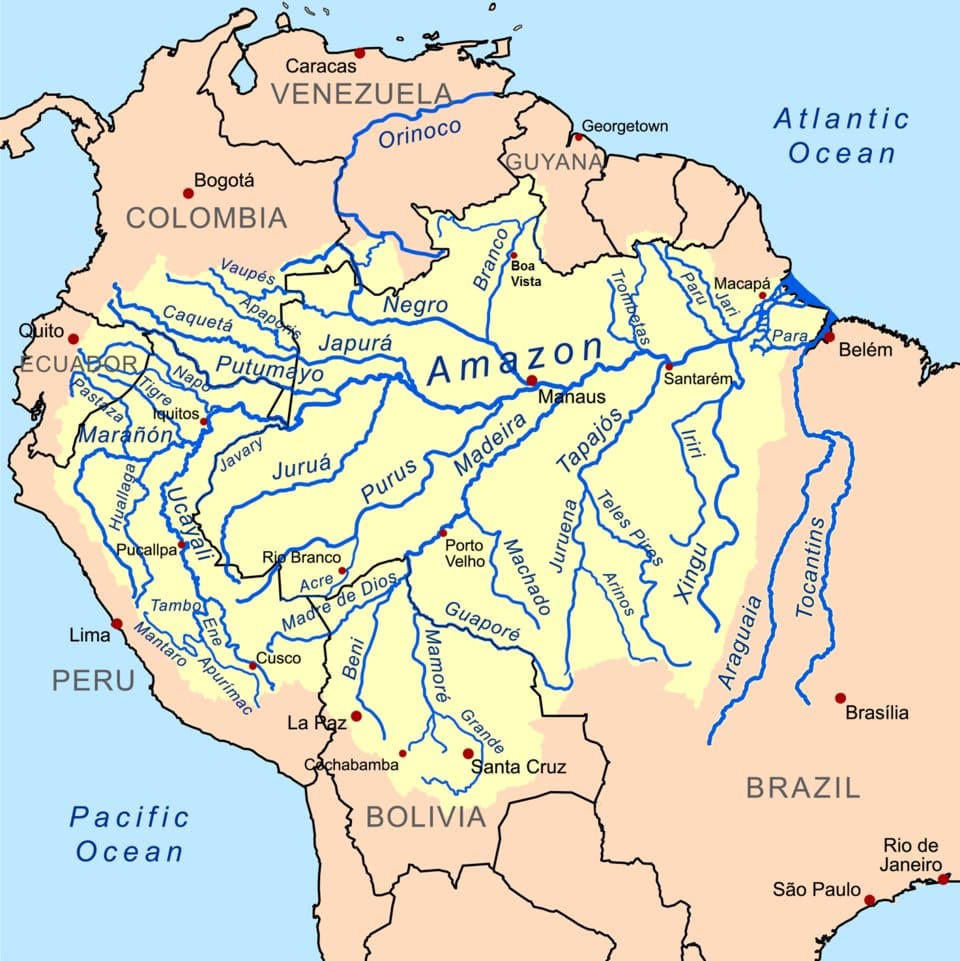
    Discus fish (also known as pompadour fish) are native to the tropical freshwaters of the Amazon River Basin in South America. They live in still and very slow-flowing warm water habitats near the bank of clear lakes and river courses.

    These fish prefer areas with a sandy bottom among driftwood and the roots of trees. The water in their natural habitat is generally warm, soft, and slightly acidic.

    The Top 21 Discus Fish Types

    Discus breeding is a fascinating topic, and the amount of different types of discus fish in the hobby today is quite remarkable. We got a video from our YouTube Channel you can check out while you read along on our blog. If you like this content, but sure to subscribe as we post new videos every week!

    Let’s take a look at 21 of the most discus fishes that you can keep!

    1. Heckel

    Heckel-Discus
    • Adult Size: up to 8 inches
    • Color Pattern: Red, brown, blue, turquoise
    • Unique Traits: Very rounded body shape and dark vertical bars

    The Heckel discus (Symphysodon discus) is a wild discus species, first described by an Austrian ichthyologist in the mid-1800s. They are also known as the red discus.

    These beautiful but challenging fish are native to the Rio Negro and other major tributaries of the Amazon River. This species can be identified by nine vertical stripes along its body, and the fifth stripe is particularly bold.

    2. Wild

    • Adult Size: up to 8 inches
    • Color Pattern: Various
    • Unique Traits: Round body shape and natural coloration

    Wild discus fish are simply fish that have not been selectively bred into new colors and patterns. Wild discus can be from any of the three recognized discus species.

    While they may not have the impressive solid colors of some of the newer breeds, wild discus are still incredibly beautiful fish.

    3. Blue Diamond

    Blue-Diamond-Discus
    • Adult Size: 6 inches
    • Color Pattern: Solid Blue
    • Unique Traits: Deep oval shape and unpatterned body

    The blue diamond discus is an attractive metallic blue breed first developed in Asia in the early 1990s. These oval-shaped fish have been bred to be a solid base color without vertical bars, although their eyes are typically deep red. As captive-bred fish, they are often hardier than wild-caught discus.

    4. Red Turquoise

    Red-Turquoise-Discus
    • Adult Size: 6 inches
    • Color Pattern: Red and turquoise
    • Unique Traits: Light blue color with beautiful red patterns

    As their name suggests, the red turquoise discus is a breed that combines two striking colors. They are an early breed, first developed in Asia in the 1980s.

    Their background body color is a metallic turquoise shade, covered in deep red markings that extend onto their fins. They may be predominantly blue (blue base) or mostly red (red base).

    5. Brilliant Turquoise

    • Adult Size: 6 inches
    • Color Pattern: Turquoise & green
    • Unique Traits: Greenish tint

    The brilliant turquoise discus combines bright turquoise and beautiful green shades with dark red eyes. These fish also feature fine reddish markings and may have some darker vertical stripes.

    The brilliant turquoise discus is one of the most colorful breeds and is perfect for a dramatic display tank with other discus strains.

    6. Tangerine

    • Adult Size: 6 inches
    • Color Pattern: Orange
    • Unique Traits: Solid orange color

    The tangerine discus (video source) features a solid pale orange color, with deeper tangerine shades just above and below their anal and dorsal fins. This bright discus breed is a truly eye-catching display fish for experienced hobbyists.

    7. Cobalt

    Cobalt-Discus
    • Adult Size: 6 inches
    • Color Pattern: Dark blue
    • Unique Traits: Deep, metallic blue color

    The cobalt discus is a solid blue discus breed, although they may still display dark vertical stripes. They may also have red-tinged fins and some red spotting or barring on their sides.

    This classic ornamental breed was first developed in the 1970s and remains very popular in the modern hobby.

    8. Ghost

    • Adult Size: 6 inches
    • Color Pattern: Gray or light blue
    • Unique Traits: Pale, ghostly color

    The ghost discus (video source) is an unusual and unique strain, perfect for discus keepers who want an oddball fish in their collection.

    The ghost discus is a pale gray or light blue solid breed, often with transparent fins. They may also have yellow markings at the base of the tail, pectoral fins, and around the head.

    9. Snakeskin

    Snakeskin-Discus
    • Adult Size: 6 inches
    • Color Pattern: Various
    • Unique Traits: 14 stress bars/vertical stripes

    The snakeskin discus was first seen in the mid-1990s when Asian breeders developed fish with 14 vertical stripes, rather than the usual 9. Today, this unique gene has been crossbred into several different color forms and patterns.

    10. Marlboro

    Marlboro-Discus
    • Adult Size: 6 inches
    • Color Pattern: Solid red & yellow/white
    • Unique Traits: Bright red body and pale head

    The red marlboro discus is a truly eye-catching fish with its bright red body color and light yellow or white head with red eyes.

    Their caudal, anal, and dorsal fins are often darker, sometimes nearly black, and there may be a pale patch at the base of the tail.

    11. Ring Leopard

    • Adult Size: 6 inches
    • Color Pattern: Red, blue, yellow, white
    • Unique Traits: Spots arranged in rings form a leopard-print pattern

    The ring leopard discus fish (video source) is a unique breed with ring-shaped markings on its body, just like a leopard or jaguar. These fish are available in several color combinations, and they may have faint vertical stripes on either side of their body.

    12. Checkerboard

    Checkerboard-Discus
    • Adult Size: 6 inches
    • Color Pattern: Red/orange patterns on a whitish background
    • Unique Traits: Honeycomb pattern

    Checkerboard strains, like the checkerboard red map discus, have white or pale blue background colors and a complete red honeycomb pattern all over their body. Their eyes are red and they often have yellowfish markings on their face.

    13. Panda

    • Adult Size: 6 inches
    • Color Pattern: Various
    • Unique Traits: dense cluster or solid color patch on the body

    The panda discus is a unique breed with a heavily patterned body. Their markings fuse to form a large orange cluster or patch, surrounded by turquoise spots. Their face tends to be yellowish, and this shade may also occur at the base of the tail.

    14. Pigeon Blood

    Pigeon-Blood-Discus
    • Adult Size: 6 inches
    • Color Pattern: Cream yellow background with yellow-red patterning
    • Unique Traits: Black speckling/peppering

    The pigeon blood discus is a hardy, man-made strain, first developed by a Thai fish breeder, Kitti Phanaitthi.

    These oddly named cichlids often have fine black speckling, although selective breeding has reduced this trait in modern specimens. Pigeon blood discus have bright red eyes and many specimens have distinctive black tails.

    15. Albino Golden

    • Adult Size: 6 inches
    • Color Pattern: Solid yellow
    • Unique Traits: Golden body with contrasting red eyes

    The albino golden discus fish (video source) is one of the brightest breeds, with a solid yellow color across the body like the golden light of sunrise. This color may extend onto their fins or be replaced with white or light red markings. The albino golden discus is the ideal breed to add more variety to your discus tank.

    16. Brown

    Brown
    • Adult Size: 6 – 8 inches
    • Color Pattern: Brown with dark bars and some red and turquoise
    • Unique Traits: Natural wild-type fish

    The brown discus fish (Symphysodon aequifasciatus) is also known as the blue discus. It is one of just three recognized discus species found in the Amazon River basin.

    Brown discus fish might not have the bright colors of man-made breeds like neon blue discus, but these fish are still stunning in their natural colors!

    17. Tiger Turkish

    • Adult Size: 6 inches
    • Color Pattern: Red & turquoise
    • Unique Traits: Long vertical stripes

    The tiger turkish discus fish (video from Jack Wattley Discus) is a stunning breed named for its colorful vertical stripes. These fish generally have a brilliant turquoise background color with red stripes on their sides.

    Their natural dark vertical bars may also be visible which really adds to their stripey appearance. This would be a fun fish to combine with something like a ring leopard and a blue snakeskin to compare their different patterning.

    18. Red Spotted Green

    Red-Spotted-Green-Discus
    • Adult Size: 6 inches
    • Color Pattern: Enhanced wild-type
    • Unique Traits: Red spots and brighter body coloration

    The red spotted green discus is the perfect choice for hobbyists who like the wild look of the brown discus but want a little more ‘pop’ in their fish.

    This popular breed has a golden sunset body color, with small red spots. The dark vertical bars are clearly visible, and there is plenty of turquoise and red color, particularly around the head, shoulders, and vent areas.

    19. White Butterfly

    • Adult Size: 6 inches
    • Color Pattern: White and yellow color
    • Unique Traits: Pure white body

    The white butterfly discus (video source) will stand out as the angel of your aquarium with its gleaming solid white body color. These fish typically have red eyes and some yellow markings on their face. Some specimens also have spots or stripes over their bodies.

    20. Millennium Golden

    • Adult Size: 6 inches
    • Color Pattern: Yellow
    • Unique Traits: Solid golden color

    The millennium golden discus (video source) is one of the purest solid-colored discus breeds in the hobby. These stunning fish may have the same golden color on their dorsal and anal fins as on their body, or have white and transparent finnage.

    21. Red Melon

    • Adult Size: 6 inches
    • Color Pattern: Red/orange & yellow/white
    • Unique Traits: Warm, contrasting colors

    The red melon discus (video source) is very similar in appearance to the red marlboro discus fish, and their names are sometimes interchanged. Red melons tend to have a bright red/orange body with paler shades of yellow or white on their face.

    This breed has come so far from the natural wild type that mixing the two in the same tank could make a fascinating display of discus fish genetics!

    Other Notable Breeds

    • Brilliant blue discus fish
    • Mercury discus fish
    • White dragon discus
    • Albino platinum discus
    • Heckel cross discus

    Tank Setup

    After seeing all the amazing discus breeds, you’re probably itching to set up your own amazing discus tank! While these fish are not recommended for beginners, a fairly experienced fishkeeper can be successful if they’re prepared to put in the time and effort to research their needs and purchase all the right equipment.

    In this section, we’ll take a look at the basic tank setup for keeping discus fish. Let’s get started!

    Tank Size

    The king of the aquarium is a large, deep-bodied fish, so you’re going to need a large tank to provide enough space. The general recommendation is to get the biggest tank you can afford and have room for.

    The minimum tank size for discus is about 55 gallons, although at that size you might as well go ahead and buy a 75-gallon. Of course, bigger is always better!

    Filtration

    Maintaining excellent water quality is probably the biggest challenge when it comes to discus care. Regular maintenance is essential, but you can only do so many water changes in a week! The answer to this problem is high-quality filtration.

    A small HOB or sponge filter is not going to be sufficient here, so focus on large filters that hold high filtration media volumes. I recommend a large canister filter with a variety of media for advanced mechanical, chemical, and biological filtration.

    Discus fishes do not enjoy strong water flow, so keep that in mind when selecting a filter and positioning its outflow. Running two filters is also an option as it keeps the system going when replacing media and provides a good ‘safety net’ if one should fail.

    Heating

    The discus is a sensitive fish that needs warmer water than most tropical species. High temperatures keep these fish active, reduce illness, and bring out their best colors.

    You will need a reliable heater that can maintain steady temperatures between 82 and 86 ยฐF. I recommend using an aquarium temperature controller for added security, and you should also keep a spare heater in case of failures.

    Editor’s Choice
    Finnex STE Series

    Best Aquarium Heater

    Finnex has achieved what we as hobbyist have asked for decades. A reliable heater that won’t fail. Japanese components. Receives our top recommendation.

    Click For Best Price Buy On Amazon

    Many aquarists prefer to keep their discus at about 86ยฐF or 30ยฐC, although lower temperatures are recommended for heavily planted tanks or if you plan on adding other fish species. Be sure to keep your fish at the same temperature they were raised in and slowly acclimate them if you want to make a change.

    Other Important Parameters

    • pH: 6 – 7
    • Hardness: 1 – 4ยฐdKH
    • Ammonia: 0 ppm
    • Nitrite: 0 ppm
    • Nitrate: less than 20 ppm (Ideally <10 ppm)

    Plants And Decorations

    Discus fish can be kept in bare-bottom freshwater aquariums, but a nicely decorated display tank looks much better and provides a more natural environment for your fish.

    Plated-Tank-Discus

    A thin layer of sand or smooth, fine gravel is your best option when it comes to the substrate. This doesn’t leave much room for rooted plants, so choose easy epiphytes like Java Fern and anubias that you can attach to your hardscape.

    Speaking of hardscape, select some beautiful aquarium driftwood like mopani and manzanita. Dark woods like mopani may leach tannins for several weeks, so go ahead and boil it well to pull out most of the color.

    Editor’s Choice
    Manzanita Driftwood

    Editor’s Choice

    Manzanita offers it all. Great shape, low tannins, quick to water log and reasonably priced. It’s the ultimate driftwood!

    Click For Best Price Click For Branch Pieces

    Rocks are not a major feature in the discus fishes’ natural habitat, but you can incorporate them in your tank layout for an interesting look. Just be sure to avoid limestone-based rocks that will raise your pH.

    Care Guidelines

    The discus fish is an advanced species to care for because it has special requirements and needs excellent water quality. Let’s take a closer look at their care.

    Feeding

    In the wild, discus fish feed on algae and small invertebrates. You can provide a balanced diet in captivity by feeding them a high-quality prepared flake or pellet food. You should also provide a spirulina flake or other algae-based food and supplement their diet with live or frozen bloodworms and other small invertebrates. Here are some good sources to look for:

    Feed your discus fish one to three times per day, providing only what they can finish in about one minute to prevent overfeeding. Uneaten food should be removed to prevent water quality problems in your discus tank.

    Tankmates

    The best tank mates for the king of aquariums are other discus fish, especially if you’re just getting started with this species.

    Leopard Angelfish

    Discus fish are usually kept in a species only tank because it makes it easier to cater to their specific needs. You can keep a pair of discus for breeding, but a group of six or so is recommended for an excellent display and to encourage natural and confident behaviors.

    However, it is possible to keep your discus with many other freshwater fish that enjoy the same water temperatures and parameters. Their tank mates should be peaceful species that won’t outcompete them for food. Possible options include:

    Breeding

    Discus fish are difficult to breed successfully, and their fry need excellent water quality to survive. However, these egg-laying fish often spawn in home aquariums. You’ll need to keep a pair of discus in their own breeding tank if you want to successfully raise their fry.

    The female lays her stick eggs on a level surface like a large leaf, rock, driftwood, or even aquarium glass. The male fertilizes the eggs in stages as they are laid. The parents will fan the eggs to keep them oxygenated, and they hatch after about 3 days.

    The fry become free swimming on about the 4th day and, amazingly, they feed on the mucous coat on their parent’s skin for their first few weeks before learning to eat adult food. At that stage, you can remove the parents from the tank and focus on growing out the young fish.

    Health Problems

    Discus fish are sensitive creatures, most prone to health problems if kept in low water temperatures or poor water quality. It’s best to consult a veterinarian or experienced fishkeeper if you notice any problems with these fish, but your first step is to look for stressors like water parameters and address them quickly.

    Look out for the following warning signs each day when observing your fish:

    • Low appetite
    • Clamped fins
    • Buoyancy issues
    • White spots or cottony growths
    • Cloudy or swollen eyes

    Where To Buy

    Buy your discus fish from reputable and experienced breeders who can provide information on their tank conditions and the fish’s bloodlines. The king of the aquarium is not a cheap fish, so protect your investment and buy smart. You should research both local options and online options.

    FAQs

    Which discus fish is the best?

    The best discus fish is the breed that appeals to your own tastes. With so many different types of discus available, there’s a perfect color and pattern combination for any fishkeeper!

    How many species of discus fish are there?

    There are just three recognized species of discus fish, and all of them live in the Amazon River system. These three species are the blue/brown discus, the heckel discus, and the green discus.

    Can you mix discus with other fish?

    Discus fish can be kept with other fish that enjoy the same high water temperature and soft, acidic water parameters. They should not be kept with any large and aggressive species or boisterous fish that snatch up all the food before your discus can get their share.

    What is the most popular discus strain?

    The blue diamond discus and pigeon blood discus strains tend to be highly popular and affordable options. Classic early strains like the cobalt discus and the red turquoise discus also remain as popular as ever.

    What is the most beautiful discus fish?

    All discus fish are beautiful, but the white strains like the albino platinum and the white diamond discus can be breathtaking in a well lit display tank.

    Final Thoughts

    Discus fish are truly the “King” of freshwater aquarium fish. Their colors are amazing, and their size makes them excellent centerpiece fish. Yes, they are difficult to care for, but for those who are up for the challenge, it is a rewarding experience.

    Do you have any of these Discus fish in your setup? Did we miss one that you want to add to the list? Let us know in the comments below. We love to hear back from our readers. Thank you for reading, and see you next time.


    ๐Ÿ“˜ Want to learn more? This article is part of our complete Freshwater Fish Guide โ€” your ultimate resource for freshwater species, care tips, tank setup, and more.

  • 15 Best Female Betta Tank Mates: What Works and What to Watch For

    15 Best Female Betta Tank Mates: What Works and What to Watch For

    Female bettas are considerably more community-friendly than males, but they still need the right tank mates. I’ve kept female betta sororities and community tanks over the years and the compatibility questions come up constantly. Here’s my honest guide to which species actually coexist peacefully with female bettas.

    Female bettas get overlooked in a lot of tank mate discussions that focus entirely on males โ€” but they have their own personality quirks worth understanding before you start pairing them up. In my experience, females are generally far more community-friendly than males, but they’re still bettas: they can and will establish a pecking order, and certain fin-heavy tank mates will still trigger aggression. The good news is the pool of compatible species is much larger. Here are the 15 tank mates I’d actually recommend, with honest notes on which ones work consistently and which need more careful monitoring.

    Key Takeaways

    • Male bettas are more aggressive than females, so itโ€™s important to assess their behavior when picking tank mates.
    • Ideal tanks for female bettas should be 10 gallons or larger and have suitable temperature & pH levels with plants, hiding spots & filtration systems.
    • 15 compatible fish like Corydoras Catfish, Harlequin Rasbora and Platy Fish make great additions to a peaceful community aquarium!

    Understanding Them

    Female bettas differ from male ones in their delicate look and smaller fins and tails. These fish tend to be less aggressive than their male counterparts, making them suitable for a number of aquarium tank mates. While they are less colorful and have small fins, you can still find colorful varieties with breeds like Koi Bettas. They also are not as common to be find in pet store because the males are typically sold instead.

    Male Vs Female Behavioral Temperament Differences

    When looking to introduce other fish into a betta tank, it is essential to understand the differences in aggression and territorial behavior between male and female bettas. Male Betta fish are known for their aggressive and territorial nature, which makes them less compatible with other members of the tank than females.

    Male vs Female Betta

    What constitutes such behavior? Being aware that males tend to display more hostile behaviors to fish that either look like them or towards their own kind. However, with females, it is possible to house multiple females in the same tank (known as a betta sorority) if they are from the same breeding batch and the tank is long with plenty of spaces to hide.

    Itโ€™s no secret why many favor female specimens over males when it comes to building a community tank. We have covered tankmates for male bettas in the past. With females, the same species can be considered, but your chances of success are much higher than with a male. You can take on more risky fish like gouramis or even fancy guppies. They also will not build bubble nests if you don’t like seeing those at the top of your tank.

    Ideal Tank Requirements And Parameters

    When it comes to setting up a community betta tank, the size of your aquarium is essential. I would recommend keeping a sole species for a male betta if you don’t want to add other fish. However, for a female betta, you will want to start out with a 10 or more gallons when you wish to introduce other fish. If you want to add other female bettas into the mix, consider at least a 29 gallon tank to start.

    Females like males are tropical fish, so it’s important that water temperature stays within 76-80ยฐF and pH levels remain neutral or slightly acidic. Live plants are great to add for the community tank and often have lots of benefits, consider using artificial silk plants if you don’t want to prune.

    The Top 15 Female Betta Tank Mates

    To make sure we have a beautiful, peaceful tank of fishy inhabitants, letโ€™s get right to our top 15 picks for female betta fish tank mates. Each species has certain qualities that set them apart from the others โ€“ such as size and temperament, color, and diet. I’ve made careful selections when it comes to these potential companions.

    1. Corydoras Catfish

    • Scientific Name: Corydoras spp.
    • Adult Size: 1-4 inches
    • Minimum tank size: 20 gallons (depending on species)
    • Compatibility: High, very safe choice
    • Care Level: Easy
    • Water Temperature: 72-82ยฐF
    • Diet: Omnivore
    • Origin: South America
    • Swimming Level: Bottom

    Corydoras Catfish are one of the best betta tank mates for female bettas. These non aggressive fish wonโ€™t make any trouble and will happily swim around at the bottom of your tank, helping clean up the substrate. Two popular options include Panda Cory and Pygmy Cory, both of which get along peacefully with other female betta fish. These peaceful bottom dwellers love living in large groups, so itโ€™s recommended you have a group of 6 when housing with your betta fish!

    2. Harlequin Rasbora

    • Scientific Name: Trigonostigma heteromorpha
    • Adult Size: 2 inches
    • Minimum tank size: 15 gallons
    • Compatibility: High
    • Care Level: Easy
    • Water Temperature: 72-77ยฐF
    • Diet: Omnivore
    • Origin: Southeast Asia
    • Swimming Level: Middle

    Harlequins are a captivating shoaling fish addition to any community tank, and they get along very well with both male bettas and female bettas. These peaceful schooling fish have an amazing black triangle on their sides as well as striking golden orange bodies that make them quite eye-catching! They can survive happily in planted tanks meant for betta fish, so having one or more of these is the perfect way to brighten up your aquarium.

    3. Cardinal Tetra

    • Scientific Name: Paracheirodon axelrodi
    • Adult Size: 1.5 inches
    • Minimum tank size: 15 gallons
    • Compatibility: High
    • Care Level: Moderate
    • Water Temperature: 73-84ยฐF
    • Diet: Omnivore
    • Origin: Venezuela & Brazil
    • Swimming Level: Middle, top

    Cardinal Tetras are the perfect tank mates for your betta fish and make an excellent addition to any aquarium. As peaceful schooling fish, they can be kept in groups of six or more and prefer a well-planted environment with numerous hiding places. This ensures that both your beloved betta and Cardinal Tetras feel at ease within their living quarters. To get the most out of these lovely nano fish, keep them in high numbers and consider a larger tank size so you can house both comfortably.

    4. Ember Tetra

    • Scientific Name: Hyphessobrycon amandae
    • Adult Size: 0.75 inches
    • Minimum tank size: 10 gallons
    • Compatibility: High
    • Care Level: Easy
    • Water Temperature: 72-77ยฐF
    • Diet: Carnivore
    • Origin: Brazil
    • Swimming Level: Middle

    Ember Tetras have an eye catching orange shade and make peaceful tank mates for female betta fish. For the best chance of success, place them in a heavily planted community tank with their newfound friends. These adorable little swimmers are perfect to add some vibrancy to any aquarium! Their red colors are compliments if you pick another color for your betta.

    5. Platy Fish

    Gold Red Platy
    • Scientific Name: Xiphophorus maculatus
    • Adult Size: 2-3 inches
    • Minimum tank size: 15 gallons
    • Compatibility: Medium, should not be kept in acidic water
    • Care Level: Easy
    • Water Temperature: 68-79ยฐF
    • Diet: Omnivore
    • Origin: Central America
    • Swimming Level: All levels

    Platy Fish add vibrancy to an aquarium with their bright colors and patterns. They have a livelier disposition than female bettas, but they can peacefully cohabitate in the same community tank as long as it is at least 20 gallons large and contains living plants. With these prerequisites provided, Platys will be able to thrive while bringing unique life into your home! Keep in mind that they are prolific breeders so be aware of overpopulation issues or consider only housing males to prevent breeding.

    6. Rummy Nose Tetra

    Rummy Nose Tetra
    • Scientific Name: Petitella spp.
    • Adult Size: 2 inches
    • Minimum tank size: 20 gallons
    • Compatibility: High
    • Care Level: Moderate
    • Water Temperature: 74-79ยฐF
    • Diet: Omnivore
    • Origin: Brazil & Peru
    • Swimming Level: Middle

    Rummy Nose Tetras are a beautiful addition to any betta tank, their red noses and white bodies creating an eye-catching display. They should be kept in groups of at least six as they naturally form schools in the wild, which means it is essential for them to thrive that you provide suitable space – larger tanks than with just Bettas alone – as well as clean water.

    In order for these schooling fish to have maximum health and well being, high quality water needs to be maintained throughout. Failure to do so could cause significant stress or even death due to stress from poor environmental conditions. As peaceful creatures by nature, their behavior towards other species can usually be peaceful when cared for correctly.

    7. Kuhli Loach

    • Scientific Name: Pangio semicincta
    • Adult Size: 4 inches
    • Minimum tank size: 15 gallons
    • Compatibility: High, no risk of conflict
    • Care Level: Easy
    • Water Temperature: 70-79ยฐF
    • Diet: Omnivore
    • Origin: Southeast Asia
    • Swimming Level: Bottom

    Kuhli Loaches are peaceful, timid fish that prefer to stay at the bottom of tanks and can live in harmony with female bettas. These shy creatures assist in keeping aquariums clean, making them an ideal addition to a community tank, providing ample hiding spots along with satisfactory water conditions.

    8. Molly Fish

    How Do Molly Fish Look Like
    • Scientific Name: Poecilia latipinna, P. spenops, P. velifera
    • Adult Size: 5 inches
    • Minimum tank size: 15 gallons
    • Compatibility: Medium, requires hard water
    • Care Level: Moderate
    • Water Temperature: 72-82ยฐF
    • Diet: Omnivore
    • Origin: North & South America
    • Swimming Level: Middle

    Molly Fish are peaceful and can get along with female bettas in their typical hard water environment. These fish reproduce rapidly if male and female coexist, so expect your community to grow quickly! If you want to control the population, consider males only. You can purchase females only, but sometimes the females will get introduced to your tank already pregnant and still breed offspring.

    Provide a tank with lots of plants for the two species to live together peacefully. Such an arrangement is ideal for both mollies as well as female bettas.

    9. Pearl Gourami

    Pearl Gourami Fish
    • Scientific Name: Trichopodus leerii
    • Adult Size: 4-5 inches
    • Minimum tank size: 30 gallons
    • Compatibility: Good
    • Care Level: Moderate
    • Water Temperature: 75-82ยฐF
    • Diet: Omnivore
    • Origin: Southeast Asia
    • Swimming Level: Middle to Top

    Pearl Gouramis are a peaceful, labyrinth fish that can create an attractive addition to any community tank when paired with female bettas (also referred to as siamese fighting fish). These serene creatures must be kept in tanks planted with hiding spots for the best living environment.

    Inhabiting their shared space without issues, Pearl Gouramis and Siamese Fighting Fish make for a great, peaceful atmosphere. The pearl is consider one of the best community fish for medium sized tanks.

    10. Neon Tetra

    • Scientific Name: Paracheirodon innesi
    • Adult Size: o.8-1.2 inches
    • Minimum tank size: 10 gallons
    • Compatibility: High
    • Care Level: Easy
    • Water Temperature: 70-77ยฐF
    • Diet: Omnivore
    • Origin: South America
    • Swimming Level: Middle

    Neon Tetras are known for their peaceful demeanor and vivid hues. Because of this, they work well in a community tank with female bettas as the other occupants. When doing so, one needs to make sure that there is enough room and hiding spots provided. At least 6 fish should be present in order to give them security around a group of their own species. A great way to create an environment suitable for all these inhabitants would be by planting various plants throughout your aquarium, which also adds beauty!

    11. Honey Gourami

    • Scientific Name: Trichogaster chuna
    • Adult Size: 2 inches
    • Minimum tank size: 20 gallons
    • Compatibility: Medium, chance of conflict in small tanks
    • Care Level: Easy
    • Water Temperature: 72-80ยฐF
    • Diet: Carnivore
    • Origin: India, Bangladesh, Nepal
    • Swimming Level: All levels

    Honey Gouramis bring a beautiful, serene atmosphere to any community aquarium they are present in โ€“ not least because of their peaceful nature, which makes them compatible with female bettas. These small fish can coexist harmoniously when thereโ€™s enough space for everyone. They are great tank mates for bettas in smaller tanks and both can be kept in groups in larger tanks. Their yellow hues can complement several varieties of betta fish.

    12. Chili Rasbora

    • Scientific Name: Boraras brigittae
    • Adult Size: 0.75 inches
    • Minimum tank size: Five gallon tank
    • Compatibility: High, great for nano tanks
    • Care Level: Moderate
    • Water Temperature: 70-82ยฐF
    • Diet: Carnivore
    • Origin: Borneo
    • Swimming Level: Midwater

    These small, vibrant red-colored fish can peacefully coexist with bettas in a miniature tank that has an abundance of plants. Known as Chili Rasboras, they make for attractive additions to any aquarium that houses these popular creatures.

    It is important to give them sufficient space and provide enough hiding places if you wish your peaceful little species to thrive when living alongside the betta in its new home.

    13. Otocinclus

    • Scientific Name: Otocinclus spp.
    • Adult Size: 2 inches
    • Minimum tank size: 10 gallons
    • Compatibility: High, great clean-up crew
    • Care Level: Moderate
    • Water Temperature: 74-79ยฐF
    • Diet: Algae
    • Origin: South America
    • Swimming Level: All levels

    Otocinclus are helpful tank inhabitants that can be kept with bettas in fully-matured aquariums. These algae eaters not only add to the diversity of a community tank, but they also contribute by consuming any existing algae growth, which helps keep it clean.

    Yet, these small fish may not make good additions to recently set up tanks since there wouldnโ€™t yet be enough algae for them to feast on. Plan on providing them supplemental food as algae alone is not going to be enough for them once they clean up your tank.

    14. Bristle Nose Pleco

    Bristle Nose Pleco
    • Scientific Name: Ancistrus spp.
    • Adult Size: 5 inches
    • Minimum tank size: 15 gallons
    • Compatibility: High
    • Care Level: Moderate
    • Water Temperature: 70-78ยฐF
    • Diet: Herbivore
    • Origin: South America
    • Swimming Level: Bottom

    Peaceful Bristle Nose Plecos are an ideal companion for female bettas and can help keep the tank in order. They should be kept in a well-planted environment equipped with hideaways to allow them to thrive. They need both veggie matter and proteins incorporated into their diet, so it is important that you provide a balanced meal plan for these fish.

    15. Bamboo Shrimp

    • Scientific Name: Atyopsis Mollucensis
    • Adult Size: 2 inches
    • Minimum tank size: 20 gallons
    • Compatibility: High
    • Care Level: Moderate
    • Water Temperature: 68-77ยฐF
    • Diet: Filter feeder
    • Origin: Southeast Asia
    • Swimming Level: Bottom dweller

    Bamboo shrimp are peaceful invertebrates that make a unique addition to any betta tank, helping to keep the water clean and healthy (video source). As such, they need an environment with plenty of plants for cover. Itโ€™s essential if you want them to be comfortable in their new home. With this setup, these shrimp can coexist perfectly alongside other aquatic species like Bettas, creating beautiful scenery within your aquarium!

    Fish To Avoid

    Convict Cichlid

    When setting up a community tank for female bettas, it is important to pick the right fish species that are compatible and wonโ€™t be aggressive towards them. Species such as cichlids, tiger barbs, or any fish that could fit them in their mouths should definitely be avoided since they can cause harm to your beautiful fish.

    To ensure an environment where all of its inhabitants will have peace and harmony among themselves, you must consider each oneโ€™s temperament along with water parameter requirements before selecting any tank mates for a female bettaโ€™s home.

    It would also make sense to stay away from anything incompatible so there is no threat to the health or happiness of our beloved creatures. This way, we create peaceful surroundings where everyone can enjoy together.

    Creating A Peaceful Community Aquarium

    Creating a peaceful and beautiful aquarium filled with female bettas and their compatible tank mates is both enjoyable and rewarding. The key to success in this endeavor lies in understanding the particular needs of your female betta fish, along with those of their partners, while providing them with an appropriate habitat.

    Here are a few general tips for picking out tankmates that may not be on this list:

    • Choose tankmates that tolerate higher temperatures (78 degrees Fahrenheit)
    • Introduce the most aggressive fish last
    • Choose fish of similar sizes and temperatures. For schooling fish, having a large school helps
    • Pick mid and bottom dwelling fish over surface dwellers to prevent any aggression issues

    All such considerations will help maintain balance within a community tank, allowing you to enjoy harmonious living among colorful creatures without worrying about turf wars!

    Frequently Asked Questions

    Can female bettas go in a community tank?

    Female bettas can be placed in a shared aquarium, provided it is sufficiently large and has plenty of plants and/or shelter. They are usually not as aggressive compared to males so they can easily adjust to living with other fish species in one environment.

    Do female betta fish need companions?

    Female bettas can be kept in tanks of at least 10 to 20 gallons with plants and plenty of hiding spots. Careful consideration must go into the choice of tankmates. They mustnโ€™t be too large or aggressive so that fighting can be prevented within their aquarium environment. Keeping a female betta with suitable companions can ensure an enjoyable experience for both her and those who appreciate her beauty.

    What do female betta fish like in their tank?

    Female betta fish need specific living conditions for them to stay healthy and content. They should be kept in temperatures between 76ยฐF – 82ยฐF, water hardness of 5 dGH – 20dG, pH levels around 6.5-7.0 neutral. Plenty of foliage or decorations are available as hiding spots/places within the tank environment. Female bettas can be kept in groups but require a much larger tank to pull off without aggression breaking out between females.

    What are some suitable tank mates for female bettas?

    Female bettas make an excellent addition to tanks, as they can be paired with Corydoras Catfish, Harlequin Rasbora, Cardinal Tetra, Ember Tetra, Honey Gouramis, and Bamboo Shrimps.

    What fish Cannot live with female bettas?

    Female bettas should not be housed with other males, tiger barbs, cichlids or tetras of any kind. For an optimal living environment for your female Betta fish, it is better to choose peaceful tank mates such as guppies and brightly colored species including ember and rummy nose tetras.

    Closing Thoughts

    To sum up, having a successful community tank with your female bettas and their compatible mates can be enjoyable as well as rewarding. By recognizing the particular traits and habits of female betta fish, along with selecting fitting aquarium partners accordingly, youโ€™ll have an eye-catching and peaceful environment in which to house them.

    We wish this guide gave you all that is necessary so your aquatic community will thrive. Bear in mind that comprehending -and considering specific requirements of both the female bettas together with its tankmates should always come first! With luck on your side, everything should go smoothly โ€“ enjoy setting it up!

  • 15 Best Rainbow Shark Tank Mates: Compatible Species That Work

    15 Best Rainbow Shark Tank Mates: Compatible Species That Work

    Rainbow Sharks get lumped in with Red Tail Sharks constantly โ€” even mislabeled at fish stores โ€” but they’re actually a different species with a somewhat different temperament. Rainbow Sharks are territorial, particularly toward their own kind and similarly shaped fish, but they’re generally more manageable than Red Tails in a well-planned community tank. The key is giving them a defined territory with caves or hiding spots so they’re not constantly patrolling the whole tank. Pick the right tankmates and they’re a great centerpiece fish for a medium to large setup.

    Key Takeaways

    • Rainbow Sharks are territorial and aggressive, so choose tank mates carefully.
    • A minimum of a 4 foot long tank is required to curb aggression
    • Tips on introducing new fish to your Rainbow Shark tank include adding them last, providing hiding spots & closely monitoring behavior.

    Understanding Them

    With their dark blue bodies and dazzling orange or red-black fins, they are a popular addition to aquariums around the world. The albino rainbow shark also stands out with its distinct look from other varieties of this freshwater fish.

    It is important for those looking to add these animals into an existing tank that they understand how territorial and aggressive Rainbow Sharks tend to be (especially towards bottom dwellers as well as any similar species present) before introducing them alongside potential tank mates. Understanding what type of food rainbow sharks consume also falls under preparation requirements here too!

    Aggression And Territorial Nature

    Itโ€™s essential to take into account the aggressive nature of Rainbow Sharks when selecting their tank mates, as they are known for claiming dominance over a particular territory in an aquarium. To reduce the likelihood of aggression towards other fish that might have similar physical traits or occupy adjacent areas within the same environment, select non-aggressive species which donโ€™t possess long fins and substantial tails.

    Albino Rainbow Shark

    These fish should either be larger than the shark, be able to stand up for themselves, school in large numbers, or be very fast. This will keep tension between inhabitants at bay and maintain peace across all corners of your underwater oasis.

    Ideal Tank Size And Parameters

    When it comes to rainbow shark care, they are relatively hardy fish. In order to cohabitate peacefully with their tank mates, a minimum of a 50 gallon fish tank is required for the aquarium size, with the tank length being at minimum 4 feet. Anything smaller will result in an aggressive rainbow shark that will harass your peaceful fish.

    Rainbow sharks live with pH from 6.0 – 8.0, hardness levels of 3-14 dKH and nitrate levels no higher than 40ppm. Zero ammonia and nitrite must be maintained in order for these fish to thrive optimally.

    Decorations like rocks, driftwood & caves will create plenty of hiding spots, which allow them to set up personal boundaries within the tank comfortably, thus giving them peace of mind when living in harmony with its occupants.

    Top 15 Rainbow Shark Tank Mates

    So letโ€™s take a look at the top 15 shark tank mates compatible with these striking fish! Each aquarium fish featured offers its own unique features that complement your shark.

    1. Tiger Barbs

    Tiger Barb Fish
    • Scientific Name: Puntius tetrazona, Barbus tetrazona, Capoeta sumatraus, Barbodes tetrazona, and Capoeta tetrazona
    • Life Span: 5 to 7 years
    • Adult Size – 4 inches
    • Water Temperature: 73ยฐF to 86ยฐF
    • Minimum tank size: 20 gallons
    • Care Level: Easy
    • Diet: Omnivore
    • Origin: Southeast asia
    • Swimming Level: Mid

    Tiger Barbs can provide a vibrant addition to aquariums when kept in schools of 6 or more, as long as their habitat provides enough room for them to swim. With their small size and quick movements, these active fish are able to avoid confrontation with Rainbow Sharks.

    These omnivorous fish need both live food (e.g., worms) and processed food items like flakes, pellets, etc. One also needs to be careful not to introduce any passive species which may become victims of Tiger barbsโ€™ fin-nipping behavior!

    2. Gouramis

    Blue Gourami Fish
    • Scientific Name: Trichopodus spp.
    • Life Span: 4 to 6 years
    • Adult Size: 4 – 7 inches
    • Water Temperature: 76ยฐF to 82ยฐF
    • Minimum tank size: 30 gallons
    • Care Level: Easy to Moderate
    • Diet: Omnivore
    • Origin: East Asia
    • Swimming Level: Top to Mid

    Gouramis can peacefully coexist with Rainbow Sharks if carefully chosen in terms of size and demeanor. These fish offer the other tank inhabitants plenty of room to avoid conflicts while swimming around at all levels inside the aquarium.

    When deciding on a suitable companion for your rainbow shark, you should consider varieties such as Blue Gourami, Pearl Gourami, or Moonlight Gourami that will help promote harmony within their aquatic home. Make sure the tank is appropriately large enough and decorated accordingly!

    3. Congo Tetra

    Congo-Tetra
    • Scientific Name: Phenacogrammus Interruptus
    • Life Span: 3 to 5 years
    • Adult Size: 3- 4 inches
    • Water Temperature: 73ยฐF to 82ยฐF
    • Minimum tank size: 30 gallons
    • Care Level: Easy
    • Diet: Omnivore
    • Origin: Africa
    • Swimming Level: Top to Mid

    Congo Tetras are social, peaceful creatures and make ideal tank mates for Rainbow Sharks. These spectacular fish benefit from living in schools of 6 or more to avoid any territorial issues with the sharks and they mostly swim around near the middle-to-top part of their environment.

    These omnivores consume live, dried or frozen food, so feeding them along side Rainbow Sharks is a hassle free activity, making it easier for you as an aquarist!

    4. Rainbowfish

    Rainbow Fish in Planted Tank
    • Scientific Name: Melanotaenia spp.
    • Life Span: 5 to 8 years
    • Adult Size: 4- 5 inches
    • Water Temperature: 72ยฐF to 77ยฐF
    • Minimum tank size: 40 gallons
    • Care Level: Moderate
    • Diet: Omnivore
    • Origin: Indonesia (some are from Australia
    • Swimming Level: Middle

    Rainbowfish possess a combination of bright colors and swift swimming capabilities, enabling them to coexist in the same tank with Rainbow Sharks due to their top-dwelling behavior. Their beautiful coloring and lively movements make for an appealing addition to any aquarium environment.

    A popular variety is known as Dwarf Neon Rainbowfish, a small but animated species hailing from Indonesia that needs at least ten or more individuals living harmoniously. They feed off algae, worms, bloodworms, daphnia insects & mosquitoes as well as vegetables such as spinach leaves, cabbage & peas.

    5. Bristlenose Pleco

    Bristle Nose Pleco
    • Scientific Name: Ancistrus Cirrhosus
    • Life Span: 5 to 12 years
    • Adult Size: 4 to 5 inches
    • Water Temperature: 73ยฐF to 80ยฐF
    • Minimum tank size: 30 gallons
    • Care Level: Easy
    • Diet: Herbivore
    • Origin: Amazon
    • Swimming Level: Bottom

    Bristlenose Plecos are usually a calm species and donโ€™t typically display aggression towards other tank mates, even when they reach their mature size. They possess an instantly recognizable bristly nose and eat algae from the bottom of tanks. These fish should be kept in large aquariums alongside Rainbow Sharks to prevent any potential conflicts that may arise due to territorial disputes or lack of hiding spots for either species.

    6. Danio Fish

    Leopard Danio in Planted Tank
    • Scientific Name: Danio spp.
    • Life Span: up to 5 years
    • Adult Size: 1 – 4 inches
    • Water Temperature: 64ยฐF to 75ยฐF
    • Minimum tank size: 10 gallons
    • Care Level: Easy
    • Diet: Omnivore
    • Origin: India
    • Swimming Level: All

    Danio Fish are ideal tankmates for Rainbow Sharks, as they can peacefully inhabit the middle of an aquarium. With their colorful appearance and lifespan up to 5 years, these fish make a great addition to your environment. Their diet is primarily made up of foods such as worms, bloodworms and daphnia. But vegetables like lettuce, zucchini or peas are also welcomed treats! Because Danioโ€™s swim around quickly in tanks, they do not disturb other aquatic life easily, making them excellent rainbow shark companions. They are fast enough to escape any aggression.

    Giant and pearl danios are the best choices when it comes to danio fish with a rainbow shark.

    7. Severum

    Severums Fish
    • Scientific Name: Heros severus
    • Life Span: 7 to 10 years
    • Adult Size: 8 inches
    • Water Temperature: 75ยฐF to 84ยฐF
    • Minimum tank size: 55 gallon tank
    • Care Level: Moderate
    • Diet: Omnivore
    • Origin: South America
    • Swimming Level: Bottom to Mid

    A large, peaceful cichlid like a Severum is a perfect addition to an impressively decorated aquarium, as they can easily cohabitate with Rainbow Sharks. Since these species have similar water parameters and temperaments, itโ€™s unlikely that any territorial dispute will arise between them in the same tank.

    The vibrant colors on their body really make for quite an interesting sight when contrasted against the dark hues of a Rainbow Shark. Thus creating even more visual appeal within your aquarium! To ensure both fish live harmoniously with each other, remember to give each enough room by having adequate hiding places throughout too.

    8. Odessa Barbs

    • Scientific Name: Pethia padamya
    • Life Span: 3 to 5 years
    • Adult Size: 3 inches
    • Water Temperature: 70ยฐF to 78ยฐF
    • Minimum tank size: 30 gallons
    • Care Level: Easy
    • Diet: Omnivore
    • Origin: Asia
    • Swimming Level: Middle dwellers

    Odessa Barbs (video source) are a type of schooling fish that can co-exist peacefully with Rainbow Sharks in the same tank when kept in groups and given plenty of room to swim. These calm aquatic creatures make suitable companions for your shark. Caution should be taken not to house them with other species who have extended fins or slower swimming speed as they may become vulnerable targets for nipping. To maintain harmony, it is recommended that at least six members from the same variety are purchased so they retain their social interactions.

    9. Black Shirt Tetra

    What Does Black Shirt Tetra Look Like
    • Scientific Name: Gymnocorymbus ternetzi
    • Life Span: 3 to 5 years
    • Adult Size: 3 inches
    • Water Temperature: 70ยฐF to 82ยฐF
    • Minimum tank size: 15 gallons
    • Care Level: Easy
    • Diet: Omnivore
    • Origin: South America
    • Swimming Level: Middle dwellers

    Black Skirt Tetras are a peaceful, mid-level schooling fish found in South America. These lovely creatures have an eye-catching striped pattern. Their body is colored black with a red or orange stripe running down its back and along the sides of it too. To ensure that both Black Skirt Tetras and Rainbow Sharks can live harmoniously together as tankmates, make sure to provide them adequate room for swimming around in water conditions appropriate for each species. A large school is recommended to curb any nipping tendencies and to provide safety in numbers against the shark.

    10. Blue Acara

    Electric Blue Acara in Planted Tank
    • Scientific Name: Andinoacara pulcher
    • Life Span: 7 to 10 years
    • Adult Size: 6 inches
    • Water Temperature: 74ยฐF to 82ยฐF
    • Minimum tank size: 40 gallons
    • Care Level: Moderate
    • Diet: Omnivore
    • Origin: Hybrid
    • Swimming Level: Middle to Bottom

    Originating from South America and growing up to 6 inches in length, Blue Acaras are a stunning semi aggressive fish that is from the Cichlid family. Space is the biggest requirement when it comes to housing these fish. A sizeable 4 foot long thank is recommended with plenty of hiding spots. The Acara can stand up for itself, though caution and observation should be made if the Acara breeds as they get aggressive during this time.

    11. Scissortail Rasbora

    Scissortail Rasbora in Planted Tank
    • Scientific Name: Rasbora trilineata
    • Life Span: 5 years
    • Adult Size: 3.5 inches
    • Water Temperature: 73ยฐF to 78ยฐF
    • Minimum tank size: 20 gallons
    • Care Level: Moderate
    • Diet: Omnivore
    • Origin: East Asia
    • Swimming Level: Middle

    Scissortails are lively and energetic creatures that form great tankmates for Rainbow Sharks, as they thrive in larger tanks. These attractive fish love being kept together in groups while swimming freely around the middle section of their homes, far from any territorial disputes with Rainbows.

    It is essential to furnish them with an aquarium decorated nicely with rocks and plants since it gives these species places to escape when feeling unsafe or nervous. Schooling numbers should be large with this rasbora to discourage aggressive behavior.

    12. Harlequin Rasbora

    How Do Harlequin Rasboras Look Like
    • Scientific Name: Trigonostigma heteromorpha
    • Life Span: 5 to 8 years
    • Adult Size: 1.75 inches
    • Water Temperature: 71ยฐF to 80ยฐF
    • Minimum tank size: 10 gallons
    • Care Level: Easy
    • Diet: Omnivore
    • Origin: South Asia
    • Swimming Level: Middle

    Harlequin Rasboras are a visually striking species of schooling fish that peacefully coexist with Rainbow Sharks in an aquarium full of plants. They largely stay at the top and middle levels, away from more aggressive bottom dwellers like Rainbows.

    Being omnivorous, Harlequins eat both live or frozen food as well as dried foods, making mealtime straightforward for their tankmates too. Like the scissortail, they should be kept in large schools with the shark.

    13. Cory Catfish

    Albino Cory Catfish
    • Scientific Name: Corydoras spp.
    • Life Span: 7 to 10 years
    • Adult Size: 2 to 3 inches
    • Water Temperature: 72ยฐF to 77ยฐF
    • Minimum tank size: 10 gallons
    • Care Level: Easy
    • Diet: Omnivore
    • Origin: South America
    • Swimming Level: Bottom of tank

    Cory Catfish are beautiful creatures who prefer to live in groups at the bottom of tanks. To prevent any conflicts between Corys and Rainbow Sharks, it is vital to have a sizable aquarium with plenty of hiding areas and sandy ground for them both. If kept in large schools, the rainbow shark may chase the catfish, but will usually not attack the fish.

    14. Hillstream Loach

    Hillstream Loach in Tank
    • Scientific Name: Sewellia lineolata
    • Life Span: 5 to 10 years
    • Adult Size: 2.0 to 2.5 inches
    • Water Temperature: 64ยฐF to 80ยฐF
    • Minimum tank size: 20 gallons
    • Care Level: Moderate
    • Diet: Omnivore
    • Origin: Vietnam
    • Swimming Level: Bottom

    Hillstream Loaches are fascinating bottom-dwelling fish with an unusual manta ray shape and attractive colorings, making them a great choice for any aquarium. Itโ€™s important to provide plenty of cover spots as well as swift water currents when theyโ€™re kept in the same tank with Rainbow Sharks since this is how these creatures exist naturally. It is possible that the rainbow shark will attempt to chase the loach away, but these fish are fast enough to not be bullied by their territorial behavior as long as the tank is large enough. Plan on also purchasing a group of them as they prefer safety in numbers.

    15. Hemichormis Exsul

    • Scientific Name: Rubricatochromis exsul
    • Life Span: 5 to 10 years
    • Adult Size: 4 inches
    • Water Temperature: 73ยฐF to 80ยฐF
    • Minimum tank size: 29 gallons
    • Care Level: Moderate
    • Diet: Omnivore
    • Origin: Kenya
    • Swimming Level: Mid to Top

    Hemichromis Exsul (video source), also known as Turkana Jewel Cichlid, are peaceful cichlid species native to Africa. In larger tanks with plenty of hiding spots, they can make attractive and interesting tankmates for Rainbow Sharks. They are not as aggressive as Jewel Cichlids, yet will still stand up for themselves if your shark tries to bully them.

    The best chance of success with these fish is space. Have a 4 foot long space to decrease the chance of territorial conflicts between the two species.

    Iffy Choices

    Yellow Lab Cichlid in Aquarium

    In order to keep fish species compatible with Rainbow Sharks, it is important for aquarists to closely monitor their tanks. While the fish we mentioned on our list should do fine with Rainbow sharks, here are a list of fish that are often considered, but may be bad choices:

    • Angelfish – Can work – 60/40 chance
    • African Cichlids – Africans will usually bully the redtail.
    • Green Terrors – Green terror may bully the shark
    • Oscars – Very dependent on the the individual temperament of your Oscar

    Beginners should research each of these species thoroughly before attempting them alongside sharks. As always, when dealing with a new setup or tank inhabitants, there could be potential disputes over territory, so caution should always be exercised.

    Bad Choices

    Veil Tail Betta

    Some popular species of fish often get considered with Rainbow sharks. Here a few that are bad choices and shouldn’t be housed together:

    Tips For Introduction

    It is important to adhere to certain steps when adding new aquarium companions for Rainbow Sharks. You should add the shark at last, provide hiding spaces, and minimize spaces issues that can lead to territorial clashes between fish.

    You can also opt to introduce the fish in a breeder box to see how fish interaction with them the first few days of interaction. Keeping an eye on each speciesโ€™ behavior ensures no bullying from your sharks takes place in order for them both and their tank mates to coexist peacefully in a community tank setting.

    Frequently Asked Questions

    What can a rainbow shark live with?

    Rainbow Sharks should be kept away from any smaller fish because they can become the dominant species. They are an excellent tankmate for larger freshwater fish organisms such as Danios, Gouramis, Rasboras and Rainbowfish plus Barbs, Loaches and Plecos. Some bigger shrimp varieties make great companions too!

    What fish can I have with my rainbow shark?

    Keeping rainbow sharks in your aquarium with other fish, such as small tetras, rasboras and larger cichlids like Neolamprologus Pulcher (a dwarf African Cichlid), is possible provided that they can protect themselves. To ensure a healthy environment for all tank mates it is important to provide adequate hiding spots and take measures to maintain the water quality in order to prevent aggressive behavior from the shark. The other species must be able to choose where or when they flee if feeling threatened by their neighbor.

    What fish cannot live with rainbow shark?

    Rainbow sharks are a semi-aggressive species and should not be housed with long finned fish such as angelfish or smaller breeds. Tankmates that work well for them include Danios, Gouramis, Rasboras, Rainbowfish, Apistogramma Dwarf Cichlids, Green Neon Tetras African Cichlids Synodontis Catfishes & Bichirs. All these mentioned tank mates can coexist harmoniously in an aquarium along with rainbow sharks.

    Are rainbow shark fish aggressive?

    Rainbow sharks, although small in size and not a risk to their owners, can be quite aggressive when other fish are around. It is essential that they are monitored carefully after adding them into an aquarium setting so as to make sure no additional creatures get targeted by these semi-aggressive animals.

    Itโ€™s important for the tank owner to stay alert regarding any hostile behaviors from rainbow sharks toward their fellow aquatic inhabitants. Otherwise, it could lead to bad outcomes eventually!

    What is the ideal tank size for Rainbow Sharks?

    A tank of 50 gallons or more is a great idea for Rainbow Sharks, giving them ample space to move around. This offers plenty of swimming room and also has enough space in the aquarium to include any other types of fish which may be present. A large size container like this allows these species their natural aquatic movements while promoting healthy behaviors all at once.

    Closing Thoughts

    To sum up, finding tank mates that will fit well in a Rainbow Shark aquarium can be an enjoyable experience. It is important to know about the habits of these fish and pick suitable candidates for their company to create a lovely atmosphere with plentiful harmony inside the community tank.

    Have you tried to keep these fish in your aquarium? Let us know your experience in the comments below. See you next time fishkeepers!


    ๐Ÿ“˜ Want to learn more? This article is part of our complete Freshwater Fish Guide โ€” your ultimate resource for freshwater species, care tips, tank setup, and more.

  • 15 Of The Best Convict Cichlid Tank Mates (With Photos)

    15 Of The Best Convict Cichlid Tank Mates (With Photos)

    Convict cichlids are one of my favorite Central American cichlids โ€” tough, personality-driven fish that are entertaining to watch but genuinely challenging to pair with tank mates. I’ve kept convicts over the years and finding compatible companions requires understanding exactly how territorial they get. Here’s what I’ve found actually works.

    Ah, the Convict Cichlid. This is one of the more difficult fish to find a tankmate for. They are aggressive and territorial and are extremely prolific breeders. In this blog post, we do all the research for you so you can choose the best Convict Cichlid Tank Mates for your aquarium. Ready to get started? Let me provide a quick summary first:

    Key Takeaways

    • Convict Cichlid need a sizable tank to diffuse their aggressive behavior. They to shoot for at least 55 gallons when considering tank mates
    • Tankmates should be as large, larger, or near the same size and very fast
    • Some great tank mates include Severums, Firemouths, and Jack Dempsey fish

    Understanding Them

    Known as Zebra Cichlids, Convict Cichlids are aggressive fish that tend to be territorial. In the wild, they usually inhabit bigger rivers and streams near rocks and branches that have been sunken for shelter. These omnivorous creatures can reach up to 6 inches in size with nine black stripes across a paler body, sometimes showing hints of pinkish hue.

    Behavior And Temperament

    When considering tankmates for Convict Cichlids, it can be tricky due to their highly territorial nature. It is usually advised against keeping them in community tanks with other incompatible fish species as this may cause aggression issues. To create a more calming environment, there should also be plenty of hiding places within the space, plus decorations. As these fish are heavy breeders, it’s best to keep them as a solo species in a tank with other fish. The added aggression when the breed can be too much for many other fish.

    Ideal Tank Requirements And Parameters

    When caring for Convict Cichlids, it is essential to provide the ideal tank environment. The optimal conditions include a pH between 6.5 – 8.0, water temperature of 74-84ยฐF and hardness at 9-20 dkH. This wide range of parameters give you a ton of options when it comes to potential tankmates. However, we have to keep in mind the other fish’s nature and size.

    The Top 15 Convict Cichlid Tank Mates

    Finding suitable tank mates for your Convict Cichlids is no simple task, so weโ€™ve made a list of the best options to choose from. We took into account compatibility, size, temperament, and needs when selecting these fish – from peaceful bottom dwellers as well as more vibrant semi-aggressive freshwater fish species, can be found in this carefully crafted selection.

    No matter, if you need something calm or aggressive for your cichlid tank setup, our top picks are sure to have what youโ€™re looking for!

    1. Severum

    Severum Cichlid Fish
    • Scientific Name: Heros severus
    • Adult Size: 8 inches
    • Water Temperature: 75ยฐF to 84ยฐF
    • Minimum tank size: 55 gallons
    • Care Level: Moderate
    • Diet โ€“ Omnivore
    • Origin โ€“ South America
    • Swimming Level โ€“ Bottom to mid

    Severum, a South American cichlid species known for its peaceful nature, can be kept in the same tank as Convicts. To keep both fish happy and content, itโ€™s crucial to create several distinct hiding places and territories within the aquarium. Although these Cichlids usually tolerate one another well, Convicts may show aggression towards other types of fish, so close observation is recommended when introducing new specimens.

    The Severum can sometimes act as a peacekeeper if they become the dominant fish in the tank, which is a high probability if all other fish are smaller than them. Fortunately, the Severum handles its top dog status with grace!

    2. Electric Blue Acara

    Electric Blue Acara in Planted Tank
    • Scientific Name: Andinoacara pulcher
    • Adult Size: 6 inches
    • Water Temperature: 74ยฐF to 82ยฐF
    • Minimum tank size: 40 gallons
    • Care Level: Moderate
    • Diet โ€“ Omnivore
    • Origin โ€“ Hybrid
    • Swimming Level โ€“ Middle to Bottom

    The Electric Blue Acara is a hybrid cichlid that makes for an ideal Convict Cichlid tank mate due to their similar size and care requirements. Renowned for its docile behavior, this colorful, stunning fish can add visual beauty as well being able to stand up to your Convictโ€™s aggression.

    That being said, you should keep close watch over them in case any signs of aggression begin developing between the two species. Your best chances would be if the Acara is larger and is introduced first into the display tank.

    3. Green Terror

    Green Terror Cichlid in Aquarium
    • Scientific Name: Andinoacara rivulatus
    • Adult Size: 12 inches
    • Water Temperature: 72ยฐF to 80ยฐF
    • Minimum tank size: 55 gallons
    • Care Level: Moderate
    • Diet โ€“ Omnivore
    • Origin โ€“ South America
    • Swimming Level โ€“ All

    The Green Terror is a cichlid that boasts beautiful colors and an aggressive demeanor, which, when given ample room to swim as well as hiding areas, can make it the ideal tankmate for convict cichlids.

    Despite their combative personality, having them present in your aquarium could be beneficial by shifting their aggression away from any other fish co-inhabiting the environment. Make sure you provide enough space so these vibrant swimmers can remain healthy and thrive. Supplying havens for both fish will help them find security while allowing others to dwell peacefully beside them without fear of danger or attack.

    The Green Terror is generally more aggressive than the Convict, so you should introduce it after the convict. You need at least a 75 gallon tank to ensure the highest chance of success.

    4. Pleco Fish

    Gold Nugget Pleco
    • Scientific Name: Various
    • Adult Size: 4 – 12 inches +
    • Water Temperature: 72ยฐF to 79ยฐF
    • Minimum tank size: 40+ gallons
    • Care Level: Moderate
    • Diet โ€“ Herbivore
    • Origin โ€“ South America
    • Swimming Level โ€“ Bottom

    Pleco Fish make great tankmates for Convict Cichlids since they provide algae control and eat up leftover food. They have armor on their scales that can take a beating, though generally they are left alone as long as you get at least a medium sized species like a Bristle nose or Tiger Pleco.

    To guarantee a healthy habitat for them, itโ€™s best to have plenty of places where they can take refuge while still having adequate space in the cichlid tank. Your main issue here is not select a Pleco species that gets extremely large, like a common pleco. Stick to the medium sized species, and you should be good to go!

    5. Large Tetras

    Buenos Aires Tetra
    • Scientific Name: Various
    • Adult Size: 2 – 4 inches
    • Water Temperature: 72ยฐF to 82ยฐF
    • Minimum tank size: 30 gallons
    • Care Level: Moderate
    • Diet โ€“ Herbivore
    • Origin โ€“ South America
    • Swimming Level โ€“ Bottom

    Large schooling fish, such as Tetras, can be suitable tankmates for Convict Cichlids if the right breeds are selected. The large breed are not only big enough not to be eaten, but their activity will have them act as dither fish in the environment. This will help bring out your Cichlid in the open more, and their ability to swim away quickly will allow both species of fish to coexist peacefully. For recommended breeds, look for the following at stores:

    • Congo Tetra
    • Bleeding Heart Tetra
    • Columbian Tetra
    • Buenos Aires Tetra

    Their active presence in the aquarium adds activity that may even help reduce any hostility between other tankmates. It is necessary to provide plenty of room and hiding places for these peaceful fish so they are able to feel comfortable and safe from aggression by others within the same habitat. As schooling fish, they need to be purchased in groups. They will need at least a school of 15 to keep from getting singled out by your Convict Cichlid.

    6. Sajica (T Bar)

    • Scientific Name: Cryptoheros sajica
    • Adult Size: 5 inches
    • Water Temperature: 75ยฐF to 82ยฐF
    • Minimum tank size: 30 gallons
    • Care Level: Moderate
    • Diet โ€“ Omnivore
    • Origin โ€“ Central America
    • Swimming Level โ€“ Bottom to Mid

    T Bar Cichlids (video source) are considered semi-peaceful central American cichlids, which makes them a suitable tankmate for Convict Cichlids since they share similar size and disposition. If confronted by larger fish, these cichlid species will stand up to defend themselves.

    To ensure an environment where both varieties can live harmoniously, provide ample hiding places in the community tank while maintaining proper water parameters that suit all inhabitants of this aquatic space.

    7. Salvini

    Salvani Cichlid
    • Scientific Name: Cichlasoma salvini
    • Adult Size: 8 inches
    • Water Temperature: 75ยฐF to79ยฐF
    • Minimum tank size: 5 gallons
    • Care Level: Moderate
    • Diet โ€“ Omnivore
    • Origin โ€“ South America
    • Swimming Level โ€“ Mid

    The Salvini Cichlids are known to be a colorful and somewhat belligerent breed, though they can coexist with Convict Cichlids if the tank is large enough and has hiding spaces. These eye-catching fish make aquariums look lovely while also claiming their own territories.

    A balanced diet that includes brine shrimp and blood worms should be served up for both types of cichlids so as not to stir any conflict between them. Monitoring how they interact will help create an atmosphere of peace in the environment. The Salvini cichlid is more aggressive and should be added after the Convict.

    8. Firemouth (Thorichthys meeki)

    Firemouth Cichlid Aquarium
    • Scientific Name: Thorichthys meeki
    • Adult Size: 6 inches
    • Water Temperature: 75ยฐF to 86ยฐF
    • Minimum tank size: 40 gallons
    • Care Level: Easy
    • Diet โ€“ Omnivore
    • Origin โ€“ Central America
    • Swimming Level โ€“ Bottom to Mid

    The Firemouth Cichlid is the perfect tankmate when kept with Convict Cichlids. They can make for an entertaining aquarium thanks to their vivid colors. They are both of similar temperament and while they may chase each other, oftentimes no harm will come from it as long as you plan to have a 4 foot long tank or longer.

    To avoid any potential conflict between the two types of cichlids, it is recommended that plenty of places to hide be provided to maintain suitable water parameters for both species. This should ensure all inhabitants have access to what they need while creating a peaceful atmosphere in the tank environment as well.

    Both Firemouth Cichlids and Convicts are readily available and easy to purchase together if you are shopping around.

    9. Pictus Catfish

    Pictus Catfish Swimming
    • Scientific Name: Pimelodus pictus
    • Adult Size: 5 inches
    • Water Temperature: 75ยฐF to 82ยฐF
    • Minimum tank size: 75 gallons
    • Care Level: Moderate
    • Diet โ€“ Omnivore
    • Origin โ€“ South America
    • Swimming Level โ€“ Bottom

    The Pictus Catfish are mild-mannered, active aquatic creatures that can be suitable companions for Convicts Cichlids since both require similar environments. Despite being bottom feeders, their serene demeanor and swift movement make them a perfect fit to exist in harmony with the cichlids without causing any major disruptions.

    They should be kept in a sizable group to keep them from getting singled out. Except to house them in a larger tank to accommodate everyone.

    10. Nicaraguan (Hypsophrys nicaraguensis)

    • Scientific Name: Hypsophrys nicaraguensis
    • Adult Size: 8 inches (female), 10 inches (male)
    • Water Temperature: 74ยฐF to 80ยฐF
    • Minimum tank size: 55 gallons
    • Care Level: Moderate
    • Diet โ€“ Omnivore
    • Origin โ€“ Central America
    • Swimming Level โ€“ Bottom to Mid

    The Nicaraguan Cichlid is known for its vibrant colors and moderately aggressive nature, making it a compatible tankmate in the same environment as Convicts. The females (video source) are smaller than the males, but are also colorful. This species of fish is considered to be quite sturdy, so caring for them will not require particular attention when it comes to water parameters. They are able to defend themselves against the aggression of the Convict Cichlid.

    Despite their potentially territorial attitude towards other small fish they can fit inside their mouths, these pretty-looking creatures wonโ€™t likely be antagonistic toward Convicts if both have enough space.

    11. Jack Dempsey

    Jack Dempsey Fish
    • Scientific Name: Rocio octofasciata
    • Adult Size: 10 inches
    • Water Temperature: 75ยฐF to 86ยฐF
    • Minimum tank size: 55 gallons
    • Care Level: Intermediate
    • Diet โ€“ Omnivore
    • Origin โ€“ Central America
    • Swimming Level โ€“ All levels

    The Jack Dempsey is an eye-catching, slower cichlid that can be kept together with Convict Cichlids in the same tank, although this arrangement might not suit beginners. Adequate space and shelter need to be provided for both kinds of fish so they do not feel threatened around one another. Itโ€™s recommended to keep a watch on how things unfold between them, as Jack Dempseys may become aggressive if disturbed or challenged by other fish species.

    12. Clown Loaches

    Clown Loach in Aquarium
    • Scientific Name: Chromobotia macracanthus
    • Adult Size: 12 inches
    • Water Temperature: 75ยฐF to 86ยฐF
    • Minimum tank size: 75 gallons
    • Care Level: Intermediate
    • Diet โ€“ Omnivore
    • Origin โ€“ Indonesia
    • Swimming Level โ€“ Bottom

    Clown Loaches are lively, sizable, and vivid creatures that bring a lot of animation to the fish tank. They get along peacefully with Convict Cichlids and like to spend most of their time hiding near the bottom of aquariums. However, due to their very large size and their schooling requirement, they need a large tank to house both species.

    If the right tank is provided, but can successfully coexist without aggression issues.

    13. Oscar Fish

    Oscar Cichlids in Aquarium
    • Scientific Name: Astronotus spp.
    • Adult Size: 12+ inches
    • Water Temperature: 74ยฐF to 81ยฐF
    • Minimum tank size: 55 gallons
    • Care Level: Intermediate
    • Diet โ€“ Omnivore
    • Origin โ€“ South America
    • Swimming Level โ€“ Bottom to middle

    Oscar fish are intelligent yet aggressive creatures that have the potential to be compatible tankmates with Convict Cichlids if they can occupy sufficient living space and have ample hideouts. As these curious swimmers tend to explore their environments thoroughly though greater care must be taken when housing them.

    This is one of the more iffy combinations, which the highest risk being that the Oscar gets so large that it may eat the Convict. Other times, the Convict may bully the Oscar, even is the Oscar is larger. Careful observation is a must if you are going to attempt this.

    14. Giant Danios

    Giant Danio Fish in Aquarium
    • Scientific Name: Danio aequipinnatus
    • Adult Size: 4 inches
    • Water Temperature: 72ยฐF to 75ยฐF
    • Minimum tank size: 30 gallons
    • Care Level: Easy
    • Diet โ€“ Omnivore
    • Origin โ€“ India
    • Swimming Level โ€“ Bottom to middle

    Giant Danios, as schooling fish that swim rapidly, can inhabit the same aquarium with Convict Cichlids and introduce activity. This helps to avoid disputes among aggressive types of fish by giving them a diversion instead. For both these speciesโ€™ welfare in harmony, provide enough space for hiding places inside the tank plus maintain suitable water temperature levels specific to their needs. They should be kept in larger numbers to keep the Convict cichlid active.

    15. Honduran Red Point

    • Scientific Name: Amatitlania siquia
    • Adult Size: 5 inches
    • Water Temperature: 70ยฐF to 82ยฐF
    • Minimum tank size: 30 gallons
    • Care Level: Moderate
    • Diet โ€“ Omnivore
    • Origin โ€“ Central America
    • Swimming Level โ€“ Bottom to middle

    The Honduran Red Point Cichlid (video source) offers red to orange fins and black bars similar to its cousin, the Convict Cichlid. Like the convict, they are known for producing a large amount of offspring. It is best to keep a single species when housing with a Convict to prevent any aggression issues. While they are less aggressive, they have no problem standing up to your Convict if it does display aggression behaviors.

    Honorable Mentions

    Here are fish that could work with Convicts, but require more substance to write about in order to provide proper guidance. When I’m able to write more about them, I’ll link to their respective articles:

    • Tiger Barbs
    • African Cichlids
    • Jewel Cichlid

    Fish Species To Avoid

    Wolf Cichlid

    When deciding which tank mates to select for Convict Cichlids, it is necessary to mention certain fish species that should be avoided. These kinds of fish may either be too small or overly aggressive. To help out, here are some bad choices to add:

    Tips For Creating A Stress Fish Aquarium

    When setting up an aquarium for Convict Cichlids and their tankmates, itโ€™s important to plan carefully and understand the individual needs of each species. The best way to ensure that everyone remains safe is by allowing sufficient swimming space while also providing multiple hiding places like caves, rocks, or plants โ€“ this will reduce any possible aggression between them.

    Aside from there, here are a few quick tip to increase your chances of success:

    • Plan on at least a 4 foot long tank when housing Convicts and other fish species
    • Introduce the least aggressive fish first and the most aggressive fish last
    • Consider placing your convict fish in a breeding container when first introduced to observe interactions the first few days
    • Always have a backup plan – whether returning the fish to the fish store or giving the fish to a friend

    Frequently Asked Questions

    Can convict cichlids live with other fish?

    Convict cichlids can be tricky to house in community tanks due to their aggressive nature. They are known for bullying and even harming other fish which are not as feisty, while they themselves become intimidated by more threatening species. To keep the environment stress free, it is recommended that these particular cichlids either live alone or with similarly combative aquatic pals. This way everyone can swim happily together!

    How aggressive are convict cichlids?

    Convict cichlids are known for their aggressive and territorial nature, often forming stable breeding pairs. By offering places of refuge to these fish, it is possible to decrease this type of behavior which usually manifests itself as chasing and biting. This change in environment can ensure a more tranquil atmosphere that allows the monogamous pair-bond formation so important during spawning season.

    What type of fish make the best tank mates for Convict Cichlids?

    Convict Cichlids can make great tank mates with fish of similar size, temperament and care requirements such as Green Terrors, Pictus Catfish, Clown Loach or Giant Danios – this makes for excellent โ€˜matesโ€™ in the same tank.

    How can I reduce aggression in my Convict Cichlid tank?

    The proper environment is a critical factor for successful Convict Cichlid tank maintenance. To reduce aggression, itโ€™s important to provide plenty of hiding spots and maintain the right water parameters in the aquarium. Creating an atmosphere that is stress-free with sufficient space also can help foster peace among fish inhabiting the cichlid tank.

    What are the ideal water parameters for Convict Cichlids?

    Have Convict Cichlids requires that you create the right environment for them to thrive. You should aim for a pH between 6.5-7.5, an optimal temperature of 75-80ยฐF and a hardness from 5-15 dGH in your tank water, these are essential parameters needed to guarantee their healthiness and wellness. Make sure all conditions meet these standards so that your fish can benefit fully!

    How Many Convict Cichlids Can I Keep In A Tank?

    It is recommended if you want to mix convicts with other fish that you only keep one in the tank. This is because they breed a lot and will get aggressive when breeding. Many fish aren’t able to withstand their aggression, and they will fight bigger fish that could cause harm to both fish and infections. Keep multiple convicts only if you want to breed them.

    Closing Thoughts

    Finding the perfect tank mates for your Convict Cichlids may be challenging, but with careful consideration and planning, you can create a harmonious environment for all the fish in your aquarium. From peaceful bottom-dwellers like Pleco Fish and Clown Loaches to colorful and moderately aggressive fish like Green Terror and Nicaraguan Cichlid, thereโ€™s a suitable tankmate for every Convict Cichlid owner. By understanding their behavior, providing adequate space, hiding spots, and maintaining proper water parameters, you can create a thriving aquarium that both you and your fish will enjoy.

  • Top 15 Red Tail Shark Tank Mates: What Can Handle Their Aggression

    Top 15 Red Tail Shark Tank Mates: What Can Handle Their Aggression

    Red Tail Sharks are one of those fish that looks great in the store and causes problems at home โ€” not because they’re impossible to keep, but because most people underestimate how territorial they get as they mature. I’ve seen them absolutely fixate on a single tankmate and relentlessly chase them to exhaustion. The solution isn’t avoiding them altogether โ€” it’s understanding that they need space, caves, and tankmates fast enough or bold enough not to be easy targets. Get that right and they’re genuinely striking fish to keep. Here’s what actually works as tankmates.

    Key Takeaways

    • Red Tail Sharks can live peacefully with other fish species if given the right care and understanding.
    • Provide them with their own spot in a larger tank, ensure ideal water parameters & provide hiding spots for a harmonious aquarium.
    • Choose larger, non-aggressive tank mates like Severums, Pearl Gouramis
    • Schooling fish can work if fast, larger, and in large numbers like Tiger Barbs

    Understanding Them

    Behavior And Temperament

    Red tailed black sharks, referred to as red tail or tailshark by many aquarists, are usually quite aggressive towards other aquarium fish, especially those species with a similar appearance or that like to stick close to the bottom (such as the rainbow shark). To provide them with an area in which they can feel comfortable and reduce stress levels. Fish that school will also be targets unless the numbers are so great that the shark is overwhelmed by the sheer numbers.

    What Does A Redtail Shark Look Like

    These fish are often confused with rainbow sharks, which are less aggressive. They are often mislabeled at fish stores.

    Ideal Tank Environment And Parameters

    A minimum of 55 gallons should be provided for a single shark. However, a 100 gallon tank or larger will have the best chances of success. At a minimum, the tank should be at least 4 feet in length, with 6 being recommended.

    The problem I see with many Red Tail horror stories is that the fish is placed in a tank that is too small. These fish look cute and unique at the fish store and are often sold as juveniles. These juvenile red tail sharks are mild mannered when small, but they will come into their own when they reach around 3-4 inches in length. It is usually at this time when I see people post or message me about their problems. Often, these fish are placed in small tanks, usually 29 gallons. This is too small for them, and their territorial nature is too much for any inhabitant in the tank.

    Regarding temperature ranges, keep them between 72-82ยฐF and pH levels of 6.5 – 7.5. As long as your setup is on point, you should have good success with the fish we are going to discuss below.

    Top 15 Red Tail Shark Tank Mates

    Here we have 15 of the best tank mates suitable for Red Tail Sharks. Some are slam dunks, while others need caution exercised in order to keep them together successfully. With each pick, I’ll explain why they made it on the list and what to look out for. Let’s get go ahead and get started with this list!

    1. Severums

    Yellow Severum Cichlid
    • Scientific Name: Heros severus
    • Adult Size: 8 inches
    • Water Temperature: 75ยฐF to 84ยฐF
    • Minimum tank size: 55 gallons
    • Care Level: Moderate
    • Diet โ€“ Omnivore
    • Origin โ€“ South America
    • Swimming Level โ€“ Bottom to mid

    Severums, native to South America, are beloved for their eye-catching hues and placid demeanor. These gentle giants make an excellent companion species when placed in the same tank. These two varieties of fish will usually exist harmoniously without causing any trouble. Both will benefit from this shared environment as they display their majestic beauty with no conflicts between them. In most tank setups, your Severum will become the dominant member of the tank while enforcing the peace. It’s one of the best fish to use in a semi-aggressive tank.

    2. Geophages

    Geophagus
    • Scientific Name: Geophagus spp.
    • Adult Size: 5-8 inches
    • Water Temperature: 76ยฐF to 83ยฐF
    • Minimum tank size: 55-75+ gallons
    • Care Level: Moderate
    • Diet โ€“ Omnivore
    • Origin โ€“ South America
    • Swimming Level โ€“ Middle to Bottom

    Geophages, are substrate stirring cichlids that can peacefully cohabit with Red Tail Sharks if they have enough room and the tank is properly set up. To avoid conflicts between both species, itโ€™s necessary for an aquarium to contain plenty of material for the Geophage to filter through, along with a high functioning filtration system in order to maintain optimal water quality conditions.

    The Geophages should also be larger when purchased. You can also keep them in groups to help add to the intimation factor.

    3. Pearl Gourami

    Pearl Gourami Fish
    • Scientific Name: Trichopodus leerii
    • Adult Size: 4-5 inches
    • Water Temperature: 75ยฐF to 82ยฐF
    • Minimum tank size: 30 gallons
    • Care Level: Intermediate
    • Diet โ€“ Omnivore
    • Origin โ€“ Southeast Asia
    • Swimming Level โ€“ Mid to top

    Pearl Gourami, with their attractive visuals and peaceful temperament, make great tank mates for Red Tail Sharks. In an aquarium setting, they can coexist peacefully in the same aquarium due to occupying different areas within it. This provides an interesting yet balanced atmosphere that is perfect for any community tank that includes these two species of fish. These peaceful fish do best in a group, so plan on purchasing multiple.

    4. Tiger Barbs

    Tiger Barb Fish
    • Scientific Name: Puntius tetrazona, Barbus tetrazona, Capoeta sumatraus, Barbodes tetrazona, and Capoeta tetrazona
    • Adult Size: 4-5 inches
    • Water Temperature: 73ยฐF to 86ยฐF
    • Minimum tank size: 20 gallons
    • Care Level: Easy
    • Diet โ€“ Omnivore
    • Origin โ€“ Southeast Asia
    • Swimming Level โ€“ Mid

    Tiger Barbs are sometimes a disaster in a community tank setup. However, they are a good pick for a tank with a red tail shark in it. They have energetic behavior and an eye-catching appearance while also being able to balance out the temperament of Red Tail Sharks. These fast swimmers are hardy and easy to care for โ€“ making them one of the top choices when it comes to stocking up your dream aquatic home!

    One thing to note is these fish can be bullied to death if you keep them in low numbers against the shark. You should plan on at least a school of 12 to have the best result.

    5. Peacock Cichlids

    Blue Peacock Cichlid
    • Scientific Name: Aulonocara
    • Adult Size: 4+ inches
    • Water Temperature: 74ยฐF to 82ยฐF
    • Minimum tank size: 55 gallons
    • Care Level: Moderate
    • Diet โ€“ Omnivore
    • Origin โ€“ East Africa
    • Swimming Level โ€“ Mid to bottom

    The attractive Peacock Cichlids can take the aggression of the red tail shark and also dish it out if needed. As they are of similar size, these fish will stalemate and will settle on their territorial if they do battle.

    As they are not relentless with their aggression, having Peacock Cichlids as companions to the Red Tails will help maintain balance within your tank while adding beauty too! Stick with peacocks that are medium sized.

    6. Hap Cichlids

    Hap Cichlid
    • Scientific Name: Sciaenochromis spp.
    • Adult Size: 6+ inches
    • Water Temperature: 76ยฐF to 82ยฐF
    • Minimum tank size: 75 gallons
    • Care Level: Moderate
    • Diet โ€“ Omnivore
    • Origin โ€“ East Africa
    • Swimming Level โ€“ Mid to bottom

    Red Tail Sharks make suitable tank mates for Hap Cichlids because of their vibrant colors and semi-aggressive temperament. Adding these to a community aquarium is sure to be an aesthetically pleasing sight as they will not show any aggressive tendencies towards each other in the right environment. The two species can coexist peacefully, creating a wonderful underwater world that is sure to captivate viewers!

    One thing to note is I omitted Mbunas. While some Mbunas are successful, like Electric Yellows, many Mbunas are too aggressive to the point where they could bully the shark to death.

    7. Tinfoil Barb

    Tinfoil Barb in Tank
    • Scientific Name: Barbonymus schwanenfeldii
    • Adult Size: 14 inches
    • Water Temperature: 72ยฐF to 77ยฐF
    • Minimum tank size: 75 gallons
    • Care Level: Moderate
    • Diet โ€“ Omnivore
    • Origin โ€“ East Asia
    • Swimming Level โ€“ All

    Tinfoil barbs are an ideal addition to a community tank. Characterized by their peaceful nature, they can peacefully coexist with Red Tail Sharks in the same aquarium if enough space is provided for them both. Being large, placid fish that need lots of swimming room makes them great partners for an active species like Red Tail sharks.

    Their one-of-a-kind look adds aesthetic appeal and completes the harmonious environment created when having multiple different types of fish housed together. Be aware they require massive tanks and a group. 200+ gallons is recommended to house a school.

    8. Silver Dollars

    Silver Dollar Fish
    • Scientific Name: Metynnis argenteus / Metynnis hypsauchen
    • Adult Size: 6 inches
    • Water Temperature: 75ยฐF to 82ยฐF
    • Minimum tank size: 75 gallons
    • Care Level: Easy
    • Diet โ€“ Omnivore
    • Origin โ€“ South America
    • Swimming Level โ€“ All

    Silver Dollars make a great tankmate for Red Tail Sharks due to their peaceful nature and need for lots of room in the aquarium. This piranha lookalike with an impressive shimmering silver hue brings balance to the environment with its calm demeanor around large fish.

    They are considered a large dither fish and are so fast and athletic that your red tail shark will not be about to bully them. Their silver colors also complement the Red Tail Shark perfectly. It’s one of the best and safest combos on the list.

    However, note that Silver dollars will eat just about any aquatic plant you place in the tank.

    9. Rainbowfish

    Lake Tebera Rainbowfish
    • Scientific Name: Melanotaenia boesemani
    • Adult Size: 4-5 inches
    • Water Temperature: 72ยฐF to 77ยฐF
    • Minimum tank size: 40 gallons
    • Care Level: Intermediate
    • Diet โ€“ Omnivore
    • Origin โ€“ Indonesia
    • Swimming Level โ€“ Middle

    Rainbowfish bring beauty and life to a community tank with their dazzling colors and energetic activity. As ideal tankmates for Red Tail Sharks, they show an affinity toward different areas of the aquarium, contrasting nicely against a Red Tailed Shark while also living in harmony there. These fish can be great additions to any aquatic space by providing color as well as the friendly interplay between species. Plan on keeping them in a large school and consider the larger species of rainbowfish.

    10. Yoyo Loach

    Yoyo Loach in Aquarium
    • Scientific Name: Botia Almorhae or Botia Lohachata
    • Adult Size: 2.5 inches
    • Water Temperature: 72ยฐF to 77ยฐF
    • Minimum tank size: 30 gallons
    • Care Level: Intermediate
    • Diet โ€“ Omnivore
    • Origin โ€“ India
    • Swimming Level โ€“ Bottom

    Yoyo Loaches, which are a type of bottom-dwelling fish, can peacefully coexist with Red Tail Sharks in the same community tank in most cases. To make sure theyโ€™re comfortable and have plenty of hiding spots to swim to when needed, proper tank setup is important. With that set up completed, these active social creatures will create an exciting, diverse environment below the waterโ€™s surface together with their red tail counterparts.

    While it is possible your red tail shark will bully your yoyo loach, they are very active fish and can avoid them if there is enough space. If you have a very large tank, you could consider a school of clown loaches.

    11. Bristle Nose Pleco

    Bristle Nose Pleco
    • Scientific Name: Ancistrus Cirrhosus
    • Adult Size: 4 – 5 inches
    • Water Temperature: 73ยฐF to 80ยฐF
    • Minimum tank size: 30 gallons
    • Care Level: Easy
    • Diet โ€“ Herbivore
    • Origin โ€“ Amazon
    • Swimming Level โ€“ Bottom

    The Bristle Nose Pleco is a peaceful algae eater that can coexist in the same tank with Red Tail Sharks. Their gentle personality and capacity to clean aquariums make them suitable for any community containing red tail inhabitants, plus they benefit from brine shrimp-based diets as well! Not only that, but their one of a kind look adds charm to an aquascape already inhabited by the sharks.

    It is still possible for your red tail black shark could exhibit aggression, but chances are pretty good they can live together in large tanks.

    12. Odessa Barb

    • Scientific Name: Pethia padamya
    • Adult Size: 3 inches
    • Water Temperature: 70ยฐF to 80ยฐF
    • Minimum tank size: 30 gallons
    • Care Level: Easy
    • Diet โ€“ Herbivore
    • Origin โ€“ Southeast Asia
    • Swimming Level โ€“ Mid

    Odessa Barbs are active and lively, ideal for enhancing the beauty of a community tank. They can easily coexist with a Red Tailed Black Shark as they do not get intimidated by them. Odessa Barbs (video source) work well in school-type environments due to their social nature, making it a great addition to any aquarium setup containing red tail sharks! These resilient freshwater fish also make an excellent choice for beginners since theyโ€™re easy enough to care for.

    13. Roseline Shark

    Rosaline Shark
    • Scientific Name: Sahyadria denisonii
    • Adult Size: 6 inches
    • Water Temperature: 65ยฐF to 77ยฐF
    • Minimum tank size: 55 gallons
    • Care Level: Moderate
    • Diet โ€“ Omnivore
    • Origin โ€“ India
    • Swimming Level โ€“ Mid

    Roseline Sharks have vibrant colors and are a great fit for tanks that contain Red Tail Sharks. They share the tank peacefully, allowing them to form an impressive multi-species setup in ample living space. This makes Roselines perfect mates for their red tail counterparts since they too are swift swimmers yet peaceful creatures at heart.

    A community of both these species should provide plenty of visual stimulation while still being harmonious with one another due to the nature of how well-suited Roseline sharks can be as tankmates. They should be kept in large groups so they can’t be singled out by the red tail shark.

    These are considered one of the riskier choices as the Roselines could outcompete the red tail shark in large numbers or can be bullied in small numbers. It’s easier to deal with your shark being outcompeted. Just learn to feed the two species separately.

    14. Congo Tetra

    Congo-Tetra
    • Scientific Name: Phenacogrammus interruptus
    • Adult Size: 2.5 โ€“ 3.5 inches
    • Water Temperature: 73ยฐF to 82ยฐF
    • Minimum tank size: 30 gallons
    • Care Level: Moderate
    • Diet โ€“ Omnivore
    • Origin โ€“ Democratic Republic of Congo
    • Swimming Level โ€“ Middle to Top

    Congo Tetras are one of the larger tetra species available in the hobby, making them suitable tank mates for Red Tail Sharks. They rarely act aggressively and prefer to occupy different areas of the aquarium. Their light colors compliment the shark’s colors and their speed helps if the shark chases away any. Thus, they are perfect companions for those looking at setting up tanks featuring Red Tails alongside other species of fish (as long as they are kept in large numbers).

    15. Blue Acara

    How Does An Electric Blue Acara Look Like
    • Scientific Name: Andinoacara pulcher
    • Adult Size: 6 inches
    • Water Temperature: 74ยฐF to 82ยฐF
    • Minimum tank size: 40 gallons
    • Care Level: Moderate
    • Diet โ€“ Omnivore
    • Origin โ€“ Hybrid
    • Swimming Level โ€“ Middle to Bottom

    Blue Acara, with their gorgeous colors and behavior, make ideal tank mates for Red Tail Sharks due to both speciesโ€™ comparable size. Their peaceful temperament ensures harmony in a larger aquarium that is decorated well. These South American cichlids are able to peacefully coexist alongside the red tail creatures, creating an even more vibrant setting when included together in one community habitat.

    Acaras can be bullied if you purchase one that is smaller than your red tail shark. To prevent this, make sure your Acara is sizably larger and that the freshwater shark is introduced after the Acara.

    Bad Choices

    In order to maintain a calm, peaceful community tank for Red Tail Sharks and their mates, you need to select the correct tankmates. Here are some bad choices not to consider so you don’t end up with bullied or stressed fish:

    With careful consideration, you can easily establish an attractive, thriving aquatic atmosphere that all your finned friends alike can enjoy!

    Tips For Creating A Stress Fish Aquarium

    An underwater environment with Red Tail Sharks without fighting is achievable through careful planning. Make sure the aquarium has sufficient space for each inhabitant to swim freely, as well as hiding spots like rocks or plants, in order to reduce aggression between fish species. Itโ€™s important that water parameters remain stable so all inhabitants stay healthy and safe.

    Here are some other tips that should help you out:

    • Add your red tail shark last or temporarily relocate the shark for a few weeks to reestablish territories
    • Consider using a breeding box when introducing the fish to the community and observe interactions
    • Make sure for similarity sized fish that the red tail is small at the time of purchase
    • Consider a 6 foot long tank instead of a 4 foot long tank if you have the space for it

    Frequently Asked Questions

    Will a red tail shark eat other fish?

    The potential of red tail sharks to be hostile towards other inhabitants in the tank must not go unnoticed, as their chasing and disruption of feeding may lead to deadly consequences for the latter. It is important that any aggressiveness exhibited by these particular fish is reigned in promptly.

    Are red tail sharks aggressive to other fish?

    Red Tail. Sharks can be quite aggressive with other fish, so it is important to ensure they have semi-aggressive tankmates and an abundance of places where they feel secure. Keeping the Red Tails happy should help reduce any potential hostility towards their fellow aquatic creatures.

    Do red tail sharks clean the tank?

    Red tail sharks are not as good at cleaning the tank and consuming algae compared to other species. To keep your aquarium in top condition, ensure you have sufficient amounts of growth-promoting light sources available for the algal population, then watch it flourish!

    What fish can live with red tail catfish?

    Harmonious cohabitation is possible between a Redtail Catfish and various species, including Oscars, Umbees, Stingrays, Pacu Fish Arowanas as well as Peacock Bass or Plecostomus.

    What is the ideal tank size for Red Tail Sharks?

    When it comes to housing your Red Tail Shark, the recommended minimum tank size is 55 gallons. A larger 100 gallon fish tank would be more suitable if you choose to keep multiple red tails together. This difference in scale should be taken into consideration before deciding on what kind of setup will work best for your sharkโ€™s home.

    Can You Breed Red Tail Sharks?

    Generally, breeding red tail sharks is not possible for the average aquarist. They are bred commercially with the help of hormones which is difficult to replicate.

    Closing Thoughts

    To experience the beauty and harmony of well-balanced community tanks, it is essential to understand the temperament of Red Tail Sharks and their tank mates. This includes providing an ideal environment that will ensure all fish species can coexist peacefully. With proper care, this special breed has the potential to be at the center of such surroundings!

    Have you kept Red Tailed Sharks in the past? Let us know your experience in the comments below. Until next time fishkeepers!


    ๐Ÿ“˜ Want to learn more? This article is part of our complete Freshwater Fish Guide โ€” your ultimate resource for freshwater species, care tips, tank setup, and more.

  • How to Soften Aquarium Water: 7 Methods That Actually Work

    How to Soften Aquarium Water: 7 Methods That Actually Work

    Hard tap water is one of the most common challenges I hear about from hobbyists โ€” and it’s especially relevant if you’re keeping soft water species like tetras, discus, or Apistogramma cichlids that really do need lower GH to thrive. My go-to solution has always been RO water with remineralization, because it gives you complete control. But there are simpler options depending on how hard your water is and what you’re keeping. Here are 7 methods that actually work, ranked from most reliable to most situational.

    In this blog, I’ve covered a lot about maintaining water quality and ideal tank water requirements for your fish. But, today I’ll talk about rather serious issues, i.e., dealing with water hardness. We’ll also discuss general hardness gh and carbonate hardness. Also, how does hard water affect your aquatic plants and livestock.

    What Is Hardness?

    We’re not diving into the scientific definition, so, in simple words, water hardness is the number of dissolved minerals, such as Calcium ions and Magnesium ions in water. Hard water feels slimy on your hands even after washing with soap. Therefore, you end up using more soap or detergent to clean things.

    Hard water also leaves solid deposits of Calcium carbonate on your utensils and lowers the efficiency of water heaters and other equipment, ultimately reducing the life of your kitchen utensils. In short, hard water has high mineral content while soft water has low mineral content that does not affect your aquatic friends so much.

    As surprising as it sounds, hard water possesses some real benefits for humans. Because humans, in general, require mineral content to remain healthy and hard water provides just the right traces of Calcium and magnesium in the diet.

    Hardness And pH level In Fish Tanks

    Water hardness is often ignored by many aquarists. However, it’s essential to maintain water hardness in your aquarium as it is closely related to pH levels in your aquarium water. Therefore, many fish experts suggest using water conditioners to adjust the mineral content in home aquariums.

    That’s because a wide number of fish species cannot survive hard water, causing them to fall ill and die. Sometimes, the tap water is slighter hard, and in some places, it is soft. The water hardness or water softness depends on the place you live in.

    As a rule of thumb, if you live in areas with limestone, the water will be hard. If your tap water comes from rivers and lakes, the water will be soft because it has low mineral content.

    How Does Hardness Affect Your Fish Tank

    Hard water directly influences pH levels in your fish tank. The minerals in hard water make the tank water more alkaline and acidic, ultimately affecting the overall health and well-being of your soft water fish species.

    Many aquarium fish species have always lived in soft water, so they don’t adapt well to hard water and it may lead to many health issues. Additionally, hard water also interrupts the osmoregulatory process1, where they maintain a balance between salt and water inside their bodies, leading to stress and illness.

    As far as breeding is concerned, even hard water fish species find it hard to breed in hard water. Therefore, experts suggest changing hard water to soft water to stimulate spawning.

    African Cichlids in a Rock Aquarium

    Furthermore, if you have tank decorations, you’ll always notice limescale deposits on equipment and other tank decors, reducing the efficiency and working mechanisms of heaters and aquarium filters leading to an unhealthy tank environment.

    Fun Fact: Most fish species are not soft water fish and thrive in hard water. For example, African Cichlids, Paradise fish, prefer slightly hard, alkaline water. In a saltwater aquarium, water is naturally hard. Some fish like Discus fish, need very soft water.

    General Hardness GH vs. Carbonate Hardness

    The measures of concentration of Calcium and magnesium ions along with carbonate and bicarbonate ions in water are called general hardness and carbonate hardness.

    General Hardness GH

    The concentration of Magnesium and Calcium ions in the water is termed General hardness. In my earlier posts, you must have noticed units such as ppm (parts per million) or DH (Degrees hardness). So, ppm and DH are the units of General hardness where 1ยฐdH indicates 10 mg of calcium oxide (CaO) per liter of water.

    The general hardness (GH) can have an adverse effect on the health and well-being of your aquatic pets and aquarium plants as they have different hard water preferences.

    Carbonate Hardness KH

    The concentration of Carbonate ions and Bicarbonate dissolved in the water is termed Carbonate hardness. Carbonate hardness turns the fish tank water alkaline and may resist changes in the pH levels of your aquarium water.

    Low KH can result in fluctuating pH levels, which significantly impact your aquarium life, whereas high KH results in a more stable pH.

    In conclusion, General hardness is easier to adjust than carbonate hardness.

    Changing GH And KH In Your Fish Tank

    There are different treatments to control GH and KH in aquarium water. First of all, experts suggest using water conditioners, salt, water softening pillow, RO water, etc.

    We will discuss how to treat GH and KH and how to soften your aquarium water later, but first, let’s discuss how hard water and soft water are distributed in the United States. 

    Map of water hardness in the United States, 1975

    The map above indicates the concentration of water hardness in the USA. The red areas indicate hard water, and the purple areas (East coast outside of Florida and North East coasts) indicate soft water. Knowing the hardness of where you live helps to naturally pick out your fish. For example, if you live in North Carolina, you are best off with software fish like many freshwater community fish, while if you live in Texas, you will do best with African cichlids as they prefer hard water.

    7 Ways On How To Soften Aquarium Water

    Now that we laid out the foundation, let’s talk about the 7 ways to soften our water.

    1. RO Filter

    Reverse osmosis filters are commonly used in the aquarium hobby to purify water for freshwater and marine aquariums. RO filter works to soften aquarium water by removing dissolved minerals and solids from the water and only letting water molecules pass through.

    The surprising part of using RO filters is their ability to re-mineralize the water after de-mineralizing it. Of course, water free of all minerals can be detrimental to your fish. Therefore, there’s a characteristic named “blank slate” of RO water, allowing you to add your preferred re-mineralizing products to achieve your desired KH, GH, and pH levels.

    If you own larger tanks, a reverse osmosis unit is the best investment you can make. If you are trying to keep a saltwater tank, consider an RODI filter instead.

    Best Value
    LiquaGen – 5-Stage RODI

    Best Value

    A complete 5 stage RODI unit without the excessive price

    Buy On Amazon

    2. Distilled water

    Distilled water is devoid of all the impurities and minerals as it has been boiled into vapor and cooled to form liquid again. This extreme process of vaporizing the water and turning it back to liquid results in 100% purified water that removes all the minerals from it, making GH absolutely zero. Also, it is free of chlorine, chloramines, soluble heavy metal ions, and other chemicals.

    It is readily available everywhereโ€”in pharmacies, grocery stores, and local pet shops. However, if you have large breeding tanks or large fish tanks, the regular use of distilled water can be heavy on the pocket. 

    How to use distilled water in your aquarium 

    1. I always suggest mixing regular aquarium water with distilled water and adjusting the softness or hardness, respectively. And perform regular water changes using the same ratio of distilled water and aquarium water to decrease the water hardness over time. 
    2. Before mixing aquarium water and distilled water and before adding it to the fish tank, double-check the water parameters. 
    3. Use salts and other remineralizing products from the market to make sure your aquarium water gets all the right minerals it needs.

    3. Rainwater

    Rainwater System

    The best and most affordable option that involves no additional cost and maintenance is using rainwater to soften aquarium water.

    The perfect advice is to do all water changes using rainwater. But, the question arises, how do I know if rainwater is soft? 

    Absolutely right! You don’t. Hence, you can always collect rainwater to test it later to determine the levels of GH and KH. However, be informed that rainwater is naturally and usually soft because it has zero traces of dissolved minerals, including Calcium and Magnesium.

    However, if you find out the collected rainwater is way too soft for your ideal water parameters, you can always mix it up with tap water – just make sure you dechlorinate the water! 

    Practice caution

    While softening aquarium water with rainwater, practice caution as it can collect many pollutants from the environment and may pollute your tank as well. Besides, collect rainwater in clean containers or barrels to prevent contaminants from entering into your aquarium water. Lastly, always test collect rainwater before adding it to your aquarium as it can sometimes be slightly acidic water, harmful for your fish. 

    4. Peat Moss

    Peat Moss In Garden

    If you’re looking for an all-natural, organic option for softening aquarium water, adding peat moss to your aquarium should be your best bet. Peat moss releases humic substances and tannins that reduce the general hardness and Carbonate hardness of aquarium water. This also results in low pH levels and makes the water more acidic. It is considered a “natural” chemical filtration media that leads to softer water.

    If you have blackwater fish in your tank, adding peat moss gives your water a brownish hue that mimics the natural environment of your fish to thrive in such water conditions. 

    How to use peat moss to soften aquarium water

    1. Soak or boil peat moss for a few hours before adding it to the aquarium water to clean any impurities and toxins. 
    2. Use a mesh bag or nylon stocking to place the peat moss. It is recommended to position the peat moss inside the filter, so water flows freely through it. 
    3. Always check and monitor the pH level, GH, and KH after you add it to ensure water chemistry is within safe levels.
    4. I recommend replacing peat moss every other month to maintain efficiency.
    5. While performing water changes, always use a mix of tap water and soft water in the form of RO, rainwater, etc.
    6. To remove some of the color of peat moss, add activated carbon in the water filter to clear up the water. 

    Aqua Soil

    Tropica Aquarium Soil

    A top grade planted tank substrate from Europe. More natural looking than ADA Soil

    Click For Best Price Buy On Amazon

    If you have a heavily planted aquarium, consider using aqua soil to create and maintain ideal water conditions for aquatic plants. Aqua soil uses natural materials to lower the carbonate hardness, reducing the pH levels in water to make it more acidic and soft. 

    Many aquarists, including myself, are raving fans of aqua soil for planted tanks because they are rich with nutrients, including nitrogen, phosphorus, and other elements needed for plant growth. 

    However, if you’re setting up your tank with aqua soil for the first time, be careful of Ammonia leaching. If this happens, avoid adding fish to your tank until the ammonia levels are under safe ranges.

    Indian Almond Leaves

    Also, an ideal natural solution for brackish water fish species, Indian almond leaves are used to soften aquarium water. These dried leaves are most popularly used in betta fish tanks or shrimp tanks. They release tannins and humic substances to soften aquarium water and lower its pH. 

    Not only does it soften aquarium water, but it also provides natural shelter for your fish to flee from stress and predators effectively. 

    How to add Indian almond leaves to soften aquarium water

    The process is straightforward.

    1. Take dry and brown Indian Almond leaves and rinse them thoroughly to remove pollutants and get rid of insects. 
    2. Add a few leaves to your tank and let them settle down to the bottom. 
    3. After a week or so, test your water for hardness. Needless to say, the water hardness level should go down!

    Driftwood

    Driftwood is also a natural alternative to soften aquarium water. Just like peat moss, driftwood also releases tannic acid that boosts fish immunity and fights against fungal infections.

    Editor’s Choice
    Manzanita Driftwood

    Editor’s Choice

    Manzanita offers it all. Great shape, low tannins, quick to water log and reasonably priced. It’s the ultimate driftwood!

    Click For Best Price Click For Branch Pieces

    However, driftwood impacts pH more than KH. Also, your tank water needs to be carefully monitored for fungal growth and parasites if the driftwood is contaminated or not clean enough. 

    FAQs

    How do I lower the hardness of my aquarium water?

    You can lower the water hardness in your aquarium water by adding water conditioners, salts, water softening pillows, RO filters, and much more. Whatever you do, make sure you perform regular water changes and monitor the water parameters to track water hardness regularly.

    Is it okay to put fish in hard water?

    Yes, there are a variety of tropical fish well-suited for all types of tanks, including hard water tanks.ย 

    How do I make my aquarium water soft?

    You can add natural and organic matter such as Indian almond leaf, water-softening pillows, distilled water mixed with tap water, and much more to soften aquarium water easily.ย 

    How do I lower the hardness in my aquarium naturally?

    To lower the hardness in your aquarium naturally, you need to add natural elements such as Rainwater, Indian almond leaf, peat moss, and driftwood. These options soften water through natural means and keep your fish healthy and happy.ย 

    Can I use baking soda to soften aquarium water?

    No, fish experts do not recommend using baking soda to soften aquarium water as it raises the carbonate’s highness and pH levels and does quite the opposite of softening water.ย 

    Is it safe to use a water softener in a fish tank?

    Yes, it’s absolutely safe to use water softeners in a fish tank. Since most water softeners are organic and natural and provide the right balance of dissolved mineral levels, the fish remain healthy and thrive in your home aquariums.

    Final Thoughts

    Water hardness is one of the most critical problems in the aquarium world. But, not anymore! Because now you know how to soften aquarium water without compromising the health of your fish and breaking the bank. 

    For larger tanks, invest in RO filters. For heavily planted aquariums, go for Aqua soils, and for brackish water fish species tanks, always choose Indian leaves and Peat moss. 


    ๐ŸŸ Want to learn more? This article is part of our complete Aquarium Care Guide โ€” your ultimate resource for water chemistry, maintenance, feeding, disease prevention, and everything you need for a healthy tank.

  • 15 Fish With Big Foreheads: Species Guide With Photos

    15 Fish With Big Foreheads: Species Guide With Photos

    The nuchal hump โ€” that distinctive forehead bulge you see on certain cichlids and other species โ€” is one of those features that immediately catches people’s attention at fish stores. Flowerhorn cichlids are probably the most well-known example, but the list goes well beyond them. In most cases it’s a secondary sexual characteristic that develops in mature males, though the function varies by species. Here are 15 fish where that forehead is part of what makes them so distinctive.

    Key Takeaways

    • Many freshwater and saltwater fish have modified facial structures that appear as a large bump or hump on the top of their head.
    • Male individuals are much more likely to have these humps, but females may also have smaller head features.
    • Big foreheads may be used for mating, defense, and foraging for food.
    • Studies are being made to understand why fish and other marine life have large heads, like for echolocation and physiological process.

    Face Morphology

    A lot can be determined by simply looking at the face of a fish. Notice the eyes, the mouth, the teeth, and the barbels if they’re present. Every feature of a fish’s morphology evolved to help the fish in one way or another; in some cases, these features, mostly eyes, disappear altogether to allot resources to more important functions!

    One morphology that has evolved in fish is the nuchal hump1. The nuchal hump is an often large bump on top of the fish’s head. This feature is mostly present in freshwater cichlids but can be seen in some marine species as well. It’s important to note that not all fish with big foreheads have a nuchal hump.

    Why did fish evolve to have this morphology?

    It seems that most fish with big foreheads use their structures for the same reasons: mating, defense, and foraging as well as some other possible physiological benefits. Still, the overall uses and advantages of these structures are being closely studied across species.

    Mating

    Like most animals, fish use body modifications to attract mates. This may be through intense coloration or specialized structures, such as a big forehead. Most saltwater and freshwater fish individuals that exhibit a large head are male (like the humphead glassfish). Female fish might have a smaller bump or lack one altogether.

    Male fish with big foreheads are most likely to be physically fit, meaning that they have good genes that are ideal to be passed down to future generations. A female will see this and be much more likely to mate with a male with a big forehead than a smaller one. To help bring attention to this, the bump is usually brightly colored as well.

    Defense

    Fish with big foreheads may also use their structures to defend themselves and their resources. Similar to animals on land, headbutting behaviors have been observed in some species. Most times, though, fish try to settle disagreements without getting physical, as this could potentially cause injury to both parties.

    Instead, a fish with a big forehead might first try to intimidate other fish with smaller foreheads. This may be through sheer size alone or certain movements or colors that help enhance the size of the forehead.

    Foraging

    Another way fish with big forehead modifications use their heads is by searching for food. One specific example is the green humphead parrotfish (Bolbometopon muricatum). These are large saltwater fish that live and feed among coral reefs throughout the Pacific and Indian Oceans. In addition to their strong beaked mouth, these fish dislodge and eat coral by ramming their heads into the reef.

    It’s possible that other species of fish locate small fish and crustaceans by sensing vibrations through their hump.

    Other Benefits

    For a lot of saltwater and freshwater fish, it’s unknown why fish develop big foreheads. While the main reason is likely to be one of the explanations listed previously, some hypotheses state otherwise.

    Some of these beliefs include that fish with big forehead modifications use them to maintain buoyancy and orientation within the water column. Another popular theory is that these appendages are used to store excess nutrients.

    One animal being closely studied is the sperm whale (Physeter macrocephalus), which is one of the most wondrous creatures of the sea. But why do these mammals have such massive heads?

    Sperm Whale In Ocean

    It’s believed that the head of sperm whales contains many of the necessary organs needed for echolocation (Beluga whales have similar features). These specialized organs are filled with an oil called spermaceti, which was used for manufacturing candles and other oil-based products. However, it’s also been theorized that sperm whales have padded heads due to headbutting behaviors, though more research is needed.

    Another fish with a unique forehead is the barreleye fish. It is a small deep sea fish with a transparent head. The head and forehead are transparent, which allows the eyes to collect more light. These are adaptions that help them find food in the deepest parts of the ocean.

    Top 15 Fish With Big Foreheads

    Here are some of the most recognizable fish with big forehead modifications and why they have them. Some of these species can be found in the aquarium hobby, but many are too large to keep inside a closed environment.

    1. Flowerhorn Cichlid

    Flowerhorn Cichlid in Competition
    • Family: Cichlidae family
    • Scientific name: Hybrid
    • Size: 8-16 inches
    • Water type: Freshwater
    • Aquarium friendly? Yes

    The flowerhorn cichlid is a hybrid cichlid species bred for its incredible colors and body modifications. One of these modifications is the large bump on these fish’s heads, which gives way to the flowerhorn fish name.

    This ornamental bump is called a nuchal hump. Male flowerhorn fish have much more pronounced humps than females, though their exact size varies depending on stress levels, nutrition, and genes. This hump is mainly used for attracting mates and asserting dominance over other males but has also been theorized to store nutrients.

    2. Red Devil

    Red Devil Cichlid As An Adult
    • Family: Cichlidae family
    • Scientific name: Amphilophus labiatus
    • Size: 10-12 inches
    • Water type: Freshwater
    • Aquarium friendly? Yes

    The red devil is another type of cichlid with a strong forehead. These are cichlids, naturally found in Central America, specifically around Nicaragua and in the san juan river. This fish shares a common name with Amphilophus citrinellus, also known as the Midas cichlid, which can make picking out the right fish confusing.

    Interestingly, wild A. labiatus individuals feature large lips. When in captivity, red devil lips greatly diminish in size. While this body modification can vary, red devils still keep a prominent forehead both in and out of the aquarium setting.

    It is believed that these large heads are used for sexual dimorphism, mating, defense, and possibly protecting fry as these cichlids are excellent parents. There is also a possibility that this head is used to help the fish control its buoyancy.

    3. Frontosa

    Frontosa Cichlid with Live Plants
    • Family: Cichlidae family
    • Scientific name: Cyphotilapia frontosa
    • Size: <1 foot
    • Water type: Freshwater
    • Aquarium friendly? Yes

    The frontosa cichlid, also known as the front cichlid, is a large fish with a big head to match. Even more so, the alternating black and blue stripes of these fish help accentuate an already large forehead.

    Like the other cichlids on this list, frontosa may use their head for sexual dimorphism, mating, and defense. This defense is in regards to maintaining territory and resources, but may also aid in protecting these fish from other predators throughout Lake Tanganyika in East Africa.

    4. Redhead Cichlid

    • Family: Cichlidae family
    • Scientific name: Vieja melanurus
    • Size: 12-14 inches
    • Water type: Freshwater
    • Aquarium friendly? Yes

    Not only does the redhead cichlid have a large forehead, (video source) but these fish also have a bright purplish-red face that can’t be missed in the home aquarium. The redhead cichlid originates from Central America, specifically throughout Mexico, Guatemala, and Belize.

    As one of the most colorful cichlids available, these large fish were used to create some of the most popular aquarium hybrids, like blood parrot cichlids and flowerhorn cichlids. That means that they use their nuchal hump to attract mates, defend their territory, and possibly store nutrients.

    5. Midas Cichlid

    • Family: Cichlidae family
    • Scientific name: Amphilophus citrinellus
    • Size: 8-10 inches
    • Water type: Freshwater
    • Aquarium friendly? Yes

    Not to be confused with the red devil (Amphilophus labiatus), the Midas cichlid is a very aggressive fish that uses its large forehead to defend its territory, which often encompasses the entirety of the tank. Midas cichlids likely use their hump to attract mates as well (video source).

    In the wild, Midas cichlids have a less prominent hump that only appears during the breeding season. In the aquarium, fish are selectively bred for more extreme color and body modifications.

    6. Tapajos Orange Head Geophagus

    • Family: Cichlidae family
    • Scientific name: Geophagus sp. ‘orange head’
    • Size: 8-10 inches
    • Water type: Freshwater
    • Aquarium friendly? Yes

    The Tapajos orange head Geophagus hasn’t yet been designated a cichlid scientific species, but it’s believed these fish are derivations of Geophagus brasiliensis.

    These Geophagus don’t have the largest foreheads on this list but are popular aquarium fish due to their bright red face. Dominant males are especially likely to form nuchal humps and brighter colors as the fish ages.

    7. Chocolate Cichlid

    https://youtu.be/tOXHRO_oZIY
    • Family: Cichlidae family
    • Scientific name: Hypselecara temporalis
    • Size: 10-12 inches
    • Water type: Freshwater
    • Aquarium friendly? Yes

    Not much is known about the chocolate cichlid (video source). They belong to a small group of cichlids that originate from the Amazon basin in South America. While their colors aren’t the desired bright blue or red, these fish bring unique natural tones to the aquarium, which has increased their popularity over the years.

    Chocolate cichlids are unique in that they don’t have an enormous forehead. Instead, they have a very broad and round head, which likely aids in their ability to find and hunt for food while also attracting mates.

    8. Rio Grand Cichlid (Texas Cichlid)

    Texas Cichlid
    • Family: Cichlidae family
    • Scientific name: Herichthys cyanoguttatus
    • Size: 10-12 inches
    • Water type: Freshwater
    • Aquarium friendly? Yes

    Also known as the Texas cichlid, the Rio Grand cichlid is the only native cichlid fish species in the United States. They are used as sporting fish and aquarium fish. They are also a popular local dish.

    The Rio Grand cichlid does not have an overly pronounced forehead, but males may develop one if they gain dominance over a certain territory or group.

    9. Green Terror

    Green Terror Cichlid in Aquarium
    • Family: Cichlidae family
    • Scientific name: Andinoacara rivulatus
    • Size: 4-12 inches
    • Water type: Freshwater
    • Aquarium friendly? Yes

    The green terror is one of the most popular fish species available in the aquarium hobby. These fish are big and colorful. Their aggression varies on an individual basis, which allows them to be kept with a variety of fish.

    Like other large cichlids, the green terror has a nuchal hump, most obviously seen on dominant male fish. This hump may also be used to attract females, which are much smaller in size, as well as to aid in feeding and defending territory.

    10. Asian Sheepshead Wrasse

    https://youtu.be/rrDK26Qfcb0
    • Family: Labridae family
    • Scientific name: Semicossyphus reticulatus
    • Size: 3-4 feet
    • Water type: Saltwater
    • Aquarium friendly? No

    Far from being the prettiest fish species on this list, the Asian sheepshead wrasse definitely makes an impression in more ways than one (video source).

    In addition to a large jaw and big teeth, the Asian sheepshead wrasse has a perfectly round pink egg on its head. This hump has yet to be closely studied, but it’s safe to assume that it helps the fish attract mates and defend recourses.

    Like most wrasse fish species, the Asian sheepshead wrasse can change between having male and female organs throughout its life depending on environmental factors.

    11. Green Humphead Parrotfish

    • Family: Scaridae family
    • Scientific name: Bolbometopon muricatum
    • Size: 3-5 feet
    • Water type: Saltwater
    • Aquarium friendly? No

    Also known as the bumphead parrotfish, the green humphead parrotfish is a giant saltwater fish with a giant forehead.

    Interestingly, green humphead parrotfish do not display large differences in sexual dimorphism, meaning that both the males and females have a very similar appearance, including their humpheads. This would imply that the main uses of their hump is less for attracting mates, and more so for defending resources and foraging. It’s believed that green humphead parrotfish may use their nuchal hump to break up coral reefs, which are their main source of food.

    These fish have a few other unique features about them, including large scales and a powerful crushing beak.

    12. Mahi Mahi

    Mahi Mahi
    • Family: Coryphaenidae family
    • Scientific name: Coryphaena hippurus
    • Size: <7 feet
    • Water type: Saltwater
    • Aquarium friendly? No

    Mahi Mahi, also known as dolphinfish, is a very common commercial fish. These are long, impressive fish that don’t look like any other fish species. One of their defining features is their vertical forehead that curves into their long dorsal fin and scissor shaped tail fin.

    Mahi Mahi are very fast swimmers that are apex predators. However, they’re also prey for many larger, faster fish. Their overall slender body shape, including their head, allows these fish to quickly and expertly cut through the water to either catch prey or avoid predators.

    Male Mahi Mahi fish also have greater accentuated heads which can mean their appearance is used for attracting mates.

    13. Oranda Goldfish

    Oranda Close Up
    • Family: Cyprinidae family
    • Scientific name: Carassius auratus
    • Size: 7-9 inches
    • Water type: Freshwater
    • Aquarium friendly? Yes

    Goldfish are some of the most recognizable fish in the aquarium hobby. These are not naturally occurring fish in freshwater habitats, but rather, have been bred for centuries to achieve the most desired colors and body modifications.

    One of these modifications is the wen, or an often-colorful head cap commonly seen on ornate breeds of goldfish. This growth was initially a mutation that was later selectively bred for its unique appearance.

    Oranda goldfish can have large, bubbly wens that cover the entire topside of their head. One of the most popular types of oranda goldfish is the red cap oranda, with a bright orange or red cap against a pure white body.

    Unfortunately, these head growths are delicate and can easily become damaged or infected with improper care.

    14. Napoleon Wrasse

    Humphead Wrasse
    • Family: Labridae family
    • Scientific name: Cheilinus undulatus
    • Size: 3-6 feet
    • Water type: Freshwater
    • Aquarium friendly? No

    Similar to the Asian sheepshead wrasse, the Napoleon wrasse also has a strong forehead. These marine fish live in and around coral reefs and are very opportunistic feeders of small crustaceans and other invertebrates.

    In addition to its thick lips, the Napoleon fish may also use its big head to attract mates. The hump is likely used to defend territory.

    Sadly, the Napoleon wrasse is endangered throughout the Indo-Pacific region.

    15. Hump Headed Blenny

    • Family: Blenniidae family
    • Scientific name: Blenniella gibbifrons
    • Size: 2-4 inches
    • Water type: Saltwater
    • Aquarium friendly? No

    Not all fish with big heads need to be big. The hump headed blenny, also known as the bullethead rockskipper, is a small fish from the Indian and Pacific Oceans that hasn’t really been studied.

    That being said, almost all blennies have high-mounted eyes on the tops of their head that allow them to spot prey on the substrate or rock floor while also being alert to passing predators. This accentuated hump may help these blennies find prey and avoid predators better altogether.

    FAQs

    What is the name of the fish that has a big head?

    There are many fish with a big head! In the aquarium hobby, the flowerhorn fish is thought to have some of the biggest heads possible as they have been selectively bred for decades. In the wild, humphead wrasses have some of the most prevalent head features.

    What is the big fish with a bulbous head?

    When talking about not only big heads but also bulbous heads, fancy goldfish are at the top of most hobbyists’ lists. Some breeds of goldfish have bubbly head caps that have been selectively bred for generations.

    Why do some fish have big foreheads?

    Fish have large foreheads to better aid in survival. This could be for mating, defensive, and foraging purposes.

    What kind of fish is Yoriko?

    Yoriko is another common name for the Asian sheepshead wrasse.

    What is the Japanese big forehead fish?

    The most well-known species of a big foreheaded fish in the western Pacific Ocean is the Asian sheepshead wrasse. These fish are native to tropical waters around Japan, China, and the Korean peninsula.

    What are the goldfish with big heads called?

    The oranda goldfish is one of the most common breeds of big-headed goldfish. The lionhead goldfish also has a smaller wen head cap.

    Conclusion

    While a big forehead doesn’t make a fish smarter, these body structures can help fish survive in their natural habitats. Big foreheads can impress mates while allowing individuals to guard themselves and their resources. There is also a lot of speculation about how these modifications could further help fish store nutrients, maintain buoyancy, and even aid in better echolocation of each other and prey.

    If keeping a fish with an enhanced forehead, make sure to take special care that it does not get damaged, as infection can easily spread.

  • 21 Best Electric Blue Acara Tank Mates (Compatible Species Guide)

    21 Best Electric Blue Acara Tank Mates (Compatible Species Guide)

    Electric Blue Acaras are one of the best cichlids you can put in a community setup โ€” and I say that as someone who has kept African cichlids, which are a whole different story. Blue Acaras are South American cichlids with a much more manageable temperament. They’re semi-aggressive at most, they pair up nicely, and they add serious color without requiring you to build the whole tank around them. The main consideration for tankmates is size โ€” don’t pair them with anything small enough to be eaten, and avoid overly nippy fish that will stress them out. Here are 21 solid options.

    Key Takeaways

    • Blue Acaras are semi-aggressive, medium-sized cichlids with carnivorous diets.
    • Due to their size, many potential tankmates exist, such as Angelfish to Convict Cichlids!
    • Create a harmonious environment by providing plenty of space and hiding spots.

    Understanding Them

    Electric Blue Acaras, originating from South America and a part of the cichlid family, are exquisite tropical fish admired by aquarists worldwide1. Growing to around 6-8 inches when fully matured, these blue acara beauties will be eye-catching to any aquarium setup if their specific needs for water parameters and tank mates are met. To ensure your electric blues remain happy in their new home, it is important that you get acquainted with all aspects pertaining to this wonderful species!

    Their Characteristics

    Blue Acaras are considered an ideal cichlid for community tanks and for aggressive tanks with the right tankmates. These freshwater fish typically measure 4-8 inches long and require a carnivorous diet that incorporates proteins such as bloodworms, brine shrimp, or tablets. They can make suitable inhabitants of community tanks if the tank mates are compatible with them. Due to their smaller size, more options exist for them than other cichlids.

    Electric Blue Acara in Planted Tank

    When it comes to breeding, female Blue Acaras will usually lay 150-200 eggs, which take 2-3 days before hatching into fry. This is when extra attention needs to be paid to monitoring interactions between tankmates since territorial behavior may occur during this period whilst they protect their young Electric Blues.

    Itโ€™s important when choosing tank mates to choose suitably sized specimens but also to factor temperament into consideration when selecting potential companions for your Blue Acara aquarium setup so as to keep everyone safe and happy! Feeding shouldn’t be a problem with tankmates. Just make sure the tankmates are big enough where they can consume live or frozen foods in larger qualities to keep everyone well fed.

    Tank Requirements And Water Parameters

    A tank with enough swimming area and places to hide among rocks and vegetation must be created for Blue Acaras in order to make a comfortable environment. This will give them security, help keep stress levels down, and ensure the tank has the peacefulness required of it as a community aquarium. A minimum 40 gallon tank is necessary for just the species, with 55 or a 60 gallon breeder being recommended.

    Great Beginner SW Tank
    Aqueon 60 Gallon Breeder

    This new 60 gallon breeder by Aqueon has the length and width of a 75 gallon tank, but at a shorter height. This is the most economical and effective 4 foot gallon tank for the saltwater hobby now.

    Buy on Petco

    This will allow for more spacing so other tankmates can live peacefully. pH should also be in the ranges of 6.5 – 8 pH with temperatures around 74 to 82 degrees Fahrenheit. Also, good substrates are fine sand or rounded gravel to resemble their natural habitat.

    21 Best Blue Acara Tank Mates

    Finding suitable tank mates for your Blue Acaras is essential to create a suitable aquarium habitat. Here are 21 fish species that can get along well with them and their key features – each featuring its own characteristics which must be taken into account when picking potential companions in order to ensure harmony between all inhabitants. We will have the following listed for each tankmate candidate:

    • Scientific Name
    • Adult Size
    • Water Temperature Range
    • Minimum tank size
    • Care Level
    • Diet
    • Origin
    • Swimming Level

    1. Angelfish

    Platinum Angelfish
    • Scientific Name: Pterophyllum scalare
    • Adult Size: 4 to 6 inches
    • Water Temperature: 75ยฐF to 82ยฐF
    • Minimum tank size: 40 gallons
    • Care Level: Easy
    • Diet โ€“ Omnivore
    • Origin โ€“ Amazon River
    • Swimming Level โ€“ All

    Angelfish, native to South America and of similar size/temperament to Blue Acaras, make great tank mates due to their charming looks & movement. Though they can be semi-aggressive at times – especially during breeding season – it is recommended that ample spots are accessible for them as a refuge from possible territorial aggression.

    2. Corydoras Catfish

    Albino Cory Catfish
    • Scientific Name: Corydoras spp.
    • Adult Size: 2 to 3 inches, usually
    • Water Temperature: 72ยฐF to 79ยฐF
    • Minimum tank size: 10 gallons
    • Care Level: Moderate
    • Diet โ€“ Omnivore
    • Origin โ€“ South America
    • Swimming Level โ€“ Bottom of the tank

    Corydoras Catfish are sociable creatures and enjoy living in groups of six or more. They remain quite peaceful when placed in the same tank as Blue Acaras, creating a calming aquarium atmosphere as they work to clean up the tankโ€™s environment. These fish can come in various sizes and prefer soft sandy substrates to scavenge around. Maintaining their peace-seeking nature depends on providing enough companionship, so allocating space accordingly should be a high priority.

    3. Roseline Sharks

    Rosaline Shark
    • Scientific Name: Sahyadria denisonii
    • Adult Size: 4 inches
    • Water Temperature: 60ยฐF to 77ยฐF
    • Minimum tank size: 55 gallons
    • Care Level: Moderate
    • Diet โ€“ Omnivore
    • Origin โ€“ India
    • Swimming Level โ€“ Mid level

    These schooling fish, Roseline Sharks, have a striking red and silver coloration. They make an eye-catching addition to any aquarium! These active creatures prefer being in groups and are usually more lively during the day. They can coexist peacefully with Blue Acaras if there is ample space for them, as well as plenty of greenery in the tank.

    4. Silver Dollars

    Common Silver Dollar
    • Scientific Name: Metynnis argenteus / Metynnis hypsauchen
    • Adult Size: 6 inches
    • Water Temperature: 75ยฐF to 82ยฐF
    • Minimum tank size: 75 gallons
    • Care Level: Easy
    • Diet โ€“ Omnivore
    • Origin โ€“ South America
    • Swimming Level โ€“ Mid level to top

    Silver Dollars are a type of herbivorous fish from South America that are often kept with Blue Acaras, as they form peaceful groups in tanks, and their size is comparable. They have a distinctive disc-like shape, which makes them an excellent complement to the acara species. While they will get along with your Acara, if they are housed with live plants, they will likely consume them. They are best suited for a fish only environment as a result.

    5. Blood Parrot Cichlid

    Blood Parrots in Aquarium
    • Scientific Name: Hybrid
    • Adult Size: 6 inches
    • Water Temperature: 72ยฐF to 82ยฐF
    • Minimum tank size: 55 gallons
    • Care Level: Easy
    • Diet โ€“ Omnivore
    • Origin โ€“ Captivity
    • Swimming Level โ€“ All levels

    For those looking for compatible tank mates with their Blue Acaras, Blood Parrot Cichlids make an ideal choice. Having a gentle disposition and unique look, they will fit in well if given plenty of places to hide and stable water conditions. Nevertheless, itโ€™s crucial that one keep watch over them during any interactions as these cichlids may act out territorially during spawning periods.

    6. Congo Tetra

    Congo-Tetra
    • Scientific Name: Phenacogrammus interruptus
    • Adult Size: 2.5 – 3.5 inches
    • Water Temperature: 73ยฐF to 82ยฐF
    • Minimum tank size: 30 gallons
    • Care Level: Moderate
    • Diet โ€“ Omnivore
    • Origin โ€“ Democratic Republic of Congo
    • Swimming Level โ€“ Middle to Top

    Due to their size and serene demeanor, congo tetras can be happily housed with blue acaras in an aquarium. For optimal health, itโ€™s important for the fish to stay in groups, thus, a sizable tank furnished with plenty of plants would provide ideal conditions. Be careful when choosing other inhabitants as more aggressive species could potentially damage the delicate fins of these peaceful creatures.

    7. Geophages

    Geophagus
    • Scientific Name: Geophagus spp.
    • Adult Size: 5-8 inches
    • Water Temperature: 76ยฐF to 83ยฐF
    • Minimum tank size: 55-75+ gallons
    • Care Level: Moderate
    • Diet โ€“ Omnivore
    • Origin โ€“ South America
    • Swimming Level โ€“ Middle to Bottom

    Geophages are mostly peaceful fish that can live in harmony with Blue Acaras. For them to peacefully coexist, itโ€™s imperative to provide a proper habitat, one that offers plenty of space and sandy substrate for sifting, plus spots where they could find refuge like rocks or plants. To keep all the other species safe from potential risks while allowing geophages and acaras to share living environment, monitor their activity closely. Both creatures have an inclination towards rearranging things within the tank, which might cause distress among other fish if left unchecked.

    A special breeding tank is also necessary when keeping these two types of fish together, as both species can get aggressive when breeding and housed in undersized tanks.

    8. Clown Loach

    Clown Loach in Aquarium
    • Scientific Name: Chromobotia macracanthus
    • Adult Size: 12 inches
    • Water Temperature: 75ยฐF to 86ยฐF
    • Minimum tank size: 100+ gallons
    • Care Level: Moderate
    • Diet โ€“ Omnivore
    • Origin โ€“ Indonesia
    • Swimming Level โ€“ Bottom

    Clown Loaches are social and colorful fish that make great tankmates for Blue Acaras. They have very recognizable features, such as vibrant stripes of orange, black, and white. A slender body shape with antennae-like barbels near their mouth area. These traits, plus the fun behaviors they show in an aquarium, make them popular among aquarists alike who want to add life and color to their tanks!

    Keeping Clown Loaches is even more enjoyable if kept in groups of five or higher โ€“ it increases their chances of having healthy relationships while also being contented themselves. This should be considered when pairing these amazing creatures with other species like Blue Acara so everyone can swim peacefully together.

    Keeping clown loach pairs along with blue acara fishes creates gorgeous combinations not only aesthetically but also engaging since both demonstrate sociable natures yet remain charmingly unique from each other, making your entire aquarium one special treat to look out for!

    9. Synodontis Catfish

    Synodontis Catfish
    • Scientific Name: Synodontis alberti
    • Adult Size: 6 inches
    • Water Temperature: 72ยฐF to 82ยฐF
    • Minimum tank size: 30 gallons
    • Care Level: Easy
    • Diet โ€“ Omnivore
    • Origin โ€“ Republic of Congo
    • Swimming Level โ€“ Bottom

    Native to Africa, Synodontis Catfish are peaceful creatures that make great additions to a community tank. Requiring little maintenance and compatible with Blue Acaras, these bottom-dwelling fish with a unique dorsal fin do best in tanks featuring soft substrates and plenty of hiding spots. When the right conditions are provided for them, they can live up to 10 years or more!

    10. Severum

    Yellow Severum Cichlid
    • Scientific Name: Heros severus
    • Adult Size: 8 inches
    • Water Temperature: 75ยฐF to 84ยฐF
    • Minimum tank size: 55 gallons
    • Care Level: Moderate
    • Diet โ€“ Omnivore
    • Origin โ€“ South America
    • Swimming Level โ€“ Bottom to mid

    Severums are a suitable option for tank mates with Blue Acaras due to their similar size and mild temperament. Such companionship between the two species can live in tranquillity as long as there is adequate space dedicated solely for hiding purposes. This would enable them to evade any territorial disputes which may erupt otherwise. To maintain peace among these peaceful fish, providing many places where they could retreat will help ensure that the Severums get along with Blue Acaras harmoniously within one environment.

    11. Uaru Cichlids

    Uaru Cichlid
    • Scientific Name: Uaru amphiacanthoides
    • Adult Size: 10 inches
    • Water Temperature: 80ยฐF to 84ยฐF
    • Minimum tank size: 70 gallons
    • Care Level: Moderate
    • Diet โ€“ Herbivore
    • Origin โ€“ South America
    • Swimming Level โ€“ Bottom to mid

    Uaru Cichlids are serene, herbivorous fish that can live in harmony with Blue Acaras but may demonstrate defensive behavior. Give them a spacious and planted aquarium containing hidey-holes like rocks or crevices to guarantee their peaceful coexistence. For these aquatic creatures, a tank that is sizable and has a pH at 6.5 – 7.5 will provide for ideal conditions.

    12. Bala Shark

    How Does A Bala Shark Look Like
    • Scientific Name: Balantiocheilos melanopterus
    • Adult Size: 14 inches
    • Water Temperature: 75ยฐF to 82ยฐF
    • Minimum tank size: 125 gallons
    • Care Level: Moderate
    • Diet โ€“ Omnivore
    • Origin โ€“ Southeast Asia
    • Swimming Level โ€“ Mid to top level

    Bala Sharks are incredibly desirable due to their exotic look and peaceful nature, making any tank a soothing environment. This type of fish needs an ample amount of room so they can be active. With appropriate hiding places for Blue Acaras in the same aquarium as well. These vibrant species not only require plenty of open swimming areas, but also thrive under these conditions, creating a unique ecosystem full of life that glimmers delightfully.

    13. Firemouth Cichlids

    Firemouth Cichlid Aquarium
    • Scientific Name: Thorichthys meeki
    • Adult Size: 5 to 6 inches
    • Water Temperature: 75ยฐF to 86ยฐF
    • Minimum tank size: 40 gallons
    • Care Level: Easy
    • Diet โ€“ Omnivore
    • Origin โ€“ Central America
    • Swimming Level โ€“ Mid to bottom

    When housing Firemouth Cichlids together with Blue Acaras, a spacious tank is required to provide enough space for swimming and creating hiding spots. Such a setup allows similar-sized fish species to coexist and maintain harmony in the aquarium peacefully. When these two types of cichlids spawn, they may become aggressive towards each other, so monitoring their interactions closely is important. To make sure your tank mates live harmoniously, itโ€™s necessary that you create comfortable living conditions, plenty of room for maneuverability, as well as hideaways.

    14. Jack Dempsey Cichlid

    Jack Dempsey Fish
    • Scientific Name: Rocio octofasciata
    • Adult Size: 10 inches
    • Water Temperature: 75ยฐF to 86ยฐF
    • Minimum tank size: 55 gallons
    • Care Level: Intermediate
    • Diet โ€“ Omnivore
    • Origin โ€“ Central America
    • Swimming Level โ€“ All levels

    Jack Dempsey Cichlids and Blue Acaras can live together, but caution is needed as the former may show signs of aggression. To have a peaceful atmosphere in an aquarium with these fish, itโ€™s important to provide adequate hideaways and space for them both while keeping watch over their interactions.

    15. Medium Sized Gouramis

    Pearl Gourami Fish
    • Scientific Name: Trichopodus spp.
    • Adult Size: 4-5 inches
    • Water Temperature: 75ยฐF to 82ยฐF
    • Minimum tank size: 30 gallons
    • Care Level: Intermediate
    • Diet โ€“ Omnivore
    • Origin โ€“ Southeast Asia
    • Swimming Level โ€“ Mid to top

    These gentle fish, with their lovely colors, can cohabitate harmoniously in an aquarium alongside the Blue Acara, but should be removed from tanks containing hostile varieties. To ensure they flourish, provide them with a capacious and vegetation-rich abode brimming with secluded places for refuge. Your best option would be a Gourami fish like a Pearl Gourami.

    16. Rainbowfish

    Boesemani Rainbowfish
    • Scientific Name: Melanotaenia boesemani
    • Adult Size: 4-5 inches
    • Water Temperature: 72ยฐF to 77ยฐF
    • Minimum tank size: 40 gallons
    • Care Level: Intermediate
    • Diet โ€“ Omnivore
    • Origin โ€“ Indonesia
    • Swimming Level โ€“ Middle

    Rainbowfish are known for their vivid colors and peaceful demeanor, making them an ideal choice to keep in the same aquarium as Blue Acaras. The presence of these active creatures will add a stunning flair to any tank they inhabit as long as it provides enough swimming space where they can thrive. Make sure your aquatic home has lots of areas open for movement so that Rainbowfish live comfortably inside it. They need to be a group of at least 6 and their larger size keeps them from being targets for the Acara.

    17. Bristlenose Pleco

    • Scientific Name: Ancistrus Cirrhosus
    • Adult Size: 4-5 inches
    • Water Temperature: 73ยฐF to 80ยฐF
    • Minimum tank size: 30 gallons
    • Care Level: Easy
    • Diet โ€“ Herbivore
    • Origin โ€“ Amazon
    • Swimming Level โ€“ Bottom

    Peaceful bristlenose plecos make an attractive addition to any aquarium, given their unique appearance. They require enough space and places where they can hide, as these fish are not territorial. These algae-eaters cohabit with the Blue Acaras quite nicely in a spacious tank that offers some concealed areas for them to thrive better.

    18. Zebra Loach

    Zebra Loach in Aquarium
    • Scientific Name: Botia Striata
    • Adult Size: 3.5 inches
    • Water Temperature: 73ยฐF to 79ยฐF
    • Minimum tank size: 30 gallons
    • Care Level: Easy
    • Diet โ€“ Omnivore
    • Origin โ€“ India
    • Swimming Level โ€“ Bottom

    These peaceful fish, with their distinct looks, provide an attractive addition to any home aquarium. Zebra Loaches are compatible companions for Blue Acaras and need ample room as well as plenty of hiding spots in order to thrive. Water conditions should also be steady within the tank environment.

    19. Pictus Catfish

    Pictus Catfish Swimming
    • Scientific Name: Pimelodus pictus
    • Adult Size: 3 – 5 inches
    • Water Temperature: 75ยฐF to 82ยฐF
    • Minimum tank size: 75 gallons
    • Care Level: Intermediate
    • Diet โ€“ Omnivore
    • Origin โ€“ South America
    • Swimming Level โ€“ Bottom

    For those looking for an attractive addition to their aquarium, the Pictus Catfish is a great choice. They have unique physical characteristics and active personalities, which make them excellent tank mates for Blue Acaras! They need to be great in groups as they like the company of their own kind. When providing these peaceful fish a home, be sure to supply plenty of space as well as hiding spots in order for them to thrive.

    20. Giant Danio

    Giant Danio Fish in Aquarium
    • Scientific Name: Danio aequipinnatus
    • Adult Size: 4 inches
    • Water Temperature: 72ยฐF to 75ยฐF
    • Minimum tank size: 30 gallons
    • Care Level: Easy
    • Diet โ€“ Omnivore
    • Origin โ€“ India
    • Swimming Level โ€“ All

    A peaceful, eye-catching schooling fish, Giant Danios can easily be kept with Blue Acaras in a spacious and abundantly planted aquarium. As active swimmers, they require sufficient free swimming areas to feel comfortable. Their calm temperament serves as an asset for creating a serene underwater landscape. The exotic physical features of these impressive creatures will add beauty to any tank environment! This is the only danio species we recommended as others could be too small and may be eaten.

    21. Convict Cichlid

    Convict Cichlid Swimming
    • Scientific Name: Amatitlania nigrofasciata
    • Adult Size:
    • Water Temperature: 74ยฐF to 84ยฐF
    • Minimum tank size: 30 gallons
    • Care Level: Easy
    • Diet โ€“ Omnivore
    • Origin โ€“ South America
    • Swimming Level โ€“ Midwater

    Convict Cichlids are a cichlid that can dwell with Blue Acaras. They may demonstrate some territorial tendencies, but both are around the same size where they usually will not battle. Make sure the aquarium provides several havens for hiding and carefully monitor the interactions. Convicts are known to be aggressive when breeding – and these species of cichlids are known for breeding often!

    Tips For Creating A Harmonious Aquarium

    For a successful aquatic setup with your Blue Acaras and their tank mates, itโ€™s important to gain knowledge on compatible species as well as individual needs. Tank size is your biggest factor. The larger the tank, the higher the chances of success. The more shelter you have will also help in curbing aggression.

    When mating occurs, keep watch over other occupantsโ€™ interactions because conflict levels may escalate. It is not uncommon for a hobbyist to keep a single Acara as a centerpiece fish. This removes the risk of aggression when breeding.

    Frequently Asked Questions

    What fish can you put with blue Acara?

    When looking for suitable companions to keep with the Blue Acara, itโ€™s best to research which are optimal before making a decision. Those could include angelfish, plecos, medium sized gouramis, and corydoras catfish. Creating an ideal tank environment that works well for all involved will help ensure they thrive together happily. Avoid large aggressive fish or extremely territorial fish that could bully them to death.

    Is Electric Blue Acara a community fish?

    Electric Blue Acaras are ideal for some community fish tanks due to their amiable nature and hardy constitution. These fish donโ€™t grow too large either, only reaching a maximum size of 6 inches, making them an excellent choice if your tank in medium sized tanks. However, they are a risk to small nano fish that could be eaten by them. It’s best to house them with either medium sized fish or fish larger than them that are peaceful.

    What size tank for a pair of blue acara?

    A minimum of 45 gallons should be provided for a pair of Blue Acara, 30 gallons as the initial requirement, and then an additional 15 gallon per extra fish.

    How big do Blue Acaras grow?

    Blue Acaras usually grow to be between 4-6 inches. They are considered a medium sized fish in the hobby.

    How can I create a harmonious aquarium for my Blue Acaras and their tank mates?

    When selecting tank mates for your Blue Acaras, do the necessary research to ensure they are compatible. Make sure there are sufficient hiding spots available in the aquarium, and continually observe their behavior to maintain peace. This will help make sure that your new fish have an enjoyable stay in their habitat.

    Closing Thoughts

    Creating the perfect habitat for your Blue Acaras means carefully selecting their tank mates. Paying attention to interactions and ensuring adequate hideaways will ensure that both species inhabit a thriving aquatic space filled with peace, vibrancy, and contentment. Every day, you can find joy in admiring the unique beauty of this harmonious ecosystem you have created!

    Have you tried to keep a Blue Acara in your aquarium? If so, let us know your experience in the comments below. We enjoy hearing from our readers. Until next time!


    ๐Ÿ“˜ Want to learn more? This article is part of our complete Freshwater Fish Guide โ€” your ultimate resource for freshwater species, care tips, tank setup, and more.

  • 21 Types of Tortoise Species: A Guide to Finding the Right One

    21 Types of Tortoise Species: A Guide to Finding the Right One

    Tortoises aren’t my primary focus โ€” fish are โ€” but I get questions about reptile keeping from my audience regularly, and tortoises in particular attract a lot of first-time reptile keepers who underestimate what’s involved. The biggest thing to understand upfront: tortoises are a decades-long commitment. Some species live 50โ€“100 years. That’s not a pet, that’s a life decision. If you’re serious about it, this guide covers 21 species and what differentiates them so you can figure out which one actually fits your situation.

    Key Takeaways

    • Tortoises are not the same as turtles. Tortoises are terrestrial animals, which means they live on the land.
    • Keeping a tortoise is a very long-term commitment, so spend a few weeks on research because this pet might live over 100 years!
    • Wild tortoises are in trouble all over the world. Most of the popular pet tortoises are threatened in their natural habitat due to collection for trade and habitat destruction.
    • Never buy or keep a wild-caught tortoise. There are plenty of captive breeding animals already in the pet trade so there’s no reason to be removing them from the wild.

    What Are They?

    Tortoises are amazing four-legged reptiles from the Testudinidae family that have elephant-like feet and a solid shell that covers their back and belly.

    These animals are often confused with turtles, although tortoises are terrestrial, which means they live on land and not in the water.

    Tortoises are native to North and South America, Asia, Africa, and Europe, where they live in all sorts of different habitats from deserts to forests. There are about 50 different species of tortoise in the world, and they range in size from just 4 inches to monsters like the Galapagos tortoise that weigh over 500 pounds!

    Most tortoises are herbivores, but many will include insects and other meaty foods in their diet sometimes. Like all reptiles, they are cold-blooded, so these animals rely on the heat of the sun to stay warm and active. Many of them become inactive in the winter and shelter underground or in crevices until the spring.

    One of the most amazing things about tortoises is their longevity. These creatures have a similar lifespan to humans, and some species may even live for over 200 years!

    Do They Make Good Pets?

    Tortoises are adorable and fascinating creatures, but they are not your typical pet animal. They can be pretty active, and many species will come walking up to you to beg for a snack. However, some species stay shy, and none of them like to be handled.

    Depending on where you live, you may be able to keep these animals outdoors in a secure enclosure with plenty of natural vegetation for food, as well as shelter, fresh water, and protection from predators. However, some will require large indoor habitats with temperature and humidity controls.

    Keeping a pet tortoise is a huge commitment too, because of their lengthy lifespan. There’s a good chance your pet tortoise will live longer than you, so you need to make sure there will be someone to take good care of him or her.

    21 Types Of Tortoise Species

    Now that you know a little more about tortoises, let’s meet 21 beautiful species from around the world!

    1. Russian

    Russian-Tortoise
    • Scientific Name: Testudo horsfieldii
    • Common Names: Russian tortoise, Afghan tortoise, Central Asian tortoise
    • Family: Testudinidae
    • Origin: Central Asia and the Middle East
    • Diet: Herbivore
    • Care Level: Easy
    • Lifespan: 40 – 50 years
    • Color: pale brown with darker spots
    • Size: 5 – 10 inches or 13 – 25 cm

    The Russian tortoise is one of the most common species available and a great option for your first pet tortoise. This temperature-tolerant species digs a burrow and spends the winter underground to escape the cold. This makes them an excellent choice for outdoor care in cooler climates as long as they have the option to dig in their enclosure.

    Unfortunately, the Russian tortoise is listed as vulnerable on the IUCN Red List1 and is still collected in the wild, so please, do the right thing and insist on captive-bred animals only.

    2. Marginated

    Marginated-Tortoise
    • Scientific Name: Testudo marginata
    • Common Names: Marginated tortoise
    • Family: Testudinidae
    • Origin: Italy and Greece
    • Diet: Herbivore
    • Care Level: Moderate
    • Lifespan: 100+ years
    • Color: Mostly dark when adult
    • Size: up to 14 inches or 36 cm

    This large, elongated tortoise species has a really cool shape, with the rear scutes of their shell flaring out almost like a skirt. They make a great pet because they have a very friendly personality, and they are a perfect choice for outdoor care year-round if you have a large enclosure.

    This is a very long-lived species of tortoise, so think about the long-term care of your animal or consider adopting a captive-bred adult.

    3. Asia Minor

    Asia-Minor-Tortoise
    • Scientific Name: Testudo graeca ibera
    • Common Names: Asia Minor tortoise, Ibera Greek tortoise
    • Family: Testudinidae
    • Origin: Turkey
    • Diet: Herbivore
    • Care Level: Moderate
    • Lifespan: potentially 100+ years
    • Color: Black/ dark brown and yellow
    • Size: can reach 11 inches or 27 cm

    The Asia Minor tortoise is a large and popular subspecies of the Greek tortoise. These large tortoises are pretty aggressive toward each other, but very inquisitive around people. They will do best in a large outdoor enclosure but they can be kept indoors on a well-constructed ‘tortoise table’.

    4. Eastern Hermann’s

    Eastern-Hermann
    • Scientific Name: Testudo hermanni boettgeri
    • Common Names: Eastern Hermann’s tortoise
    • Family: Testudinidae
    • Origin: Southeastern Europe
    • Diet: Vegetarian
    • Care Level: Moderate
    • Lifespan: 30 – 50+ years
    • Color: Black and tan
    • Size: 6 – 11 inches or 15 – 27 cm

    A common favorite, the Eastern subspecies of Hermann’s tortoise is the largest and makes a great outdoor pet. These tortoises have it all, great looks, personality, ease of care, and they can survive outside during all months of the year. They are also easy to breed and readily available, so there’s no reason to buy wild-caught specimens.

    5. Western Hermann’s

    Western-Hermann
    • Scientific Name: Testudo hermanni hermanni
    • Common Names: Western Hermann’s tortoise
    • Family: Testudinidae
    • Origin: France, Italy, Spain
    • Diet: Herbivore
    • Care Level: Moderate
    • Lifespan: 30 – 50+ years
    • Color: Black and yellow
    • Size: 4 – 8 inches or 10 – 20 cm

    The western subspecies of Hermann’s tortoise is smaller, rarer, and more colorful than the eastern form. These beautifully colored tortoises stay at a manageable size and are easy to care for, making them a wonderful pet for dedicated tortoise keepers.

    Depending on where you live, there’s a good chance that you can keep these animals outdoors all through the year.

    6. Dalmatian Hermann’s

    Dalmatian-Hermann
    • Scientific Name: Testudo hermanni hercegovinensis
    • Common Names: Dalmatian Hermann’s tortoise
    • Family: Testudinidae
    • Origin: Southern Europe
    • Diet: Herbivore
    • Care Level: Moderate
    • Lifespan: 30 – 50+ years
    • Color: Black and tan
    • Size: 5 – 6 inches or 12.5 – 15 cm

    The Dalmatian Hermann’s Tortoise is a small form of the Hermann’s tortoise species. They are intermediate between the larger eastern form and the colorful western form, and their care is very similar.

    7. Sulcata

    Sulcata-Tortoise
    • Scientific Name: Centrochelys sulcata
    • Common Names: Sulcata tortoise, African spurred tortoise
    • Family: Testudinidae
    • Origin: Southern Sahara Desert in Africa
    • Diet: Herbivore
    • Care Level: Moderate
    • Lifespan: 70+ years
    • Color: Adults are brown
    • Size: 25 – 30 inches or 64 – 89 cm

    The sulcata tortoise is the world’s third-largest tortoise species, so this is one species you probably can’t keep in your living room! These giant reptiles should be kept outdoors, ideally in a warm, dry climate that matches their natural environment.

    Sulcata tortoises are herbivores that graze on grass and other vegetation. They require a low-protein, high-fiber diet of grass and leaves and adults will eat some types of hay. These animals also need everyday access to water for drinking and soaking.

    8. Greek

    Spur-Thighed-Tortoise
    • Scientific Name: Testudo graeca
    • Common Names: Spur-thighed tortoise
    • Family: Testudinidae
    • Origin: Southwest Asia to Southern Europe and North Africa
    • Diet: Herbivore
    • Care Level: Moderate
    • Lifespan: 50+ years
    • Color: Yellowish and black
    • Size: 5 – 8 inches or 12 – 20 cm

    The Greek tortoise is a popular species that can make an excellent pet if given the right housing and care. These small tortoises reach a manageable maximum size of just 8 inches or so, making them a good choice for indoor care in a temperature-controlled environment with UVB lighting.

    9. Indian Star

    Indian-Star
    • Scientific Name: Geochelone elegans
    • Common Names: Indian star tortoise
    • Family: Testudinidae
    • Origin: India, Pakistan, & Sri Lanka
    • Diet: Herbivore
    • Care Level: Difficult
    • Lifespan: 30 – 55 years
    • Color: Black and yellow
    • Size: 7 – 15 inches or 18 – 38 cm

    The Indian star tortoise is a boldly marked species with a spectacular shell pattern. This species can be kept outdoors, but it will not survive freezing temperatures, so many keepers house them indoors during the winter.

    Unfortunately, Indian star tortoises are vulnerable and particularly threatened by illegal trade, so always insist on captive-bred specimens.

    10. Red Footed

    Red-Footed-Tortoise
    • Scientific Name: Chelonoidis carbonarius
    • Common Names: Red-footed tortoise
    • Family: Testudinidae
    • Origin: South America
    • Diet: Omnivorous
    • Care Level: Intermediate
    • Lifespan: 30+ years
    • Color: Dark shell with pale spots, red markings on legs and face
    • Size: up to 15 inches or 38 cm

    Named for the colorful spots on their skin, the red-footed tortoise is a beautiful and popular species that does well in captivity. This interesting species grows to a medium size and features a dark shell with three rows of yellow spots.

    Interestingly, these tortoises are considered omnivorous, so they need the occasional meaty treat like insects or even cat or dog food.

    11. Aldabra Giant

    Aldabra-Tortoise
    • Scientific Name: Aldabrachelys gigantea
    • Common Names: Aldabra giant tortoise, Seychelles giant tortoise
    • Family: Testudinidae
    • Origin: Aldabra Island
    • Diet: Mostly herbivorous
    • Care Level: Moderate
    • Lifespan: may live for over 200 years
    • Color: Dark brown
    • Size: 48 inches or 120 cm

    The Aldabra giant tortoise is the world’s second-largest species, beaten only by the incredible Galapagos tortoise. This massive reptile can live for two centuries and reach weights of well over 500 pounds, so they need plenty of space for long-term care. You may be able to keep a hatchling indoors, but after a year or two you’ll want to move these giant tortoises outdoors.

    12. Burmese Star

    Burmese-Star-Tortoise
    • Scientific Name: Geochelone platynota
    • Common Names: Burmese star tortoise
    • Family: Testudinidae
    • Origin: Myanmar
    • Diet: Herbivore
    • Care Level: Moderate
    • Lifespan: 50+ years
    • Color: Dark brown and yellow
    • Size: up to 14 inches or 35 cm

    The Burmese star tortoise is a beautiful reptile species that can be housed outdoors in summer, although they do not survive temperatures below freezing. Sadly, this critically endangered species of tortoise from Myanmar is now more common in captivity than out in its natural habitat. While captive breeding may one day save the species, continued poaching has made them functionally extinct in the wild.

    13. Desert

    Desert-Tortoise
    • Scientific Name: Gopherus agassizzi
    • Common Names: Desert tortoise
    • Family: Testudinidae
    • Origin: Southwestern United States and Mexico
    • Diet: Herbivore
    • Care Level: Moderate
    • Lifespan: 50 – 80 years
    • Color: Brown
    • Size: 10 – 14 inches or 25 – 35 cm

    Desert tortoises live in the extreme conditions of the Mojave and Sonoran deserts. These fascinating creatures do great outdoors in similar climates but need extra care in colder, more humid areas. Unfortunately, this species is critically endangered in the wild and is illegal to keep in various southwestern States in the US.

    14. Leopard

    Leopard-Tortoise
    • Scientific Name: Stigmochelys pardalis
    • Common Names: Leopard Tortoise
    • Family: Testudinidae
    • Origin: Southern & East Africa
    • Diet: Herbivore
    • Care Level: Advanced
    • Lifespan: 80 – 100 years
    • Color: Speckled or pale brown
    • Size: Usually 10 – 20 inches or 25 – 50 cm

    The leopard tortoise is a large and widespread African species from semi-arid grasslands and savannas. The largest specimens can reach up to 30 inches and 80 pounds, although most will max out at less than half that size. Leopard tortoises do best outdoors but will need a temperature-controlled indoor habitat if you live in a cold area.

    Like all tortoise species, the leopard tortoise does not enjoy being handled. However, this species is relatively peaceful towards other tortoises, so you can keep them in a group in a large enough enclosure.

    15. Egyptian

    • Scientific Name: Testudo kleinmanni
    • Common Names: Egyptian tortoise, Kleinmann’s tortoise, Leith’s tortoise
    • Family: Testudinidae
    • Origin: Libya to Palestine
    • Diet: Herbivore
    • Care Level: Moderate
    • Lifespan: 20+ years
    • Color: Pale tan with darker markings
    • Size: 4 inches or 10 cm

    The Egyptian tortoise (video source) is one of the world’s smallest tortoise species. These tiny tortoises are native to the coastal areas of North Africa, where sadly, they are nearly extinct in the wild. These desert dwellers should be housed indoors in a temperature and humidity-controlled environment.

    16. Pancake

    Pancake-Tortoise
    • Scientific Name: Malacochersus tornieri
    • Common Names: Pancake tortoise
    • Family: Testudinidae
    • Origin: East Africa
    • Diet: Herbivore
    • Care Level: Moderate
    • Lifespan: 20+ years
    • Color: Dark brown with paler markings
    • Size: up to 7 inches or 17 cm

    The Pancake tortoise gets its name from its strange, flattened shell shape which allows them to shelter in rock cracks and crevices. Although it can be kept outdoors in suitable climates, this species also does well in a large (40-gallon+) terrarium with UVB light and heating.

    Unfortunately, this critically endangered species is a slow breeder, and wild populations have collapsed due to collection for the pet trade.

    17. Gopher

    Gopher-Tortoise
    • Scientific Name: Gopherus polyphemus
    • Common Names: Gopher tortoise
    • Family: Testudinidae
    • Origin: Southeastern United States
    • Diet: Herbivore
    • Care Level: Moderate
    • Lifespan: 40+ years
    • Color: Dark brown when fully grown
    • Size: 10 – 16 inches or 25 – 40 cm

    The Gopher tortoise is a burrowing reptile from North America that spends most of its time underground. This herbivorous species feeds mainly on grasses, although it needs a balanced diet of various plants to stay healthy. It is illegal to keep this protected species in most states, although permits may be granted in Florida under certain conditions.

    18. Hingeback

    Hingeback-Tortoise
    • Scientific Name: Kinixys spp.
    • Common Names: Hingeback tortoises
    • Family: Testudinidae
    • Origin: Africa
    • Diet: Omnivorous
    • Care Level: Advanced
    • Lifespan: years
    • Color: Brown
    • Size: 6 – 11 inches or 15 – 22 cm

    Hingeback tortoises are interesting creatures from the Kinixys genus that can partially close their shell. There are many species, although the Home’s hinge-back tortoise is the most common in captivity.

    Unfortunately, many of the hinge backs sold in the United States are wild caught and arrive in bad shape after being shipped from Africa, a practice that should not be supported. Unless you’re certain the animal is captive-bred, choose a different species.

    19. Elongated

    Elogated-Tortoise
    • Scientific Name: Indotestudo elongata
    • Common Names: Elongated tortoise
    • Family: Testudinidae
    • Origin: Southern and Southeast Asia
    • Diet: Omnivore
    • Care Level: Moderate
    • Lifespan: 40 – 50 years
    • Color: Yellowish to dark brown
    • Size: 12 inches or 30 cm

    The elongated tortoise is an omnivorous land tortoise species found in Asian forest habitats. These creatures usually hide out below the leaf litter and become most active in the mornings and evenings. They can be shy, but after a while, they might come out to meet you hoping for a tasty snack.

    This small tortoise makes a great pet if you can provide them with the warm environment they need to survive. However, it is not adapted to cold winters and requires a large enclosure with dry and humid areas.

    20. Yellow-footed

    Yellow-Footed-Tortoise
    • Scientific Name: Chelonoidis denticulatus
    • Common Names: Yellow-footed tortoise, Brazilian giant tortoise
    • Family: Testudinidae
    • Origin: Amazon Basin
    • Diet: Omnivore
    • Care Level: Moderate
    • Lifespan: 50+ years
    • Color: Dark brown with pale yellowish spots
    • Size: 14 – 30 inches or 36 – 76 cm

    The Yellow-footed tortoise is a large South American species with yellowish markings on their legs and the sides of their face. Older adults turn pretty dark, but the adorable youngsters can be really colorful.

    This species needs a shady environment but should have access to some natural sunlight or a UVB lamp every day. Yellow-footed Tortoises also love to bathe, so they will appreciate a shallow tub of fresh water where they can take a dip.

    21. Galapagos

    Galapagos-Tortoise
    • Scientific Name: Chelonoidis niger
    • Common Names: Galapagos tortoise
    • Family: Testudinidae
    • Origin: Galapagos Islands
    • Diet: Herbivore
    • Care Level: Difficult
    • Lifespan: up to 175 years
    • Color: Black
    • Size: 6 feet or 1.8 meters

    The Galapagos tortoise is the world’s largest species, sometimes reaching nearly 900 pounds! These huge black tortoises are occasionally available for sale, although they are extremely expensive pets and may require a special permit depending on your state. These massive reptiles require a large space with warm temperatures, plenty of greenery, and a nice water hole.

    Basic Care

    Extensive research is required before buying any tortoise because each species has slightly different care requirements, depending on where it lives in nature. Of course, a species that lives in evergreen forests is not going to feel at home in the same habitat as a Sonoran desert tortoise!

    However, there are some basic principles that apply to all tortoise breeds and species. Let’s take a look at the basics of tortoise care.

    Housing

    Tortoises can be kept in a variety of enclosures, ranging from a large terrarium for some small species to large outdoor enclosures the size of your average backyard. Where you keep your tortoise depends on its species and the climate where you live.

    Across much of North America, tortoises can be kept outdoors for most of the year, and some Mediterranean species will be happy outside all year. Many tortoise breeds will bury themselves underground or hide away in deep shelter to wait out the winter, so it’s normal for them to disappear when it gets cold and then reappear in the spring.

    If you live in an area with very cold winters or if you keep a tropical species, you’re going to need to keep your tortoise indoors or at least move your pet to an indoor enclosure for the coldest months of the year.

    No matter what kind of enclosure you choose, the following basic rules apply:

    Security

    Your enclosure must be safe from dogs, and other predators like birds of prey. People also steal pets, so make sure the area is secure. You’ll want a mesh cover over any enclosure that holds small tortoises.

    Substrate

    Your enclosure needs a deep substrate that can hold onto moisture and allow your tortoise to burrow. Do not keep tortoises on hot asphalt or paved surfaces.

    Safety

    Your enclosure must be surrounded by a wall high enough to prevent your turtle from escaping or falling and injuring itself.

    Comfort

    Your tortoise’s enclosure must have areas of sunlight or UVB light and areas of shade. There should be plenty of shelters available such as caves, hollow logs, or anything snug and insulated where your tortoise can hide out. Some species shelter in rock crevices while others crawl under leaf litter.

    Handling

    Some tortoises will become confident in time, and many will come up to you whenever you get near their enclosure. However, they are not social and affectionate pets like dogs, so this is one animal you should avoid handling as much as possible.

    Diet

    Most tortoise species are herbivores that graze on grass, weeds, and other plants. Some species, like the yellow-footed and red-footed tortoises, are omnivores that will include insects and animal carcasses in their diet.

    Most tortoises can be fed a balanced diet of fresh greens, weeds, flowers, and other fresh plant material. Fruits are high in sugar and should only be offered as a rare treat. However, it’s extremely important to research the specific diet of your particular tortoise species.

    Water

    Tortoises must have access to clean, fresh water at all times. They will drink from a shallow bowl, and many species love to crawl into water to cool off and soak up some moisture. Make sure your water container will not tip over and that it has shallow sloping sides so that your pet does not become trapped and drown.

    Lighting

    Tortoises, require UVB light to maintain healthy vitamin D3 levels. The best source is always natural sunlight out in nature, and normal artificial light sources will not keep them healthy. Tortoises kept indoors need a special UVB light source in their enclosure.

    UVB light strips or bulbs can be used, but make sure you suspend bulbs 10 to 12 inches above the animal. These bulbs should be replaced after 4 to 6 months at the most as they become less effective over time.

    Humidity

    Despite living in many dry parts of the world, tortoises naturally seek out moist areas to stay hydrated. Captive tortoises should have access to both dry and moist areas in their enclosure so that they can decide when to seek humidity.

    A healthy tortoise should have a smooth domed shell. Without enough humidity, tortoises often develop a condition known as pyramiding which causes raised scutes on their shell.

    Heating

    Tortoises that are kept indoors need heating during the day to simulate the conditions in their natural environment. Use a heat lamp and not a heating pad for this purpose, and make sure there is a warm basking spot and a cooler area so your tortoise can choose where it wants to be.

    Make sure to turn off the heat each night because your pet needs to cool off just like it would in nature. Running your heat lamp and UVB source on a timer is a safe and convenient option.

    Which Types Of Tortoise Should You Keep?

    Once you’ve done all your research and you’re absolutely sure you have the dedication to keep such a long-lived pet, your next decision is to choose which pet tortoise species is right for you.

    Choose a healthy, captive-bred tortoise from a reputable breeder who knows these animals well and can provide detailed information and advice on their care.

    Wild tortoises taken from their rightful home are often in very poor health when they get to your home, and many die because they can’t adjust to the new environment.

    Conservation

    Almost every one of the tortoise species mentioned in this guide is threatened in its natural habitat, and some are practically extinct in the wild.

    The reasons for their decline vary depending on the species, but habitat destruction, hunting, and legal and illegal collection for the pet trade are the most common causes.

    There is no excuse to support the illegal trade in wildlife, so never buy a tortoise that wasn’t legally bred in captivity.

    FAQs

    What is the best tortoise as a pet?

    Captive-bred Mediterranean species like Hermann’s tortoises and Greek tortoises are some of the best pet tortoise species. These animals stay at a manageable size and can be kept both indoors or outdoors depending on where you live.

    What is the most common type of tortoise?

    The Greek tortoise is one of the most common species in the pet trade. Greek tortoises make wonderful and extremely long-lived pets for dedicated keepers.

    What kind of tortoise doesn’t get big?

    Russian tortoises, Greek tortoises, and Hermann’s tortoises are small to medium-sized species ideal for captive care. Common species like the leopard tortoise and the sulcata tortoise get really, really big, so make sure you know the true identity of a tortoise species before buying it.

    How many tortoise species are there?

    Depending on who you ask, there are between 49 and 54 known tortoise species in the world. Southern Africa is home to the greatest diversity of species on the planet, although you can find these captivating animals on five different continents.

    Are there any tortoises native to North America?

    North America is home to several native tortoise species, including the desert tortoise, the gopher tortoise, the Texas tortoise, and the bolson tortoise.

    Final Thoughts

    Tortoises are not for everyone. These special creatures need the right habitat and care to survive to their full potential. However, for the dedicated keeper, tortoise ownership can be a wonderful lifelong hobby.

    Thanks for reading along, I hope the information in this guide has helped you learn more about tortoises and whether they are the right pet for you!

    Do you keep a pet tortoise? Tell us about your favorite species in the comments below!

  • 15 Best Gourami Tank Mates (Species That Actually Work)

    15 Best Gourami Tank Mates (Species That Actually Work)

    Gouramis are a staple in my freshwater recommendations โ€” peaceful, colorful, and hardy once established. But tank mate compatibility takes some thought, especially for dwarf gouramis which can be more sensitive than people expect. After keeping them in community setups for years, here’s what I’ve found actually works.

    Gouramis are labyrinth fish, which means they breathe surface air โ€” and that quirk shapes everything about how they behave in a community tank. In my experience, the species matters enormously when it comes to tank mates. Honey gouramis are genuinely peaceful and easy to mix. Dwarf gouramis can be surprisingly nippy and territorial, especially males toward anything that resembles them in color or shape. Giant gouramis are a different animal entirely โ€” they’ll eventually eat anything small enough to fit in their mouth. The tank mates that work best are mid- and bottom-dwelling fish that stay out of a gourami’s surface territory and don’t have flowing fins that invite fin-nipping. Here are 15 proven picks that work across most gourami setups.

    If youโ€™re looking to bring the beauty of Gourami fish into your home aquarium, this post will show you how. With their vibrant colors and generally peaceful demeanor in most breeds, these popular freshwater species make great additions to any community tank setup when paired with compatible partners! Weโ€™ll go over tips on selecting suitable Gourami tank mates that allow them (and you) to enjoy a beautiful harmony under the sea.

    Key Takeaways

    • Understand the differences between male and female Gouramis when choosing tank mates
    • Create a suitably sized habitat with ideal water parameters for a healthy environment
    • Not all Gouramis are the same. Some are more aggressive than others
    • Picking a combination of midwater and bottom dwellers will help keep aggression down

    Understanding The Species

    Gouramis are beautiful aquatic creatures that have their roots in Eastern and Southern Asia1, commonly spotted in marshy streams or water bodies such as wetlands. These fish, known for their peaceful temperament, often get picked up to be part of community tanks where itโ€™s critical to choose its tank mates carefully according to the Gouramiโ€™s behavior needs, habitat preferences, and even specific environmental requirements. To keep your pet healthy, one must select appropriate companions so they may feel comfortable with each other while residing together.

    Male Vs Female Differences

    When selecting tank mates, it is important to understand the differences between male and females. Males have brighter and bolder colors. They are often sold more in over females in fish stores. Males are usually shorter and thinner compared to their female counterparts. This color comes with added aggression towards fish that look like them or other males.

    Females, on the other hand, are larger and rounder. They are less aggressive but also less colorful than the males. You would have your best chance of success with females over males.

    Breed Differences

    Some breeds are more aggressive than others. For example, the Gold Gourami and Dwarf Gourami are known in the hobby for their semi-aggressive nature. In contrast, the Honey and Pearl Gourami are two of the most peaceful Gourami fish you can purchase in the hobby and will get along with just about any fish.

    Habitat Requirements And Parameters

    Maintaining a healthy and stress-free environment is an essential step when looking after Gouramis. The best conditions for them require a pH of 6.8 to 7.8, with the water hardness ranging from 3 dKH up to 8 dKH at temperatures between 74ยฐF and 80ยฐF Fahrenheit. A top notch filtration system, as well as regularly cleaning out any waste or leftover food will help keep your tank pristine.

    Tropical fish flakes and pellets are their main diet staple, but itโ€™s worth supplementing with higher quality foods like frozen food or cultivated live foods.

    My Pick
    Fluval Bug Bites – Tropical Formula

    Fluval bug bites tropical fish is an excellent staple food for most tropical fish. Made of black solider fly larvae

    Buy On Amazon Buy On Petco

    Top 15 Gourami Tank Mates

    We have now achieved a better understanding of Gouramis and their needs, so itโ€™s the right time to examine 15 best tank mates that will cohabitate successfully with your gourami. These particular species were cautiously chosen based on demeandor, compatibility as well as their capacity to create an ideal community aquarium environment.

    Each one was elected for its potential of being capable of peacefully living together with Gouramis making them great companions inside the same habitat or enclosure.

    1. Neon Tetra

    • Scientific Name: Paracheirodon innesi
    • Adult Size: 1 inch
    • pH: 6 to 8
    • Water Temperature: 72 and 76ยฐF.
    • Minimum Tank Size: 10 gallons

    Neon Tetras are a great addition to any community tank, with their bright red and blue stripes adding plenty of colors. These peaceful schooling fish make excellent companions for Gouramis as they live peacefully in the same environment (given enough hiding spots such as plants or other shelters) and enjoy similar water conditions. This freshwater fish species is often regarded as an ideal choice for picking out suitable tank mates for your aquarium setup!

    2. Cardinal Tetra

    • Scientific Name: Paracheirodon axelrodi
    • Adult Size: 1.5 inches
    • pH: 4.6 to 6.2 range
    • Water Temperature: 73ยฐF to 81ยฐF
    • Minimum Tank Size: 10 gallons

    Cardinal Tetras are an ideal choice when looking for tank mates to go with Gouramis. They may be slightly bigger than the Neon varieties, but just like their relatives, they are peaceful community fish and can get on well together in one environment. If youโ€™re after larger schooling fish, then Cardinals make a great choice pick! To keep them comfortable, itโ€™s important to maintain water temperatures around 24ยฐC and create plenty of hiding spots by using leaf litter as well as floating plants if opting for a blackwater setup.

    3. Harlequin Rasbora

    • Scientific Name: Trigonostigma heteromorpha
    • Adult Size: 2 inches
    • pH: 6.0 to 7.5
    • Water Temperature: 72 and 81ยฐF
    • Minimum Tank Size: 10 gallons

    Harlequins are incredibly peaceful, colorful fish that can make perfect tankmates for Gouramis and betta. These stunning aquatic animals feature orange bodies with distinctive black triangle patterning. A sense of security is gained when living in groups, so they should always be housed alongside their own kind to increase activity levels.

    When it comes time to set up an aquarium environment suitable for these amazing creatures, the water must move slowly along with plenty of vegetation, plus ample swimming room as well as hiding places necessary to reduce stress.

    4. Rainbowfish

    Lake Tebera Rainbowfish
    • Scientific Name: Melanotaeniidae
    • Adult Size: 4.7 inches
    • pH: 7.0 to 8.0
    • Water Temperature: 74ยฐ and 78ยฐ F
    • Minimum Tank Size: 30 gallons

    Struggling to find dwarf gourami tank mates? Rainbowfish are ideal tank mates for nearly all Gourami breeds in a community tank. Distinguished by their bright hues and gentle demeanors, they can peacefully cohabitate with the species without any difficulties. Notable traits of Rainbowfish include:

    • Vivid colors
    • Docile temperament
    • Energetic swimmers

    They tend to stay towards the midsection and top part of aquariums. While they do swim in the territory of gouramis, their size keeps them from getting pushed around.

    With these vibrant fish being present, your tank will take on more life. Theyโ€™re robust enough to thrive under various conditions when it comes to water parameters, so you can be sure that introducing them into a Gourami environment wonโ€™t bring about any troubles if given plenty of spots for sheltering away from stressors plus space where they may flaunt around unrestrictedly.

    5. Corydoras Catfish

    Habrosus Corydoras
    • Scientific Name: Corydoras
    • Adult Size: 2.5 to 12 cm (1.0 to 4.7 in)
    • pH: 6.5 to 7.8
    • Water Temperature: 72 and 82ยฐF.
    • Minimum Tank Size: 20 gallons

    Corydoras Catfish are an ideal tankmate for Gouramis, as they remain peaceful and stay towards the bottom. A group of six or more is recommended to observe schooling behavior while also creating a secure environment for them. Not only that, but these fish have scavenging capabilities, which help maintain a clean aquarium by consuming leftover food bits or other debris scattered around it. Corydoras catfish make great additions to any home aquarium!

    6. Otocinclus

    • Scientific Name: Otocinclus
    • Adult Size: 1 1/2 โ€“ 2 inches
    • pH: 6.0 to 7.5
    • Water Temperature: 72-82ยฐF
    • Minimum Tank Size: 10 gallons

    Otocinclus, otherwise known as the โ€œdwarf suckermouth catfishโ€ are an excellent tank mate for Gouramis and other fish because they eat algae and help keep tanks clean. It is suggested that at least five be placed together in one aquarium since Otocinclus tend to prefer company from their own kind.

    Before introducing them into a new habitat, itโ€™s essential that an established freshwater home has plenty of natural food sources, such as algae already available so these smaller fish have access to meals right away. Always give supplement food as they are known for doing too good of a job at wiping away algae!

    7. Cherry Barb

    • Scientific Name: Puntius titteya
    • Adult Size: 2 inches
    • pH: 6 to 8
    • Water Temperature: 73 and 81ยฐF.
    • Minimum Tank Size: 25 to 30 gallons

    Cherry Barbs are renowned for their peaceful temperament and vivacious red hue, making them an ideal choice of schooling fish to add to any community tank. These beautiful creatures thrive best in heavily planted tanks with plenty of hiding spots. A school should consist of at least eight individuals. When placed together with Gouramis, they will coexist peacefully so long as each species is given ample space and shelter within the environment.

    8. Gold Barb

    Gold Barbs Profile
    • Scientific Name: Barbodes semifasciolatus
    • Adult Size: 2 inches
    • pH: 6 to 8
    • Water Temperature: 65 and 75ยฐF.
    • Minimum Tank Size: 20 gallons

    Gold Barbs, are an excellent choice and can happily coexist in a community aquarium. These attractive fish need plenty of areas to explore or hide amongst while also requiring stable water conditions within the ideal range. This makes them perfect even for novice aquarists looking to add some vibrant life to their Gourami setup!

    9. Zebra Loach

    Zebra Loach in Aquarium
    • Scientific Name: Botia Striata
    • Adult Size: 3.5 inches
    • pH: 6.5 to 7.5
    • Water Temperature: 73 and 79ยฐF
    • Minimum Tank Size: 30 gallons

    Zebra Loaches are great tank mates for Gouramis and Zebra Danios, since theyโ€™re peaceful fish that wonโ€™t overpower their size. These eye-catching creatures have black and white stripes resembling the pattern of a zebra. As well as providing an aesthetically pleasing element in the aquarium, these loaches also help to keep pest snail populations at bay, making them essential additions to your Gourami tank!

    10. Kuhli Loach

    Kuhli Loach in Aquarium
    • Scientific Name: Pangio Kuhlii
    • Adult Size: 4 inches
    • pH: 5.5 to 6.5
    • Water Temperature: 73 and 86ยฐF
    • Minimum Tank Size: 20 gallons

    Kuhli Loaches are the perfect aquatic pet for Gourami enthusiasts due to their nocturnal, snake-like features and peaceful temperament. With a scale-less body covered in alternating dark and light stripes, they bring quite an interesting addition to your tank!

    These curious fish mainly originate from areas such as Indonesia, Singapore, Malaysia, Borneo or Java. For maximum enjoyment of these creatures, itโ€™s best to have them swimming with at least eight mates so that you can witness all the amazing group activities they may get up to.

    For sure, keeping Kuhli Loaches is not only mesmerizing but also practical if one has Gouramis since this species will mind its own business without bothering anyone else around it.

    11. Platy Fish

    Red Wagtail Platy
    • Scientific Name: Xiphophorus maculatus
    • Adult Size: 2-3 inches
    • pH: 7.0 to 8.5
    • Water Temperature: 72 ยฐ to 82 ยฐF
    • Minimum Tank Size: 10 gallons

    Platy Fish are attractive and easy to look after, with the same preferred aquatic conditions as Gouramis. The recommended temperatures range from 72-78ยฐF, a pH level of 6.5-7.5 is acceptable along with a hardness between 5-15 dGH.

    When tending to Platy Fish itโ€™s important that they have areas where they can hide away and not be mixed in with overly aggressive fish species. These placid creatures get along well cohabiting their habitats peacefully with Gouramis, who require comparable water parameters! If you keep a more aggressive gourami, consider the next livebearer below. I generally don’t recommend Endler’s or guppies as they can be small for most breeds outside of a Sparkling or Honey Gourami.

    12. Molly Fish

    Sailfin Molly in Aquarium
    • Scientific Name: Poecilia sphenops, P. latipinna, P. velifera, etc.
    • Adult Size: 4 inches
    • pH: 7.0 to 8.5
    • Water Temperature: 72 ยฐ to 82 ยฐF
    • Minimum Tank Size: 20 gallons

    Molly Fish are a peaceful species of fish, tolerant and apt to cohabitate in an aquarium environment with Gouramis. These fish boast robust healthiness as well as being willing eaters alongside the other type of aquatic animals inhabiting the same space.

    Itโ€™s essential that Molly Fish possess adequate hiding spots plus open spaces for swimming so they remain comfortable. While they are peaceful, they are big enough to not be bullied with most Gourami breeds. Both Mollies and Gouramis have omnivorous dietary habits, so there is no issue providing them both with food coming from similar sources. Mollies are also decent cleaner fish as they will consume algae in the aquarium.

    13. Danio Fish

    Leopard Danio in Planted Tank
    • Scientific Name: Danio spp.
    • Adult Size: 1 to 4 inches
    • pH: 6 to 7.5
    • Water Temperature: 72 ยฐ to 81 ยฐF
    • Minimum Tank Size: 10 gallons for most species

    Danio Fish are calm and peaceful creatures. They originate from South Asia as well as Southeast Asia, making them a great choice for densely planted tanks with Gouramis, since theyโ€™re very hardy and can adapt quickly to their environment. Danio fish are very fish and should be able to dodge most aggression attempts as long as you give them enough space to maneuver. To ensure an enjoyable aquatic habitat both during the day and night, itโ€™s essential that these active little swimmers have sufficient space available at all times.

    14. Amano Shrimp

    • Scientific Name: Caridina multidetata
    • Adult Size: 2 inches
    • pH: 6 to 7.5
    • Water Temperature: 65 ยฐ to 78 ยฐF
    • Minimum Tank Size: 10 gallons for most species

    The Amano Shrimp is a larger variety of dwarf shrimp and makes an interesting addition to any tank with Gouramis. Its ability to clean the area by consuming algae, coupled with its peaceful nature, gives it many benefits for this type of environment. As they are bigger than other shrimp types, there is less chance that Gouramis will see them as food!

    15. Nerite Snails

    • Scientific Name: Neritina spp
    • Adult Size: 1 inch
    • pH: 6 to 8
    • Water Temperature: 65 ยฐ to 85 ยฐF
    • Minimum Tank Size: 5 gallons

    Nerite snails are beloved by aquarium fanatics for their stunning looks and algae-eating nature, which helps to keep tanks pristine. They arrive in a selection of colors and patterns that make them stand out from the rest.

    These interesting snails are ideal companions when it comes to keeping Gouramis, as they wonโ€™t multiply like some other species do if kept in freshwater aquariums, making them an effective addition with no added complications!

    Other Fish Species

    Here are other species that didn’t make our list but are mentioned with commentary to help you with your decision:

    • Betta fish – Not compatible in most cases. Possible to get along with Pearl and Honey Gouramis
    • Glass catfish – A very peaceful fish best with smaller breeds
    • Mystery Snail – Great, just can be large
    • Chili Rasboras – Great for peaceful smaller breeds. Risky with dwarf gouramis unless tank is long
    • Angelfish – Dependent on gourami breed. Pearl gouramis are your best bet

    Tips For Creating A Harmonious Community Tank

    Creating a pleasant tank for Gouramis and their companions necessitates care in setup. By selecting appropriate tank mates, managing the perfect water conditions, and offering adequate hiding spots, you can create an atmosphere that is soothing as well as unperturbed for your fish species.

    You must bear in mind that each kind of fish has distinct needs to be fulfilled. Thus, itโ€™s vital to fulfill these requirements so that there will be equilibrium between them and other sorts of aquatic life in this community aquarium setup.

    Providing Adequate Hiding Spots

    Incorporating elements like plants, rocks and driftwood into the aquarium is paramount for reducing aggression in your Gouramis and their tank mates. Having a plethora of hiding spots will decrease competition for resources among fish within the tank, which helps to avoid disputes regarding territory.

    Another factor is keeping surface dwelling fish to a minium. Stick to mid and bottom level swimmers your gouramis do not feel threatened.

    Frequently Asked Questions

    Can gouramis go in a community tank?

    When it comes to keeping sparkling gouramis in a community tank, providing the necessary conditions is of utmost importance. For this type of environment, an aquarium should be properly planted with plenty of hiding spots and also offer ample space for swimming around. Optimal water temperature ranges between 72-82ยฐF (22-28ยฐC) while oxygenation must remain high and cleanliness essential. Fish that fit well into such tanks include species like Harlequin Rasboras or Corydoras Catfish.

    How many gouramis should be kept together?

    For optimal social interaction, itโ€™s suggested to have a minimum of four fish in the tank. To get even better results, increase that number to six or more, with either only one male present or no males at all. Not all breeds are suited for group interaction. Pearl Gouramis are the best candidate for a large group.

    What big fish can live with gourami?

    Gouramis make an attractive addition to a tank, and can be housed with a variety of fish species such as mollies, tetras, non-fancy livebearers, certain peaceful barbs and danios. All these fish have tolerance for the mild nature of gourami, making them compatible companions in your aquarium.

    Can Cory catfish live with gouramis?

    A 20-gallon tank is large enough for both Cory catfish and gouramis to peacefully coexist. Thus, these two types of fish can live together in the same aquarium without any problems.

    What water parameters are ideal for Gouramis?

    For optimal conditions, Gouramis should be kept in an aquatic environment with a pH between 6.8 and 7.8, hardness of 3 to 8 dKH, and temperature set at 75ยฐ F – 80ยฐ F degrees Fahrenheit for optimal living results.

    Closing Thoughts

    With the right planning and attention to detail, you can provide a thriving environment for your Gourami community tank that will bring pleasure and beauty into your home for many years. Making sure all the fishโ€™ needs are met – such as selecting appropriate tank mates that complement each other in terms of size, temperament, habitat requirements etc โ€“ is key to achieving harmony within this unique aquarium setup.

  • 21 African Dwarf Frog Tank Mates That Are Actually Compatible

    21 African Dwarf Frog Tank Mates That Are Actually Compatible

    African Dwarf Frogs are one of those underrated additions to a community tank โ€” fully aquatic, peaceful, and genuinely fun to watch as they dart to the surface for air. The challenge with tankmates is that ADFs are slow, mostly bottom-dwelling, and can easily get outcompeted for food or picked on by nippy fish. I’ve seen people pair them with tiger barbs or larger cichlids and it never ends well. Stick to calm, similarly-sized tankmates and make sure the frogs are actually getting fed โ€” they’re slower to react at feeding time than most fish. Here are 21 options that work.

    Key Takeaways

    • African Dwarf Frogs are small, peaceful, and hardy animals that need proper tank setup & diet of mainly meaty foods.
    • Choose tank mates with similar size & provide enough space in tanks of 10+ gallons for them to swim/explore.
    • Aim for a harmonious ecosystem by avoiding aggressive fish. Select from our list of 21 compatible species!

    Species Overview

    African Dwarf Frogs, native to African rivers and streams1, are small amphibians that can grow up to 1.8 inches. These hardy animals have adapted well to different water conditions and typically consume meat-based food (e.g. – brine shrimp, bloodworms), but will also eat high protein fish pellets or flakes as snacks. To ensure the health of your frogs, it is necessary for you to set up an aquarium with compatible tank mates, properly filtered water temperature settings, along with other beneficial factors which would help dwarf frogs thrive in their environment. Caring for them should be straightforward since these peaceful creatures arenโ€™t choosy about what they munch on!

    Size And Space Requirements

    When looking for the right tank mates for African Dwarf Frogs, it is important to select animals of a similar size. This ensures compatibility and minimizes any threats between them. A 10-gallon aquarium should be sufficient if just two frogs are sharing the space. When adding other aquatic creatures like fish or additional dwarf frogs – then at least a 20-gallon tank would provide enough room without overcrowding your aquatic animals. When picking companions for these small amphibians, avoid anything that could pose as a predator, such as any fish that could fit them in their mouths.

    Water Conditions And Environment

    When housing African Dwarf Frogs, they must have warm filtered water with ideal temperatures between 72ยฐF and 82ยฐF. There should also be aquatic plants for places to hide, as well as low-level lighting in the tank so these frogs feel secure. When picking out any other creatures to live in this habitat, such as Nerite Snails or Mystery Snails, you need to make sure that their environment is suitable for them, too.

    The 21 Top African Dwarf Frog Tank Mates

    We now know enough about African Dwarf Frogs to start filling our tanks with compatible companions! To that end, let us discuss the list of 21 potential tank mates: think small and colorful fish alongside other aquatic critters. All share similar characteristics such as maintenance needs, eating habits, and personalities โ€” perfect for a harmonious cohabitation in one aquarium! Ready to get started on your special African dwarf frog setup? I’ve included the following states for each candidate:

    • Scientific Name
    • Adult Size
    • Water Temperature Range
    • Minimum tank size
    • Care Level
    • Diet
    • Origin
    • Swimming Level

    1. Betta Fish

    WYSIWYG Available!
    Betta Fish

    Use Coupon Code ASDFISH at Checkout

    Betta Fish are one of the most beautiful varieties of freshwater fish available in the hobby. Easy to care for with plenty of varieties!

    Buy Premium Varieties Buy On Petco Online
    • Scientific Name: Corydoras spp.
    • Adult Size: 3 inches, usually
    • Water Temperature: 75ยฐF to 80ยฐF
    • Minimum tank size: 5 gallons
    • Care Level: Easy
    • Diet โ€“ Carnivore
    • Origin โ€“ Thailand
    • Swimming Level โ€“ Top to middle

    We start off the list with everyone’s favorite. While looking at color patterns and personalities, you may think they are one of the best tank mates for your fish, but that is not always the case. Males are at a higher risk of fighting, with Plakat breeds being the most risky. While it is possible to use them together, they are one of the riskiest on this list. However, they are extremely popular so I felt it was good to include them on the list. You will have your best luck with a female non plakat breed.

    2. Corydoras Catfish

    Habrosus Corydoras
    • Scientific Name: Corydoras spp.
    • Adult Size: 2 to 3 inches, usually
    • Water Temperature: 72ยฐF to 79ยฐF (22 to 26ยฐC)
    • Minimum tank size: 10 gallons
    • Care Level: Moderate
    • Diet โ€“ Omnivore
    • Origin โ€“ South America
    • Swimming Level โ€“ Bottom

    Corydoras Catfish are good companions for African Dwarf Frogs, since they both demand similar levels of care and usually measure around the same size. These catfish have slender figures that come in either black or brown colors with a maximum length up to 2.5 inches. Their playful attitude makes them excellent tank mates for dwarf frogs.

    It is essential to provide plenty of places where they can hide away when needed โ€“ these fish enjoy taking refuge by burrowing into the substrate as well as finding snug spots elsewhere in their habitat.

    3. Kuhli Loach

    • Scientific Name: Pangio Kuhlii
    • Adult Size: 4 โ€“ 5 inches
    • Water Temperature: 73 to 86ยฐ F
    • Minimum tank size: 20 gallons
    • Care Level: Easy
    • Diet โ€“ Omnivore
    • Origin โ€“ Southeast Asia
    • Swimming Level โ€“ Bottom

    African Dwarf Frogs can benefit from having a Kuhli Loach as a tankmate. These fish have an eel-like appearance with their slender body and black stripe, growing up to 5 inches in size. They are peaceful creatures that prefer living in groups, which makes them great for community tanks. They are more active at night. They will hide among the plants or burrow deep down into substrate bedding during the day.

    4. Neon Tetras

    • Scientific Name: Paracheirodon innesi
    • Adult Size: 1.5 inches
    • Water Temperature: 70 ยฐ to 79 ยฐF
    • Minimum tank size: 10 gallons
    • Care Level: Moderate
    • Diet โ€“ Omnivore
    • Origin โ€“ South America
    • Swimming Level โ€“ Top to Middle

    The Neon Tetra is a small, eye-catching fish that can be kept in harmony with African Dwarf Frogs within the same tank. These species are renowned for their vibrant red and blue stripes, which bring vividness to any aquarium setup. In order to get the most out of these delightful creatures, itโ€™s recommended they should always travel in packs of six or more – this makes them schooling fish naturally gravitating towards each otherโ€™s company.

    In terms of temperature preferences and pH needs, these little beauties require 70ยฐF โ€“ 81ยฐF water temperature range along with 6.0โ€“7.0 on your pH scale. Being similar requirements between african dwarf frogs and neon tetras means coexistence together has proved easy, making for a great dwarf frog tank mate.

    5. Cardinal Tetra

    • Scientific Name: Paracheirodon axelrodi
    • Adult Size: 1.5 inches
    • Water Temperature: 73ยฐF to 81ยฐF
    • Minimum tank size: 20 gallons
    • Care Level: Moderate
    • Diet โ€“ Omnivore
    • Origin โ€“ South America
    • Swimming Level โ€“ Mid to Top

    Cardinal Tetras make for a cheerful addition to any community tank. These small, peaceful fish have striking coloration with red stripes that run along their bodies and are contrasted by vibrant blue streaks above them. Cardinal Tetras do best in temperatures between 73ยฐF and 81ยฐF. They are social creatures, too, so it is recommended to keep at least six of the same species together in one aquarium if you want an active atmosphere. African dwarfs frogs can be kept successfully alongside these schooling fish since they share similar needs, such as neutral to acidic pH levels ranging from 6.0-7.0.

    6. Rummy Nose Tetra

    • Scientific Name: Hemigrammus bleheri
    • Adult Size: 1.5 inches
    • Water Temperature: 75ยฐF to 85ยฐF
    • Minimum tank size: 10 gallons
    • Care Level: Easy
    • Diet โ€“ Omnivore
    • Origin โ€“ South America
    • Swimming Level โ€“ Mid to Top

    The Rummy Nose Tetra is a great fit for African Dwarf Frog tanks due to their peaceful demeanor and similar care requirements. These fish are distinctive thanks to the striking black and white stripes that form on its tail, as well as its bright red nose. When kept in schools with at least six members, these creatures will thrive within an environment that maintains temperatures between 75ยฐF-85ยฐF paired alongside a pH range 6.4-7.0., making them perfectly suitable tank mates for African Dwarfs! Their interesting colors add something special to any frog tank setup while taking little effort from youโ€”an ideal companion species all around!

    7. Cherry Barb

    • Scientific Name: Puntius titteya
    • Adult Size: 2 inches
    • Water Temperature: 73ยฐF to 81ยฐF
    • Minimum tank size: 25 gallons
    • Care Level: Easy
    • Diet โ€“ Omnivore
    • Origin โ€“ Sri Lanka
    • Swimming Level โ€“ All

    Cherry Barbs are schooling fish that can coexist peacefully with African Dwarf Frogs. This species has a striking red coloring and is considered docile, making it an ideal tankmate for your dwarf frogs. When it comes to temperature range and pH level, they should have water between 73ยฐF to 81ยฐF and 6.0-7.0, respectively. The more colorful creatures there are in the group (at least six), the better! All things considered, the Cherry Barb, with their captivating features, plus their peaceful nature make them great companion animals for African Dwarves.

    8. White Cloud Minnow

    • Scientific Name: Tanichthys albonubes
    • Adult Size: 1 inch
    • Water Temperature: 64ยฐF to 72ยฐF
    • Minimum tank size: 10 gallons
    • Care Level: Easy
    • Diet โ€“ Omnivore
    • Origin โ€“ China
    • Swimming Level โ€“ Mid to Top

    White Cloud Minnows are a hardy species that can live in harmony with African Dwarf Frogs when kept together in the same tank. This small fish has an elegant silver body, decorated by a thin black line and radiant red fins. For them to thrive optimally, water temperature should be between 64ยฐF and 72ยฐF while pH levels ranging from 6.0 to 8.0 is recommended for optimal health of these aquatic dwellers.

    Given their schooling nature, at least six individuals must coexist simultaneously so they can feel relaxed around each other. Thanks also to its peaceful disposition, it will get along with your drawf frog just fine.

    9. Celestial Pearl Danio

    • Scientific Name: Danio margaritatus
    • Adult Size: 1 inch
    • Water Temperature: 72ยฐF to 76ยฐF
    • Minimum tank size: 10 gallons
    • Care Level: Moderate
    • Diet โ€“ Omnivore
    • Origin โ€“ South East Asia
    • Swimming Level โ€“ Midwater

    The Celestial Pearl Danio, also known as Galaxy Rasbora, is an attractive fish that can peacefully coexist with African Dwarf Frogs if given the right care. They have a blue body speckled with white spots resembling stars and require a temperature of 72ยฐF to 76ยฐF along with a pH range of 6.5-7.5 for ideal living conditions. These should be kept in groups at least six since they are schooling fish. It is a wonderful, colorful fish that compliments the African dwarf frog well.

    10. Harlequin Rasbora

    • Scientific Name: Trigonostigma heteromorpha
    • Adult Size: 2 inches
    • Water Temperature: 71ยฐF to 80ยฐF
    • Minimum tank size: 10 gallons
    • Care Level: Easy
    • Diet โ€“ Omnivore
    • Origin โ€“ South East Asia
    • Swimming Level โ€“ Midwater

    Harlequin Rasboras are schooling fish with silver bodies featuring a distinct triangular black patch. It is suggested to keep them in groups of six or more and they prefer water temperatures between 71ยฐF – 80ยฐF plus pH ranges from 6.0-7.0, making them an ideal addition to any African dwarf frog tank. Their peaceful nature makes it possible for the community tank setup as well! With its unique coloring, these vibrant creatures will make quite the splash in your frog tank habitat.

    11. Dwarf Rainbowfish (Praecox)

    • Scientific Name: Melanotaenia praecox
    • Adult Size: 2.5 to 3 inches
    • Water Temperature: 72ยฐF to 82ยฐF
    • Minimum tank size: 20 gallons
    • Care Level: Easy
    • Diet โ€“ Omnivore
    • Origin โ€“ Indonesia
    • Swimming Level โ€“ Top to Mid

    For a vibrant and compatible tankmate for your African Dwarf Frogs, the Dwarf Rainbowfish is an ideal choice. This colorful fish species can live harmoniously in well-planted tanks with its non-aggressive nature. These rainbowfish have bright blue bodies that are set off by orange or red fins. They shimmer like rainbows! To keep this species happy, you should provide water temperatures between 72ยฐF – 82ยฐF and maintain pH levels at 7.0 to 8.0. They need to in a group of at least six, which will pump up the tank requirements higher to at least 20 gallons to house them and frogs.

    12. Chili Rasbora

    • Scientific Name: Boraras brigittae
    • Adult Size: 1 inch
    • Water Temperature: 70ยฐF to 82ยฐF
    • Minimum tank size: 10 gallons
    • Care Level: Moderate
    • Diet โ€“ Carnivorous
    • Origin โ€“ Southeast Asia
    • Swimming Level โ€“ Midwater

    Chili Rasboras are tiny, peaceful fish with a bright red body featuring a black stripe down the side. The ideal environment for them is water between 70ยฐF and 82ยฐF. Recommended pH levels are from 6.0 to 7.0, though they have been known to tolerate lower pH levels. They and should be kept in groups of at least six so they exhibit their schooling behavior. They are peaceful fish that shouldn’t have issues with african dwarf frog and most other fish.

    13. Otocinclus

    • Scientific Name: Otocinclus spp.
    • Adult Size: 1.5 to 2 inches
    • Water Temperature: 74ยฐF to 79ยฐF
    • Minimum tank size: 20 gallons
    • Care Level: Moderate
    • Diet โ€“ Herbivore
    • Origin โ€“ Southeast Asia
    • Swimming Level โ€“ Bottom to Middle

    Otocinclus, a small and non-aggressive catfish species that can range from black to brown coloration with an average size of 2 inches in length. They are a great tankmate for your African dwarf frogs. These fish are good at scavenging uneaten food items and will also do an excellent job at eating algae. Their unique look adds even more visual interest to your community aquarium. Not competing with them over food resources, Otocinclus forms a safe relationship, enabling both species to thrive together peacefully. Just make sure you do supplemental feedings with food like algae wafers if you run out of algae in the tank!

    14. Zebra Danios

    What Does A Zebra Danio Look Like
    • Scientific Name: Danio rerio
    • Adult Size: 1 inch
    • Water Temperature: 72ยฐF to 81ยฐF
    • Minimum tank size: 10 gallons
    • Care Level: Easy
    • Diet โ€“ Omnivore
    • Origin โ€“ India
    • Swimming Level โ€“ All

    Zebra Danios are ideal for keeping in a community tank with African Dwarf Frogs. Peaceful and active, these fish have distinctive silver-blue stripes running along their bodies to make an interesting addition to the aquarium environment. With optimal water temperatures of 72ยฐF – 81ยฐF and pH levels of 6.5, 7.2, they should be kept in groups of six or more as schooling fish will bring out the playful side that makes them such great companions for your dwarf frog setup! Always feed these fish first before your frog as their fast nature will easily leave your frog short of food if you don’t!

    15. Honey Gourami

    • Scientific Name: Trichogaster chuna
    • Adult Size: 2 inches
    • Water Temperature: 74ยฐF to 82ยฐF
    • Minimum tank size: 10 gallons
    • Care Level: Easy
    • Diet โ€“ Omnivore
    • Origin โ€“ India
    • Swimming Level โ€“ Middle to top

    Honey Gourami is a peaceful, serene fish that could coexist with African Dwarf Frogs in an aquarium filled with plants. Their bodies have a golden hue and feature stripes running along the side from head to tail. This species of tropical fish prefers water temperatures between 74ยฐF-82ยฐF combined with pH levels ranging from 6.0 to 7.5.

    As peaceful as they may be, Honey Gouramis tend to prefer places where they can find refuge. Thus, itโ€™s essential you give them adequate hiding spots within your tank by having enough decorations and greenery inside their environment so these shy creatures feel more at ease around their new African Dwarf Frog tank mates.

    16. Fancy Guppy

    • Scientific Name: Poecilia reticulata
    • Adult Size: 2 inches
    • Water Temperature: 72ยฐF to 82ยฐF
    • Minimum tank size: 10 gallons
    • Care Level: Easy
    • Diet โ€“ Omnivore
    • Origin โ€“ South America
    • Swimming Level โ€“ Middle to top

    Fancy Guppies, a breed of brilliantly colored fish, can be kept alongside African Dwarf Frogs in an aquarium. With males displaying more vivid colors than females, these live bearers require water temperatures between 72-82ยฐF and pH levels from 6.8 to 7.8 for optimal health โ€“ making them ideal tank mates for your dwarf frogs due to their peaceful nature!

    As a word of caution with any livebearer, they reproduce rapidly. Actively monitor the number of Fancy Guppy individuals you have so that no overcrowding takes place within your aquascape ecosystem!

    17. Platies

    Platy Fish
    • Scientific Name: Xiphophorus maculatus
    • Adult Size: 2-3 inches
    • Water Temperature: 70ยฐF to 82ยฐF
    • Minimum tank size: 10 gallons
    • Care Level: Easy
    • Diet โ€“ Omnivore
    • Origin โ€“ South America
    • Swimming Level โ€“ Middle to top

    Platies make an attractive and colorful addition to any community tank. Their non-aggressive nature makes them perfect companions for African Dwarf Frogs, but due to their live-bearing status there is a need for regular monitoring in order not to overcrowd the aquarium with fry. The ideal environment should maintain water temperatures between 70ยฐF – 82ยฐF with a pH range of 7.0 to 8.5.

    18. Endler’s Livebearer

    • Scientific Name: Poecilia wingei
    • Adult Size: 1.5 inches
    • Water Temperature: 64ยฐF to 82ยฐF
    • Minimum tank size: 10 gallons
    • Care Level: Easy
    • Diet โ€“ Omnivore
    • Origin โ€“ South America
    • Swimming Level โ€“ Middle to top

    Endlerโ€™s Livebearer, a vivid-colored fish that is peaceful and non-aggressive in nature, may require a larger tank to prevent overpopulation when living with African Dwarf Frogs. These amazing creatures have various fluorescent hues, which makes them quite outstanding within the aquarium. Endlers prefer temperatures between 64ยฐF and 82ยฐF as well as a pH range of 5.5 to 8.0. These wide parameter tolerates make it feasible for these stunning creatures to be compatible cohabitants alongside your dwarf frogs!

    Though capable of multiplying quickly due to their live-bearing characteristic, proper population management would keep overcrowding from occurring where they are housed.

    19. Nerite Snails

    • Scientific Name: Neritina spp
    • Adult Size: 0.5 to 1 inch
    • Water Temperature: 65ยฐF to 85ยฐF
    • Minimum tank size: 5 gallons
    • Care Level: Easy
    • Diet โ€“ Herbivore
    • Origin โ€“ Atlantic
    • Swimming Level โ€“ All

    Nerite snails, with their diverse range of colors and patterns, are an interesting addition to any community tank. Ideal conditions for these peaceful non-aggressive creatures include a water temperature between 65ยฐF – 85ยฐF and pH 7.0 โ€“ 8.5. Their wide range makes them suitable companions alongside your African Dwarf Frogs who do not compete over food resources in the same habitat. Unfortunately, they may lay eggs around the aquarium. While they won’t hatch because babies need brackish water to survive, it may be become an eyesore if they are purchased from the pet store in large numbers.

    20. Cherry Shrimp

    Beginner Friendly
    Cherry Shrimp

    Great red color and very hardy. Cherry shrimp are the best beginner shrimp for shrimp tanks

    Click For Best Price Buy In Bulk
    • Scientific Name: Neocaridina davidi
    • Adult Size: 1 to 1.25 inches
    • Water Temperature: 65ยฐF to 73ยฐF
    • Minimum tank size: 5 gallons
    • Care Level: Easy
    • Diet โ€“ Omnivore
    • Origin โ€“ Taiwan
    • Swimming Level โ€“ All

    The Cherry Shrimp is a vivid, small-sized crustacean that can be placed in the same tank as African Dwarf Frogs but could also potentially become their prey. This appealing shrimp requires waters with temperatures between 65ยฐF to 73ยฐF and pH levels of 6.0 up to 7.5 for it to thrive. They are an amiable creature and make great companions when cohabitating with dwarf frogs. They need a lot plants and your frogs need to be well fed for them not to be seen as snacks to your frog. The next shrimp will be a better option.

    21. Amano Shrimp

    • Scientific Name: Caridina multidetata
    • Adult Size: 2 inches
    • Water Temperature: 65ยฐF to 78ยฐF
    • Minimum tank size: 5 gallons
    • Care Level: Easy
    • Diet โ€“ Omnivore
    • Origin โ€“ Japan
    • Swimming Level โ€“ All

    Amano shrimp are great candidates for tankmates to African Dwarf Frogs since they will not be eaten. These shrimps have a grey body with dark stripes across them and can survive comfortably in water temperatures between 70ยฐF-80ยฐF as well as pH of 6.0-7.0. These peaceful creatures help keep tanks clean by eating algae and other debris from the bottom substrate, making them perfect companions for your dwarf frogs! Bamboo shrimp also work great too.

    Tank Mates To Avoid

    When looking for tank mates to share your African Dwarf Frogsโ€™ habitat, focus on compatible and non-aggressive species that require similar care requirements and environmental conditions. Avoid predators, aggressive fish such as territorial cichlids, large predators, and African Clawed Frogs.

    Creating A Balanced Community Tank

    How Does an African Dwarf Frog Look Like

    Creating a harmonious tank for your African dwarf frogs and their other inhabitants requires careful consideration of factors such as compatibility, tank size and environmental conditions. All the species in an African Dwarf Frog aquarium should have similar water parameters, including temperature and pH levels. Providing ample hiding places with plants is necessary to create an environment that mimics nature.

    Itโ€™s important to keep track of food consumption so that all occupants receive adequate nutrition. Ensure there are no overcrowding issues by keeping population numbers under control when needed. Here are some general tips to help:

    • Feed your fish first, then your frog, to ensure everyone gets enough food
    • Balance your tank our with bottom dwellers, mid swimmers, and surface dwelling fish
    • Keep lots of decor and/or plants so there are places to hide for everyone

    Frequently Asked Questions

    Do African dwarf frogs need a companion?

    African Dwarf Frogs require companionship to be healthy and happy. These social amphibians should live in a group of two or more. They will do best at minimum a 10 gallon tank with 20 gallons being recommended. It is best if they cohabit with peaceful, slow swimming fish species too.

    Can African dwarf frogs live in a fish tank?

    African dwarf frogs make great companions and can be kept with other species. They need a minimum of 10 gallons in order to live comfortably, though if you want multiple frogs or are adding fish into the mix then a 20-gallon tank is a better choice.

    Will African dwarf frogs eat guppies?

    African dwarf frogs are an excellent option if you need to curb the number of guppies in your tank since they can certainly consume any fry that is born in the tank. Kept this in mind if you actually want to breed guppies.

    What size should tank mates of African Dwarf Frogs be?

    Tankmates for African Dwarf Frogs should not be larger than 3 inches in order to protect them from potential harm. These frogs are timid and non-aggressive, so it is essential that their tankmates also exhibit these traits, as they could otherwise cause injury or distress to the dwarf frogs.

    How often should I feed beef heart to my African Dwarf Frogs?

    Once a month, African Dwarf Frogs should be given beef heart as their food source. These small amphibians will benefit from this treat.

    Closing Thoughts

    African dwarfs frogs are unique and easy to care for amphibians that can co-exist peacefully in a shared tank with compatible other species. If you carefully choose less aggressive pets who need similar water parameters, then your African Dwarf Frogโ€™s aquarium will be an interesting spectacle of colors while simultaneously being balanced and healthy. You should pay attention to feeding patterns, water purity levels as well as quantity when making sure the environment is suitable for everyone living inside it. With adequate dedication, having an African Dwarf Frog Tank at home will be both rewarding and appealing.

    Have you keep frogs in your aquarium? Let us know in the comments below. Until next time fishkeepers!